शुरुआत में, हमने बैंडस आइलैंड और फिर सन आइलैंड में गए, इसलिए इस बार हमने माफ़ुशी द्वीप (Maafushi) जाने का फैसला किया, जहाँ स्थानीय लोग अधिक रहते हैं।
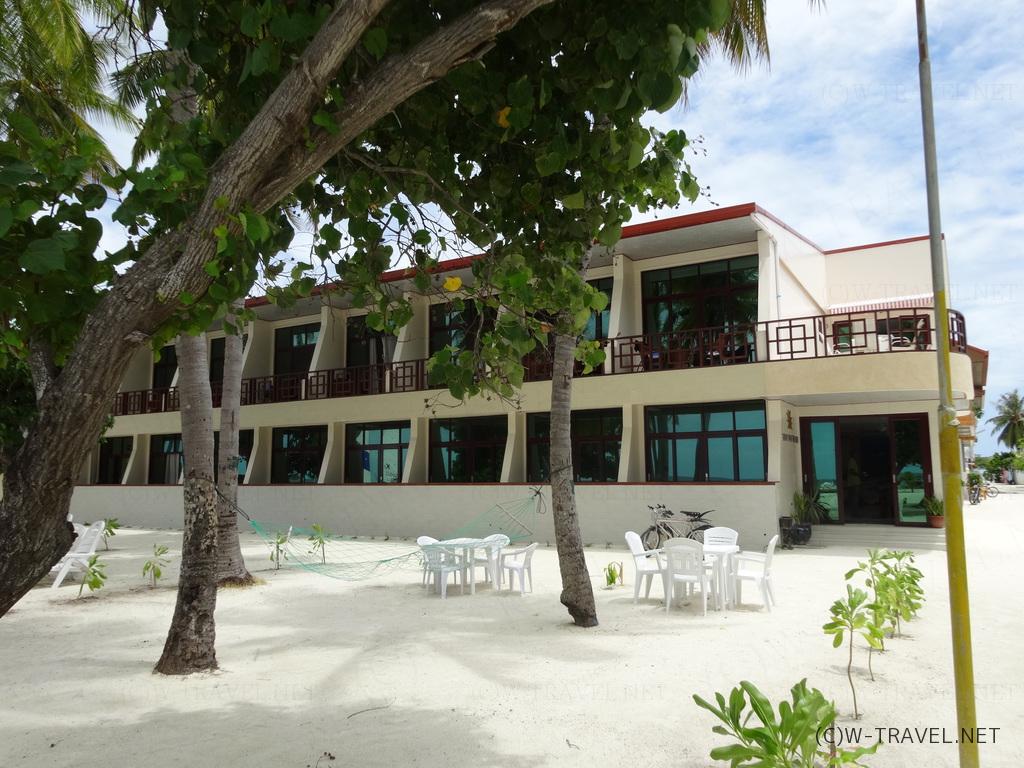
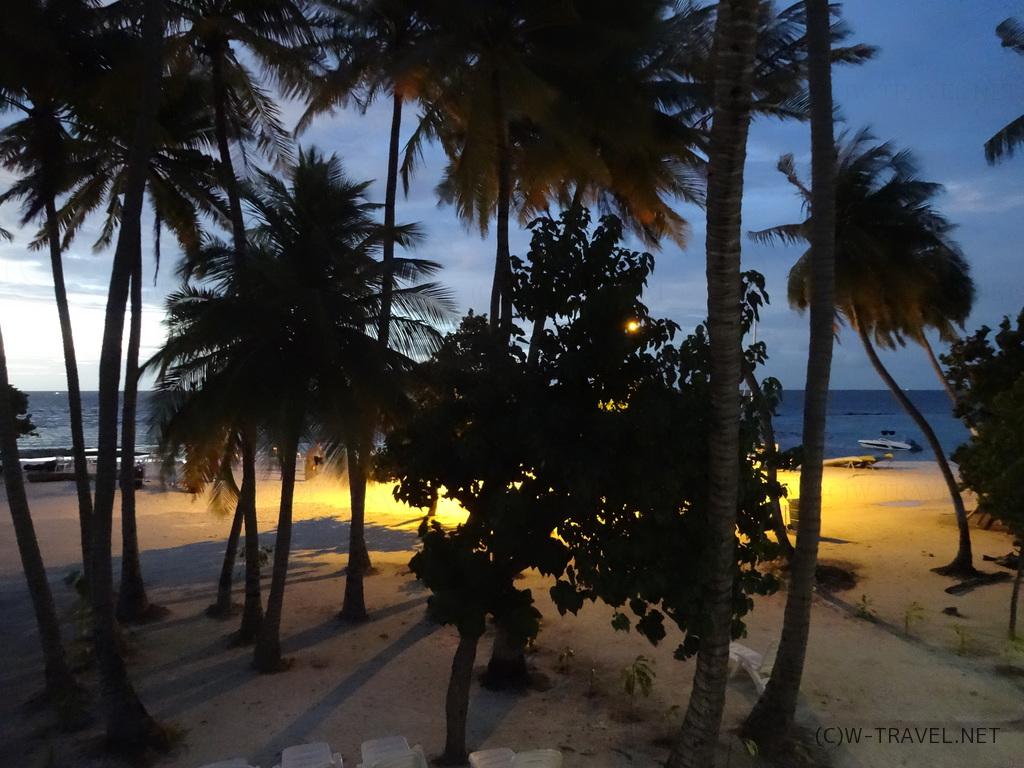
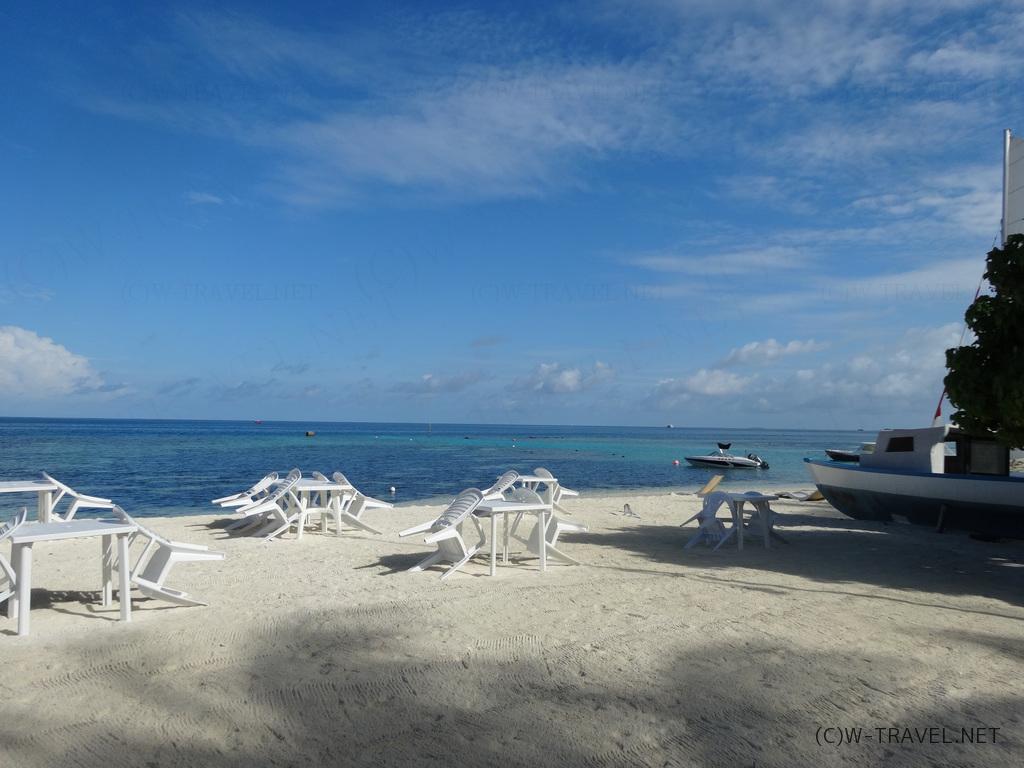
हमने किसी रिसॉर्ट होटल की बजाय द्वीप पर स्थित एक होटल बुक किया। फिर भी, यह लगभग 10,000 येन का होटल है, इसलिए यह उतना सस्ता नहीं है। लगभग 3,000 येन के गेस्ट हाउस भी उपलब्ध हैं, लेकिन हम इतने कंजूस नहीं हैं, इसलिए हमने सन टैन बीच होटल (Sun Tan Beach Hotel) चुना। यह समुद्र तट के पास है, गोताखोरी केंद्र के करीब है, और बंदरगाह के भी करीब है, इसलिए माफ़ुशी के भीतर इसका स्थान बहुत अच्छा है।
हम एक तेज़ नाव बुक कर सकते हैं, लेकिन इसकी कीमत लगभग 300 अमेरिकी डॉलर है, और चूंकि हमने जानबूझकर एक स्थानीय द्वीप चुना है, इसलिए तेज़ नाव से जाना सही नहीं लगेगा, इसलिए हम स्थानीय परिवहन का उपयोग करने का निर्णय लेते हैं।
सबसे पहले, हम हवाई अड्डे पर उतरे। यदि आप किसी रिसॉर्ट होटल में रहते हैं, तो वहां एक काउंटर होता है जहाँ आप तेज़ नाव या हवाई जहाज के लिए कह सकते हैं... लेकिन हमने पहले एक एटीएम से थोड़ी स्थानीय मुद्रा निकाली और फिर माले के लिए नाव से गए। इसमें लगभग 15 मिनट लगते हैं और इसकी कीमत 2 अमेरिकी डॉलर या 20 रूफिया (लगभग 140 येन) है। यह स्थानीय परिवहन का उपयोग करने का पहला क्षण था, और यह देखकर कि कीमतें एक स्तर से अलग हैं, यह मजेदार था।
हमारे पास अभी भी समय था, इसलिए हमने एक संग्रहालय में समय बिताया और फिर टैक्सी से लगभग 10 मिनट की यात्रा करके फेरी बंदरगाह पहुंचे। (संग्रहालय से माफ़ुशी जाने वाले फेरी बंदरगाह तक 30 रूफिया, लगभग 210 येन)।
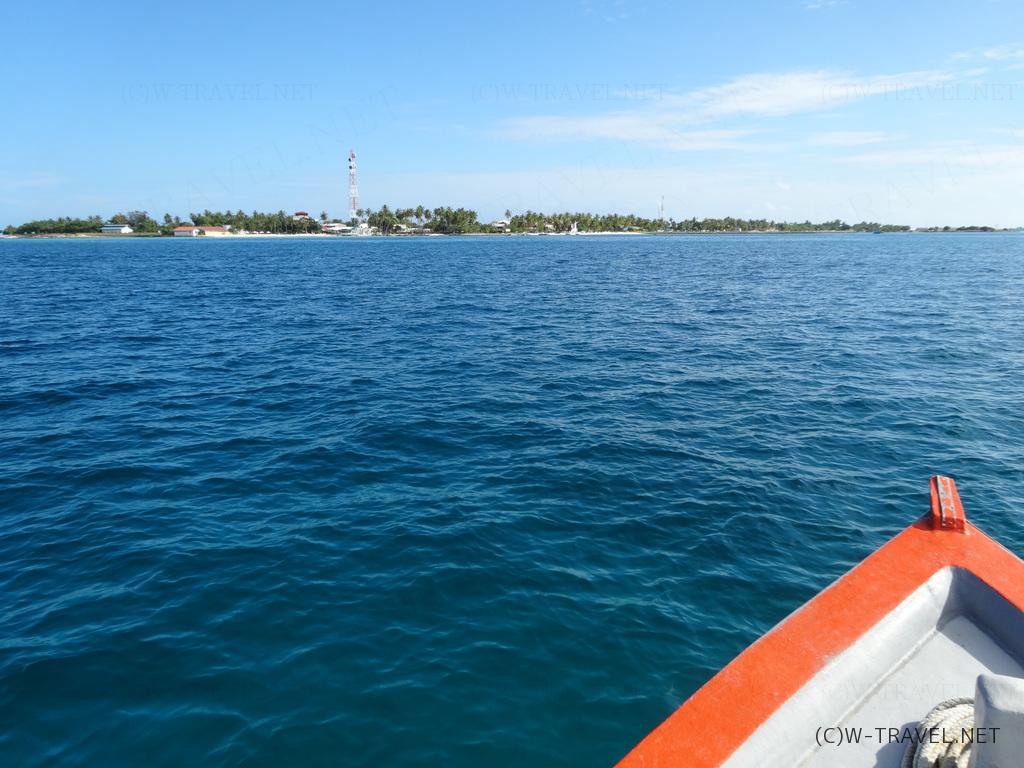
वहां से माफ़ुशी तक पहुंचने में 90 मिनट होने चाहिए थे, लेकिन इसमें 2 घंटे लगे। इसकी कीमत 22 रूफिया (लगभग 150 येन) थी। यह कोई बहुत अच्छी नाव नहीं है, लेकिन यह फिलहाल पर्याप्त है। कुल मिलाकर, हम हवाई अड्डे से माफ़ुशी तक लगभग 500 येन में जा सकते हैं। यह बहुत सस्ता है।
हालांकि, यदि आप किसी रिसॉर्ट होटल में रहते हैं, तो आपको किसी बदलाव की आवश्यकता नहीं होती है और आपको मार्गदर्शन भी मिलता है, इसलिए यह आरामदायक होता है, लेकिन हमें स्वयं यात्रा करनी होती है और नाव रिसॉर्ट जैसा अनुभव नहीं देती है। यह एक नुकसान है, लेकिन तीसरी बार होने पर यह ज्यादा मायने नहीं रखता है।
जब हम होटल में पहुंचे, तो यह नया था और इसलिए साफ था। यह पर्याप्त है।
और फिर गोताखोरी।
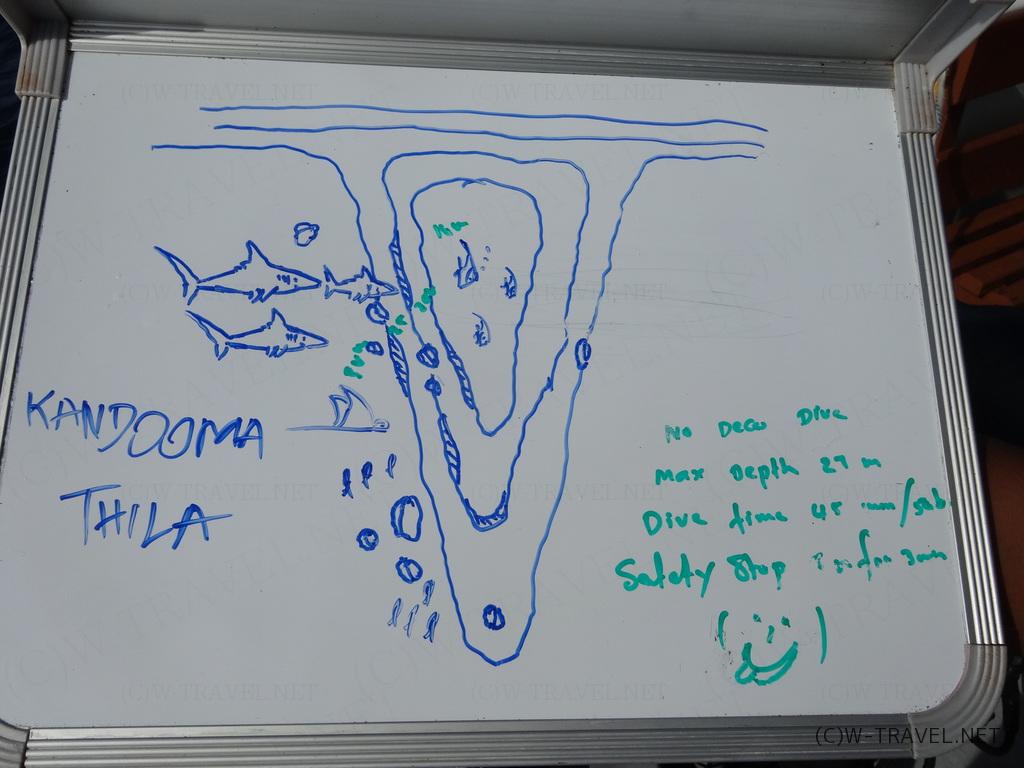
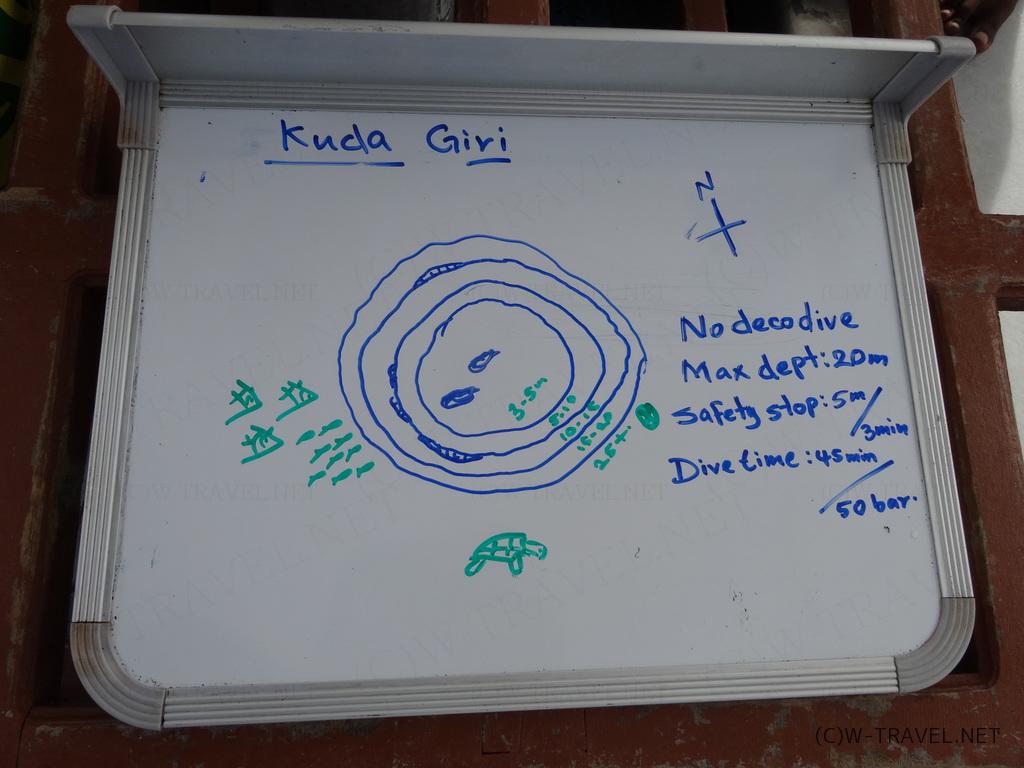
यह हमारी पहली गोताखोरी थी, जो 6 महीने पहले हुई थी। मैं एक ओपन डाइवर हूं और मैं केवल 18 मीटर तक ही जा सकता हूं, लेकिन मुझे सीधे 30 मीटर के आसपास के स्थान पर ले जाया गया, और इसके अलावा, पानी में तेज़ धारा थी, इसलिए मैंने कड़ी मेहनत से अपने पंखों को हिलाया, जिससे मैं थक गया और मेरी सांस गहरी हो गई, (शायद) मुझे हाइपरवेंटिलेशन हो गया, और मैं हाइपरवेंटिलेशन से उबर नहीं पाया, और मेरी चेतना धुंधली होने लगी, इसलिए मुझे लगा कि यह बहुत बुरा है, इसलिए मैंने गोताखोरी को रोक दिया और जमीन पर वापस आ गया। गोताखोरी शुरू करने से लेकर इस समय तक, यह केवल 6 मिनट था। मुझे लगा कि ऐसे स्थानों पर जो लोग ज़ोर लगाते हैं, वे दुर्घटनाओं का शिकार होते हैं।
निश्चित रूप से, गहरे समुद्र में गोता लगाने के लिए मेरे पास पर्याप्त ज्ञान नहीं है, इसलिए यदि मौका मिले तो मैं एडवांस्ड कोर्स का प्रशिक्षण लेना चाहूंगा।
वैसे भी, मैंने सुना था कि विदेशों में 18 मीटर की सीमा का उतना महत्व नहीं है, लेकिन मुझे लगा कि रिसॉर्ट होटल में इसका बहुत ध्यान रखा जाता था, लेकिन शायद यह दुकान की नीति पर निर्भर करता है। रिसॉर्ट होटल में पहली बार हमेशा एक चेक डाइव होता था और यह हाउस रीफ में होता था, लेकिन यहां सीधे 30 मीटर तक गोता लगाया गया।
मेरे अलावा, एक और व्यक्ति भी ऊपर था, लेकिन यह स्पष्ट नहीं है कि क्या वह मेरे साथ वापस आया क्योंकि मैं वापस आया था, या क्या वह भी उसी तरह की समस्या से जूझ रहा था।
एक बार जब हम नाव पर वापस आए, तो हमने मूल समाप्ति बिंदु तक नाव से यात्रा की और फिर से गोता लगाना शुरू किया।
इस बार यह लगभग 18 मीटर तक था, लेकिन फिर भी शुरुआत में मेरा मन थोड़ा अशांत था। समय के साथ, मैं धीरे-धीरे अभ्यस्त होता गया, और अंत में मैं ठीक महसूस कर रहा था, लेकिन गोता लगाना निश्चित रूप से एक डरावना अनुभव है।
पिछली बार जब मैं ओकिनावा में एक साल बाद गोता लगा रहा था, तो भी मुझे ऐसा ही महसूस हुआ था, लेकिन उस समय मुझे ऐसा लग रहा था कि यह हाइपरवेंटिलेशन नहीं था, बल्कि मैंने जानबूझकर बहुत धीरे-धीरे सांस ली थी, जिसके कारण मेरे शरीर में पर्याप्त ऑक्सीजन नहीं पहुंच रही थी। न तो हाइपरवेंटिलेशन ठीक है और न ही बहुत धीमी सांस। गोता लगाना मुश्किल है। यह व्यावसायिक रूप से समझ में आता है कि लोग अक्सर इसके मजेदार पहलुओं पर ध्यान केंद्रित करते हैं और खतरों के बारे में कम सुनते हैं, लेकिन मैं "समुद्री बच्चा" हूं, इसलिए मैं गोताखोरों की मौतों की खबरें सुनने के आदी हूं, और मुझे पता है कि यह खतरनाक है, लेकिन फिर भी मुझे यह खतरनाक लगता है।
जब आप गोता लगाते हैं, तो आपको इसके और भी दिलचस्प पहलू मिलते हैं, और यह एक ऐसा कौशल है जिसे आप सुधार सकते हैं, इसलिए धीरे-धीरे बेहतर होते जाना मजेदार है, और यही कारण है कि मैं इसे जारी रखता हूं, लेकिन अत्यधिक प्रयास नहीं करना चाहिए। मैं "समुद्री बच्चा" हूं और मैं अक्सर उथले पानी में गोता लगाता था, इसलिए मेरी तैराकी अच्छी है, लेकिन मेरी शारीरिक शक्ति कम हो रही है, इसलिए मैं आसानी से थक जाता हूं, और मेरी सांस लेने की तकनीक अभी भी अच्छी नहीं है, इसलिए मुझे सावधान रहने की आवश्यकता है।
मैंने सुबह दो बार गोता लगाया, और अंत में मुझे थोड़ा बेहतर महसूस होने लगा। दोपहर में गोते के तीसरे प्रयास में, मेरा "न्यूट्रल फ्लोट" थोड़ा-थोड़ा करके वापस आ गया, और मुझे सांस के सहारे तैरने का एहसास होने लगा। ऐसा लग रहा था कि यह तीसरे प्रयास के बाद ही हो रहा है। जब आप धीरे-धीरे सांस ले पाते हैं, तो सिरदर्द कम हो जाता है, और आपके दिमाग की "धुंधली" भावना भी कम हो जाती है, जिससे आपका ध्यान पानी के नीचे भी स्पष्ट होता है। ऐसा लगता है कि मैं कल भी ठीक रहूंगा।
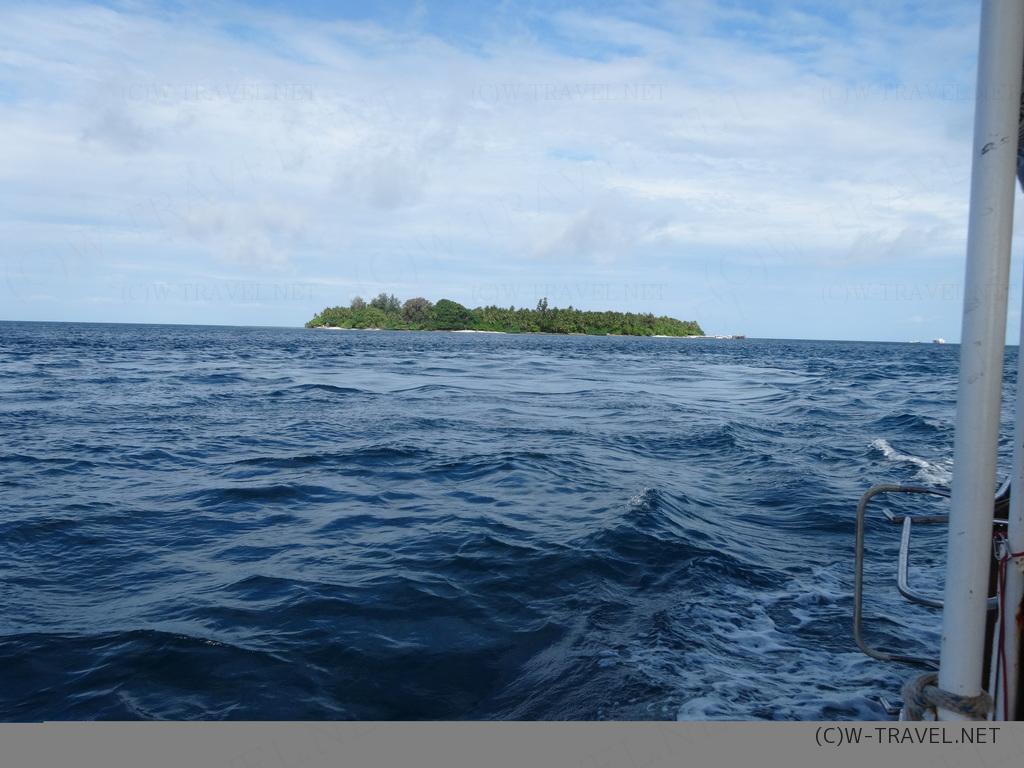
तीसरे गोते के रास्ते में, हमें डॉल्फ़िन के एक समूह से सामना हुआ। मैंने इसकी बहुत कम तस्वीरें लीं, लेकिन अनुमानित रूप से 50 से अधिक डॉल्फ़िन थे। वे नाव के आसपास भी आ रहे थे और कूद रहे थे, इसलिए यह एक अप्रत्याशित घटना थी और मुझे बहुत मज़ा आया।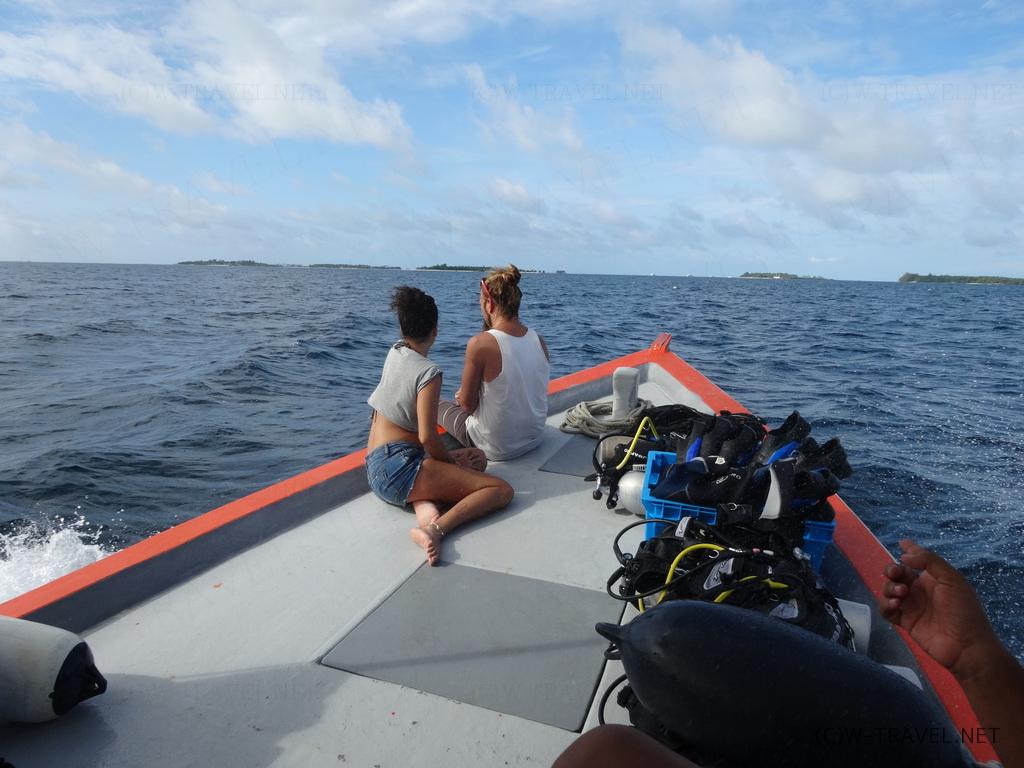




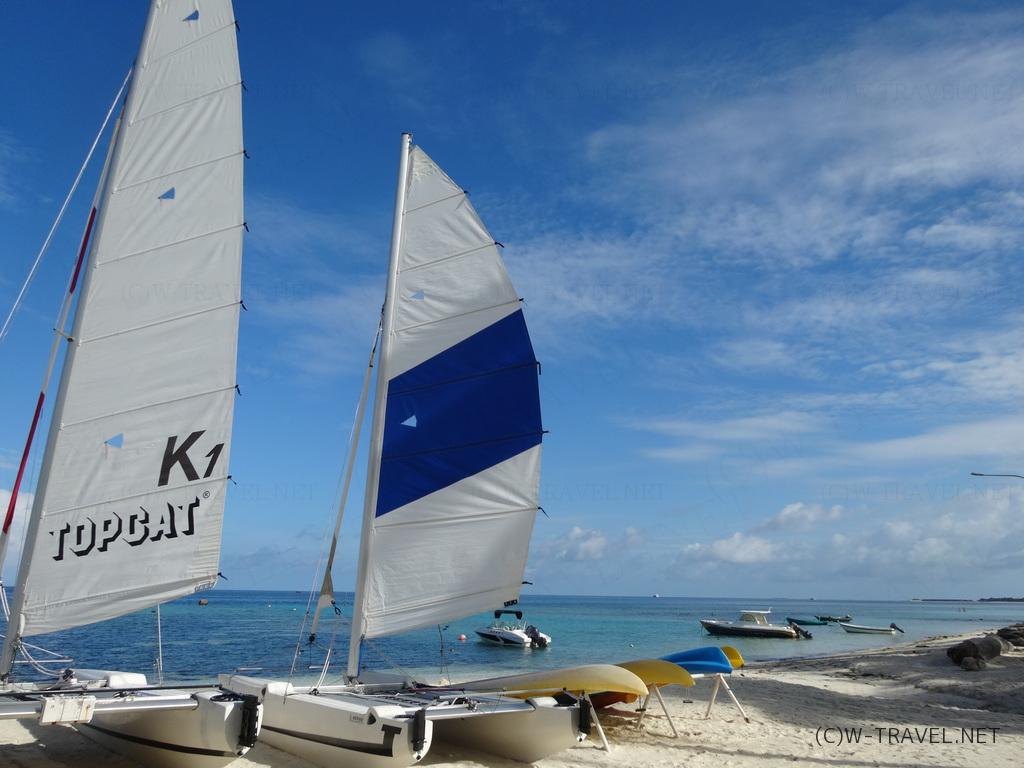
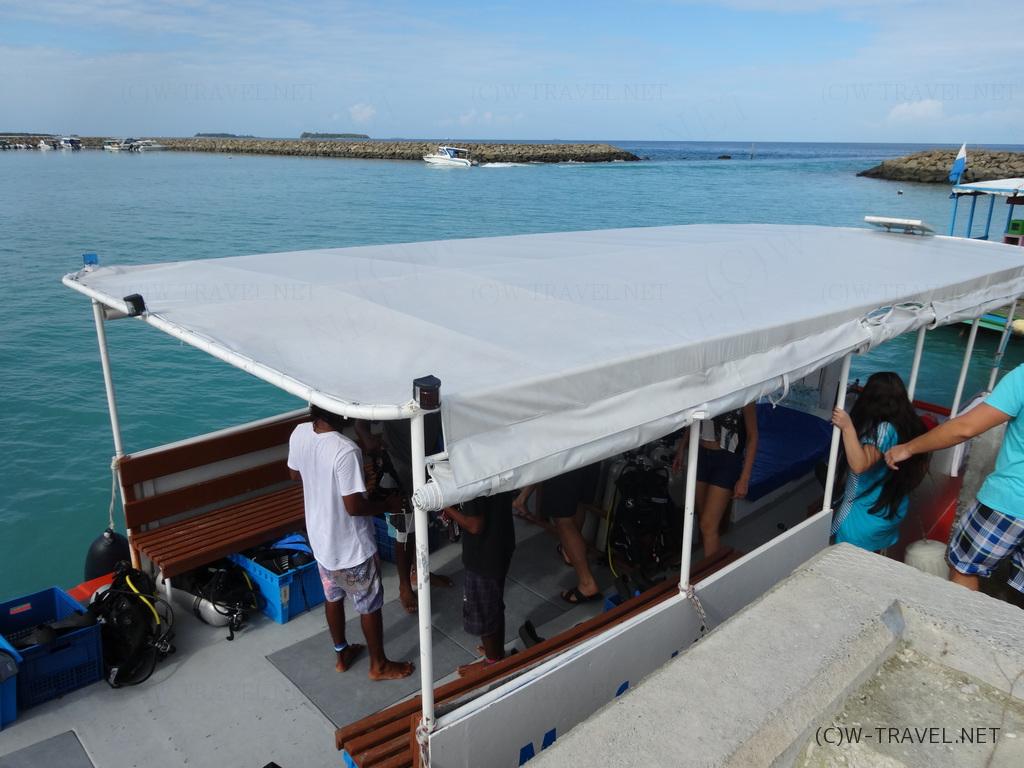
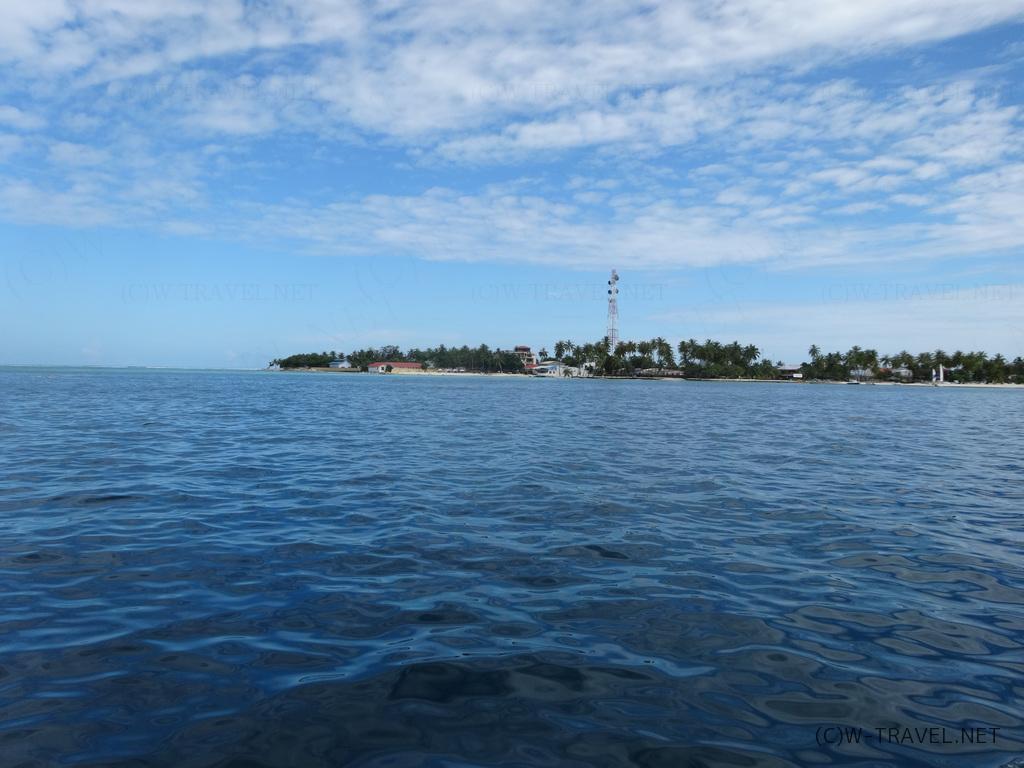
अतिरिक्त:
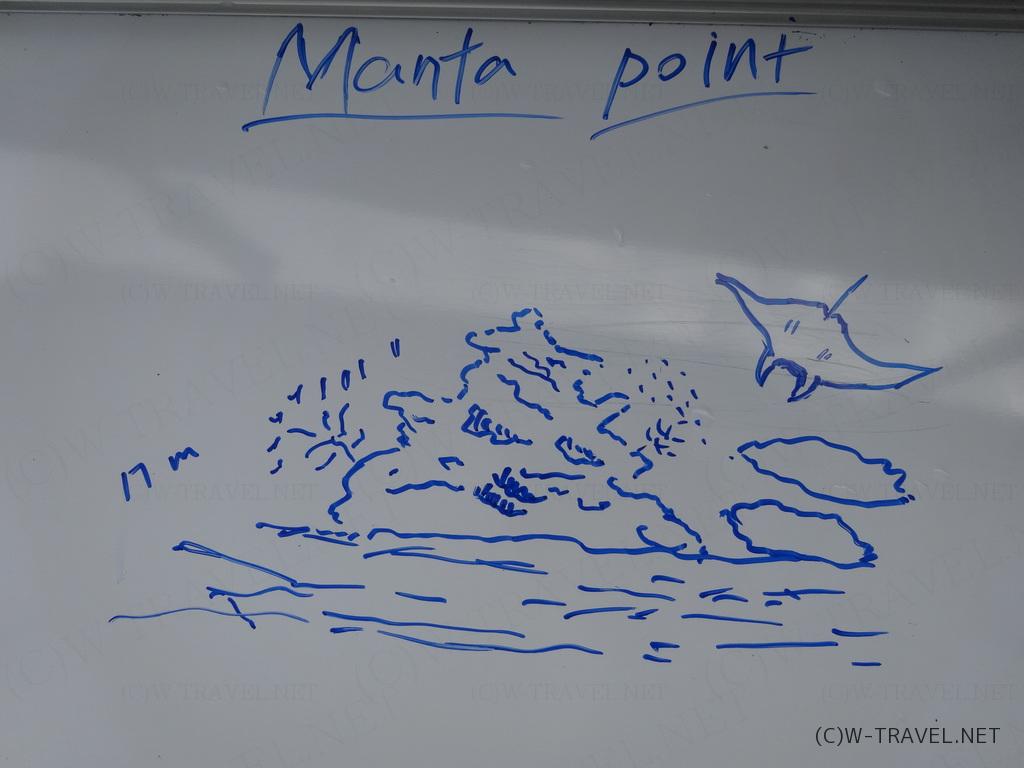
अगले दिन, हम "मान्टा पॉइंट" गए, जहाँ मान्टा प्लैंकटन खाने के लिए आते हैं।
हमने शानदार तरीके से, एक साथ लगभग 4 बड़े मान्टा को देखा।
दूसरों के अनुसार, लगभग 7 मान्टा थे।
मैं समुद्र तल पर पैर रखकर, लगभग 30 मिनट तक चट्टानों की ओर देखता रहा।
मुझे लगता है कि चट्टानों पर समुद्री धारा पड़ने के कारण, रेत में मौजूद प्लैंकटन ऊपर उठ रहे हैं।
मान्टा को धीरे-धीरे घूमते हुए देखना कभी भी उबाऊ नहीं होता।
दूसरों के अनुसार, हम बहुत भाग्यशाली थे।
कभी-कभी केवल 1 मान्टा दिखाई देता है, या कभी-कभी कुछ भी दिखाई नहीं देता।
इसके अलावा, कई मान्टा हमारे पास तक तैर आए।
दूसरा स्थान, समुद्र तल पर डूबा हुआ एक जहाज (क्या यह एक जहाज है जो रेत में दफनाया गया है? क्या इसे जानबूझकर मछली के आवास के रूप में दफनाया गया था?) था।
हालांकि इसमें प्रवेश करना संभव नहीं है (अंदर जाना खतरनाक है), आसपास बहुत सारी मछलियाँ थीं, जिससे हम आनंद ले सके।
आज, पिछली बार की तुलना में स्थिति बेहतर है।
अब मैं केवल तटस्थ उत्प्लावन का उपयोग करके, बिना फिन हिलाए भी समायोजन कर पा रहा हूँ, इसलिए मेरा अनुभव वापस आ गया है।
तीसरा स्थान, मर्फी द्वीप के पास एक समुद्री गुफा थी।
गुफाएँ मजेदार होती हैं, लेकिन पहले डाइव के दौरान, तटस्थ उत्प्लावन की तकनीक में महारत हासिल करने में मुझे कठिनाई होती, ऐसा मुझे लगा... फिर भी, मैंने इसका आनंद लिया।
तीसरे डाइव में, हमने केवल 2 बारकुडा देखे।
वे बहुत बड़े नहीं थे, इसलिए मुझे लगा कि वे बच्चे हैं, लेकिन बारकुडा के लिए वे काफी बड़े थे।
मैंने सोचा था कि वे और भी बड़े होंगे, लेकिन ऐसा नहीं था।
यह ओकिनावा के गोताखोरों के लिए एक प्रतिष्ठित स्थान है। हम्म।
इस बार, सबसे अच्छा अनुभव बड़े मान्टा को देखना था।
बारकुडा को देखने का अवसर मिला, हालांकि जब वे दिखाई देते हैं, तो अक्सर बड़ी संख्या में दिखाई देते हैं, लेकिन 2 बारकुडा देखना भी संतोषजनक था।
... लेकिन, अचानक जांच करने पर पता चला कि जो समूह में हैं वे "ओओकामासु" हैं, और बारकुडा आमतौर पर समूह में नहीं रहते। हम्म।
गाइड ने बारकुडा के बारे में बताया था, इसलिए मुझे लगता है कि मैंने निश्चित रूप से बारकुडा ही देखा था।
यह जानने से संतुष्टि बढ़ गई।
हालांकि, व्यक्तिगत रूप से, मुझे समूह पसंद हैं, इसलिए यदि मैं ओओकामासु से भी मिलता, तो मैं बहुत खुश होता।
इसके अलावा, हमने कई समुद्री कछुए और उबुओं को देखा।
बहुत सारी सुंदर छोटी मछलियाँ भी थीं।
समुद्री एनीमोन में छिपे हुए क्लाउनफ़िश एक आम दृश्य हैं। वे बहुत सारे हैं।
पहले डाइव के दौरान, जब मैं सतह पर वापस आ गया था, तो अन्य लोगों ने कई शार्क देखीं (यह एक ऐसा स्थान है जहाँ शार्क दिखाई देती हैं)।
इसे देखने में असमर्थ होना थोड़ा निराशाजनक था, लेकिन सुरक्षा सबसे महत्वपूर्ण है।
मुझे लगता है कि मेरे मन में, मालदीव "बड़े जीवों की तलाश" के लिए एक मजबूत छवि बन गई है।
फिलहाल, मैंने जो देखना चाहा था, वह लगभग सब देख लिया है, इसलिए मेरे लिए मालदीव में गोताखोरी का यह दौर समाप्त हो गया है।
अगली बार, "मान्टा साइक्लोन" देखना भी मजेदार होगा, लेकिन वह एक और अवसर पर।
कई सालों से गोता लगा रहे हैं, लेकिन साल में केवल एक या दो बार ही गोता लगाने आते हैं, इसलिए अभी तक केवल 26 बार गोता लगाया है। एडवांस्ड सर्टिफिकेट कब मिलेगा, यह कहना मुश्किल है।