बिग डेल्टा।
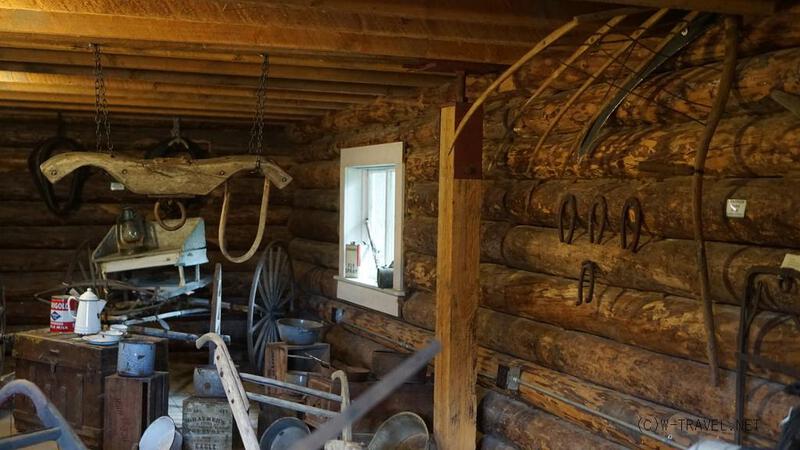
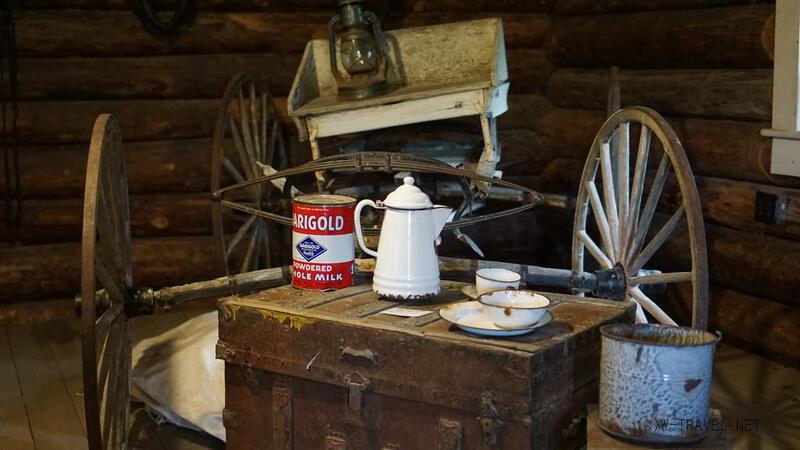
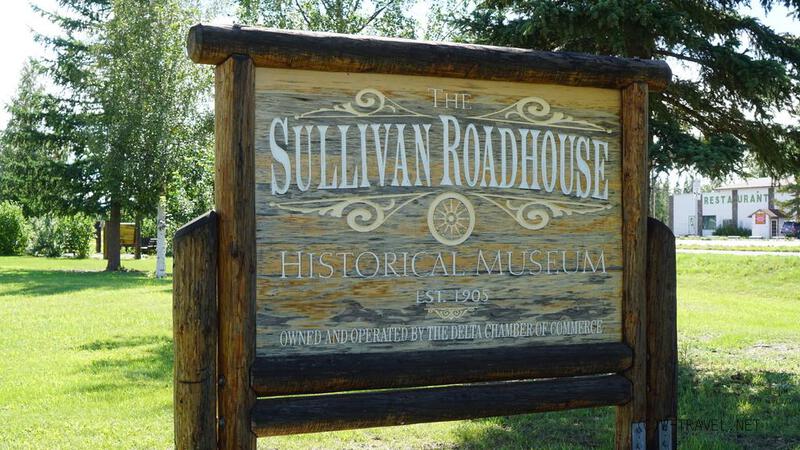
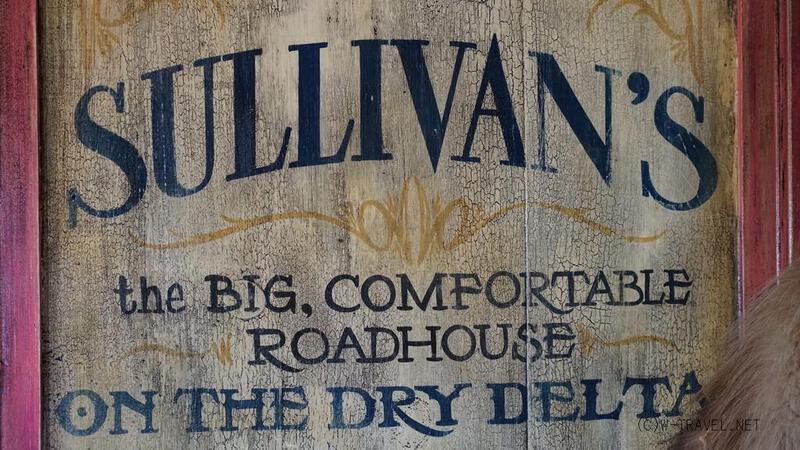
"यह वह जगह है जहाँ से, पुराने समय में, जब गोल्ड रश हुआ करता था, लोग अलास्का जाने के लिए गुजरते थे।
अब यह एक वीरान ऐतिहासिक स्थल बन गया है।"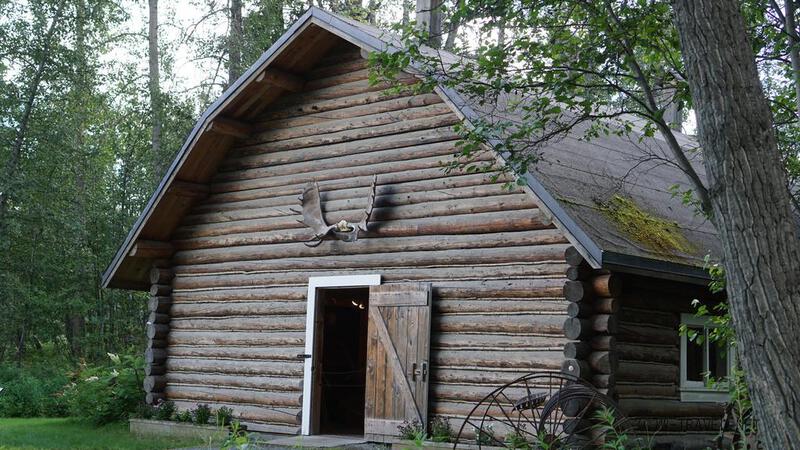
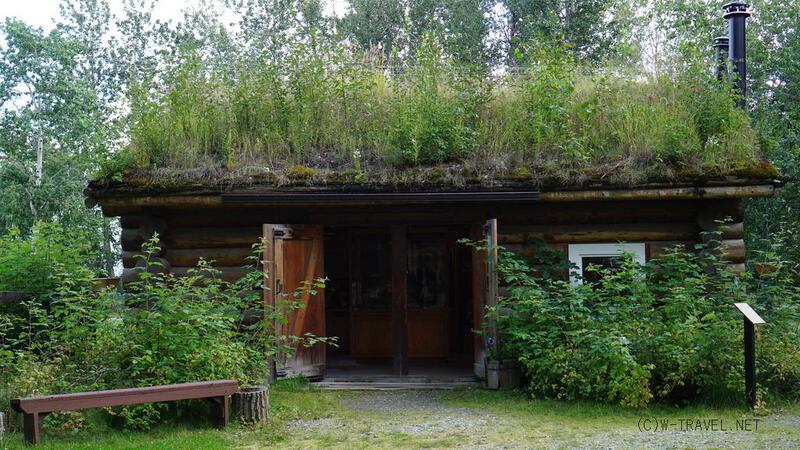
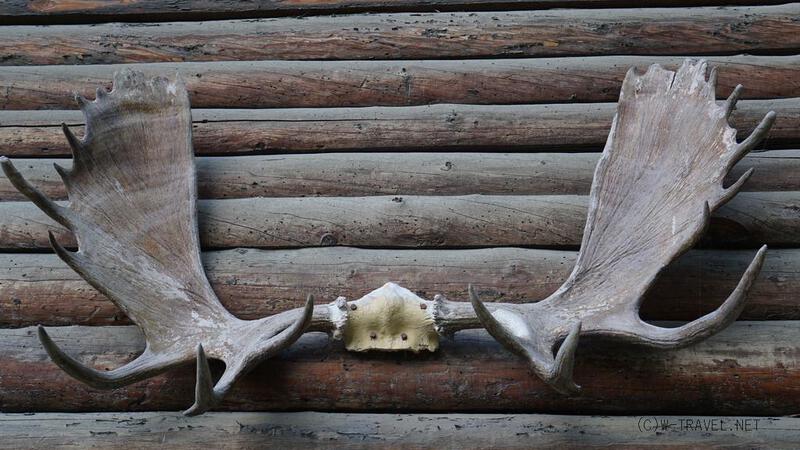
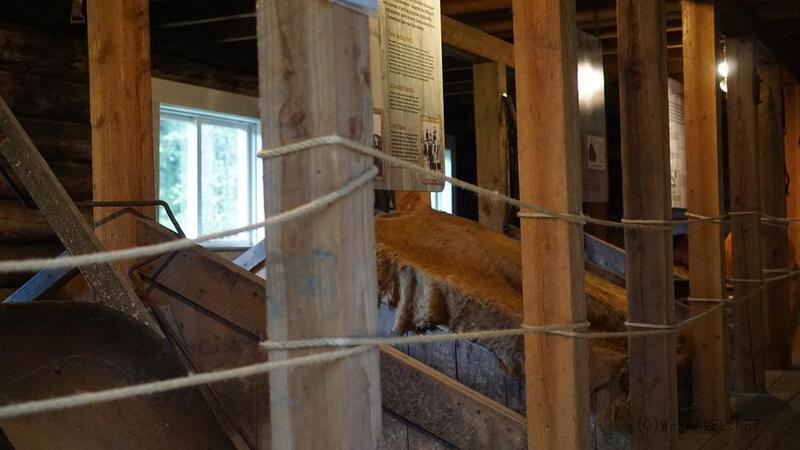


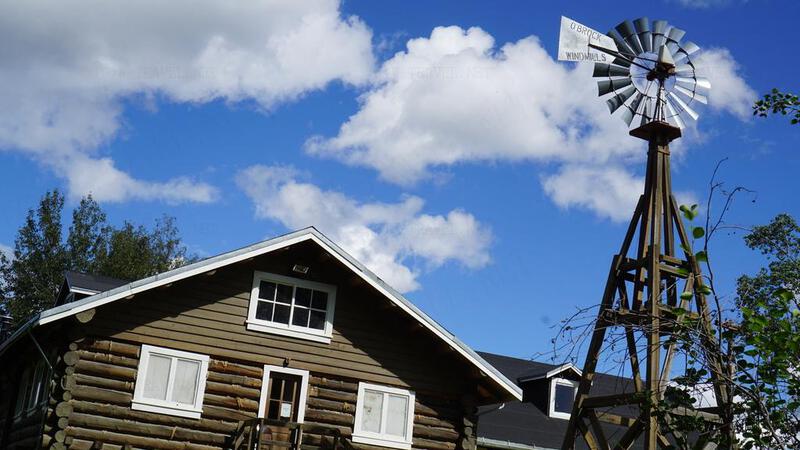
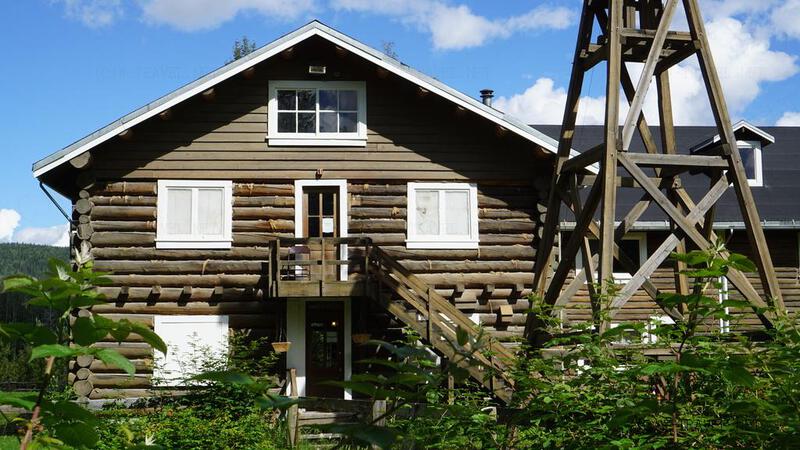

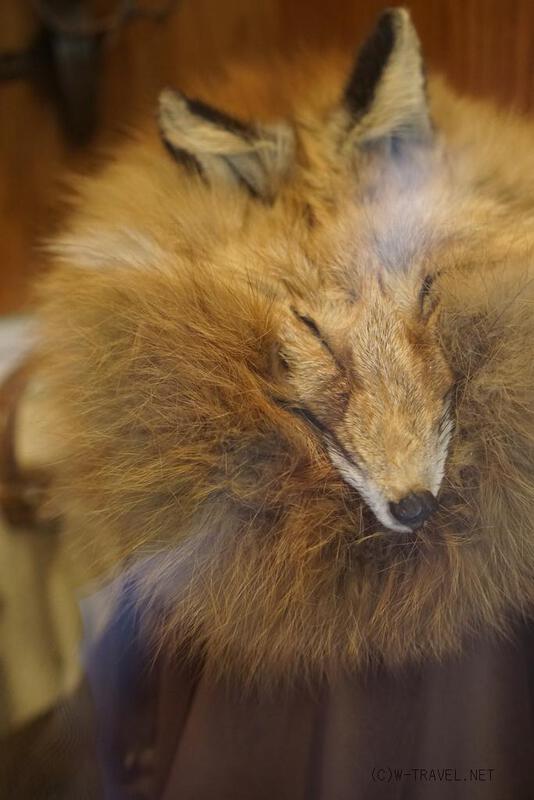

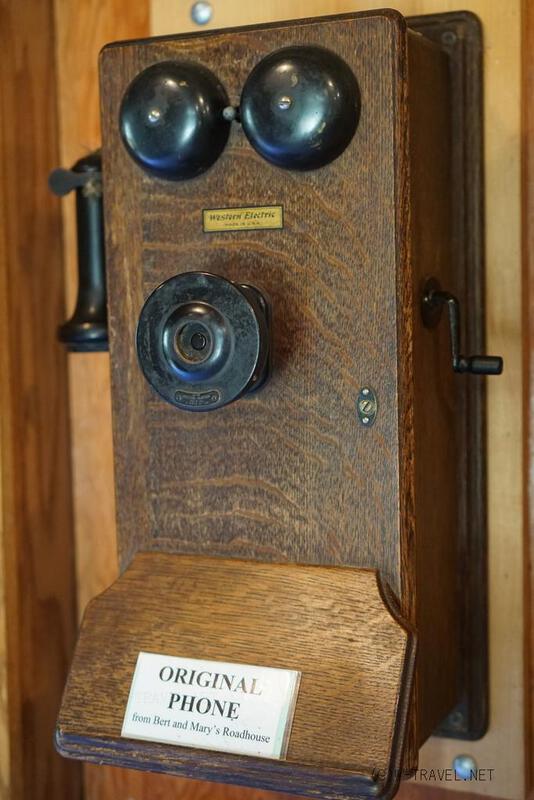

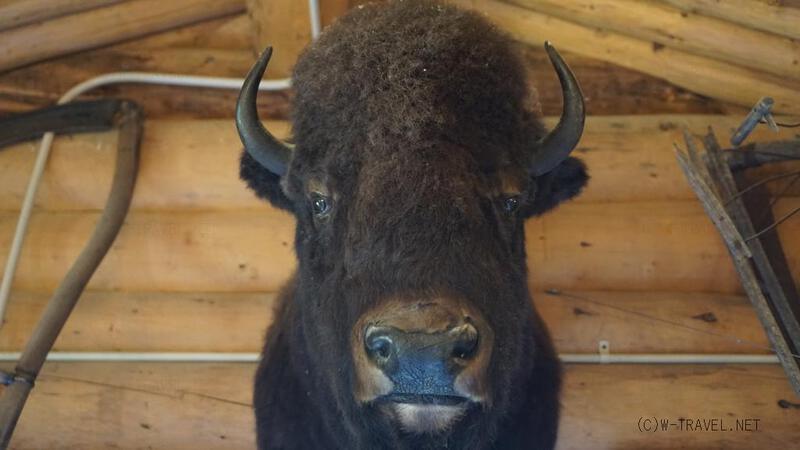

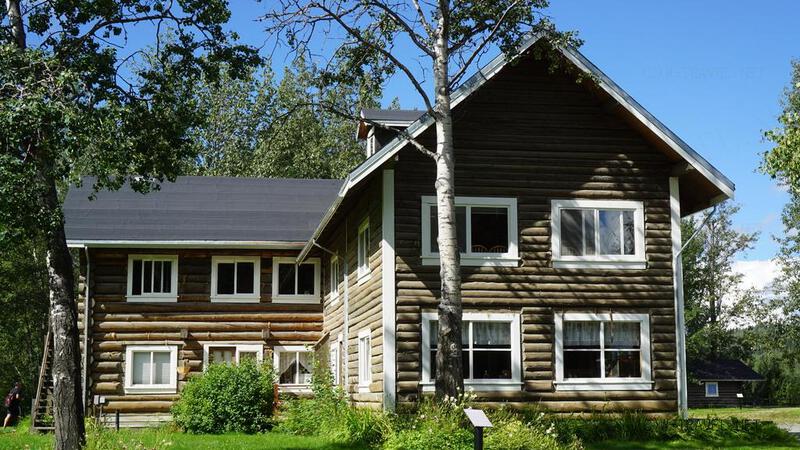
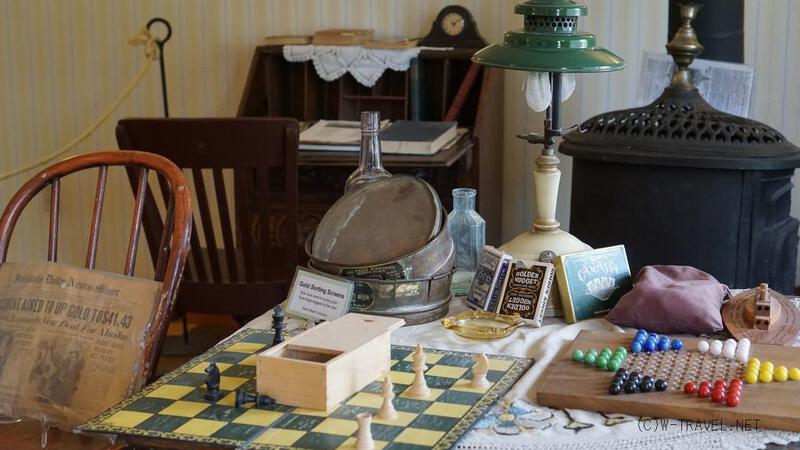
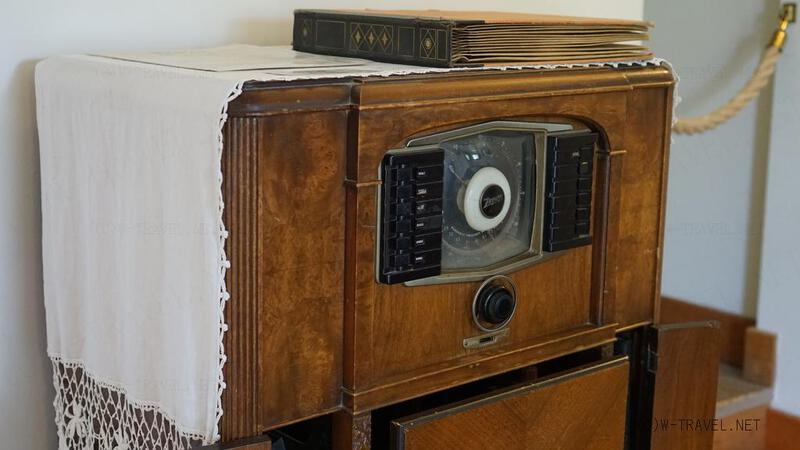
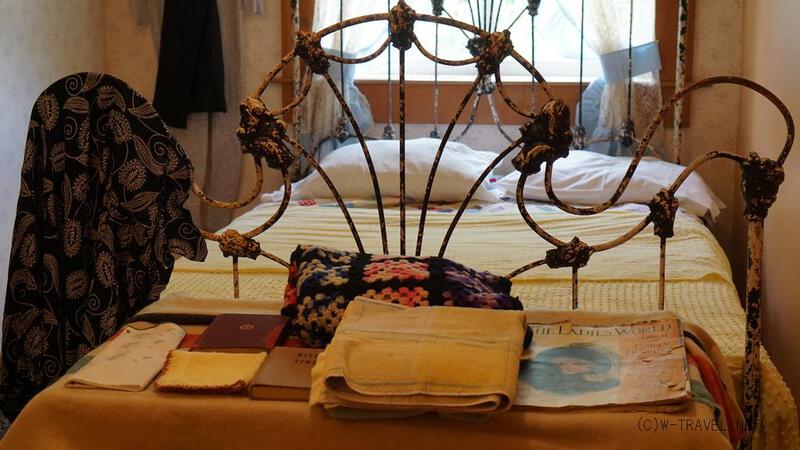
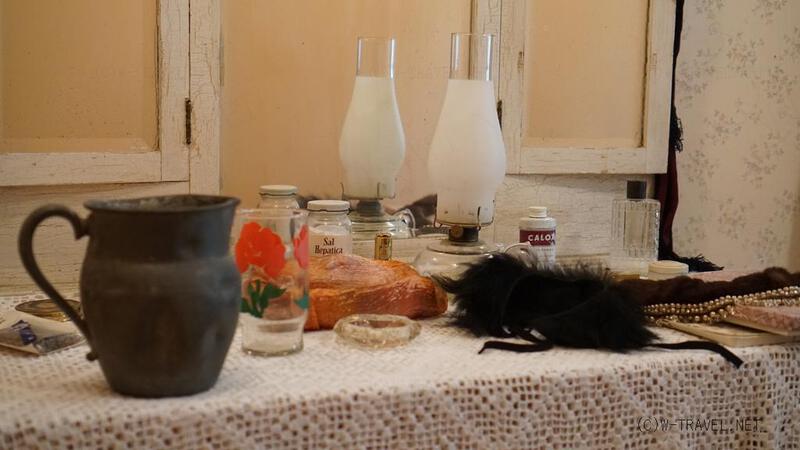
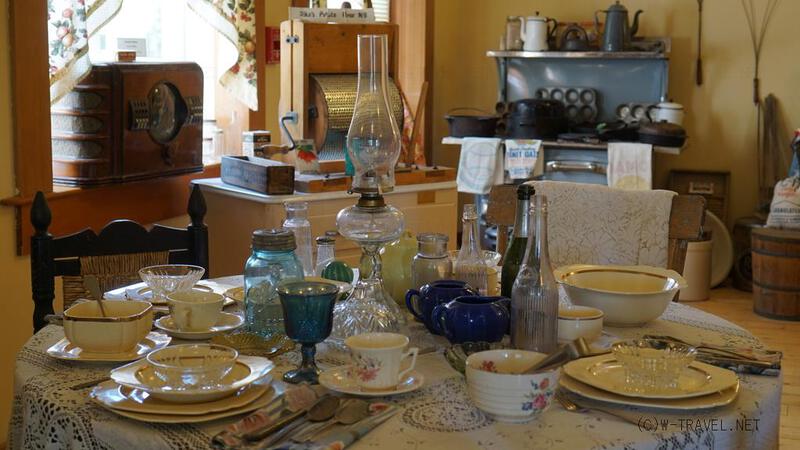
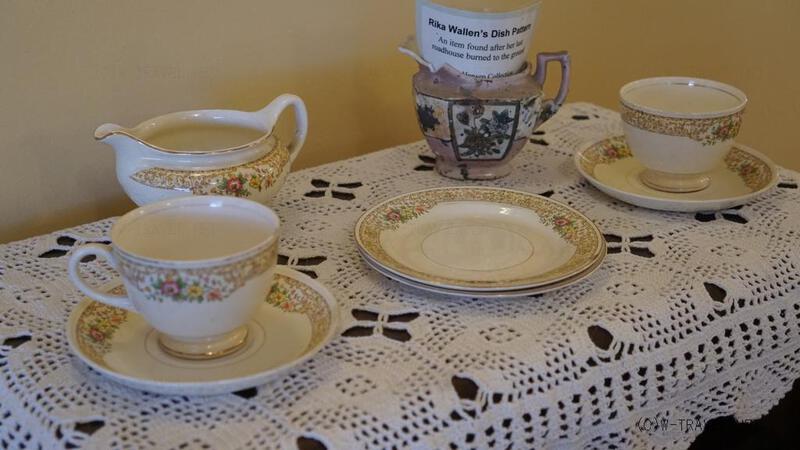
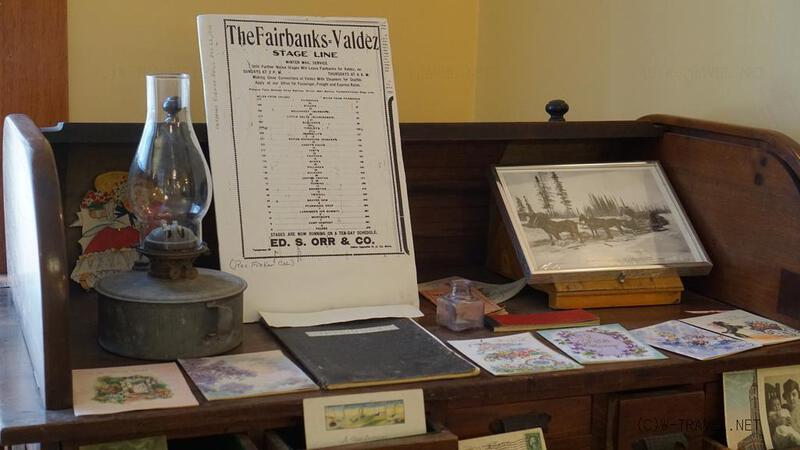
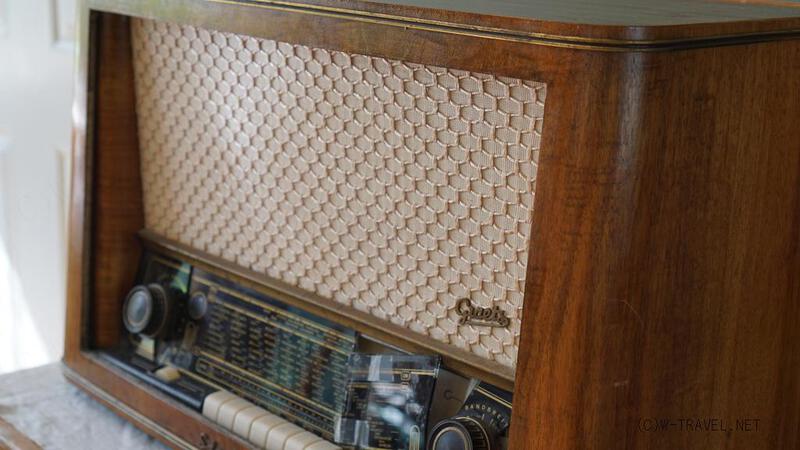
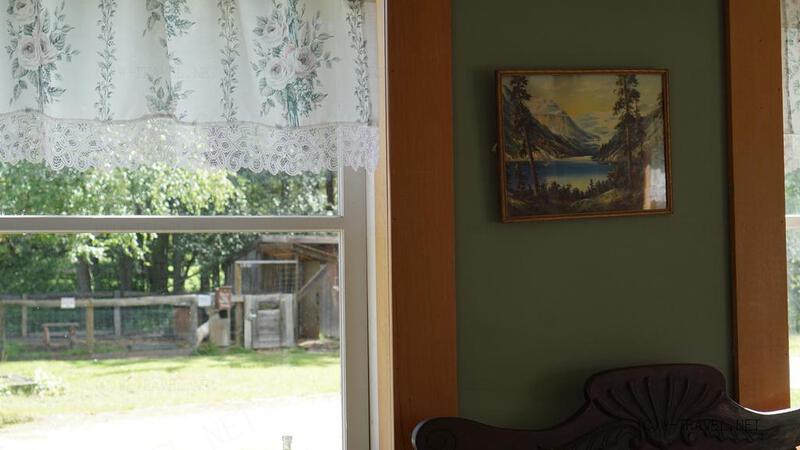
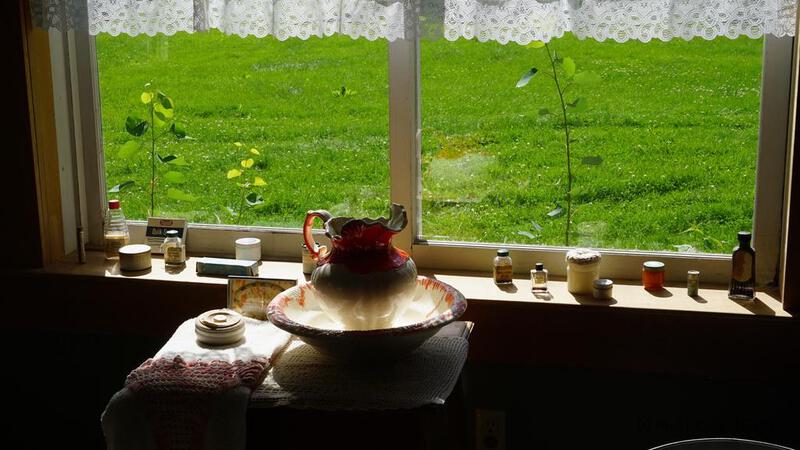
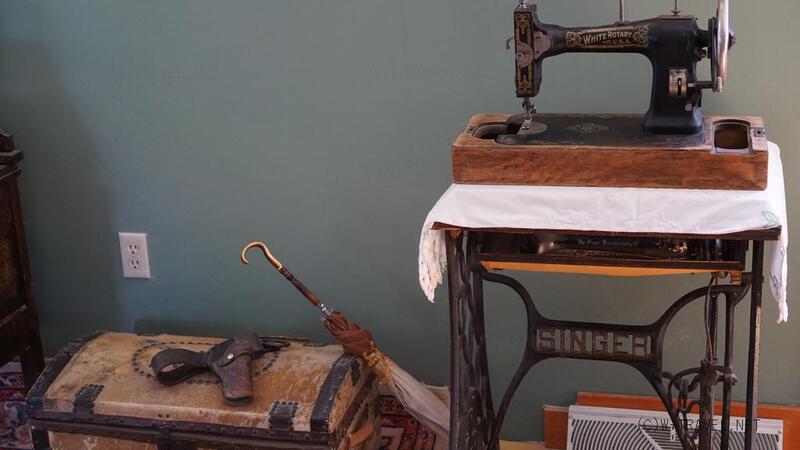

डेल्टा जंक्शन (Delta Junction)
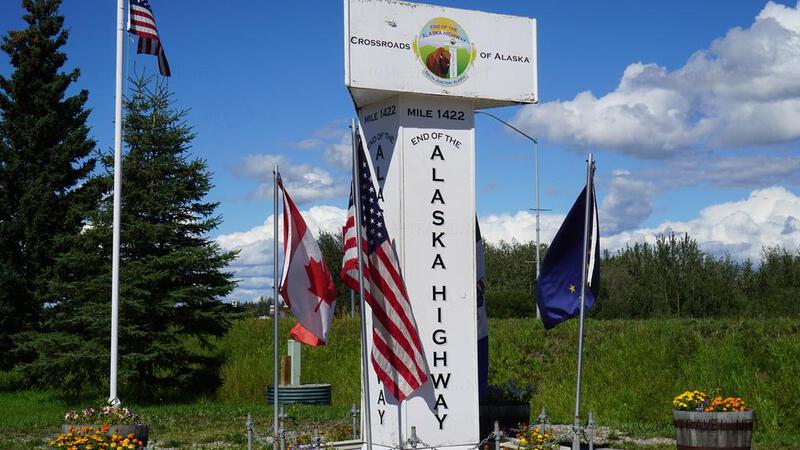
फेयरबैंक्स से दक्षिण-पूर्व में 150 किलोमीटर की दूरी पर, डेल्टा जंक्शन पहुँच गए हैं।
क्योंकि दक्षिण की ओर जाने पर मौसम अच्छा नहीं है, इसलिए आज हम यहीं रुकेंगे।
इस कैंपिंग स्थल का अधिकांश भाग आरवी (कैंपिंग कार) के लिए उपयुक्त है, जिससे आप अपनी कार को टेंट के पास पार्क कर सकते हैं, जिससे सामान ले जाने की परेशानी कम हो जाती है। इसके अलावा, कई जगहों पर पिकनिक टेबल भी हैं, इसलिए यदि मौसम अच्छा है तो यह आरामदायक होता है।
यहाँ शॉवर की सुविधा नहीं है, जो एक कमी है, लेकिन आप पानी से अपना सिर और चेहरा धोकर काम चला सकते हैं।
हालांकि, इसकी कीमत एशिया, यूरोप या लैटिन अमेरिका के सस्ते गेस्ट हाउस के बराबर है। आमतौर पर 10 से 15 अमेरिकी डॉलर लगते हैं, और शहर के पास 25 अमेरिकी डॉलर तक भी लग सकते हैं। शहरों में हॉस्टल लगभग 25 अमेरिकी डॉलर में उपलब्ध होते हैं, इसलिए वहां रहना बेहतर है। अलास्का में ऐसा है, लेकिन मुख्य भूमि पर सस्ते गेस्ट हाउस की संख्या बढ़ सकती है। अलास्का में बहुत कम विकल्प हैं।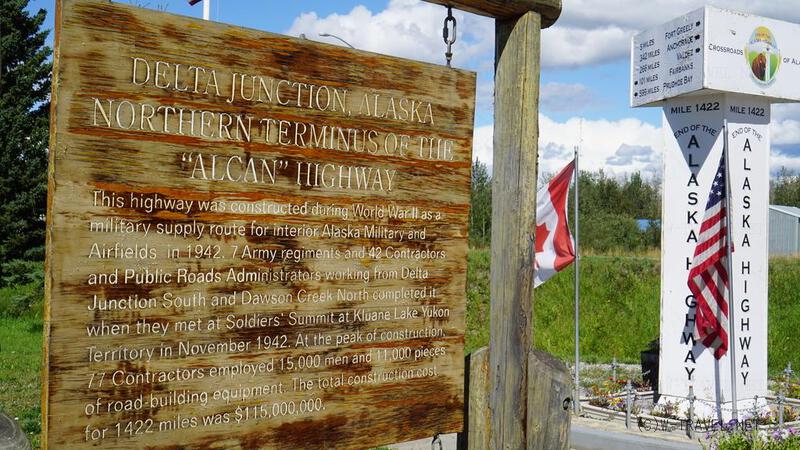






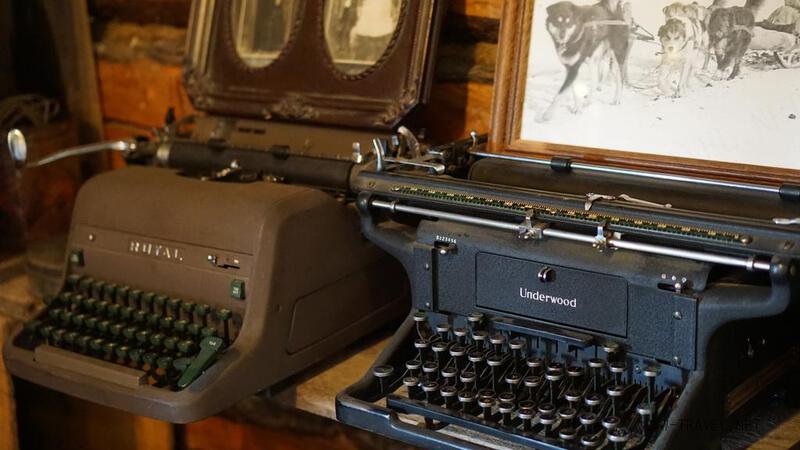
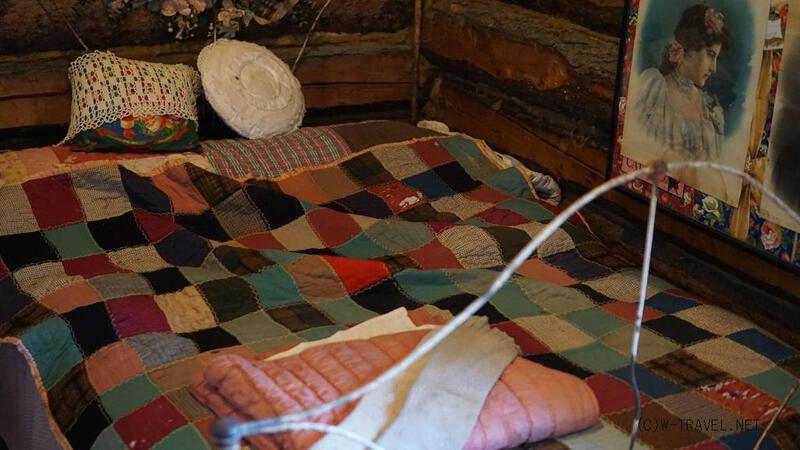 वैसे, आप कहीं भी रुक सकते हैं।
जो लोग खर्च कम करना चाहते हैं, जैसे साइकिल चलाने वाले या मोटरसाइकिल चलाने वाले, वे अक्सर आसपास कहीं भी टेंट लगाकर सोते हैं।
यहां पार्किंग की जगहें भी बहुत हैं, और थोड़ा अंदर जाने पर खाली जगहें आसानी से मिल जाती हैं। यह होक्काइडो से बिल्कुल अलग है।
बेशक, यहां भालू भी होते हैं, इसलिए भोजन के प्रति सावधान रहना आवश्यक है। यदि आपके पास कार है, तो आपको भोजन को ट्रंक में रखना होगा। बैककंट्री में, भोजन को कम से कम 300 मीटर की दूरी पर पेड़ पर लटकाना चाहिए या ऐसे कंटेनर में रखना चाहिए जिसे भालू नहीं तोड़ सकते (जो यहां बिकते हैं)। साइकिल या मोटरसाइकिल चलाने वालों को भी ऐसा ही करना चाहिए, लेकिन सड़क के पास होने पर, बैककंट्री की 300 मीटर की दूरी की तुलना में 100 मीटर की दूरी रखना भी बेहतर हो सकता है। बैककंट्री में, भोजन तैयार करते समय या भोजन करने के बाद, उस कपड़े को पहनकर टेंट में नहीं जाना चाहिए, यह इतना सख्त है, लेकिन सड़क के पास होने पर, आपको इतना सावधान रहने की आवश्यकता नहीं है। हालांकि, भालू स्प्रे को बिस्तर के पास रखना बेहतर है।
कैंपिंग स्थल अधिकतम 15 डॉलर के आसपास होते हैं, और अक्सर टेबल भी होते हैं, और अधिकांश कैंपिंग स्थलों पर टॉयलेट में ठीक से कागज रखा होता है, इसलिए वे अच्छी तरह से बनाए गए होते हैं। कई जगहों पर पीने का पानी उपलब्ध होता है, और कभी-कभी केवल कुआं ही होता है, जिसके लिए फिल्टर की आवश्यकता हो सकती है, लेकिन मूल रूप से, यदि कैंपिंग स्थल इस कीमत पर पानी की समस्या से मुक्त हैं, तो मैं कैंपिंग स्थल में रुकूंगा। कार में आप पानी ले जा सकते हैं, लेकिन पानी भरने के लिए बहुत अधिक जगहें नहीं हैं। नदियाँ गंदी हैं और फिल्टर का जीवनकाल कम कर सकती हैं।
जहां खाली जगहों पर कैंपिंग की अनुमति नहीं है, वहां साइनबोर्ड होते हैं, और यदि आप वहां कैंप करते हैं, तो आपको डांटा जा सकता है। निजी भूमि पर भी, मालिक की अनुमति के बिना, ऐसा ही होगा। पहाड़ों में स्थित खाली जगहों पर, शायद कोई आपको टोकने नहीं आएगा, लेकिन यहां अमेरिका एक स्वतंत्र देश है, इसलिए मुझे नहीं लगता कि जापान की तरह, यहां किसी को सामान्य ज्ञान या नैतिकता के आधार पर टोकने की संभावना है, जब तक कि आप दूसरों को प्रभावित न करें। मुझे लगता है कि शायद आपको भालू के प्रति सावधान रहने की सलाह मिल सकती है, लेकिन वे किसी और की स्वतंत्रता को छीनने जैसा कुछ नहीं करेंगे।