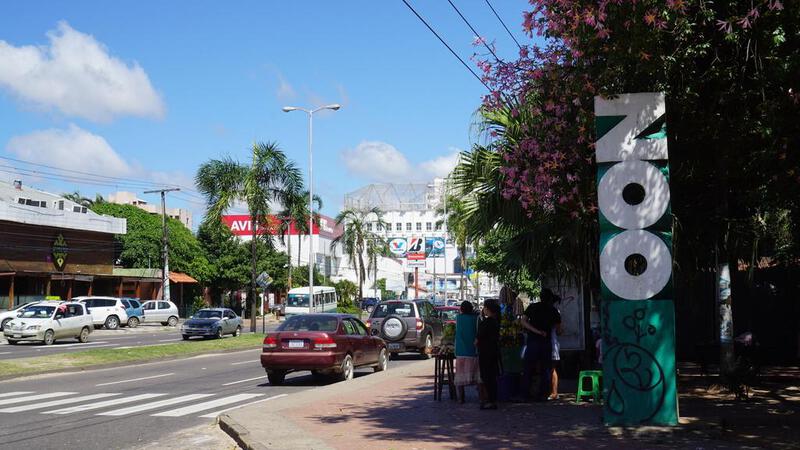
सांता क्रूज़ डे ला सिएरा (Santa Cruz de la Sierra) में स्थानांतरित हो गया, और मौसम के ठीक होने का इंतजार कर रहा हूँ।
बोलीविया के उत्तर-पूर्वी हिस्से के प्रमुख शहर, सांताक्रुस में चला गया।
यह ऐसा है कि यहां जापान से आए प्रवासियों की भी संख्या अधिक है।
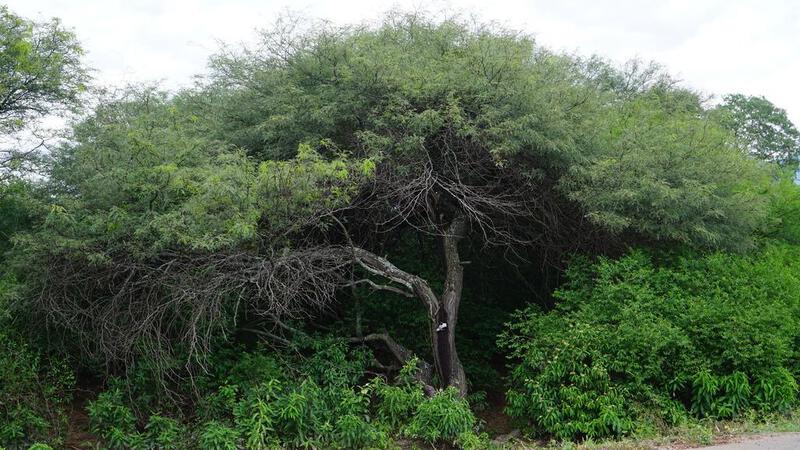
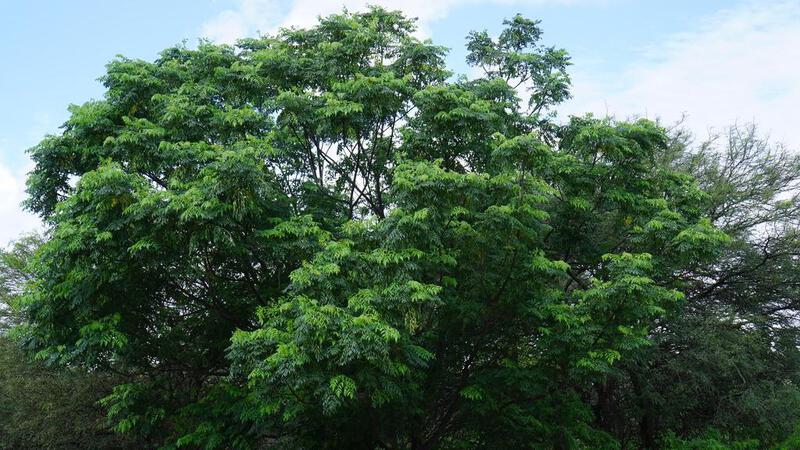
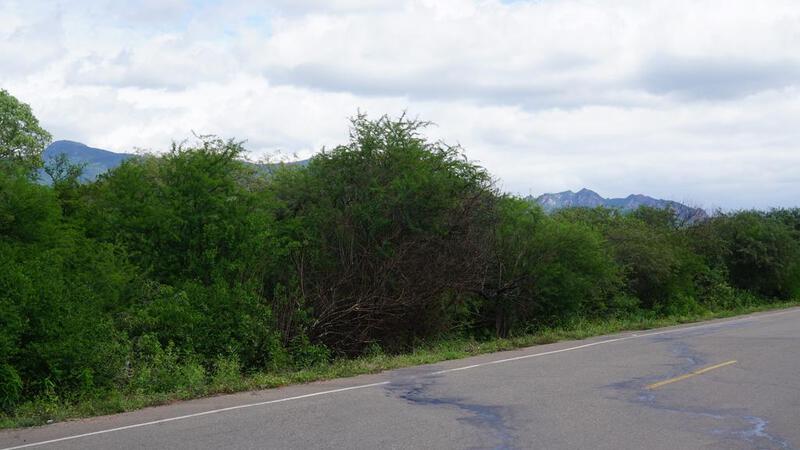
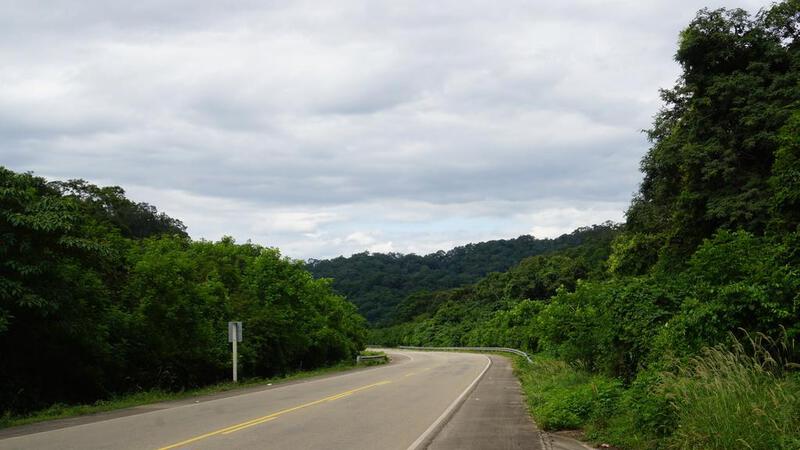

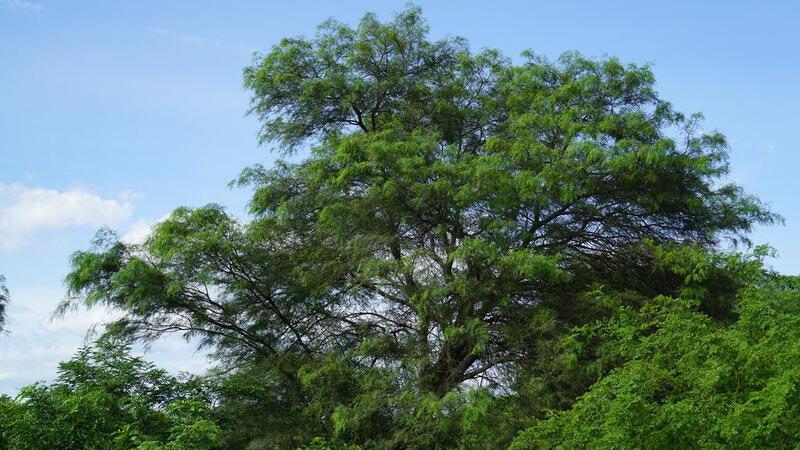

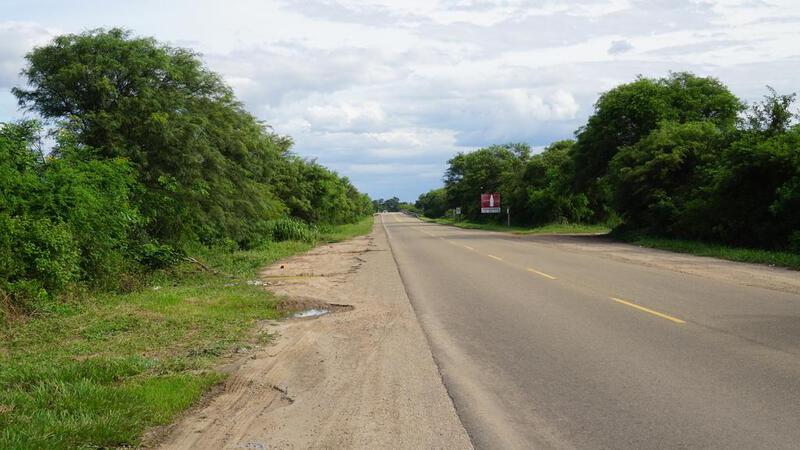 दो सप्ताह तक रहने के अनुभव को मैं एक साथ लिख रहा हूँ।
आज का दोपहर का भोजन। 25 बोलिवियानो (लगभग 400 येन)। यह महंगा है या सस्ता, मुझे ठीक से नहीं पता। कहीं और तो यह 20 बोलिवियानो में मिल रहा था और उसमें सूप भी शामिल था। शाम का भोजन एक जापानी भोजन रेस्तरां में था, जहाँ मैंने टोंकात्सु खाया, जिसकी कीमत 55 बोलिवियानो (लगभग 900 येन) थी। बोलिविया के लिए यह बहुत महंगा है। यह स्थानीय भोजन की तुलना में दोगुना महंगा है।
 मौसम की भविष्यवाणी के अनुसार, अगले लगभग 10 दिनों तक मौसम खराब रहने की संभावना है। यह बहुत लंबा है। मैंने सोचा कि क्या मैं बीच में कुछ समय निकाल सकता हूँ, लेकिन ऐसा लगता है कि मौसम बहुत अप्रत्याशित और खतरनाक है। शायद मैं यहीं रहकर सर्वर के काम का समय बिताऊँ।
फिलहाल, मैंने 2 रात और रुकने का फैसला किया है, लेकिन उस दिन तूफान आने की संभावना है, इसलिए कम से कम एक और रात तो रुकना ही पड़ेगा।
जब तक मौसम ठीक नहीं होता, मैं अगले सप्ताह के मध्य तक यहीं रहने की योजना बना रहा हूँ।
मैंने मोटरसाइकिल के अस्थायी आयात की अनुमति (परमिट) की तारीख की जांच की, तो यह सितंबर में है, इसलिए कोई समस्या नहीं है। वीजा 30 दिनों का है, इसलिए मुझे कहीं न कहीं इसे बढ़ाना होगा। मैंने सुना है कि इसे बढ़ाना आसान है, लेकिन ऐसा लगता है कि इसे बढ़ाने के बाद से फिर से 30 दिन मिलेंगे, इसलिए यदि मैं इसे ठीक से नहीं बढ़ाता हूँ, तो यह बहुत बेकार हो जाएगा।
आज दोपहर का भोजन झींगे के फ्राइड राइस के साथ था। यह सामान्य या थोड़ा साधारण, ग्रामीण इलाके के भोजनालय का स्वाद है।
कल से निकलने की योजना थी, लेकिन मौसम फिर से ठीक नहीं है। मुझे नहीं पता कि मुझे कब निकलना चाहिए।
अगर मैं ज़ोर न लगाऊं, तो आधा महीना या एक महीने बाद, मौसम शुष्क होने लगेगा, इसलिए यहां रहकर सर्वर पर काम करना भी बुरा नहीं है।
यह एक आरामदायक 1,500 येन का गेस्ट हाउस है, सिवाय सड़क के शोर के। इंटरनेट कभी-कभी खराब हो जाता है, लेकिन इसमें डबल बेड और बाथरूम है, और यह इस कीमत पर है। शोर भी, अगर आप ईयरप्लग पहनकर सोते हैं, तो यह ज्यादा परेशान नहीं करता है।
शायद, इस कीमत पर और इस तरह का आरामदायक गेस्ट हाउस मिलना मुश्किल होगा। थोड़ा और पैसे देने पर शायद मिल जाए।
इसके अलावा, मुझे उत्तरी अमेरिका के बारे में सोचने की ज़रूरत है।
एक विचार यह है:
अप्रैल: यहां रहकर सर्वर पर काम करते हुए बारिश के मौसम का इंतजार।
मई: बोलीविया, पेरू, इक्वाडोर, कोलंबिया, मोटरसाइकिल का निपटान।
जून: वेनेजुएला।
जून के मध्य? (कोलंबिया से साइकिल खरीदने के बाद?) अलास्का के लिए उड़ान।
जून-अगस्त: अलास्का, एंकरेज से वैंकूवर, साइकिल।
अगस्त के आसपास: वापस आना।
मैंने पहले भी कई बार अमेरिका का दौरा किया है।
यदि मैं उत्तर की ओर जाता हूं, तो सैन फ्रांसिस्को से एंकरेज तक लगभग 5,000 किलोमीटर की दूरी है। ओरेगन राज्य से अलास्का के उत्तरी भाग तक कई कैंपिंग स्थल हैं। यदि मैं जाता हूं, तो मैं शायद इसी क्षेत्र में जाऊं। पिछली बार जब मैं एक महीने के लिए होक्काइडो गया था, तो मैंने लगभग 2,500 किलोमीटर की यात्रा की थी, इसलिए 3 महीने में 5,000 किलोमीटर की यात्रा, तैयारी सहित, बिल्कुल सही होगी। ओबोन के समय तक अलास्का में ठंड हो जाएगी, इसलिए मुझे उस समय से पहले वहां पहुंचना होगा। इसका मतलब है कि मई के मध्य में सैन फ्रांसिस्को? इससे दक्षिण अमेरिका का कार्यक्रम थोड़ा व्यस्त हो सकता है?
दक्षिण की ओर जाने वाले मार्ग पर, मौसम के प्रति इतना संवेदनशील होने की आवश्यकता नहीं होगी।
इक्वाडोर में शुष्क मौसम जून से शुरू होता है। पिछली बार जब मैं दक्षिण की ओर जा रहा था, तो मैंने इक्वाडोर का दौरा किया था, और वह भी बारिश के मौसम में था, इसलिए इस बार मैं इक्वाडोर के शुष्क मौसम में जाना चाहता हूं और अमेज़ॅन टूर करना चाहता हूं। मैं यहां सांता क्रूज़ में एक महीना रहकर सर्वर पर काम करूंगा, और मई में बारिश के मौसम से शुष्क मौसम में परिवर्तन के दौरान बोलीविया और पेरू की यात्रा करूंगा, और फिर, असामान्य रूप से, पेरू के लीमा से ईस्टर द्वीप (सैन डिएगो की तुलना में, यह थोड़ा सस्ता है)।
जून के शुष्क मौसम में इक्वाडोर और कोलंबिया की यात्रा करूंगा, और फिर मोटरसाइकिल का निपटान करूंगा। वेनेजुएला और क्यूबा जैसे देशों की यात्रा मैं बैकपैक के साथ करूंगा।
अलास्का के आसपास का क्षेत्र जुलाई में सबसे अच्छा रहेगा। अंततः, मैं उत्तरी अमेरिका को छोड़ सकता हूं और वापस आ सकता हूं। मैं उत्तरी अमेरिका को फिर से जा सकता हूं, और अभी भी यह तय करना है कि क्या उत्तरी अमेरिका की यात्रा मोटरसाइकिल से, साइकिल से या किराए की कार से करनी है। यह भी तय करना है कि क्या मैं वहां जाऊंगा या नहीं।
दक्षिण अमेरिका, जहां मैं शायद कभी भी वापस नहीं आऊंगा, पर अधिक ध्यान देना चाहिए।
फिलहाल, मैं 5 दिन और रुकने का फैसला करता हूं। यहाँ सांताक्रुस में लगभग बारिश का मौसम समाप्त हो गया है। मौसम का पूर्वानुमान अगले दो हफ्तों तक साफ या बादल वाला है। बहुत अच्छा है। आज भी आकाश साफ था। बोलीविया के पर्वतीय क्षेत्र में अभी भी बारिश का मौसम है।
आज सर्वर पर किए जाने वाले कार्यों की योजना बनाई जा रही है। किसी न किसी समय, C# का एसिंक्रोनस प्रोसेसिंग उपयोग करने में आसान और विकसित हो गया है, शायद लगभग थ्रेड की आवश्यकता नहीं है? यह बहुत बड़ी प्रगति है।
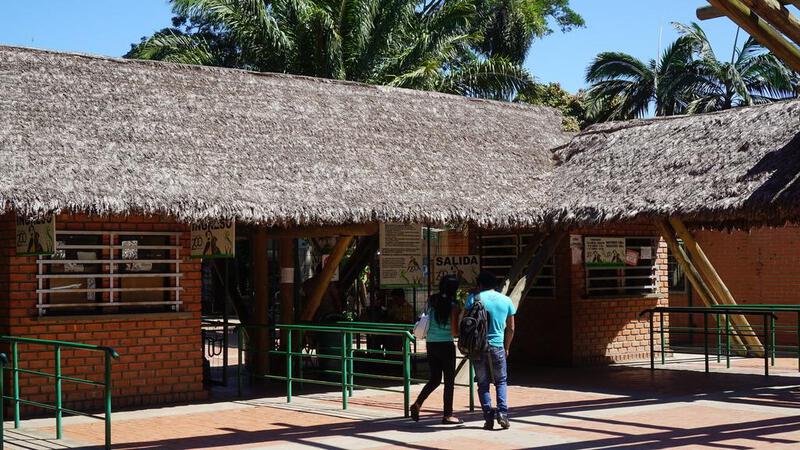
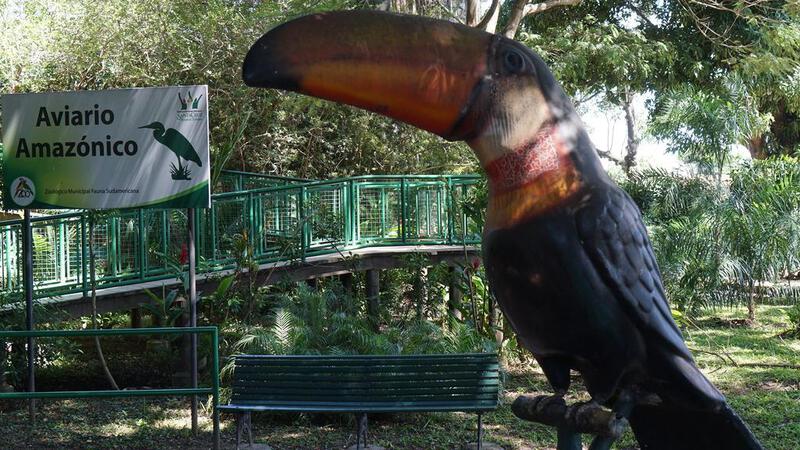
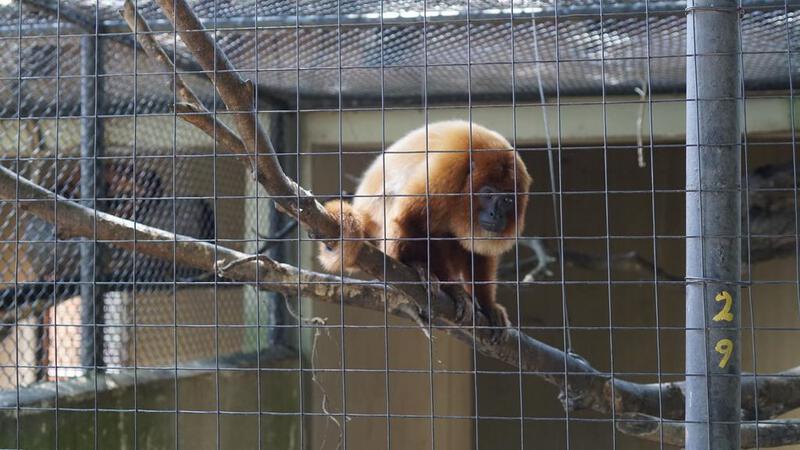
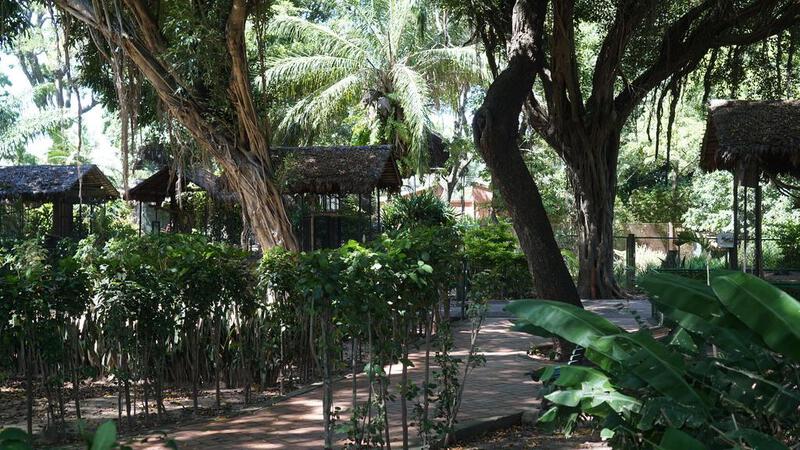
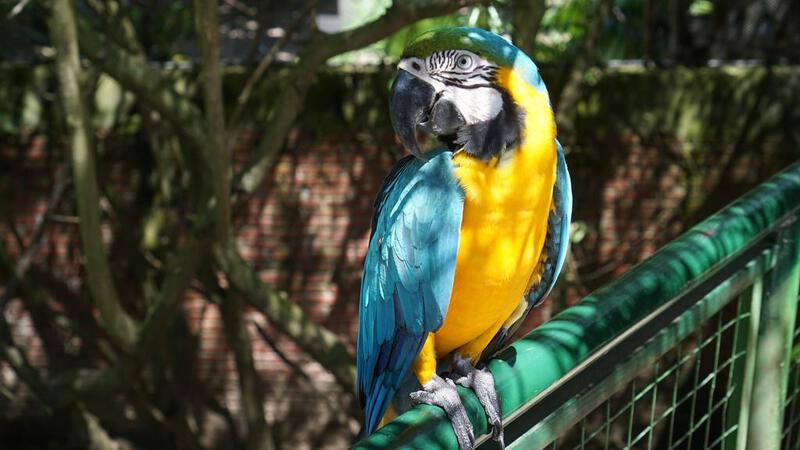
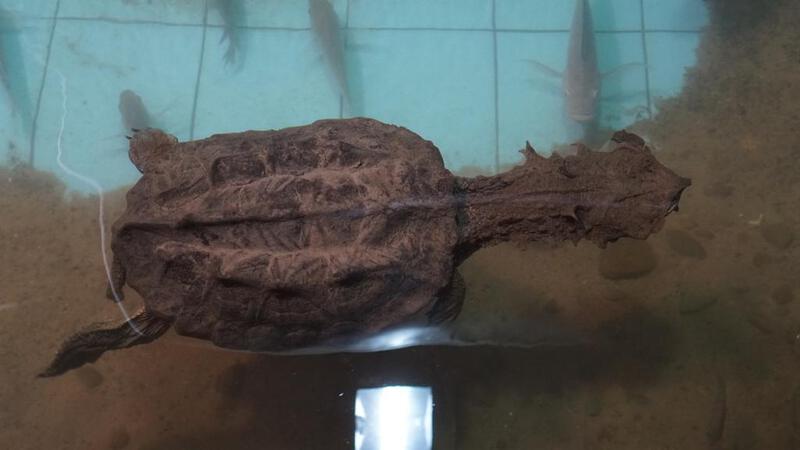
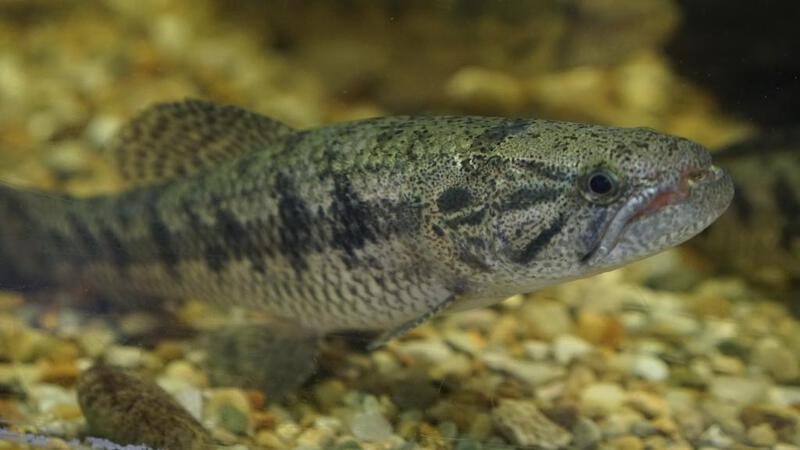
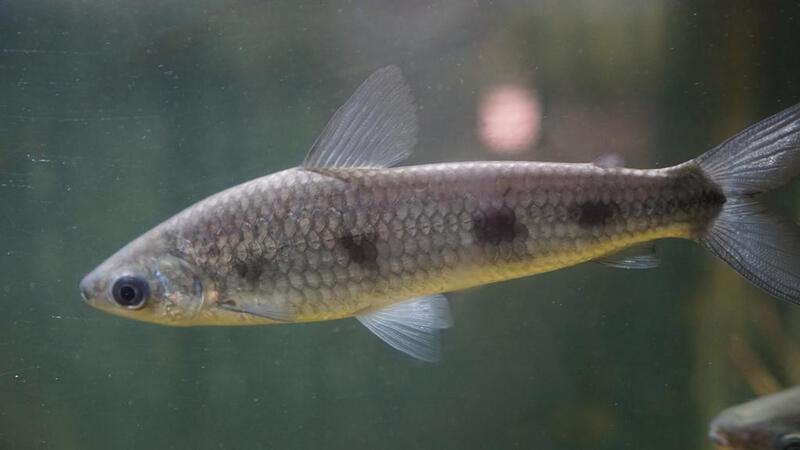
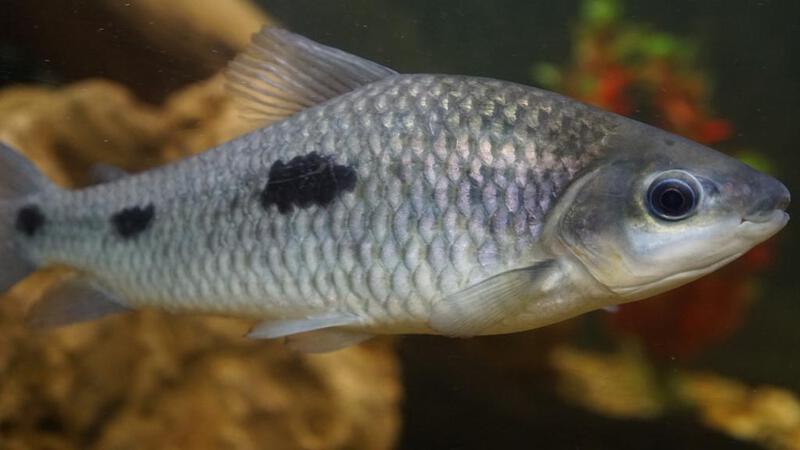
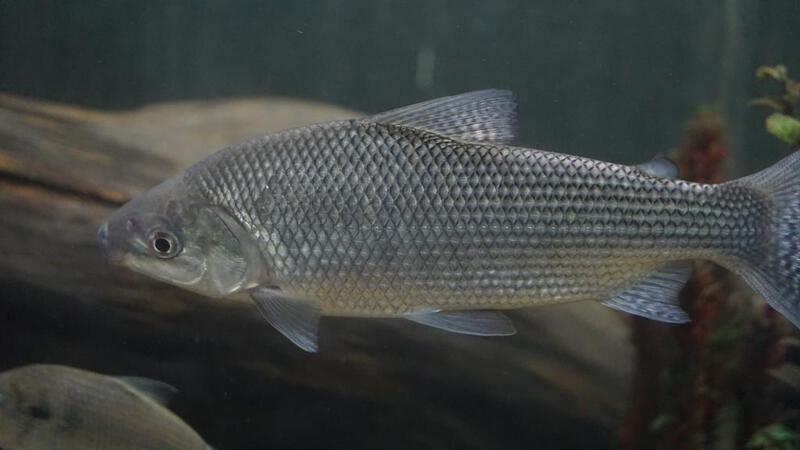
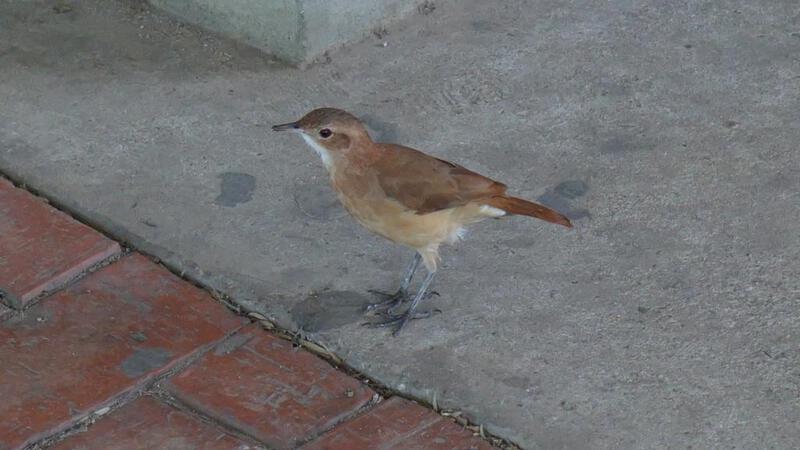
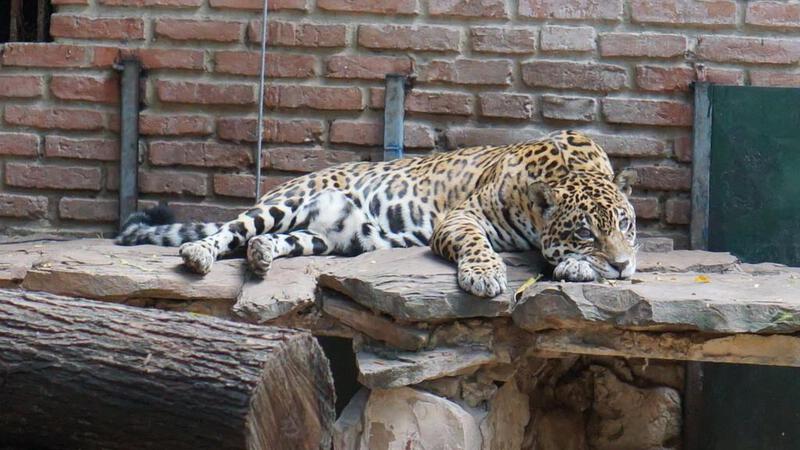
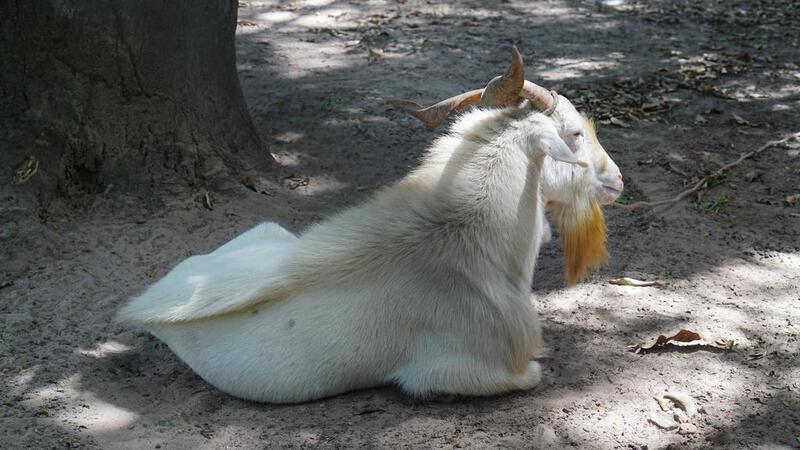
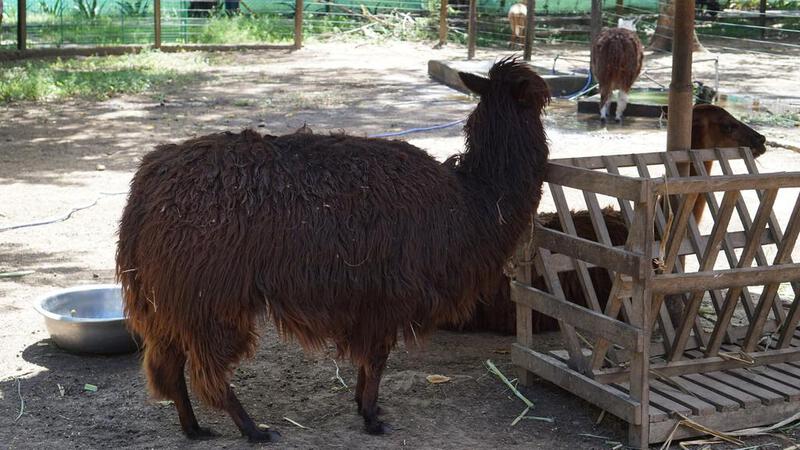
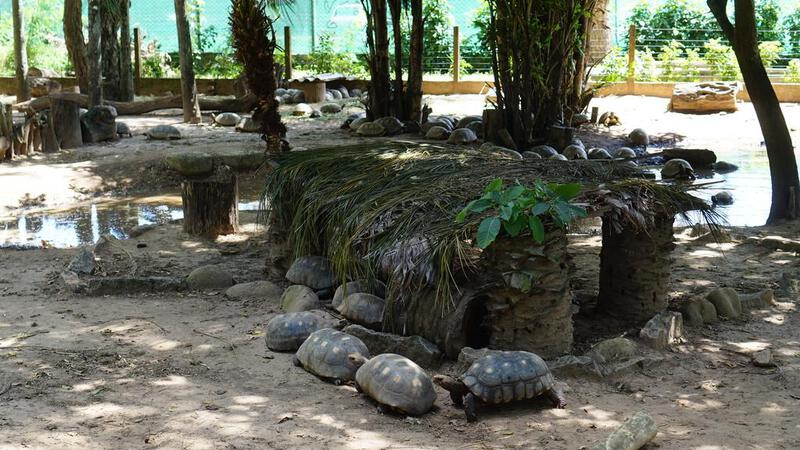
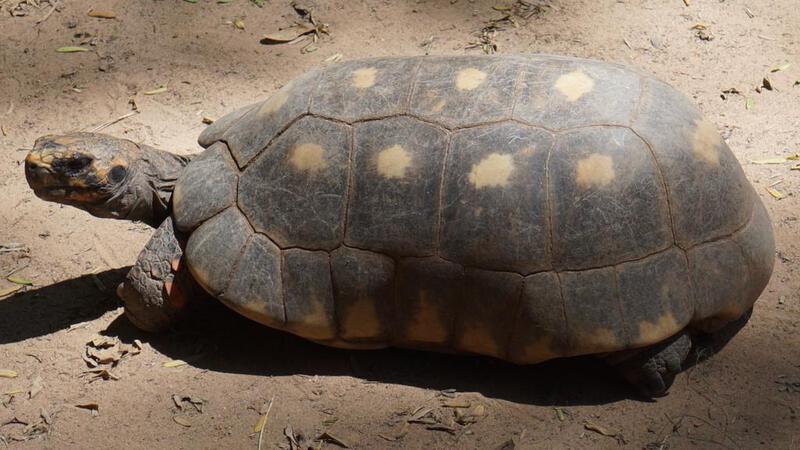
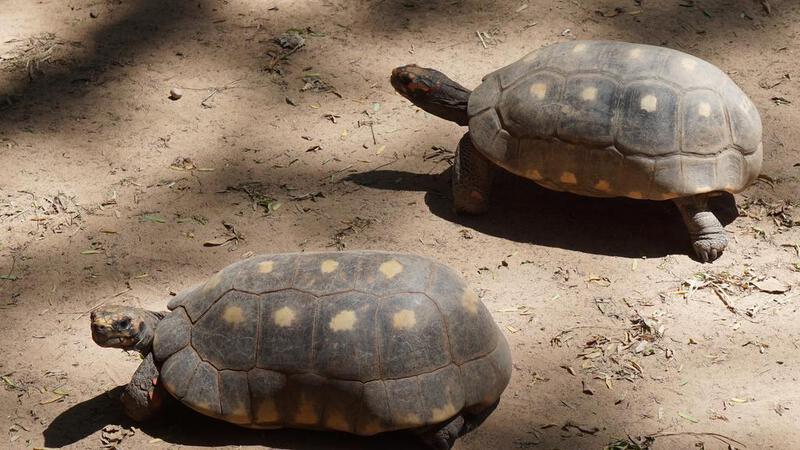
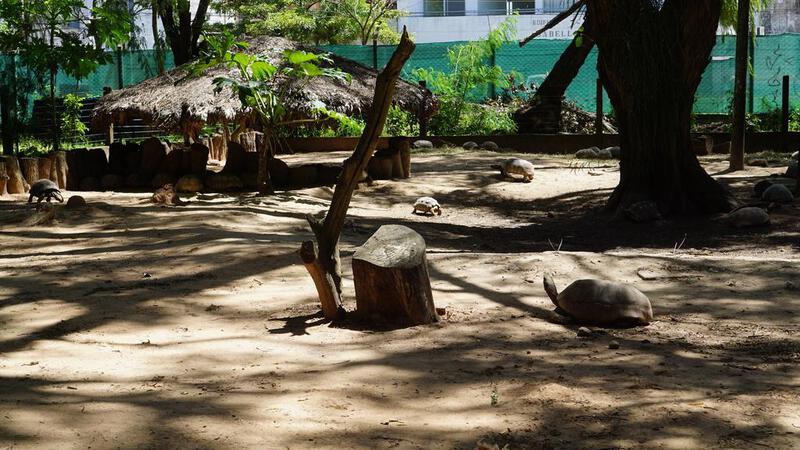
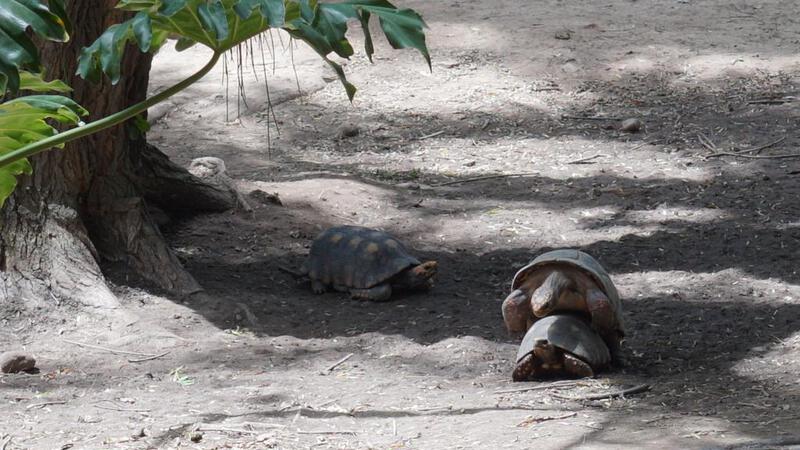
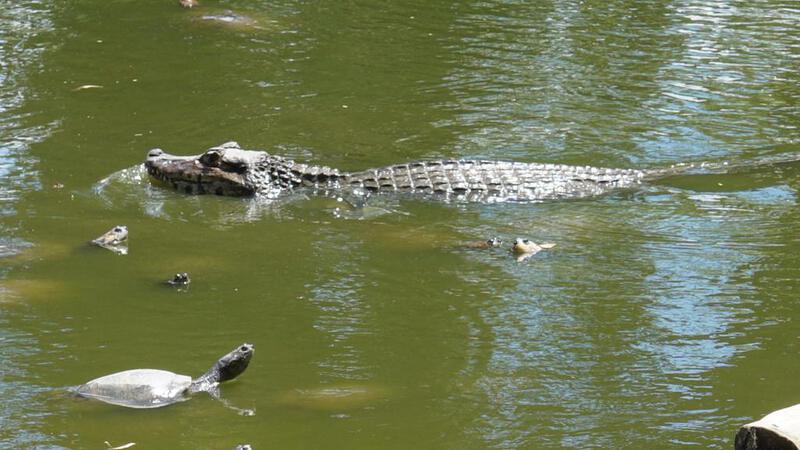
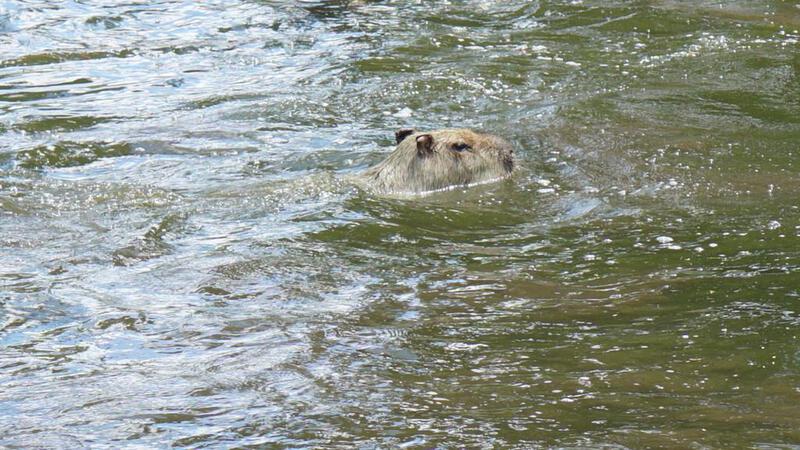
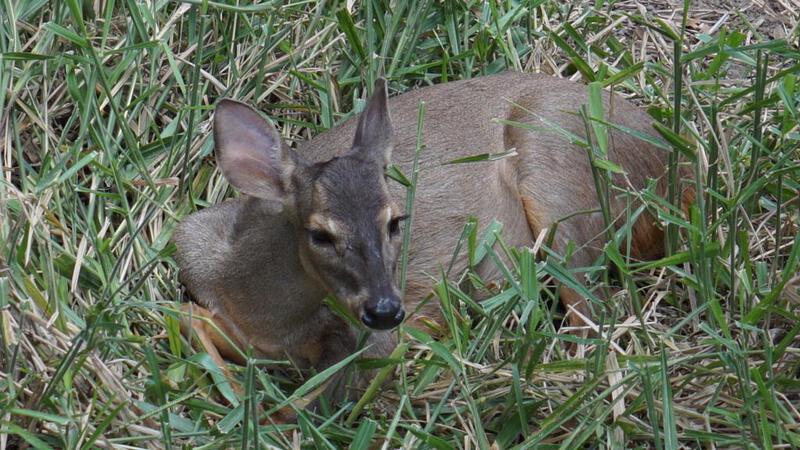
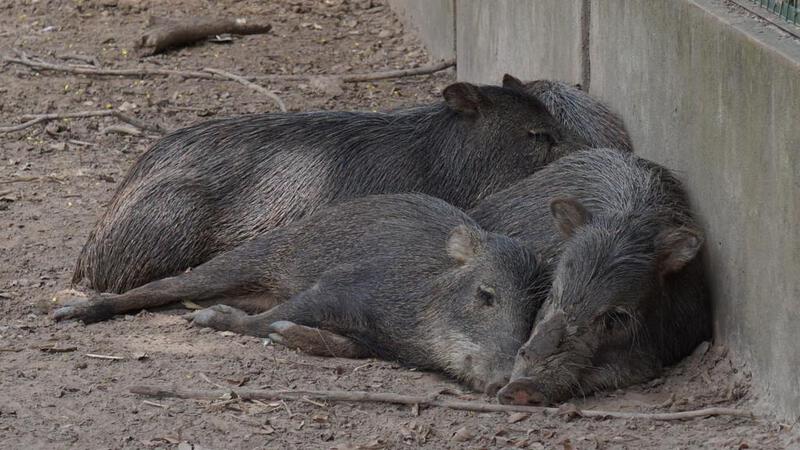
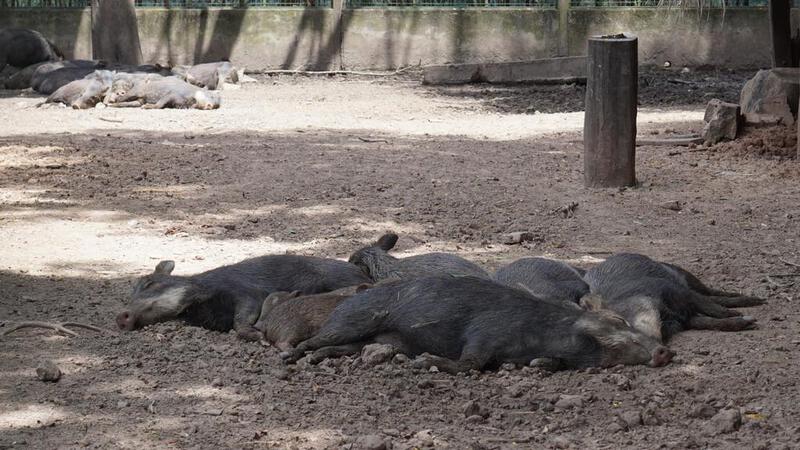
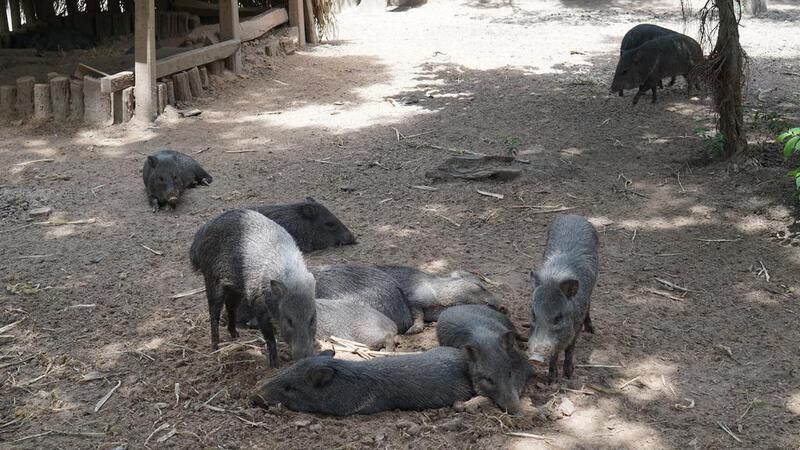
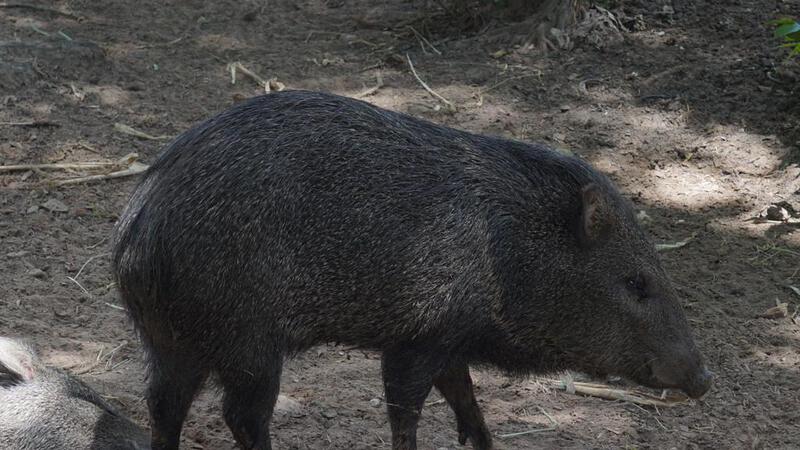
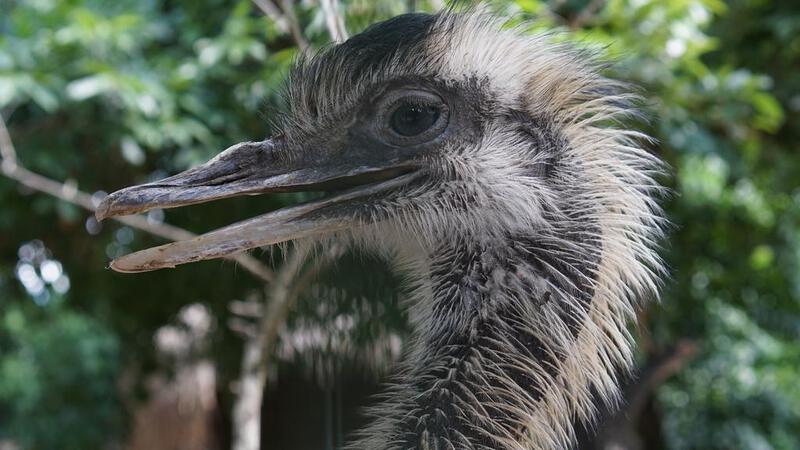
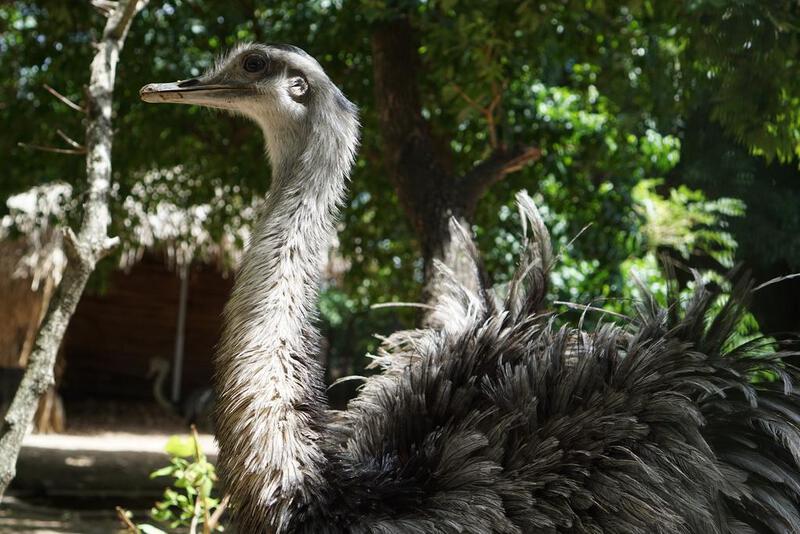
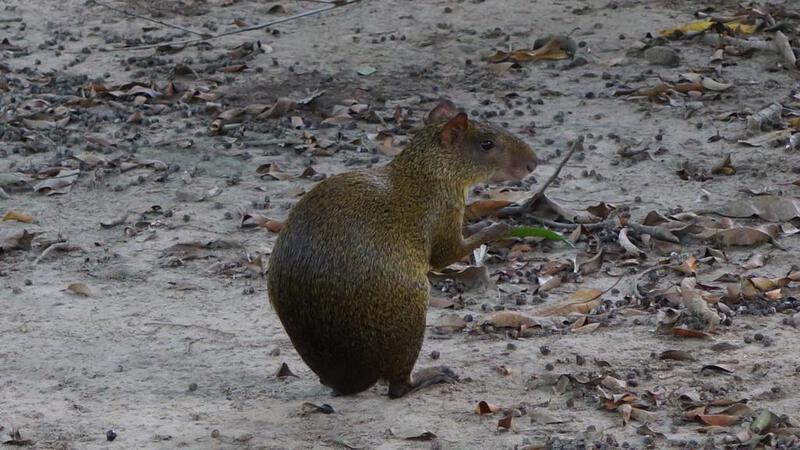
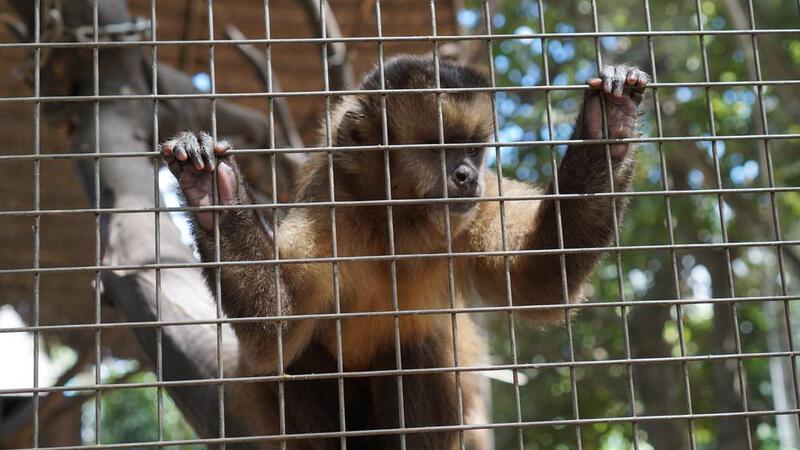
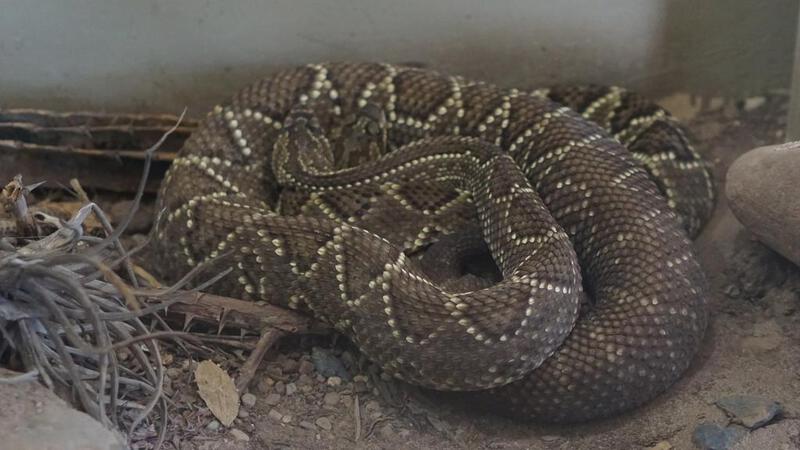
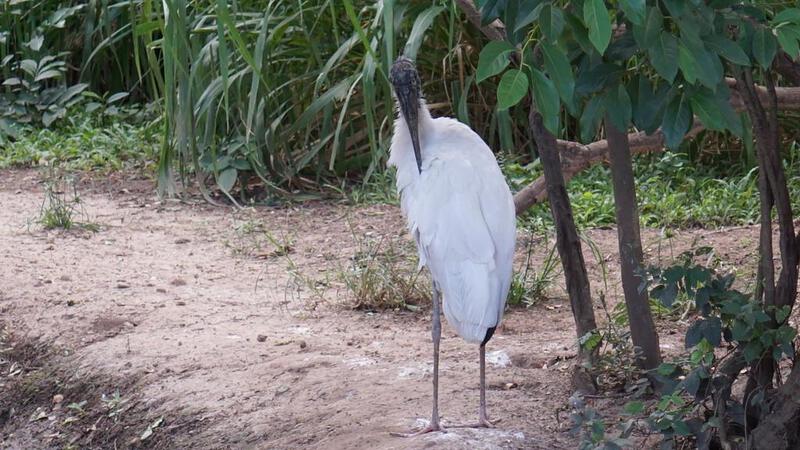
वैसे, रात का खाना चिकन है। लगभग 380 येन। आज मौसम बहुत अच्छा है, इसलिए मैंने सुबह में सर्वर पर थोड़ा काम किया और फिर चिड़ियाघर आ गया। यह चिड़ियाघर थोड़ा छोटा है, लेकिन मुझे आमतौर पर चिड़ियाघर पसंद होते हैं, इसलिए मैं इससे संतुष्ट हूँ।
कुछ समय से मौसम में बादल छाए हुए थे, इसलिए इस तरह का साफ मौसम बहुत अच्छा लगता है।
मुझे लगता है कि बारिश के मौसम के बीच में काम करने की तुलना में, बारिश के मौसम का इंतजार करना ही सही है। जानवर भी आरामदायक लग रहे हैं।
चिड़ियाघर की बेंच पर, मैं वर्तमान में चल रहे बदलावों को किस दिशा में ले जाना है, इस बारे में सोच रहा था, और दिशा लगभग तय हो गई है। होटल वापस जाने के बाद मैं इसे करने की कोशिश करूंगा। दोपहर का भोजन चिड़ियाघर में, चिकन 20 बोलिवियानो (लगभग 330 येन)।
 होटल के पास का पार्क। सांताक्रुस में मौसम बिल्कुल अच्छा है।
पहाड़ी इलाकों का मौसम, पिछले हफ्ते तक 'हर दिन बारिश' का पूर्वानुमान था, लेकिन पिछले कुछ दिनों से 'आज से कुछ दिनों तक बादल और कभी-कभी धूप, और एक हफ्ते बाद लगातार गरज और बारिश' का पूर्वानुमान है।
मुझे लगता है कि यह इसलिए है क्योंकि वे बारिश के मौसम के अंत का अनुमान नहीं लगा पा रहे हैं, इसलिए ऐसा मौसम पूर्वानुमान जारी किया जा रहा है। अगर 15 दिनों तक धूप का पूर्वानुमान जारी रहता है, तो यह निश्चित रूप से बारिश के मौसम का अंत होगा। आज दोपहर का भोजन एक जापानी रेस्तरां में रामेन था। यह सरल था, लेकिन इसका स्वाद अप्रत्याशित रूप से गहरा और स्वादिष्ट था।
अगर अगले 1-2 हफ्तों में पहाड़ी इलाकों में बारिश का मौसम शांत हो जाता है, तो मैं धीरे-धीरे आगे बढ़ूंगा और ऊंचाई पर रहने की आदत डालूंगा। मौसम पूर्वानुमान और बारिश के रडार को देखने पर, यह स्पष्ट है कि बोलीविया और पेरू के पहाड़ी क्षेत्र अभी भी बारिश के मौसम में हैं। सामान्यतः, अप्रैल तक बारिश का मौसम होता है और मई से शुष्क मौसम शुरू होता है, इसलिए शायद एक महीने में ही धूप दिखाई देने लगेगी। फिलहाल, मैं अपने वर्तमान आवास को 5 दिनों के लिए बढ़ा रहा हूं, 9 अप्रैल तक। मैं यहां सांताक्रुस के मौसम पूर्वानुमान को पैराग्वे में रहते हुए भी नियमित रूप से जांचता रहा हूं, लेकिन लगातार बारिश के पूर्वानुमान से अचानक धूप के पूर्वानुमान में बदलाव आया है, इसलिए संभवतः बोलीविया के अन्य क्षेत्रों में भी बारिश का मौसम तेजी से शुष्क मौसम में बदल जाएगा।
मौसम को लगातार देखते रहने पर मुझे एक बात का पता चला, वह है मौसमी हवा की दिशा। गर्मियों में, अंटार्कटिका से आने वाली दक्षिणी हवा बहुत तेज होती है, जिससे पैटागोनिया जाने वाले लोग विपरीत हवा की समस्या से जूझते हैं। लेकिन ऐसा लगता है कि सर्दियों में हवा की दिशा बदल जाती है और यह उत्तरी हवा में बदल जाती है। इसलिए, दक्षिण अमेरिका के उत्तरी भाग, वेनेजुएला में, गर्मियों में शुष्क मौसम होता है, क्योंकि गर्मियों में दक्षिणी हवा के कारण नम हवा अमेज़ॅन क्षेत्र में बारिश हो जाती है, इसलिए वेनेजुएला में बारिश नहीं होती। इसके विपरीत, सर्दियों में उत्तरी हवा होने के कारण वेनेजुएला में बारिश होती है, जबकि एंडीज पर्वत के कारण पेरू के पश्चिमी भाग और बोलीविया में शुष्क मौसम होता है। दक्षिण अमेरिका एक विशाल महाद्वीप है और एंडीज पर्वत बहुत ऊंचे हैं, इसलिए ऐसा होता है। ब्राजील के उत्तर-पूर्वी भाग में सर्दियों (जुलाई के आसपास) में बारिश होती है, इसका कारण भी यही है (उत्तरी हवा की नम हवा के कारण बारिश होती है)।
इसलिए, वर्तमान में हवा की दिशा को देखते हुए, यहां बोलीविया के पूर्वी भाग, सांताक्रुस में, उत्तरी हवा चल रही है, इसलिए यह शुष्क मौसम है। दूसरी ओर, प्रशांत महासागर के किनारे अभी भी दक्षिणी हवा चल रही है, इसलिए नम हवा दक्षिण और प्रशांत महासागर से आ रही है, जिसके कारण बारिश का मौसम जारी है। बोलीविया के पूर्वी और पश्चिमी भागों में शुष्क और बारिश का मौसम एक साथ चल रहा है। भूगोल बहुत दिलचस्प है। हवा की दिशा धीरे-धीरे बदल रही है और उत्तरी हवा वाले क्षेत्रों की संख्या बढ़ रही है, जब उत्तरी हवा पूरी तरह से हावी हो जाएगी, तभी वास्तव में शुष्क मौसम शुरू होगा।
इसलिए, अभी यहां रहना बेहतर है। यदि आप यहां सांताक्रुस में लगातार धूप का आनंद ले रहे हैं, तो प्रशांत महासागर के किनारे जाने से आप बारिश के मौसम के प्रभाव में पूरी तरह से आ जाएंगे और भीग सकते हैं।
हालांकि, यह भी हो सकता है कि मैं गलत हूं, इसलिए इसे पूरी तरह से सच न मानें। यह विभिन्न अनुमानों के आधार पर है। भविष्य की योजना
■ वापसी की तारीख तय हो गई है।
10/2 लॉस एंजिल्स से टोक्यो
के लिए वापसी की योजना है।
■ दक्षिण अमेरिका से निकलने की योजना तय हो गई है।
7/6 कोलंबिया के बोगोटा से अलास्का के एंकरेज
तक।
बाइक कोलंबिया में बेचकर वहां से उड़ान भरूंगा।
■ उत्तरी अमेरिका में यात्रा का साधन (अभी तक अनिश्चित)
शायद साइकिल?
एंकरेज से ओरेगन/सैन फ्रांसिस्को
तक।
वापसी का टिकट लॉस एंजिल्स के लिए इसलिए सस्ता था क्योंकि वहां पर सस्ते टिकट उपलब्ध थे। वैंकूवर को पार करने के बाद, बाकी समय के अनुसार योजना बनाई जाएगी।
मानसिक रूप से सैन फ्रांसिस्को गंतव्य है। मुख्य रूप से अलास्का से ओरेगन तक की यात्रा होगी।
■ आवास
यदि साइकिल निश्चित होती है, तो अलास्का में कैंपिंग ग्राउंड और खाली जगहों पर कैंपिंग।
ओरेगन और सैन फ्रांसिस्को में कैंपिंग ग्राउंड बहुत हैं, इसलिए मुख्य रूप से कैंपिंग ग्राउंड में ही ठहरेंगे।
■ बाइक?
संभावना अभी भी है, लेकिन ऊपर बताए गए 5000 किलोमीटर का मार्ग बाइक से अपेक्षाकृत जल्दी तय किया जा सकता है। जानबूझकर खरीदकर चलने के लिए यह थोड़ा कम दूरी है? दक्षिण अमेरिका की तरह पूरे क्षेत्र में घूमने की बात करें तो, यहां की कीमतों के कारण यह मुश्किल होगा, और उत्तरी अमेरिका में यात्रा की गति तेज है, लगभग 120 किमी/घंटा, इसलिए एक बड़ी बाइक की आवश्यकता होगी।
■ किराए की कार?
किराए की कार भी ठीक है, लेकिन क्या साइकिल या बाइक अधिक मजेदार होगी?
■ अन्य
यूरोप महाद्वीप बैकपैक के लिए उपयुक्त है। यह मुख्य रूप से शहर घूमने के लिए है।
दक्षिण अमेरिका बाइक के लिए उपयुक्त है। यहां कार संस्कृति है और देश का क्षेत्रफल बहुत बड़ा है।
...ऐसा निर्णय लिया गया।
तो, अलास्का किस लिए उपयुक्त है? यह एक कठिन निर्णय है। शायद एक कार का एसयूवी सबसे अच्छा होगा। इसके बाद, कैंपिंग कार, फिर बाइक, फिर साइकिल, फिर बैकपैक, और फिर एक सामान्य कार।
कार को बाद में फिर से इस्तेमाल किया जा सकता है, इसलिए इसे फिलहाल हटा देते हैं।
अब, विकल्प हैं: बाइक, साइकिल, और बैकपैक।
बाइक का उपयोग पहले दक्षिण अमेरिका में किया गया है, इसलिए विकल्प साइकिल या बैकपैक ही हैं।
अभी भी विचार चल रहा है, लेकिन इस समय मध्य अमेरिका में बारिश का मौसम है, इसलिए दक्षिण अमेरिका से वर्तमान बाइक को लाने की योजना कम होती जा रही है।
वैसे भी, साइकिल हमेशा से एक इच्छा रही है, इसलिए इसे यहीं पूरा करना भी अच्छा हो सकता है।
वैसे, आज दोपहर के भोजन में रामेन है। अस्वच्छ विकासशील देशों का अनुभव।
भारत में भी मैंने यह अनुभव किया।
क्योंकि पैर के नीचे की जगह अस्वच्छ होती है, इसलिए अचानक पैर में कुछ संक्रमण हो जाता है। बहुत डरावना।
इसके लक्षण दिखने लगे, इसलिए मैंने दवा की दुकान से दवा खरीदी। यह एक अजीब सफेद पाउडर है। मैंने इसे पूरे पैर पर लगाया।
मैंने सुना है कि जापान में द्वितीय विश्व युद्ध के बाद, कीड़े मारने के लिए लोगों के सिर पर सफेद पाउडर डाला जाता था। वातावरण में कुछ समानता है।
शायद मैं बहुत गर्म जगह पर रहा। अब धूप निकल रही है, इसलिए मैं शायद जल्द ही निकल जाऊँगा।
→ थोड़ा खोजबीन करने पर पता चला कि द्वितीय विश्व युद्ध के बाद इस्तेमाल किया जाने वाला सफेद पाउडर कुख्यात डीडीटी था, लेकिन यह क्लोरीन-आधारित कीटनाशक जैसा है, इसलिए यह डीडीटी से थोड़ा अलग है। लेकिन, मुझे लगता है कि यह भी कोई अच्छा उत्पाद नहीं है। यह सस्ता है।
विकासशील देशों में, मूल रूप से स्वच्छता की स्थिति खराब होने के कारण, यदि शक्तिशाली कीटनाशक का उपयोग नहीं किया जाता है, तो इसका प्रभाव लगभग शून्य होता है, जो कि एक समस्या है।
सांता क्रूज़ चिड़ियाघर।