शंघाई से शिंकानसेन (बुलेट ट्रेन) द्वारा बीजिंग।
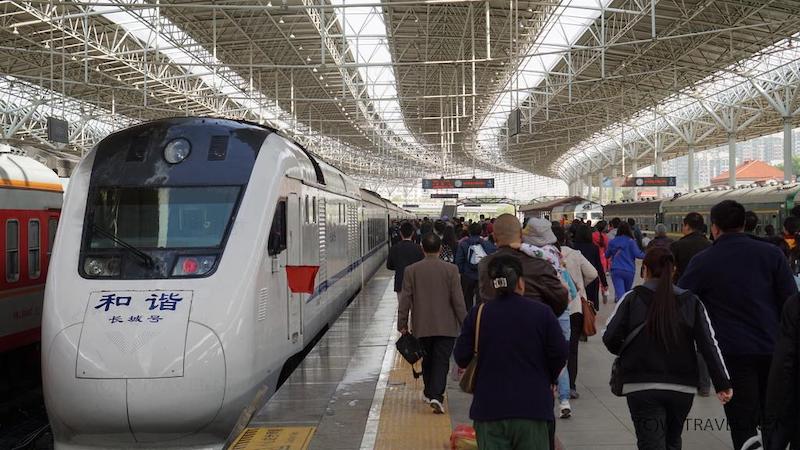
शंघाई से बुलेट ट्रेन लेकर बीजिंग जाने का फैसला किया।
यह सुबह 9 बजे रवाना होती है और लगभग 1:40 बजे पहुंचती है, इसलिए इसमें 4 घंटे 40 मिनट लगते हैं।
पहले यह यात्रा 24 घंटे तक लगती थी, इसलिए यह काफी तेज हो गया है।
इस बार मैंने जो ट्रेन चुनी है, वह केवल नानजिंग में रुकती है, इसलिए जो ट्रेनें नहीं रुकती, उनकी तुलना में यह थोड़ी जल्दी पहुंचती है।
शंघाई का स्टेशन बहुत विशाल है।
छत भी बहुत ऊंची है।
और सबसे महत्वपूर्ण बात, यहां व्यवस्था है।
प्रस्थान से लगभग 15 मिनट पहले तक, हमें प्लेटफॉर्म पर जाने की अनुमति नहीं मिलती है, और हमें लाइन में खड़ा रहना होता है, लेकिन भारत की तरह यहां लाइन में कोई धक्का-मुक्की नहीं होती है। लोग ठीक से लाइन में खड़े रहते हैं।
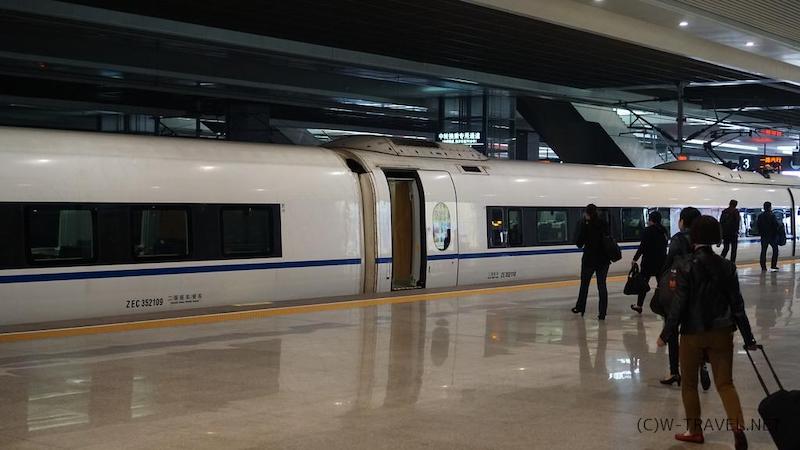
मैंने सुना था कि "चीन में बिना टिकट चढ़ना" एक आम बात है, लेकिन बुलेट ट्रेन के मामले में यह लगभग नहीं होता है।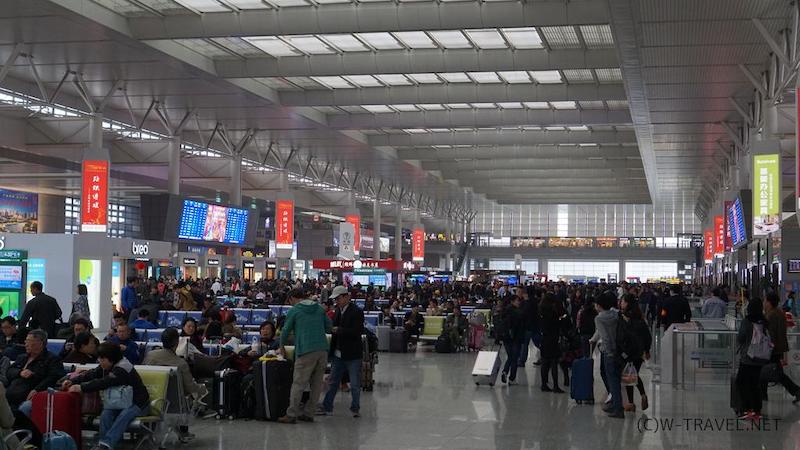 और उसमें प्रवेश करना।
 अंदर, यह एक सामान्य बुलेट ट्रेन है, सिवाय इसके कि इसमें चीनी यात्री हैं।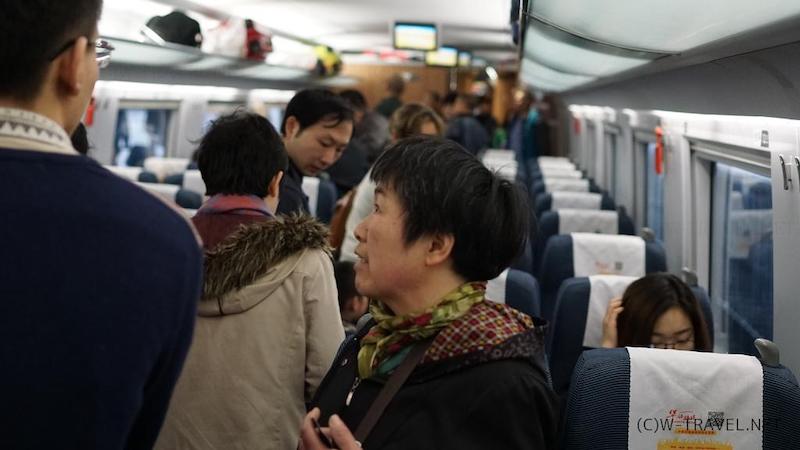
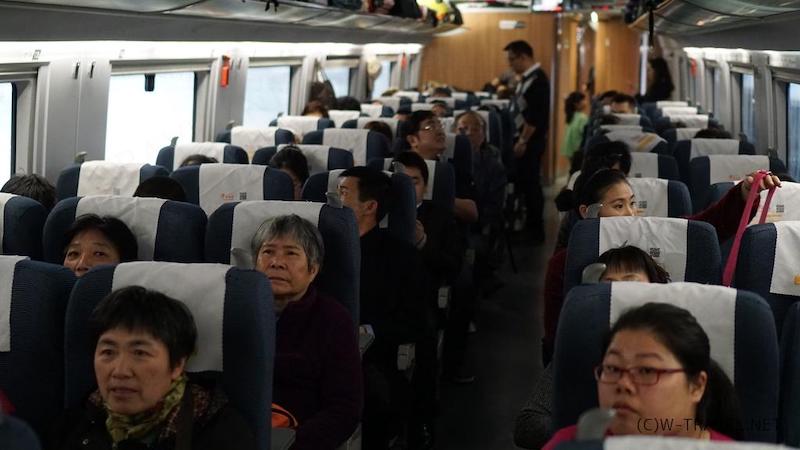 लगभग 300 किलोमीटर प्रति घंटे की गति से चल रहा है।
कभी-कभी मैं इसे देख रहा था, लेकिन यह कभी भी 310 किलोमीटर प्रति घंटे से अधिक नहीं हुआ।
वैसे भी, जापानी बुलेट ट्रेन की तुलना में, इसमें मोटर और रेल की पटरी की आवाज बहुत तेज है।
और, इसमें शुरुआती गति पकड़ने पर जो धक्का महसूस होता है, वह नहीं है।
जापानी बुलेट ट्रेन में सभी डिब्बों में मोटर होती है, लेकिन शायद इसमें ऐसा नहीं है।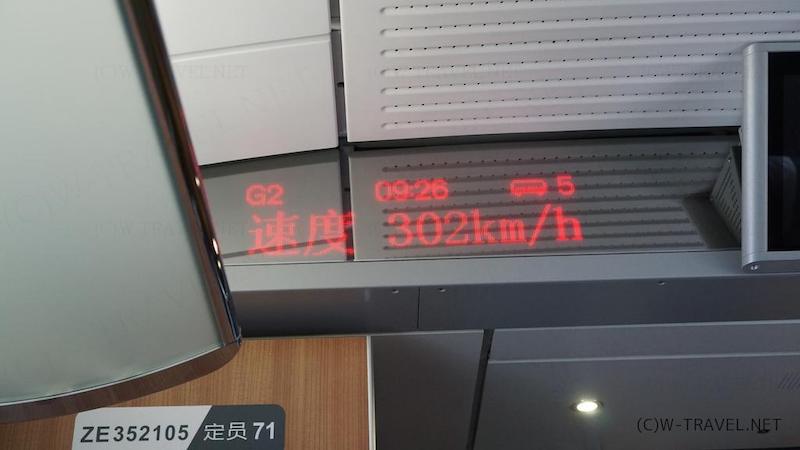
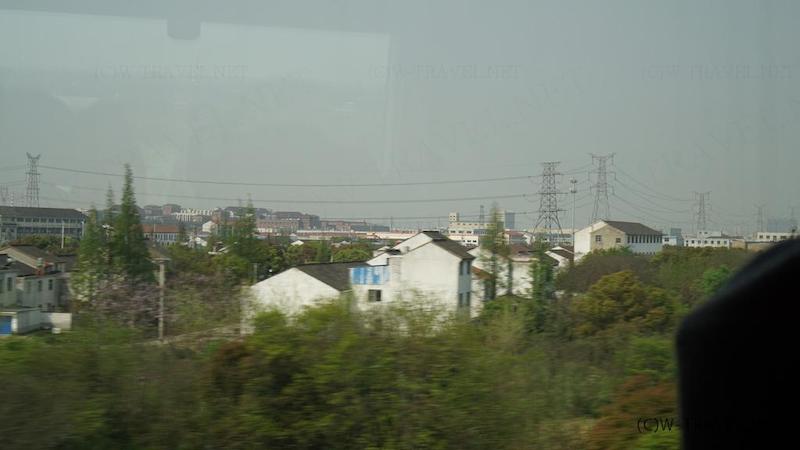 और फिर बीजिंग पहुंचे।
स्टेशन पर खाए हुए नूडल्स बहुत स्वादिष्ट थे।
उन्हें वहीं पर बनाकर पकाया जाता है, इसलिए वे बहुत अच्छे होते हैं। आवास "बीजिंग शी हुआ झि दे फ़ैनटियन (बीजिंग जे़ड होटल, Beijing Jade Hotel)" में 6 रातों के लिए है।
एक छात्रावास में एक रात की कीमत 60 युआन (लगभग 1170 येन) है।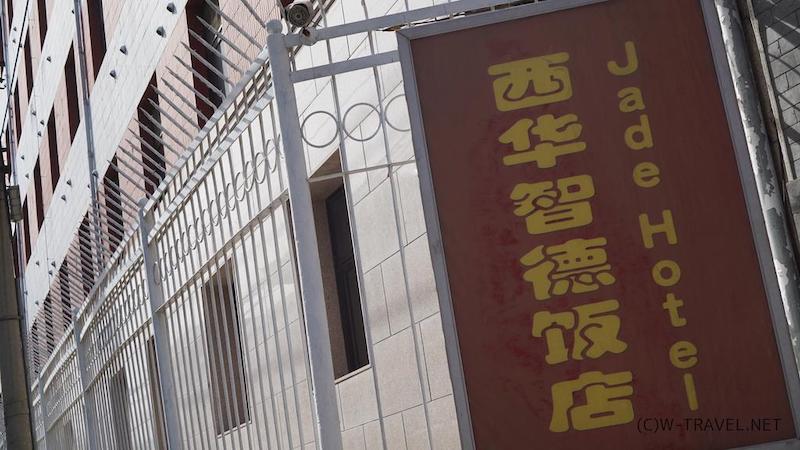 यह एक सामान्य होटल जैसा दिखता है, और सामान्य कमरे में दोहरे बिस्तर हैं।
इसलिए, अन्य हॉस्टल की तुलना में यह थोड़ा छोटा हो सकता है।
शॉवर रूम और शौचालय भी केवल अपने कमरे के ही हैं, इसलिए यह थोड़ा असुविधाजनक हो सकता है।
सामान्य हॉस्टल में, शॉवर रूम और शौचालय कमरे से अलग होते हैं और कई होते हैं।
हालांकि, यह आश्चर्यजनक रूप से खाली था, और 6 रातों में से 5 रातें मैं अकेले ही कमरे में था, इसलिए यह काफी आरामदायक था।
अगर इसमें 4 लोग होते, तो यह बहुत तंग हो सकता था।
महान दीवार (बाडालिंग खंड)।
आज मौसम अच्छा है, इसलिए मैंने फैसला किया कि मैं चीन की महान दीवार देखने जाऊँगा।
चीन की महान दीवार के कई खंड हैं, लेकिन मैंने फैसला किया कि मैं बाटालिंग खंड जाऊंगा, जो सबसे आसानी से पहुँचा जा सकता है।
आप बस से भी जा सकते हैं, लेकिन ऐसा लगता है कि आप बीजिंग नॉर्थ स्टेशन से ट्रेन द्वारा भी जा सकते हैं, इसलिए मैंने ट्रेन जाने का फैसला किया।
सबसे पहले, मैंने पास के एक स्थान पर कुछ खाया।
मैंने वंतान और तली हुई रोटी खाई। इसकी कीमत 10 युआन (लगभग 200 येन) थी। बीजिंग नॉर्थ स्टेशन तक मेट्रो से यात्रा करें, और बीजिंग नॉर्थ स्टेशन पर ट्रेन बदलें।
बीजिंग नॉर्थ स्टेशन में, ऐसा लगता है कि S2 लाइन विशेष रूप से बादालिंग स्टेशन जाने के लिए ही चलती है। यहां खड़े होने की जगह भी केवल S2 लाइन के यात्रियों के लिए अलग है।
टिकट खरीदे बिना भी, आप बीजिंग के परिवहन कार्ड का उपयोग करके यात्रा कर सकते हैं।
ऐसा प्रतीत होता है कि यह ट्रेन 30 मिनट में रवाना होगी, इसलिए मैं पंक्ति में खड़ा होकर इंतजार करता हूं।
जब प्रस्थान से 15 मिनट पहले हो गया, तो प्रवेश द्वार खुल गया, और उसी समय, बहुत सारे लोग दौड़ने लगे (हंसते हुए)।
शायद ये वे लोग हैं जो सामान्य डिब्बियों में यात्रा कर रहे हैं। कई लोग बिना किसी चिंता के चल रहे थे।
मैं भी दौड़ा, और सफलतापूर्वक अपनी सीट प्राप्त करने में सफल रहा।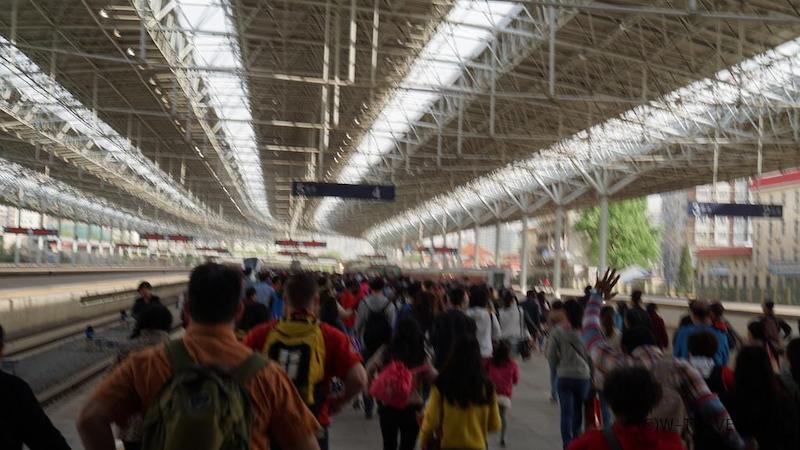
 और फिर बाटालिंग स्टेशन पर।
यहाँ से प्रवेश द्वार तक लगभग 1 किलोमीटर पैदल चलना होगा, इसलिए हमने थोड़ा जल्दी भोजन करके चढ़ाई करने का फैसला किया।
चढ़ने से पहले पानी खरीदने की कोशिश की तो, मुझे बताया गया कि 500 मिलीलीटर की बोतल 10 युआन (लगभग 200 येन) है। क्या यह विदेशी होने के कारण अधिक कीमत वसूली जा रही है? यह मिनरल वाटर नहीं था, बल्कि एक ऐसी चीज थी जो किसी दुकान पर 2 युआन में मिलती है। इसलिए हमने वहां से खरीदने का विचार छोड़ दिया और दूसरी दुकान से एक अलग बोतल 2 युआन (लगभग 40 येन) में खरीदी। वैसे भी, यही सामान्य कीमत है।
मोनोरेल से भी चढ़ाई की जा सकती है, लेकिन ऐसा लगता है कि दूरी ज्यादा नहीं है, इसलिए हमने पैदल चढ़ने का फैसला किया।
यह उत्तर और दक्षिण भागों में विभाजित है, इसलिए हम पहले उस भाग की ओर गए जो कम व्यस्त था।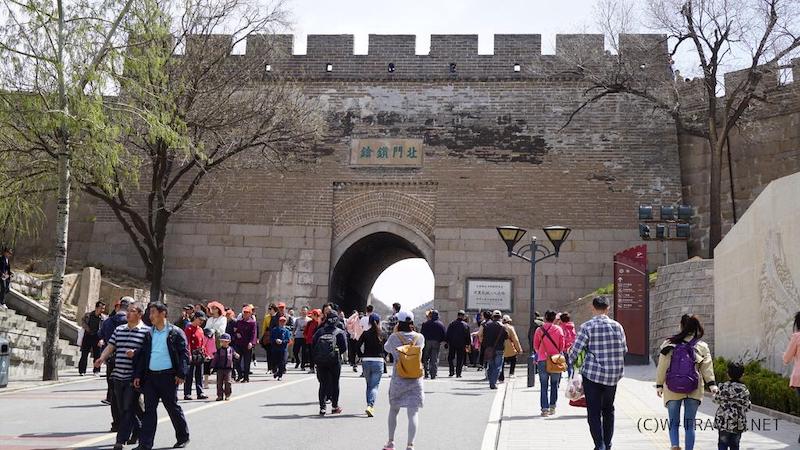 उत्तरी दिशा की ओर बढ़ते हुए, मैं अपेक्षाकृत आसानी से सबसे ऊंचे स्थान तक पहुँच गया। फिर मैंने वापस मुड़कर शुरुआती बिंदु पर लौटा और दक्षिण की ओर जाने का फैसला किया।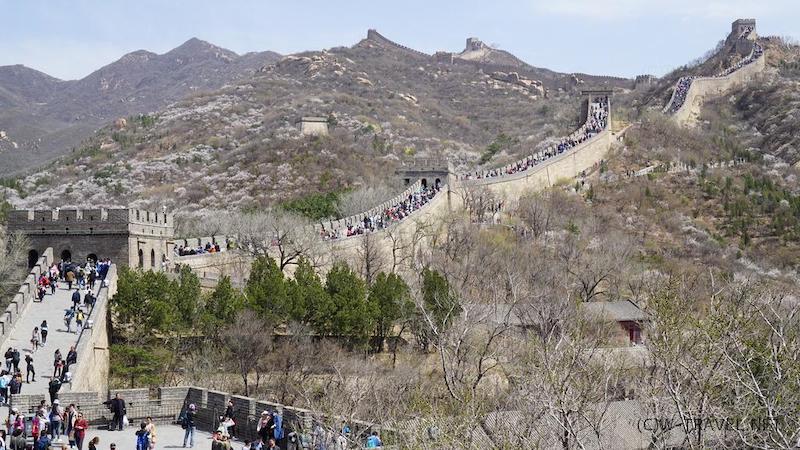
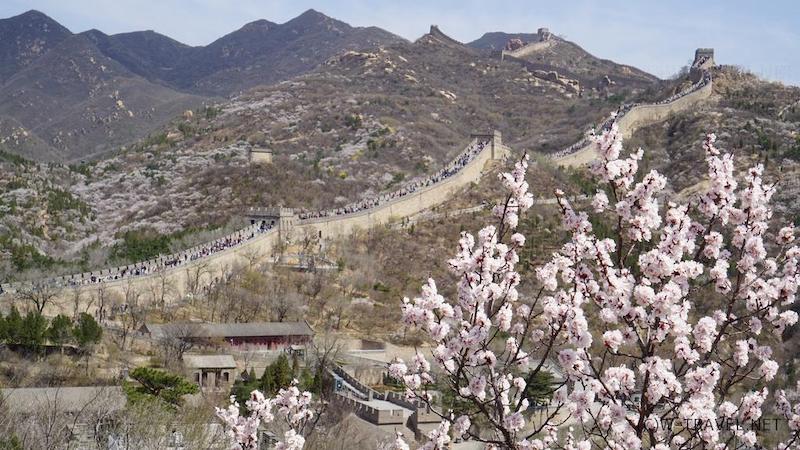
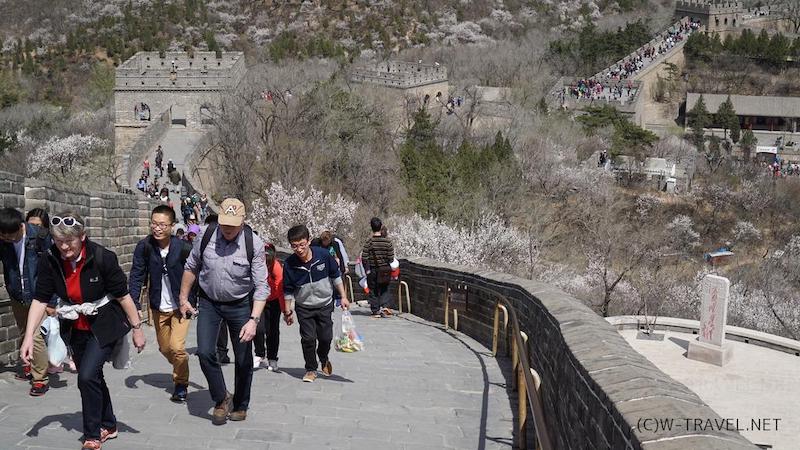
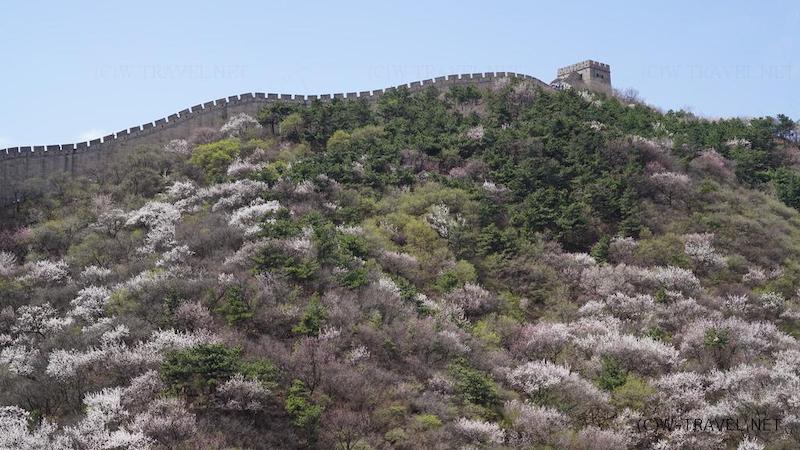
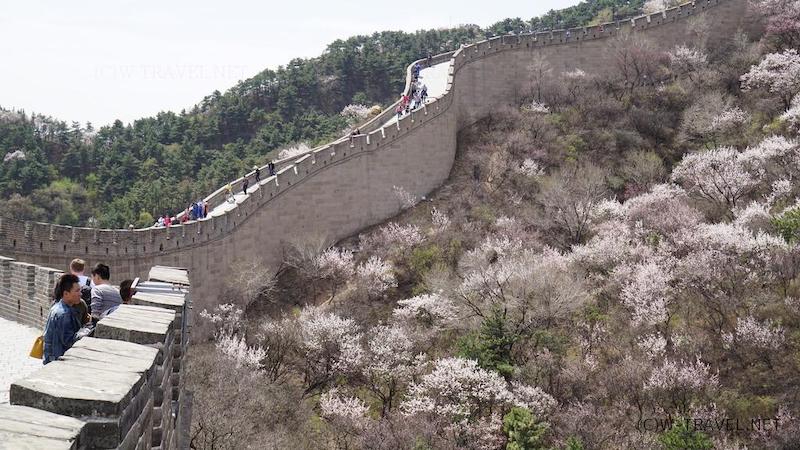
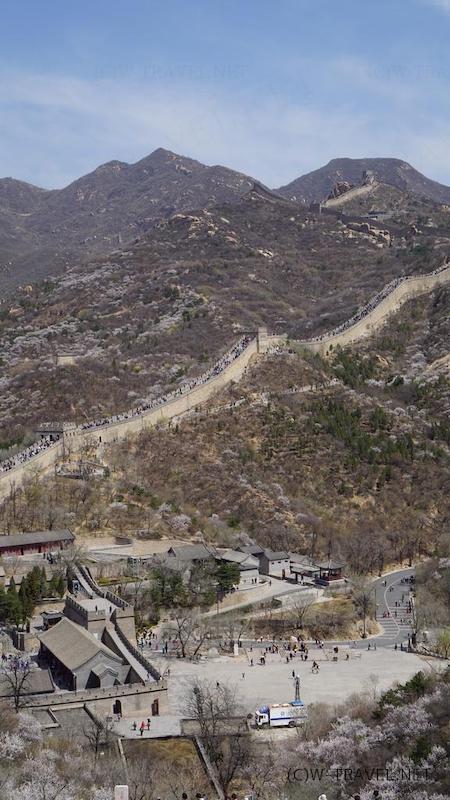
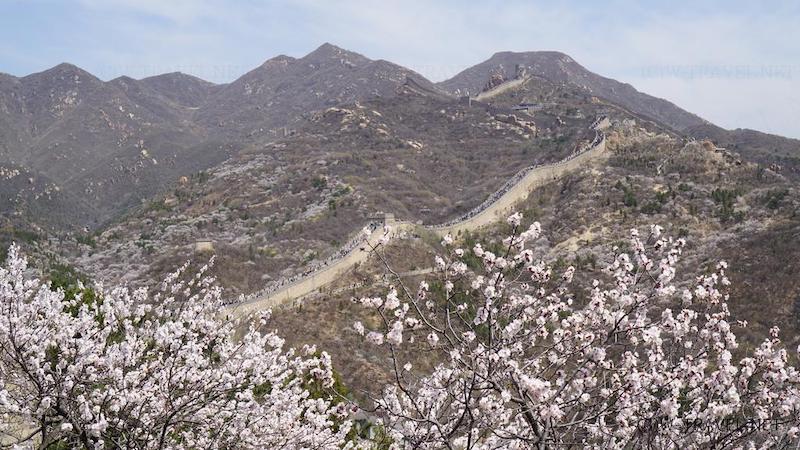
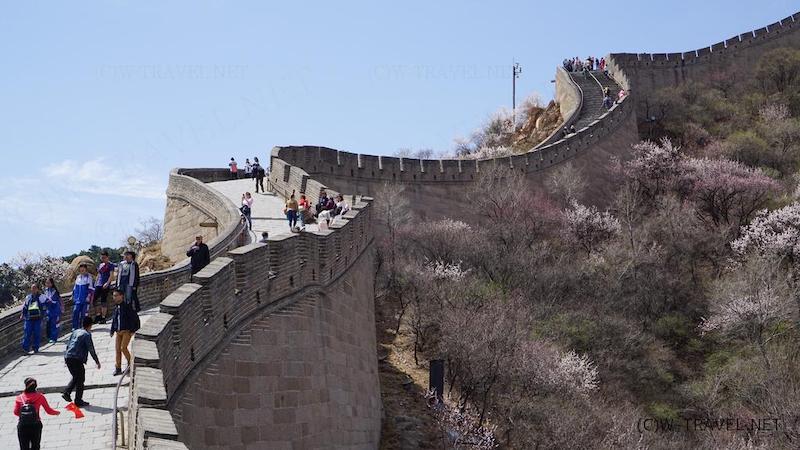
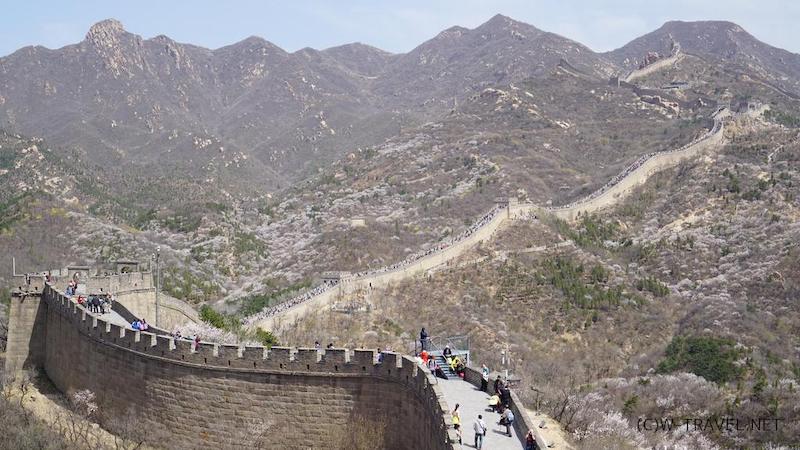
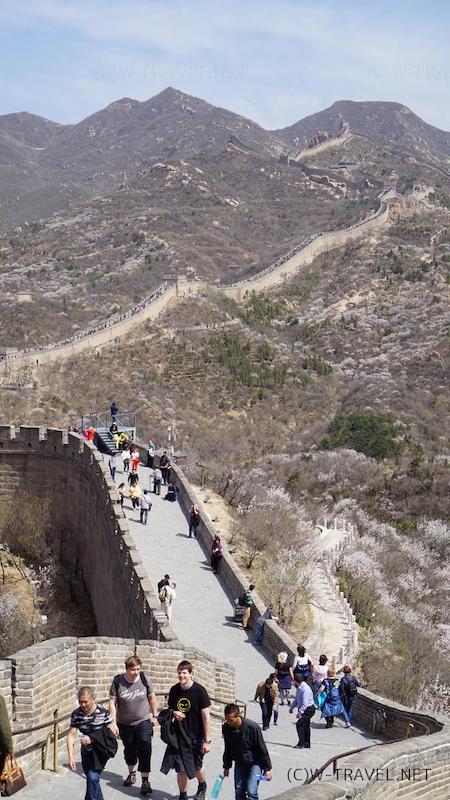
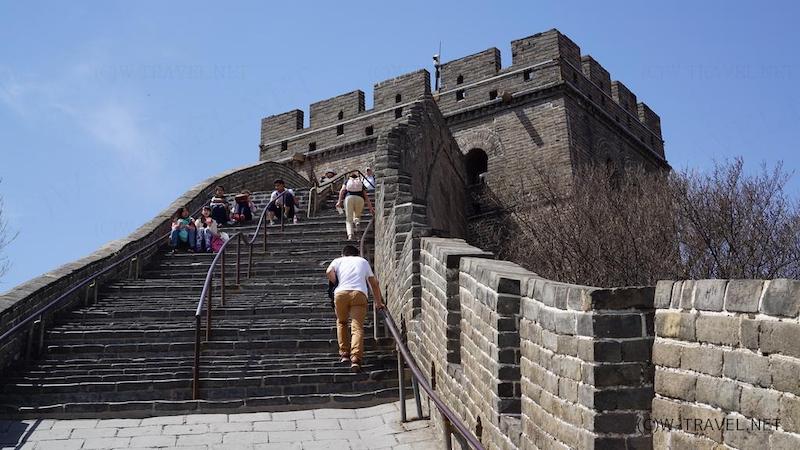


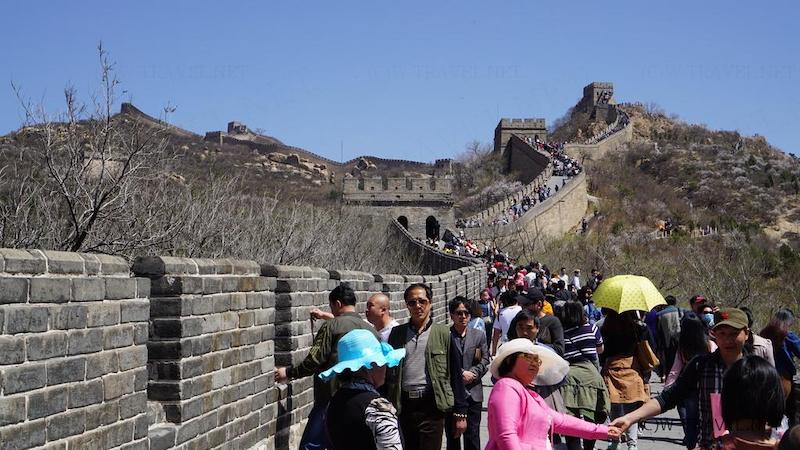


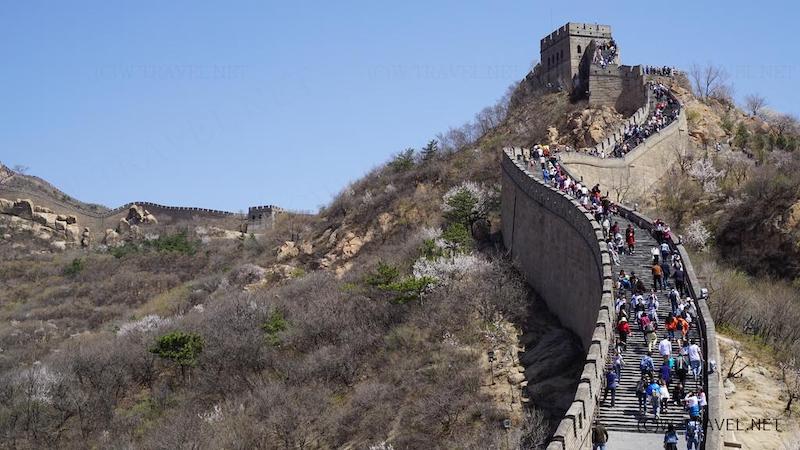
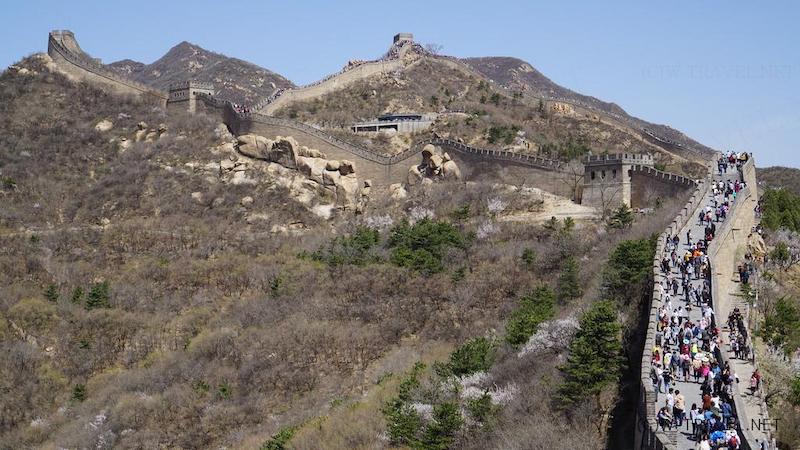
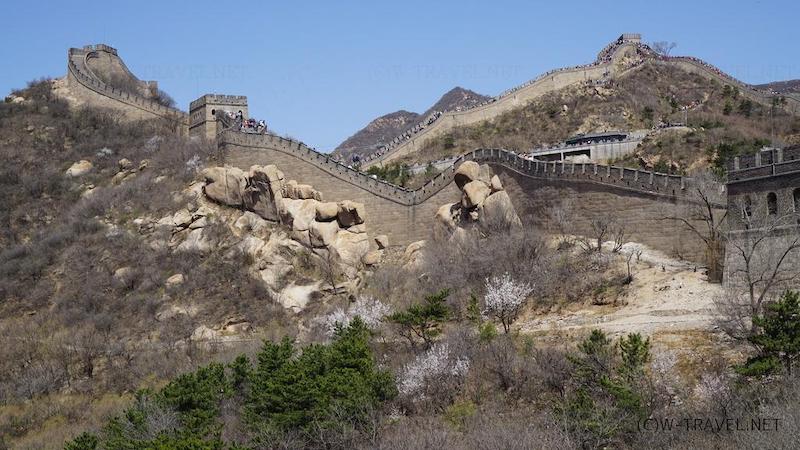
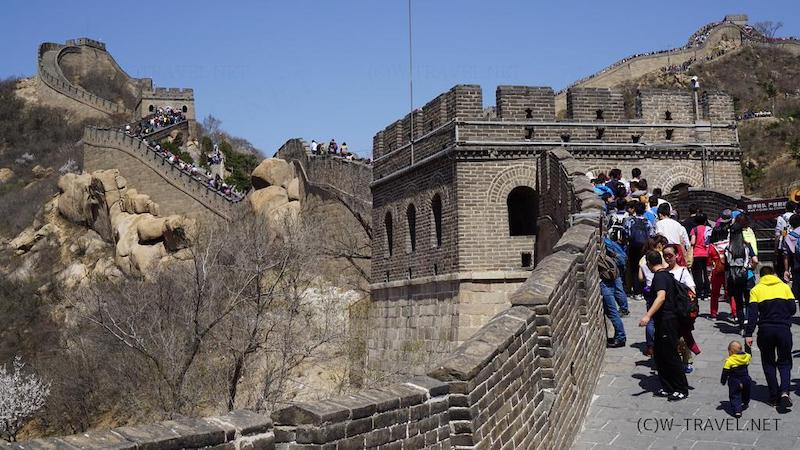

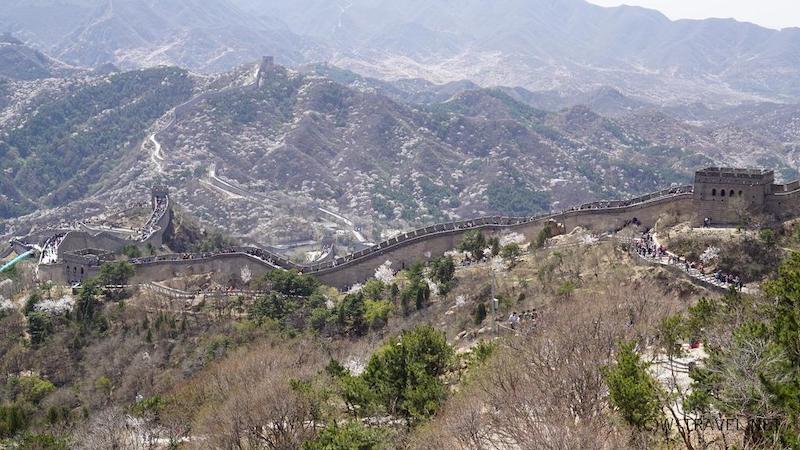
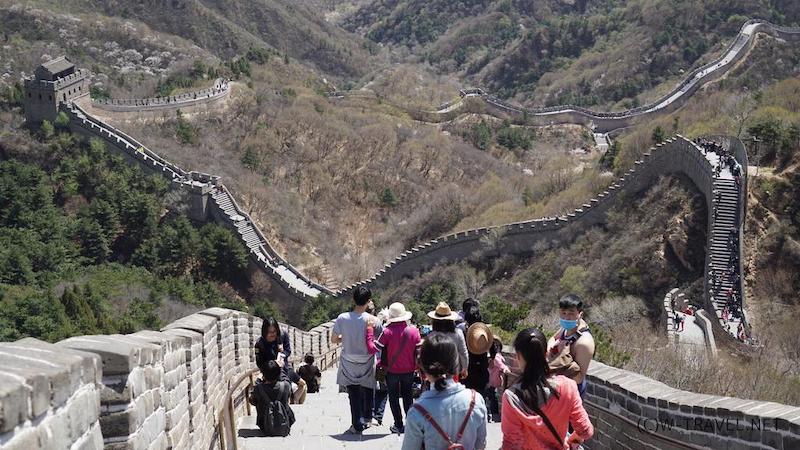
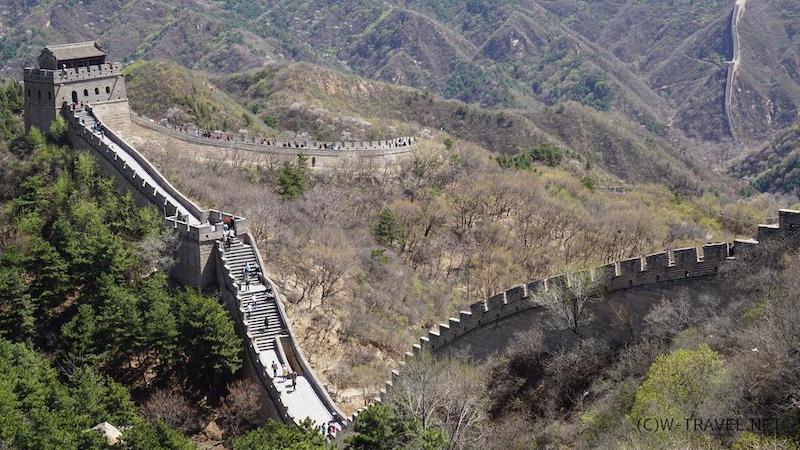
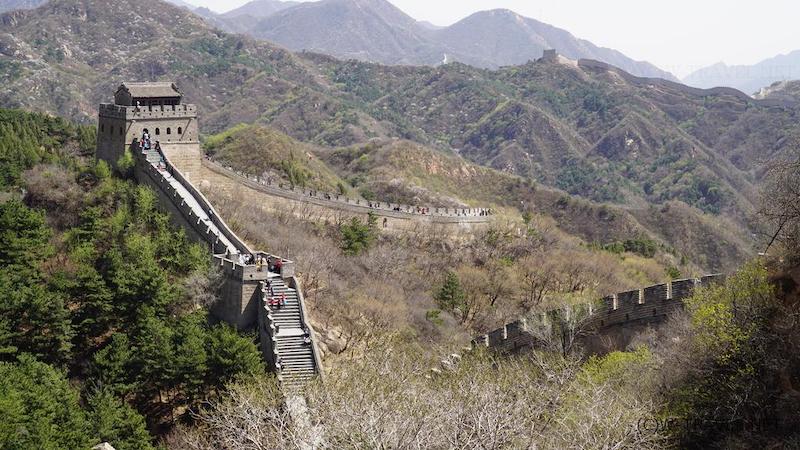
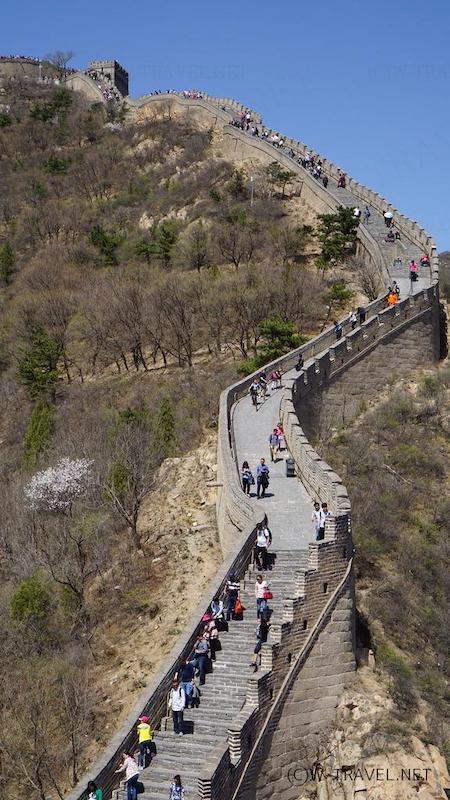

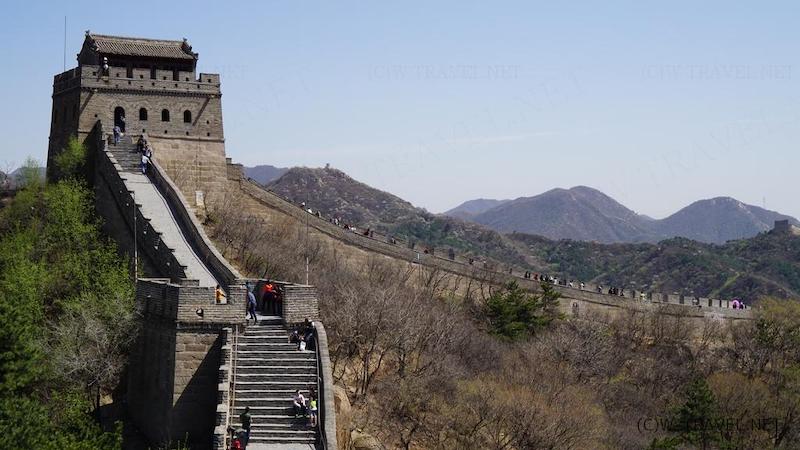

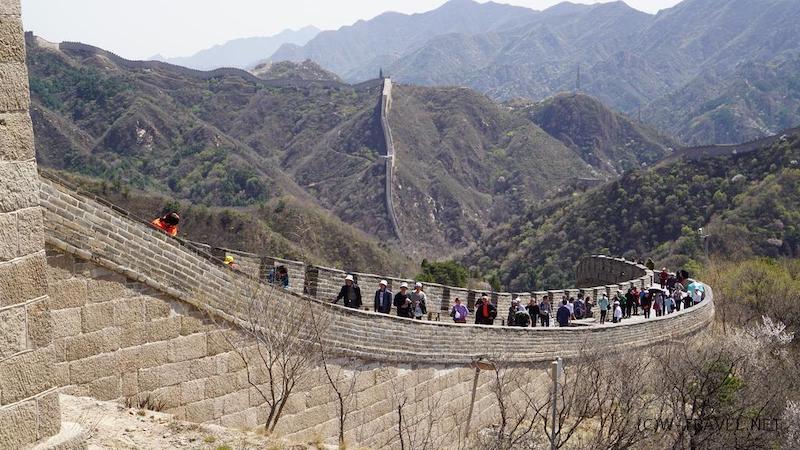 दक्षिण में सबसे ऊपर जाकर, मैंने चारों ओर घूमकर नीचे उतरना शुरू किया।
फिर मैं वापस जाने लगा, लेकिन मैंने वापसी की ट्रेन का समय ठीक से नहीं देखा था, इसलिए मैंने बस रेलवे स्टेशन लौटने का फैसला किया। वहां, वर्तमान समय 2:00 बजे है और पिछली ट्रेन 1:40 पर ही चली गई थी, और अगली ट्रेन लगभग 3:50 बजे आएगी(!), इसलिए मैंने विपरीत दिशा में पहले जाकर, फिर अगली ट्रेन के प्रस्थान से वापस आने का निर्णय लिया।
यहां इंतजार करने की तुलना में अगले स्टेशन तक जाना और वापस आना बेहतर होगा ताकि आप बैठकर यात्रा कर सकें। इंटरनेट पर समय सारणी देखने पर पता चला कि वापसी के लिए लगभग 40 मिनट का समय है। इसमें एक तरफ़ 6 युआन (लगभग 120 येन) अतिरिक्त खर्च होंगे, लेकिन यह लगातार खड़े रहकर इंतजार करने से बेहतर है।
फिर मैं योजना के अनुसार अगले स्टेशन तक गया, बाहर निकला और फिर दोबारा प्रवेश करके ट्रेन में सवार हुआ।
इंतजार करते समय मुझे भूख लगी थी, इसलिए मैंने एक कप नूडल्स खाए। पानी दुकान की महिला ने दिया था।
जब ट्रेन बादालिंग स्टेशन पर पहुंची, तो लाइन में खड़े लोग एक साथ चढ़ गए और ट्रेन पूरी तरह से भर गई।
यह स्पष्ट है कि वापस आना सही निर्णय था।
फिर मैं बीजिंग नॉर्थ स्टेशन लौटा, वहां मैंने भोजन किया, फिर मेट्रो ली और गेस्ट हाउस वापस आकर उस दिन समाप्त कर दिया।
चीन का राष्ट्रीय संग्रहालय।
आज सुबह, शायद पहले की यात्रा की थकान के कारण, मैं थोड़ा सुस्त महसूस कर रहा था, इसलिए मैंने सुबह का समय सोते हुए बिताया।
लगभग 11 बजे, मुझे भूख लगने लगी, इसलिए मैं उठा और पास के चीन राष्ट्रीय संग्रहालय जाने का फैसला किया।
सबसे पहले, मैंने पास में कुछ खाना खाया, लेकिन भोजन की मात्रा बहुत अधिक थी, और यह अपेक्षाकृत महंगा भी था।
यह एक स्थानीय भोजनालय था, लेकिन इसकी कीमतें जापान के भोजनालयों की लगभग 70% थीं।
एक अच्छे रेस्तरां में, एक व्यंजन की कीमत लगभग 1,500 येन होती है।
भले ही भोजन की मात्रा उचित हो, लेकिन यह बहुत सस्ता नहीं है।
फिर मैं पैदल चीन राष्ट्रीय संग्रहालय गया।
मेरा होटल निषिं शहर (फॉरबिडन सिटी) के पूर्वी हिस्से में है, इसलिए मैं पैदल निषिं शहर के दक्षिणी हिस्से में स्थित चीन राष्ट्रीय संग्रहालय तक जा सकता था।
फिर भी, निषिं शहर के आसपास का क्षेत्र बहुत विशाल है, और यह मेरी अपेक्षा से भी बड़ा है।
चीन राष्ट्रीय संग्रहालय भी, मेरी अपेक्षा से बहुत बड़ा है, और मैं हैरान था।
यह इतना बड़ा है कि इसे तस्वीरों में कैद करना मुश्किल है।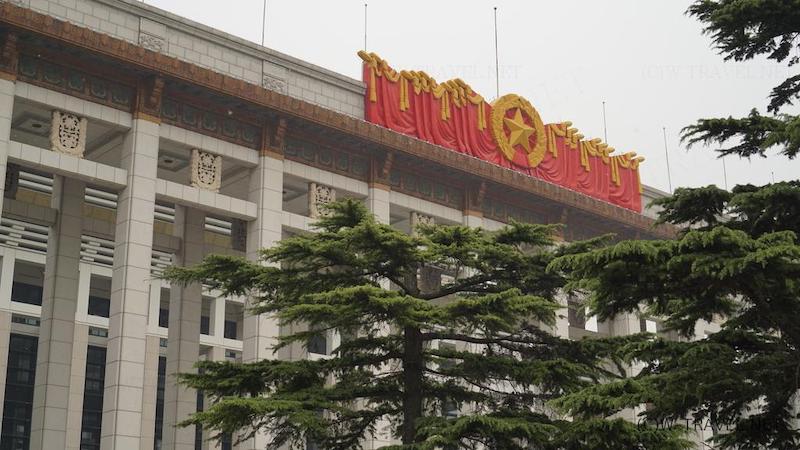
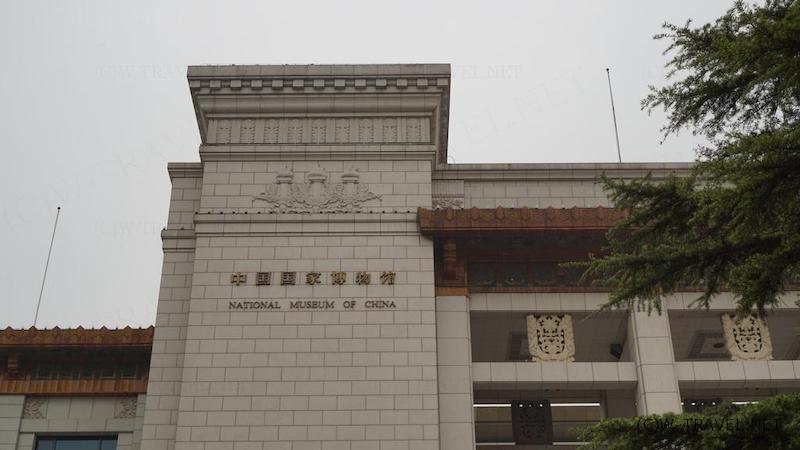
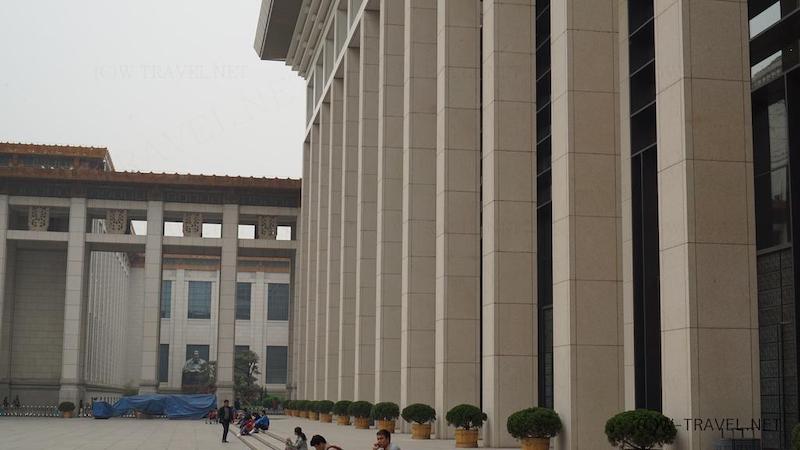 प्रवेश एक दिन में 8000 लोगों तक सीमित था, लेकिन मुझे बिना किसी समस्या के प्रवेश मिला।
चीनी नागरिक बाईं ओर के प्रवेश द्वार से प्रवेश करते हैं, जबकि विदेशी और जिनके पास विशेष पहचान पत्र हैं, वे दाईं ओर के प्रवेश द्वार से प्रवेश करते हैं।
सुरक्षा जांच के बाद, एक पुलिसकर्मी जो बहुत सख्त और सीधा खड़ा था, उसकी छवि मेरे दिमाग में अंकित है।
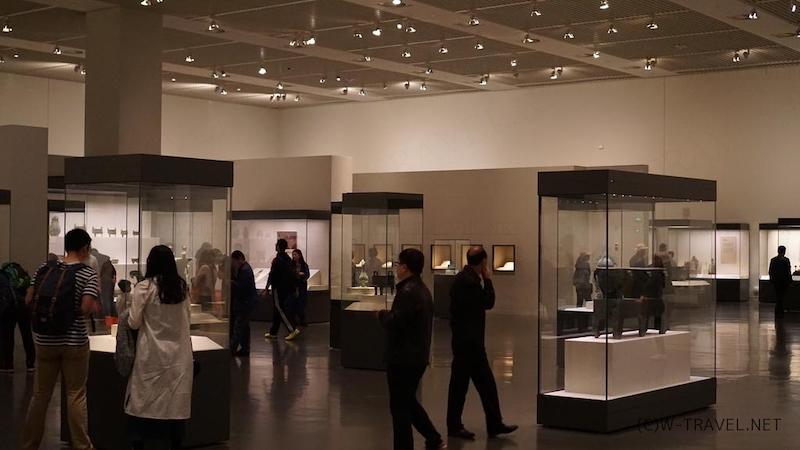
यह इमारत बहुत बड़ी है, और अंदर भी बहुत विशाल है।
छत बहुत ऊंची है।
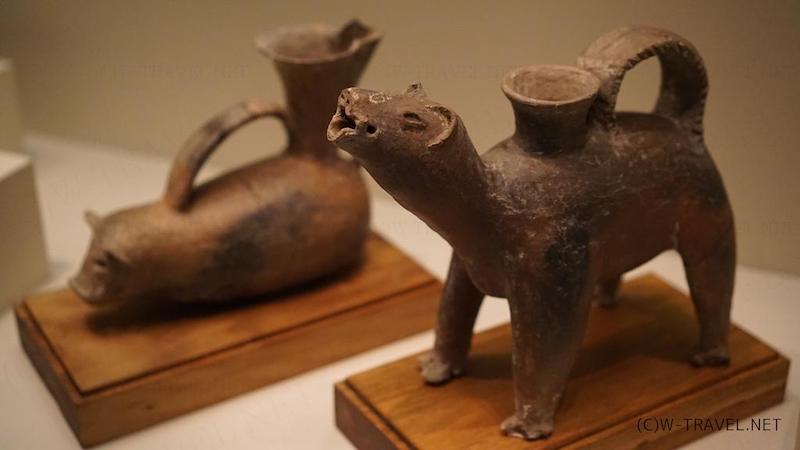
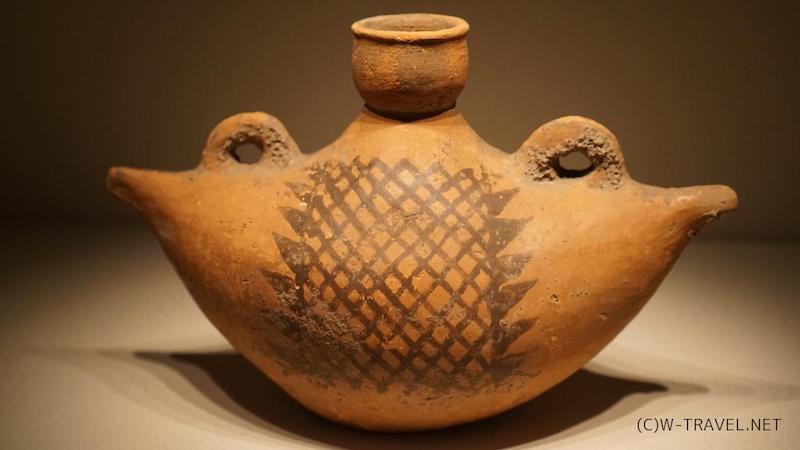
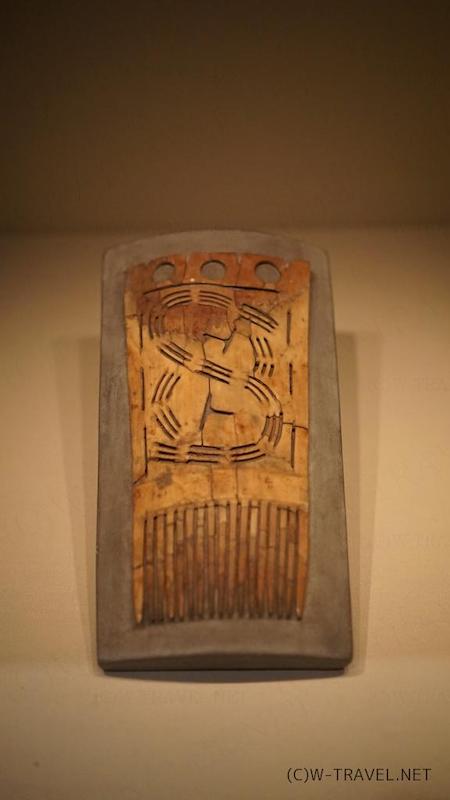
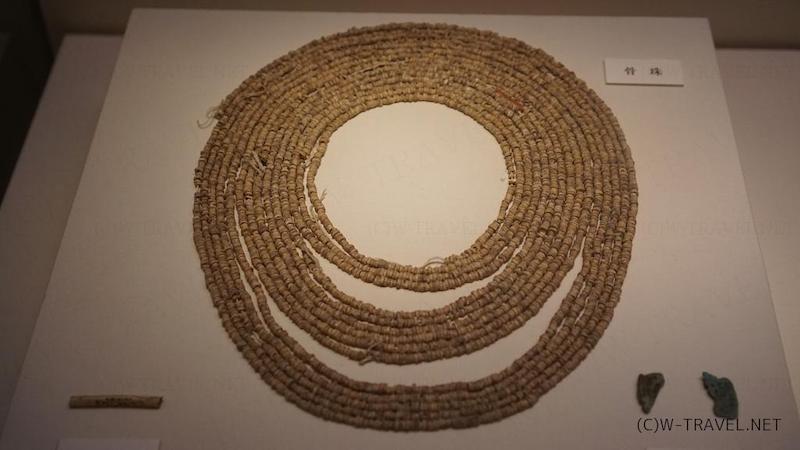
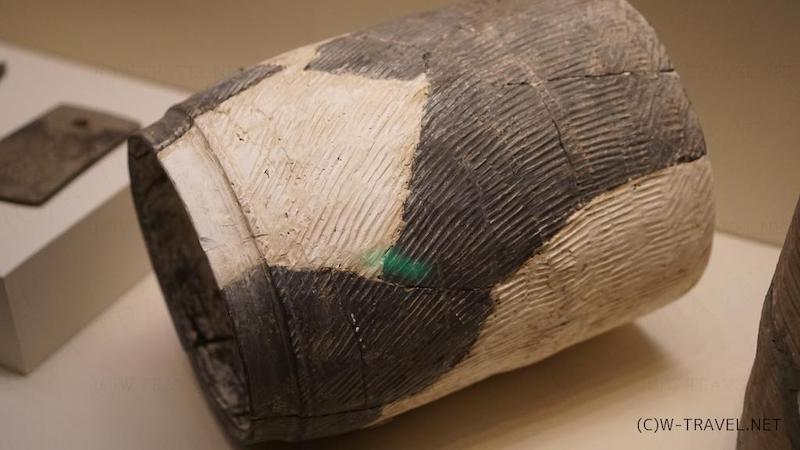
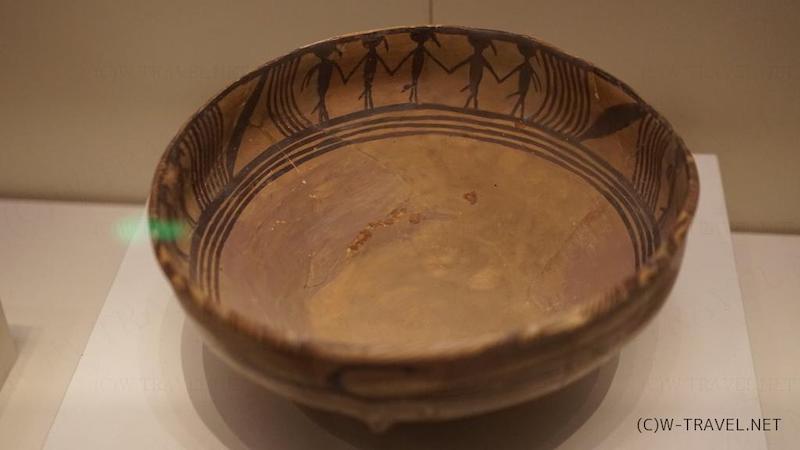
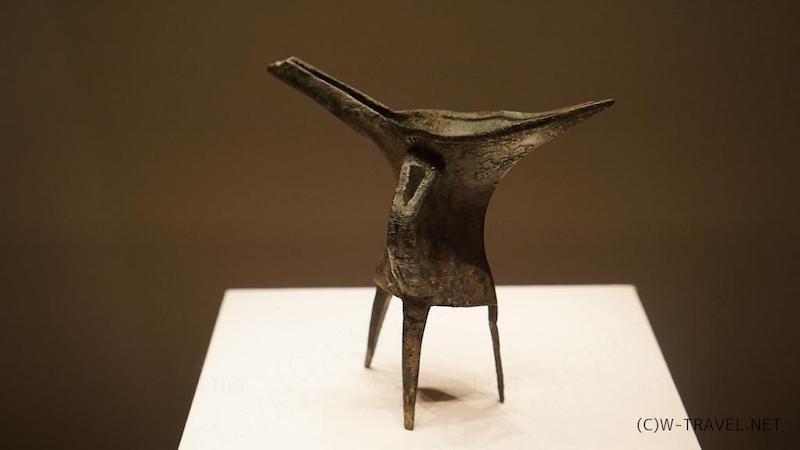
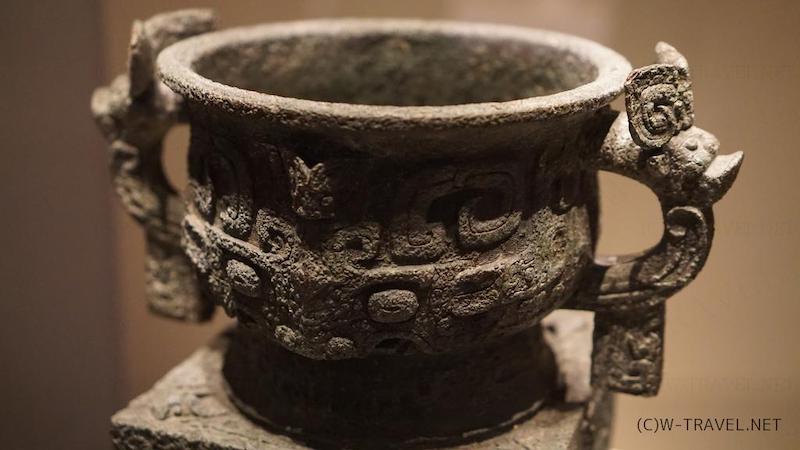
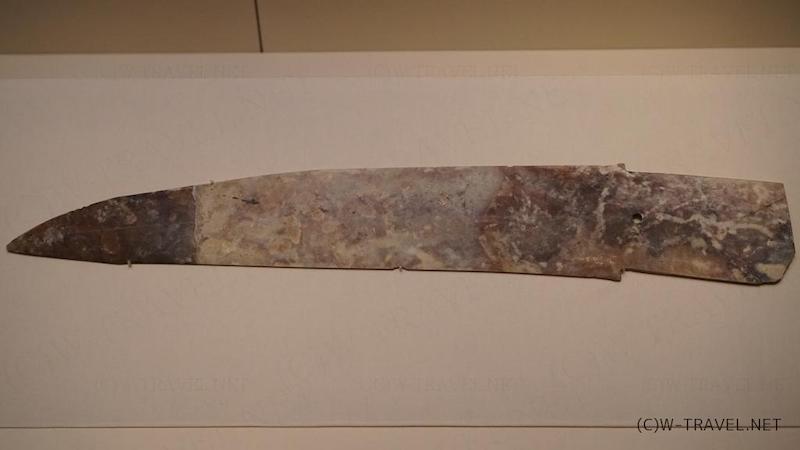
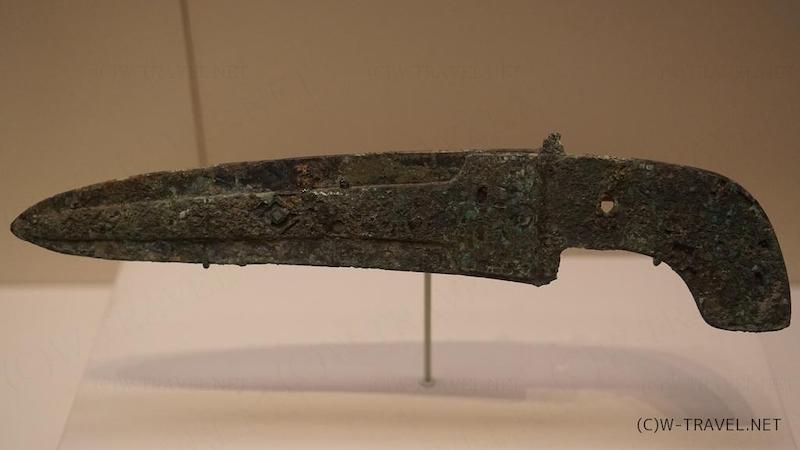
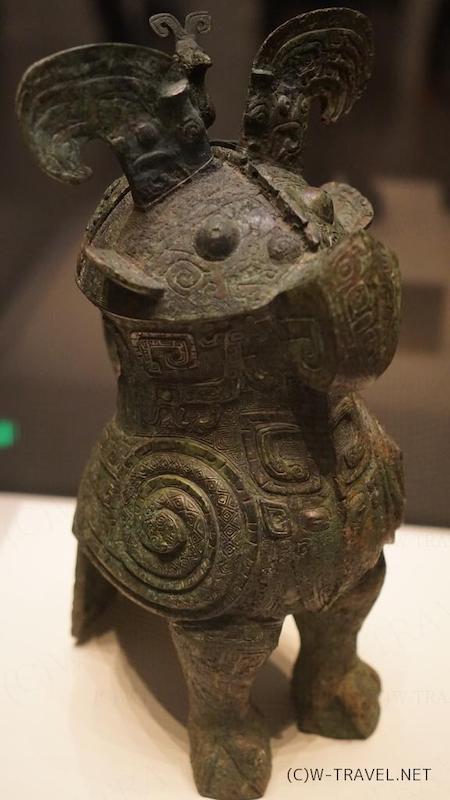
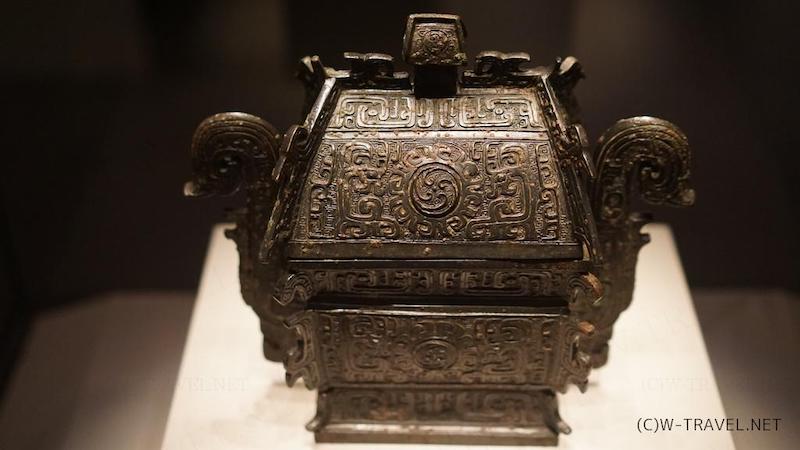
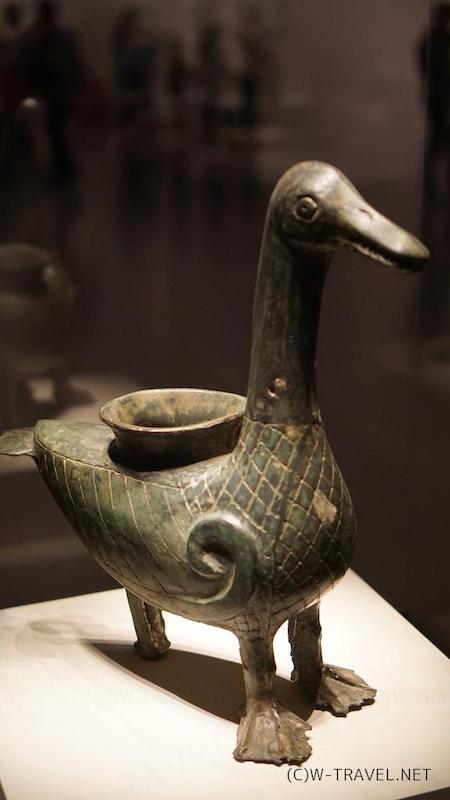
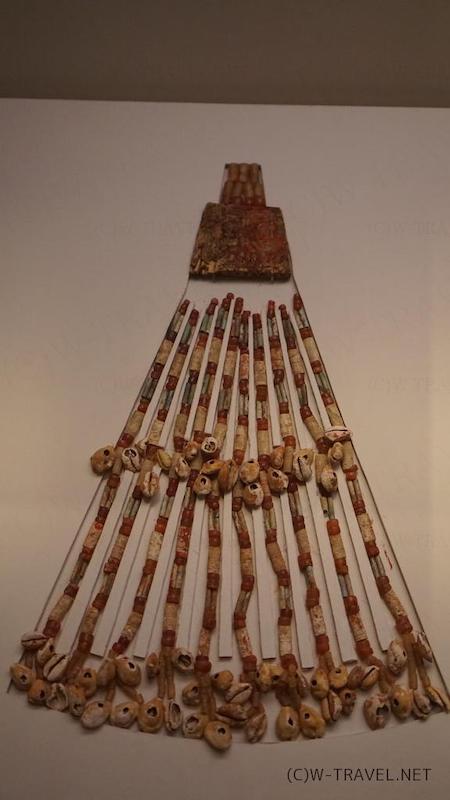
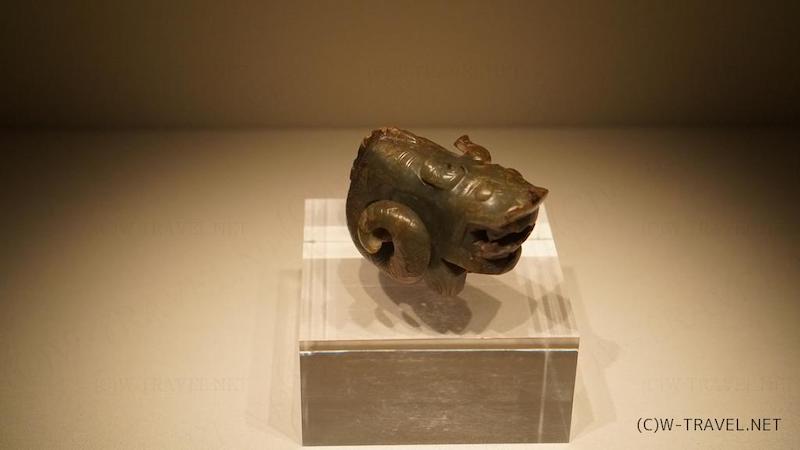
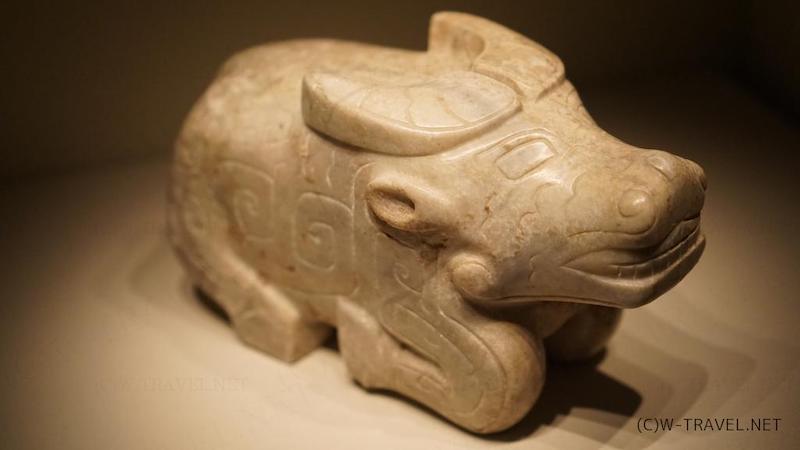
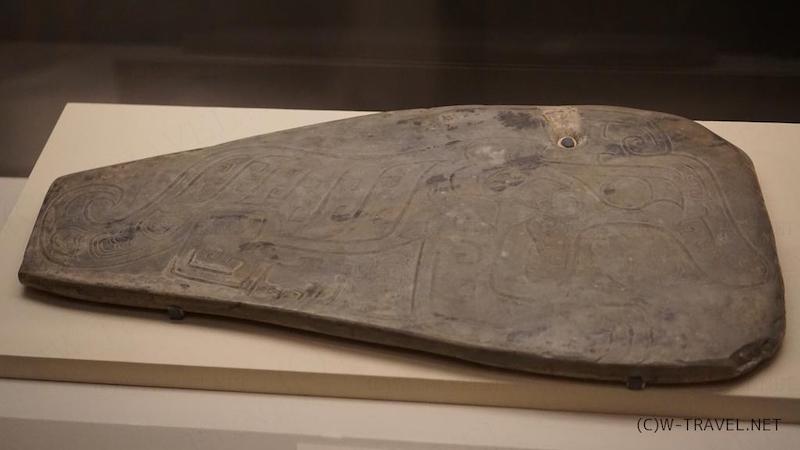
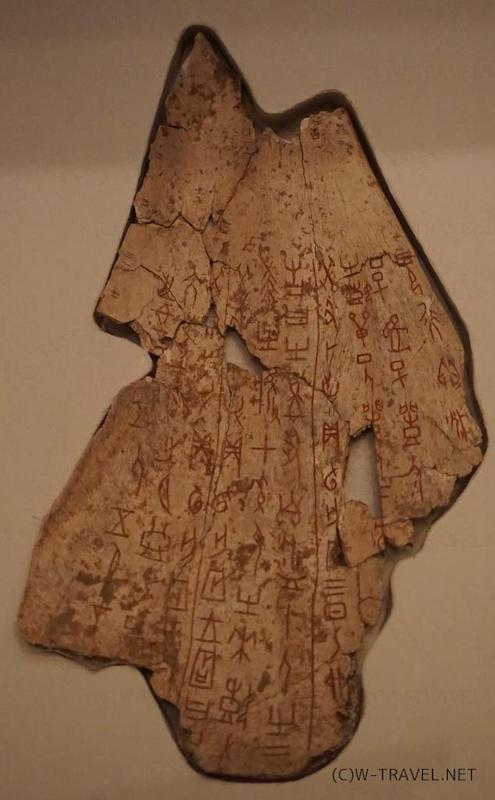
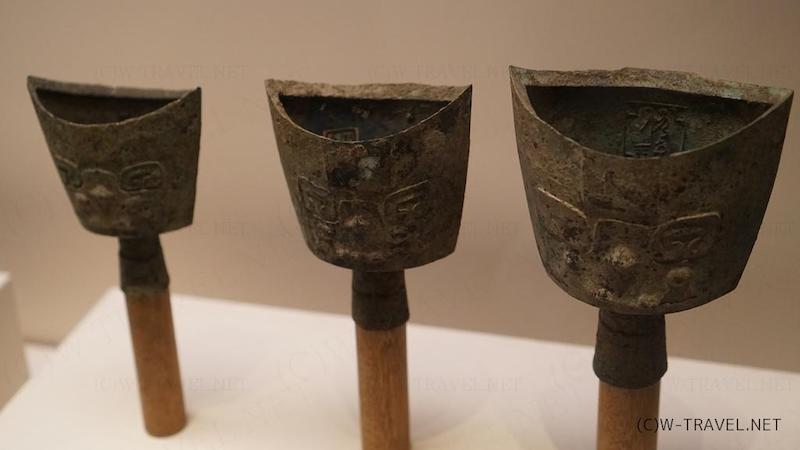
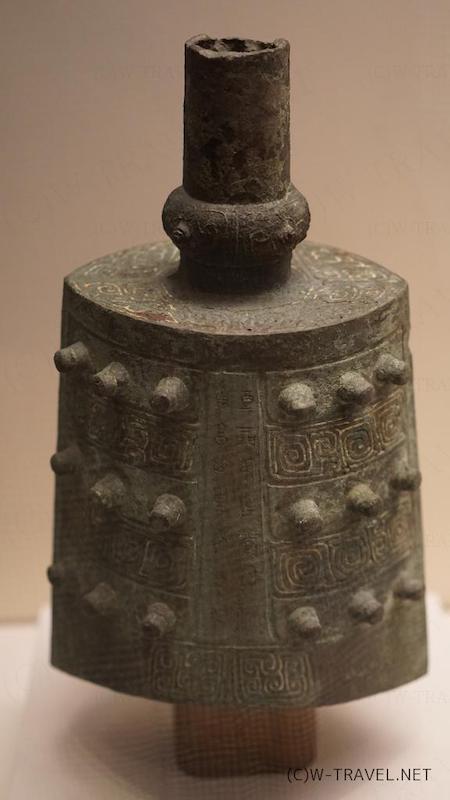
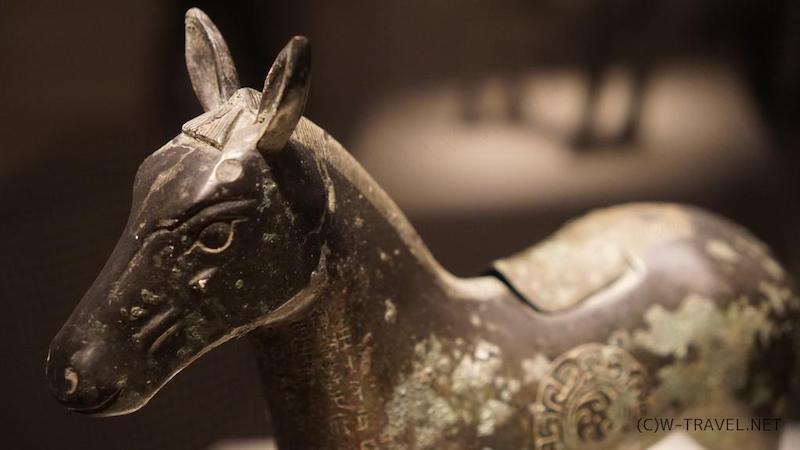
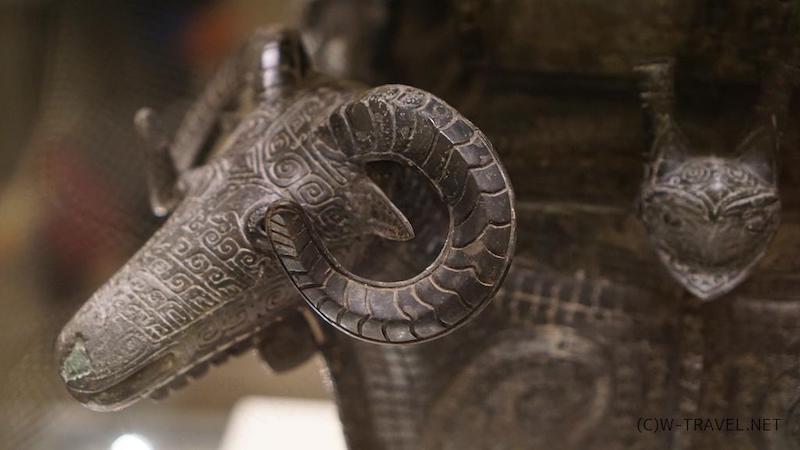
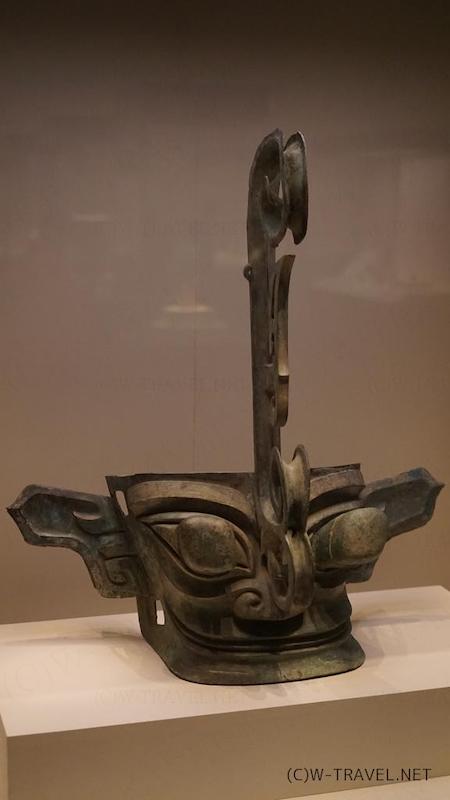
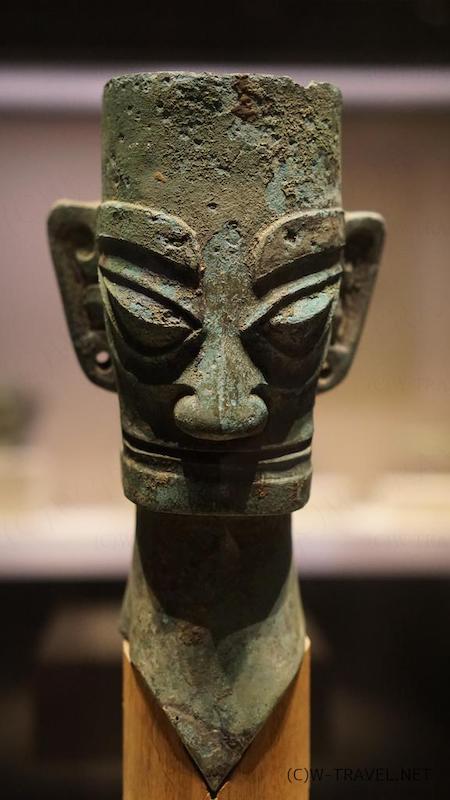
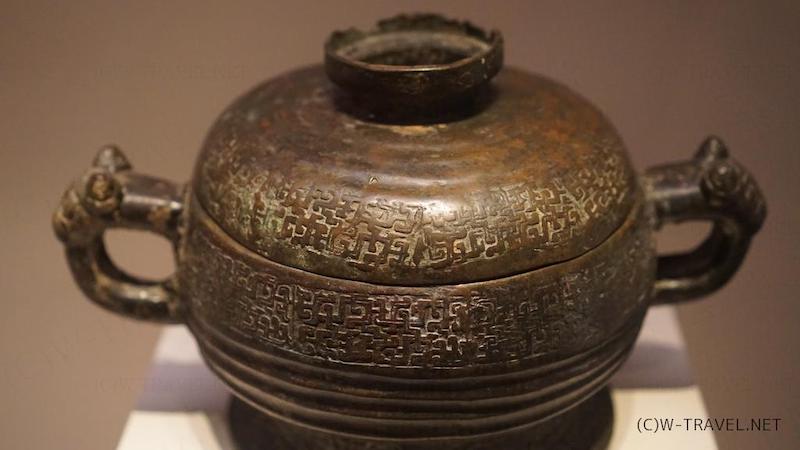
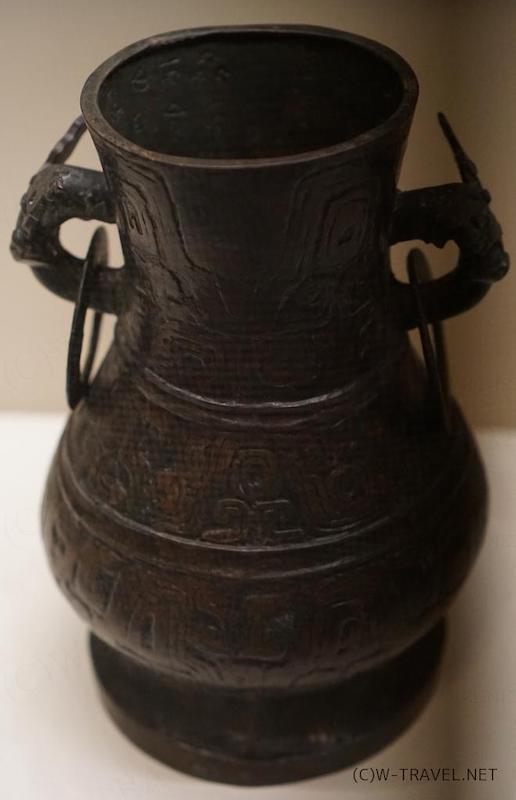
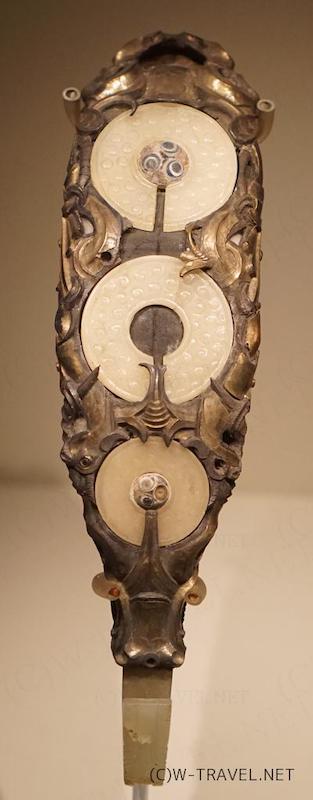
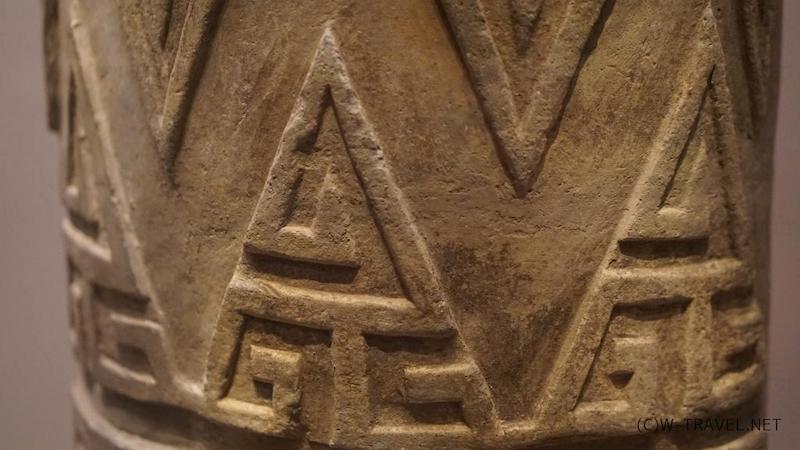
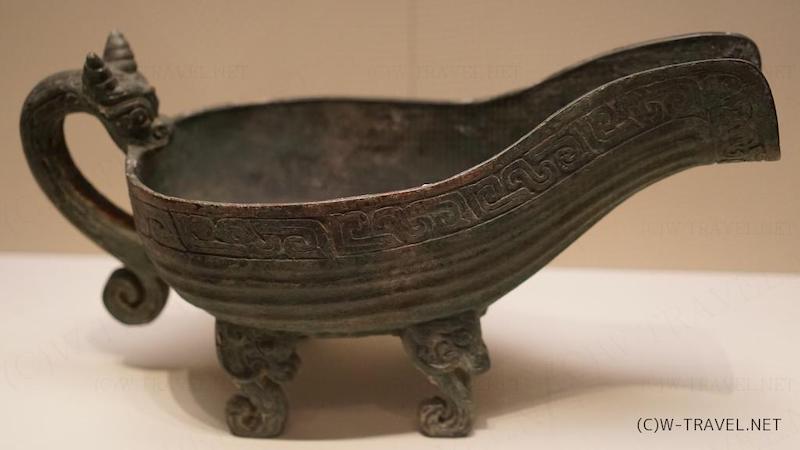
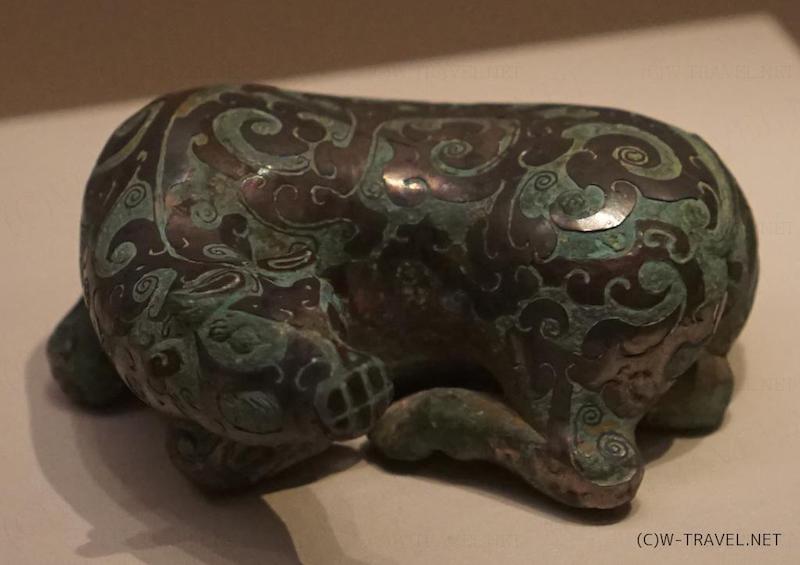
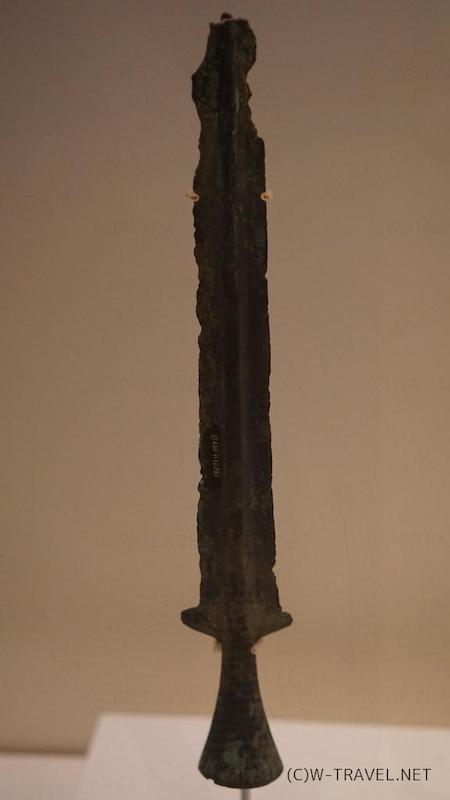
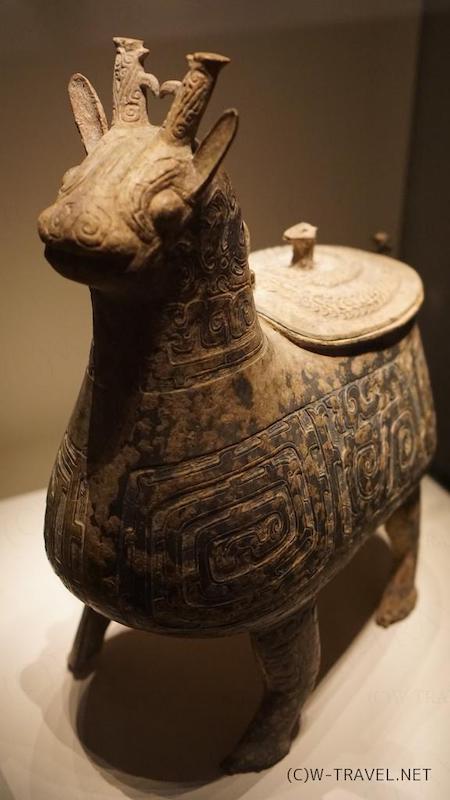
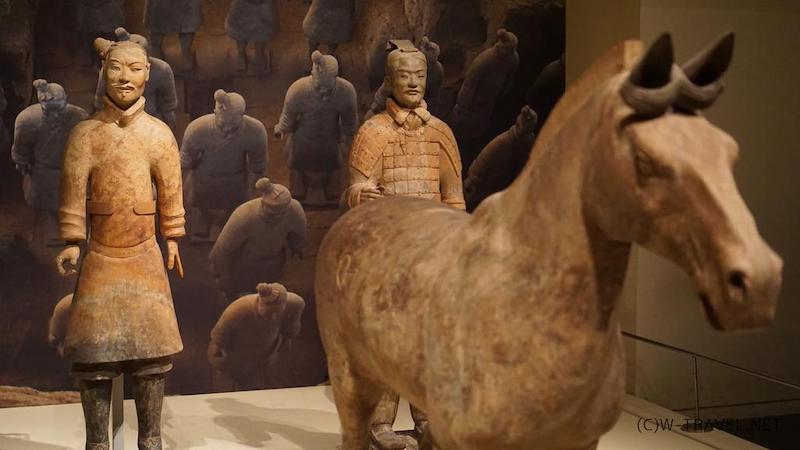
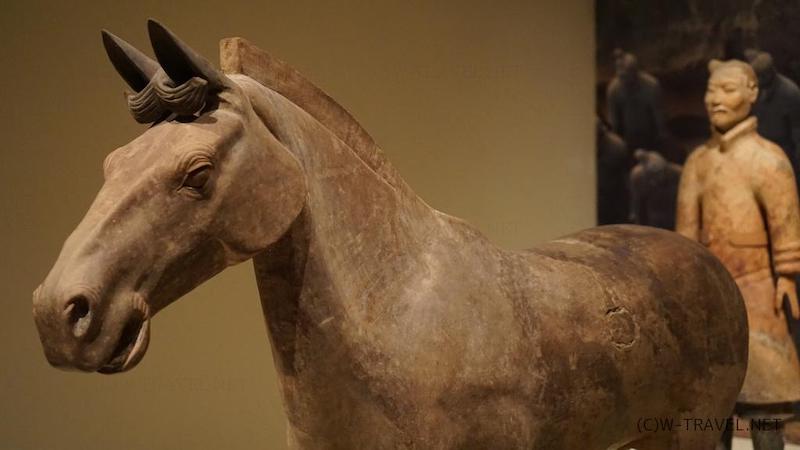
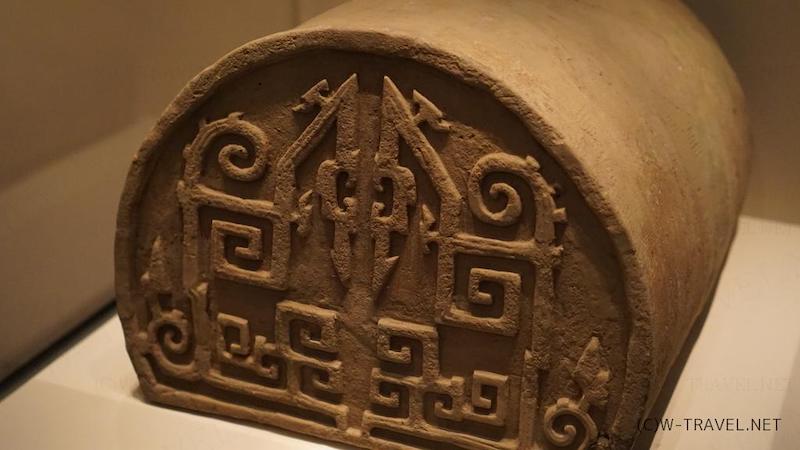
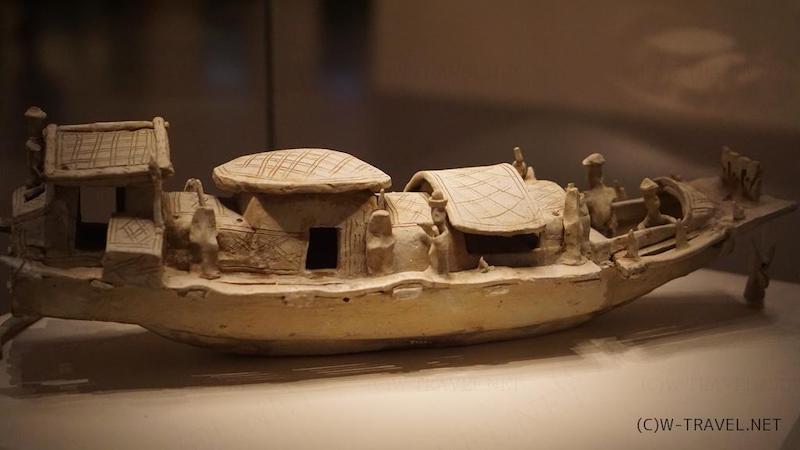
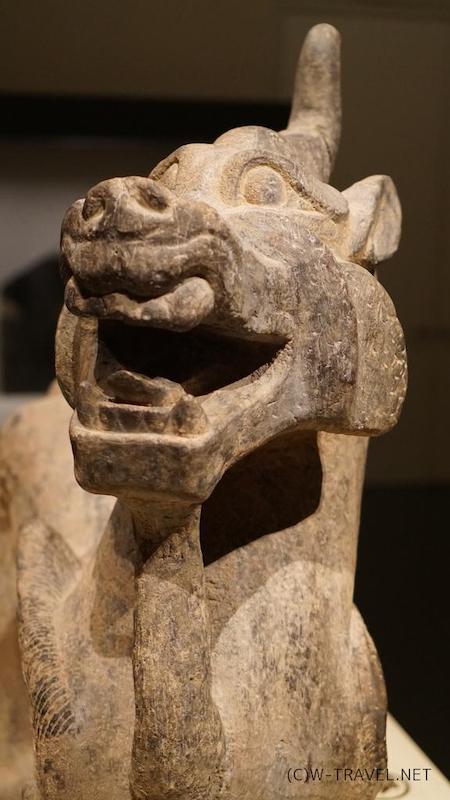
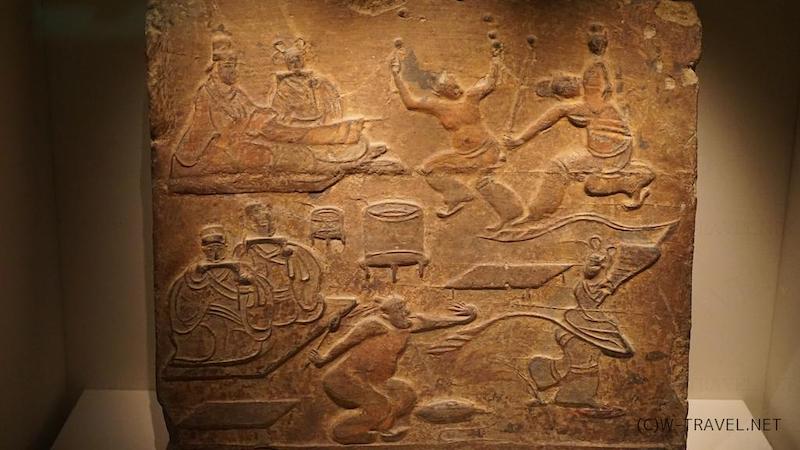
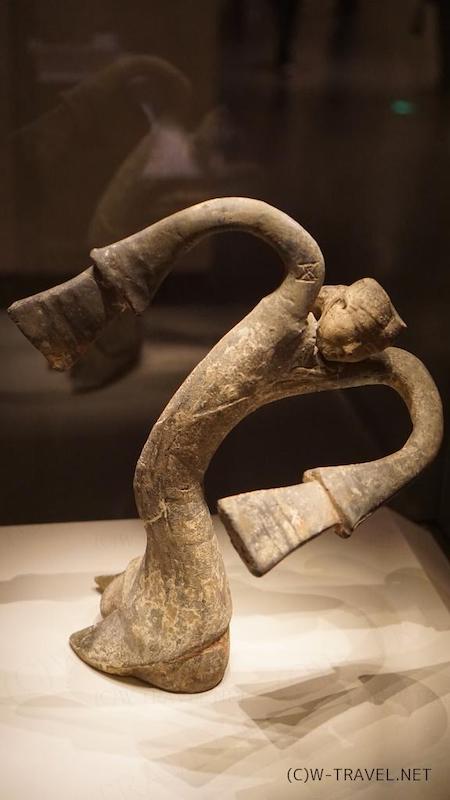
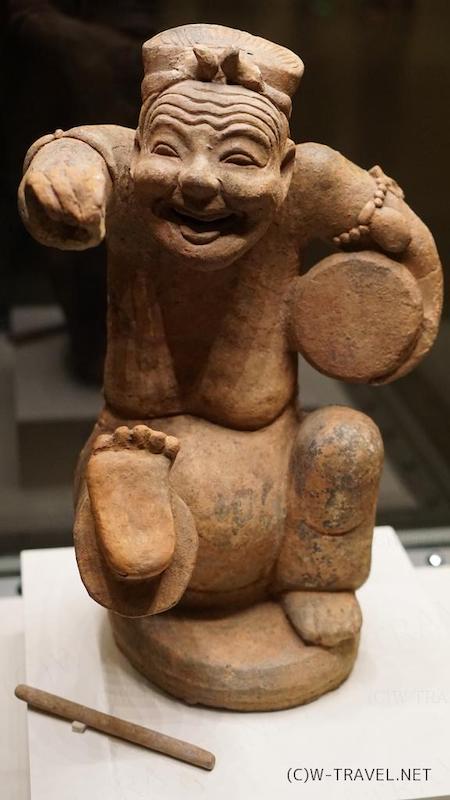
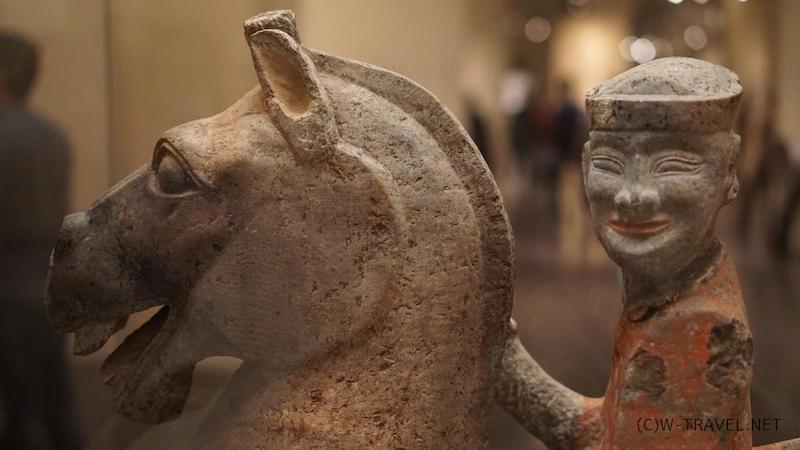
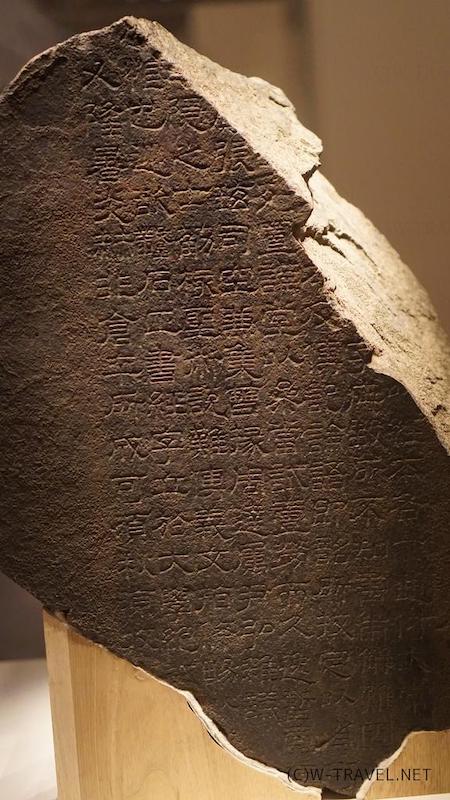
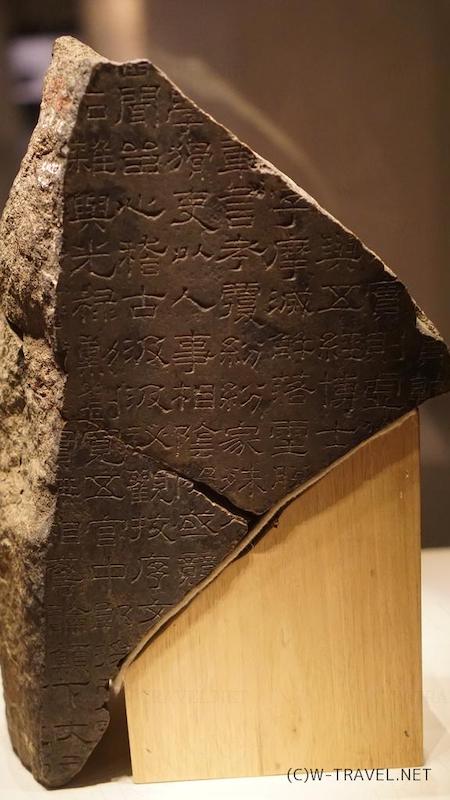
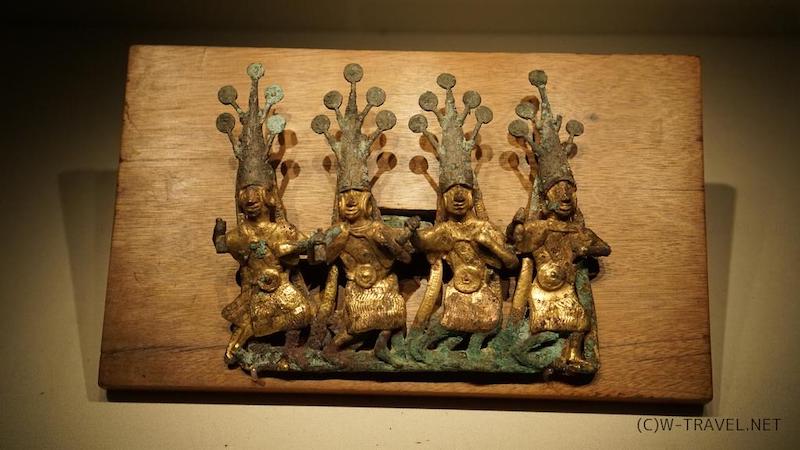
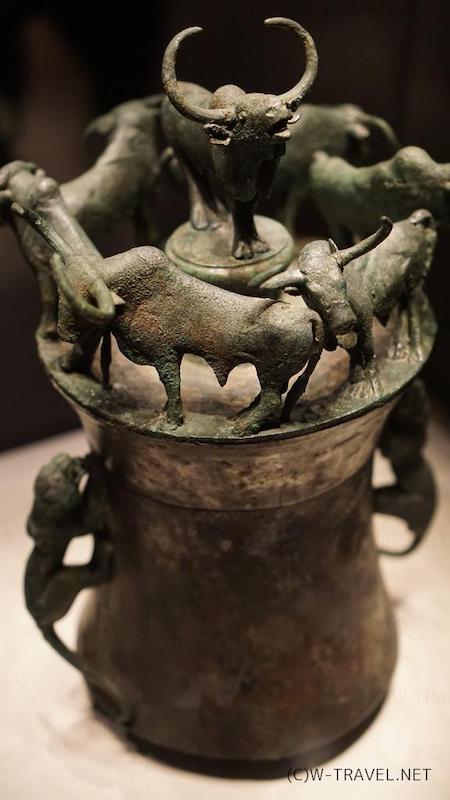
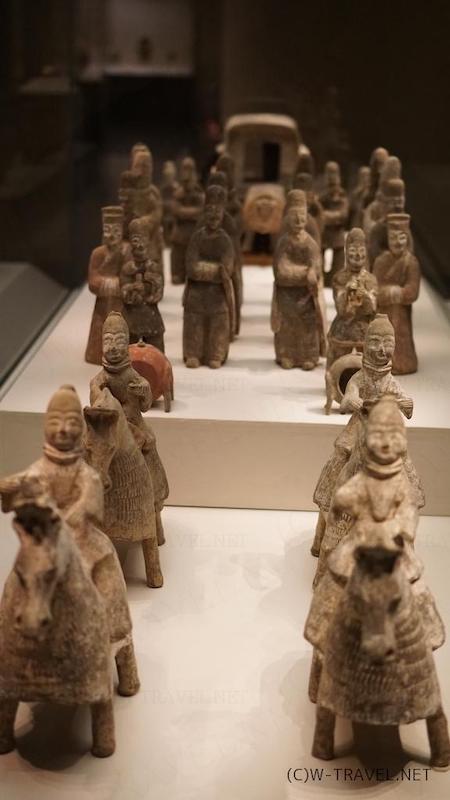
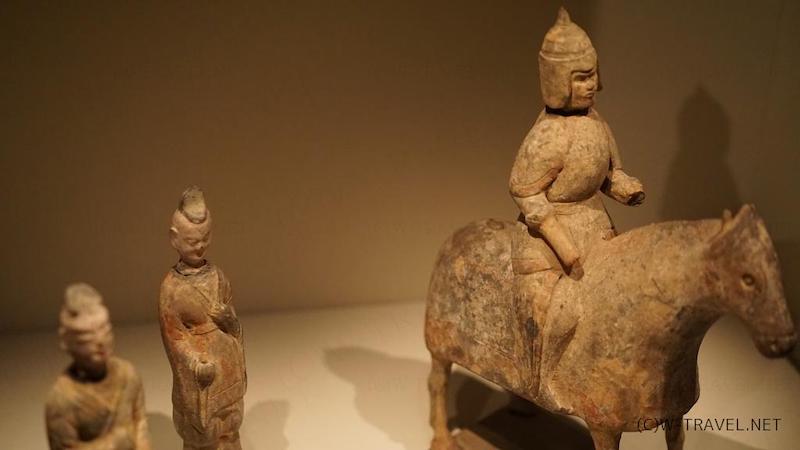
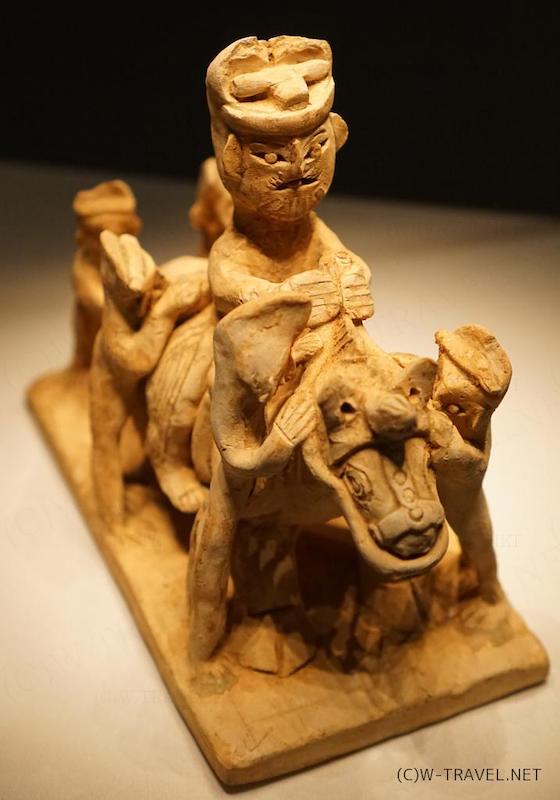
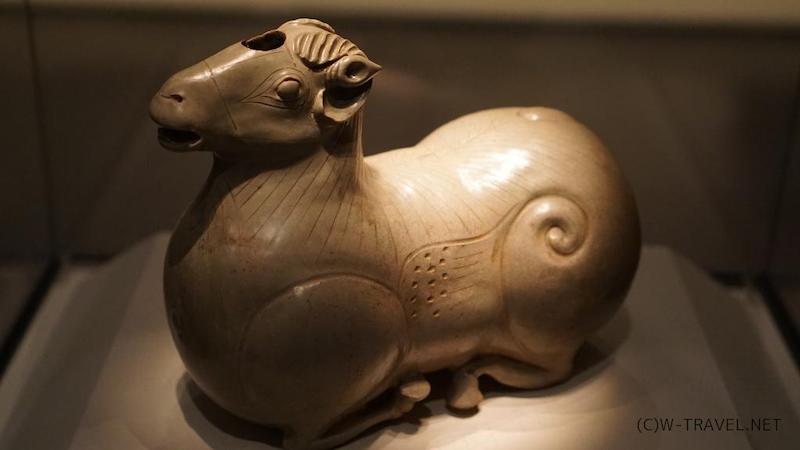
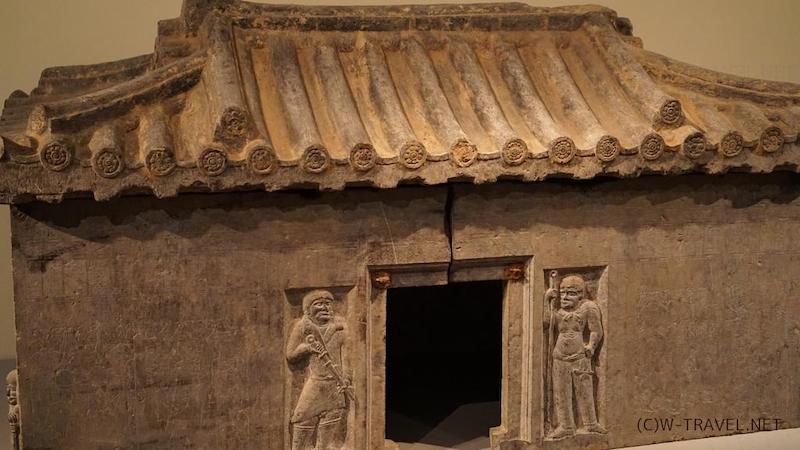
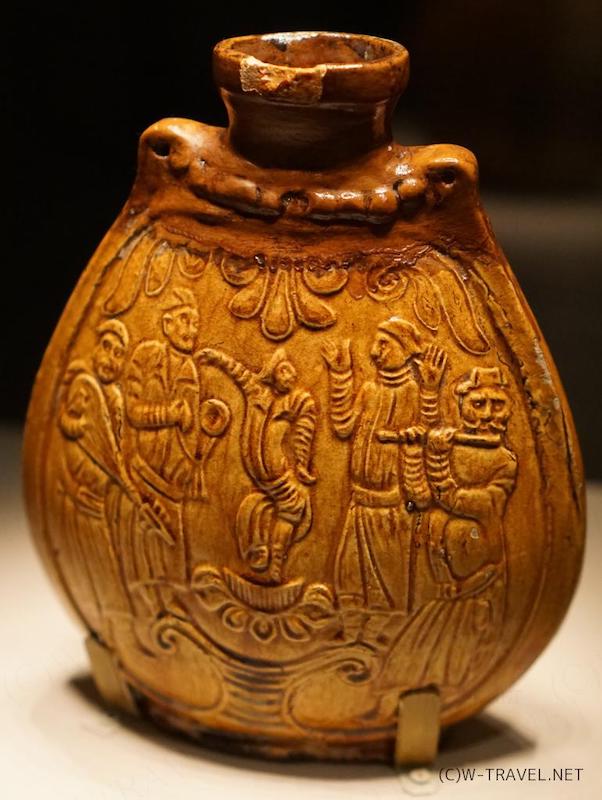
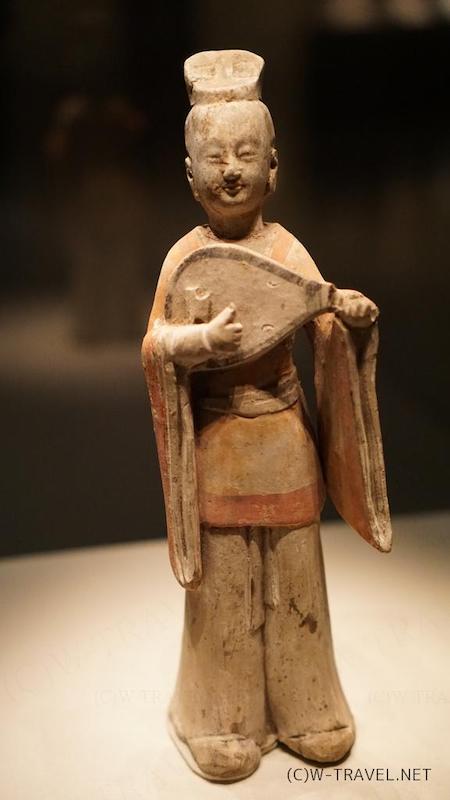
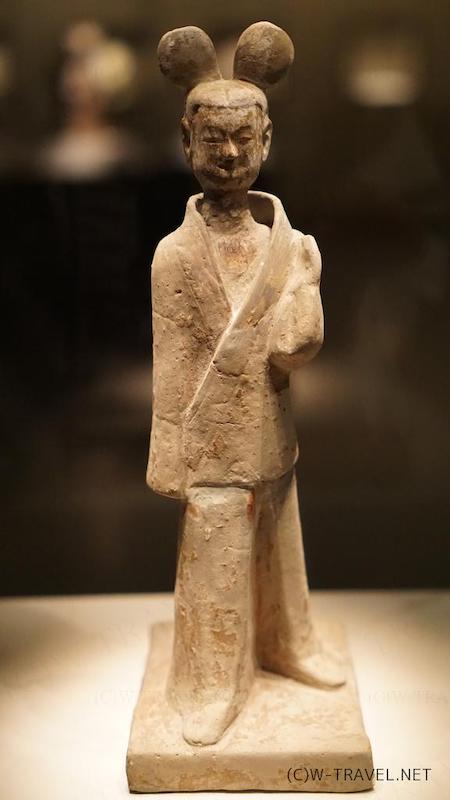
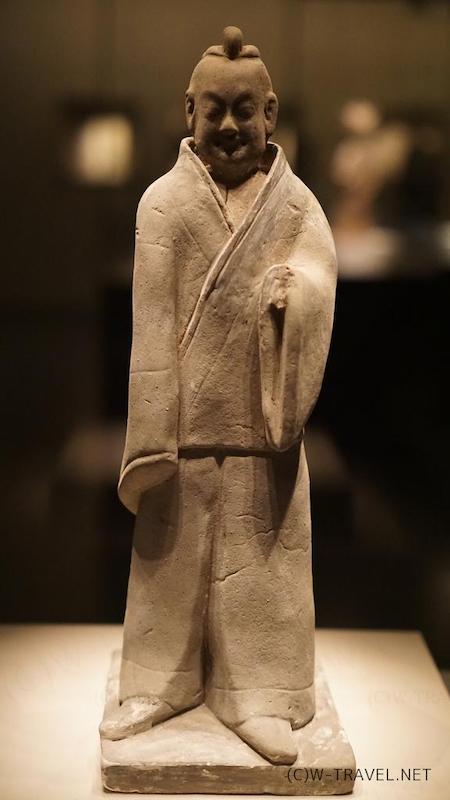
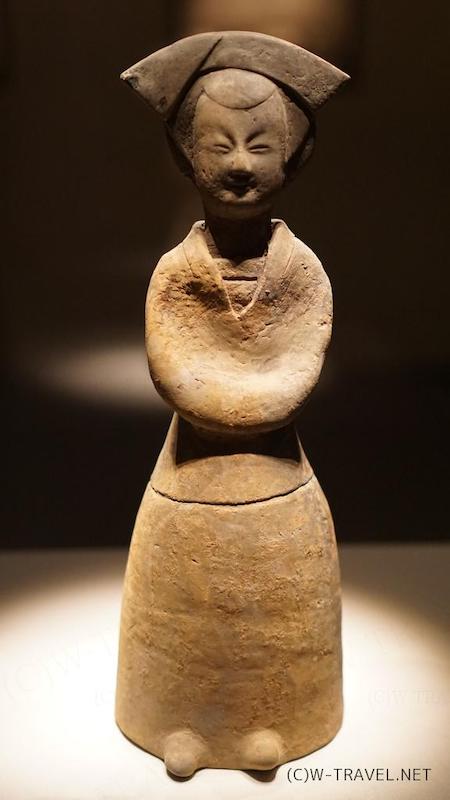
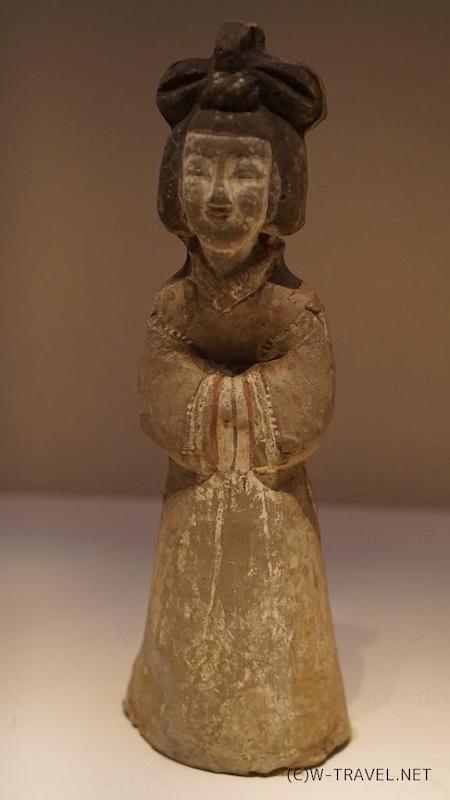
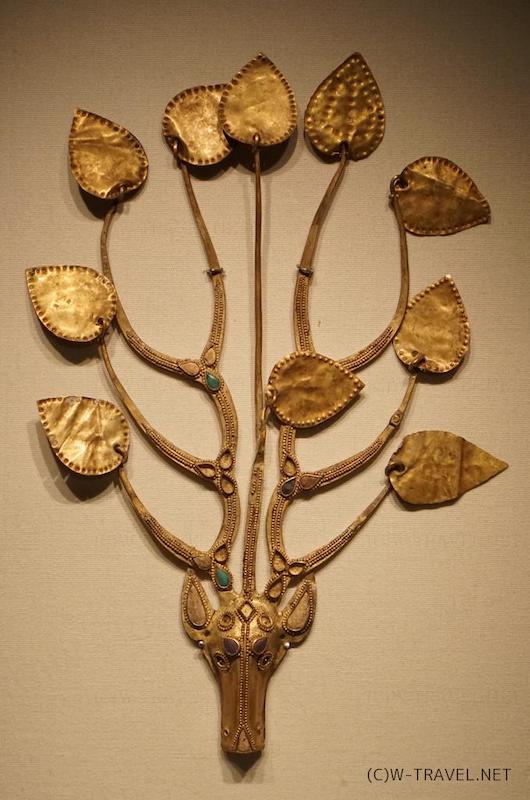
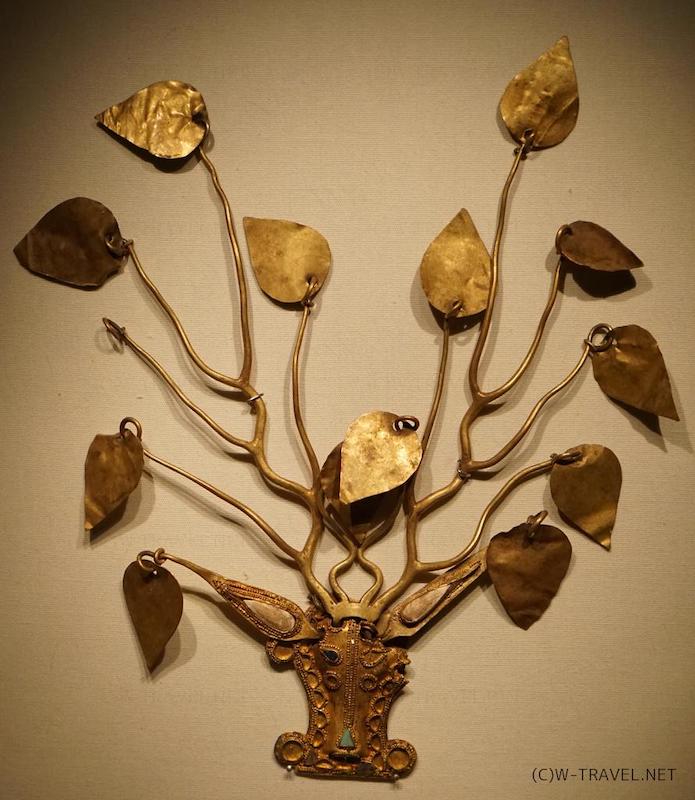
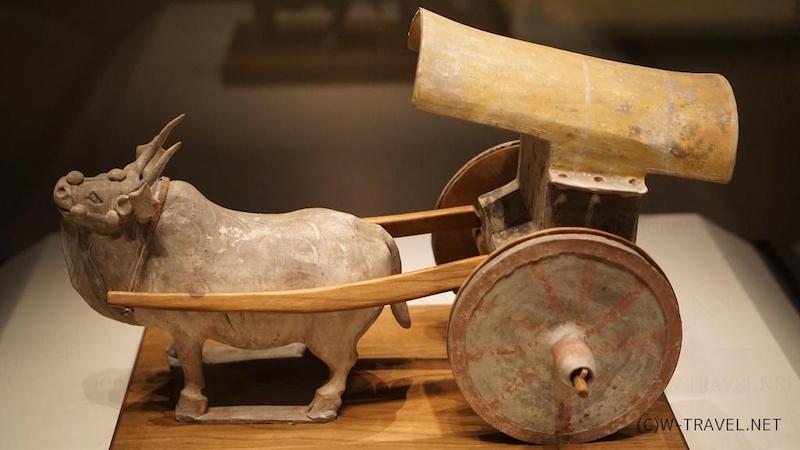
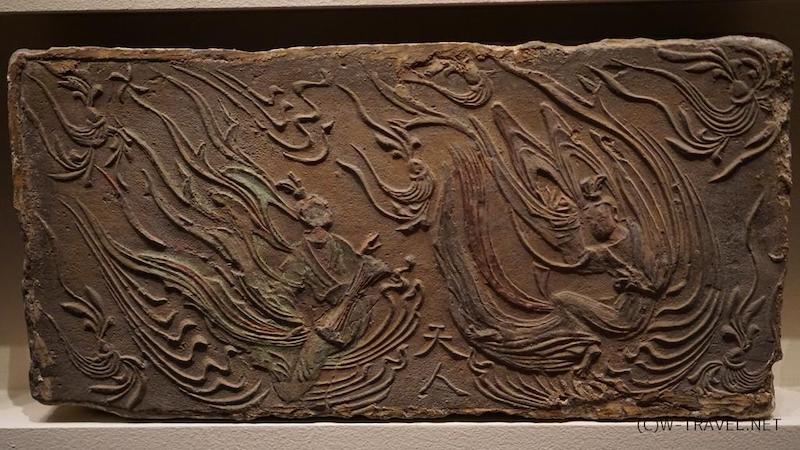
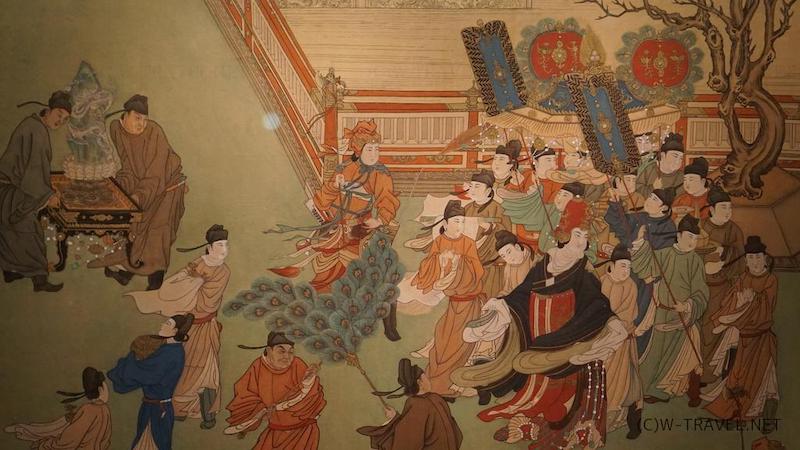
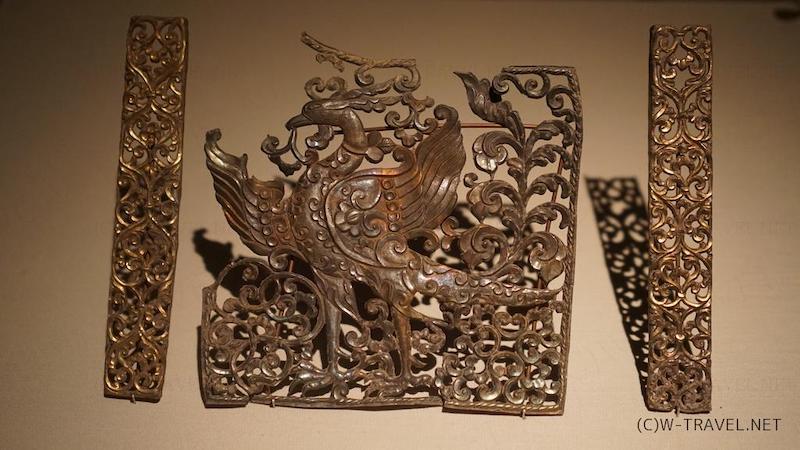
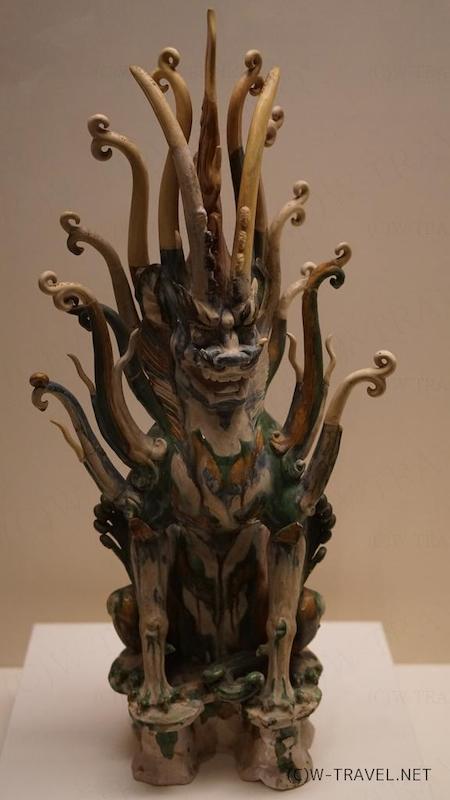
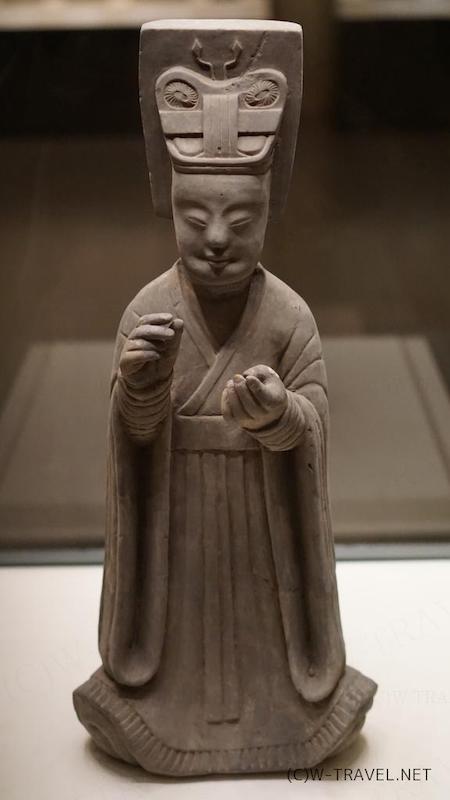
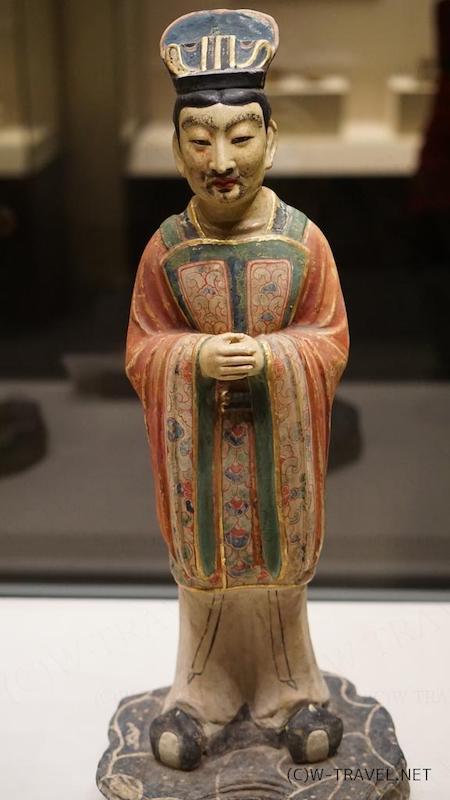
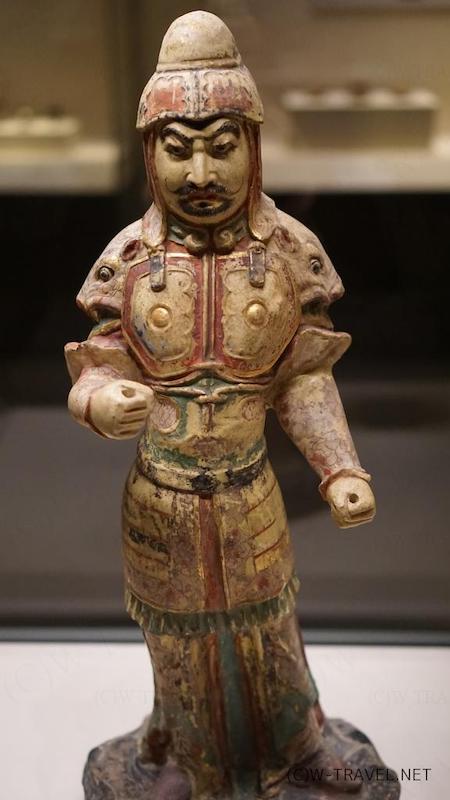
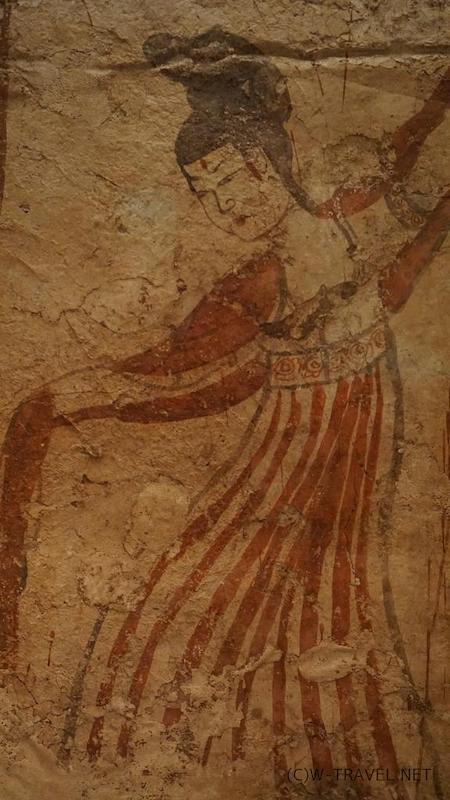
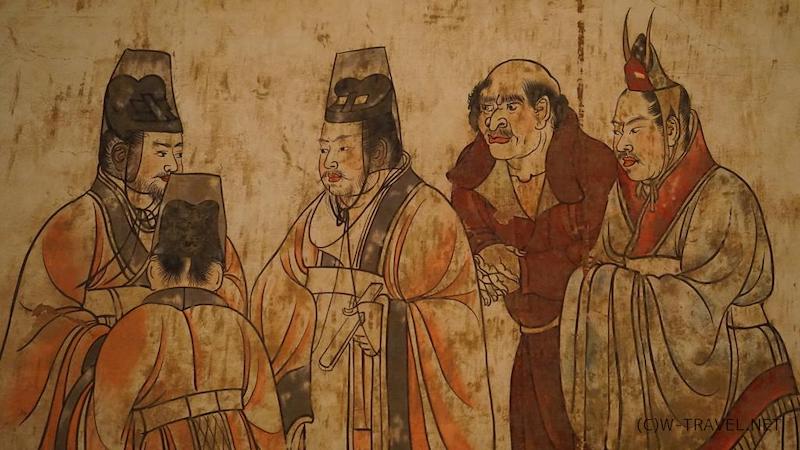
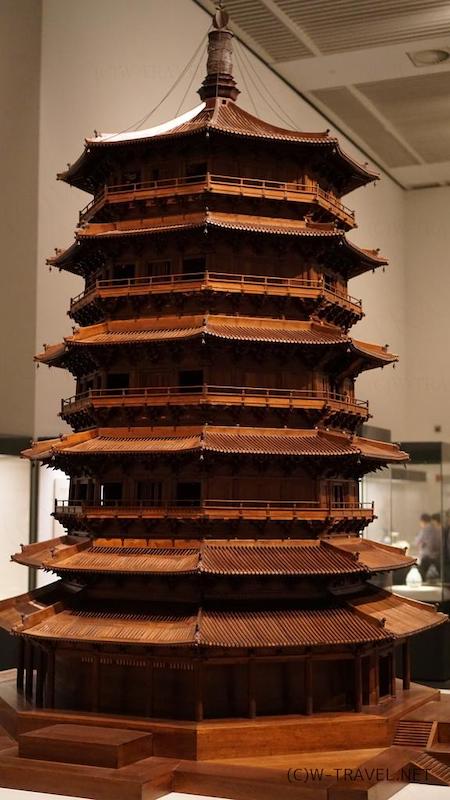
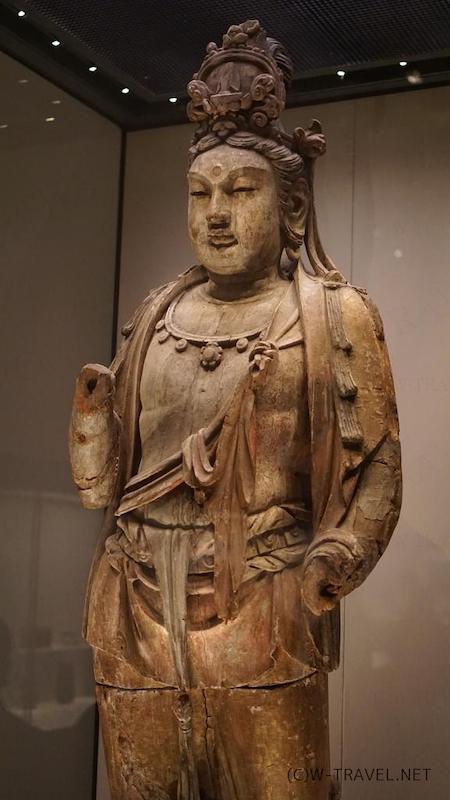
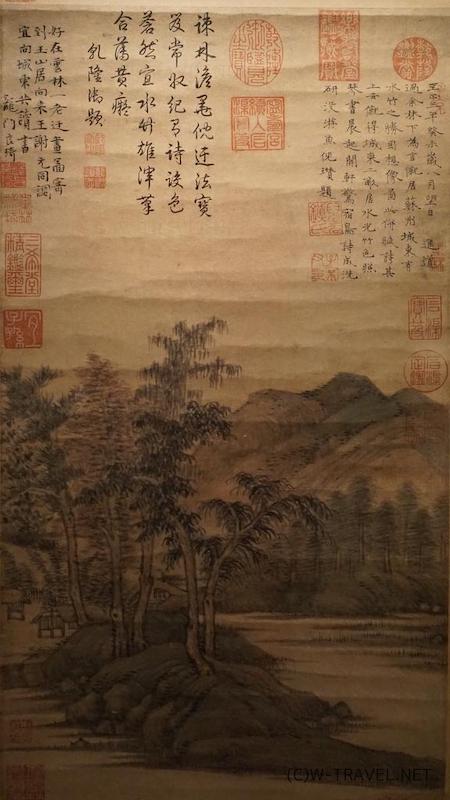
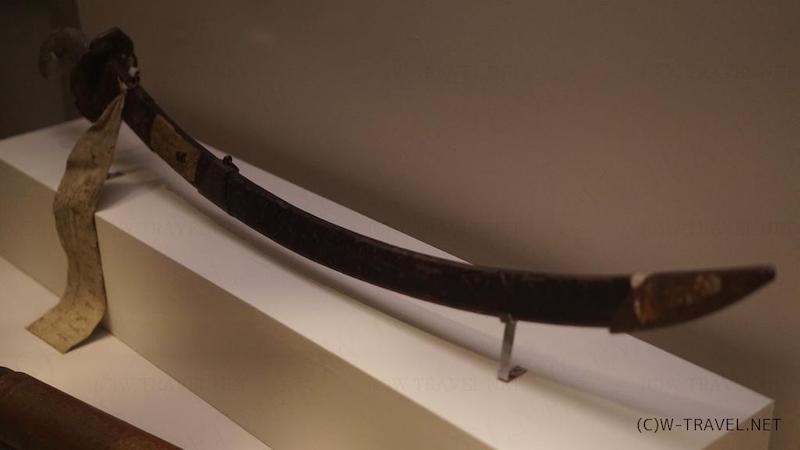
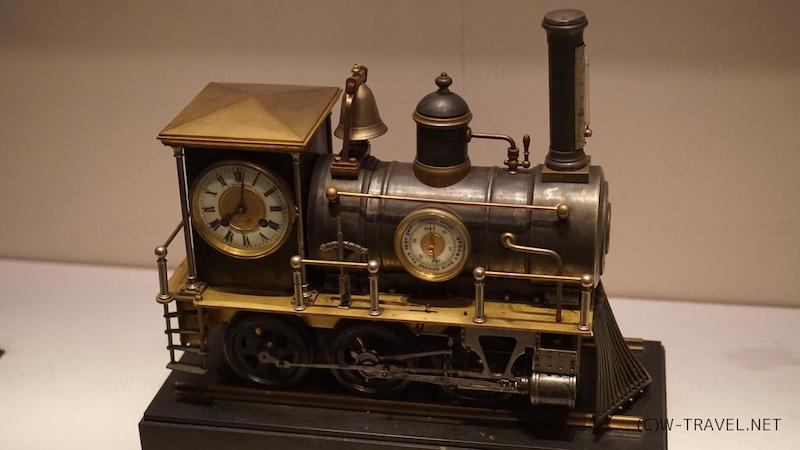
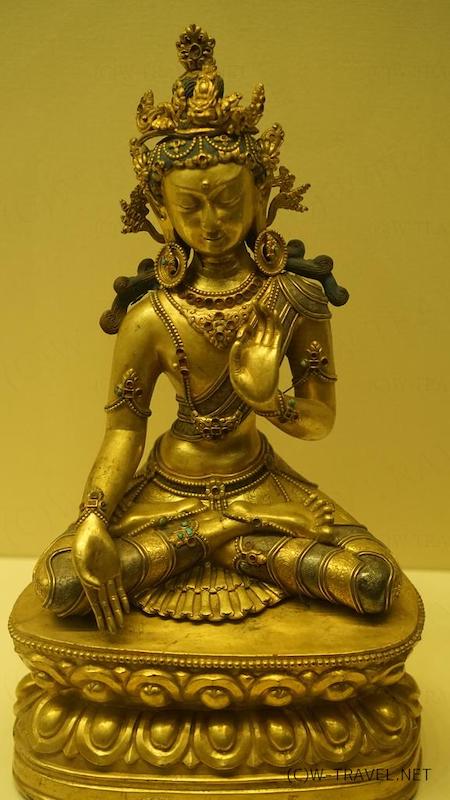
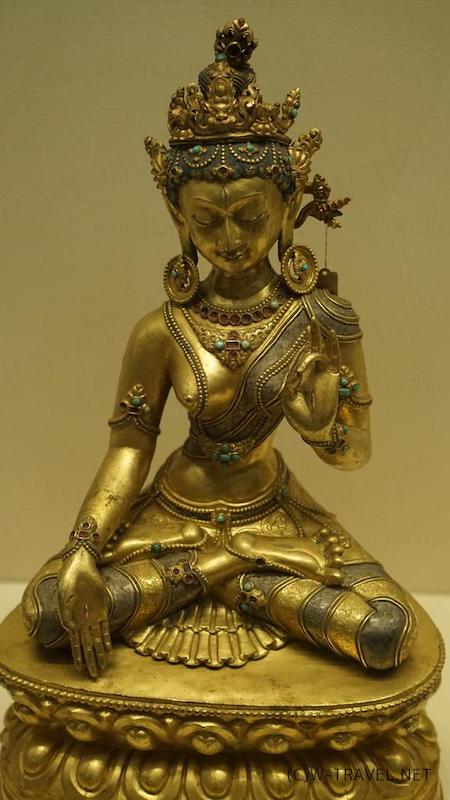
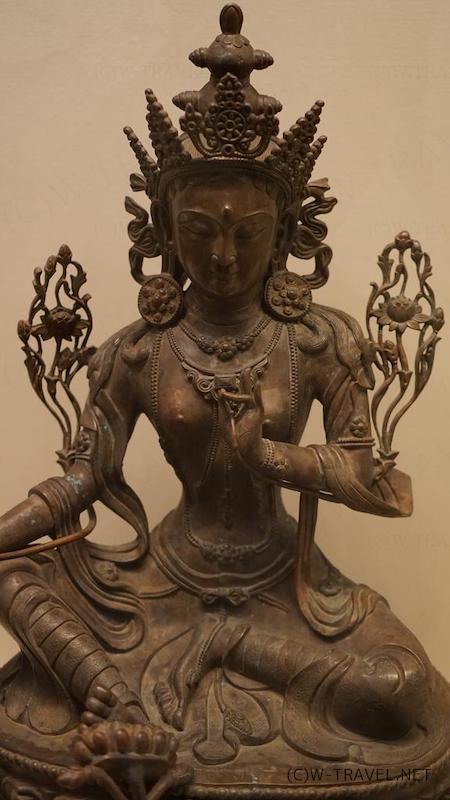
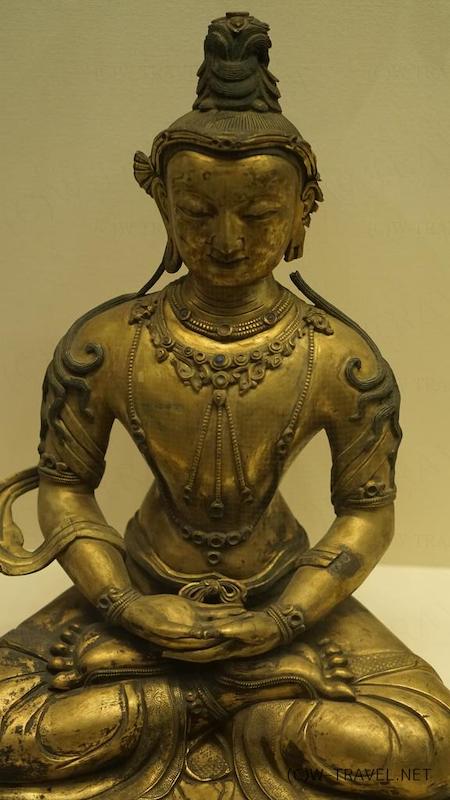
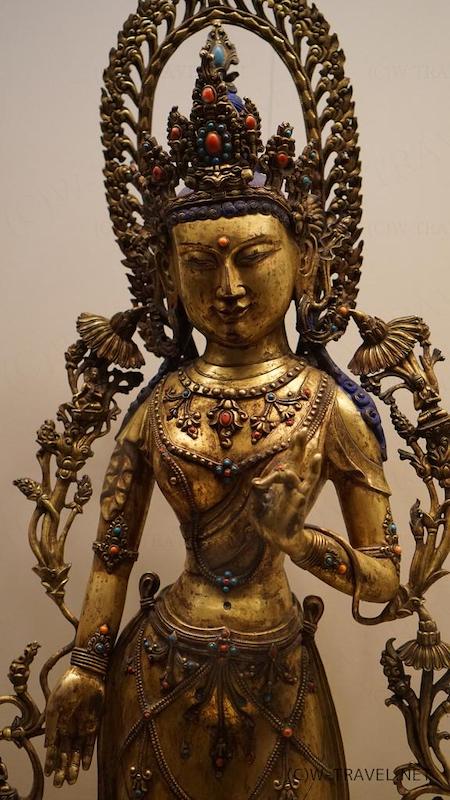
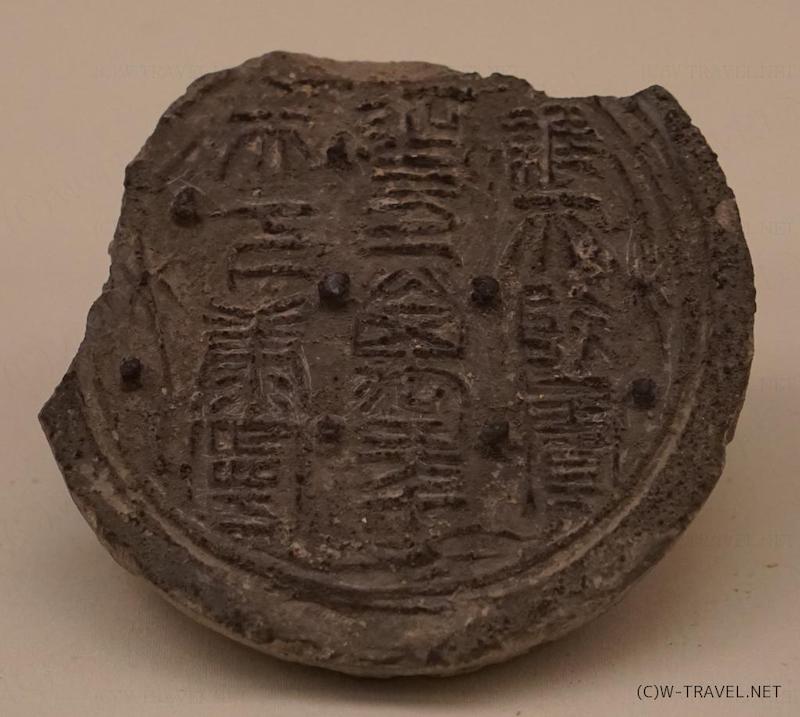
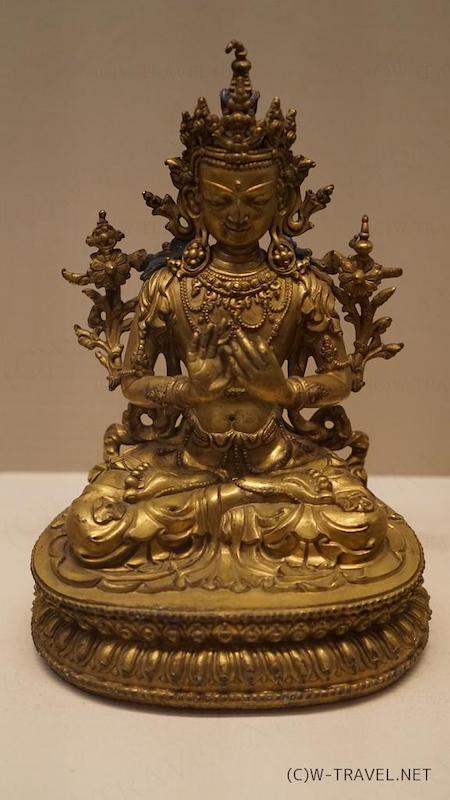
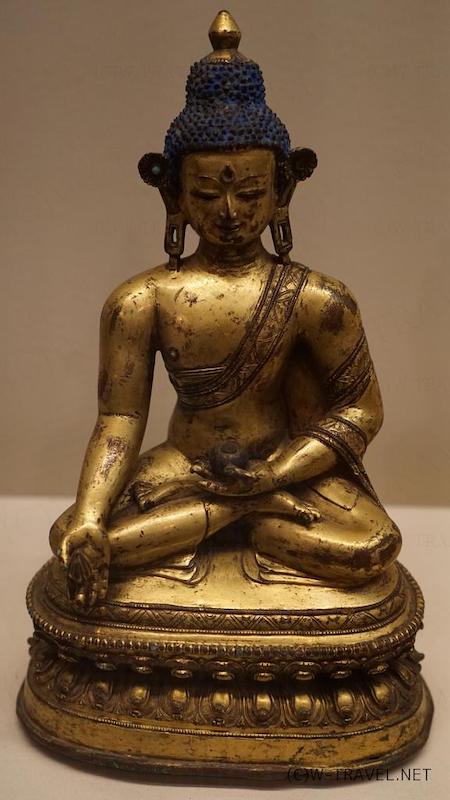
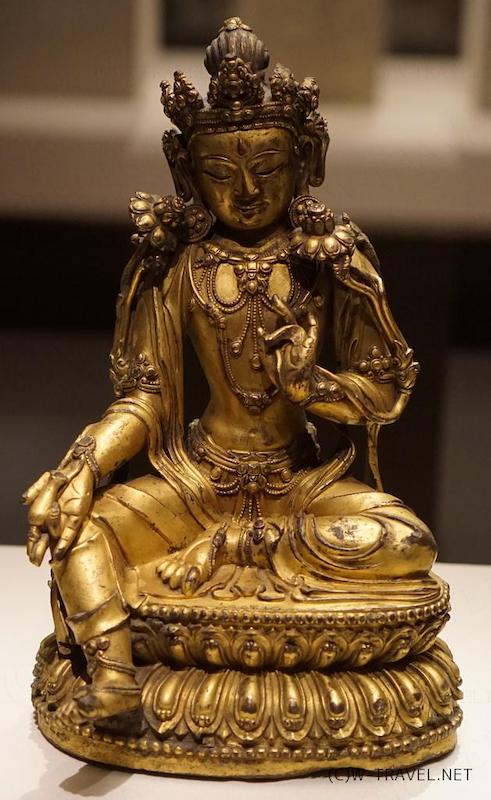
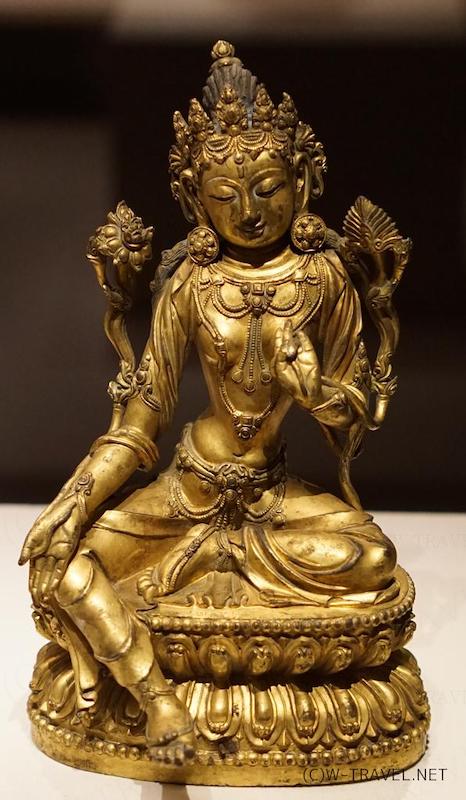
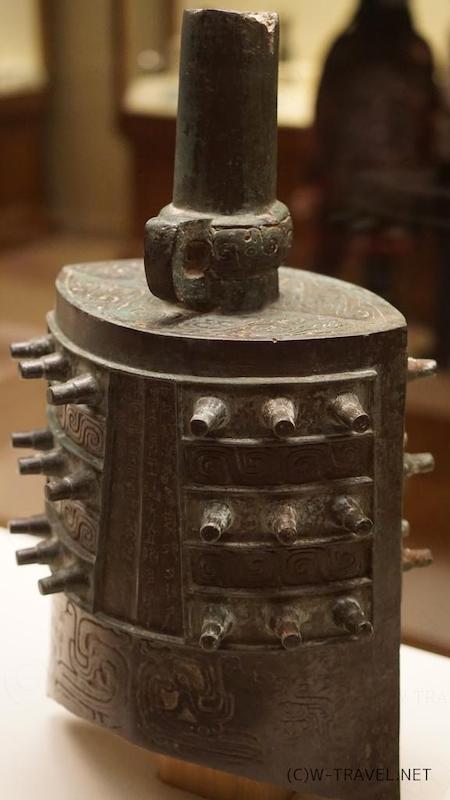
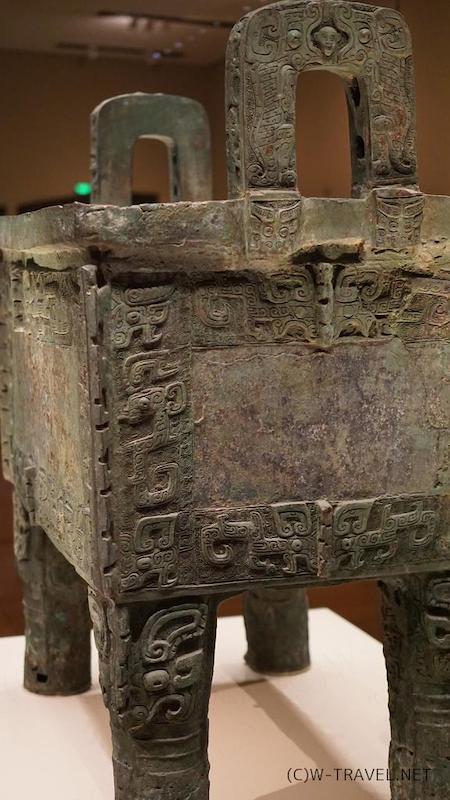
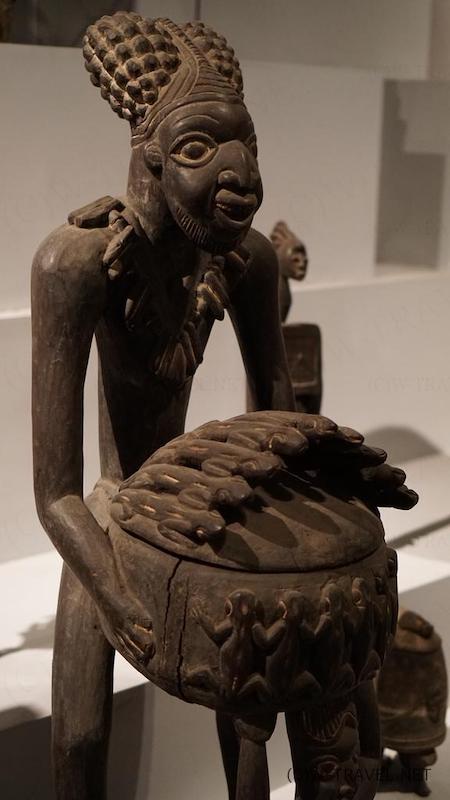
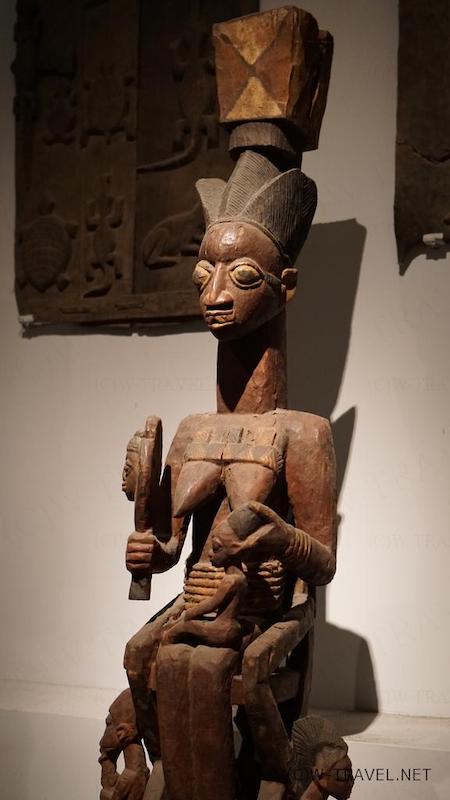
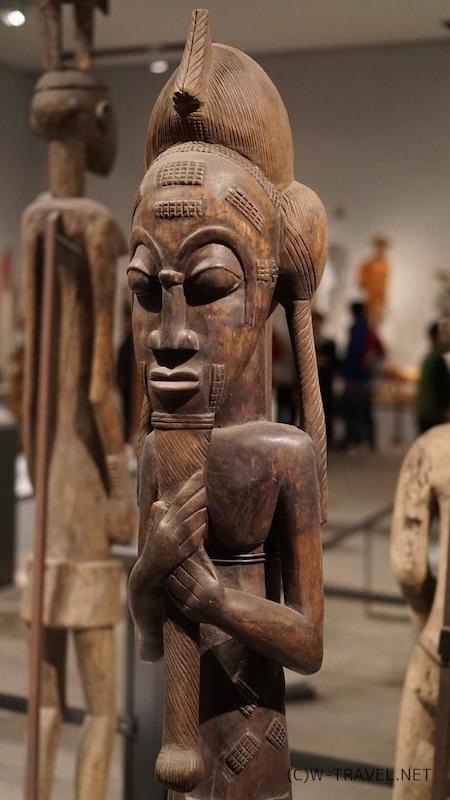
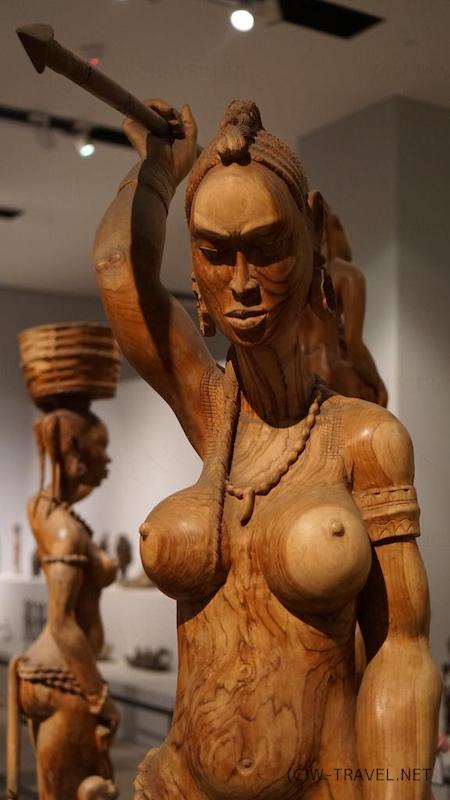
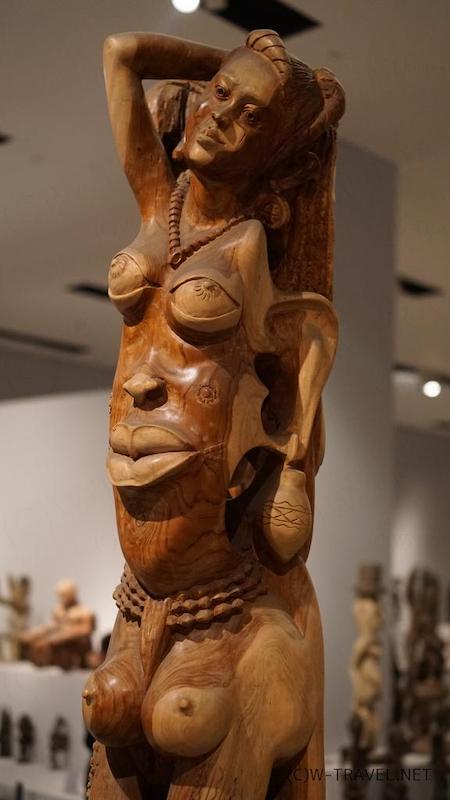
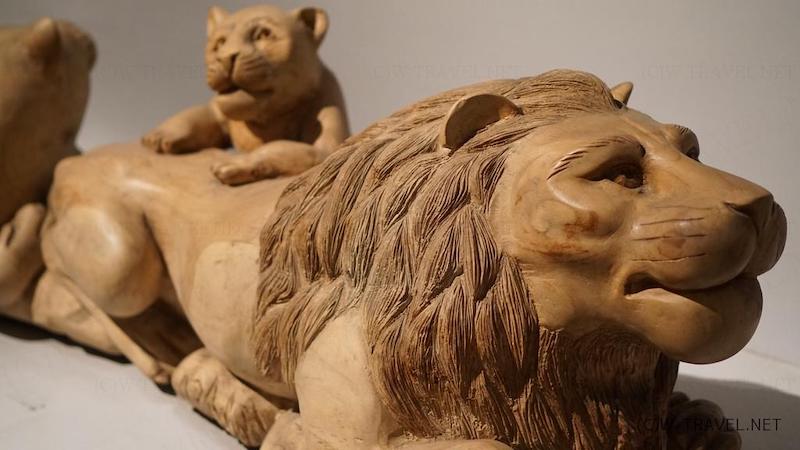
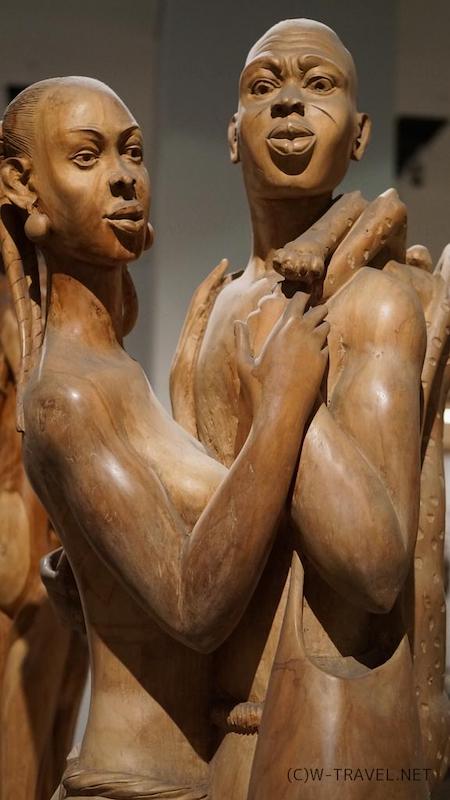
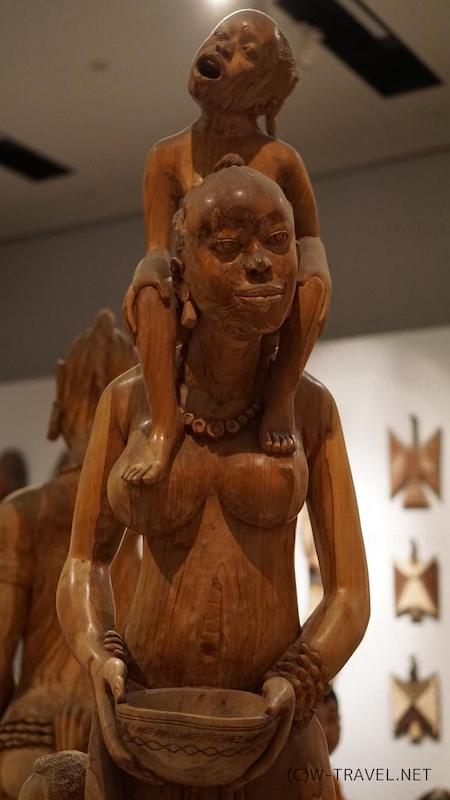
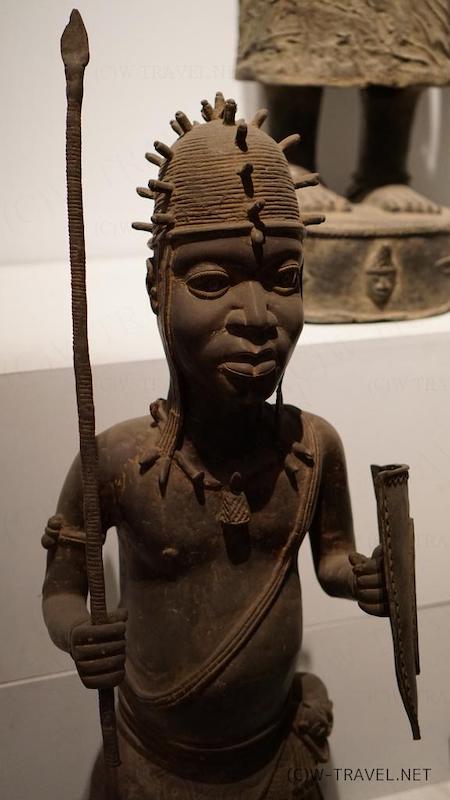
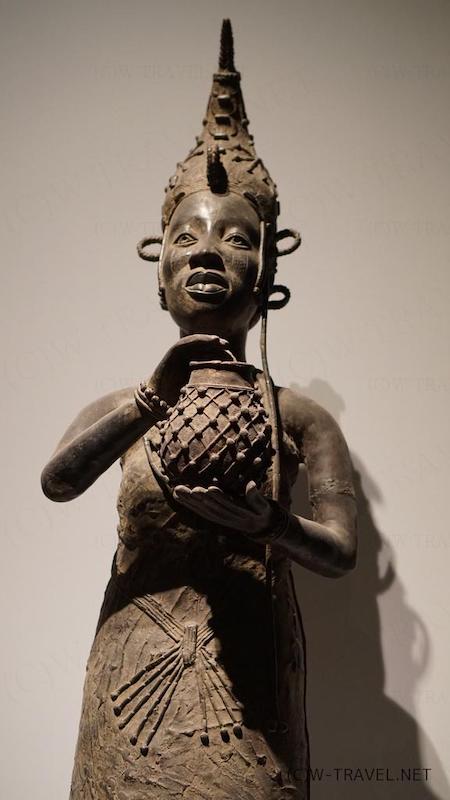
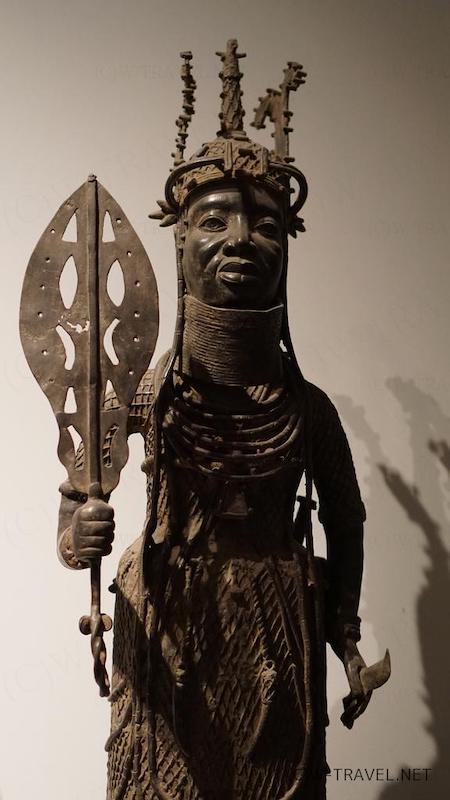
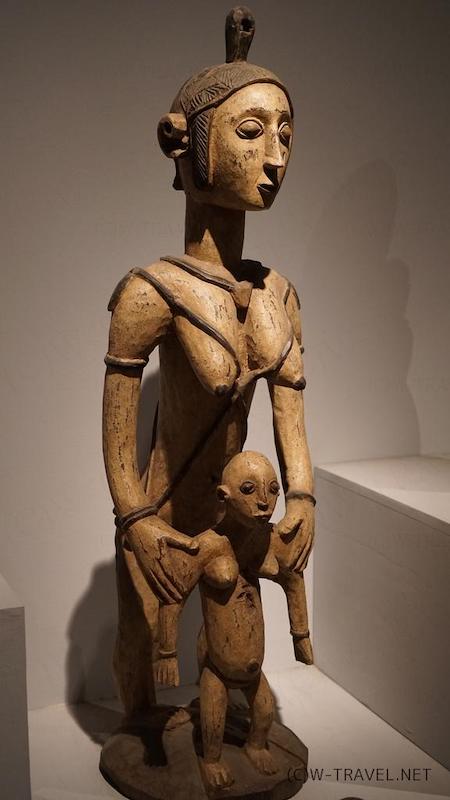
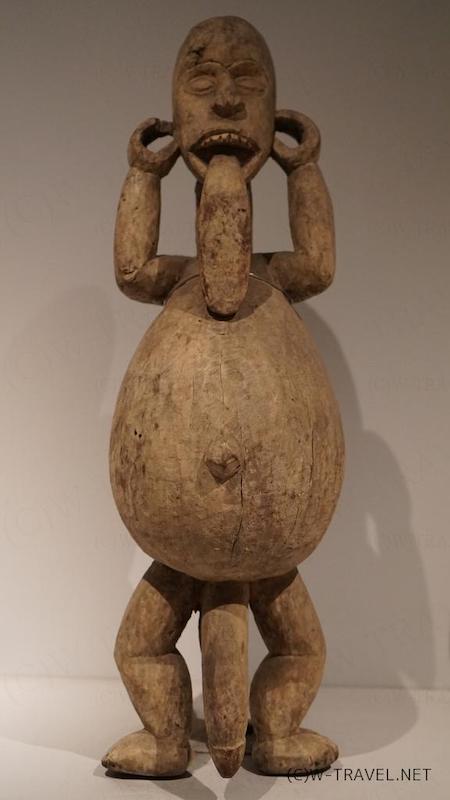
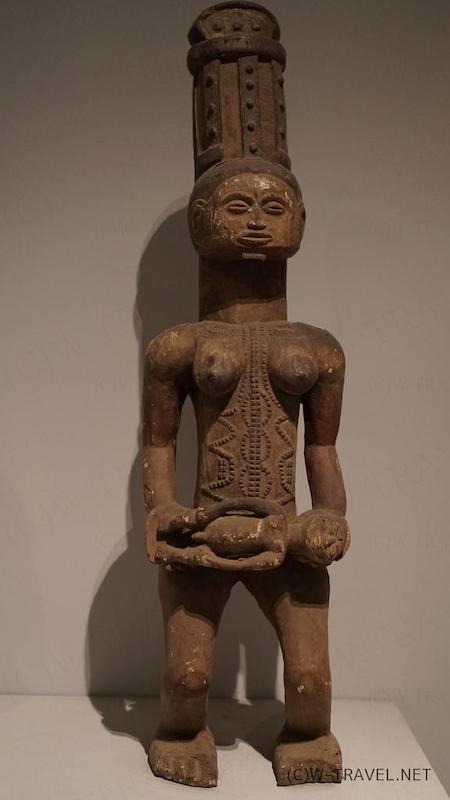
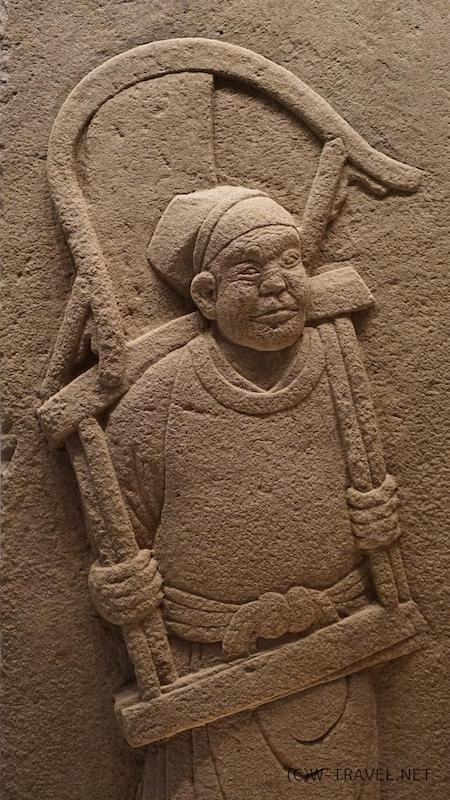
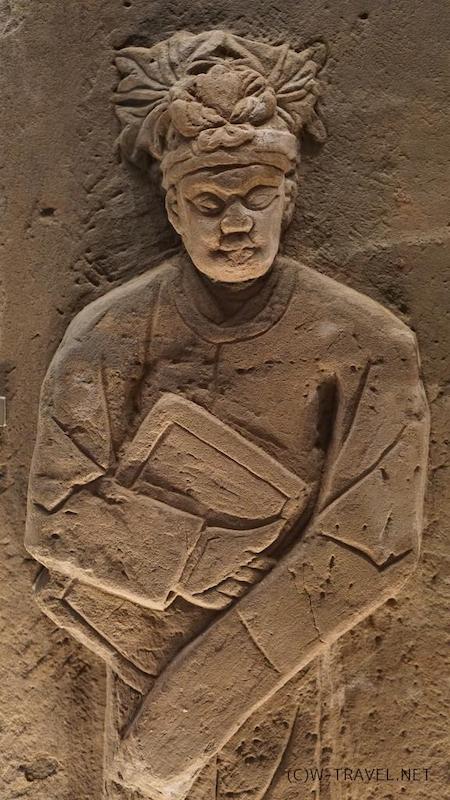
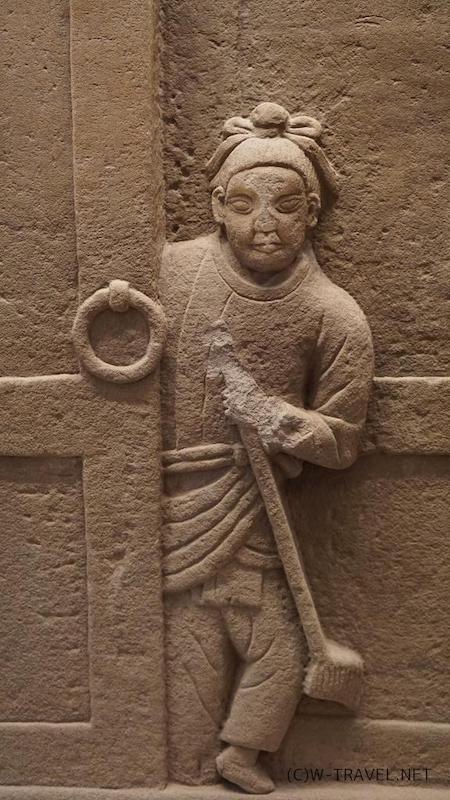
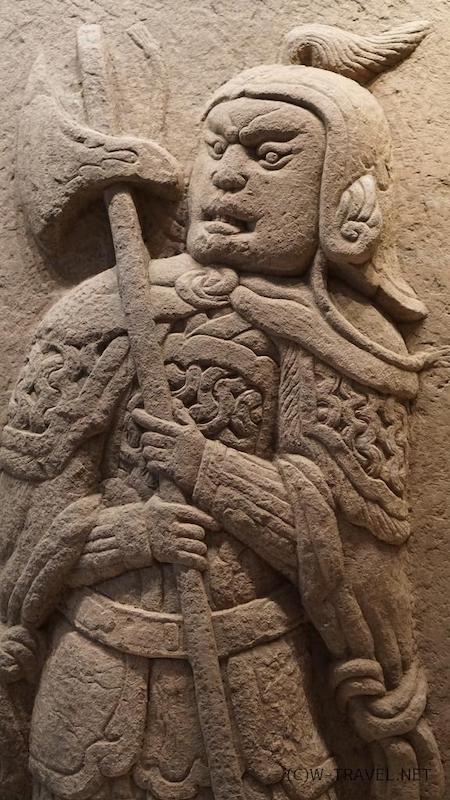
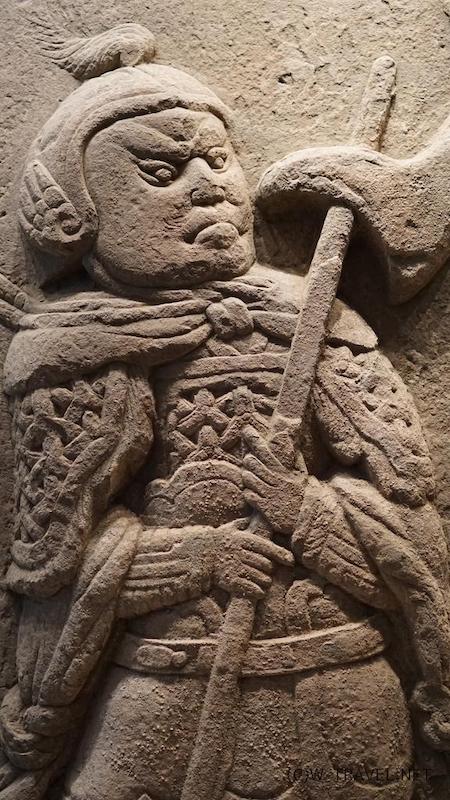
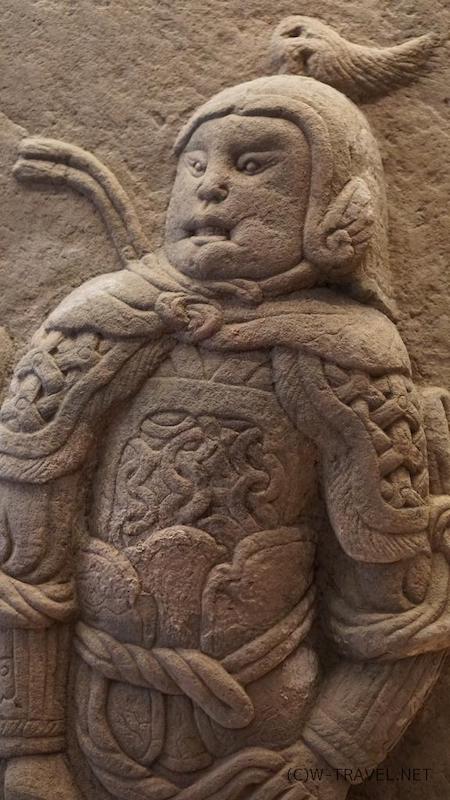
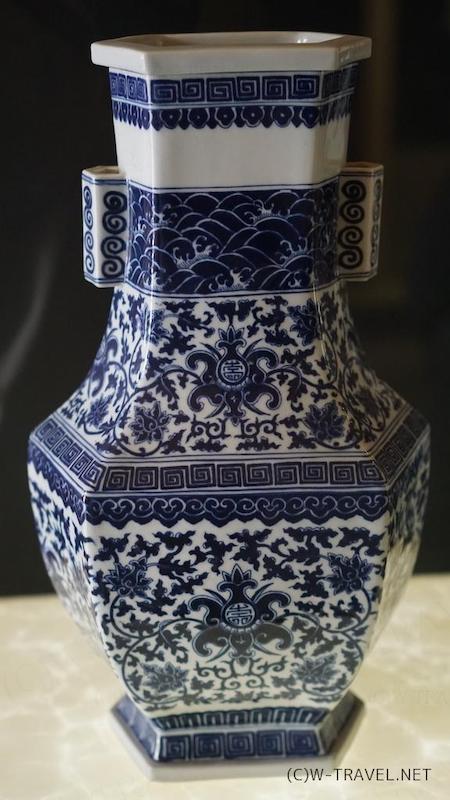
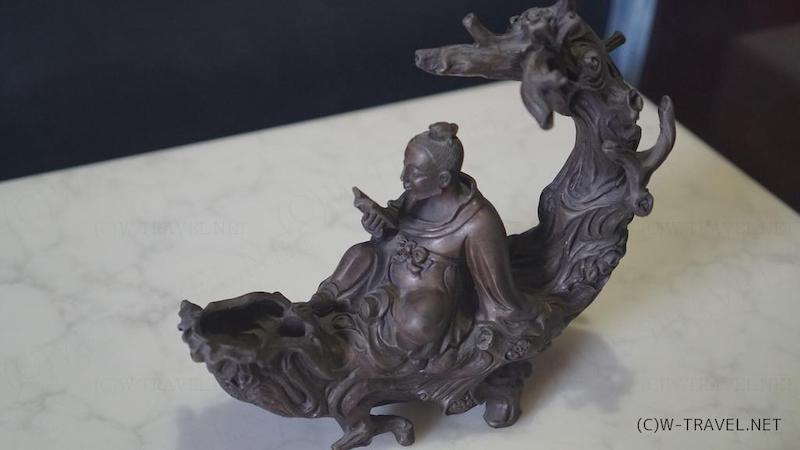
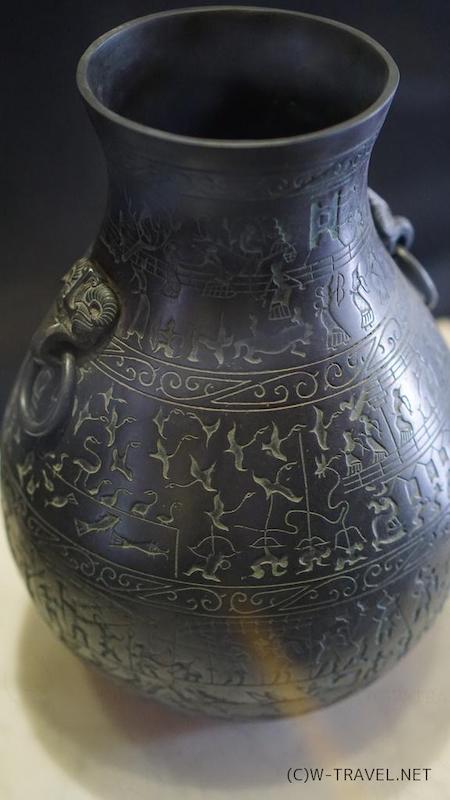
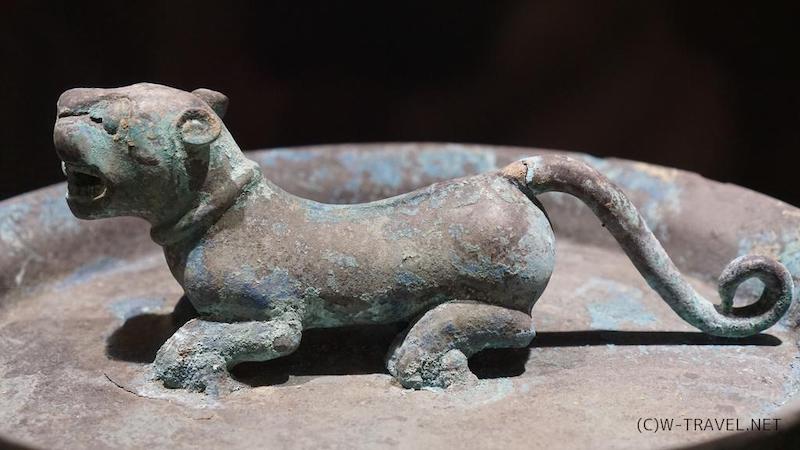
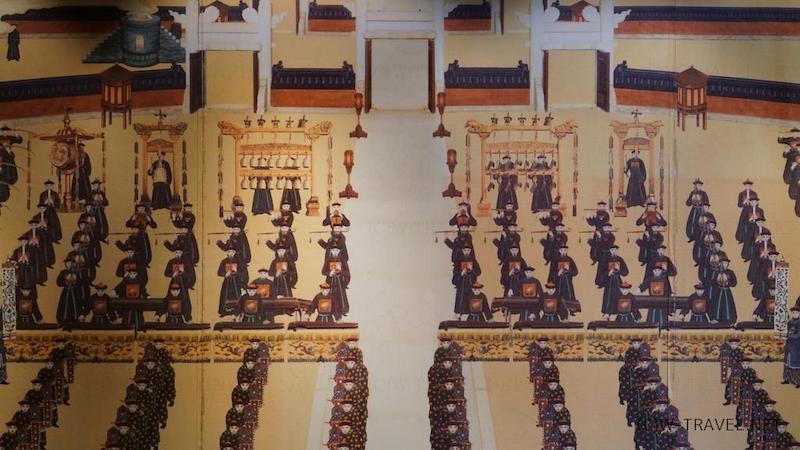
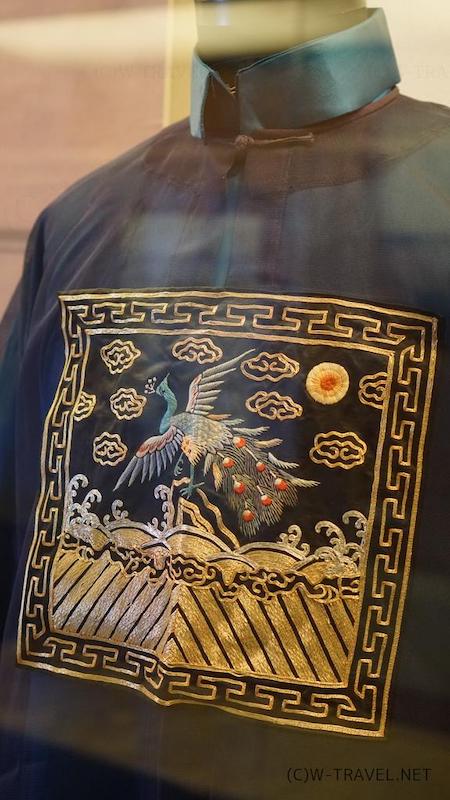
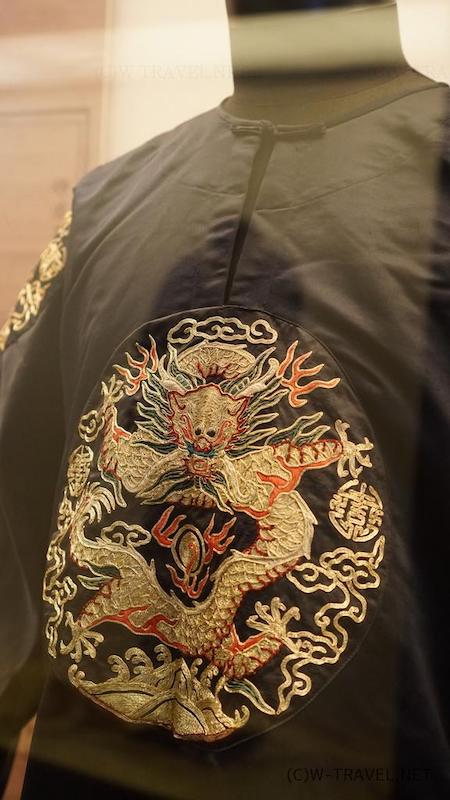
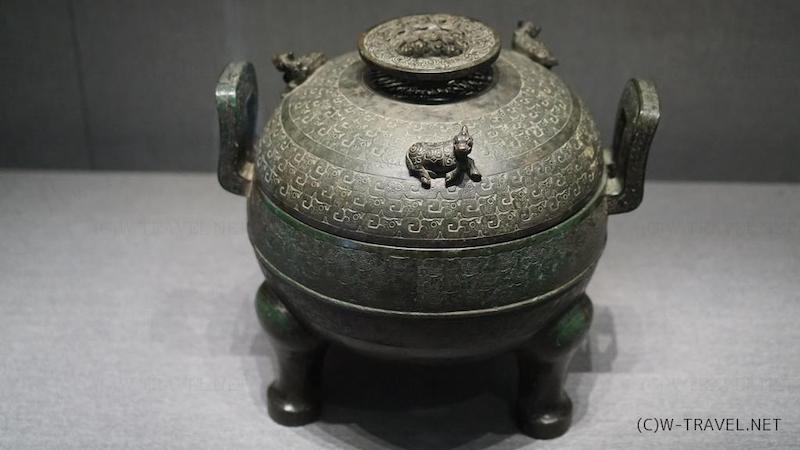
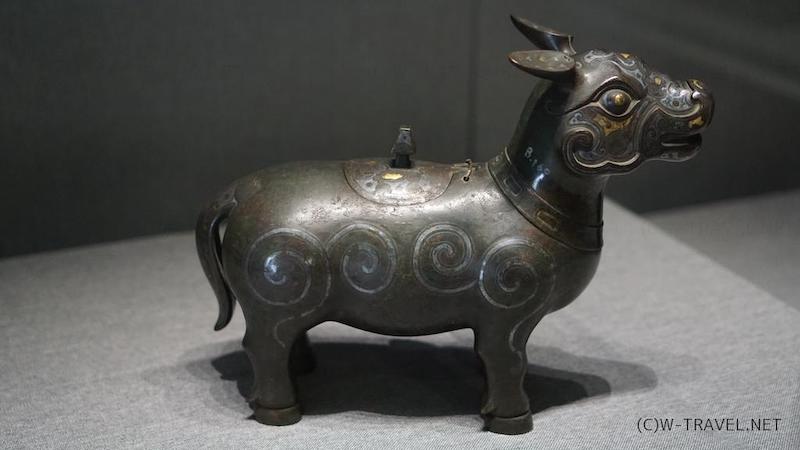
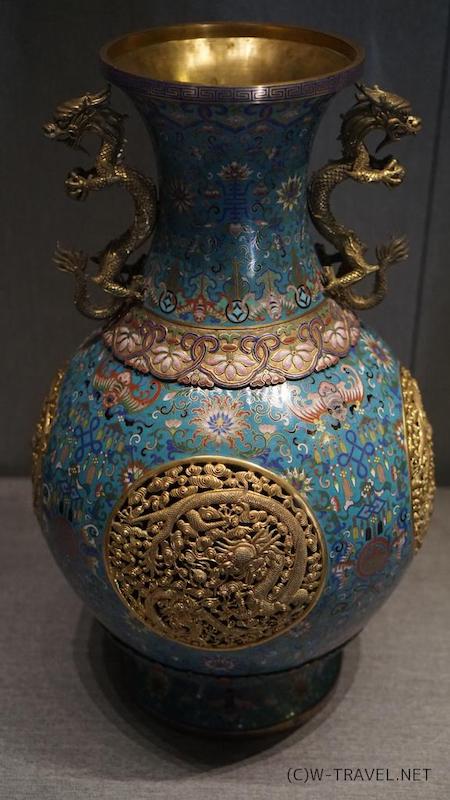
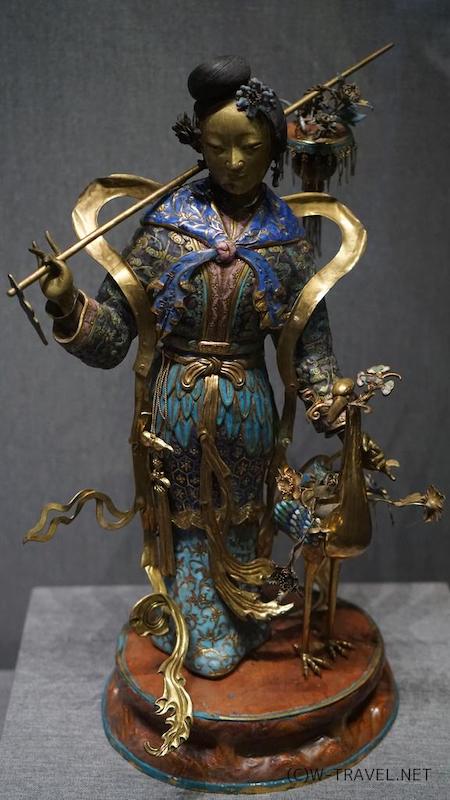
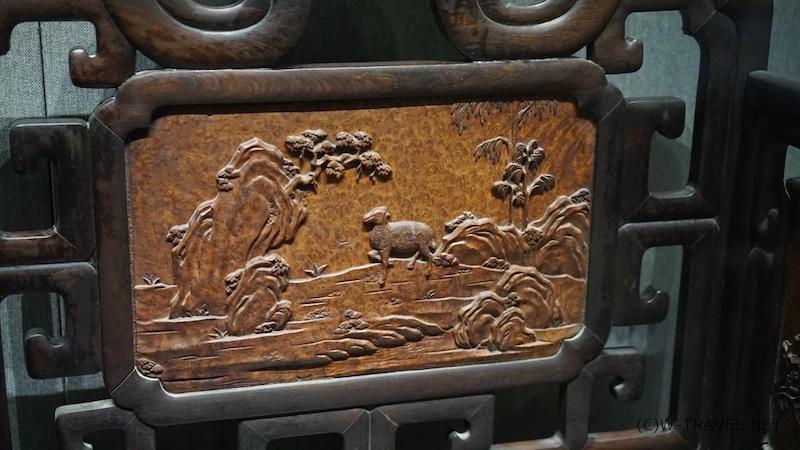
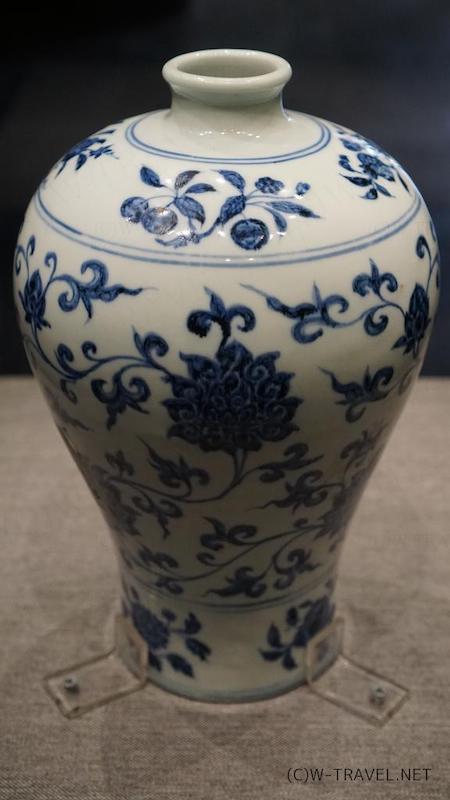
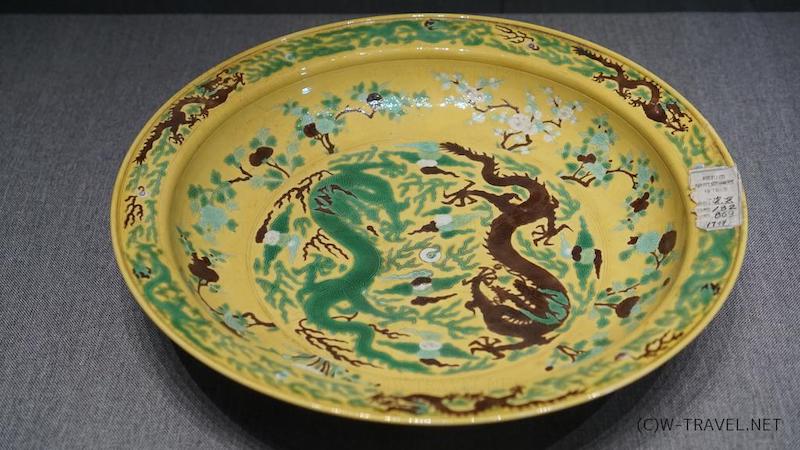
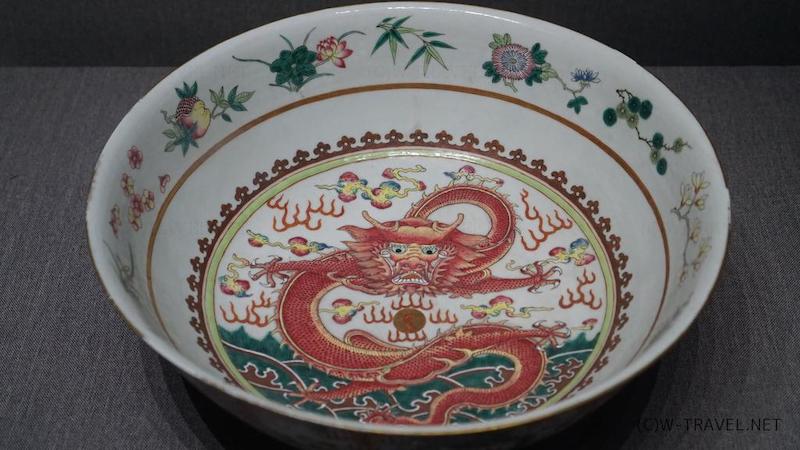
प्रदर्शनी वस्तुएं उच्च स्तर की थीं, और मुझे उनका आनंद आया।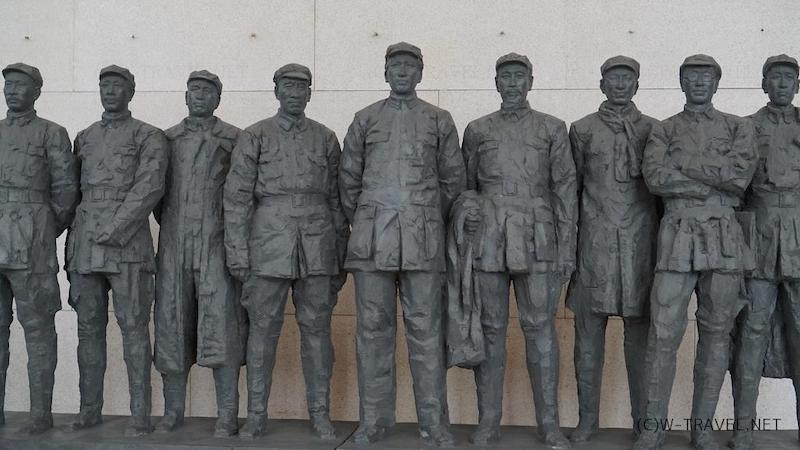
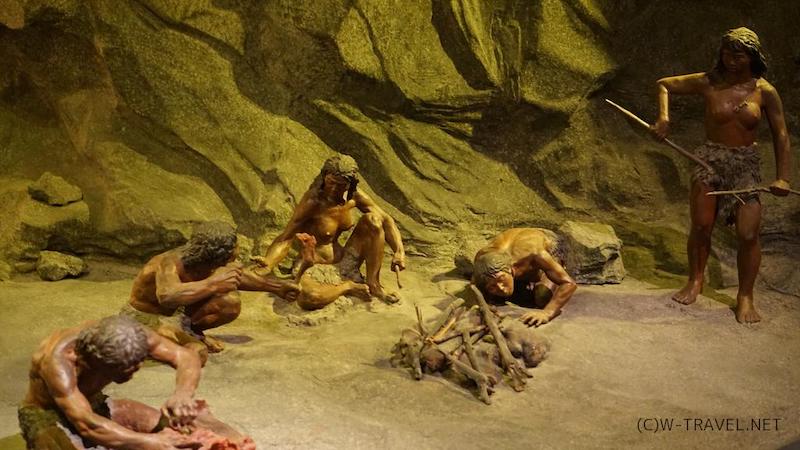
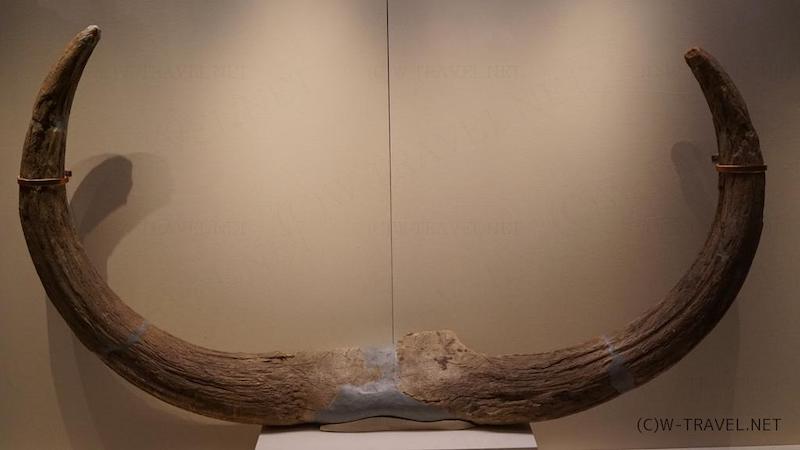
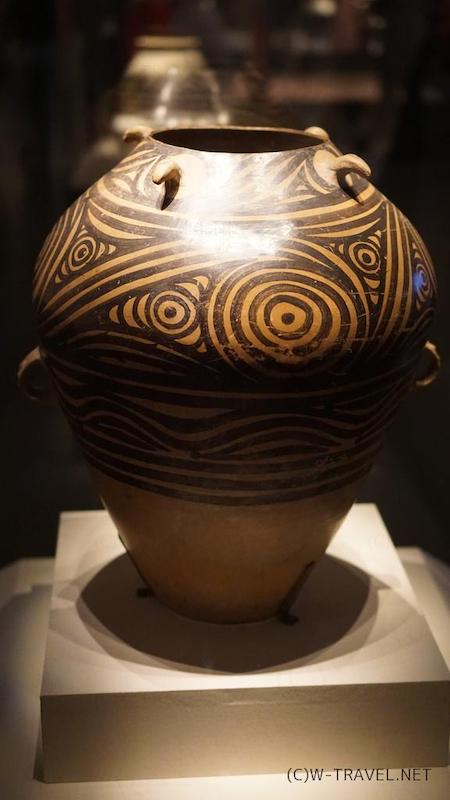








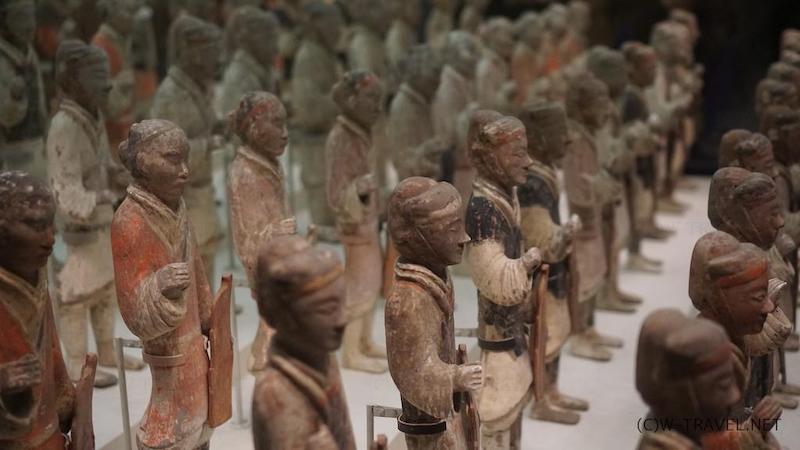


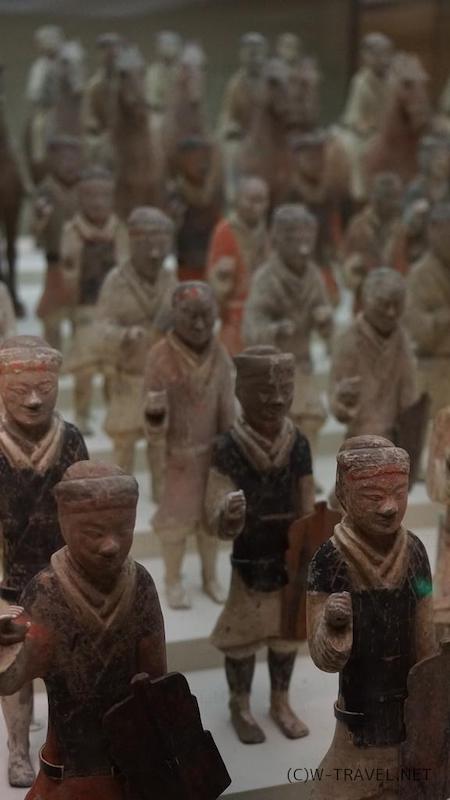
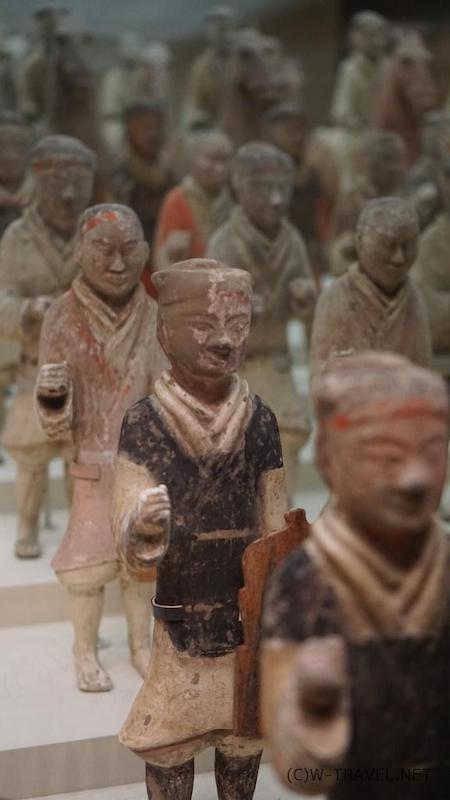
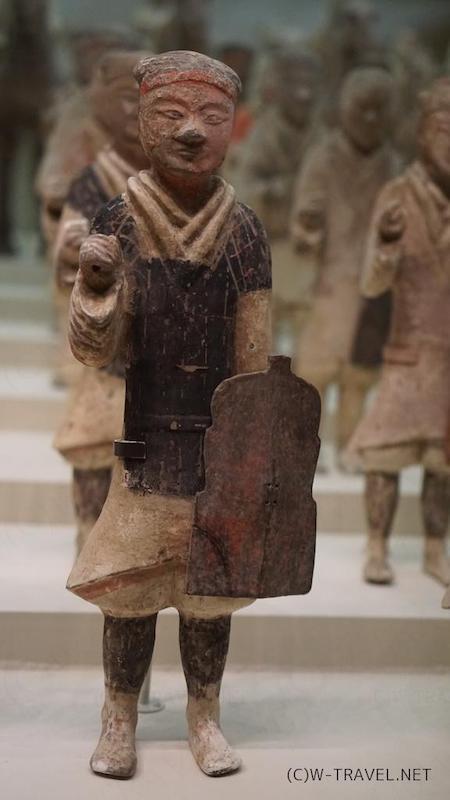
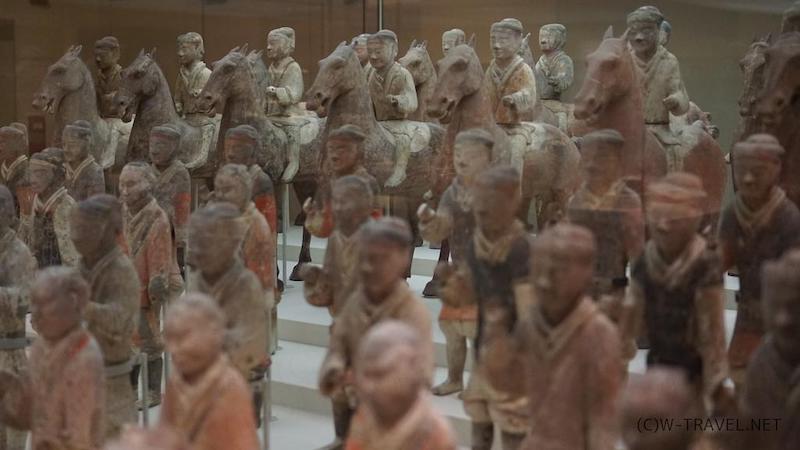
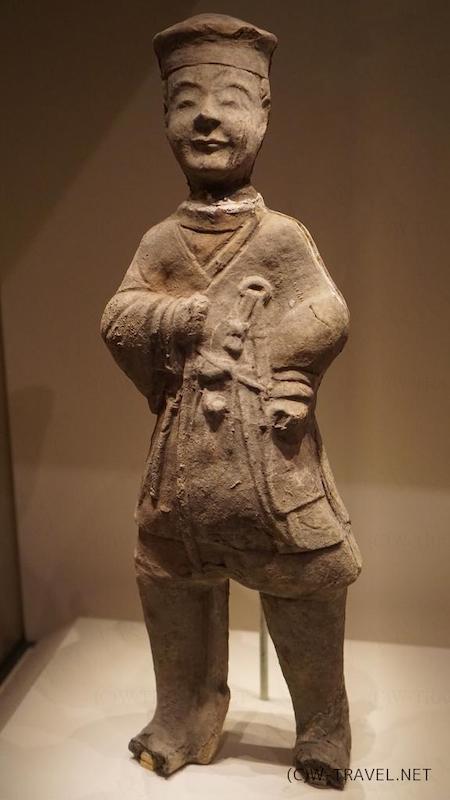
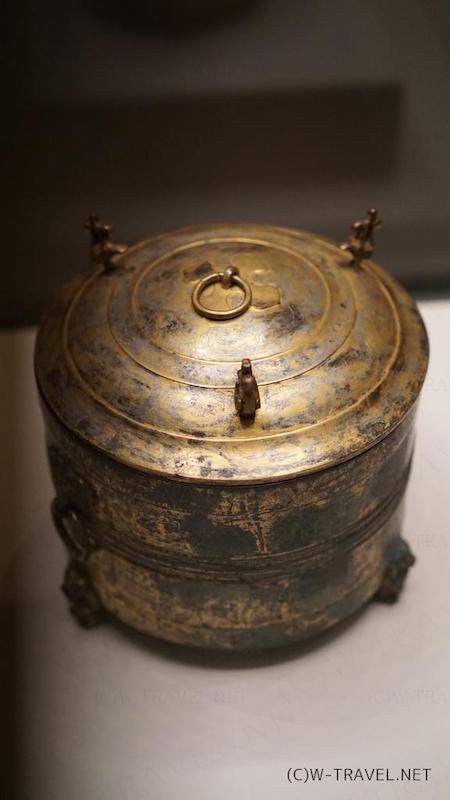


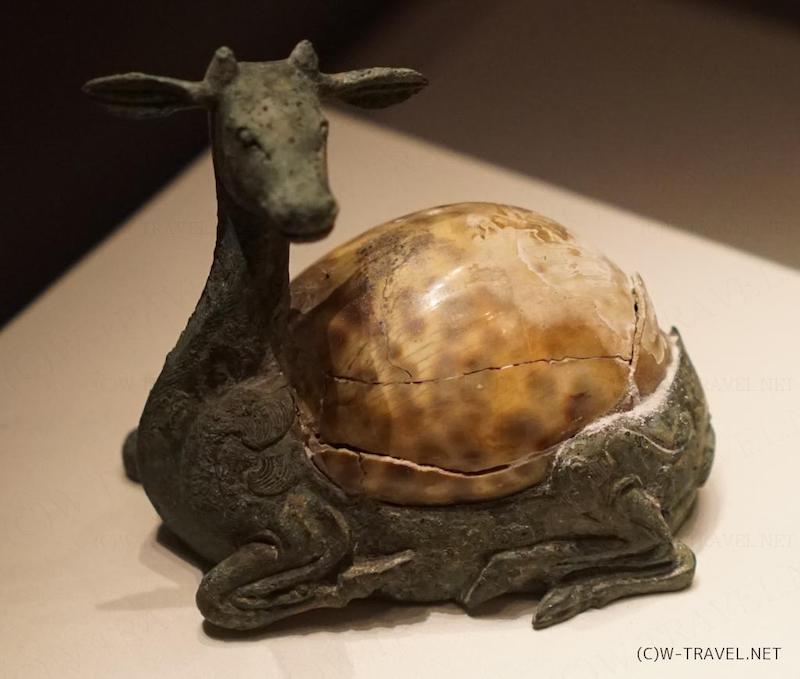










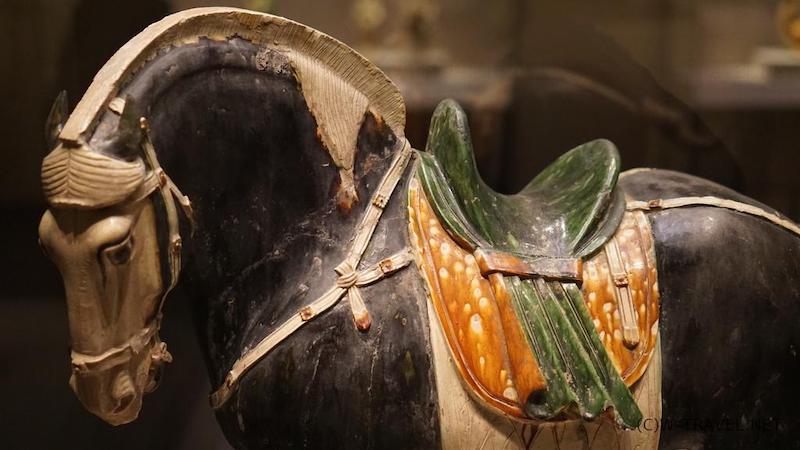
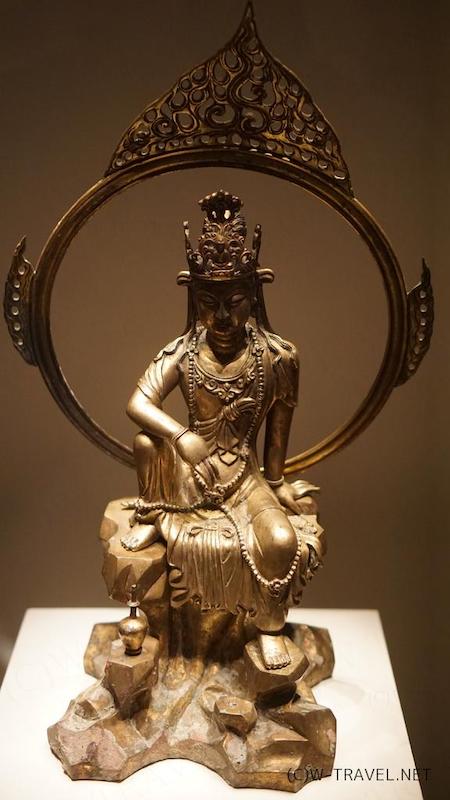

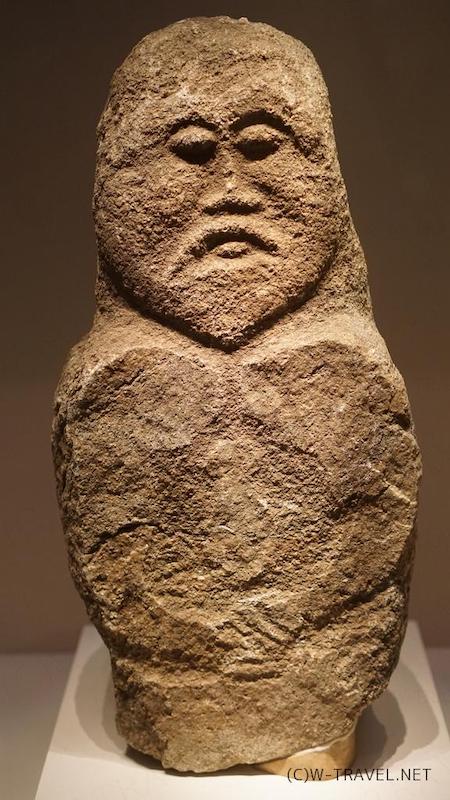
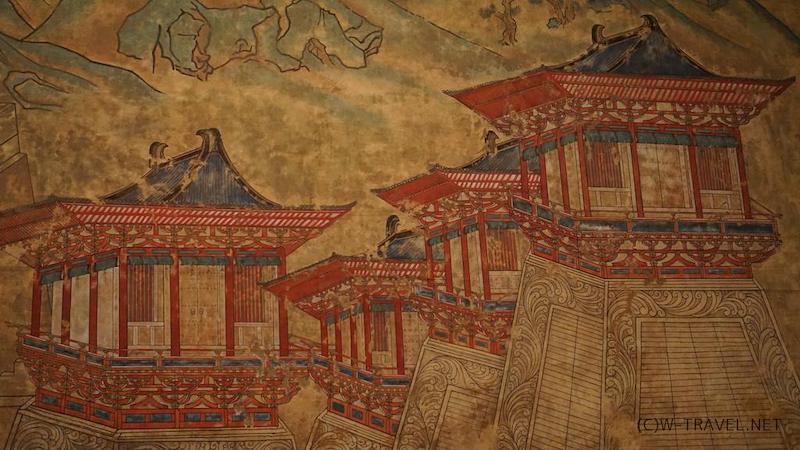
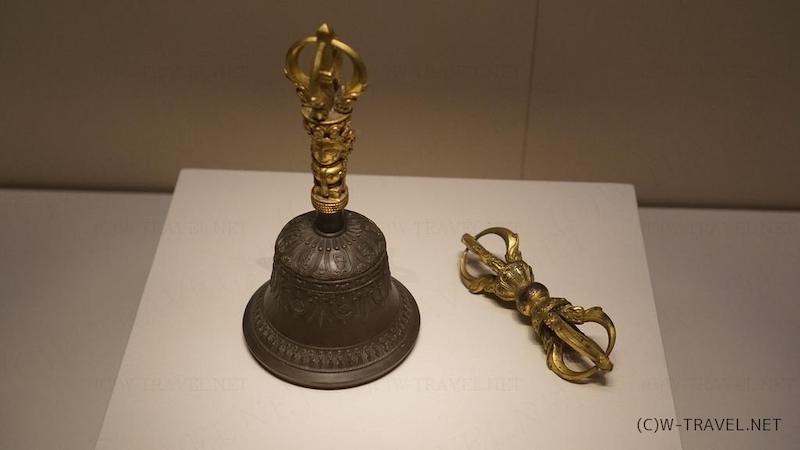

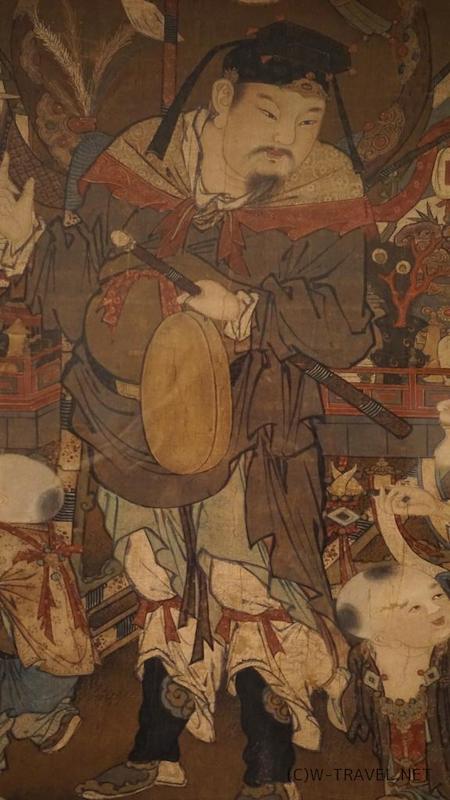
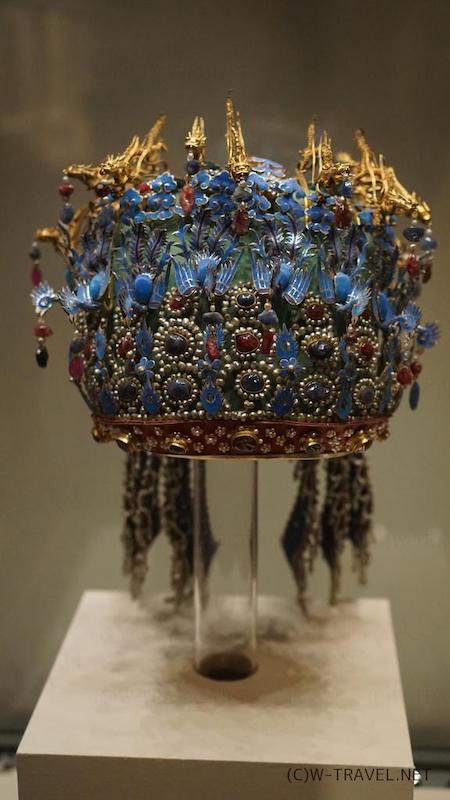
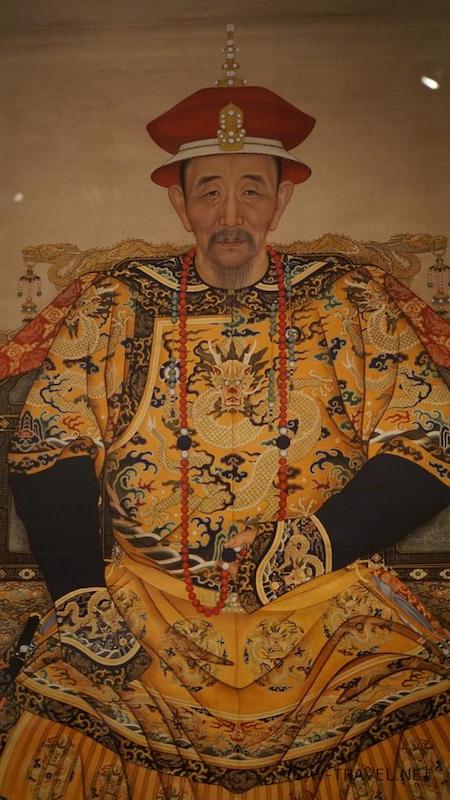
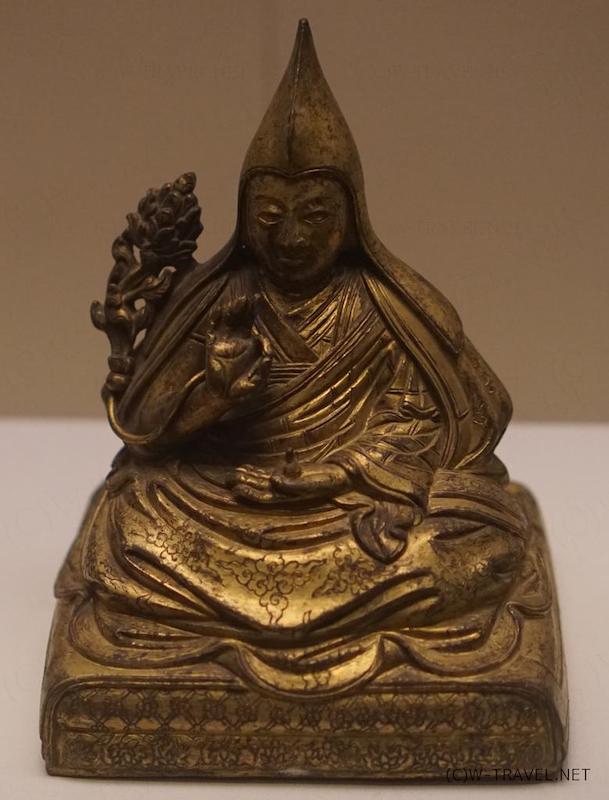
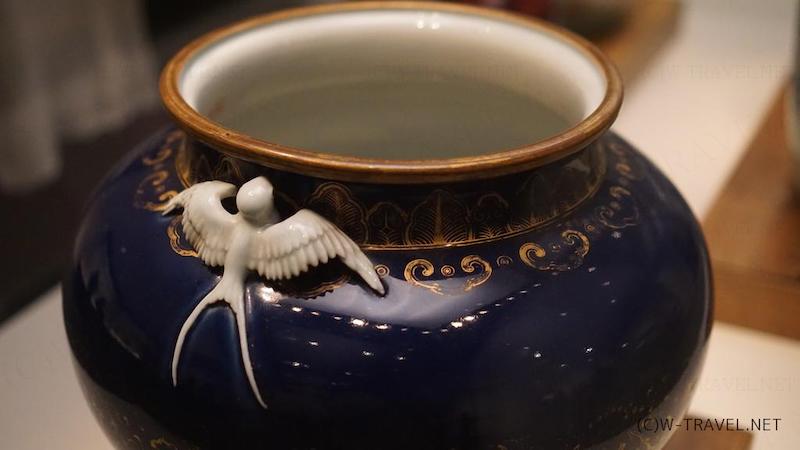
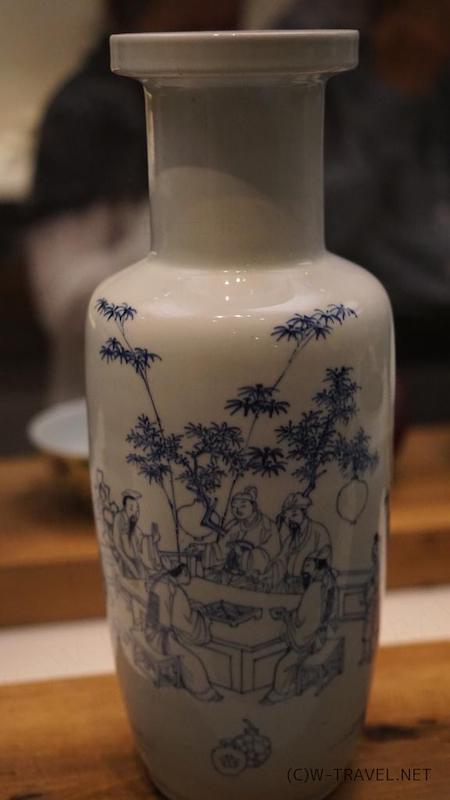
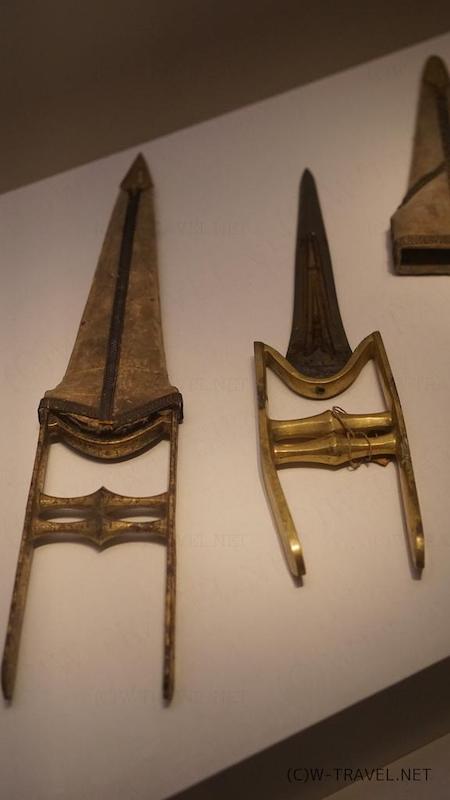



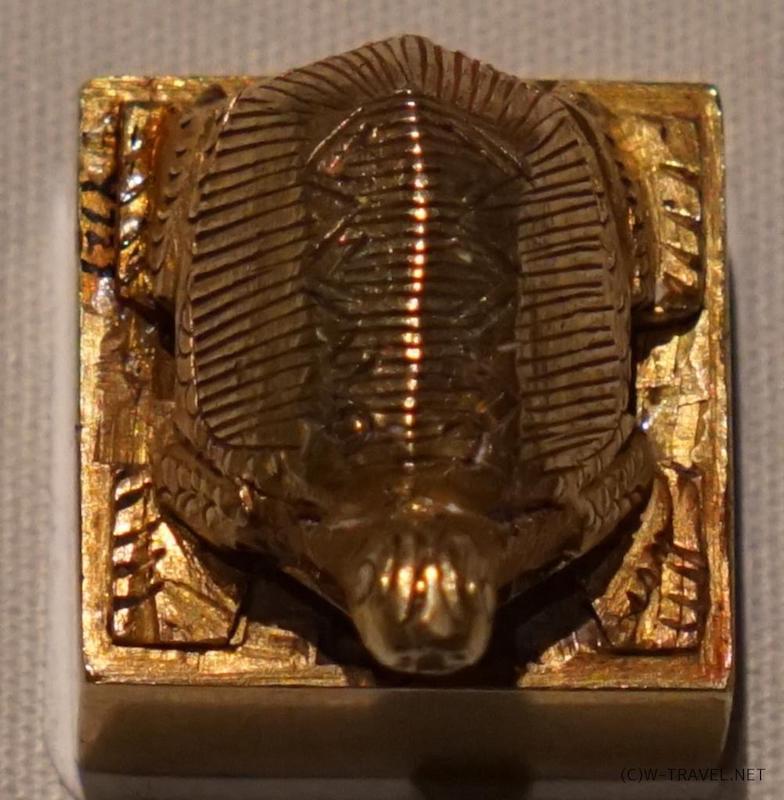

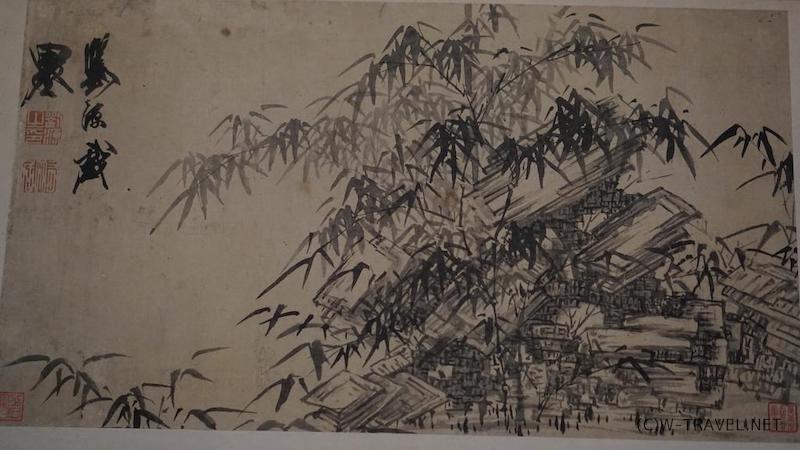


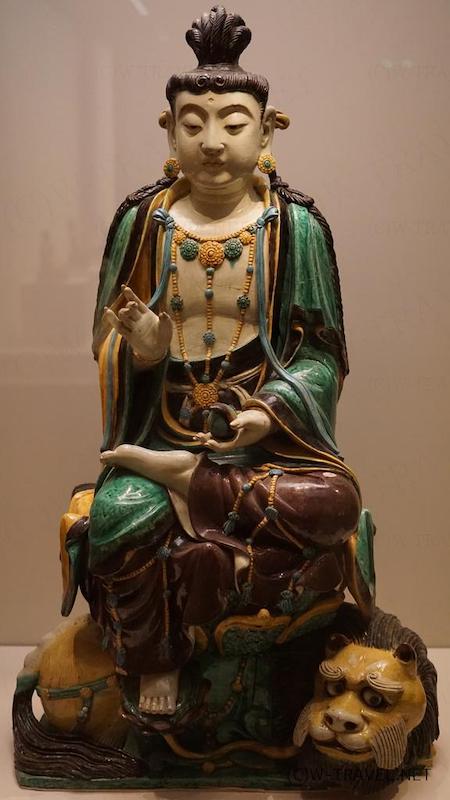


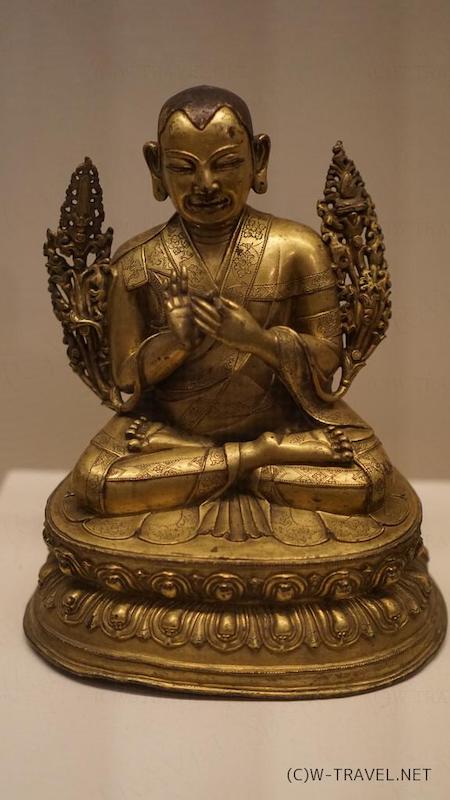


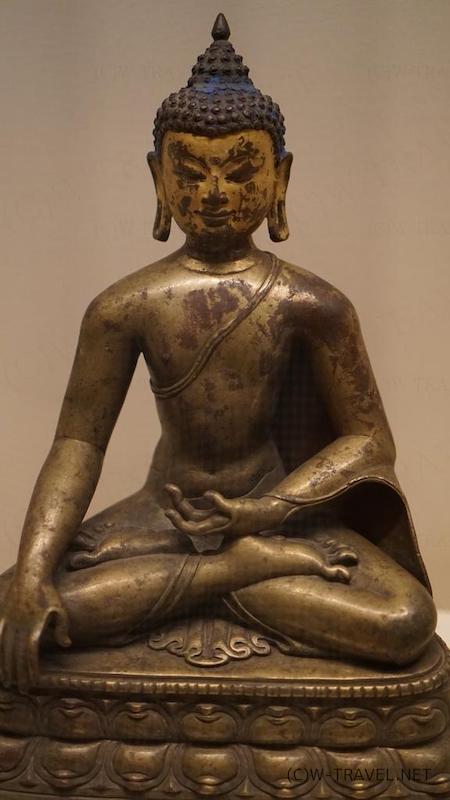
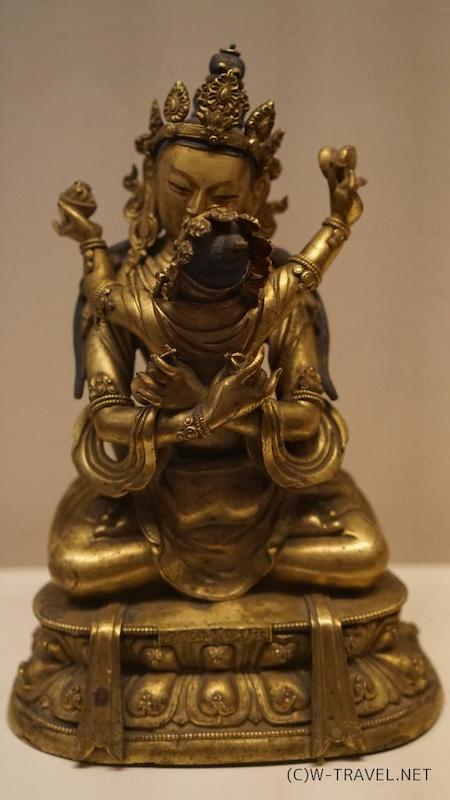
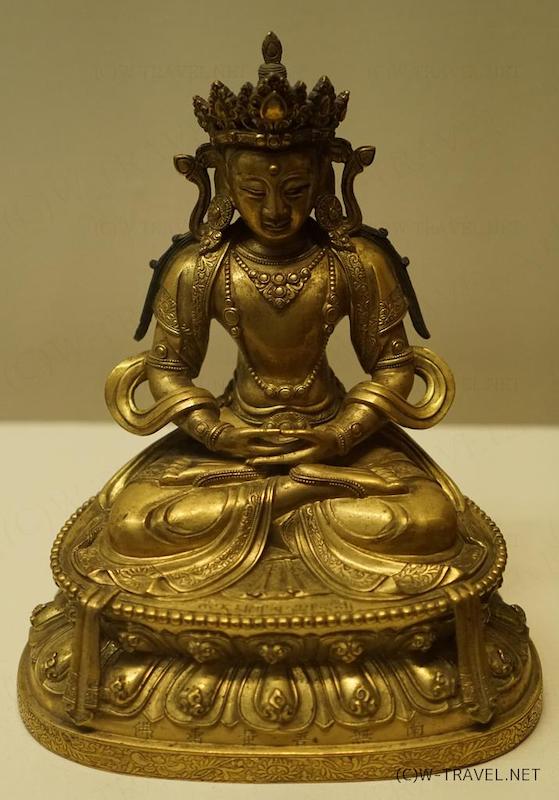

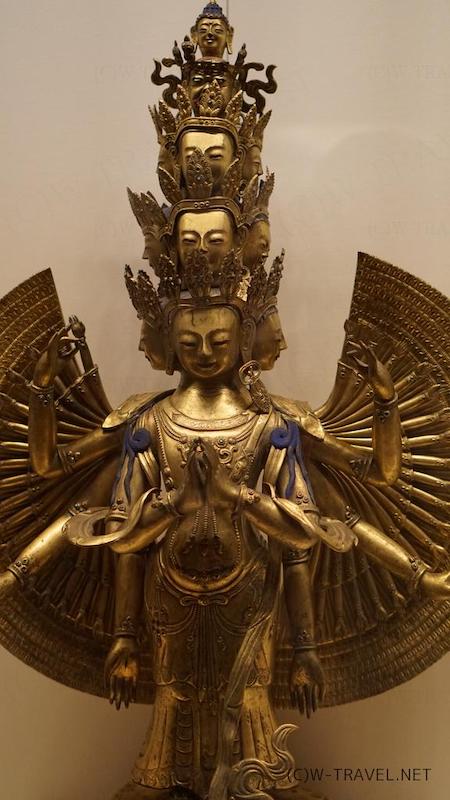


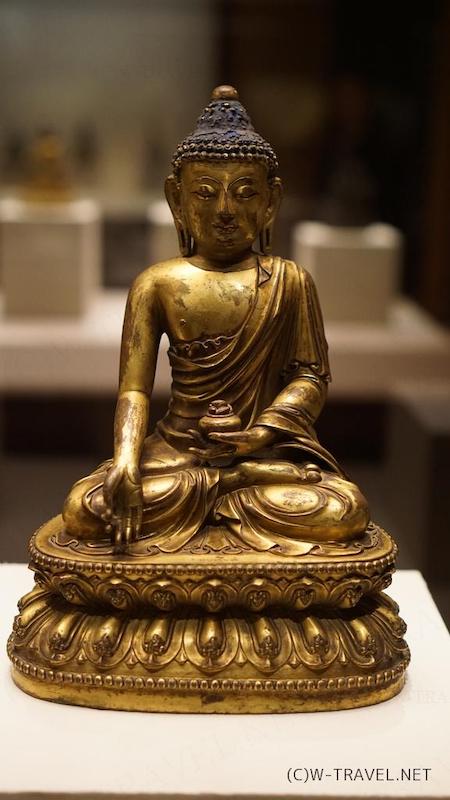
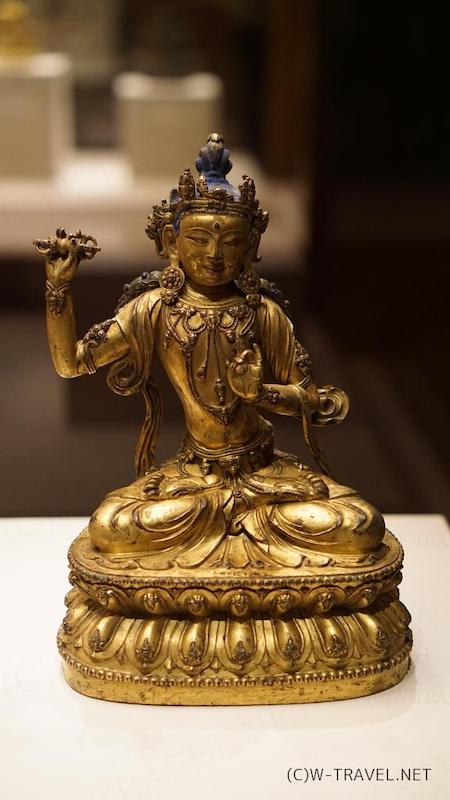
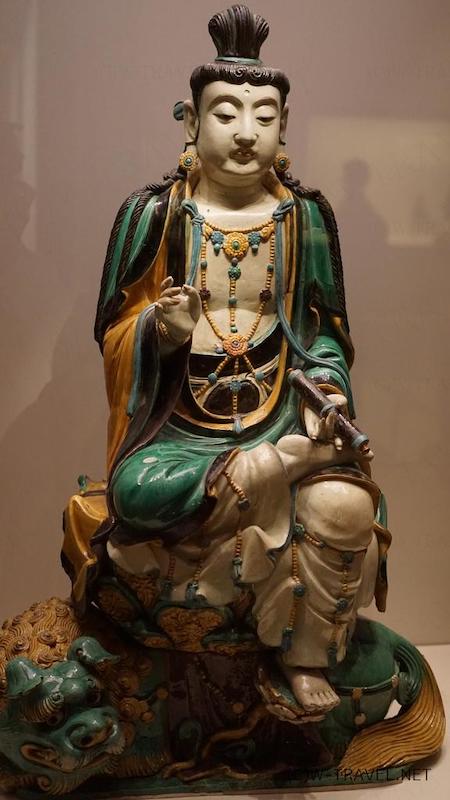

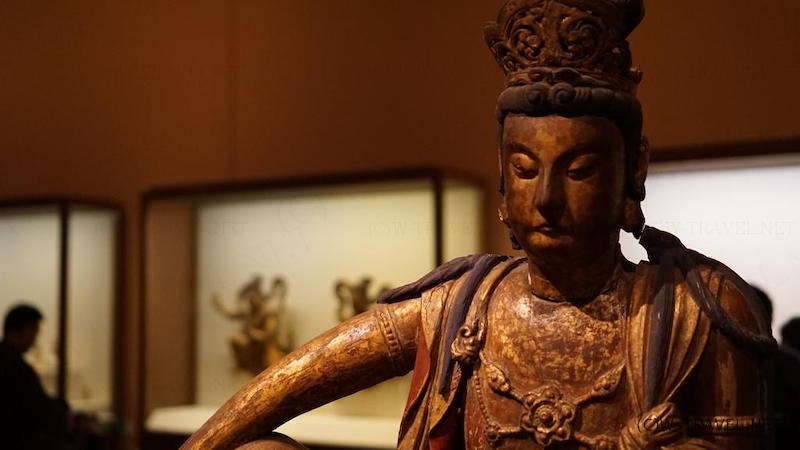
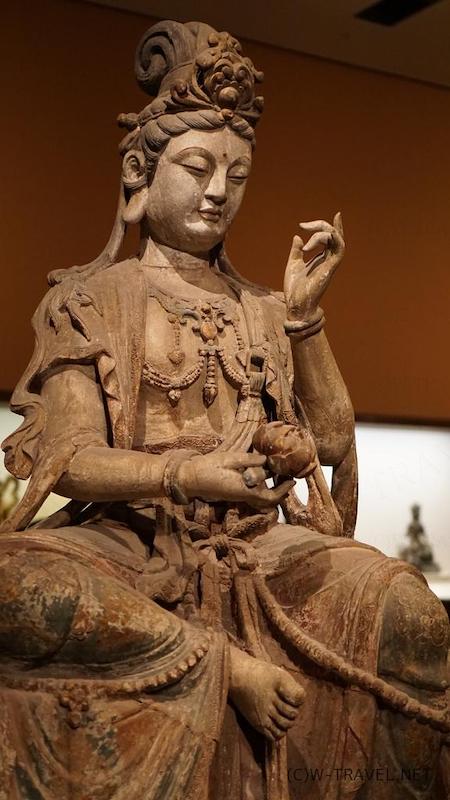
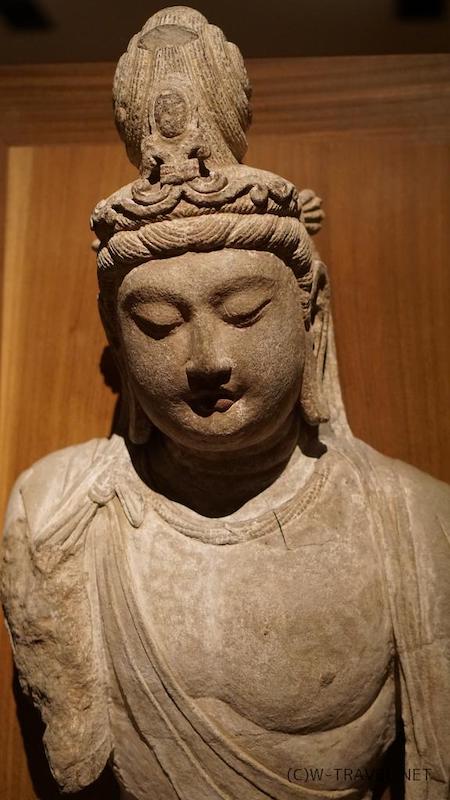


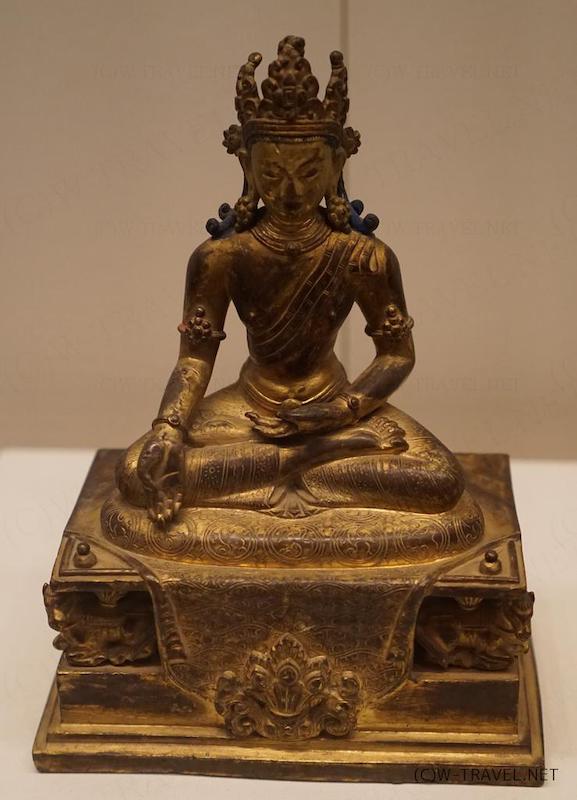
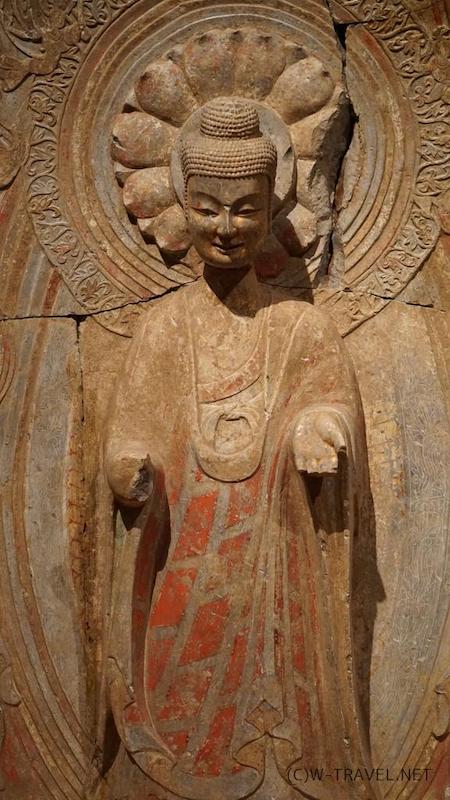
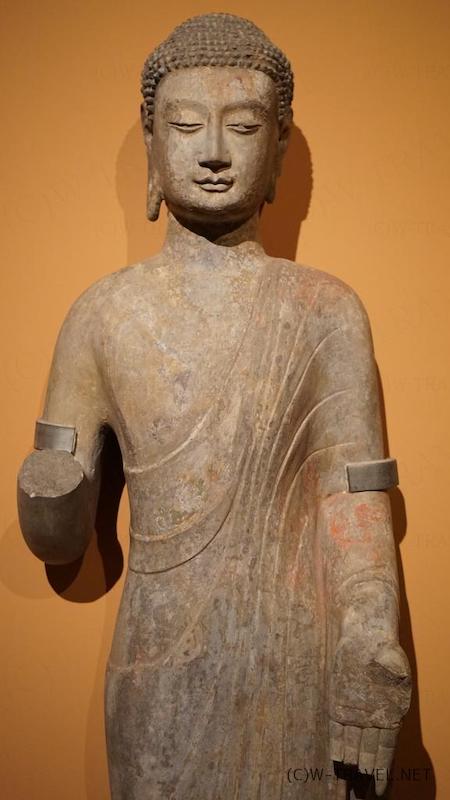

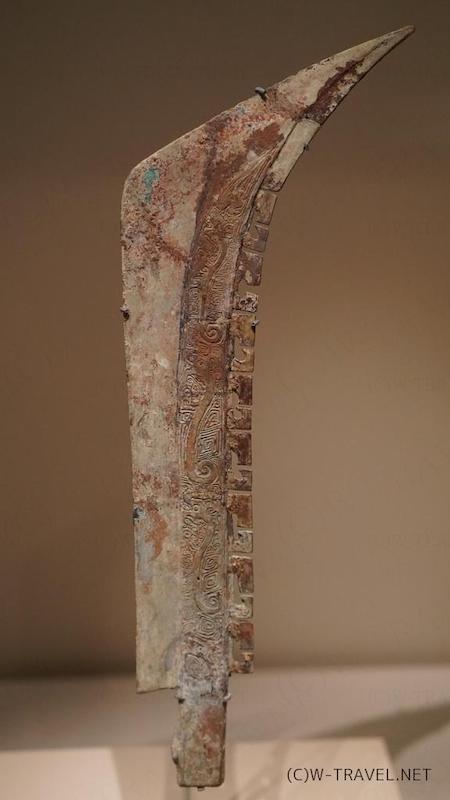

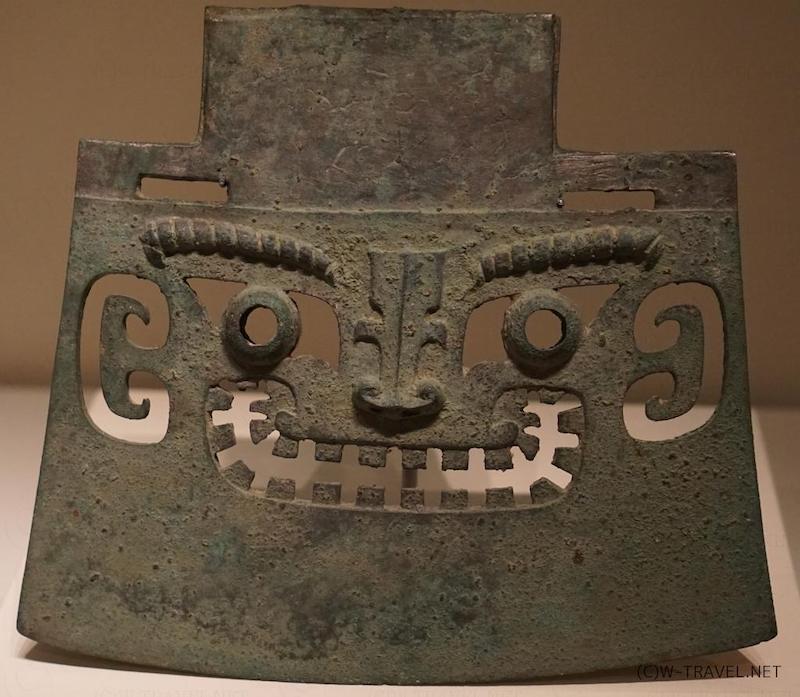
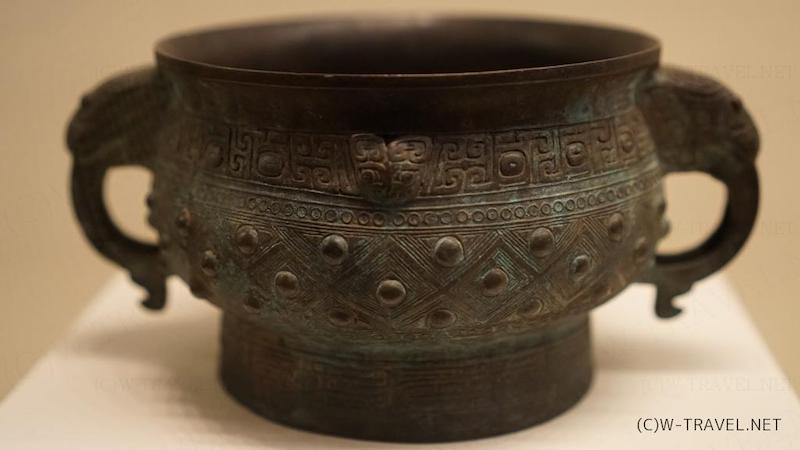








वांगफूजी (बीजिंग का "गिनज़ा" के समान)।
चीन के राष्ट्रीय संग्रहालय के बाद, मैंने बीजिंग के गिंजा जिले के बराबर माने जाने वाले वांगफूजिन क्षेत्र में जाने का फैसला किया।
यह निषिद्ध शहर (ज़ागो) के पूर्वी हिस्से में है, इसलिए यह होटल के करीब भी है।
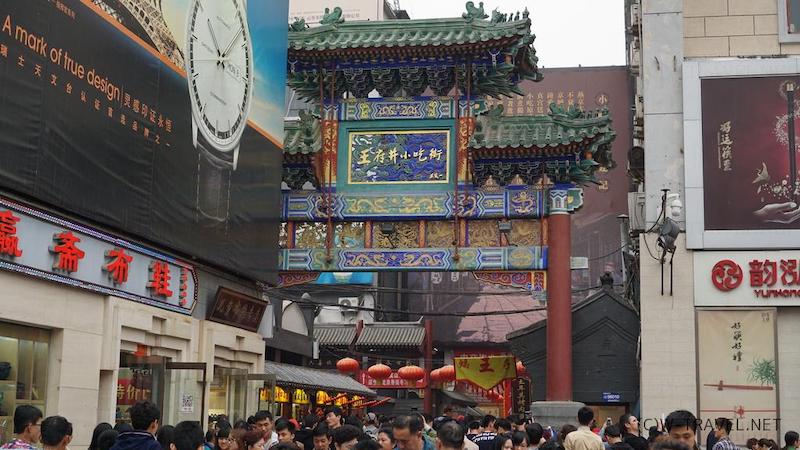
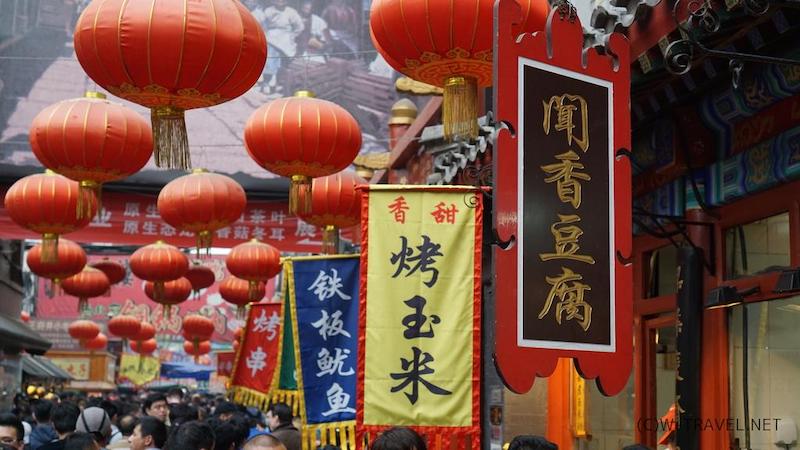
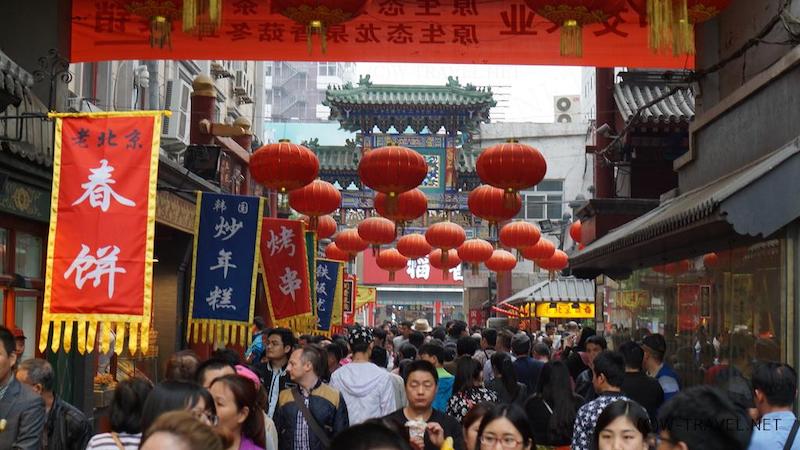
 काफ़ी चहल-पहल थी, लेकिन दुर्भाग्य से, आज मौसम खराब है और हवा भी अच्छी नहीं है।
हमने जल्दी ही इसे समाप्त करने का फैसला किया।
बीजिंग चिड़ियाघर।
सुबह, मैं बीजिंग चिड़ियाघर गया था।
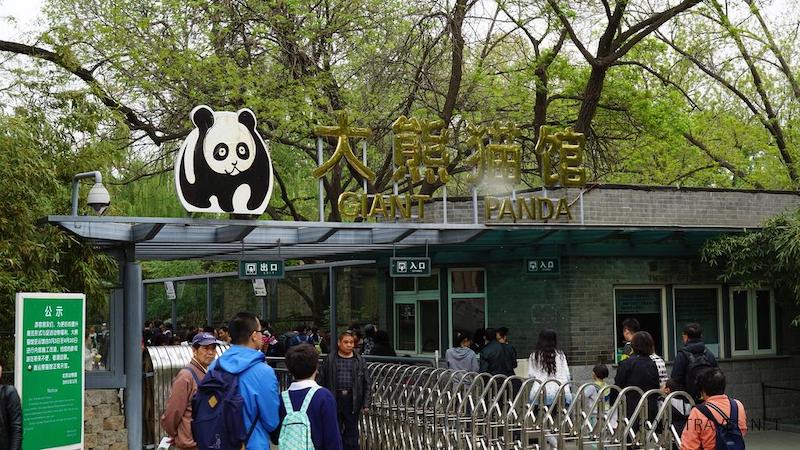
सुबह 8:30 बजे पांडा को खाना खिलाने का कार्यक्रम था, इसलिए मैं 8 बजे से पहले गेस्ट हाउस से निकला और हल्का नाश्ता करने के बाद चिड़ियाघर की ओर रवाना हुआ।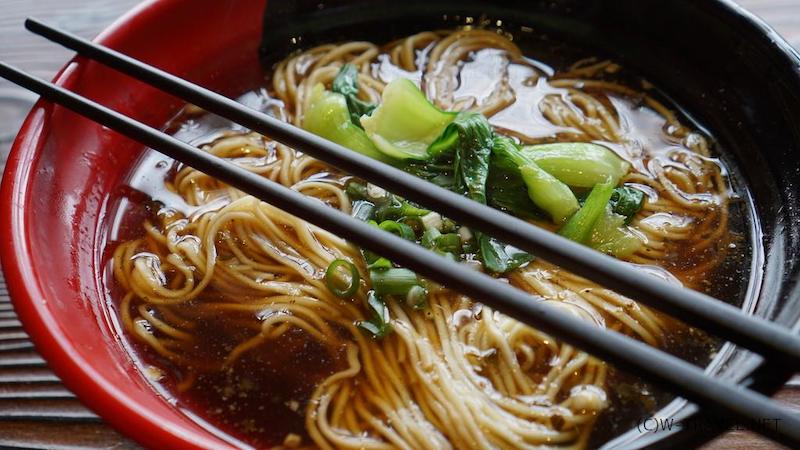 चिड़ियाघर में प्रवेश करते ही, सीधे पांडा भवन था, लेकिन ऐसा लगता है कि यह इस महीने के अंत तक नवीनीकरण के अधीन है, इसलिए पीछे के कांच वाले कमरे के पीछे केवल 3 पांडा ही दिखाई दे रहे थे। वे बहुत दूर थे, और यह थोड़ा निराशाजनक था। यह नया भवन बनने के बाद कैसा दिखेगा, यह देखने के लिए यहां बहुत काम चल रहा है... खैर, कोई बात नहीं।
फिर मैंने चिड़ियाघर का पूरा चक्कर लगाया।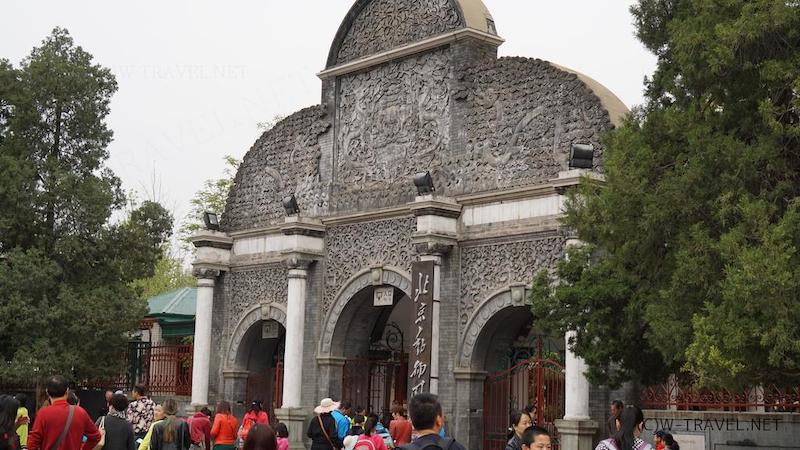
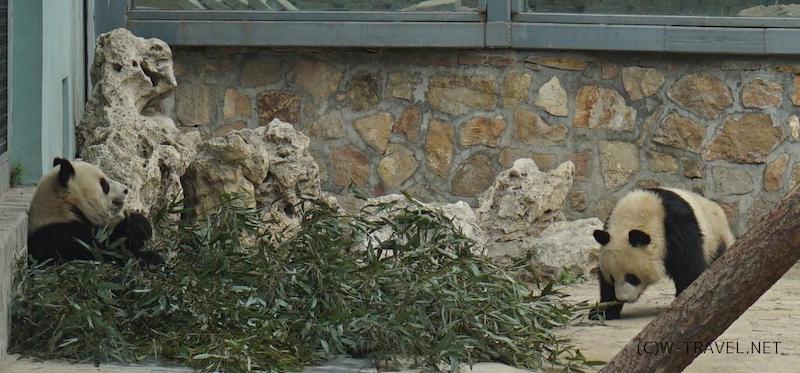
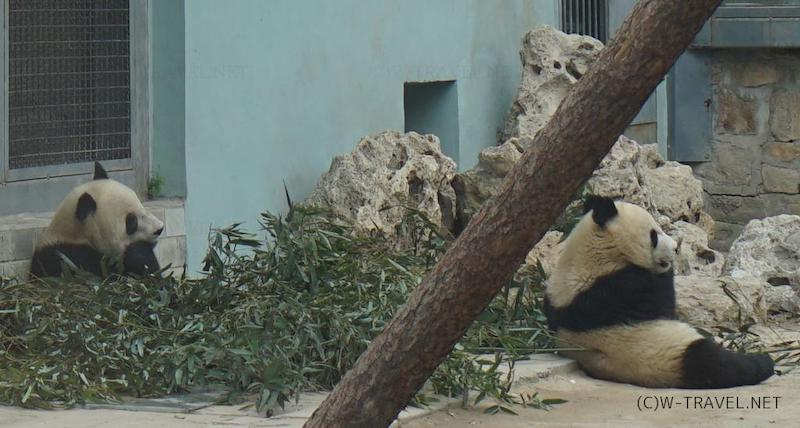
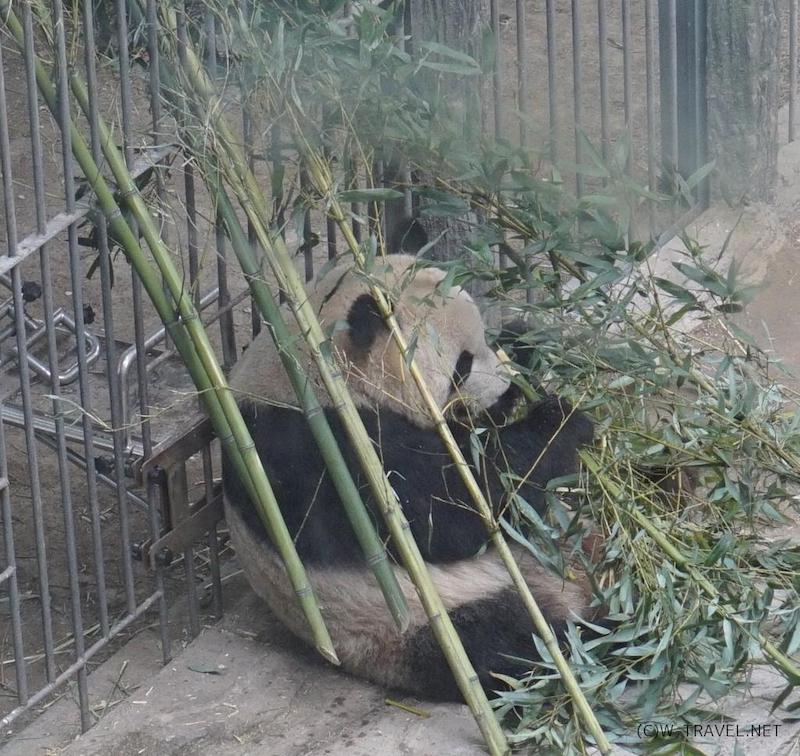
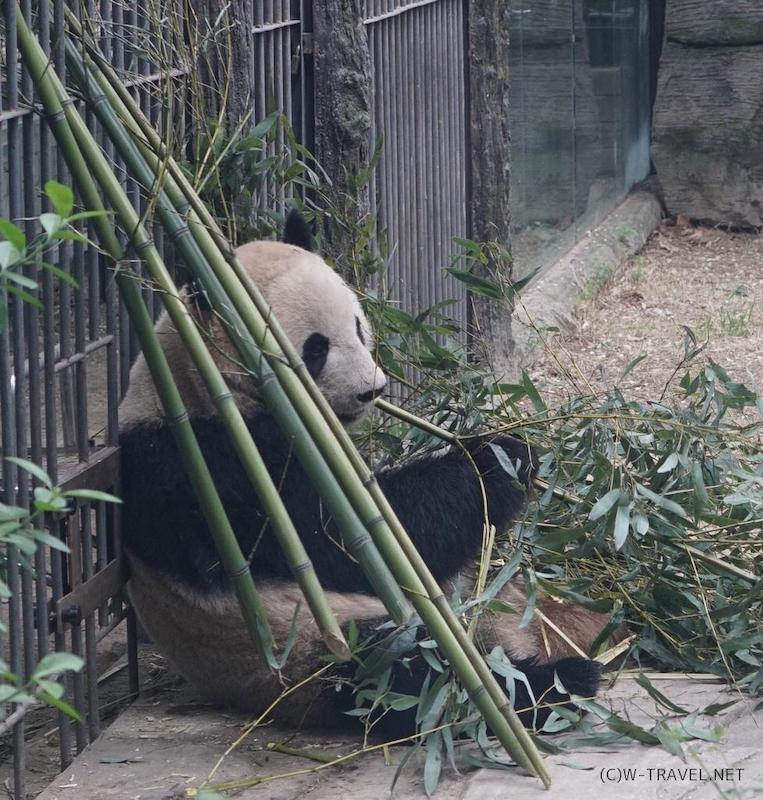

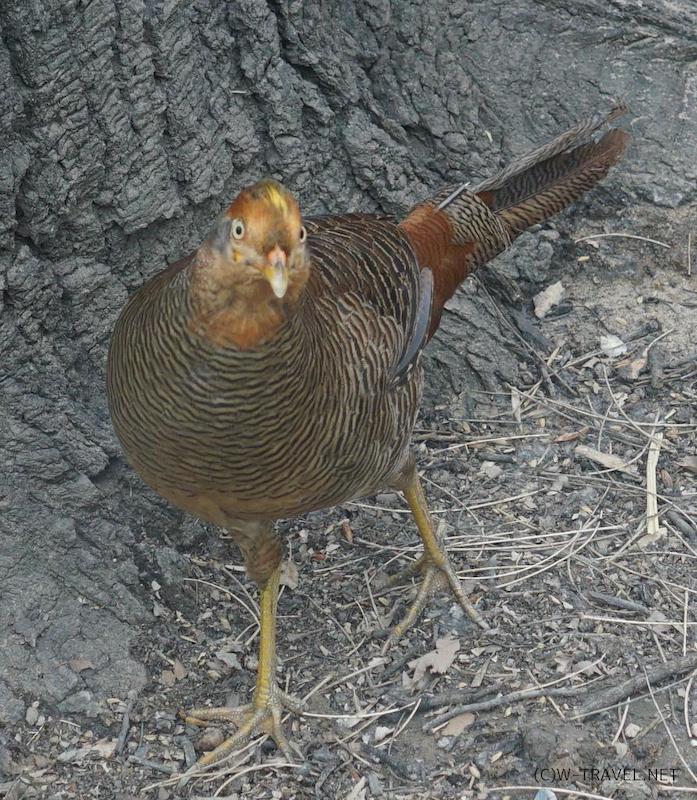
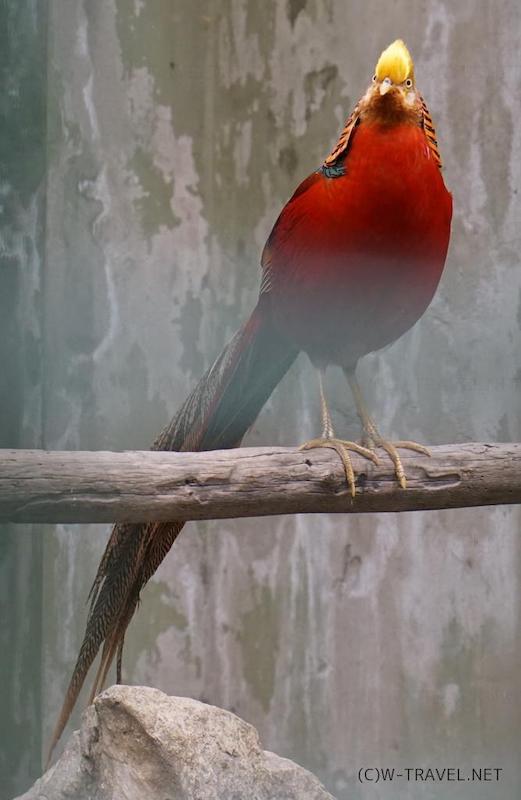
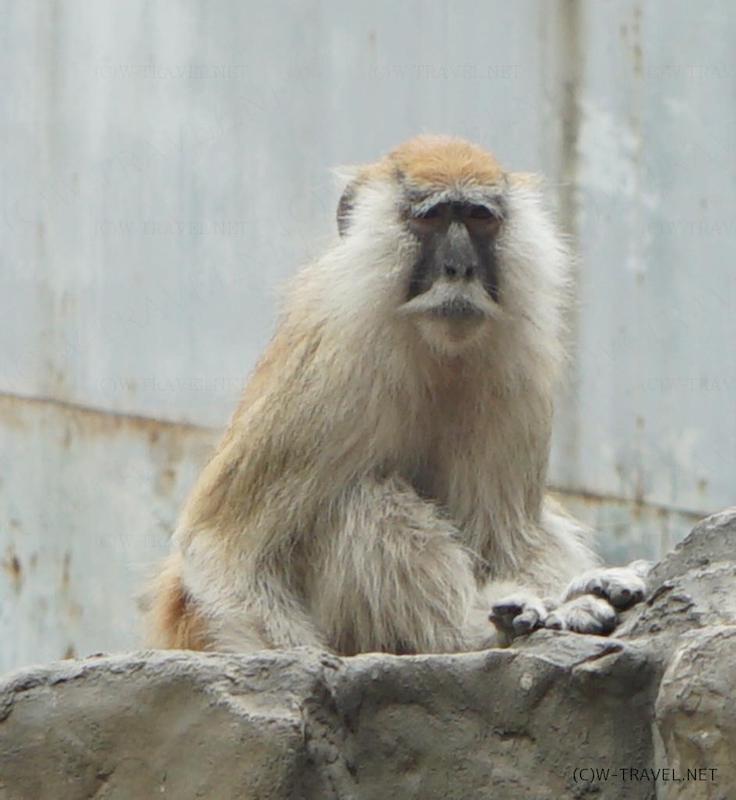
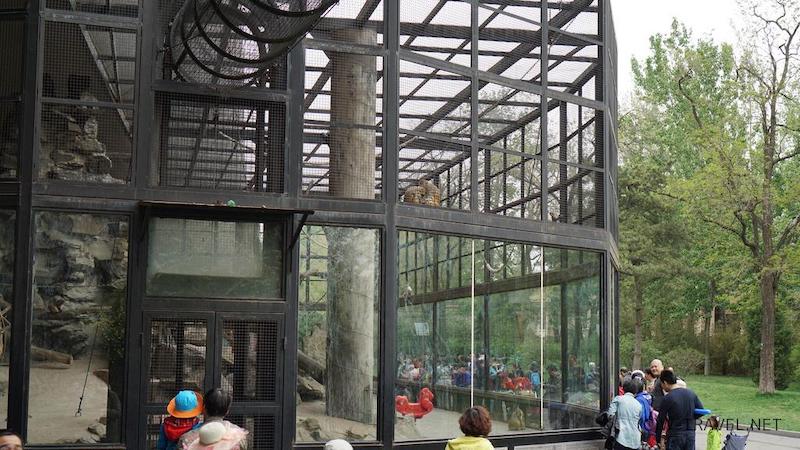
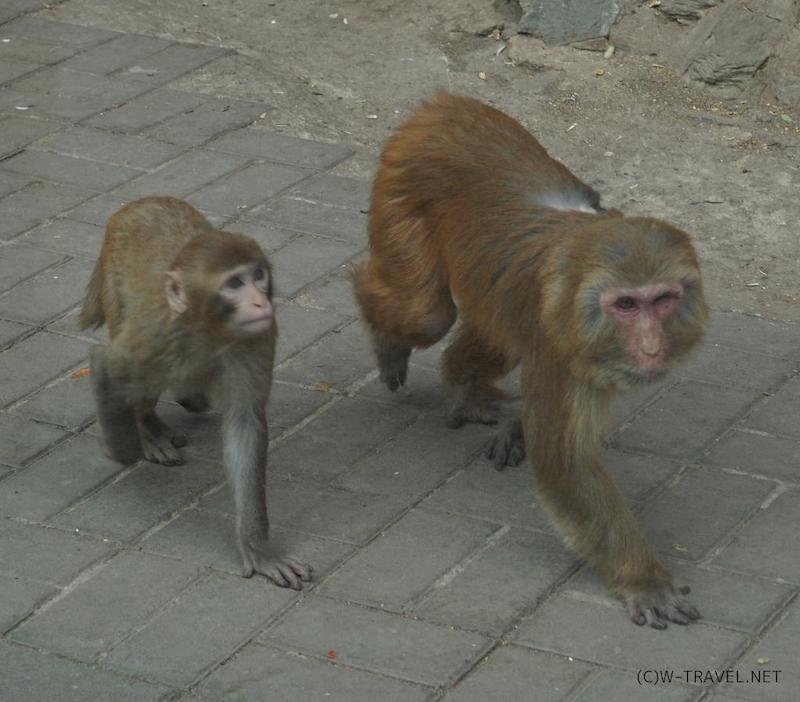
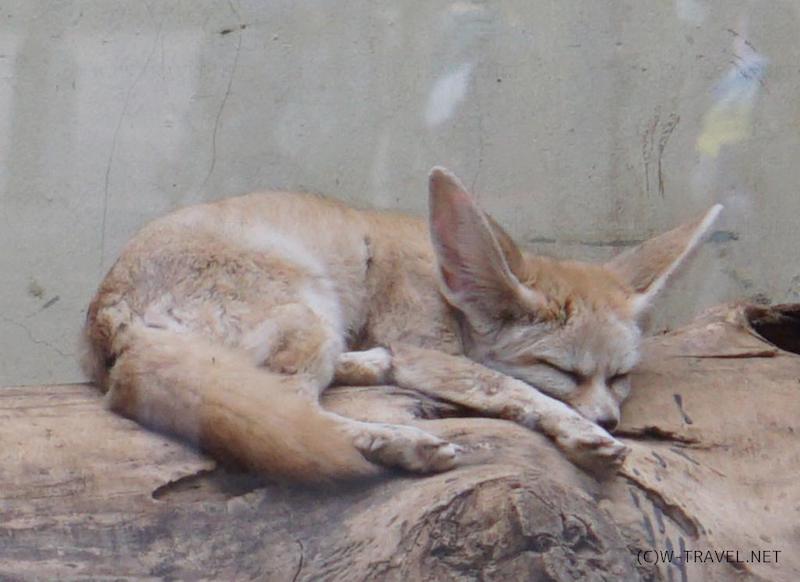

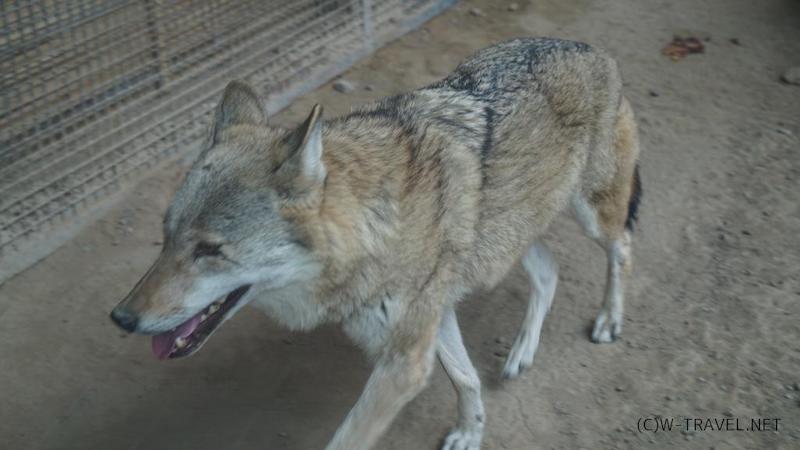
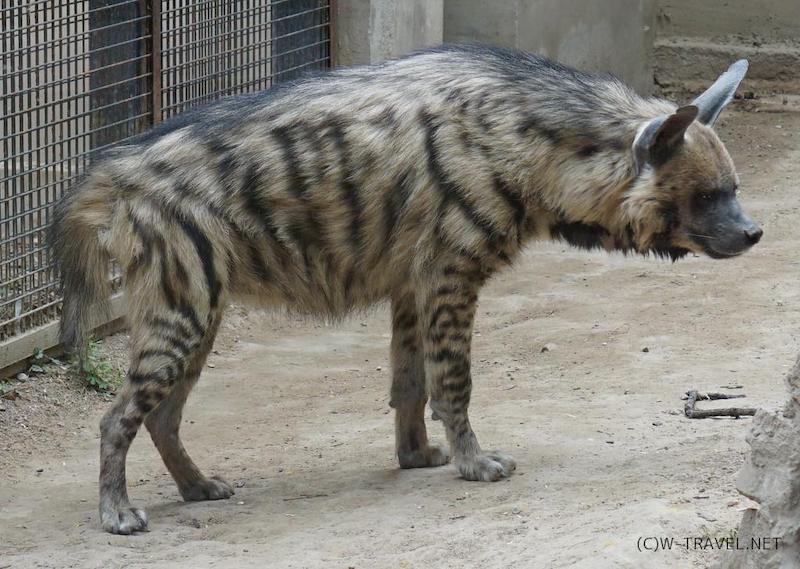


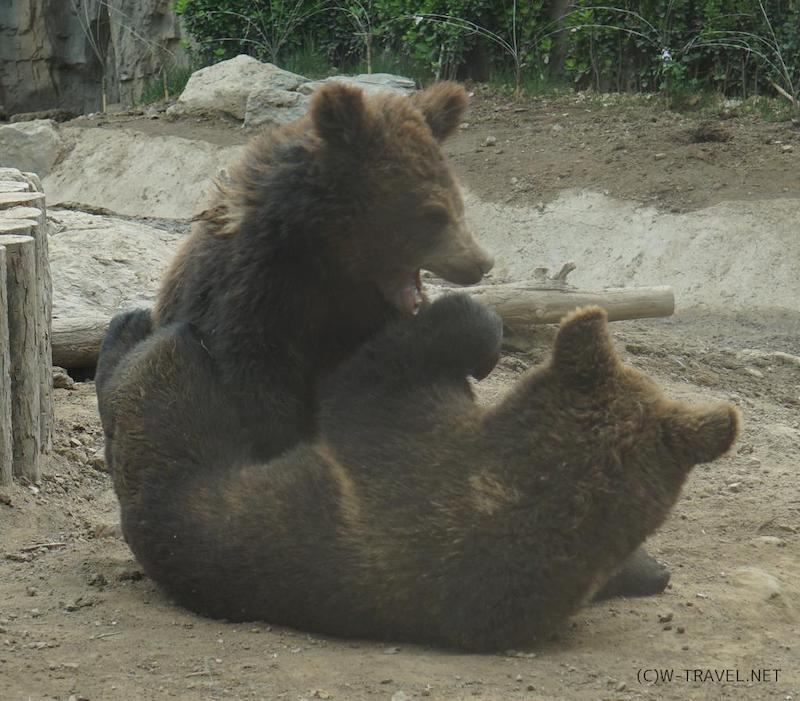
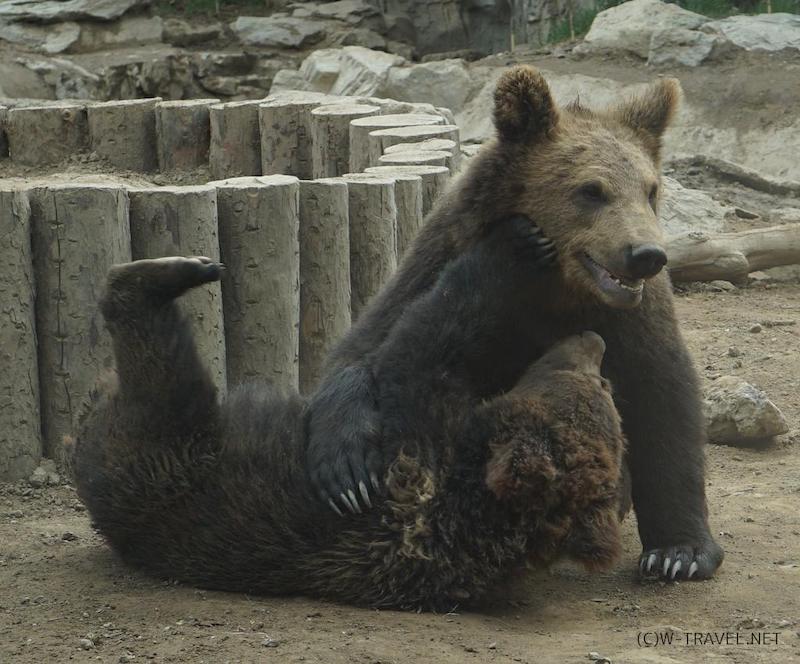
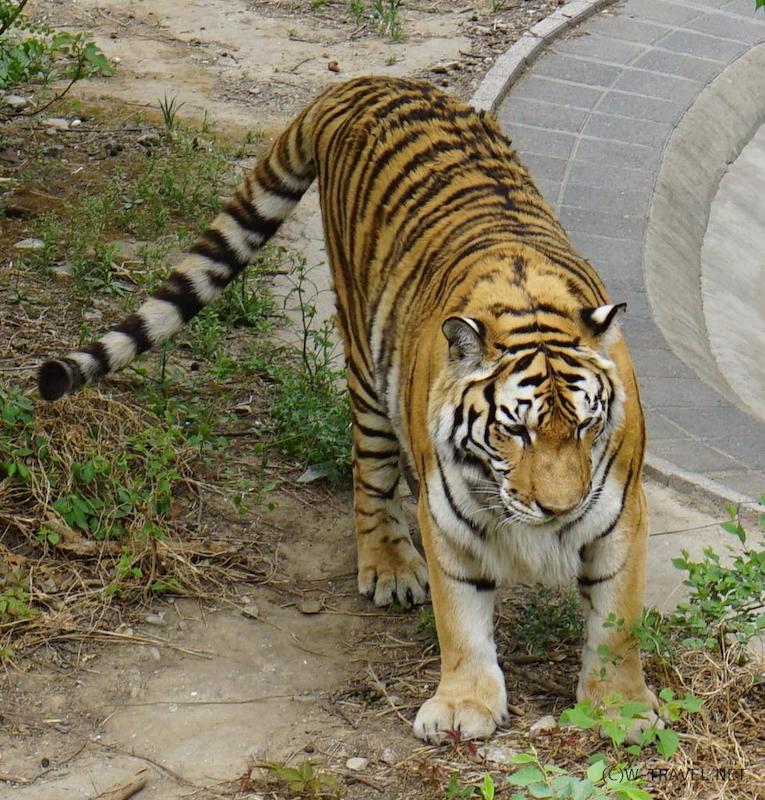
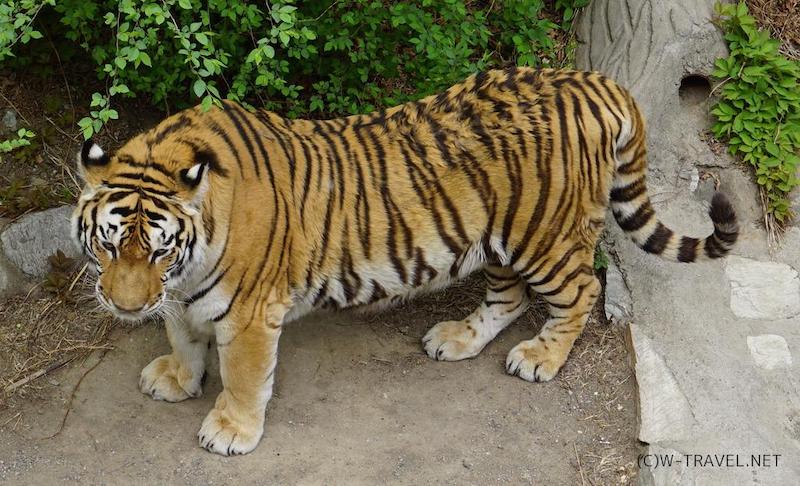
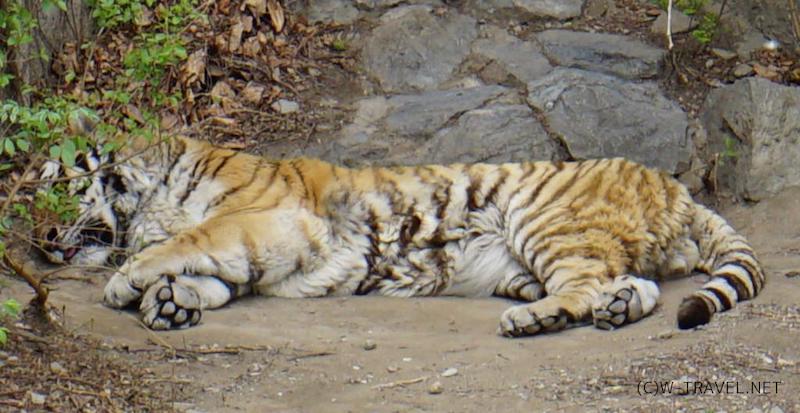
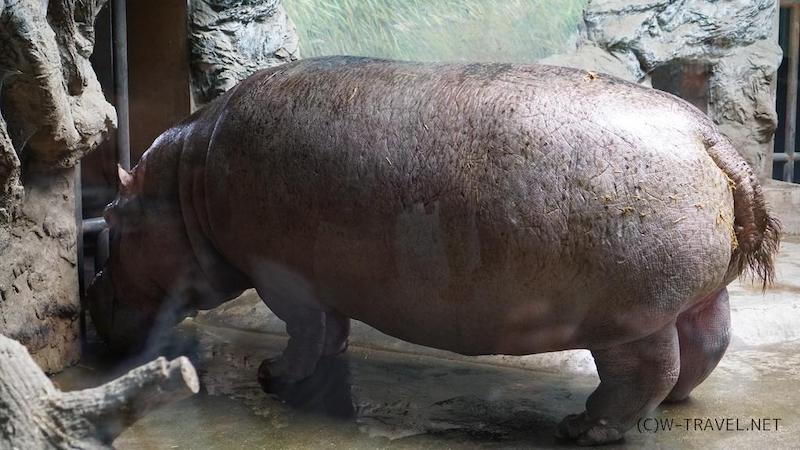
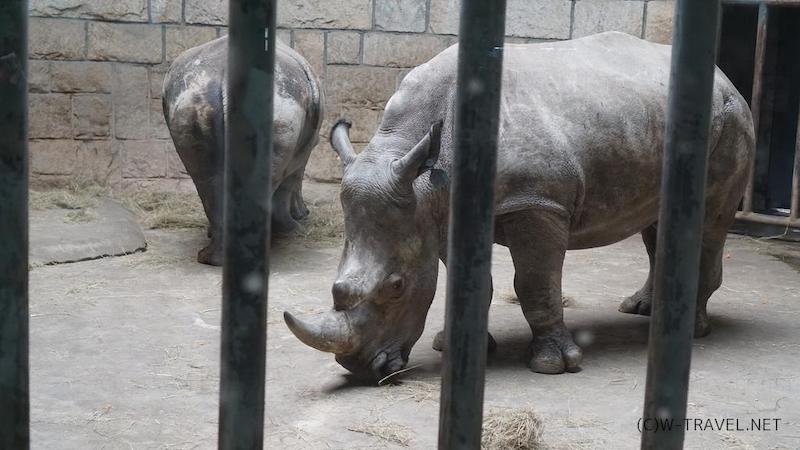
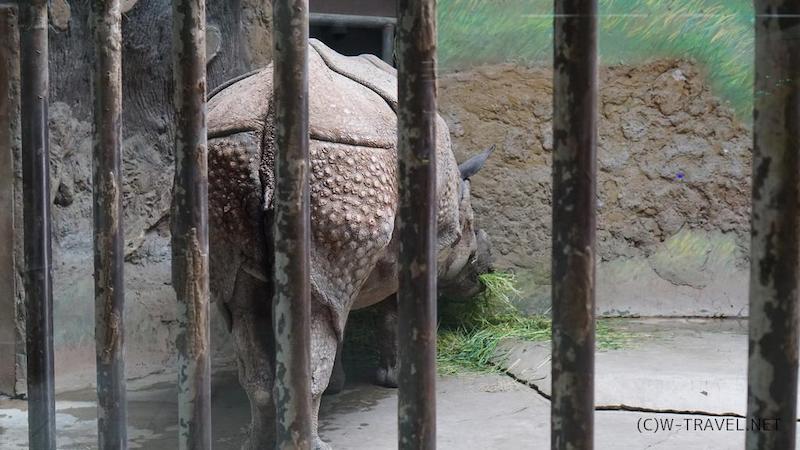
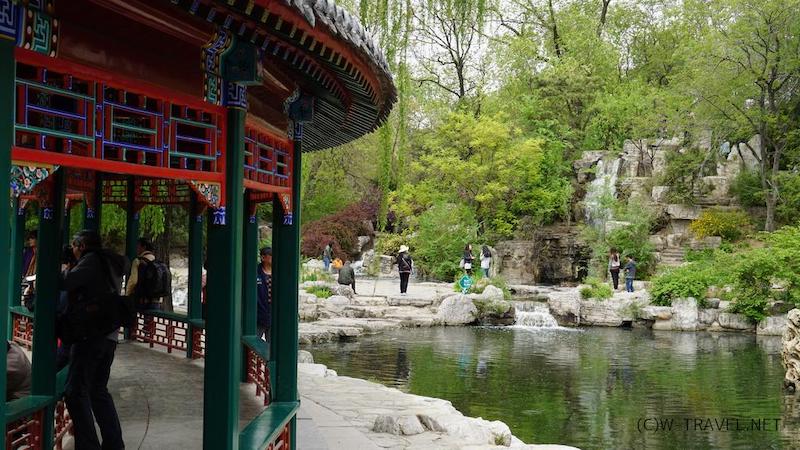
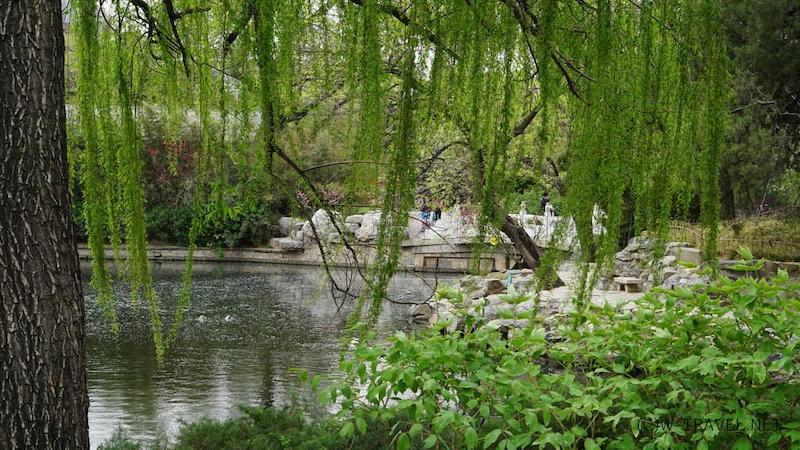
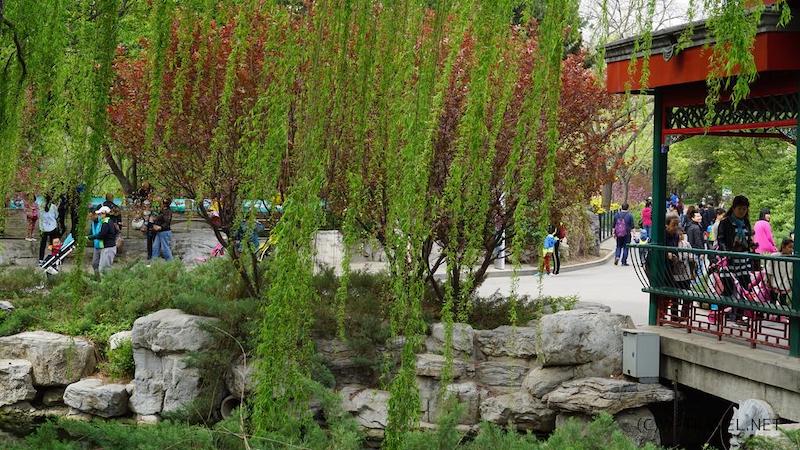

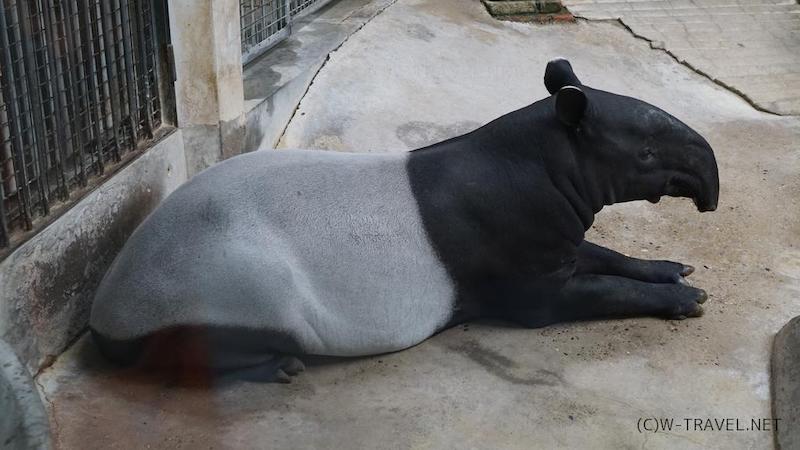


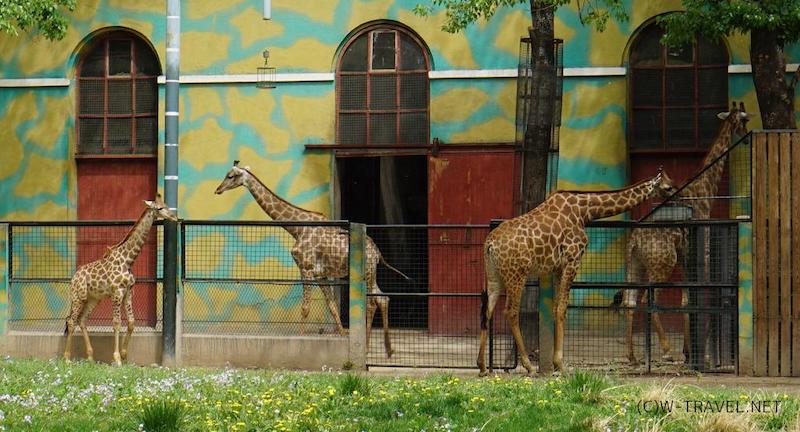
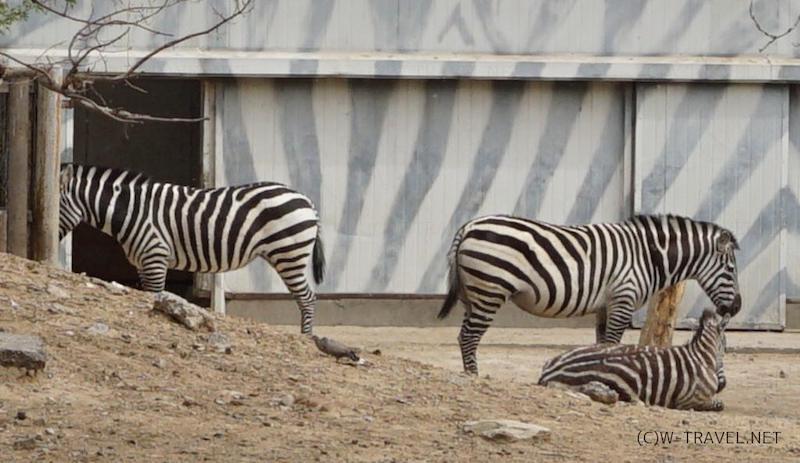
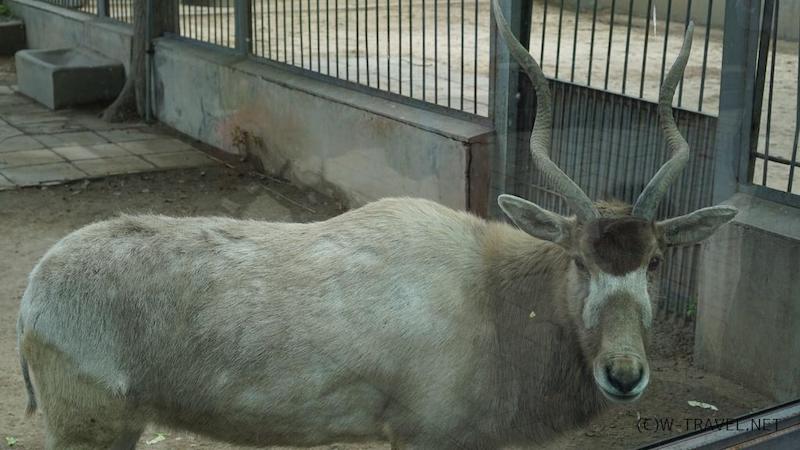
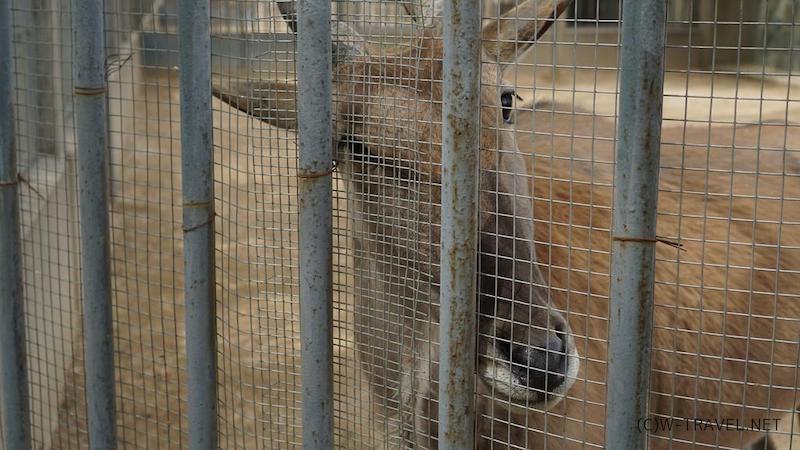

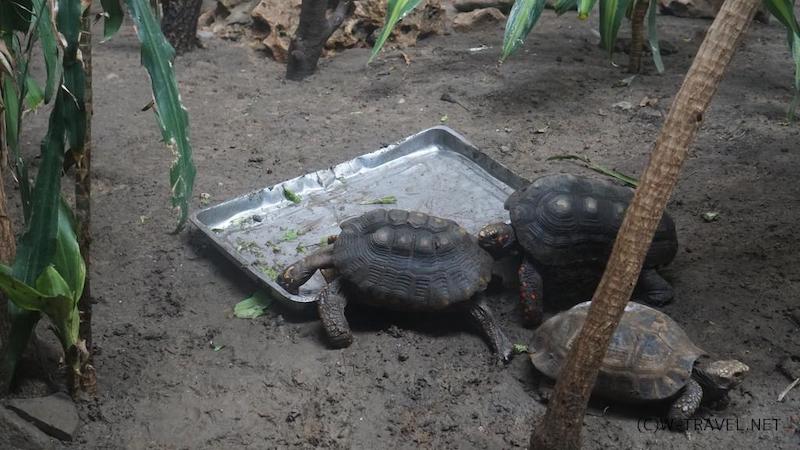
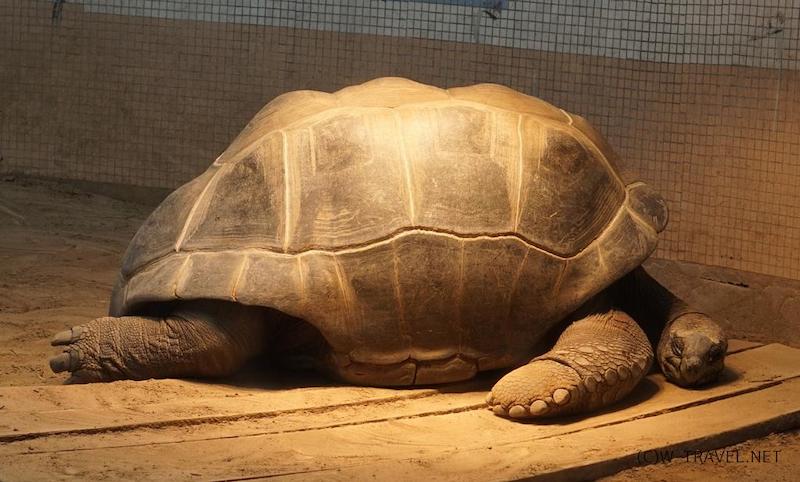 वैसे भी, चीन की इमारतें बहुत बड़ी होती हैं।
सिर्फ घूमने-फिरने से ही थकान महसूस होती है।
शायद, बूढ़े होने के बाद यहां आना मुश्किल हो सकता है...।
और फिर, हम चिड़ियाघर से बाहर निकल गए।
तियनतान।
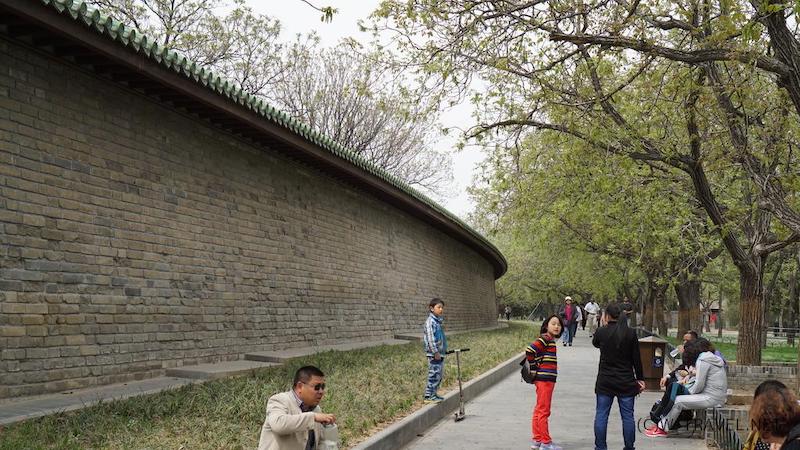
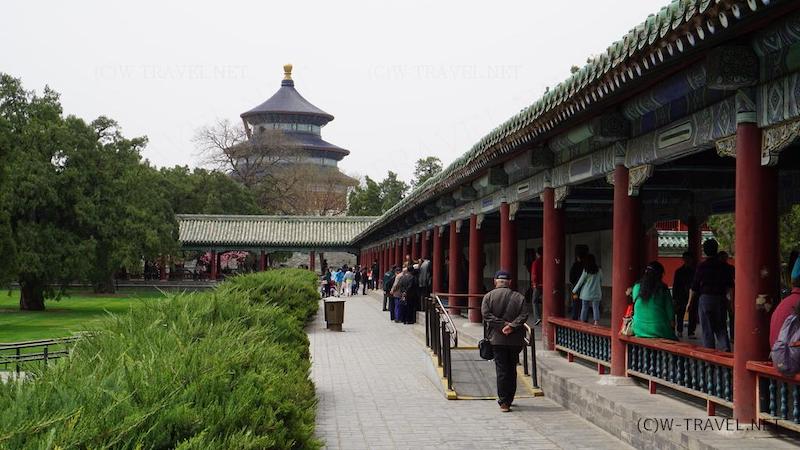
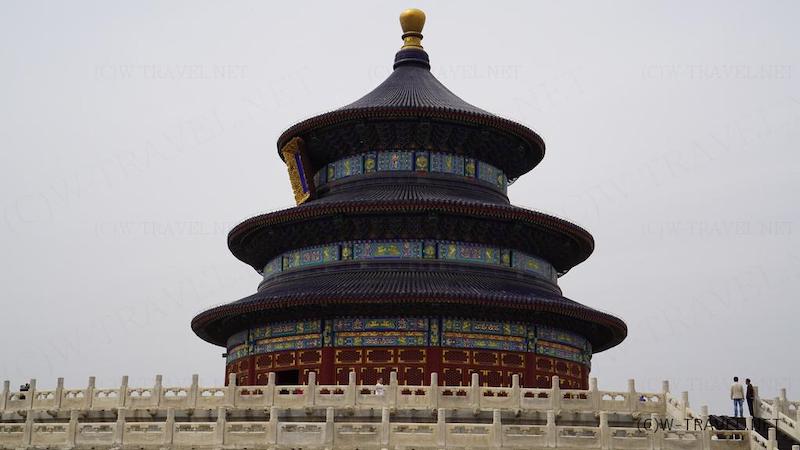
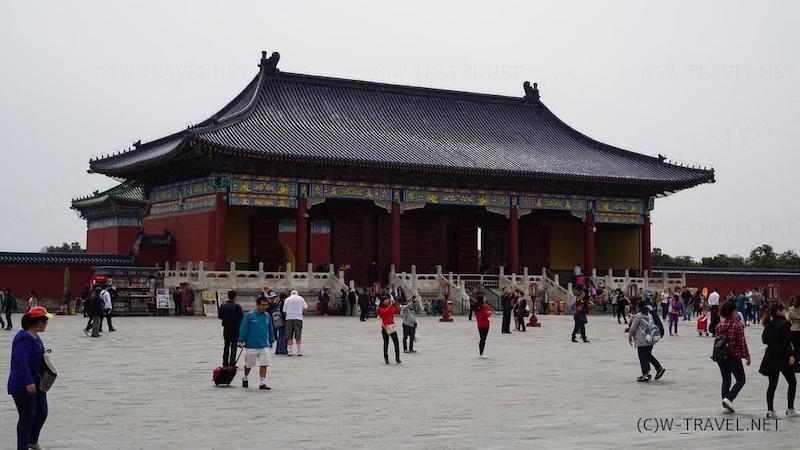
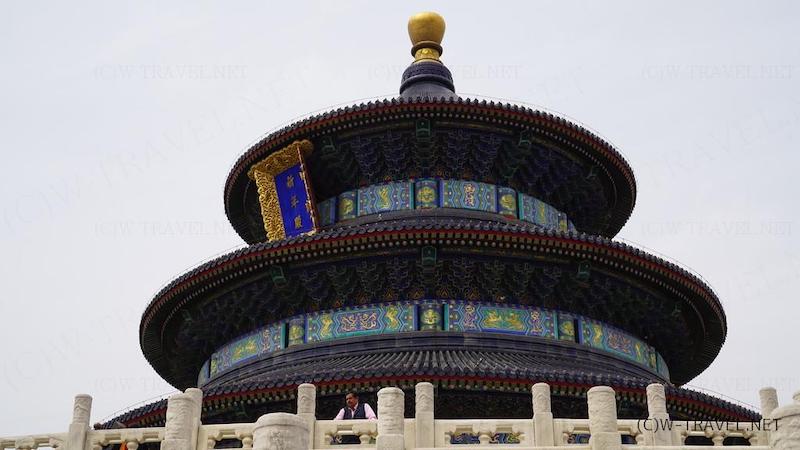
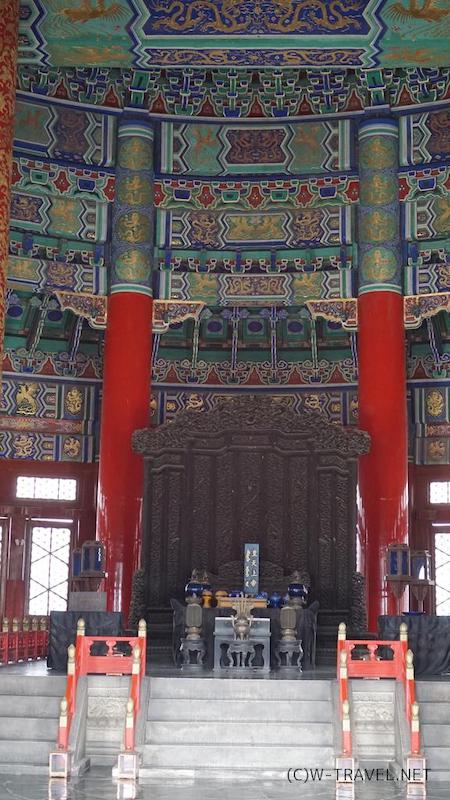
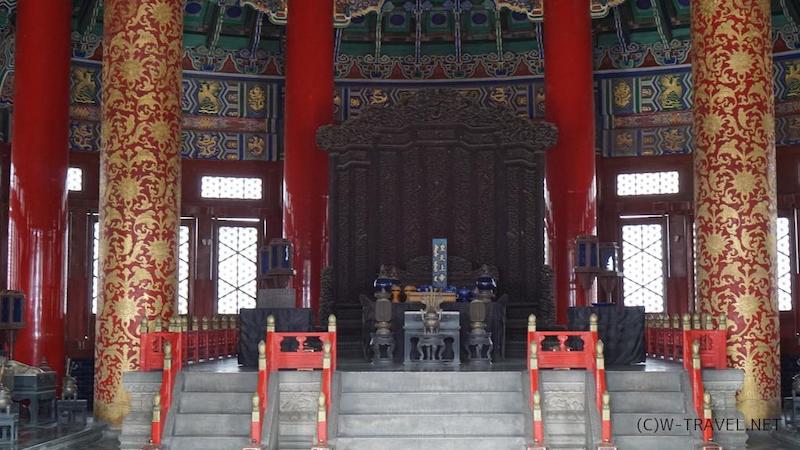
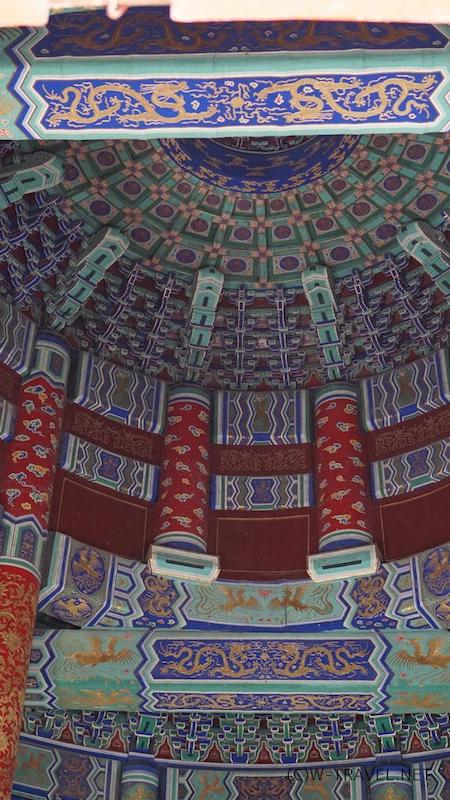
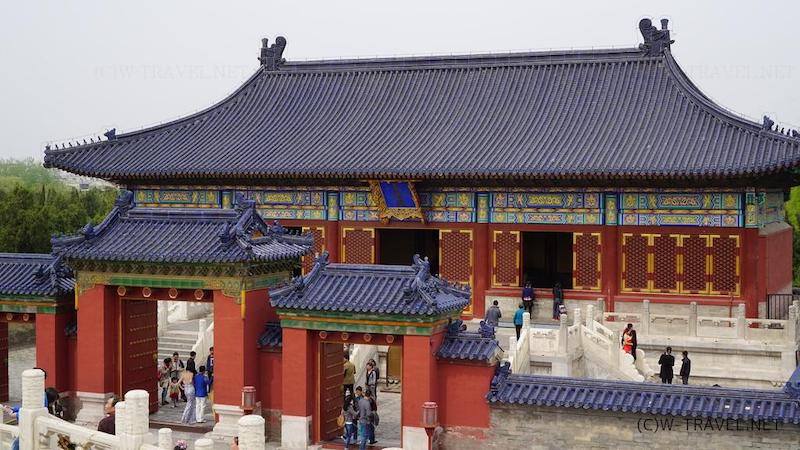
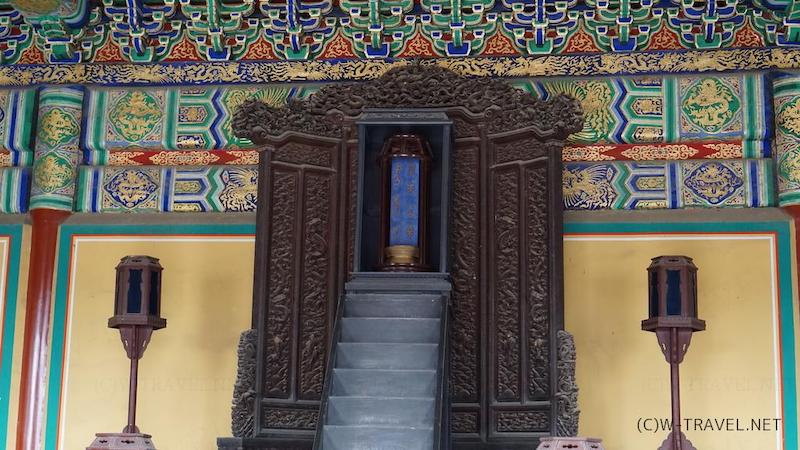
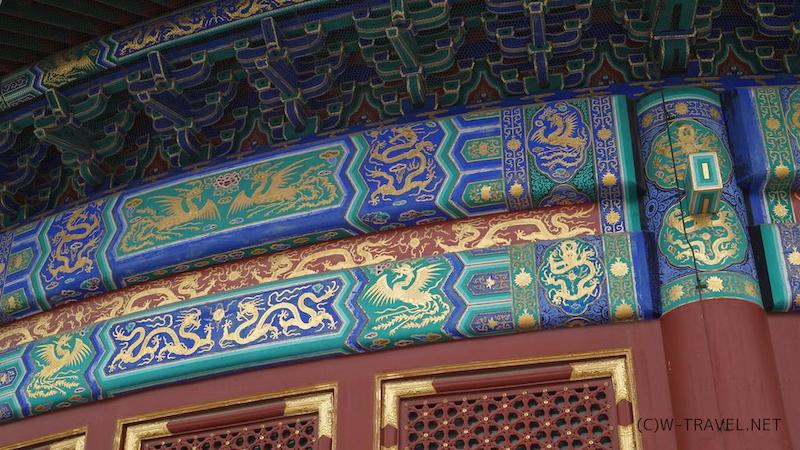
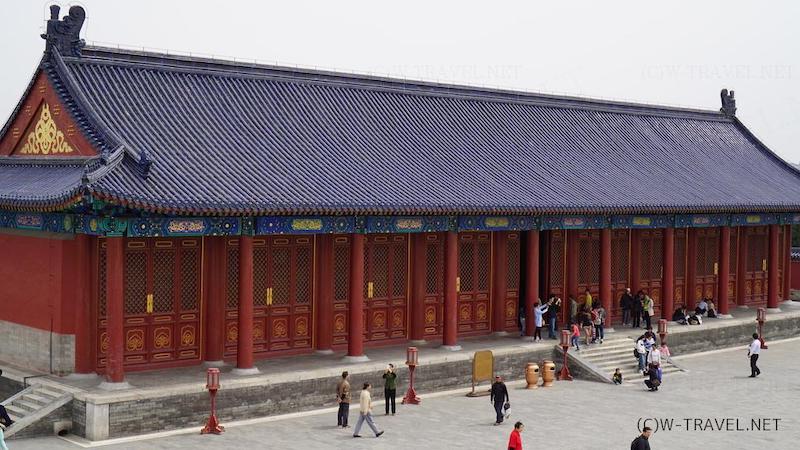
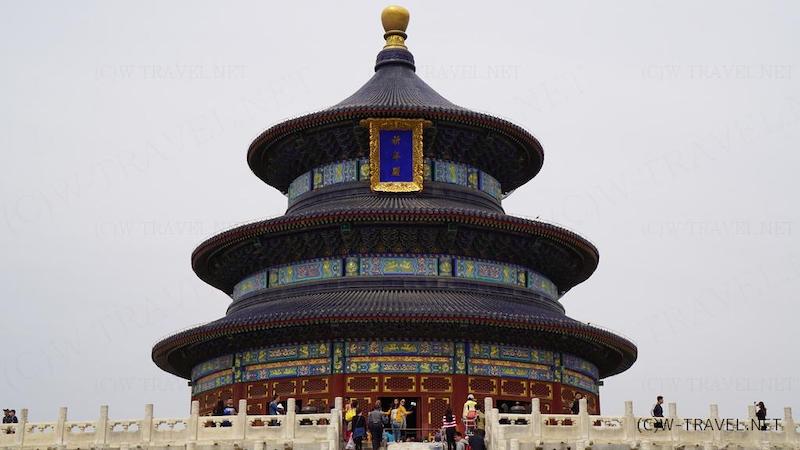
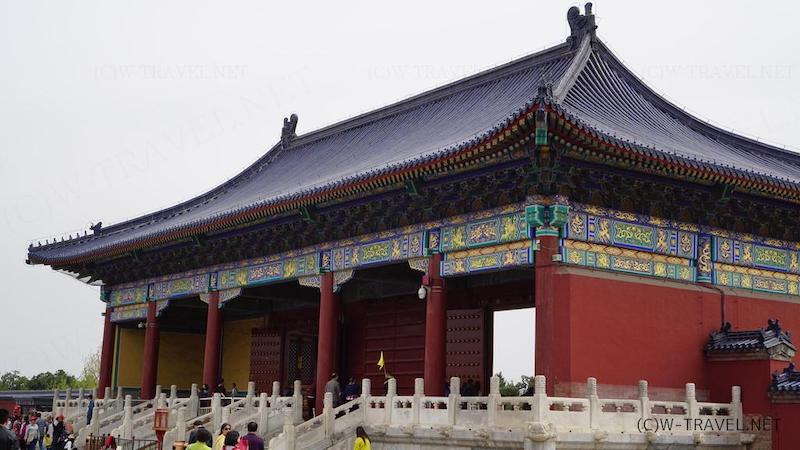
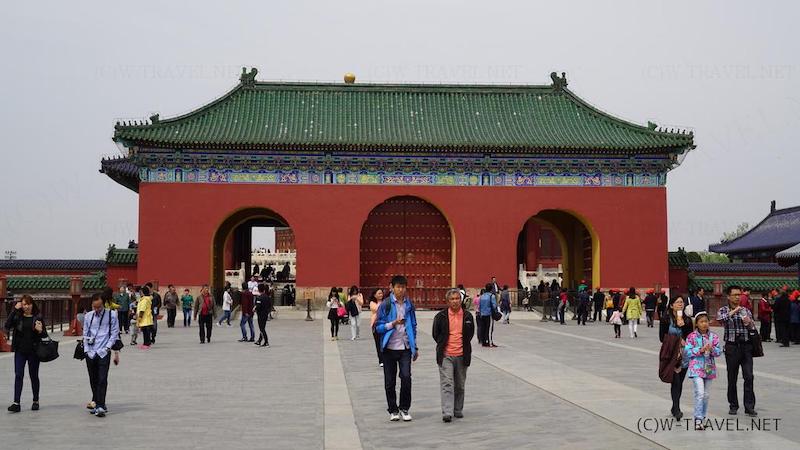
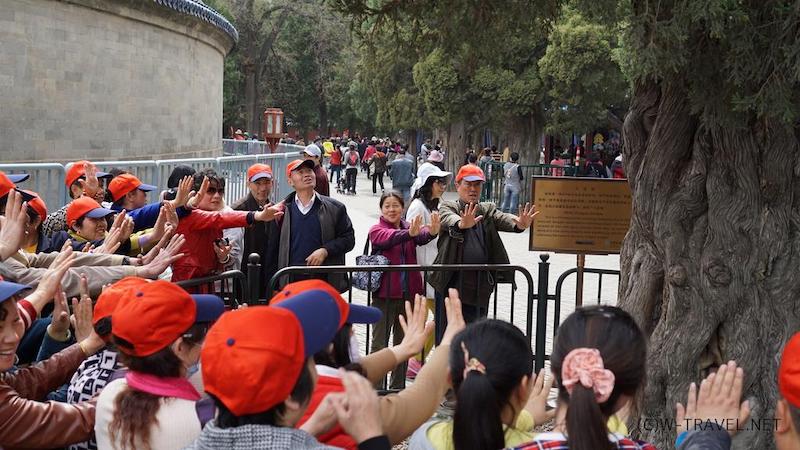
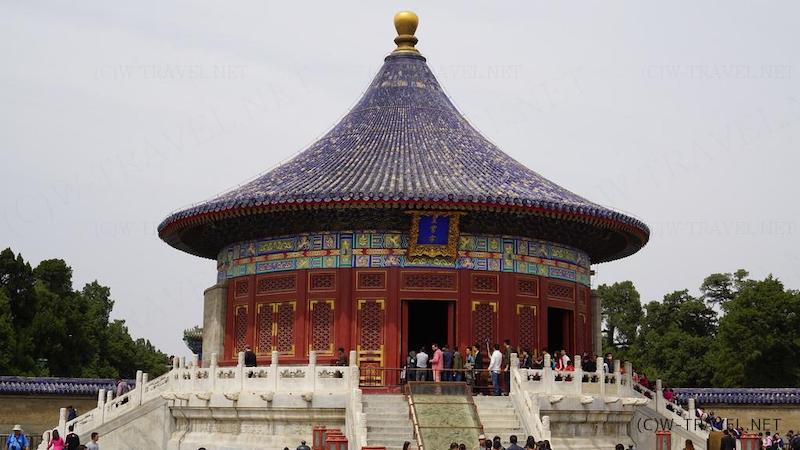
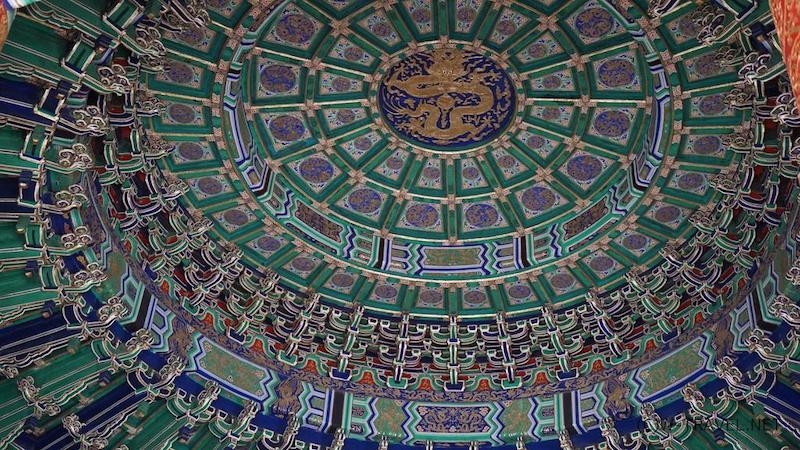
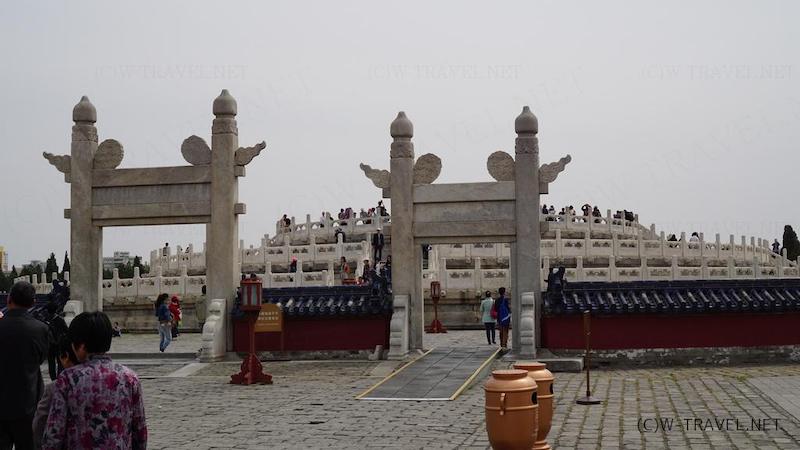
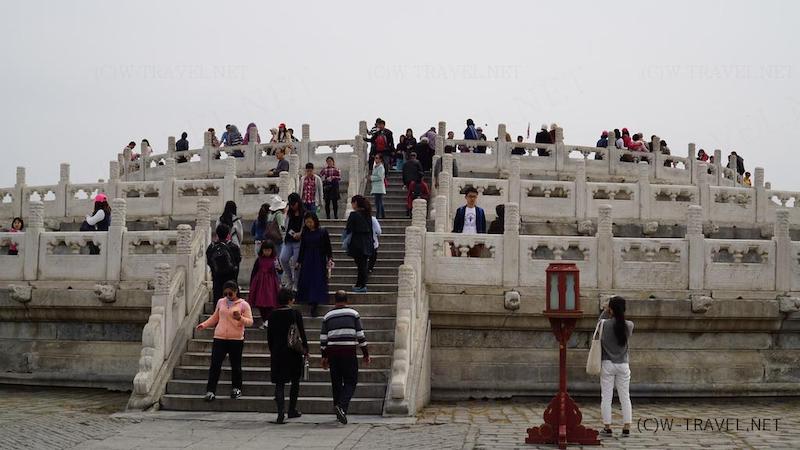
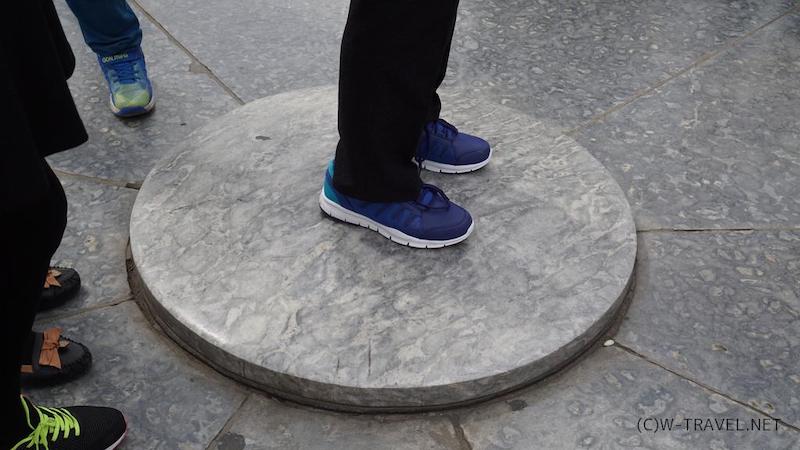
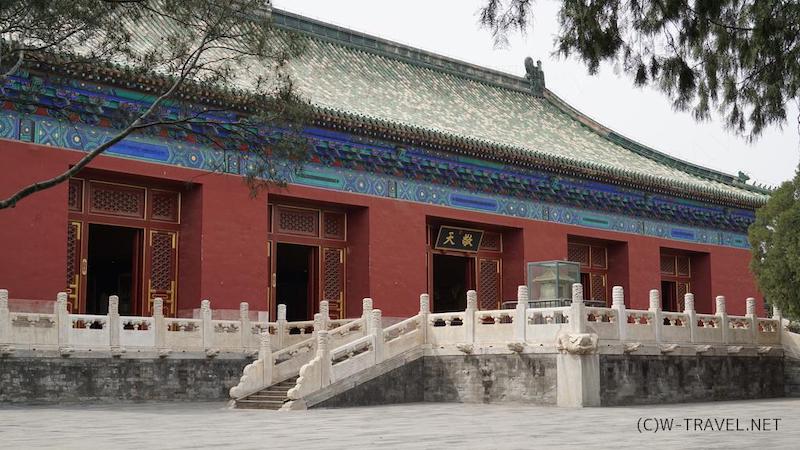
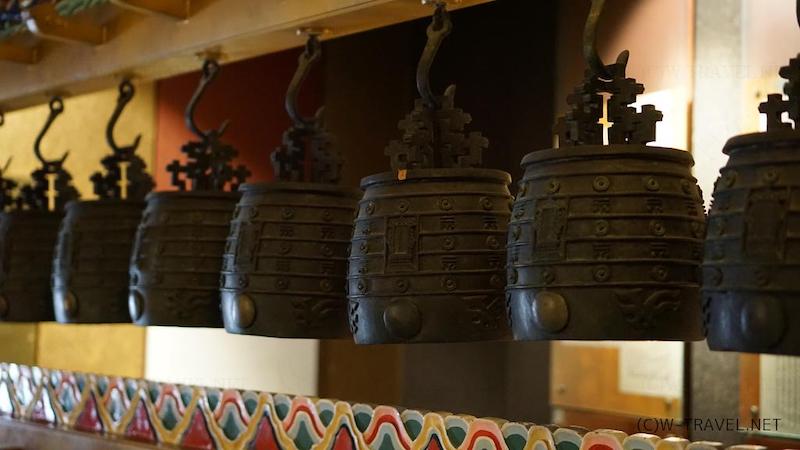
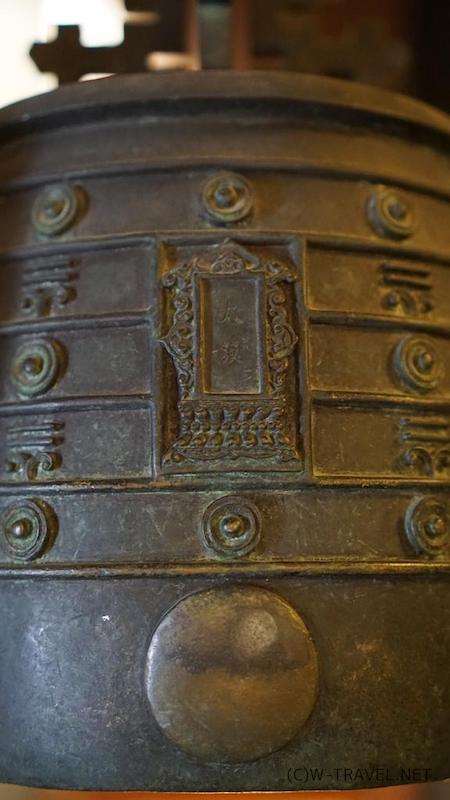
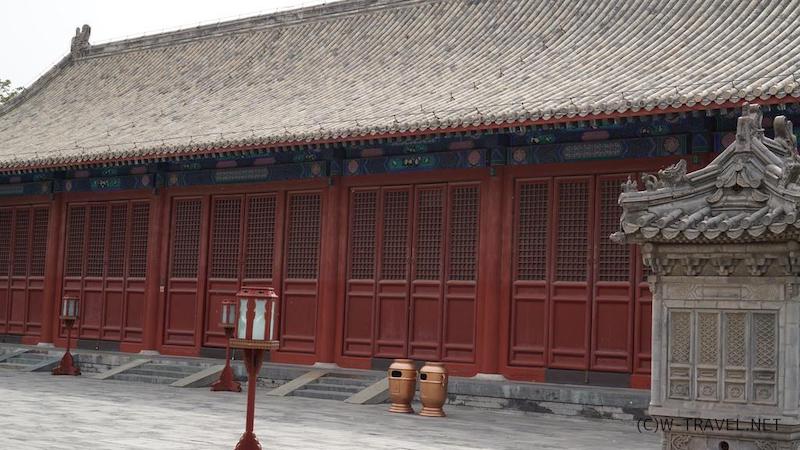
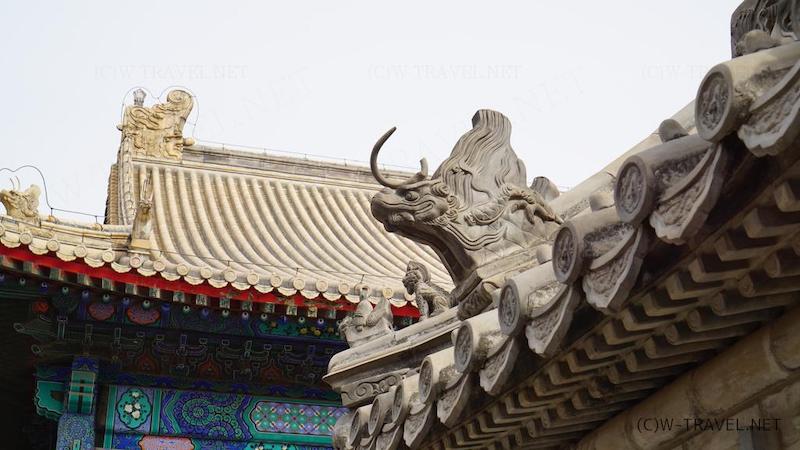
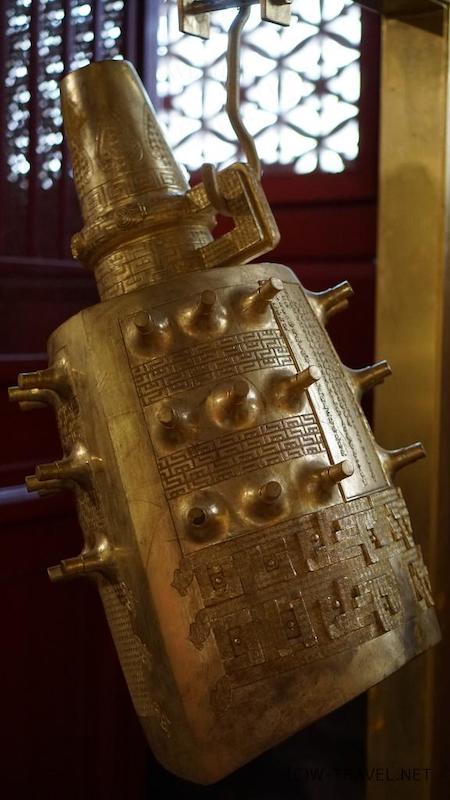
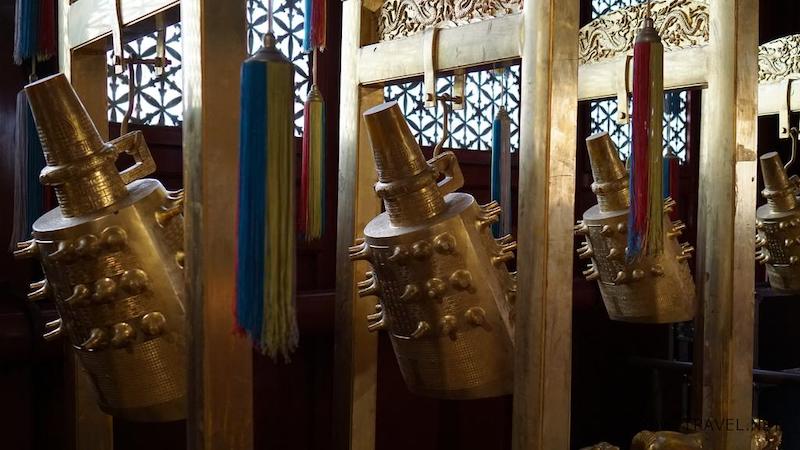
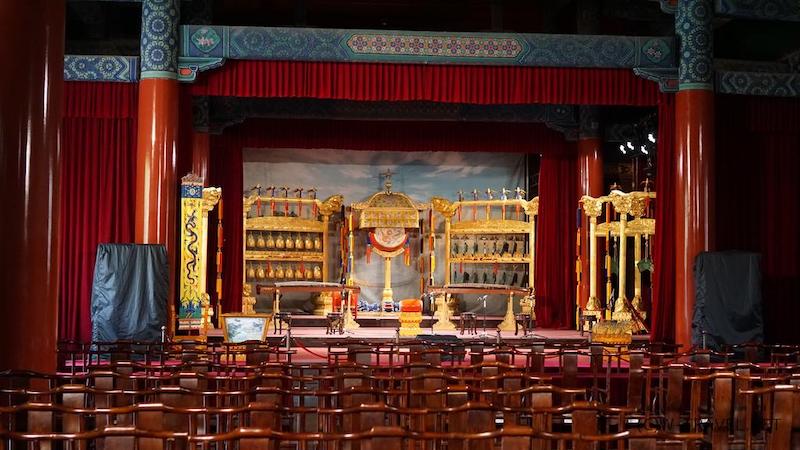
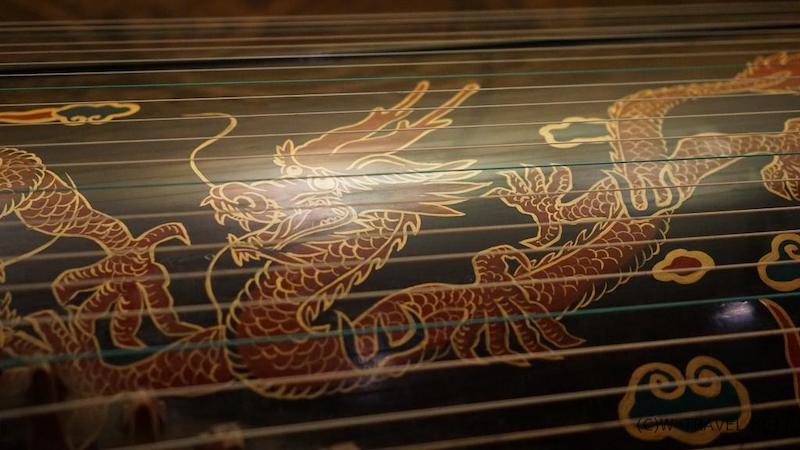
दोपहर में, मैं तियानटन की ओर गया, जो एक विश्व धरोहर स्थल है।
यह भी एक बहुत बड़ा क्षेत्र है, और इससे चीन के पैमाने की विशालता का पता चलता है।
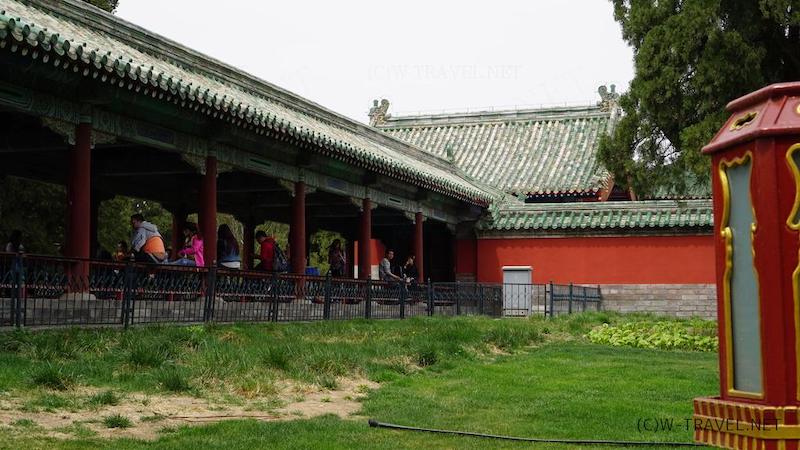
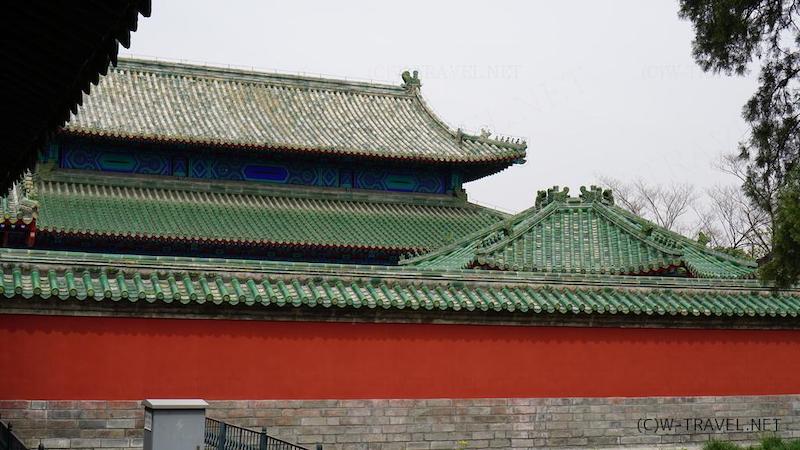
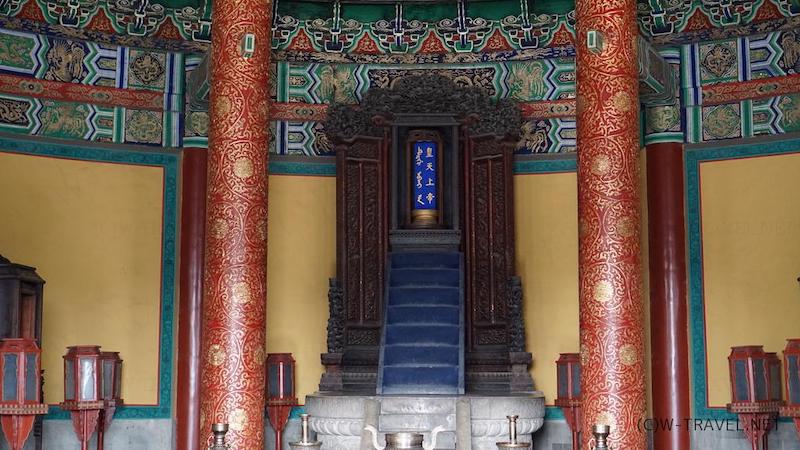
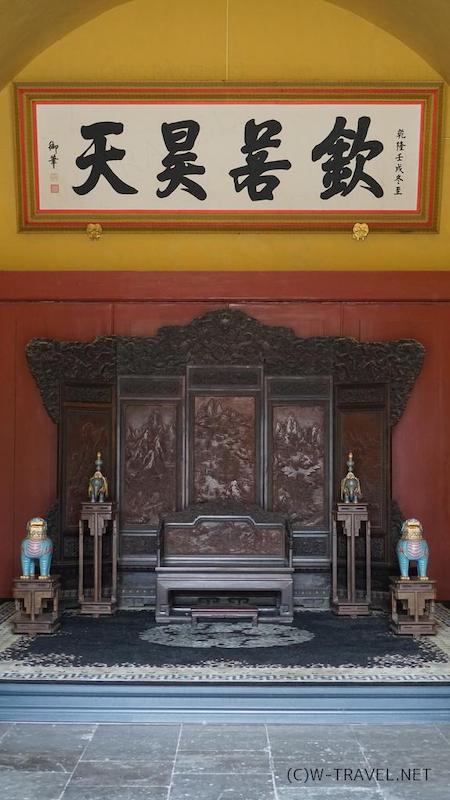
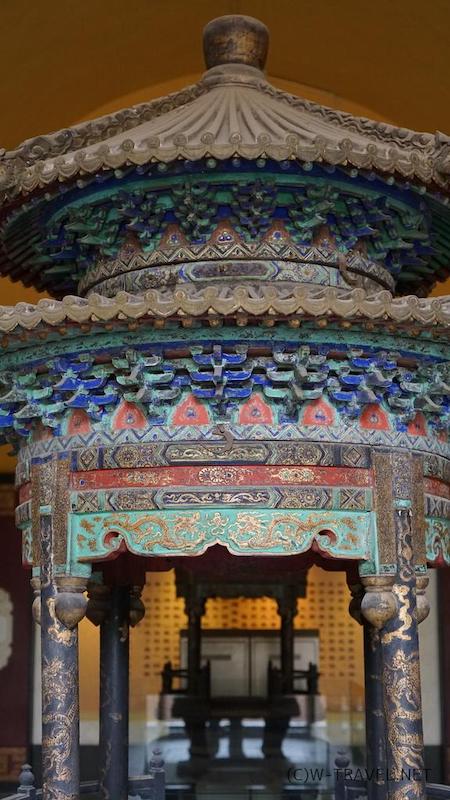
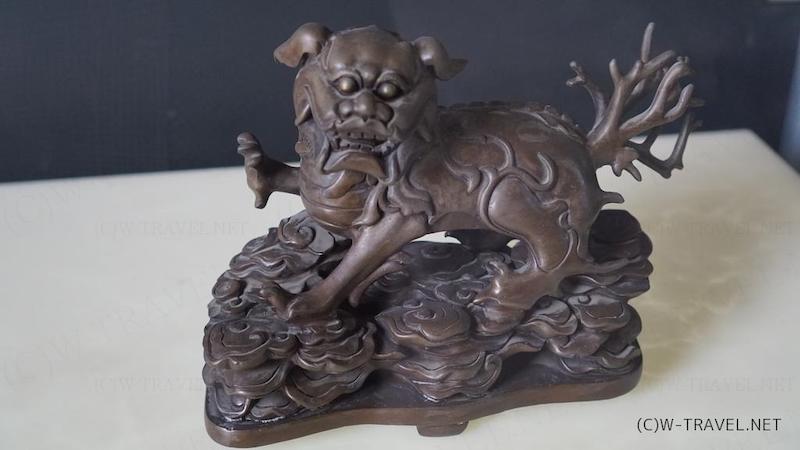
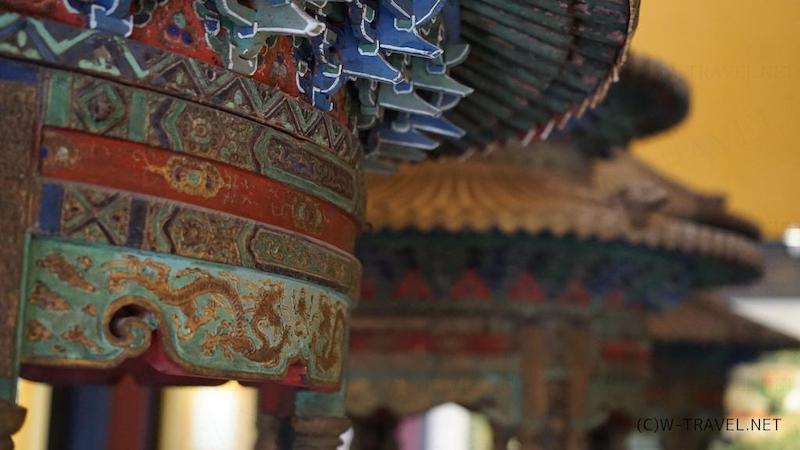
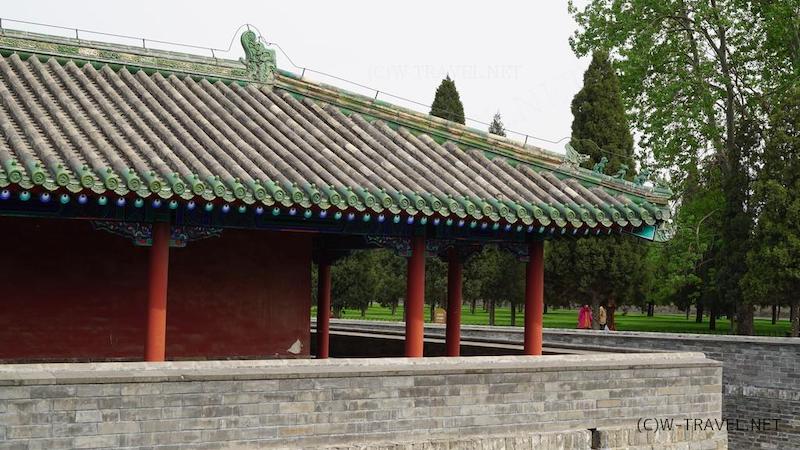
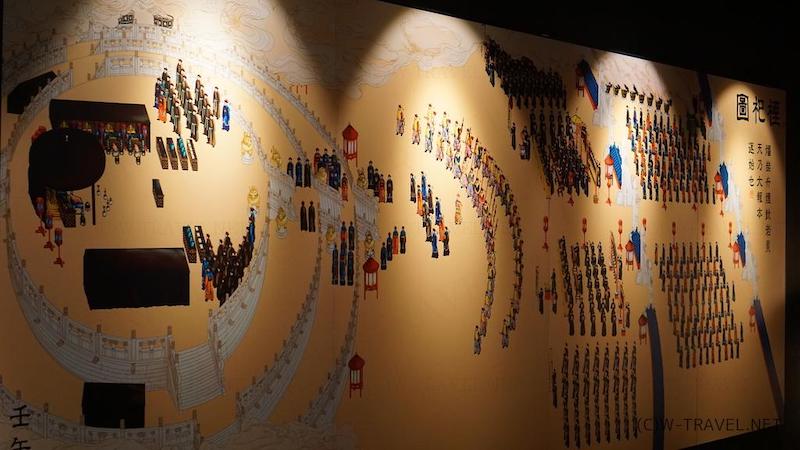
यह एक पूजा स्थल प्रतीत होता है, लेकिन केंद्र में स्थित प्रमुख इमारत की तुलना में, मुझे लगता है कि आस-पास की कुछ इमारतों में एक विशेष आभा थी।
ऐसा अक्सर होता है। वास्तव में महत्वपूर्ण चीजें अक्सर दिखाई देने वाली जगहों पर नहीं, बल्कि शांत जगहों पर रखी जाती हैं।
ऐसा लगता है कि आमतौर पर देवता उन जगहों पर रहते हैं जो दिखाई नहीं देती हैं, और विशेष अनुष्ठानों के समय ही देवता उन जगहों पर आते हैं जो दिखाई देती हैं।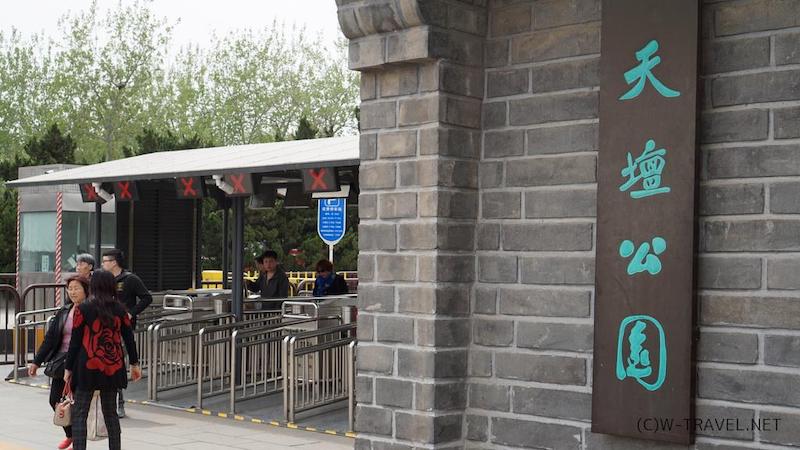
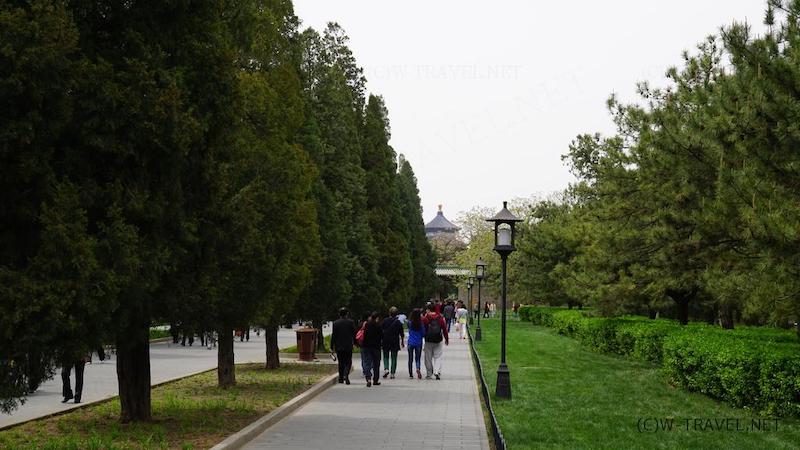





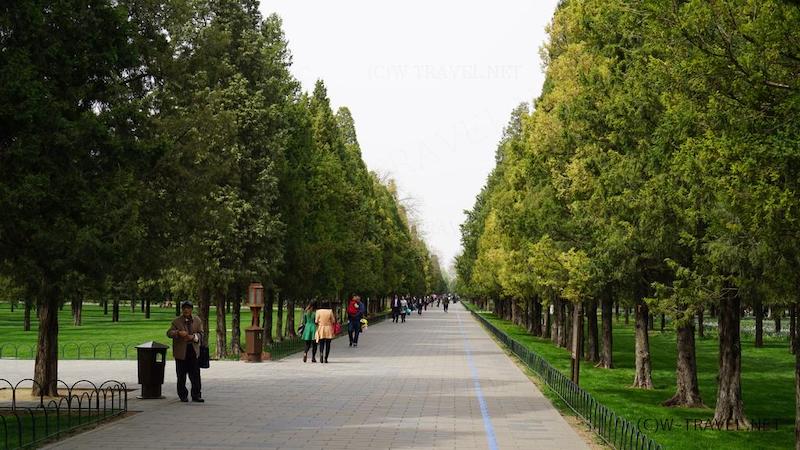
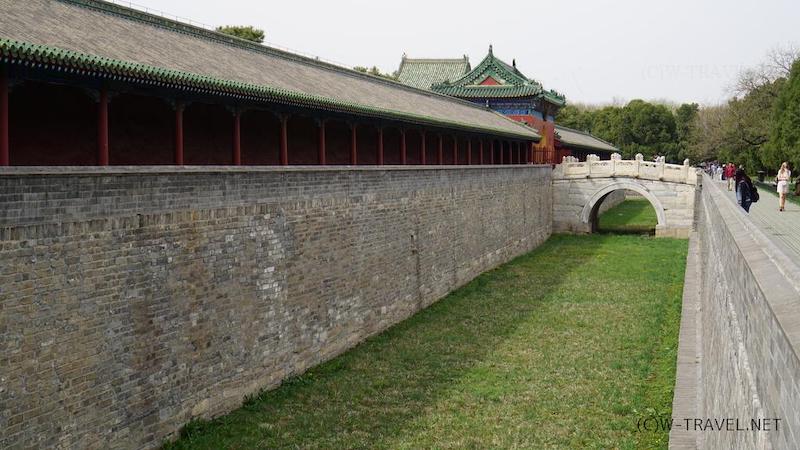
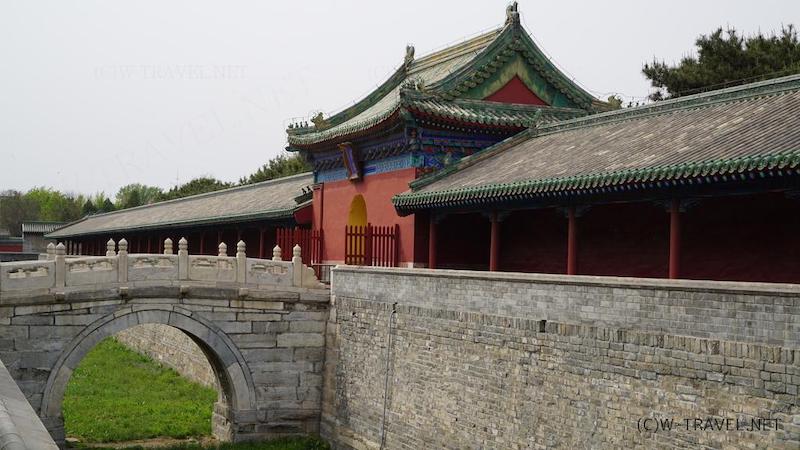
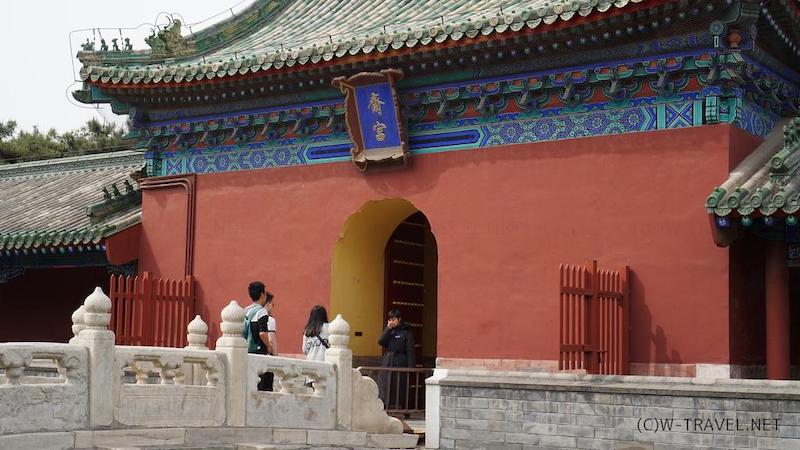







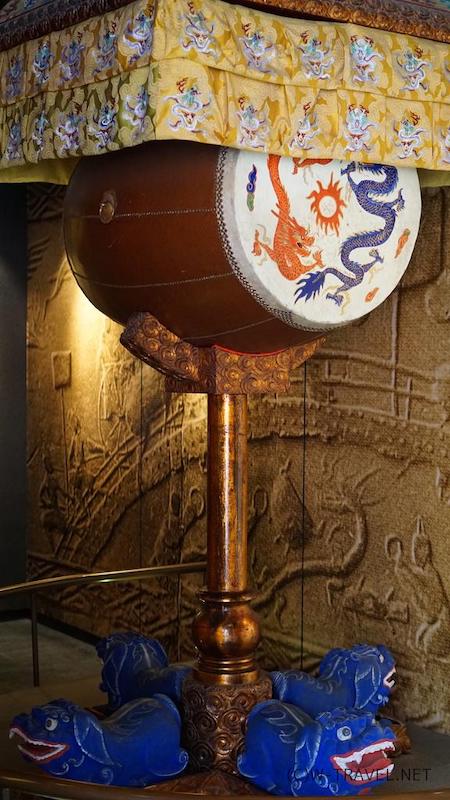

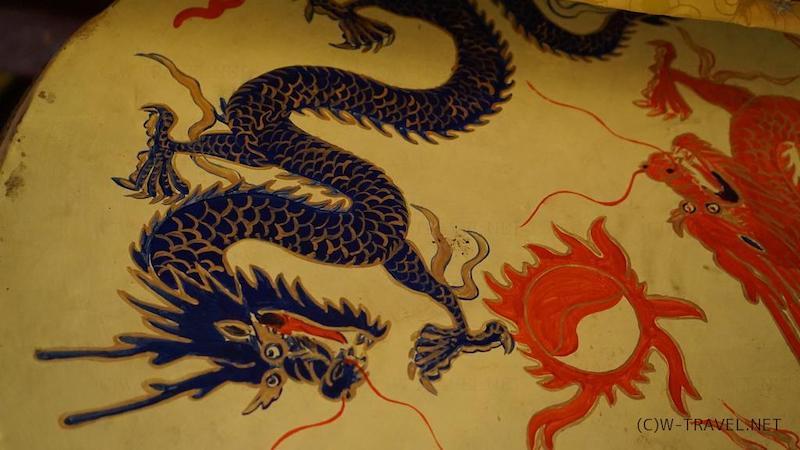

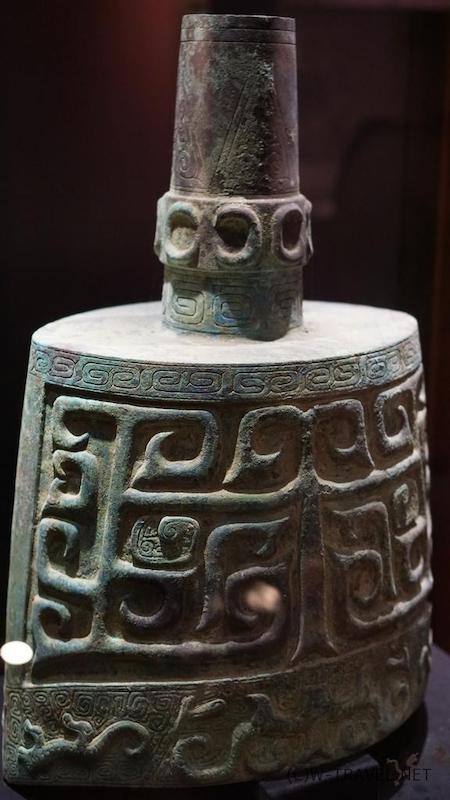
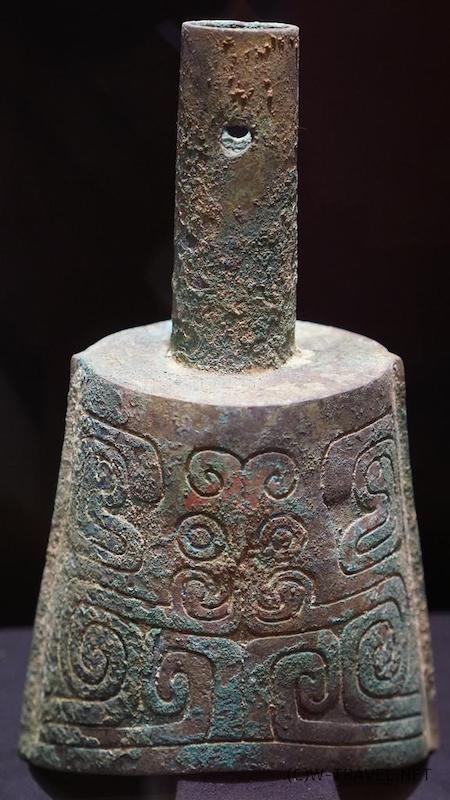




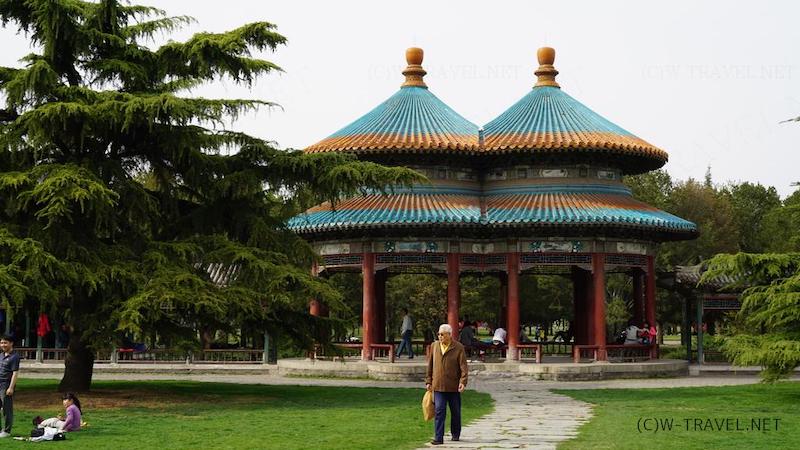
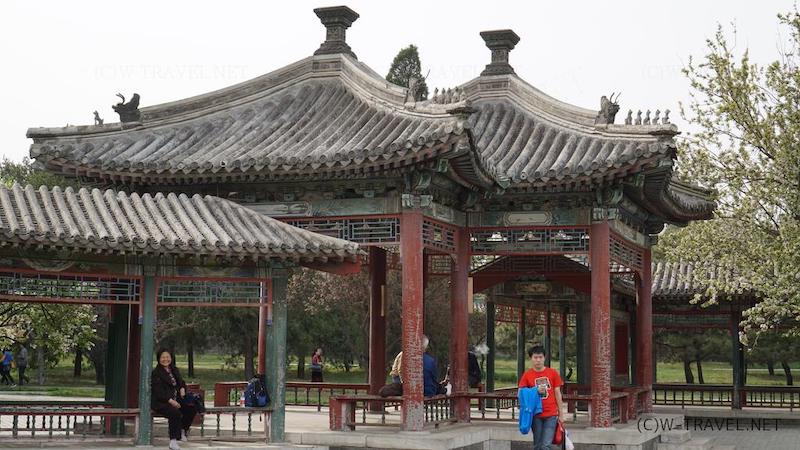
 और गेस्ट हाउस वापस जाते हैं।
नाकायुमा पार्क।
सबसे पहले, आस-पास के इलाके में कुछ खाया जाए। 15 युआन (लगभग 290 येन)।
यहां चीन में, सुबह से ही लोग सामान्य रूप से नूडल्स खाते हैं, इसलिए मैंने वैसा ही करने का फैसला किया।
वास्तव में, मैं चावल का दलिया खाना चाहता था, लेकिन फिलहाल केवल नूडल्स ही उपलब्ध हैं। आज मैं गुगोंग संग्रहालय (पुरानी शाही प्राचीर) जाने की सोच रहा था, लेकिन ऐसा लगता है कि सोमवार को यह बंद रहता है, इसलिए मैं पास के झोंगशान पार्क जाऊंगा।
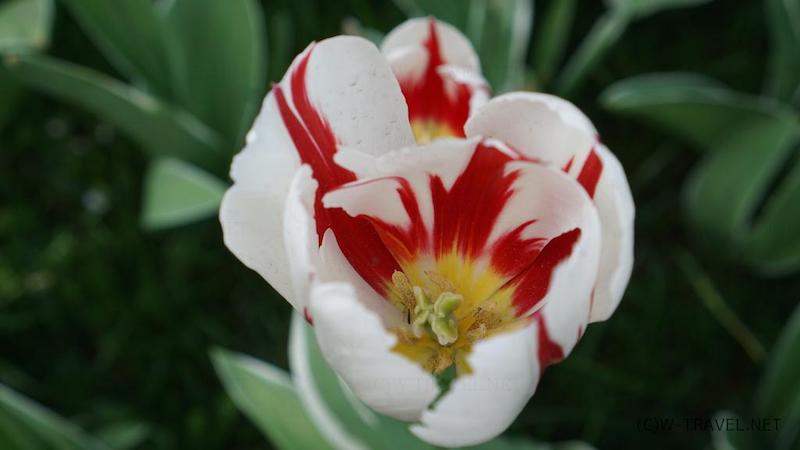

頤和園 (इवाएन्)
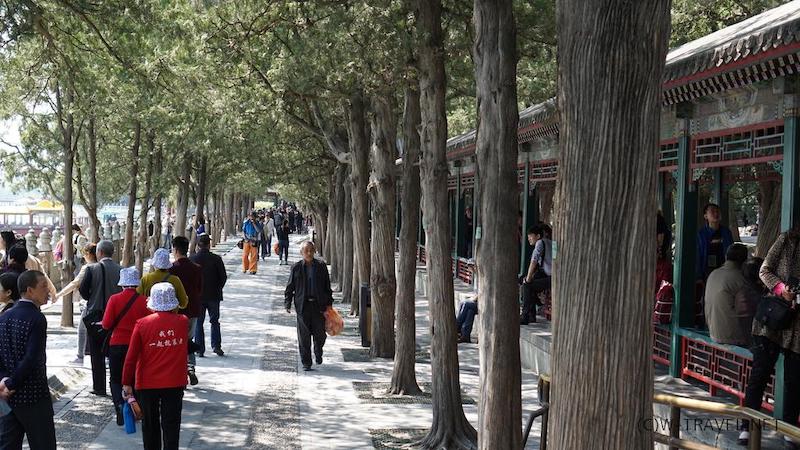
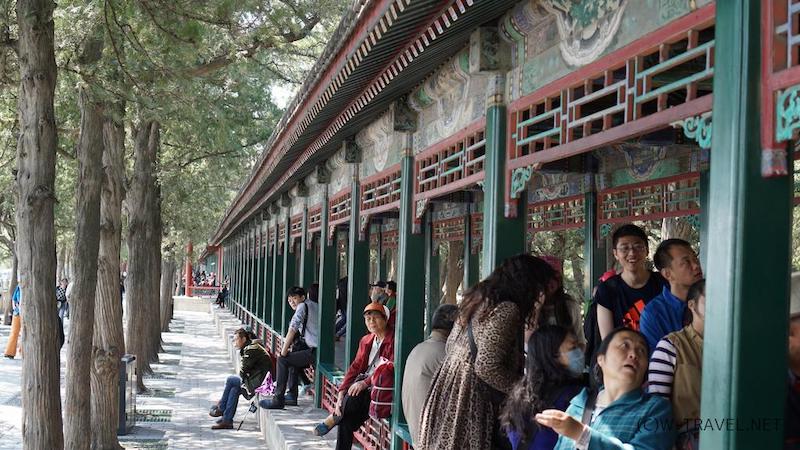
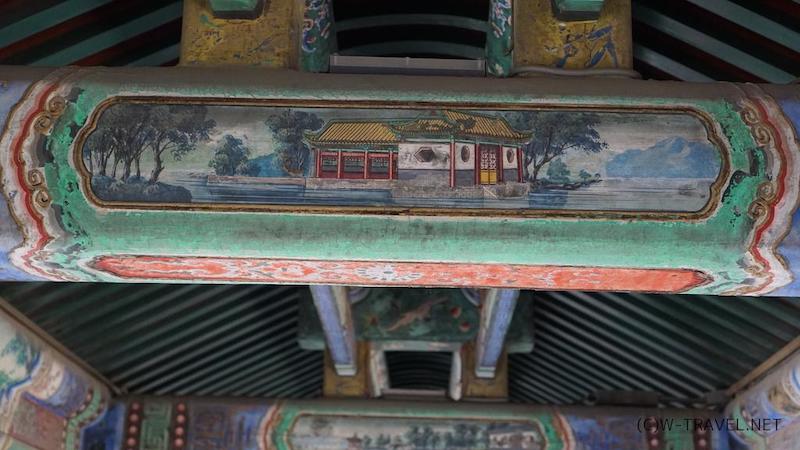
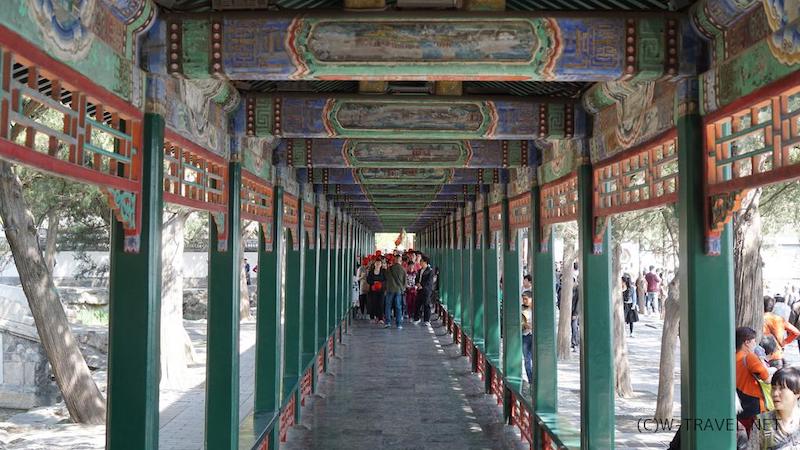
आज मौसम भी अच्छा है, इसलिए मैं यिहे गार्डन की ओर जा रहा हूँ।
यह वह जगह है जहाँ महारानी सि पश्चिमी ने वर्ष के लगभग 70% समय बिताया।
मूल रूप से यिहे गार्डन का आकार दोगुना है, लेकिन मैं उस हिस्से में गया जो आमतौर पर पर्यटक जाते हैं।
मैं मेट्रो स्टेशन से निकटतम प्रवेश द्वार के बजाय, मुख्य द्वार से प्रवेश कर रहा हूँ।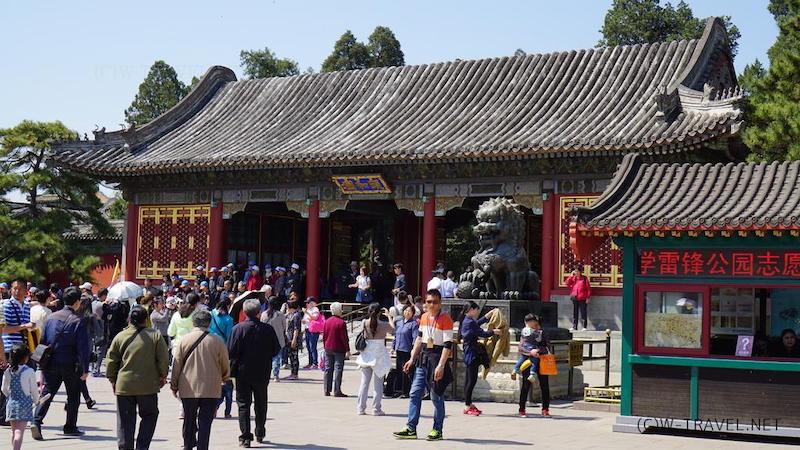
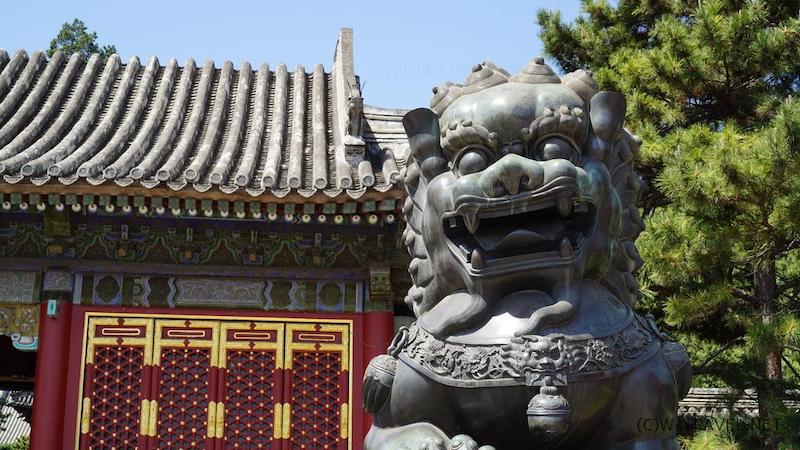
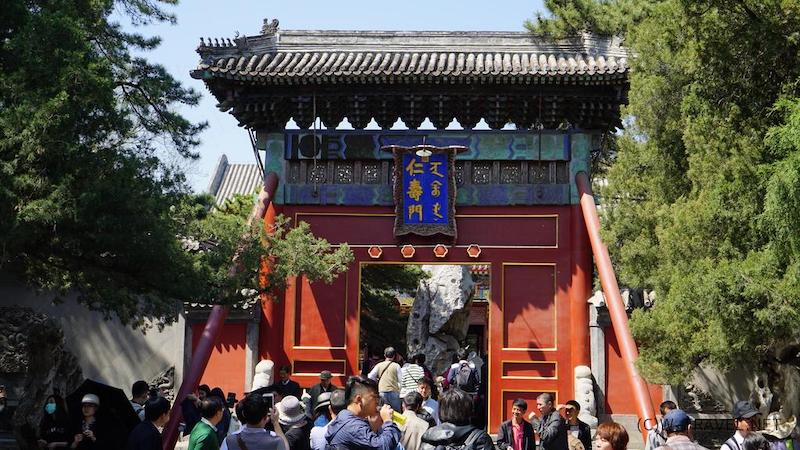
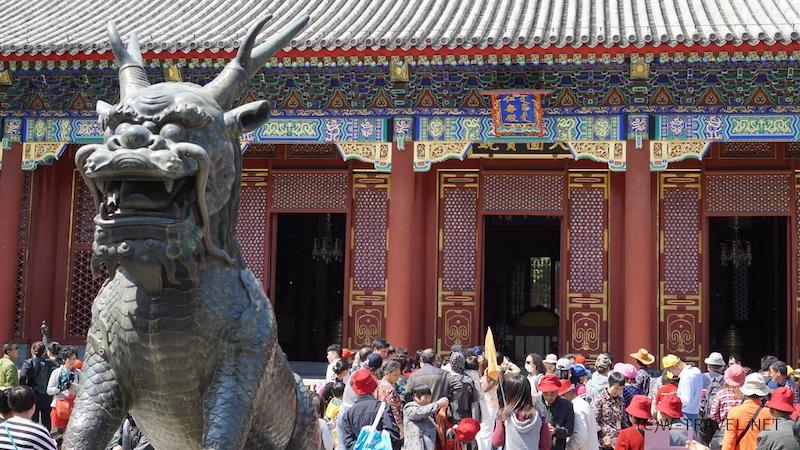
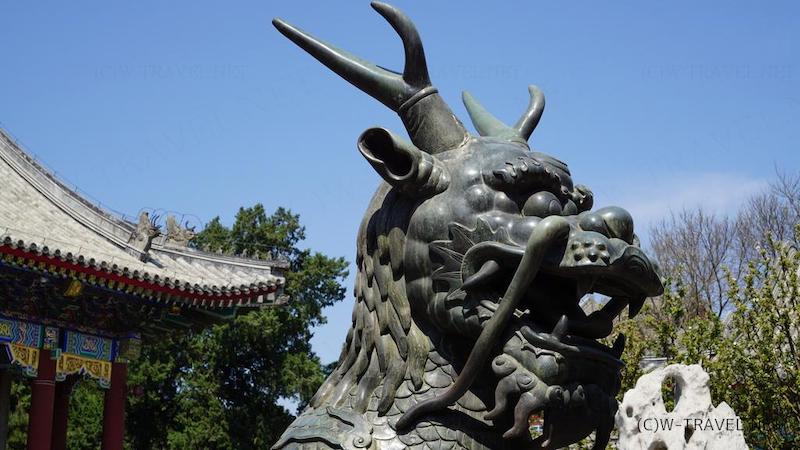
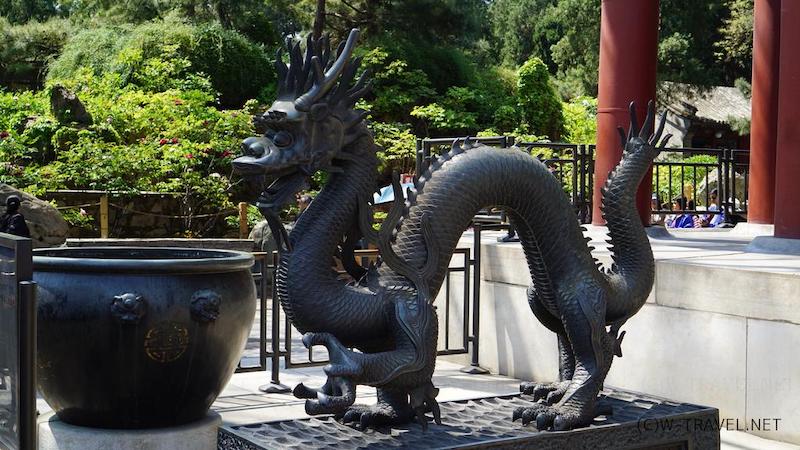
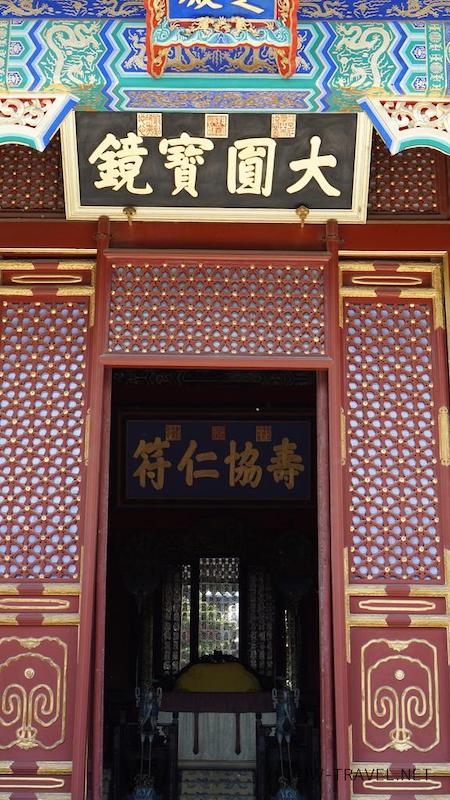
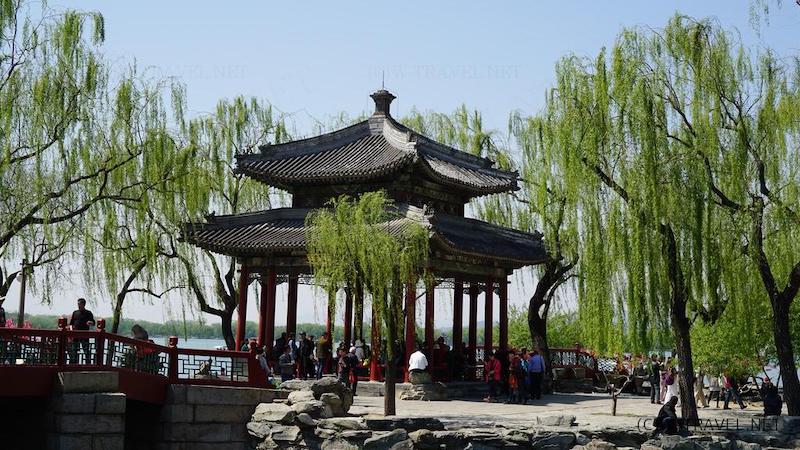
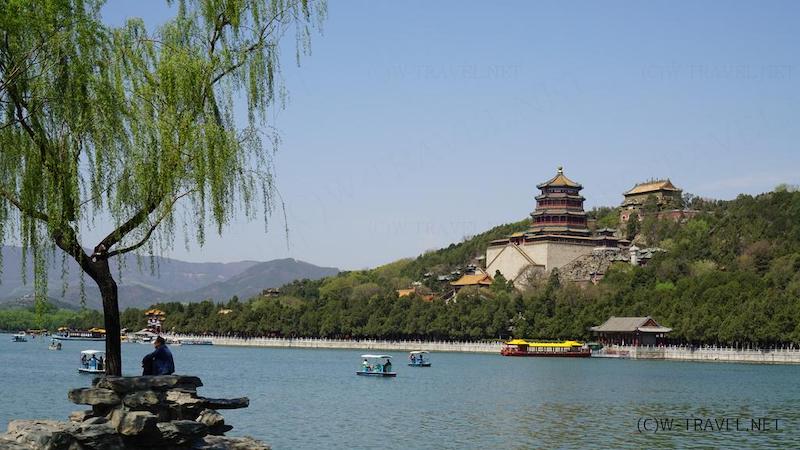
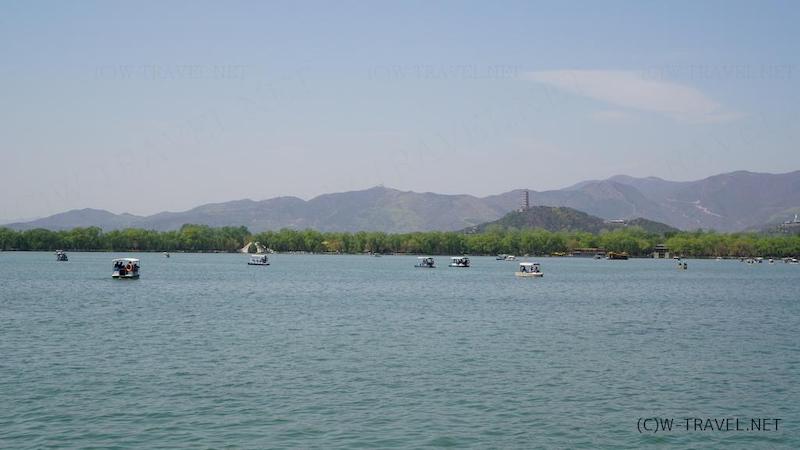

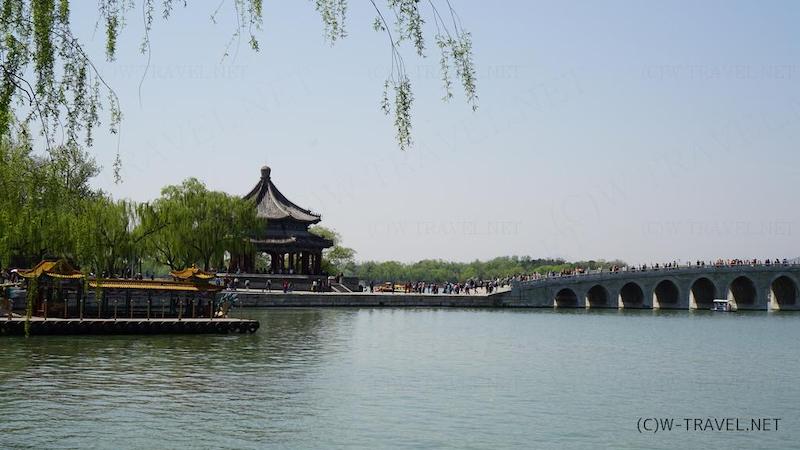 敷地 बहुत बड़ा है, और ऐसा लगता है कि मैं कुछ किलोमीटर तक चल रहा हूँ।
मुझे बहुत कम जापानी पर्यटकों को देखने को मिला, लेकिन बूढ़े और कमजोर लोगों के लिए यह जगह मुश्किल हो सकती है।
यहाँ का रास्ता भी थोड़ा मुश्किल है, क्योंकि पत्थर थोड़े फिसलन भरे हैं, इसलिए अगर किसी को पैर में चोट लग जाए तो यह बहुत खतरनाक हो सकता है, इसलिए शायद यात्रा एजेंसियां भी इसे पसंद नहीं करतीं।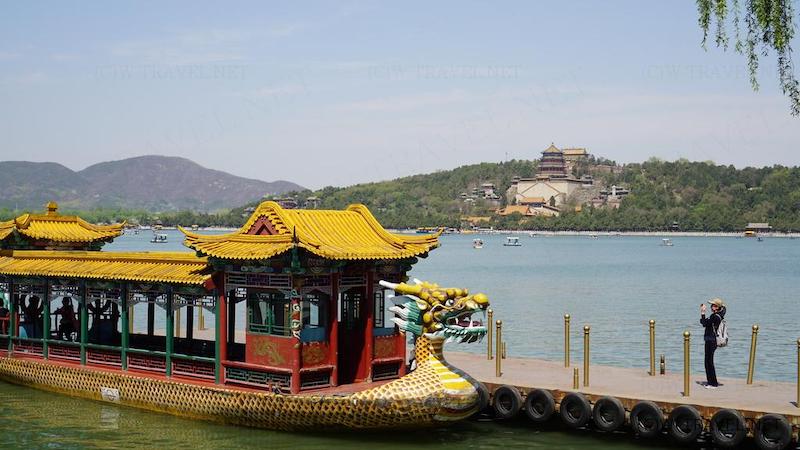


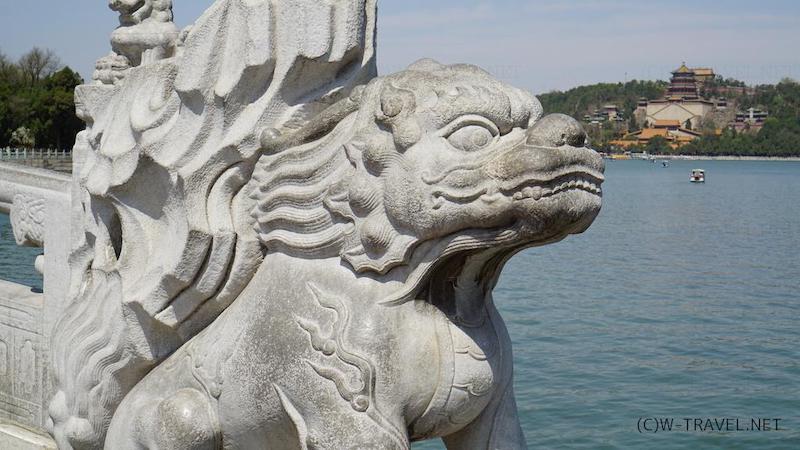

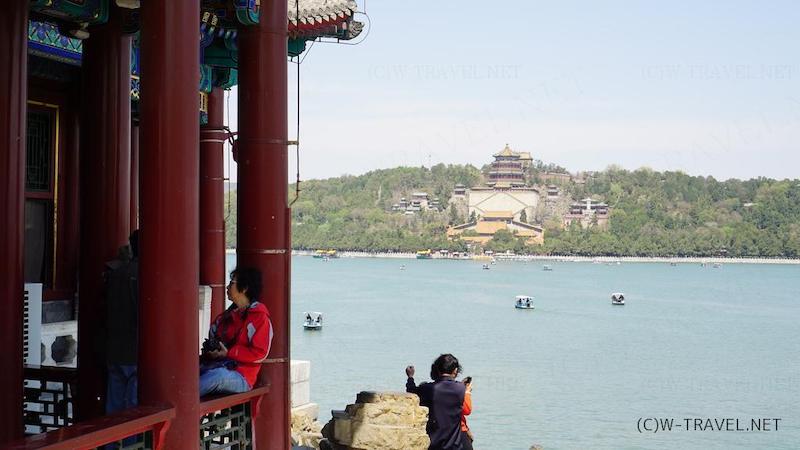
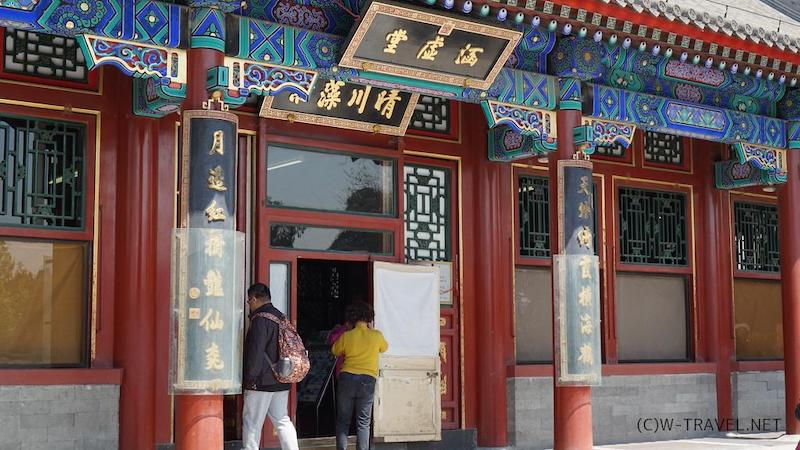
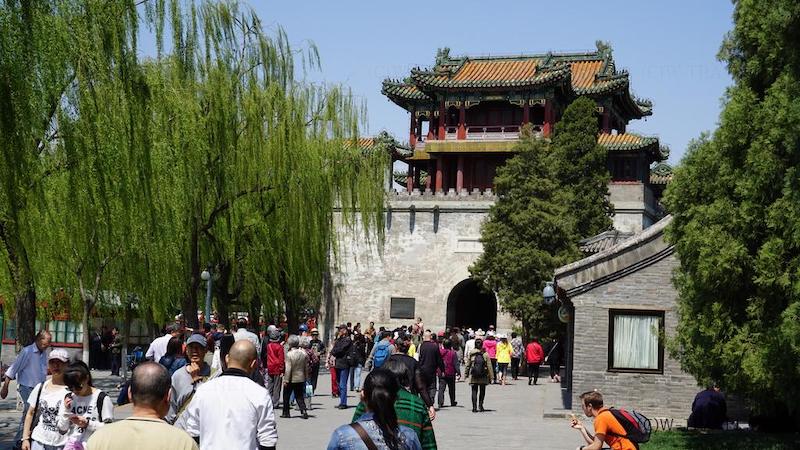






 वैसे भी, चीनी पर्यटकों की संख्या बहुत अधिक है।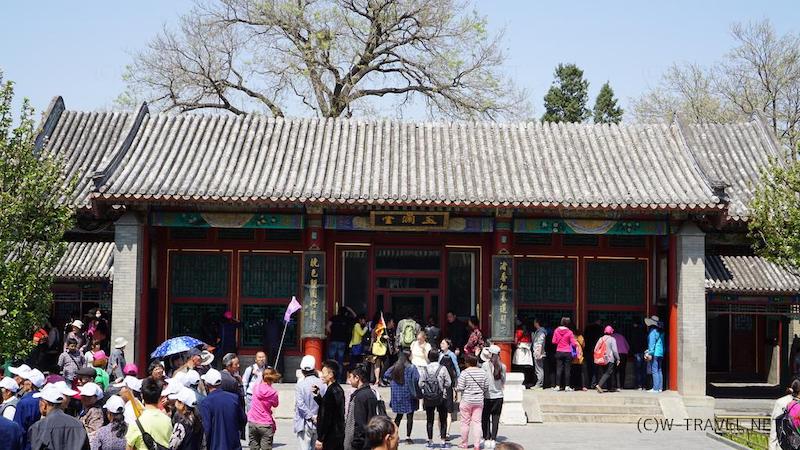
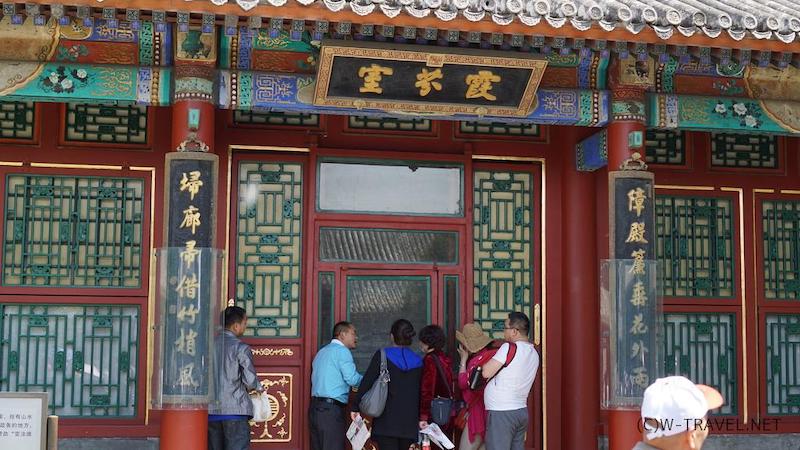


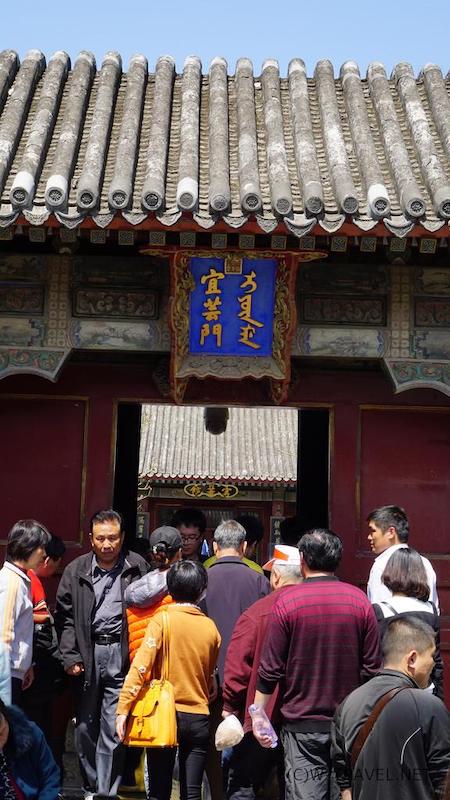
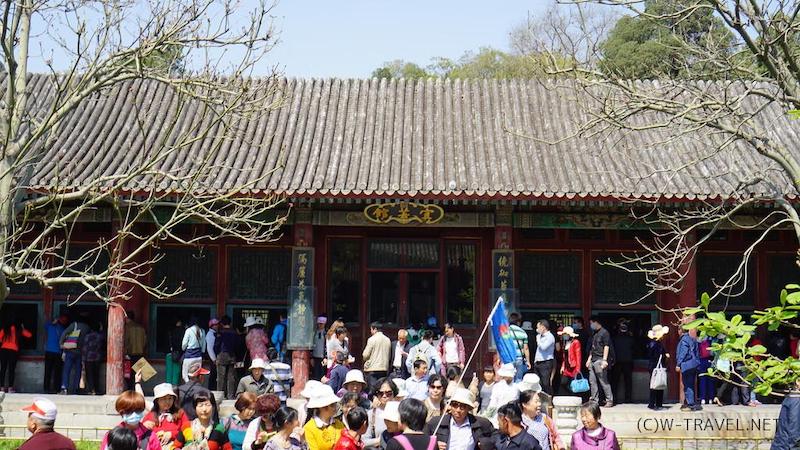
 चीनी लोगों से यह प्लाज़ा लगभग भरा हुआ है।

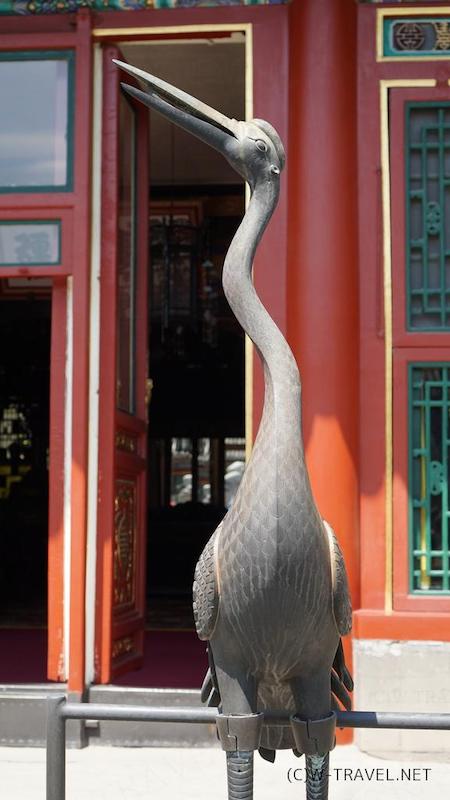
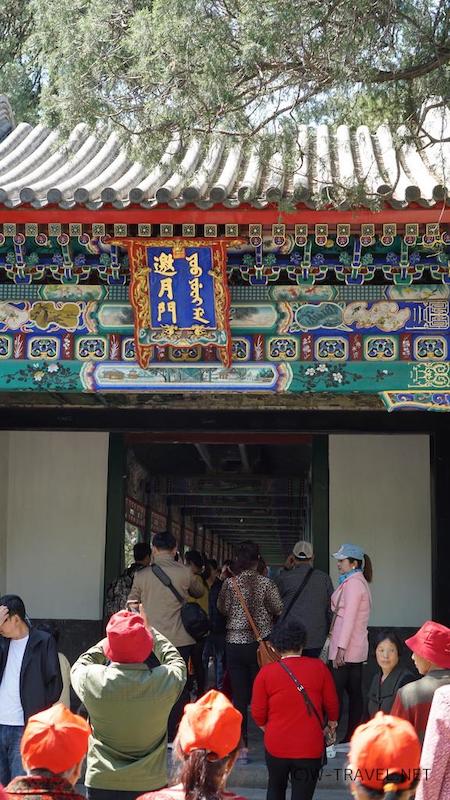
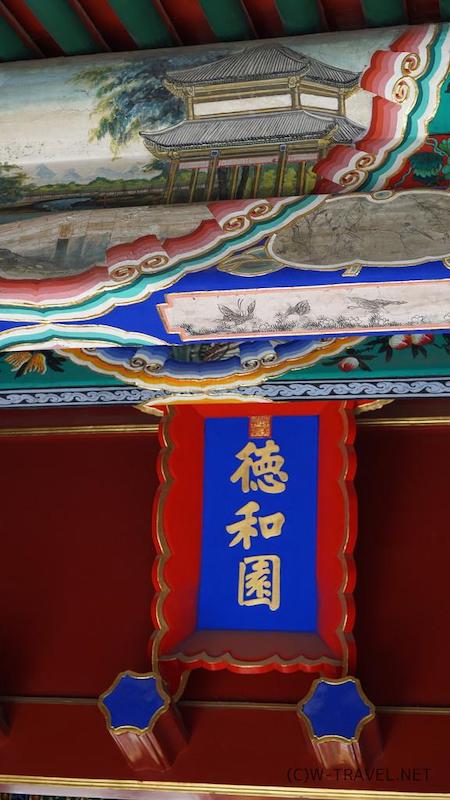
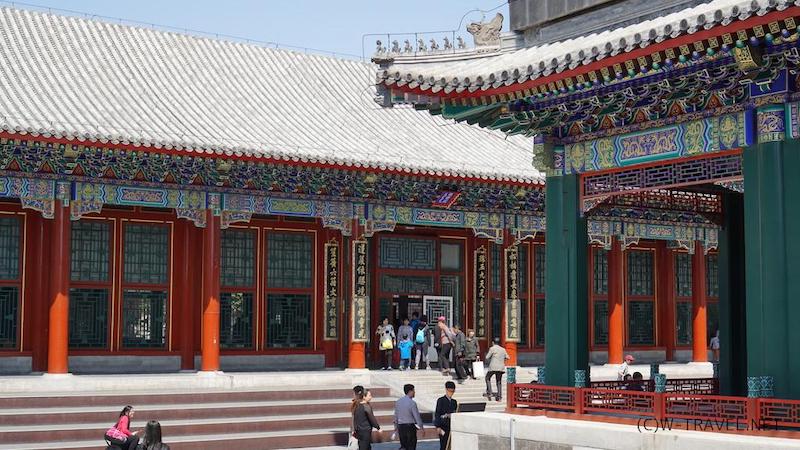
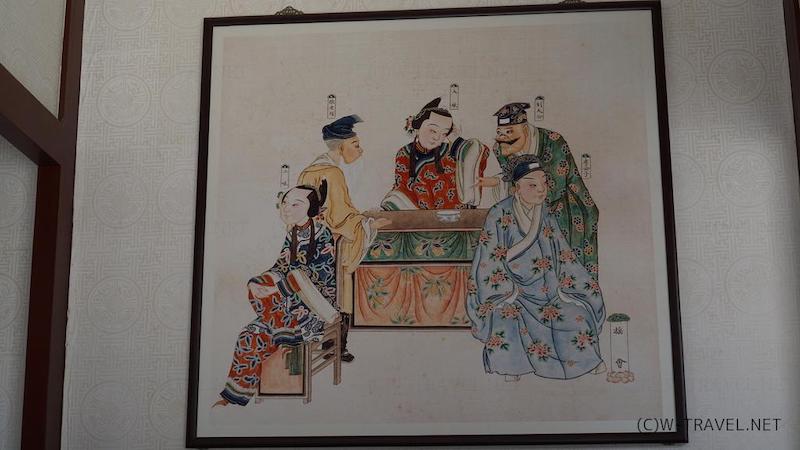
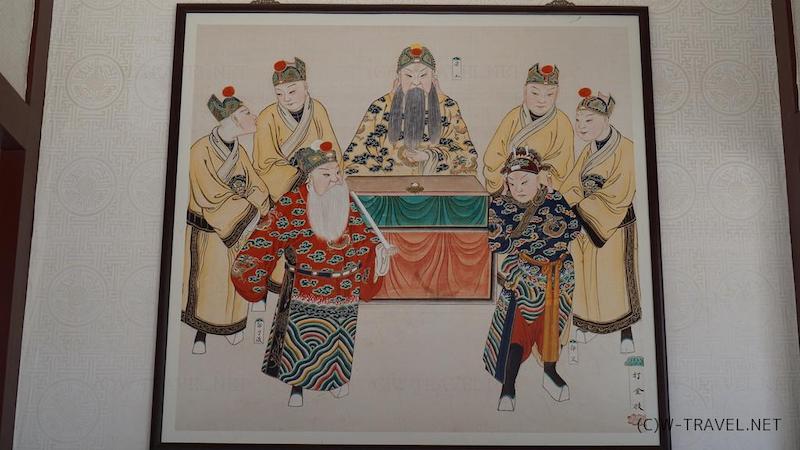

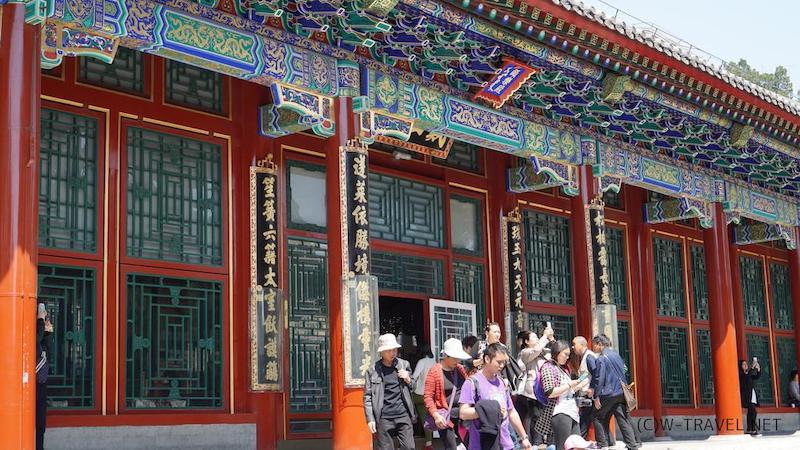
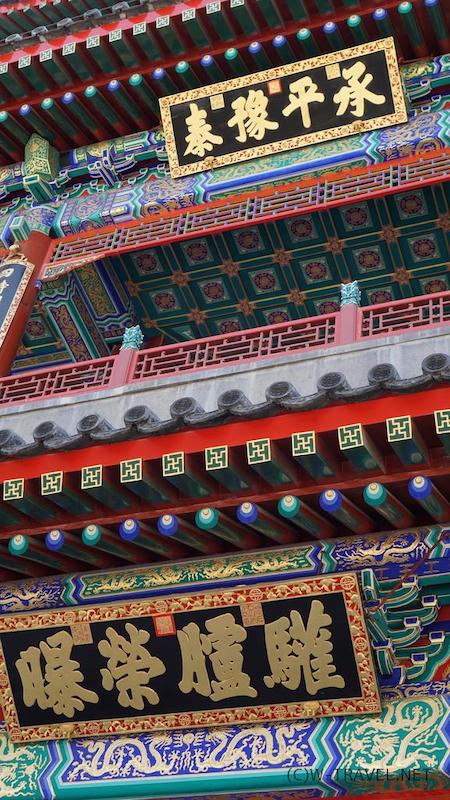
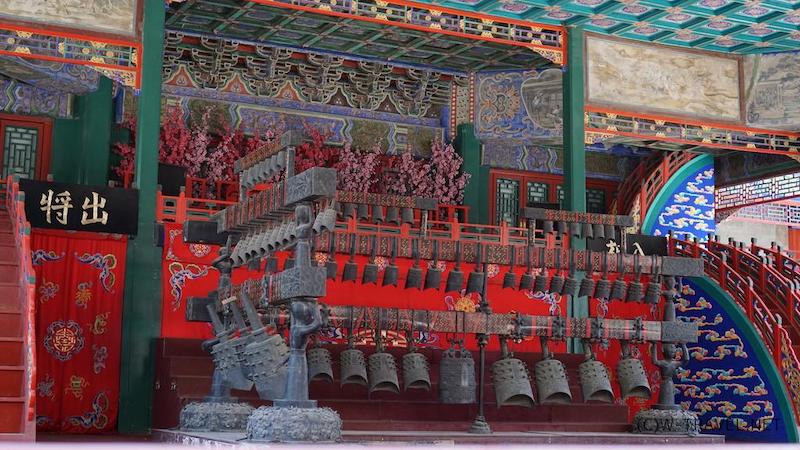 क्या यहाँ नाटक देखना संभव है? मैंने सोचा, लेकिन ऐसा लगता है कि आज कोई प्रदर्शन नहीं है।
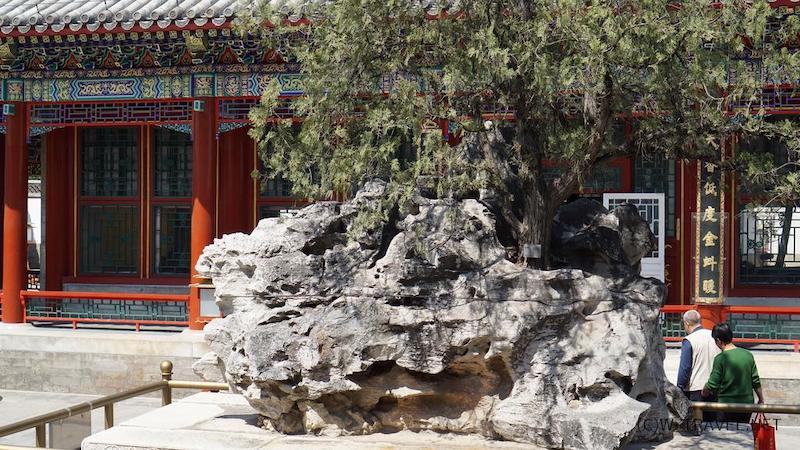
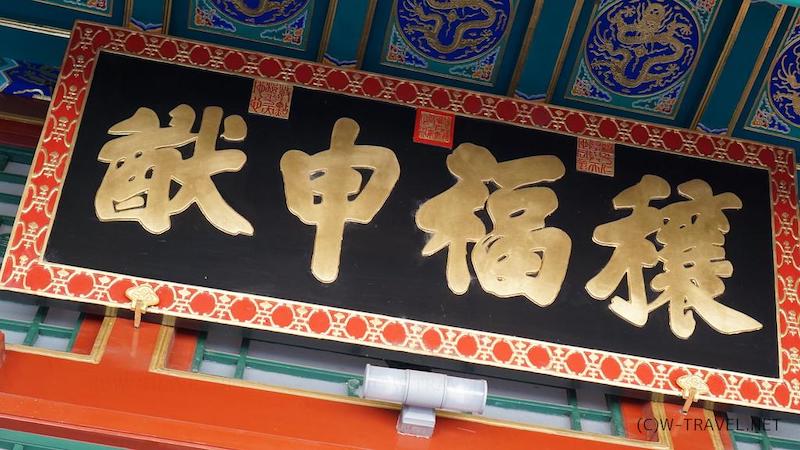

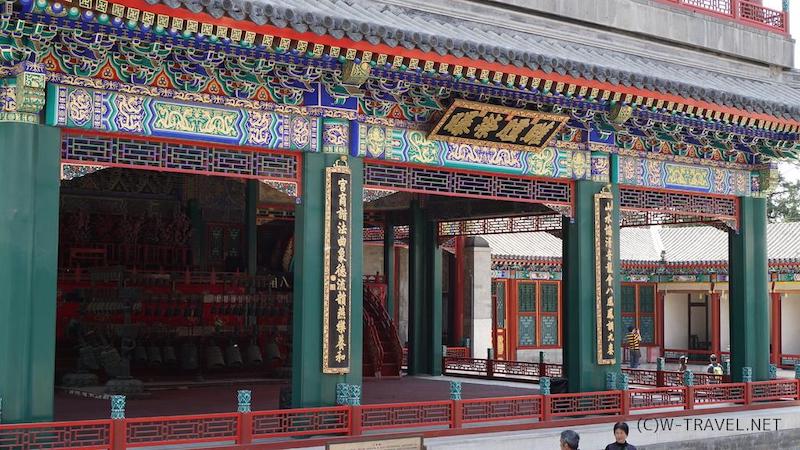
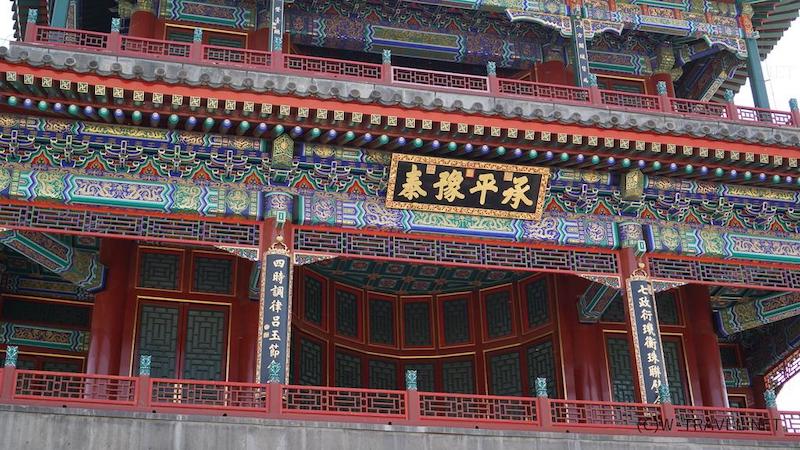
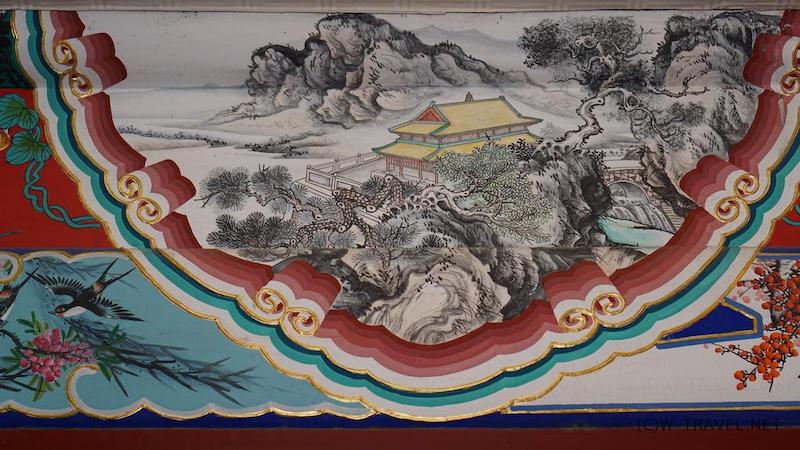
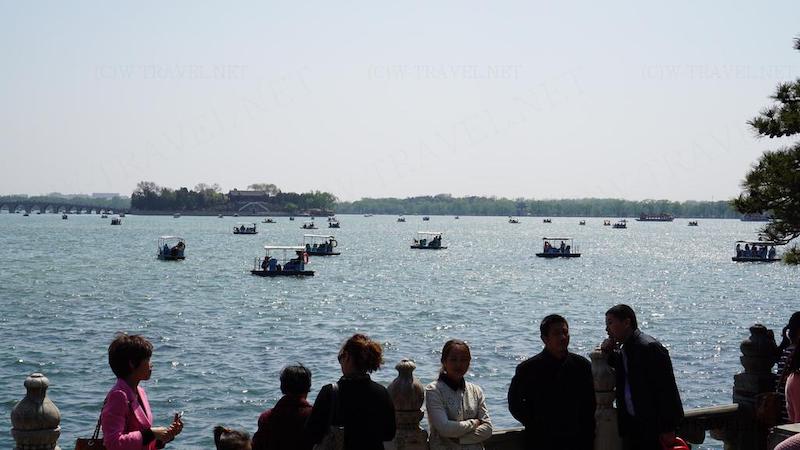
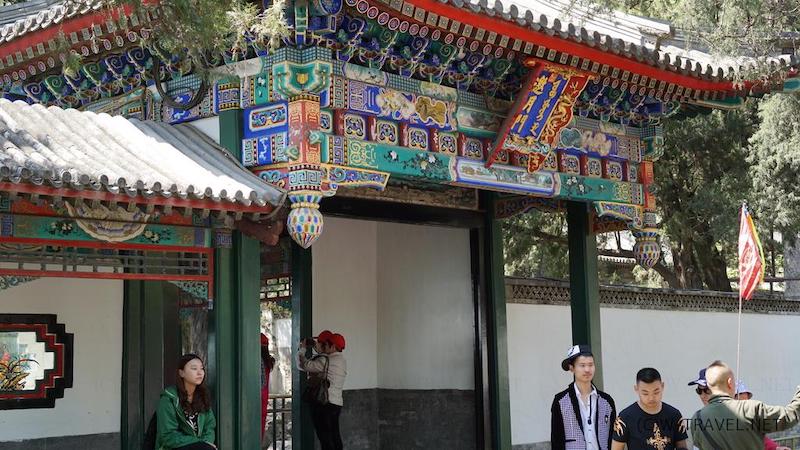

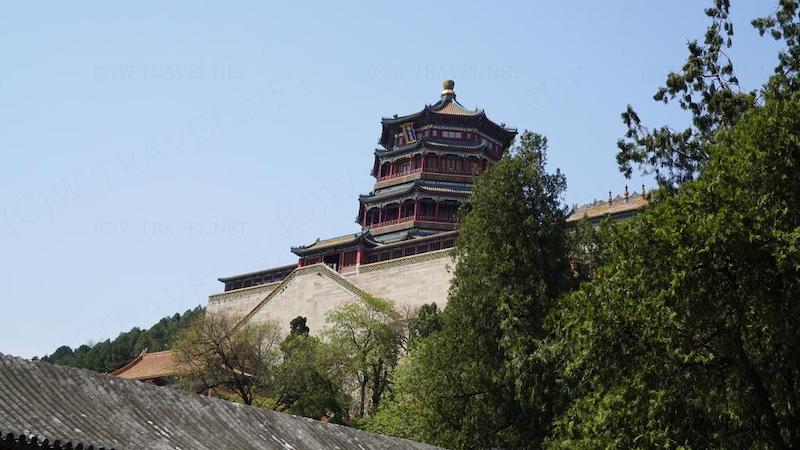
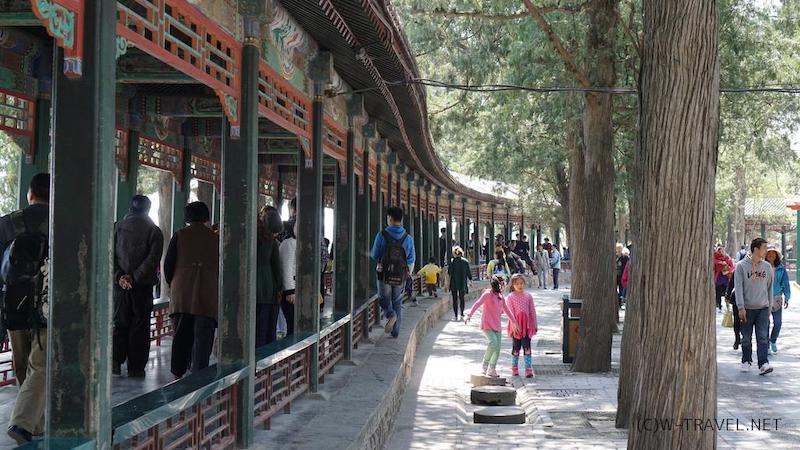
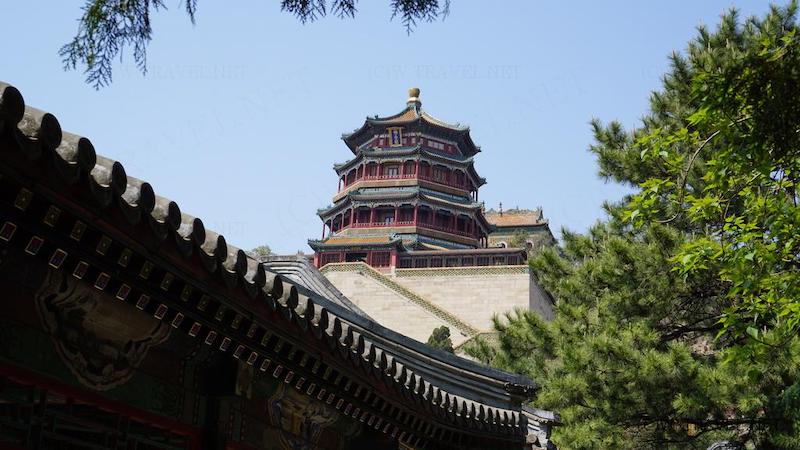

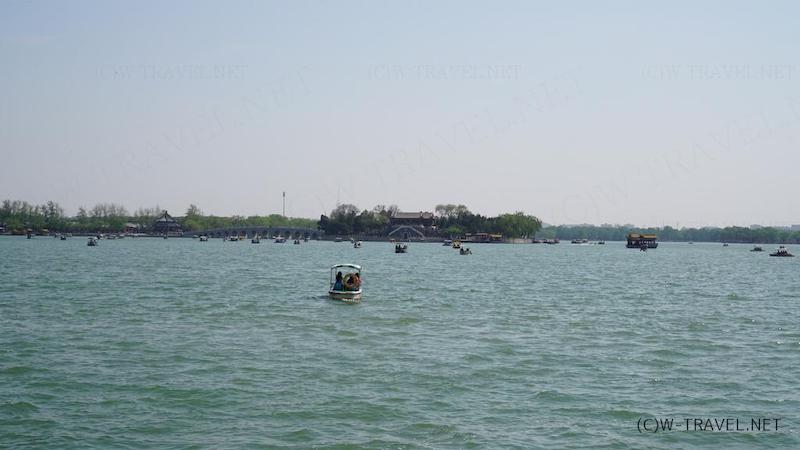
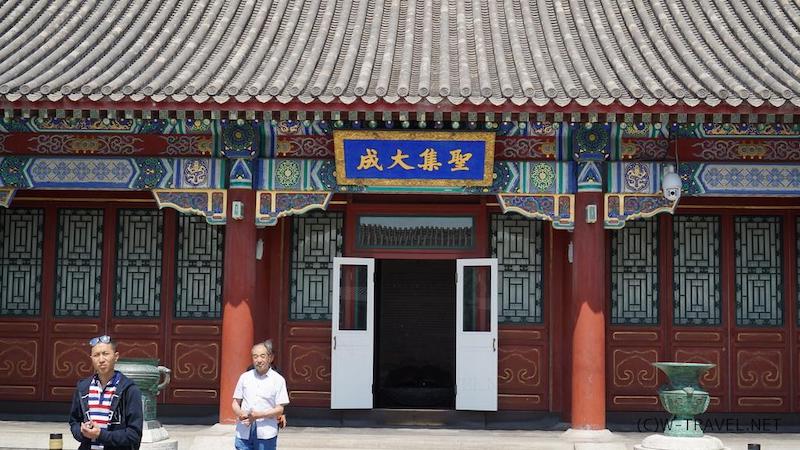
 अब, मैं इस जगह की मुख्य इमारत में चढ़ने जा रहा हूँ।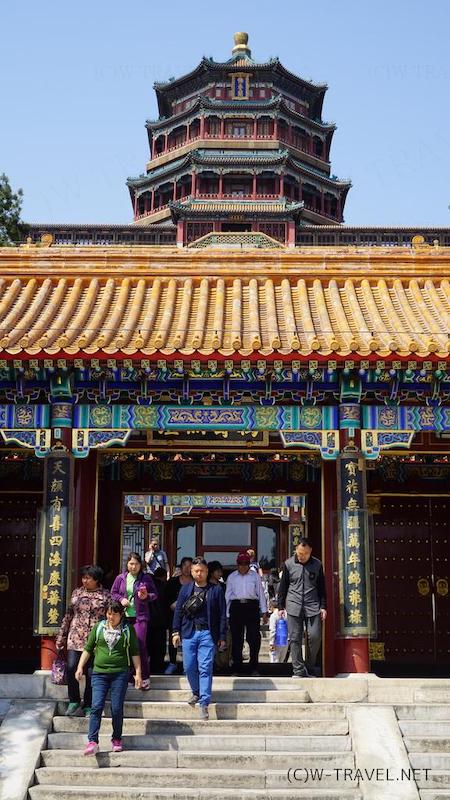

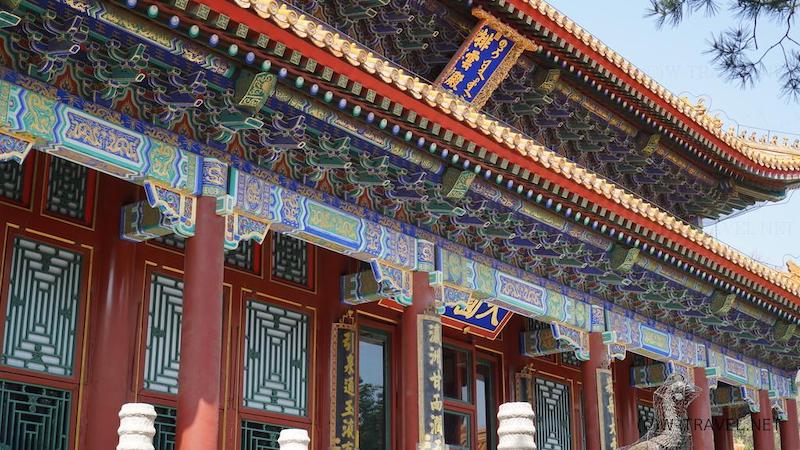

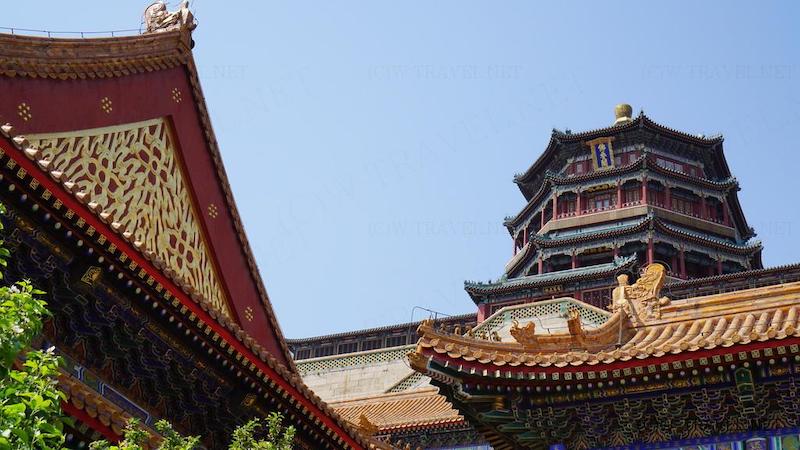
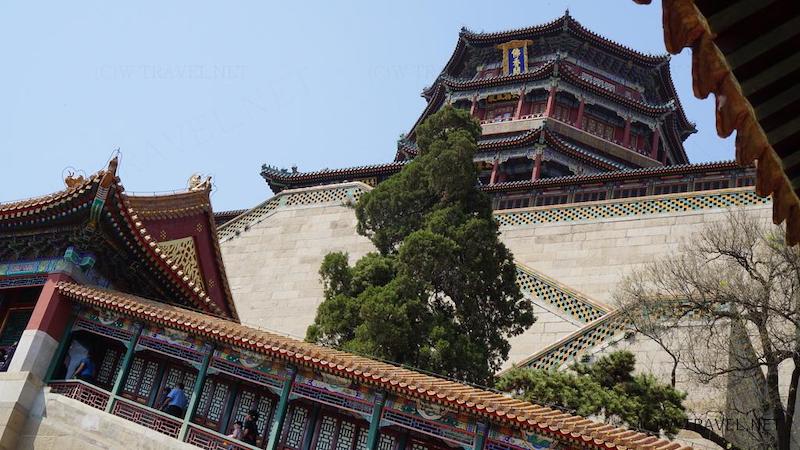
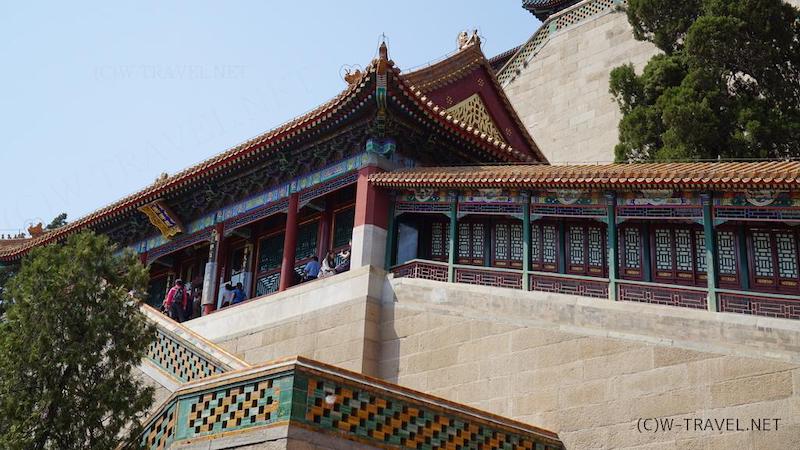
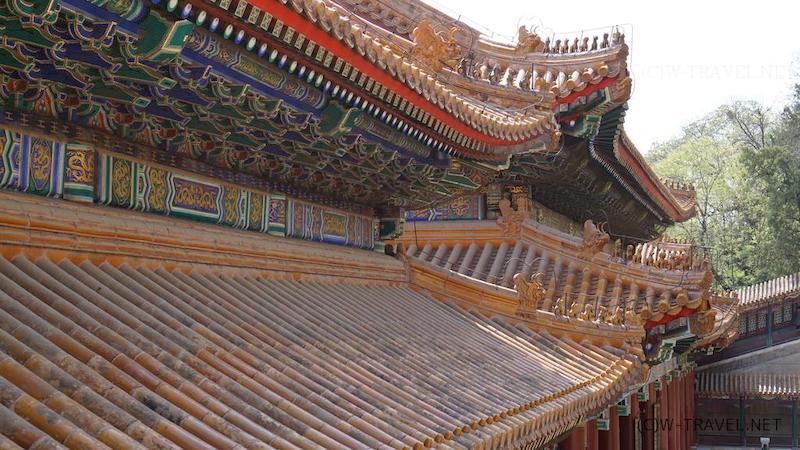
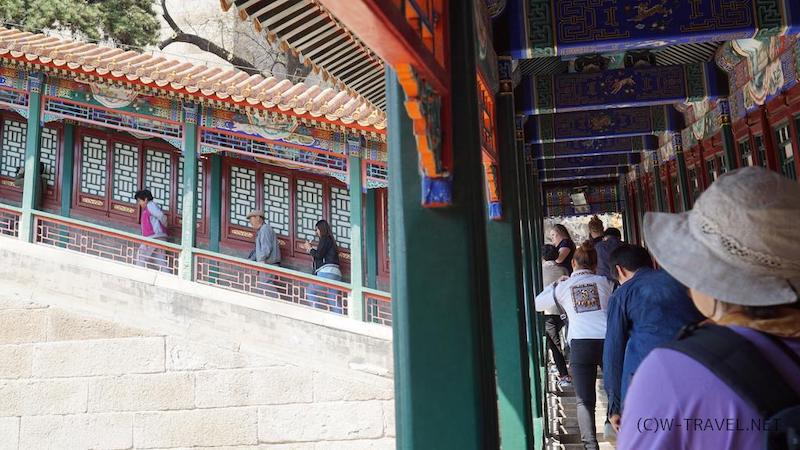
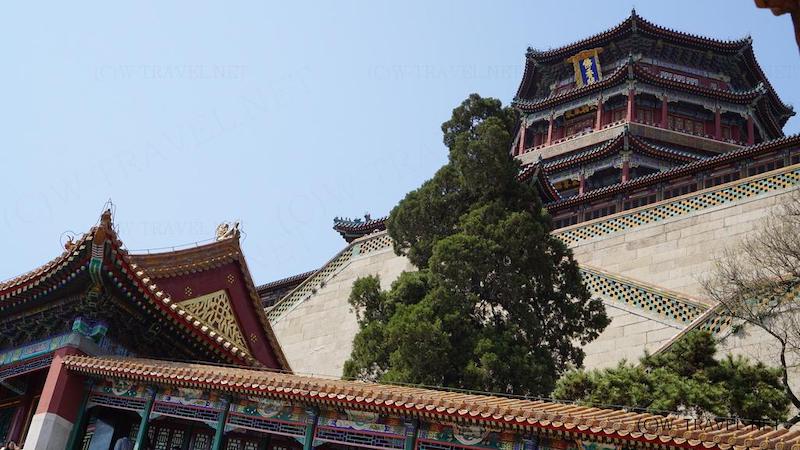
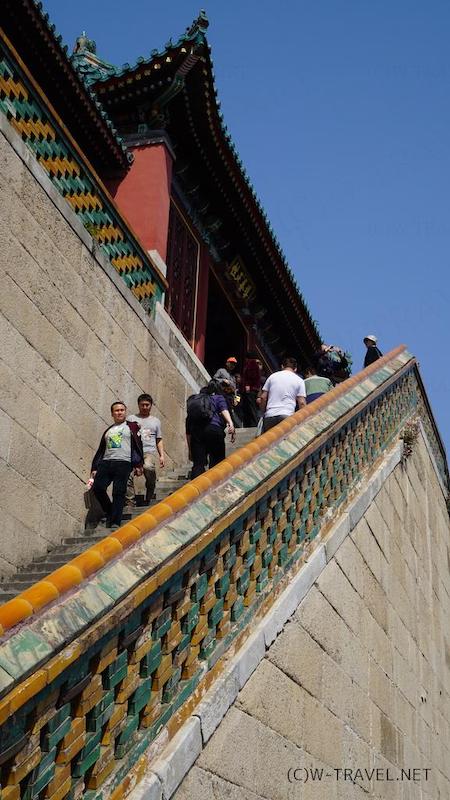
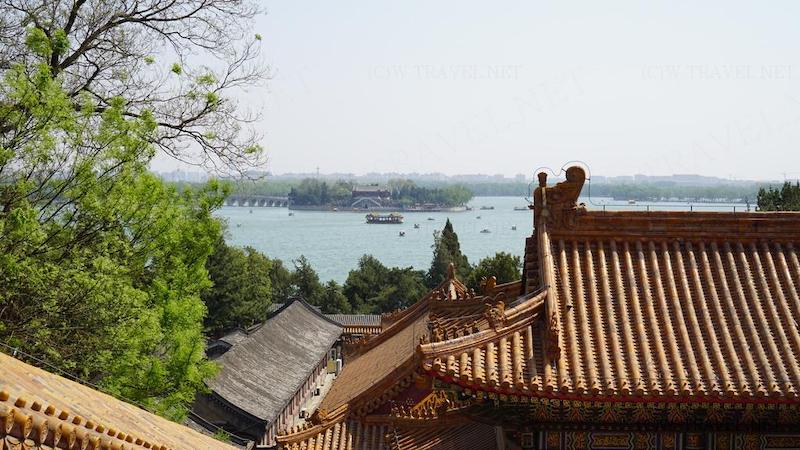 यह अप्रत्याशित रूप से ऊंचा है और यहाँ से दृश्य बहुत अच्छा है।
नीचे की सीढ़ियों के पत्थर फिसलन भरे हैं, और ऐसे समय में जब अचानक भूख लगने लगी और "कुराकुरु" की आवाज के साथ शरीर क्षण भर के लिए हिल गया, तो थोड़ा डर लगा।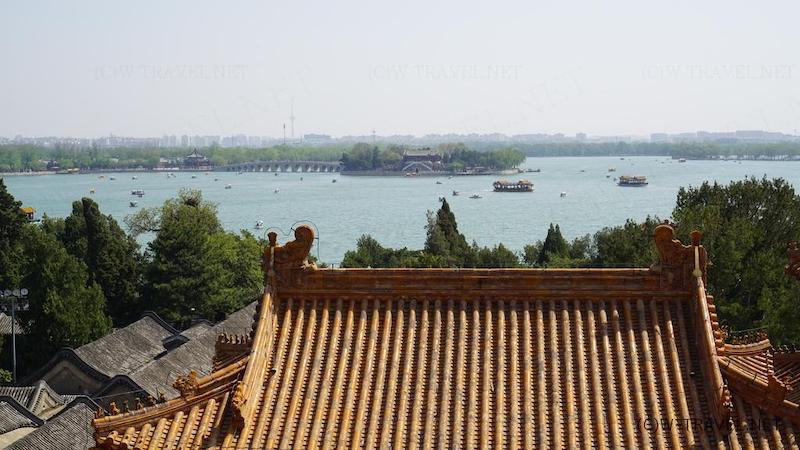

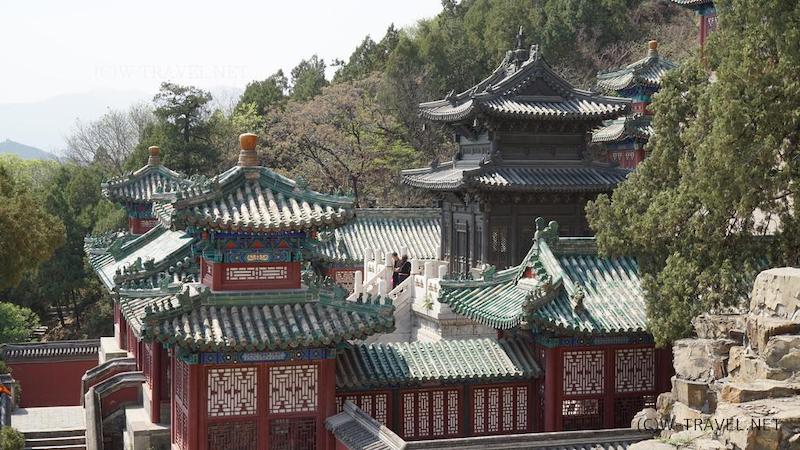
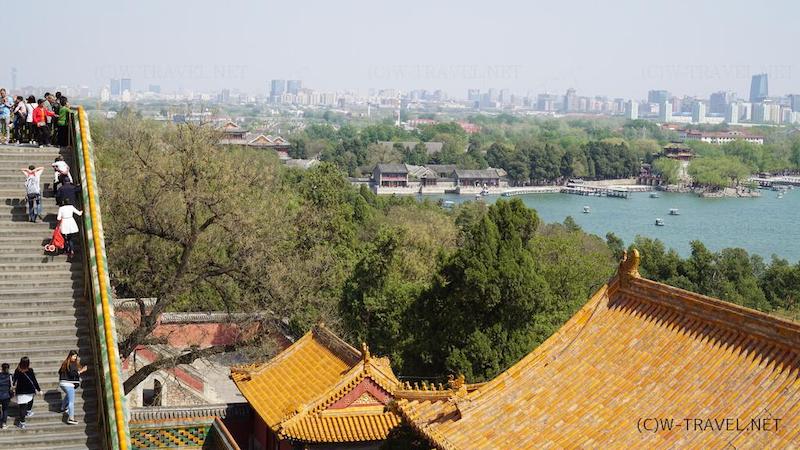
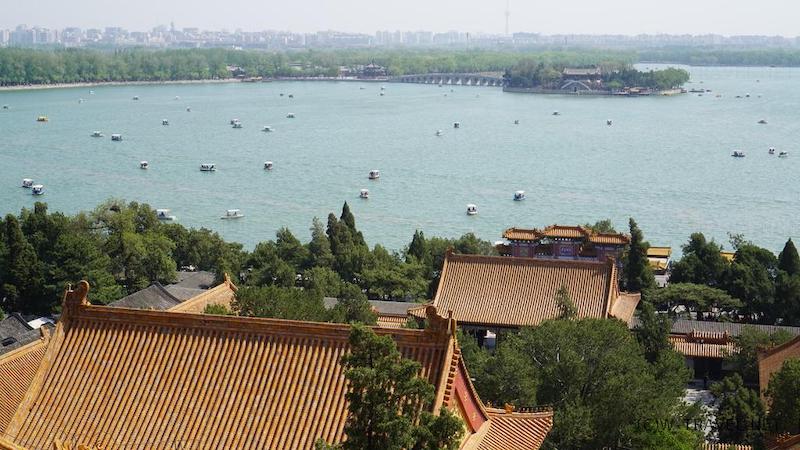
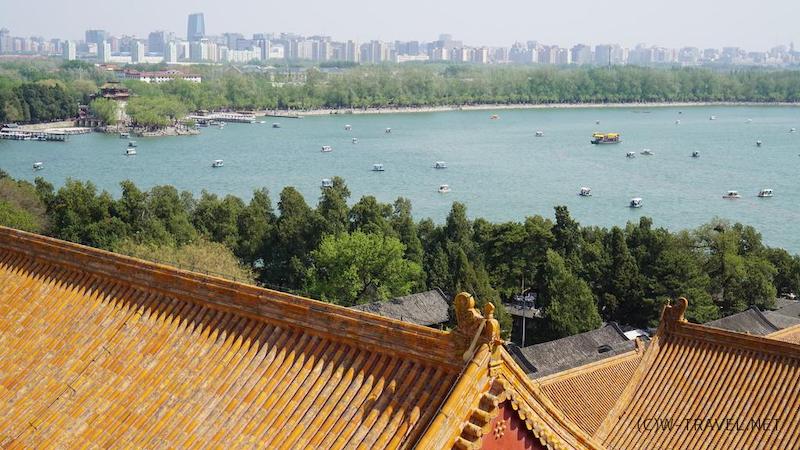
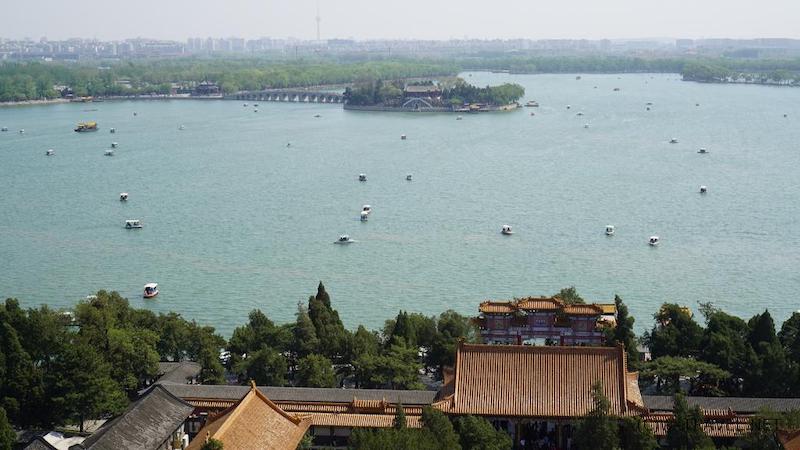

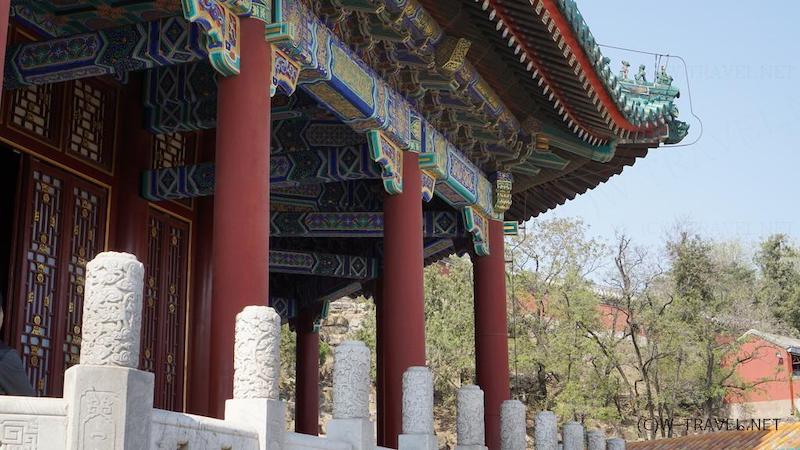
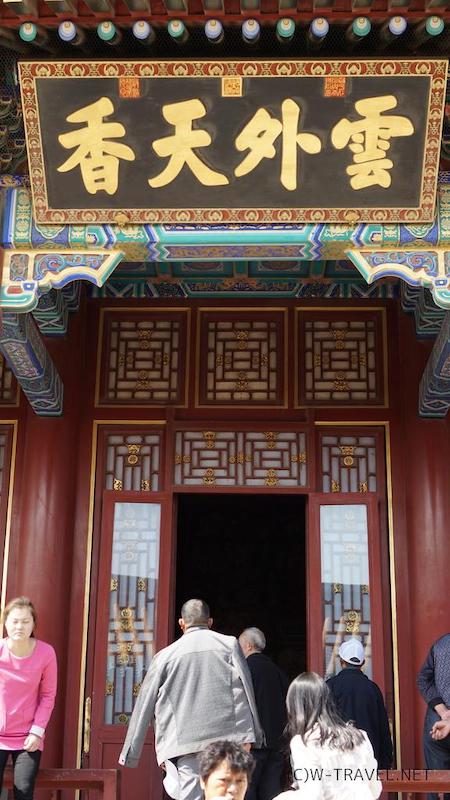
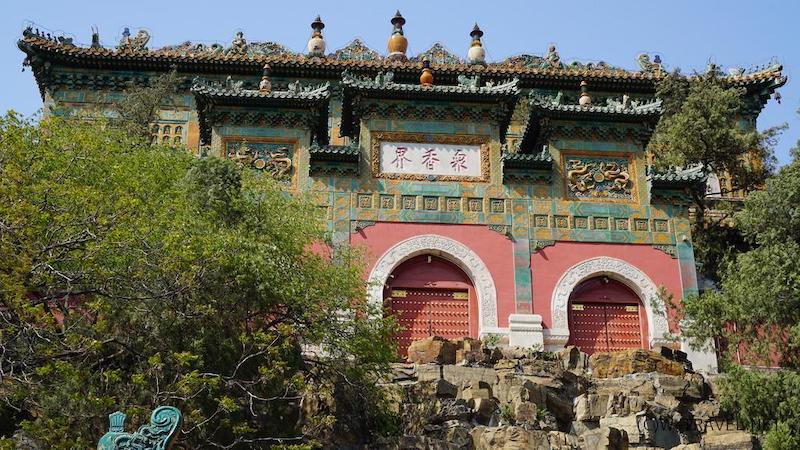
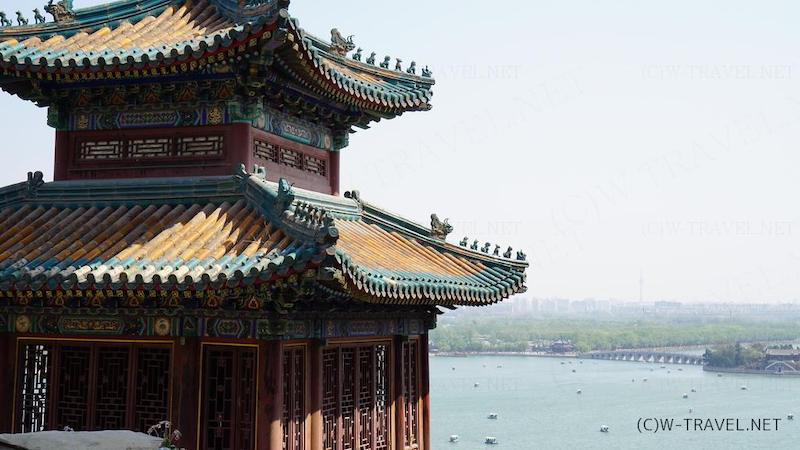 पीछे में तिब्बत का एक मंदिर है।

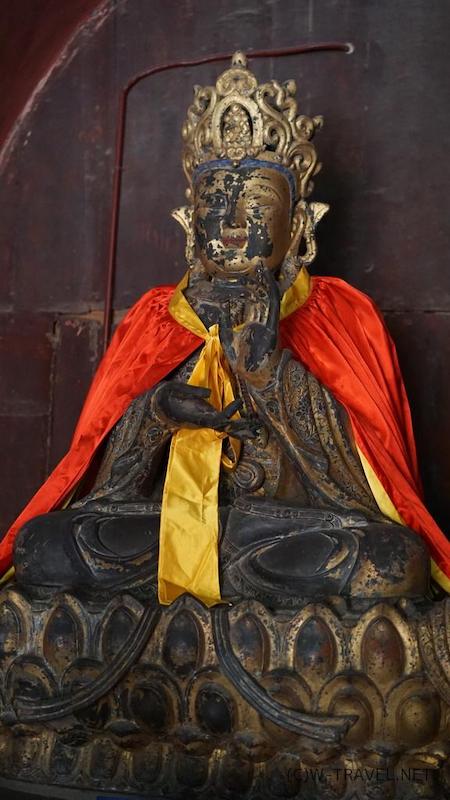
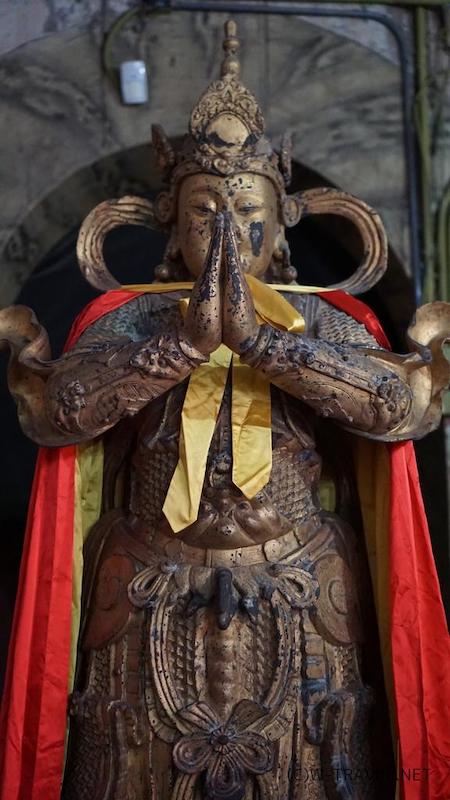
 और फिर टहलें, और अंत में, थोड़ा सा भोजन करके पेट भर लें।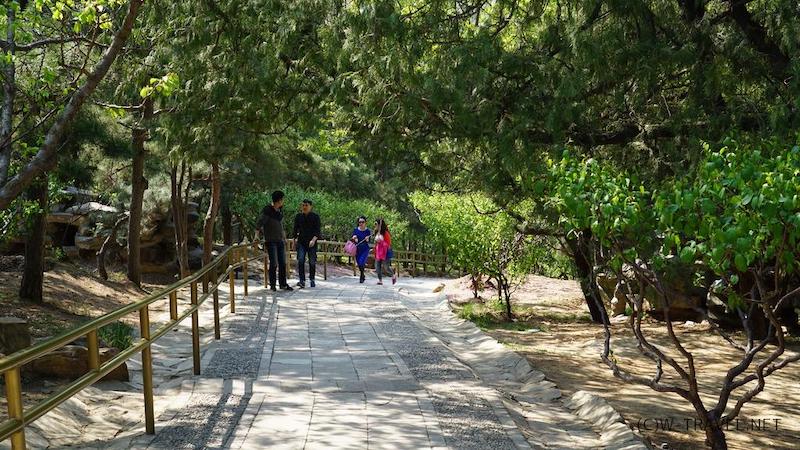

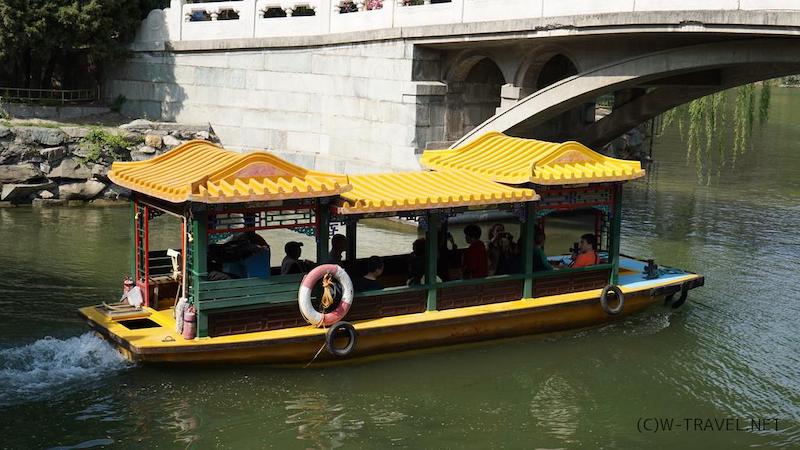

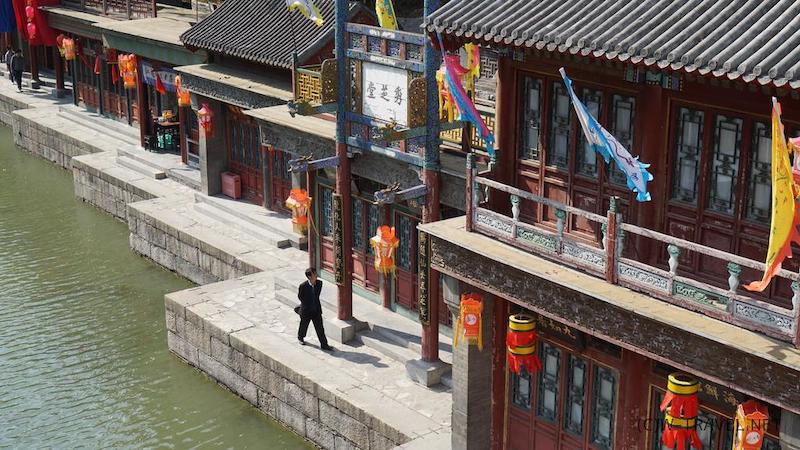
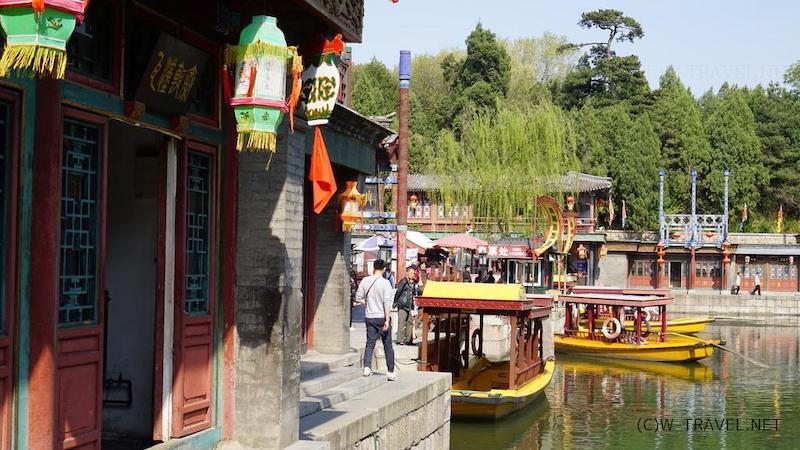
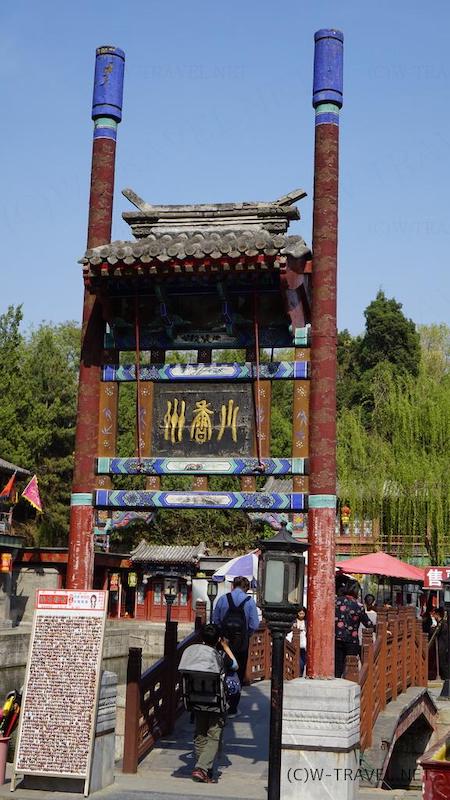

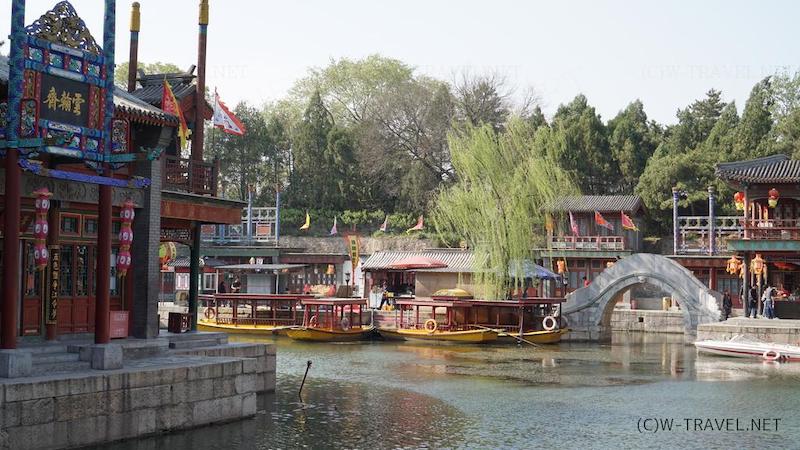
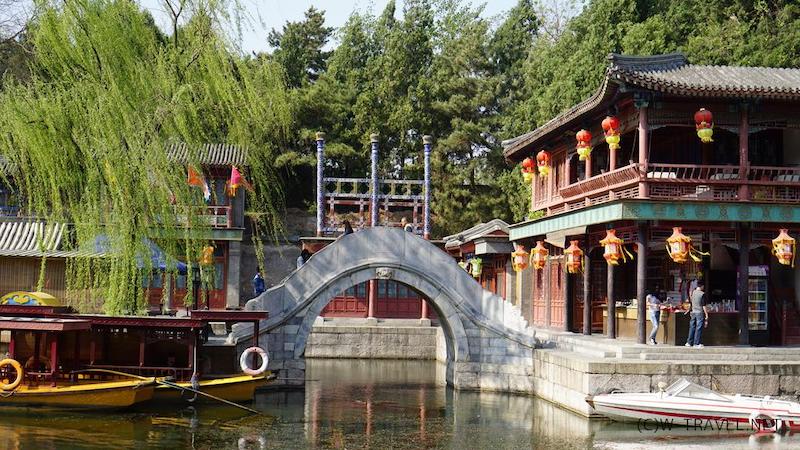

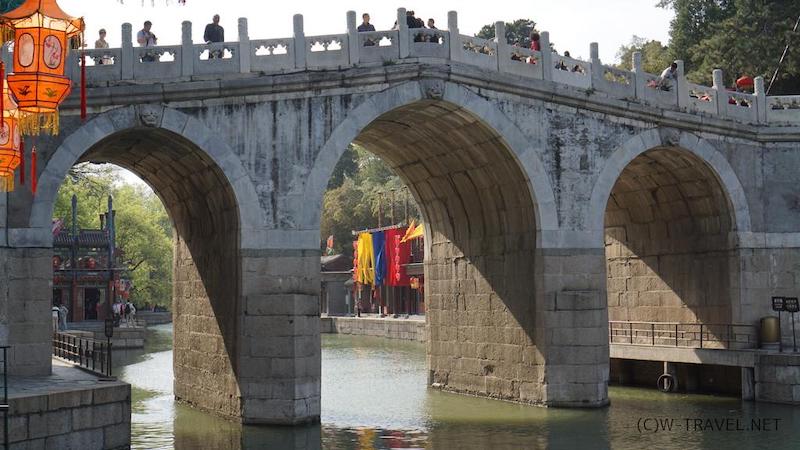
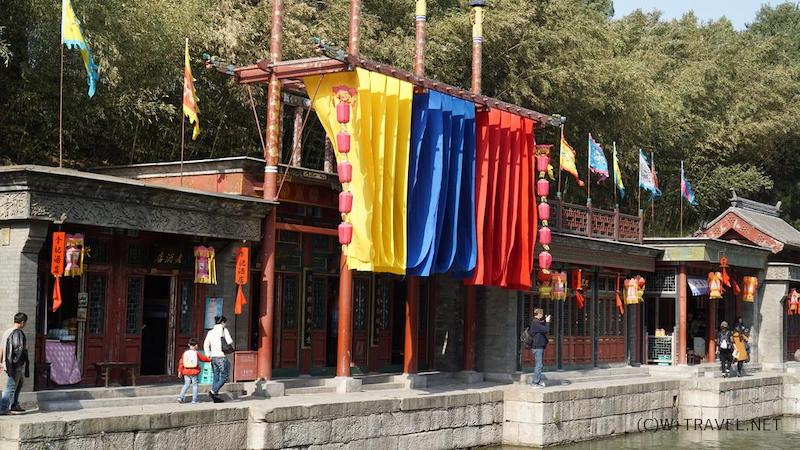
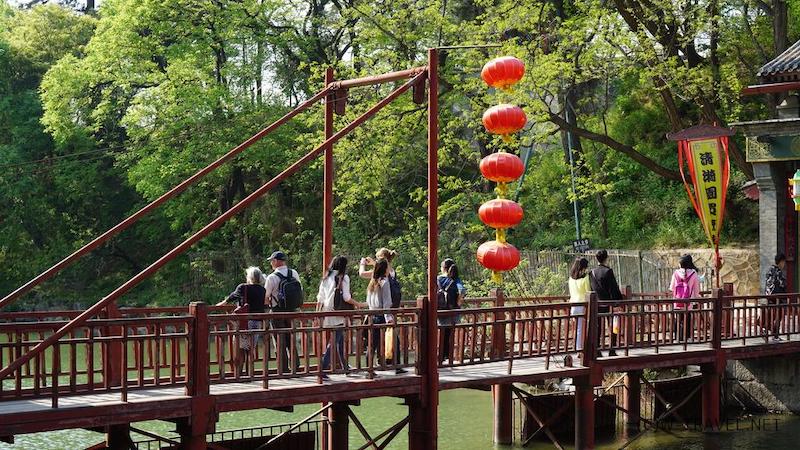
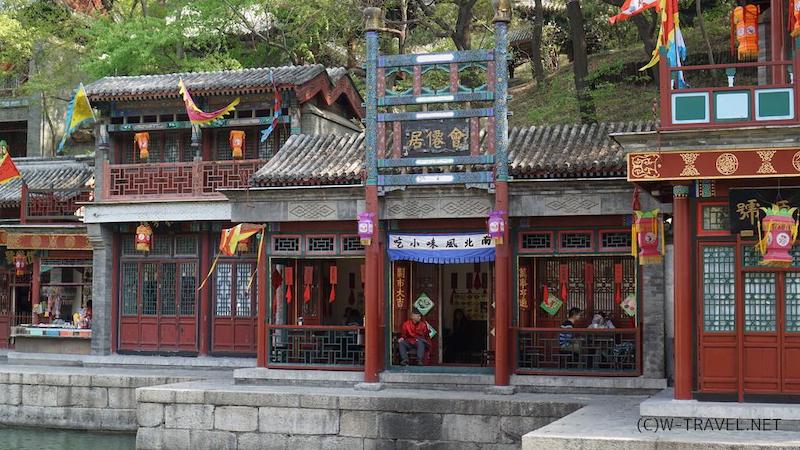

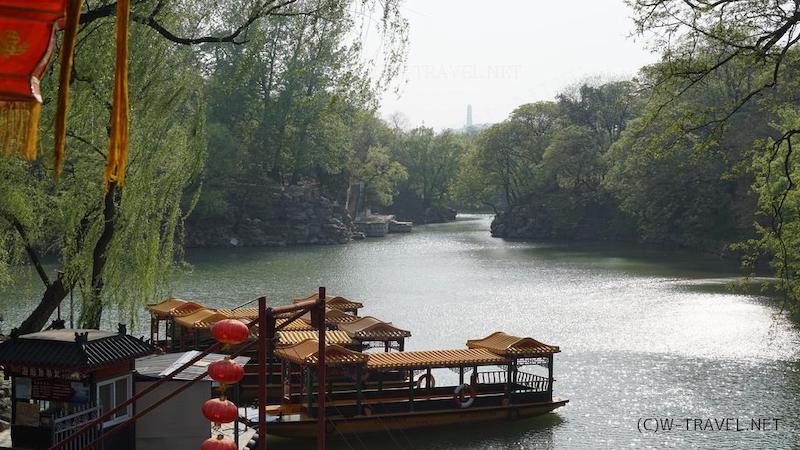
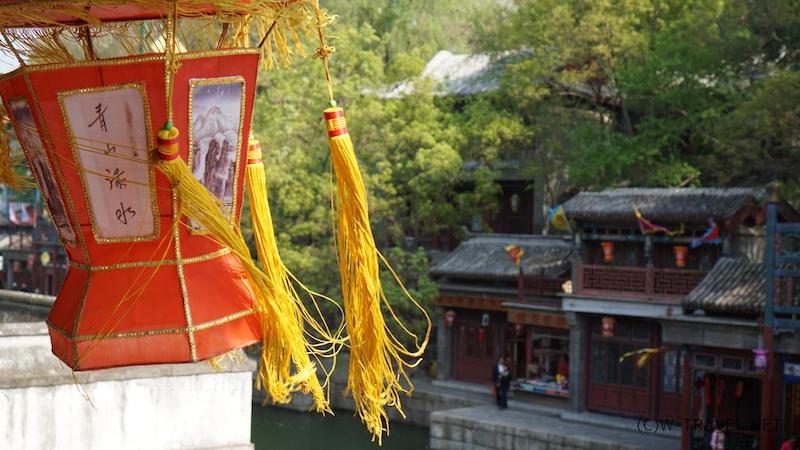
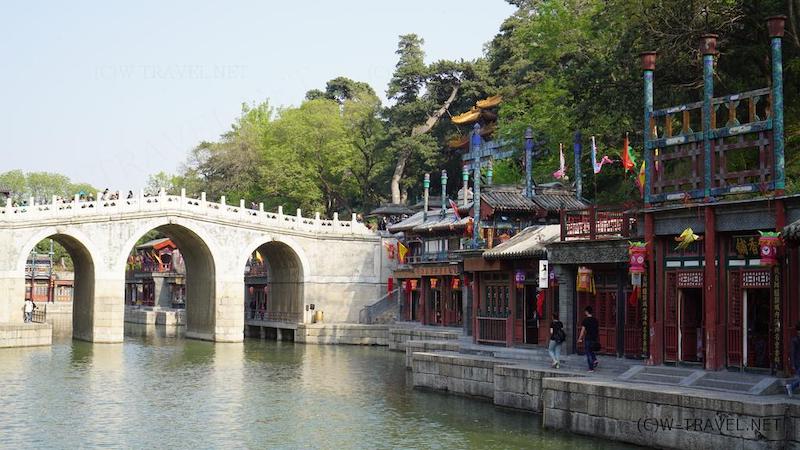 मैंने नाव पर नहीं चढ़ा, लेकिन मैंने पैदल चलकर और आराम करके, कुल मिलाकर लगभग 5 घंटे यहाँ बिताए।
और उस दिन मैं गेस्ट हाउस वापस चला गया।
गुगोंग संग्रहालय (पुरानी निषेध नगरी) और जिंगशान पार्क।
आज बीजिंग में अंतिम दिन है।
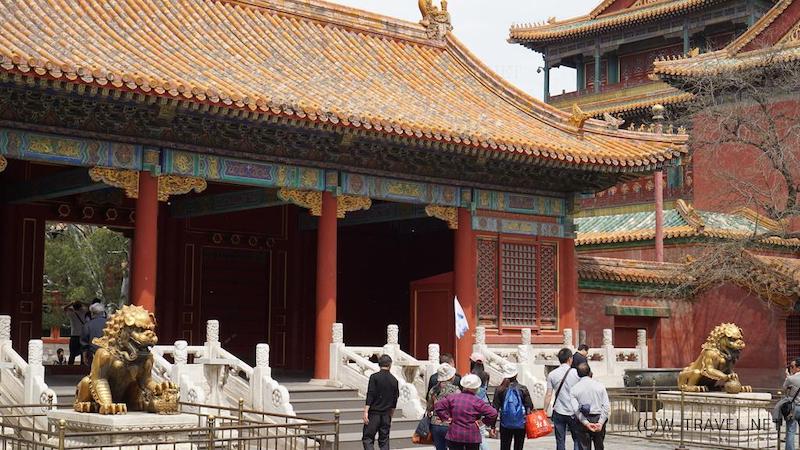
मैं फ़ुगुन महल (गुगोन्ग) संग्रहालय की ओर जा रहा हूँ।
मौसम भी अच्छा है।
इस क्षेत्र में प्रवेश करने के लिए सुरक्षा जांच बहुत सख्त है, वे यहां तक कि पेय पदार्थों की गंध भी जांच रहे थे।
गाइडबुक (पृथ्वी की यात्रा का बीजिंग संस्करण) को भी, जिसमें मानचित्र के पृष्ठ भी शामिल हैं, पूरी तरह से जांचा गया। क्या यह शायद वह अफवाह है जिसमें [ ... ] के नाम की जांच की जाती है? ऐसी अफवाह है कि यदि कोई नाम जापानी नाम है तो उसे जब्त कर लिया जाएगा। चूंकि यह बीजिंग संस्करण है, इसलिए इसमें चीनी मानचित्र शामिल नहीं है, इसलिए इसे जब्त नहीं किया गया।
सबसे पहले, मैं गेट से प्रवेश करने और टिकट खरीदने की कोशिश करता हूँ, लेकिन टिकट काउंटर पर पहले से ही बहुत लंबी कतार है।
बाहर से लिए गए फ़ोटो, हाल ही में लिए गए हैं (जब संग्रहालय बंद था), और उनमें भीड़ नहीं है।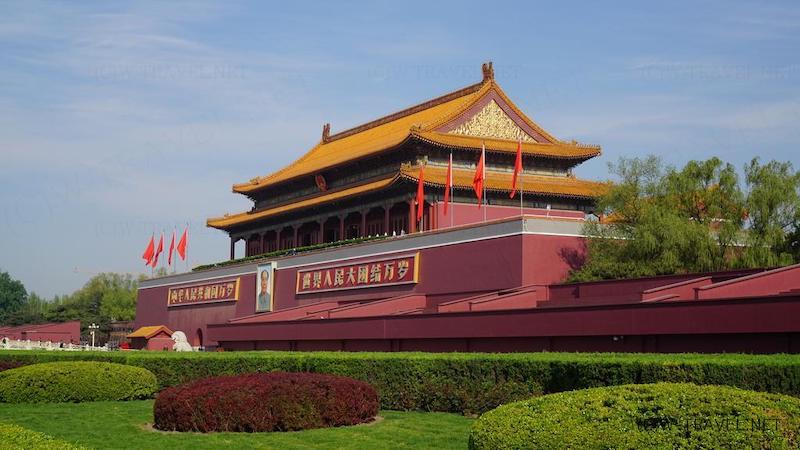
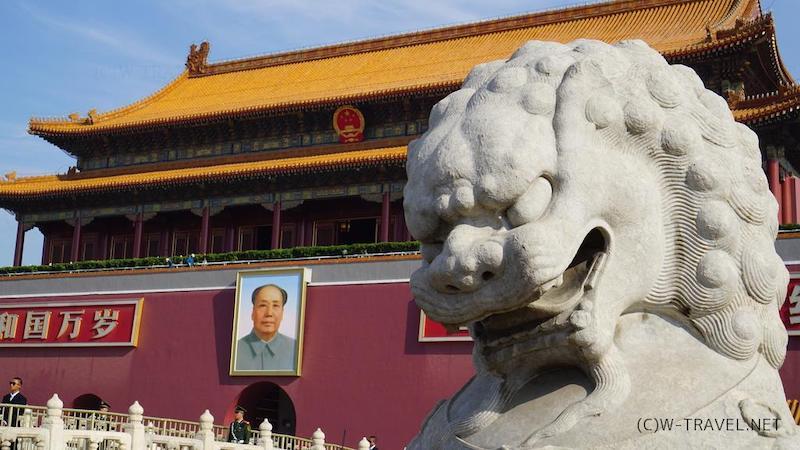
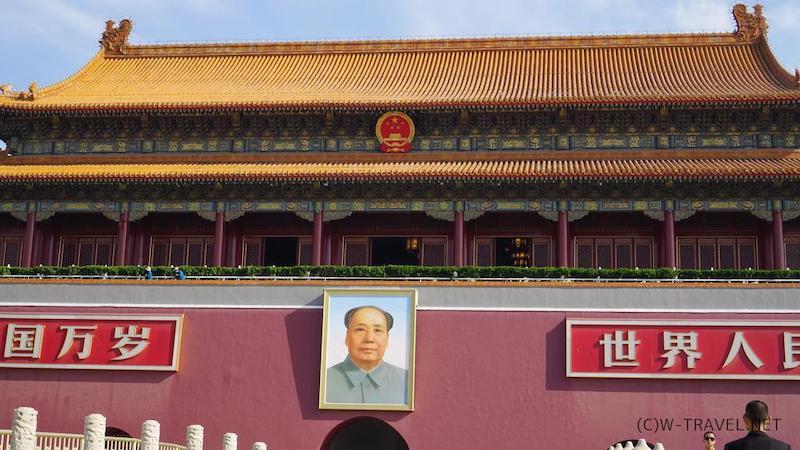
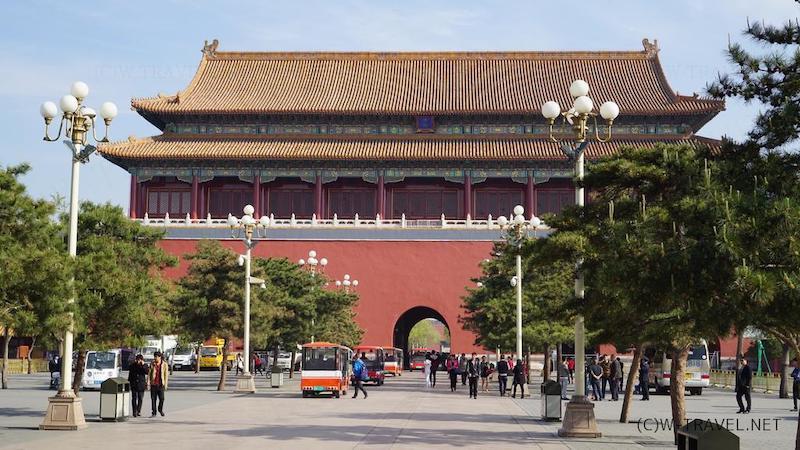
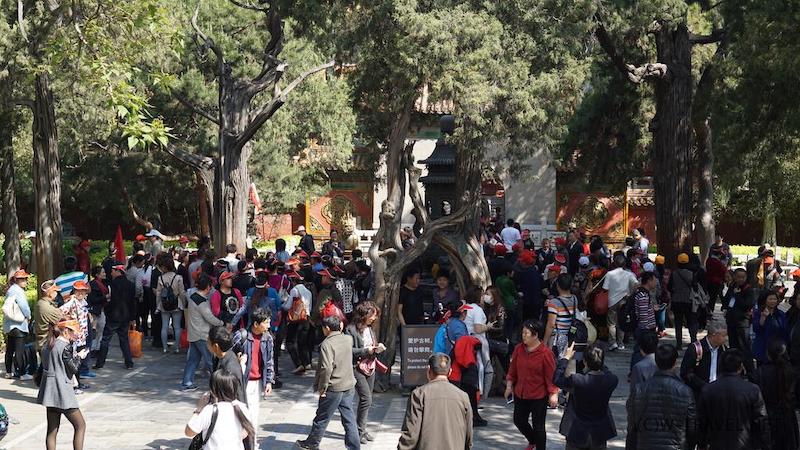
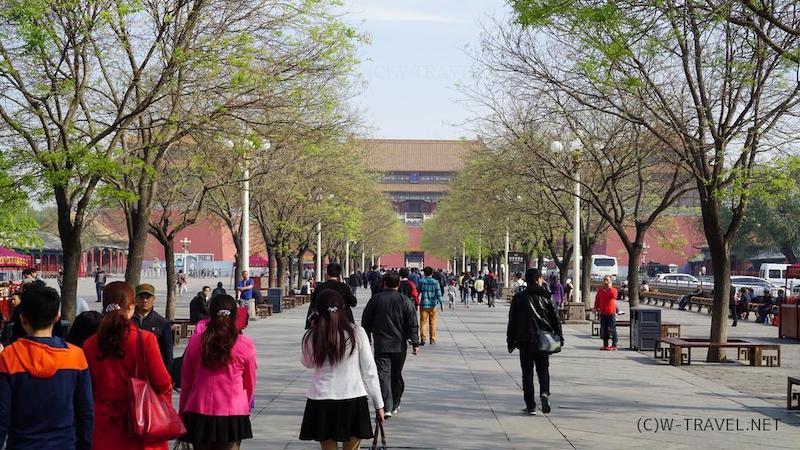 अंदर जाने के बाद, वहाँ बहुत सारे चीनी लोग थे।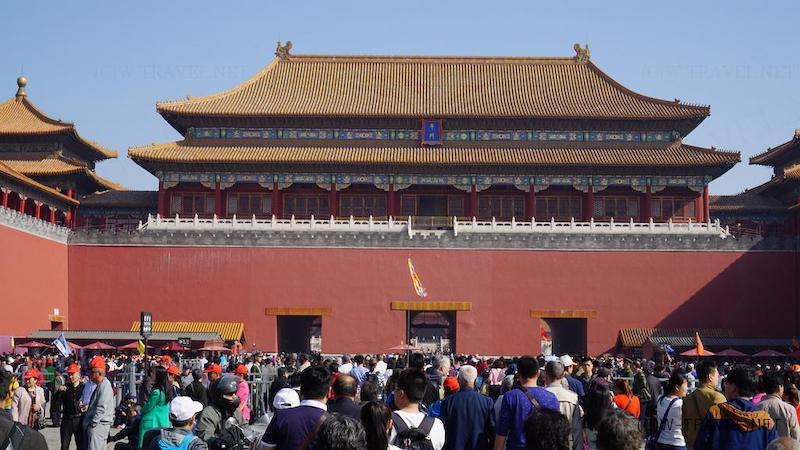
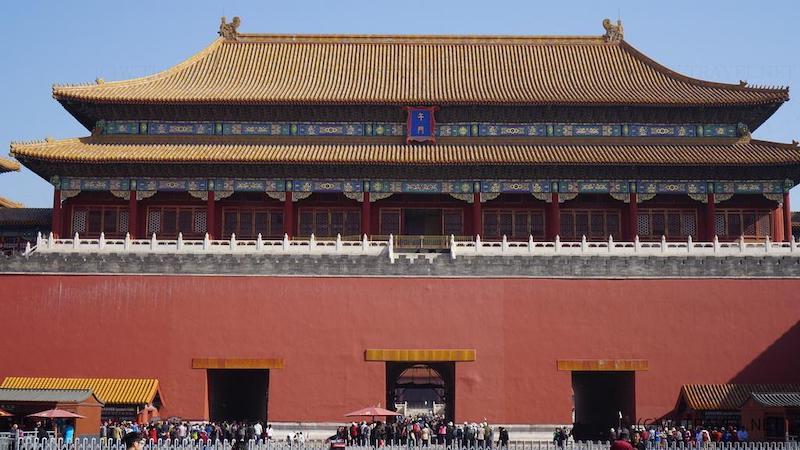
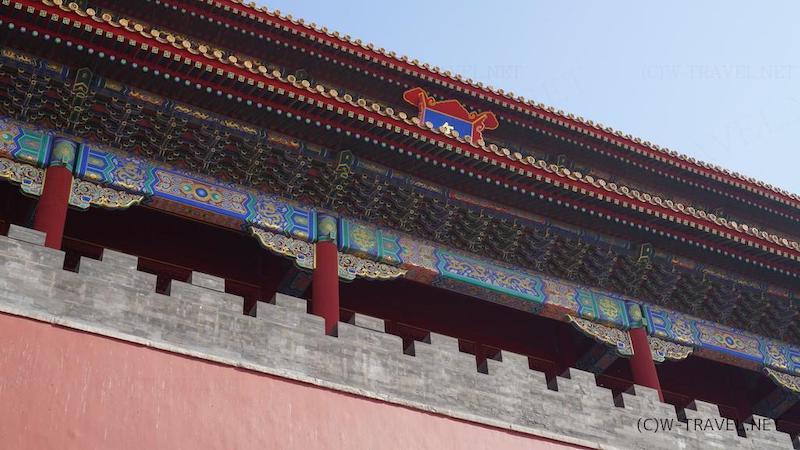
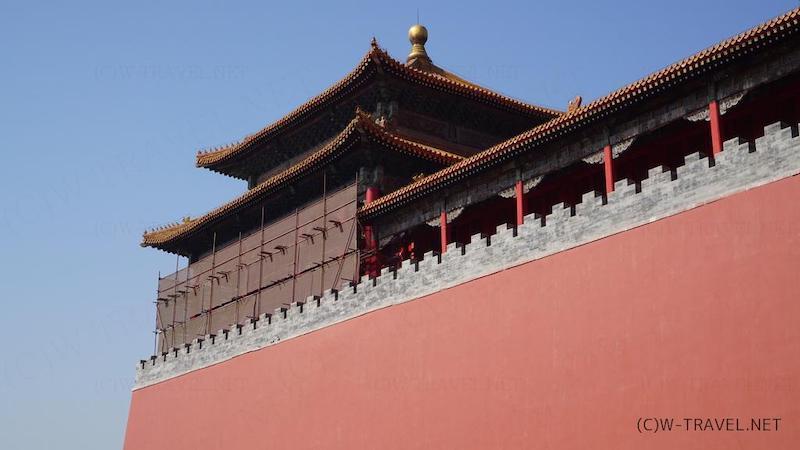
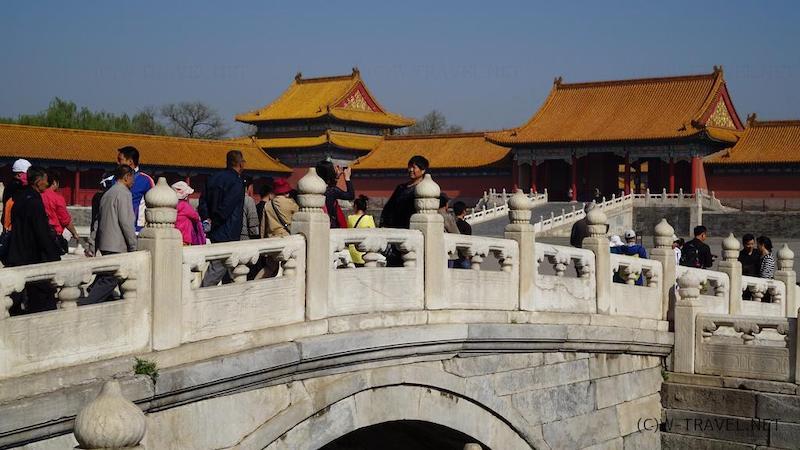
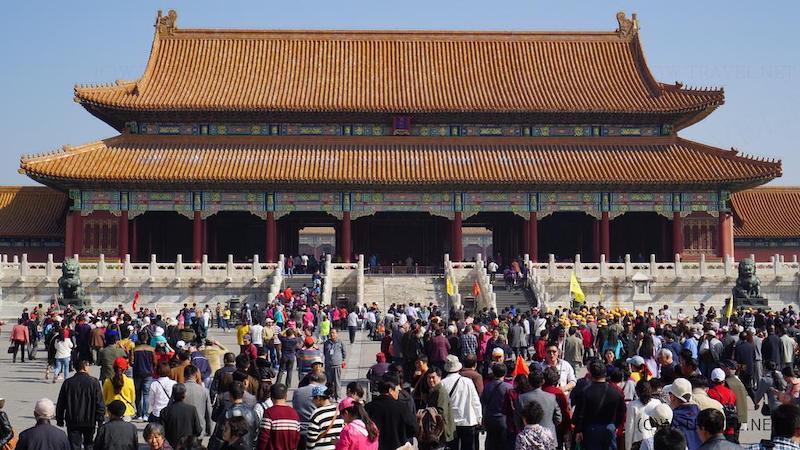
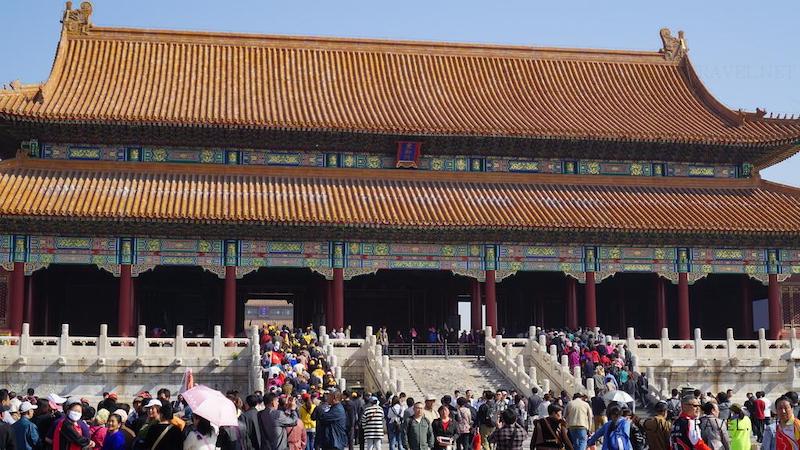

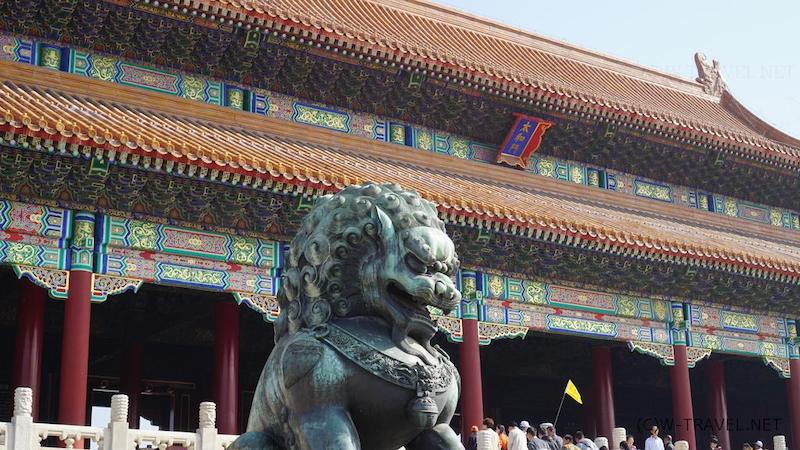
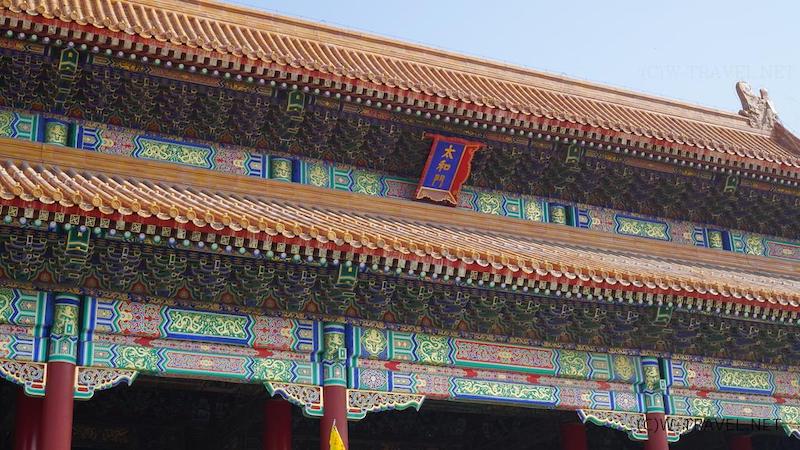
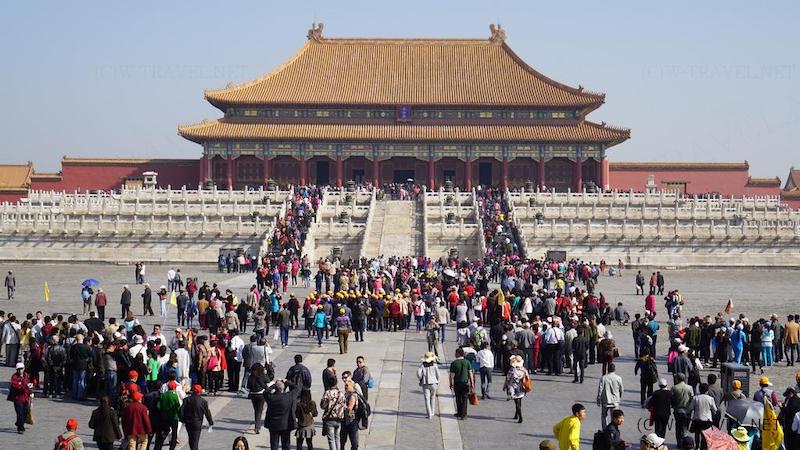
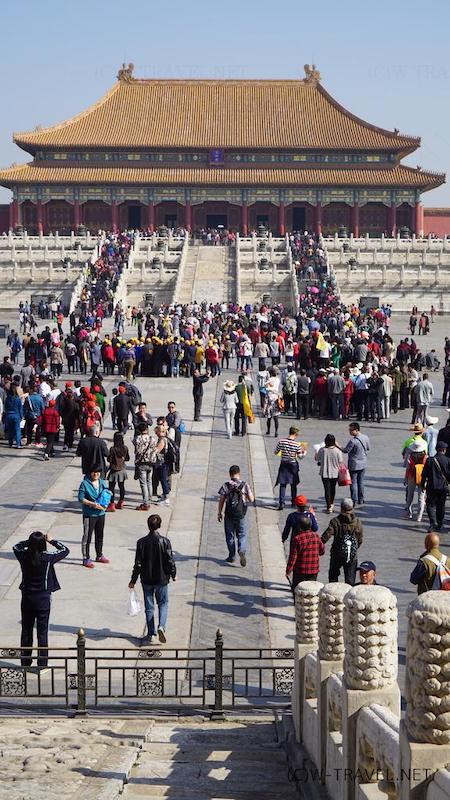
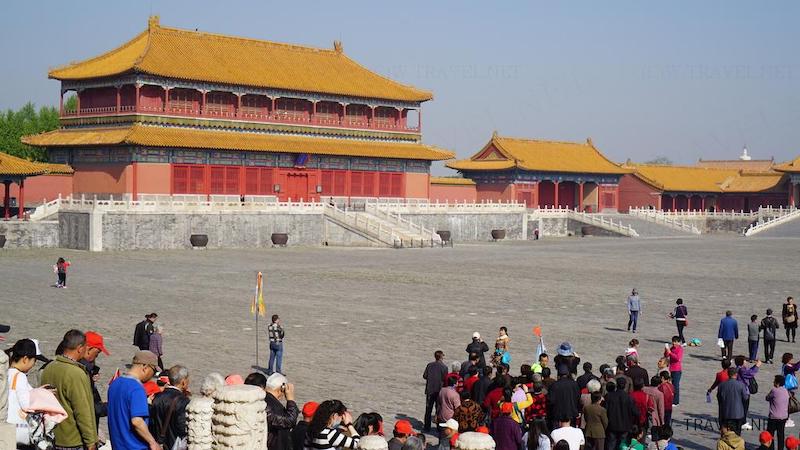
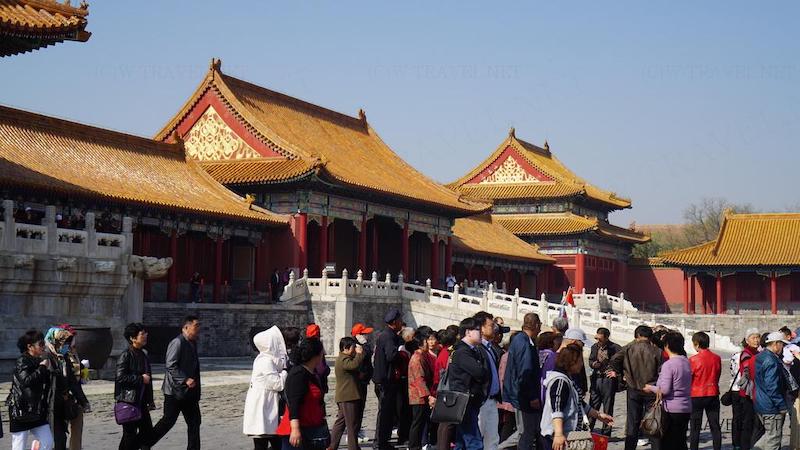
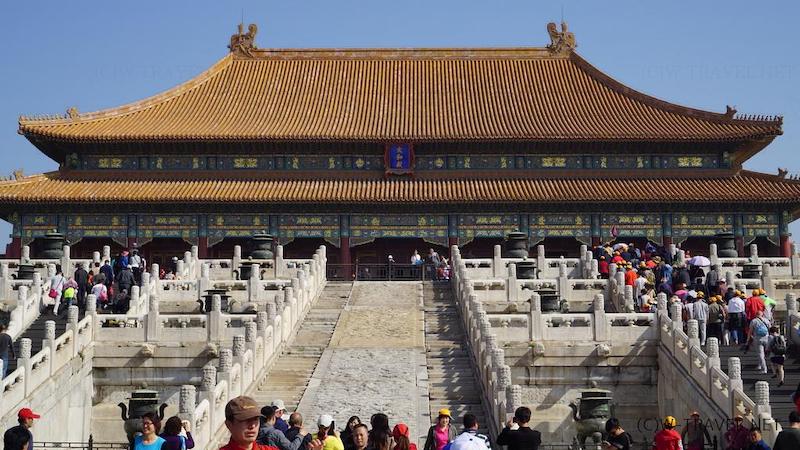
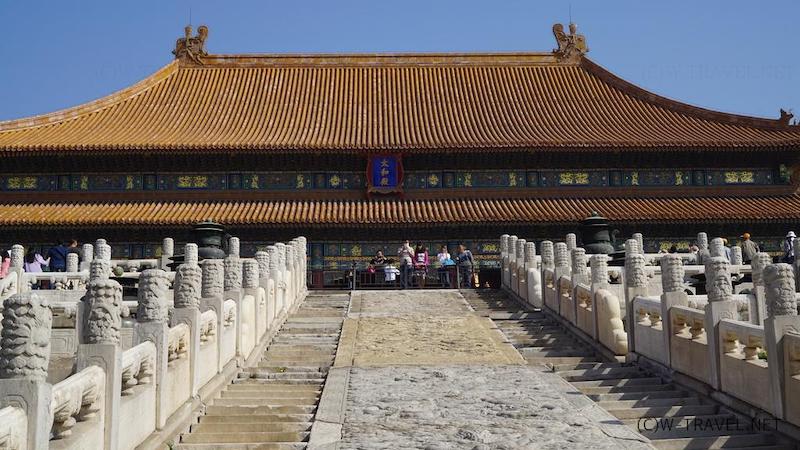
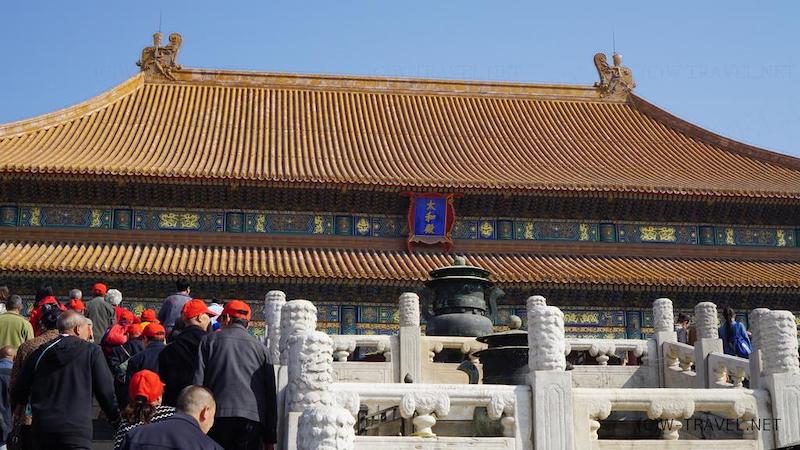
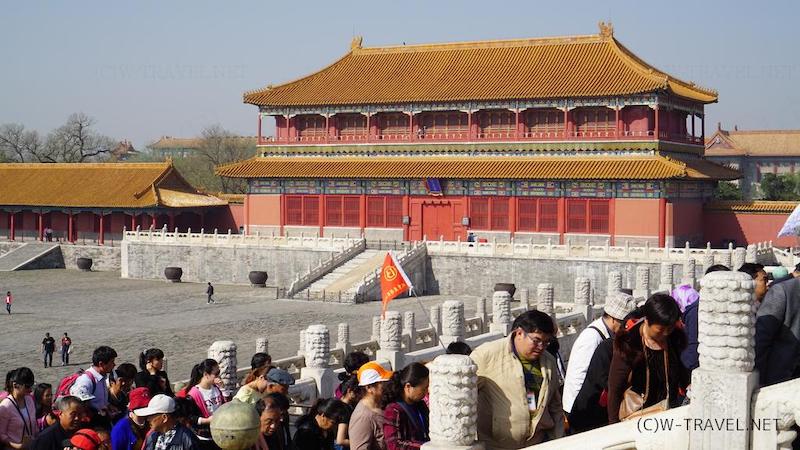
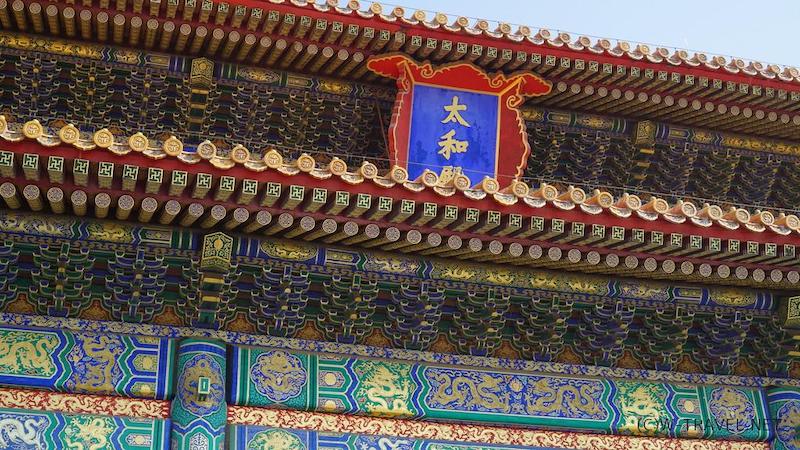
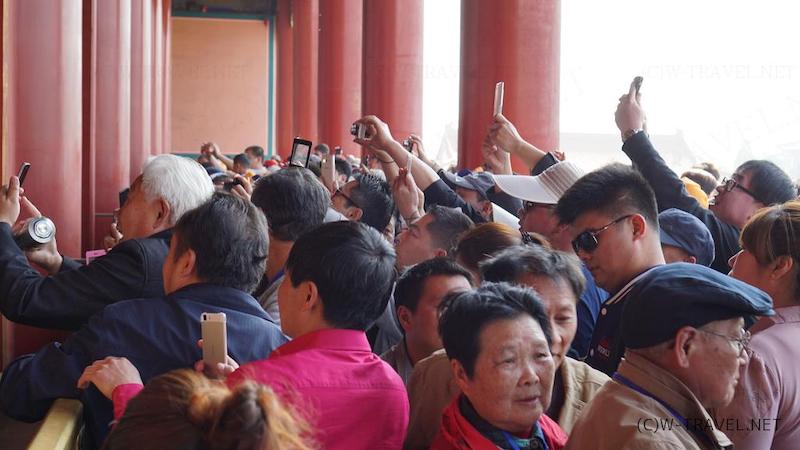
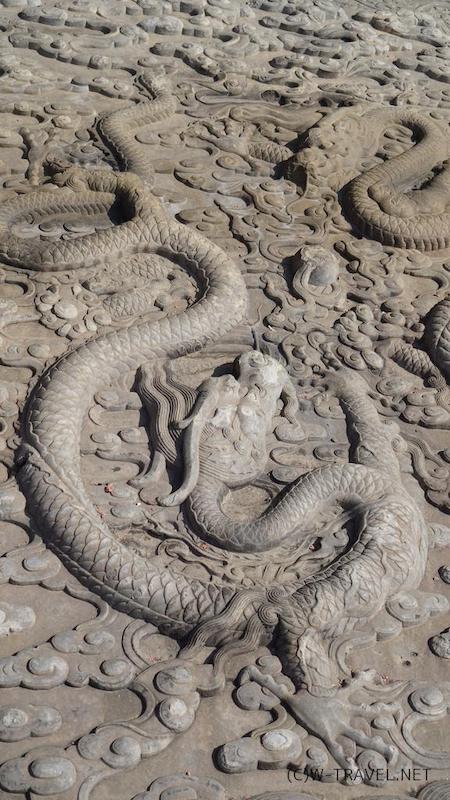 दरवाजे के अंदर झाँकने वाली जगहों पर, चीनी लोग एक-दूसरे को धक्का-मुक्की करते हुए, "हम पहले" की भावना से आगे बढ़ने की कोशिश करते हैं, इसलिए मैं इधर-उधर झूलता रहता हूँ।
ऐसी जगहों पर, हर कोई तस्वीरें लेने की कोशिश कर रहा होता है, इसलिए तस्वीरें धुंधली हो जाती हैं, और हर कोई आसानी से हिल नहीं पाता (मुस्कुराते हुए)।
यह एक दुष्चक्र बन गया है।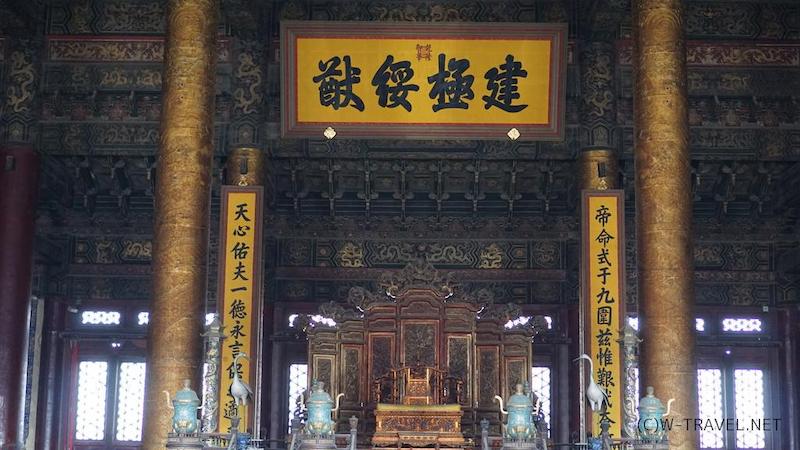
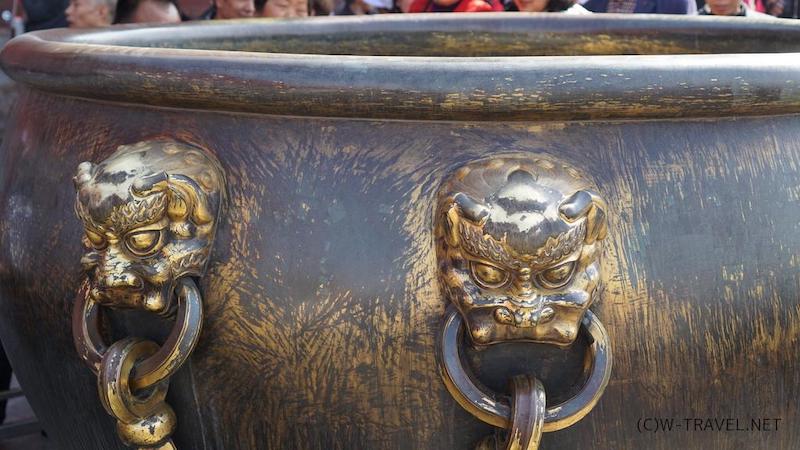
 क्या इसे छूने से कोई लाभ मिलता है?
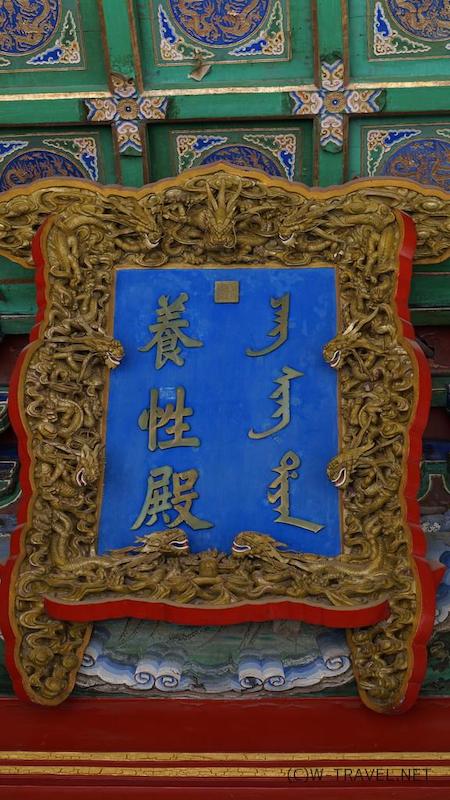
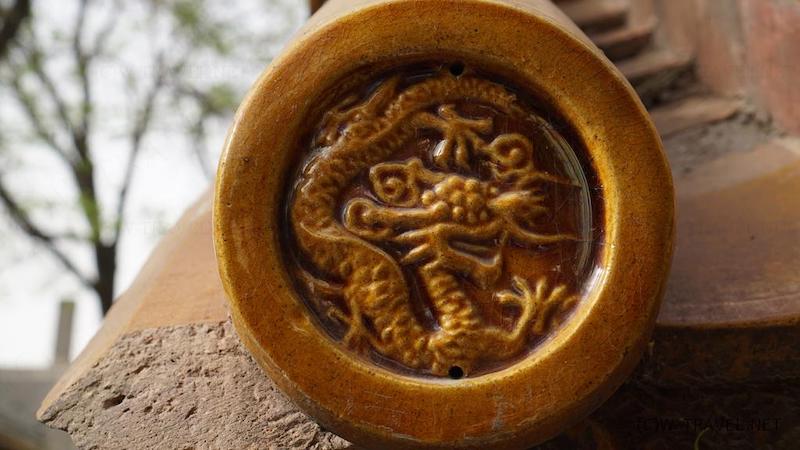
 छत और दीवारें भी पूरी तरह से ठीक की गई हैं।
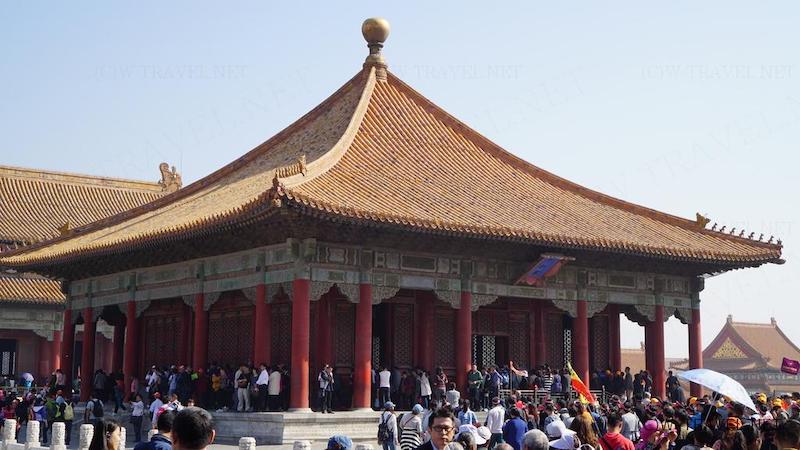


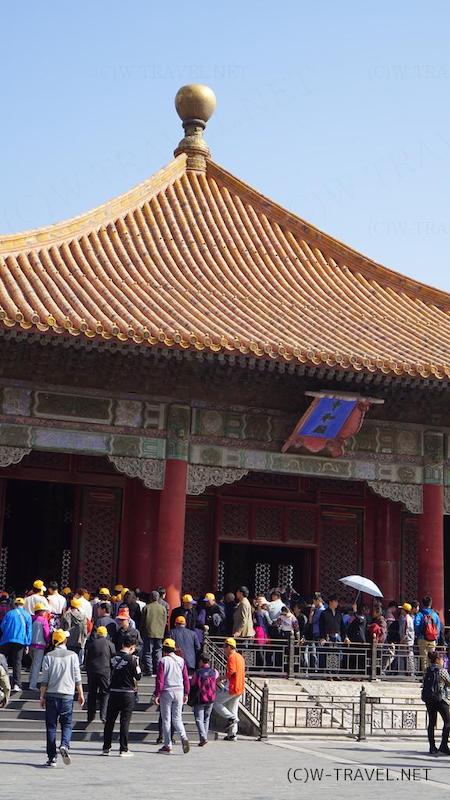


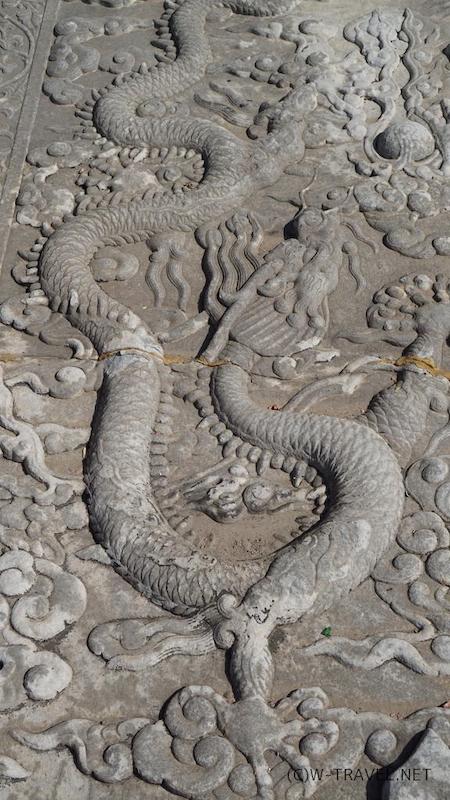
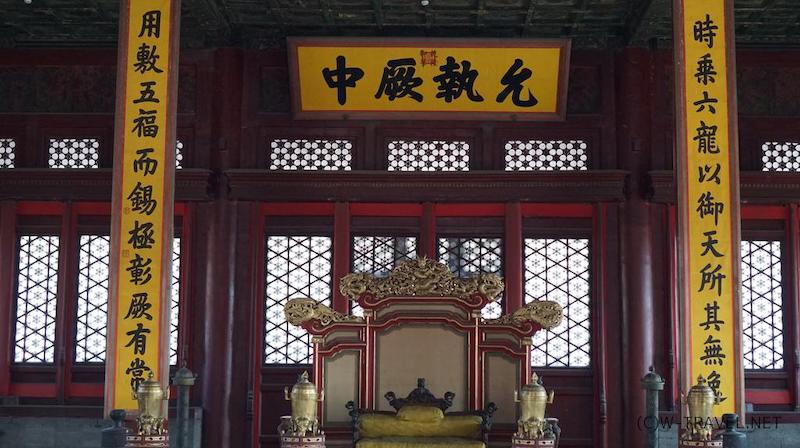

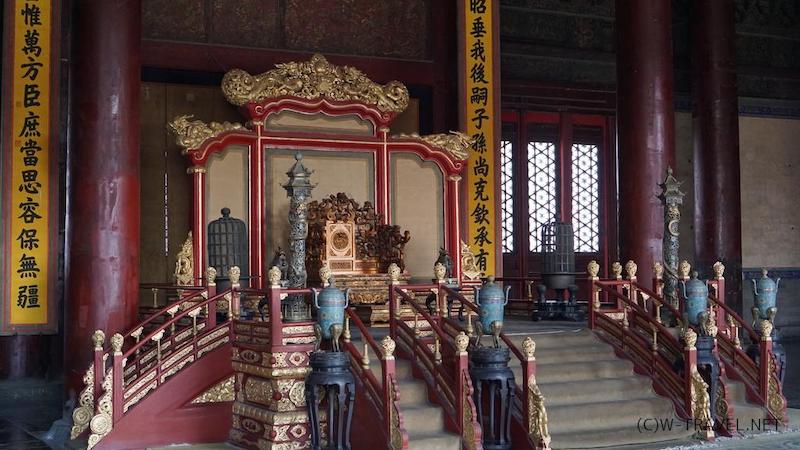
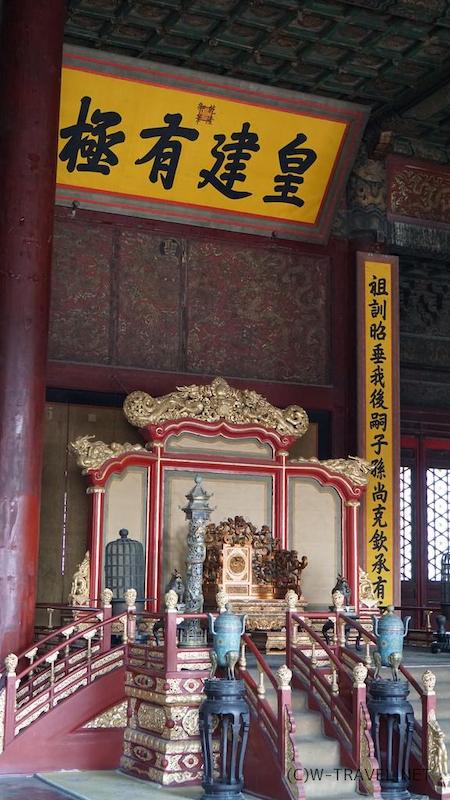
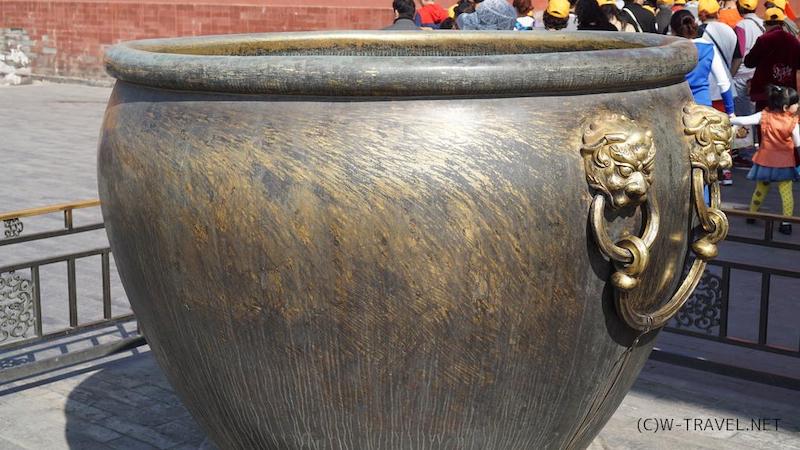
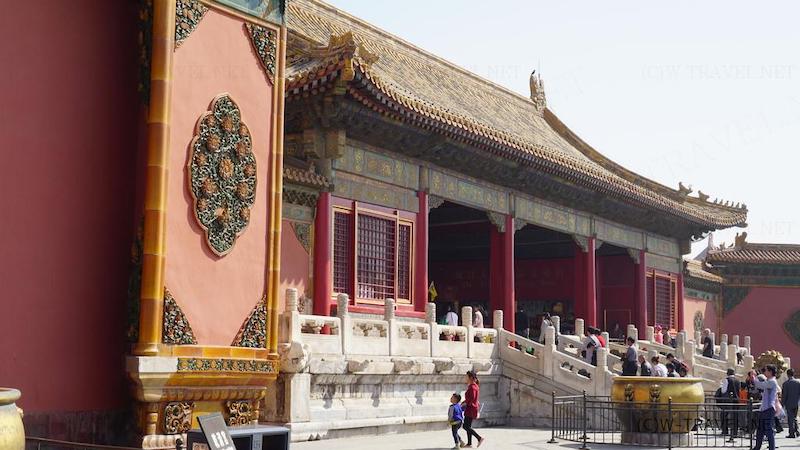
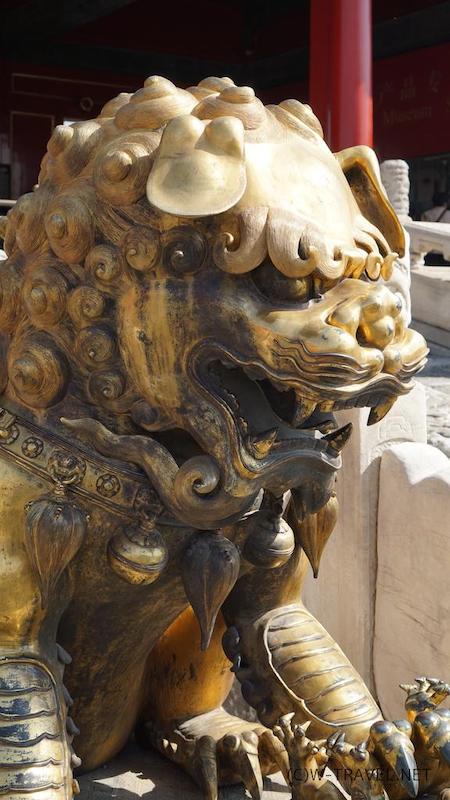
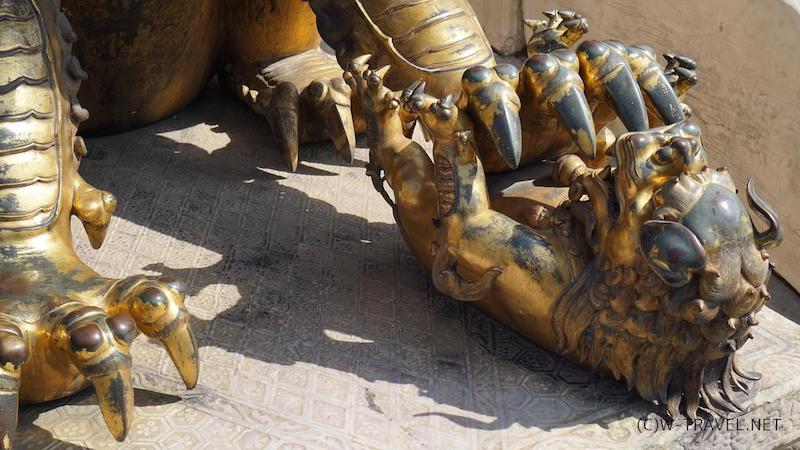
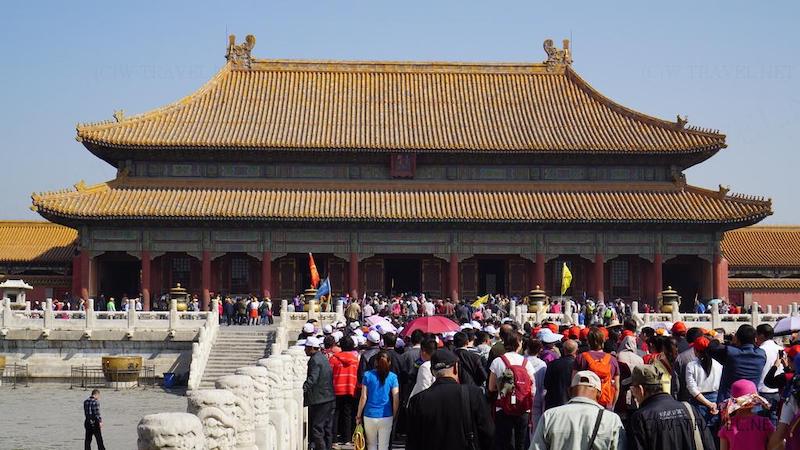

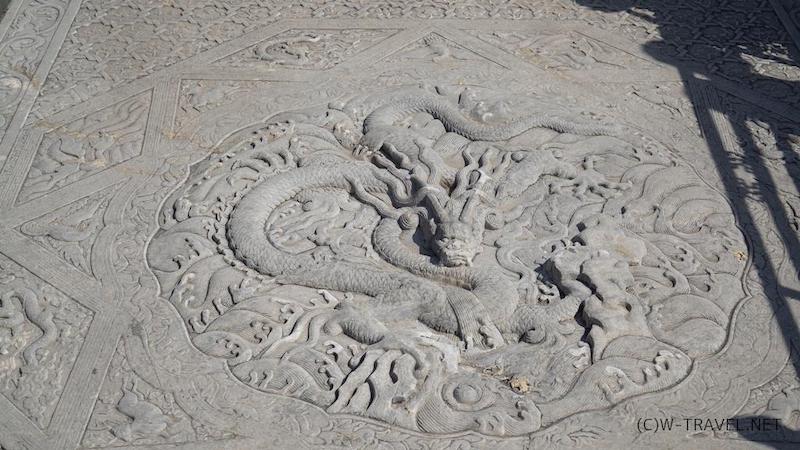

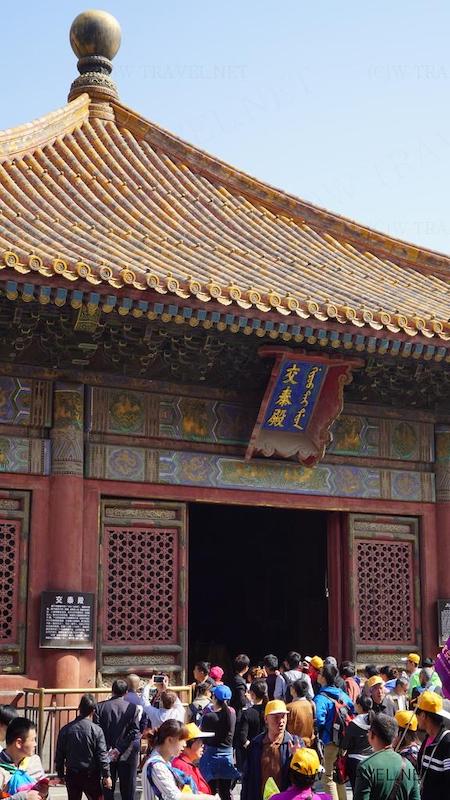
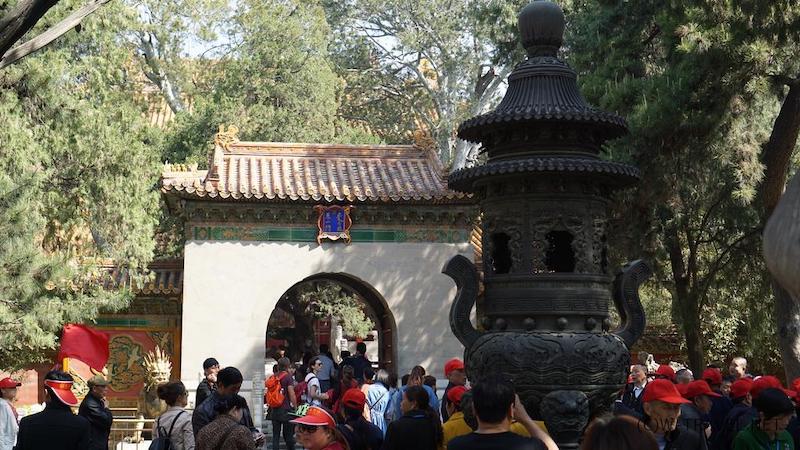

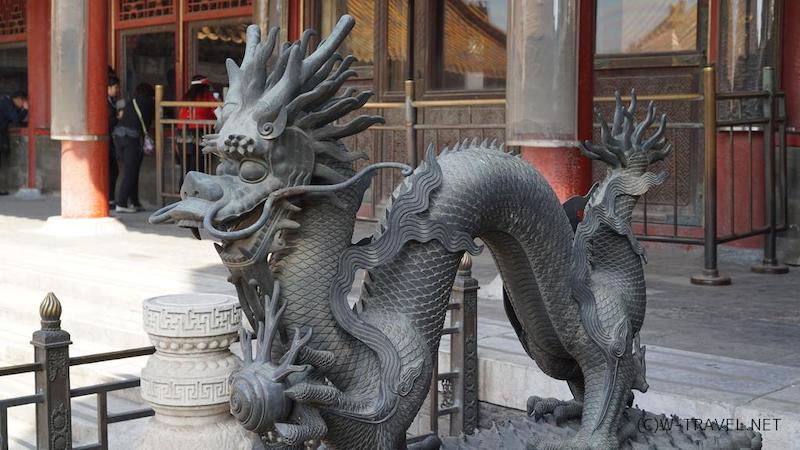
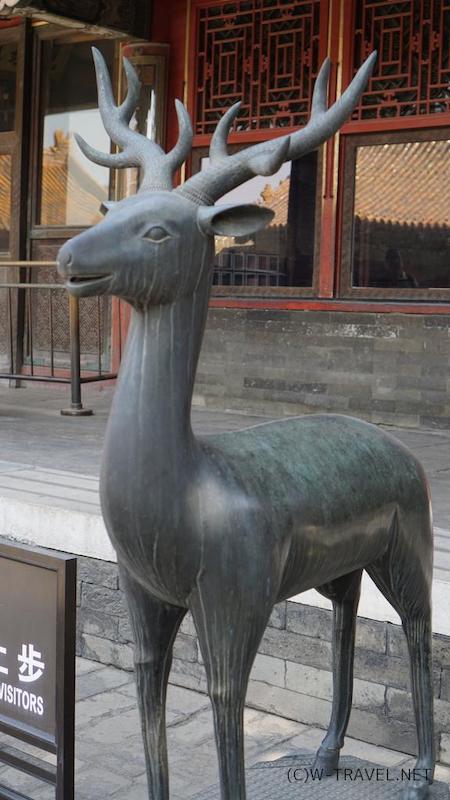
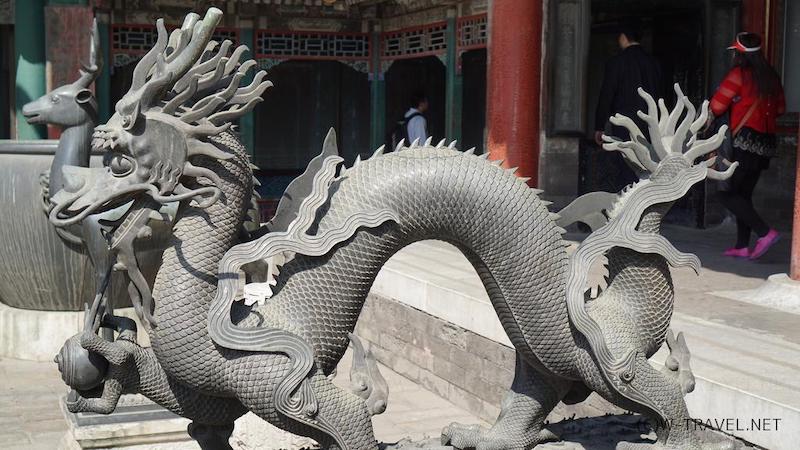
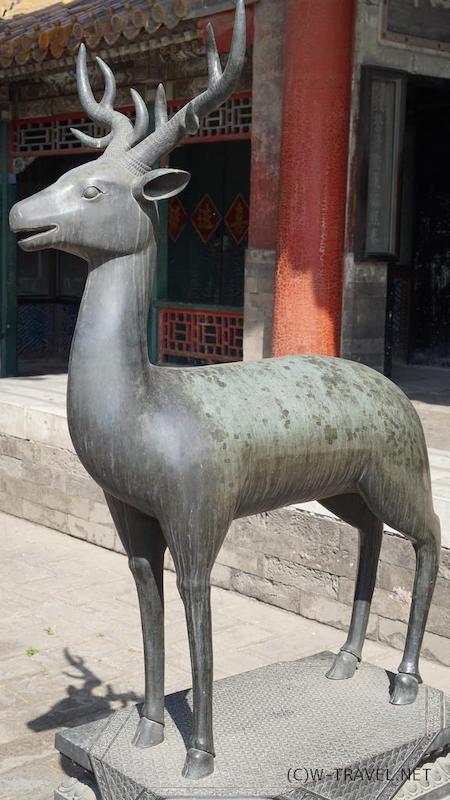
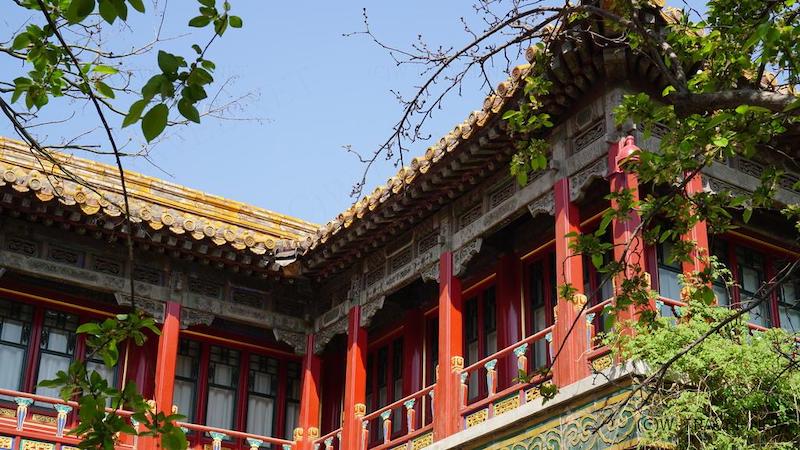
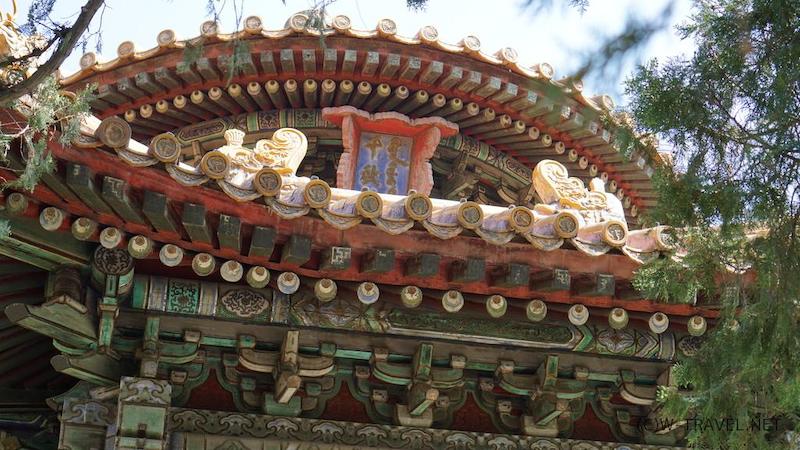
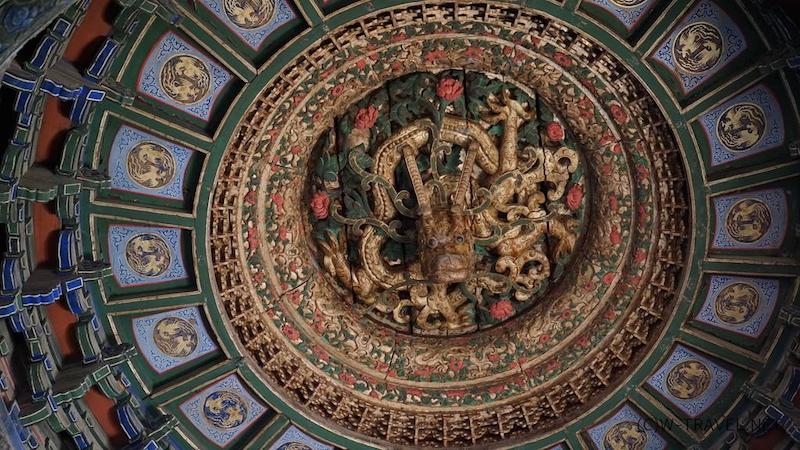
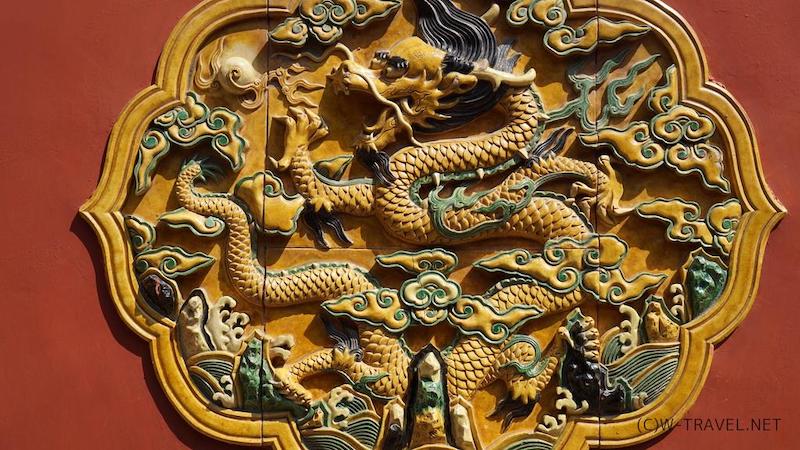

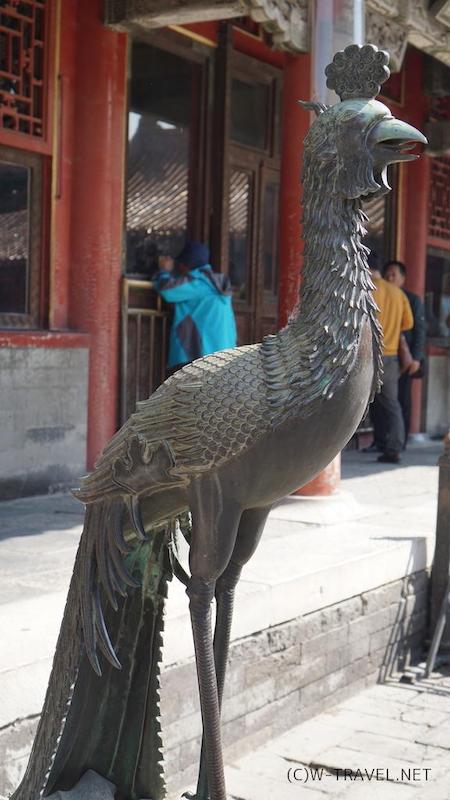
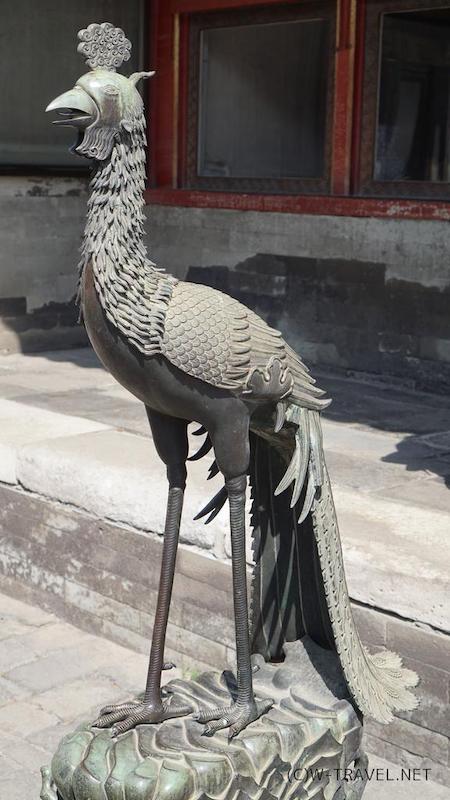

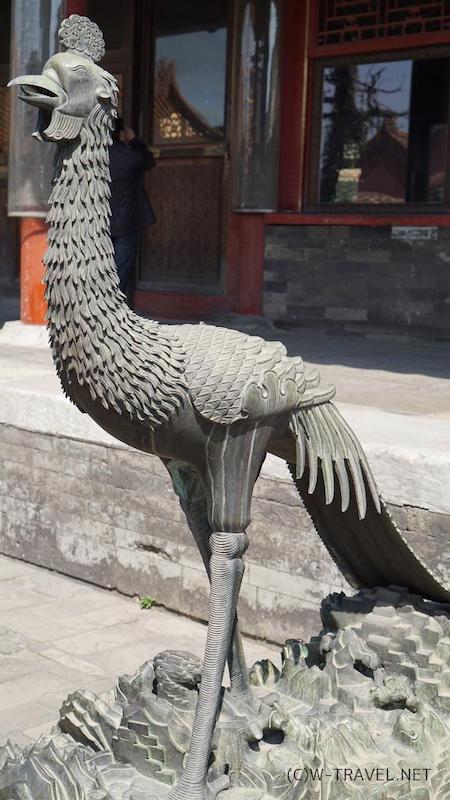
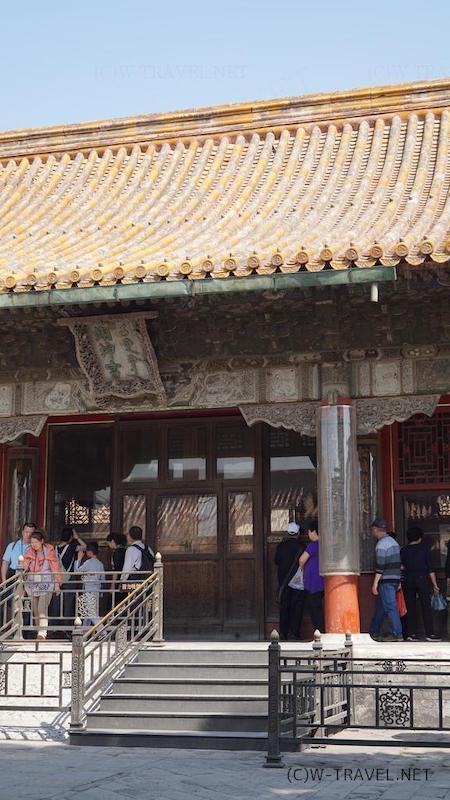
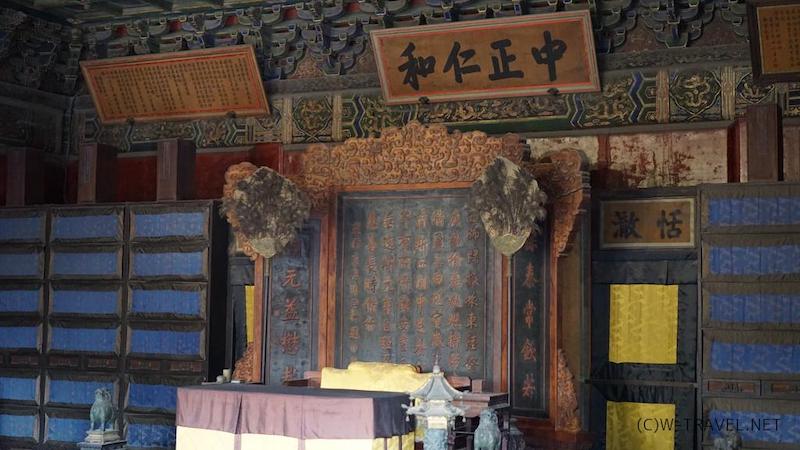
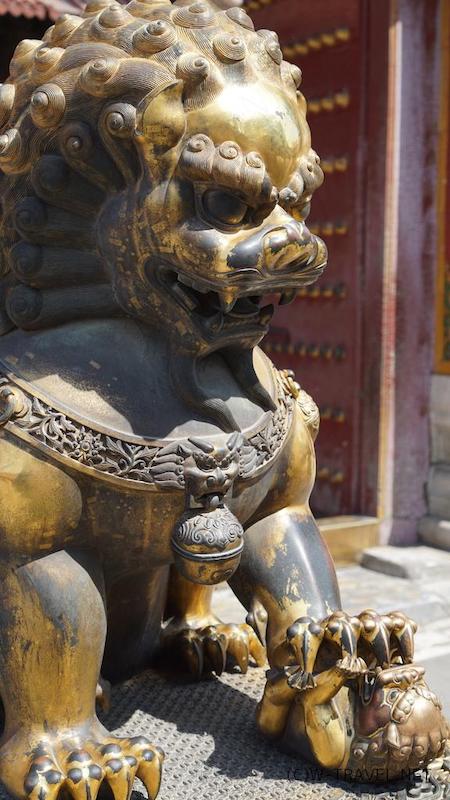
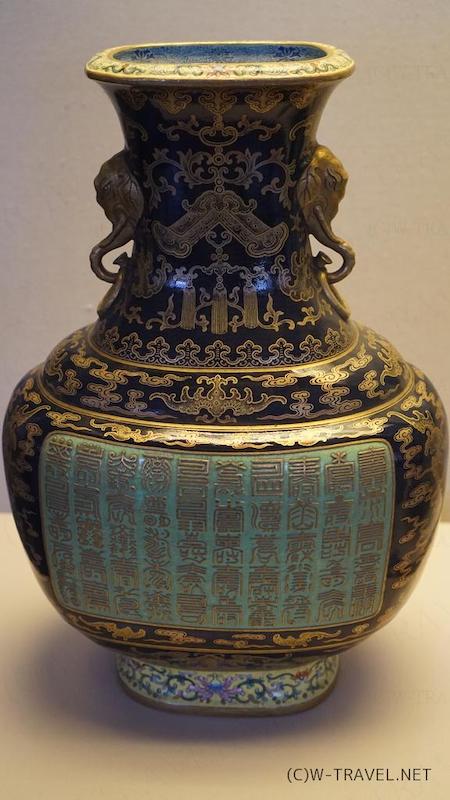
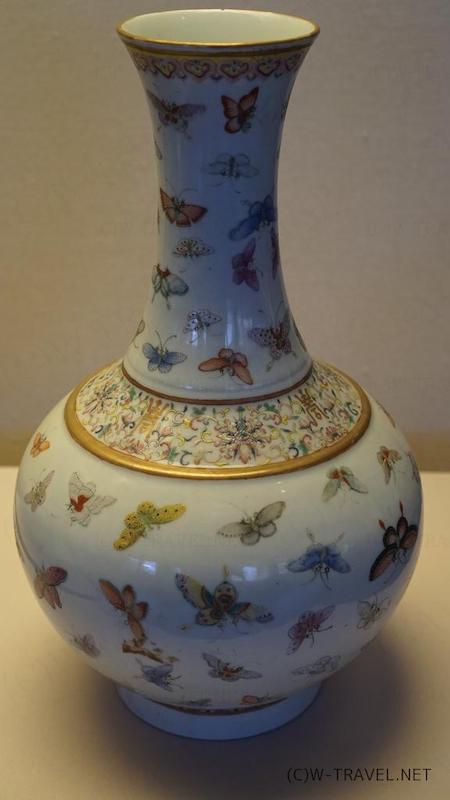
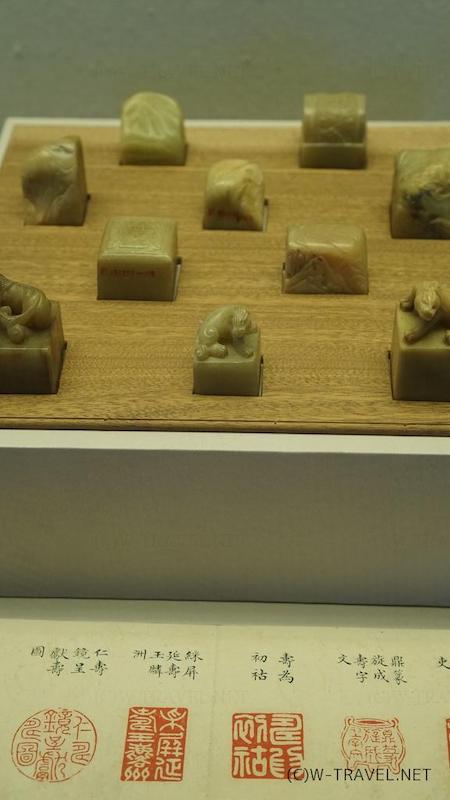
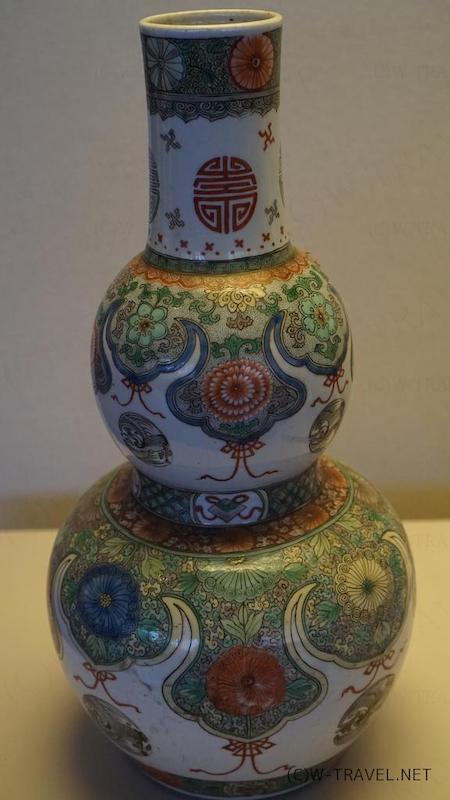

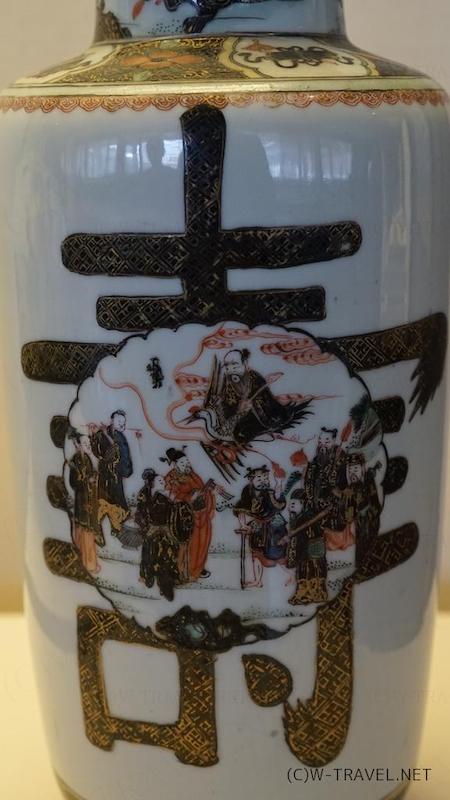


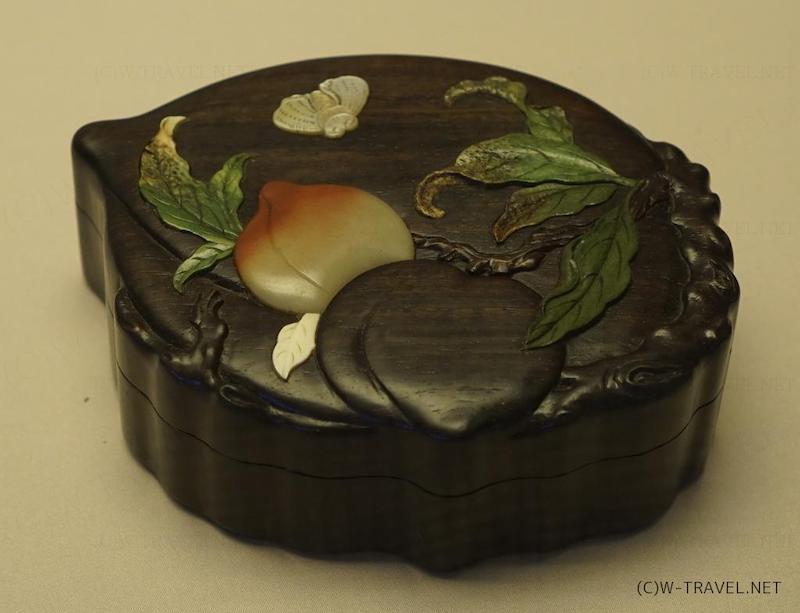
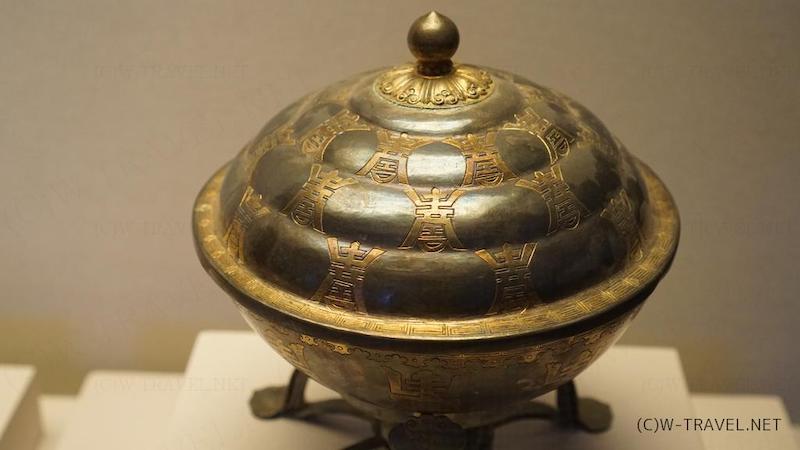
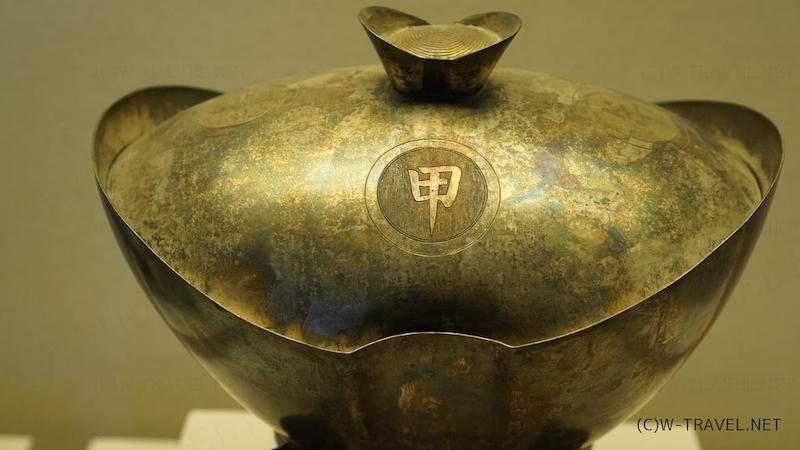
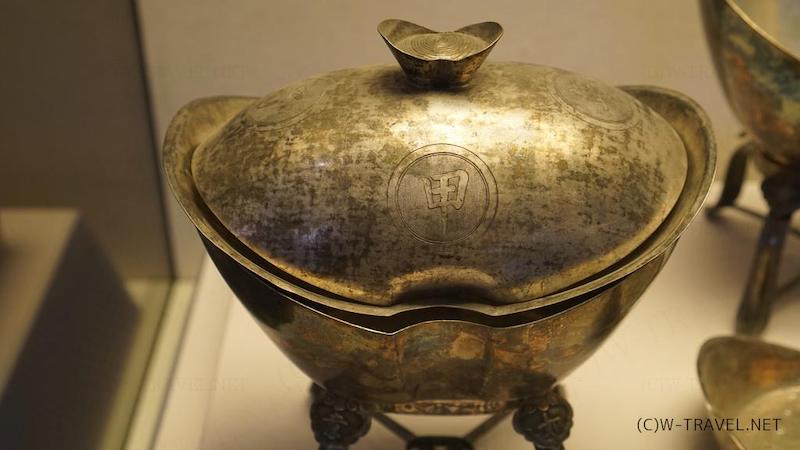

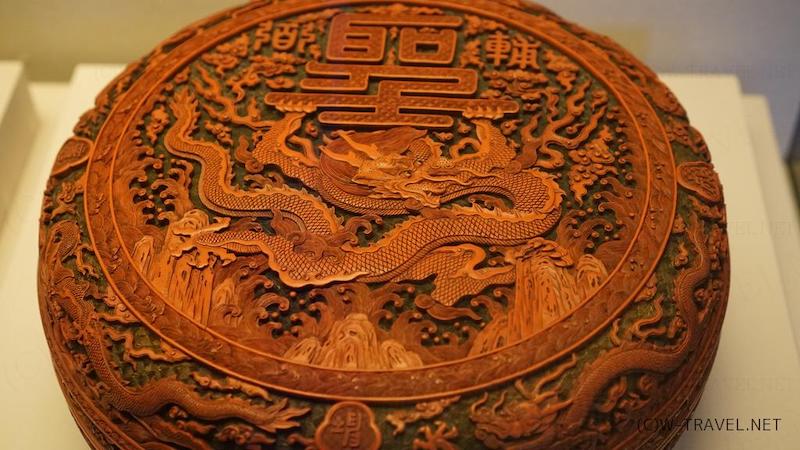
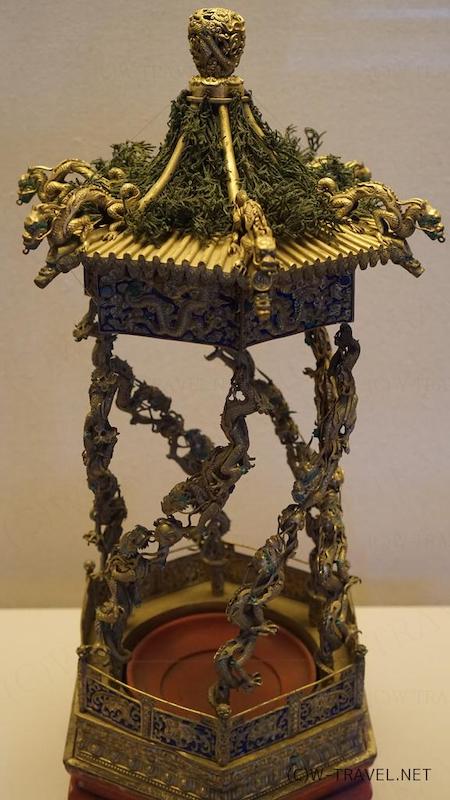
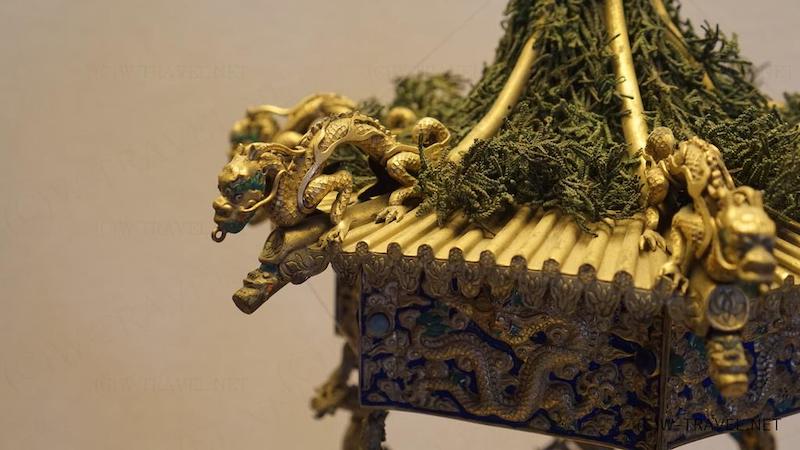
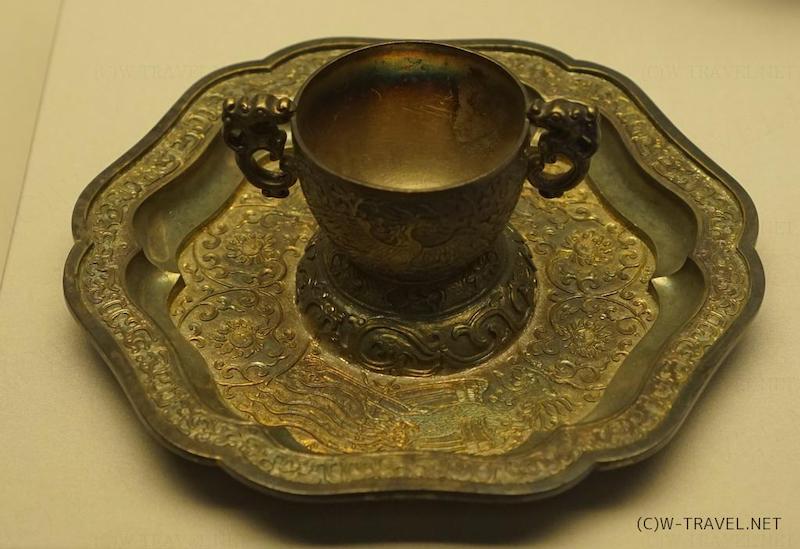
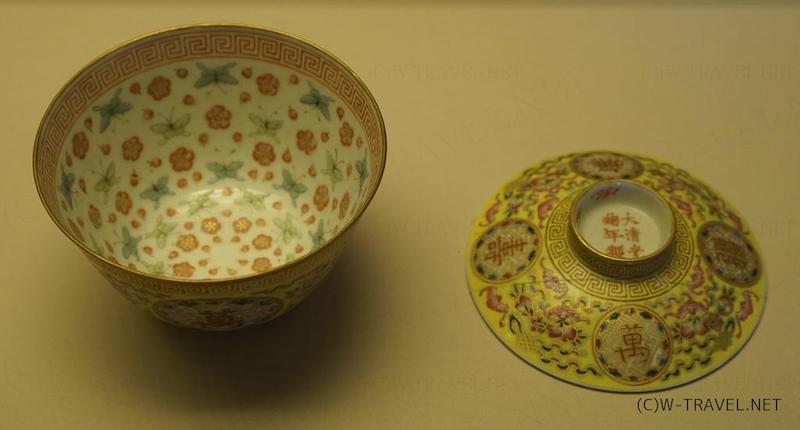
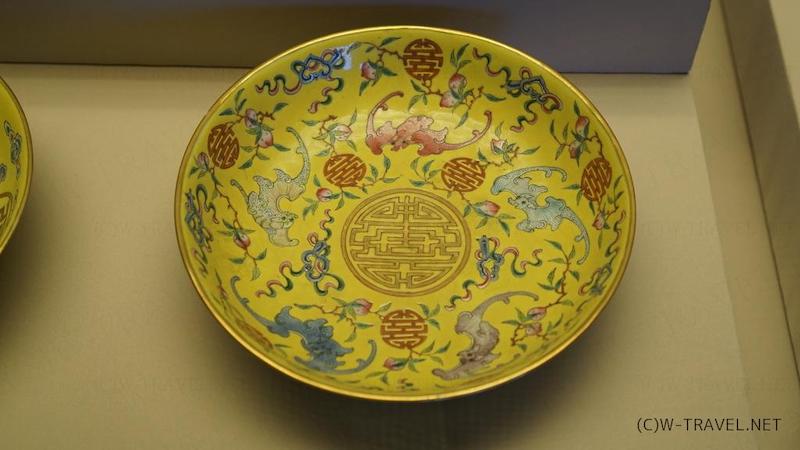
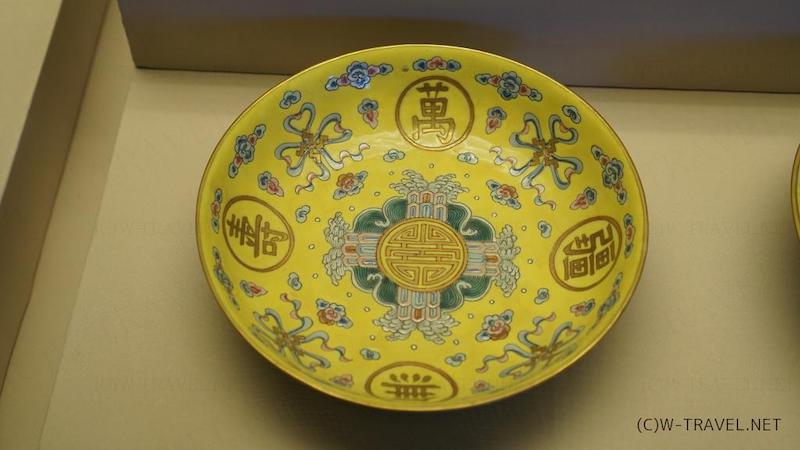
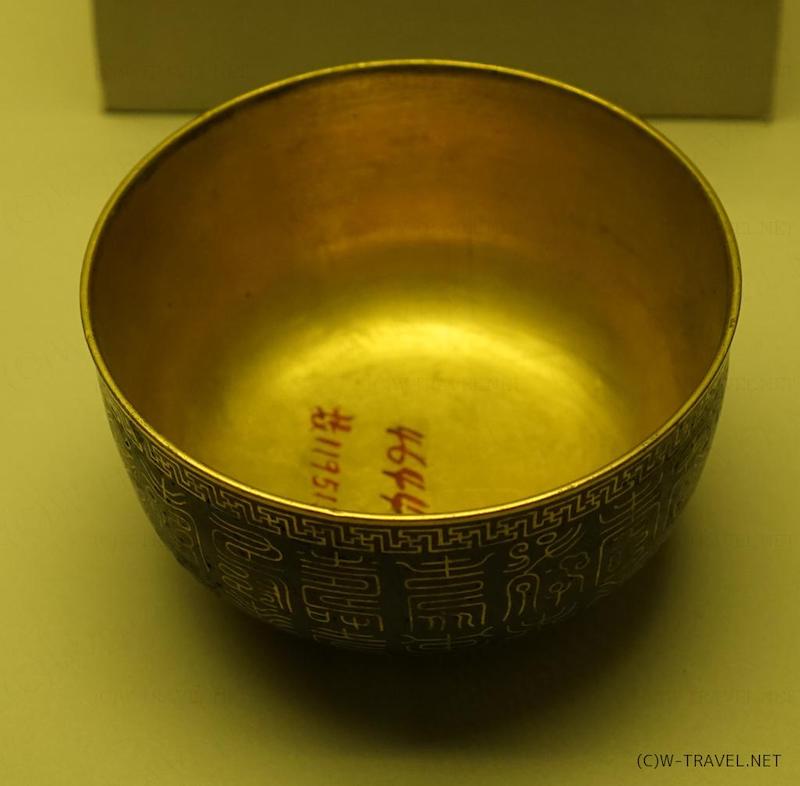
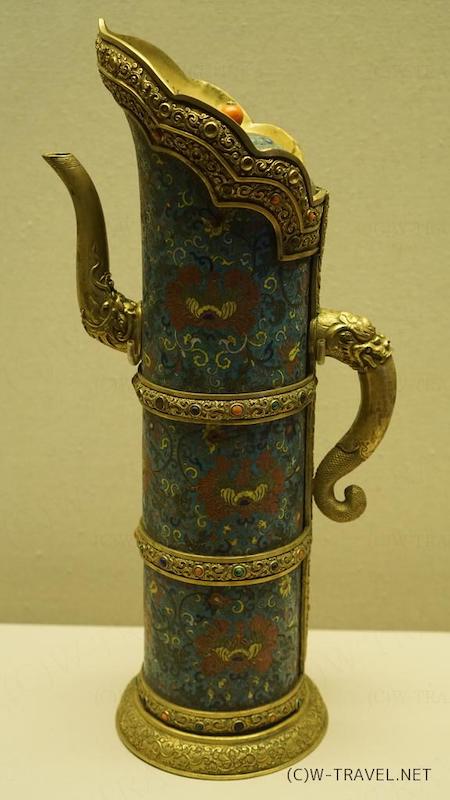
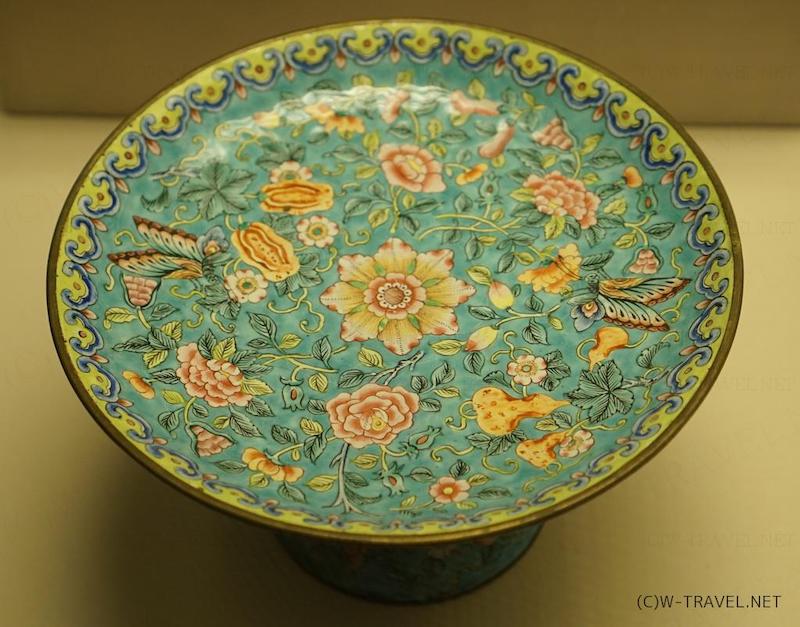
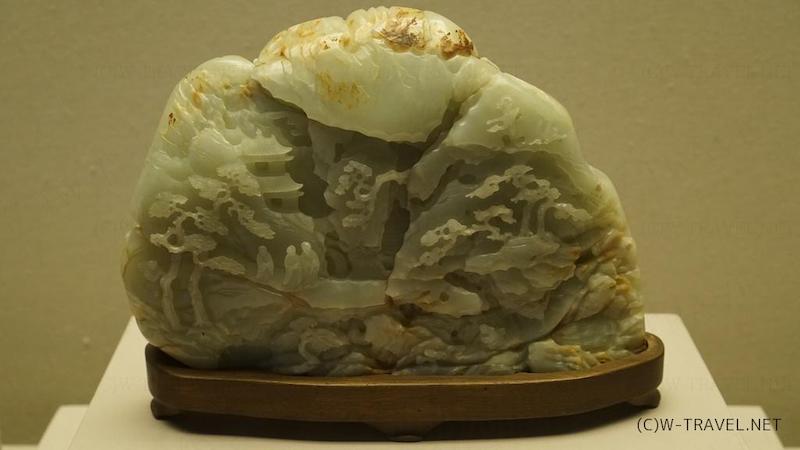
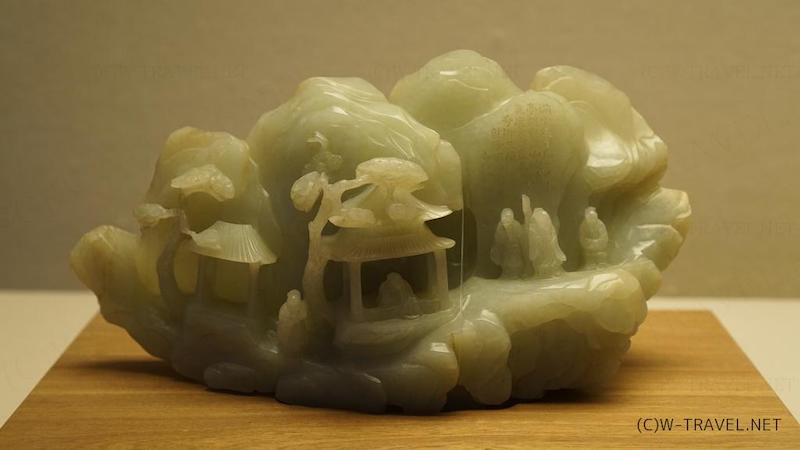
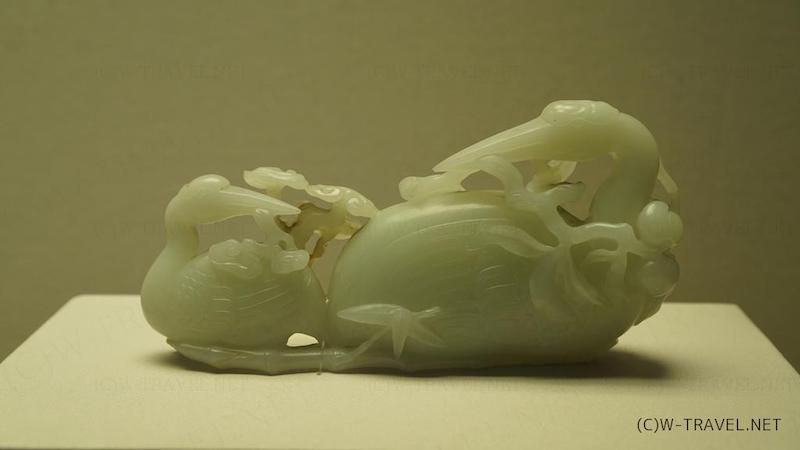
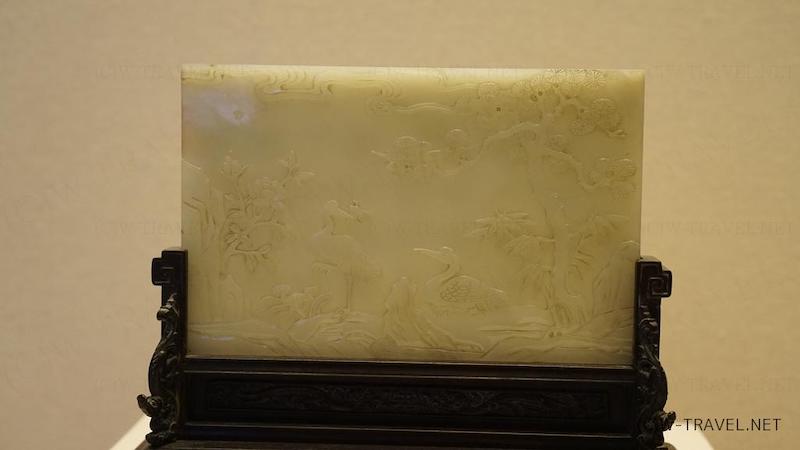

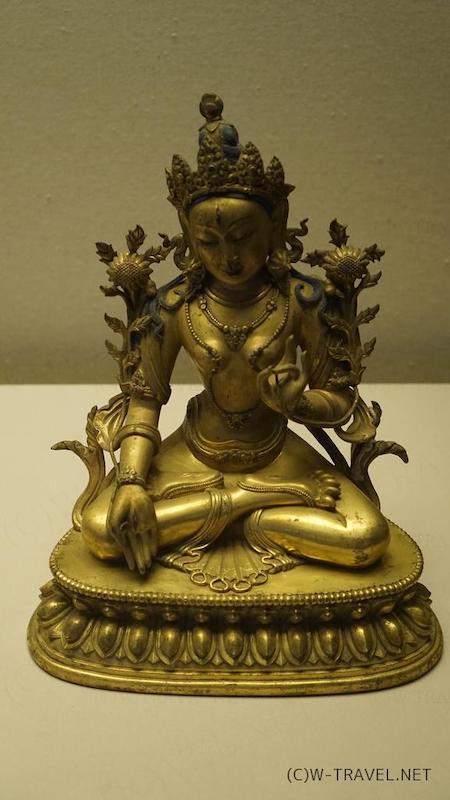
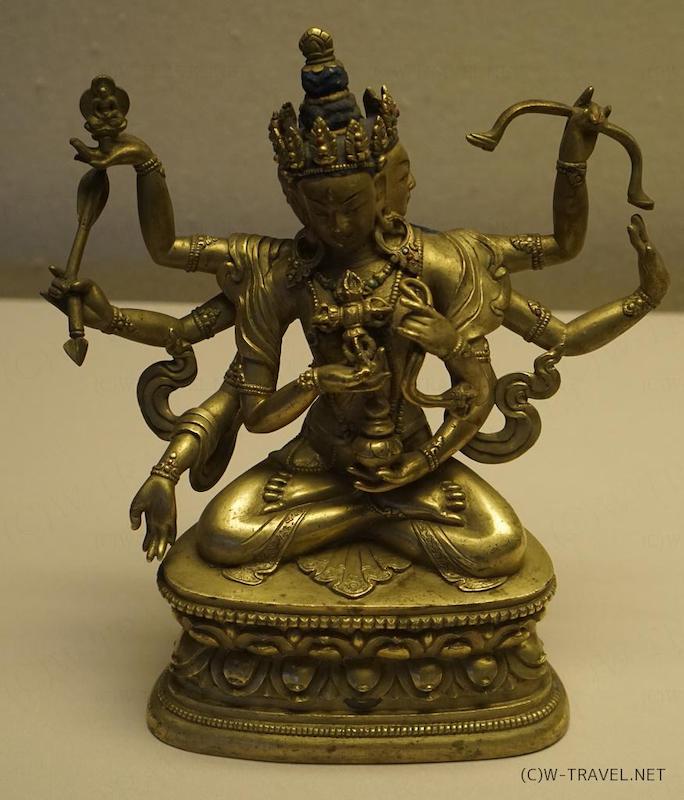
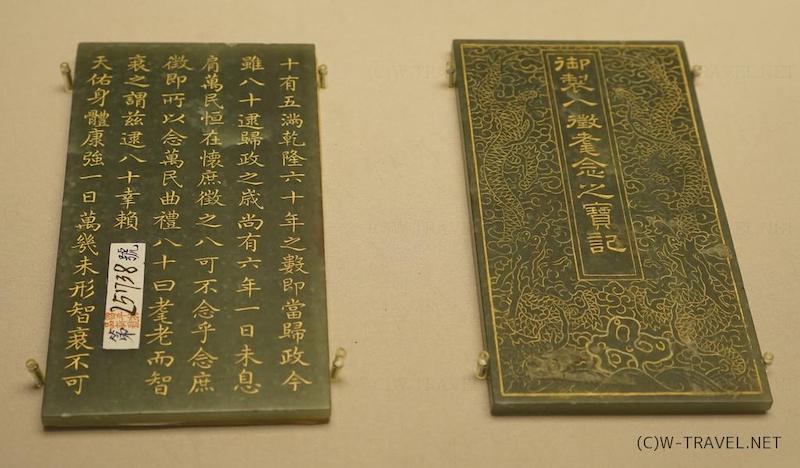

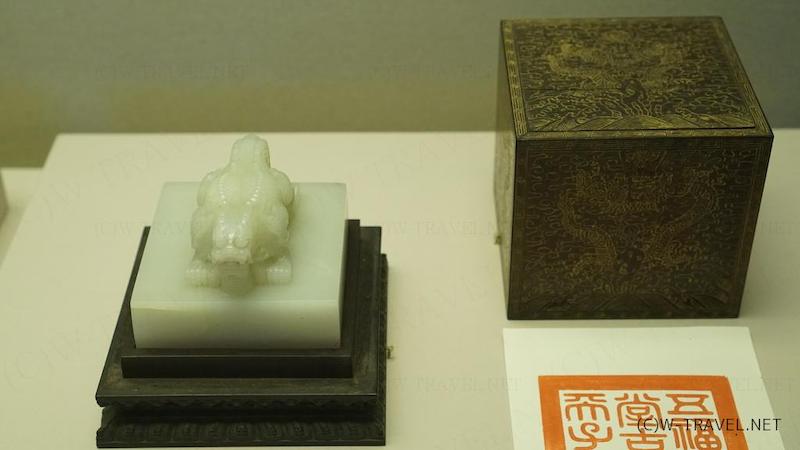
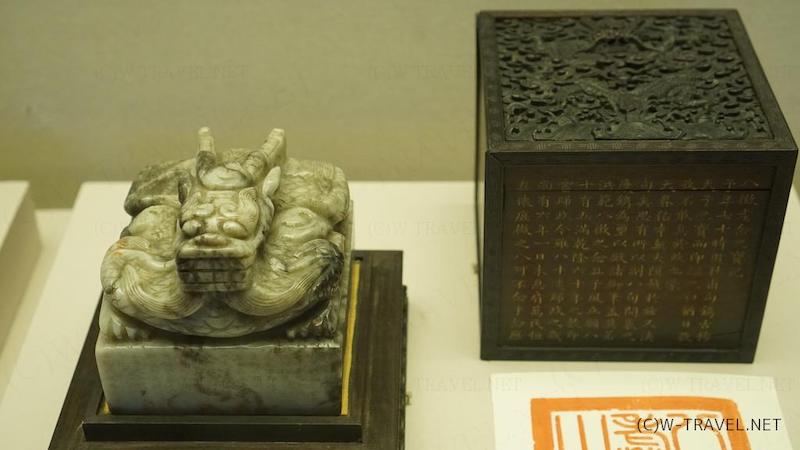
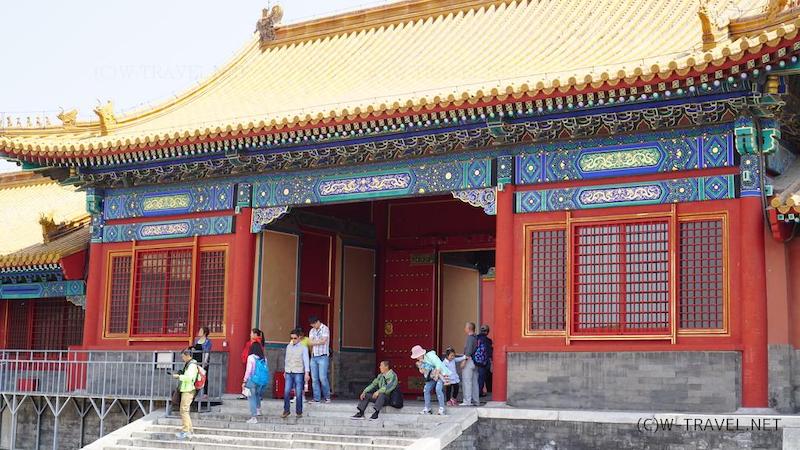
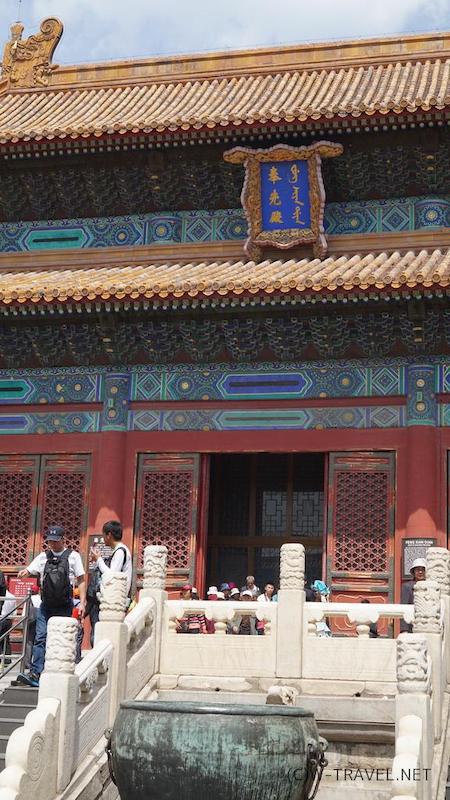
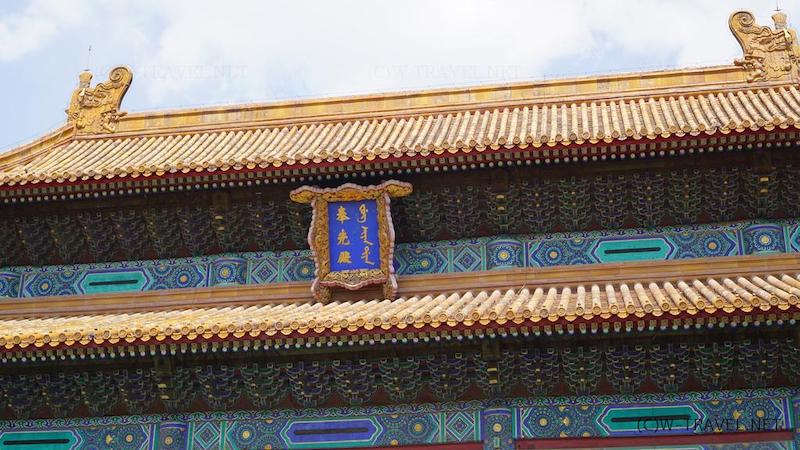
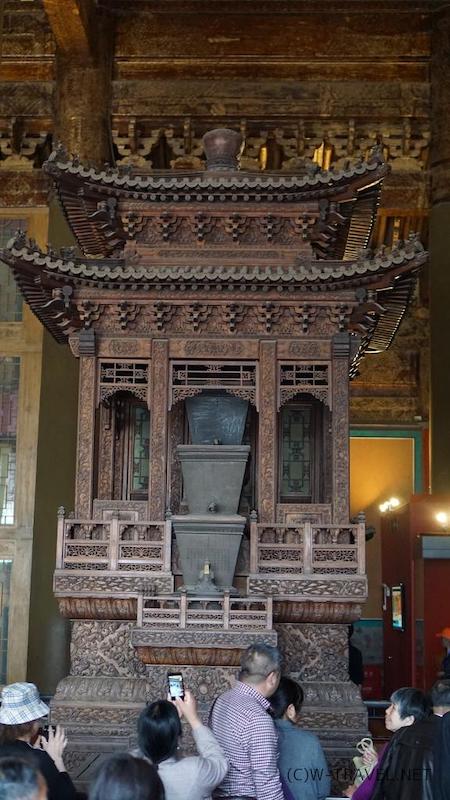
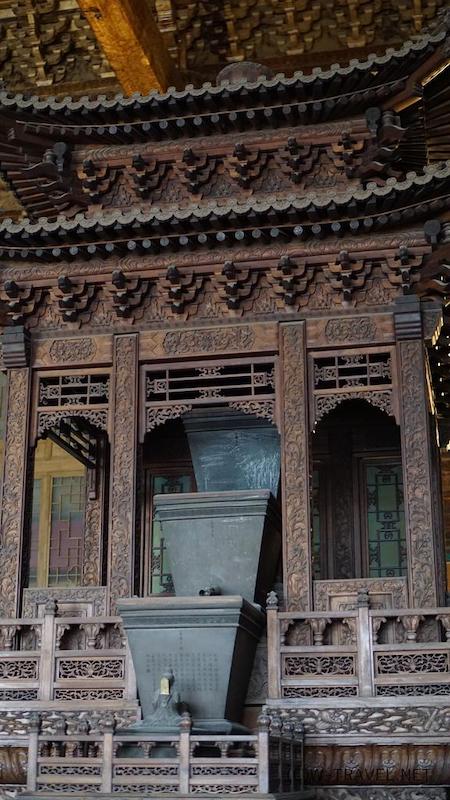
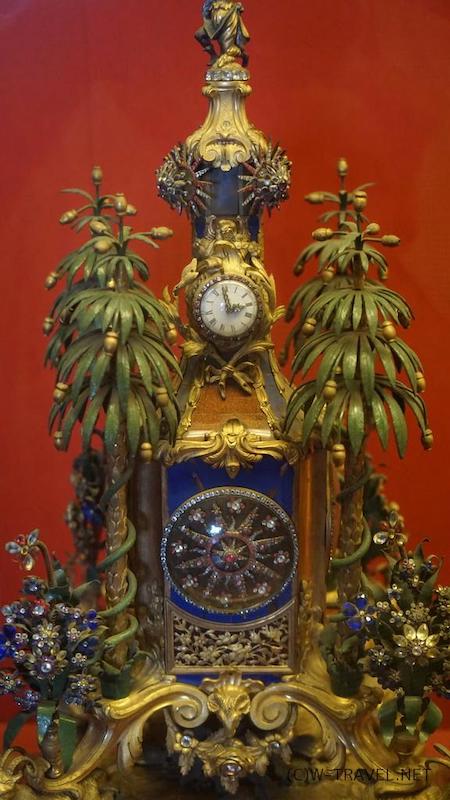
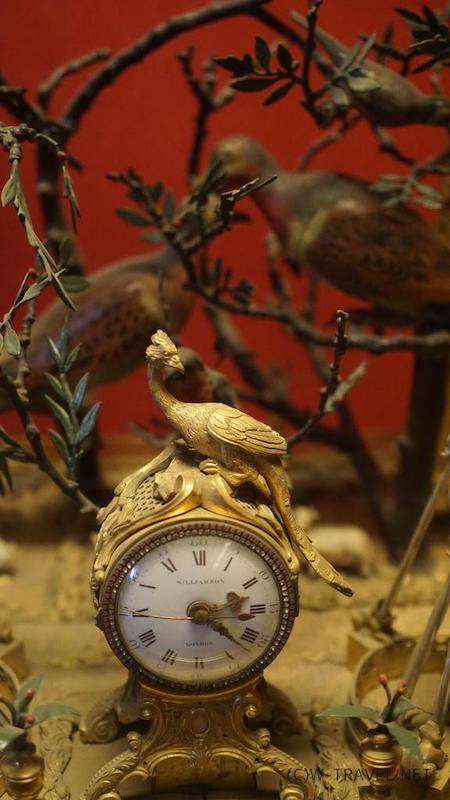
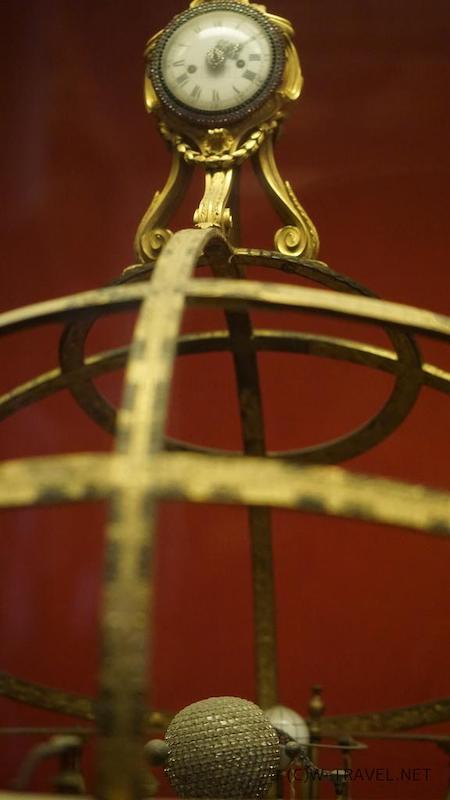
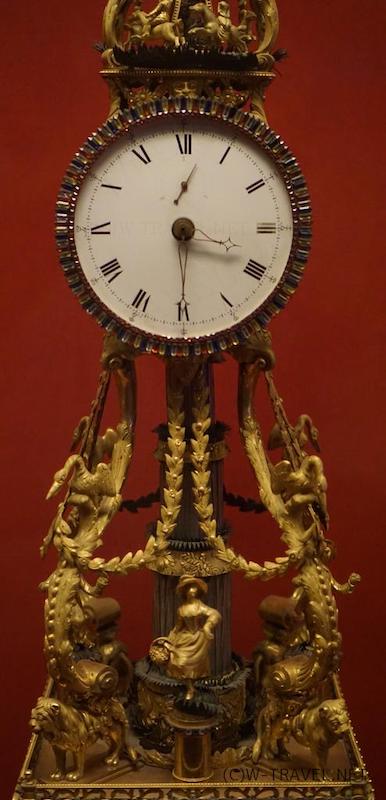
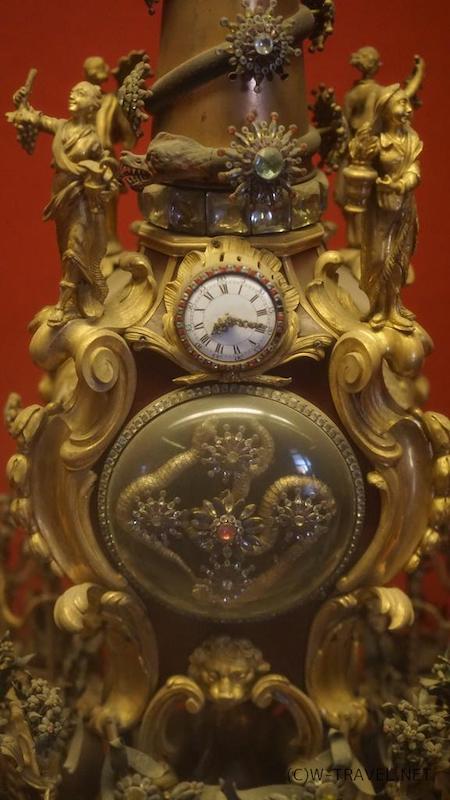

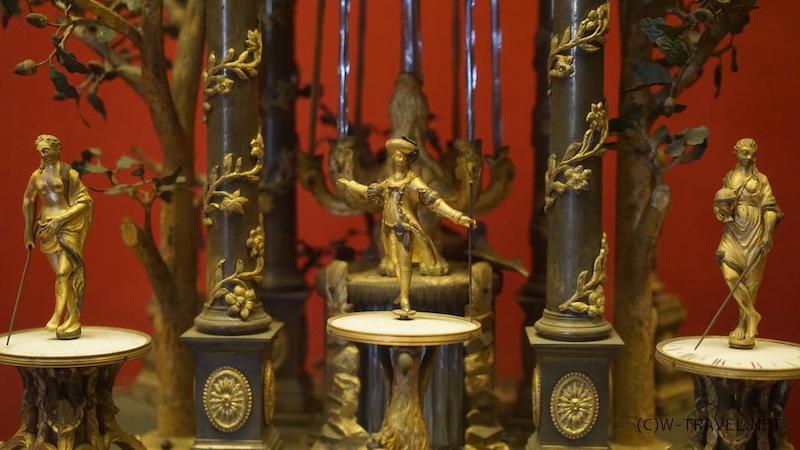
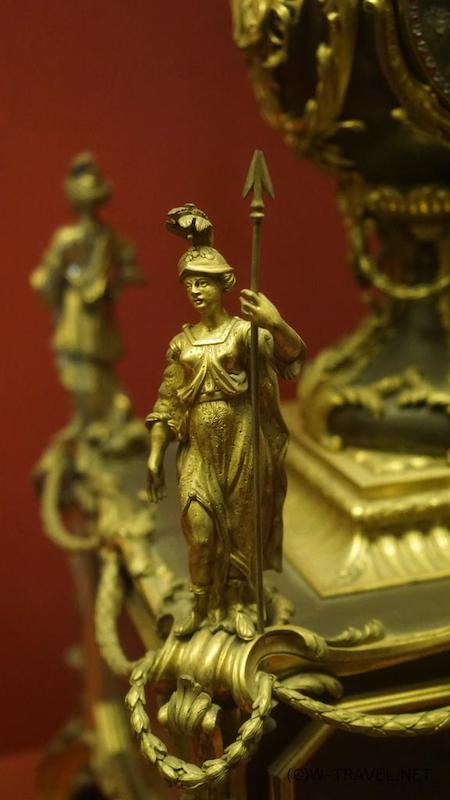
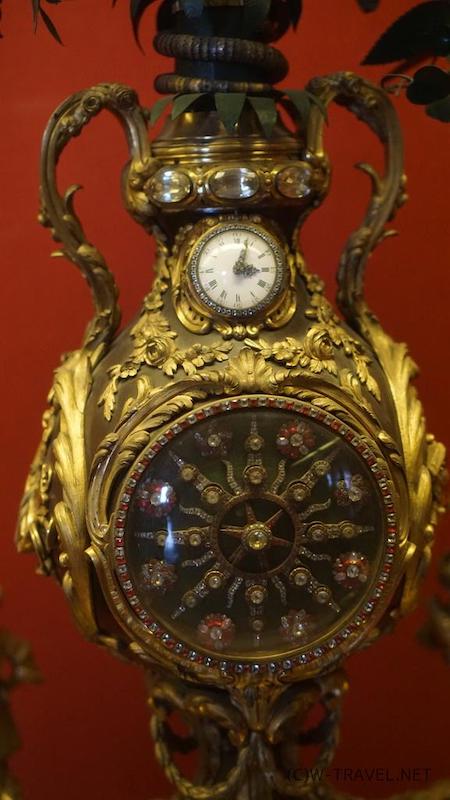


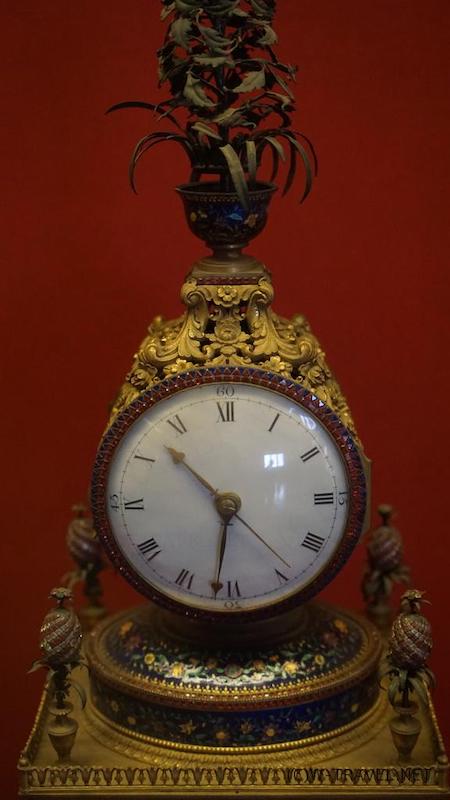

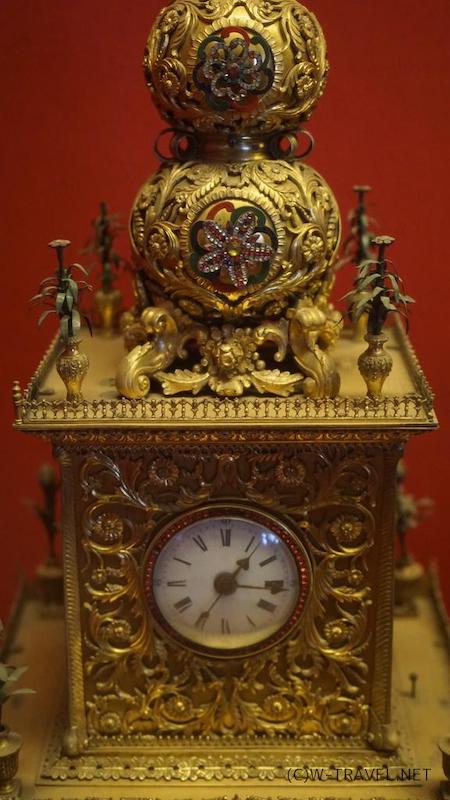
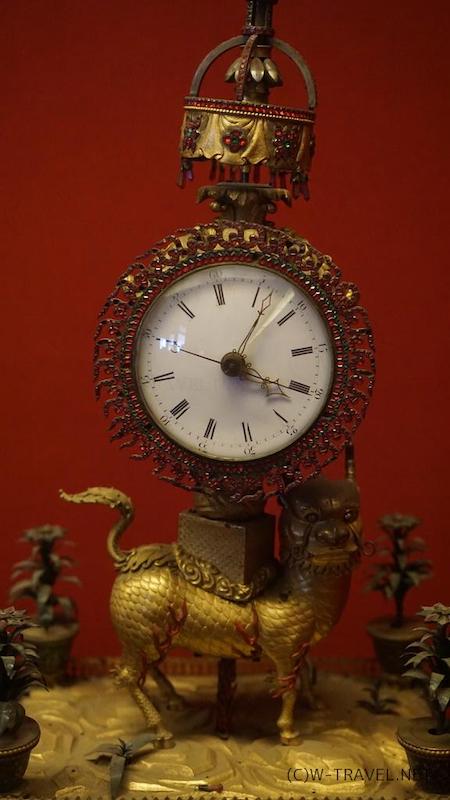
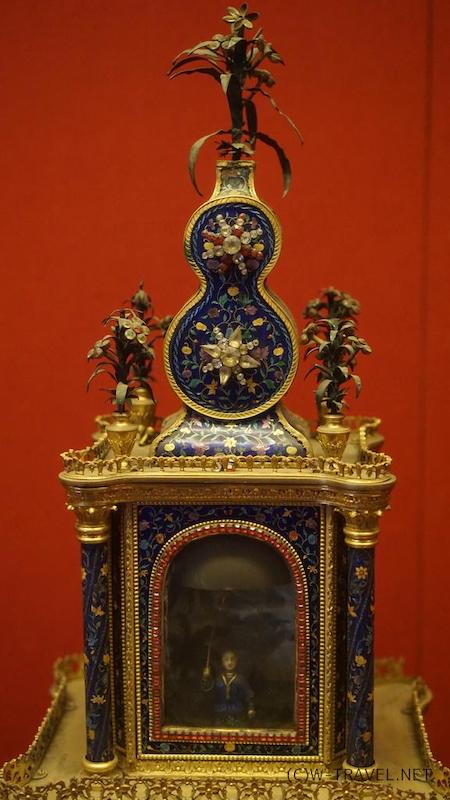
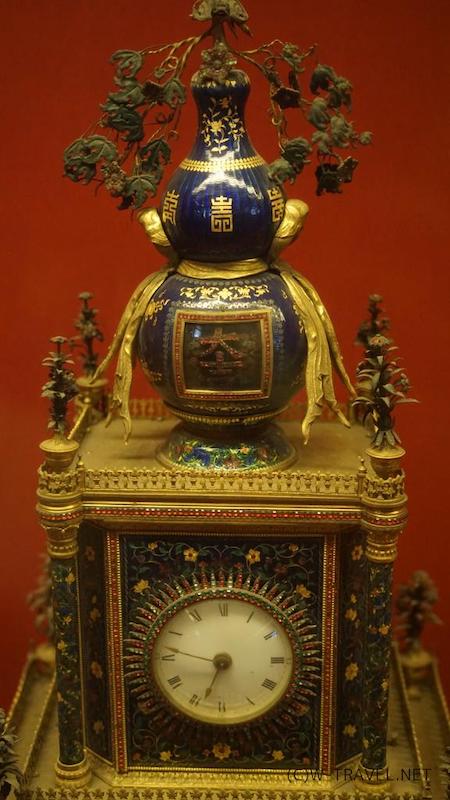

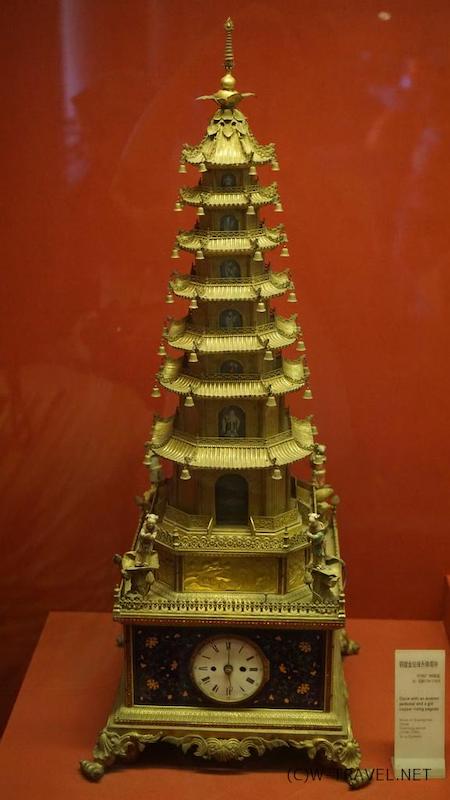
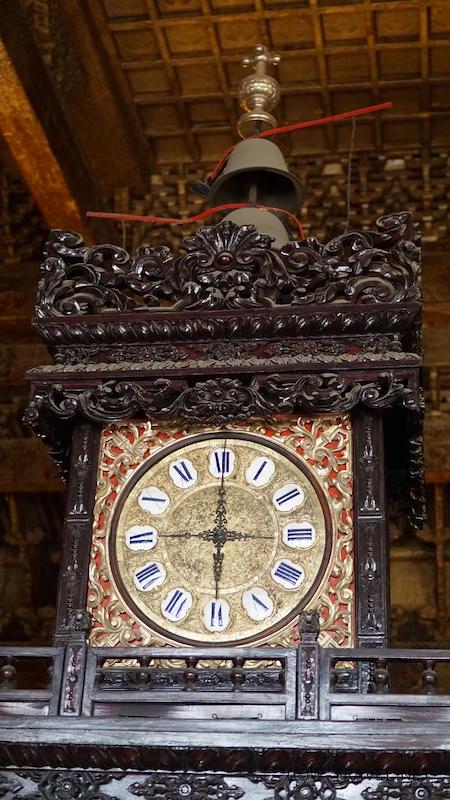
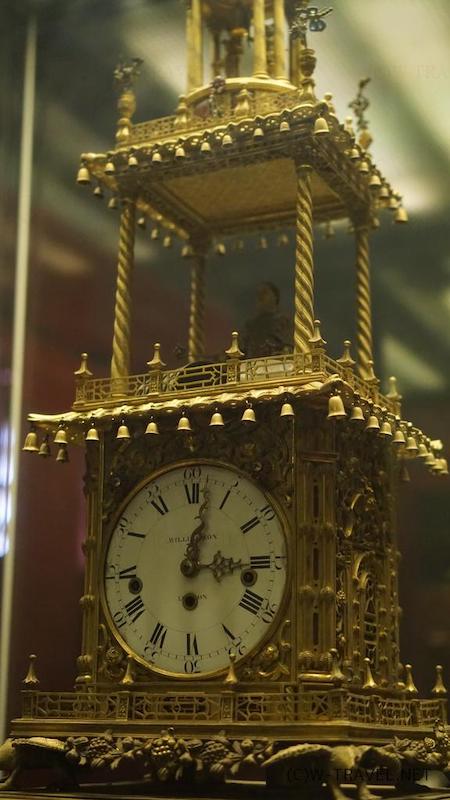
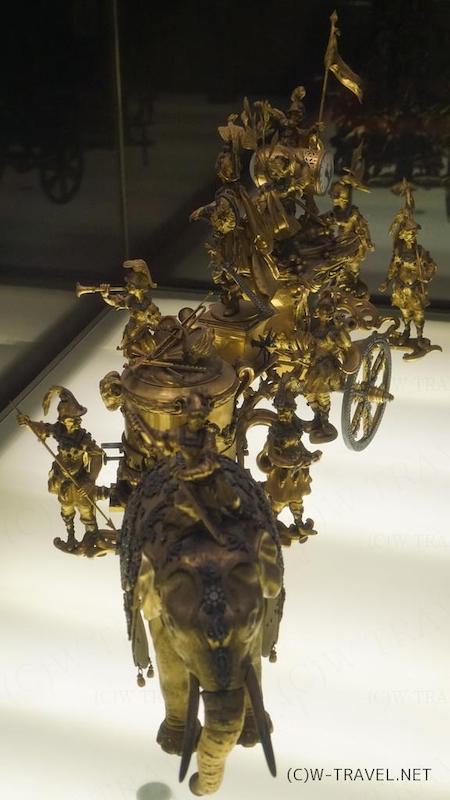
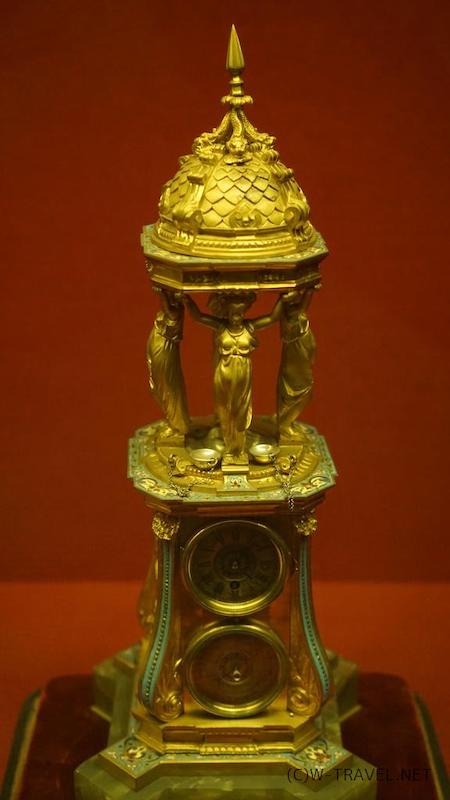

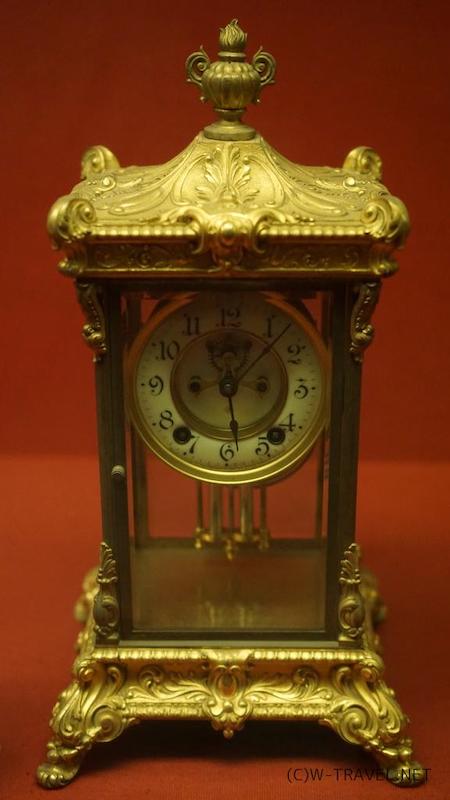
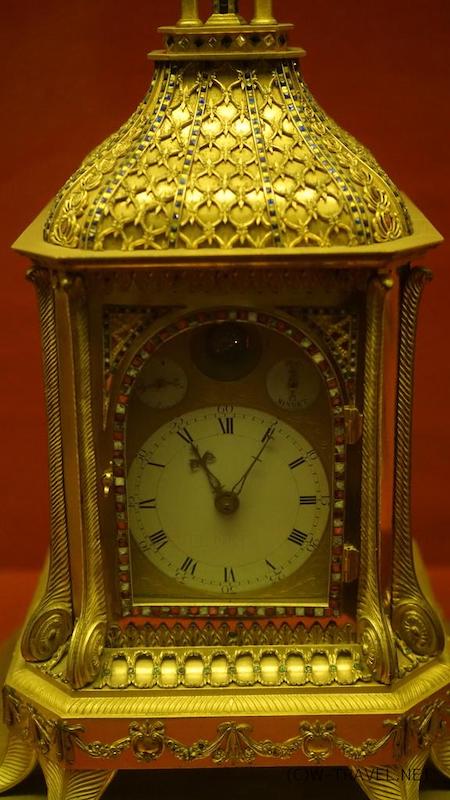
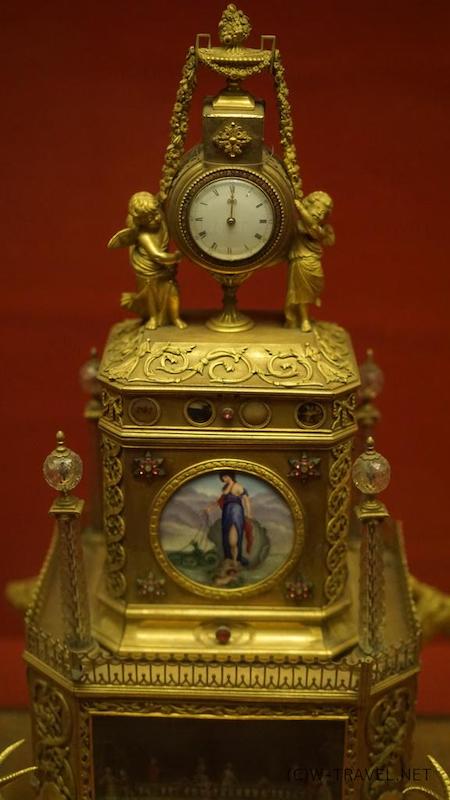
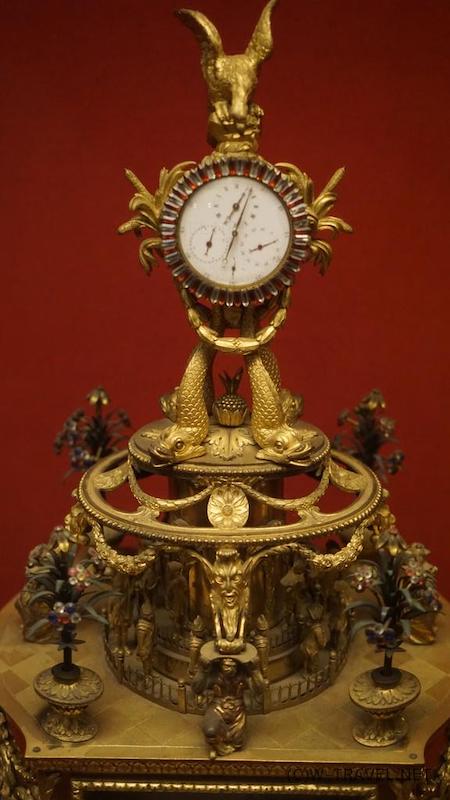

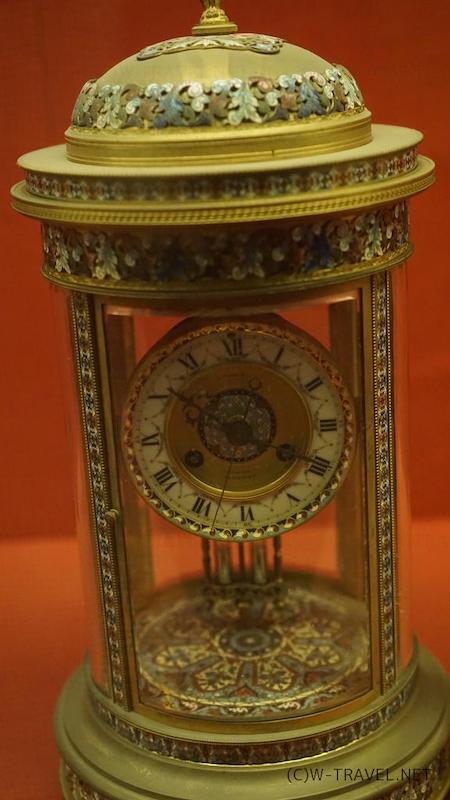
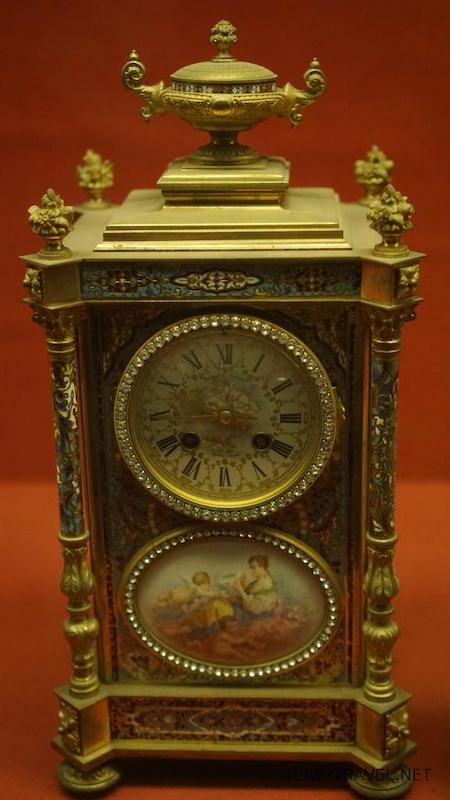
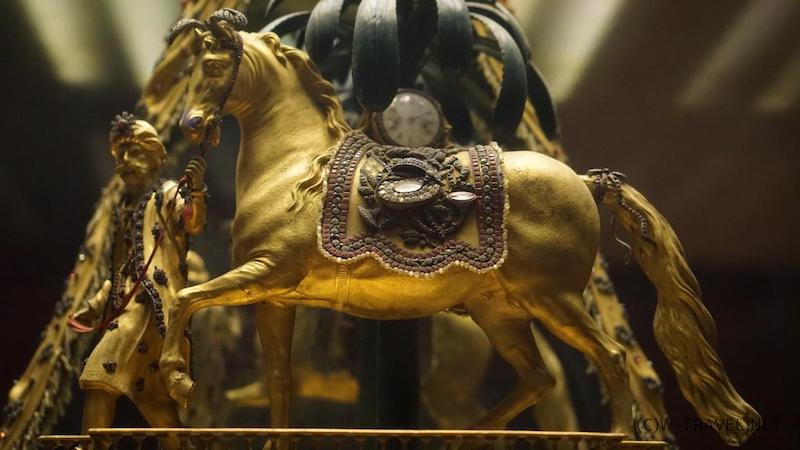
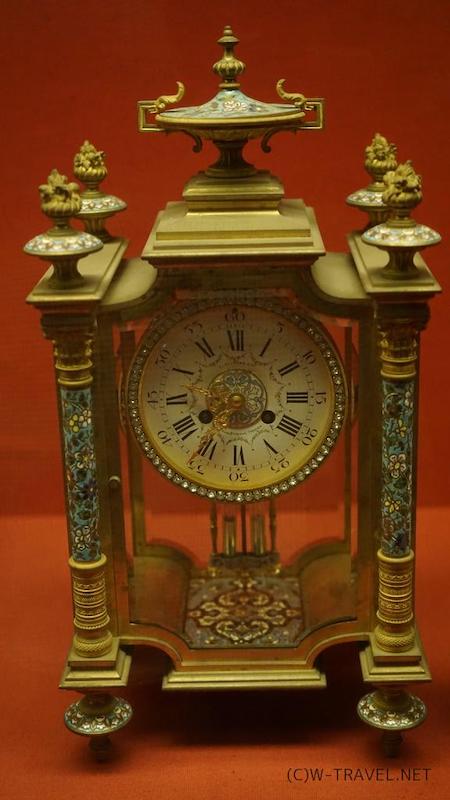
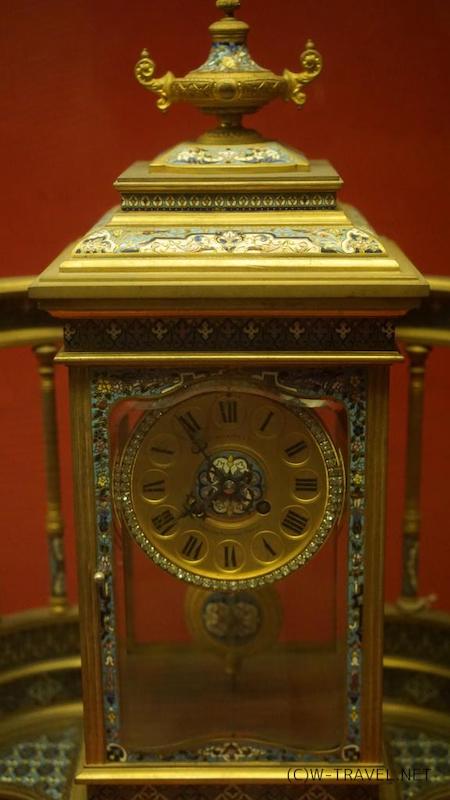
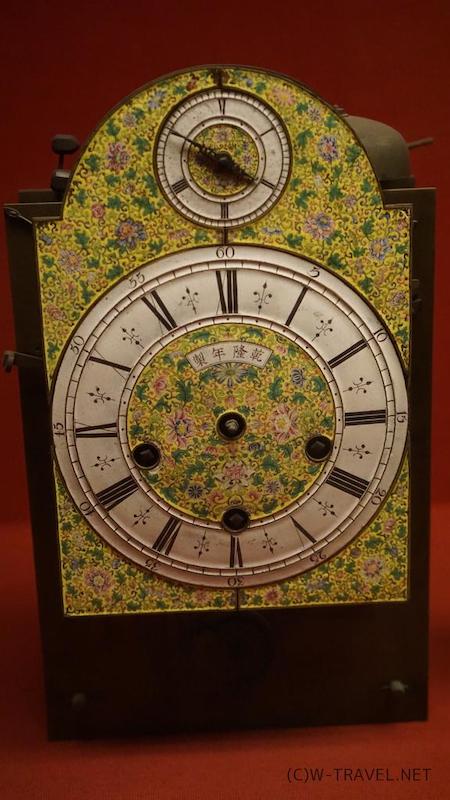
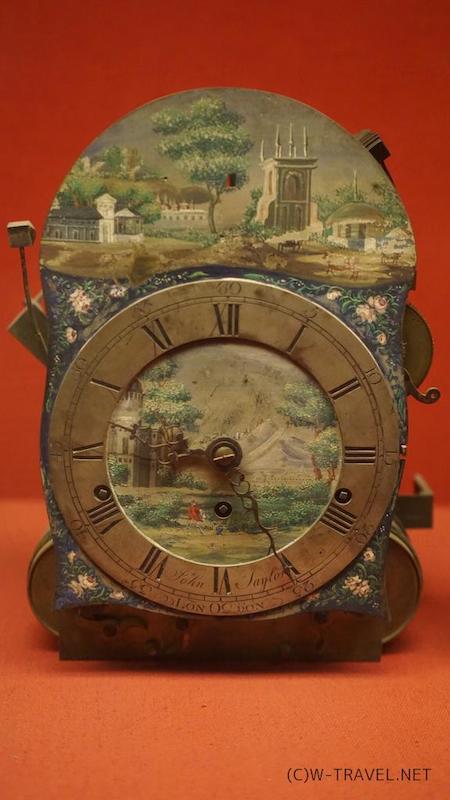
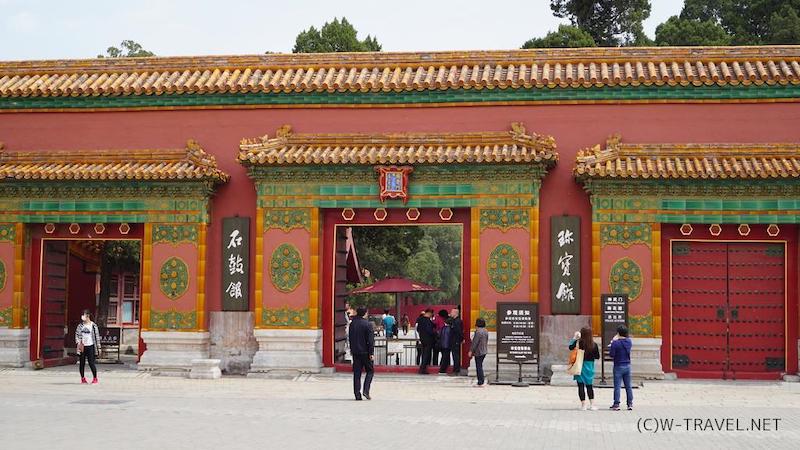
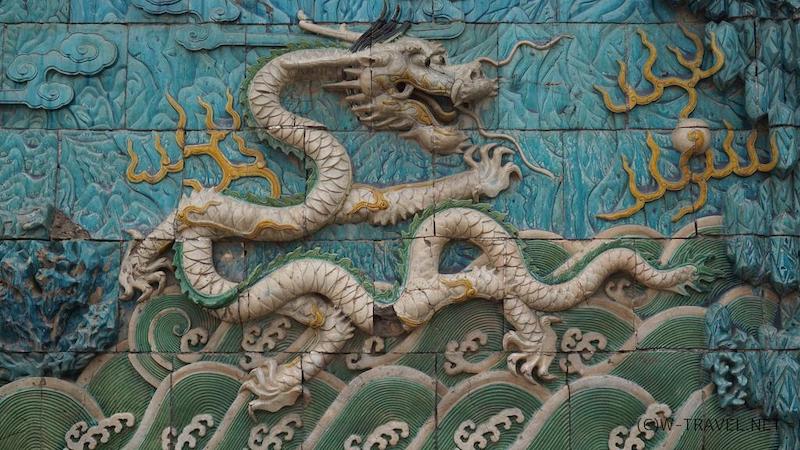

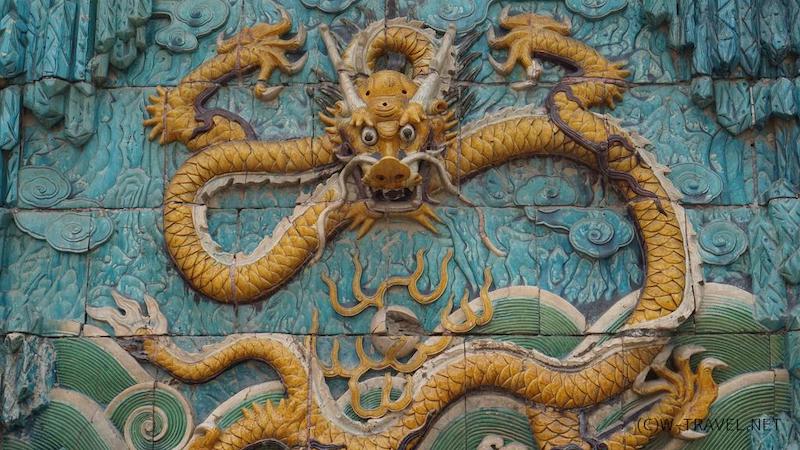
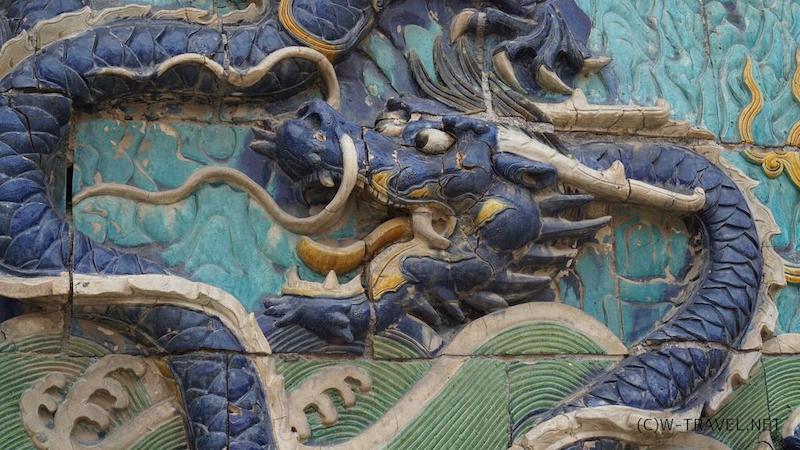
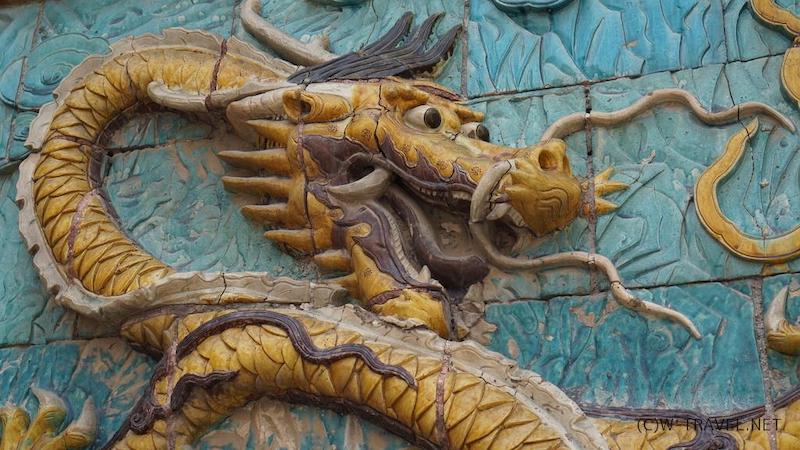
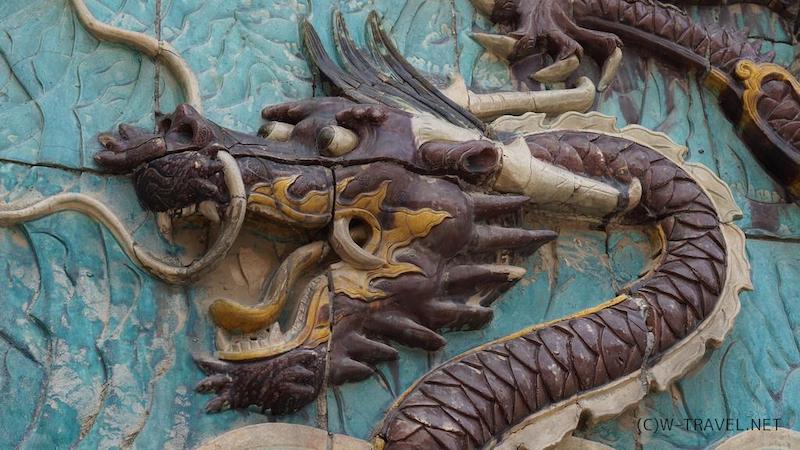
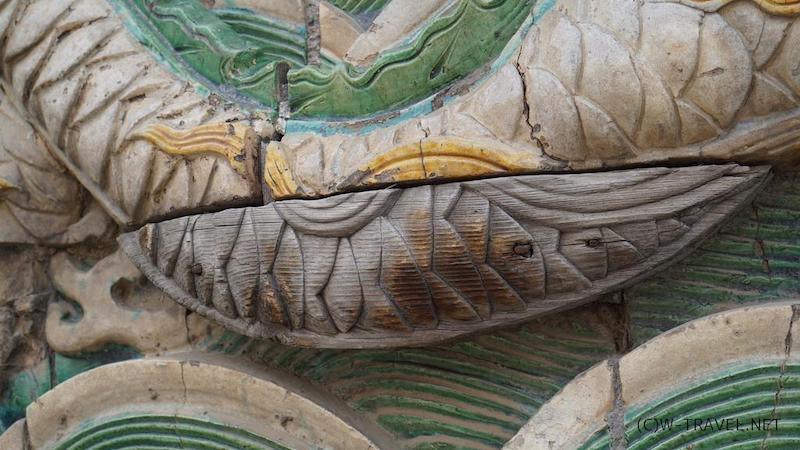
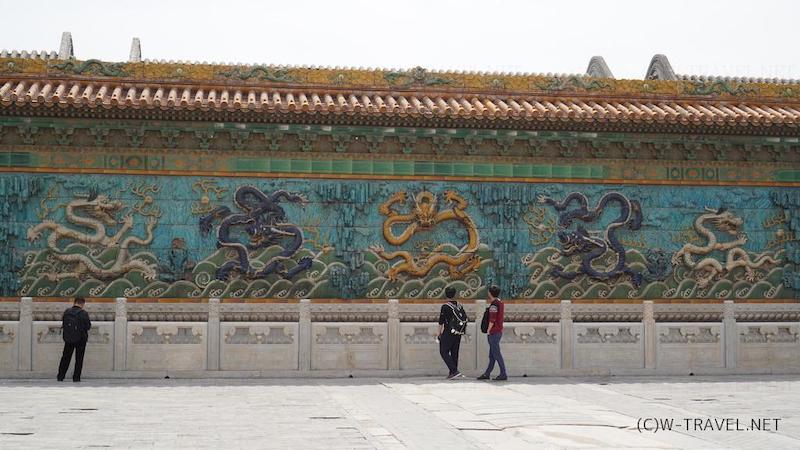

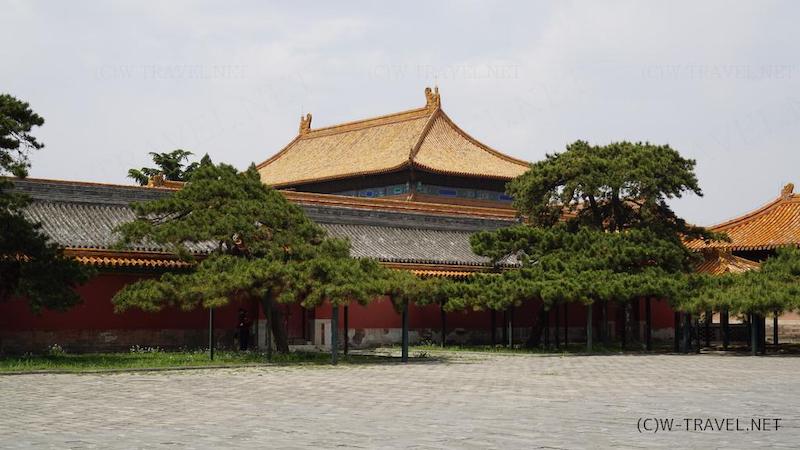
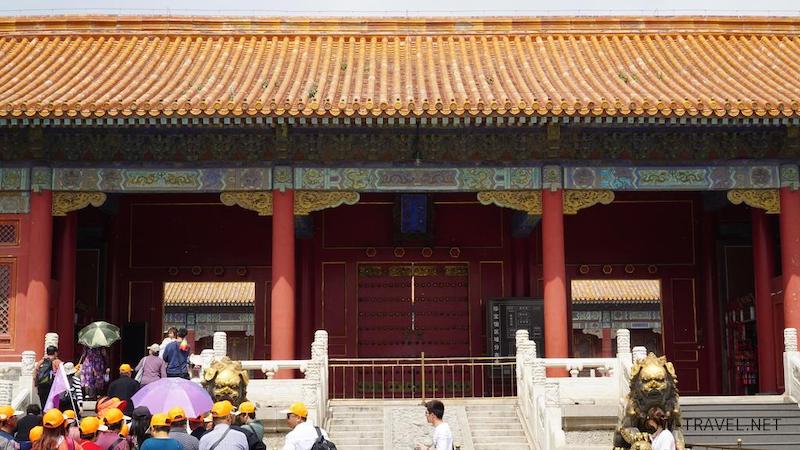
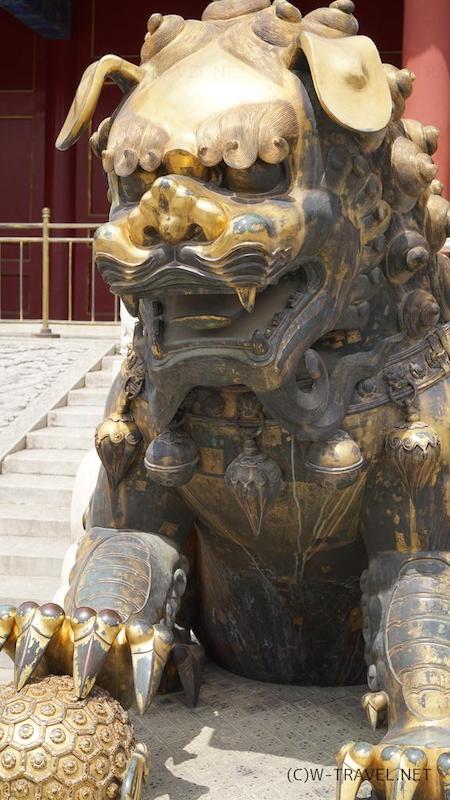
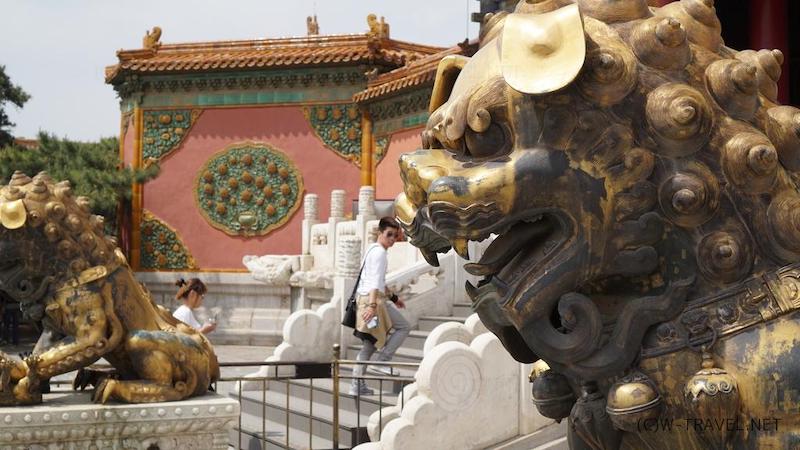
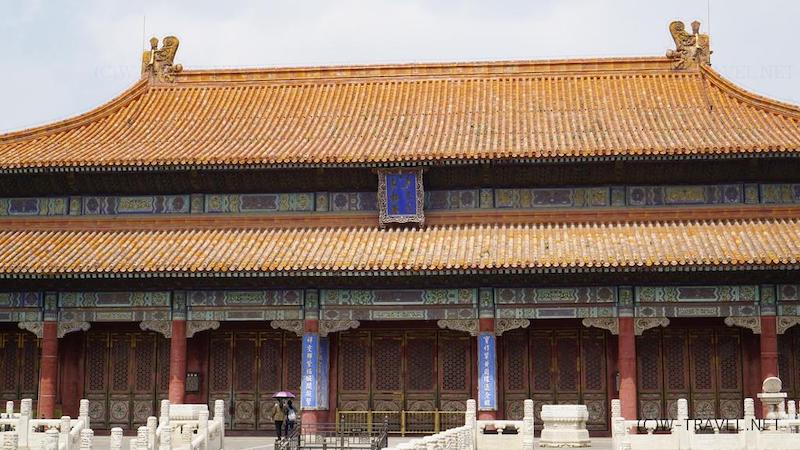
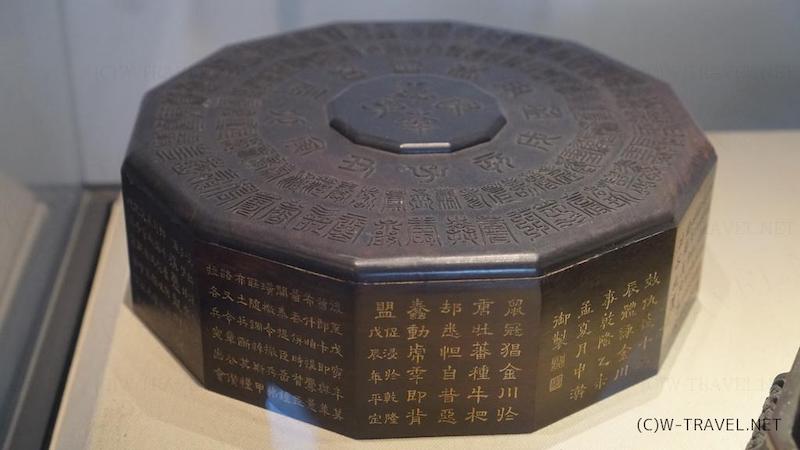
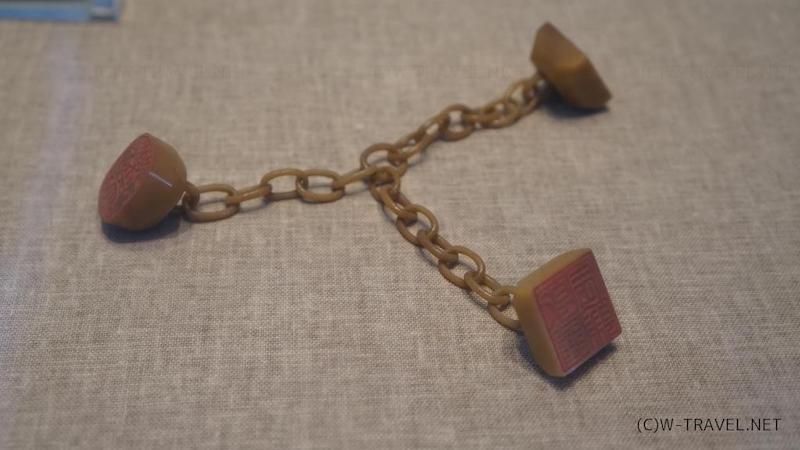
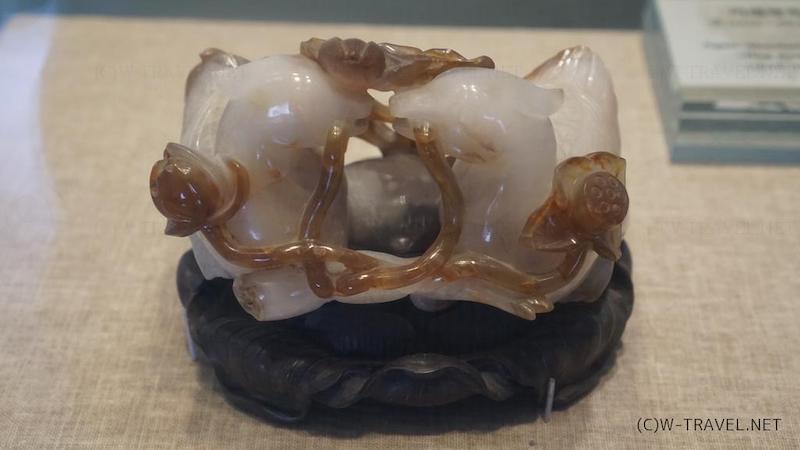
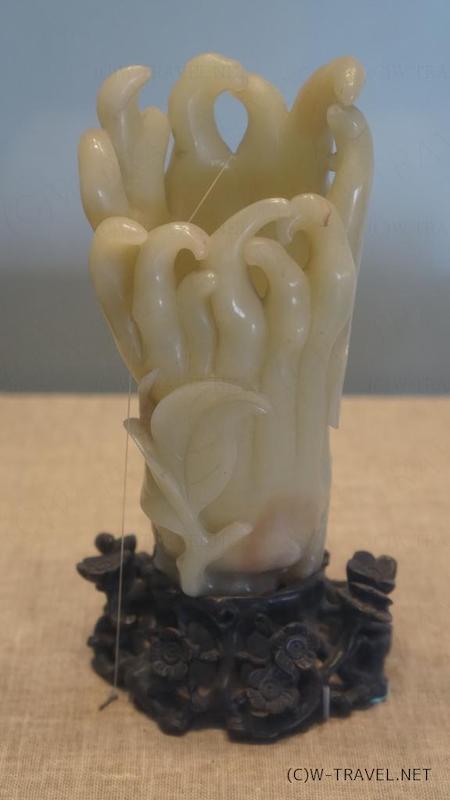
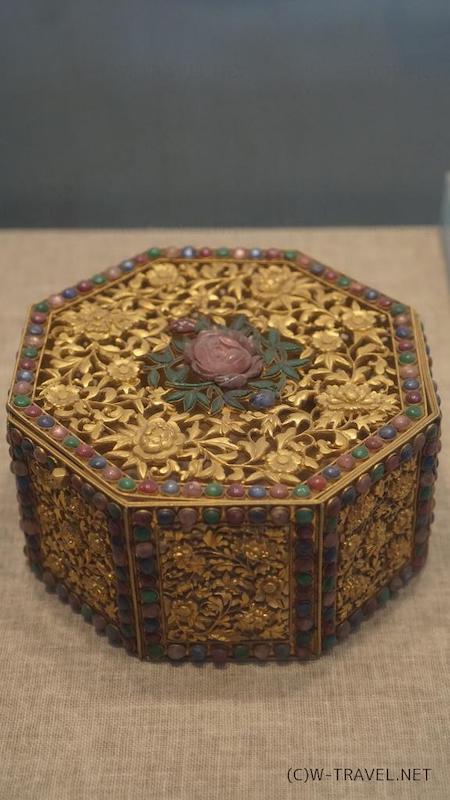

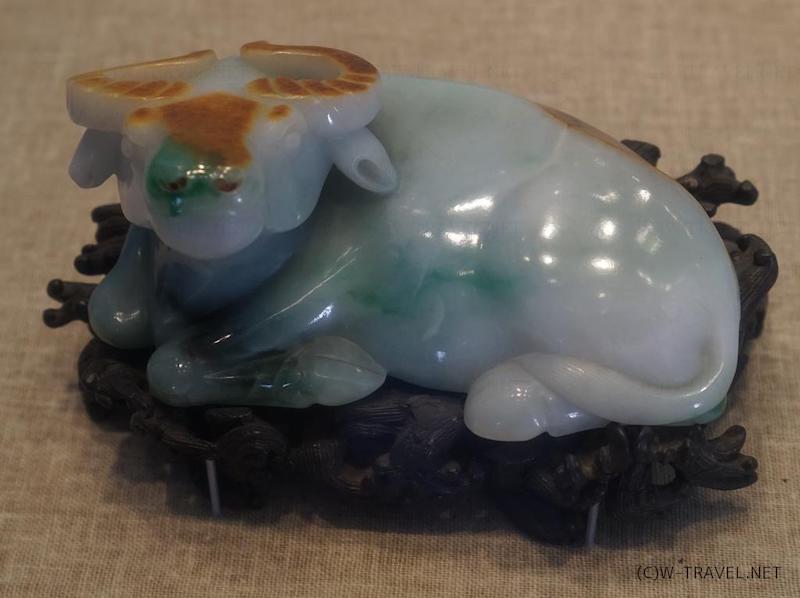
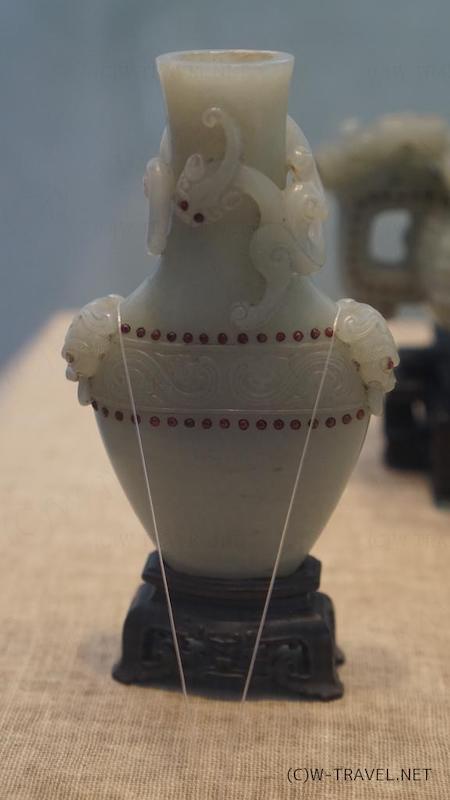
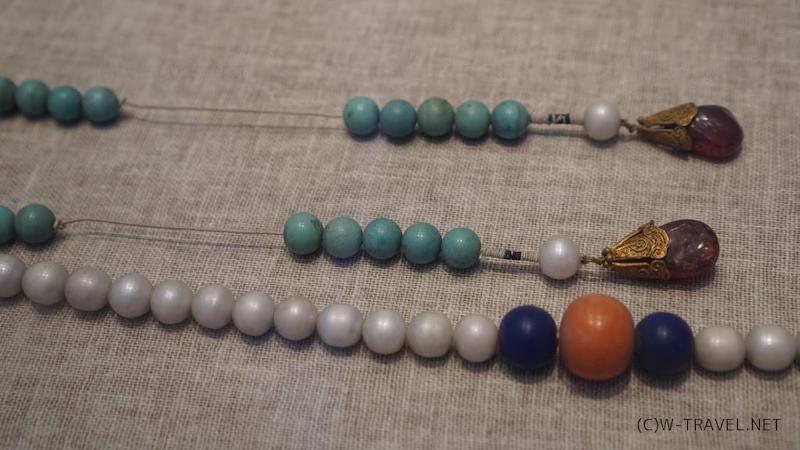
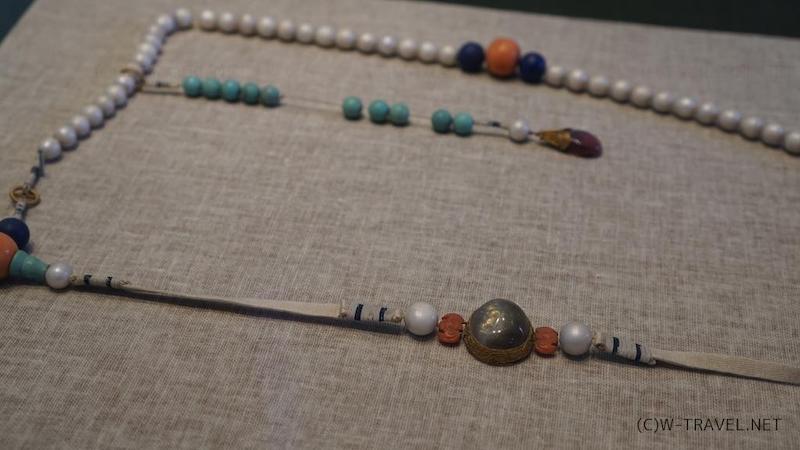
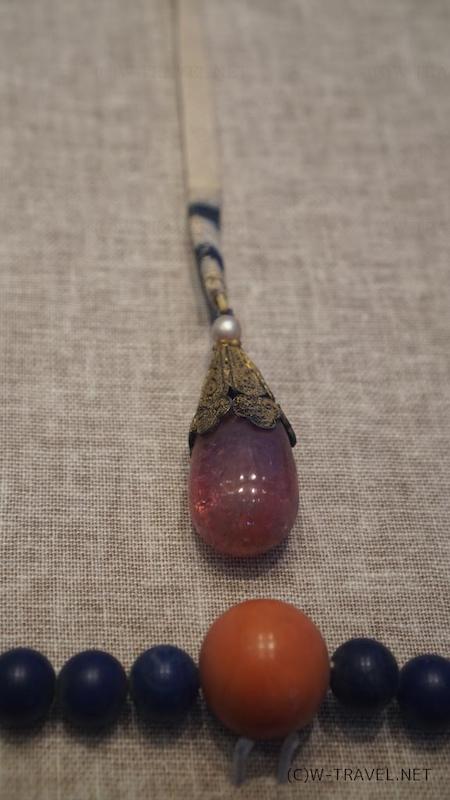


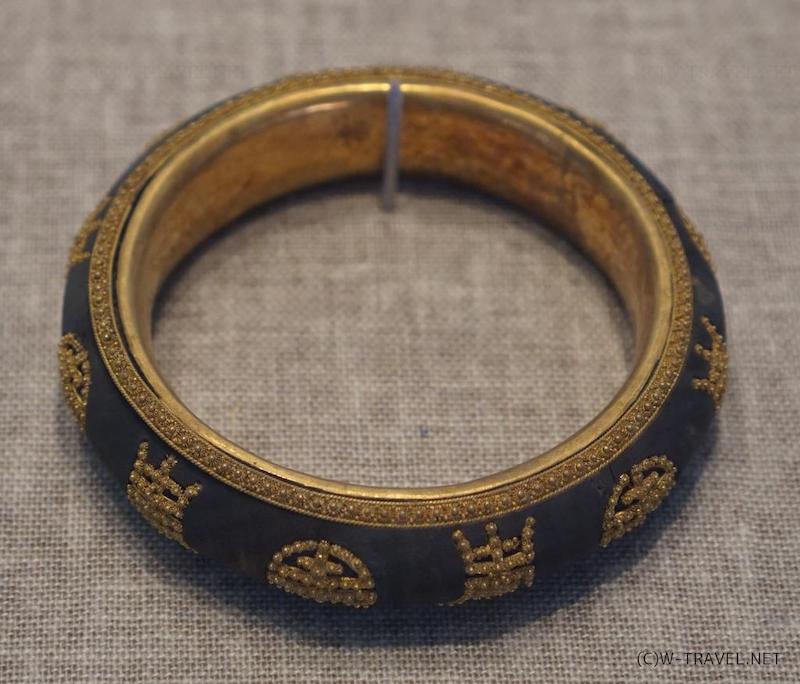
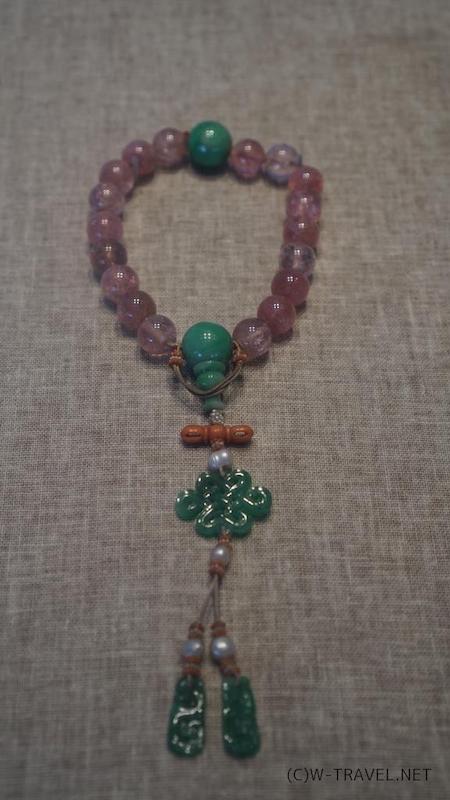
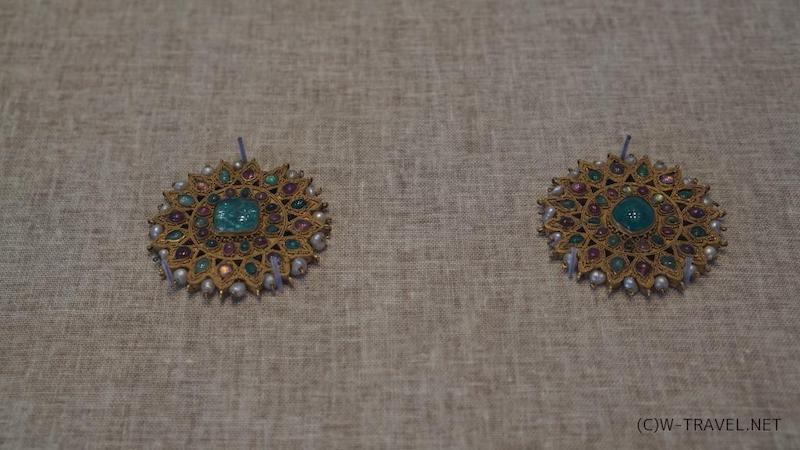
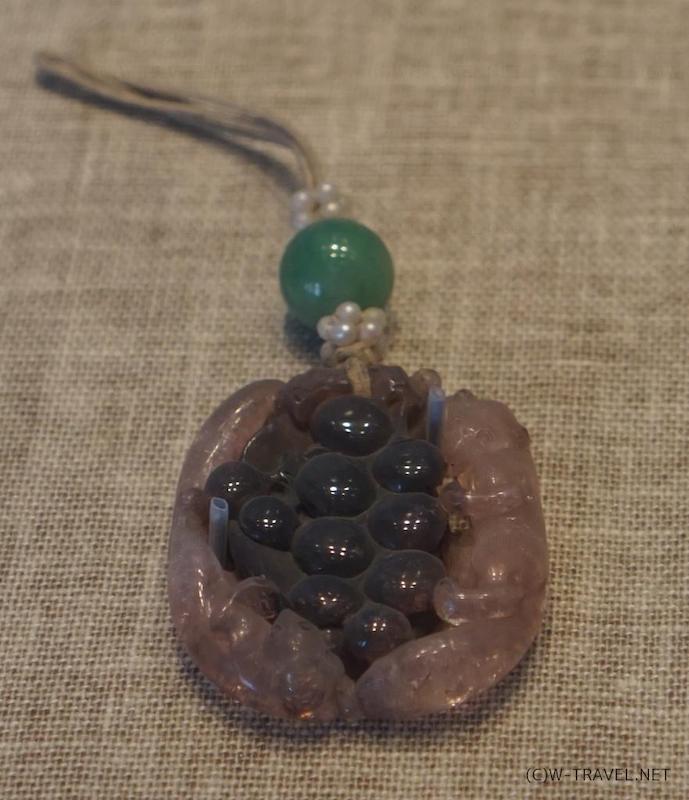
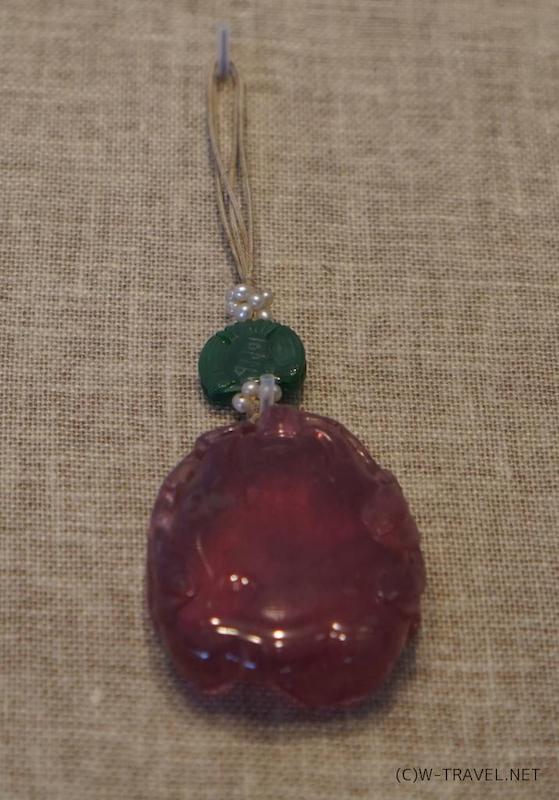
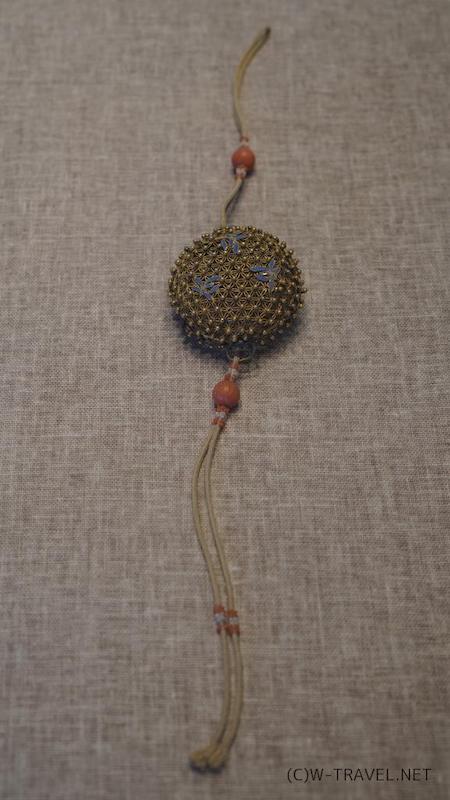
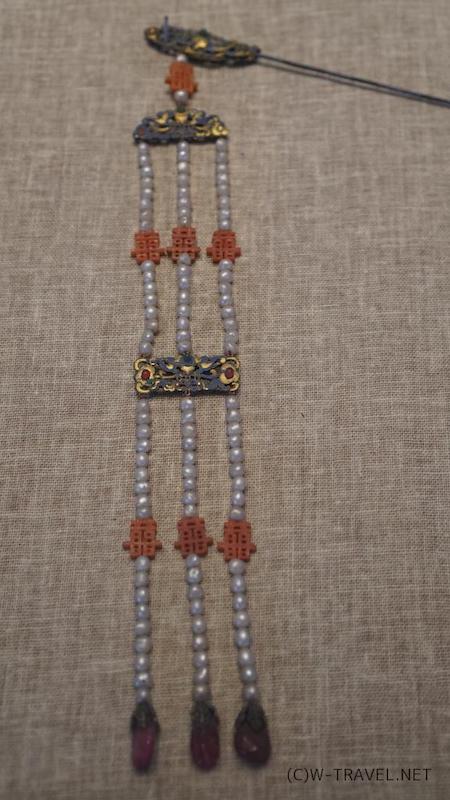

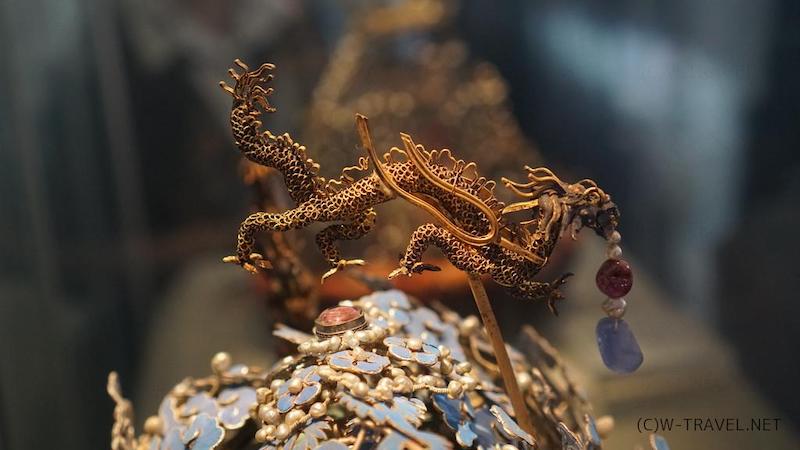

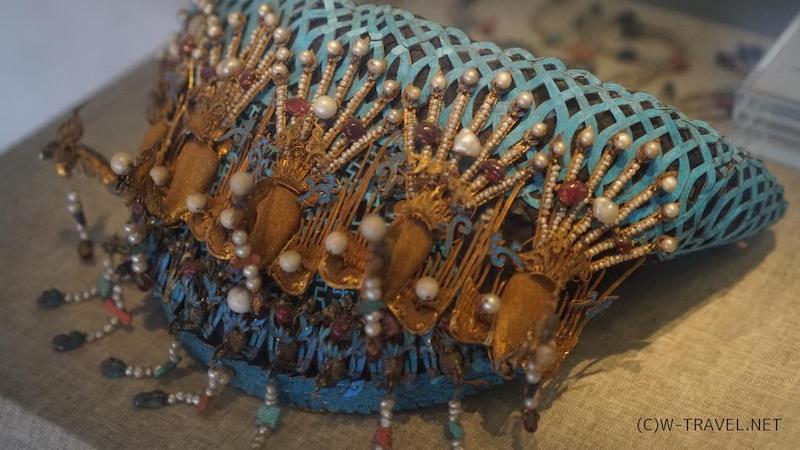
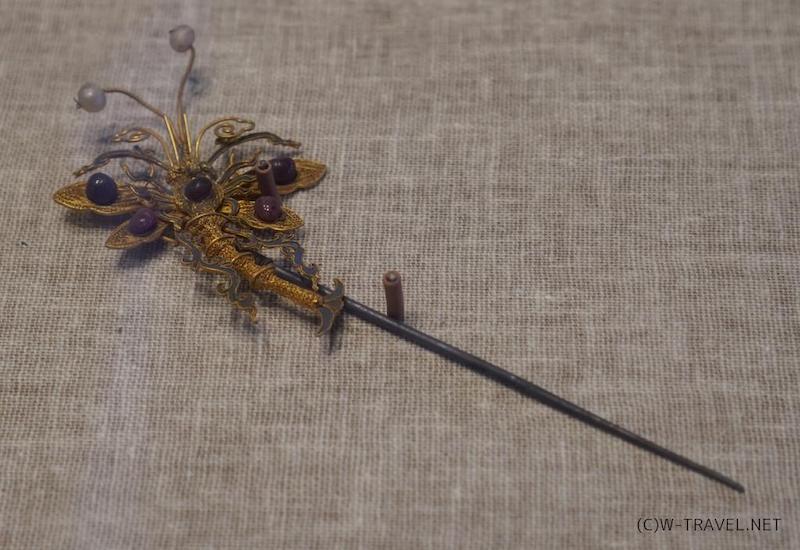
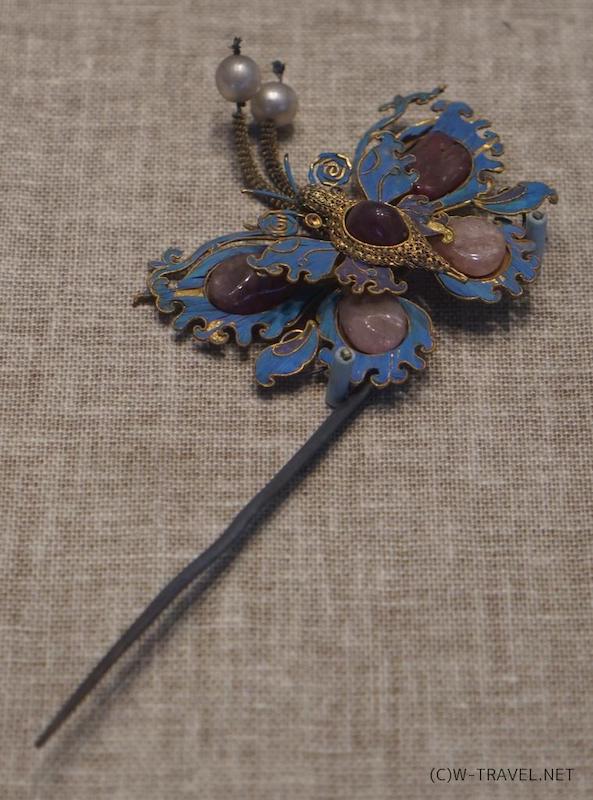
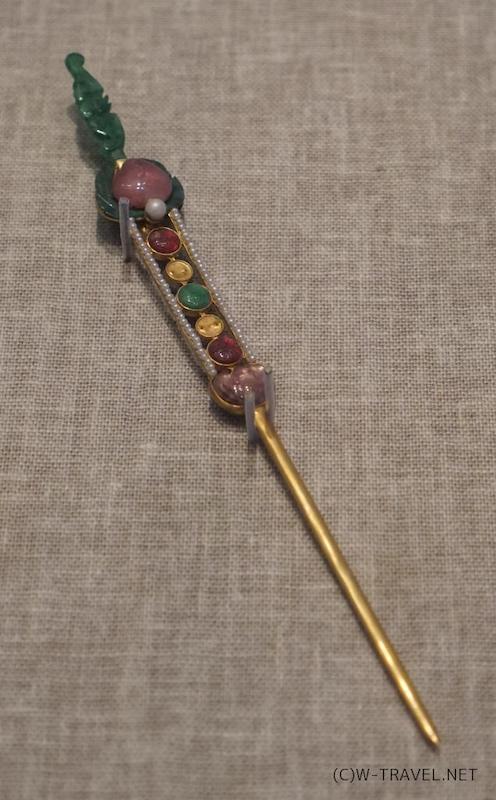
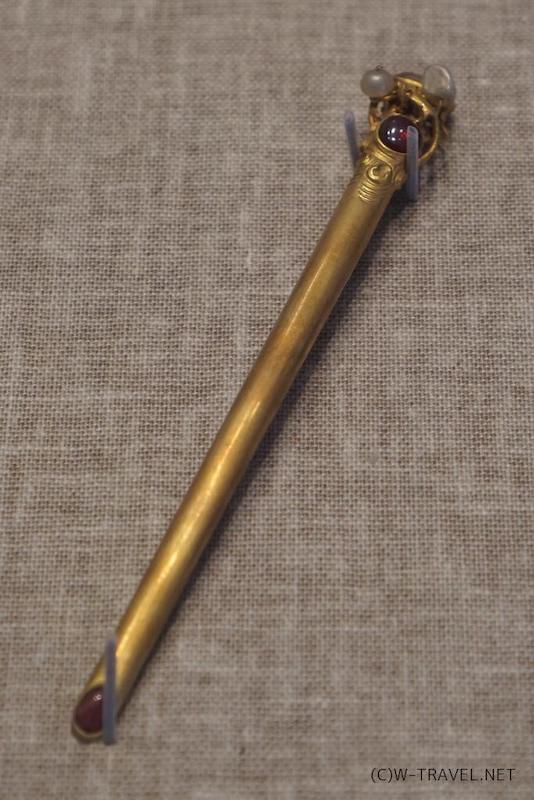
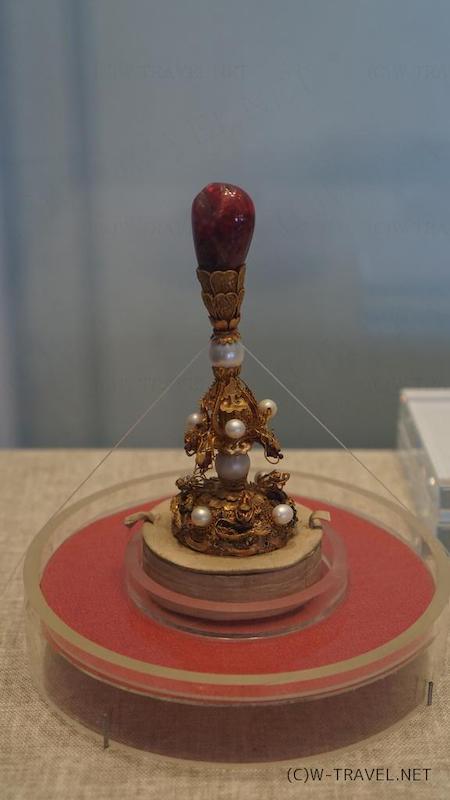
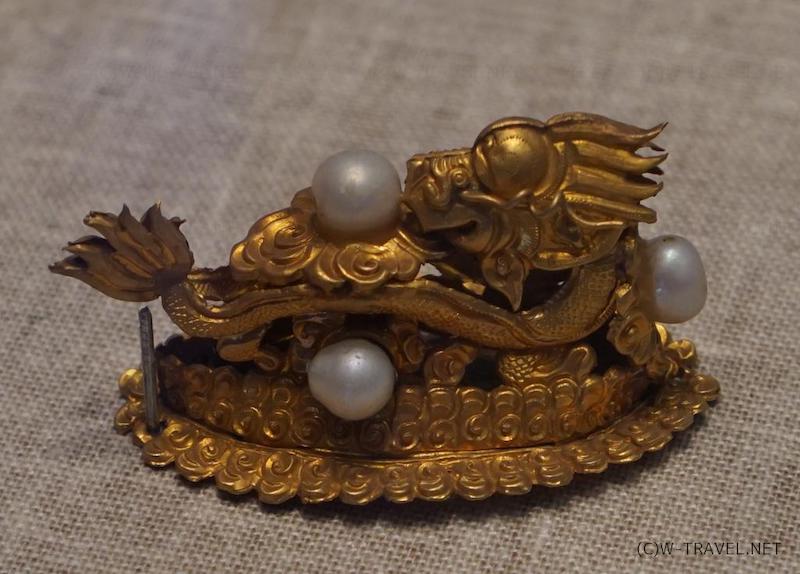
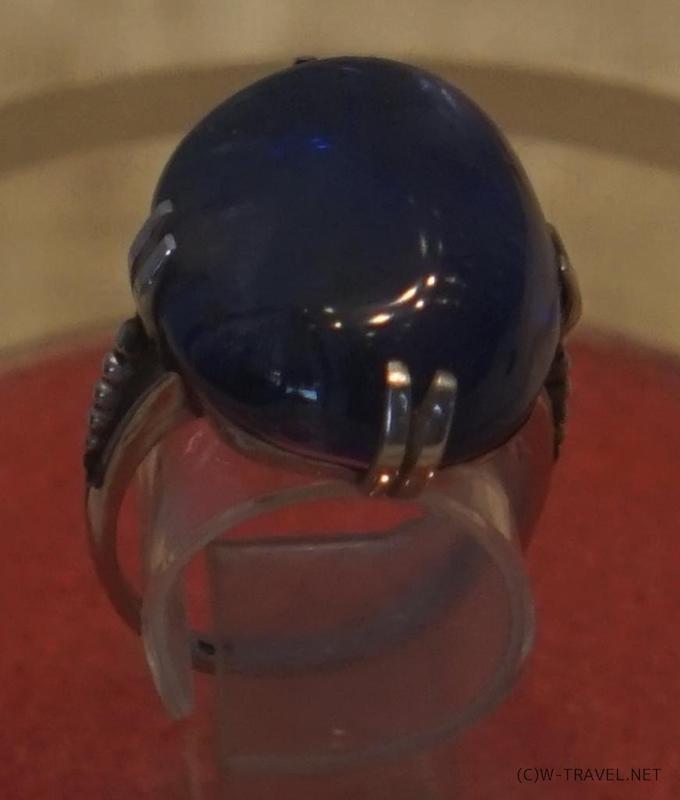
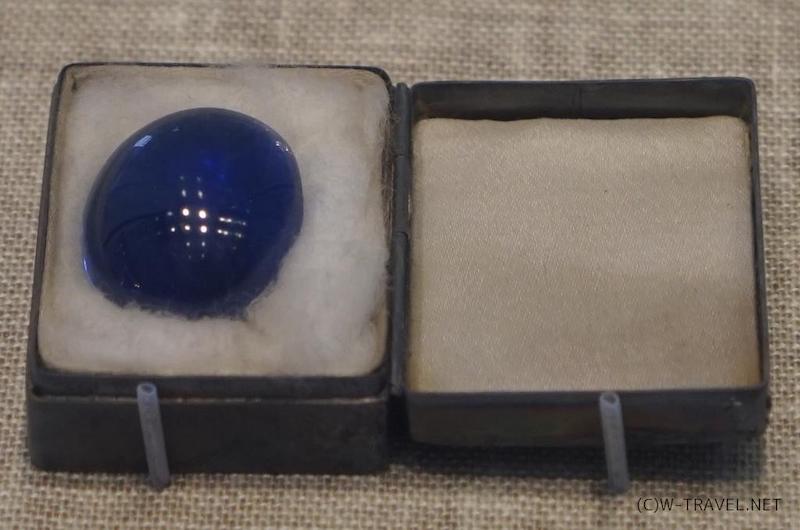
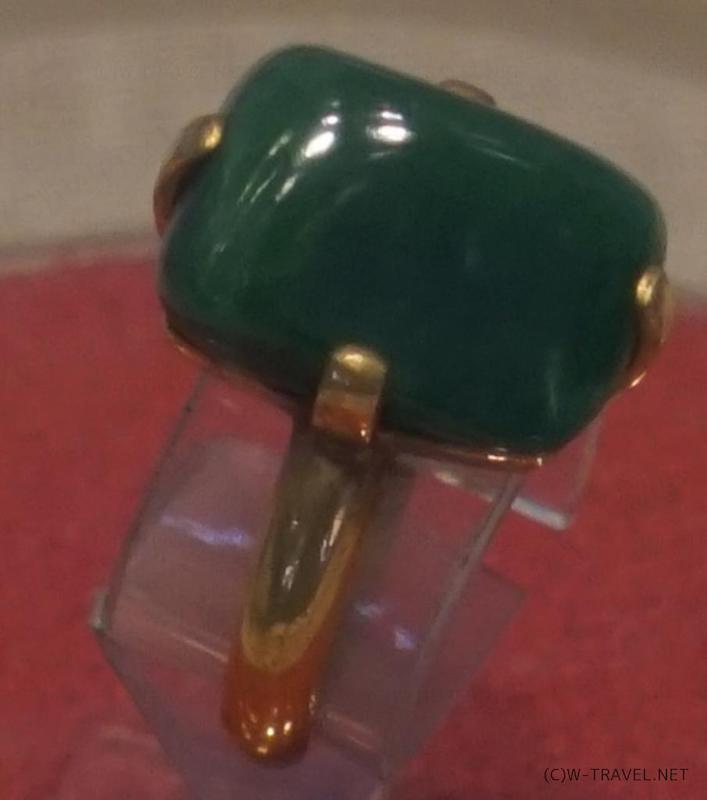
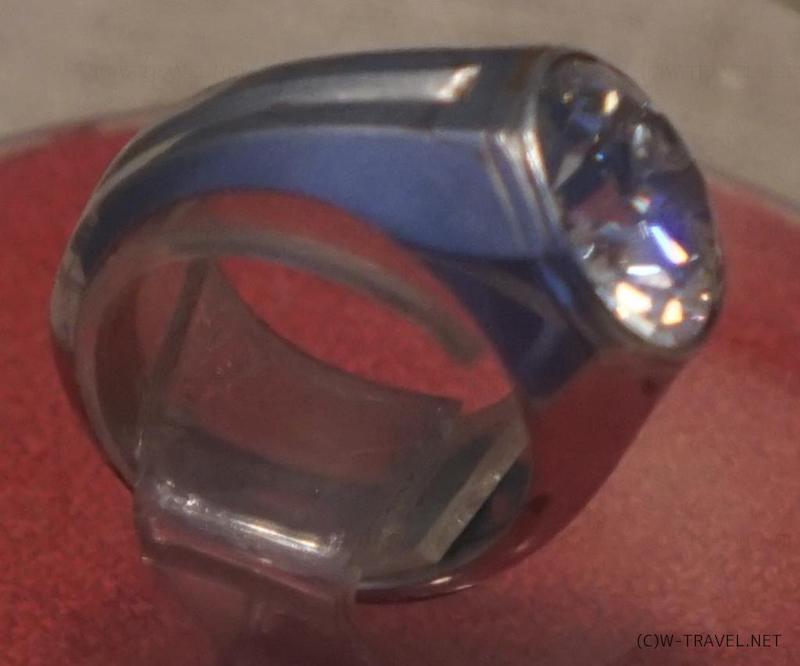
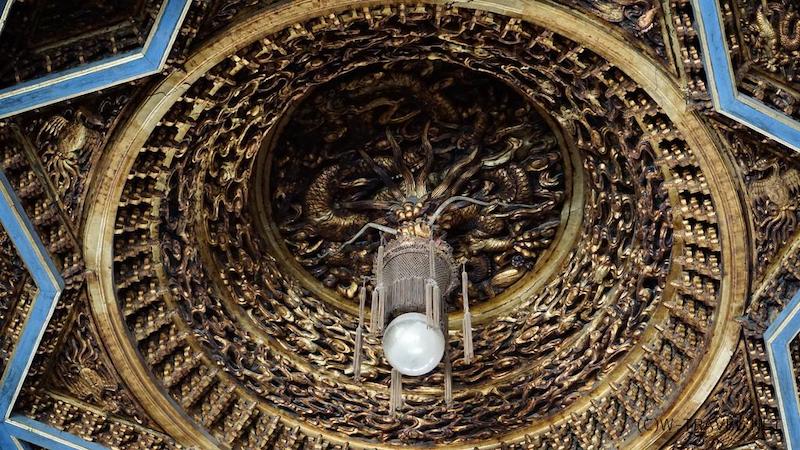
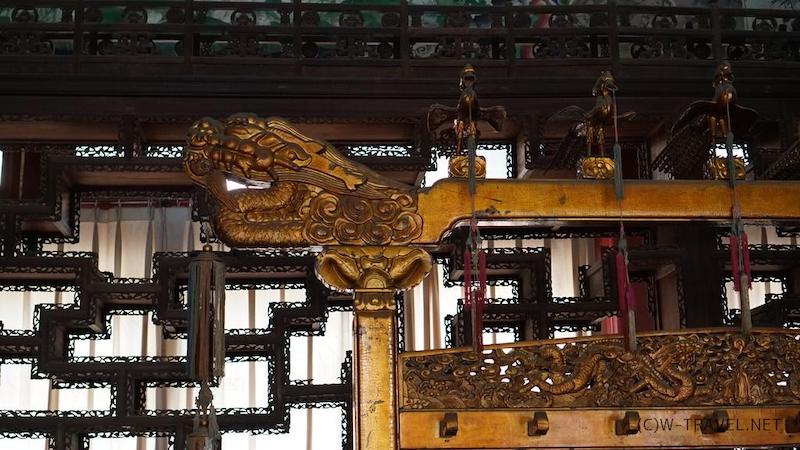
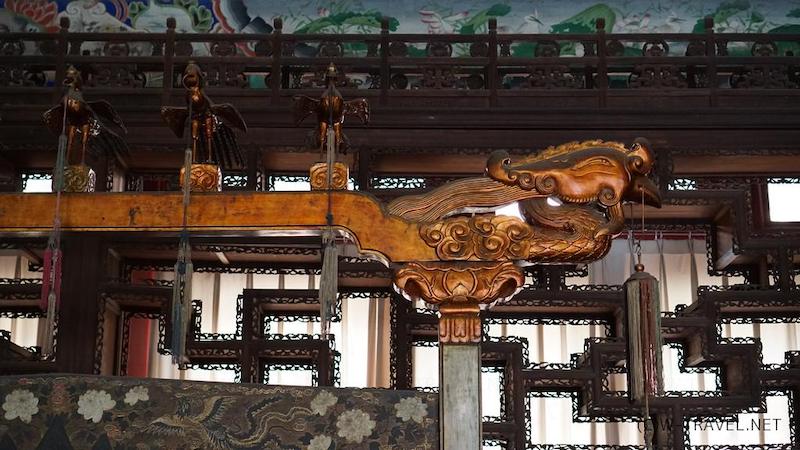
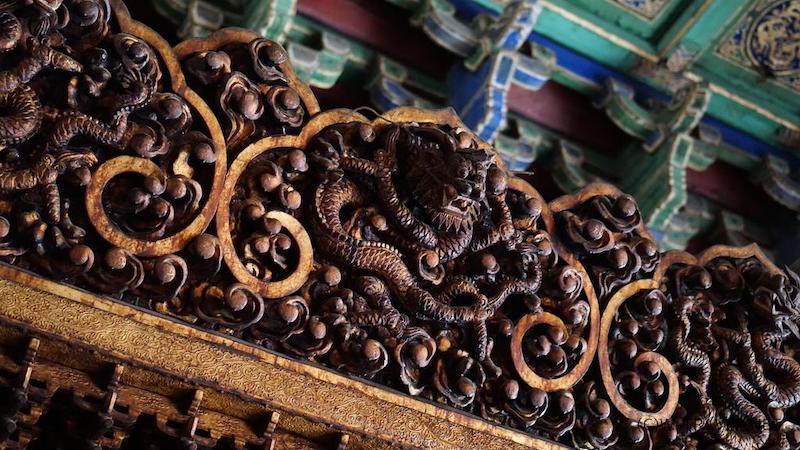
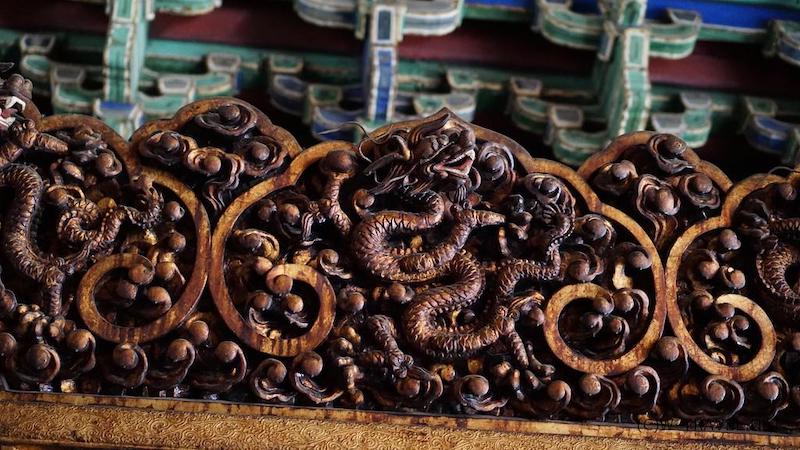

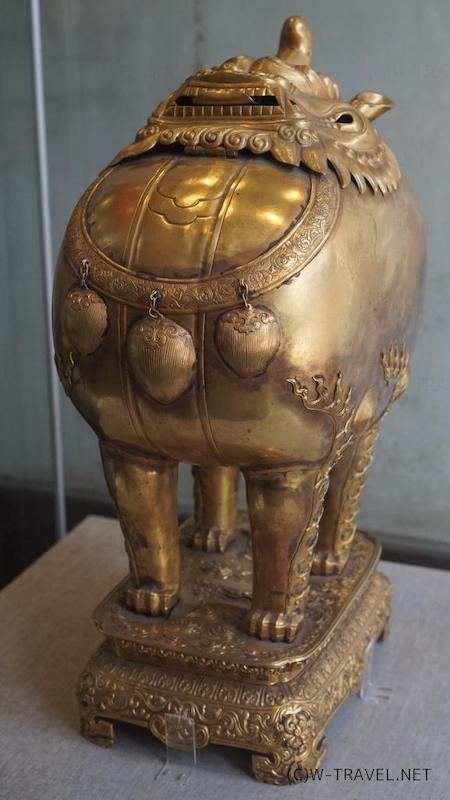
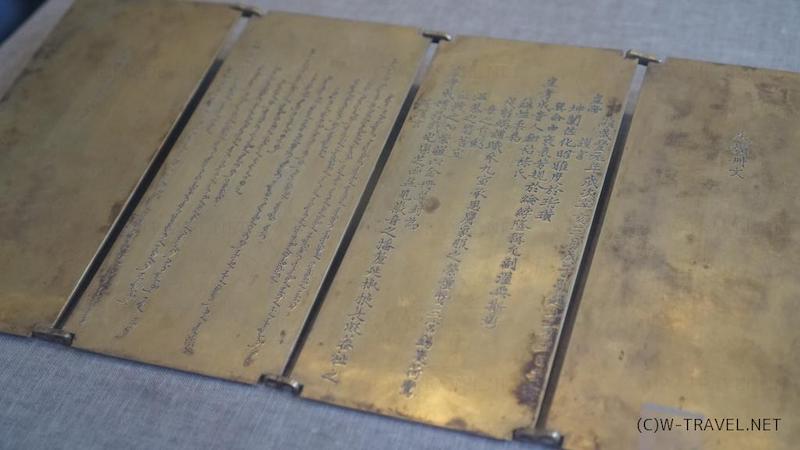
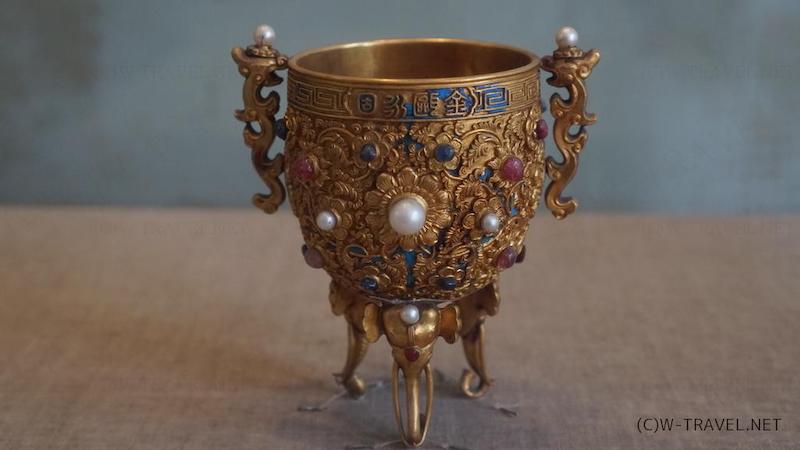
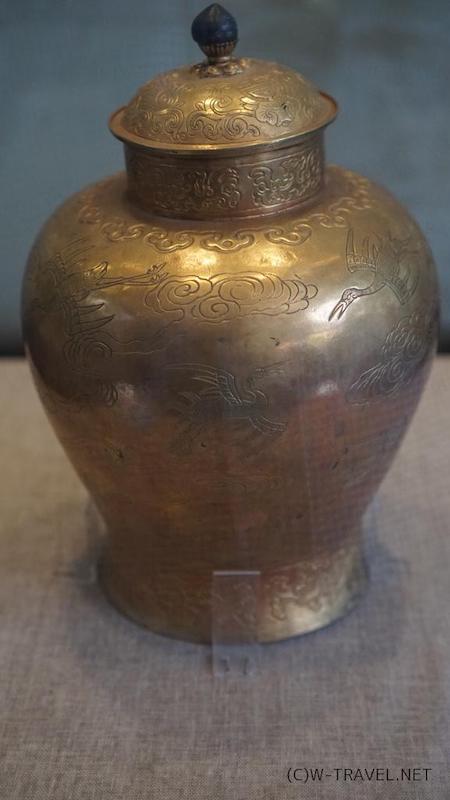
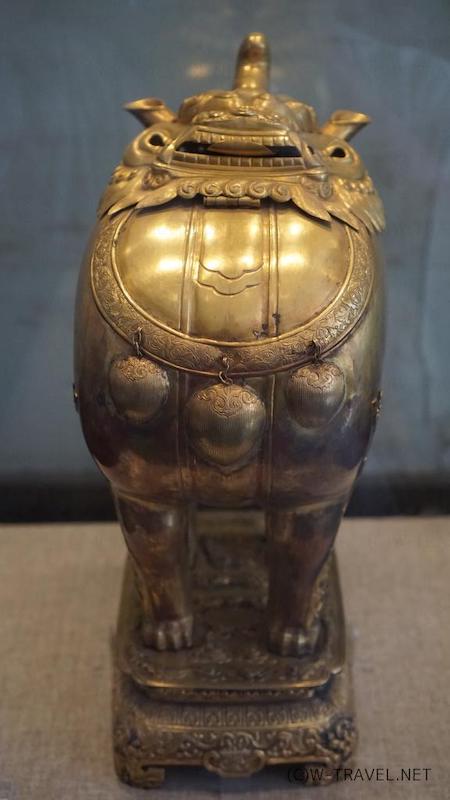
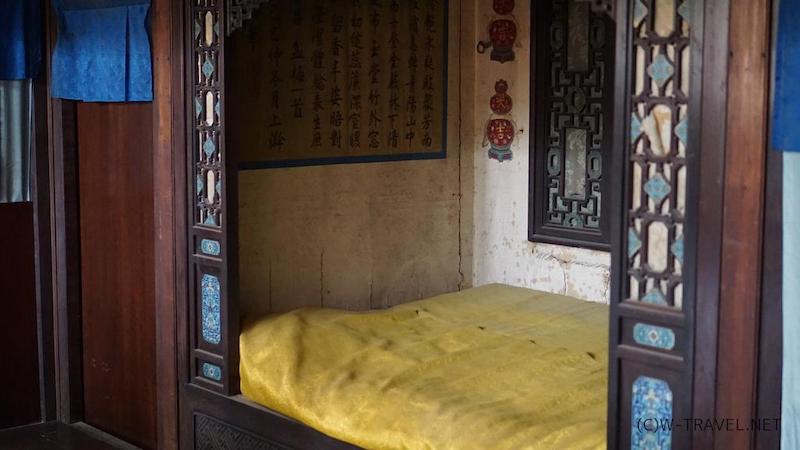
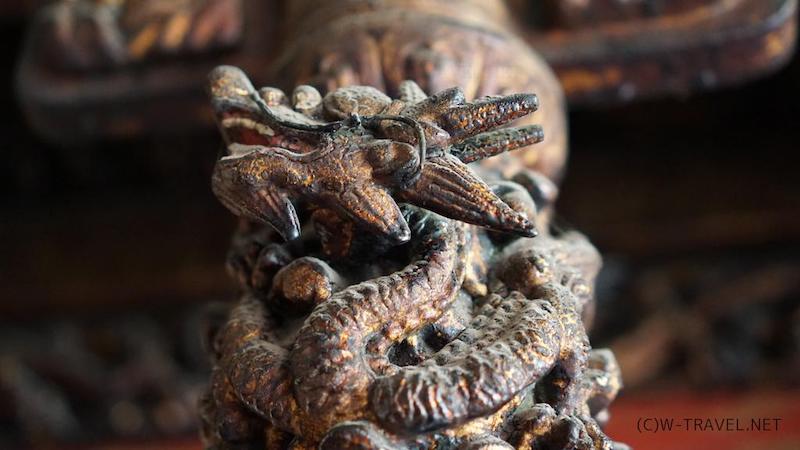
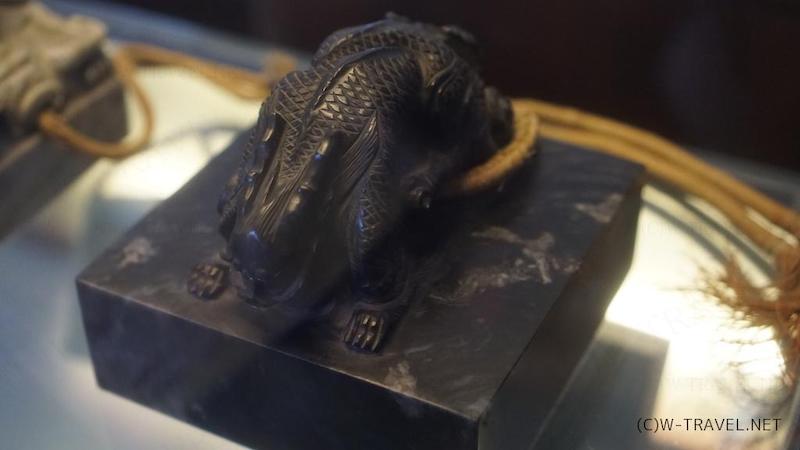


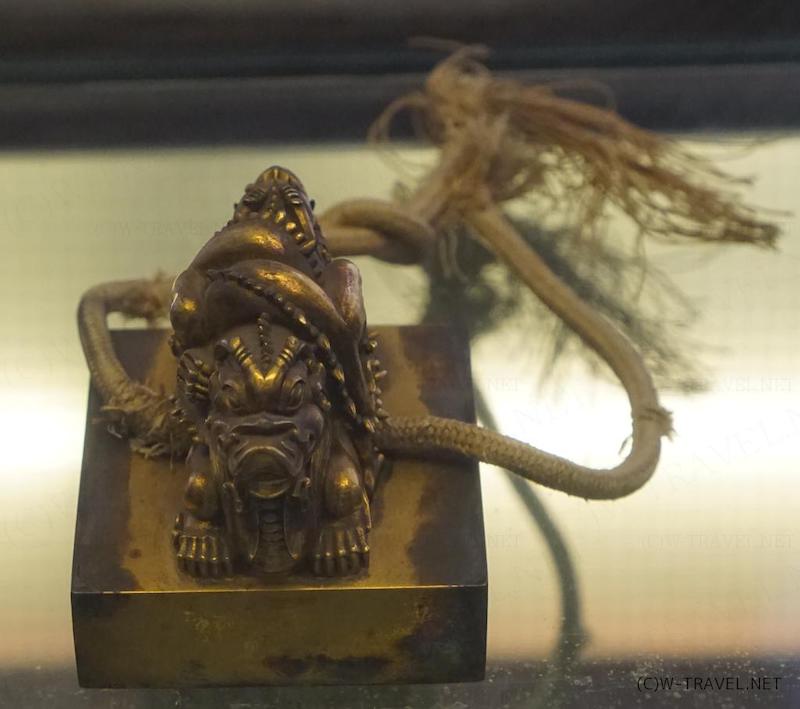
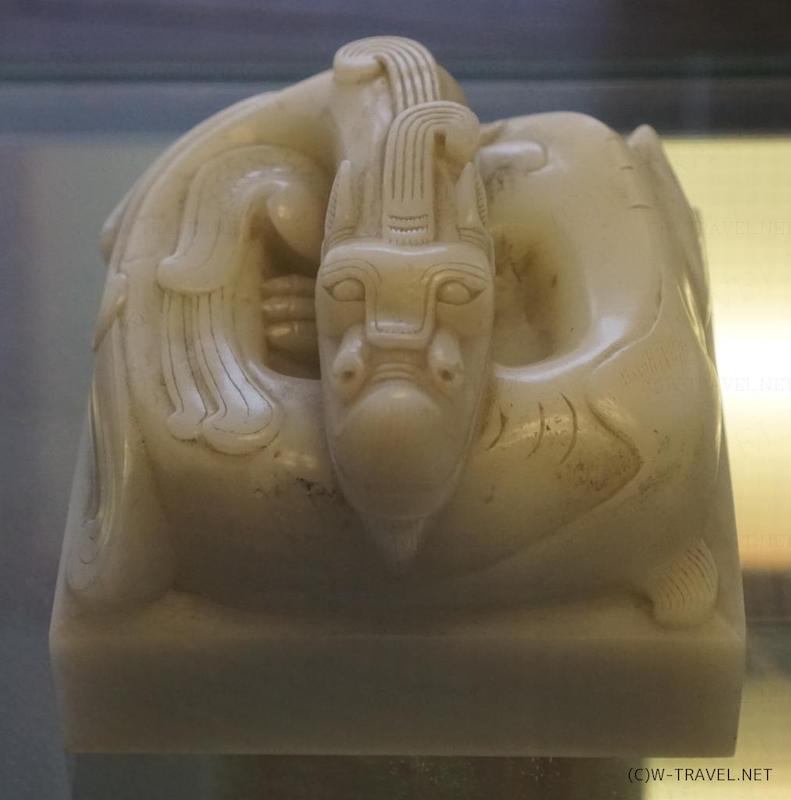
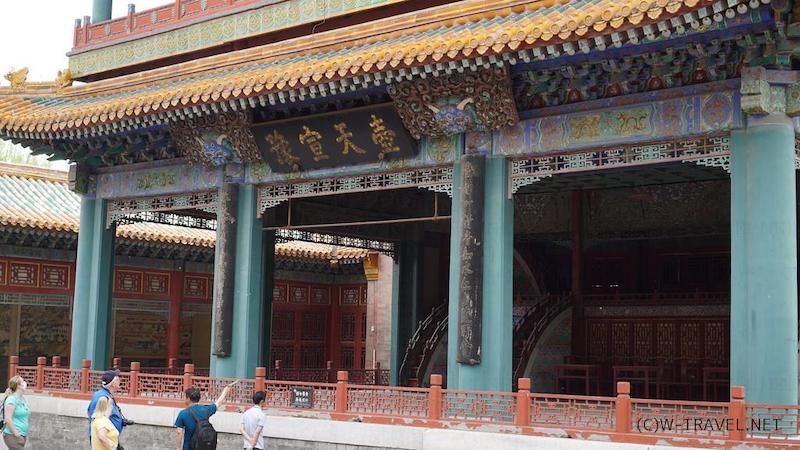
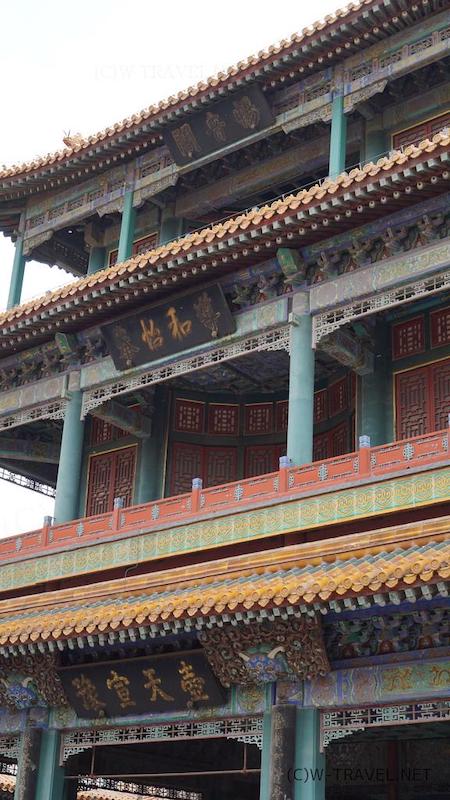
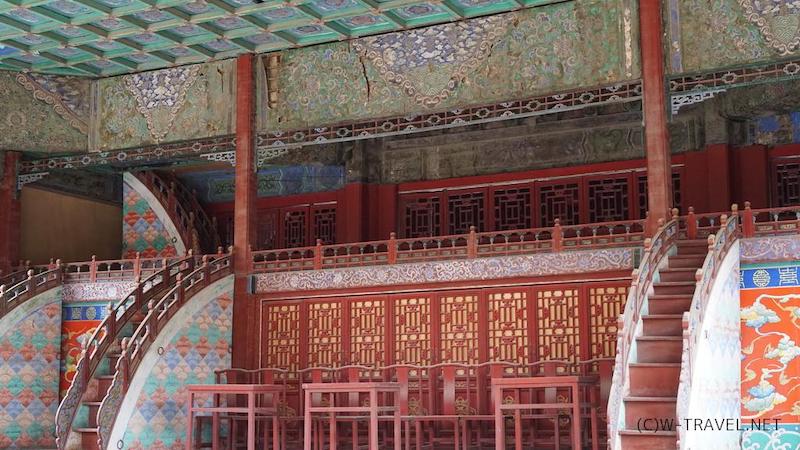
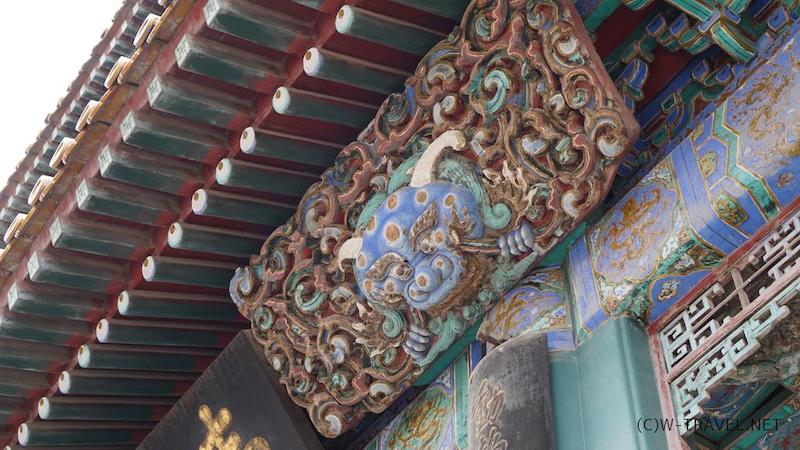
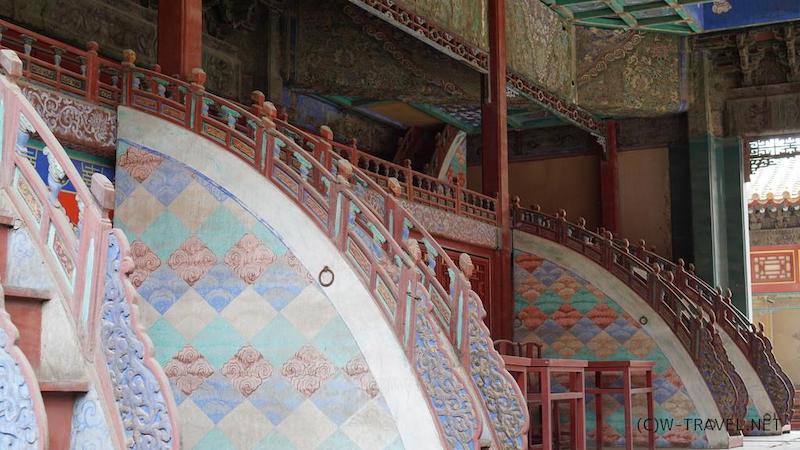
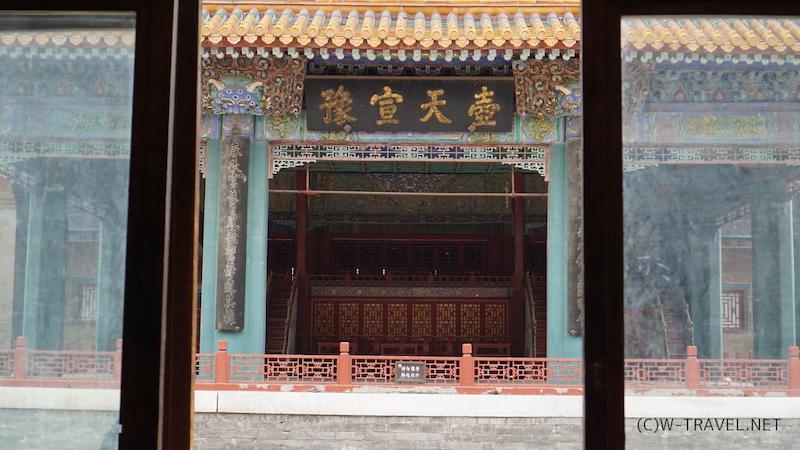

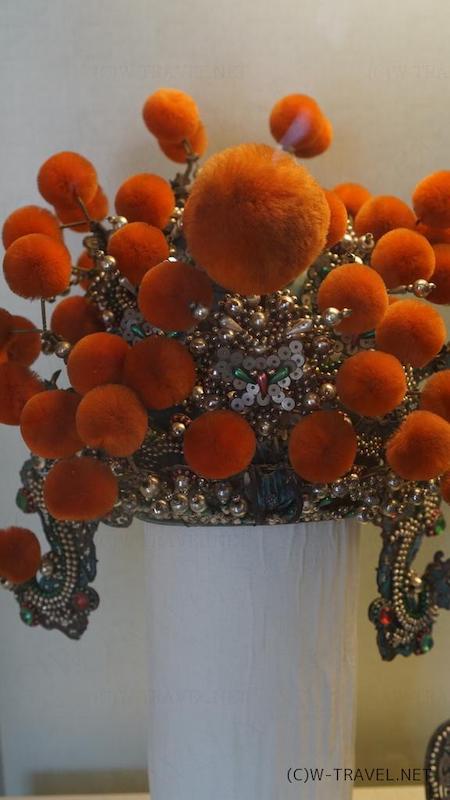
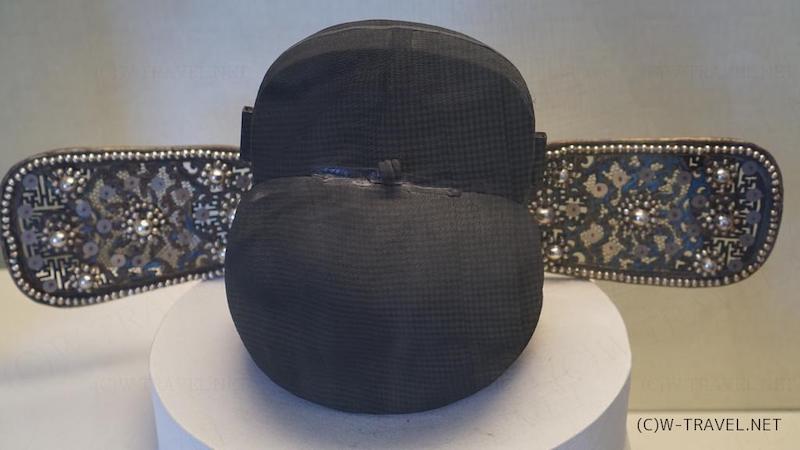


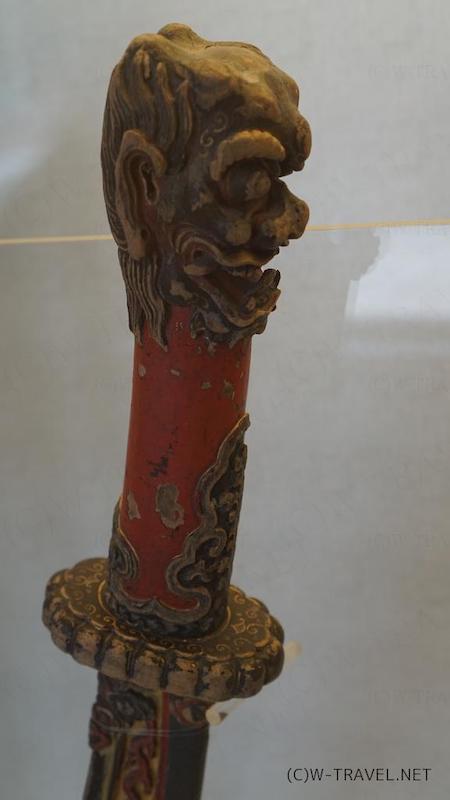
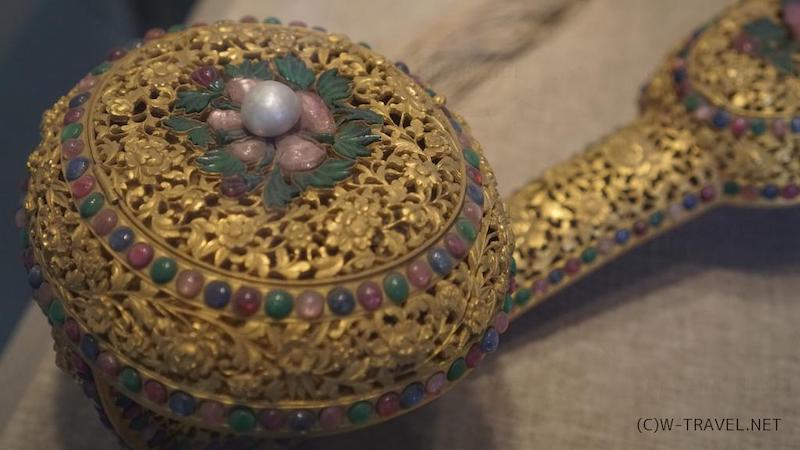
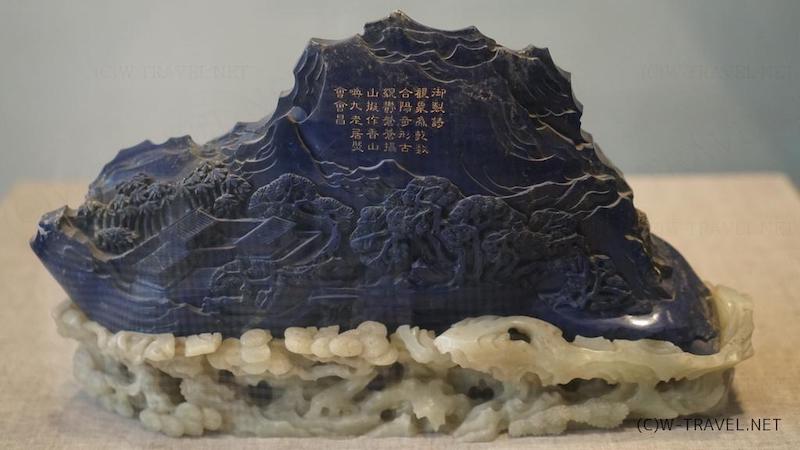
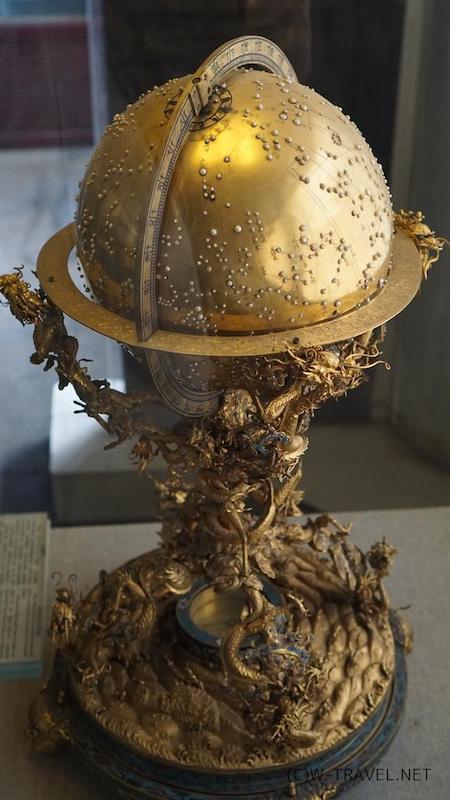
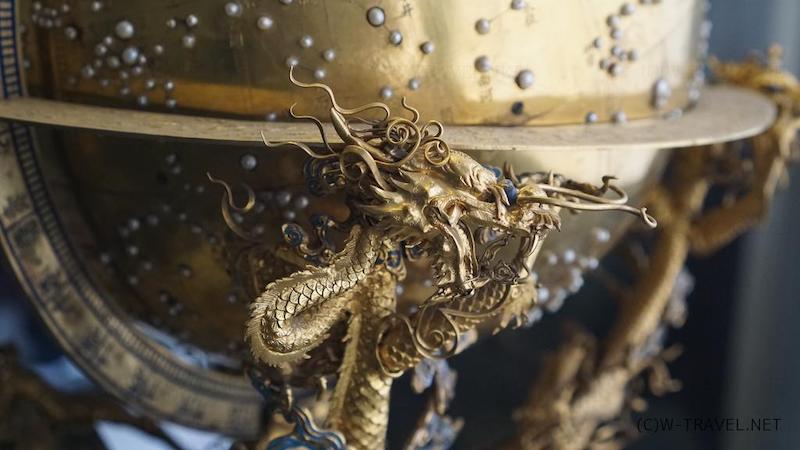

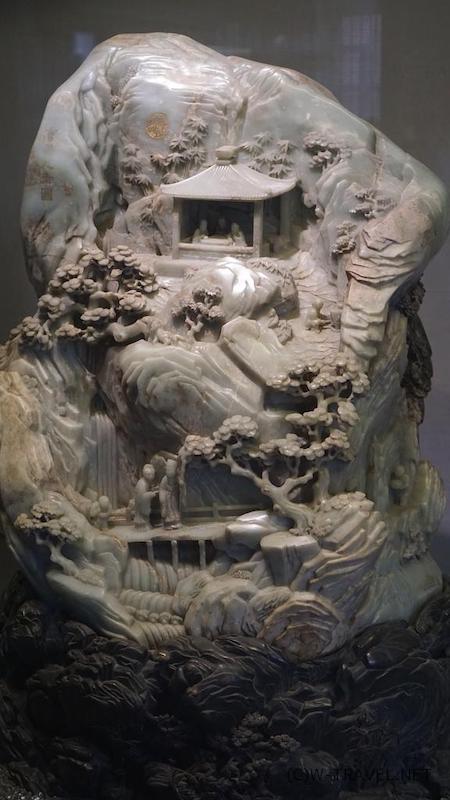
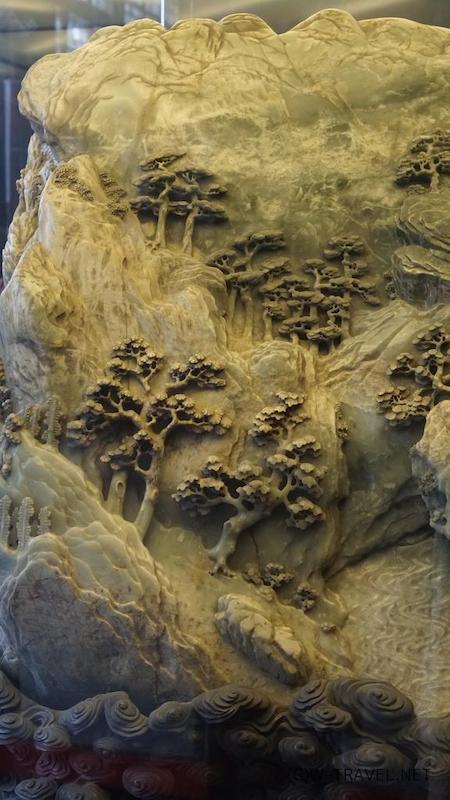
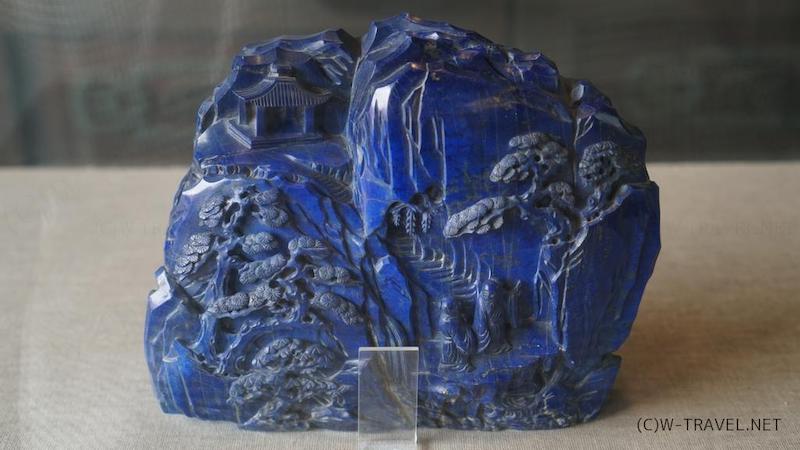
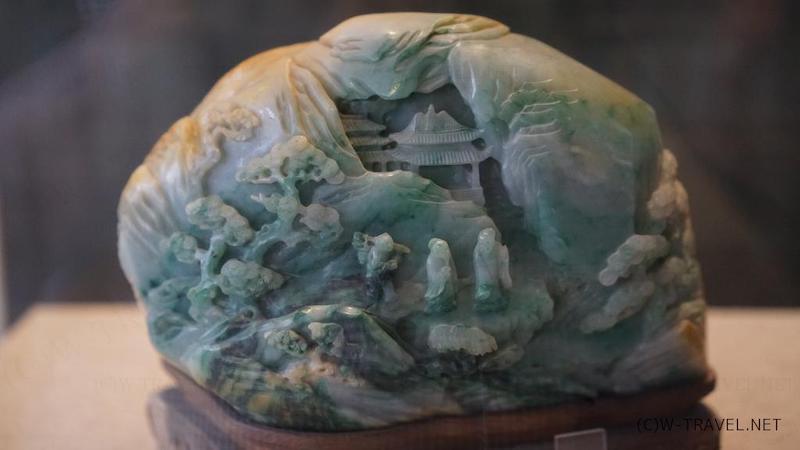

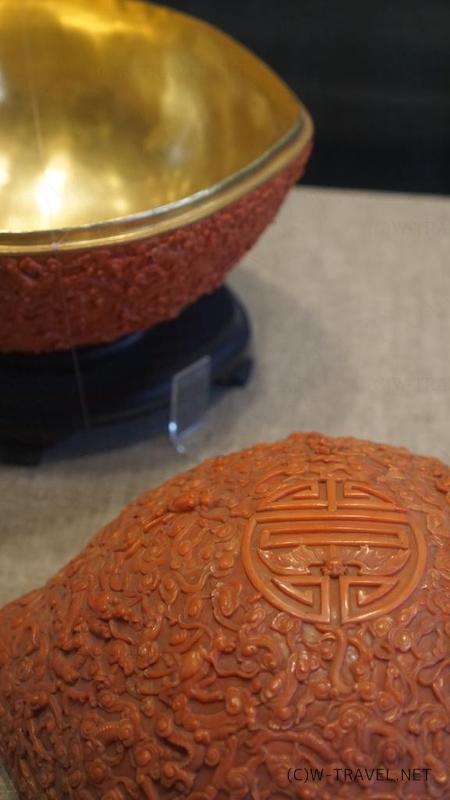
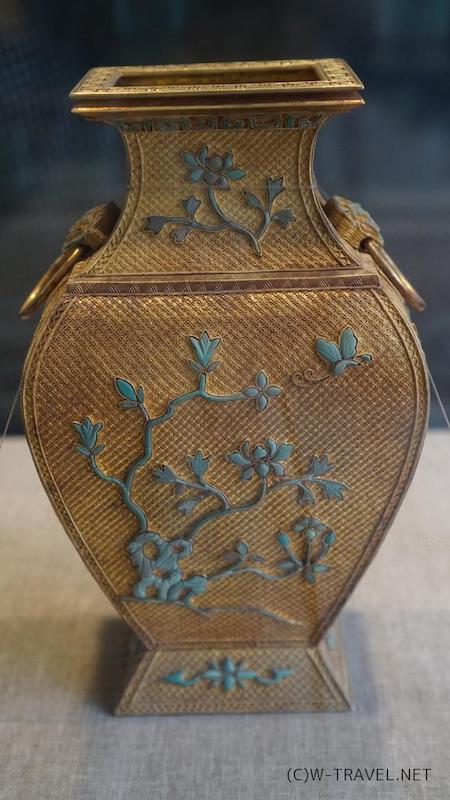
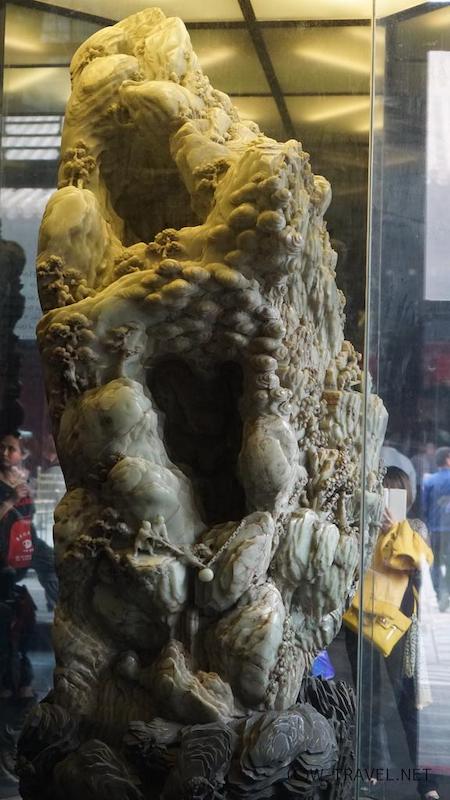

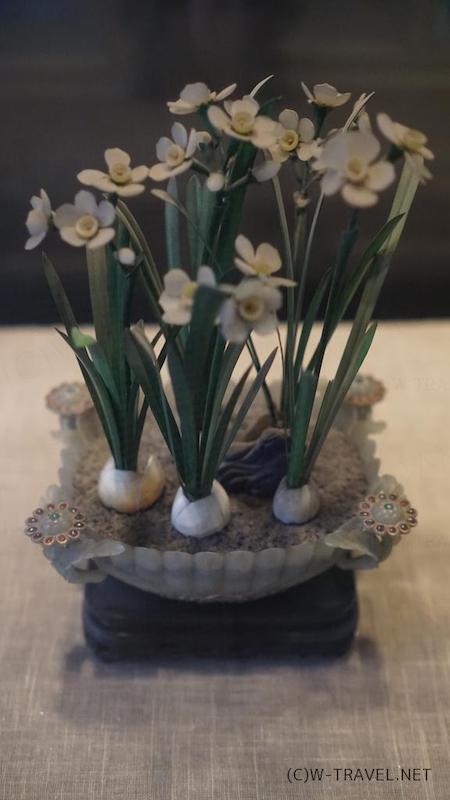
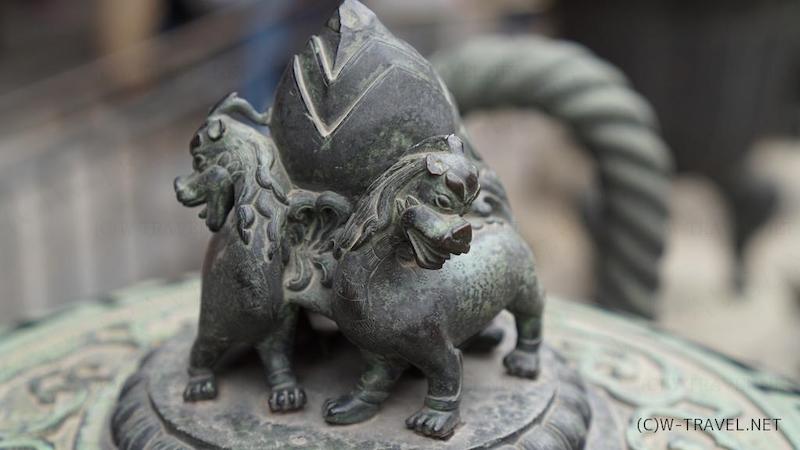

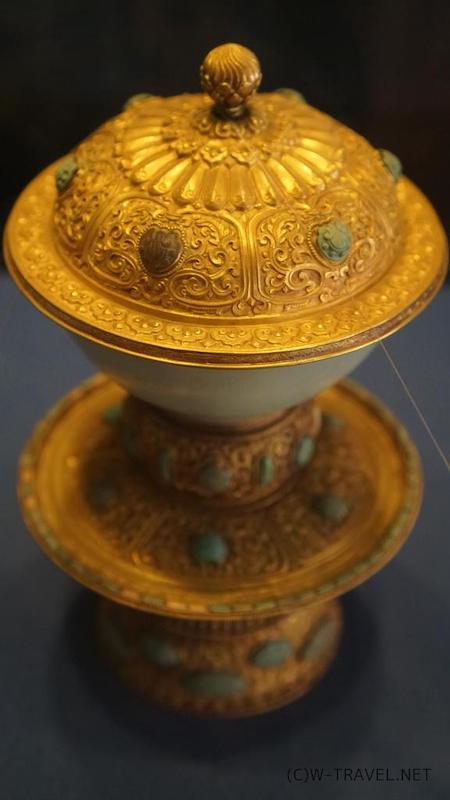
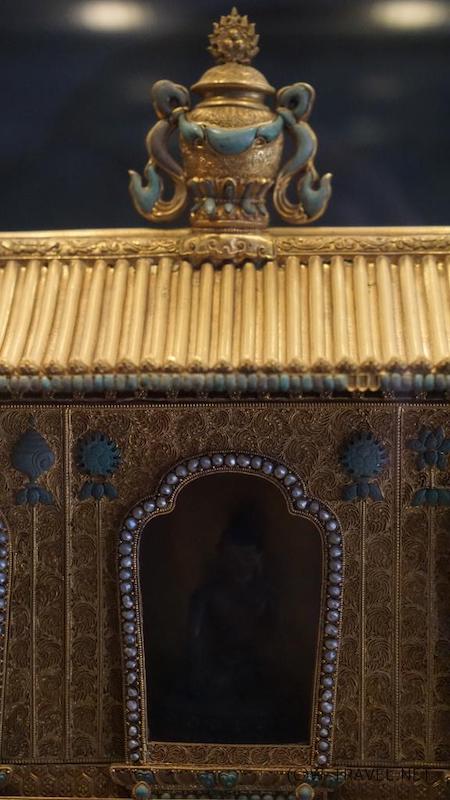
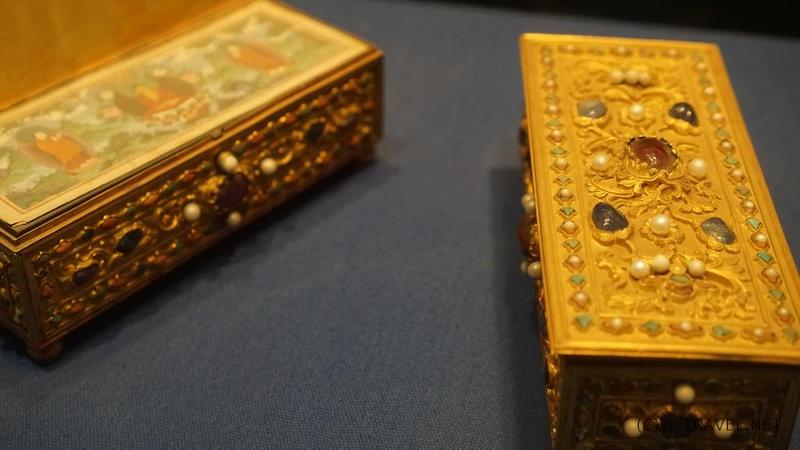

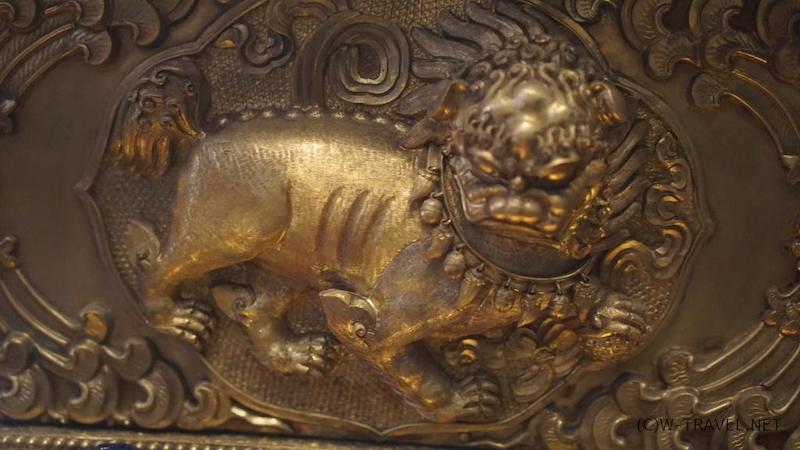
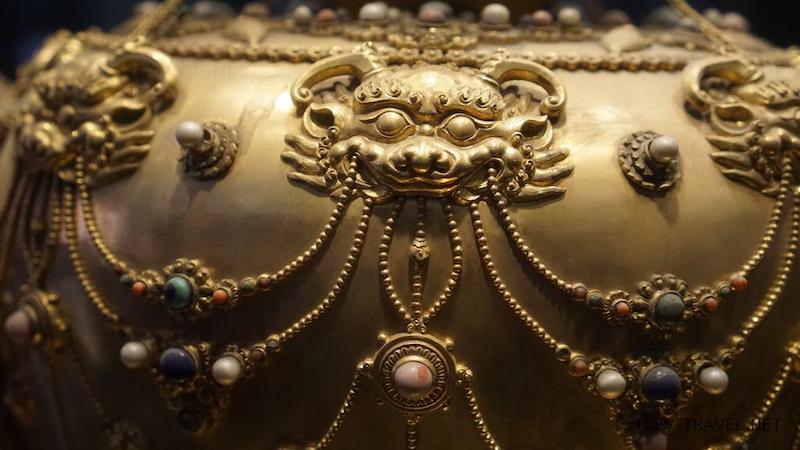
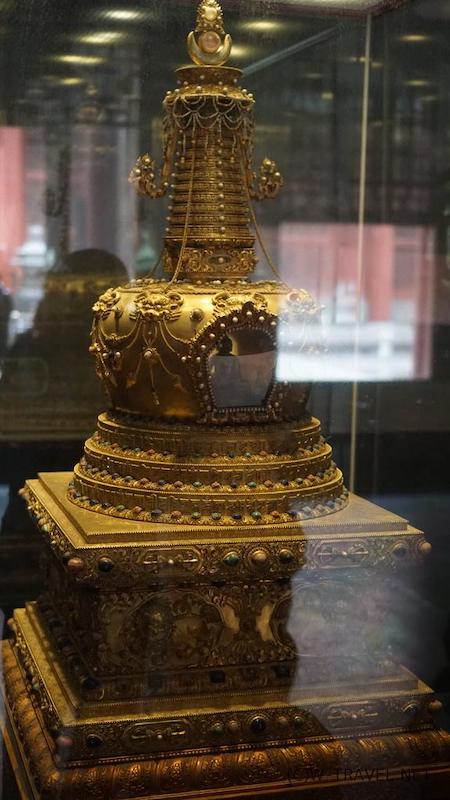

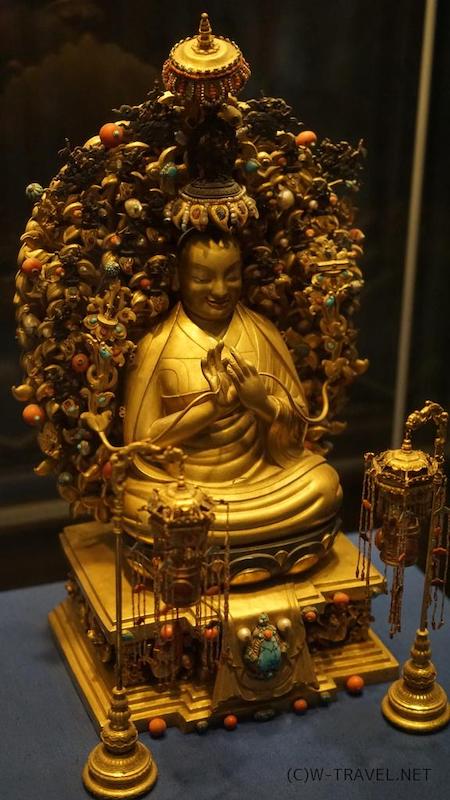

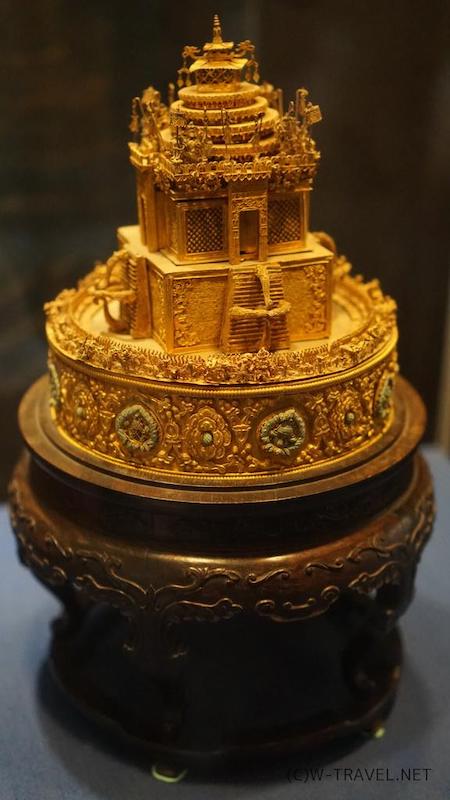
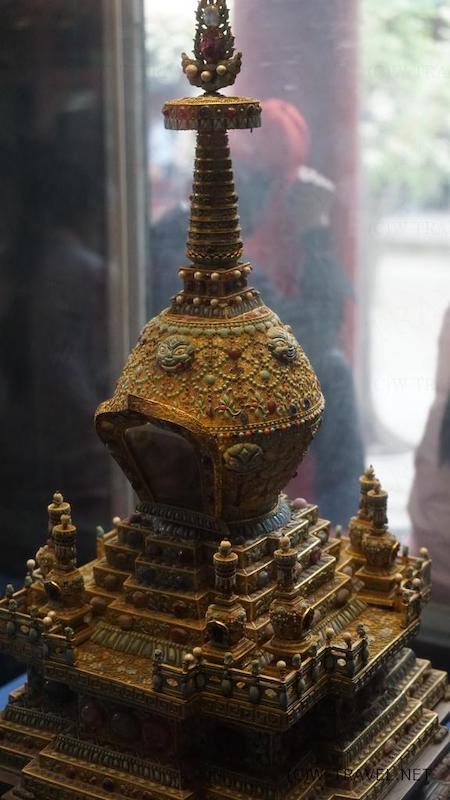


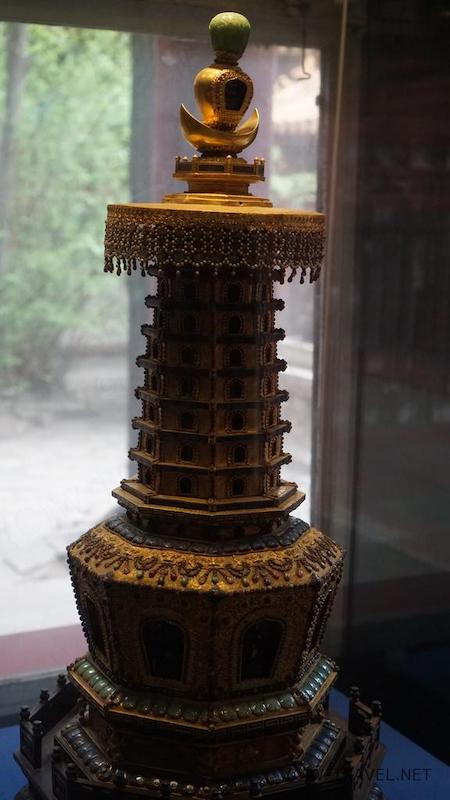

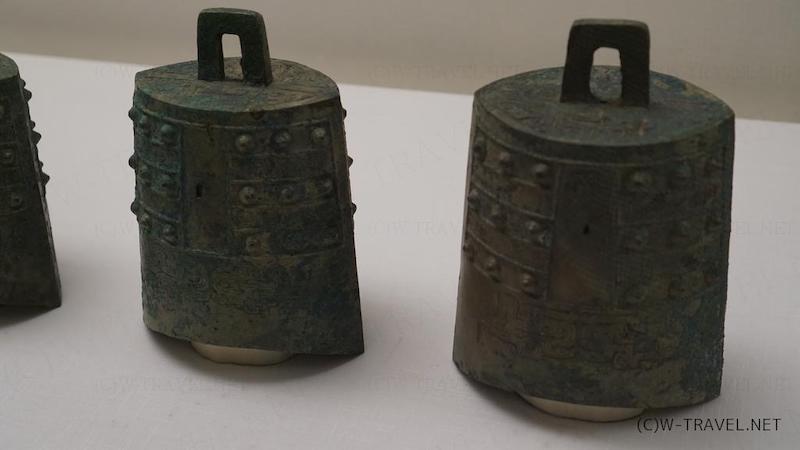
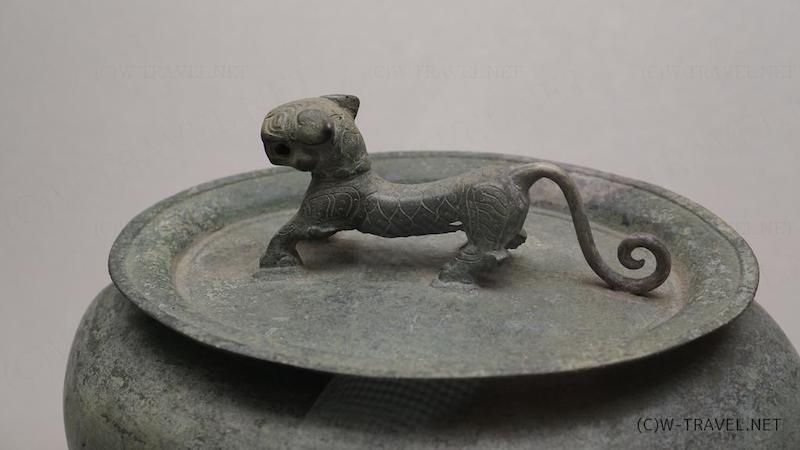

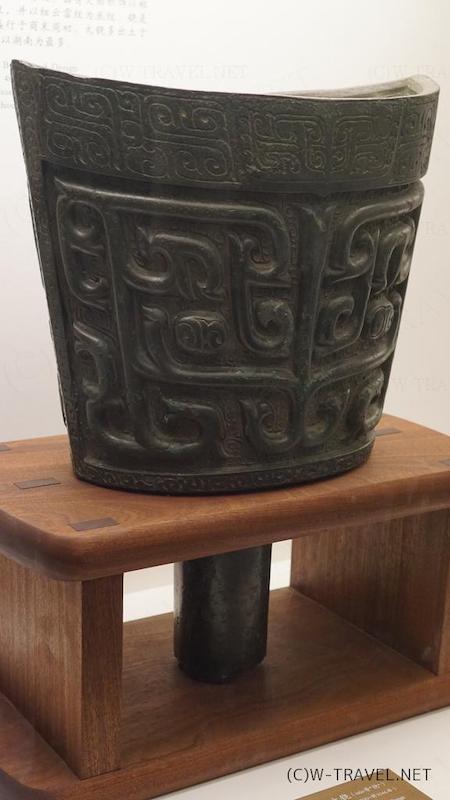

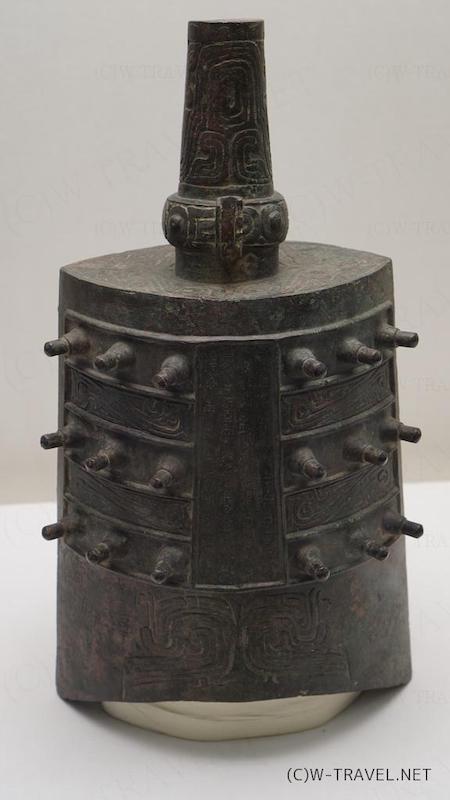

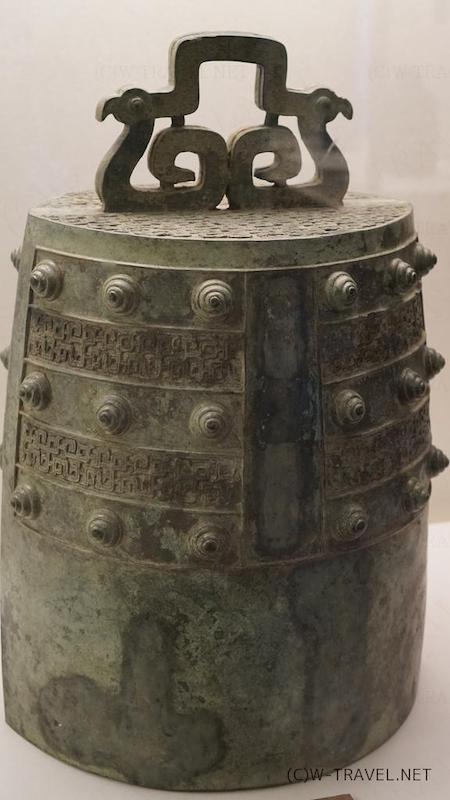

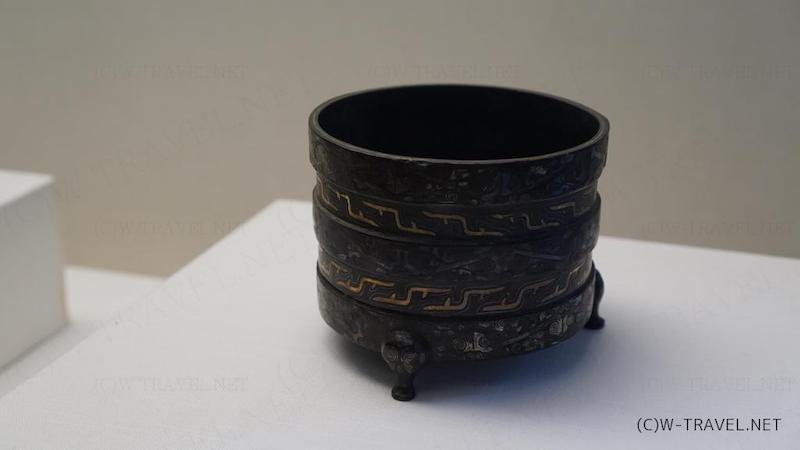

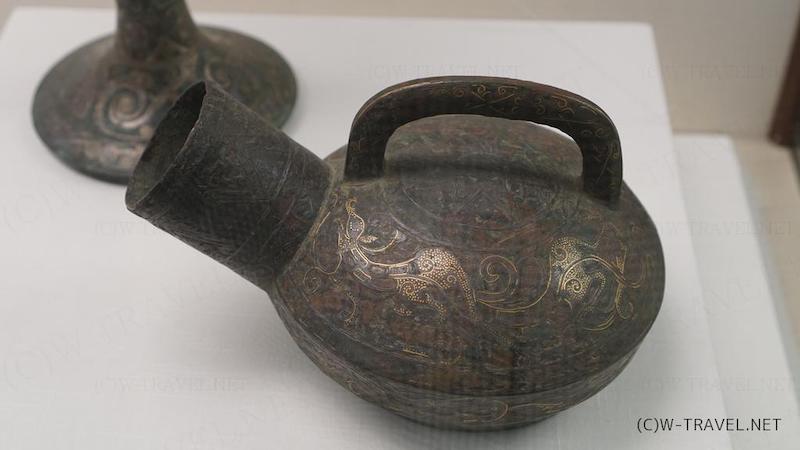
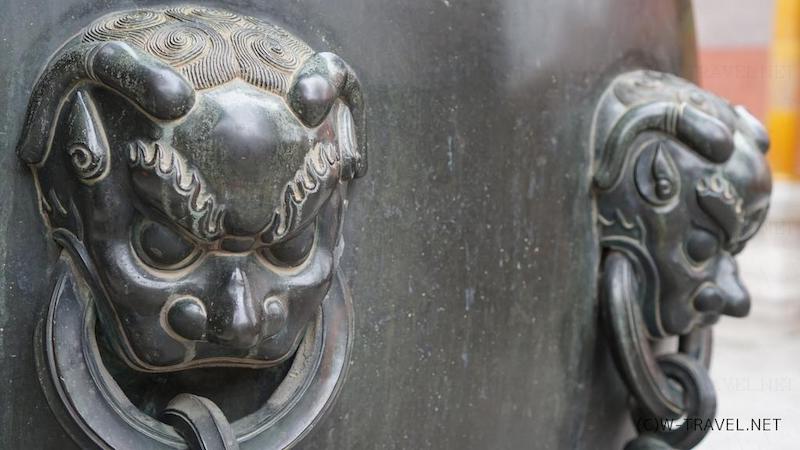
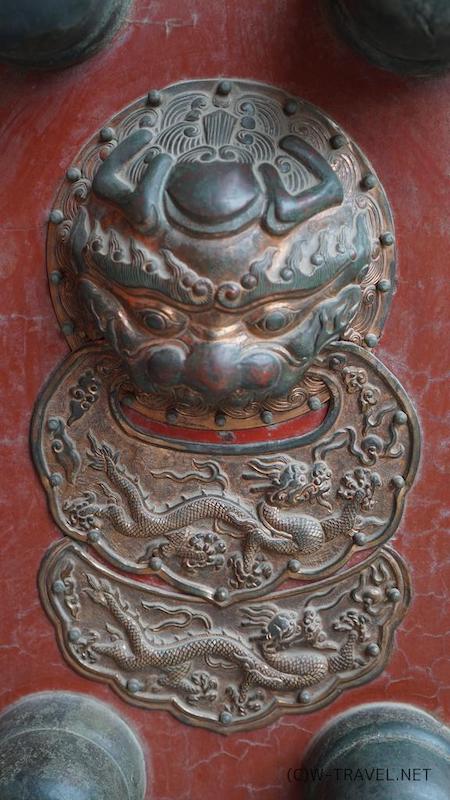
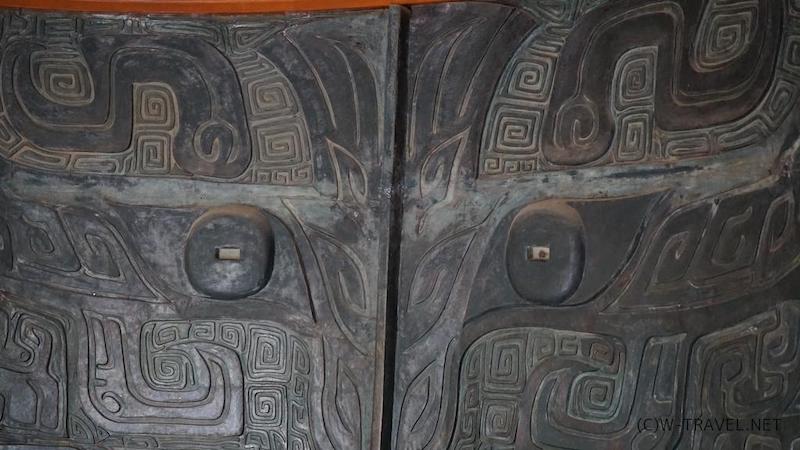


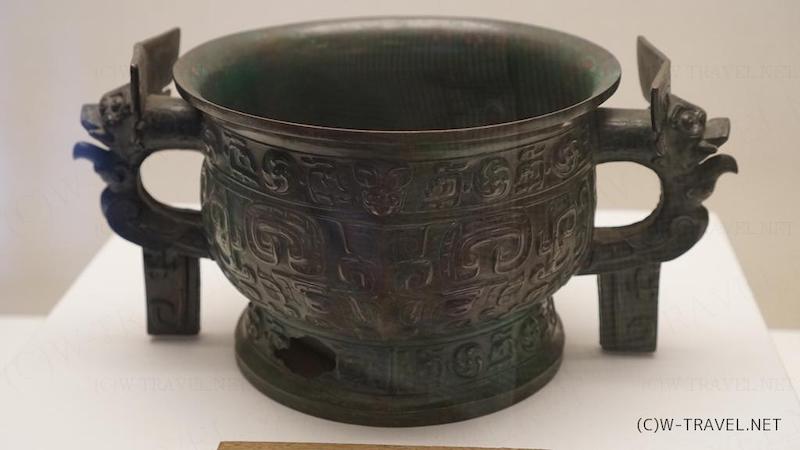
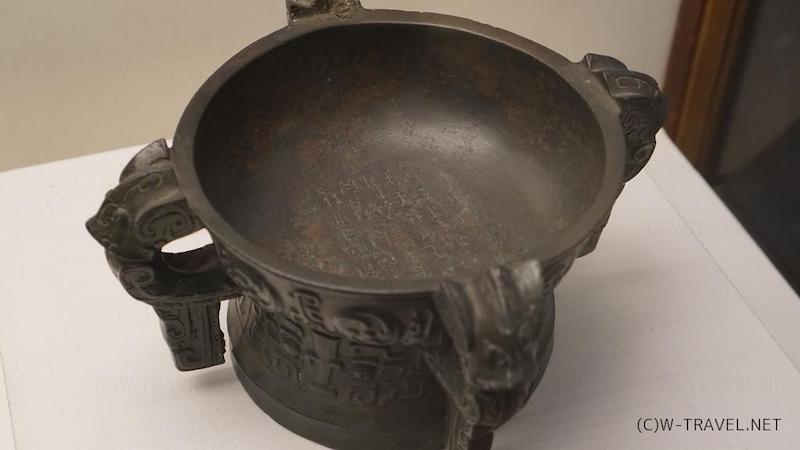

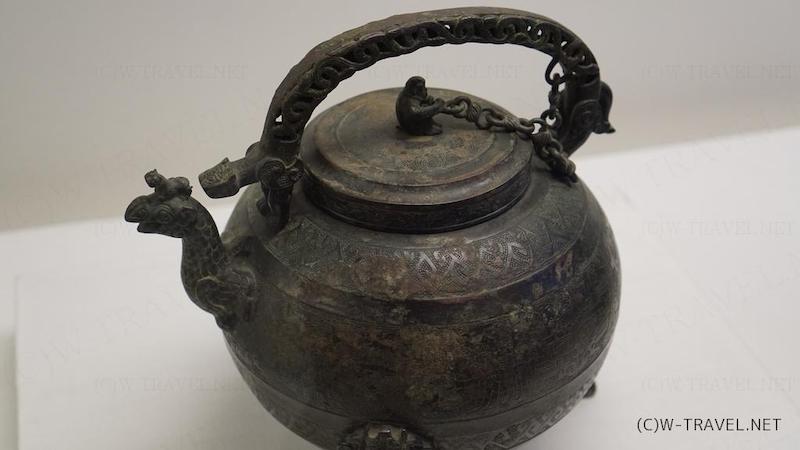

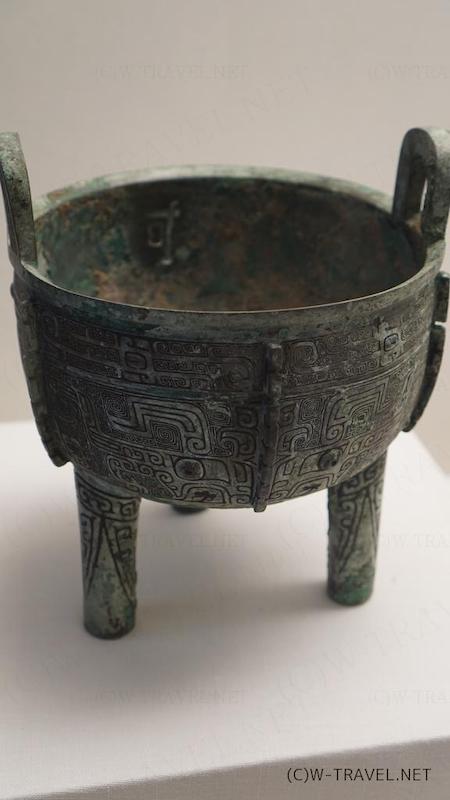
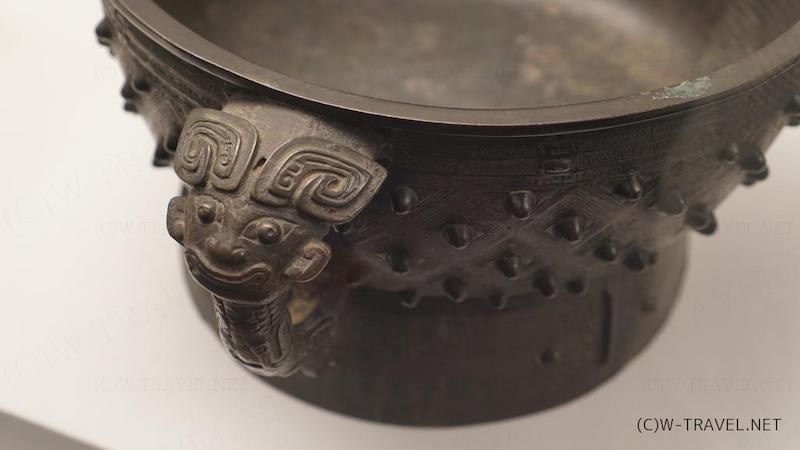
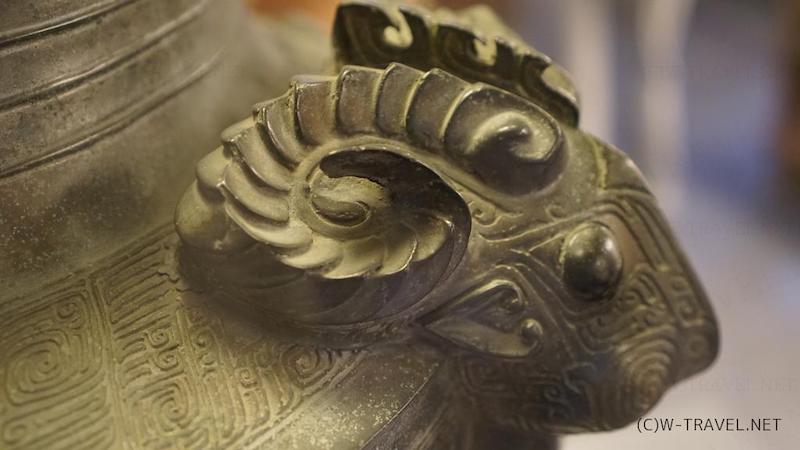

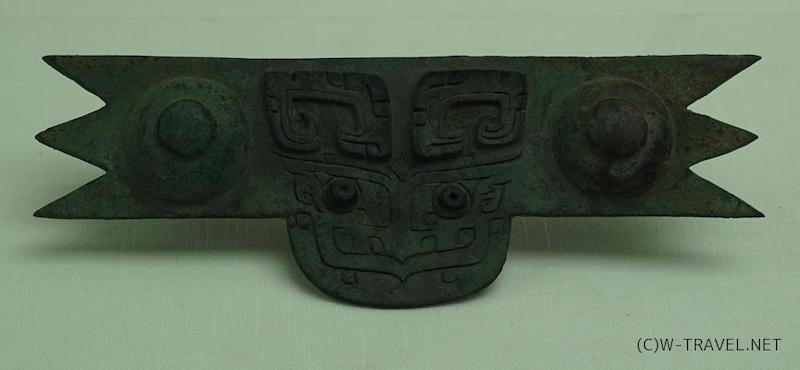
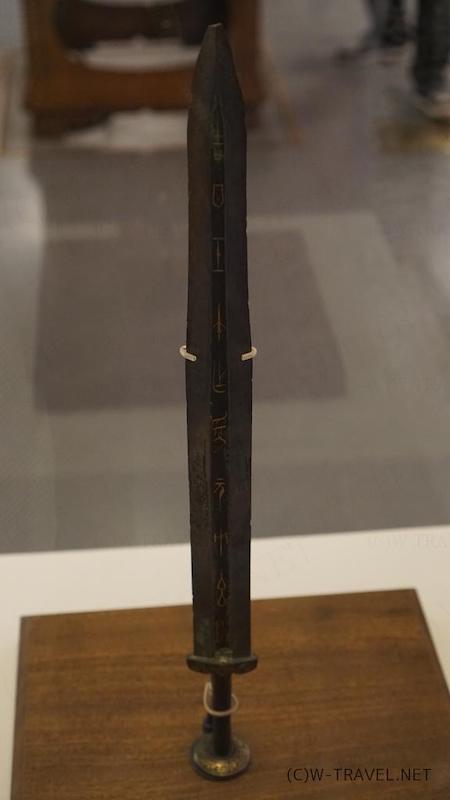
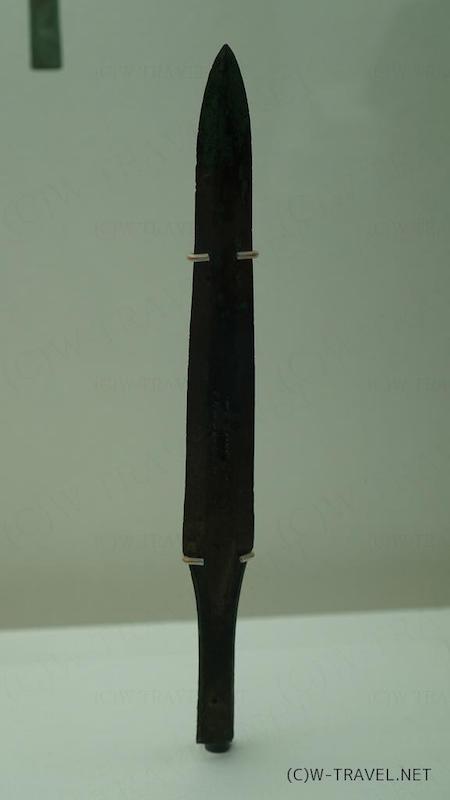
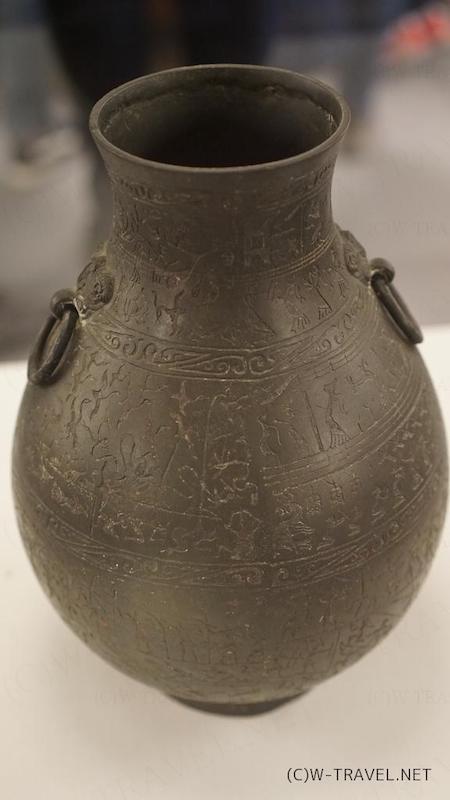
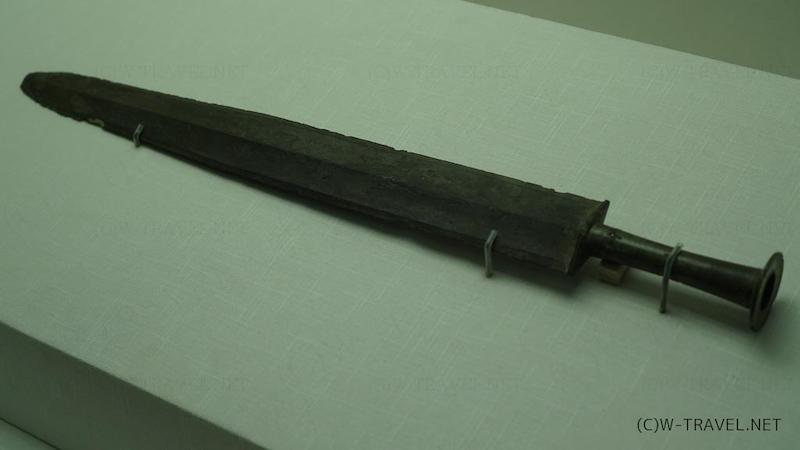
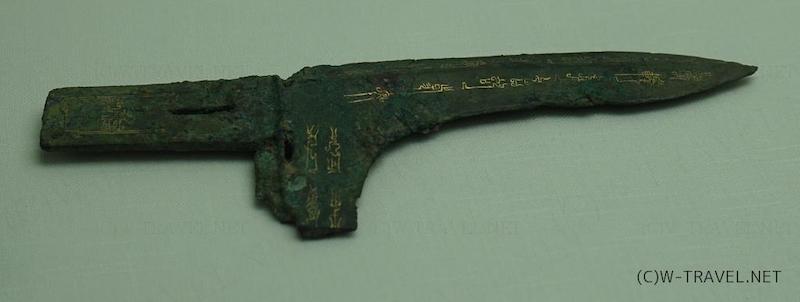
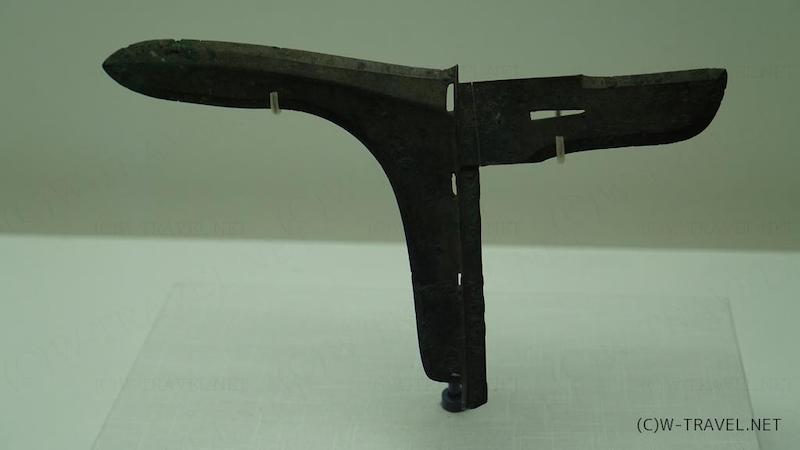
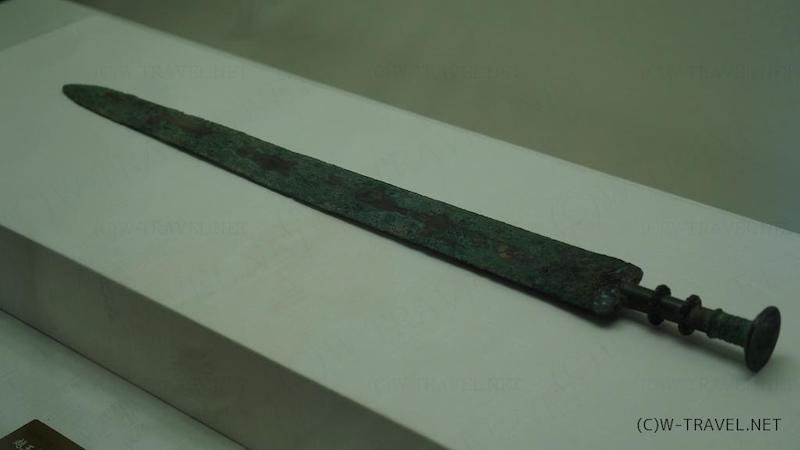

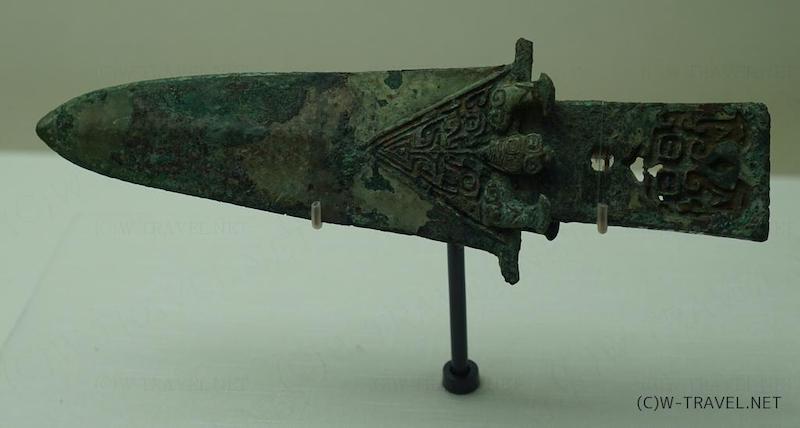
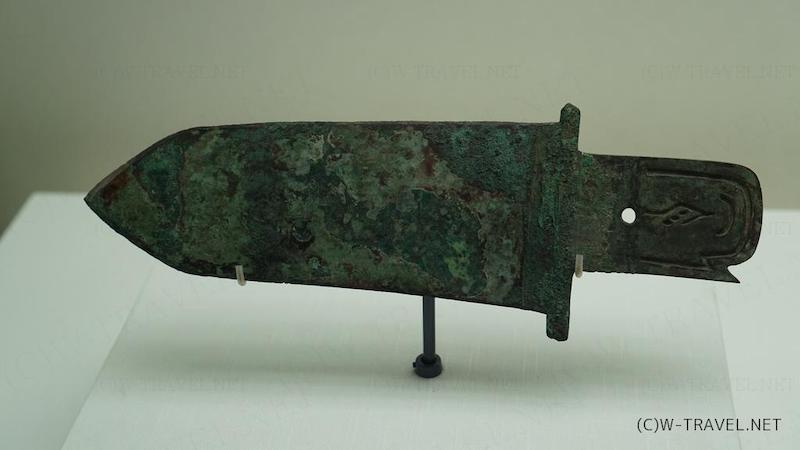
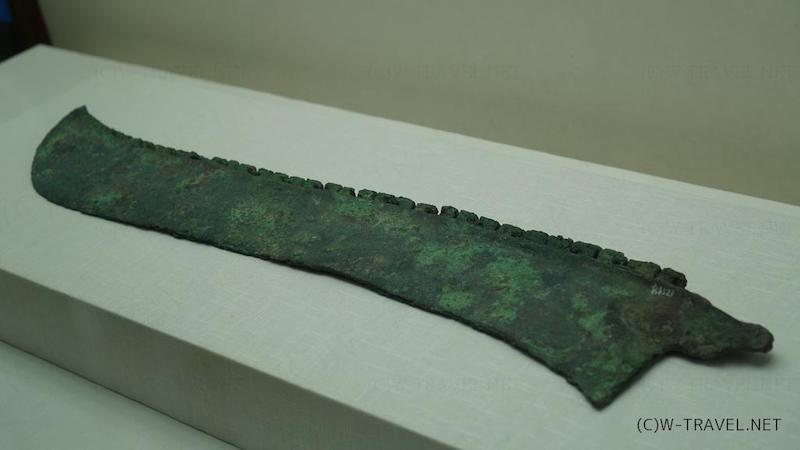
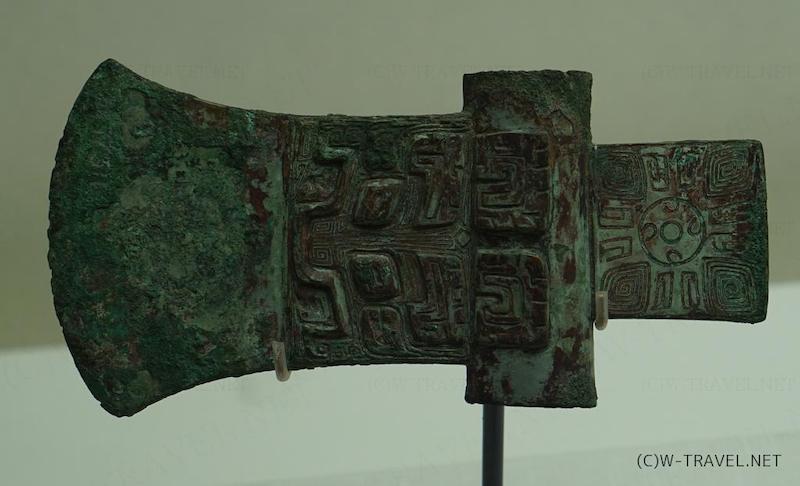
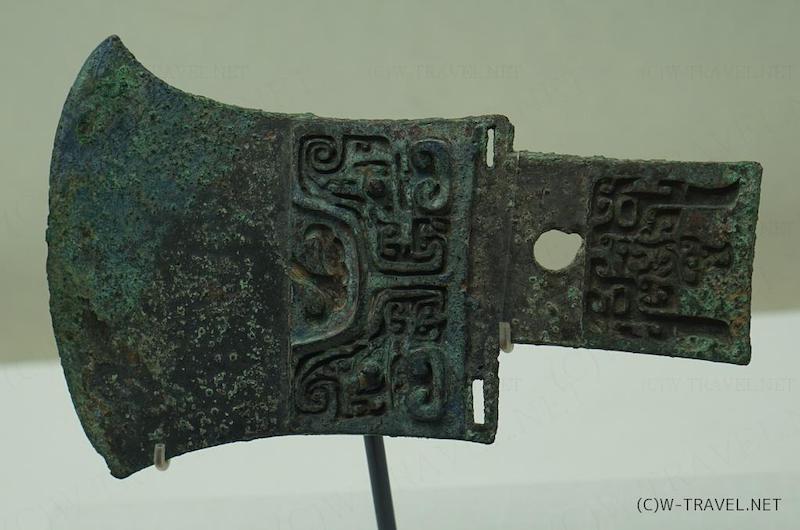
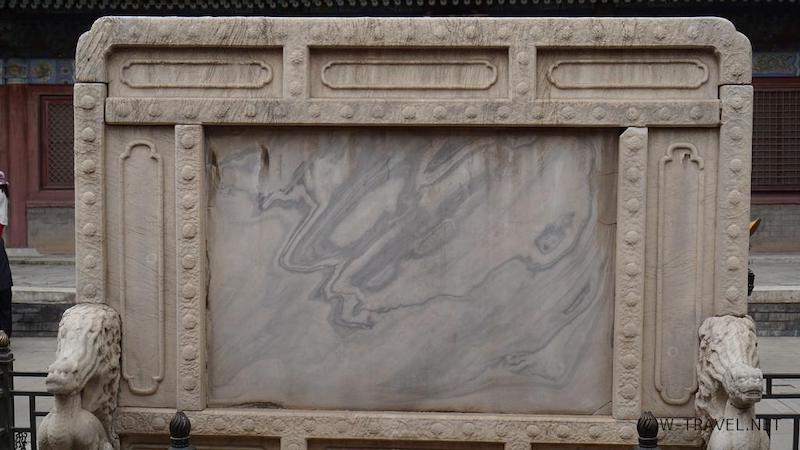

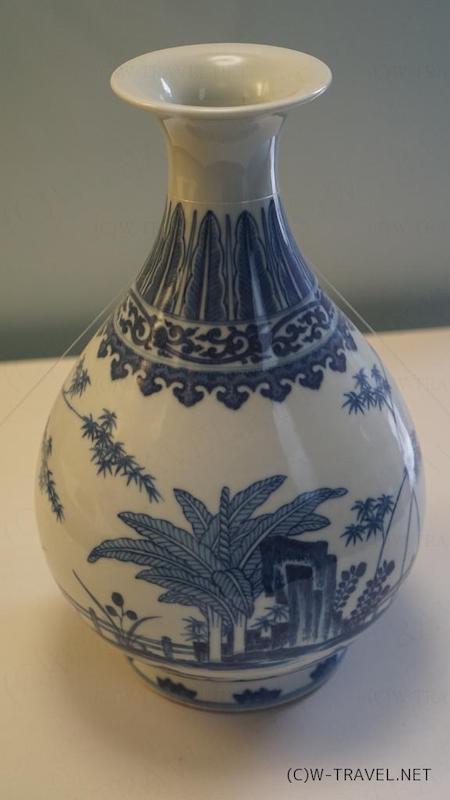
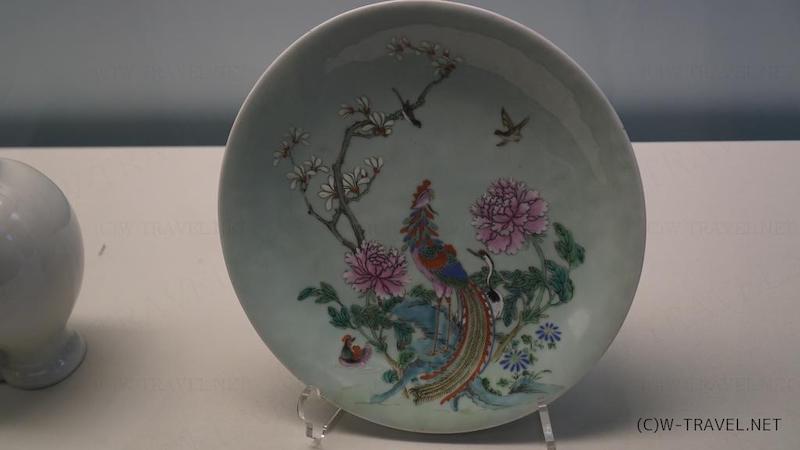
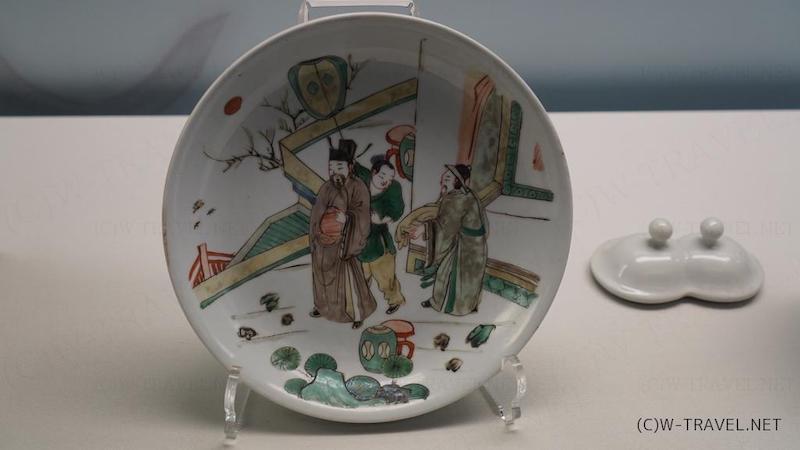
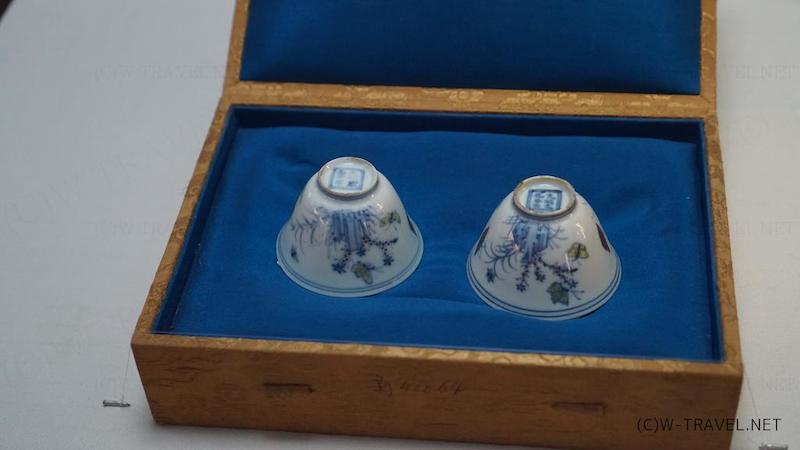
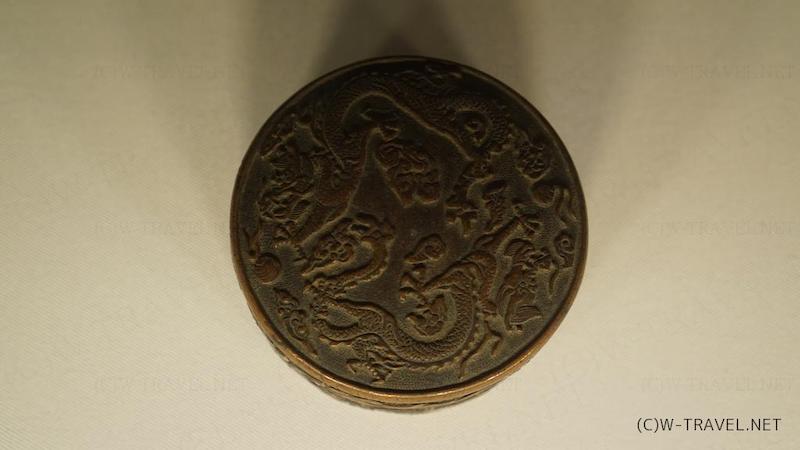
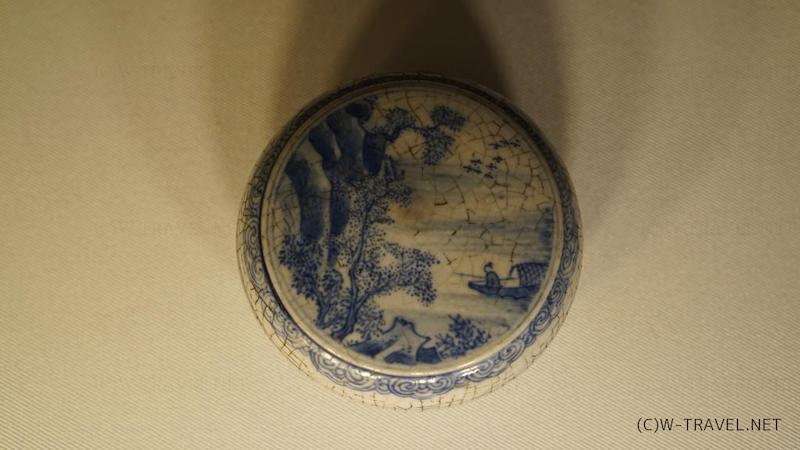
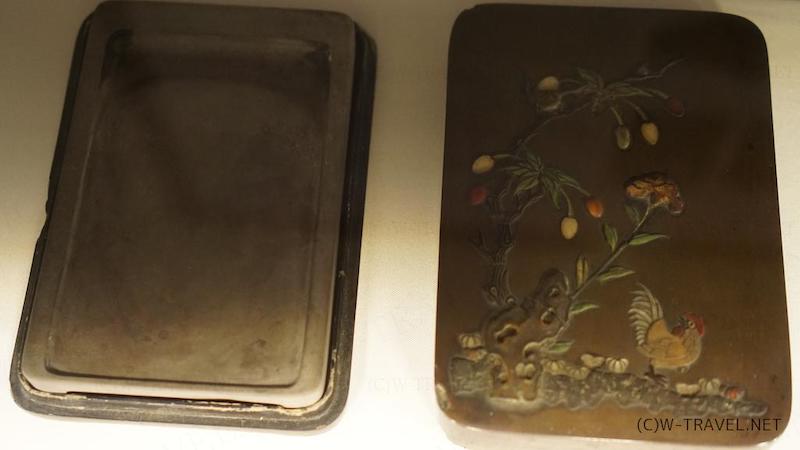
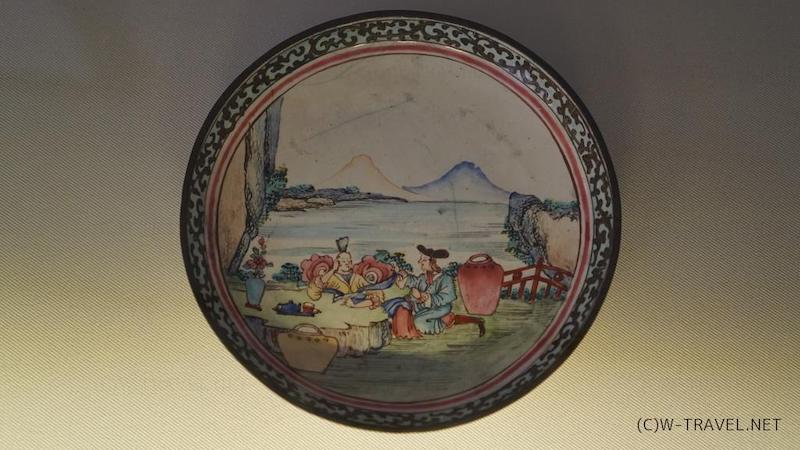

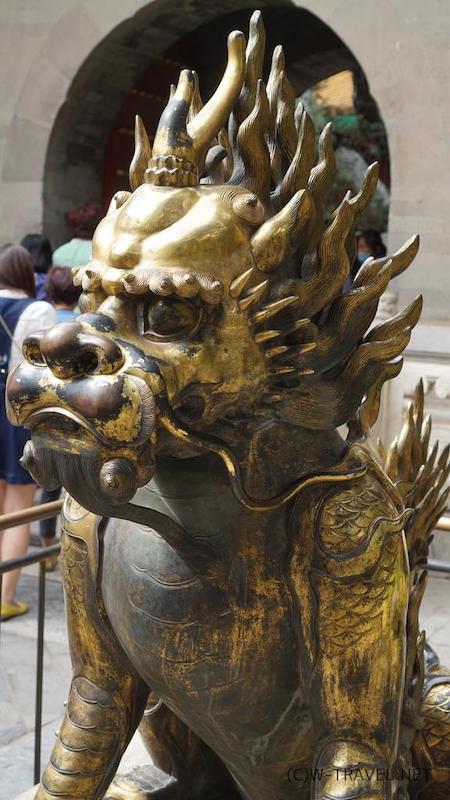
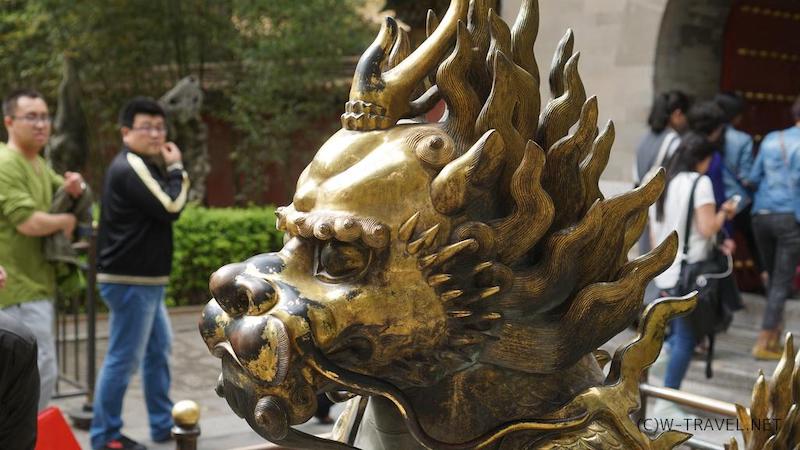

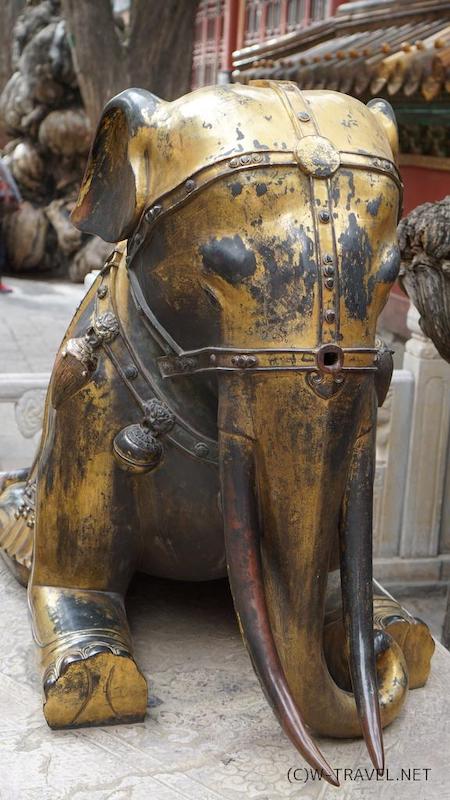
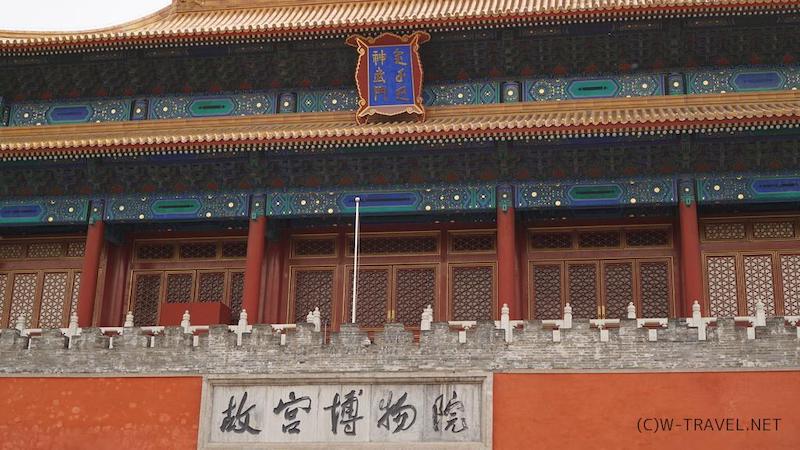 उसकी तुलना में, यह बहुत विशाल था, और ब्रेक लेते हुए देखने में लगभग 5 घंटे लगे।
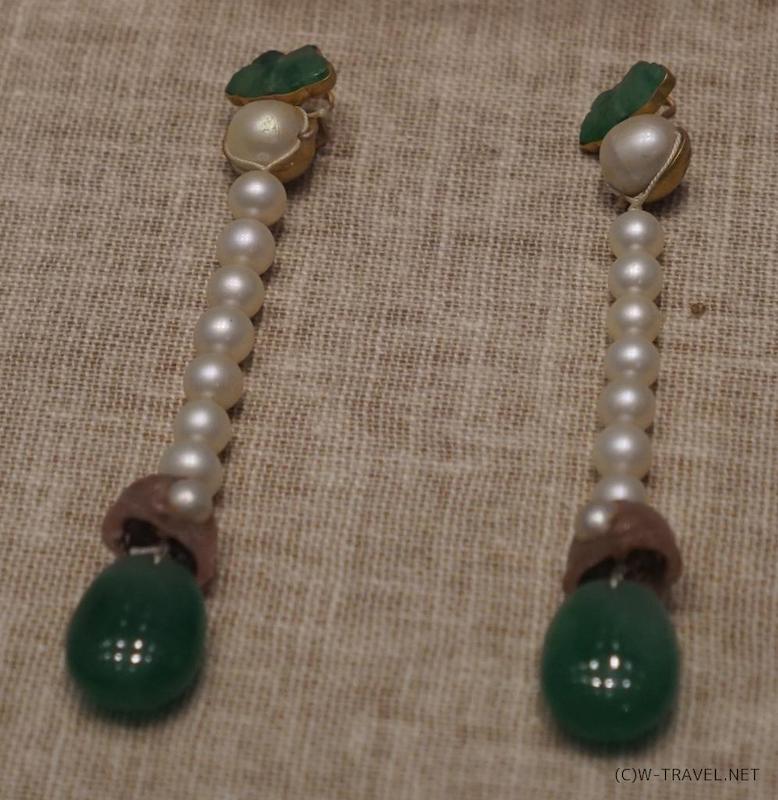
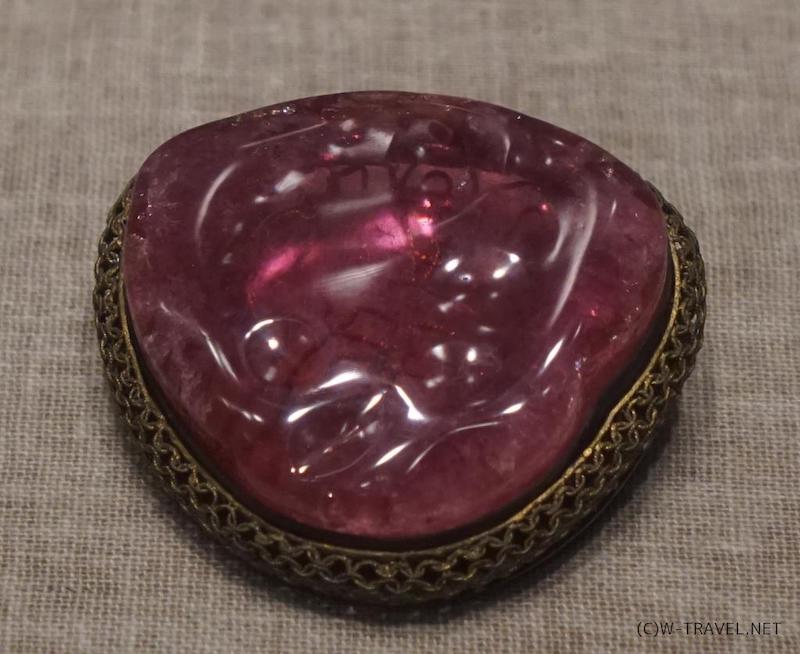
इसमें कई उत्कृष्ट वस्तुएं भी थीं, इसलिए मैं इसका आनंद ले पाया।
रंग और सजावट बहुत चमकीले हैं, इसलिए यह शायद जापानी लोगों की पसंद के अनुरूप नहीं है, लेकिन यह अपने आप में अच्छा है।
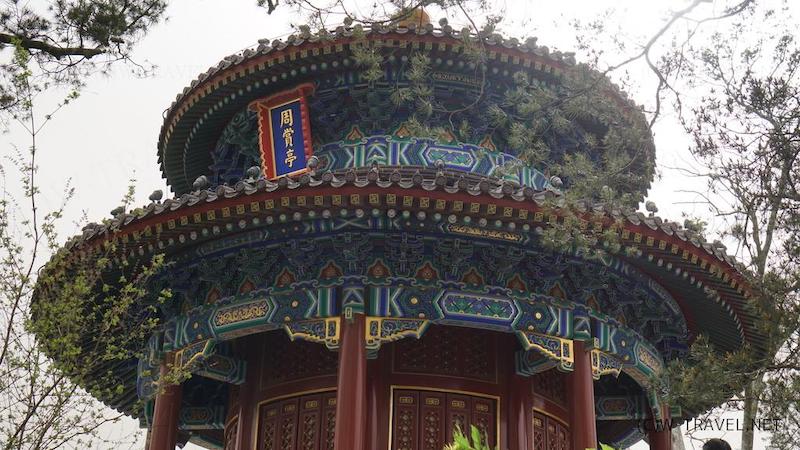
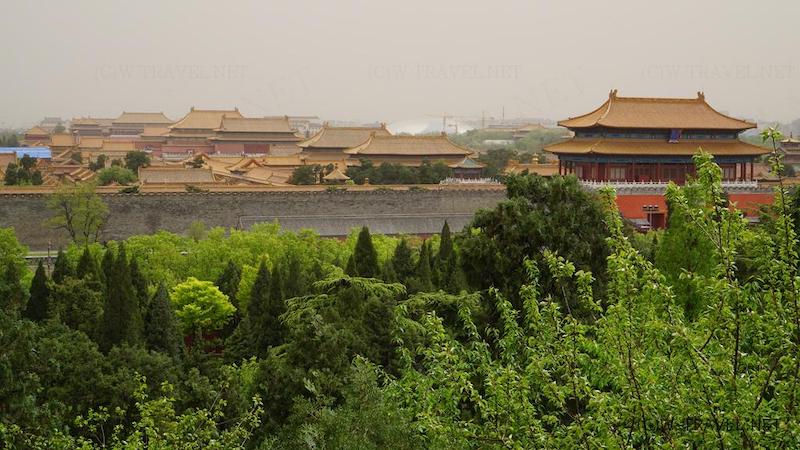
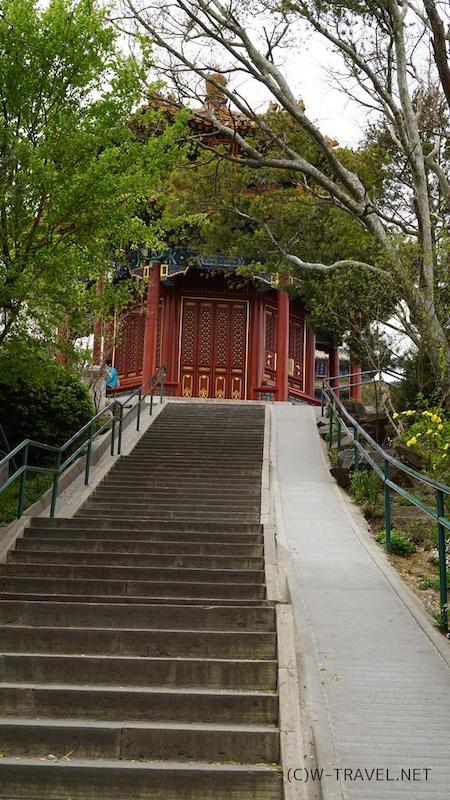
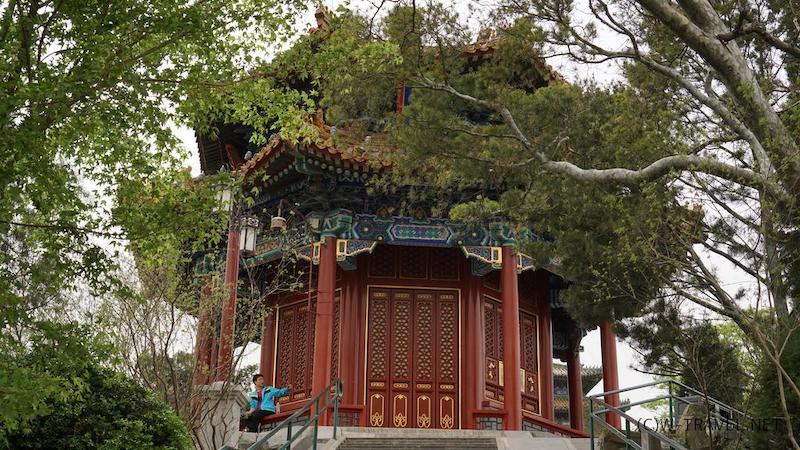
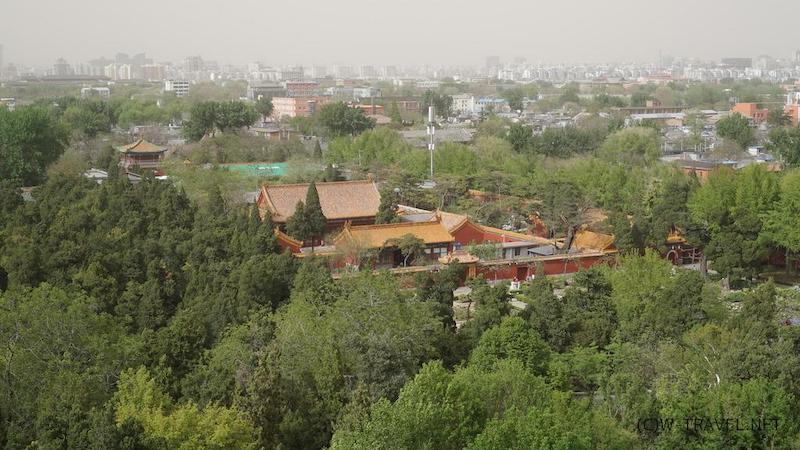
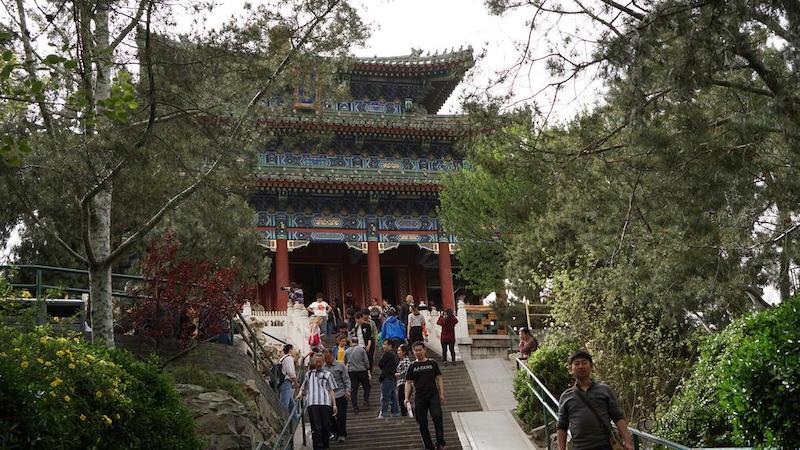
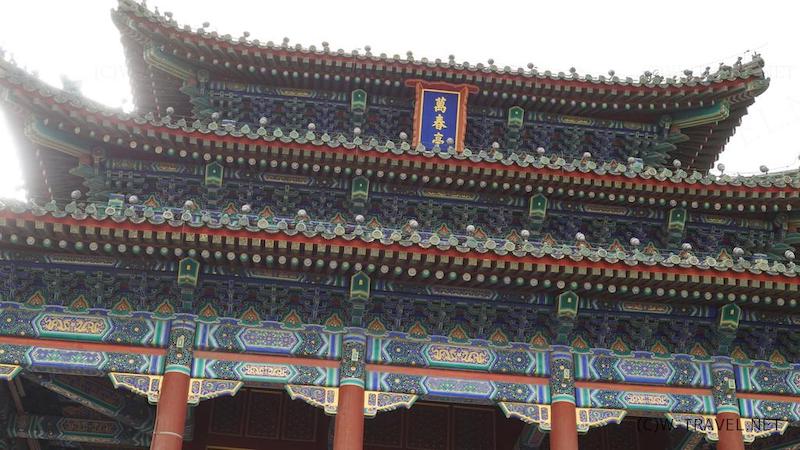
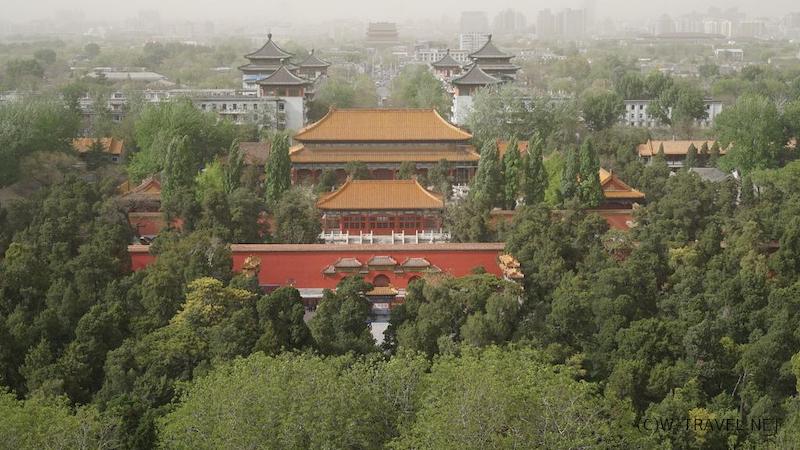
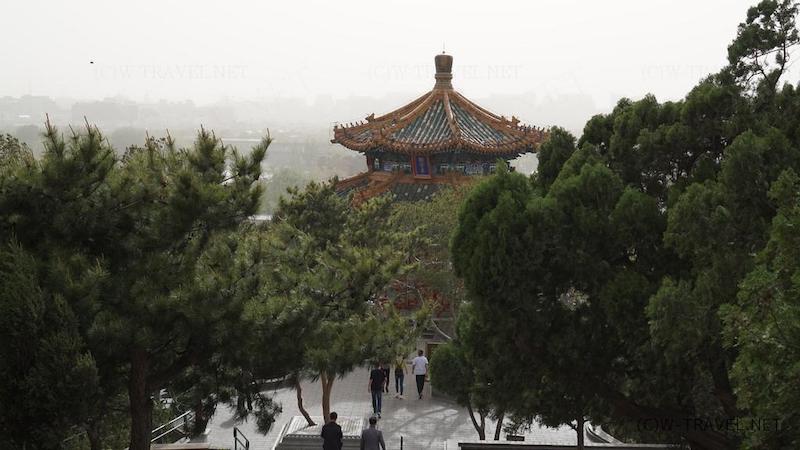
इसके बाद, मैं बीजिंग के उत्तरी भाग में स्थित जिंगशान पार्क की ओर गया, लेकिन मौसम खराब होने लगा था।
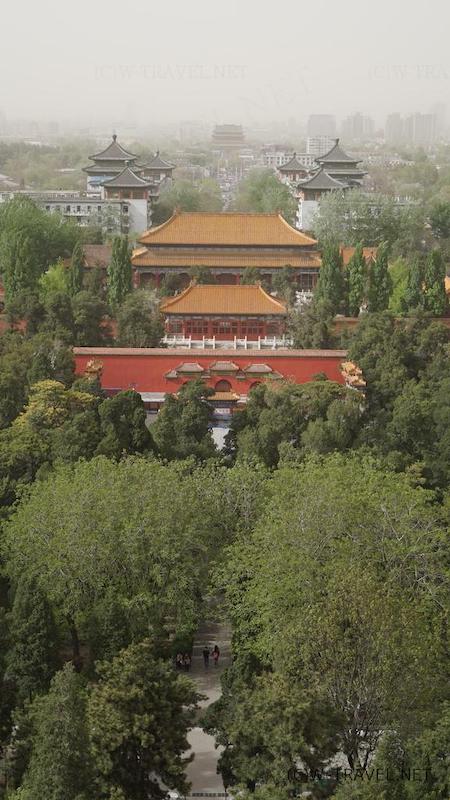
यह शायद वह "बीजिंग का रेत का तूफान" है जिसके बारे में मैंने सुना था।
यहां से, आप फ़ोबिडन सिटी को देख सकते हैं।
अगर मौसम साफ होता, तो यह और भी शानदार दृश्य होता, लेकिन रेत के तूफान के कारण स्थिति बहुत खराब है।
यह अपने आप में शायद बीजिंग की एक खासियत है।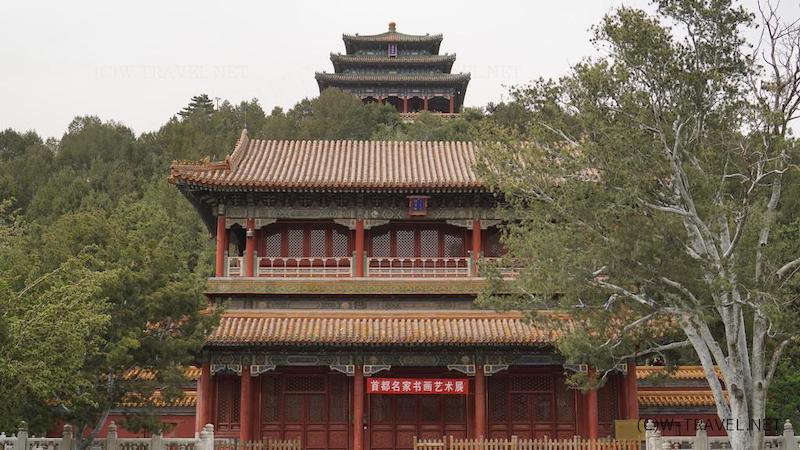







 और, कल मैं बीजिंग से प्रस्थान करके डेटोंग (ताートン) जाऊंगा।