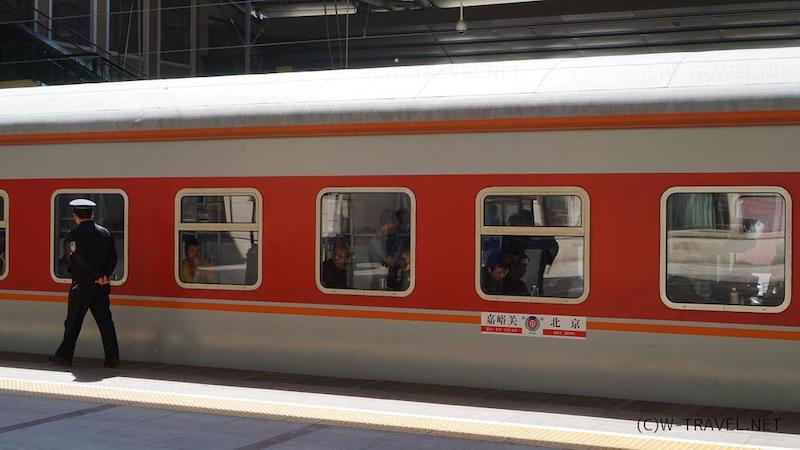
ट्रेन से बीजिंग से दाईटोंग तक।
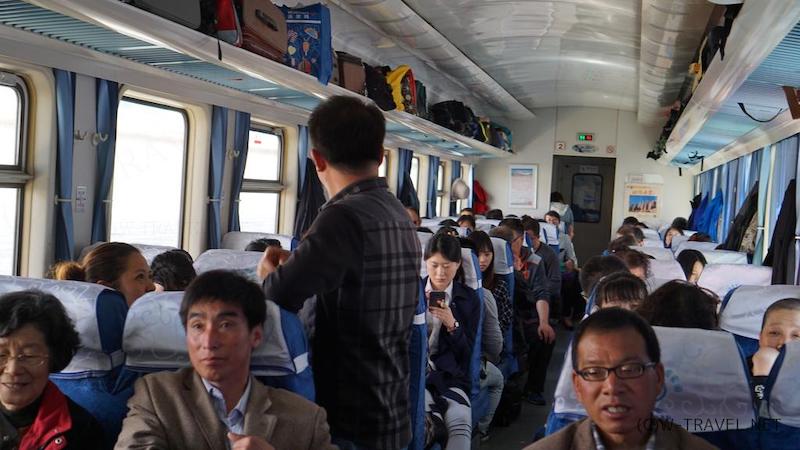
कठोर सीटों वाली ट्रेन में यात्रा। लगभग 6 घंटे।
चीन बहुत बड़ा है।
सबसे पहले, होटल से बाहर, आस-पास के इलाके में भोजन किया।
यह एक तरह का दलिया था, जिसमें चावल, बाजरा या जौ जैसे अनाज शामिल थे, और मैंने मन्ज़ू खाया।
दोनों की कीमत 2 युआन (39 येन) थी।
मन्ज़ू स्वादिष्ट था।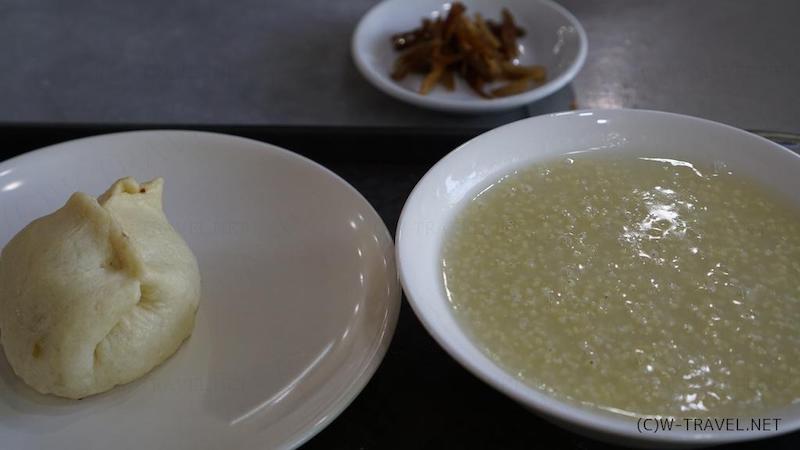 "मुझे थोड़ा चिंता थी कि क्या 'केंज़ा' की सीटें कितनी आरामदायक होंगी, लेकिन यह स्वीकार्य सीमा के भीतर थी।
सीटें झुकाने योग्य नहीं थीं, लेकिन वे उतनी सख्त नहीं थीं।
शायद इसलिए क्योंकि वहाँ एक गर्दन का तकिया था।"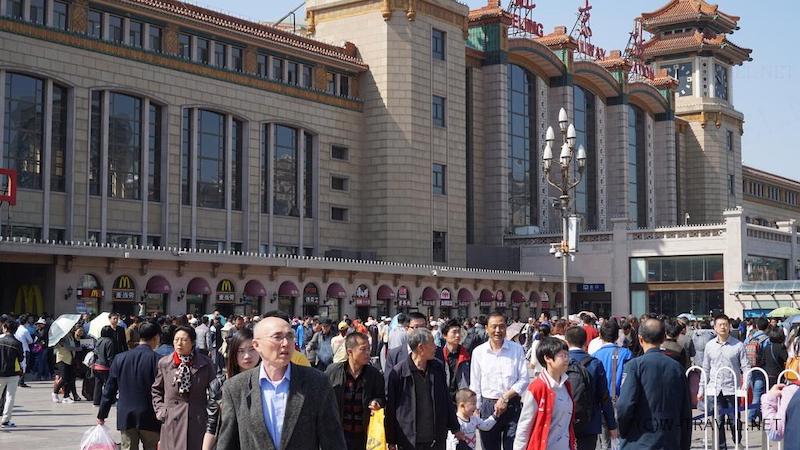


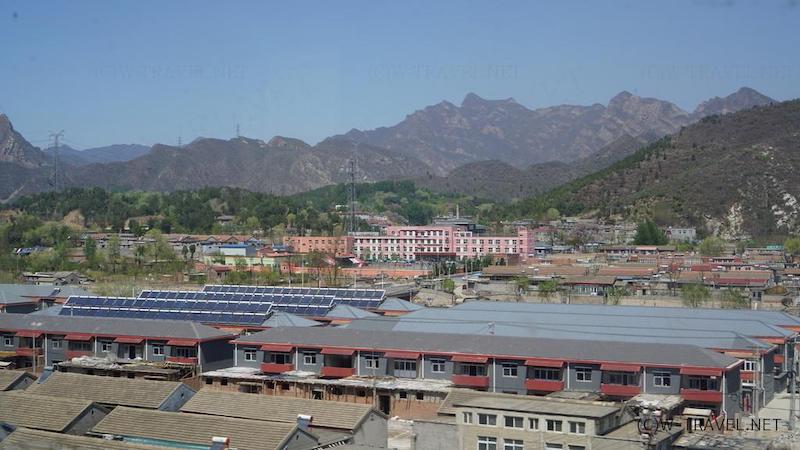
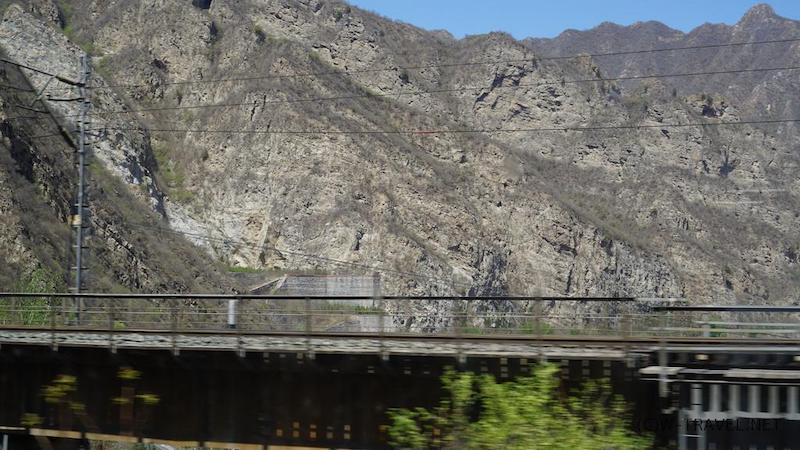

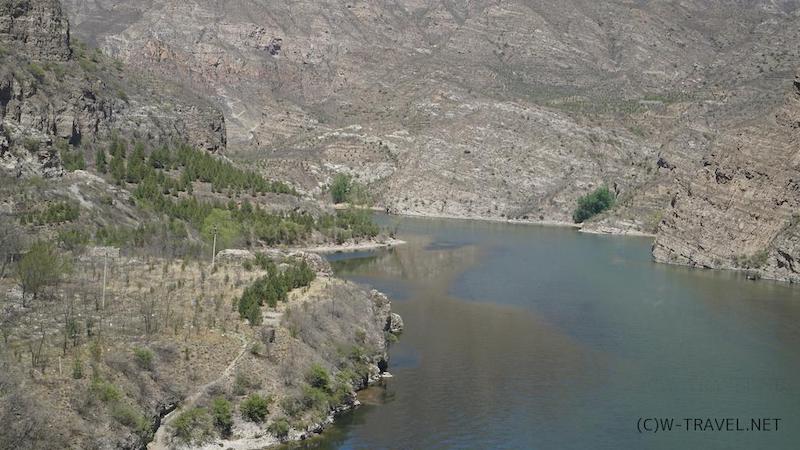
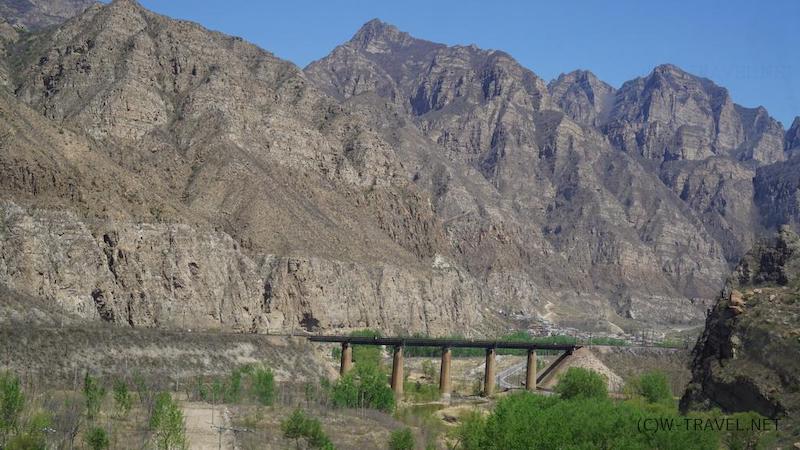
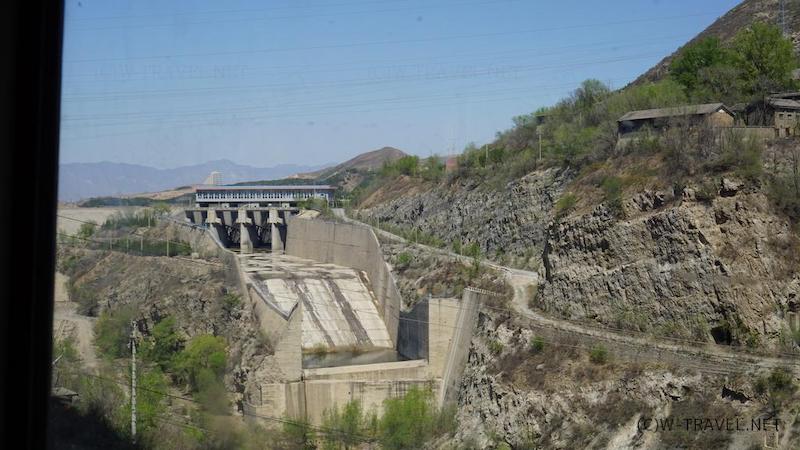
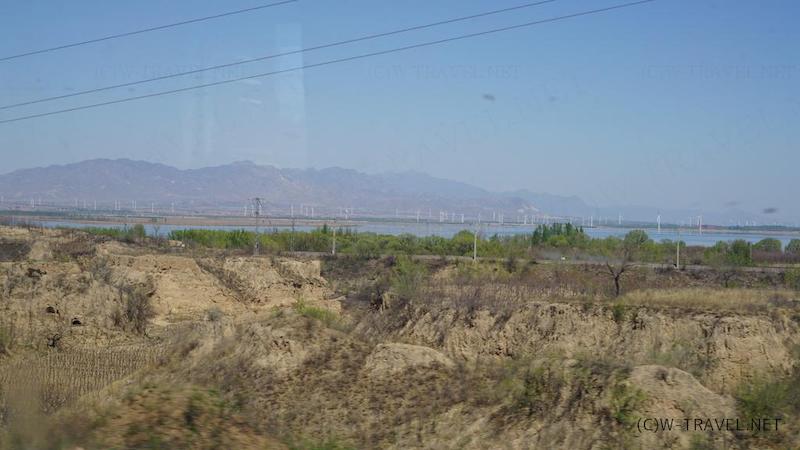
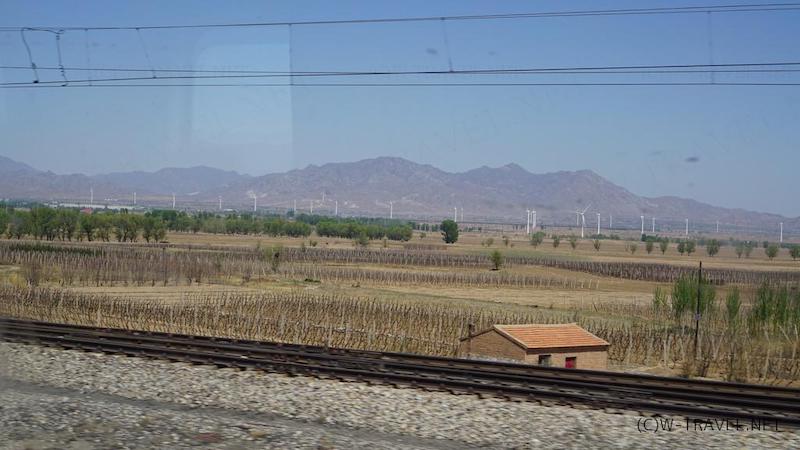
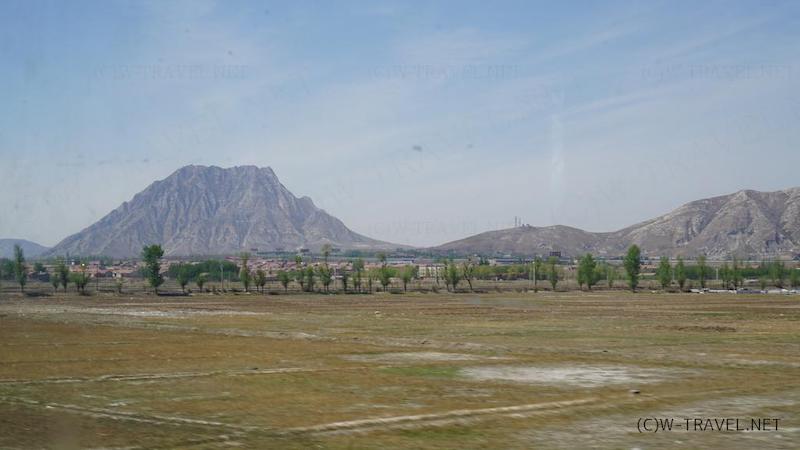

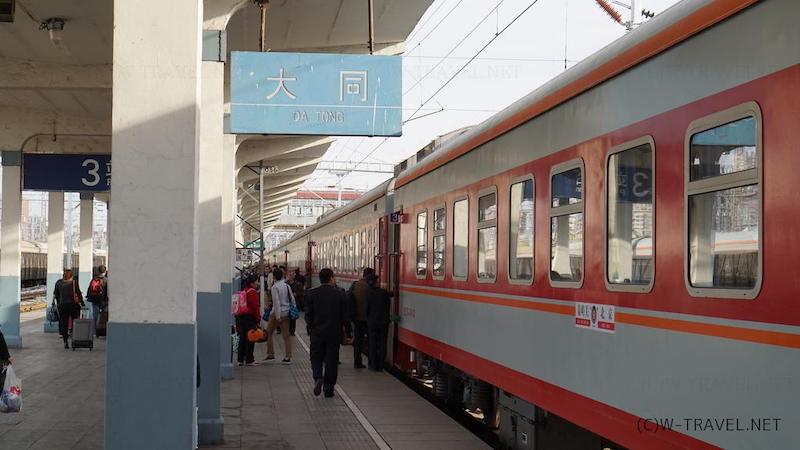
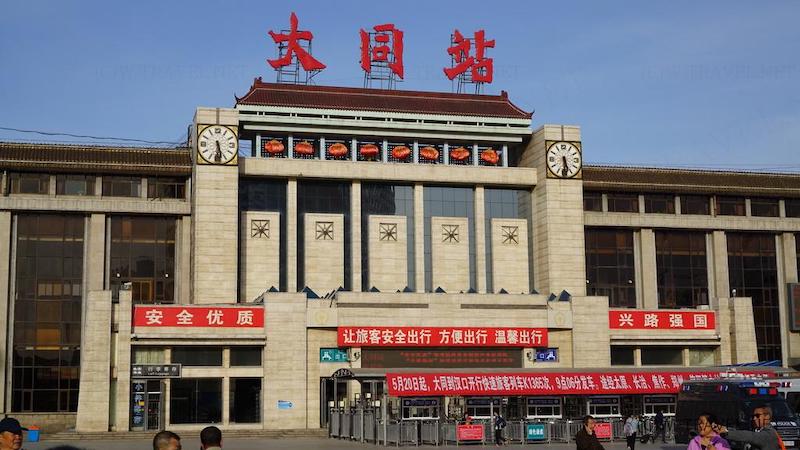 अंततः दाईतोंग शहर में आगमन।
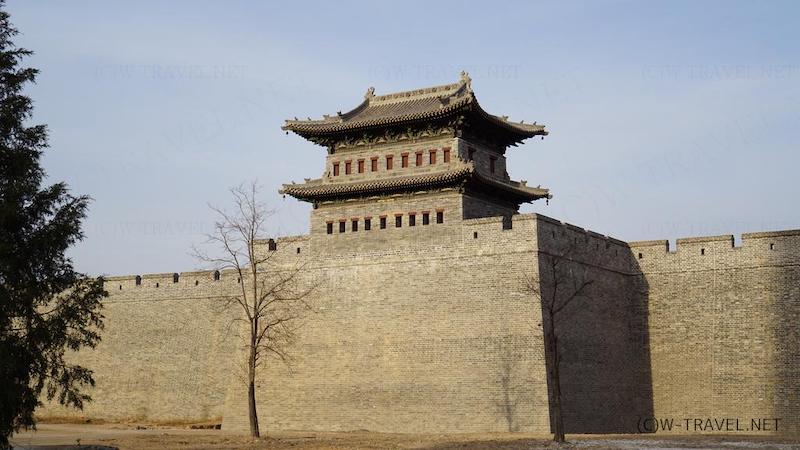
शहर के इलाके में मौजूद किले की दीवारें बहुत शानदार हैं।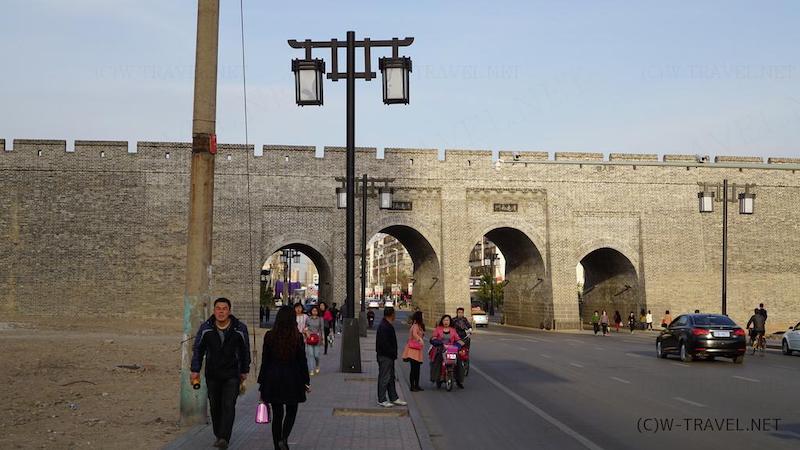
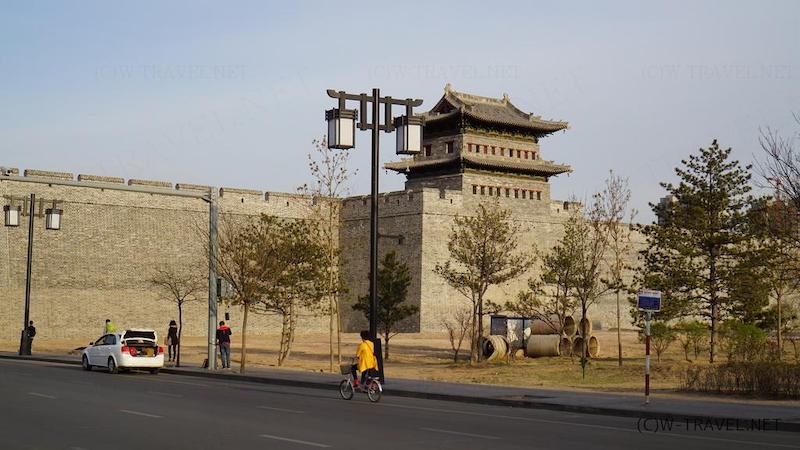
 आवास का स्थान "डैटोंग यूथ हॉस्टल (Datong Youth Hostel)" है।
यहां 3 रातें ठहरने हैं।
डोमिटरी में प्रति रात 60 युआन (लगभग 1170 येन)।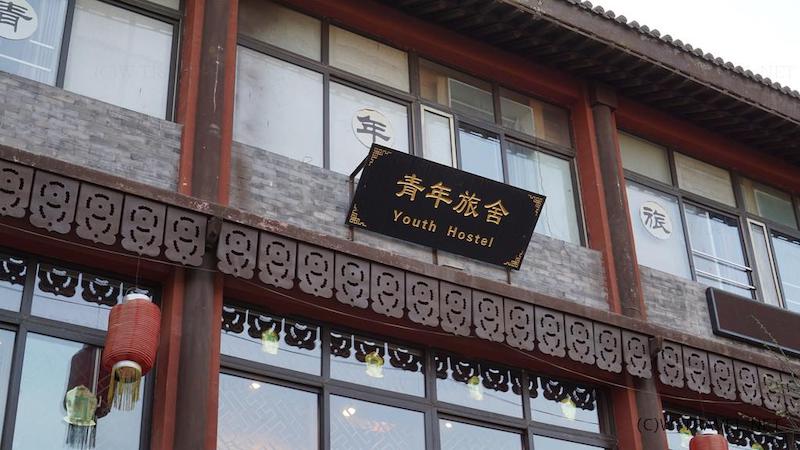 आवास स्थान पर चेक-इन करने पर, मुझे पता चला कि वहां कल के टैक्सी शेयर यात्रा के लिए सदस्यों की तलाश चल रही थी, इसलिए मैंने उसमें भाग लेने का फैसला किया।
केंकुजी थोड़ी दूर है, इसलिए मैं टूर में शामिल होने वाला था, इसलिए यह एकदम सही था।
और, वहां एक व्यक्ति (सु-कुन) था जो जापानी बोल सकता था, जो बहुत मददगार था।
वह कुछ समय के लिए शंघाई में काम कर रहा था और अपने गृहनगर लौटने से पहले यात्रा कर रहा था।
उसने बताया कि उसने विश्वविद्यालय में और एनीमे देखकर जापानी सीखी। वाह।
4 लोग शामिल थे, और प्रति व्यक्ति 105 युआन (2050 येन) का शुल्क था।
हम 4 स्थानों पर रुकेंगे:
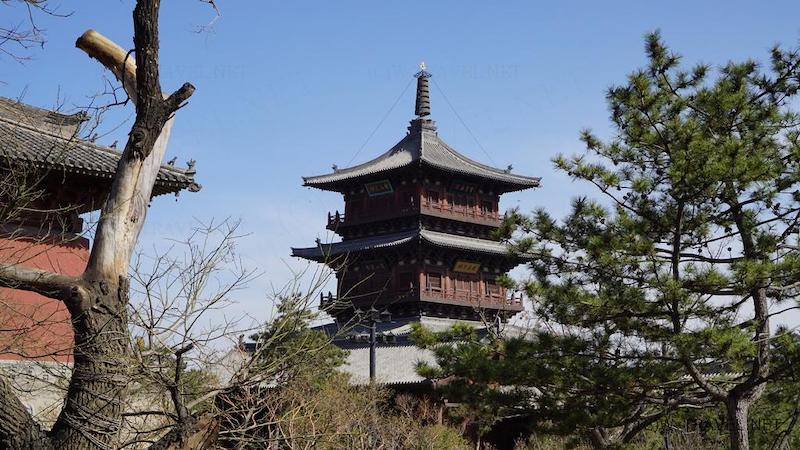
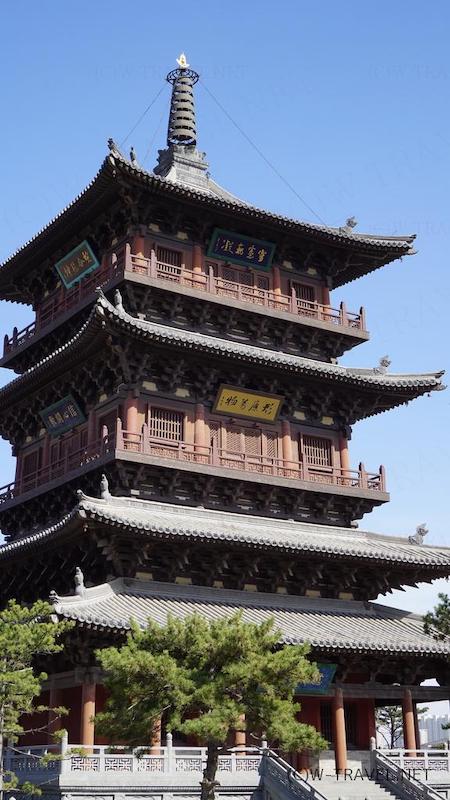
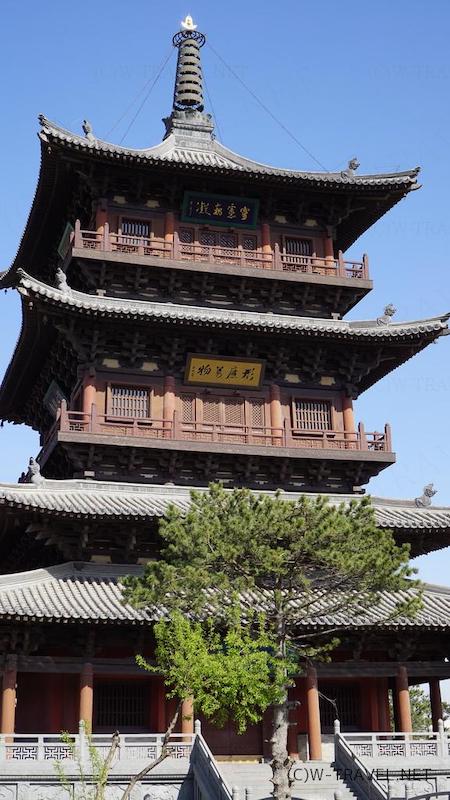
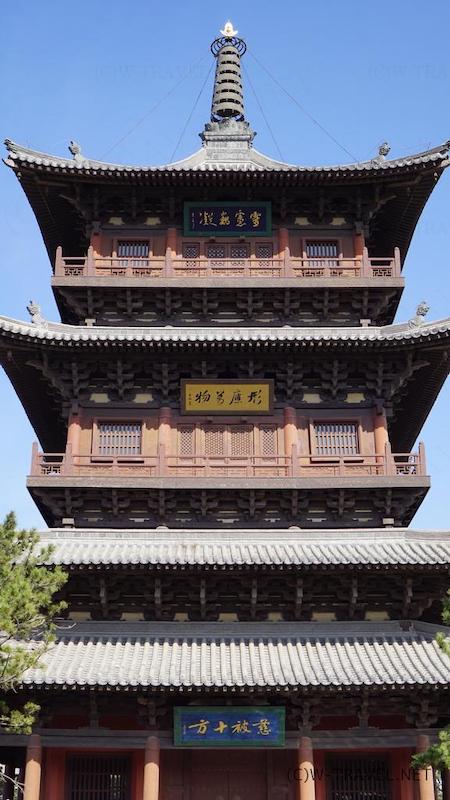
- योंगक्सियन वु टा (लगभग 1000 साल पहले का लकड़ी का 5 मंजिला टावर, लगभग 67 मीटर)।
- केंकुजी (1400 साल पहले का, चट्टान पर बना मंदिर)।
- बेईयुए हेंगशान (केंकुजी के पीछे की पहाड़ी पर स्थित कई मंदिर)।
- मुलिन (यह एक निजी सुविधा है, इसलिए यदि आप इसे भूल जाते हैं तो कोई बात नहीं। अंततः, मैं इसमें शामिल नहीं हुआ)।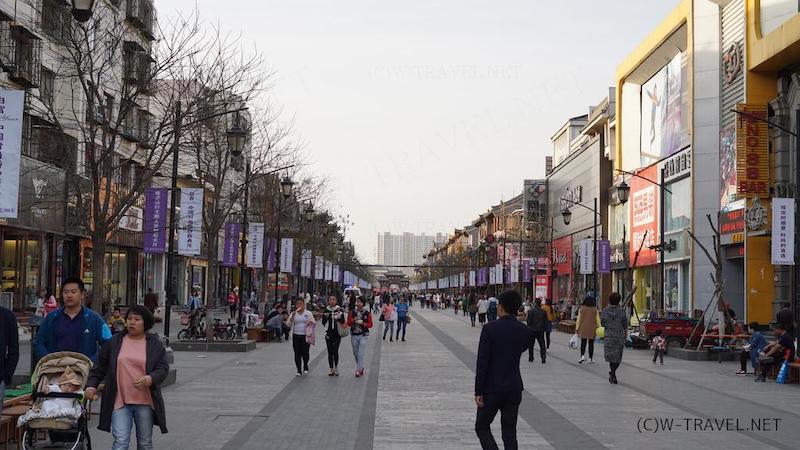
क्रेडिट कार्ड अंदर चला जाता है।
बाहर जाकर हल्का भोजन करने के बाद, मैंने कुछ पैसे निकालने के लिए एटीएम का उपयोग किया, लेकिन दाइको बैंक में क्रेडिट कार्ड स्वीकार नहीं किया गया। अरे!
दूसरी बार, मैंने सामने वाले चीन कंस्ट्रक्शन बैंक में फिर से प्रयास किया, लेकिन कार्ड एटीएम में फंस गया!
"बैंक के अनुरोध के अनुसार, यह कार्ड अस्थायी रूप से यहां रखा जाएगा।"
ऐसा लिखा हुआ था।
यह क्या है!
मैंने पास के कॉल बटन दबाकर हेल्प सेंटर से बात करने की कोशिश की, लेकिन जल्द ही एक सुरक्षा कर्मचारी आया और कुछ कह रहा था, लेकिन मुझे कुछ समझ नहीं आया। मुझे केवल "कल" ही समझ में आया।
मैंने जो लिखा हुआ था, उसे गेस्ट हाउस वापस जाकर किसी और से अनुवाद करवाया, तो पता चला कि "कल सुबह 8 बजे पहचान पत्र लेकर बैंक की शाखा में आएं।" इसलिए मैं वहां जाने वाला हूं।
उम्म्ह।
मैंने अपने कमरे से रैकन प्रीमियम कार्ड डेस्क पर फोन किया, तो उन्होंने कहा कि "आपके कार्ड की स्थिति सामान्य है।" यह क्या है! फिर वह संदेश क्या है?
मैंने उन्हें बताया कि यह बैंक के अनुरोध के कारण है, लेकिन डेस्क पर काम करने वाला कर्मचारी स्थिति को पूरी तरह से नहीं समझ पा रहा था, और कोई समाधान नहीं निकल रहा था। आप विशेषज्ञ होने चाहिए।
उन्होंने कहा कि अगर कार्ड वापस मिल जाए तो वह ठीक से काम करेगा, लेकिन मैं थोड़ा चिंतित हूं।
मेरे पास कुछ अतिरिक्त कार्ड हैं, इसलिए मैं खुश हूं कि मैंने उन्हें साथ लाया था।
भविष्य में, मैं एटीएम का उपयोग शहर में रहने की शुरुआत में ही करूंगा...
और मैं यथासंभव सप्ताह के दिनों में इसका उपयोग करने की कोशिश करूंगा।
क्योंकि अगर मैं सप्ताहांत तक कार्ड प्राप्त नहीं कर पाता, तो मुझे परेशानी होगी।
कल, टूर की टैक्सी सुबह-सुबह बैंक जाएगी, इसलिए मैं थोड़ा निश्चिंत हूं।
हालांकि, अभी भी सतर्क रहने की आवश्यकता है।
क्रेडिट कार्ड अभी भी वापस नहीं आया है।
सुबह, टूर के वाहन से पहले एटीएम पर जाने के लिए कहा।
एटीएम पर एक सुरक्षा गार्ड था, इसलिए मैंने स्थिति की जांच की, लेकिन सुरक्षा गार्ड केवल मंदारिन चीनी भाषा बोलता था। इसलिए, मैंने टूर में शामिल एक ऐसे व्यक्ति से अनुरोध किया जो जापानी बोलता था, और उसने बातचीत की। ऐसा लगता है कि उन्होंने संपर्क जानकारी दी और होटल का स्टाफ बाद में उसे वापस ले जाएगा। अरे वाह। मुझे लगा कि क्या यह संभव है? लेकिन, मैंने फिलहाल इसे उन पर छोड़ दिया।
और रात में, टूर खत्म होने के बाद भी कोई संपर्क नहीं हुआ, और इसलिए, स्वाभाविक रूप से, कार्ड भी वापस नहीं आया।
यही तो होता है।
मैंने कुछ हद तक इसकी उम्मीद की थी।
यह कि मेरे क्रेडिट कार्ड को किसी और व्यक्ति द्वारा वापस लिया जाए, यह सामान्य रूप से सोचने पर भी असंभव है। यह घड़ी खोने जैसी स्थिति से अलग है।
शुरू से ही बैंक की शाखा की ओर जाना बेहतर होता।
कल सुबह मैं सीधे बैंक की शाखा की ओर जाऊंगा।
यॉन्गक्सियन मूटॉ।
आज, हमने चार लोगों के लिए एक टैक्सी किराए पर ली और उन कुछ पर्यटन स्थलों की ओर गए जहाँ बस से जाना मुश्किल था।
यह 8 बजे निकलने वाला था, लेकिन ड्राइवर ने कहा कि वह 8 बजे से अपने बच्चे को किंडरगार्टन में छोड़ने जाएगा, इसलिए 8:30 बजे निकलेंगे। हम्म। यह कुछ ऐसा था जिसकी शुरुआत में ही उम्मीद की जा सकती थी, इसलिए शुरुआत में ही 8:30 बजे मिलने की योजना बनानी चाहिए थी। यहां की महिला कर्मचारी और उसके पति, दोनों ही यहां रहते हैं और काम करते हैं, और ड्राइवर भी उसी पति हैं। जापानी मानसिकता से, मेरा मानना है कि निर्धारित समय पर बिल्कुल निकलना चाहिए, लेकिन शायद यहां यह सामान्य है।
यह भारतीयों की तरह बिना किसी सूचना के देर से आने या जिद्दी व्यवहार करने से एक मिलियन गुना बेहतर है, इसलिए मैं ज्यादा परेशान नहीं हूं।
ऐसा लगता है कि जैसे-जैसे हम शंघाई और बीजिंग जैसे शहरों से दूर जा रहे हैं, लोग धीरे-धीरे अधिक लापरवाह होते जा रहे हैं।
"लापरवाह" होने का मतलब है कि वे लापरवाही से काम करते हैं, लेकिन फिर भी वे किसी न किसी तरह से काम करते हैं, इसलिए यह ठीक है, लेकिन एक ही देश होने के बावजूद, शंघाई और बीजिंग के साथ अंतर है, इसलिए इसमें समायोजन करने में समय लगता है।
यह एक अच्छी बात है कि वे मिलनसार हैं।
8:30 बजने के बाद भी, हम नहीं निकले, और अंततः लगभग 8:40 बजे निकले।
चूंकि हमने 8 बजे निकलने की योजना बनाई थी, इसलिए हमने 7:50 बजे से इंतजार किया, इसलिए हम लगभग 50 मिनट तक इंतजार करते रहे।
ठीक है, यह वैसा ही है।
घबराने से कुछ नहीं होगा।
यह टैक्सी नहीं है, बल्कि एक सामान्य कार है।
मैं आगे की सीट पर बैठा था, लेकिन सीट बेल्ट ठीक से नहीं लगी थी, और बेल्ट में "घुमाव" था, इसलिए बेल्ट का शरीर पर फिट होना ठीक नहीं था।
यह क्या है?
यह जापानी कार में कभी नहीं हो सकता।
ऐसा लगता है कि यह एक चीनी कार है, लेकिन क्या चीनी लोग इस बारे में परवाह नहीं करते हैं?
मेरे सीने से कंधों तक अजीब महसूस हो रहा है।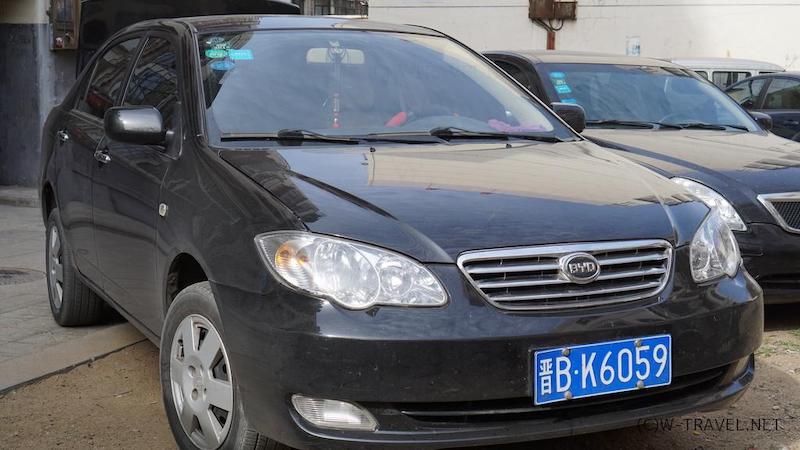 ड्राइविंग बहुत सावधानी से की जाती है।
यह लगभग कभी नहीं होता कि लोग लेन की परवाह किए बिना लापरवाही से गाड़ी चलाते हैं, जैसा कि भारत में होता है।
इस अर्थ में, चीन का लोकाचार भारत की तुलना में बहुत बेहतर है।
भारतीय लोग शायद चीन को समान मानते होंगे, लेकिन ऐसा बिल्कुल नहीं है।
मुझे लगता है कि भारतीय लोगों में "फ्लैट वर्ल्ड" के बारे में लिखने की उनकी प्रवृत्ति, जो कि एक तरह से अत्यधिक आत्मविश्वास है, एक फायदा और एक कमजोरी दोनों है।
ऐसा लगता है कि जब भारतीय लोगों ने "फ्लैट वर्ल्ड" के बारे में आत्मविश्वास से लिखा, तो जापानी लोग, जो गंभीर होते हैं और शायद ही कभी किसी पर संदेह करते हैं, उन्होंने उस बात को सच मान लिया।
दुनिया "फ्लैट" नहीं है।
इसका सबसे महत्वपूर्ण कारण यह है कि "राष्ट्र" नामक एक ढांचा मौजूद है जो लोगों की आवाजाही को रोकता है।
भले ही जानकारी का आदान-प्रदान हो, भाषाएँ अलग-अलग हैं और सीमाएँ हैं, इसलिए लोगों की आवाजाही मुश्किल होती है।
भले ही चीनी और भारतीय लोगों के बीच कुछ आदान-प्रदान हो, लेकिन वे पूरी तरह से एक-दूसरे के साथ नहीं मिलेंगे, और भले ही भारतीय और जापानी लोगों के बीच कुछ आदान-प्रदान हो, लेकिन वे पूरी तरह से एक-दूसरे के साथ नहीं मिलेंगे।
उपरोक्त पुस्तक में कहा गया है कि "सूचना के माध्यम से दुनिया एक जैसी हो जाएगी," लेकिन रहने की जगह के आधार पर असमानताएं बनी रहेंगी, और चूंकि रहने वाले लोग अलग-अलग हैं, इसलिए वे एक समान नहीं हो सकते।
सूचना समाज एकरूपता को बढ़ावा दे सकता है, लेकिन यह क्षेत्र-दर-क्षेत्र आगे बढ़ेगा।
भारत के बैंगलोर में, भारतीय लोग इसे एक उन्नत शहर मान सकते हैं, लेकिन यह चीन के शंघाई की तुलना में बहुत कम है, और यदि हम वर्षों में अंतर करते हैं, तो यह लगभग 30 वर्ष का अंतर है। यह अंतर हमेशा बना रहेगा, इसलिए अंततः वे एक समान नहीं होंगे। यदि एक पक्ष पिछड़ जाता है और दूसरा पक्ष समृद्ध होता है, तो एक उलटफेर हो सकता है, लेकिन यह एकरूपता/समानता नहीं है।
ठीक है, भारतीय लोगों के बारे में बात करना बंद कर दूँ। यह चीन है।
जब मैं चीन को देखता हूँ, तो मुझे यह स्पष्ट रूप से दिखाई देता है कि भारत कितना खराब था।
जब आप भारत और चीन दोनों का अनुभव करते हैं, तो यह समझ में आता है कि आप भारतीय लोगों के साथ नहीं, बल्कि चीनी लोगों या दक्षिण पूर्व एशिया के लोगों के साथ जुड़ें। भारतीय और जापानी लोग बहुत अलग हैं, लेकिन चीनी लोग जापानी लोगों को समझने में सक्षम होते हैं।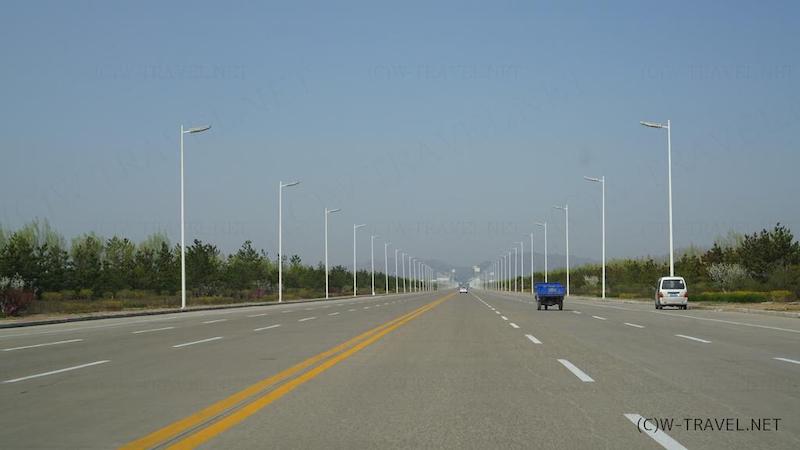 इस तरह की बातों के साथ,
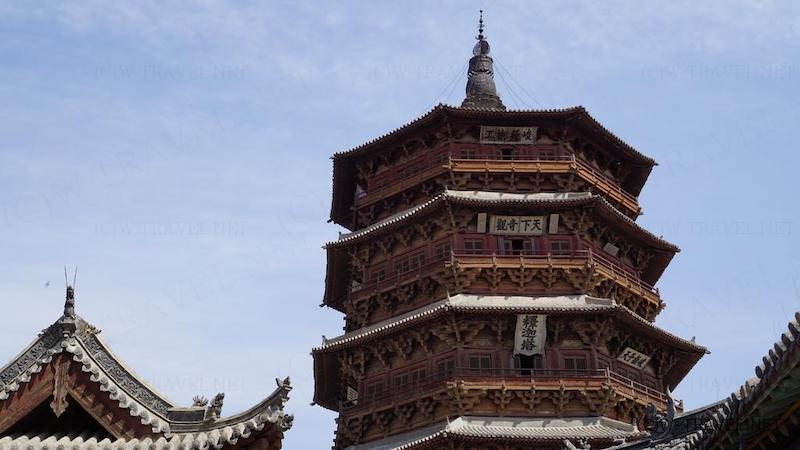
सबसे पहले, "यिंगक्सियन मु टा" नामक एक लकड़ी का, लगभग 1000 साल पुराना, पांच मंजिला टावर देखें।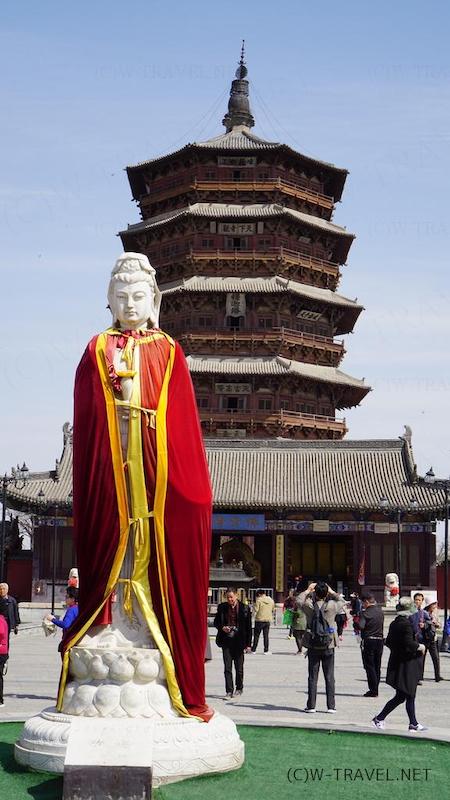 यह उद्देश्य नहीं था, और क्योंकि यह 60 युआन (1,170 येन) है जो कि महंगा है, इसलिए मैं अंदर नहीं गया और बाहर से ही देखता रहा।
यह पांच मंजिला टावर है, इसलिए बाहर से देखना ही काफी है।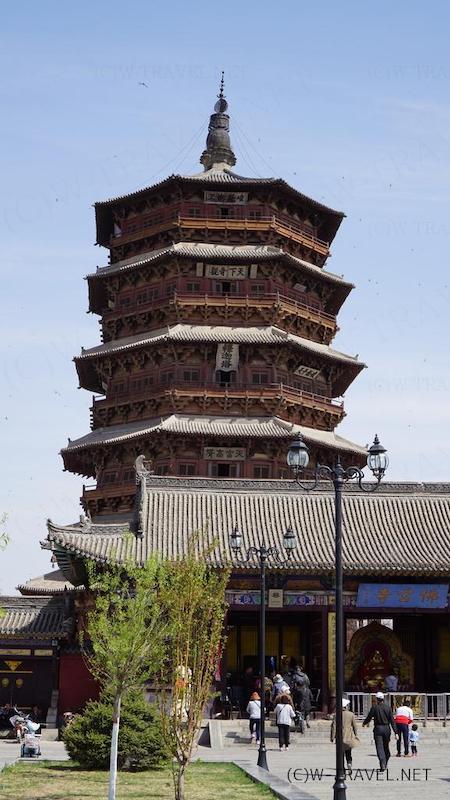
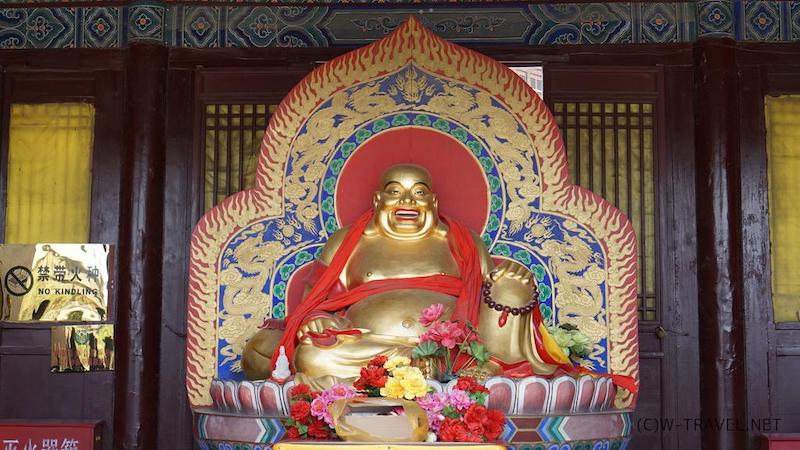
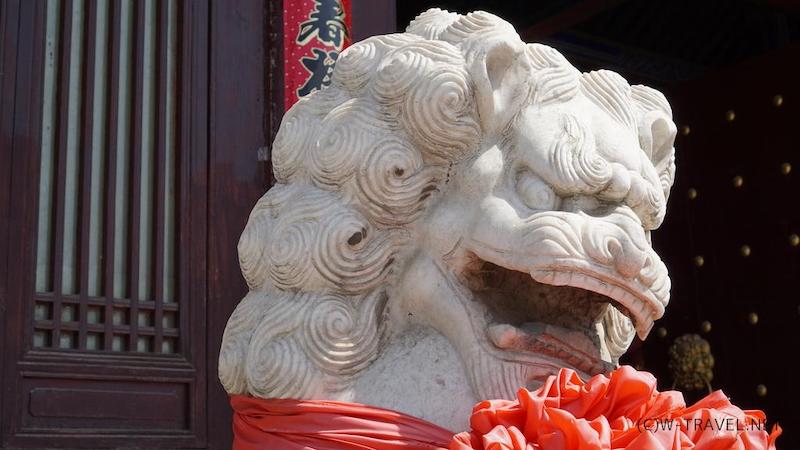
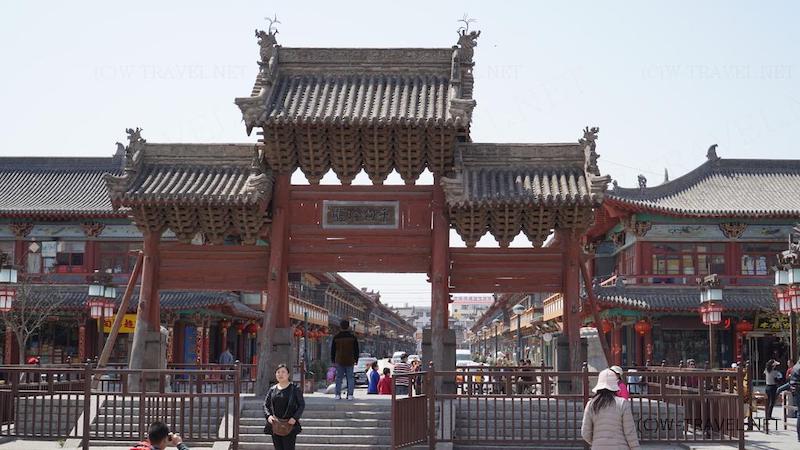 साथ में गए एक व्यक्ति के पास एक नकली पुलिस पहचान पत्र था, जिसके कारण उसे प्रवेश शुल्क माफ था।
क्या!
इसके अलावा, एक अन्य व्यक्ति के पास एक नकली छात्र पहचान पत्र था, जिसके कारण वह छात्र शुल्क पर प्रवेश कर रहा था।
यह कभी-कभी सुनने को मिलता है।
मुझे नहीं लगा था कि यह इतना महंगा होगा, इसलिए मैंने छात्र पहचान पत्र के बारे में सोचा भी नहीं था, लेकिन अगर यह इतना महंगा है, तो मुझे कहीं से भी इसे प्राप्त कर लेना चाहिए था।
यदि मैं ओपन यूनिवर्सिटी (放送大学) में दाखिला लेता, तो शायद दुनिया भर के स्मारकों के प्रवेश शुल्क पर छूट मिलने से यह सस्ता हो सकता था।
पहले मैं केवल भारत के स्मारकों में गया था, और चूंकि वहां छात्र छूट नहीं थी, इसलिए मेरा मानना था कि "छात्र पहचान पत्र शायद ज्यादा उपयोगी नहीं होगा"।
लेकिन ऐसा लगता है कि चीन में यह काफी उपयोगी था।
मैंने गलती कर दी।
खंखूजी।
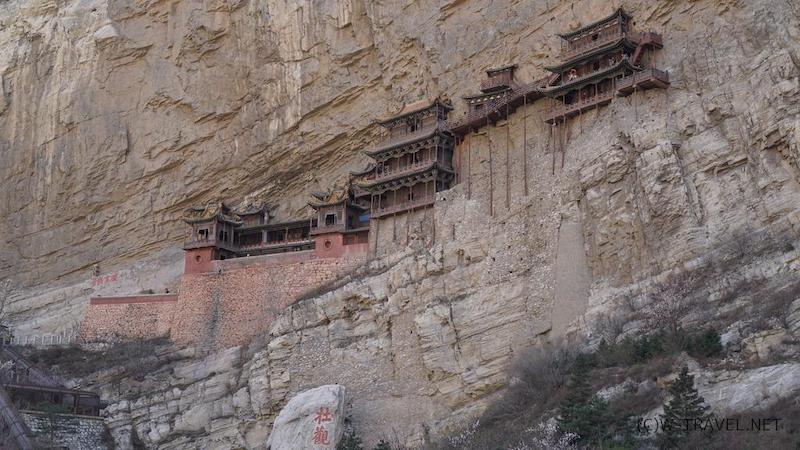
अगला गंतव्य, केंकुजी (शुआनकोनसू) मंदिर है।
पार्किंग के पास ट्रैफिक जाम हो गया, इसलिए हमने कार को ड्राइवर को सौंप दिया और पैदल ही मंदिर की ओर चल दिए।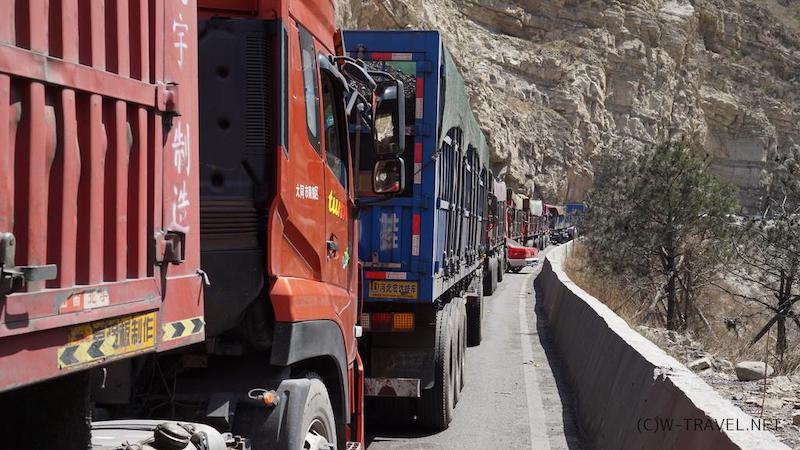
 मंदिर का आकार दिखाई दे रहा है, लेकिन...
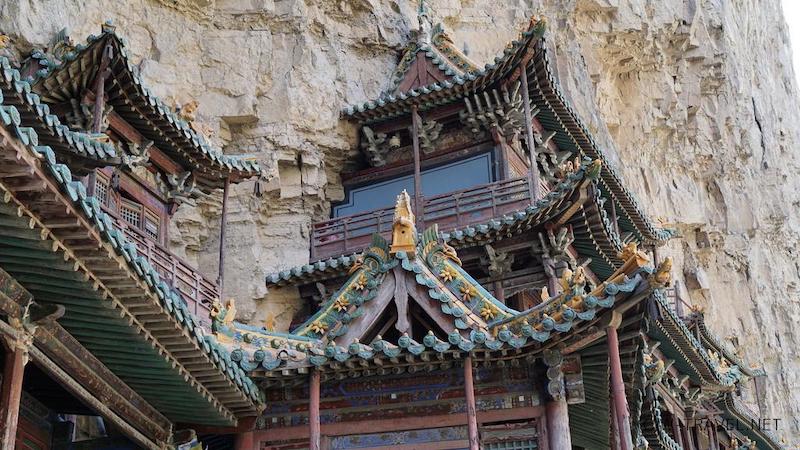
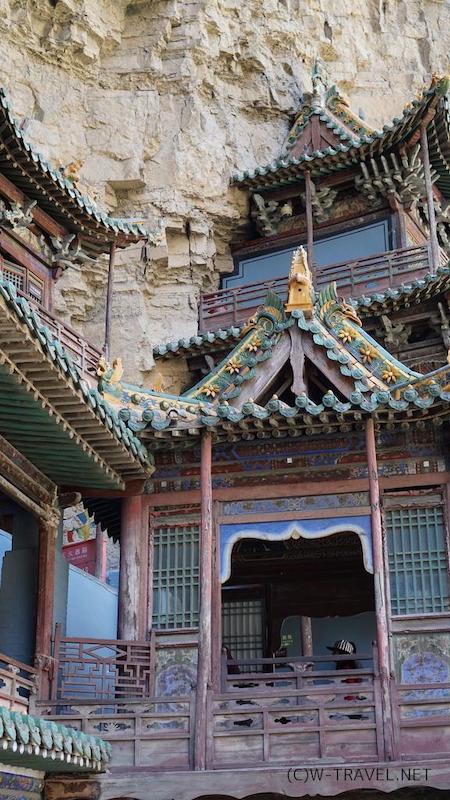
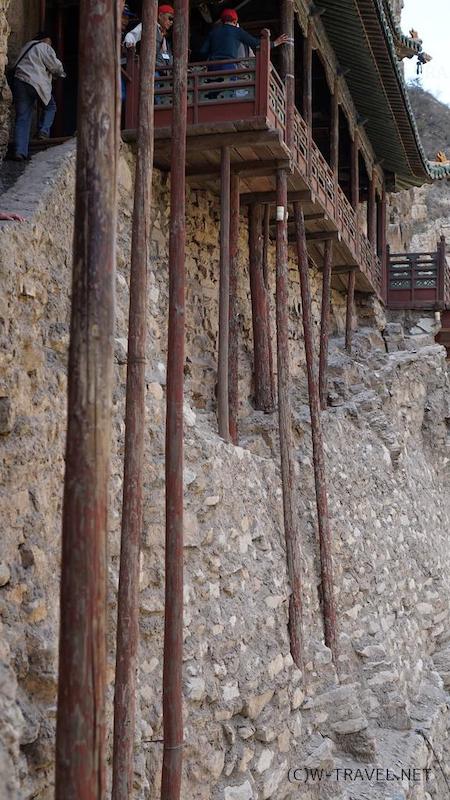
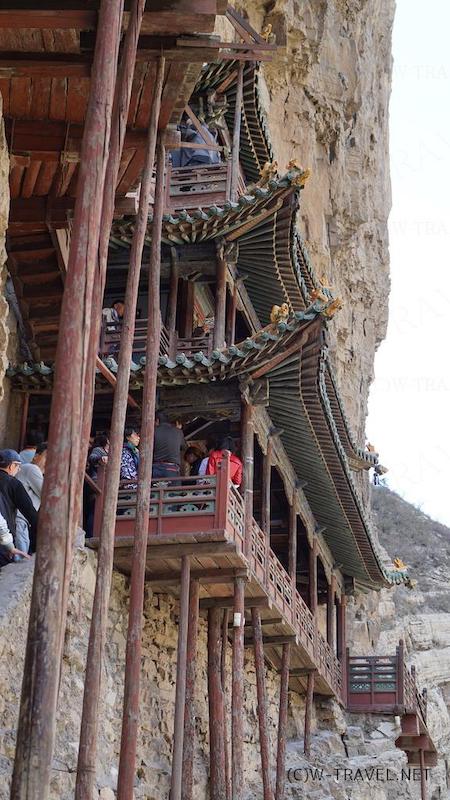
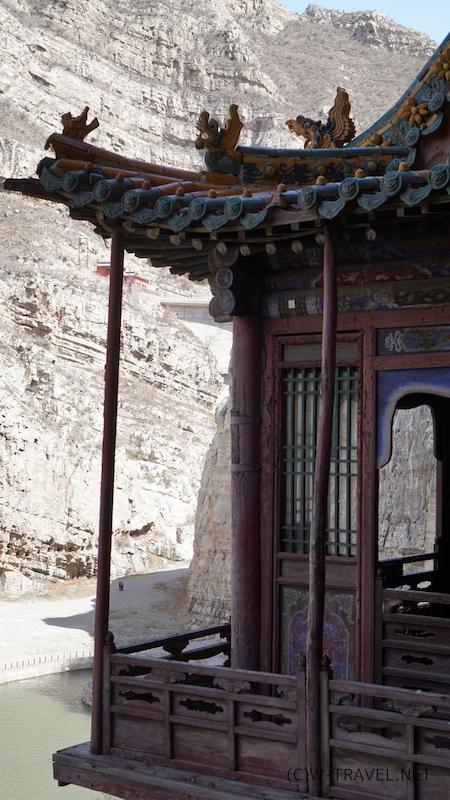
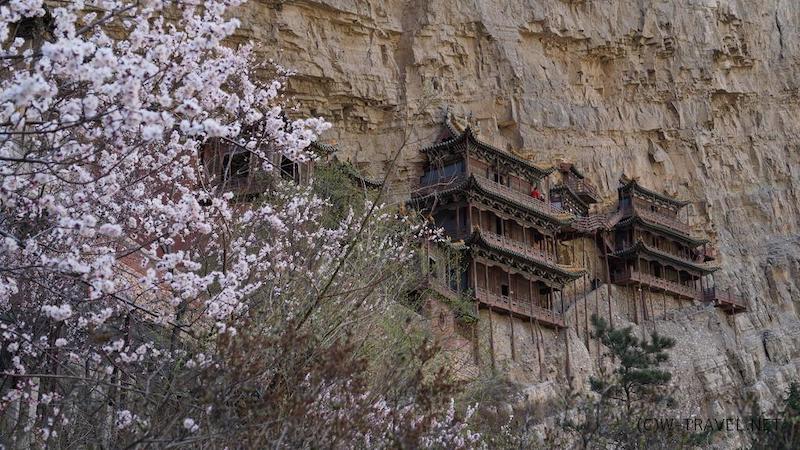
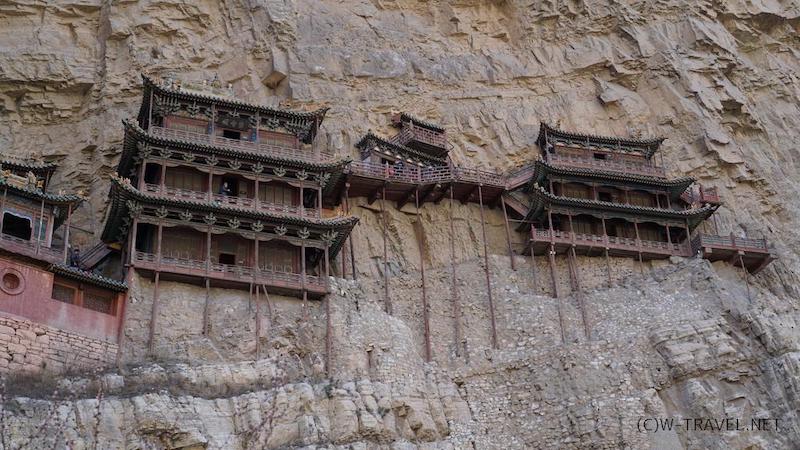
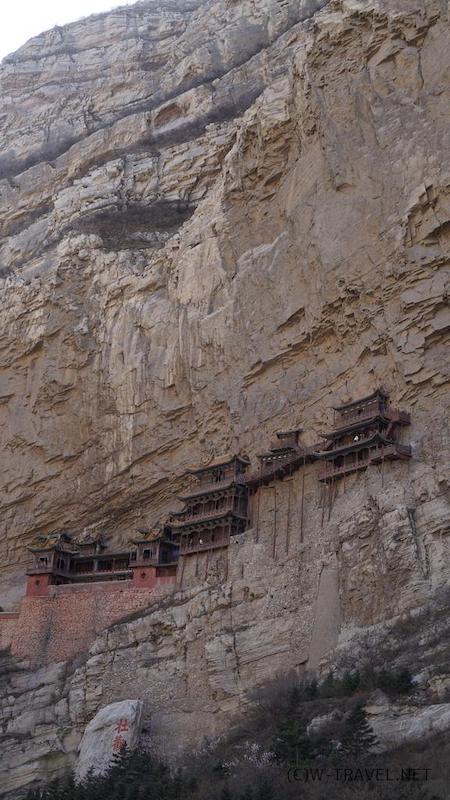
यह थोड़ा अजीब लग रहा है। मूल रूप से, इसका आकार बहुत छोटा है, और बाएं और दाएं दोनों तरफ, बायां आधा हिस्सा चट्टानों पर बनी इमारतों से बना है। गहराई को देखते हुए, पिछला आधा हिस्सा चट्टानों द्वारा समर्थित है, इसलिए केवल सामने वाला थोड़ा सा हिस्सा ही खंभों द्वारा समर्थित है।
इसलिए, क्षेत्रफल के हिसाब से, तीन चौथाई हिस्सा चट्टानों पर है, और एक चौथाई हिस्सा खंभों द्वारा समर्थित है। क्या यह अद्भुत है?
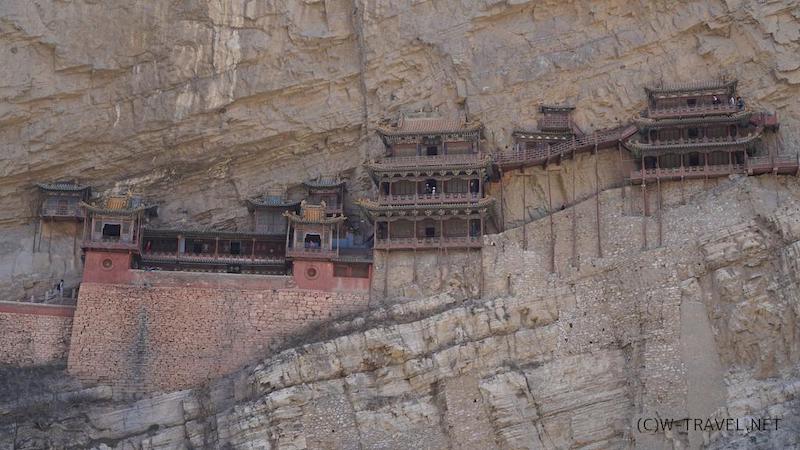 क्या पैसे देकर इसमें प्रवेश करना उचित है?
नतीजा यह निकला कि इतने अधिक प्रवेश शुल्क (124 युआन, लगभग 2430 येन) का कोई मूल्य नहीं था।
यहां की तुलना में बेहतर और 10 गुना से अधिक विशाल युंगोंग गुफाएं भी 120 युआन (लगभग 2350 येन) में हैं, तो यहां का प्रवेश शुल्क क्या है?
इतना पैसा वसूल करने के बावजूद, प्रबंधन की स्थिति भी खराब है।
क्या इसे ठीक नहीं किया गया है?
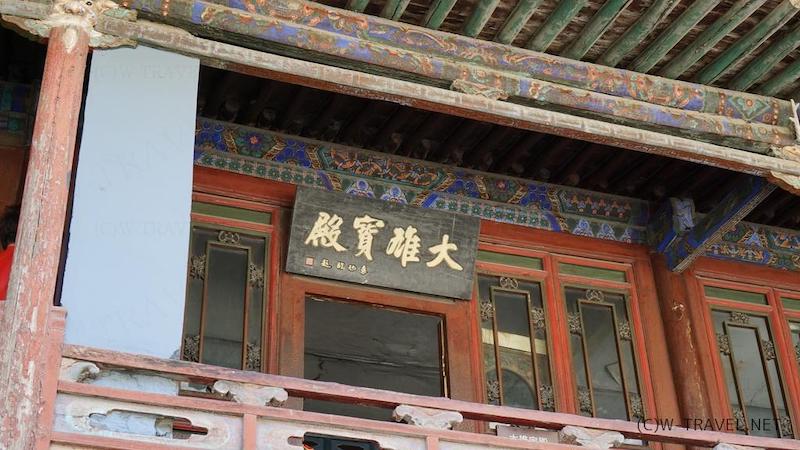
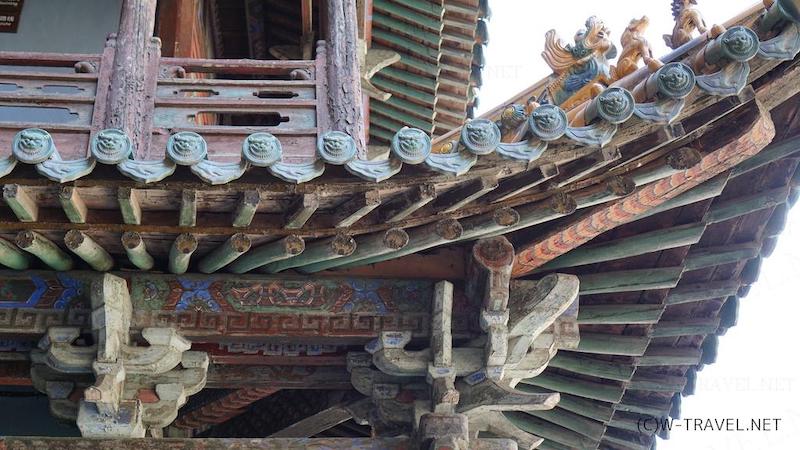
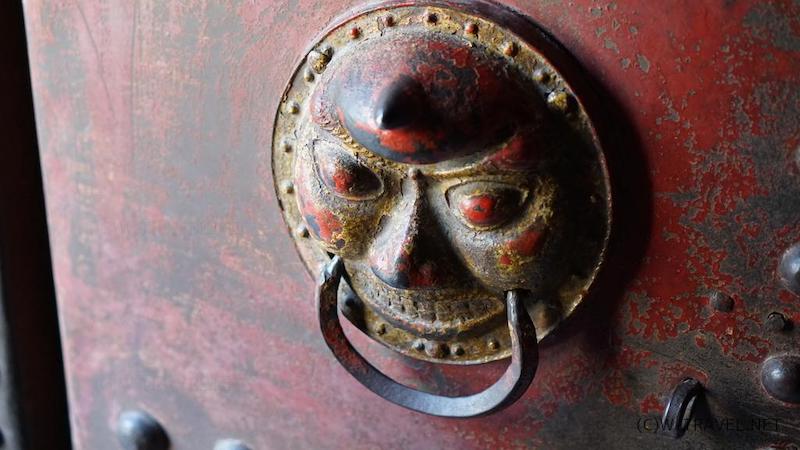
पेंटिंग उखड़ गई है।
लकड़ी में दरारें हैं, लेकिन उन्हें वैसे ही छोड़ दिया गया है।
ऐसा लगता है कि यह केवल लकड़ी से बना है, लेकिन महत्वपूर्ण जगहों पर इसे लोहे से जोड़ा गया है।
मुझे संदेह है कि क्या वे इस प्राचीन स्थल के मूल रूप को संरक्षित करने का इरादा रखते हैं।
हो सकता है कि इतनी ऊंचाई के कारण प्रबंधन में खर्च अधिक हो, लेकिन ऐसा नहीं लगता कि यहां कोई प्रबंधन हो रहा है।
मुझे ऐसा लगा कि वे केवल ग्राहकों से पैसे वसूल करने के लिए एक लालची दृष्टिकोण अपना रहे हैं।
वास्तव में, इसका मूल्य केवल 30 युआन (लगभग 590 येन) होना चाहिए।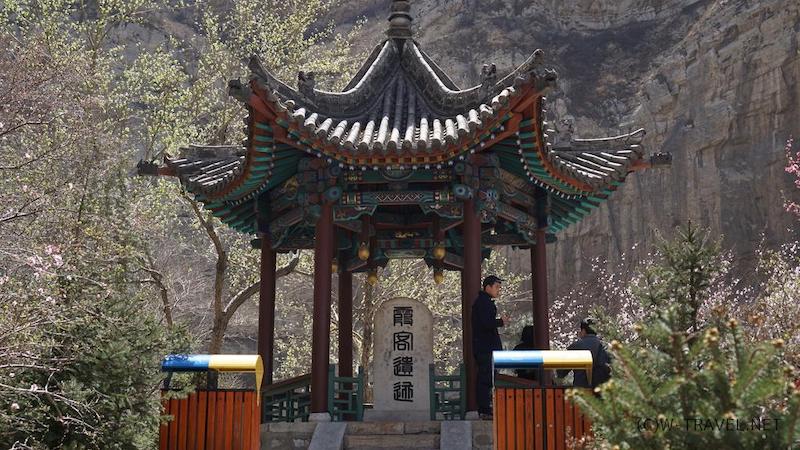

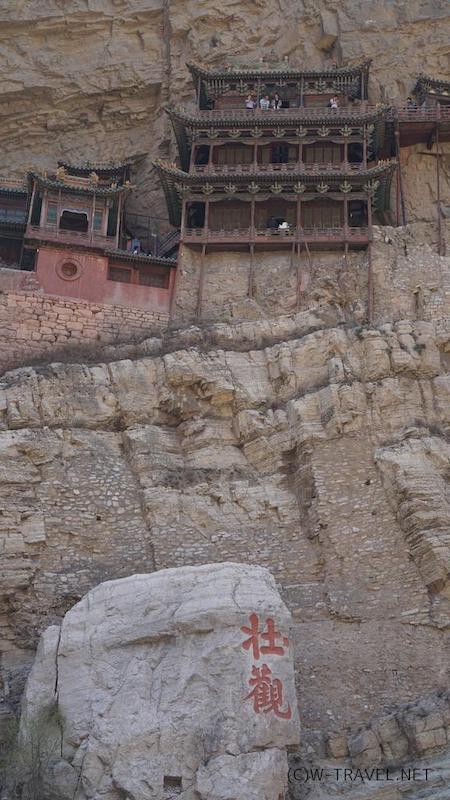
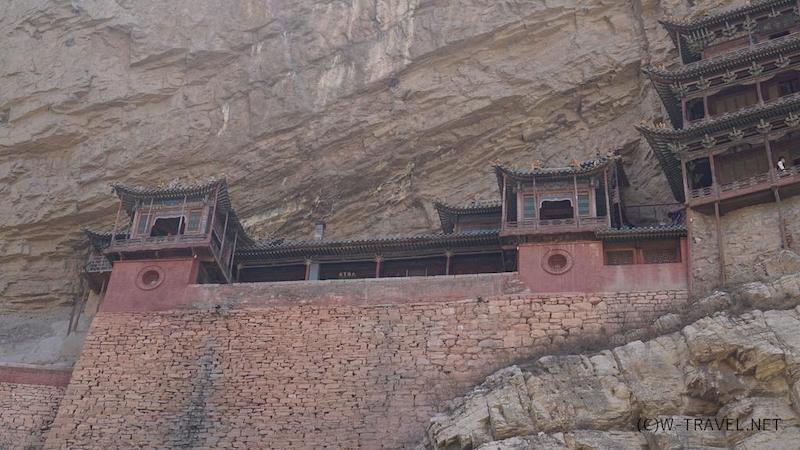

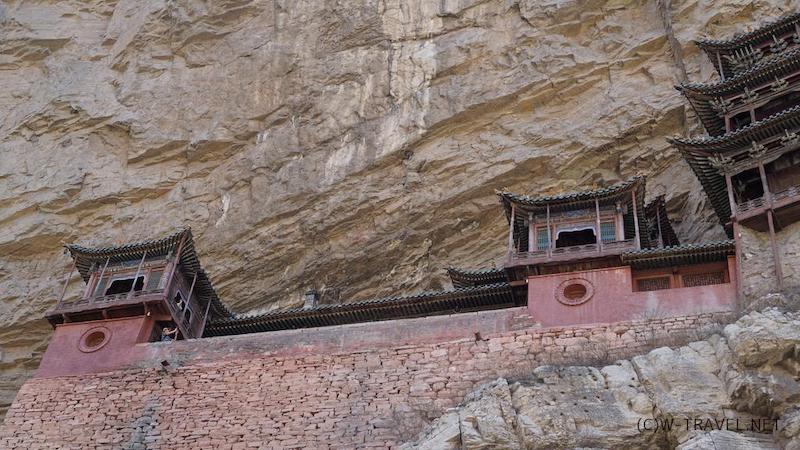


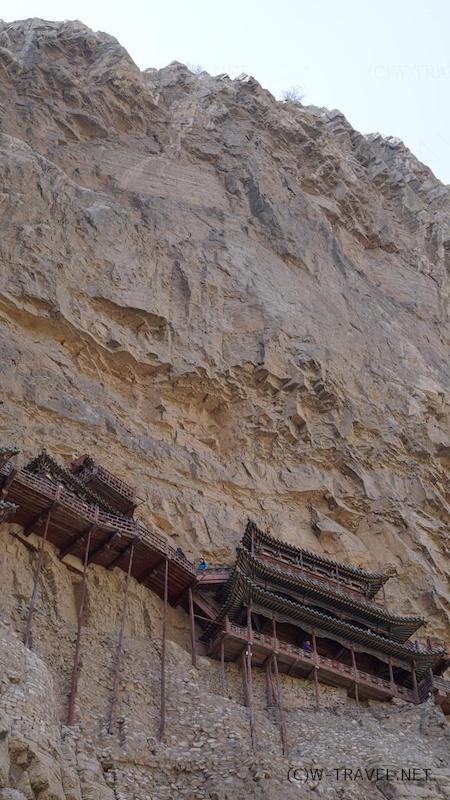
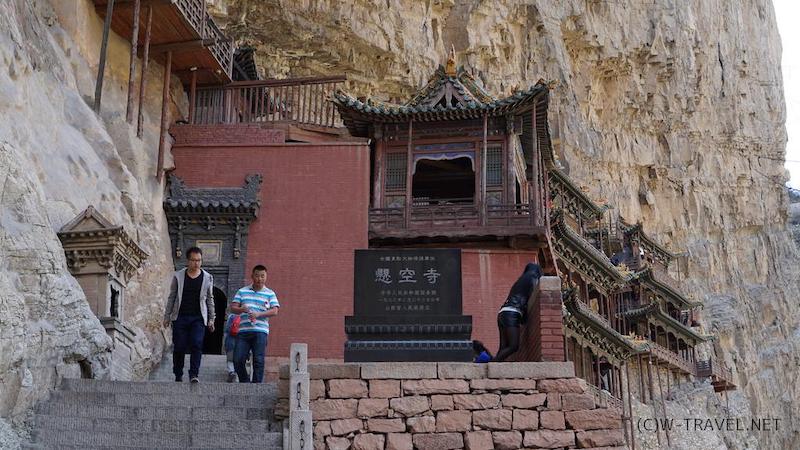


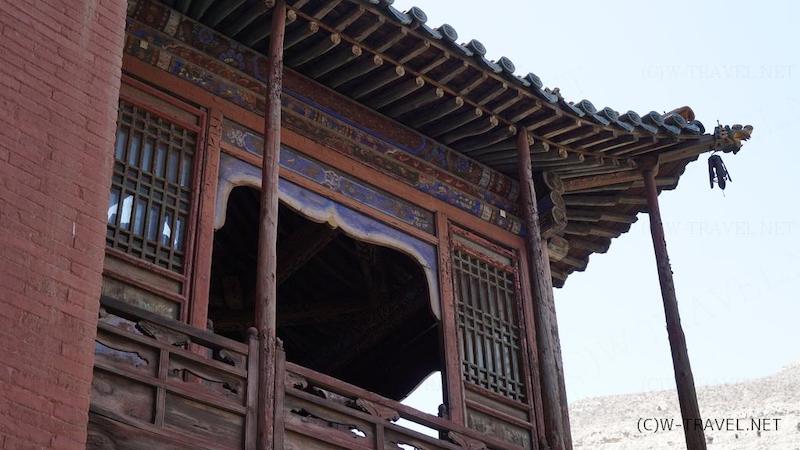

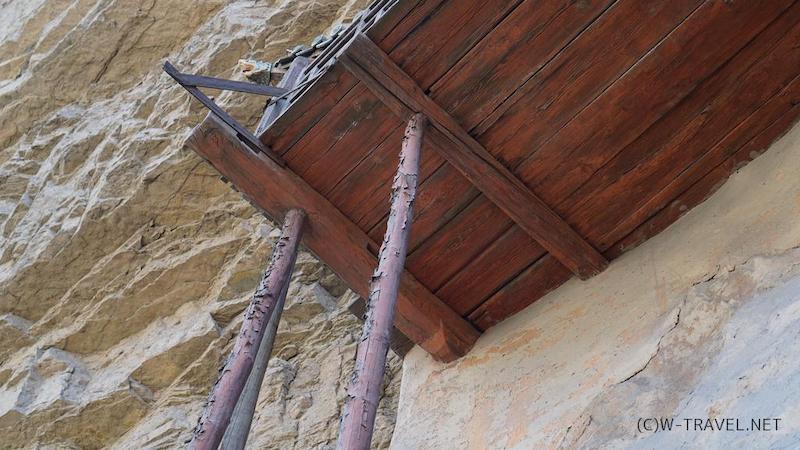
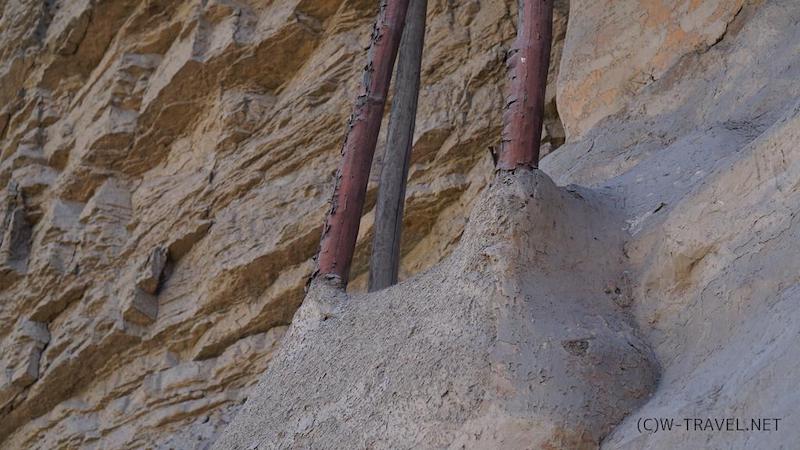
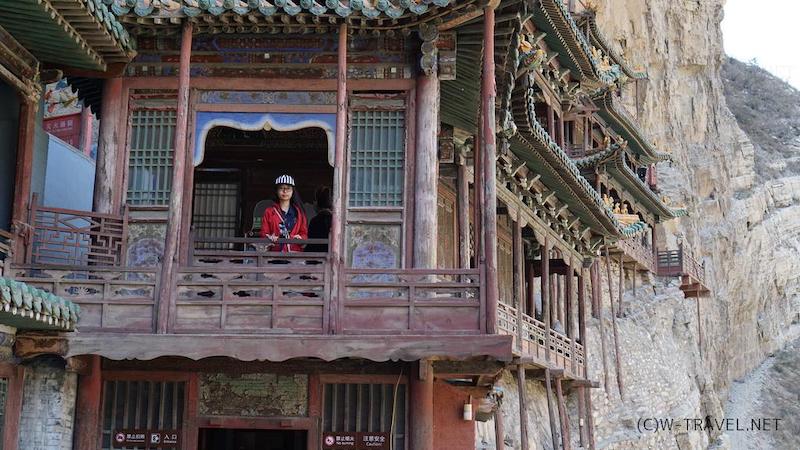

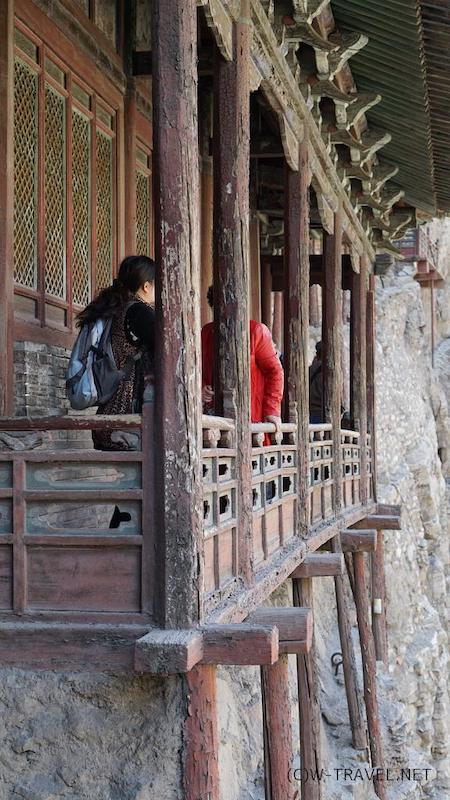
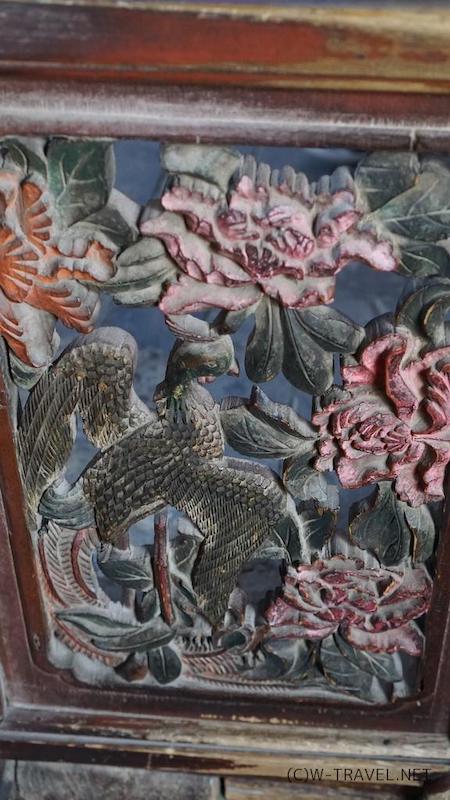

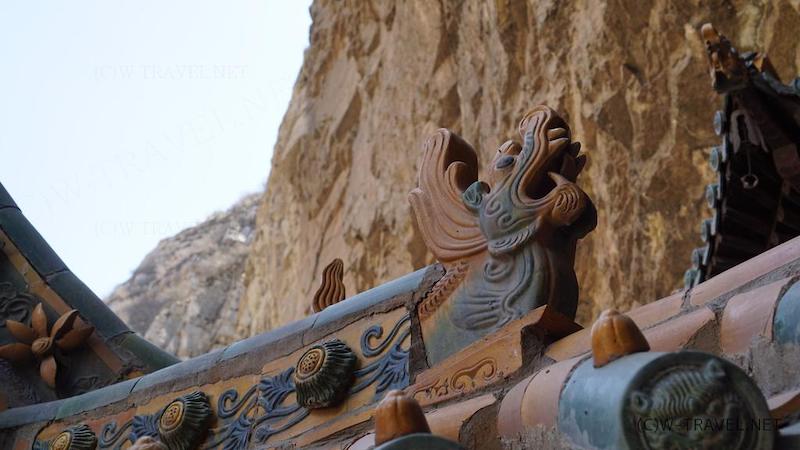

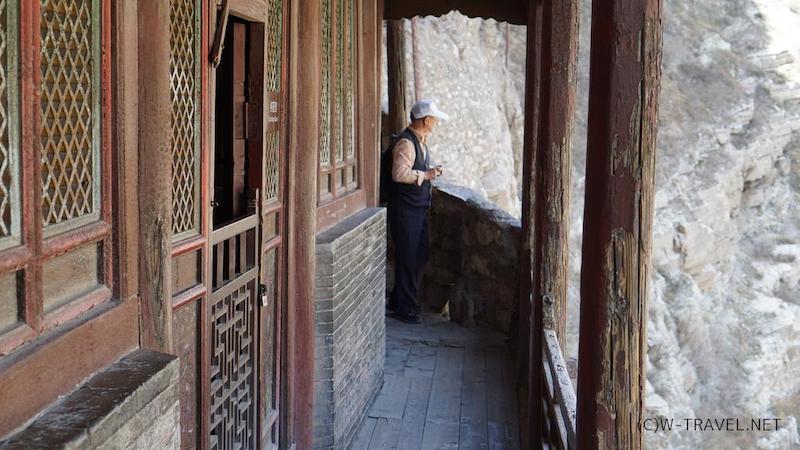
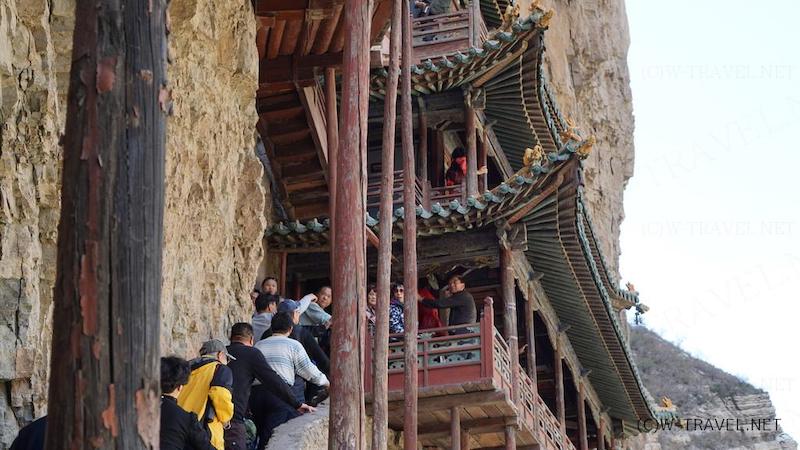
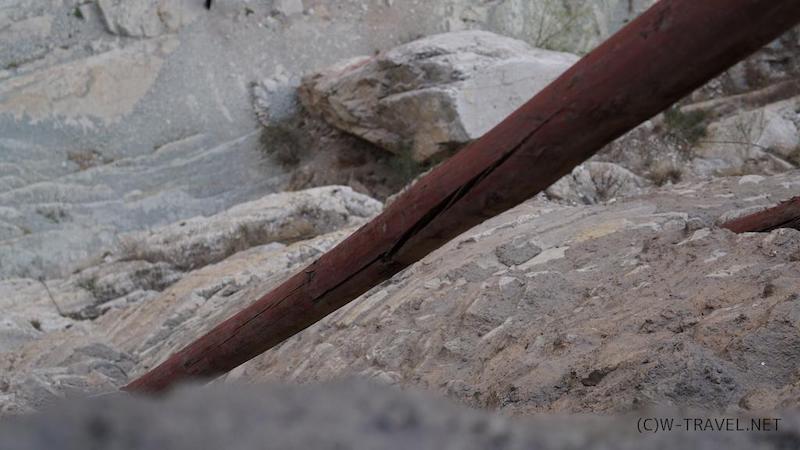
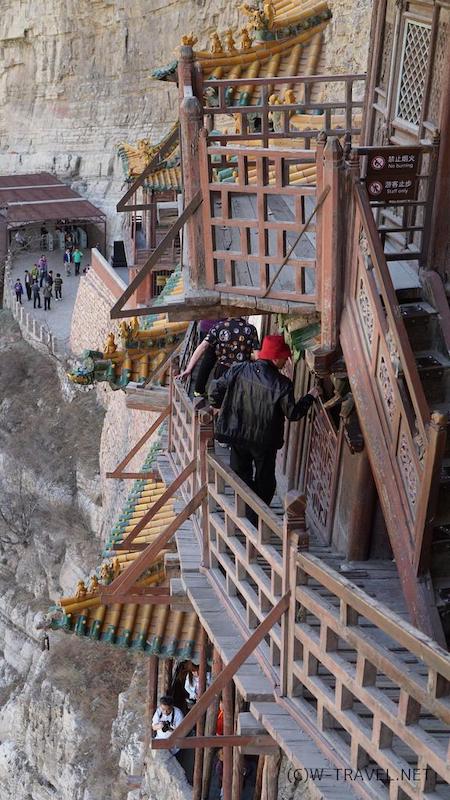
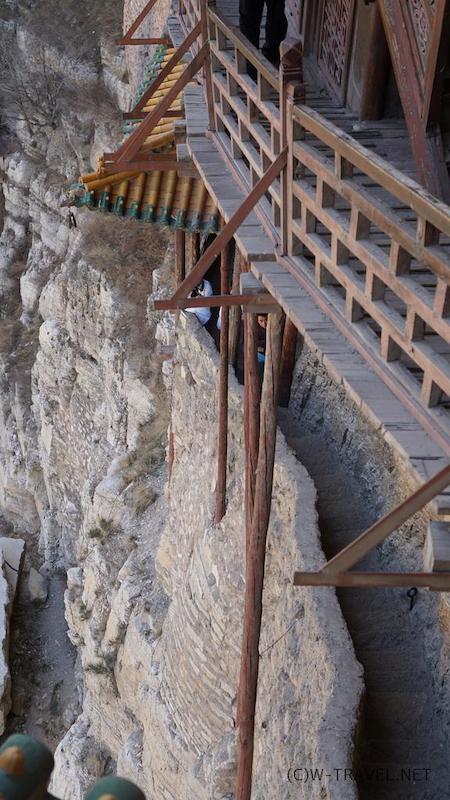


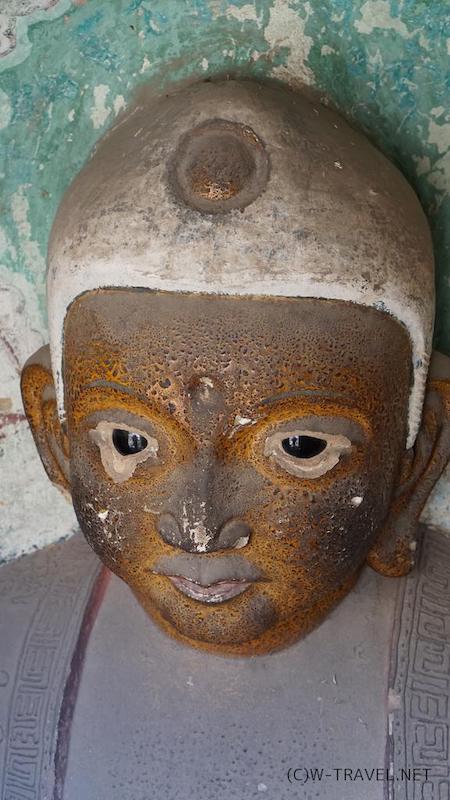

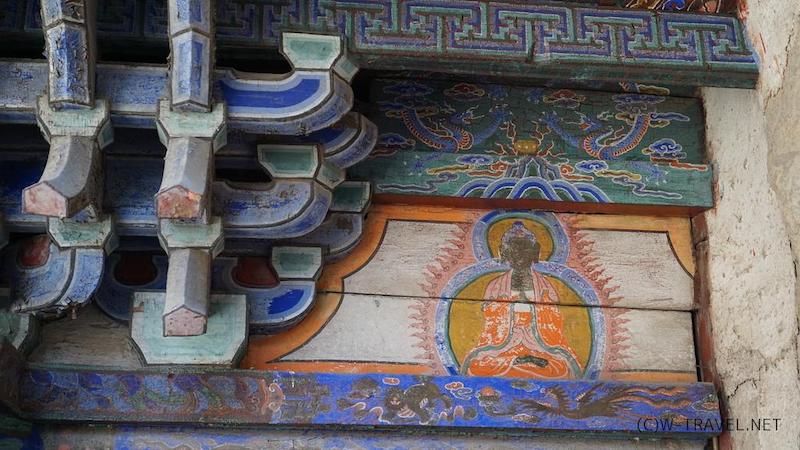
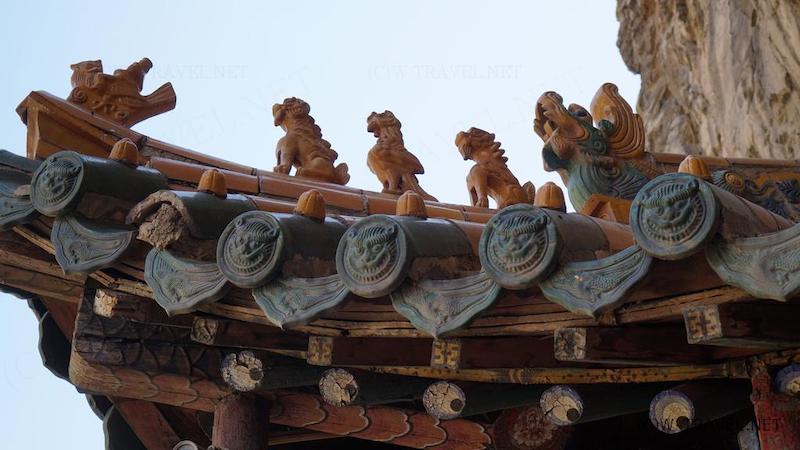


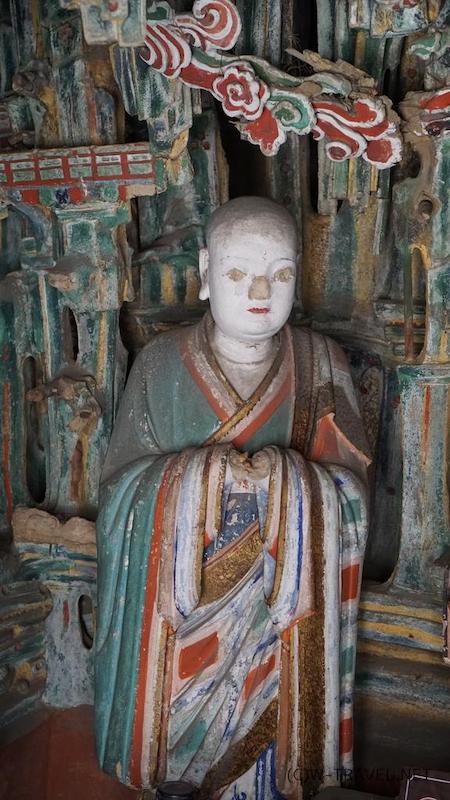
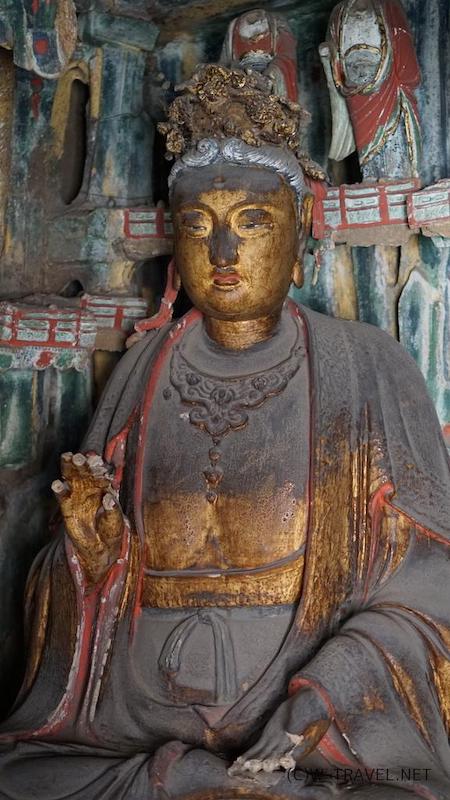
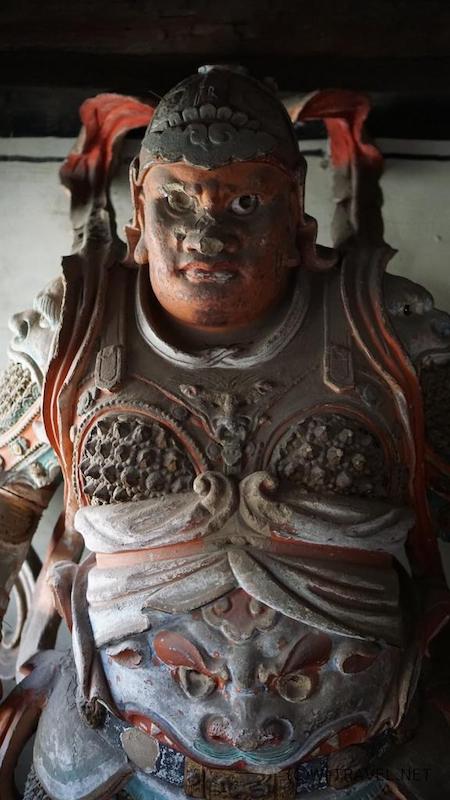

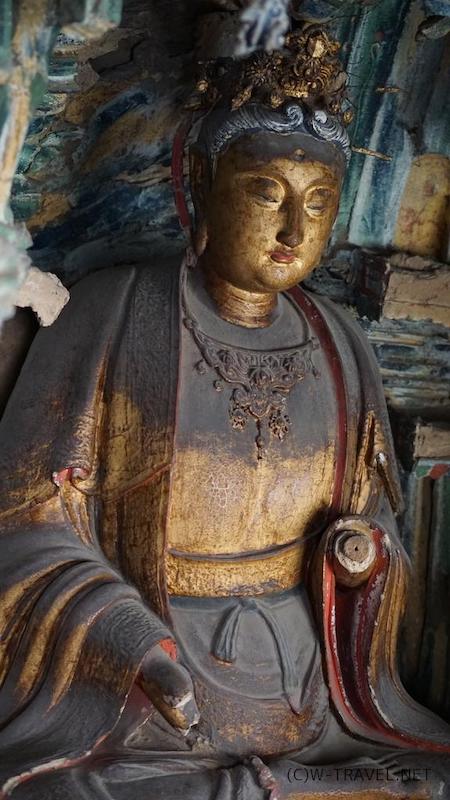
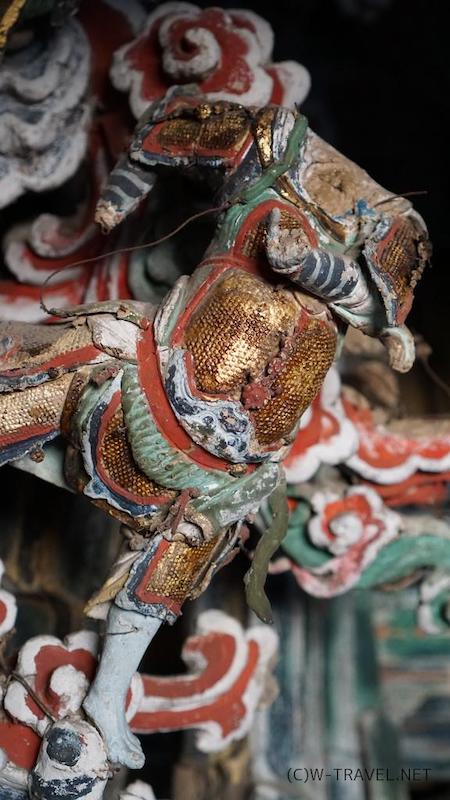

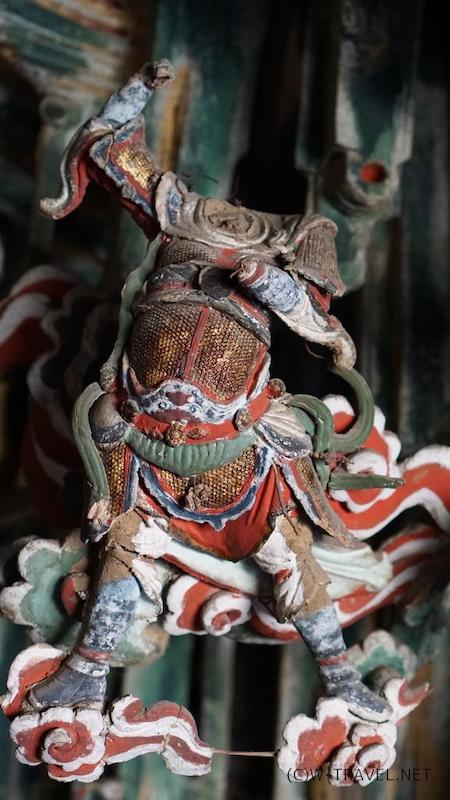
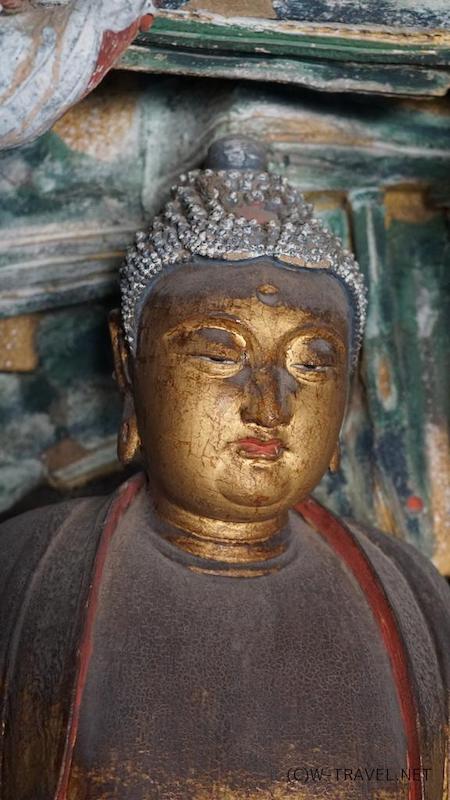
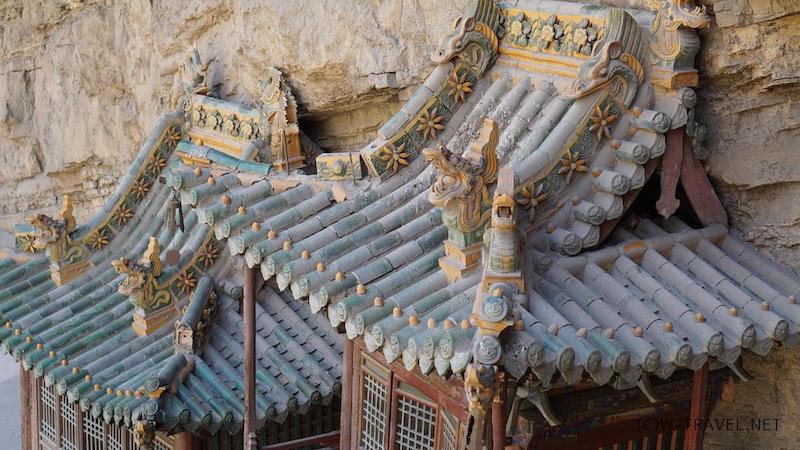
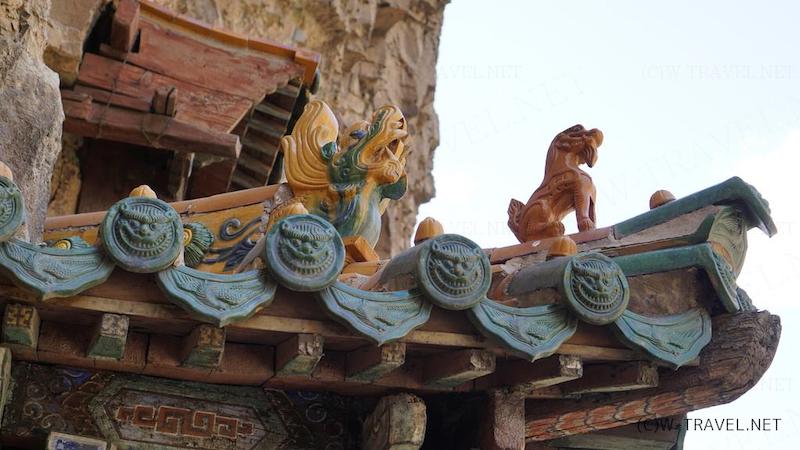
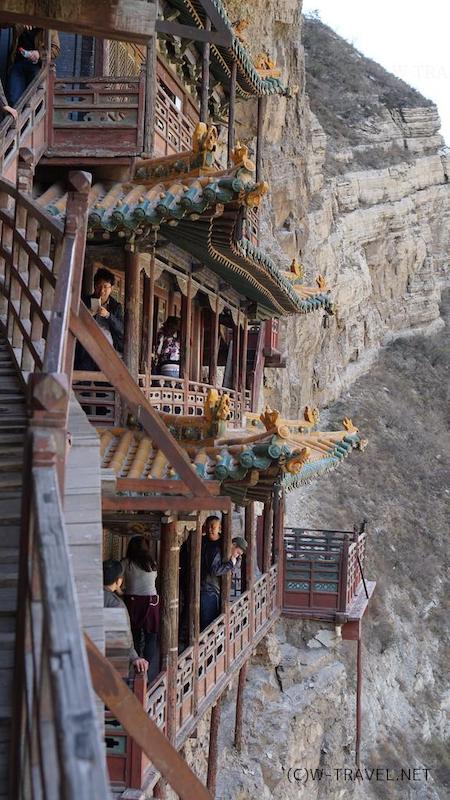
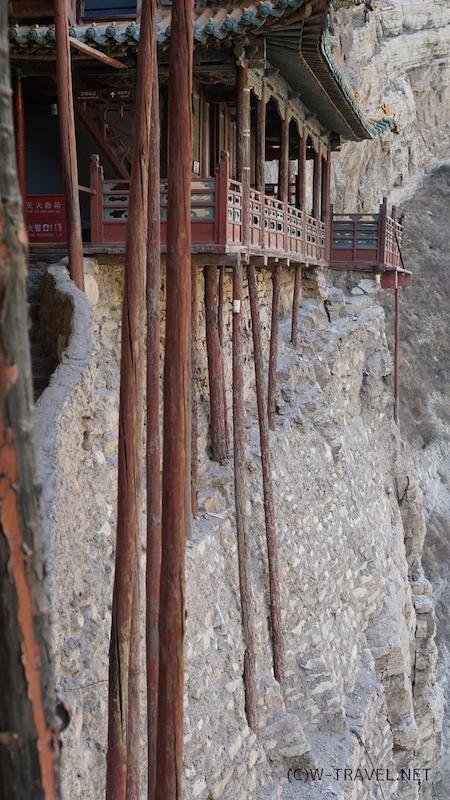
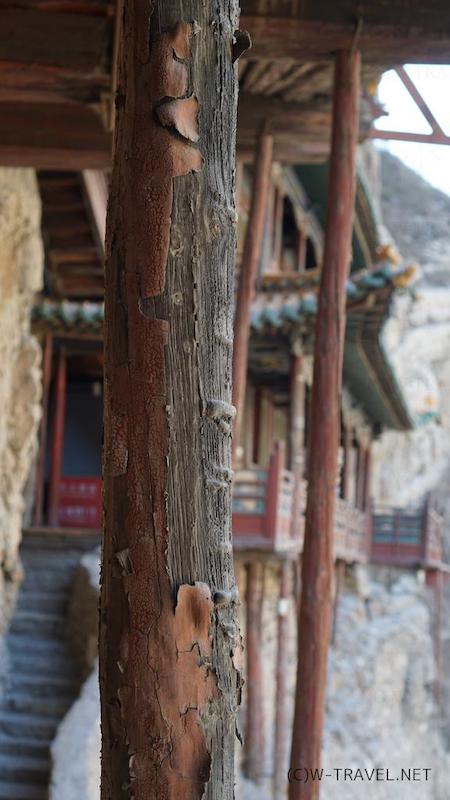

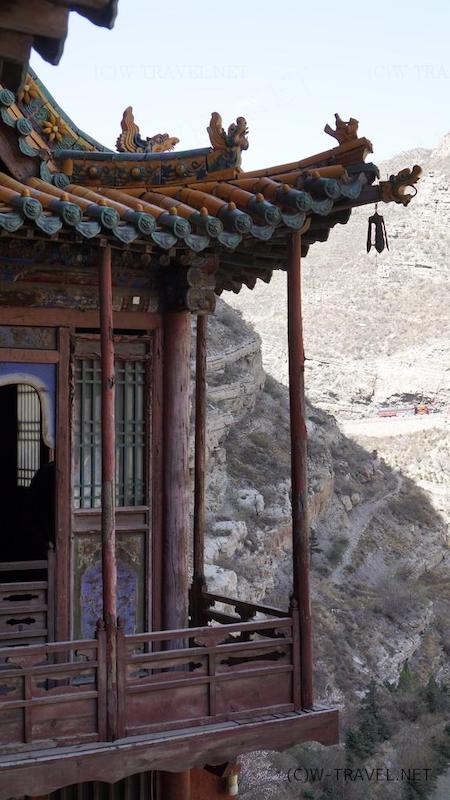



 इसलिए, मैं इसे अनुशंसित नहीं करता।
केवल तस्वीरें और प्रचार सामग्री दिखाई दे रही है, लेकिन वास्तविक स्थिति दुनिया के सामने नहीं आ रही है।
वे मार्केटिंग और प्रचार का कुशलतापूर्वक उपयोग करके लोगों को आकर्षित कर रहे हैं और उनसे पैसे कमा रहे हैं।
पहले यहां कोई बांध नहीं था, लेकिन अब बांध बनने के कारण पानी की बौछार बहुत तेज है।
पहले यह सिर्फ एक नदी थी, लेकिन बांध बनने के बाद, क्या आसपास की नमी बढ़ गई है और क्या इससे संरक्षण में समस्याएँ आ रही हैं?
यह अब खराब हो रहा है, इसलिए शायद वे उन समय में पैसा कमा रहे हैं जब वे कर सकते हैं।
यहां कई कमियां हैं, और लोगों की संख्या पर कोई प्रतिबंध नहीं है, इसलिए यदि कोई समूह आता है, तो इतने सारे लोग उस पतले खंभे पर कैसे चढ़ सकते हैं, और मुझे वास्तव में चिंता होती है कि यह कब तक टिक पाएगा।
यह कभी भी ढह सकता है।
इस खंडहर की तुलना में, यहां के पीछे की पहाड़ी पर स्थित किताडके कोउसान पर्वत पर चढ़ना और उसके शिखर तक पहुंचना बहुत बेहतर है।
इसके बारे में मैं अगले लेख में बताऊंगा।
कितायाके कोउज़ान।
कनसुजी के पीछे की पहाड़ी में एक सुरंग से गुजरने पर, आप बेइयुए हेंगशान तक पहुँचते हैं।
यह एक अलग सुविधा के रूप में प्रबंधित है, लेकिन ऐसा लगता है कि बेइयुए हेंगशान का प्रवेश द्वार कनसुजी के पास ही है।
बेइयुए हेंगशान तक रोपवे से जाना महंगा है, लेकिन हम कार से आए थे, इसलिए हमने प्रवेश शुल्क 51 युआन (लगभग 1,000 येन) का भुगतान करके पहाड़ी के ऊपर स्थित पार्किंग स्थल तक गए।

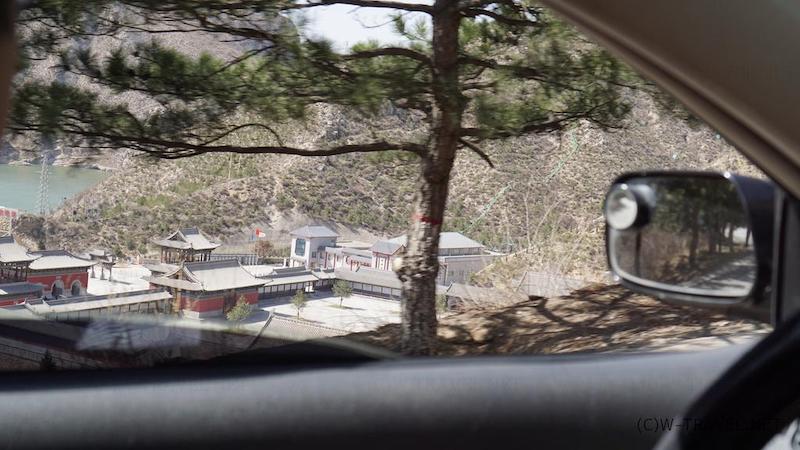
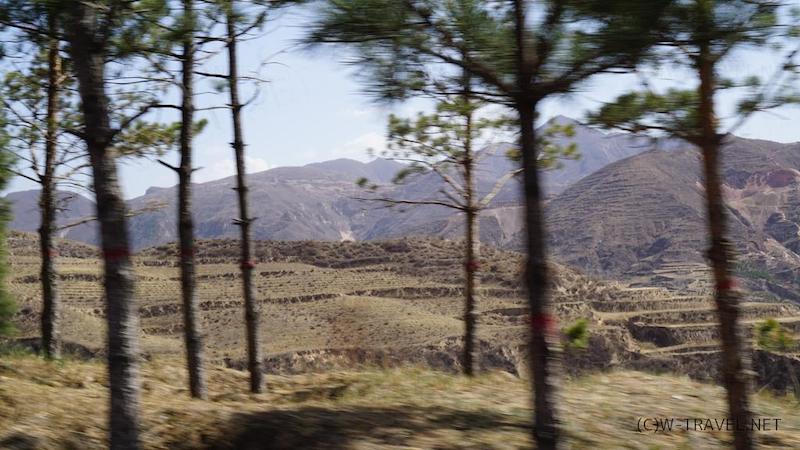 वहां से एक तरफ लगभग 1 घंटे की पैदल यात्रा है।
मुझे यह नहीं बताया गया था (मुस्कान)।
और, आज सभी लोग दोपहर का भोजन किए बिना यहां तक आए हैं, इसलिए मैं भूखा था।
क्या सभी लोग ठीक हैं?
अन्य 3 लोग 20 के दशक के हैं, इसलिए शायद वे ठीक हैं, लेकिन 20 के दशक में होने के कारण, मुझे लगता है कि उन्हें मुझसे भी अधिक भूख लग रही होगी।
124 युआन में गए 'क्वांगसूजी' मंदिर की तुलना में, यह 'बेिफु' 'कांगशान' बहुत बड़ा है, और इसकी सामग्री भी बहुत बेहतर है।
शायद 'क्वांगसूजी' मंदिर में प्रवेश टिकट का भुगतान किए बिना, केवल प्रवेश टिकट काउंटर से इसे देखा जा सकता था, और 'बेिफु' 'कांगशान' को मुख्य रूप से देखना बेहतर होता।
वास्तव में, एक व्यक्ति ने कहा, "मेरे पास ज्यादा पैसे नहीं हैं," इसलिए उसने 'क्वांगसूजी' मंदिर में प्रवेश नहीं किया, लेकिन उसने 'बेिफु' 'कांगशान' पर चढ़ाई की।
यह सही निर्णय था (मुस्कान)।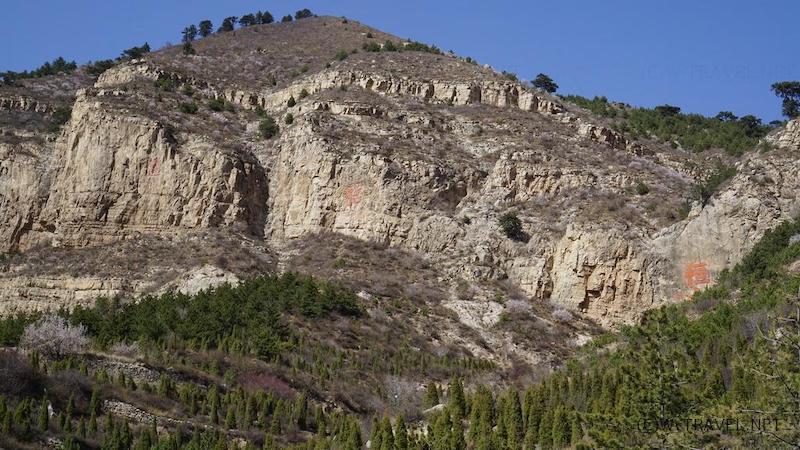
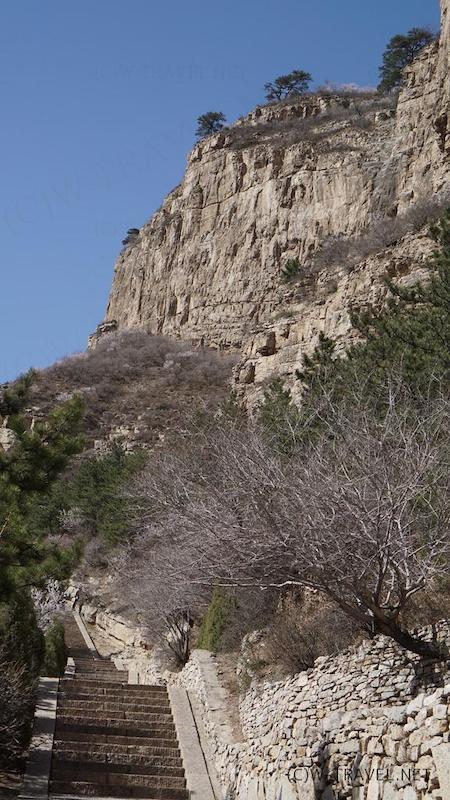
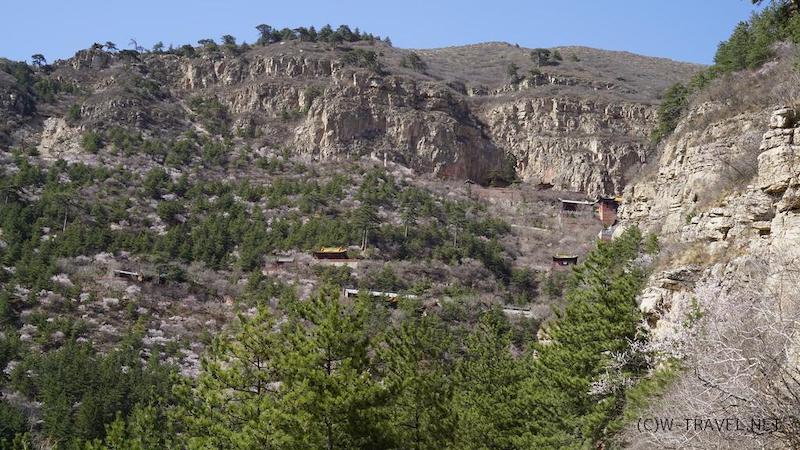
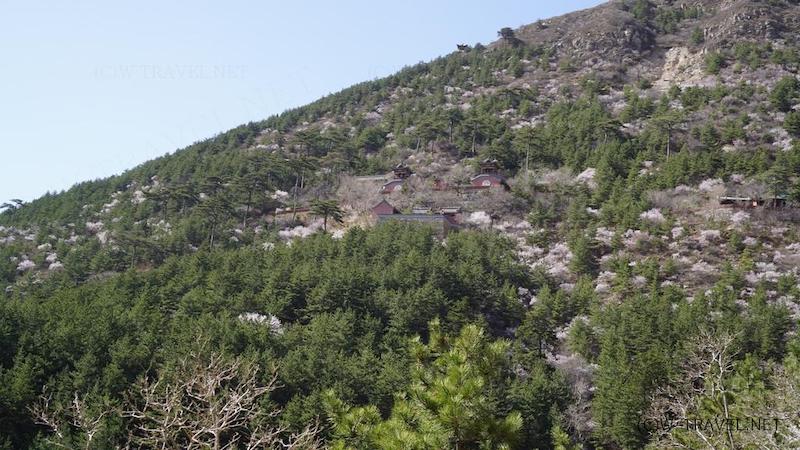
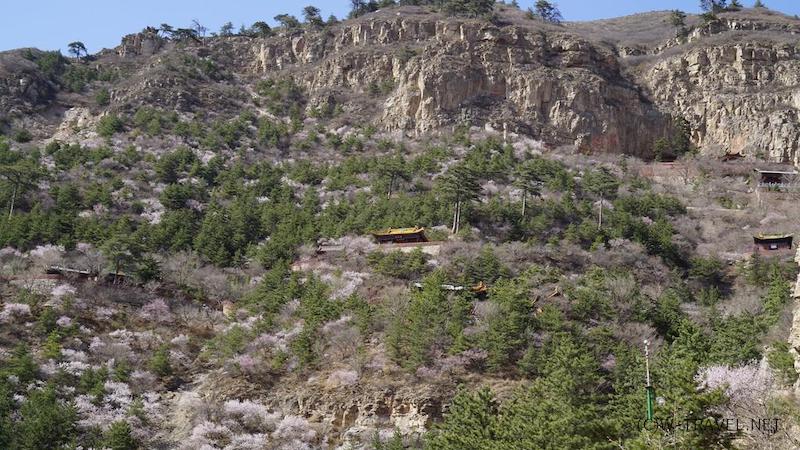
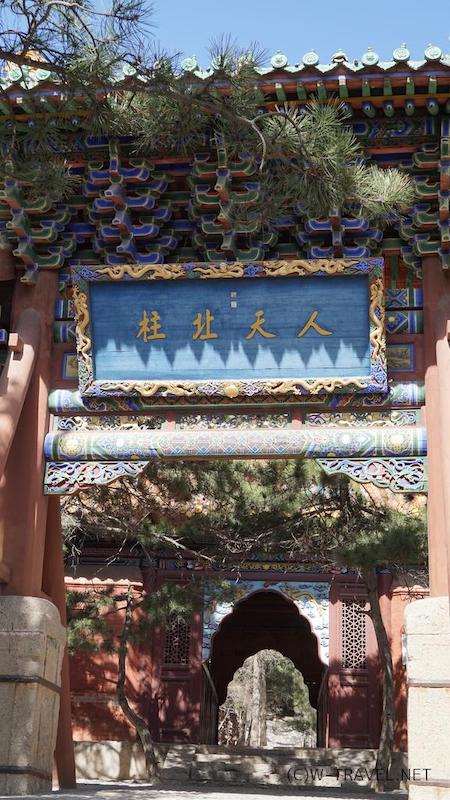
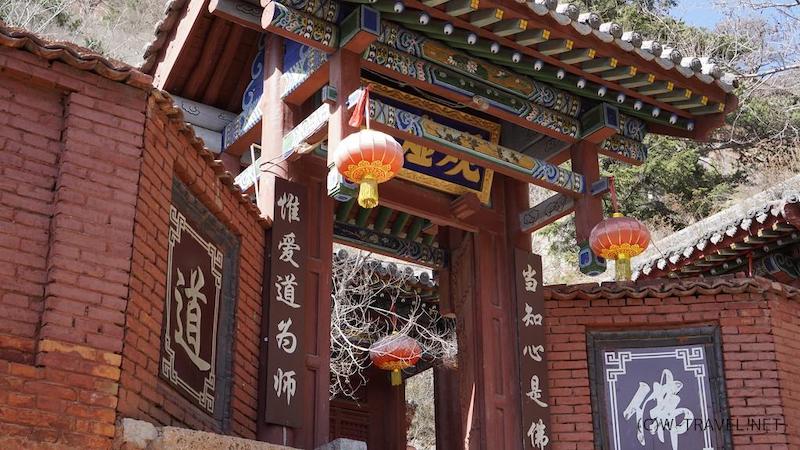
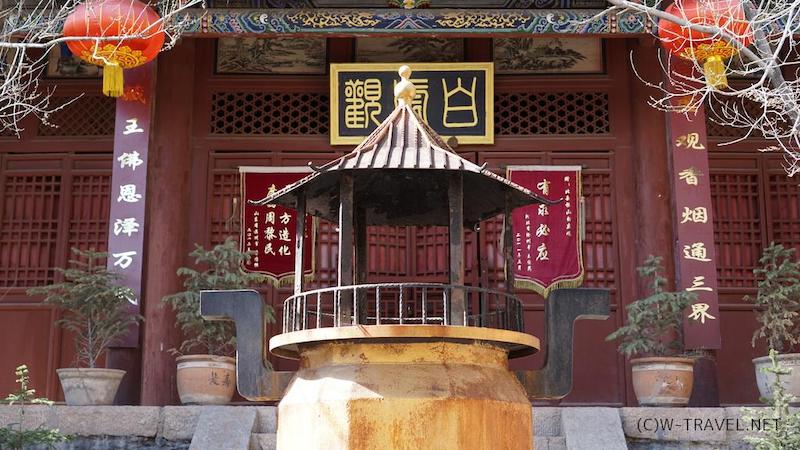
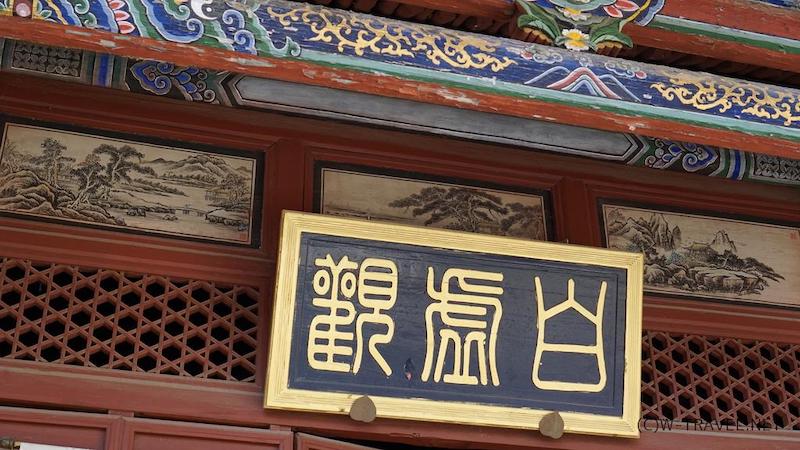
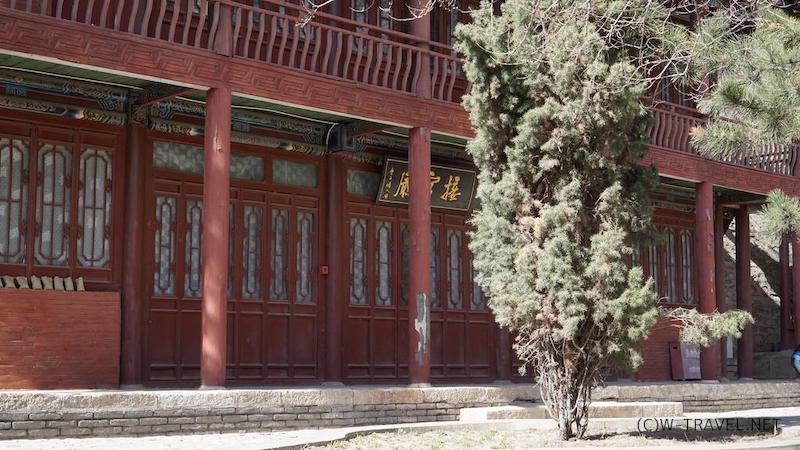
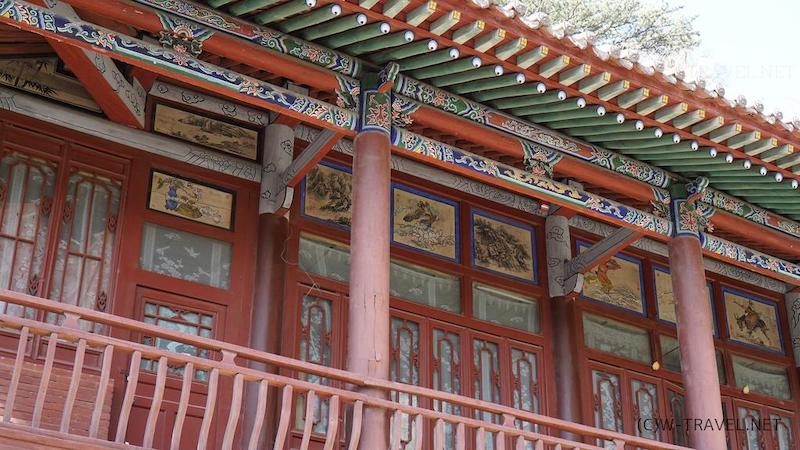
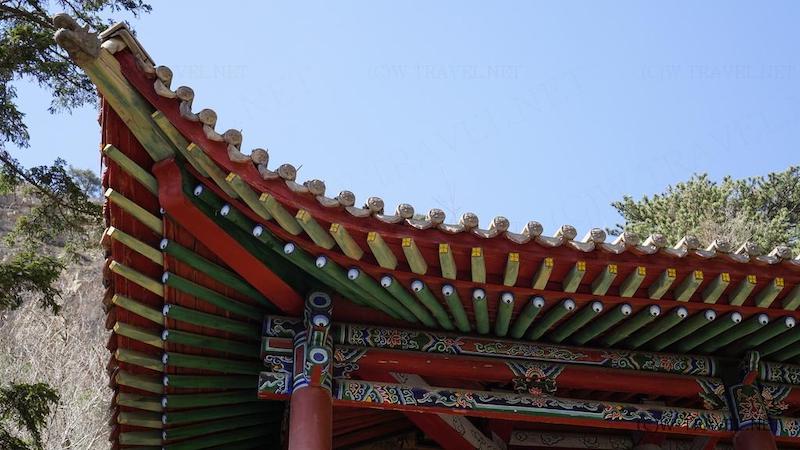
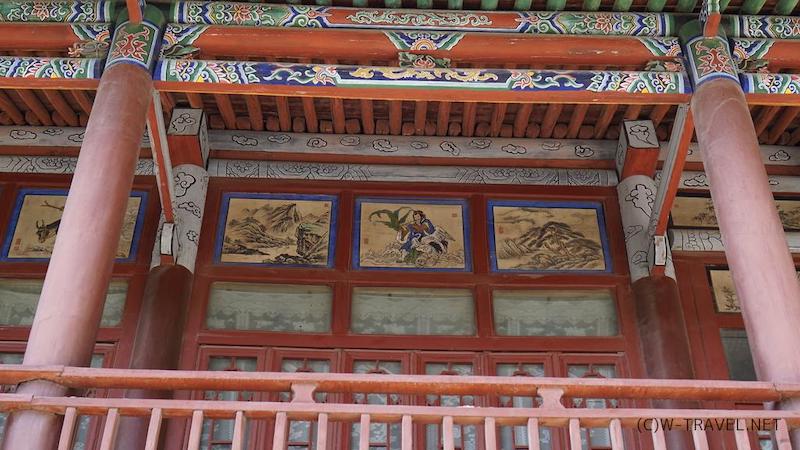
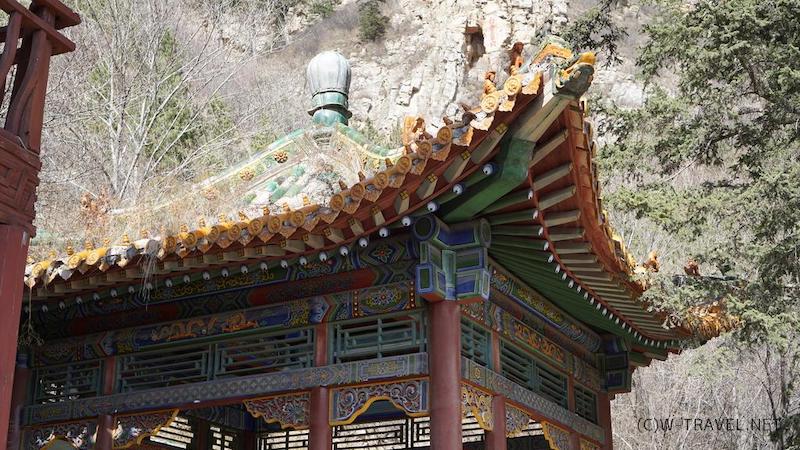
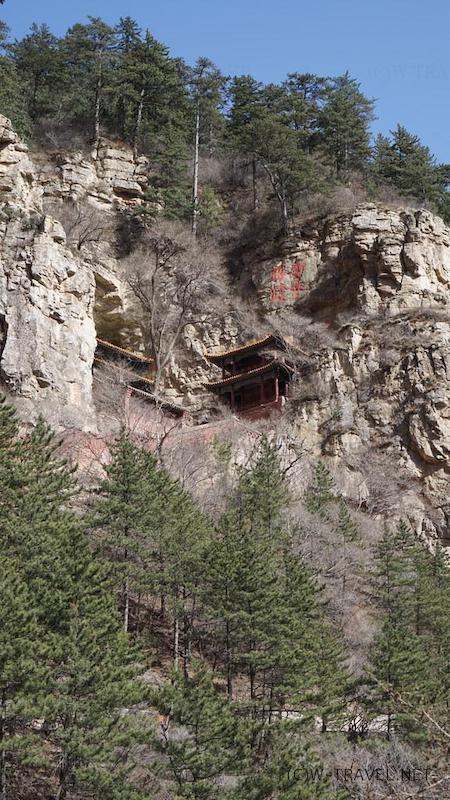
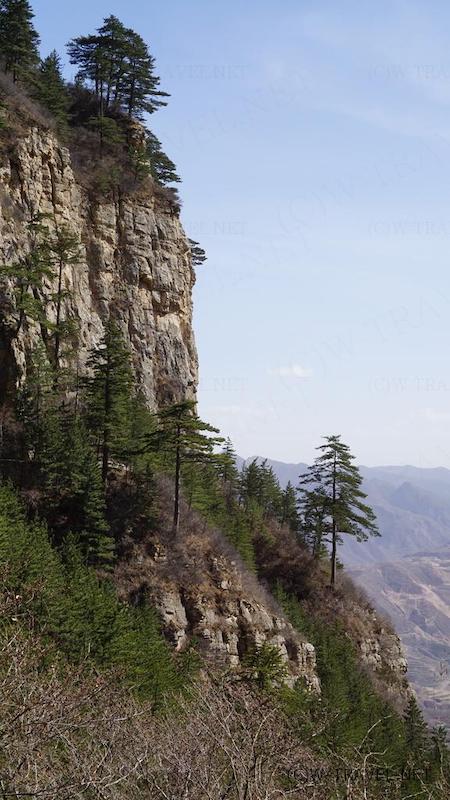

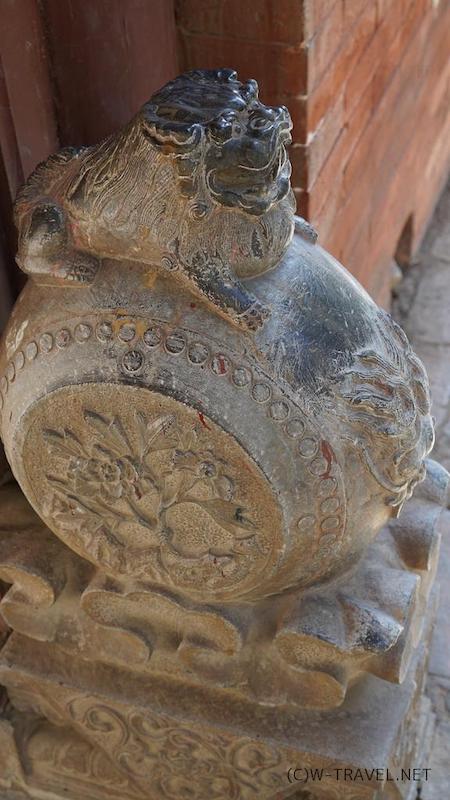
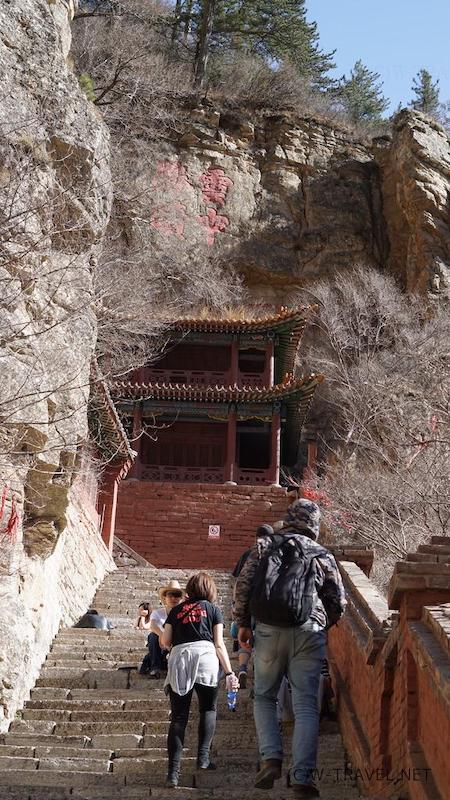
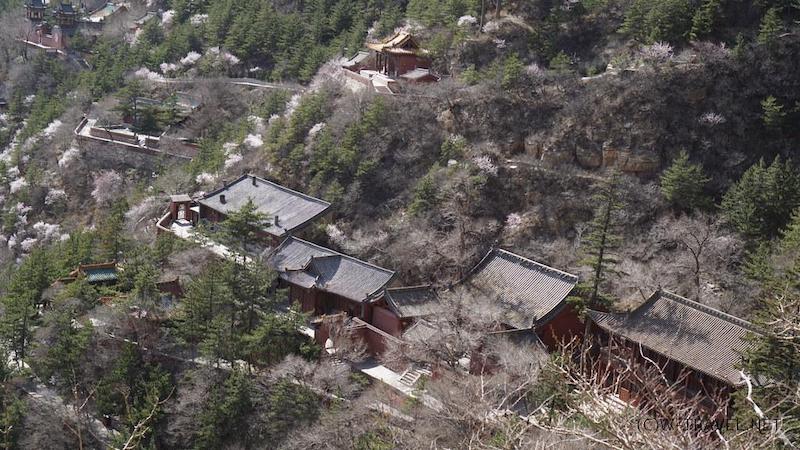
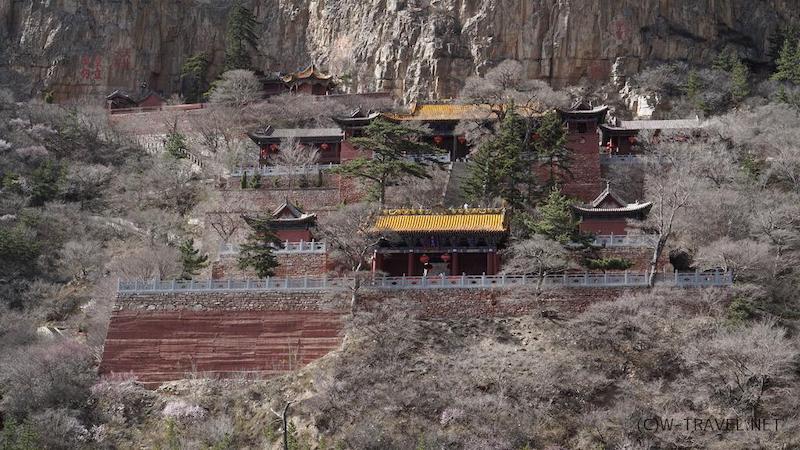
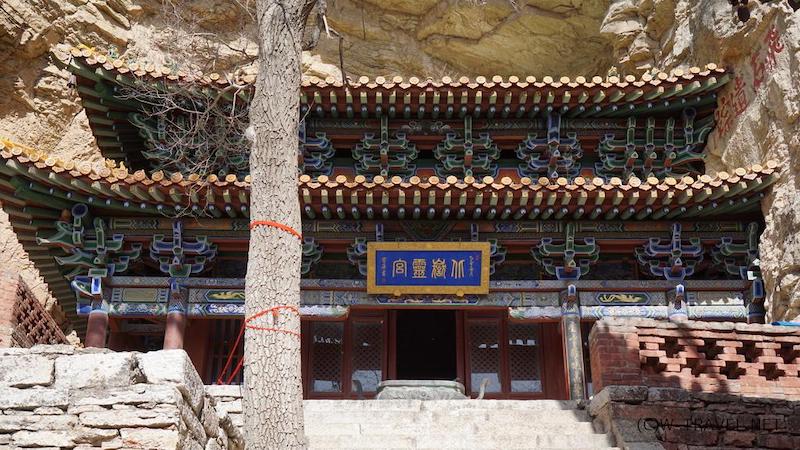
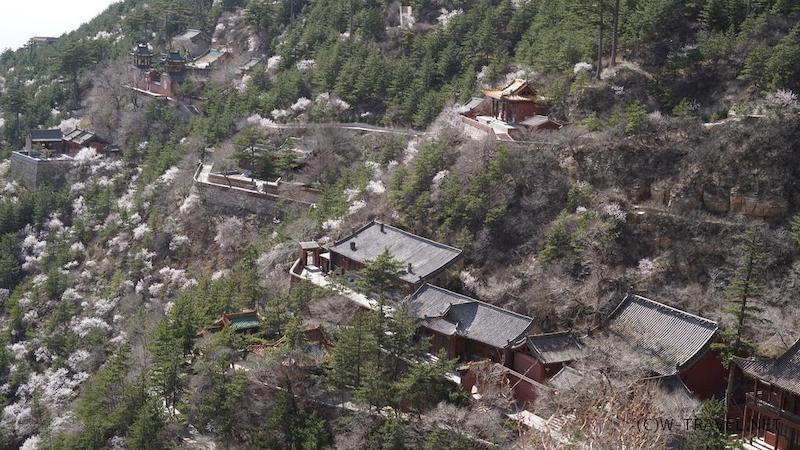
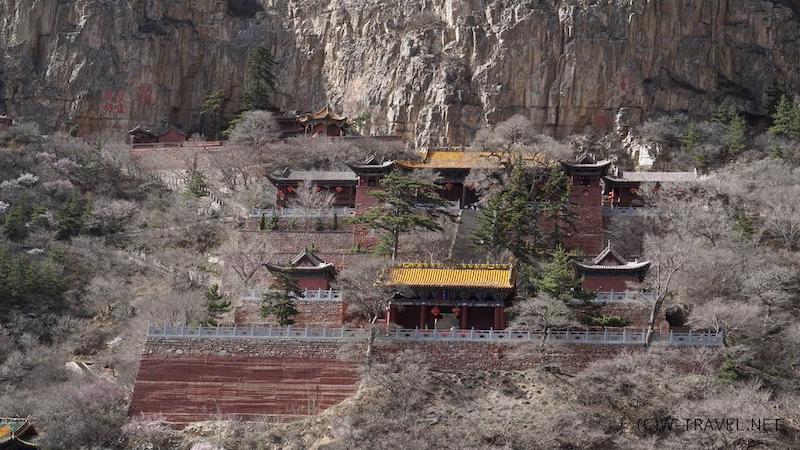
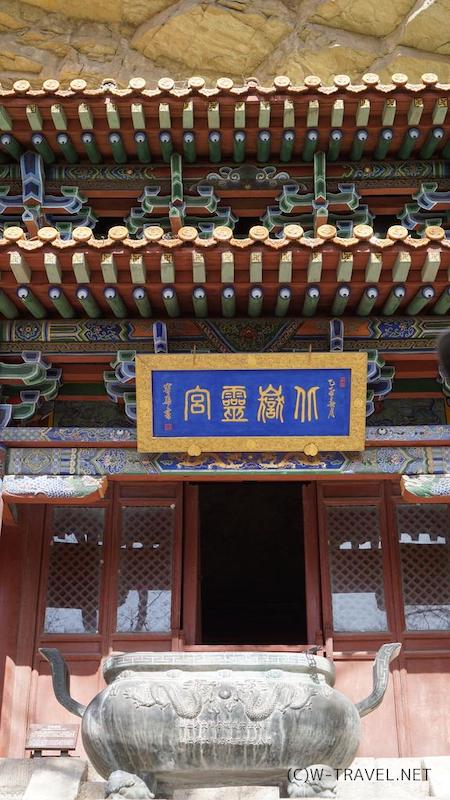
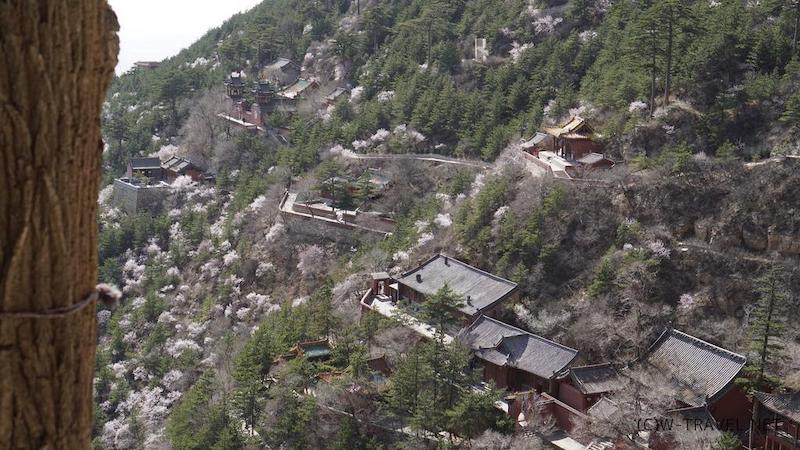
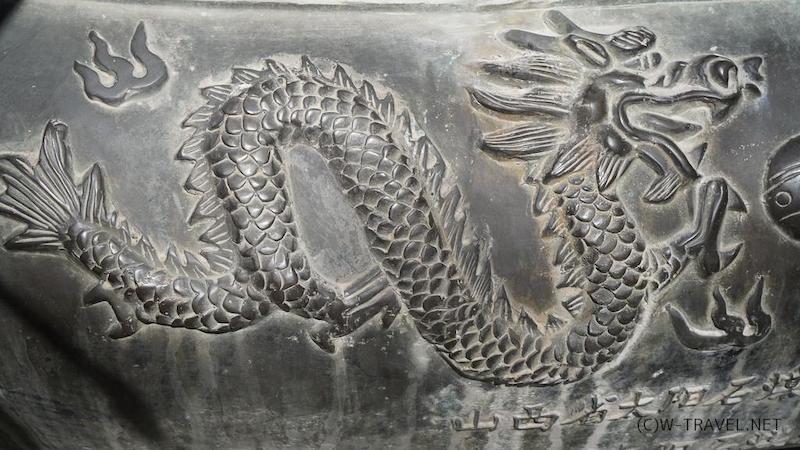

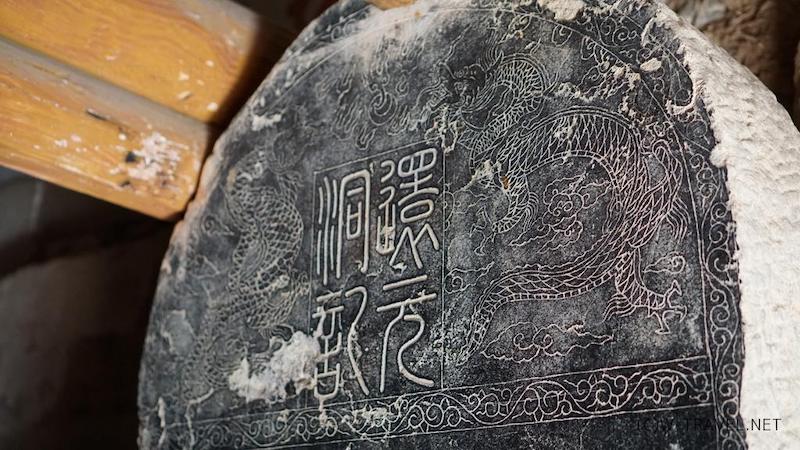
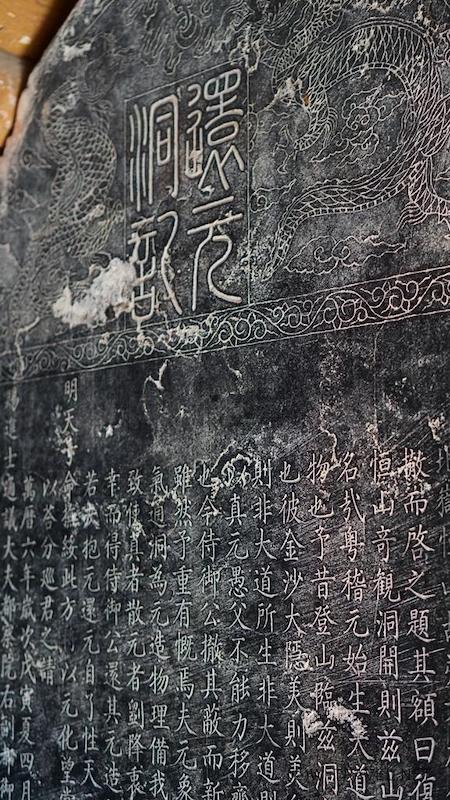
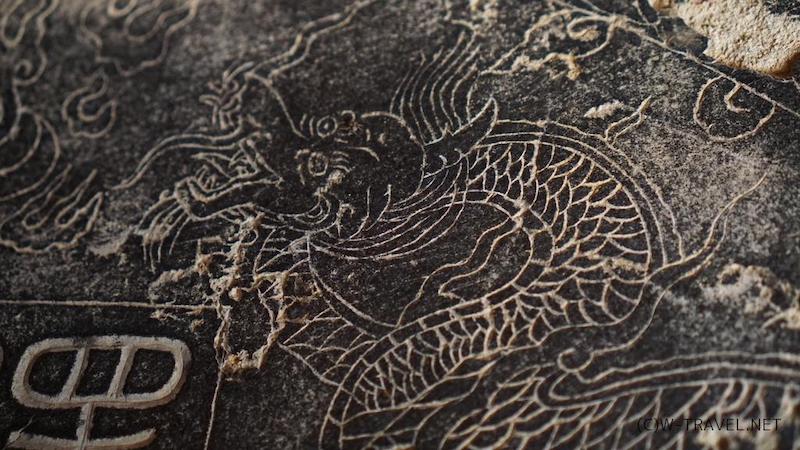
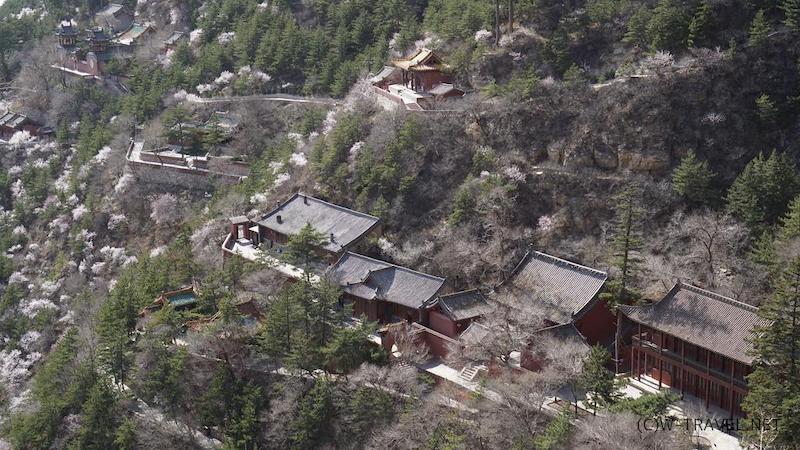

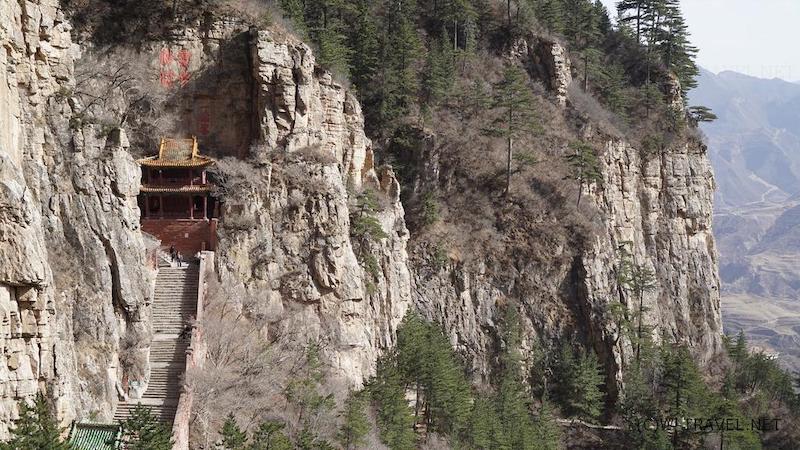
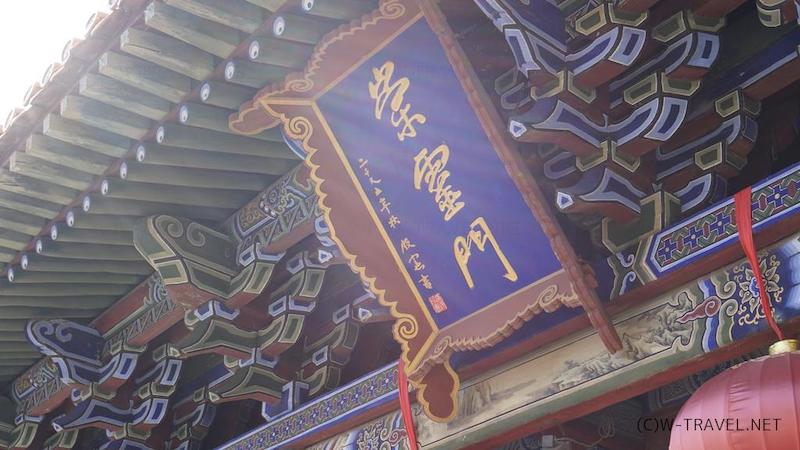

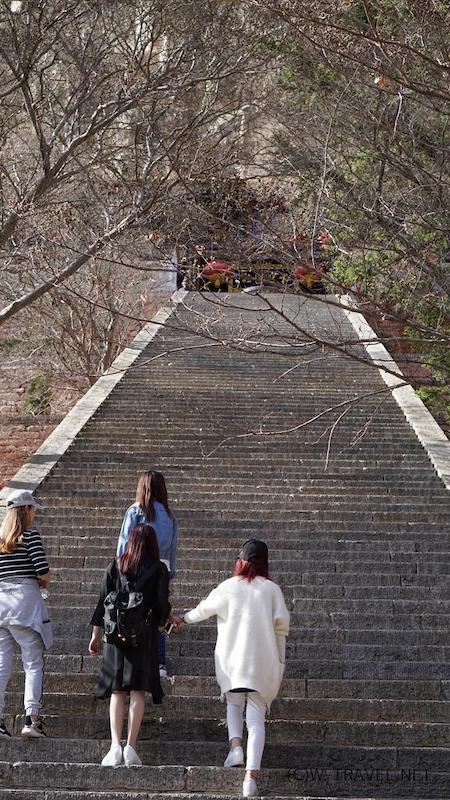
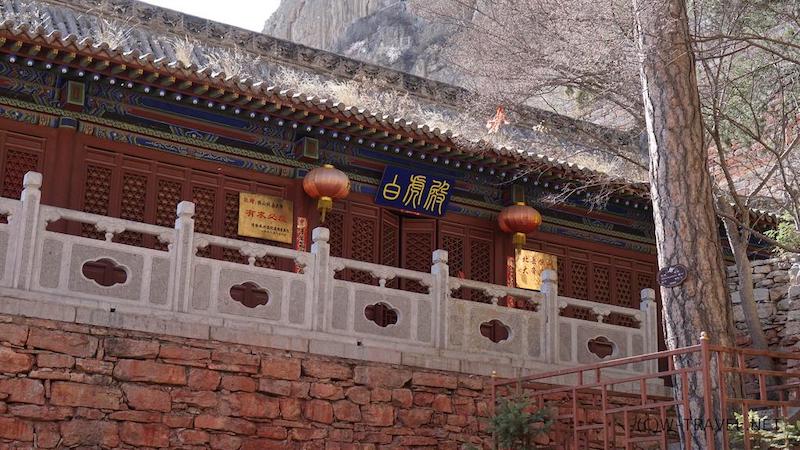
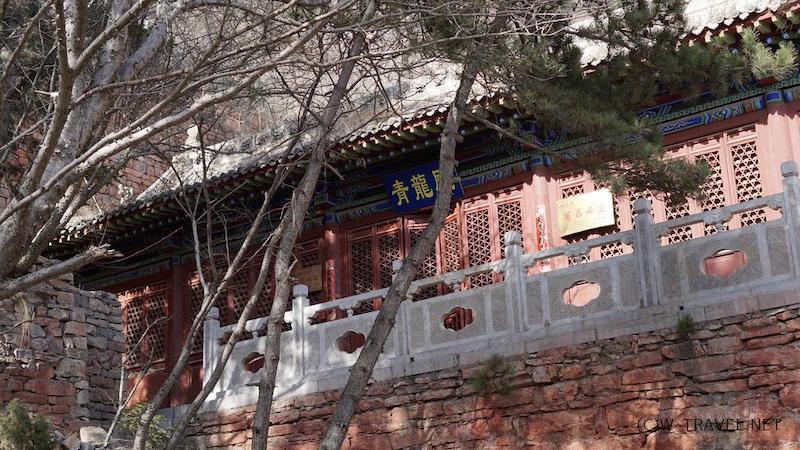
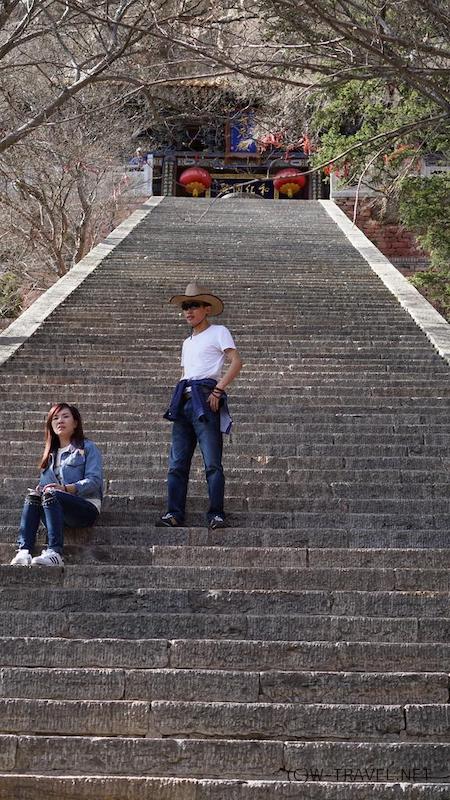

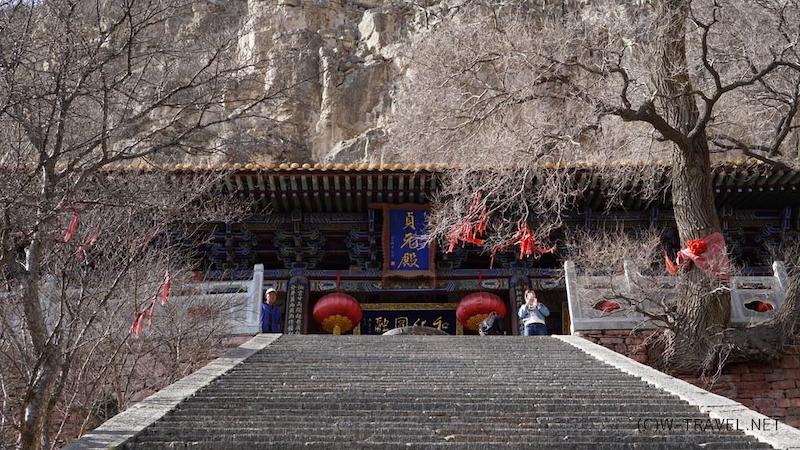
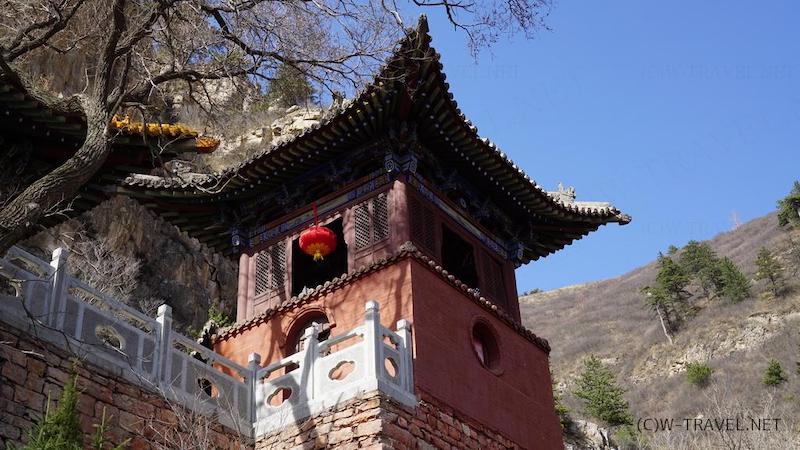
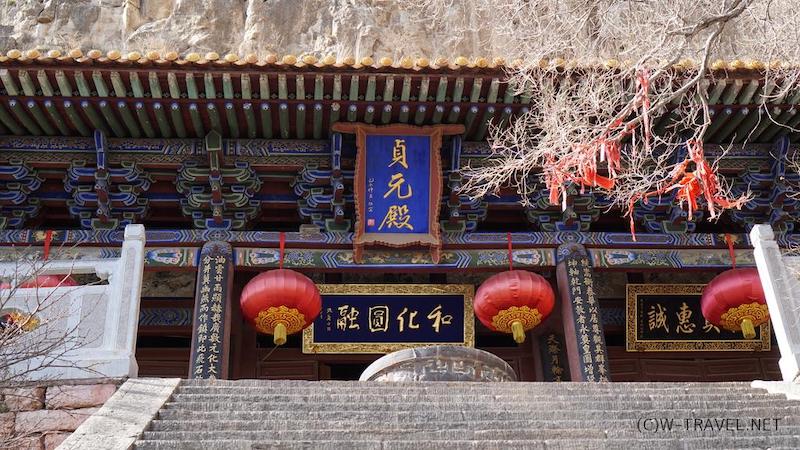
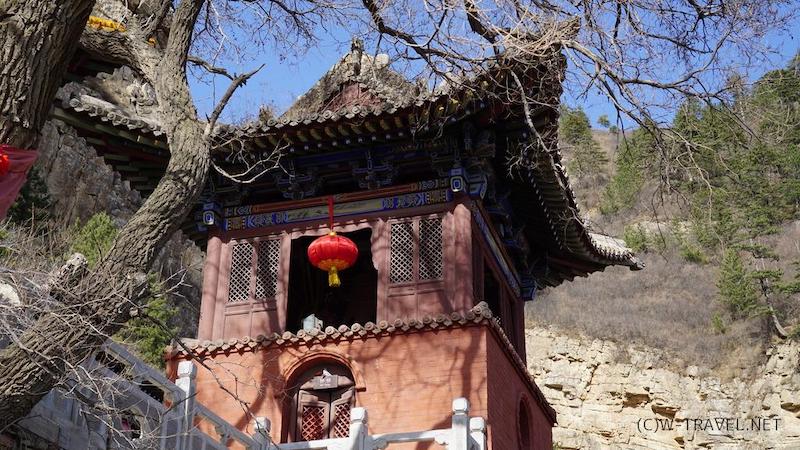
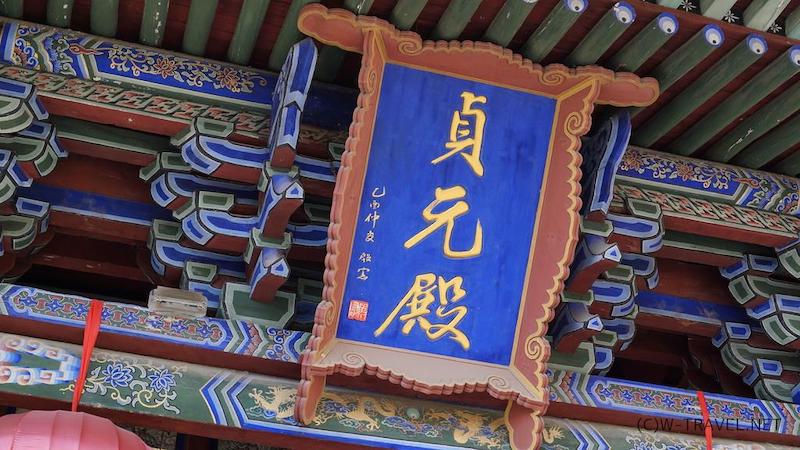
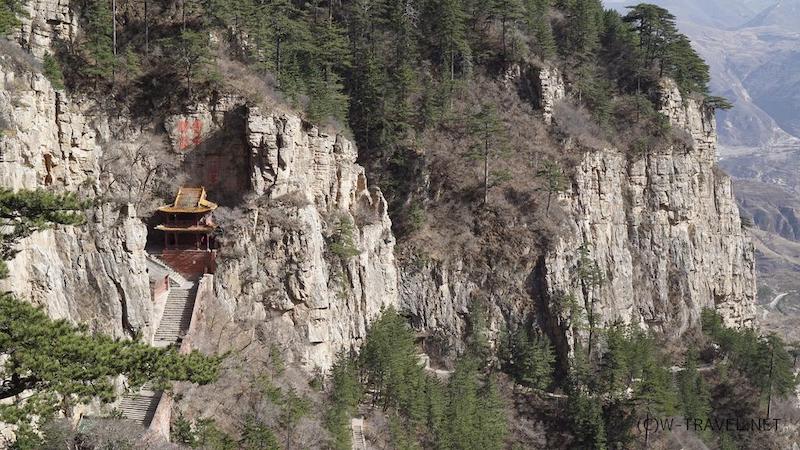
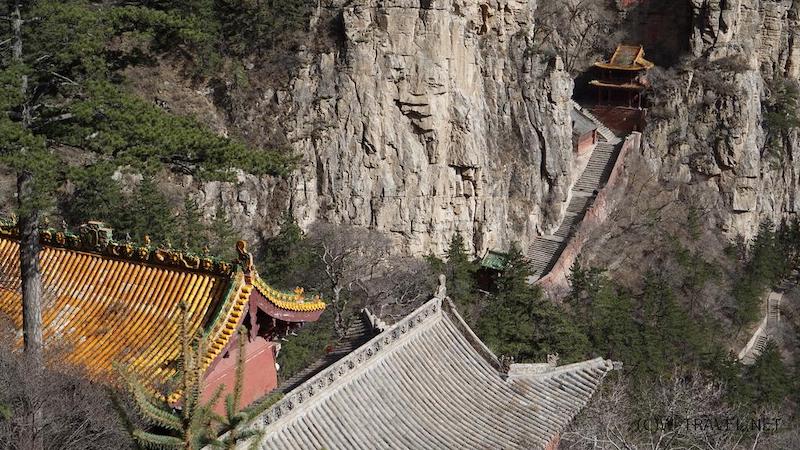

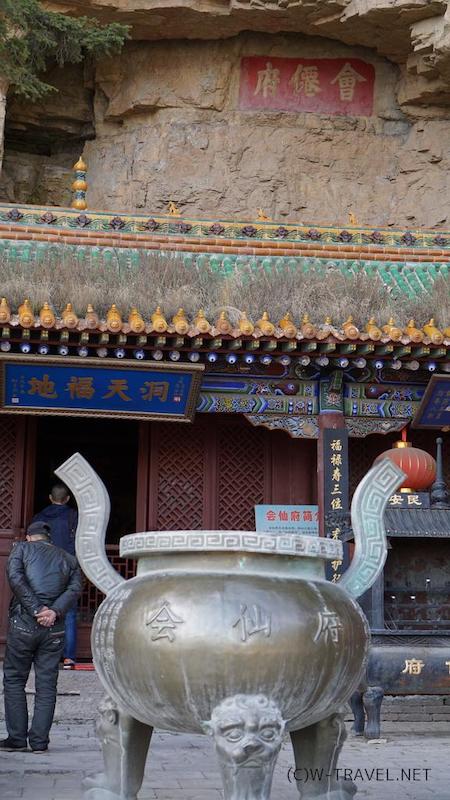
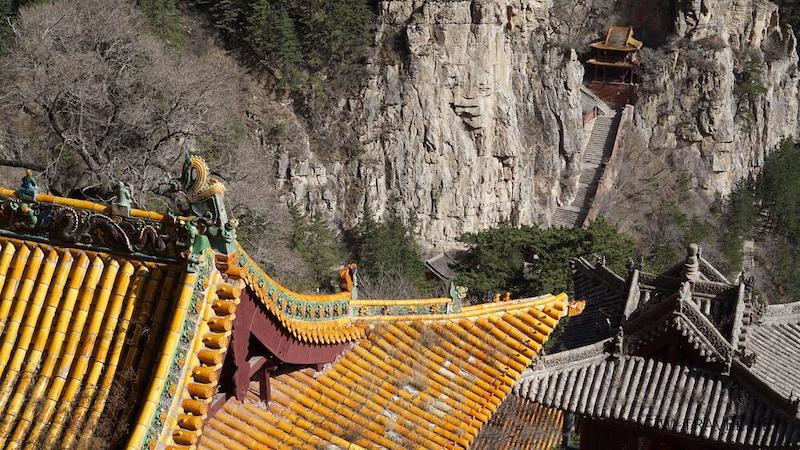

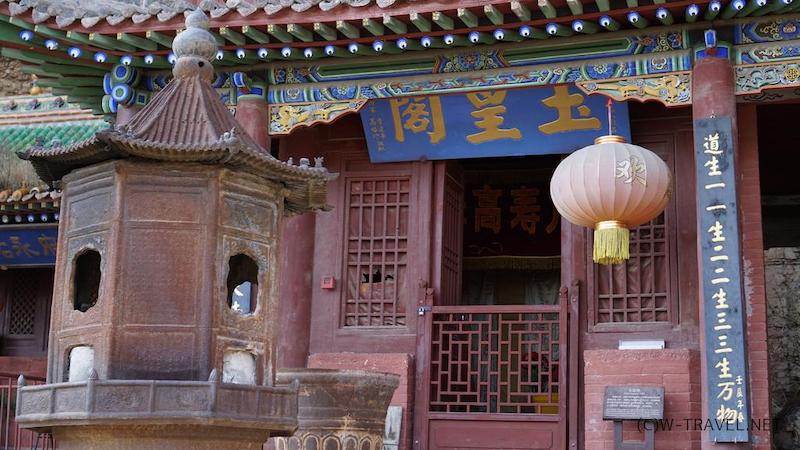
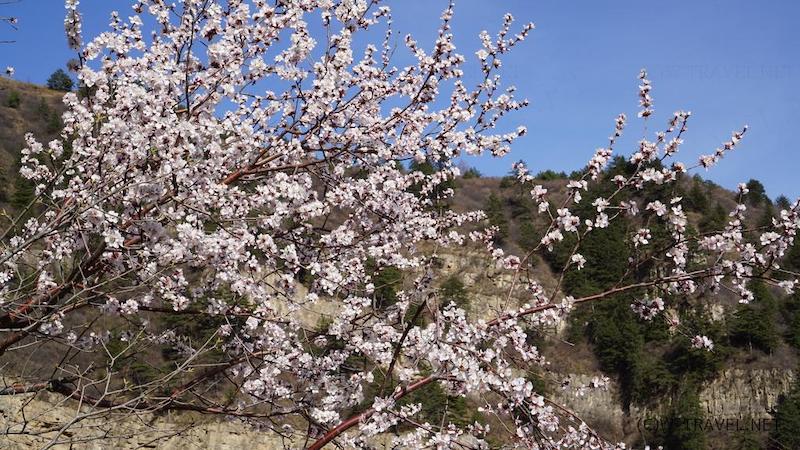
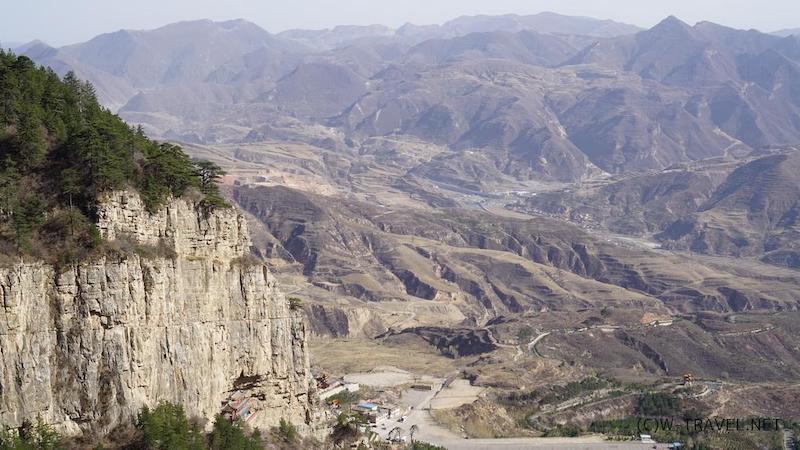
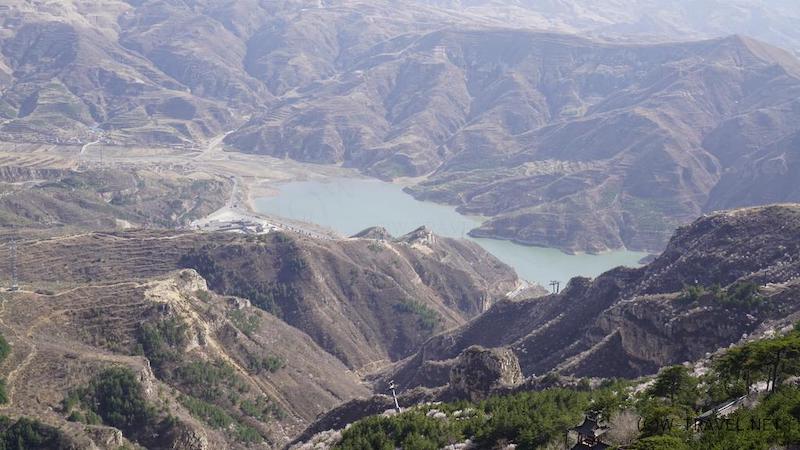

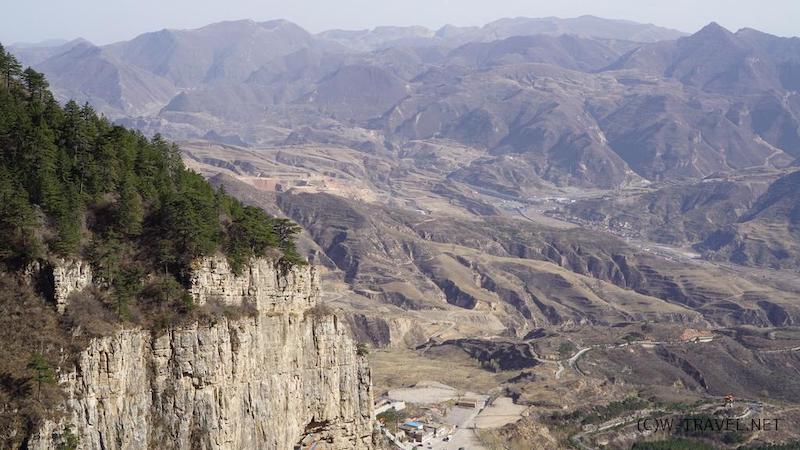

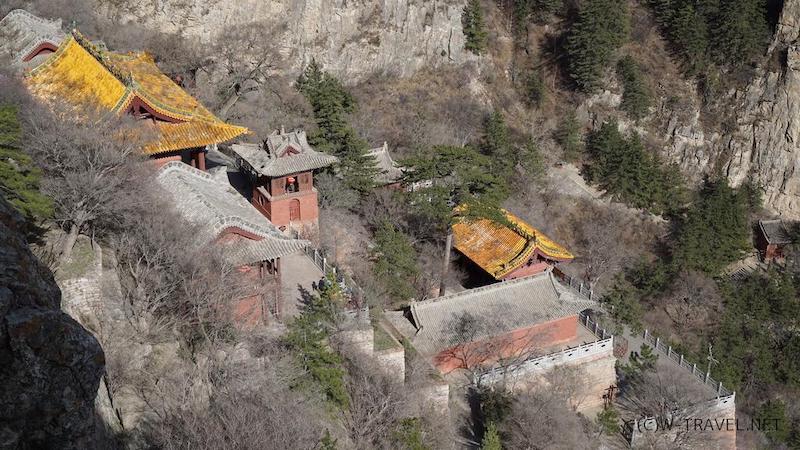
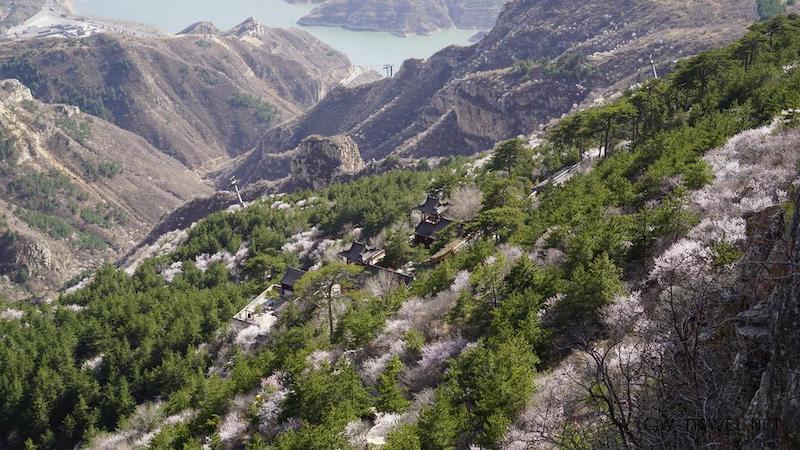
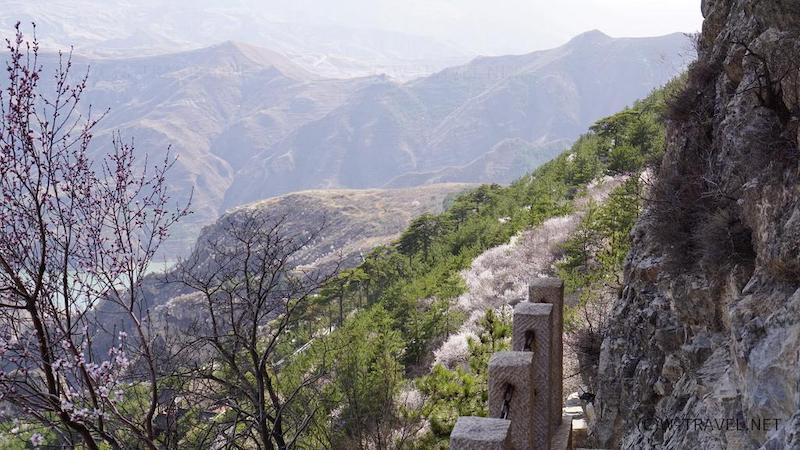
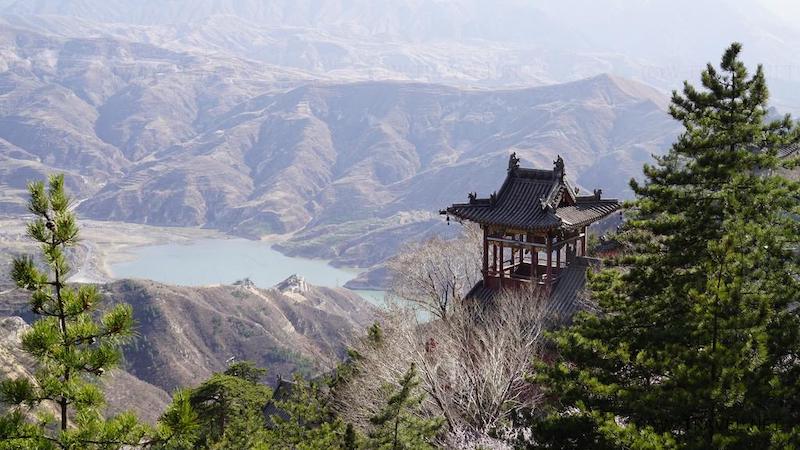
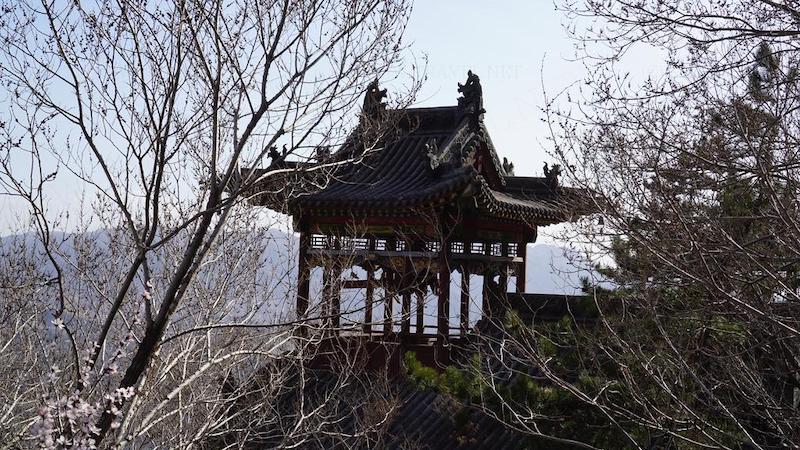
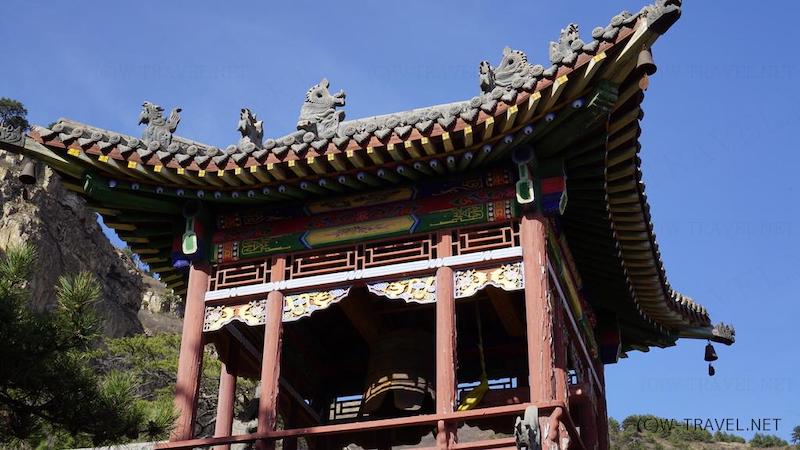
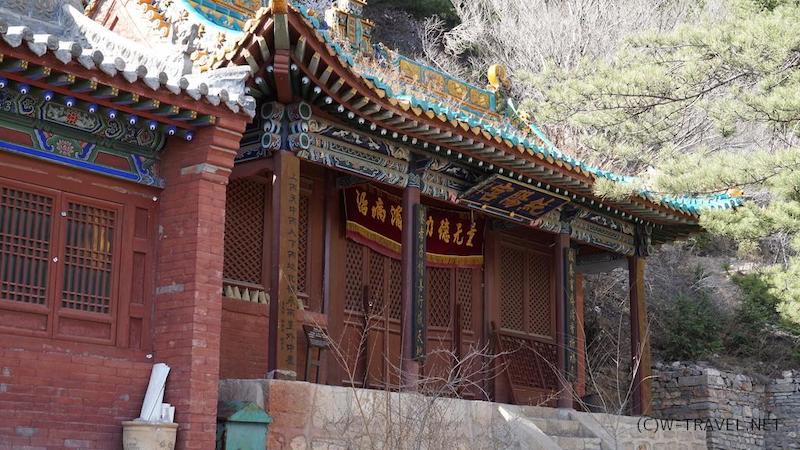
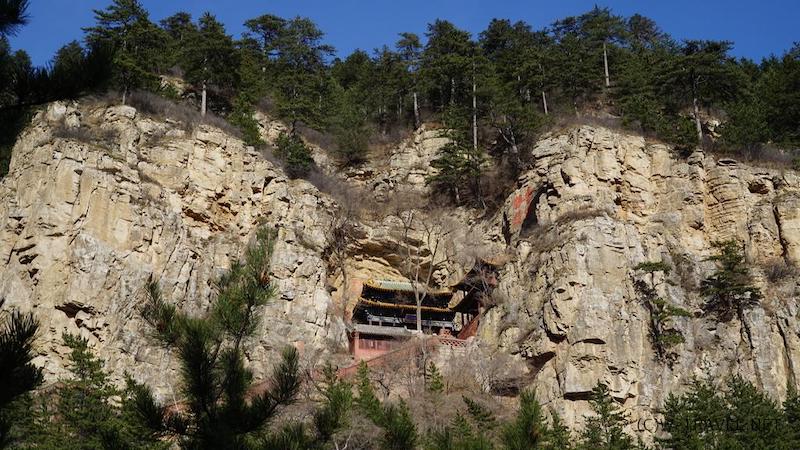
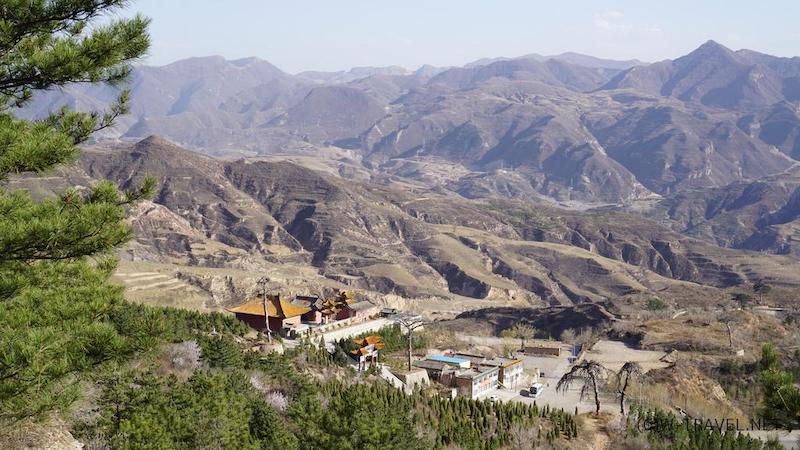
 माफ़ कीजिए, लेकिन समय की कमी (?), इसलिए दरवाज़ा बंद था और मैं ऊपर नहीं जा सका, लेकिन मैंने कुछ हद तक चढ़ाई की, इसलिए यह ठीक है।
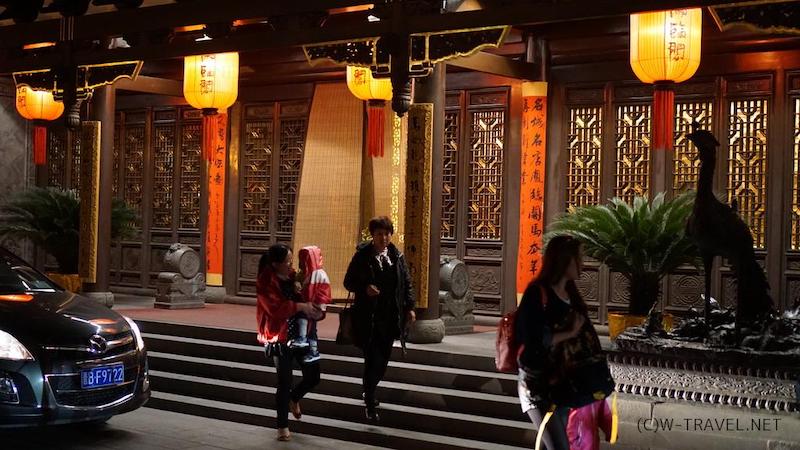
फोंगलिनगेह नाम का एक रेस्तरां है, जिसका 500 साल पुराना इतिहास रहा है।
शहर वापस आने के बाद, टूर में शामिल 4 लोगों ने पास के एक रेस्तरां में जाने का फैसला किया।
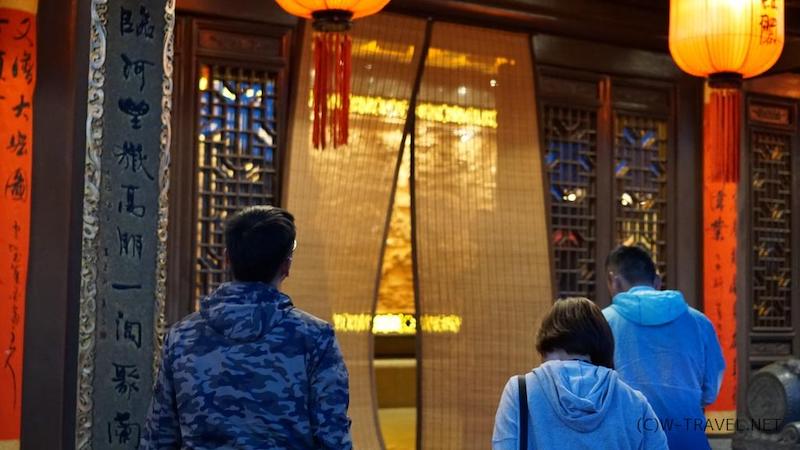 यह जगह एक पुराने भवन का उपयोग करती है, और इसका इंटीरियर बहुत शानदार है।
दुकान के अंदर का माहौल एक संग्रहालय जैसा है, और बहुत सारे लोग तस्वीरें ले रहे हैं (मुस्कुराते हुए)।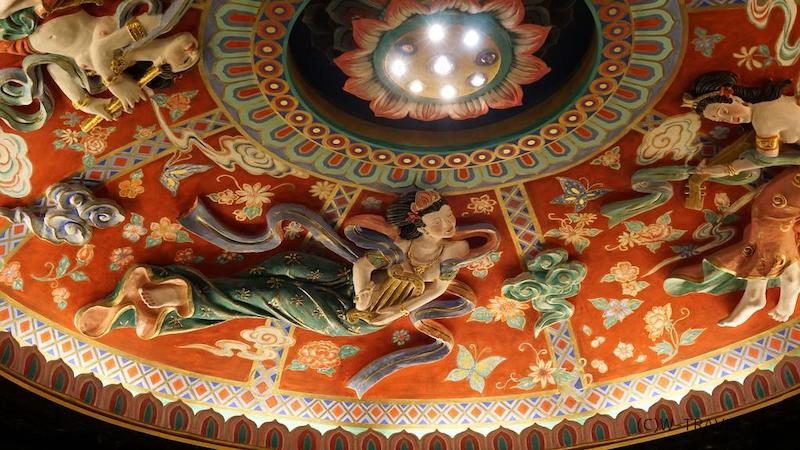

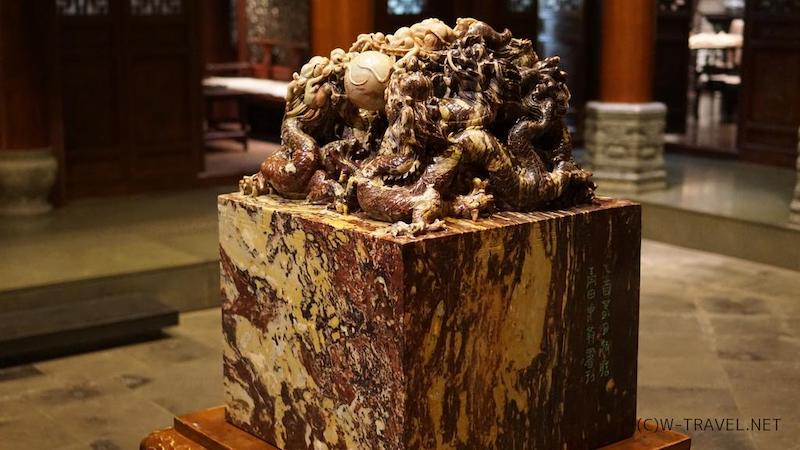
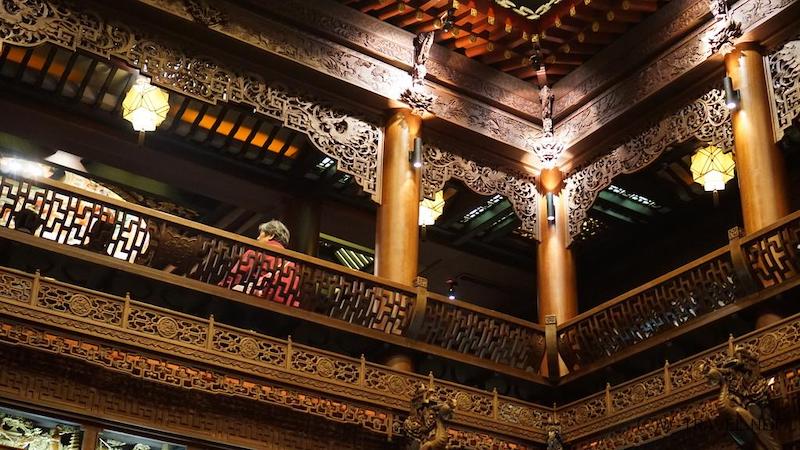
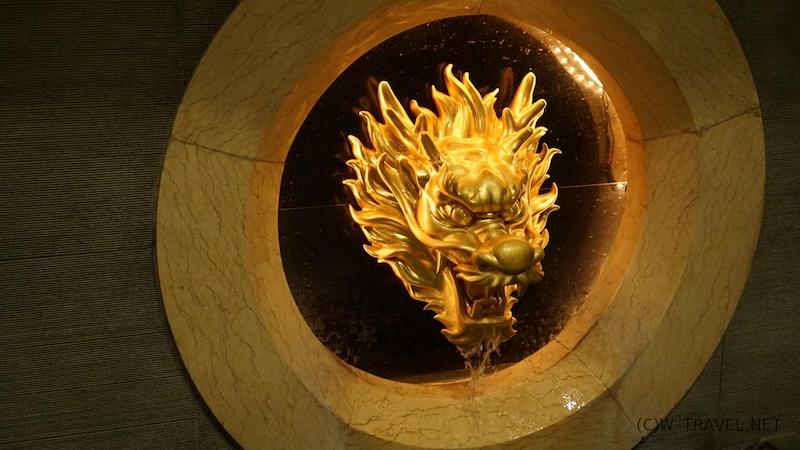
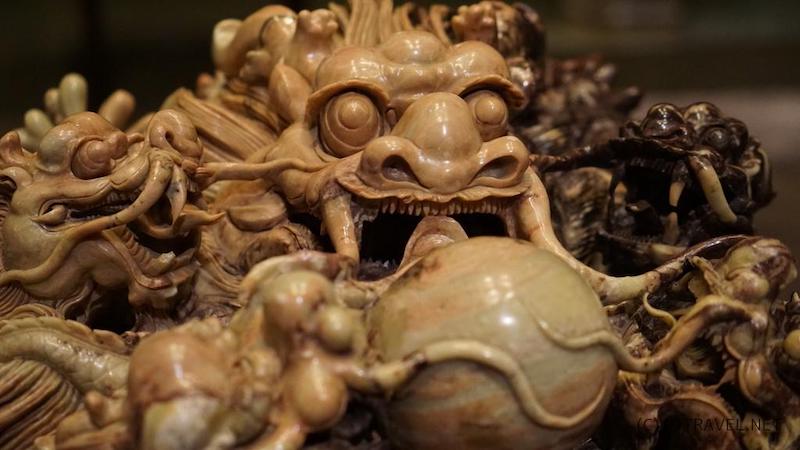


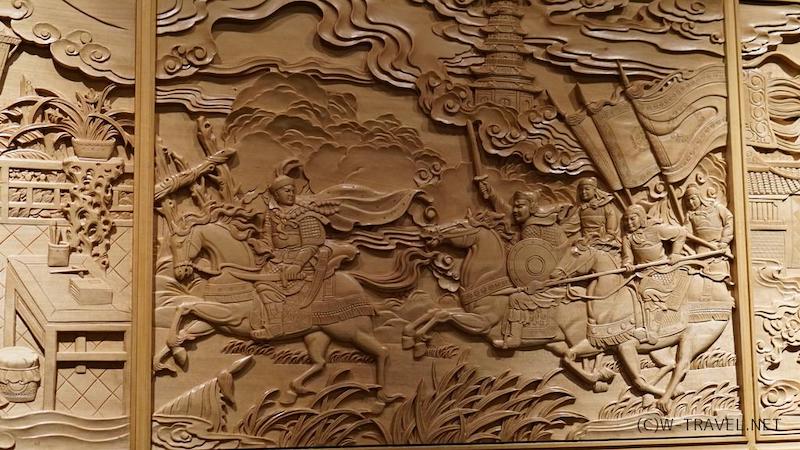
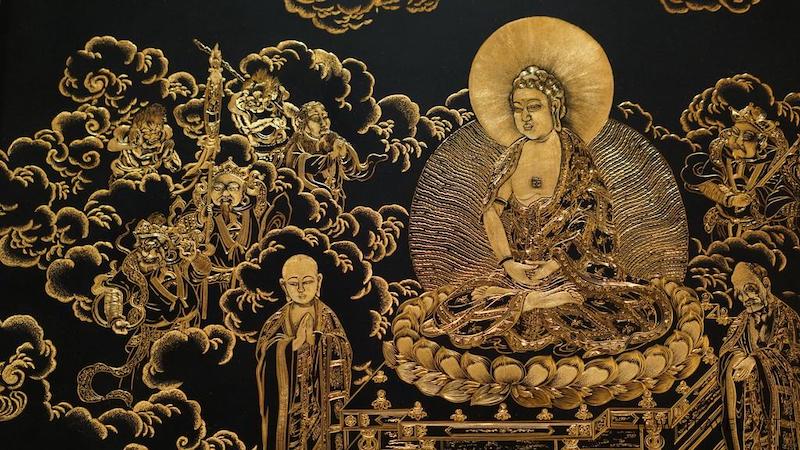
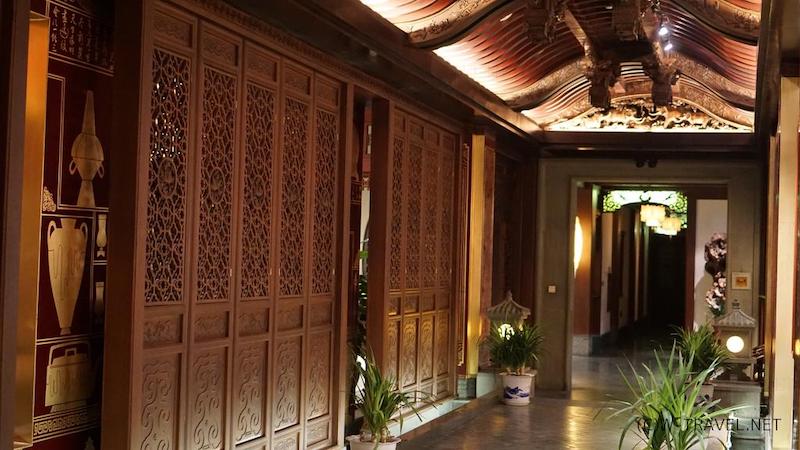
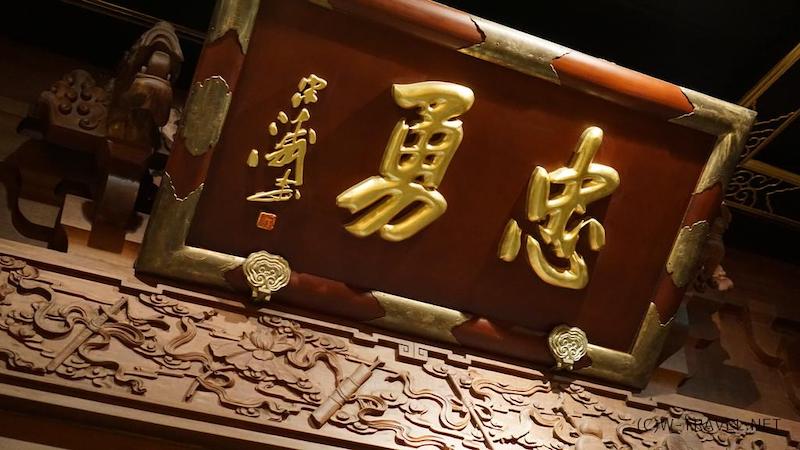

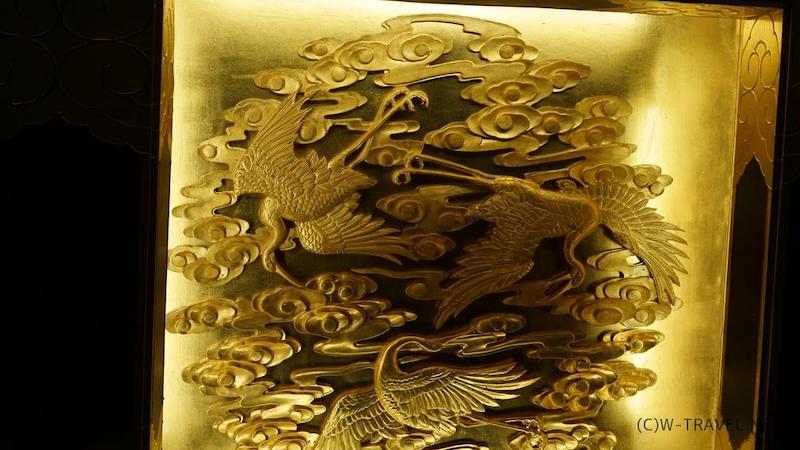
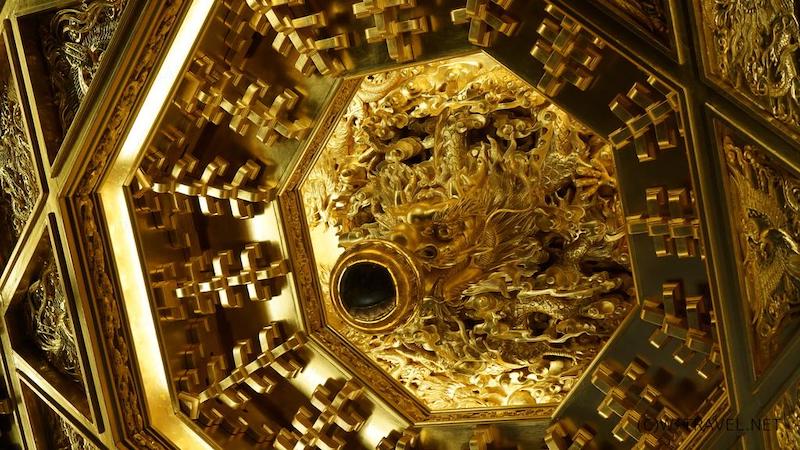 खाना भी, बहुत स्वादिष्ट है!
चीनी भोजन में, यह क्षेत्र विशेष रूप से स्वादिष्ट माना जाता है।
विशेष रूप से, इसमें "सिरका" की एक खास विशेषता होती है।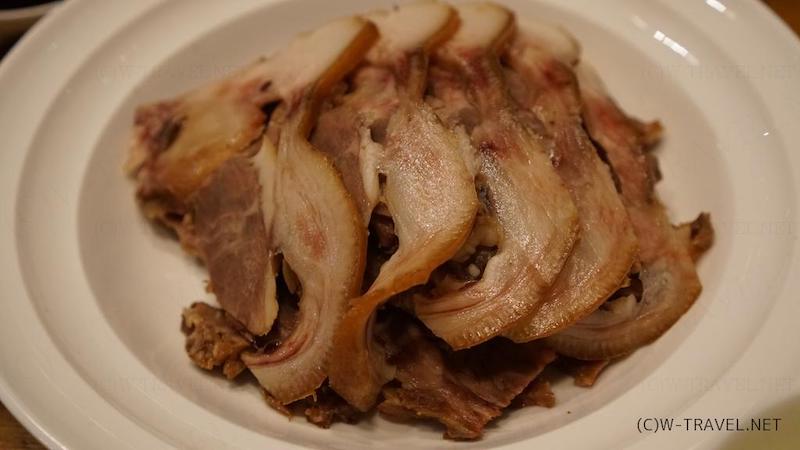
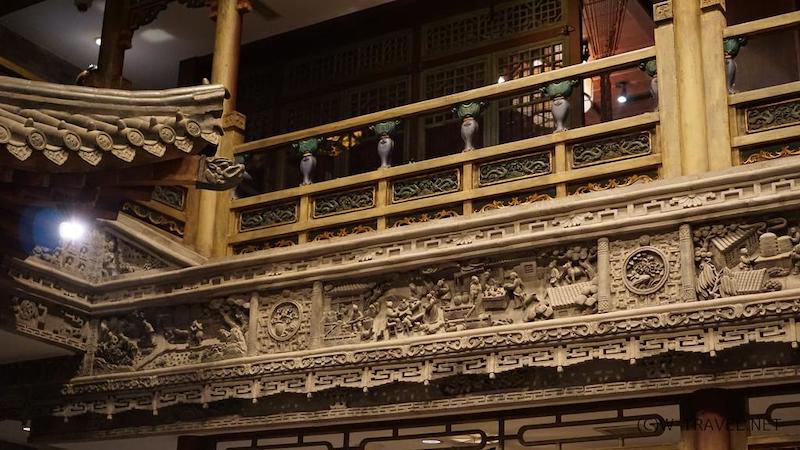
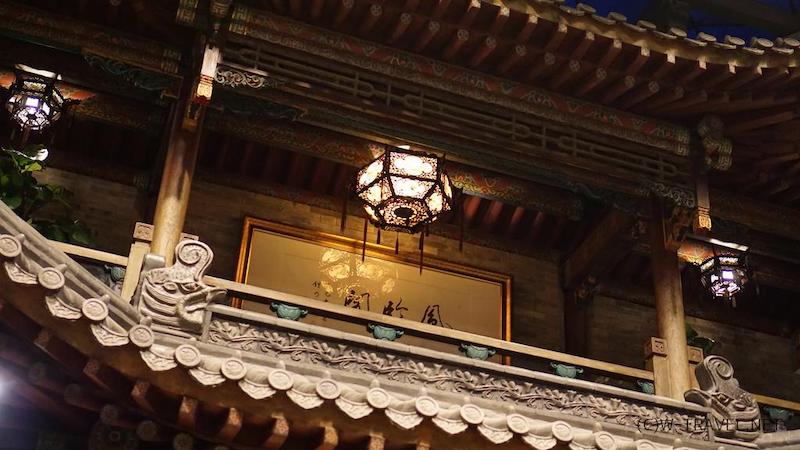


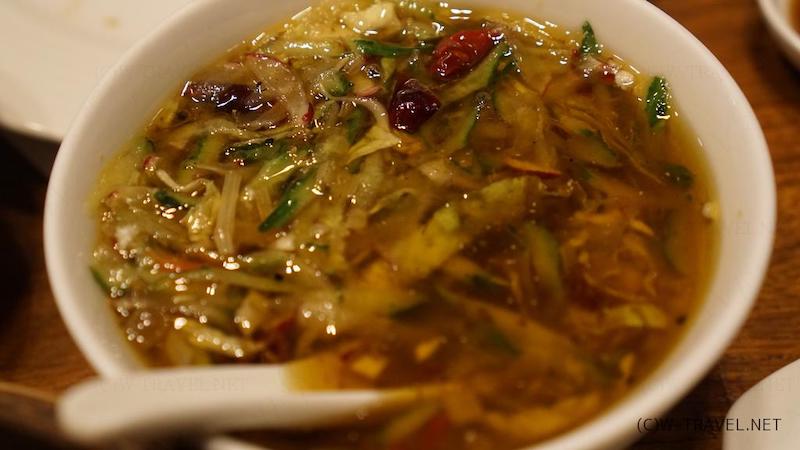
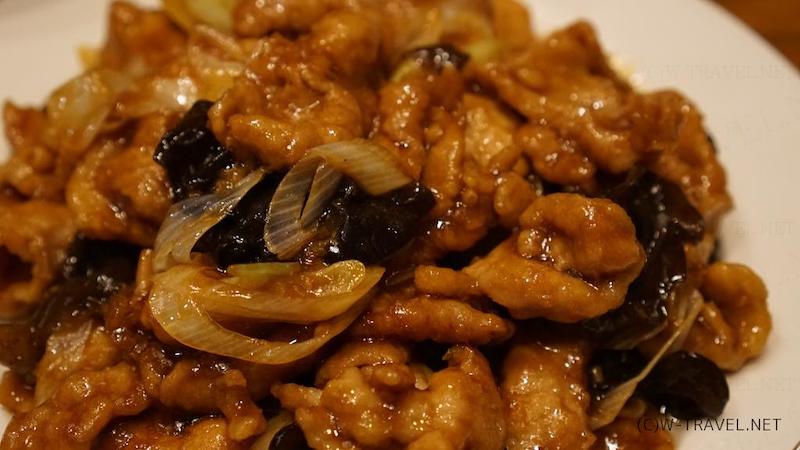
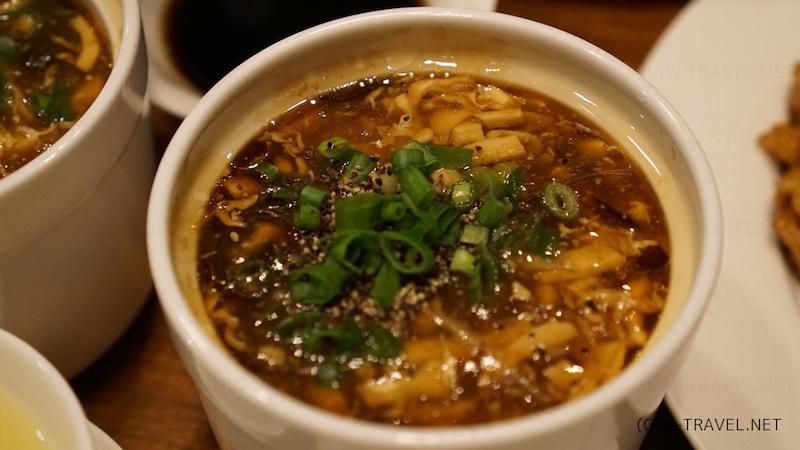
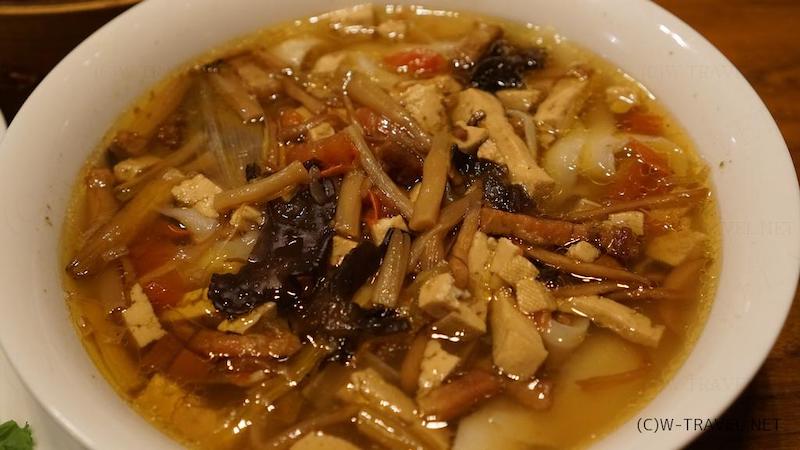 मैंने इसका पूरा आनंद लिया।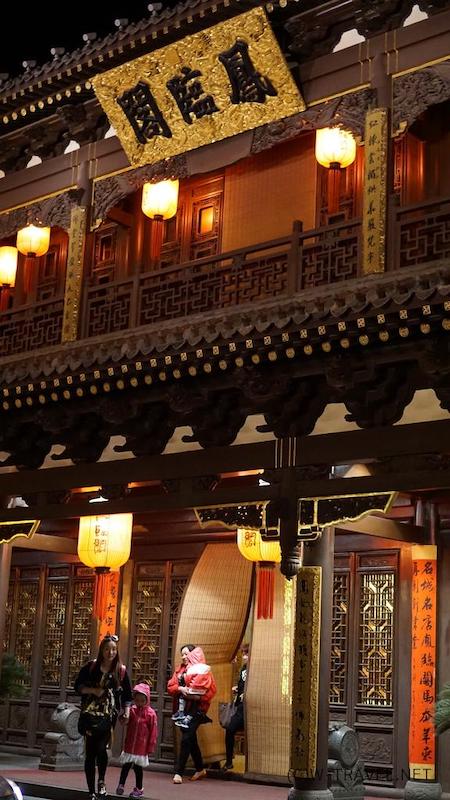
क्रेडिट कार्ड वापस आ गया।
सुबह, मैंने नाश्ता हल्का करके केएफसी में खाया, और फिर चीन निर्माण बैंक की शाखा की ओर गया।
एटीएम मशीन जहां लगी है, वहां तक पहुंचने में लगभग 10 मिनट की पैदल दूरी है।
↓ यह वह जगह है जहां एटीएम मशीन लगी है जिसमें कार्ड अंदर चला गया था।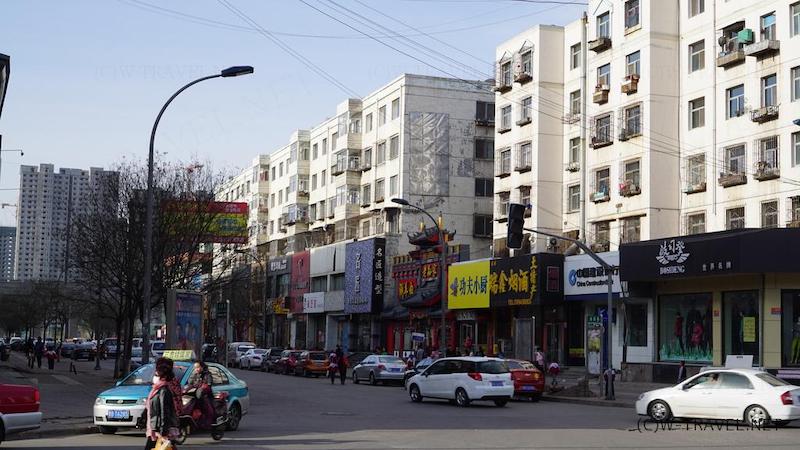
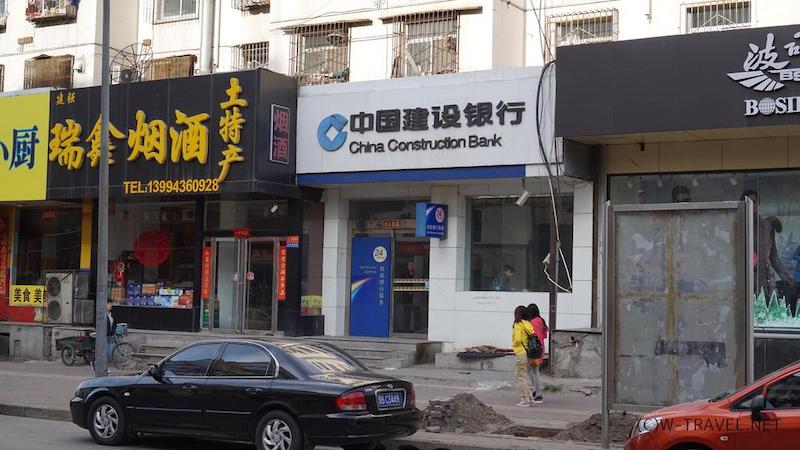 ↓ यह वह शाखा है जिसके लिए आप जिम्मेदार हैं।
आगमन पर समय 7:50।
मुझे लगा कि शायद मुझे 10 मिनट इंतजार करना होगा... लेकिन, दरवाजा पहले ही खुल गया था और अंदर कर्मचारी तैयारी कर रहे थे।
ऐसा होता है, है ना?
मुझे लगा था कि शायद 8 बजे शटर खुलेगा। (हंसी)
ज्यादातर लोगों को अंग्रेजी नहीं आती थी, और आखिरकार, मैंने एक ऐसे व्यक्ति को ढूंढ निकाला जो थोड़ी-बहुत अंग्रेजी बोलता था, और मैंने उसे समझाने की कोशिश की, तो उसने कहा, "थोड़ा इंतजार करें।" पहले, मुझे कहा गया था, "10 बजे तक इंतजार करें," लेकिन जब मैं 10 मिनट तक कुर्सी पर बैठा रहा, तो मुझे कहा गया, "9 बजे एटीएम के पास आएं, मैं आपको आपका कार्ड वापस दे दूंगा।" इसलिए, मैंने उस जानकारी को चीनी में लिखवाया और 9 बजे एटीएम के पास जाने का फैसला किया।
मेरे पास थोड़ा समय था, इसलिए मैं बगल के ब्लॉक में स्थित चाइना बैंक की एक शाखा गया और मैंने अपने पास मौजूद सेज़ोन अमेरिकन एक्सप्रेस कार्ड से नकदी निकालने की कोशिश की।
जब मैं पहुंचा, तो मुझे लगा कि काउंटर खुला होगा और मैं तुरंत सेवा प्राप्त कर पाऊंगा, और वास्तव में, नकदी निकालने में सफलता मिली।
राहत मिली।
कम से कम, मेरे यात्रा के लिए पर्याप्त धन है।
थोड़ा पहले एटीएम के पास वापस आ गया, और 9 बजे, मैंने सोचा, "शायद वे अभी-अभी रवाना हुए होंगे? इस क्षेत्र के लोगों के साथ, शायद मुझे 10 या 30 मिनट इंतजार करना पड़ेगा..." लेकिन, आश्चर्यजनक रूप से, वे समय के पाबंद थे, और ठीक 9 बजे, एक व्यक्ति जो मेरे क्रेडिट कार्ड को पकड़े हुए था, वह प्रकट हुआ और उसने पूछा, "क्या यह आपका कार्ड है?"
वाह!
मुझे लगता है कि वह शायद मैनेजर है।
ऐसा लग रहा था।
मुझे मैनेजर के बारे में यह धारणा हुई कि वे समय के पाबंद होते हैं और निश्चित रूप से, वे बहुत कुशल होंगे।
मैंने अपना पासपोर्ट पहचान प्रमाण के रूप में दिखाया और रिकॉर्ड पर हस्ताक्षर किए।
इसके बाद, मुझे उम्मीद थी कि मेरा क्रेडिट कार्ड वापस मिल जाएगा, लेकिन एक और कदम की आवश्यकता थी। मैनेजर ने मुझे एटीएम के पास ले जाया और ऐसा दिखावा किया जैसे कि वह कार्ड को एटीएम में डाल रहा है, इसलिए मैंने उसका पालन किया। मैंने पासवर्ड दर्ज किया और मेनू स्क्रीन तक पहुंचने के बाद, मैनेजर ने "ओके" जैसा इशारा किया, जिसका अर्थ था "कृपया रद्द करें और कार्ड निकाल लें," इसलिए मैंने उसका पालन किया।
ऐसा लगता है कि वास्तव में, यह सुनिश्चित करने के लिए कि कार्ड वास्तव में मेरा है, इसे एक बार एटीएम में डालना और पासवर्ड प्रमाणीकरण तक जाना आवश्यक था।
अब, मेरा क्रेडिट कार्ड मेरे पास वापस आ गया है।
राहत मिली।
अगली बार, जब मैं एटीएम से नकदी निकालूंगा, तो मैं निम्नलिखित बातों का ध्यान रखूंगा:
- ऐसे बड़े बैंकों का उपयोग करें जिनके नाम में देश का नाम हो।
- स्थानीय बैंकों से यथासंभव बचें।
- काउंटर के बगल में स्थित एटीएम का उपयोग करें।
- केवल एटीएम के रूप में अकेले रखे गए एटीएम से यथासंभव बचें।
- यथासंभव, एटीएम का उपयोग उस समय करें जब काउंटर खुला हो।
नंदका, मुझे लगता है कि पहले भी मैंने इसी तरह की याद दिलावनियाँ दी थीं।
ऐसी चीजें अक्सर नहीं होती हैं, इसलिए धीरे-धीरे हम सावधान रहना बंद कर देते हैं।
यह भूकंप या सुनामी जैसी ही हो सकती है।
जब यह होता है, तो उसके बाद कुछ समय तक हम सावधान रहते हैं, लेकिन क्योंकि यह अक्सर नहीं होता है, इसलिए हम अनजाने में ही ध्यान भटक जाते हैं।
हालांकि, इस बार मेरे पास 4 कार्ड हैं, इसलिए अगर 1 कार्ड खो जाए तो यह बहुत गंभीर नहीं होगा, लेकिन इस बार जो कार्ड खो गया था, वह मेरा मुख्य कार्ड, रैकन प्रीमियम कार्ड था, इसलिए मुझे इसे वापस पाकर खुशी हुई।
इस घटना के बाद, मैं कुछ समय के लिए सावधान रहना चाहूंगा।
युनगांग गुफाएं।
क्रेडिट कार्ड वापस प्राप्त करने के बाद, मैंने युंगोंग गुफाओं की ओर जाने का फैसला किया।
गाइडबुक में लिखा है कि 4 और 3 नंबर की बसों को बदलना होगा,
लेकिन हाल ही में मुझे बताया गया था कि 1 नंबर की बस से सीधे जा सकते हैं, इसलिए मैं शहर की दीवार के बाहर स्थित 1 नंबर के बस स्टॉप की ओर गया।
मुझे "यू 1" मार्ग के बारे में पता था, इसलिए मैंने सोचा कि क्या 1 नंबर के अलावा, कोई विशेष "यू 1" भी है?
लेकिन यह गलत था, "यू" का मतलब बस मार्ग को दर्शाता है, इसलिए मुझे बस मार्ग 1 में चढ़ना चाहिए था। चीन में, "युंगोंग" शब्द थोड़ा अलग अक्षर में लिखा गया है, लेकिन मैंने आसपास के लोगों से पूछा और पता चला कि यह मार्ग सही है।
इसके अलावा, अंतिम गंतव्य "युंगोंग" है, जो कि गुफाओं के पास है। यह स्पष्ट है।
यह एक दो मंजिला बस है, और गंतव्य स्पष्ट रूप से लिखा हुआ है, इसलिए यह समझने और चढ़ने में आसान है।
कुछ देशों में, कोई संकेत नहीं होता है... चीन बहुत व्यवस्थित है।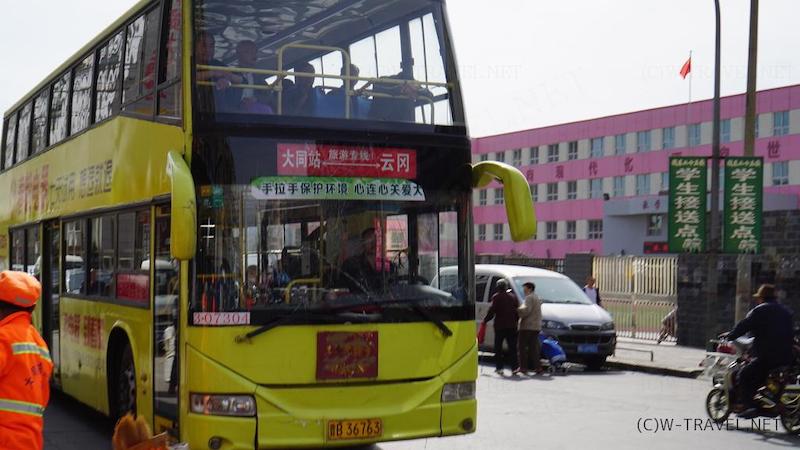 और अंत में, हम गंतव्य पर पहुँच गए।
मेरे सामने एक गुफा का प्रवेश द्वार था। यह स्पष्ट था।
इतना स्पष्ट होने के कारण, टैक्सी की आवश्यकता नहीं है।
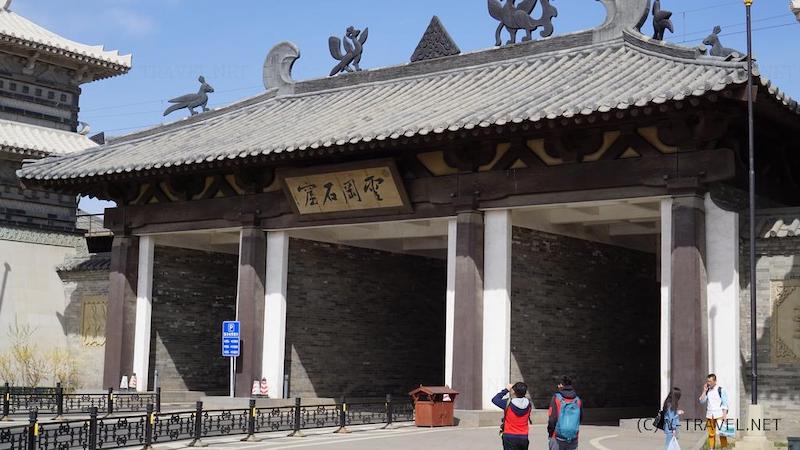
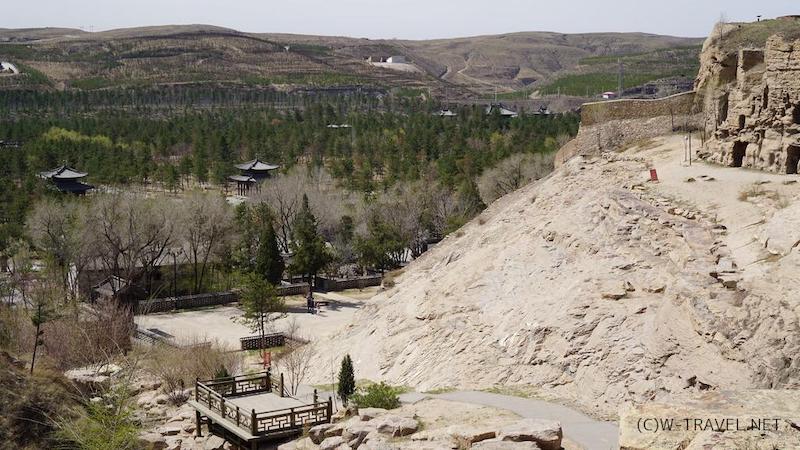
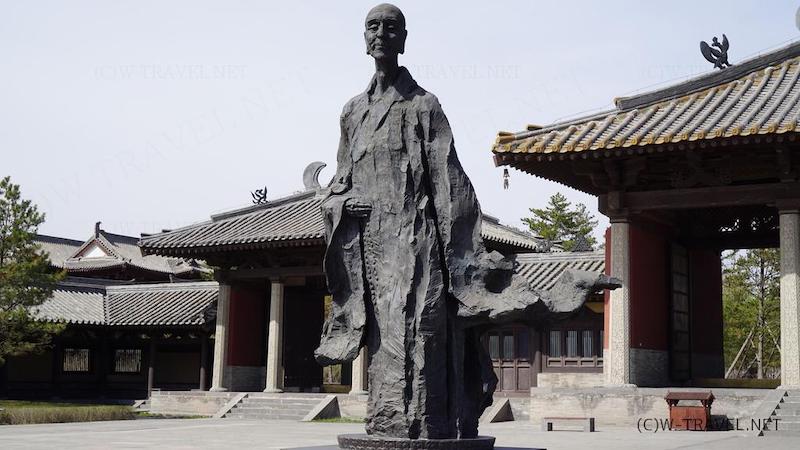 शुरू में, हमने मंदिर का दौरा किया। उसके बाद, वहां एक गुफा है।
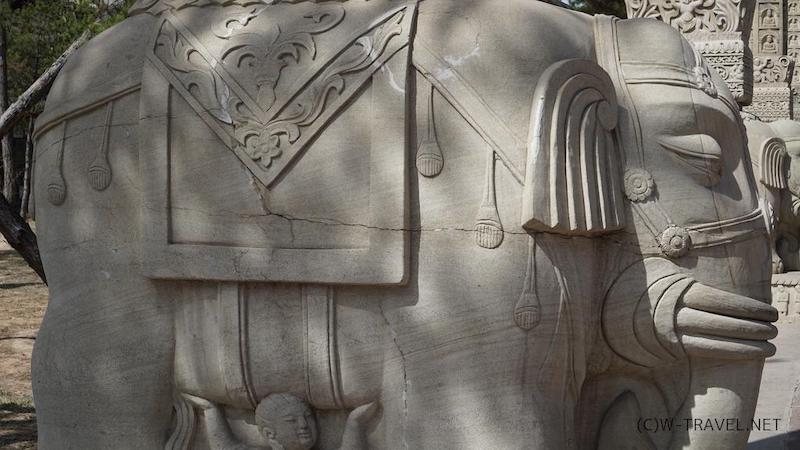

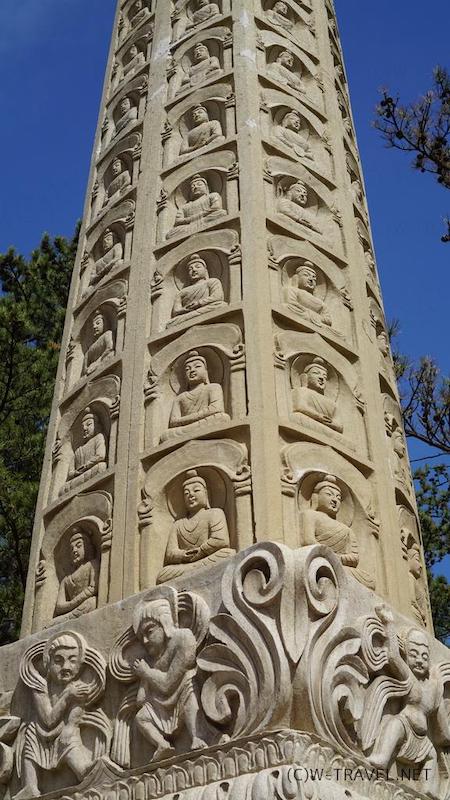

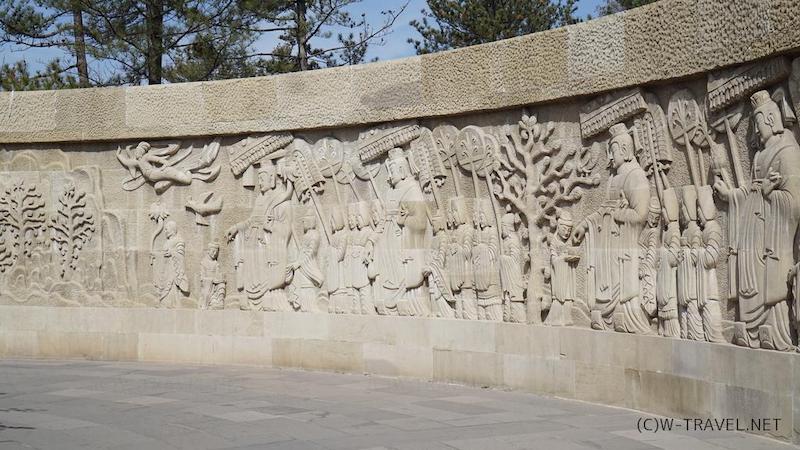
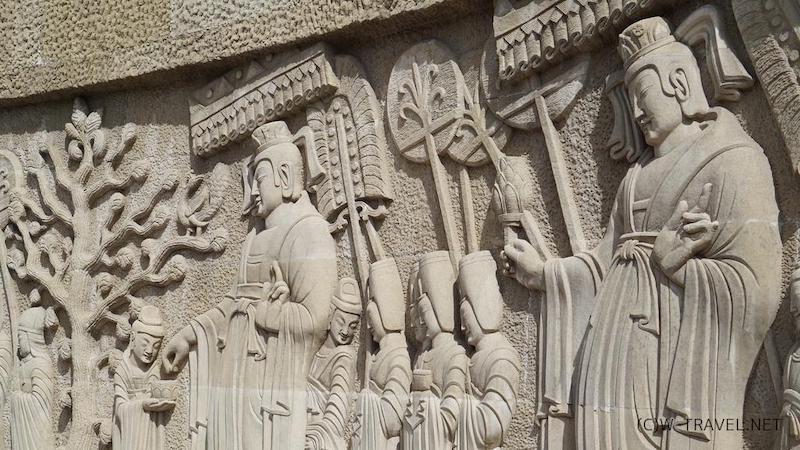
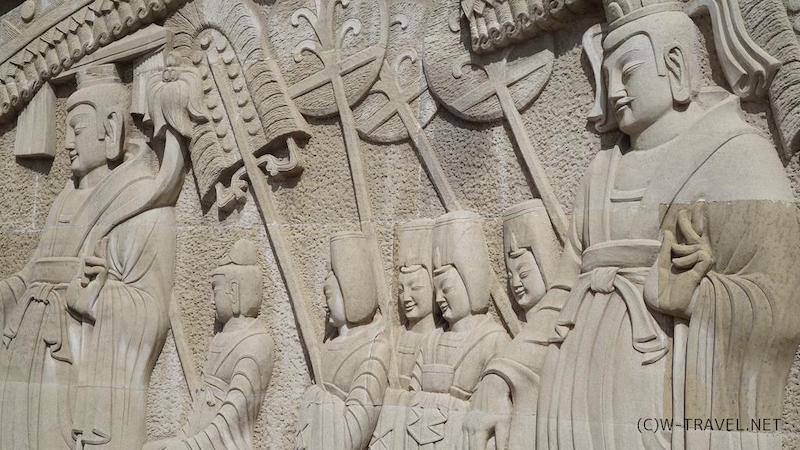
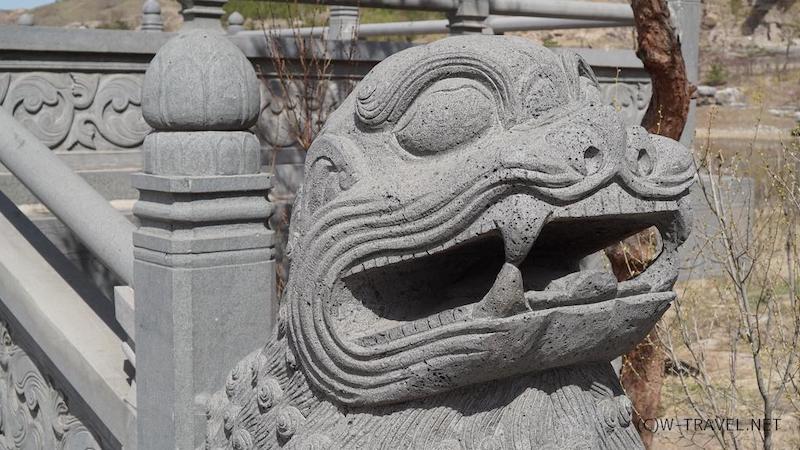
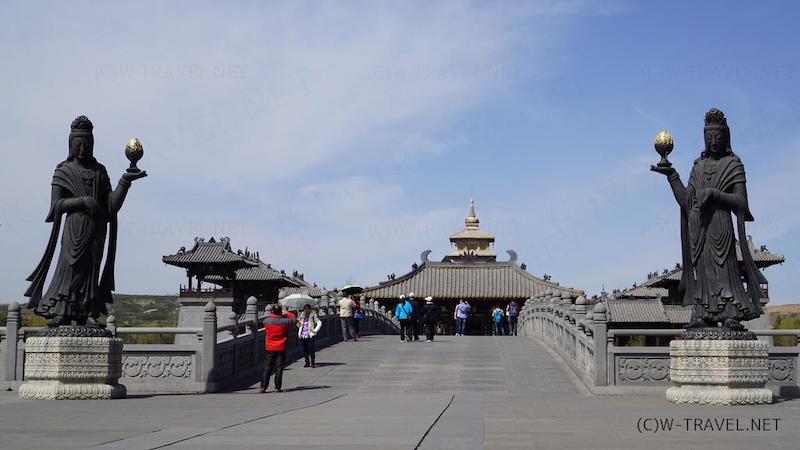


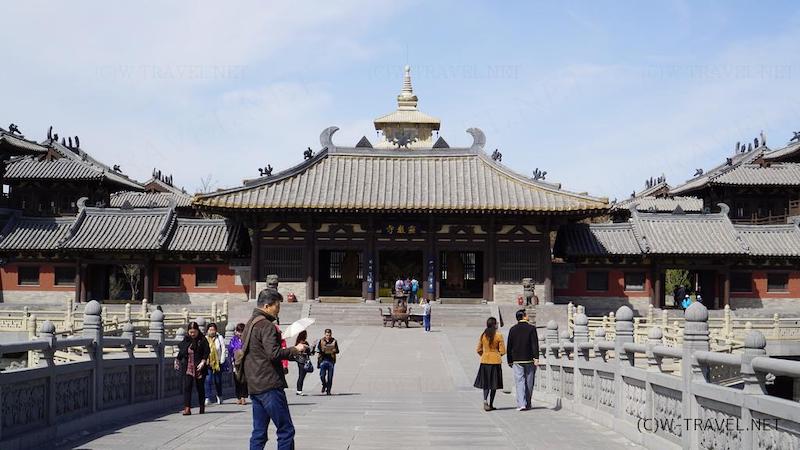
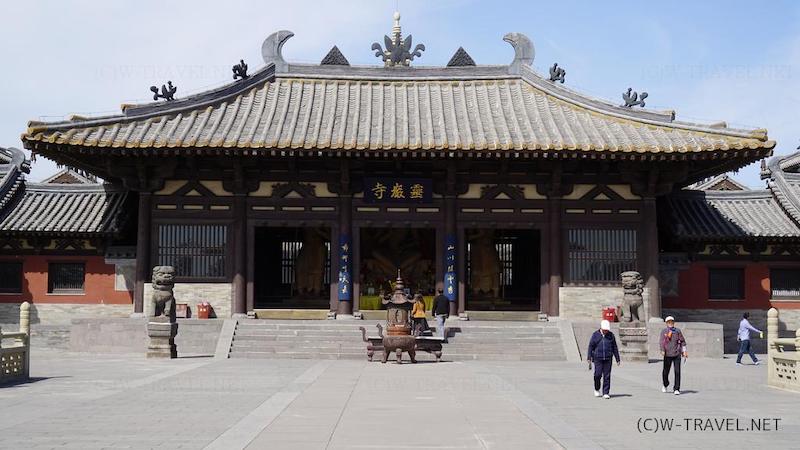
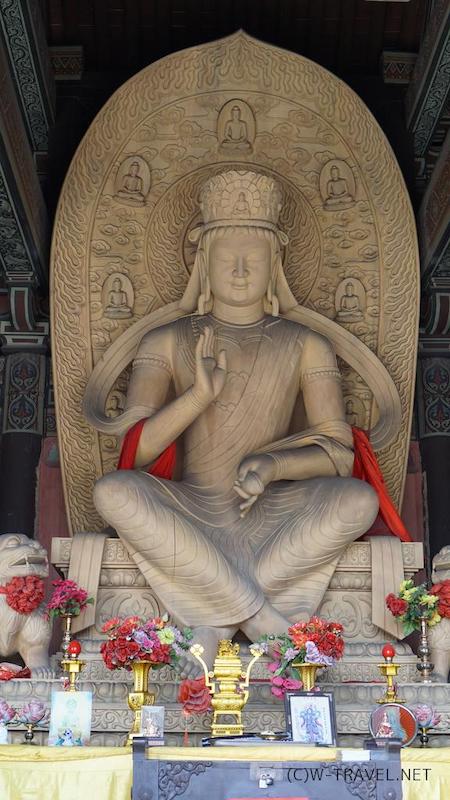
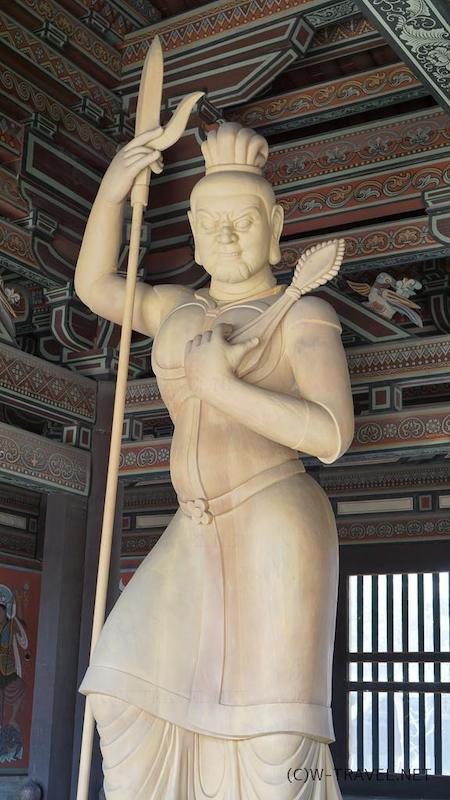
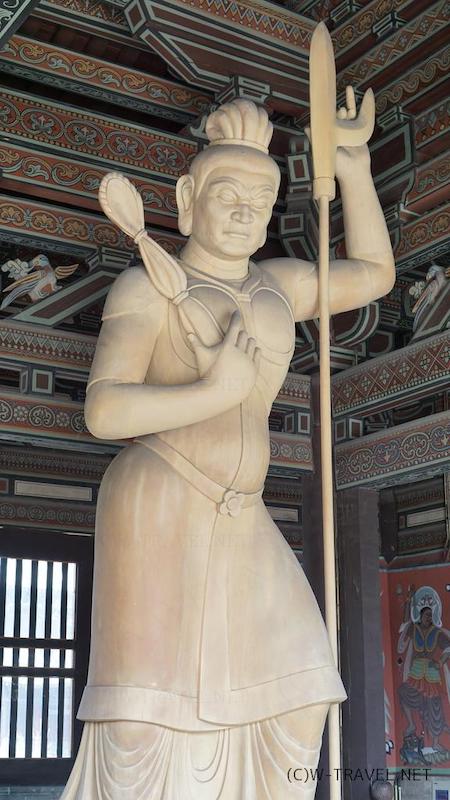
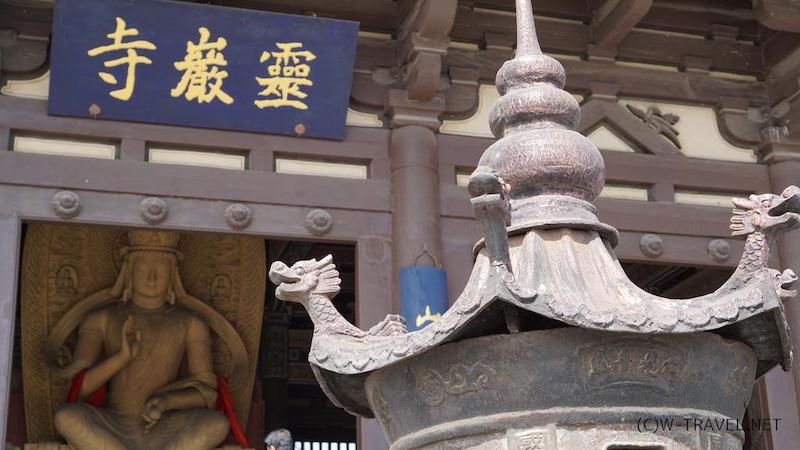
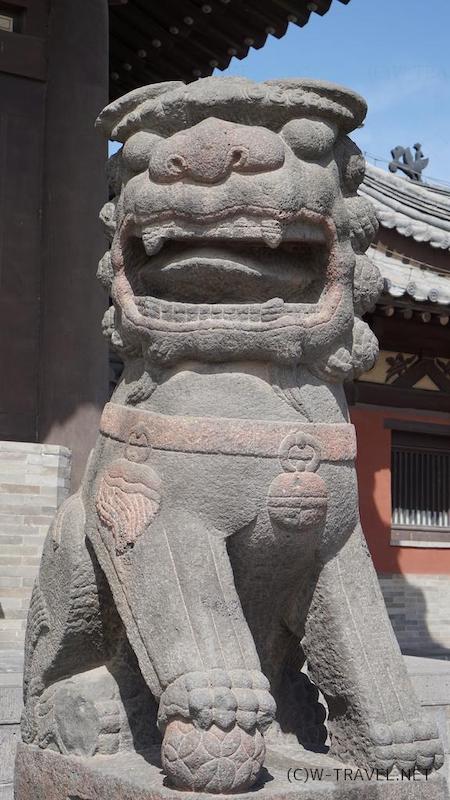
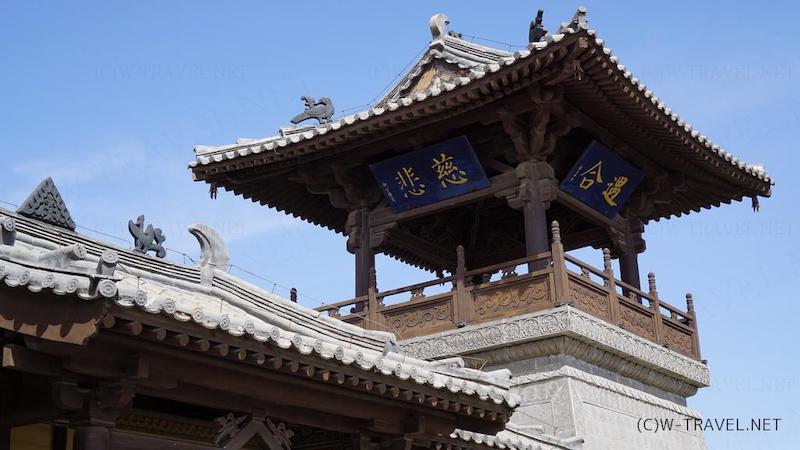
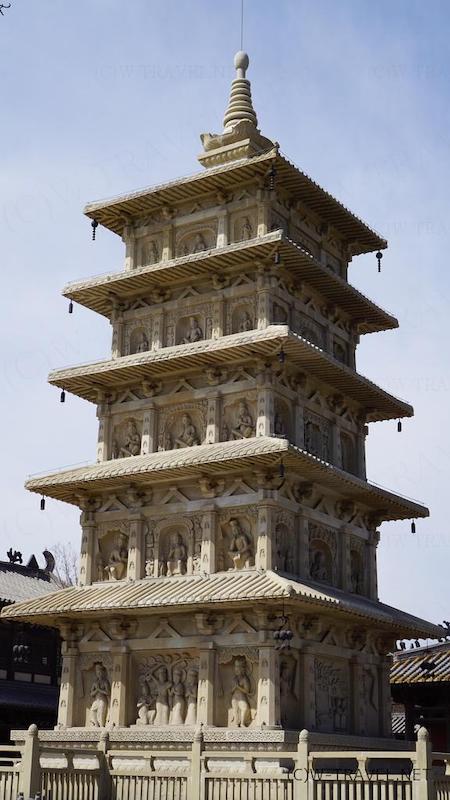
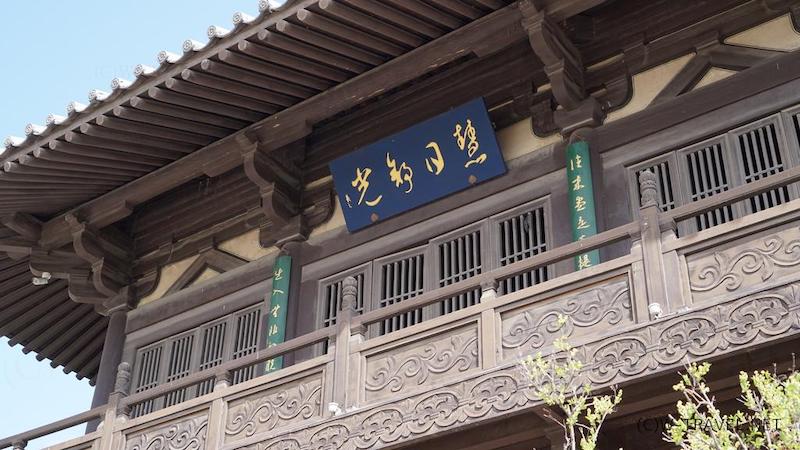

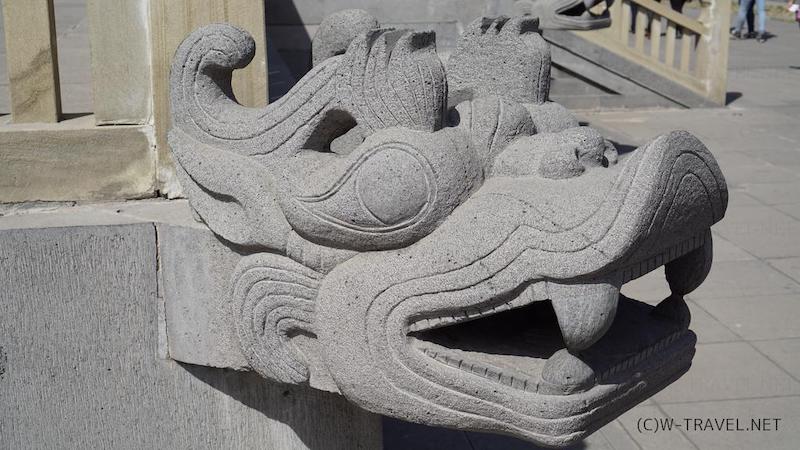
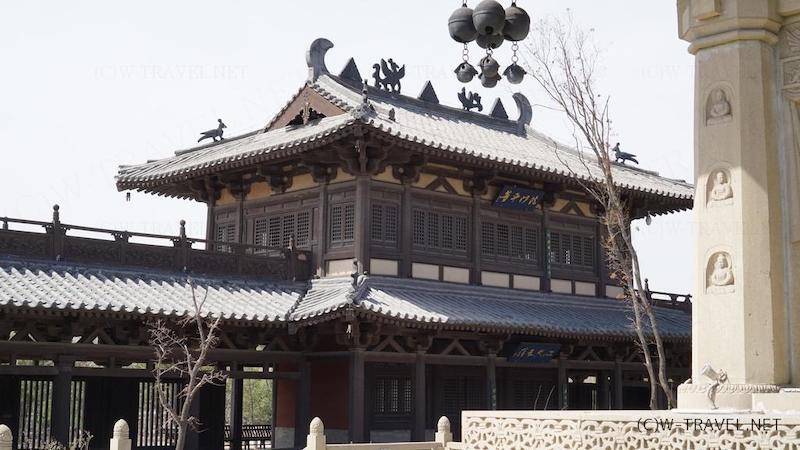
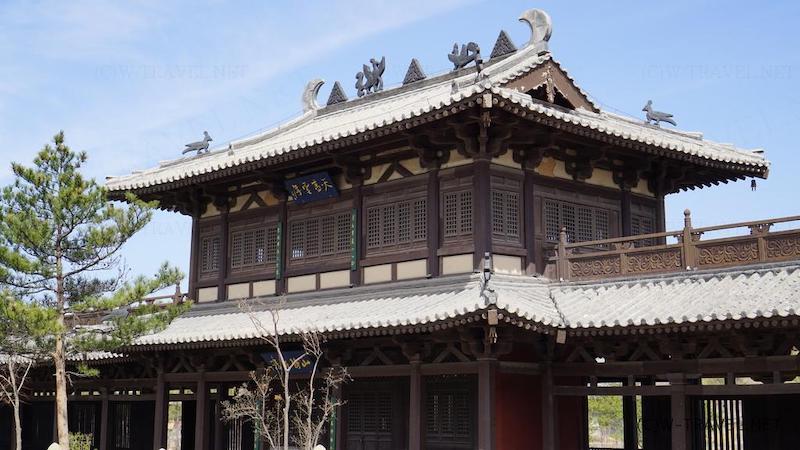
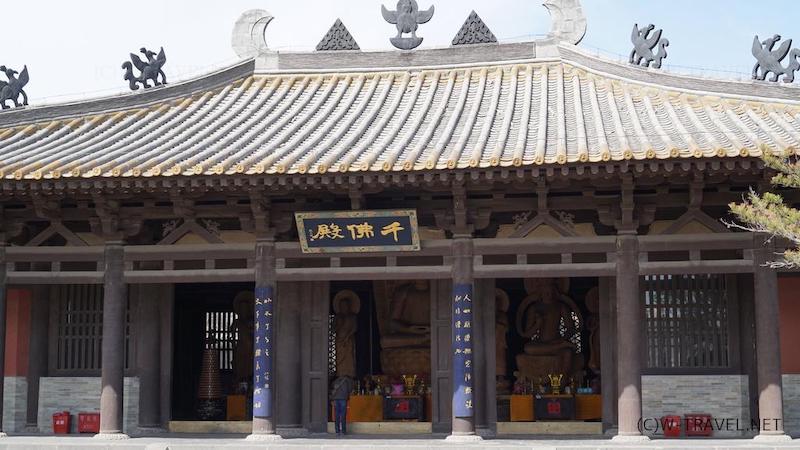
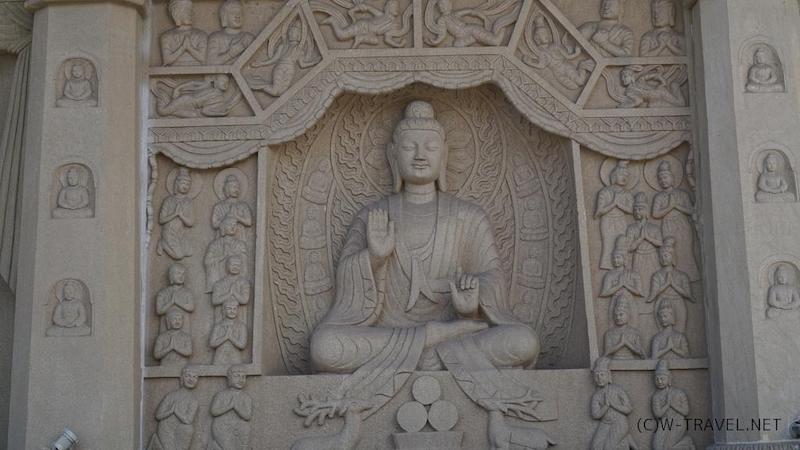
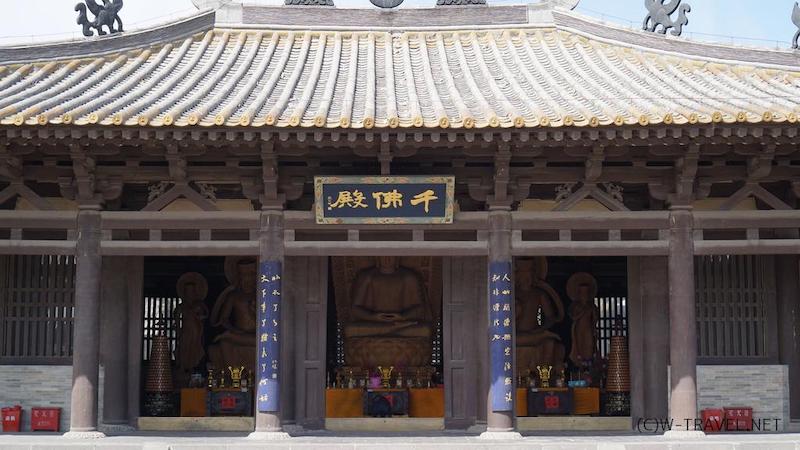
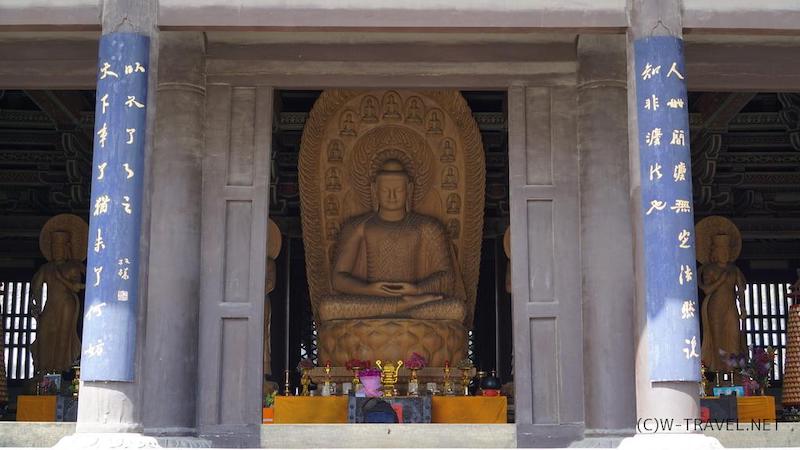
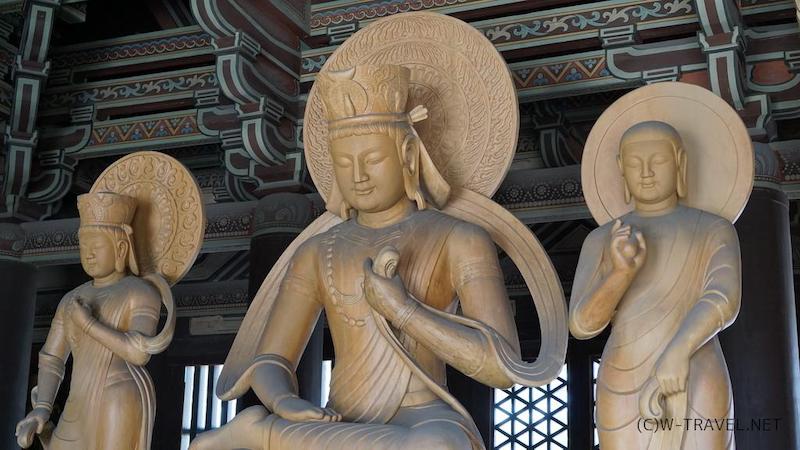
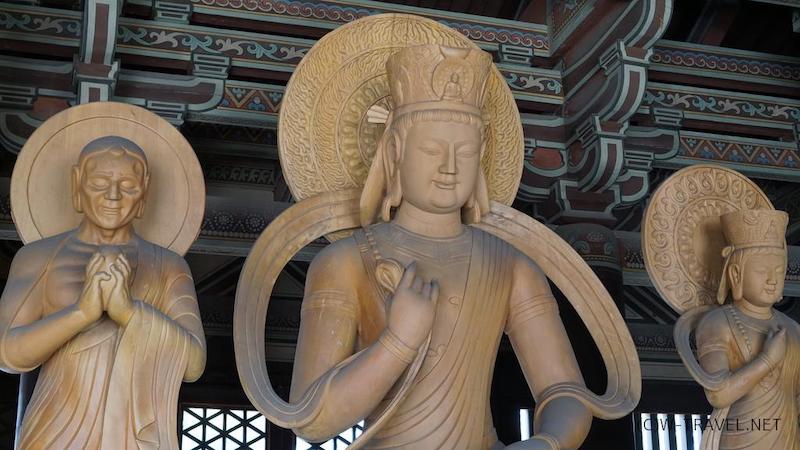
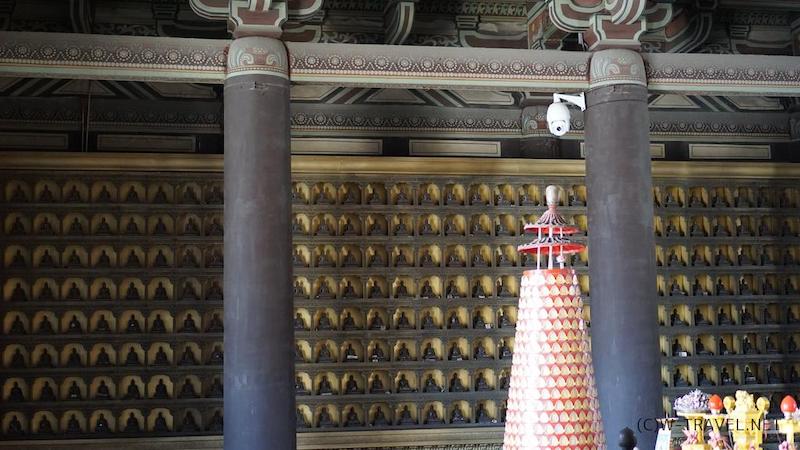
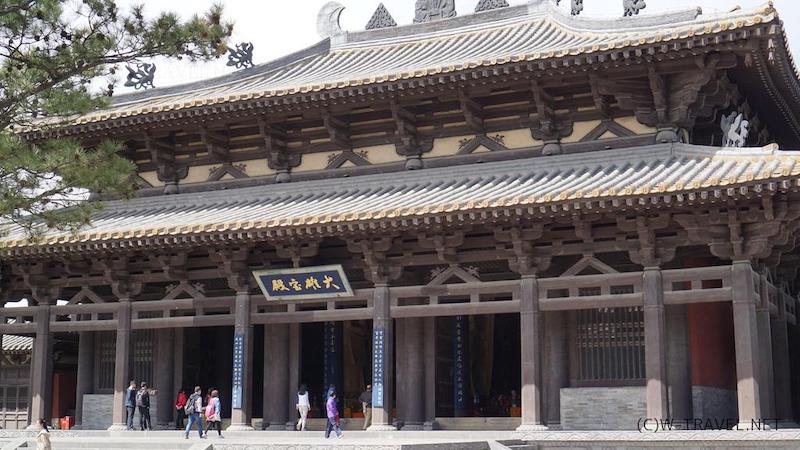

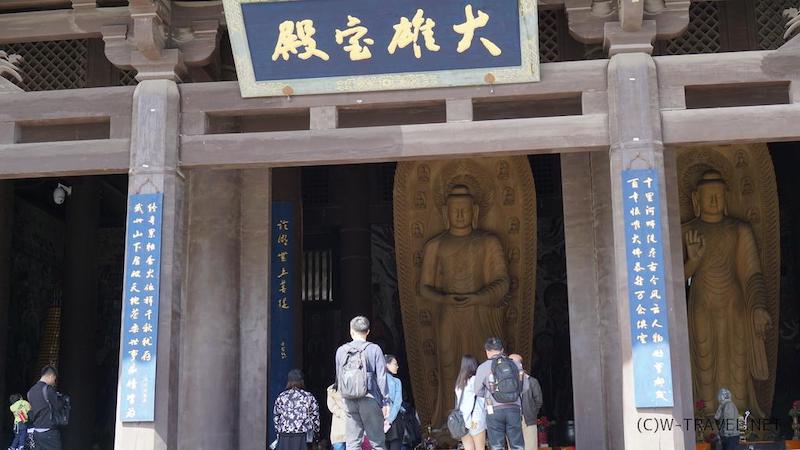
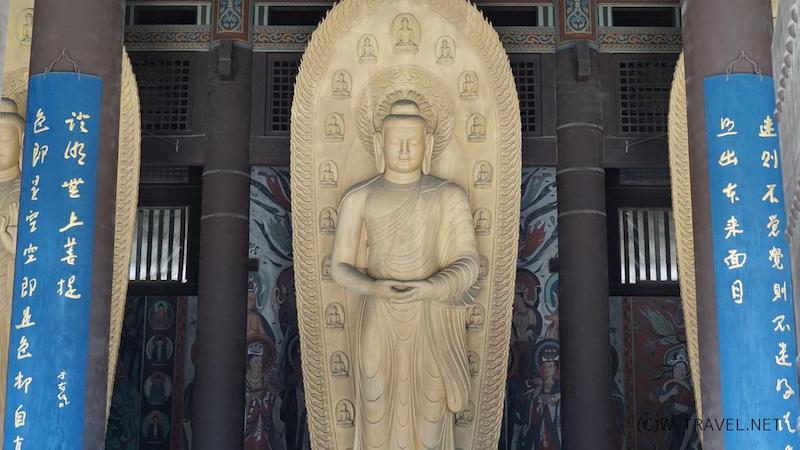

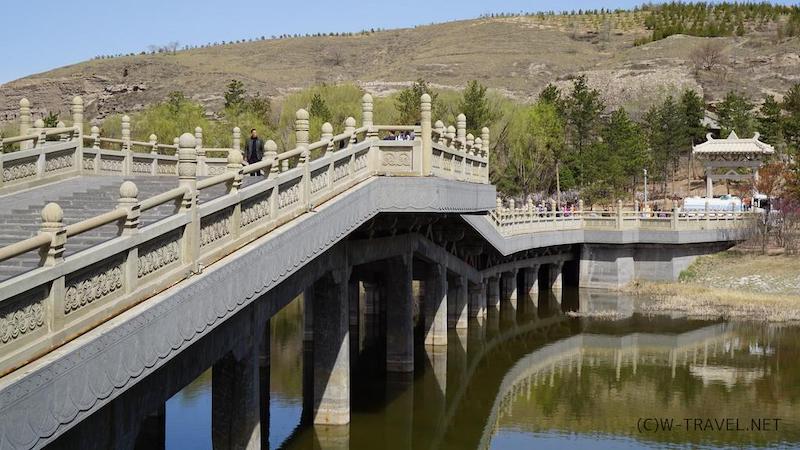
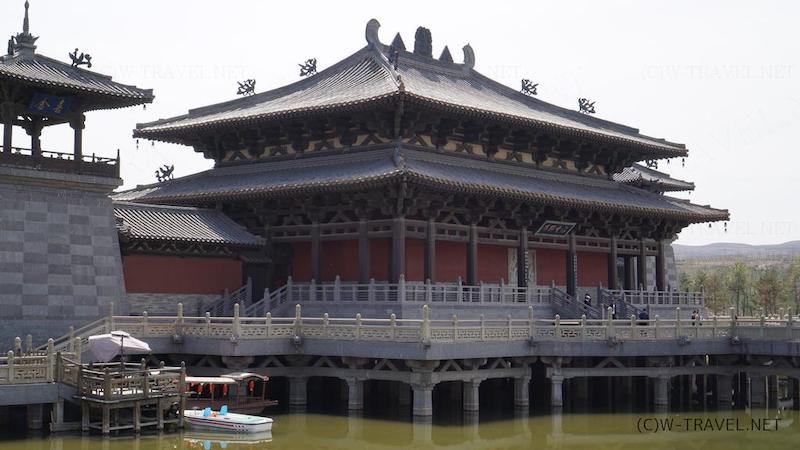
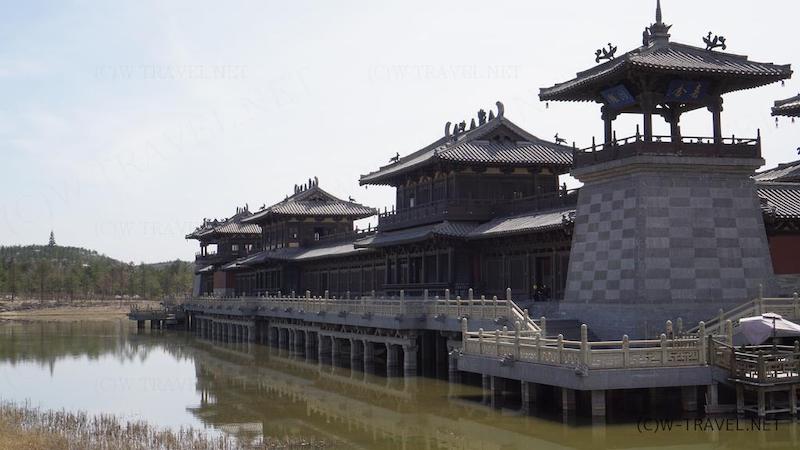 अंदर, यह एक पत्थर का मंदिर है, जिसका वातावरण भारत के "एलोरा-अंजनता" खंडहरों जैसा है।
लेकिन, यहां की चीजें निश्चित रूप से अधिक चमकीली हैं।
यह अद्भुत है।
यह 120 युआन (लगभग 2350 येन) के लायक है।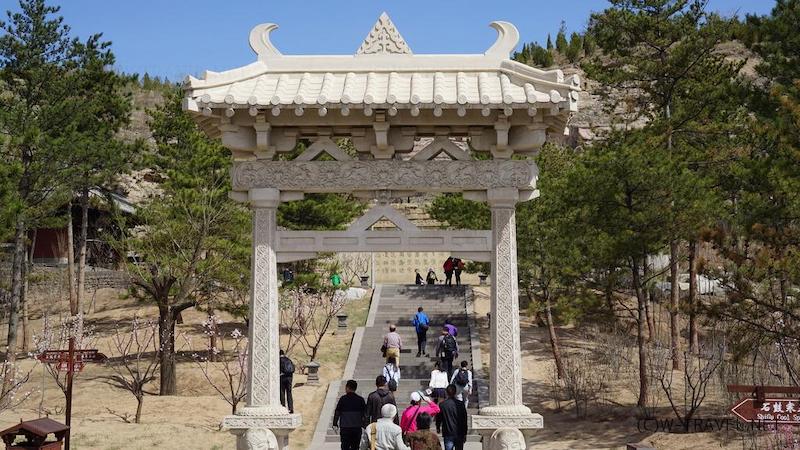


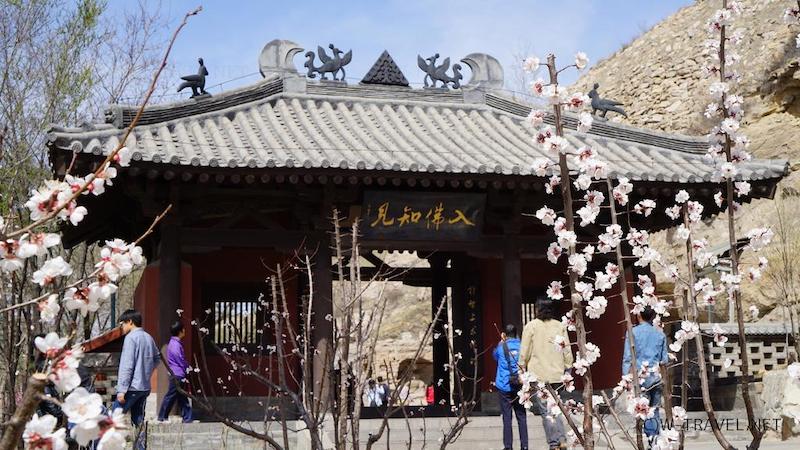
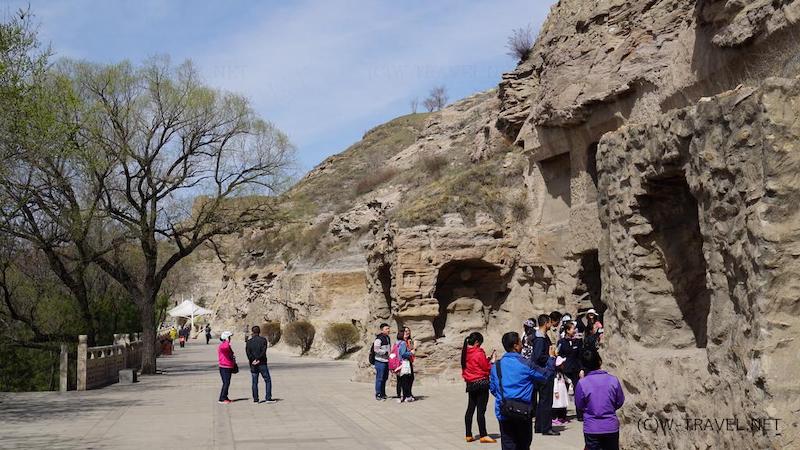
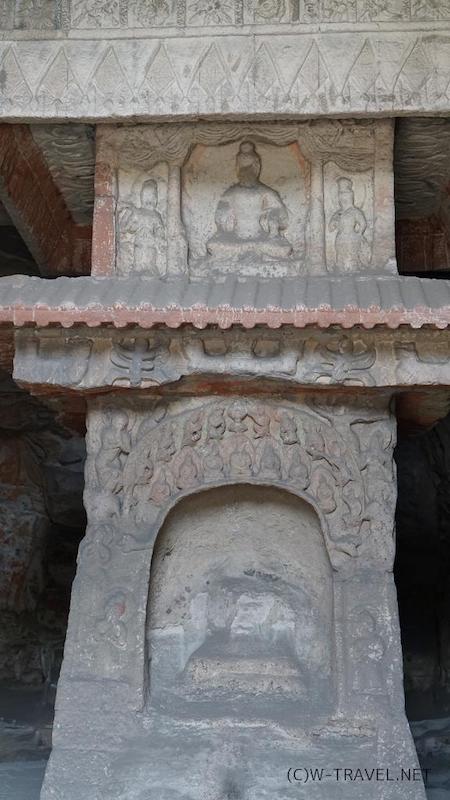

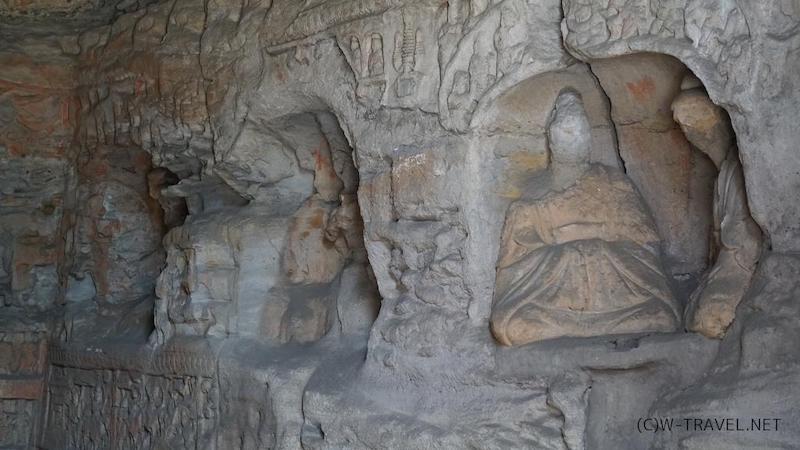
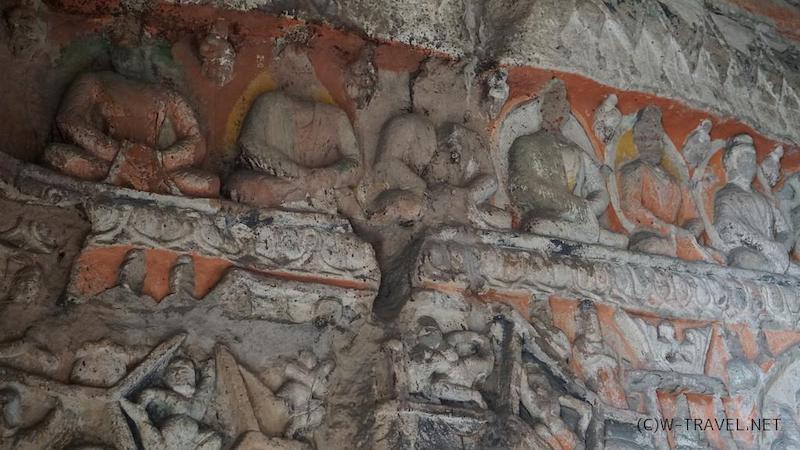
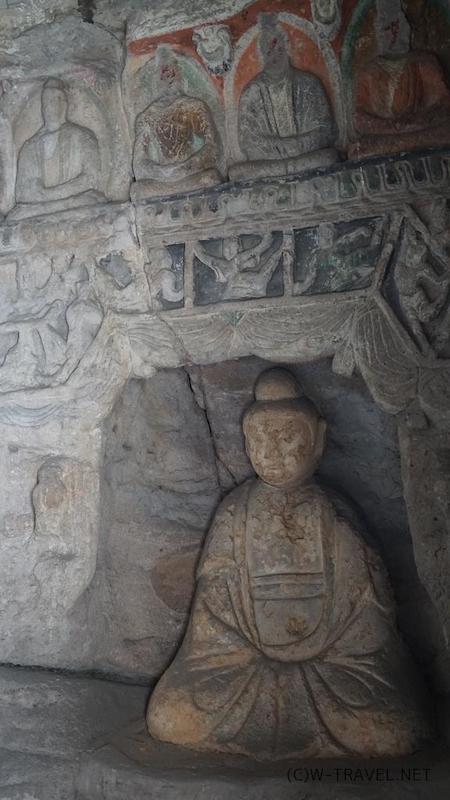

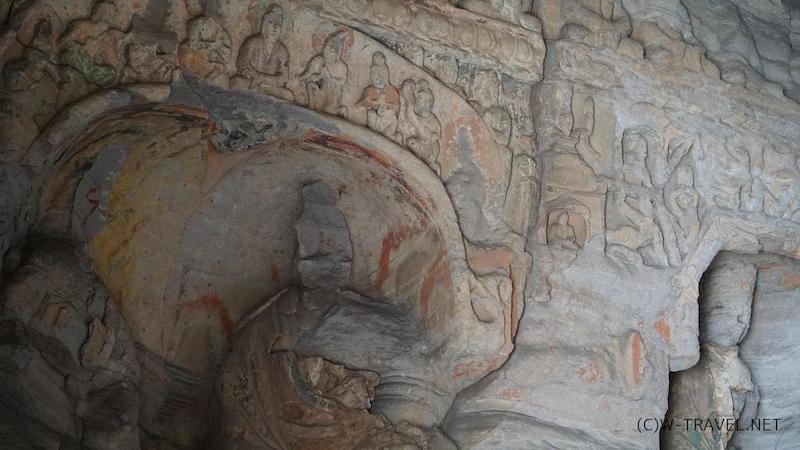

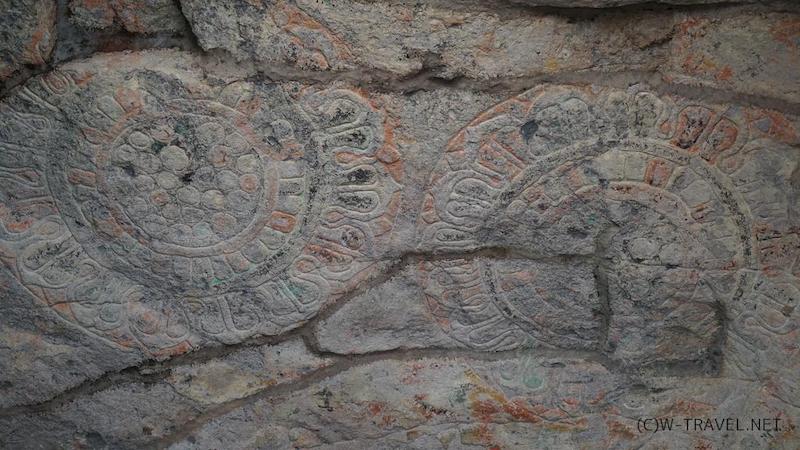

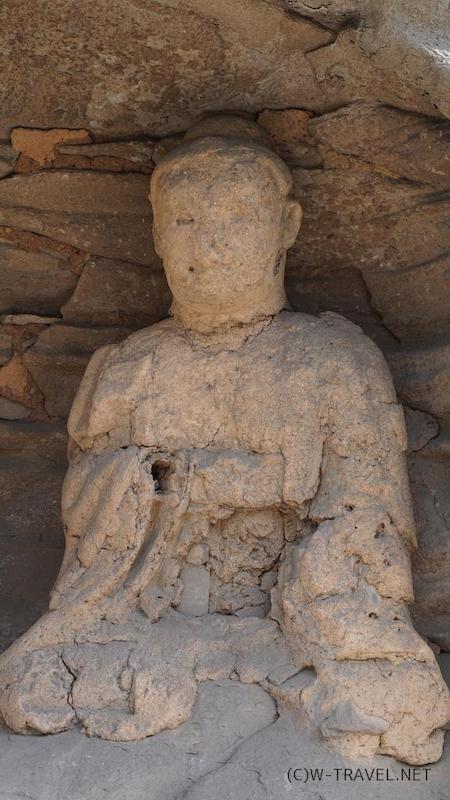
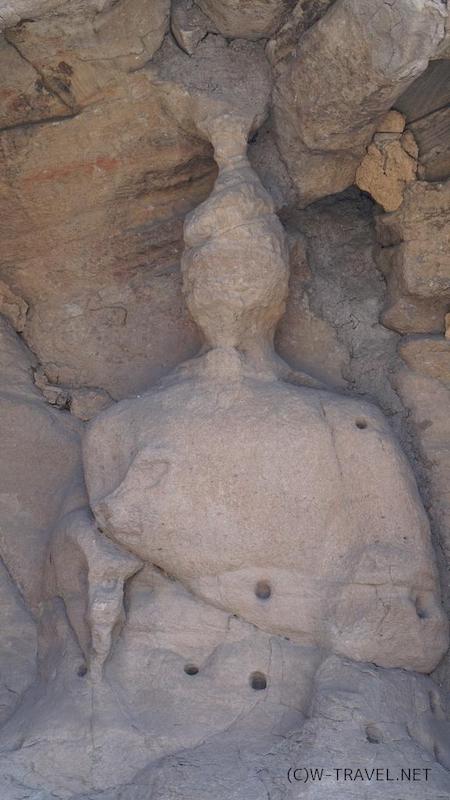
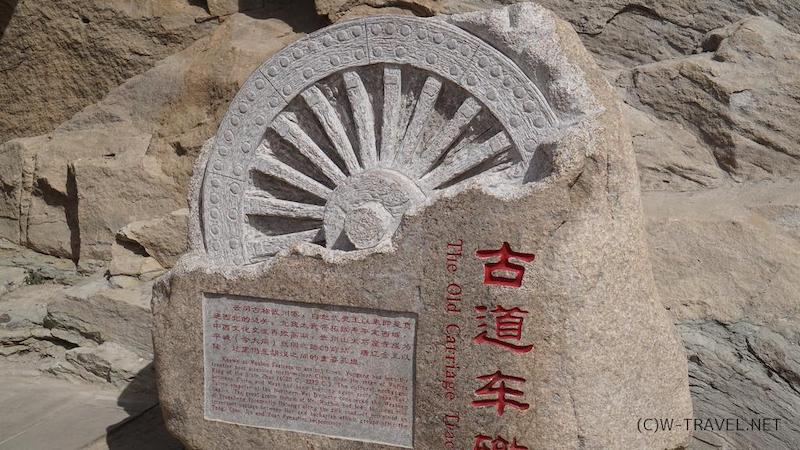
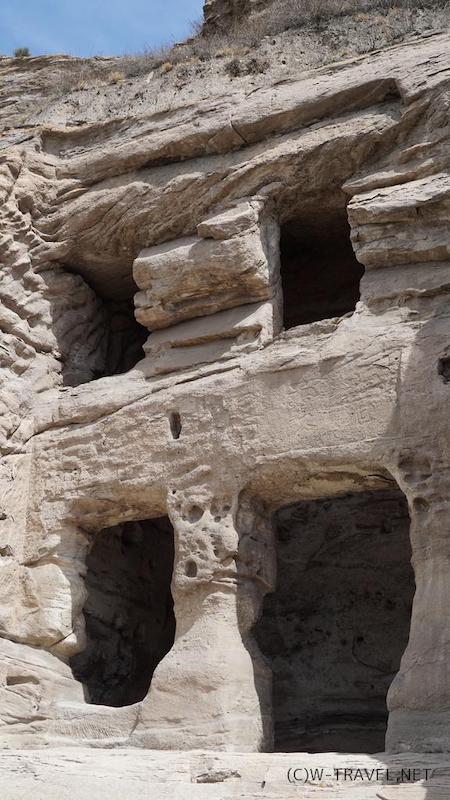
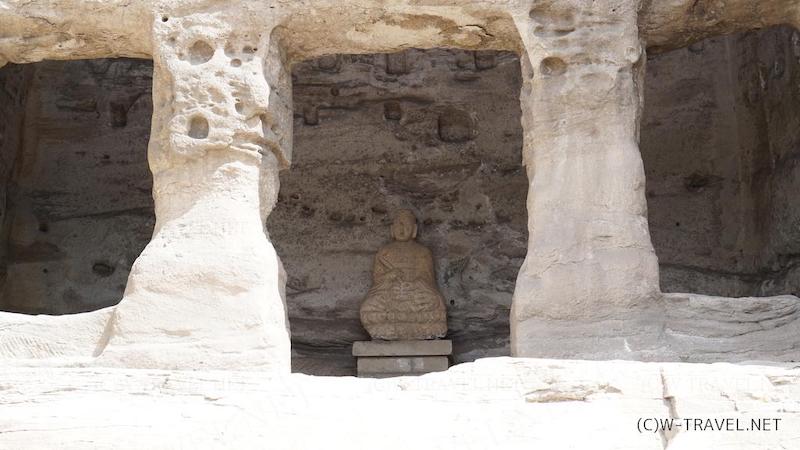
 विशाल पत्थर की मूर्तियाँ भी मौजूद हैं, और यह बर्मीयान के खंडहरों की याद दिलाता है जिन्हें मैंने केवल तस्वीरों में ही देखा है, जो नष्ट हो गए थे।
कुछ पत्थर की गुफाएँ हैं जो चमकीले रंगों से सजी हैं, लेकिन यहाँ फोटोग्राफी की अनुमति नहीं है। फिर भी, यह एक ऐसी जगह है जहाँ जाना चाहिए।
गाइडबुक में, युंगगांग गुफाएँ और खुंग्गोंग मंदिर एक साथ सूचीबद्ध हैं, और प्रवेश शुल्क भी लगभग समान है।
युंगगांग गुफाएँ: 5 सितारे ★★★★★
खुंग्गोंग मंदिर: 2 सितारे ★★
इनके बीच काफी अंतर है।
खुंग्गोंग मंदिर तक पहुँचने के लिए कार की आवश्यकता होती है, इसलिए यदि आपके पास पर्याप्त समय नहीं है, तो कम समय में वहाँ जाने का कोई मतलब नहीं है। इसके विपरीत, युंगगांग गुफाएँ तक पहुँचना आसान है, और इसे निश्चित रूप से देखना चाहिए।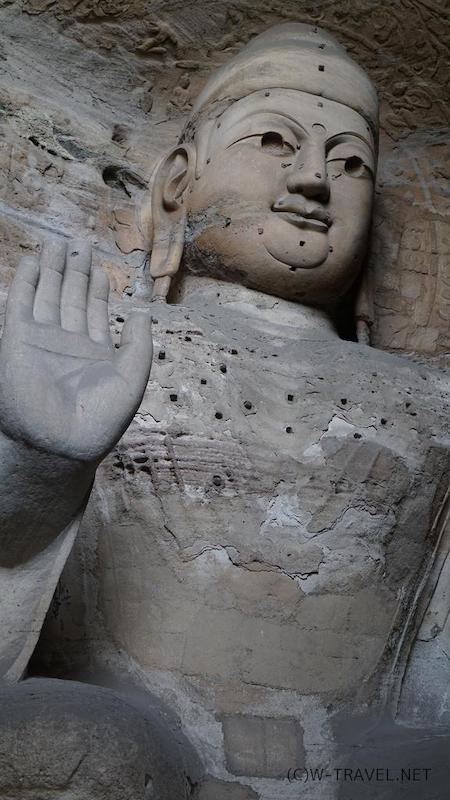
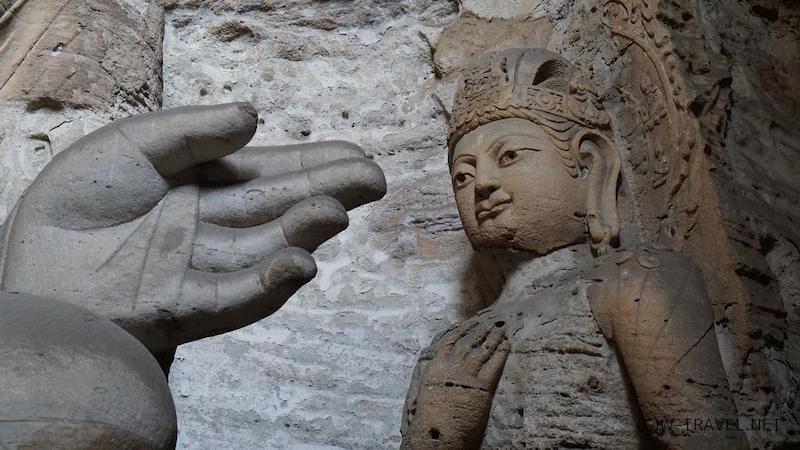
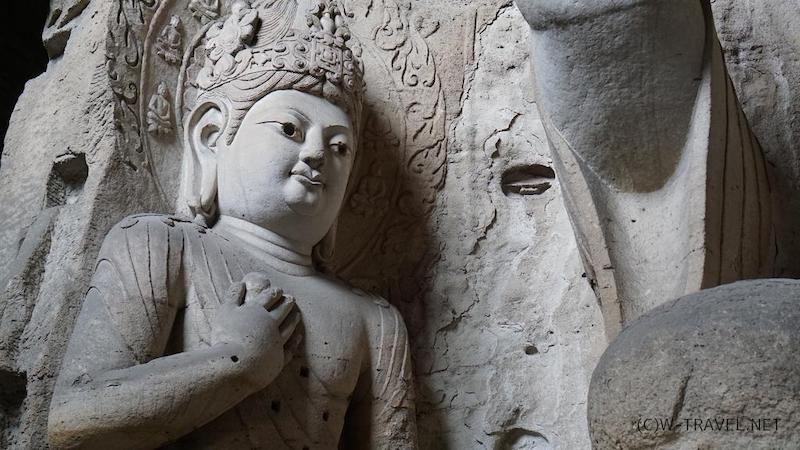
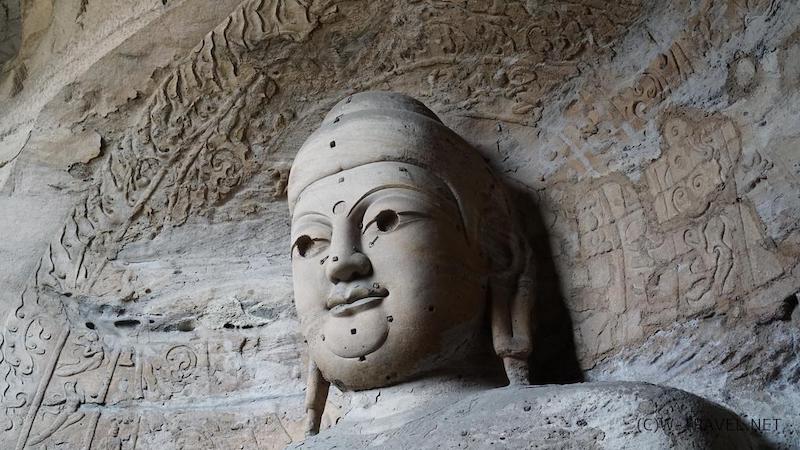

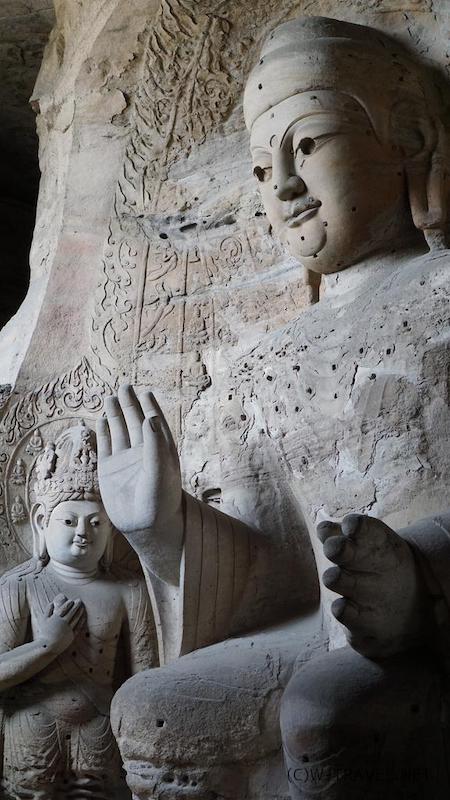

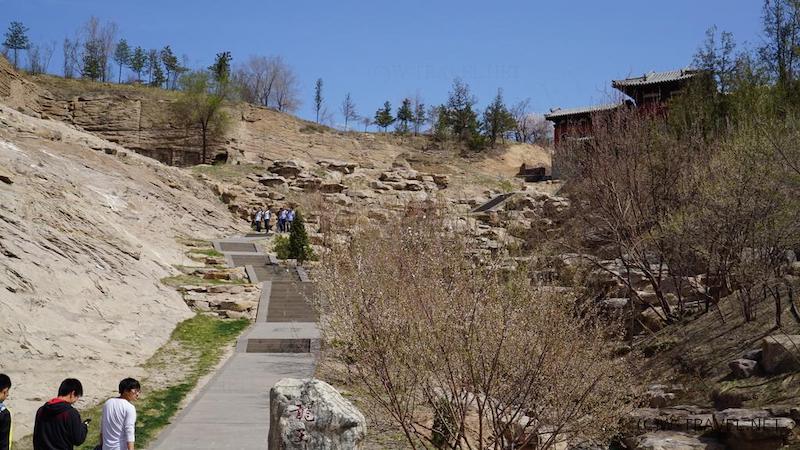 ज़मीन पर बनी मूर्तियाँ।
 अंदर स्थित एक छोटा मंदिर।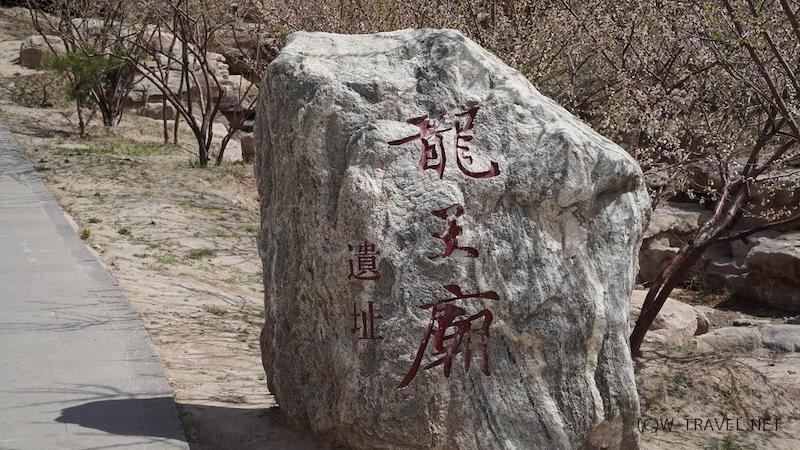


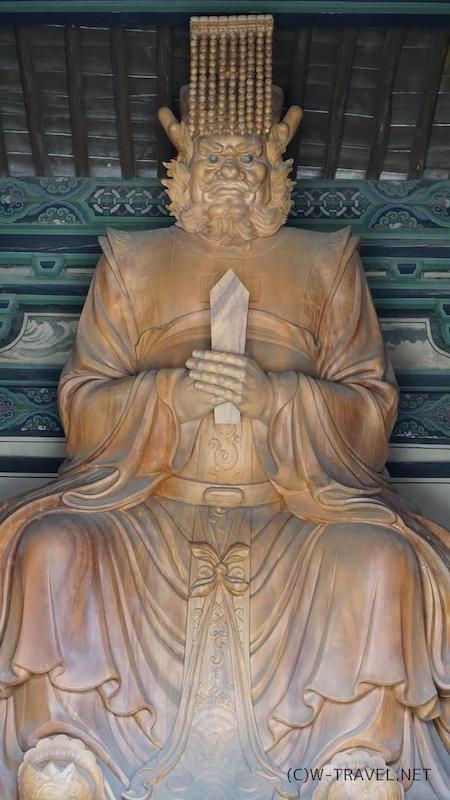
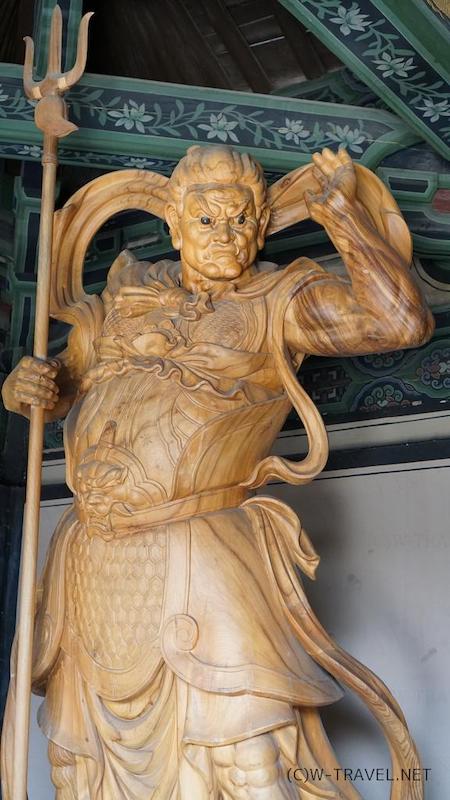

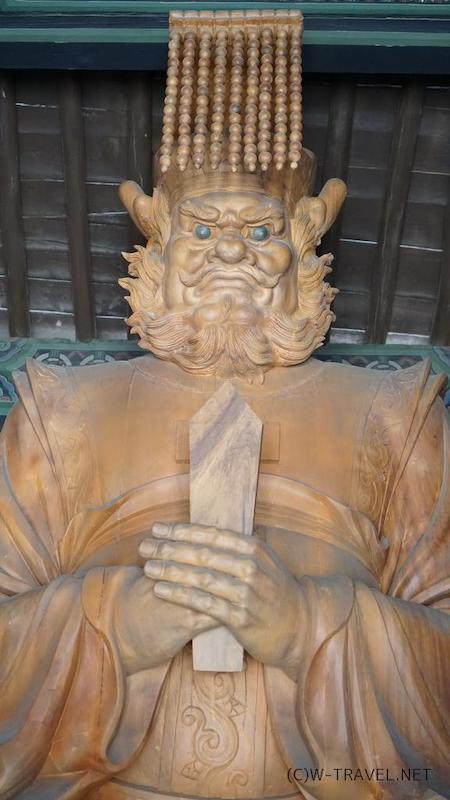
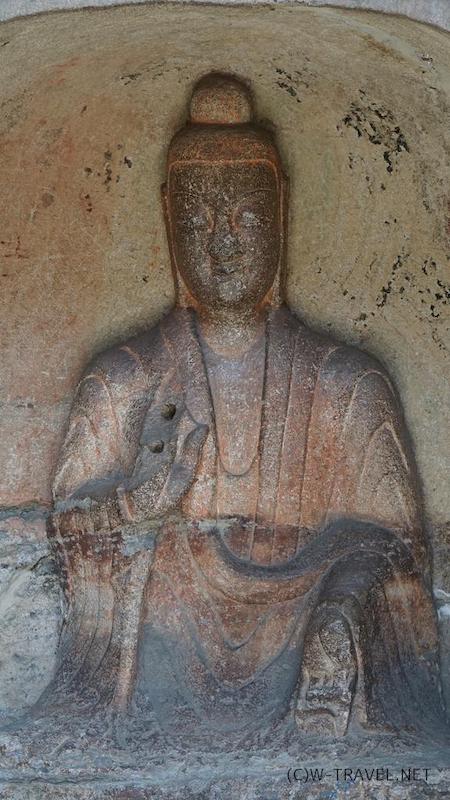
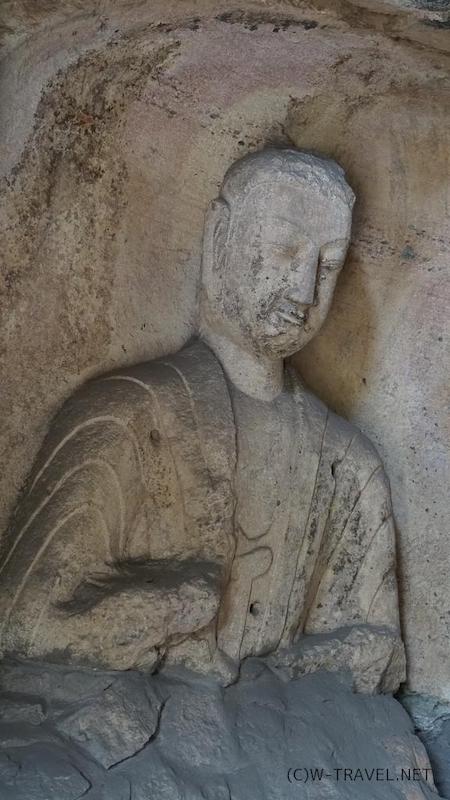
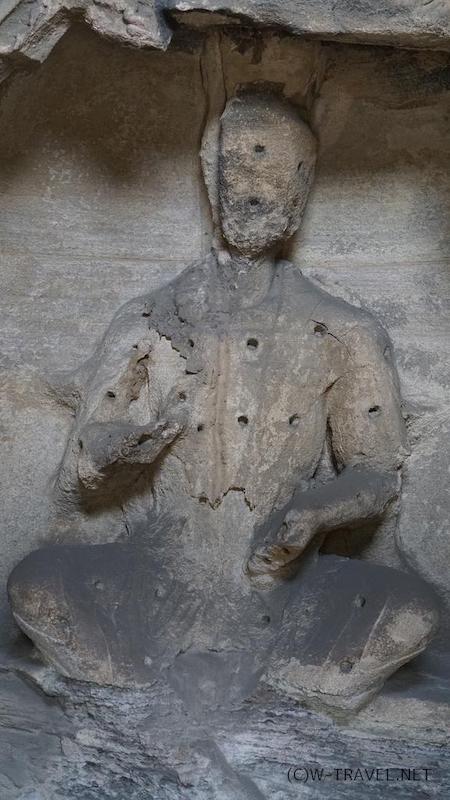
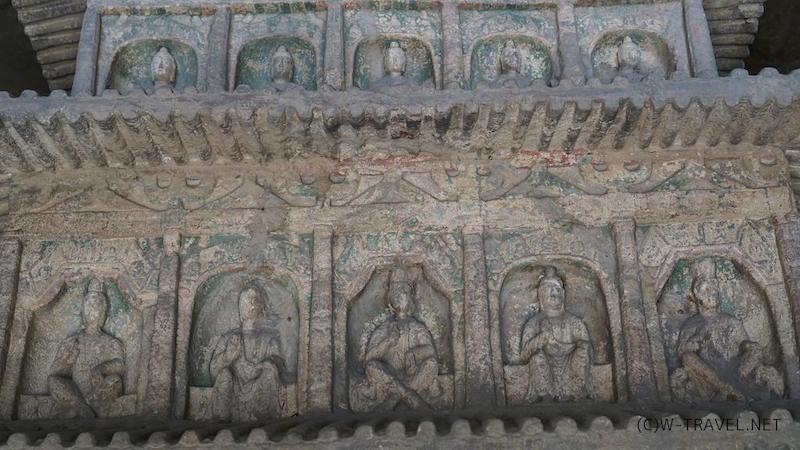
 कई बुद्ध प्रतिमाओं में ड्रिल से खोदे गए जैसे छेद हैं।
ऐसा लगता है कि सतह को छील दिया गया है।
छोटे बुद्ध प्रतिमाएं अतीत के "खोज दलों" द्वारा बहुत अधिक संख्या में ले जाई गई थीं, लेकिन सतह को छीलने या बुद्ध प्रतिमाओं में ड्रिल जैसे छेद होने का कोई स्पष्टीकरण नहीं है। विशेष रूप से, आंखों में ड्रिल करने का क्या मतलब है? मुझे नहीं लगता कि खोज दल ऐसा करते।
यह भी संभव है कि यह इस्लामी आक्रमणों के कारण हुआ हो, लेकिन ऐसा नहीं लगता कि इस्लाम इतना आगे तक आया था। मैं अभी चीन में हूं, और यहां कुछ वेबसाइटों तक पहुंचना मुश्किल है (मुस्कुराते हुए), इसलिए वास्तविक स्थान जानना मुश्किल है। यह एक समस्या है।
यह, जैसा कि आप सभी कल्पना कर रहे होंगे, उस युग में हुआ था, लेकिन जब मैं खोज करता हूं, तो मुझे बहुत कम परिणाम मिलते हैं, और भले ही मुझे परिणाम मिलते हैं, वे चीन से एक्सेस करने योग्य नहीं होते हैं, इसलिए मैं केवल अनुमान लगा सकता हूं।
यदि उस युग को छिपाया जाता है, तो हमें यह नहीं पता चलेगा कि इन पुरातात्विक स्थलों के साथ क्या हुआ, और इससे अनुमान लगाना मुश्किल हो जाता है।
मैंने सुना है कि यूनेस्को (जो विश्व धरोहर सूची का प्रबंधन करता है) ने उस युग में कई पुरातात्विक स्थलों को नष्ट होते हुए देखा था, और उसने विनाश को रोकने के लिए हस्तक्षेप किया था।
यदि पुरातात्विक स्थल के निचले हिस्से की सतह को छील दिया गया है, और ऊपरी हिस्से में रंग अभी भी बरकरार है, क्योंकि ऊपरी हिस्से को नष्ट करना मुश्किल था, तो यह समझ में आता है कि निचले हिस्से को नष्ट कर दिया गया और ऊपरी हिस्सा बचा रहा।
कुछ को शायद खोज दलों द्वारा ले जाया गया था।
और, इनमें से कितनी चीजें उस उथल-पुथल भरे युग में हुई थीं? कृपया इसे अधिक स्पष्ट रूप से प्रकाशित करें।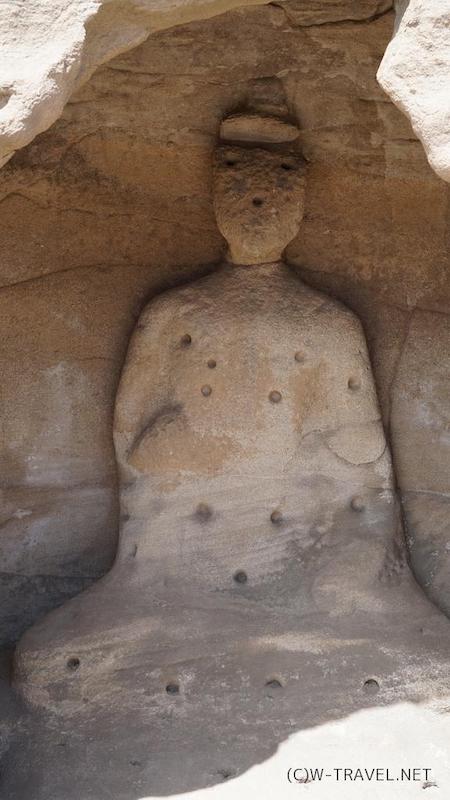
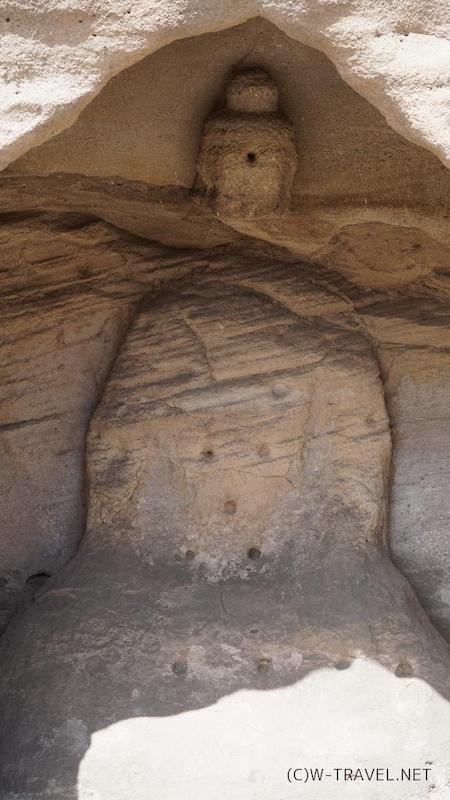
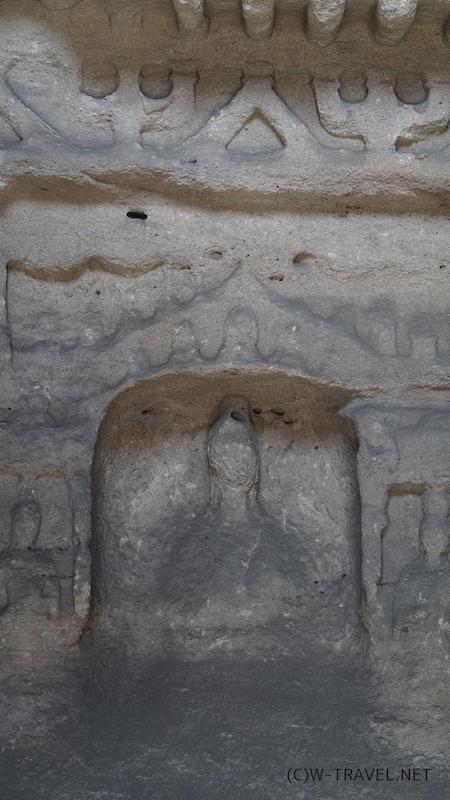
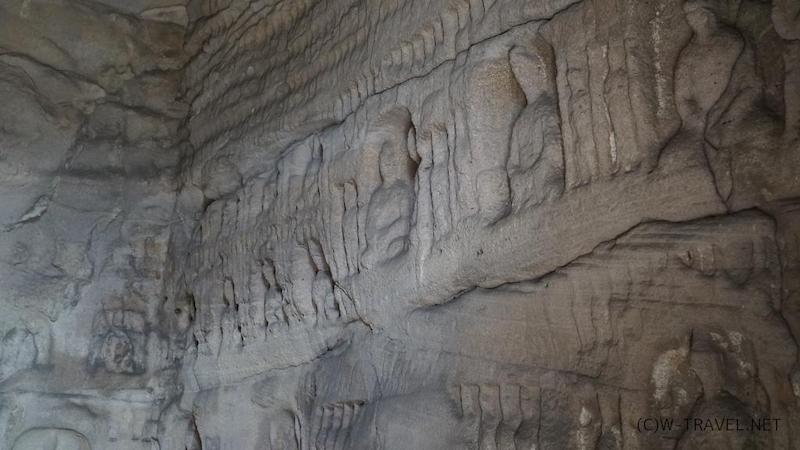
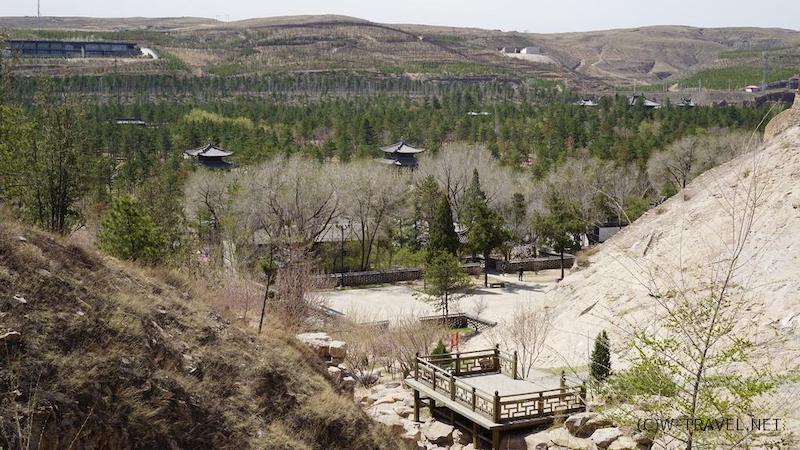
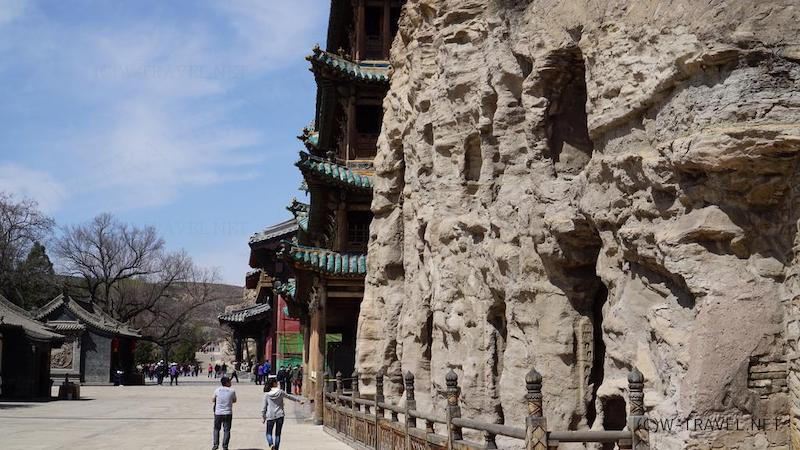
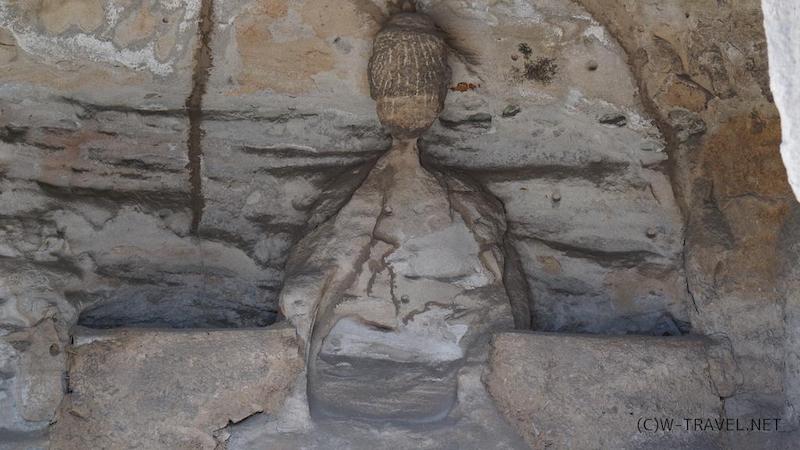
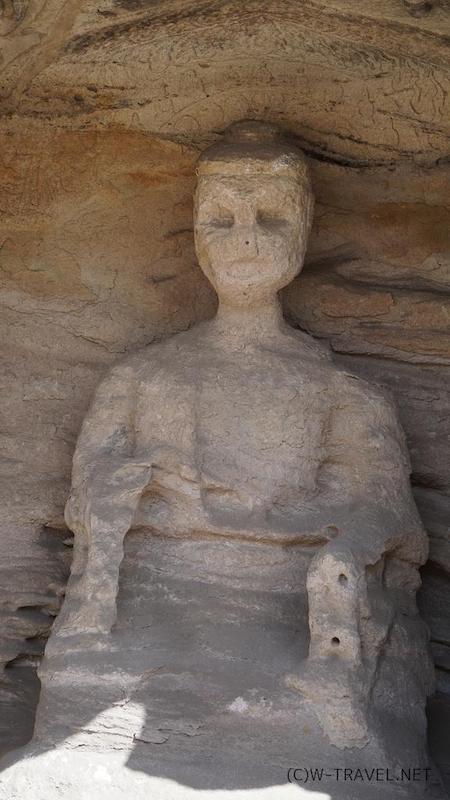

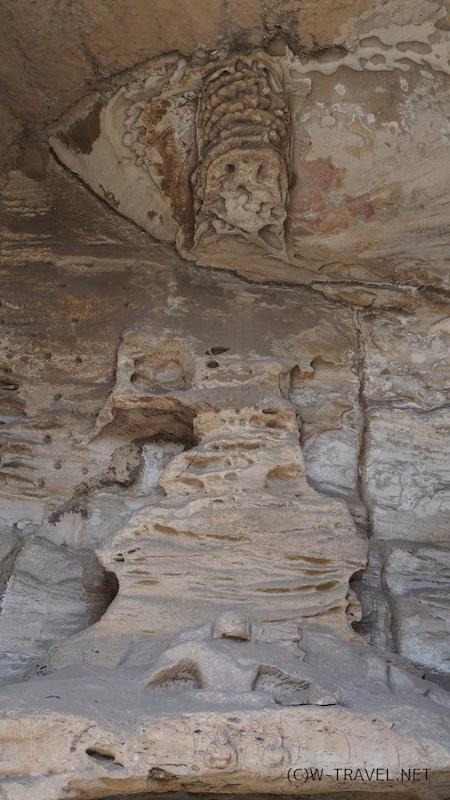
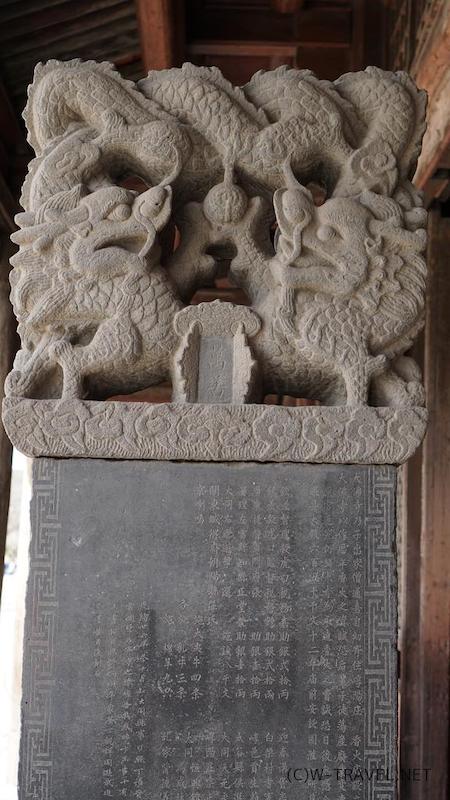
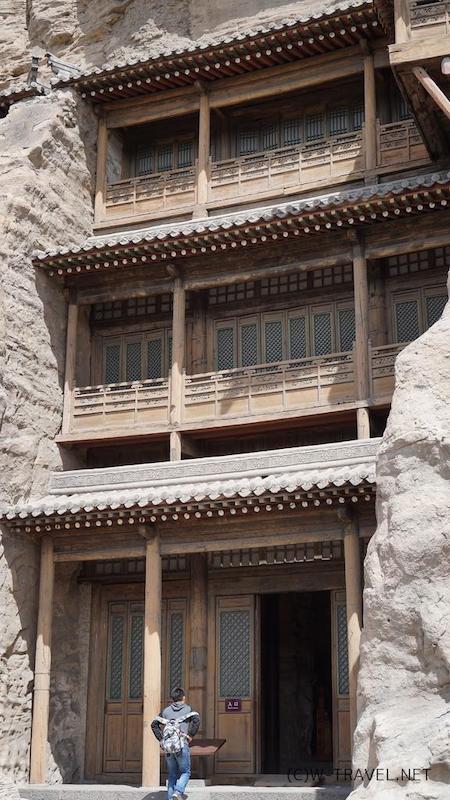
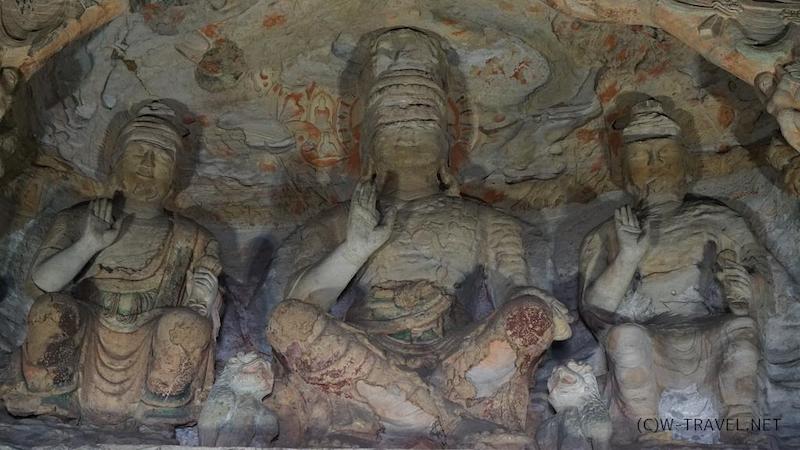

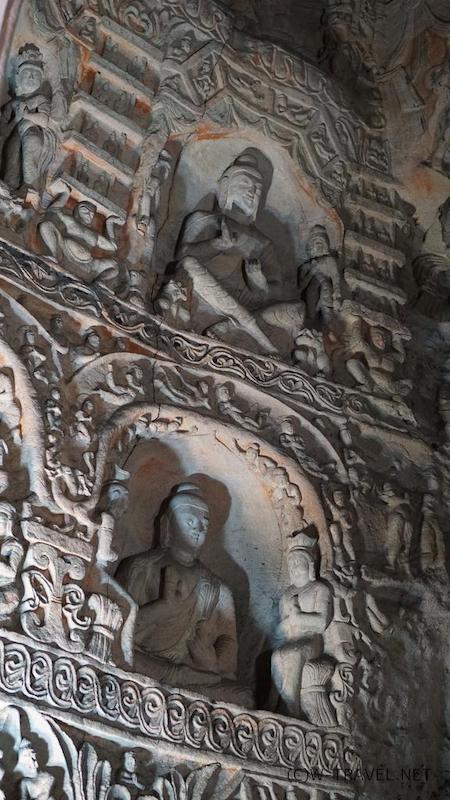


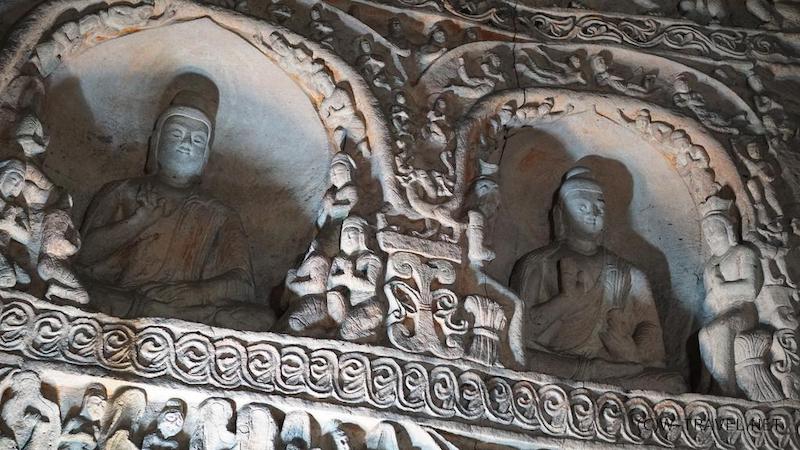

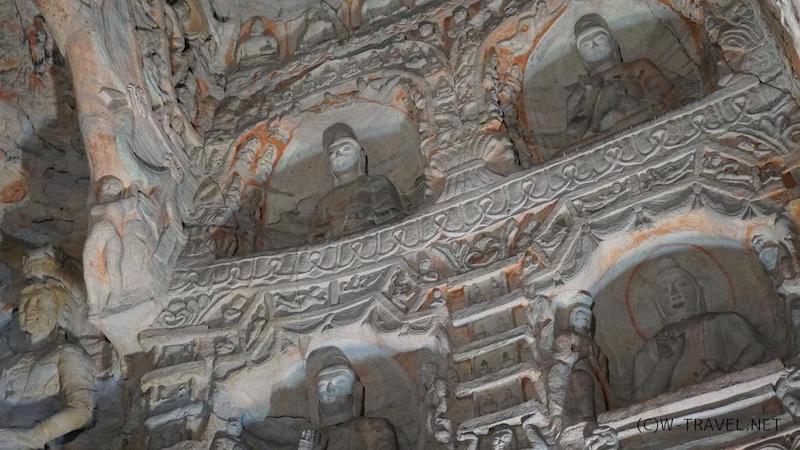
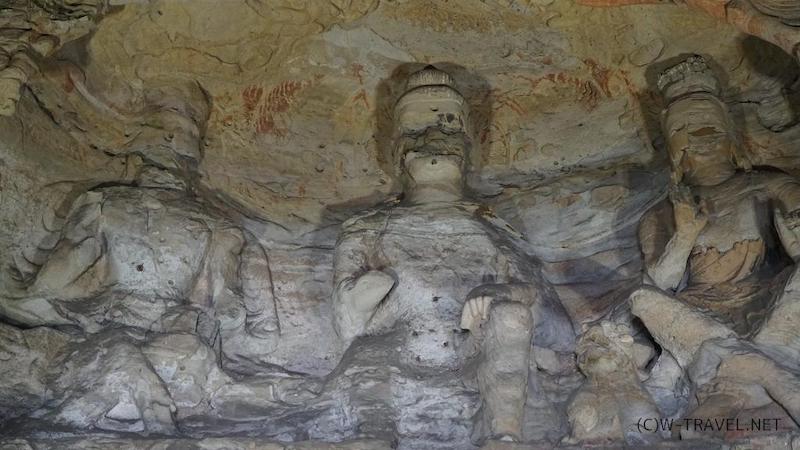
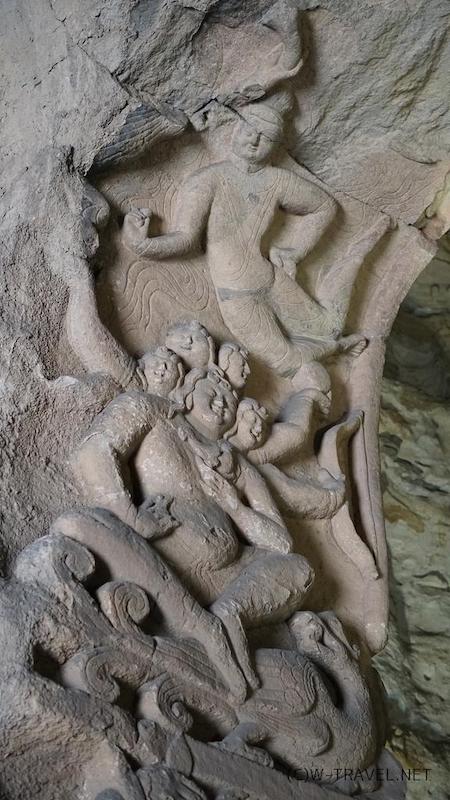
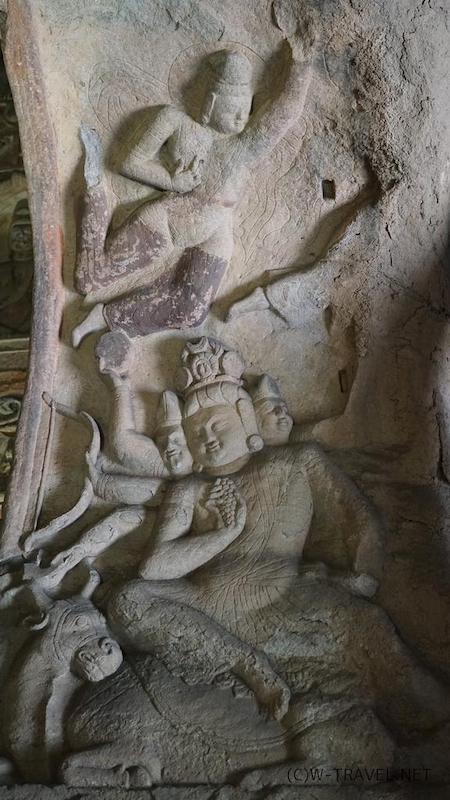

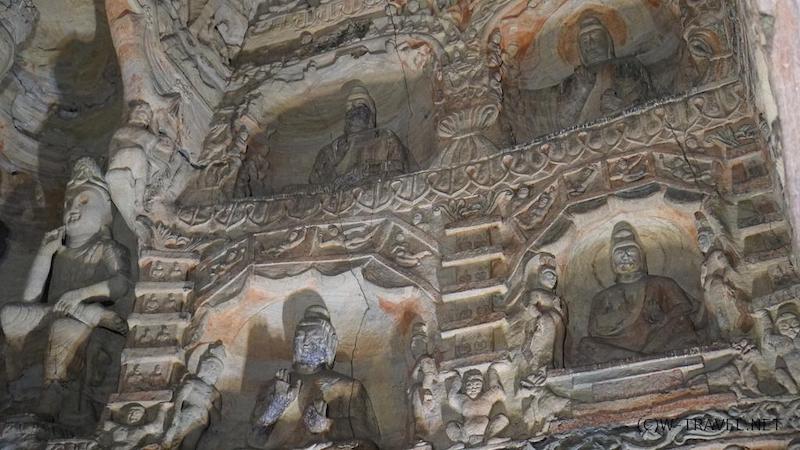

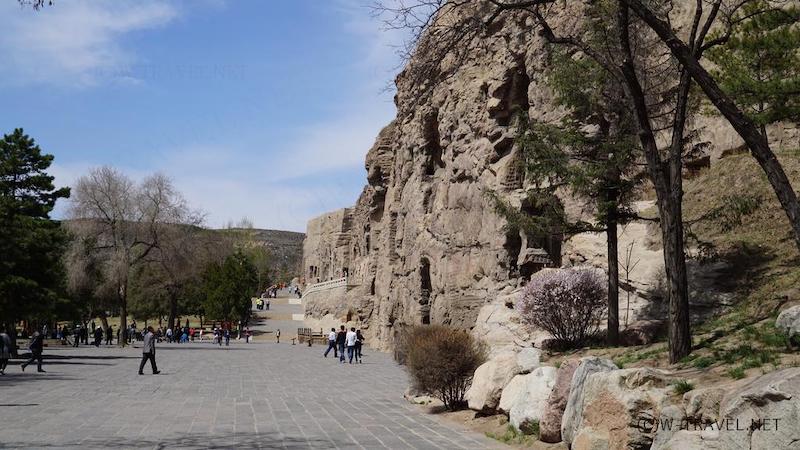
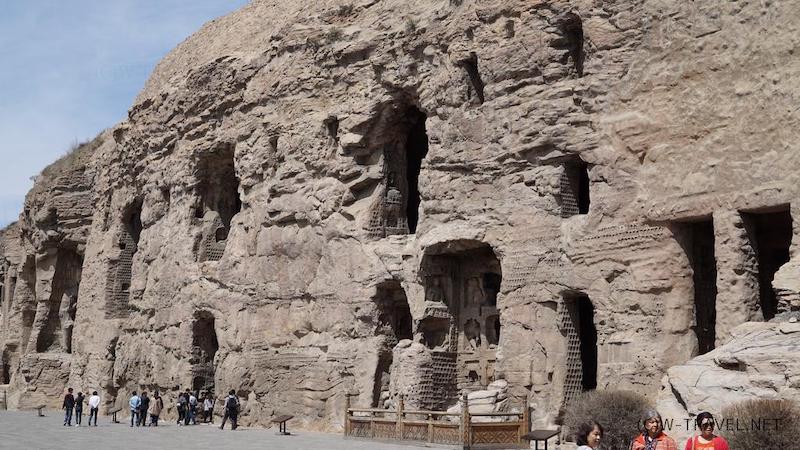
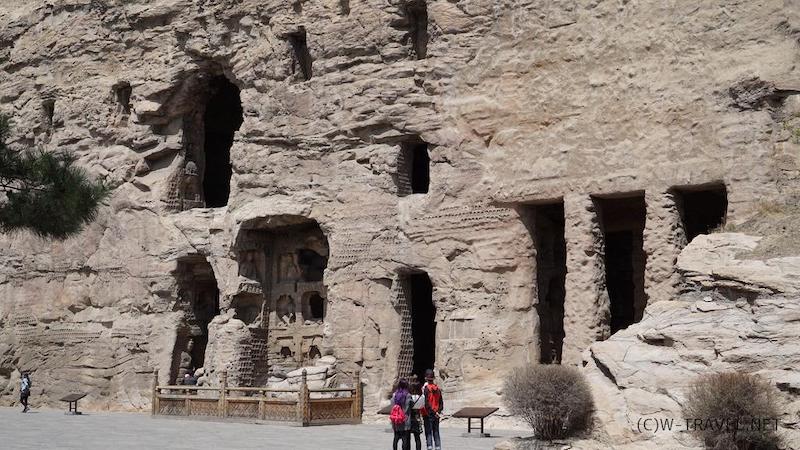
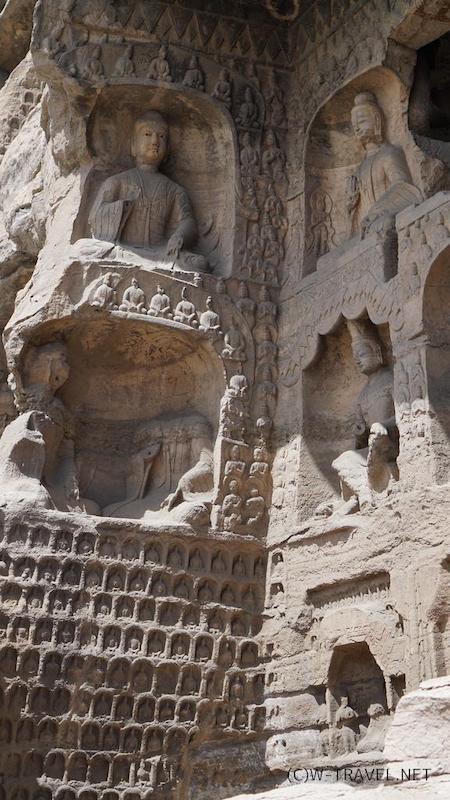 यह, तस्वीरों में शायद स्पष्ट न हो, लेकिन यह बहुत विशाल है।
यह शायद नारा के बुद्ध प्रतिमा से भी बड़ा हो सकता है। (मैं नारा के बुद्ध प्रतिमा देखने काफी समय पहले गया था, इसलिए मेरी याददाश्त थोड़ी धुंधली है, लेकिन यह लगभग इतना ही बड़ा है।)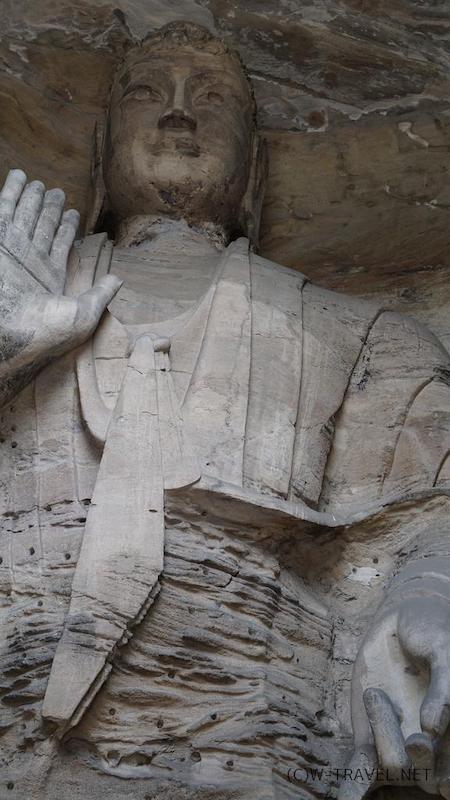

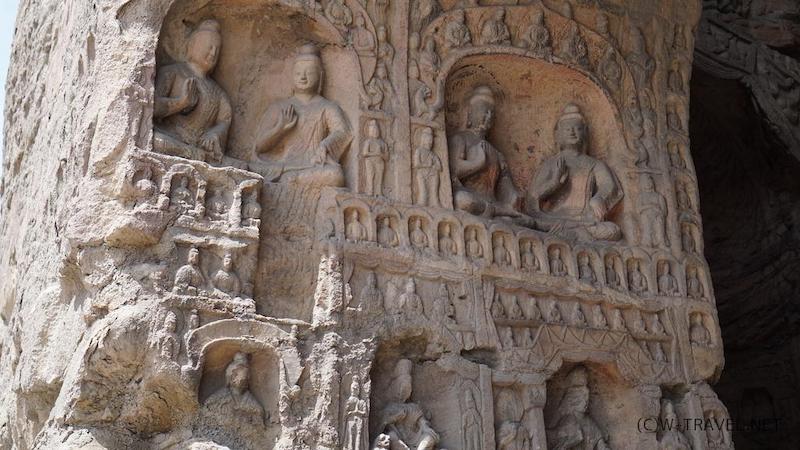
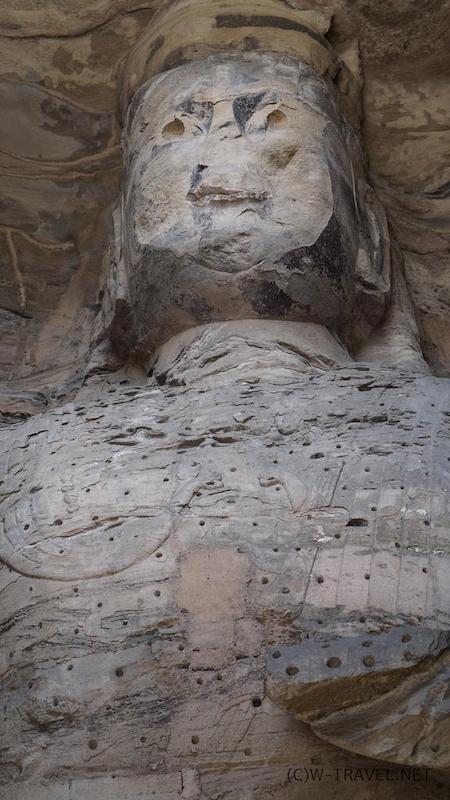

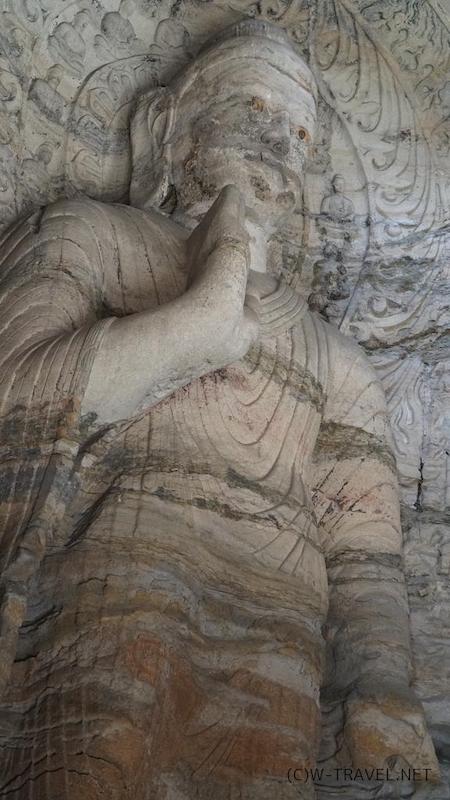
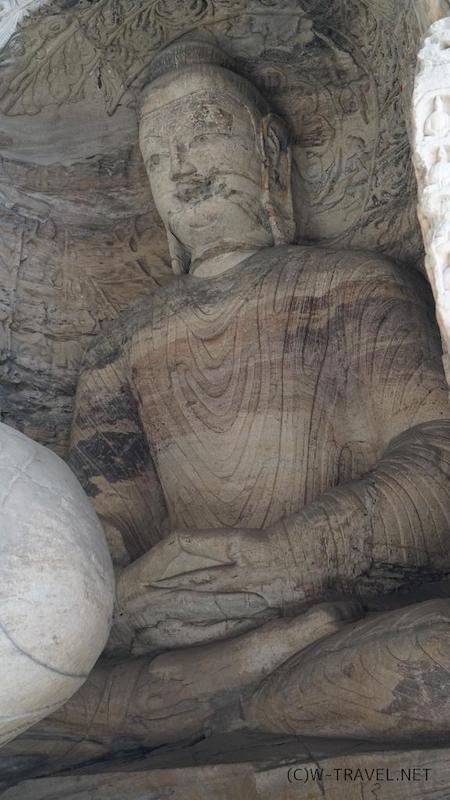
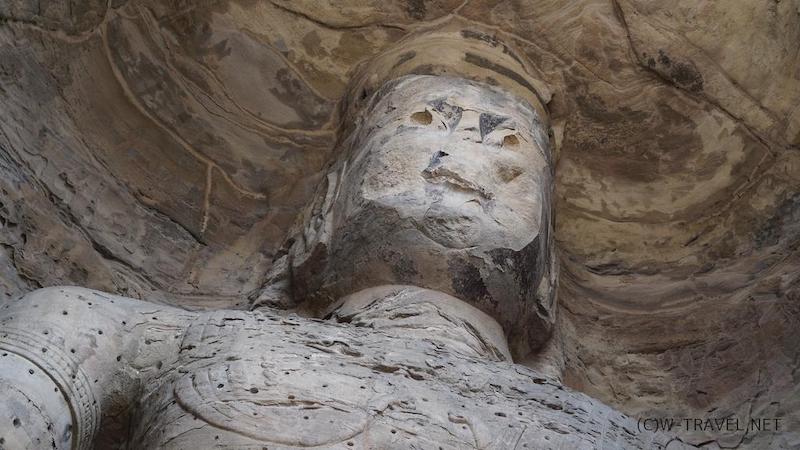
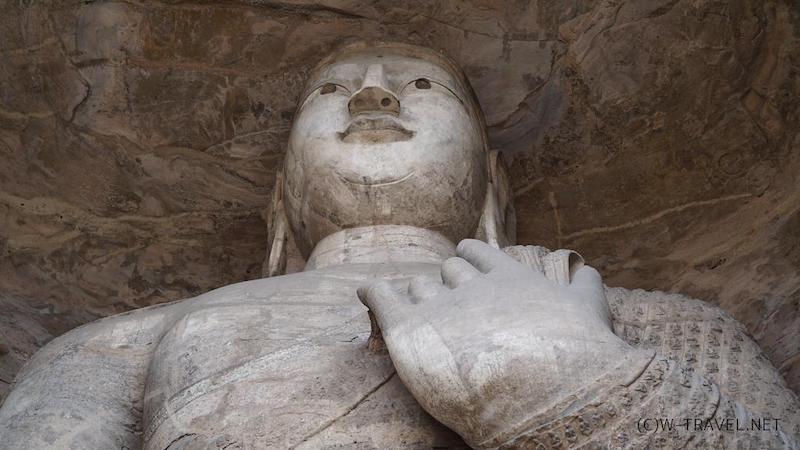

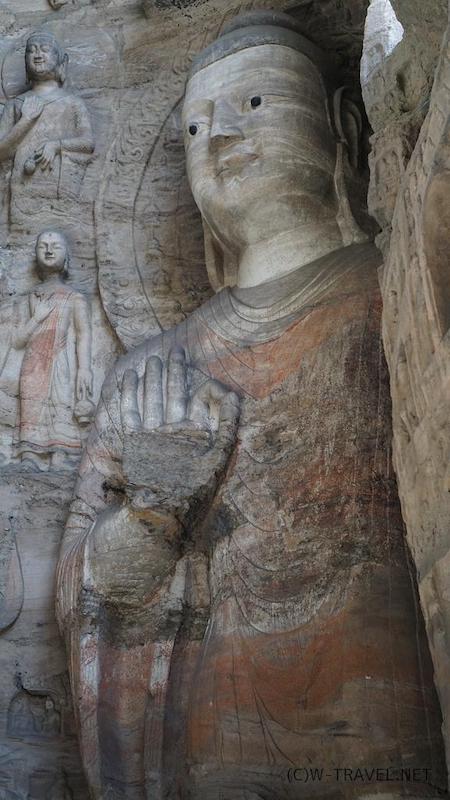
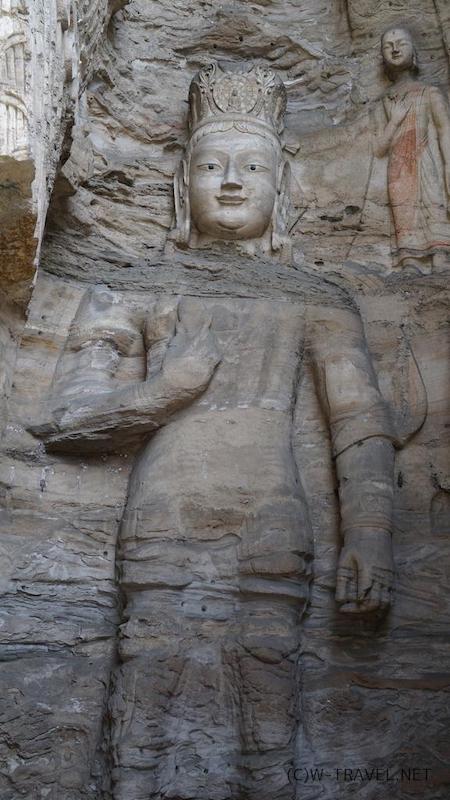

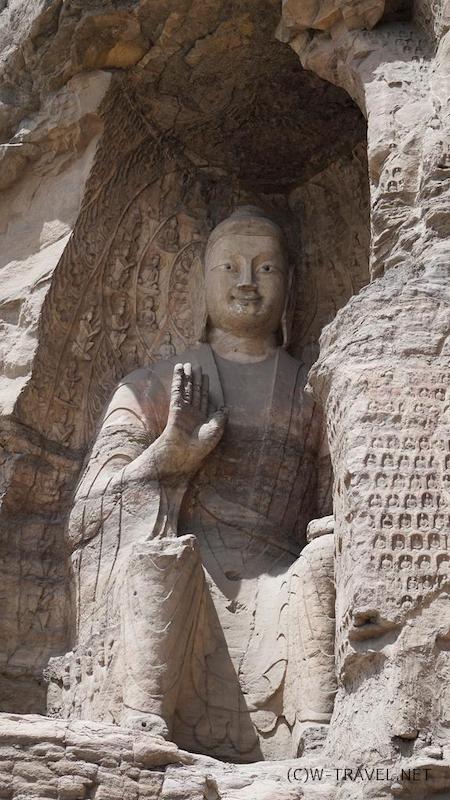
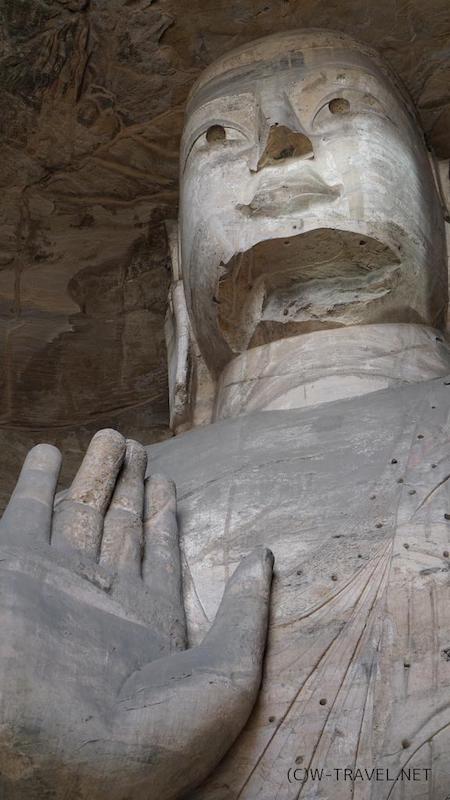
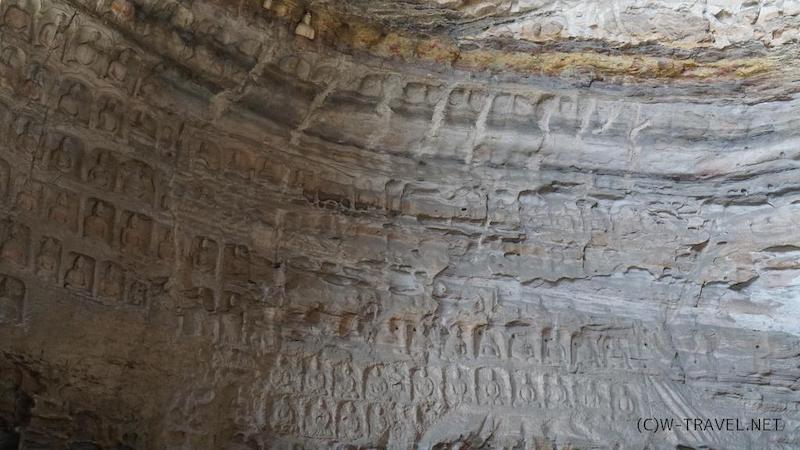
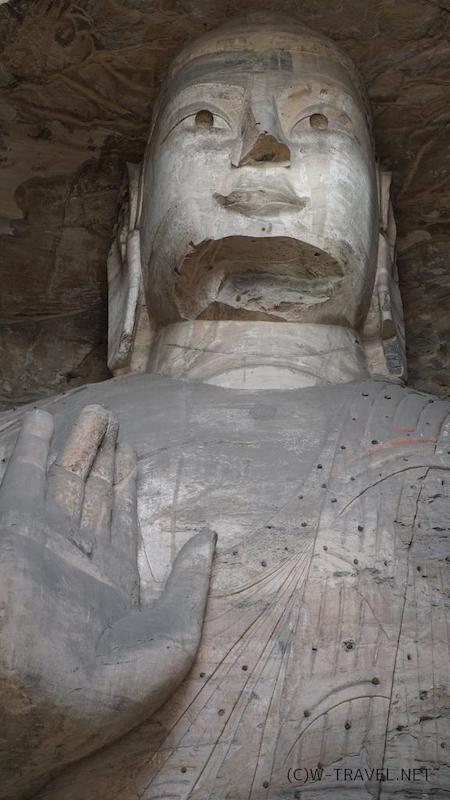
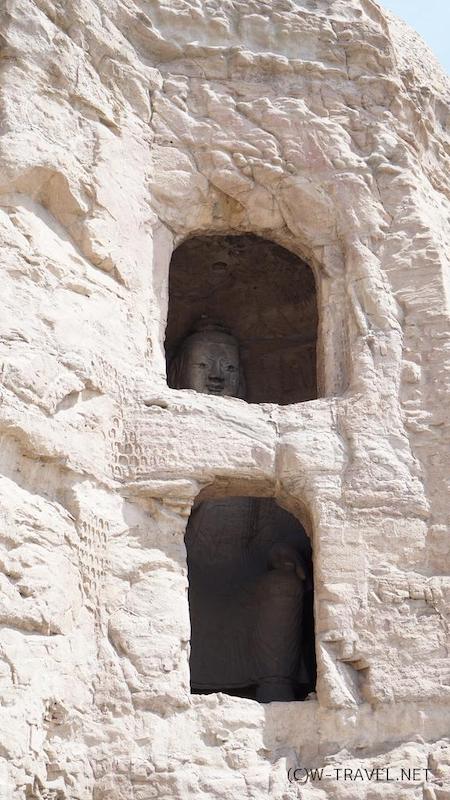 यह विशेष रूप से बहुत बड़ा है, और इसकी स्थिति भी अच्छी है।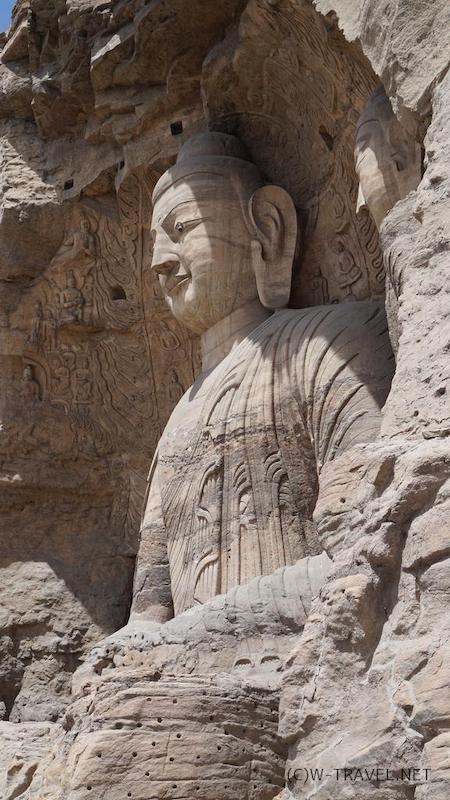

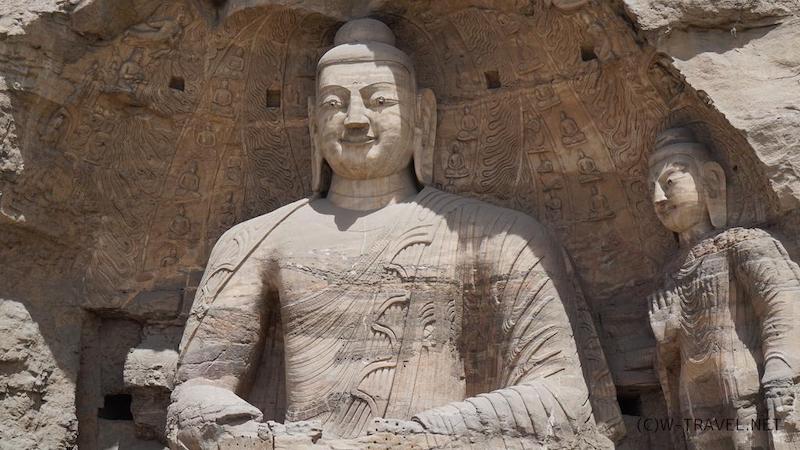


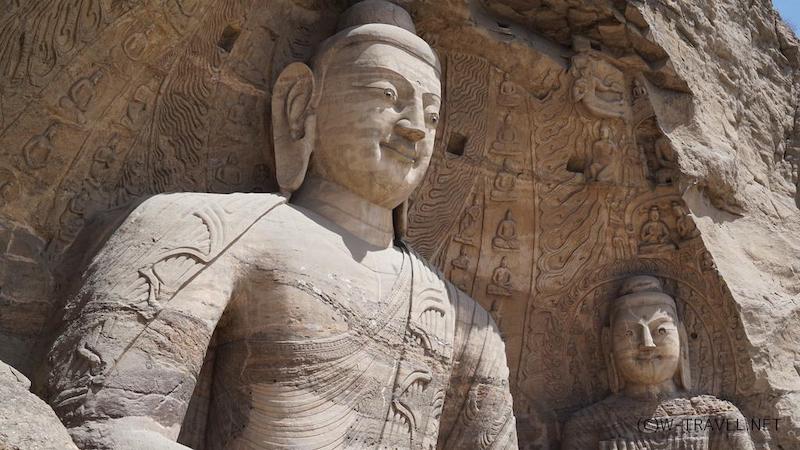
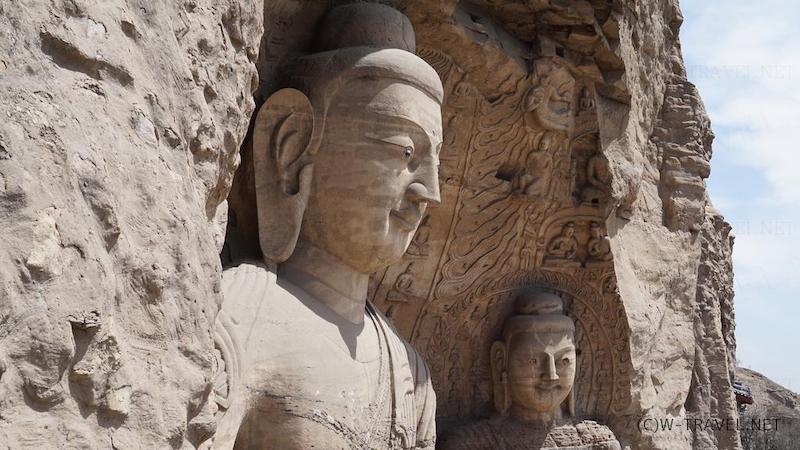

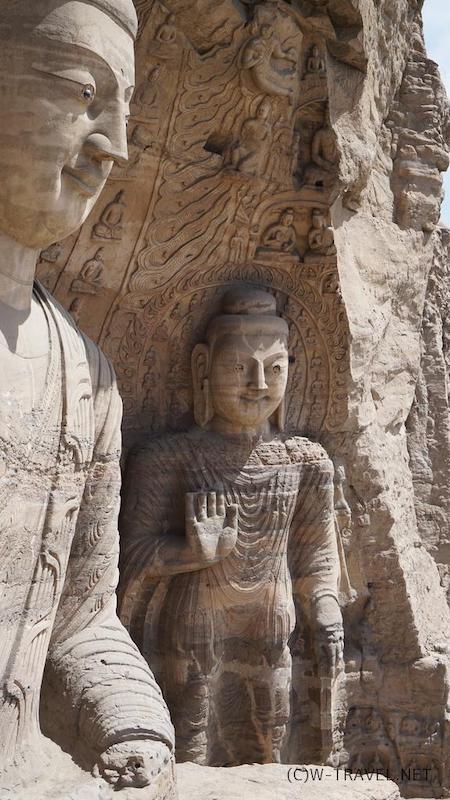
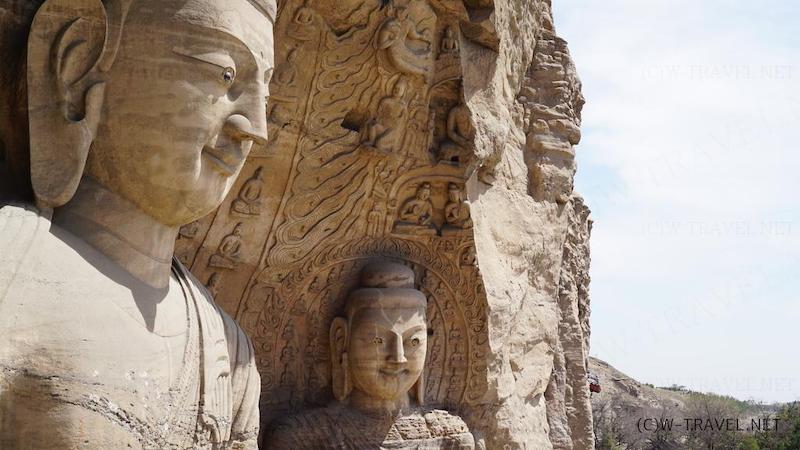 और, इसके बाद, कुछ छोटे-छोटे बुद्ध की मूर्तियाँ थीं।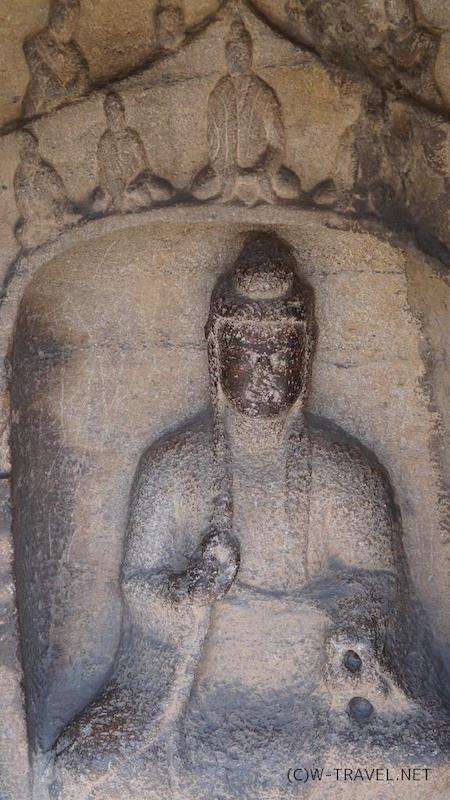
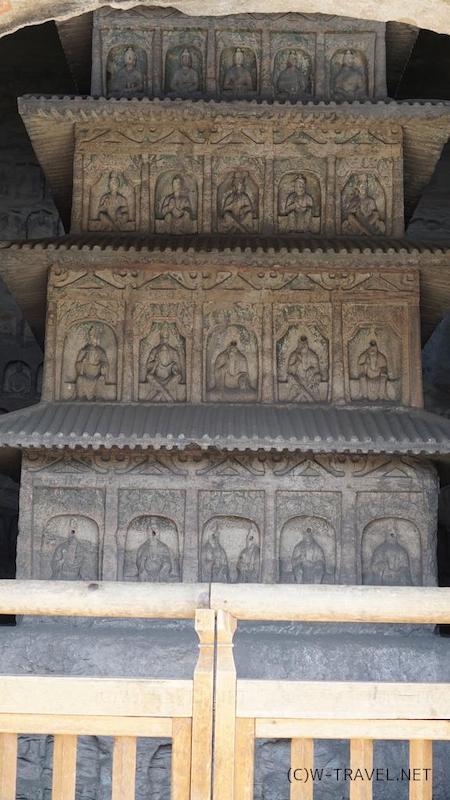
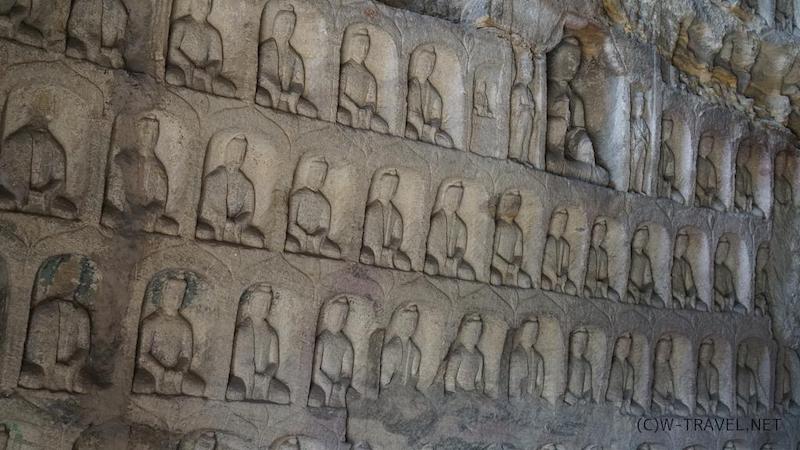
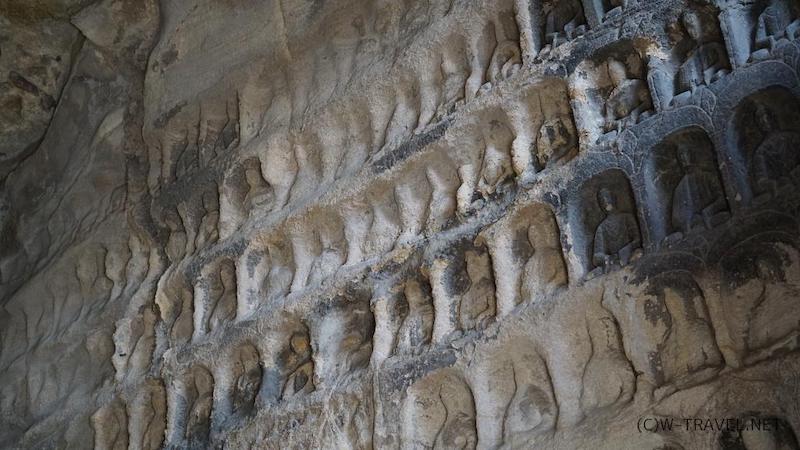
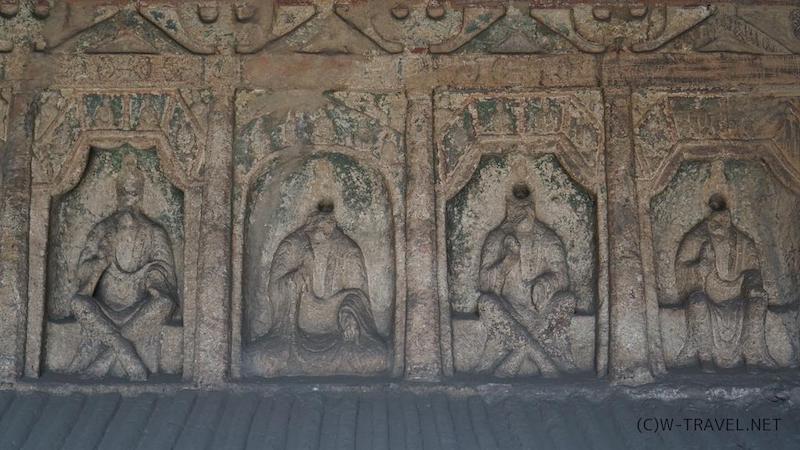
 विशाल पत्थर की मूर्तियाँ भी मौजूद हैं, और यह बर्मीयान के खंडहरों की याद दिलाता है जिन्हें मैंने केवल तस्वीरों में ही देखा है, जो नष्ट हो गए थे।
कुछ पत्थर की गुफाएँ हैं जो चमकीले रंगों में संरक्षित हैं, लेकिन यहाँ फोटोग्राफी की अनुमति नहीं है। फिर भी, यह एक ऐसी जगह है जहाँ जाना चाहिए।
गाइडबुक में, युंगगांग गुफाएँ और खुंगकांग मंदिर एक साथ सूचीबद्ध हैं, और प्रवेश शुल्क भी लगभग समान है।
युंगगांग गुफाएँ: 5 सितारे ★★★★★
खुंगकांग मंदिर: 2 सितारे ★★
इनके बीच काफी अंतर है।
खुंगकांग मंदिर तक जाने के लिए कार की आवश्यकता होती है, इसलिए यदि आपके पास पर्याप्त समय नहीं है, तो कम समय में वहाँ जाने की कोई आवश्यकता नहीं है। इसके विपरीत, युंगगांग गुफाएँ तक पहुँचना आसान है, और इसे निश्चित रूप से देखना चाहिए।
और, परिसर में स्थित संग्रहालय भी देखा।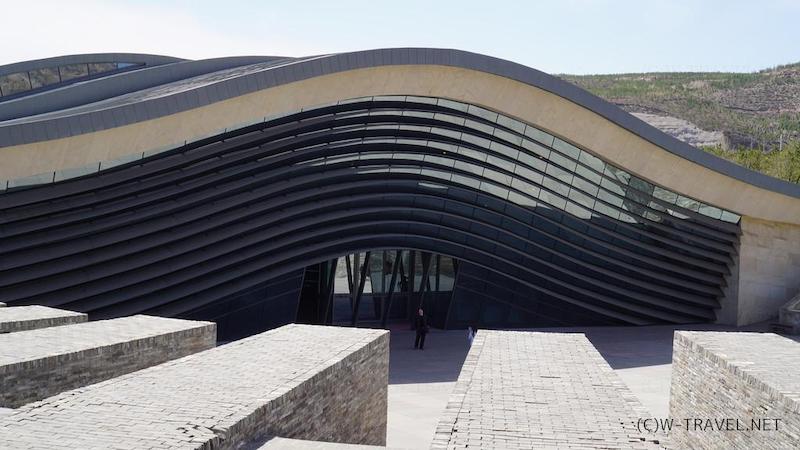
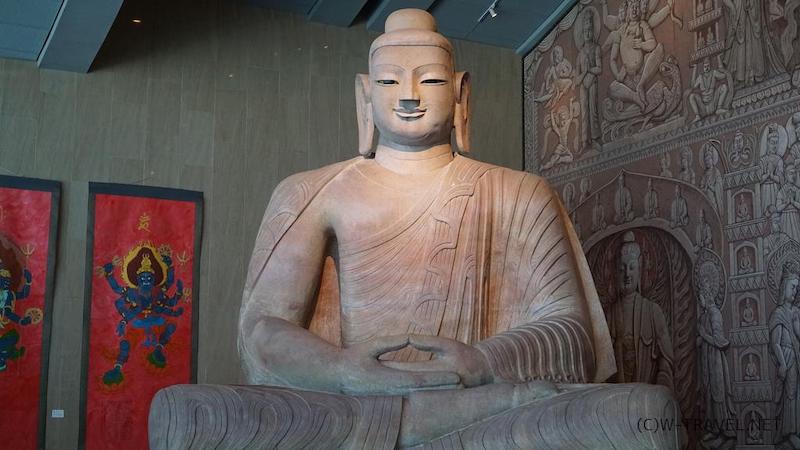
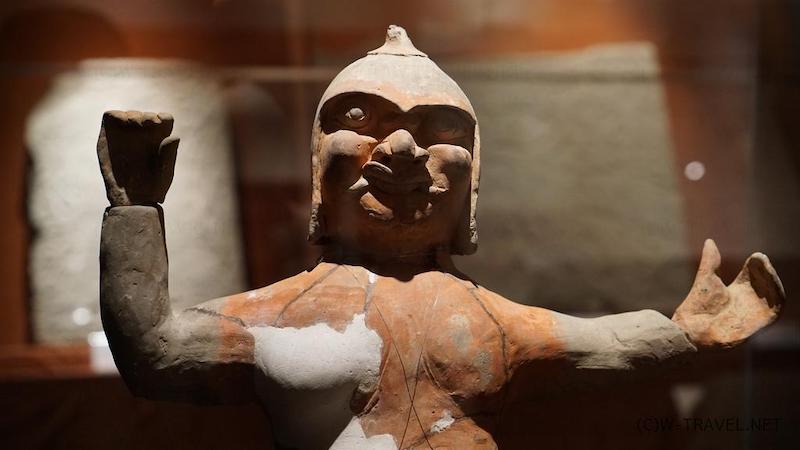
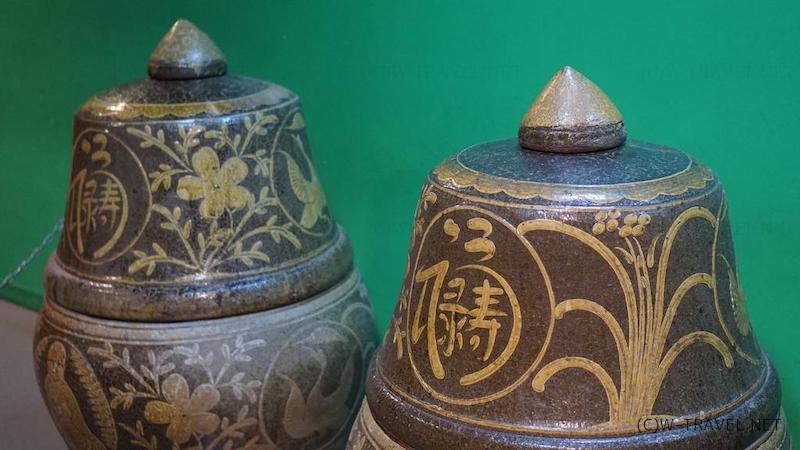
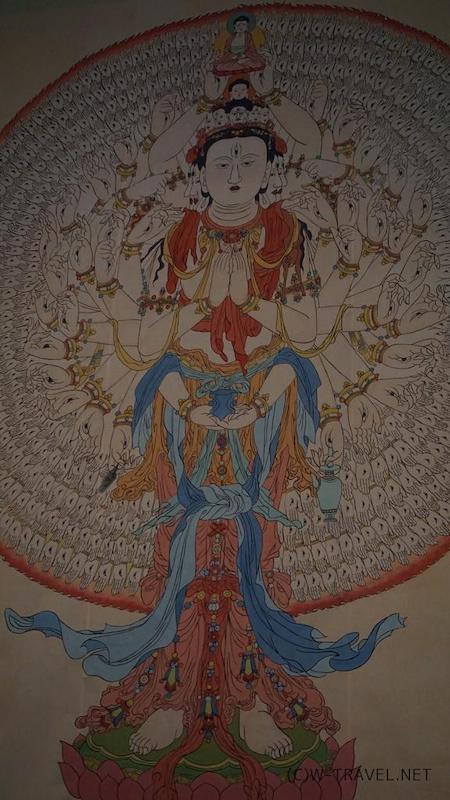
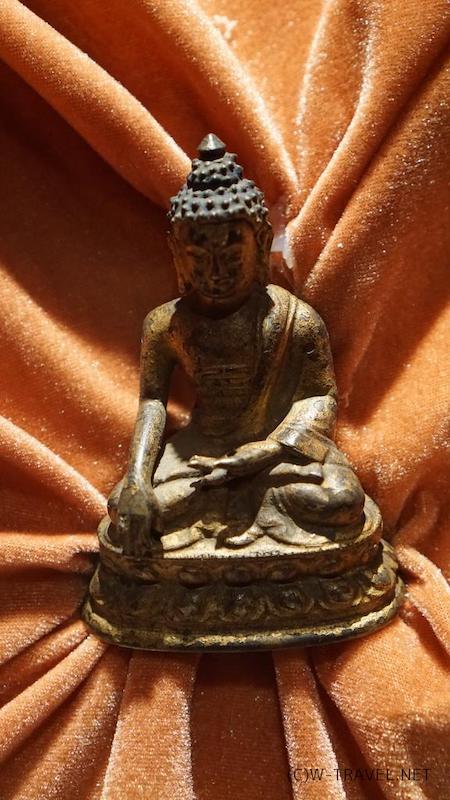
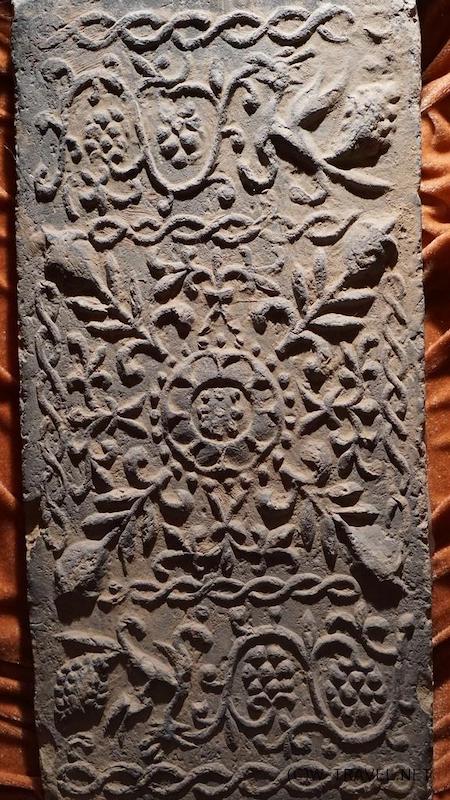


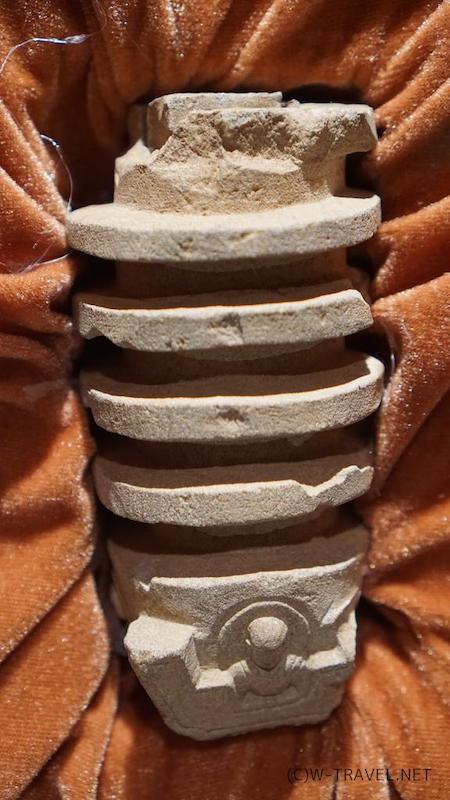

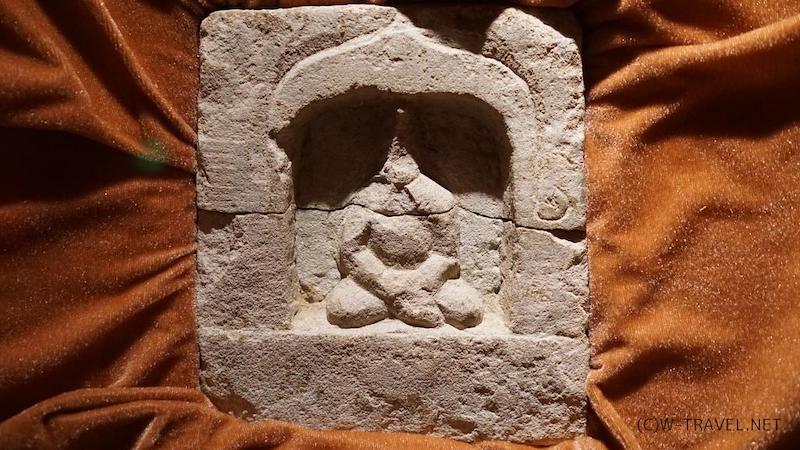
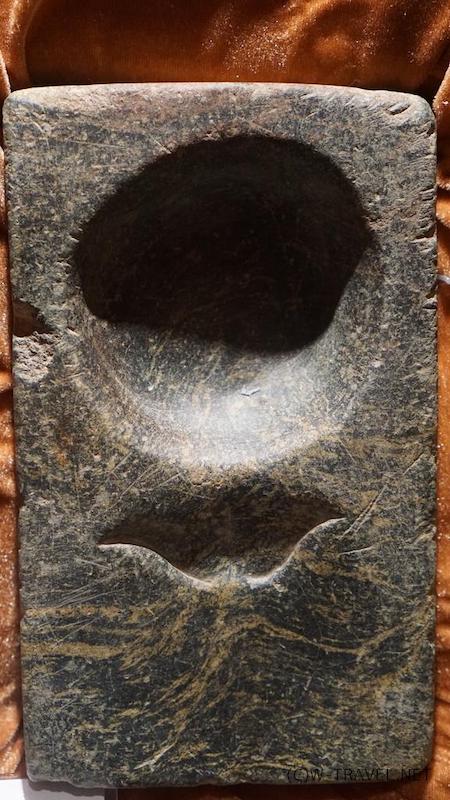
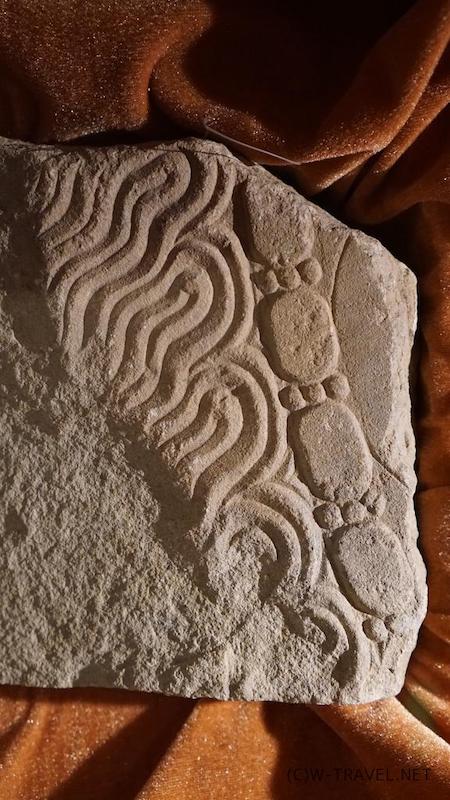
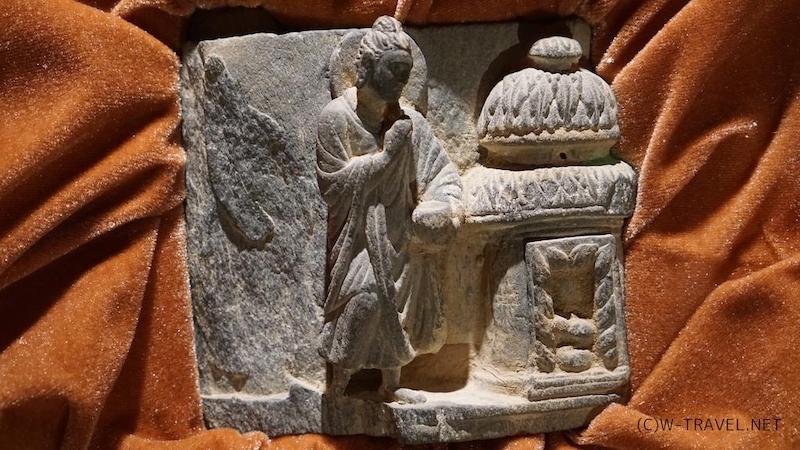
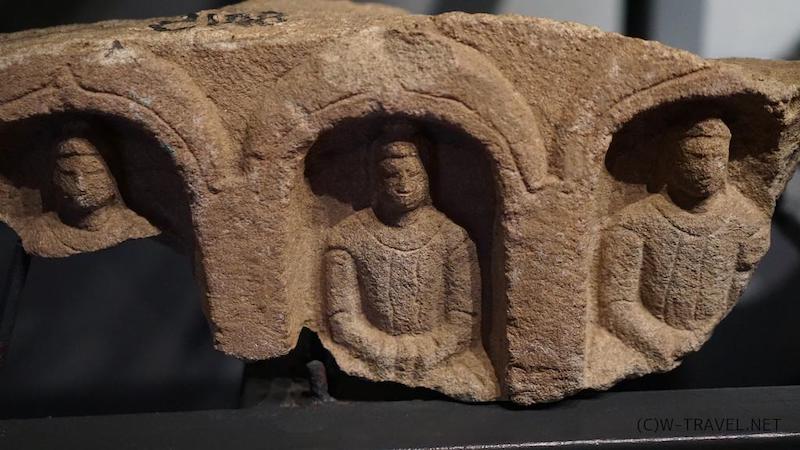

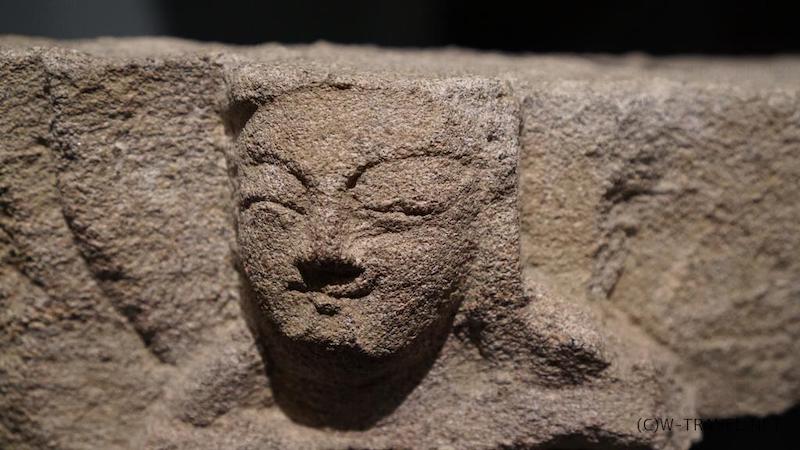
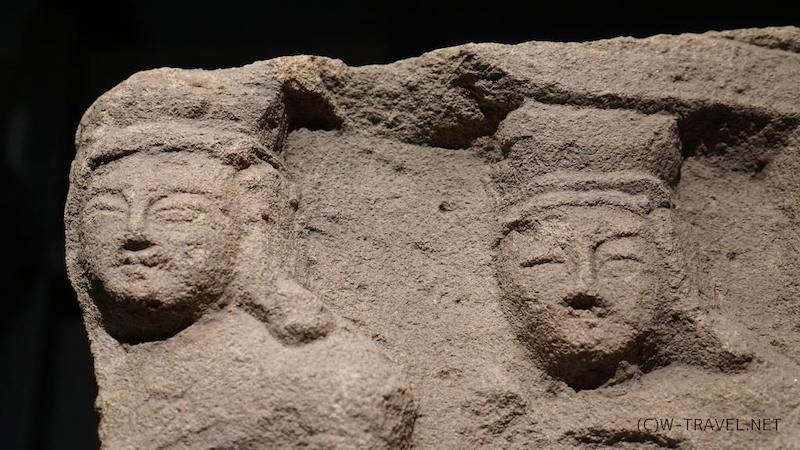
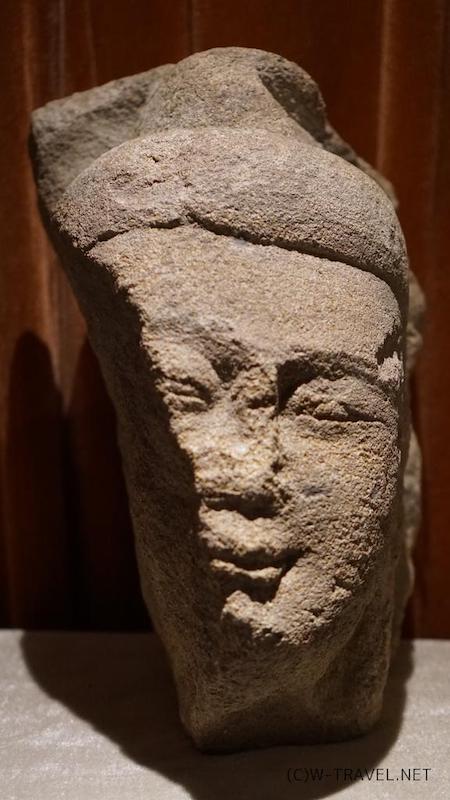
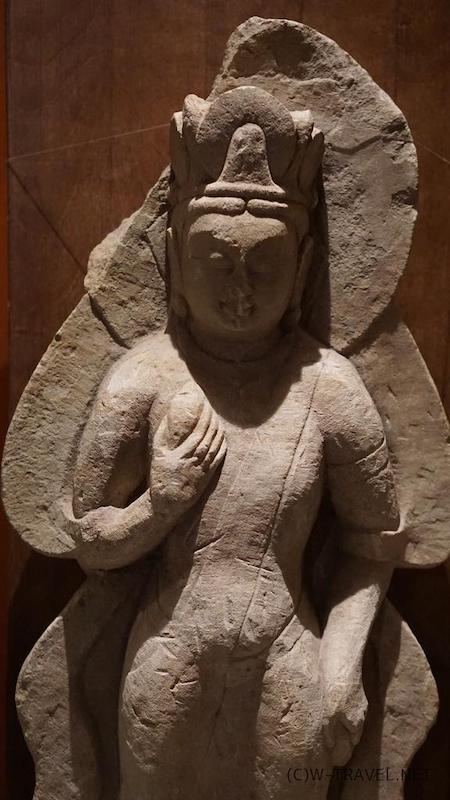
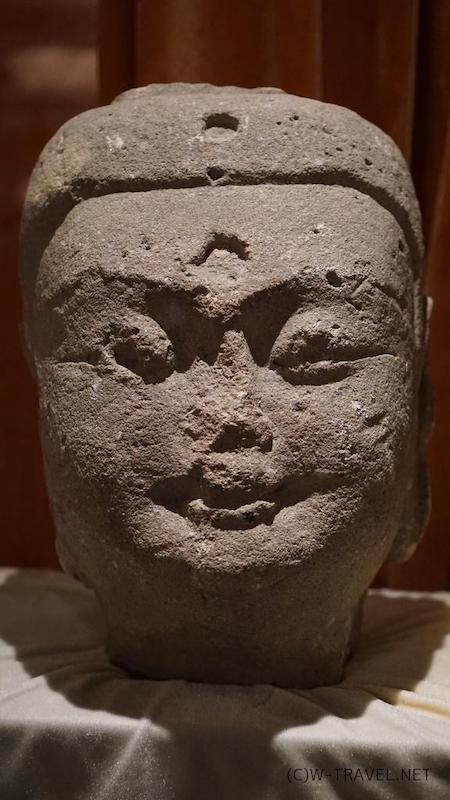
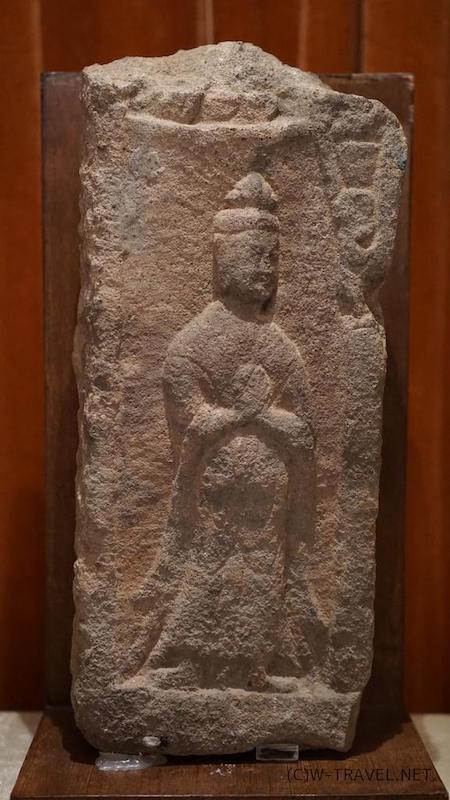
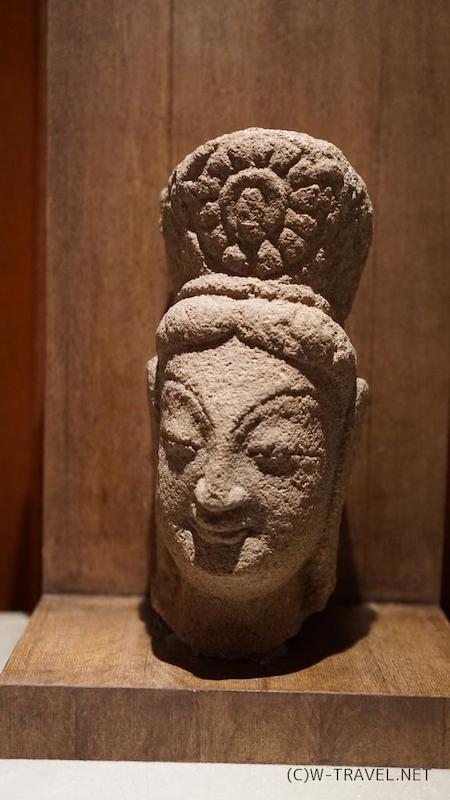
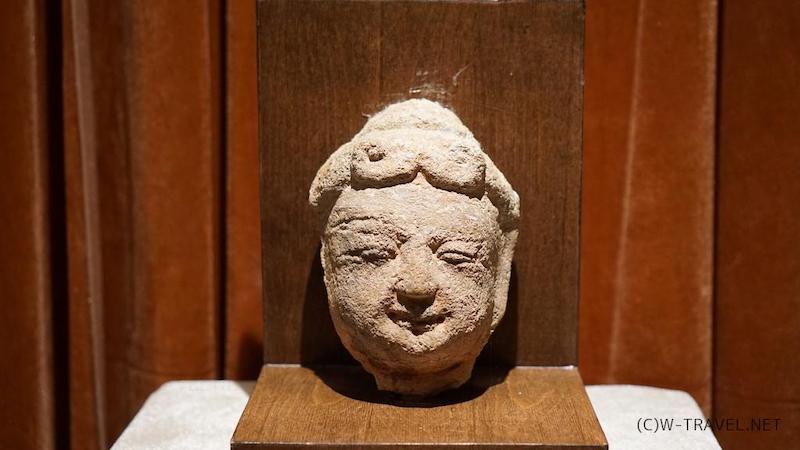
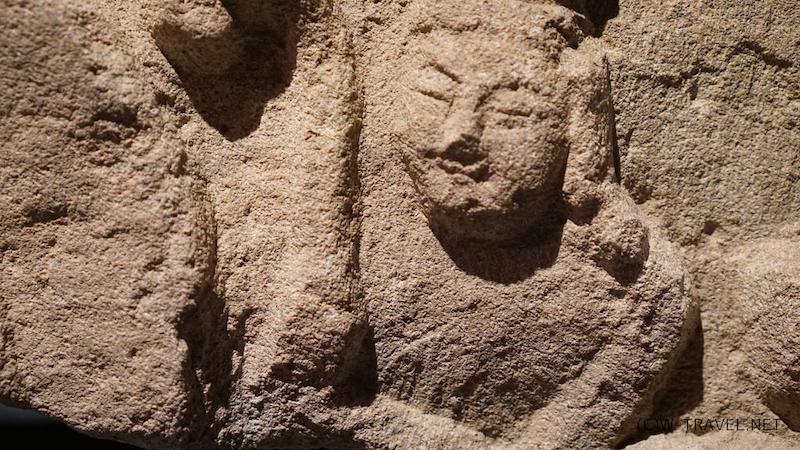

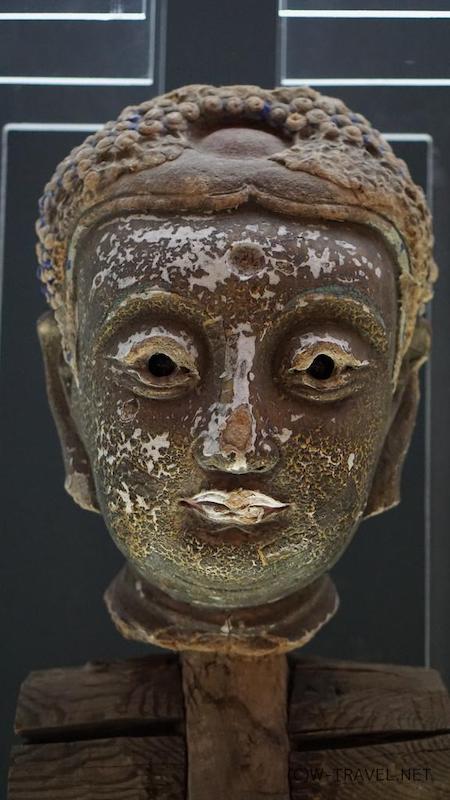

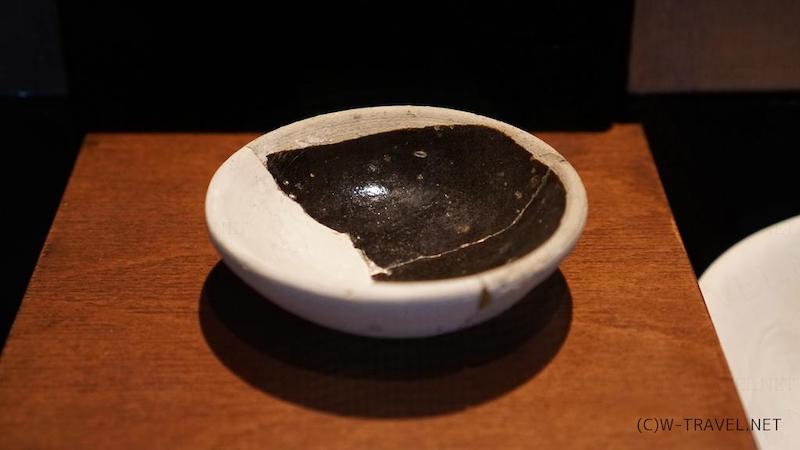
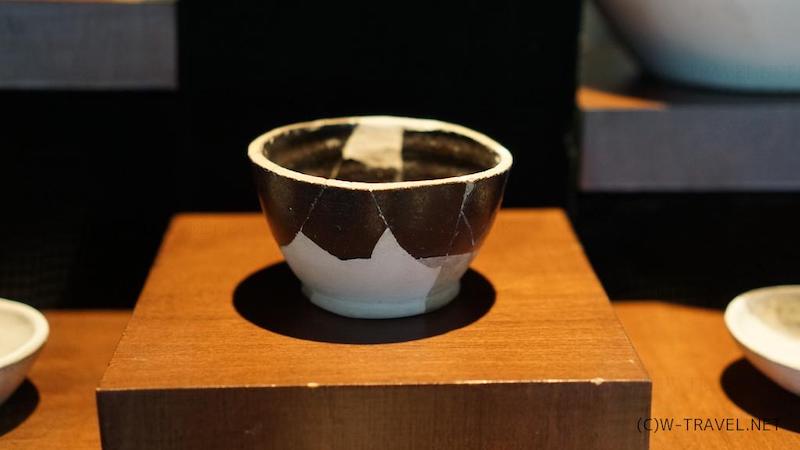

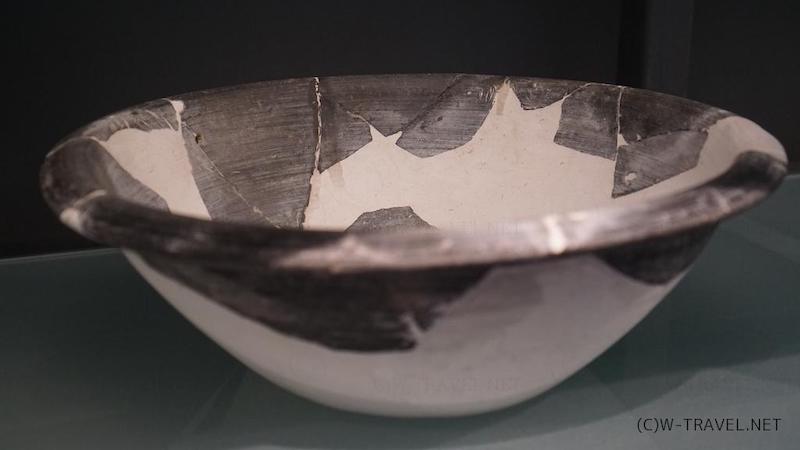

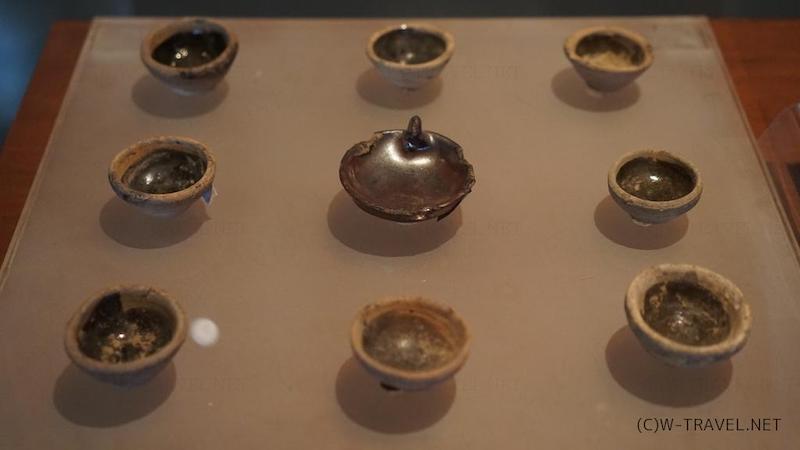 अंत में, परिसर के चारों ओर घूमकर, हम निकास द्वार की ओर गए।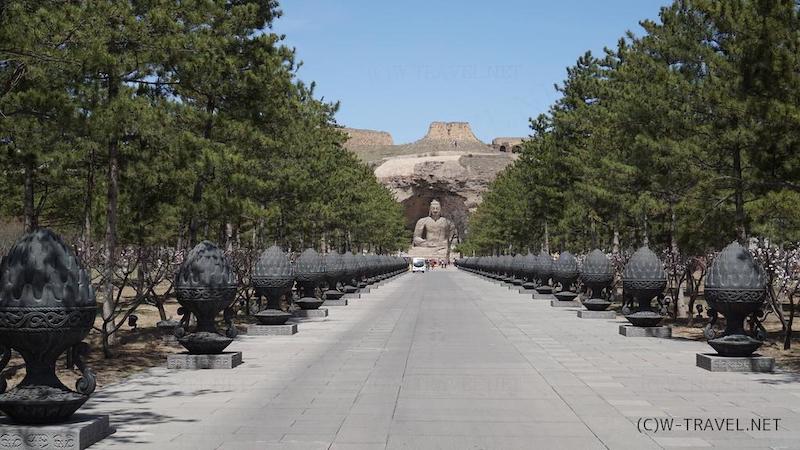
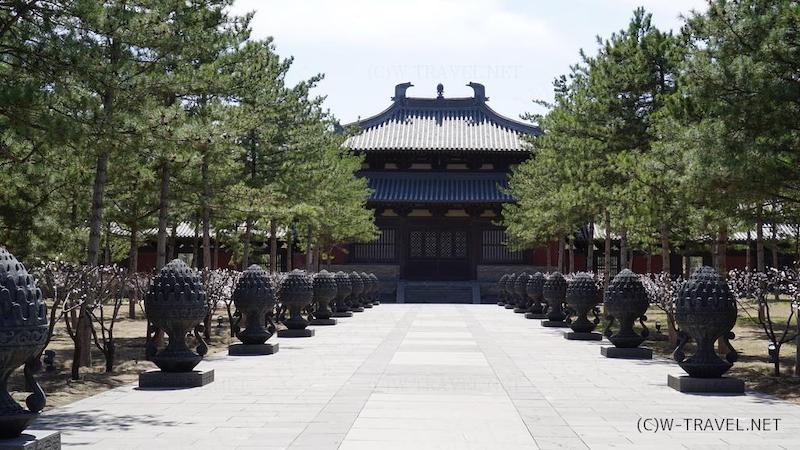
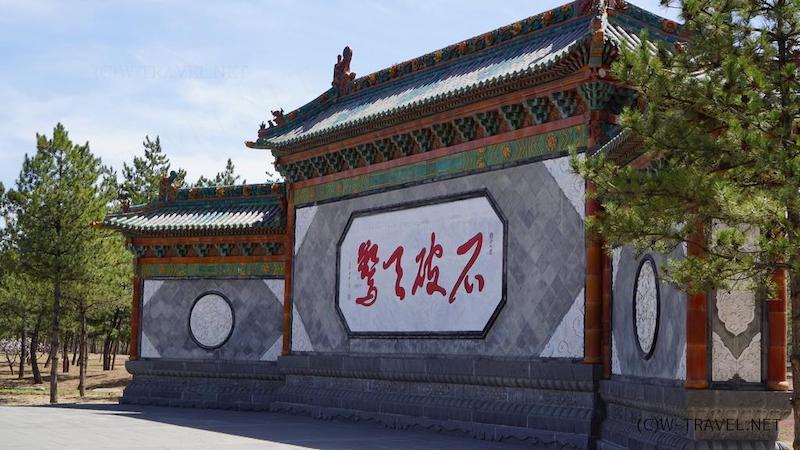

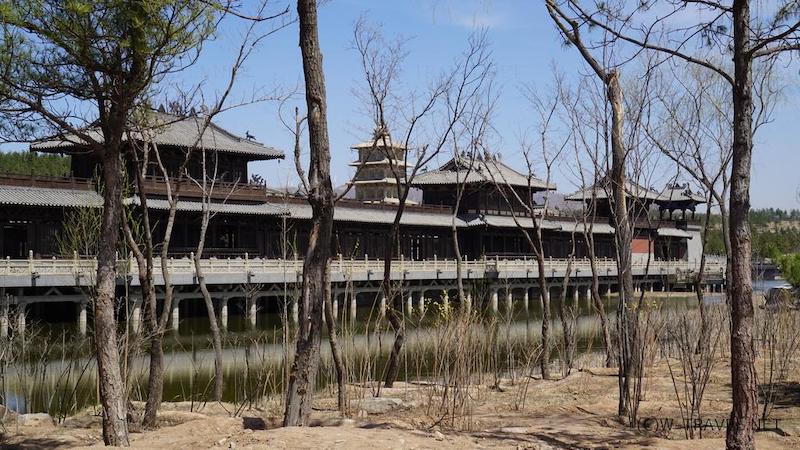
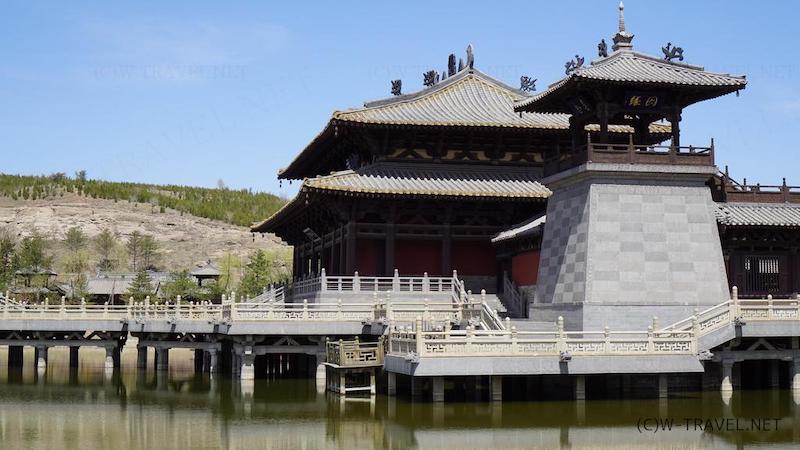
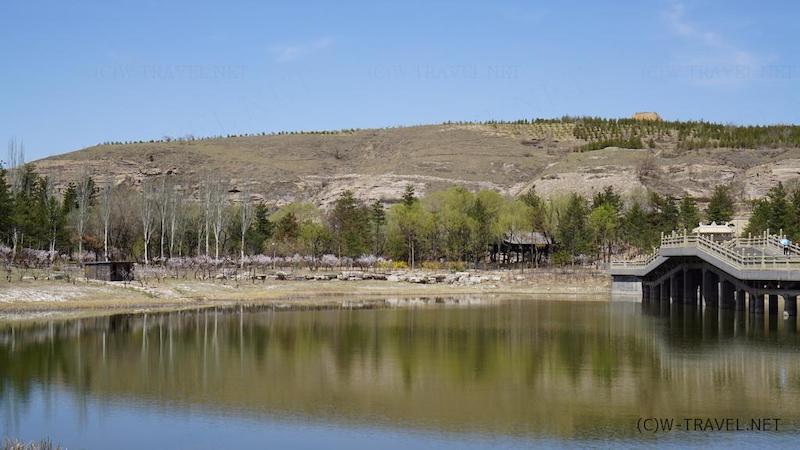
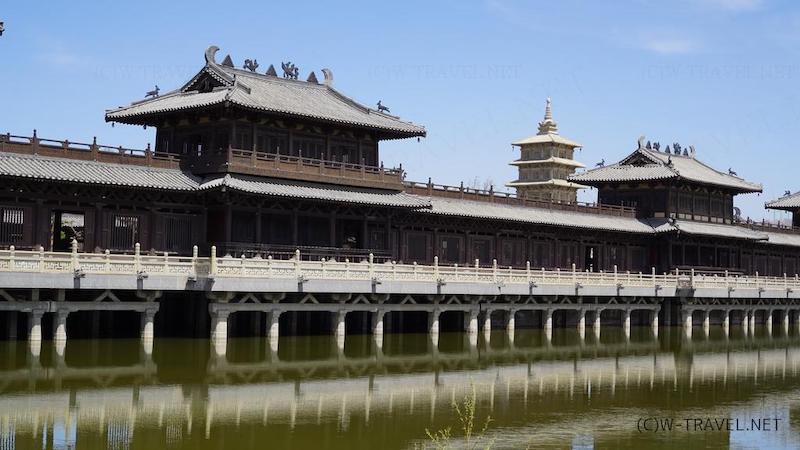

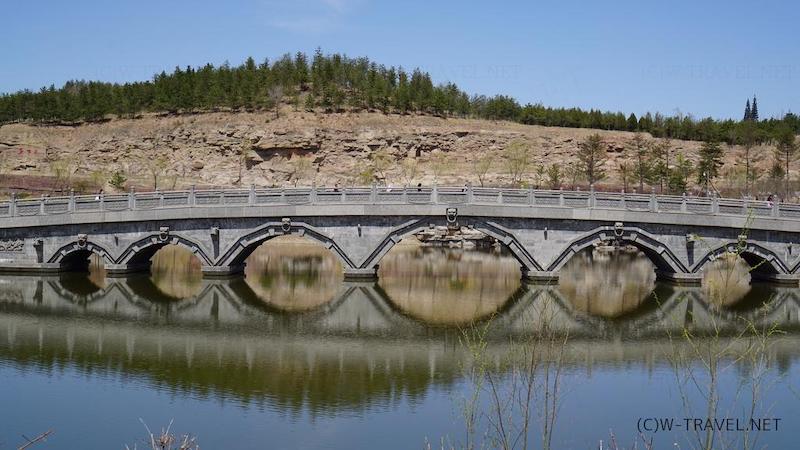 निकास द्वार से बाहर एक रेस्तरां में भोजन किया।
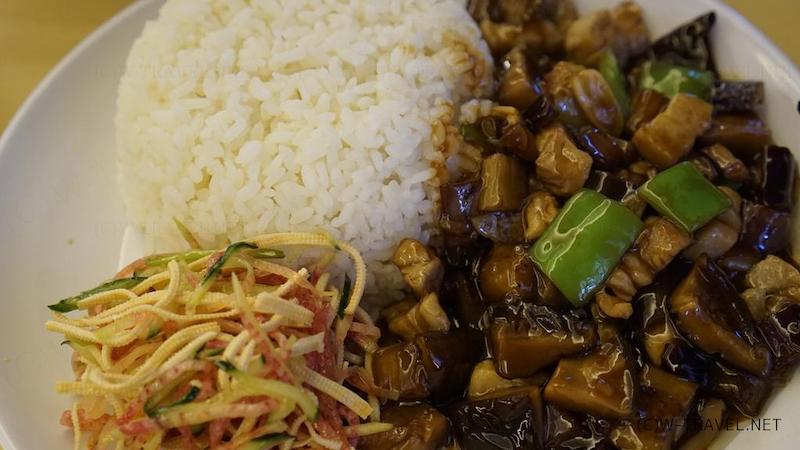
मान्जू बहुत स्वादिष्ट है।
मान्जू: ३ युआन (लगभग ६० रुपये)
बैंगन और मांस की भुर्जी: २० युआन (लगभग ३९० रुपये)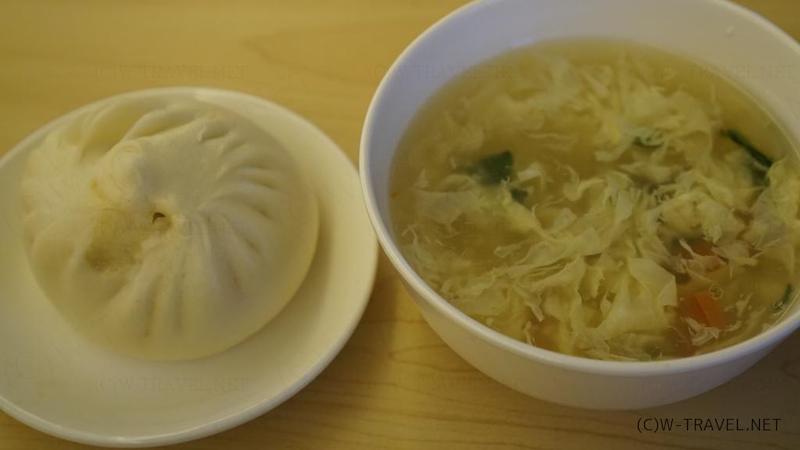
 और उसी बस (पहली रूट) में बैठकर, हम शहर की ओर वापस जाते हैं।
कांगेन-जी
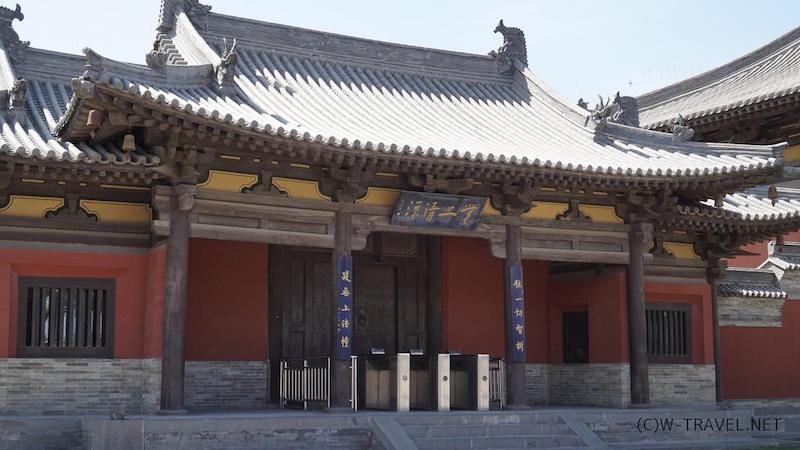
युनगोंग शिकुत्सु से वापस आने के बाद, हमने शहर में स्थित हुआंग्येनजी मंदिर जाने का फैसला किया।
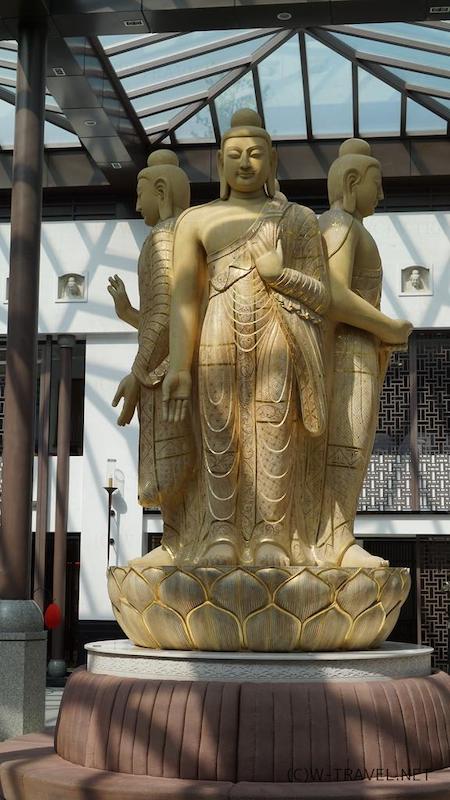
यह जगह उतनी अच्छी नहीं थी जितनी मैंने उम्मीद की थी, लेकिन सोने की बुद्ध प्रतिमा बहुत शानदार है।
ज्यादातर जगहों पर अंदर की तस्वीरें लेना मना था, इसलिए बहुत तस्वीरें नहीं हैं।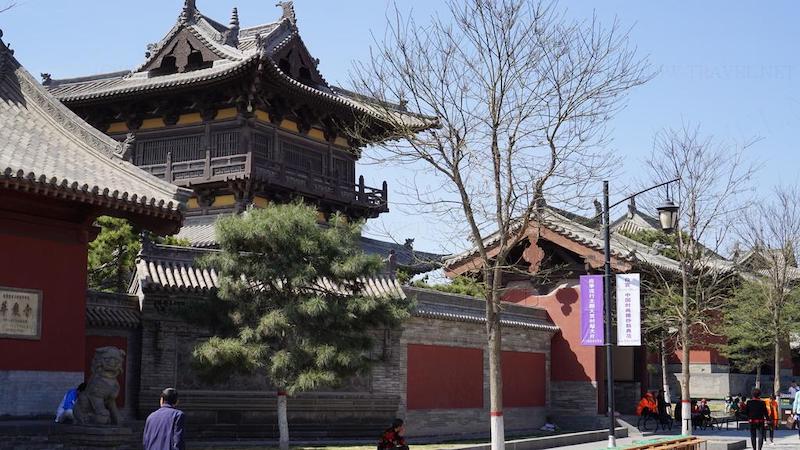

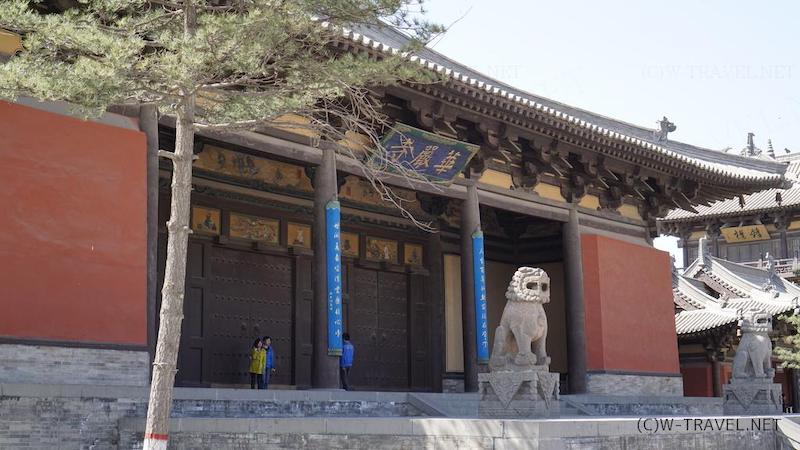
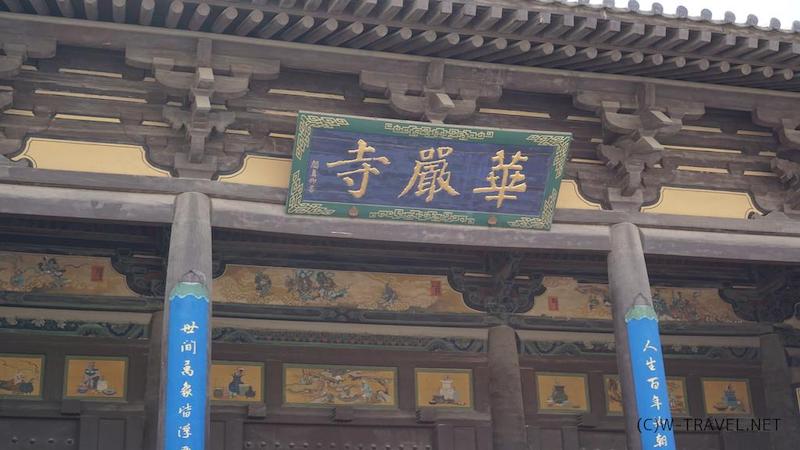
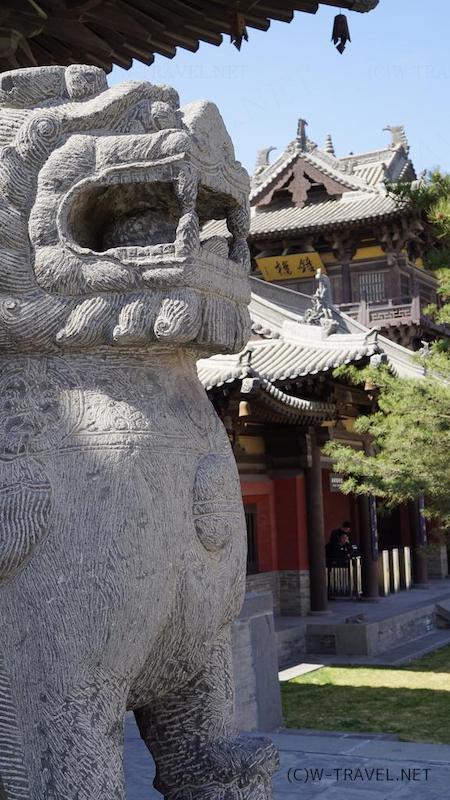

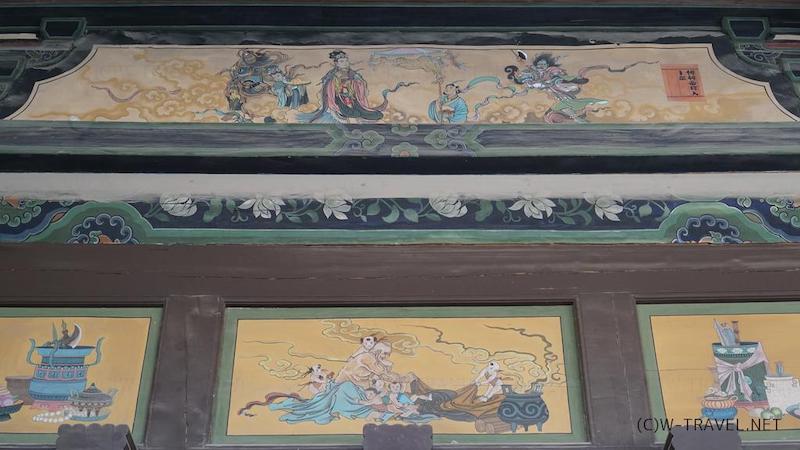
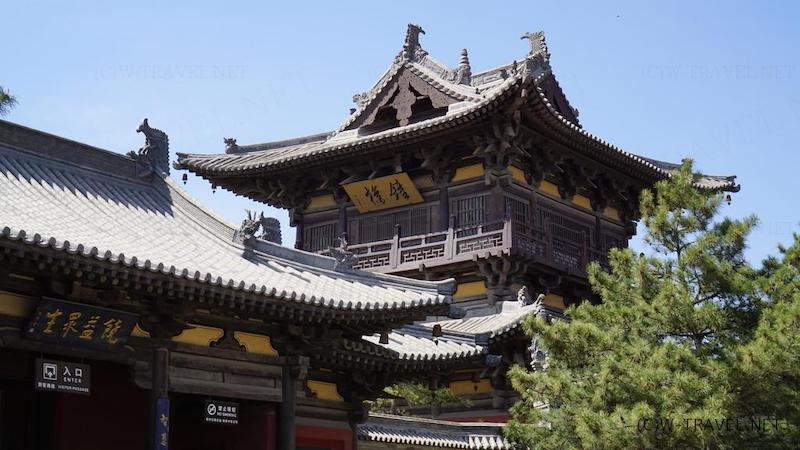
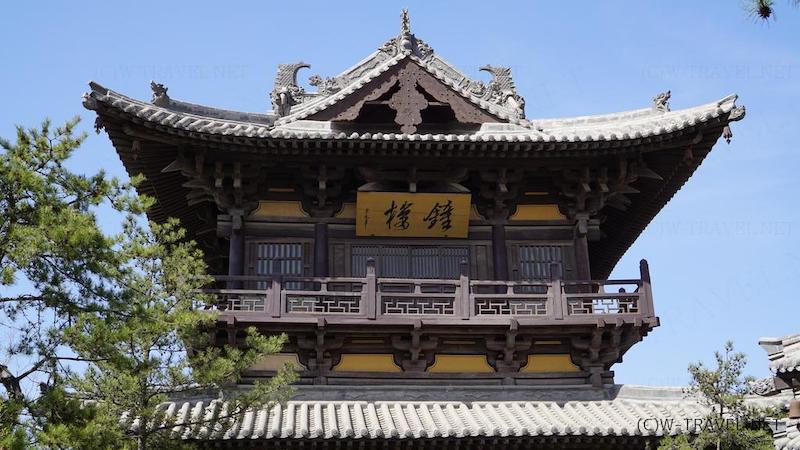
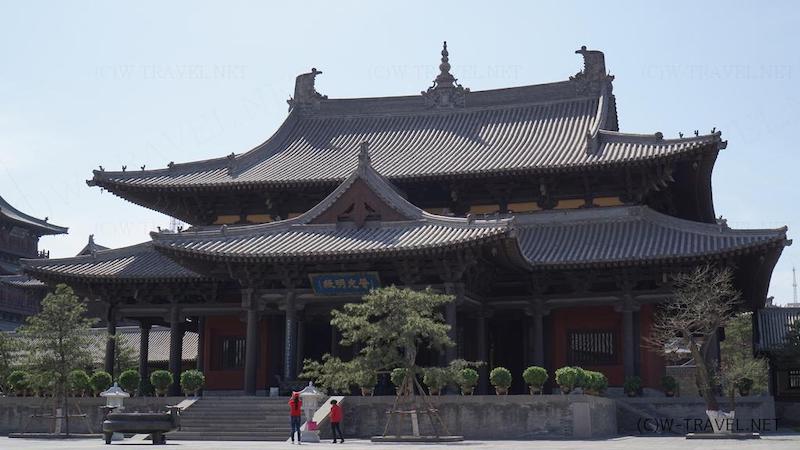
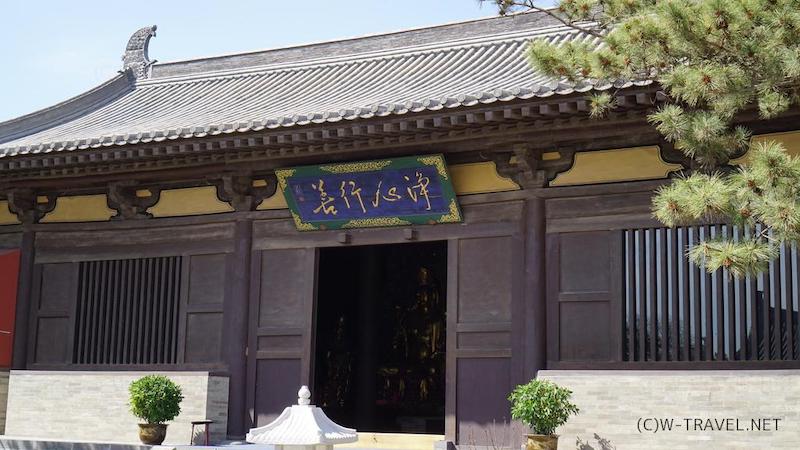
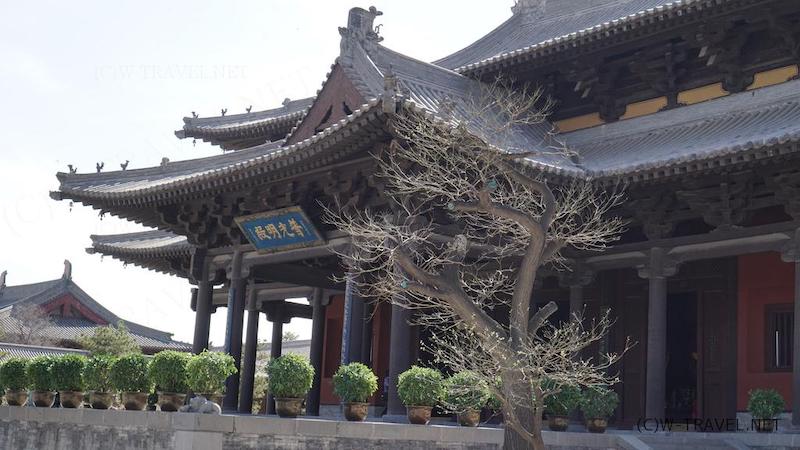
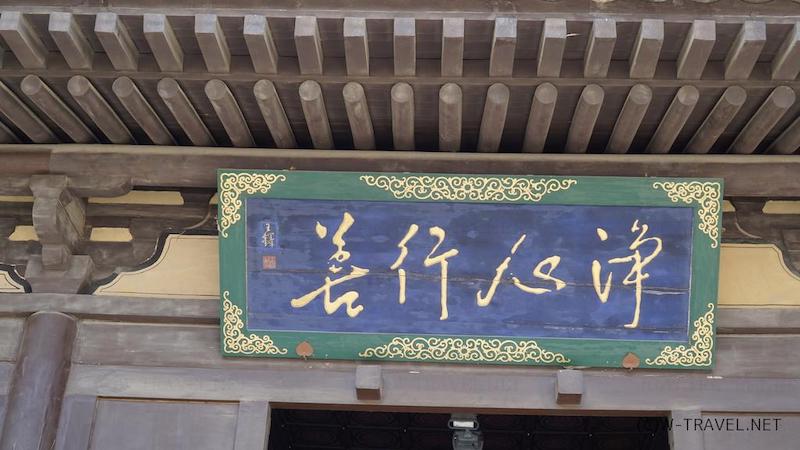

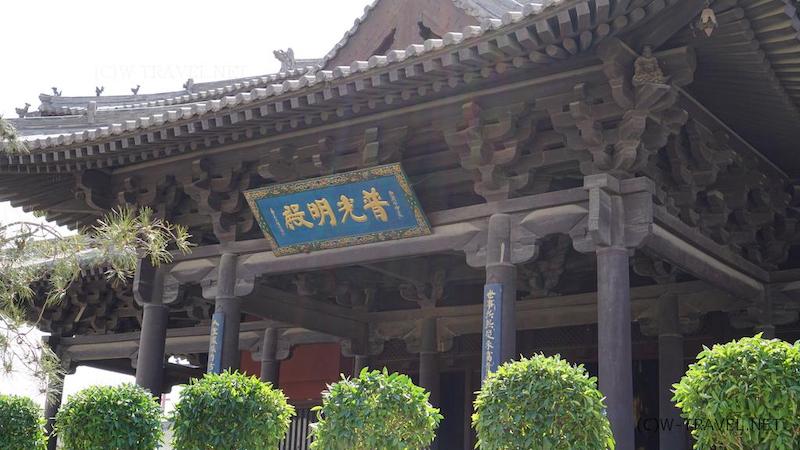
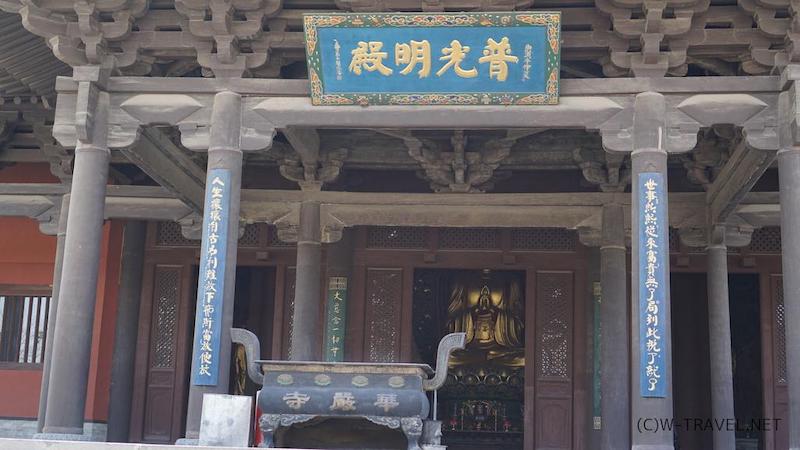
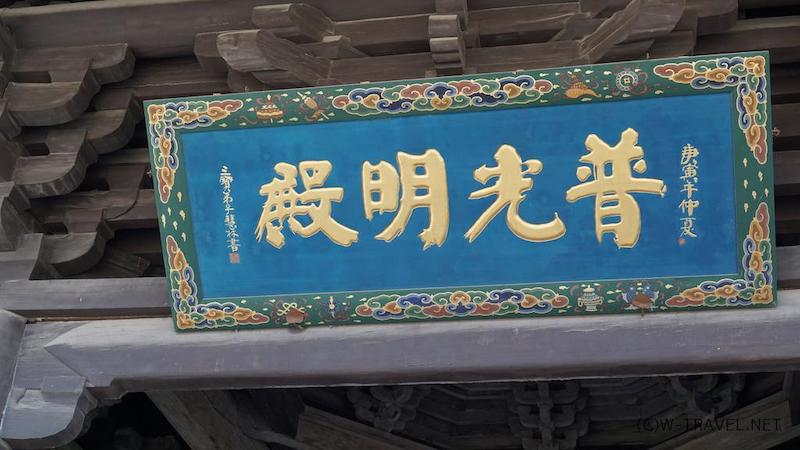
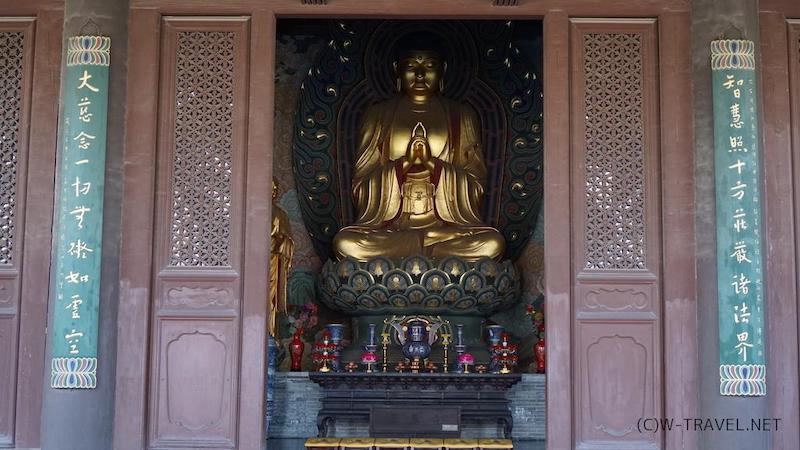
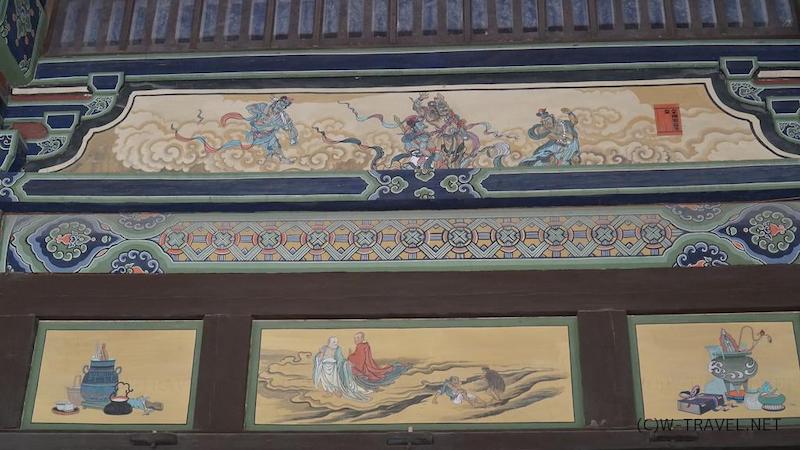
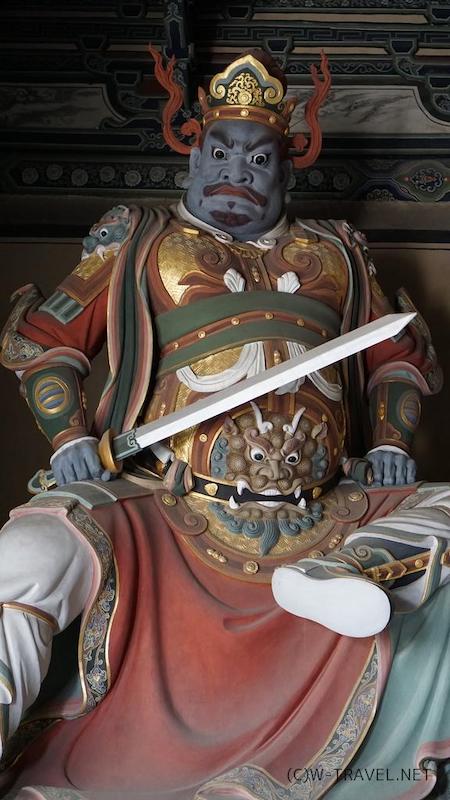
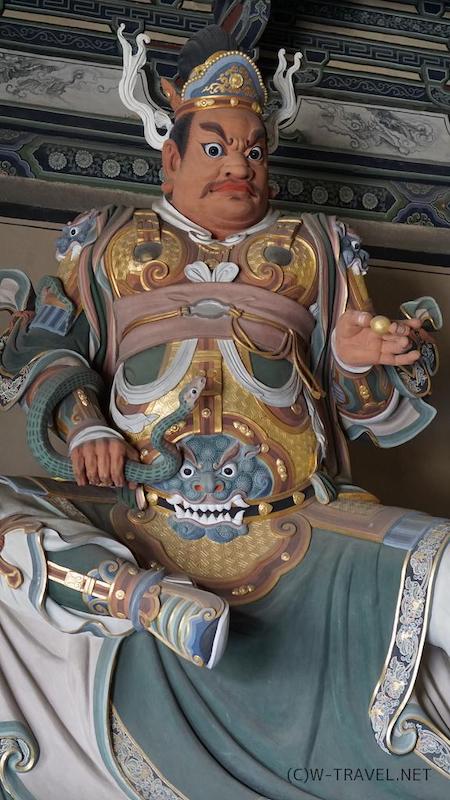
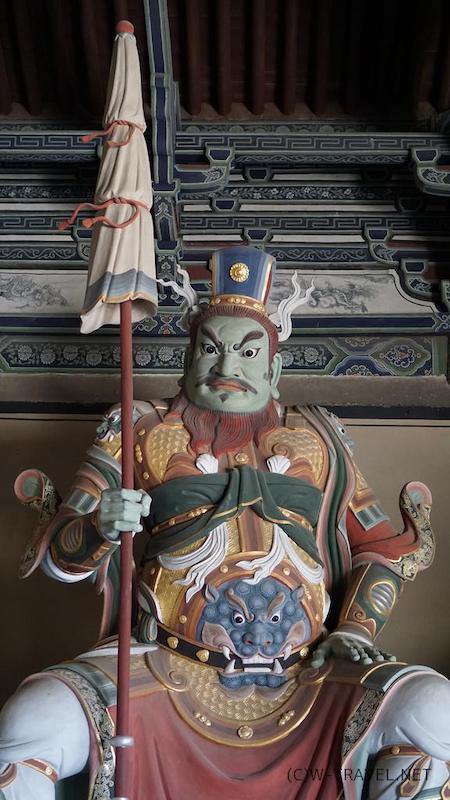

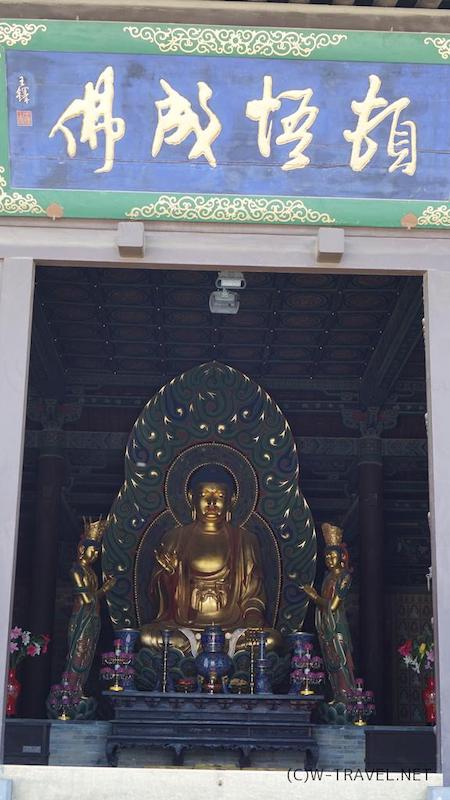

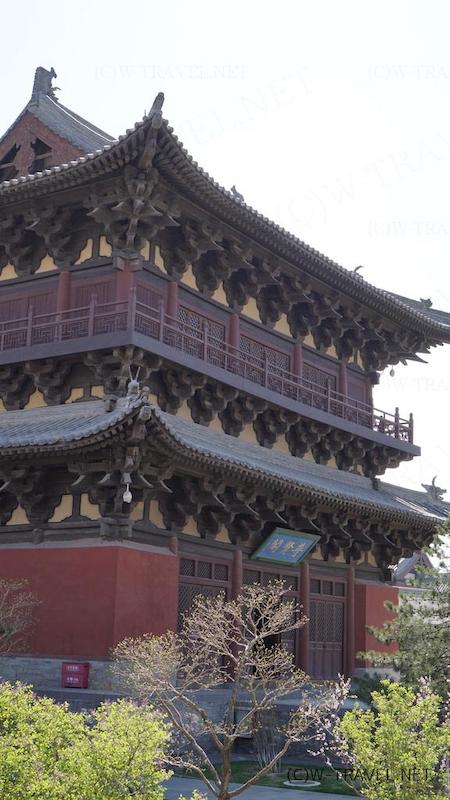
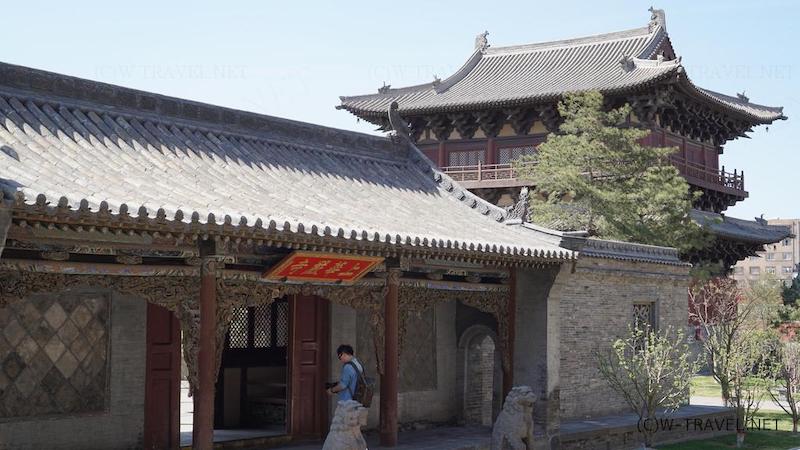
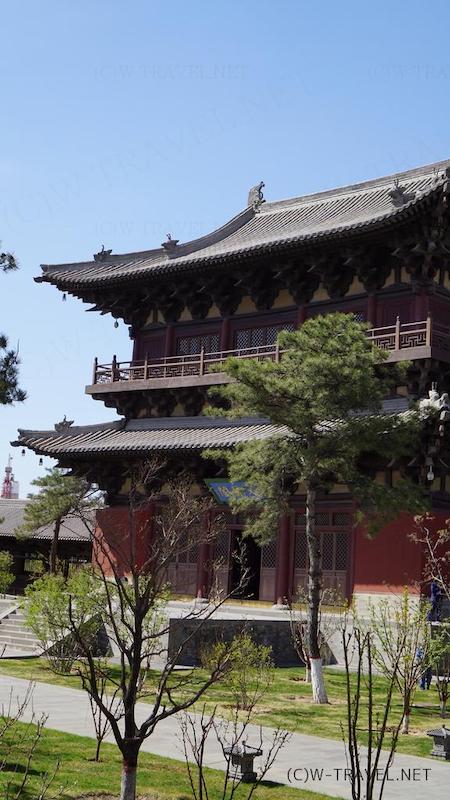
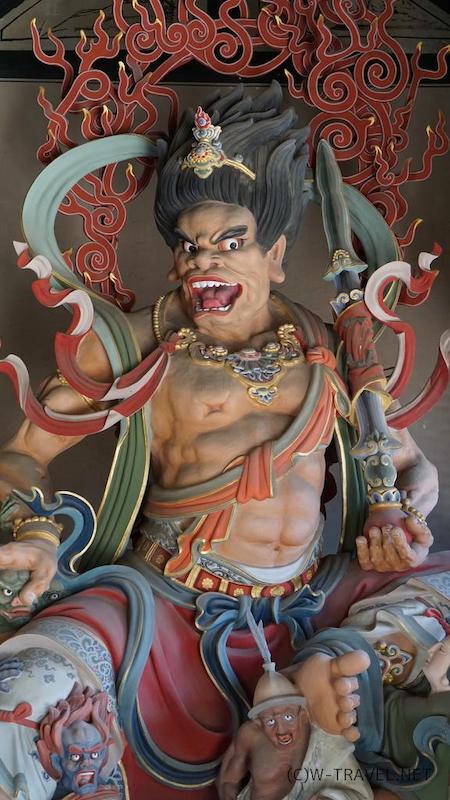
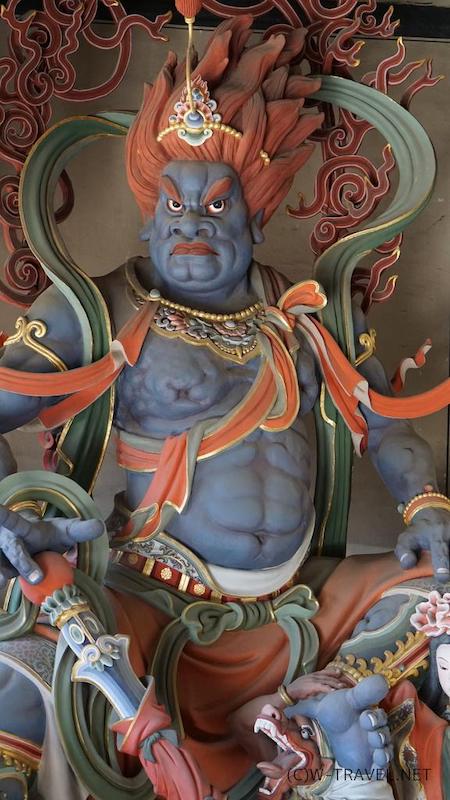
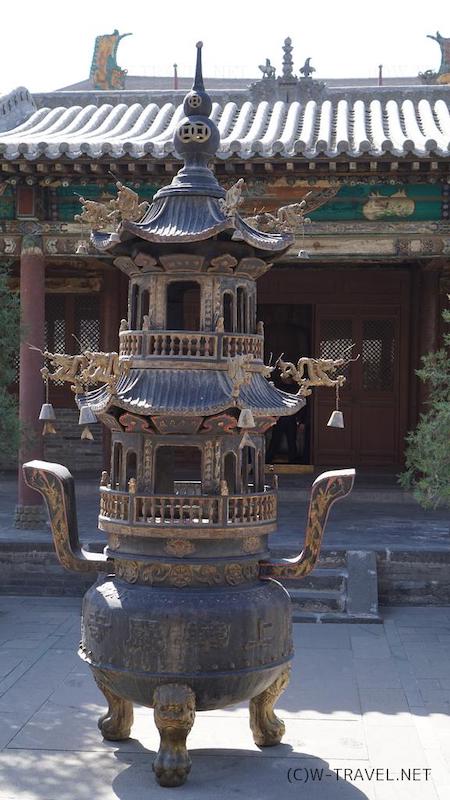
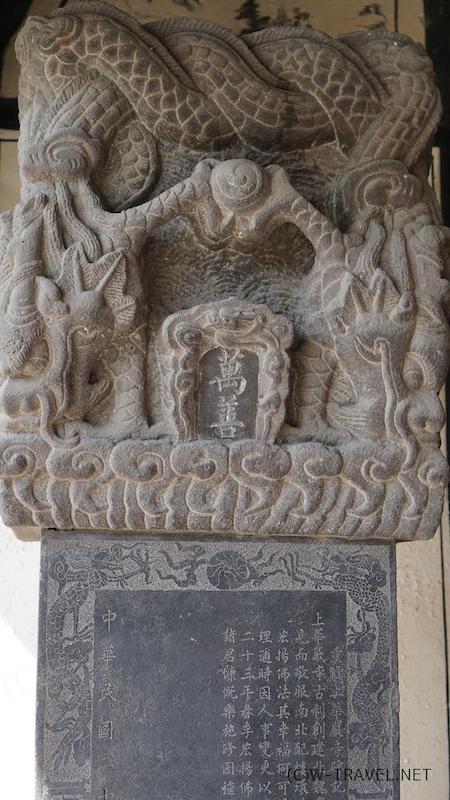
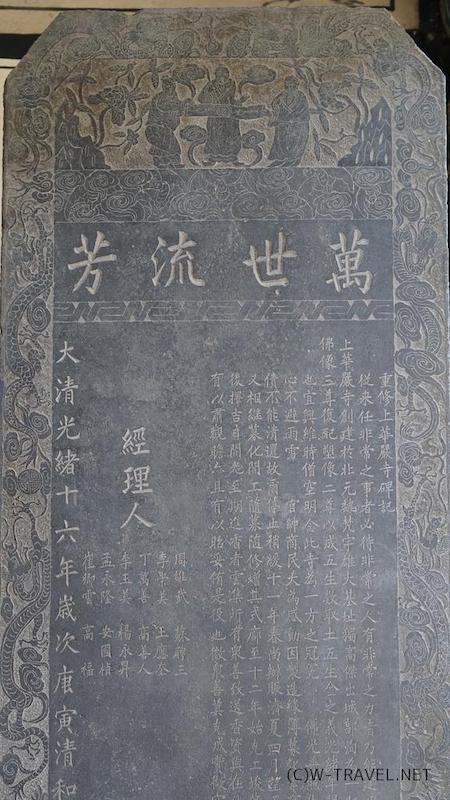
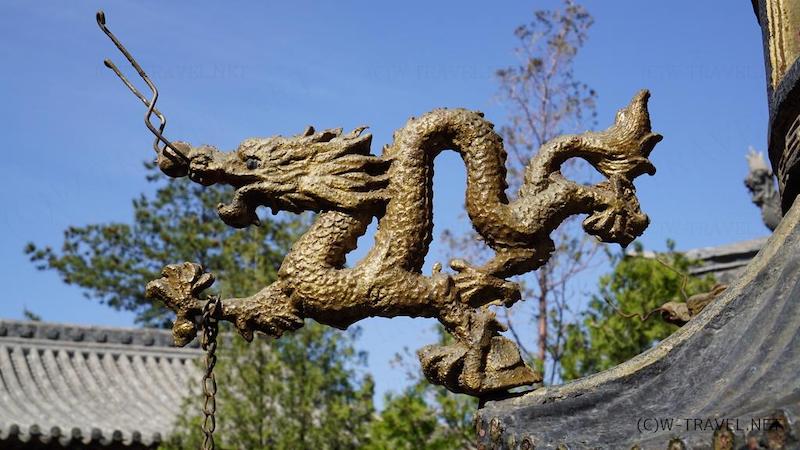
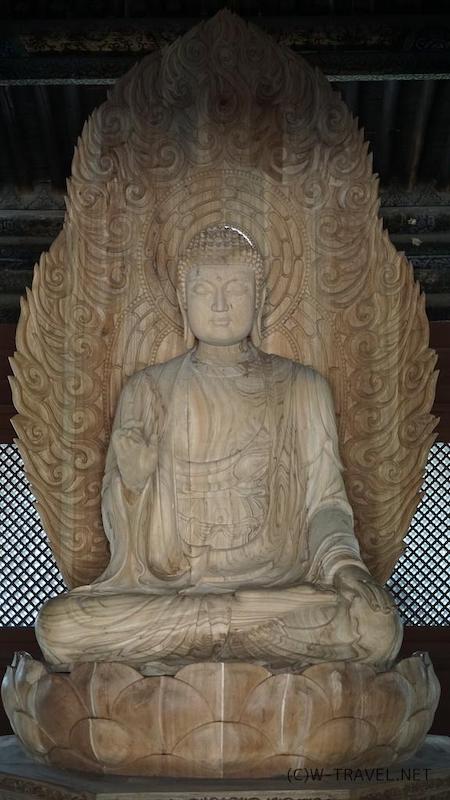
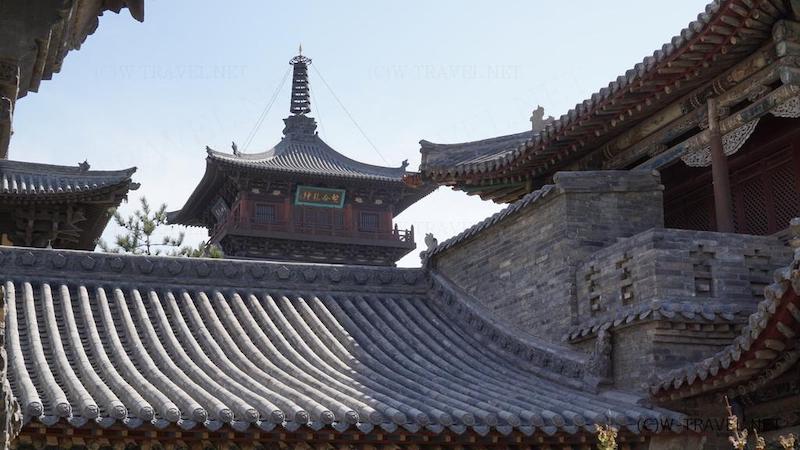
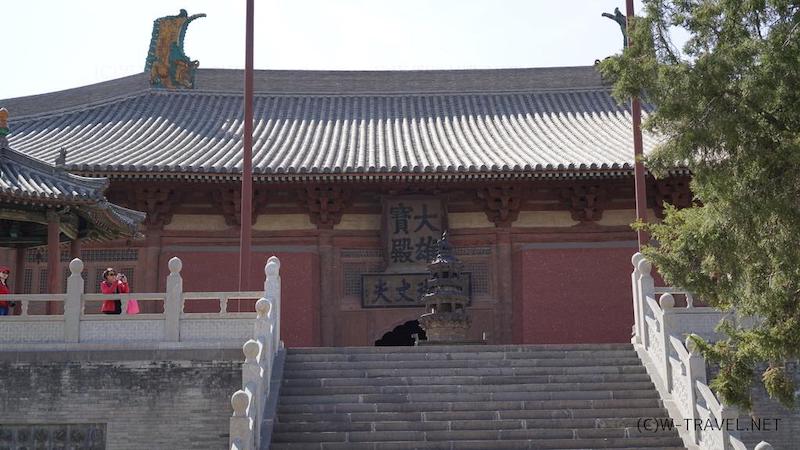
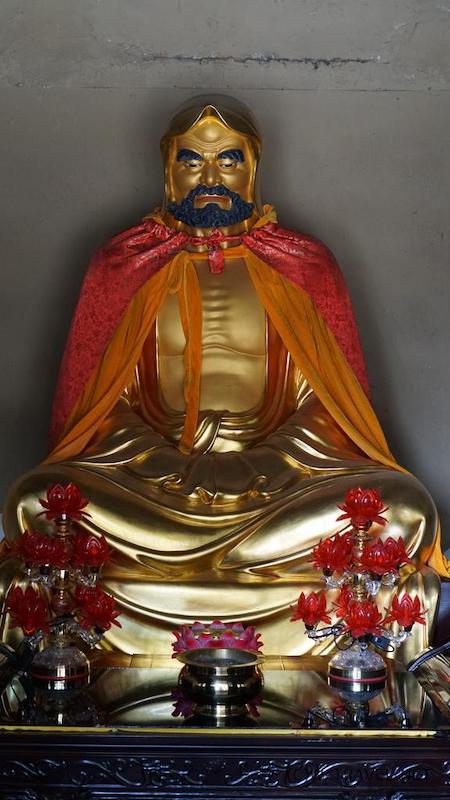
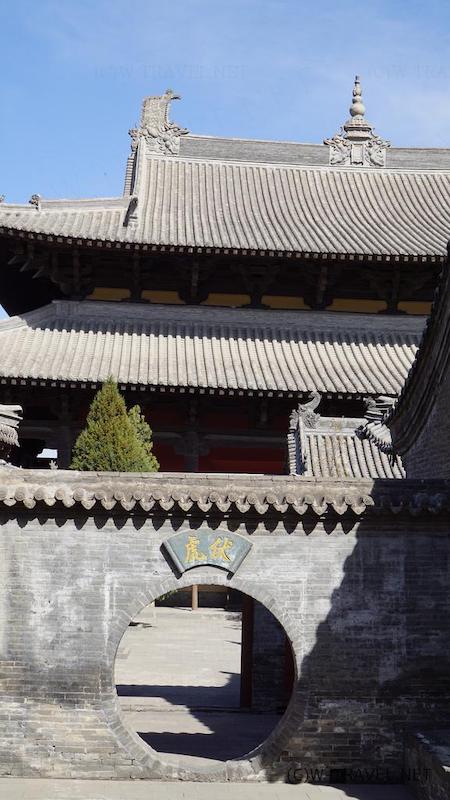

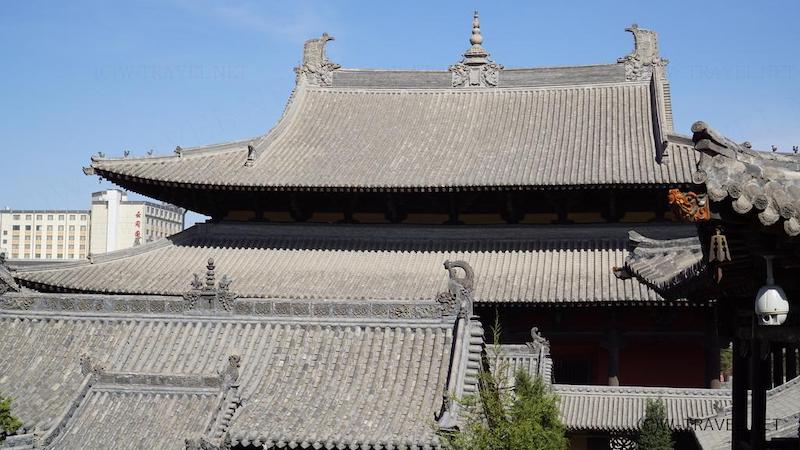
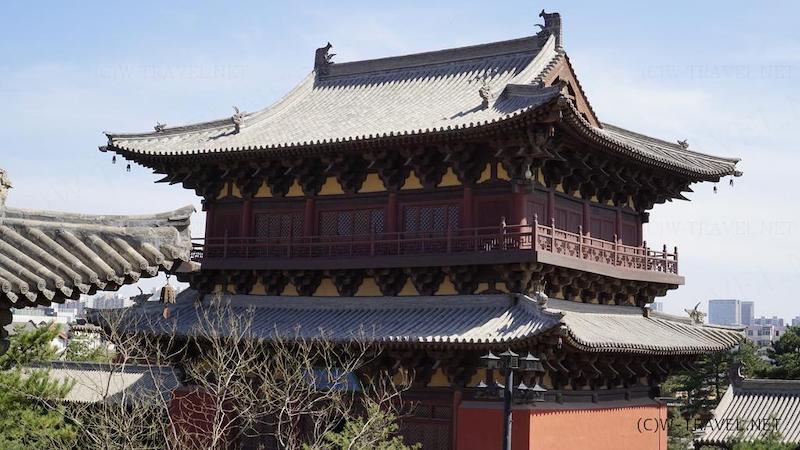
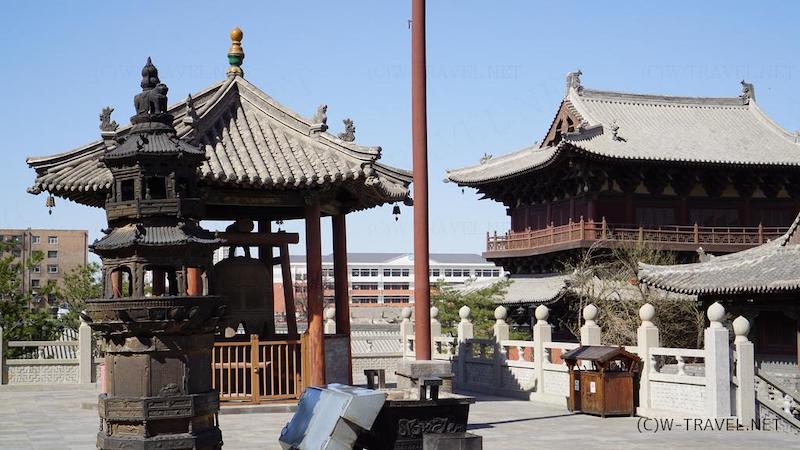

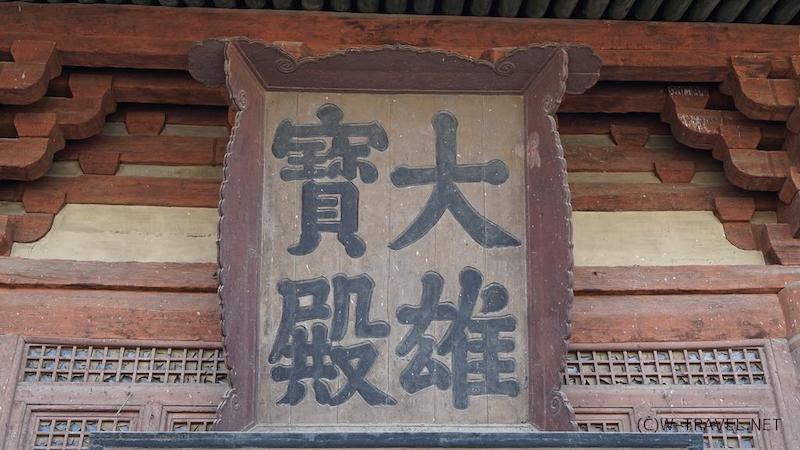
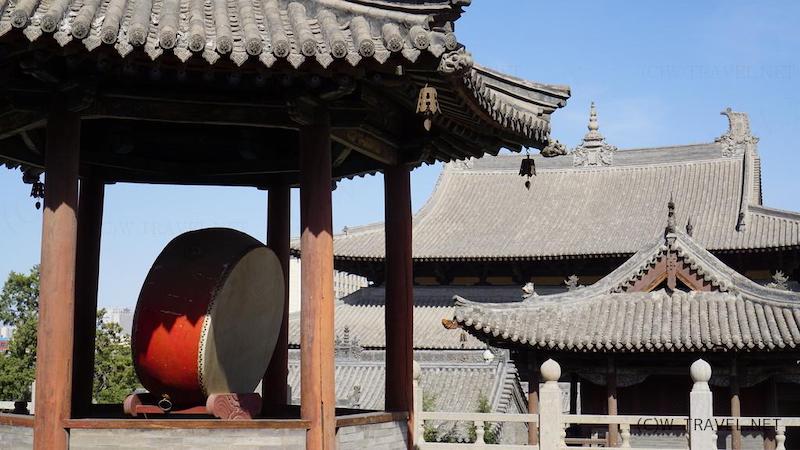
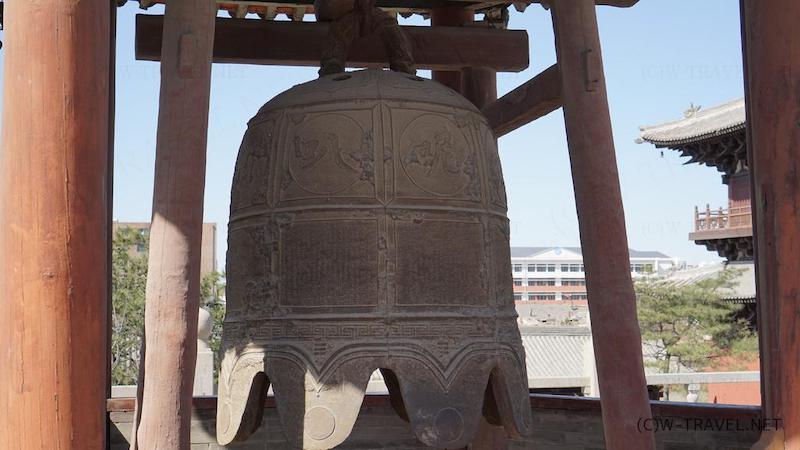
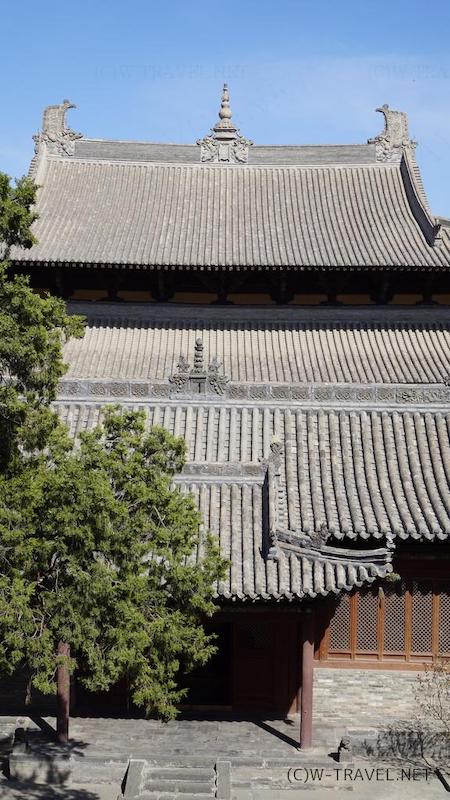
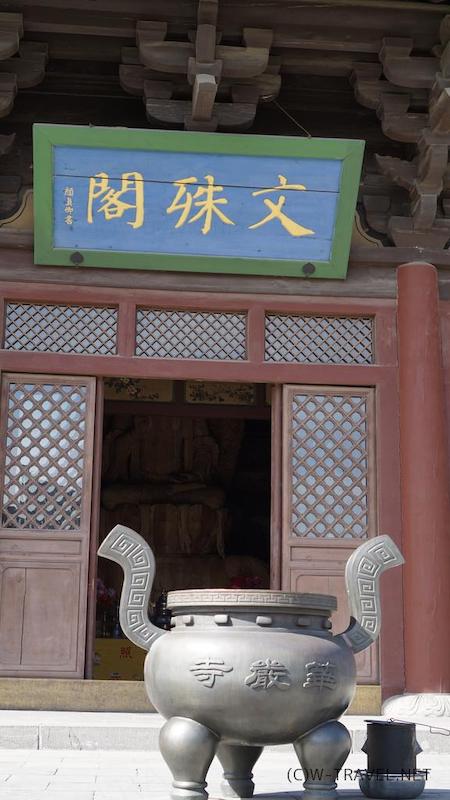
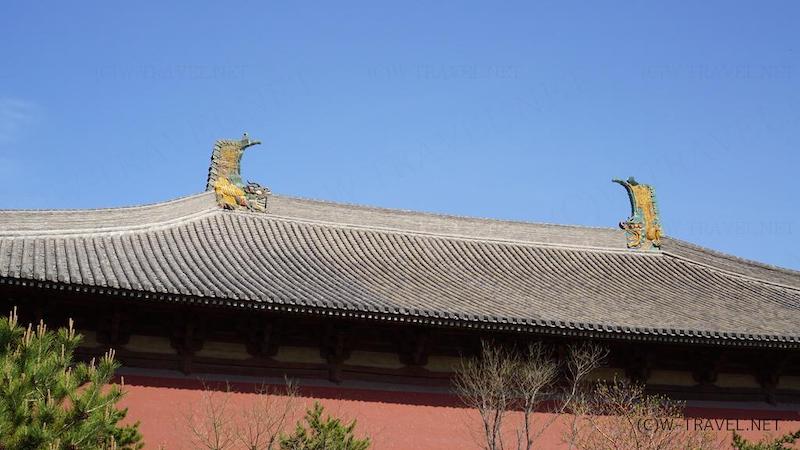
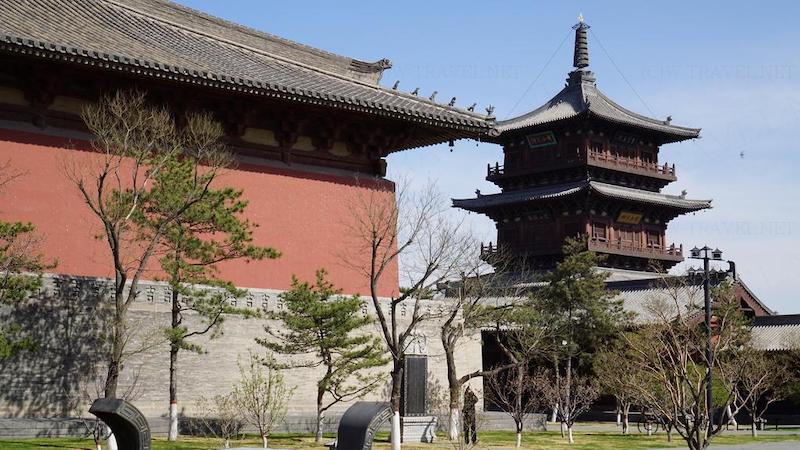
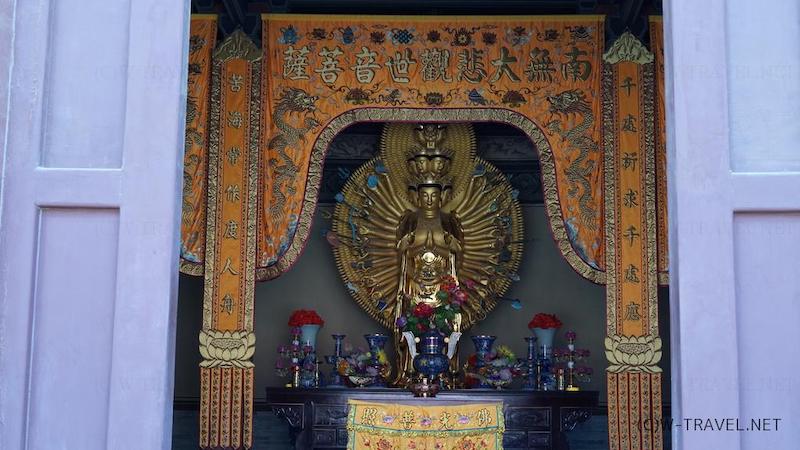


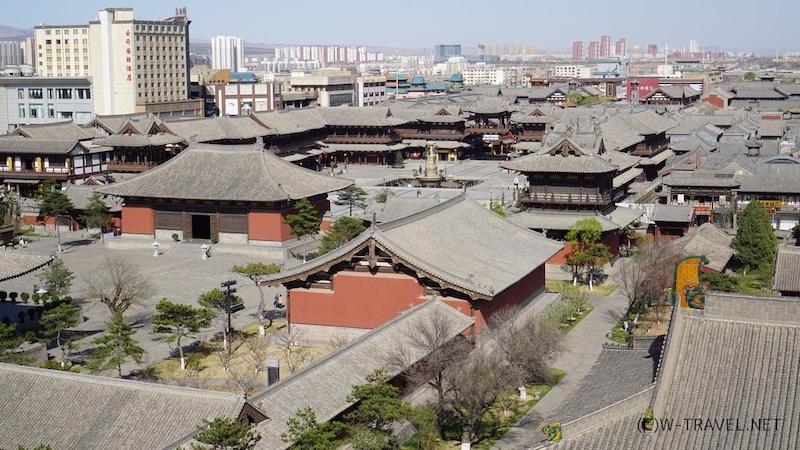
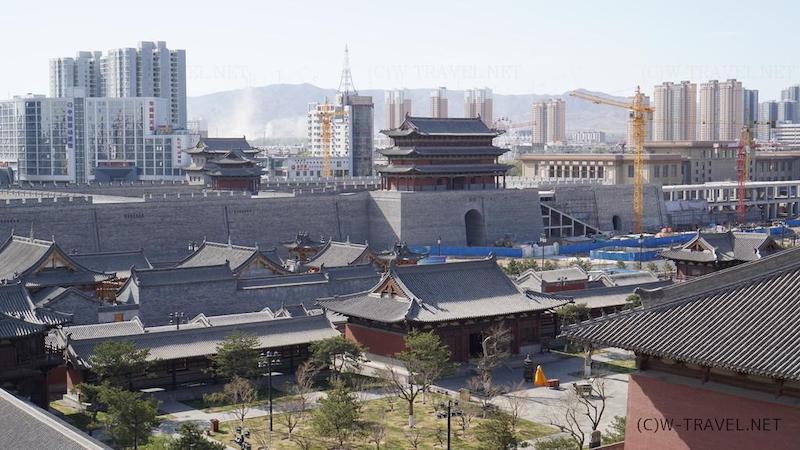
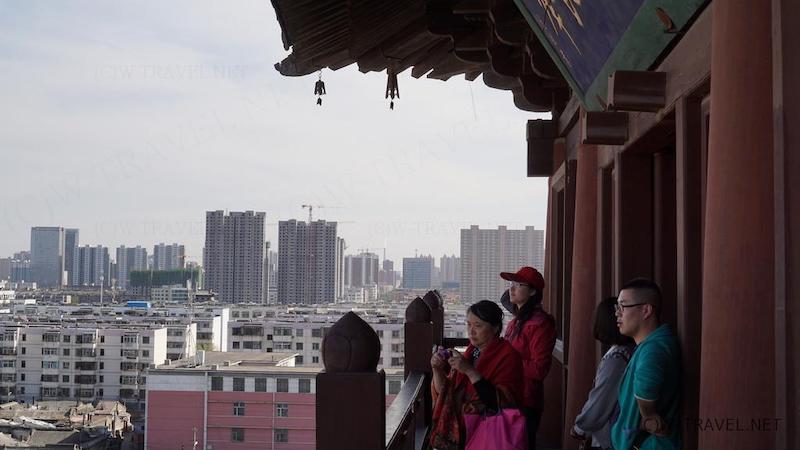
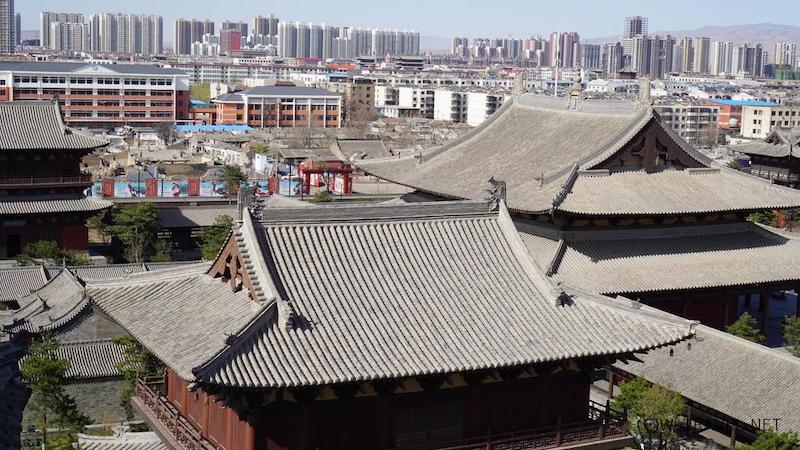
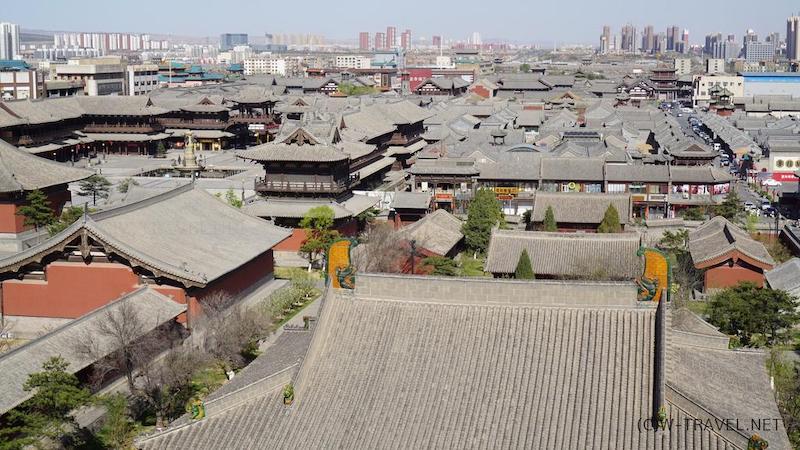
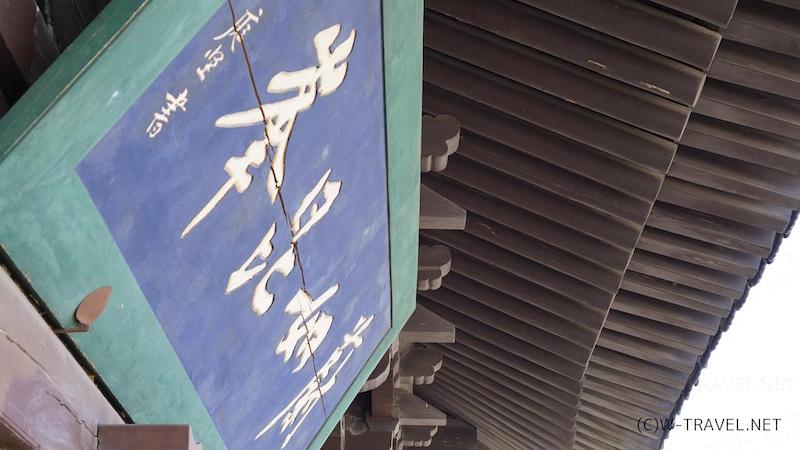
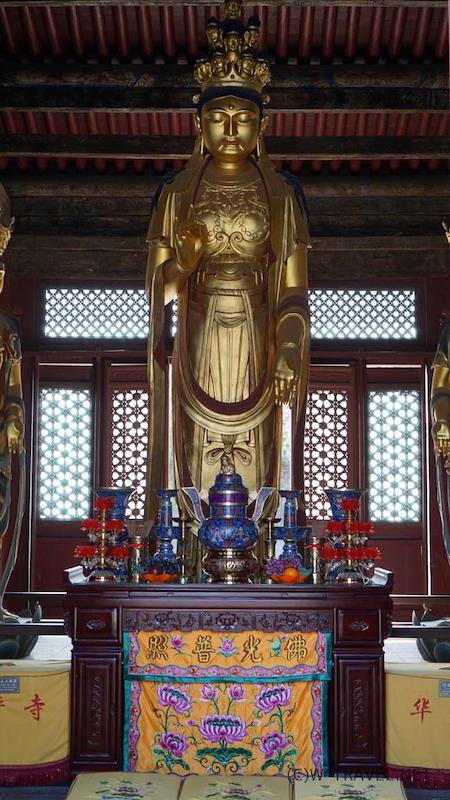
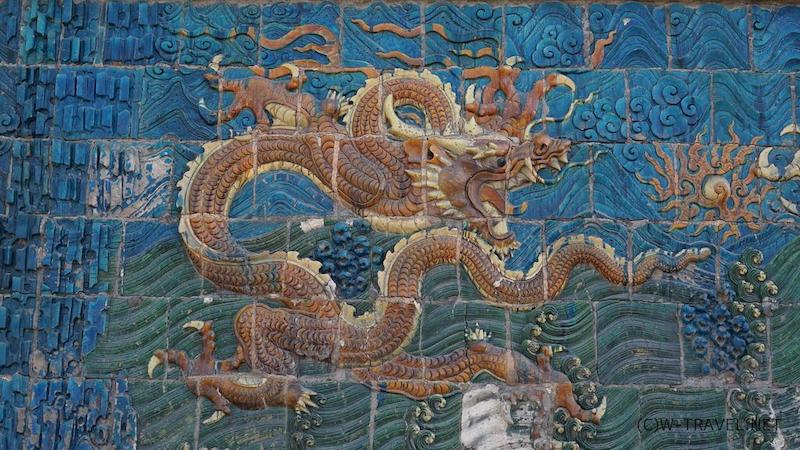
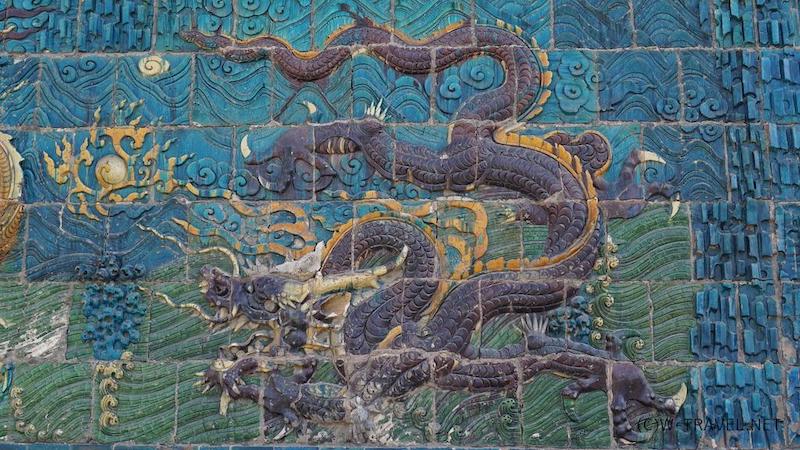
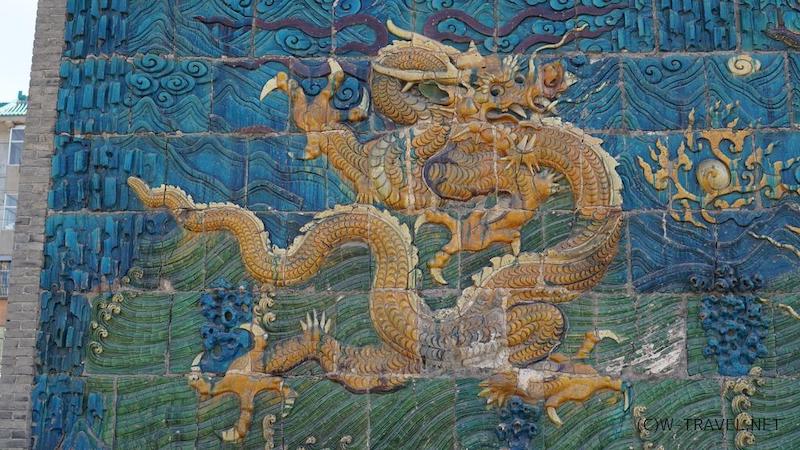
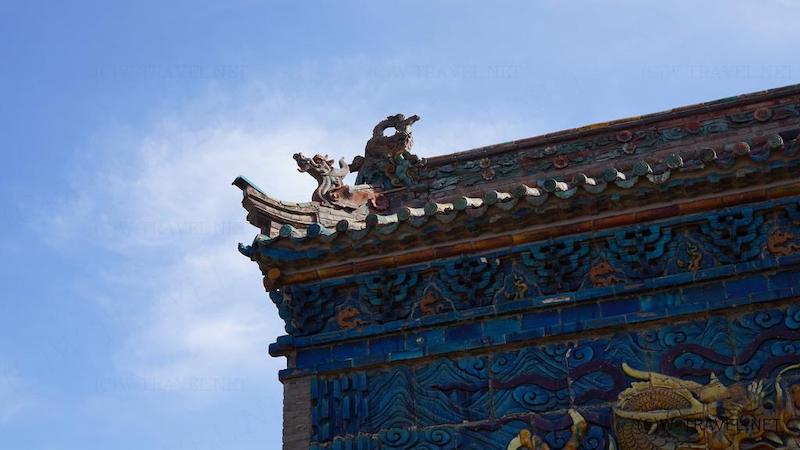
किलोन भित्ति।
华严寺 के बाद, मैं शहर के मध्य में स्थित जियूलोनबी की ओर गया।
जियूलोनबी की कीमत 10 युआन है (लगभग 195 येन)।
यह कीमत उचित है।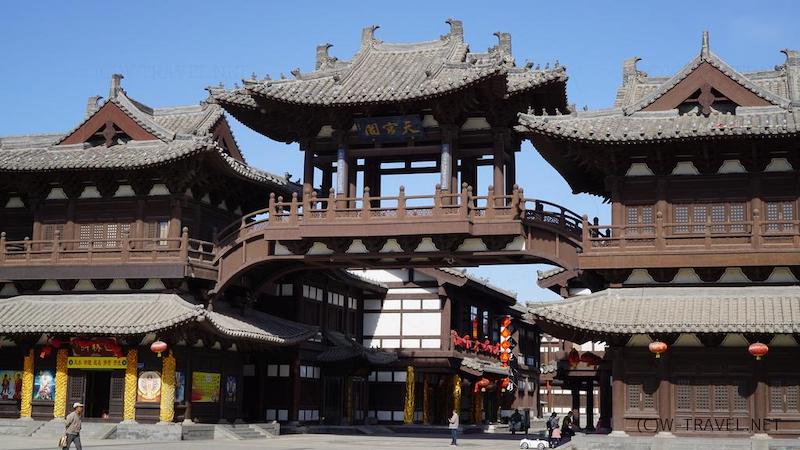
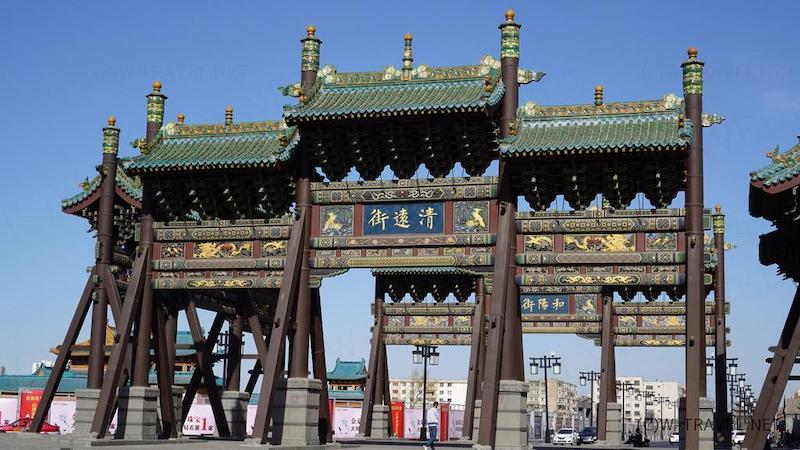


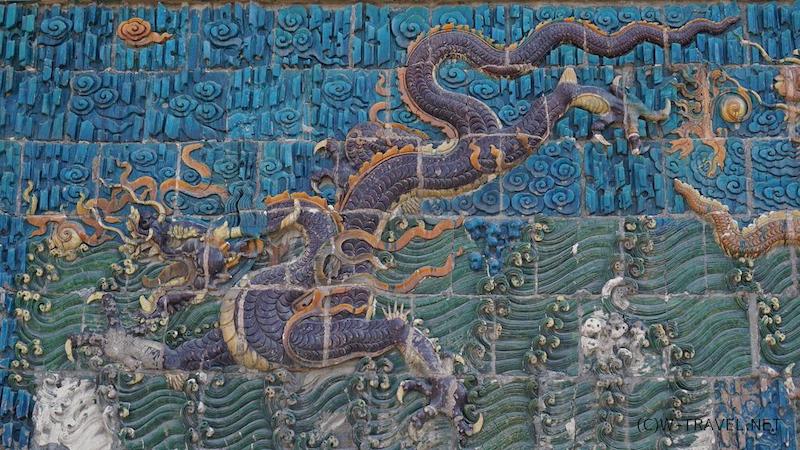

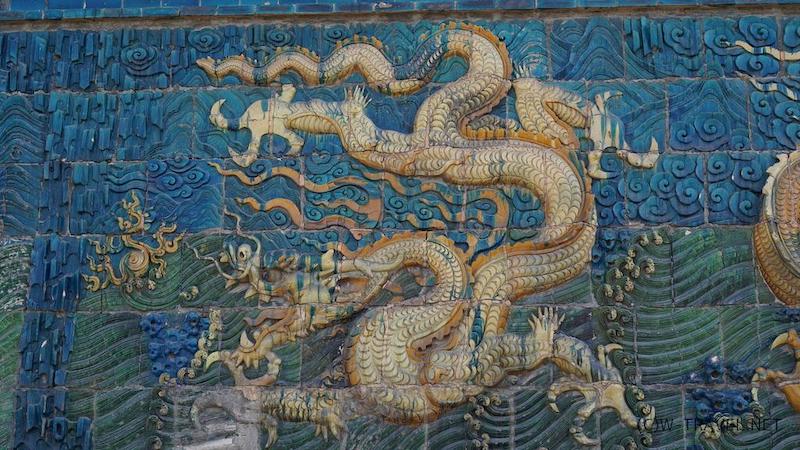

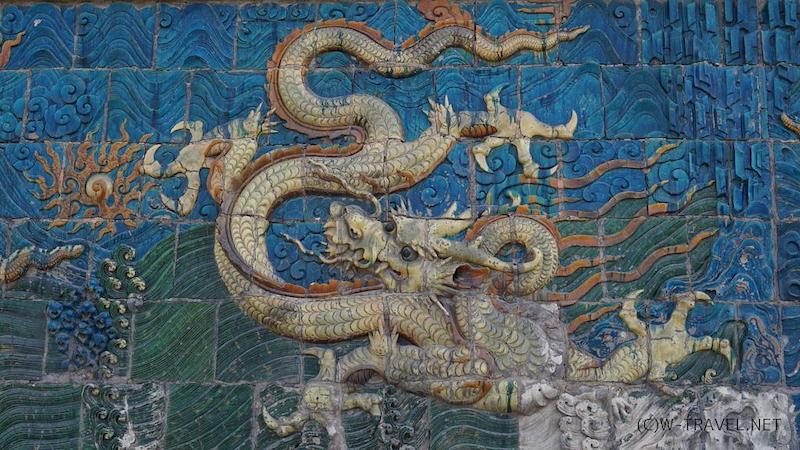
 कल, मैं ताईयुआन के रास्ते लोयांग की ओर जाऊंगा।
केवल बाहर ही महसूस होने वाली, गंध रहित उत्तेजना। क्या यह पीएम 2.5 है? या क्या यह भूकंप की पूर्व चेतावनी है?
बीजिंग से निकलने के समय से लेकर दातोंग में रहने के दौरान कुछ दिनों तक, मुझे एक अप्रिय अनुभूति हो रही थी, जो एक मजबूत गंध महसूस होने पर होती है, लेकिन वास्तव में कोई गंध नहीं थी। यह एक ऐसी उत्तेजना थी जो सीधे मेरे सिर में आ रही थी, जैसे कि उच्च आवृत्ति। मैंने सोचा कि चूंकि कोई गंध नहीं है, तो यह शायद PM2.5 है।
मैंने मास्क भी पहना, लेकिन मुझे अभी भी यह महसूस हो रहा था, इसलिए मुझे यह भी सोचने लगा कि शायद PM2.5 पहले से ही मेरे शरीर में प्रवेश कर चुका है और मेरे सिर को उत्तेजित कर रहा है। लेकिन अगर यह पहले से ही मेरे शरीर में है, तो यह अजीब है कि मुझे केवल बाहर ही महसूस हो रहा है और कमरे के अंदर नहीं। शायद यह केवल बाहर ही महसूस होता है, और मास्क शायद ज्यादा प्रभावी नहीं है।
बीजिंग में PM2.5 के बारे में तो मैं समझ सकता हूं, लेकिन क्या दातोंग में भी PM2.5 है?
फिर, नेपाल में भूकंप आया।
जब नेपाल में भूकंप आया, तो मेरे सिर में होने वाली यह उत्तेजना अचानक बंद हो गई।
उम्म। क्या इसका मतलब है कि मैं बीजिंग से PM2.5 से बचने के लिए निकला था?
क्या इसका मतलब है कि मैं दातोंग से PM2.5 से बचने के लिए निकला था?
मैं अभी लुआंग में हूं, लेकिन यह एक अच्छा शहर है, फिर भी मुझे ऐसा ही उत्तेजना क्यों महसूस नहीं हो रहा है?
अगर दातोंग जैसे छोटे शहरों में PM2.5 है, तो लुआंग में भी PM2.5 होने की संभावना है।
शायद यह उत्तेजना या उच्च आवृत्ति वास्तव में भूकंप की पूर्व सूचना थी?
मुझे यह भी कल्पना कर सकता हूं कि ऐसा महसूस होने पर व्हेल समुद्र तट पर आ सकती है...।
वास्तव में, भारत के बैंगलोर की हवा और भी खराब है, लेकिन मैंने वहां कभी ऐसा ही उत्तेजना महसूस नहीं किया।
क्या यह चीन के किसी विशेष क्षेत्र में मौजूद किसी वैज्ञानिक पदार्थ के कारण था?
हालांकि अभी भी कई रहस्य बने हुए हैं, लेकिन फिलहाल, वह उत्तेजना अब बंद हो गई है।
भले ही यह भूकंप की पूर्व सूचना थी, लेकिन चीन और नेपाल बहुत दूर हैं, इसलिए यह क्षेत्र बहुत बड़ा है, और इतनी दूर से इसे महसूस करने से शायद यह बहुत उपयोगी नहीं होगा।
यह थोड़ा और विशिष्ट होने पर अच्छा होता। जैसे कि दिशा। लेकिन शायद यह बहुत अधिक मांग है।