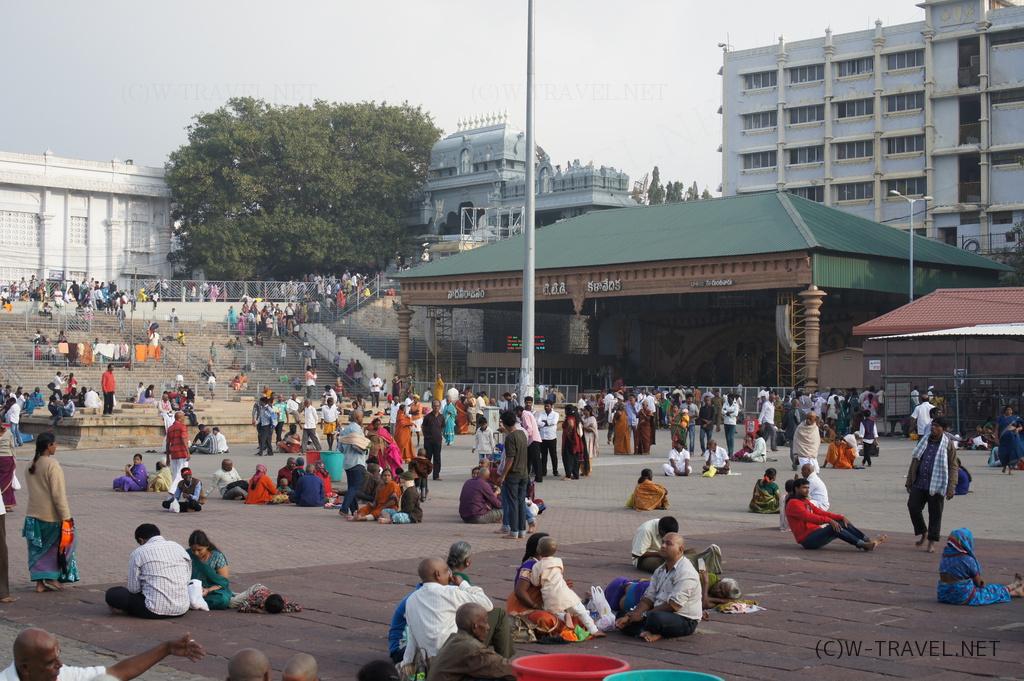
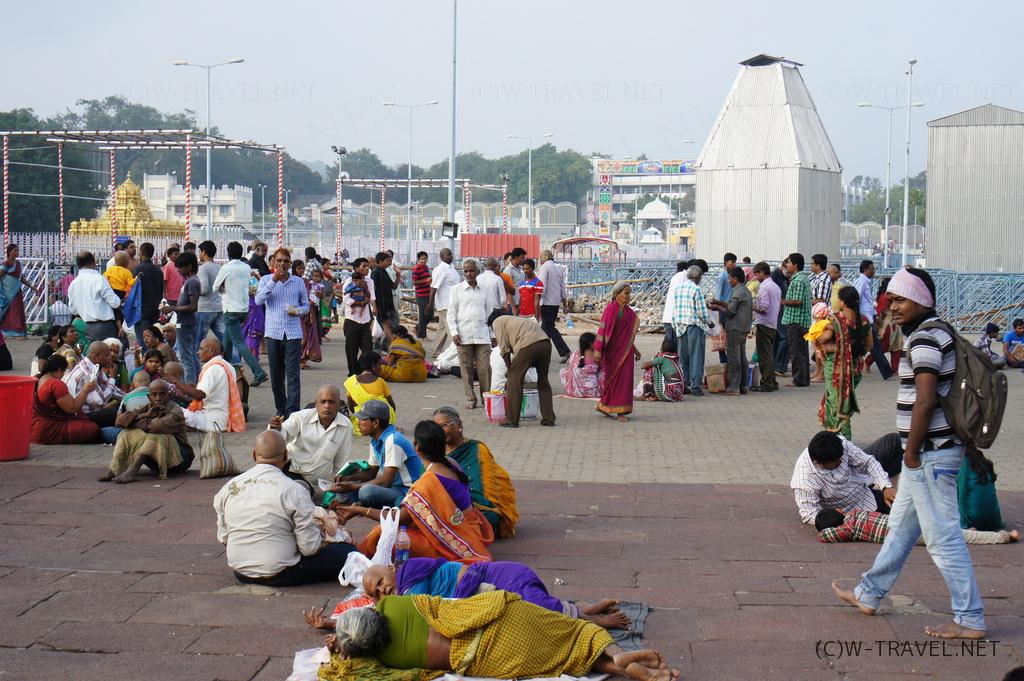
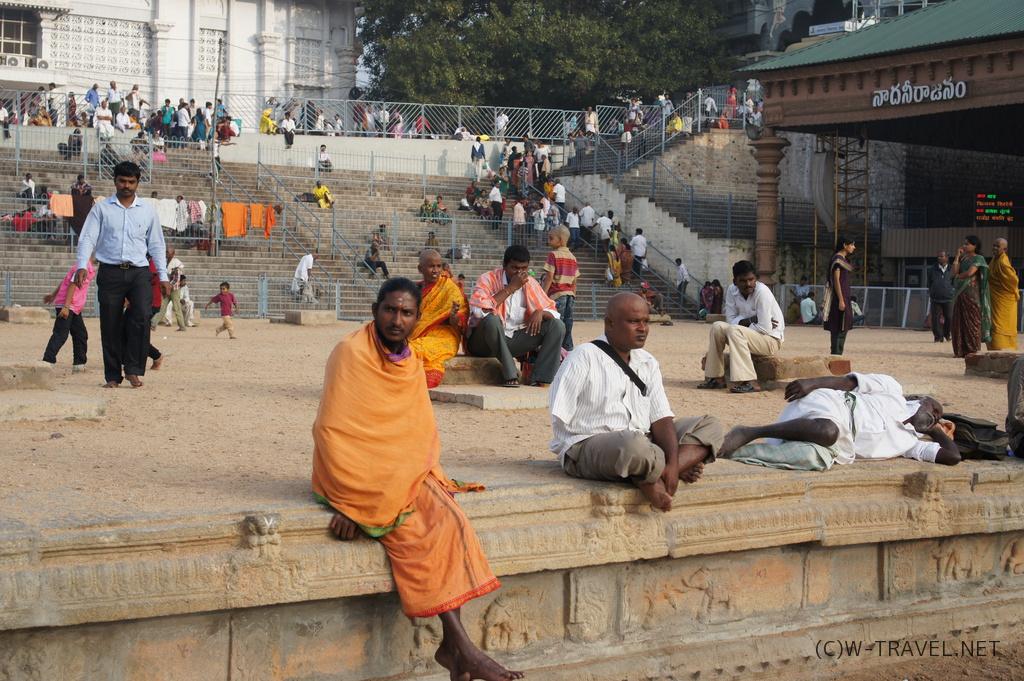
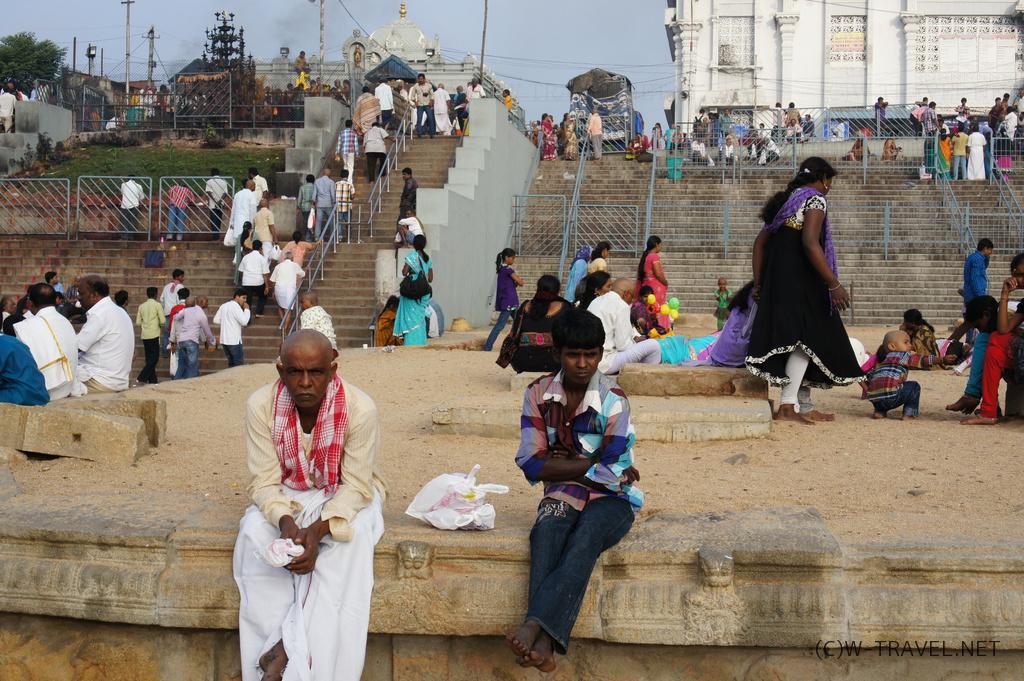
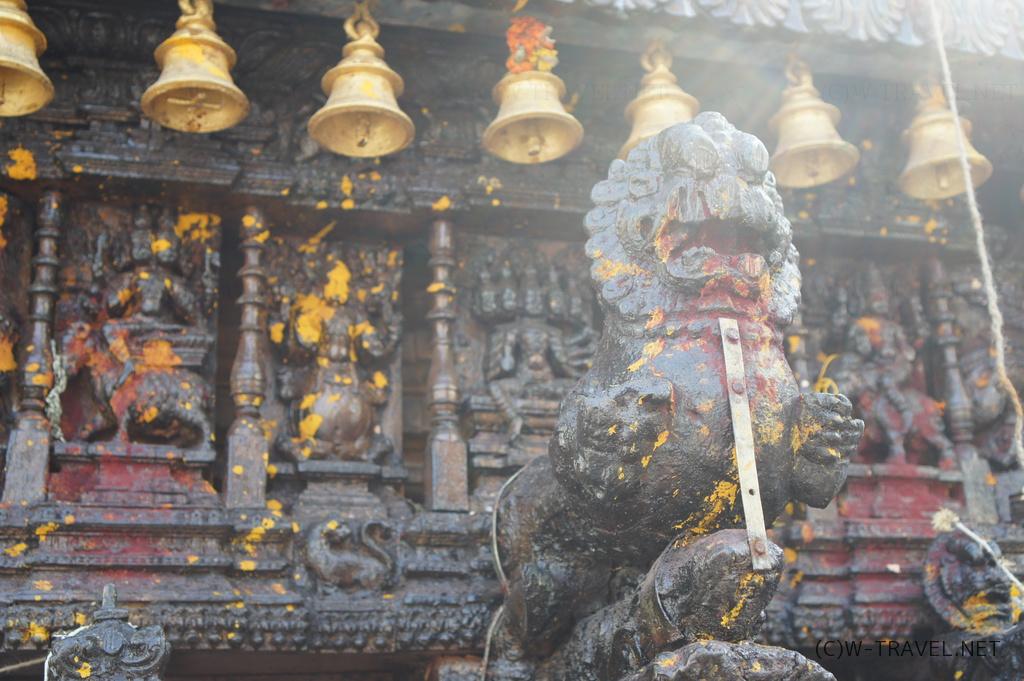
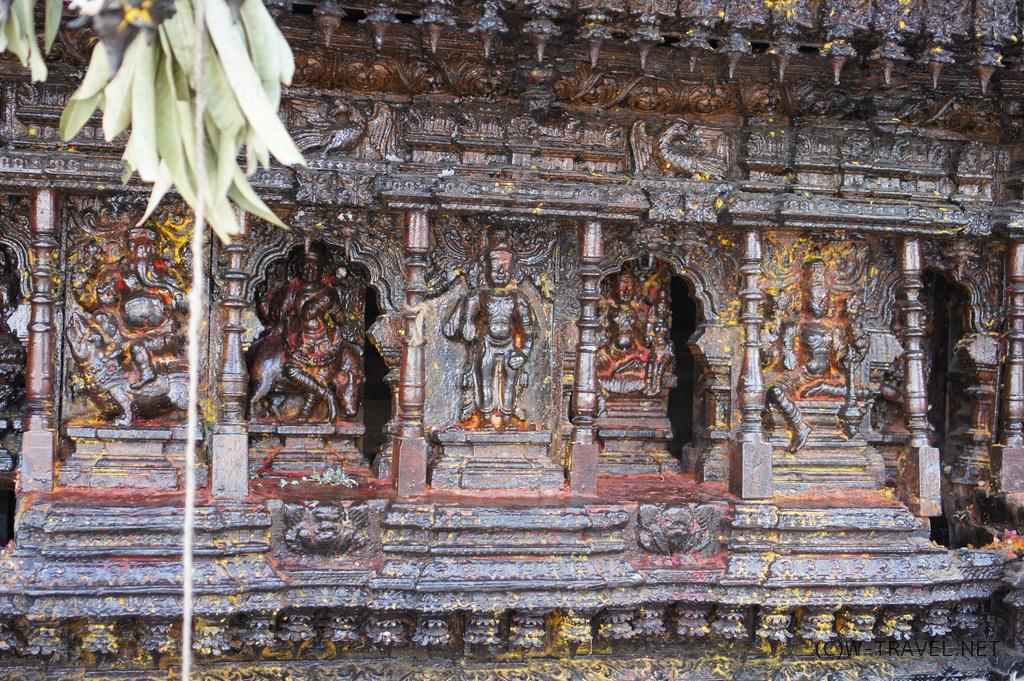
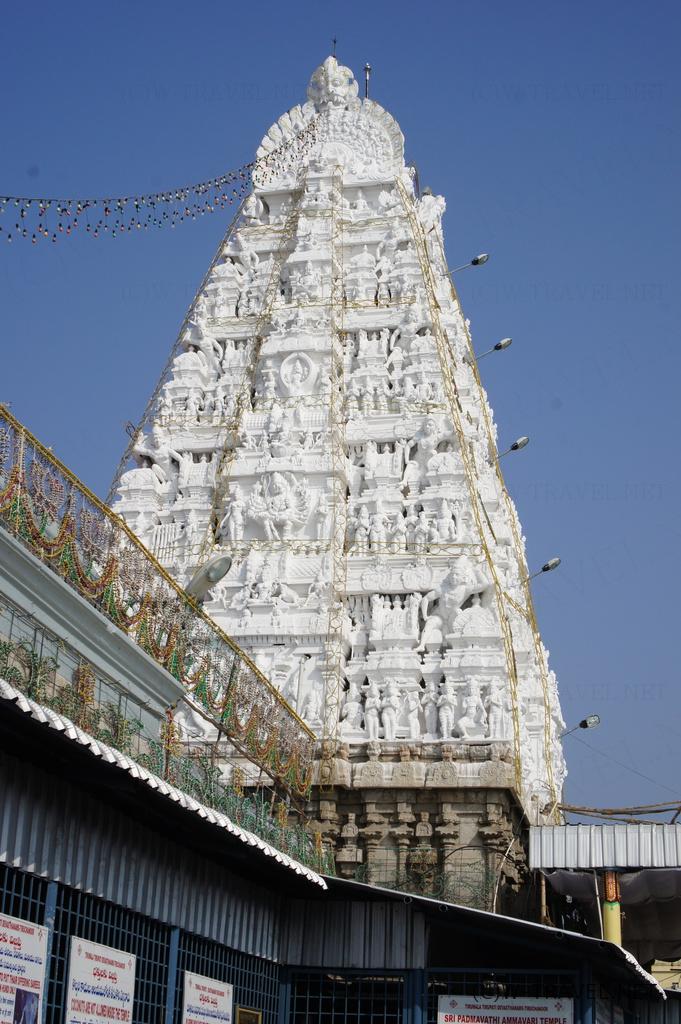
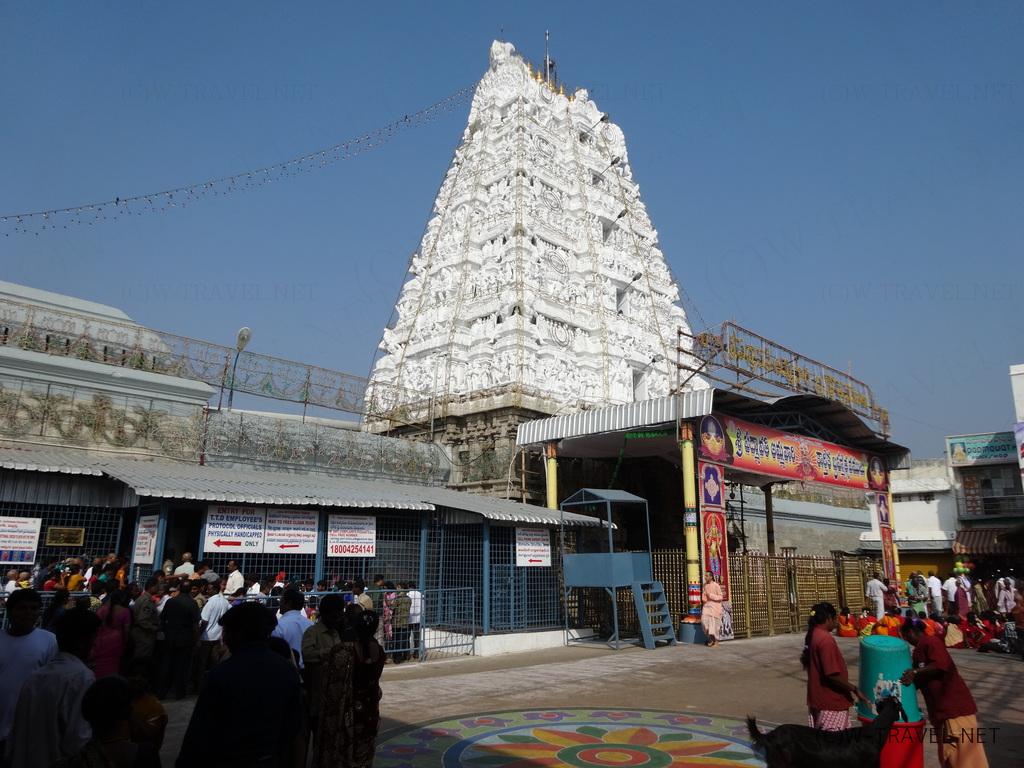
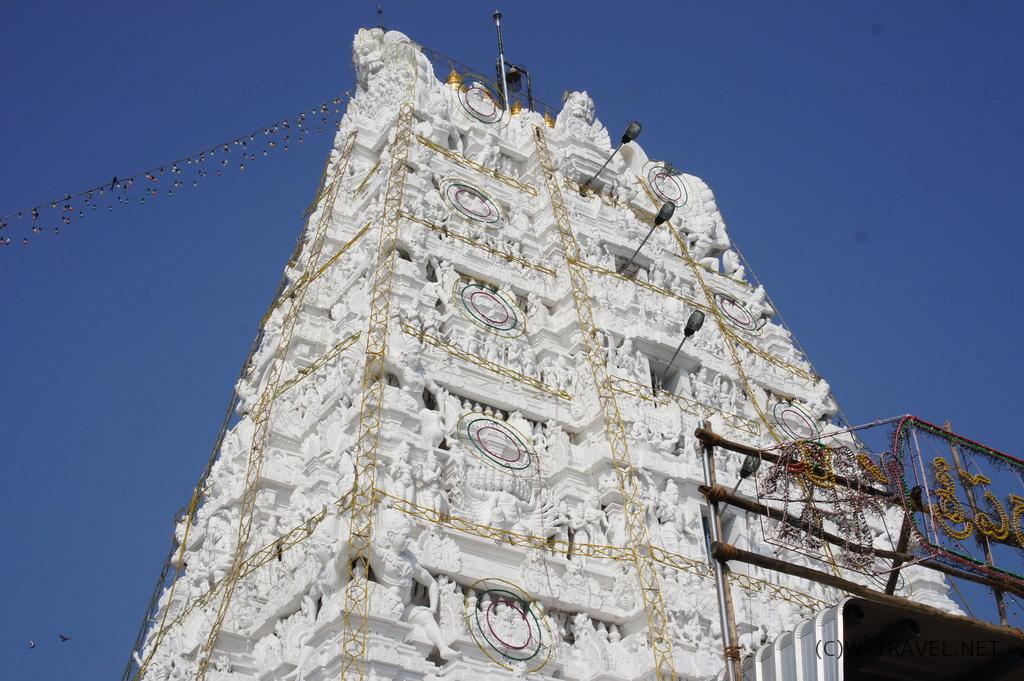
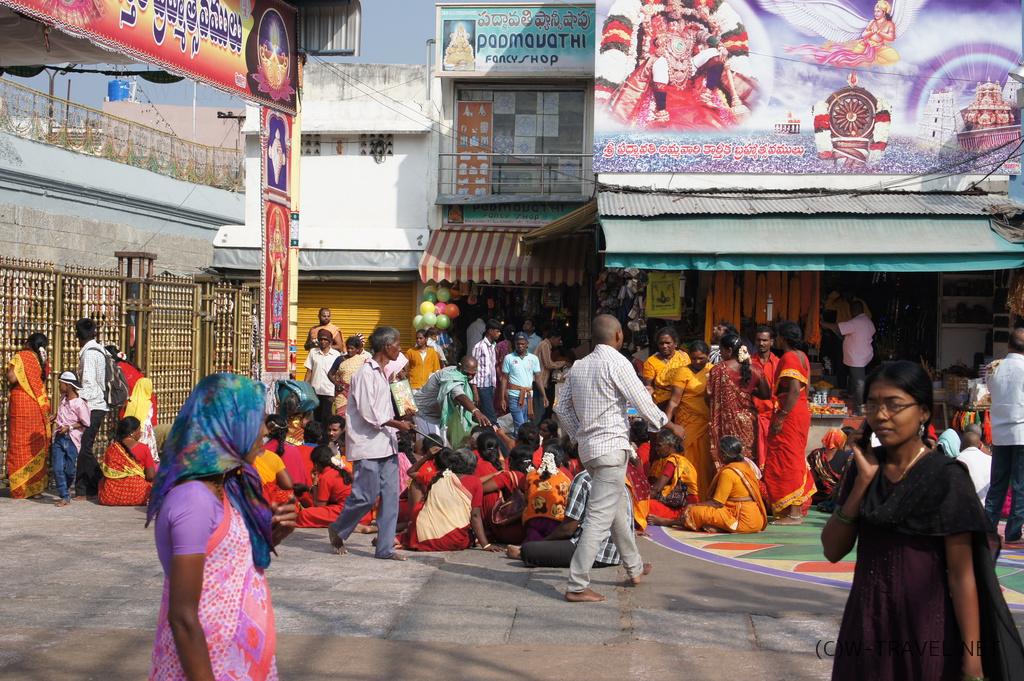
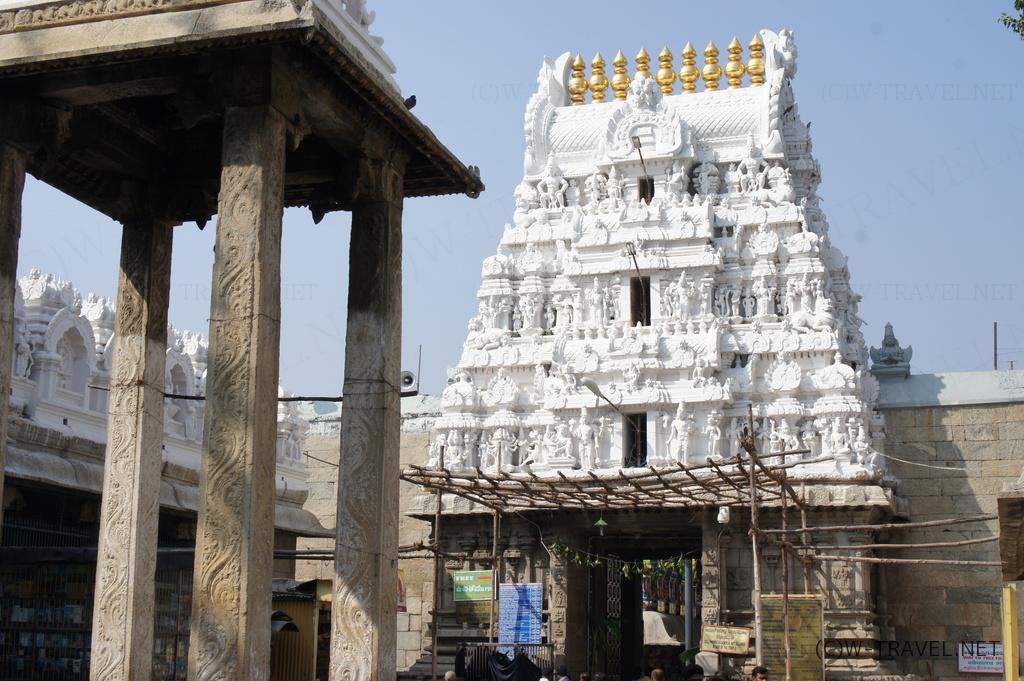
I visited Tirupati/Tirumala, which is rumored to be a temple that receives the most donations in India, ranking first or second.
 This place is not listed in Japanese guidebooks, but I had been curious about it because many of my Indian colleagues at work go there, get their heads shaved (leaving only a small tuft in the back), and return.
It is mentioned in Lonely Planet and guidebooks available in India, but not written about in great detail. Nevertheless, Indian people line up for hours to visit this temple. My Indian colleagues recommended going on weekdays, but I couldn't quite grasp how amazing it was, so I decided to just go and see for myself.
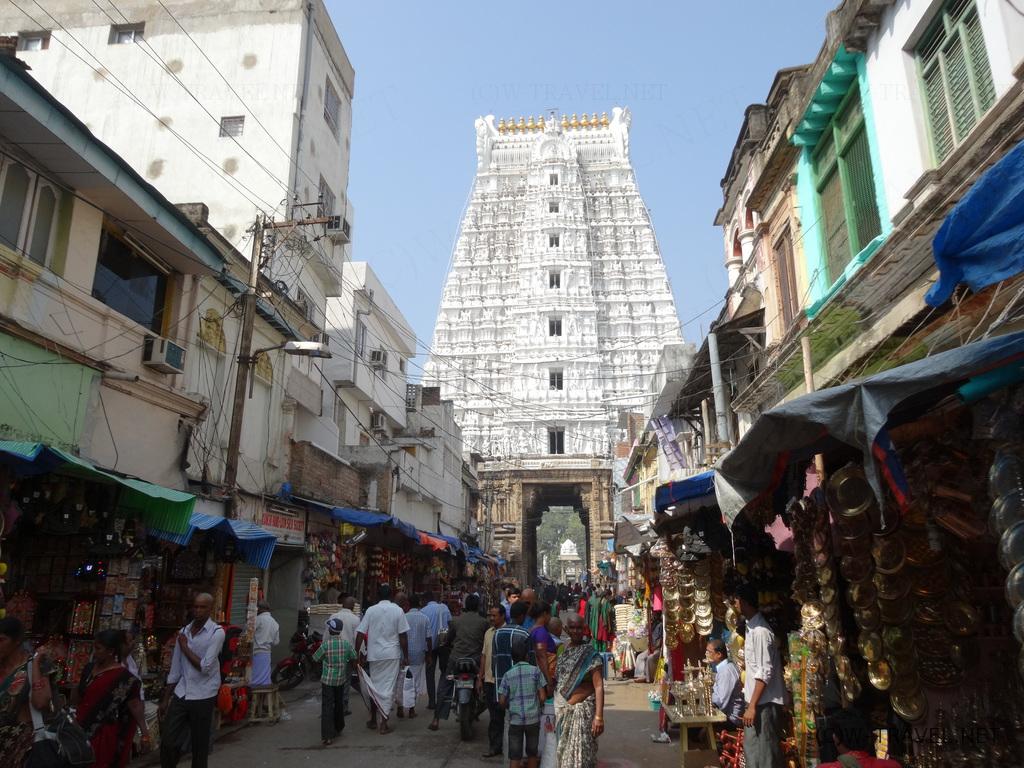
It is a place with a strong local flavor, so it may not be a place that foreign tourists would be very excited about. However, there are definitely people who like places with a strong local flavor, and it's strange that it's not talked about much. It is almost unknown in Japan.
Tirupati is a town at the foot of the mountain, and there are several temples there as well. From there, you go up a winding road, similar to the Iroha Slope in Nikko, and reach Tirumala. It's truly like a secluded area of Nikko. Because it is understated, the temple has a more Nara-like atmosphere. The scenery you can see from the winding road is also quite nice.
I left Bangalore by car on a Saturday morning at 6:00 AM and arrived at the foot of the mountain around 11:00 AM. There, I underwent security checks, including scanning my bags and a body search. It seems that security has been tightened since a bombing incident occurred on this road in the past.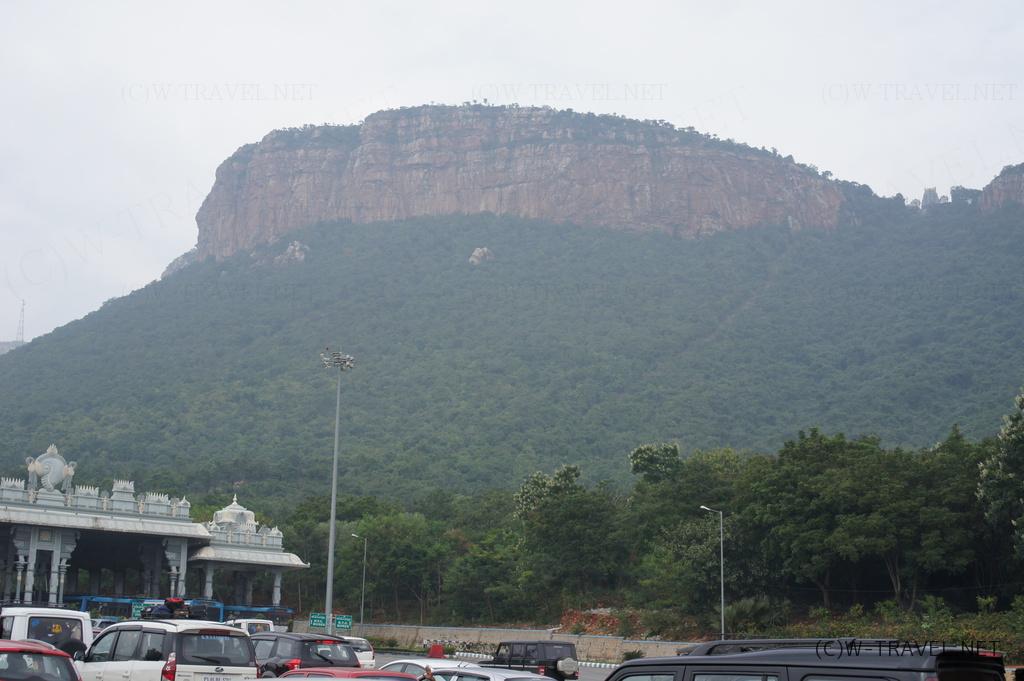
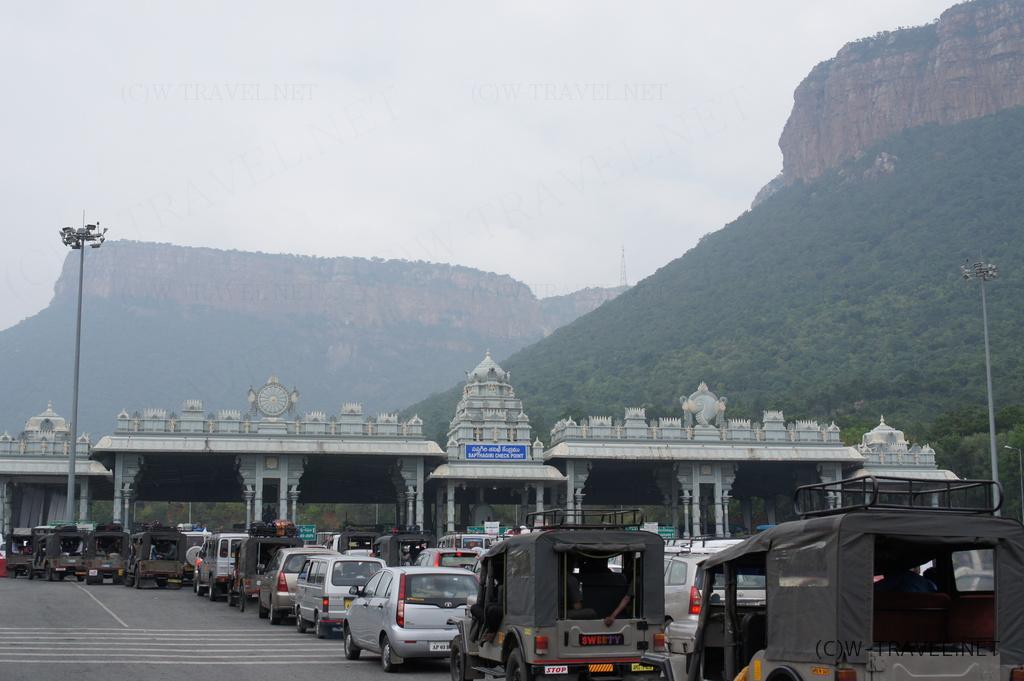
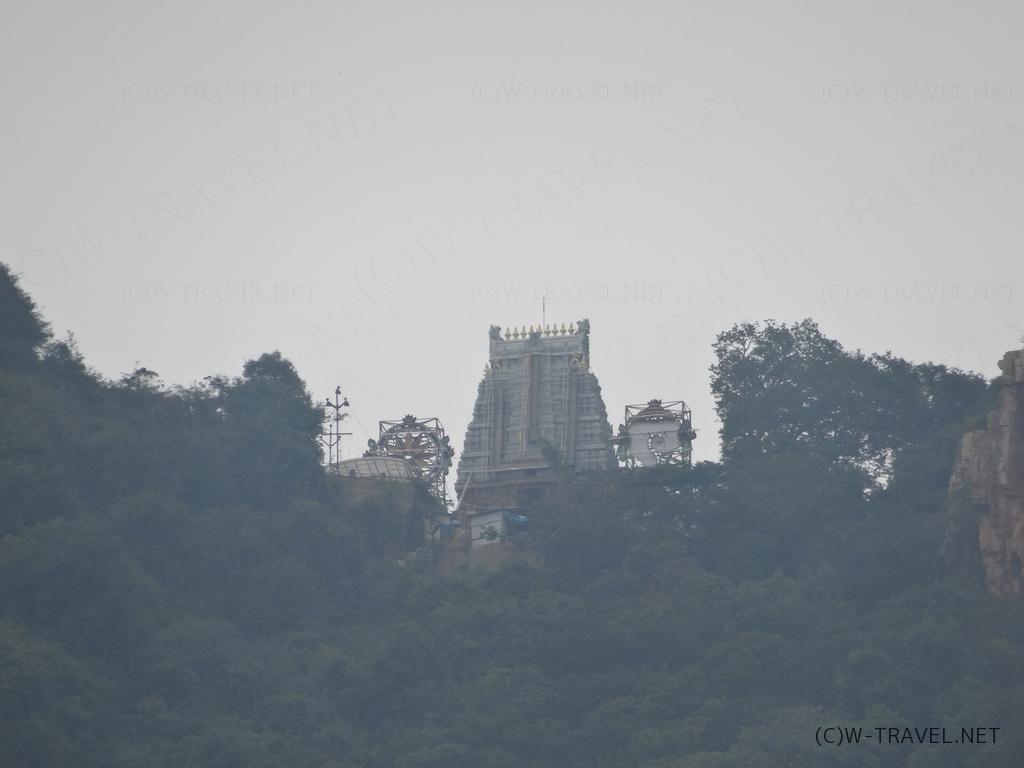
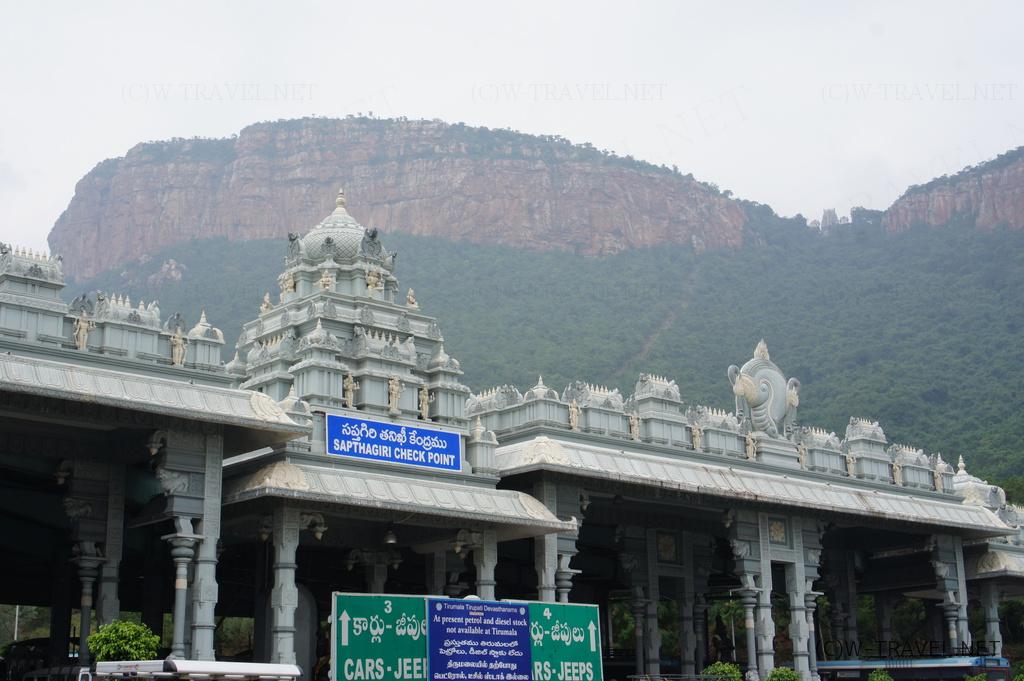
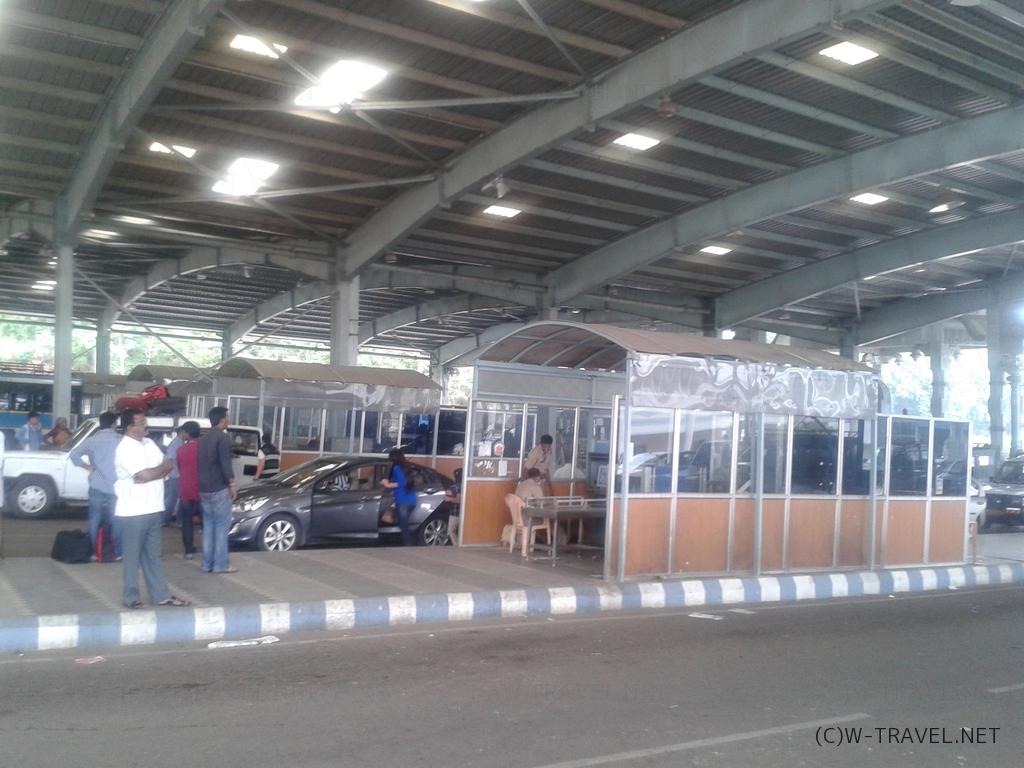
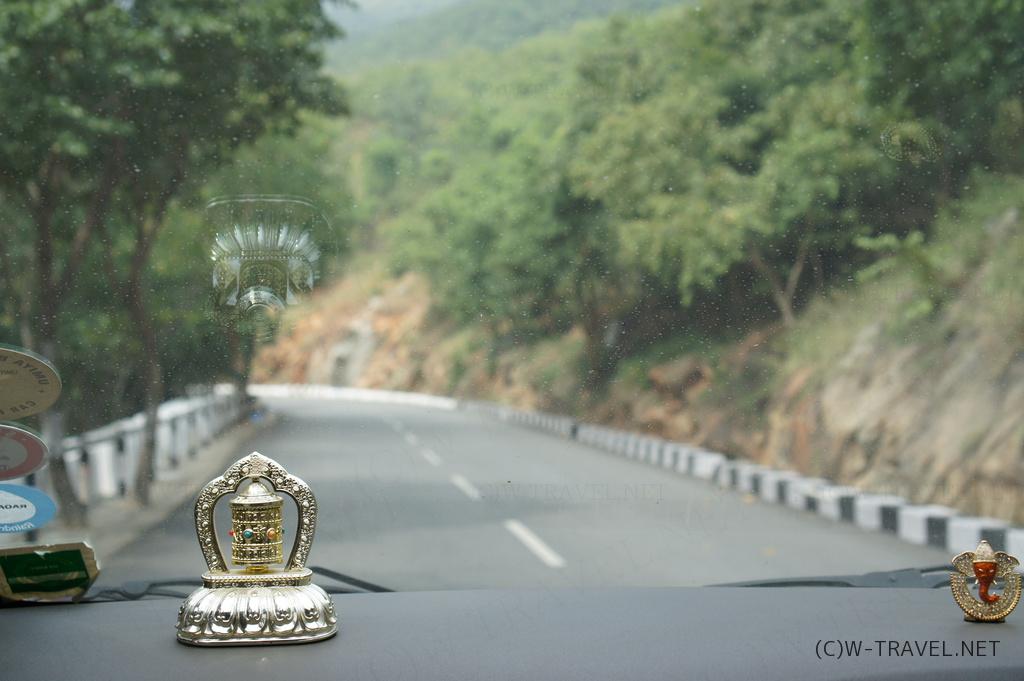

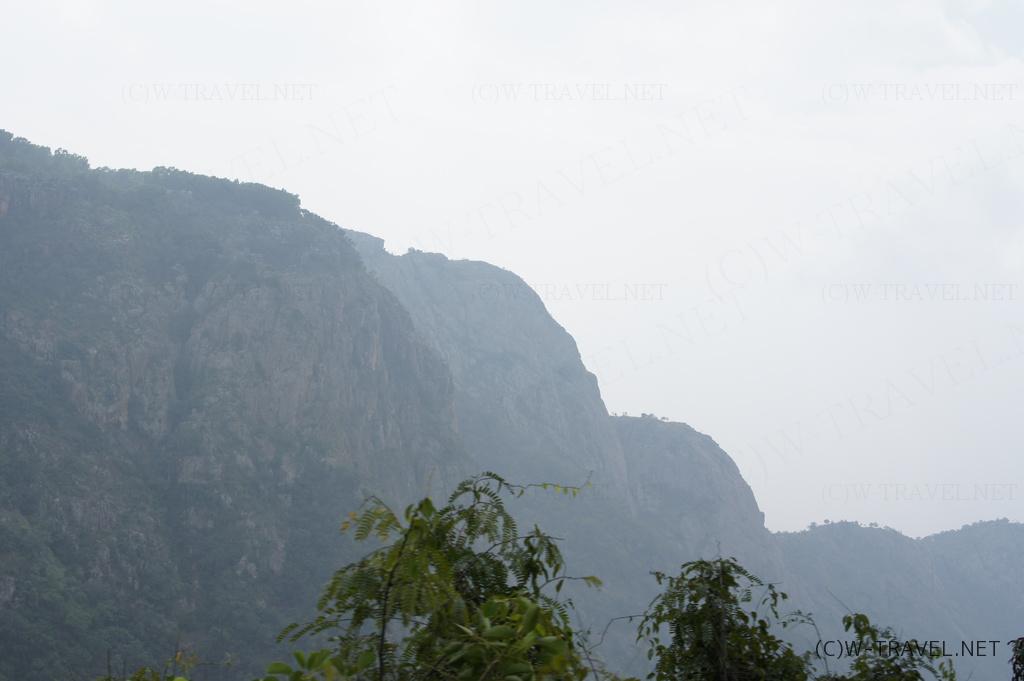 Around noon, we arrived at Tirumala.
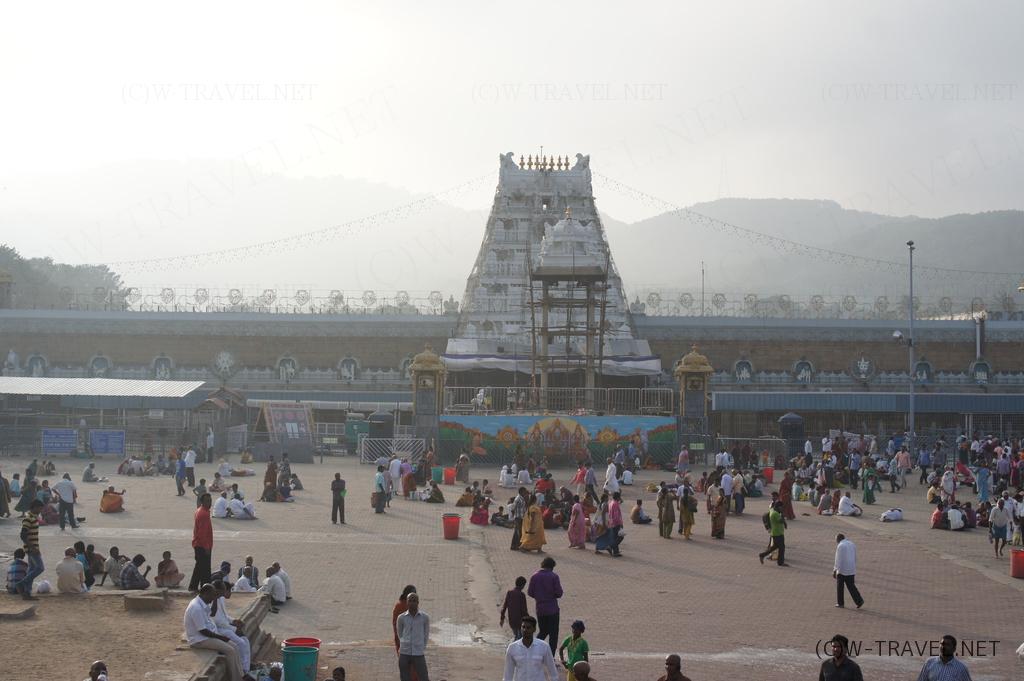
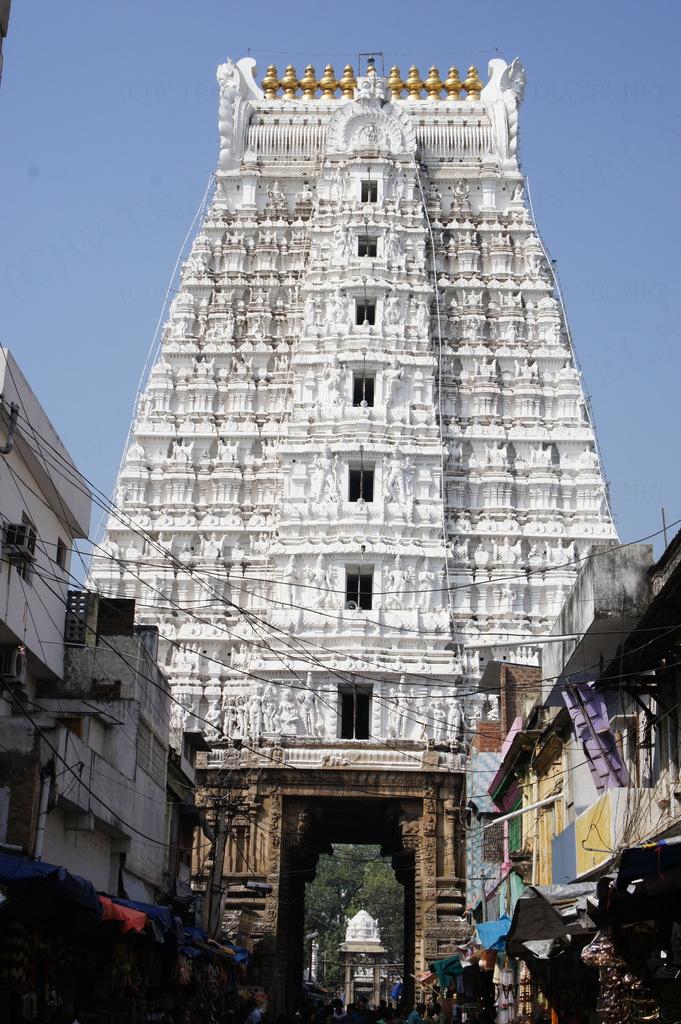
First, we went to the main temple, the Tirumala Venkateswara Temple.
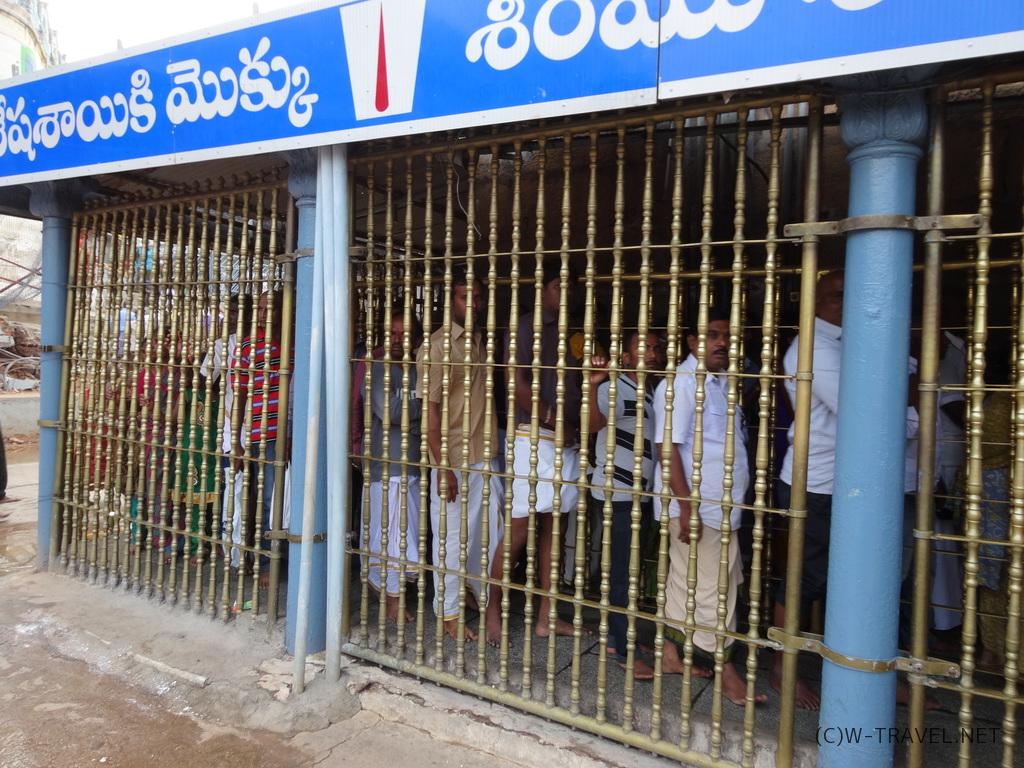
The highlight of this temple is the interior, which is made of gold, but it takes several hours to wait in line to enter.
Here's an estimate of the waiting times on weekends:
For foreigners (with passport), a shorter waiting time course costs 300 rupees (about 500 yen) and takes 1-2 hours during the day.
For Indians, a shorter waiting time course costs 300 rupees (about 500 yen) and takes 3 hours during the day.
For Indians, a course that costs 50 rupees (about 80 yen) requires waiting in line from early morning for more than 6 hours.
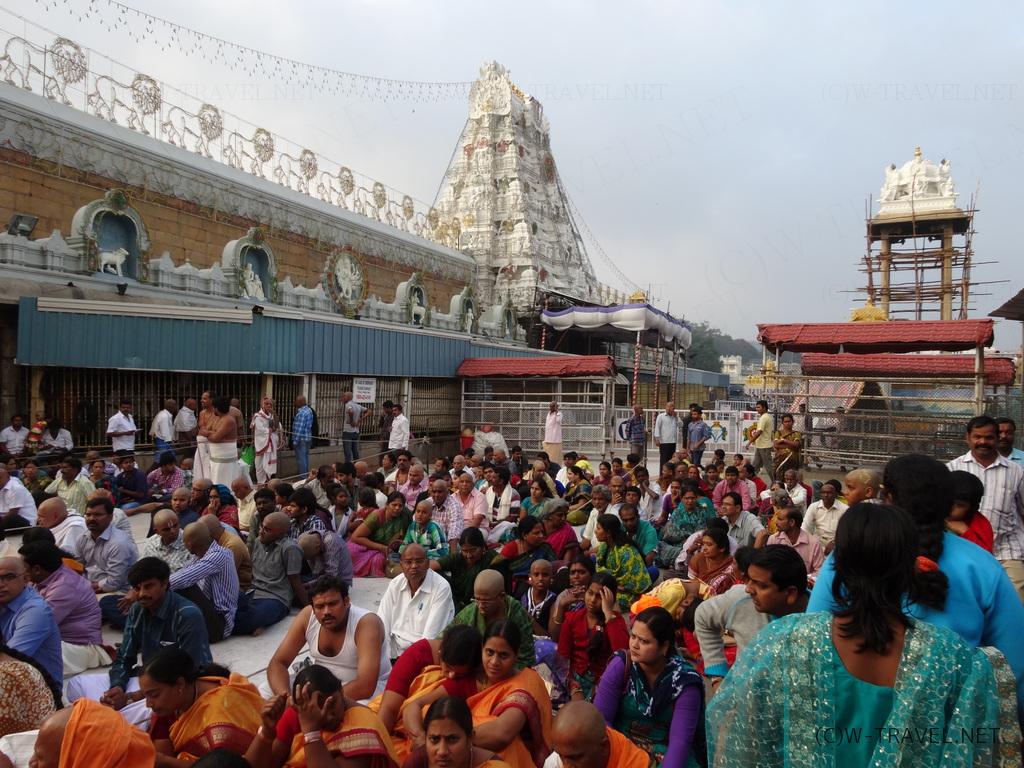
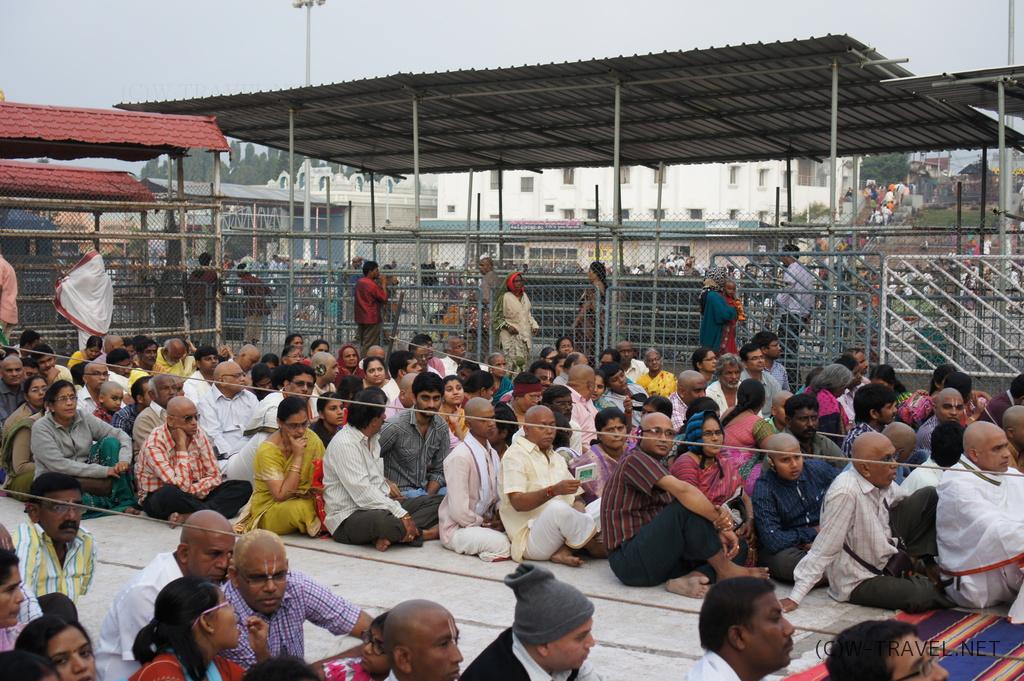
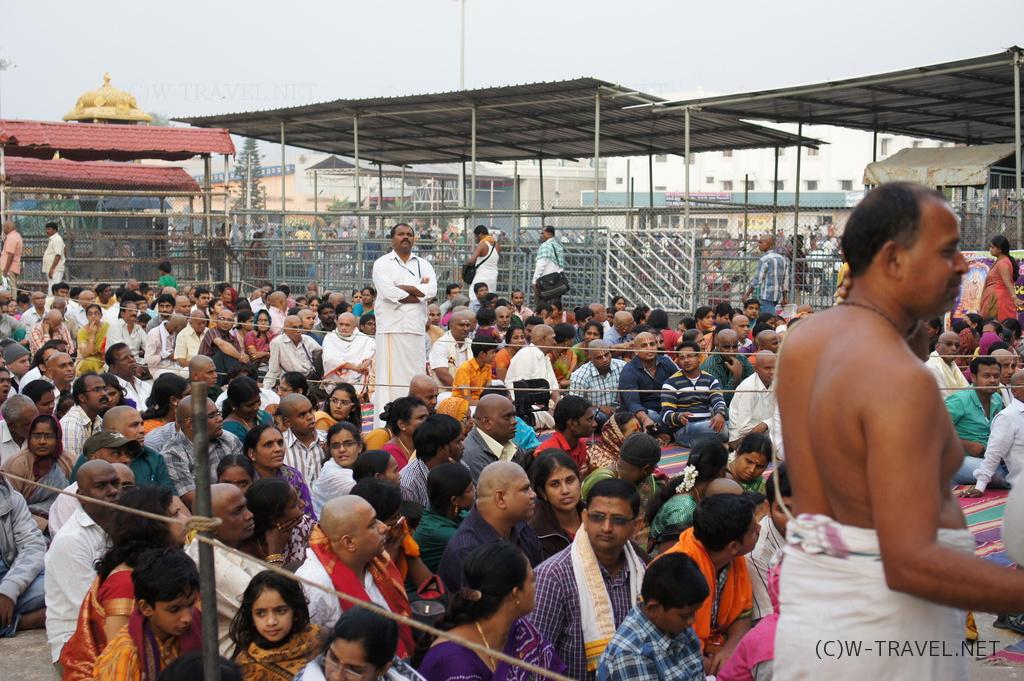
For Indians, the free course takes more than 12 hours, and if it goes into the next day, people sleep in the line.
This is quite surprising.
There aren't many temples in India where people are willing to wait like that.
Cameras and cell phones are not allowed inside. The security checks are quite strict. You will be subjected to baggage scans and multiple body checks. Even if you bring them in, you will only be scolded. That's the atmosphere.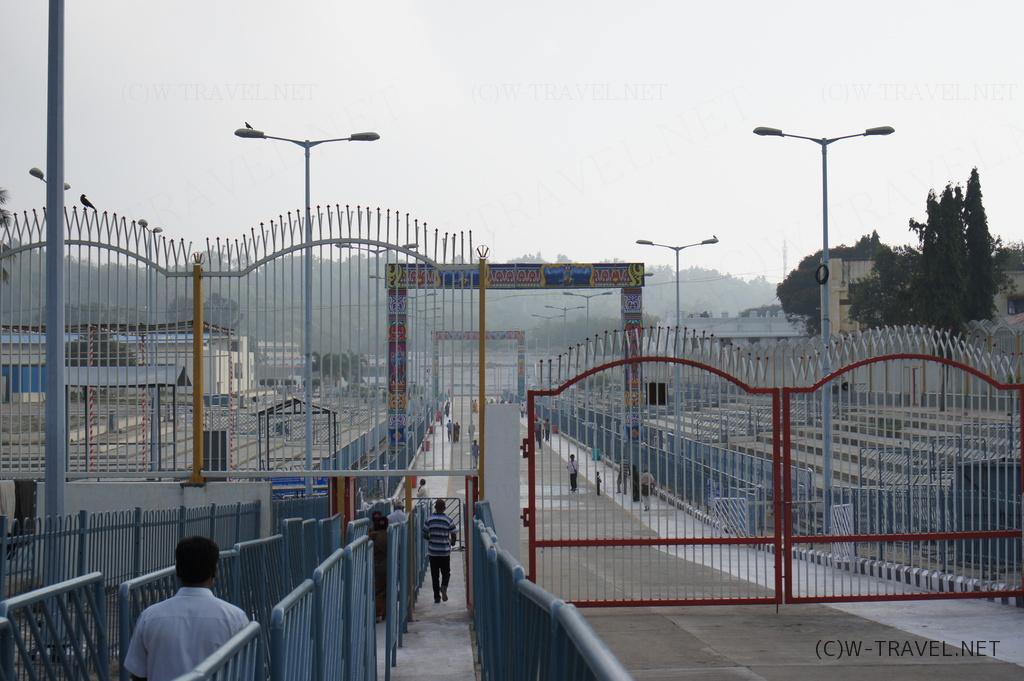
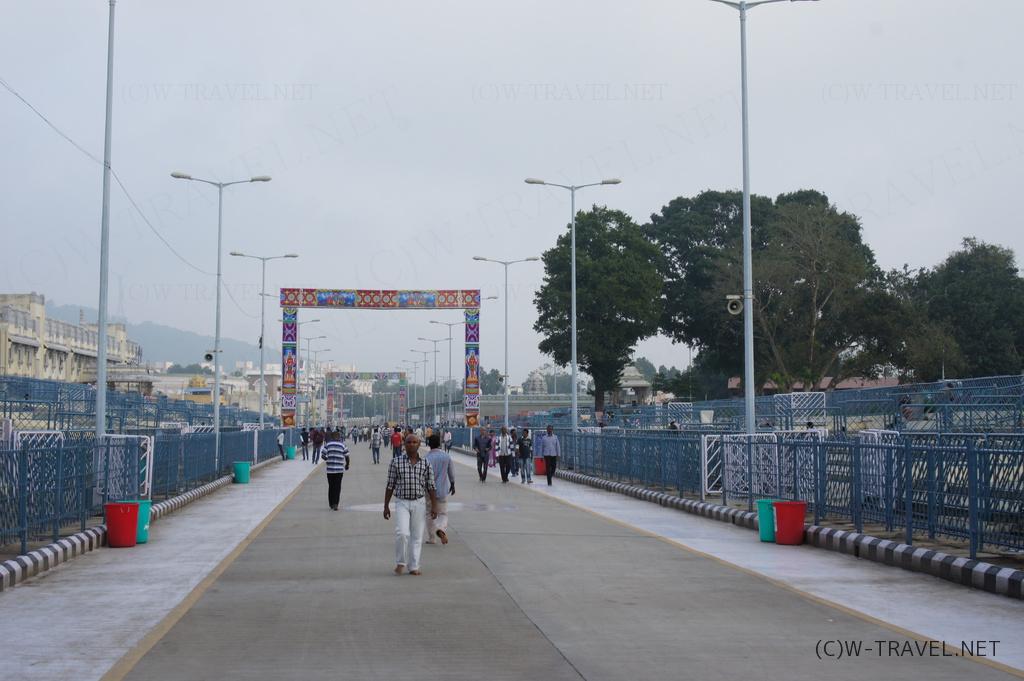
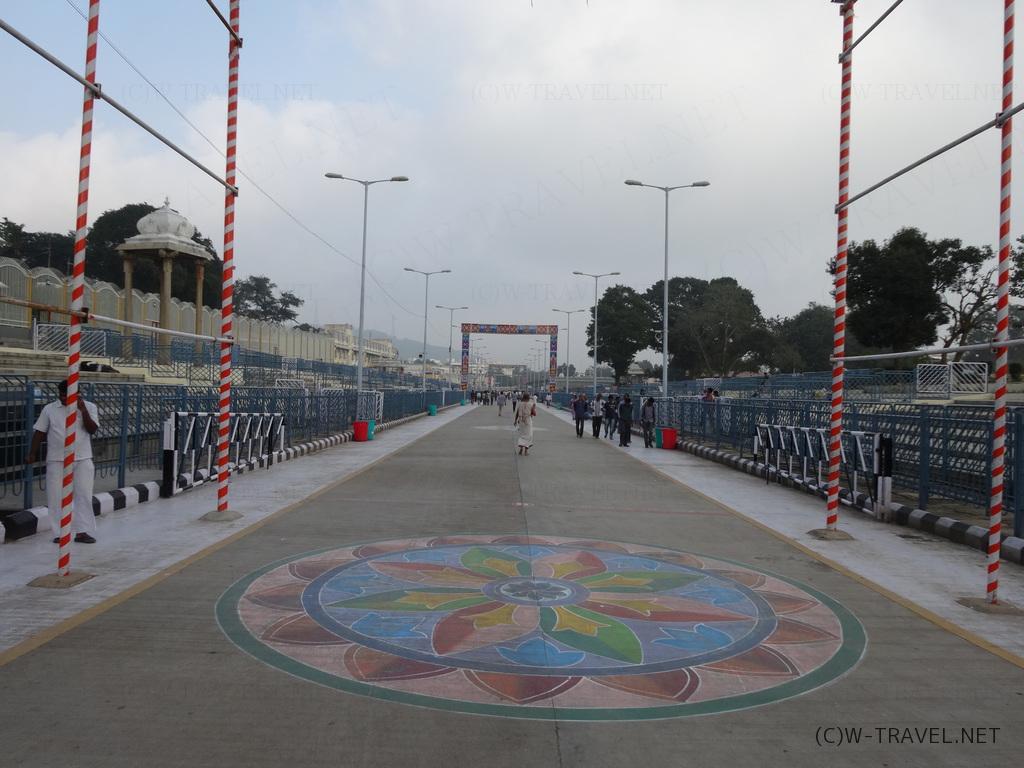

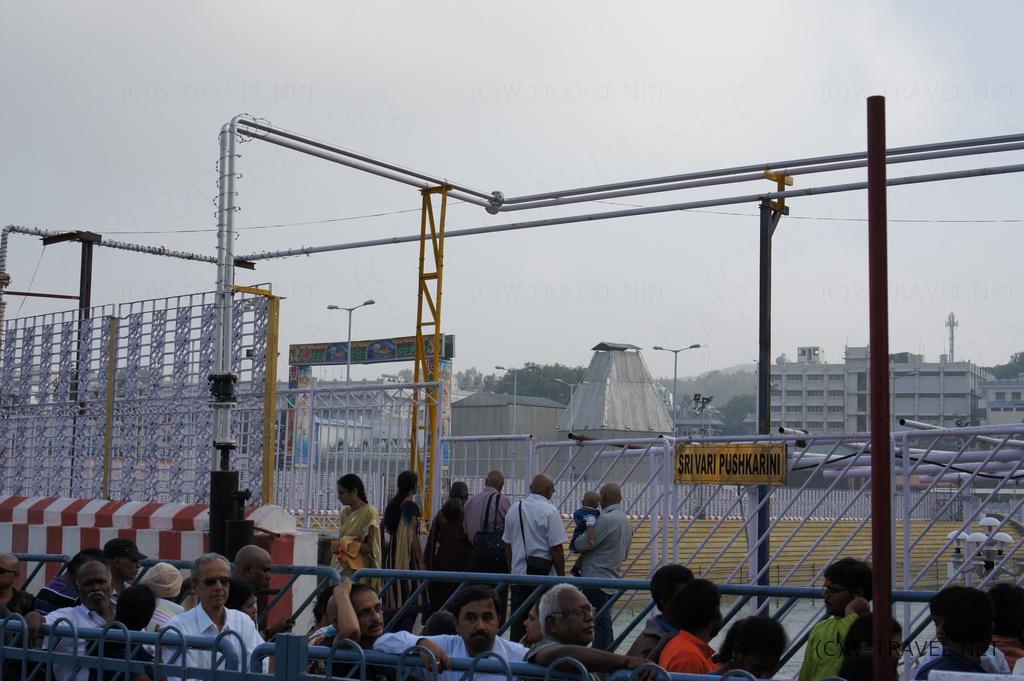
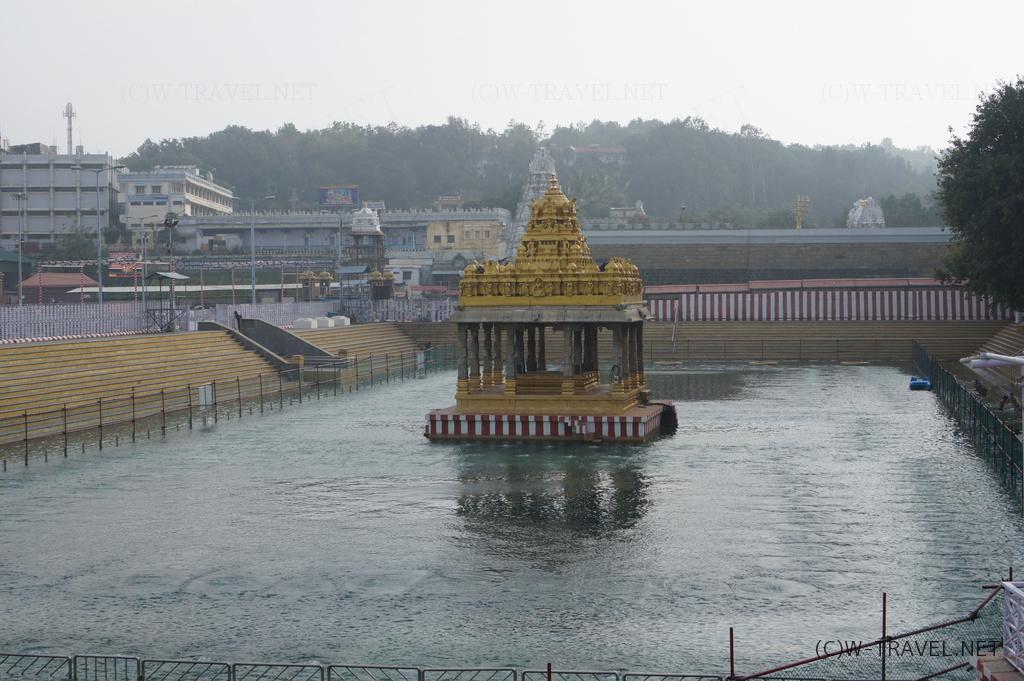
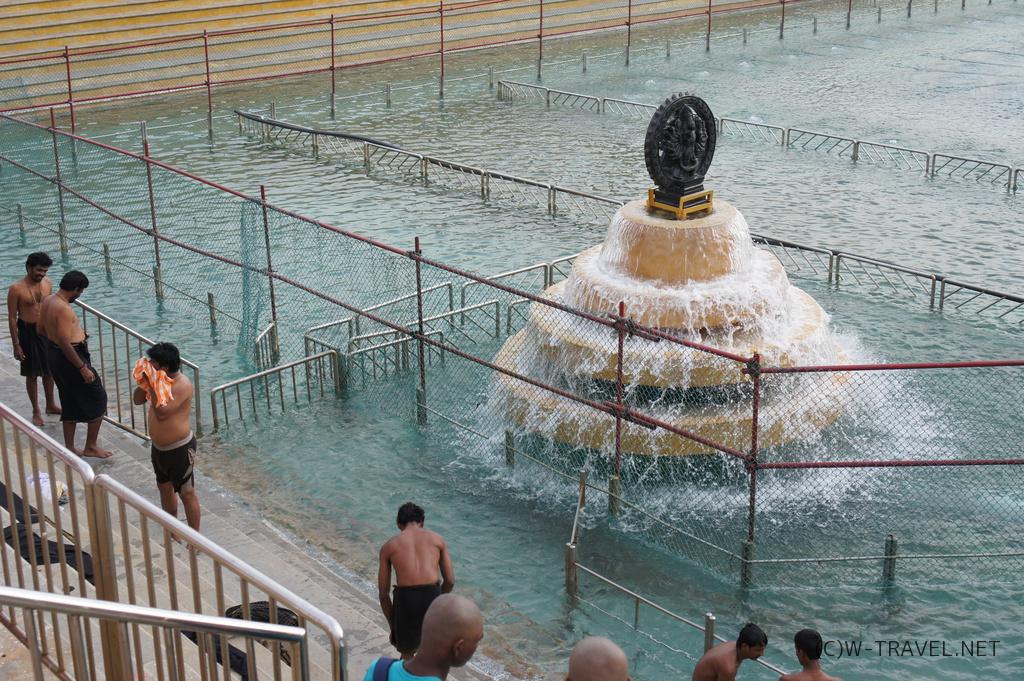
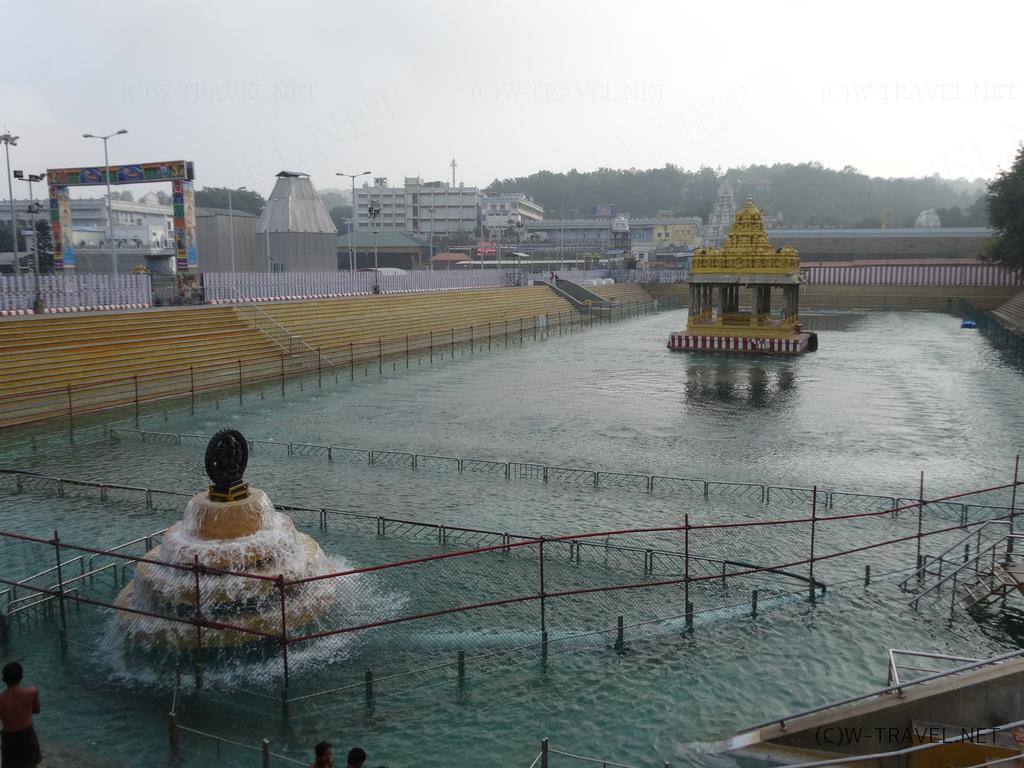


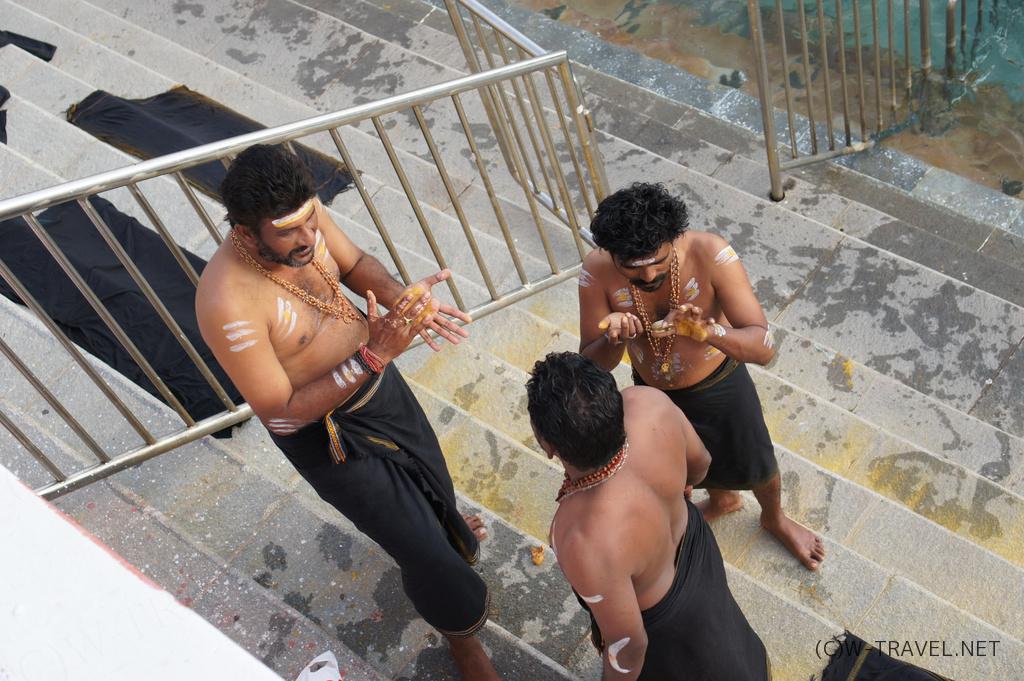
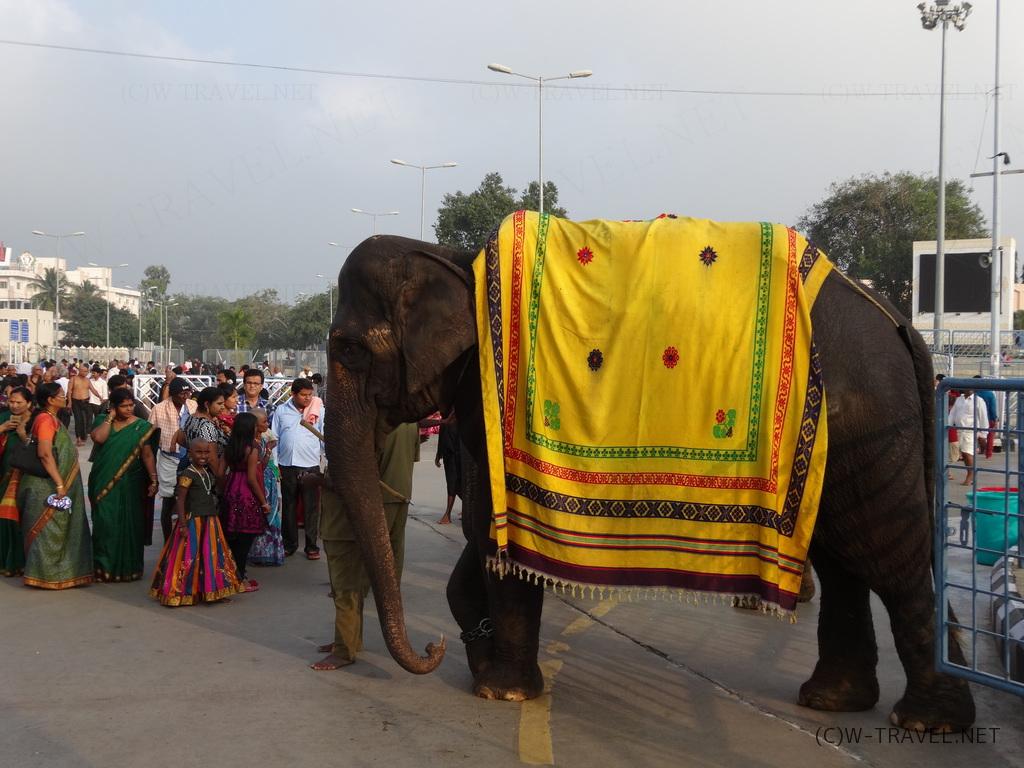
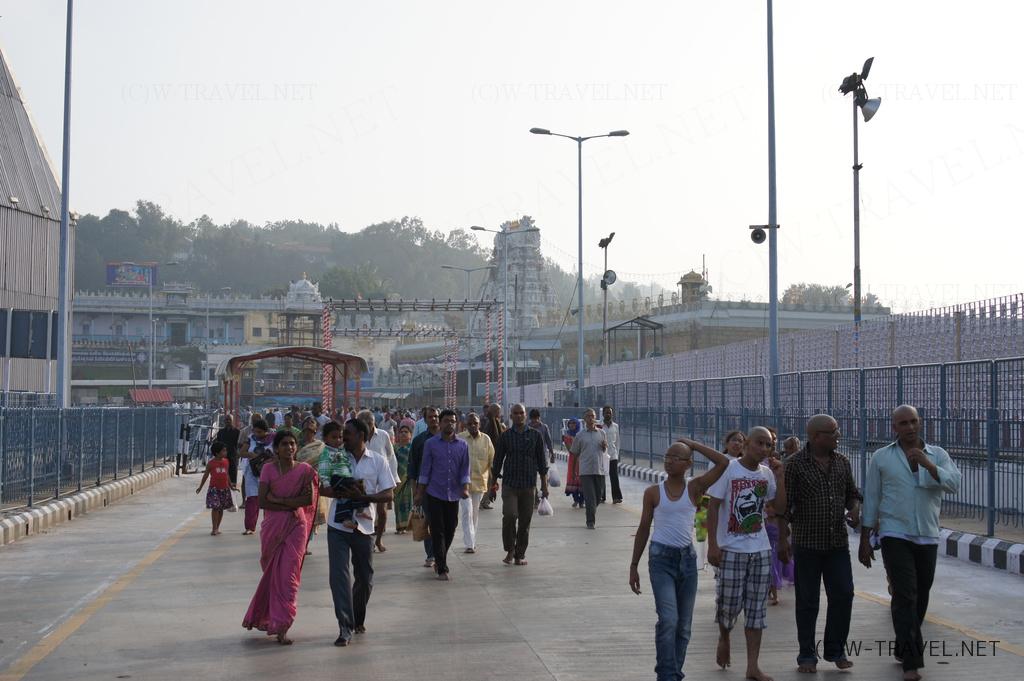
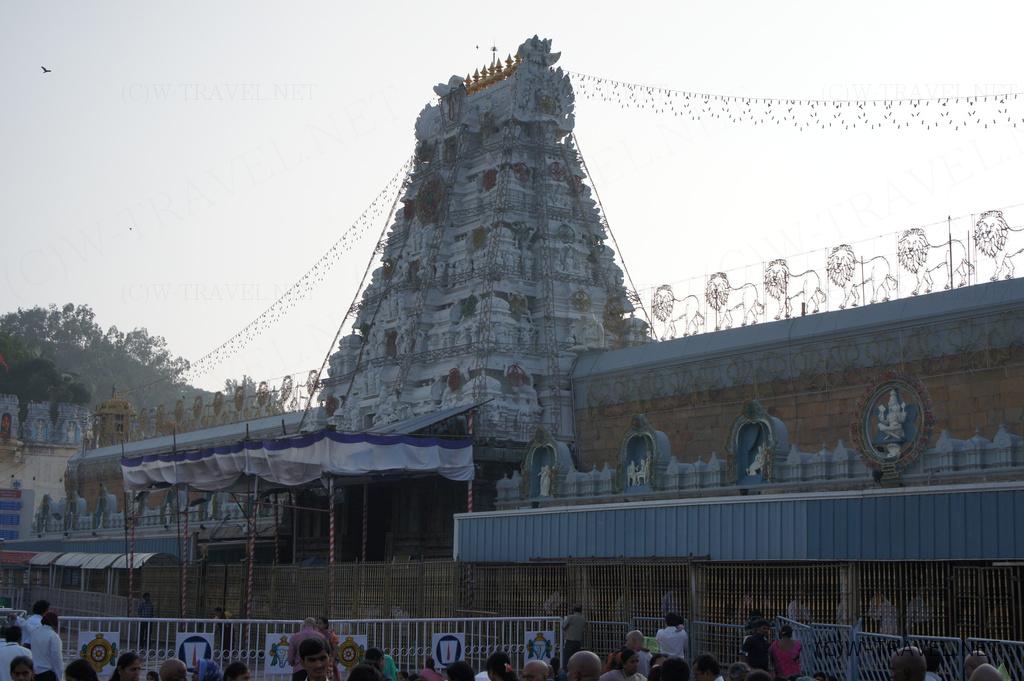
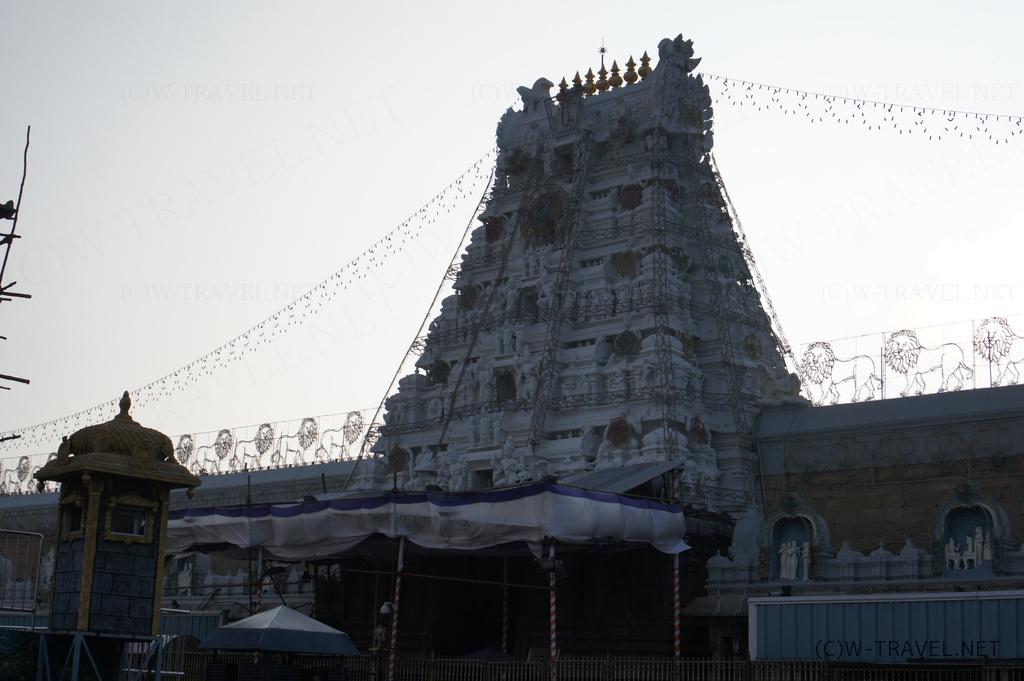 And after being jostled by Indian people for about an hour and a half, I finally got to see the inside.
The golden interior is indeed amazing.
It's like saying it's similar to Kinkaku-ji (Golden Pavilion), but that might be misleading. It's gold, but somehow it feels dull. However, the gold is certainly impressive, but it feels different from how things are presented in Japan. I wonder why Indian temples tend to feel clumsy. It's a shame because the gold is so beautiful.
It's amazing, but it's not particularly large or unusual, so it might not be for everyone. There might be only a limited number of people who would appreciate it. And considering how long you have to wait in line, it might not be worth it for some. But I enjoyed it.
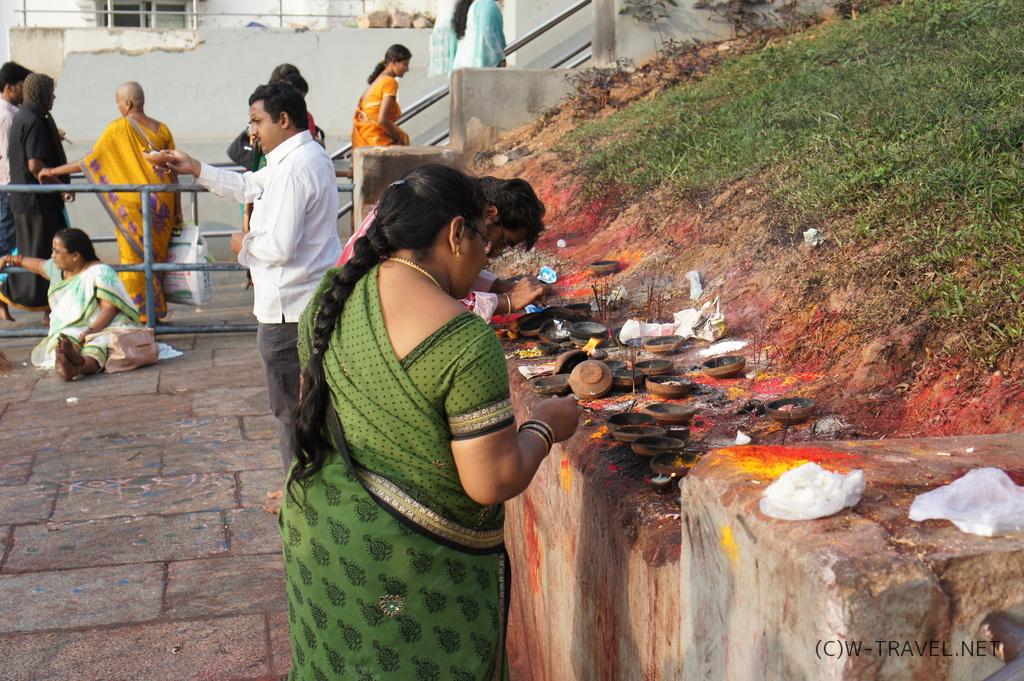
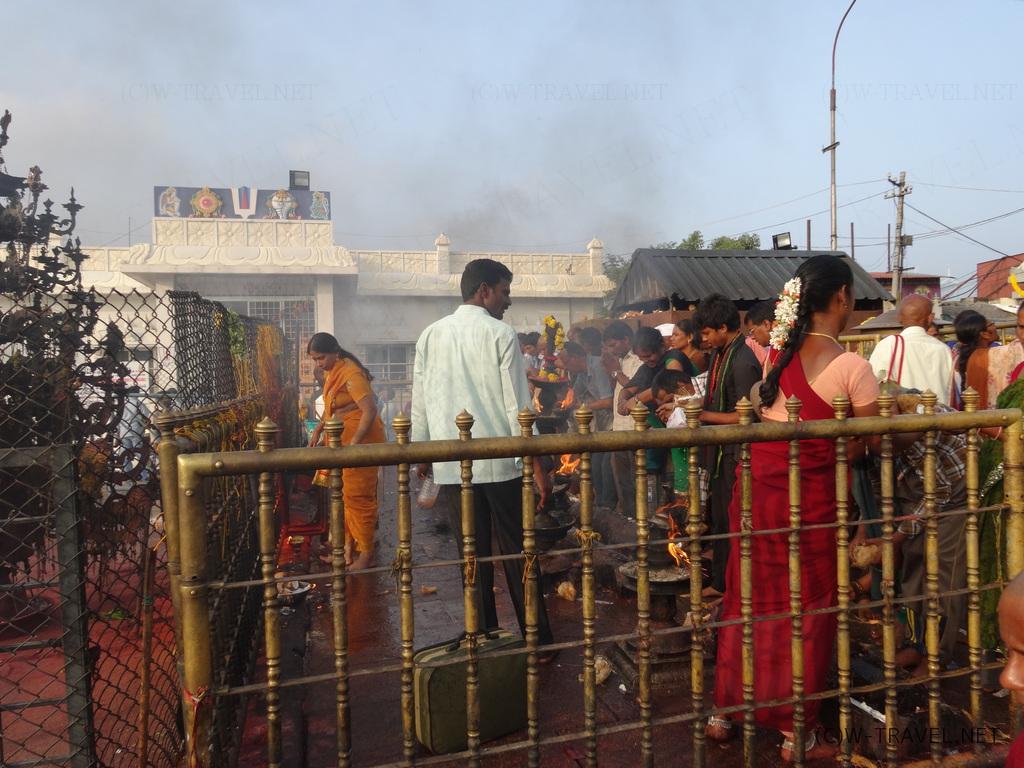
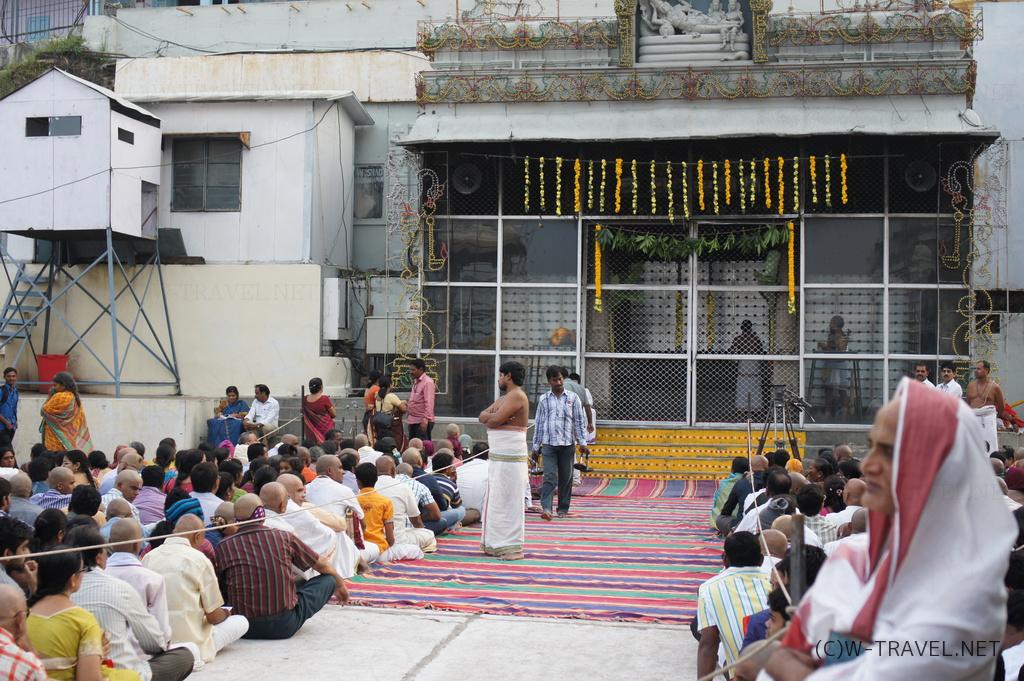
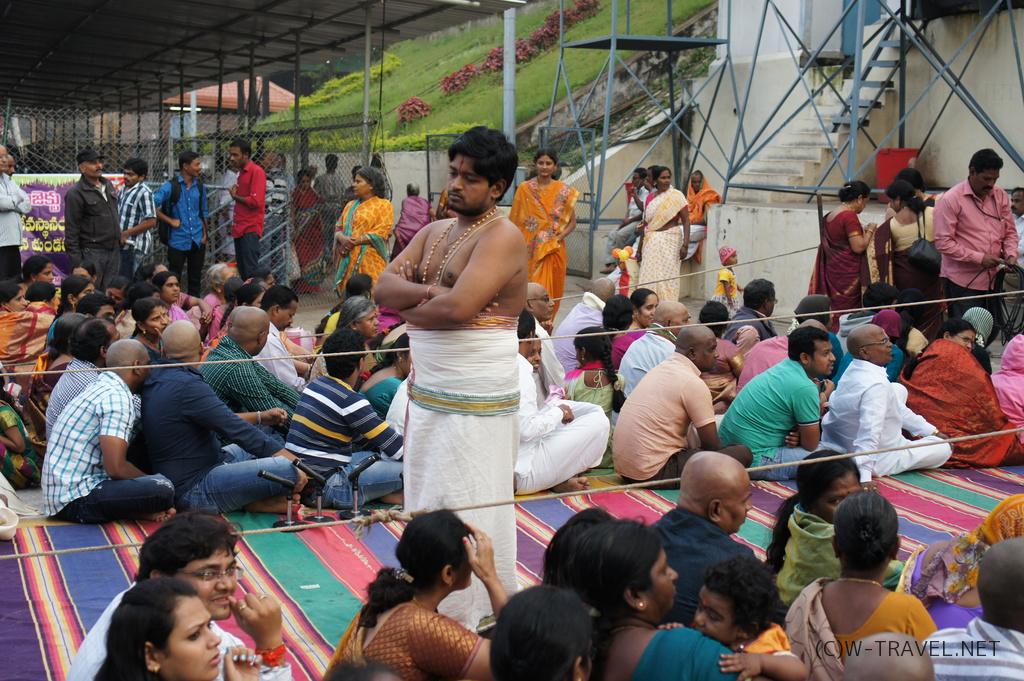
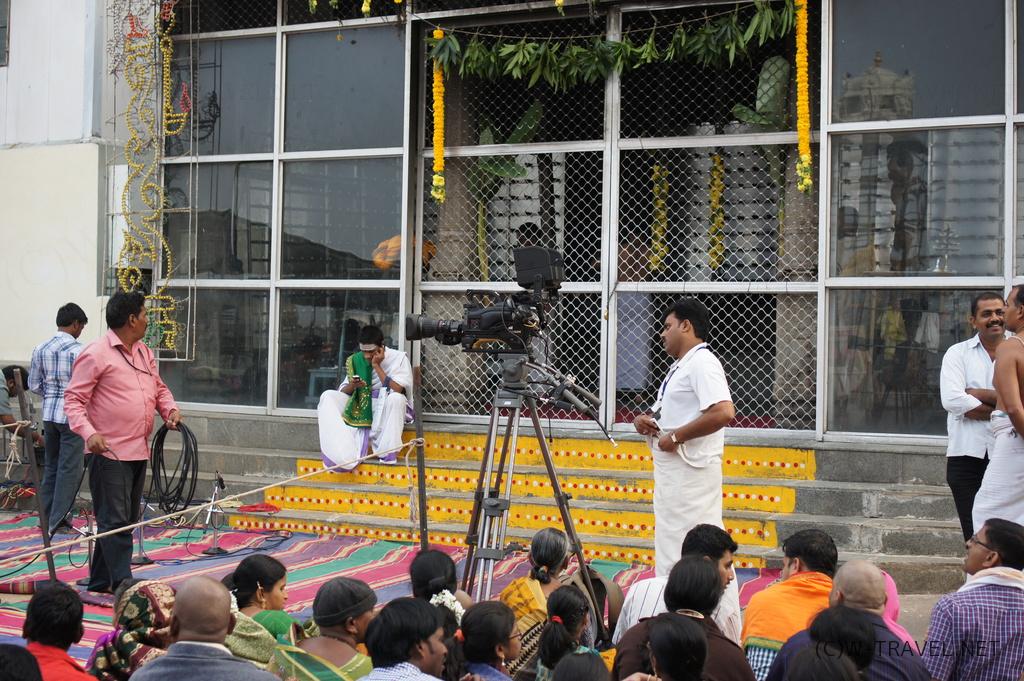
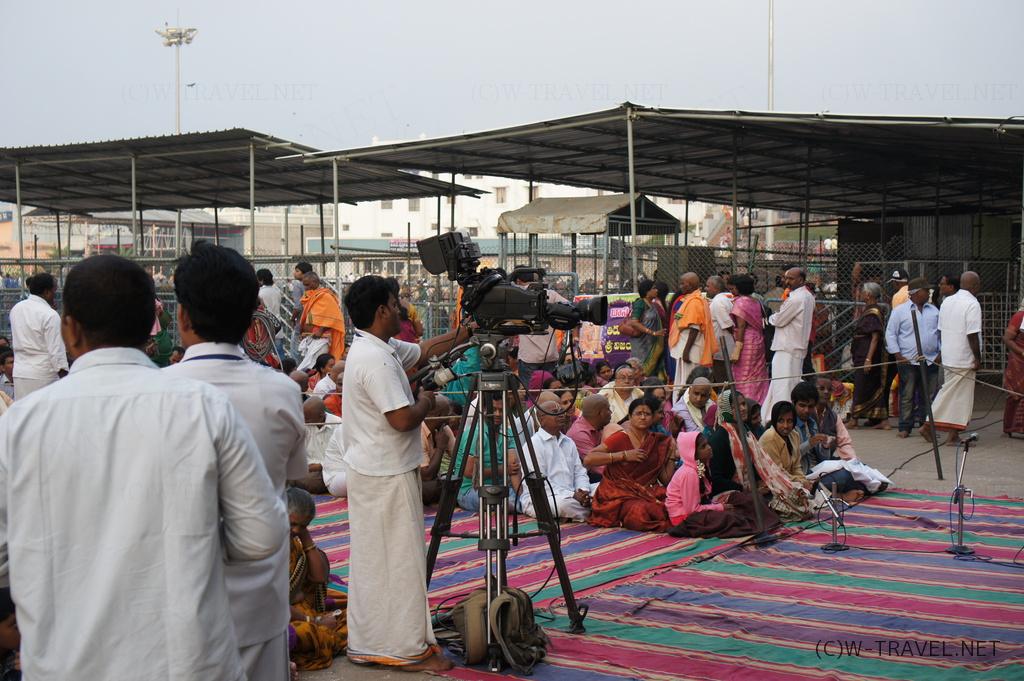
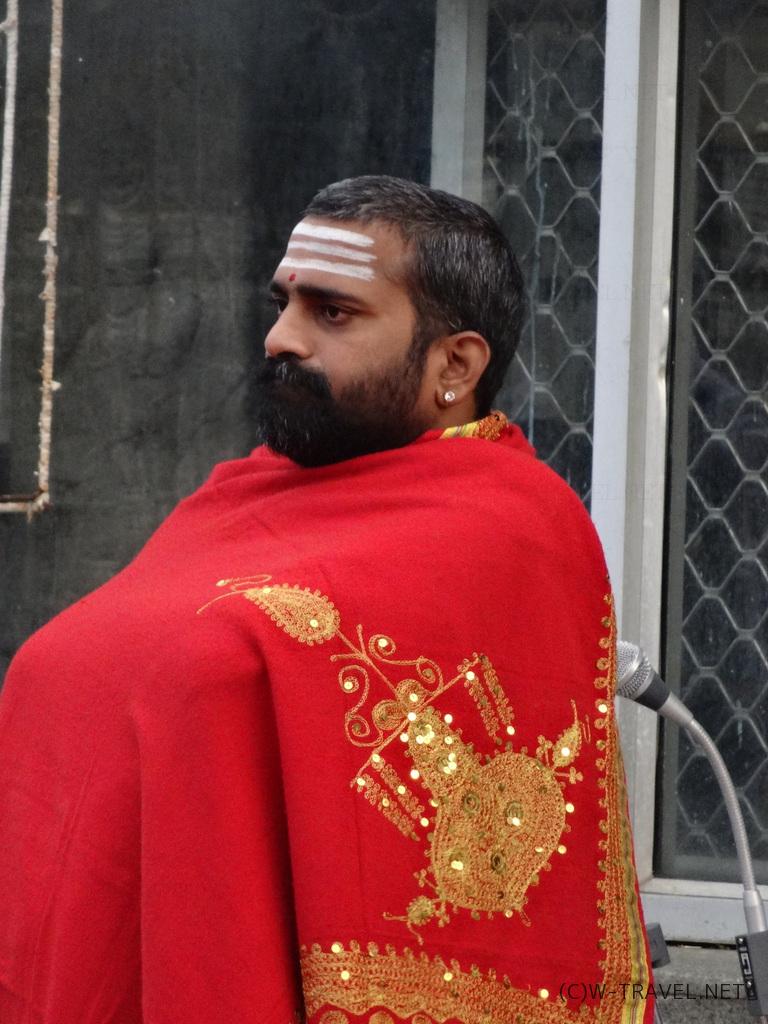
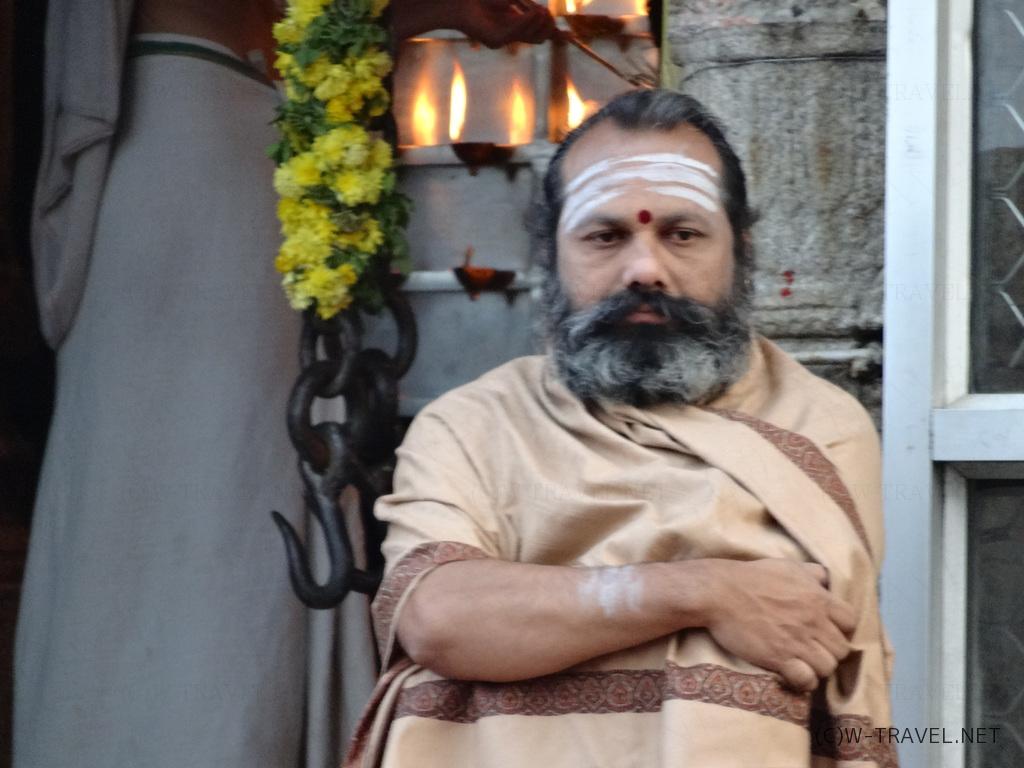
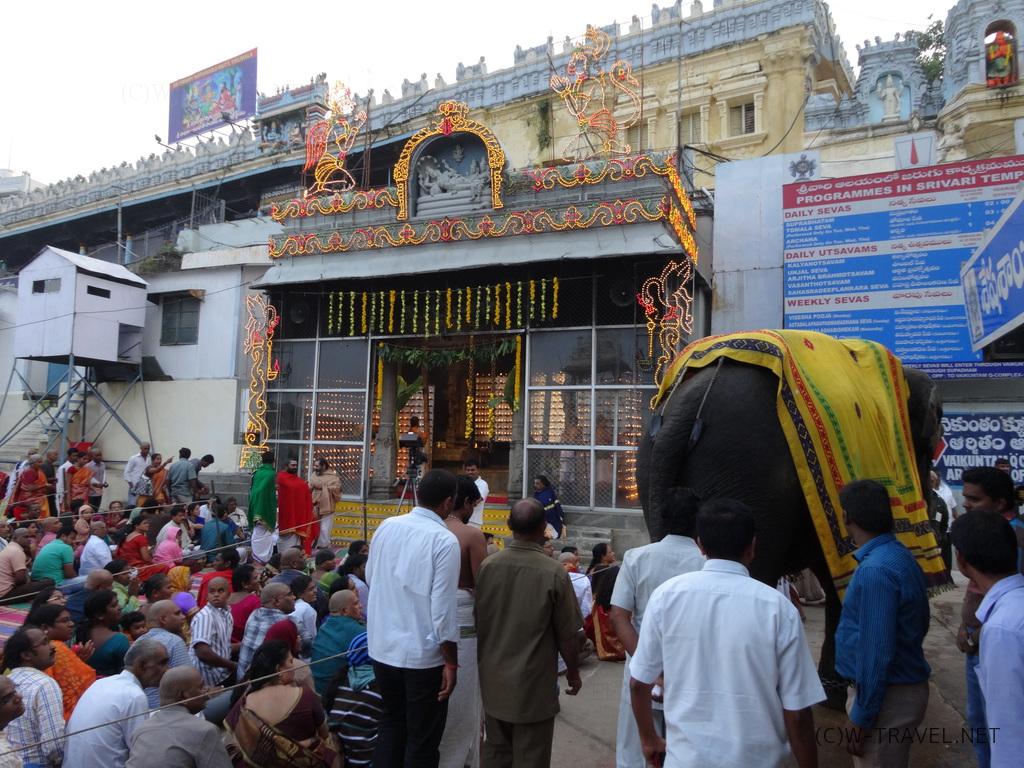
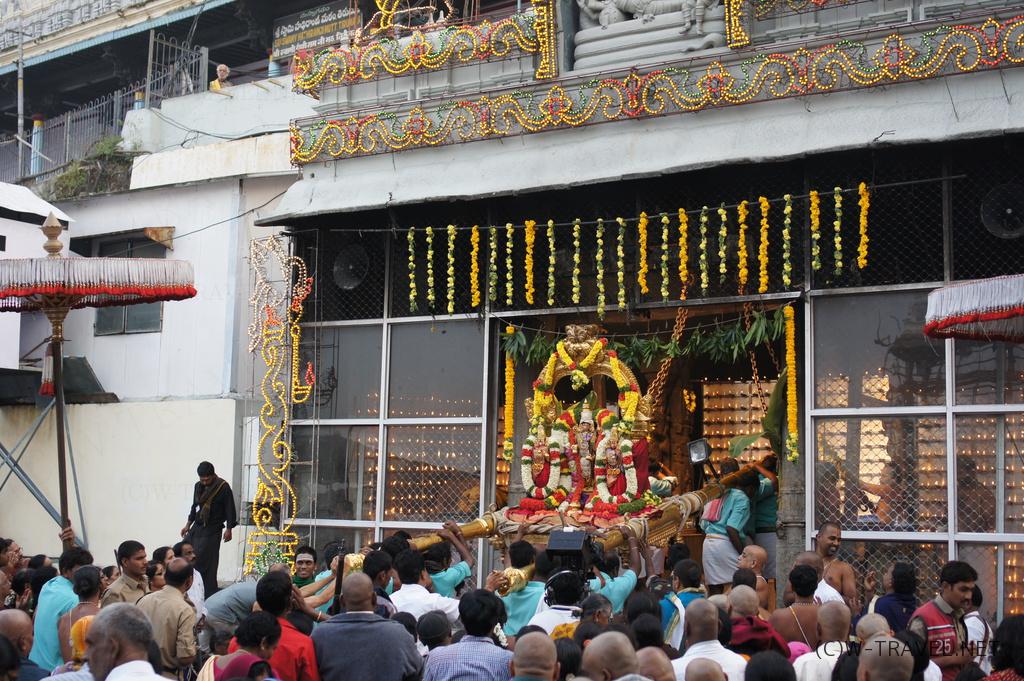
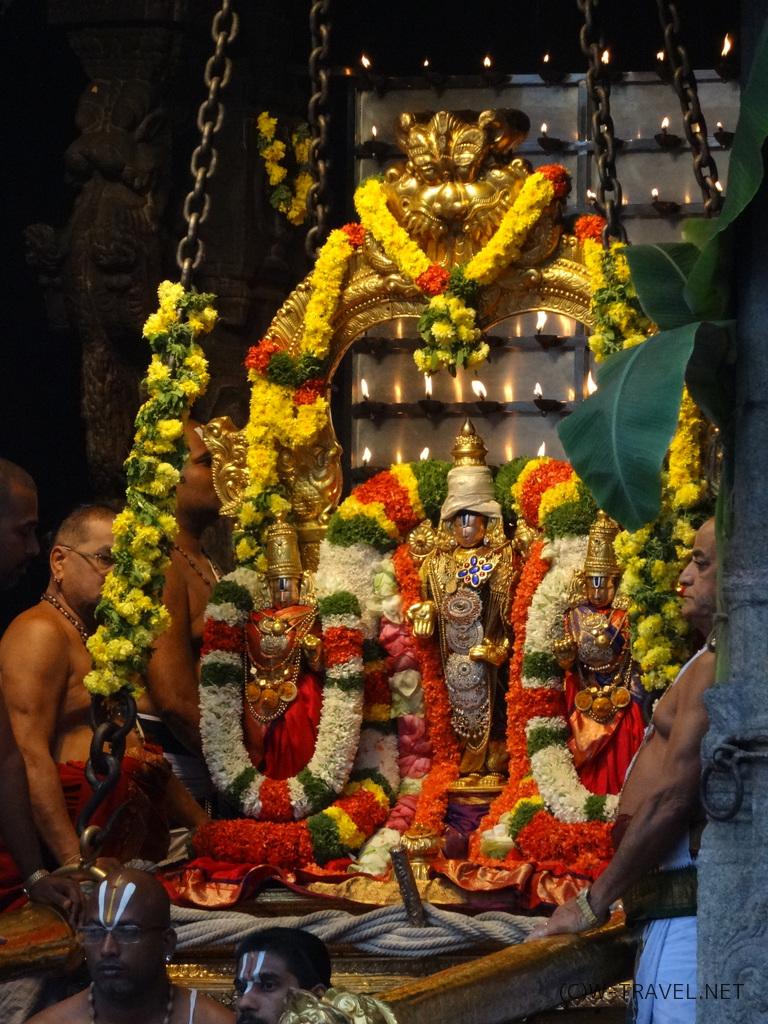
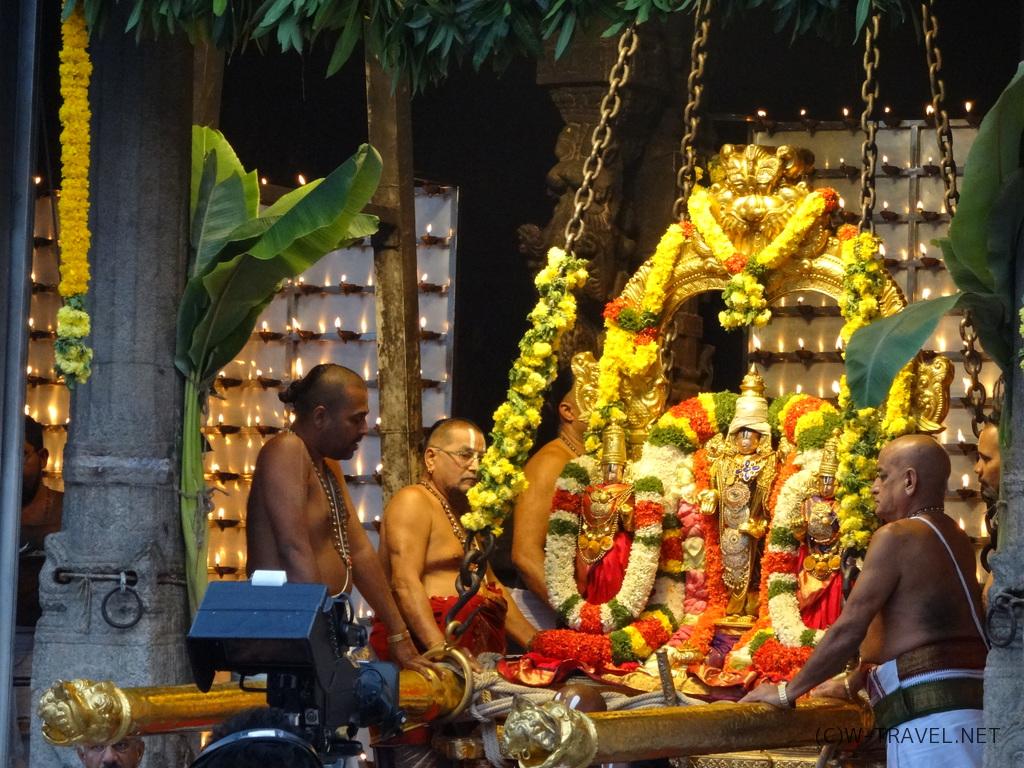
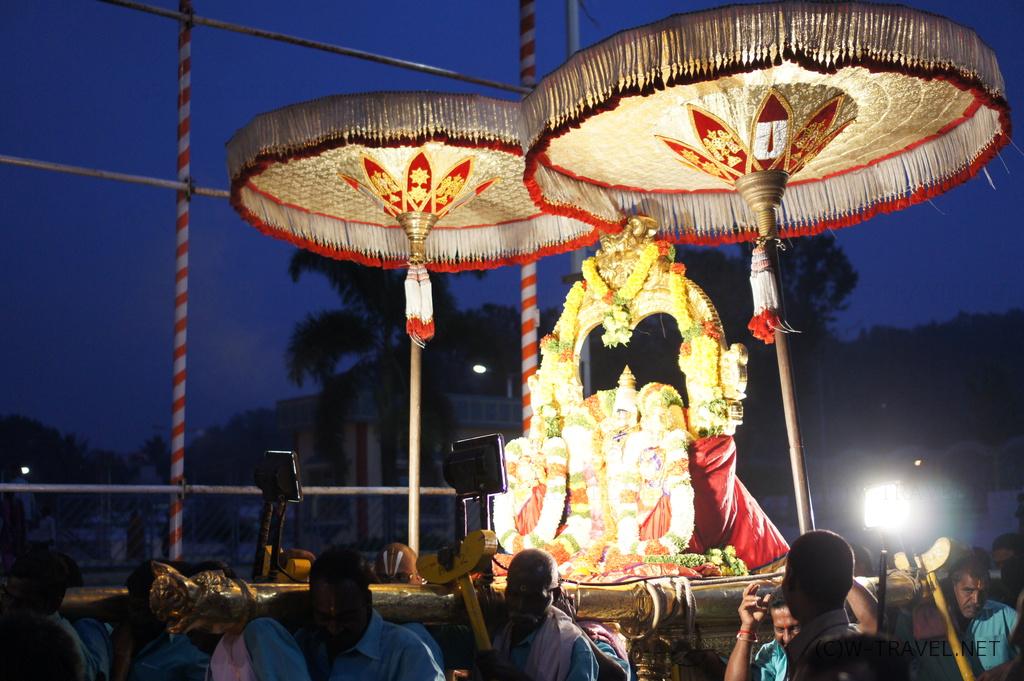
After that, I was satisfied and watched the puja (ceremony) being held around it, then stayed in Tirupati, and the next day, I saw a little bit of the Tirupati temple before returning to Bangalore.
I spent a lot of time waiting in line, so I didn't get to see many of the other temples. I'll have to save those for another time.