الانتقال من سيلجوك إلى باموكالي.
اليوم، سأغادر سيرتشف وأتوجه بالحافلة إلى باموكالي (Pamukkale).
هذا كان خطأ. بما أنني ذاهب إلى باموكالي، فقد حاولت استخدام حافلات شركة "باموكالي" (Pamukkale bus)، ولكنها كانت حافلة ضيقة وغير مريحة. لا أعتقد أنني سأستخدم هذه الشركة مرة أخرى.
ربما يجب عليّ دائمًا اختيار شركات الحافلات الكبيرة مثل "ميترو". على الرغم من أن الأسعار متشابهة تقريبًا، إلا أن الفرق في الراحة كبير.
على الرغم من أنه من النادر رؤية حافلات فاخرة لشركة "باموكالي" نفسها، إلا أن هذه كانت حافلة قديمة.
ربما تم إدخالي إلى حافلة من شركة تصنيع أخرى (OEM) لأن تذكرة الحافلة مكتوب عليها "YATAGAN KOOP"، وهناك نفس الكتابة على هيكل الحافلة.
قد يحاولون زيادة الأرباح بهذه الطريقة، ولكن بما أنني قررت ألا أستخدمهم مرة أخرى، فلا يهم.
بالإضافة إلى ذلك، يبدو أن موظفي شركة "باموكالي" غير جديرين بالثقة.
أحد موظفي شركة "باموكالي" في سيرتشف قال نكتة مبتذلة: "يا لك، هل يمكنك قيادة الحافلة؟ سائق الحافلة شرب الكثير من الكحول الليلة الماضية. هل يمكنك القيادة بدلاً منه؟".
وبالمناسبة، أحد موظفي مكتب شركة أخرى تقع بجوار شركة "باموكالي" قال لي فجأة: "لا توجد حافلات إلى باموكالي اليوم"، ثم قال: "انتظر حتى الغد". ولكن هذا ليس تذكرة اشتريتها من هنا. لا أفهم ذلك.
عند البحث، يبدو أن هناك أشخاصًا (يبدون وكأنهم محتالون) يعملون في شركة "ميترو" أيضًا، لذا يجب توخي الحذر. على ما يبدو، موظفو شركة "باموكالي" التابعين لشركة "ميترو" هم المحتالون. هذا أمر مثير للقلق.
هذا هو المكان الذي سأذهب إليه قريبًا.
على أي حال، بعد الانتظار بصعوبة لمدة ثلاث ساعات ونصف في مقعد ضيق، وصلت أخيرًا إلى باموكالي. يا له من تعب!
عندما كنت على وشك النزول، جاء شخص وقال: "إذا كنت ذاهبًا إلى الفندق، فسوف نطلب منهم أن يأخذوك. إذا كنت ستأخذ حافلة أخرى، يمكنك ترك أمتعتك والمغادرة". لذلك، ذهبت إلى المكتب لطلب مساعدة في الوصول إلى الفندق، ولكن نظرًا لأن الموظفين كانوا مشغولين وكان الأمر سيستغرق وقتًا طويلاً، فقد شعرت بالضيق وقررت المشي. المسافة ليست بعيدة جدًا، ويمكنني الوصول إليها في حوالي 10 دقائق على الأكثر.
مكان إقامتي هذه المرة هو:
Anatolia Hotel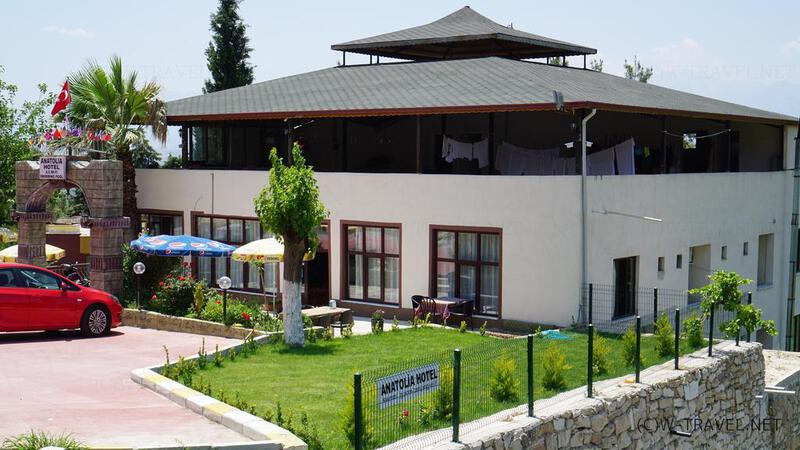 2 ليلة في غرفة مشتركة مقابل 20 يورو مع وجبة الإفطار (62 ليرة، حوالي 2840 ين).
حوالي 1420 ين للليلة الواحدة.
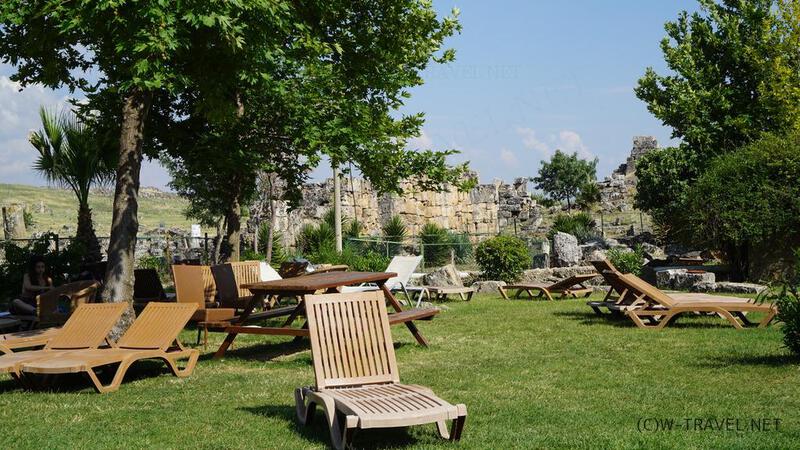
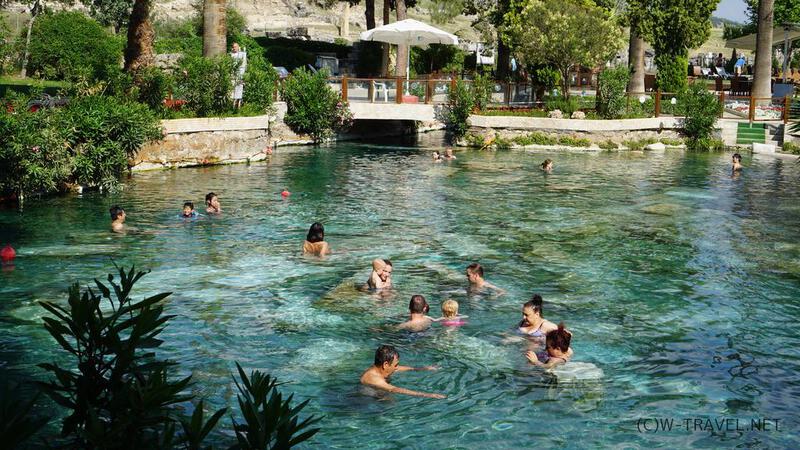
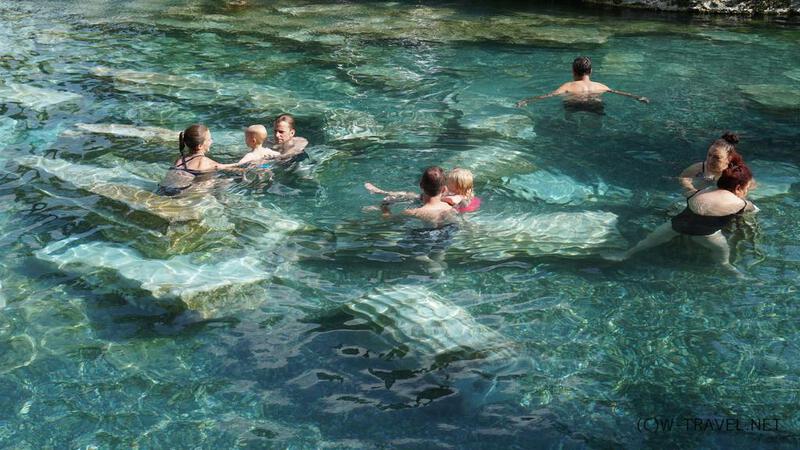
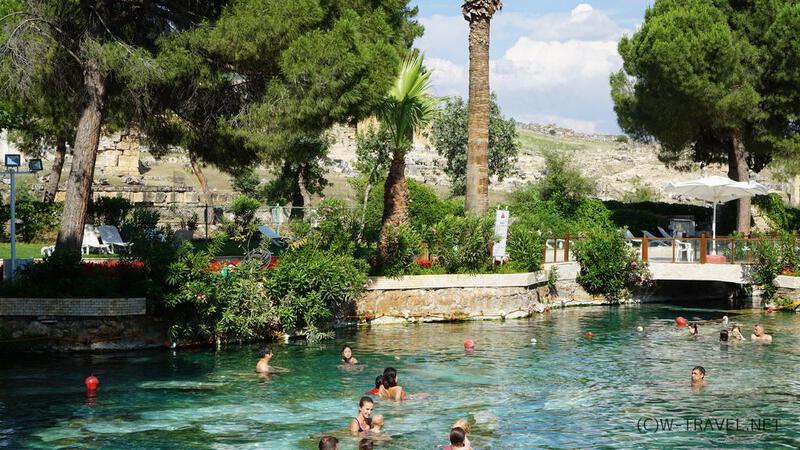
يوجد أيضًا مسبح، وهو مكان جيد إلى حد ما.
المشي إلى الآثار القديمة يستغرق حوالي 700 متر تقريبًا، وهذا ليس مشكلة.
أثناء المشي، رأيت أسعار المطاعم والمقاهي في المدينة، وكانت الأسعار مرتفعة جدًا بسبب السياحة.
الأسعار أعلى بحوالي 1.5 إلى 2 ضعف سعر مدينة سيلجوك.
هذا المكان ليس مناسبًا للإقامة لفترة طويلة.
يبدو أن هناك العديد من المحتالين أيضًا.
بعد الوصول، ذهبت للتنزه بالقرب من الآثار القديمة إلى بركة بها الكثير من البط (؟).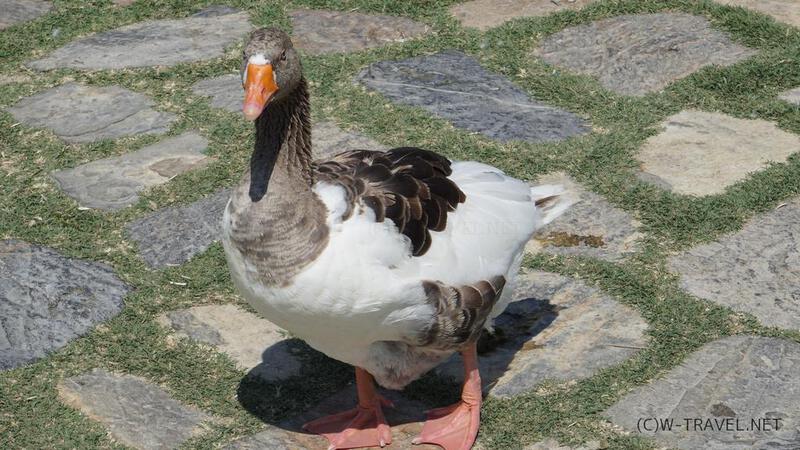
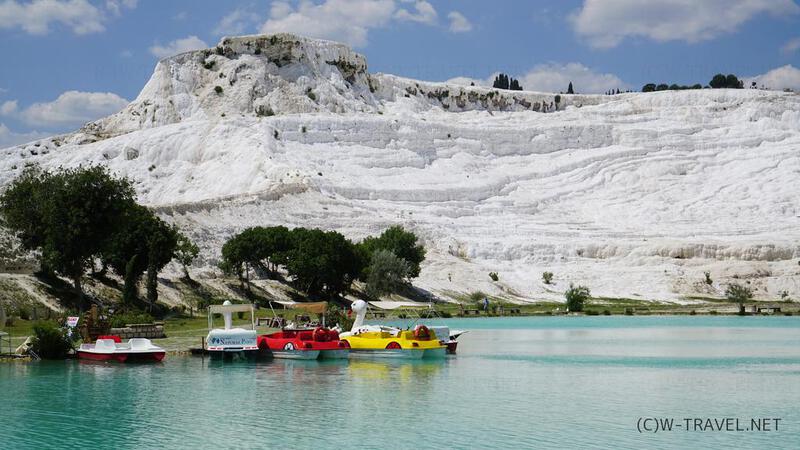
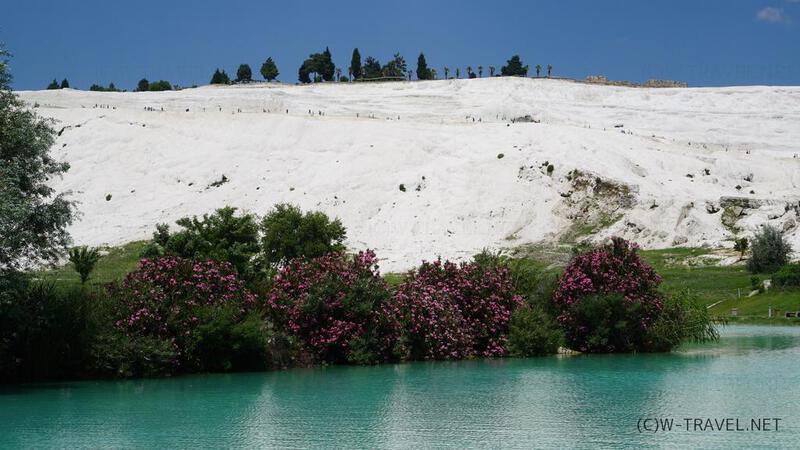
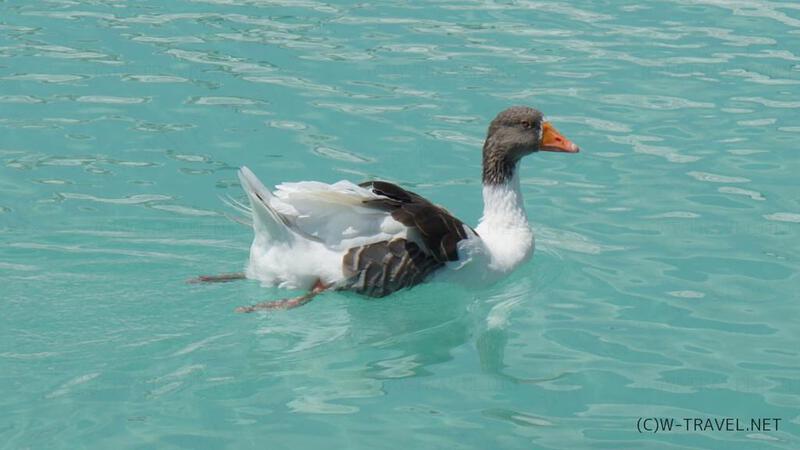
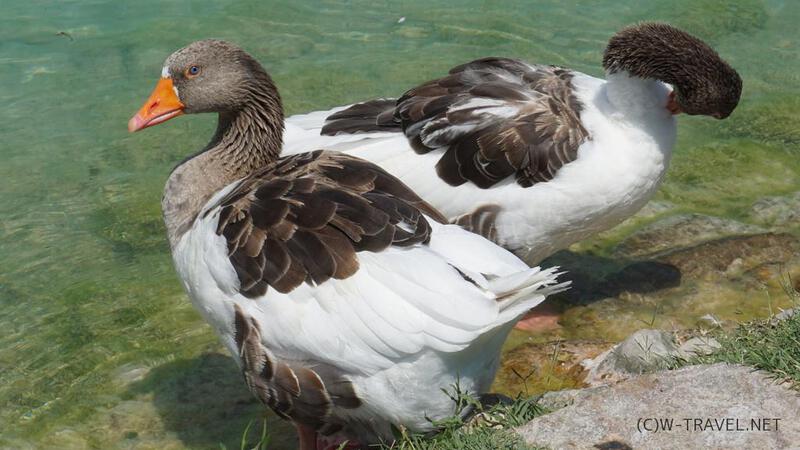
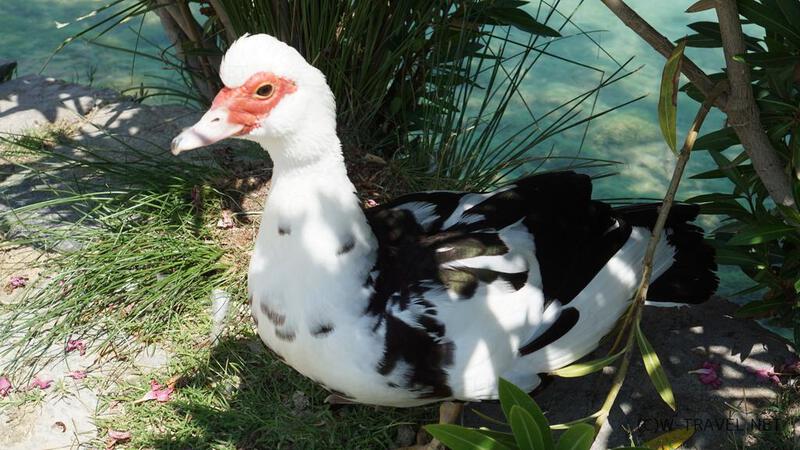
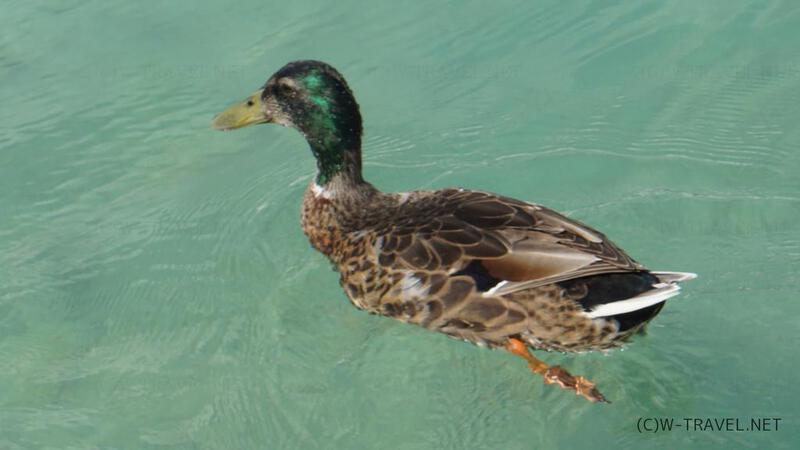
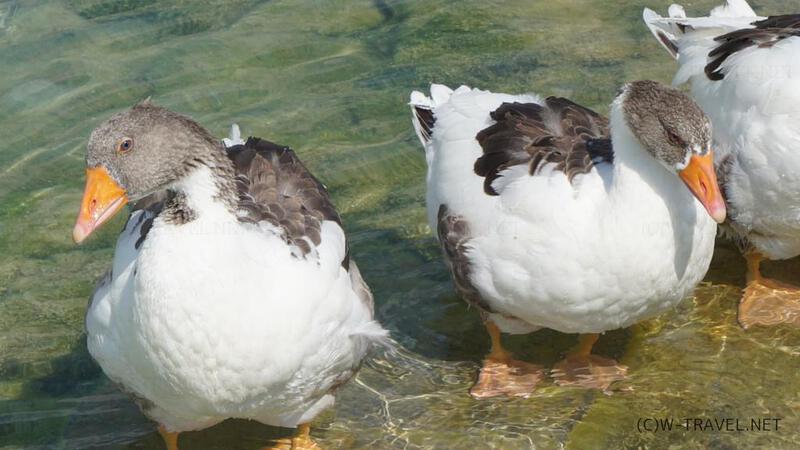
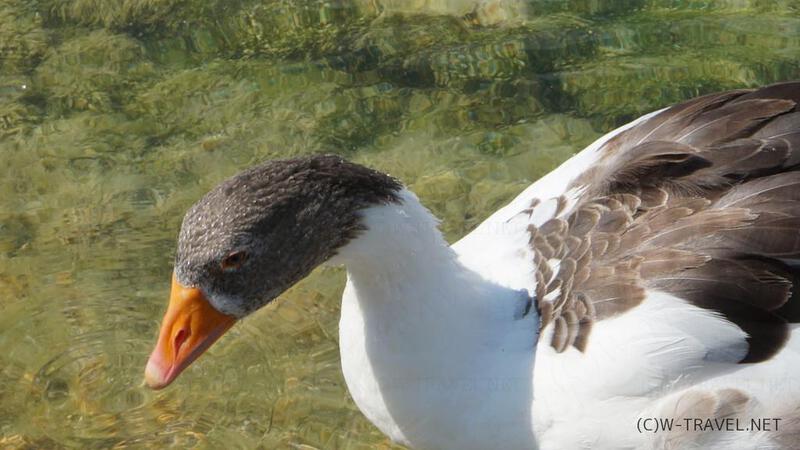
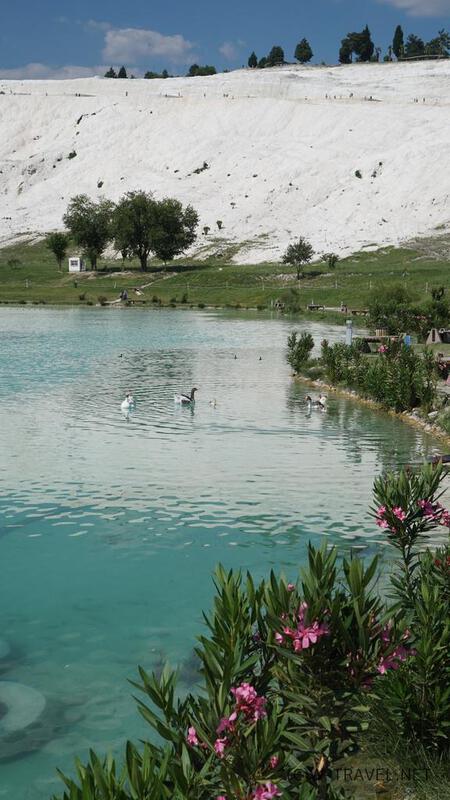

 لقد تفقدت المياه التي تتدفق إلى البركة، ويبدو أنها مياه حارة تشبه الينابيع الحارة، ولكن هل هي حقًا ينابيع حارة؟ أم مجرد ماء عادي؟


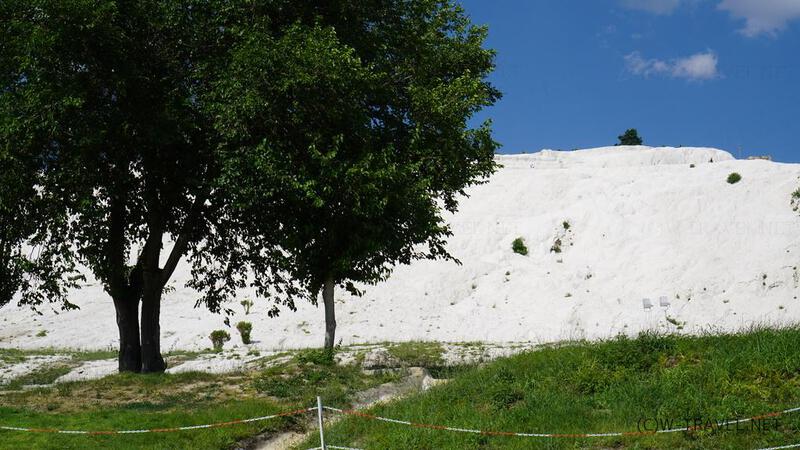
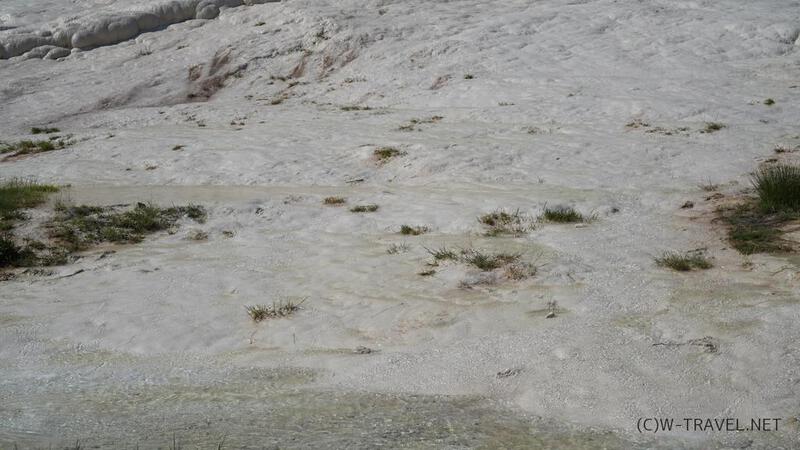
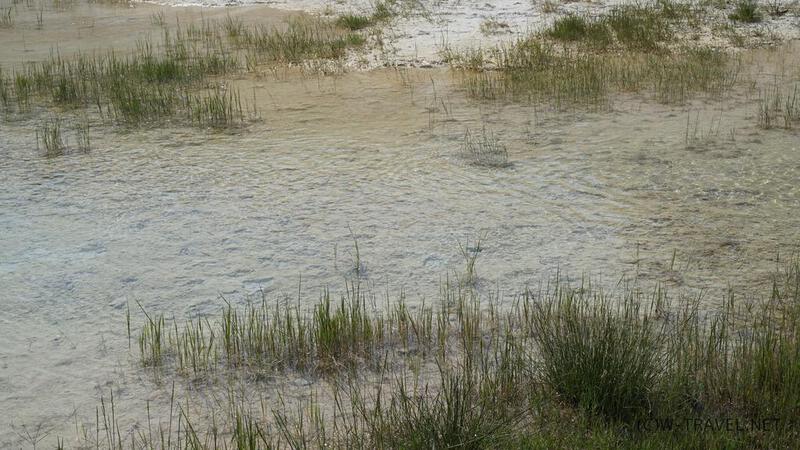
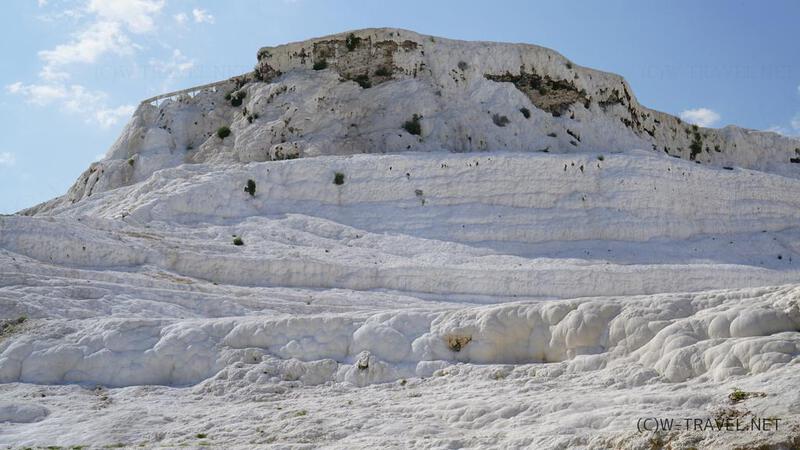
 بسبب وجود سياج، لا يمكنني الوصول إلى المنطقة البيضاء، ولكن هناك مكان حيث تتدفق المياه وتتجمع، لذلك سأتحقق من جودة المياه.
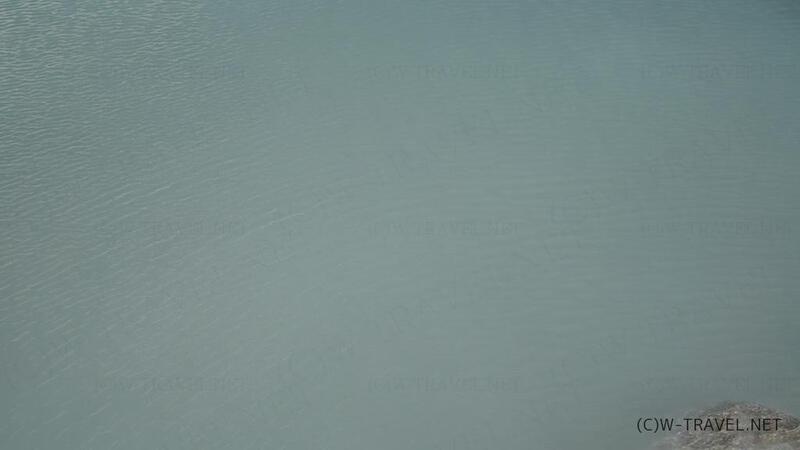
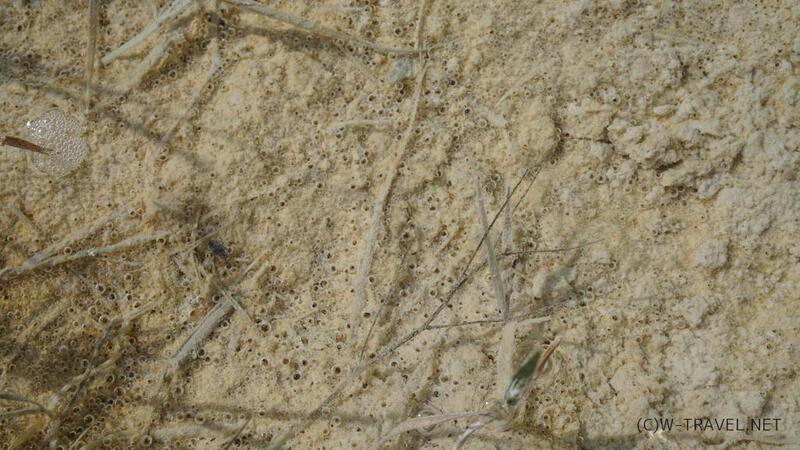 عند النظر عن كثب، يمكن رؤية فقاعات تبدو وكأنها من نوع ثاني أكسيد الكربون.
لقد سمعت أن جودة المياه في هذا المكان تحتوي على ثاني أكسيد الكربون، لذا يبدو أن هذه المياه هي مياه الينابيع الساخنة.
لا يمكنني التأكد من وجود ثاني أكسيد الكربون في الأجزاء التي تتدفق فيها المياه، ولكن تمكنت من رؤية فقاعات ثاني أكسيد الكربون في المناطق التي تتجمع فيها المياه وتستقر.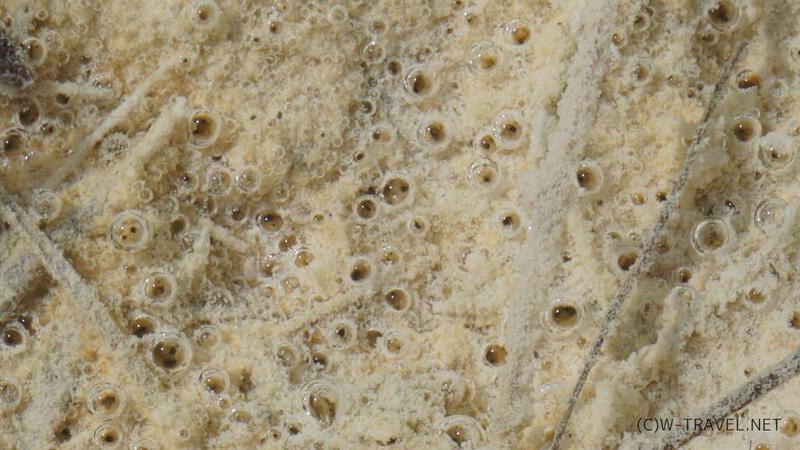 وبناءً على ذلك، فكرت في استخدام هذا الماء لعمل حمام للقدم... ولكن بما أنه بارد، فهو ليس حمام قدم بل "ماء للقدم".
حتى بعد النقع لفترة طويلة، لم أشعر بأي شيء. لقد قمت بفحصها عدة مرات بيدي أيضًا، لكن الانطباع هو نفسه.
لم أشعر بفوائد الماء الغازي، ولم أشعر بجمال الحجر الجيري. بشرتي تقول إن هذا "مجرد ماء" (مع ابتسامة).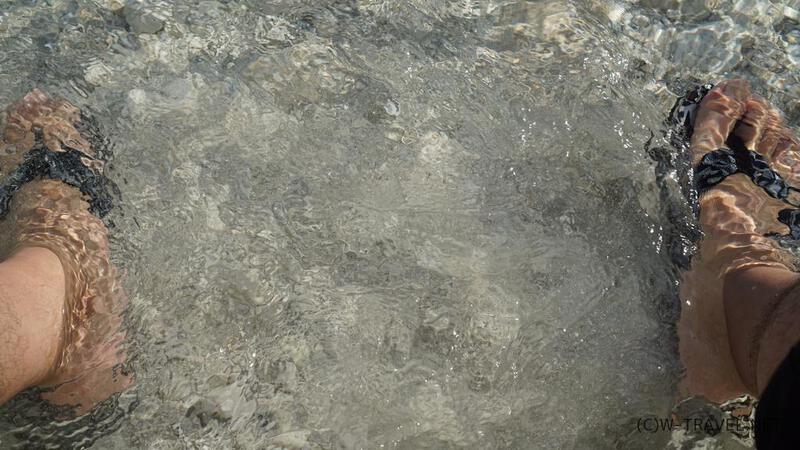
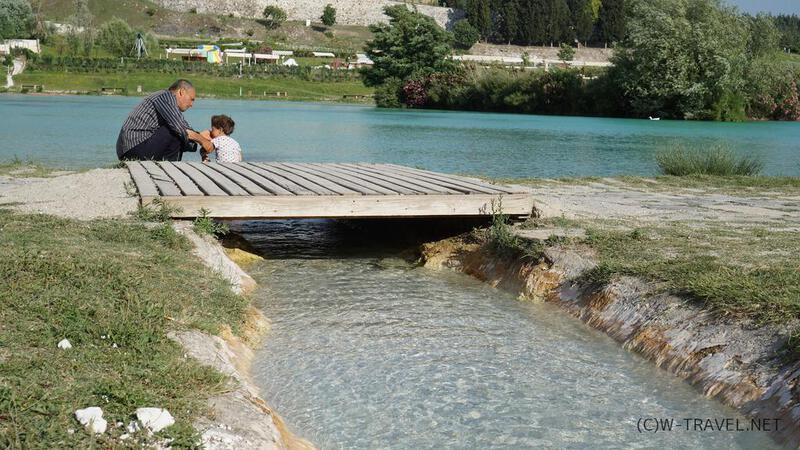 لقد قمت بفحص جودة المياه عدة مرات، ولكن حتى مع وجود هذه المكونات، يبدو أنها لا تملك الكثير من الخصائص المميزة بخلاف كونه ماء فوار.
يبدو أن الفوران ليس قوياً بشكل خاص، ربما يكون أقوى في المنبع؟
يحتوي هذا الماء على الجير الظاهر للعيان، ولكن الماء شفاف وليس عكراً.
السمة المميزة لهذا المكان هي مظهر الحجر الجيري الأبيض غير المألوف، أما المياه نفسها فهي لا شيء مميز.
إذا تحدثنا عن جودة المياه فقط، فهذا ليس مكاناً سيحرص عليه اليابانيون الذين يتمتعون بالينابيع الساخنة (ضحك).
هناك الكثير من الأماكن في اليابان ذات مستوى مماثل أو أقل... بل يمكن القول إنه "مجرد ماء".
عند البحث، ظهرت قائمة بالمكونات. قيمة الرقم الهيدروجيني هي حوالي 6.6، لذا فهي متعادلة. نعم.
إذا كان ذلك مشمولاً في بطاقة المتاحف، فسأدخل وأستحم فيه، ولكن إذا كانت هناك رسوم منفصلة، فقد لا أستحم فيه...
في رأيي، هذا ليس ينبوعًا ساخنًا بل "ماء" (ضحك).
بما أنه يحتوي على ماء فوار، يمكن اعتباره ينبوعًا ساخنًا بشكل فضفاض، لكنني لم أرَ من قبل ينبوعًا ساخنًا بهذه البساطة.
يبدو أن الأوروبيين يقدرون هذا النوع من المياه ويأتون إليه من مسافات بعيدة... أشعر بالاختلاف في مستوى ثقافة الينابيع الساخنة.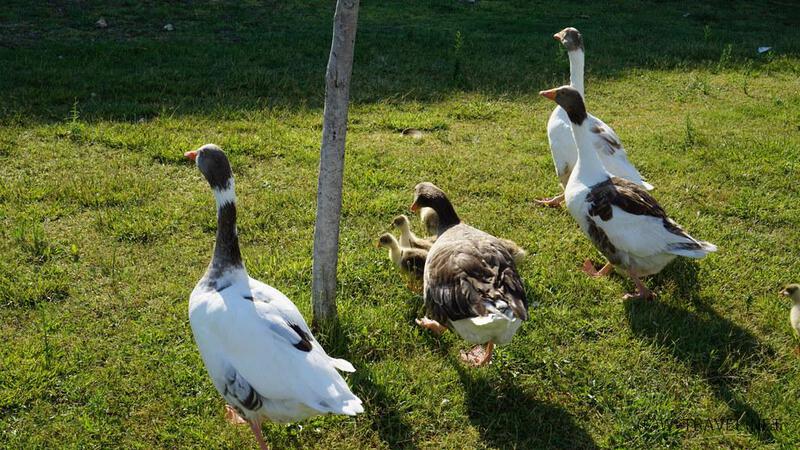 يوجد أيضًا أسماك، لذا يبدو أنها ليست مياه سامة.
أو ربما هي أسماك مقاومة.
لا، قد أكون أفكر أكثر من اللازم. الاحتمال الأكبر هو أنها مجرد ينابيع حارة قريبة من الماء.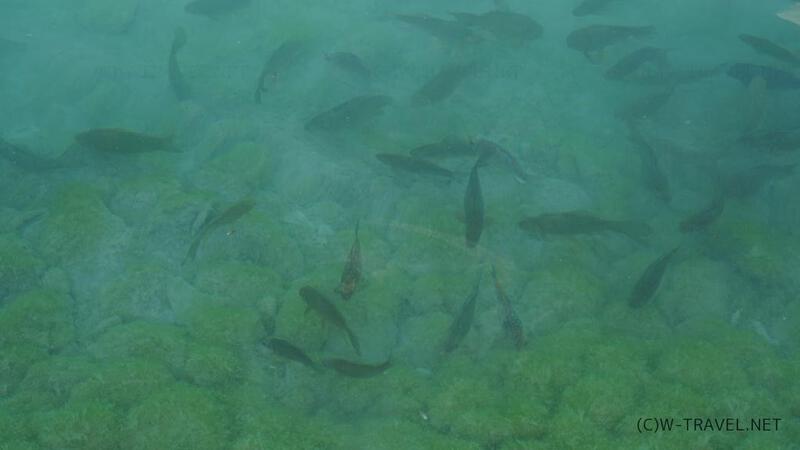
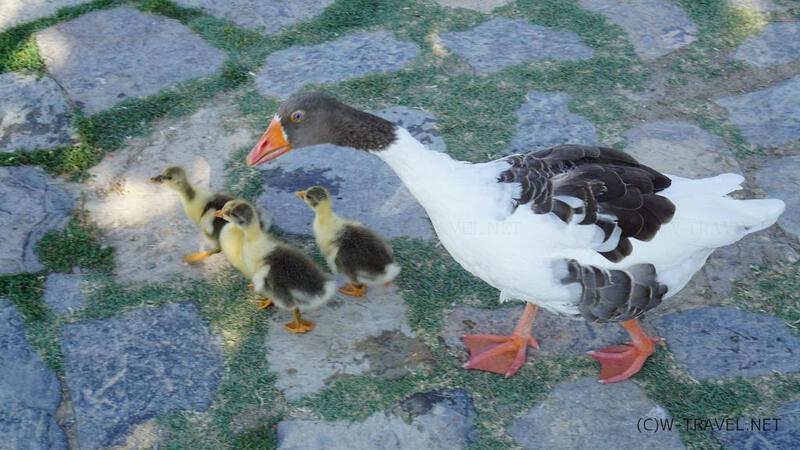
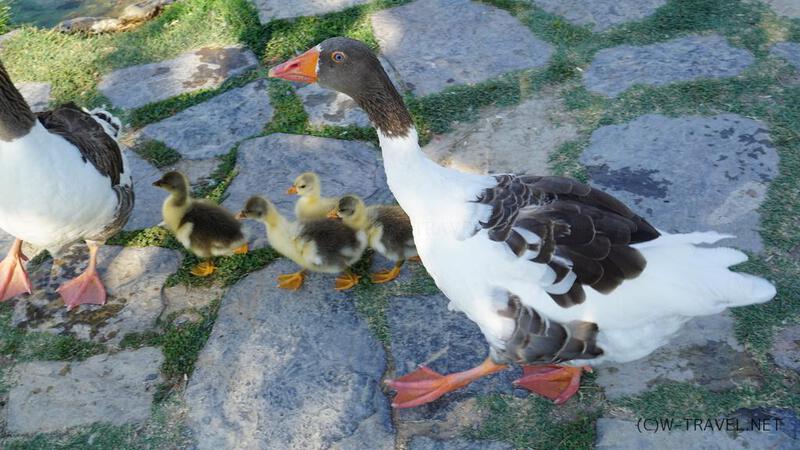
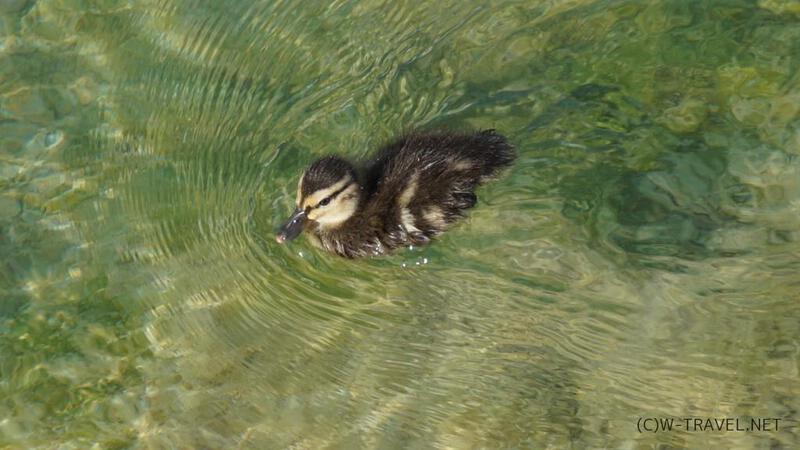
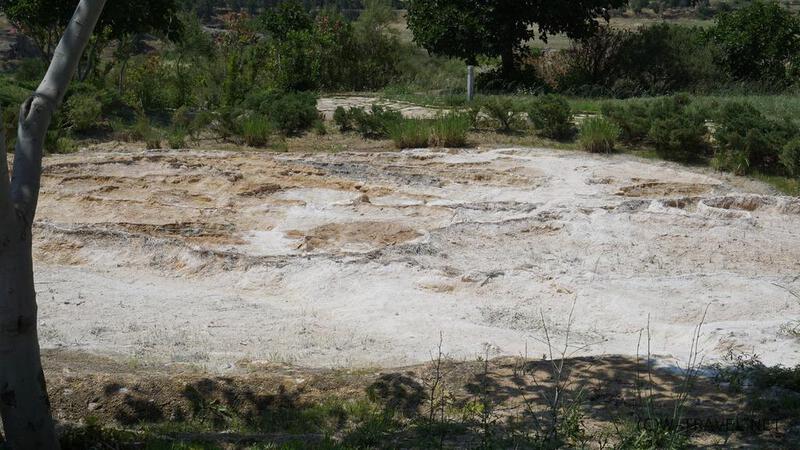
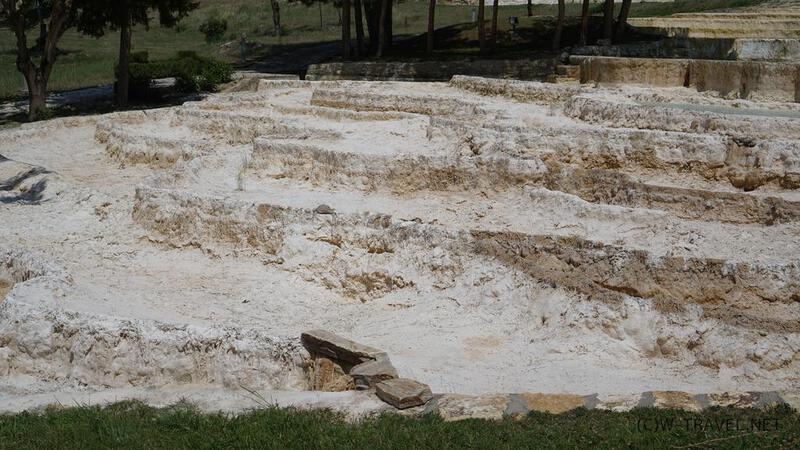
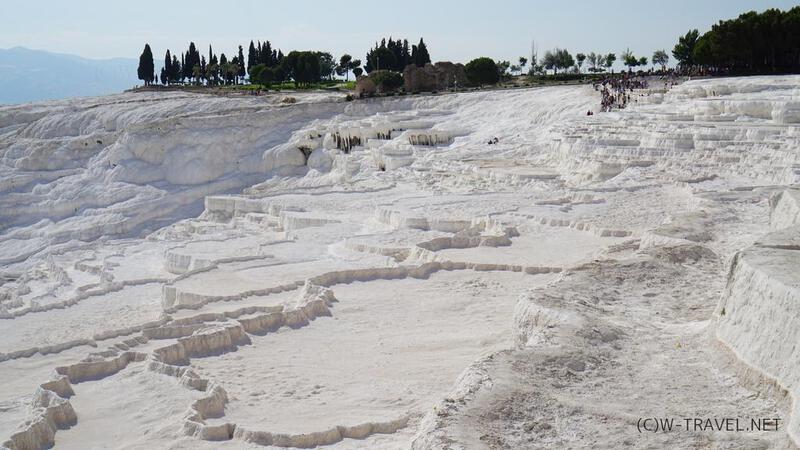
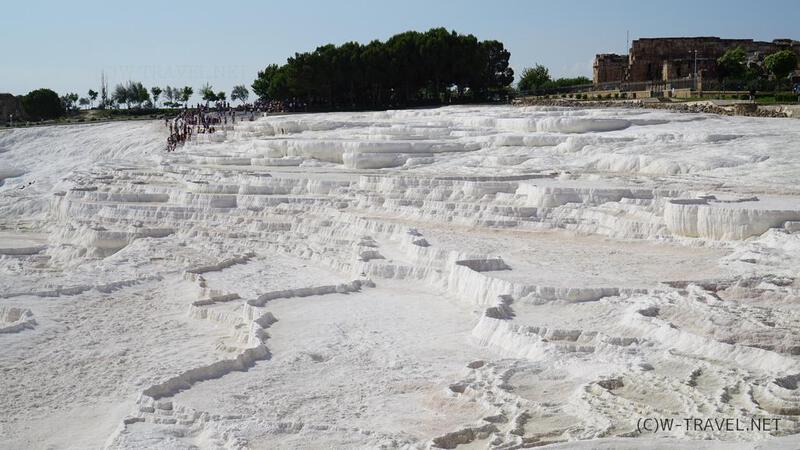
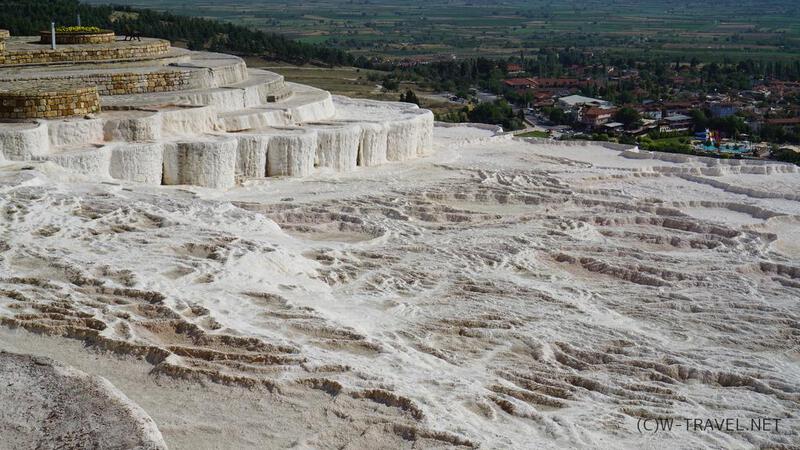
المياه الجافة في منطقة باموكالي، وهي عبارة عن تراكيب صخرية جيرية (حمامات حرارية، Pamukkale Thermal Pools).
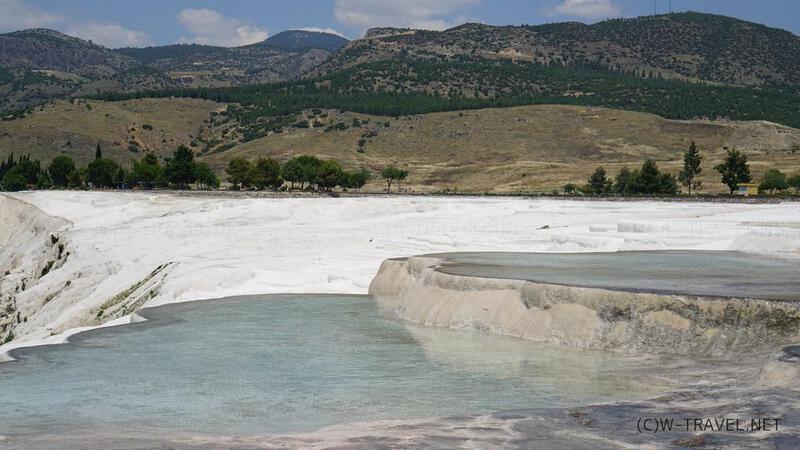
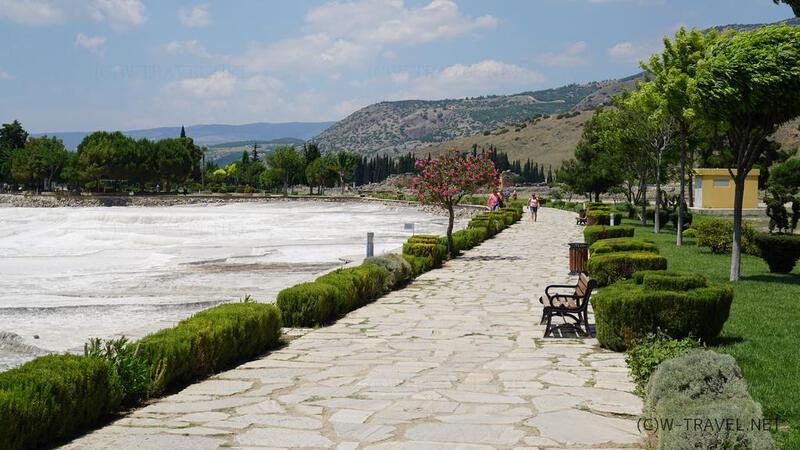
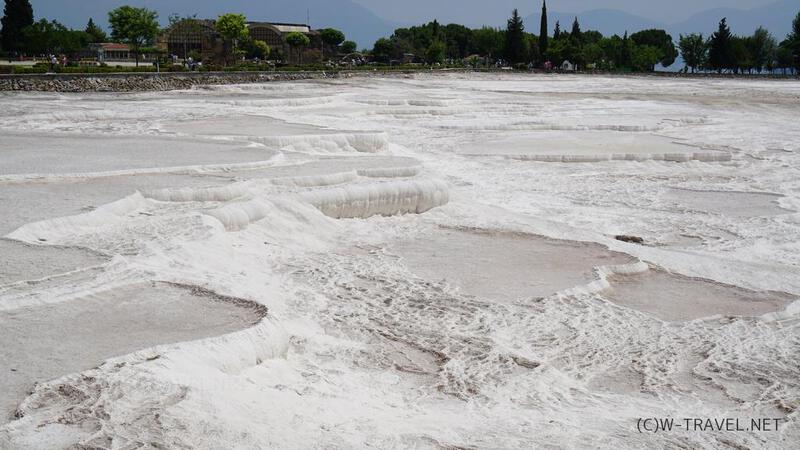
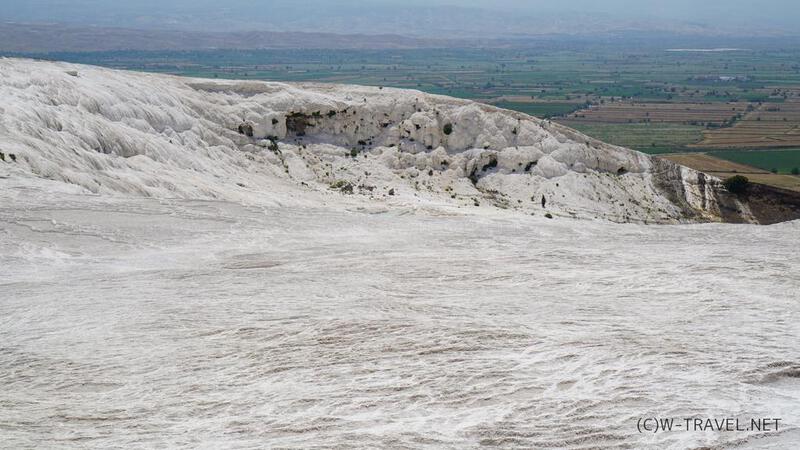
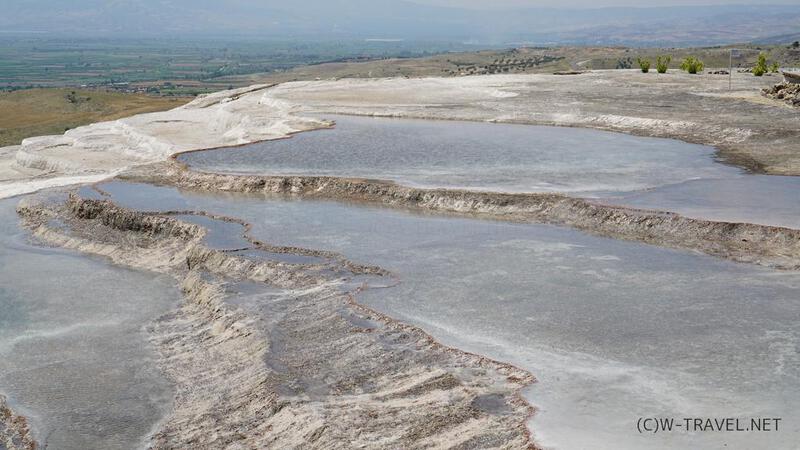
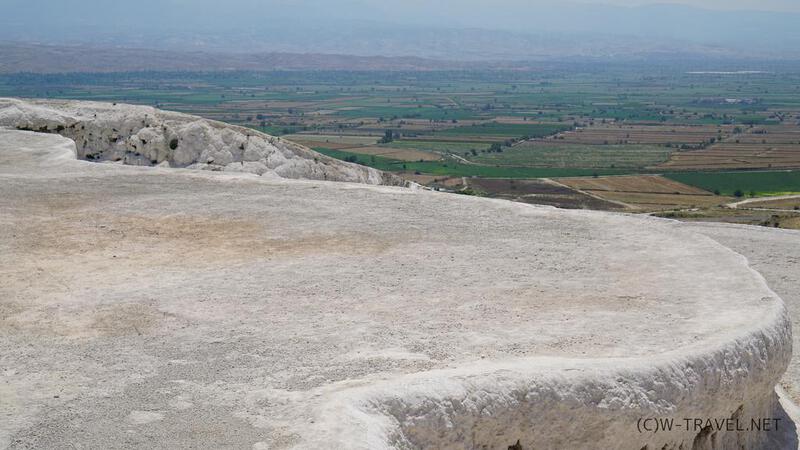
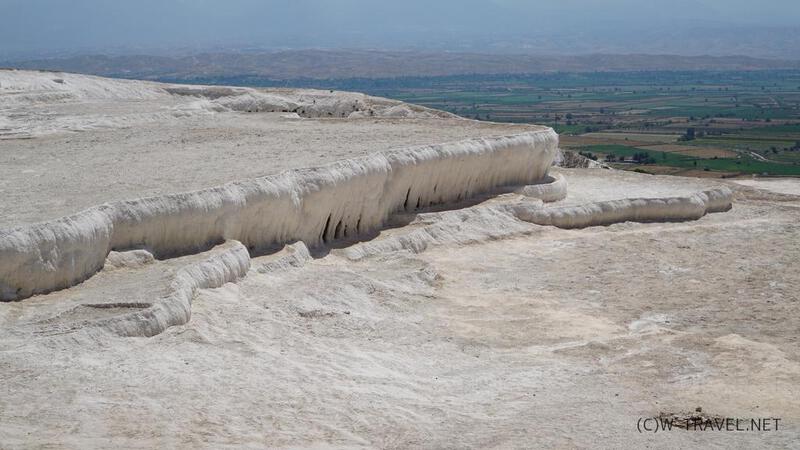
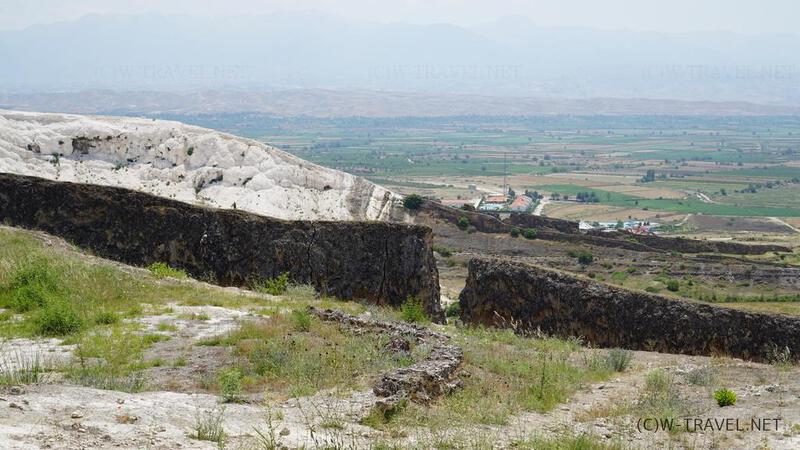
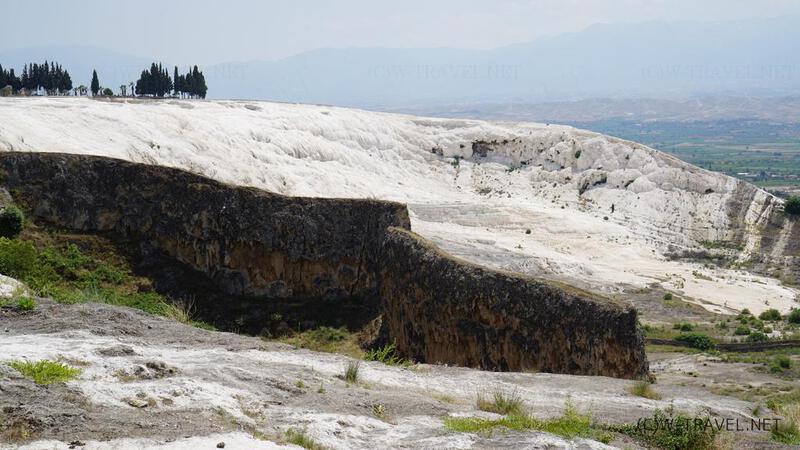
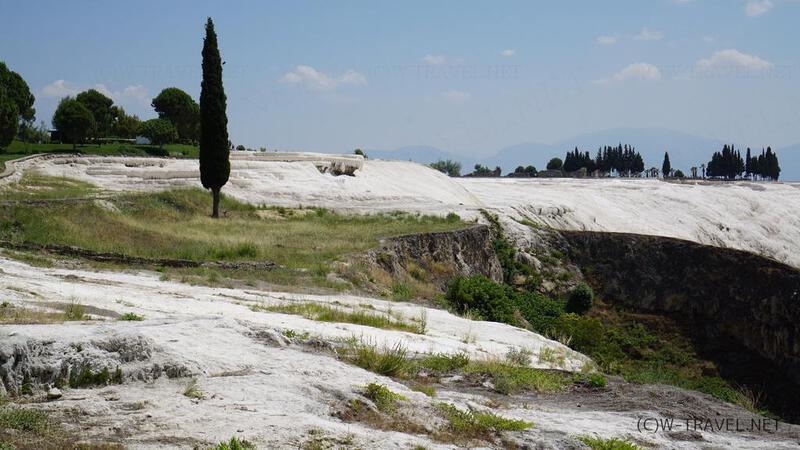
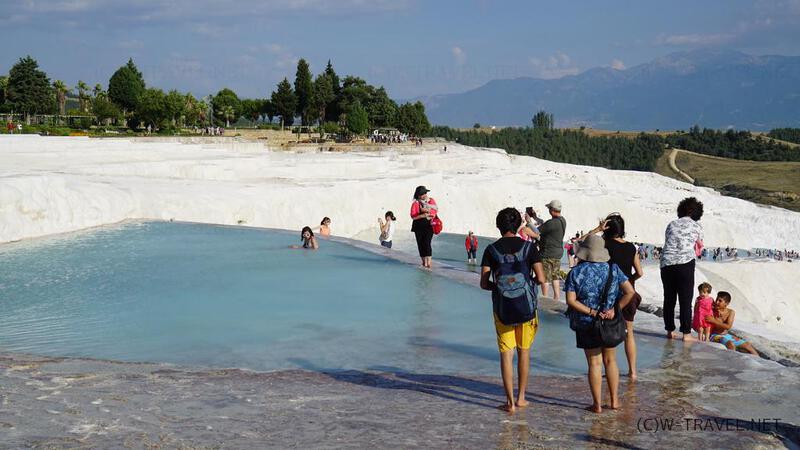
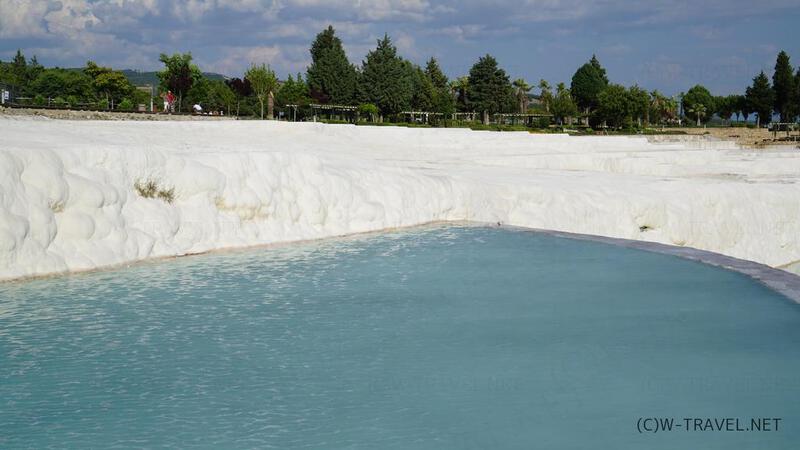
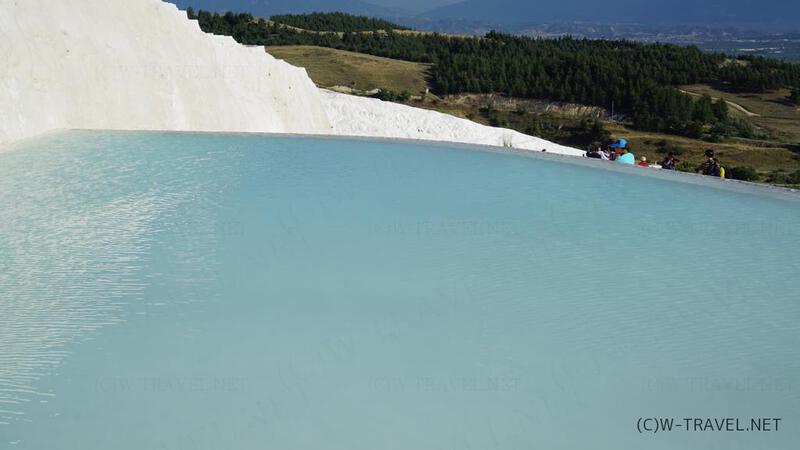
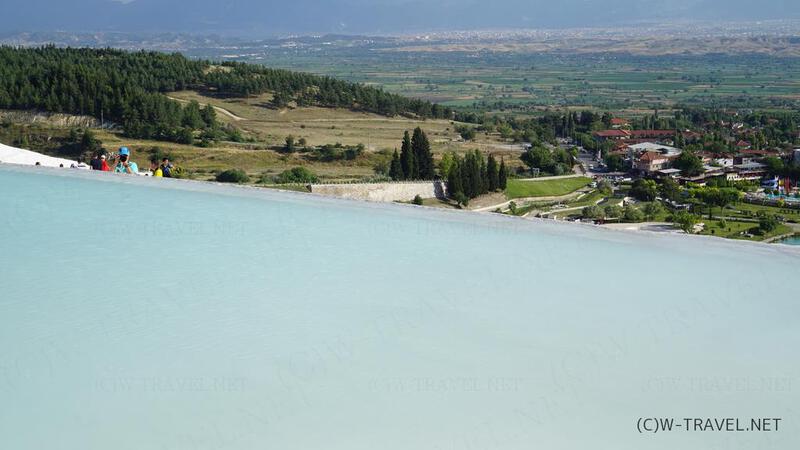
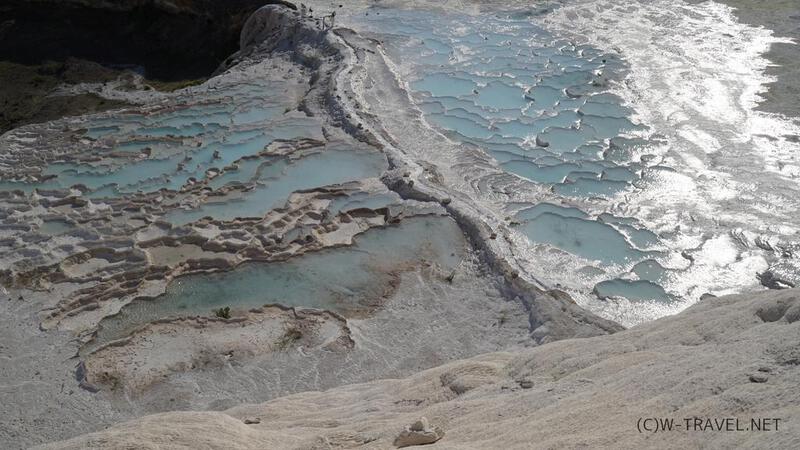
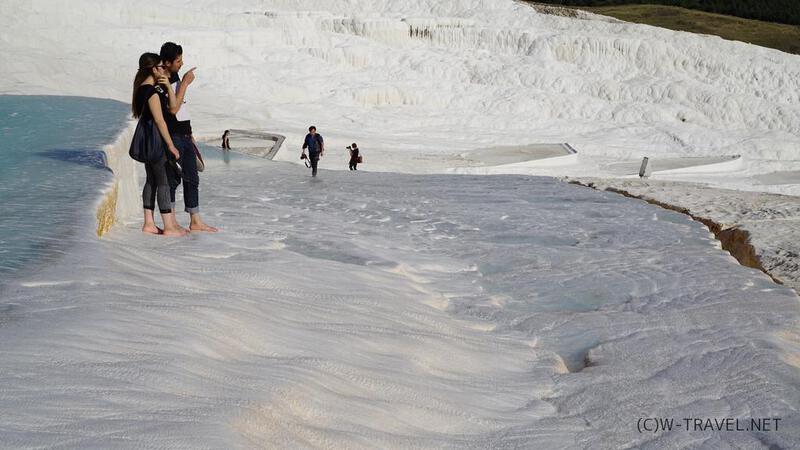
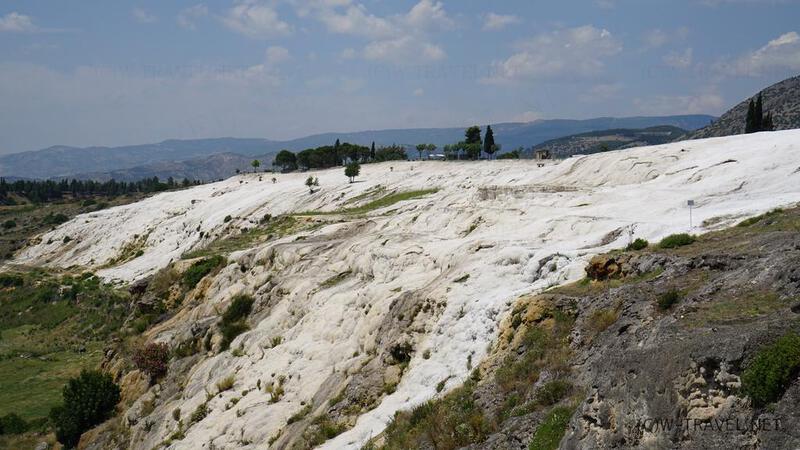
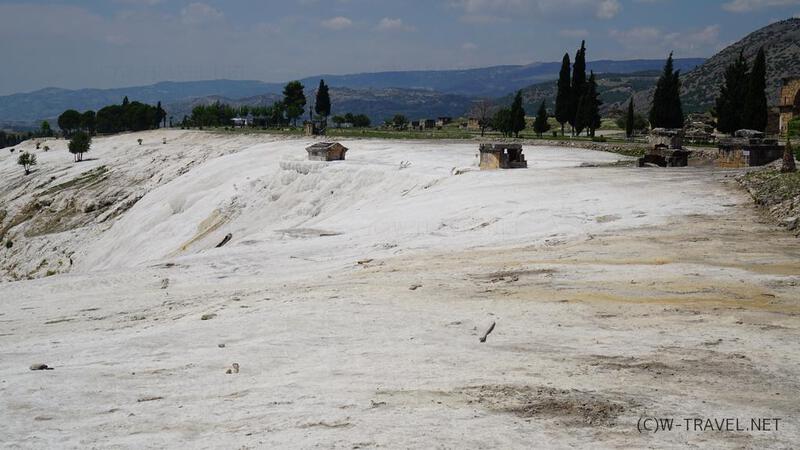
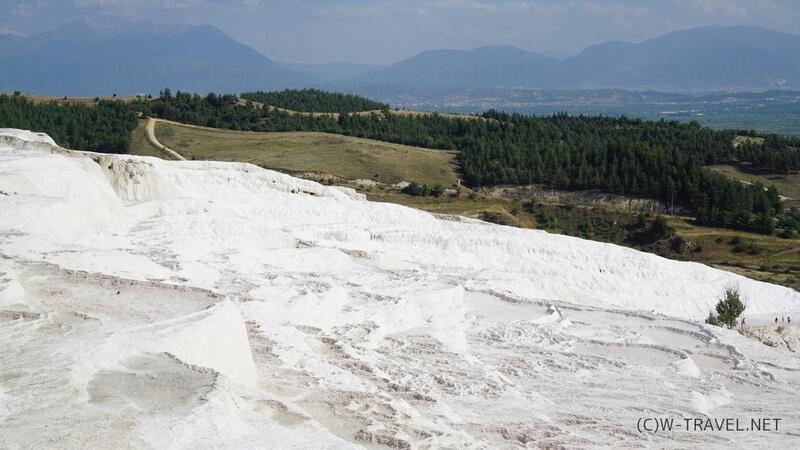
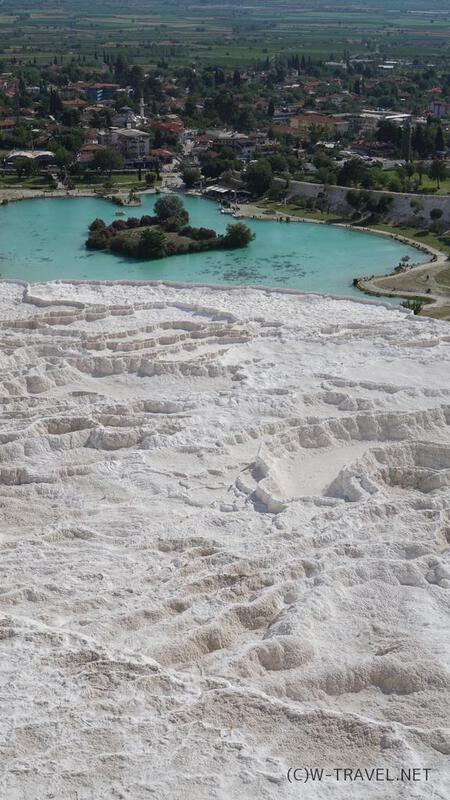
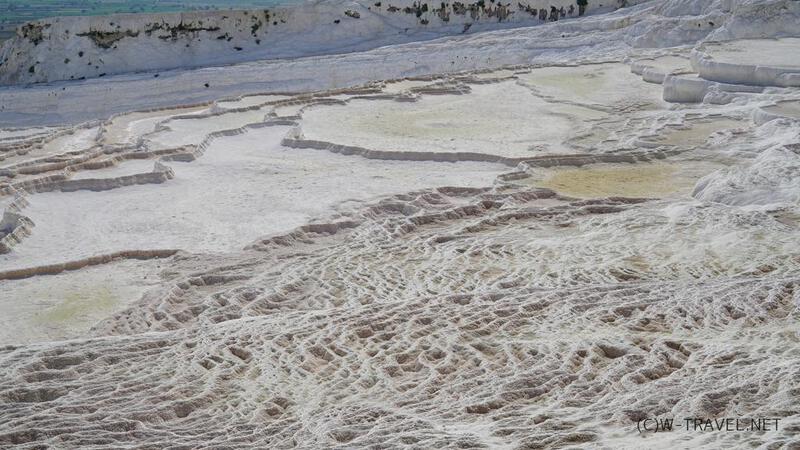
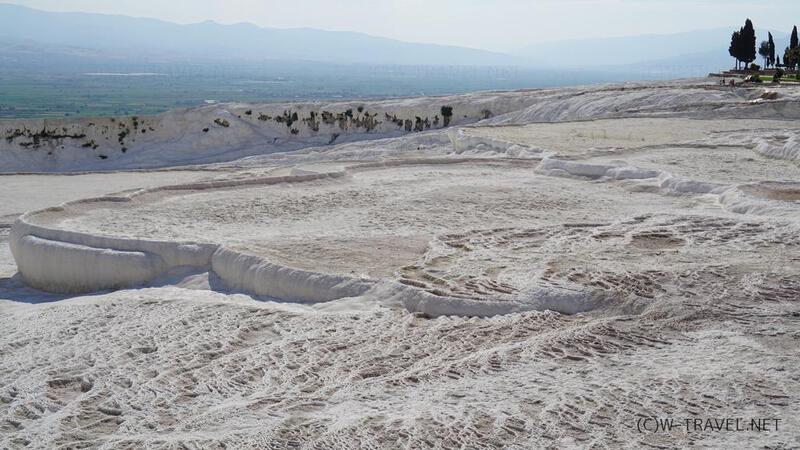
اليوم، سنذهب لرؤية التكوينات الجيرية (حمامات حرارية) في باموكالي. لقد سمعت عن ذلك، ولكنني تفاجأت أكثر مما توقعت بسبب قلة المياه.
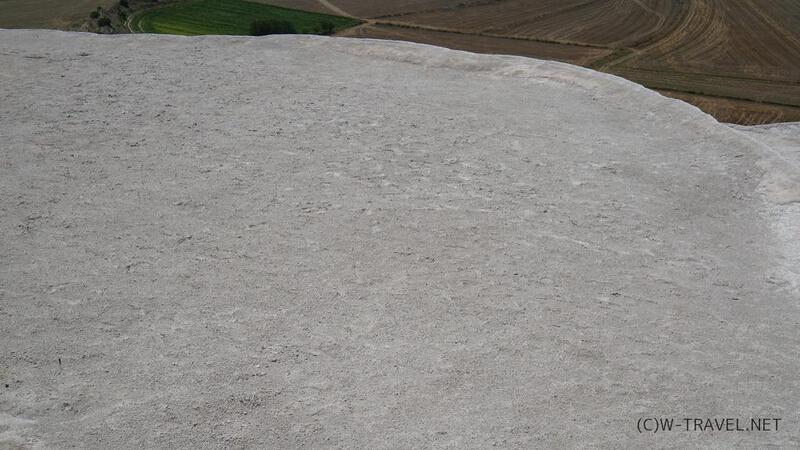
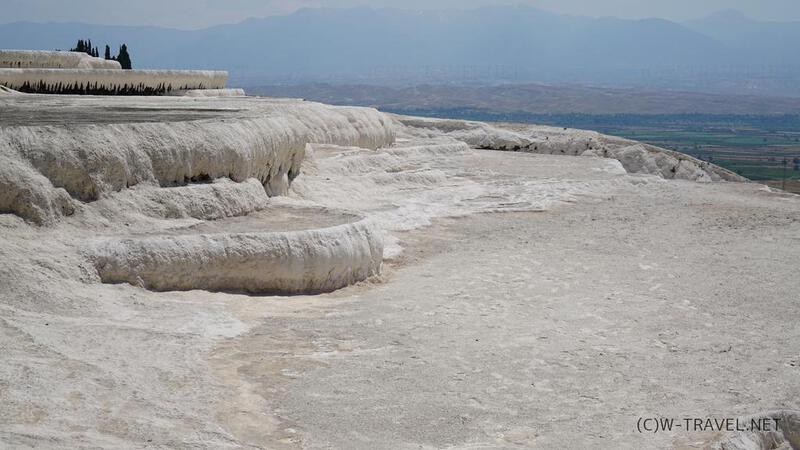
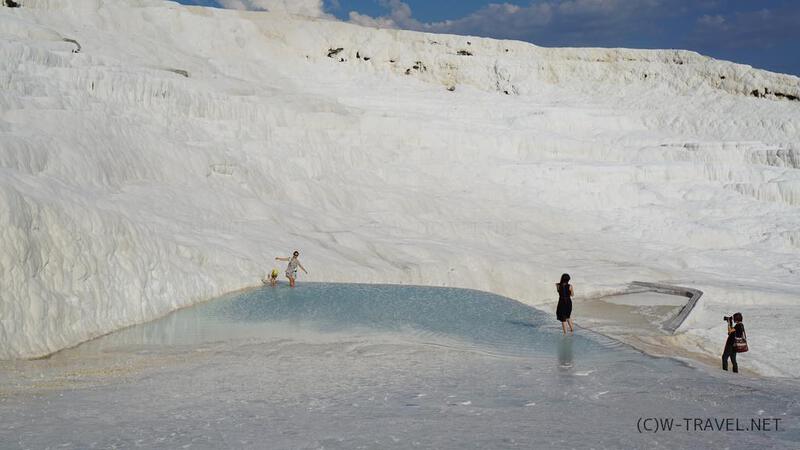
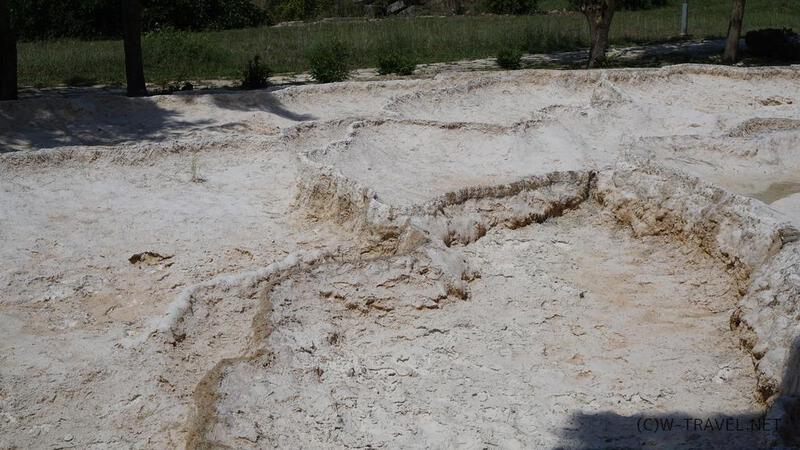
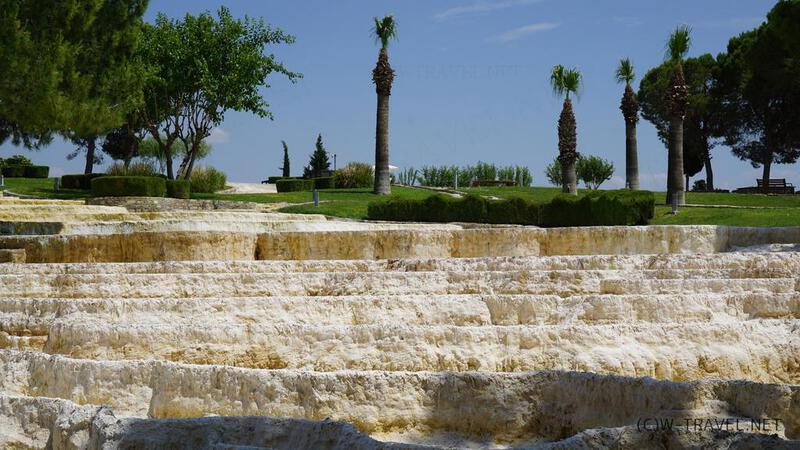
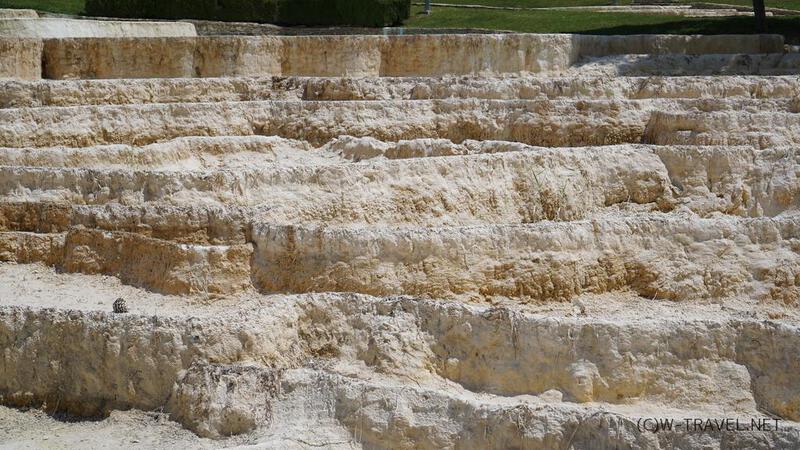
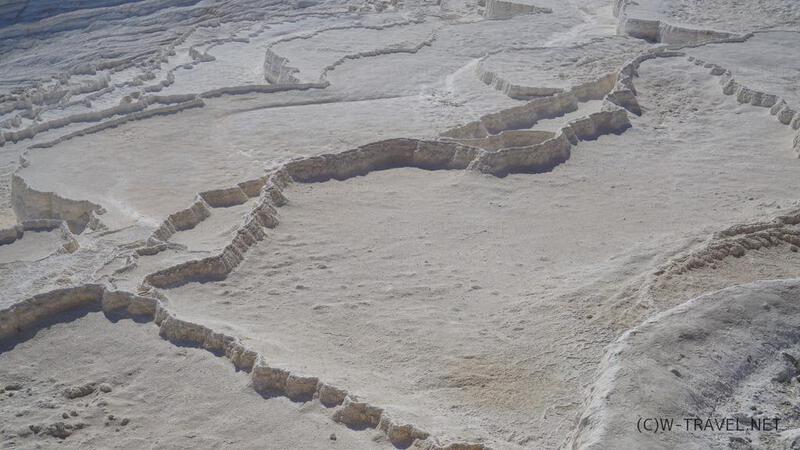
بشكل تقديري، لا يوجد سوى أقل من 10٪ من المياه الإجمالية.
إنها مختلفة جدًا عن صور الكتيب، ولكن متى تم التقاط صور الكتيب؟
تشير الشائعات إلى أن معظم الصور تعود إلى الثمانينيات.
↓ تبدو هكذا، حيث أن 90٪ من المياه قد جفت.
فقط 10٪ من المياه موجودة، وهذا بالكاد يكفي.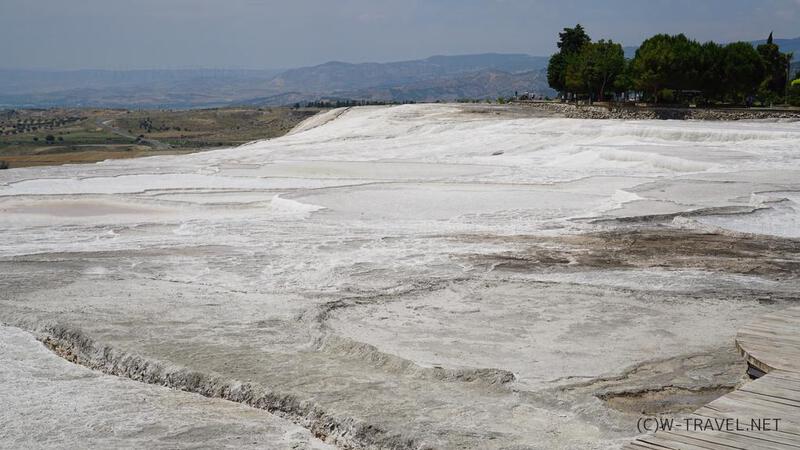 ↓ بالمناسبة، هذه صورة موجودة على موقع اليونسكو. إنها رسم قديم بأسلوب تناظري، وبما أن تسجيلها كموقع تراث عالمي كان عام 1988، فمن المفترض أنها صورة من تلك الفترة أو بعدها. الفرق كبير جداً (ضحك).
 http://whc.unesco.org/en/list/485/gallery/
http://whc.unesco.org/en/list/485/gallery/
حقوق الطبع والنشر: © وزارة الثقافة والسياحة
المؤلف: أوموت أوزديمير
شروط استخدام الحقوق: اقرأ شروط الاستخدام
صور الكتيبات هي هذه فقط، ولكن لا يمكنني منع اعتبارها احتيالاً.
↓ بالمناسبة، هذه هي صور الصفحة الرسمية لـ باموكالي.

 http://www.pamukkale.net/
http://www.pamukkale.net/
Copyright: www.pamukkale.net
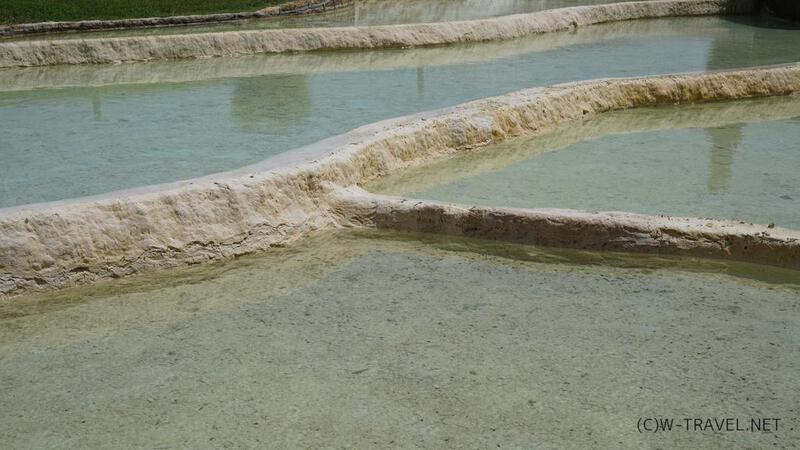
يبدو أنهم توقفوا عن التركيز على الماء، ولكن لا يزال يمكن رؤية بركة بها نصف كمية الماء.
إنها تجربة سيئة إلى حد ما (ضحك).
على الرغم من أنه لا يوجد سوى نصف كمية الماء. بل 10٪ فقط.
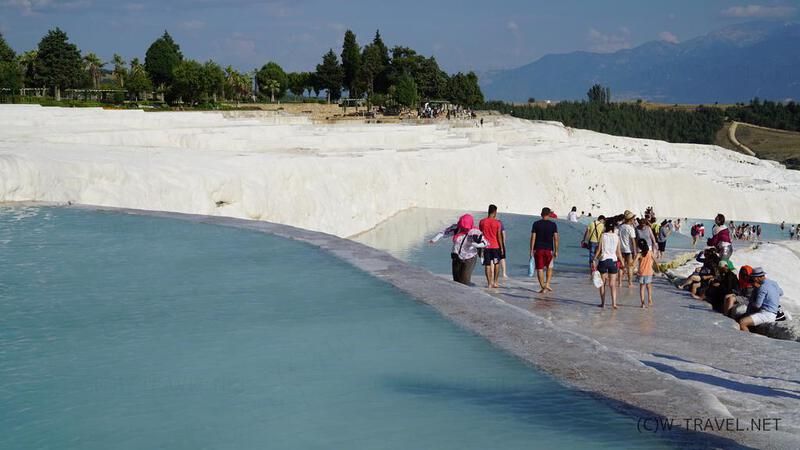
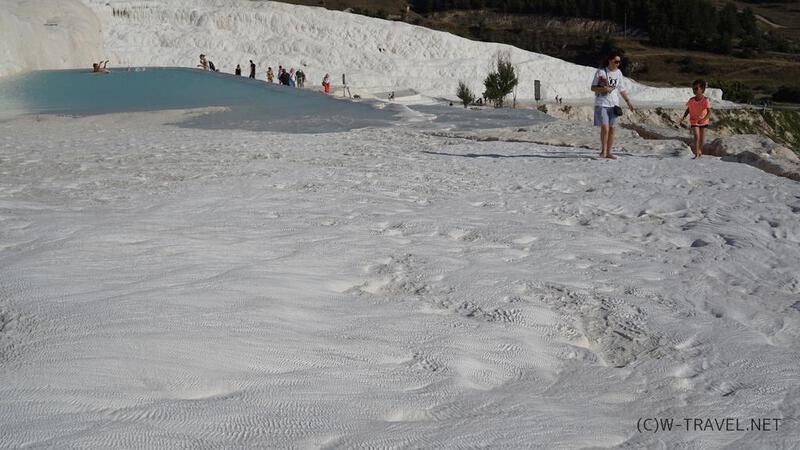
↓ هنا، يجب خلع الأحذية والمشي حافي القدمين.
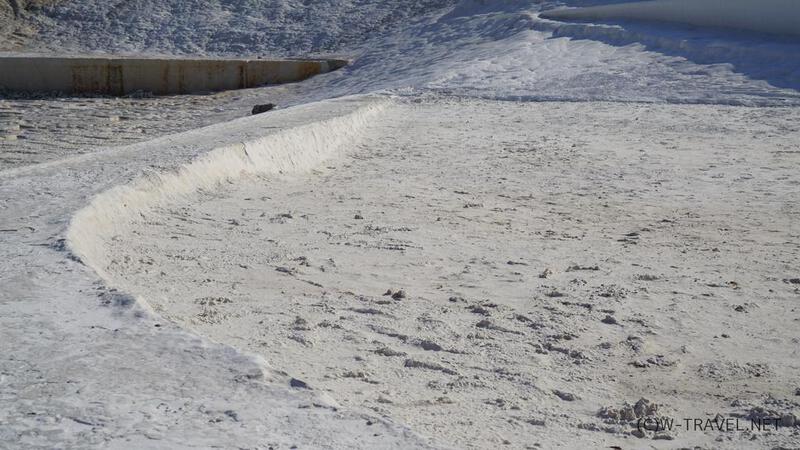
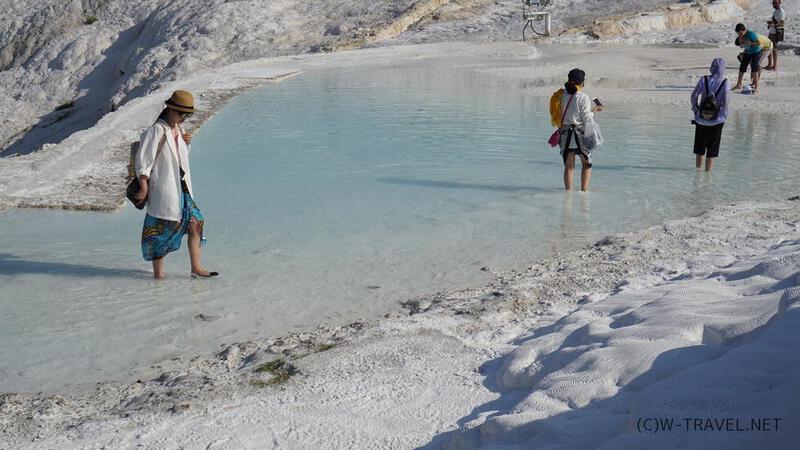 جئت وأنا أحمل كيسًا لوضع الأحذية فيه، وهذا كان جيدًا، ولكن قد يكون الأمر مزعجًا إذا لم يكن هناك كيس.
وضع الأحذية هنا وتركها ليس خيارًا حكيمًا. يجب أن أستمر في المشي لمسافة طويلة.
لقد كان من الصواب اختيار الأحذية بدلاً من الصنادل، لأنني سأضطر إلى المشي لمسافات طويلة داخل الموقع الأثري.
إذا لم أذهب إلى الموقع الأثري، أو إذا كنت سأذهب إلى موقع أثري قريب فقط، فقد تكون الصنادل خيارًا جيدًا.
من الواضح أنهم يقومون فقط بتشغيل الماء في الممرات بشكل محدود.
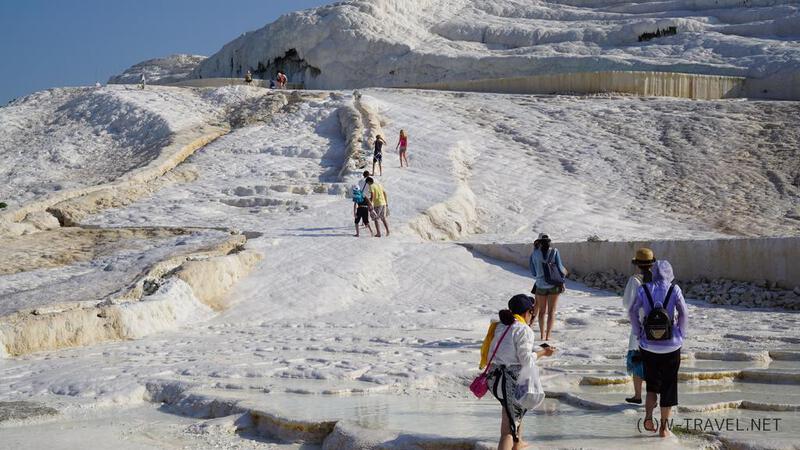
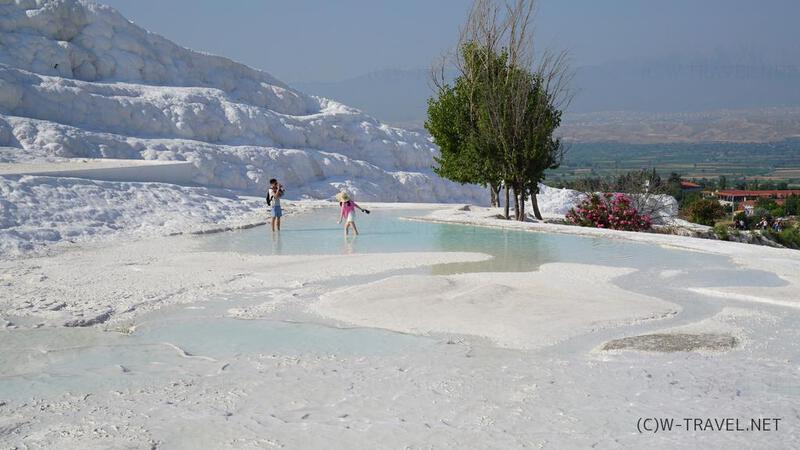
 ربما، حتى في الآونة الأخيرة، قد يكونون يفتحون المياه فقط عند التقاط صور للمنشورات الترويجية؟ إذا كان الوضع الطبيعي هكذا، فهذا يعتبر احتيالاً.
هناك الكثير من المحتالين في المدينة، وربما هذا هو الوضع في هذه المدينة... بالطبع، هناك أشخاص جيدون أيضاً.
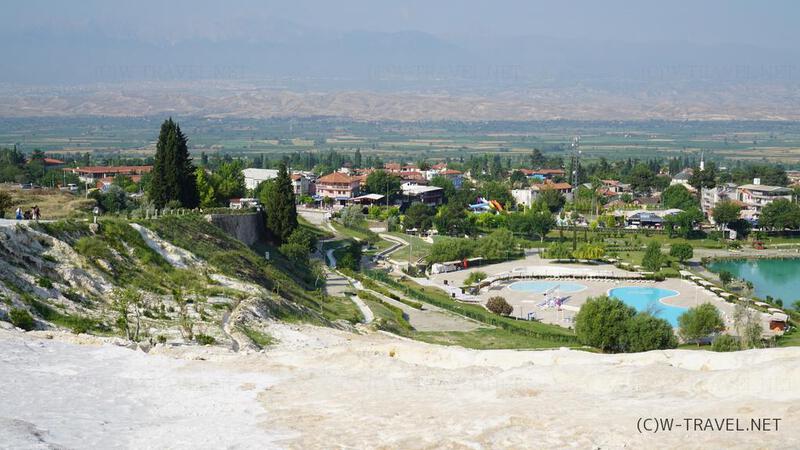
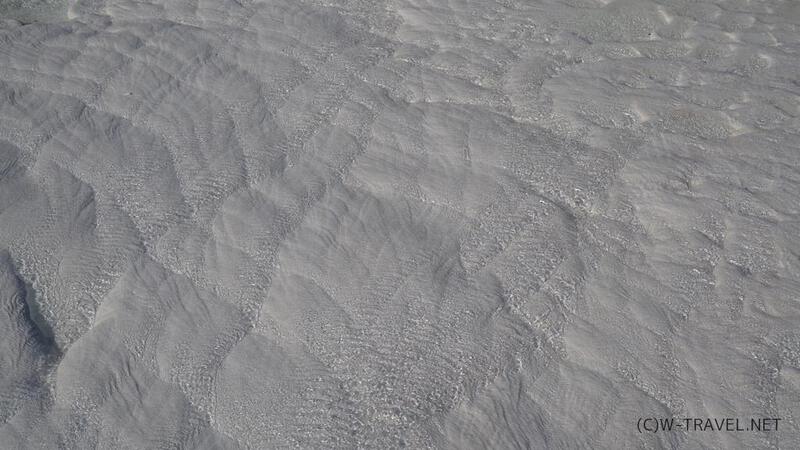
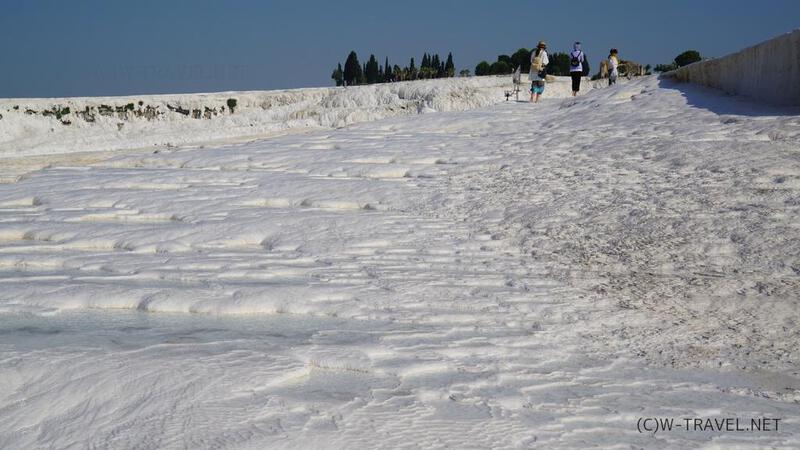 يُقال إن زيادة عدد مرافق الينابيع الساخنة أدت إلى نقص في المياه، وهذا أمر شائع في اليابان.
أتساءل كيف يمكن تدمير المعالم الرئيسية؟
يبدو أن معظم حمامات السباحة كانت تحتوي على ماء يمكن السباحة فيه في الماضي.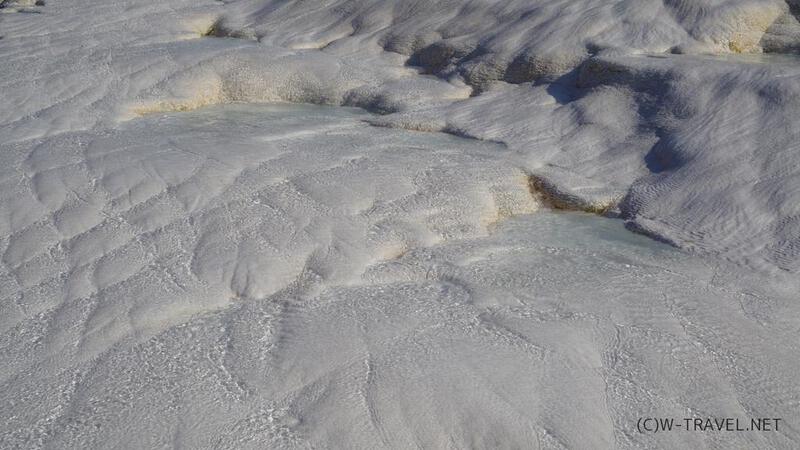

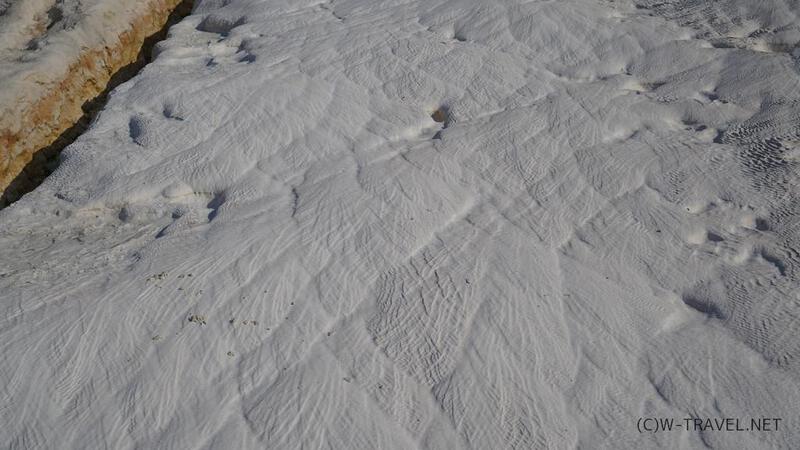
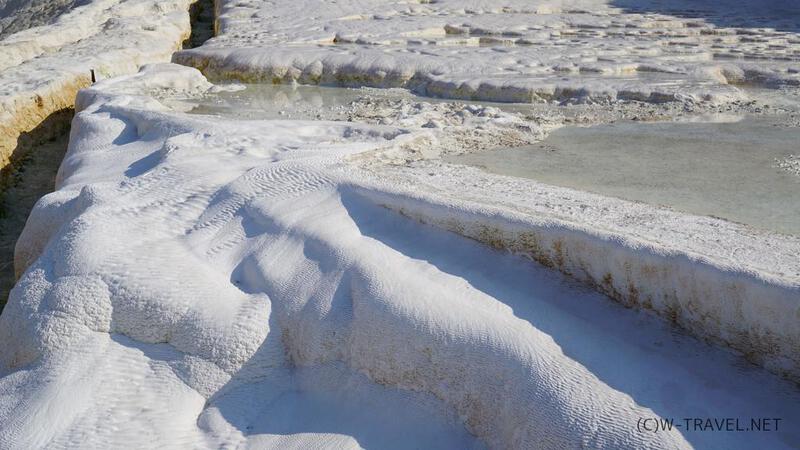 هذا، لا يبدو أنه يستحق العناء للمجيء إلى هنا. آه.
من الأفضل أن تأتي وتشعر بالأسف والندم، بدلاً من أن تحتفظ برغبة في المجيء وتشعر بالأسف والندم باستمرار. هذا جيد كما هو.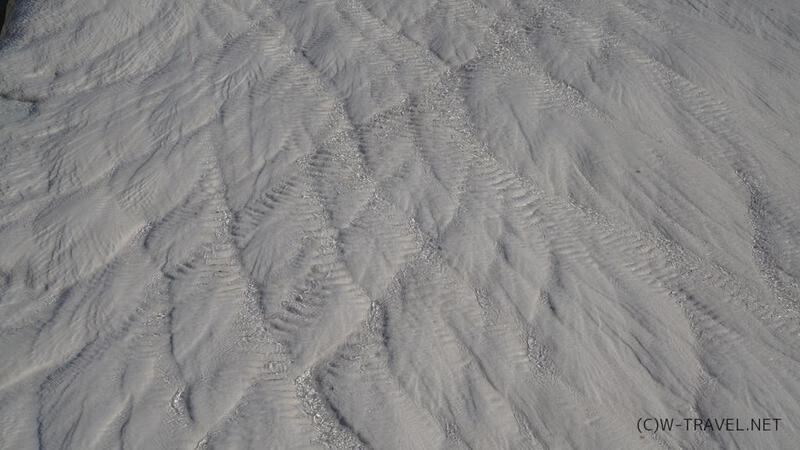
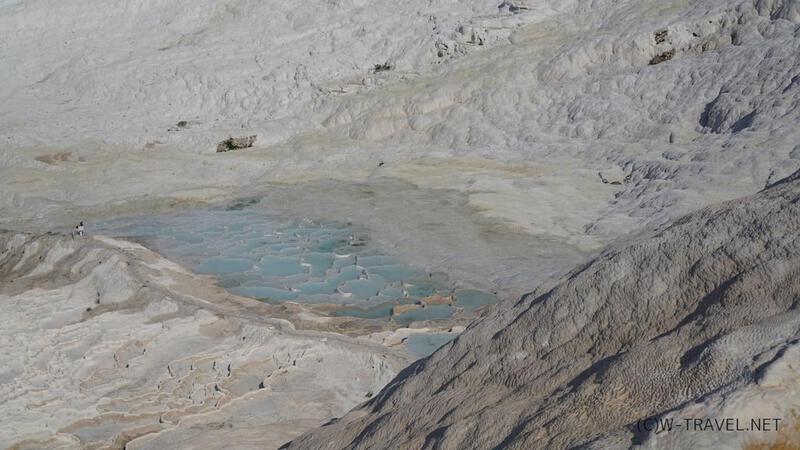
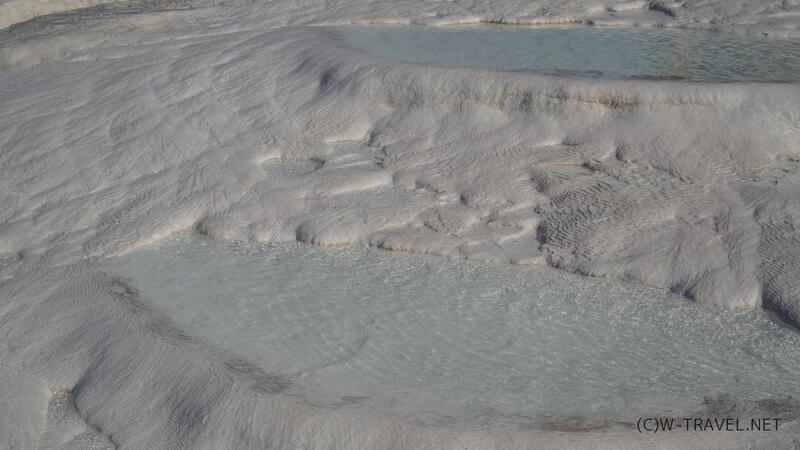
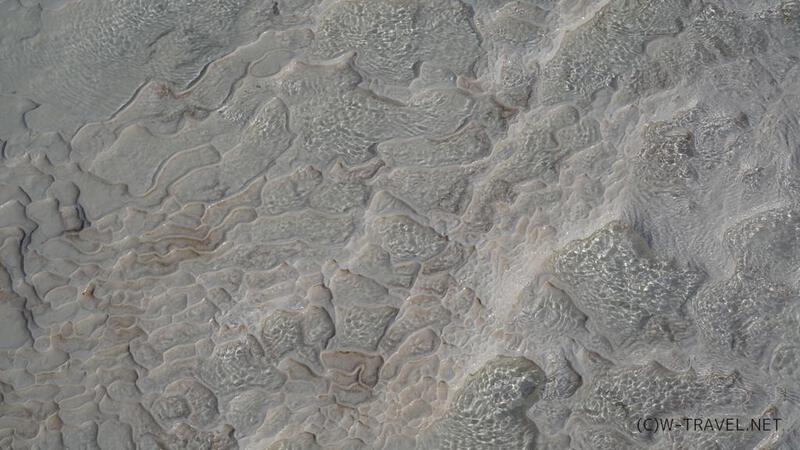


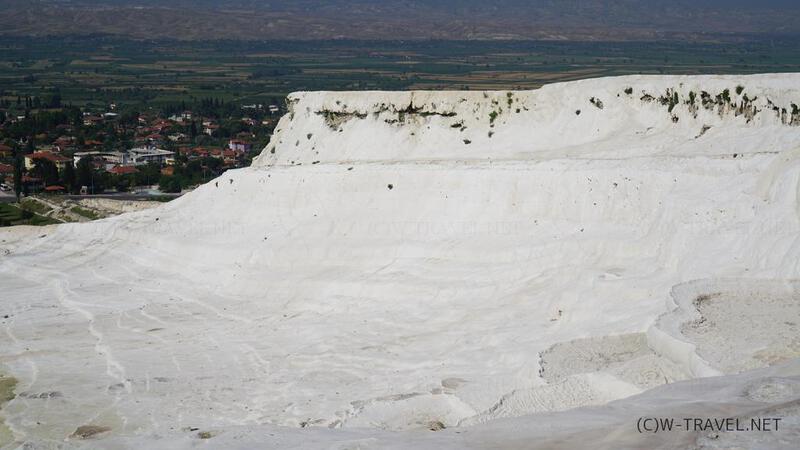
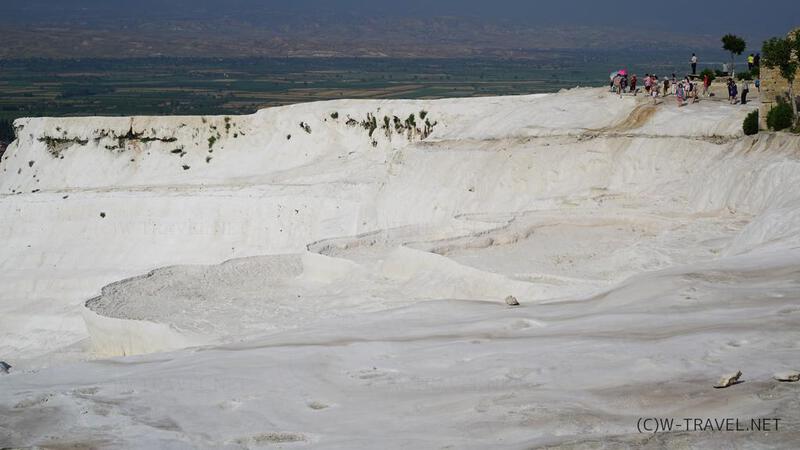
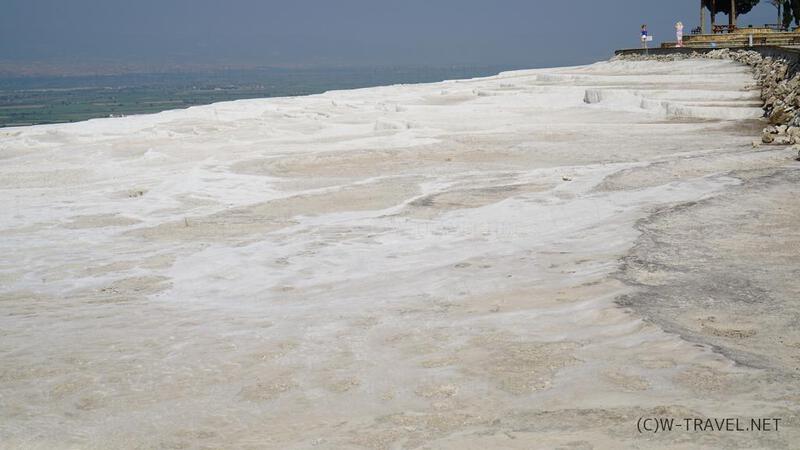

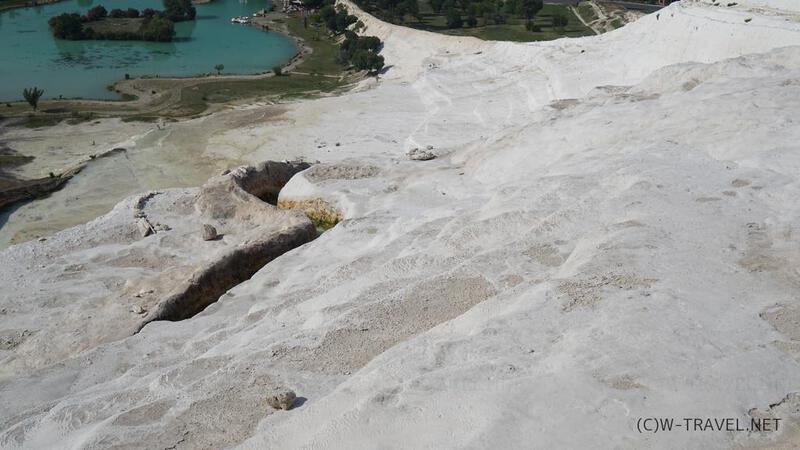
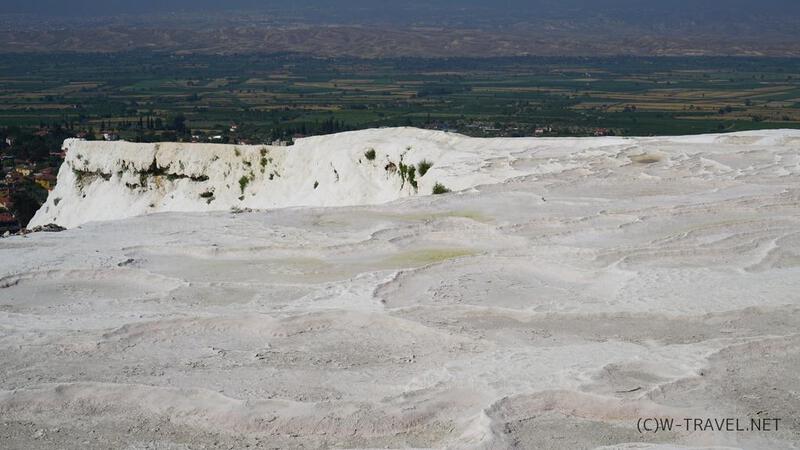
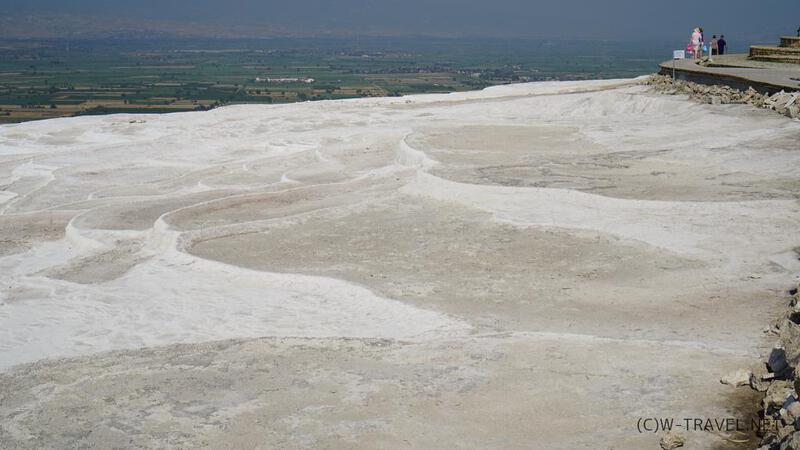
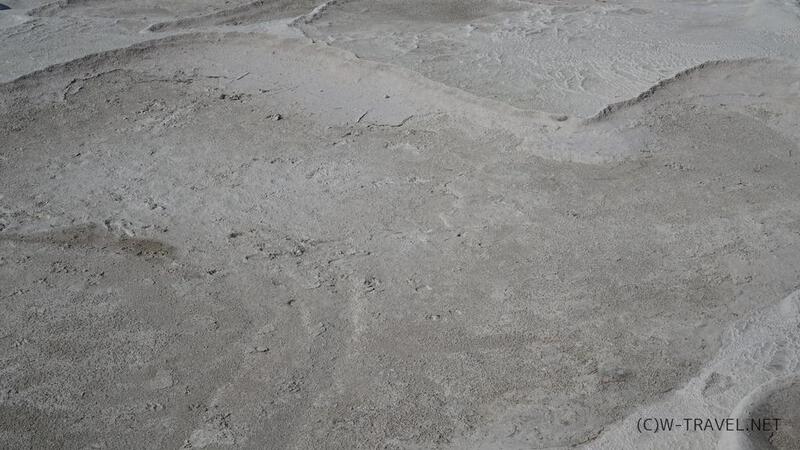

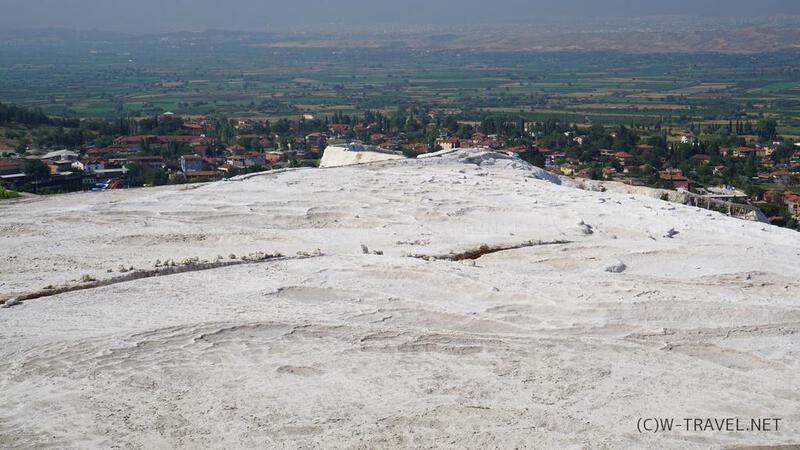 بعد بضع ساعات من عدم وجود أي شيء، ظهرت كمية قليلة من الماء في المكان الذي لم يكن فيه ماء. يا له من أمر غريب.
على الرغم من ذلك، لم يصل إلا أقل من 10٪ من الماء. ربما 10٪ مبالغة. ربما 5٪...
↓ هذا هو ما كان عليه الأمر في الصباح.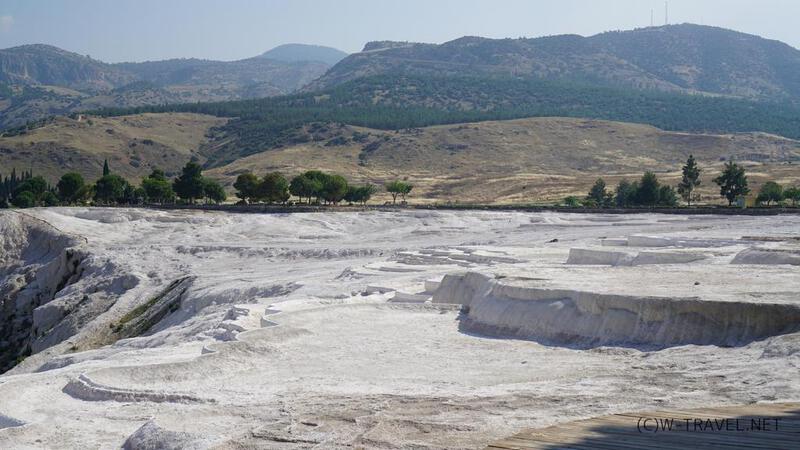
 ↓ نفس المكان في فترة ما بعد الظهر. الماء يتدفق.
 جودة المياه منخفضة، ولا تصل إلى مستوى الينابيع الحارة.
على الرغم من وجود كمية قليلة من الجير وثاني أكسيد الكربون، إلا أنها مجرد ماء.
نظرًا لوجود مادة لزجة من الجير في البرك، فقد يكون وضعها على الجلد له تأثير، ولكن لم يكن هناك مناطق تتجمع فيها رواسب الجير في حمامات السباحة الأثرية.
بالنسبة لليابانيين، إنها مجرد ماء عادي، ولكن يبدو أن الكثيرين يأتون من أوروبا.
أشعر بمستوى عالٍ من الينابيع الحارة اليابانية.
عندما رأيت التقييمات على موقع Tripadvisor، يبدو أن حتى هذا المكان الذي يعتبر "احتيالًا" يحصل على تقييمات عالية.
هل لم يروا الصور والإعلانات التي تظهر تدفق المياه من باموكالي الأصلية؟
إذا كان من الطبيعي أن تكون جافة، فقد يكون من الممكن القول إنها رائعة إلى حد ما، ولكن عندما أرى هذا المشهد الذي جف بسبب الإفراط في سحب المياه، فإنه ليس "رائعًا" بالنسبة لي.
حمامات السباحة الجميلة أصبحت متسخة وبني اللون بسبب عدم تدفق المياه.
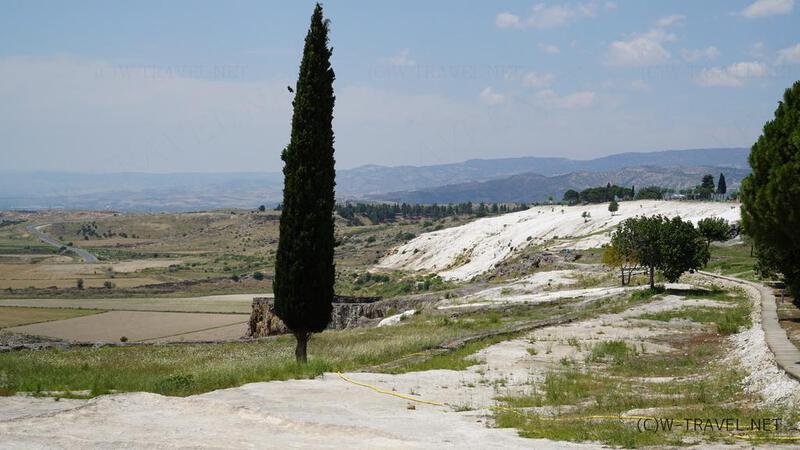
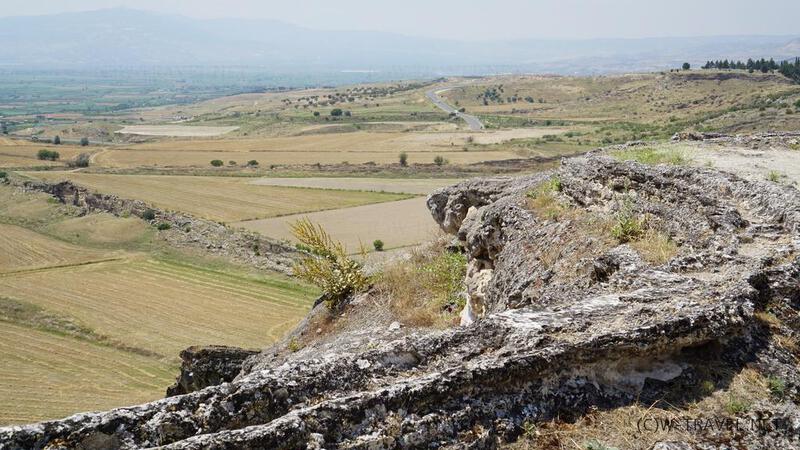
إذا نظرت إلى أطراف الممتلكات، سترى أن الأعشاب تنمو في مناطق الحجر الجيري الأبيض، لذلك إذا لم يكن هناك تدفق للمياه، فمن المحتمل أن يتغير هذا المشهد بشكل كبير بمرور الوقت.
يبدو أن الناس سعداء بوجود المياه في الأماكن التي يمشون فيها فقط، ولكن هل يعتقدون أن بقية الأماكن يمكن أن تتحلل؟
على الرغم من أنه يتم منع الدخول إلى بعض المناطق، ويبدو أنهم يقومون بأقل قدر من الإدارة للحفاظ على مكان مدرج ضمن قائمة التراث العالمي، إلا أنني أتساءل عما إذا كانت السلطات المحلية تفكر في أي شيء عندما تتخذ قرارًا "قاتلًا" بعدم تدفق المياه.
عندما دخلت في الصباح، كان هناك ماء في الأماكن التي لم يكن من المفترض أن يكون فيها، مما يشير إلى أنهم قد يوقفون المياه في الليل.
هل يعتقدون أنه لم يعد من الضروري أن ينمو طبقات الجير؟
إذا كانوا يعتقدون أن هذا المظهر الحالي كافٍ للسياحة، فهذا أمر مؤسف للغاية، ولكن إذا لم يكن هناك تدفق للمياه، فلا يمكنني أن ألومهم.
إذا كان مكانًا مدرجًا ضمن قائمة التراث العالمي، فأعتقد أنه يجب عليهم تدفق المياه باستمرار لمدة 24 ساعة لنمو طبقات الجير، وإلا فإن مكانهم في قائمة التراث العالمي سيتلاشى.
لقد احتل هذا المكان مرتبة عالية في قائمتي الخاصة لأفضل المواقع الأثرية المؤسفة.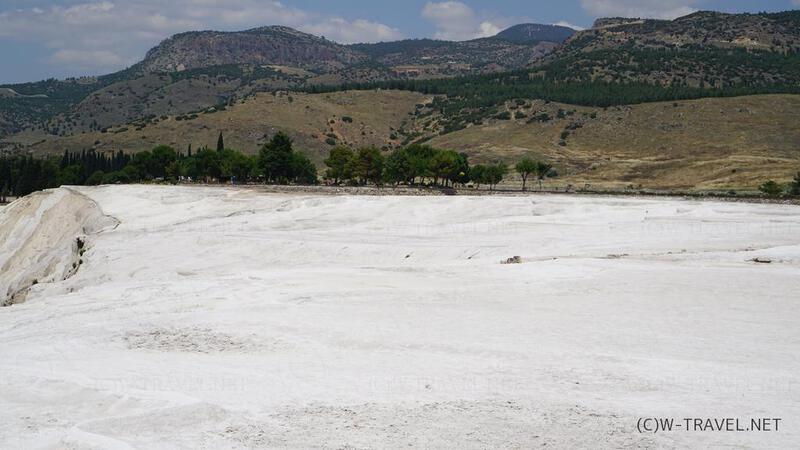
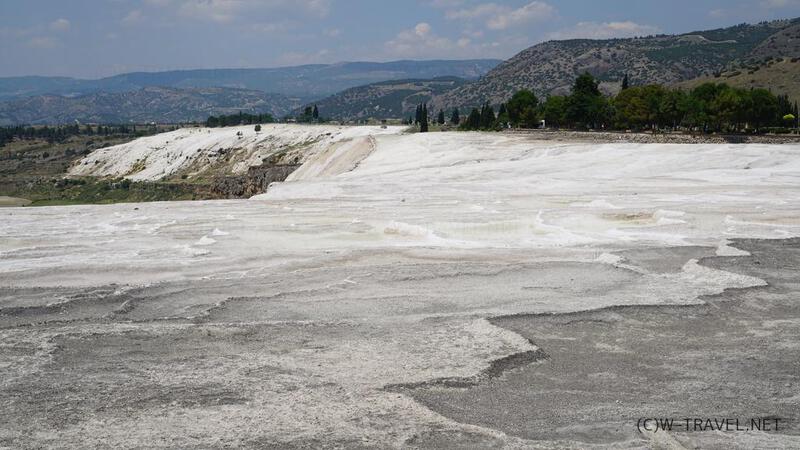
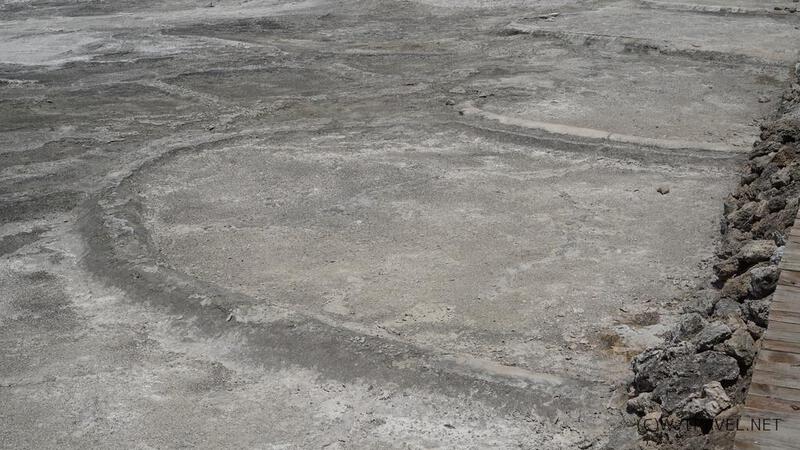




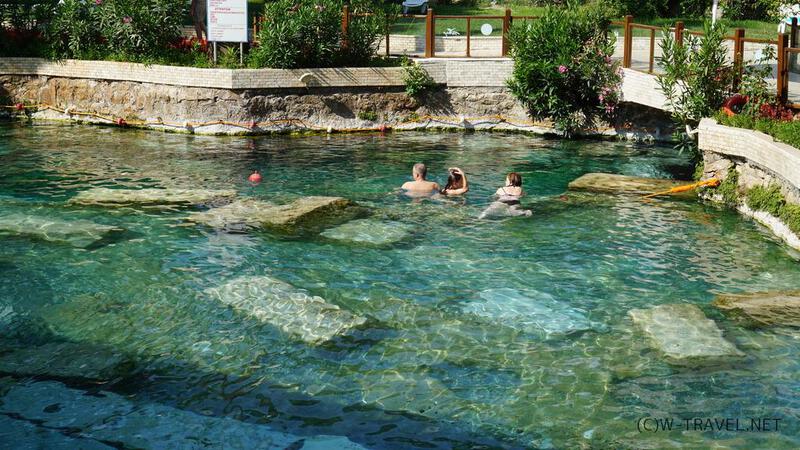
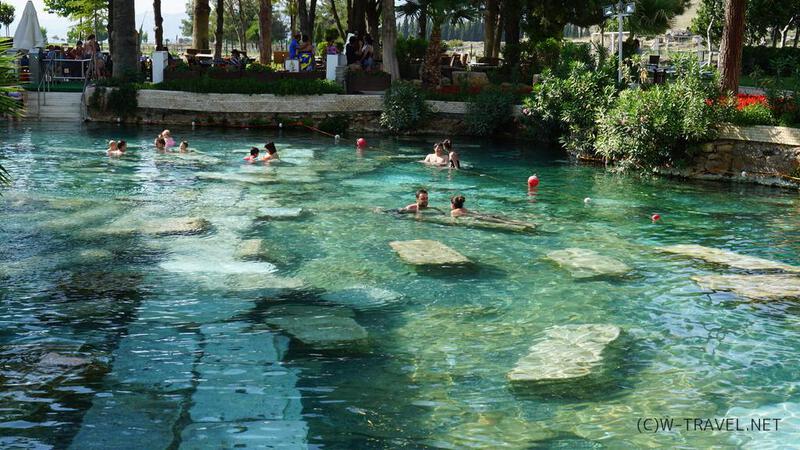
 يمكن الدخول إلى المسبح مقابل رسوم إضافية، ولكن يبدو أنه غير مشمول في بطاقة المتحف، لذلك لم أدخل.
وبصراحة، بدا أن الموظفين لا يعرفون شيئًا عن بطاقة المتحف... على أي حال، لم أكن مهتمًا جدًا، لذا لا بأس.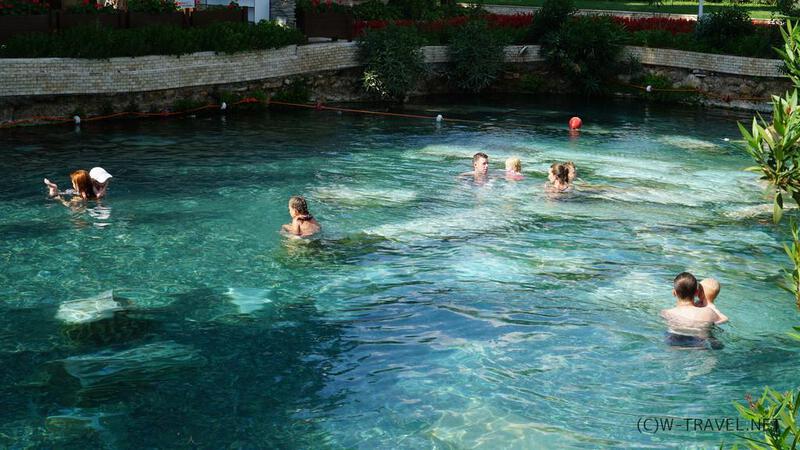
 بعد أن التففت حول المنطقة بأكملها، عدتُ إلى نفس المكان واتجهت إلى المخرج.
خلعتُ حذائي وذهبت حافية القدمين.
في هذا الممر فقط، يتدفق الماء إلى حد ما، ولكن لا يزال هناك أماكن لا يصل إليها الماء.



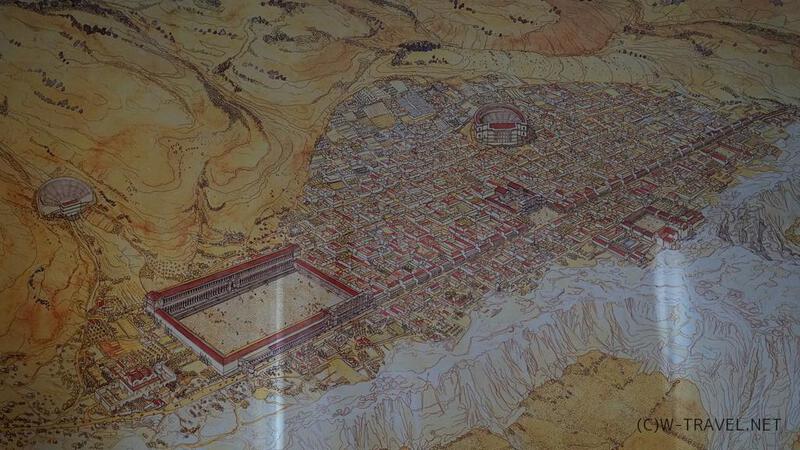
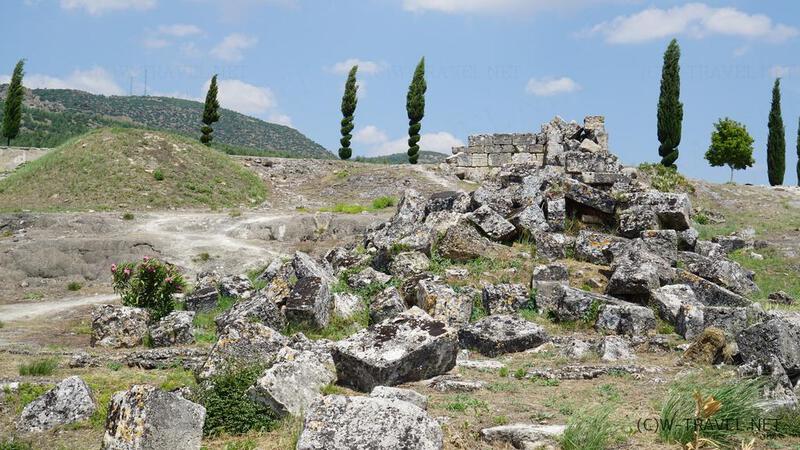
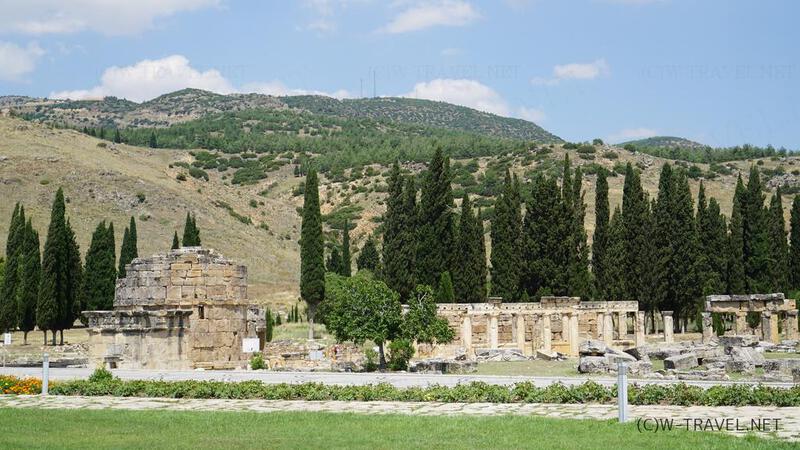
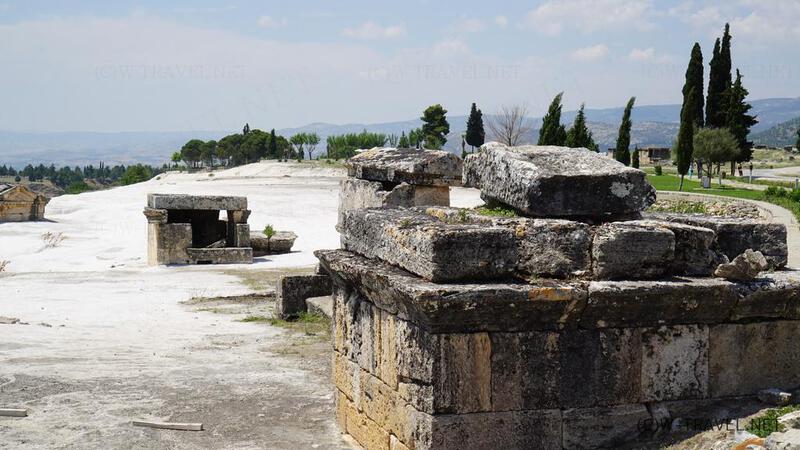
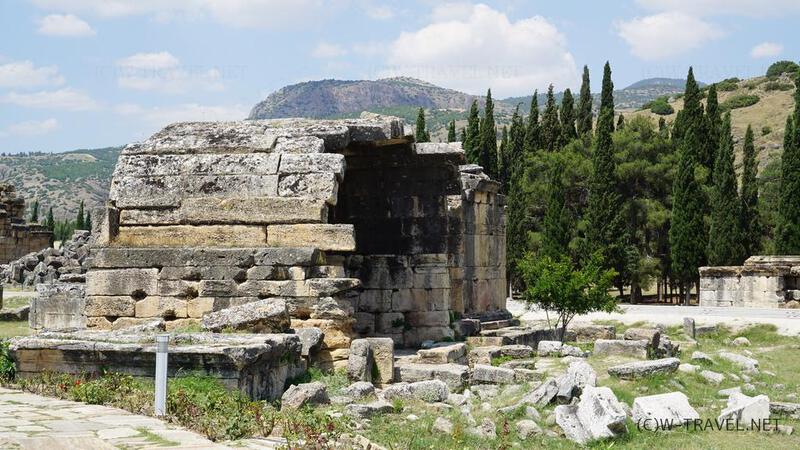
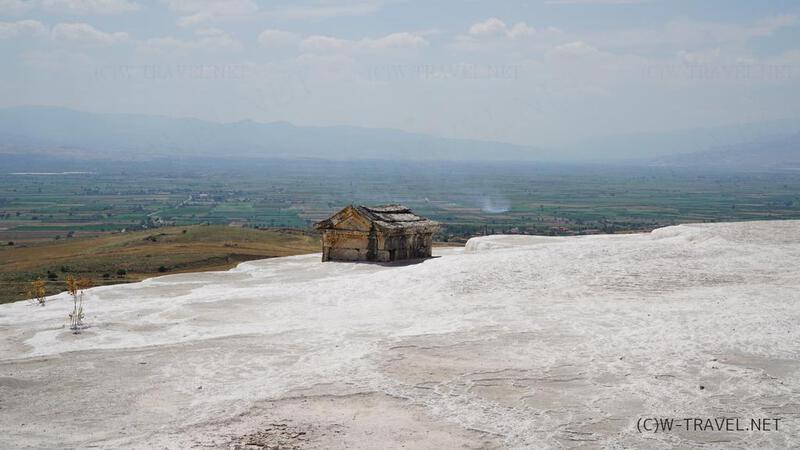
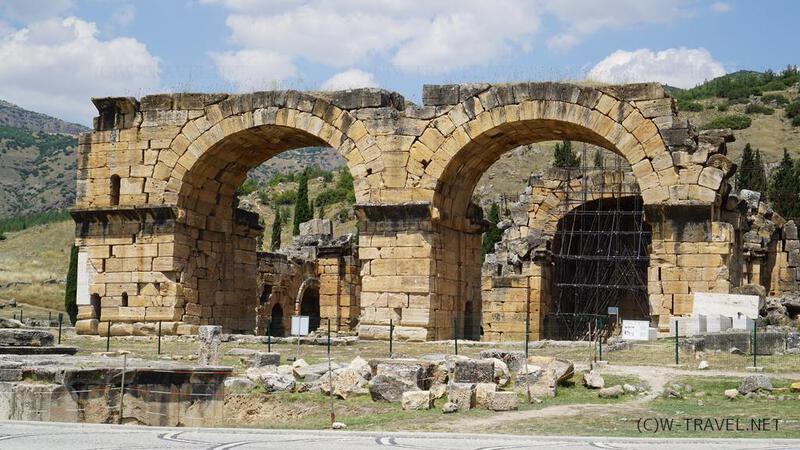
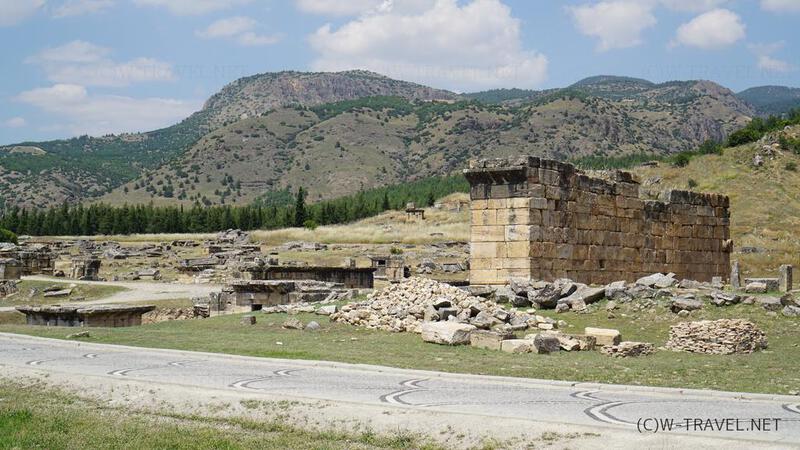
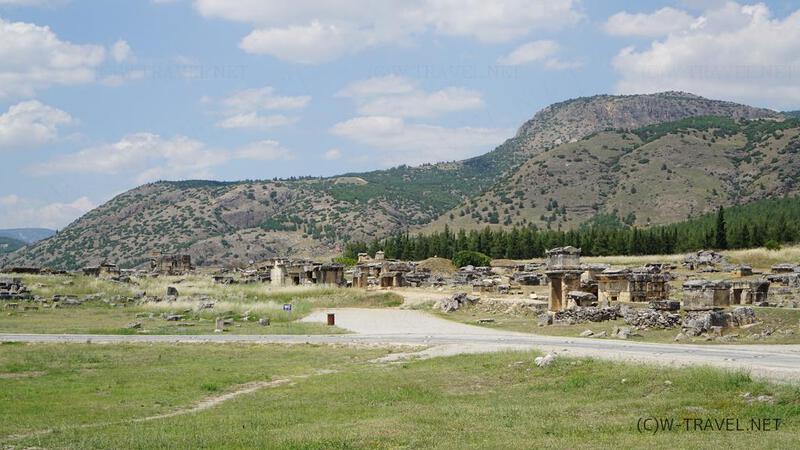
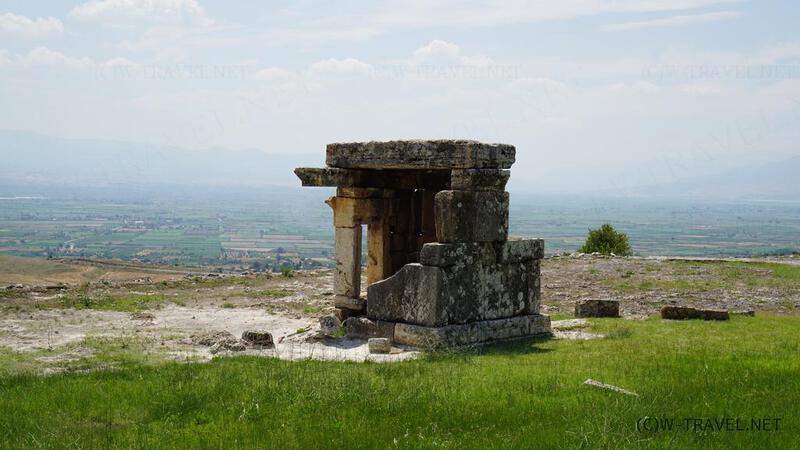
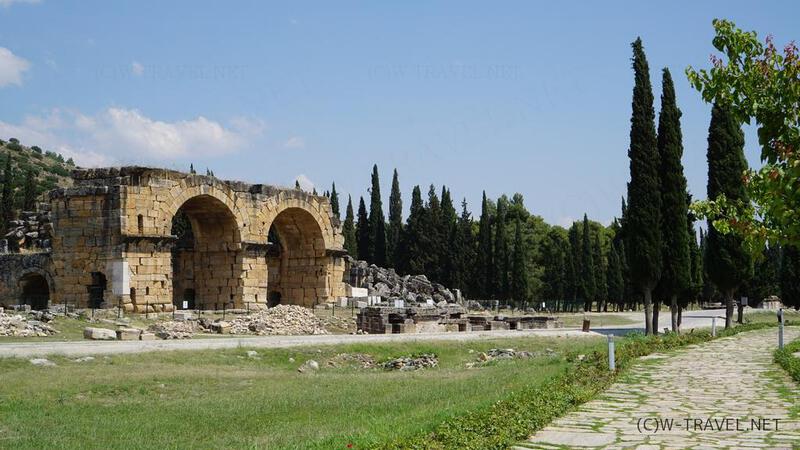
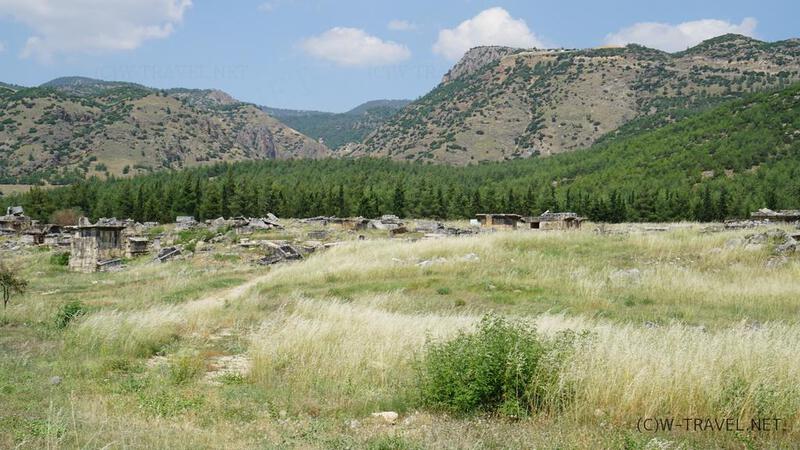
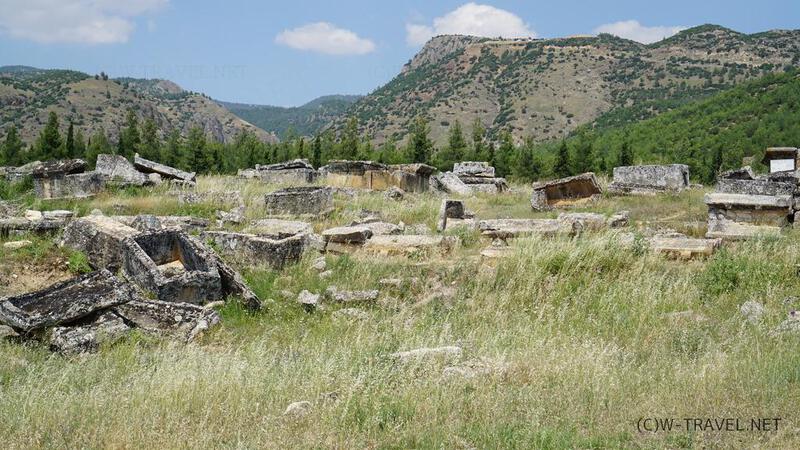
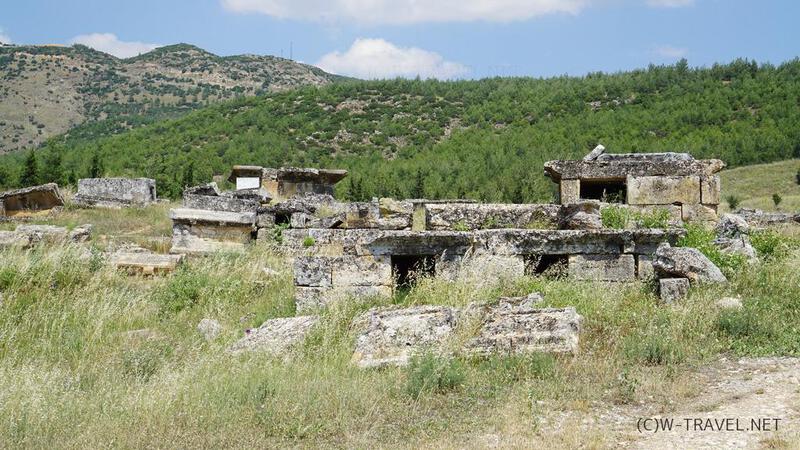
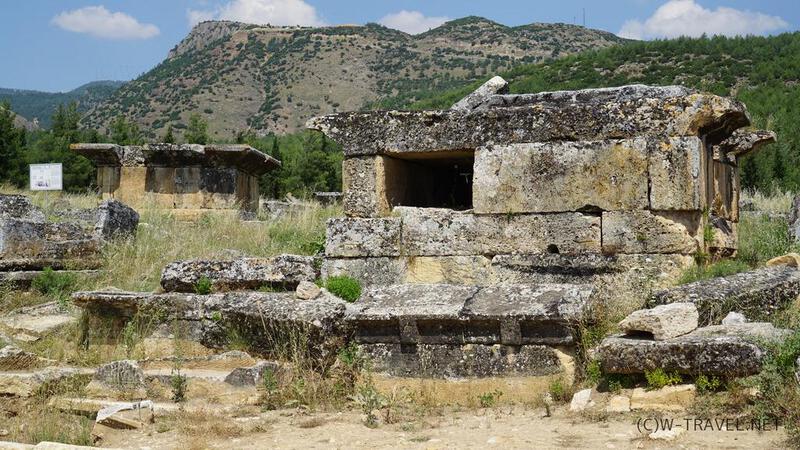
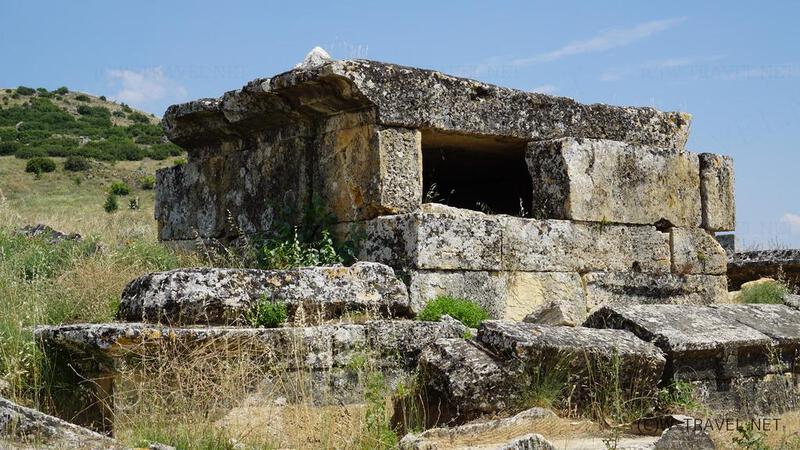
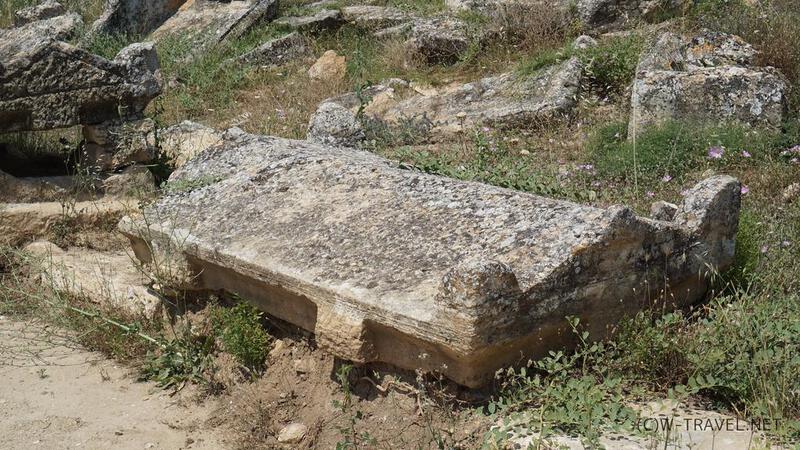
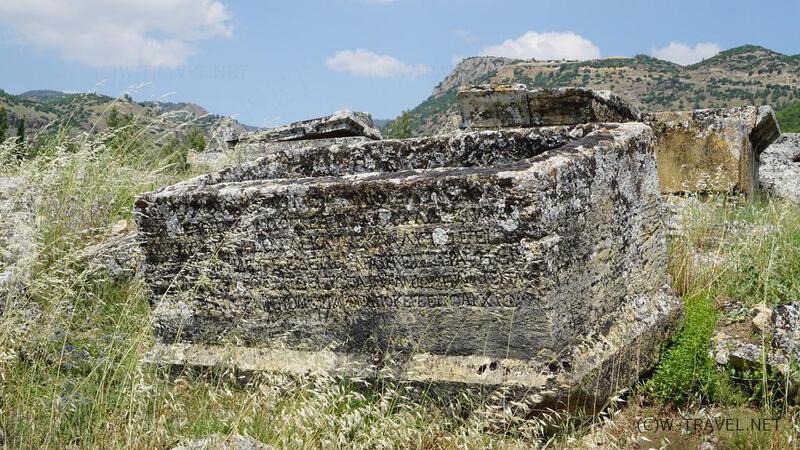
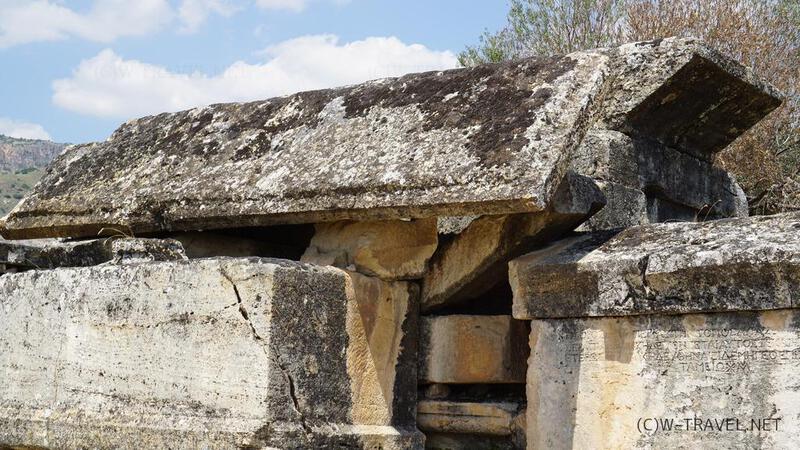
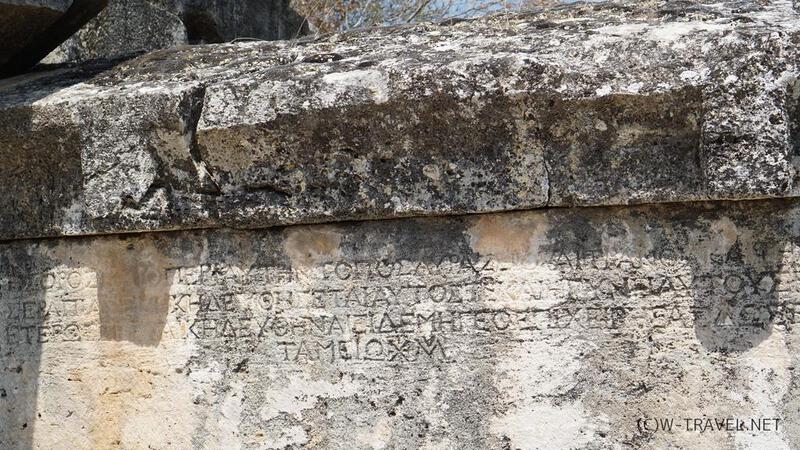
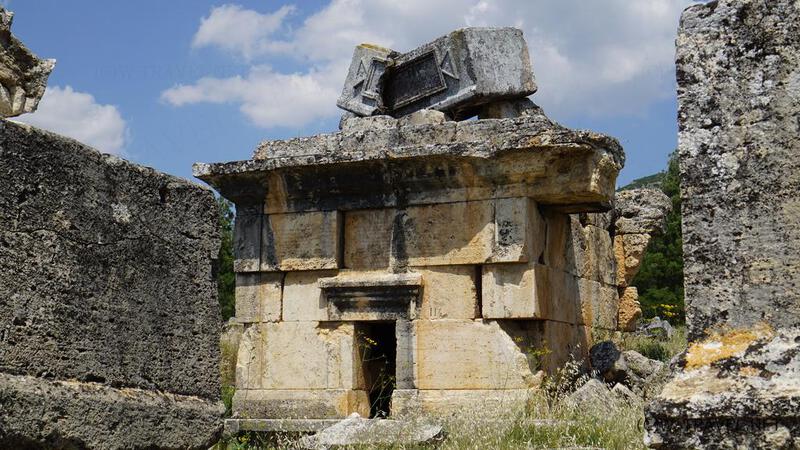
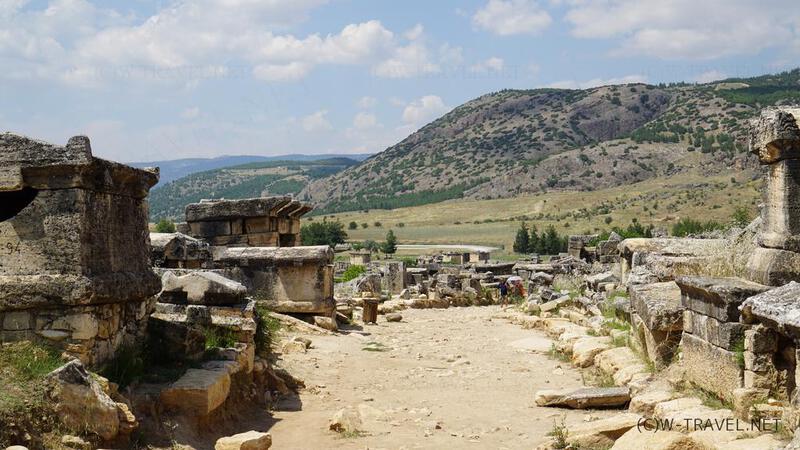
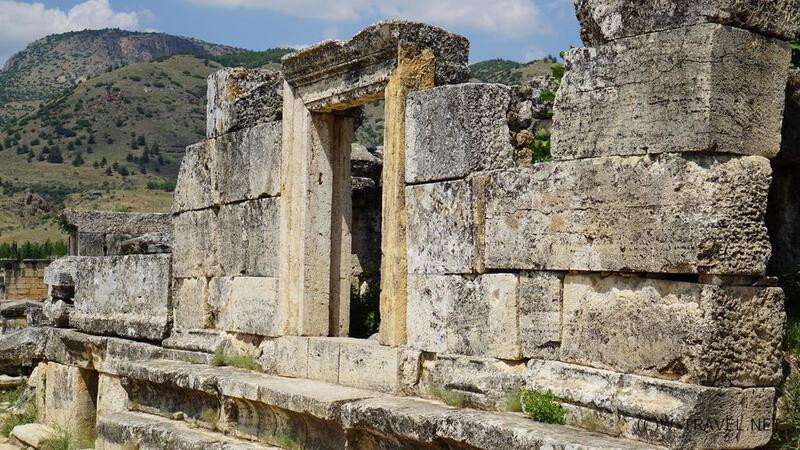
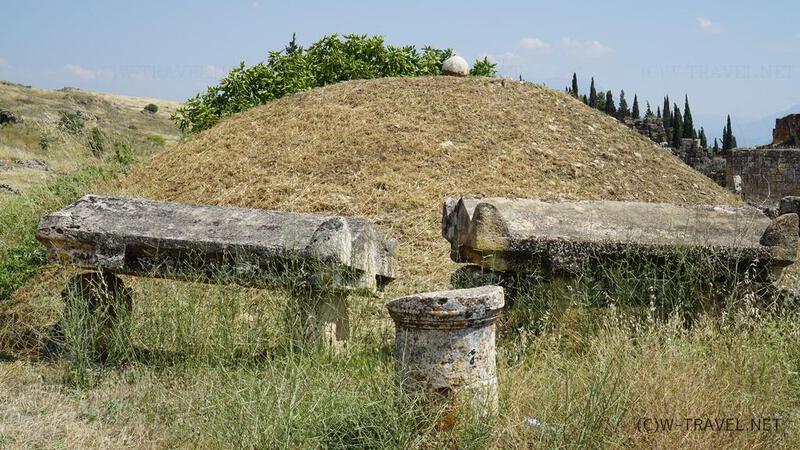
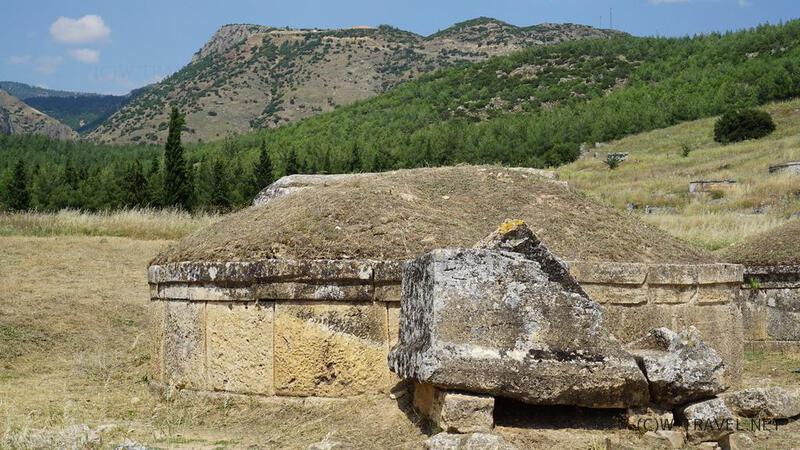
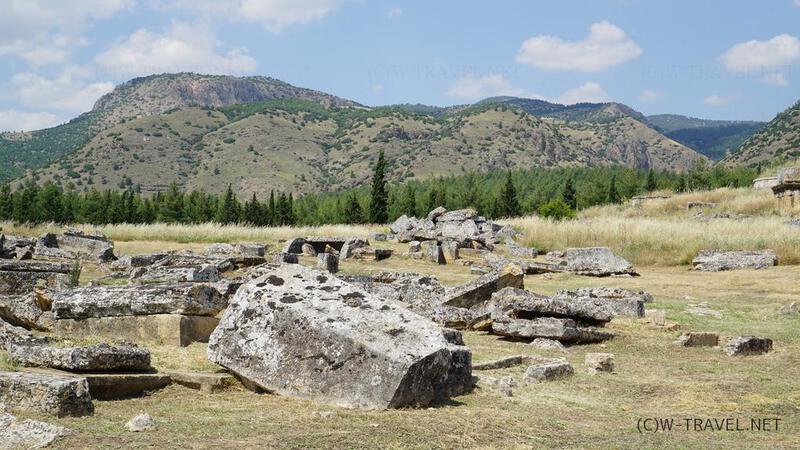
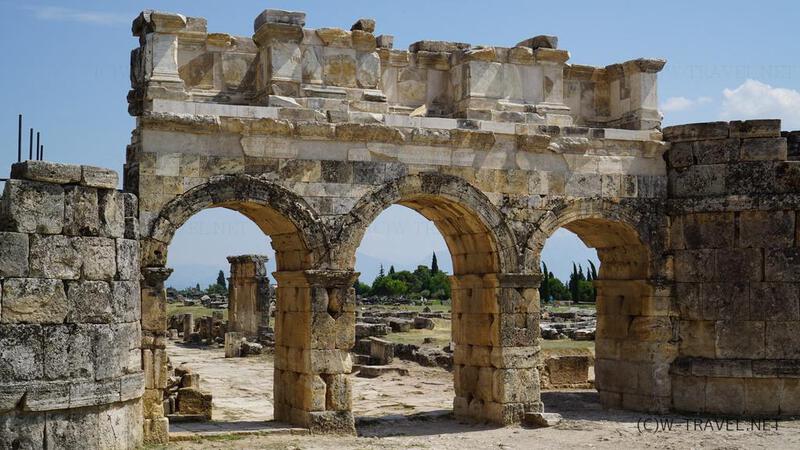
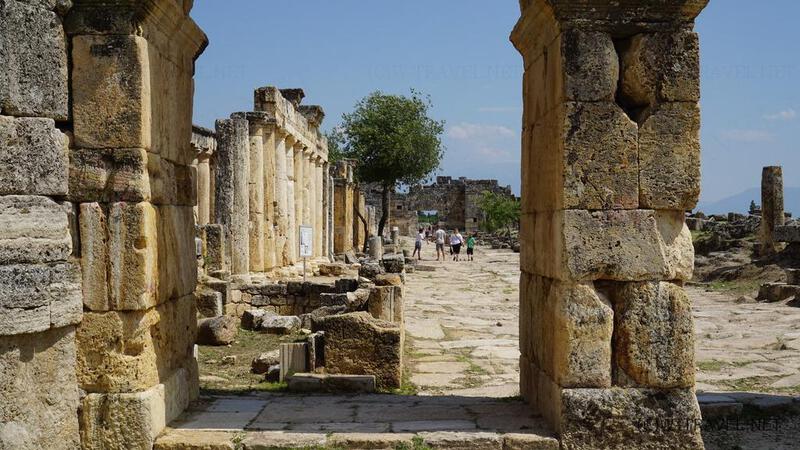
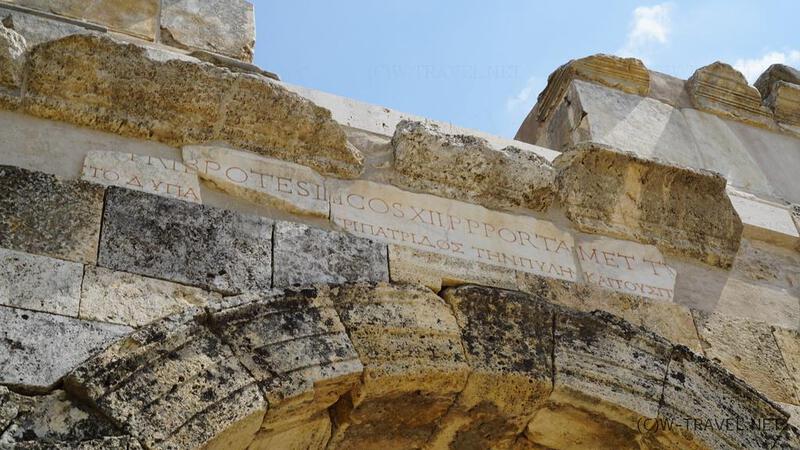
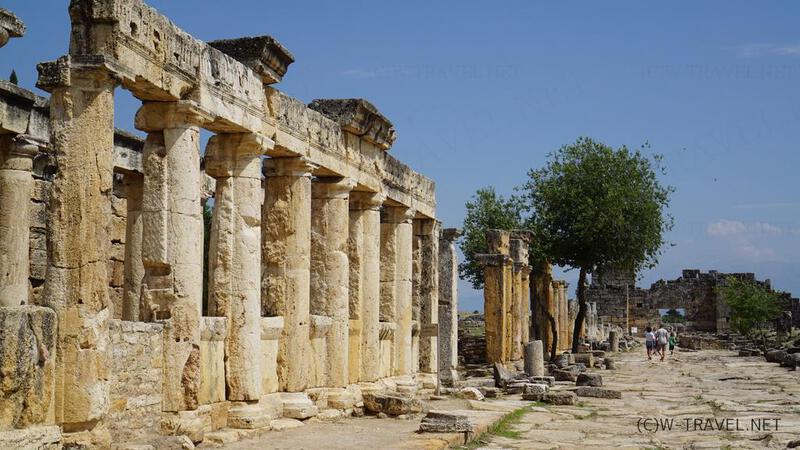
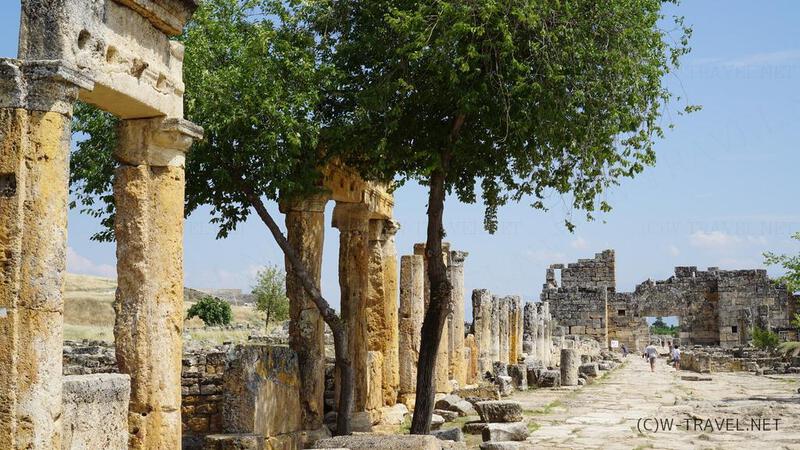
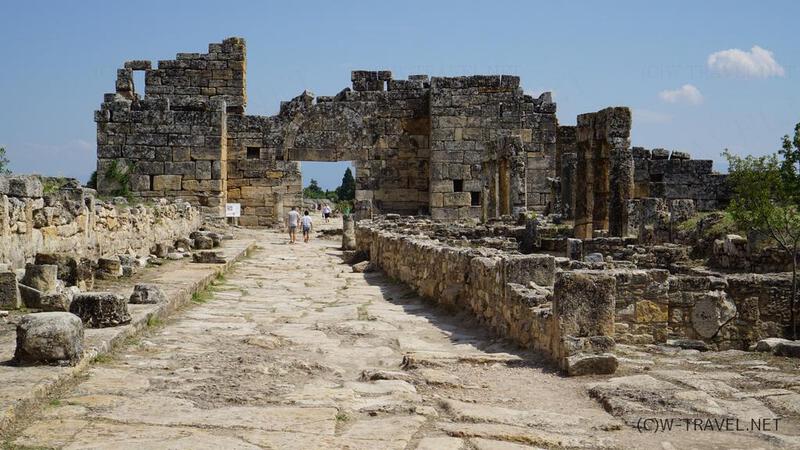
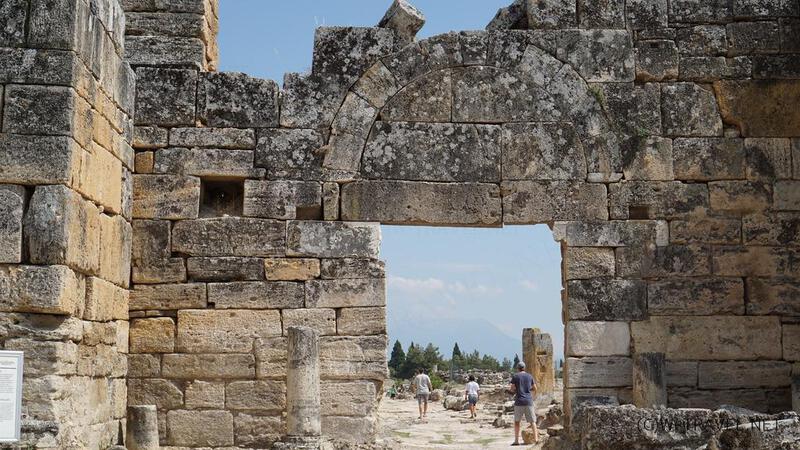
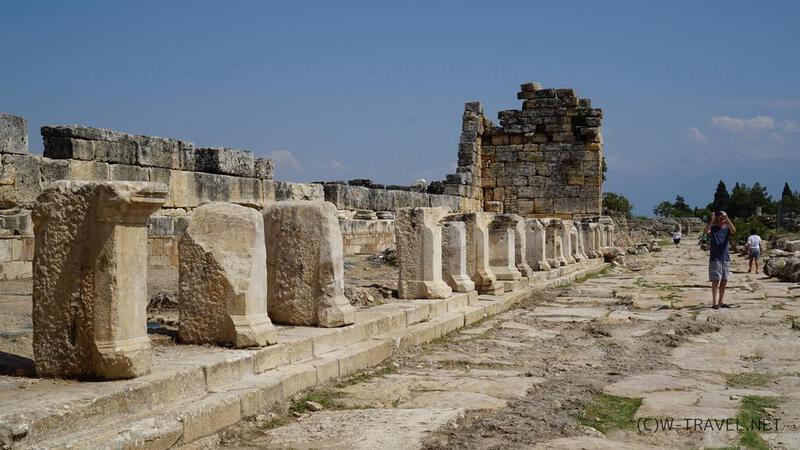
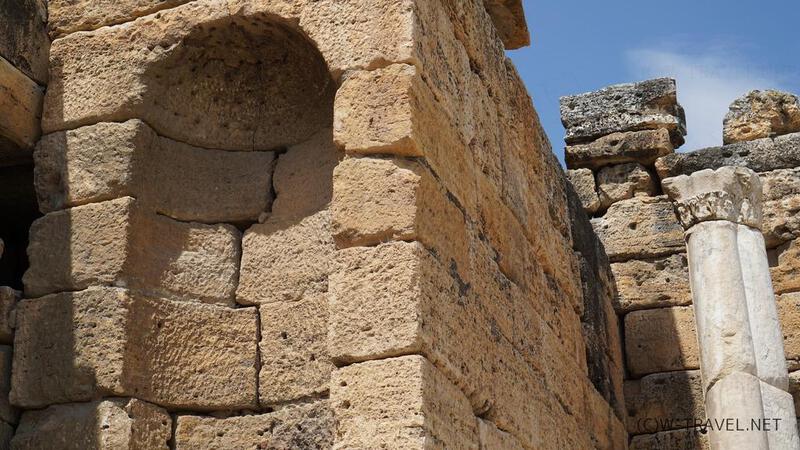
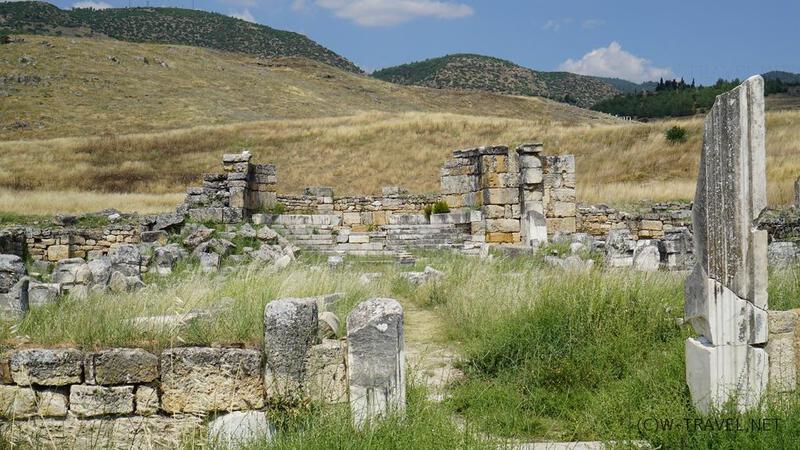
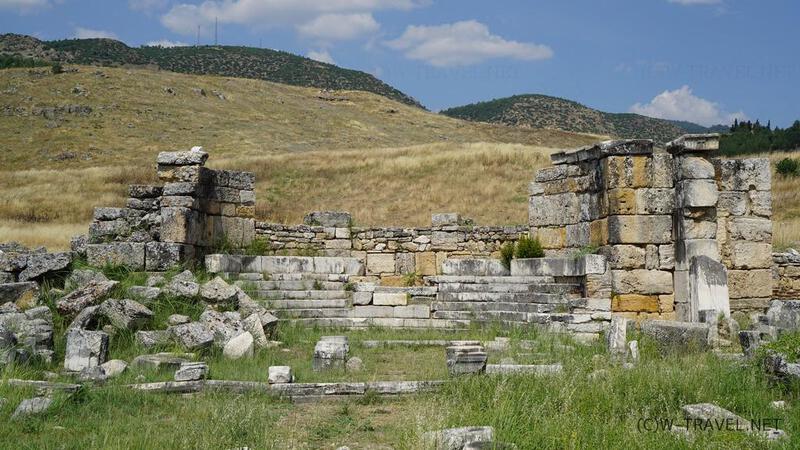
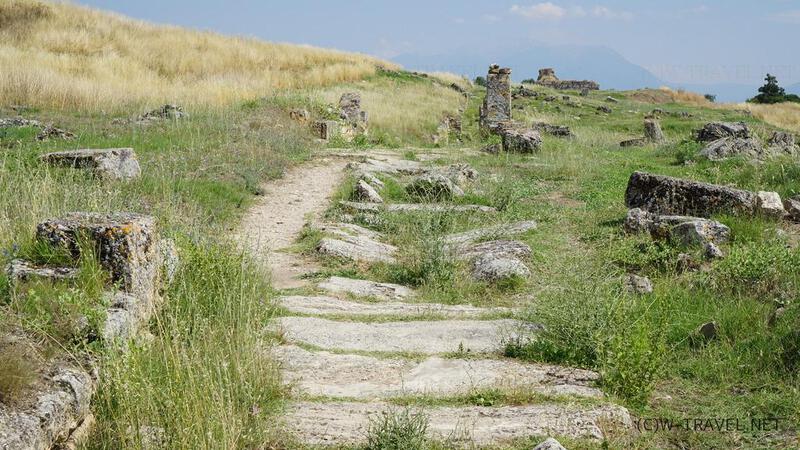
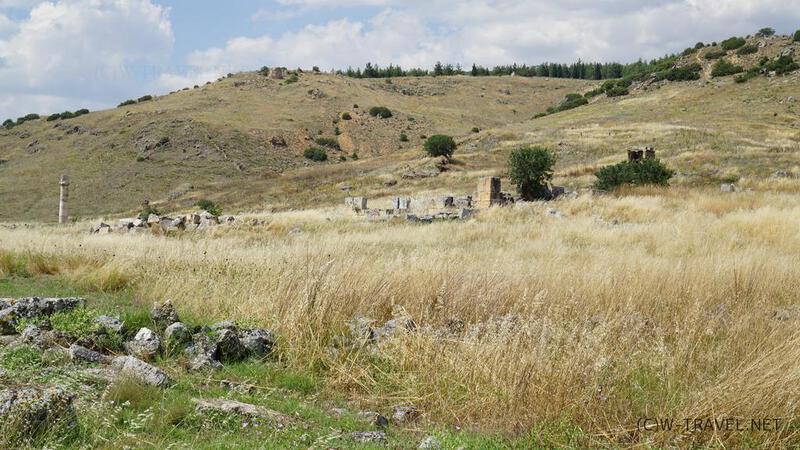
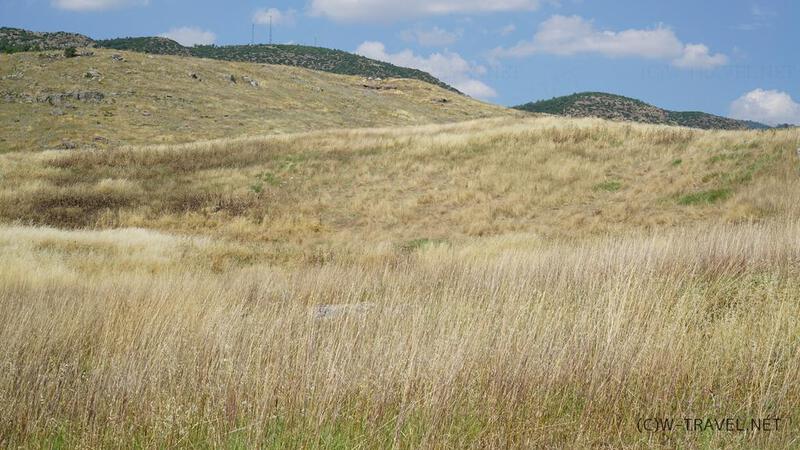
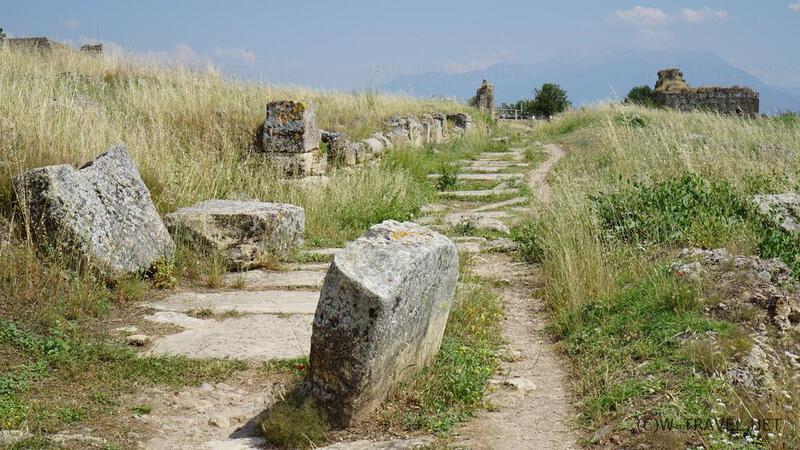
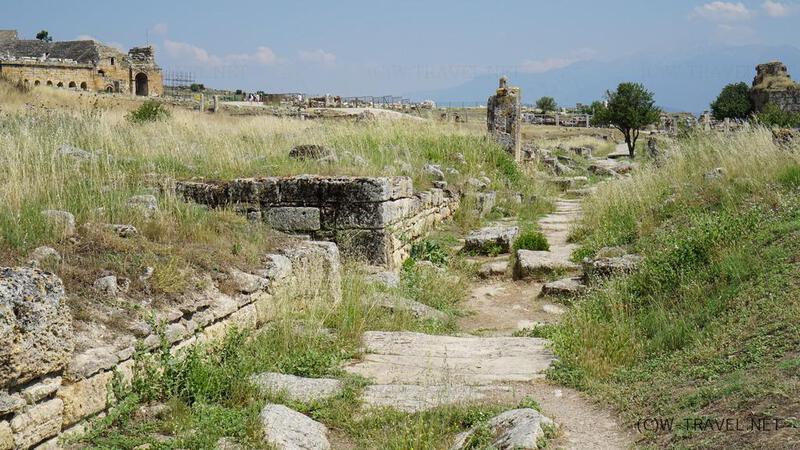
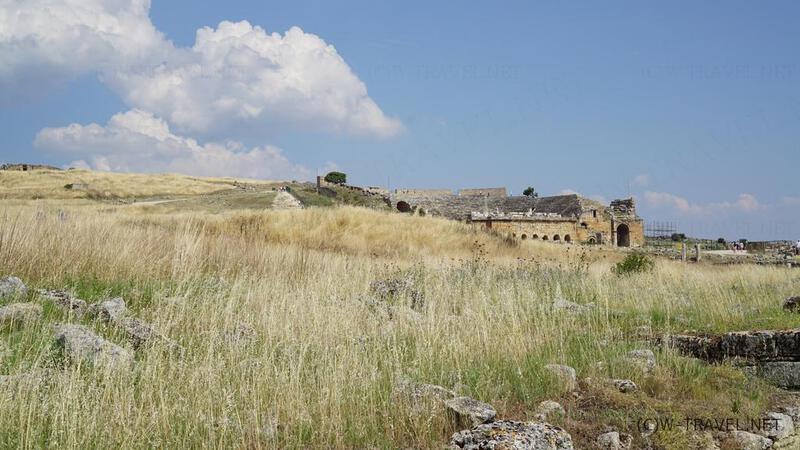
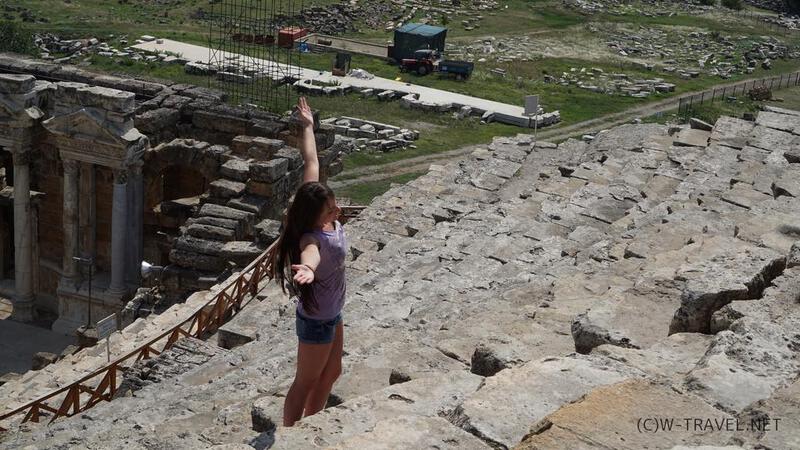
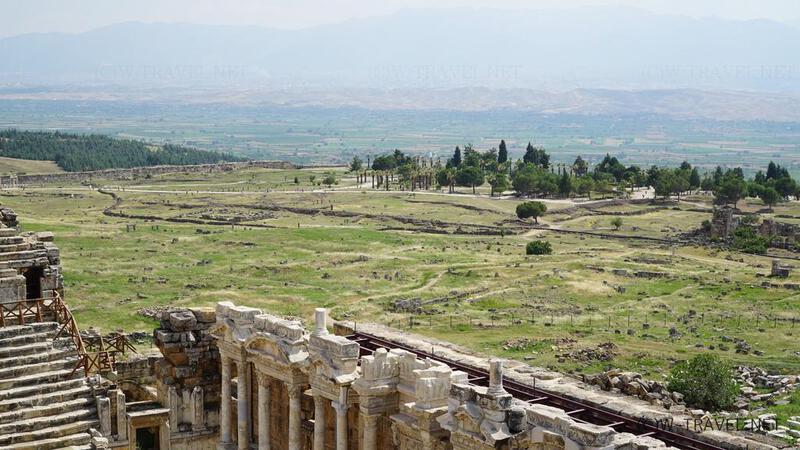
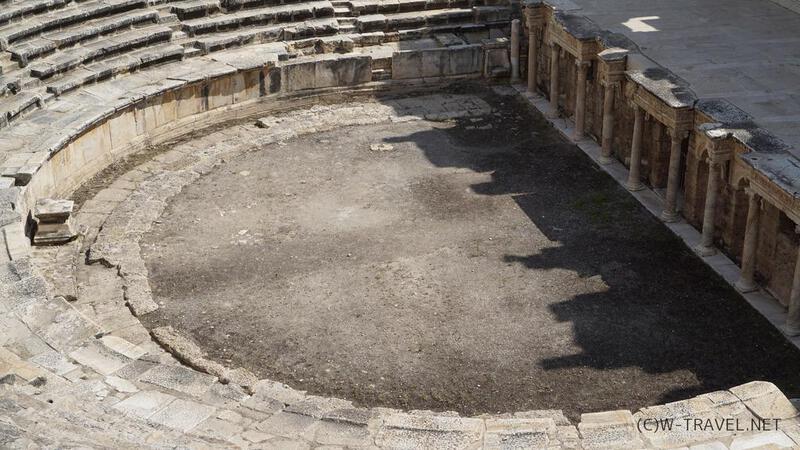
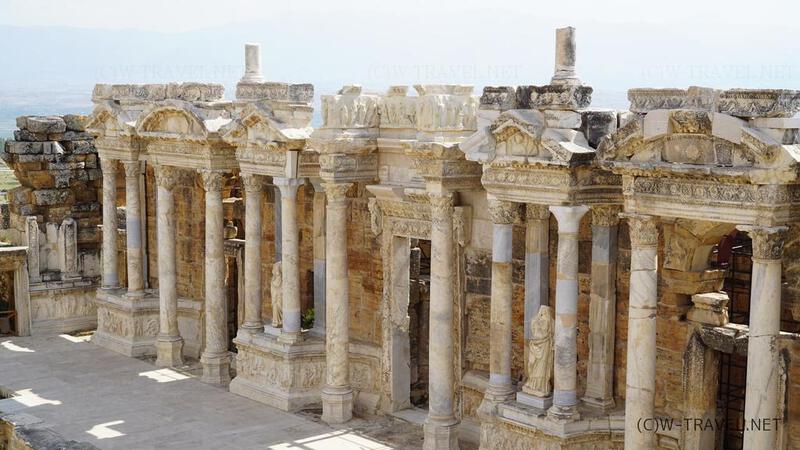
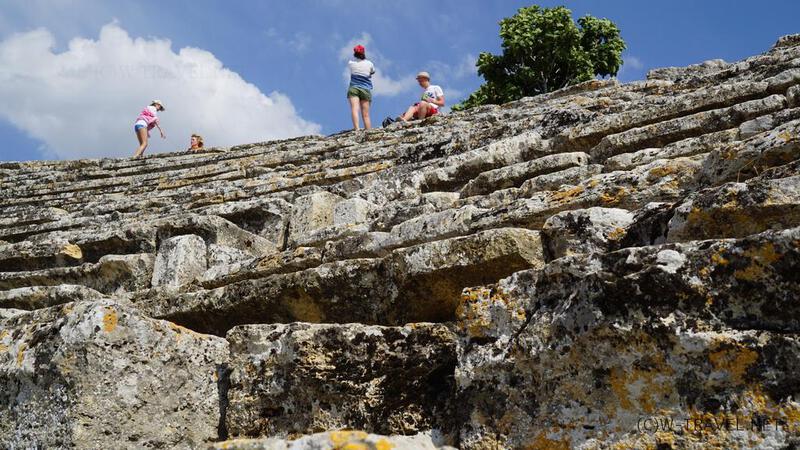
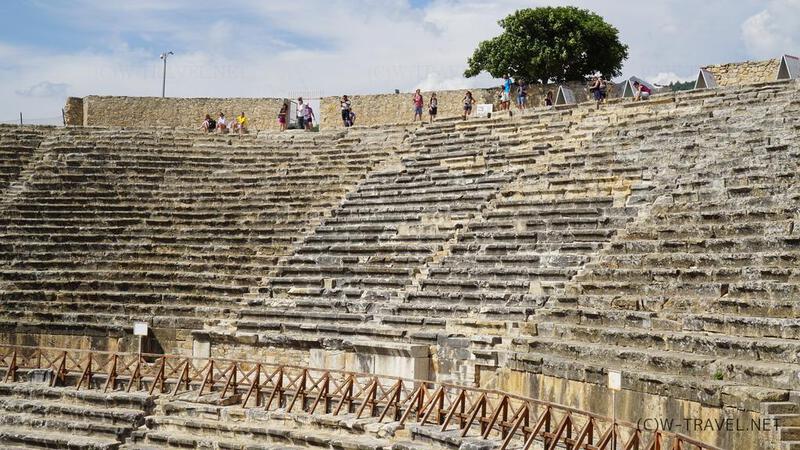
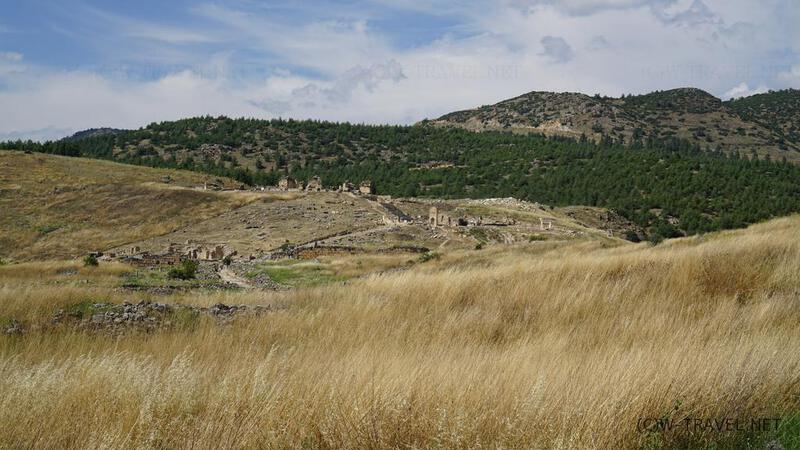
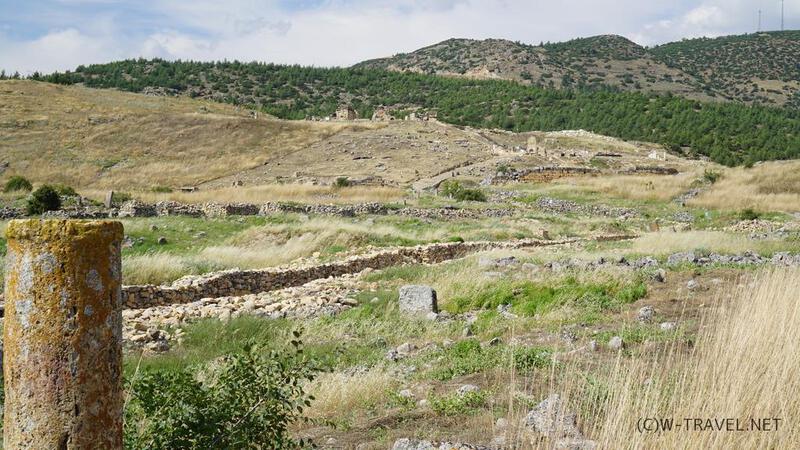
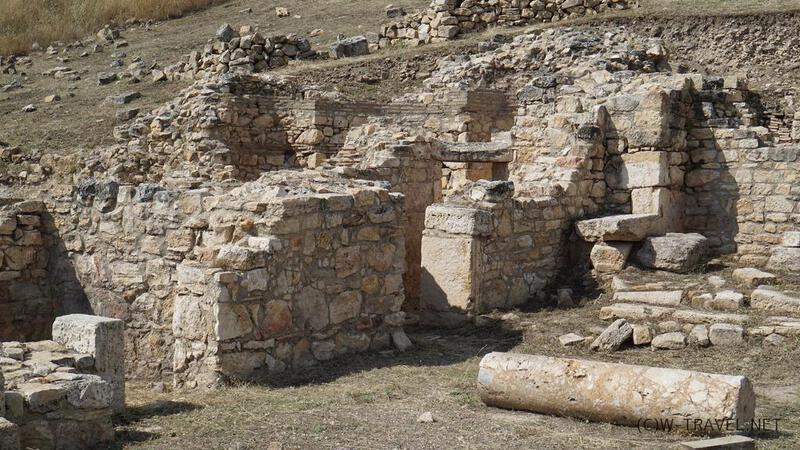
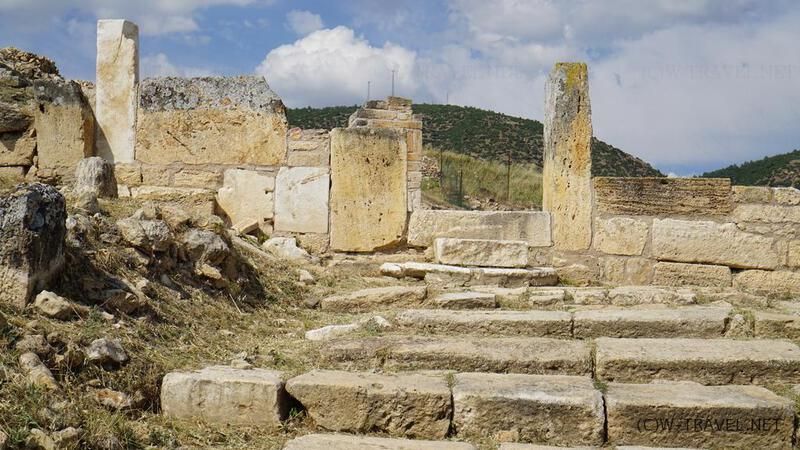
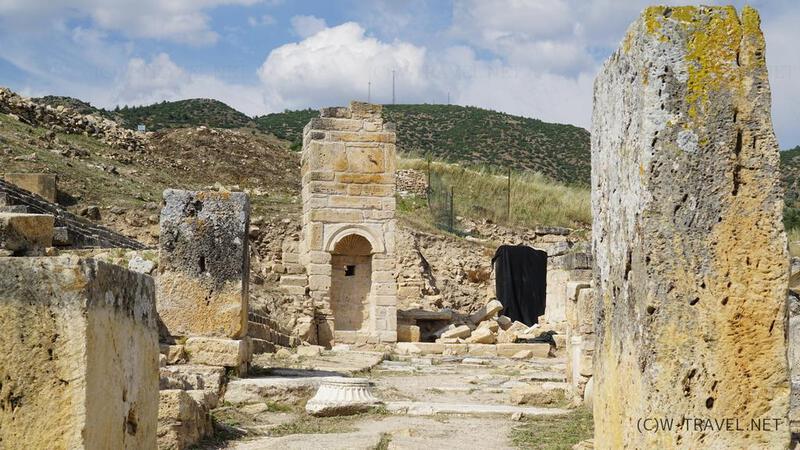
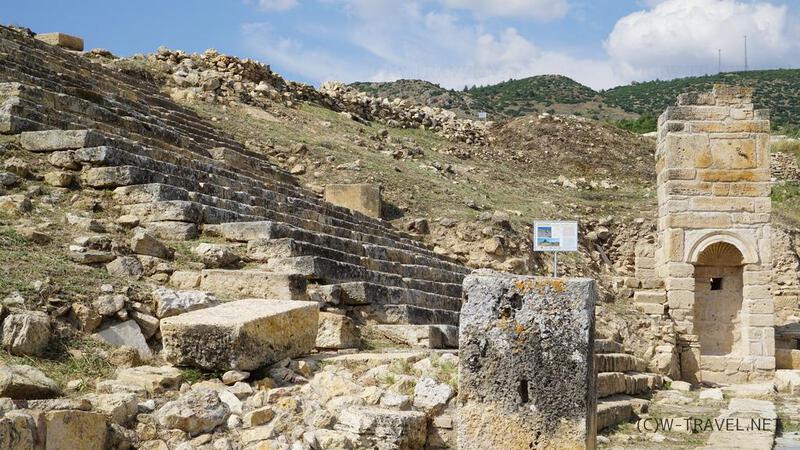
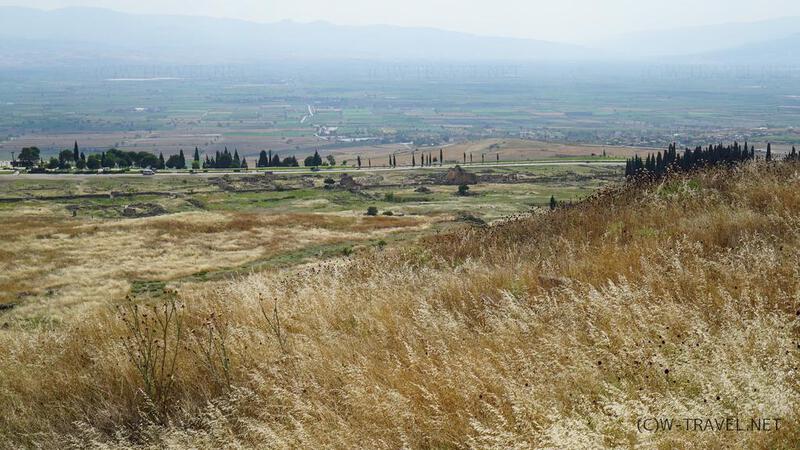
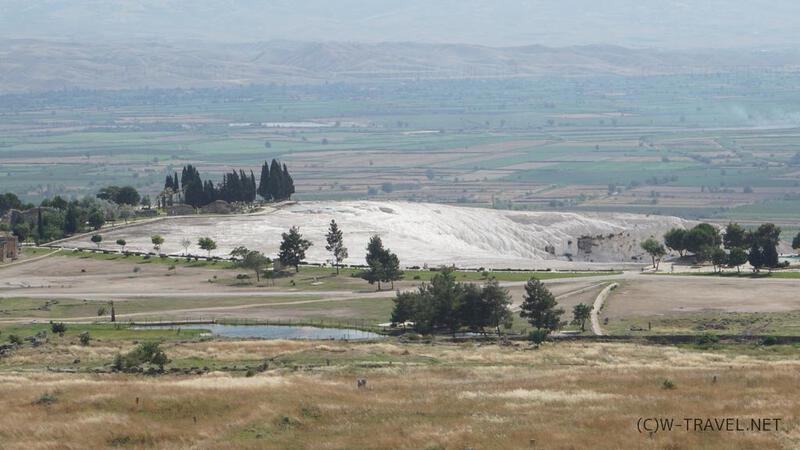
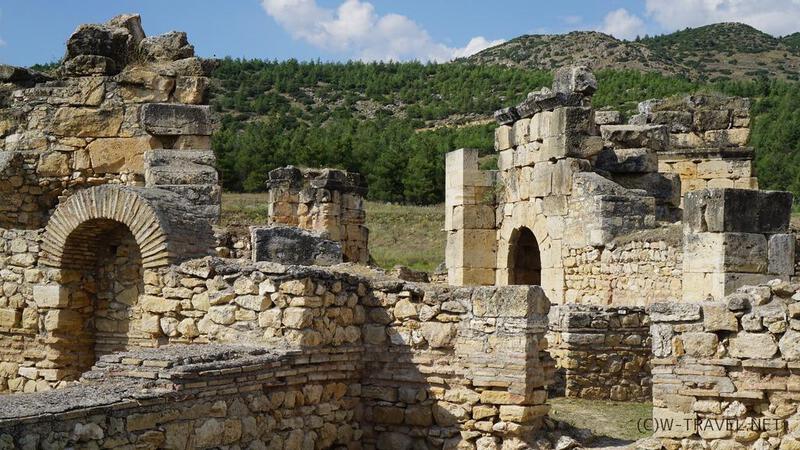
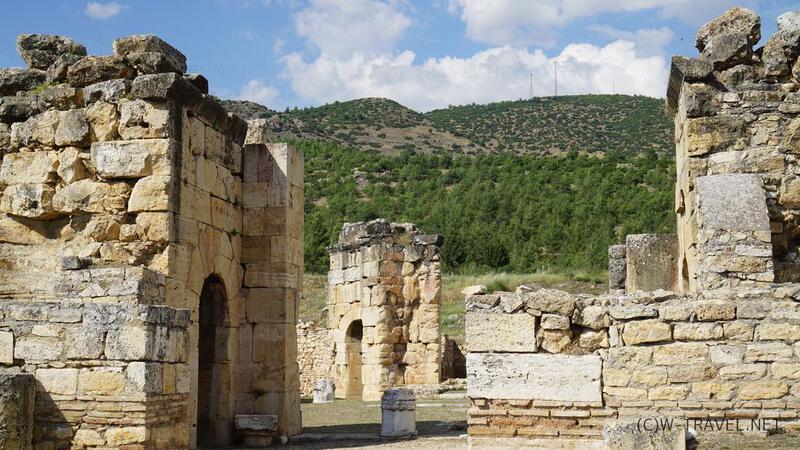
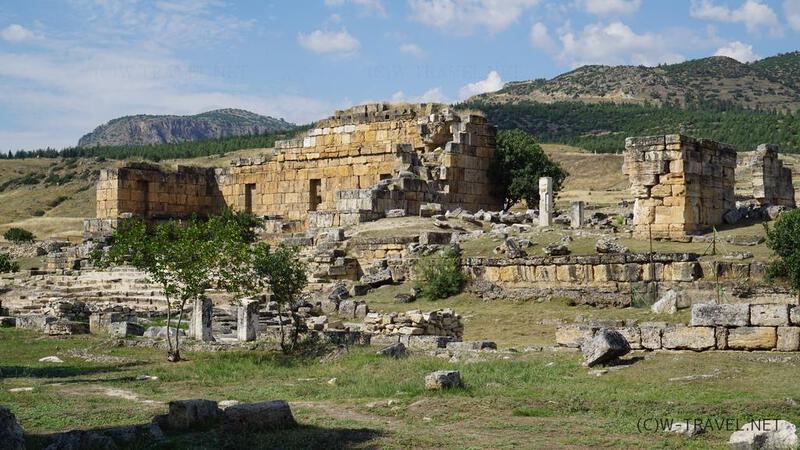
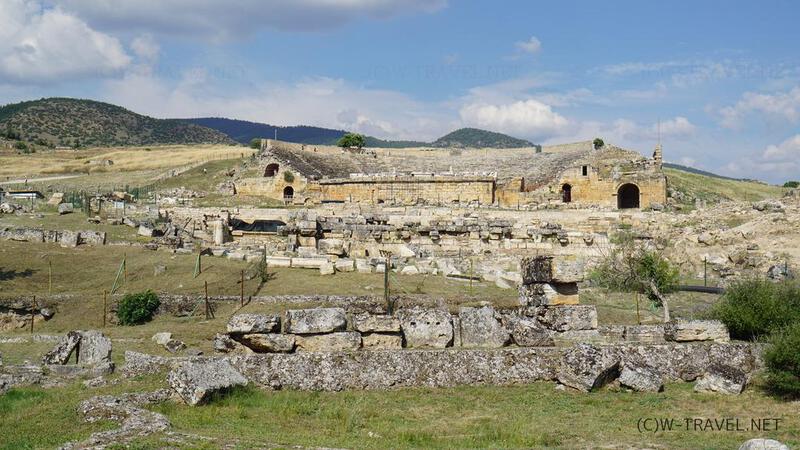
هيرابوليس (Hierapolis)
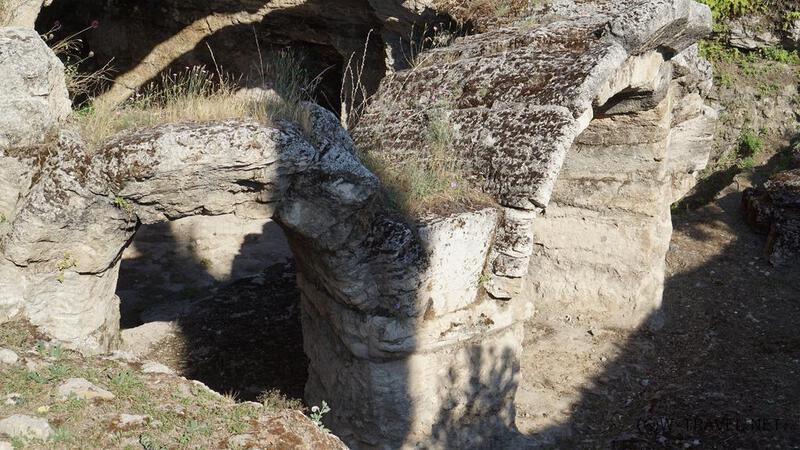
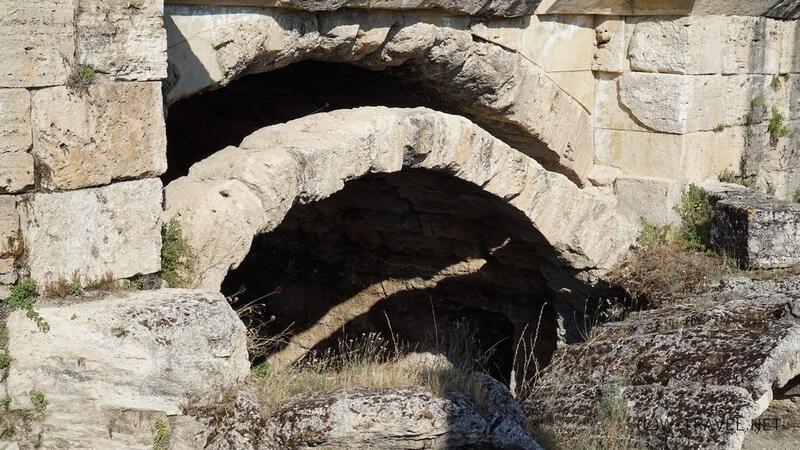
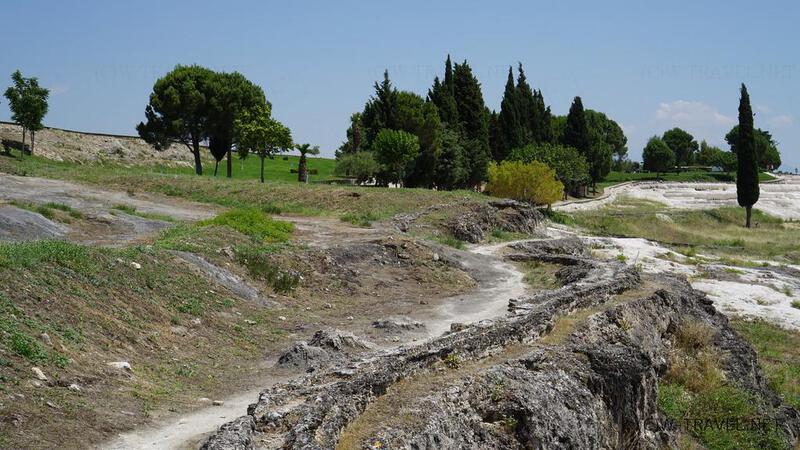
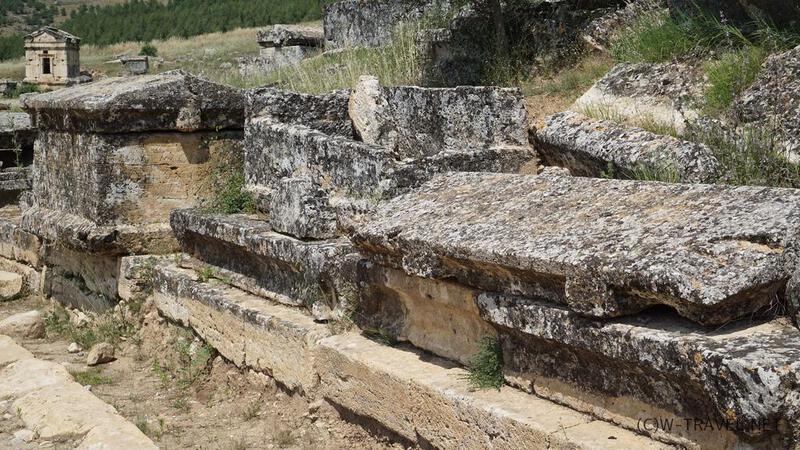
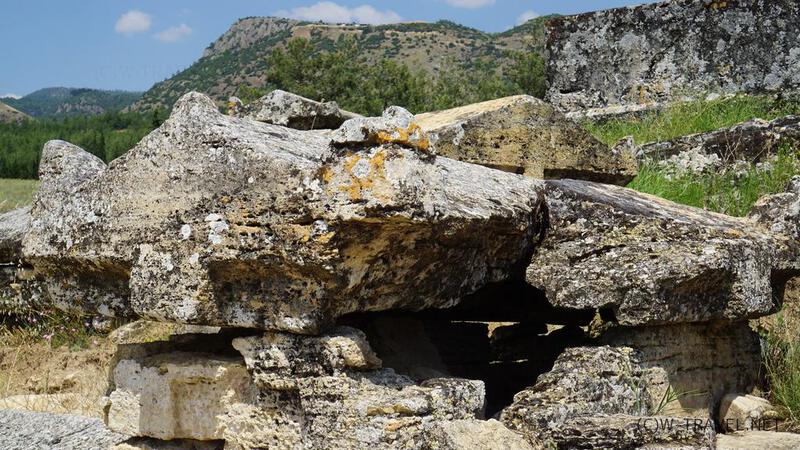
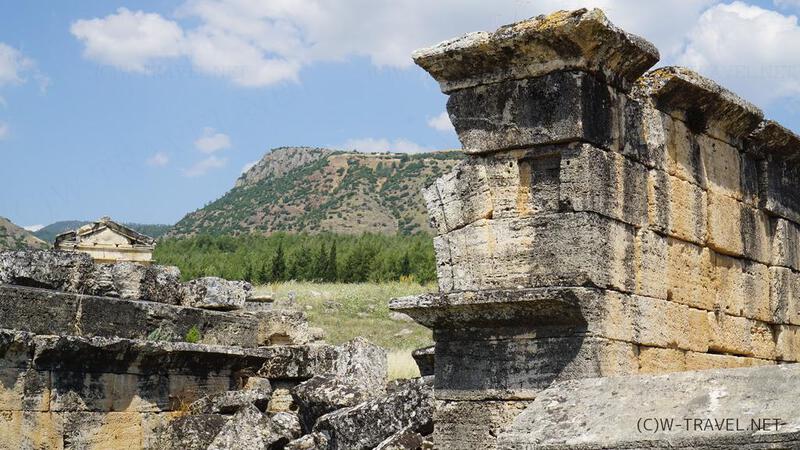
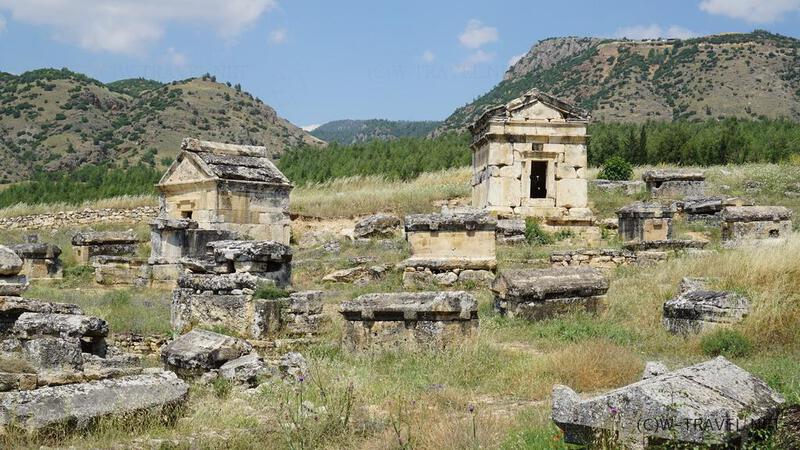
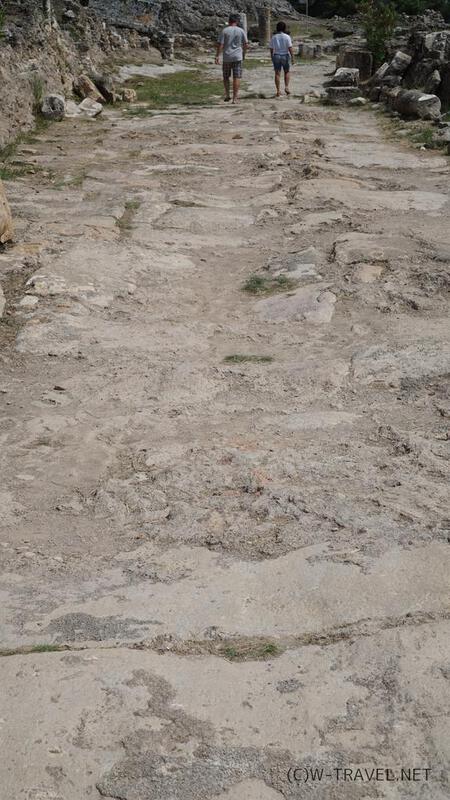
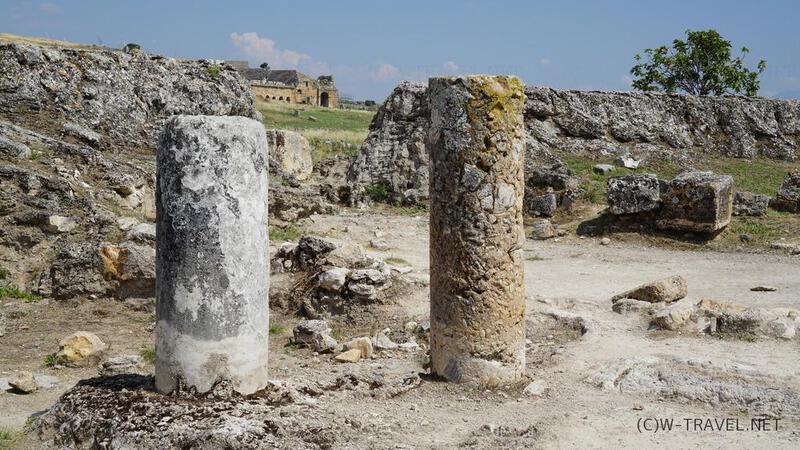
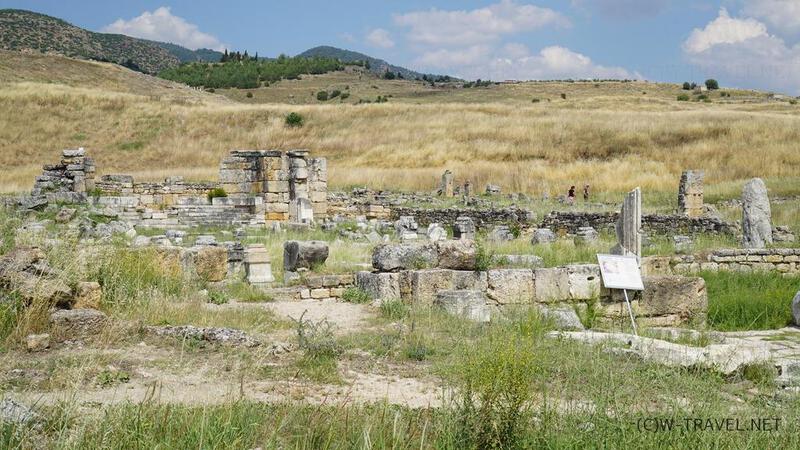
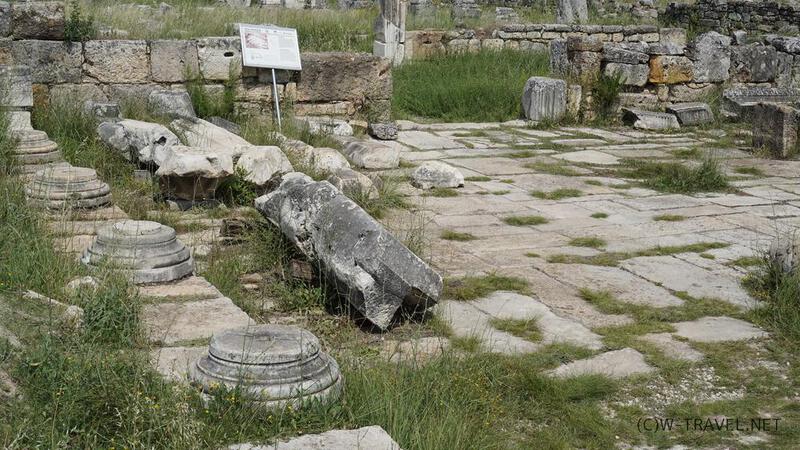
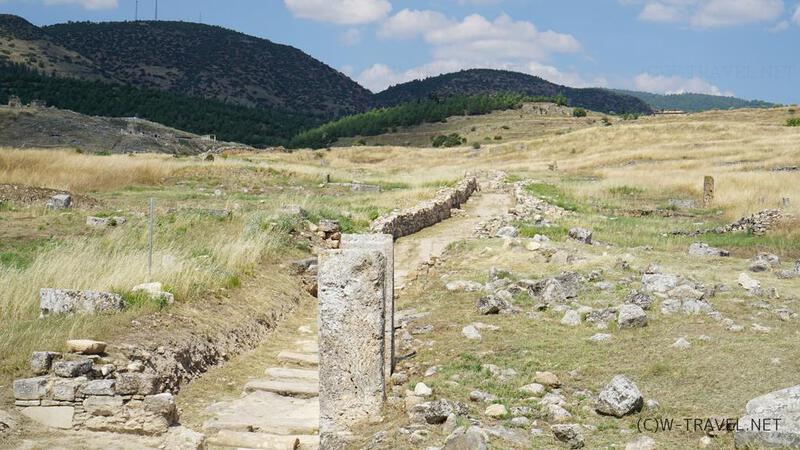
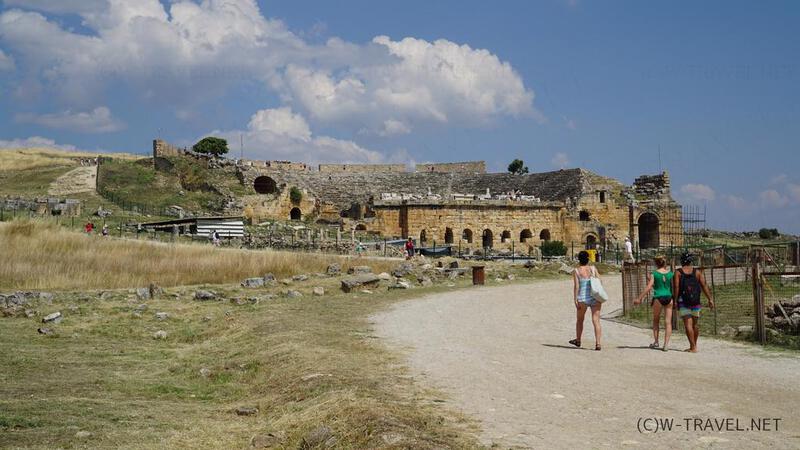
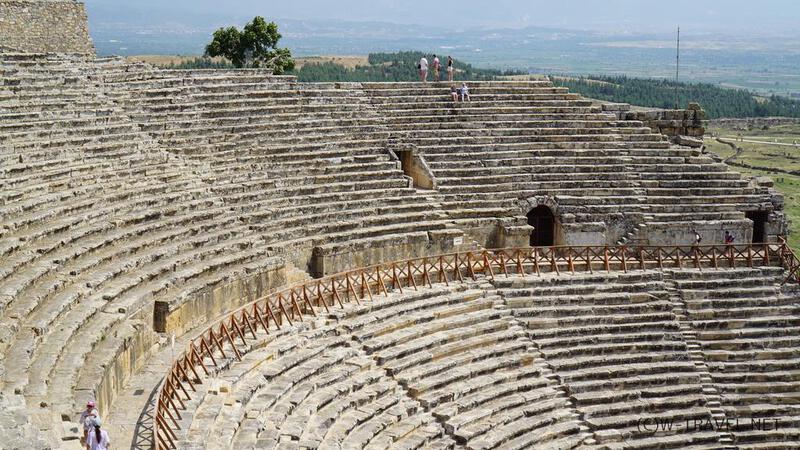
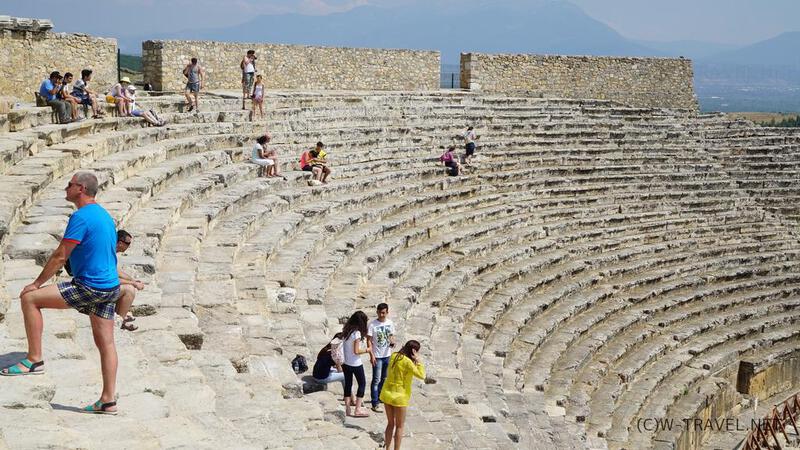
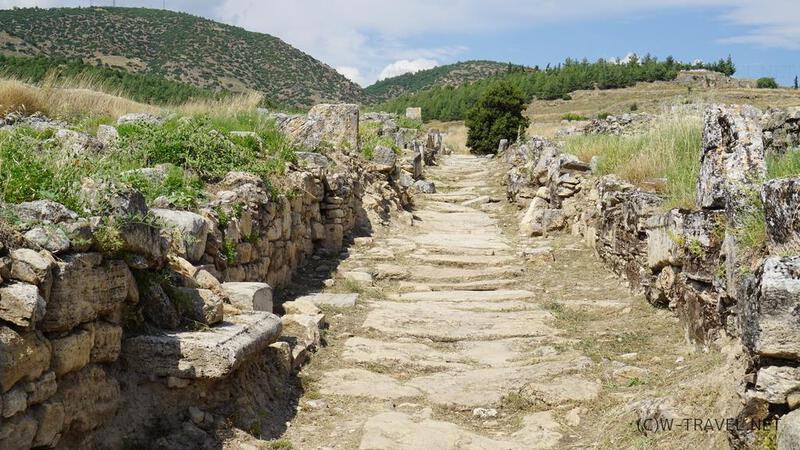
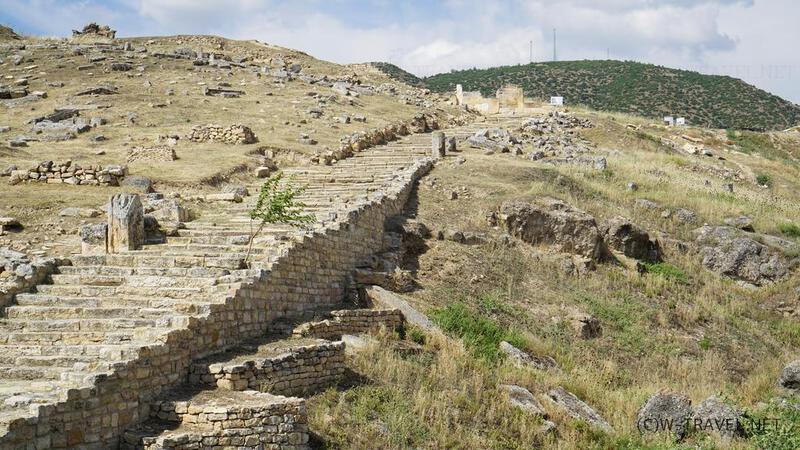
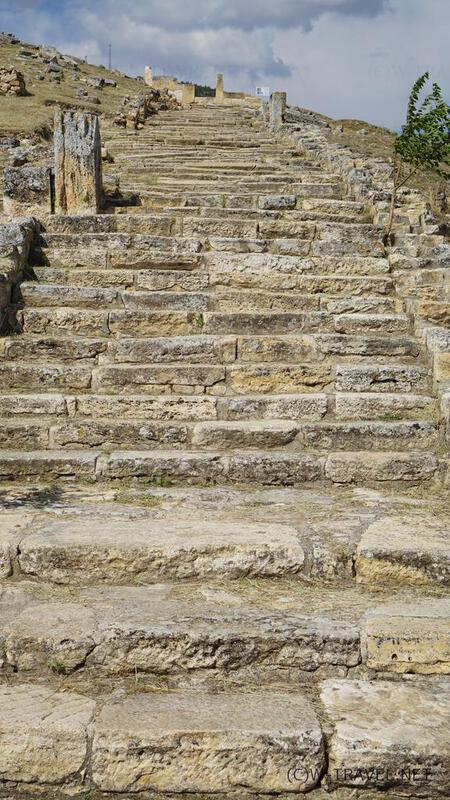
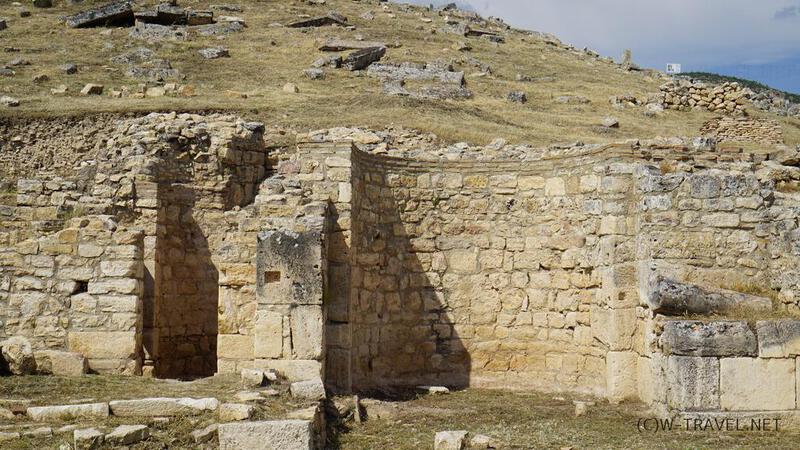
غادرنا منطقة التكوينات الحجرية، ونقترب من المنطقة التي توجد بها آثار مدينة هيرابوليس.
بسبب شهرة التكوينات الحجرية، لا تحظى هذه المنطقة باهتمام كبير، ولكنها ممتعة بحد ذاتها.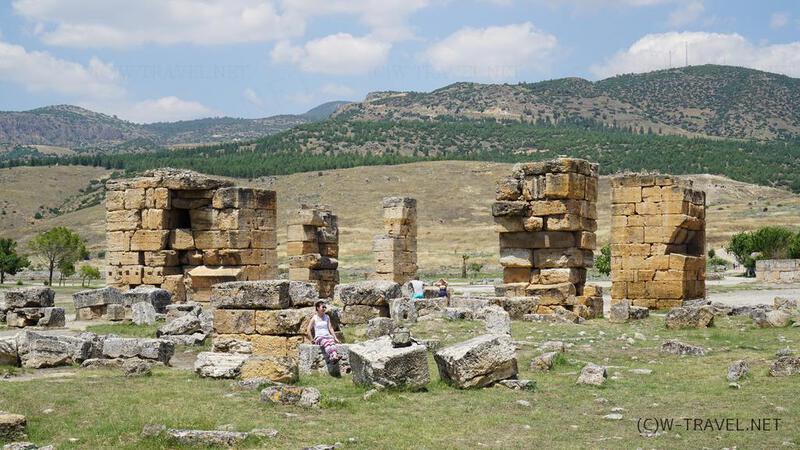
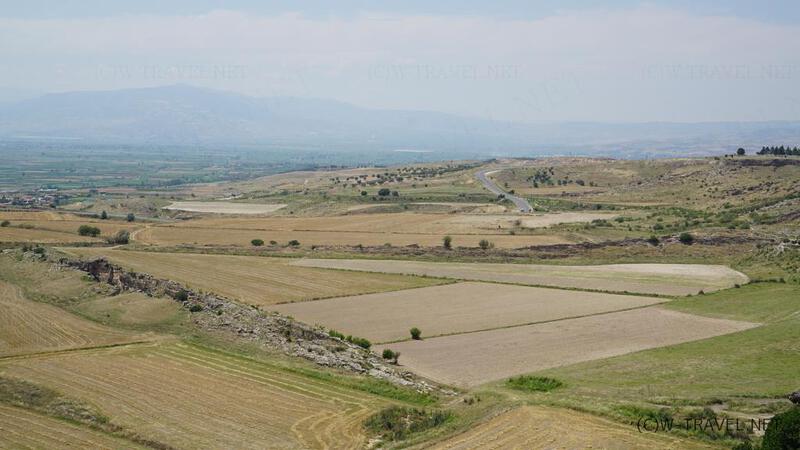
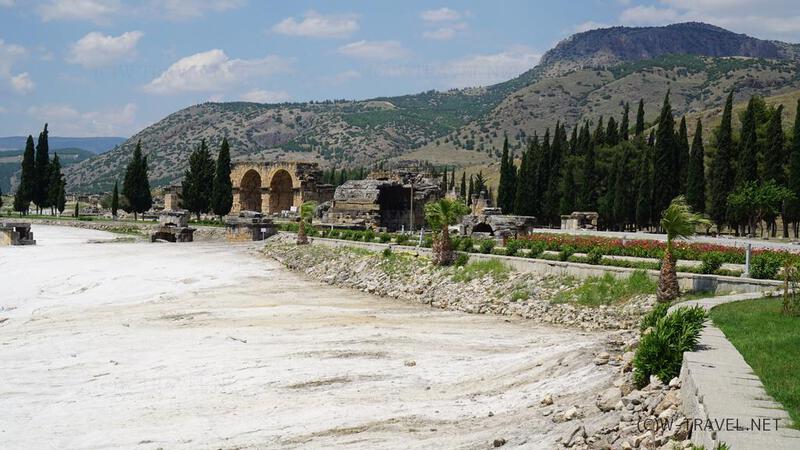











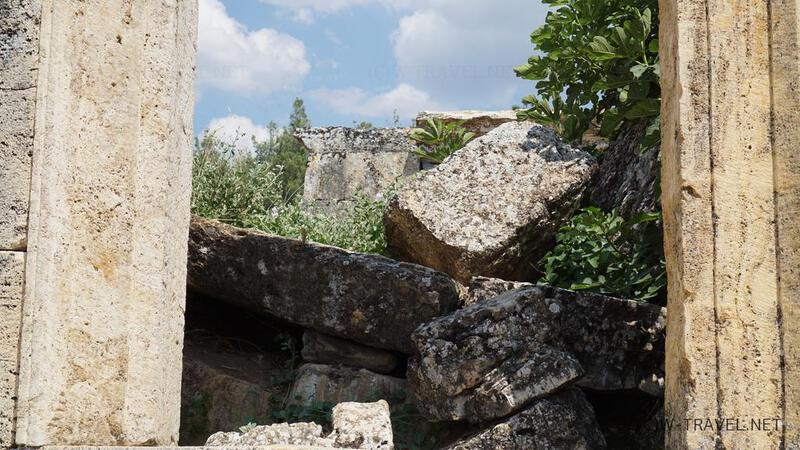
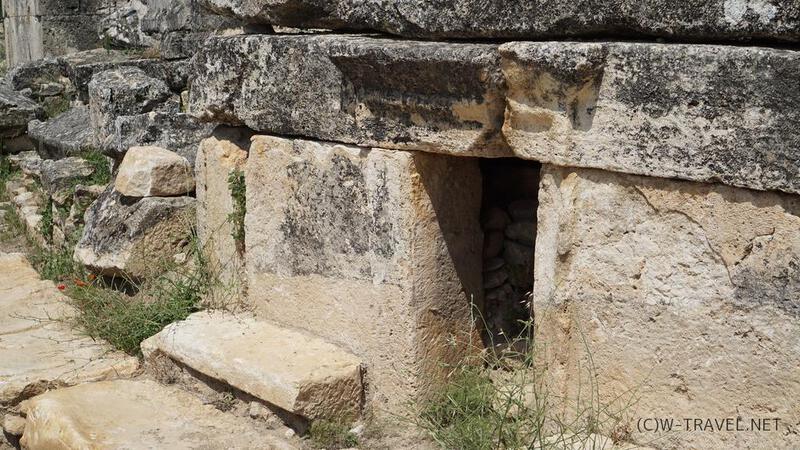
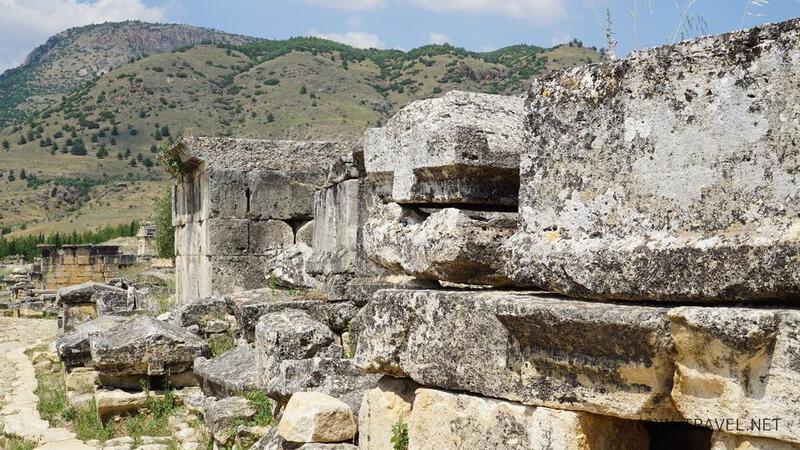
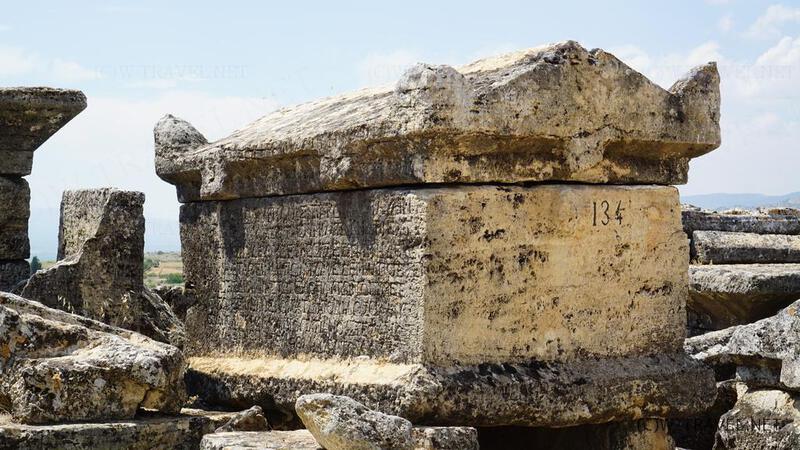

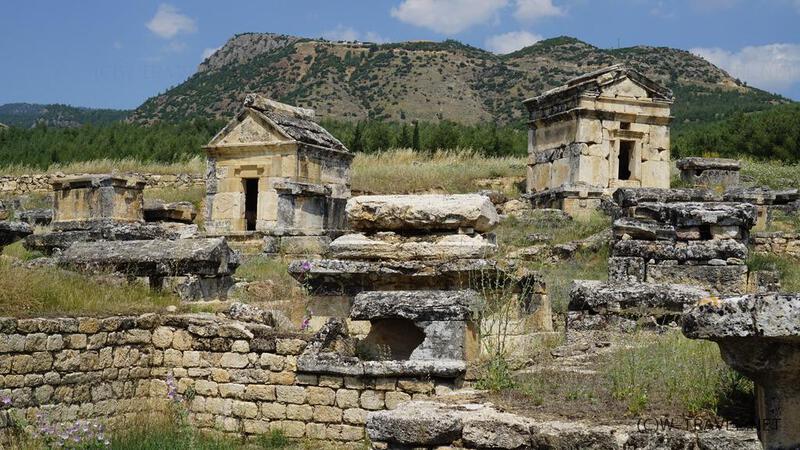

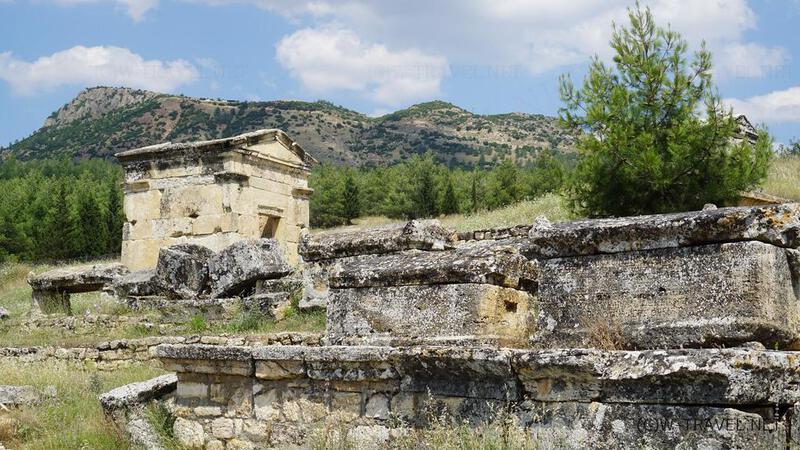
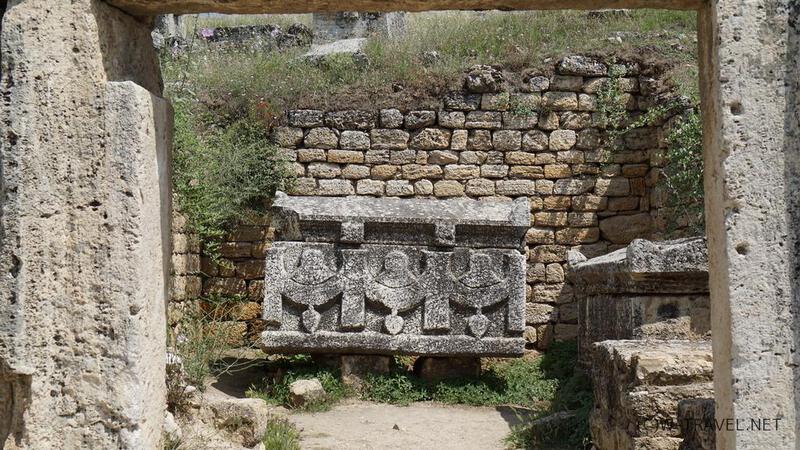

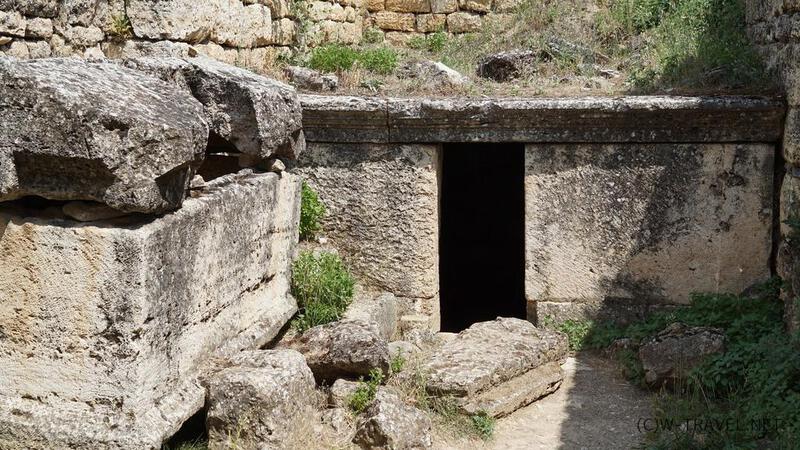










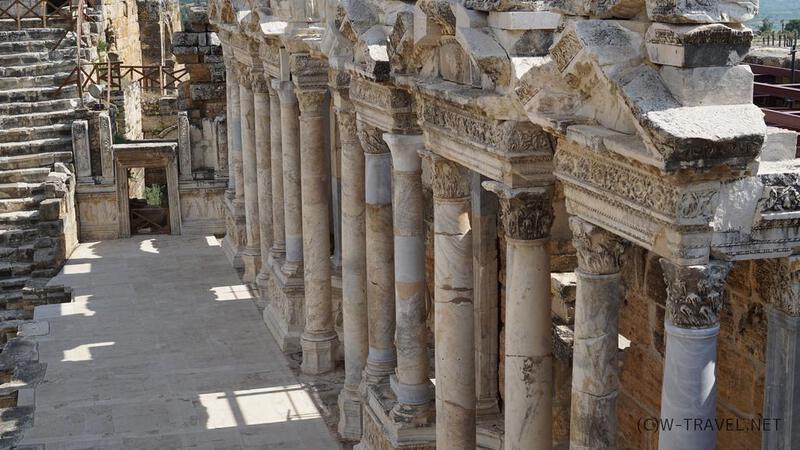
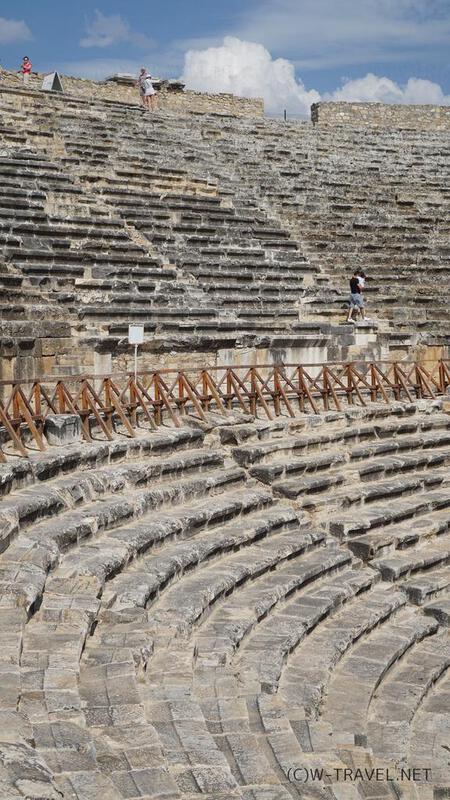
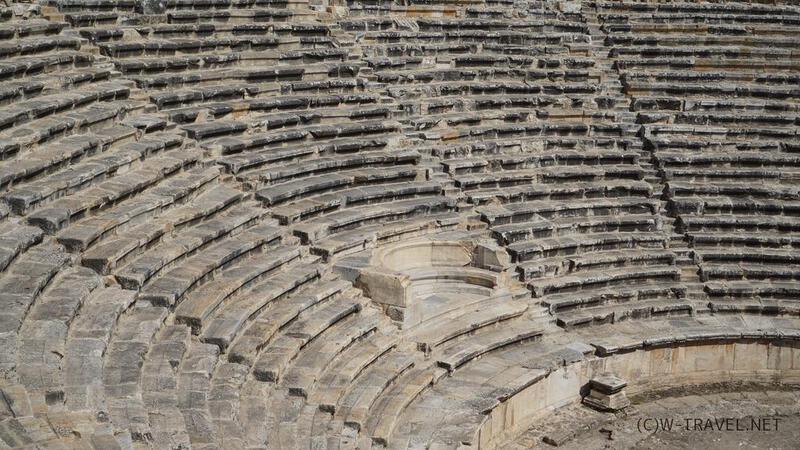

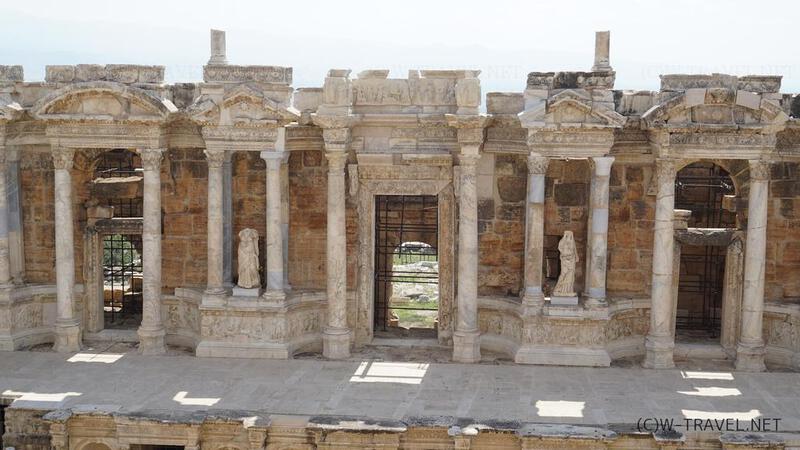


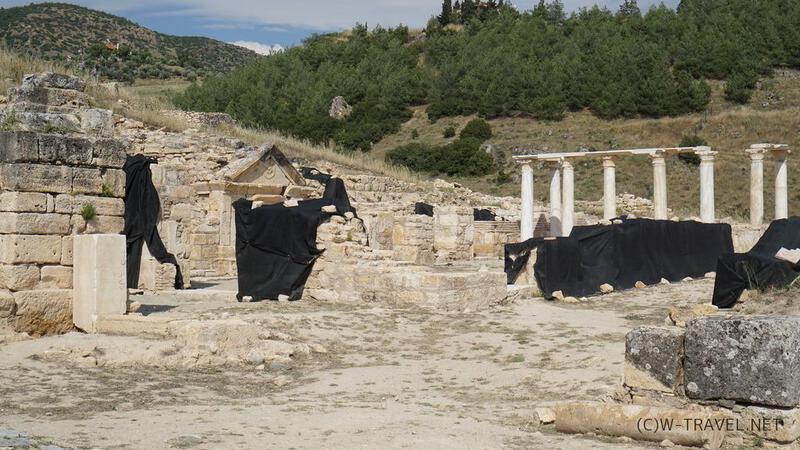
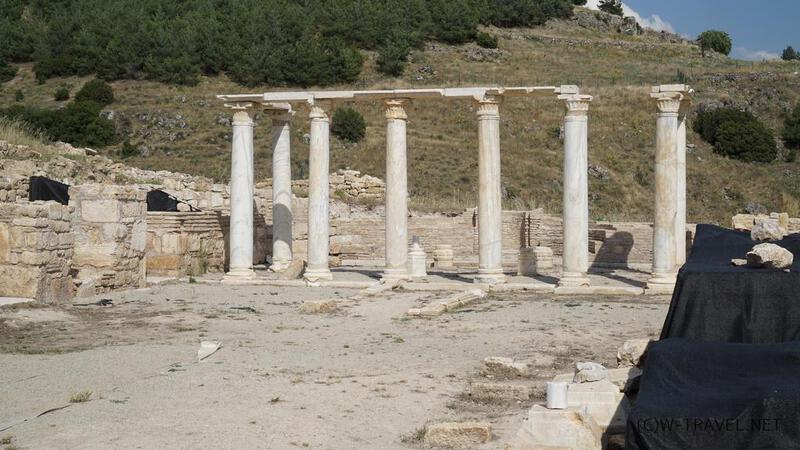


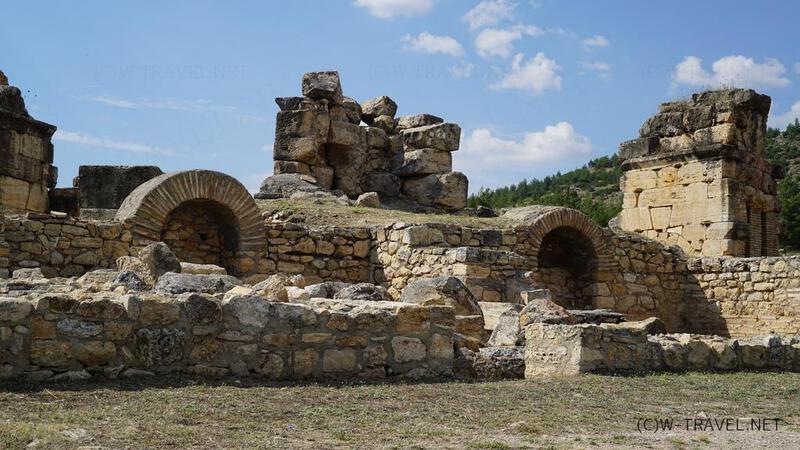
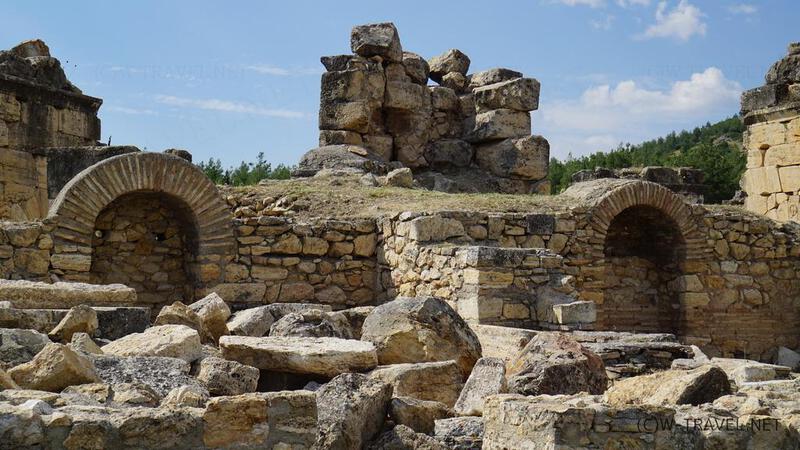
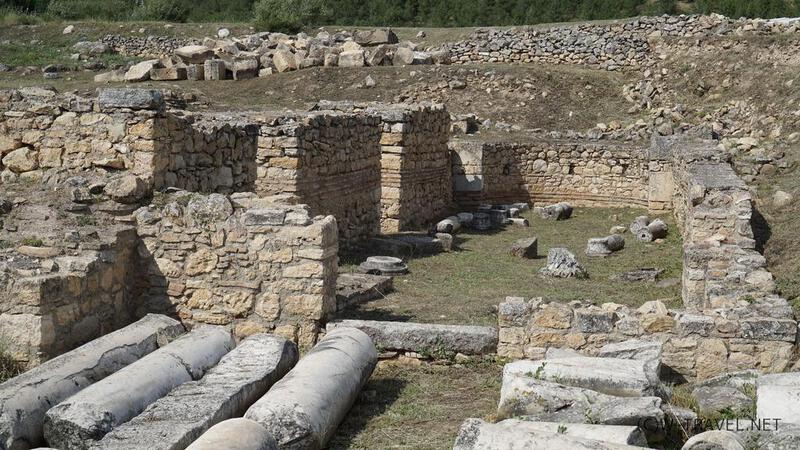

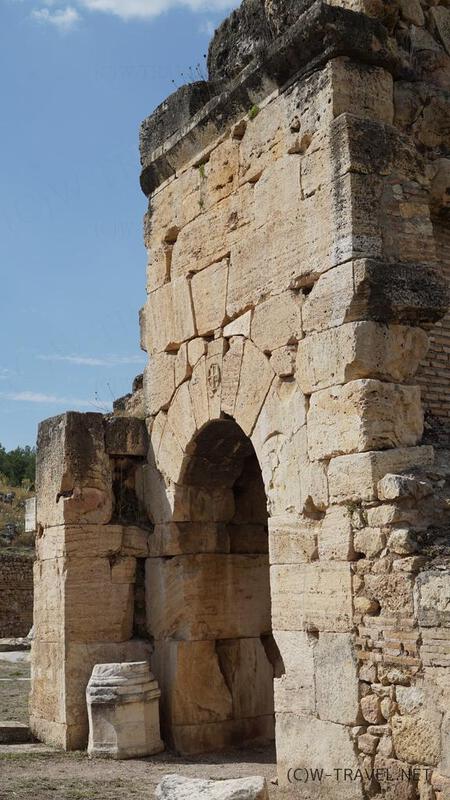
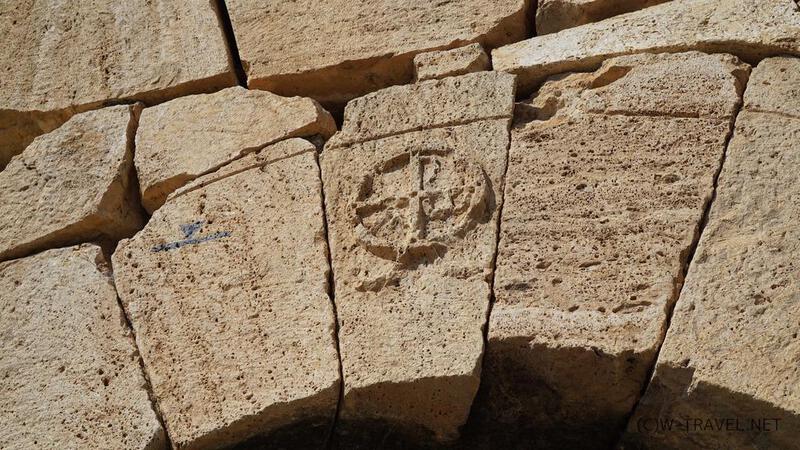
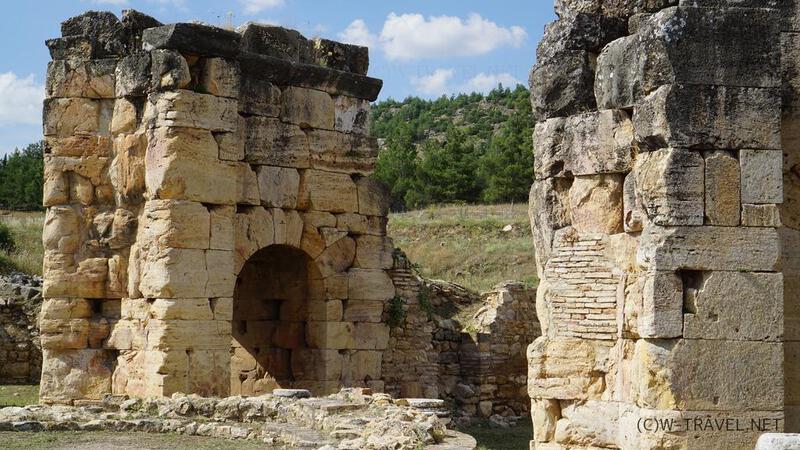

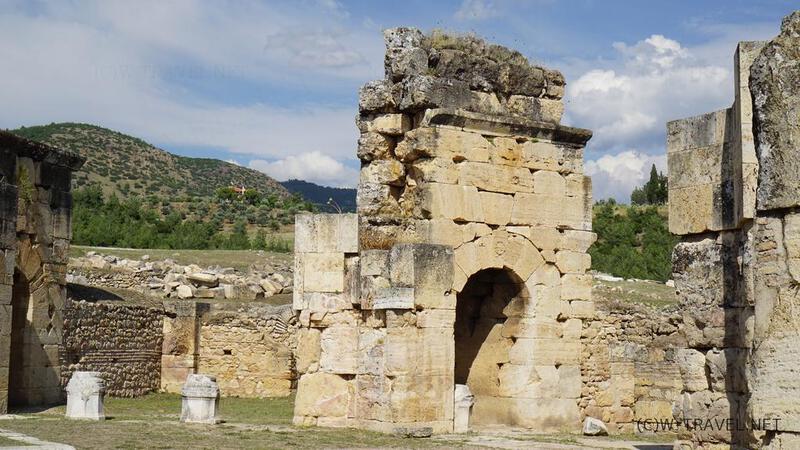
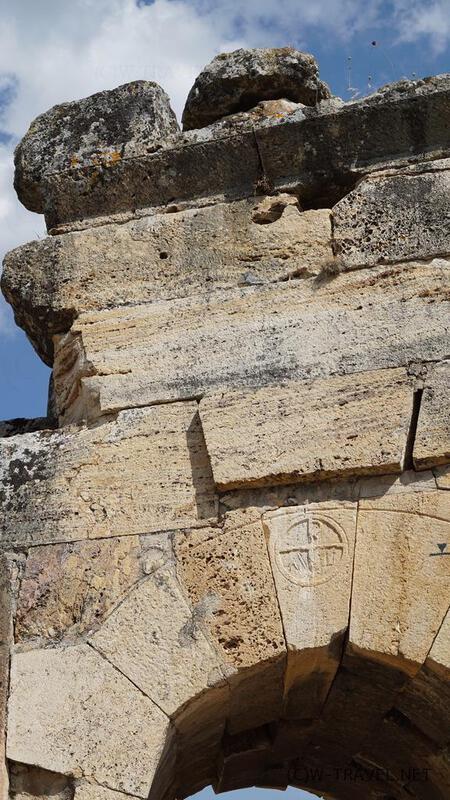
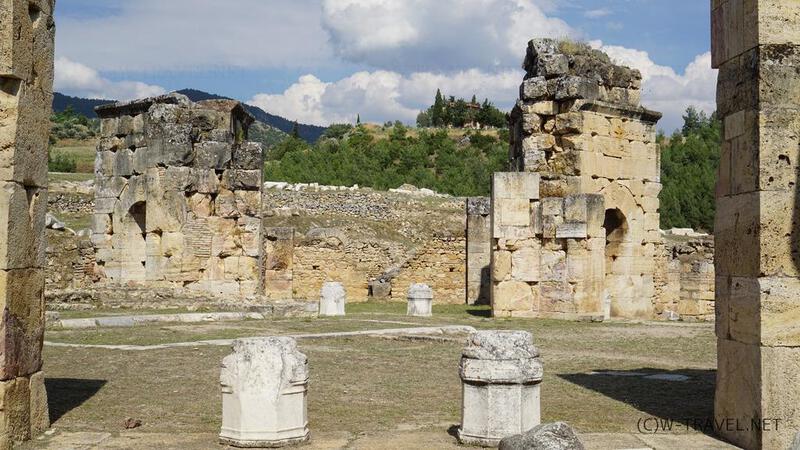

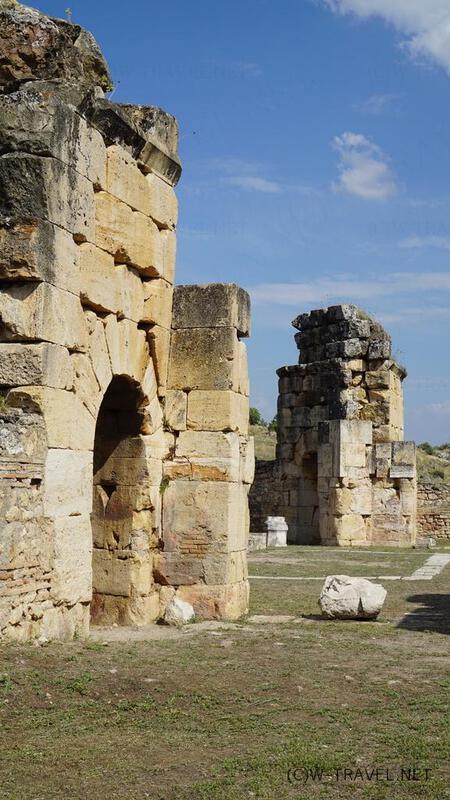

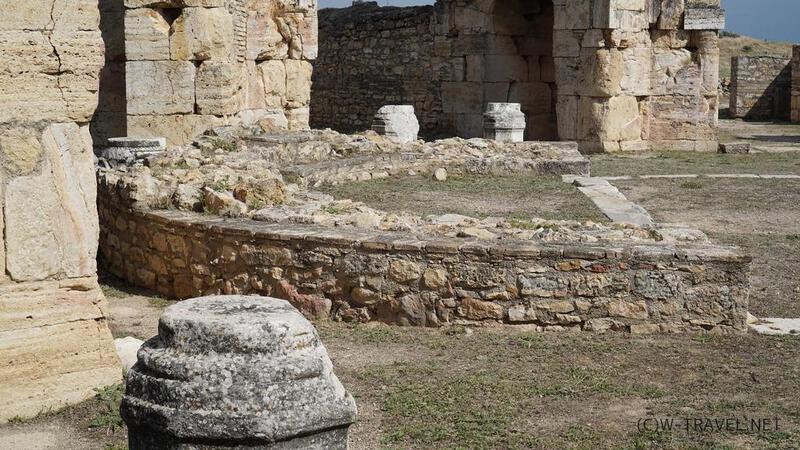
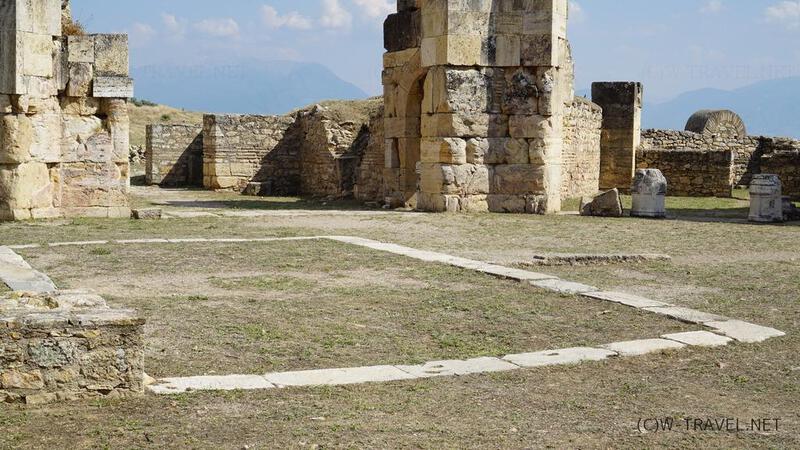

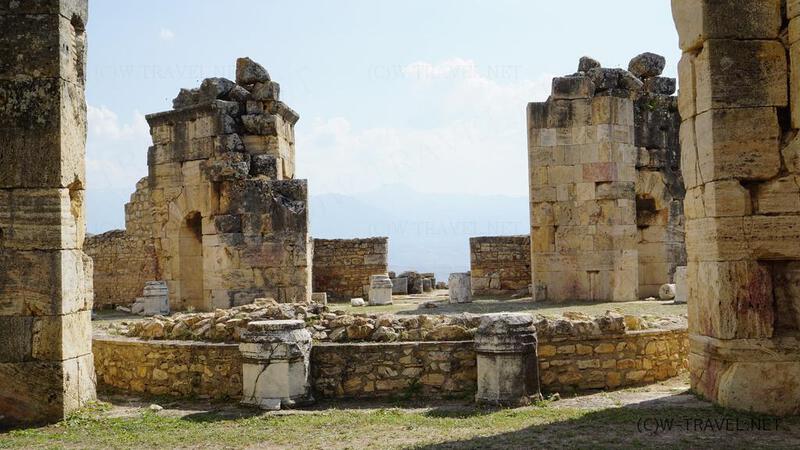
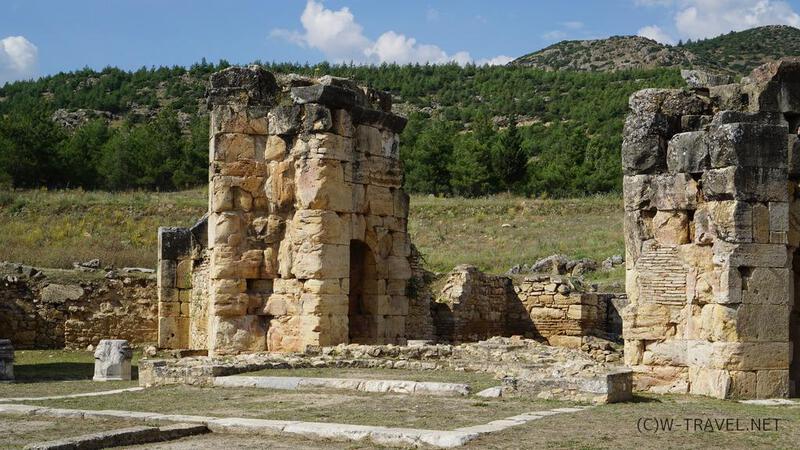



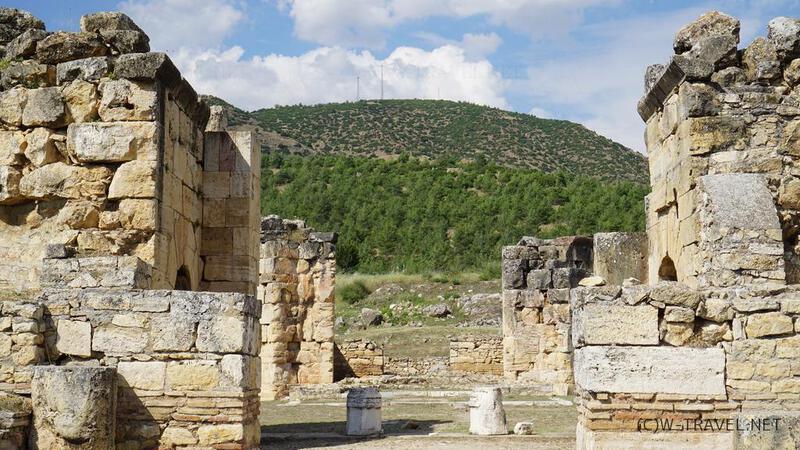
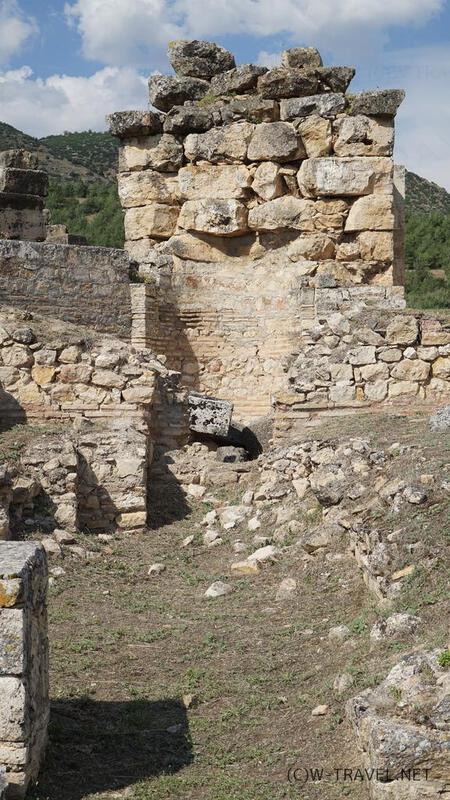

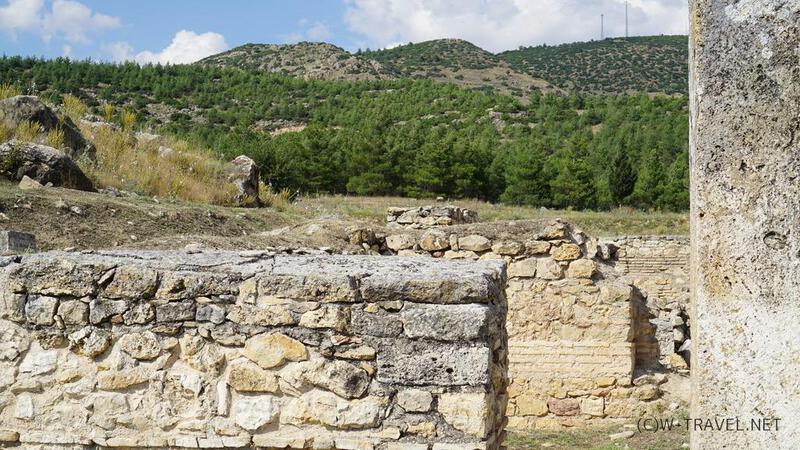
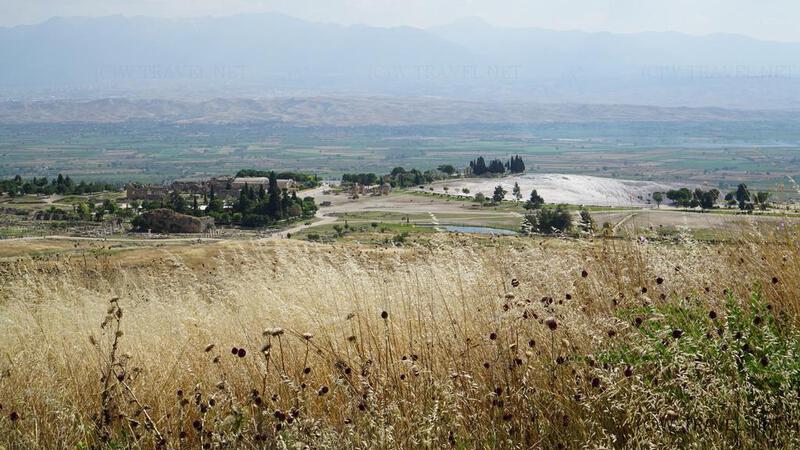


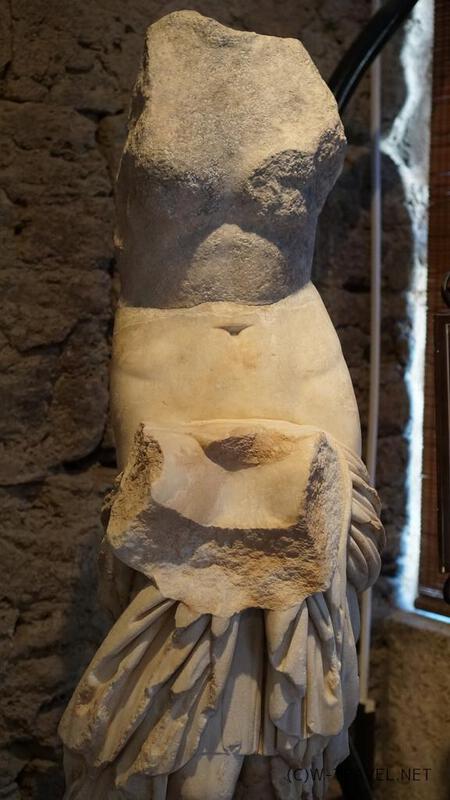
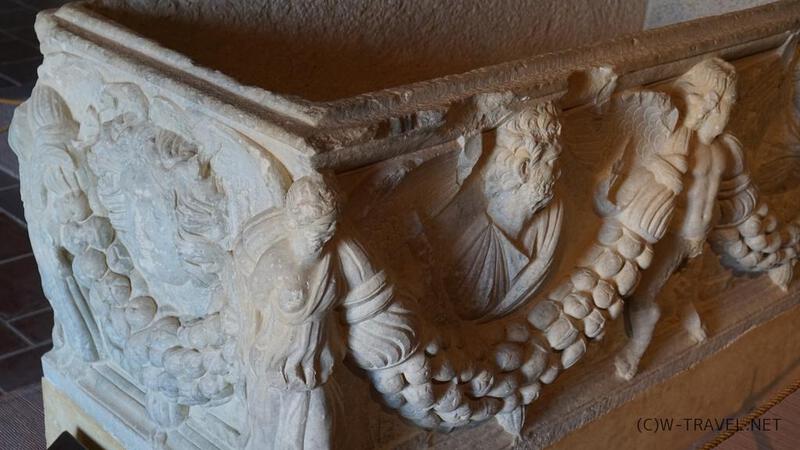
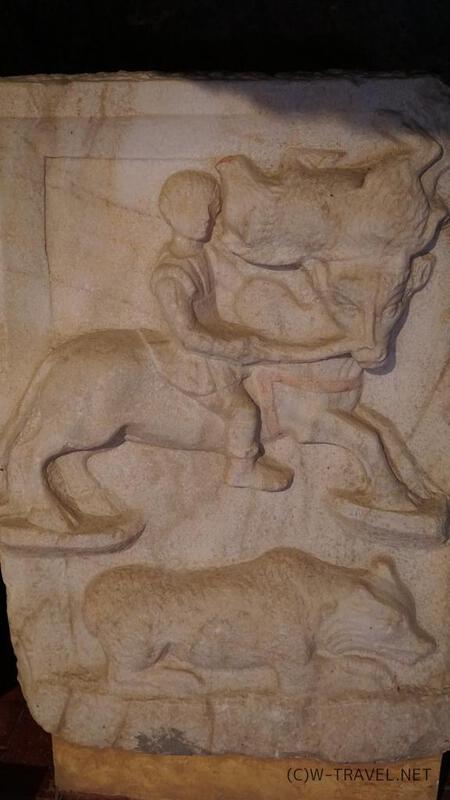
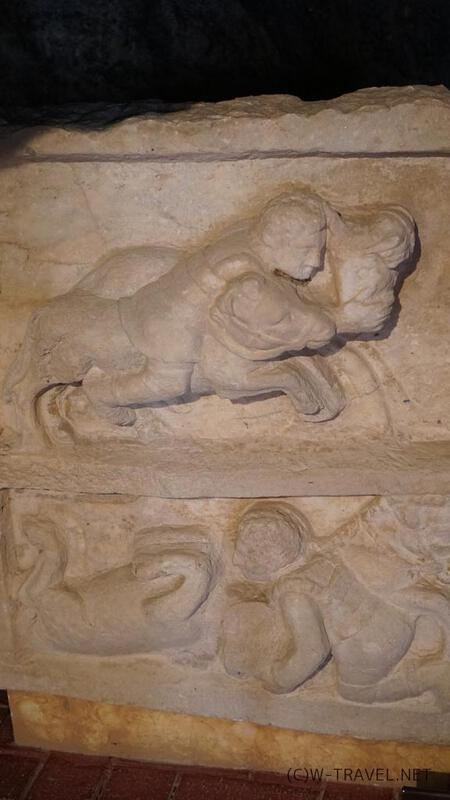
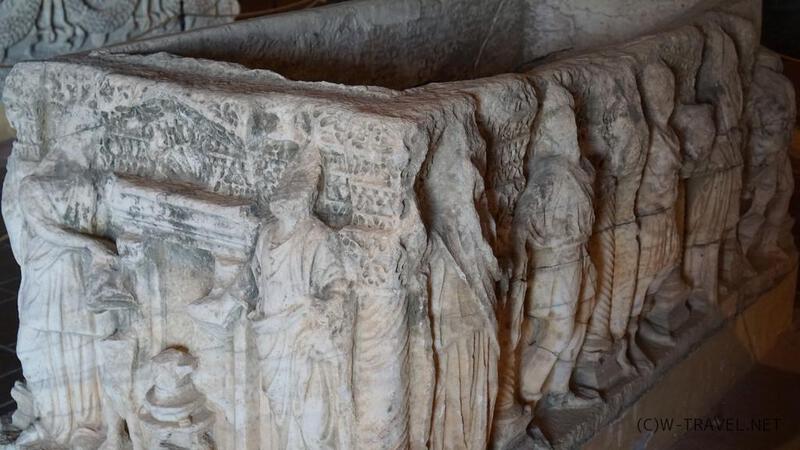
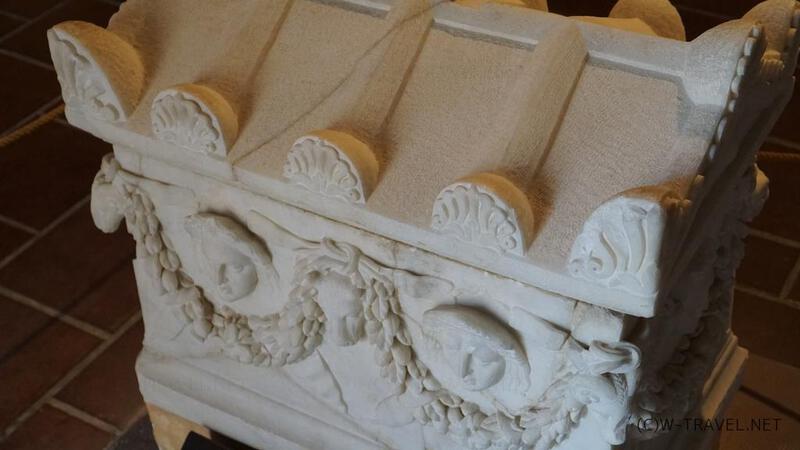
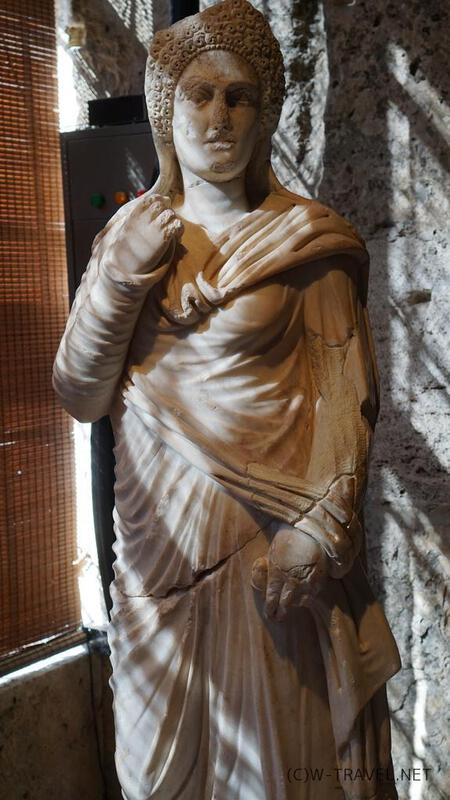
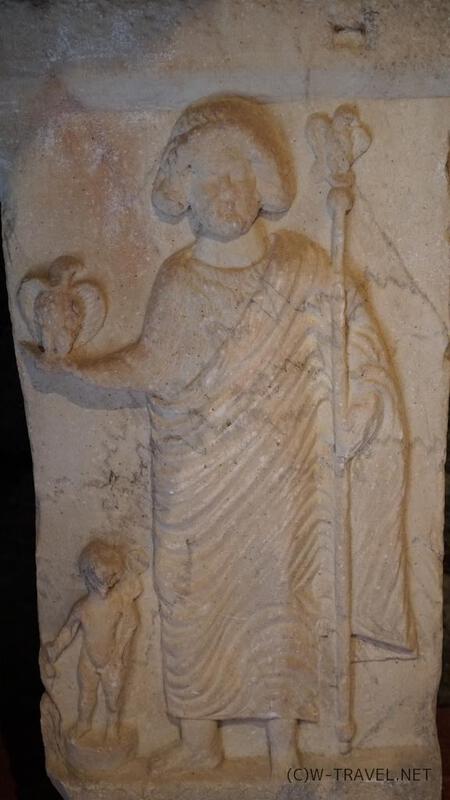
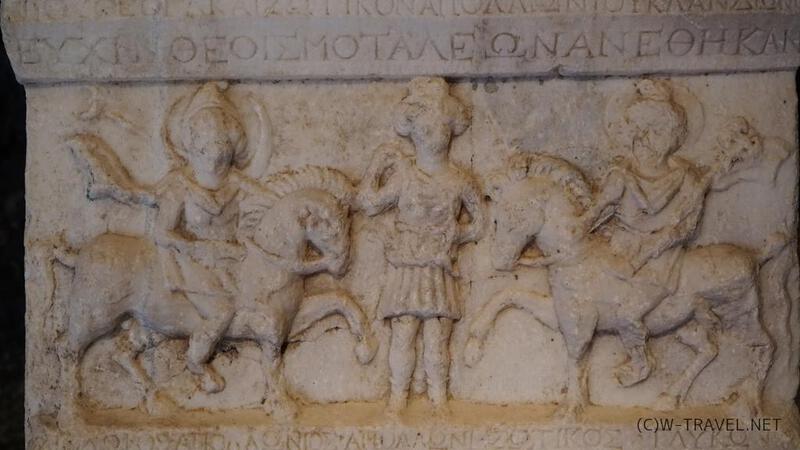
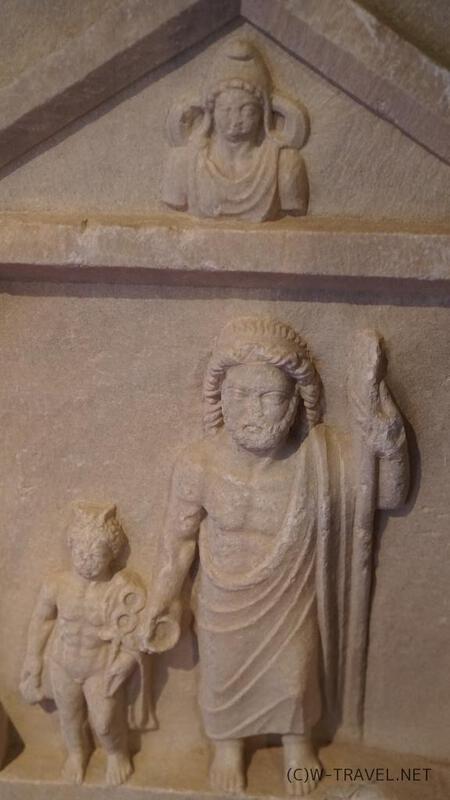
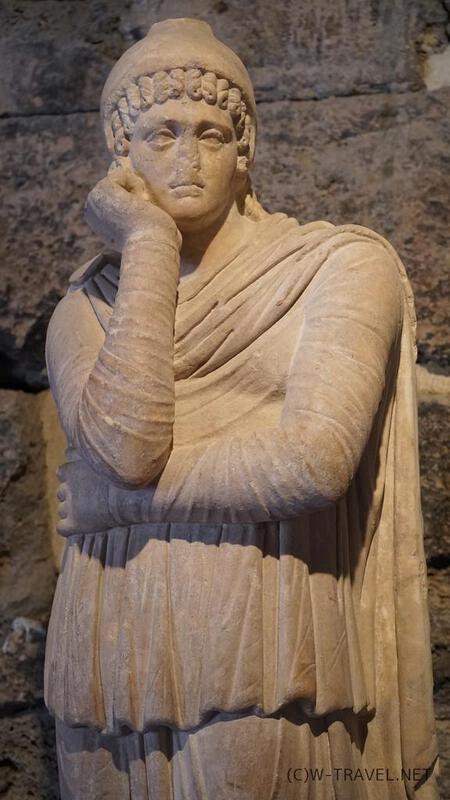
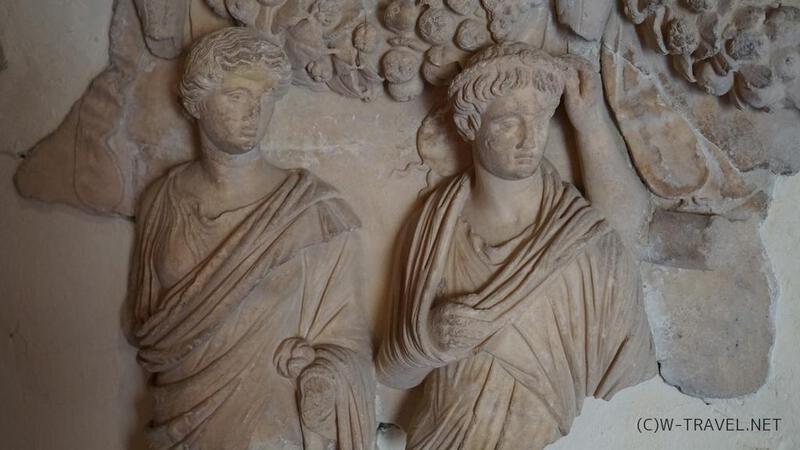
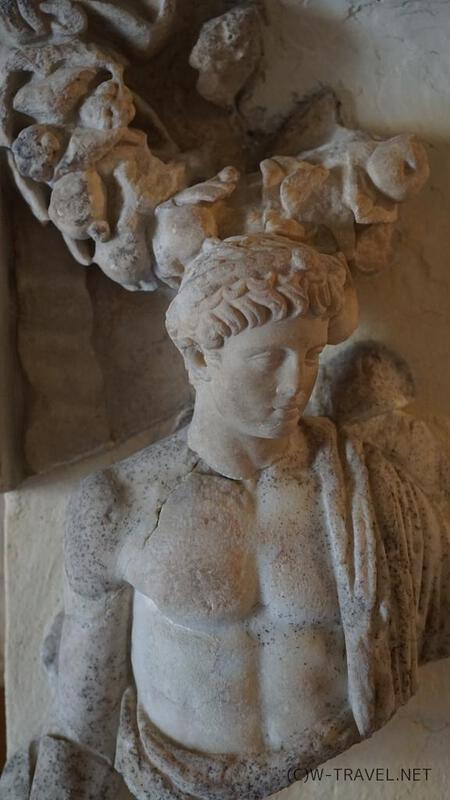
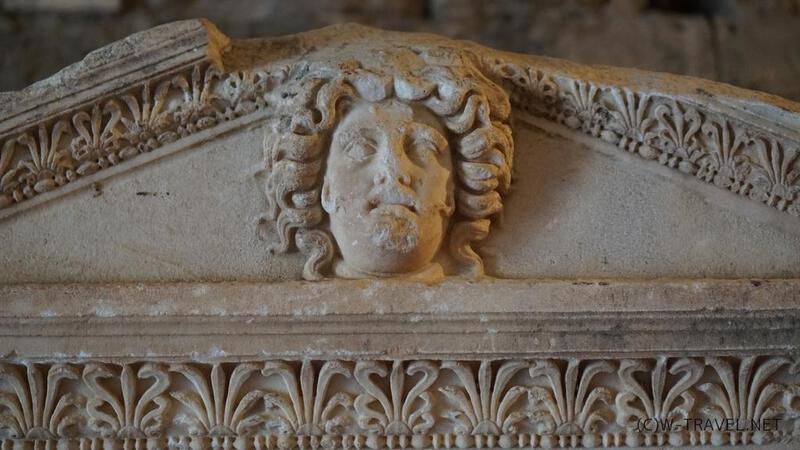
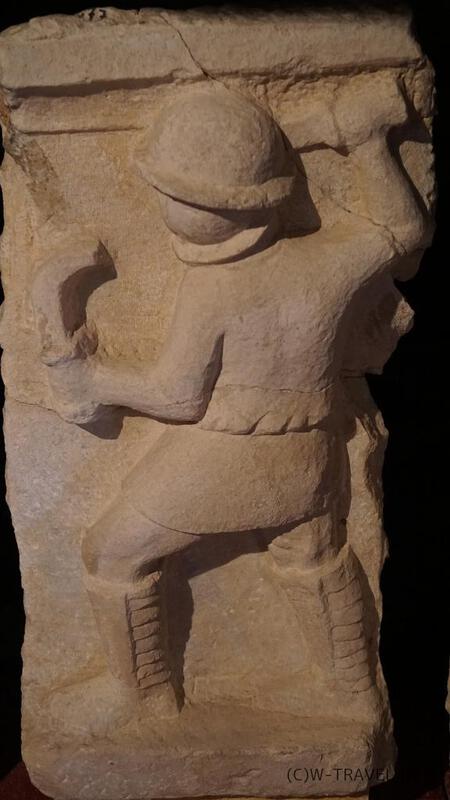
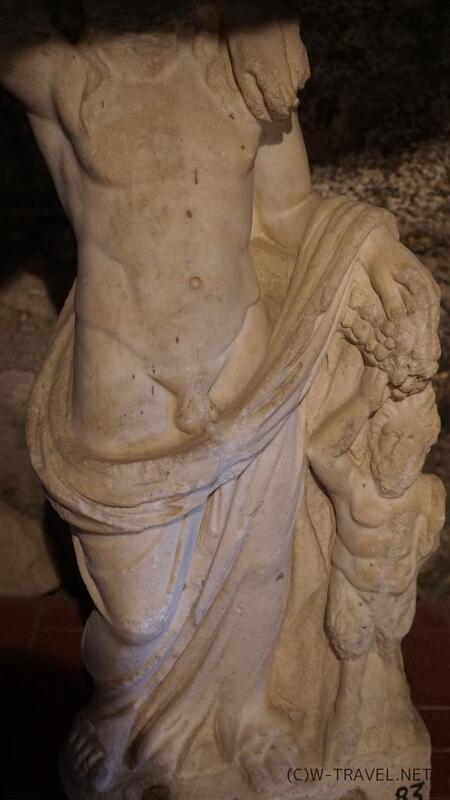
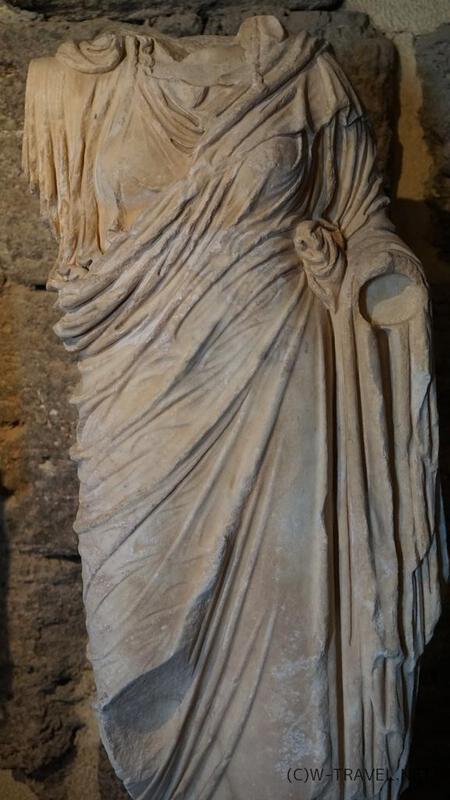
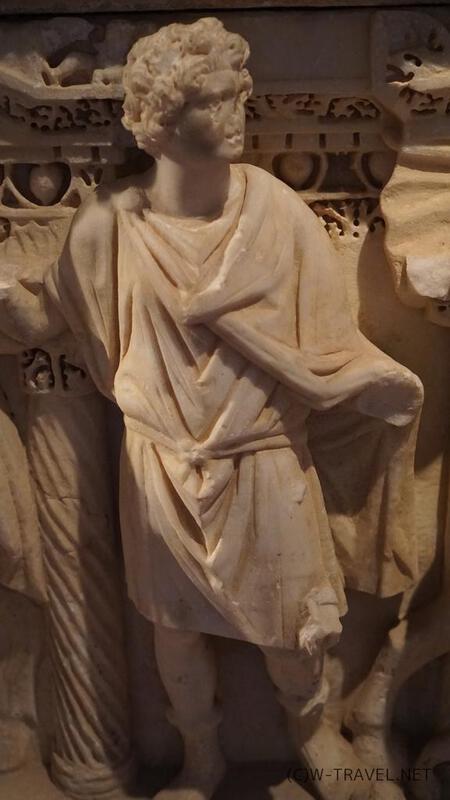
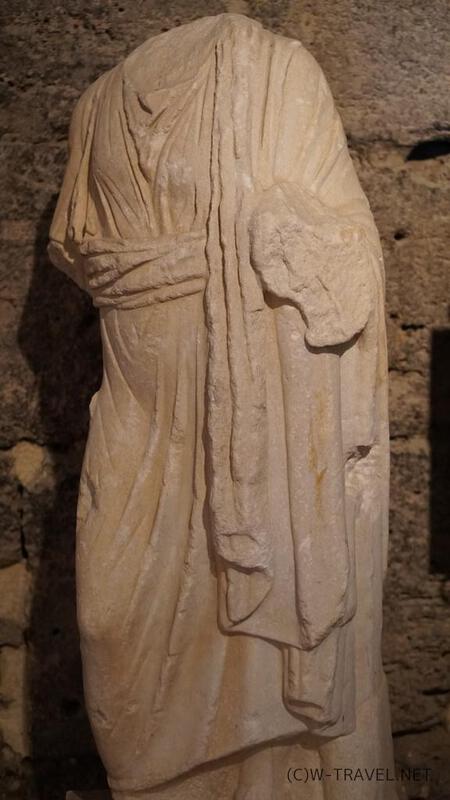
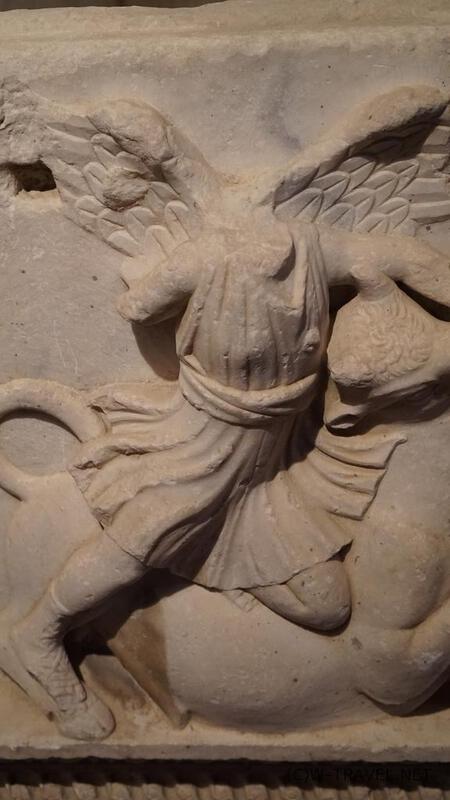
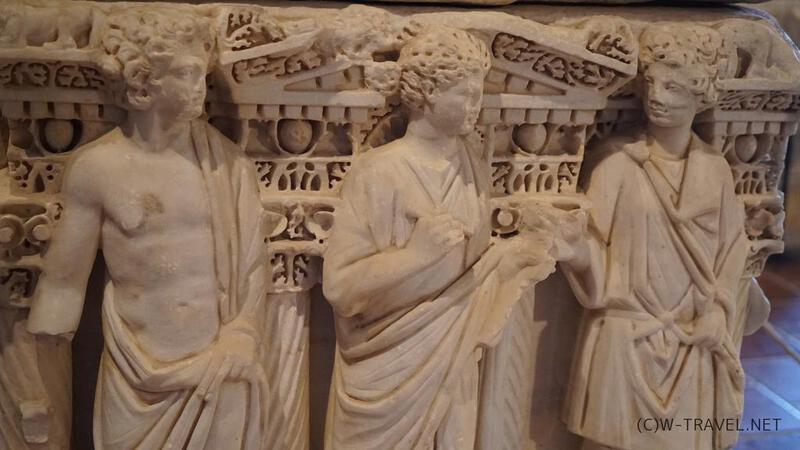
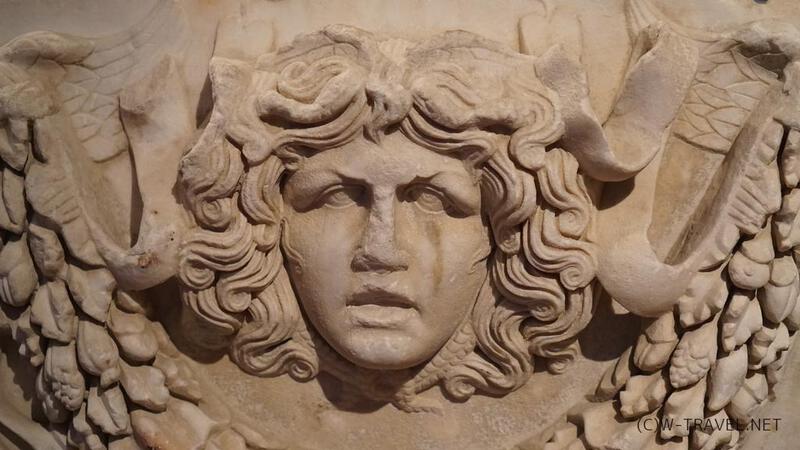
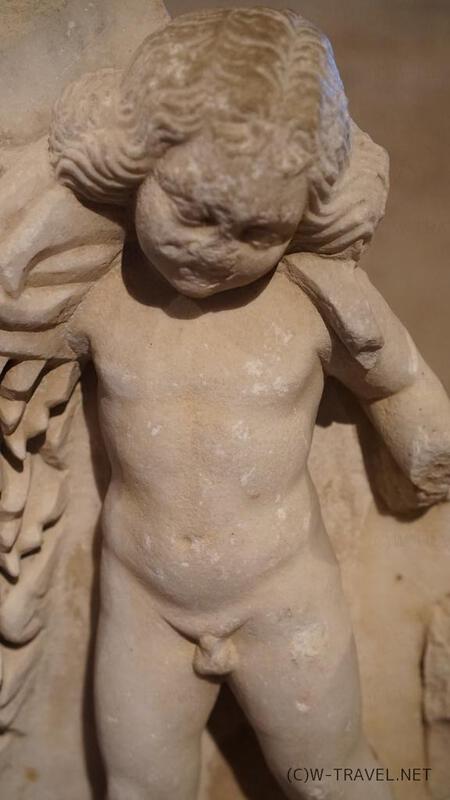
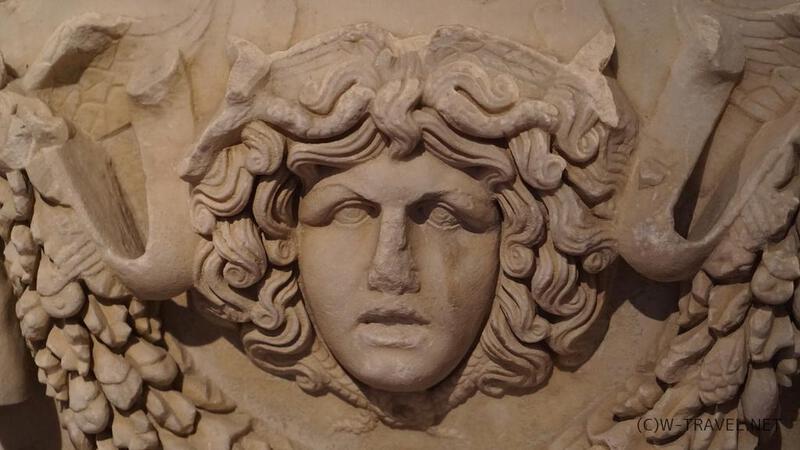
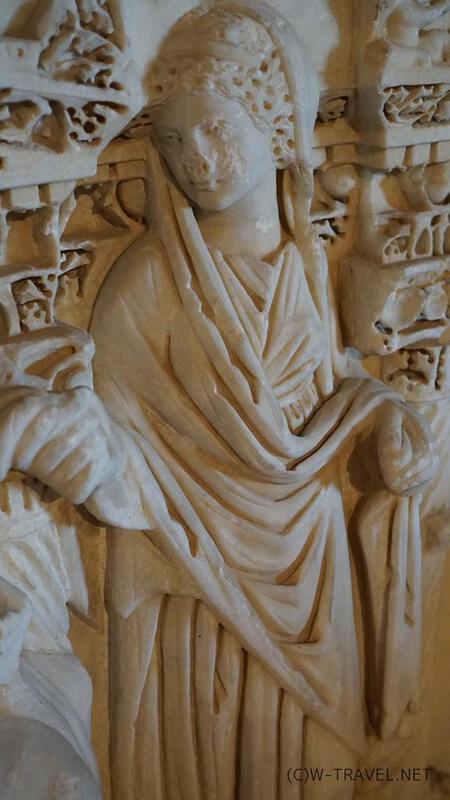
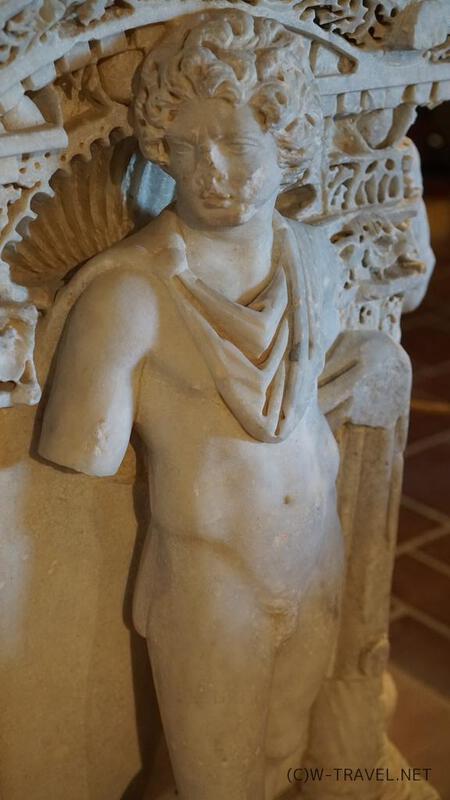
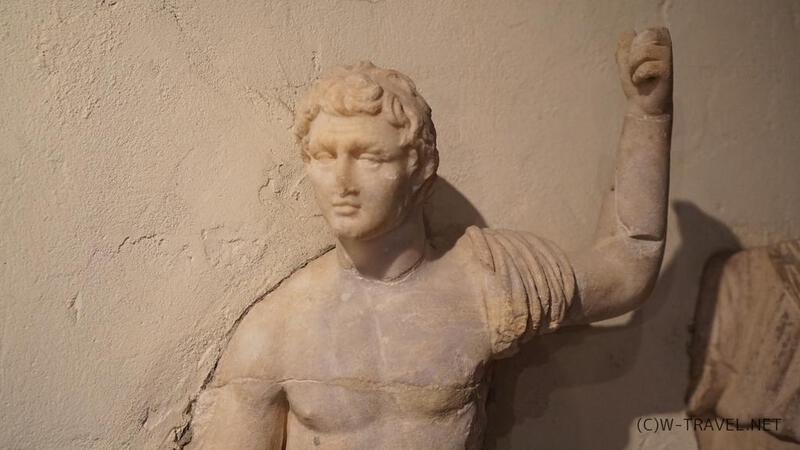
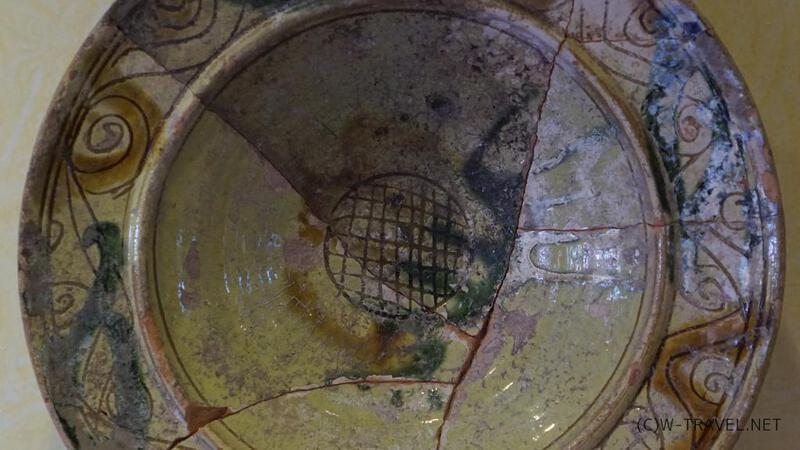
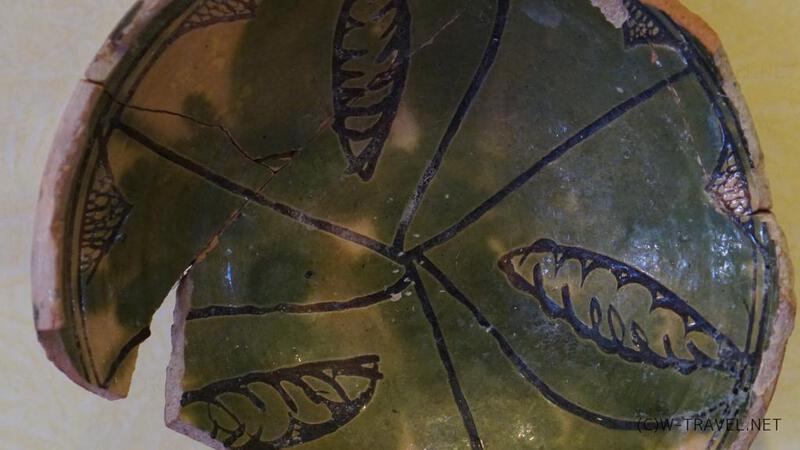
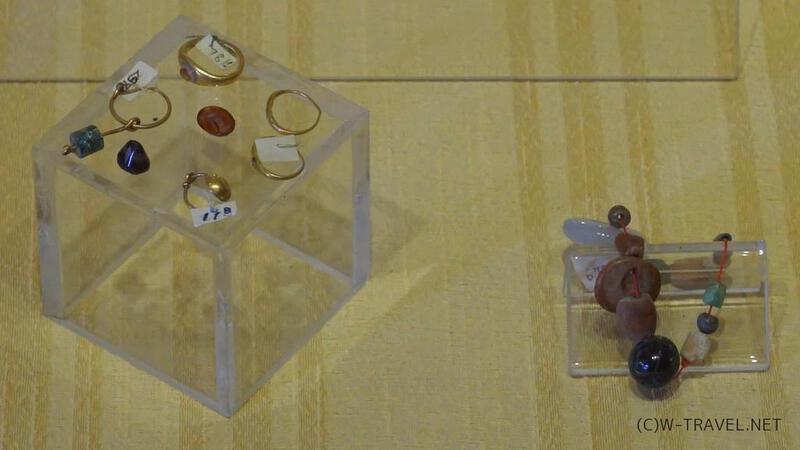
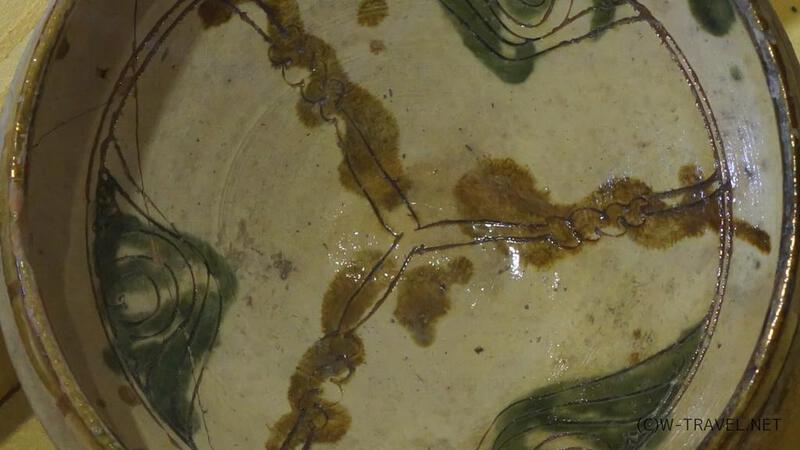
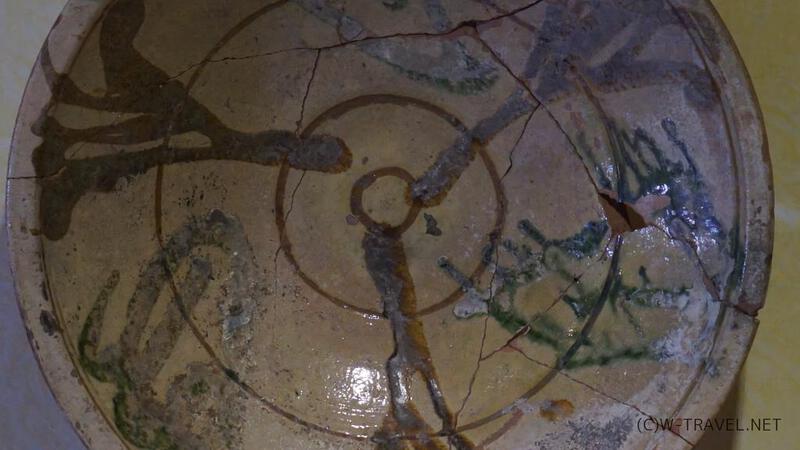
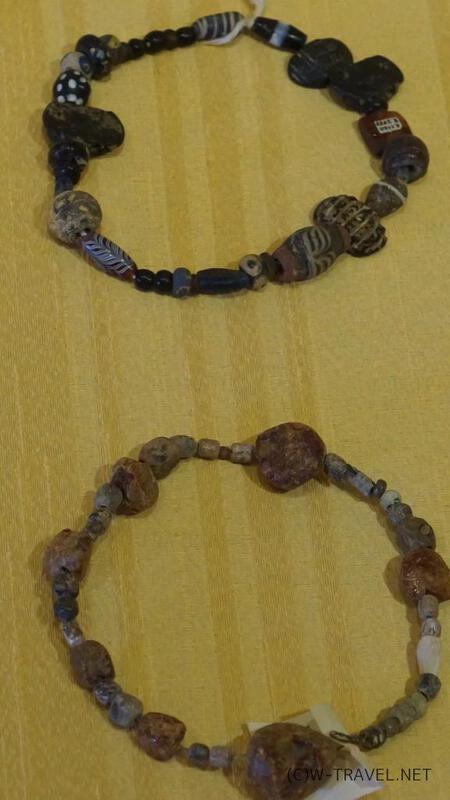
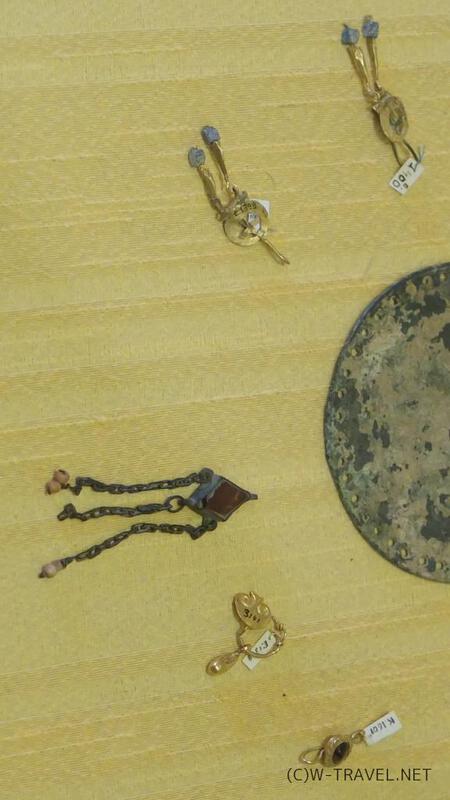
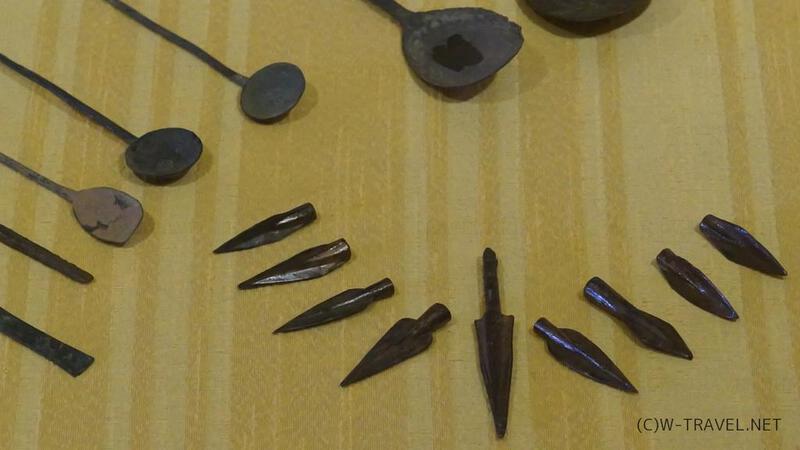
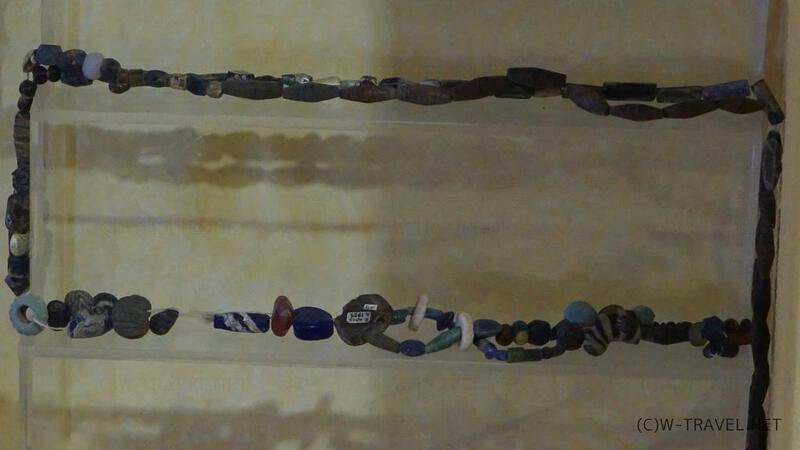
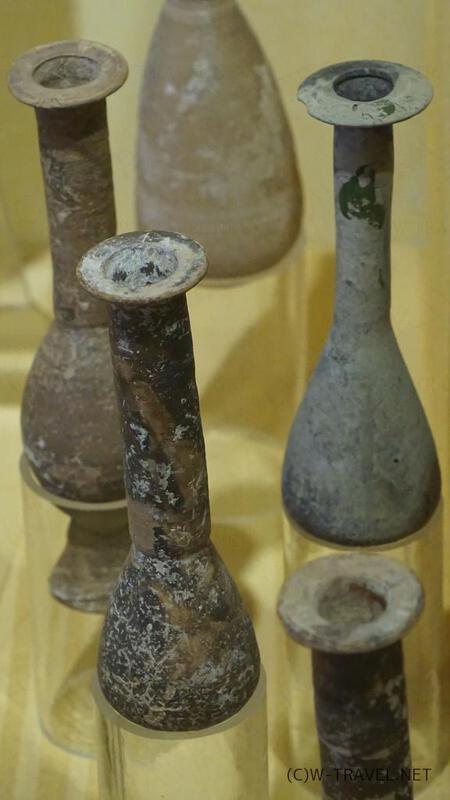
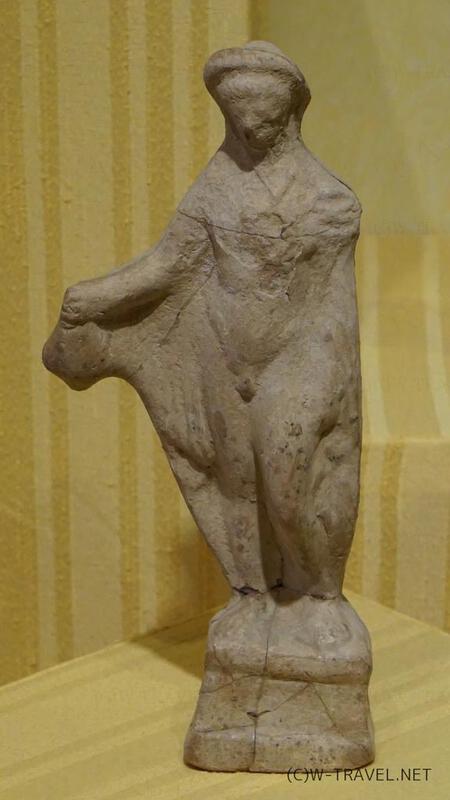
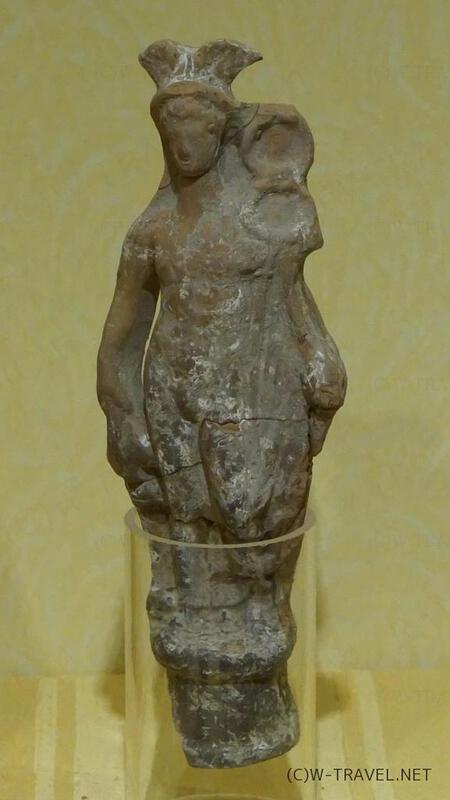
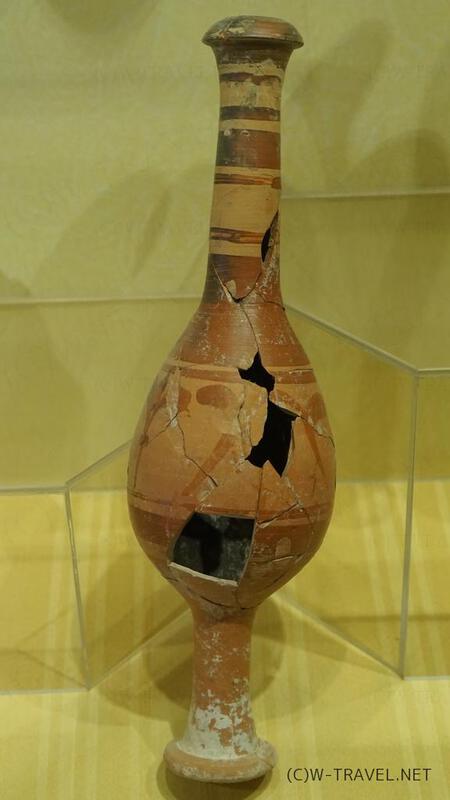
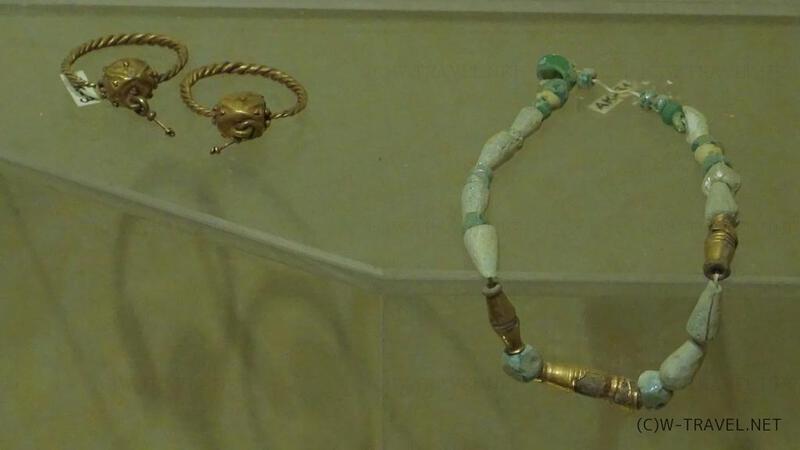
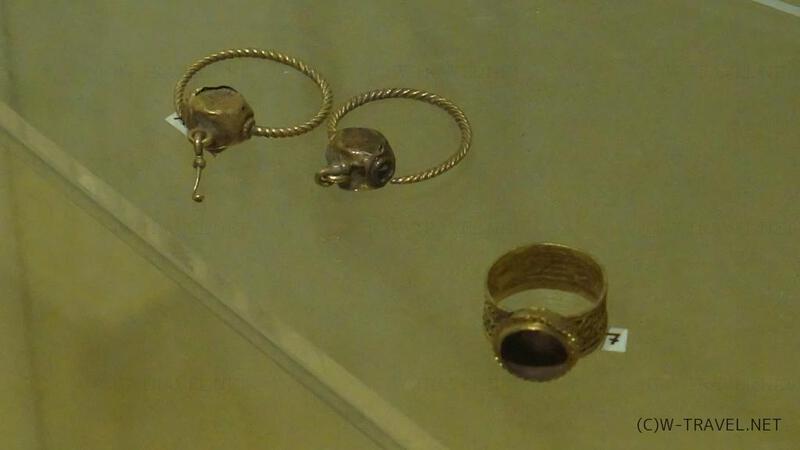
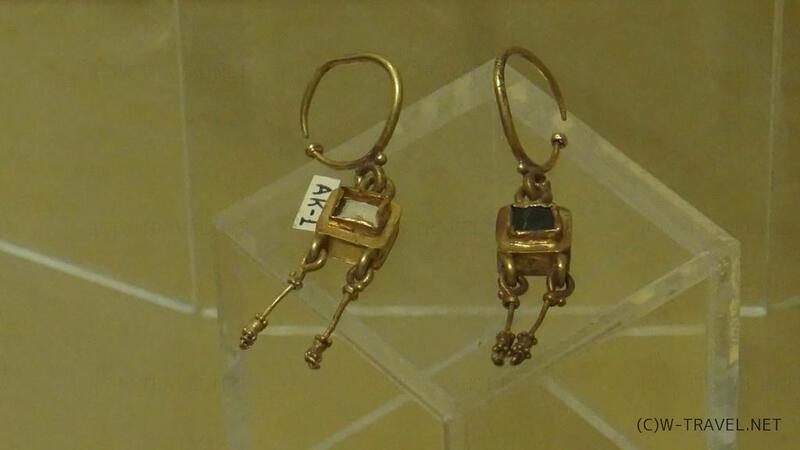
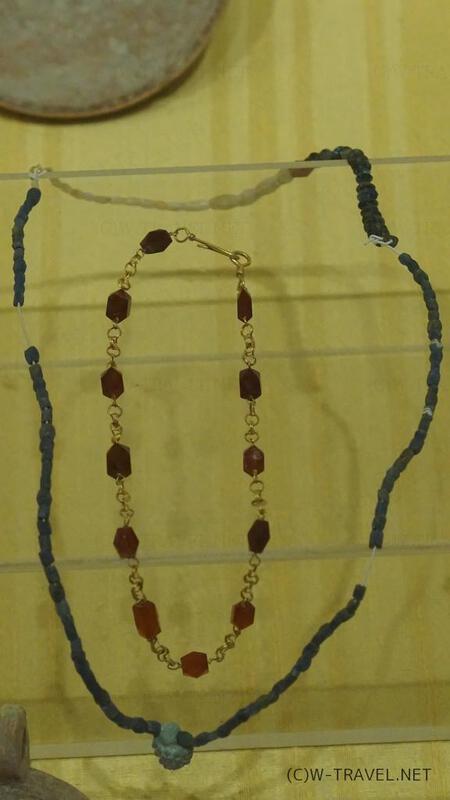
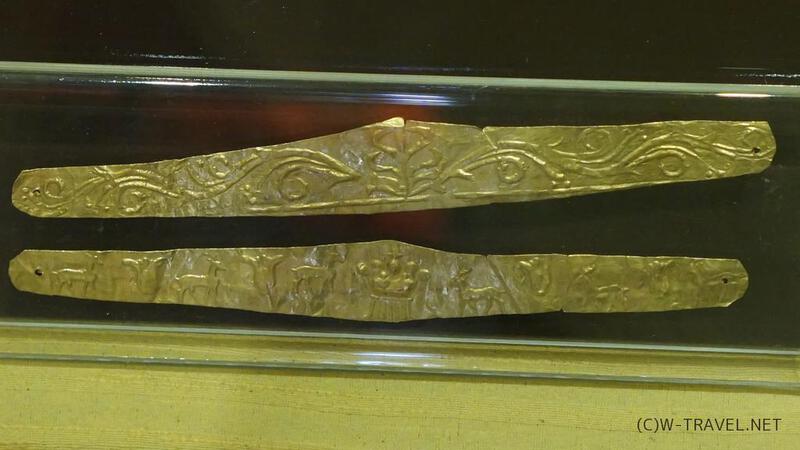
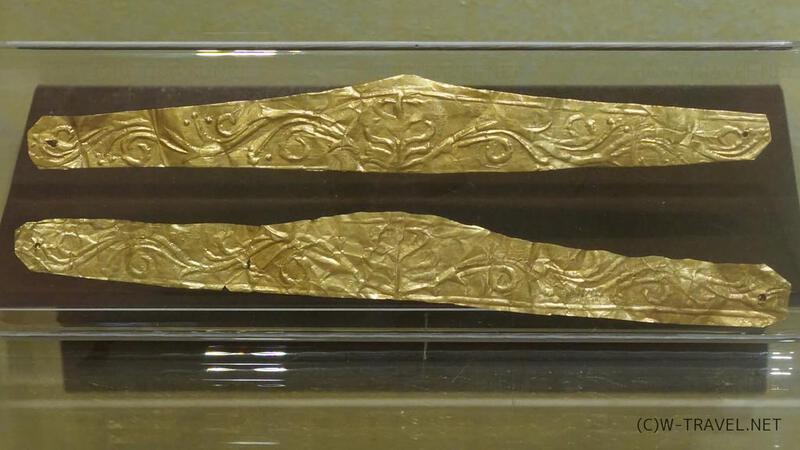
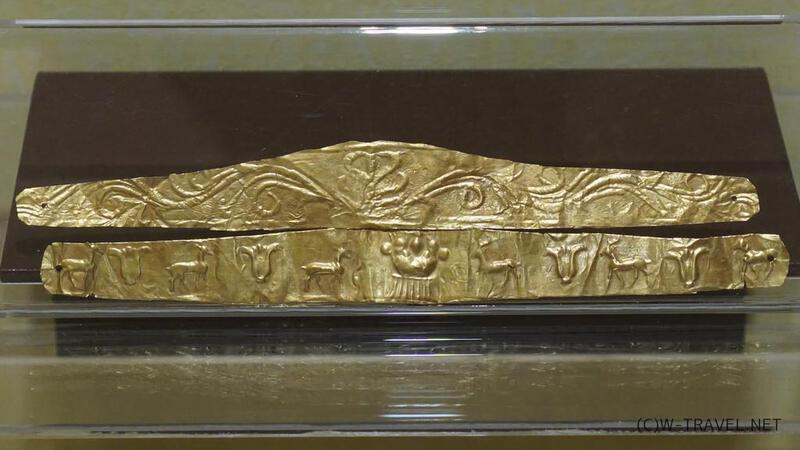
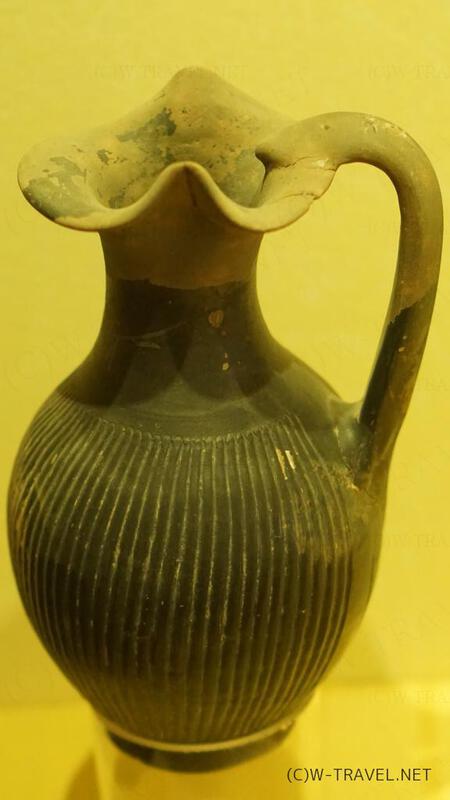
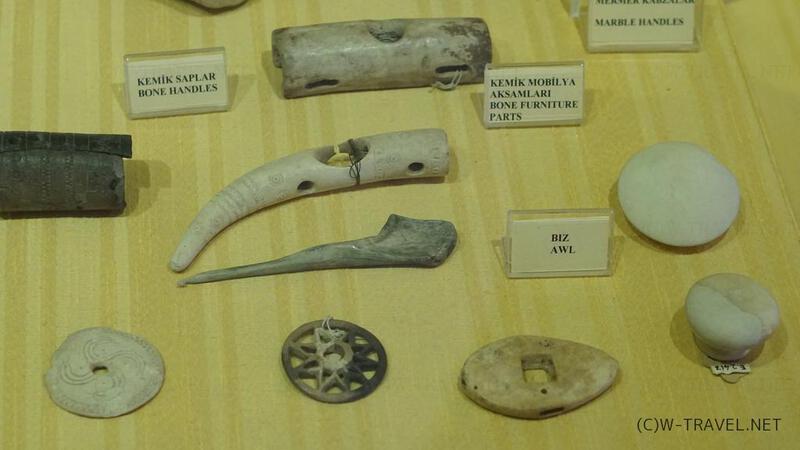
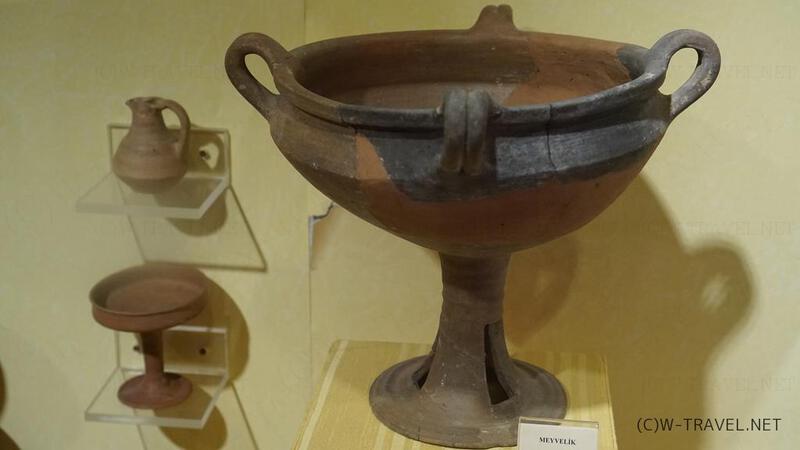
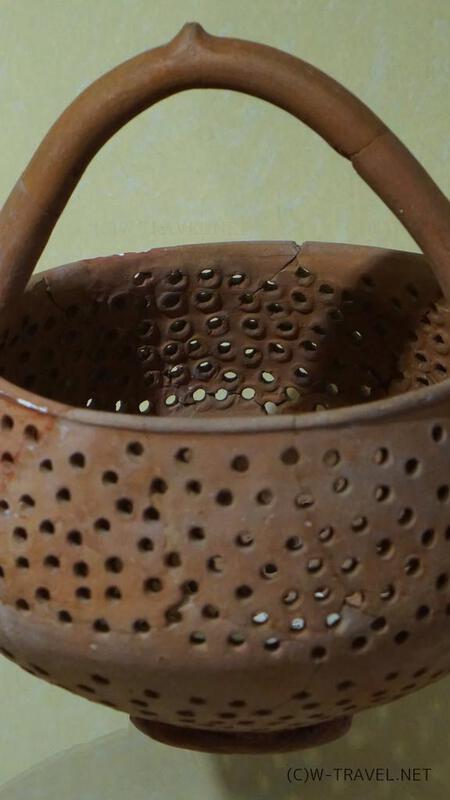
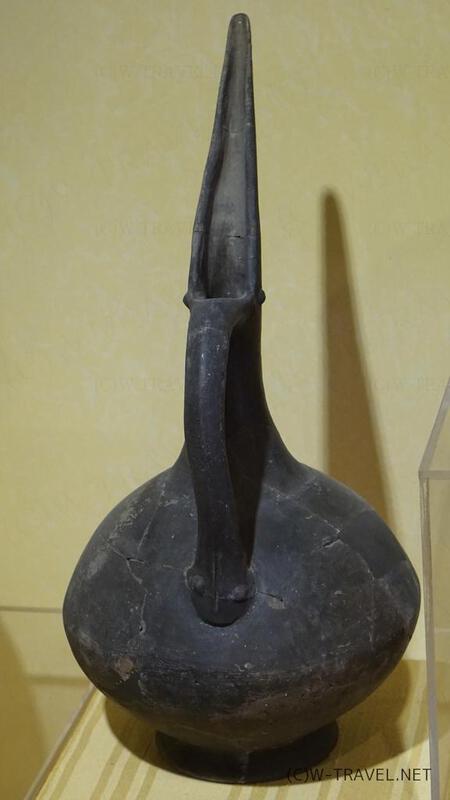
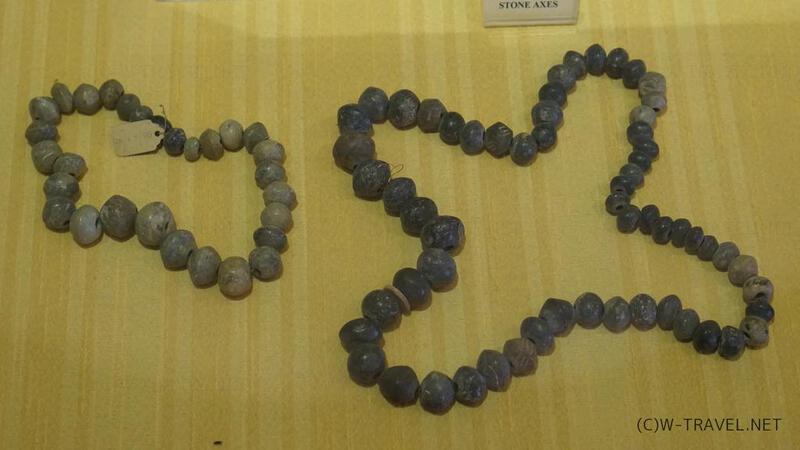
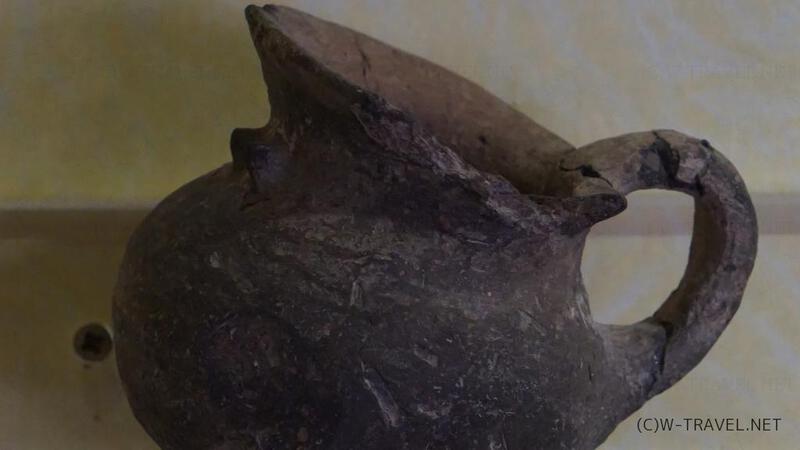
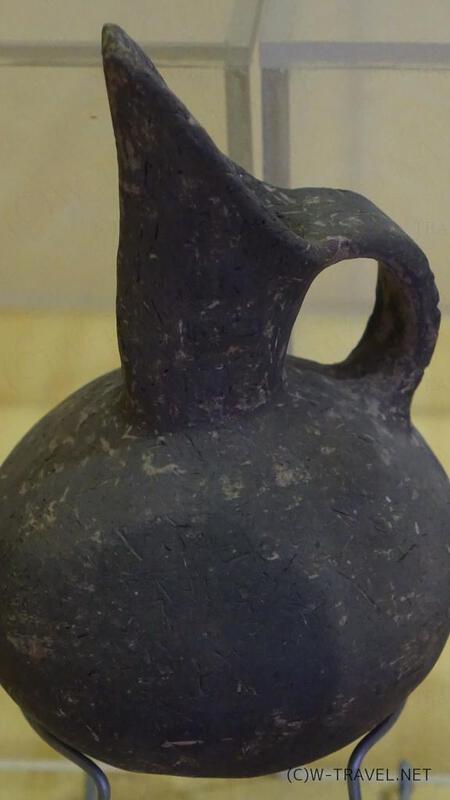
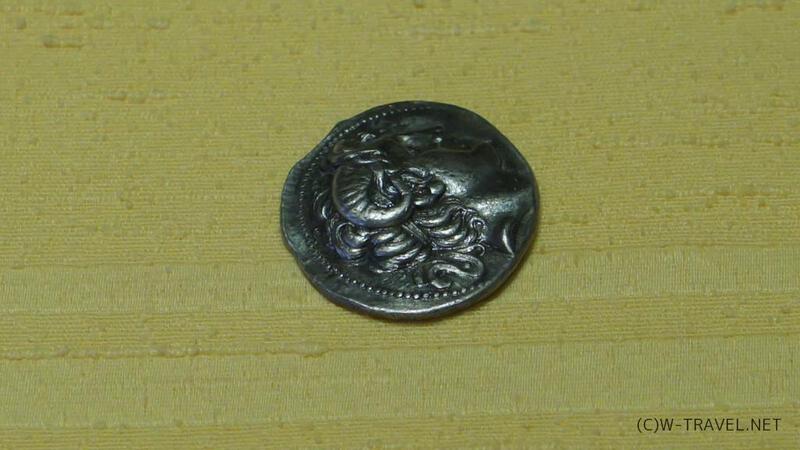
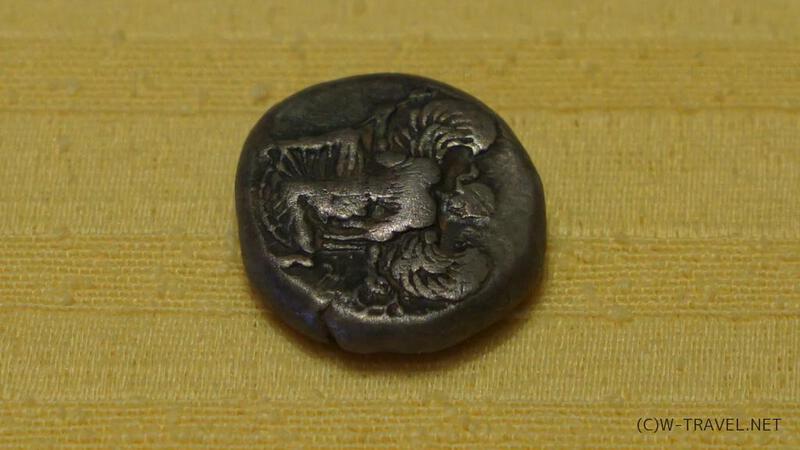
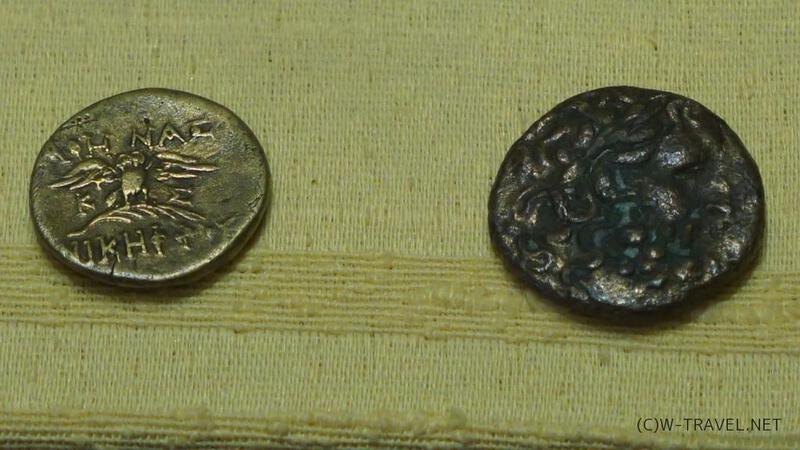
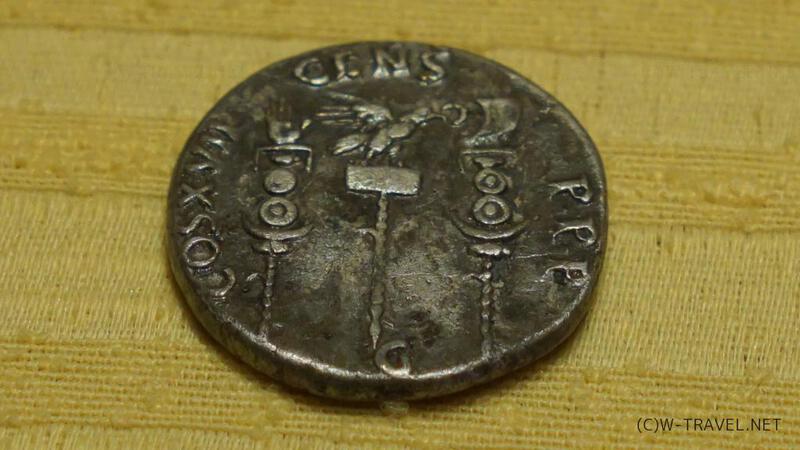
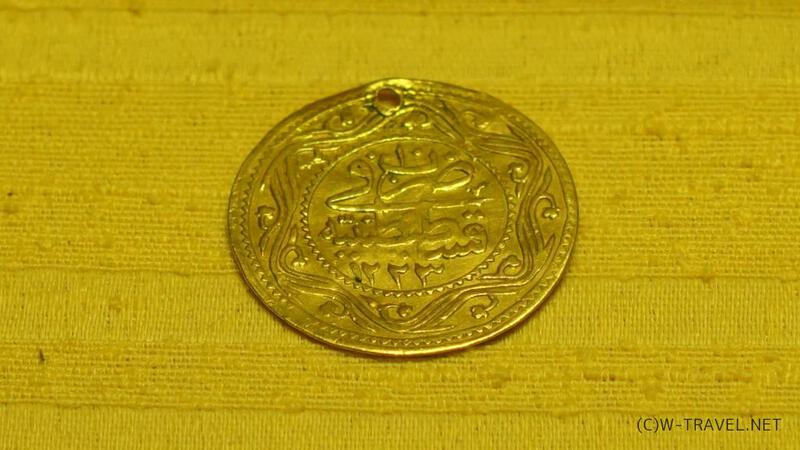
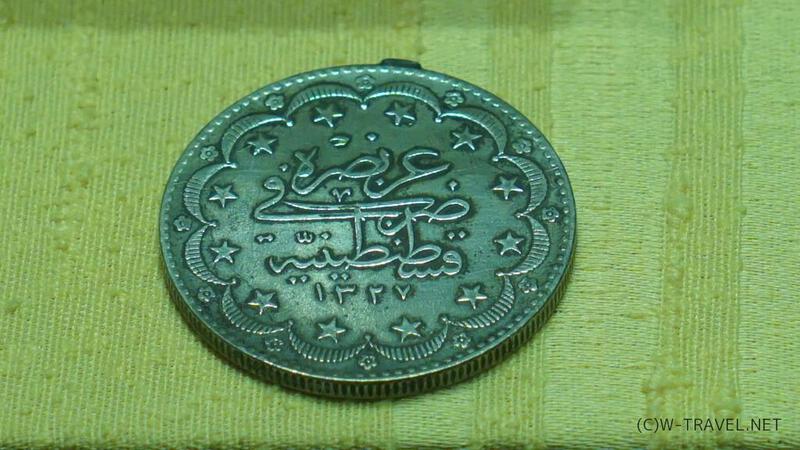
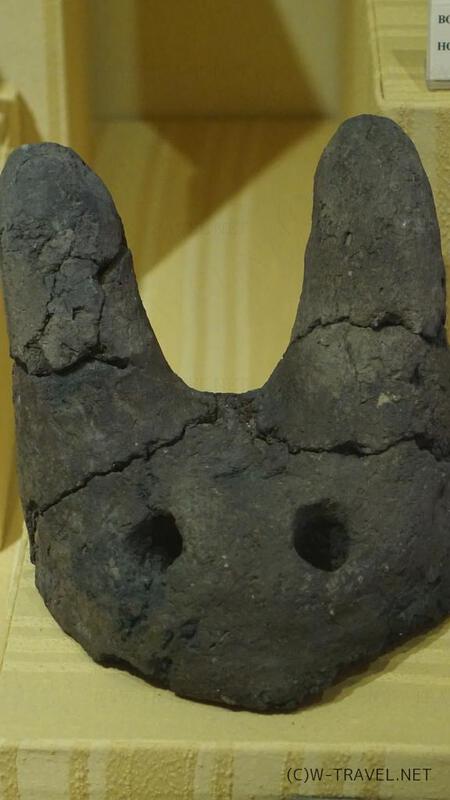
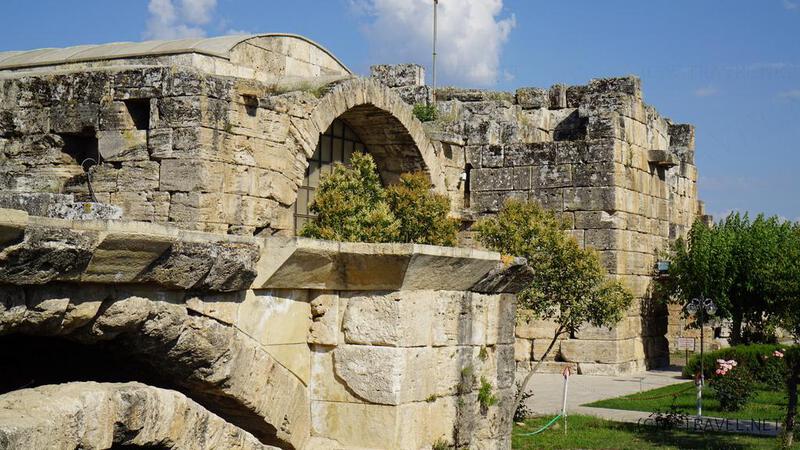
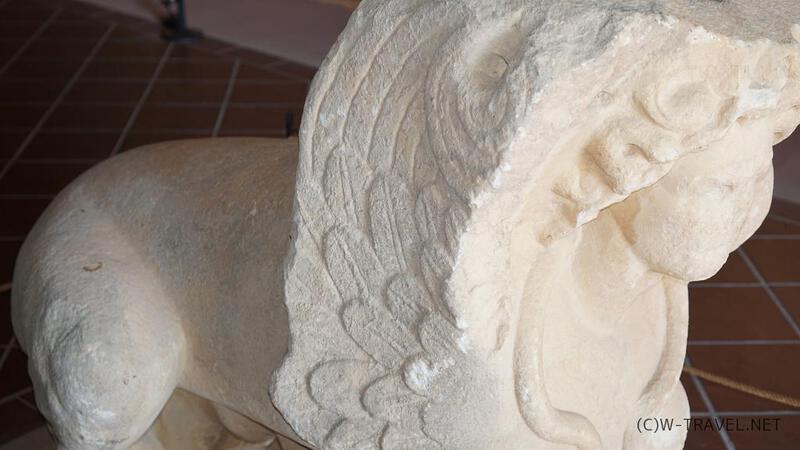
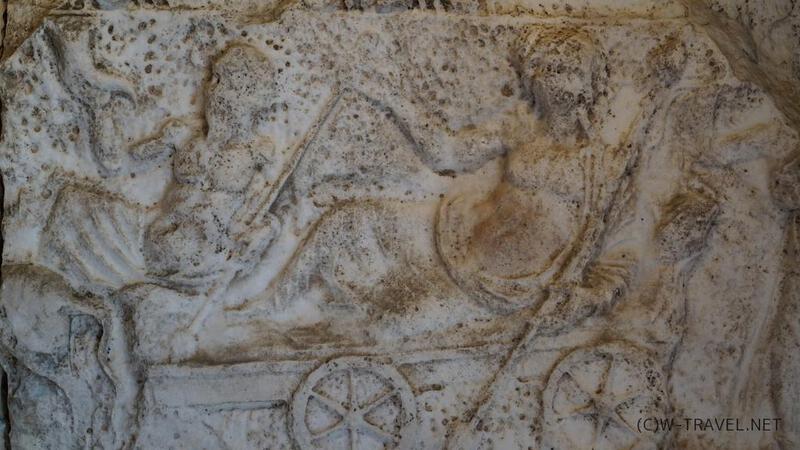
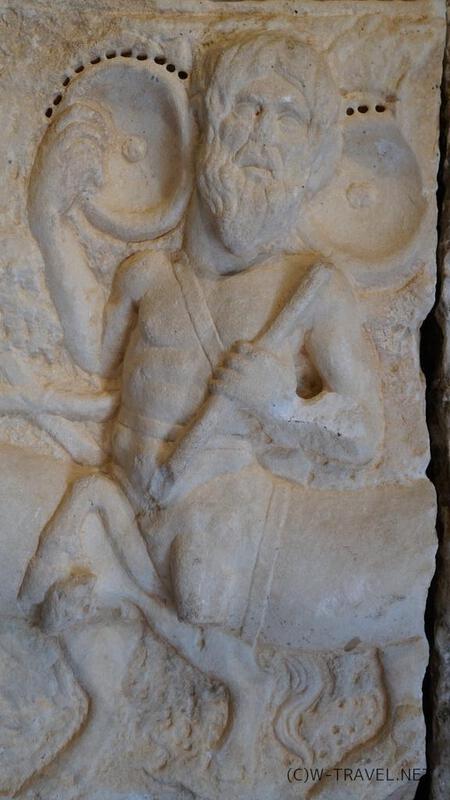
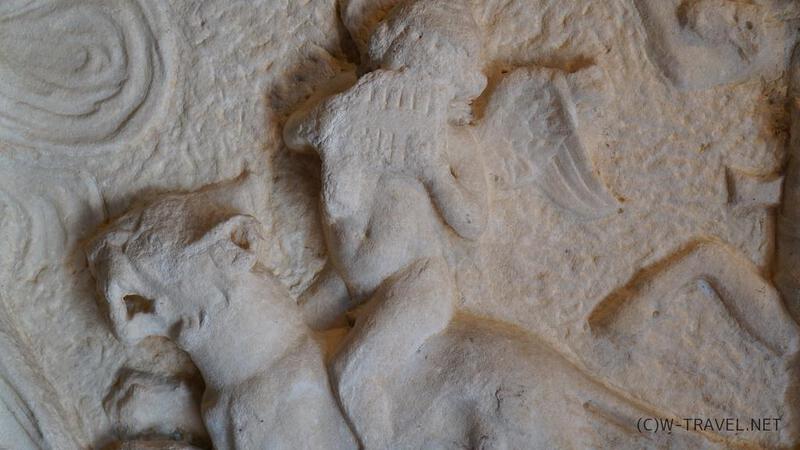
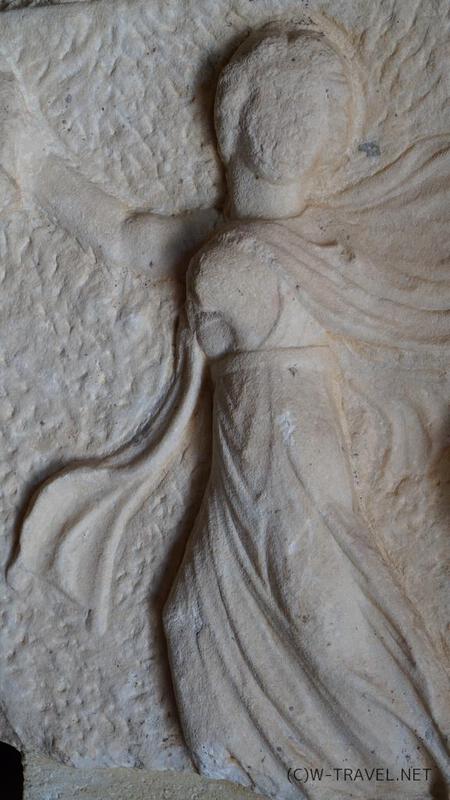
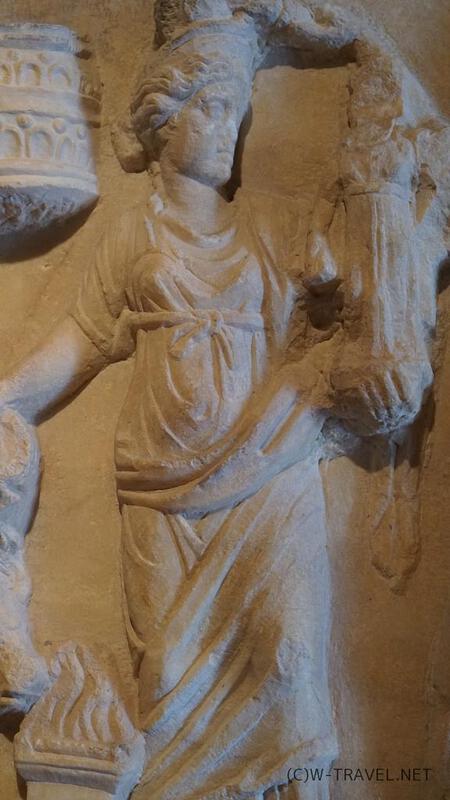
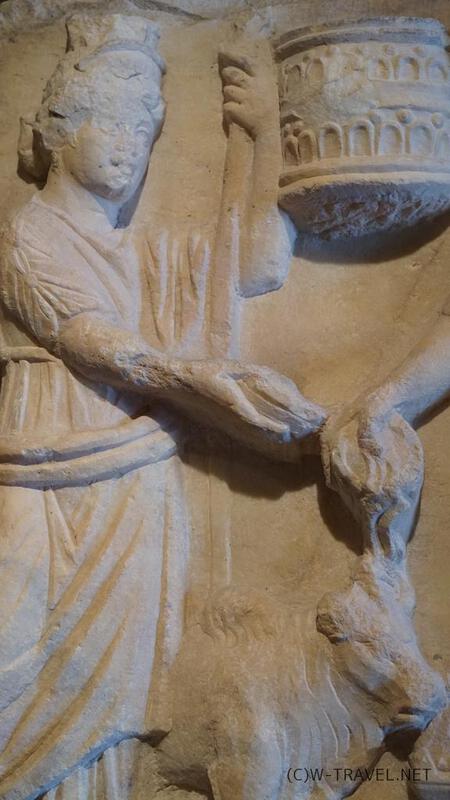
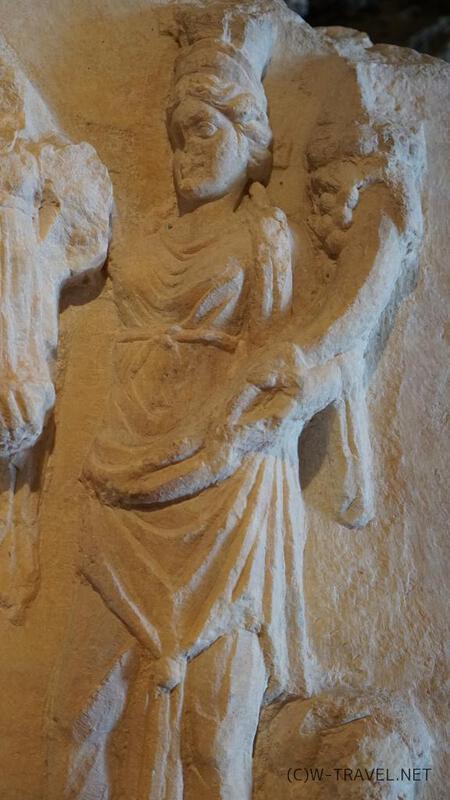
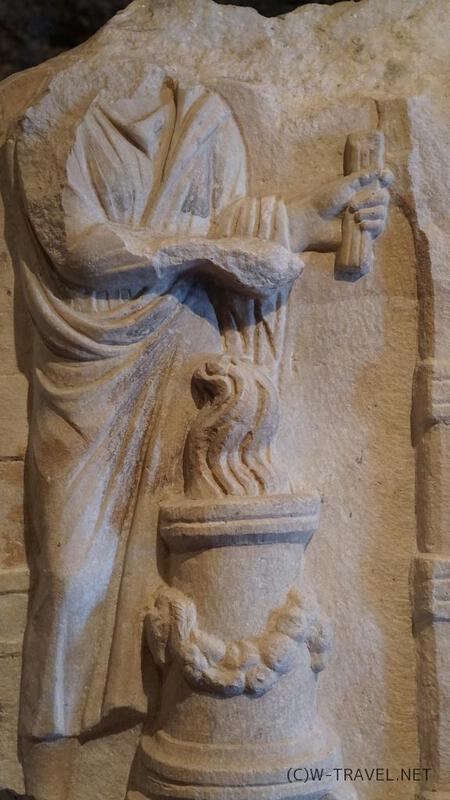
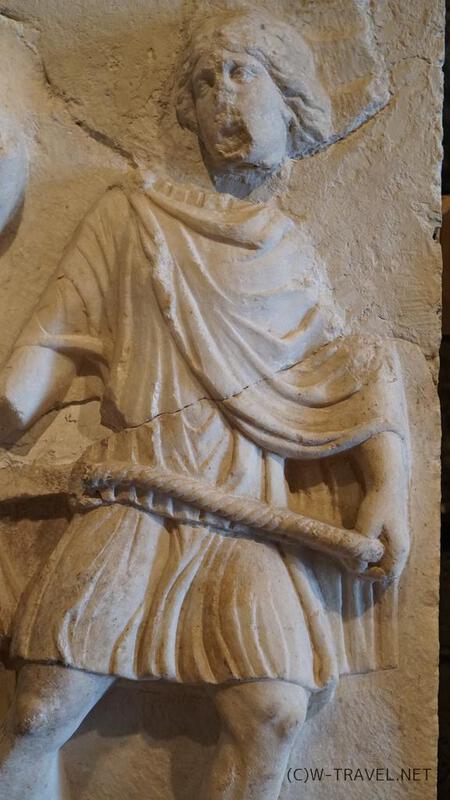
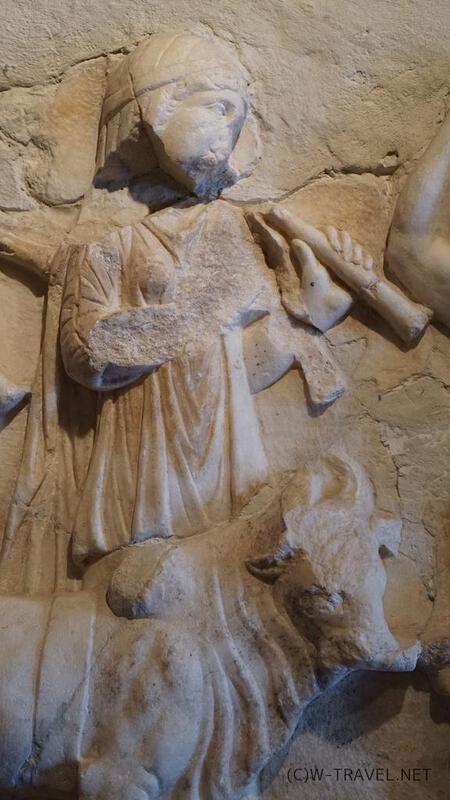
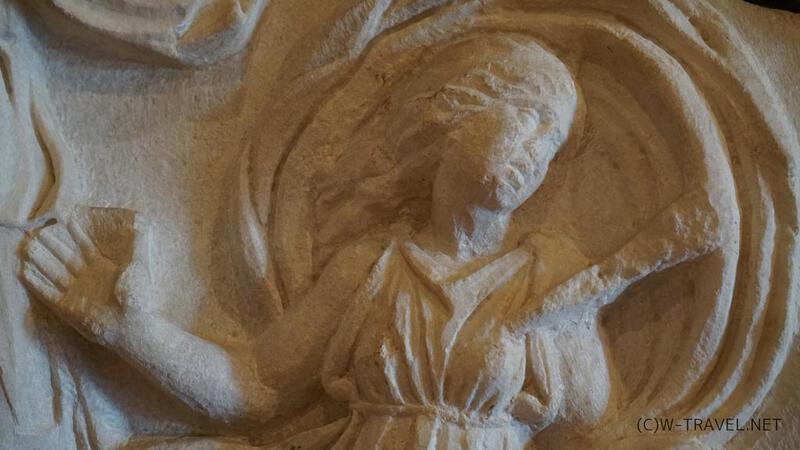
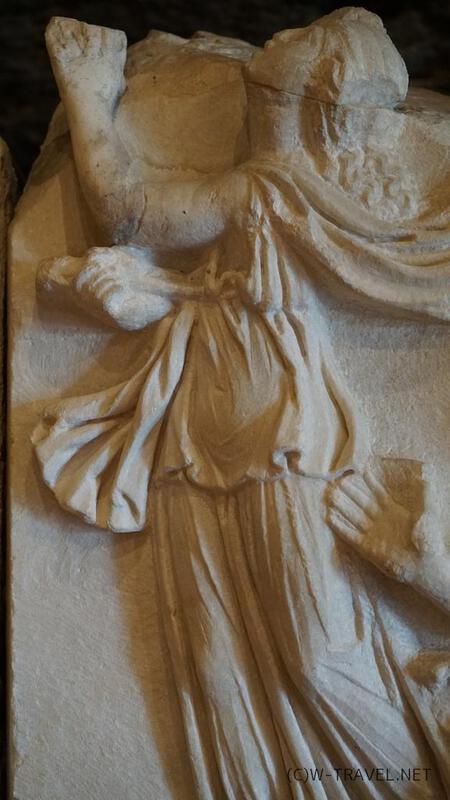
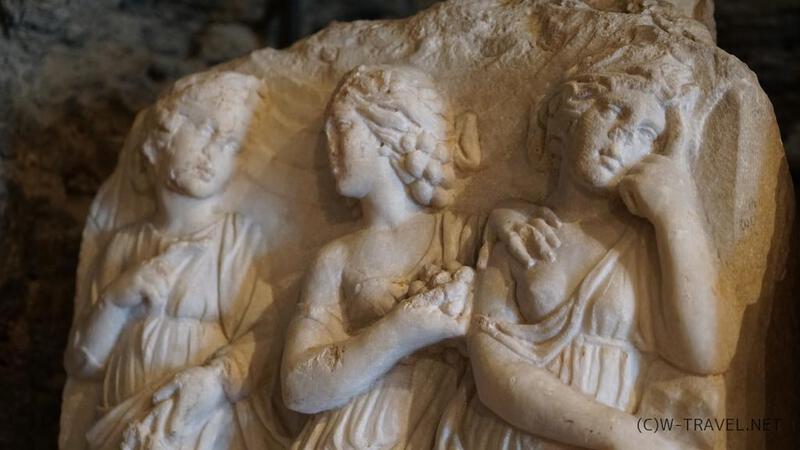
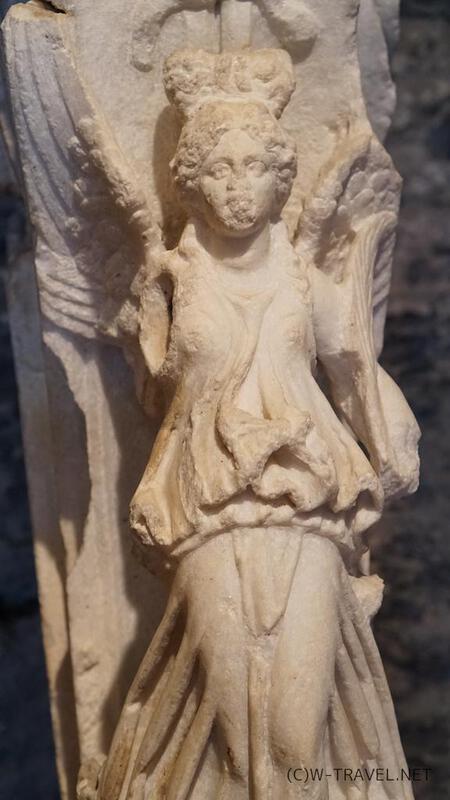
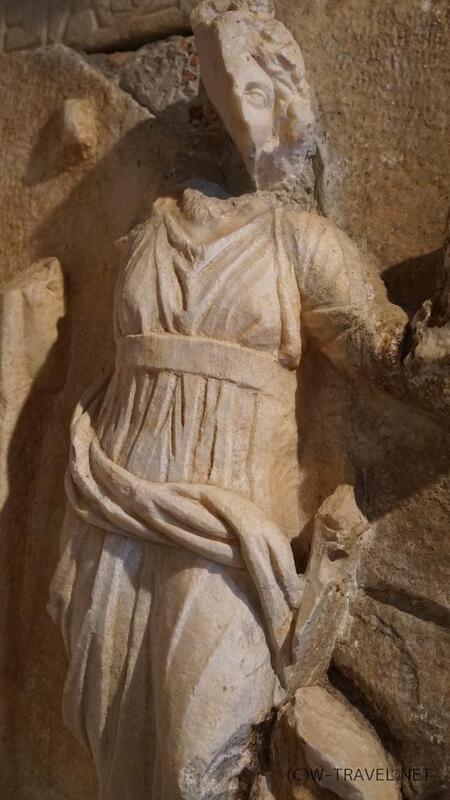
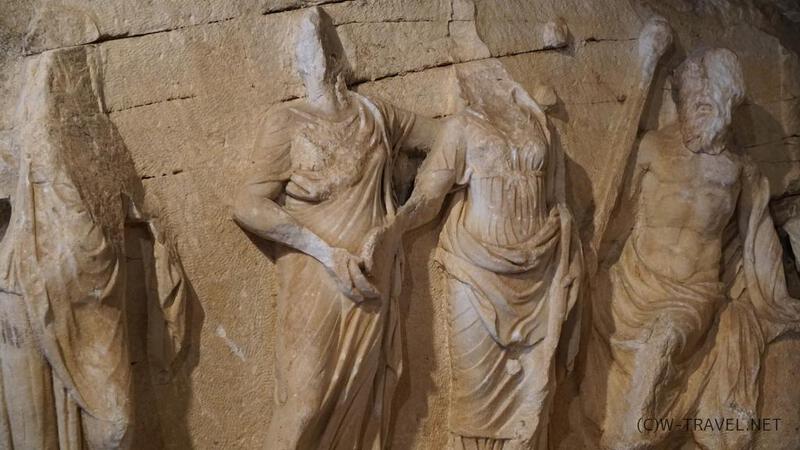
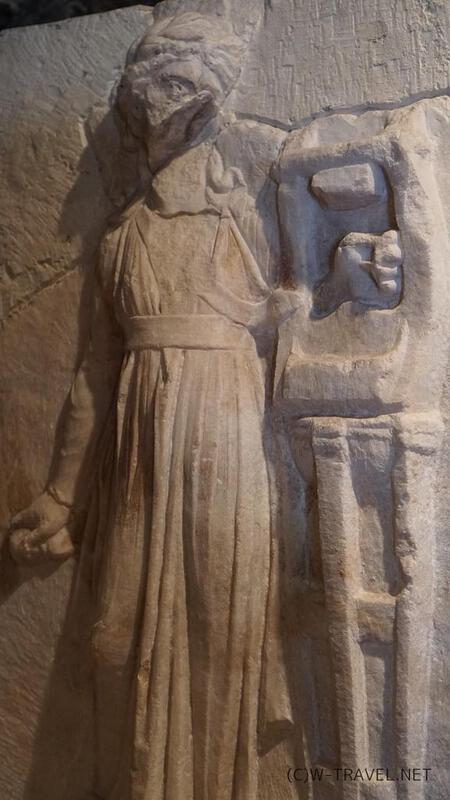
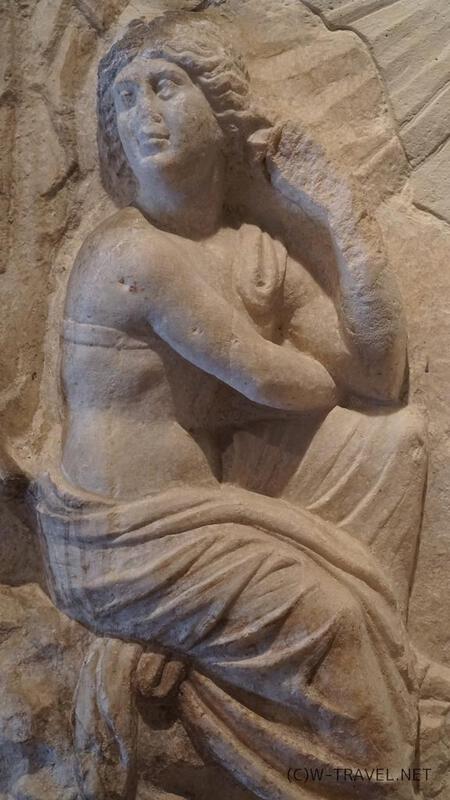
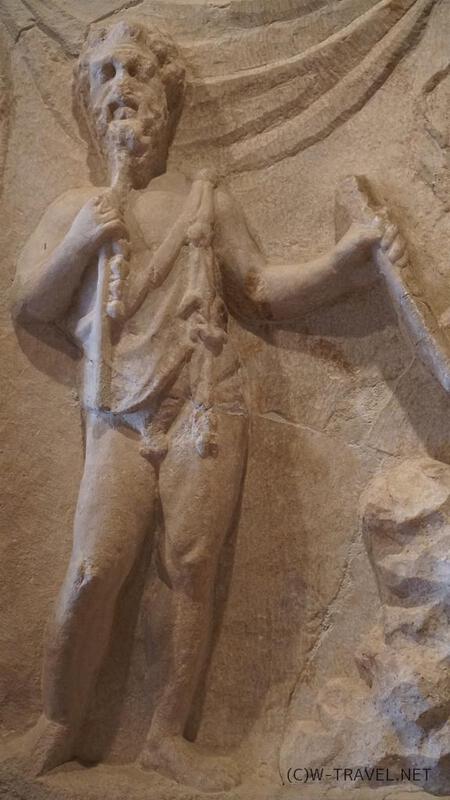
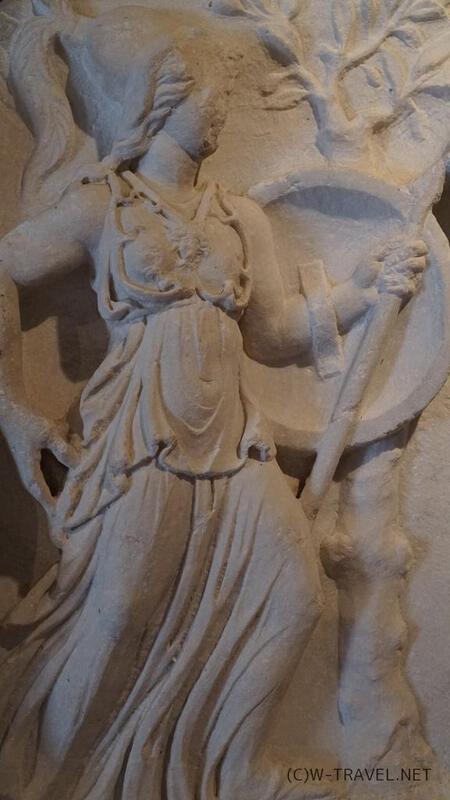
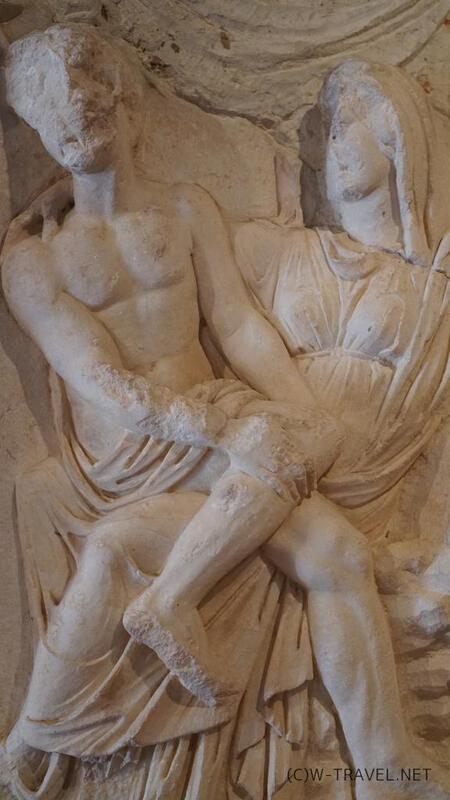
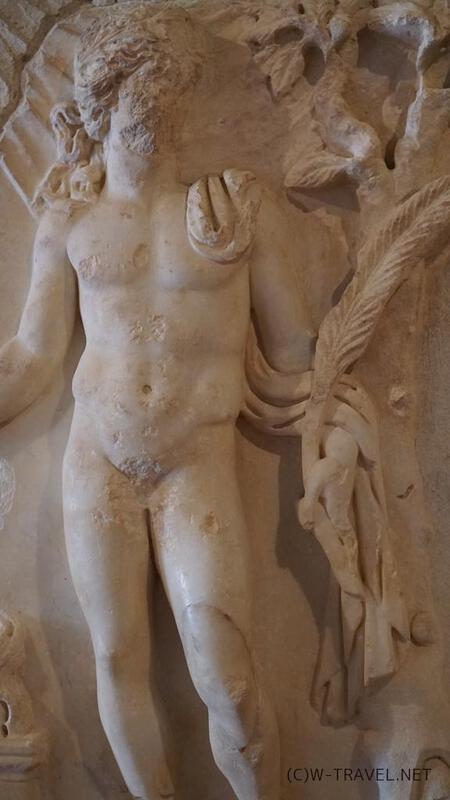
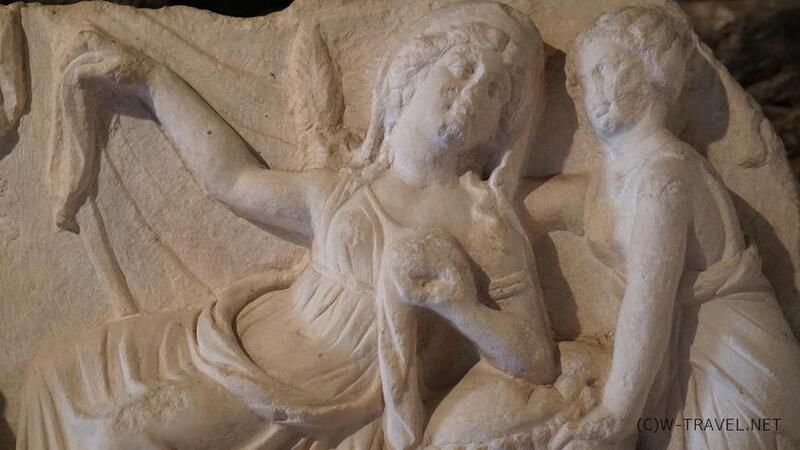
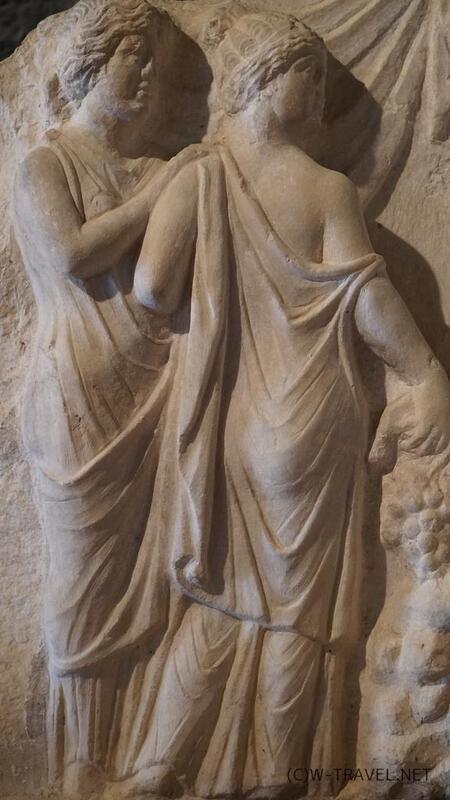
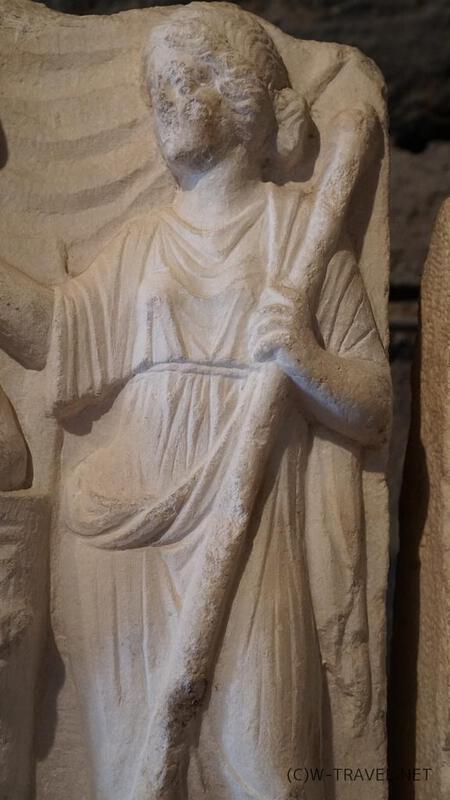
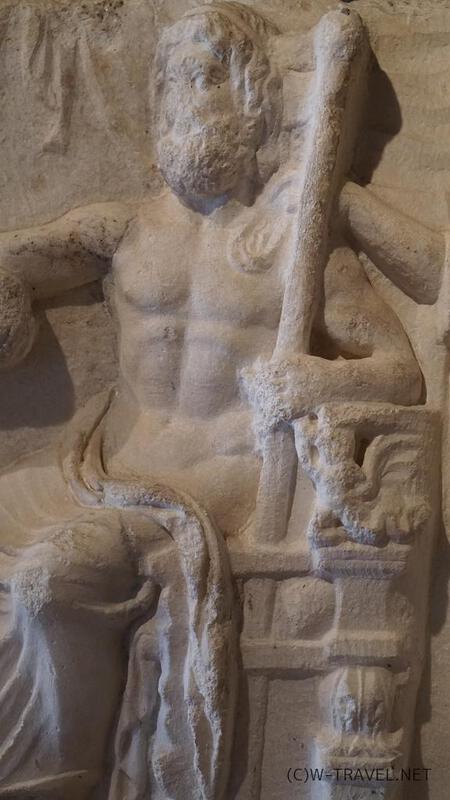
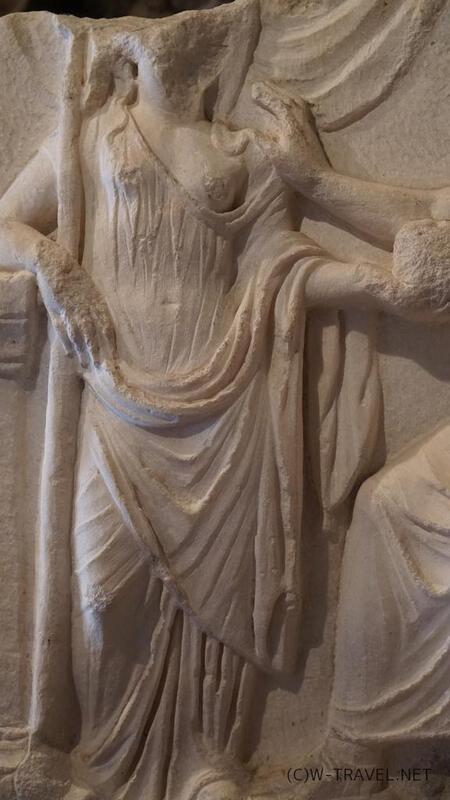
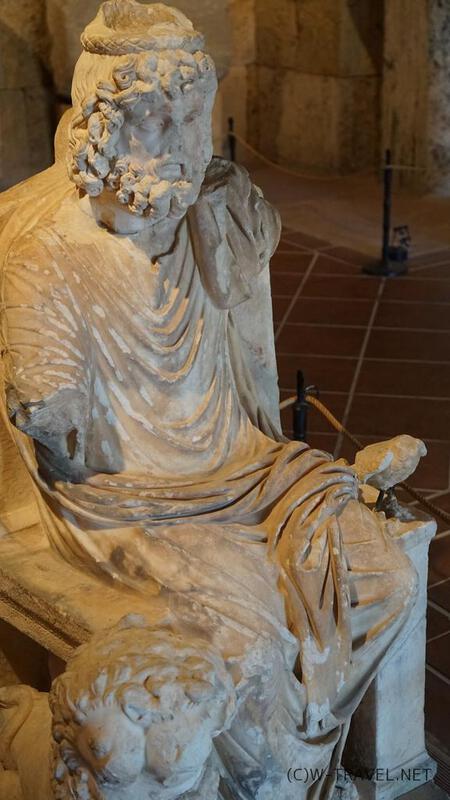
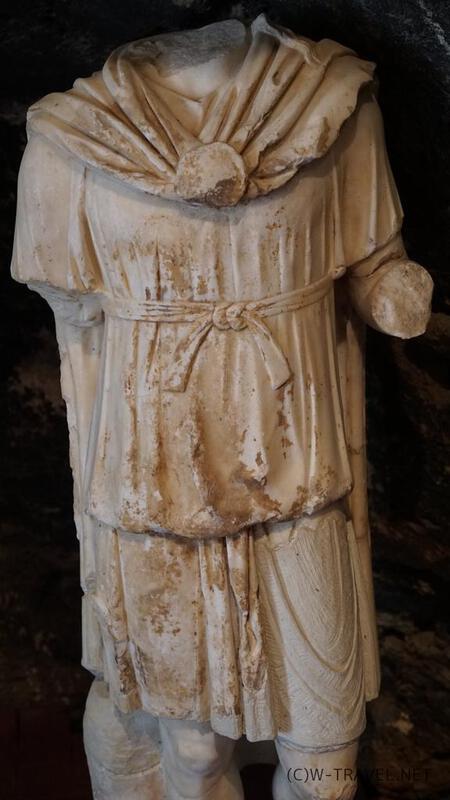
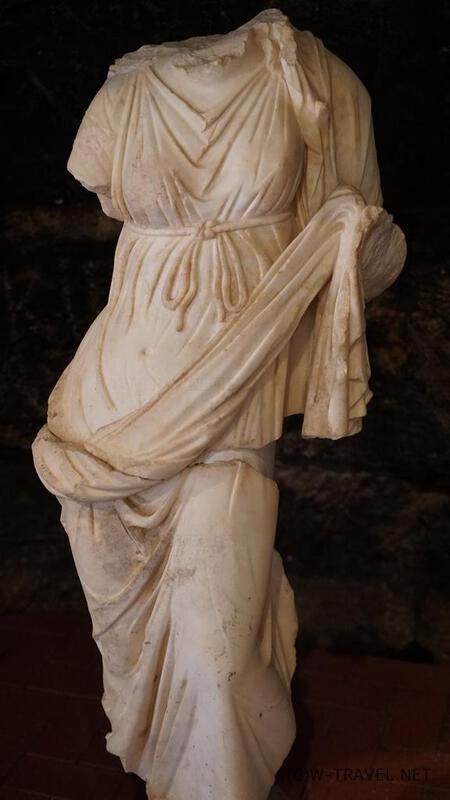
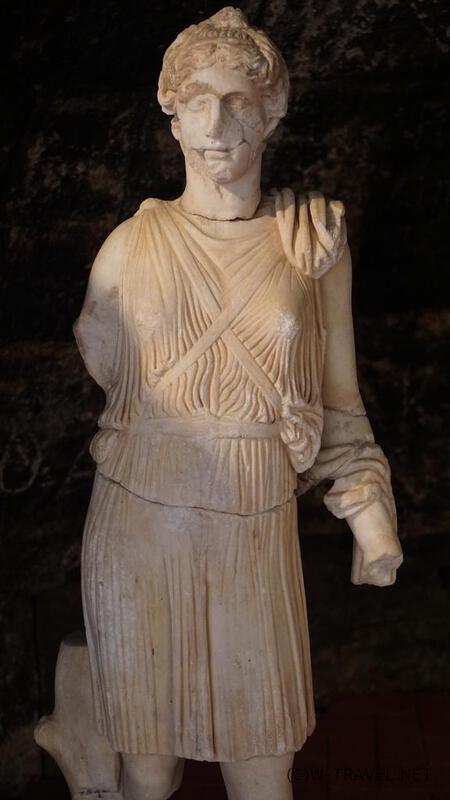
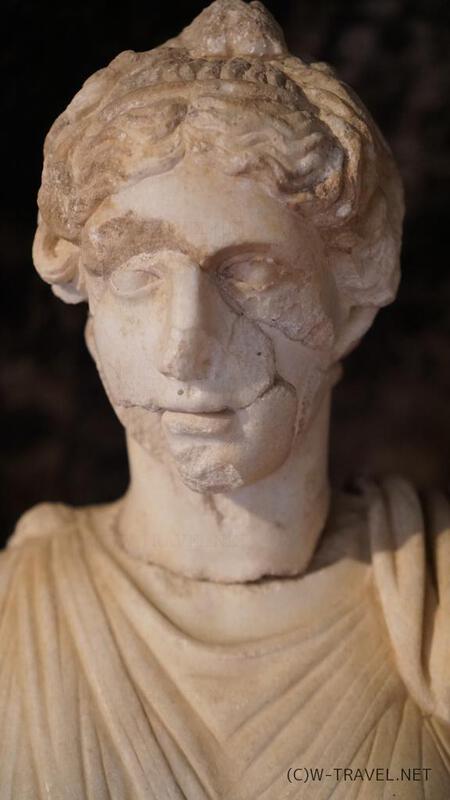
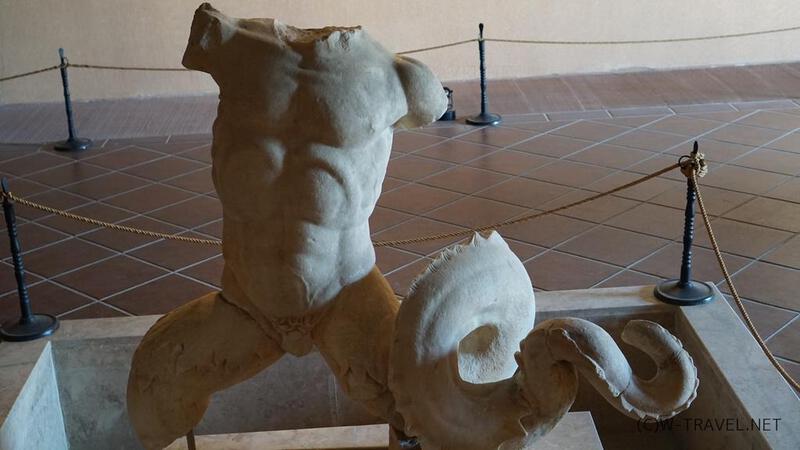
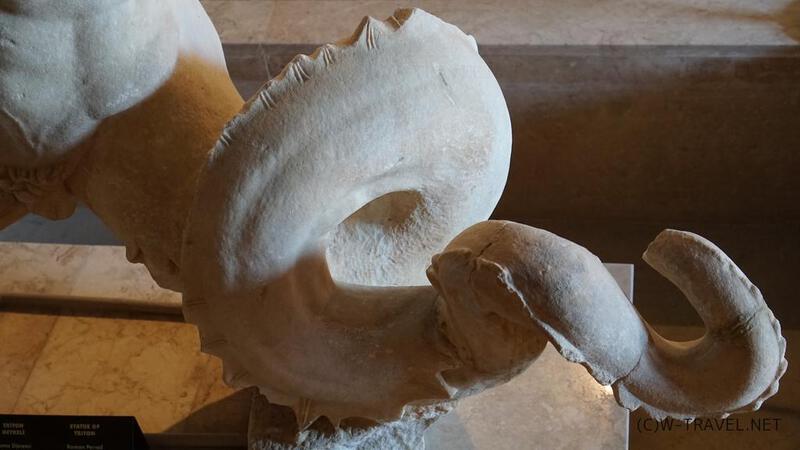
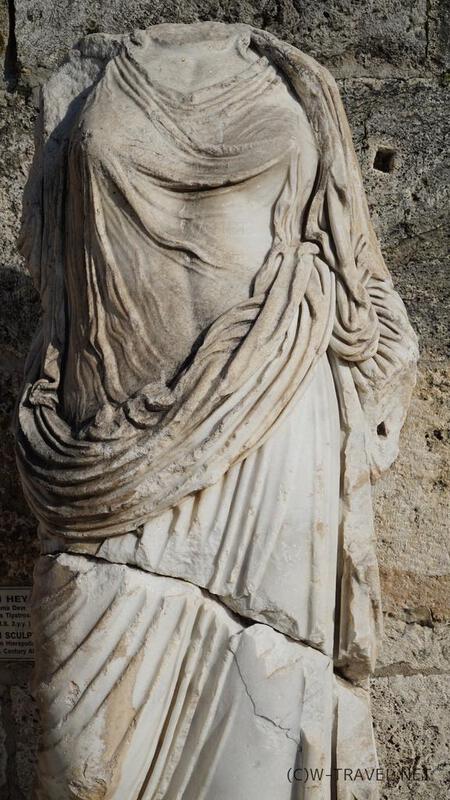
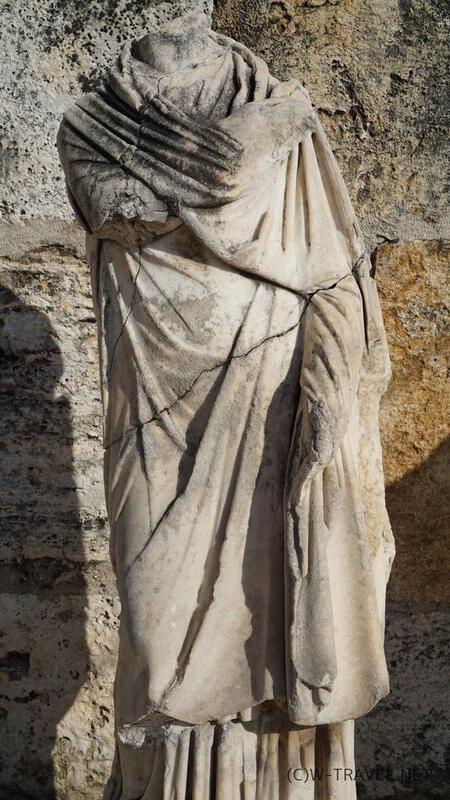
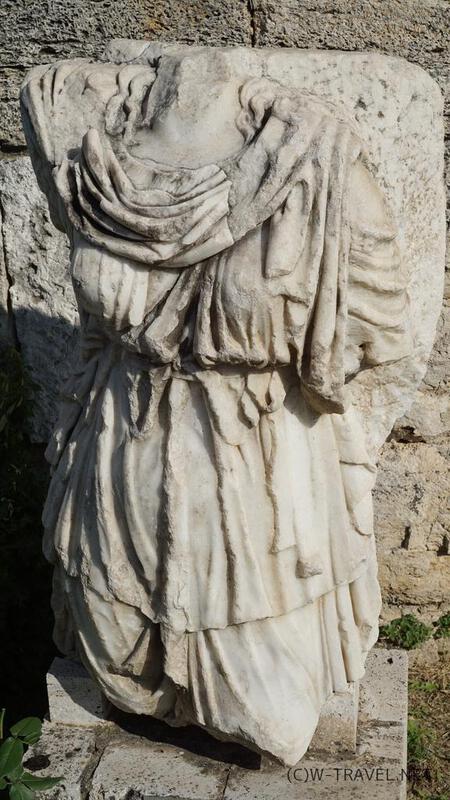
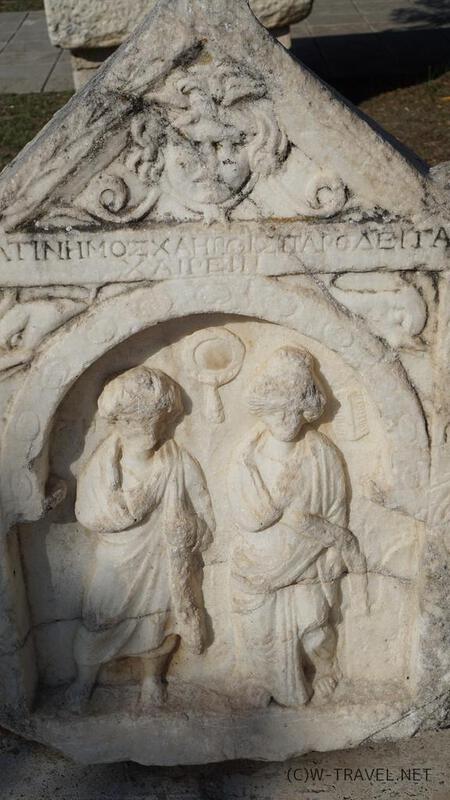
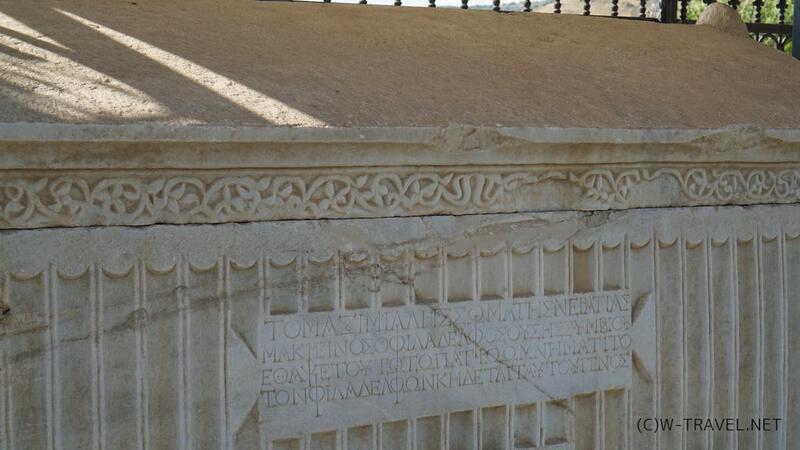
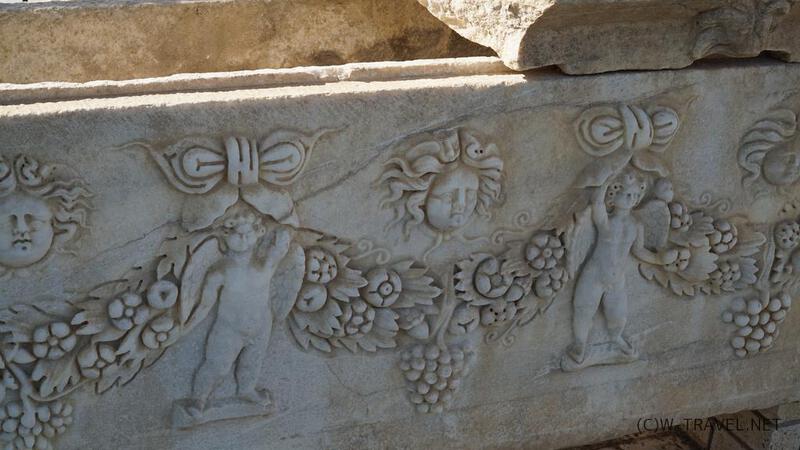
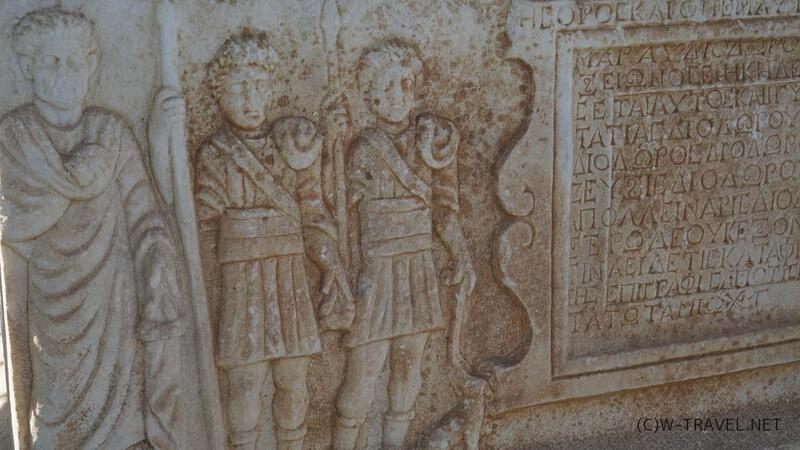
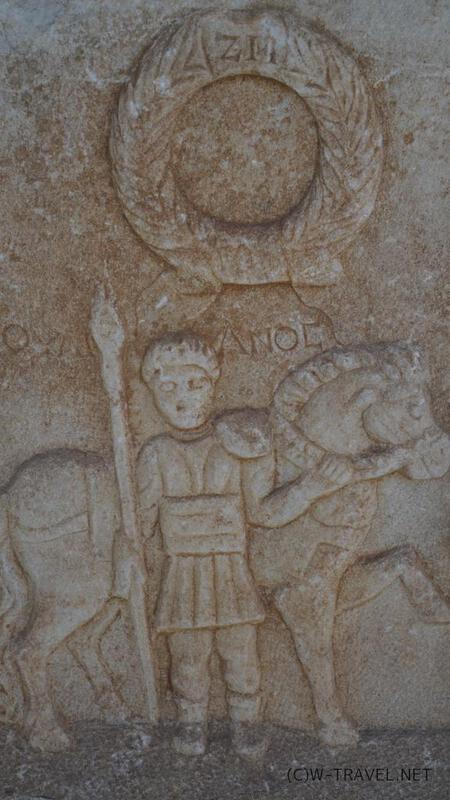
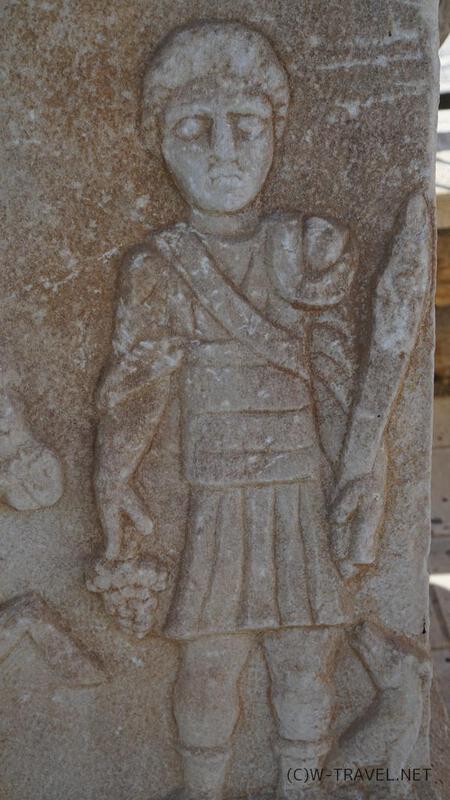
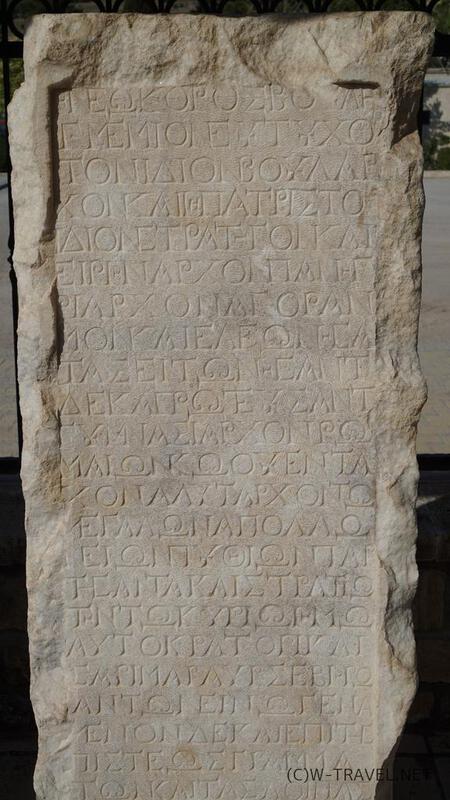
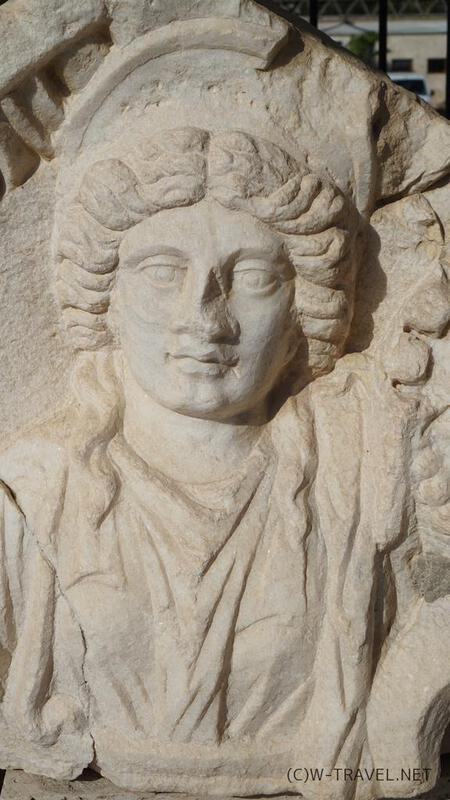
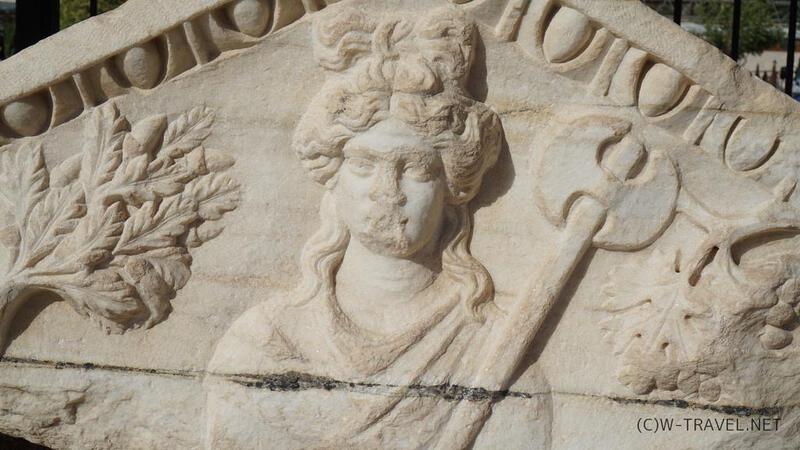
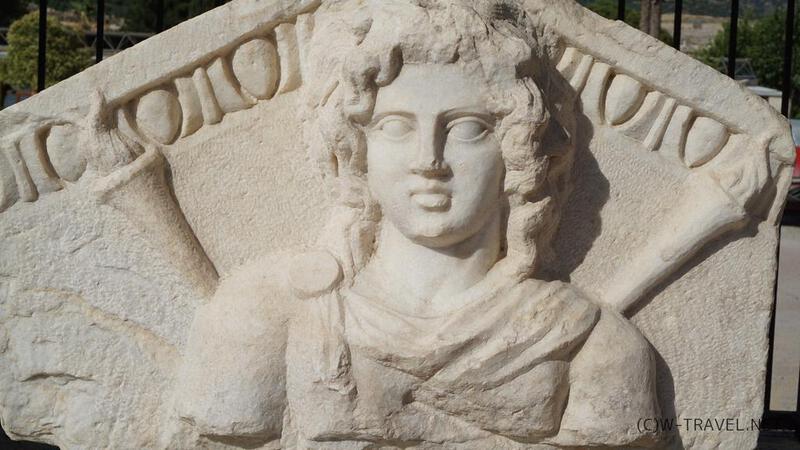
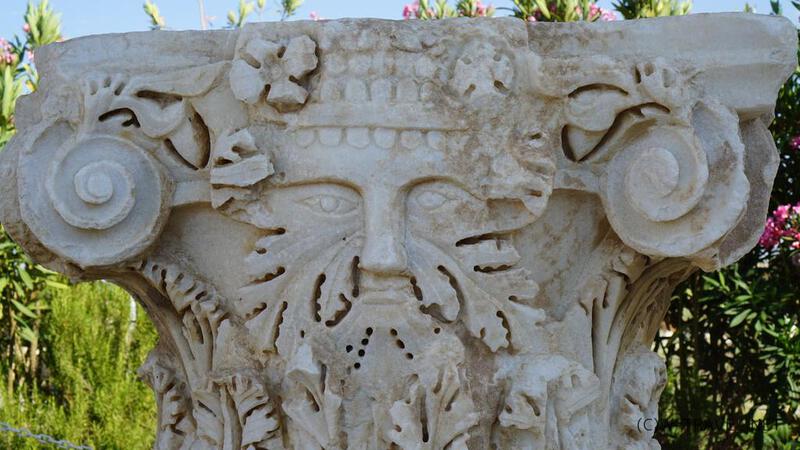
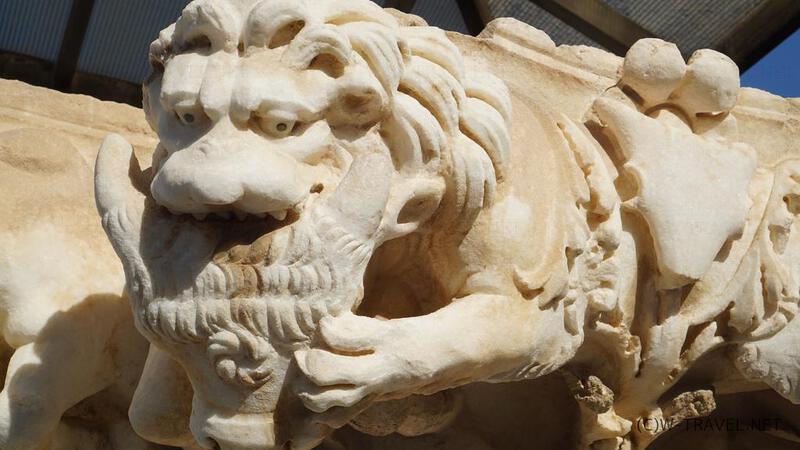
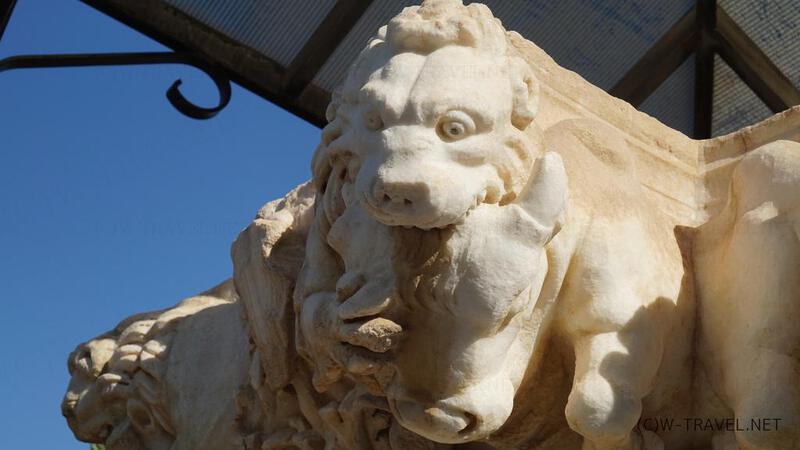
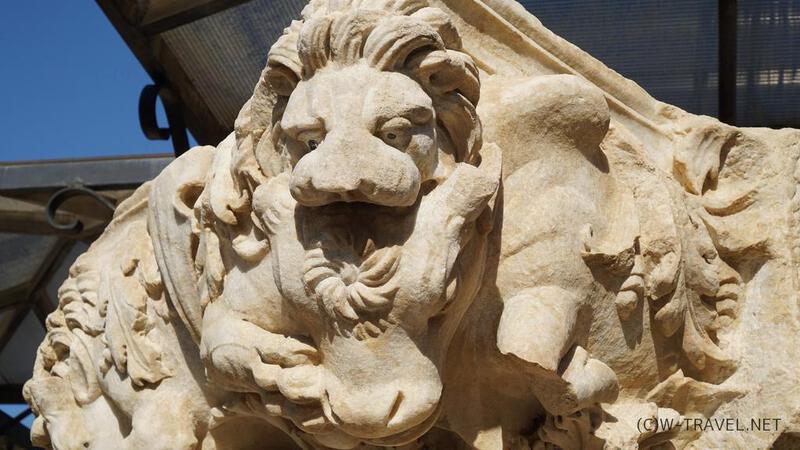
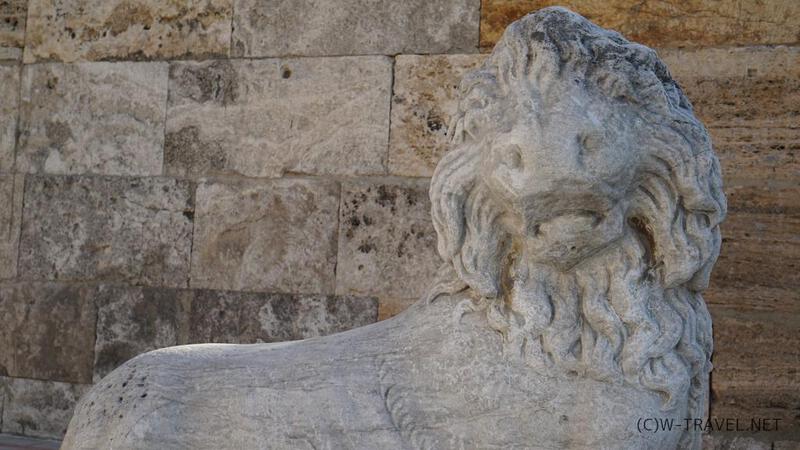
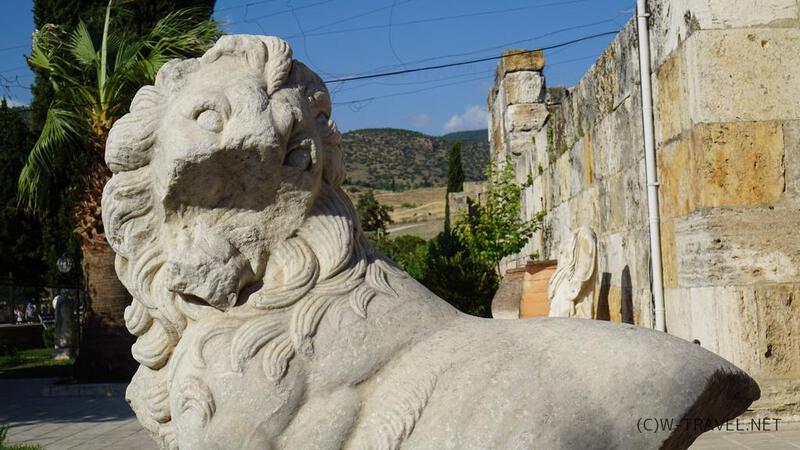
متحف هيرابوليس الأثري (Hierapolis Archaeology Museum).
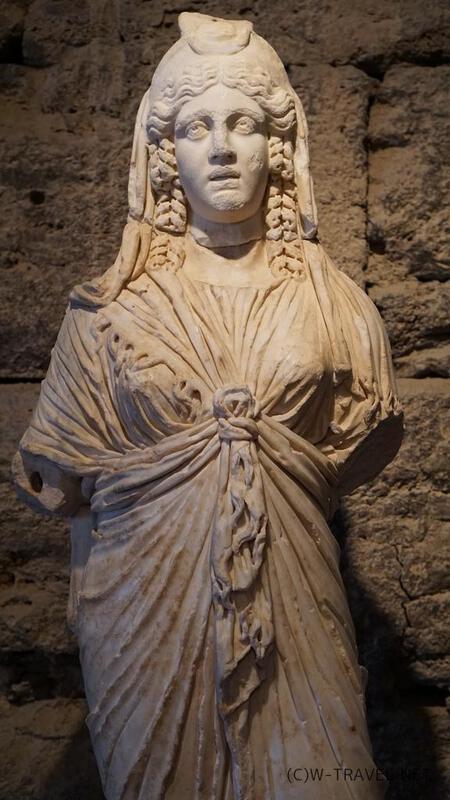
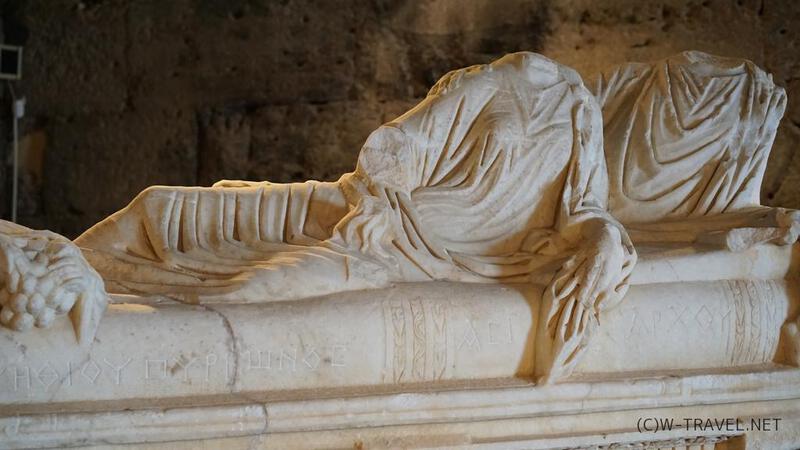
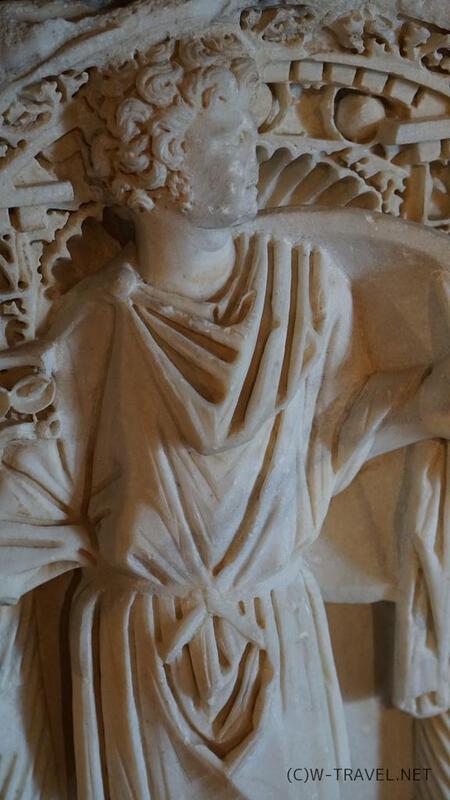
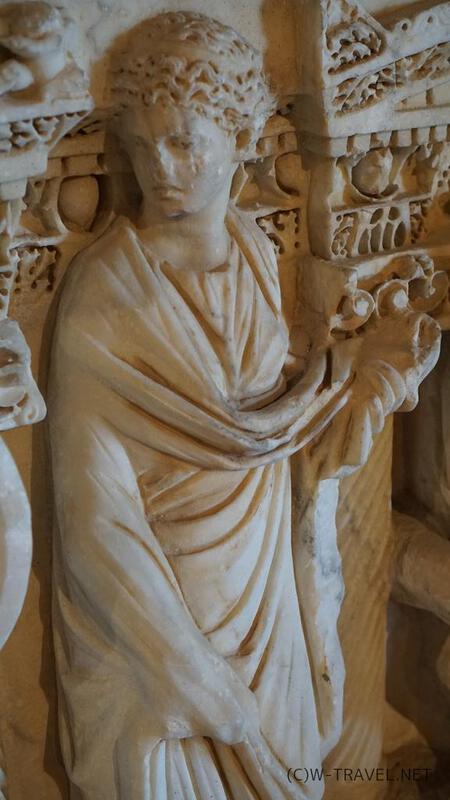
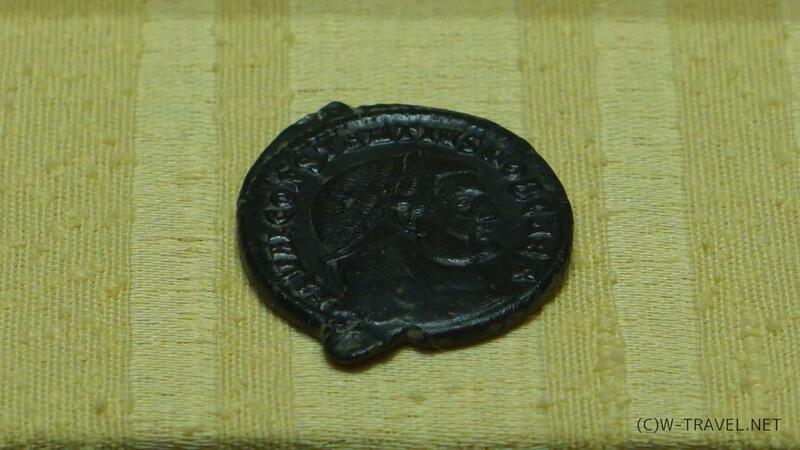
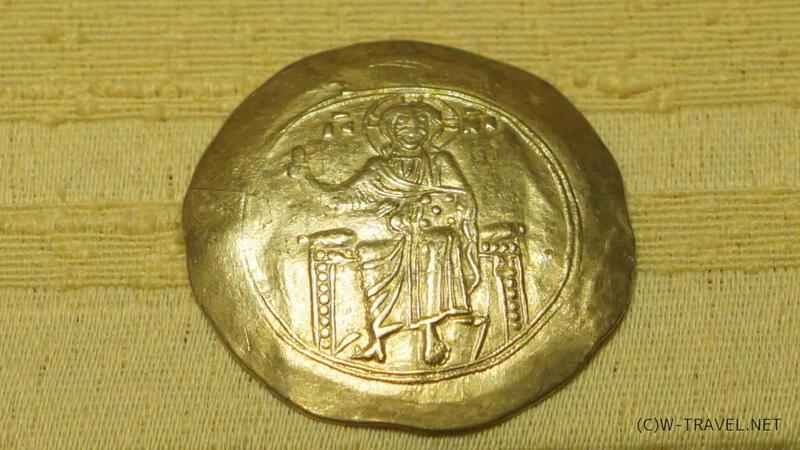
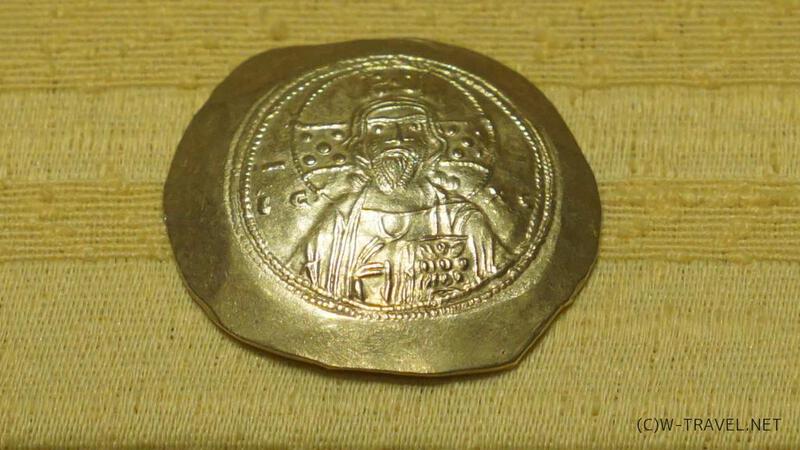
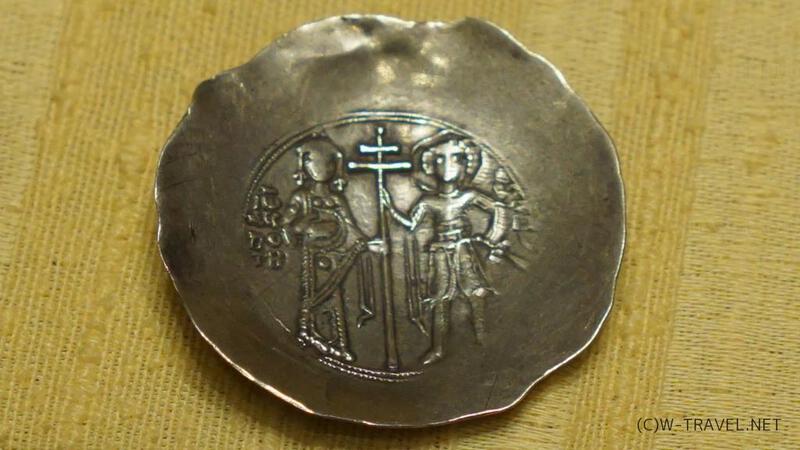
قم بزيارة متحف هيرابوليس الأثري (Hierapolis Archaeology Museum) الذي يقع في منطقة هادئة، وهي نفس المنطقة التي تقع فيها حمامات المياه الحارة (Pamukkale Thermal Pools).