وصلنا إلى بوغوتا، وهي الوجهة النهائية ونقطة الانطلاق في أمريكا الجنوبية. غداً، سنصل إلى متجر الدراجات، وهكذا تنتهي الرحلة.
المسافة الإجمالية التي قطعناها في جولة أمريكا الجنوبية هي 38000 كيلومتر. المسافة المتبقية التي تبلغ 70 كيلومترًا، بالإضافة إلى المسافة البالغة 12 كيلومترًا من هنا إلى متجر الدراجات، يمكن اعتبارها ضمن هامش الخطأ في عداد المسافات.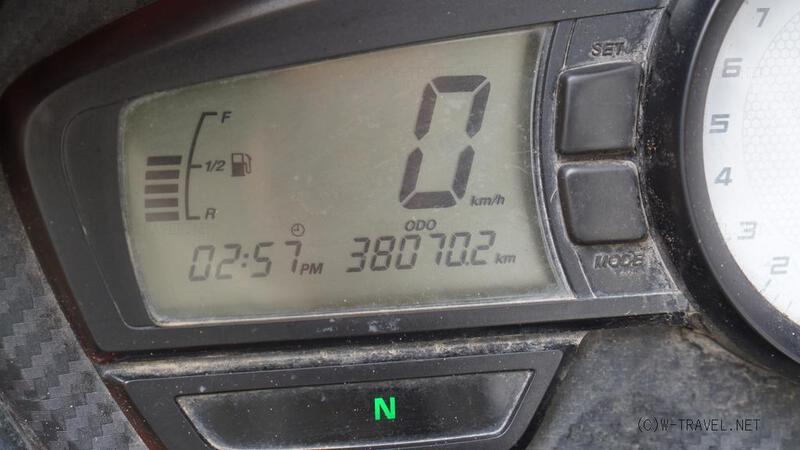
تم الحصول على إحصائيات حول استهلاك الوقود وما إلى ذلك.
■ المسافة المقطوعة: 38070.2 كم
■ البنزين: 1024.5 لتر
■ تكلفة البنزين: 104,765 ين
■ استهلاك الوقود: 37.2 كم/لتر
بالتأكيد، دراجة نارية صغيرة (180 سم مكعب)، استهلاك الوقود جيد.
أقصى مسافة هي 90-100 كم، ولكن في أمريكا الجنوبية، يمكن أن يكون هذا كافيًا. بل إن القيادة لمسافات أطول يمكن أن تكون خطيرة لأنها قد تؤدي إلى الاصطدام بحفر غير متوقعة في الطريق، لذا فهي مثالية.
سعة خزان الوقود هي 16 لترًا، وأقصى مسافة يمكن قطعها بملء الخزان هي 671 كم. ومع ذلك، كان هذا في حالة خاصة عند النزول من ارتفاعات شاهقة في بيرو، ولكن لا يزال من الممكن القيادة لمسافة أبعد.
أقصى مسافة يمكن قطعها في القيادة العادية هي 600 كم. لم أصل إلى نقطة نفاد الوقود مطلقًا، ولكنني كنت أدخل احتياطي الوقود بشكل متكرر.
إذا كنت تقود بسرعة 80-90 كم/ساعة دون قيادة مسافات طويلة، يمكنك بسهولة القيادة لمسافة 500 كم.
عند القيادة بسرعة قريبة من 100 كم/ساعة، ينخفض استهلاك الوقود فجأة، وأسوأ حالة كانت 380 كم، وأفضل حالة كانت حوالي 400-450 كم عند 95 كم/ساعة.
عندما كنت أشتري، نظرت إلى دراجات نارية من هوندا وياماها، ولكن جميعها كانت ذات خزانات صغيرة، وكنت قلقًا بشأن القيادة في أمريكا الجنوبية، لذا اخترت هذه الدراجة ذات الخزان الأكبر، وهذا كان القرار الصحيح.
كانت دراجات نارية أخرى من نفس الفئة من هوندا وياماها ذات حامل أصغر، لذا اخترت هذه الدراجة ذات الحامل الأكبر، وهذا أيضًا ميزة.
وقد تم إتمام بيع الدراجة النارية.
اشتريتها منذ 8 أشهر مقابل حوالي 2.3 مليون ين، وتم بيعها اليوم مقابل 800 دولار أمريكي.
الدراجة النارية نفسها تم بيعها مقابل 1.5 مليون ين بعد أن قطعت مسافة 8 أشهر، لذا فهي ذات قيمة عالية جدًا.
كنت قلقًا بشأن تلقي الأموال بالبيزو الكولومبي... ولكن لحسن الحظ، تمكنت من الحصول عليها بالدولار الأمريكي.
تحدثت مع شخص من المتجر الذي اشتريت منه، وقام بتقديم خدمة الوساطة لعملية البيع الخاصة، لذلك كان هناك بالفعل مشترون محتملون عند وصولها، وتم الاتفاق على البيع اليوم، وهو اليوم الثاني بعد الوصول.
لقد كان الأمر سلسًا للغاية.
→ وهكذا، تم الحصول على 800 دولار أمريكي بنجاح. المهمة انتهت.
أنا راضٍ.
■ انطباعات عن بوغوتا
قبل 8 أشهر (قبل السفر في أمريكا الجنوبية): مدينة مظلمة ومرعبة. يبدو أن الأمن سيء.
الآن (بعد السفر في أمريكا الجنوبية): مدينة عادية. الأمن ليس سيئًا.
الانطباعات تتغير باستمرار.
نظرًا لأنني تمكنت من بيع الدراجة النارية بشكل أسرع من المتوقع، فقد فكرت في الذهاب إلى مكان ما قبل الذهاب إلى جزيرة القيامة (في 27).
هناك العديد من الخيارات، ولكن:
■ ميديلين (كولومبيا)
الخيار الأول. لم أذهب إليها بعد، وهي موصى بها من قبل السكان المحليين في بوغوتا.
بالنسبة لليابانيين، قد تبدو خطيرة، ولكن بالنسبة للسكان المحليين في بوغوتا، فهي ليست خطيرة على الإطلاق.
■ كولومبيا الشمالية، جزيرة قريبة من بنما
يقول السكان المحليون في بوغوتا إنها تبدو وكأنها منتجع وهي موصى بها. من حيث عدد الأيام، قد تكون بعيدة بعض الشيء.
■ كوبا
هل من الممكن أن تكون مدة الرحلة قصيرة جدًا للذهاب إليها؟
■ البرازيل
أنا مهتم ببحيرة تظهر فقط خلال موسم الأمطار في الصحراء الشمالية، ولكن قد لا يكون لدي ما يكفي من الأيام للذهاب إليها.
■ فنزويلا
عند مشاهدة قناة سي إن إن، تظهر أخبار فنزويلا أحيانًا، وهي أخبار سيئة للغاية. أعتقد أنه ليس الوقت المناسب للذهاب. حتى عندما سألت السكان المحليين المقيمين في بوغوتا، قالوا إن فنزويلا تعاني حاليًا من اضطرابات سياسية، ومن الأفضل عدم الذهاب إليها.
• تصدير النفط أقل بنسبة 20٪ من عام 2004.
• معدل التضخم السنوي 480٪.
• نقص الغذاء.
• اندلاع أعمال الشغب. هناك أيضًا وفيات.
• عدم الاستقرار السياسي. مظاهرات ضد الرئيس.
• لا توجد حتى مخدرات في المستشفيات، والمرضى يخضعون لعمليات جراحية دون تخدير ويتم خياطة الجروح. الأدوية المضادة الحيوية غير كافية. http://www.bbc.com/news/world-latin-america-36228104
→ إذا تعرضت لحادث في فنزويلا بهذه الحالة، فسيكون الأمر كارثيًا. الجراحة بدون تخدير، وهي أسوأ من الموت، وهناك احتمال كبير ألا تكون نظيفة، مما يزيد من خطر الإصابة بالعدوى.
لذلك، قررت الذهاب إلى ميديلين اعتبارًا من 22.
قبل قليل، عندما كنت واقفًا أمام متحف الذهب، حاولت امرأة أو عجوز الوصول إلى حقيبة الظهر التي كانت معلقة على كتفي.
هناك احتمال بنسبة 80٪ أنها كانت لصًا. عندما لاحظت ذلك واستدرت، استخدمت الإيماءات للإشارة إلى أن "يجب أن تحمل الحقيبة أمامك".
هذا مشابه للإيماءات التي يستخدمها اللصوص الفاشلون في دلهي بالهند، لذلك ربما تكون هذه طريقة عالمية يقول بها اللصوص "فشلتم" أو "لن تفلتوا في المرة القادمة".
عندما تقول "انتبه"، فهذا يعني "لقد لاحظت ذلك جيدًا" أو "لن أسمح لك بالهروب في المرة القادمة".
إذا كان الشخص صادقًا، فسوف يشير إليك مباشرة. هناك أشخاص يفعلون ذلك، وهم لطفاء.
إذا لمس الشخص ثم أشار، فهذا يعني أنه لص.