চিলির সান পেড্রো দে আতাকামা থেকে জামা সীমান্ত অতিক্রম করে আর্জেন্টিনার টিলকারাতে (Tilcara) যাত্রা।
চিলি-র সান পেড্রো দে আতাকামা থেকে জামা সীমান্ত অতিক্রম করে আর্জেন্টিনার টিলকারাতে (Tilcara) গিয়েছিলাম।
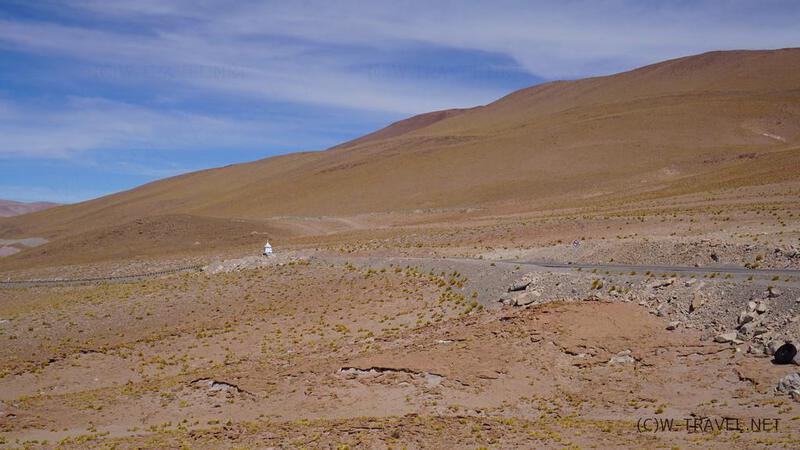
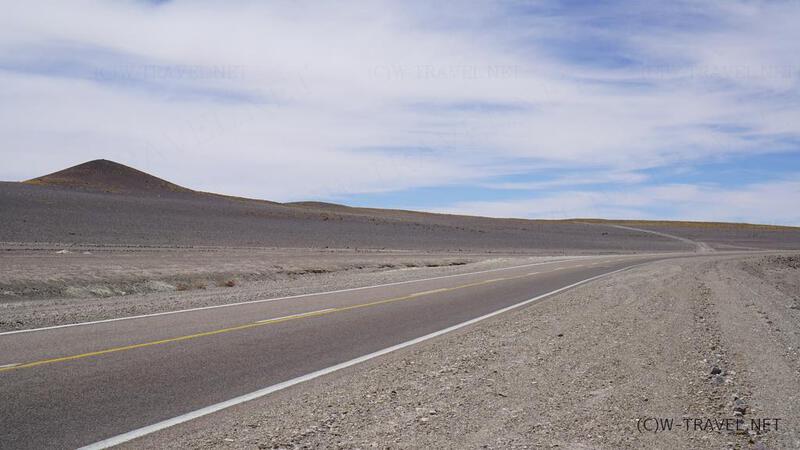
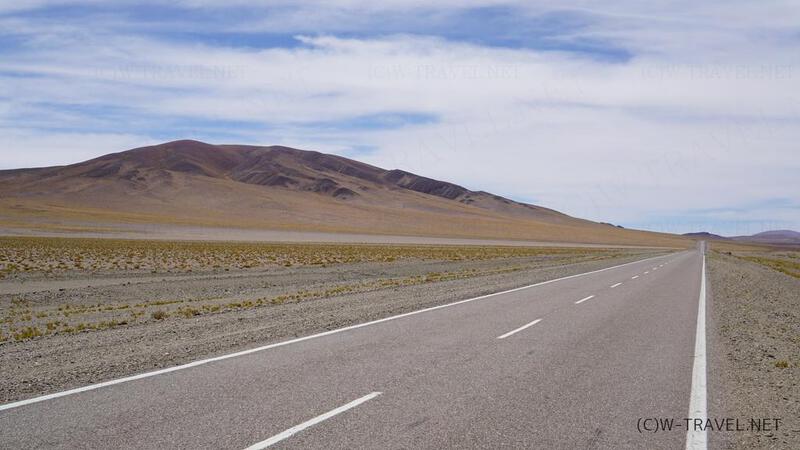
এই অংশে কিছুই নেই, এবং প্রায় ৪,৮০০ মিটার উচ্চতার একটি পর্বতমালা অতিক্রম করতে হওয়ায় বেশ ঠান্ডা ছিল।
জামা সীমান্তটি, কয়েক বছর আগে পর্যন্ত, এমন ছিল যে চিলির বহির্গমন প্রক্রিয়া সেখানে ছিল না। তাই ১৬০ কিলোমিটার দূরে সান পেড্রো দে আতাকামাতে (San Pedro de Atacama) বহির্গমন প্রক্রিয়া সম্পন্ন করতে হতো। অন্যথায়, ১৬০ কিলোমিটার পথ ঘুরে আসতে হতো। এখন, এই সীমান্তে চিলির বহির্গমন প্রক্রিয়াও সম্পন্ন করা যায়। মাঝে মাঝে তথ্যগুলো সঠিক ছিল কিনা, তা নিয়ে সন্দেহ ছিল, তবে সৌভাগ্যবশত আমি আর্জেন্টিনা প্রবেশ করতে পেরেছিলাম।
মানসিক চাপ অনুভব করছিলাম, তাই সান পেড্রো দে আতাকামার (San Pedro de Atacama) শহর থেকে একটু দূরে অবস্থিত সীমান্ত অফিসটিতে (যেখানে সম্ভবত এখনও বলিভিয়ার প্রবেশ এবং বহির্গমন প্রক্রিয়া চলছে) খুব সকালে, প্রায় ৭:৩০ টায় গিয়েছিলাম। কিন্তু সেটি তখনও বন্ধ ছিল। অফিসটি সকাল ৮টায় খোলে, কিন্তু আমি দরজায় ধাক্কা দিতেই একজন বিরক্তিকর কর্মচারী বেরিয়ে আসেন। আমি কোনোমতে উপরের বিষয়গুলো বলার পর তিনি বললেন, "সবকিছু জামা সীমান্তে করা যাবে"। এরপর আমি শহর থেকে যাত্রা শুরু করি। শহর থেকে বের হওয়ার পরে, প্রায় কোনো গাড়ি চলাচল ছিল না, কোনো দোকানপাট ছিল না, এমনকি কোনো পেট্রোল পাম্পও ছিল না।
সীমান্তে, আর্জেন্টিনার পক্ষ থেকে আমাকে "মোটরসাইকেলের বীমা আছে কিনা" জানতে চাওয়া হয়েছিল। সেই সময় আমার কাছে আর্জেন্টিনার কোনো বীমা ছিল না, তবে আমি কলম্বিয়ার বীমা "SOAT" দেখাতে সক্ষম হই, এবং সেটি গ্রহণ করা হয়। স্বস্তি পেয়েছিলাম। যদিও আমি জানি না এটি যথেষ্ট কিনা, সম্ভবত তারা সেটি উপেক্ষা করেছে। পরবর্তীতে সাল্টার (Salta) শহরে আমি বীমা সংগ্রহ করি। (সে বিষয়ে পরে বলা হবে)।
সীমান্তের আর্জেন্টিনার অংশে একটি পেট্রোল পাম্প ছিল, কিন্তু সেটি সীমান্ত অতিক্রম করার পরেই পাওয়া যেত। যদি আমার বীমা না থাকতো, তাহলে সম্ভবত আমি আর্জেন্টিনায় প্রবেশ করতে পারতাম না এবং ১৬০ কিলোমিটার পথ ঘুরে আসতে হতো। অনলাইনে এমন ভয়ঙ্কর অভিজ্ঞতার কথা লেখা আছে, তাই আমি বেশ চিন্তিত ছিলাম। তবে কলম্বিয়ার বীমা দেখানোর কারণে সেটি সম্ভব হয়েছিল।
প্রক্রিয়াটি বেশ সহজ ছিল, সম্ভবত কারণ সেখানে খুব বেশি লোক ছিল না। এছাড়াও, আমার আগে একটি পরিবার ছিল, এবং আমি তাদের অনুসরণ করি।
■ জামা সীমান্তের প্রবেশ এবং বহির্গমনের প্রক্রিয়া:
১. প্রবেশ এবং বহির্গমন এলাকার প্রবেশদ্বারের গেটের কাছে থামলে, একজন প্রহরী গাড়ির নম্বর প্লেট একটি কাগজে লিখে সেটি আমাকে দেন। সেই কাগজটি নিয়ে আমি প্রহরী যে দিকে নির্দেশ করেন, সেই দিকের ভবনের সামনে যাই। সেখানে একটি গেট থাকে, এবং গেটের দুই পাশে এমনভাবে পার্কিং করতে হয় যাতে কোনো পথ বন্ধ না হয়।
২. গেটের বাম পাশে অবস্থিত ভবনে প্রবেশ করি।
৩. সেখানে বেশ কয়েকটি কাউন্টার থাকে, এবং আমি একজন কর্মীর কাছে জানতে চাই। সম্ভবত অন্য জায়গাগুলোর মতোই ছিল।
৪. চিলি থেকে বহির্গমন।
৫. পাশের কাউন্টারে চিলির কাস্টমস (Aduana) সংক্রান্ত প্রক্রিয়া সম্পন্ন করি, যেখানে চিলির মোটরসাইকেলের অস্থায়ী প্রবেশের অনুমতিপত্র ইত্যাদি জমা দিতে হয়।
৬. এরপরের কাউন্টারে আর্জেন্টিনার প্রবেশের জন্য আবেদন করি।
৭. তারপরের কাউন্টারে আর্জেন্টিনার কাস্টমস (Aduana) সংক্রান্ত প্রক্রিয়া সম্পন্ন করি, যেখানে মোটরসাইকেলের অস্থায়ী প্রবেশের অনুমতিপত্র সংক্রান্ত বিষয় থাকে।
এখানে মোটরসাইকেলের বীমা আছে কিনা, তা জানতে চাওয়া হয়। আমি আমার কাগজপত্র থেকে কলম্বিয়ার বীমা "SOAT" বের করে দেখালে, তারা সেটি গ্রহণ করে এবং প্রক্রিয়া সম্পন্ন করে।
ভবনের ভেতরে এই পর্যন্তই ছিল।
আমাকে দুটি কাগজ দেওয়া হয়।
একটি হলো মোটরসাইকেলের অস্থায়ী প্রবেশের অনুমতিপত্র, যা সাবধানে সংরক্ষণ করতে হয়।
অন্যটি হলো প্রথমে প্রহরীকে দেওয়া কাগজটিতে কিছু সীলমোহর (stamp) থাকে, যা সমস্ত প্রক্রিয়ার সমাপ্তি নির্দেশ করে।
৮. বাইরে এসে মোটরসাইকেলে চড়ে গেটের দিকে যাই।
সেখানে, প্রহরীকে "প্রথমে প্রহরীকে দেওয়া এবং কিছু সীলমোহরযুক্ত কাগজ" দেখাতে হয়।
আমাকে আমার জিনিসপত্র সম্পর্কে জিজ্ঞাসা করা হয়, তাই আমি সেগুলো নামিয়ে একটি সাধারণ চেকিং করা হয়।
যদি সবকিছু ঠিক থাকে, তবে জিনিসপত্র আবার তুলে নেওয়া হয় এবং গেট খুলে দেওয়া হয়।
৯. প্রবেশ এবং বহির্গমন এলাকার শেষে আরেকটি গেট থাকে, যেখানে পুনরায় "প্রথমে প্রহরীকে দেওয়া এবং কিছু সীলমোহরযুক্ত কাগজ" প্রহরীকে দিতে হয়। তখন প্রহরী সেটি রেখে গেট খুলে দেন।


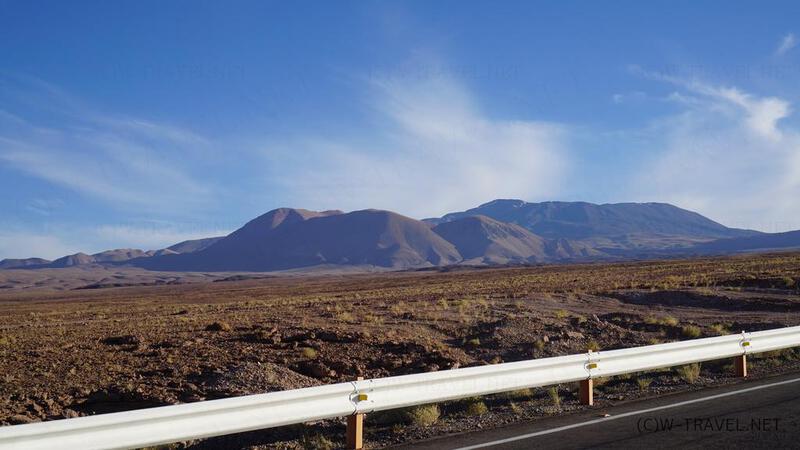

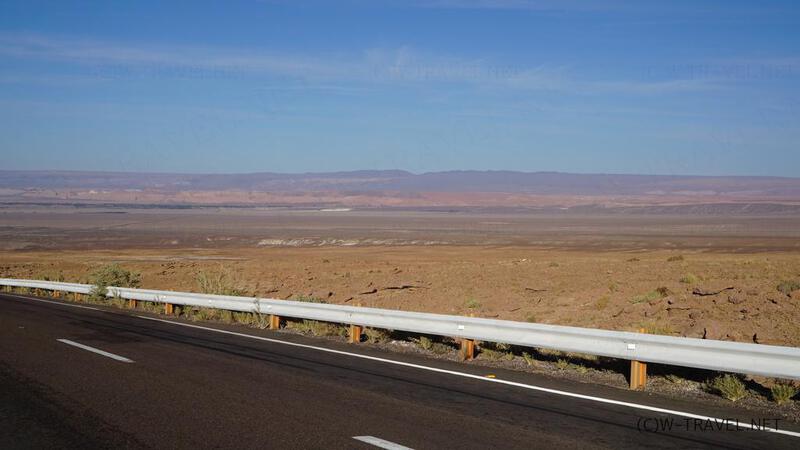
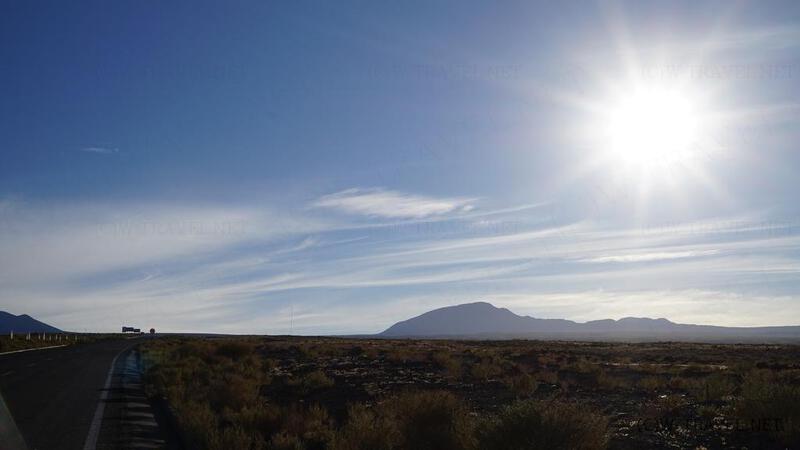
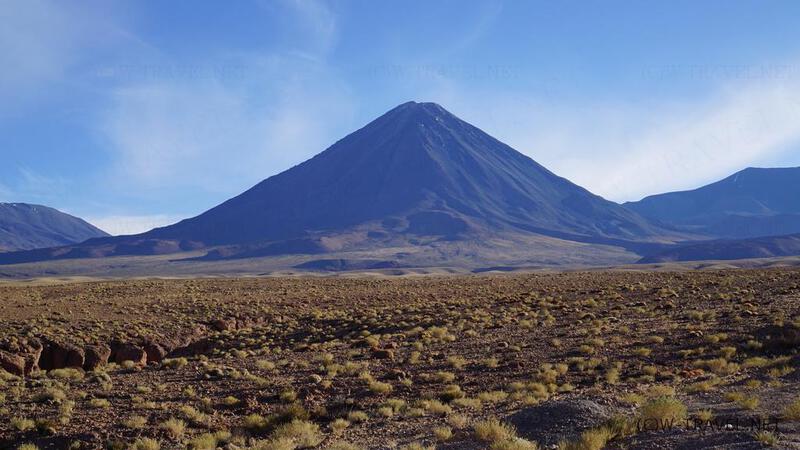
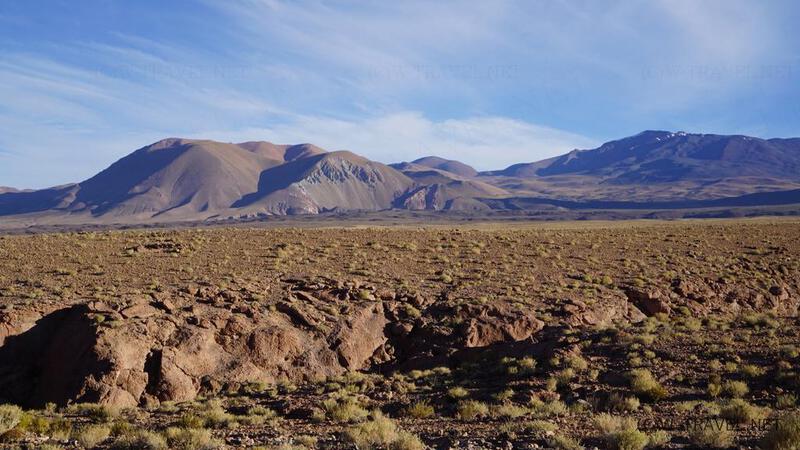
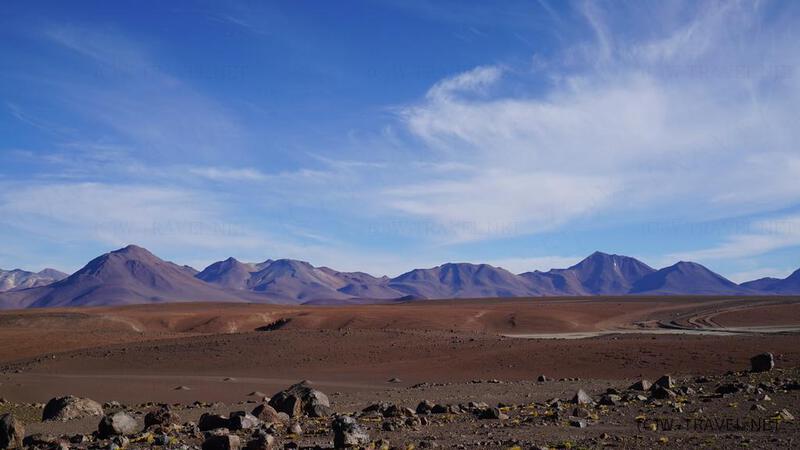
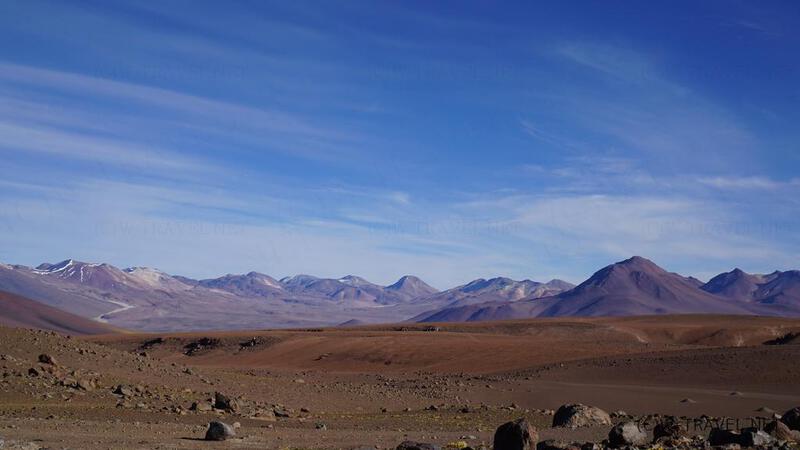
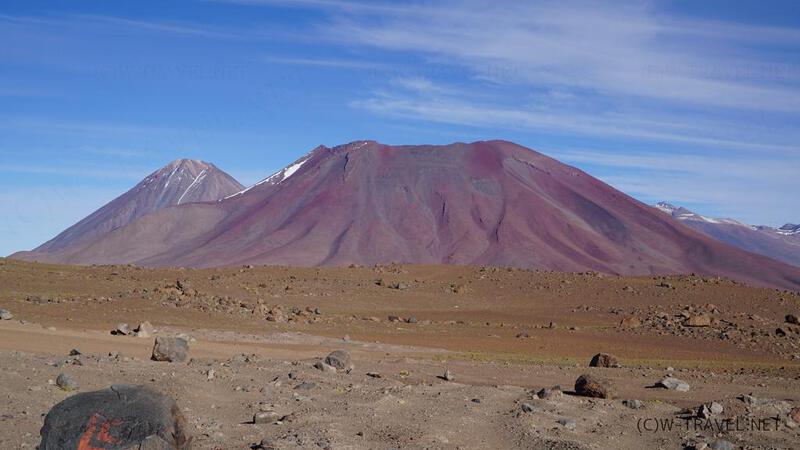
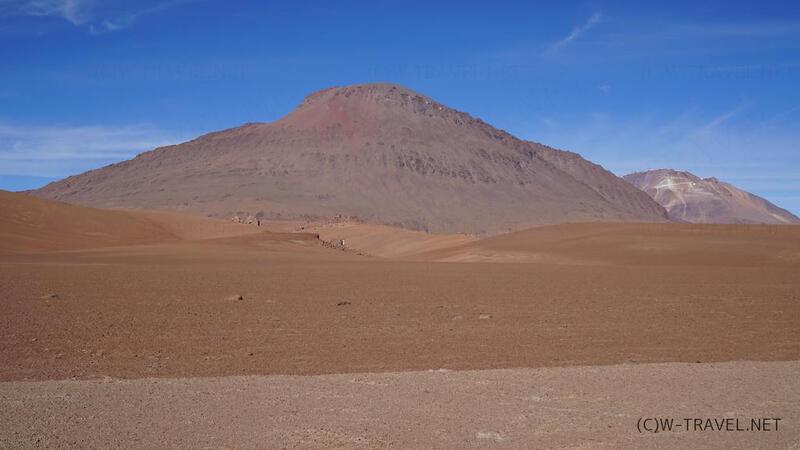
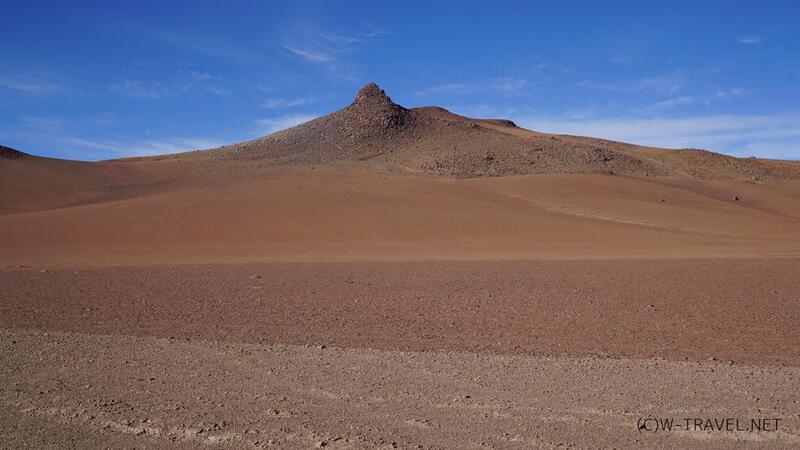

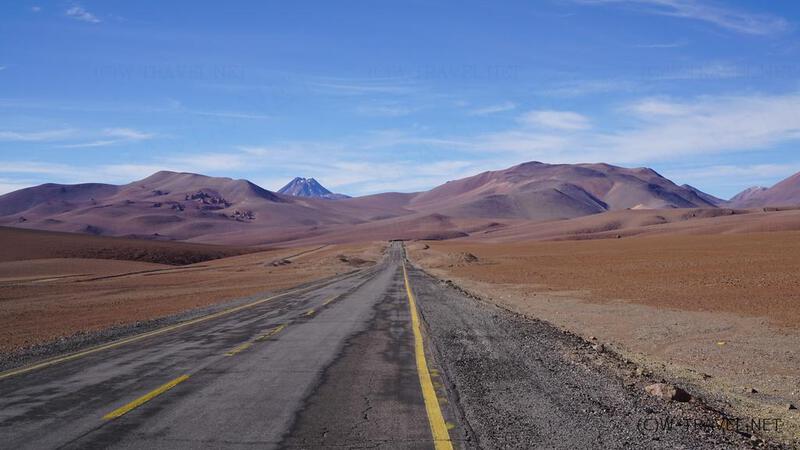
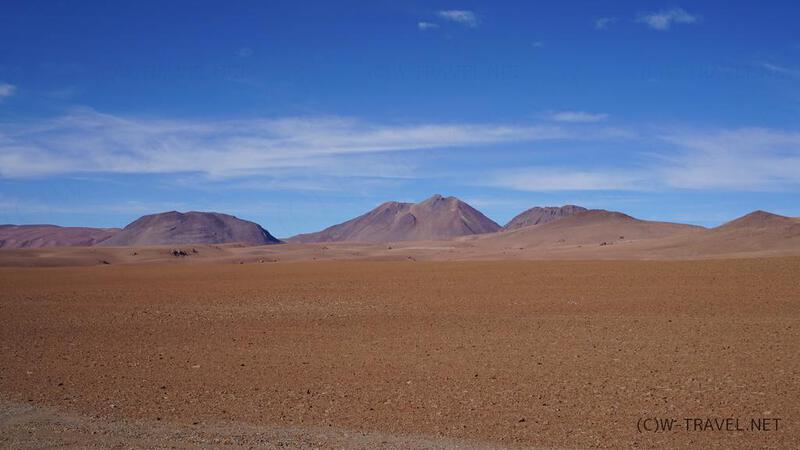
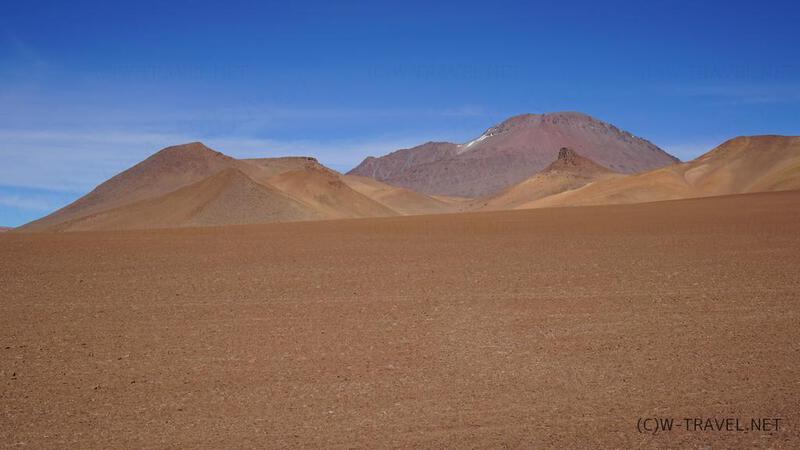
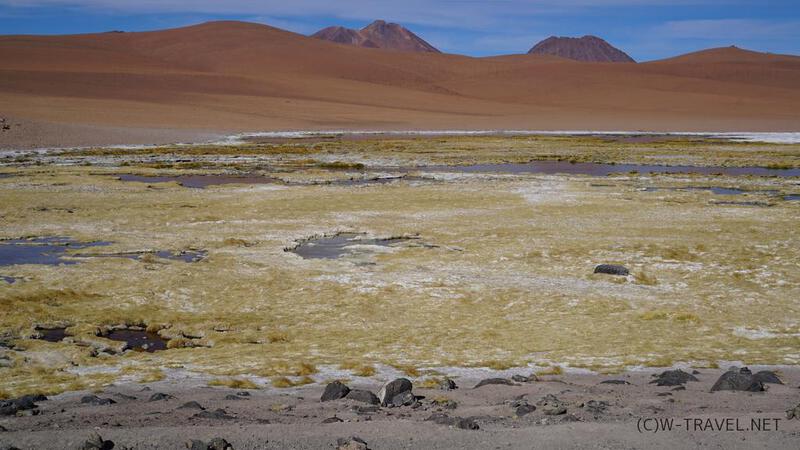
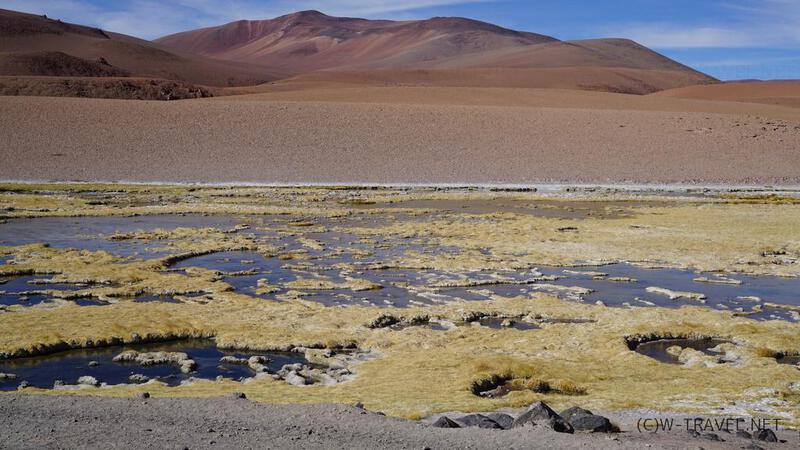
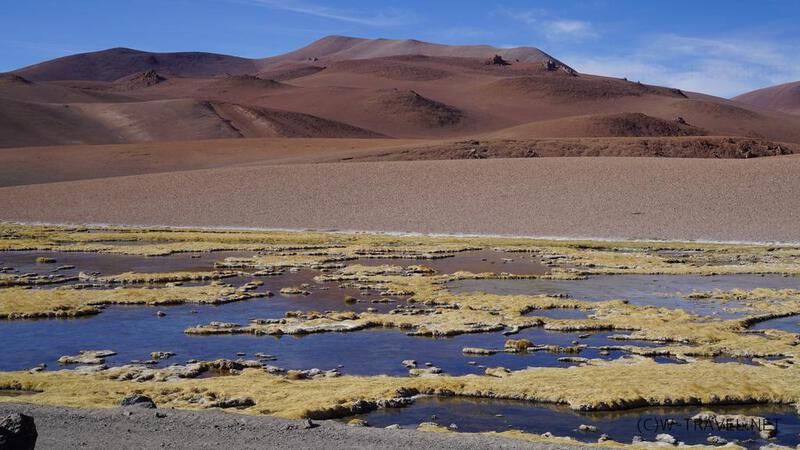
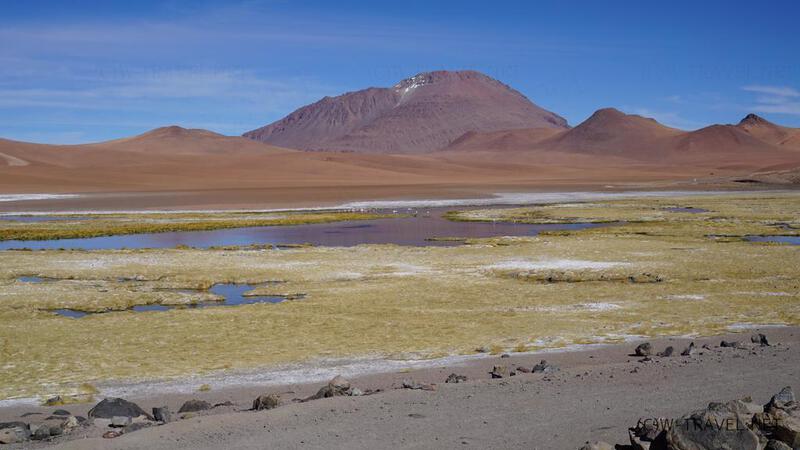
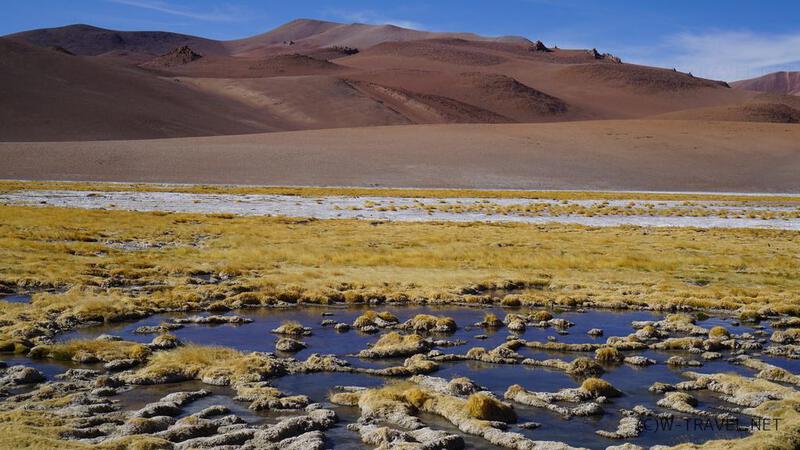
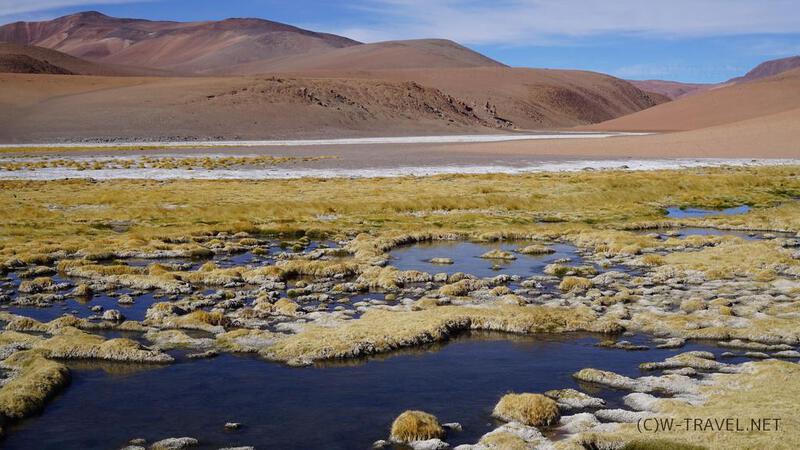
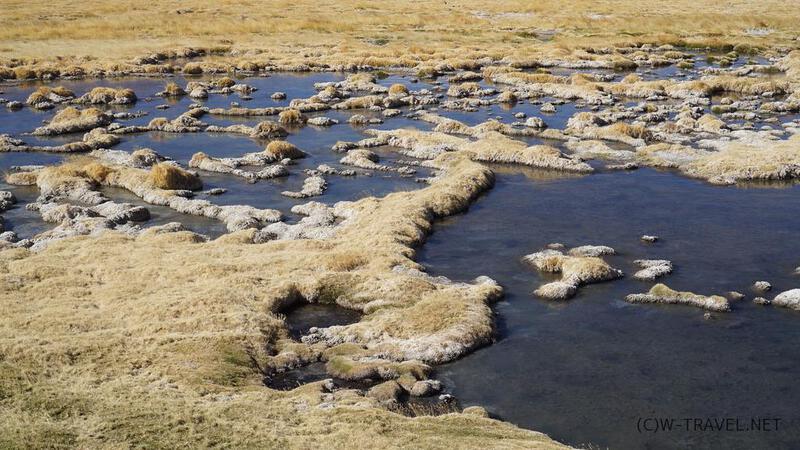
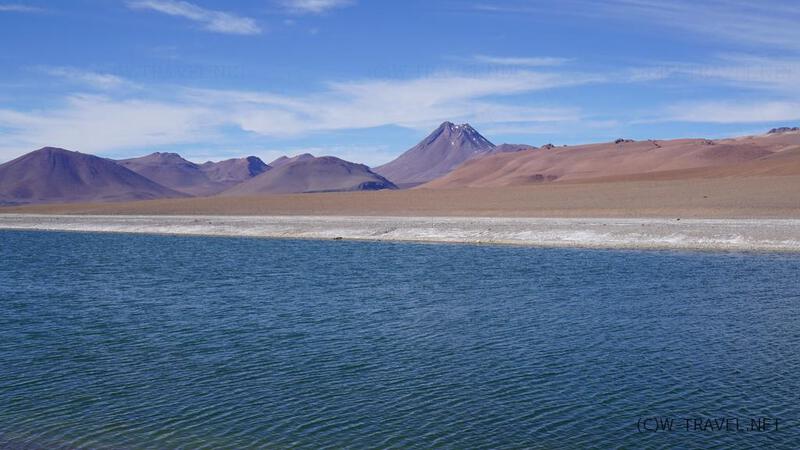
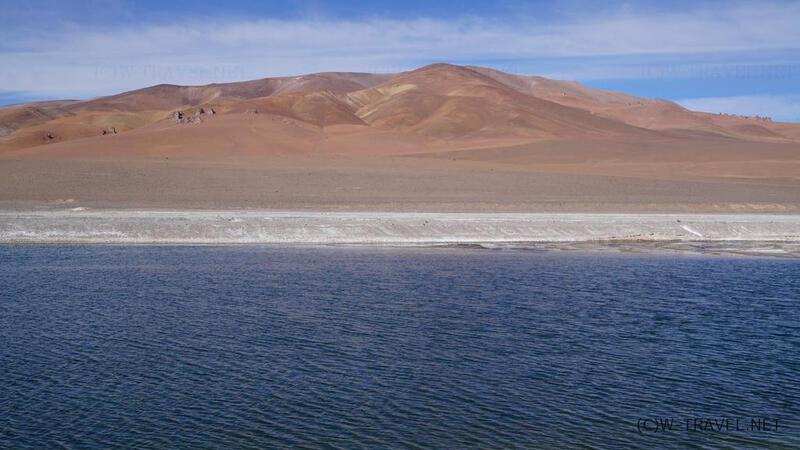

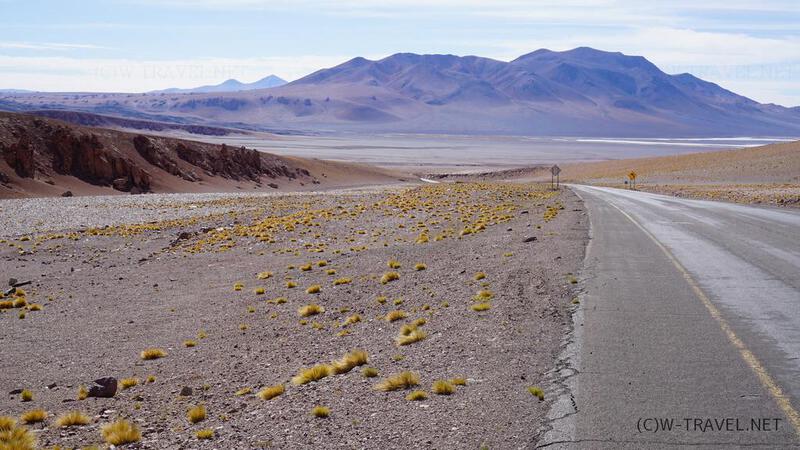
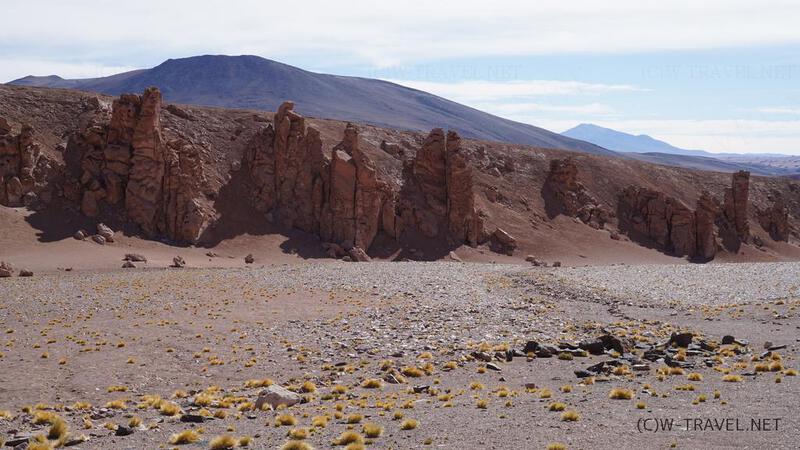
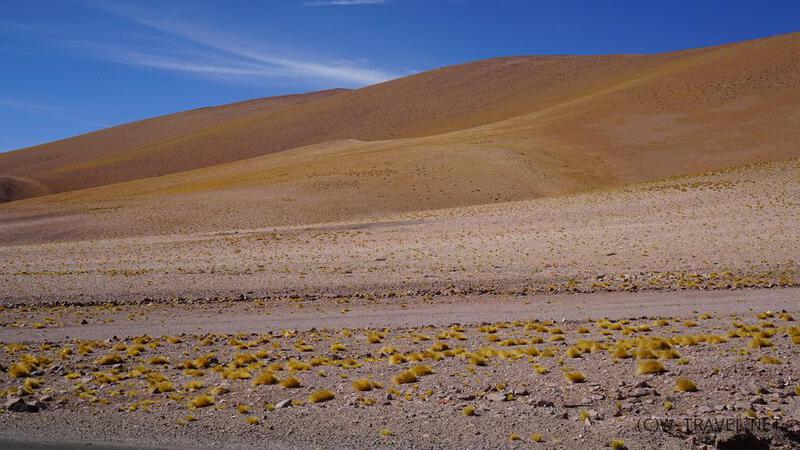

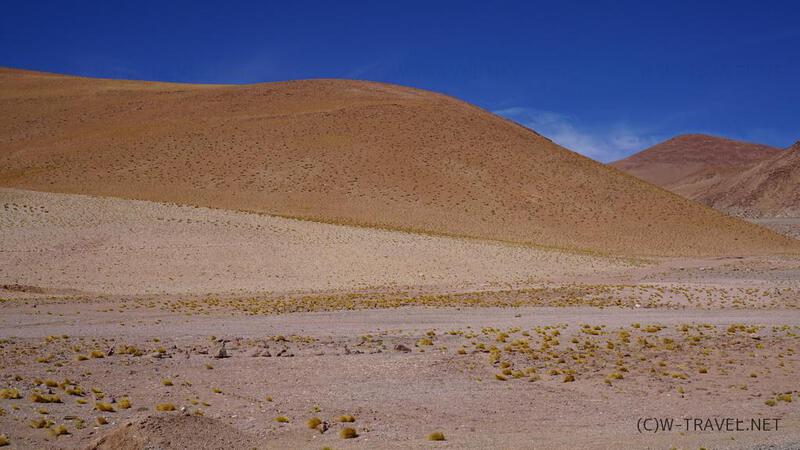
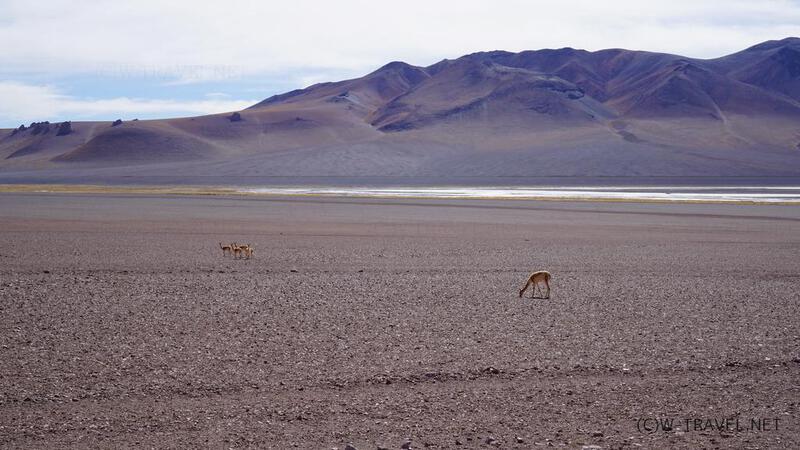
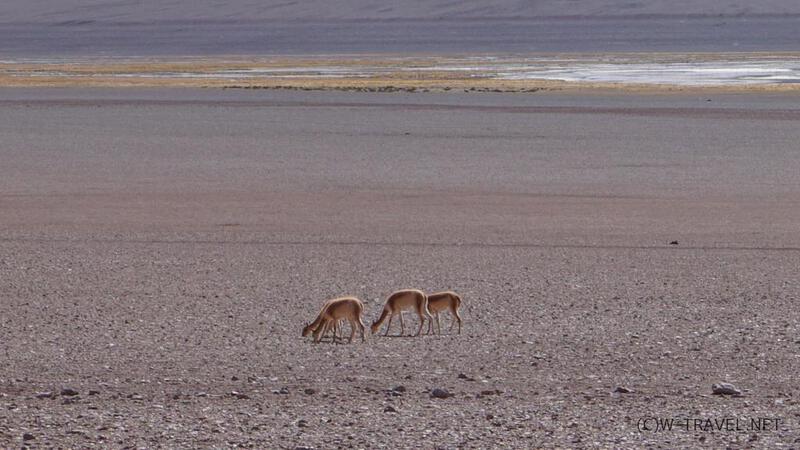
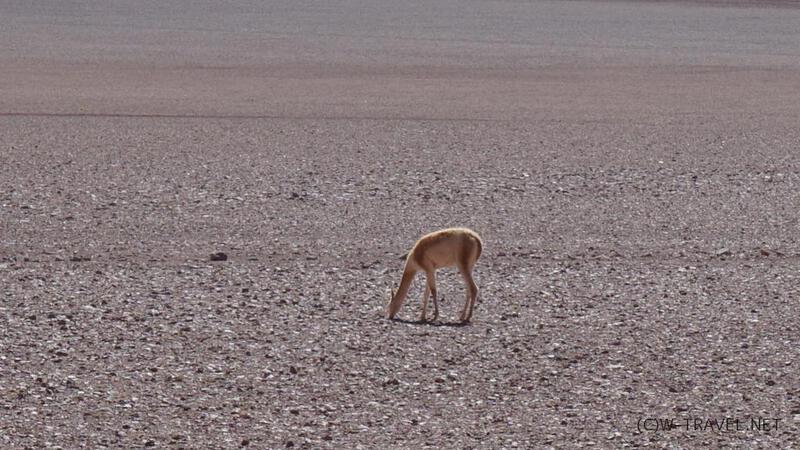

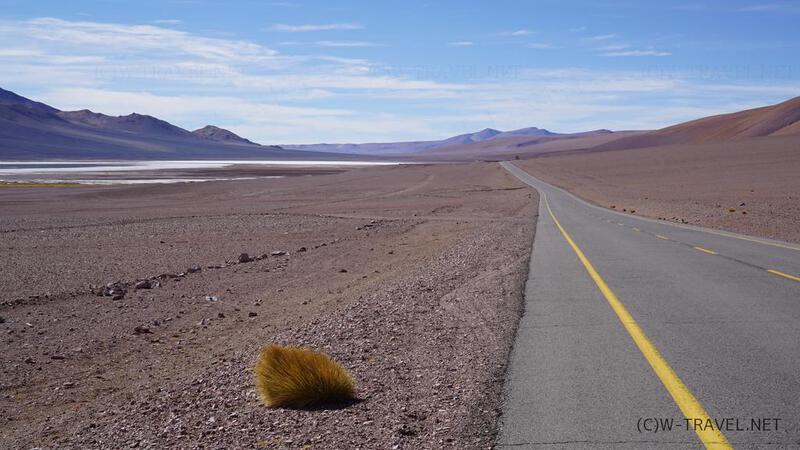
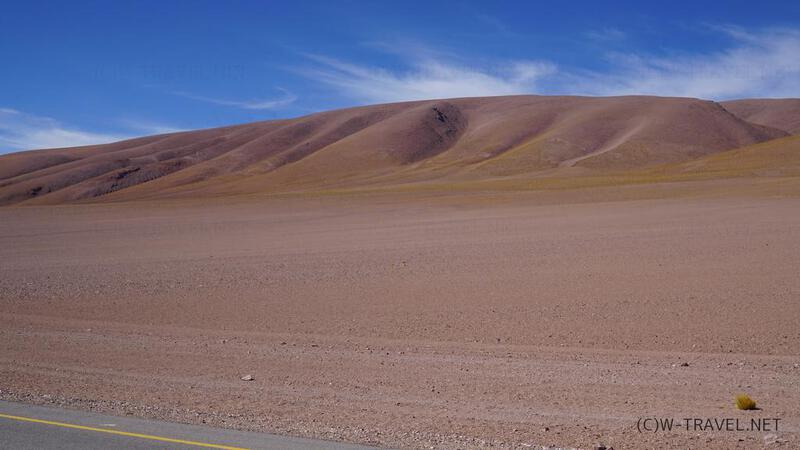

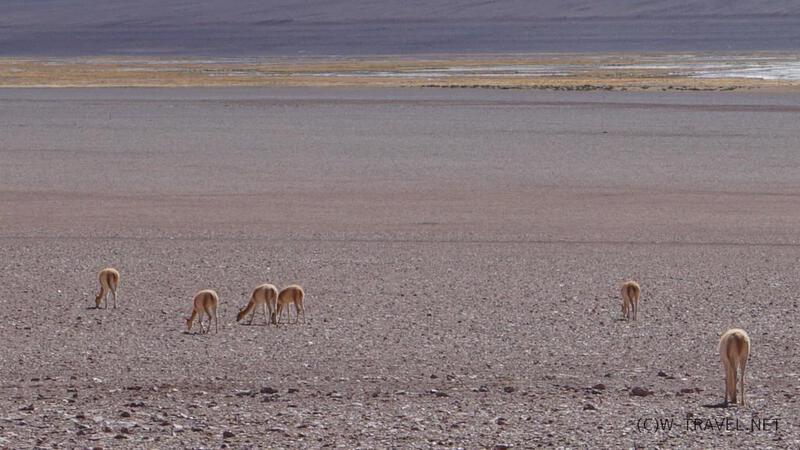
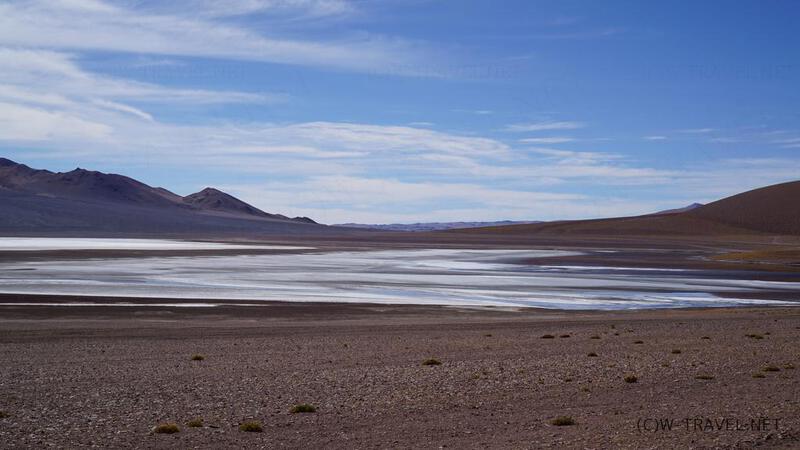
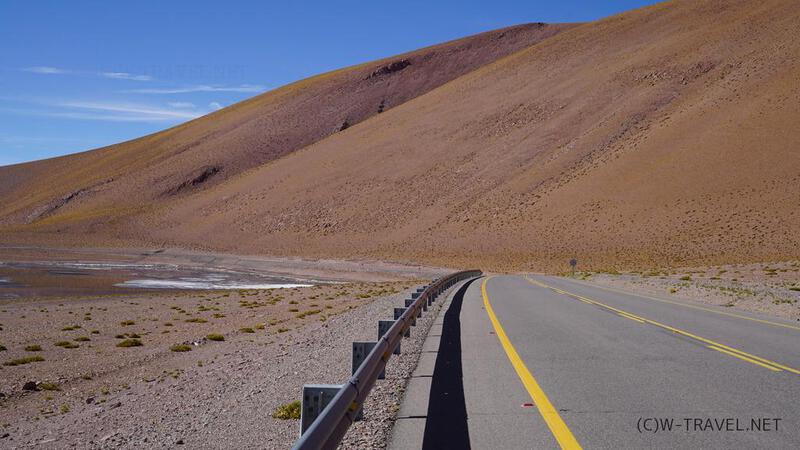
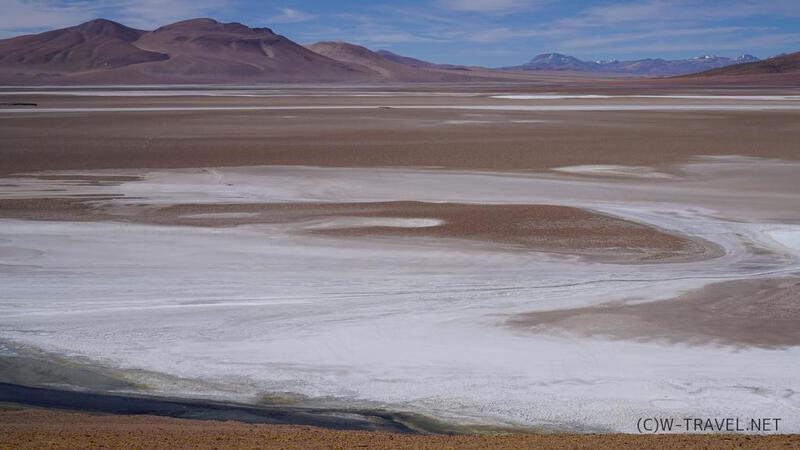
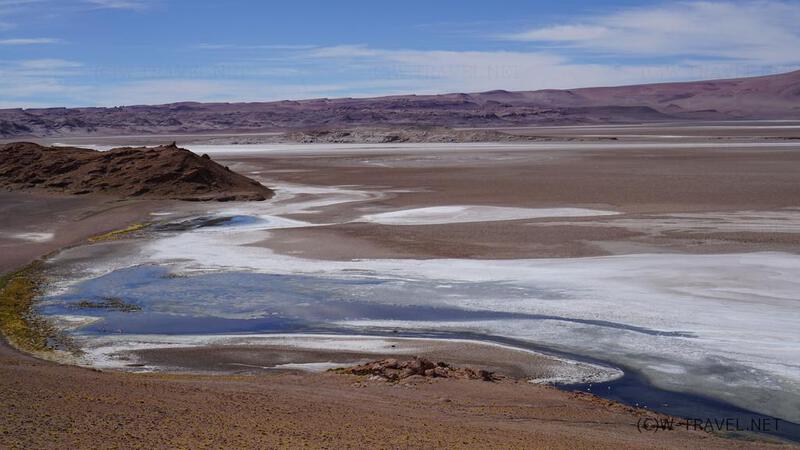
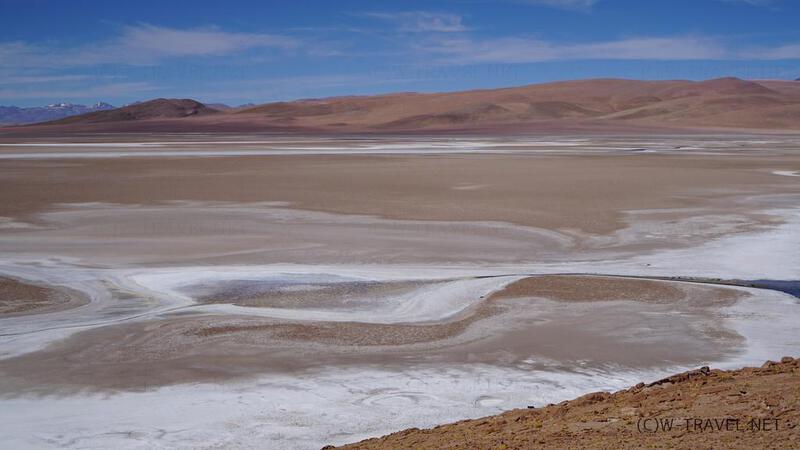
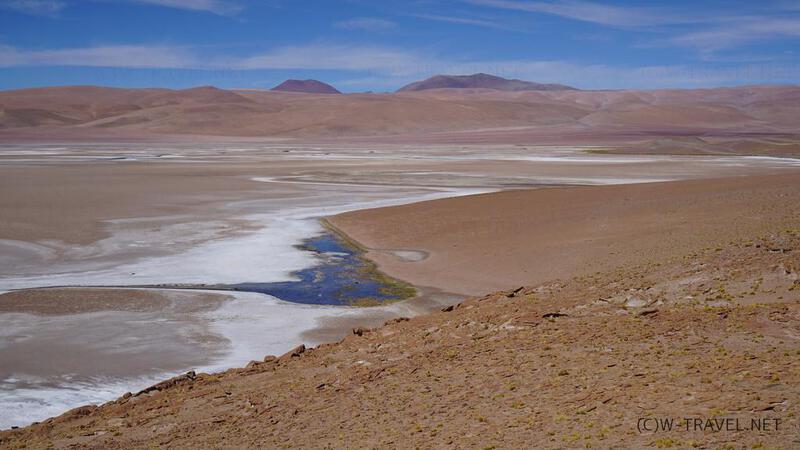
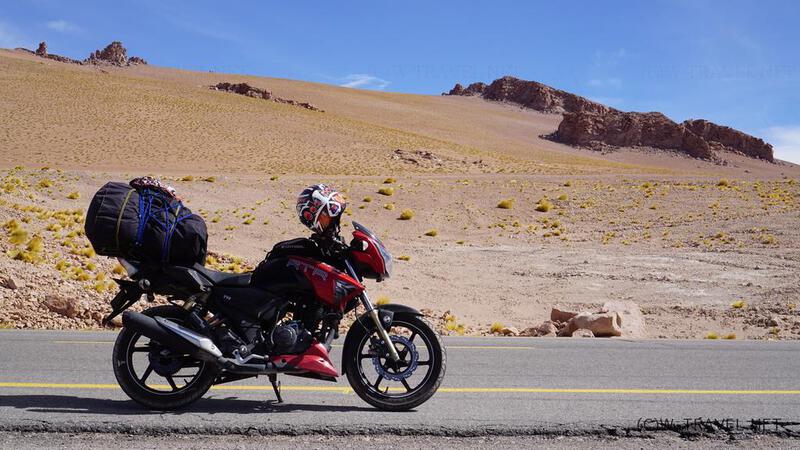
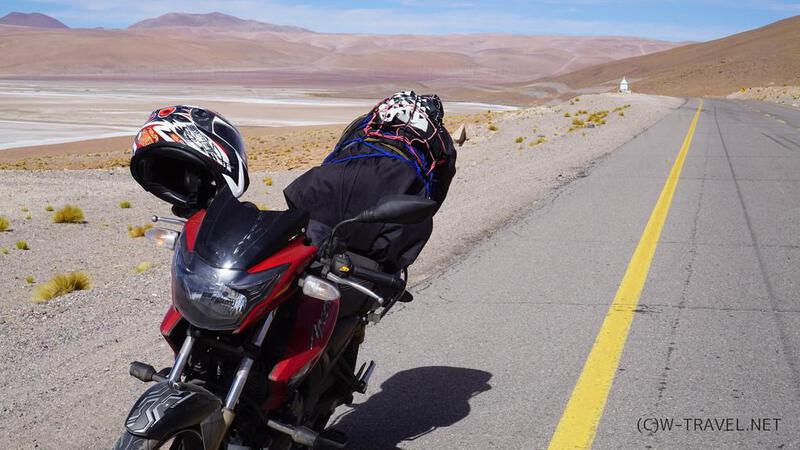
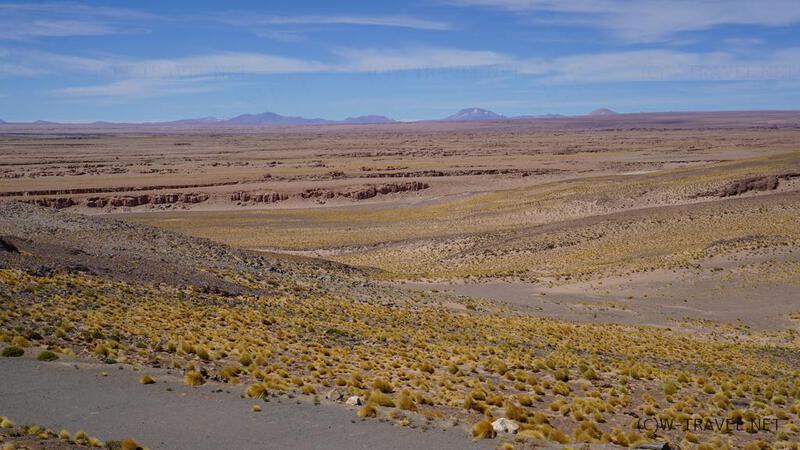
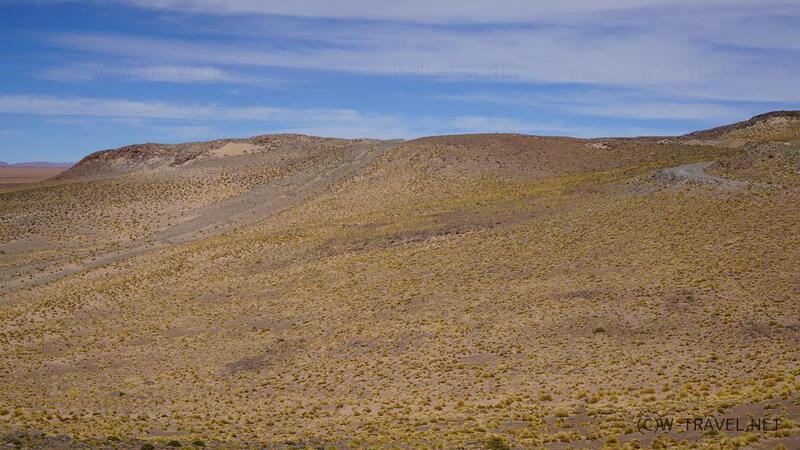
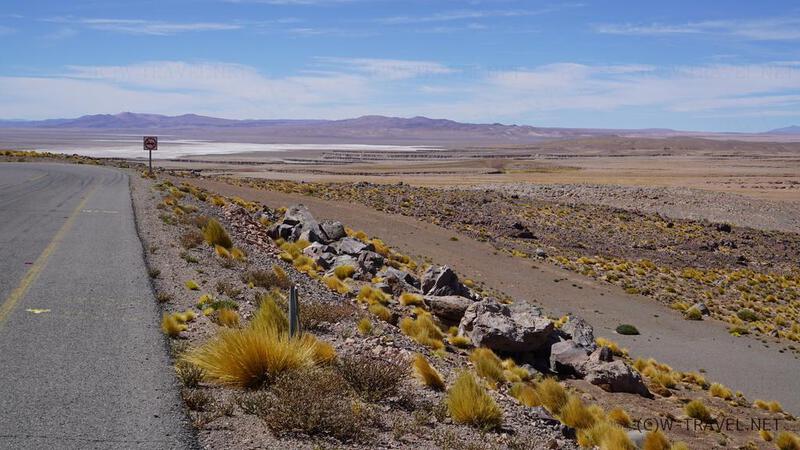
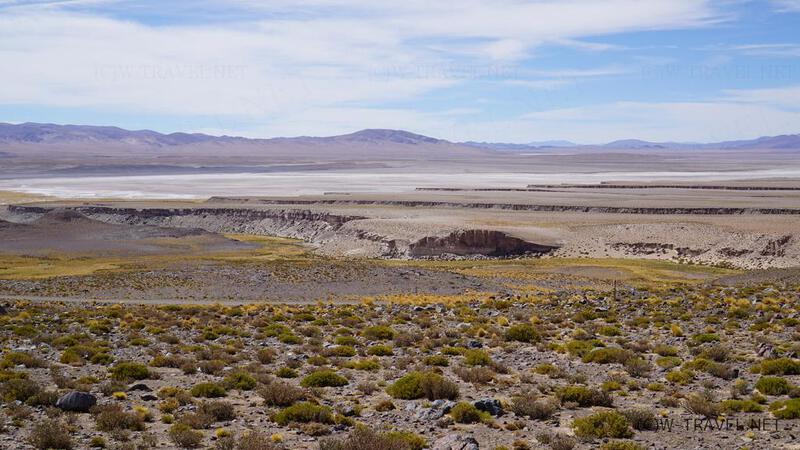
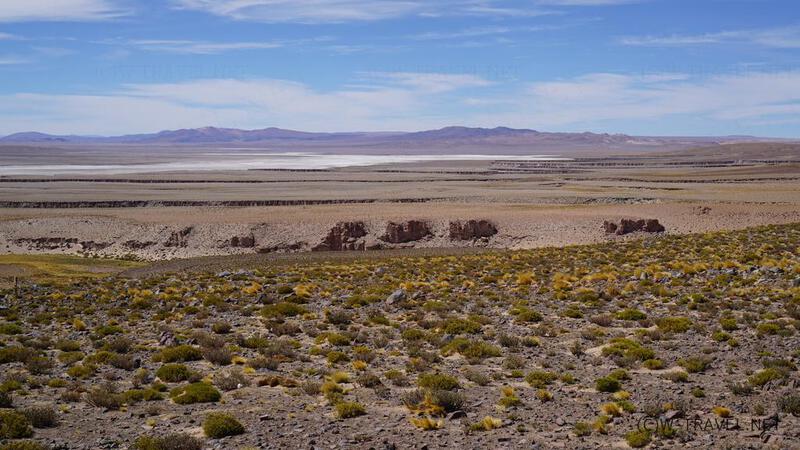
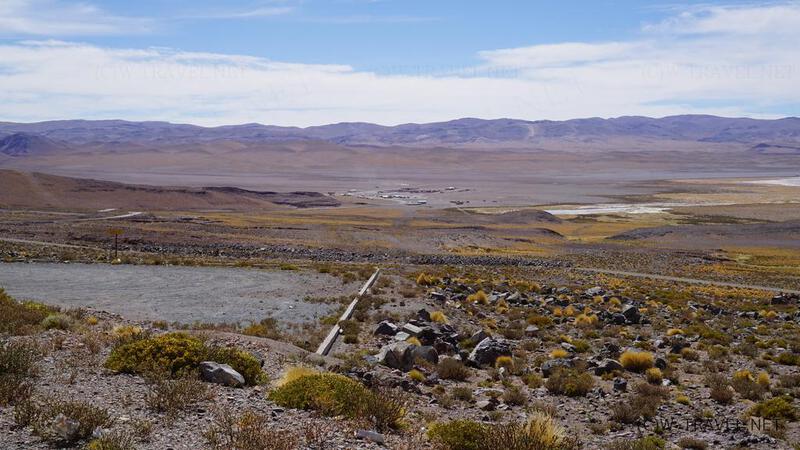
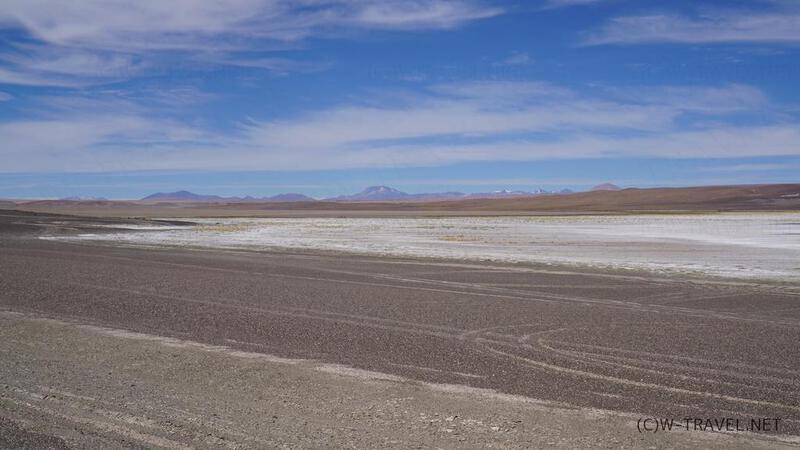
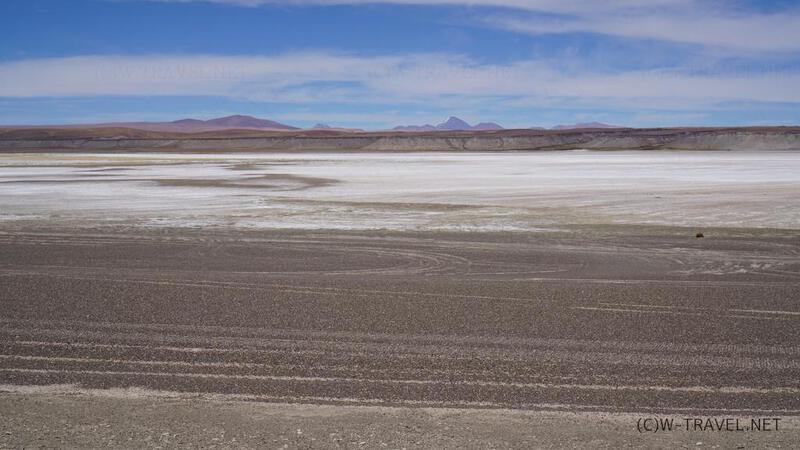
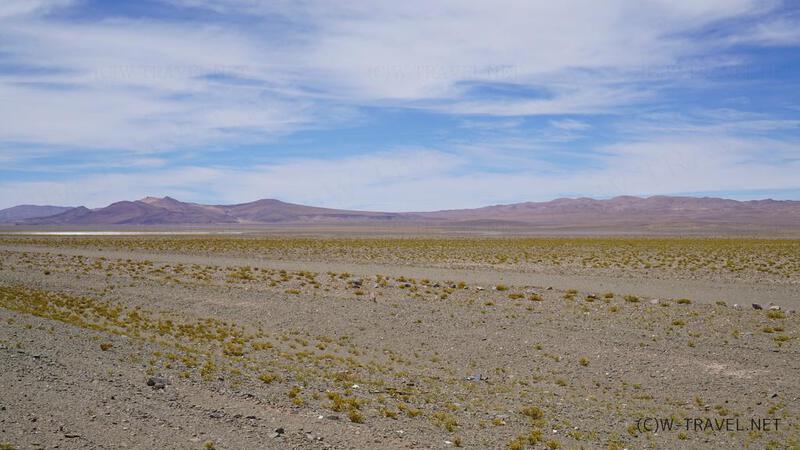
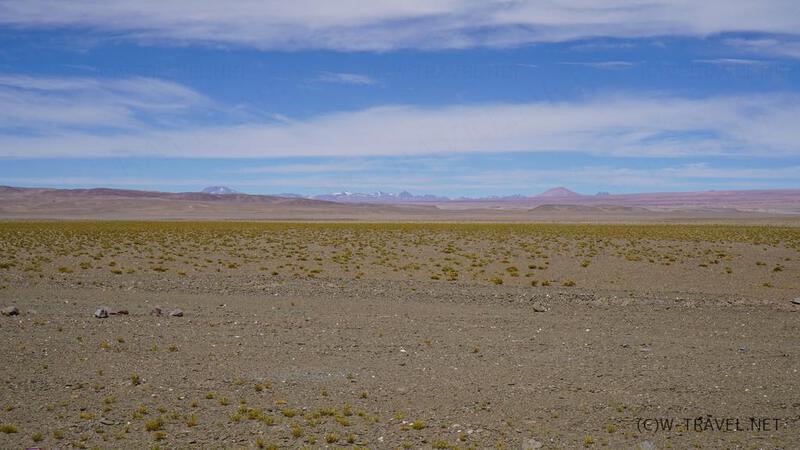
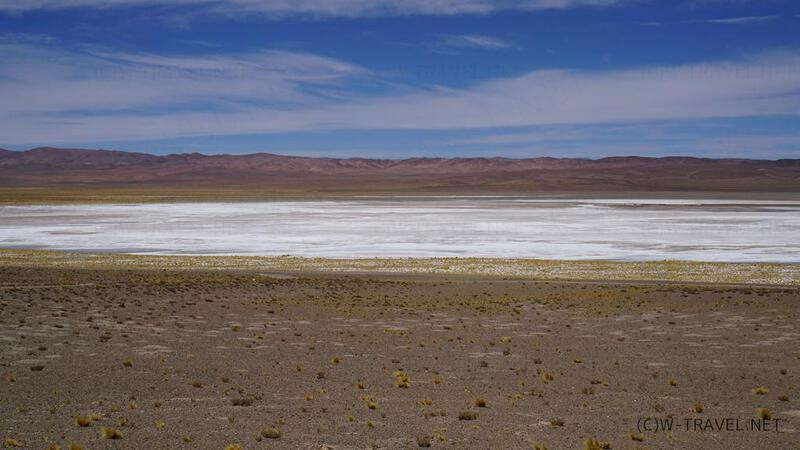

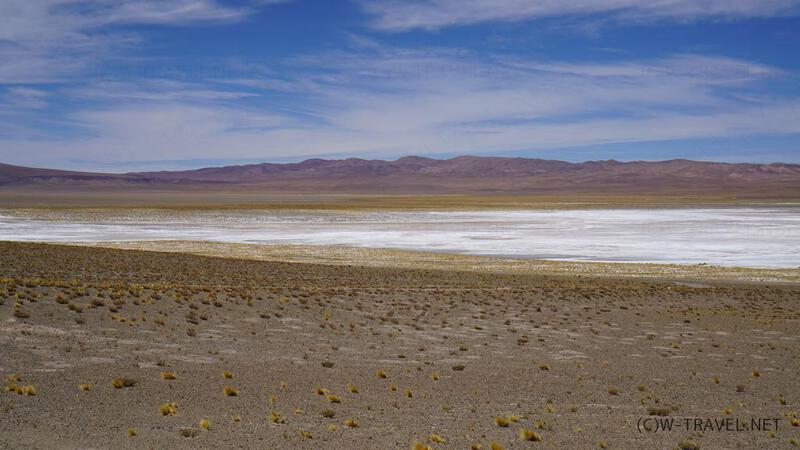
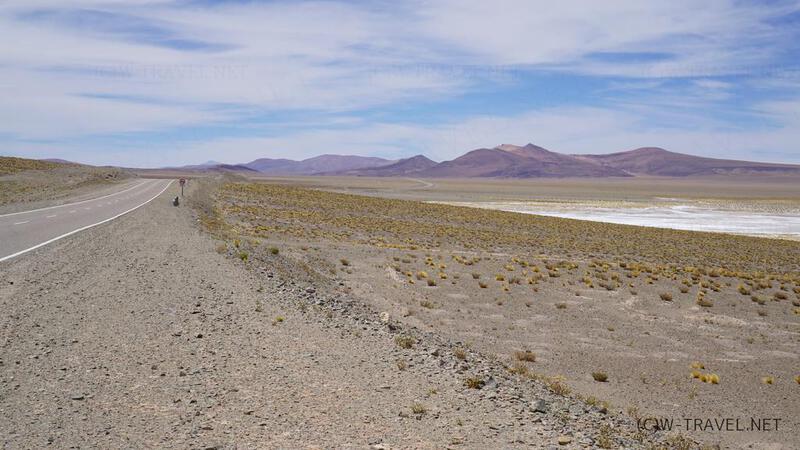
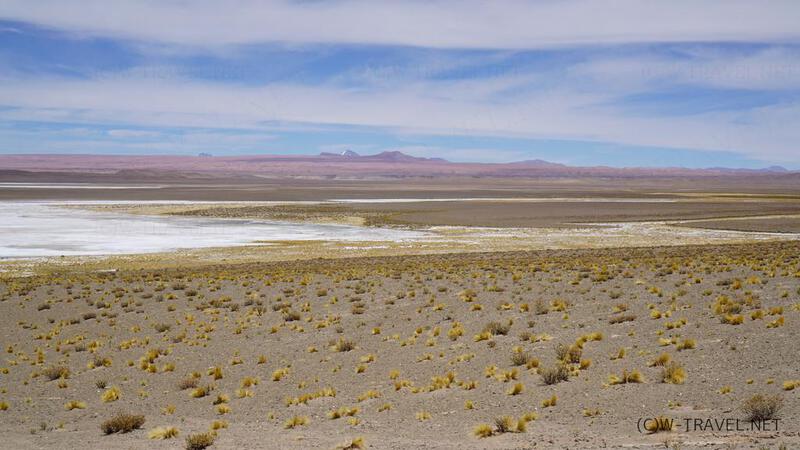
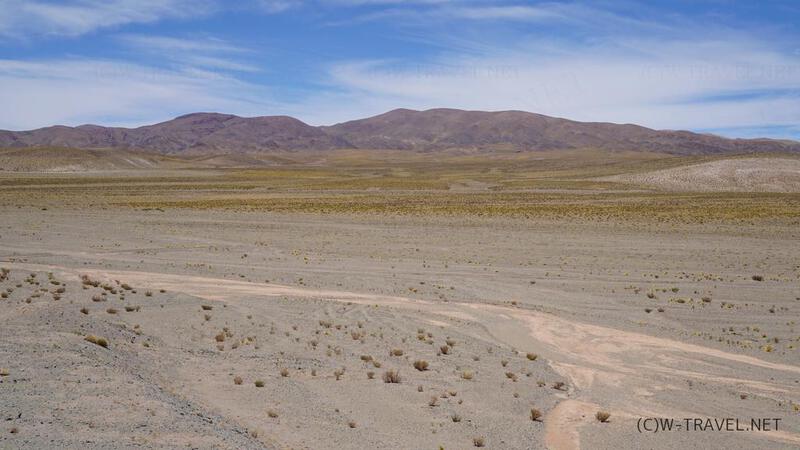
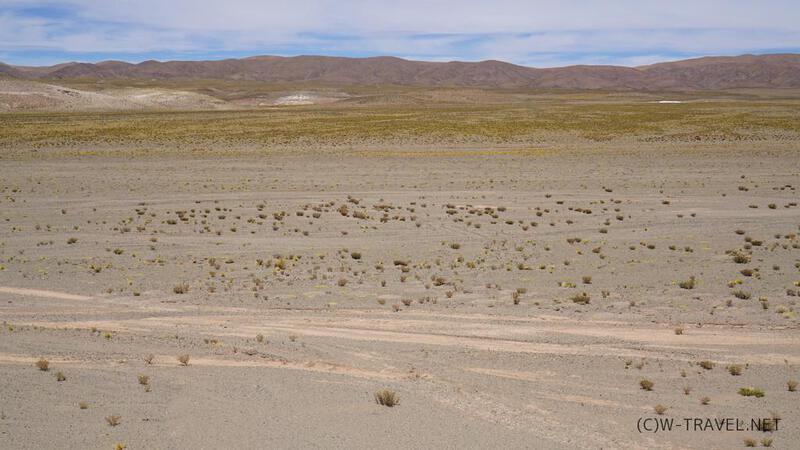
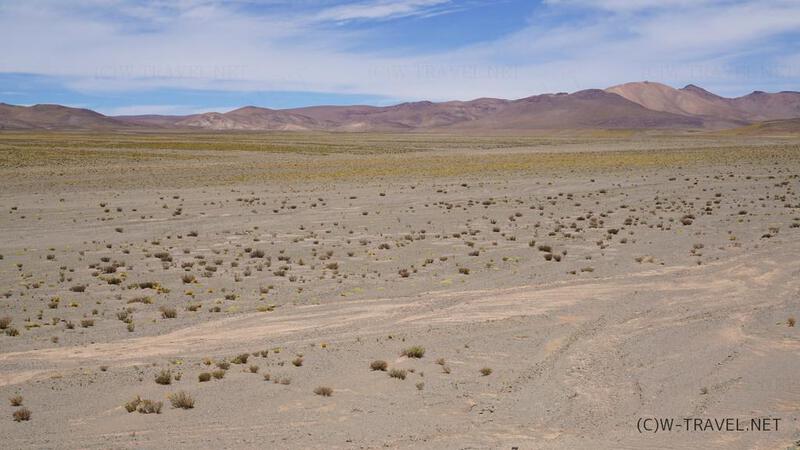
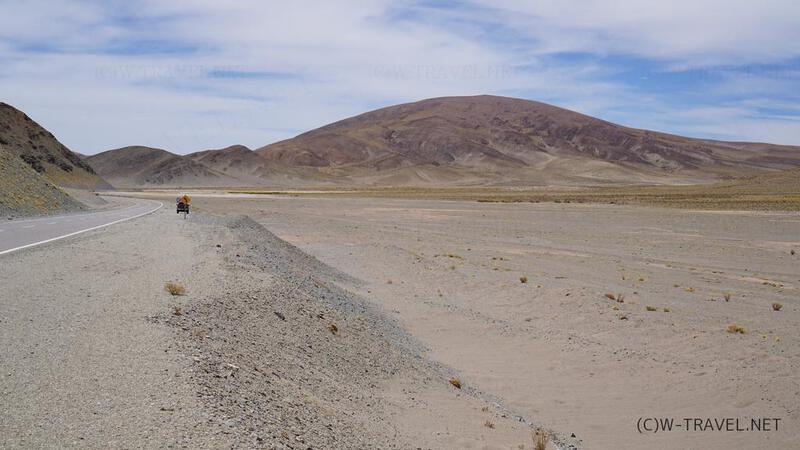
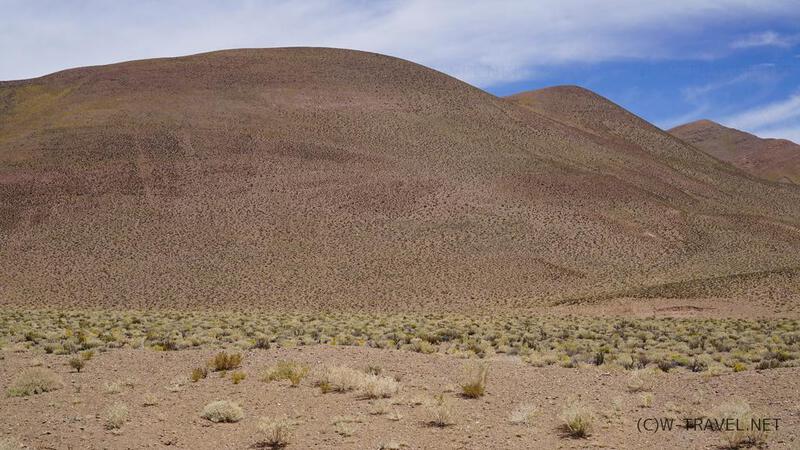

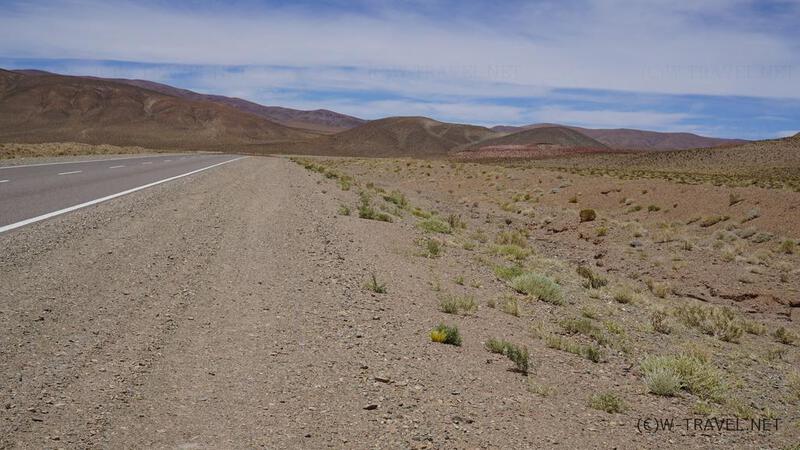
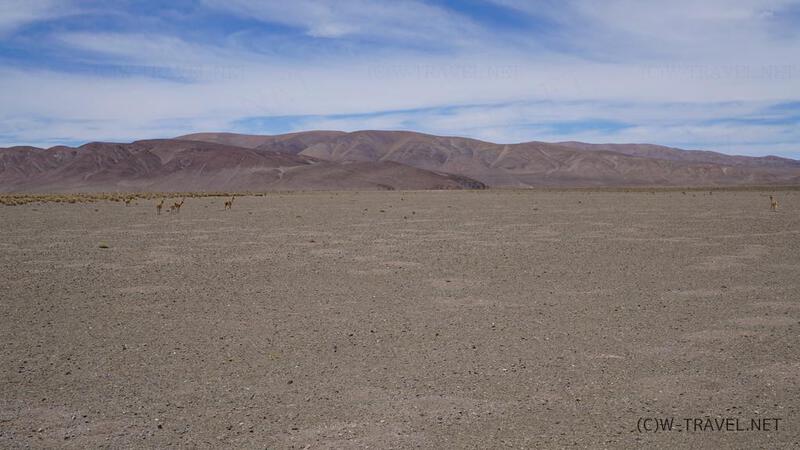


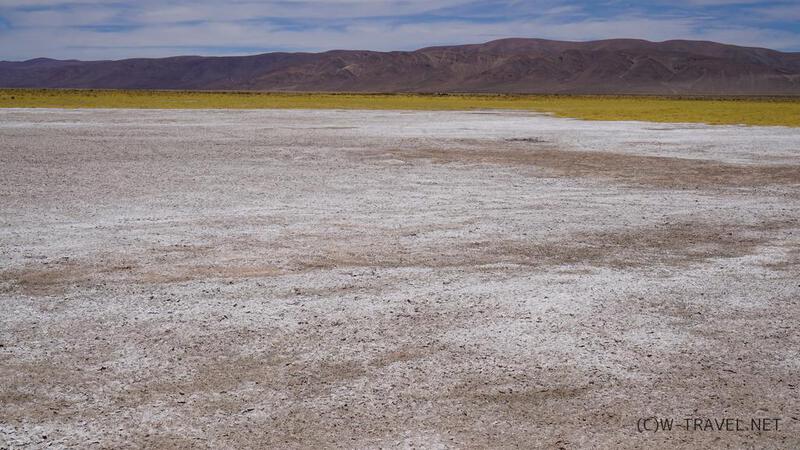


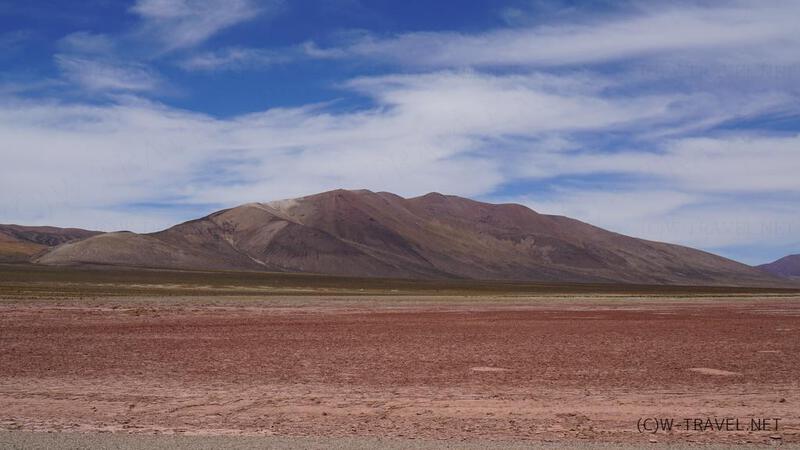
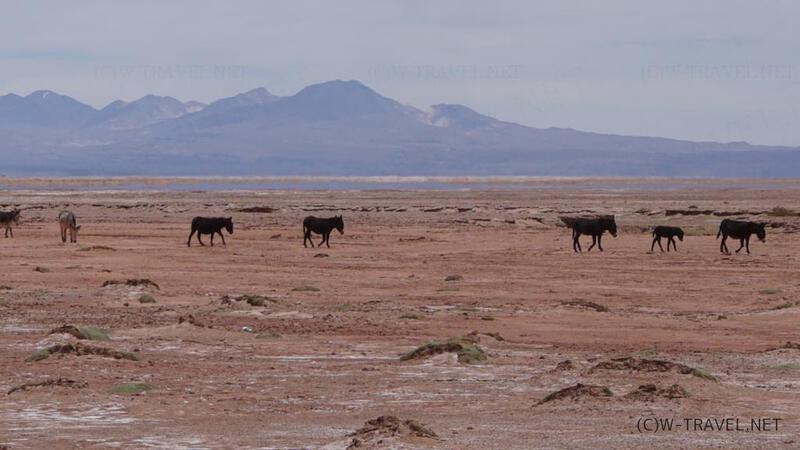
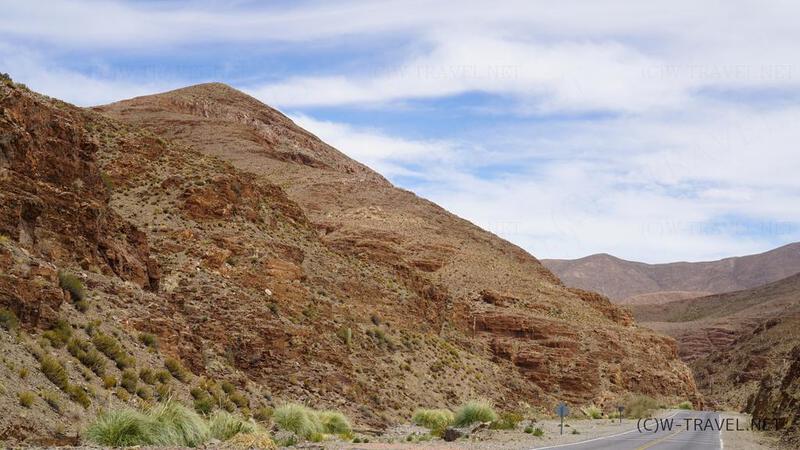
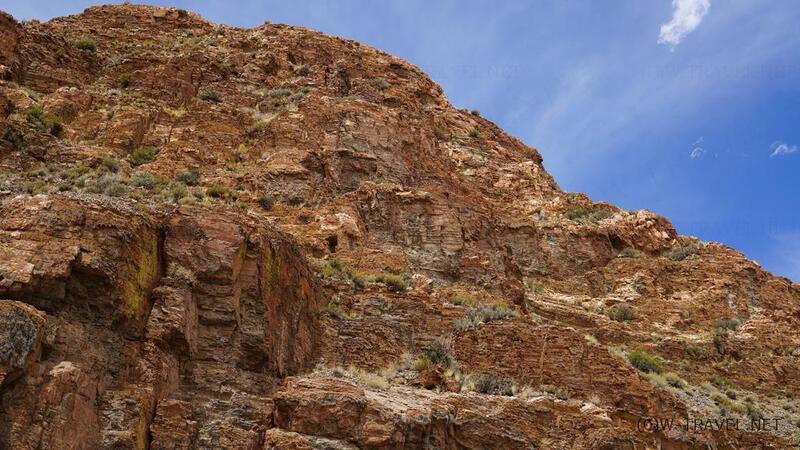
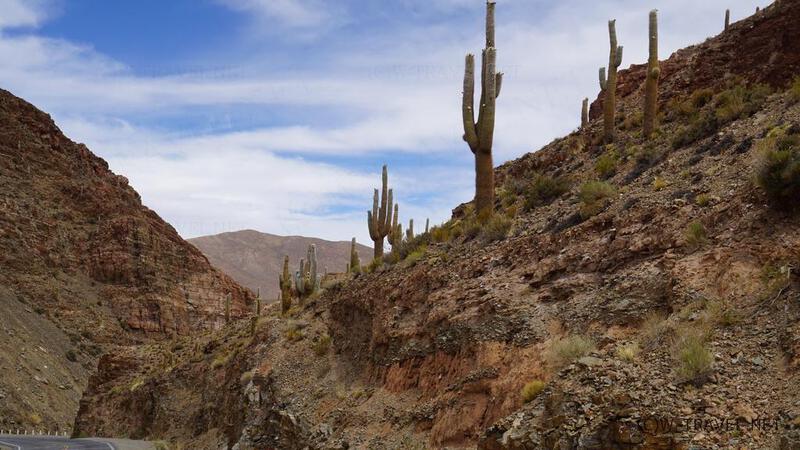
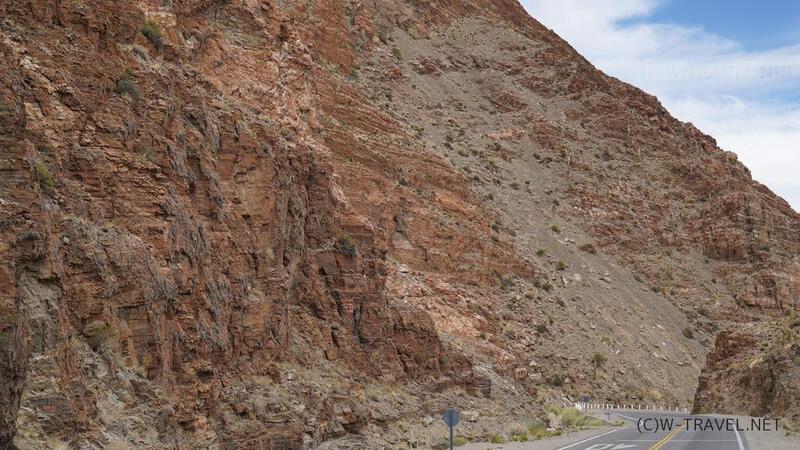
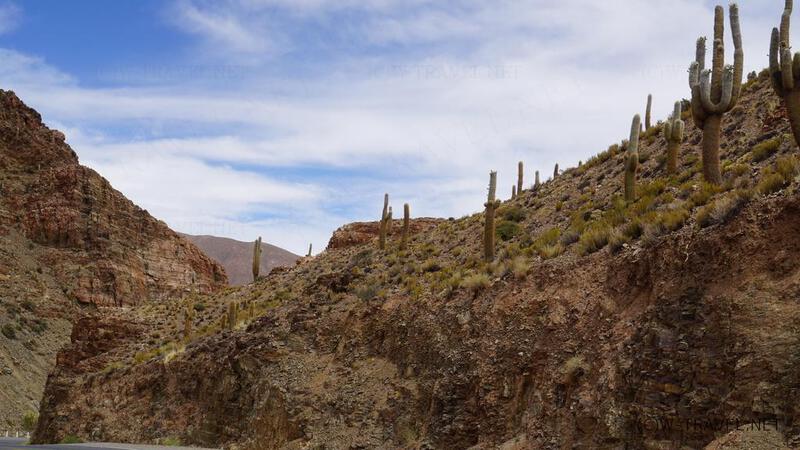
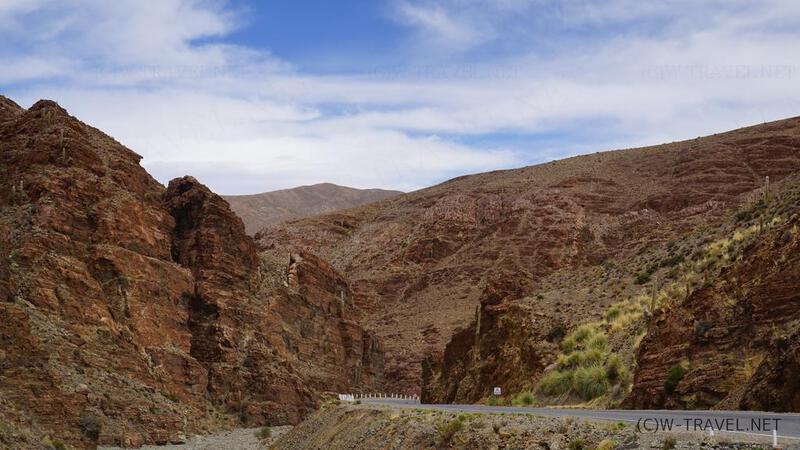

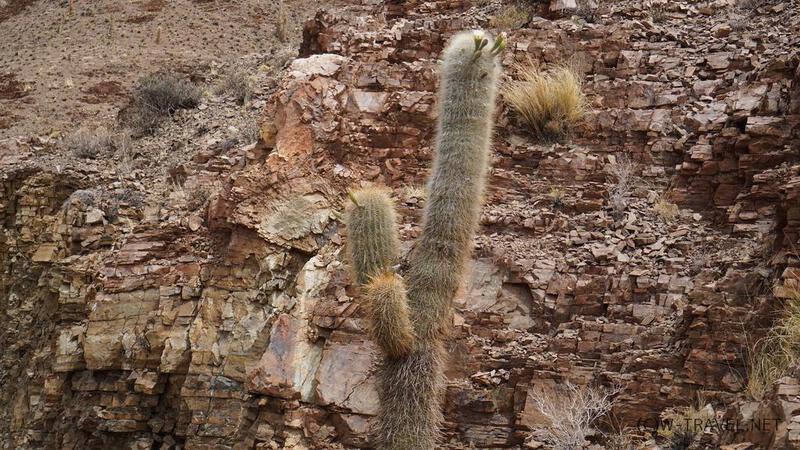
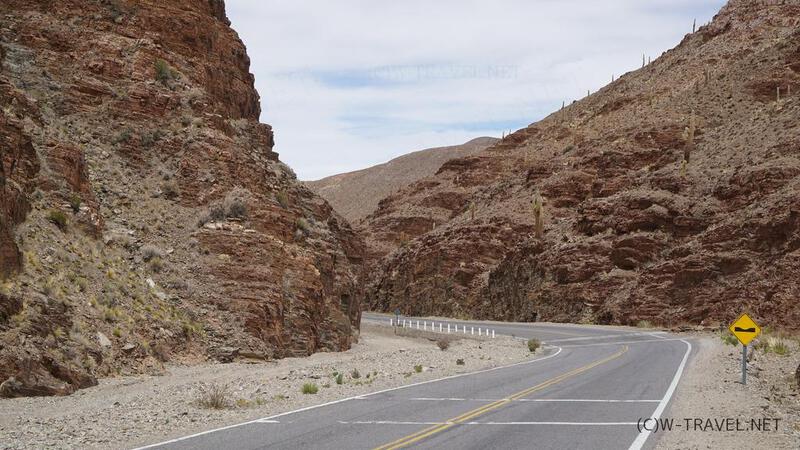
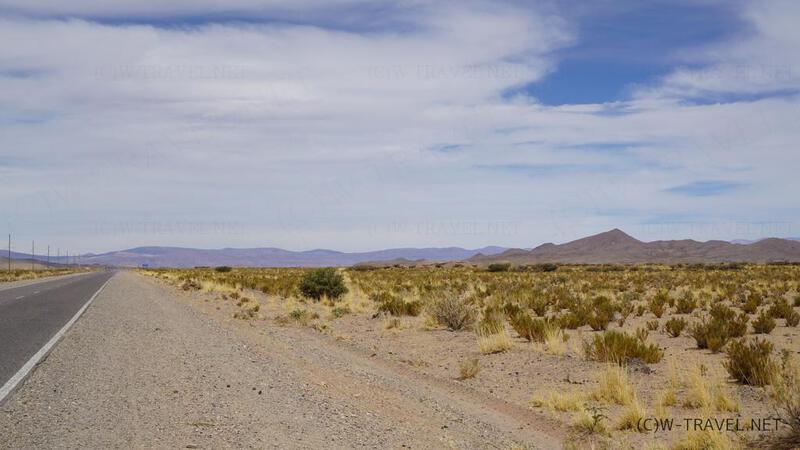
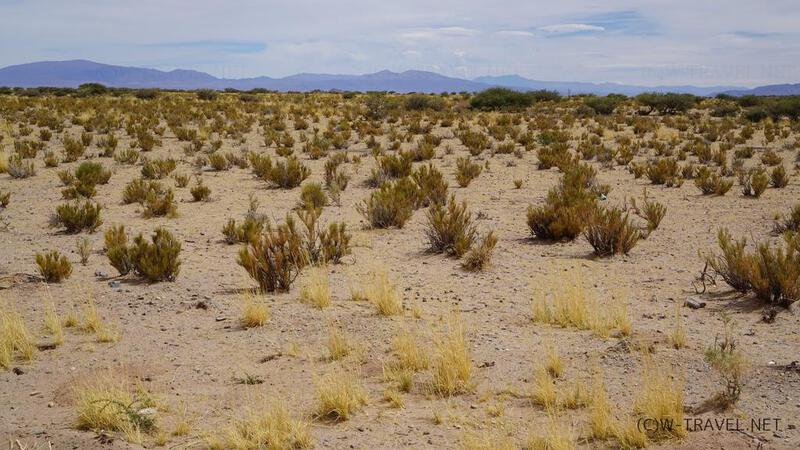 মাঝে, আমরা এমন একটি অঞ্চলের মধ্যে দিয়ে যা লবণাক্ত হ্রদের মতো ছিল। শুকনো এলাকাগুলো বাদামী রঙের, আর সাদা এলাকাগুলোতে সম্ভবত কোনো যন্ত্র ব্যবহার করে লবণ উত্তোলনের কাজ চলছিল, তাই সেগুলো লবণাক্ত হ্রদের মতো দেখাচ্ছিল না। হয়তো একটু অন্য পথে গেলে অন্যরকম কিছু দেখা যেতে পারত।

 এখানে আমার থাকার জায়গাটি নিচে দেওয়া হলো। এটি তুলনামূলকভাবে সস্তা এবং বেশ আরামদায়ক।
Club Hostel Tilcara
ডমিটরি, প্রতি রাতের জন্য ১০০ পেসো (সাধারণ বিনিময় হারে ১,২৫০ ইয়েন)।
সকালের নাস্তা অন্তর্ভুক্ত।
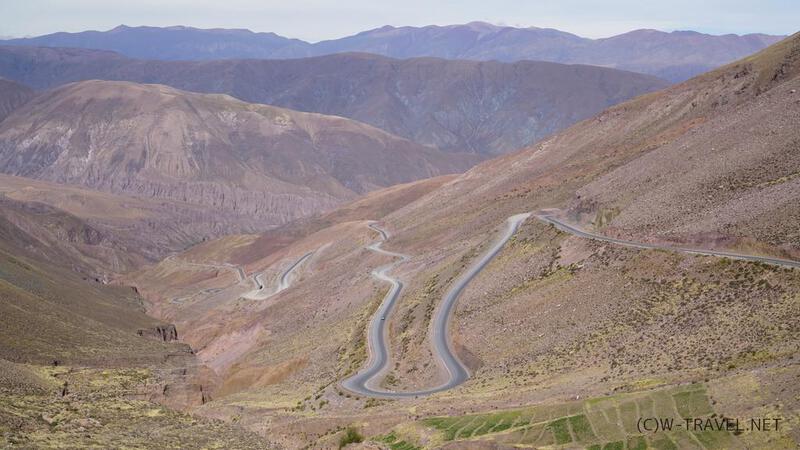
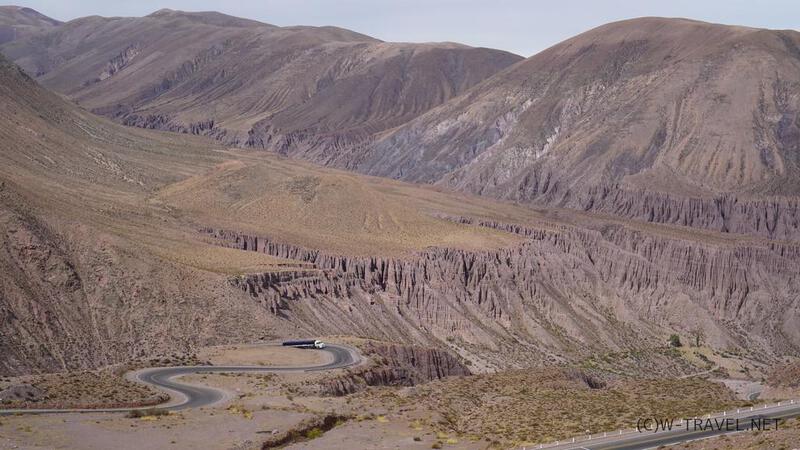
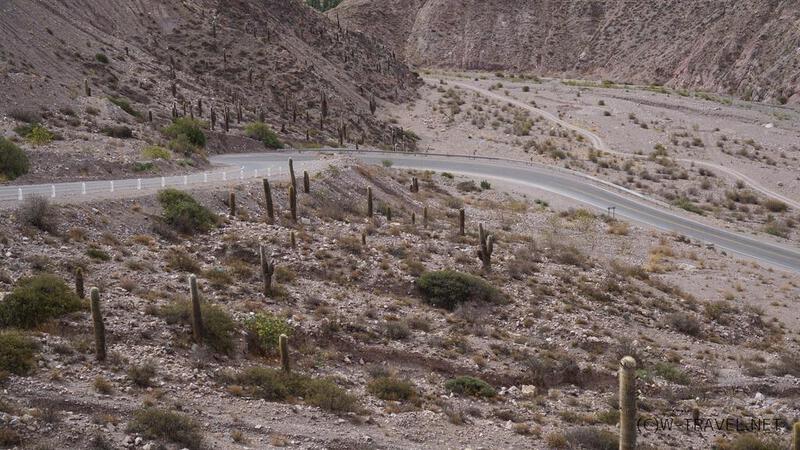
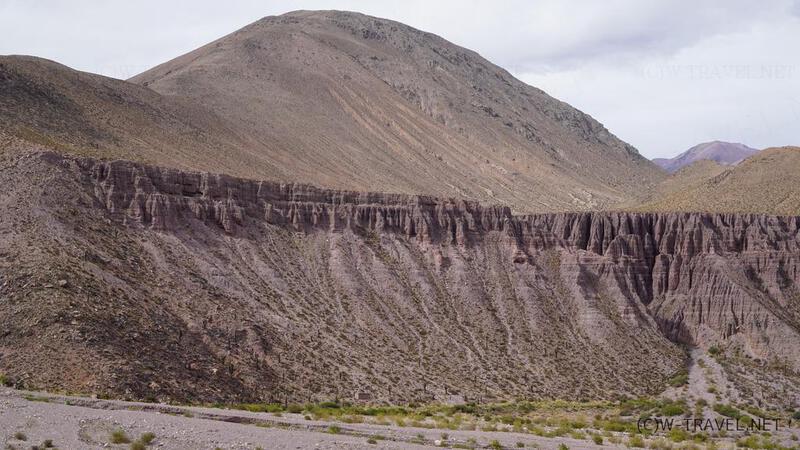
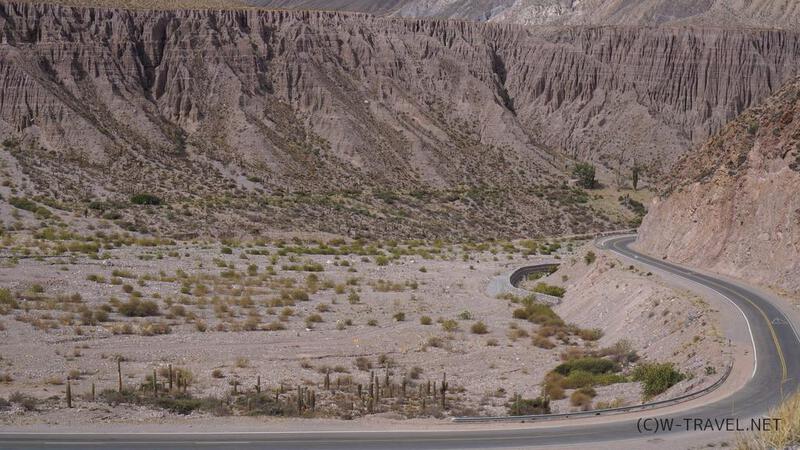
লিপান ঢাল।
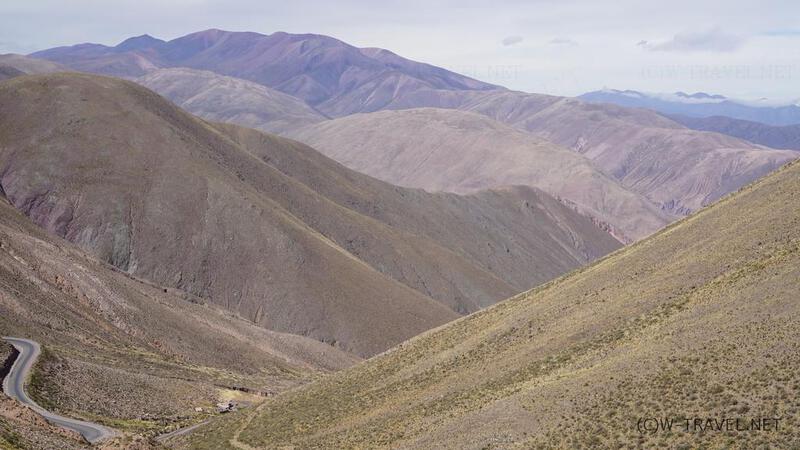
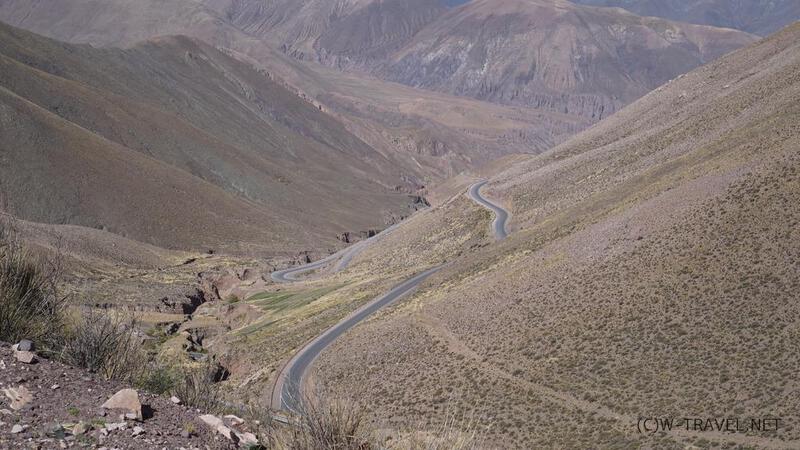
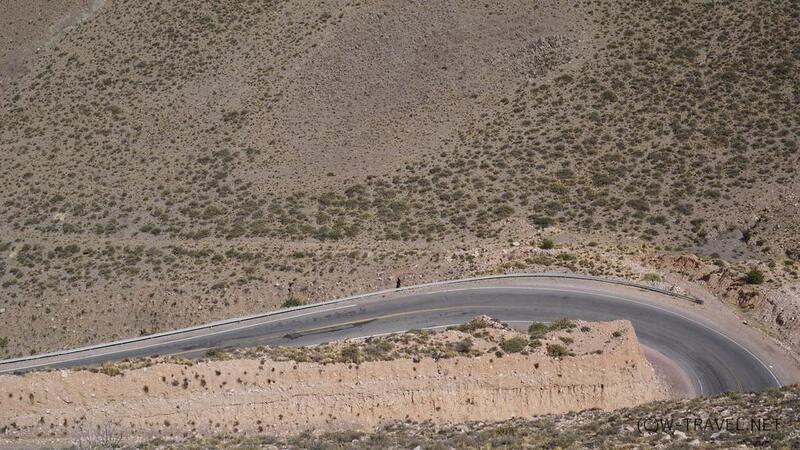
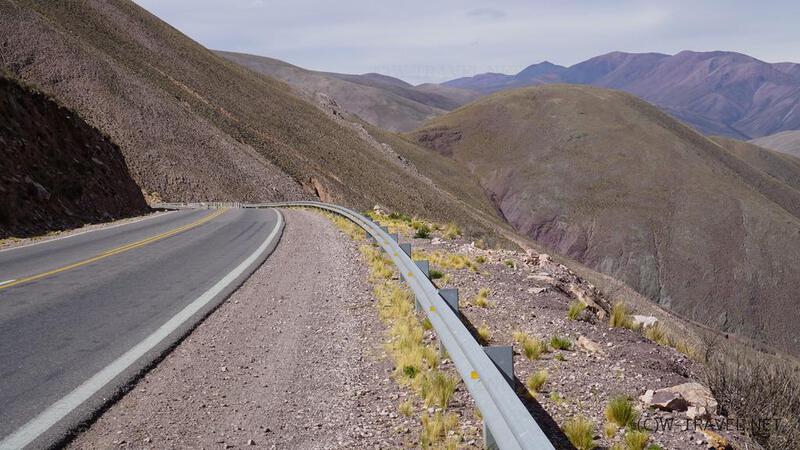
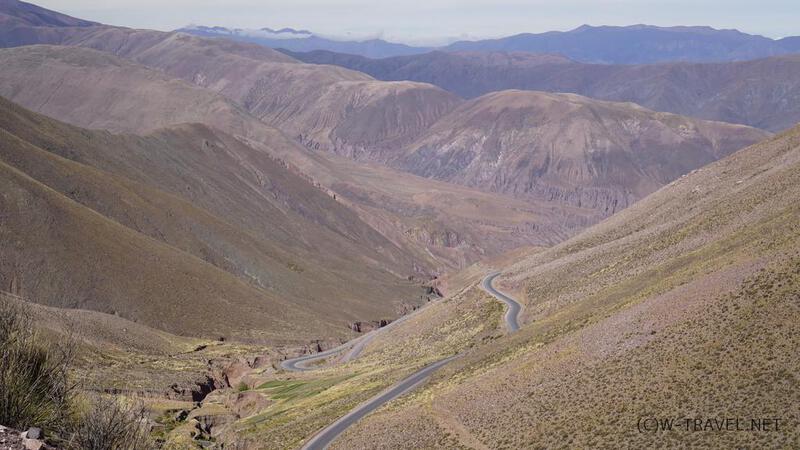
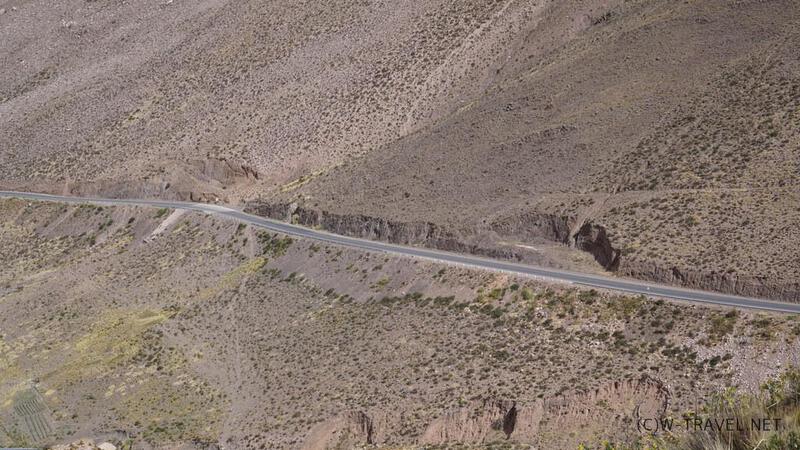
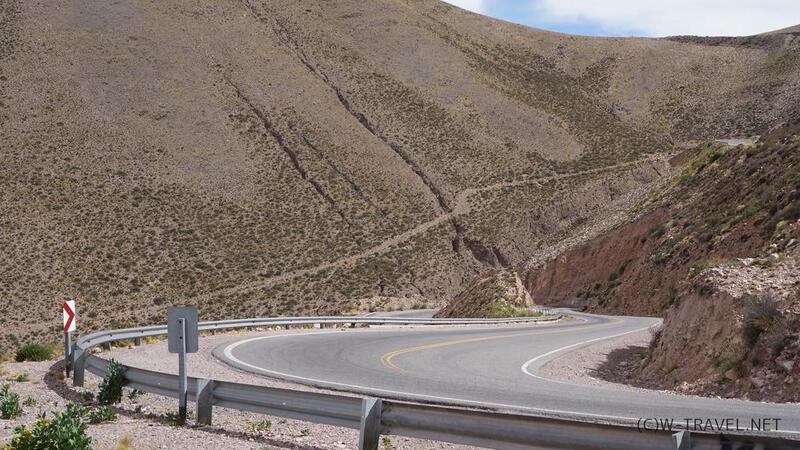
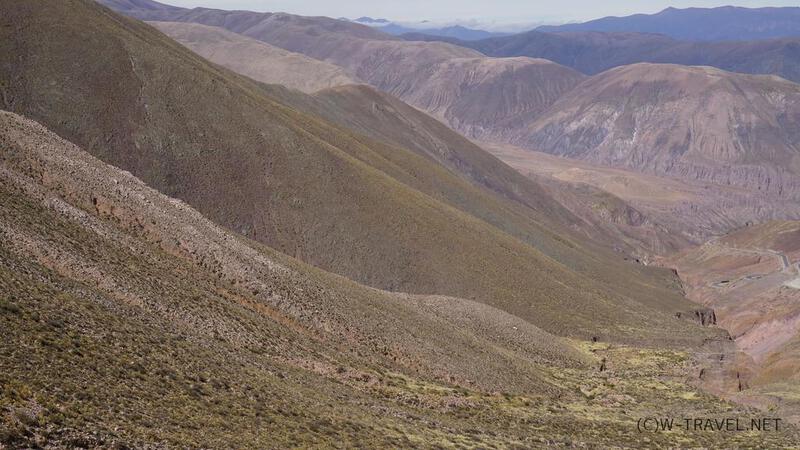
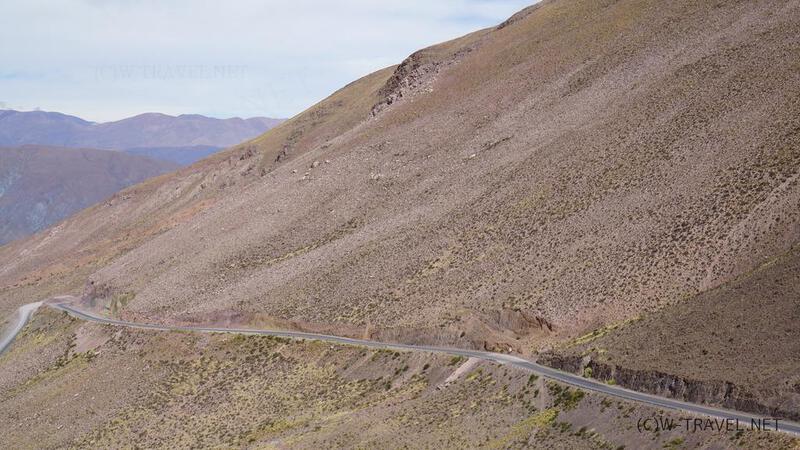
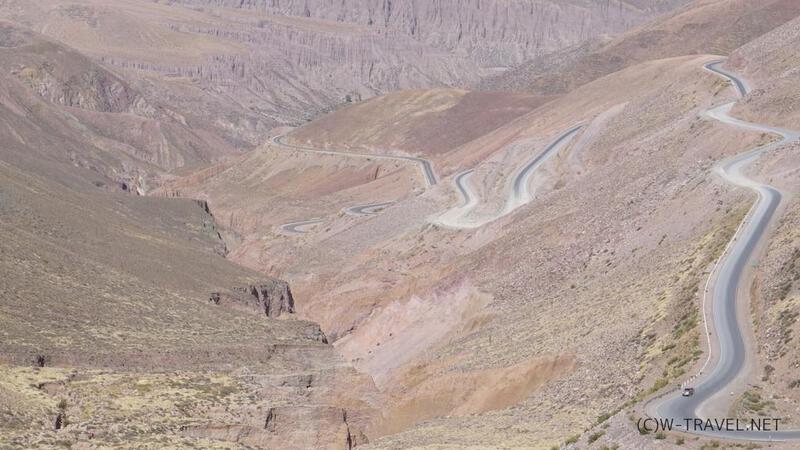
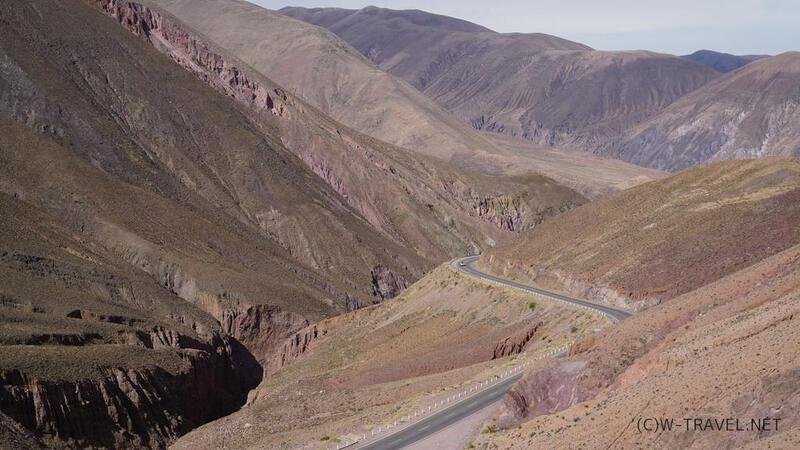
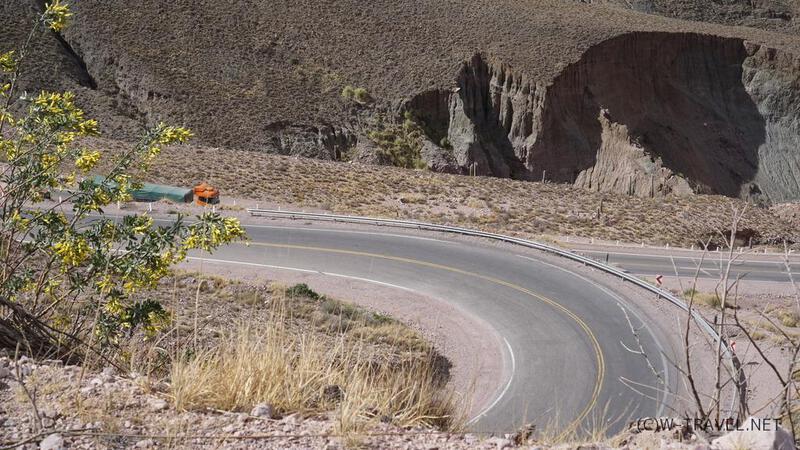
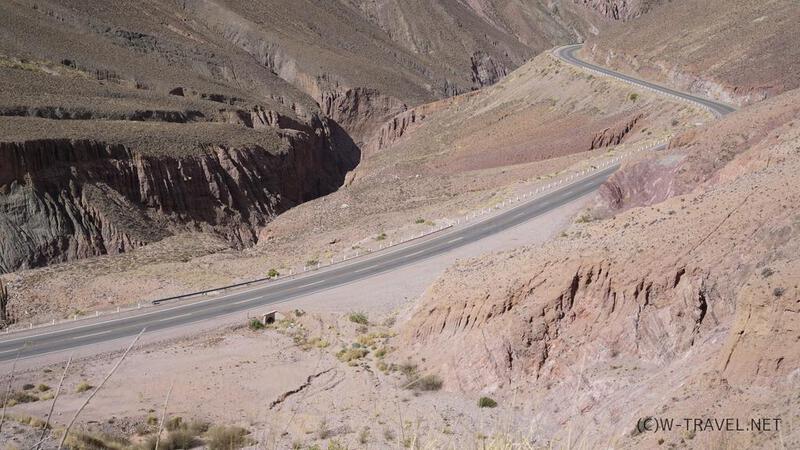
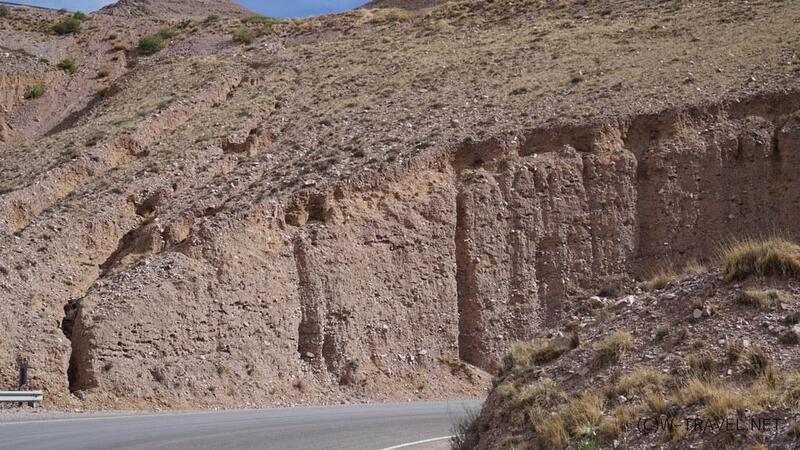
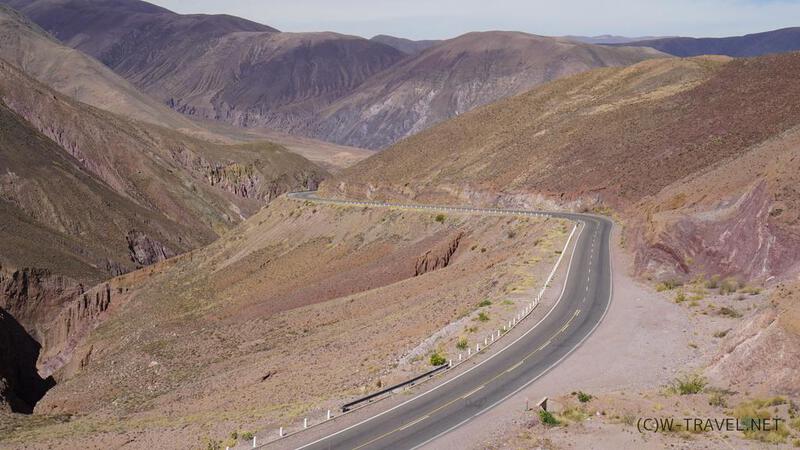
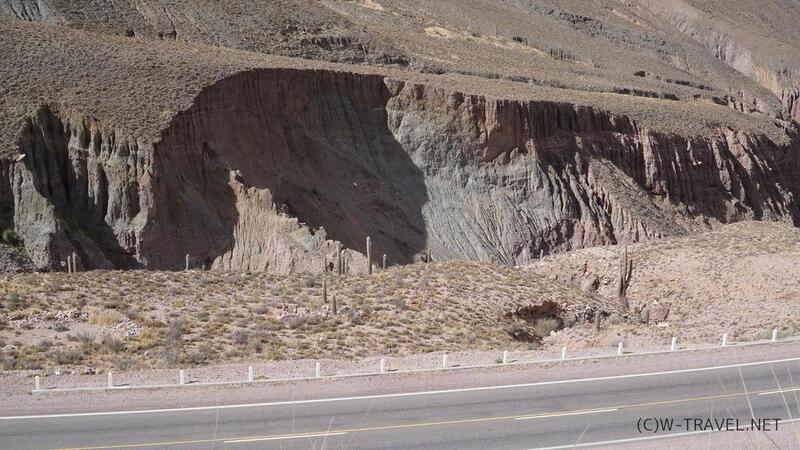
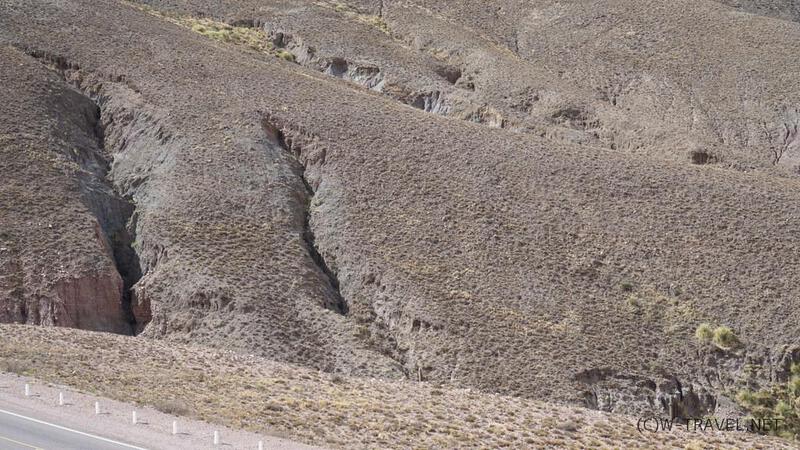
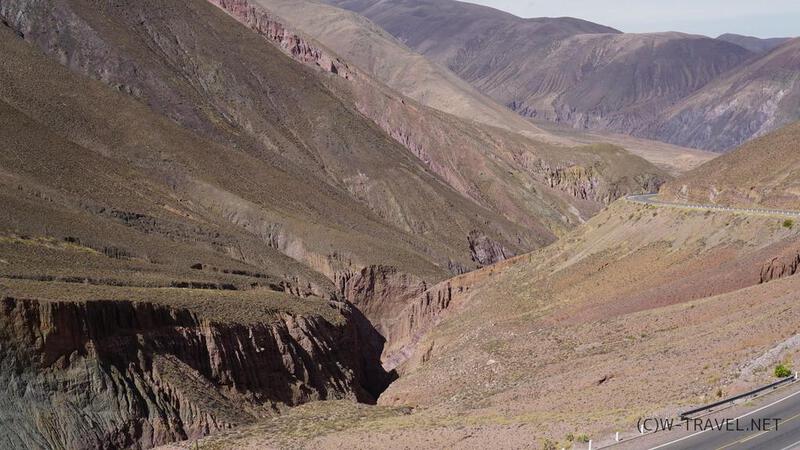
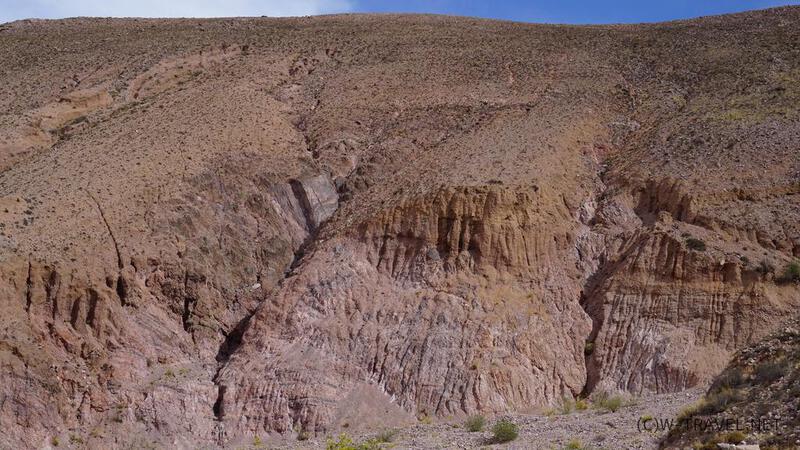
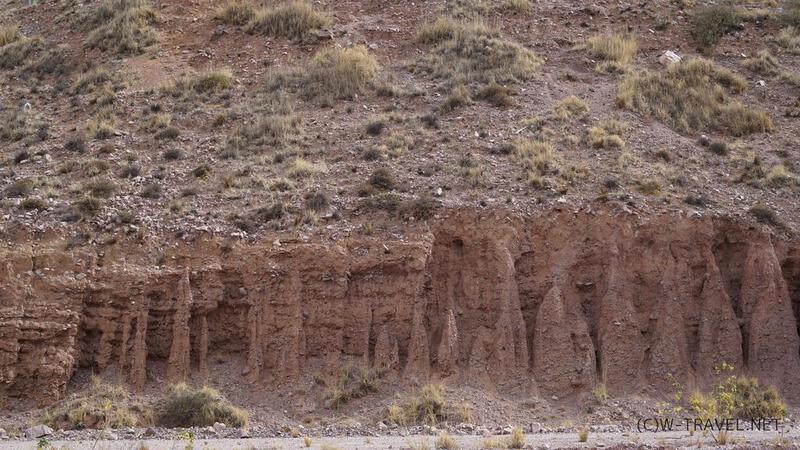
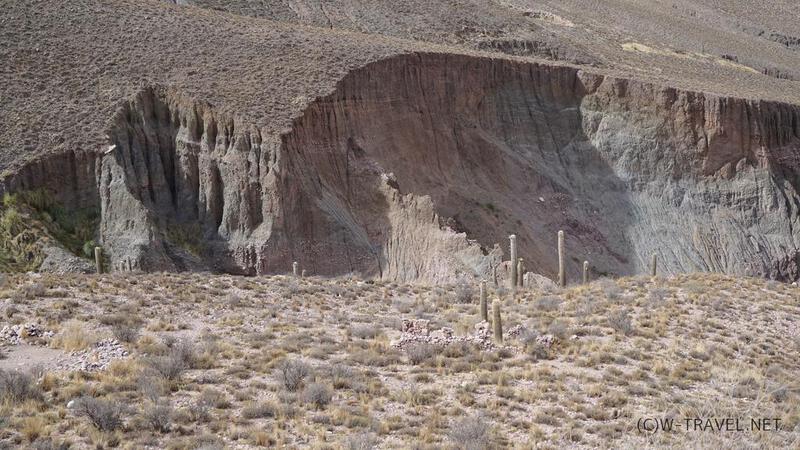
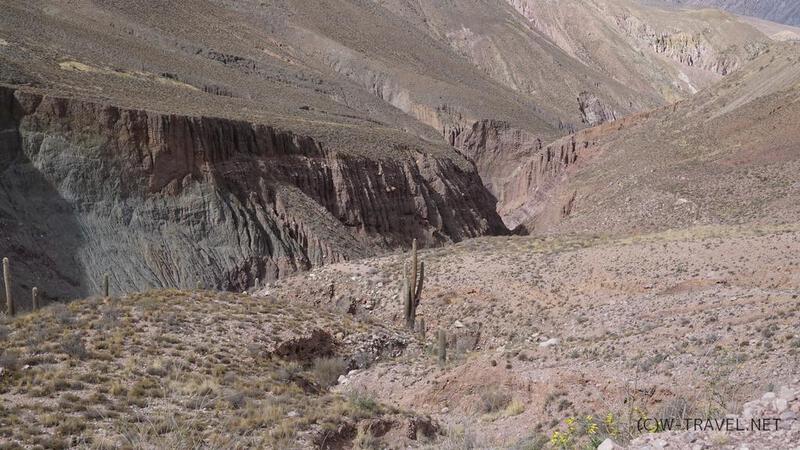
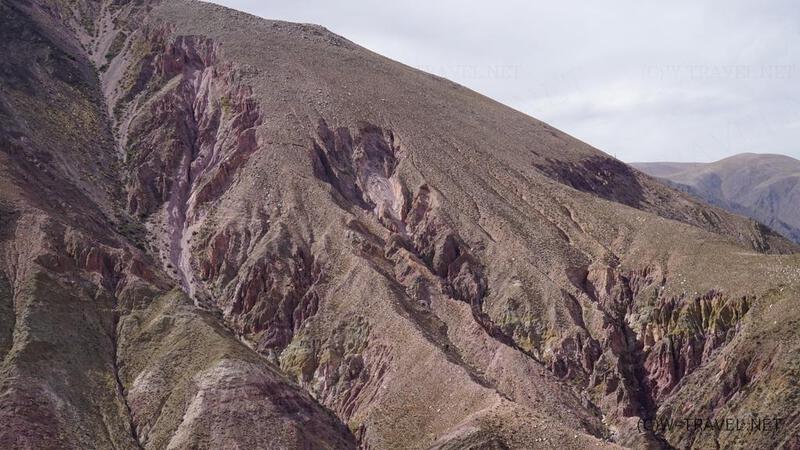
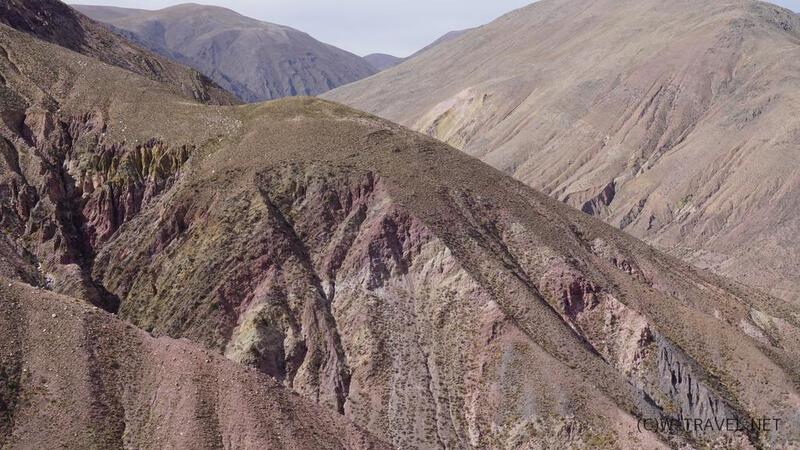
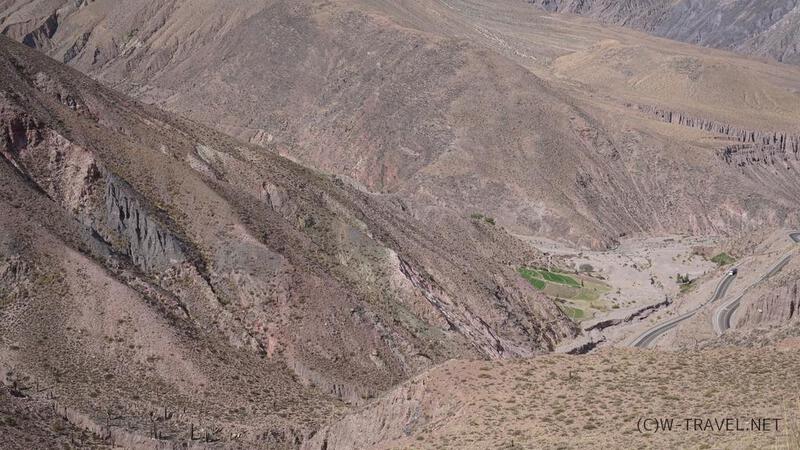
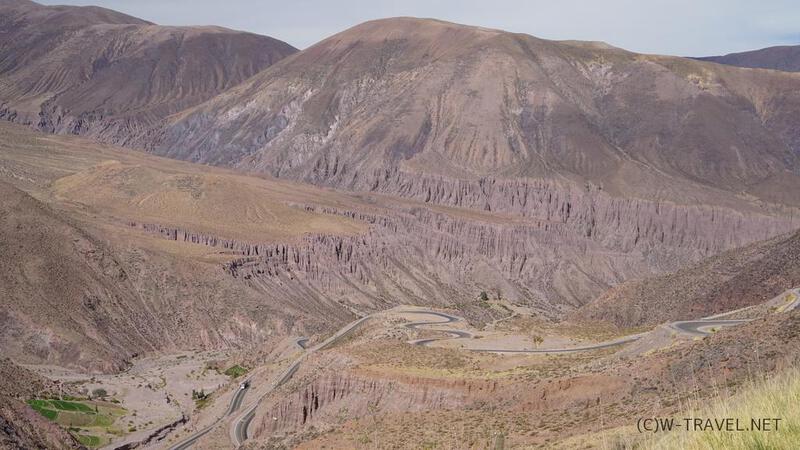
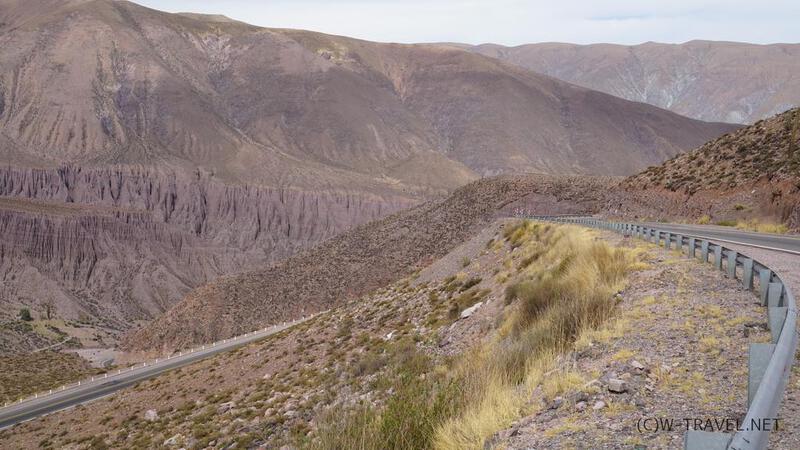
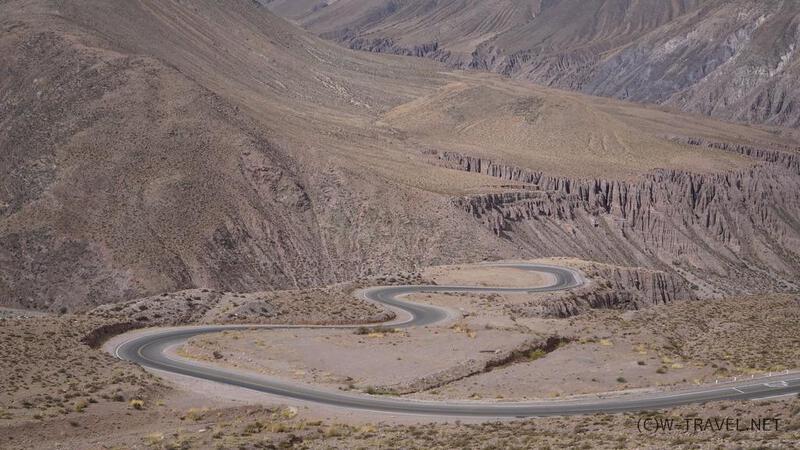
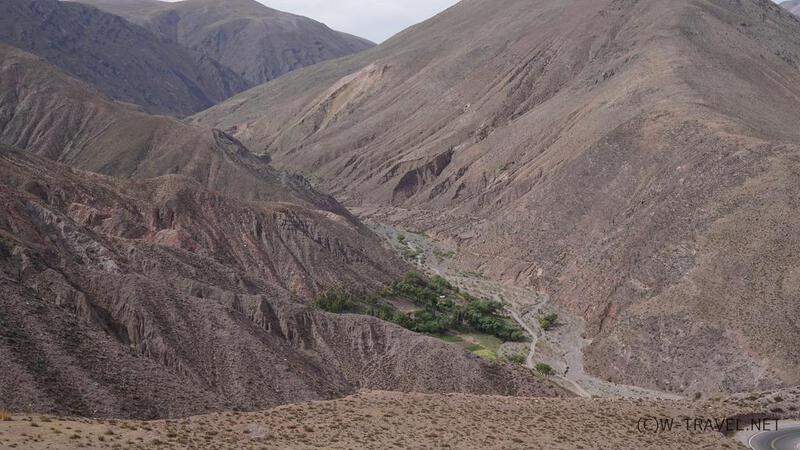
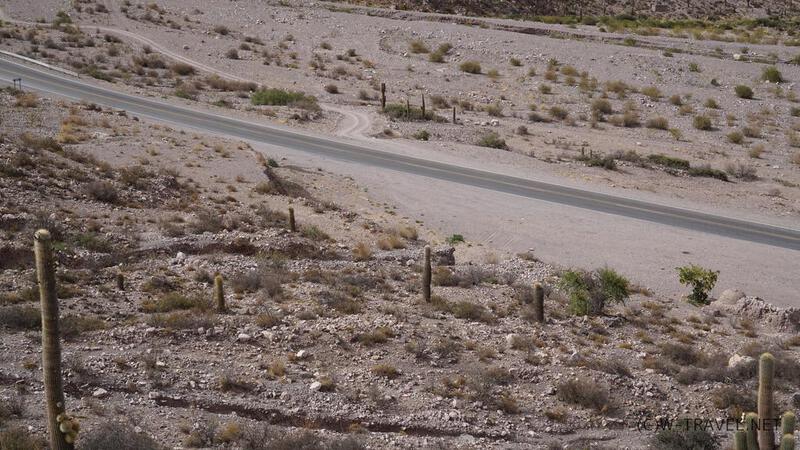
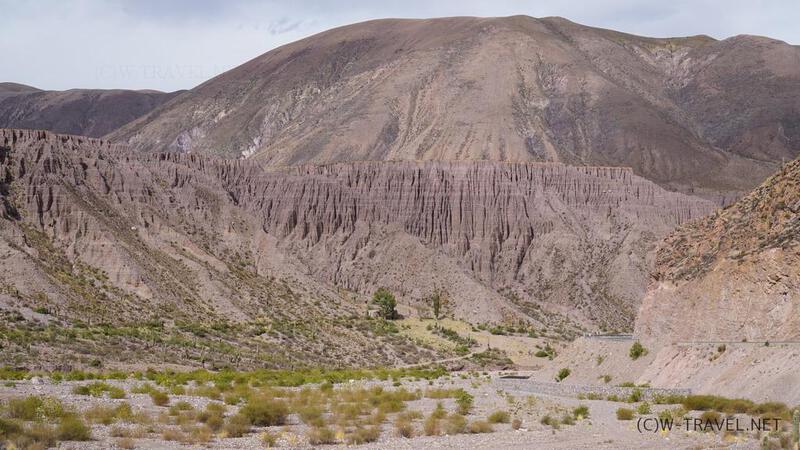
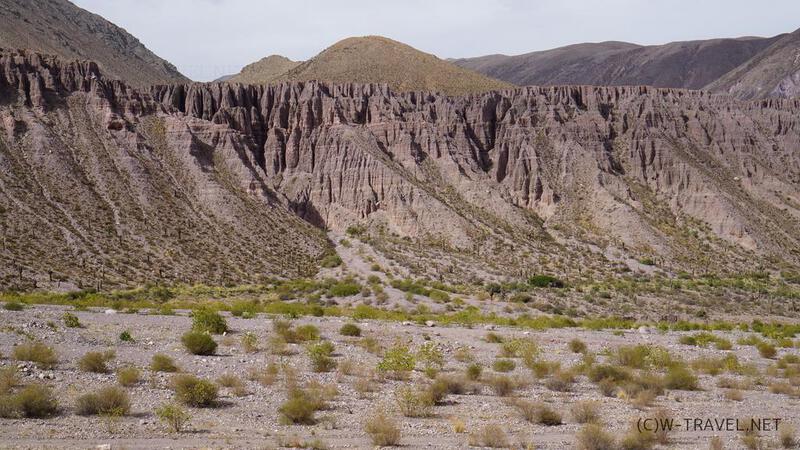
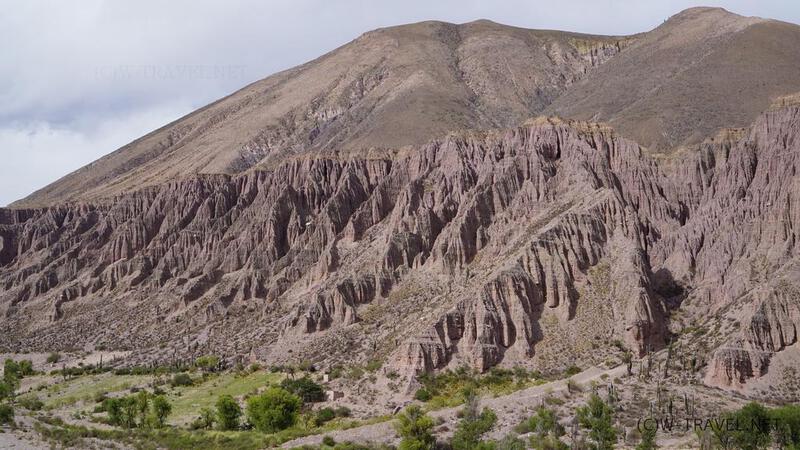
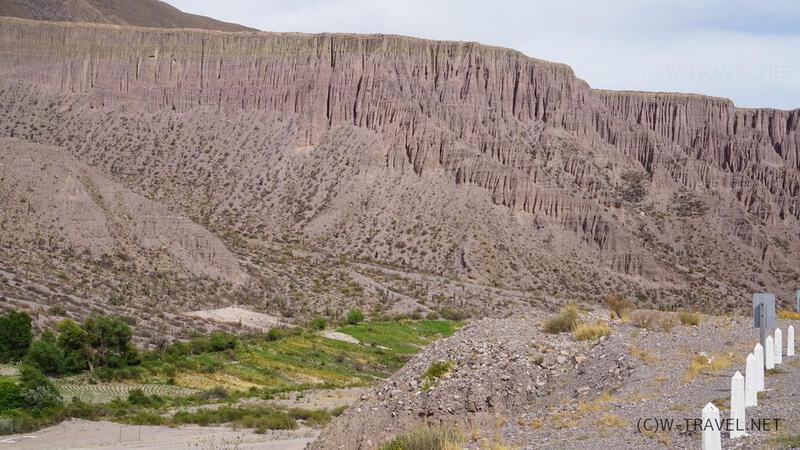
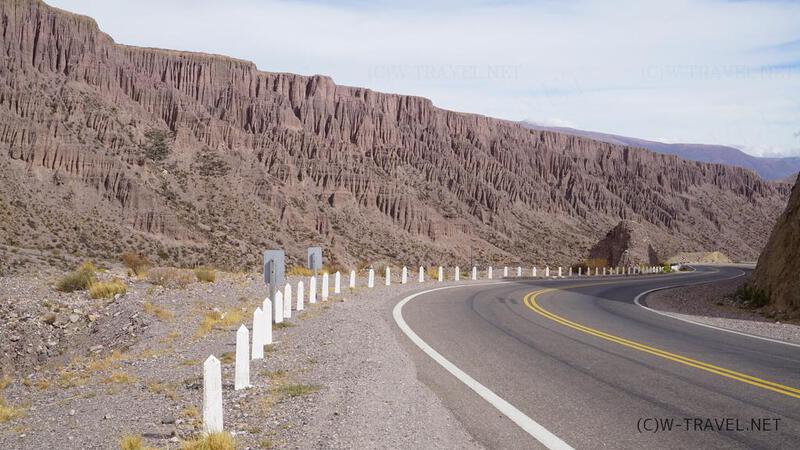
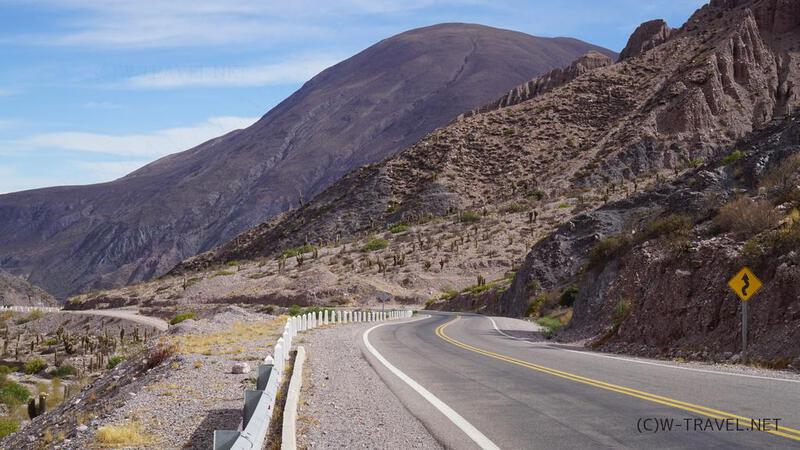
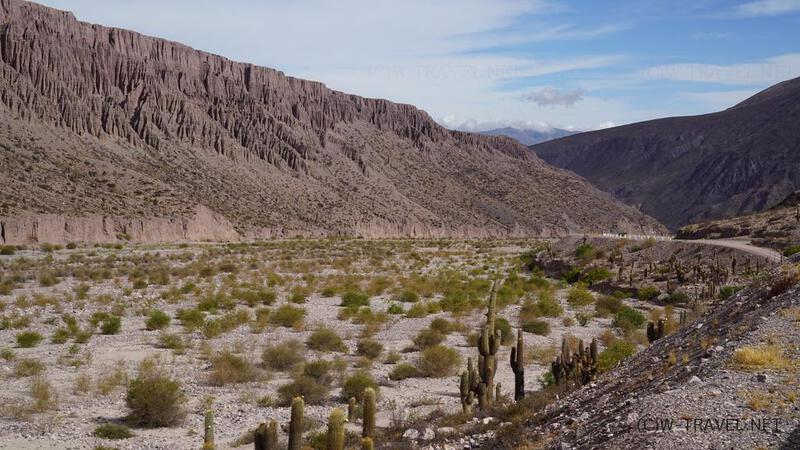
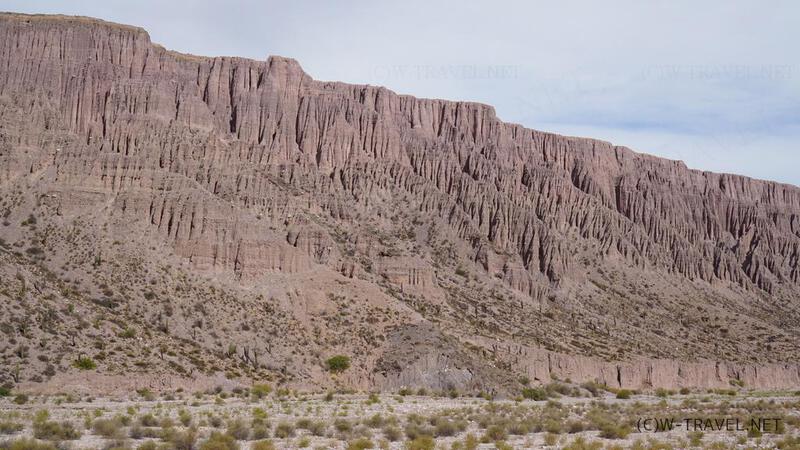
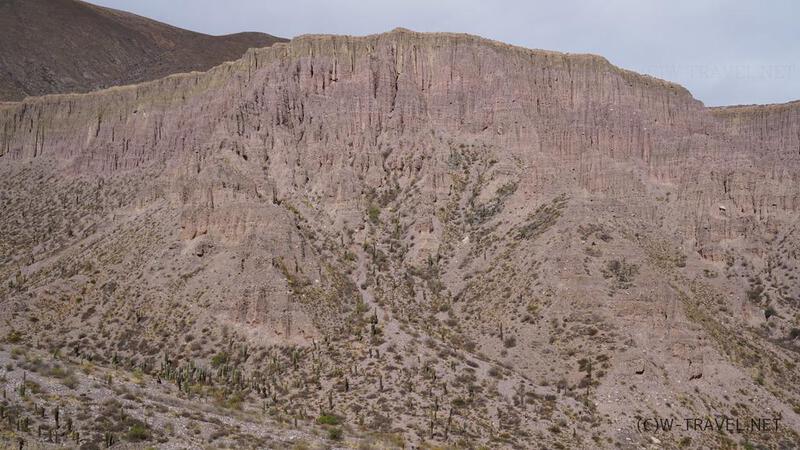
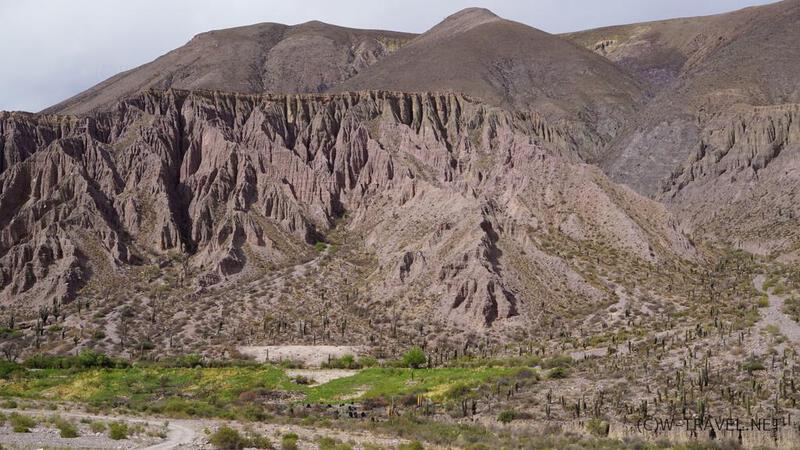
তিলকারার দিকে যাওয়ার পথে ৫২ নম্বর রাস্তায়, কুয়েস্তা দে লিপান নামক একটি স্থান দিয়ে গেলাম।
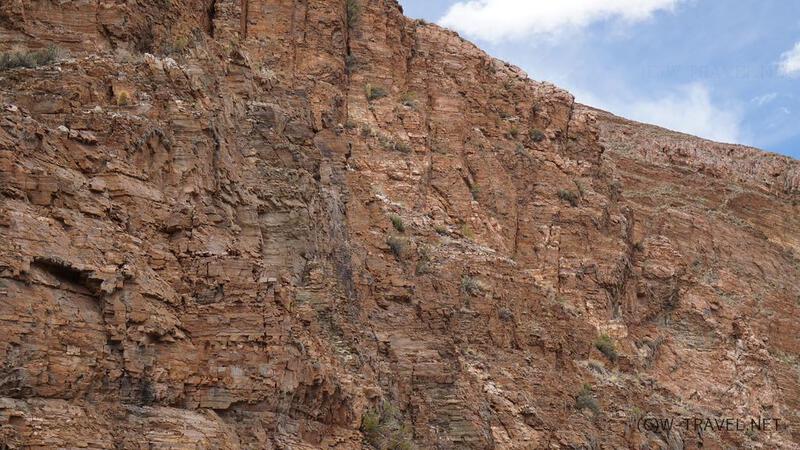
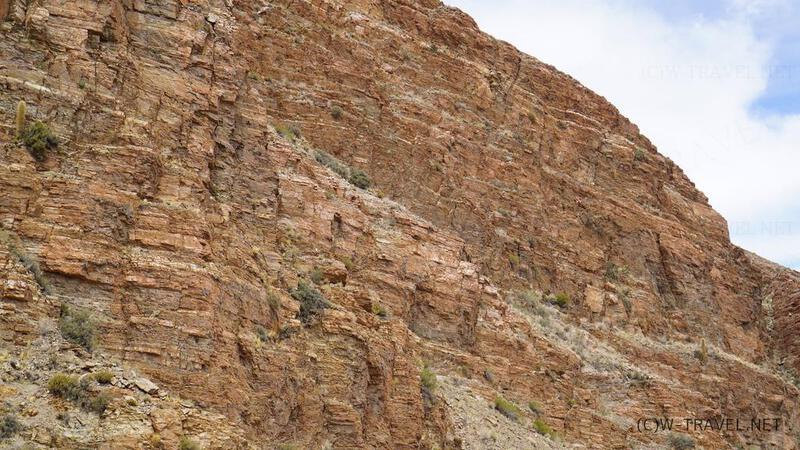
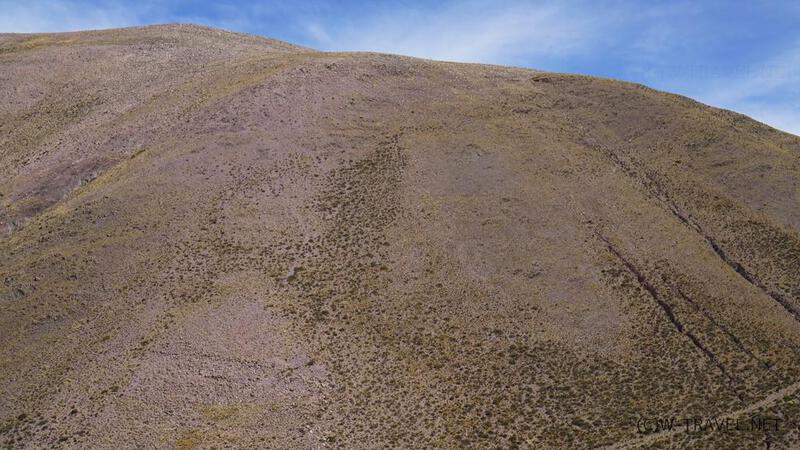
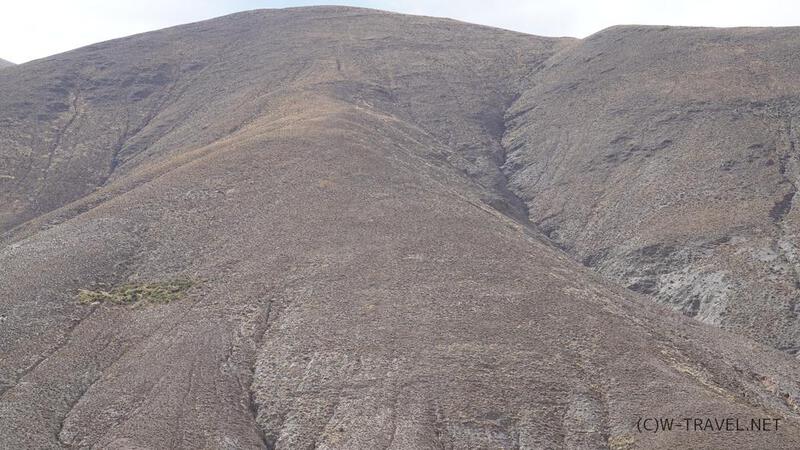
এটি এমন একটি জায়গা যেখানে বিভিন্ন সময়ের শিলাস্তর একে অপরের উপর স্তূপিত হয়ে আছে, এবং সম্ভবত এটি একটি বিশ্ব ঐতিহ্য স্থান হিসেবেও স্বীকৃত।
সত্যিই, আমি ঠিক বুঝতে পারছি না, কিন্তু বিভিন্ন রঙের মিশ্রণ দেখে এটি বেশ আকর্ষণীয়।











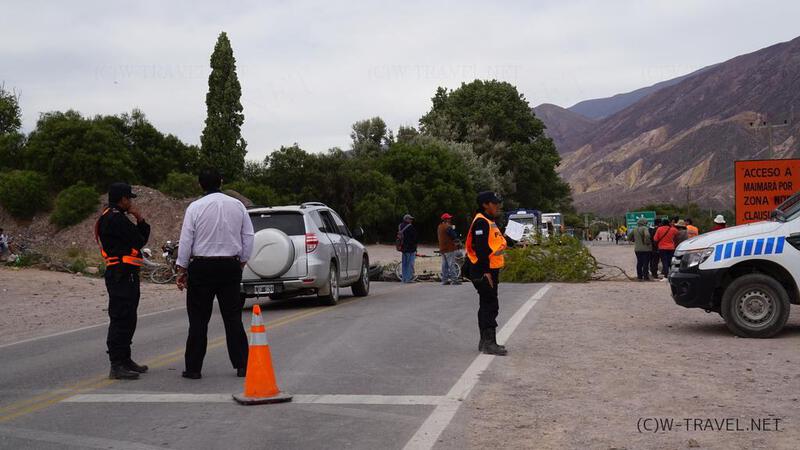
তিরকারার ঠিক দক্ষিণে, বাসিন্দাদের দ্বারা রাস্তা অবরোধ করা হয়েছে।
আরেকটু পরেই তিরকারা শহর, কিন্তু শহরের ঠিক দক্ষিণে বাসিন্দাদের দ্বারা রাস্তা অবরোধ করা হয়েছিল।
সৌভাগ্যবশত, প্রায় ৩০ মিনিটের মধ্যে সেটি তুলে নেওয়া হয়, তাই ভালোই হলো।
ঠিক কী কারণে, তা আমি ভালোভাবে বুঝতে পারছি না, তবে একটি কাগজ আছে যেখানে হাসপাতালের বিষয়ে কিছু লেখা ছিল, সম্ভবত সে কারণেই এমনটা হয়েছে।