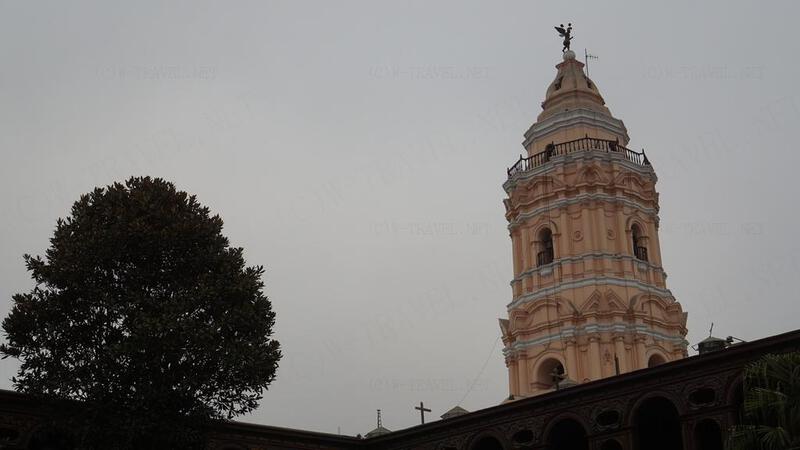
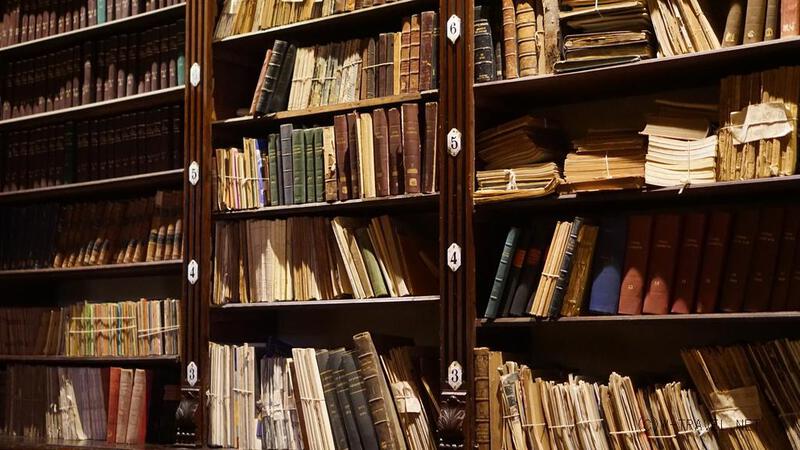
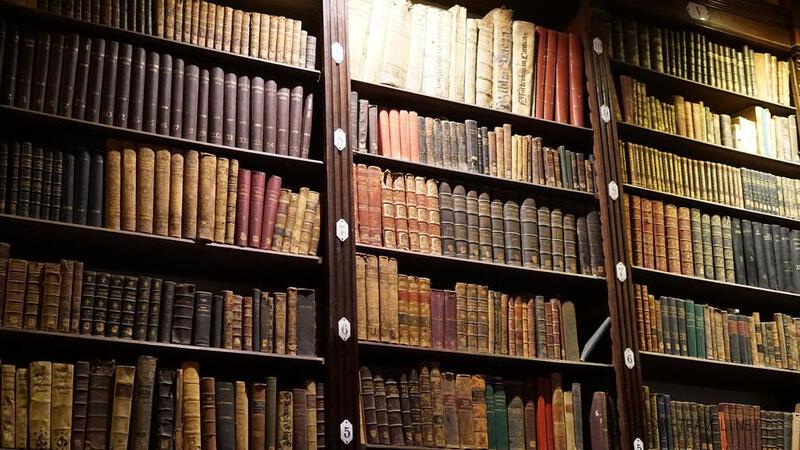
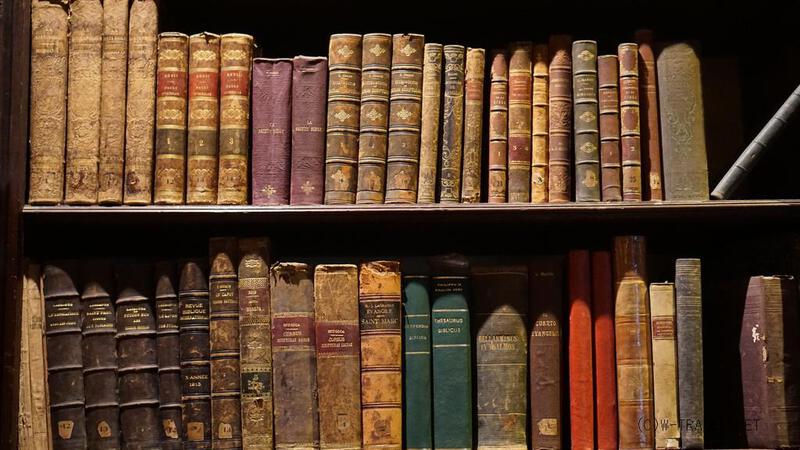
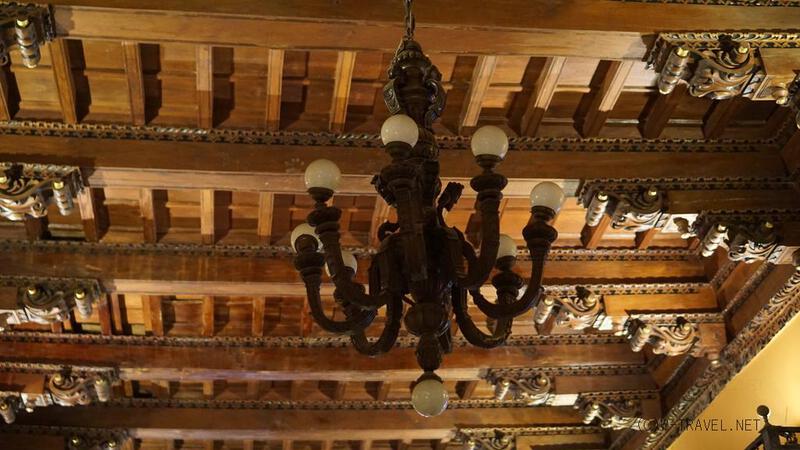
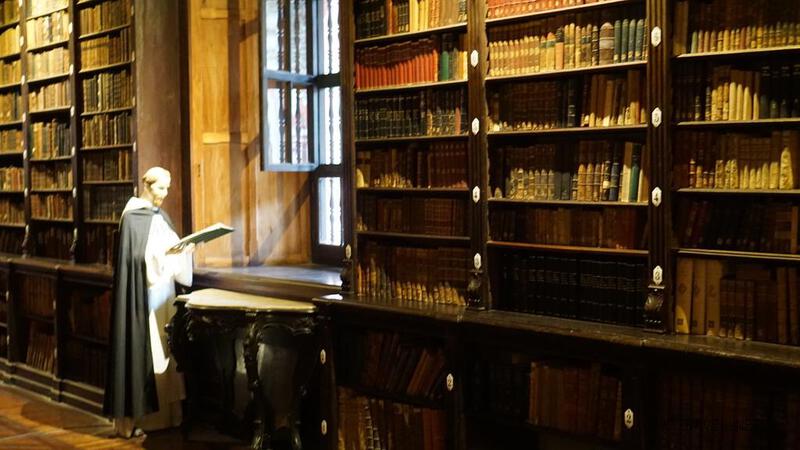
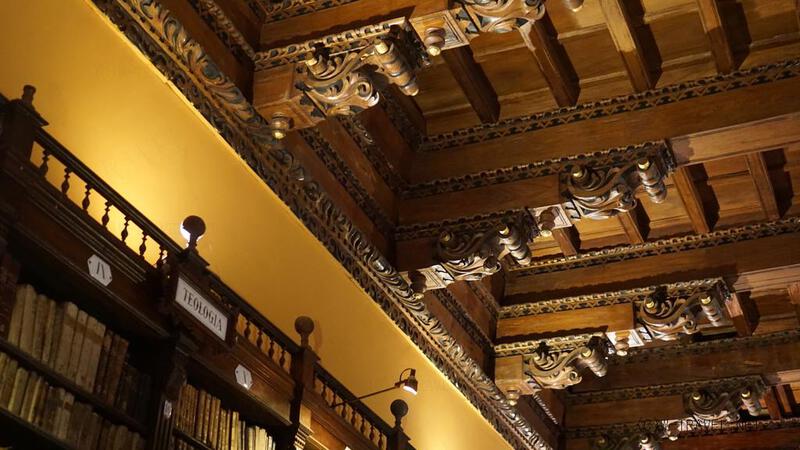
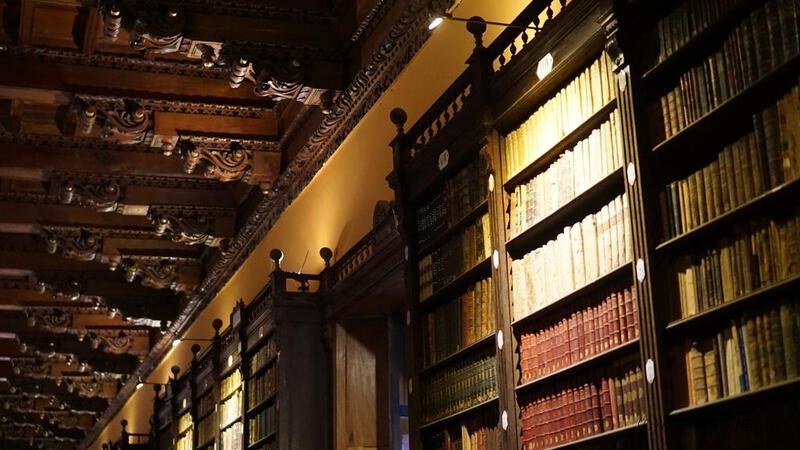
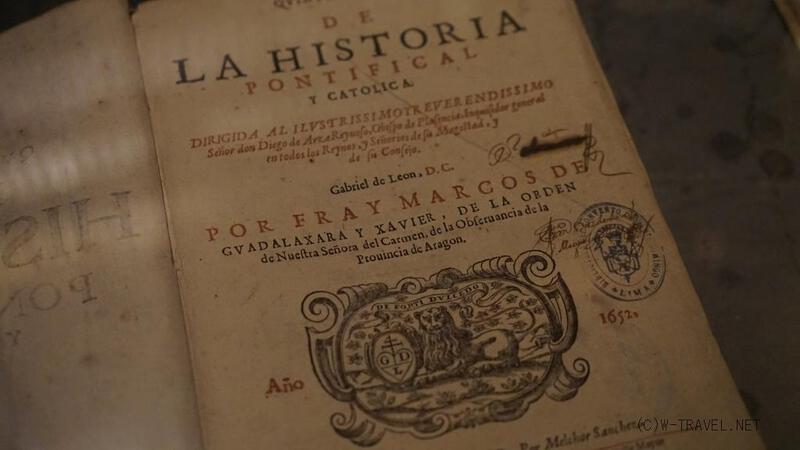
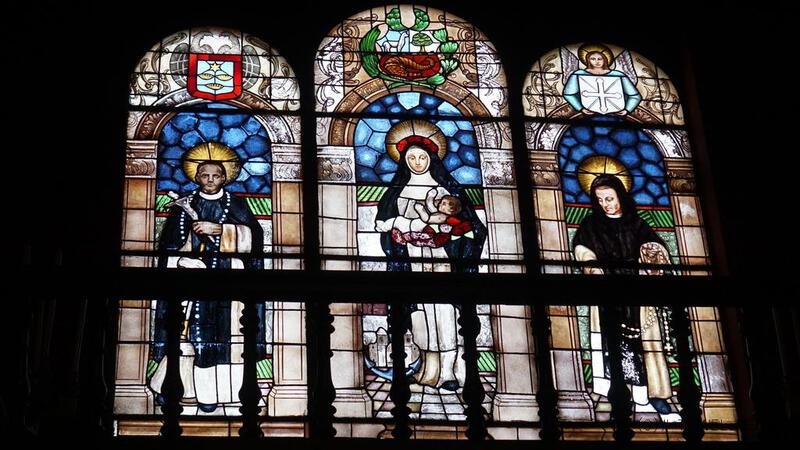
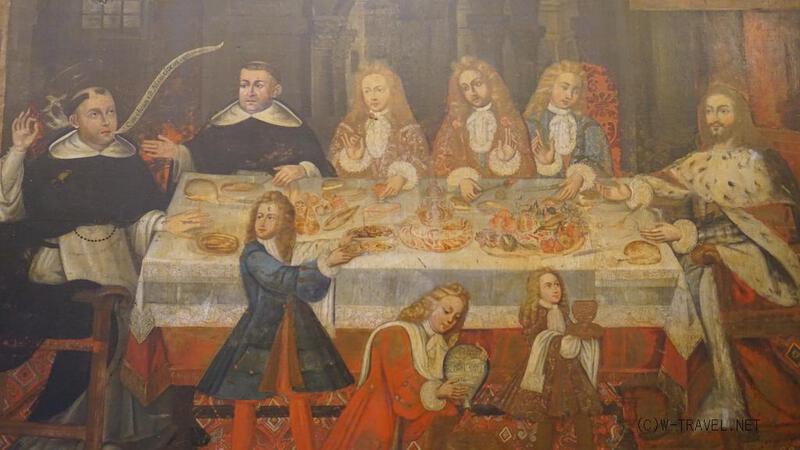
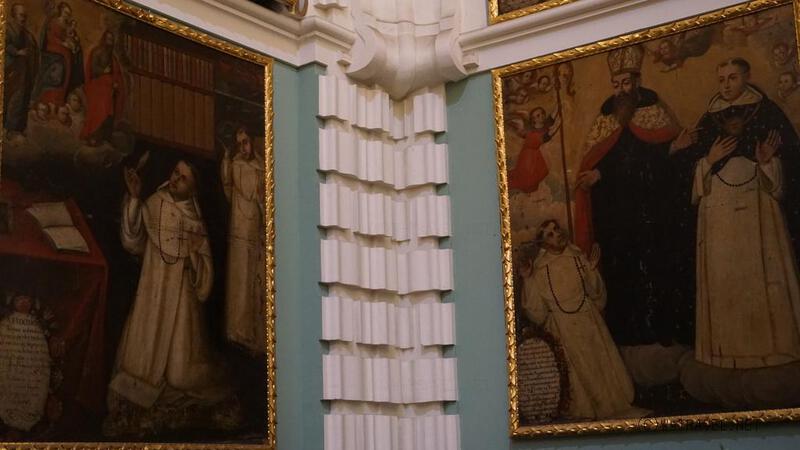
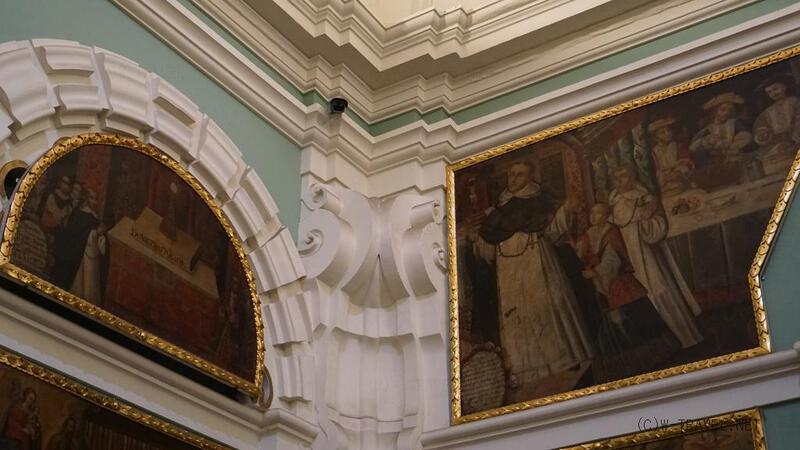
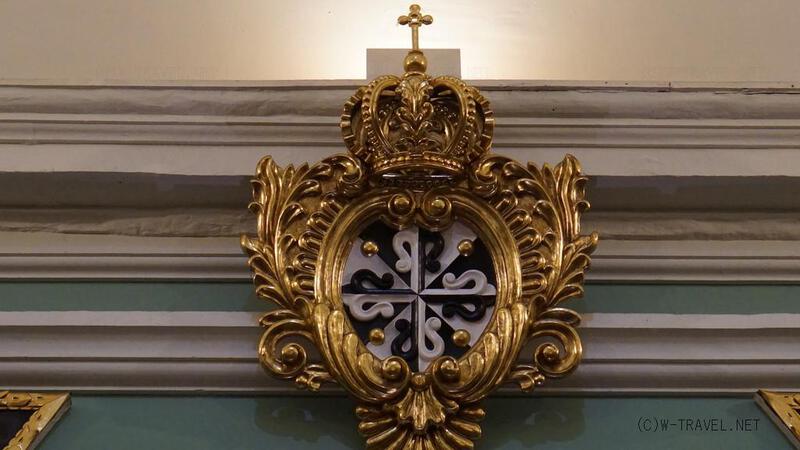
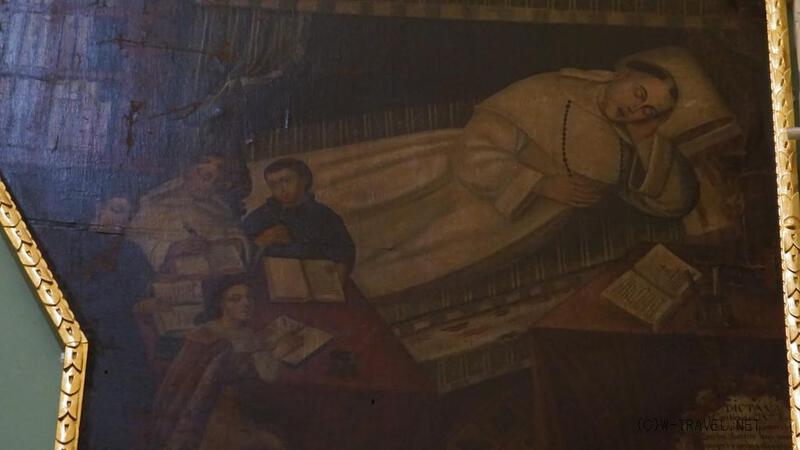
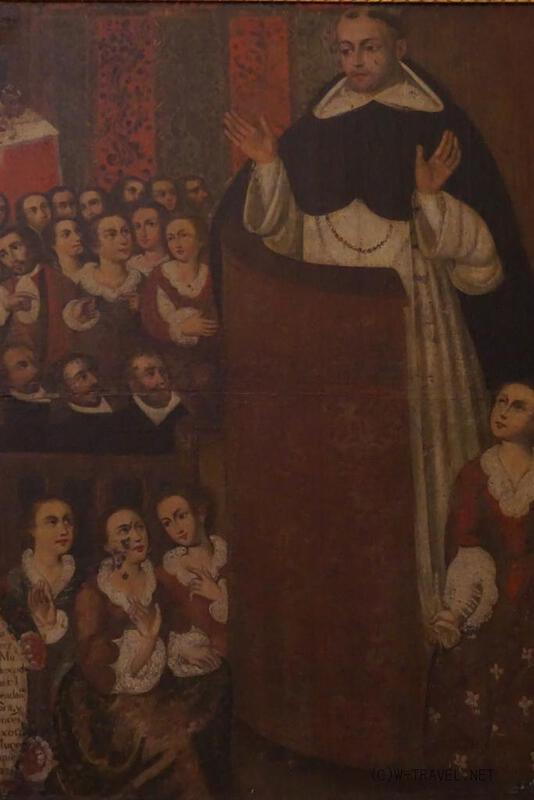
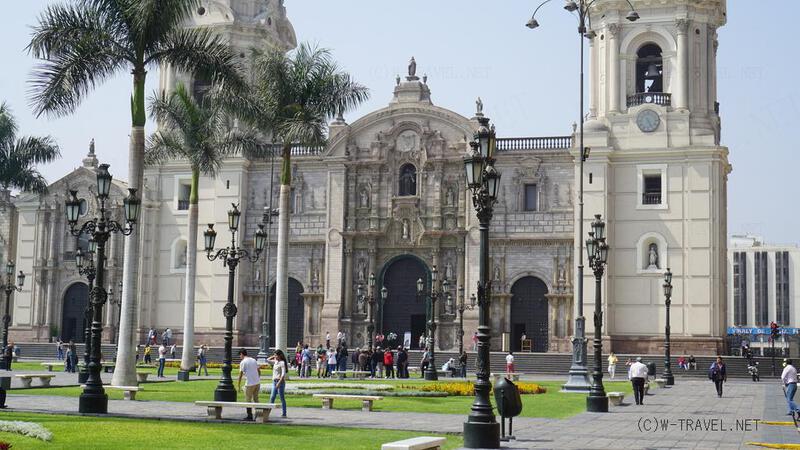
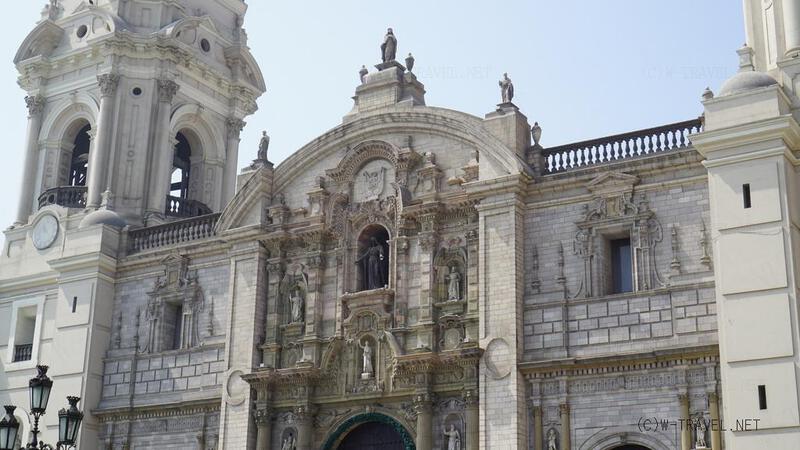
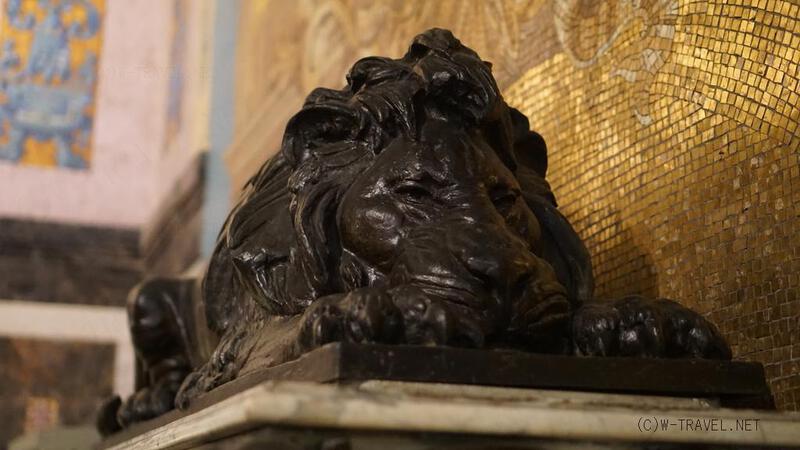
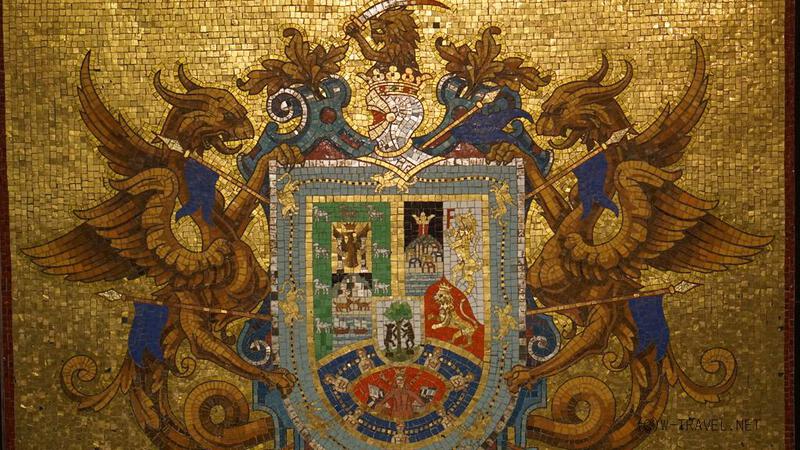
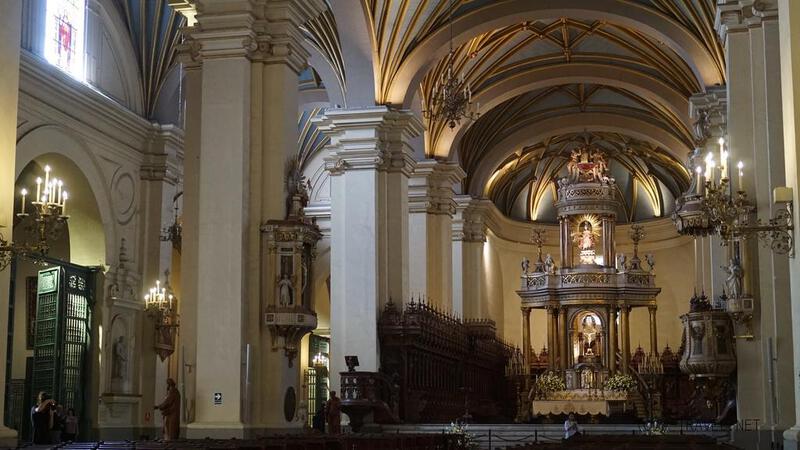
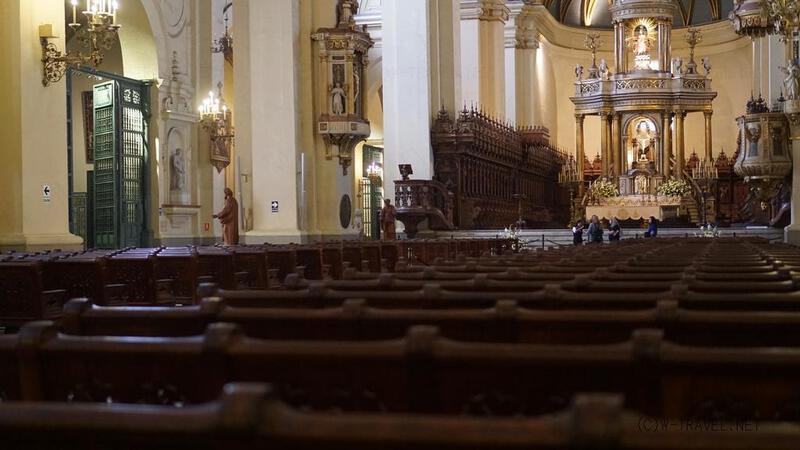
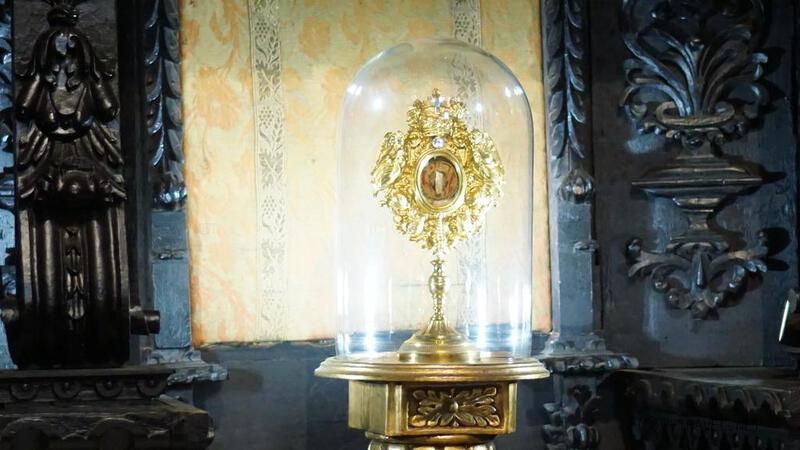
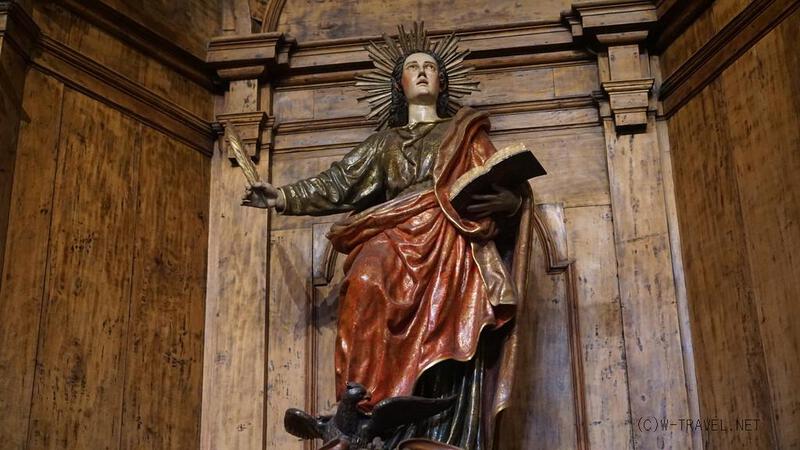
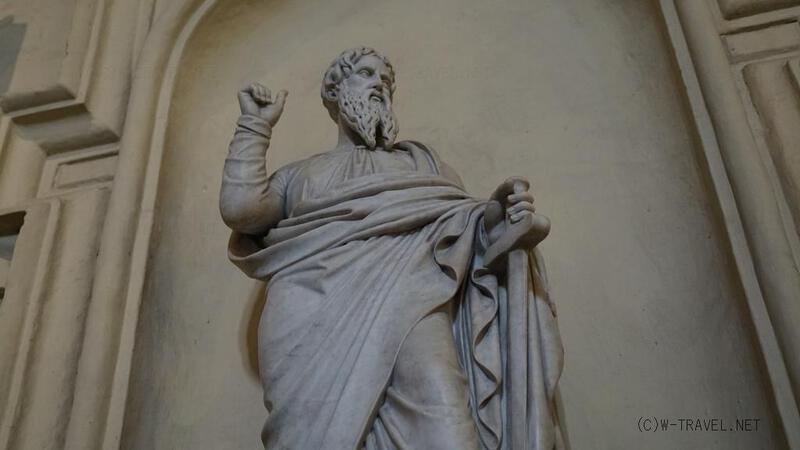
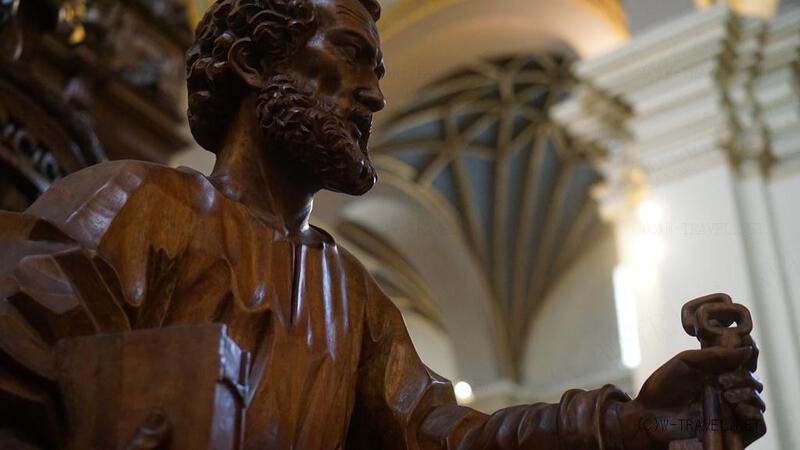
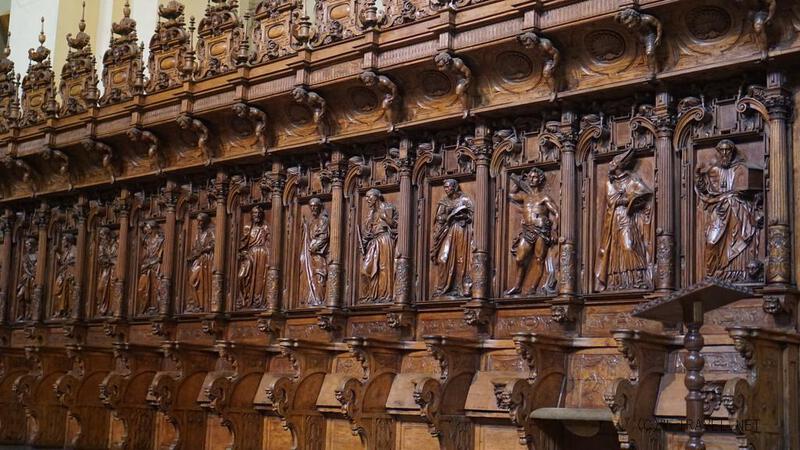
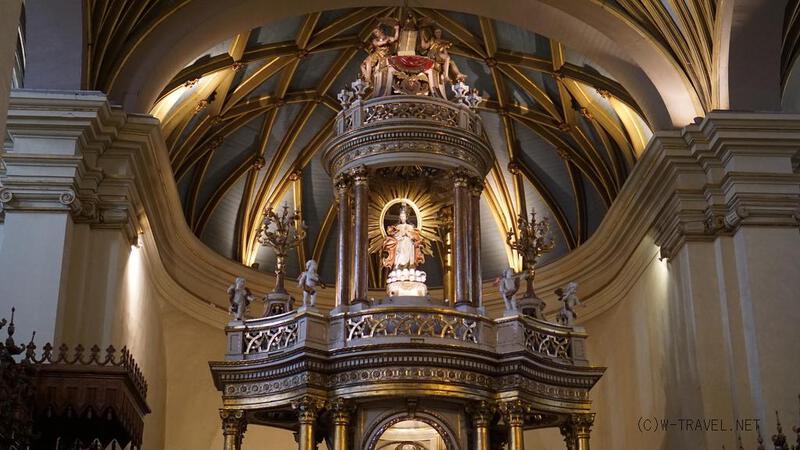
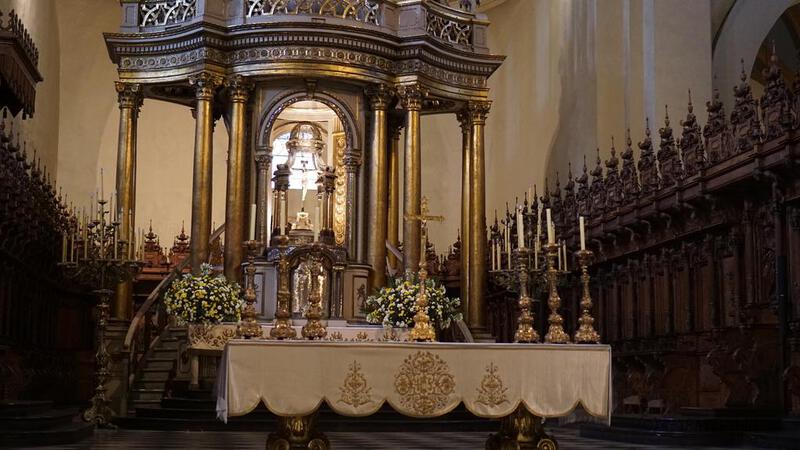
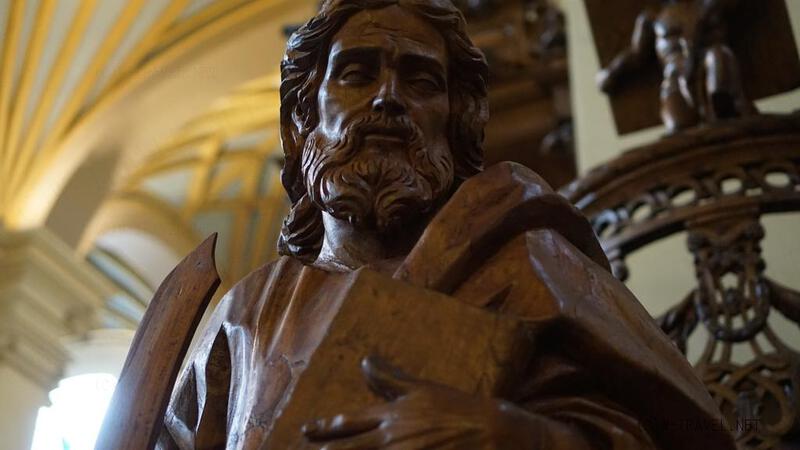
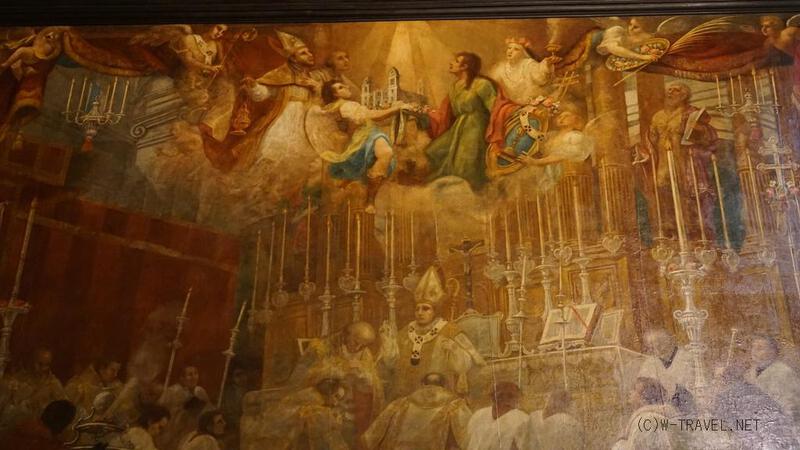
लिमा कैथेड्रल।
पेरू के लीमा में आगमन। समुद्र के किनारे ठंड है।
तापमान केवल 20 डिग्री तक ही बढ़ता है।
कुछ दिन पहले, मैंने खिड़कियां बंद करके एक कमरे में सोने की कोशिश की, तो कमरे में हर तरफ कीटाणु फैल गए, और सुबह उठने पर मुझे सिरदर्द हुआ।
मुझे लग रहा था कि कमरे में सोने से स्थिति और खराब हो जाएगी, इसलिए मैंने खिड़की खोलकर कमरे को हवादार किया, और फिर बाहर निकला। लगभग 3 घंटे में मैं 80% ठीक हो गया। वाह। बाहर निकलने से ठीक होना अजीब है। मुझे लगता है कि मेरे बैग पर जमी धूल उड़ गई थी, इसलिए मैं घर जाकर उसे धोऊंगा...
इस वजह से, मैं अपनी ऊर्जा वापस पाने के लिए लीमा कैथेड्रल में बैठकर आराम कर रहा हूं।
वैसे भी, यहां पर पैदल सिगरेट पीने वाले बिल्कुल नहीं हैं! यह बहुत आरामदायक है।
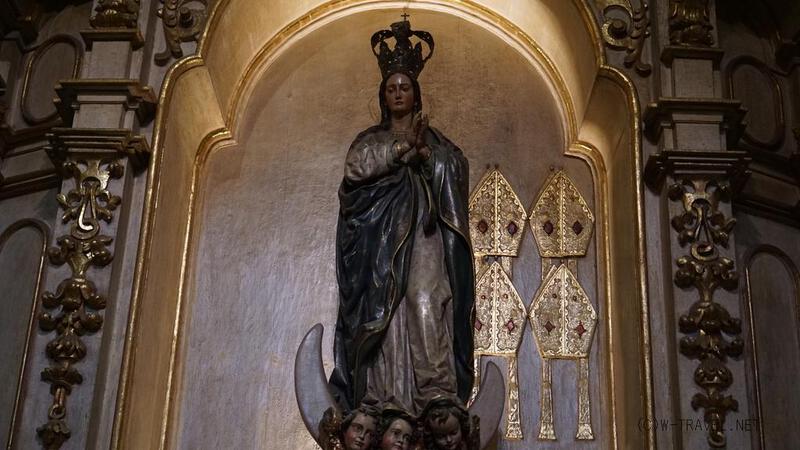
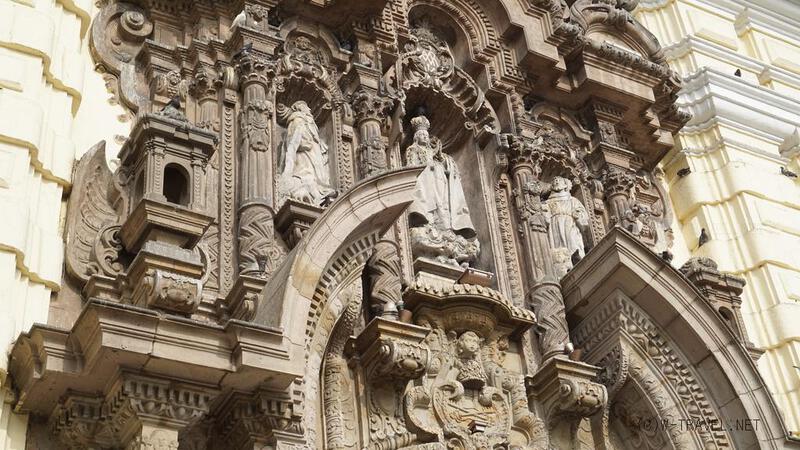
यह कैथेड्रल, दक्षिण अमेरिका के लिए उच्च गुणवत्ता का है। यह निश्चित रूप से एक ऐसा शहर है जो औपनिवेशिक काल की शुरुआत का प्रतीक था।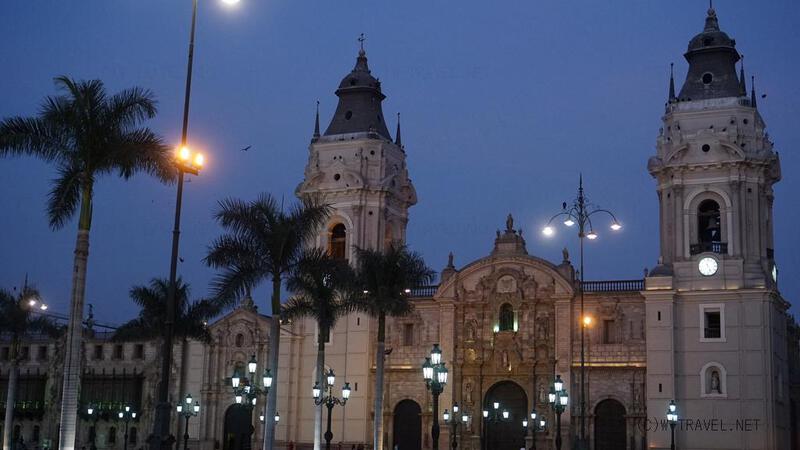
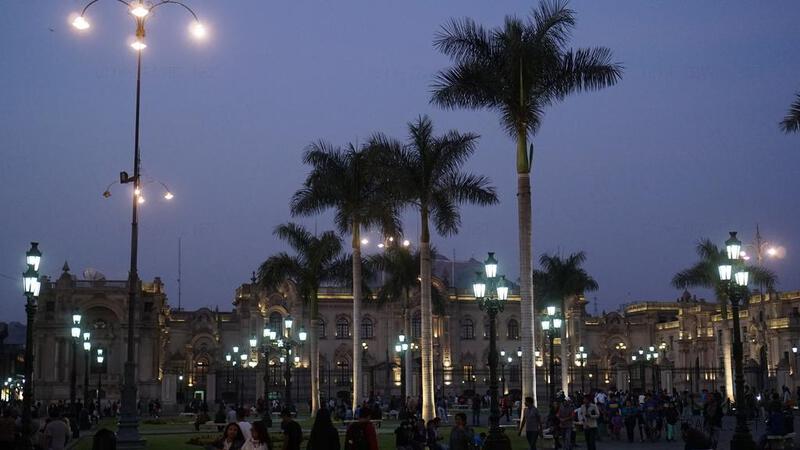

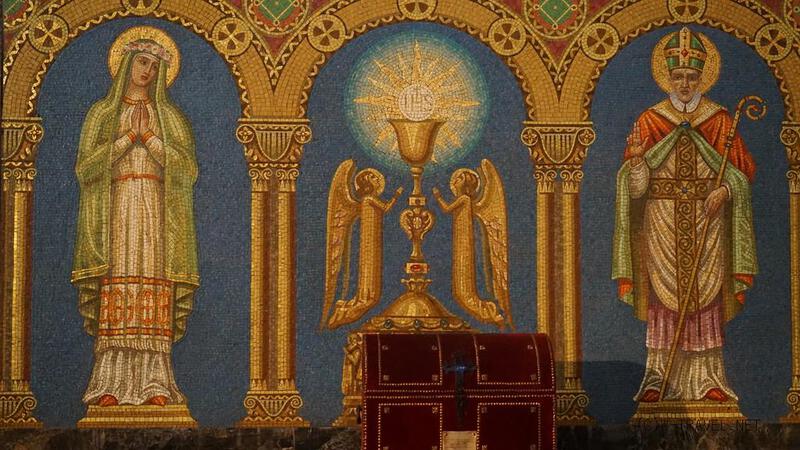
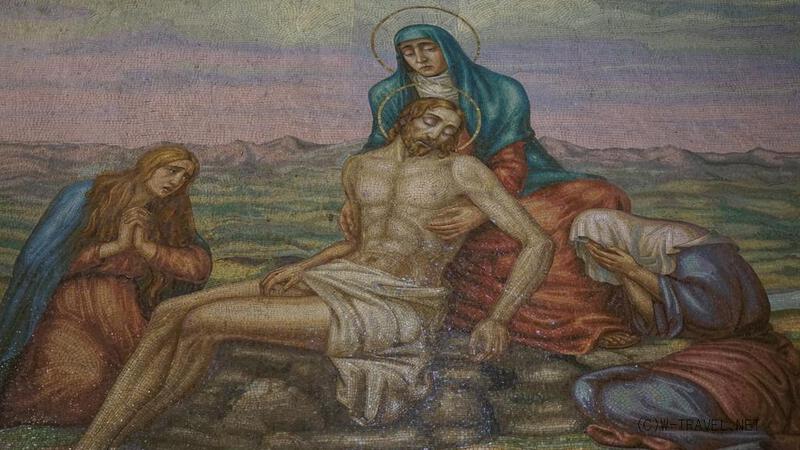
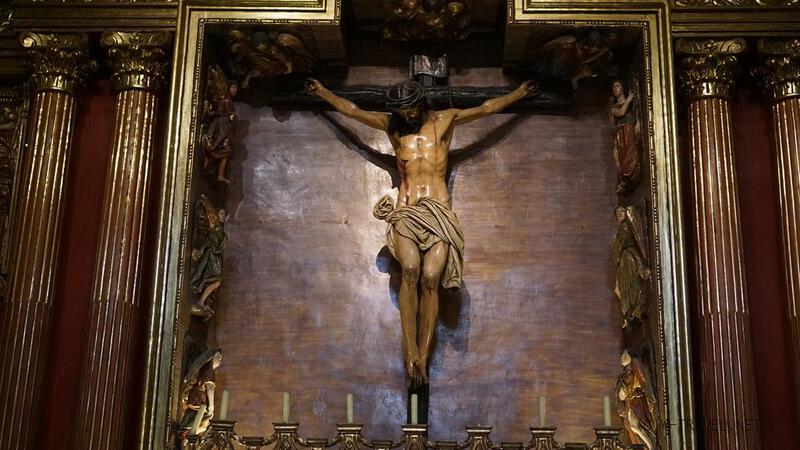
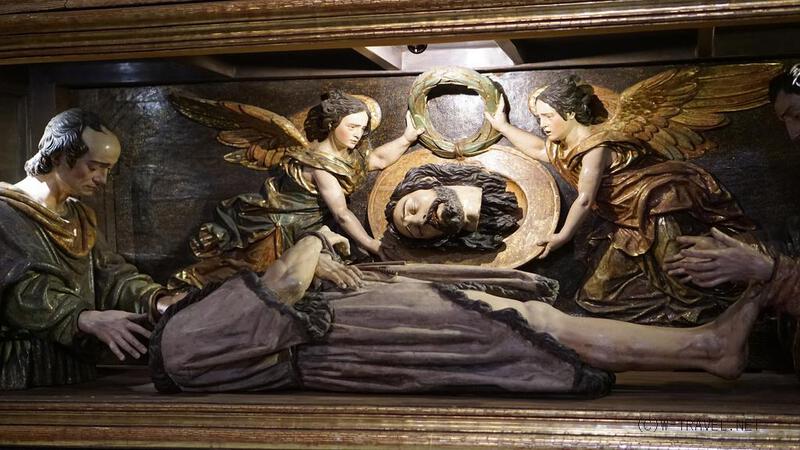







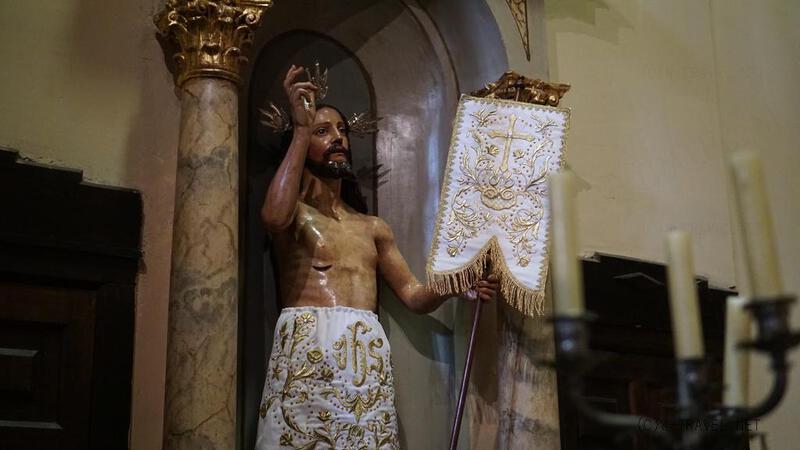
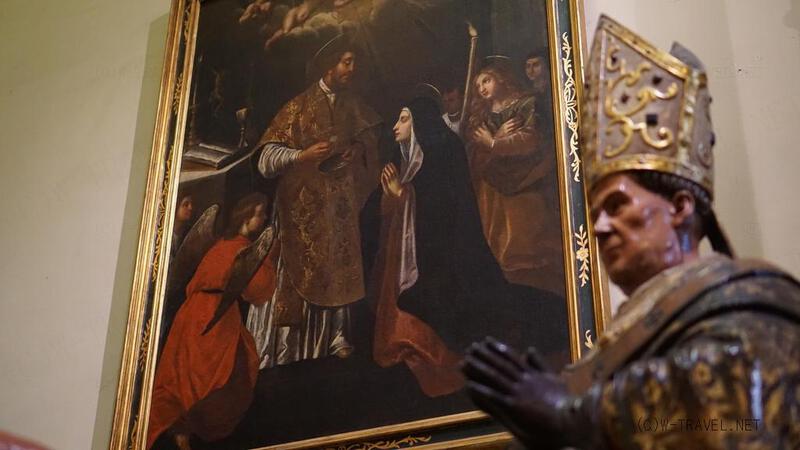
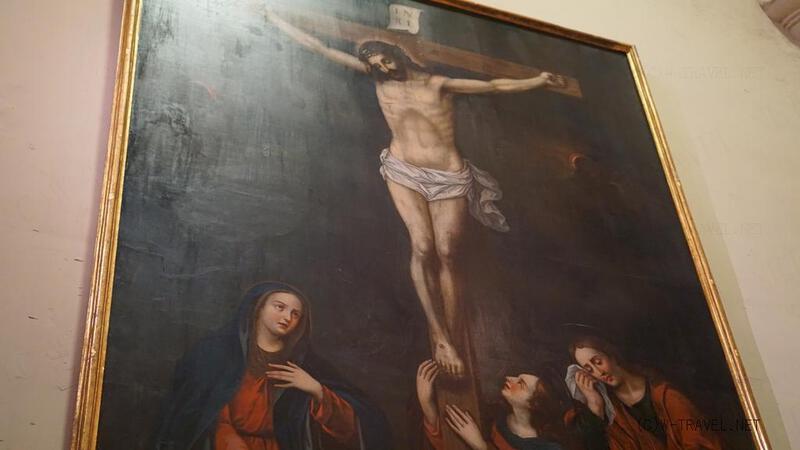



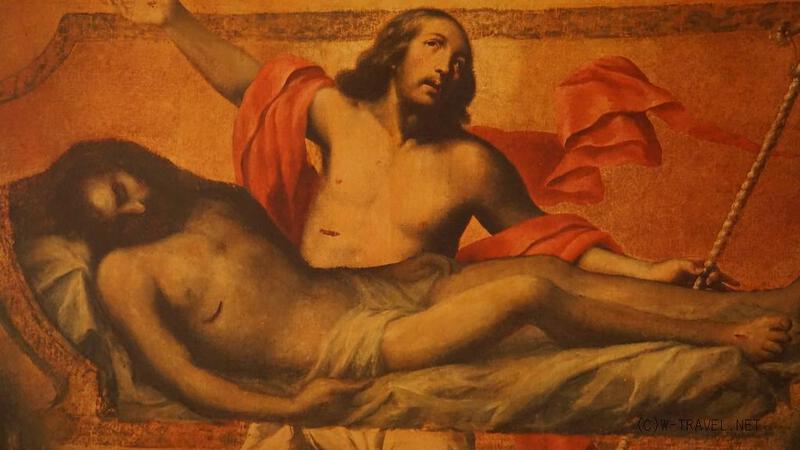
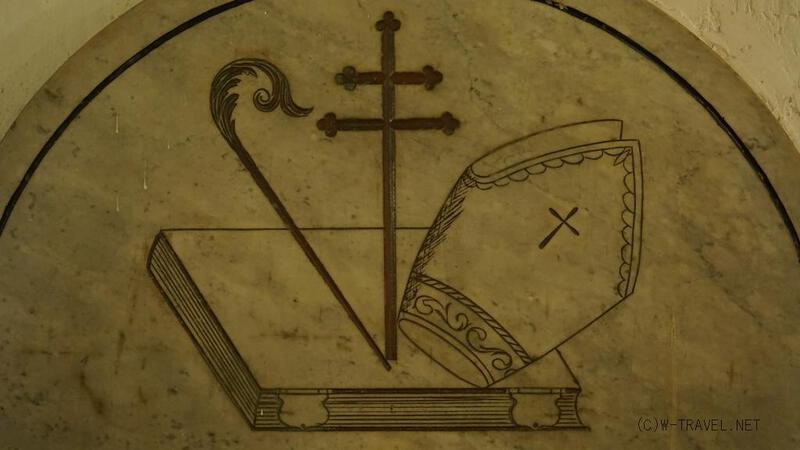
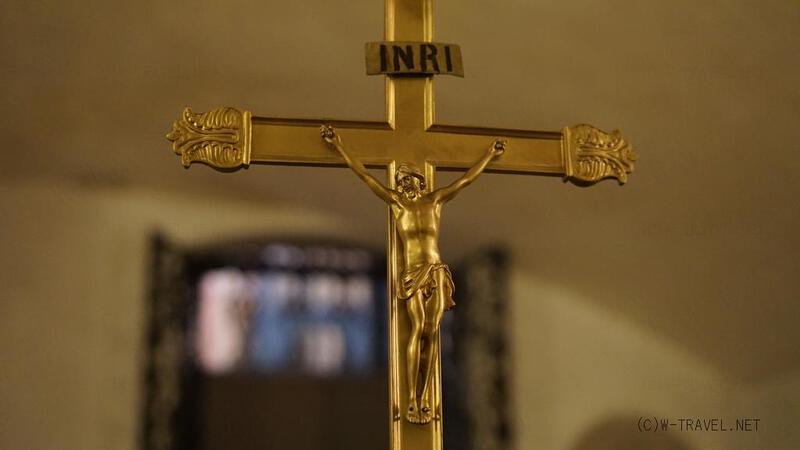

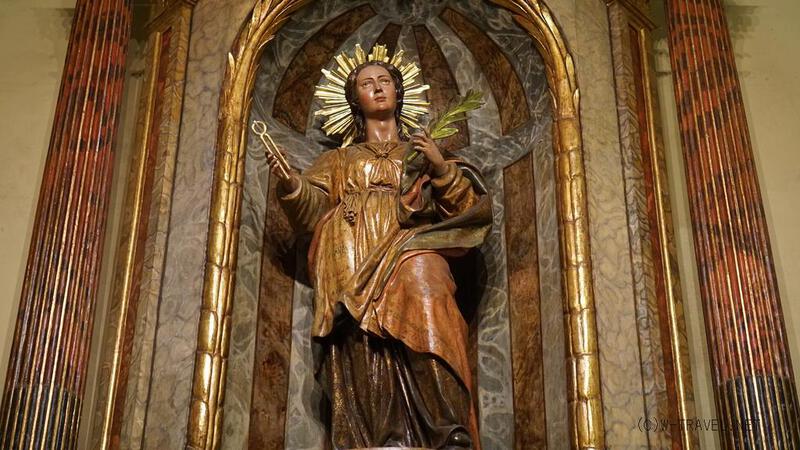
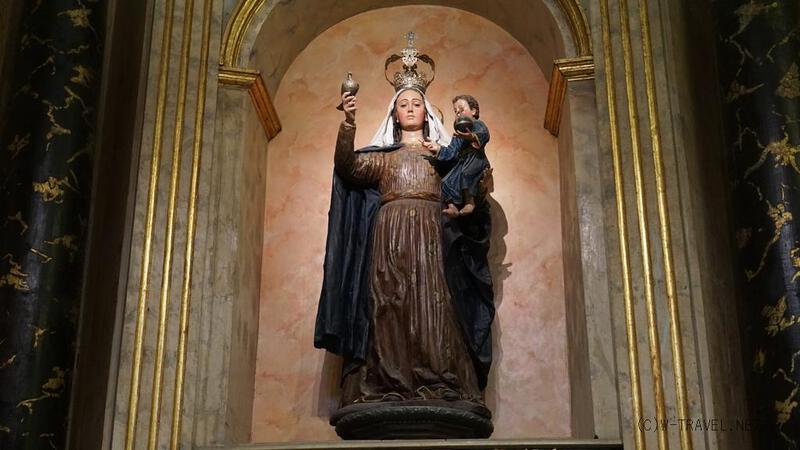
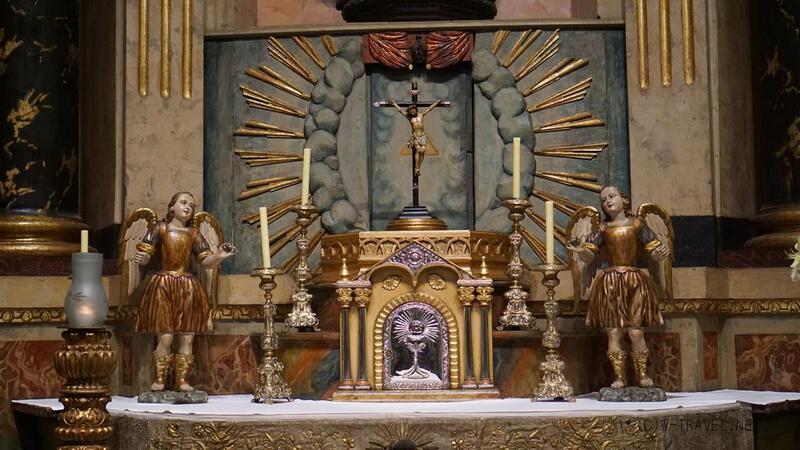

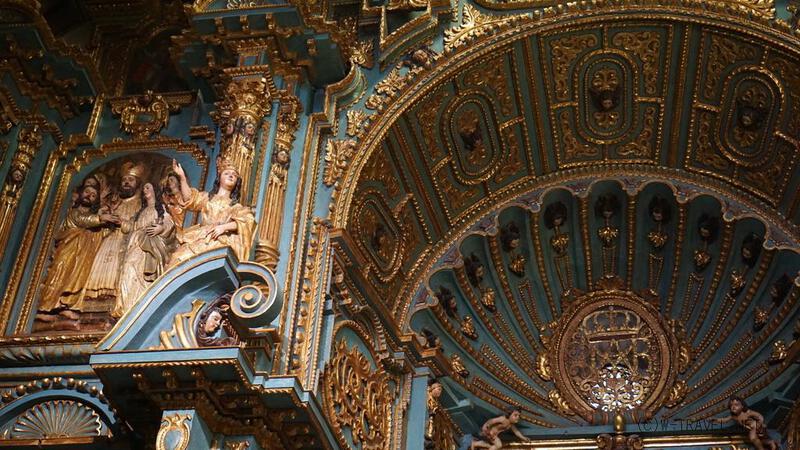
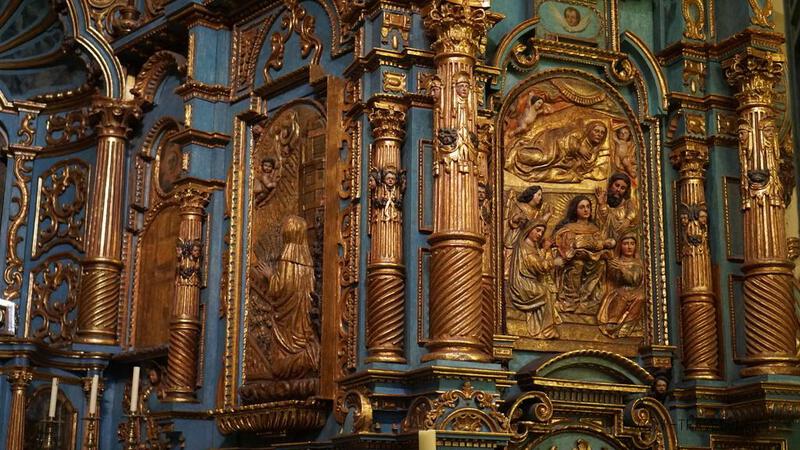
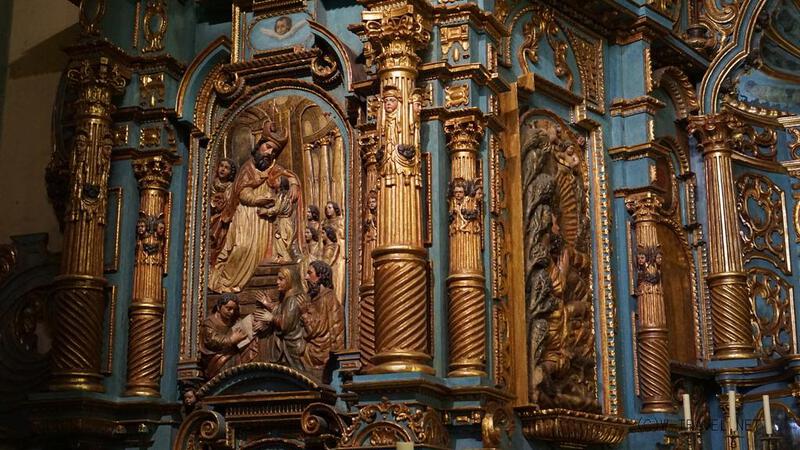
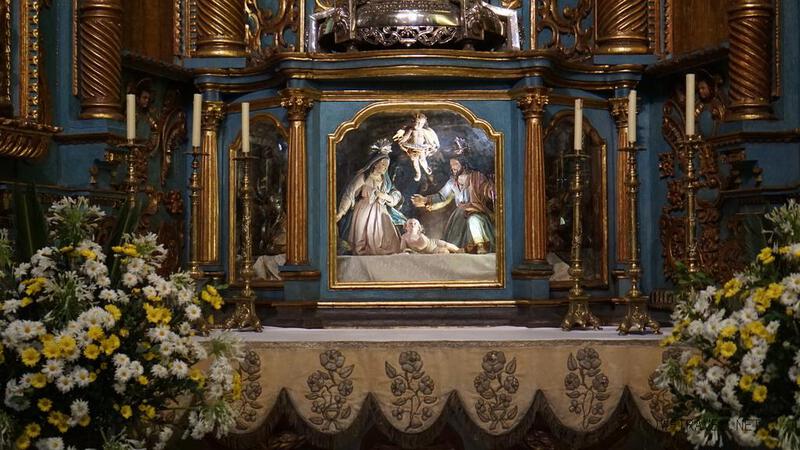
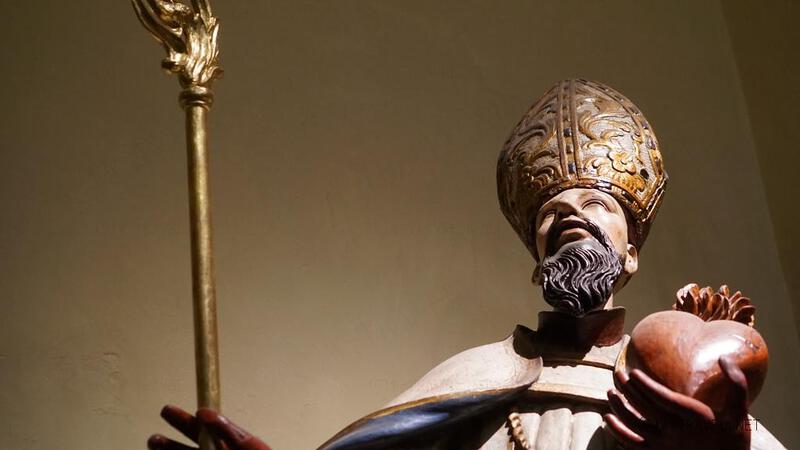
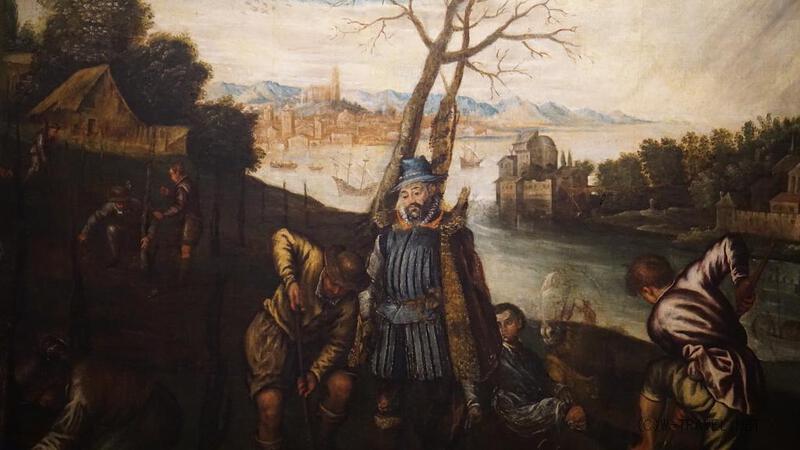
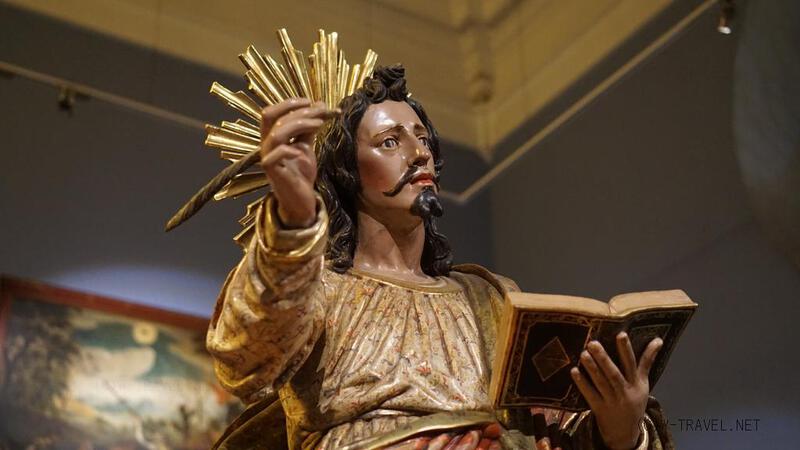


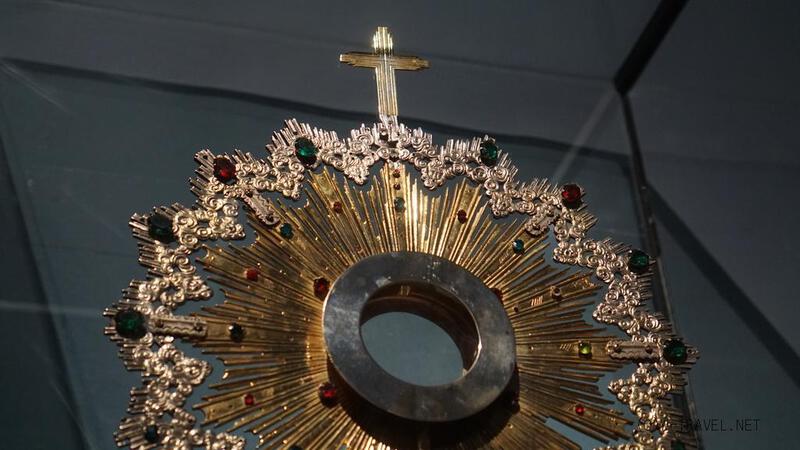
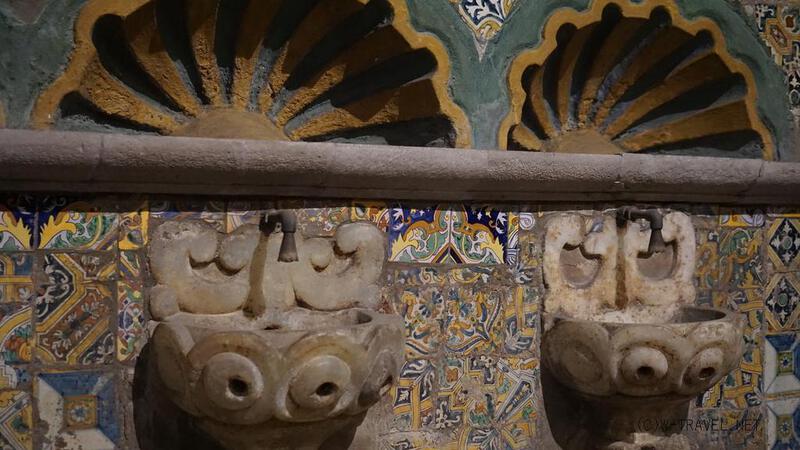

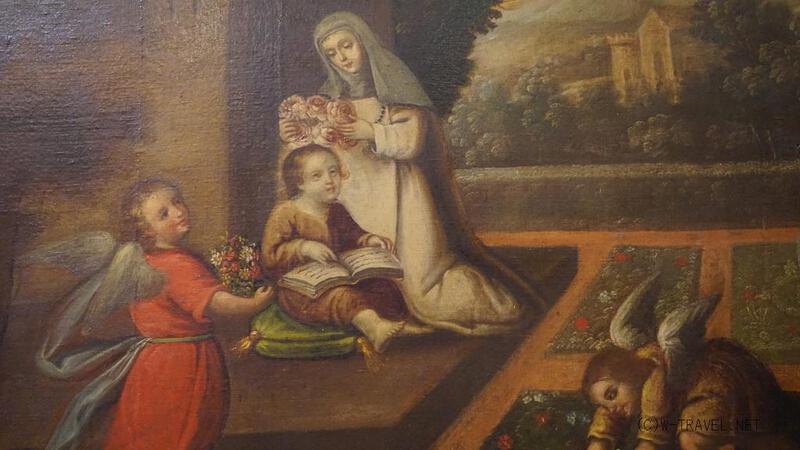
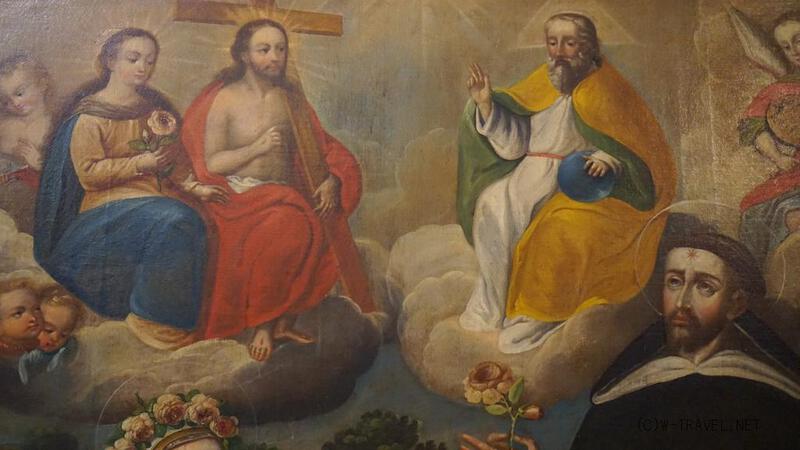
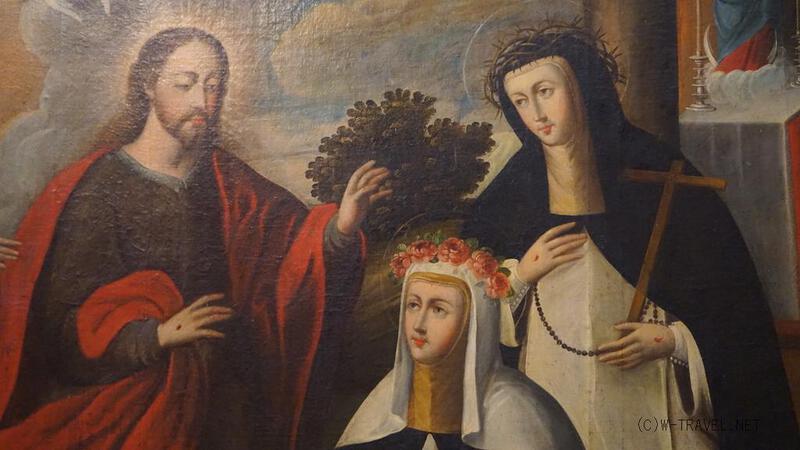
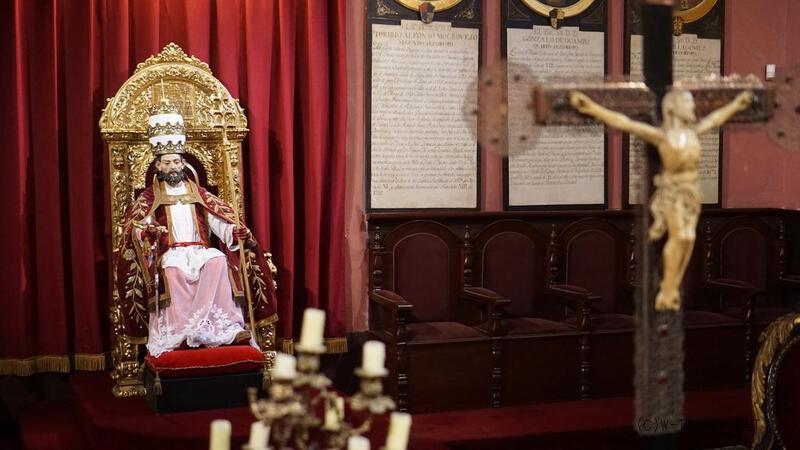 पहले भी मैंने ऐसा ही कुछ सोचा था, लेकिन मुझे लगता है कि ईसाई धर्म की उत्पत्ति इस बात से हुई है कि कैसे ईसा मसीह को प्रताड़ित किया गया, ईसा मसीह की आभा को अस्थिर किया गया, और उनकी क्षमताओं को आसपास के लोगों ने छीन लिया।
प्रताड़ित करने के समय, आसपास के लोग अज्ञानी थे, और उन्होंने ईसा मसीह की आभा को ग्रहण किया जो प्रताड़ित होने के कारण अस्थिर हो गई, और इसी से ज्ञान की शुरुआत हुई। उस समय, उन्हें एहसास हुआ कि उन्होंने एक भयानक काम किया है। इसलिए, ईसाई एक पापपूर्ण उत्पत्ति वाले हैं, लेकिन मेरा मानना है कि जिन्होंने आभा छीनकर ज्ञान प्राप्त किया, उनमें कुछ ज्ञान अवश्य है। छीनी हुई ज्ञान।
जापान के ऐतिहासिक अभिलेखों (निहोन शोकी) में भी अक्सर दूसरों की क्षमताओं को छीनने की कहानियाँ आती हैं, और शायद यह दुनिया भर में समान है।
शुरुआत में, एक संरचना होती है जिसमें लोग अज्ञानता में दूसरों को प्रताड़ित करते हैं और उनकी क्षमताओं को छीन लेते हैं, और एक संरचना होती है जिसमें लोग हार नहीं मानते और लड़ते हैं। निहोन शोकी में, प्रताड़ित करने वाले पक्ष को खलनायक माना जाता है, और वे किसी न किसी तरह से अपनी बुद्धि से उस पर विजय प्राप्त करने की कोशिश करते हैं, लेकिन ईसाई धर्म में, ऐसा लगता है कि प्रताड़ित करने वाला पक्ष जीत गया। इसलिए, ईसाई ज्ञान प्राप्त करने के लिए ईसा मसीह को मारते हैं और उनकी आभा और ज्ञान को छीनते हैं, और इस अपराध को वहन करते हैं।
टिप्पणी: यह मेरी व्यक्तिगत व्याख्या है।
जब बात पाप की आती है, तो शायद ईसाई जो "मूल पाप" कहते हैं, वह अधिक ब्रह्मांडीय उत्पत्ति का है, लेकिन मैं उस बारे में निश्चित नहीं हूं। जब मैंने इसके बारे में जानकारी प्राप्त की, तो पता चला कि आदम और हव्वा ने जो किया वह मूल पाप था, और ईसा मसीह उद्धारकर्ता हैं। वाह। शायद इस तरह की व्याख्या भी संभव है, लेकिन यह बहुत ही स्वार्थी व्याख्या है... ईसा मसीह को प्रताड़ित और मार दिया गया है। यह उस पक्ष की व्याख्या है जिसने छीन लिया। ऐसा नहीं लगता कि यह ईसा मसीह के दृष्टिकोण से है।
(अगर मैं इस तरह की बातें किसी सख्त ईसाई देश में कहता, तो मुझे शायद निर्वासित कर दिया जाता। मैं जापानी होने के लिए भाग्यशाली हूं।)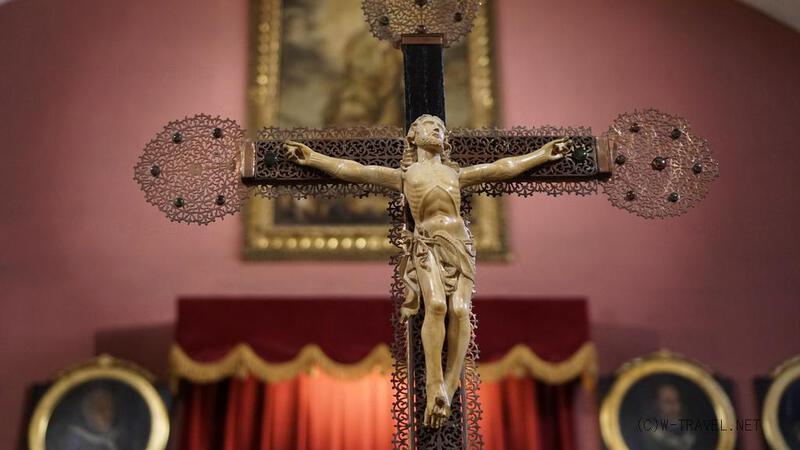

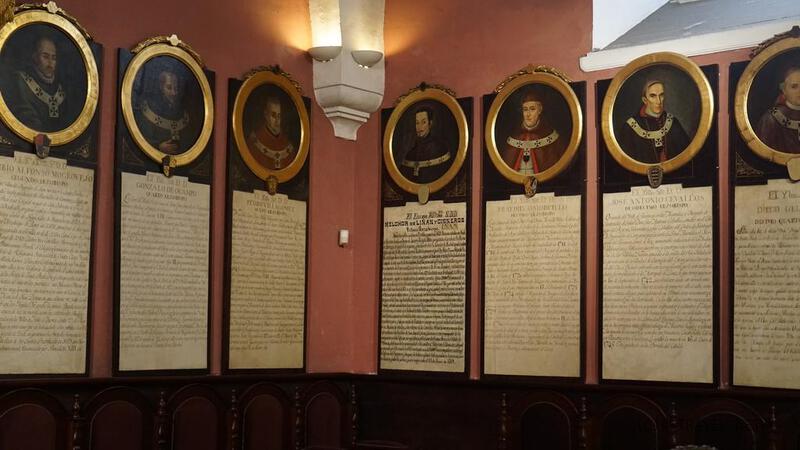
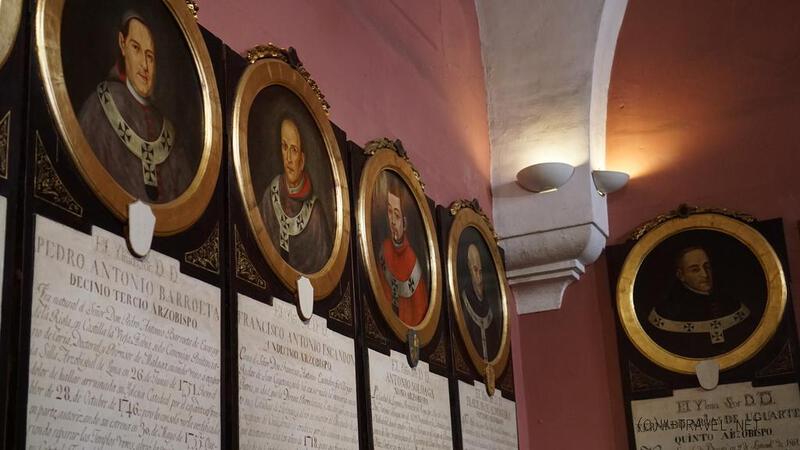
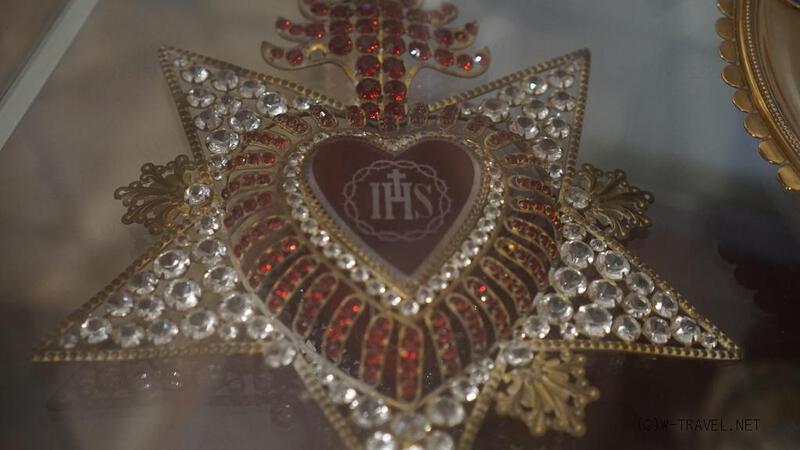
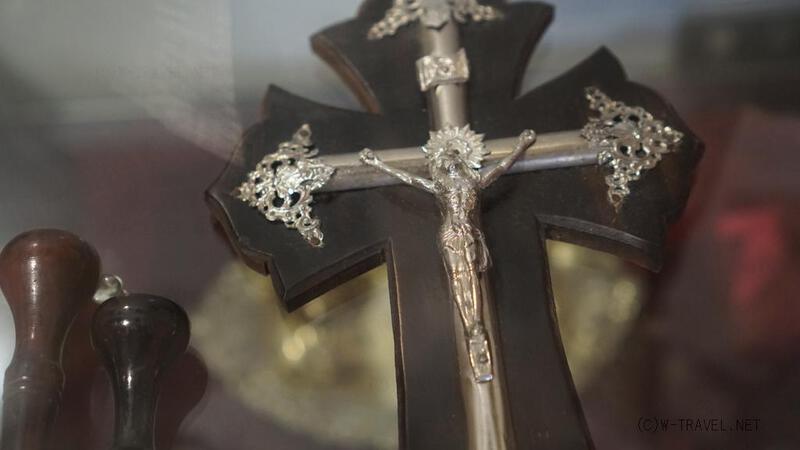

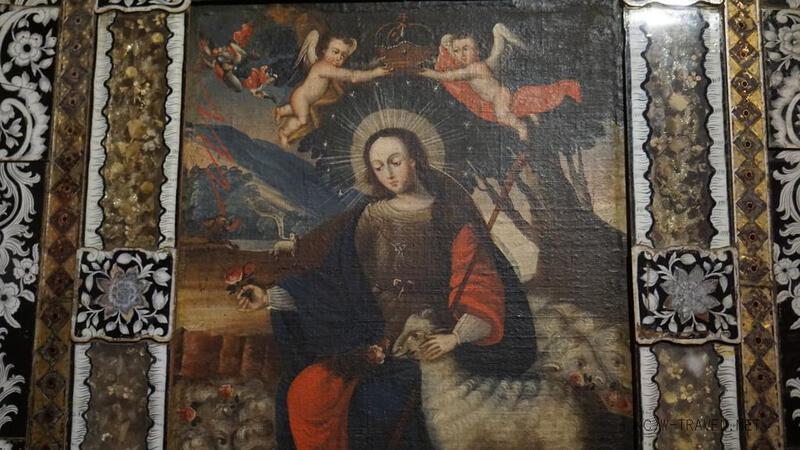

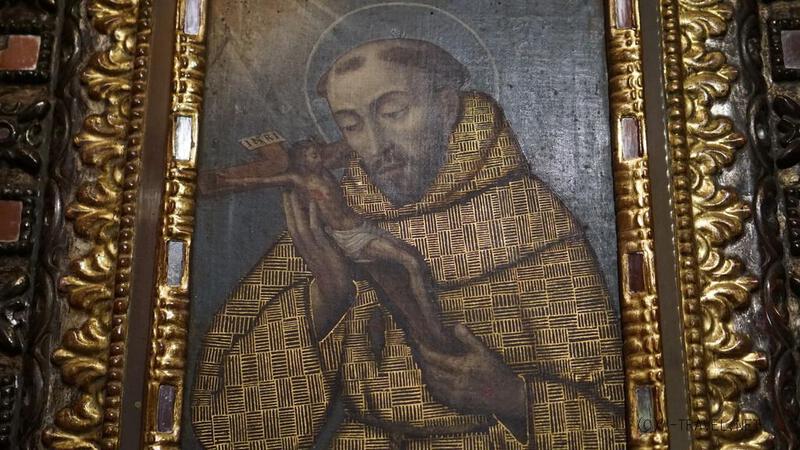
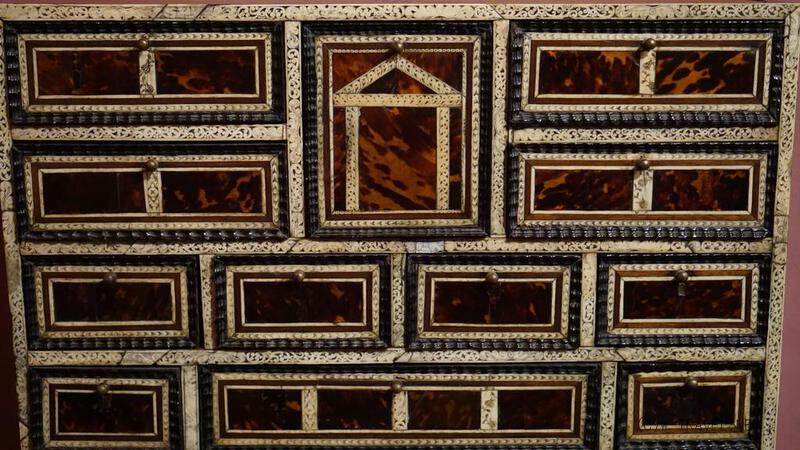

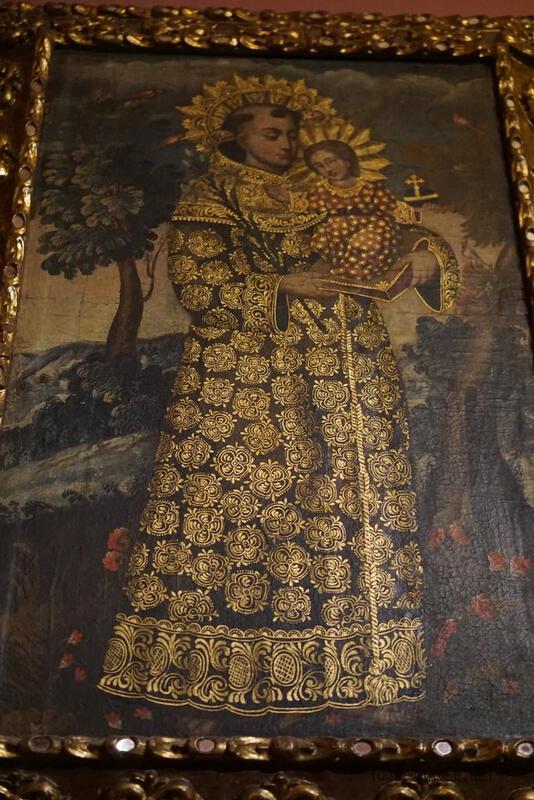
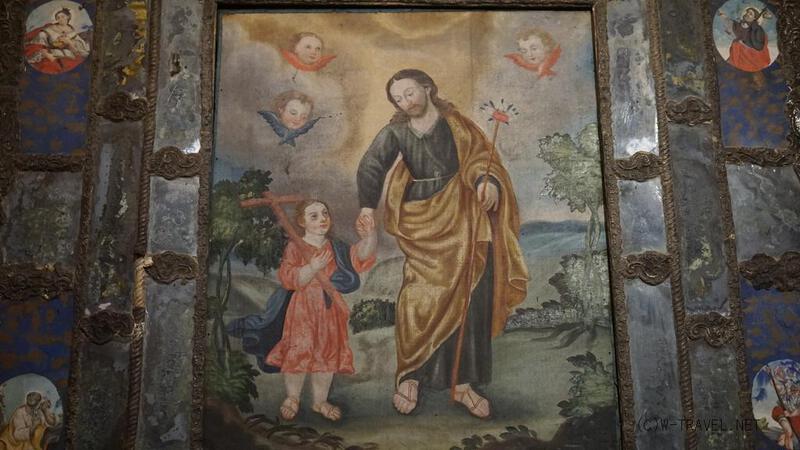
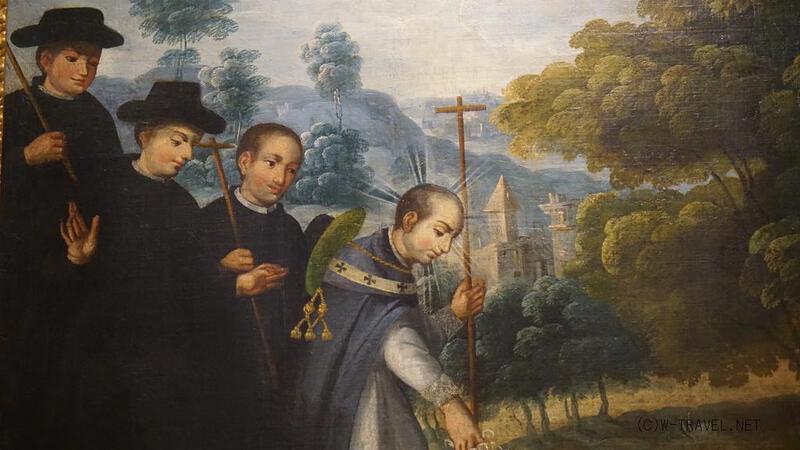
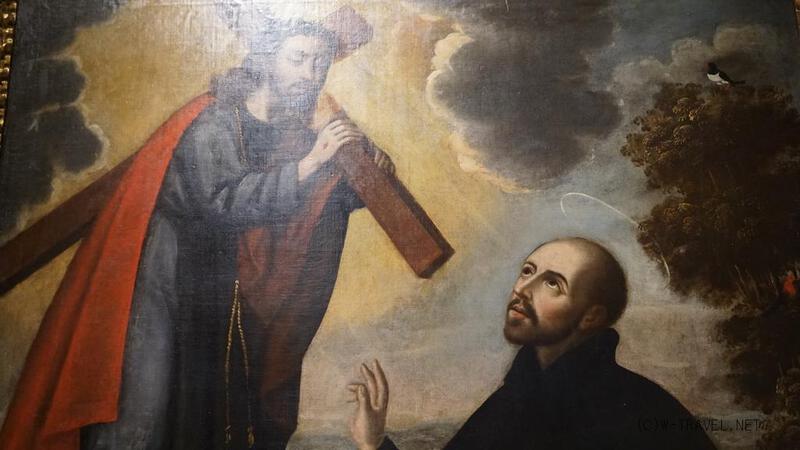
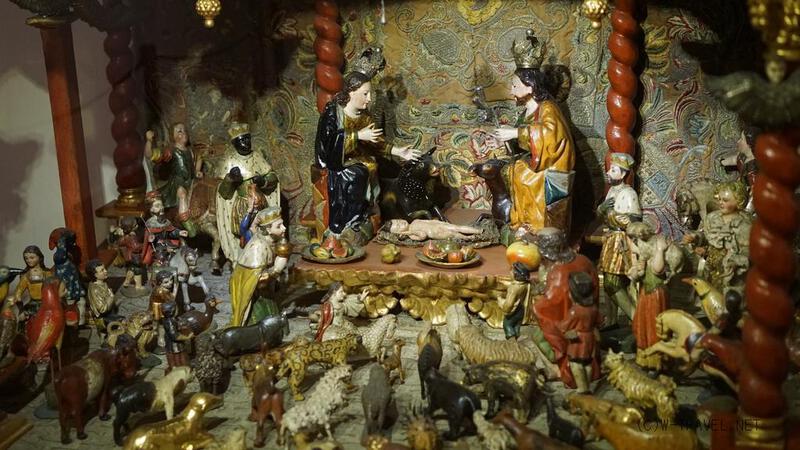


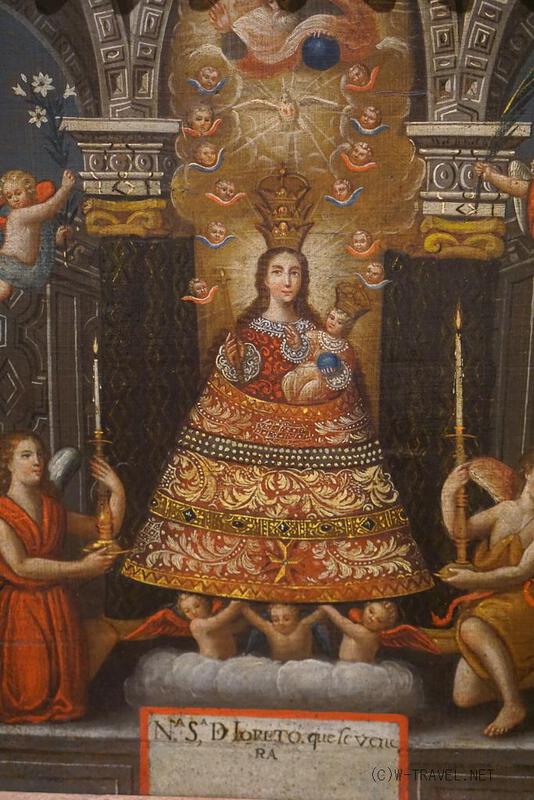
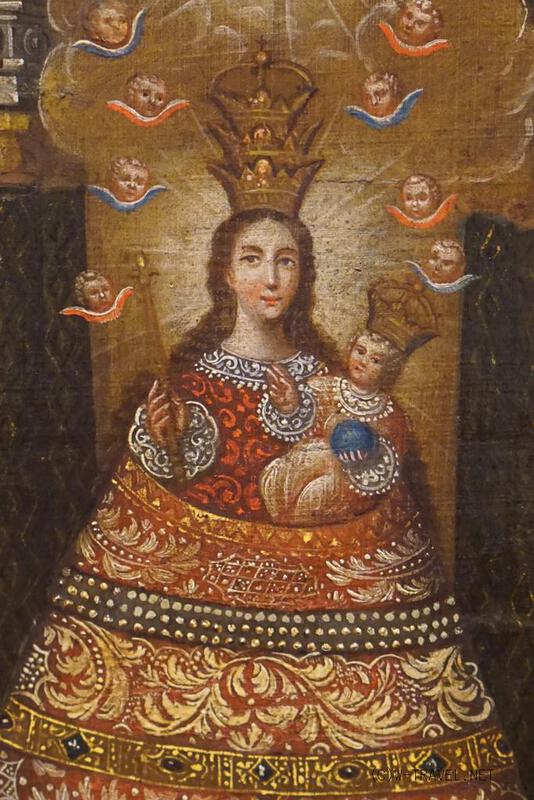
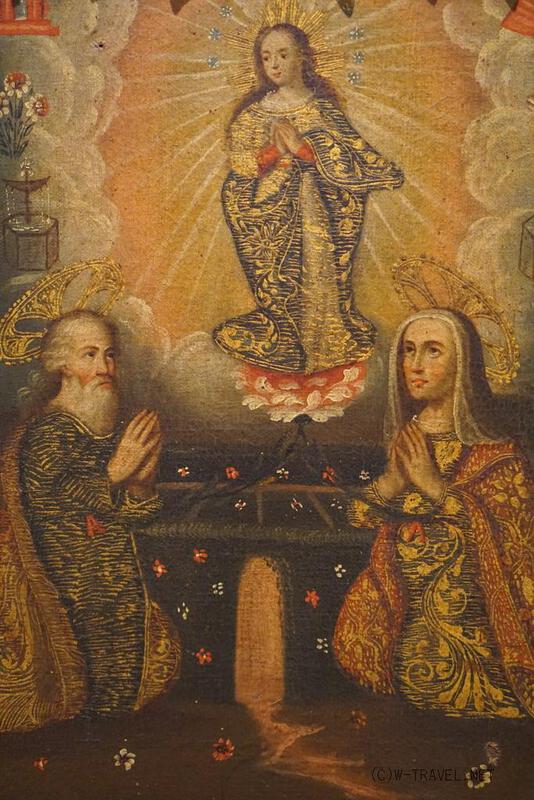
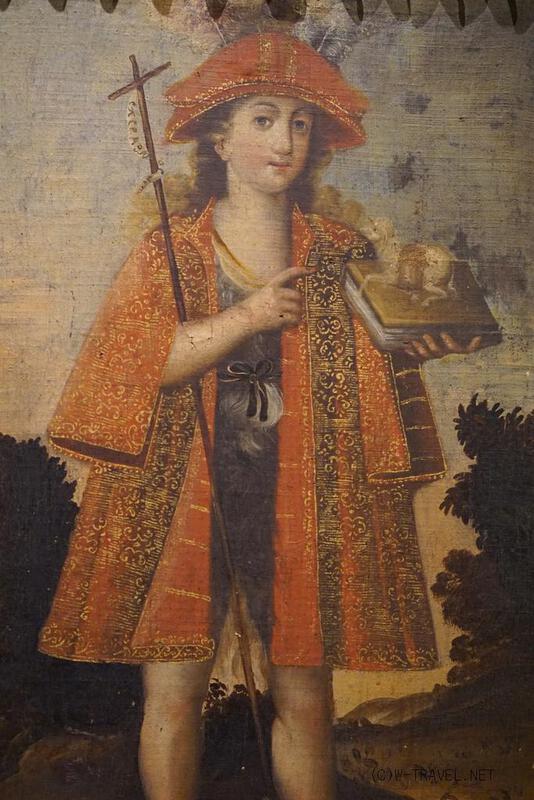

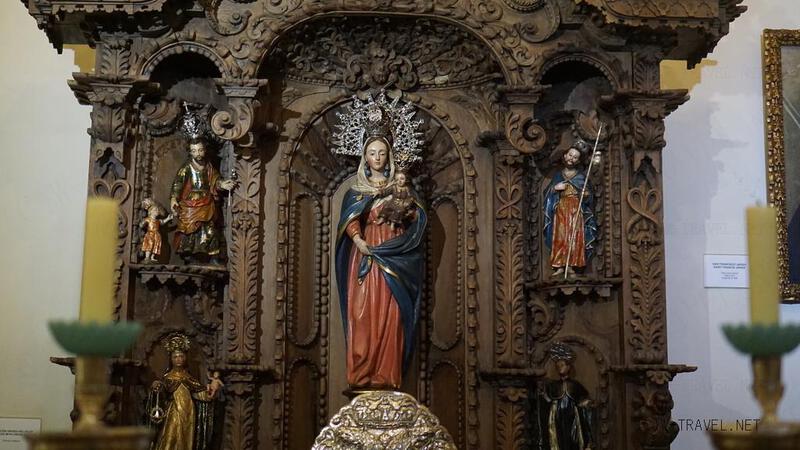
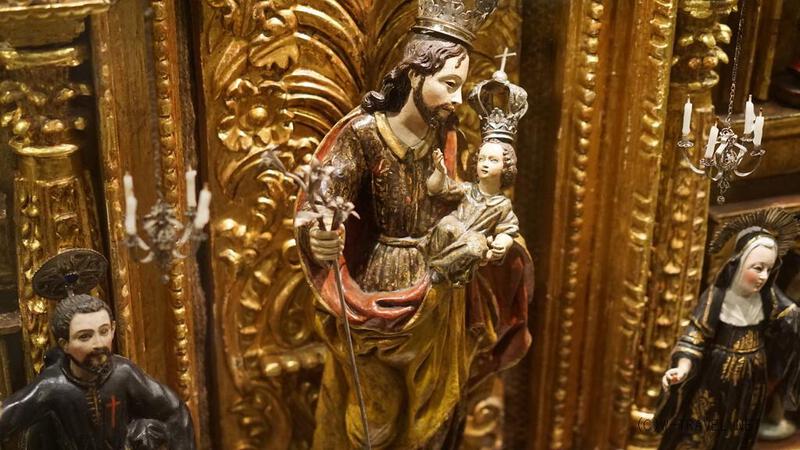
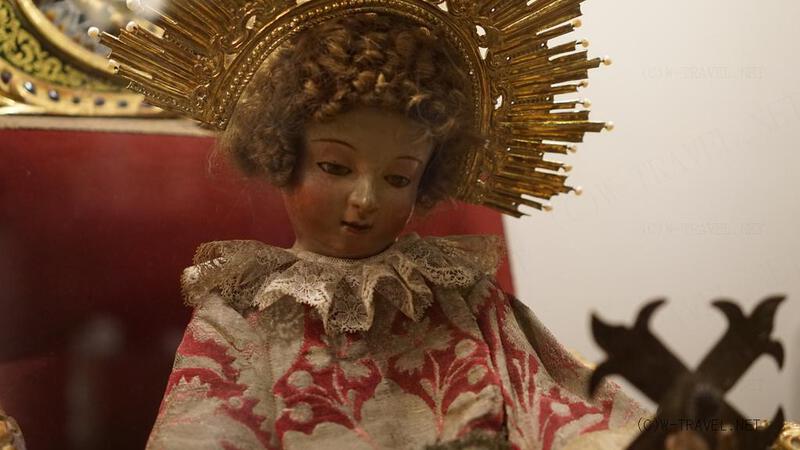
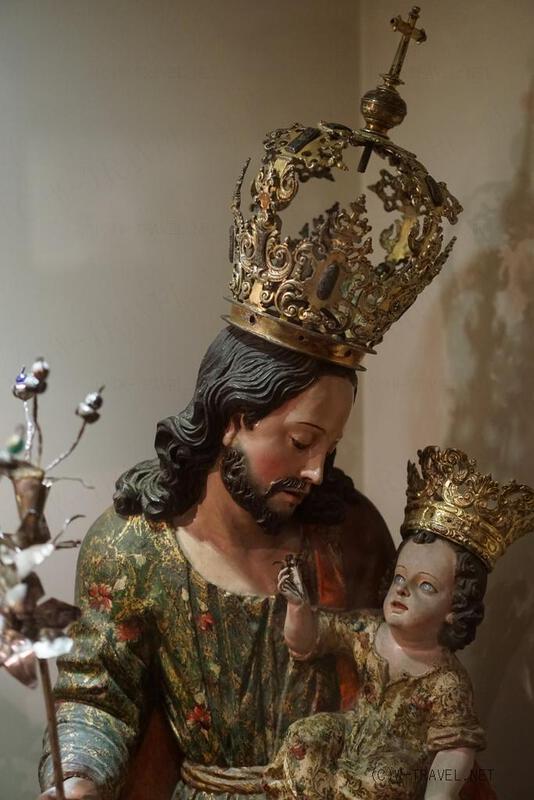
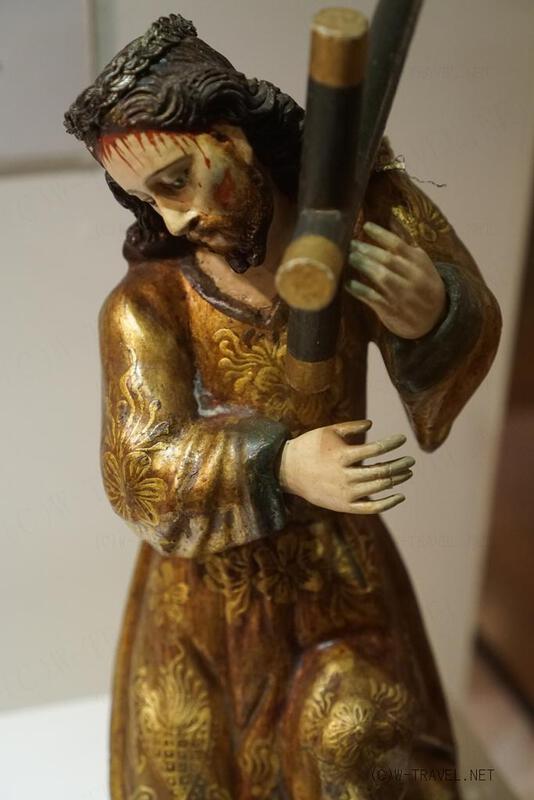
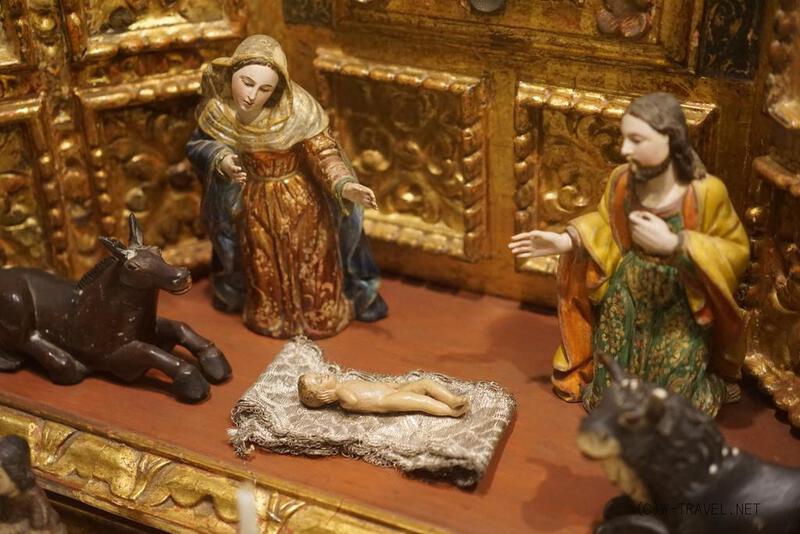
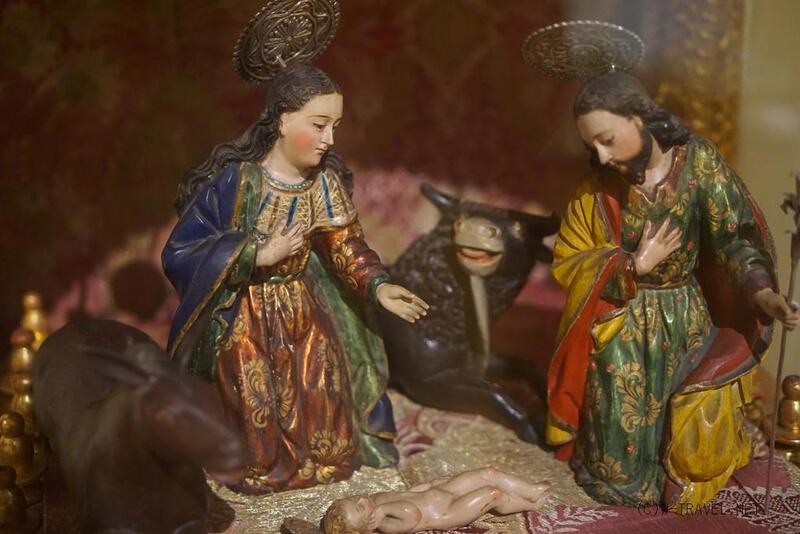
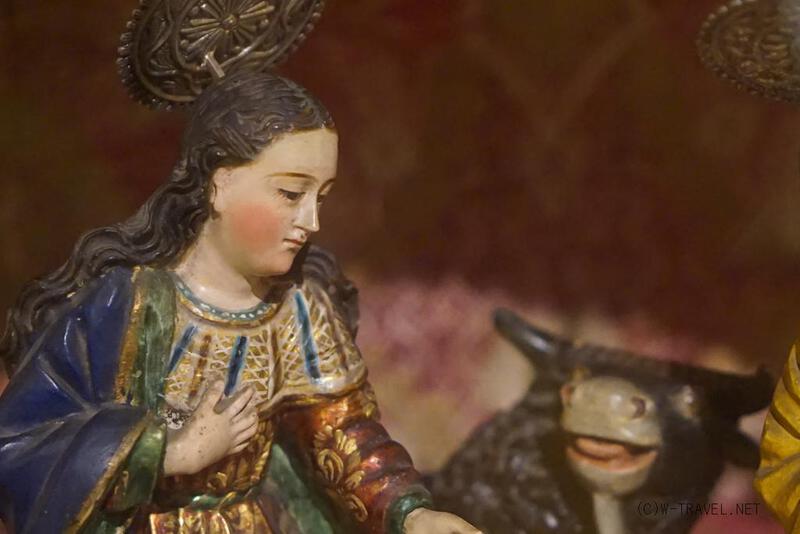

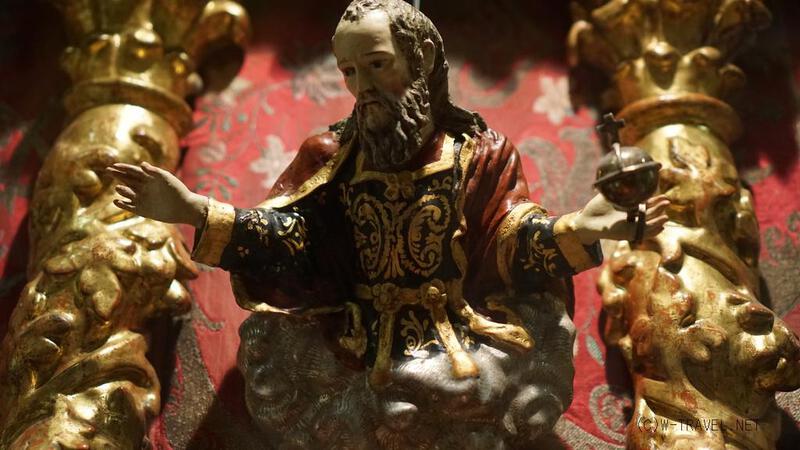
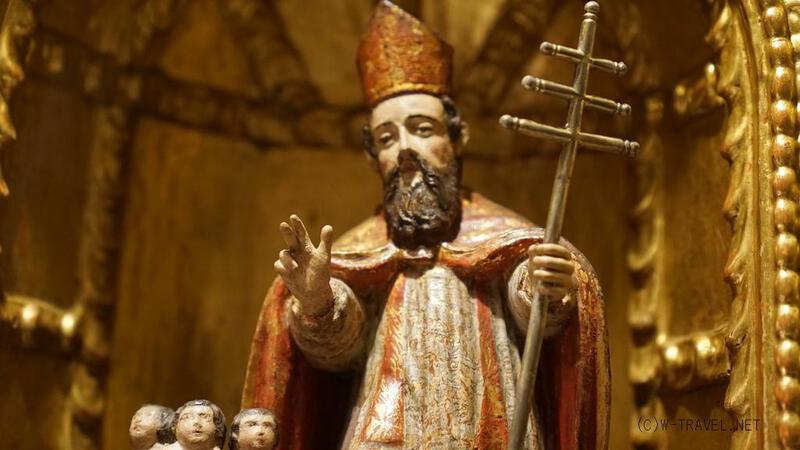
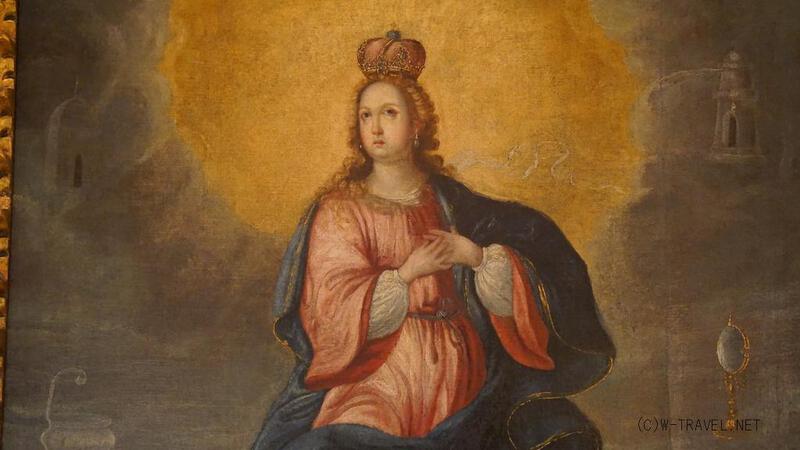
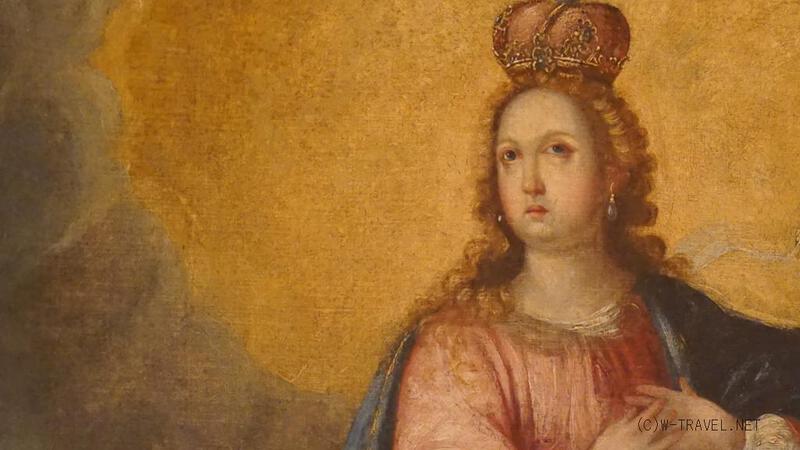
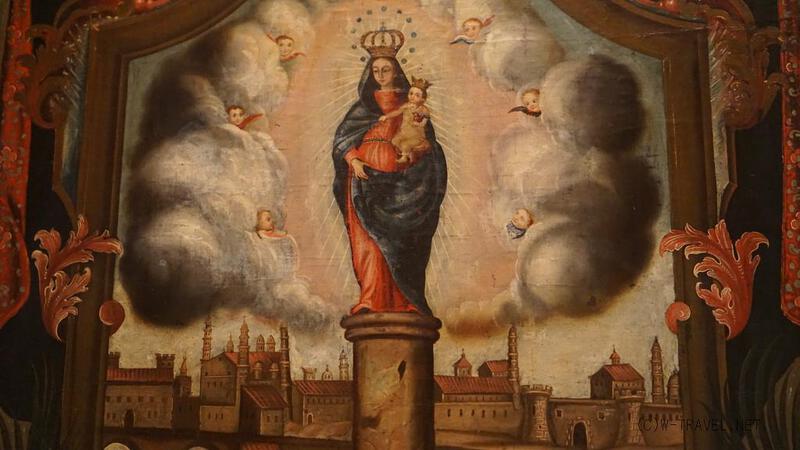
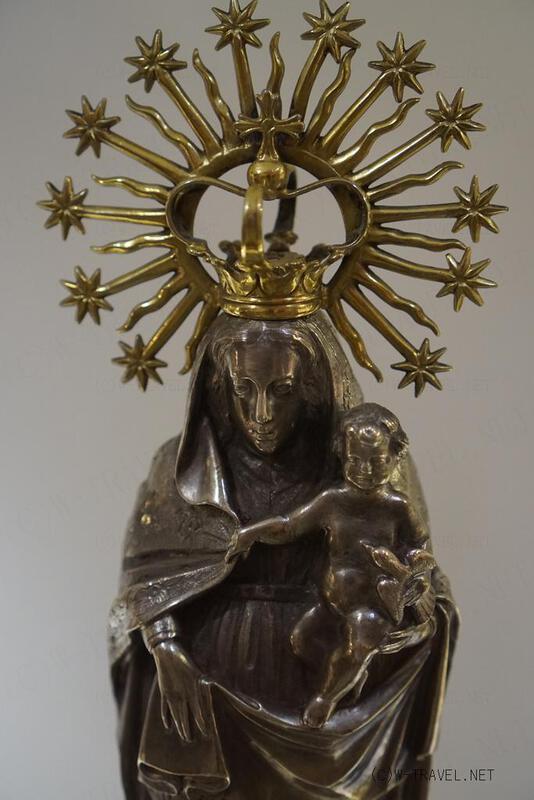
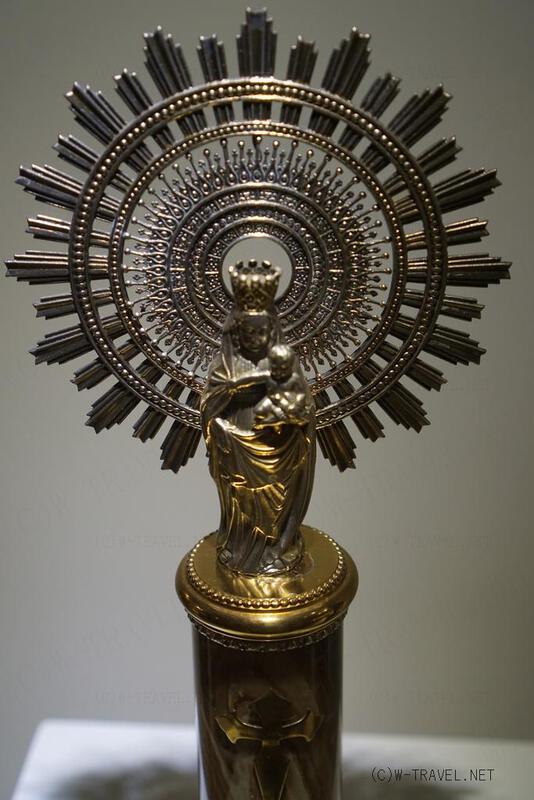
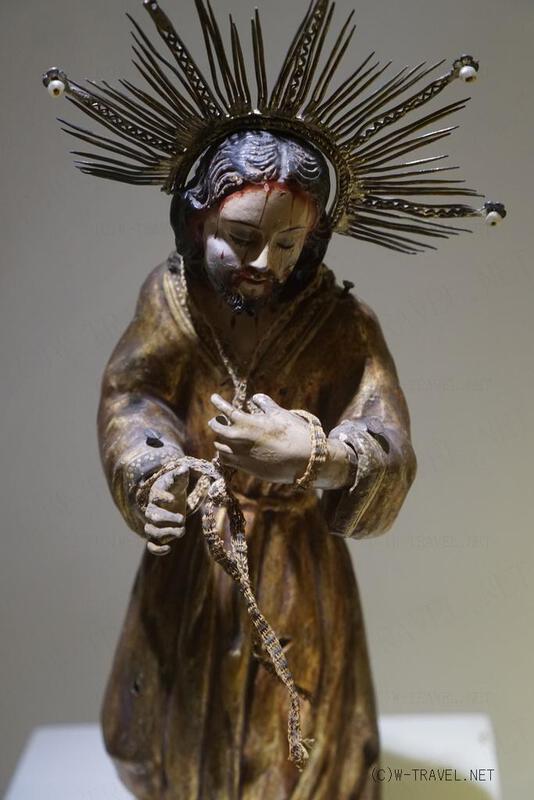
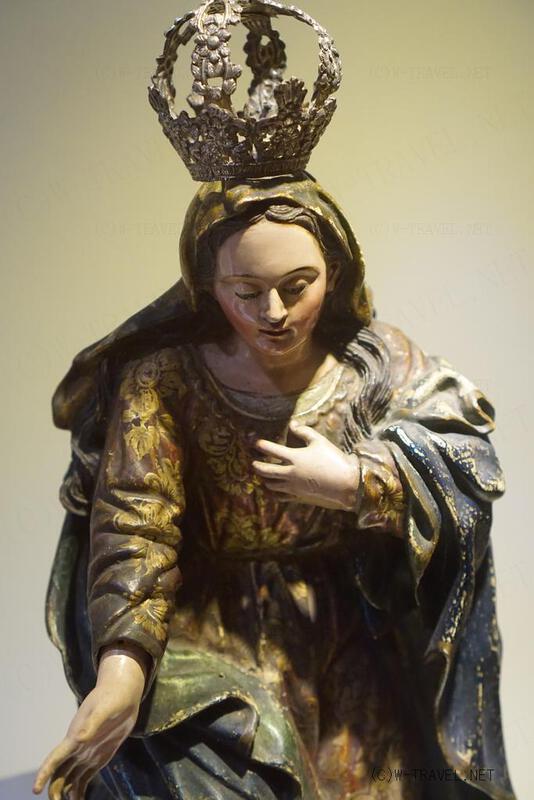
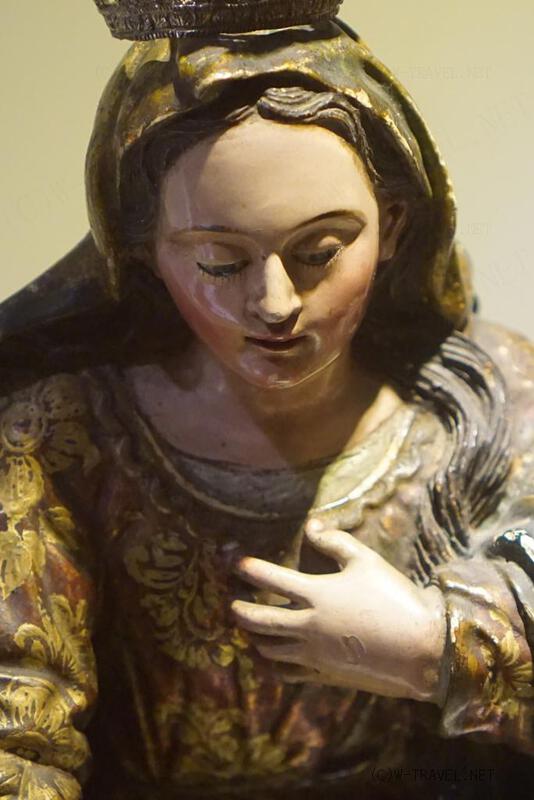
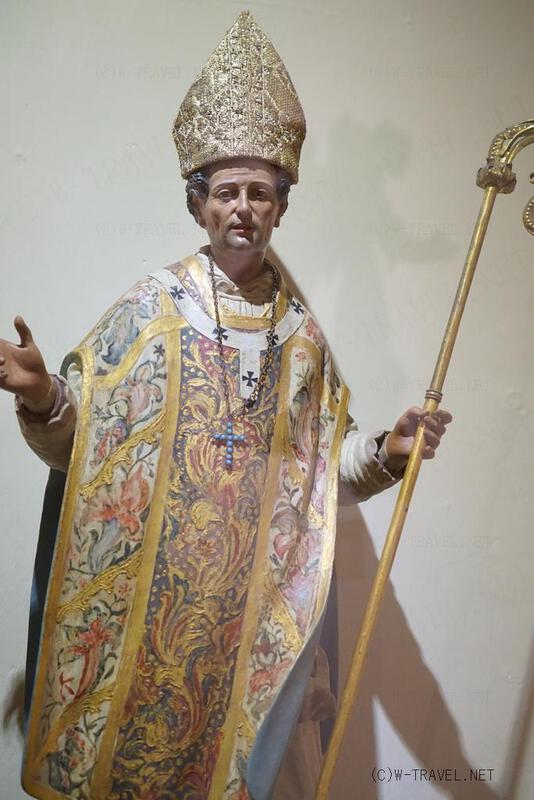
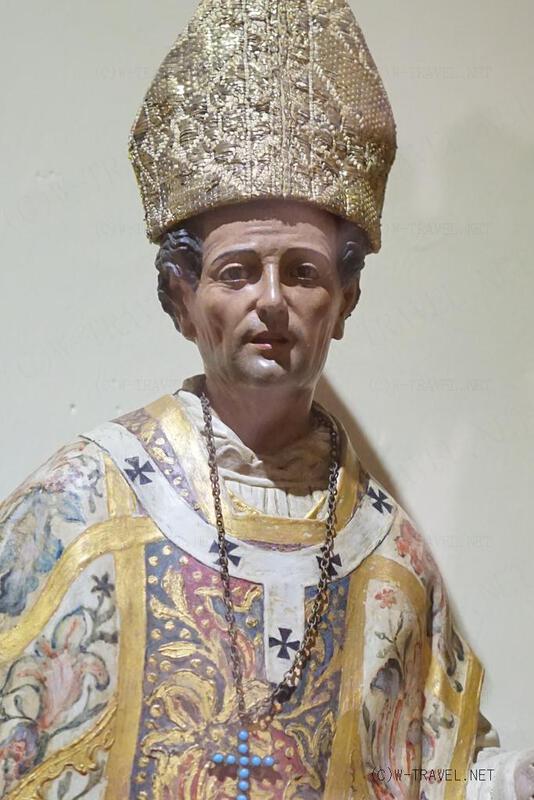
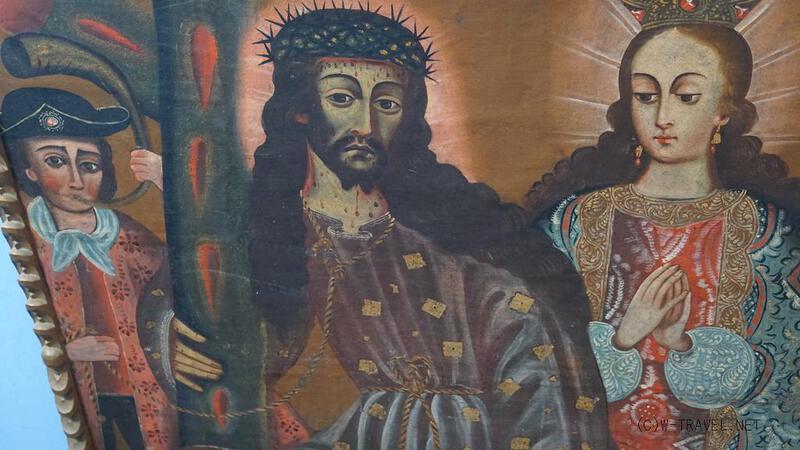
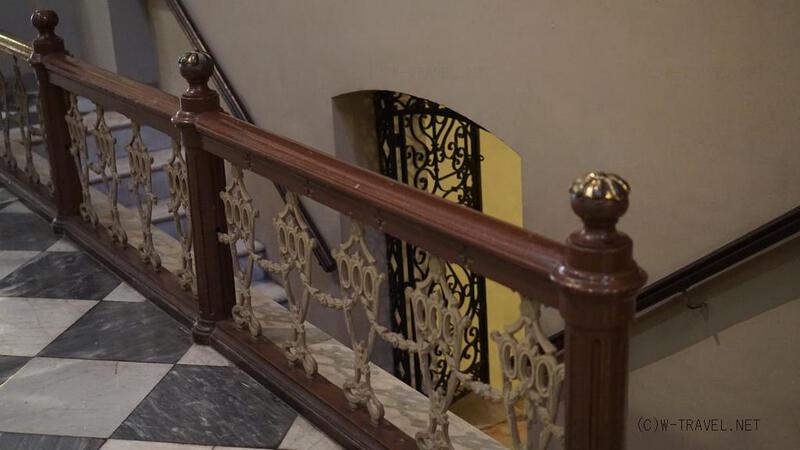
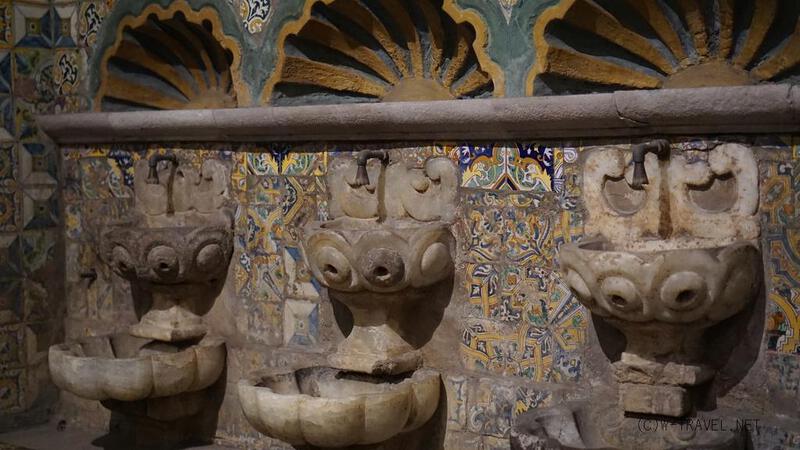
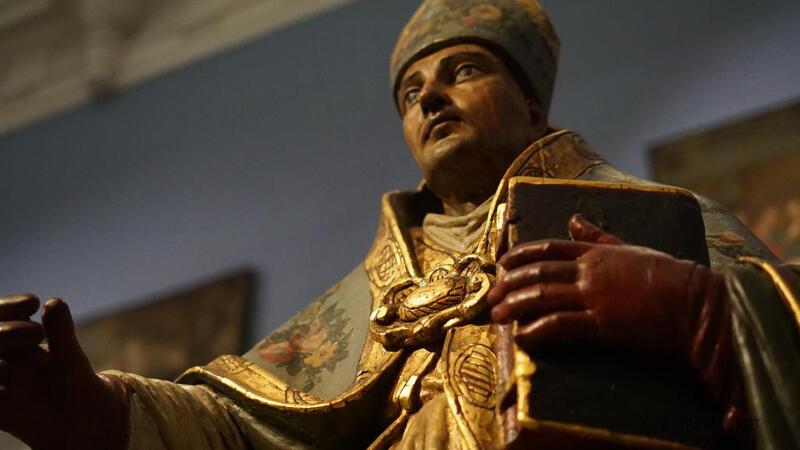
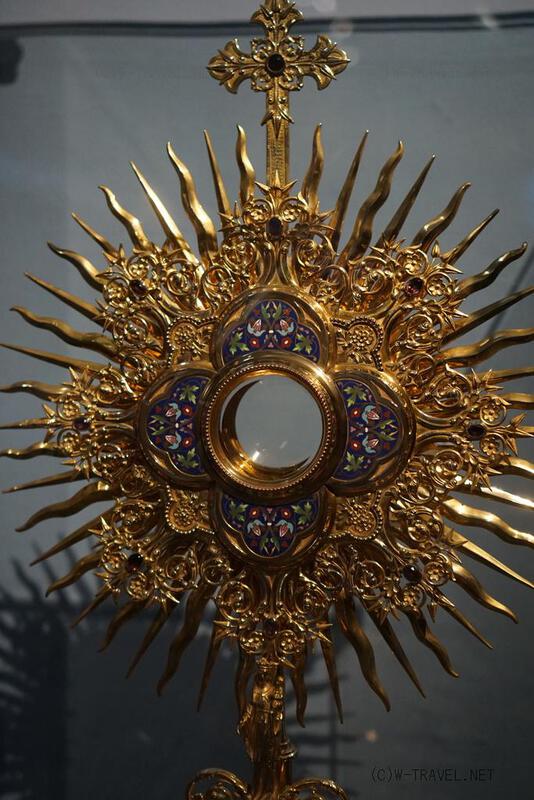
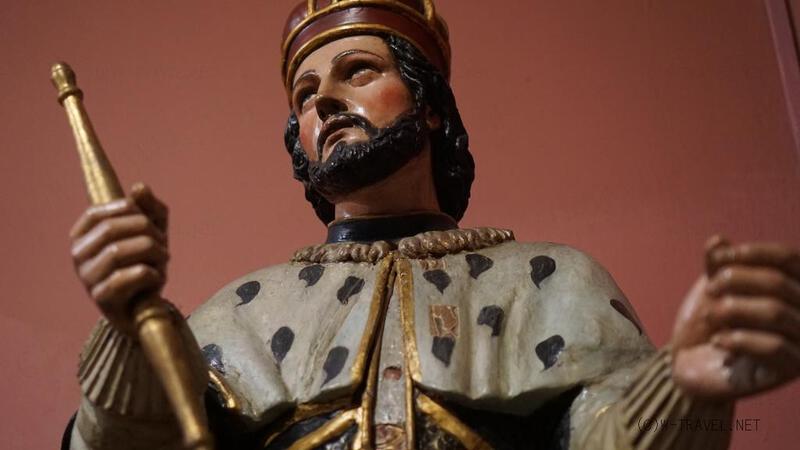
आर्चबिशप पैलेस, लीमा संग्रहालय।
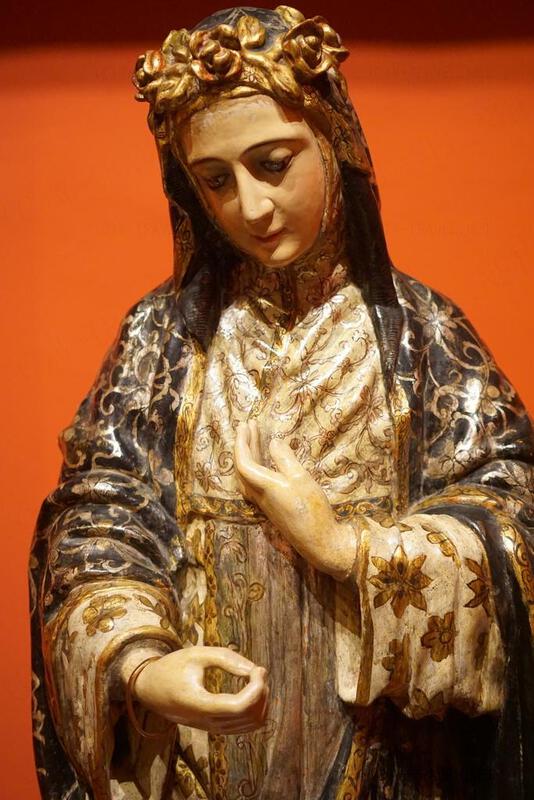
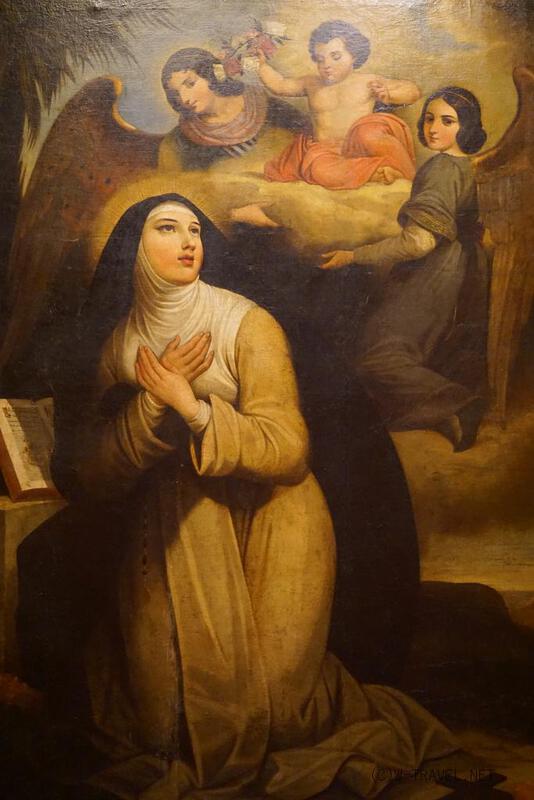
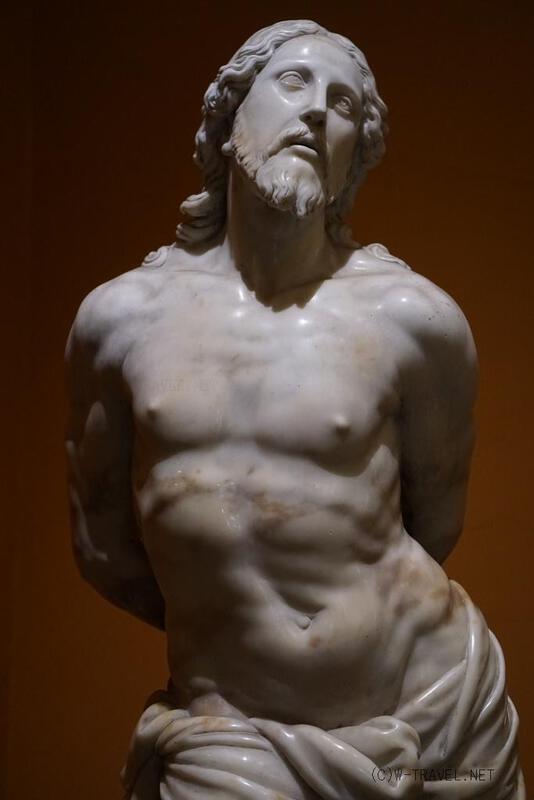
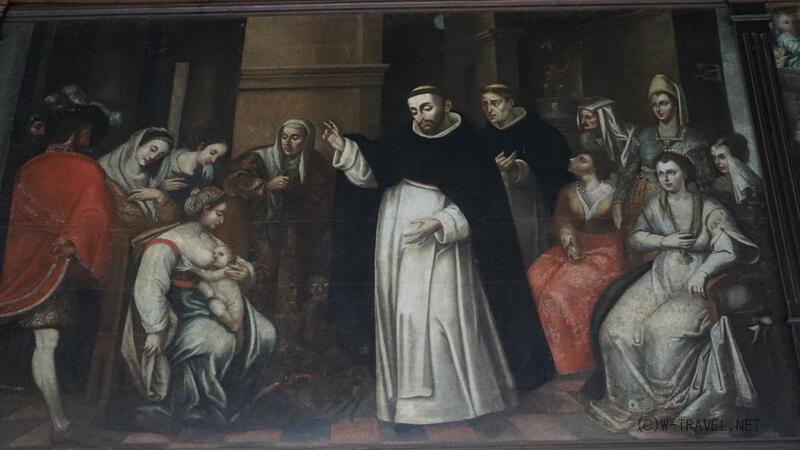
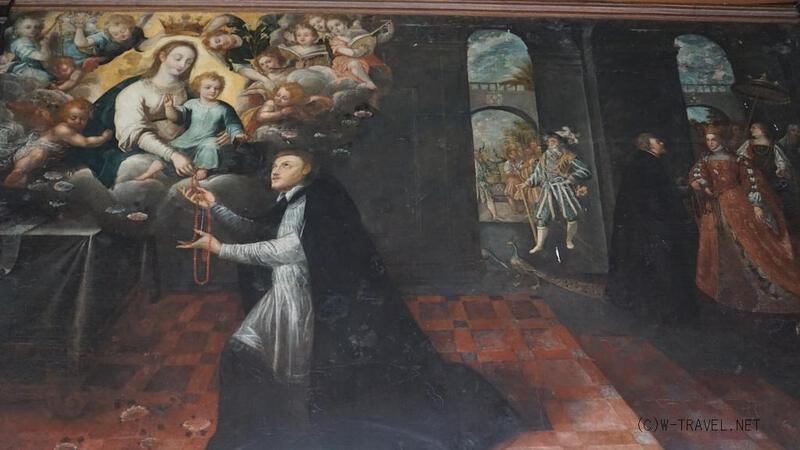
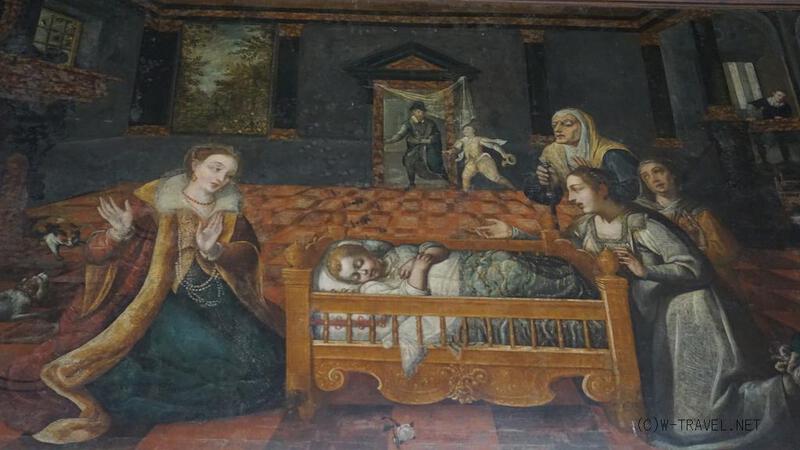
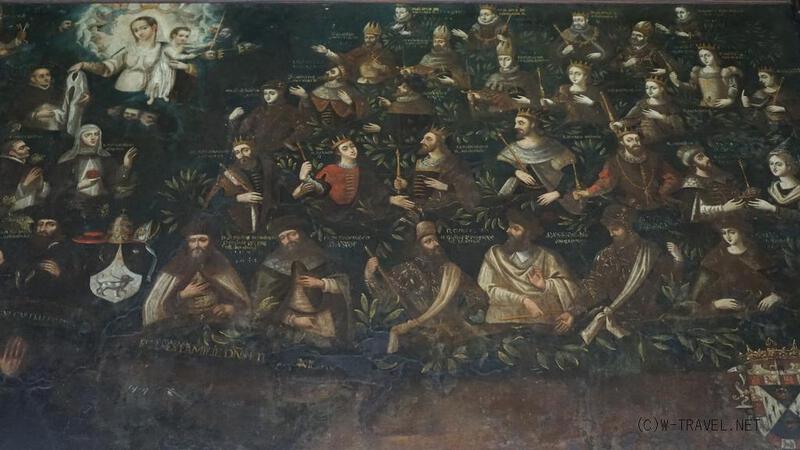
धार्मिक मूर्तियों का संग्रह भी उत्कृष्ट है।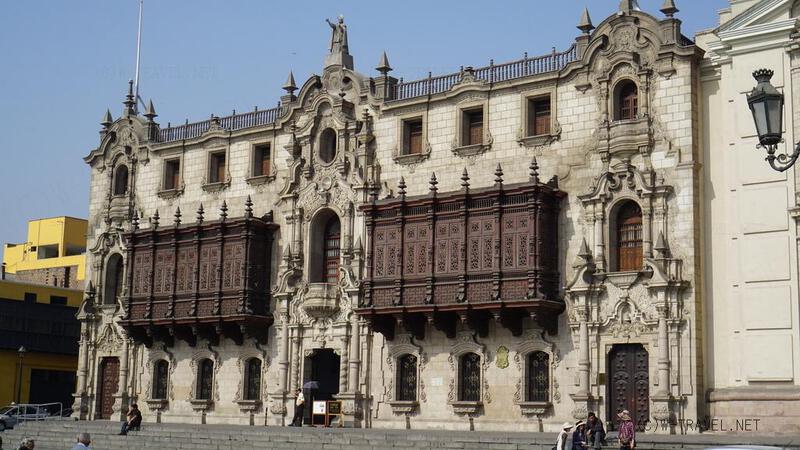
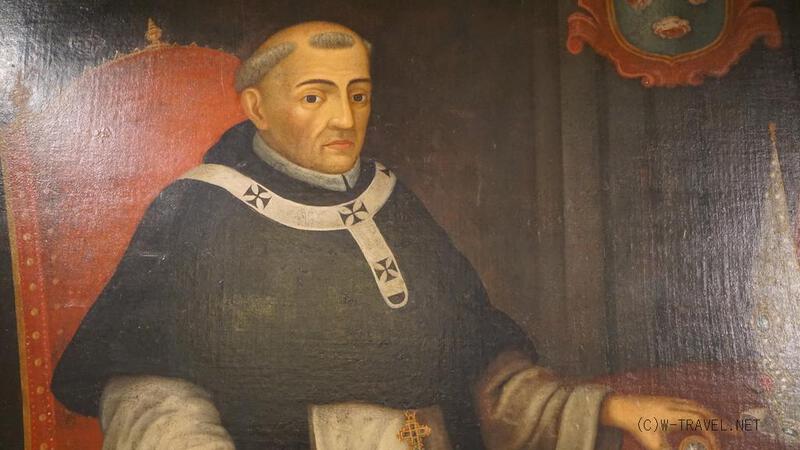
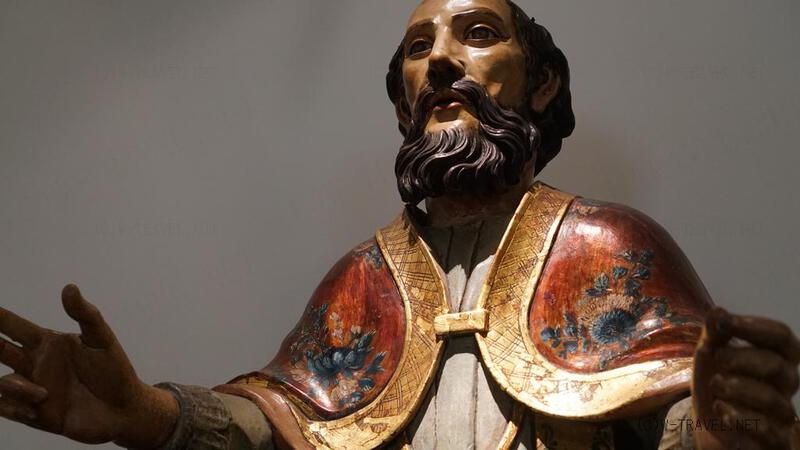
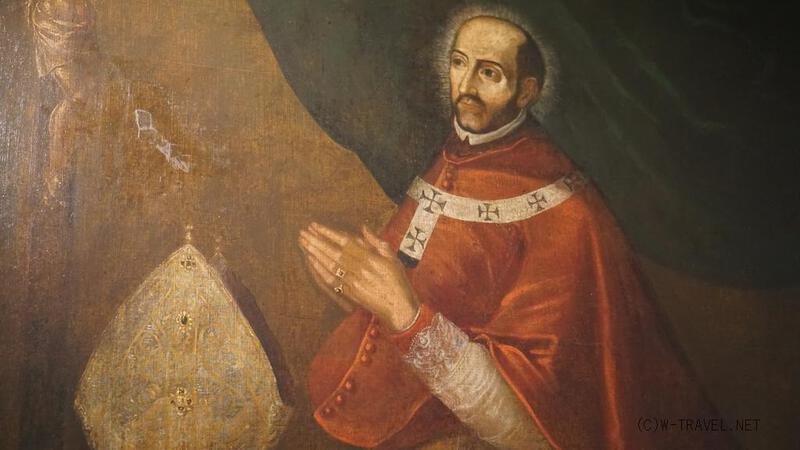
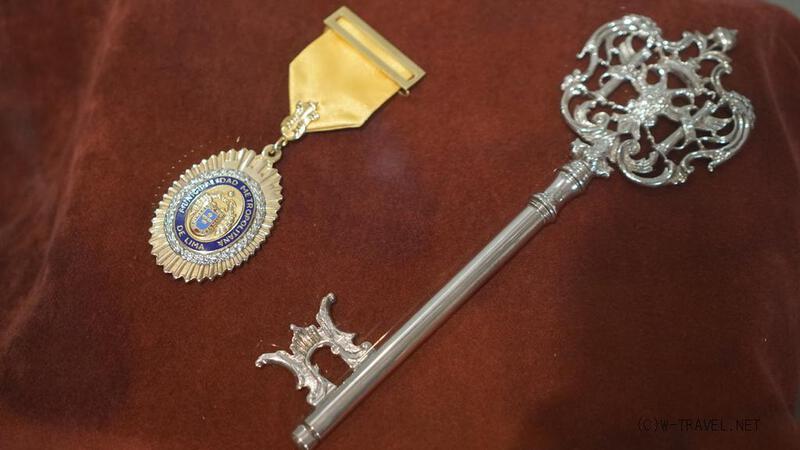
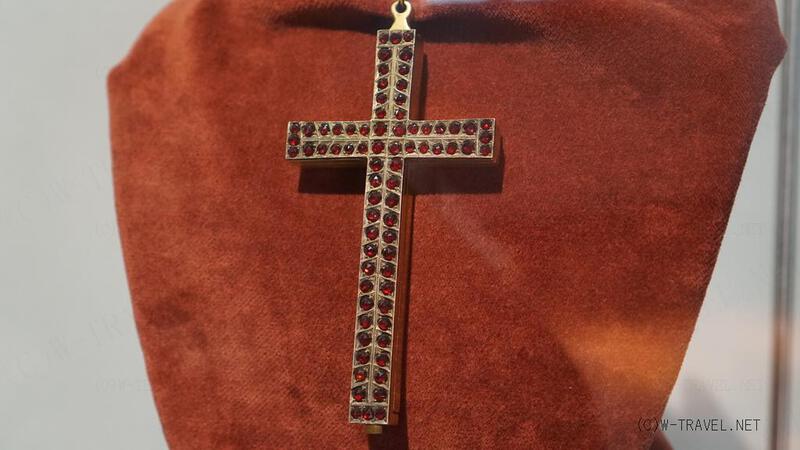
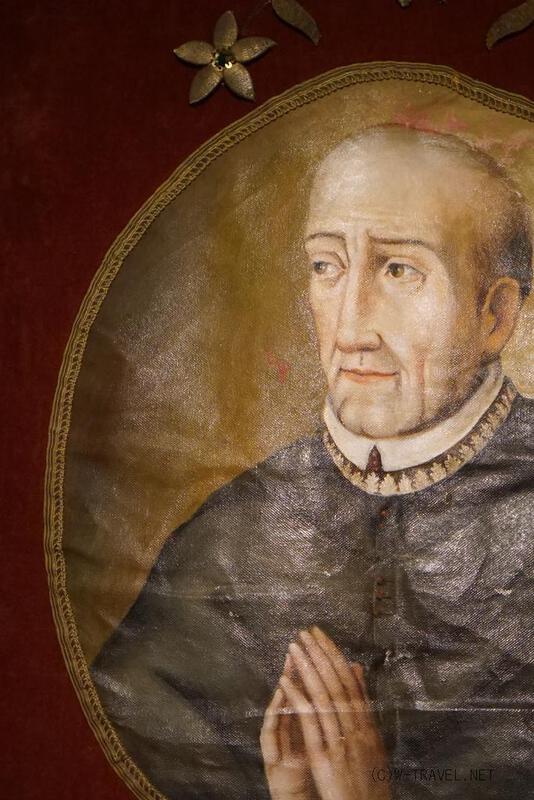
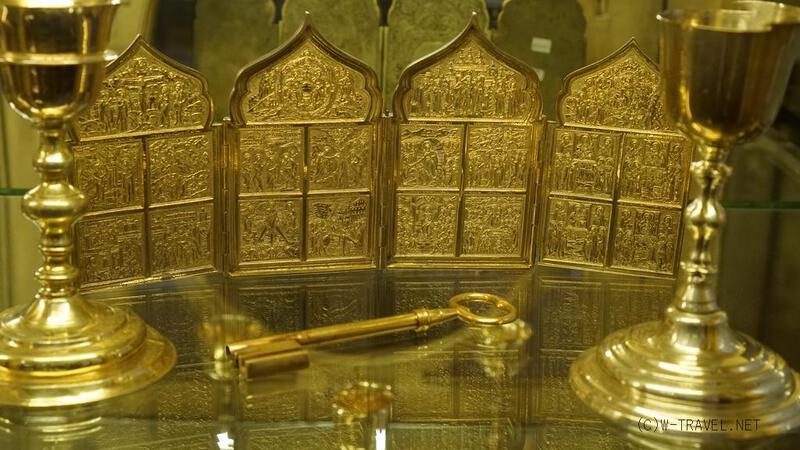
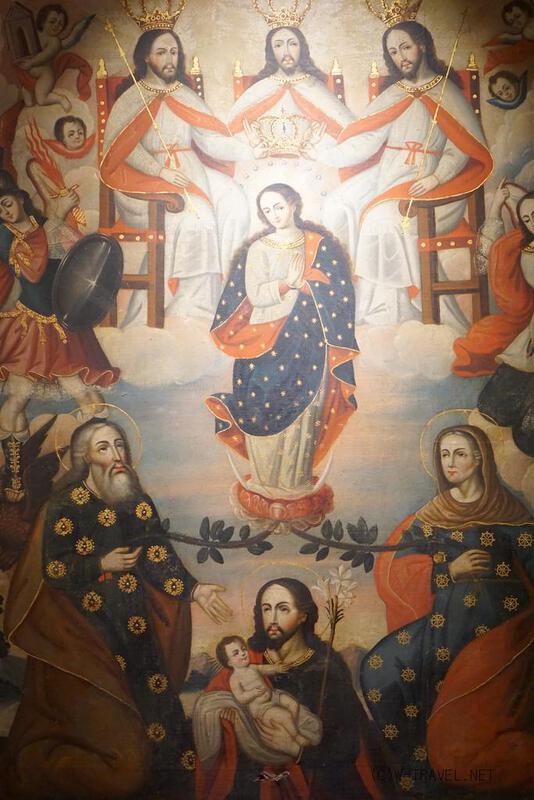
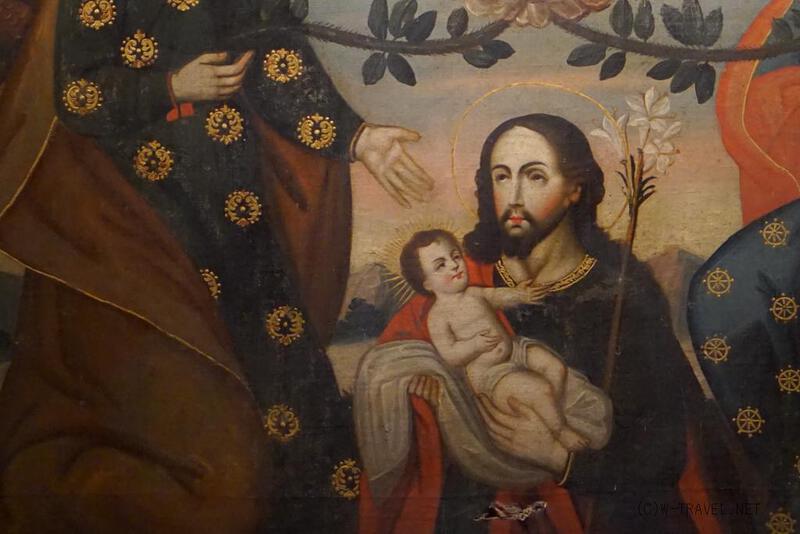

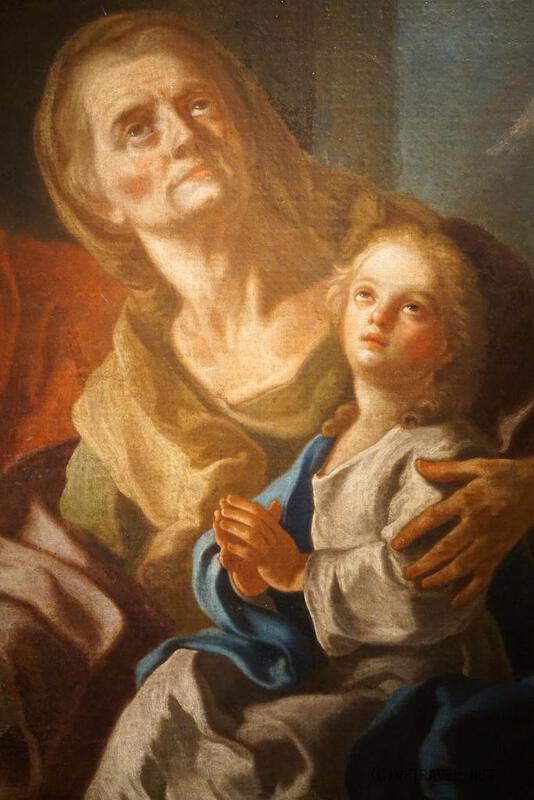
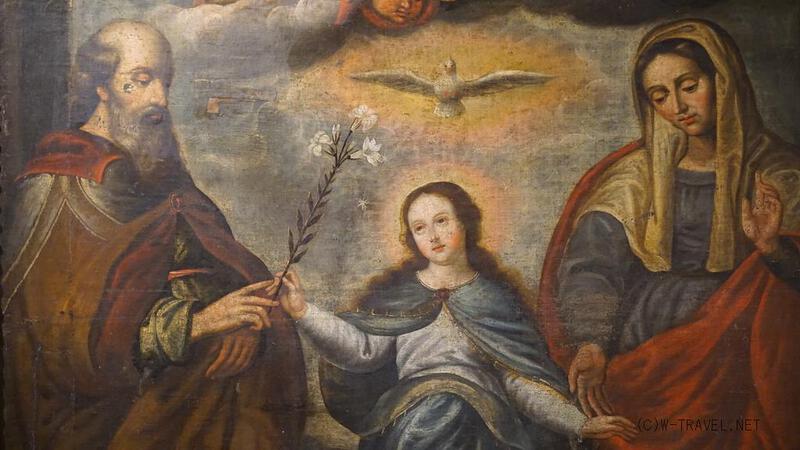


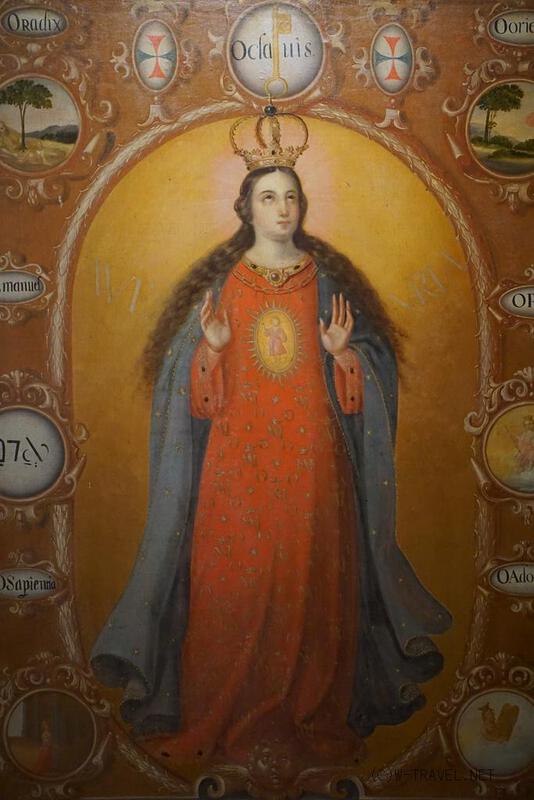
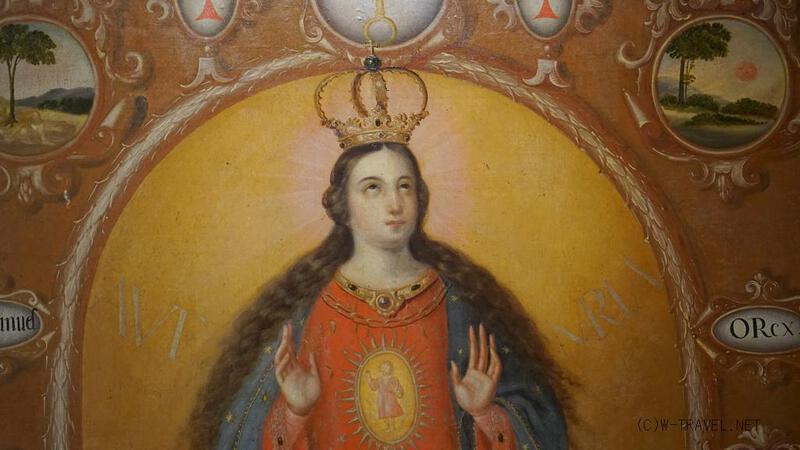
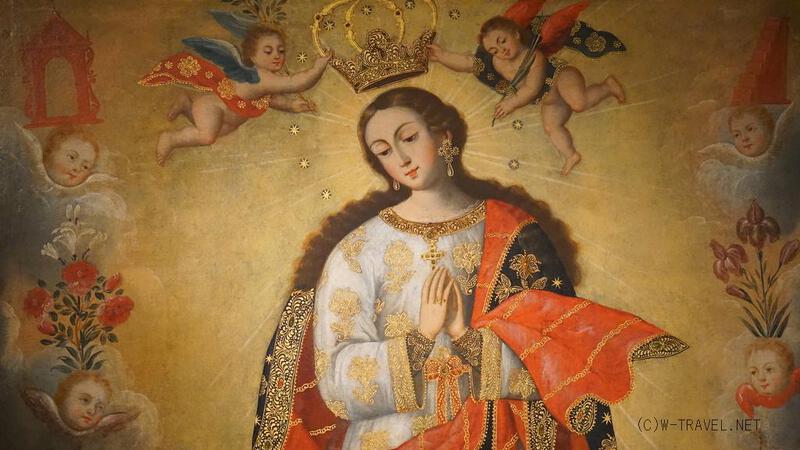
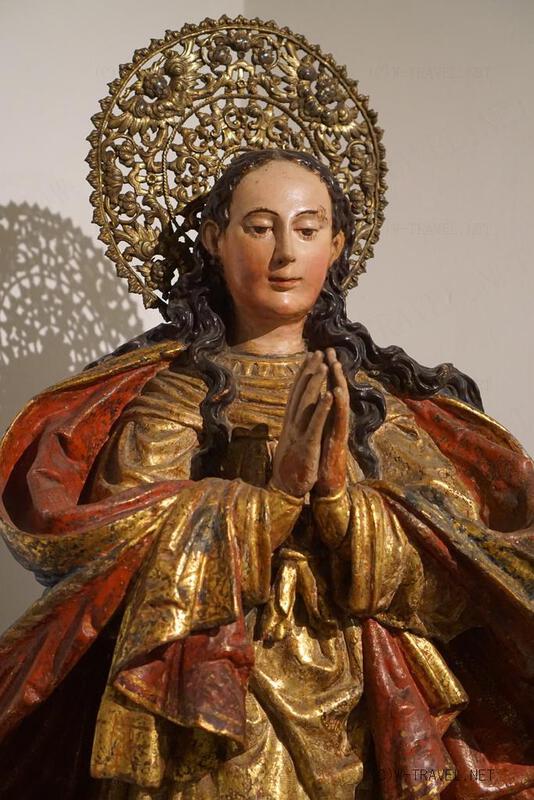
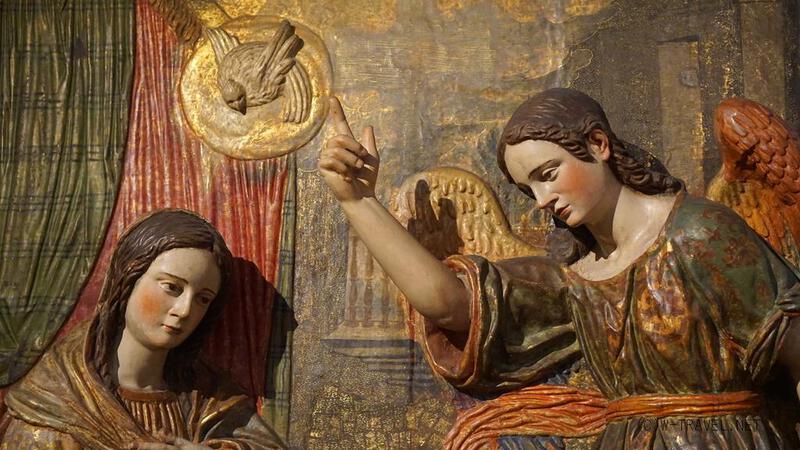


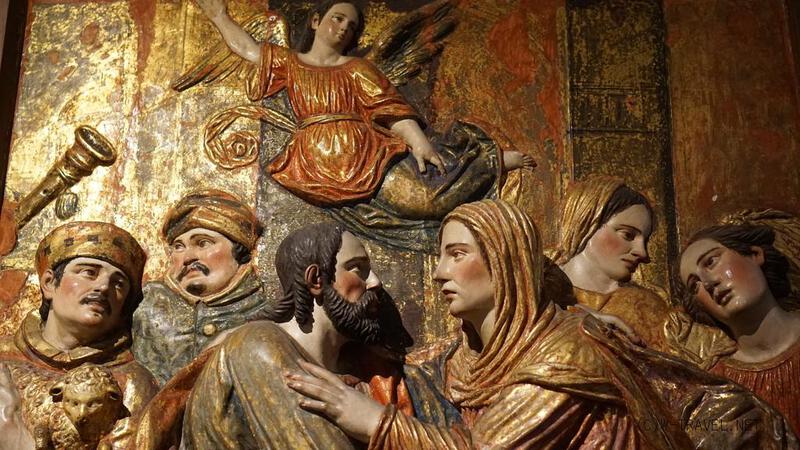
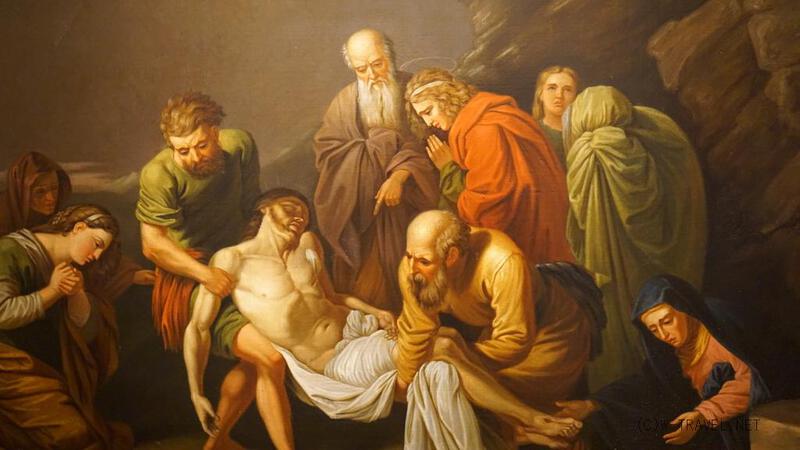
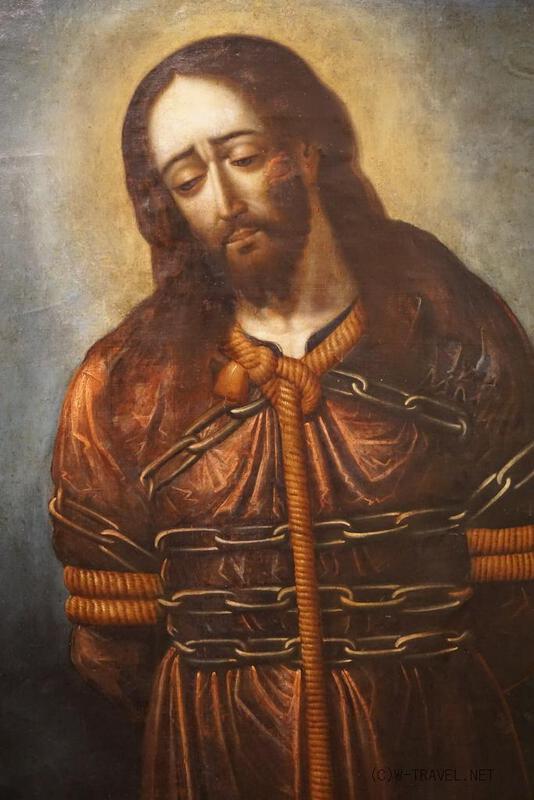


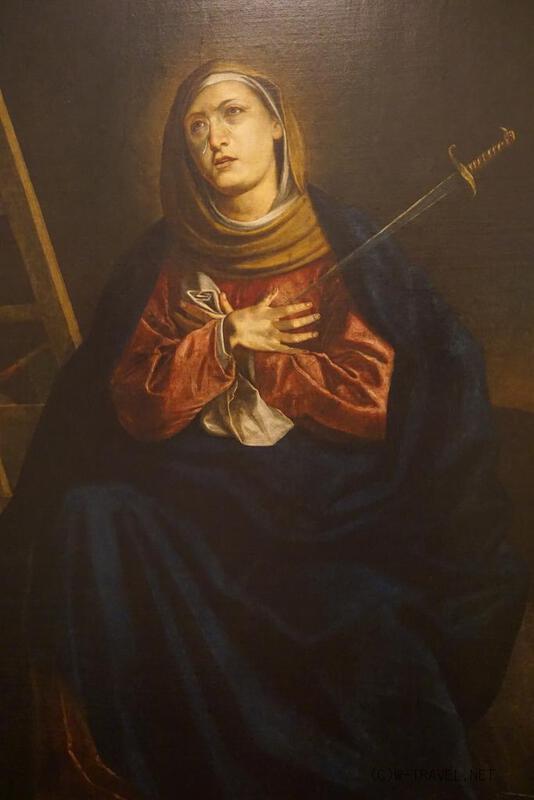

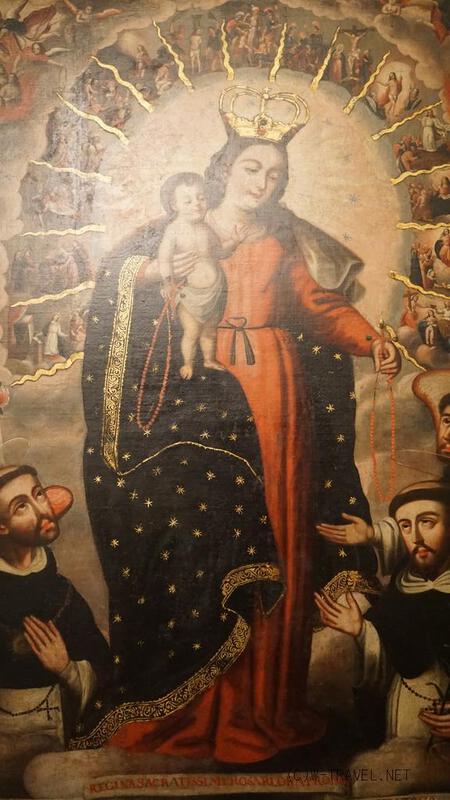
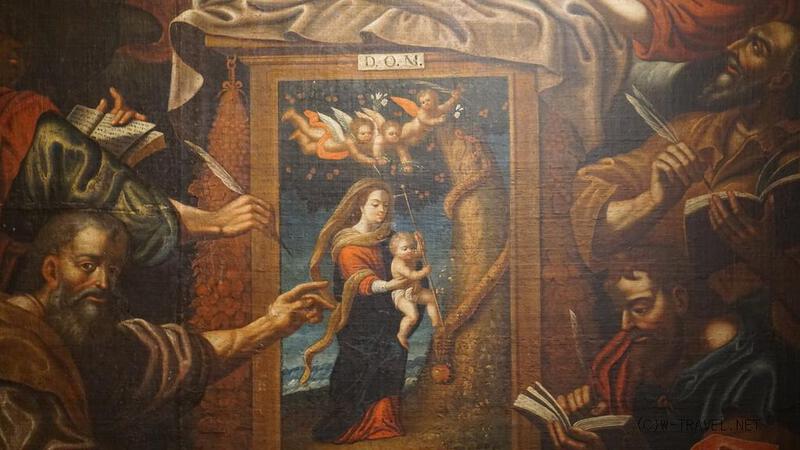
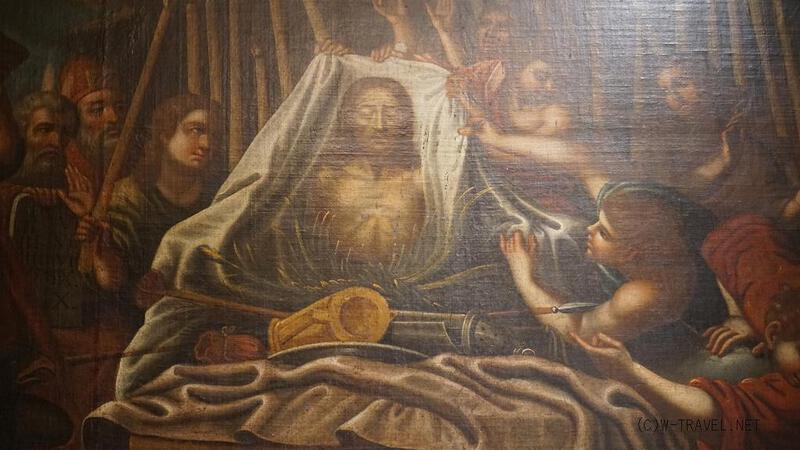


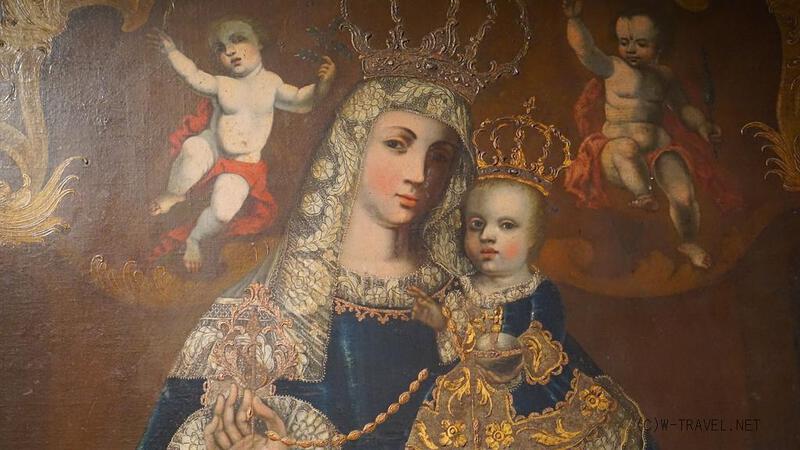
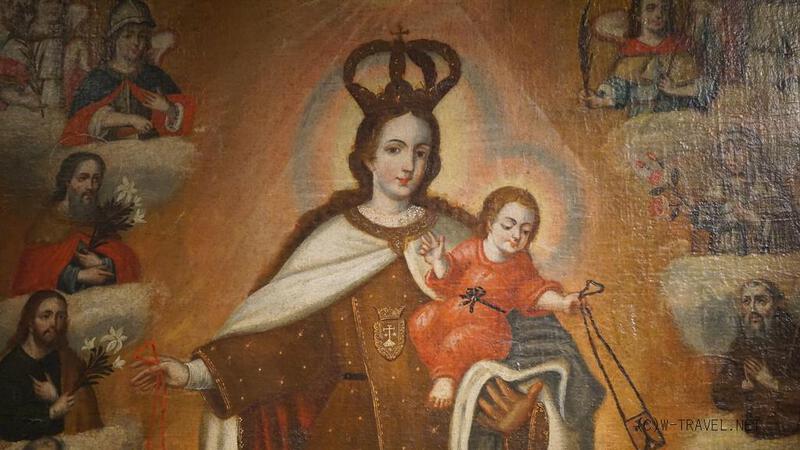
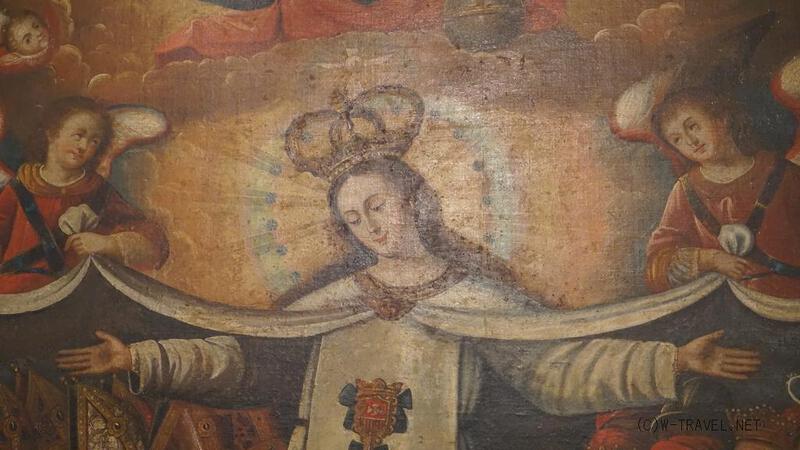

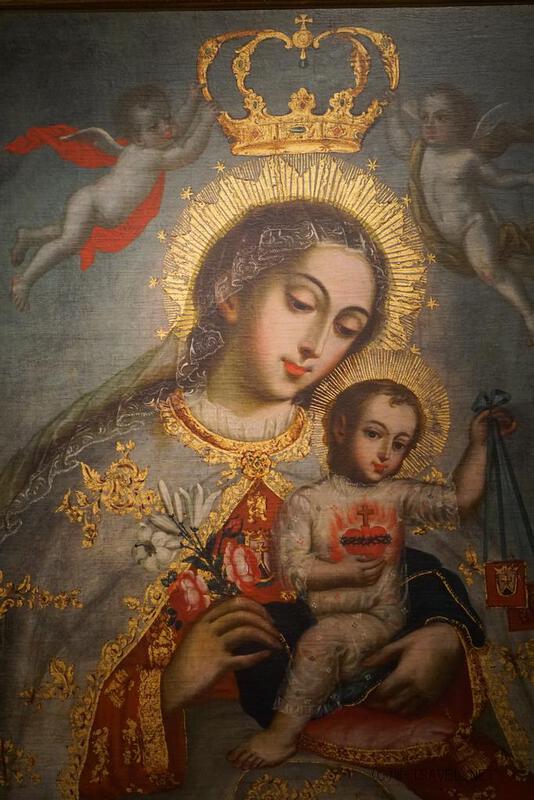
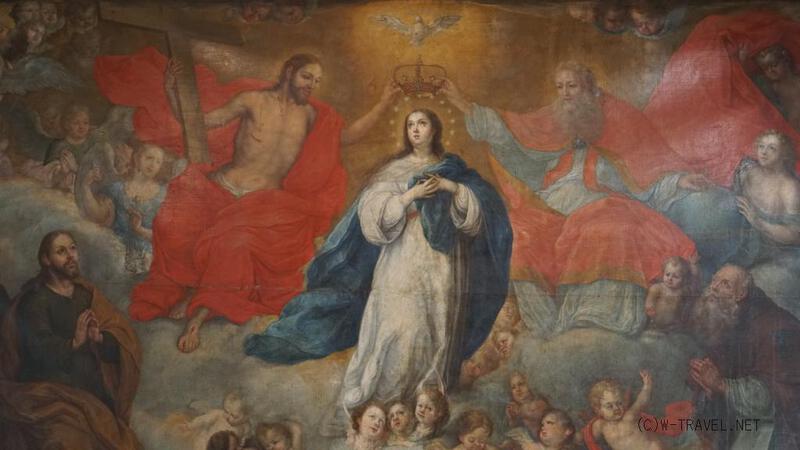
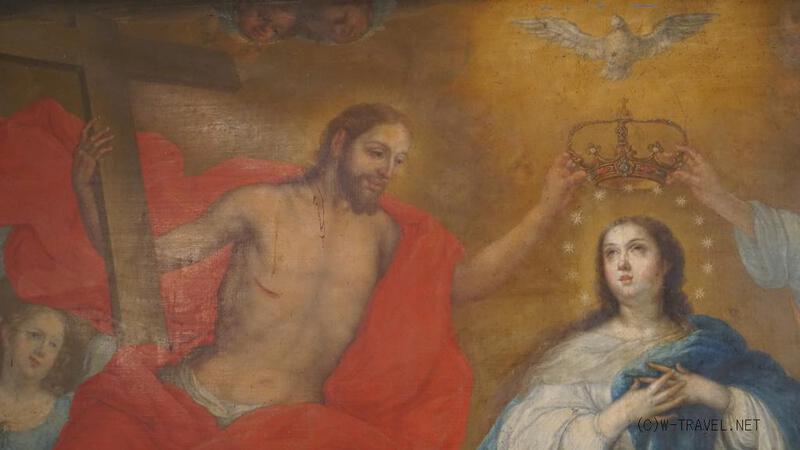

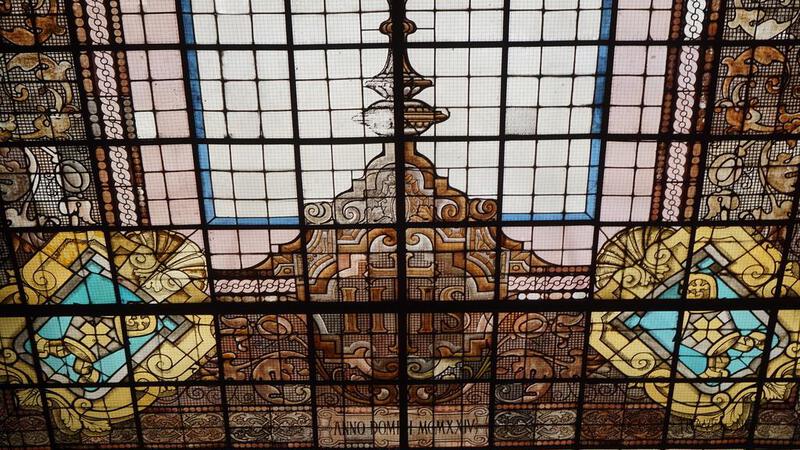
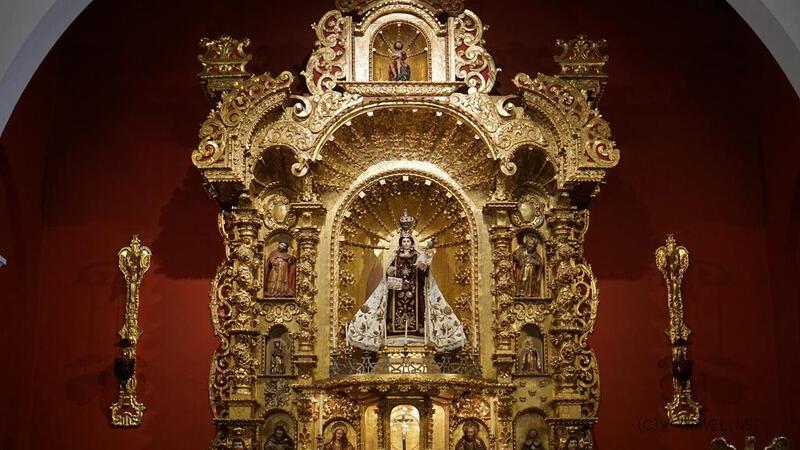
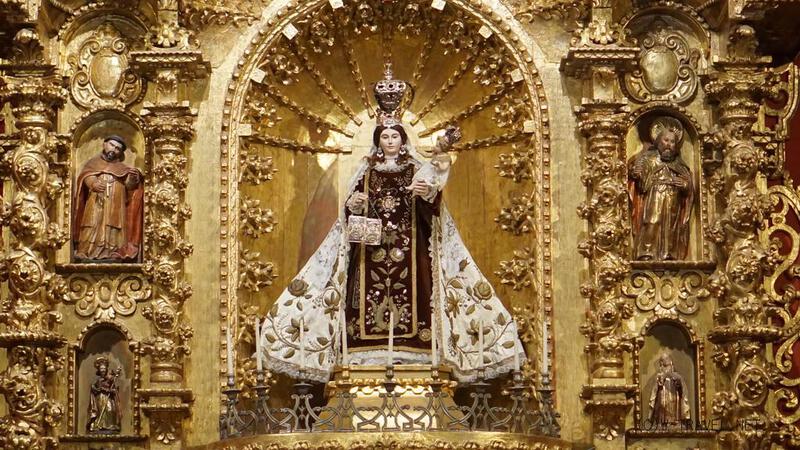
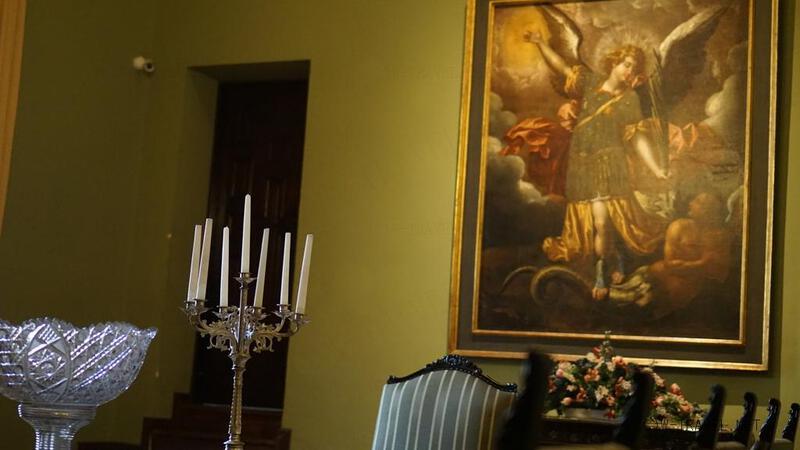


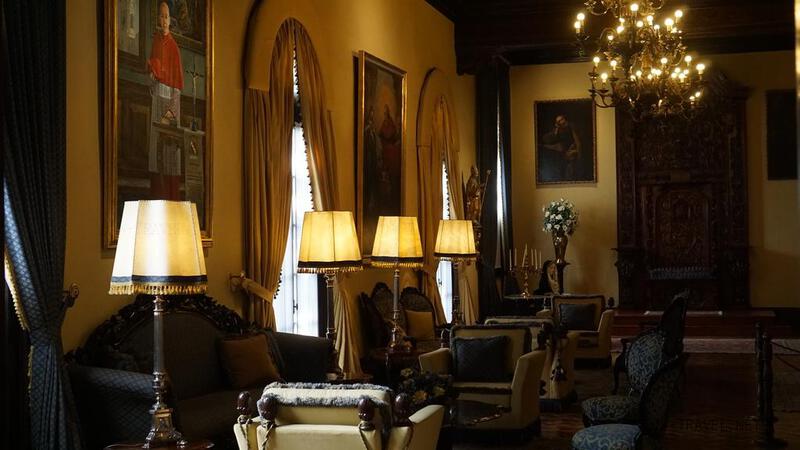
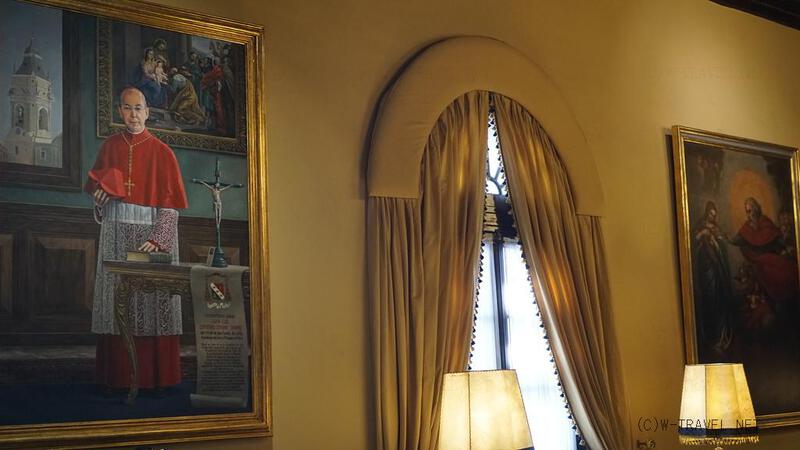


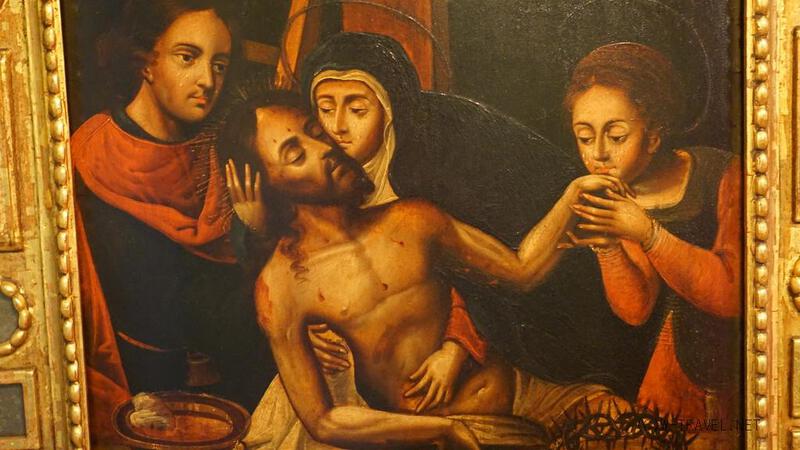

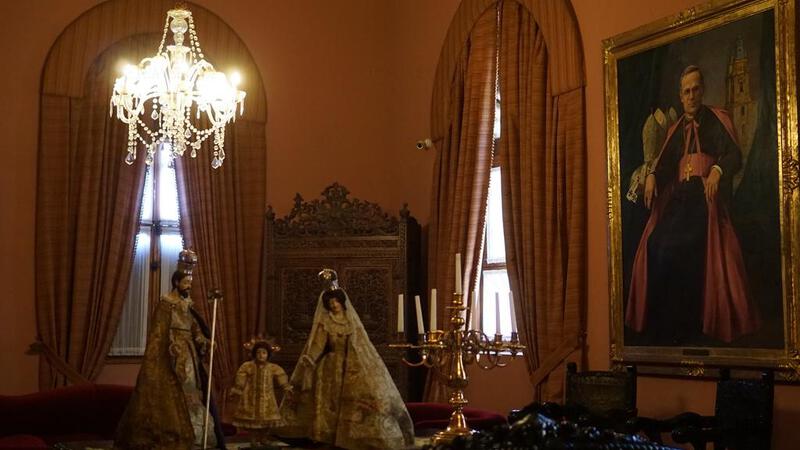
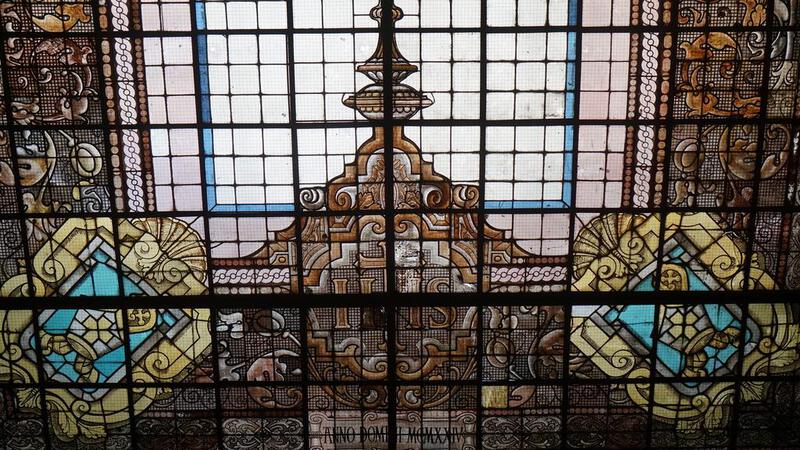
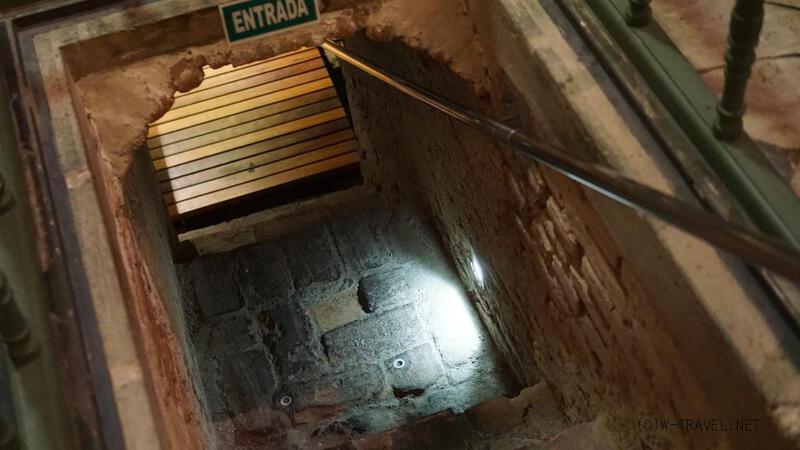
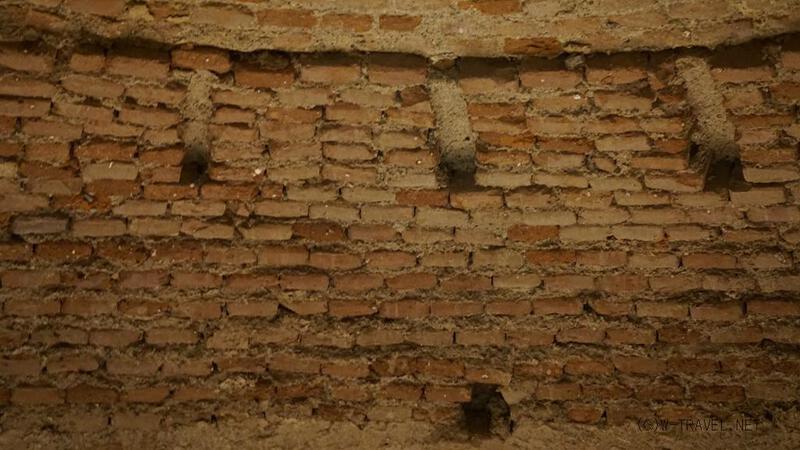
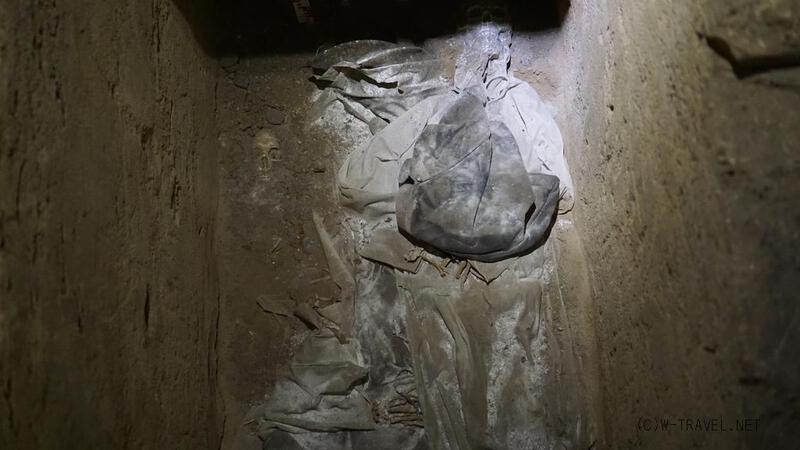
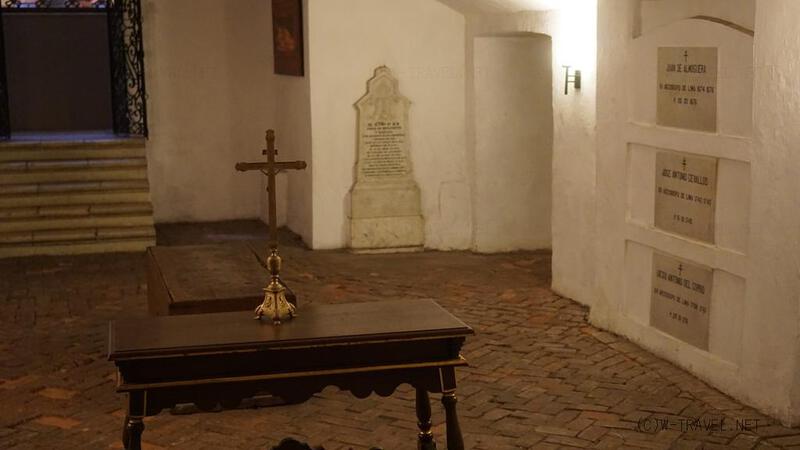
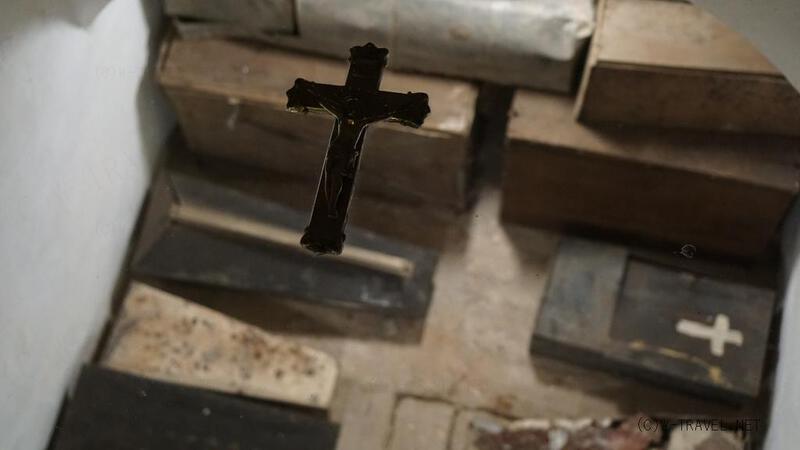
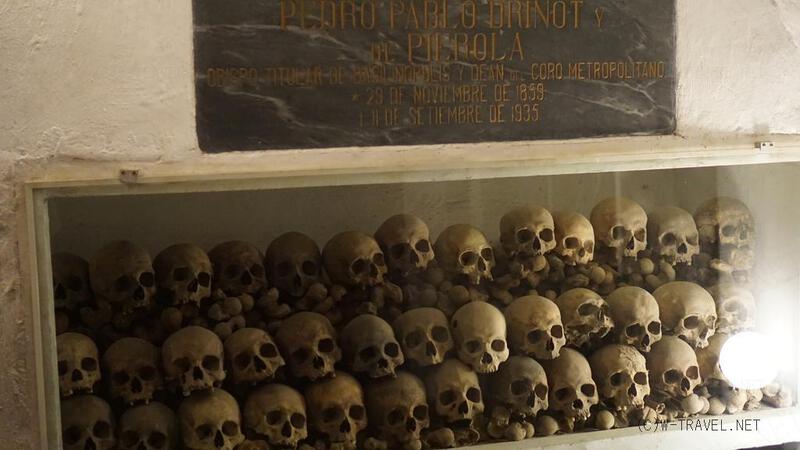
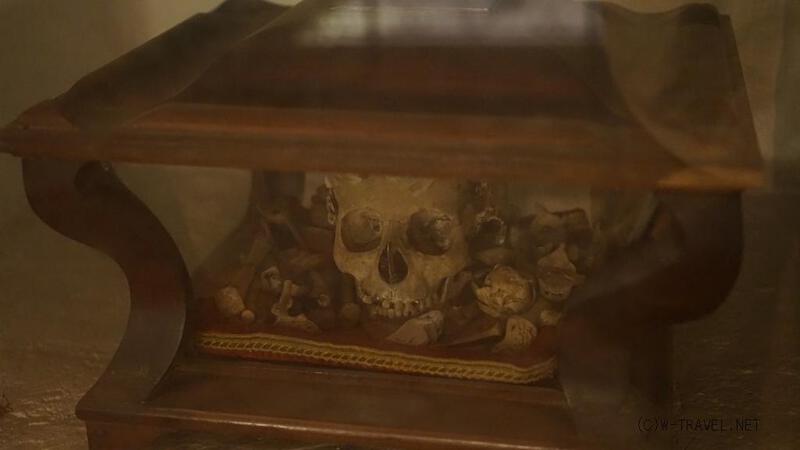
संग्रहालय और कैटाकॉम्ब्स (अंदर की तस्वीरें लेना प्रतिबंधित)।
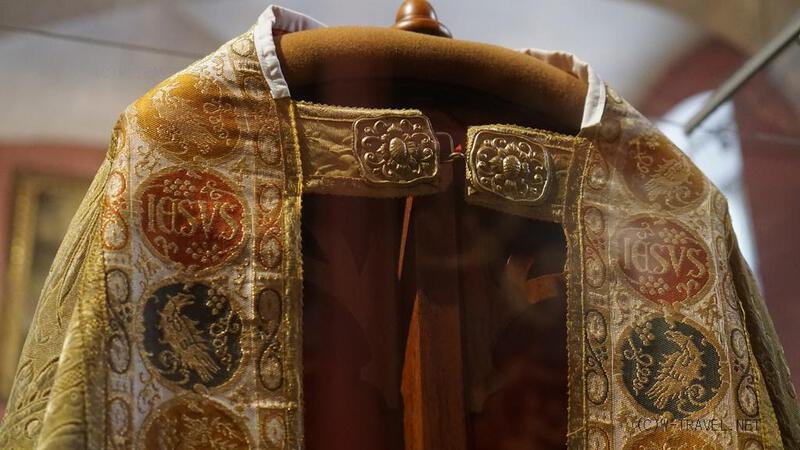
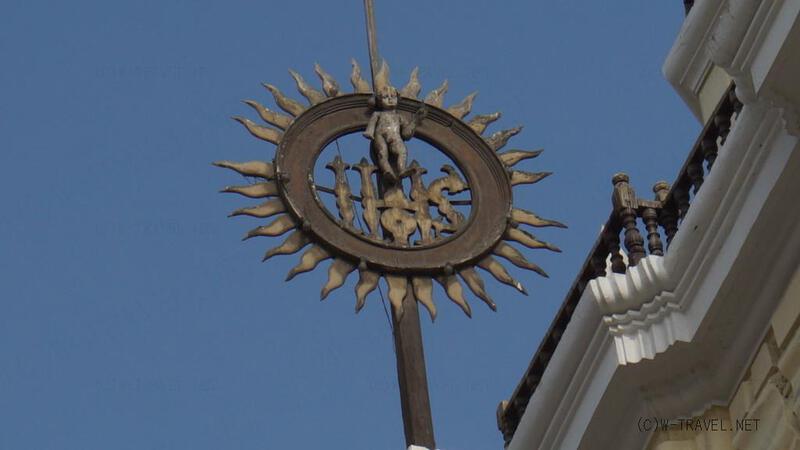
हर जगह, IHS (जीसस सोसायटी) दिखाई दे रहा है।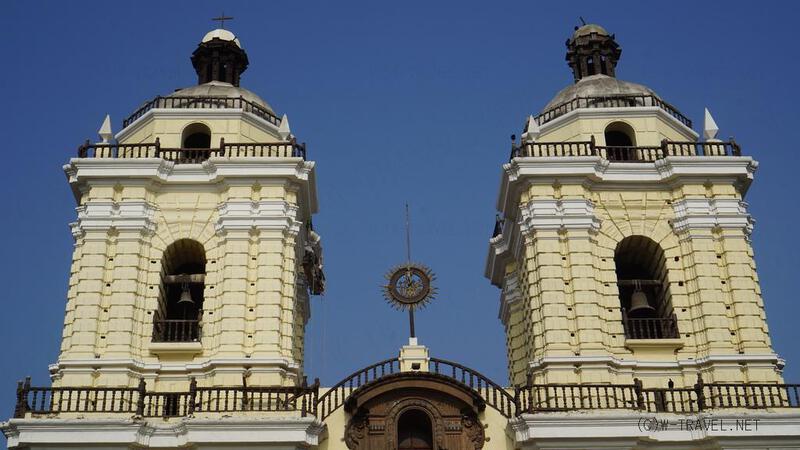
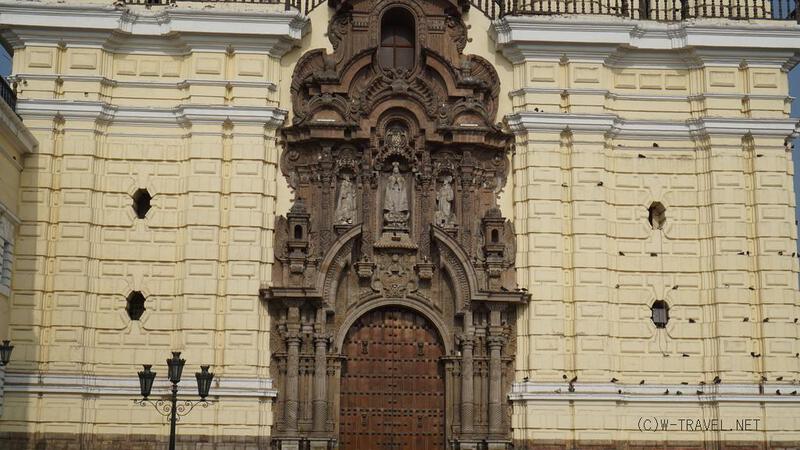
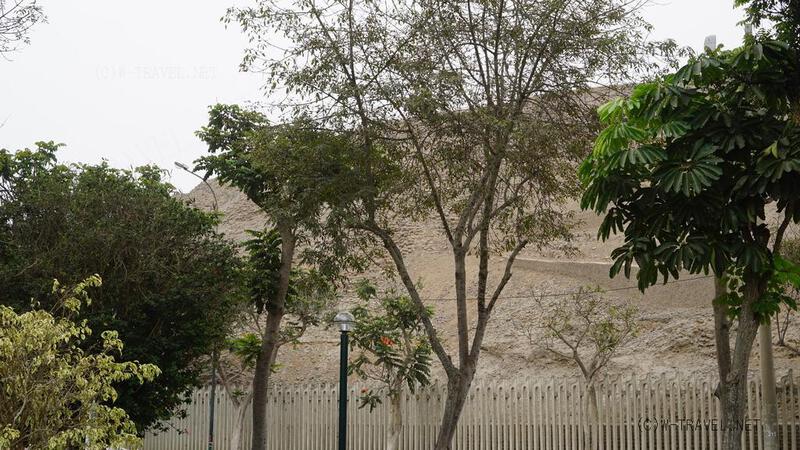
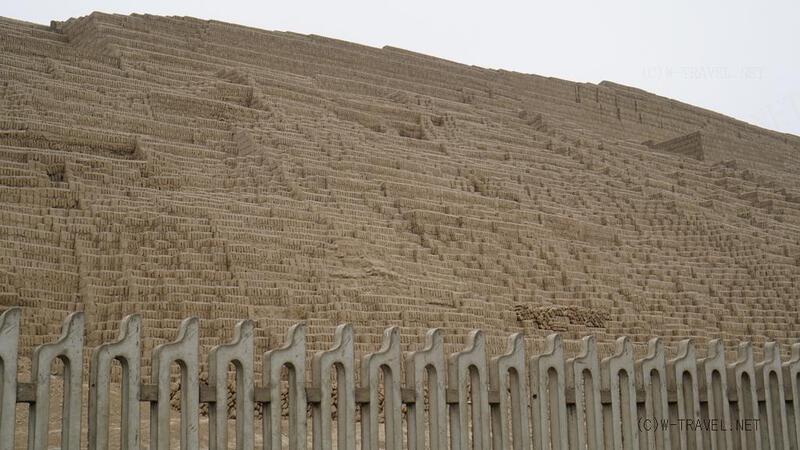
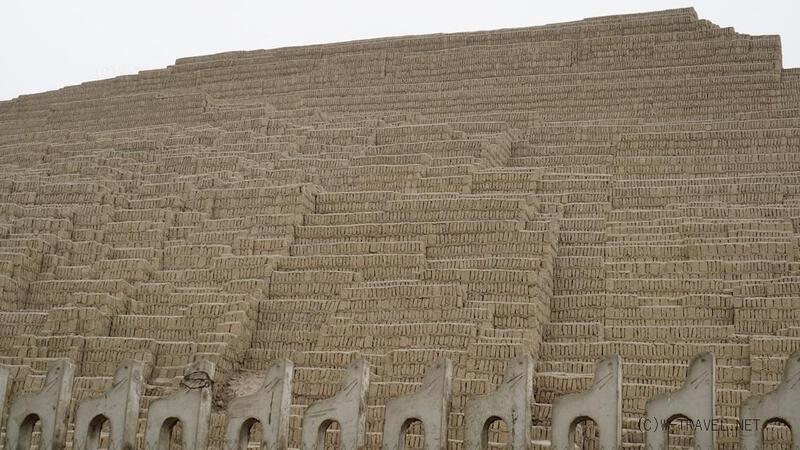
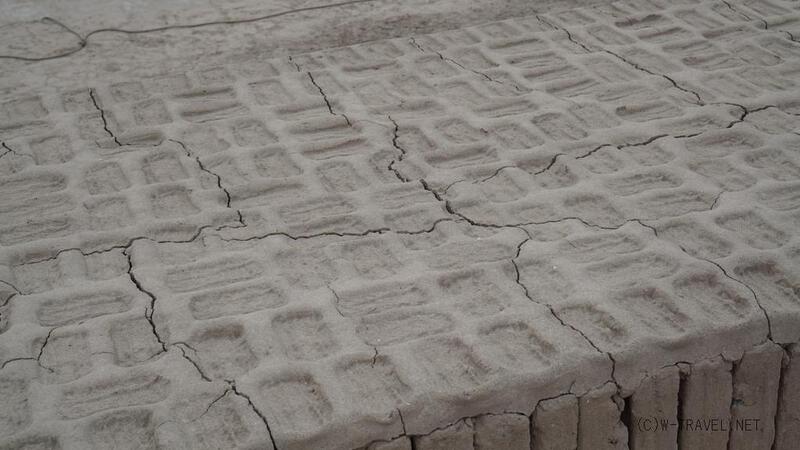
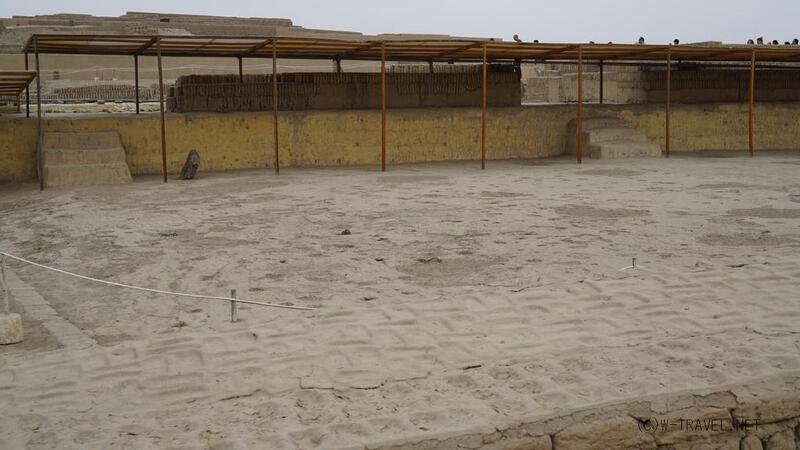
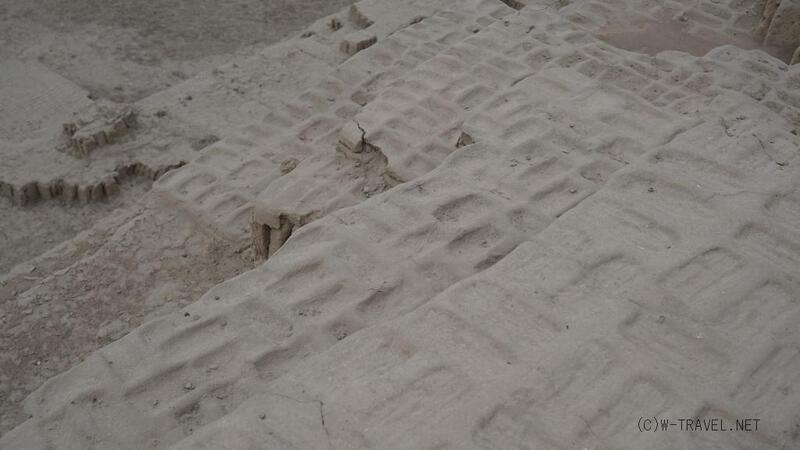
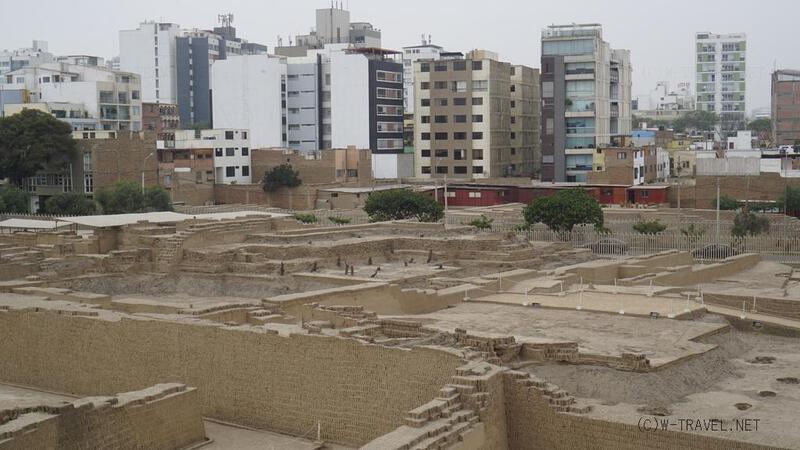
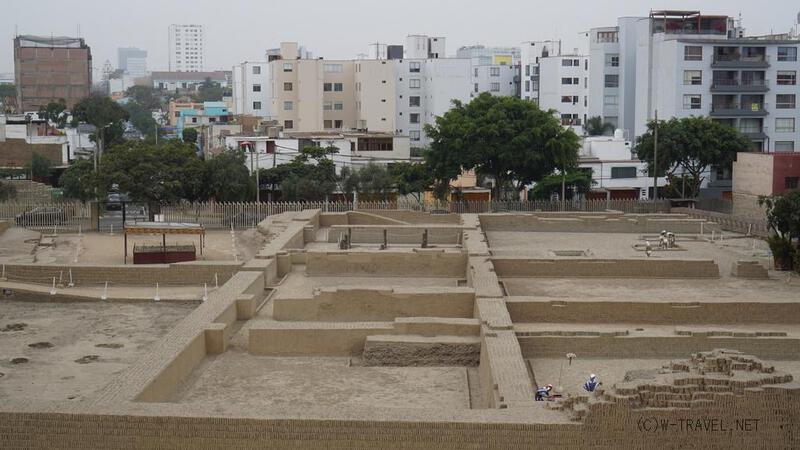
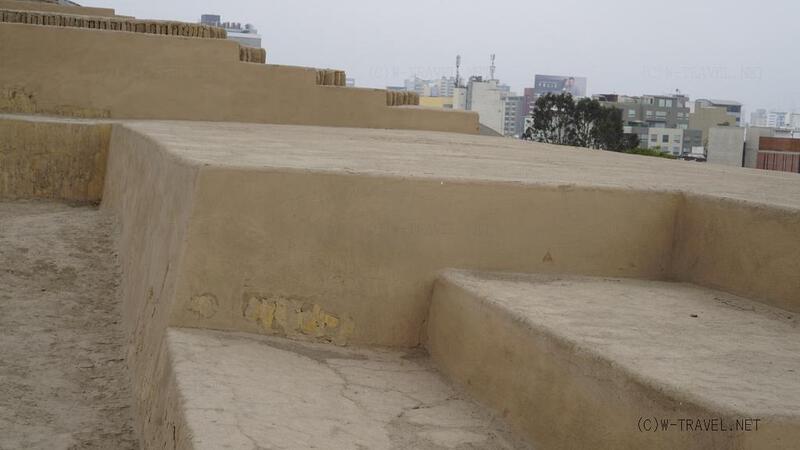
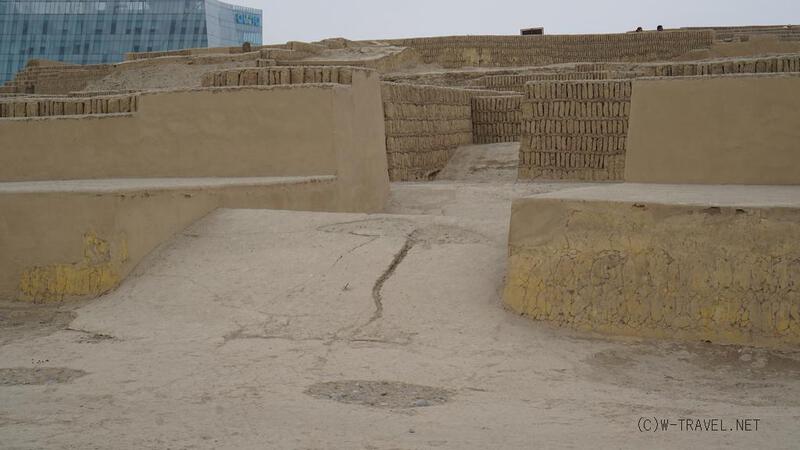
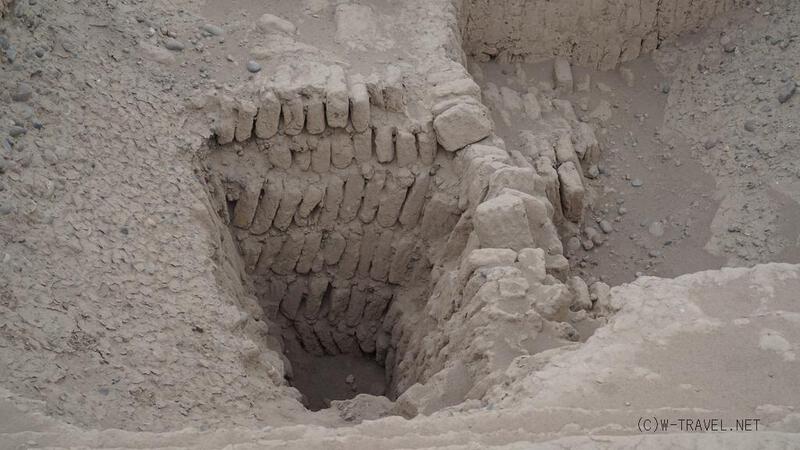
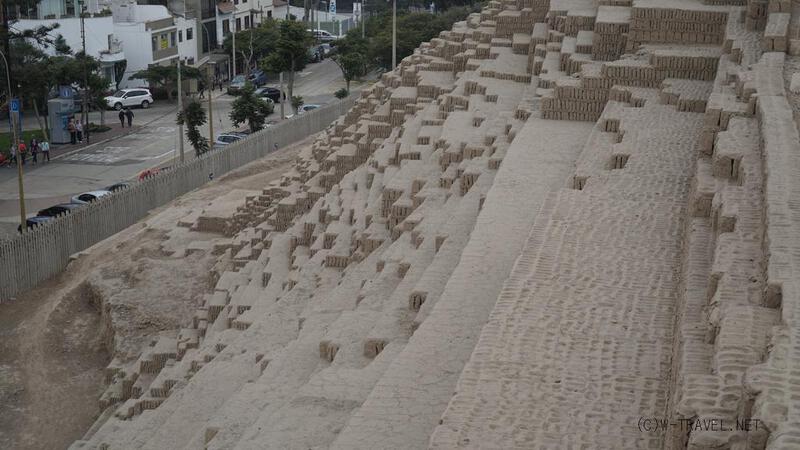
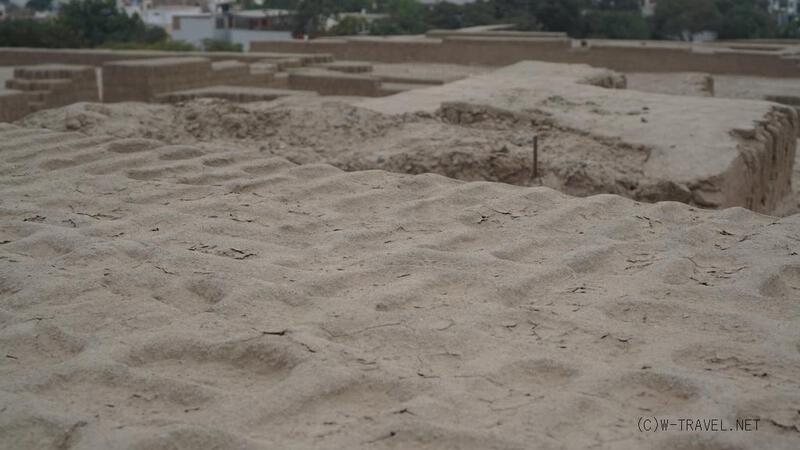
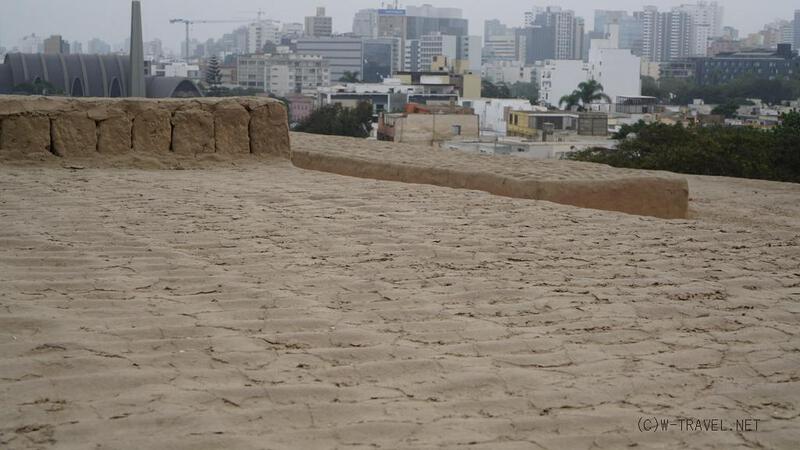
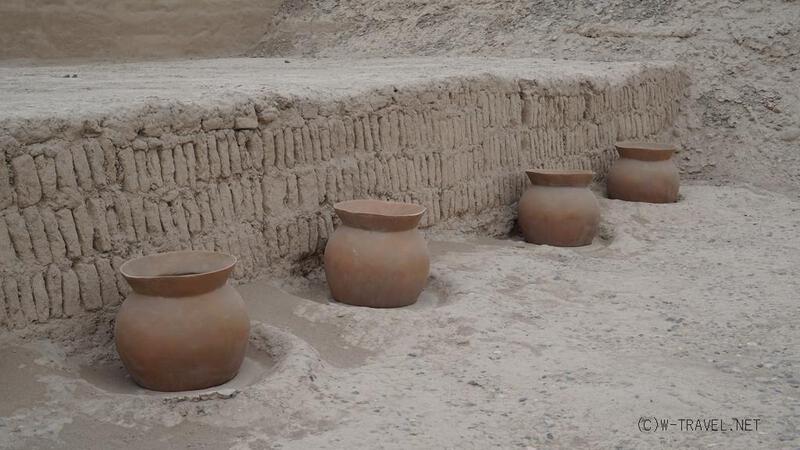
हुआका पुक्लाना
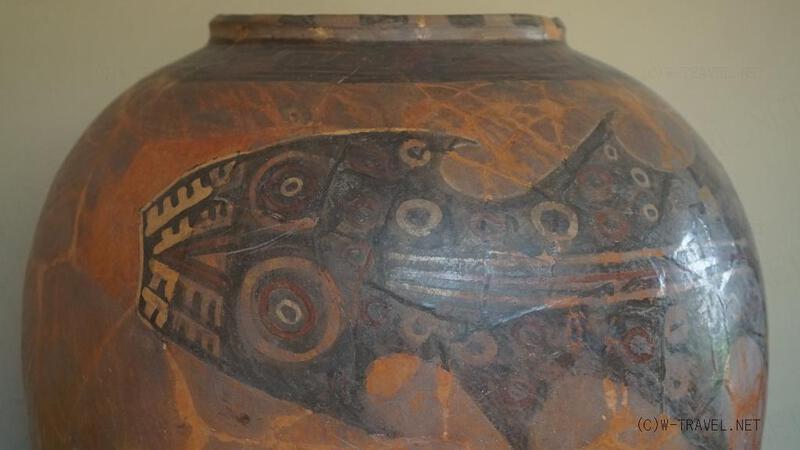
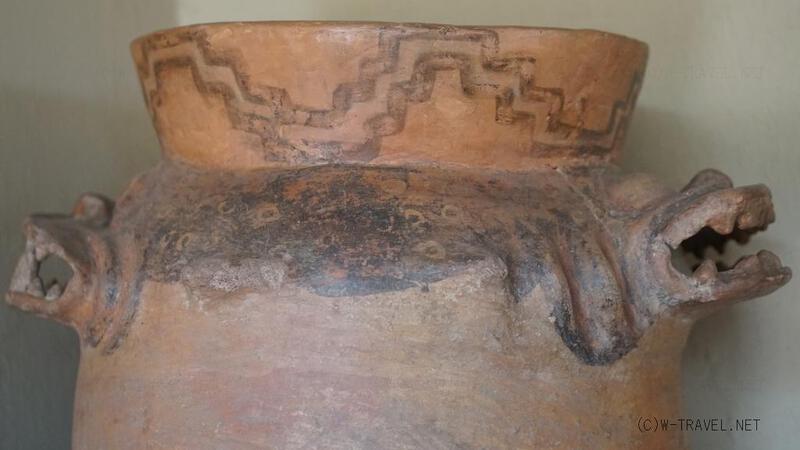
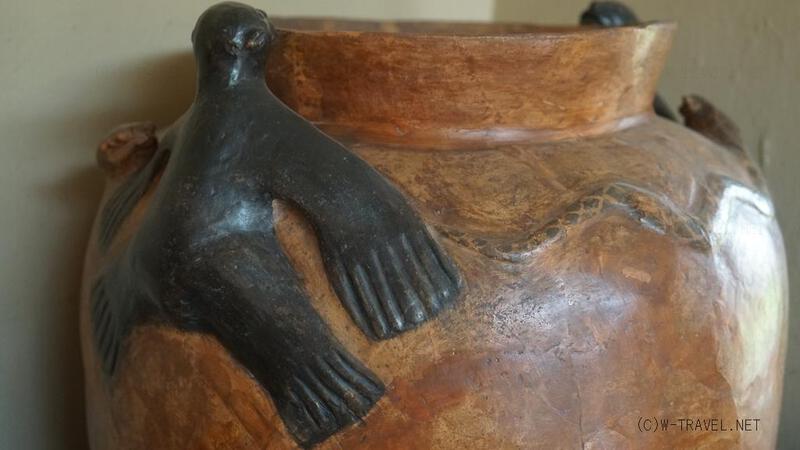
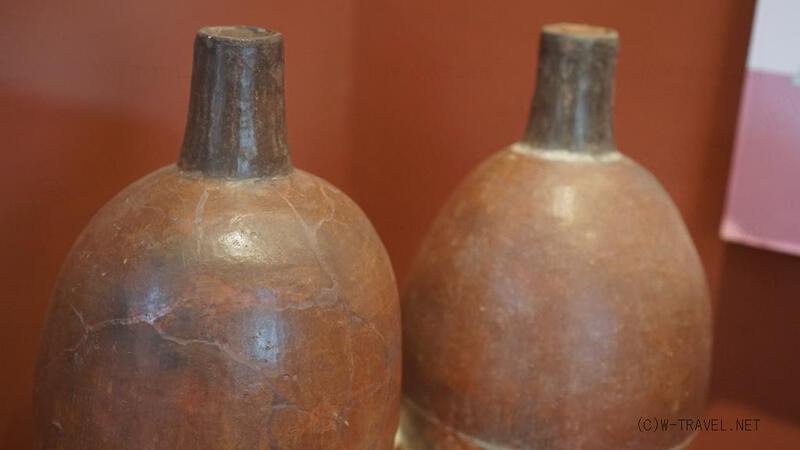
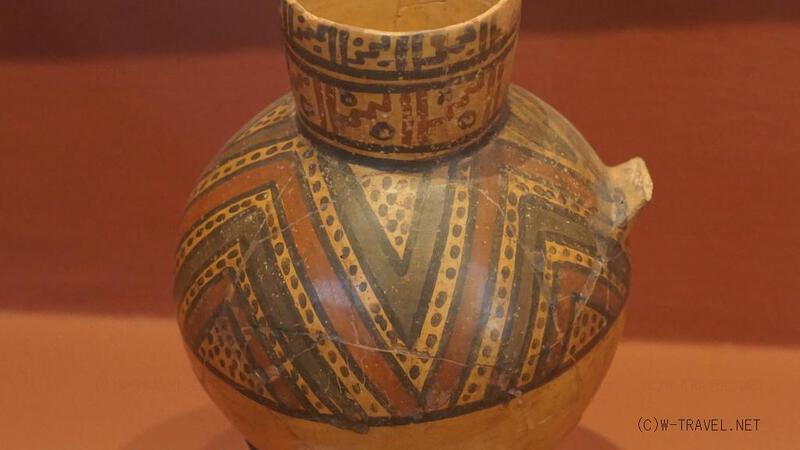
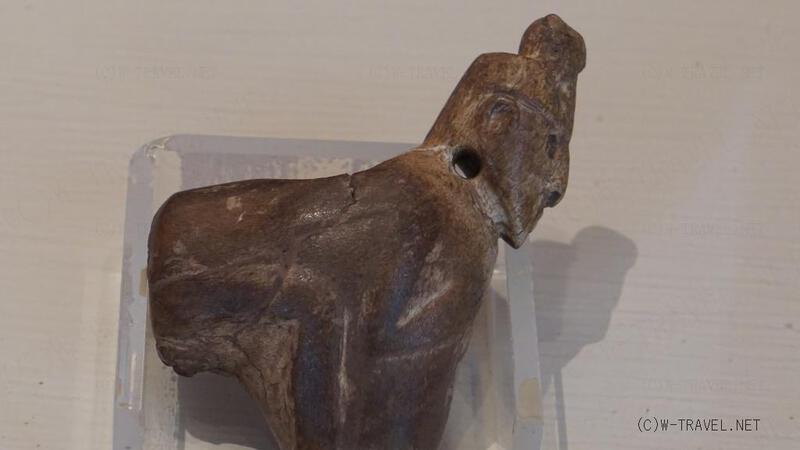
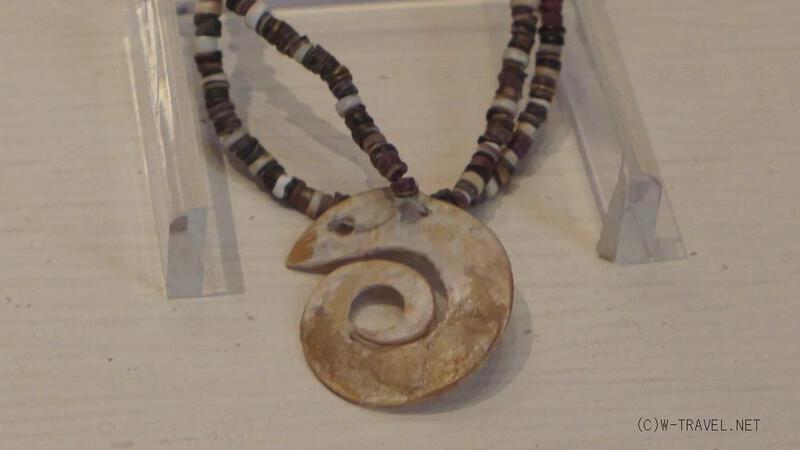
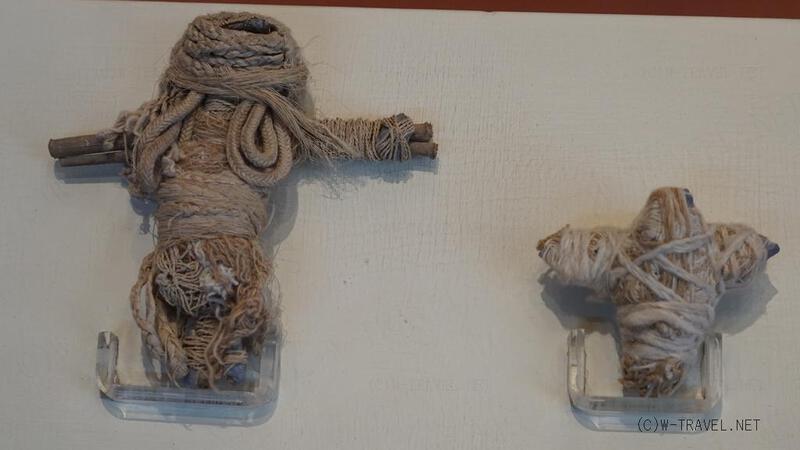
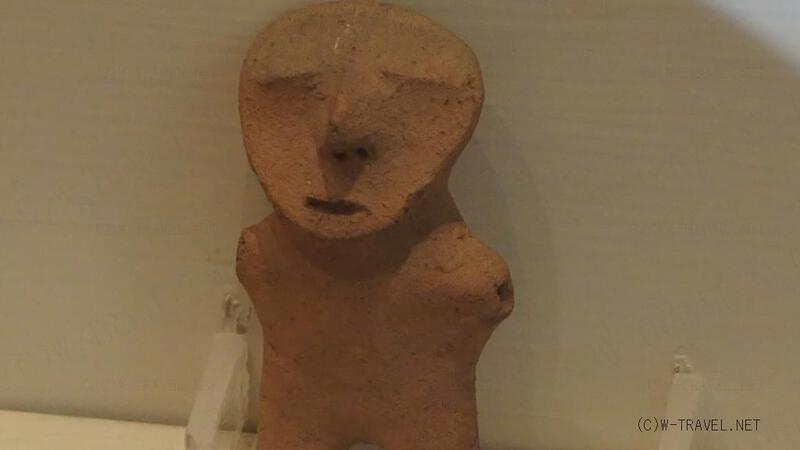
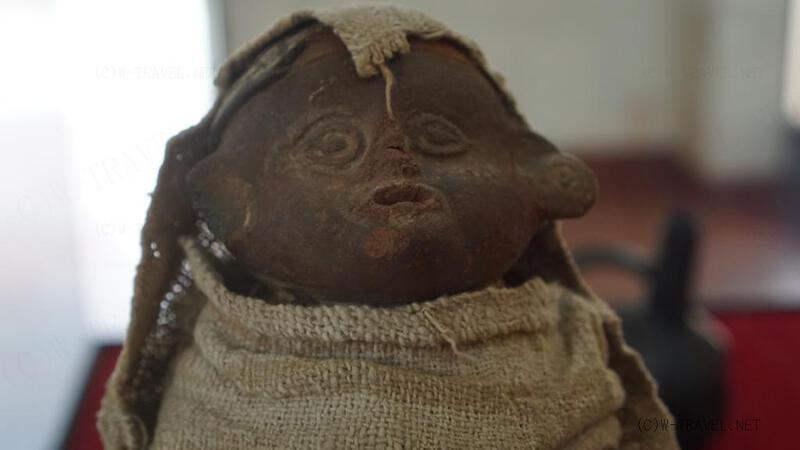
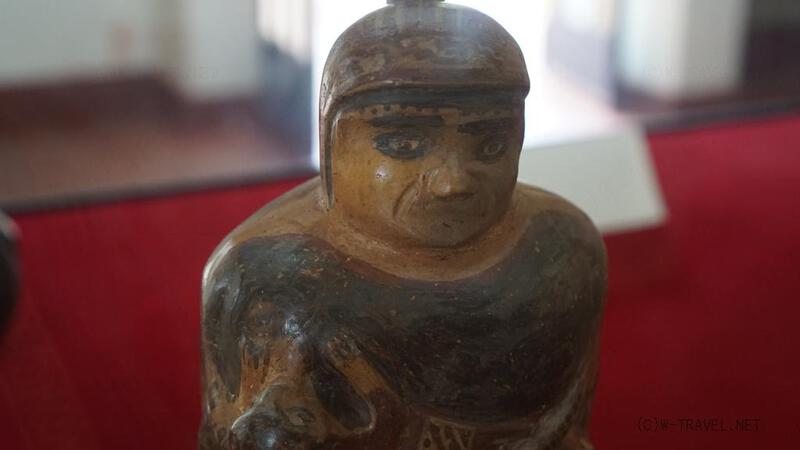

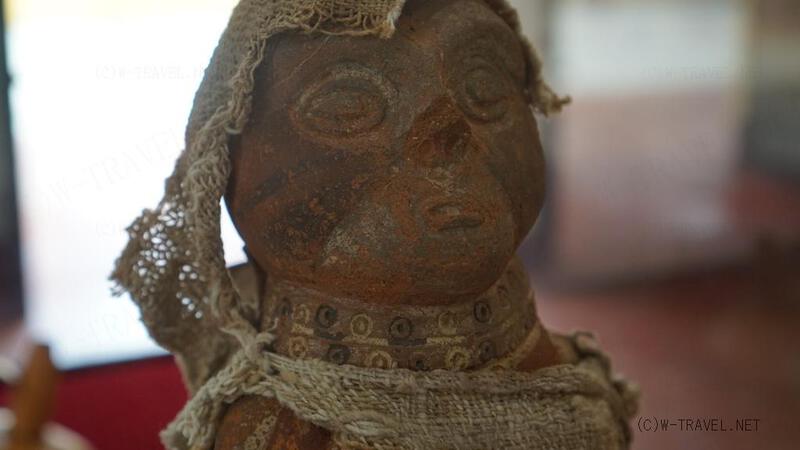
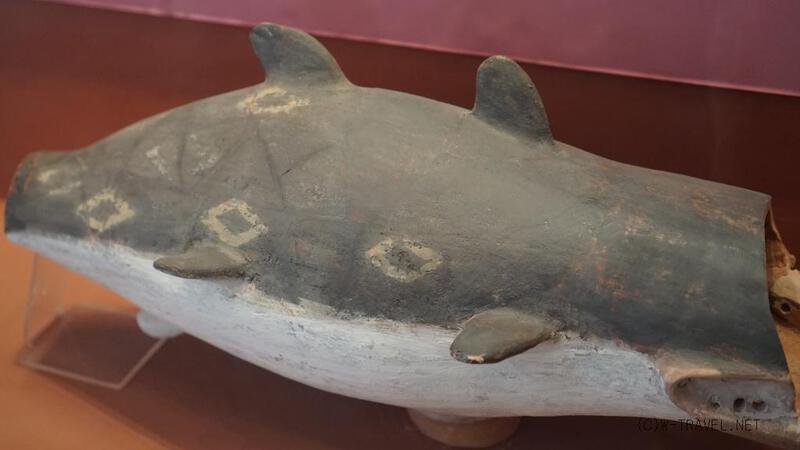
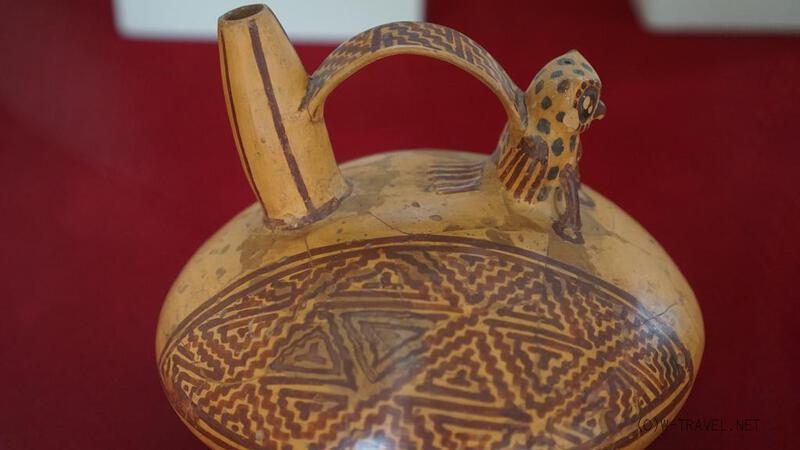
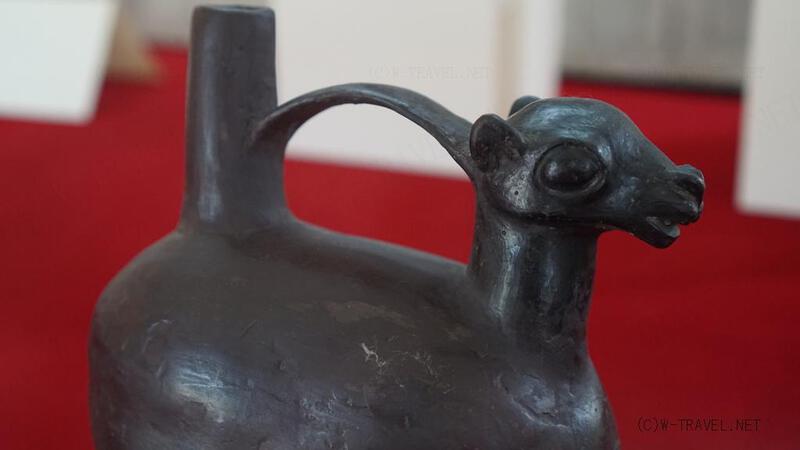

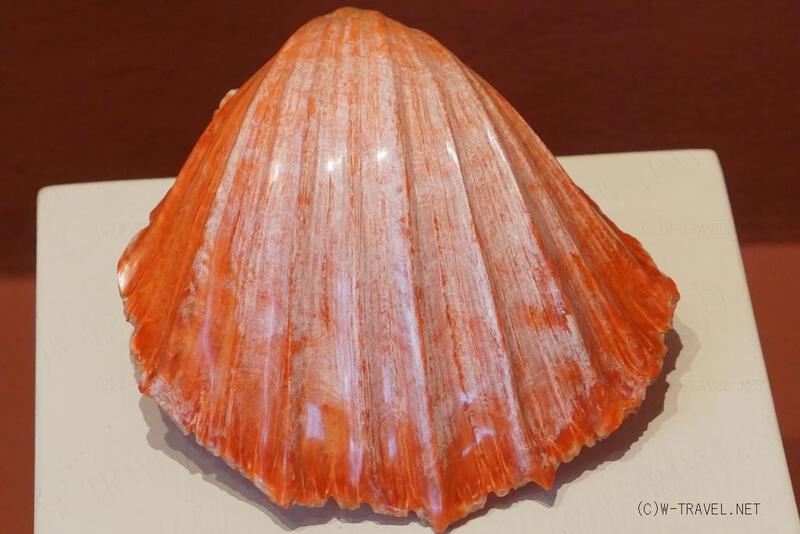
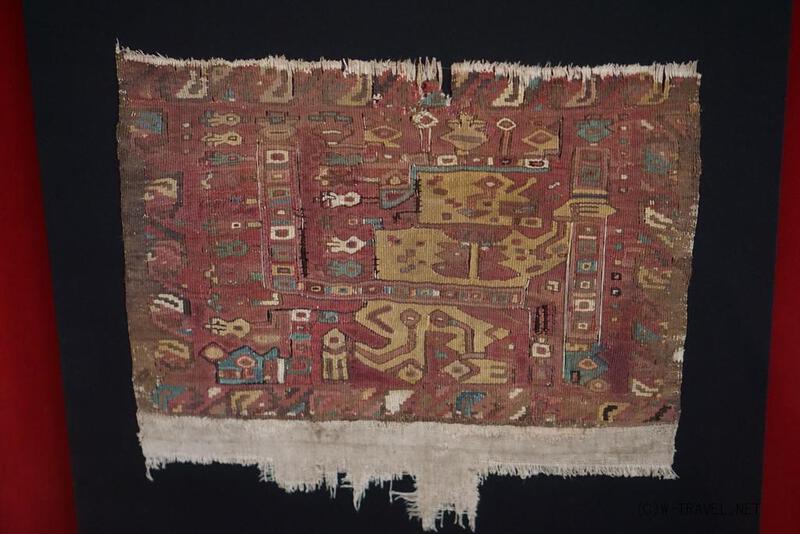
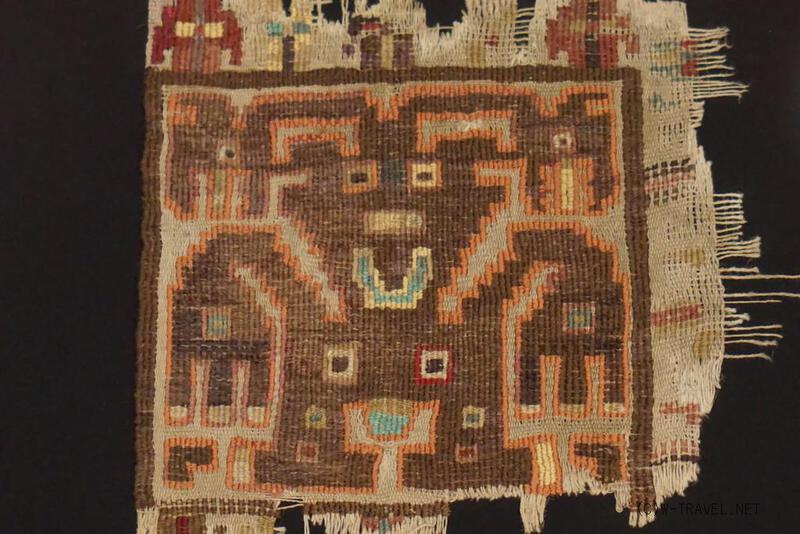

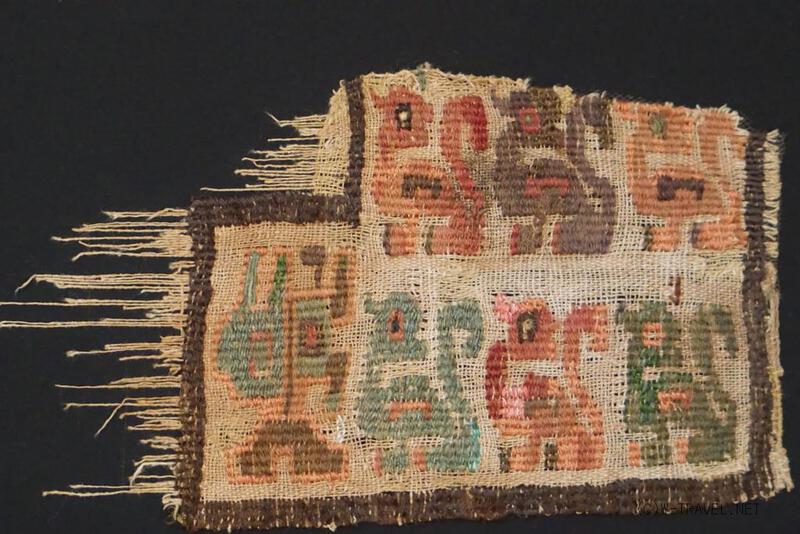
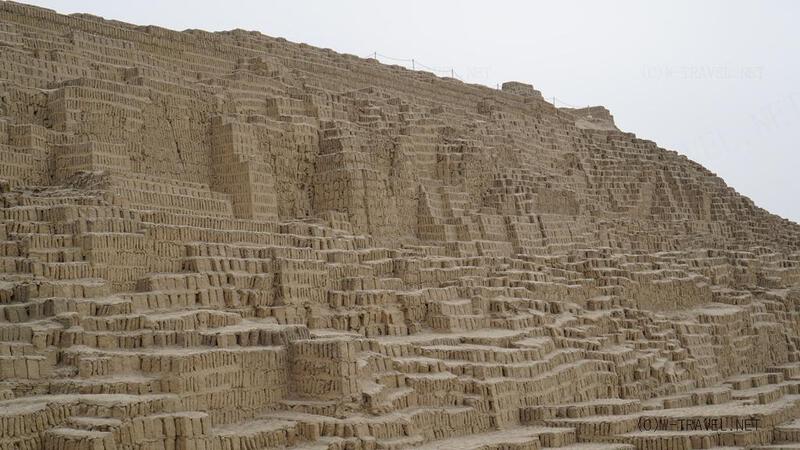
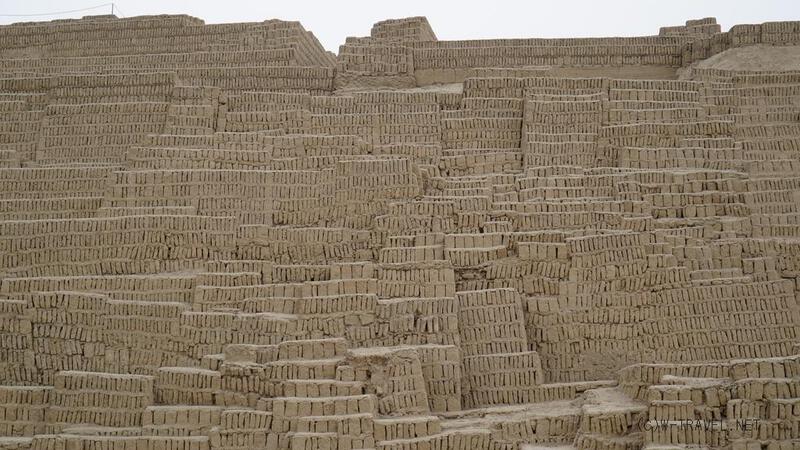

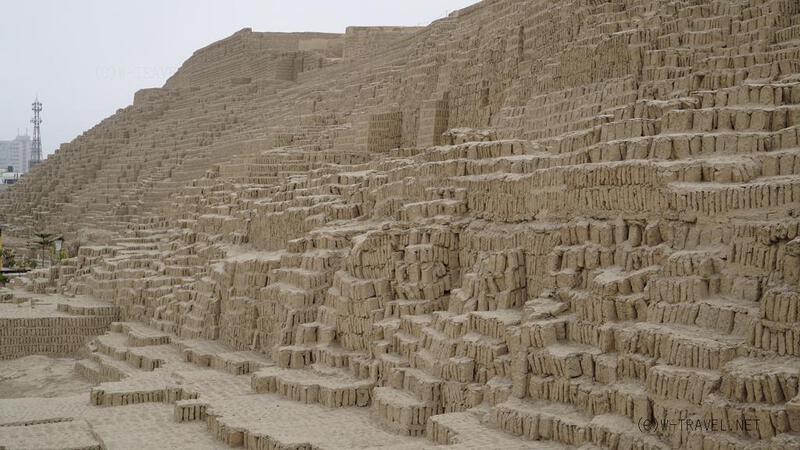

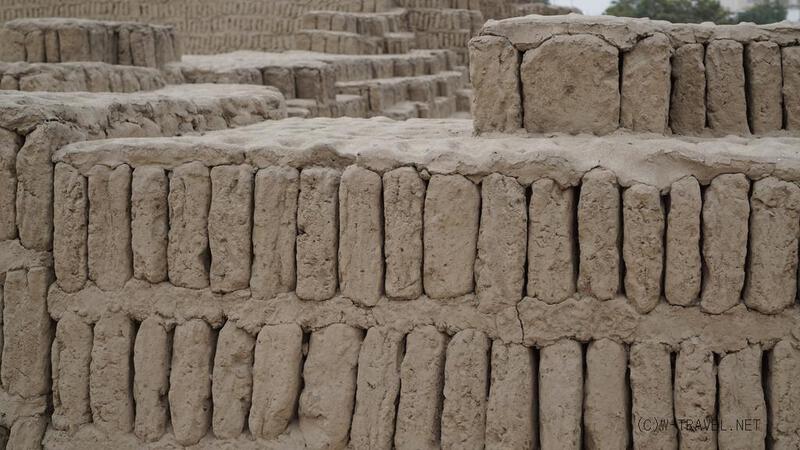


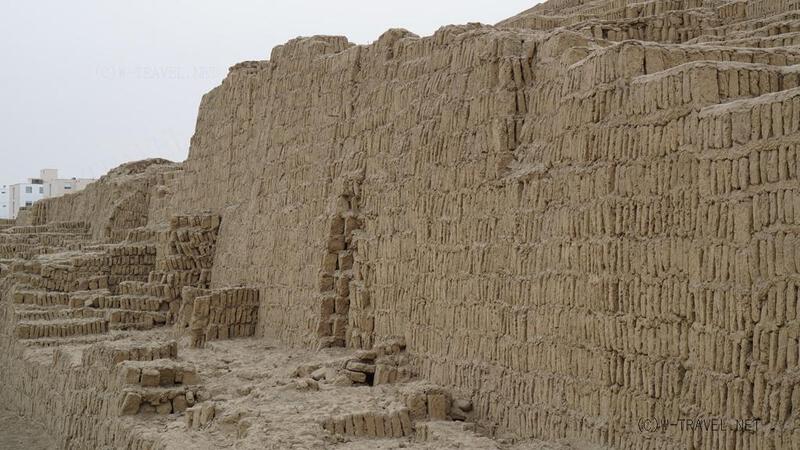


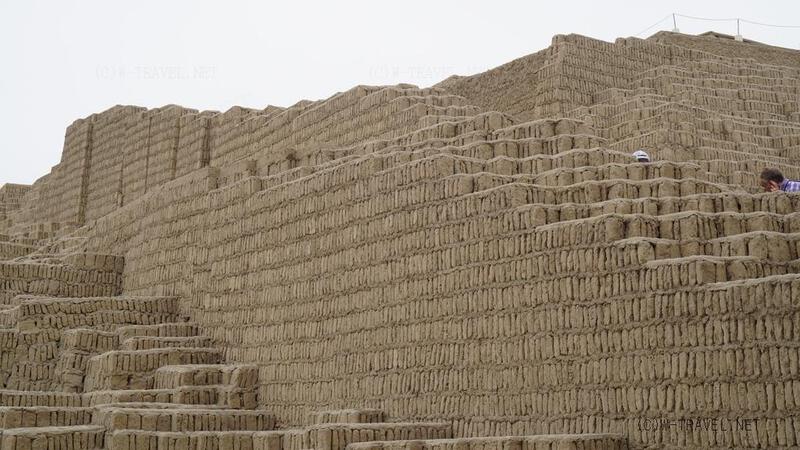
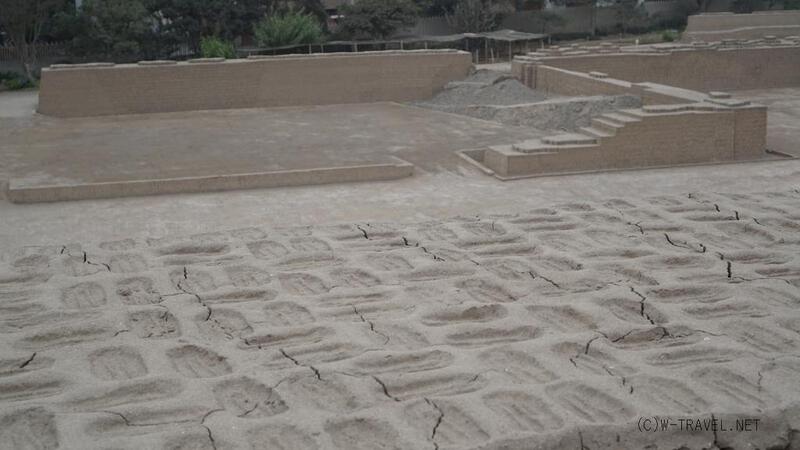
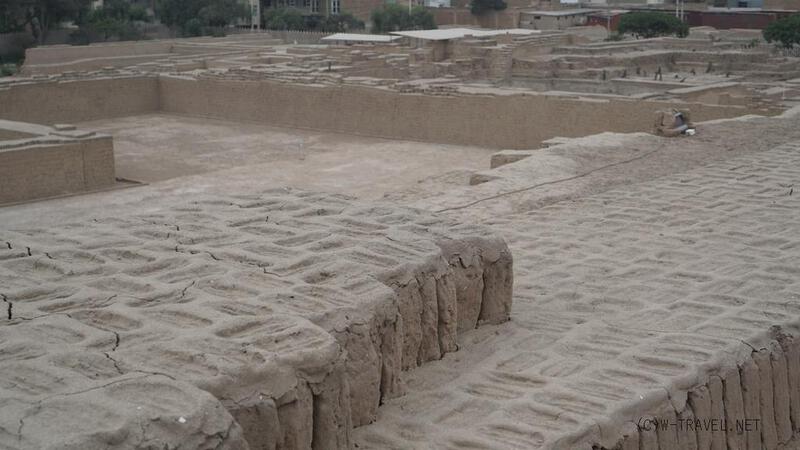


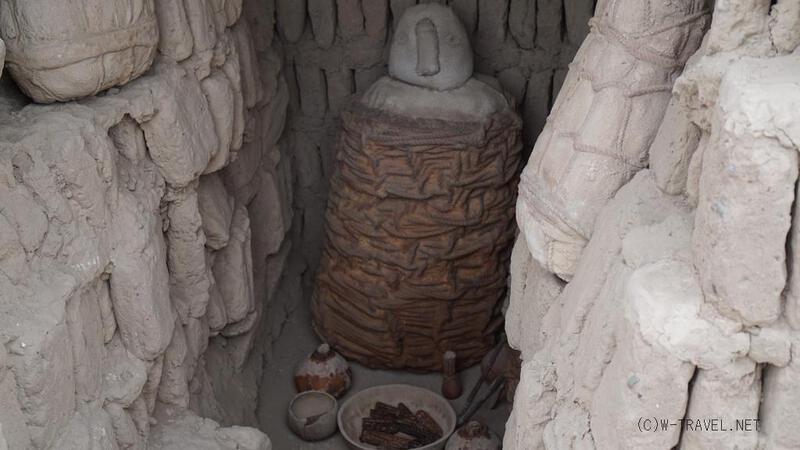
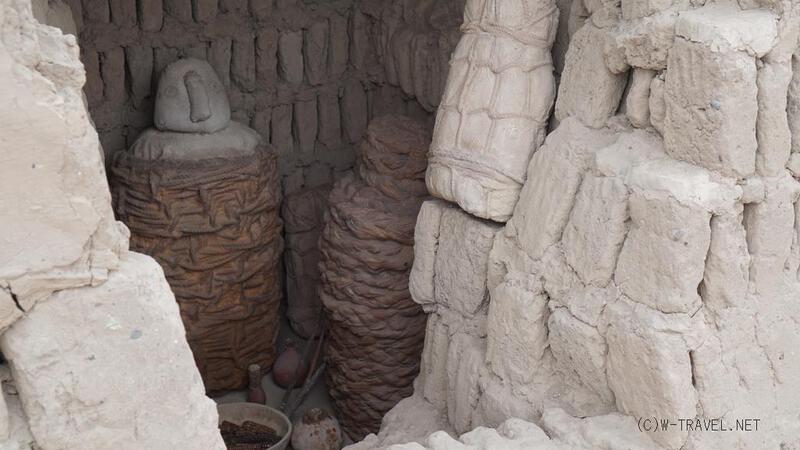
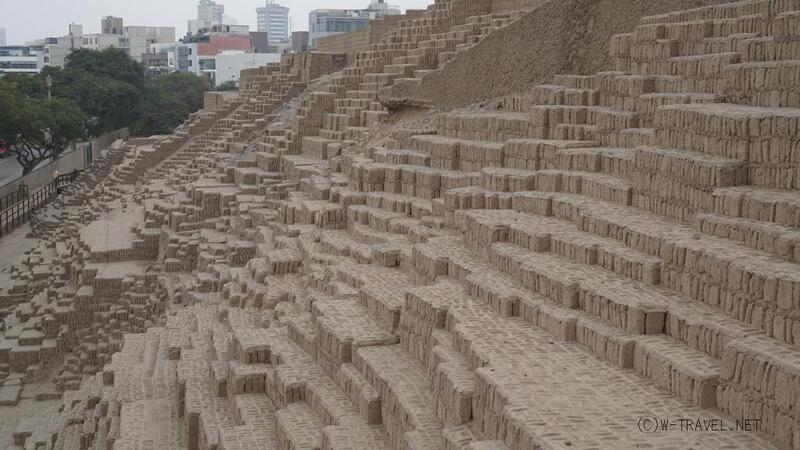
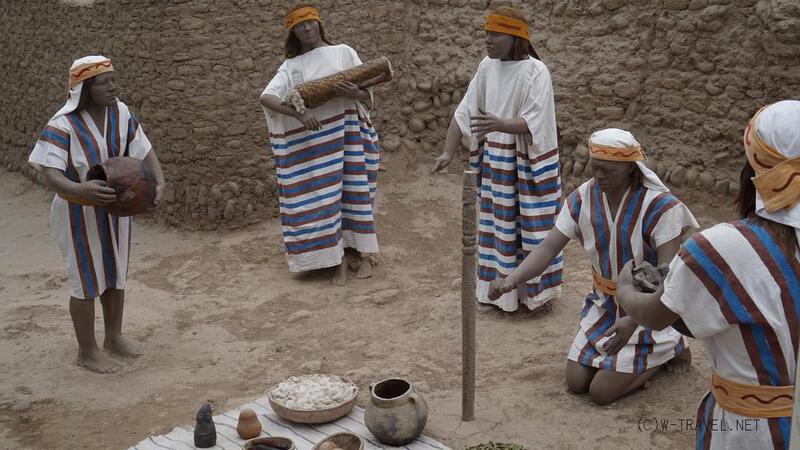
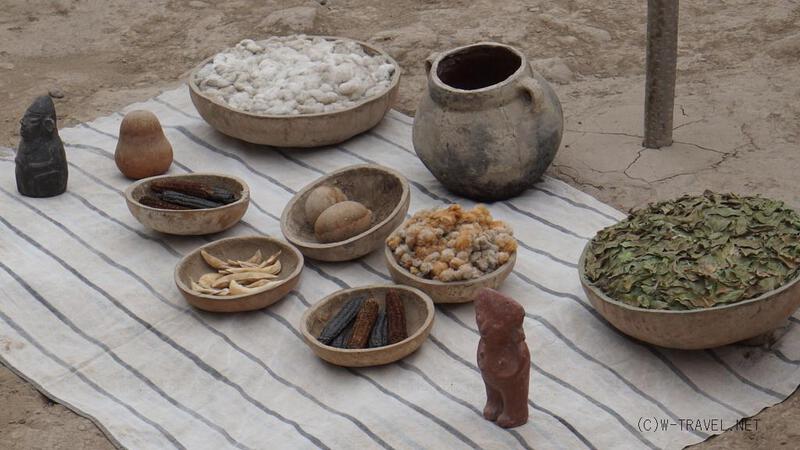
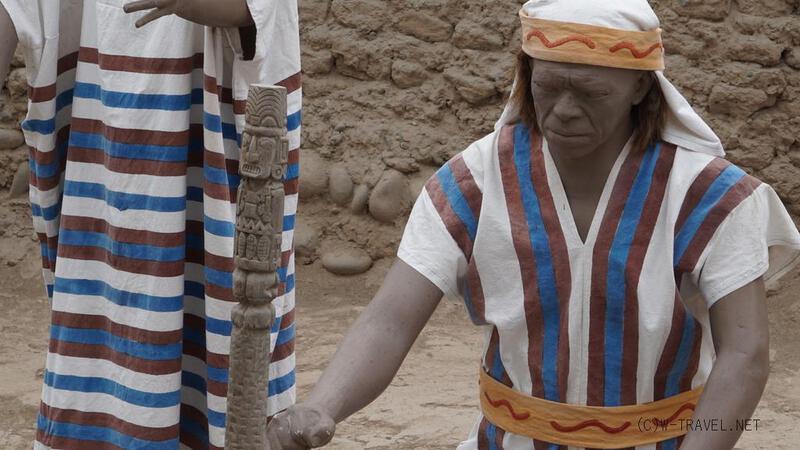

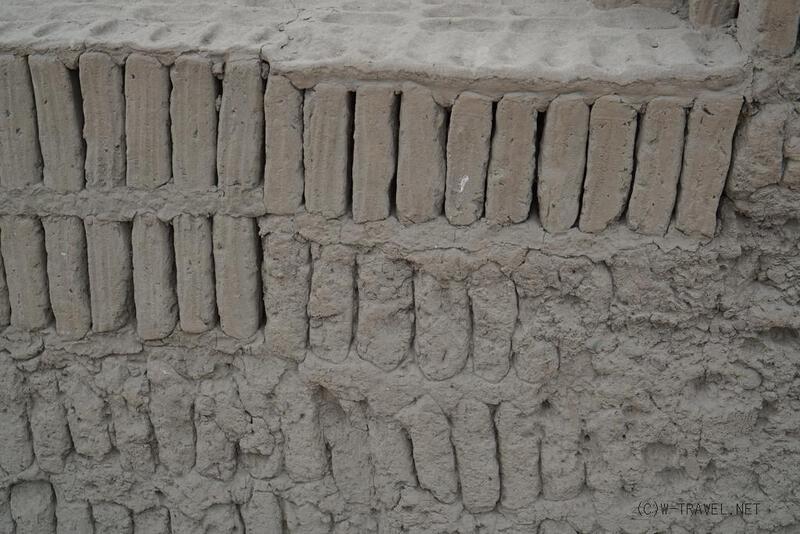
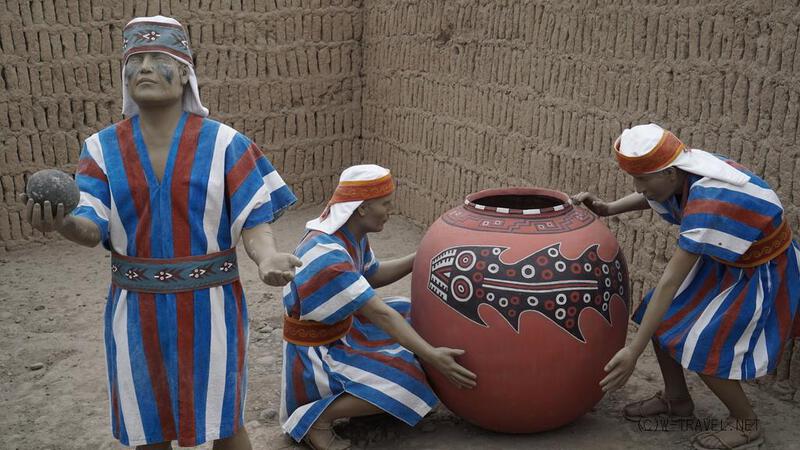
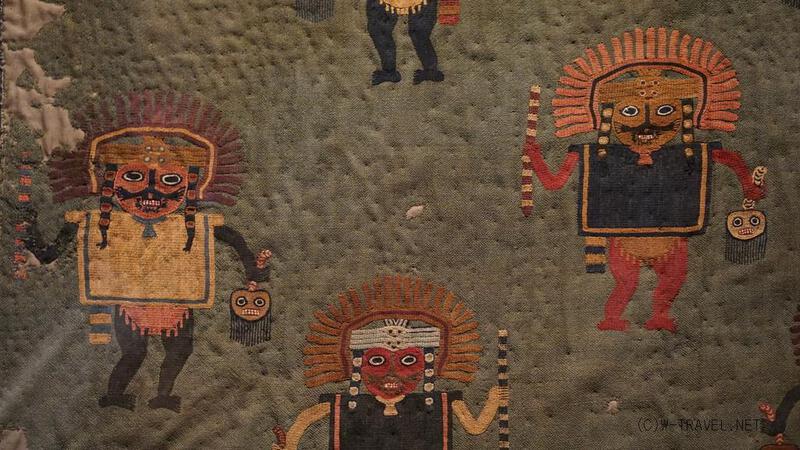
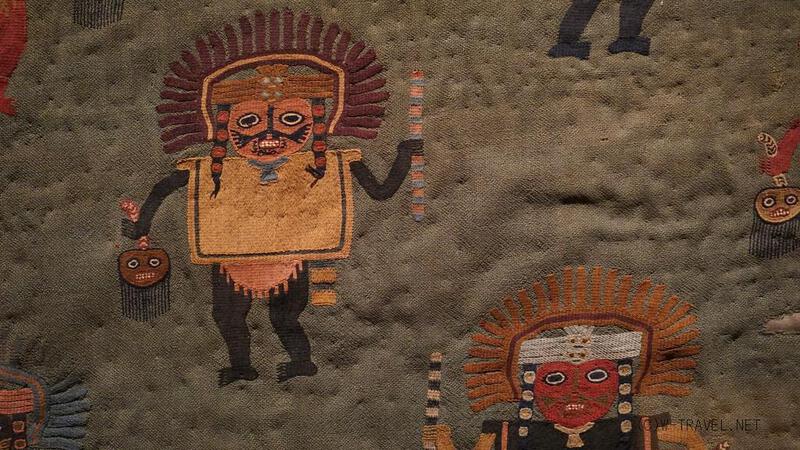
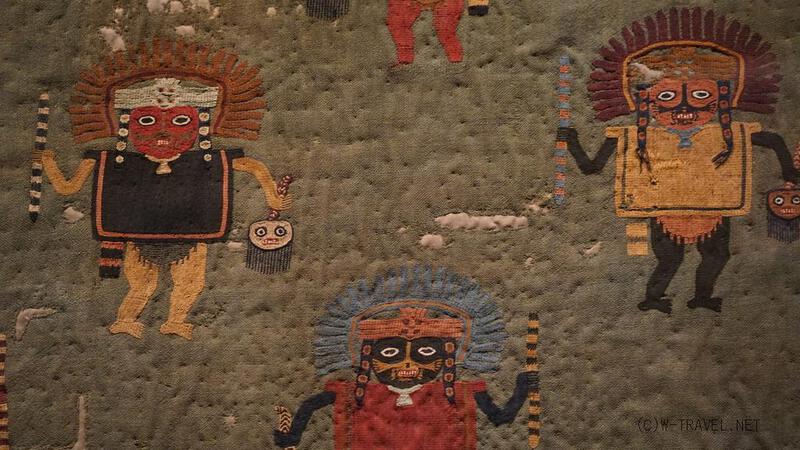
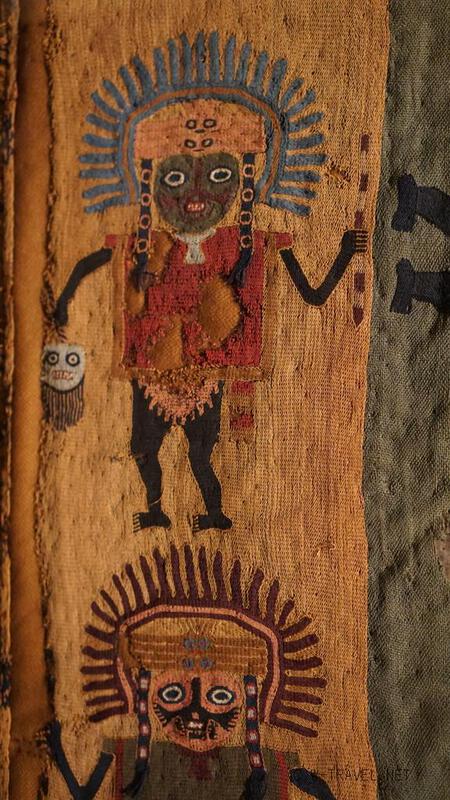
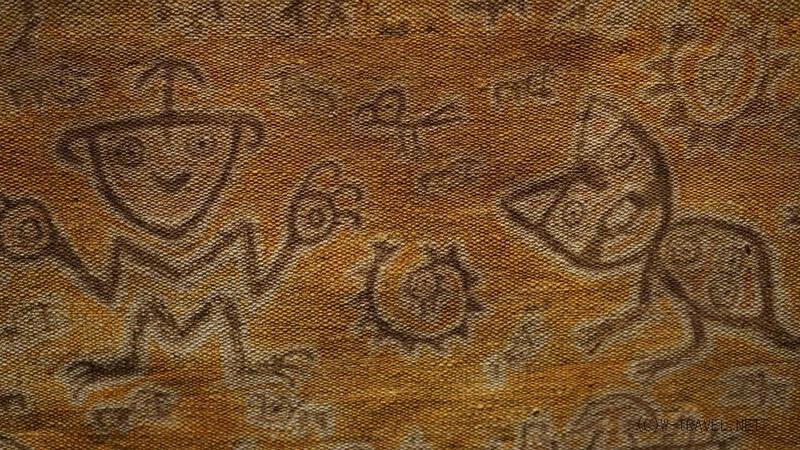
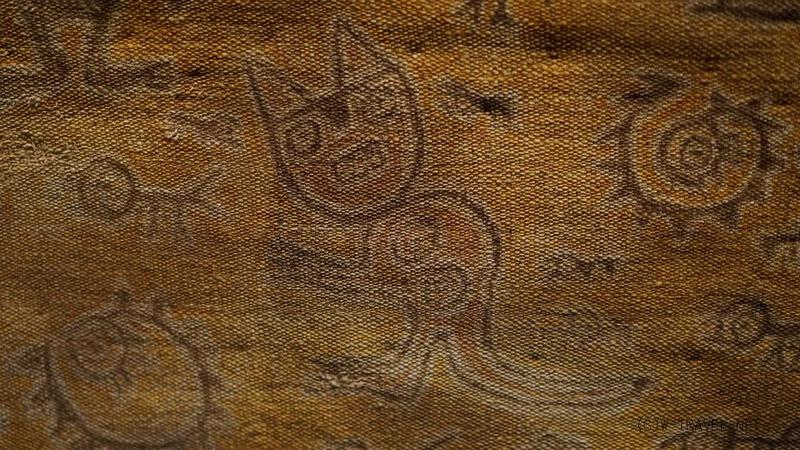
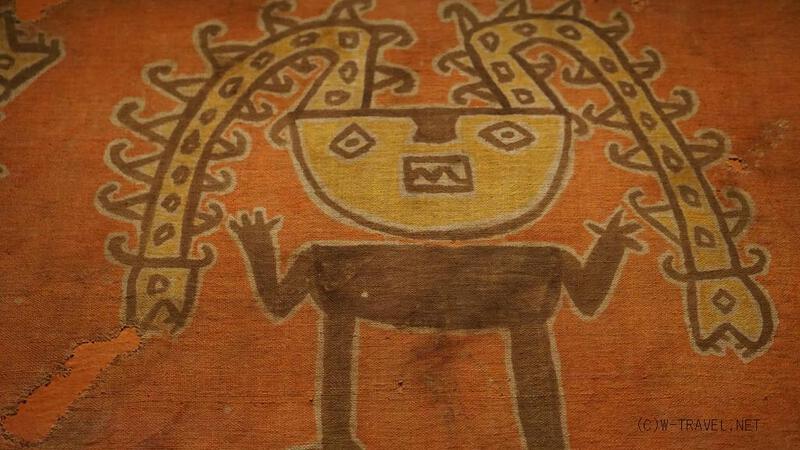
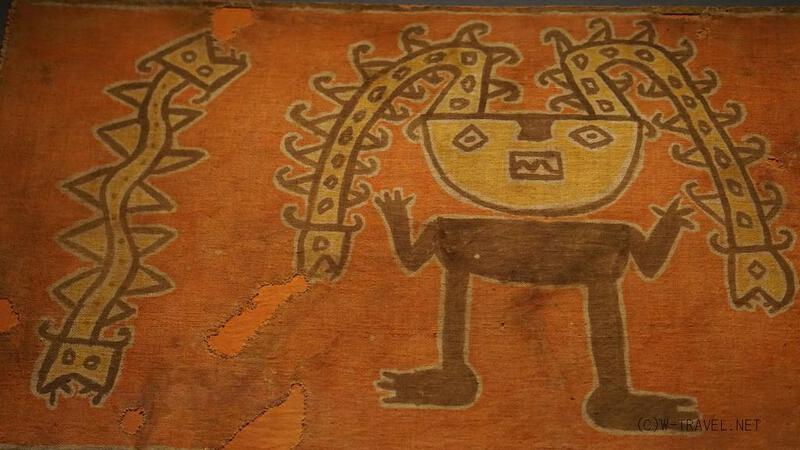
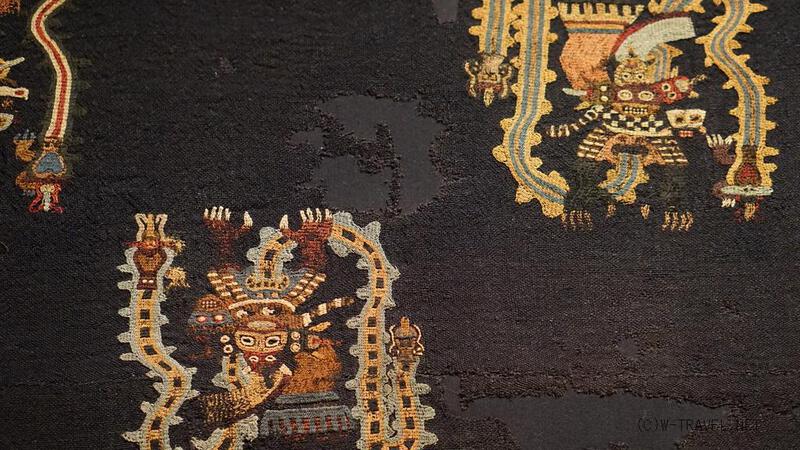
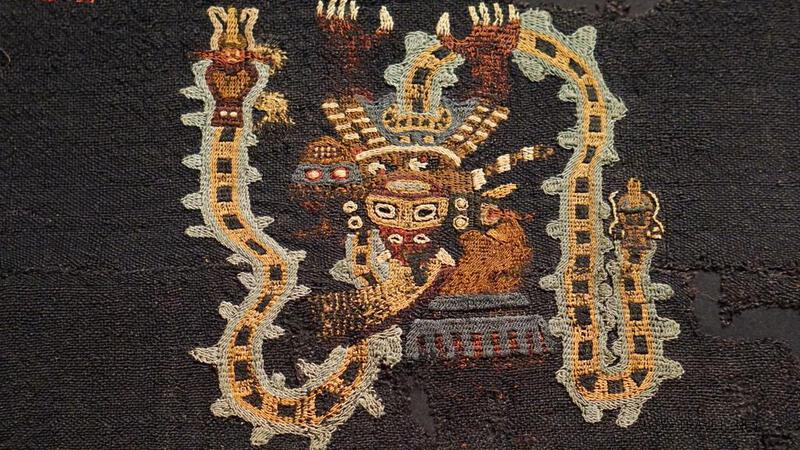
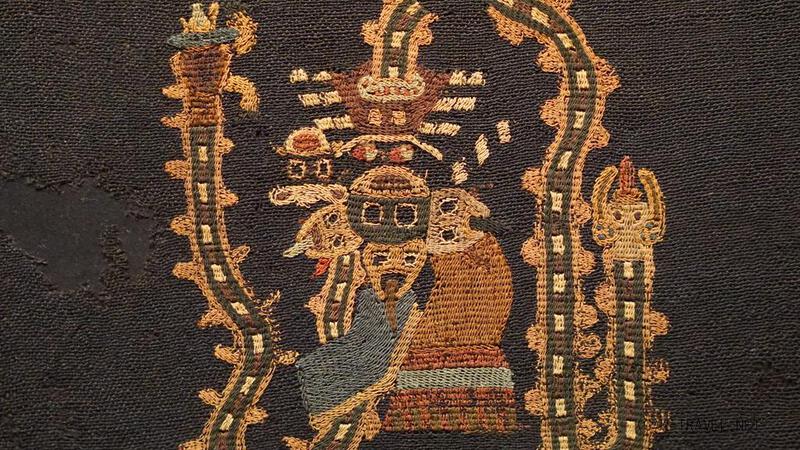
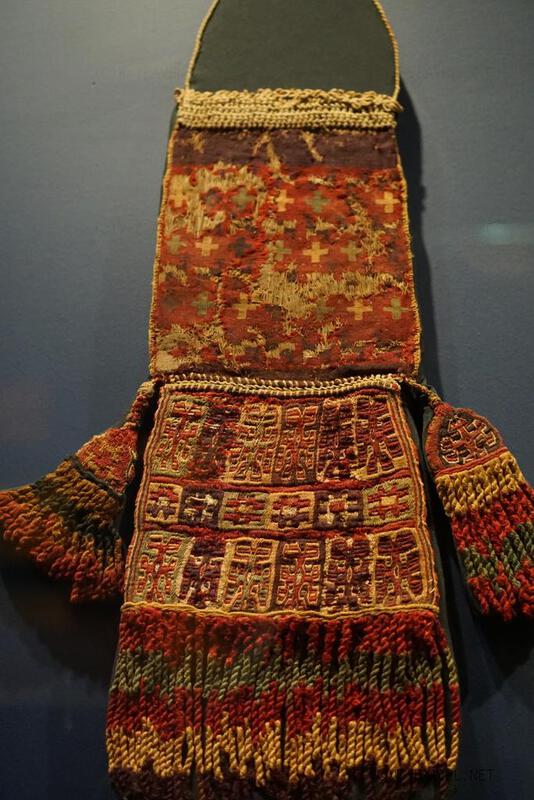
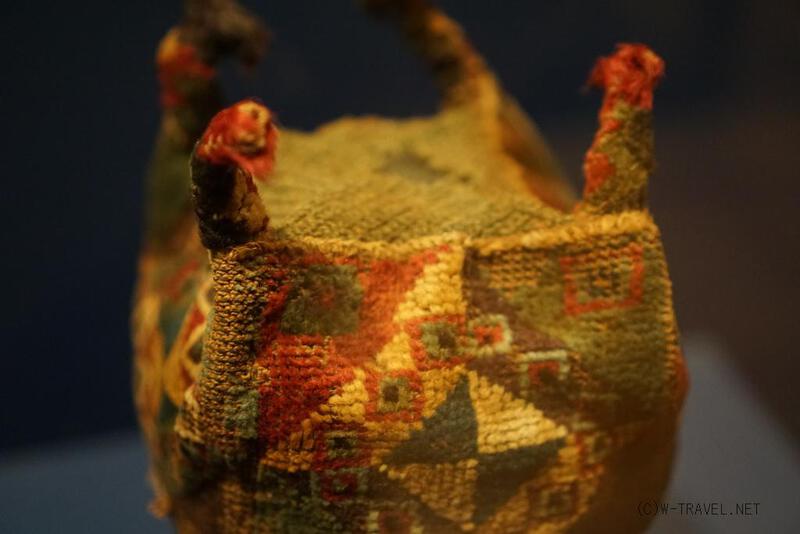
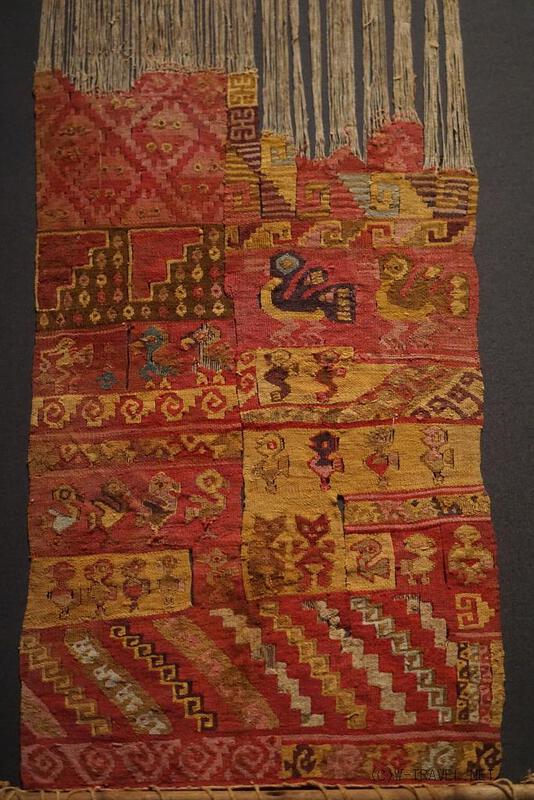
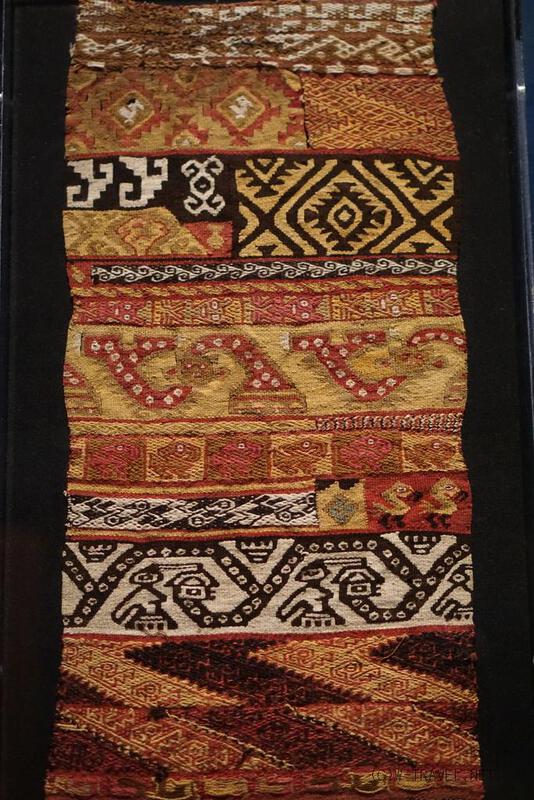
अमानो प्री-कोलंबियाई वस्त्र संग्रहालय (Amano Museo Textil Precolombino).
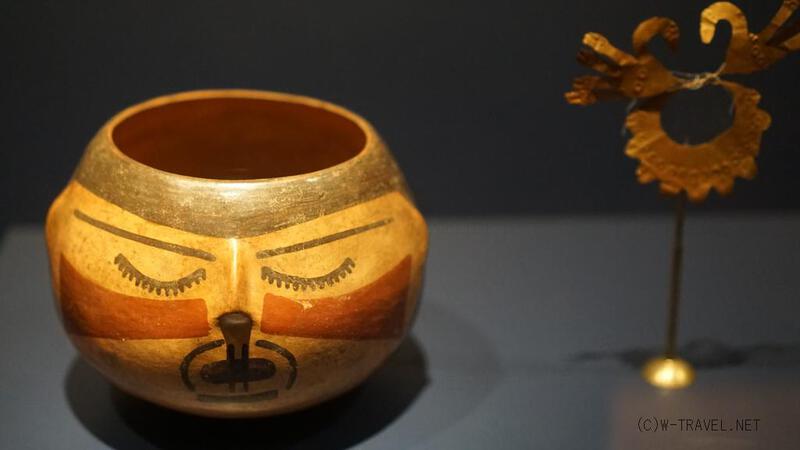
अमानो प्री-कोलंबियाई वस्त्र संग्रहालय (Amano Museo Textil Precolombino) छोटा है, लेकिन इसमें उच्च गुणवत्ता वाले प्रदर्शन मौजूद हैं।
इस संग्रहालय का जो स्थान है, वह लीमा का मिराफ्लोरेस क्षेत्र है, जो एक सुंदर शहर है। यहां न केवल सुंदरता है, बल्कि ड्राइवरों का व्यवहार भी अपेक्षाकृत अच्छा है।
पेरू के अन्य क्षेत्रों में, कारें प्राथमिकता पर होती हैं, और यदि कोई पैदल यात्री कारों के सामने होता है, तो वे बार-बार और लंबे समय तक हॉर्न बजाते हैं, और कार से बाहर निकलकर गुस्से में "तुम क्या कर रहे हो, हट जाओ, तुम मूर्ख" कहते हैं। लेकिन मिराफ्लोरेस क्षेत्र में, कारें धीरे-धीरे रुक जाती हैं। यहां पैदल यात्रियों को प्राथमिकता दी जाती है।
यह आश्चर्यजनक है कि एक ही देश में भी क्षेत्र के अनुसार इतना अंतर हो सकता है। लीमा के पुराने शहर में भी शिष्टाचार उतना अच्छा नहीं है, लेकिन यह ग्रामीण इलाकों से बेहतर है।
वैसे, पड़ोसी चिली में पैदल यात्रियों को प्राथमिकता दी जाती है। इक्वाडोर में भी पैदल यात्रियों को प्राथमिकता दी जाती है। किसी न किसी कारण से, केवल पेरू ऐसा है।
यहां मिराफ्लोरेस क्षेत्र में ड्राइवरों का व्यवहार अच्छा है, लेकिन औसत रूप से, यह चिली और इक्वाडोर से बहुत पीछे है। यहां अच्छे व्यवहार वाले कारों का अनुपात अधिक है। निश्चित रूप से, कुछ कारों में खराब व्यवहार भी होता है।
पेरू के भीतर, यहां का शिष्टाचार शीर्ष स्तर का है।

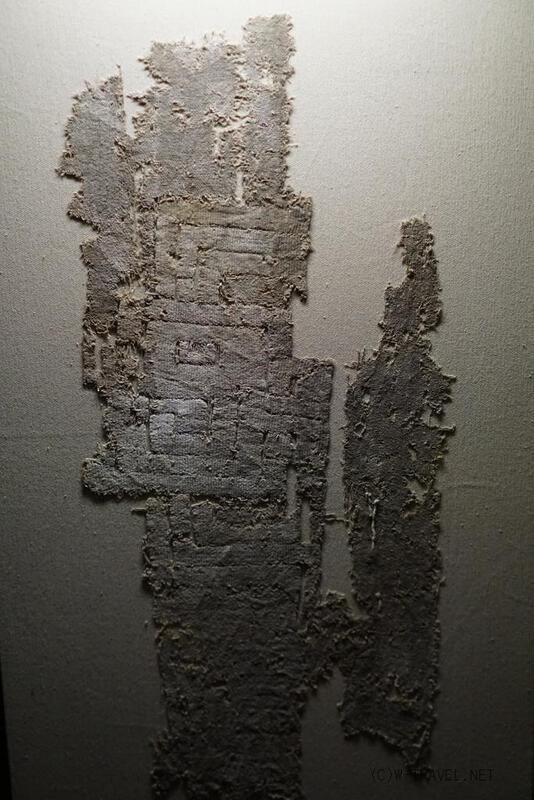 हाल में जिस चाविन (Chavin) खंडहरों की यात्रा की थी, उसकी प्रदर्शनी भी यहाँ है।

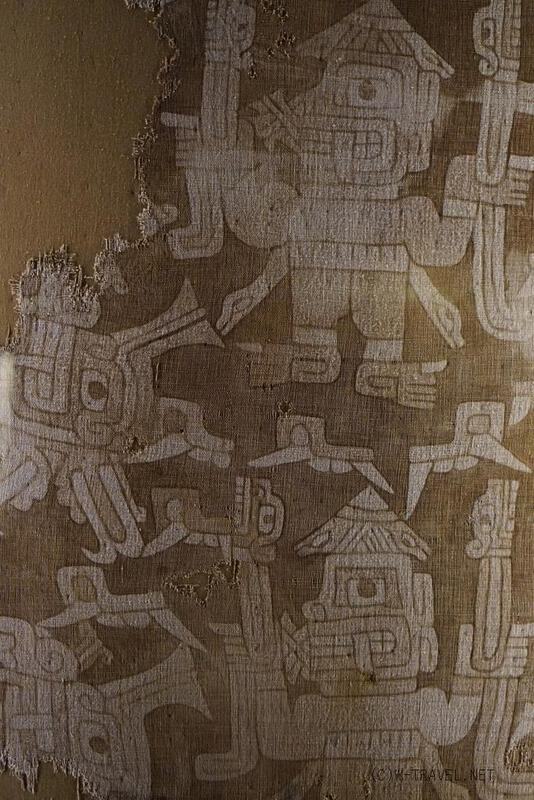
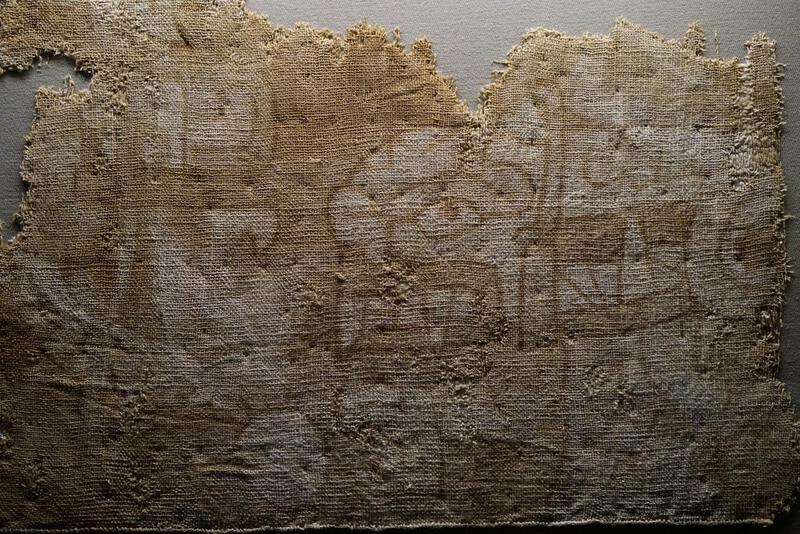
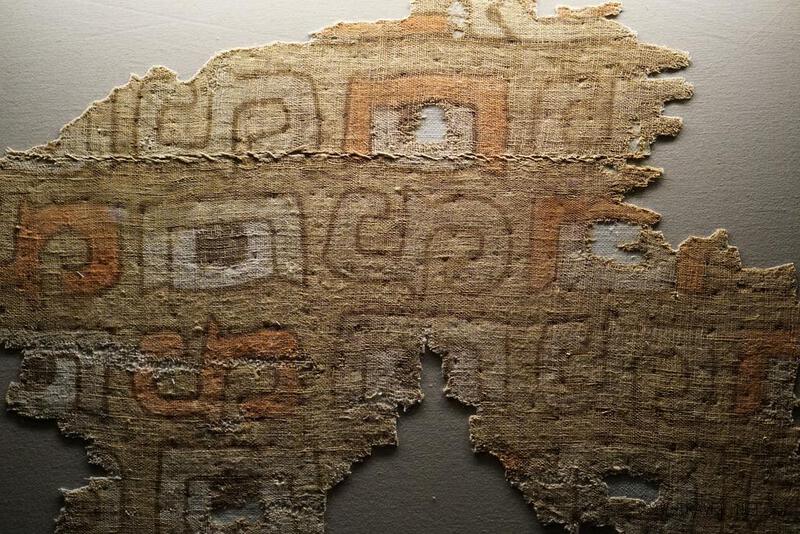

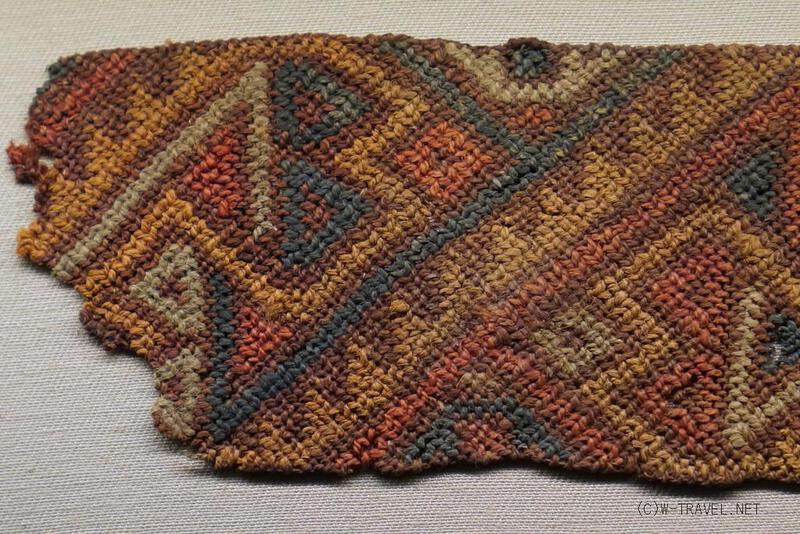

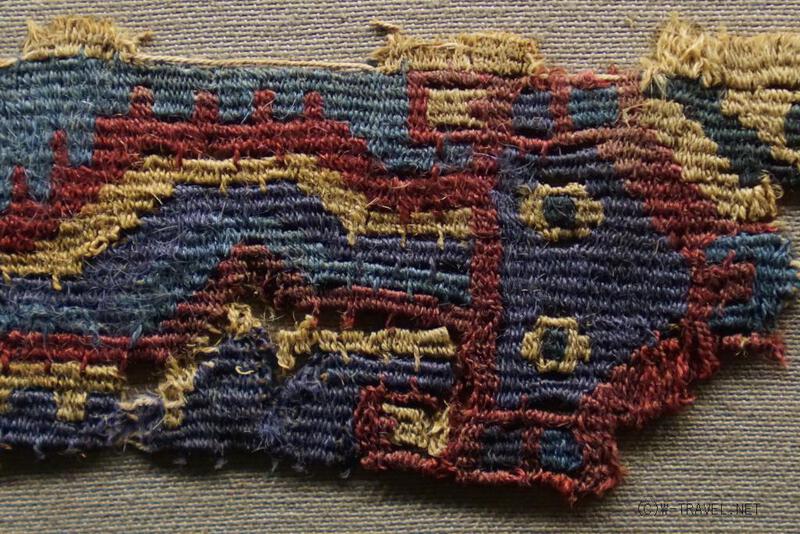
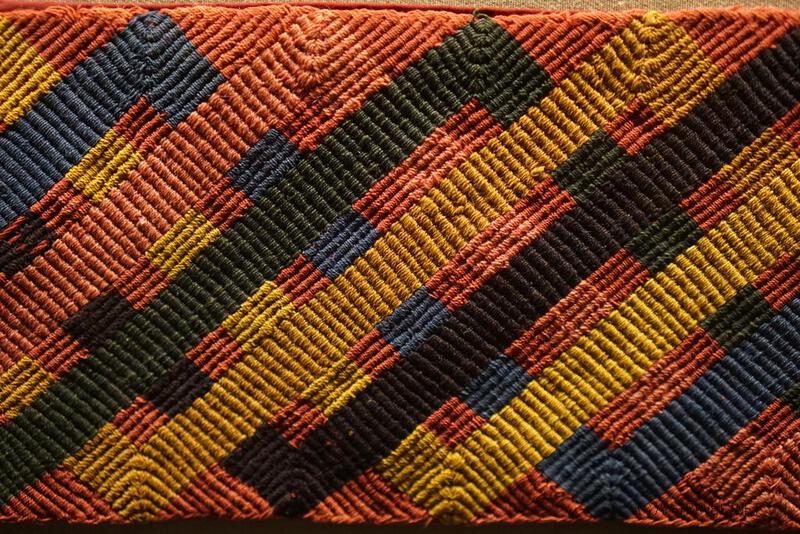
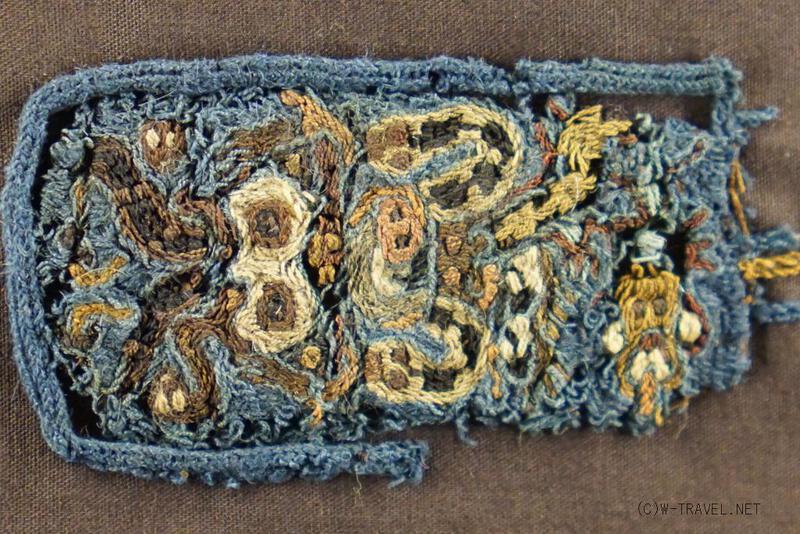
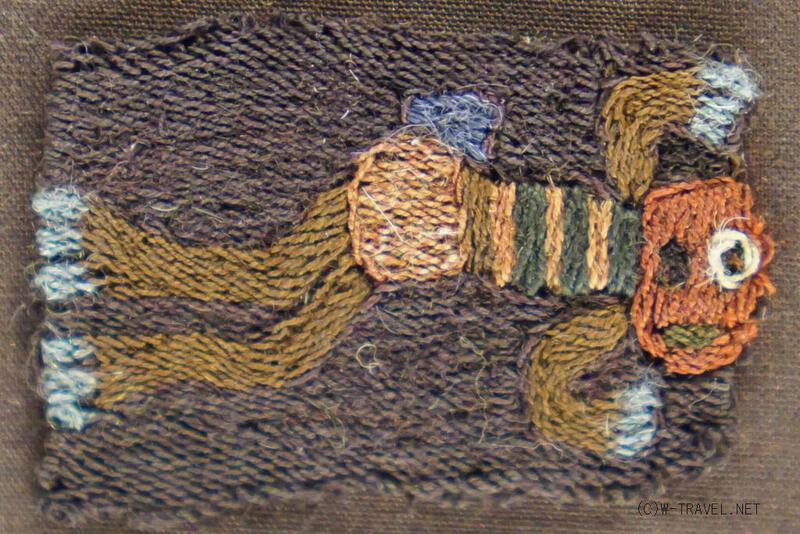
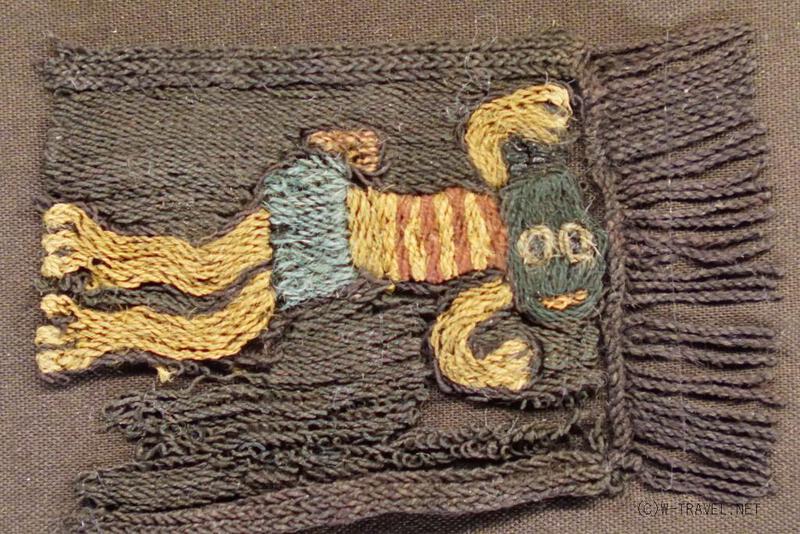
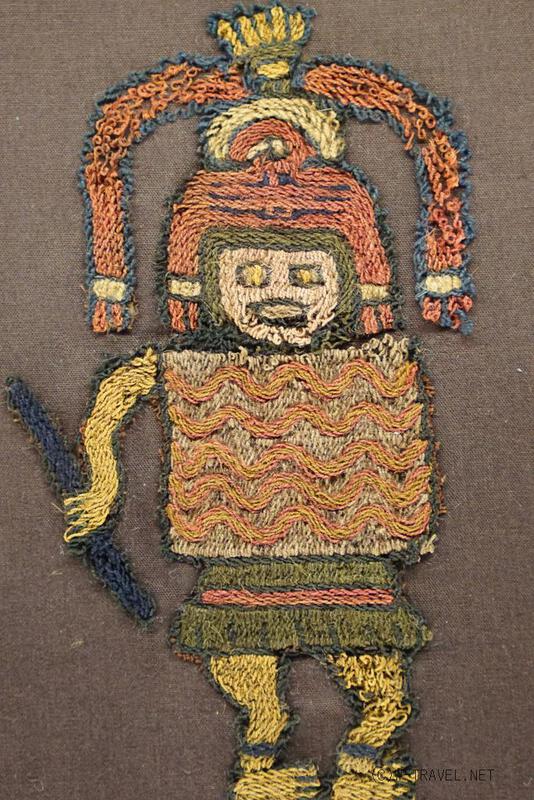
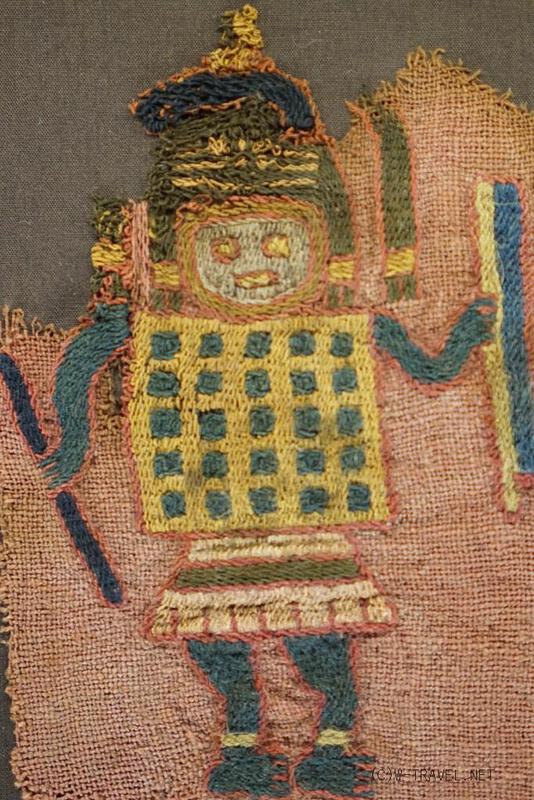
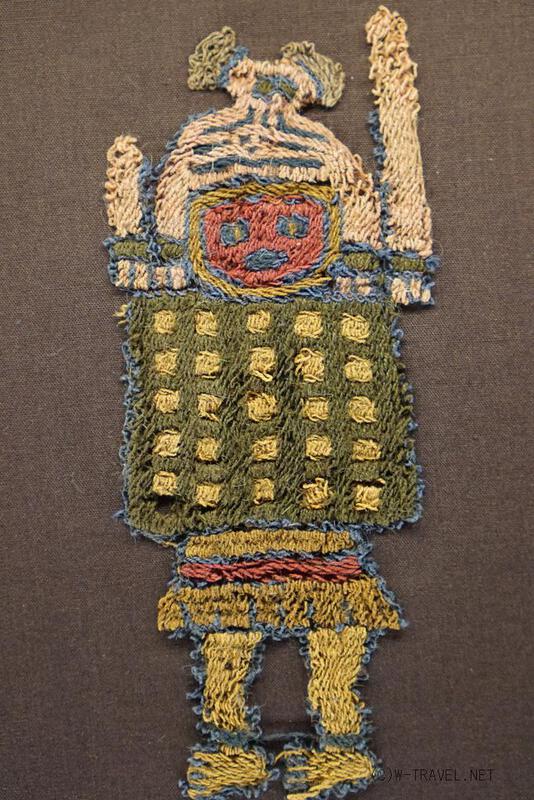
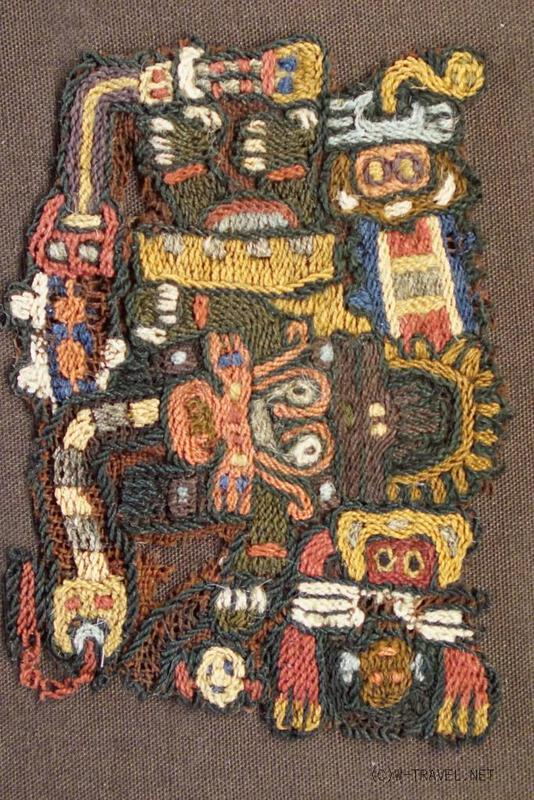
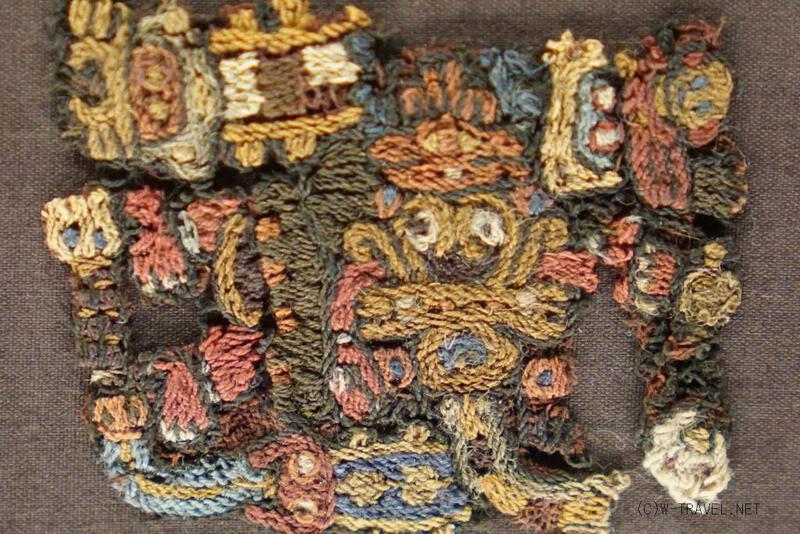
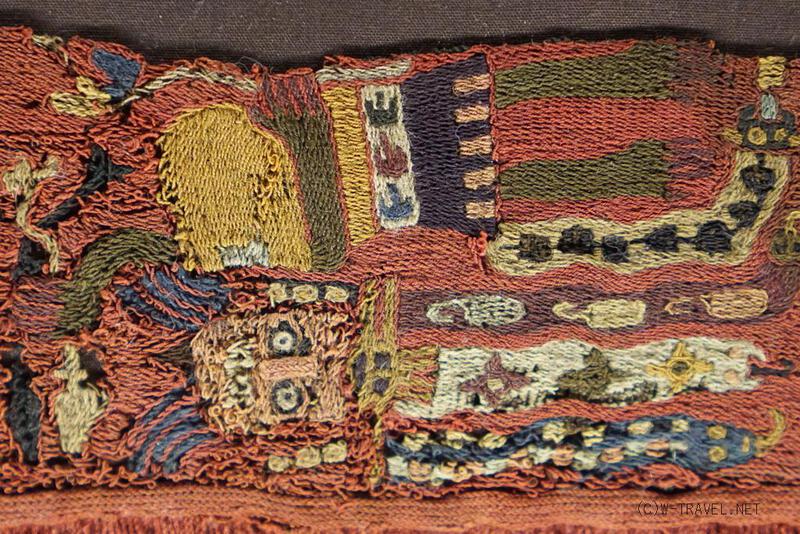
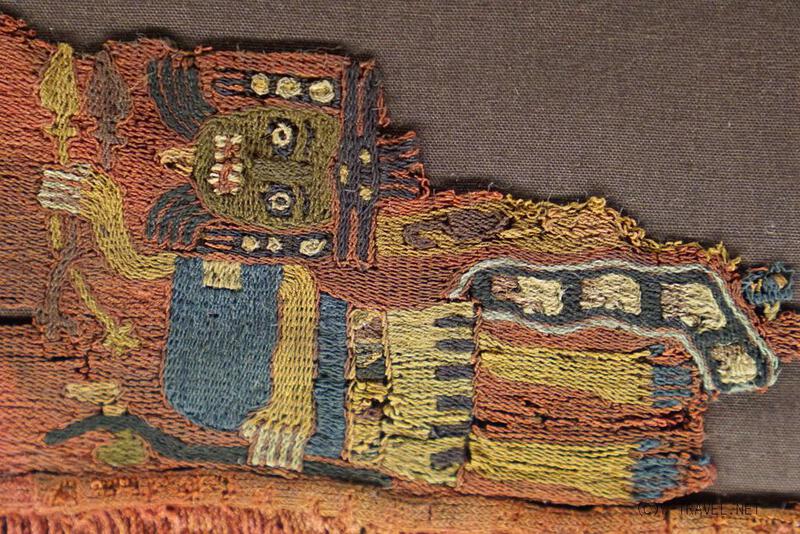
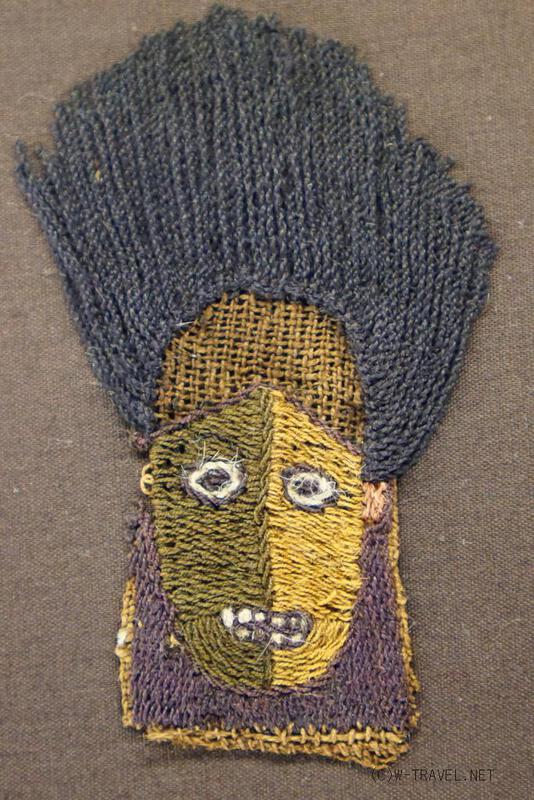
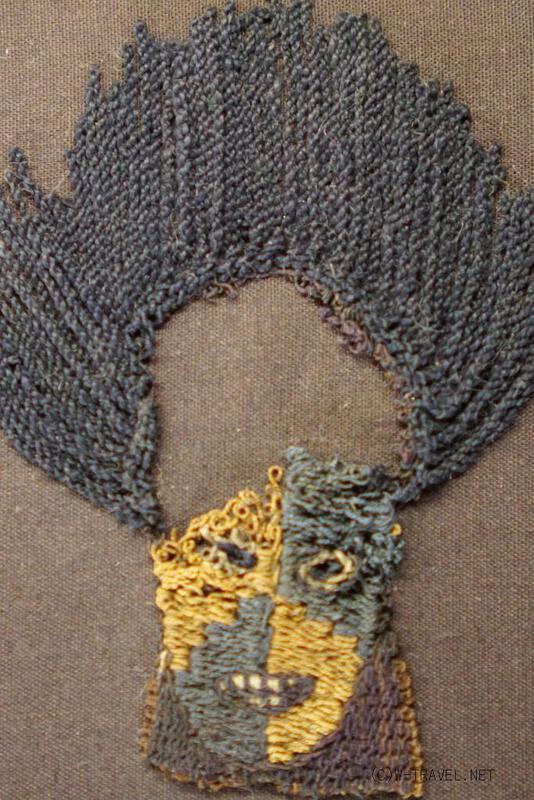
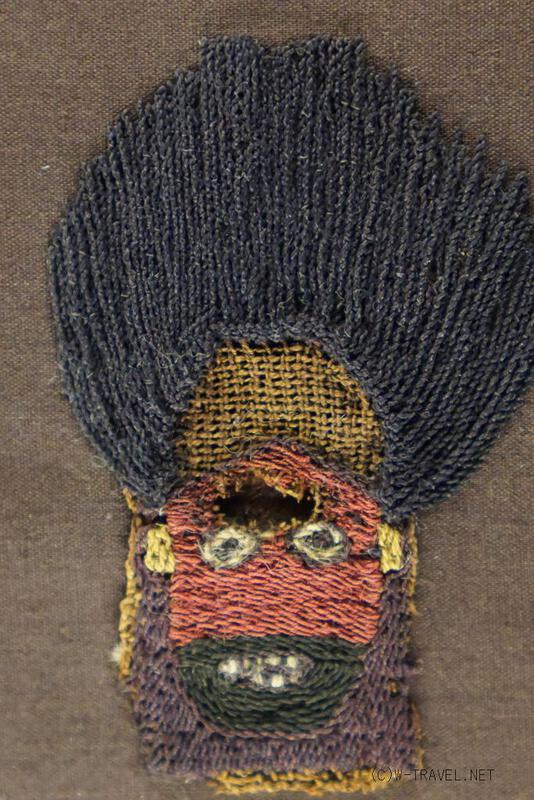
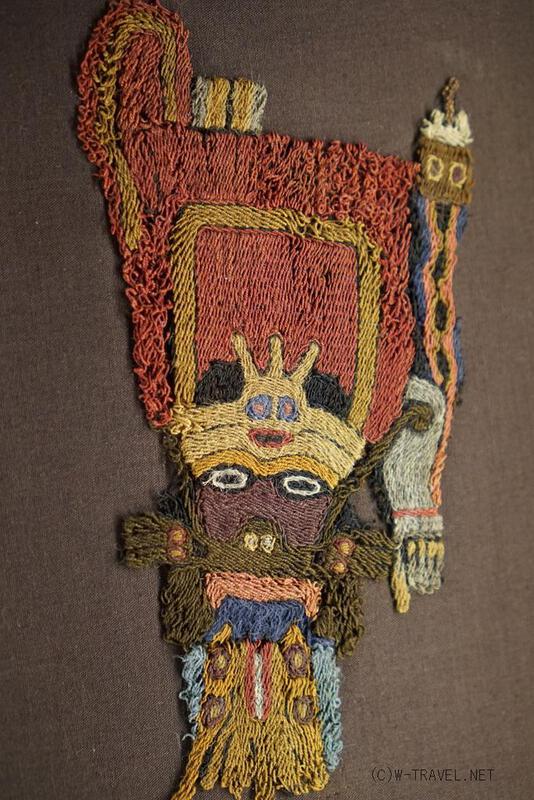
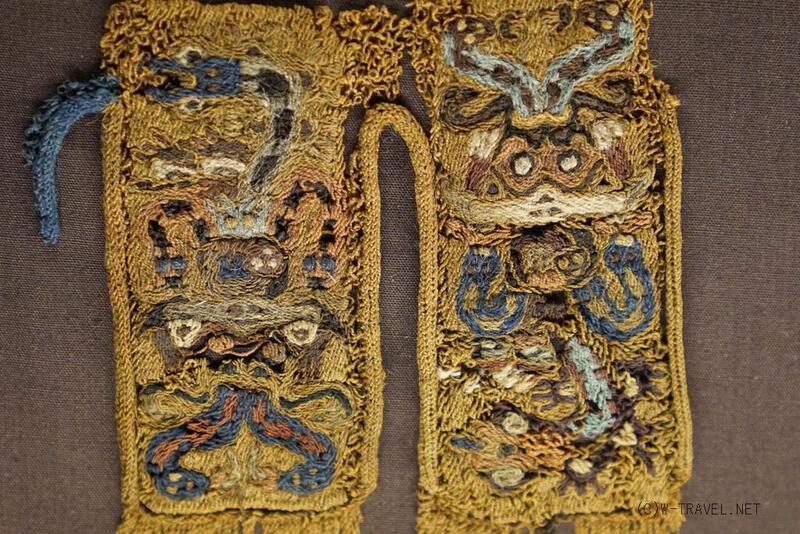

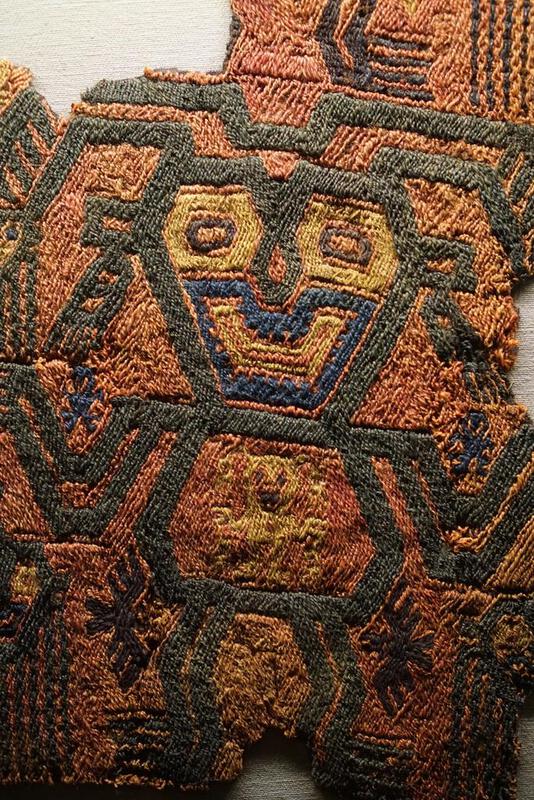
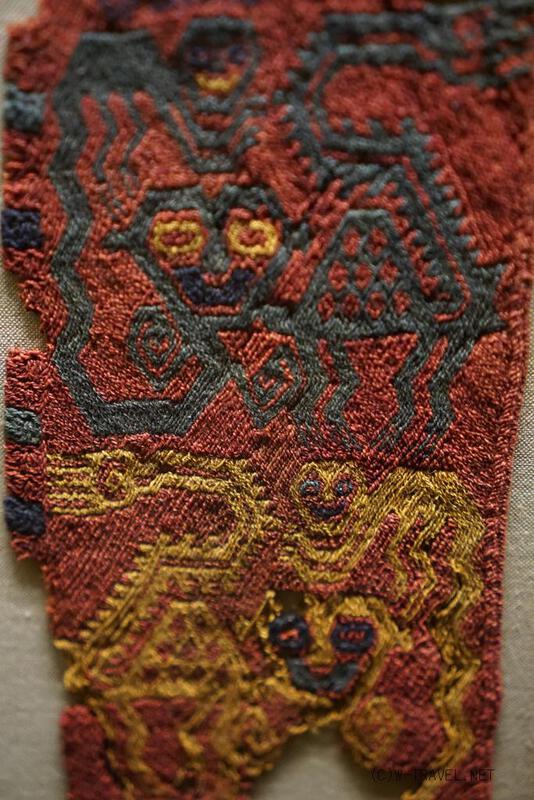
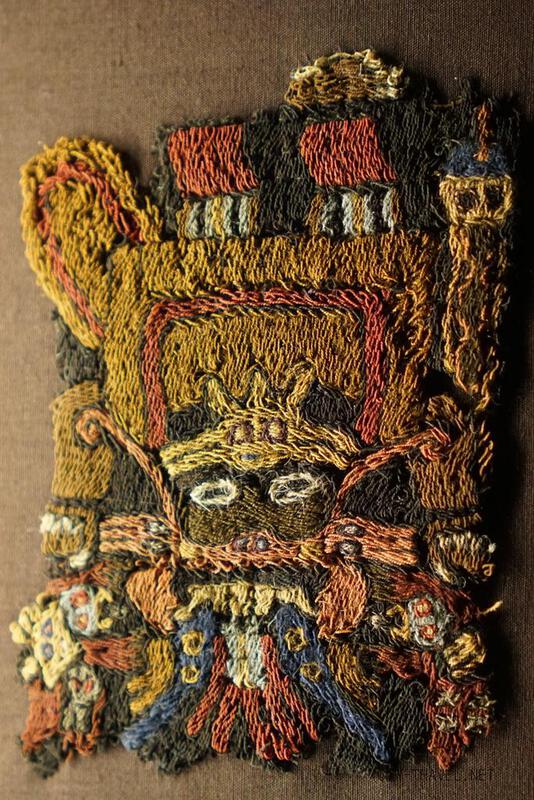
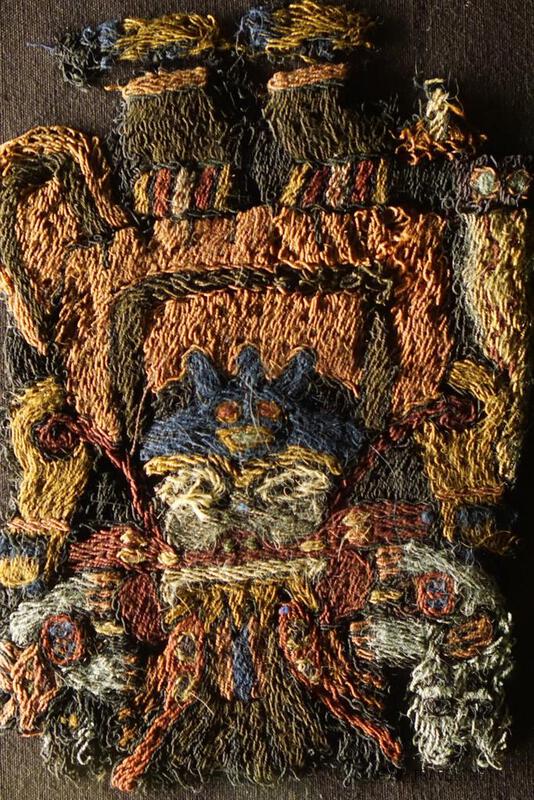
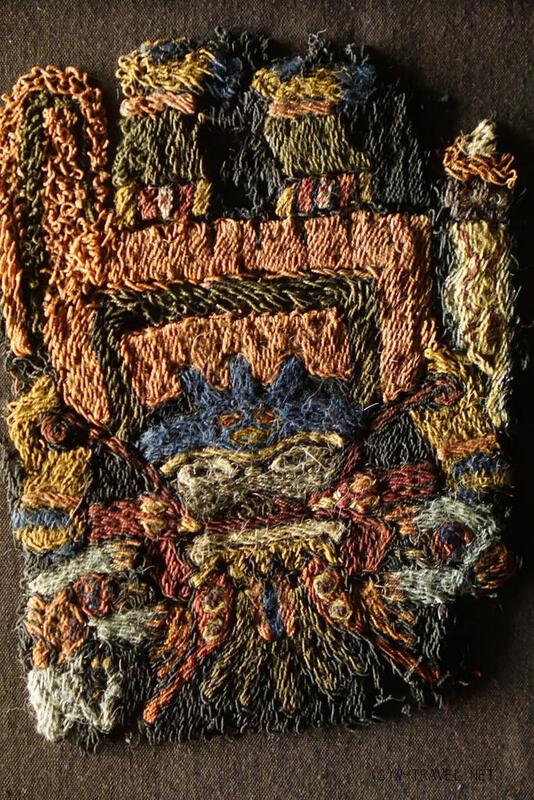

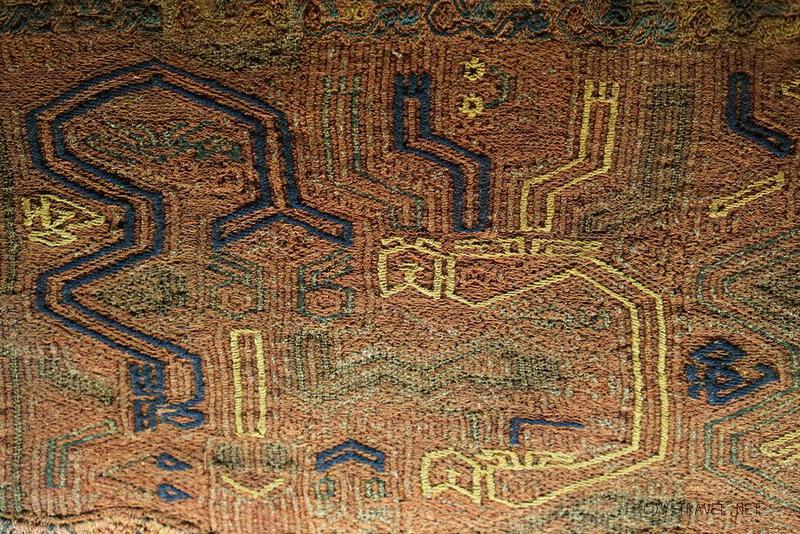
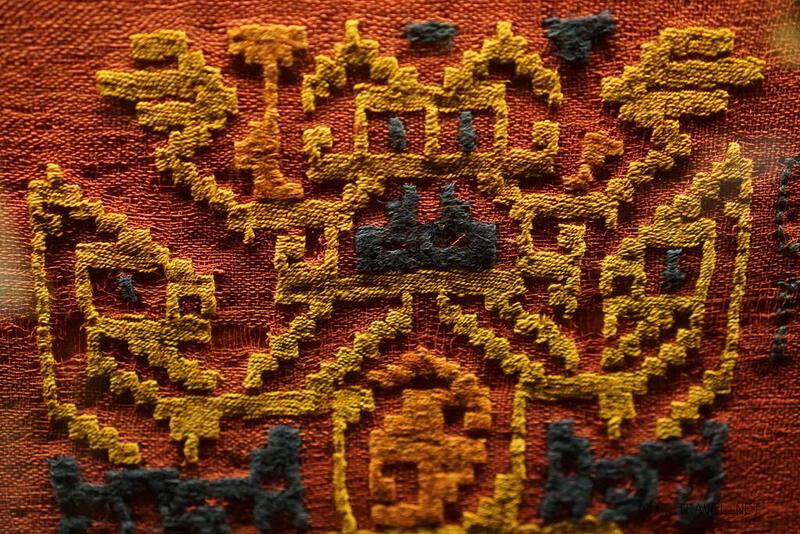
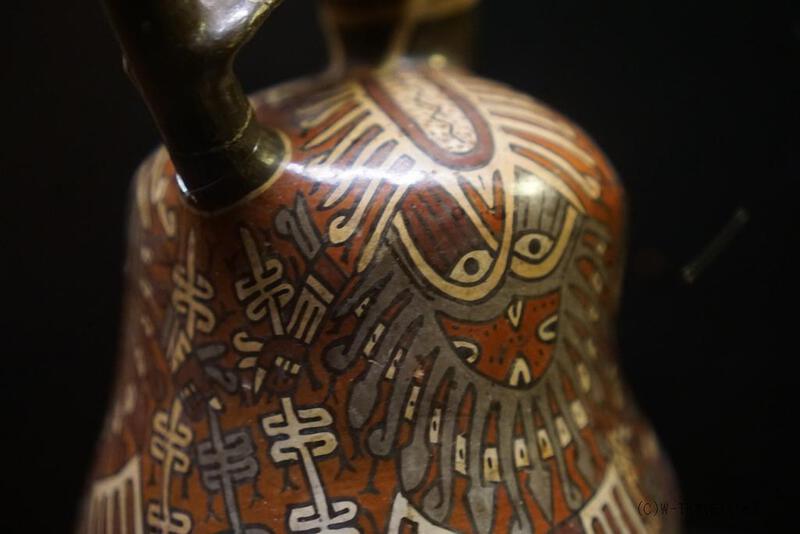
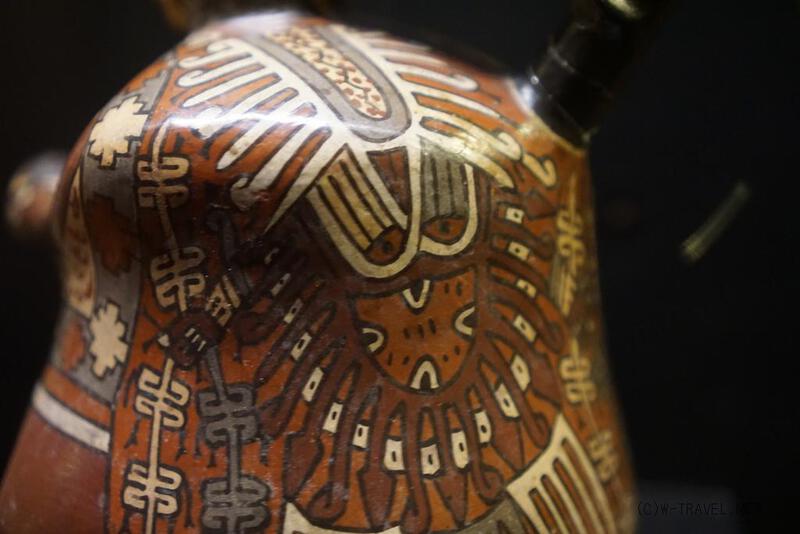

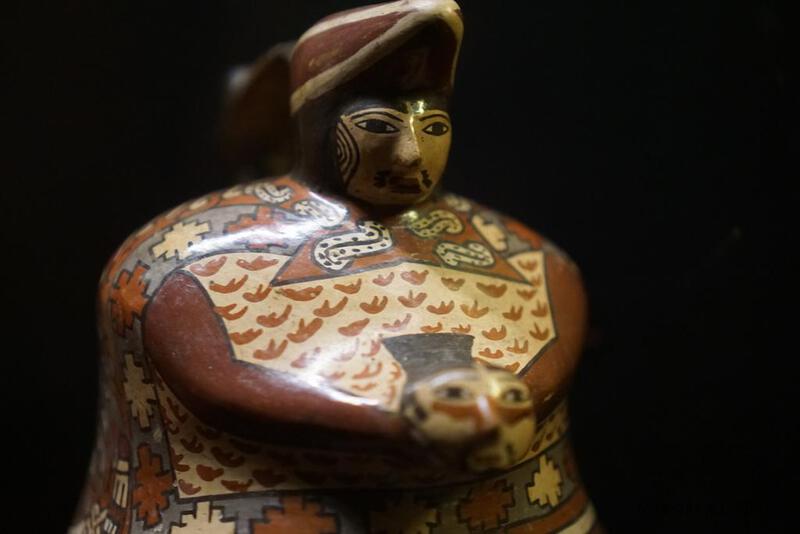
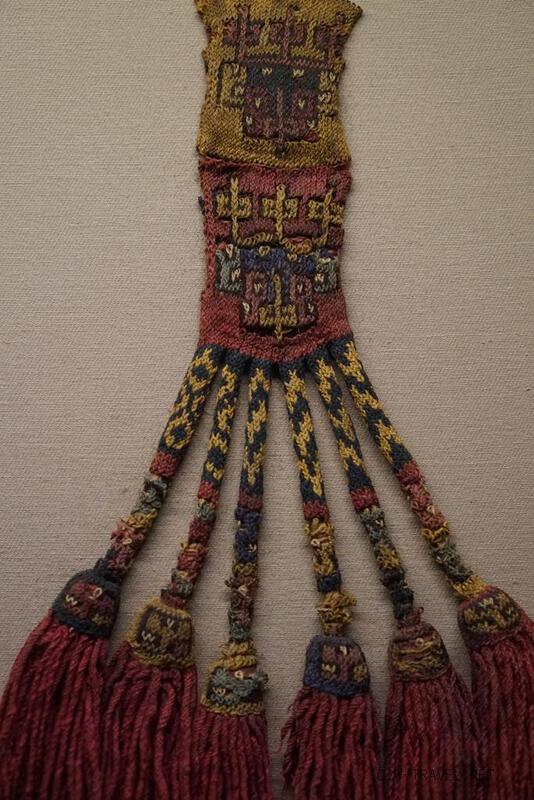
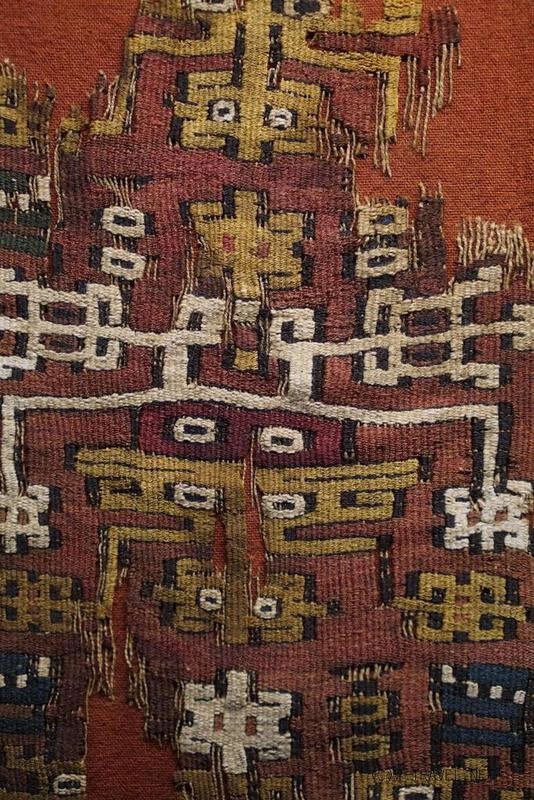
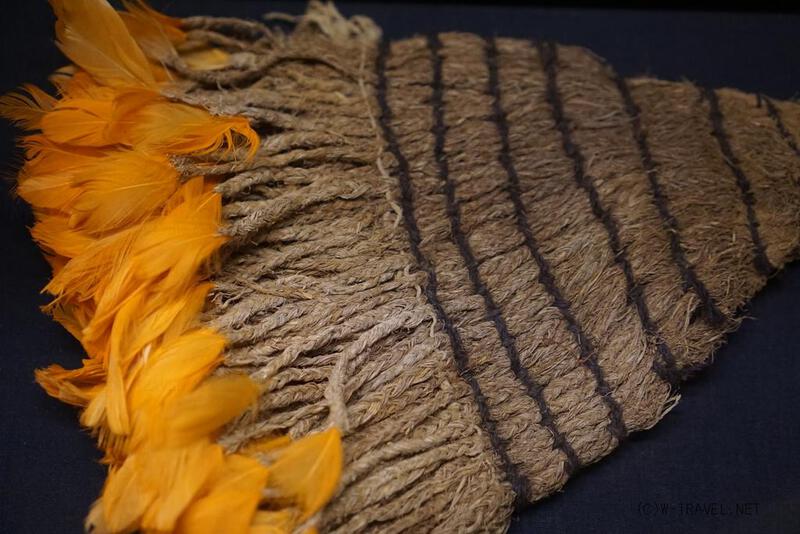

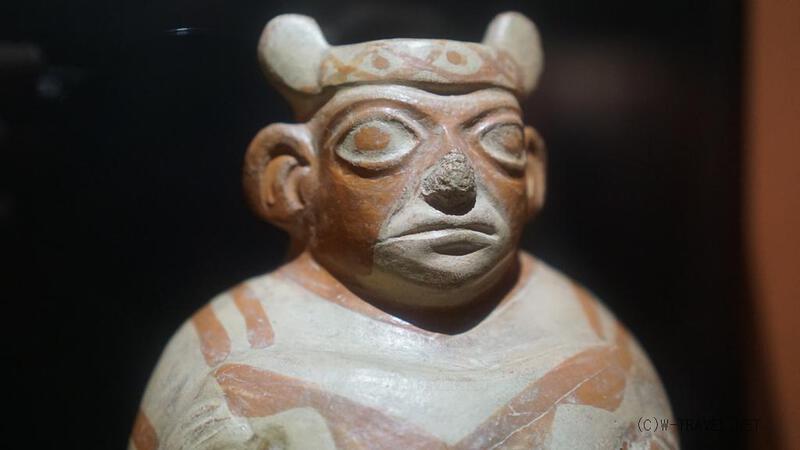
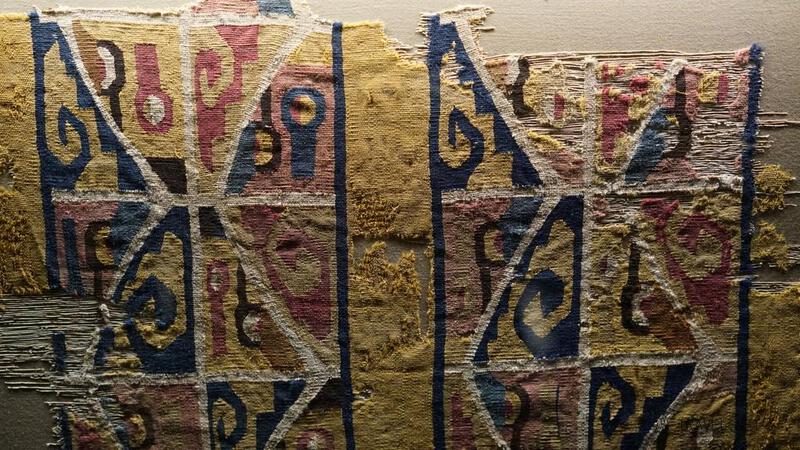
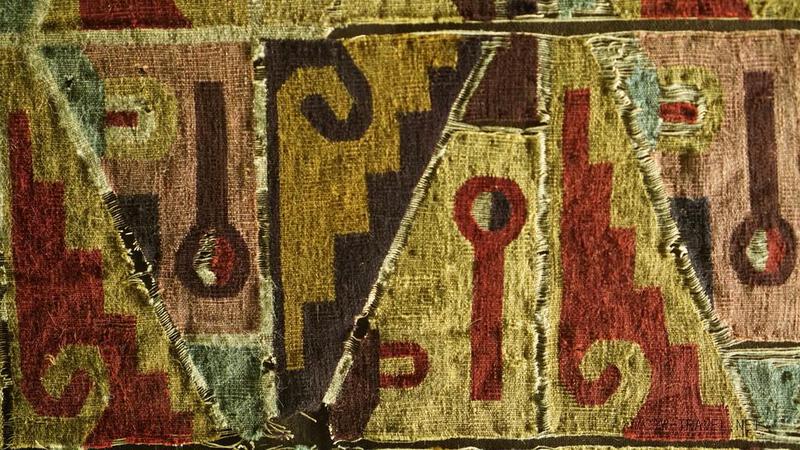
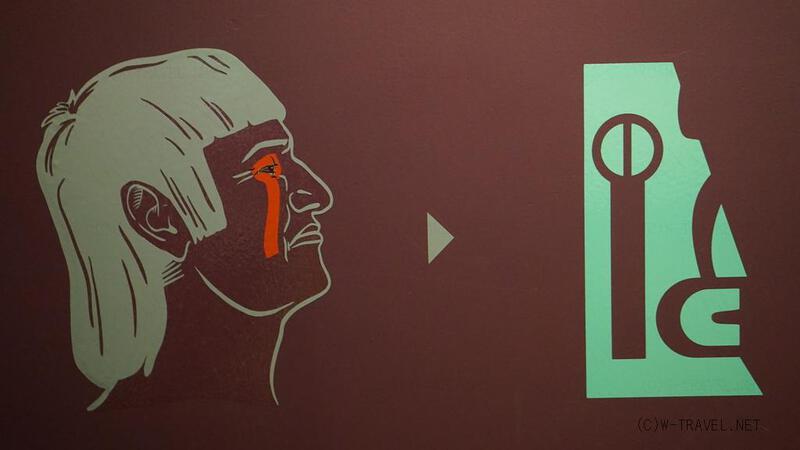

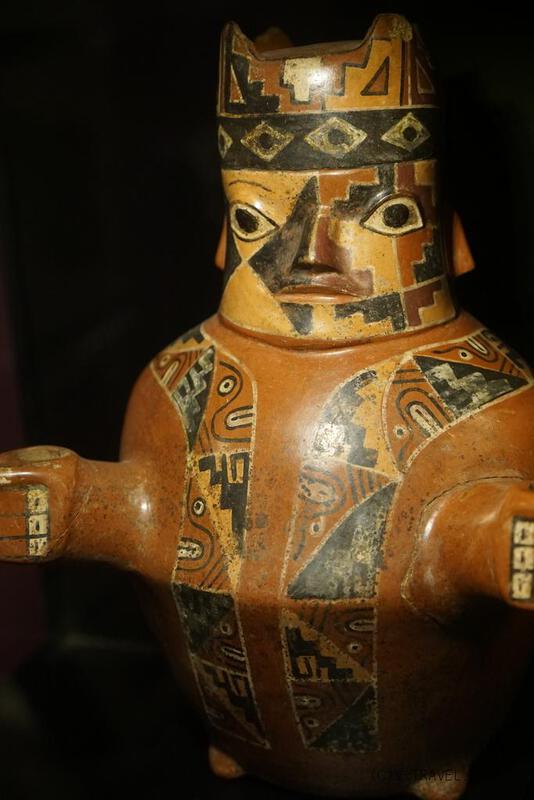
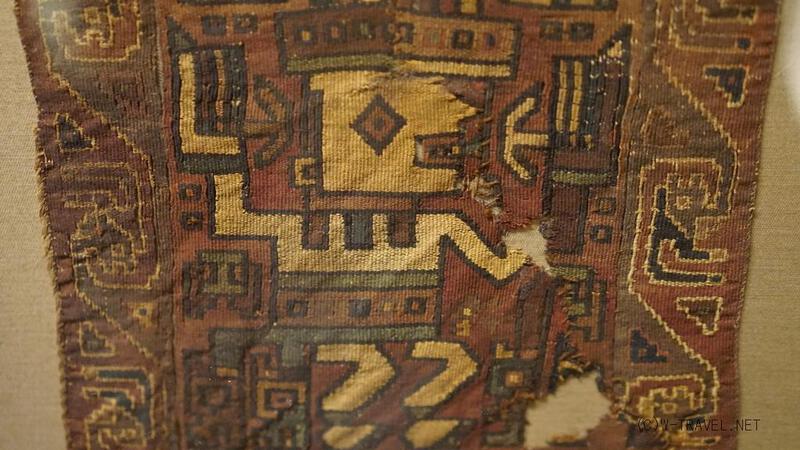
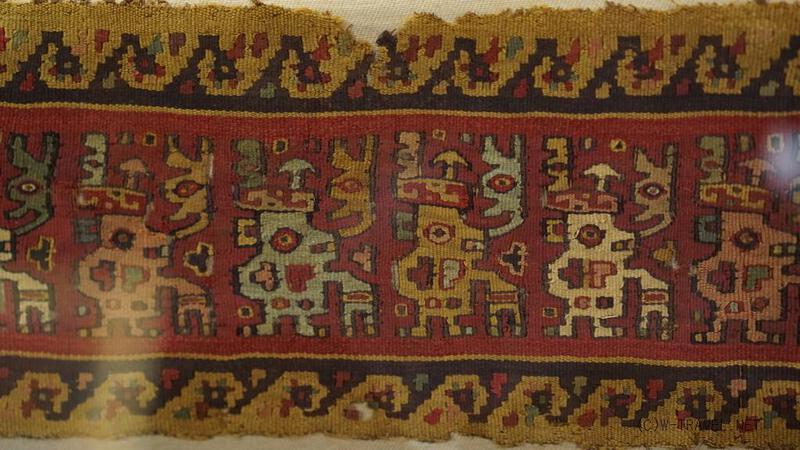
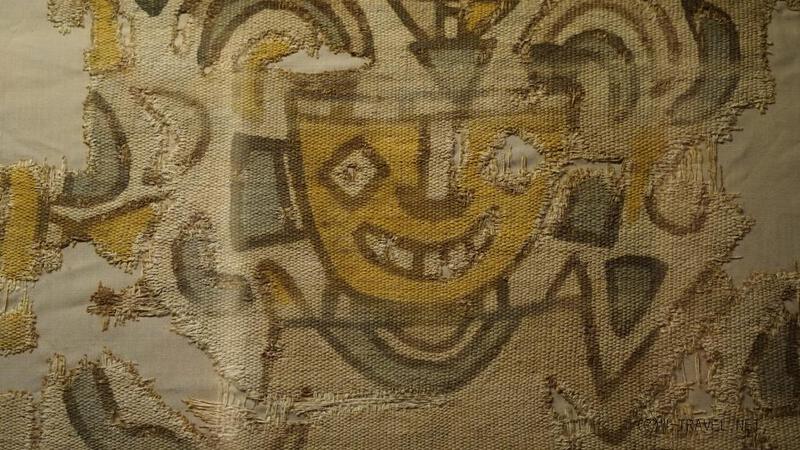
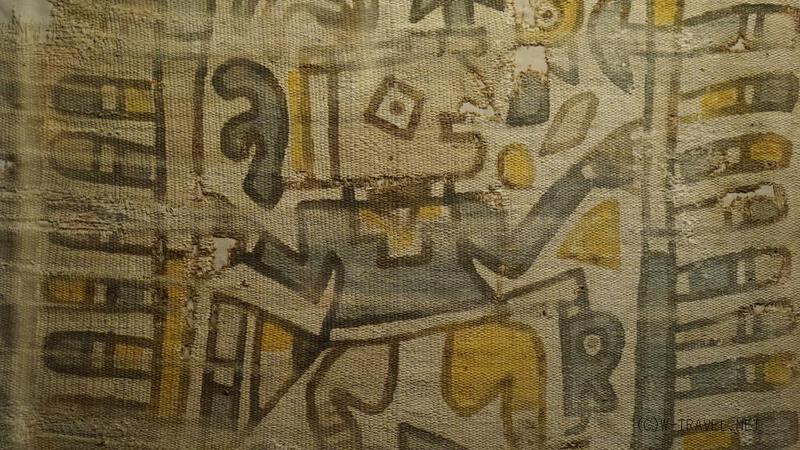


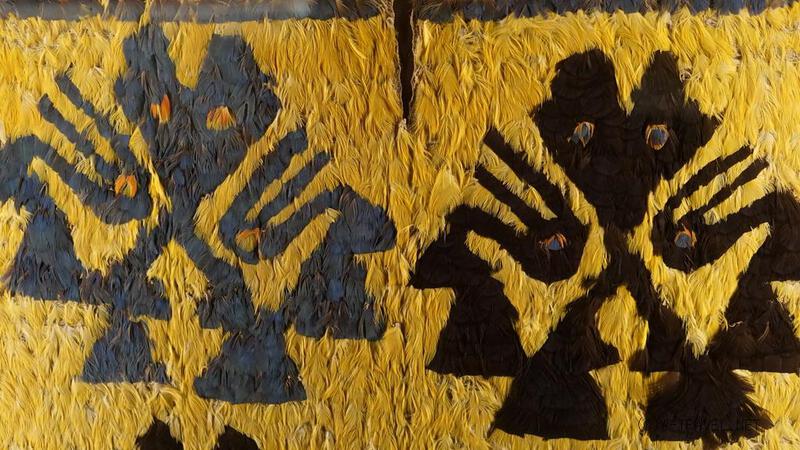
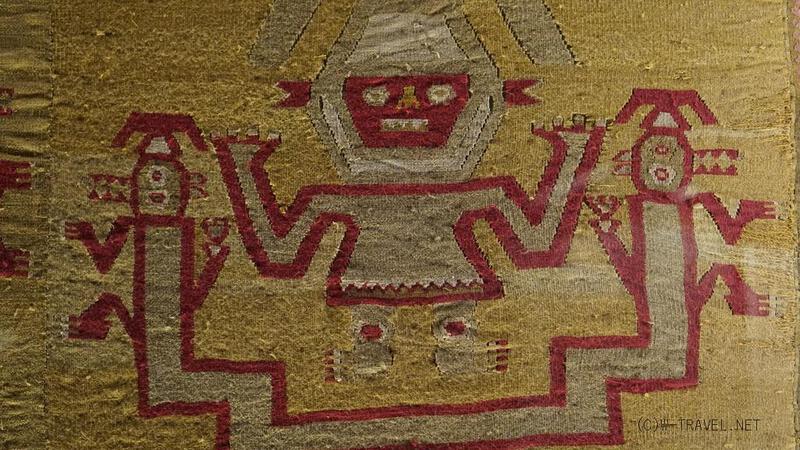
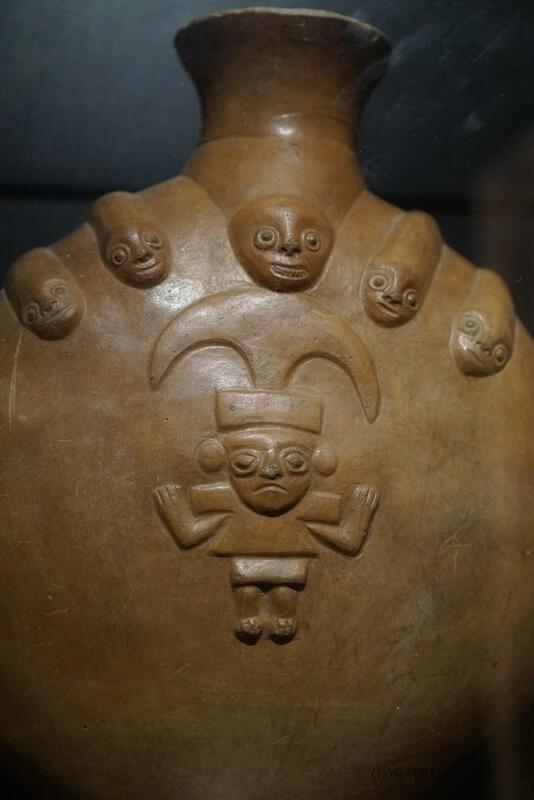
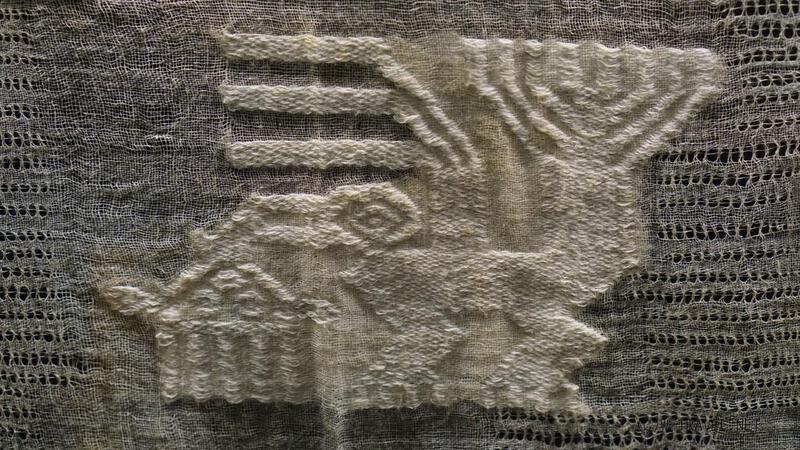
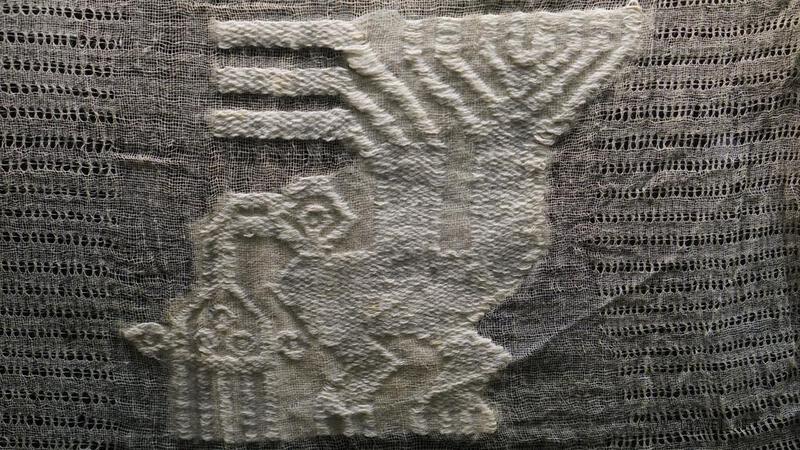
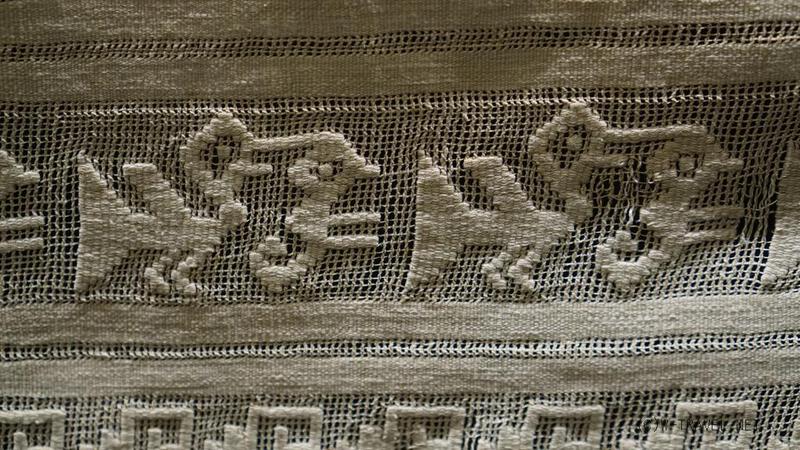

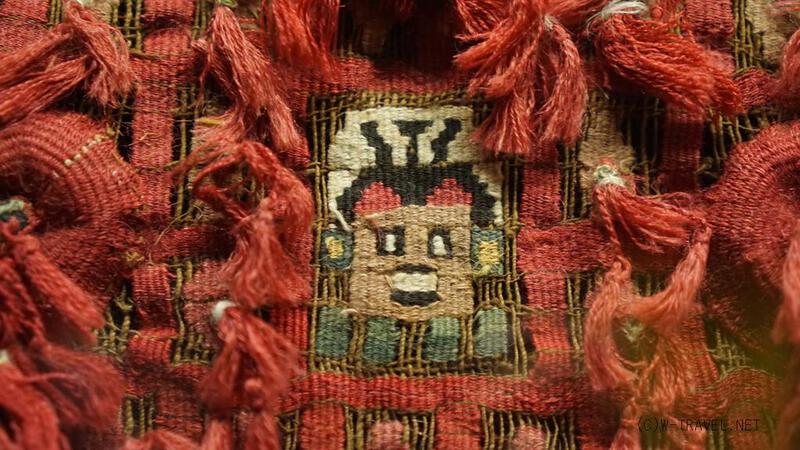
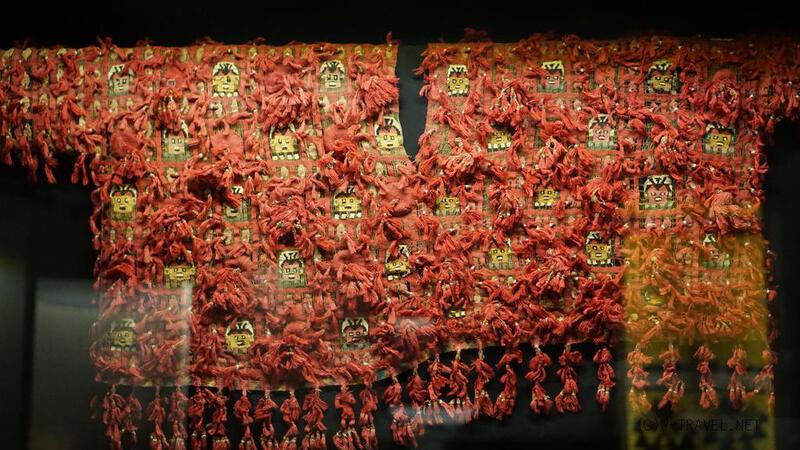
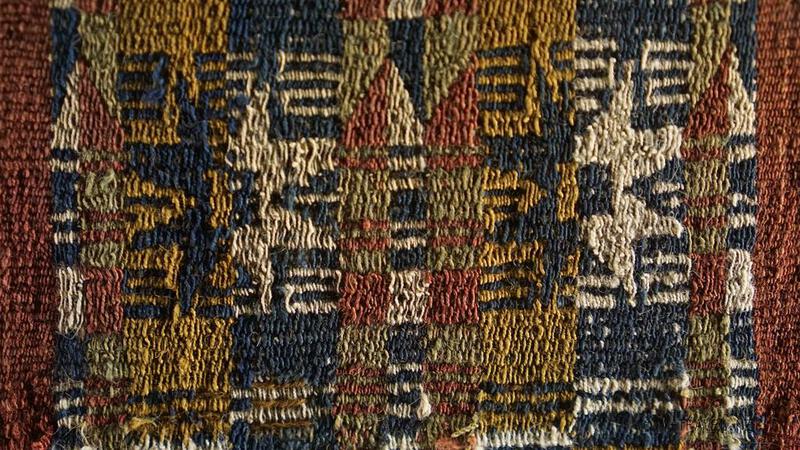

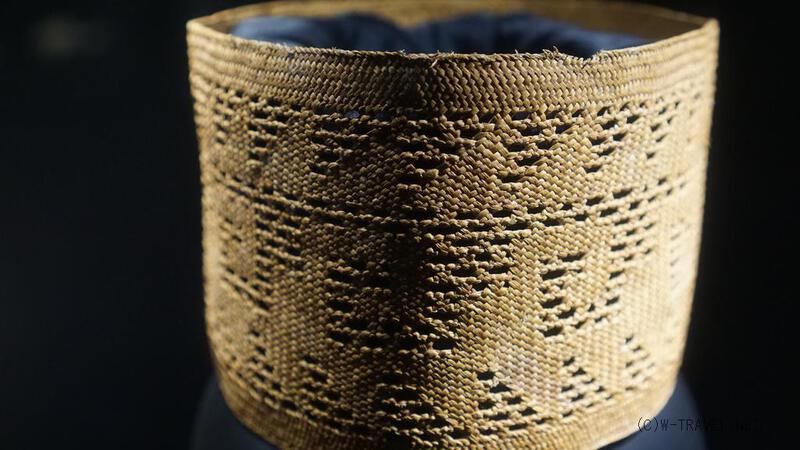
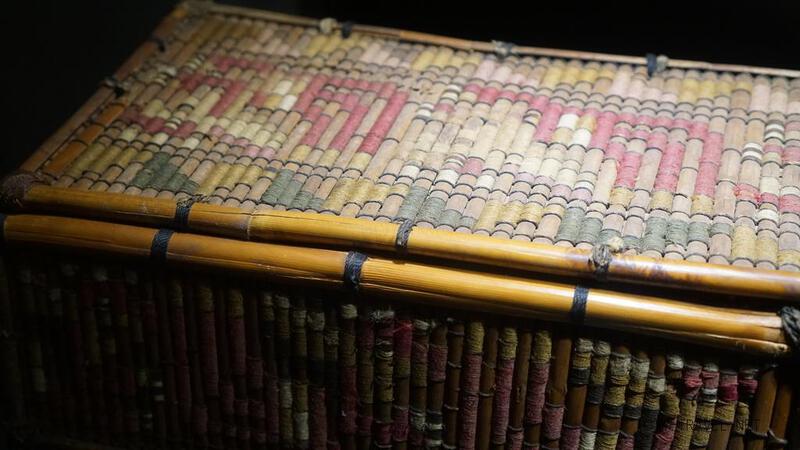
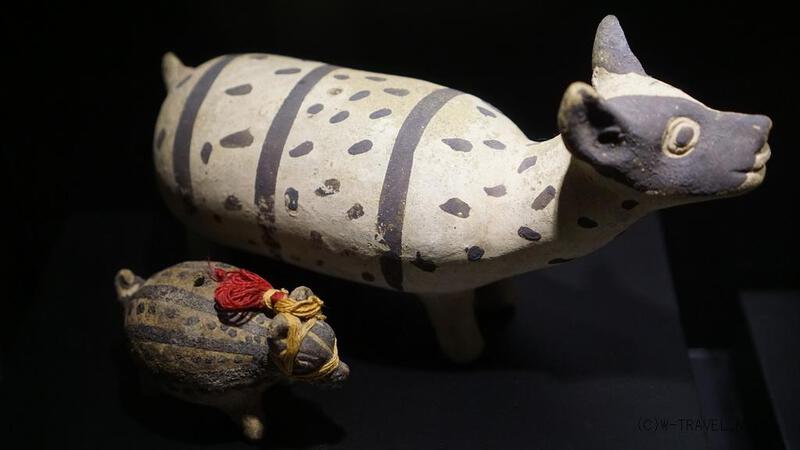
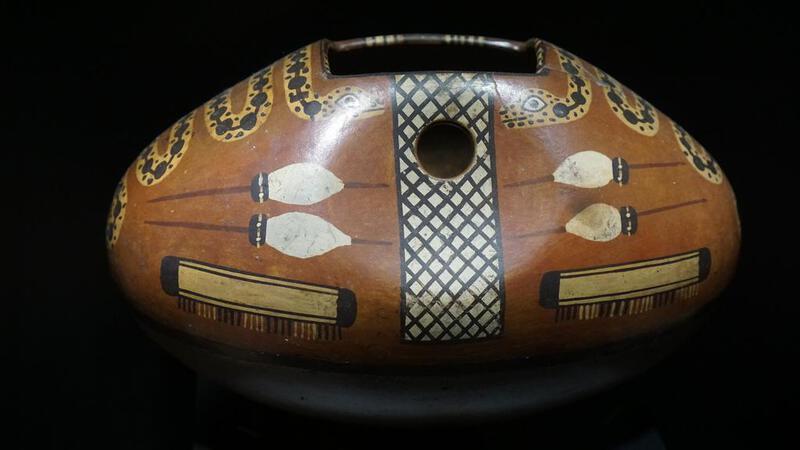
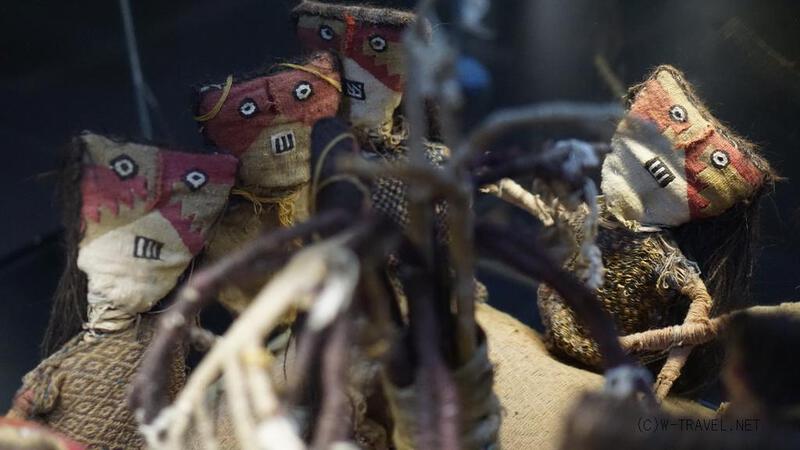
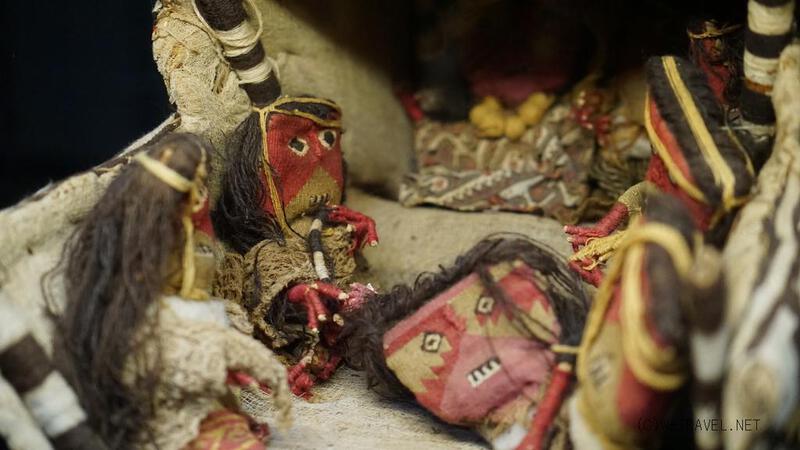
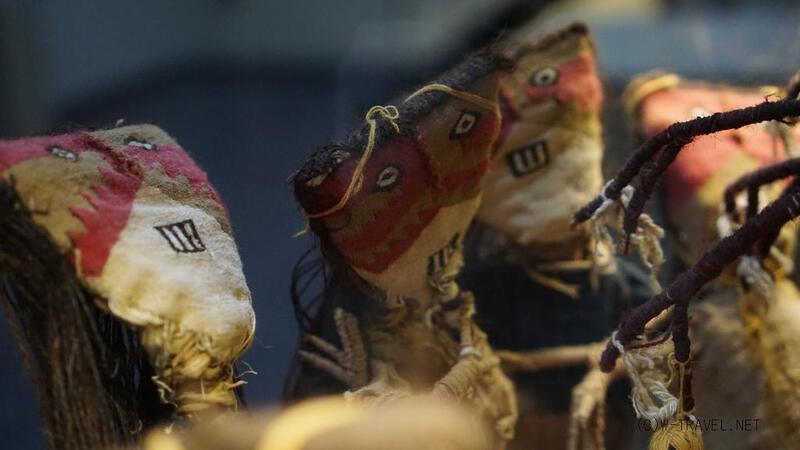
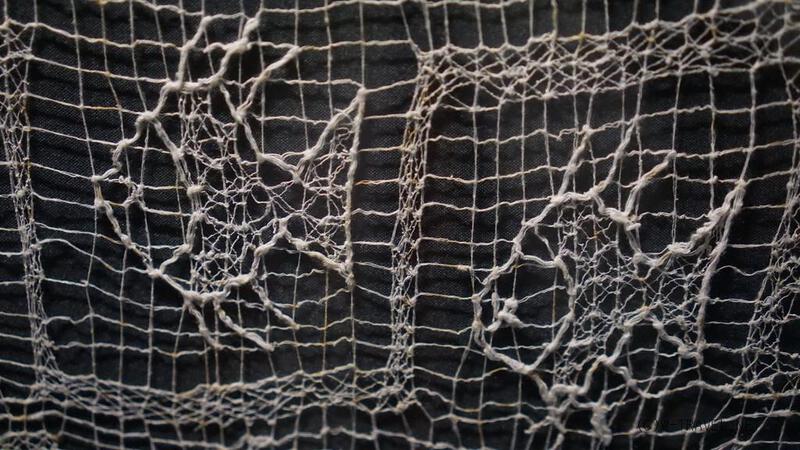
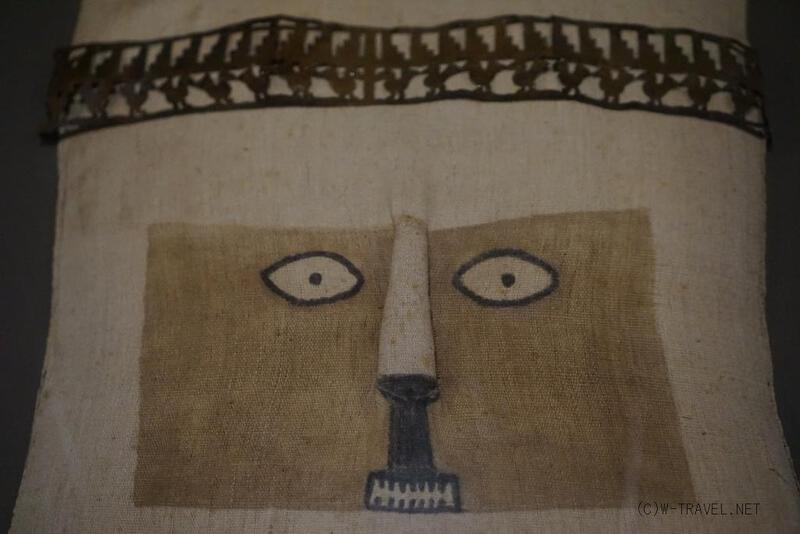

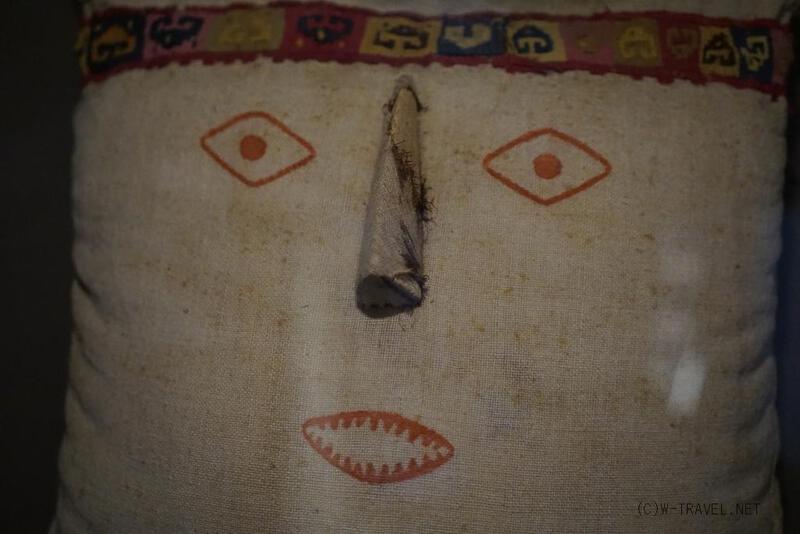
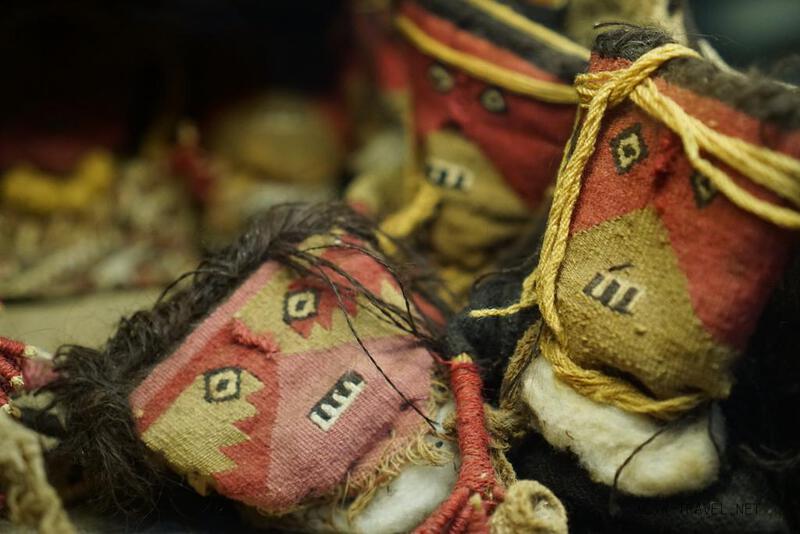
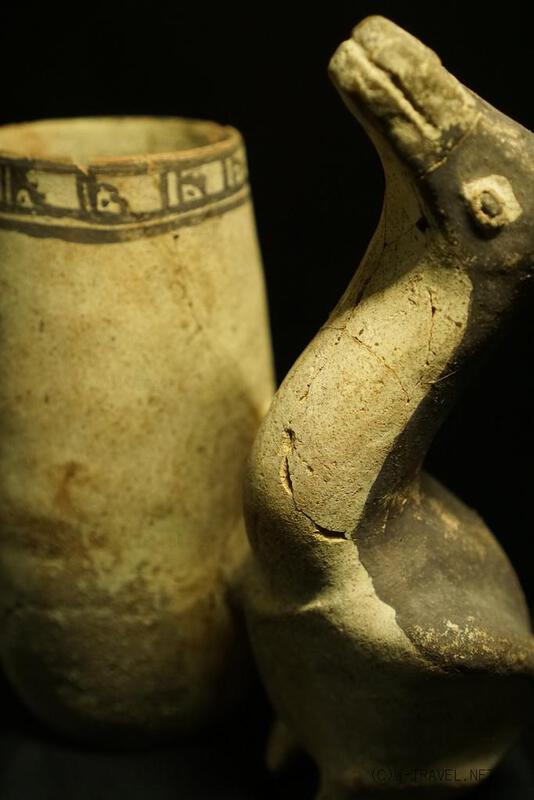
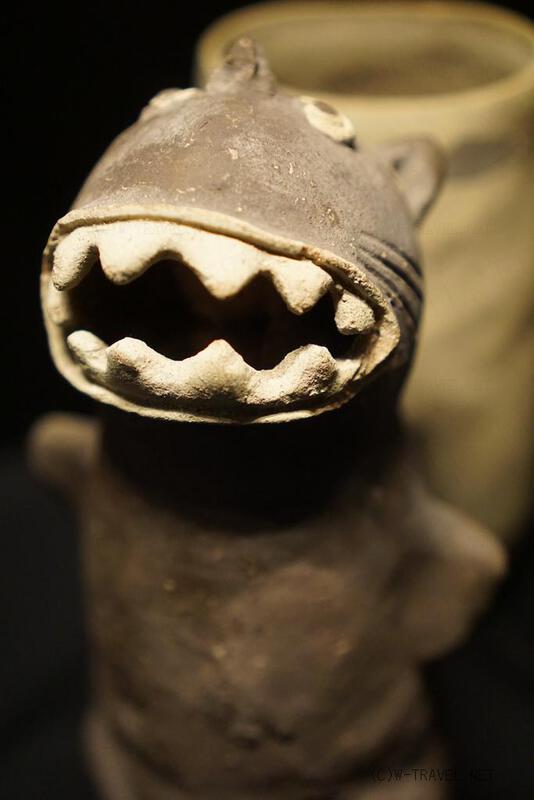

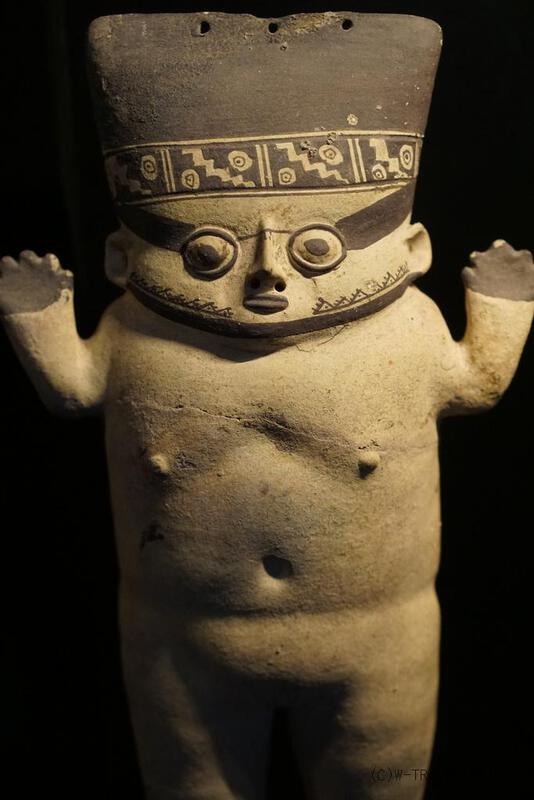
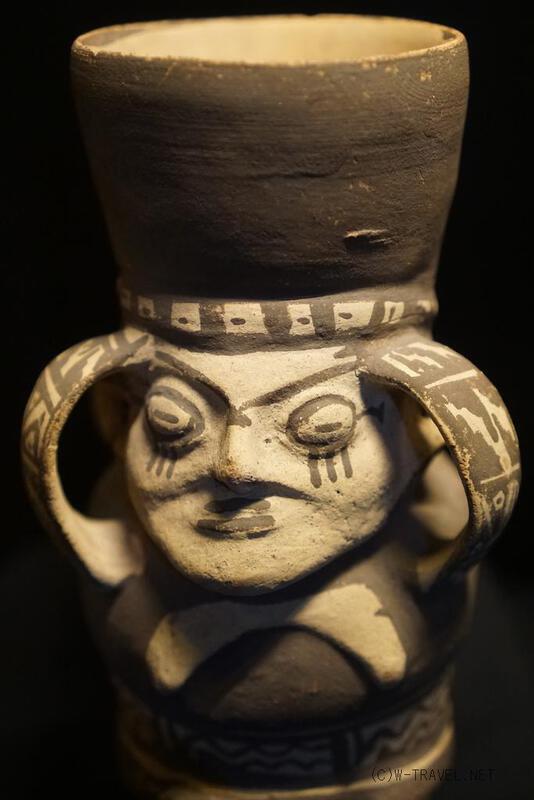
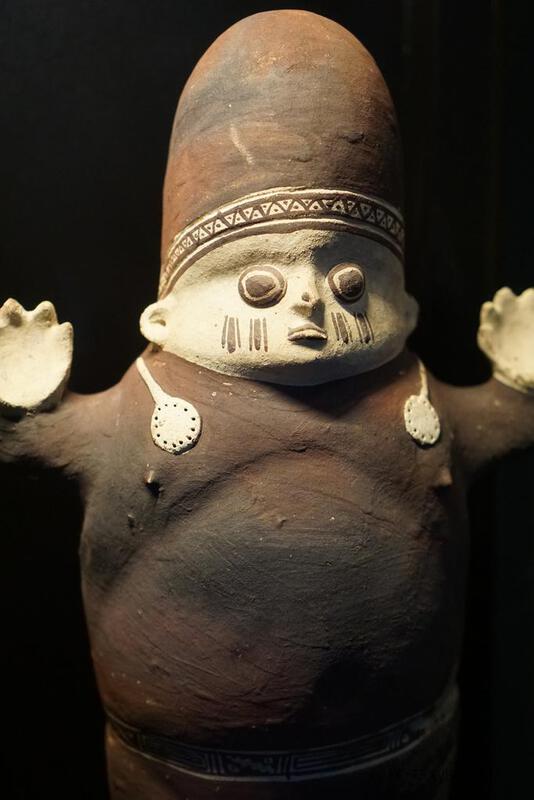

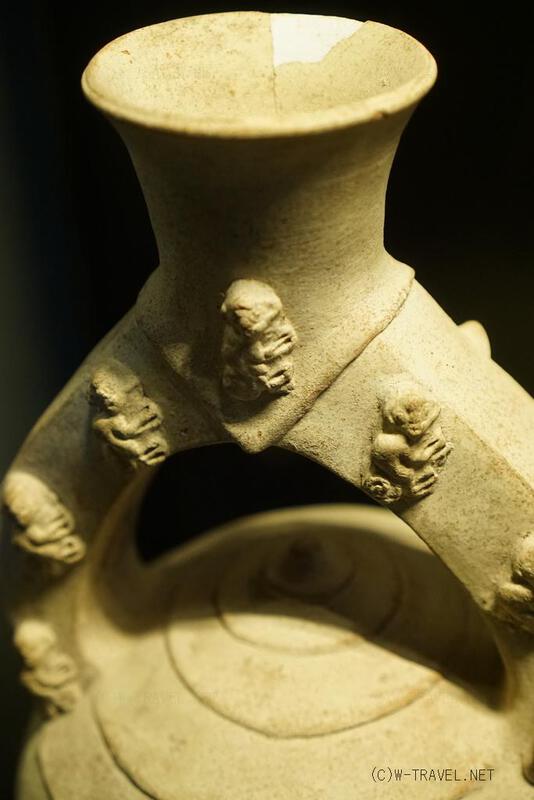
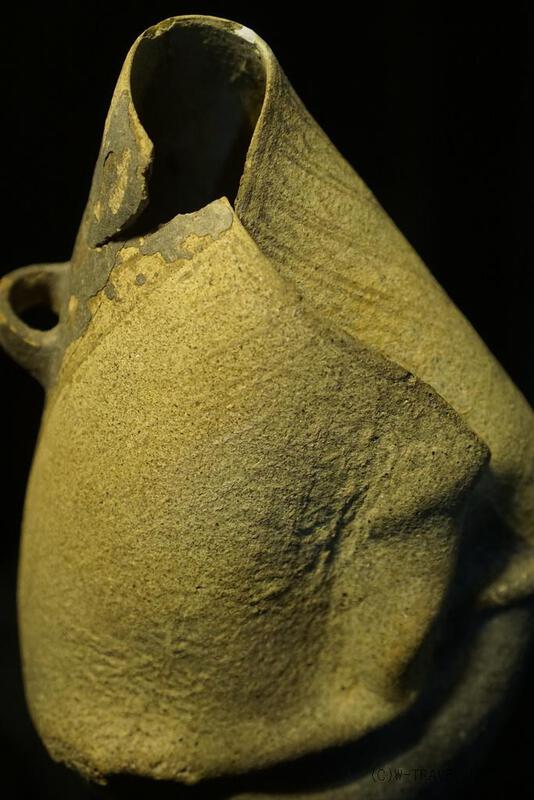


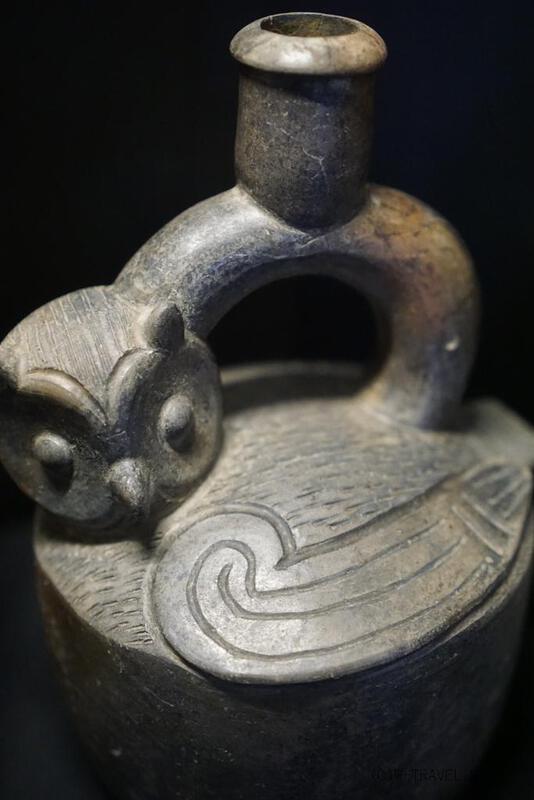
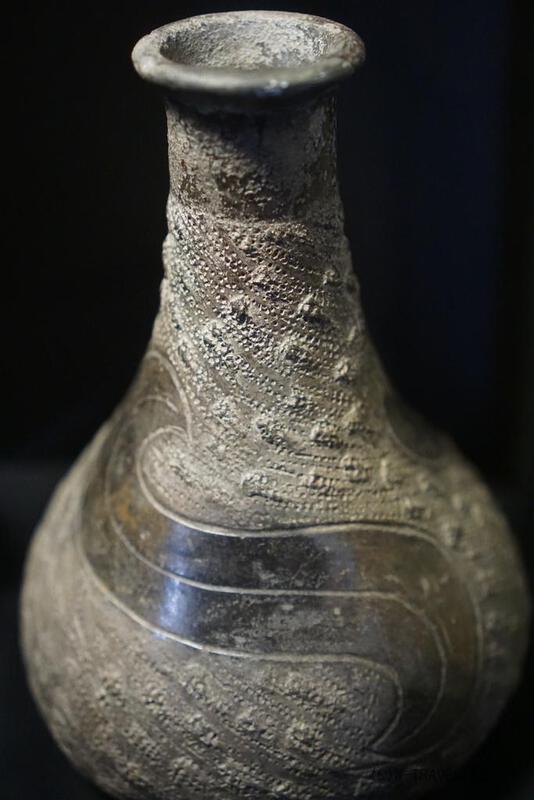
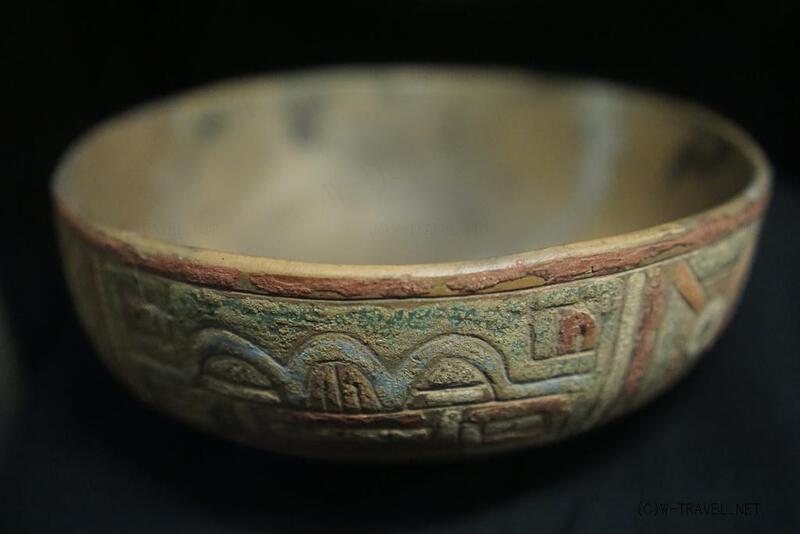
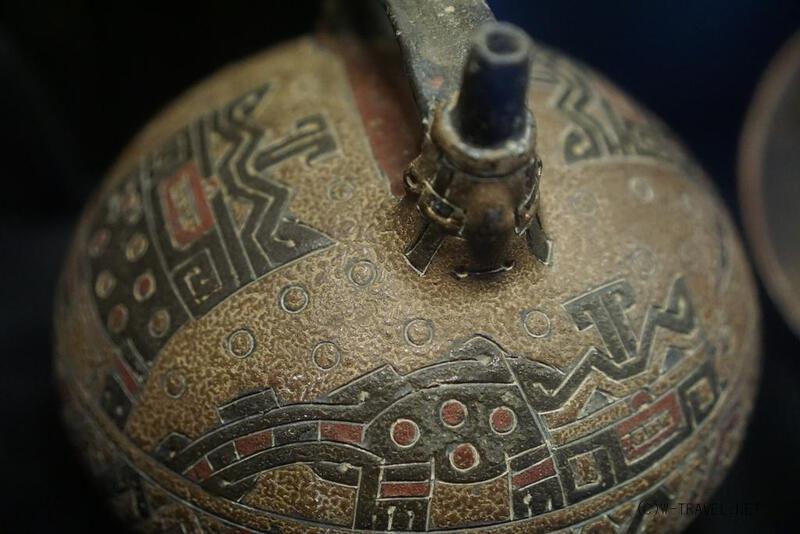
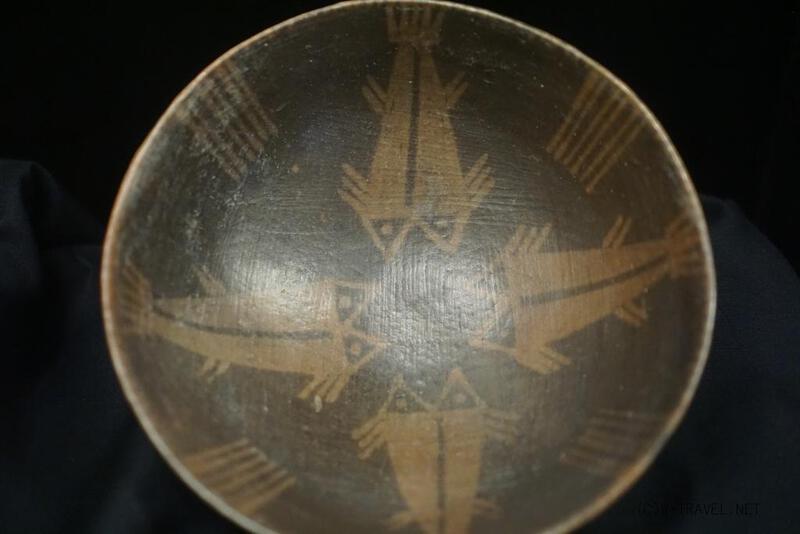
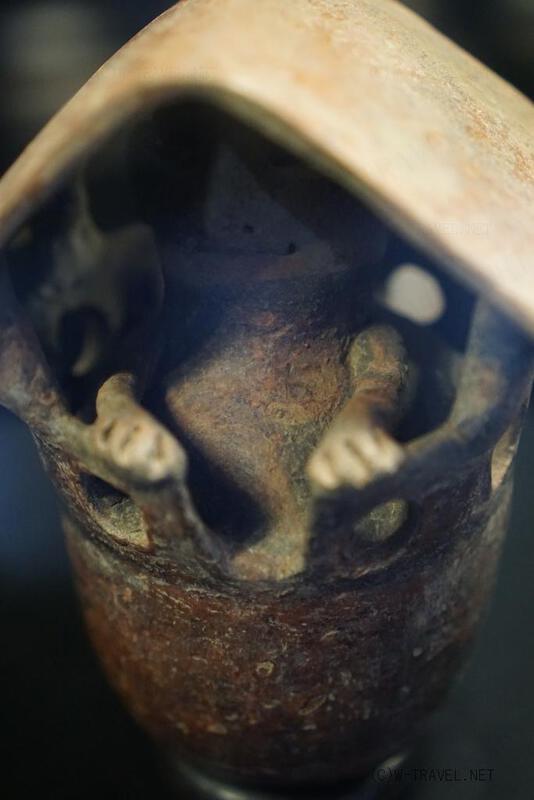
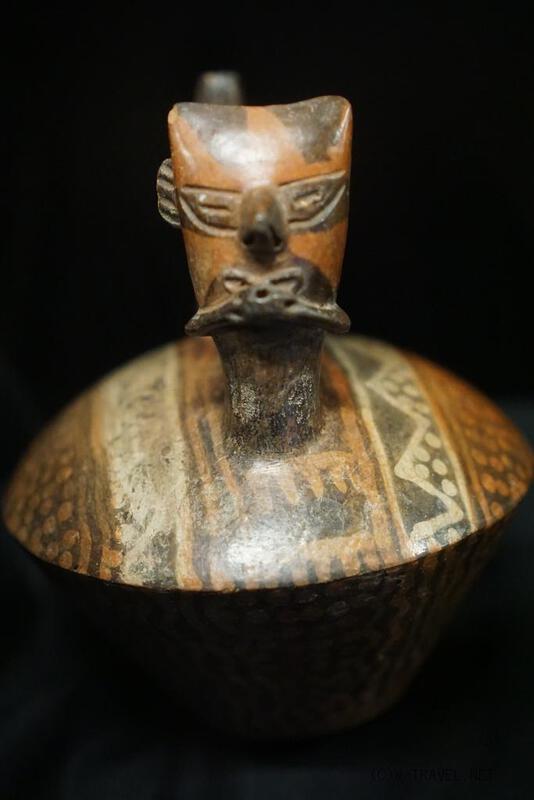
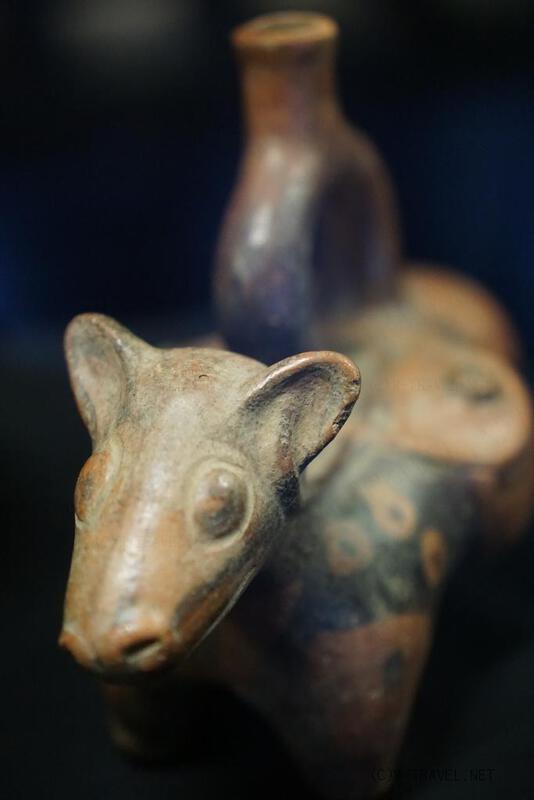
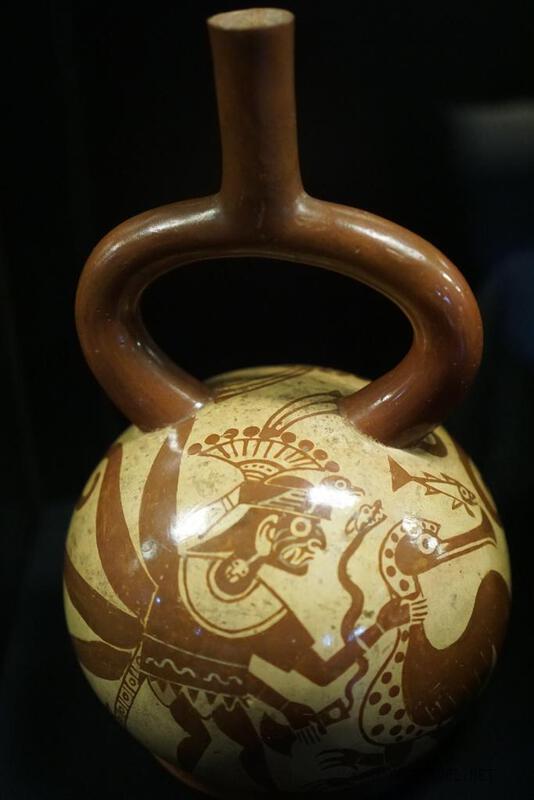

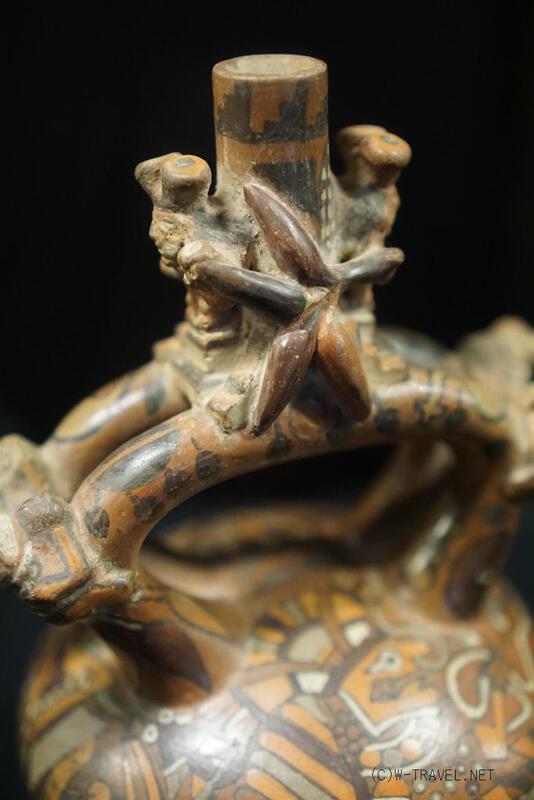
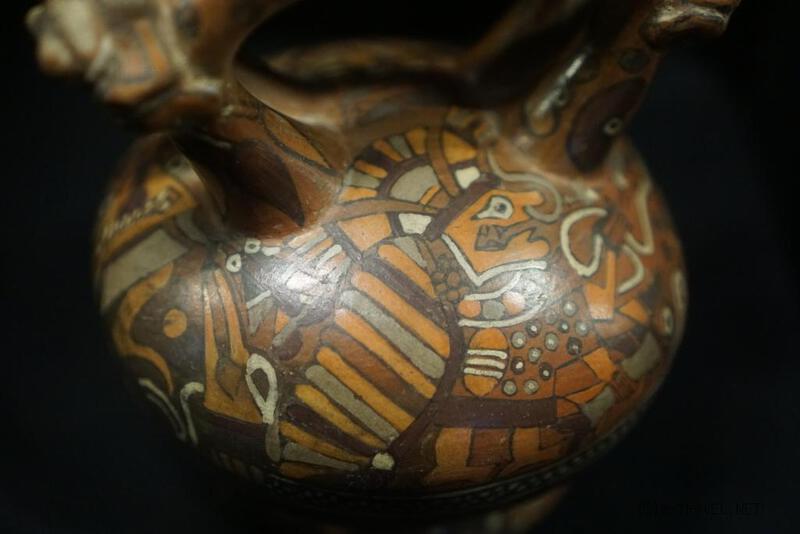
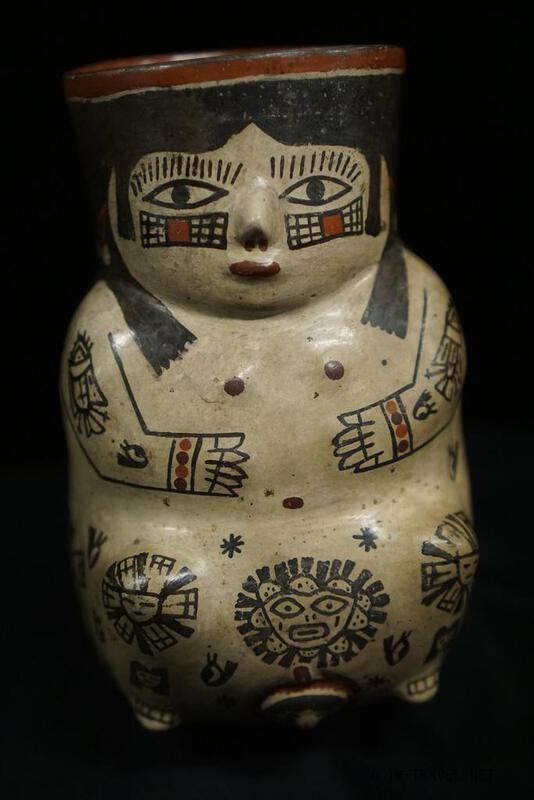
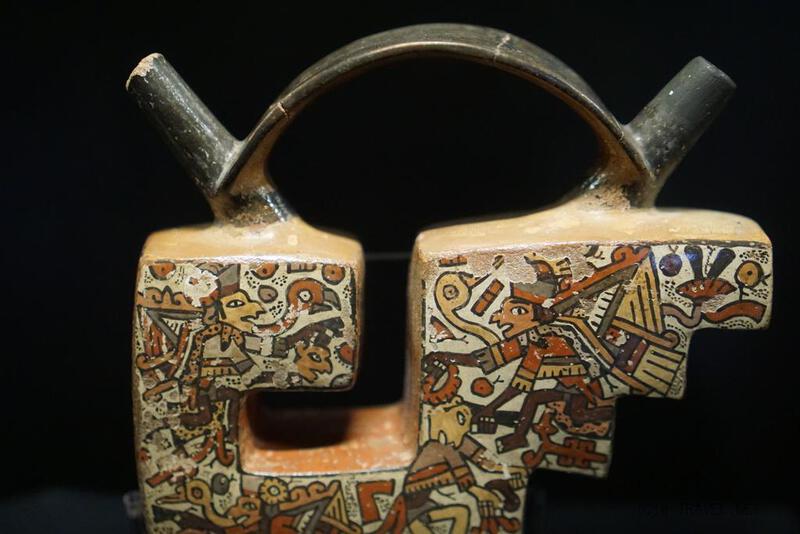

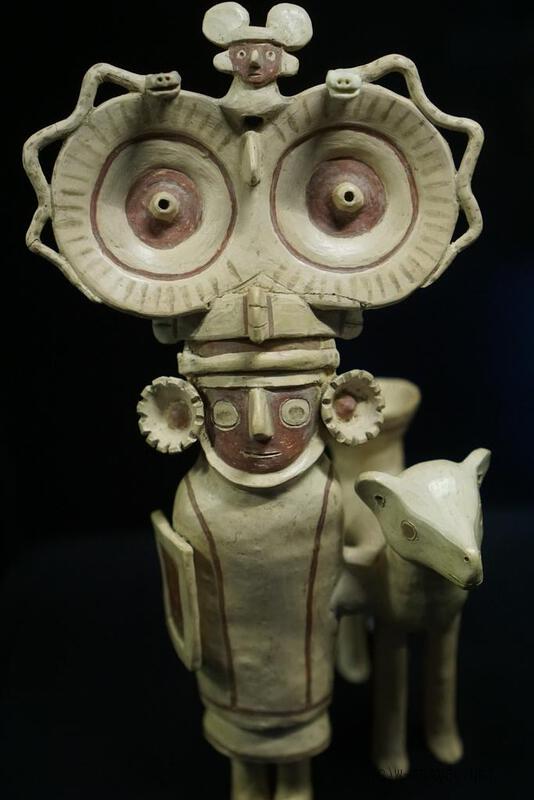
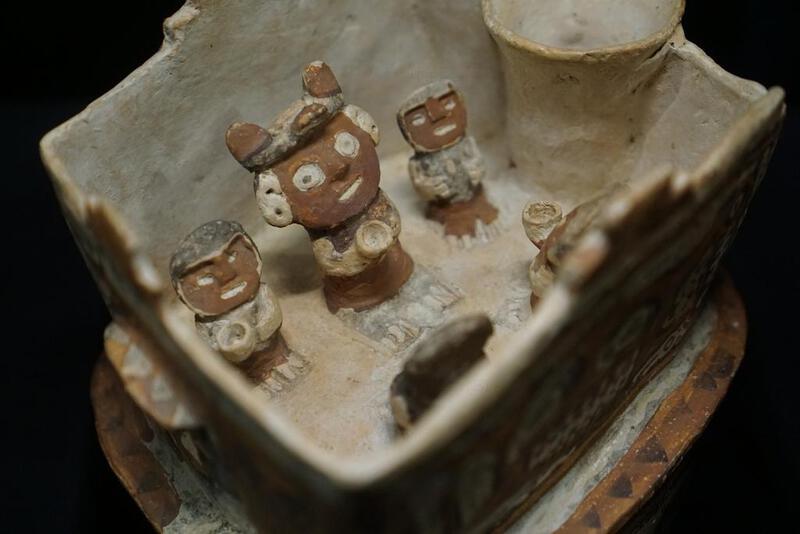
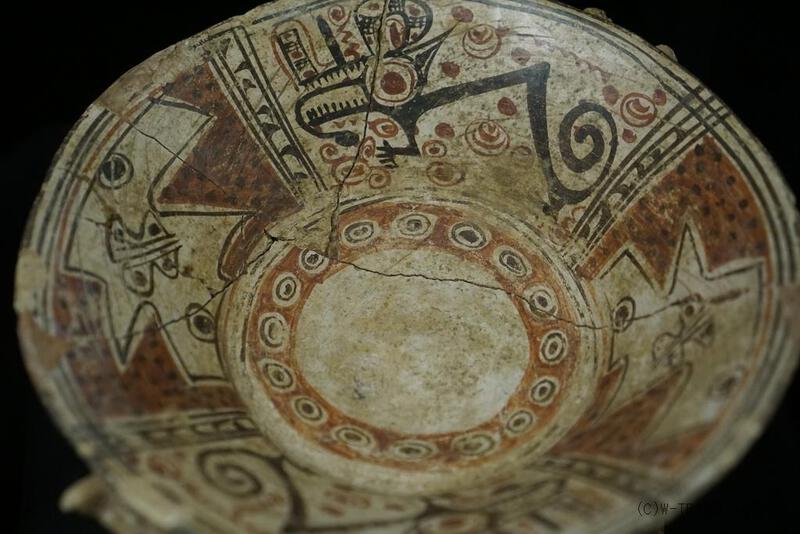

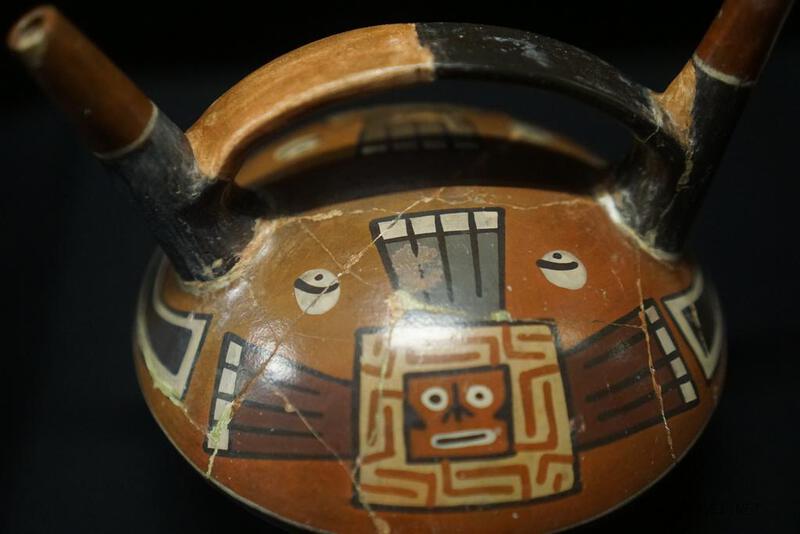

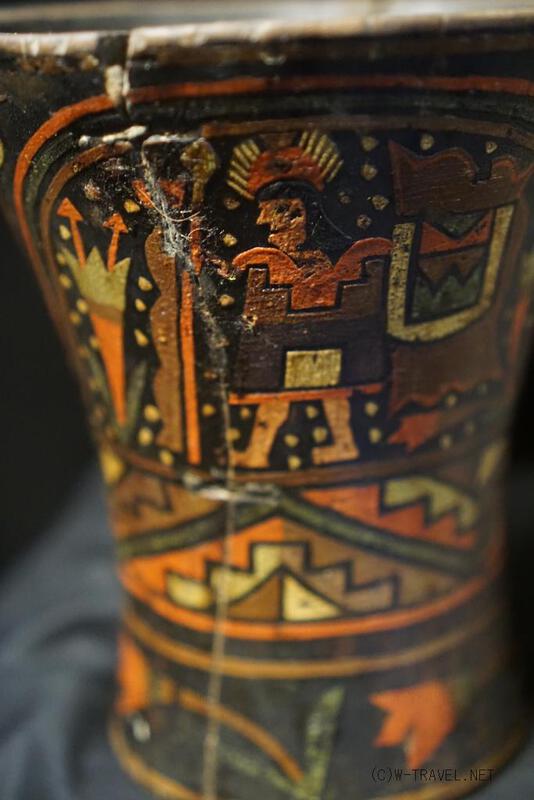
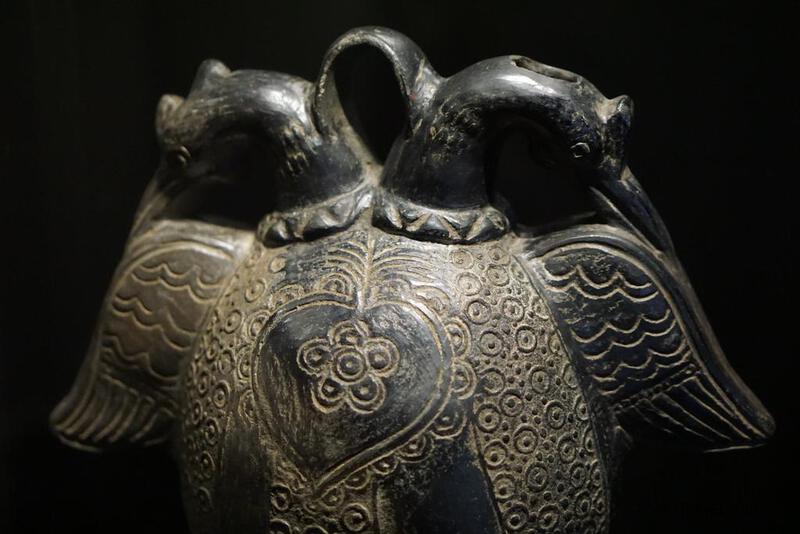
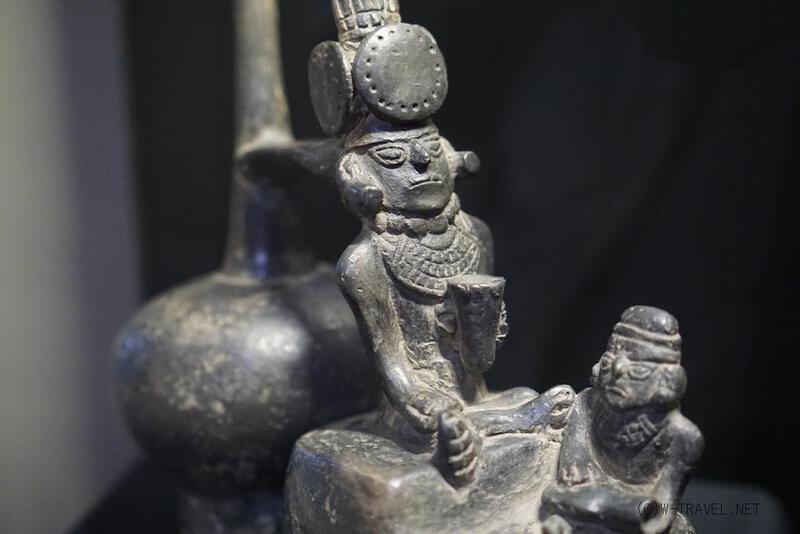
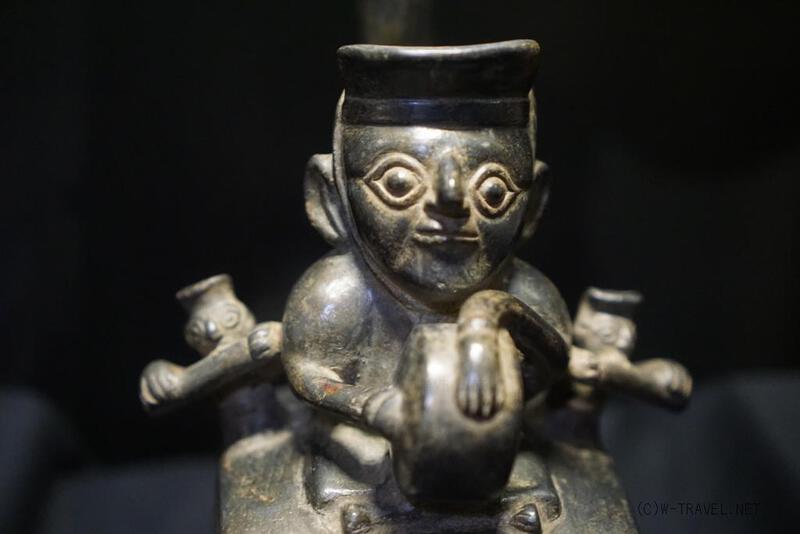


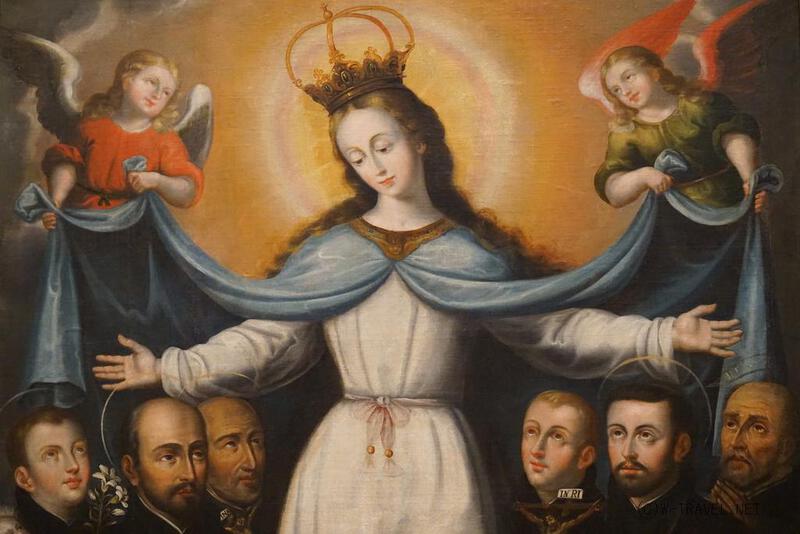
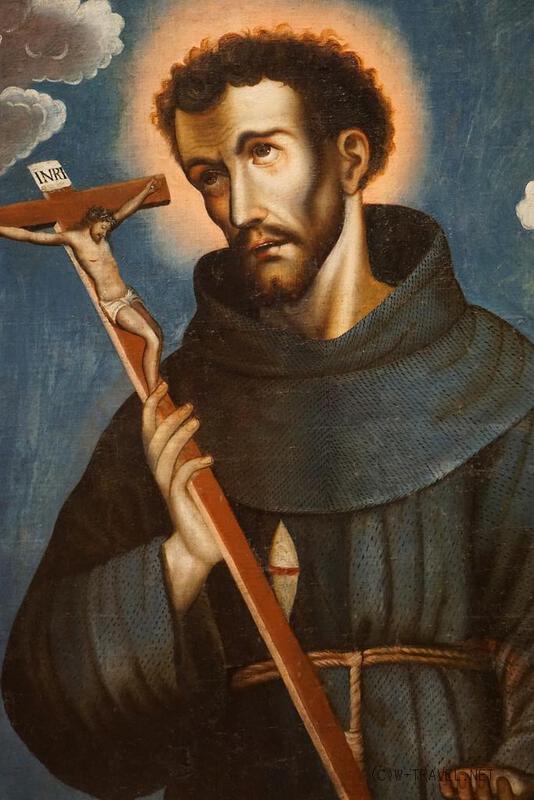
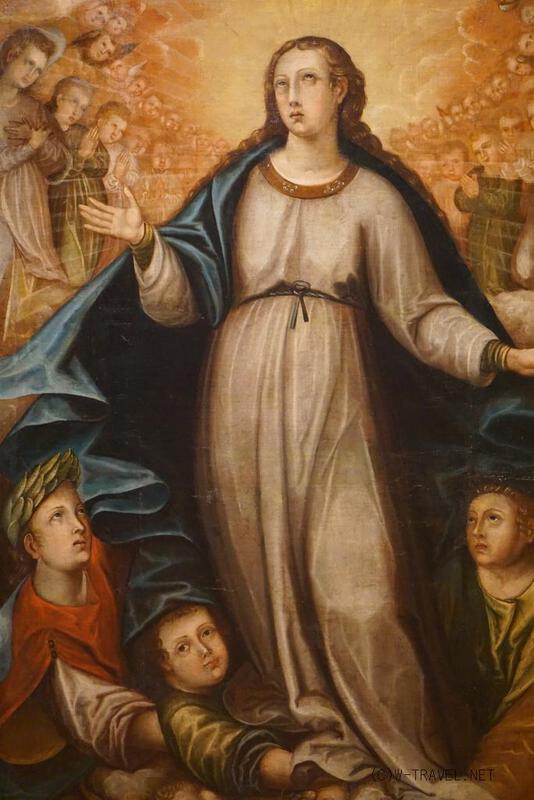
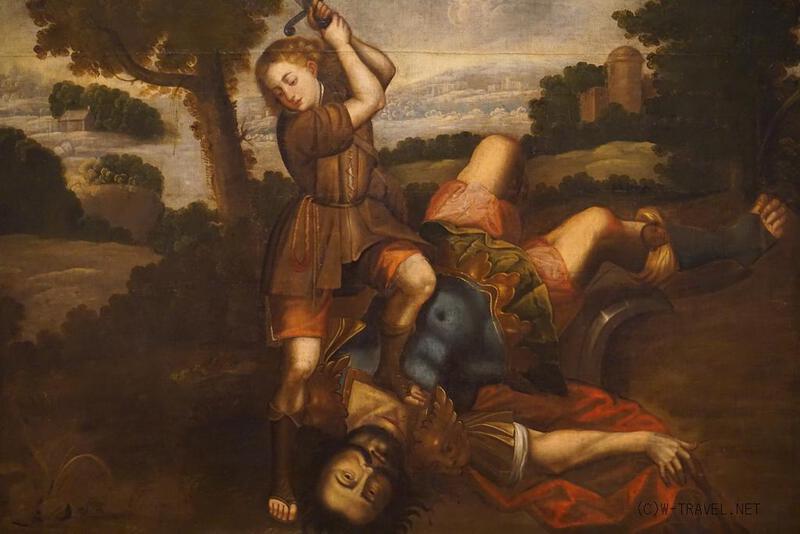
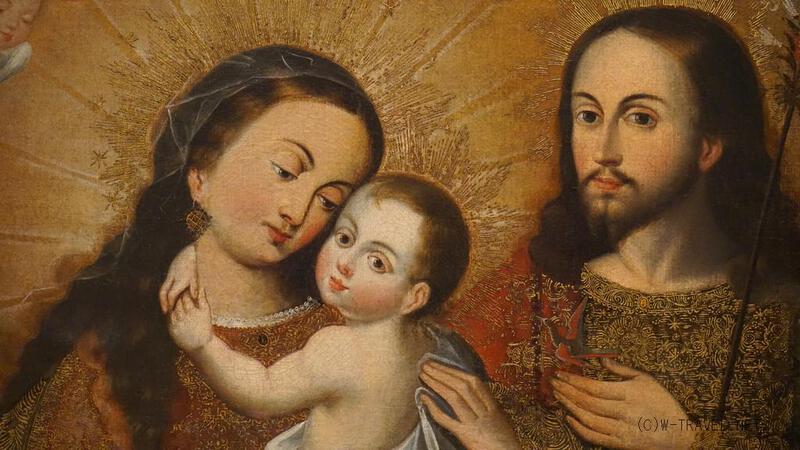
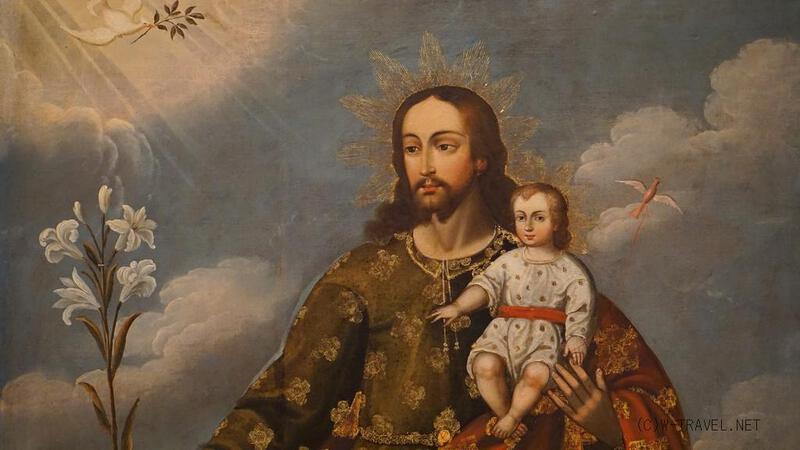
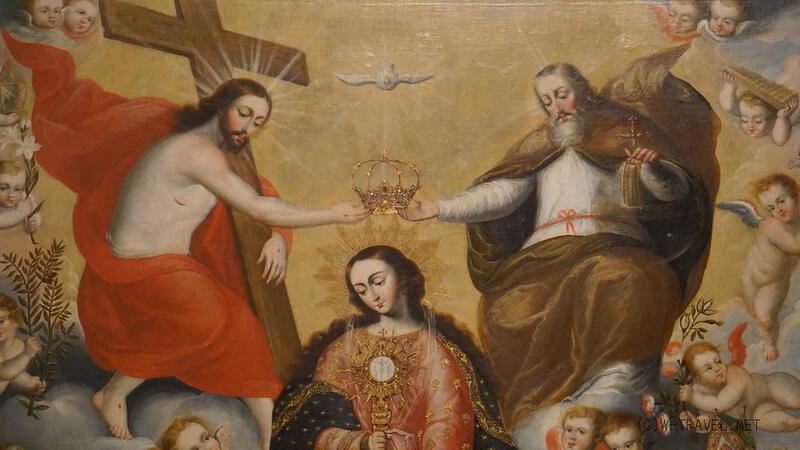
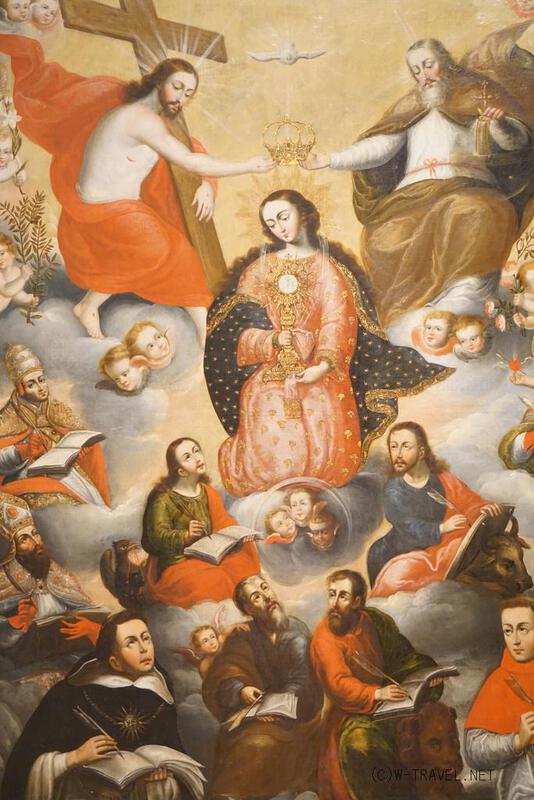
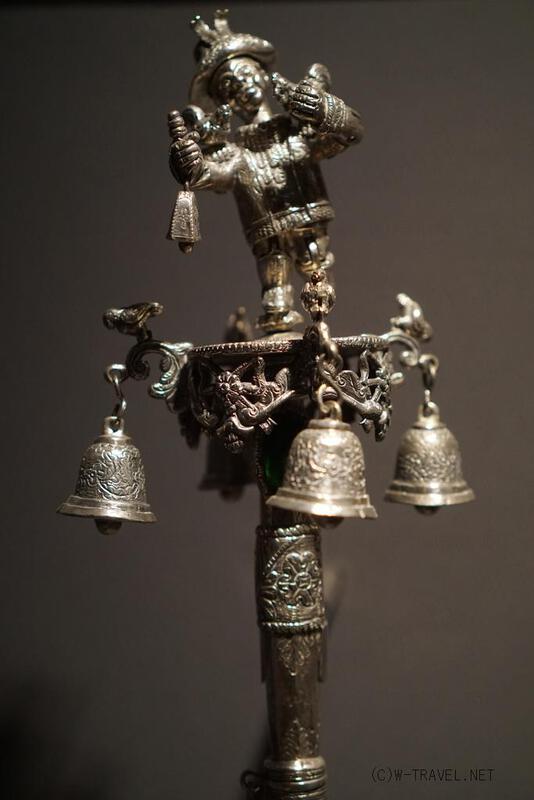
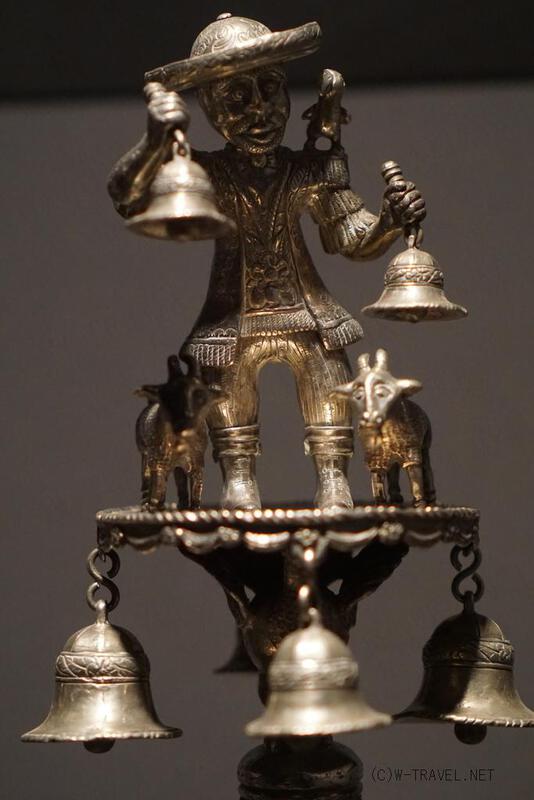
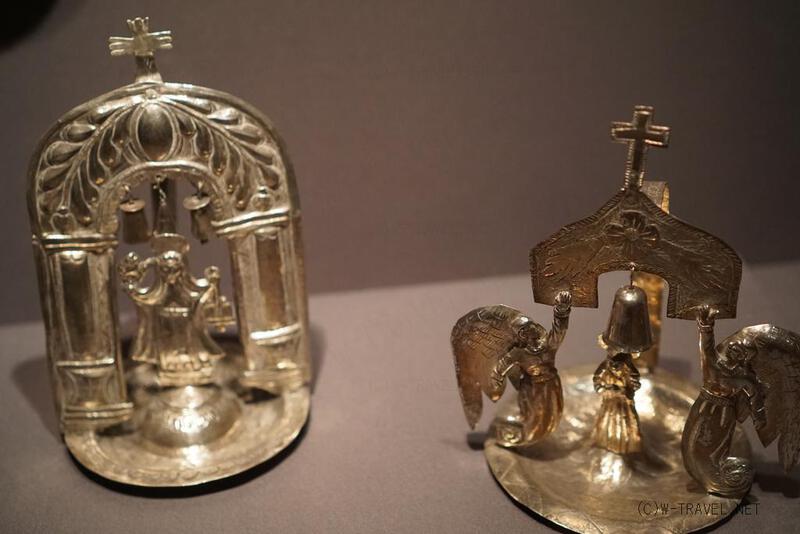
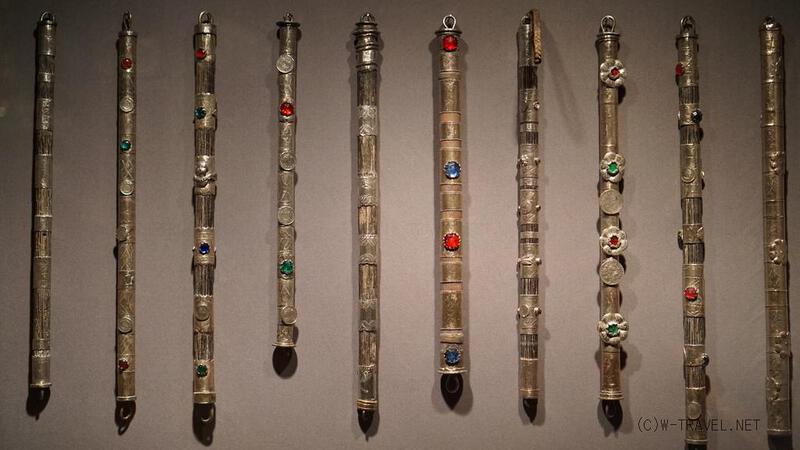
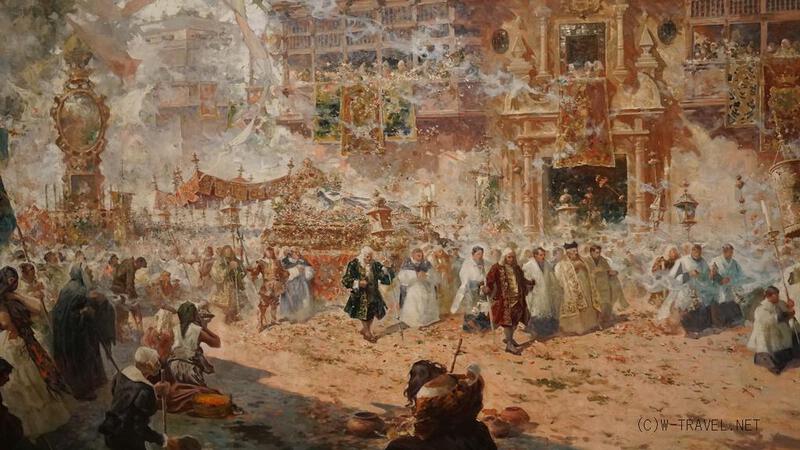
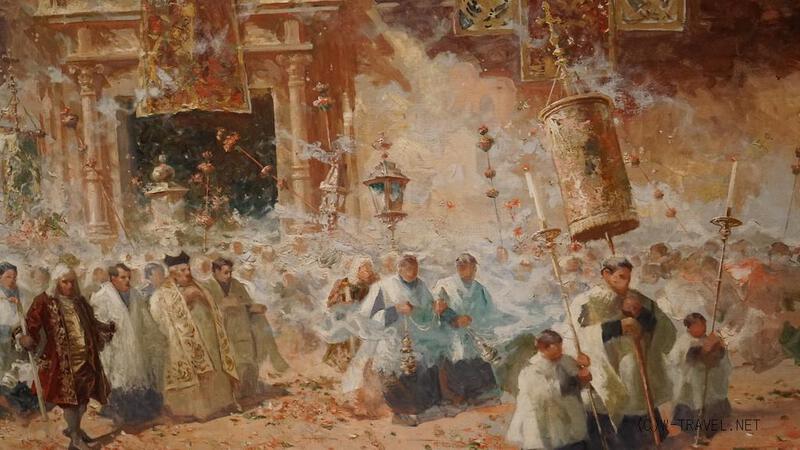
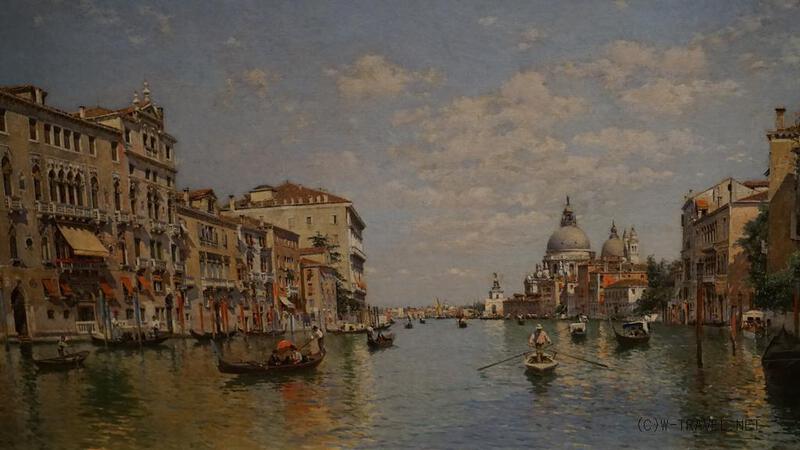
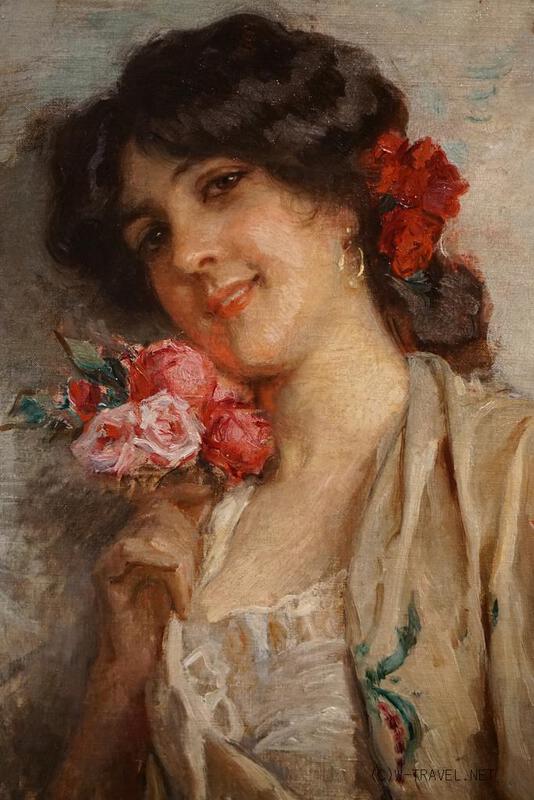
लिमा का कला संग्रहालय।
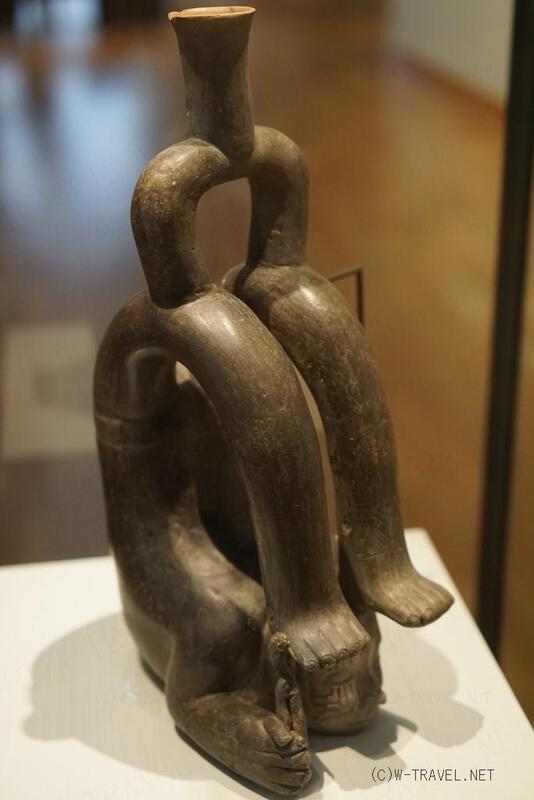
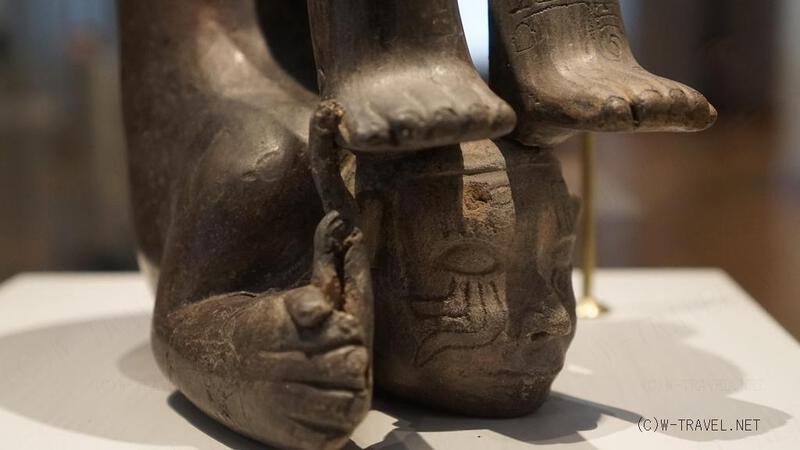
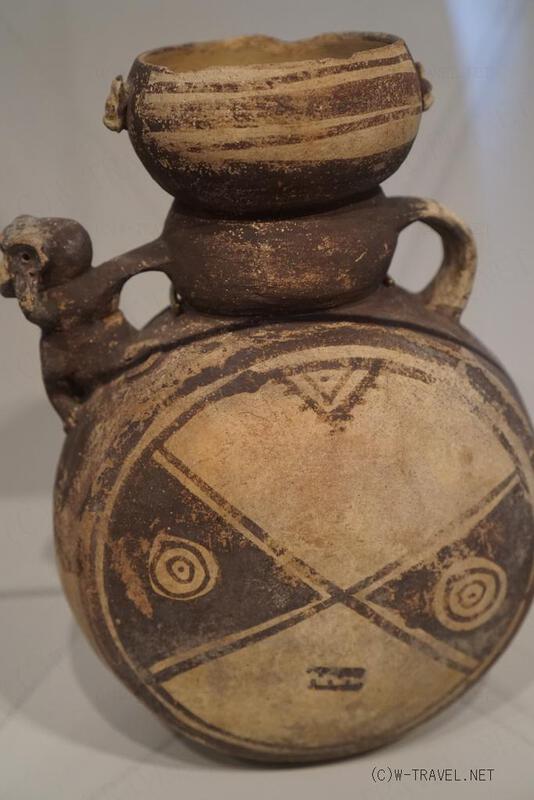
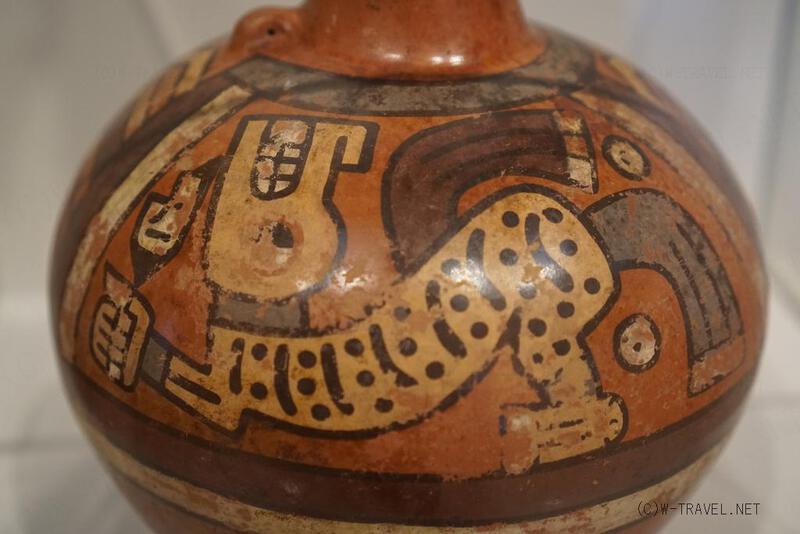
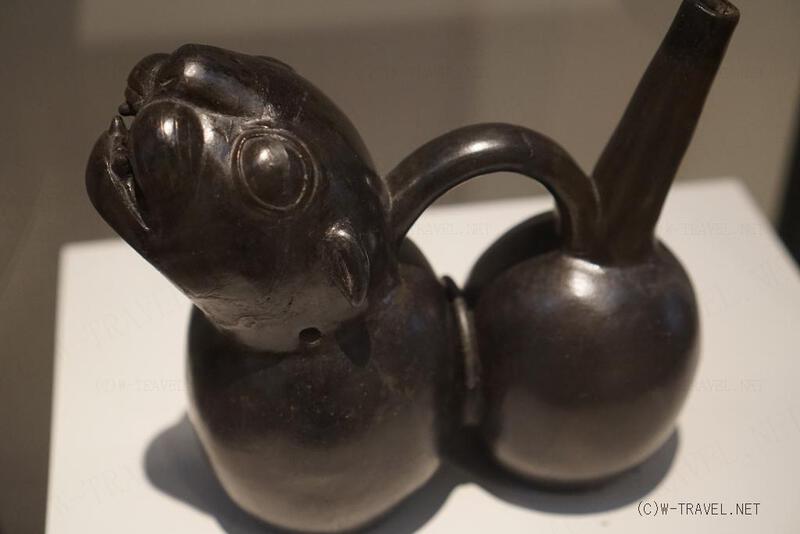
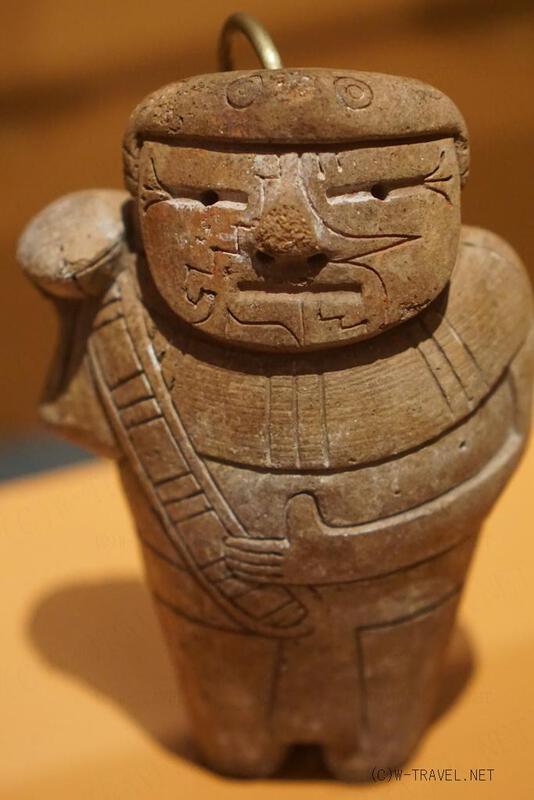
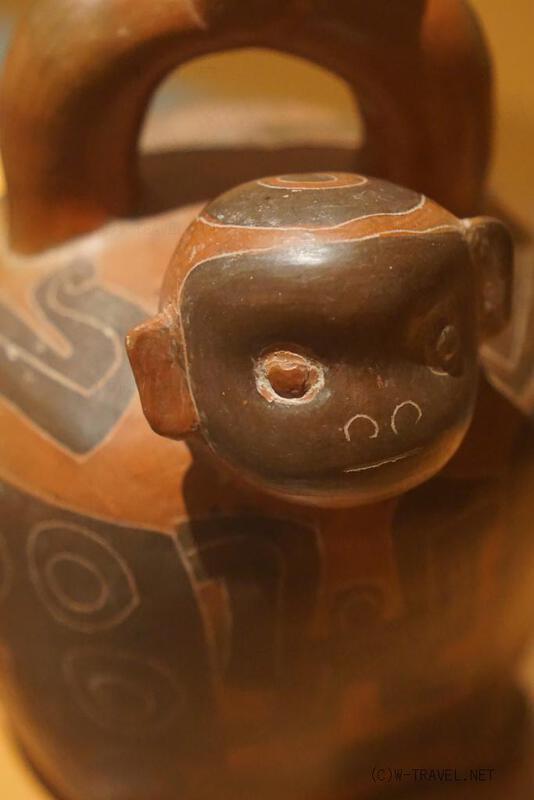
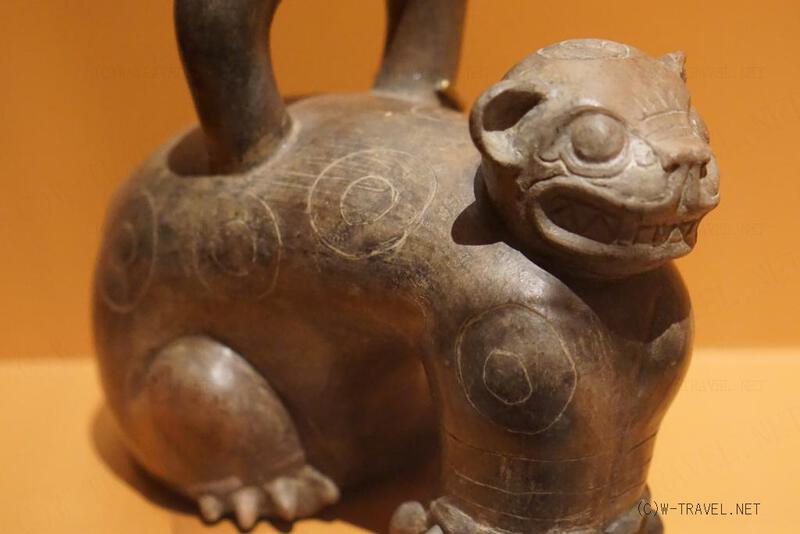
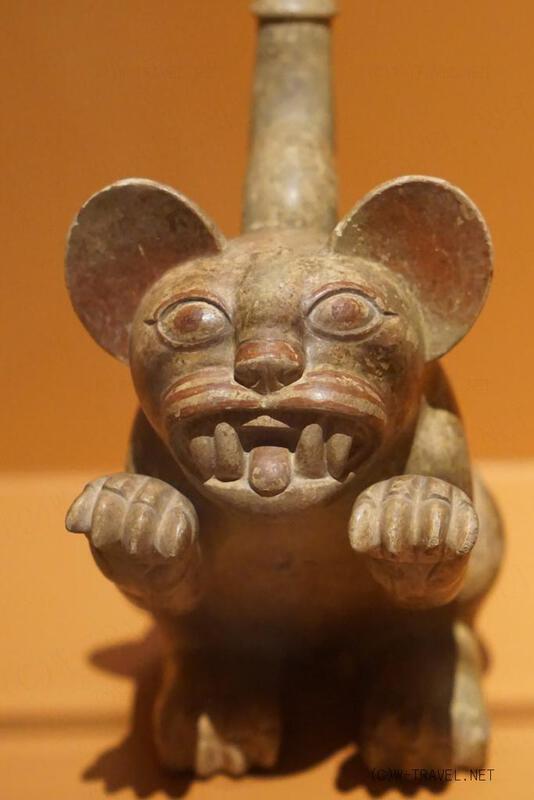
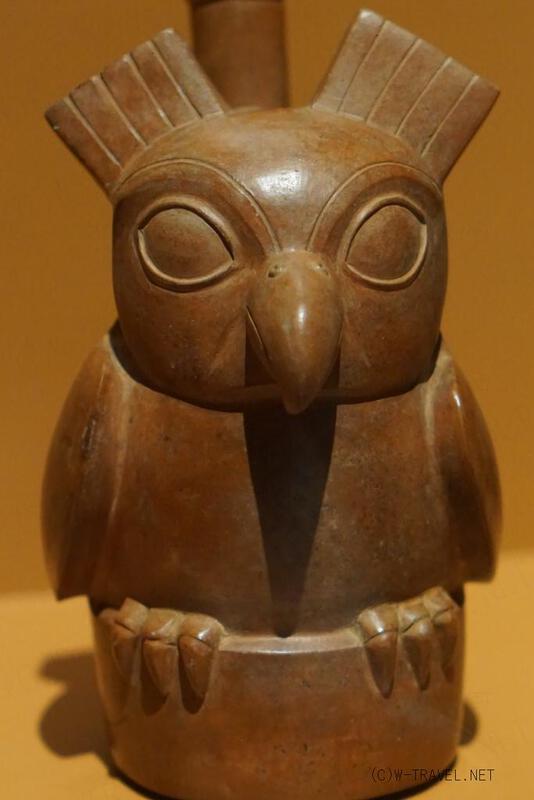
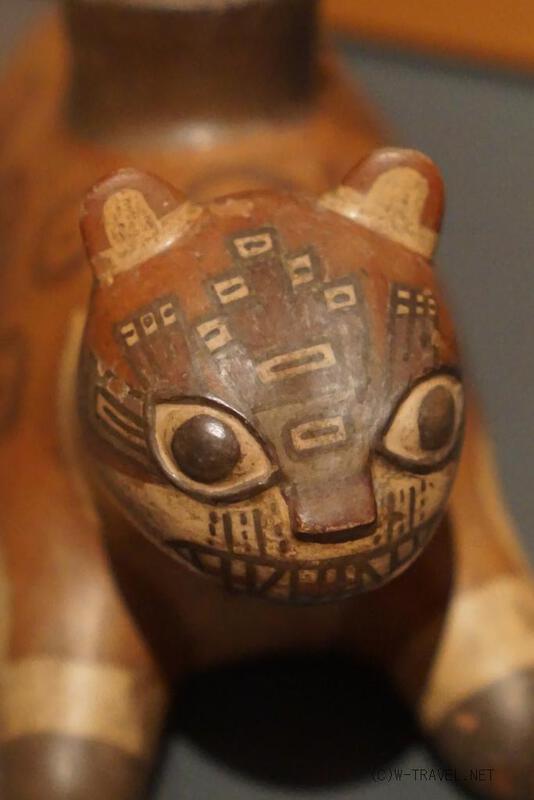
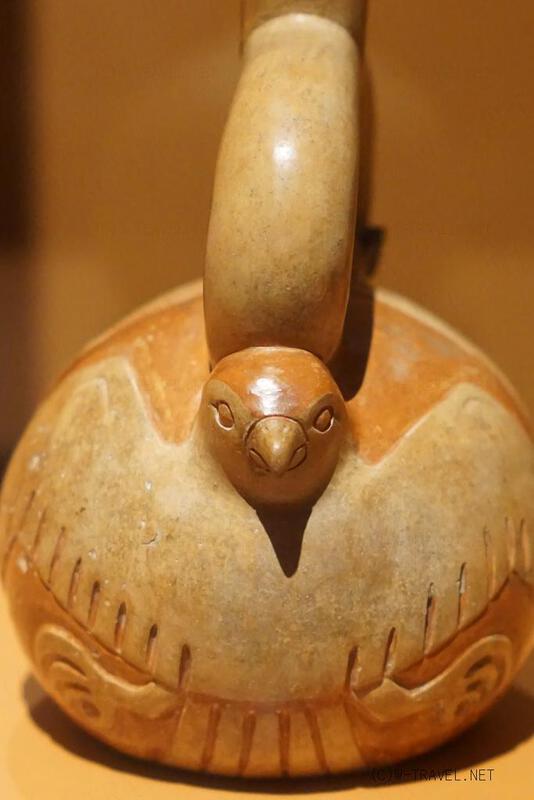
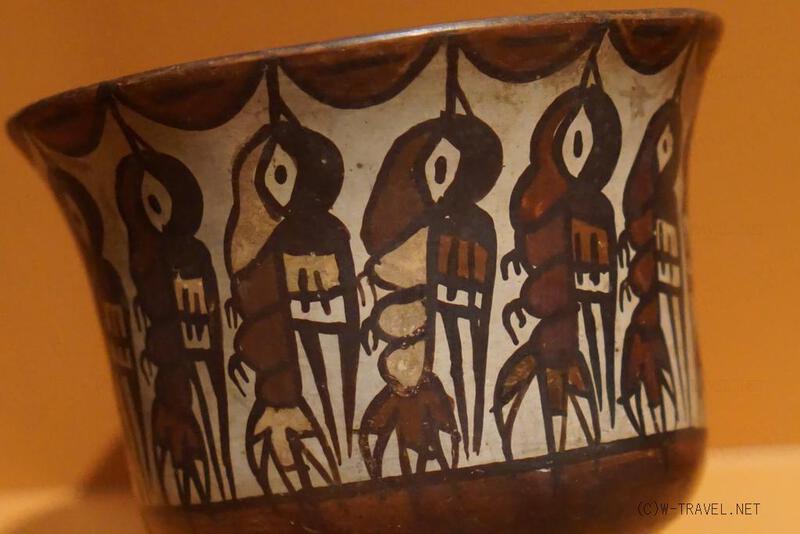
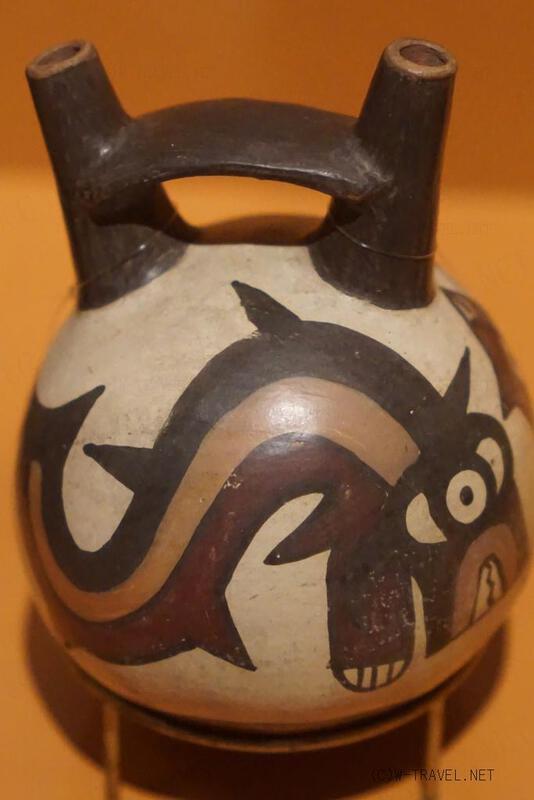
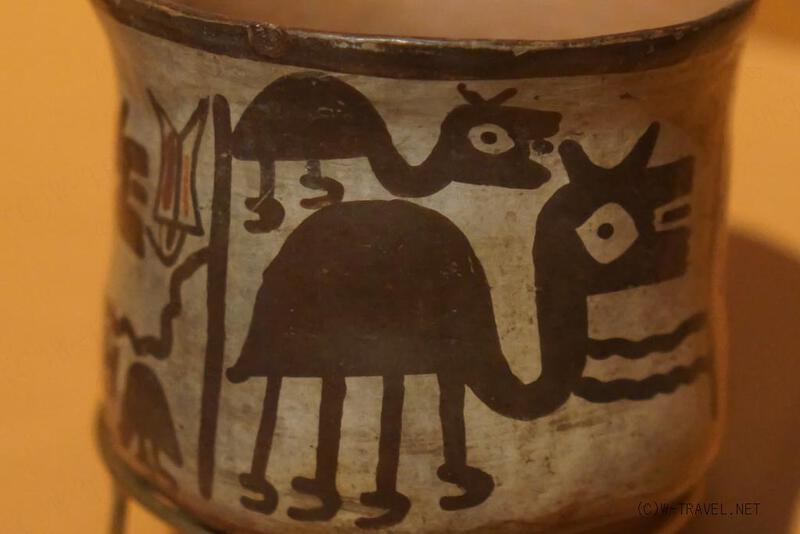
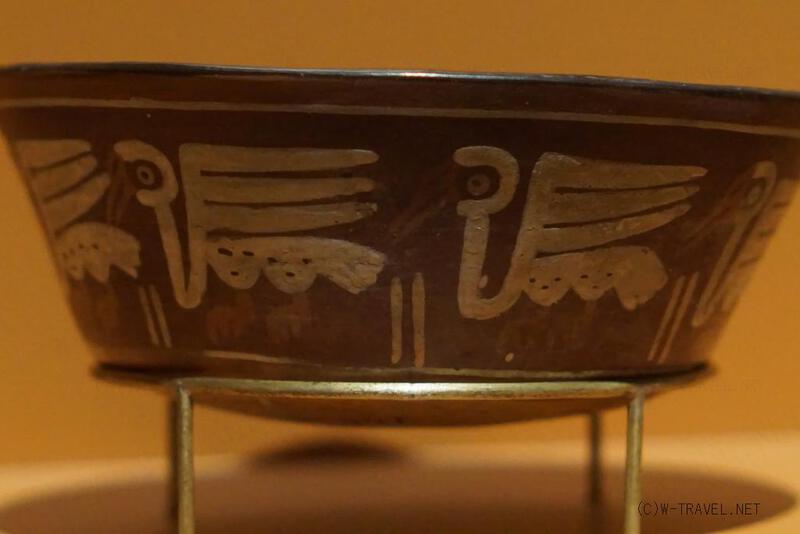
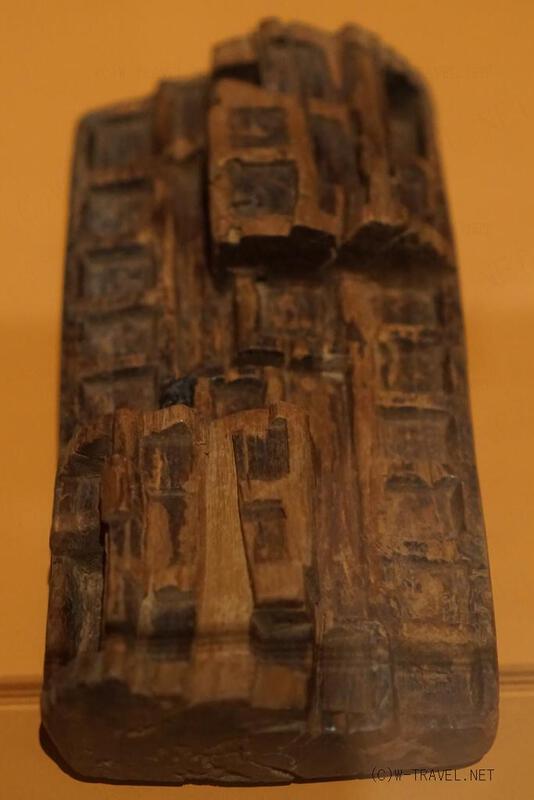
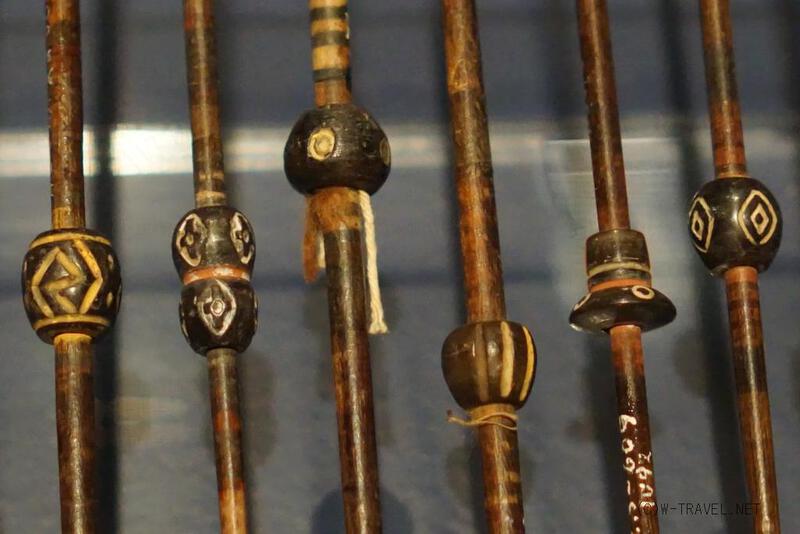
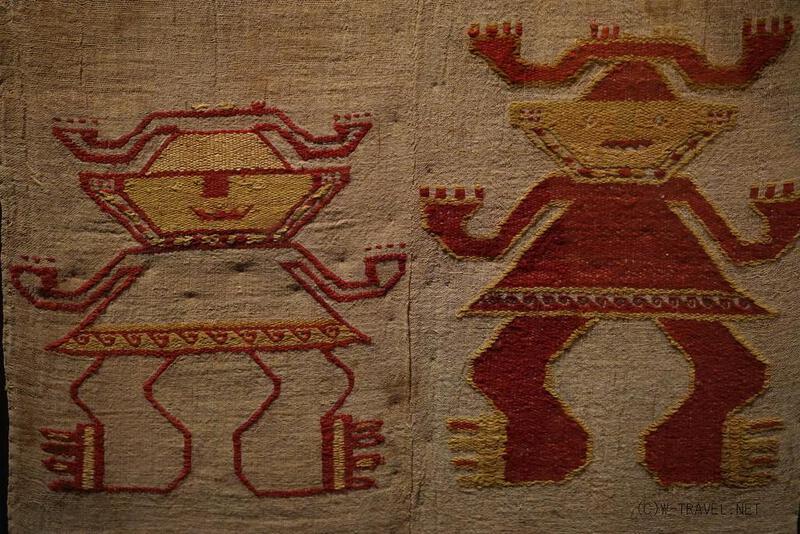
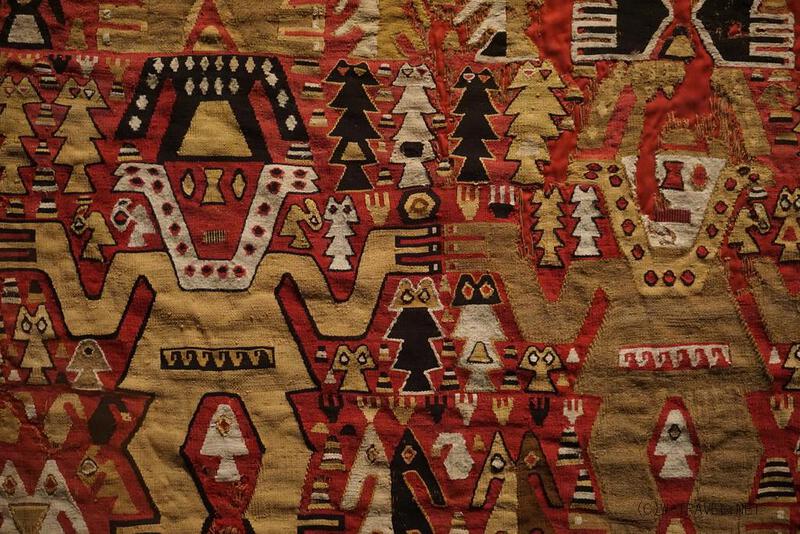
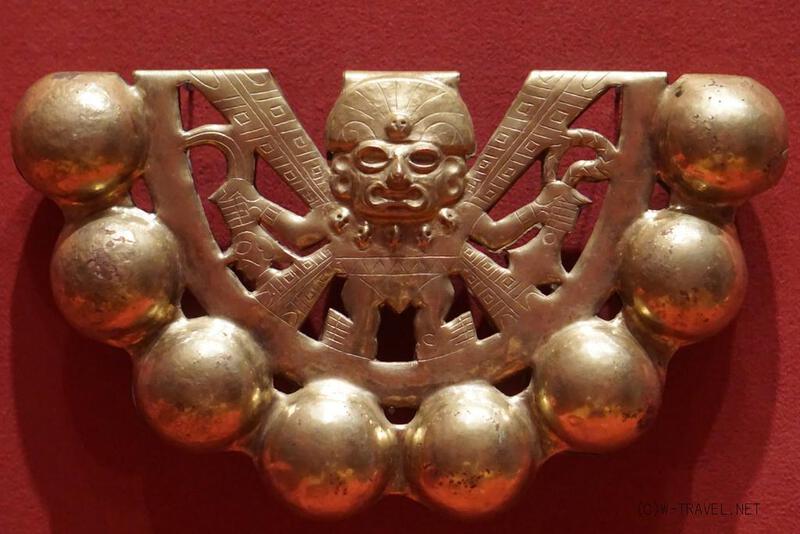
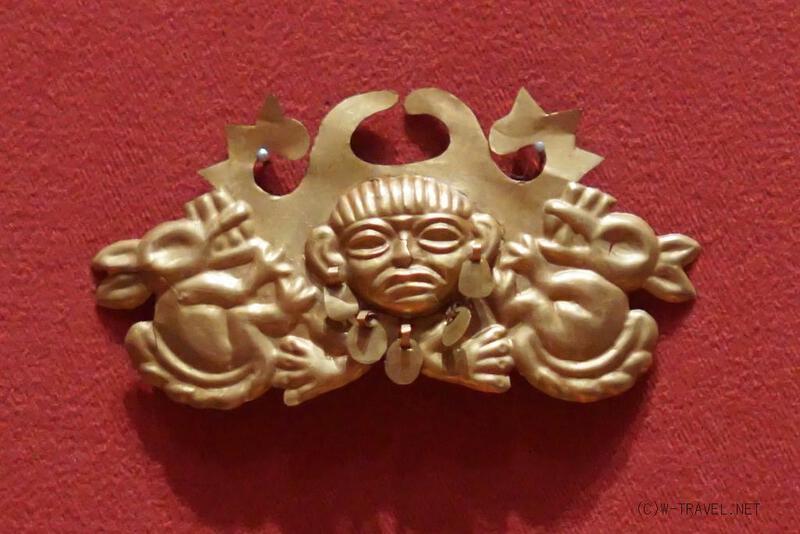
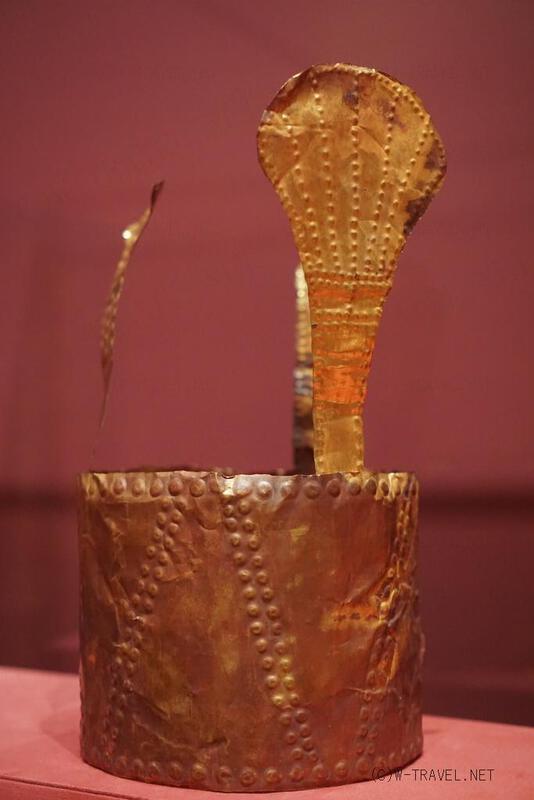
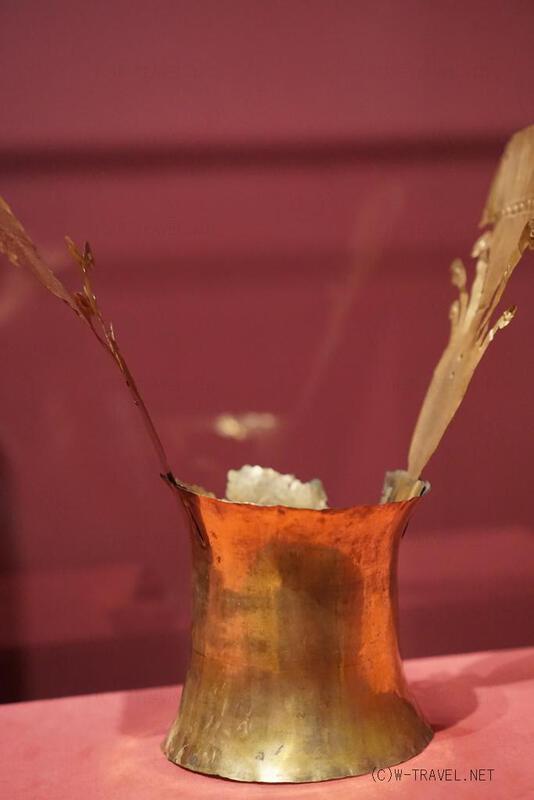
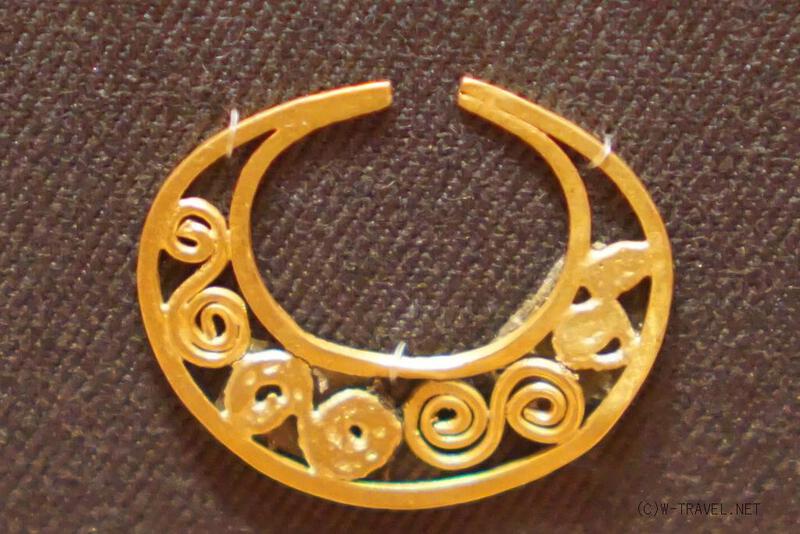
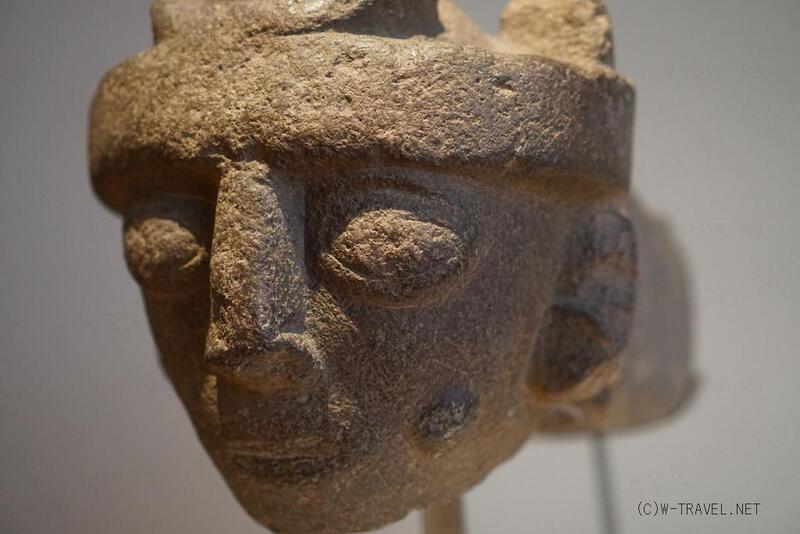
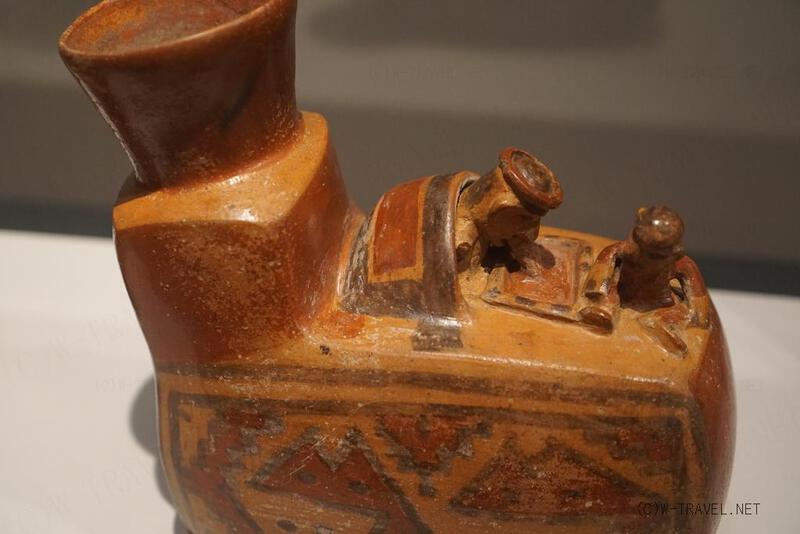
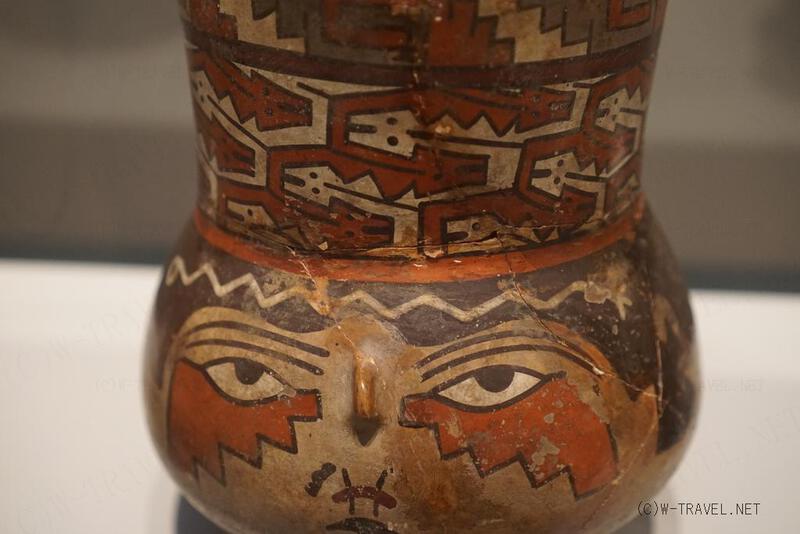
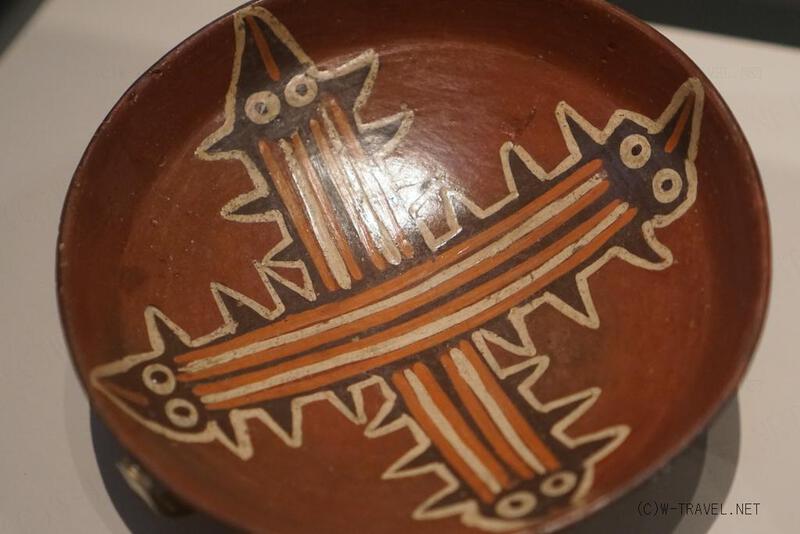
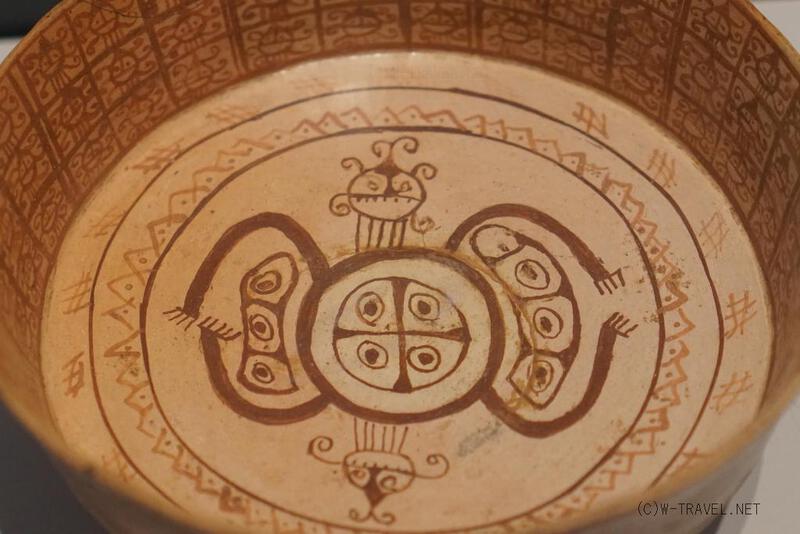
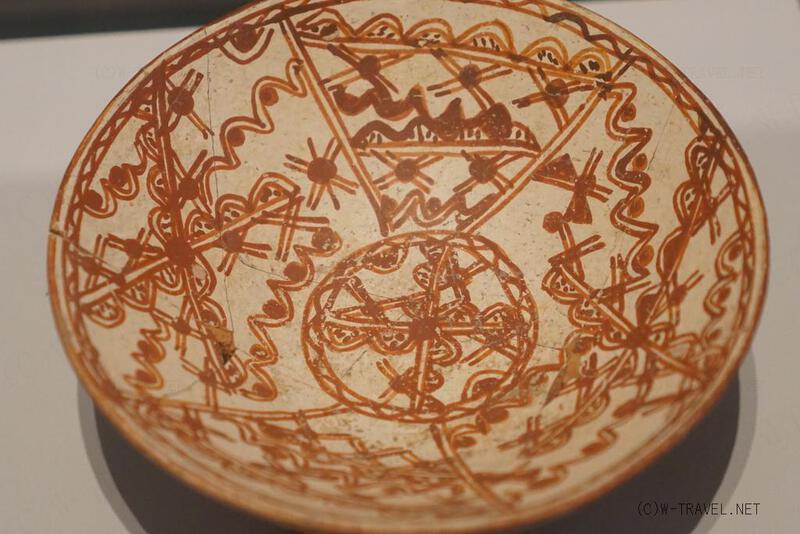
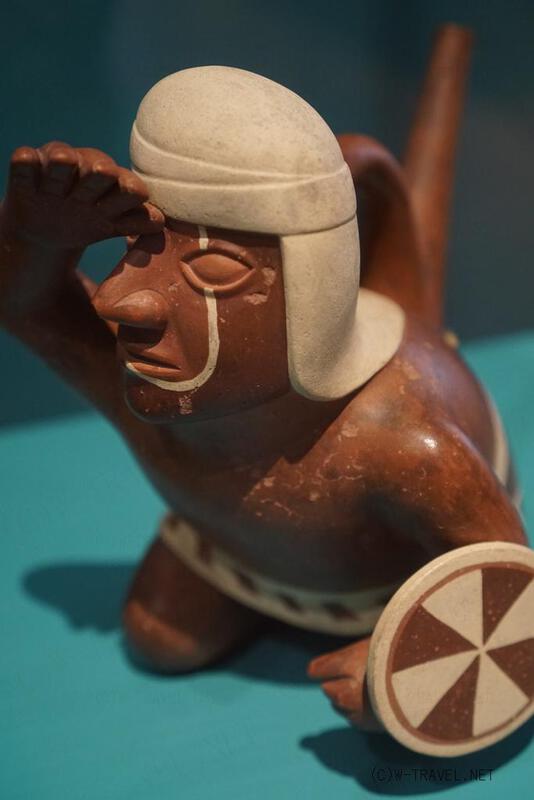
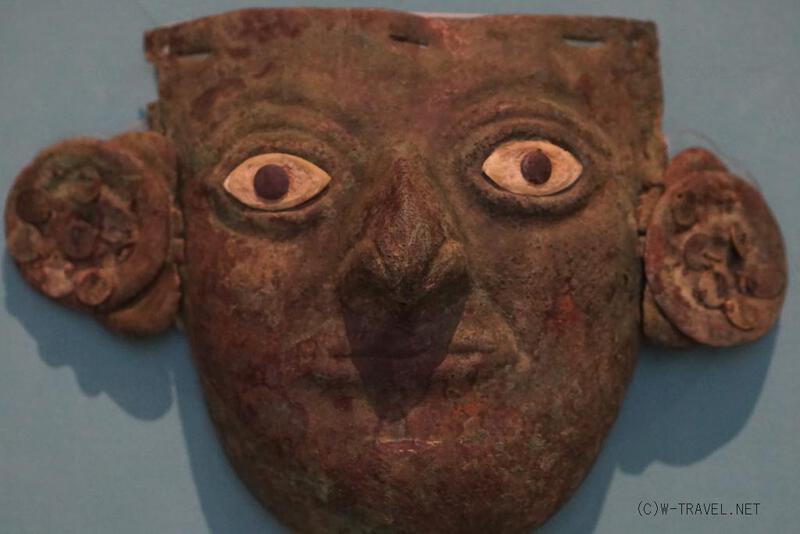
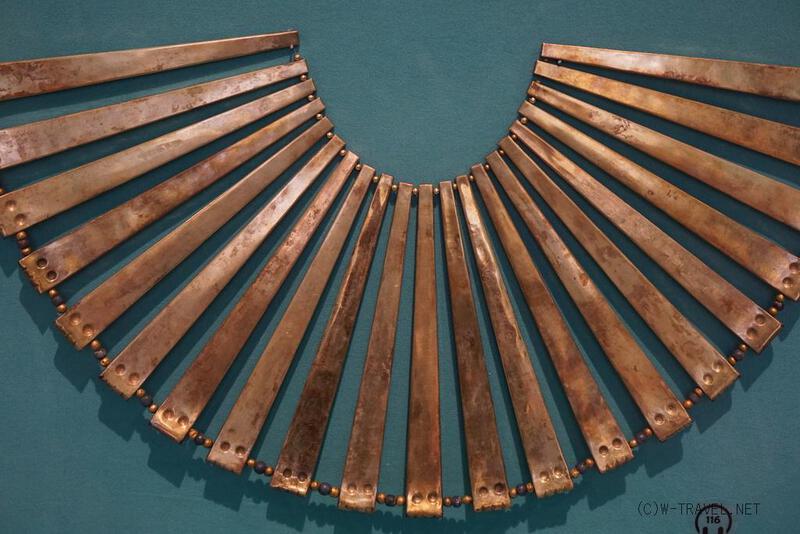
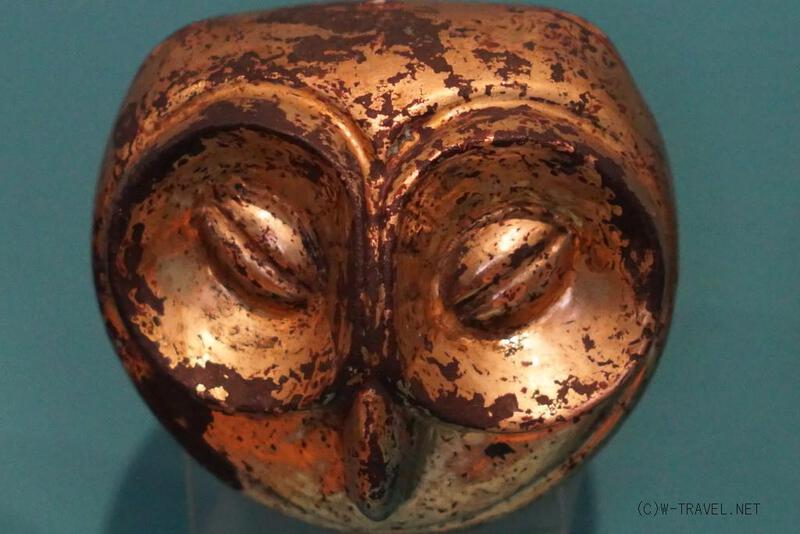
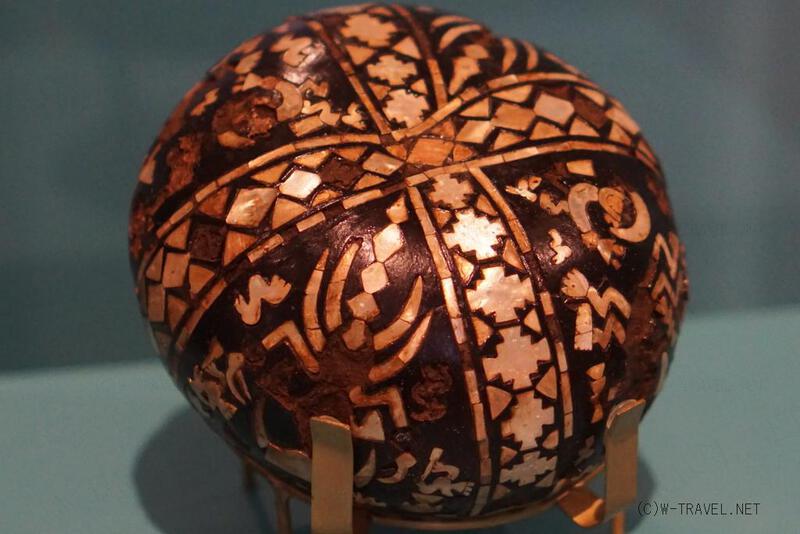
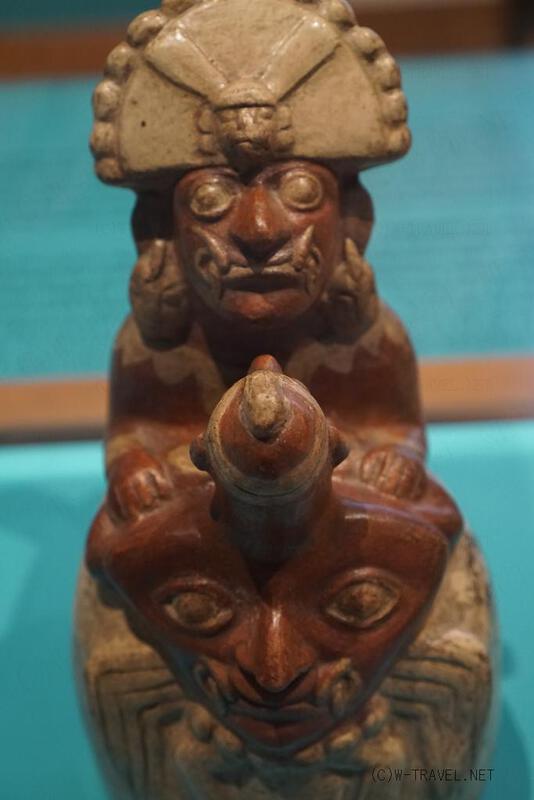
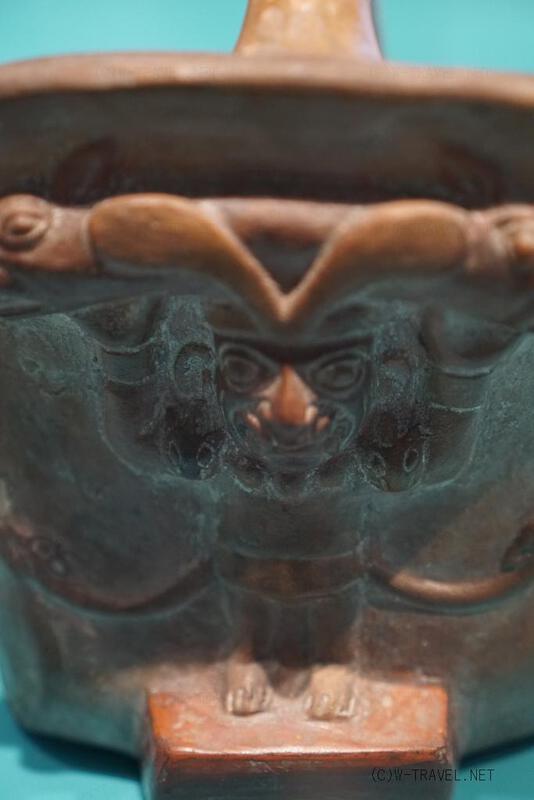
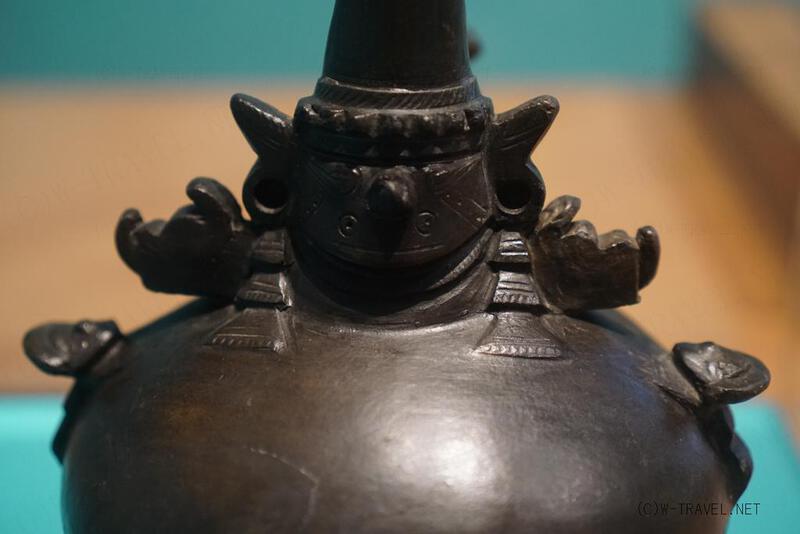
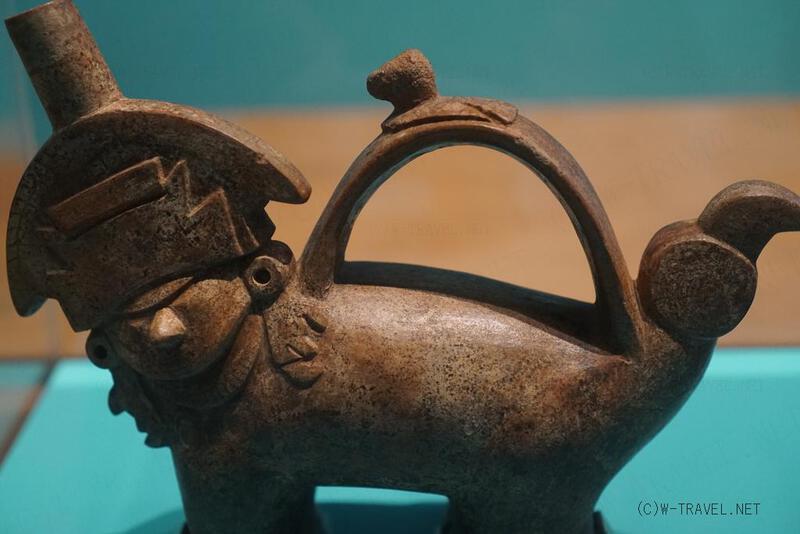
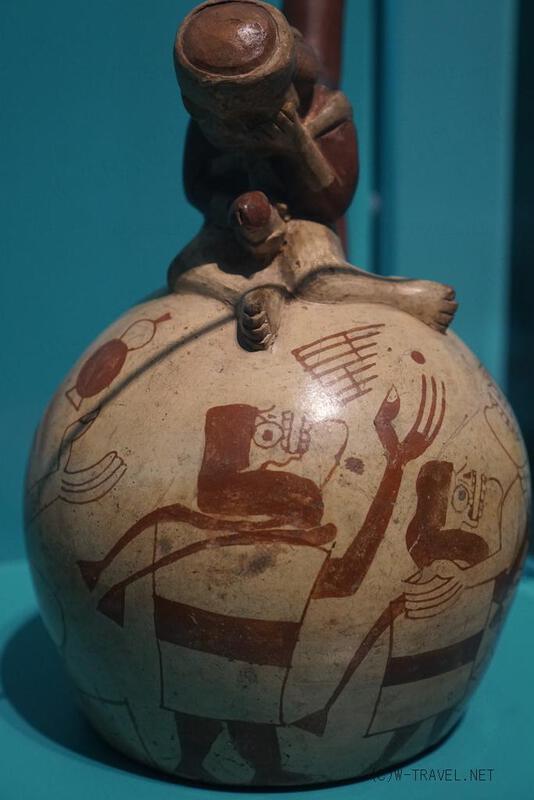
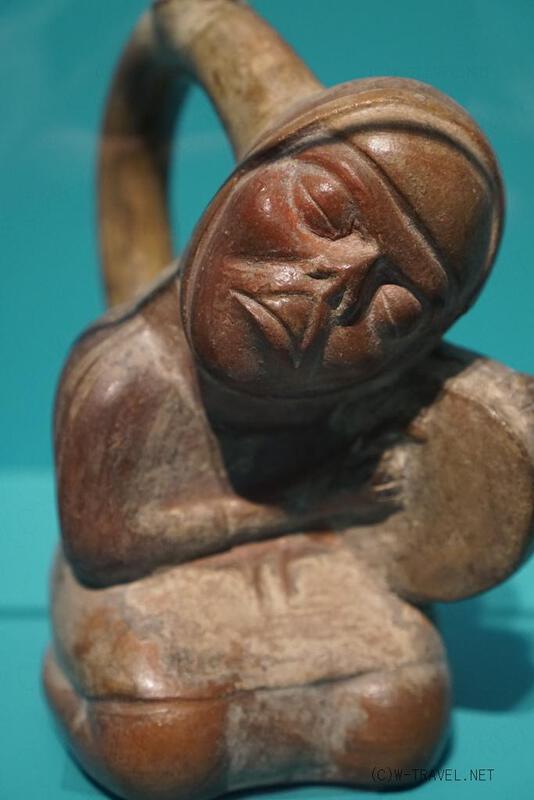
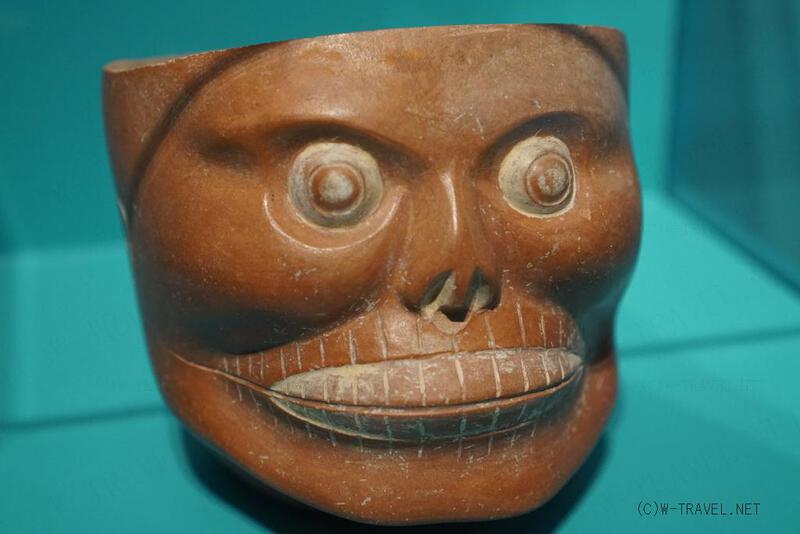
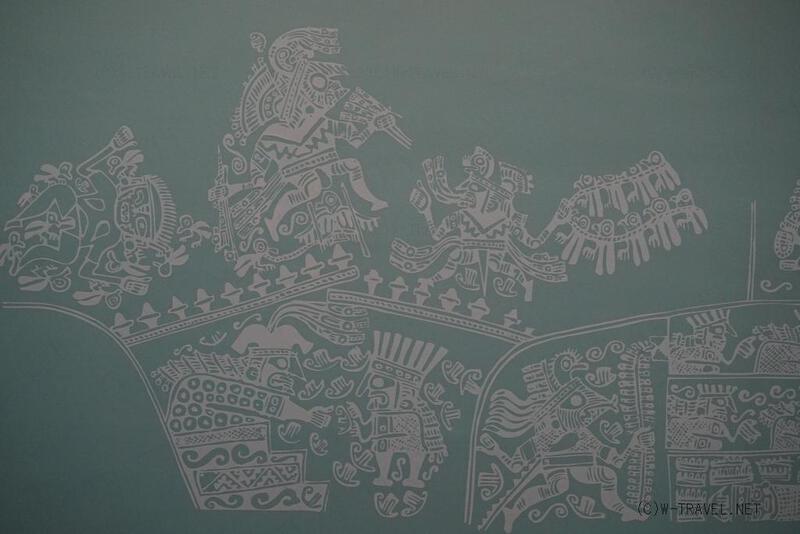
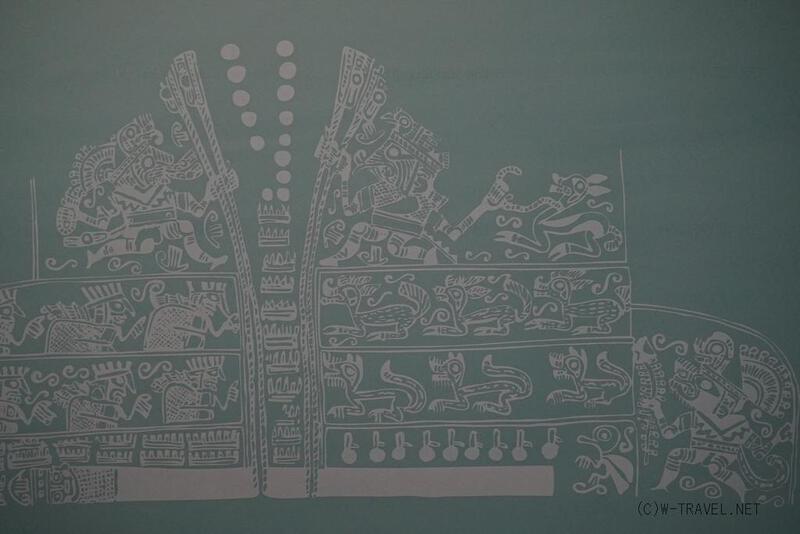
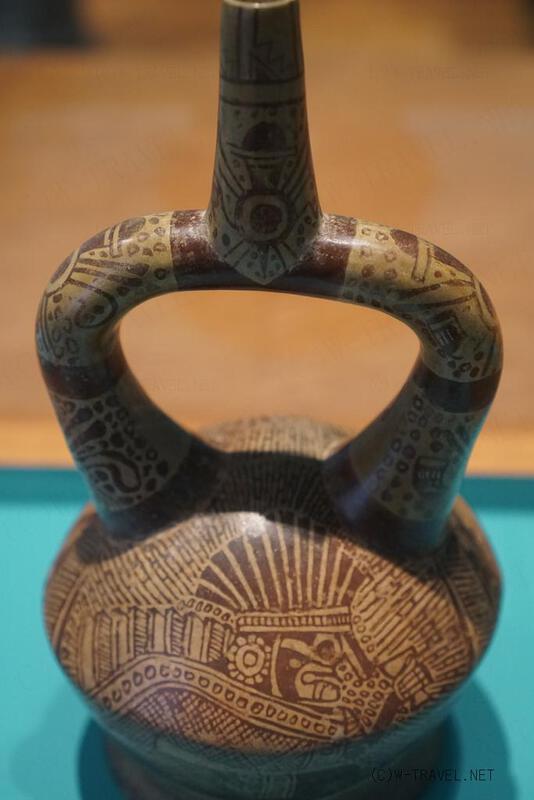
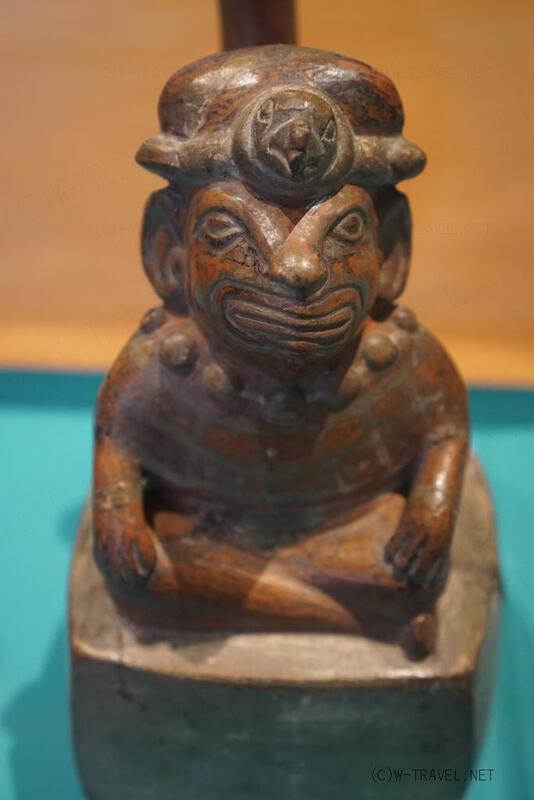
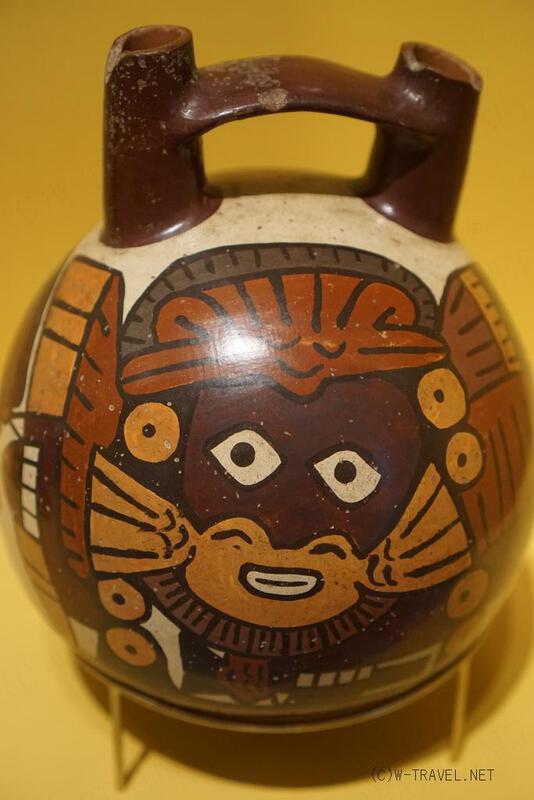
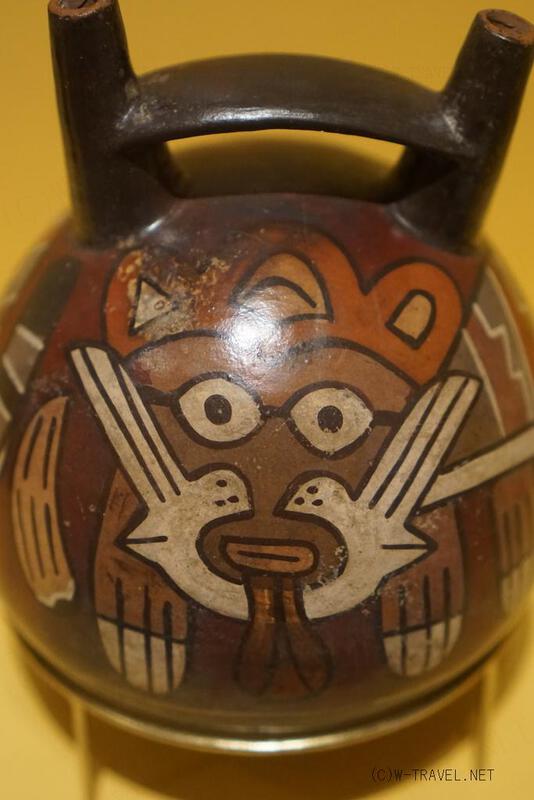
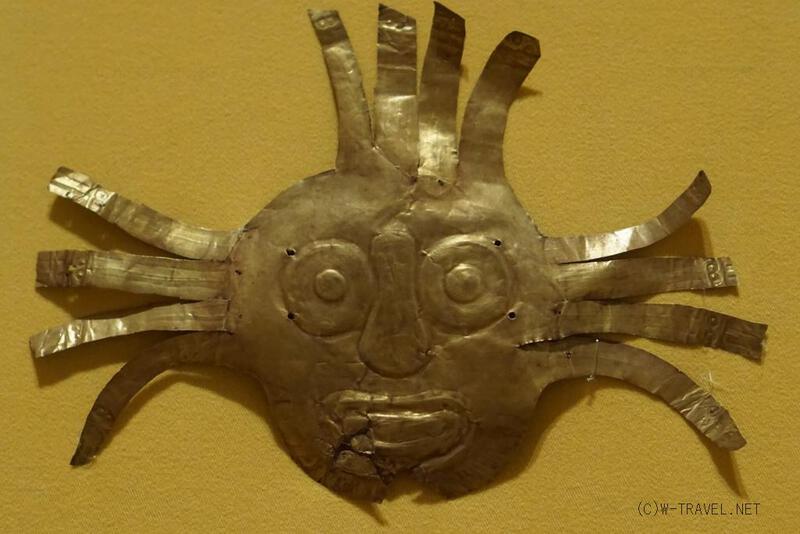
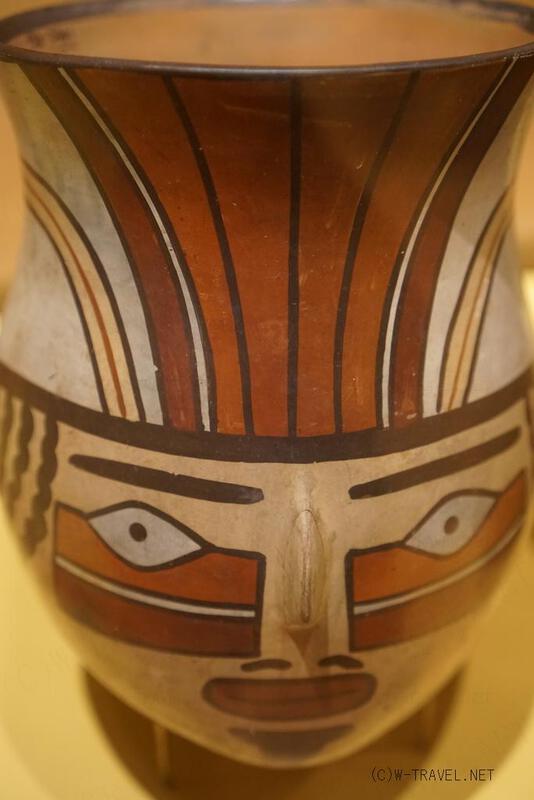
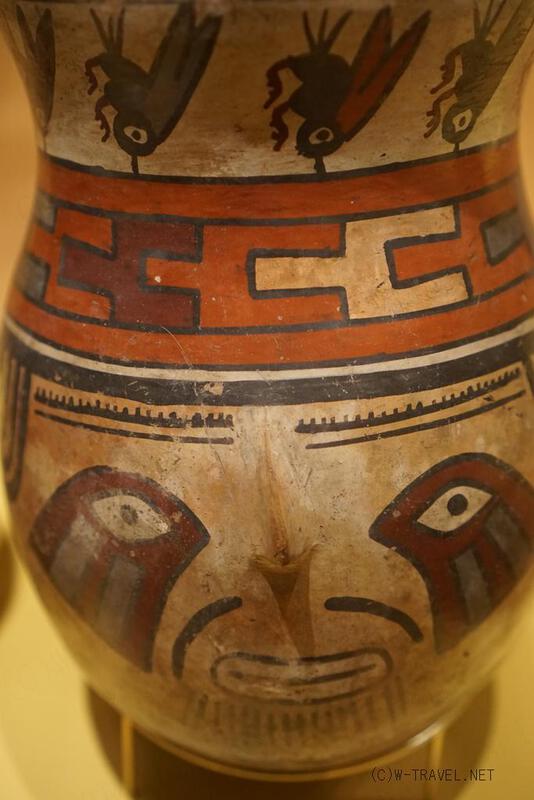
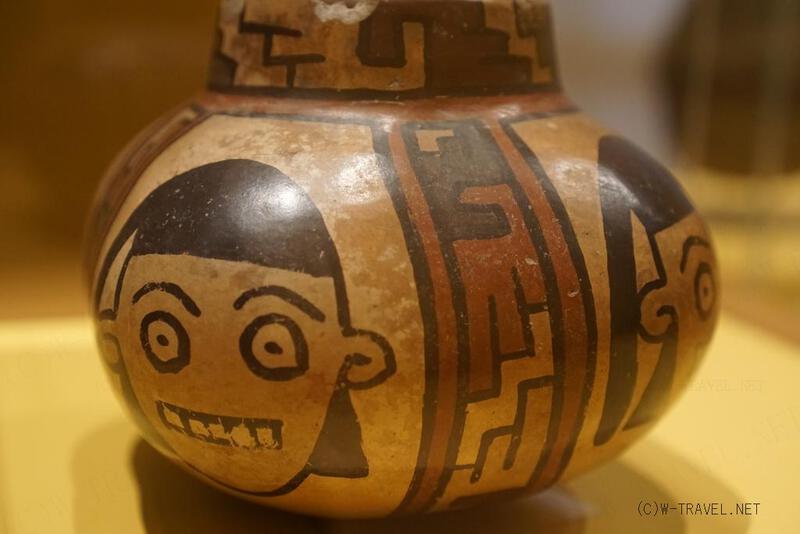
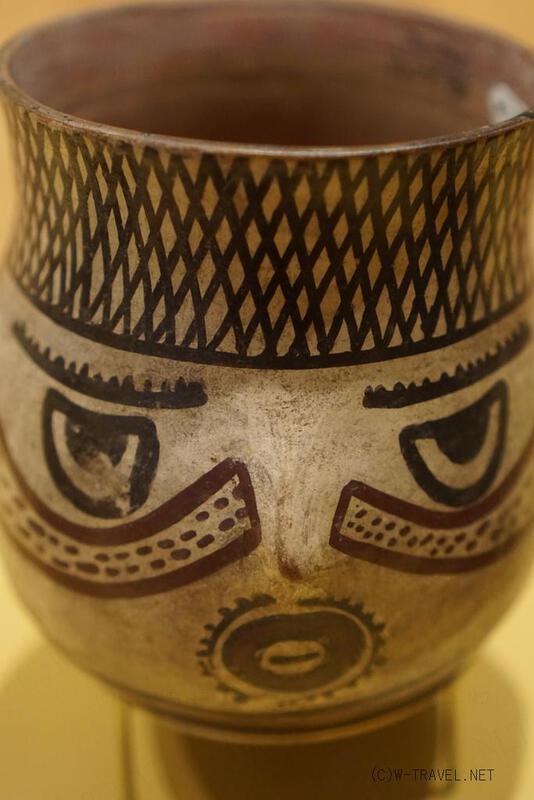
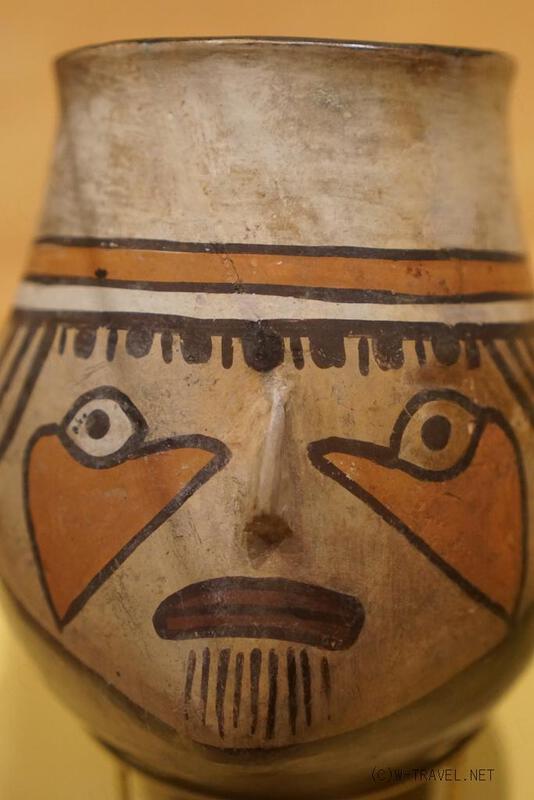
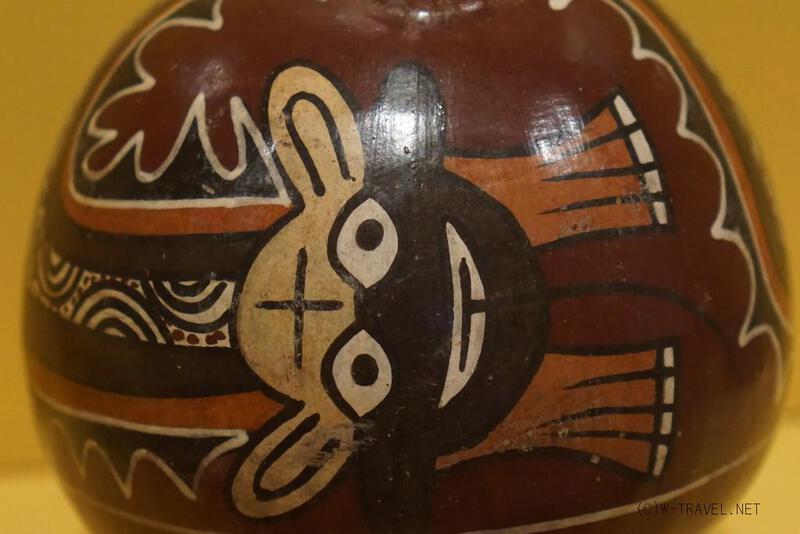
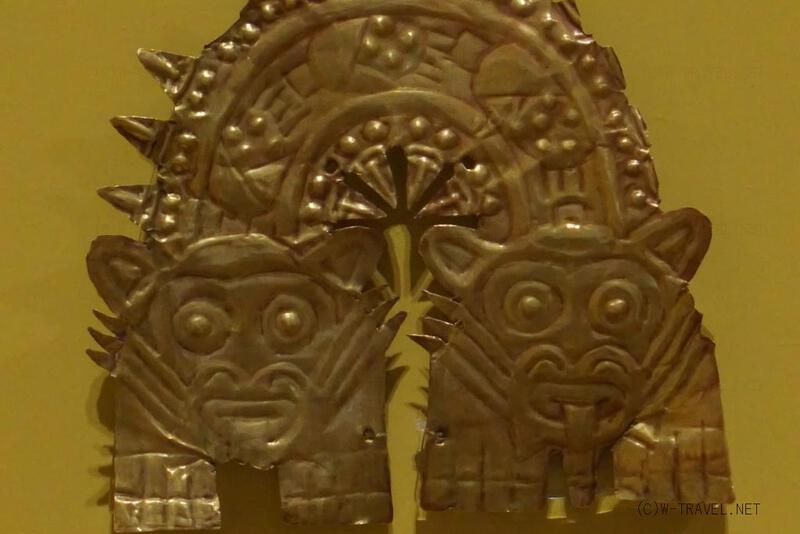
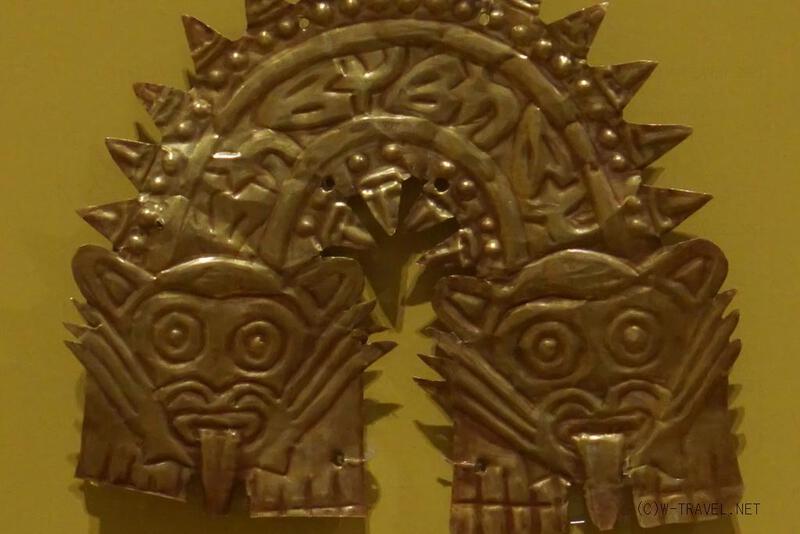
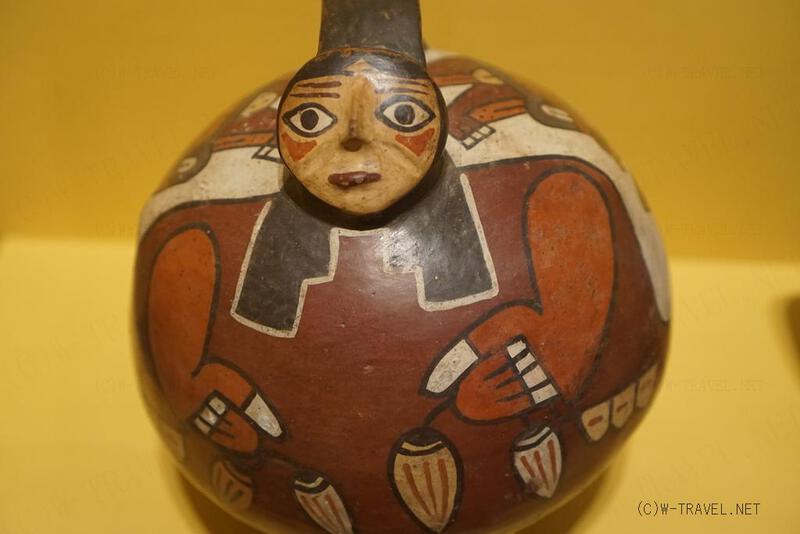
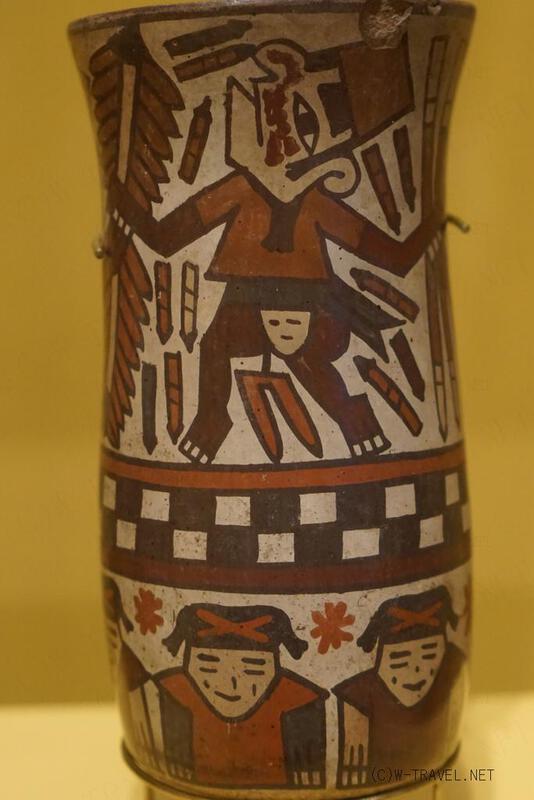
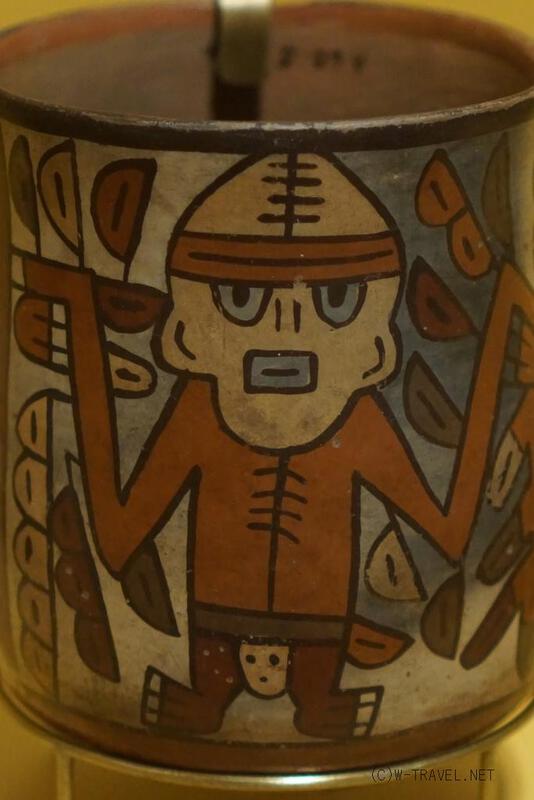
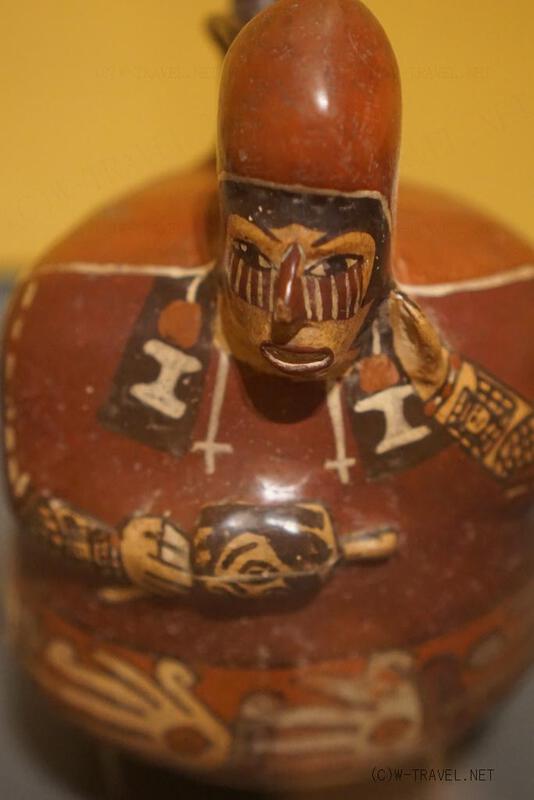
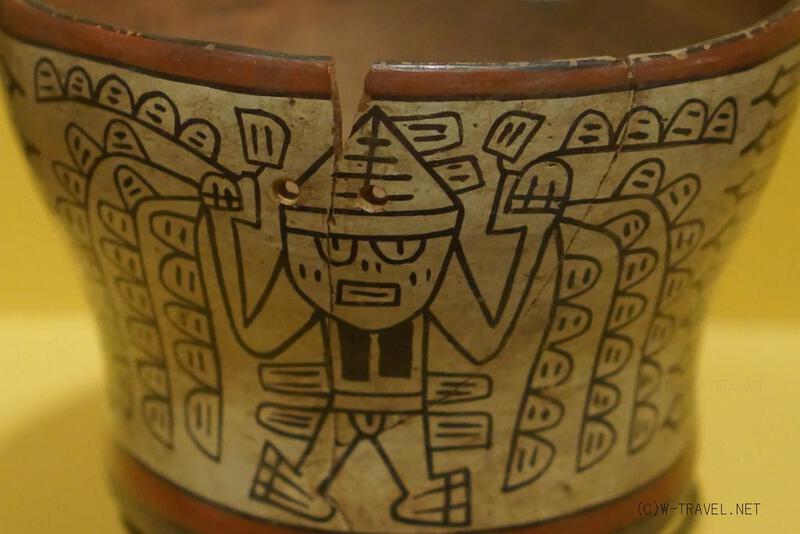
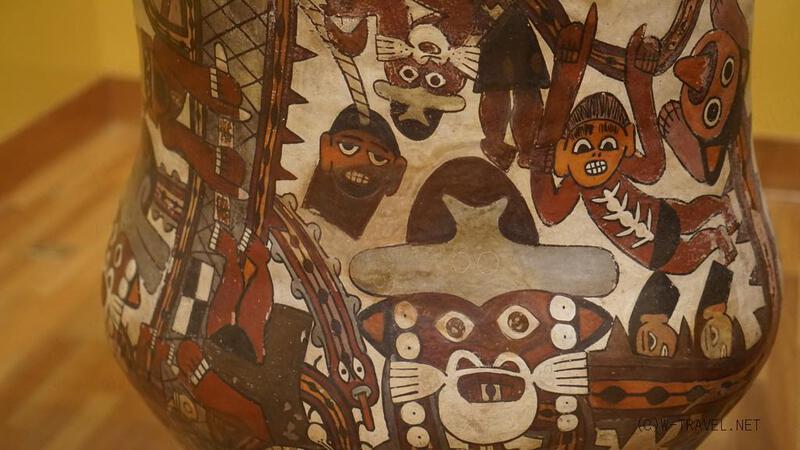
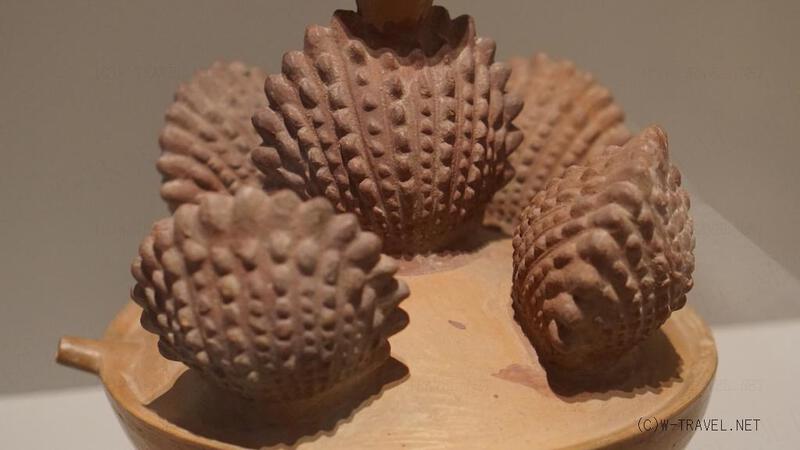
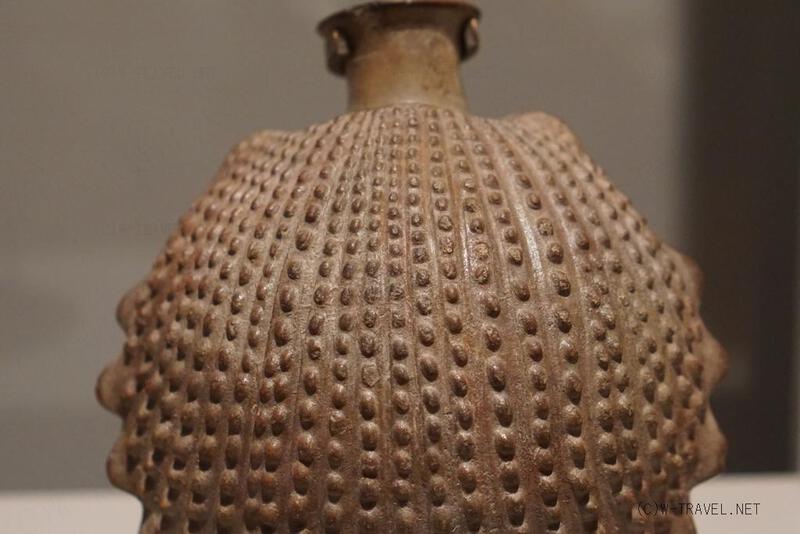
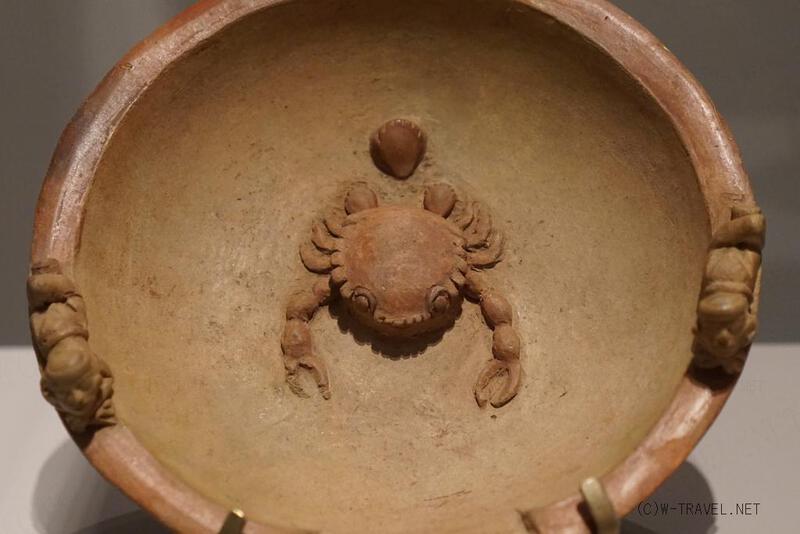
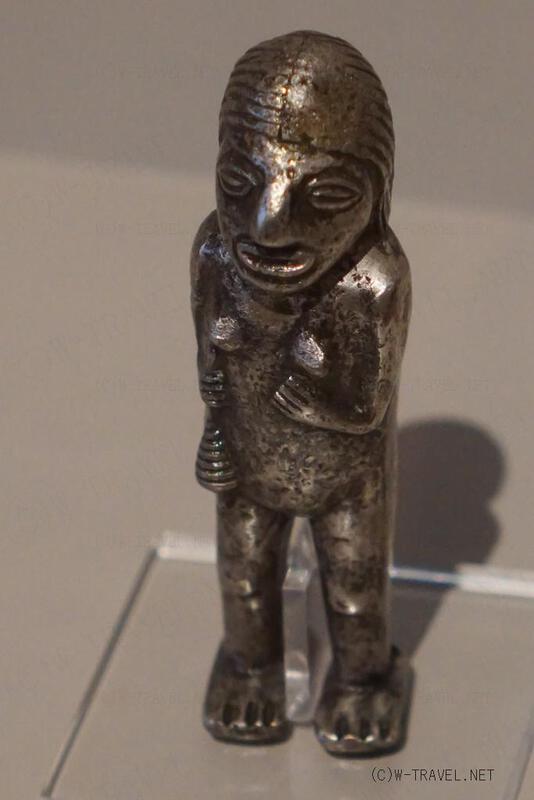
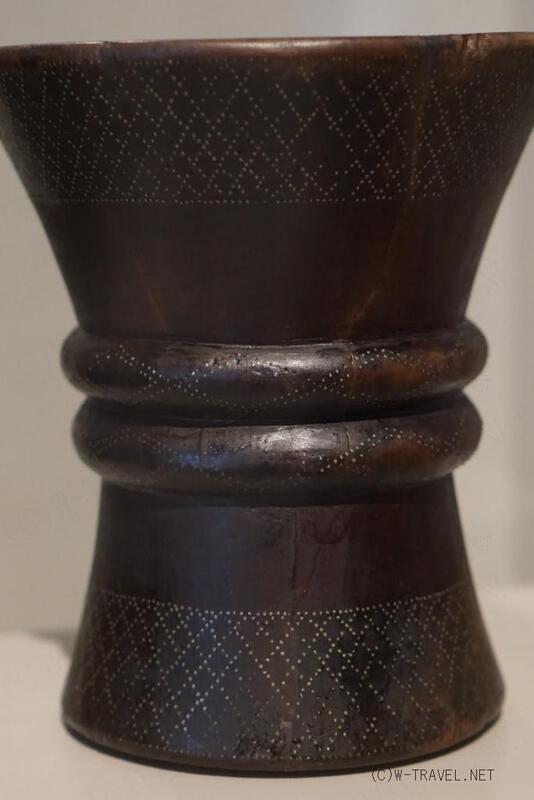
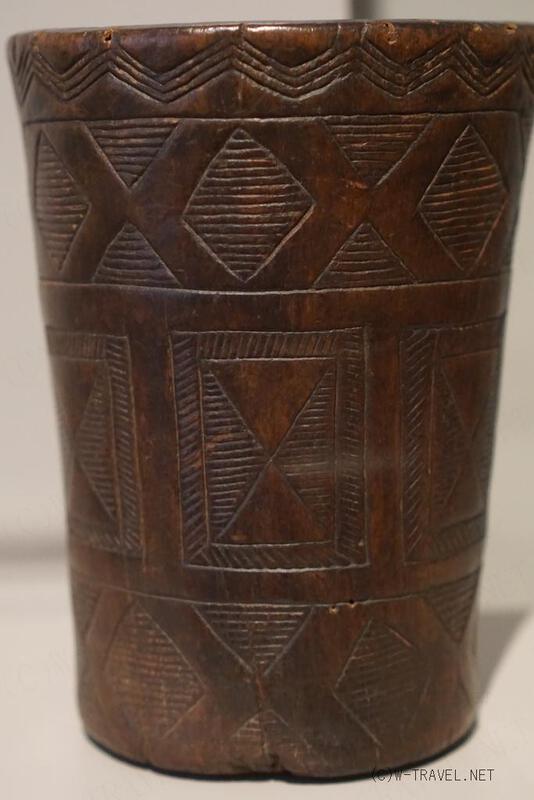
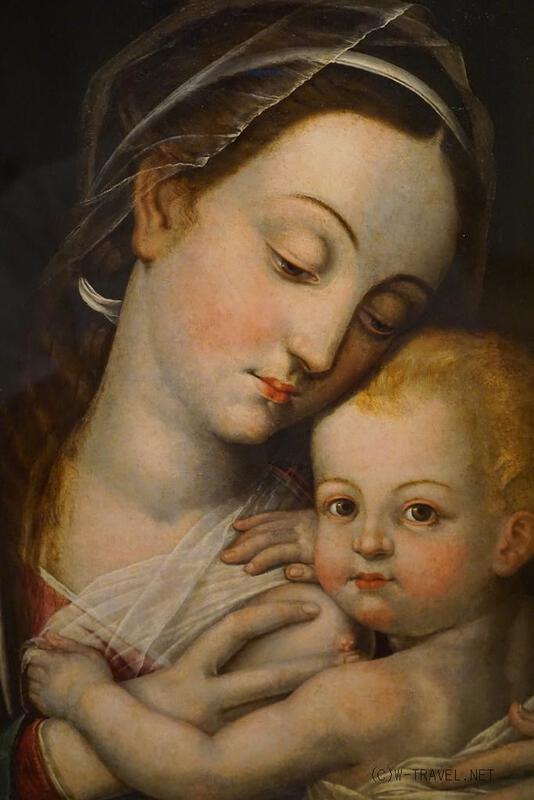
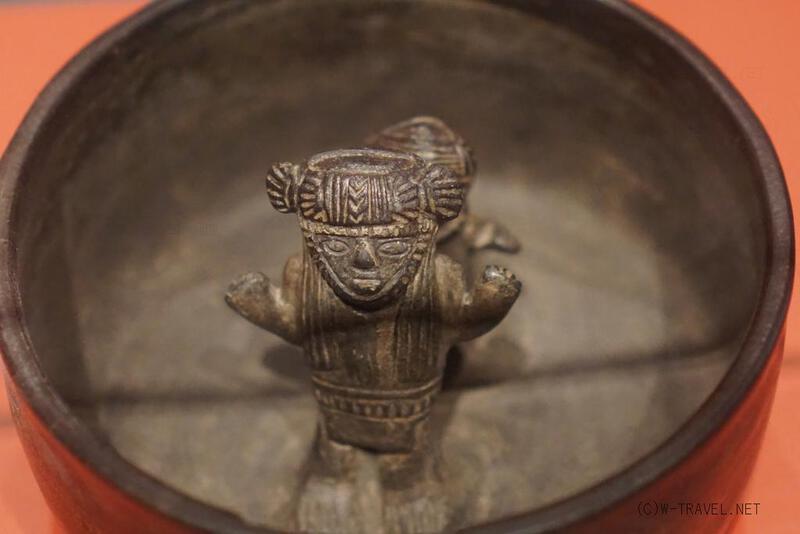
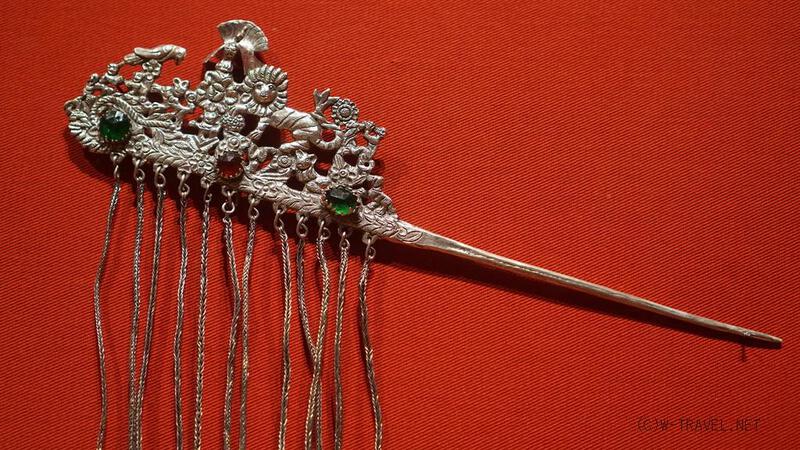
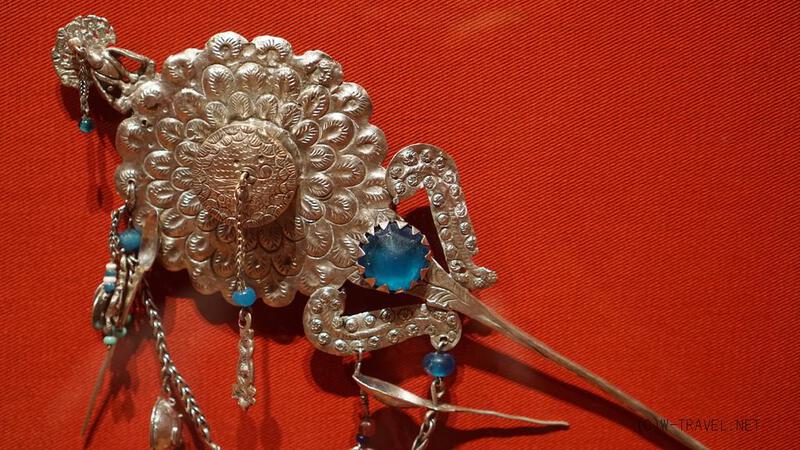
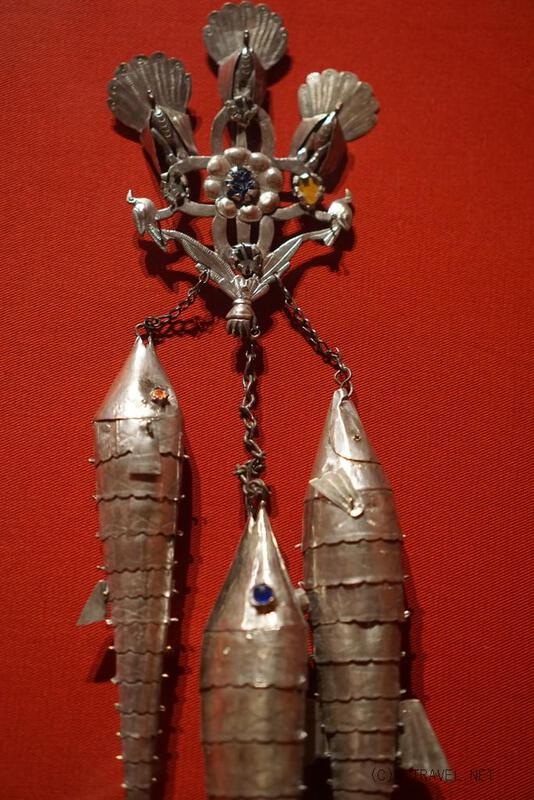
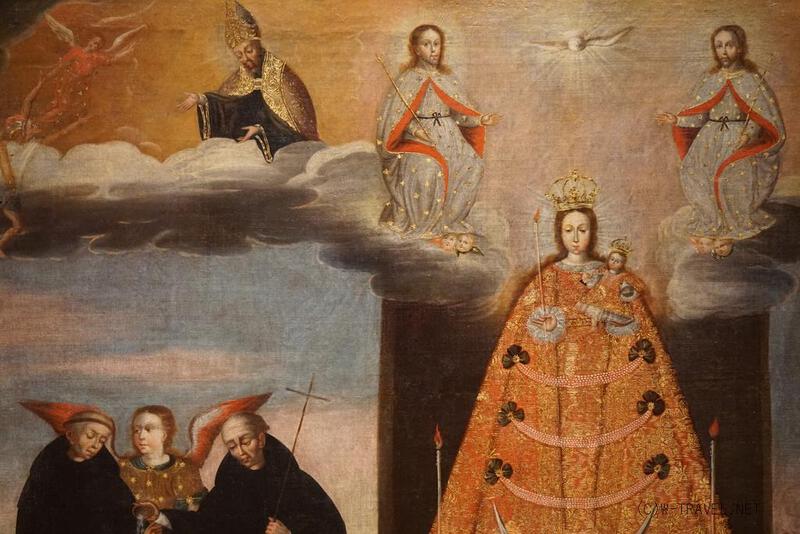
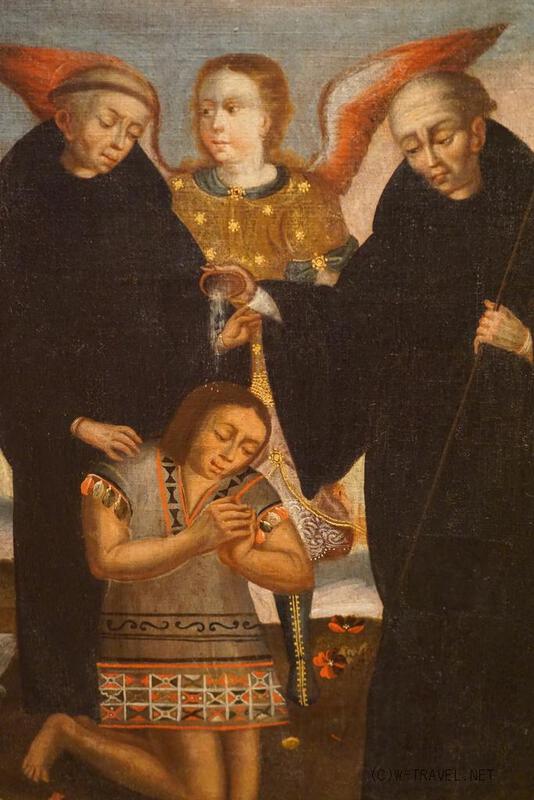
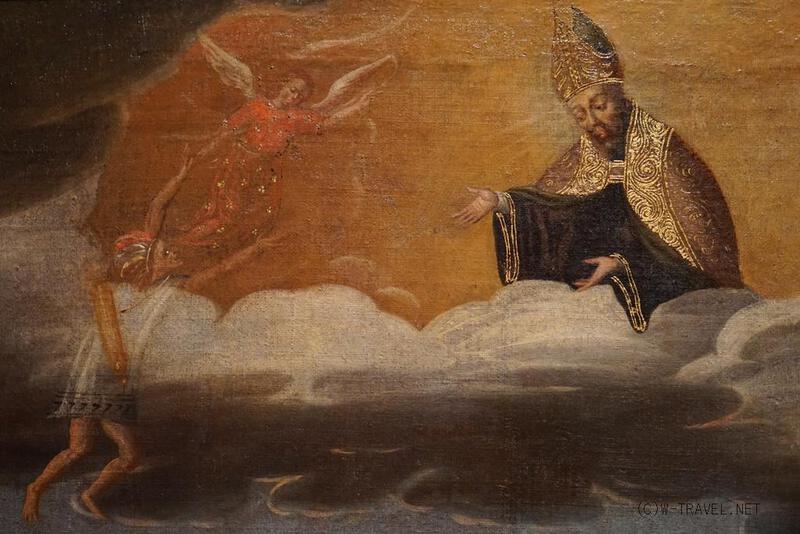
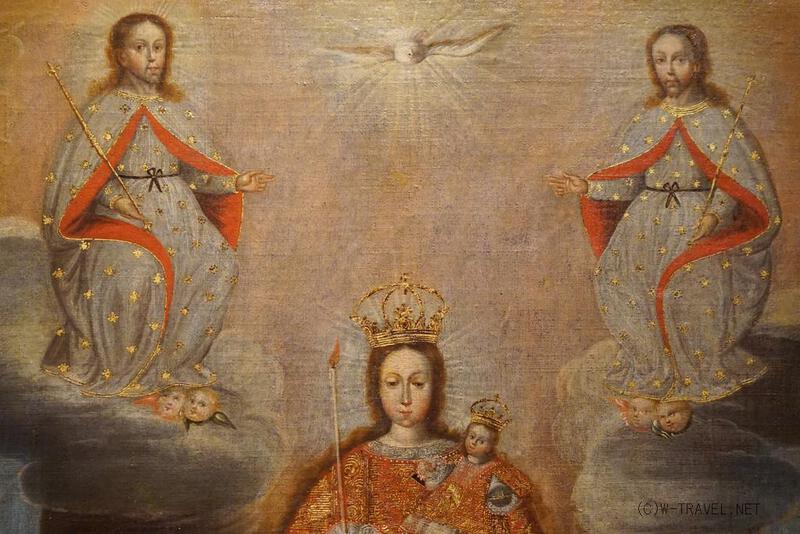
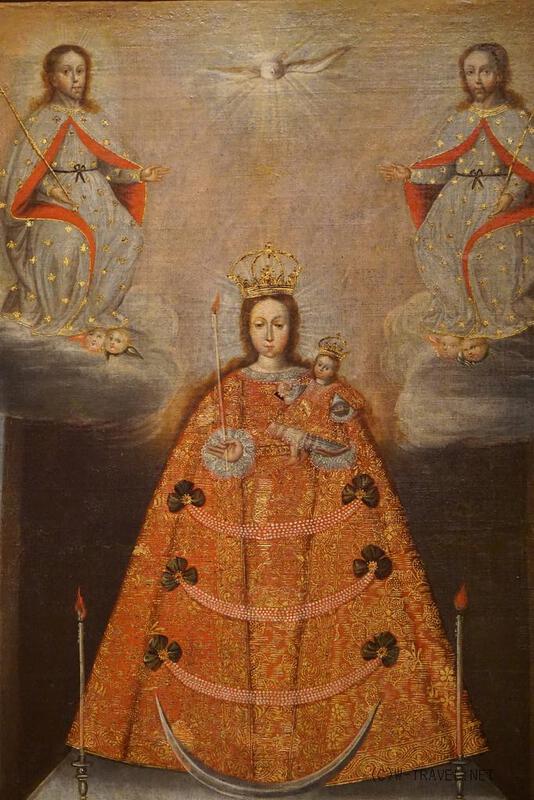
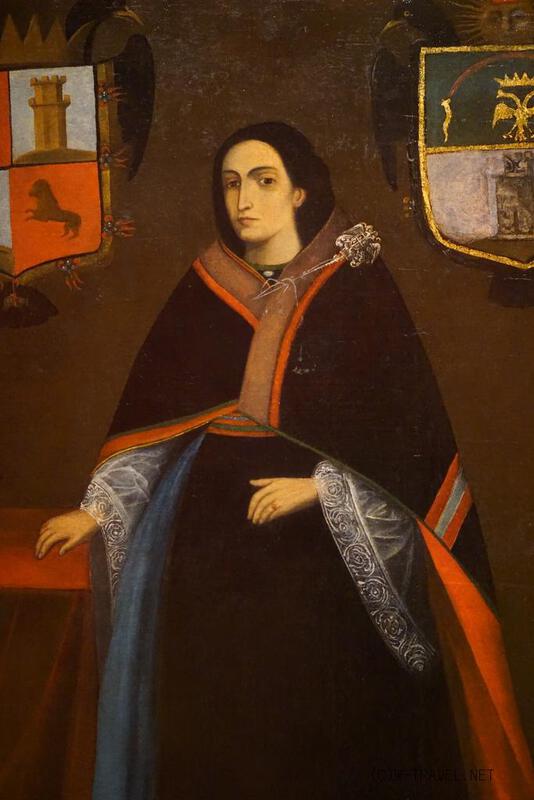
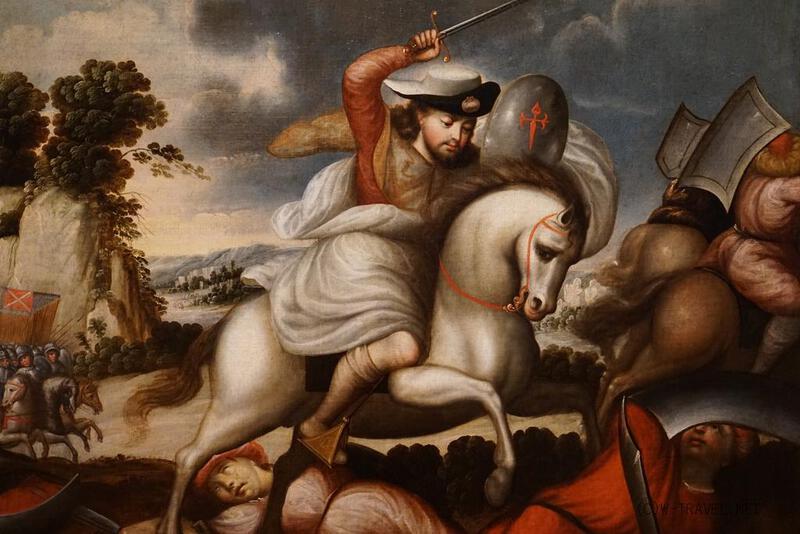
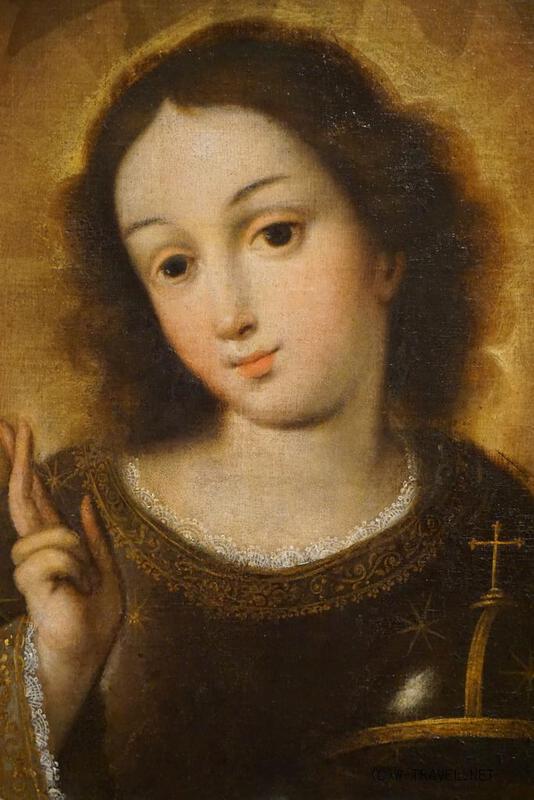
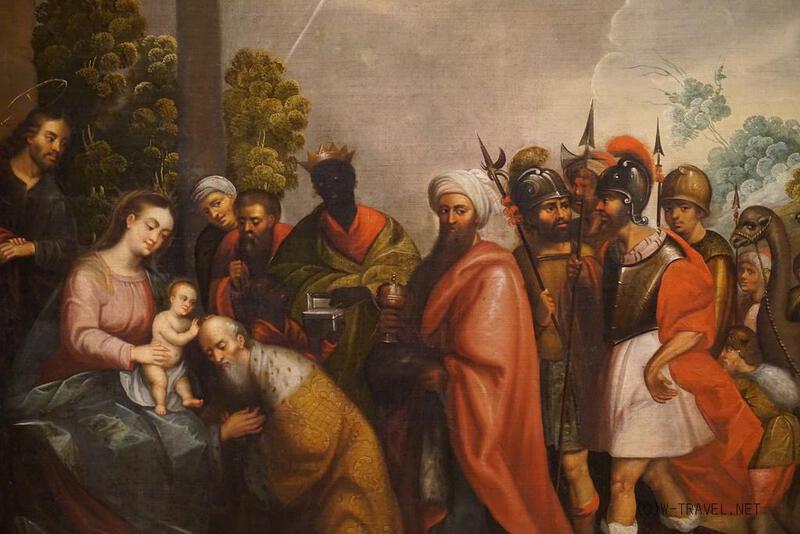
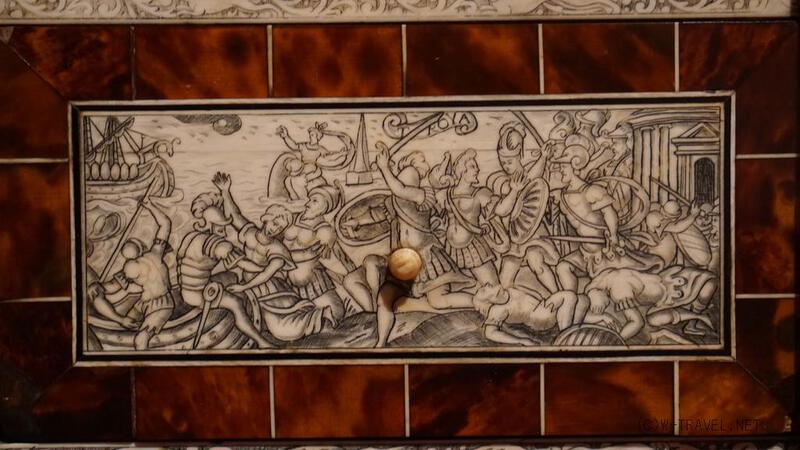
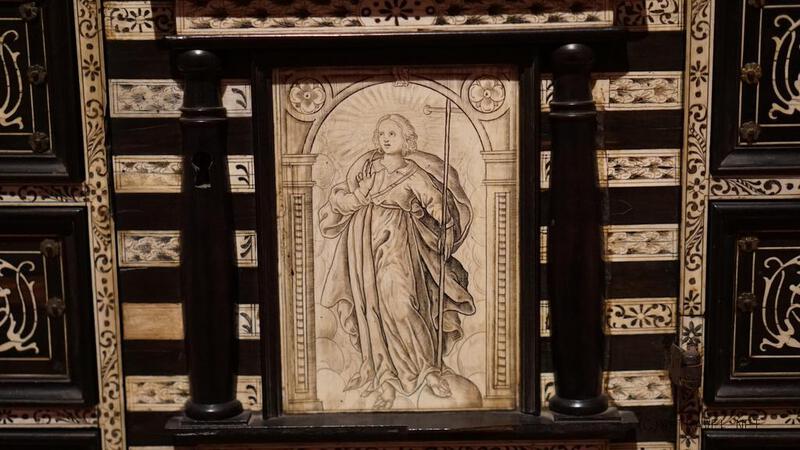
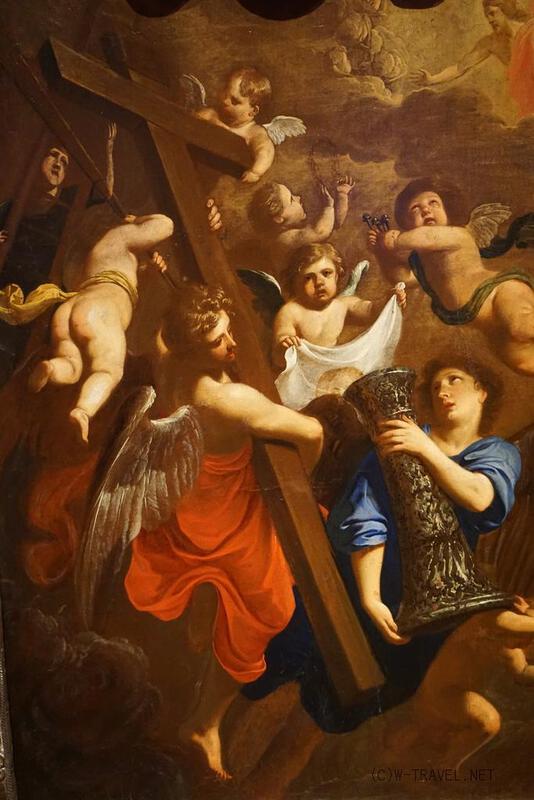
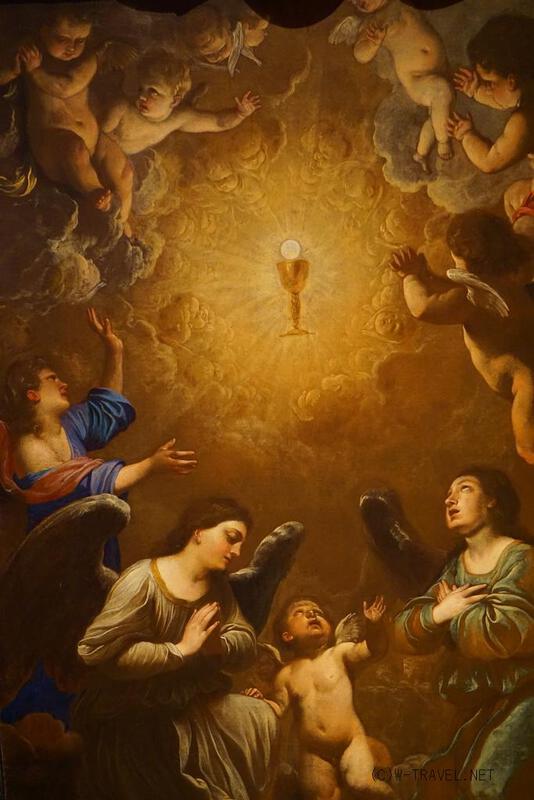
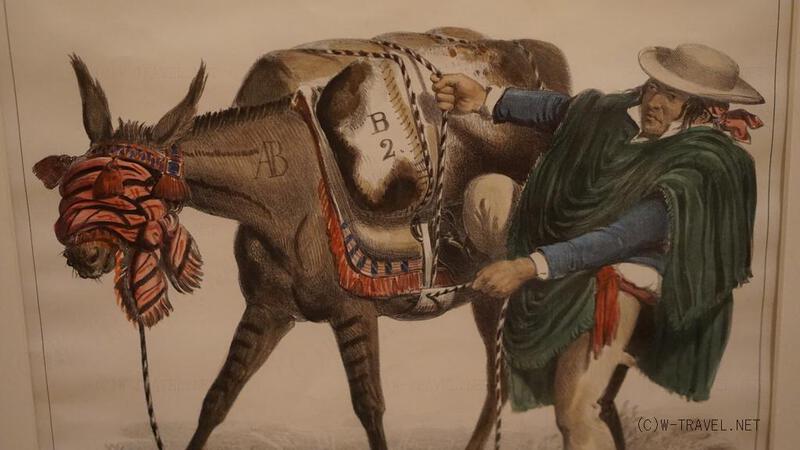
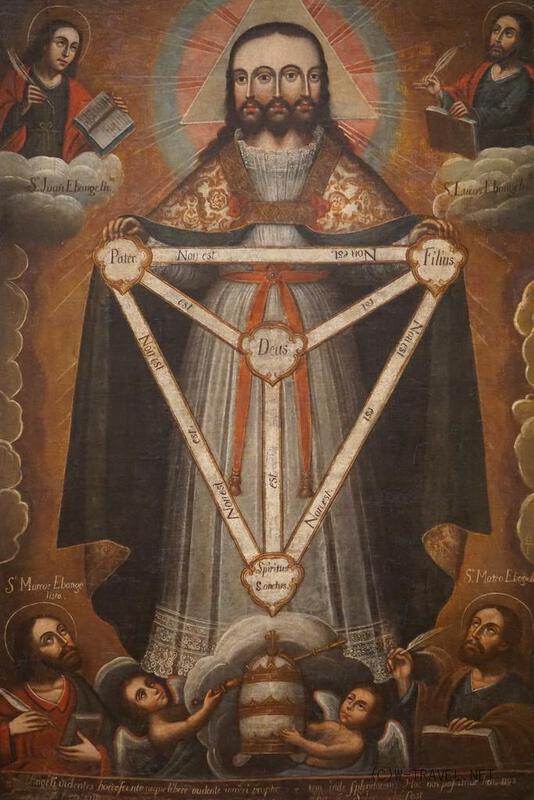
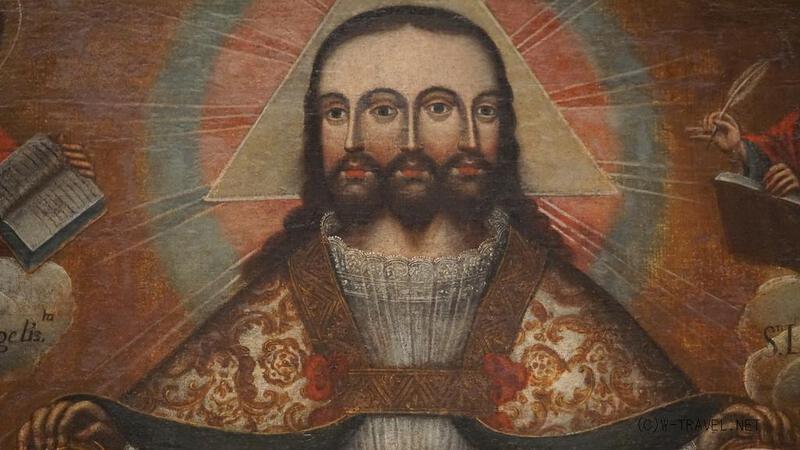
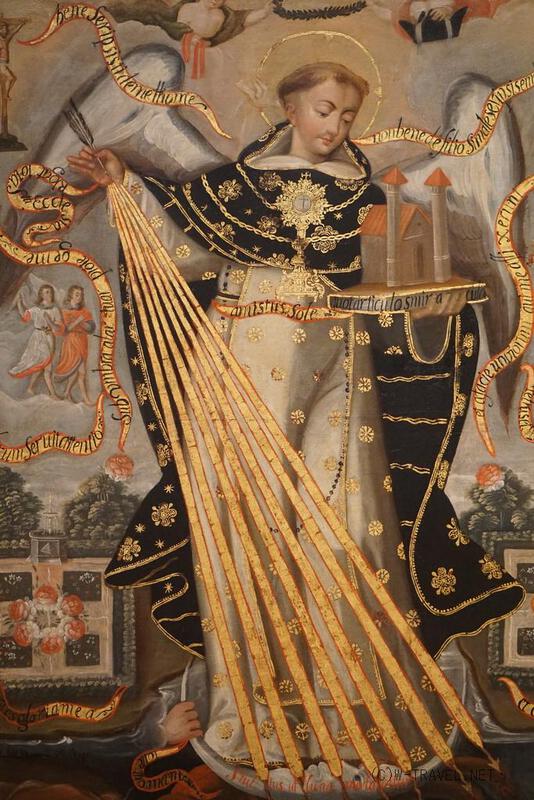
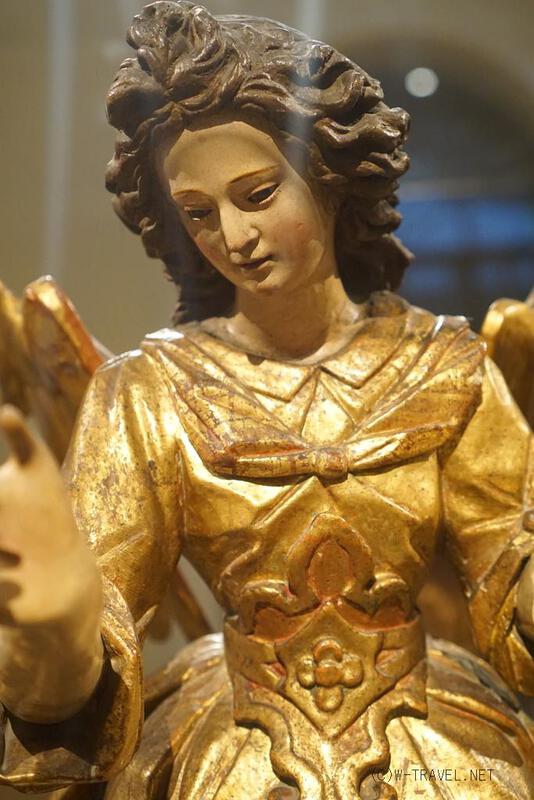
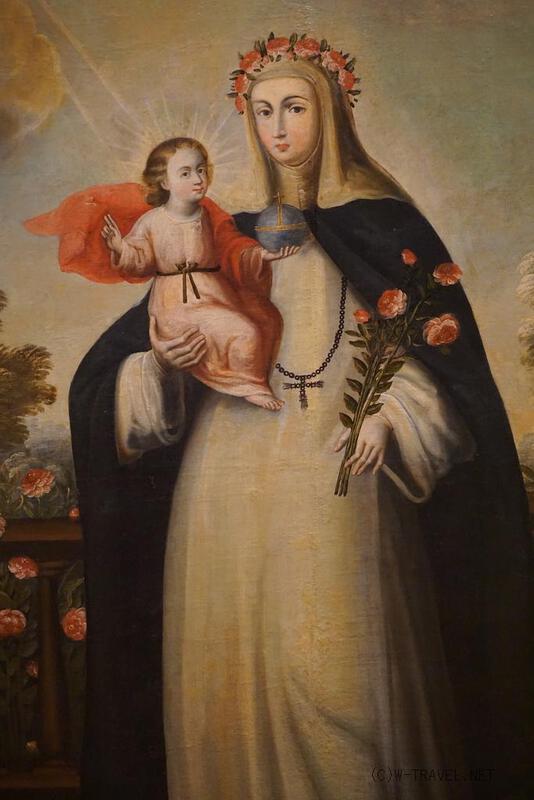
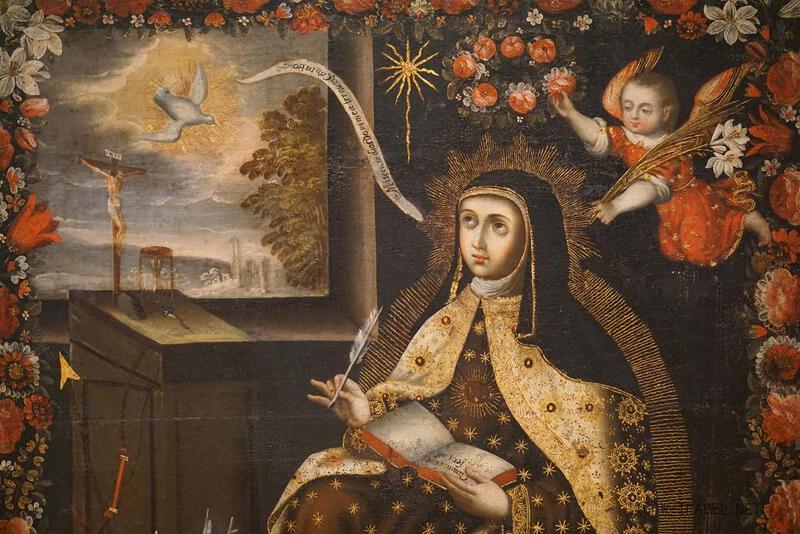
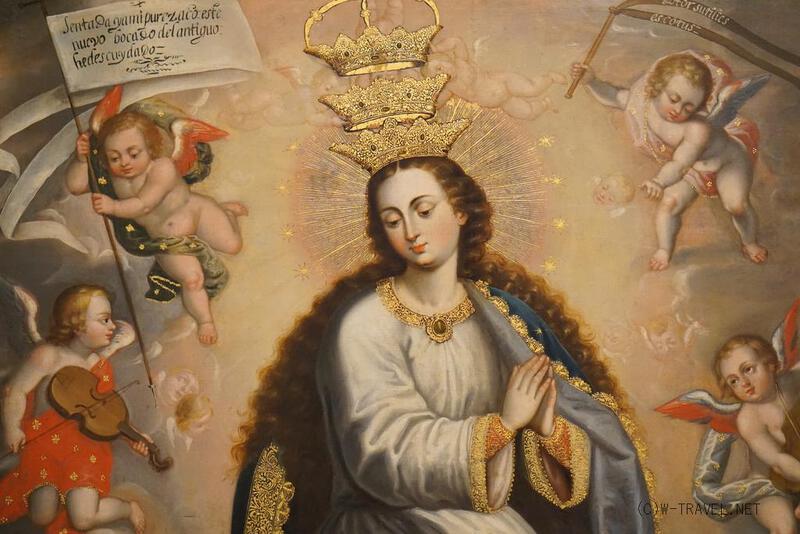
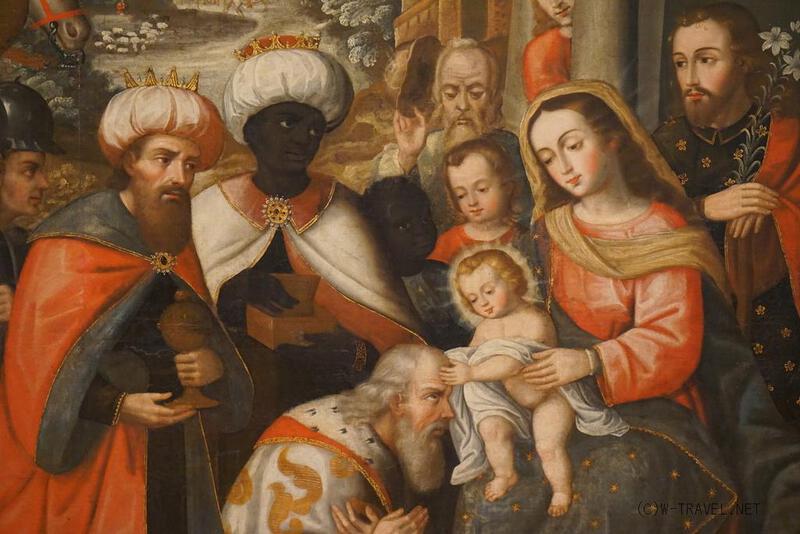
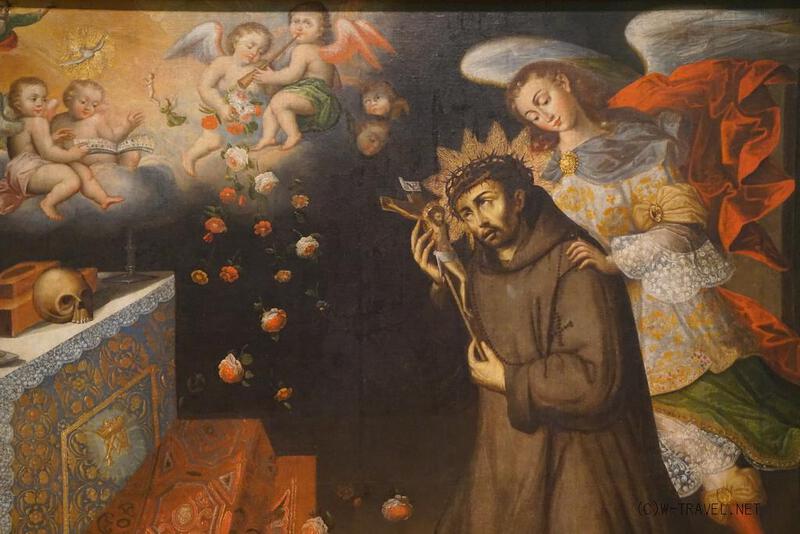
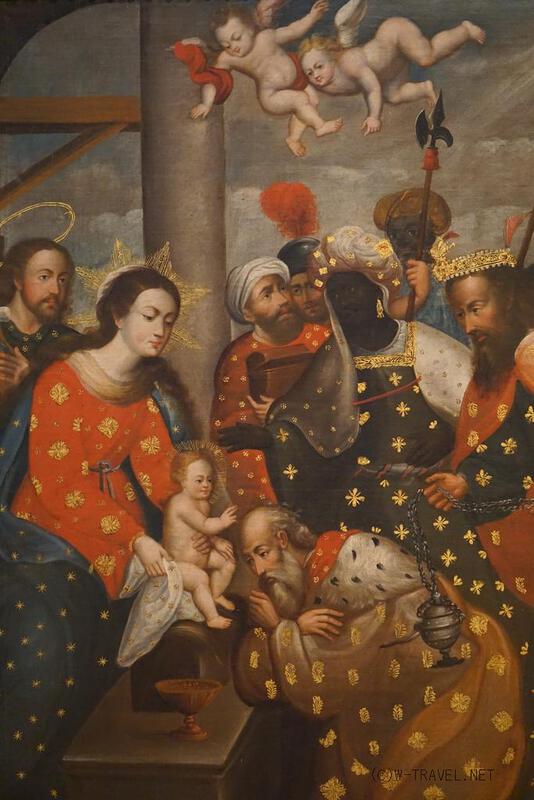
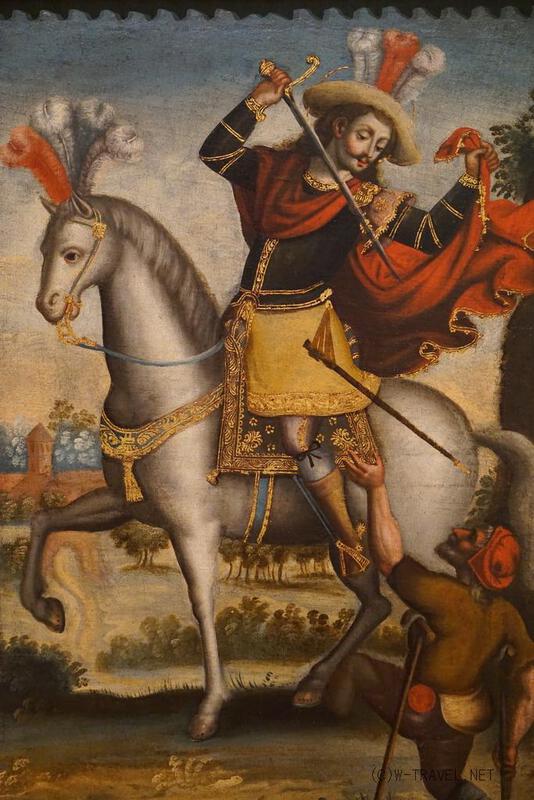
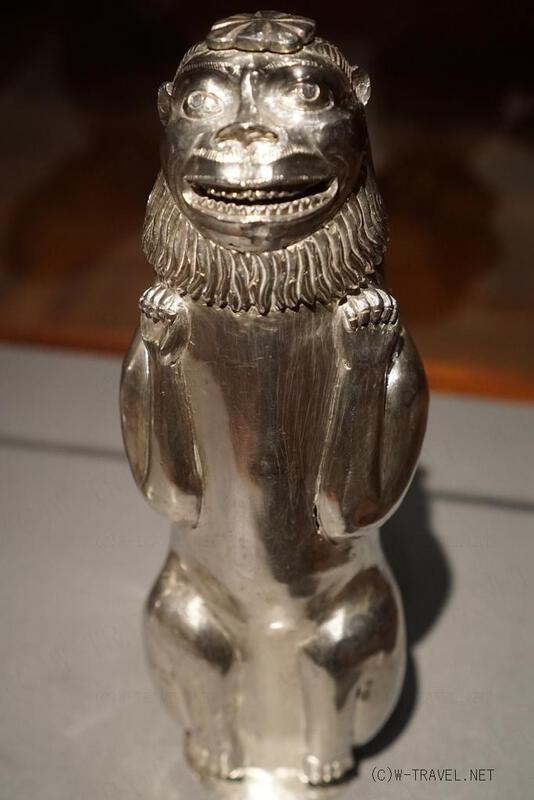
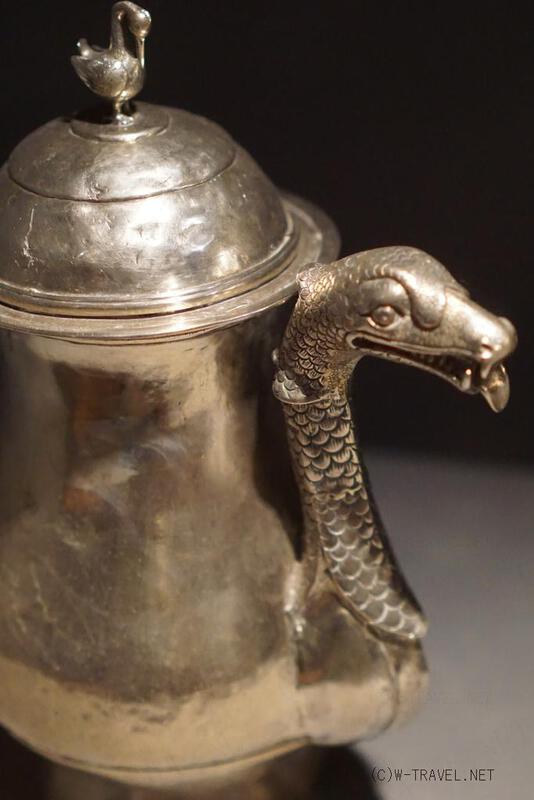
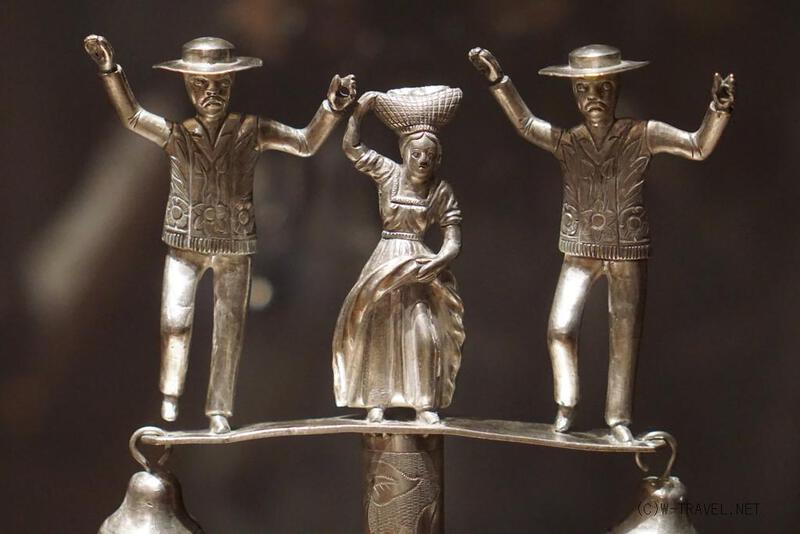
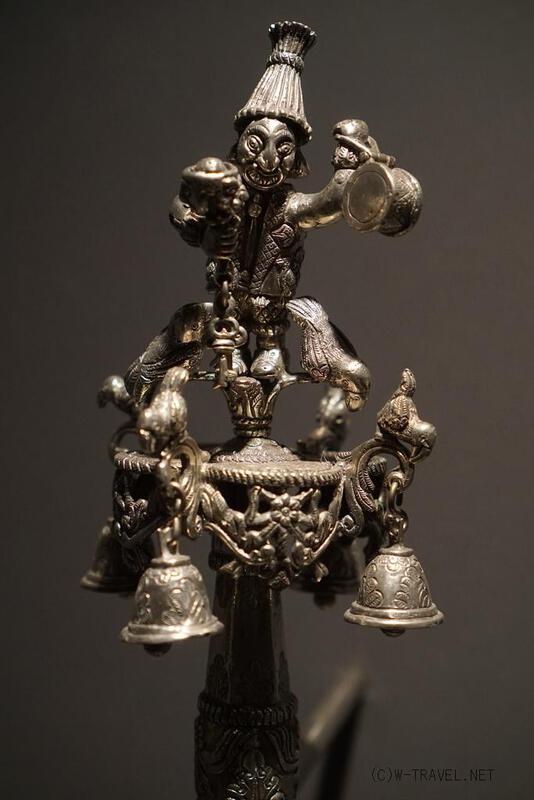
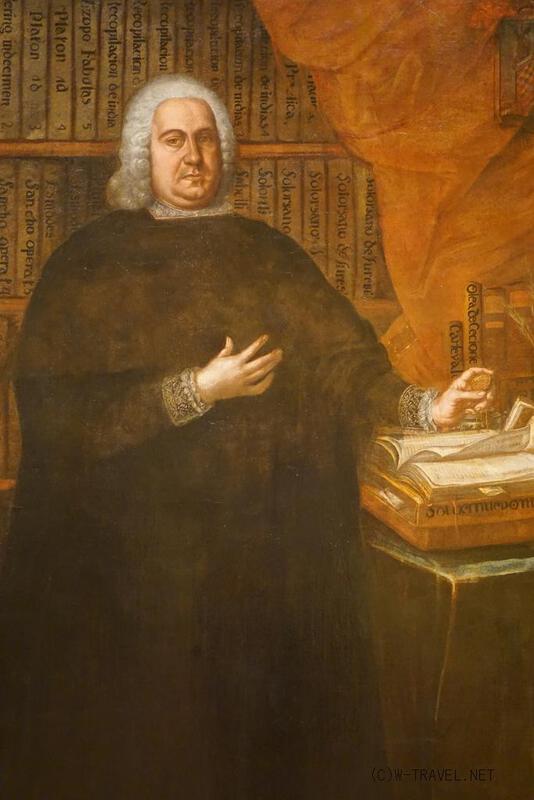
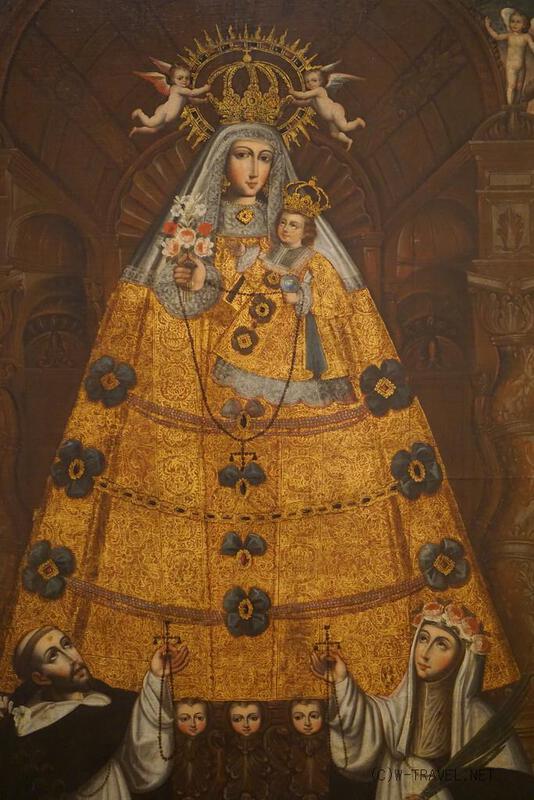
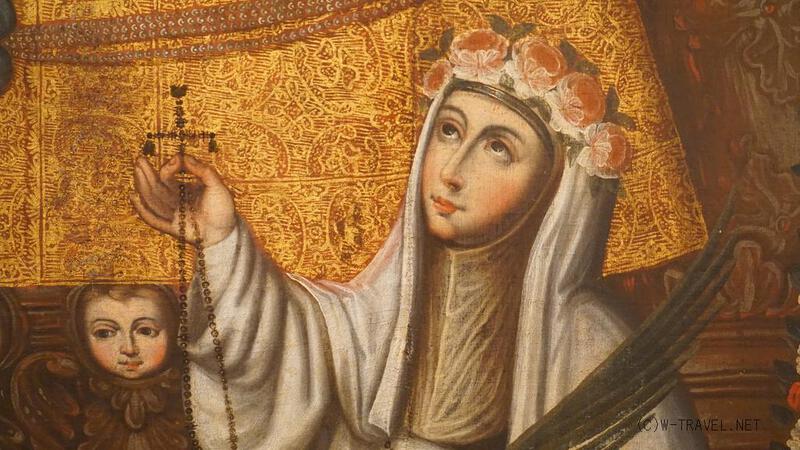
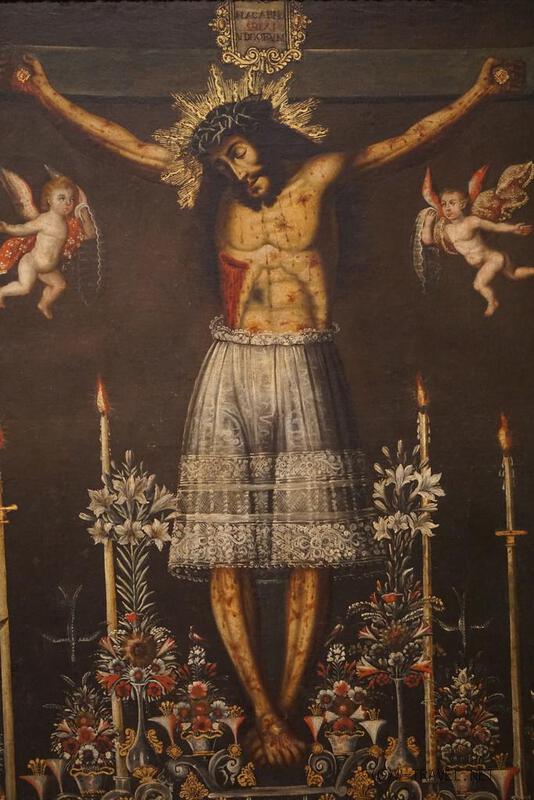
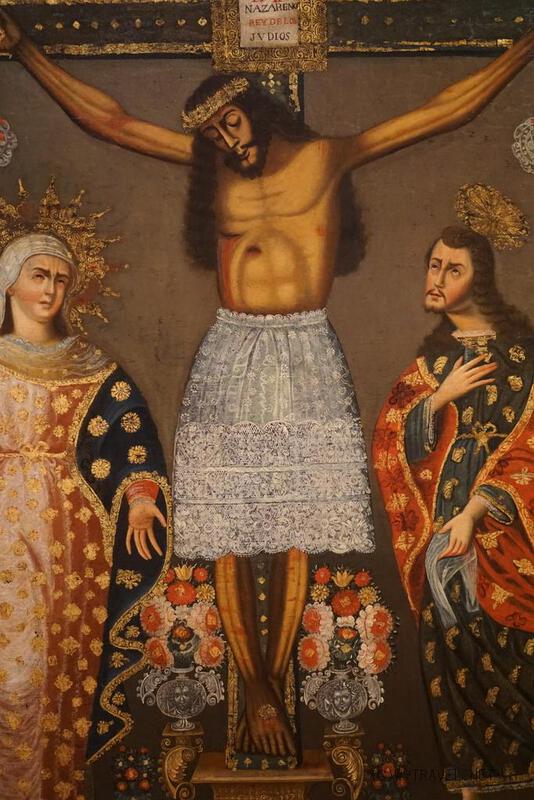
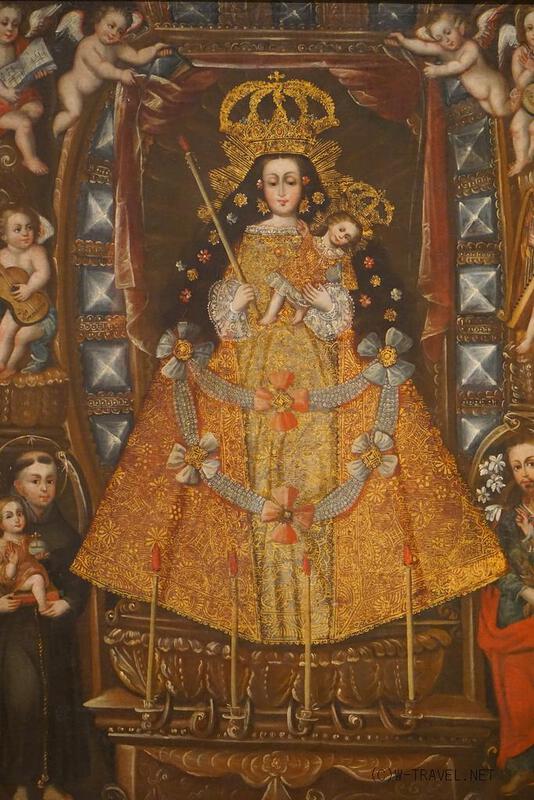
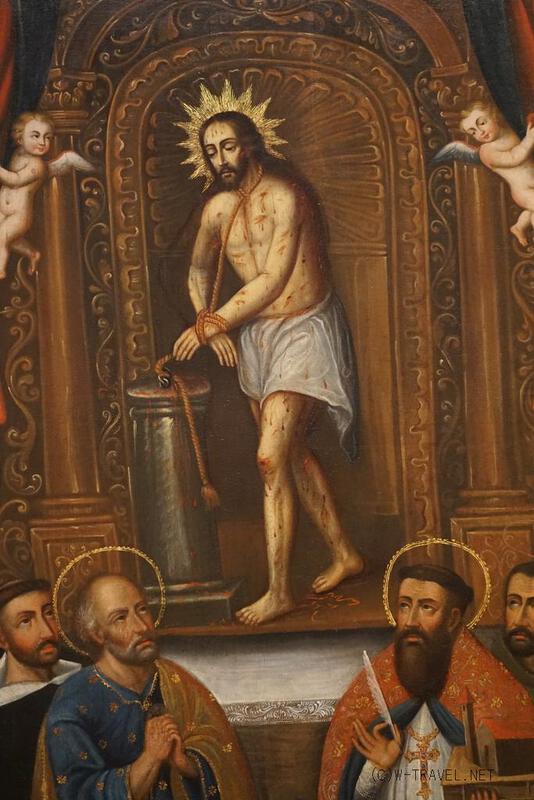
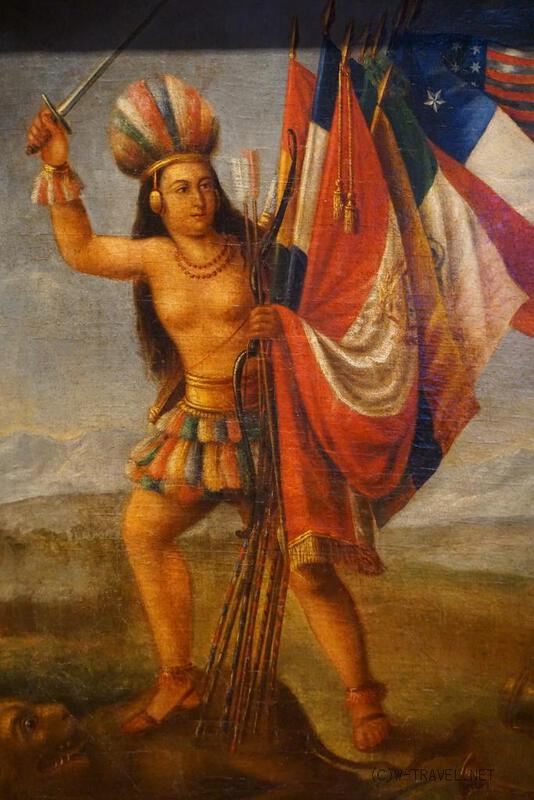
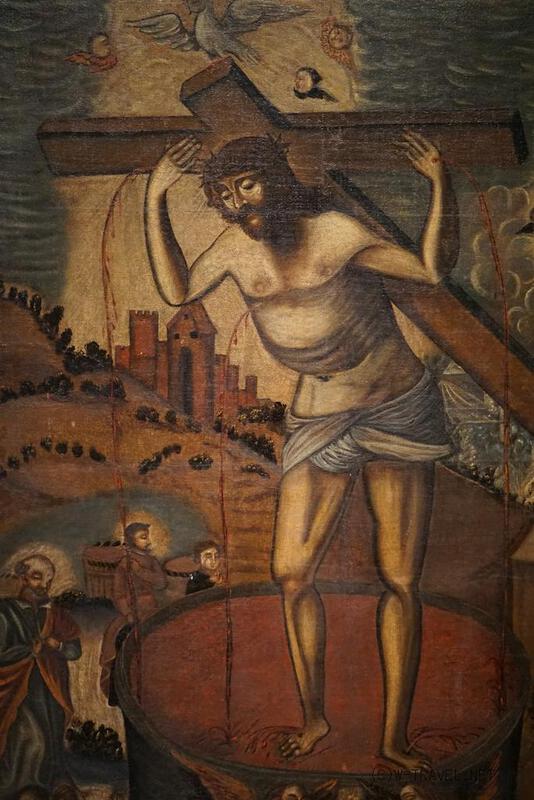
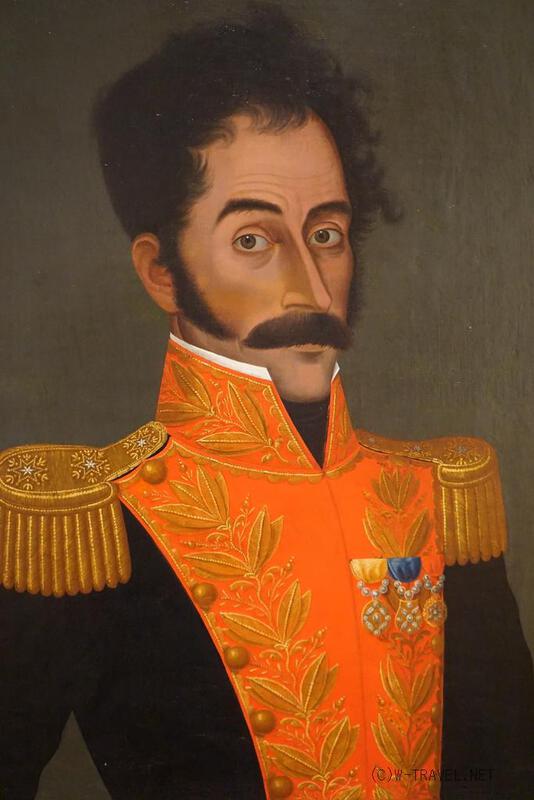
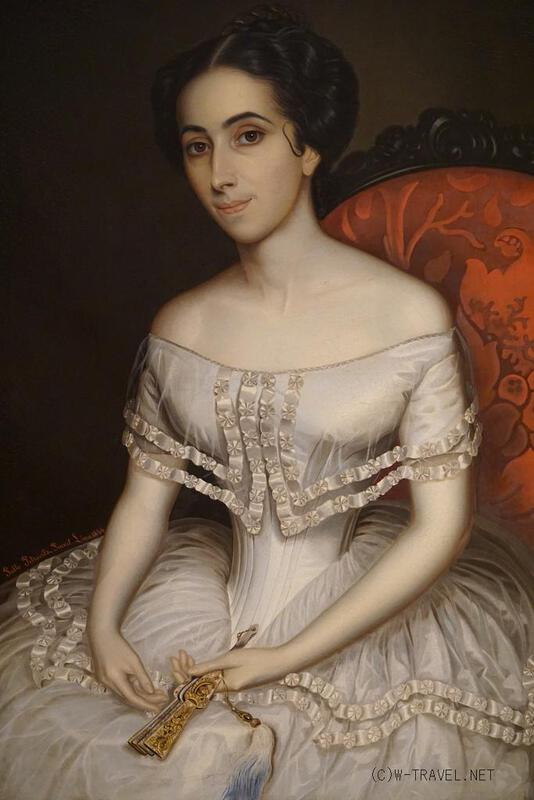
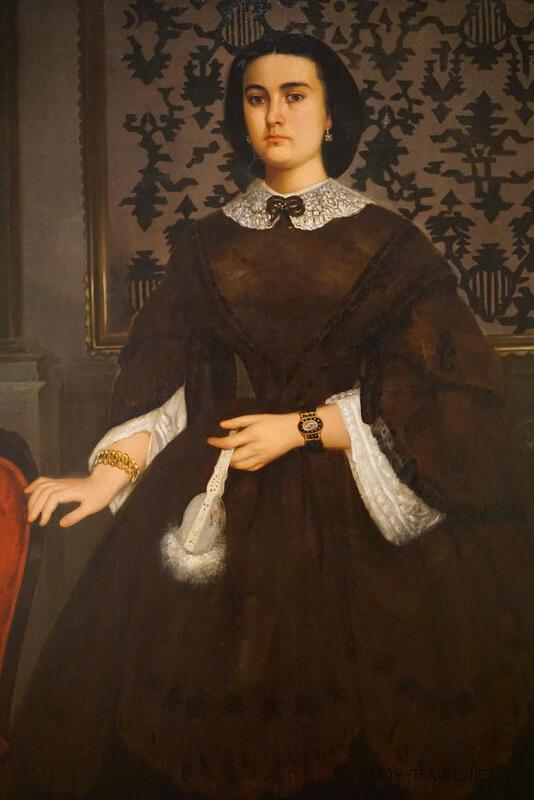
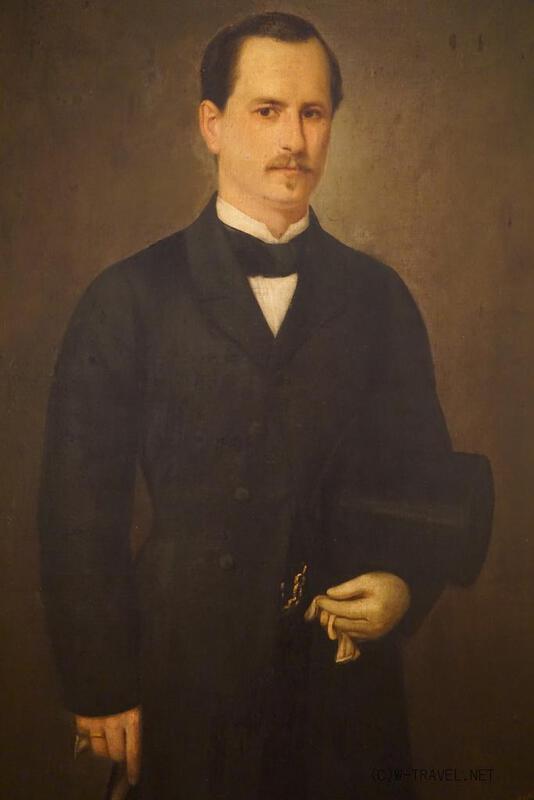
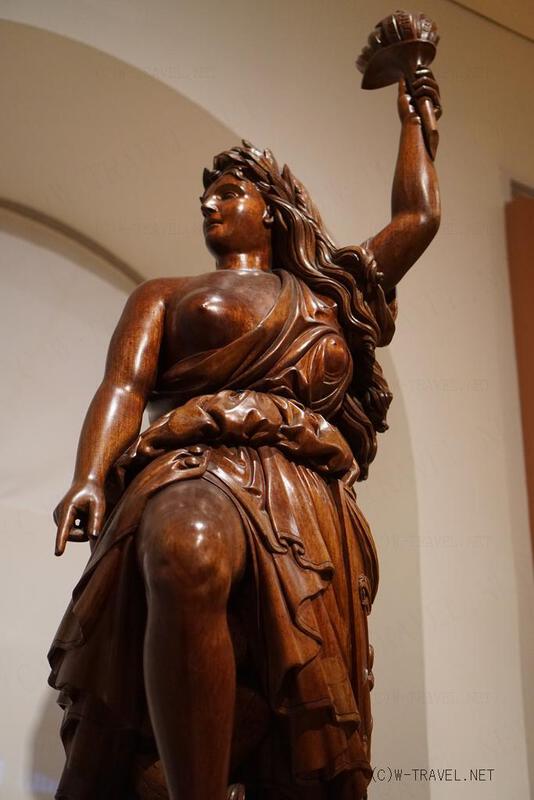
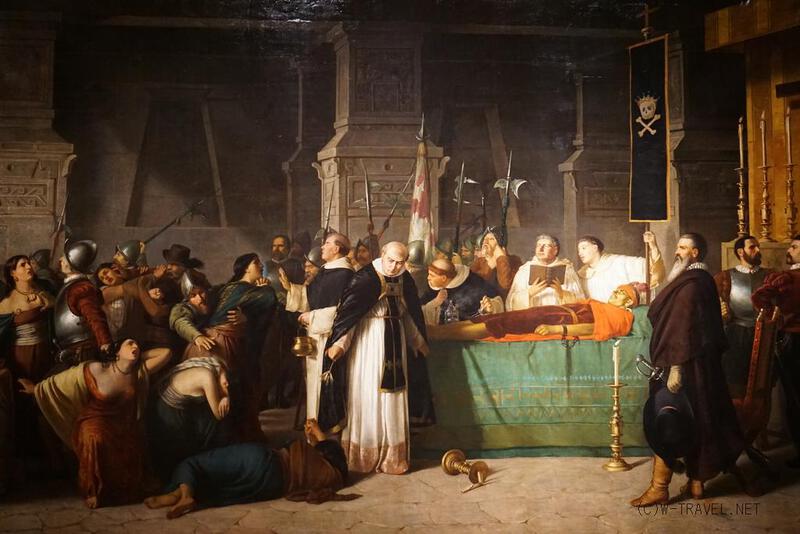
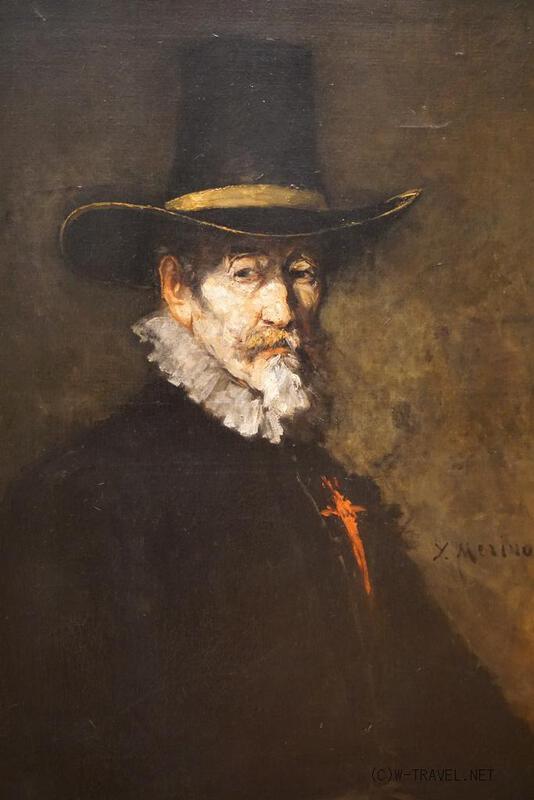
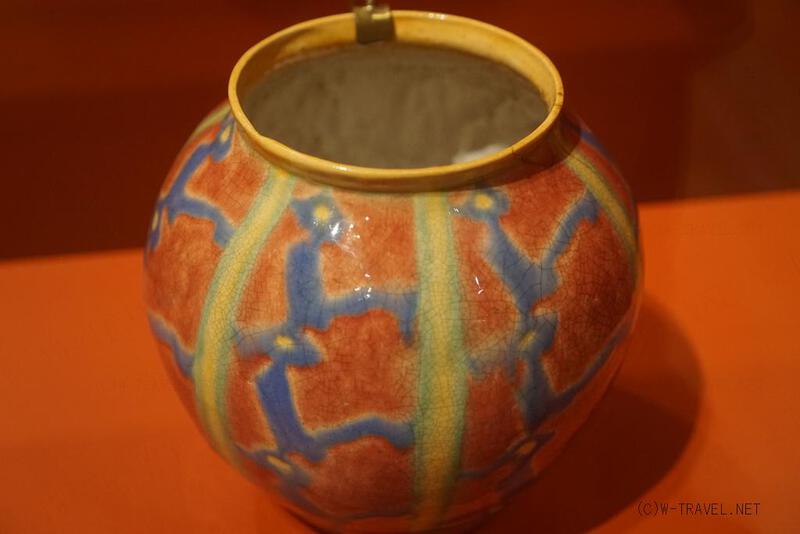
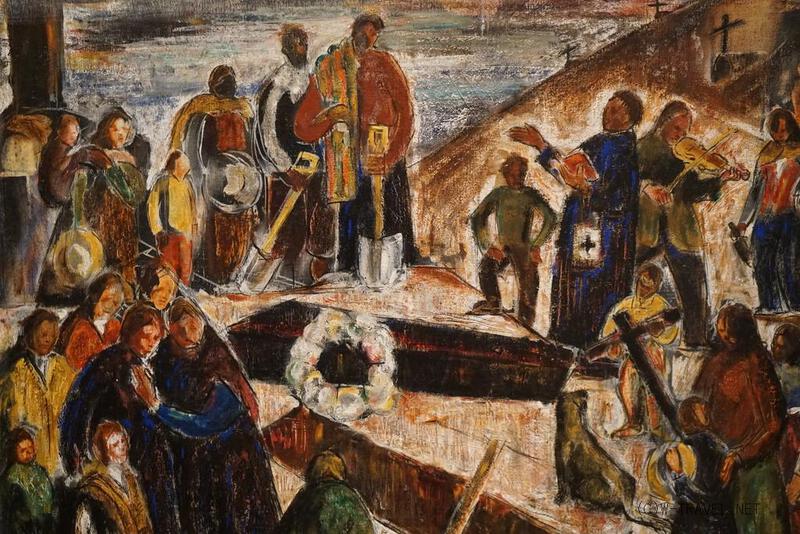
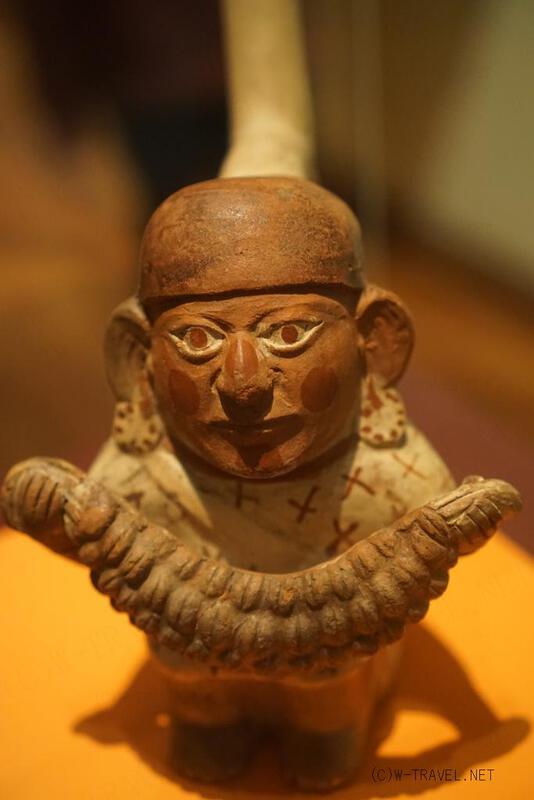
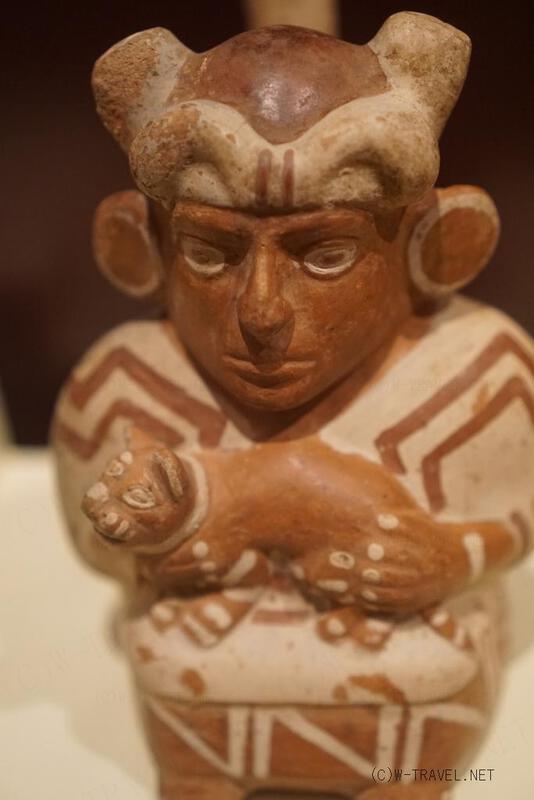
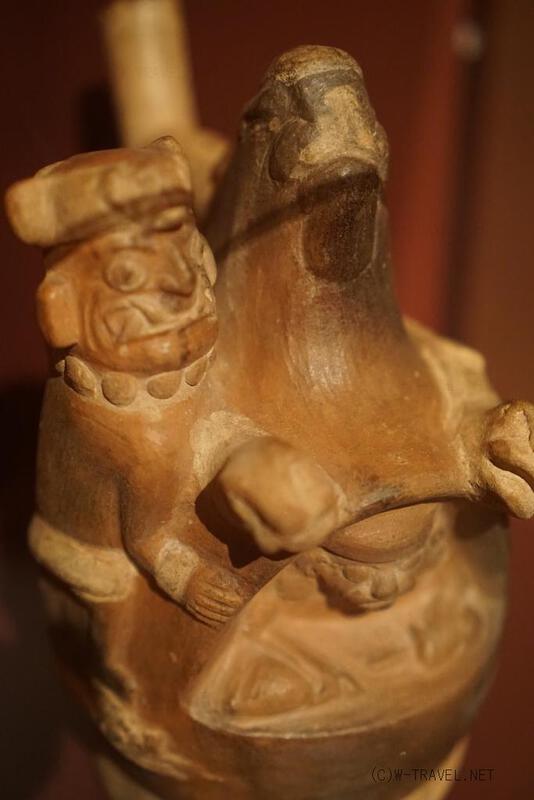
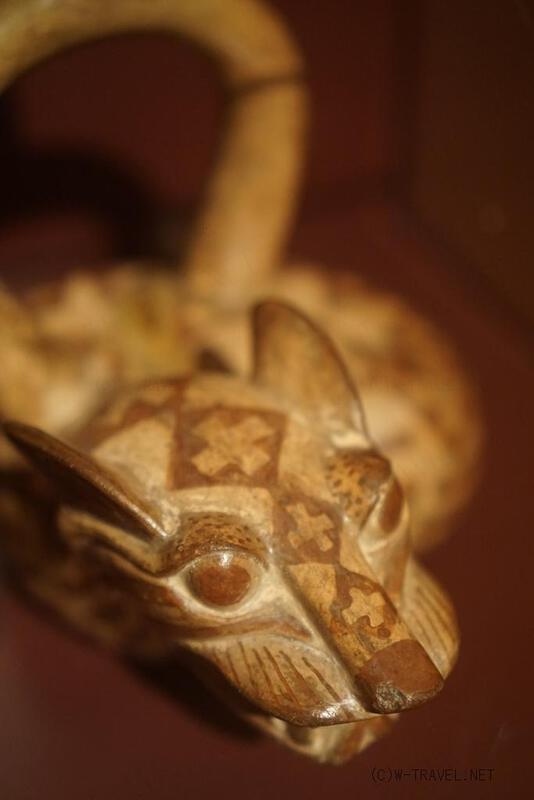
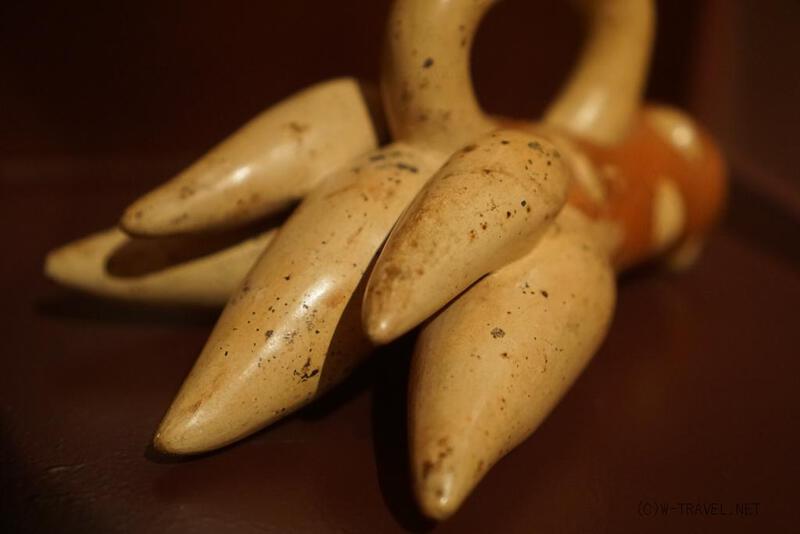
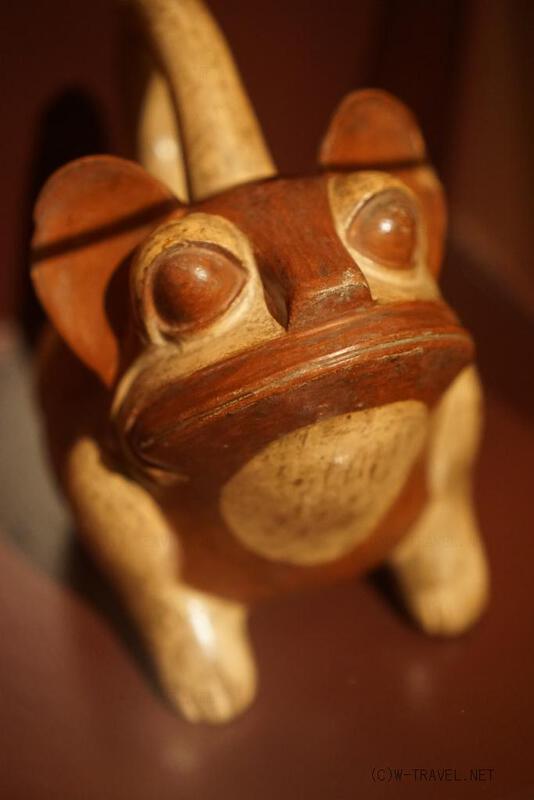
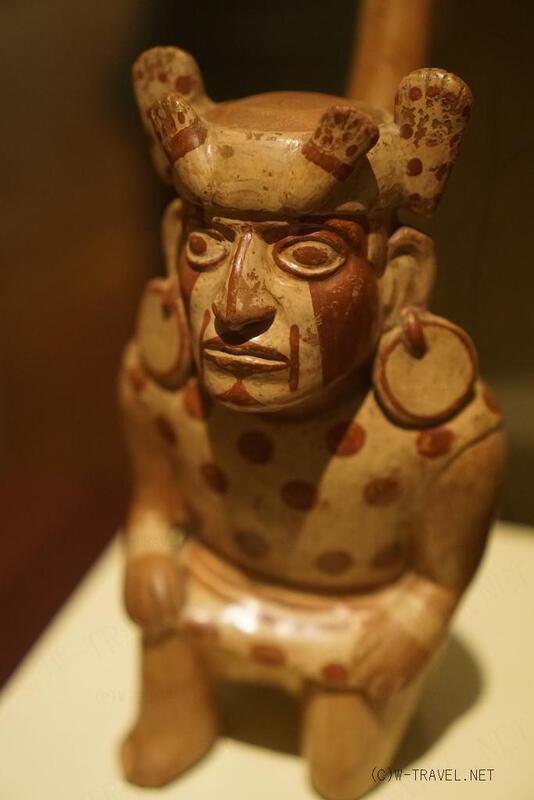
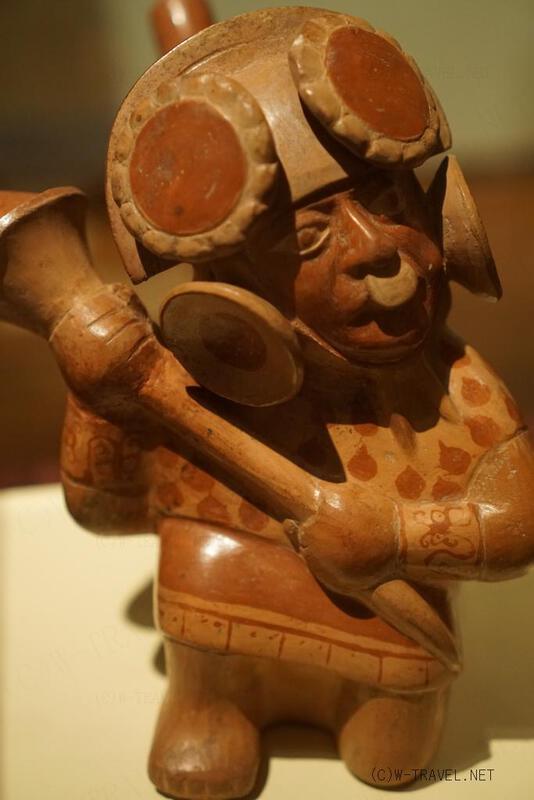
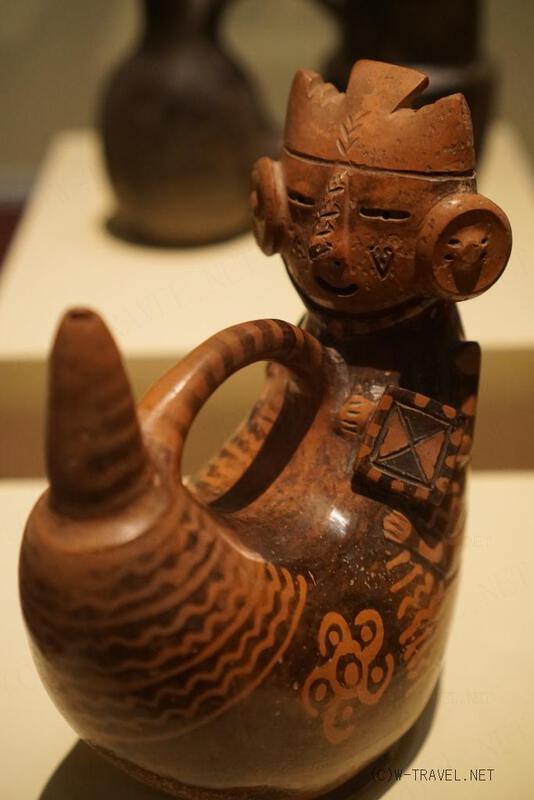
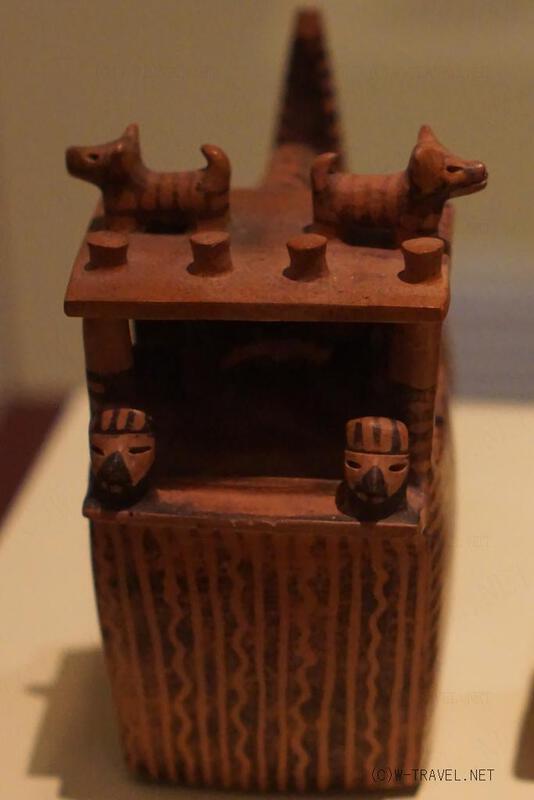
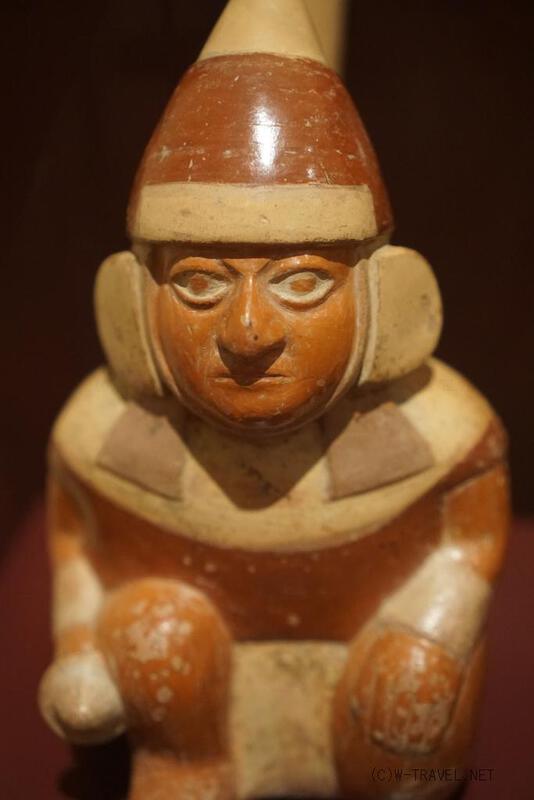
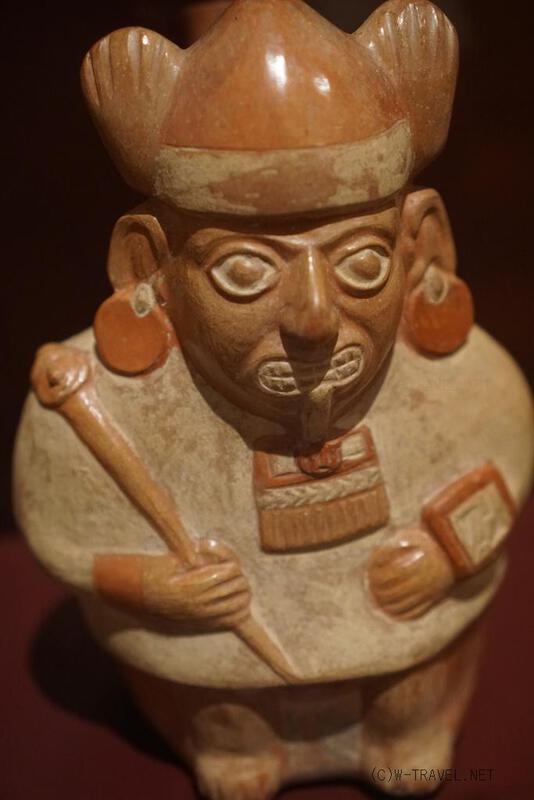
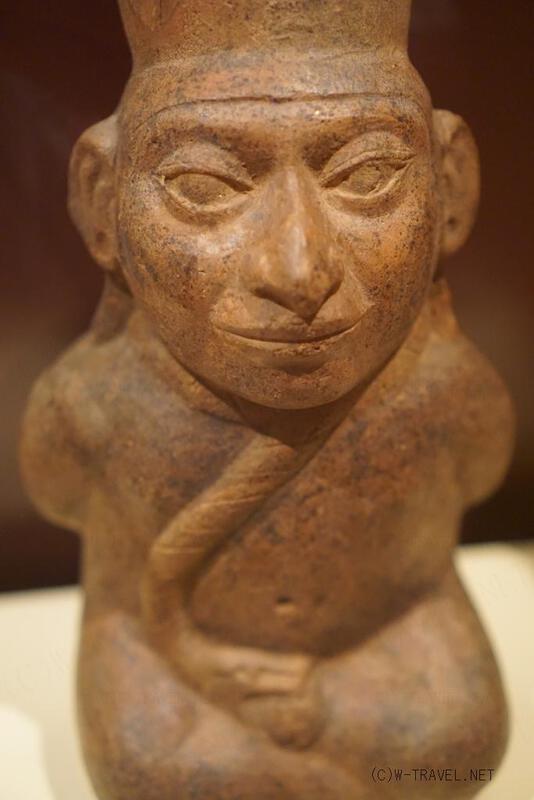
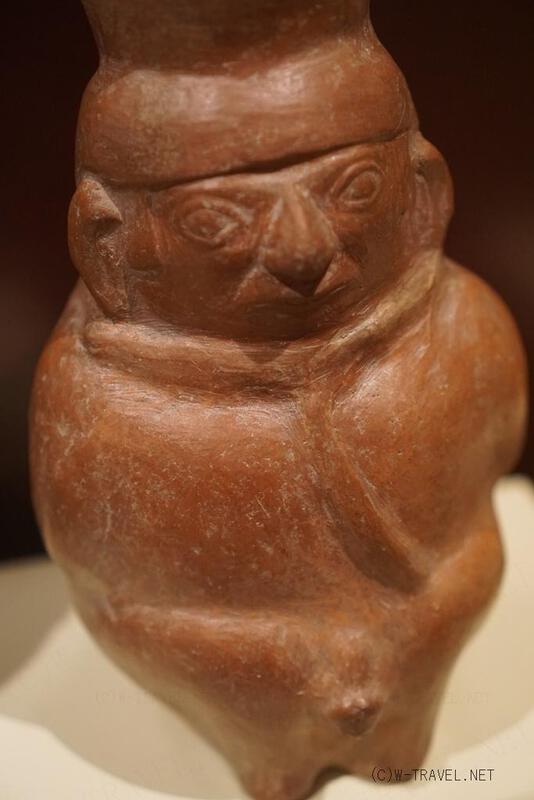
MALI संग्रहालय देखने आया, और यहाँ भी बहुत कुछ है।
यह शायद दक्षिण अमेरिका में देखे गए शहरों में से सबसे कलाकृतियों से भरपूर शहर है।
अन्य दक्षिण अमेरिकी शहरों में, कलाकृतियों की गुणवत्ता अक्सर खराब होती है, लेकिन यहाँ उचित गुणवत्ता वाली चीजें उपलब्ध हैं।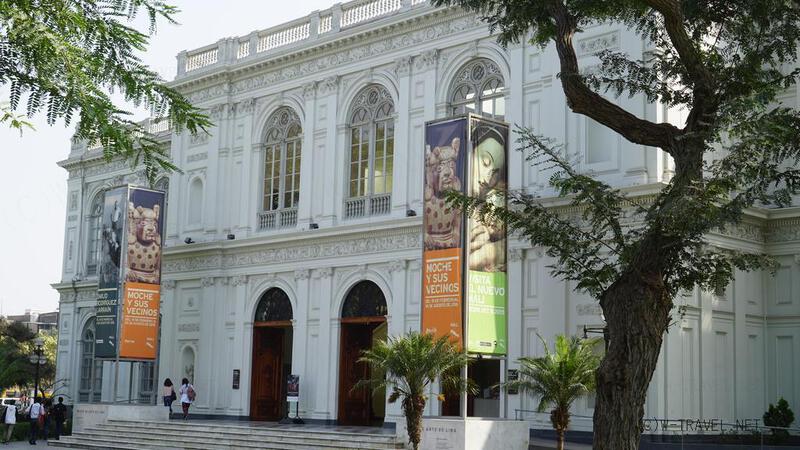
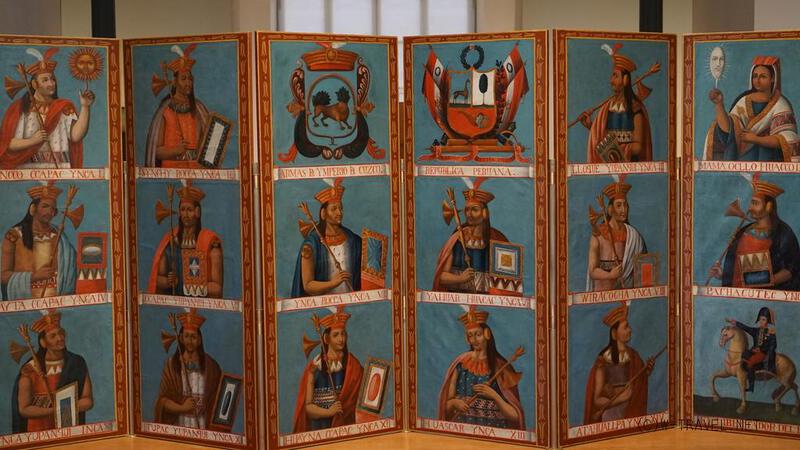
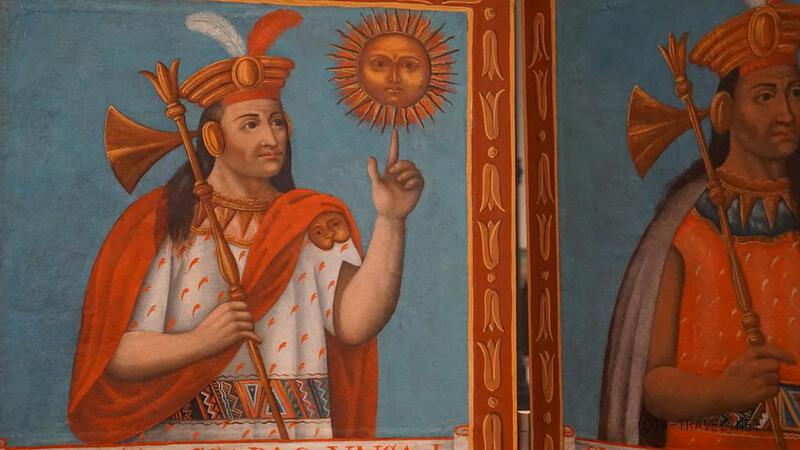
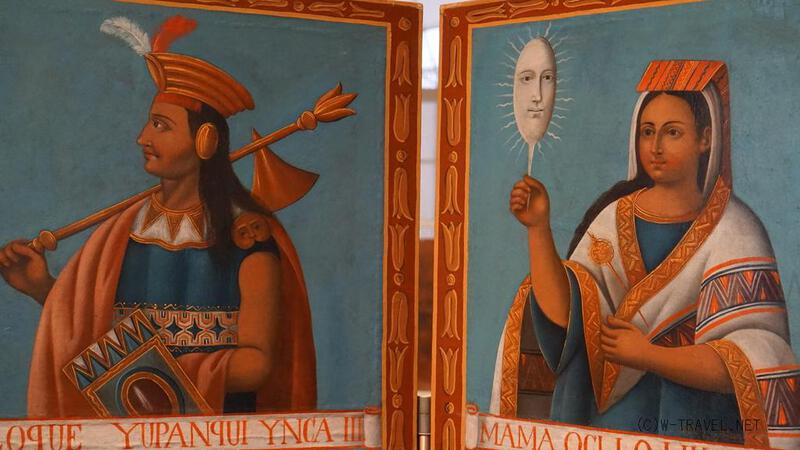
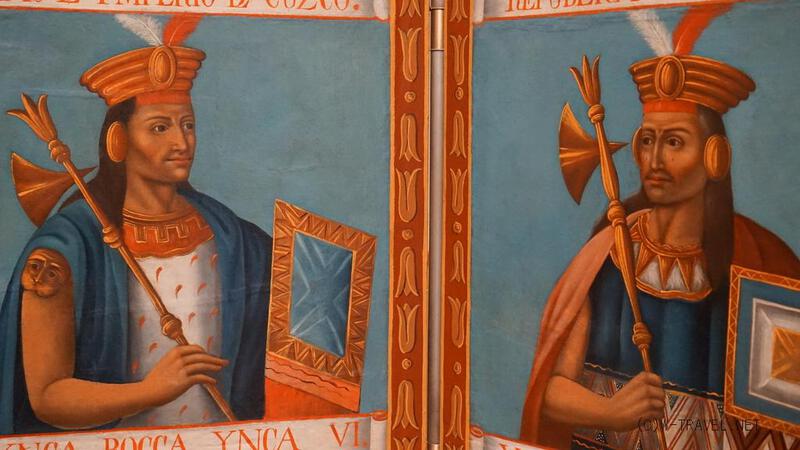
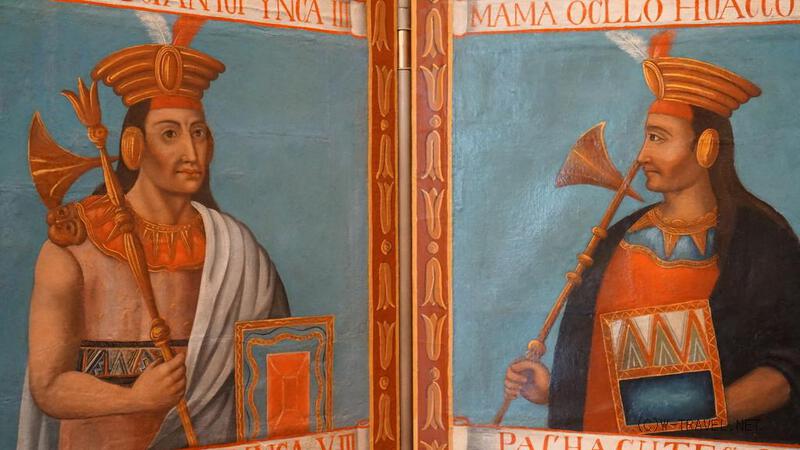



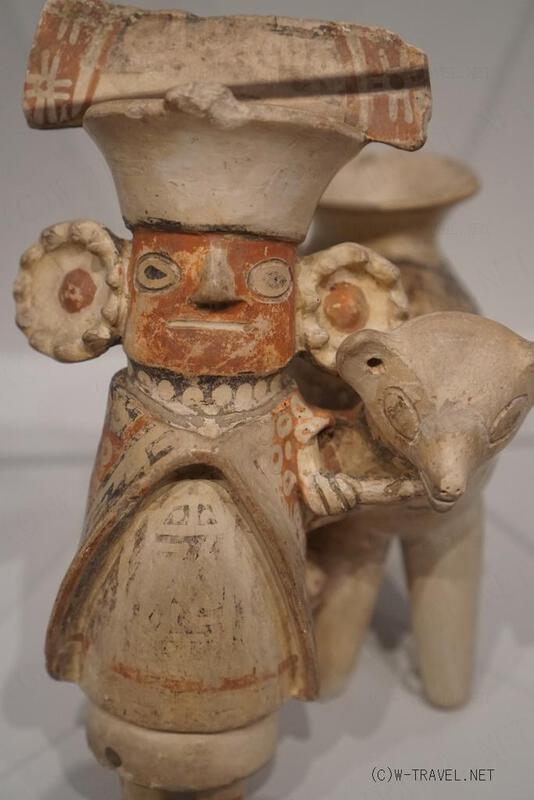
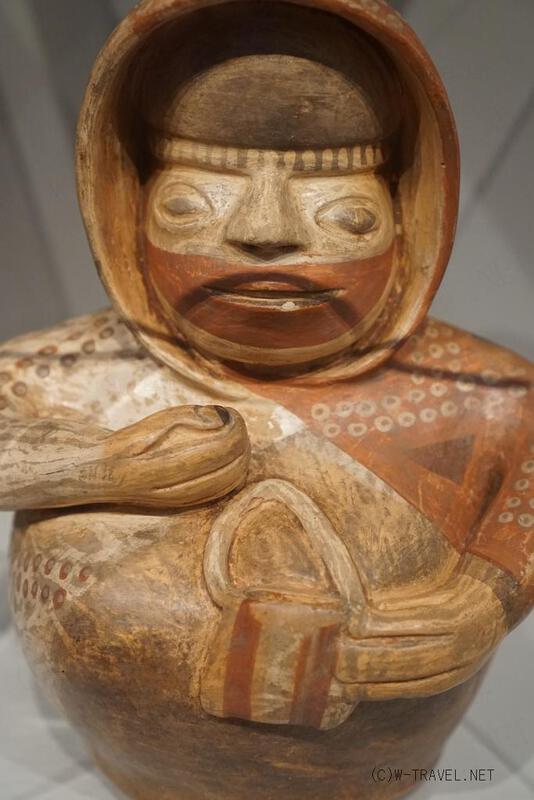

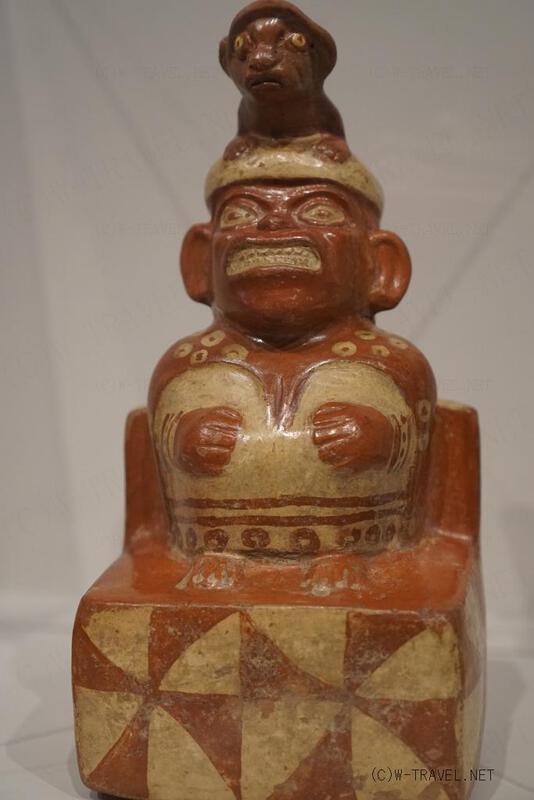
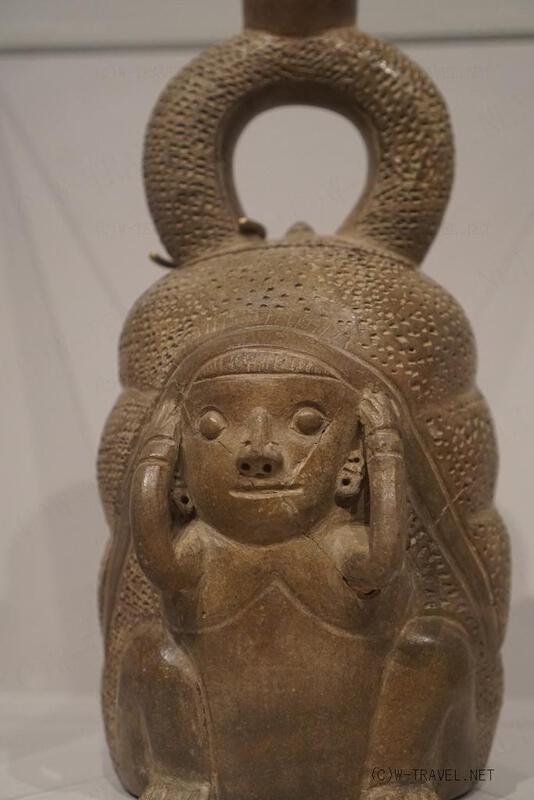



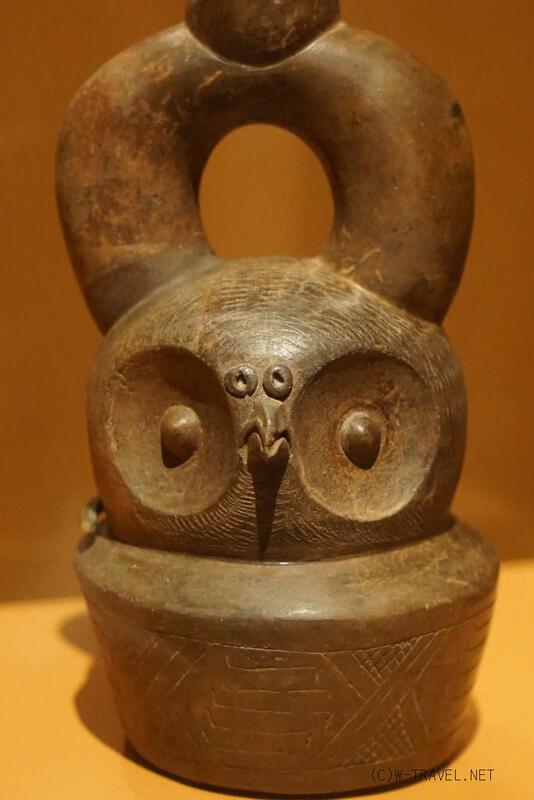
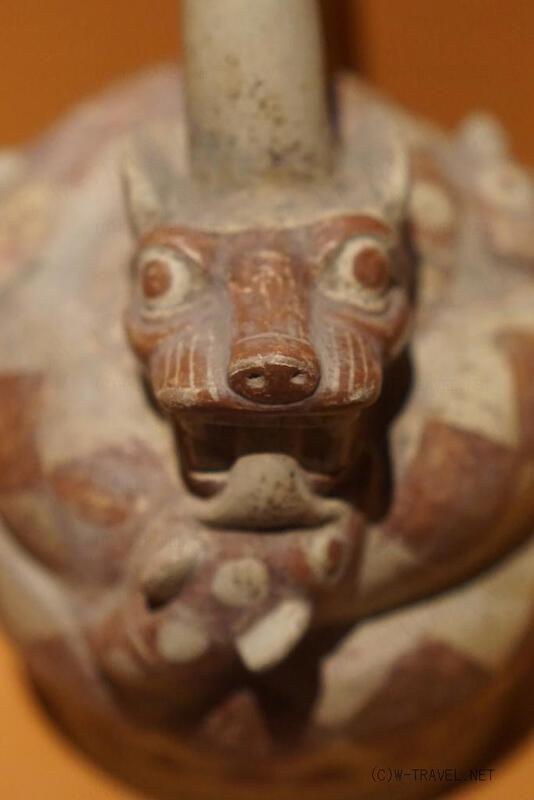
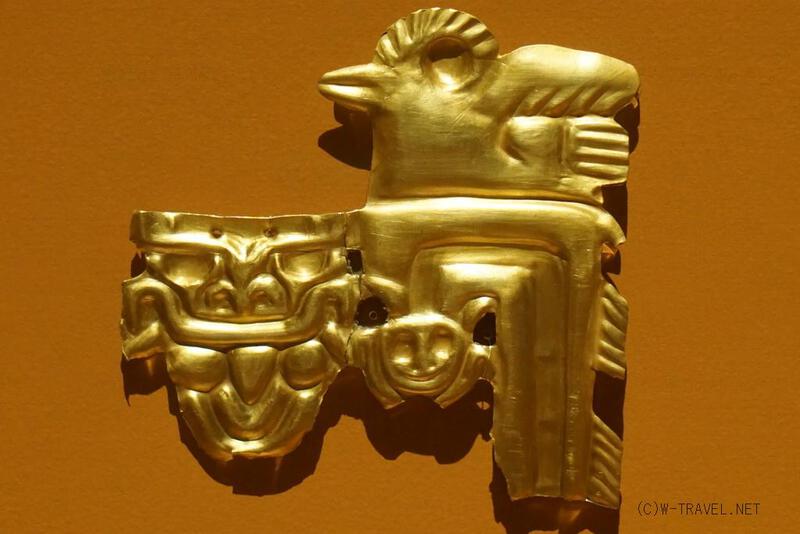
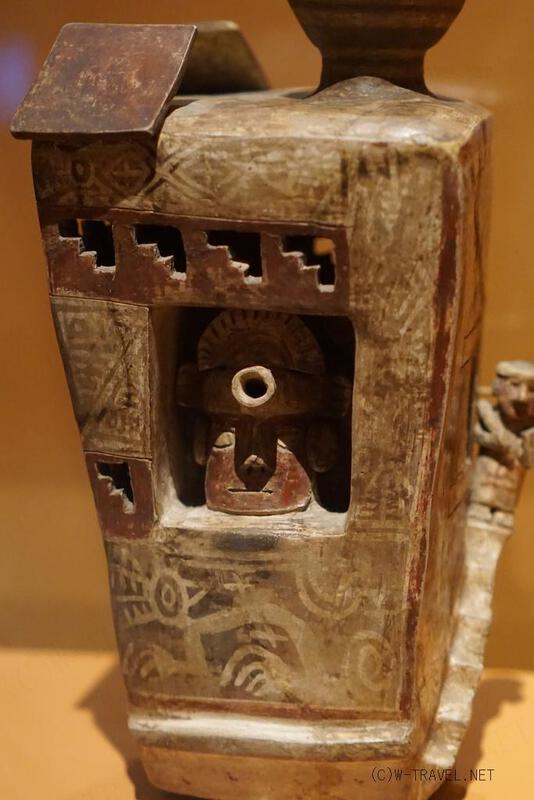


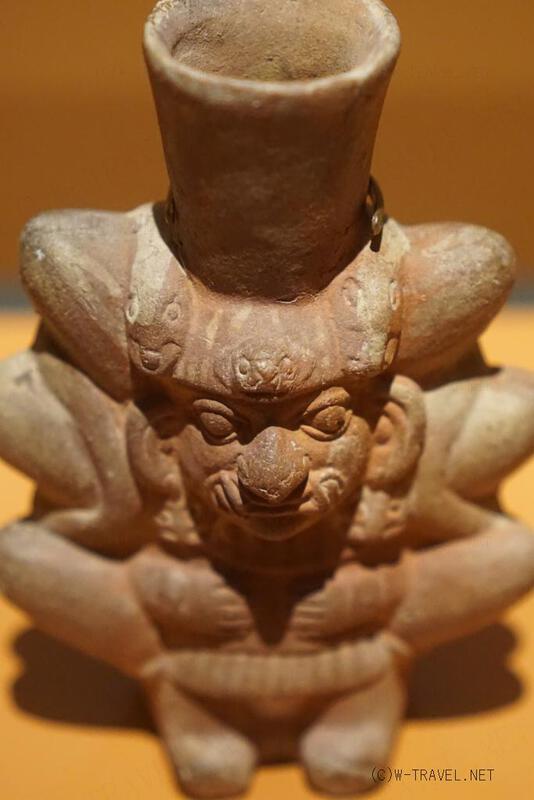
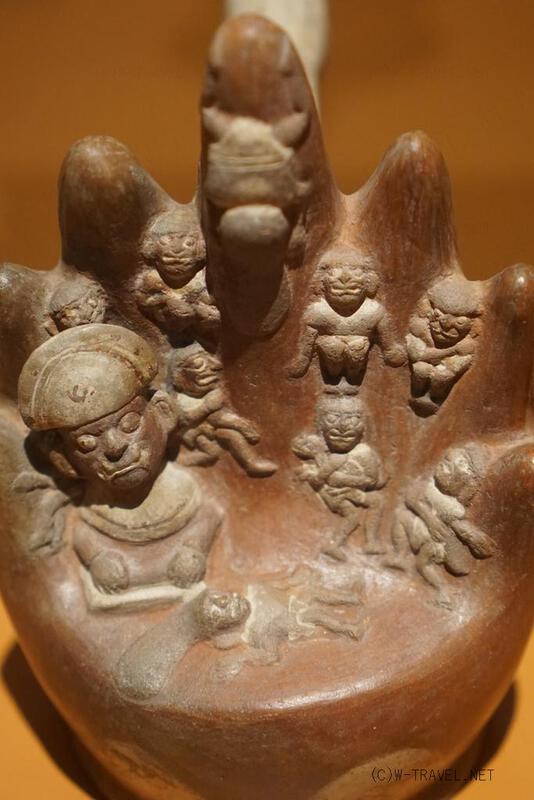
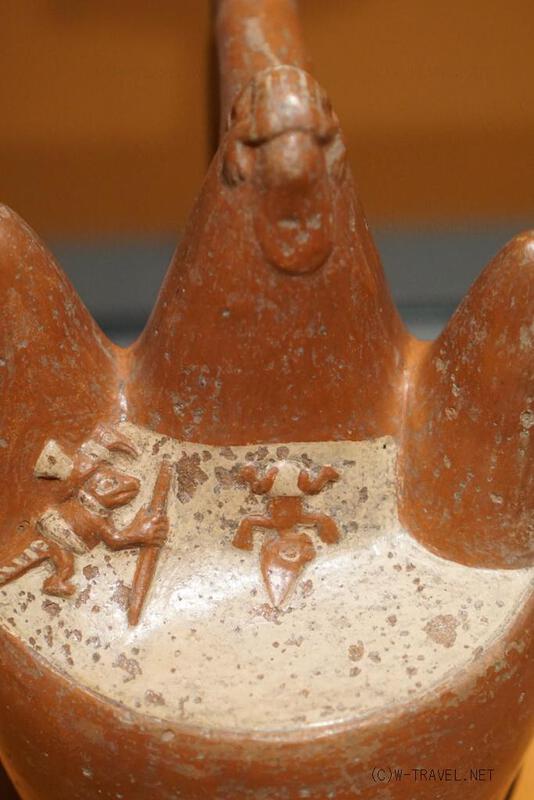
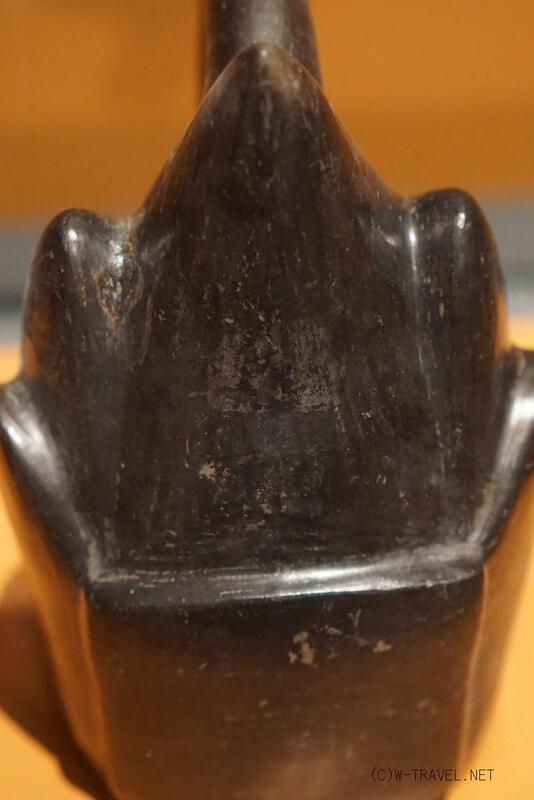







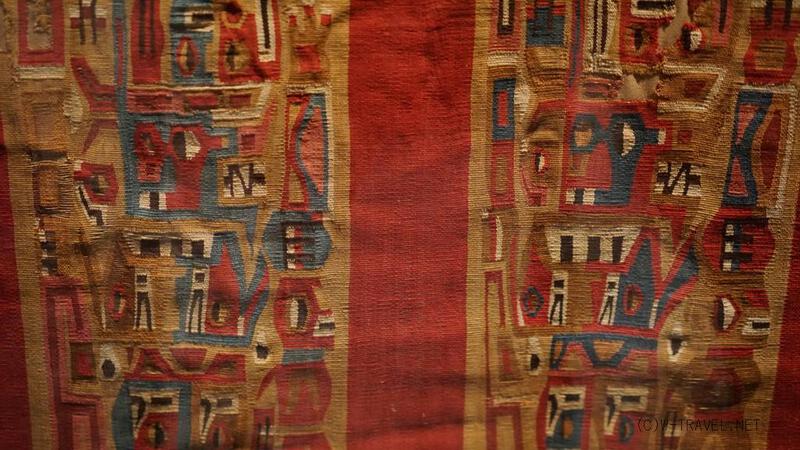

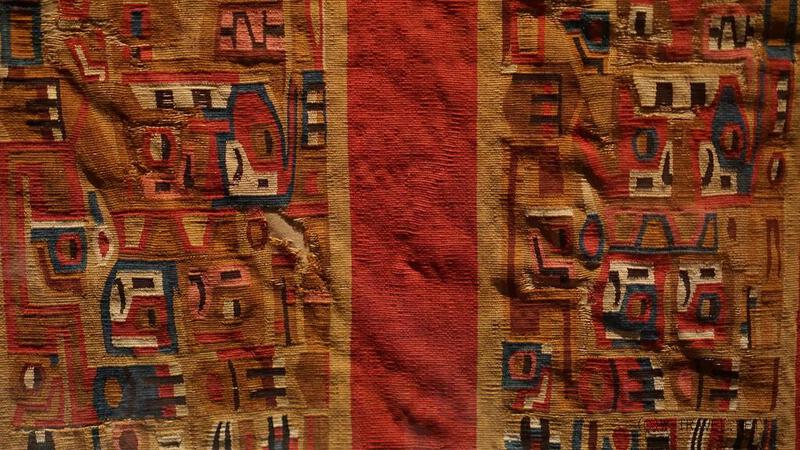

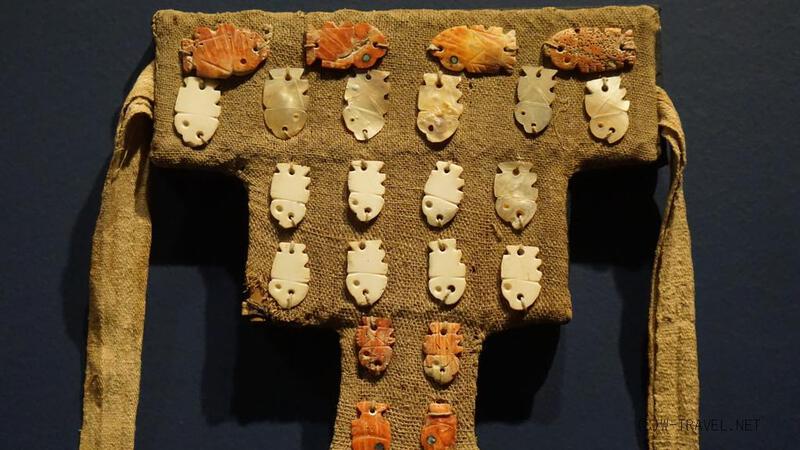
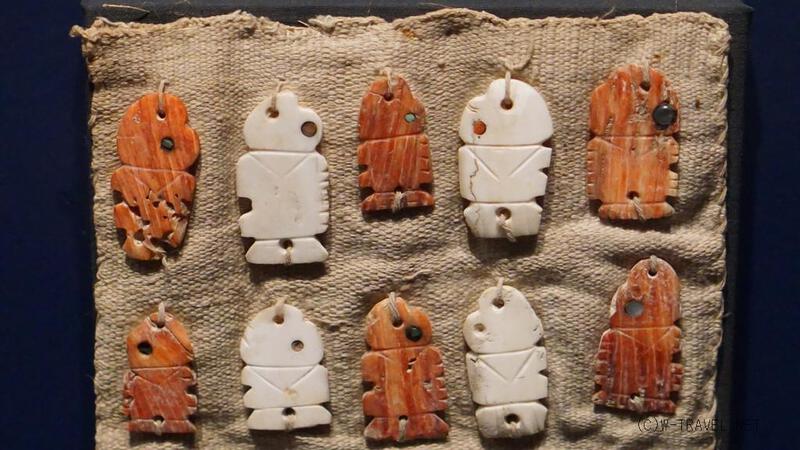


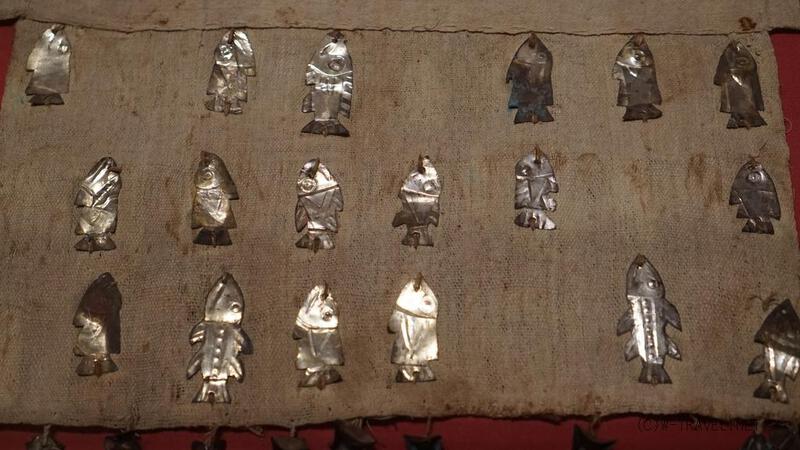


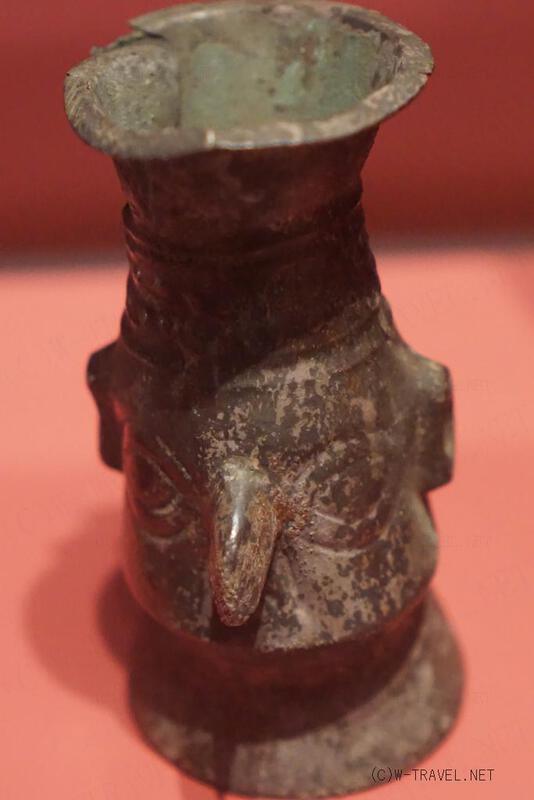

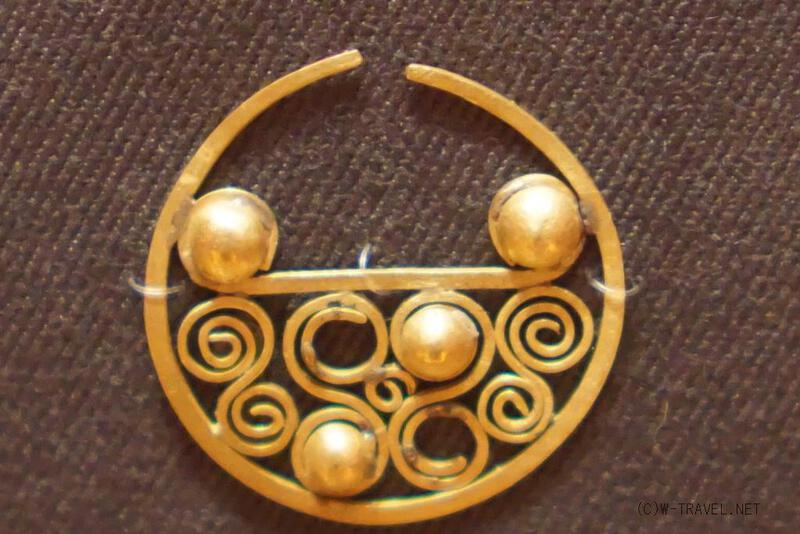
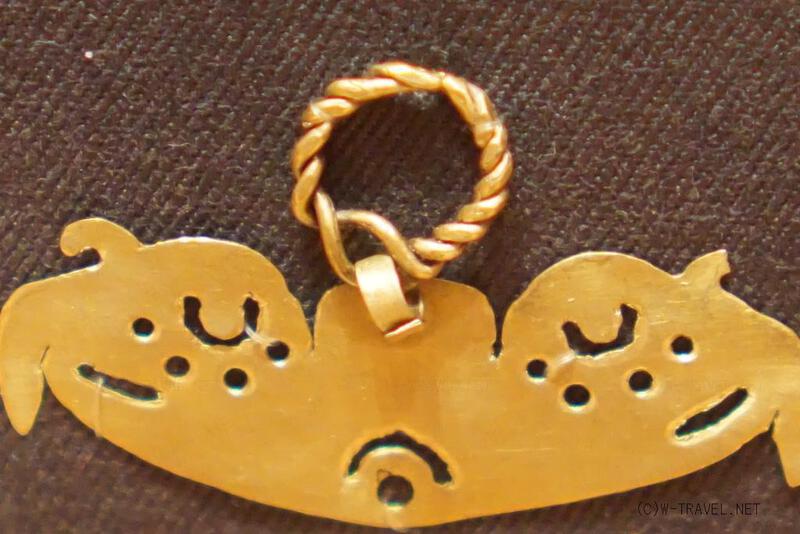




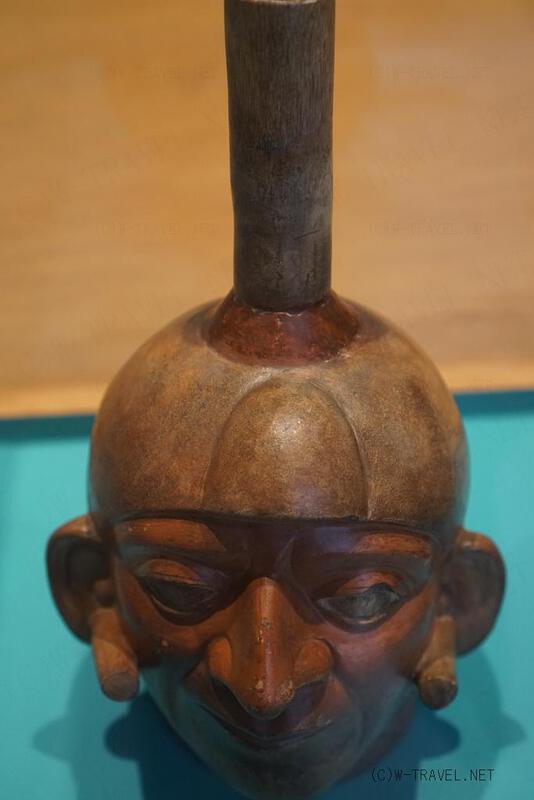

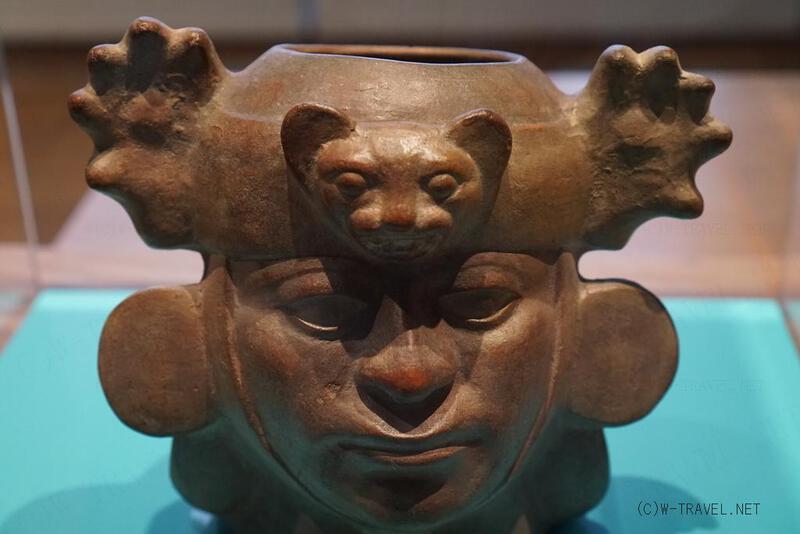
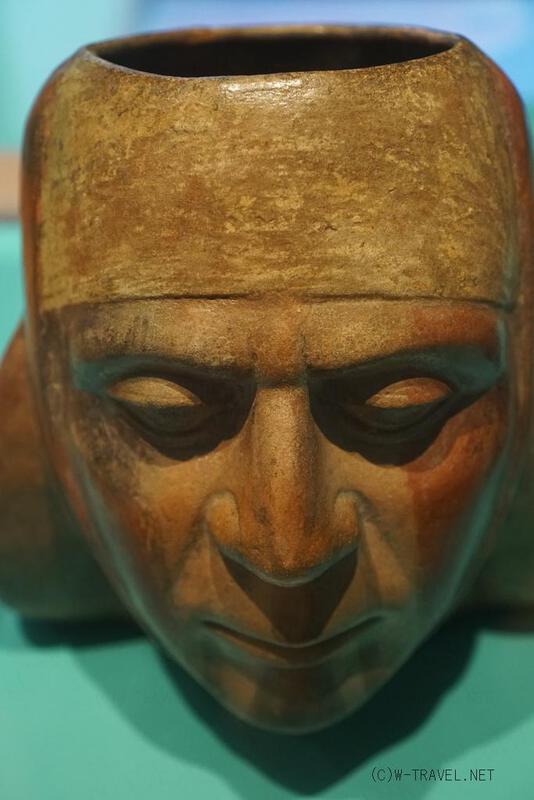
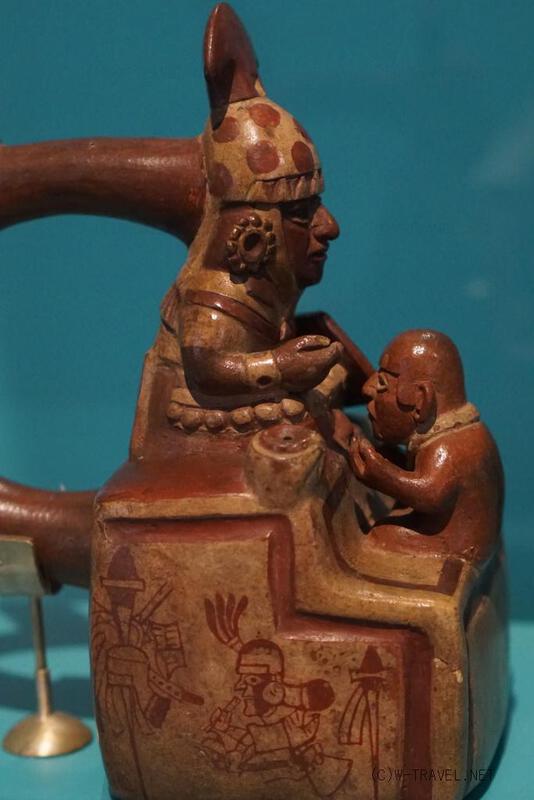
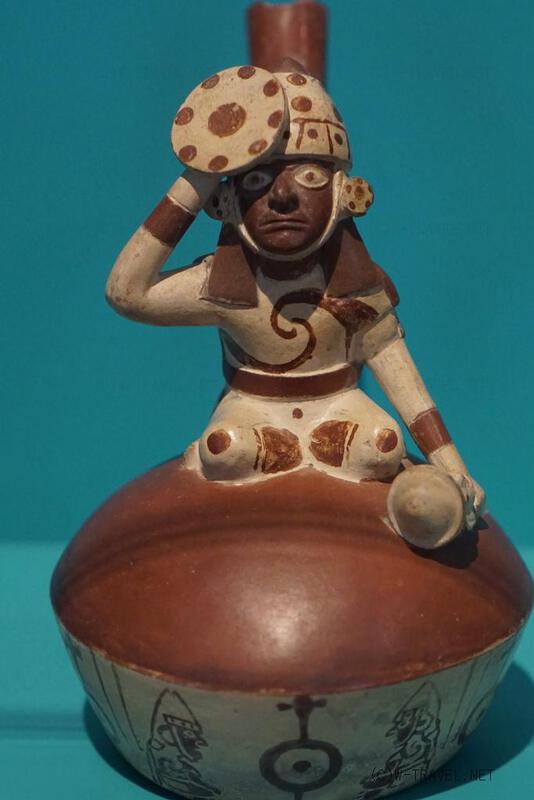
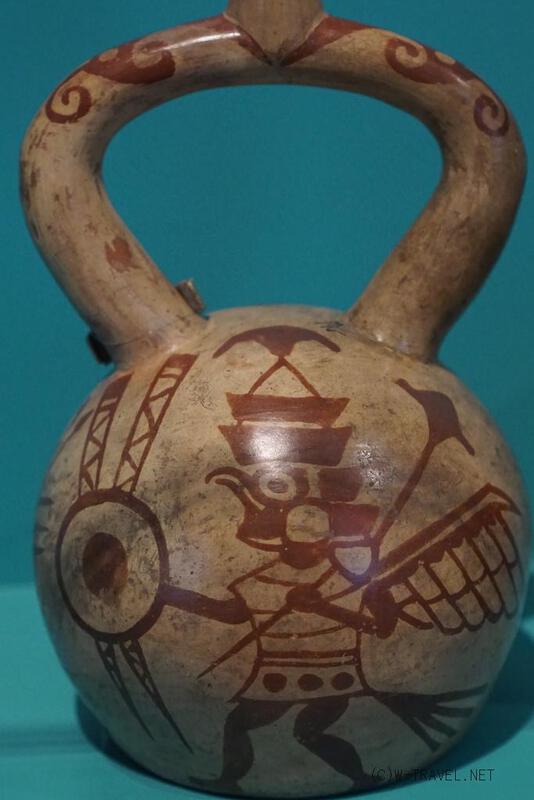

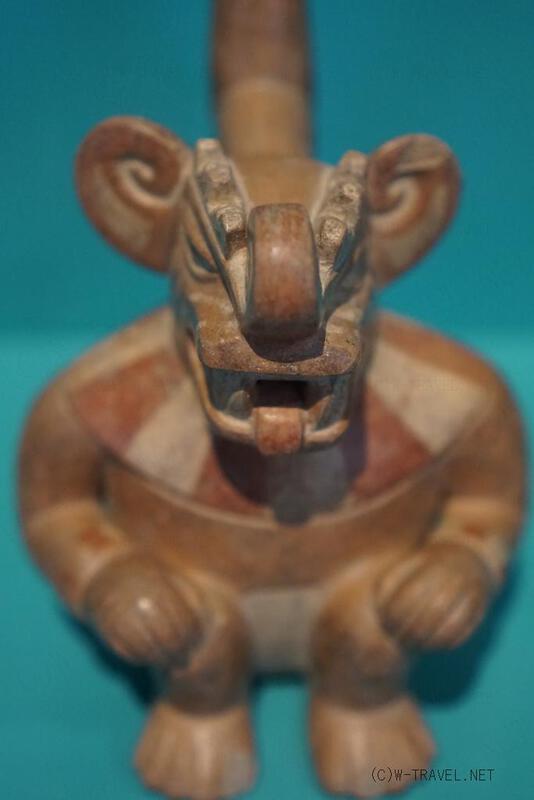
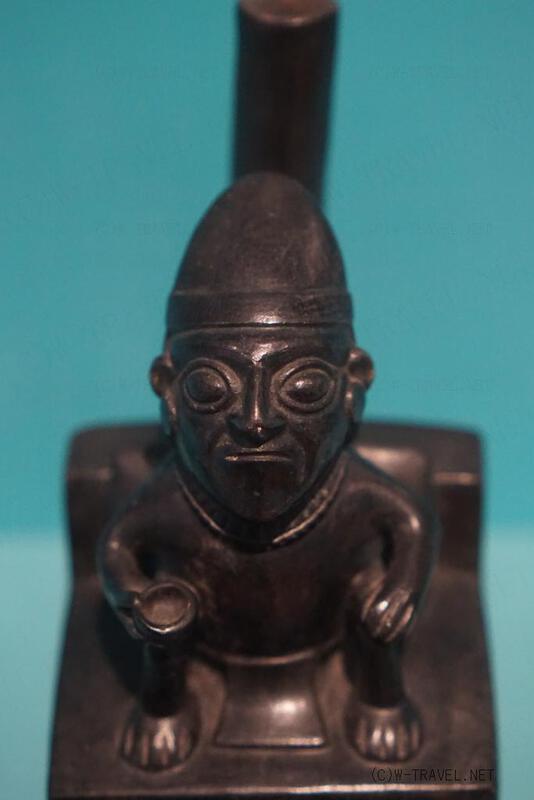



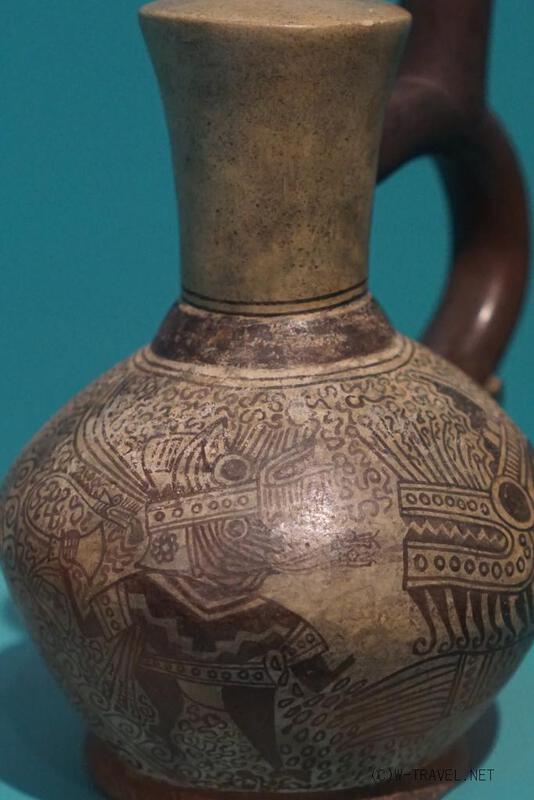
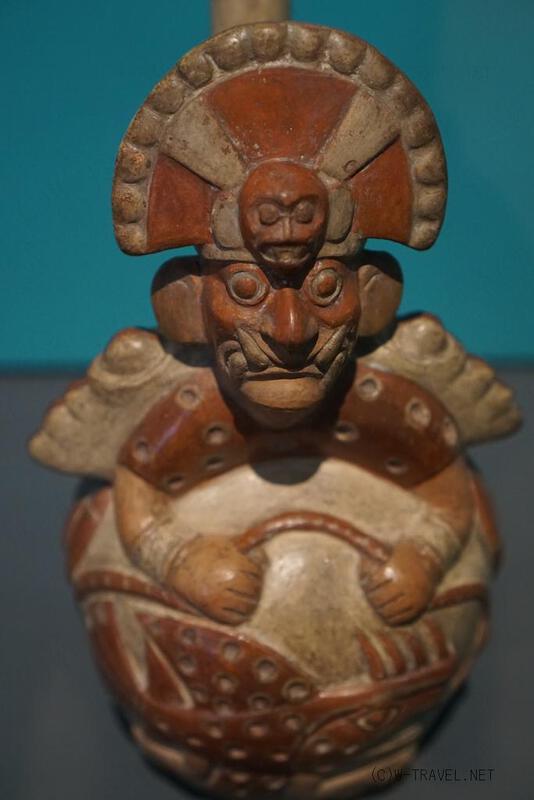
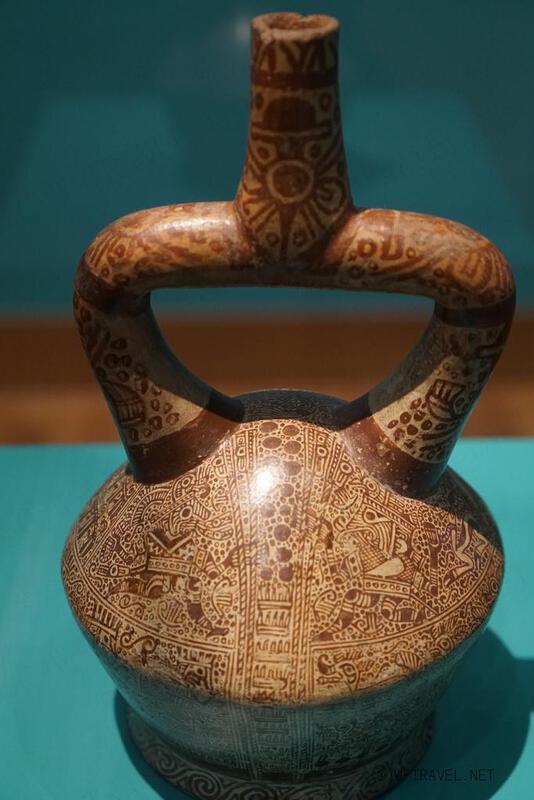
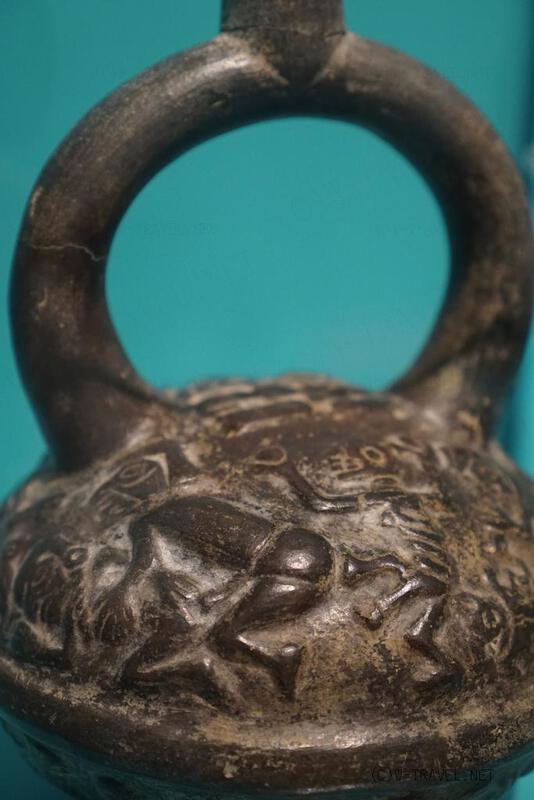










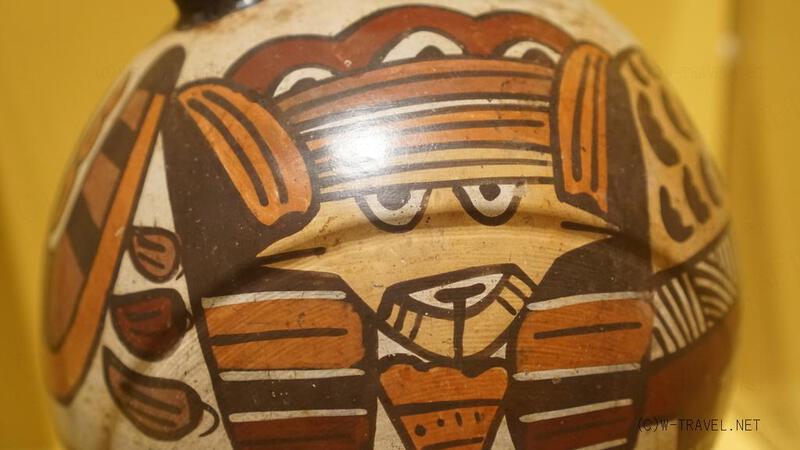


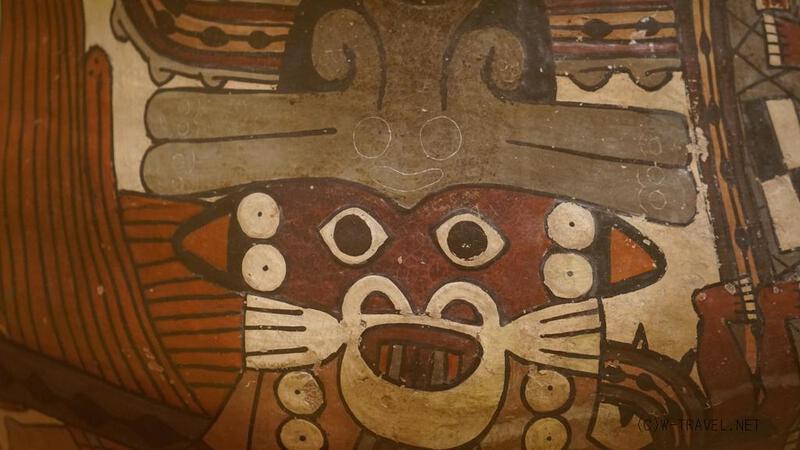

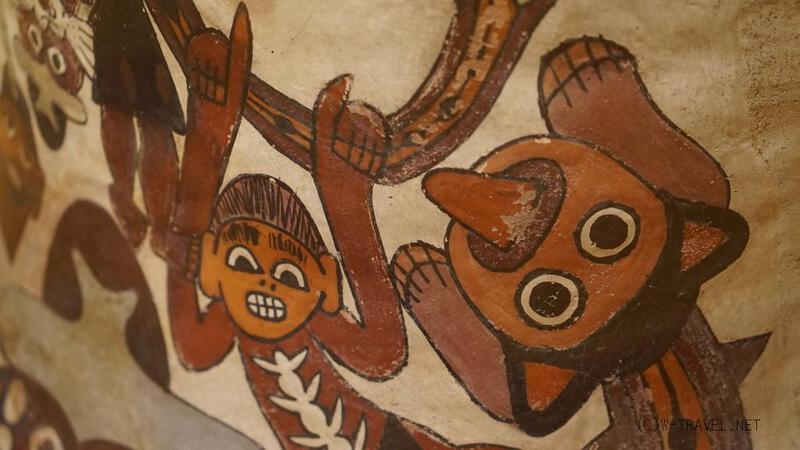
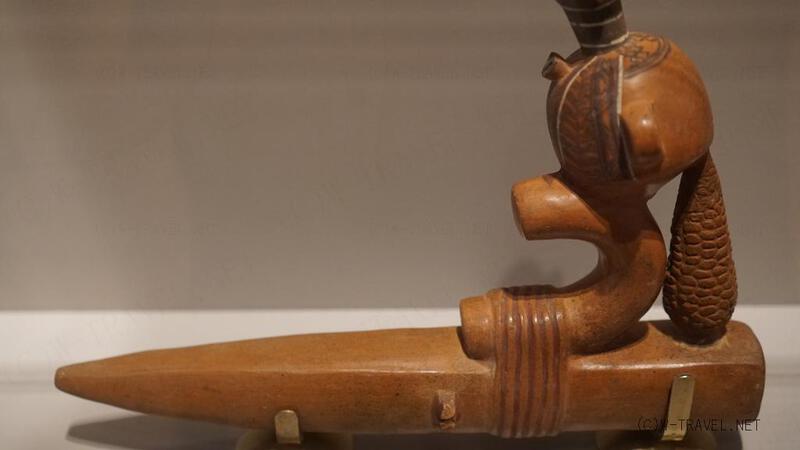




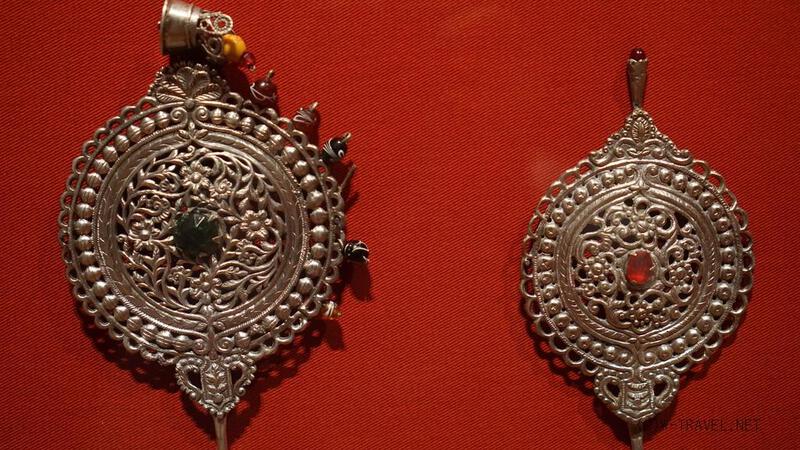
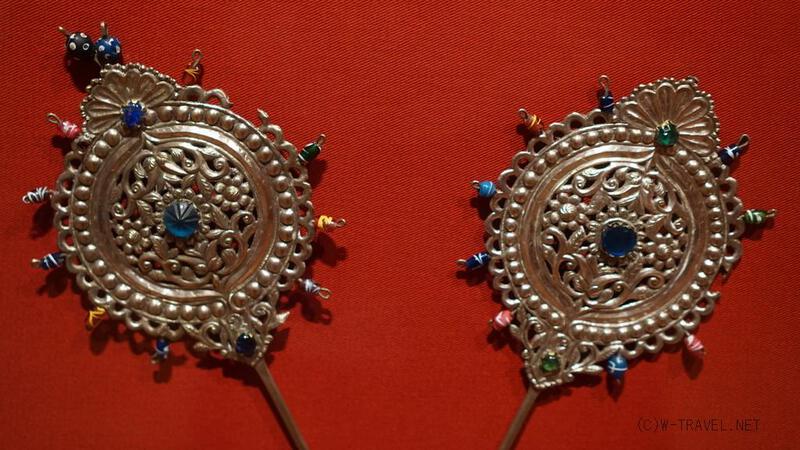
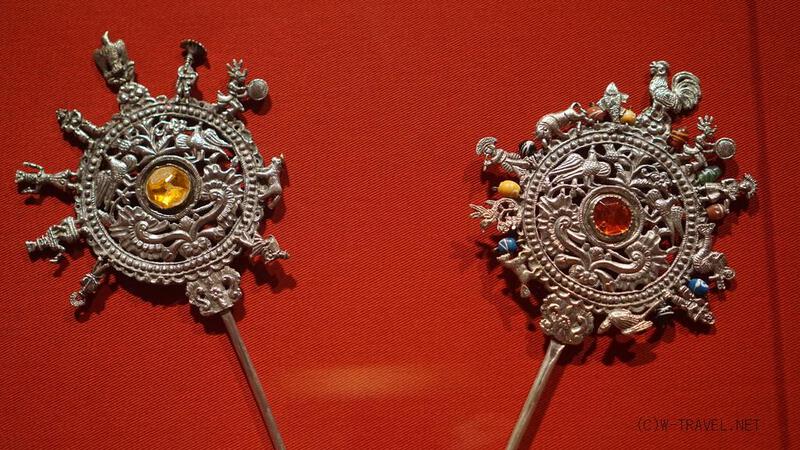
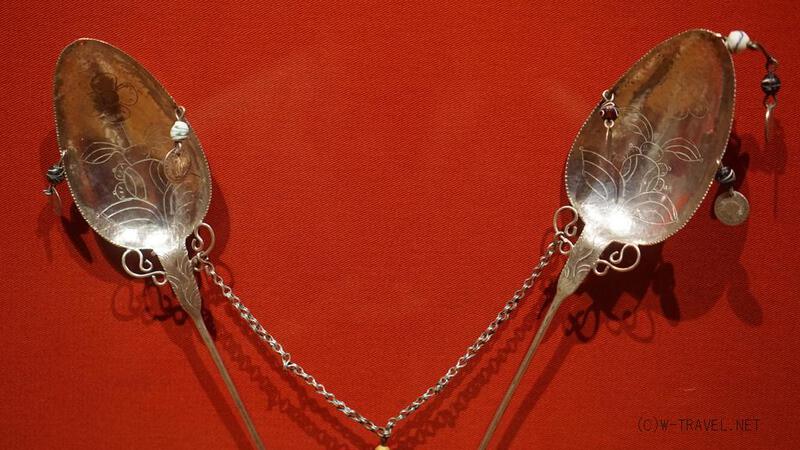







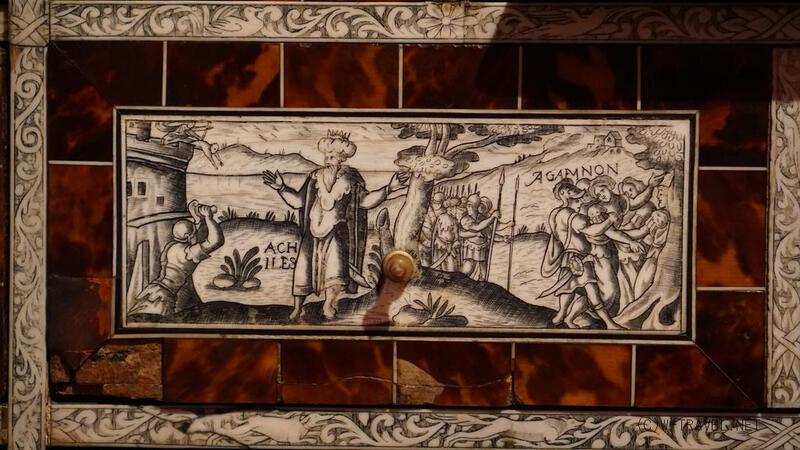
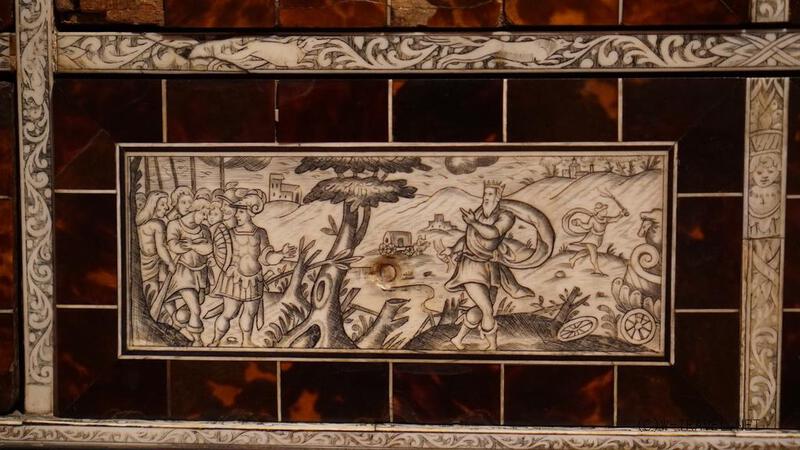
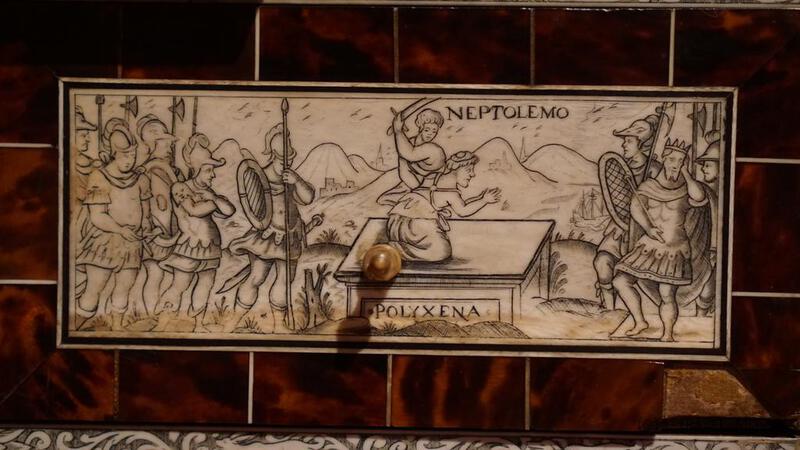
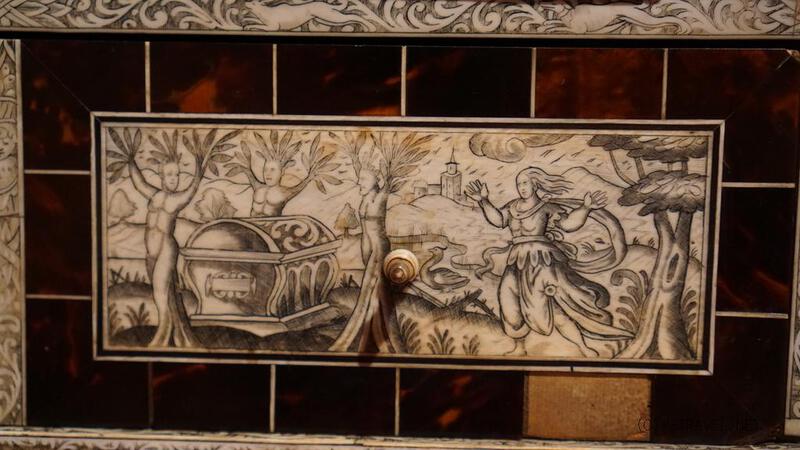



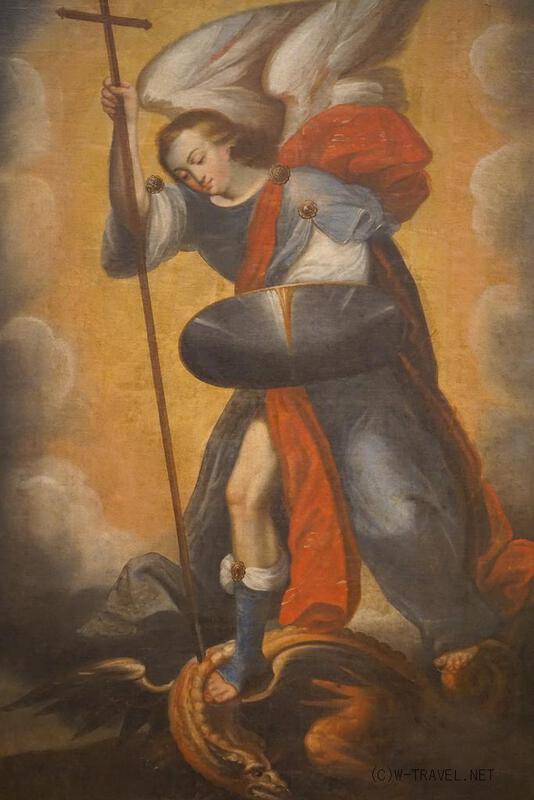
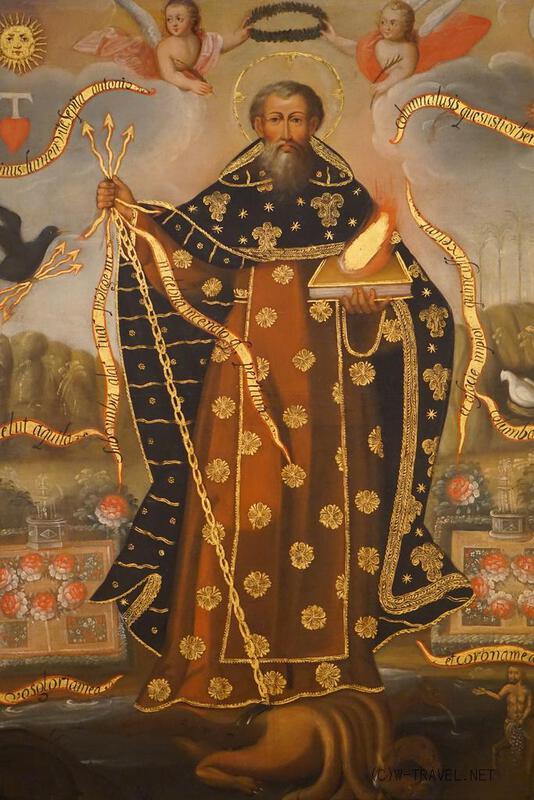


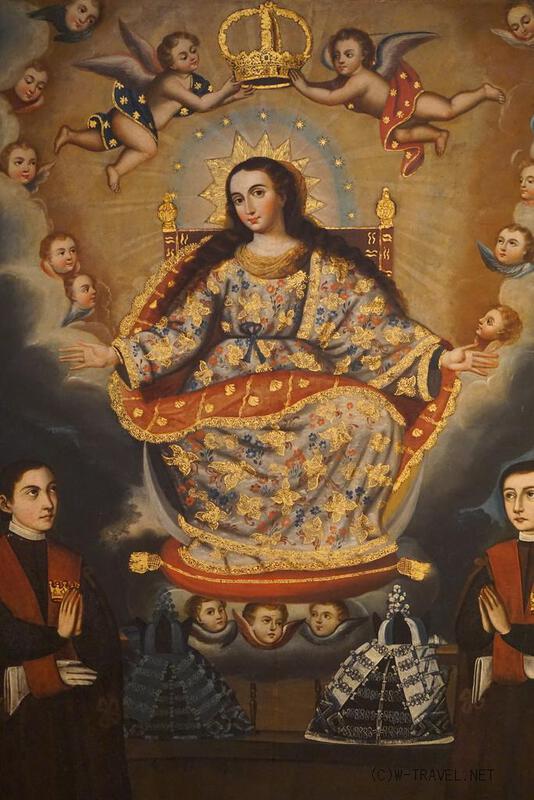
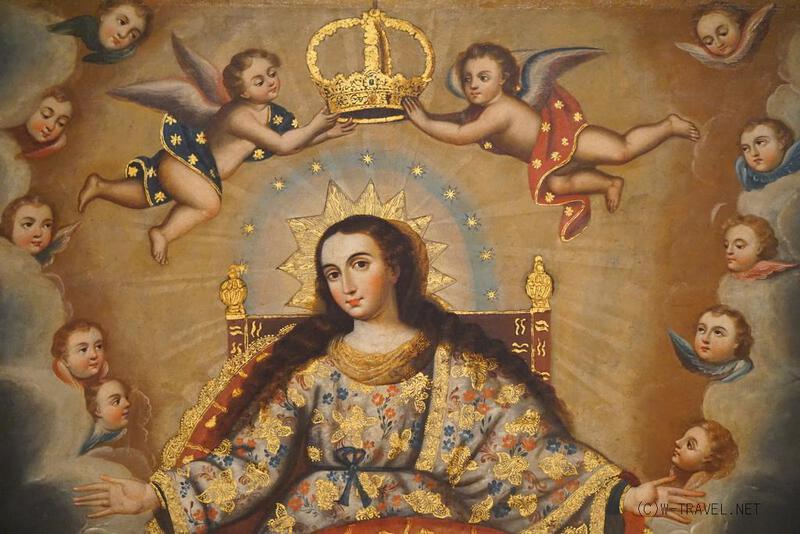



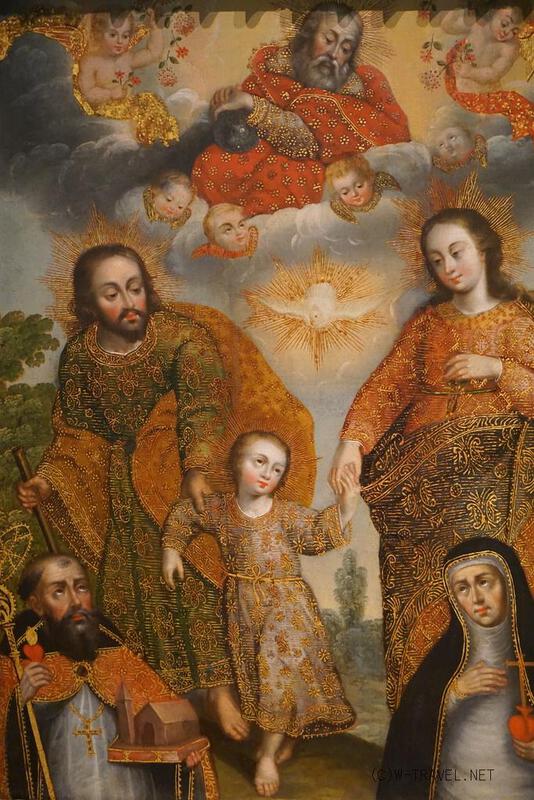

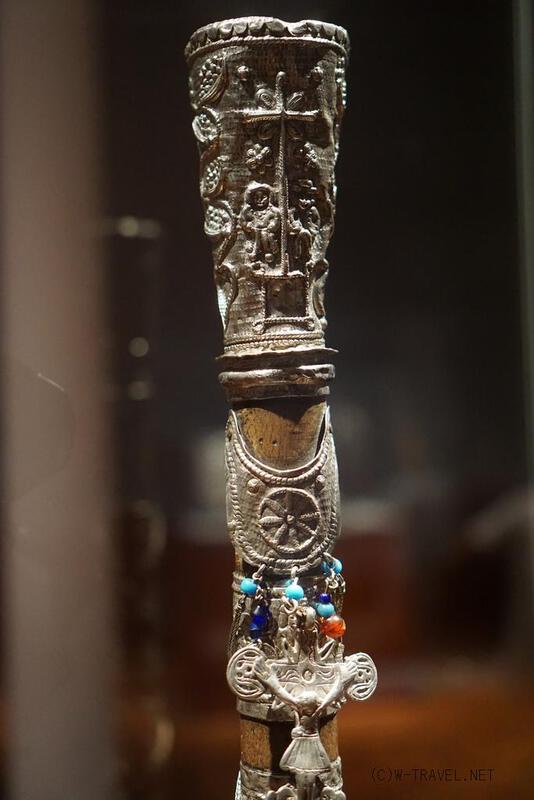

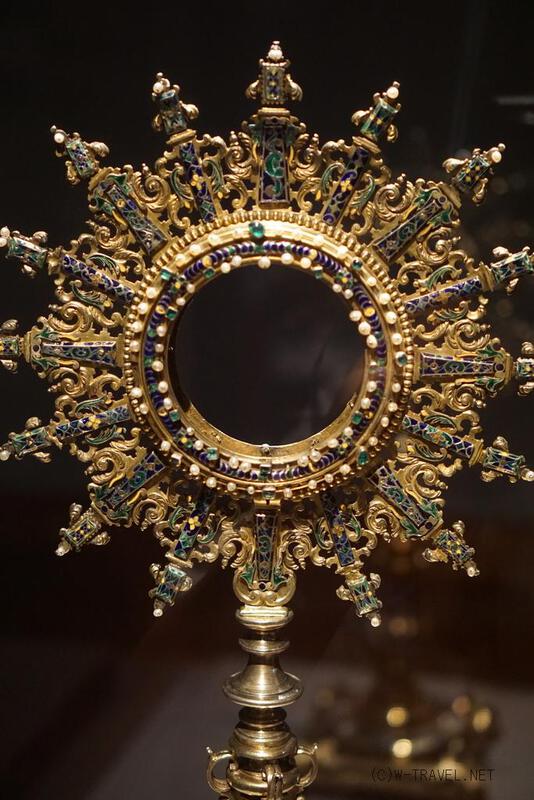
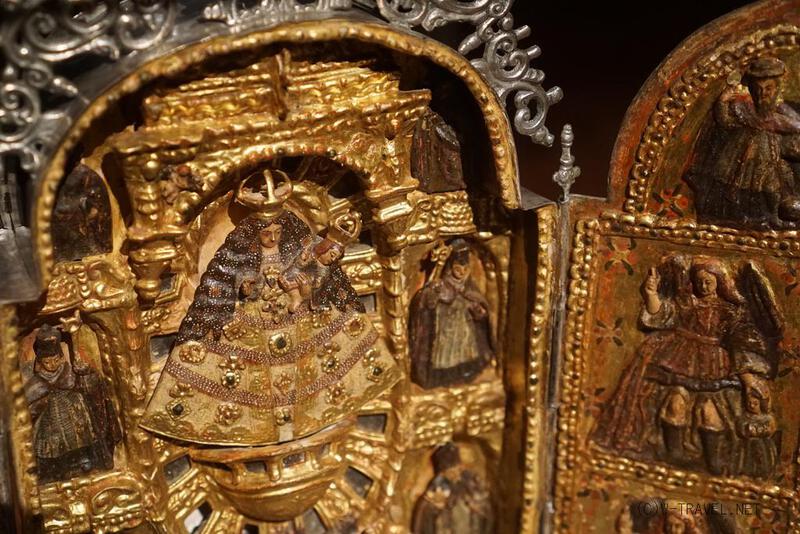






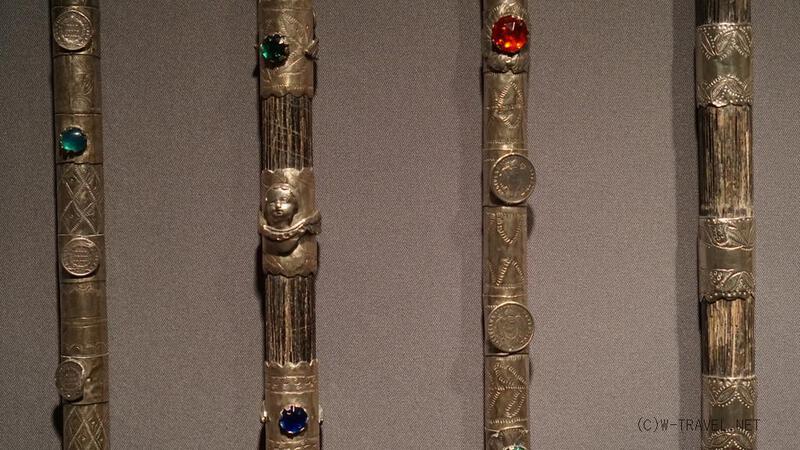
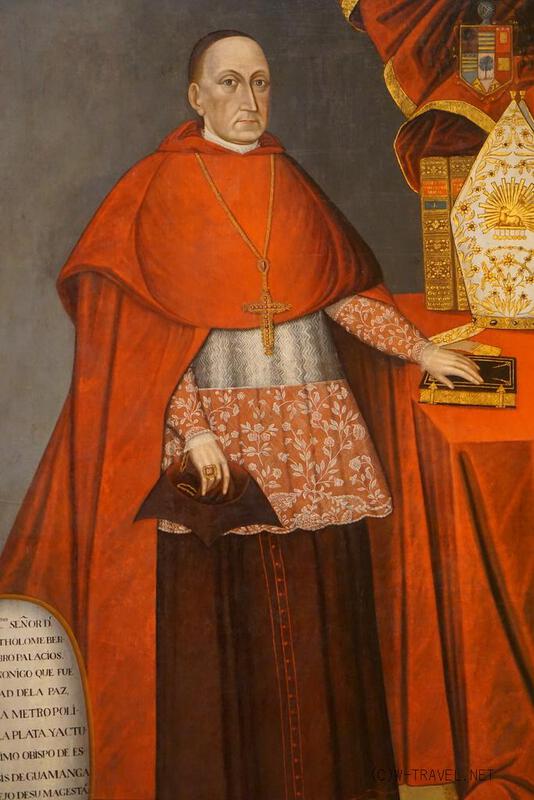
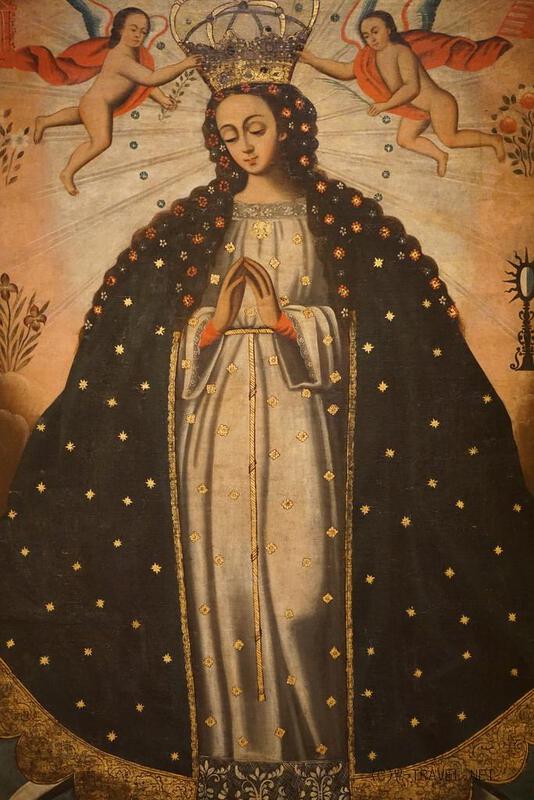
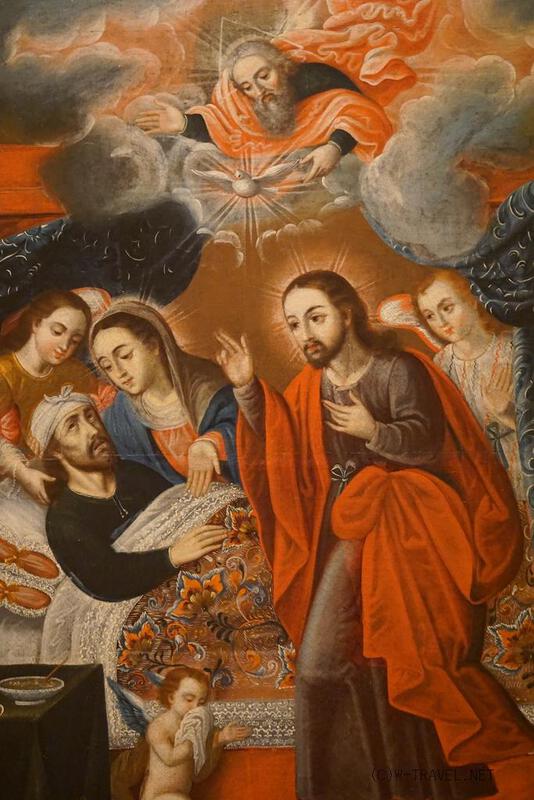
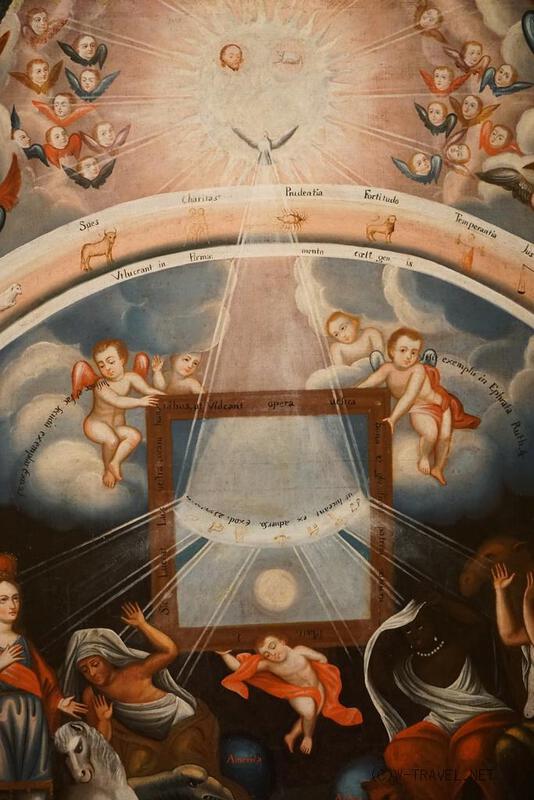

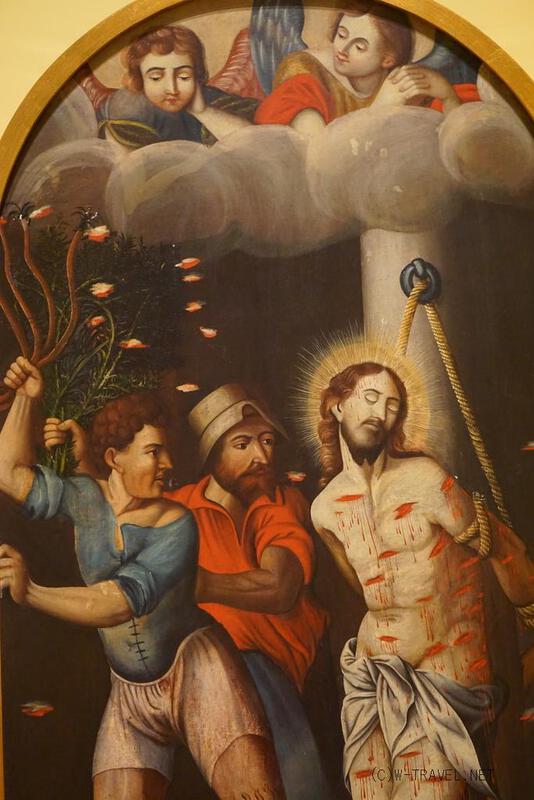


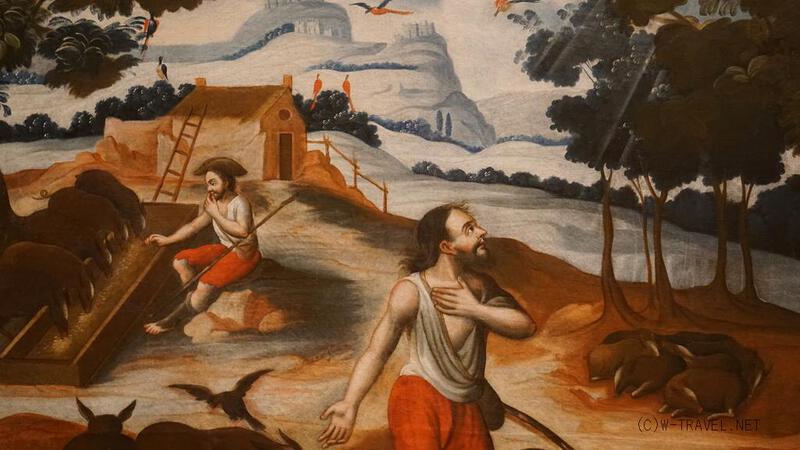
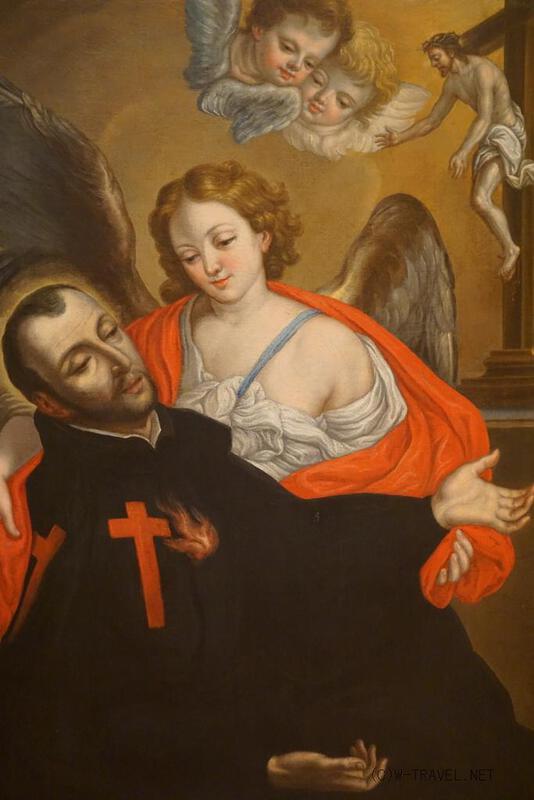











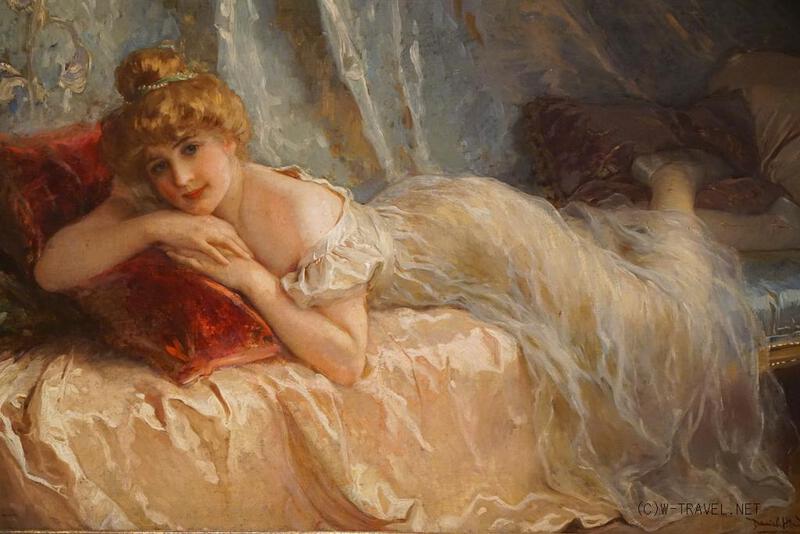
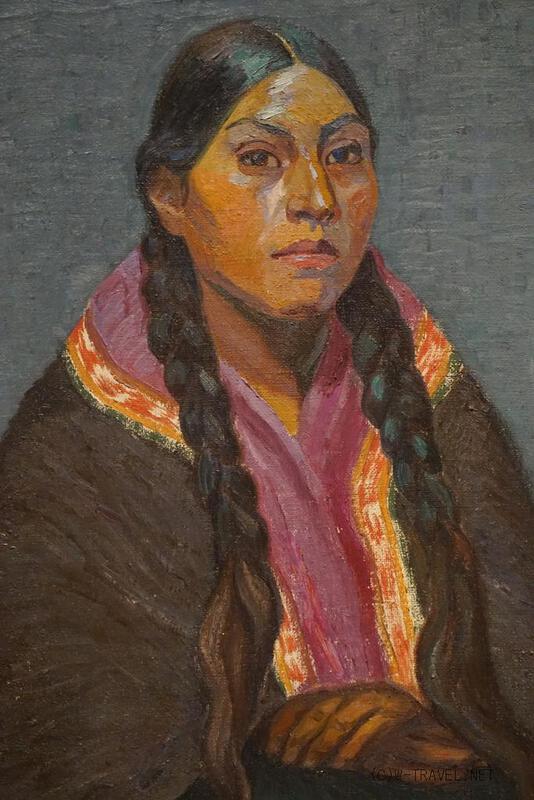
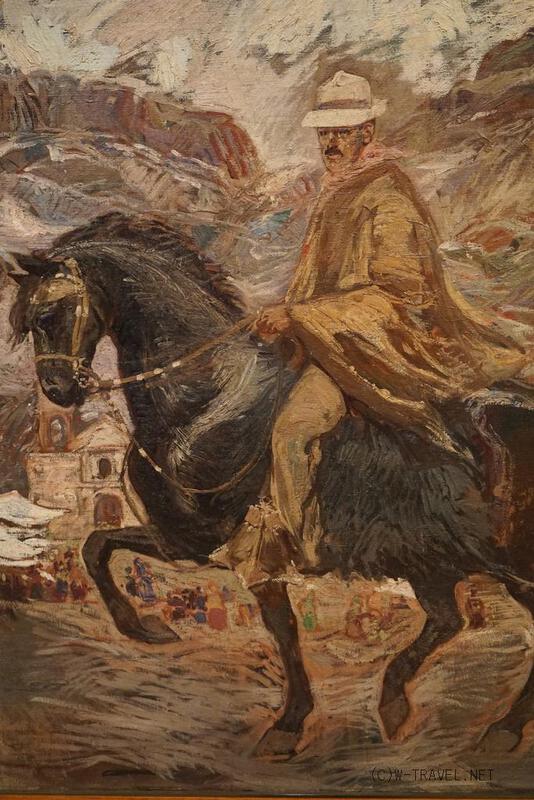
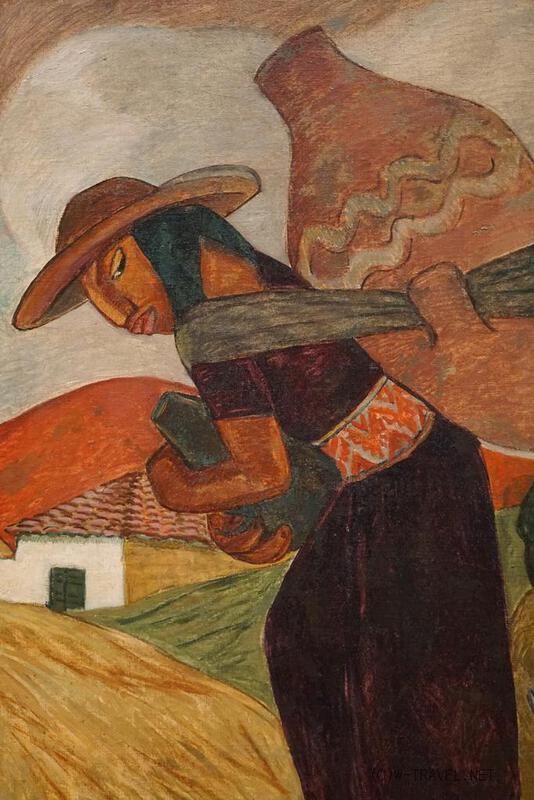

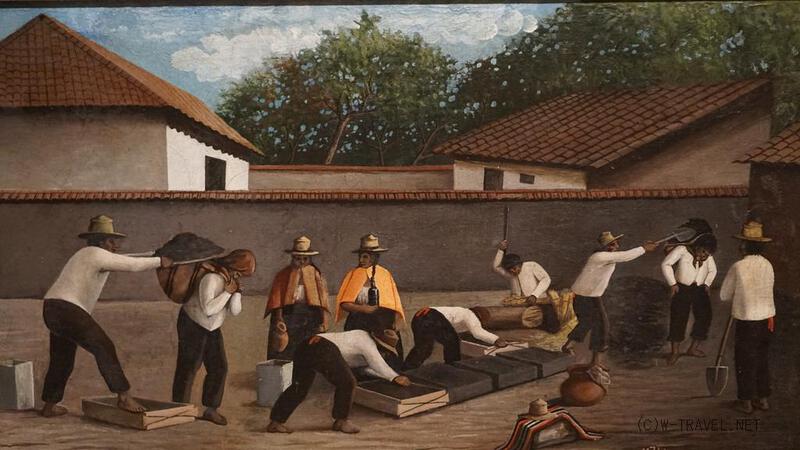
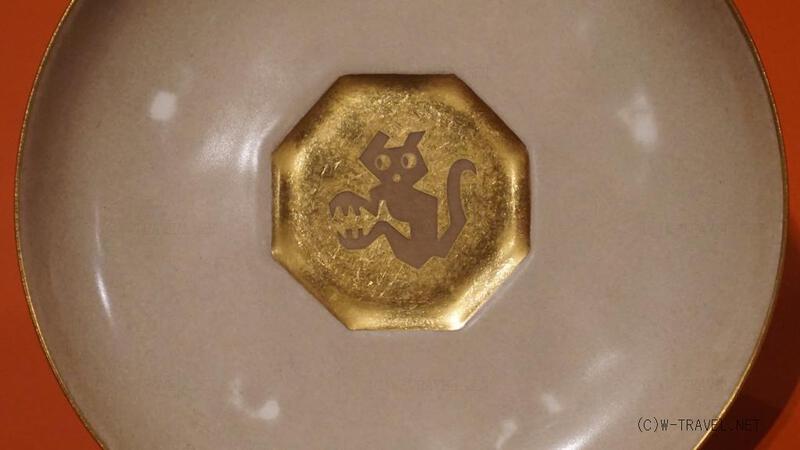
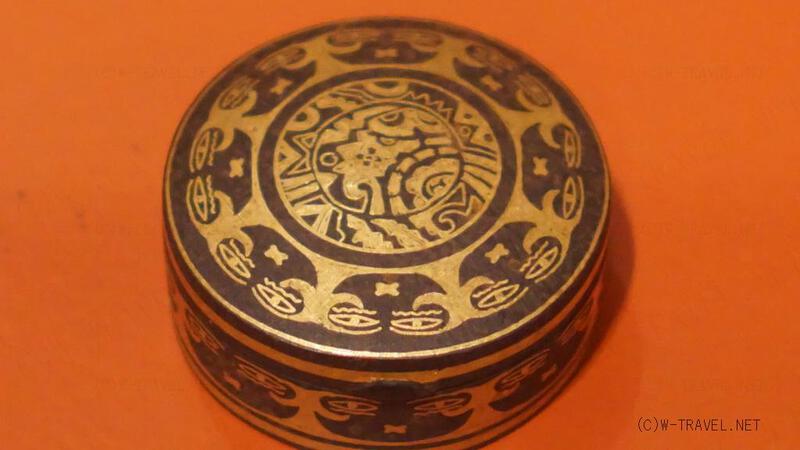


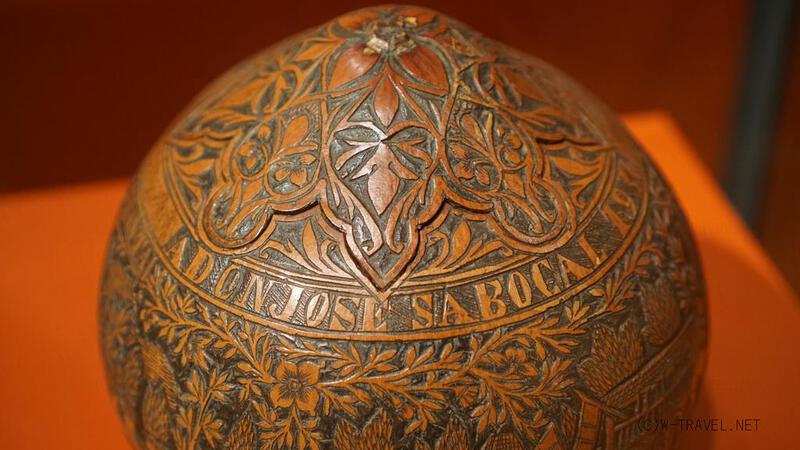





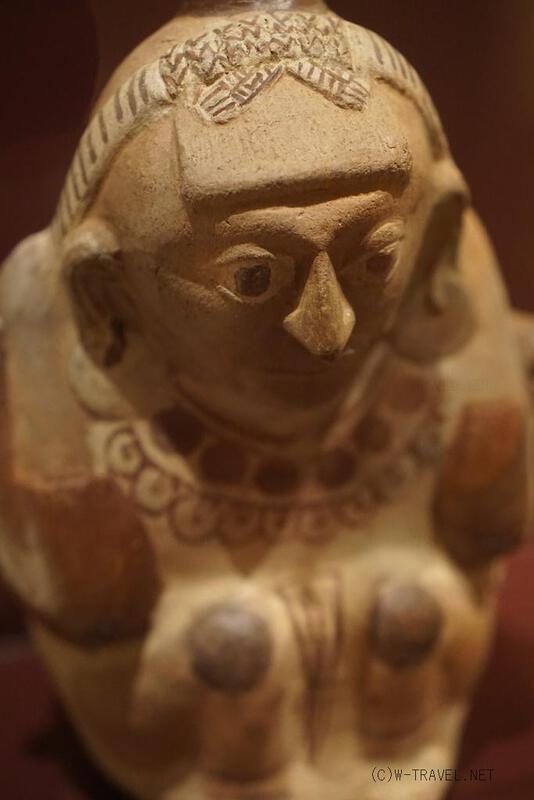

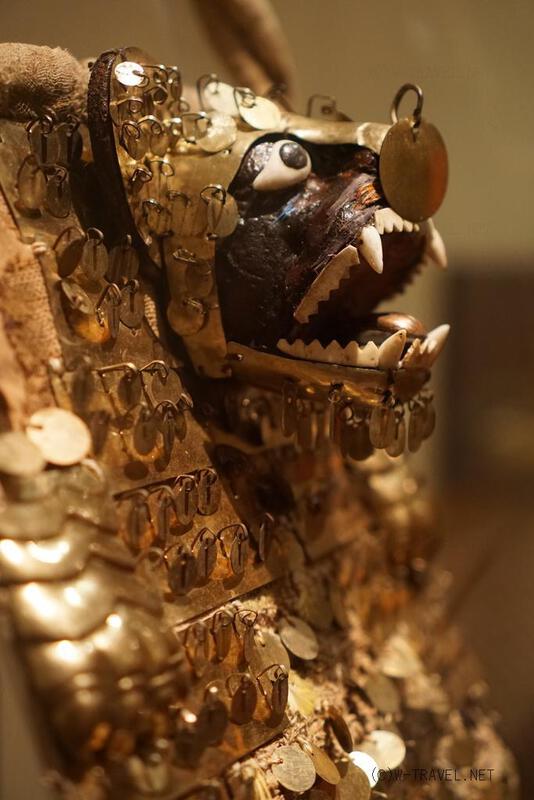
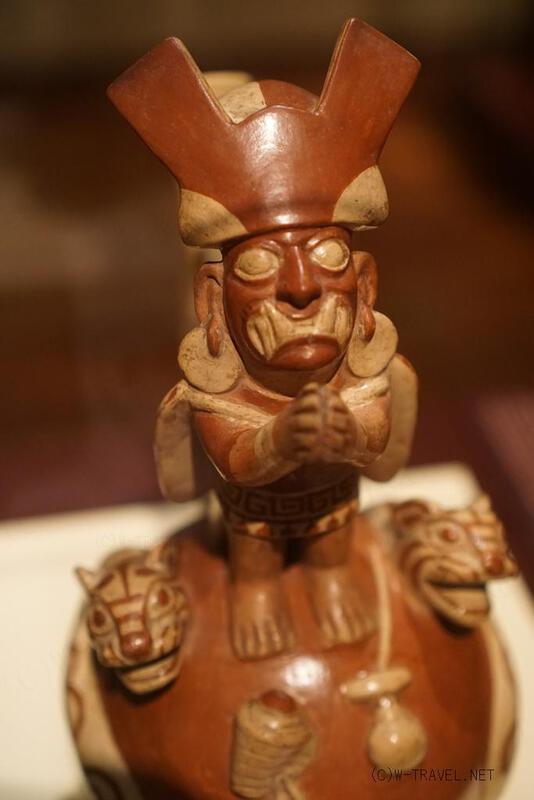


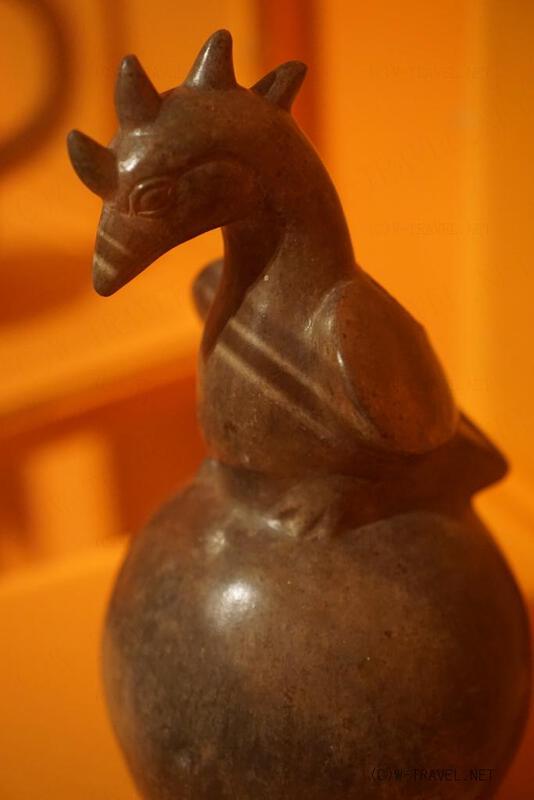
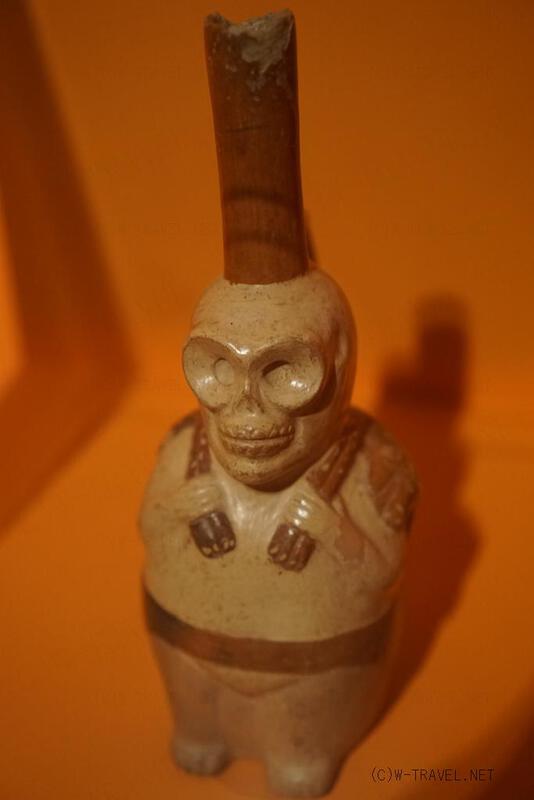
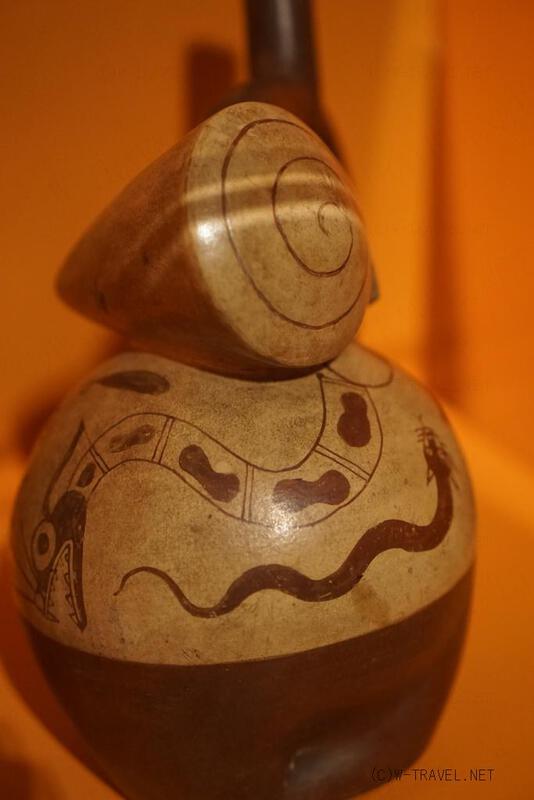

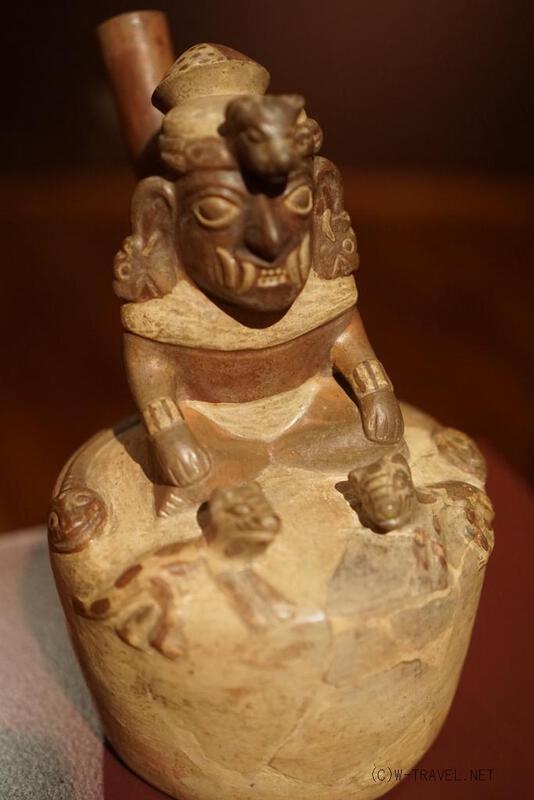

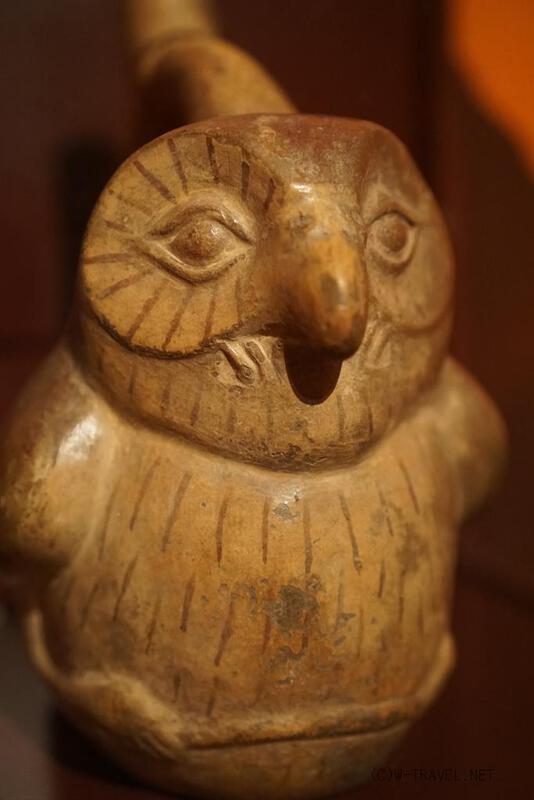







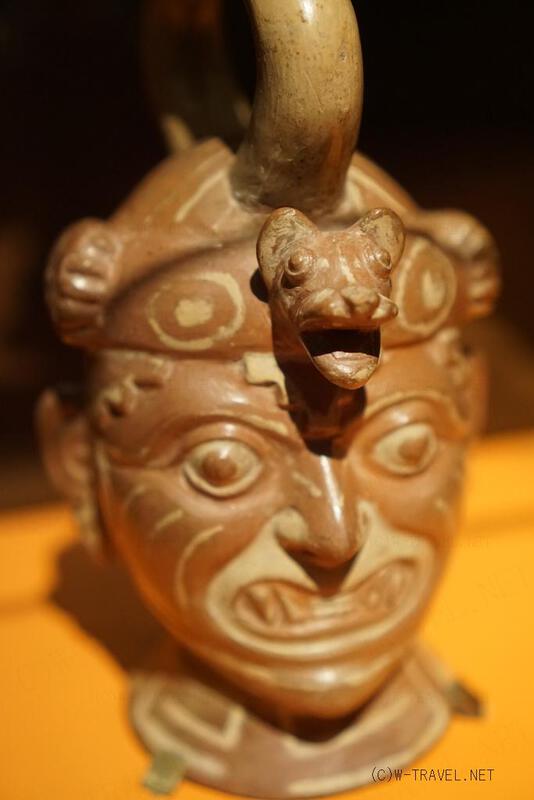
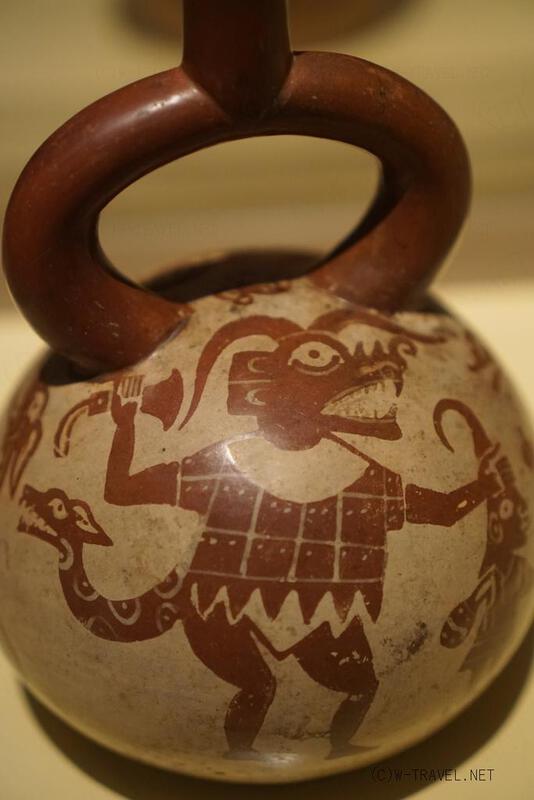
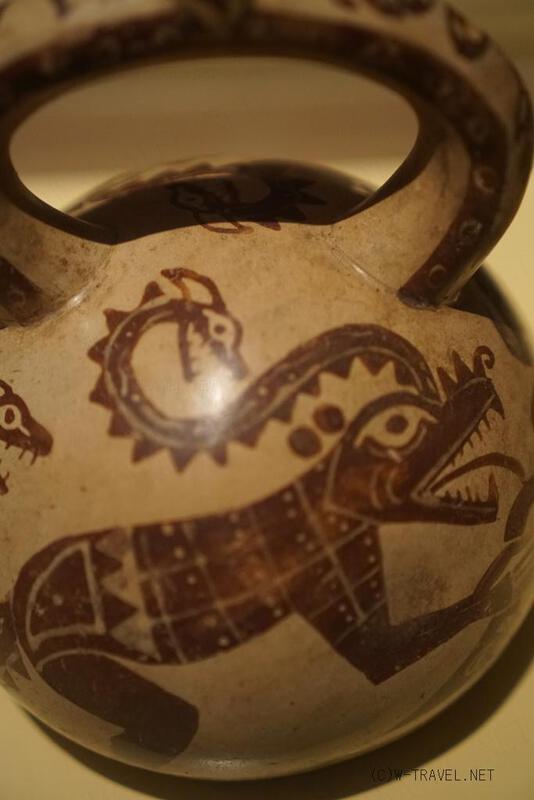
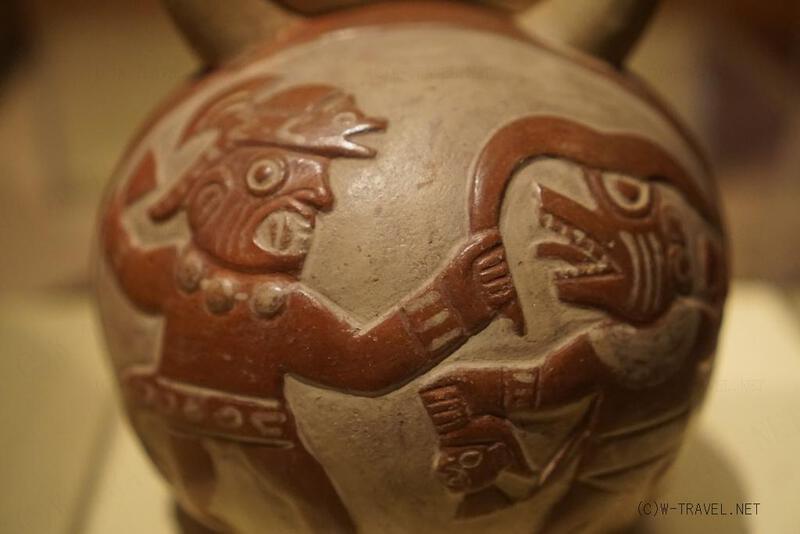
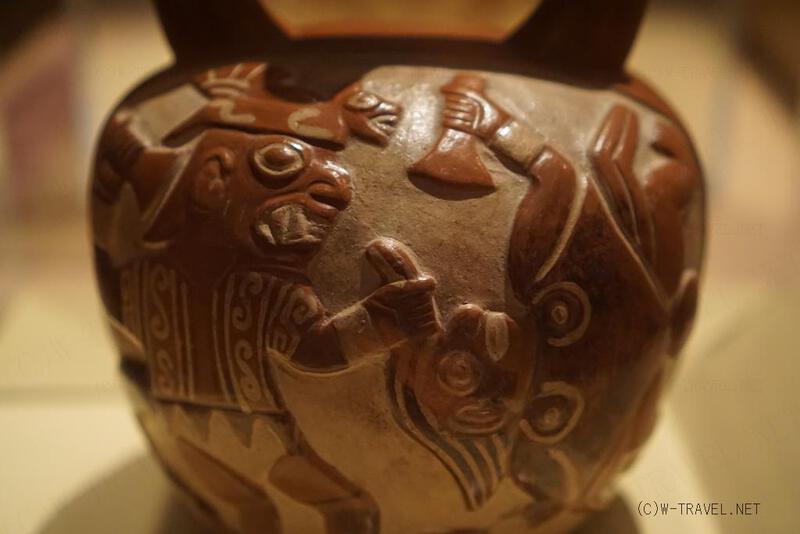
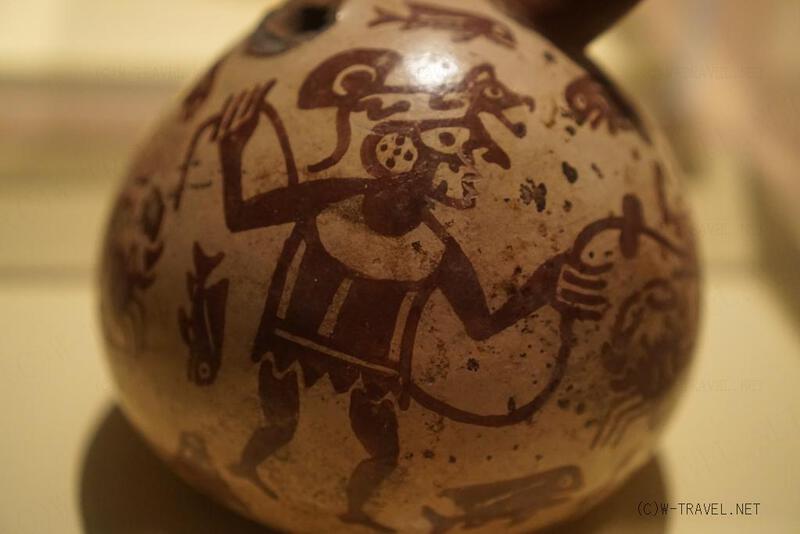
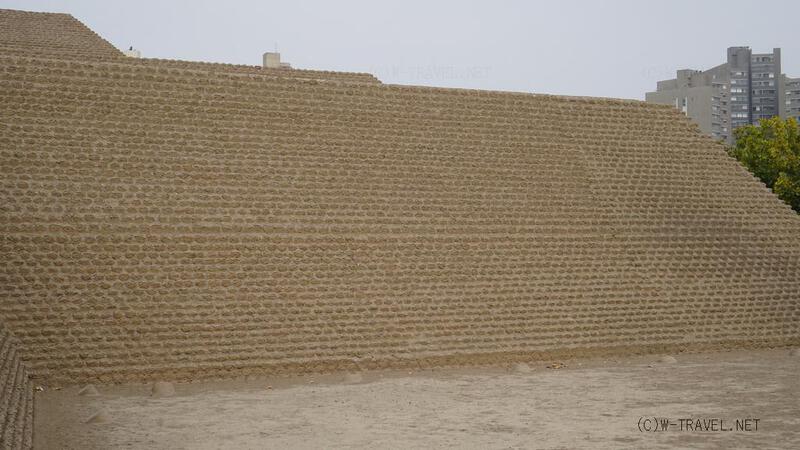
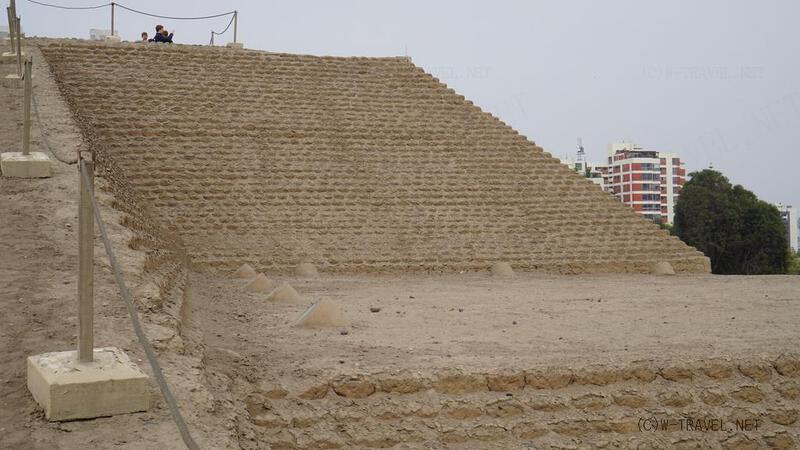
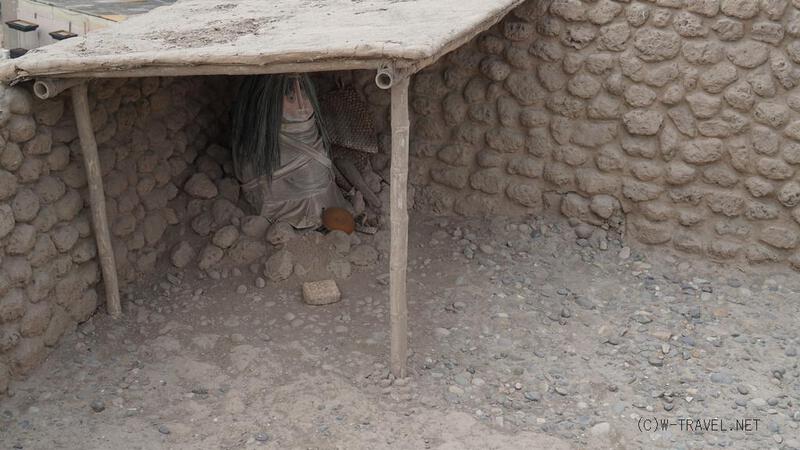
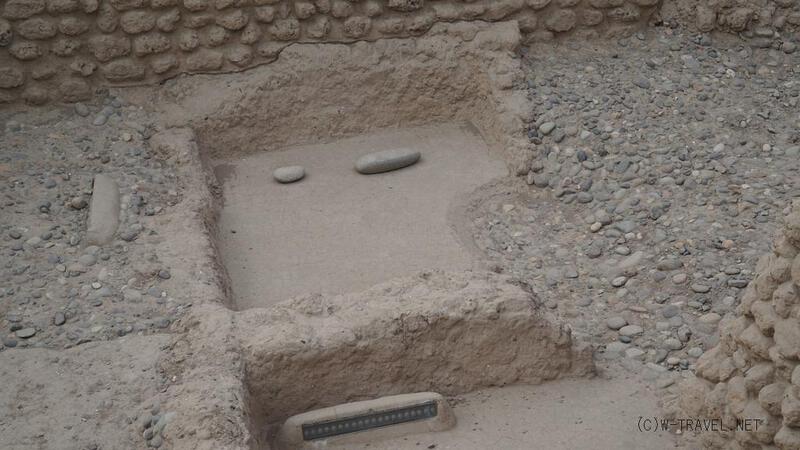
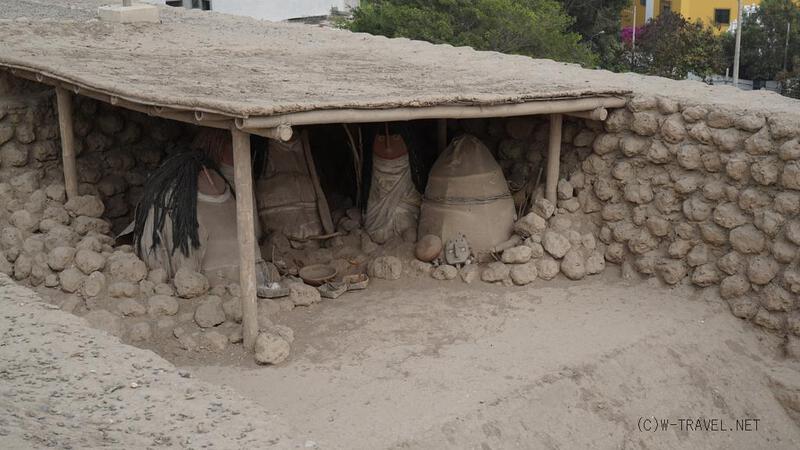
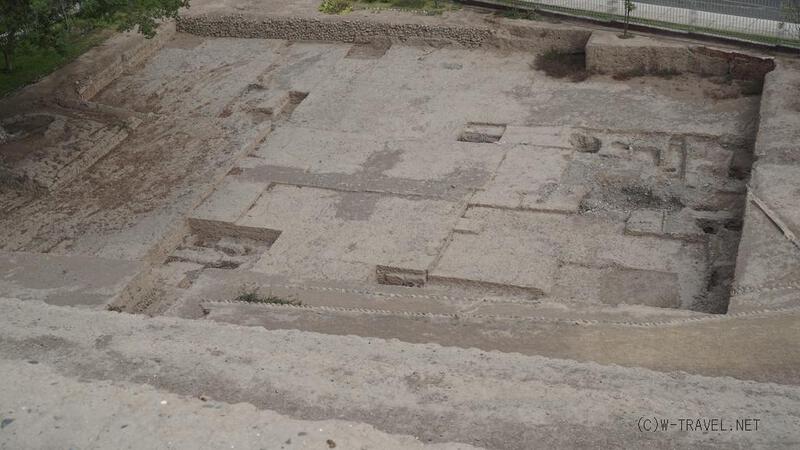
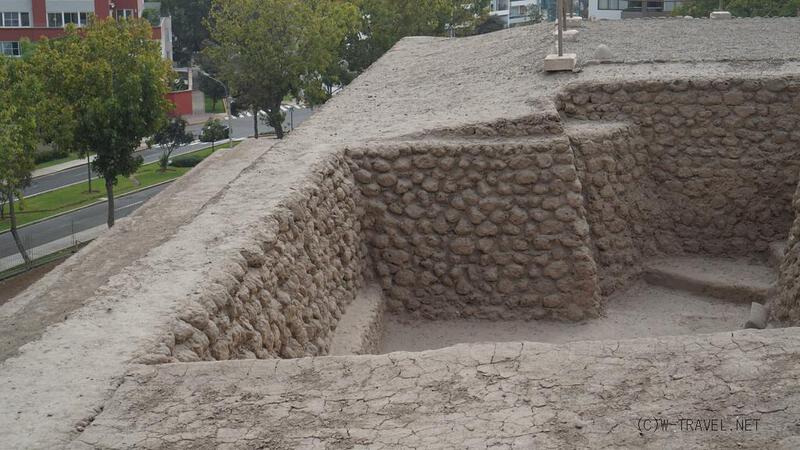
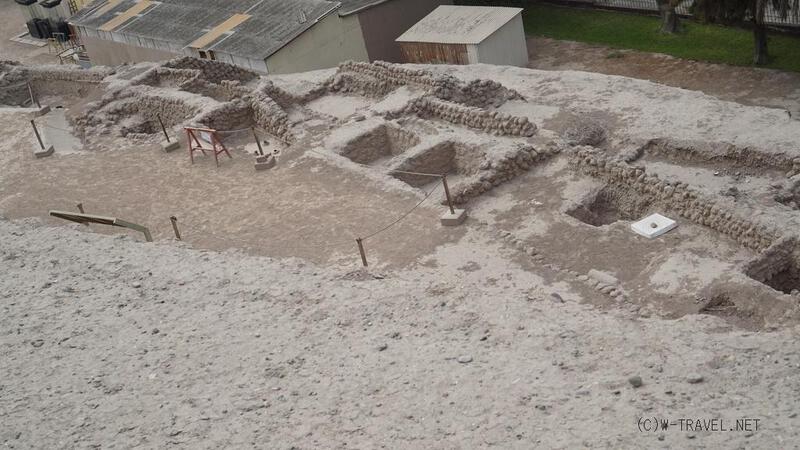
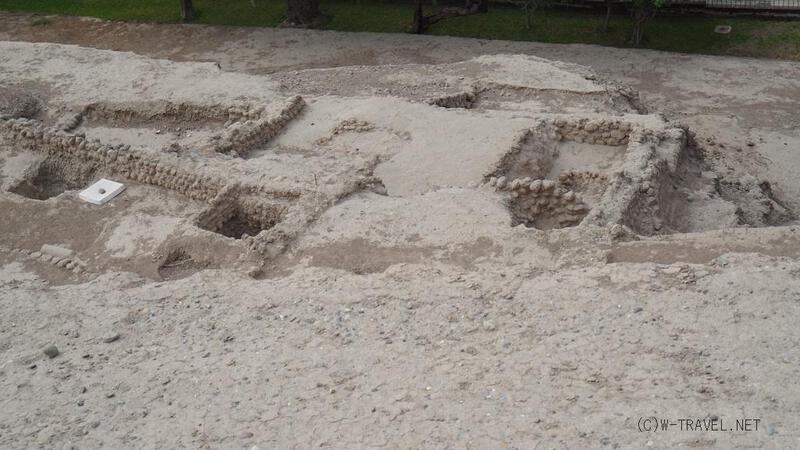
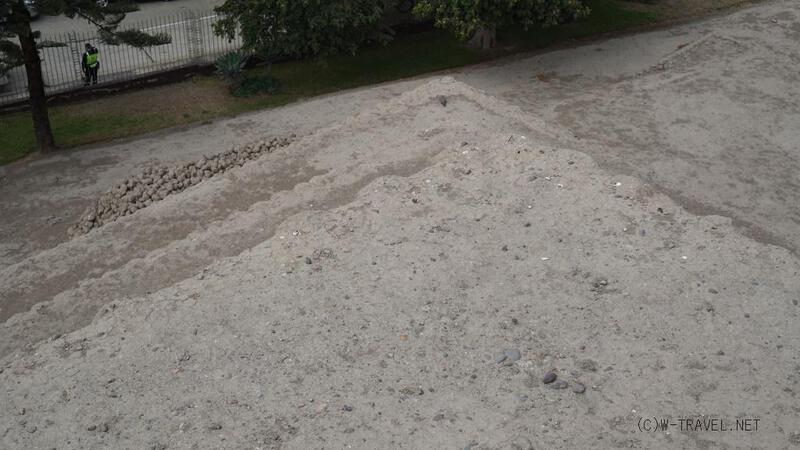
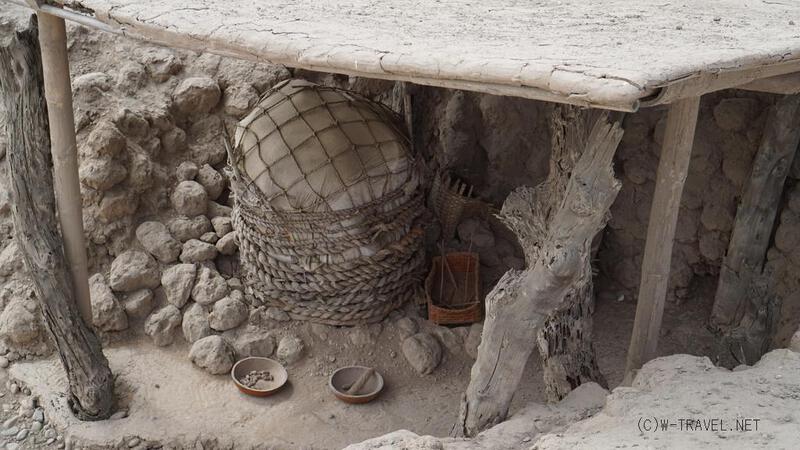
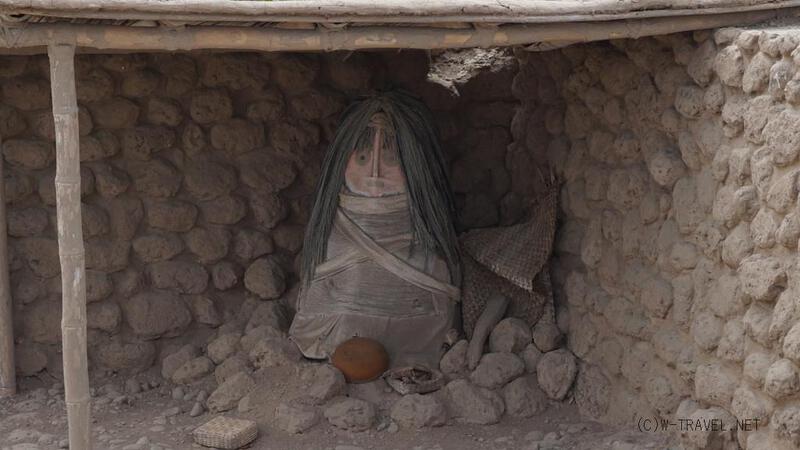
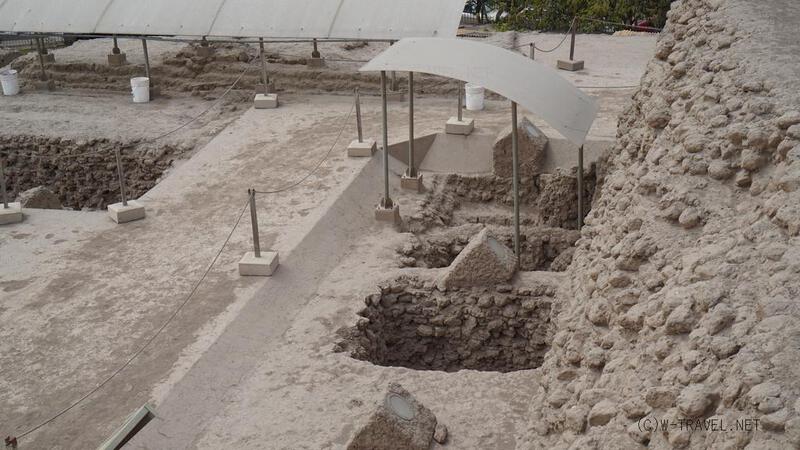
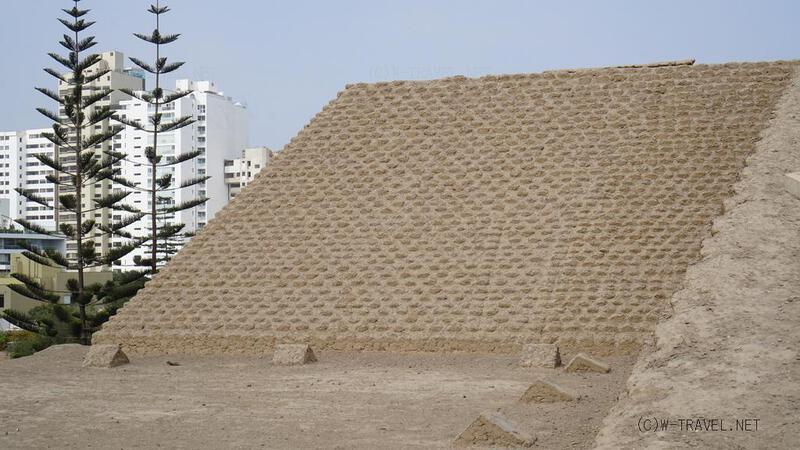
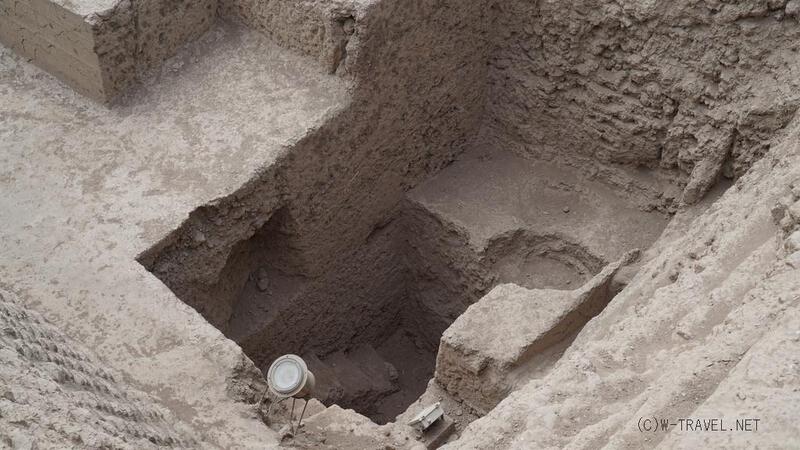
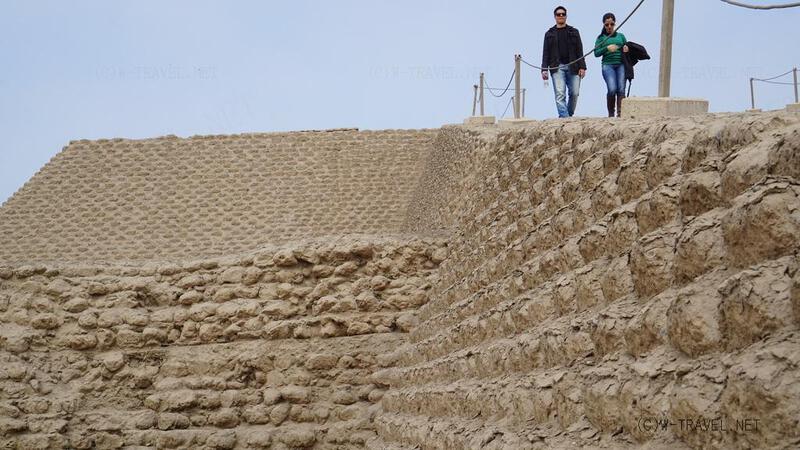
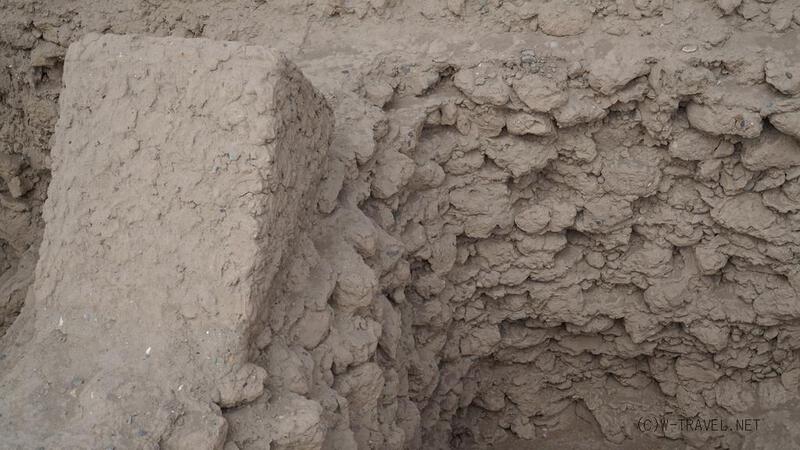
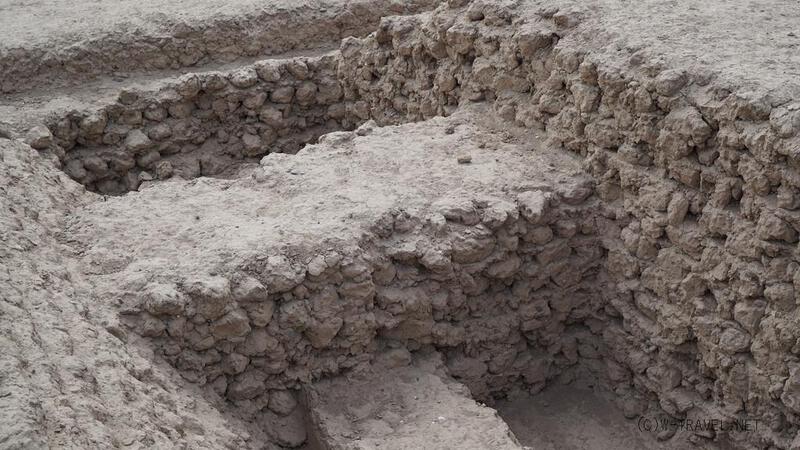
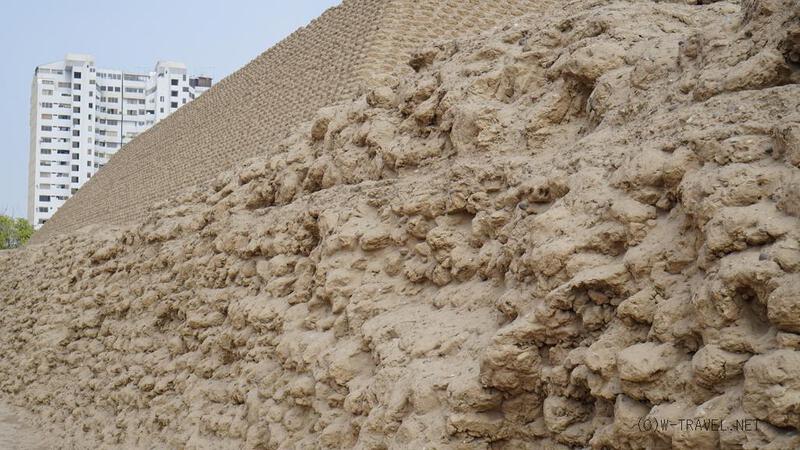
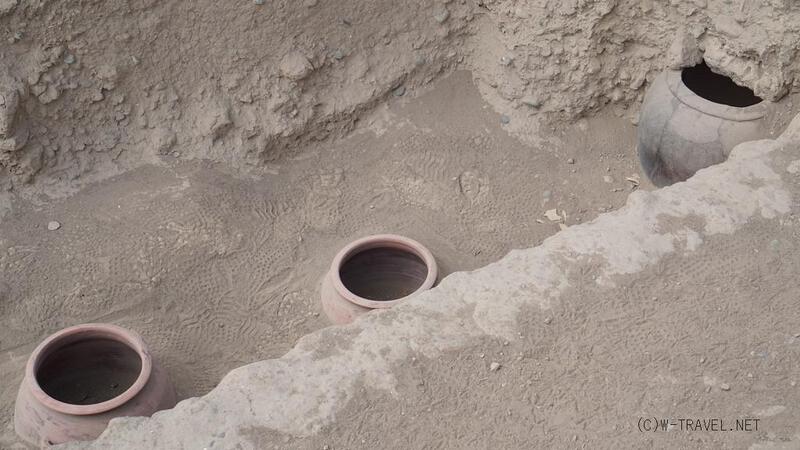
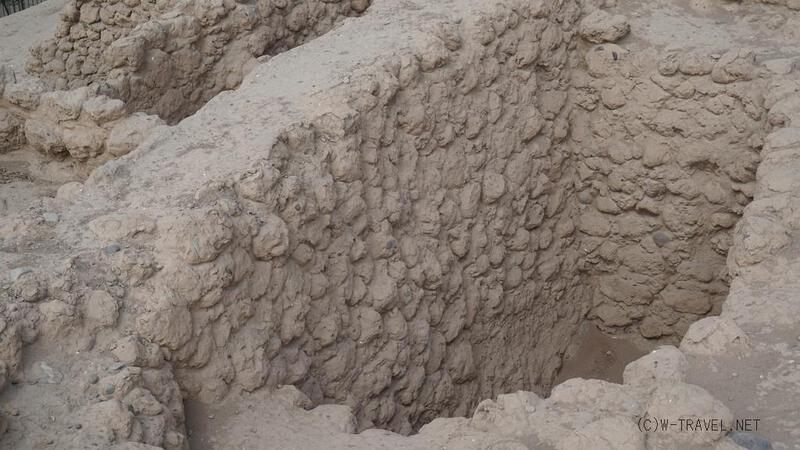
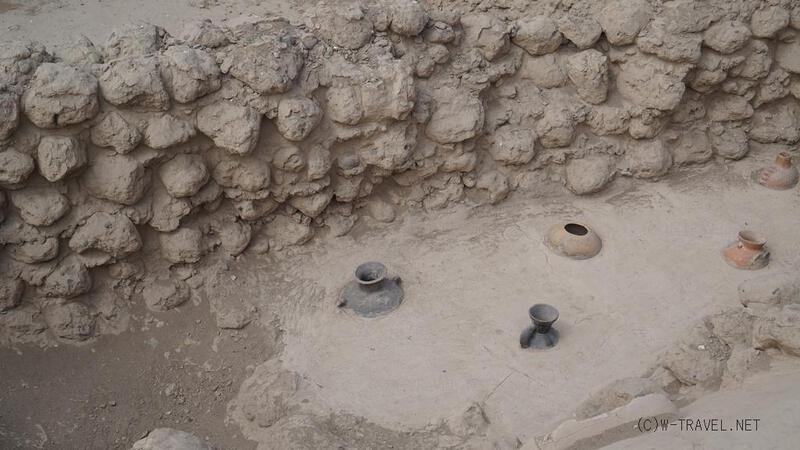
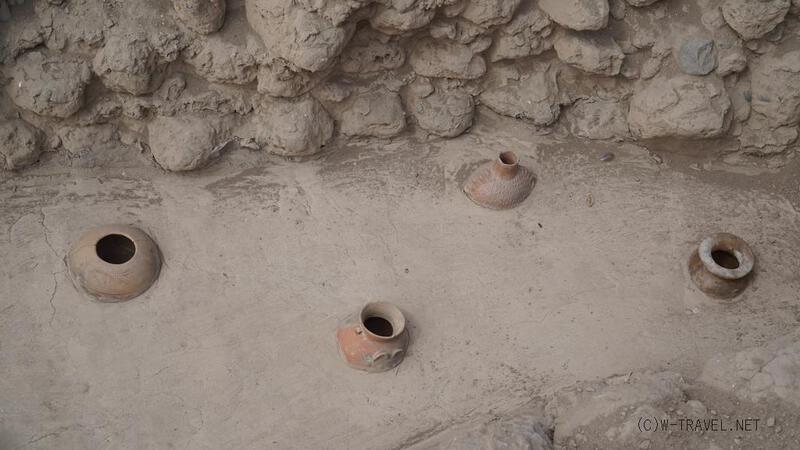
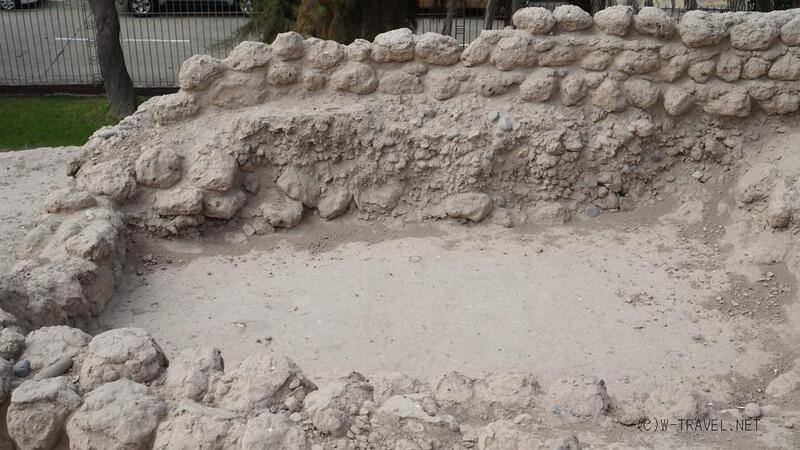
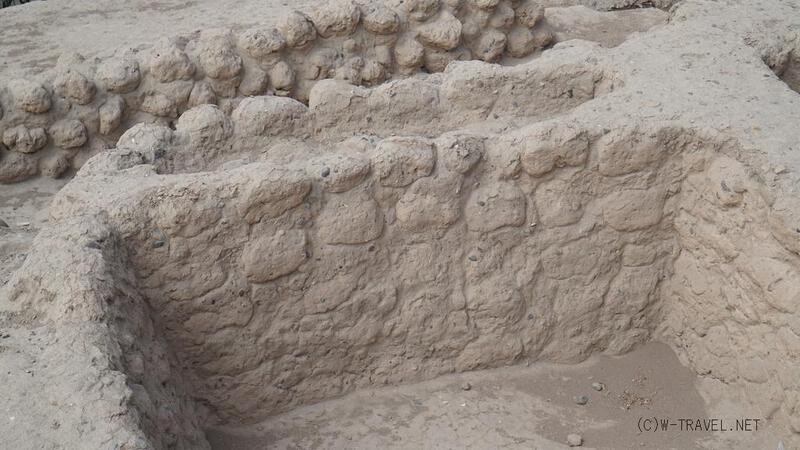
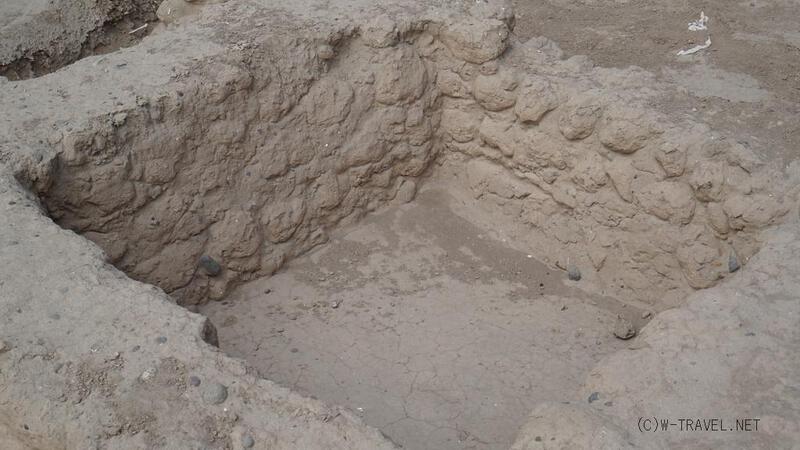
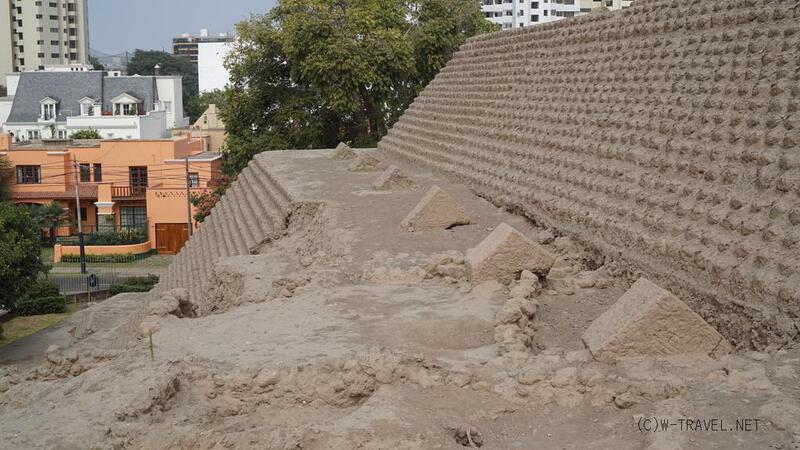
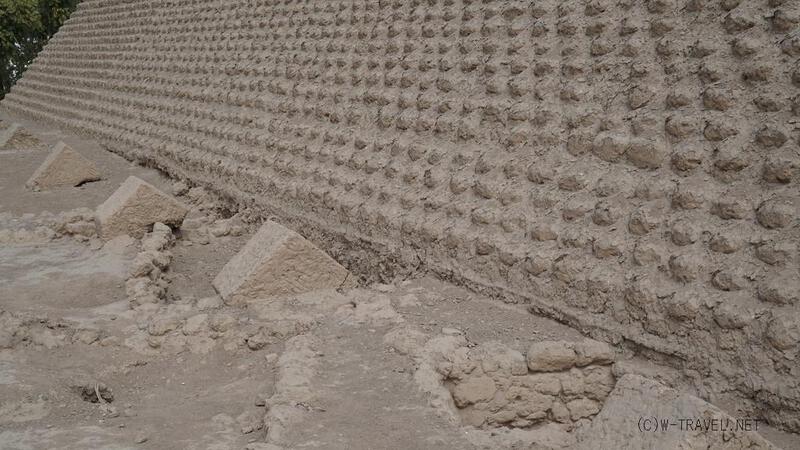
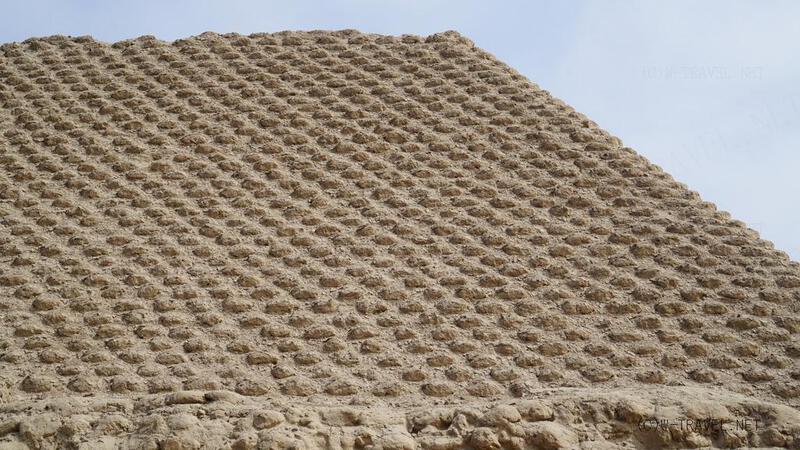
वाका हुआलामर्का (Huaca Huallamarca)

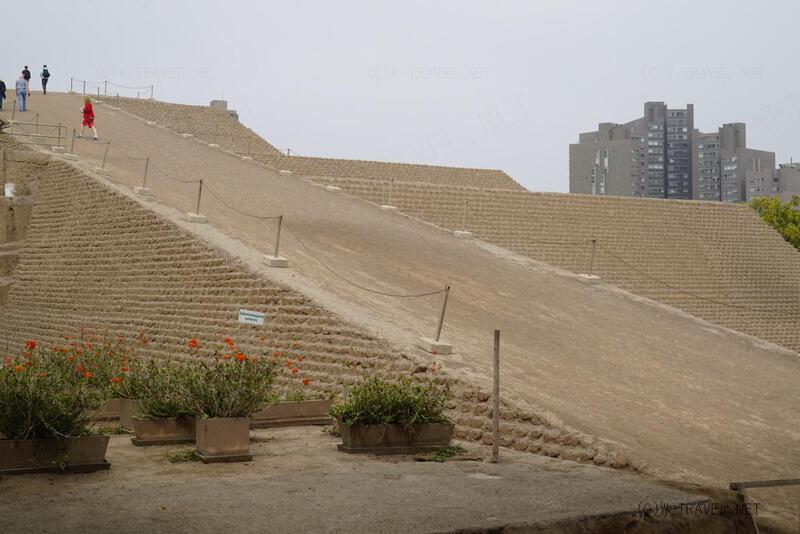
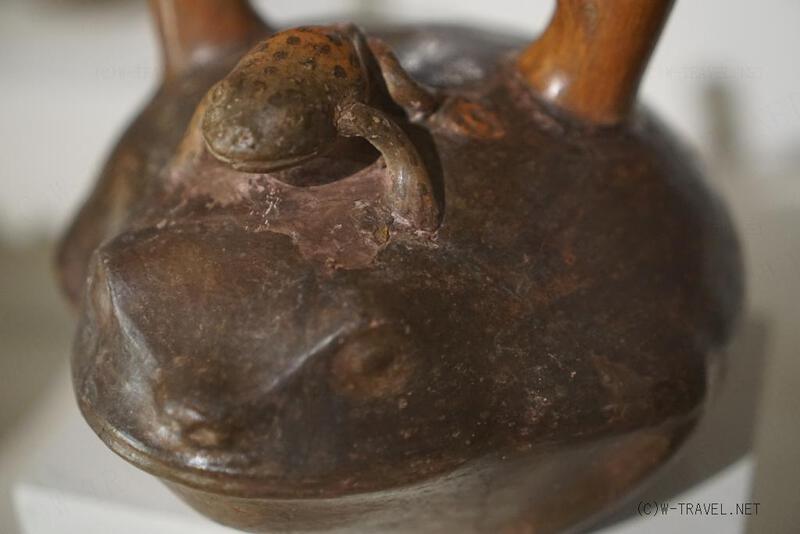
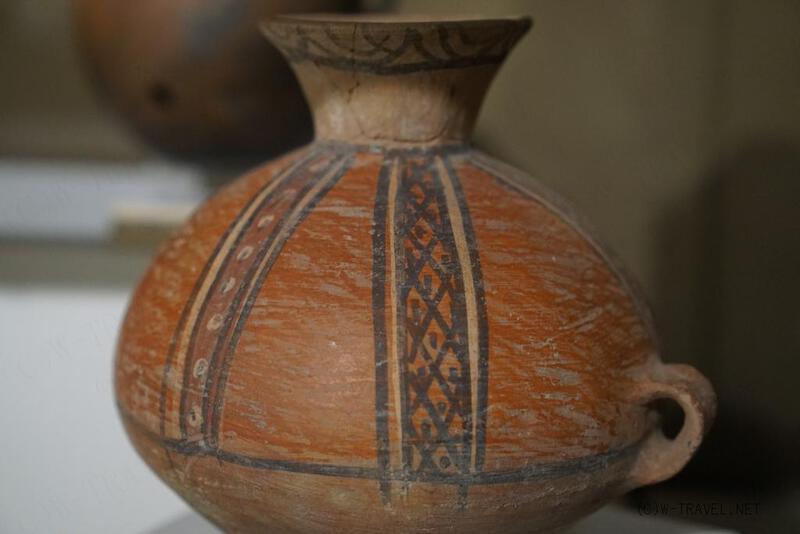
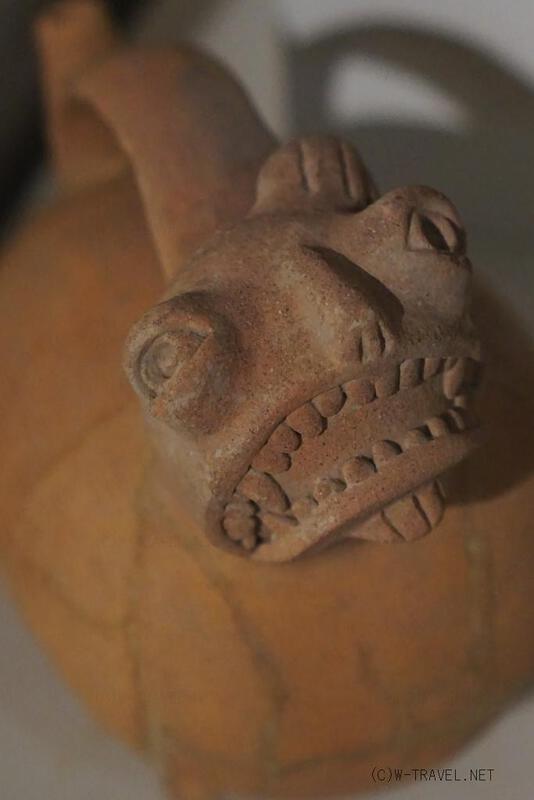
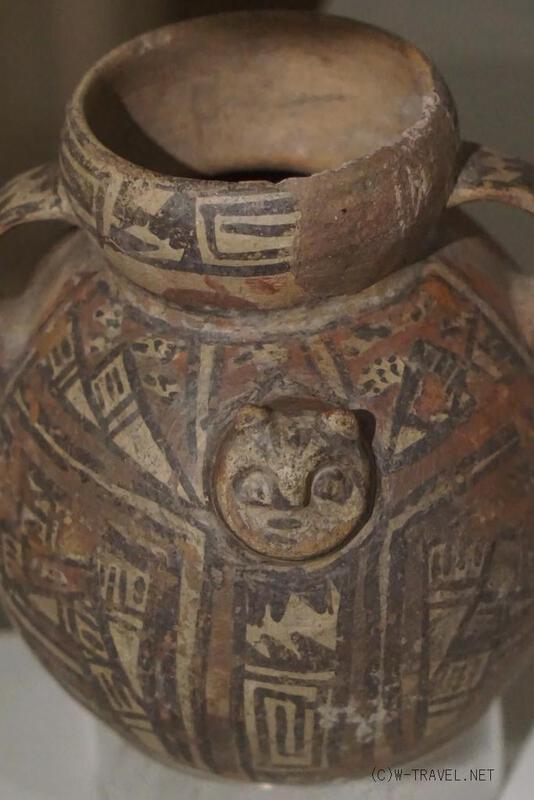
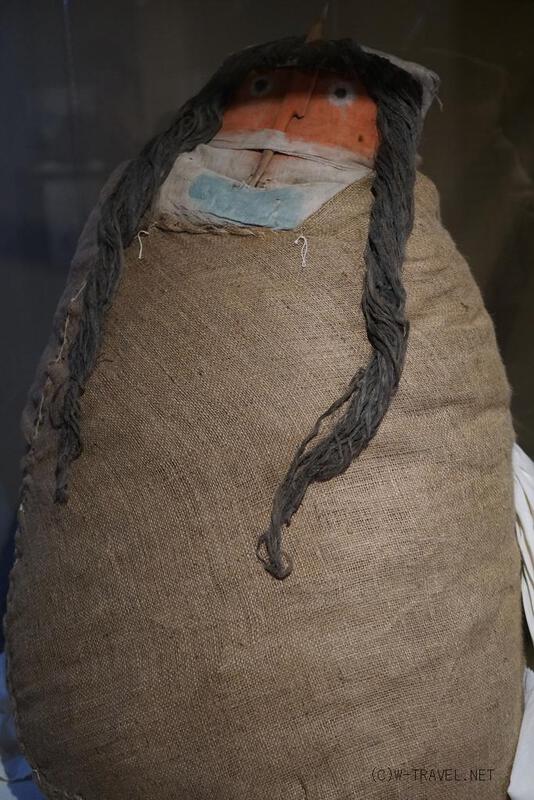

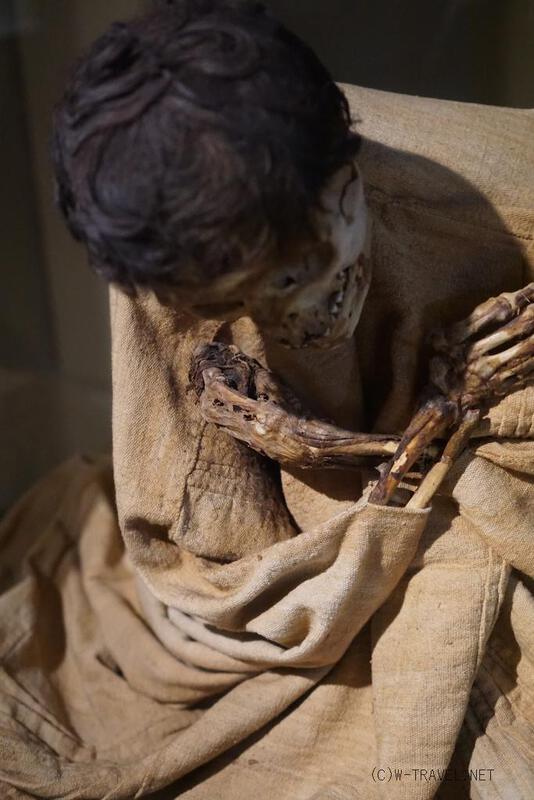
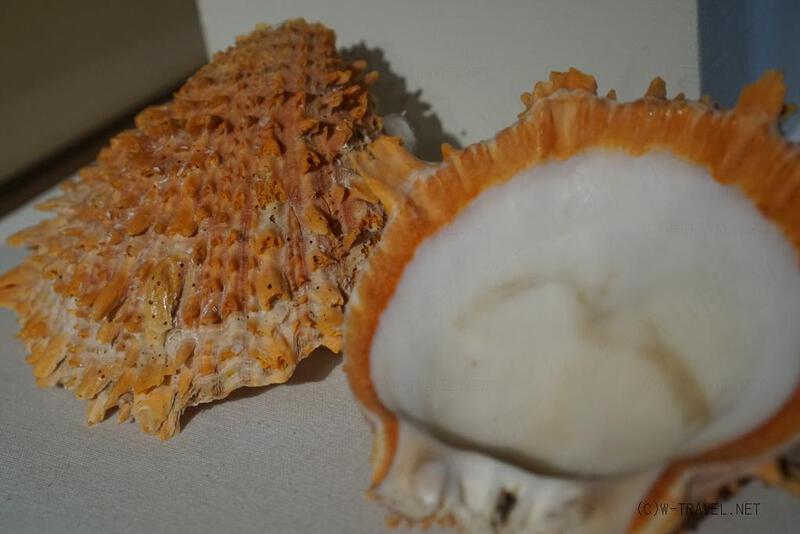
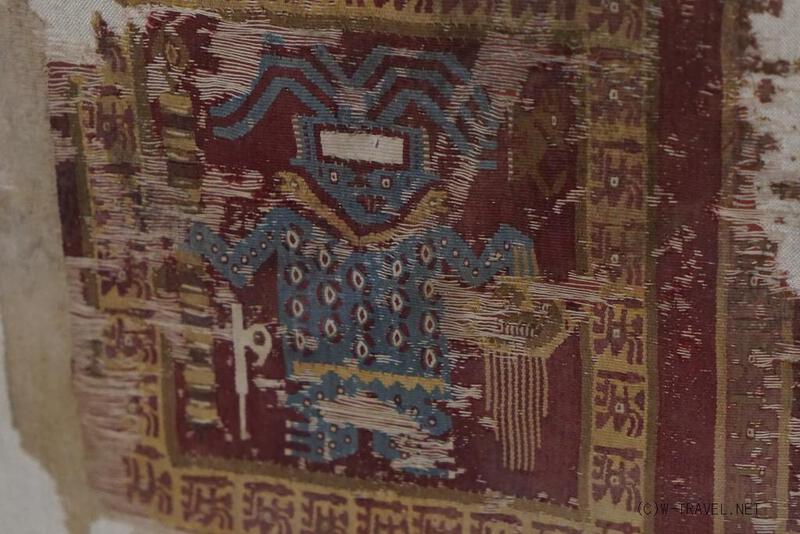









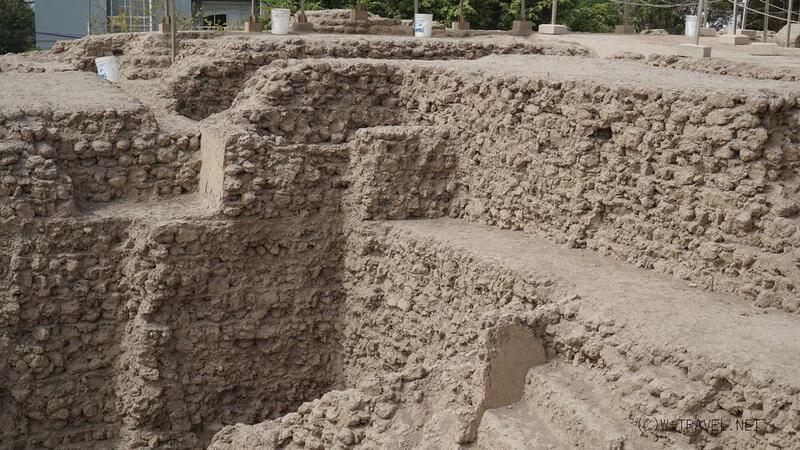
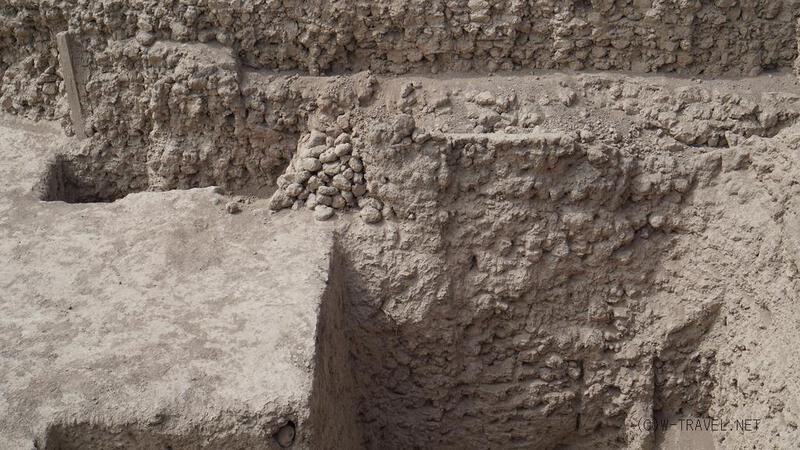
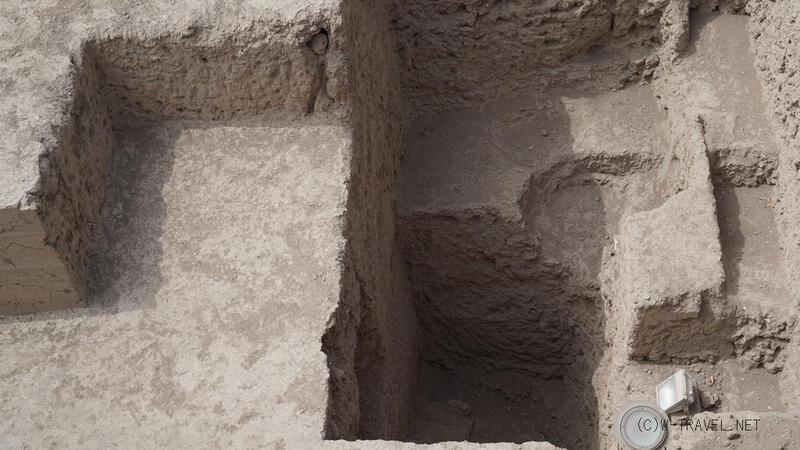

मुसेओ डे ला नासियन।
राष्ट्रीय संग्रहालय की फोटो प्रदर्शनी देखने गई।
यह प्रदर्शनी पिछले 20 वर्षों के इतिहास पर केंद्रित है।
सिर्फ 20 साल पहले की तस्वीरें, लेकिन उनमें काफी अशांत विषय हैं। इसमें विद्रोह और आतंकवाद की बहुत सारी घटनाएं दिखाई गई हैं।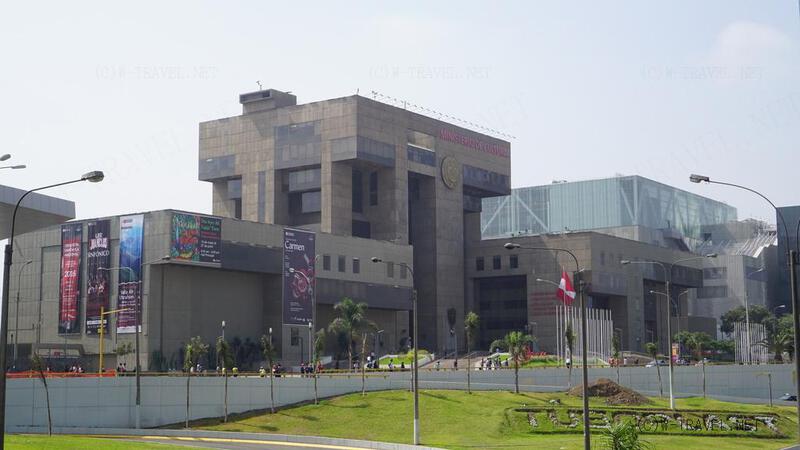
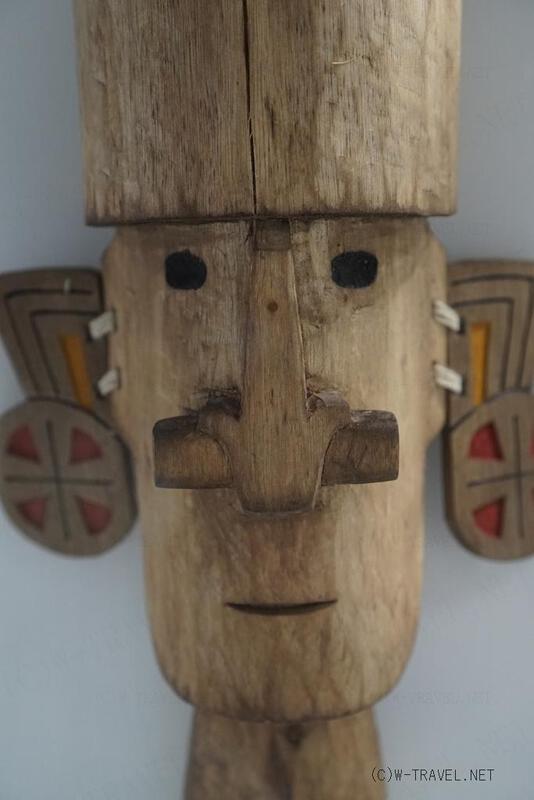
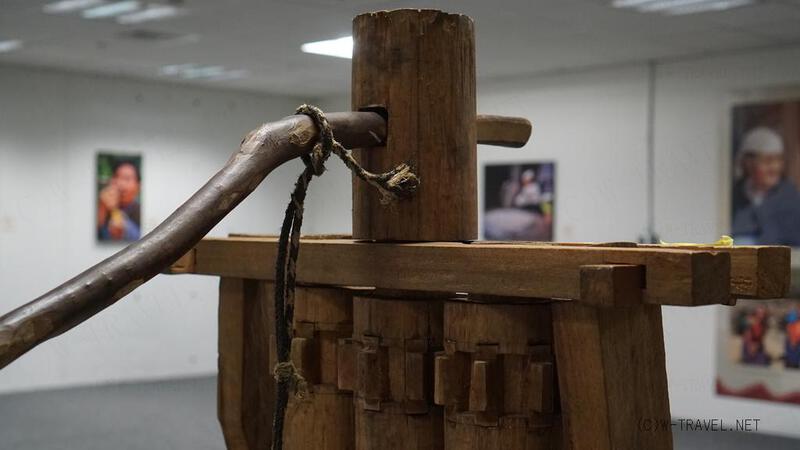
 हाथ से बने पिस्तौल वाले, संभवतः स्वयं-शासित समूह। यह आतंकवादियों के खिलाफ है, या शायद यह स्वयं-शासन का एक रूप है।
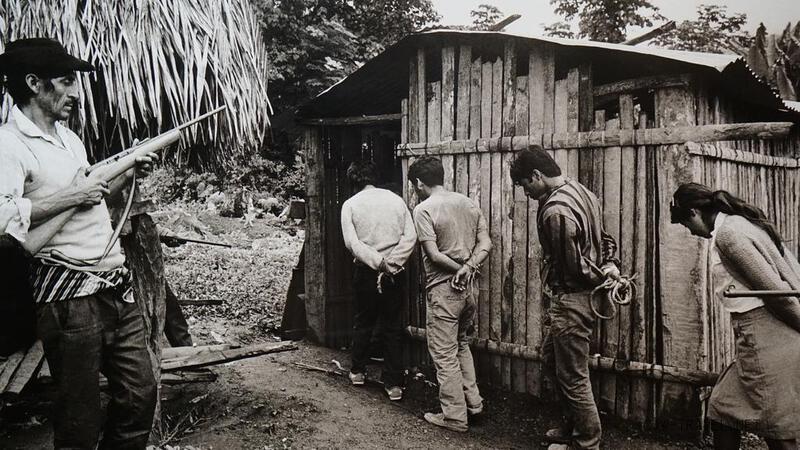 "शाइनिंग पाथ" नाम का एक अति-वामपंथी समूह है।
ऐसा कहा जाता है कि वे पेरू के "पोल पोट" जैसे क्रूर थे।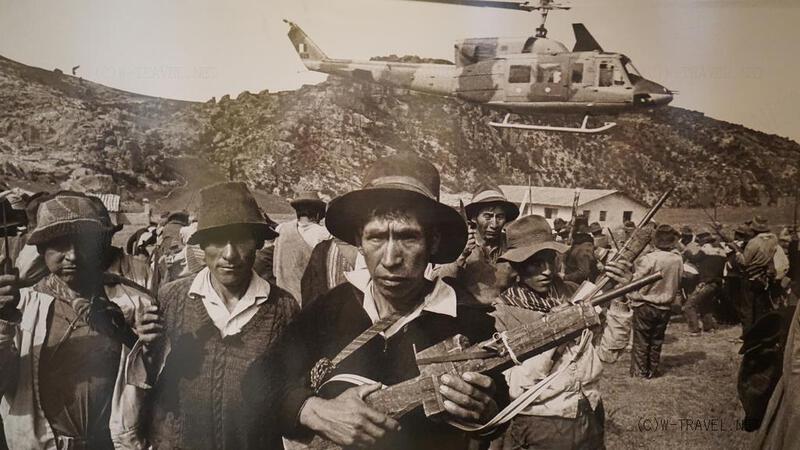
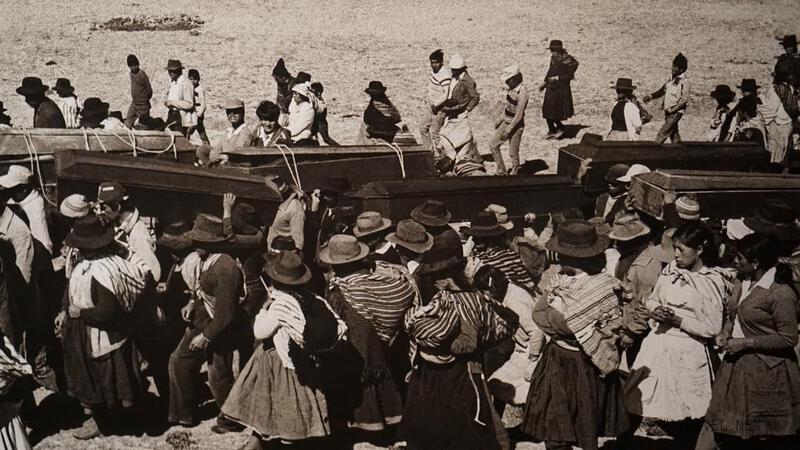
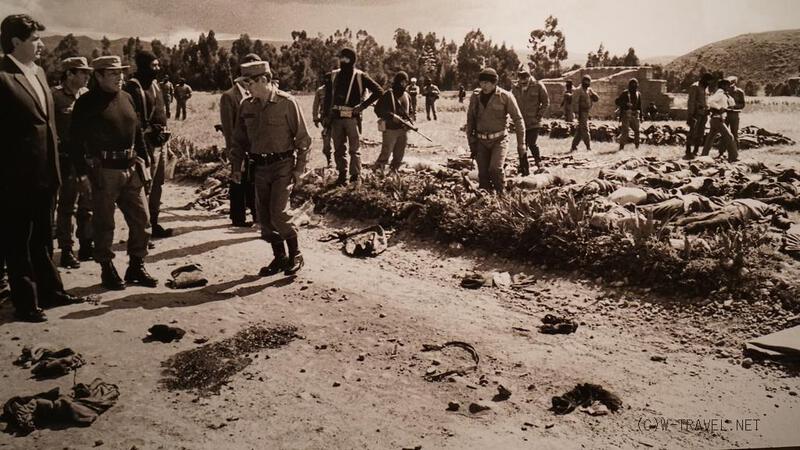
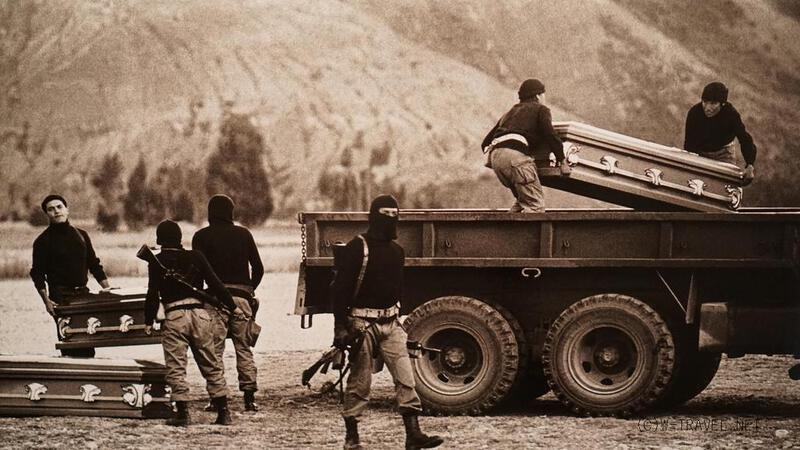
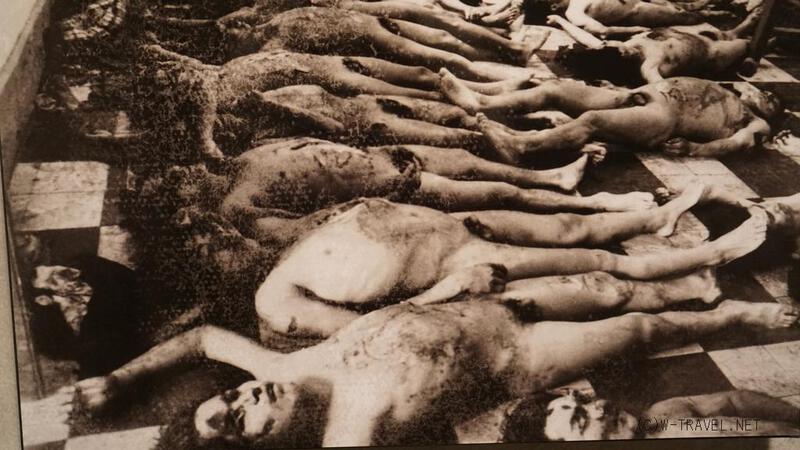
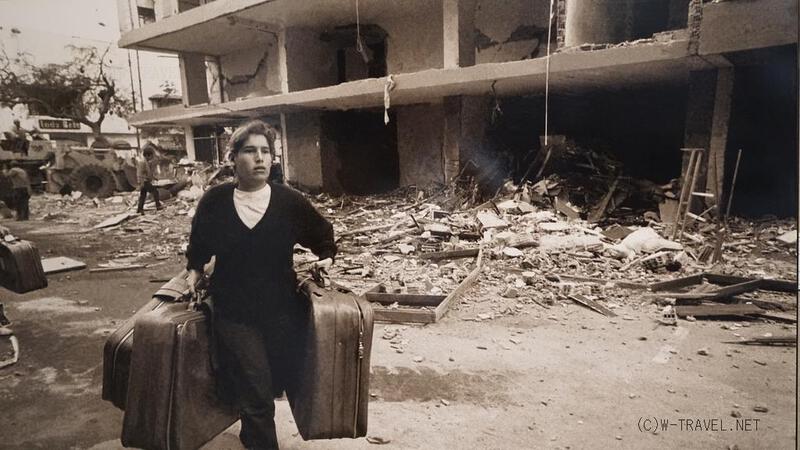
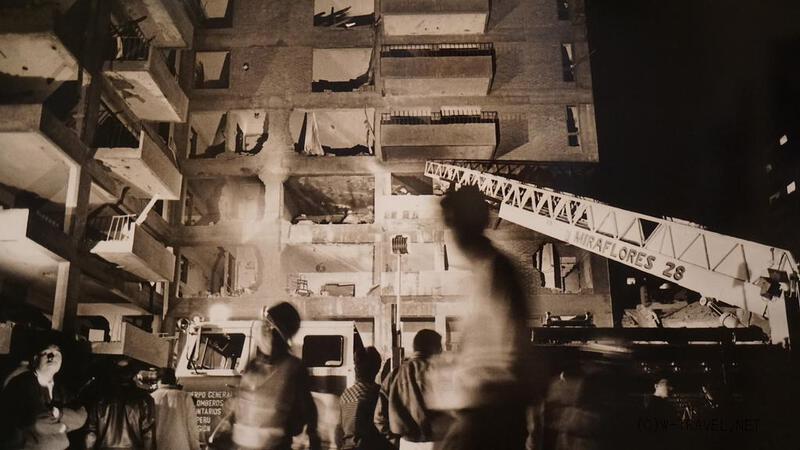
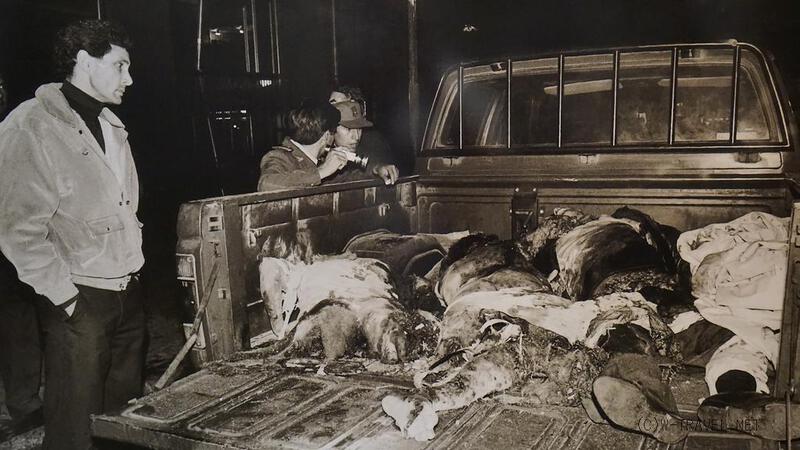
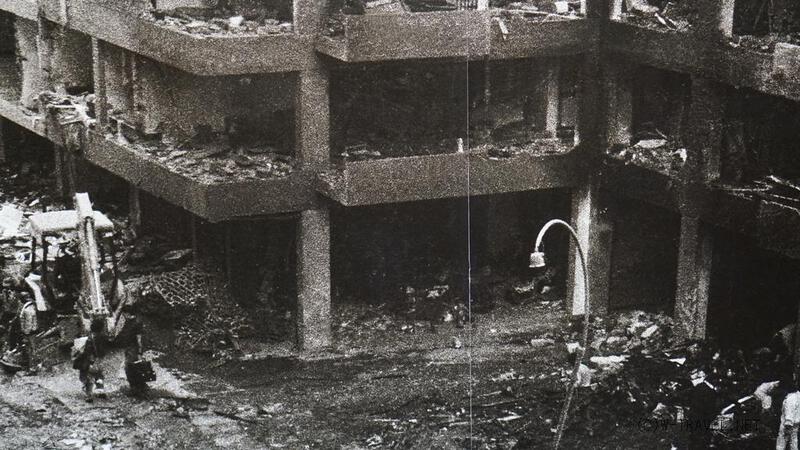
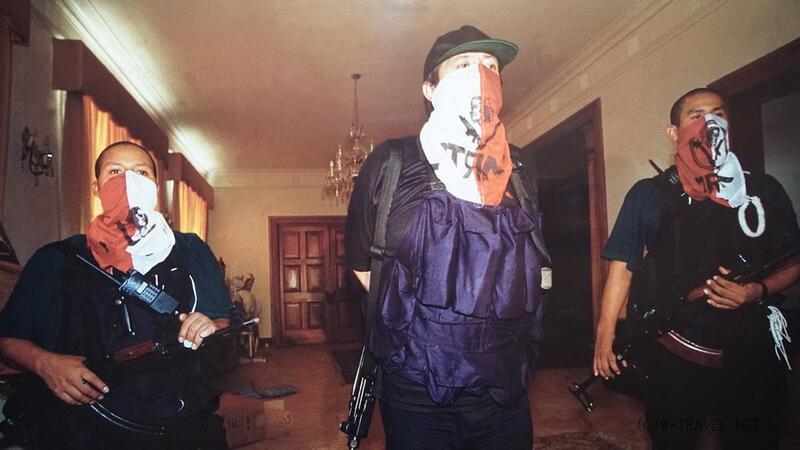
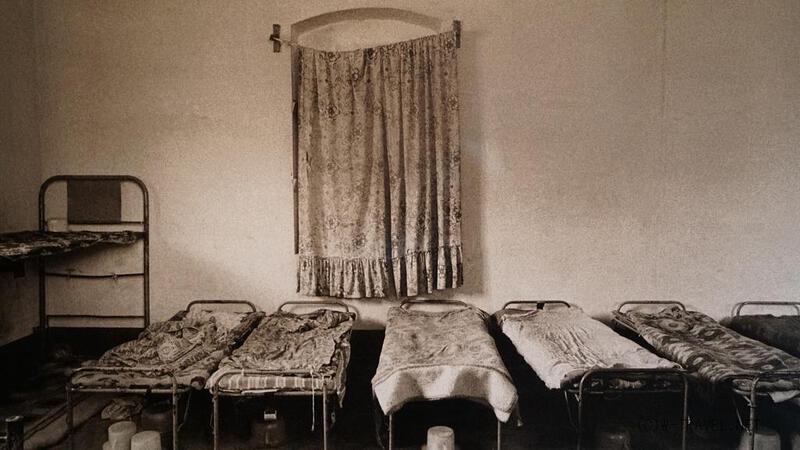 लगभग 20 साल पहले लिखा गया एक लेख दिलचस्प है।
फूजीमोरी राष्ट्रपति थे, और इस साल, राष्ट्रपति चुनाव में फूजीमोरी केईको उम्मीदवार हैं। शहर के हर जगह केईको का उल्लेख है, इसलिए ऐसा लगता है कि वह लोकप्रिय हैं।
http://www10.plala.or.jp/shosuzki/edit/la/peru/sendero.htm
यह भी दिलचस्प है। फूजीमोरी राष्ट्रपति का रहस्य।
https://tanakanews.com/b0813peru.htm
प्राकृतिक इतिहास संग्रहालय।

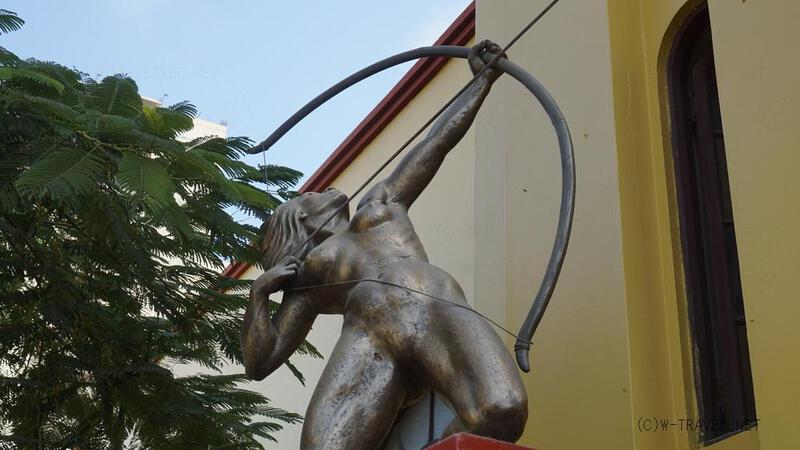
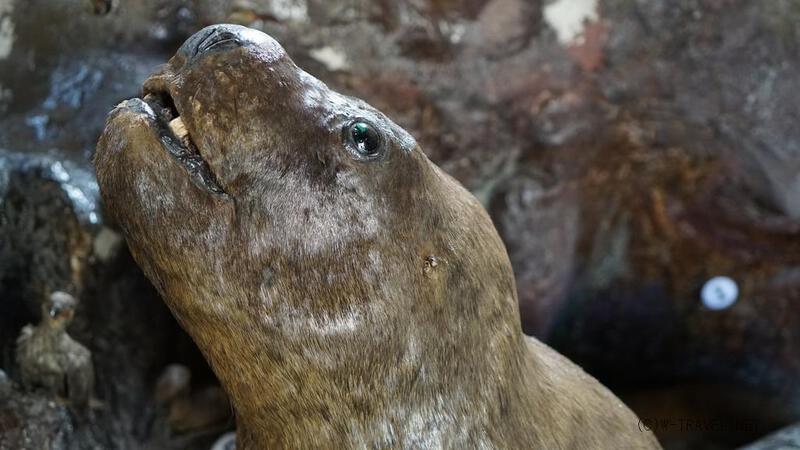
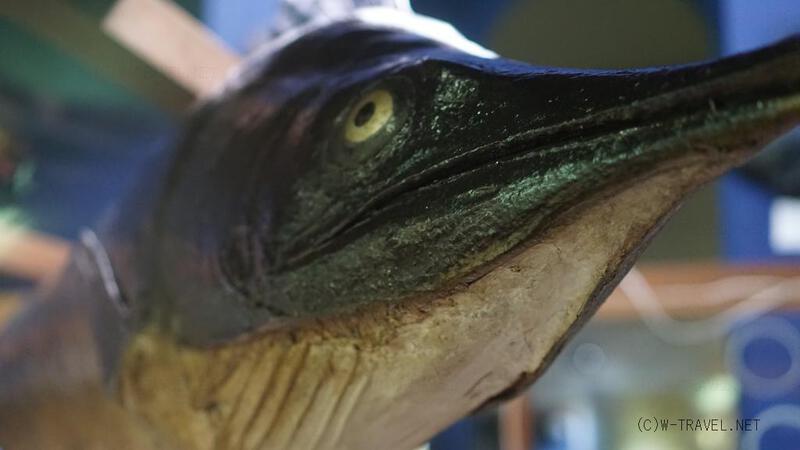

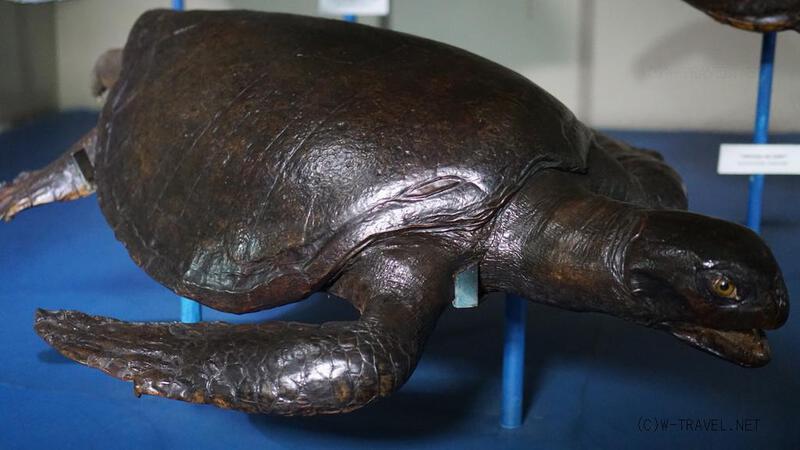
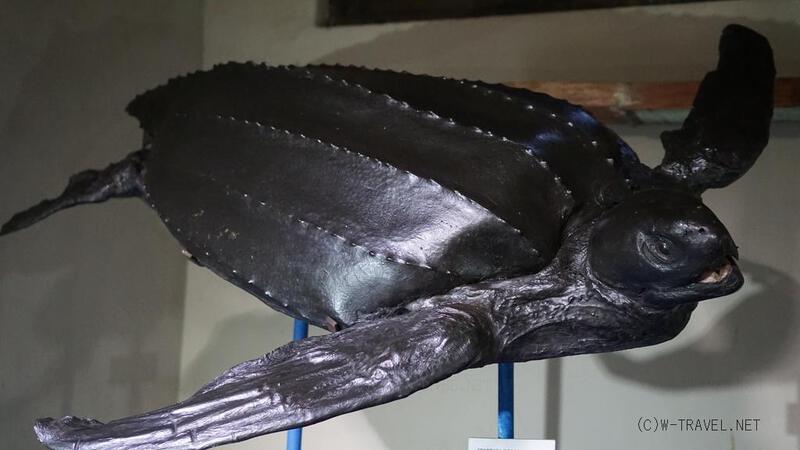
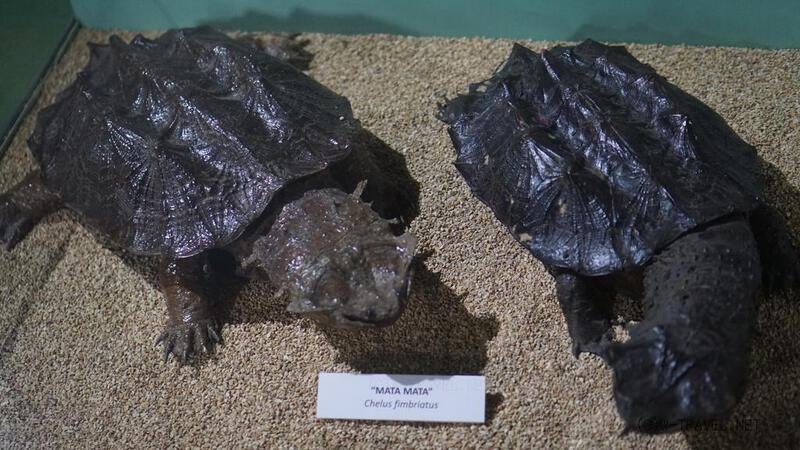
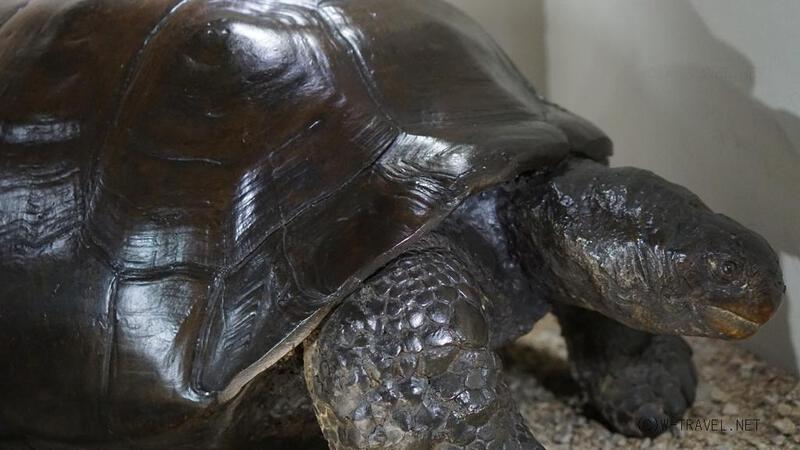
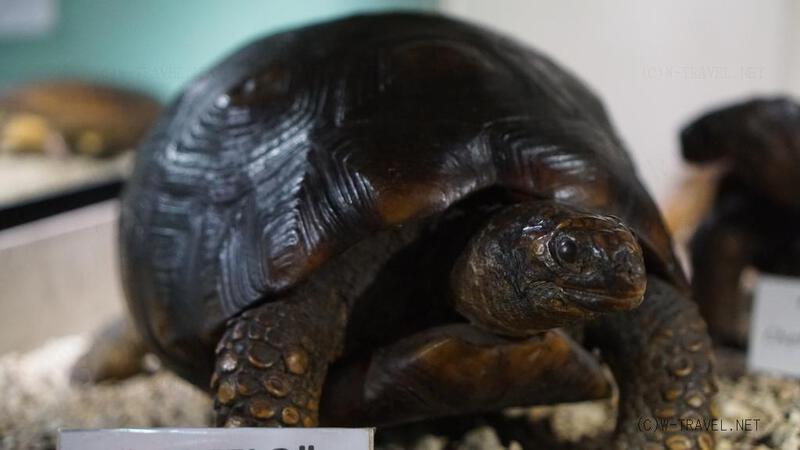


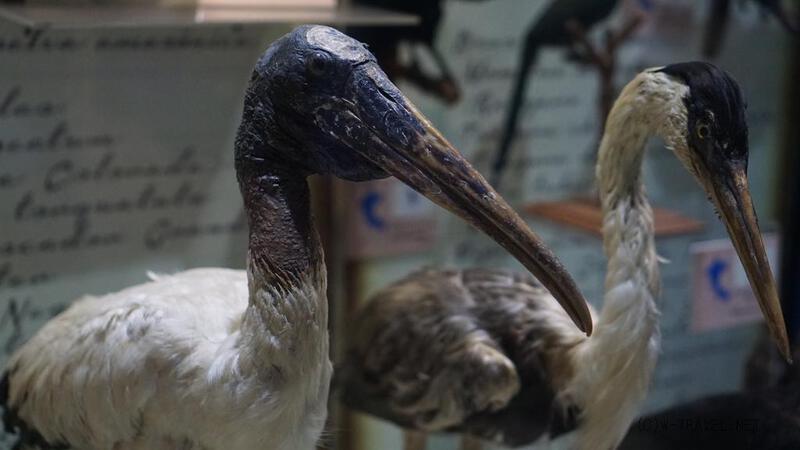

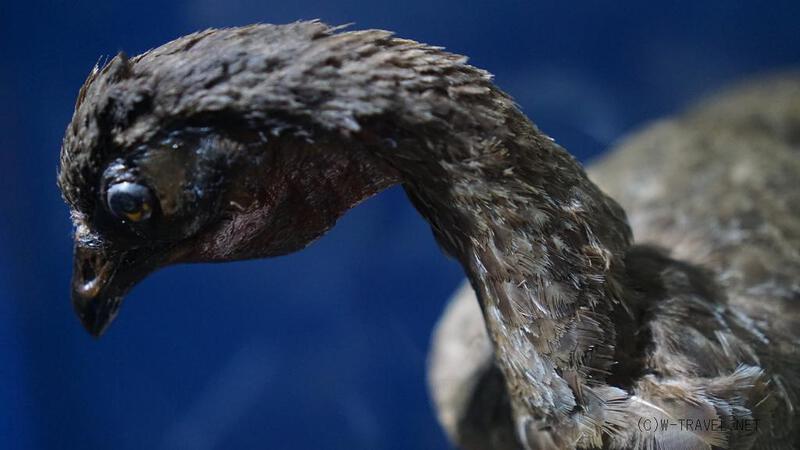
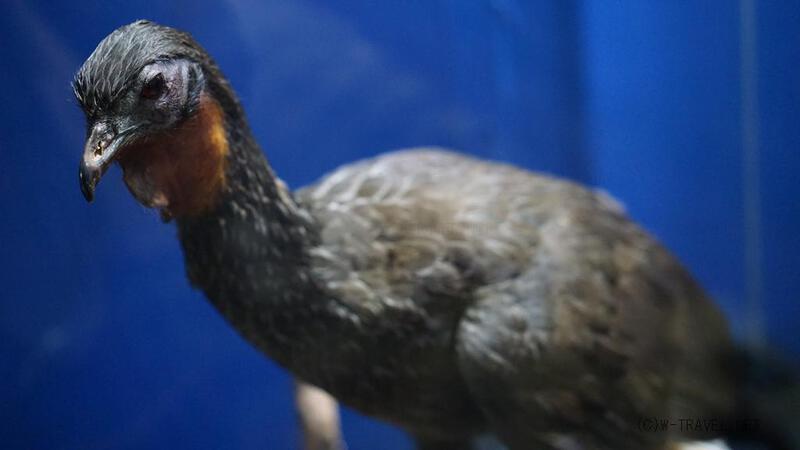
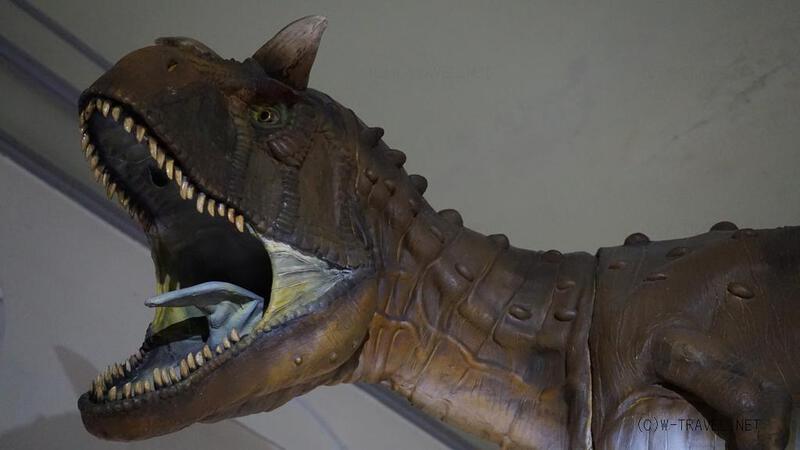
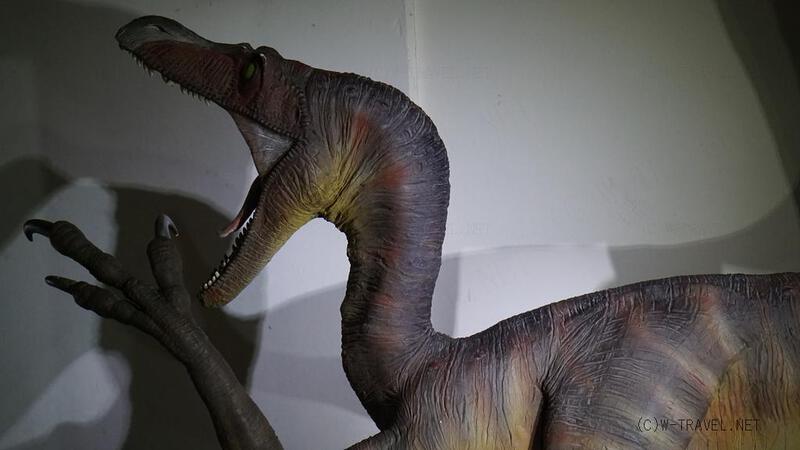
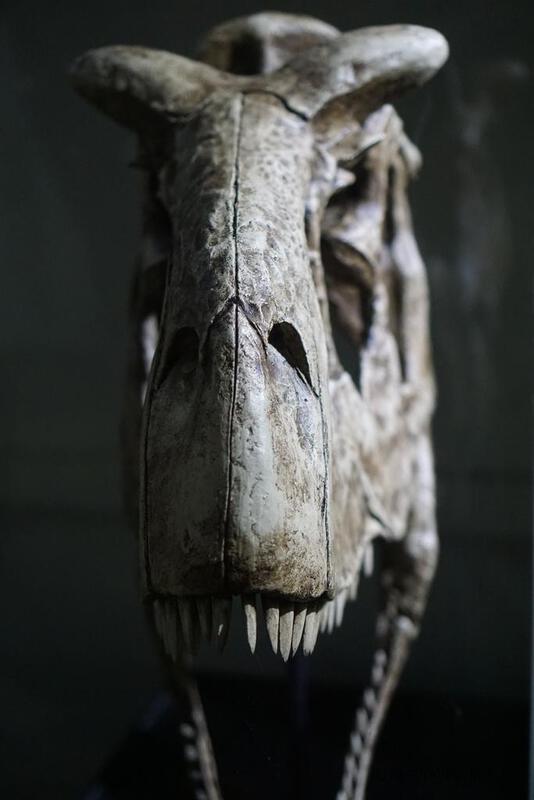
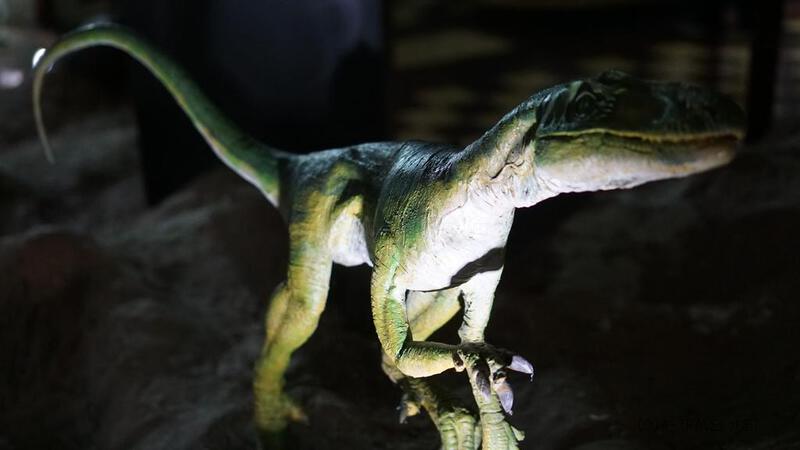
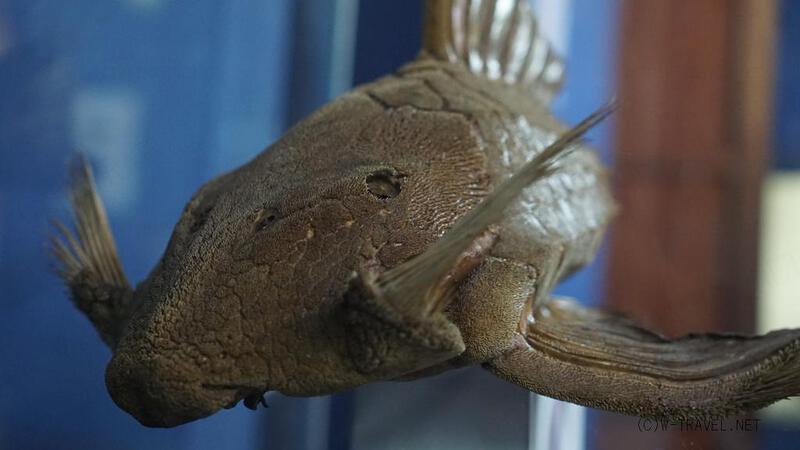


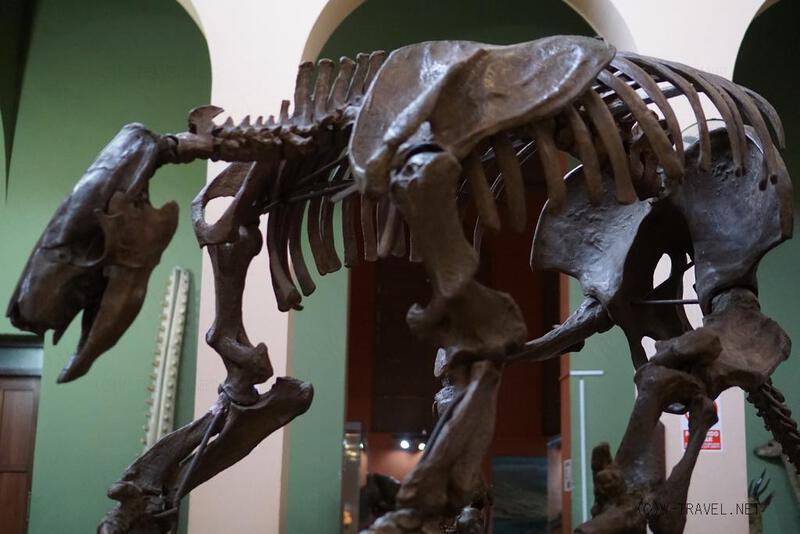

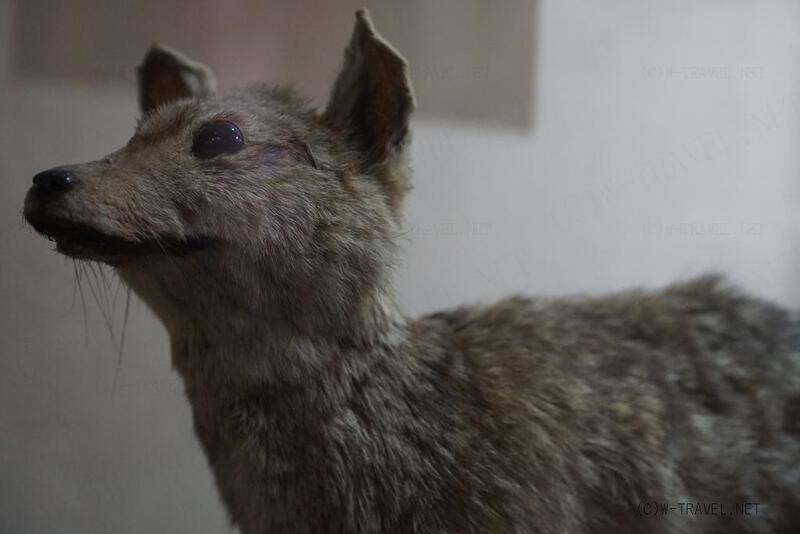
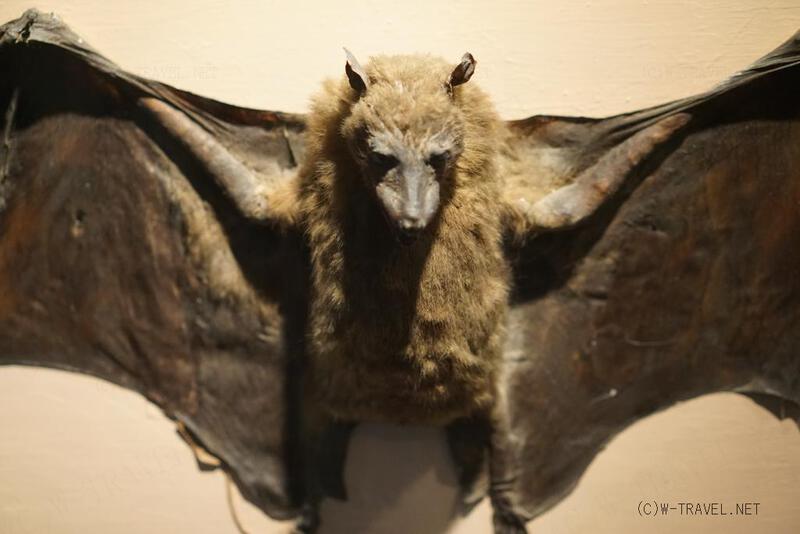

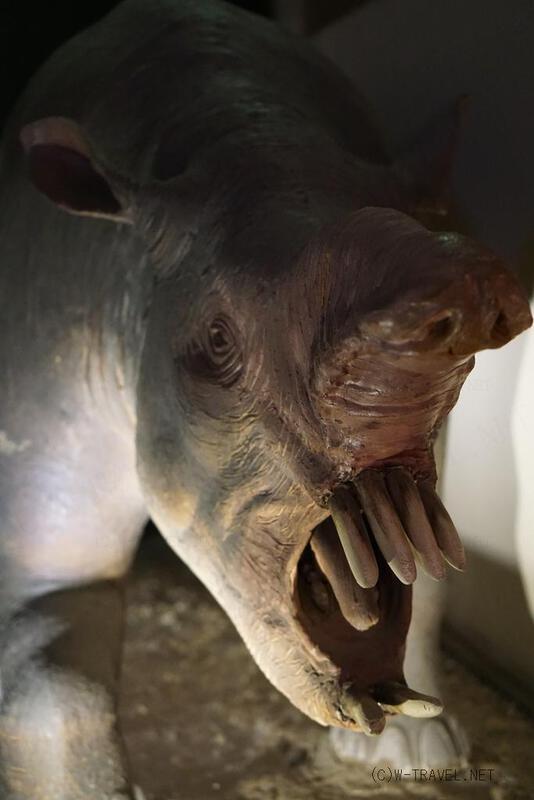
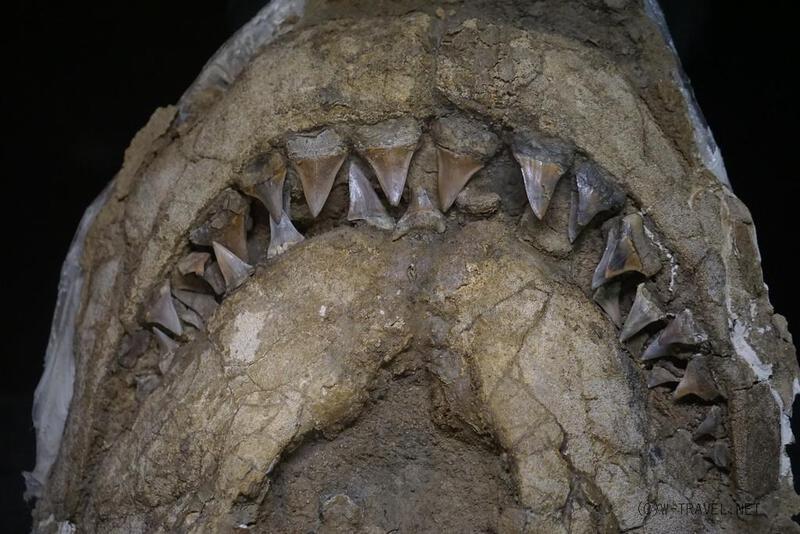
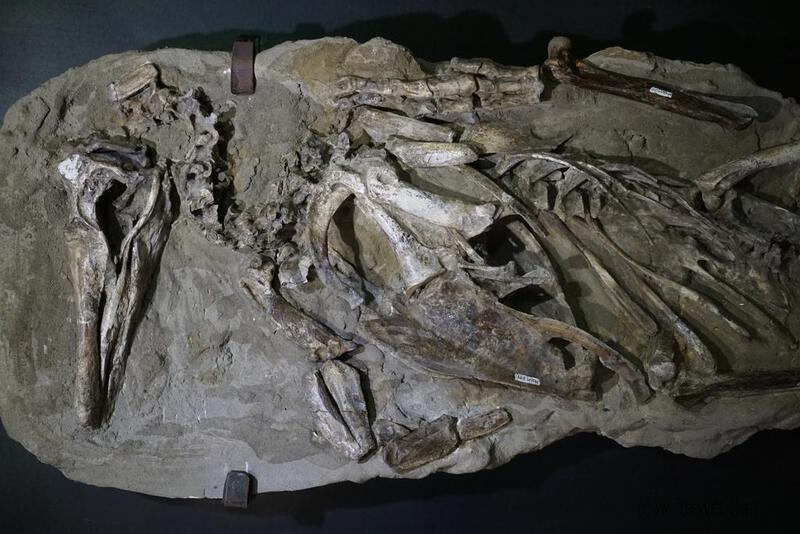

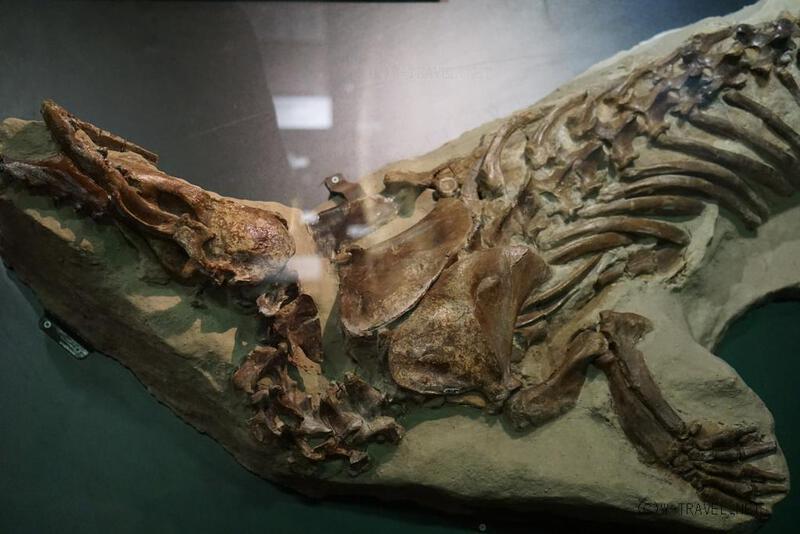
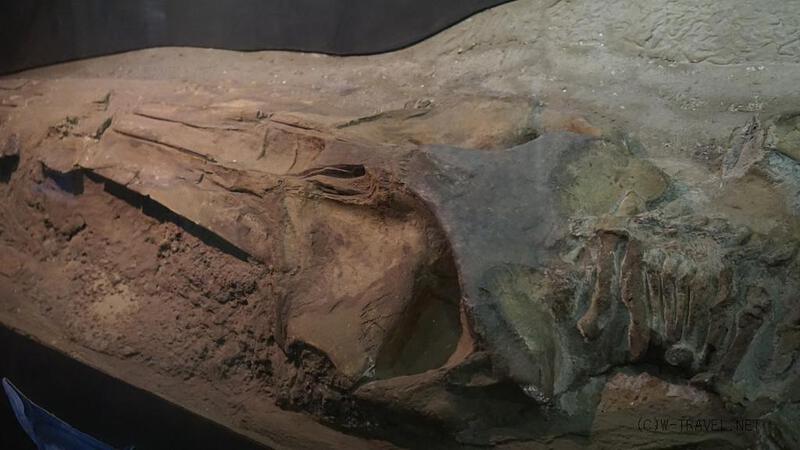
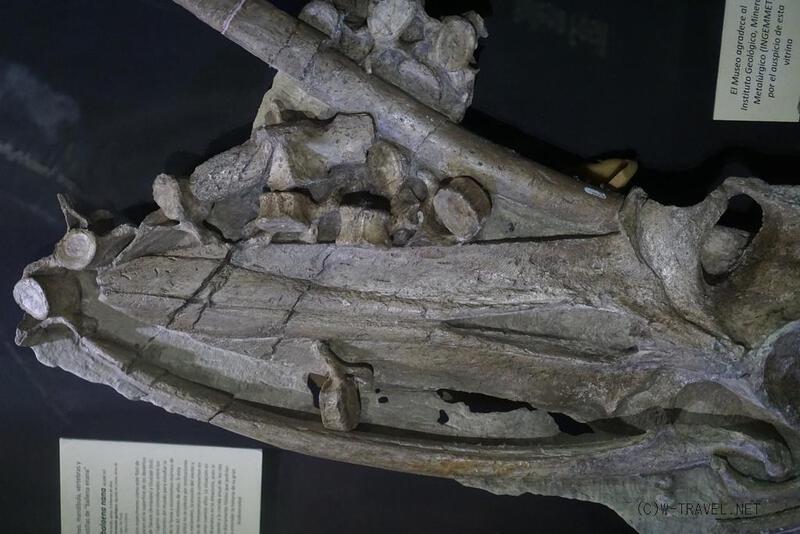

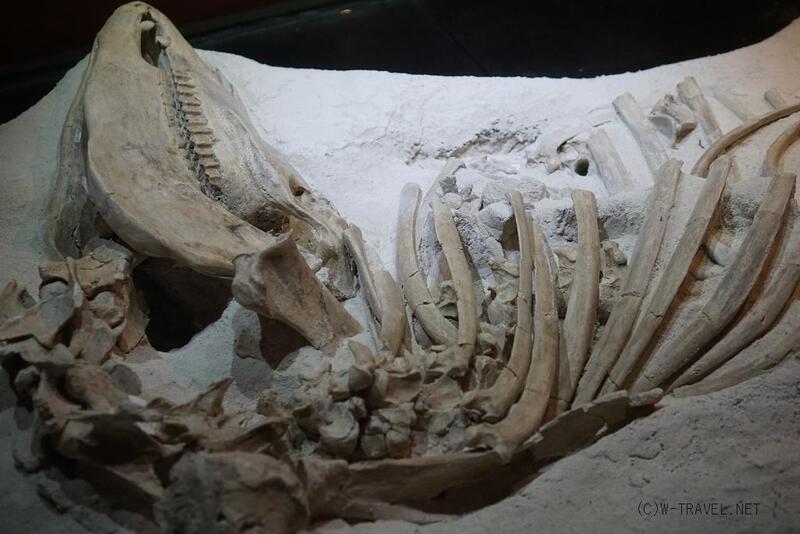

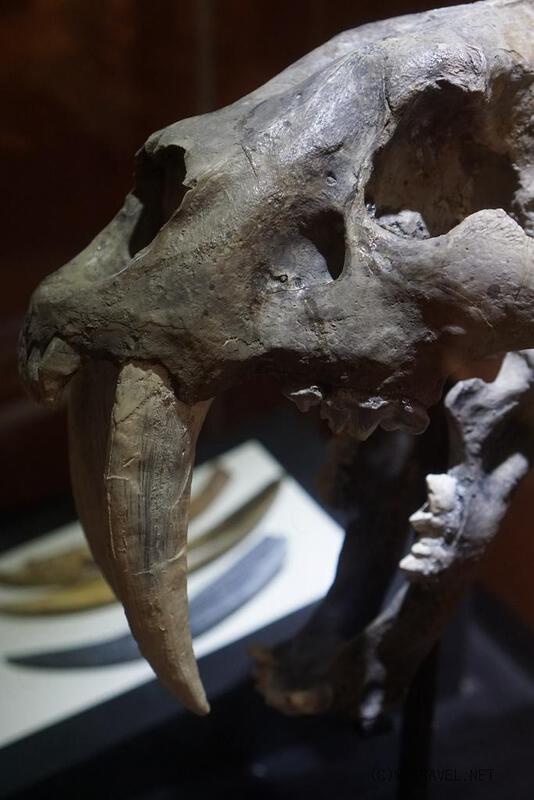
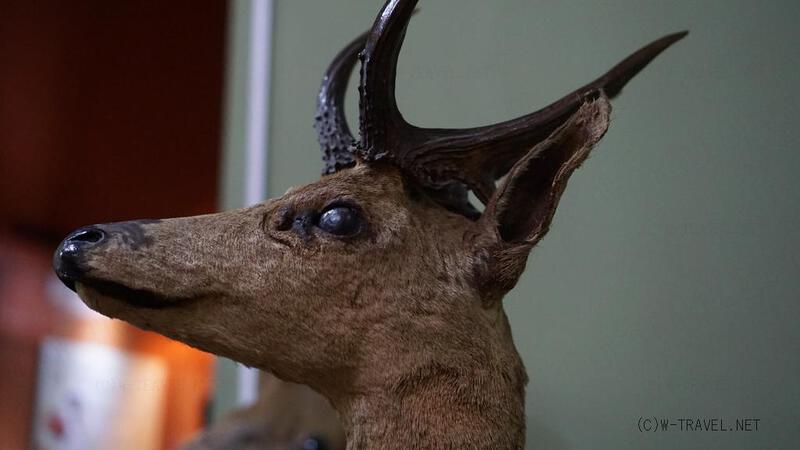
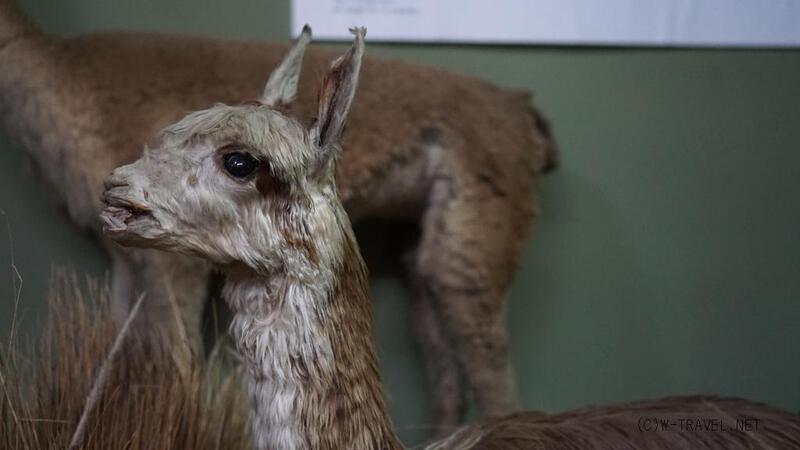
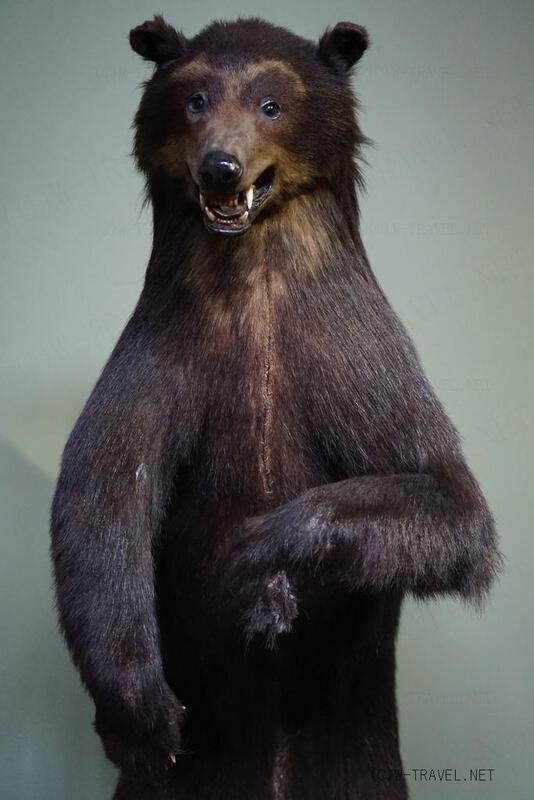
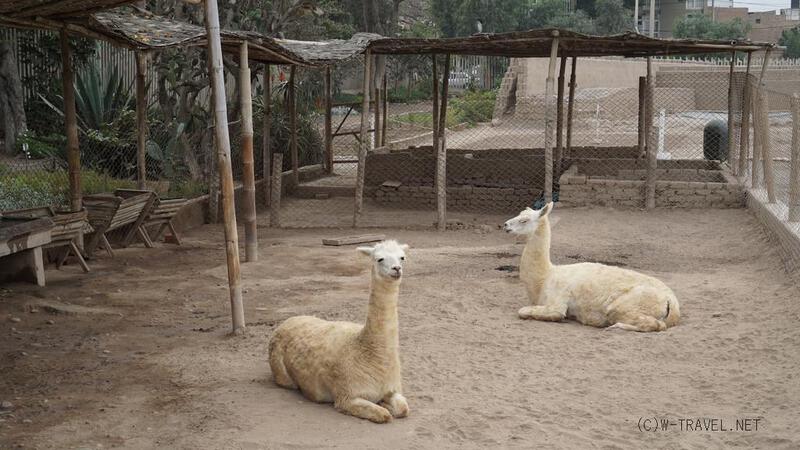
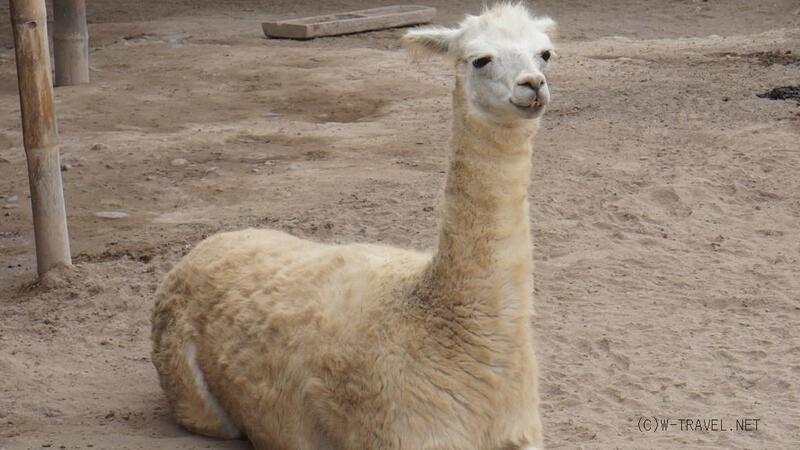
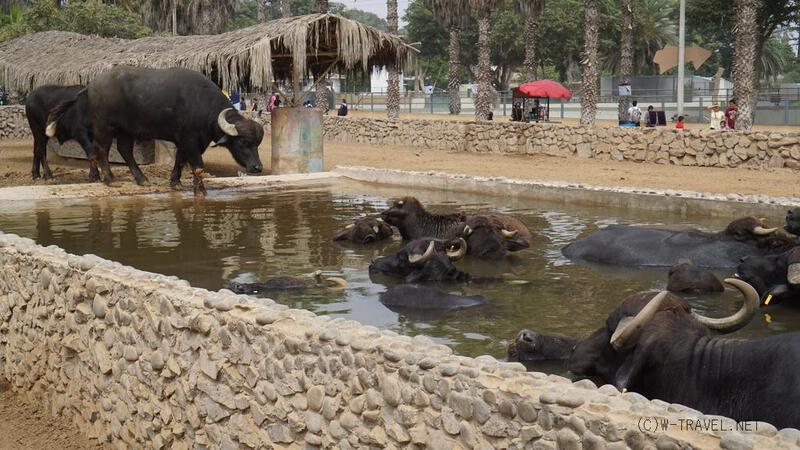
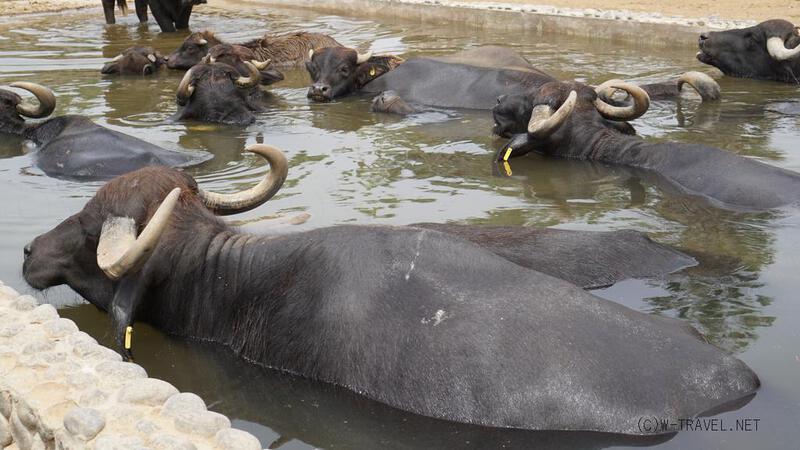
पार्के डे लास लेयेन्डास (चिड़ियाघर)
लिमा में अंतिम दिन चिड़ियाघर गए।
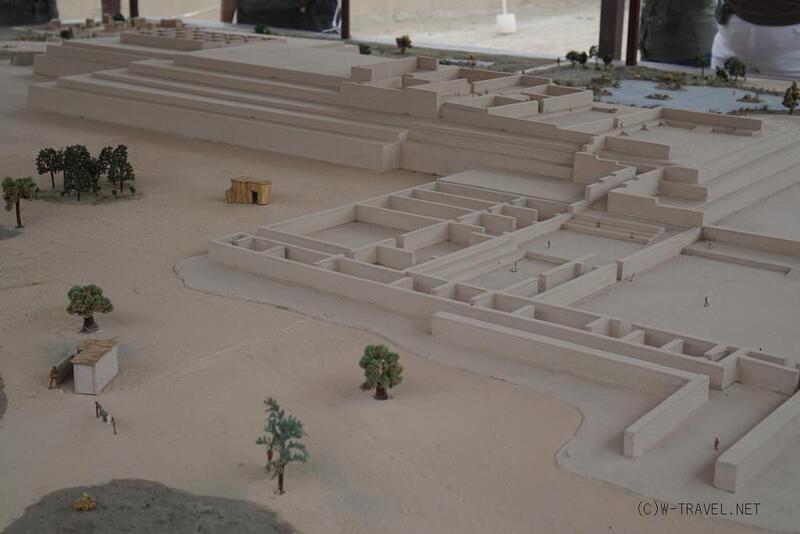
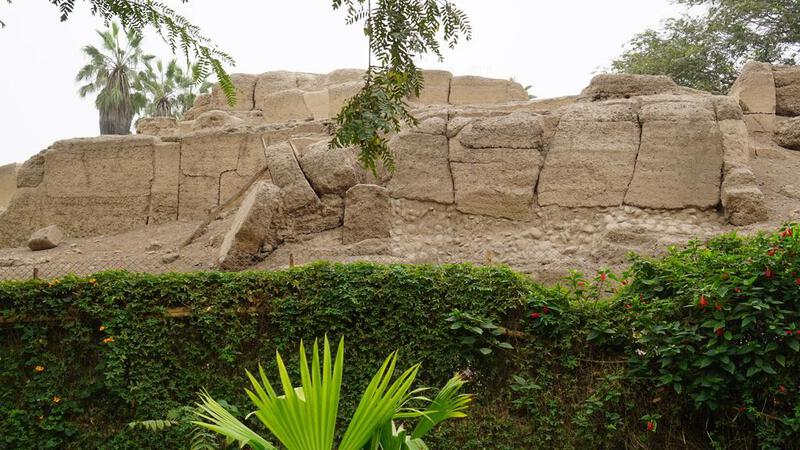
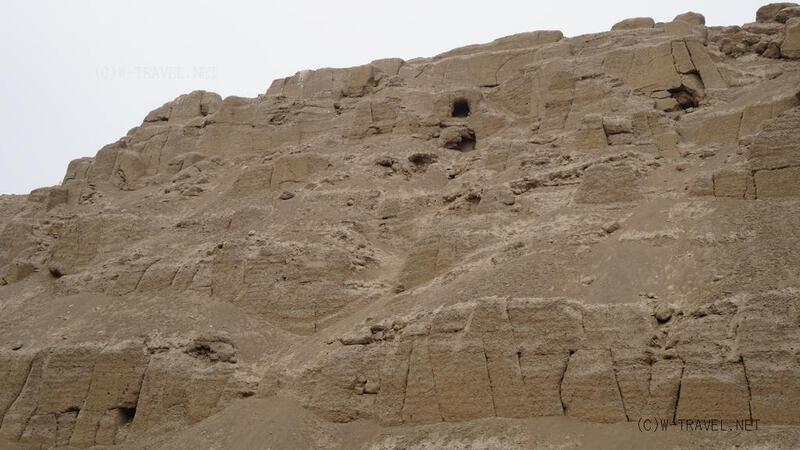
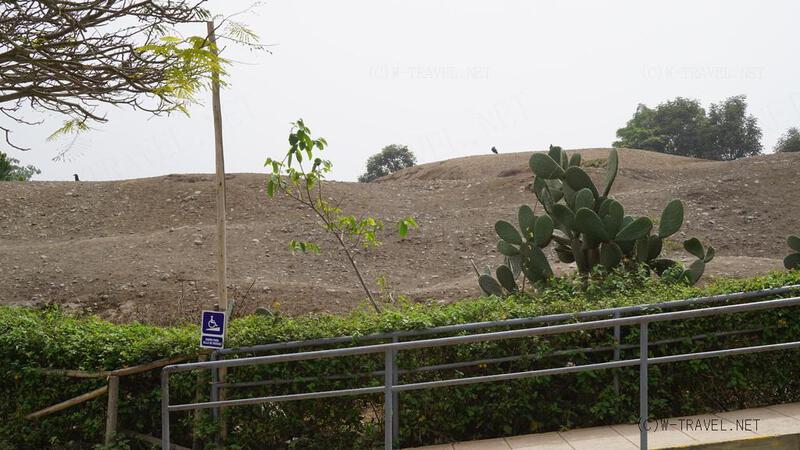
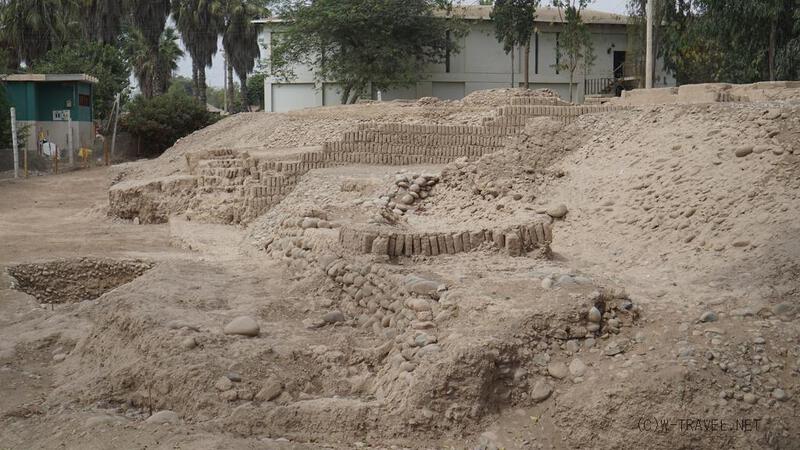
यहाँ चिड़ियाघर के अंदर वास्तविक पुरातात्विक स्थल हैं, जहाँ आप एक साथ आनंद ले सकते हैं।
ऐसी जगहें बहुत कम होती हैं।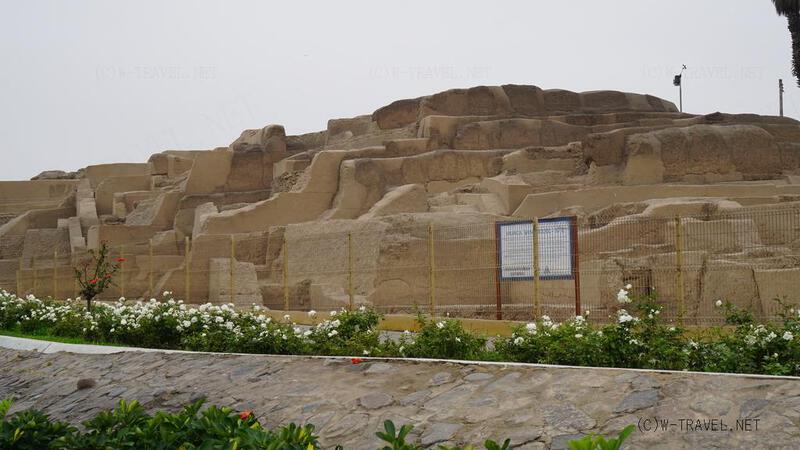


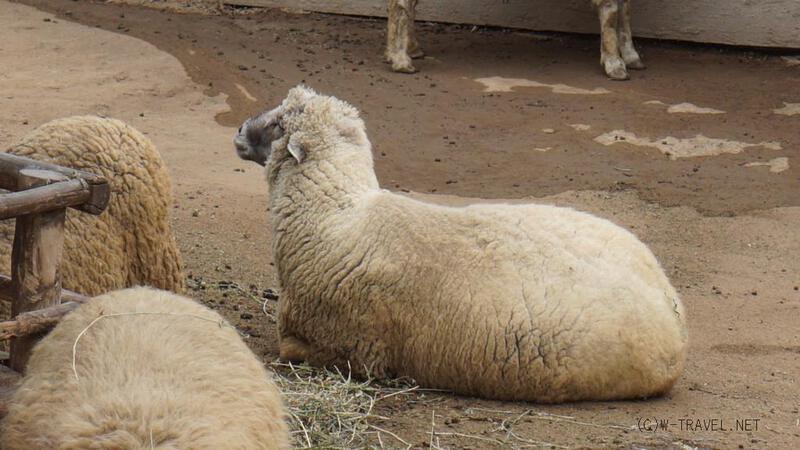


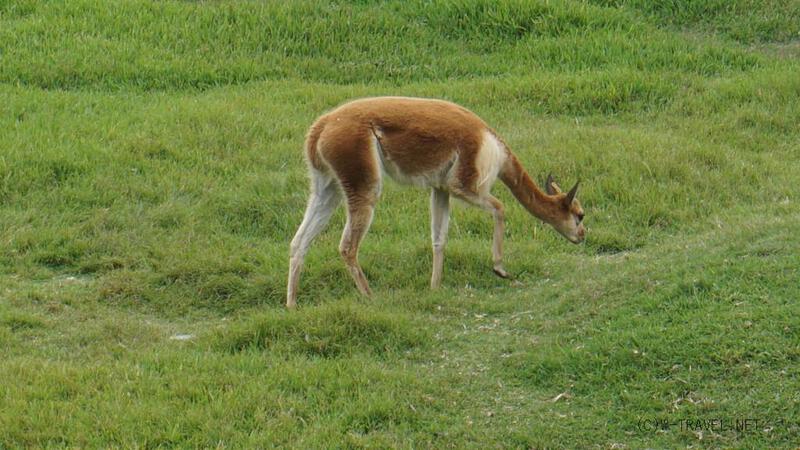
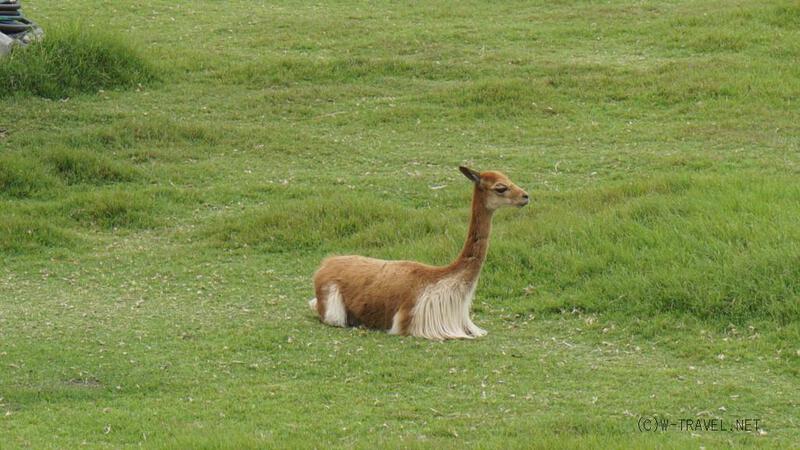
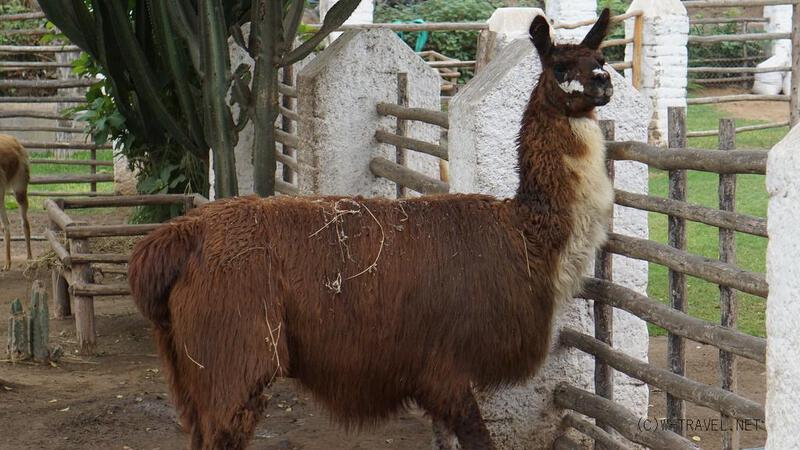

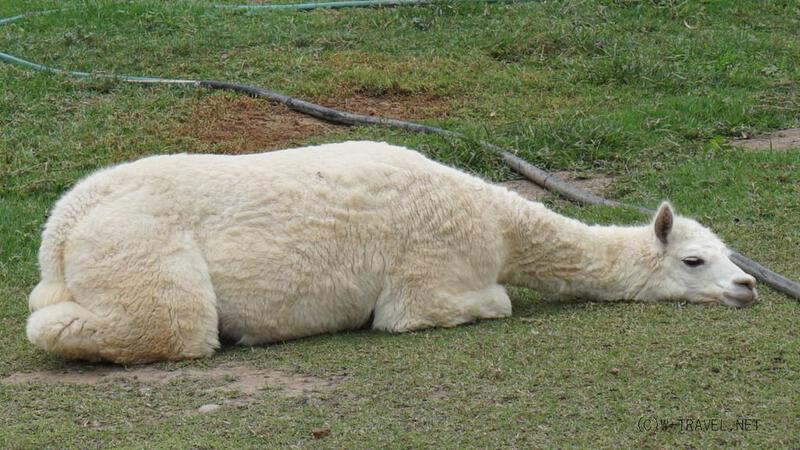

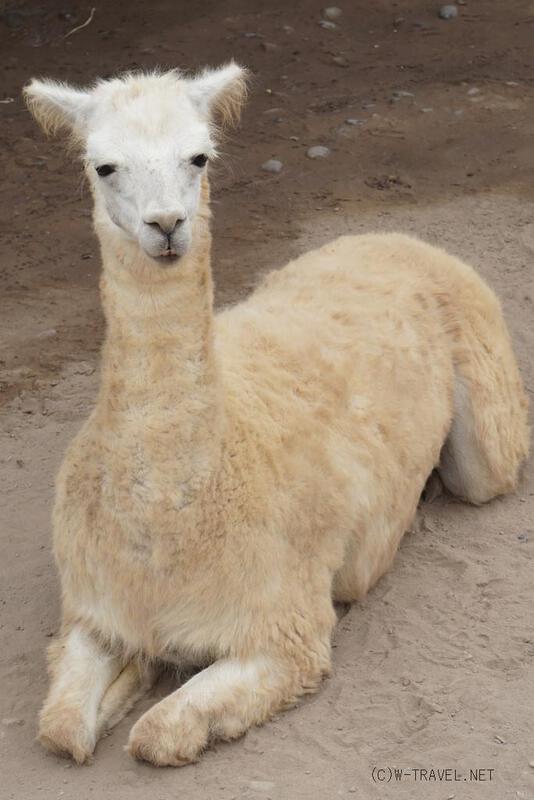
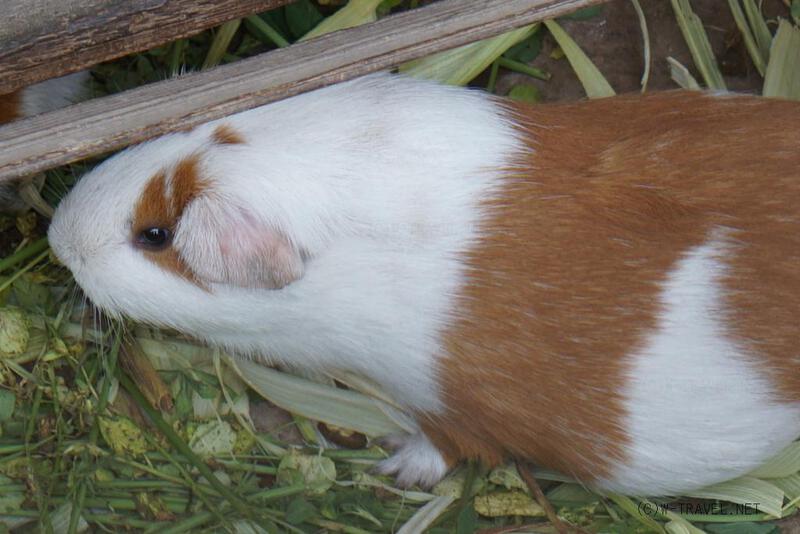
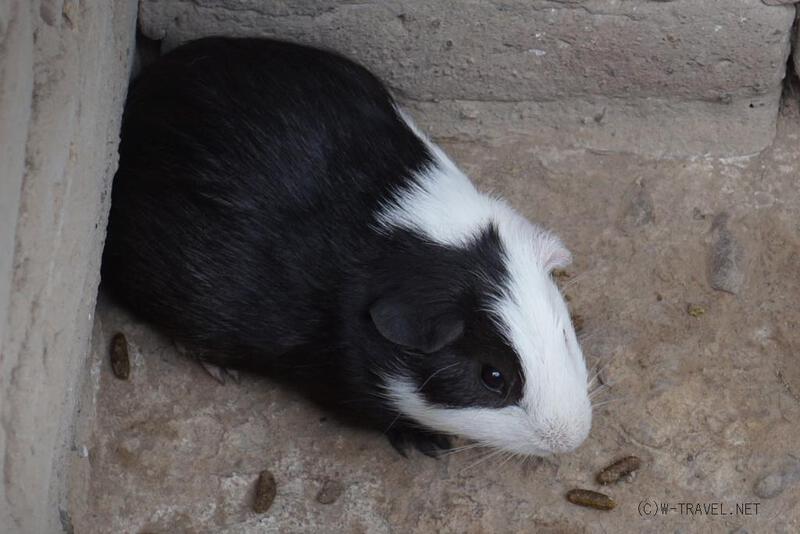
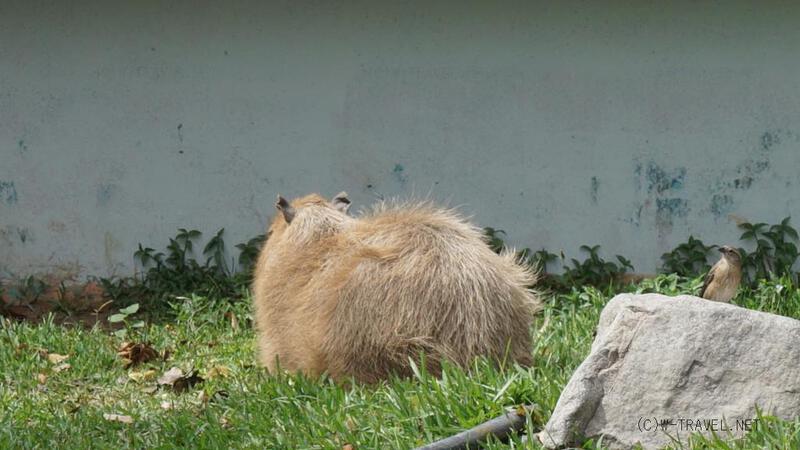
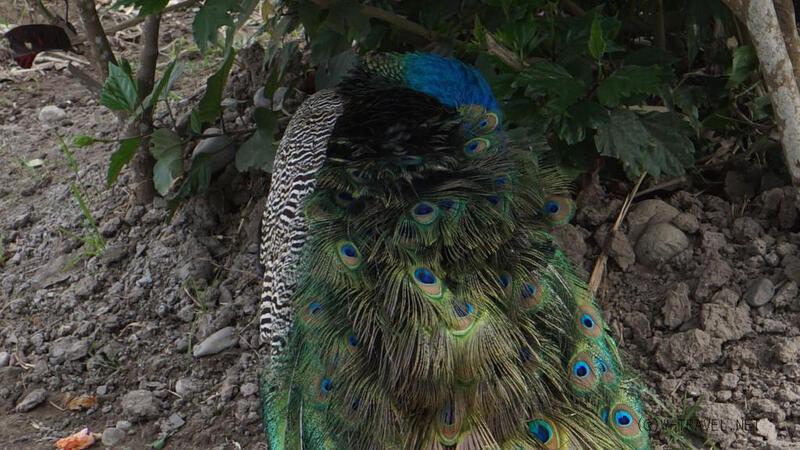
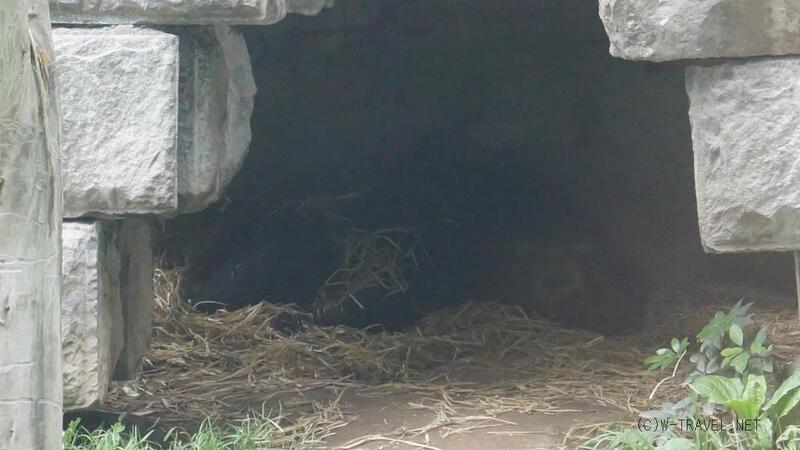 कहीं और नहीं दिखने वाले, दुर्लभ छोटे जानवर खोजे गए।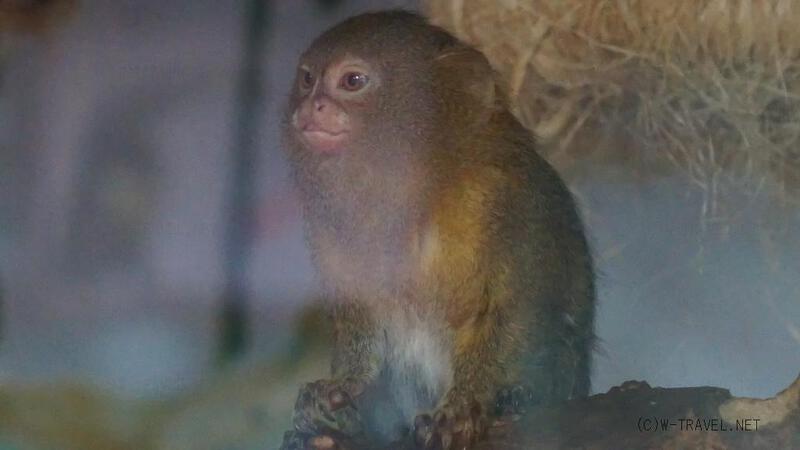

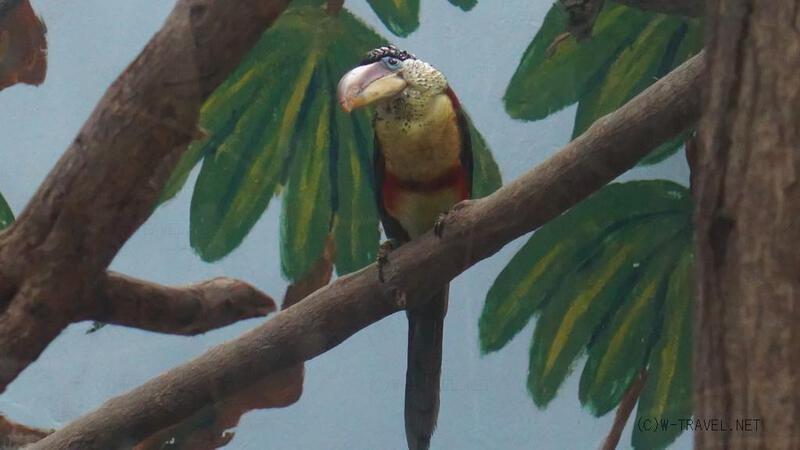 यह भी एक असामान्य छोटा जानवर है।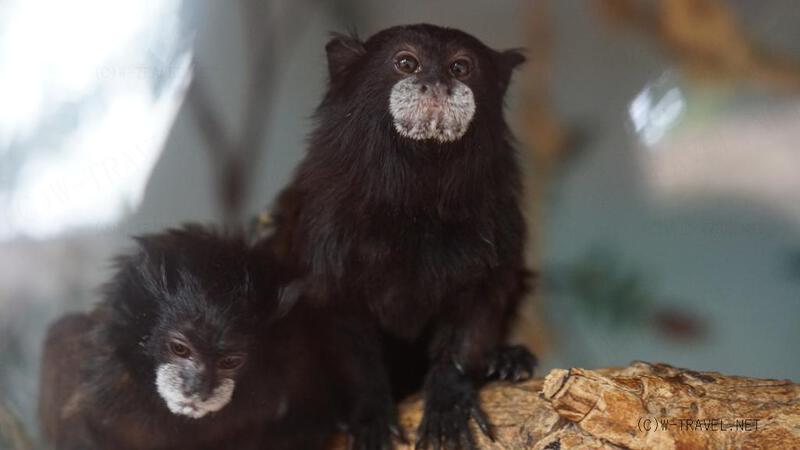
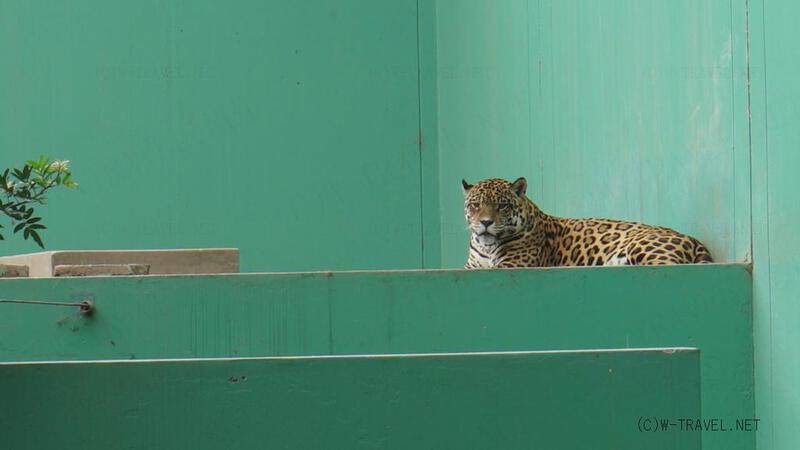
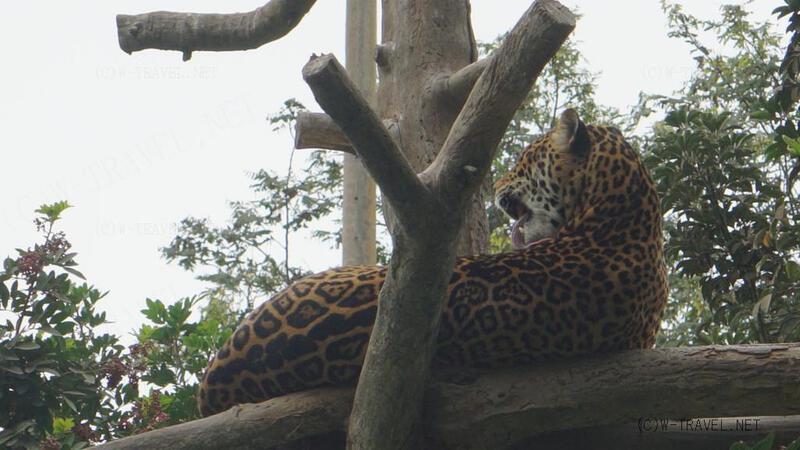
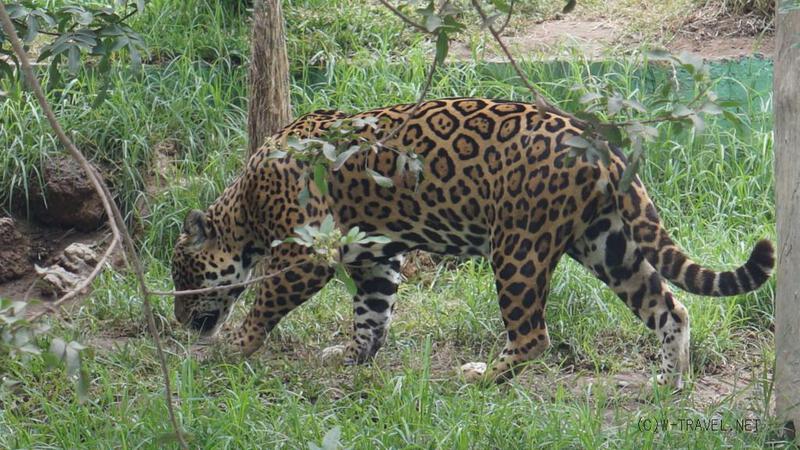
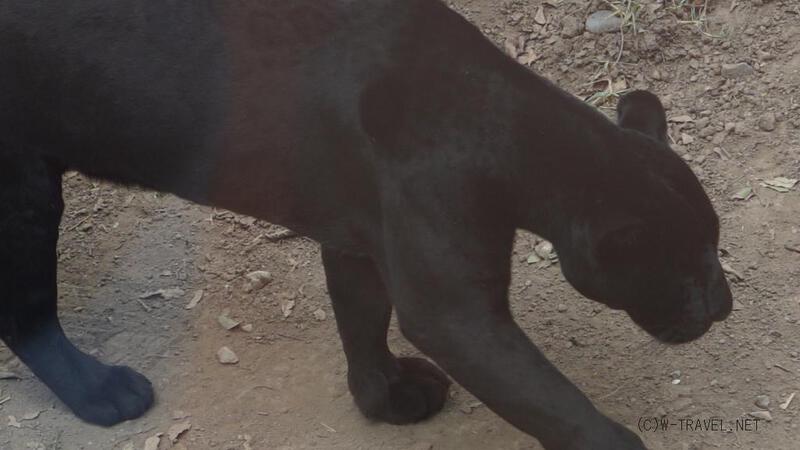
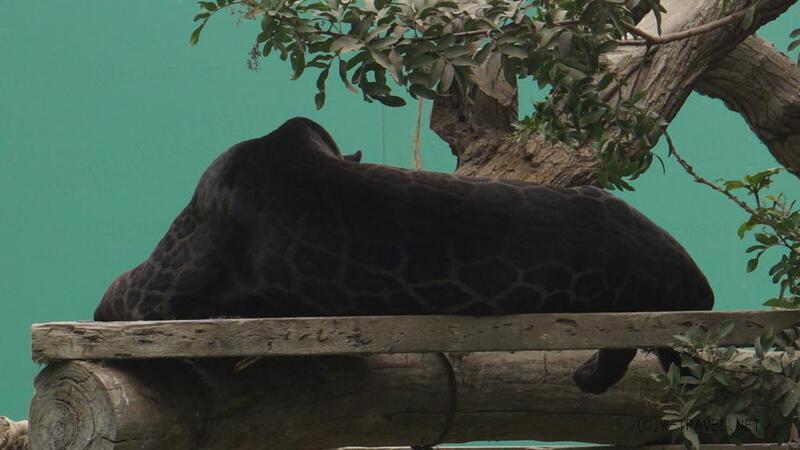
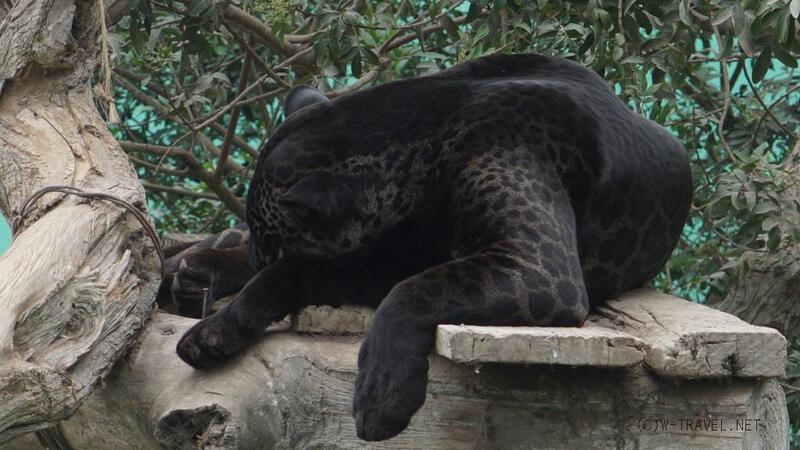
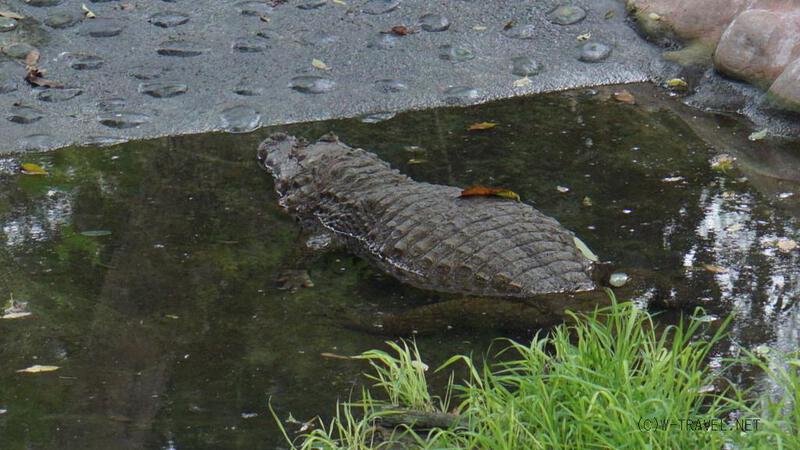
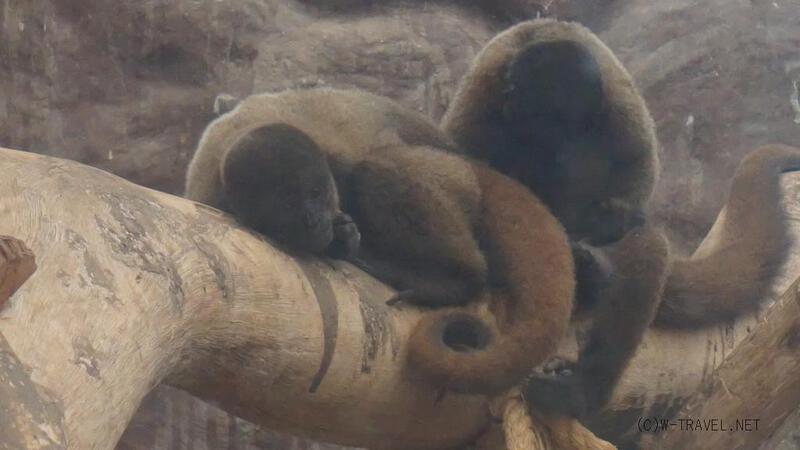
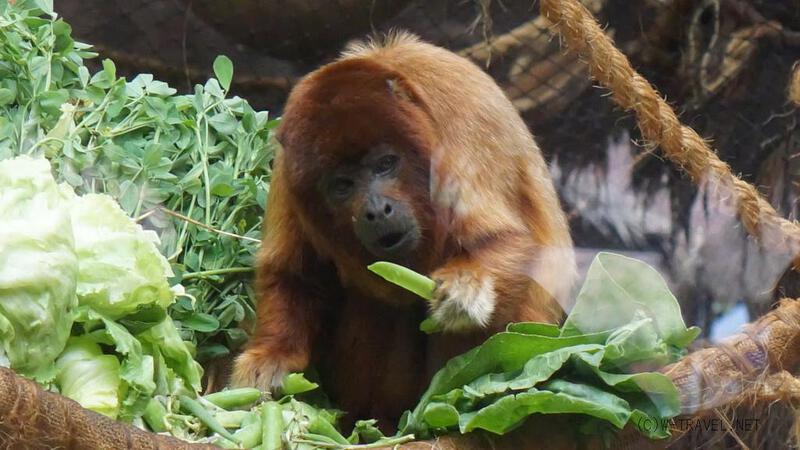
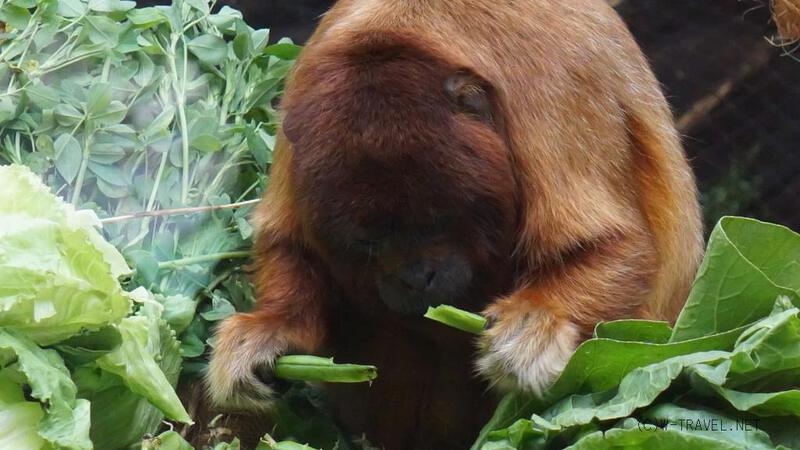


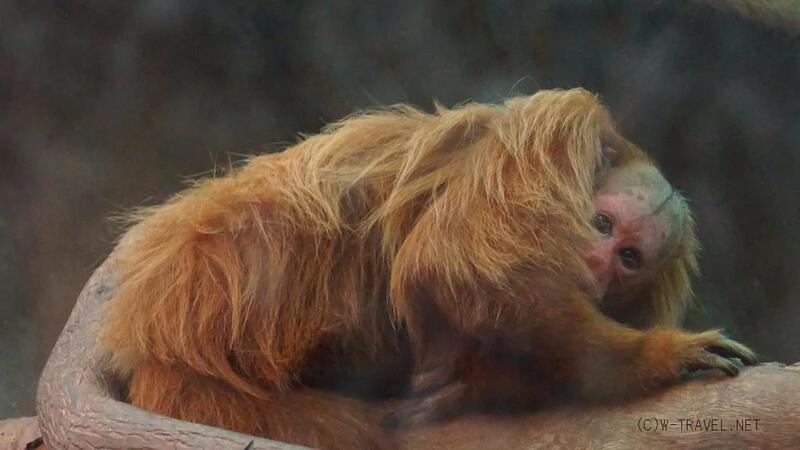

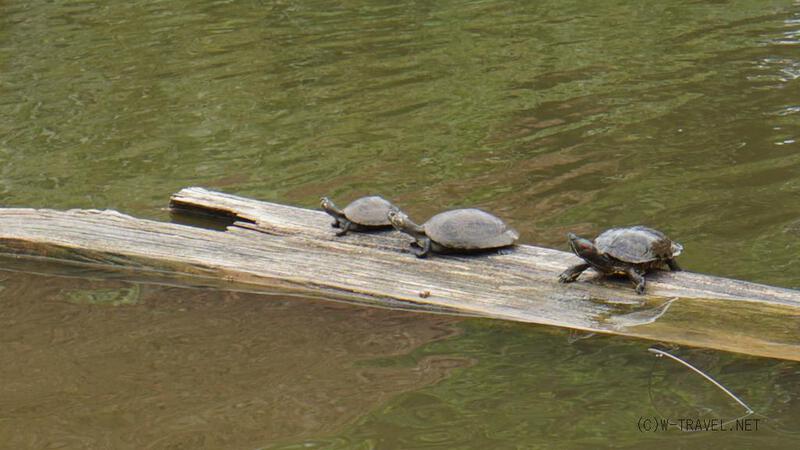

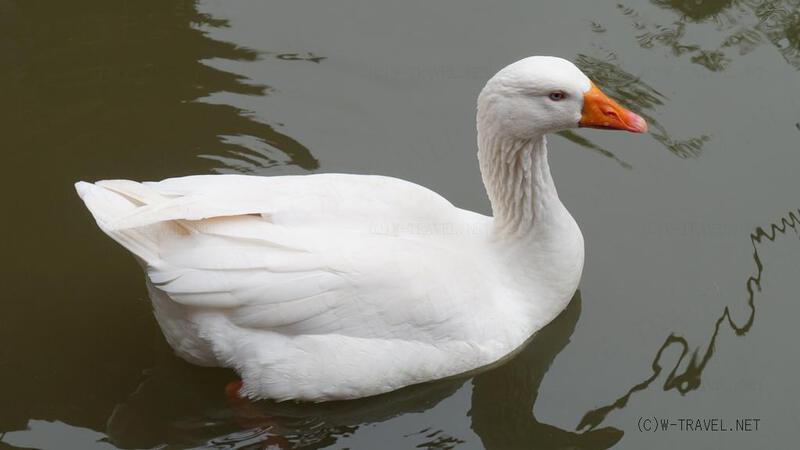

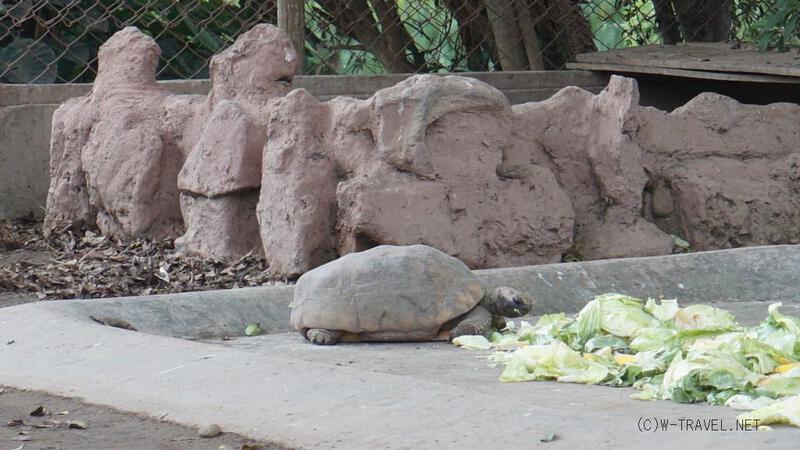


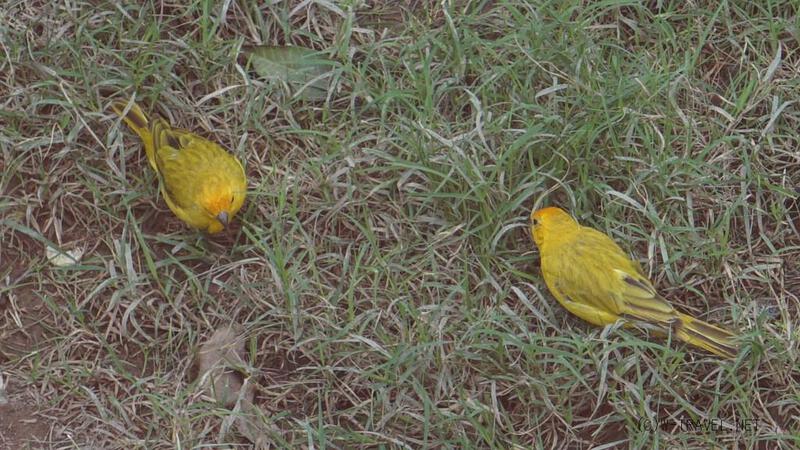


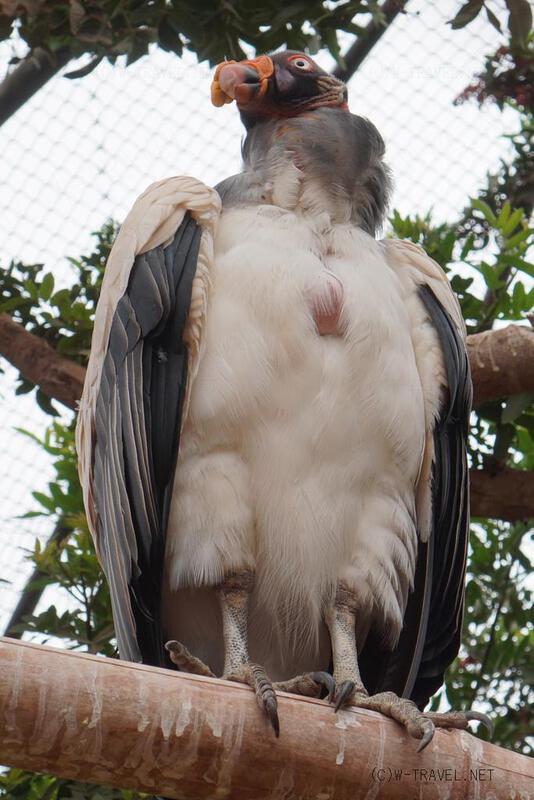
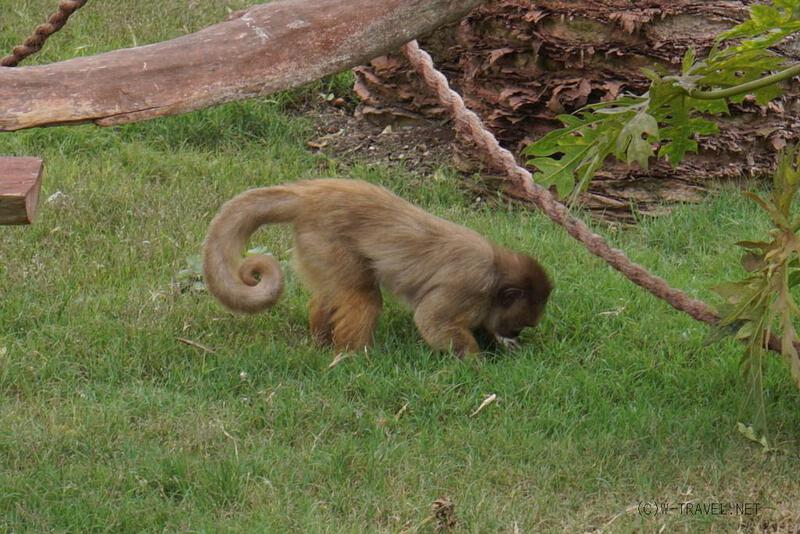


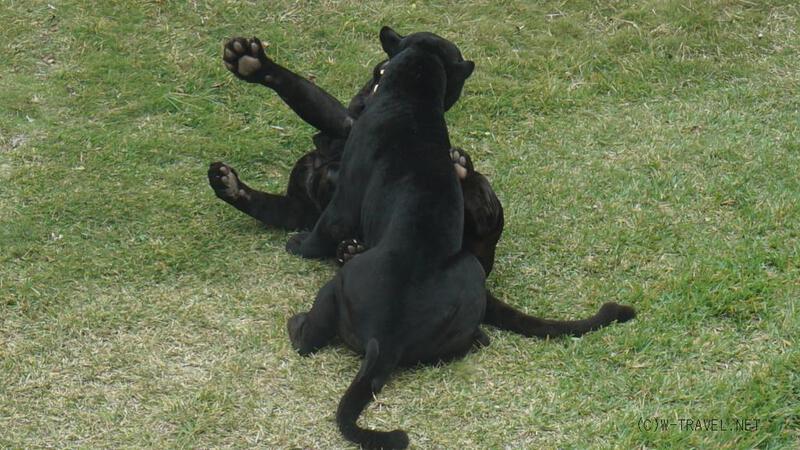

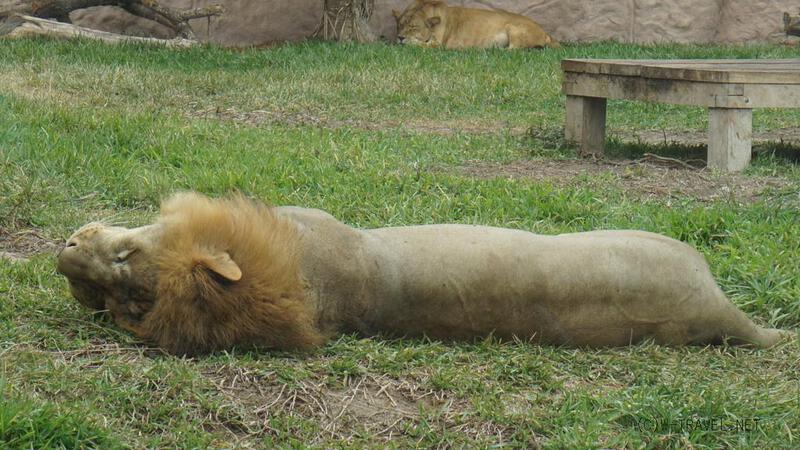
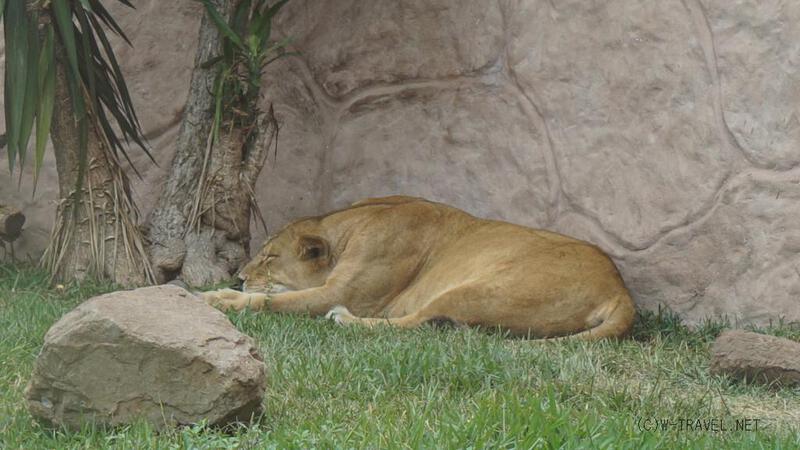


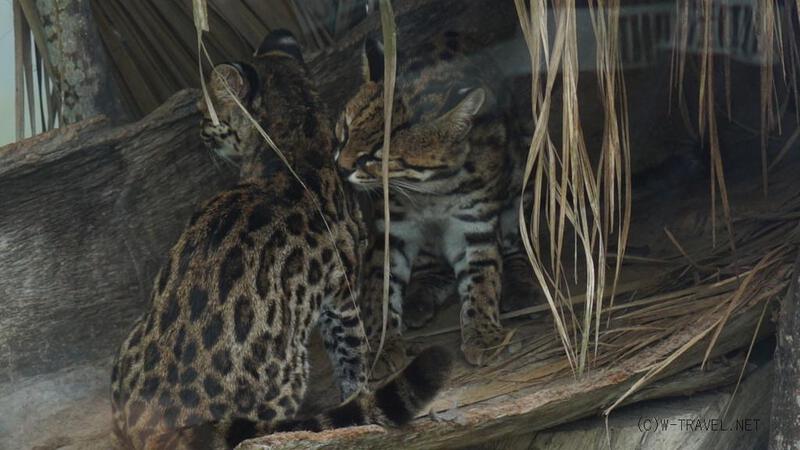
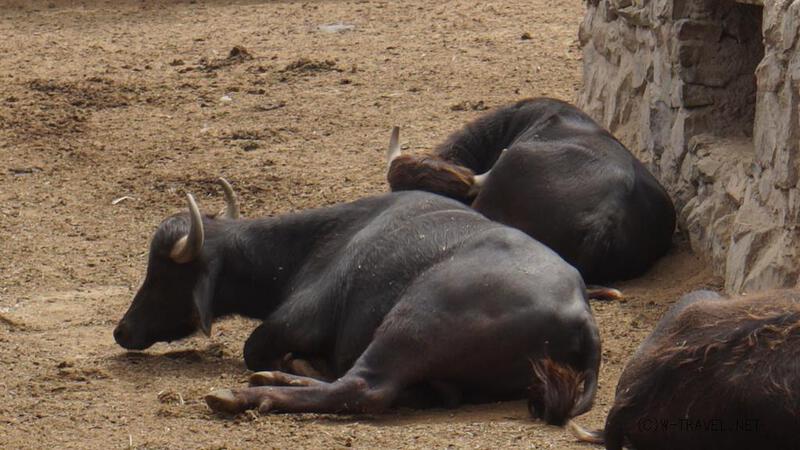




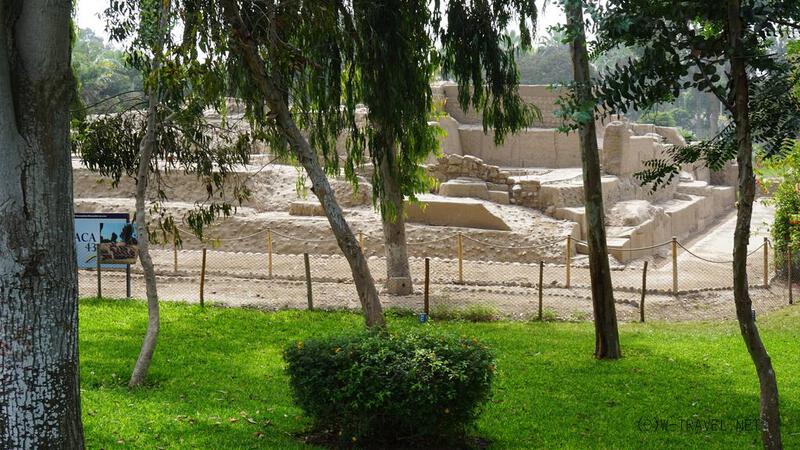
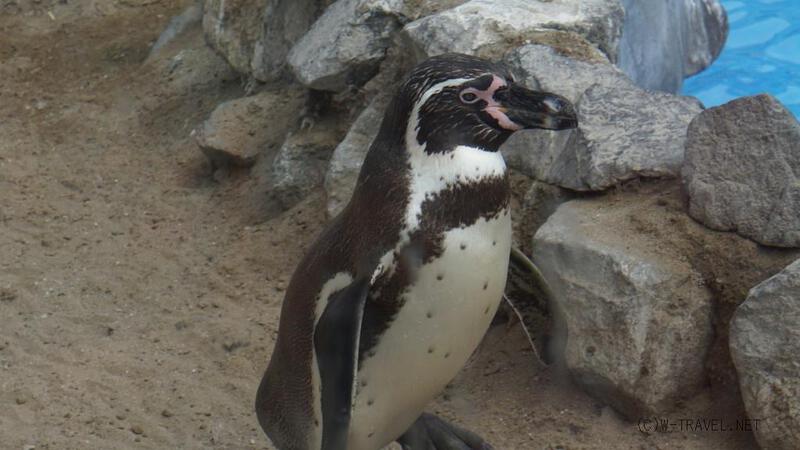

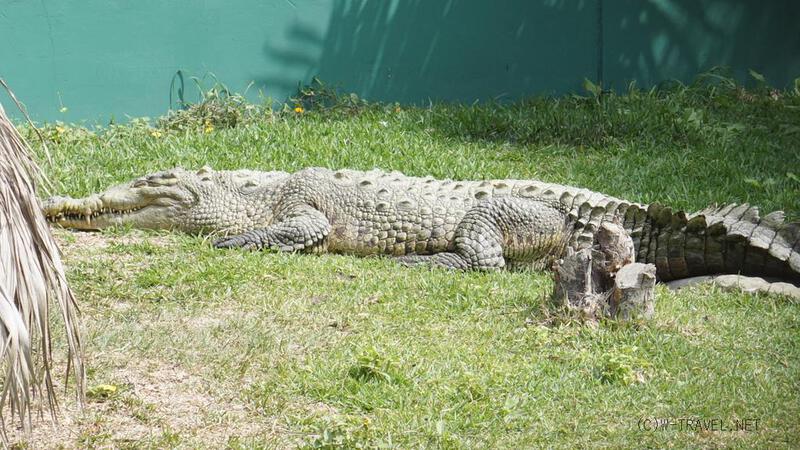
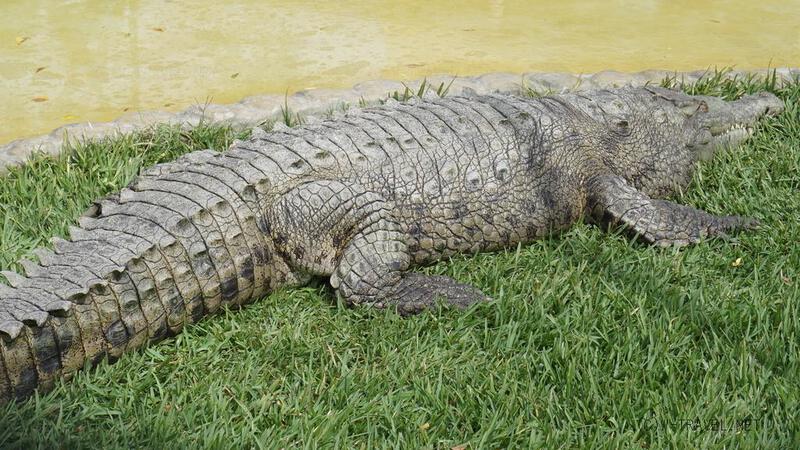
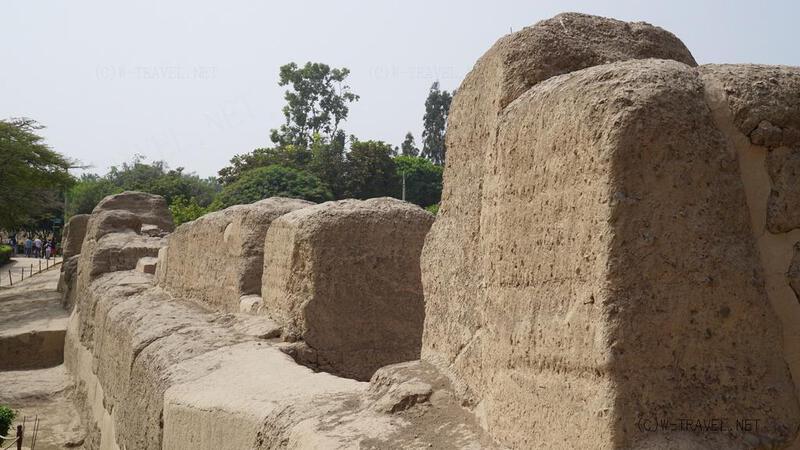
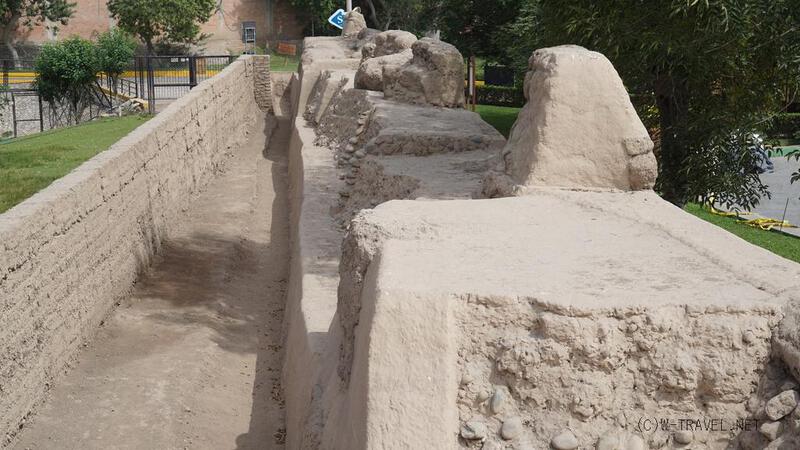

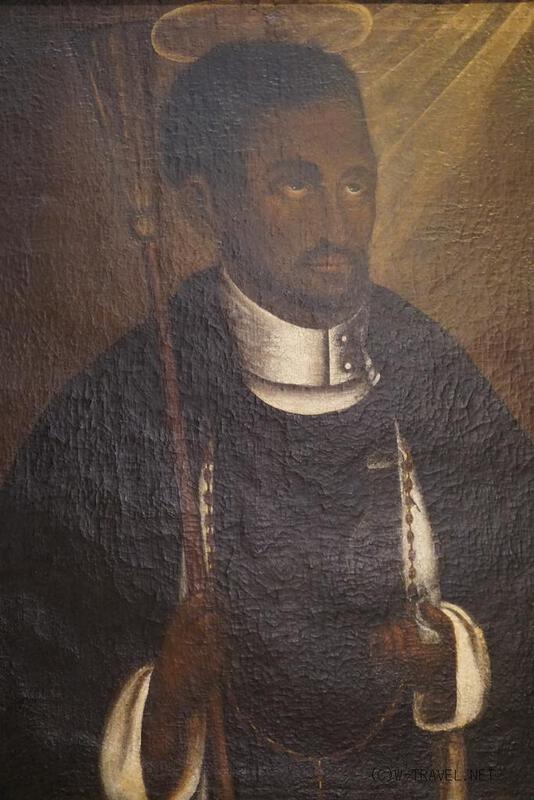
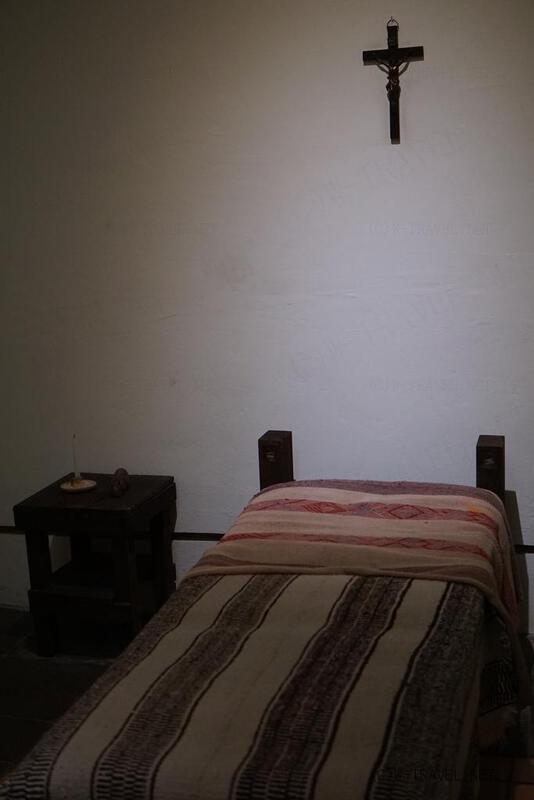
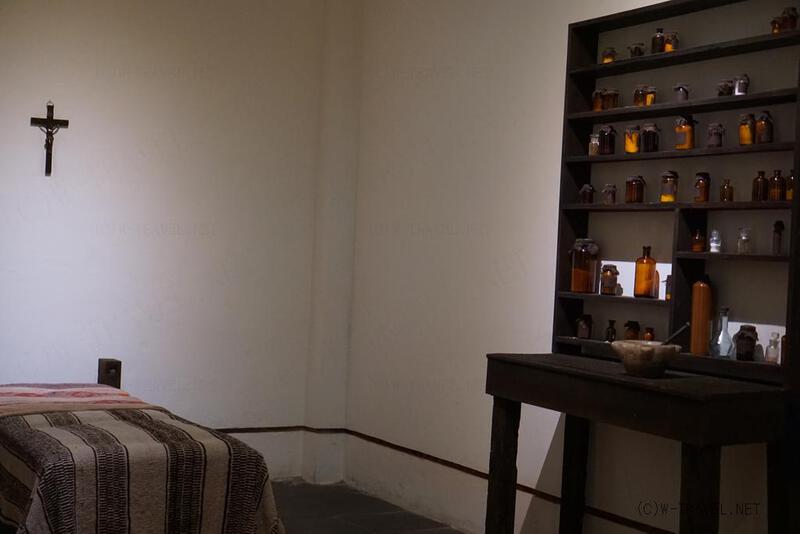
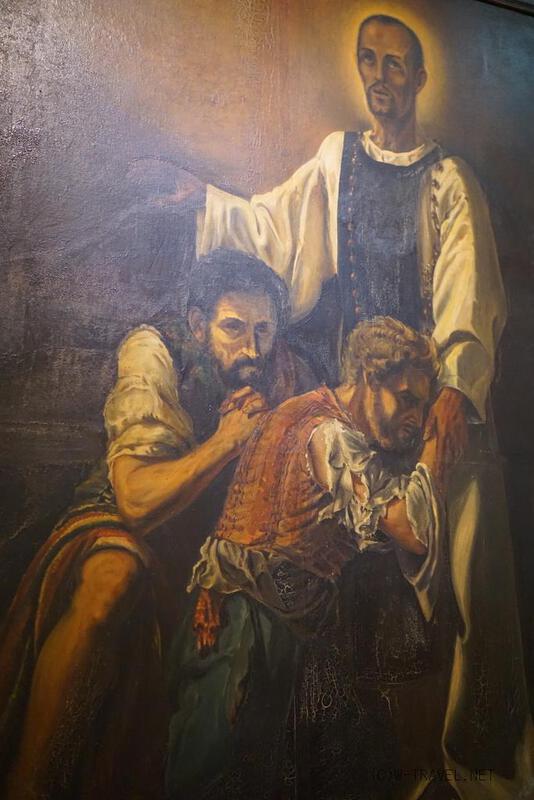
मुसेओ डे लॉस डेस्काल्ज़ोस
लिमा स्टेशन के उत्तर की ओर एक स्लम क्षेत्र है, लेकिन उस क्षेत्र में एक संग्रहालय है, इसलिए मैं वहां गया।
सेंट्रो से बस लेने की कोशिश कर रहा था, तो एक कर्मचारी ने कहा कि यह खतरनाक है, इसलिए सीधी बस बेहतर है।
अंततः, मुझे सीधी बस के बारे में ठीक से पता नहीं चला, इसलिए मैंने एक ऐसी बस ली जो पास जाती थी, और उस समय एक यात्री ने कहा, "यह खतरनाक है, मैं आपको यहां तक ले जाऊंगा," और उसने मुझे संग्रहालय तक पहुंचाया।
यह कितनी दयालुता है।
और, यह जगह इतनी खतरनाक है।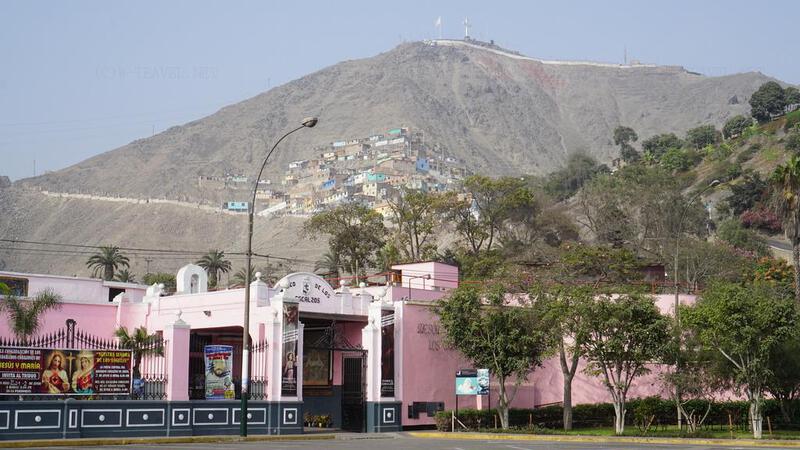
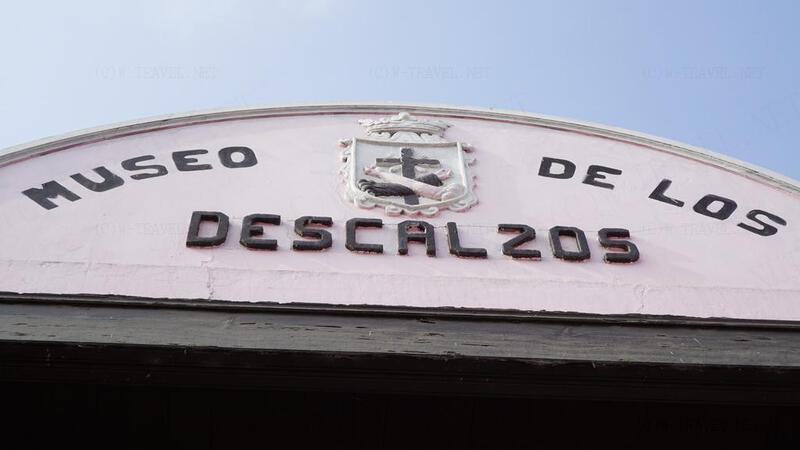
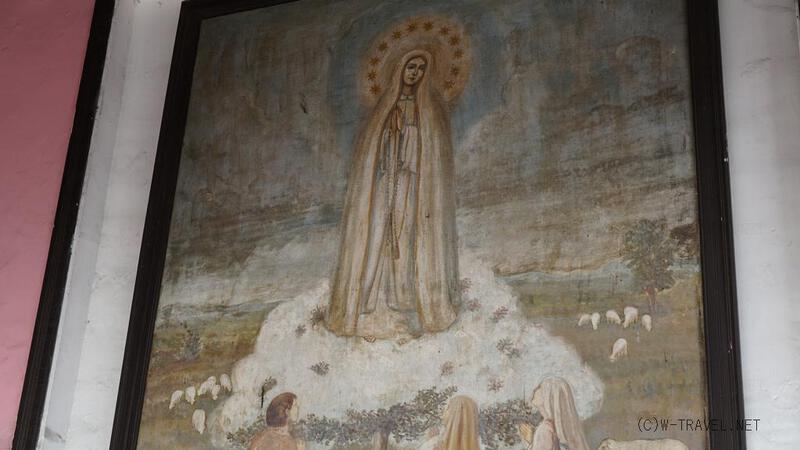

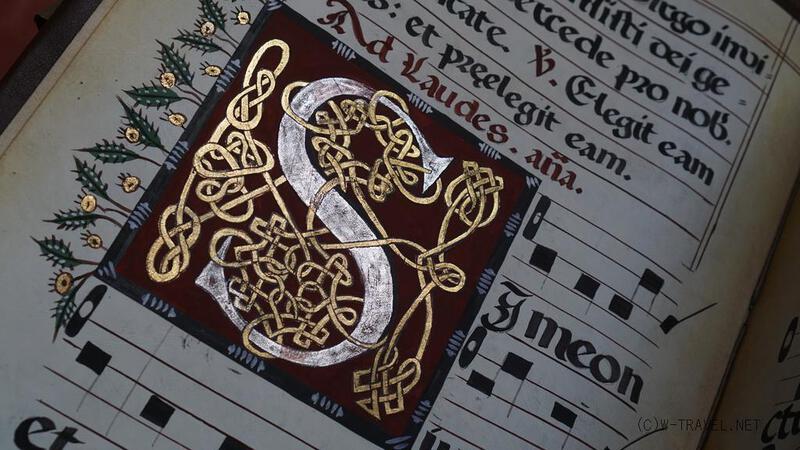
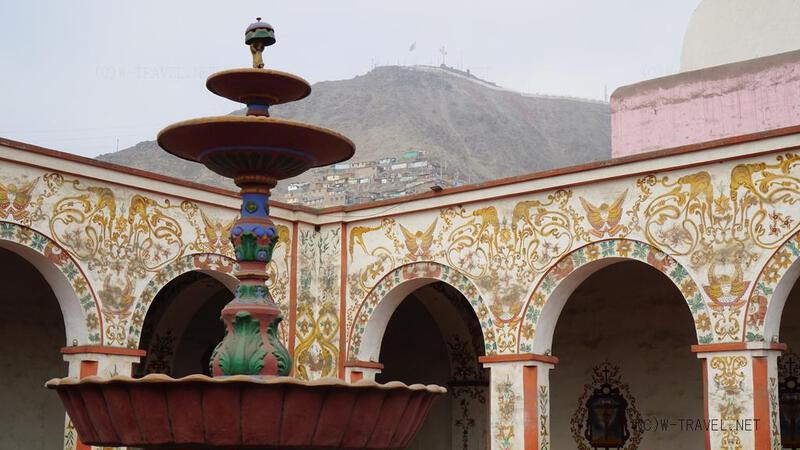
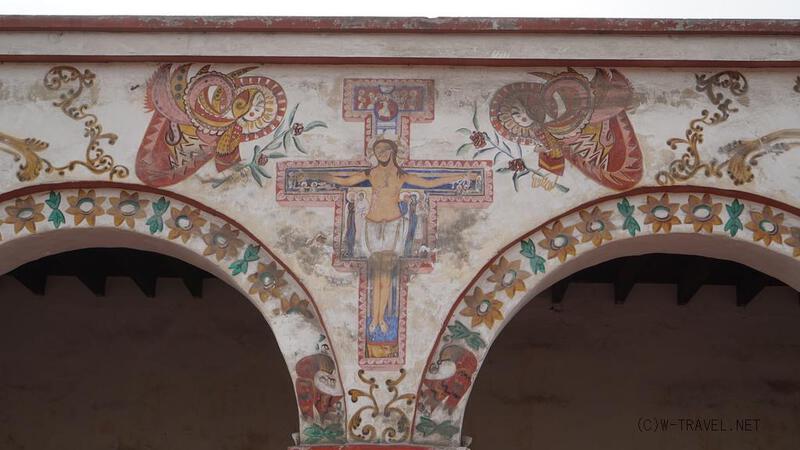 यहाँ पर, नागासाकी में ईसाईयों के नरसंहार की एक पेंटिंग बहुत प्रभावशाली है। यह एक ऐसी रचना है जिसमें लोगों को आग से जलाकर या आग से घेरकर मार दिया गया था।
पेंटिंग के ऊपरी दाएं कोने में, ओकिनावा में मारे गए लोगों के नाम लिखे हुए हैं।
व्यक्तिगत रूप से, यह पेंटिंग लिमा में देखने लायक है।
मूल पेंटिंग की तस्वीरें लेना प्रतिबंधित है, लेकिन इसके कुछ हिस्से ब्रोशर में उपयोग किए गए हैं, इसलिए यहां प्रकाशित किया गया है।
यह इतिहास की भावना को दर्शाता है।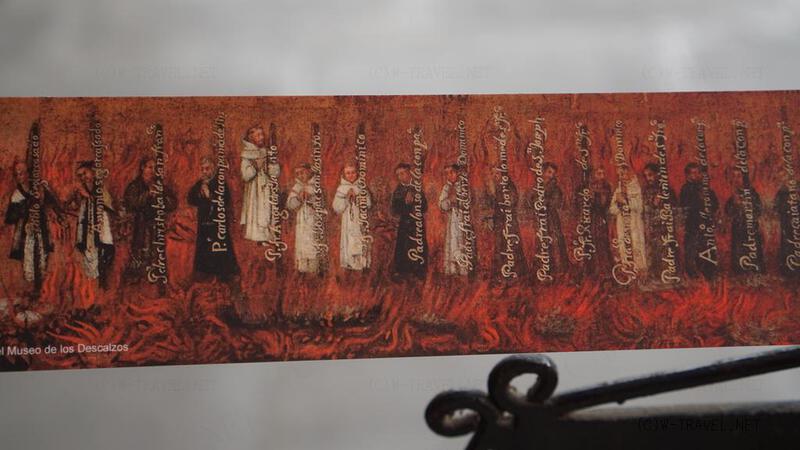
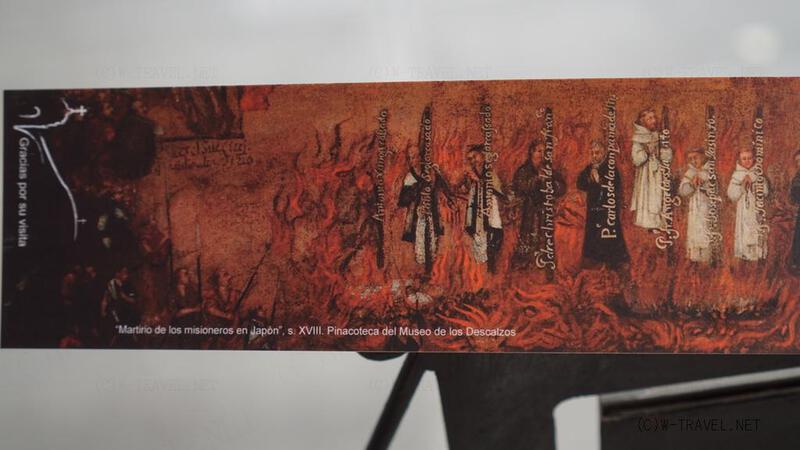
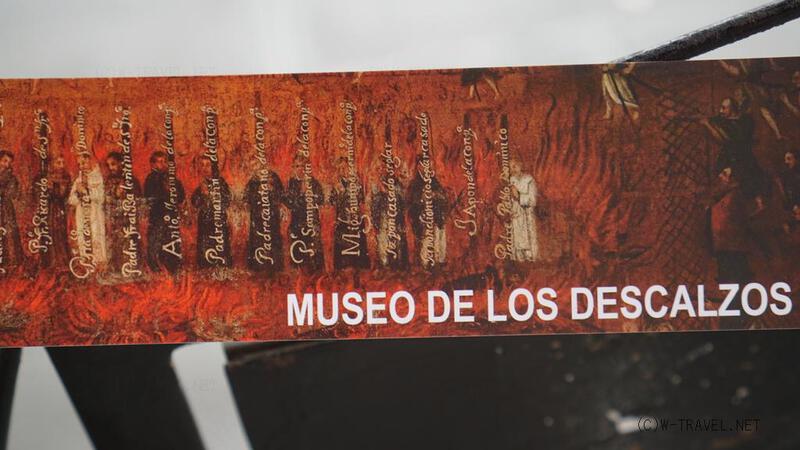
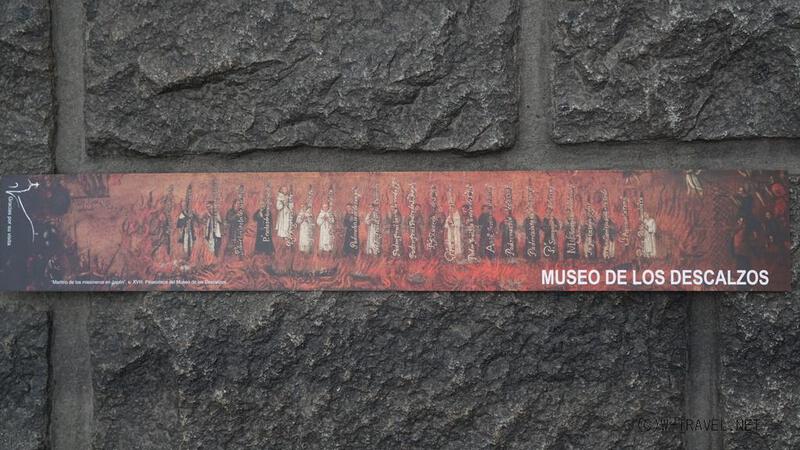 यूरोप जैसे देशों में, जापान के प्रति भावनाओं को ध्यान में रखना पड़ सकता है, लेकिन दक्षिण अमेरिका बहुत दूर है, इसलिए शायद वहां बिना किसी चिंता के खुलकर प्रदर्शित किया जा सकता है।
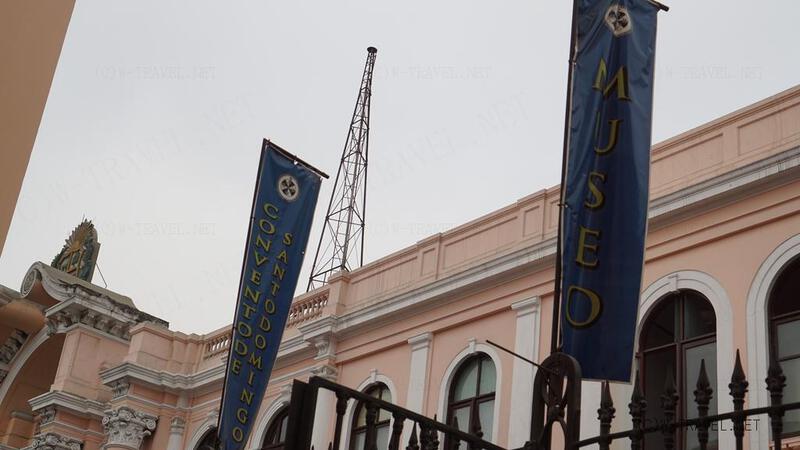
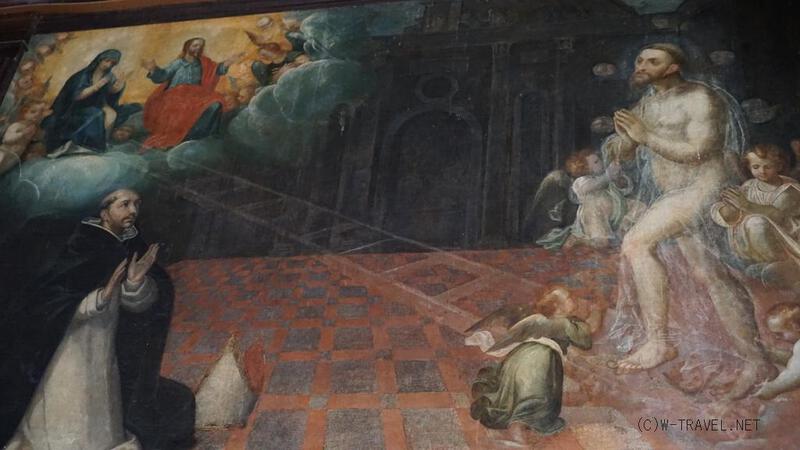
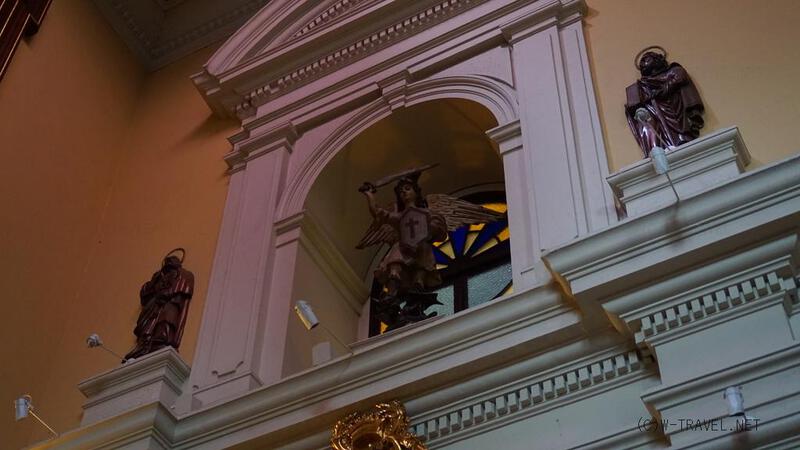
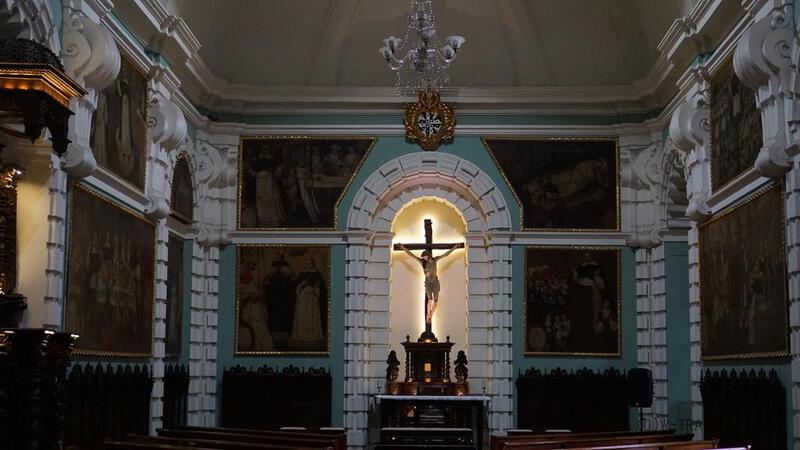
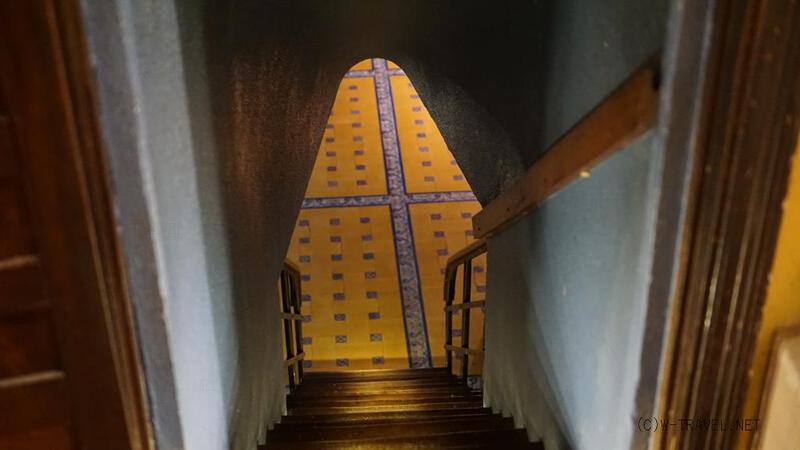
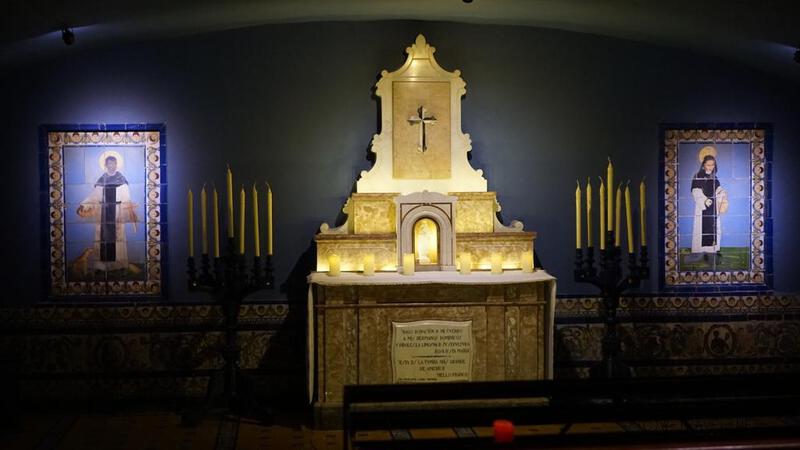
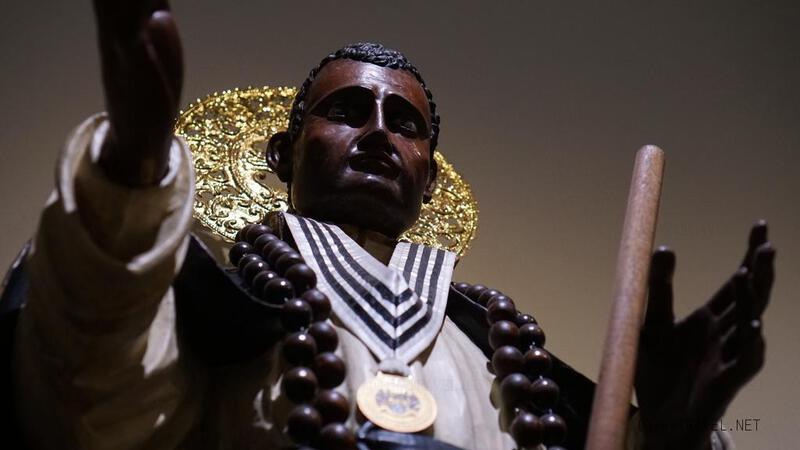
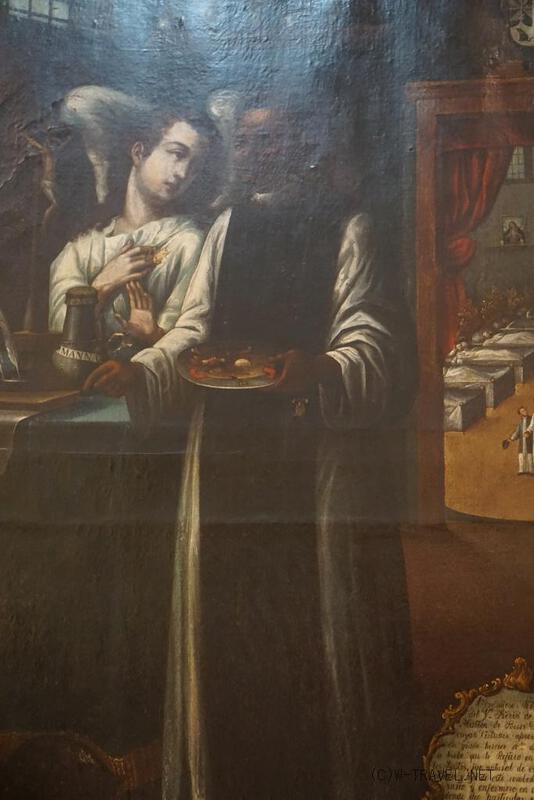
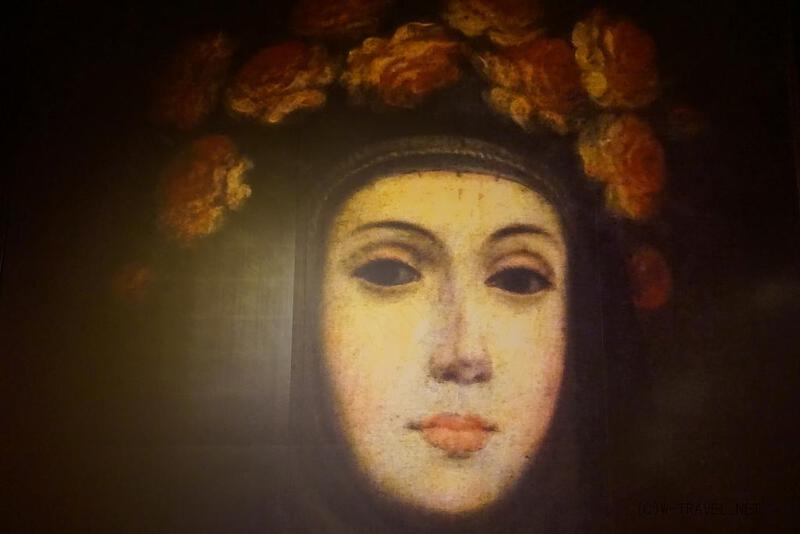
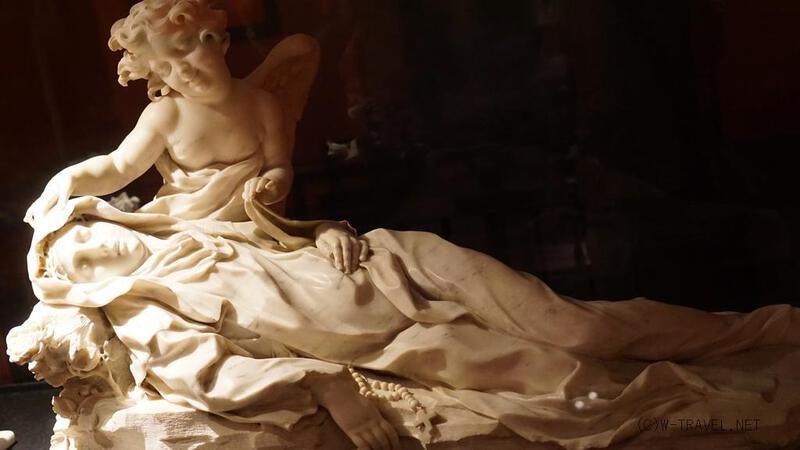
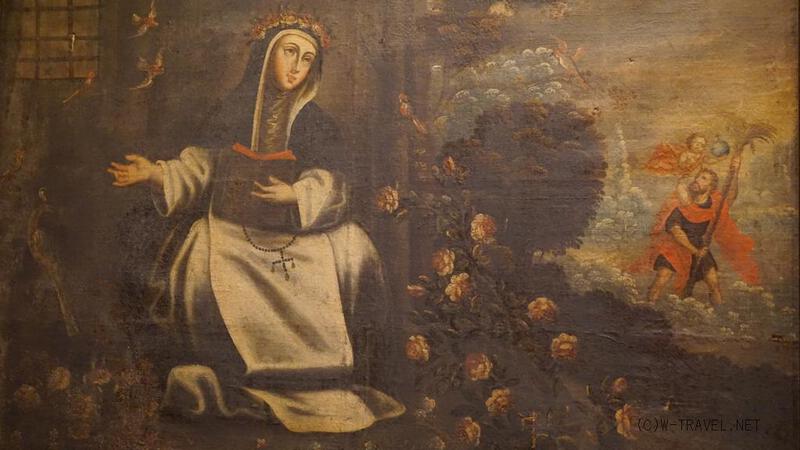
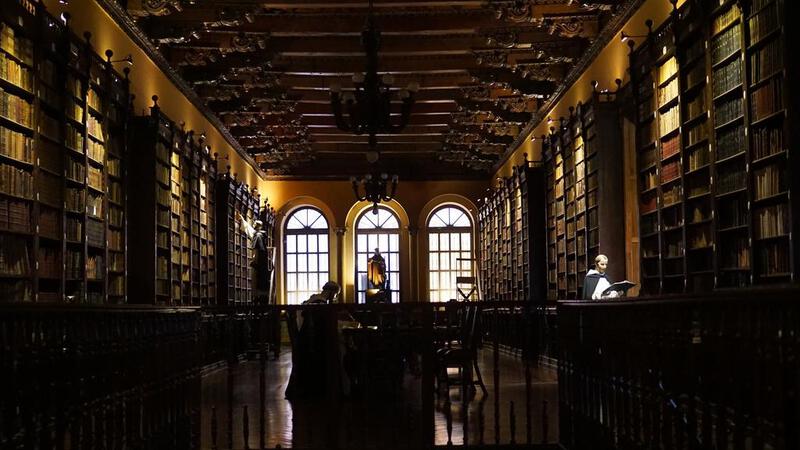
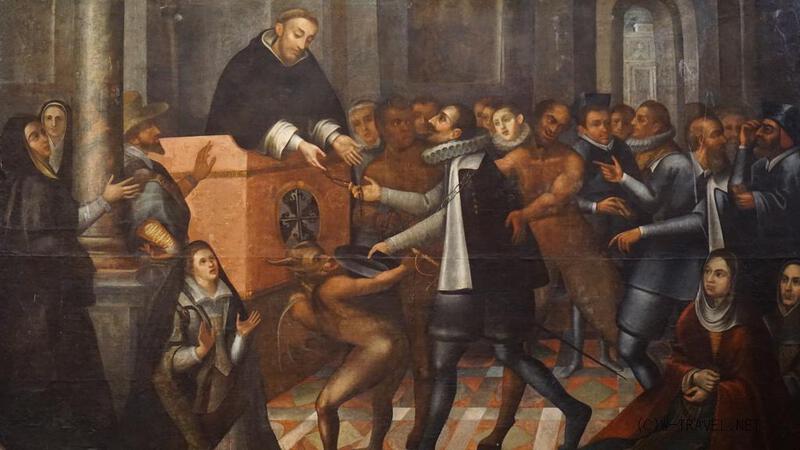
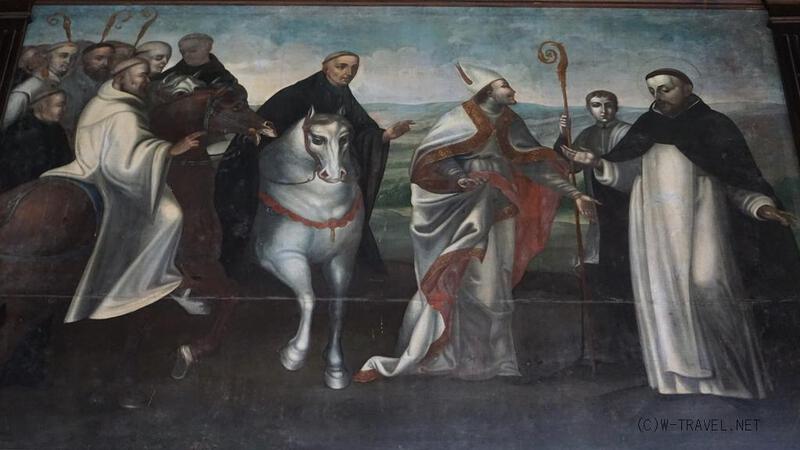
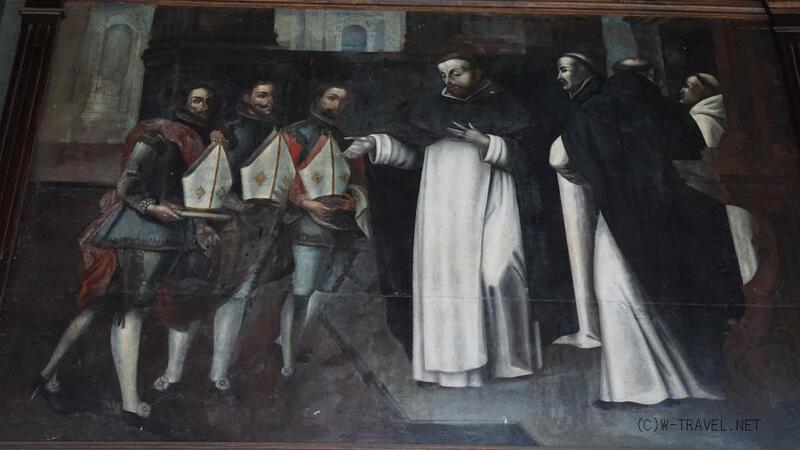
मुसेओ कोनवेंटो डे सांटो डोमिंगो