Куэнка (Cuenca)
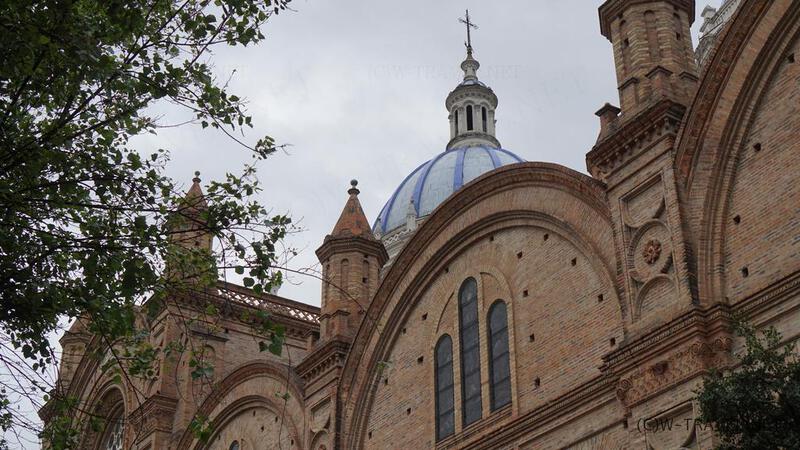
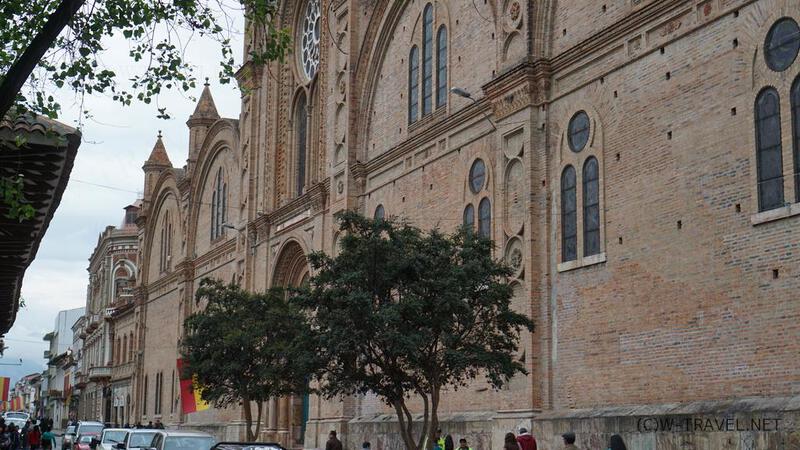
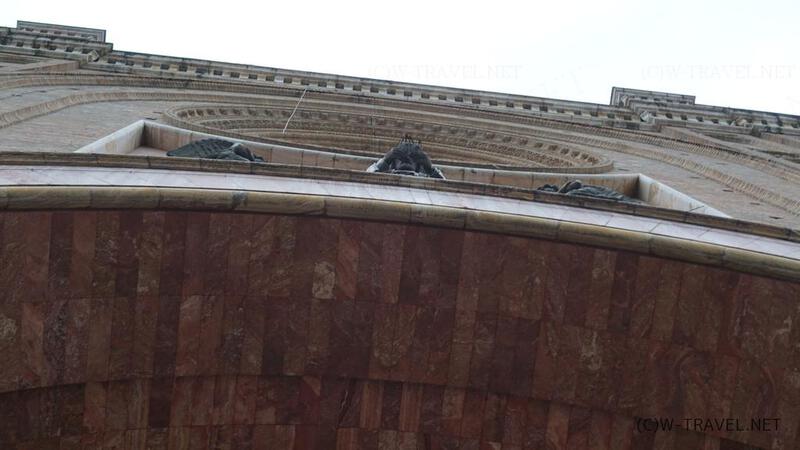
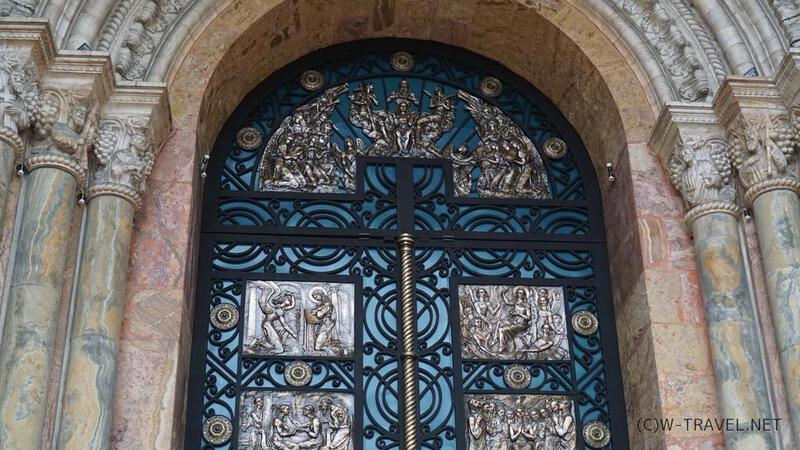
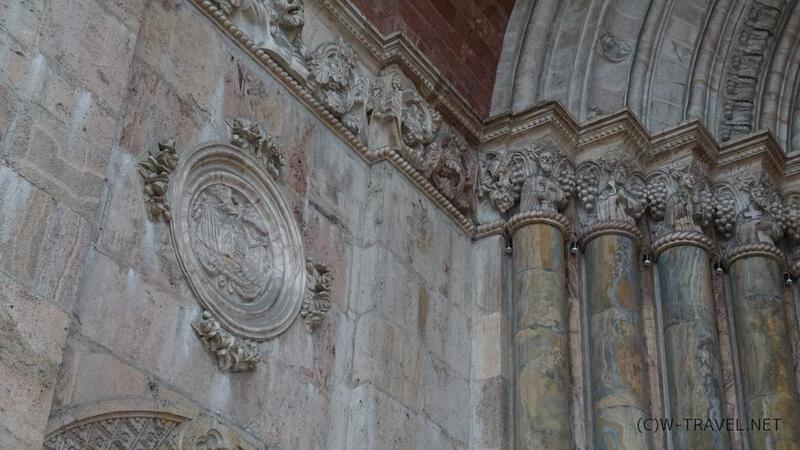
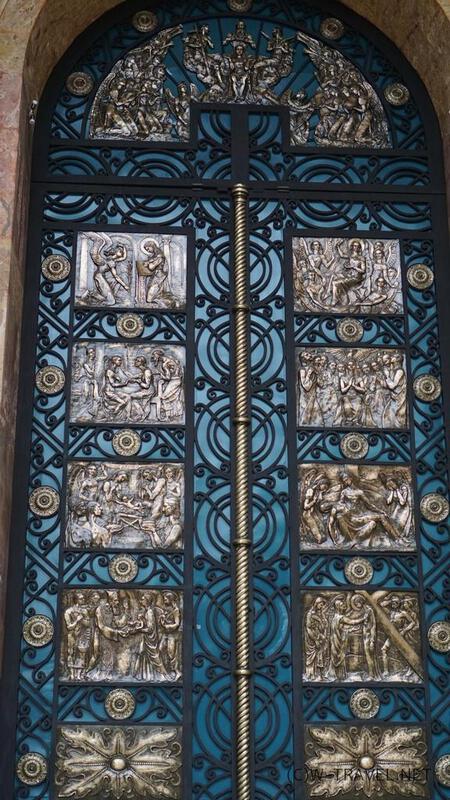
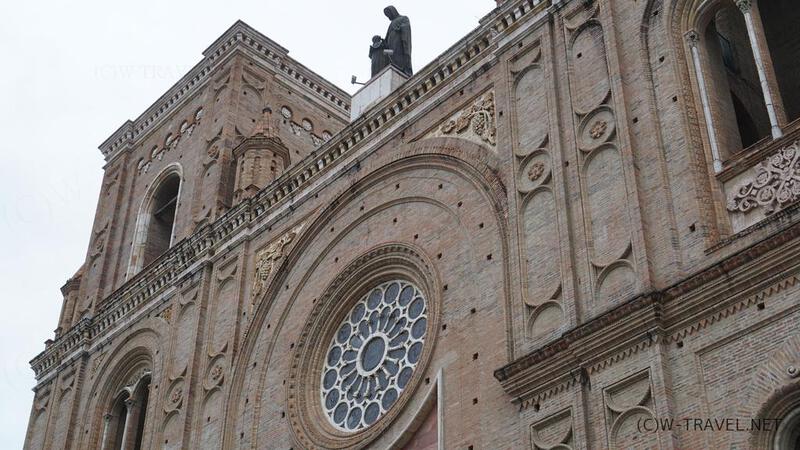
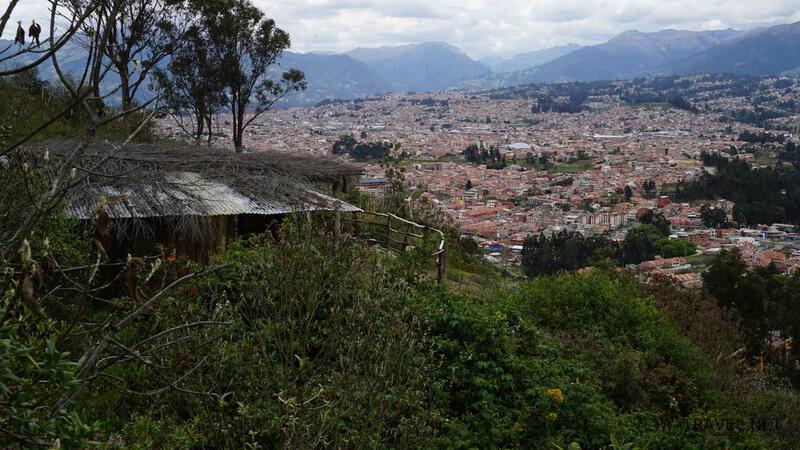
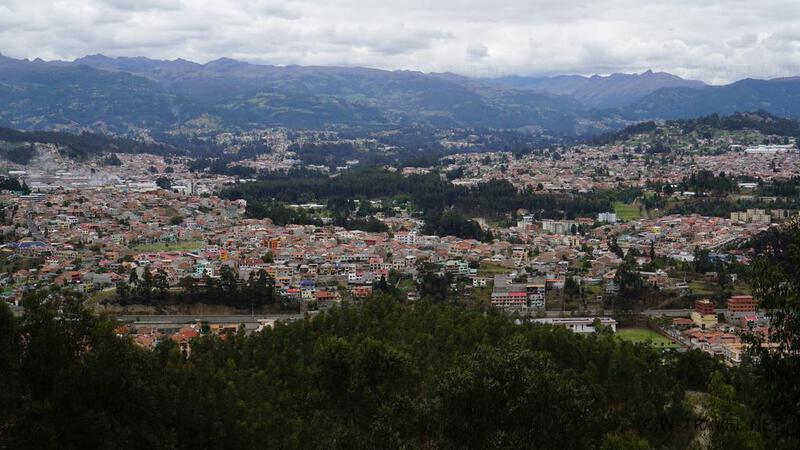
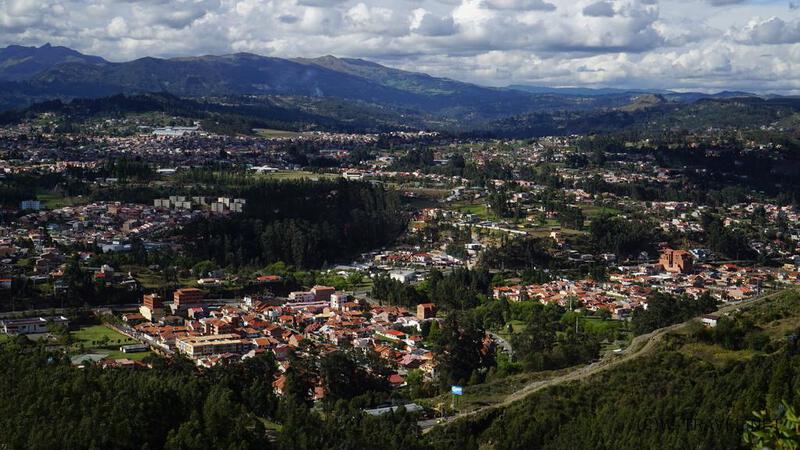
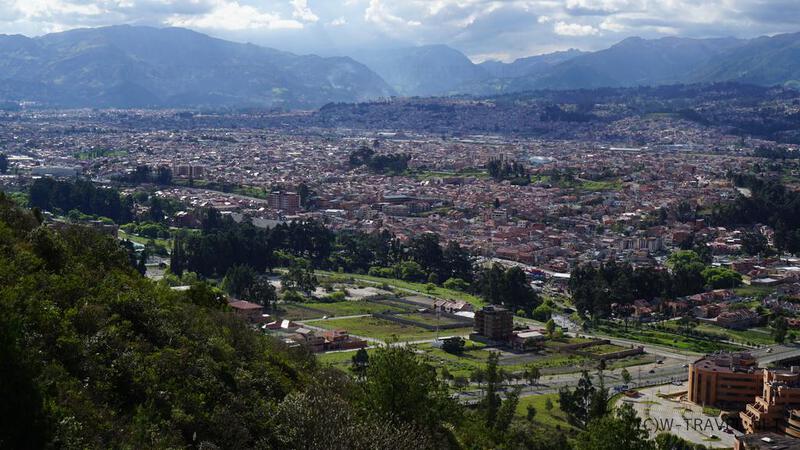
Прогулка по городу Куэнка.
От старинной застройки ощущается спокойная атмосфера.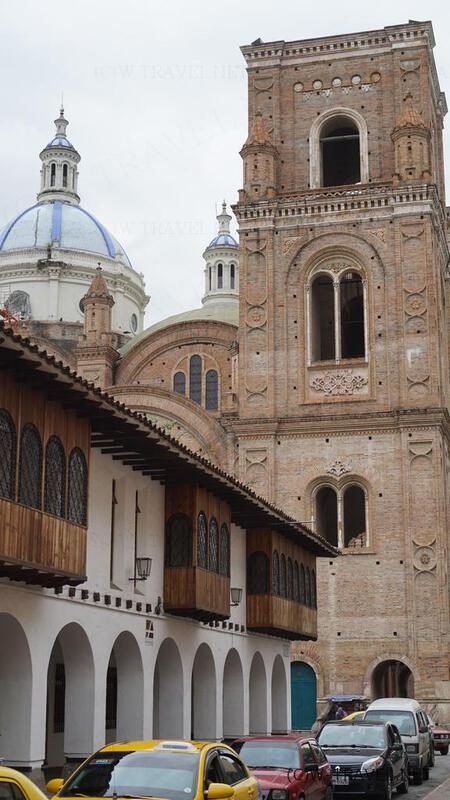
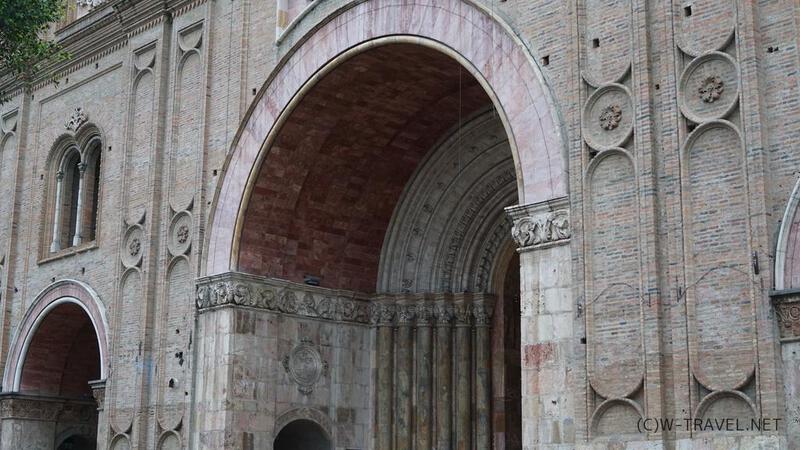
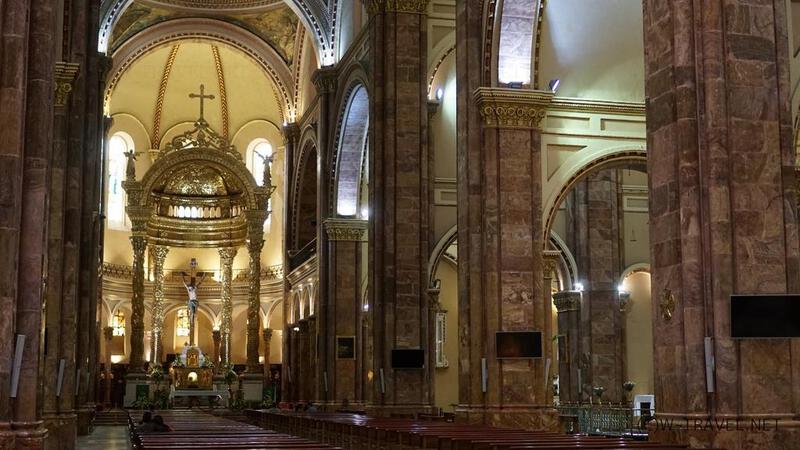
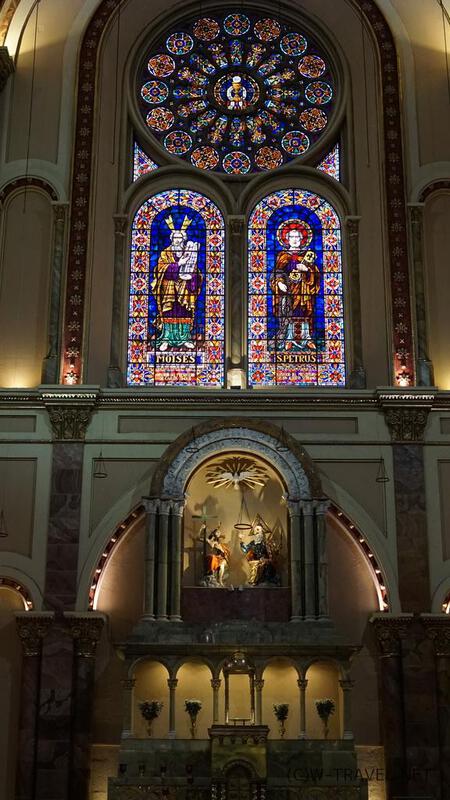
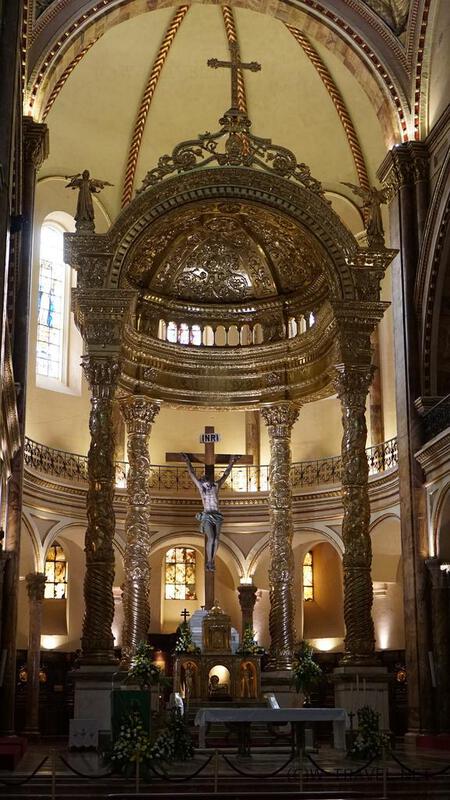
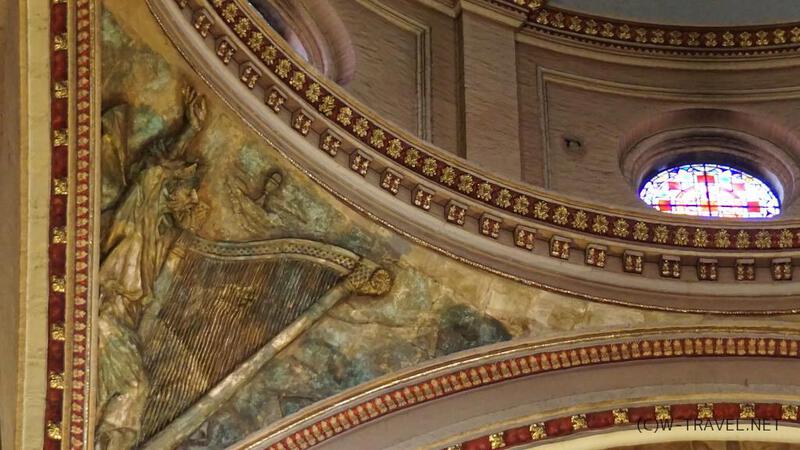
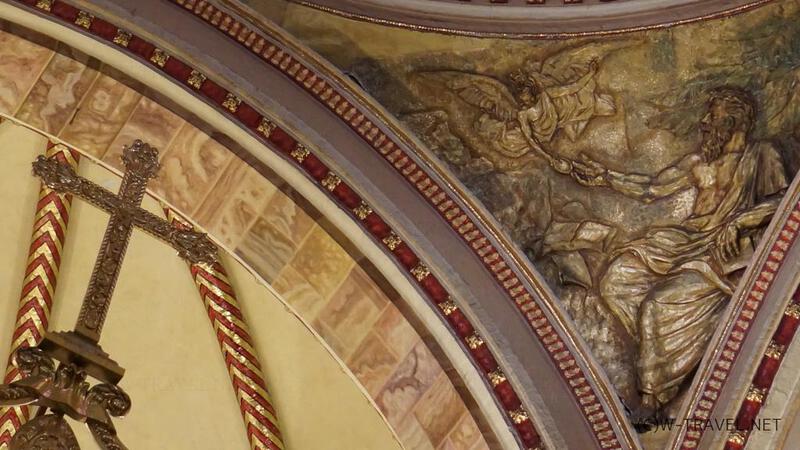
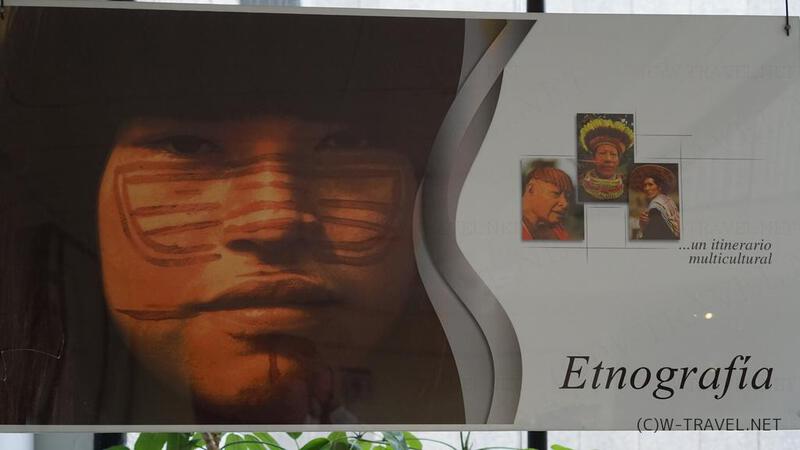
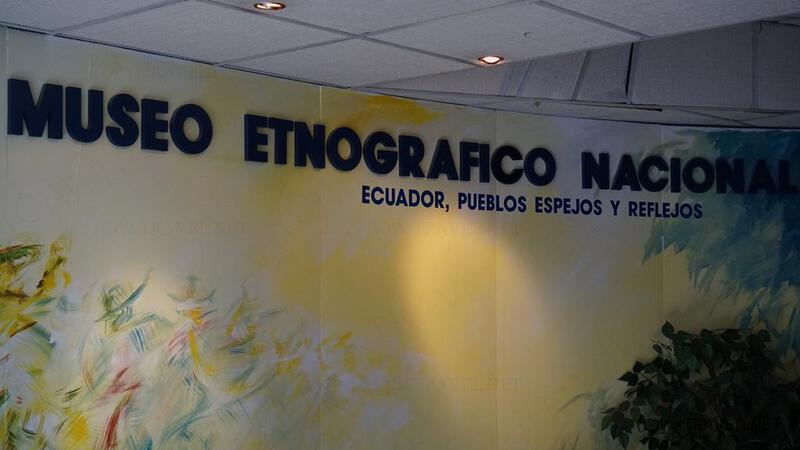
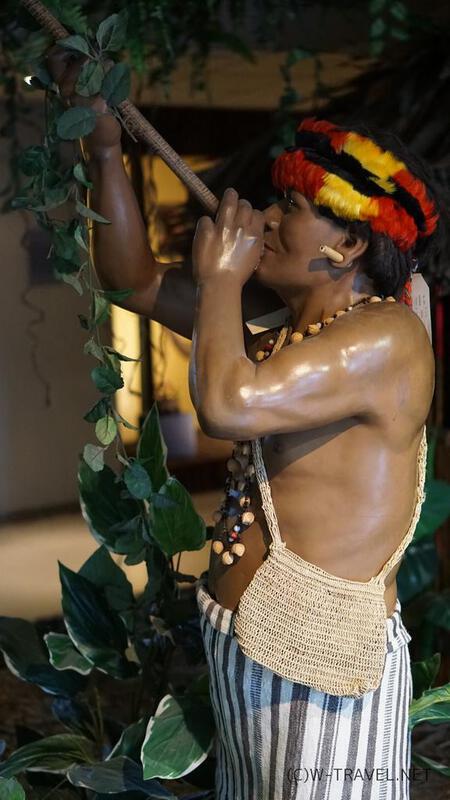
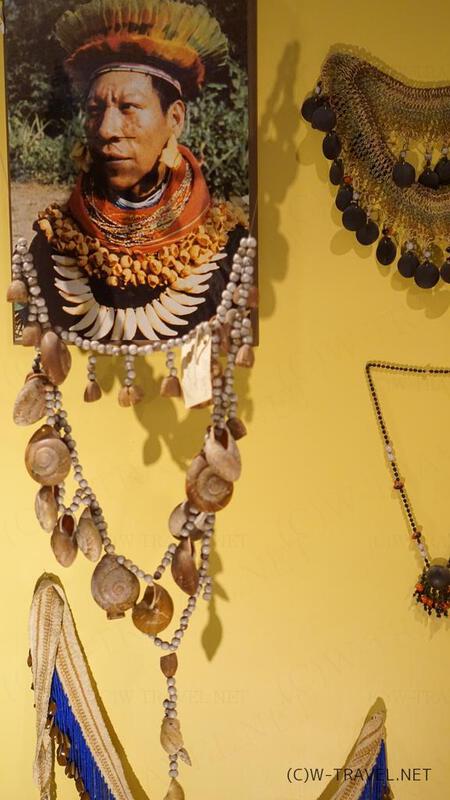
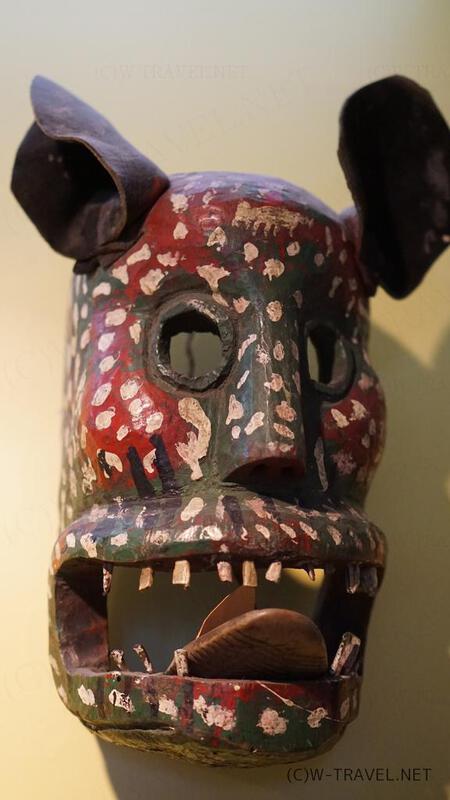
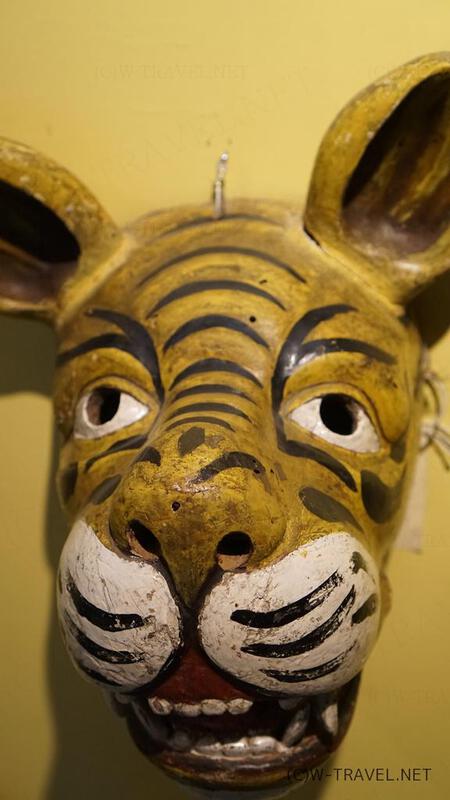
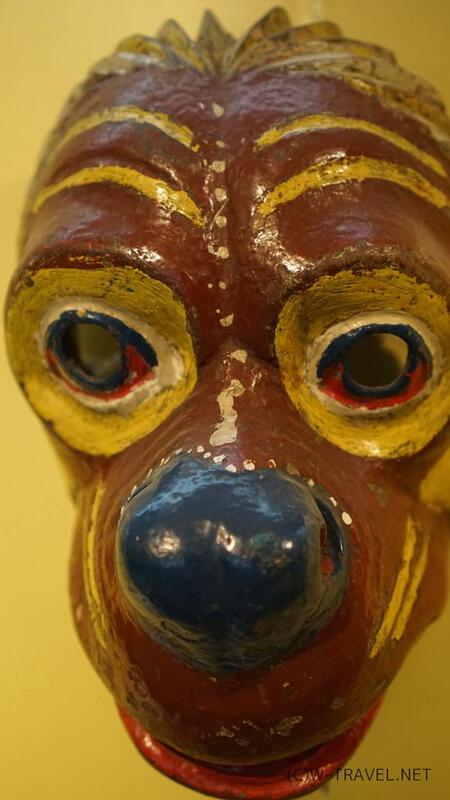
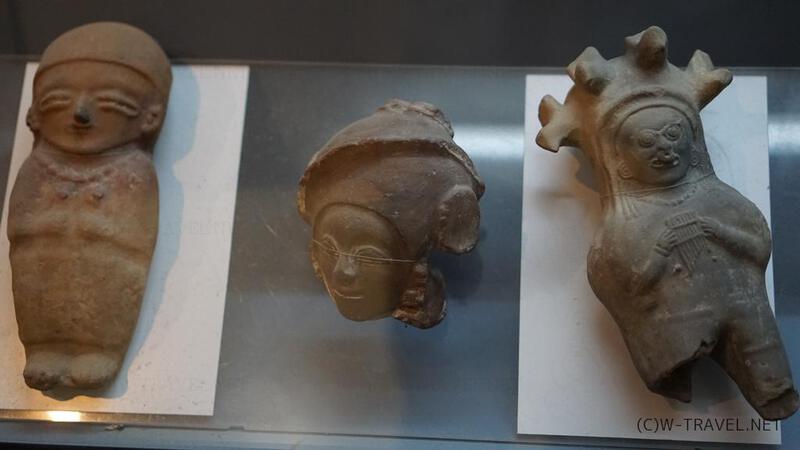
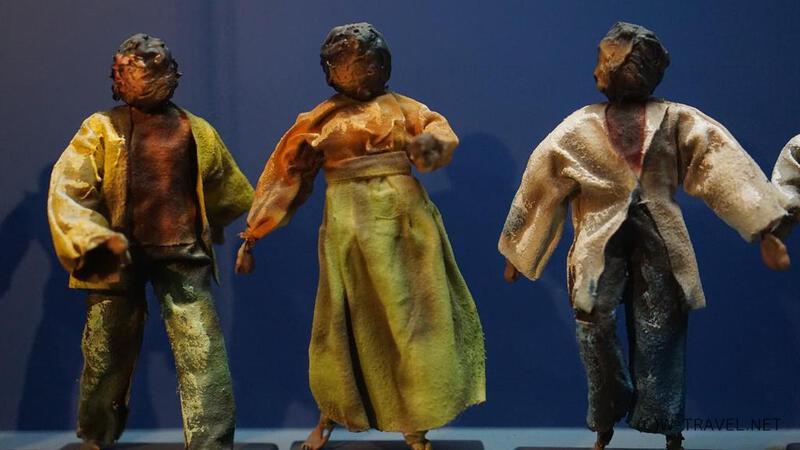
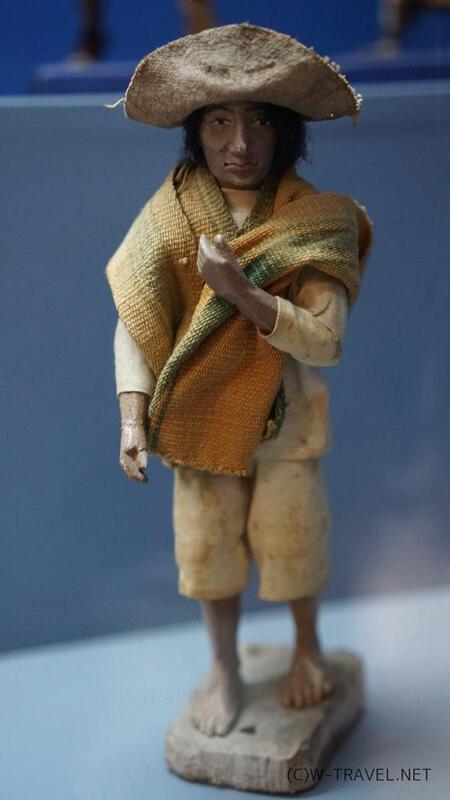
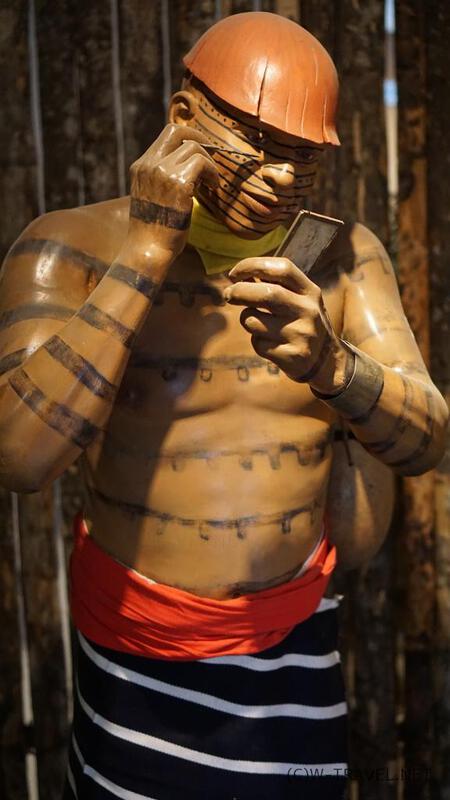
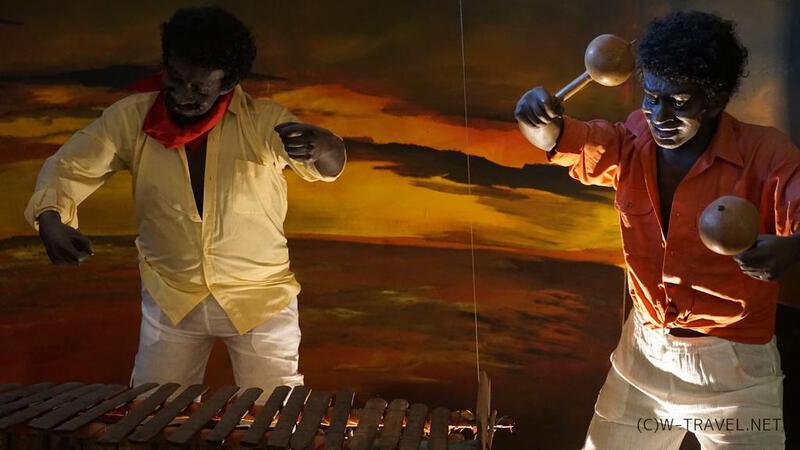
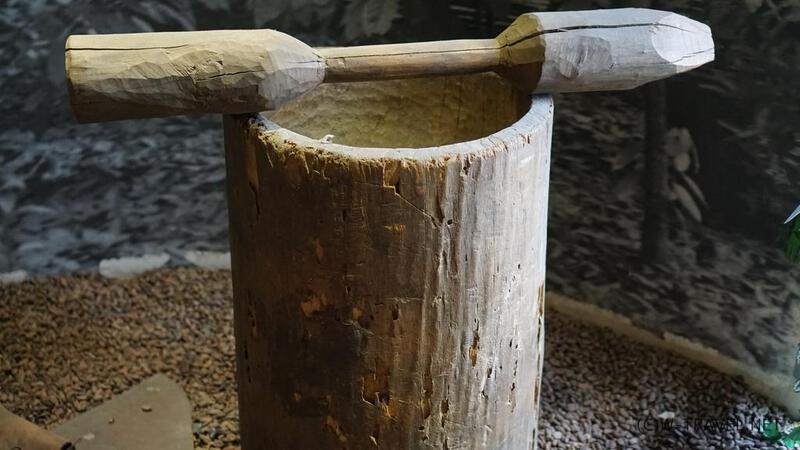
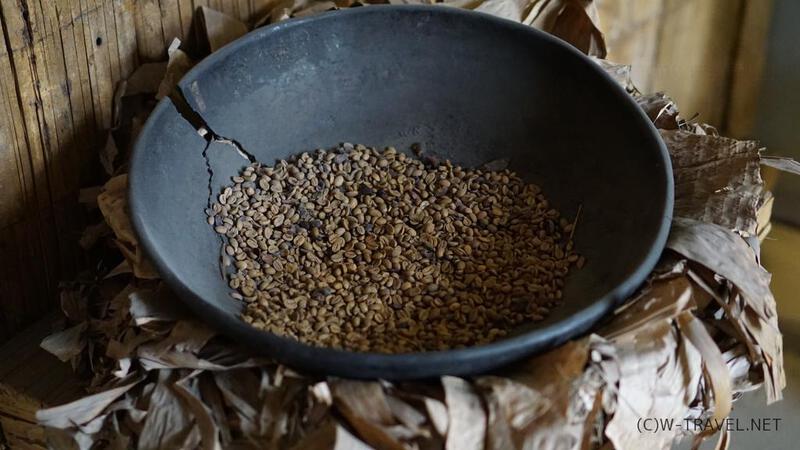
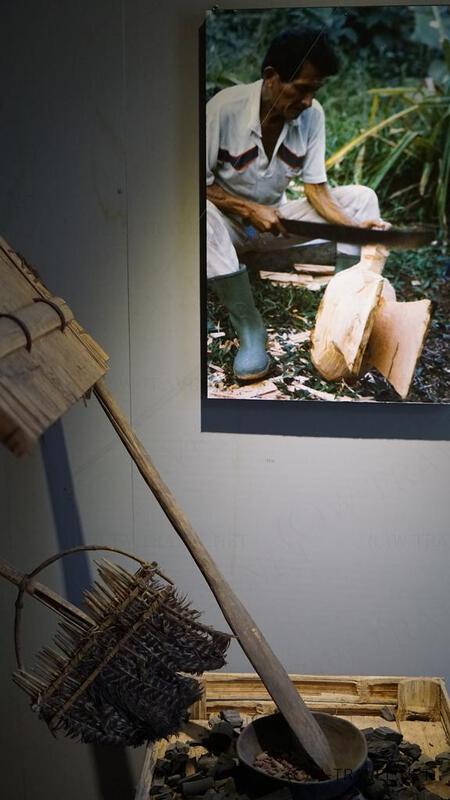
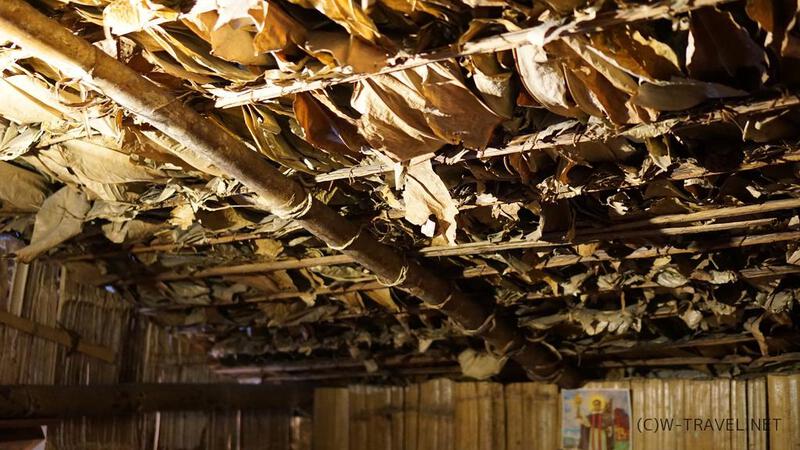
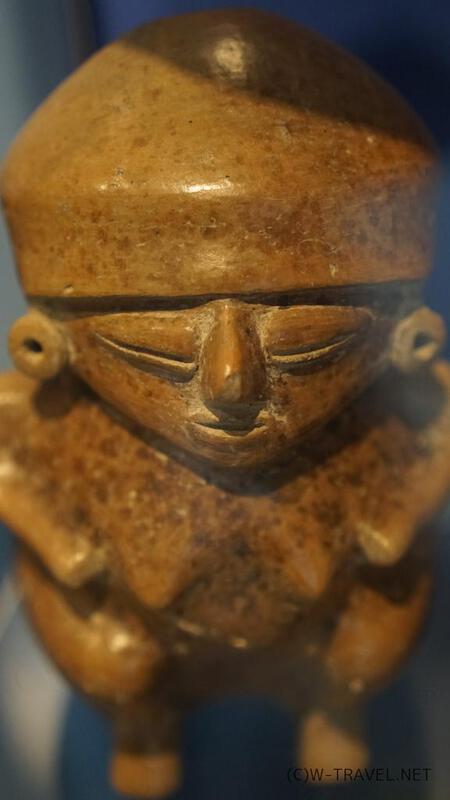
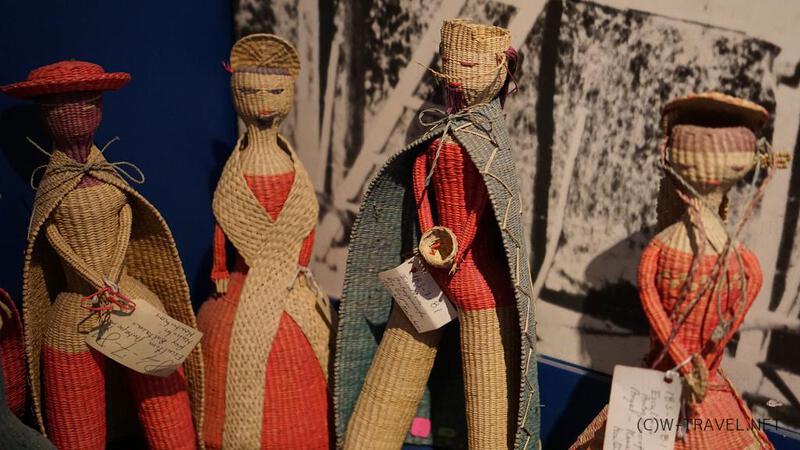
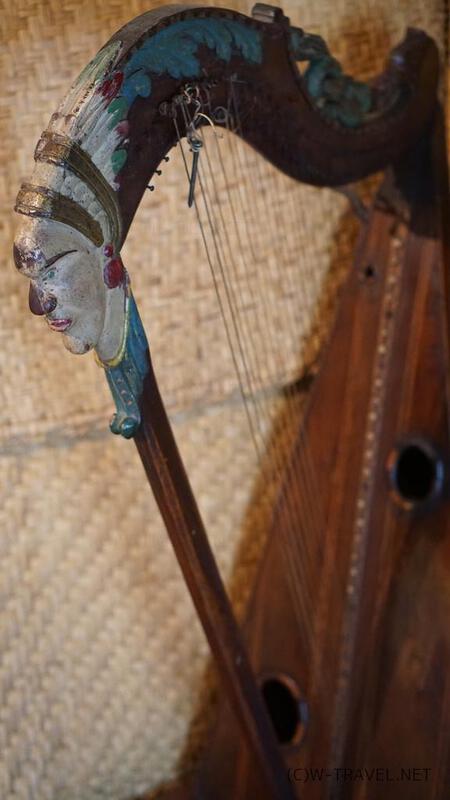
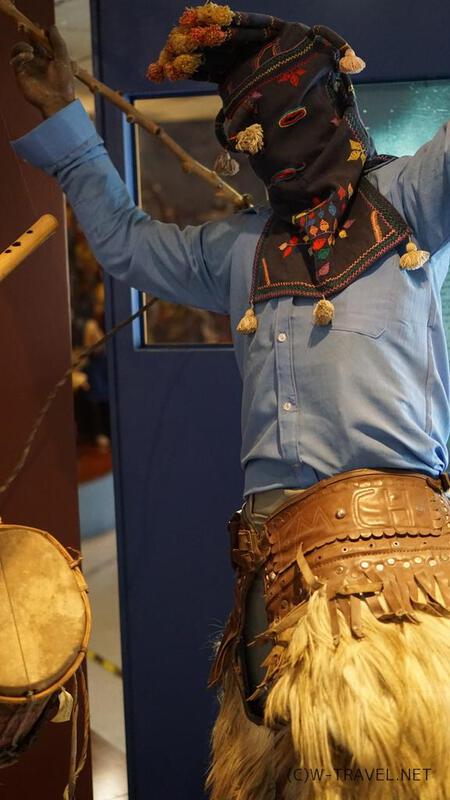
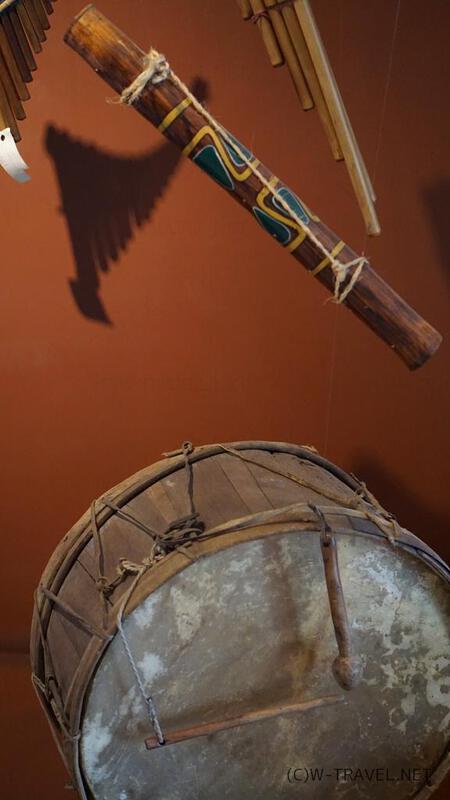
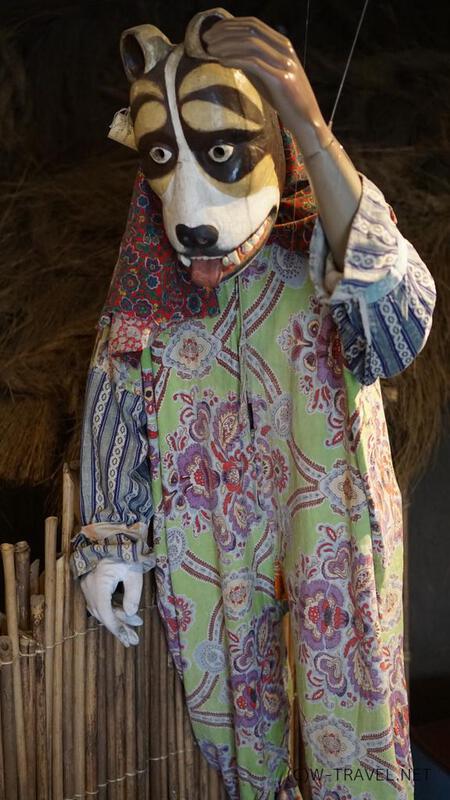
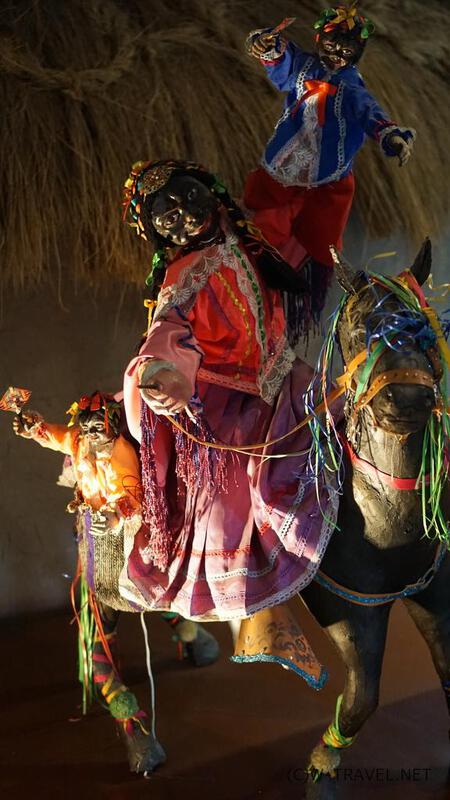
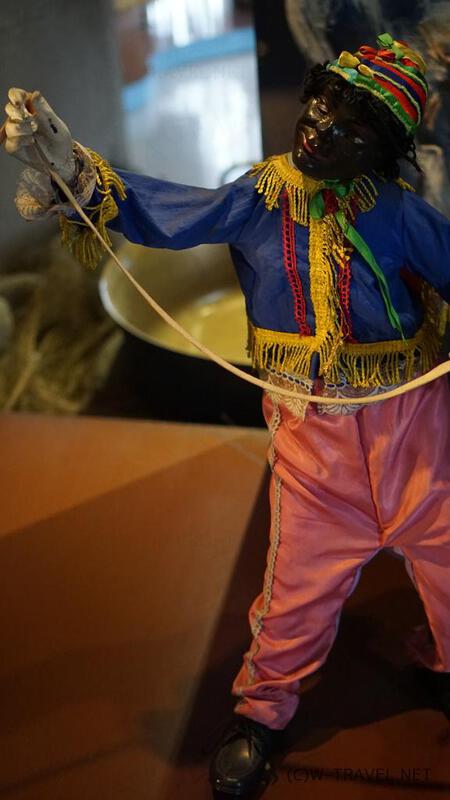
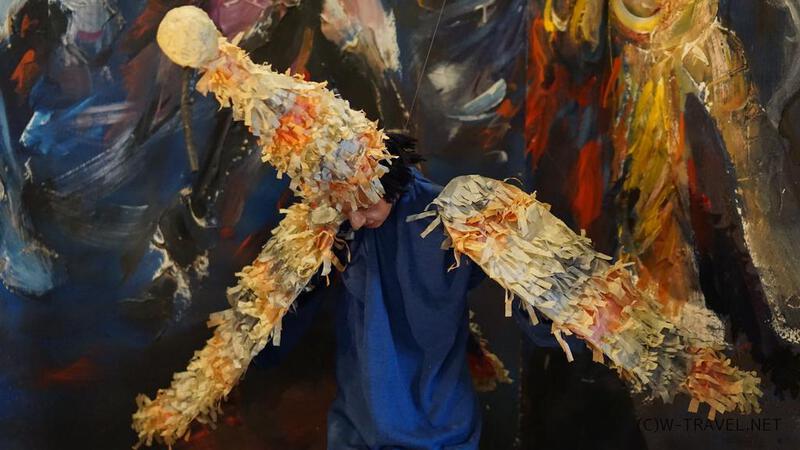
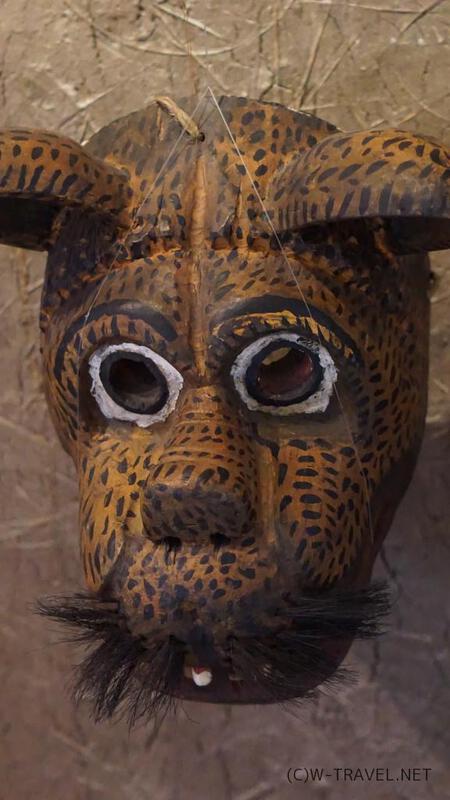
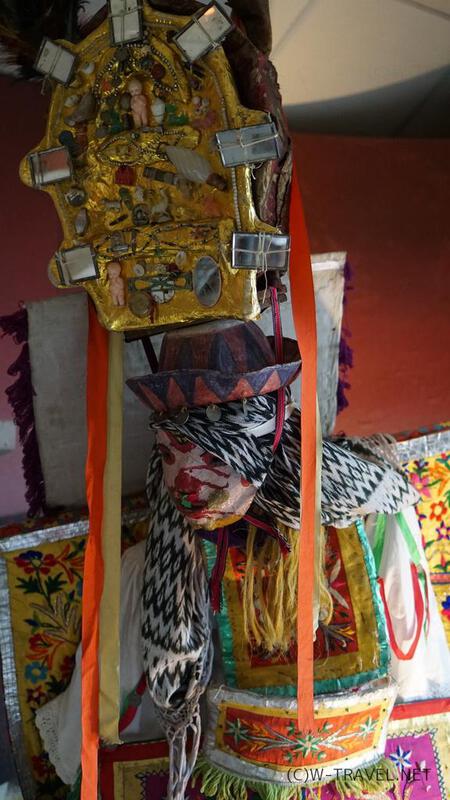
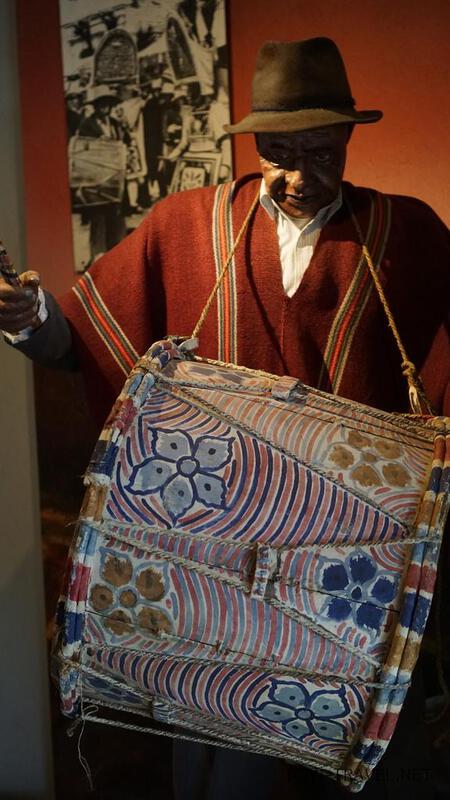
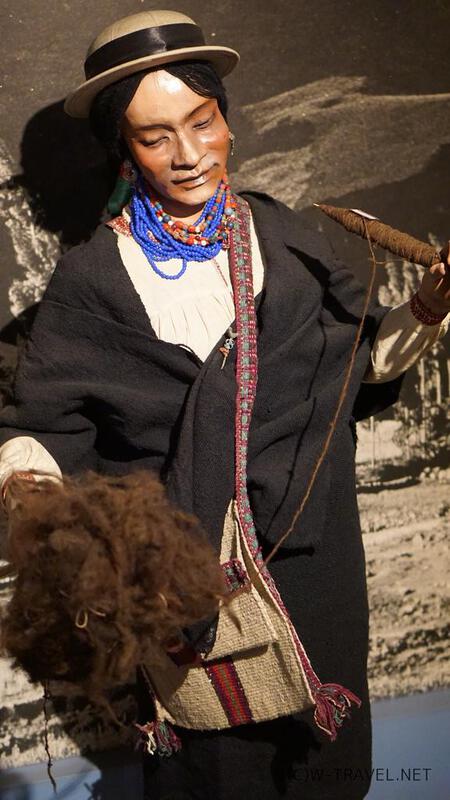
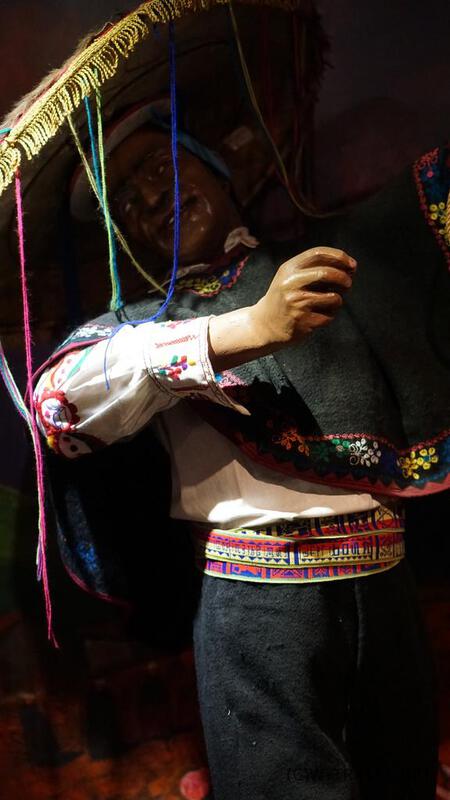
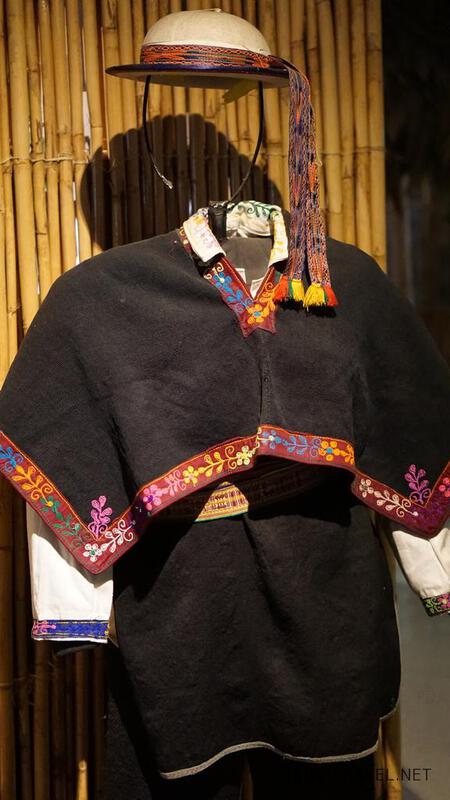
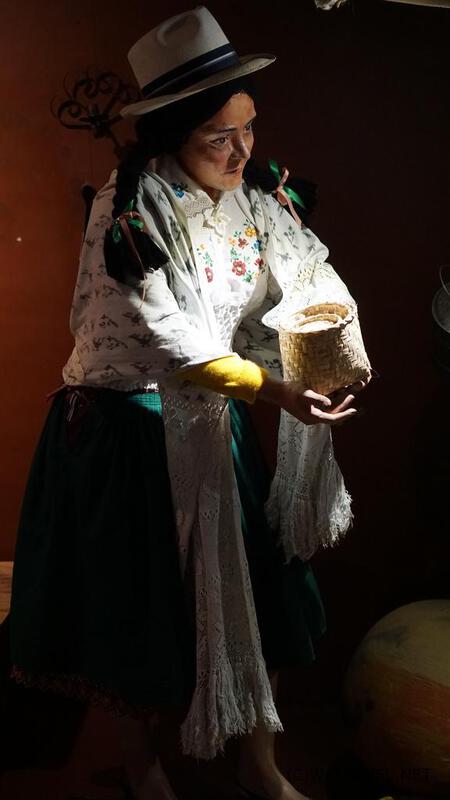
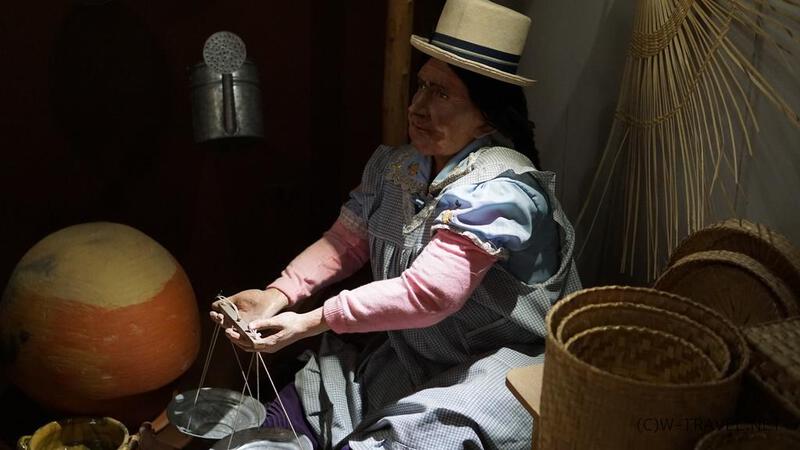
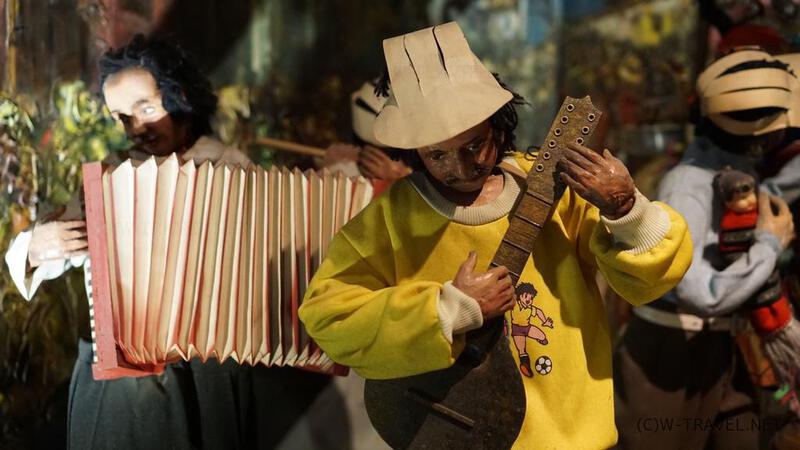
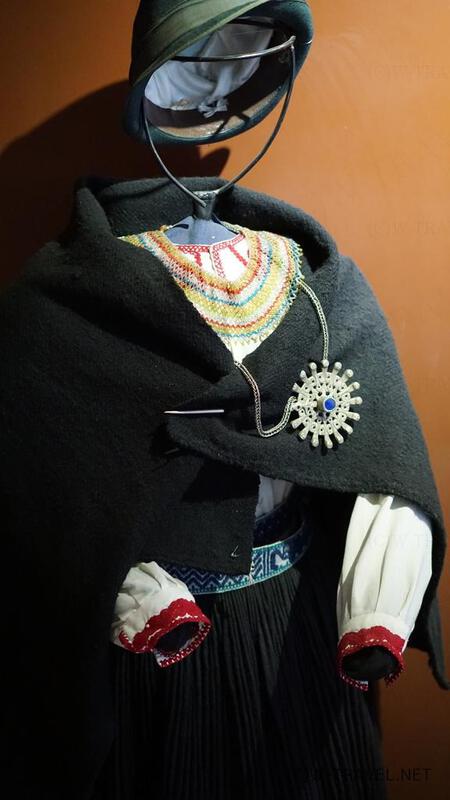
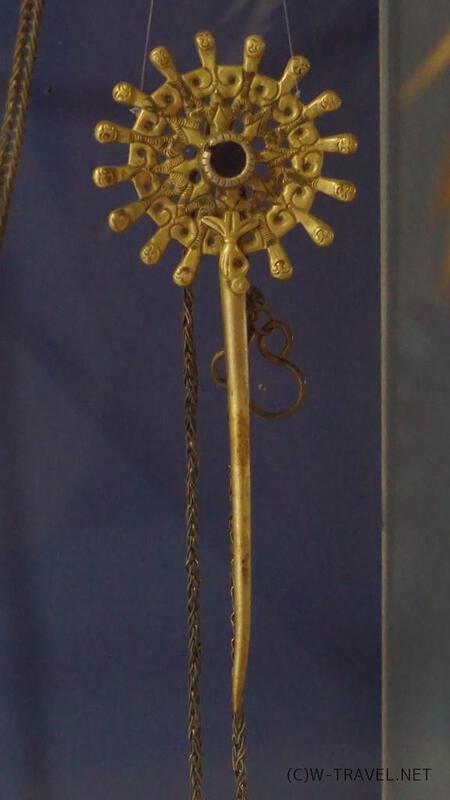
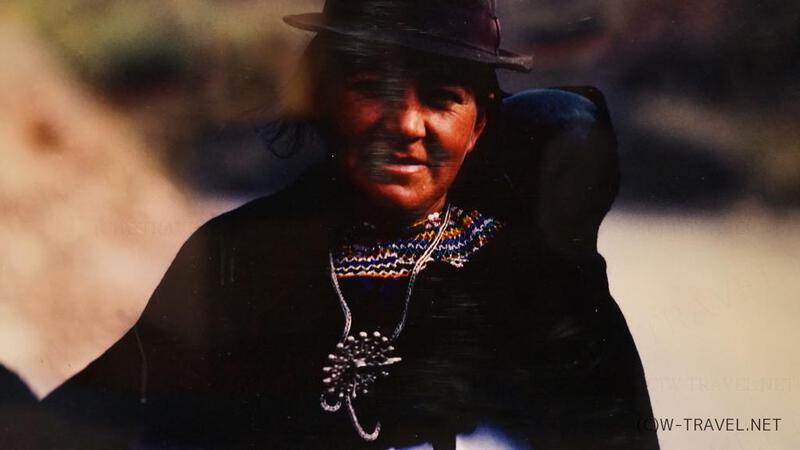
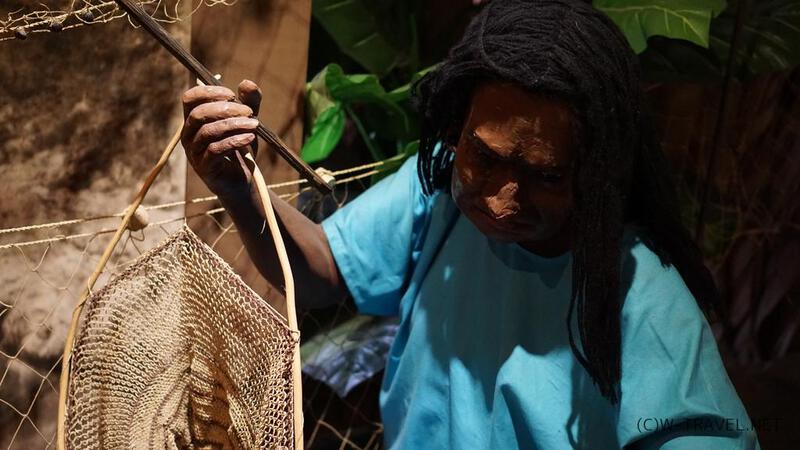
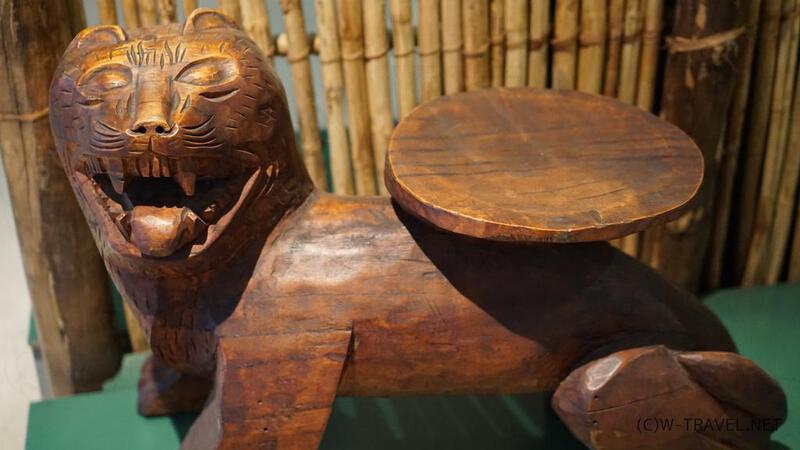
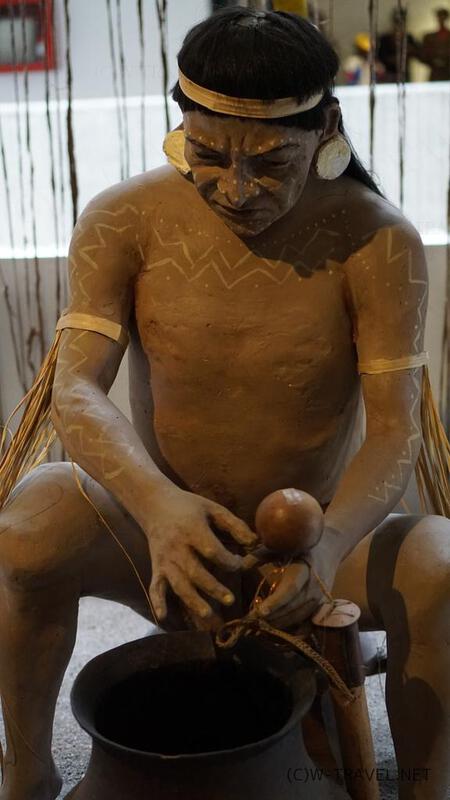
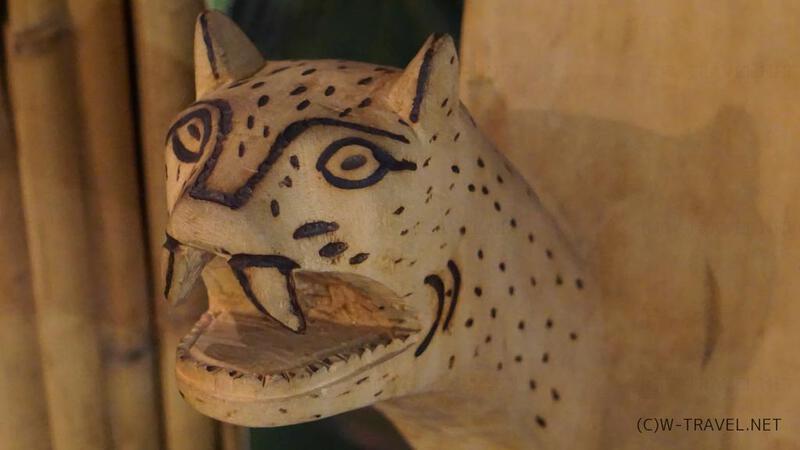
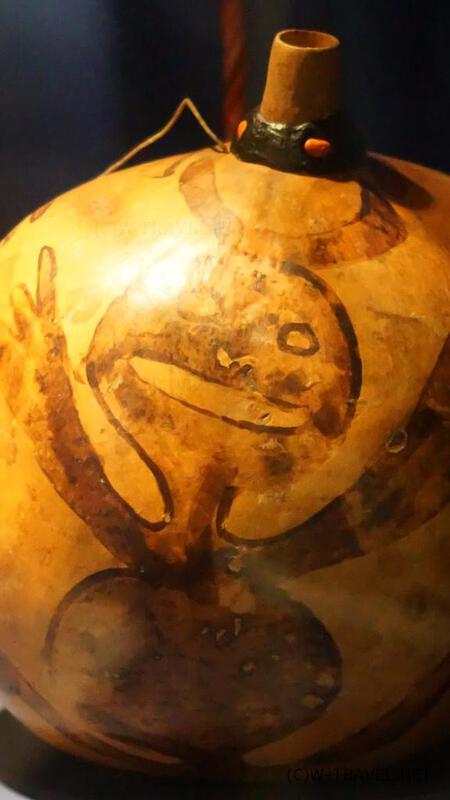
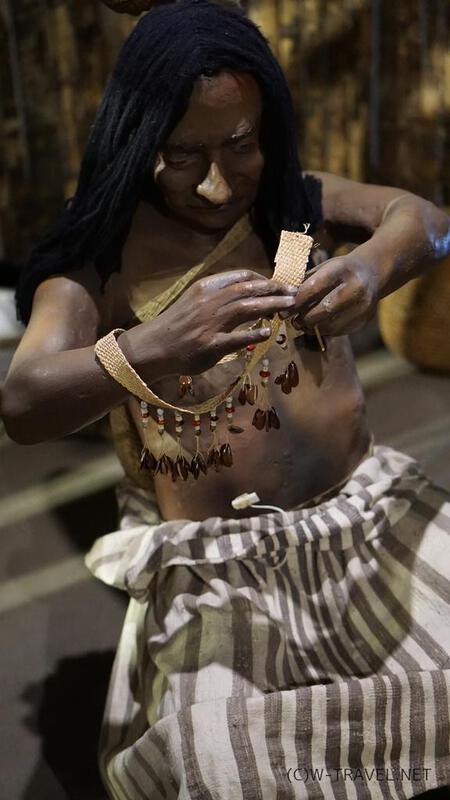
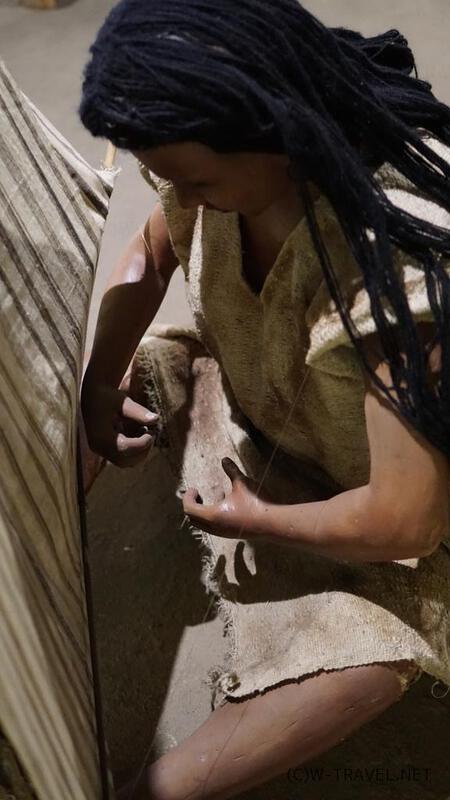
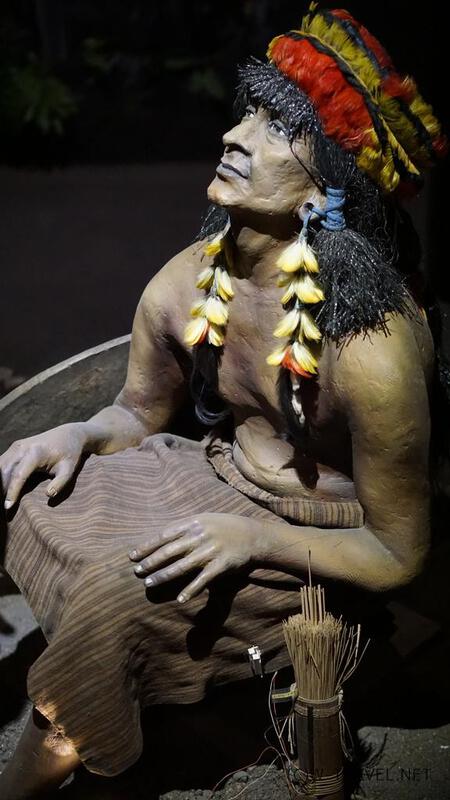
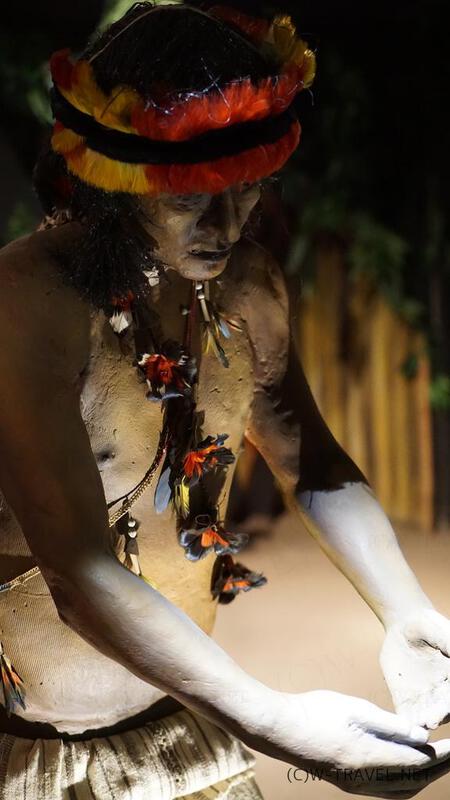
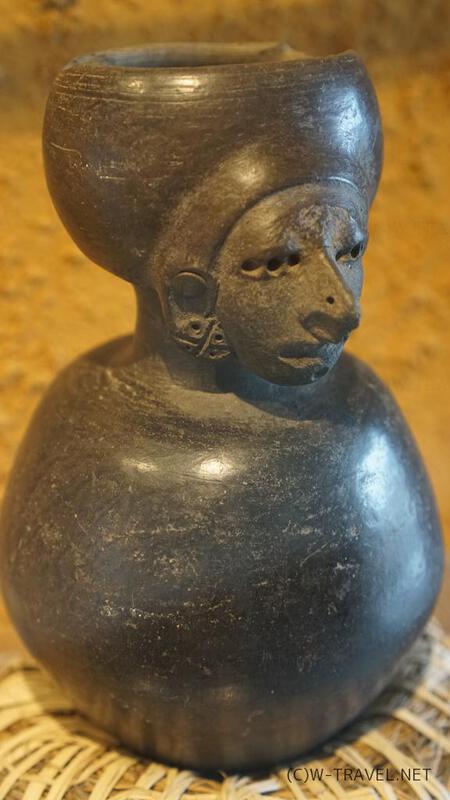
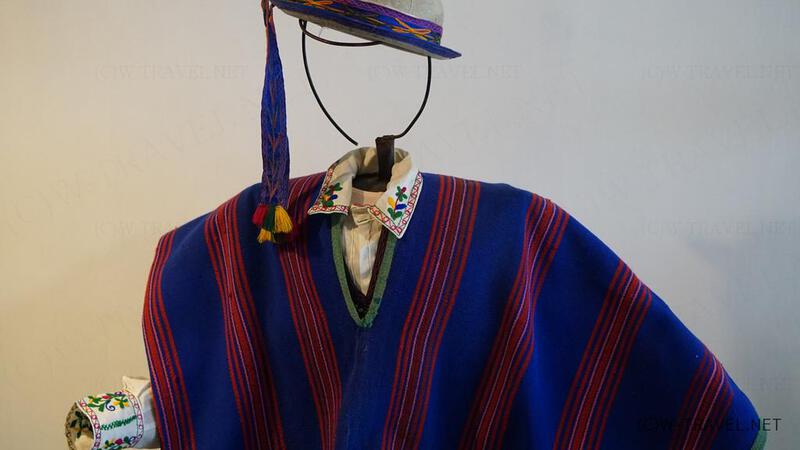
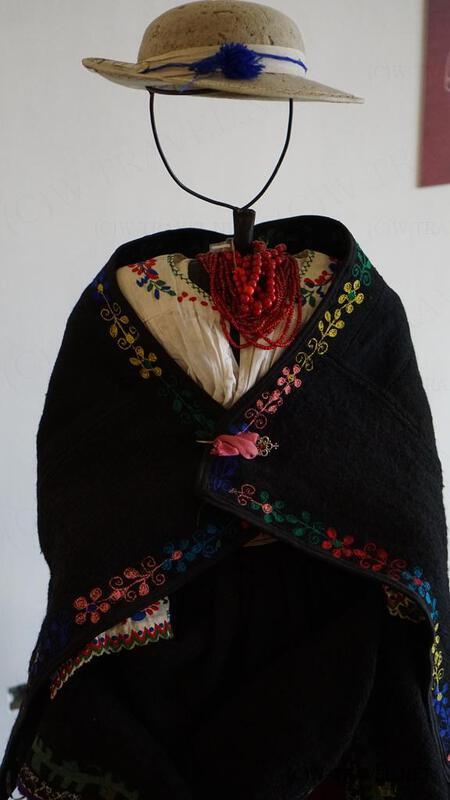
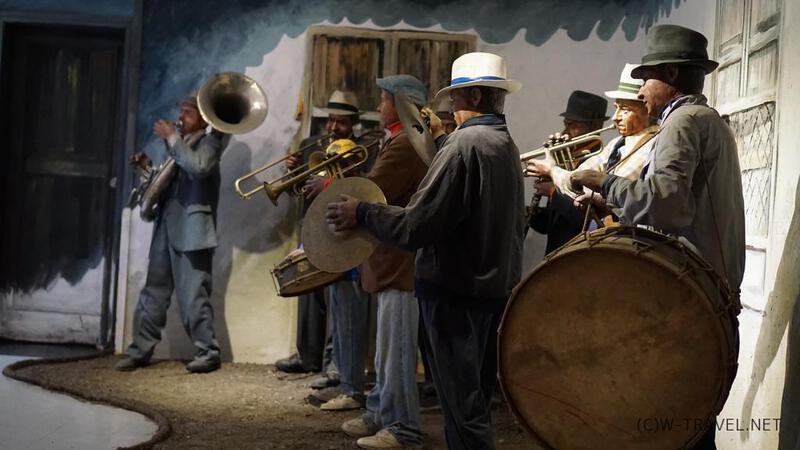
Музей Пумапунго в Куэнке (Министерство культуры Эквадора).
Посетите музей Pumapungo Museo (Министерство культуры Эквадора), расположенный рядом с центральным банком Куэнки.
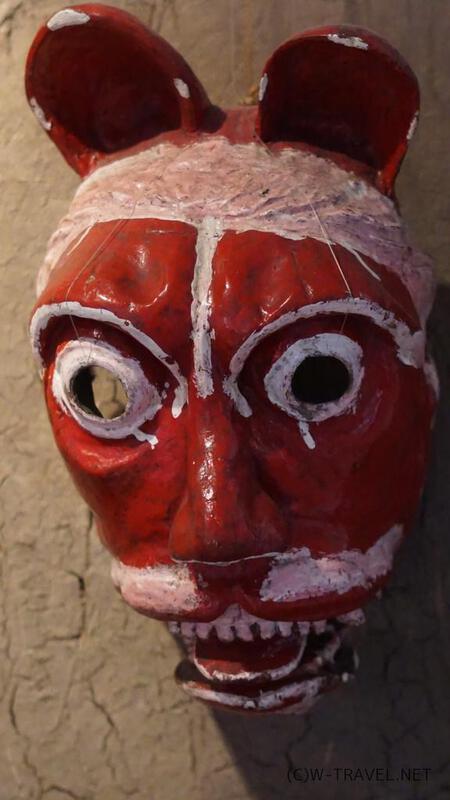
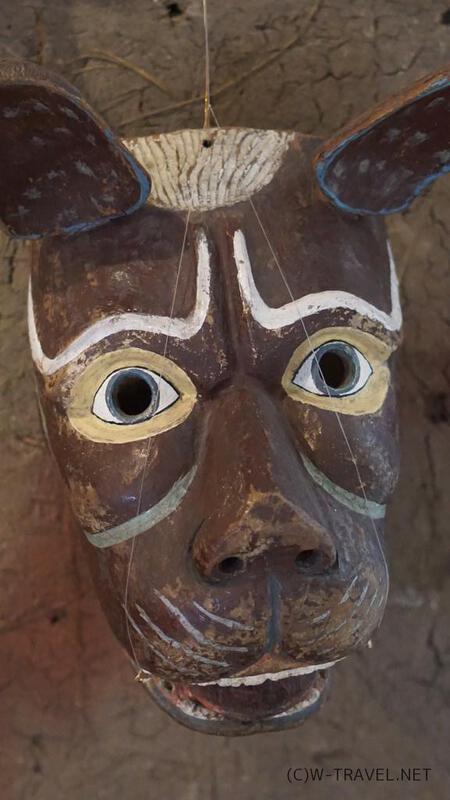
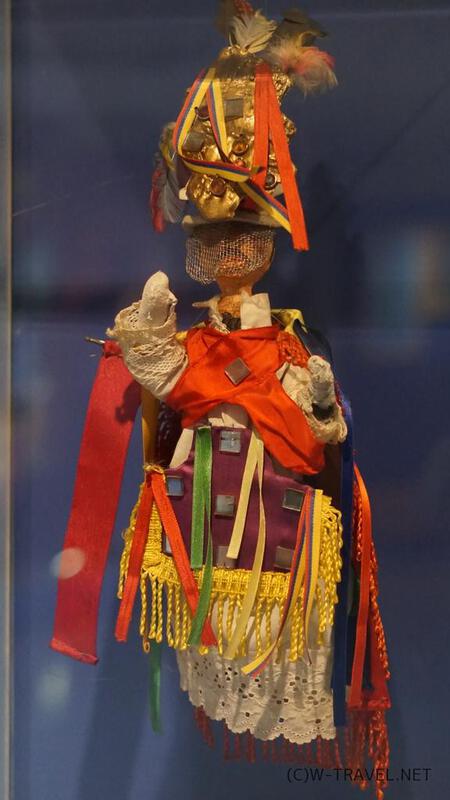
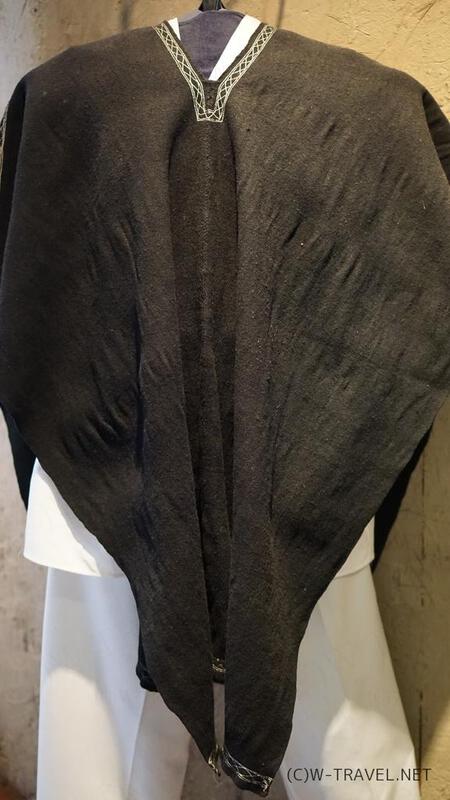
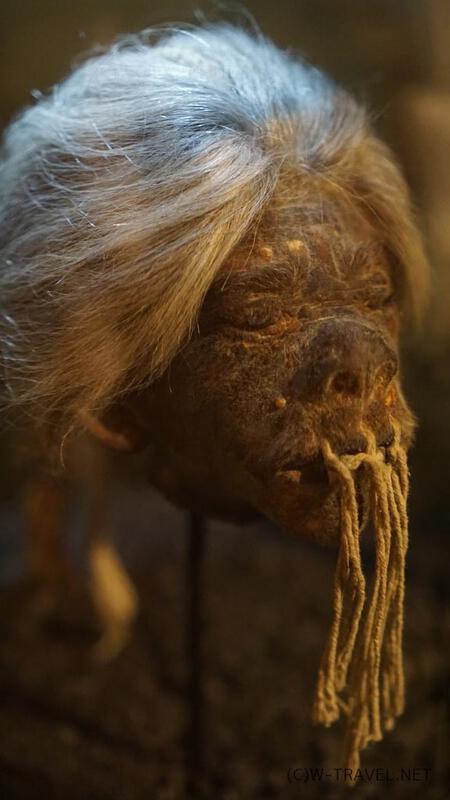
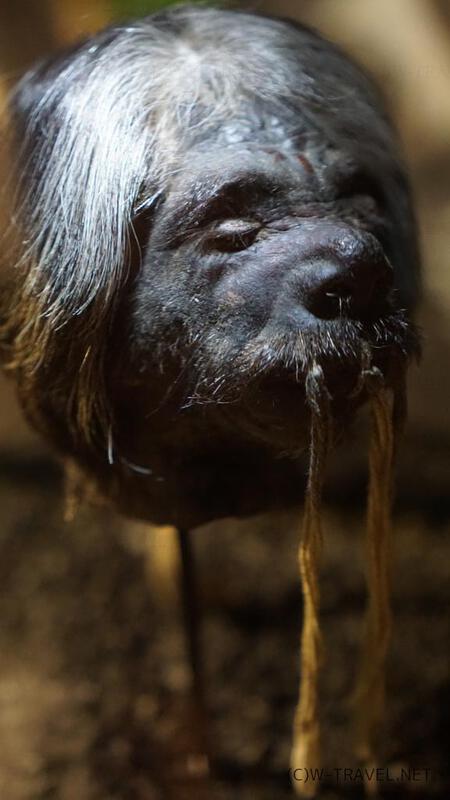
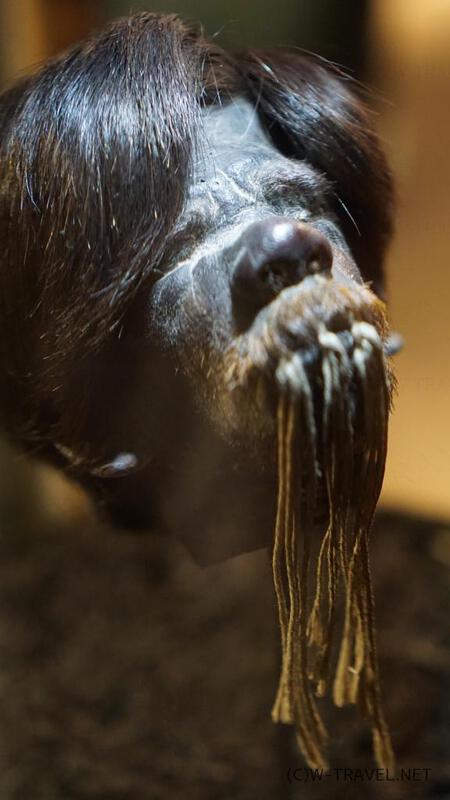
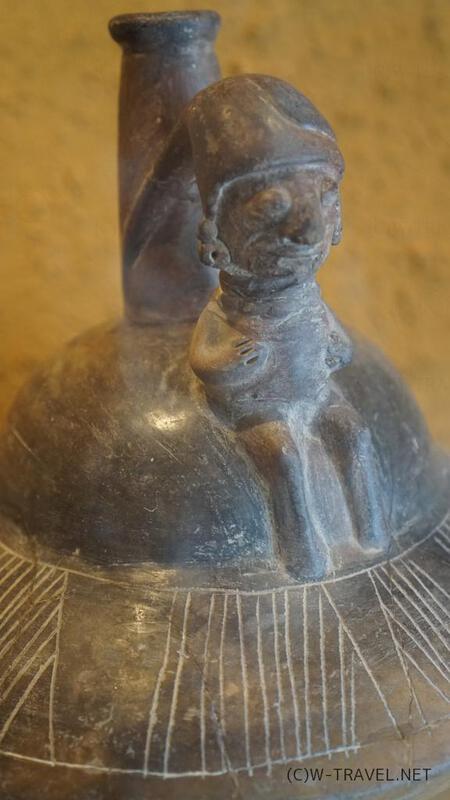
В этом музее представлены экспонаты, посвященные различным народам. Вход бесплатный. Музей фокусируется на различных этнических группах, и это очень интересно.























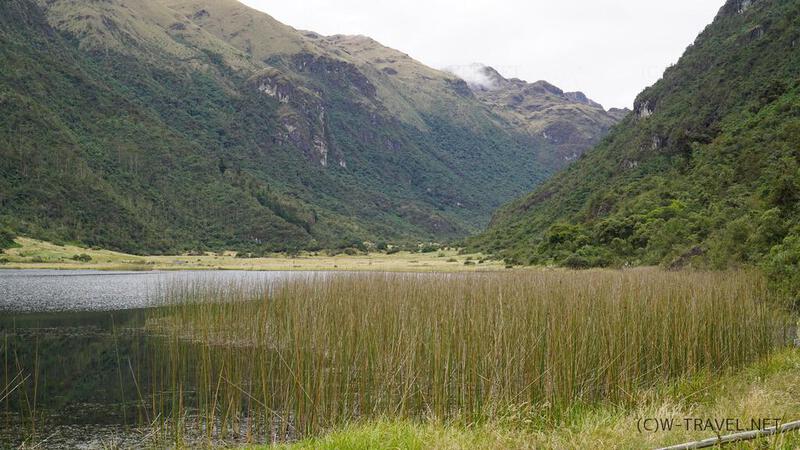
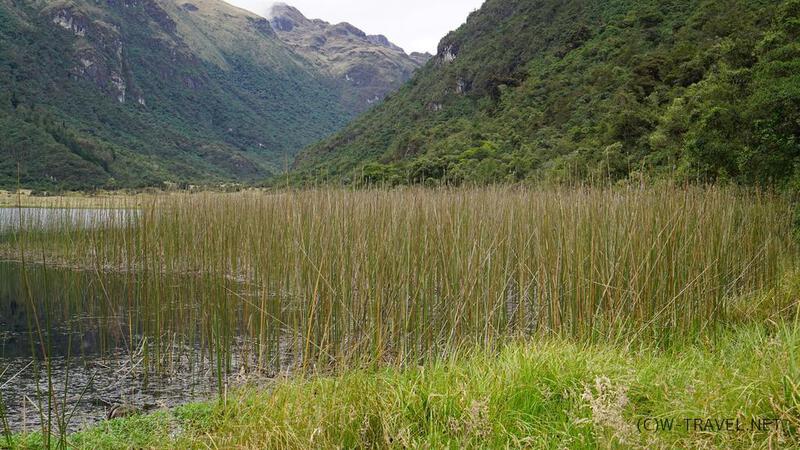
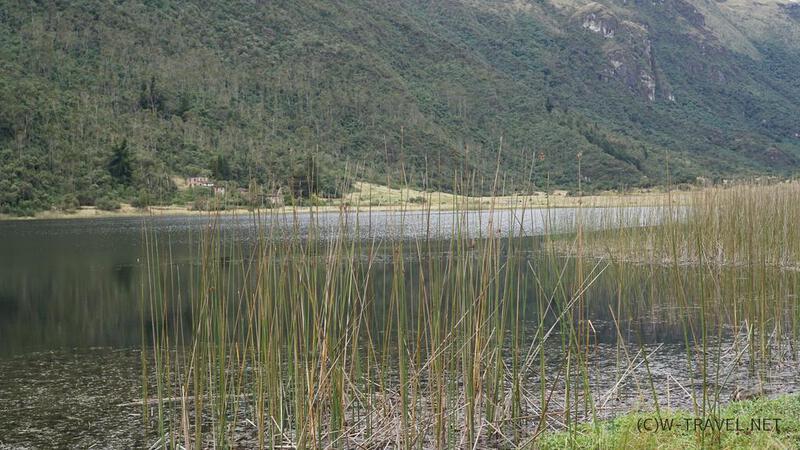
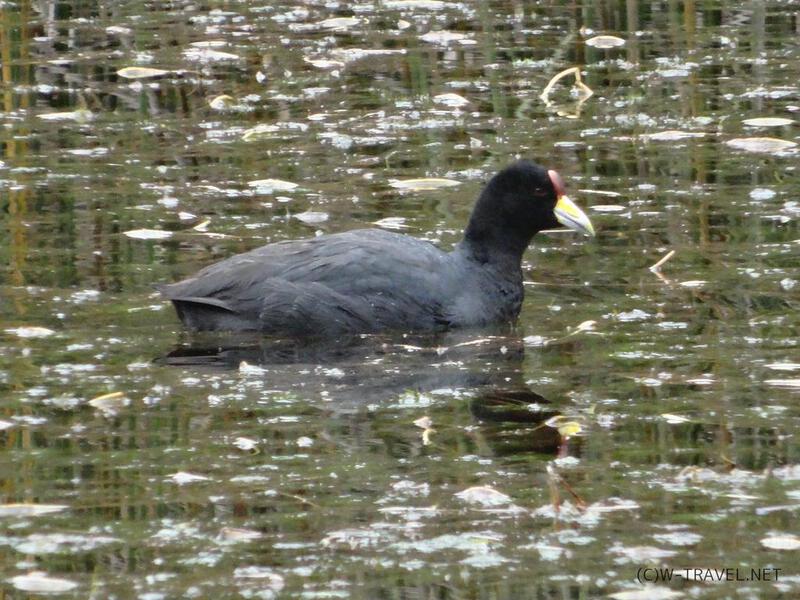
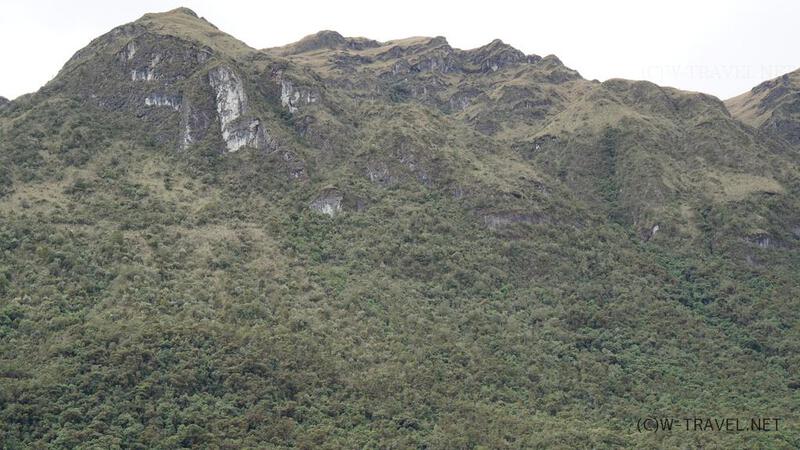
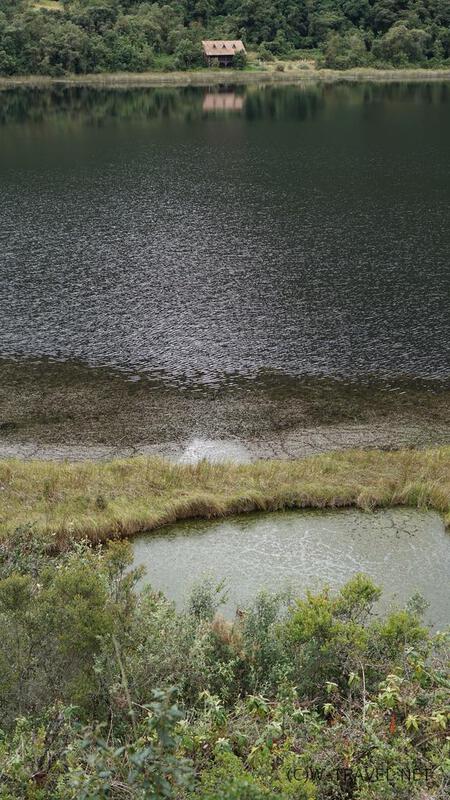
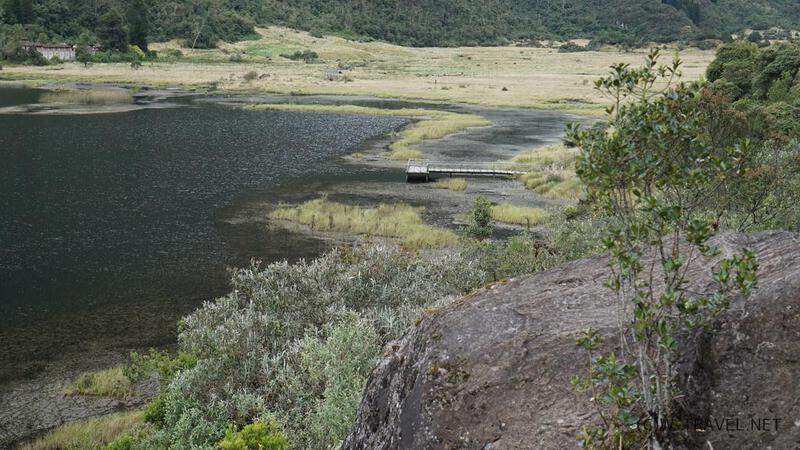
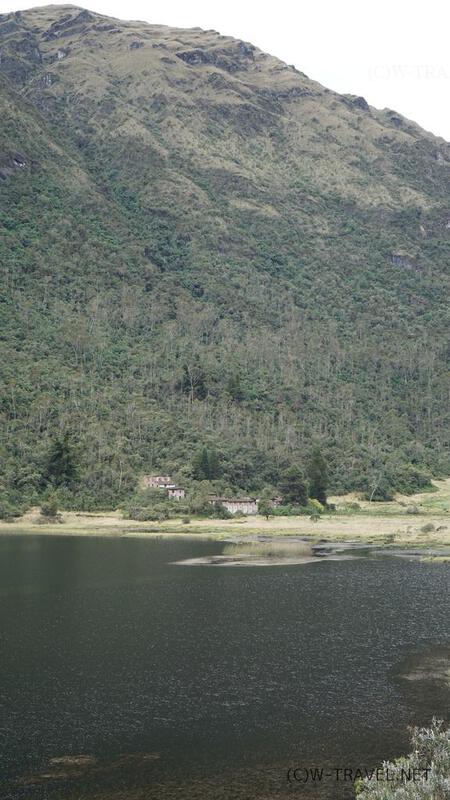
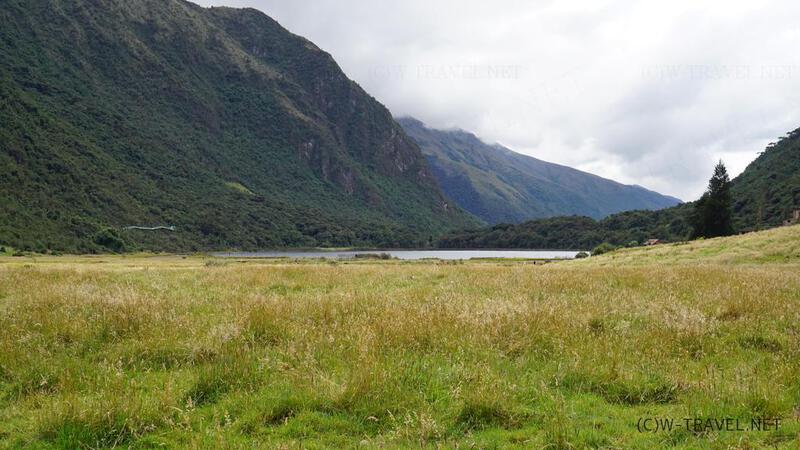
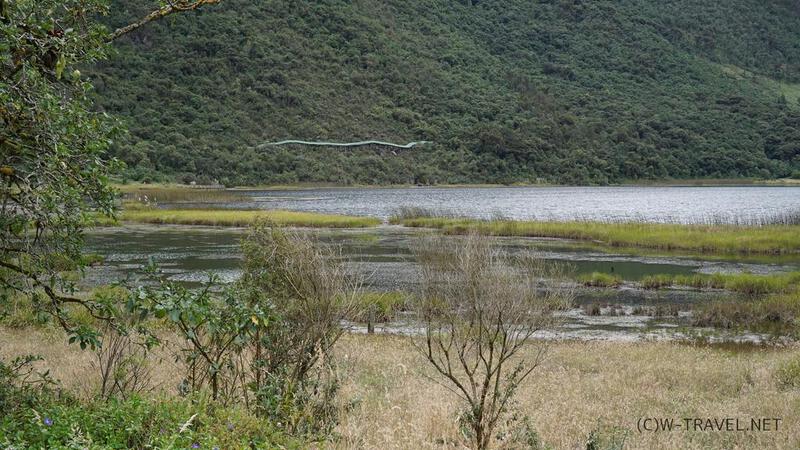
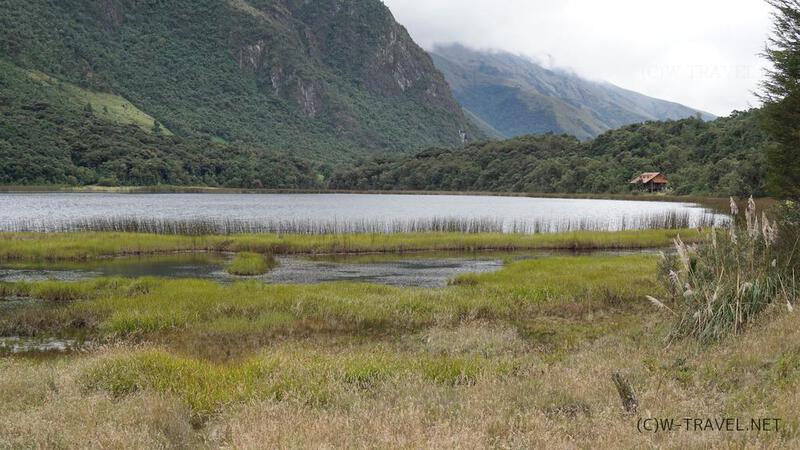
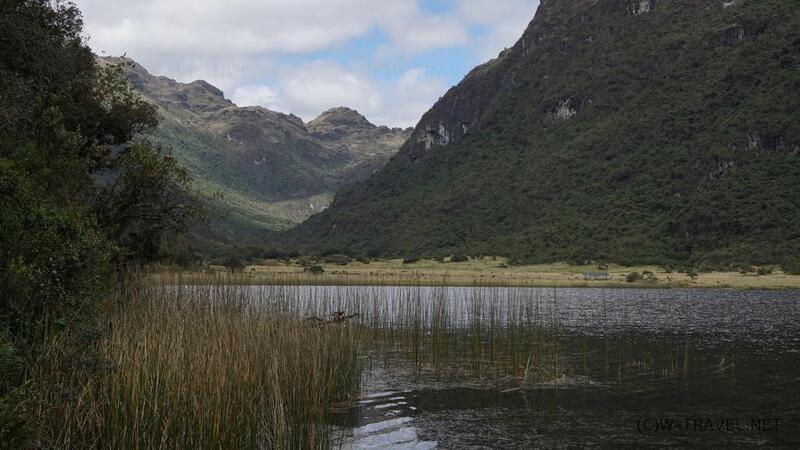
Национальный парк Эль-Кахас (Parque Nacional El Cajas) - озеро Льявиуку (Laguna Llaviucu).
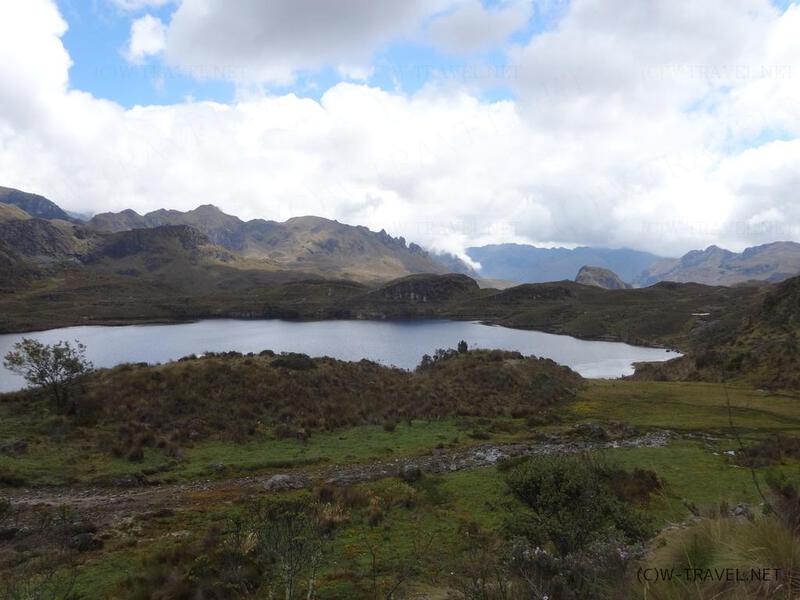
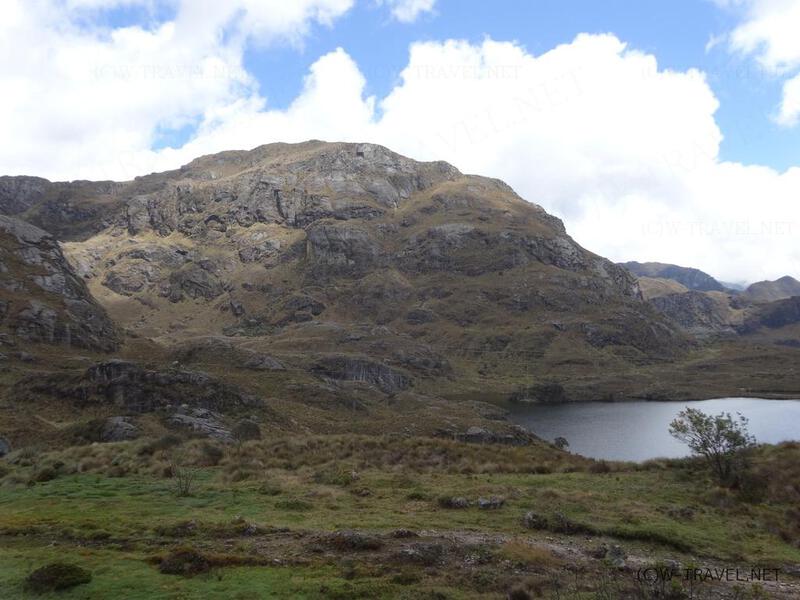
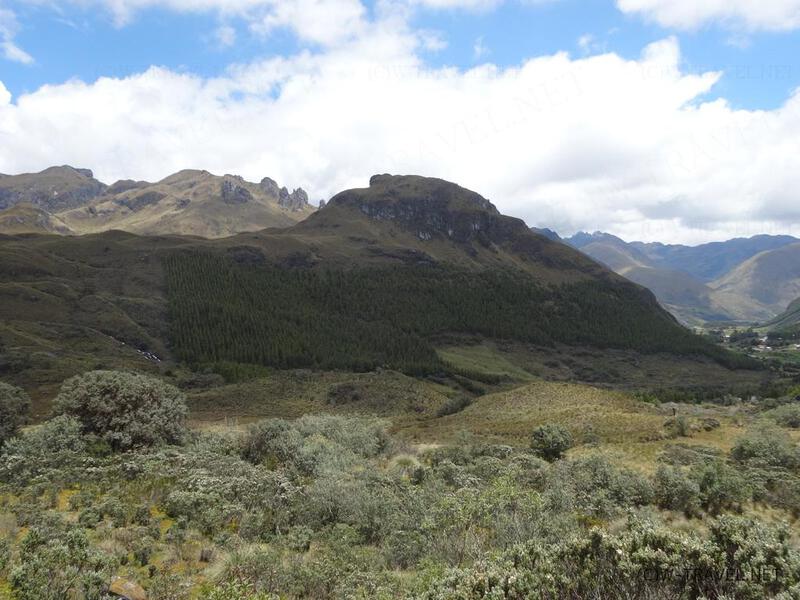
Посетите национальный парк Эль-Кахас (Parque Nacional El Cajas), расположенный недалеко от Куэнки.
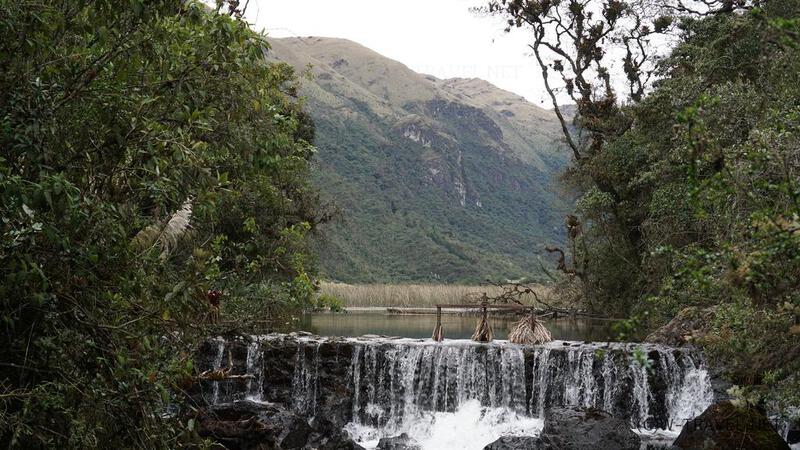
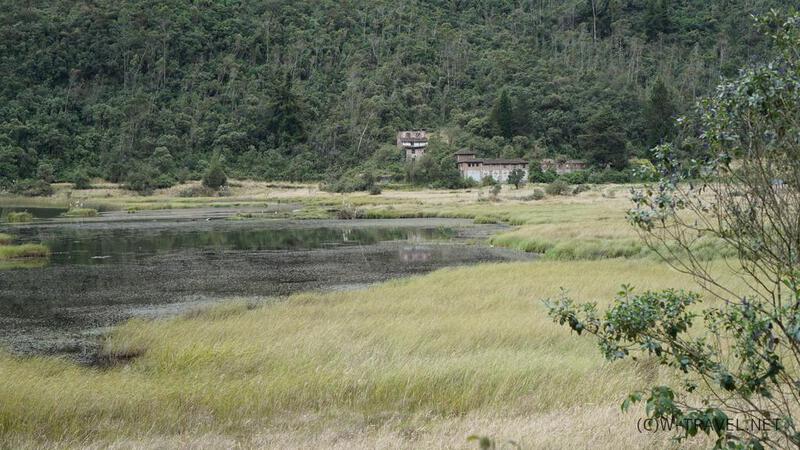
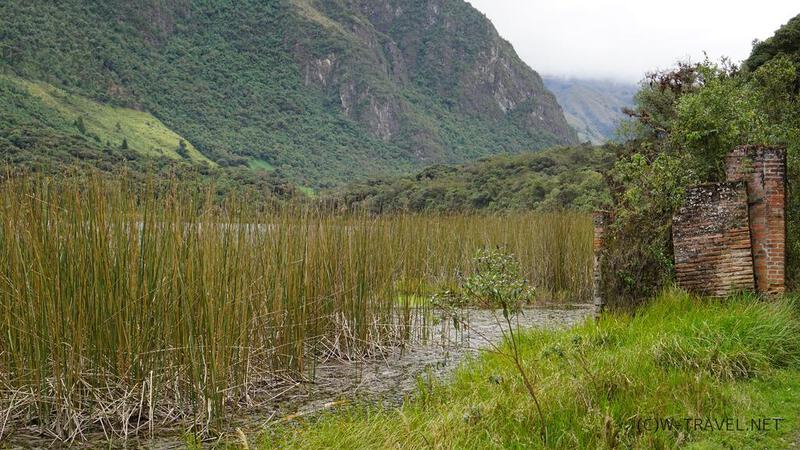
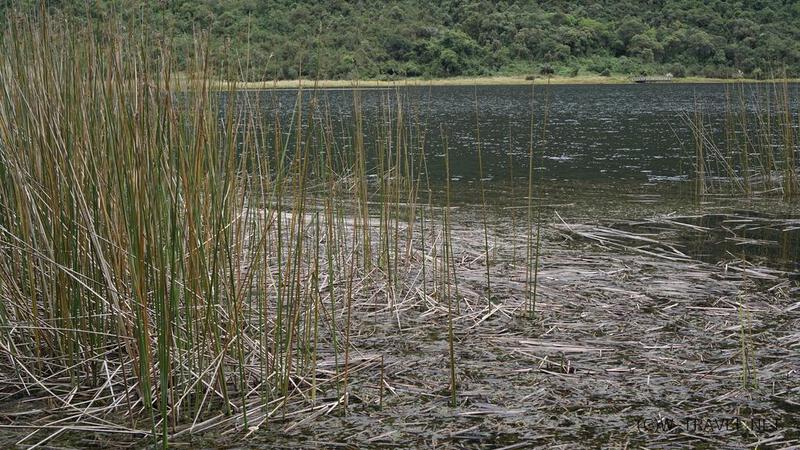
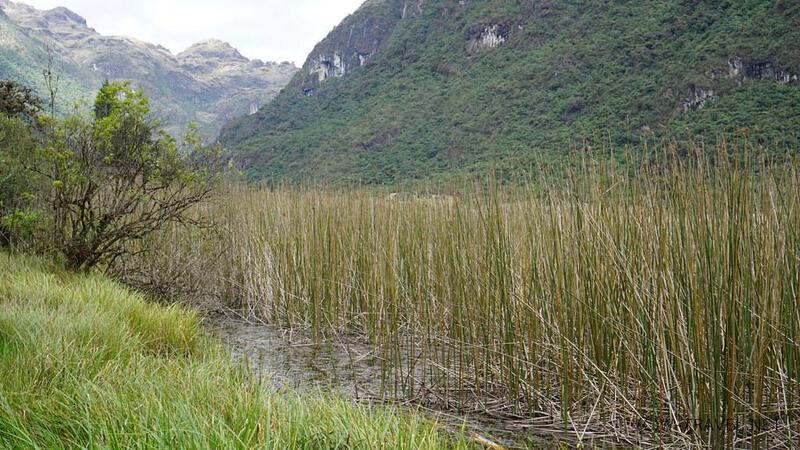
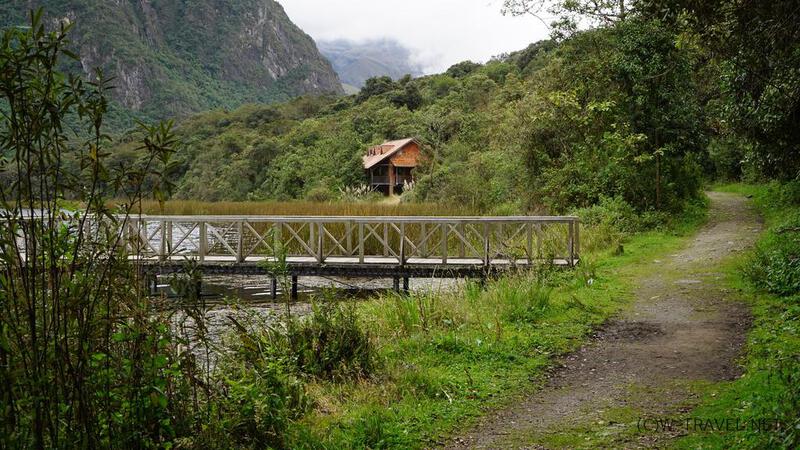
У меня не было карты этого места, поэтому я не очень хорошо ориентировался, но я решил поехать к озеру Льявиуку (Laguna Llaviucu).
Кажется, там есть несколько интересных мест, но это озеро находится ближе всего к Куэнке.
Местоположение: здесь.
Похоже, если ехать на автобусе, то обычно выходят не здесь, а немного севернее, в другом месте.
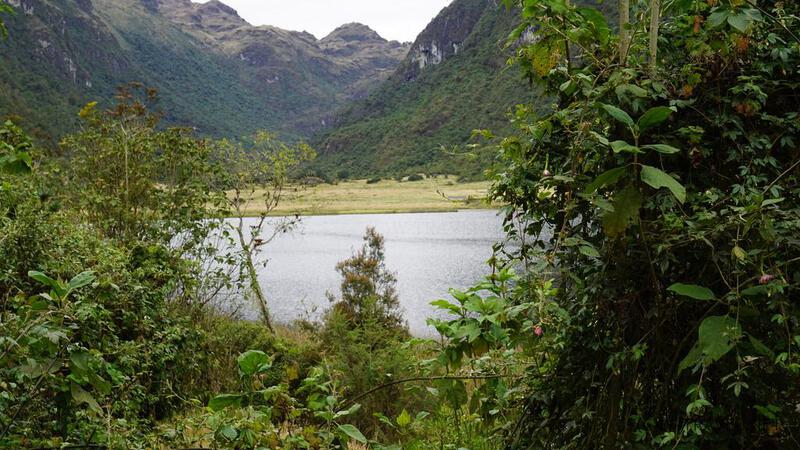
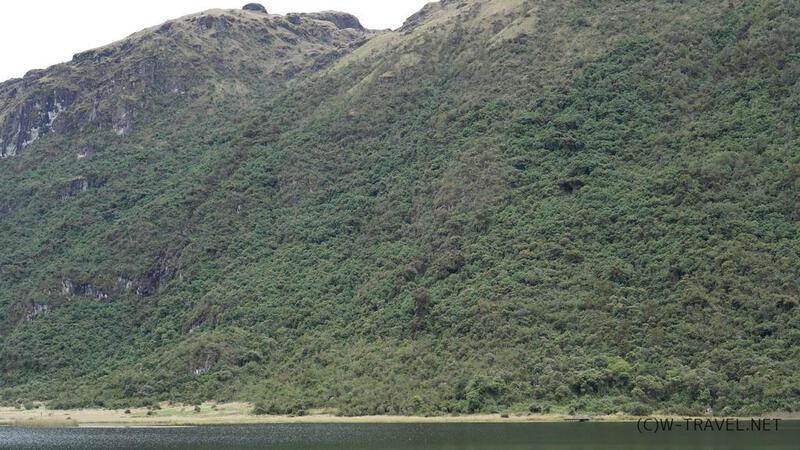
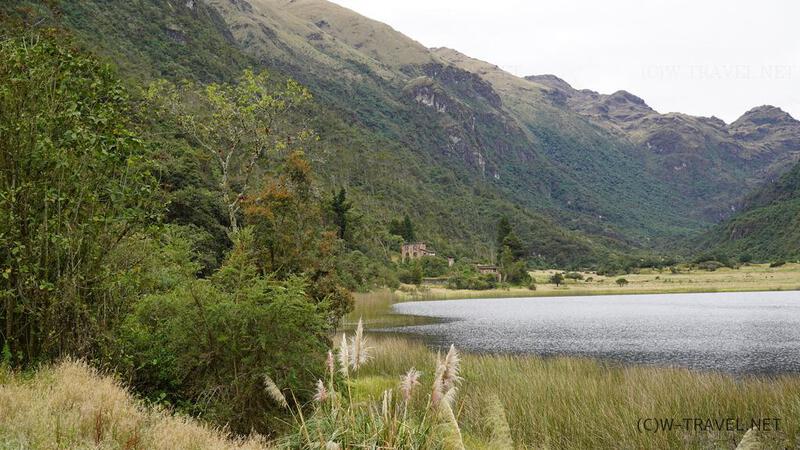
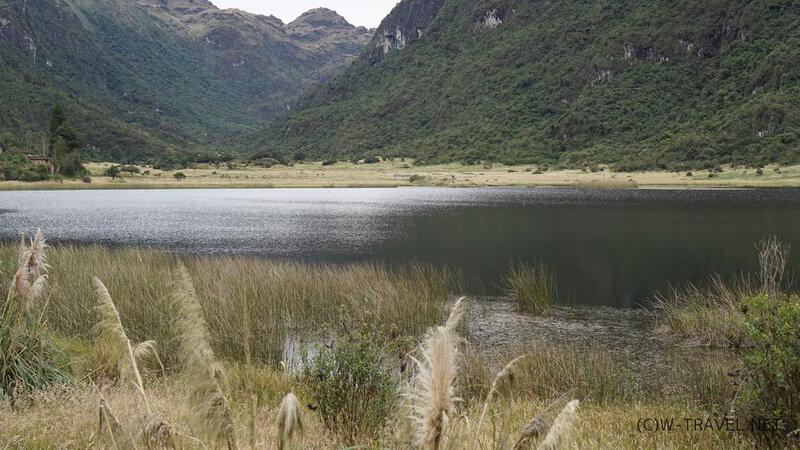
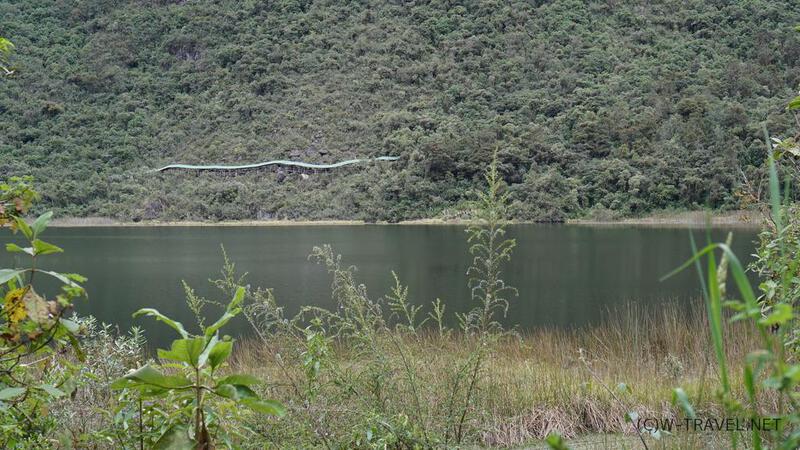
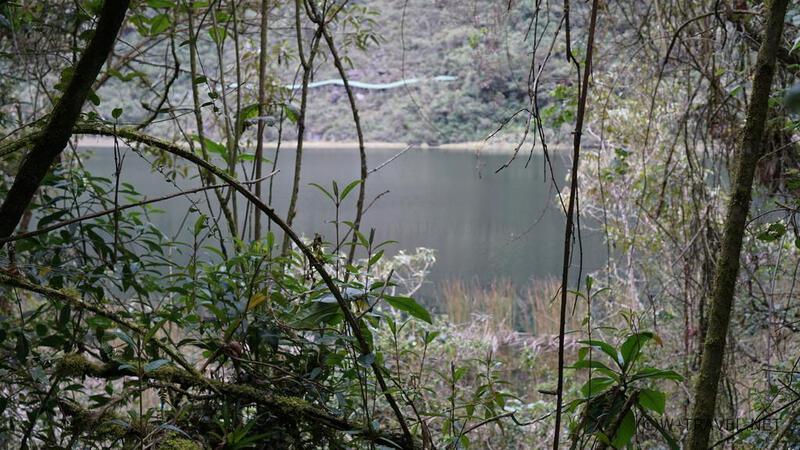
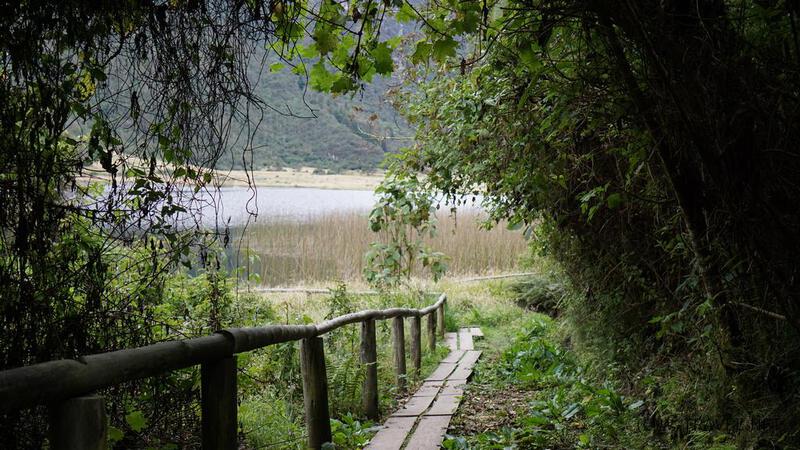
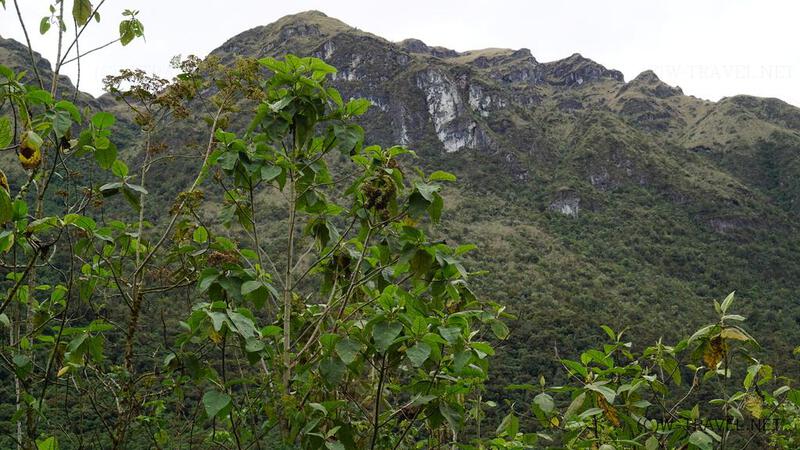
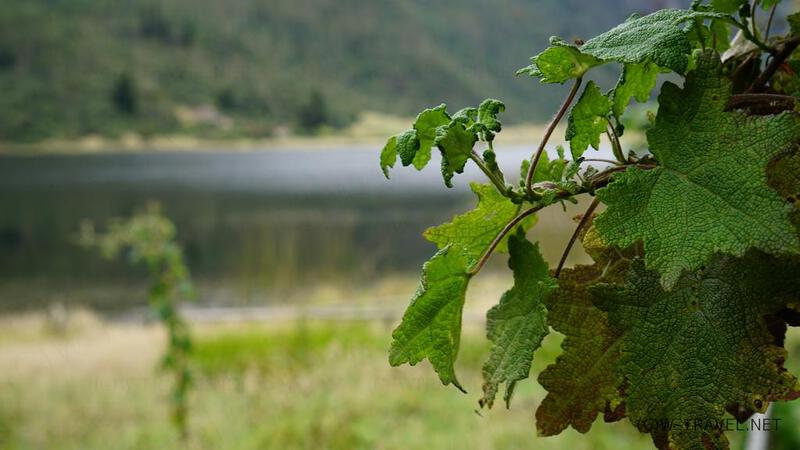
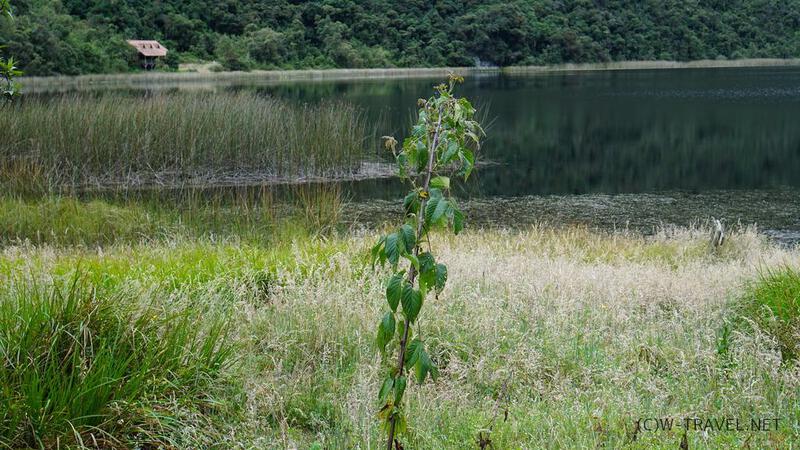
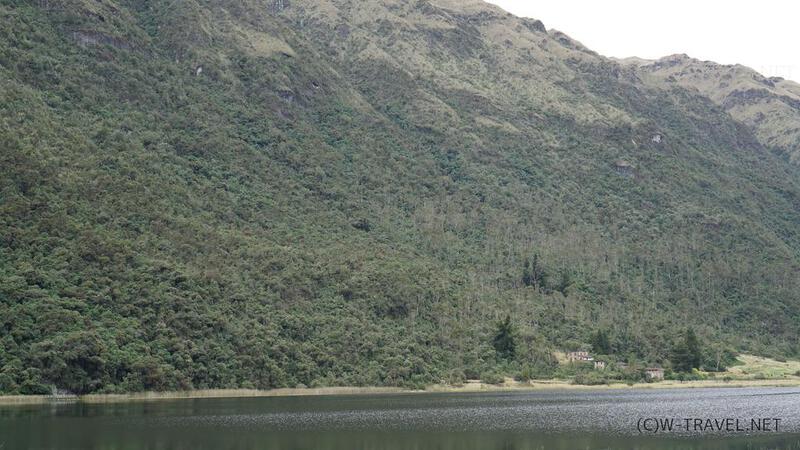
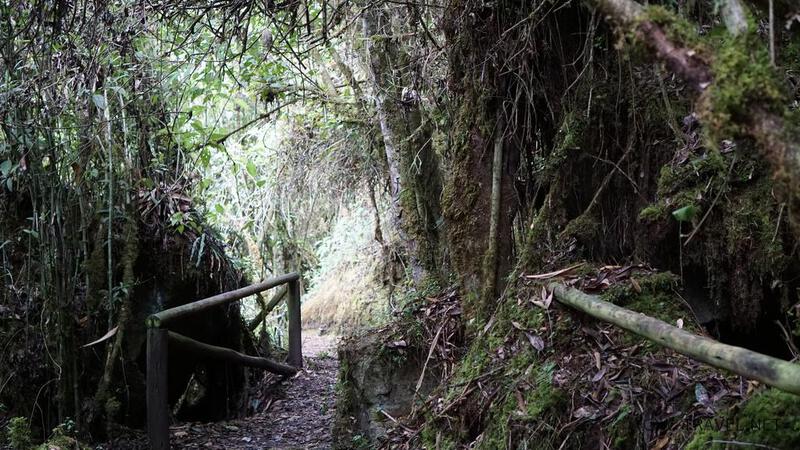
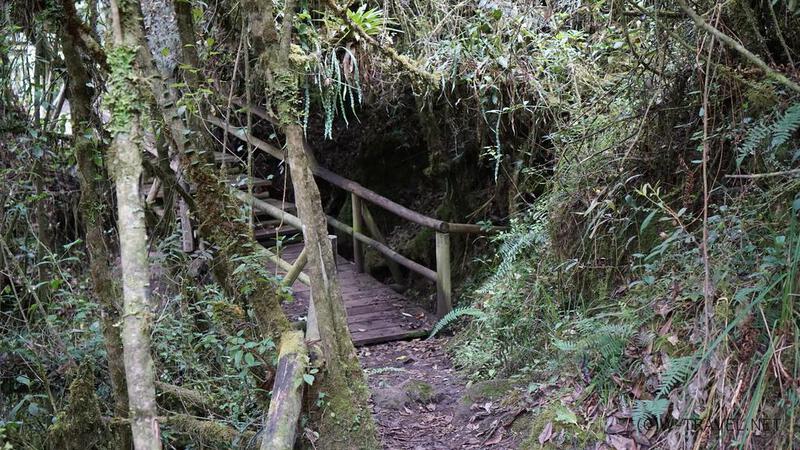
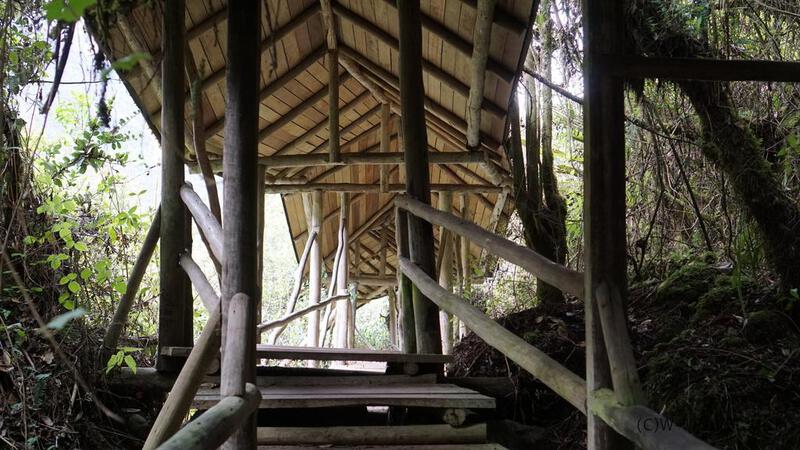
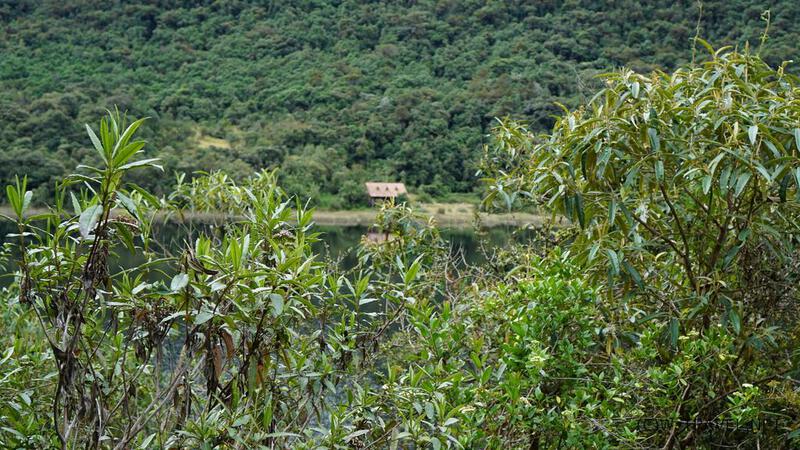
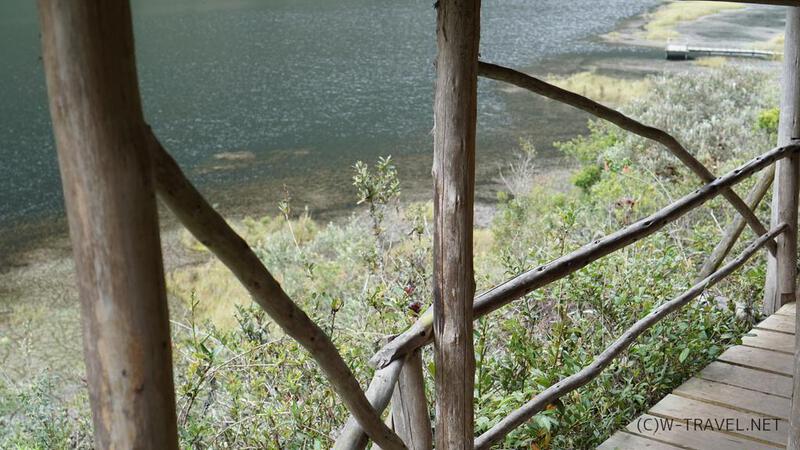
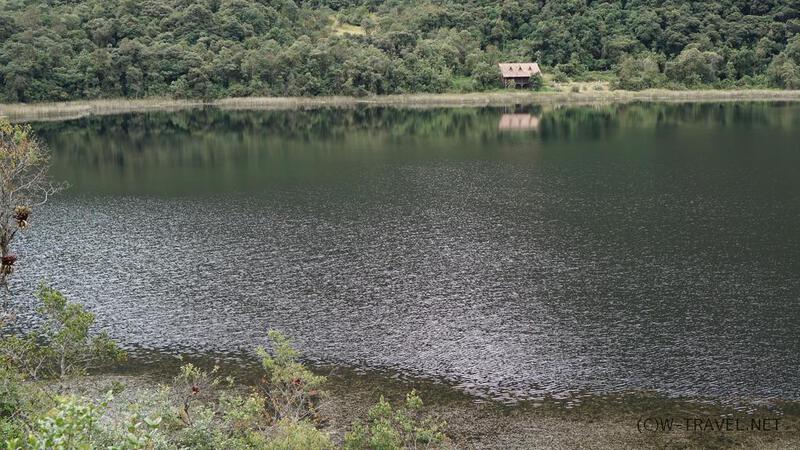
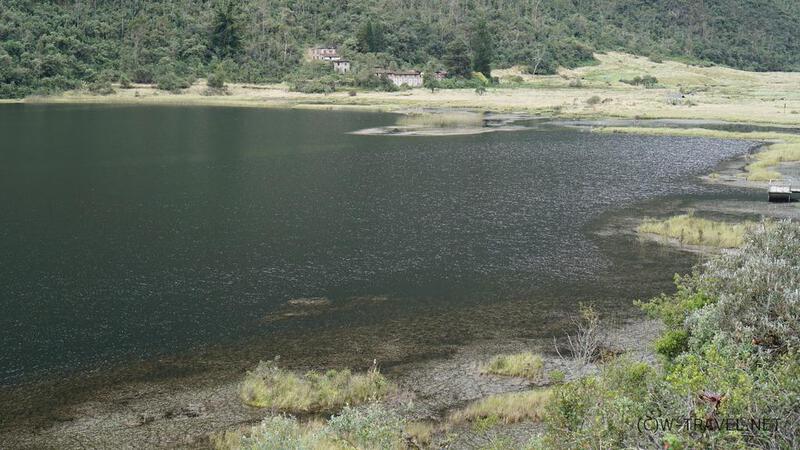
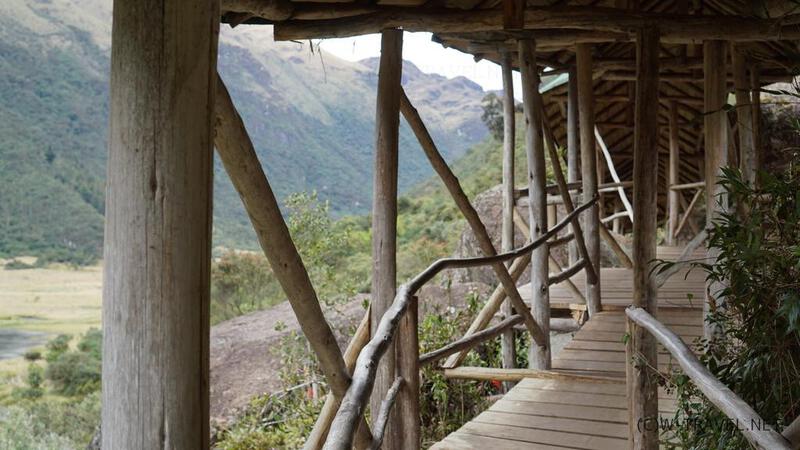
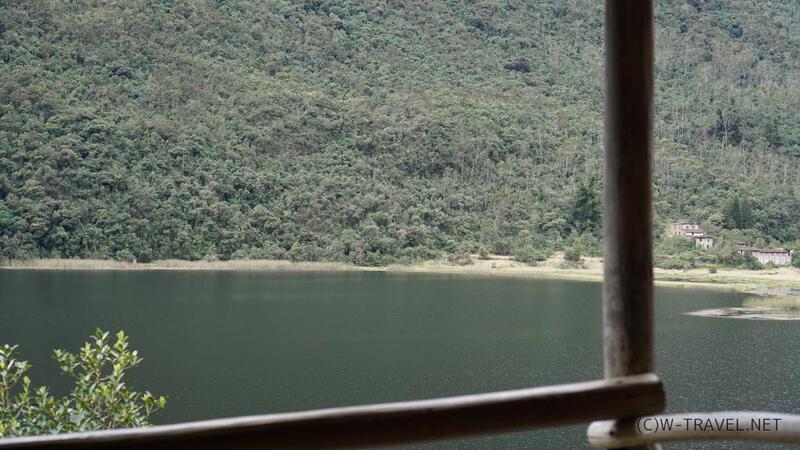
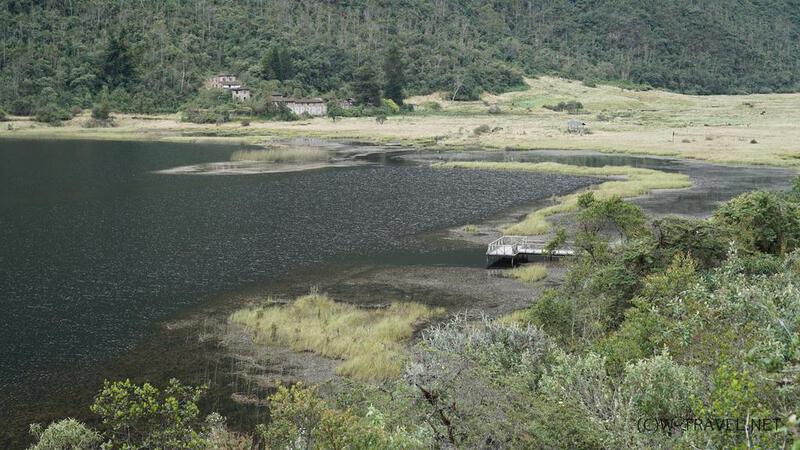
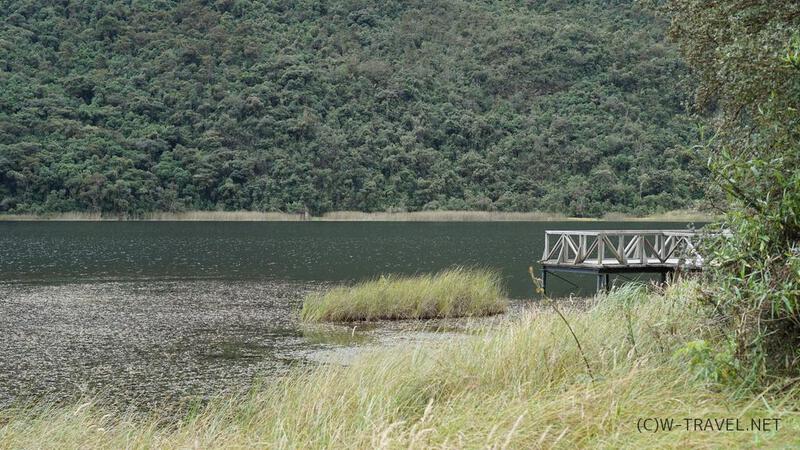
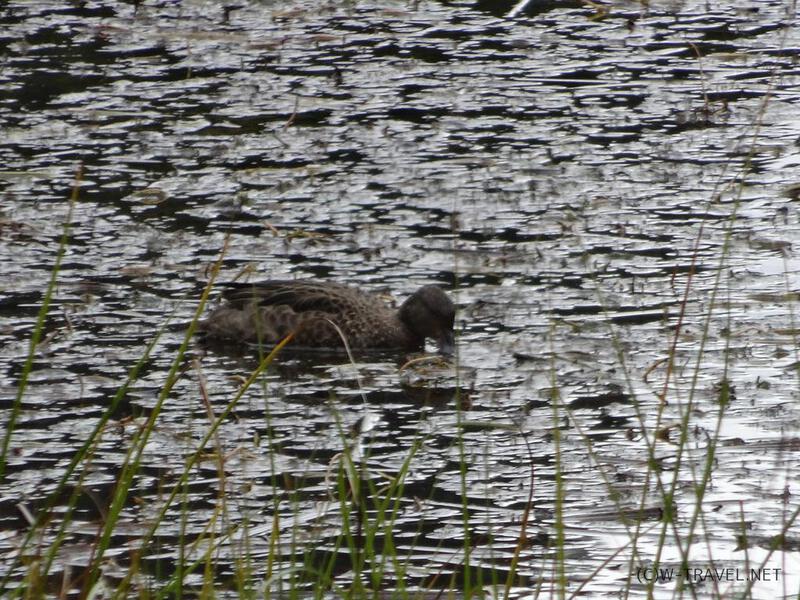
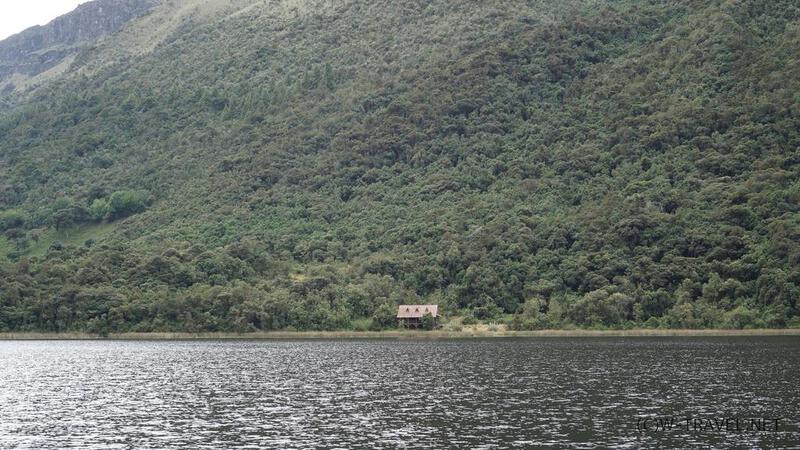
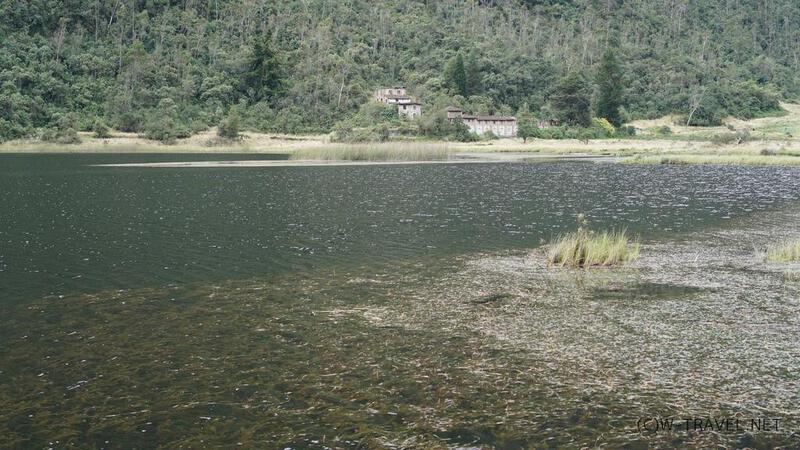
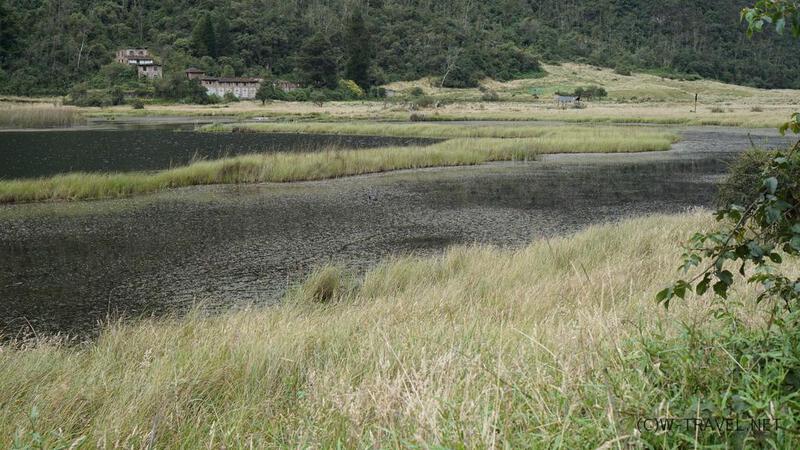
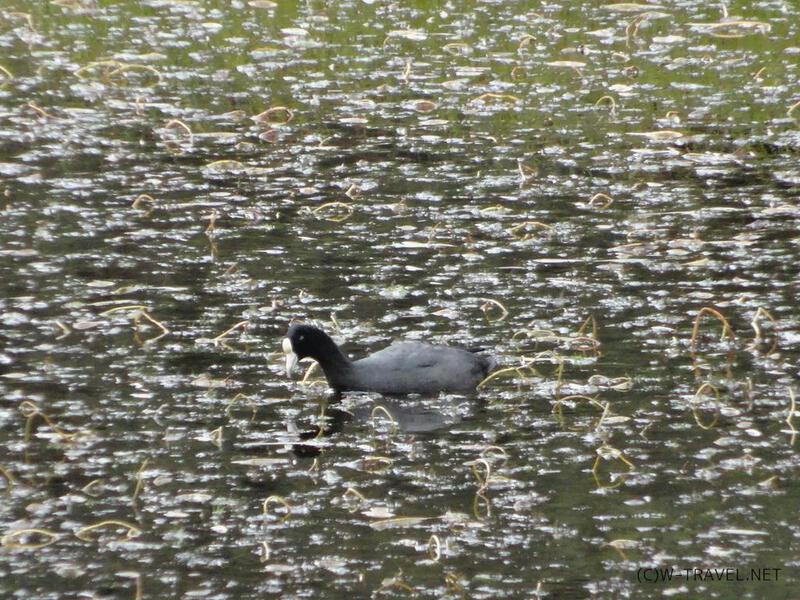
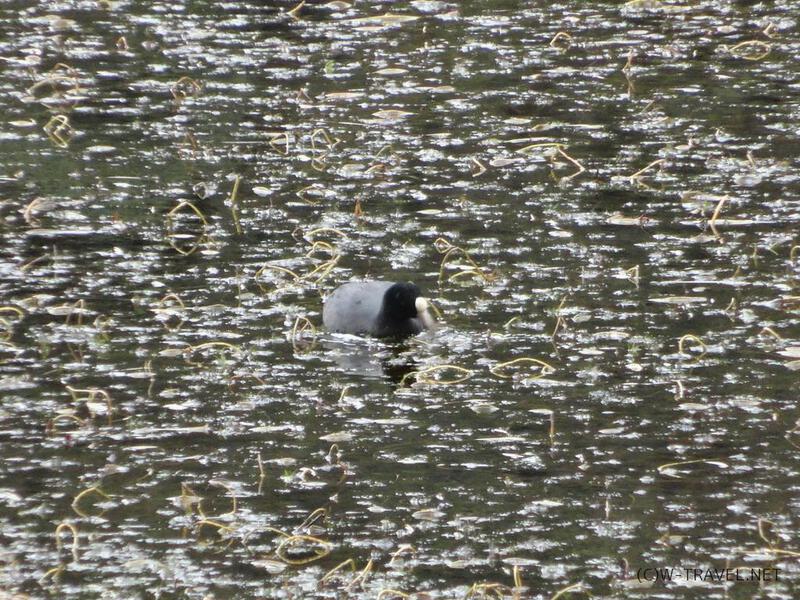
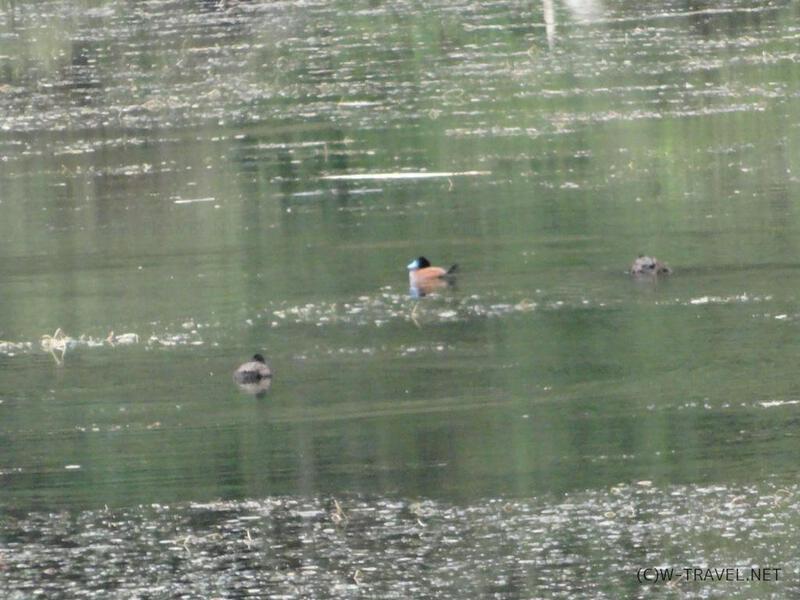
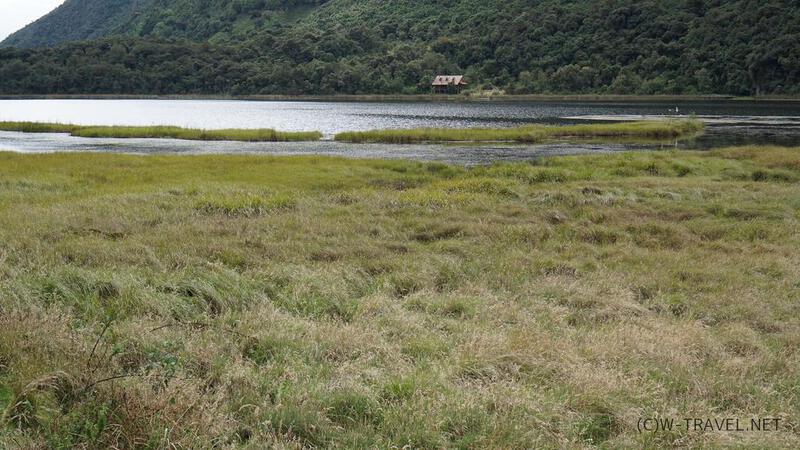
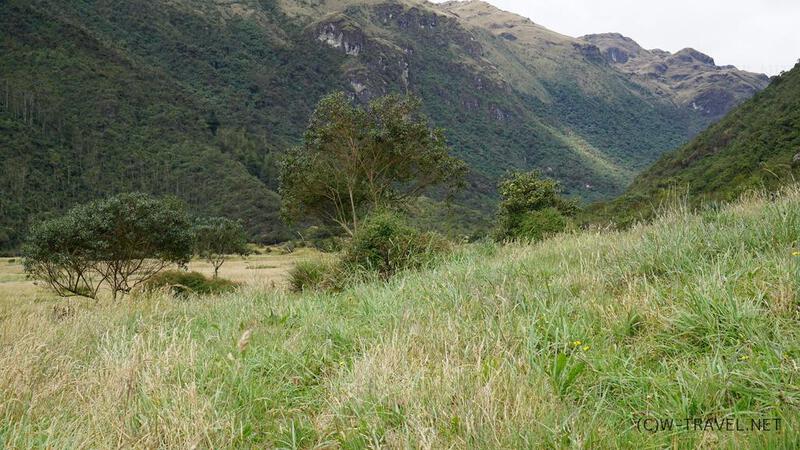
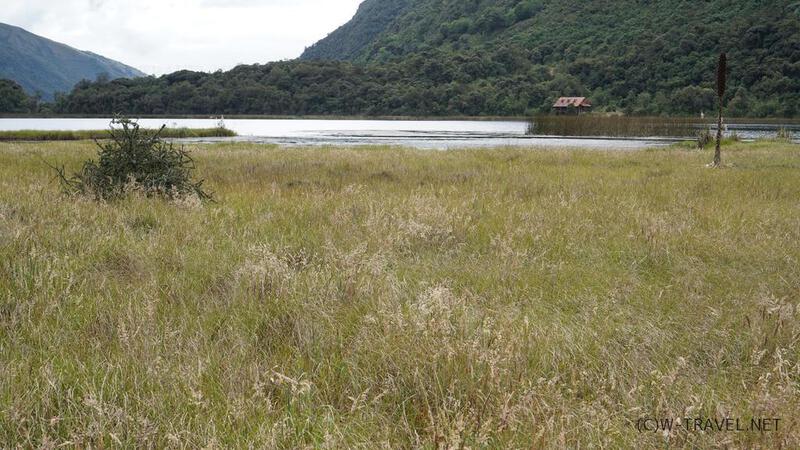
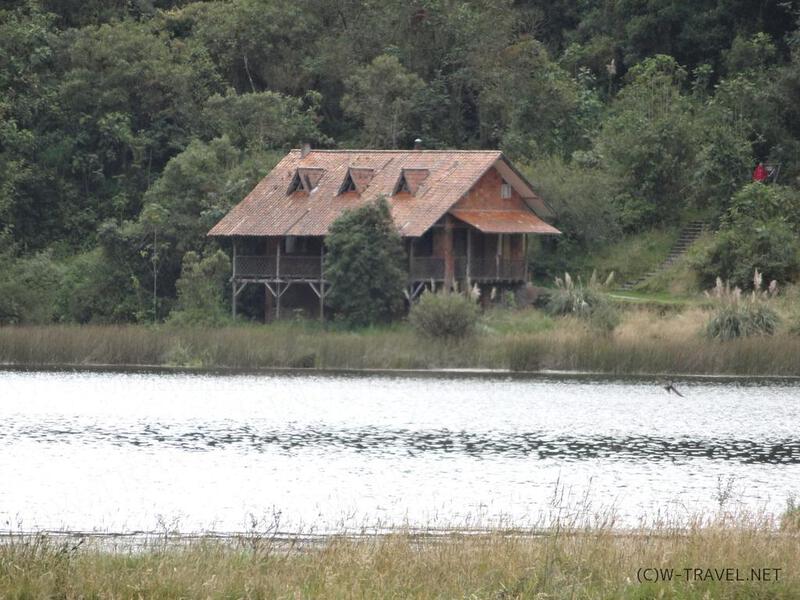
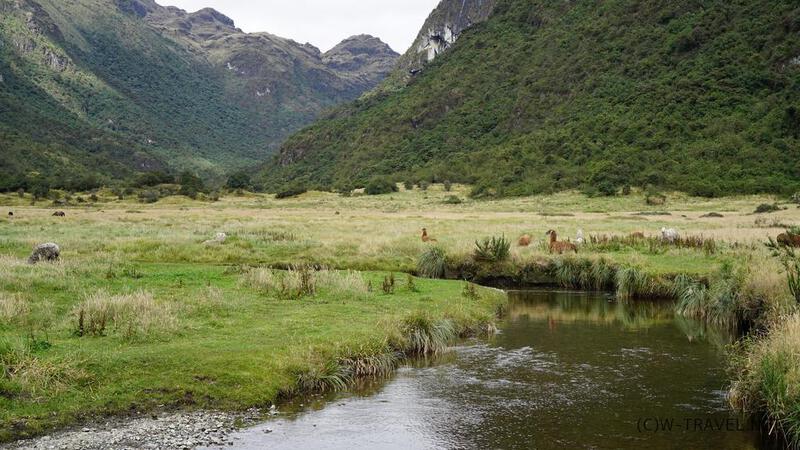
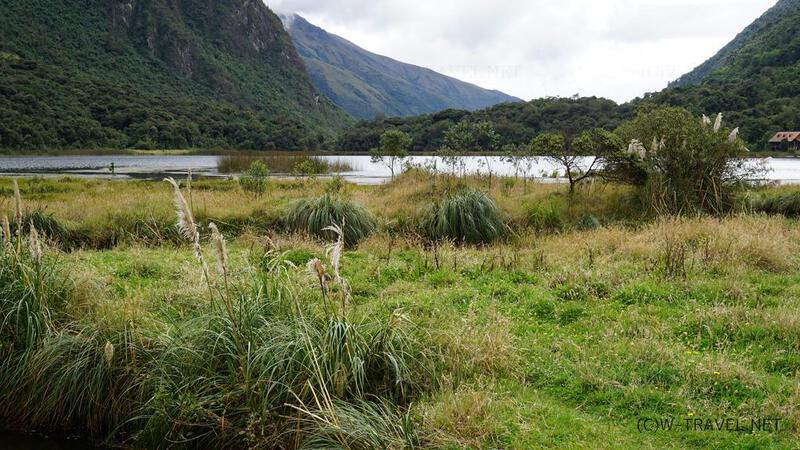
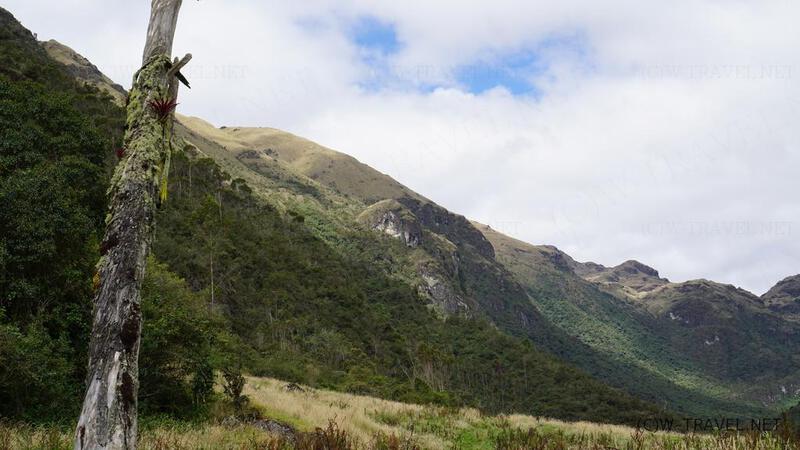
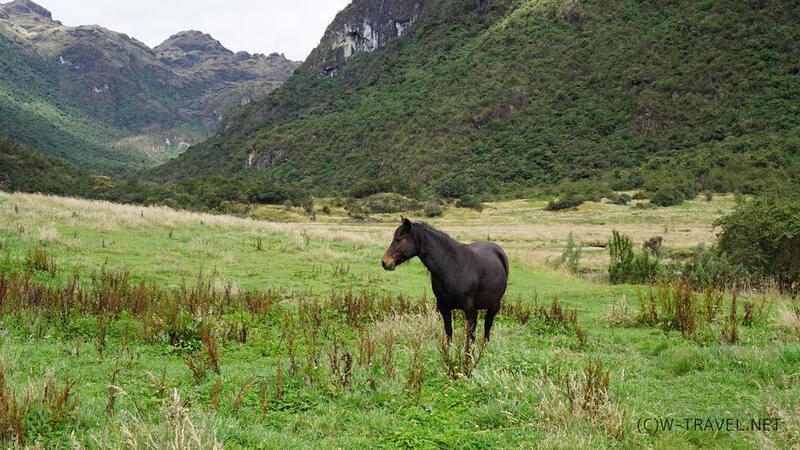
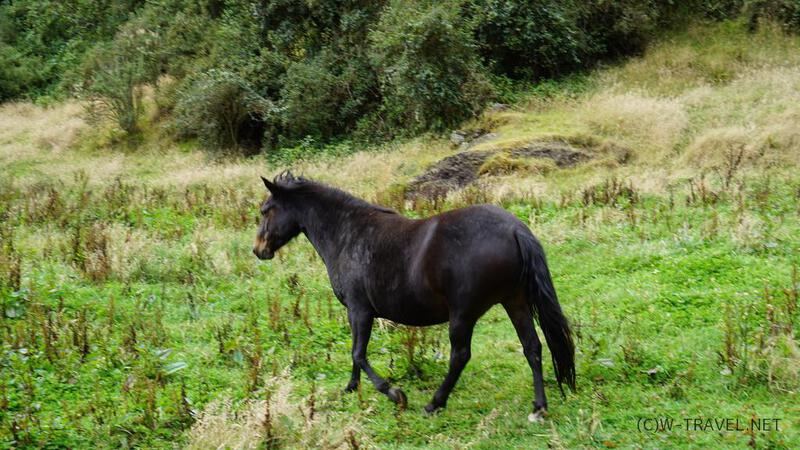
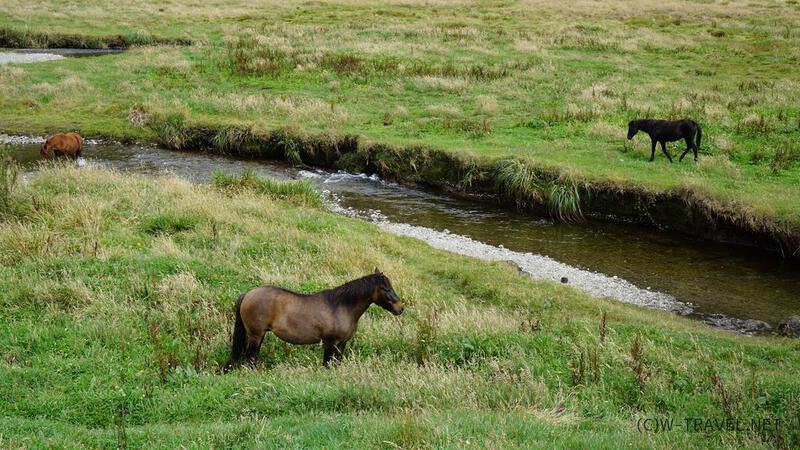
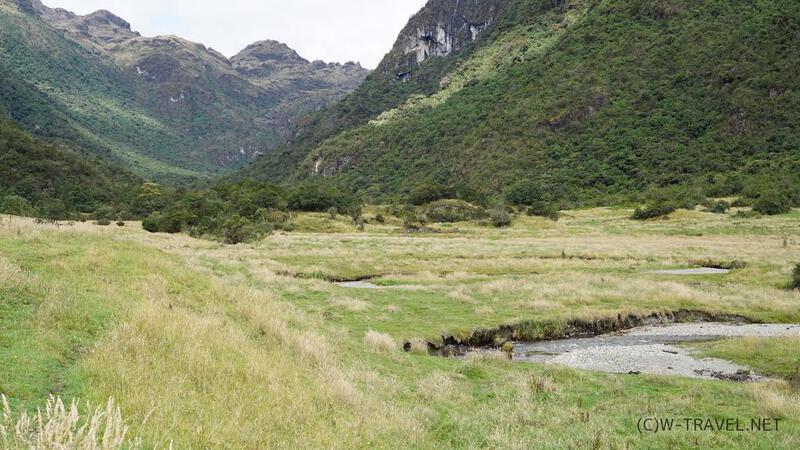
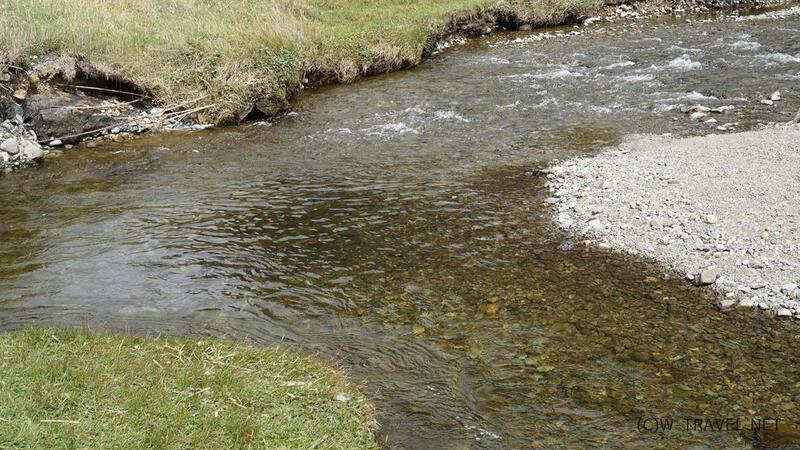
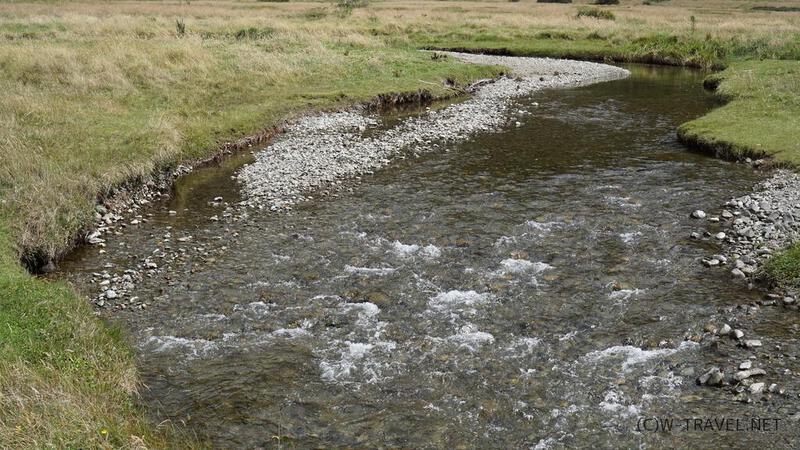
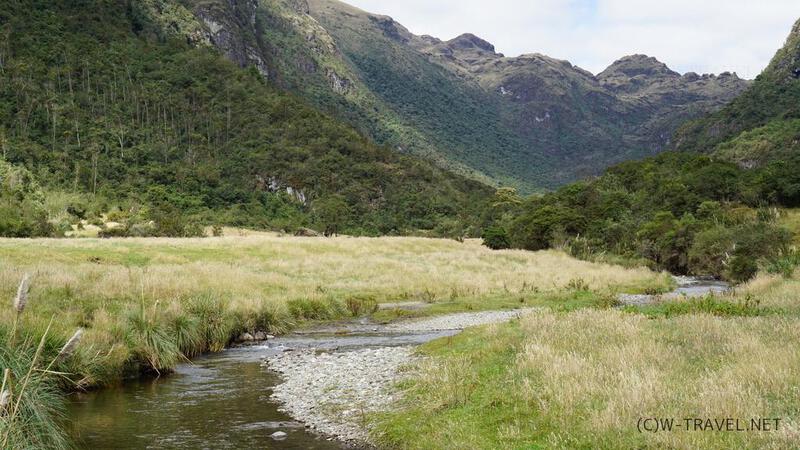
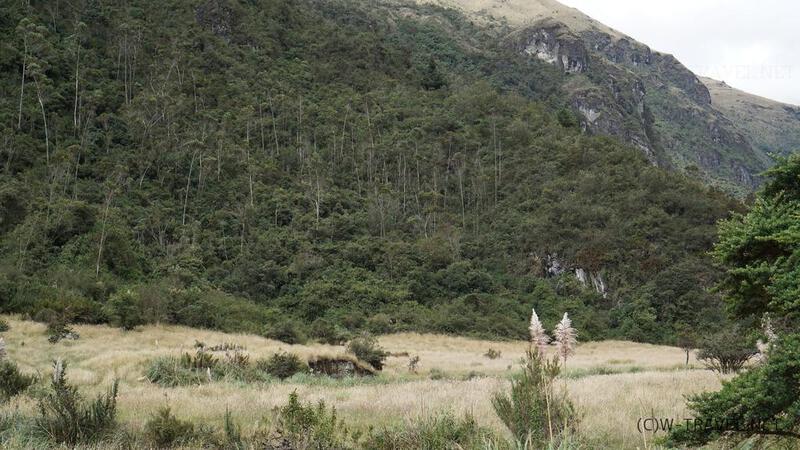
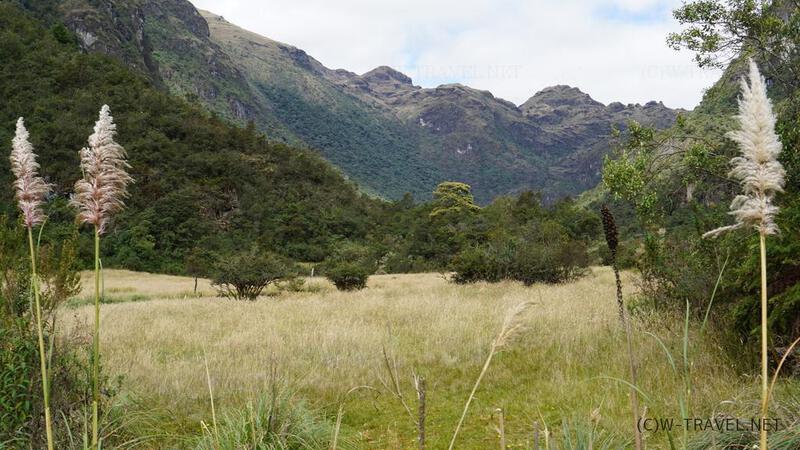
Я приехал на мотоцикле утром (открыто с 8:00 до 16:30) и смог насладиться озером, так как там почти не было людей.
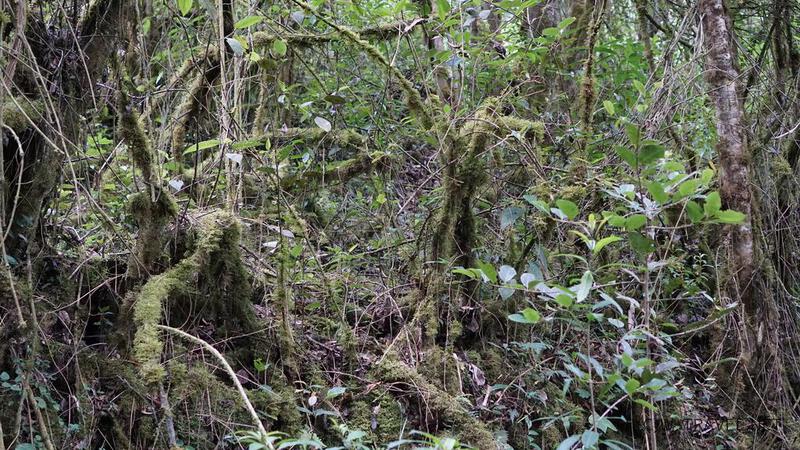
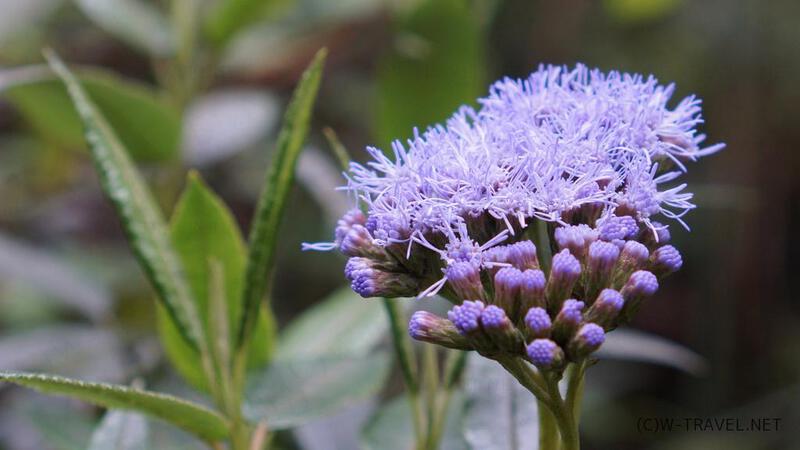
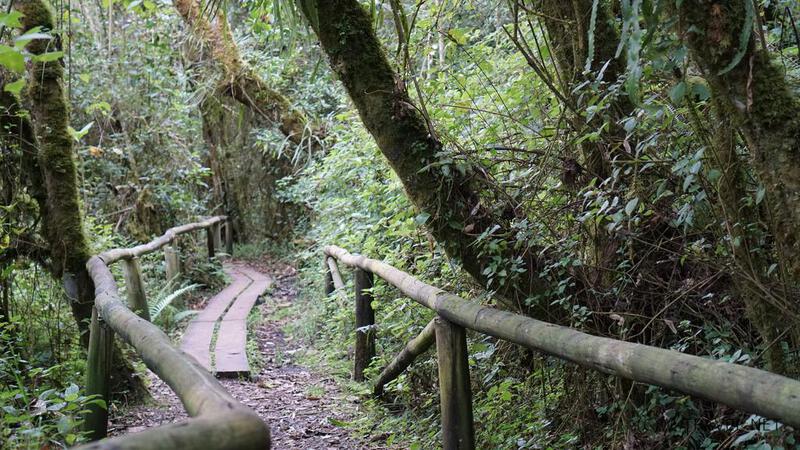
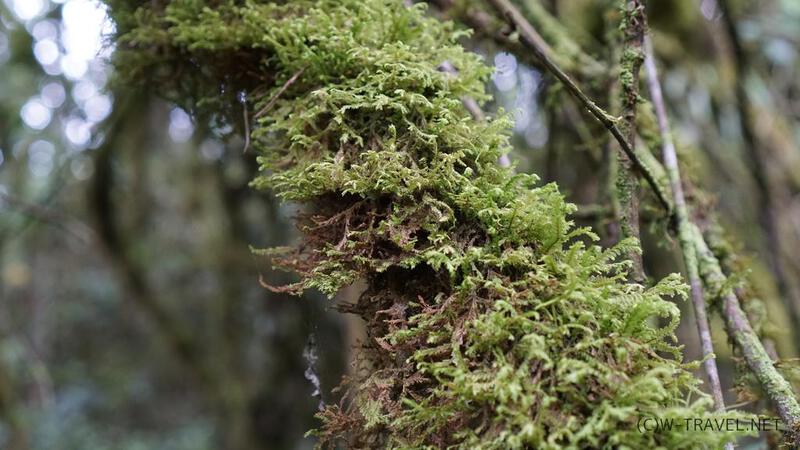
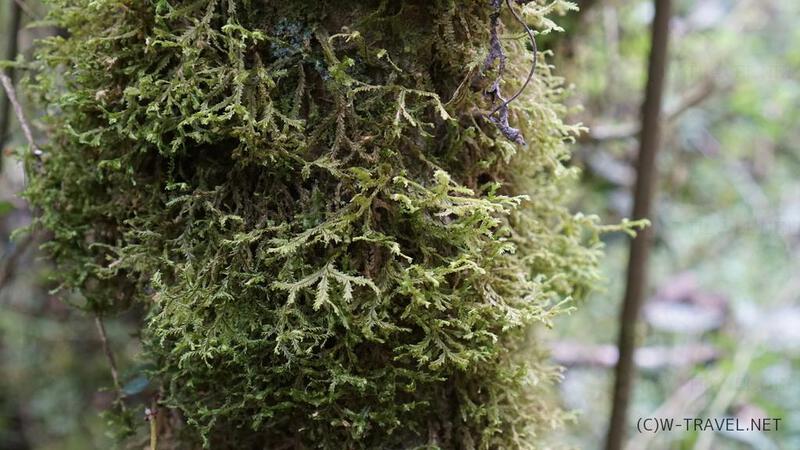
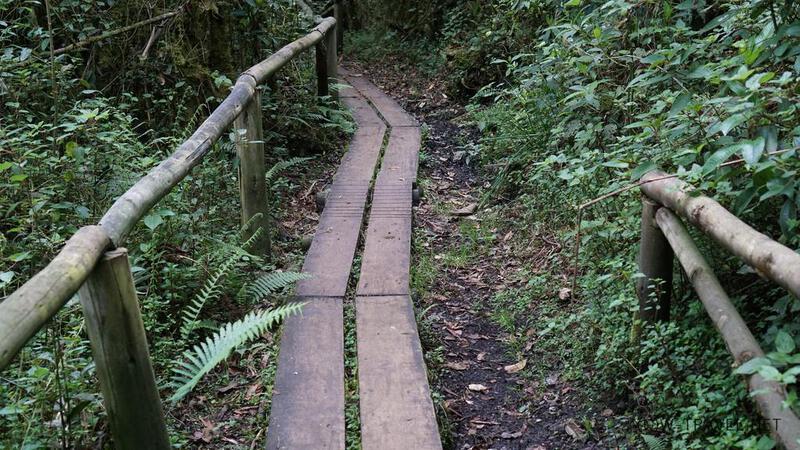
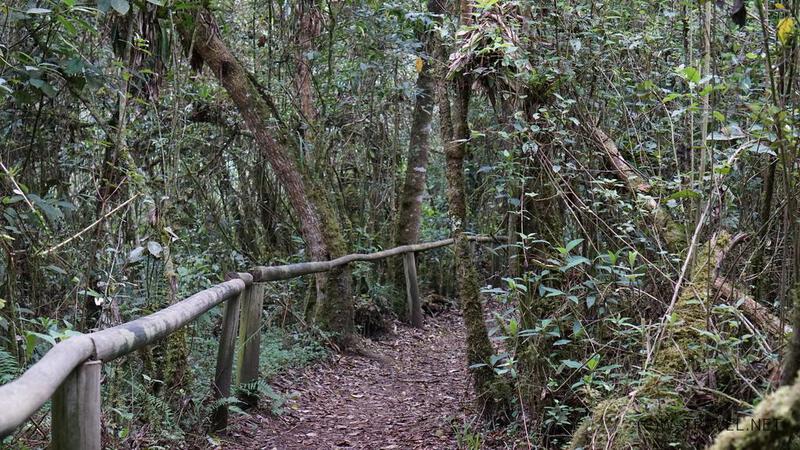
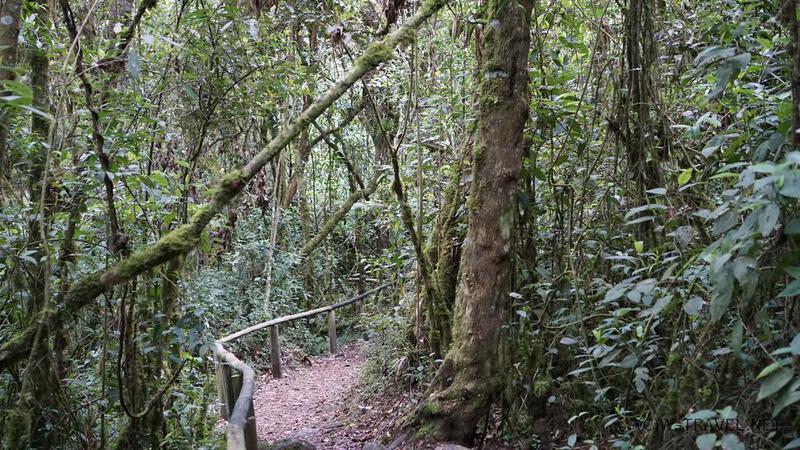
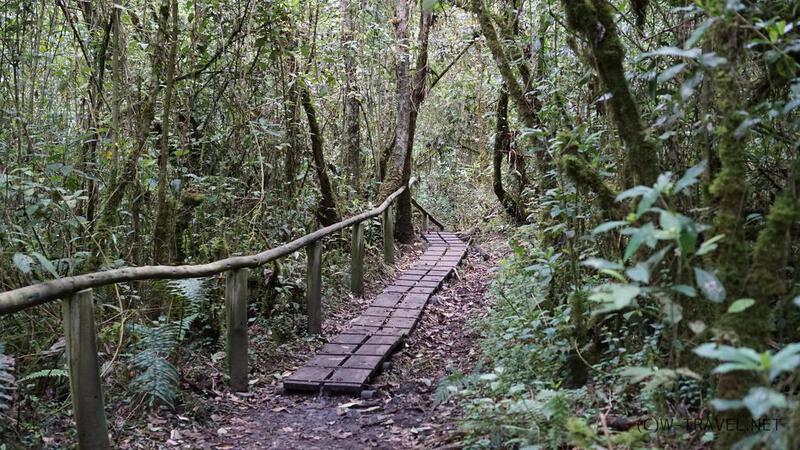
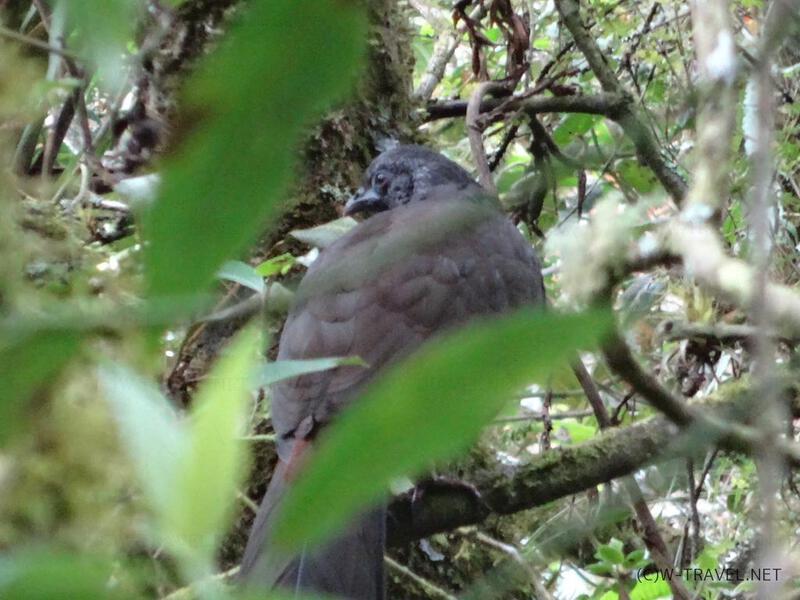
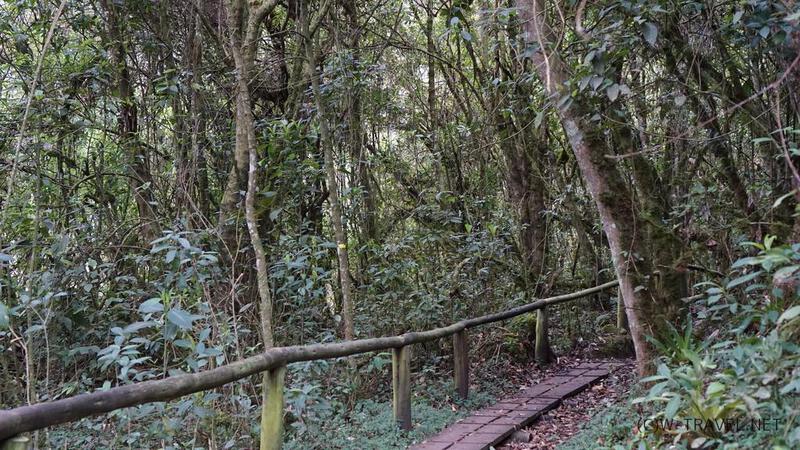
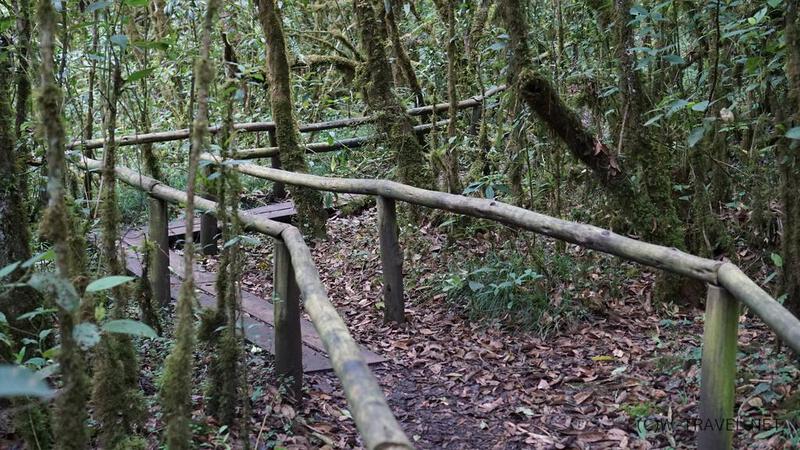
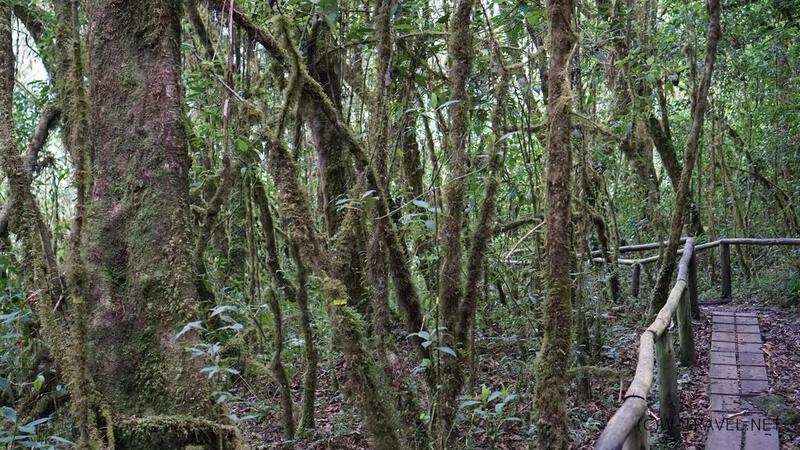
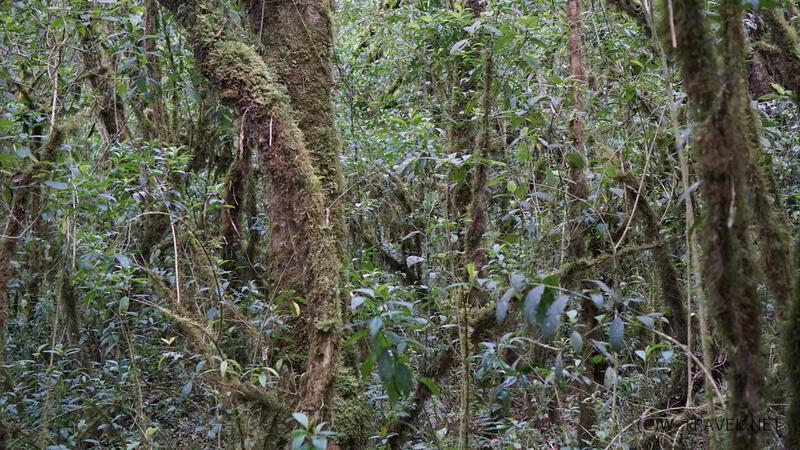
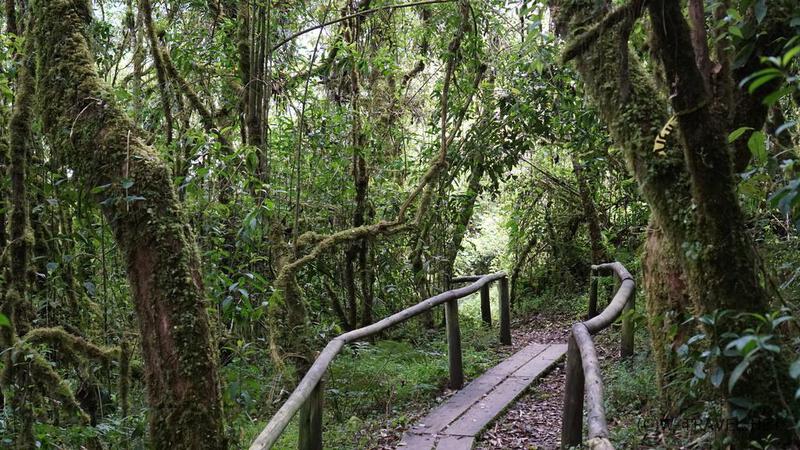
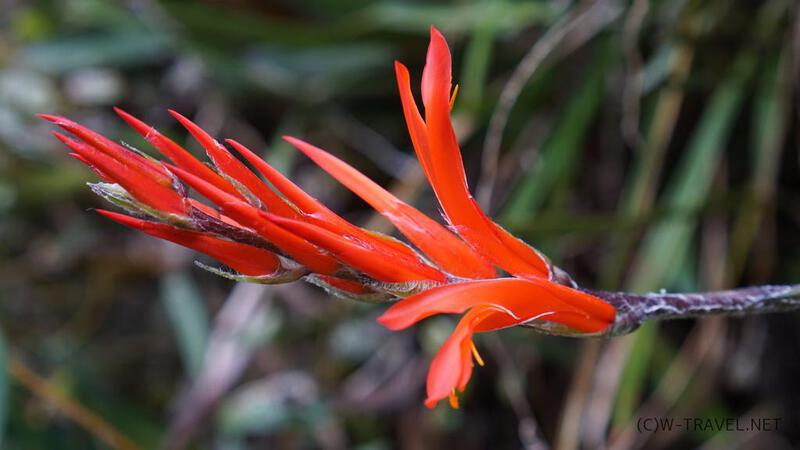
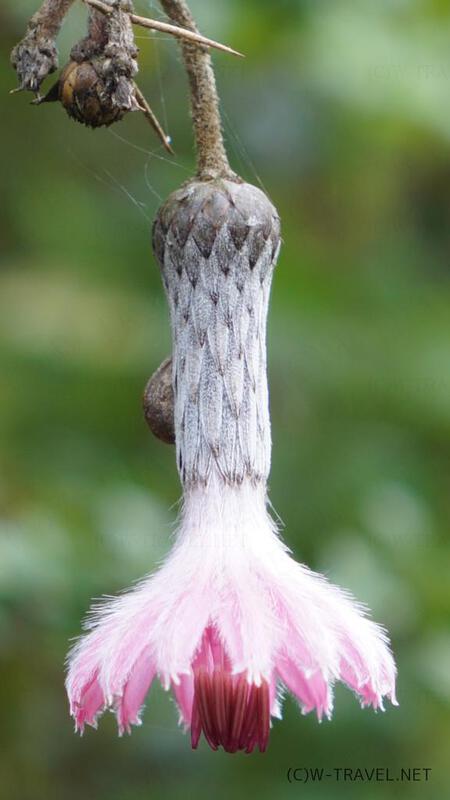
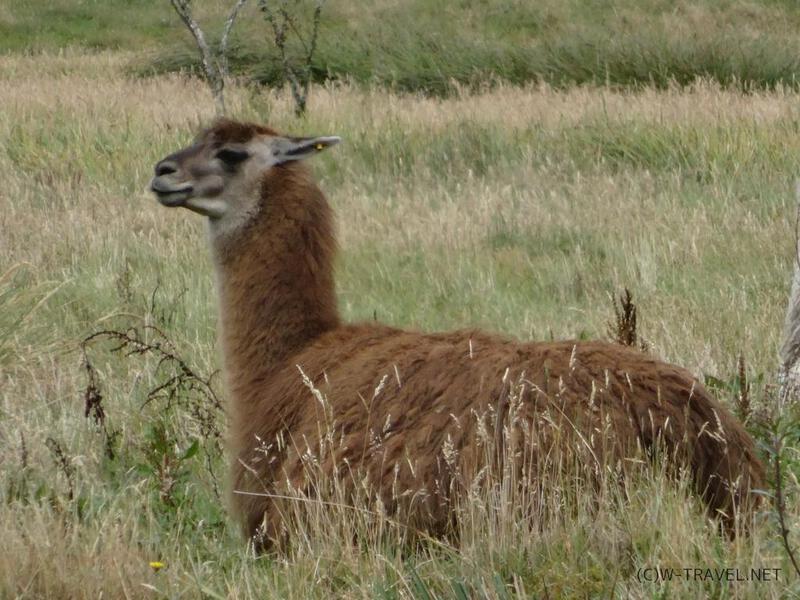
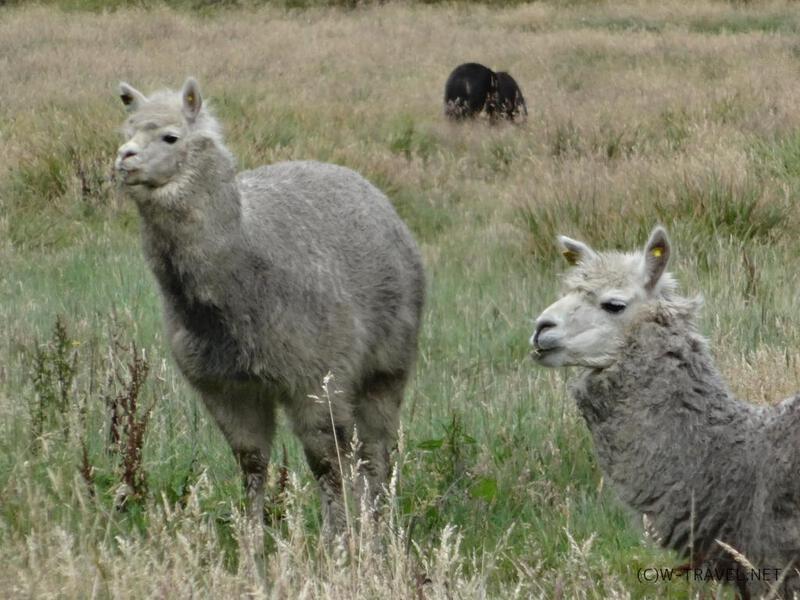
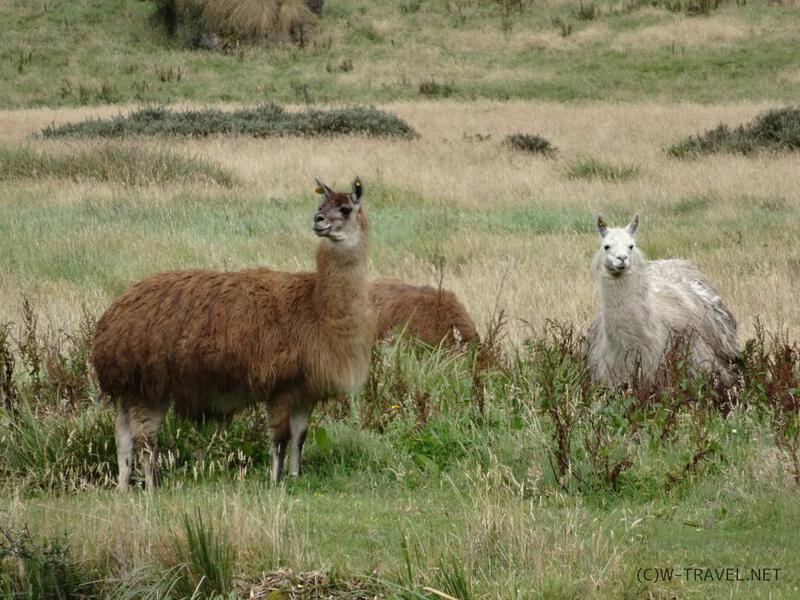
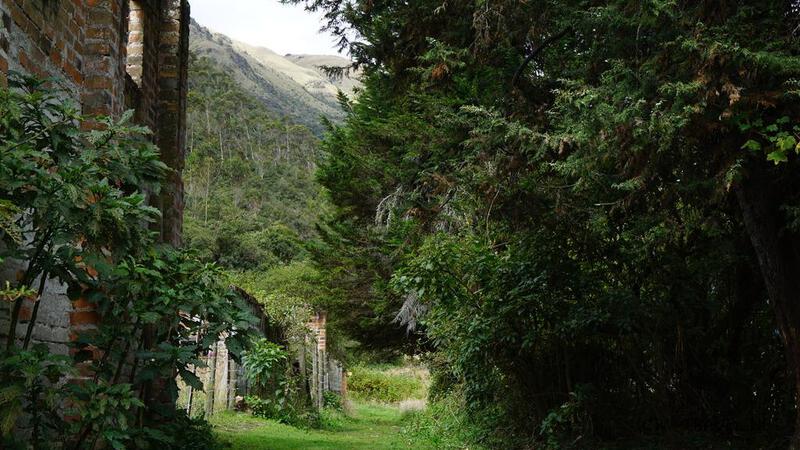
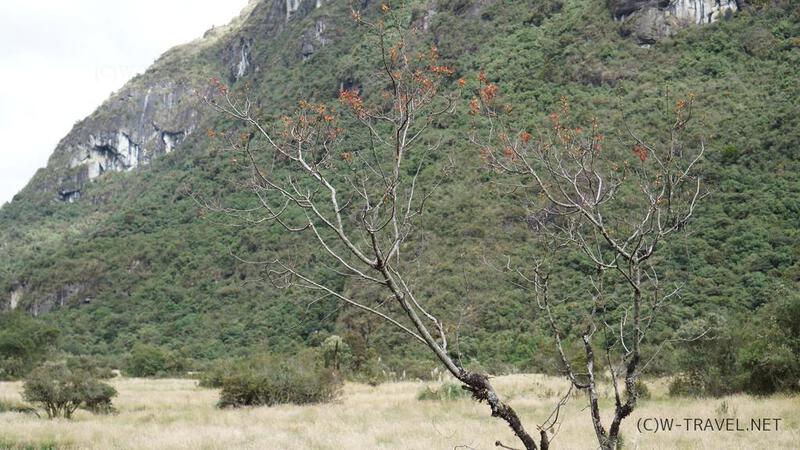
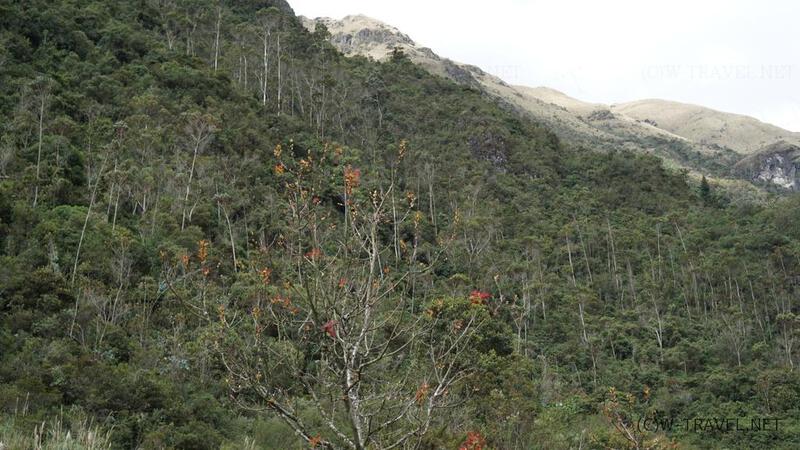
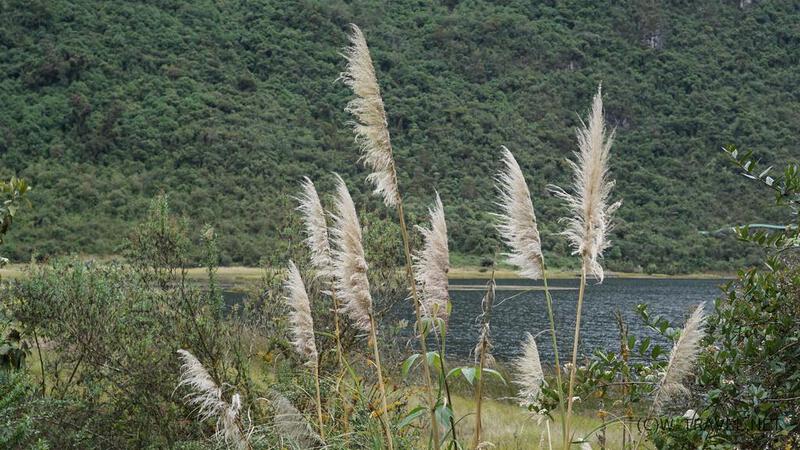
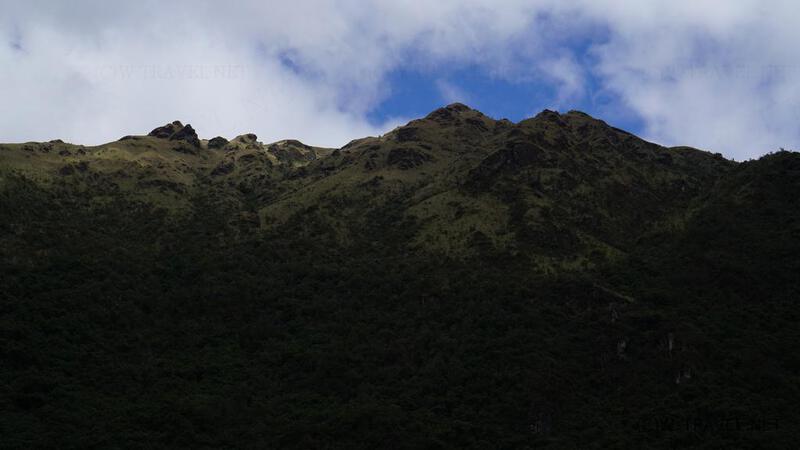
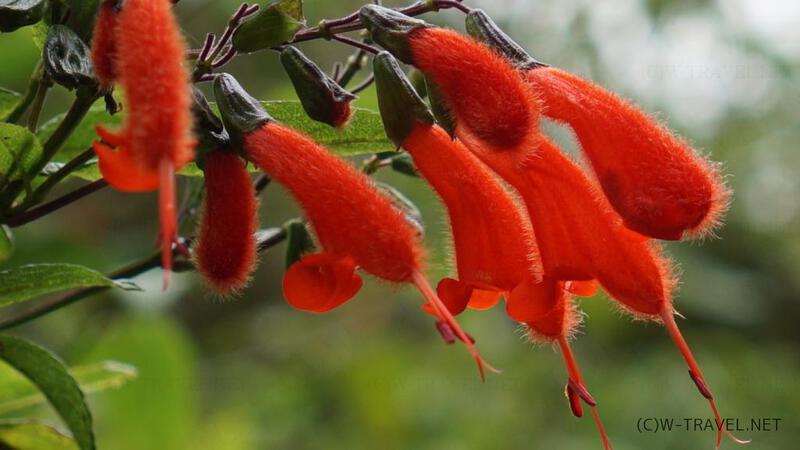
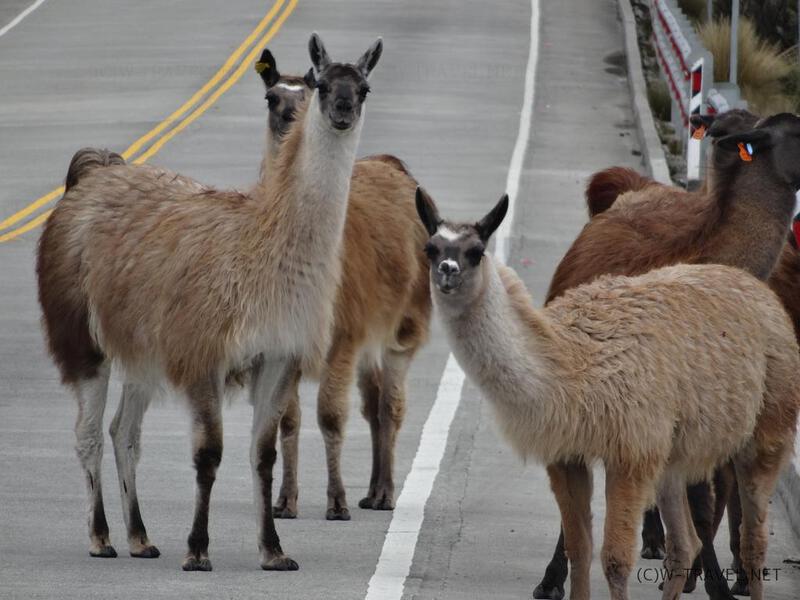
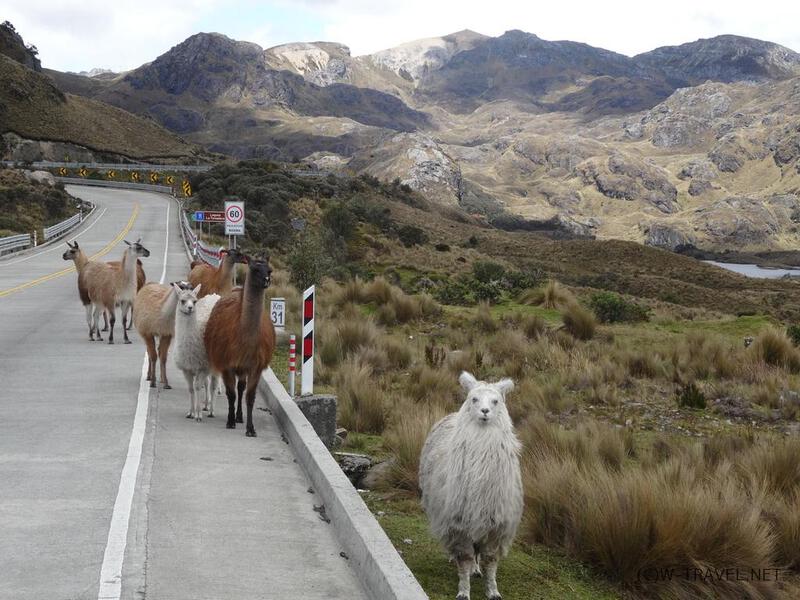
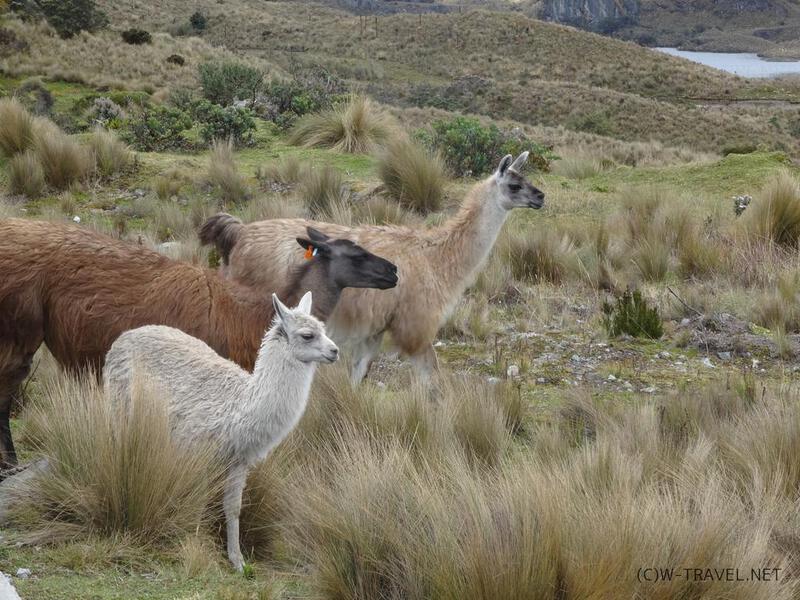
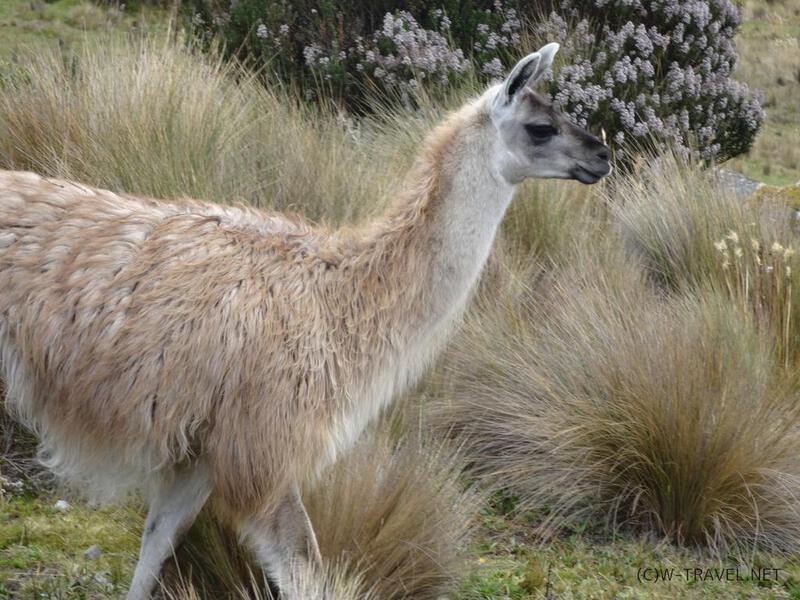
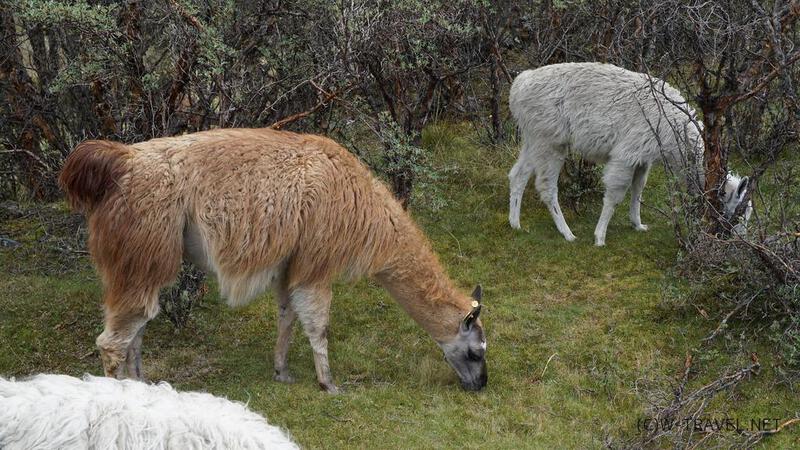
Вокруг озера есть немного леса, там можно увидеть альпак, и хотя расстояние небольшое, здесь можно прекрасно провести время.
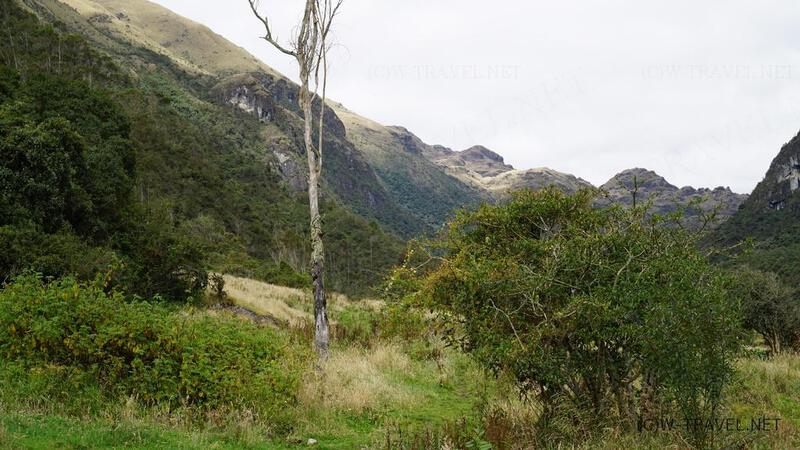
Погода была немного плохой, но, по крайней мере, не было дождя.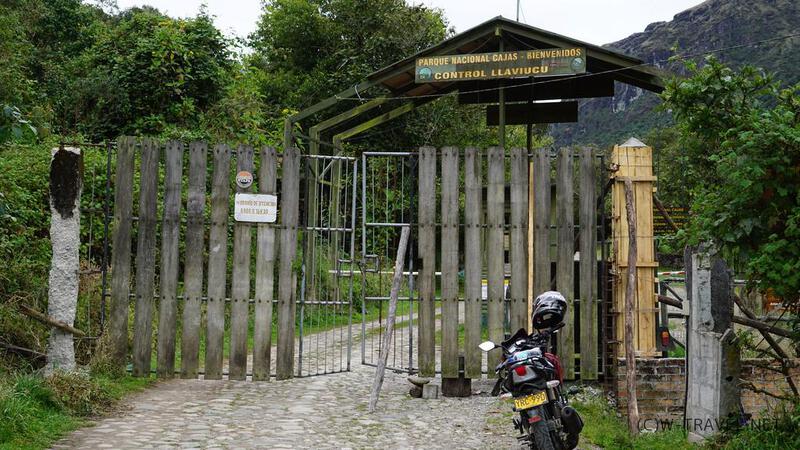



























 BGM: Copyright(C) Music Palette
http://www.music-palette.com/
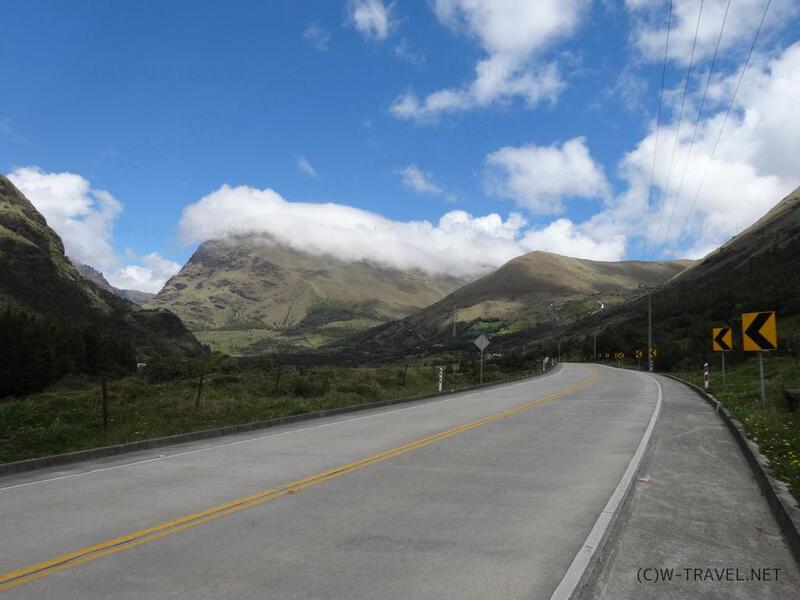
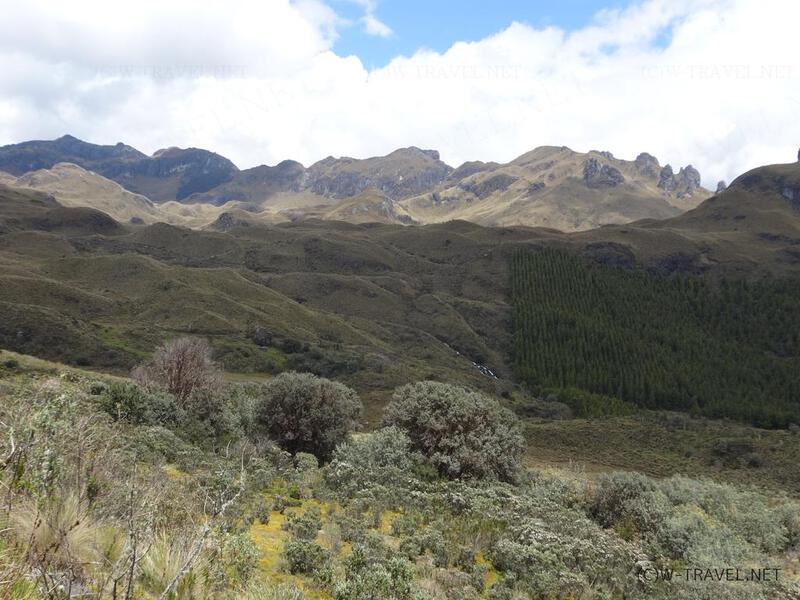
Национальный парк Эль-Кахас (Parque Nacional El Cajas) - рядом с дорогой.
После прогулки по озеру Льявиуку (Laguna Llaviucu), я решил прокатиться на мотоцикле и посмотреть северную дорогу.
Похоже, что если приезжать сюда на автобусе, то маршрут проходит в основном с северной стороны.
Как раз здесь из автобуса вышло много людей.
В центре для посетителей есть несколько пешеходных маршрутов.
Центр для посетителей расположен на высоте почти 4000 метров, поэтому я почувствовал, что быстро идти становится утомительно.
Я уже гулял возле озера Рябьюк, поэтому здесь не ходил, но, судя по тому, что я видел вокруг, здесь в основном пешком. Если вы хотите наблюдать за птицами, возможно, лучше подойдет озеро Рябьюк? Или, может быть, дальше, в глубине, все иначе.
Если посмотреть на карту маршрутов, то видно, что отсюда до озера Рябьюк ведет пешеходный маршрут. Чтобы добраться туда и обратно, потребуется целый день, с утра до вечера. Здесь автобусы останавливаются, если вы поднимите руку, поэтому можно приехать сюда на автобусе, пройтись пешком до озера Рябьюк и вернуться на автобусе (или наоборот). Это один из вариантов, но это займет около 8 часов, что может быть довольно тяжело.
Или есть несколько пешеходных маршрутов к северу и югу от этого центра для посетителей, по которым можно пройти в круг.
Наверное, большинство людей так и делают.
Я был доволен тем, что побывал у озера Рябьюк, поэтому просто посмотрел на это место с дороги и ушел.
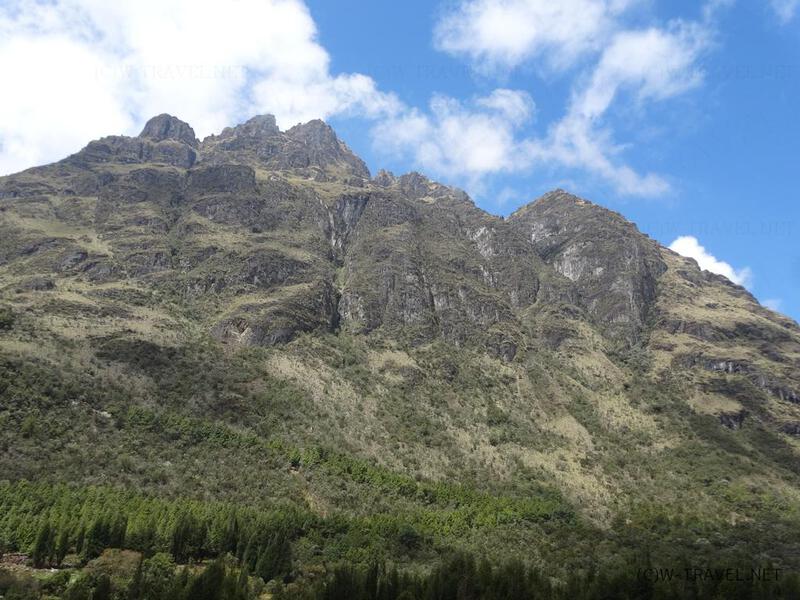
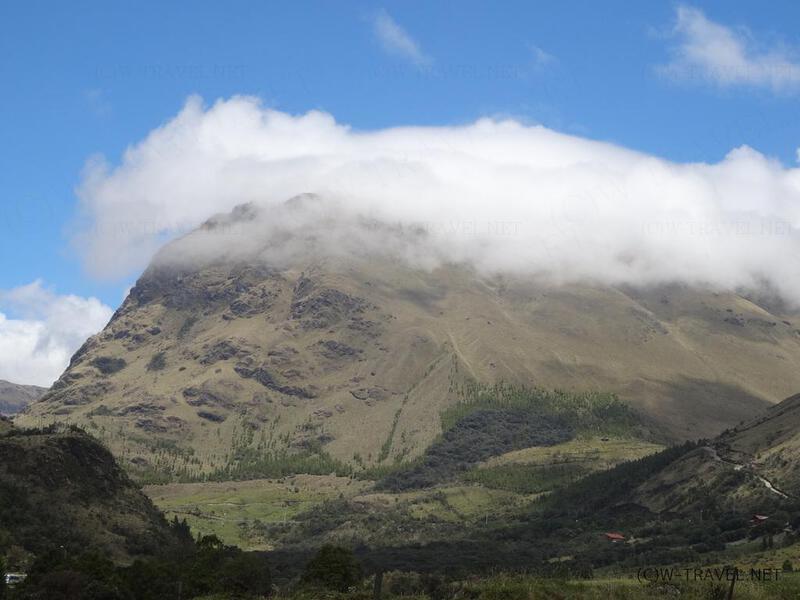
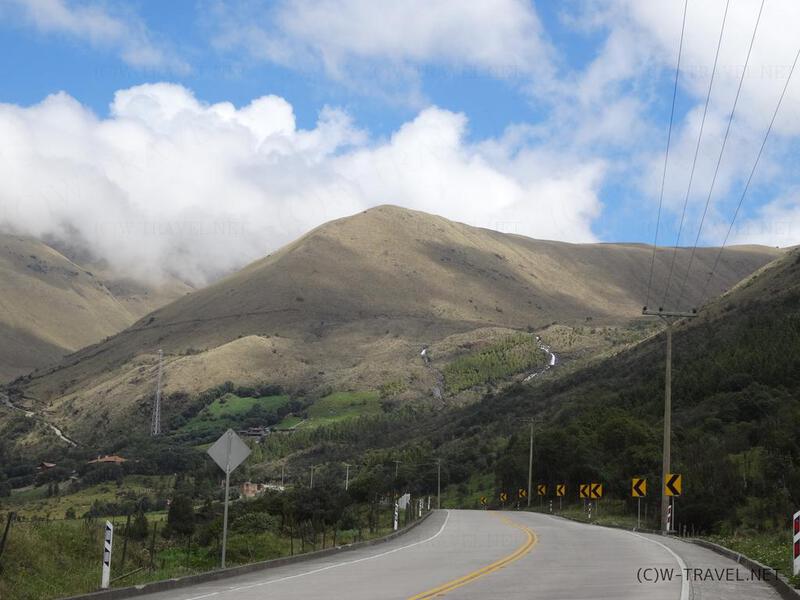
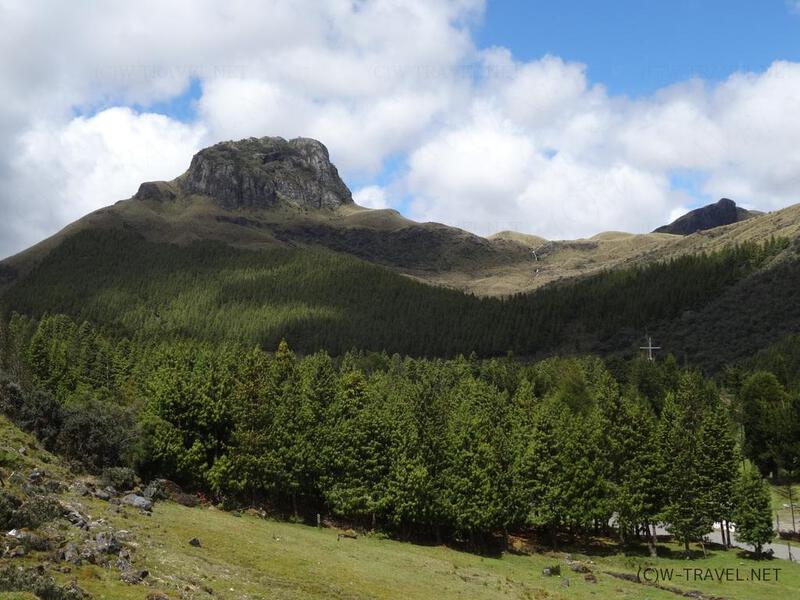




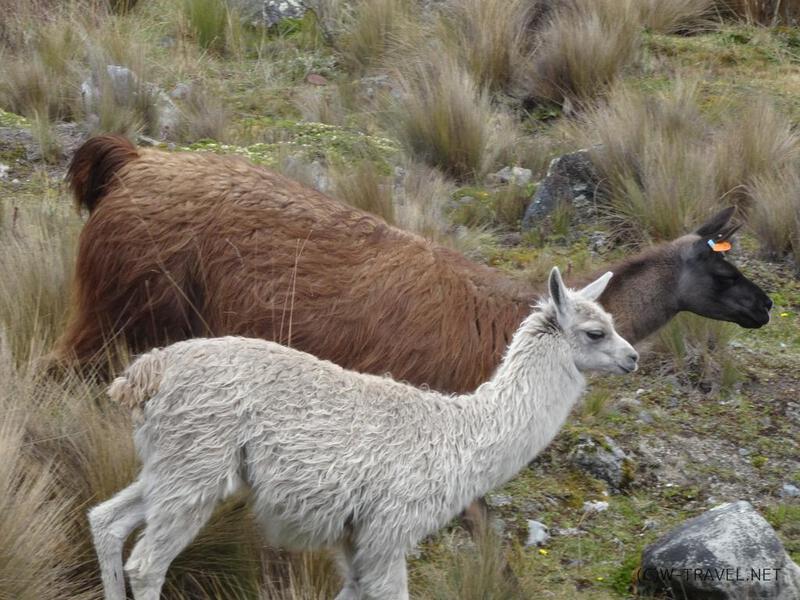
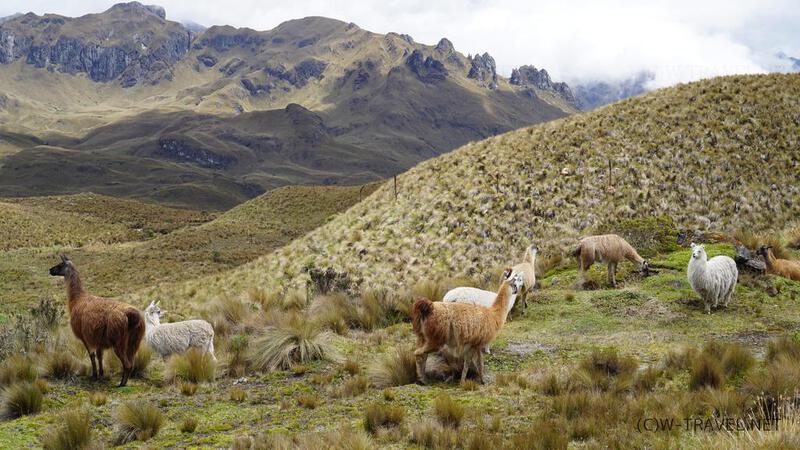
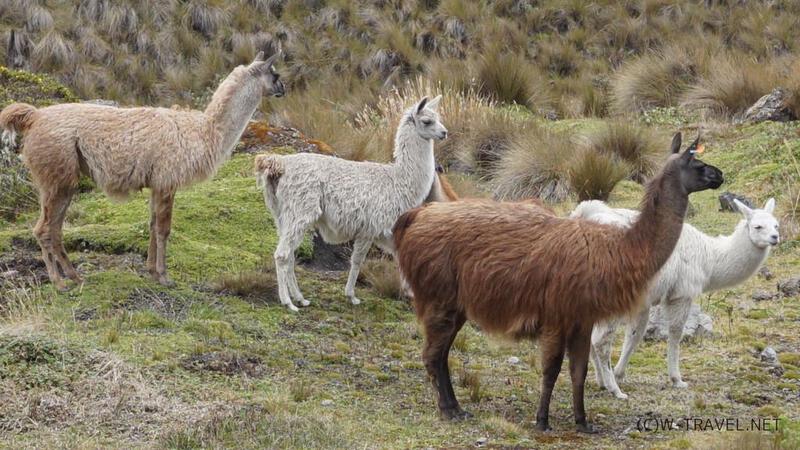
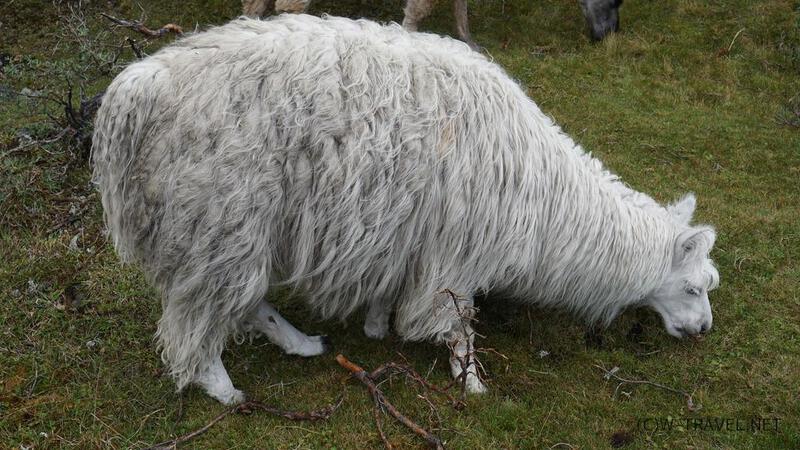


 BGM: Copyright (C) Music Palette
http://www.music-palette.com/
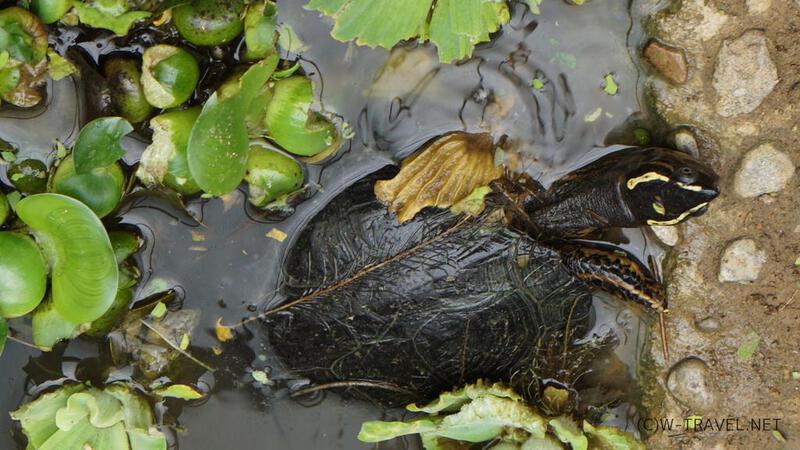
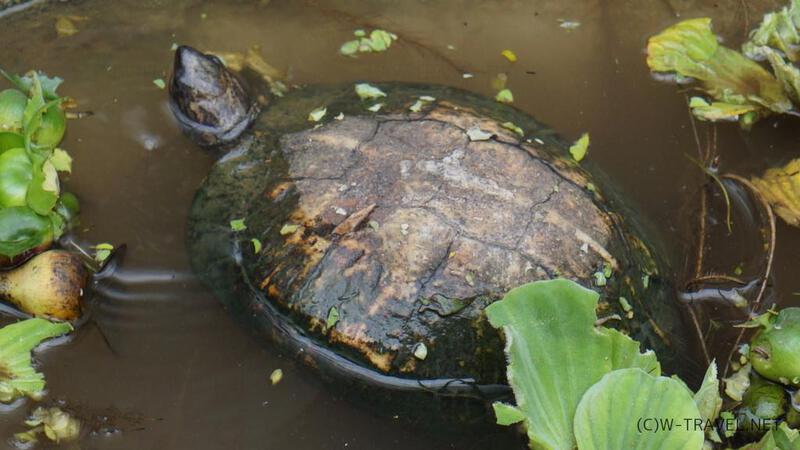
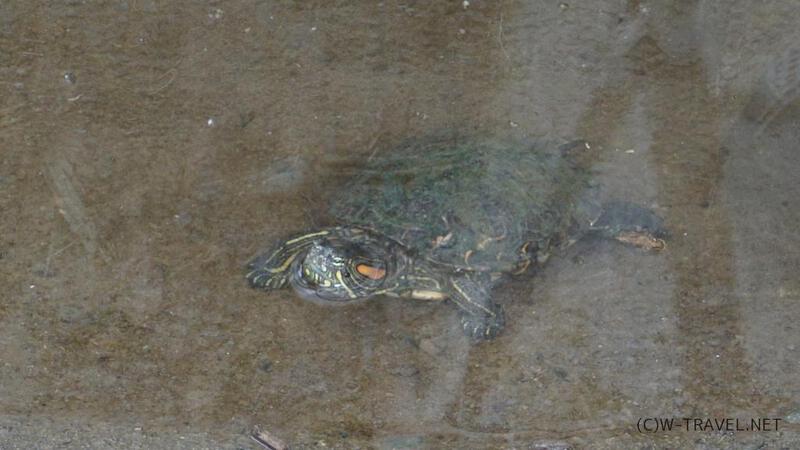
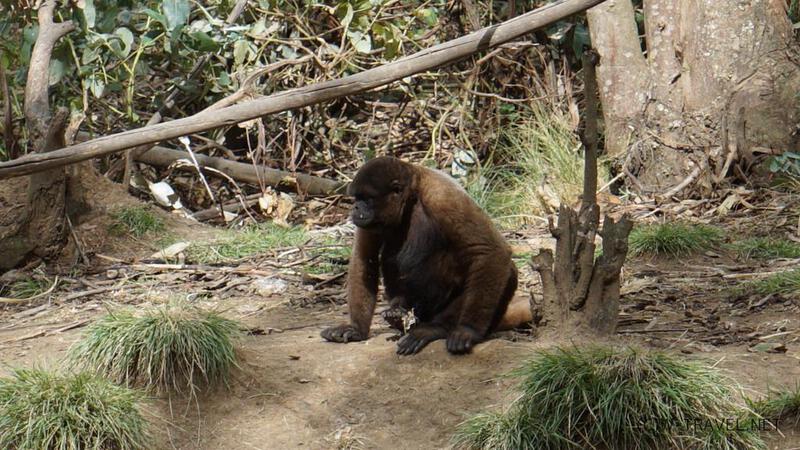
AMARU - Зоопарк Куэнка (Zoologico Cuenca)
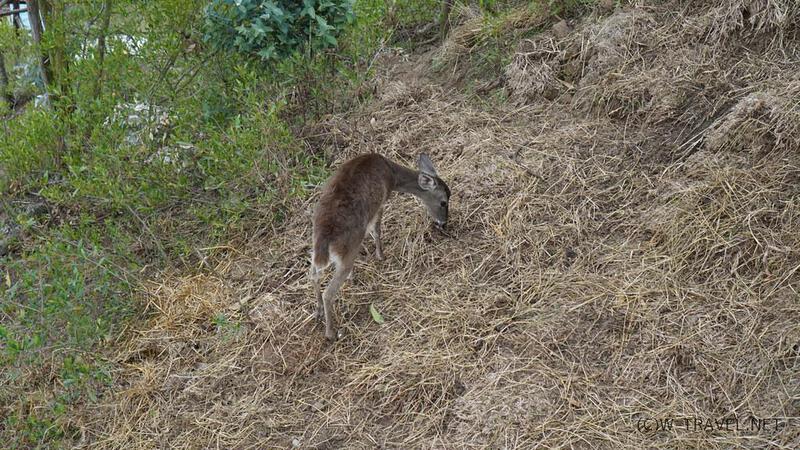
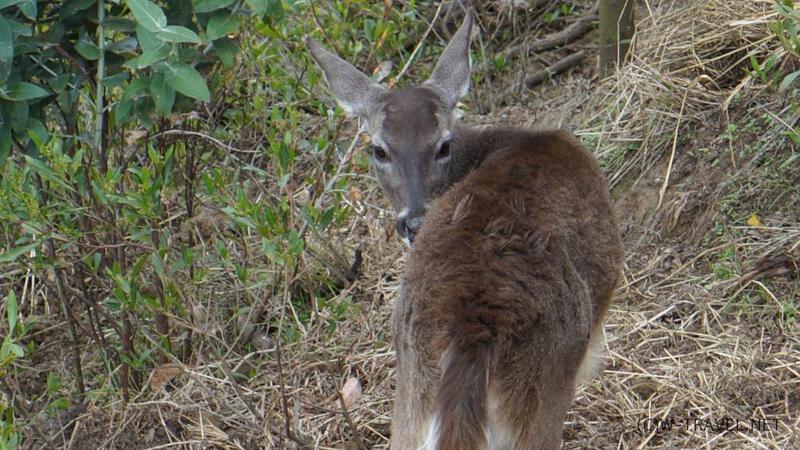
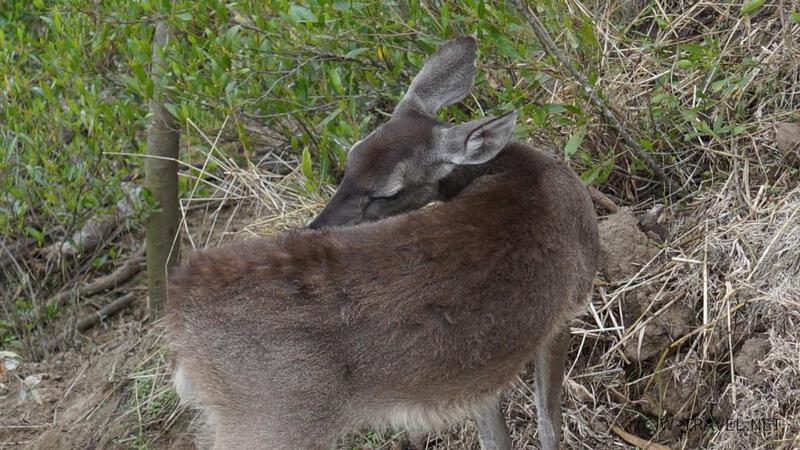
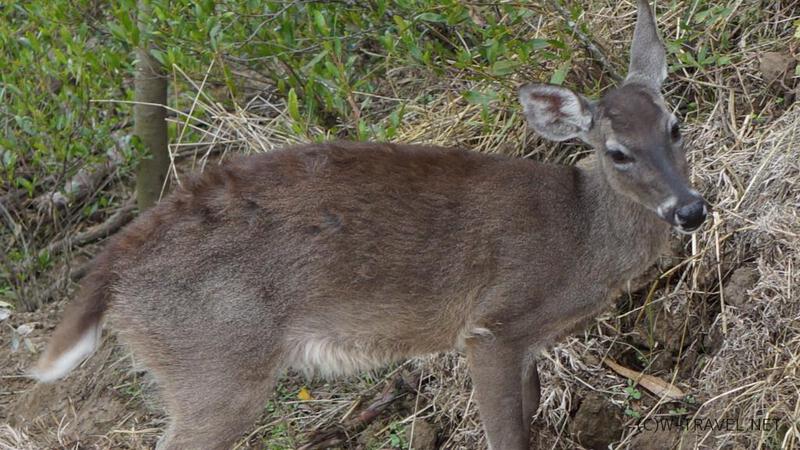
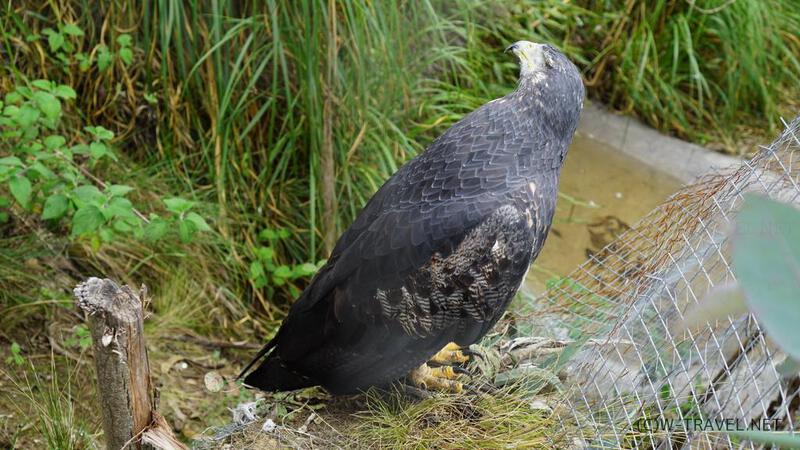
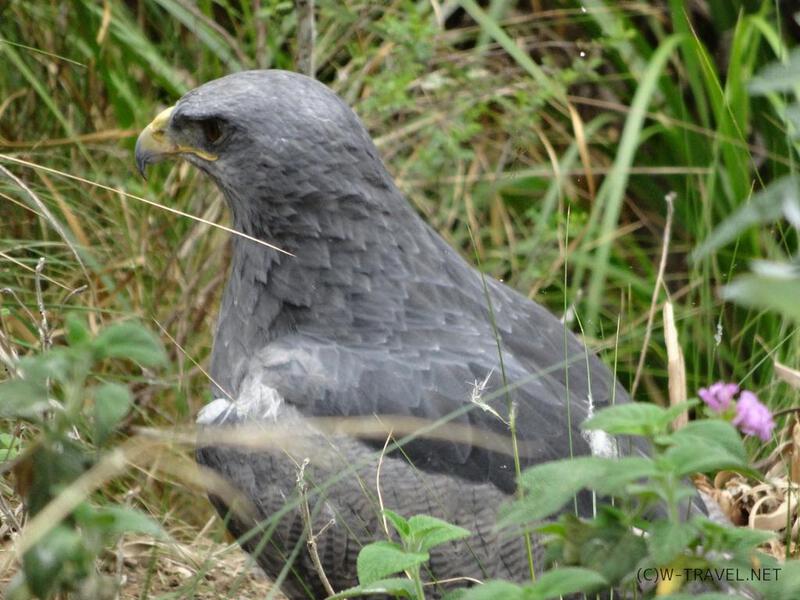
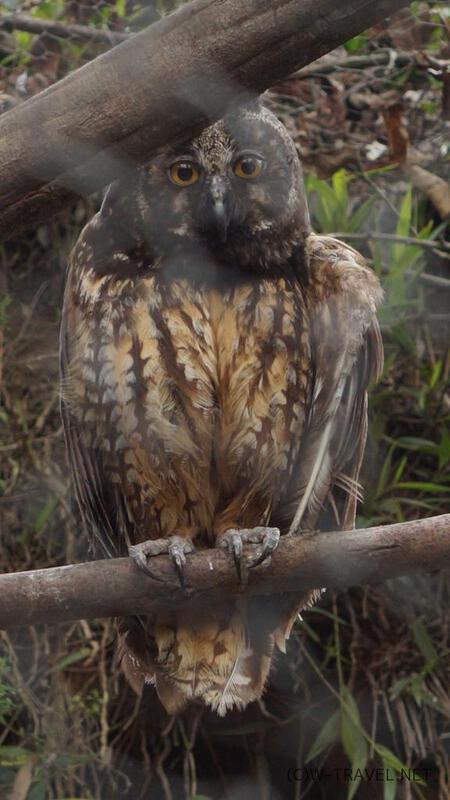
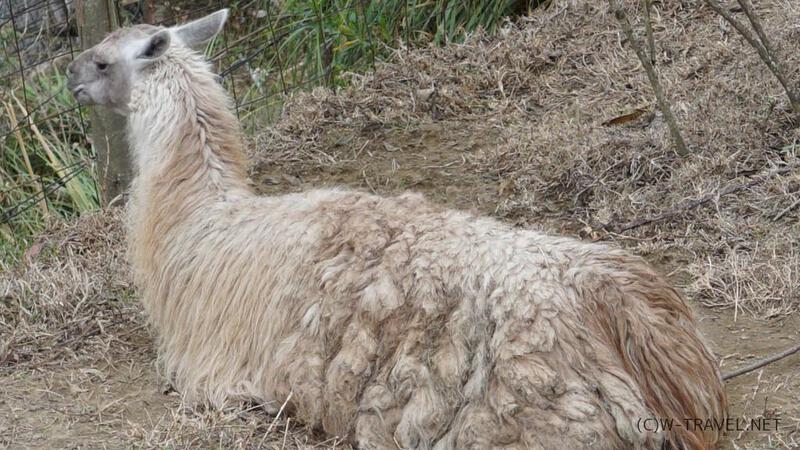
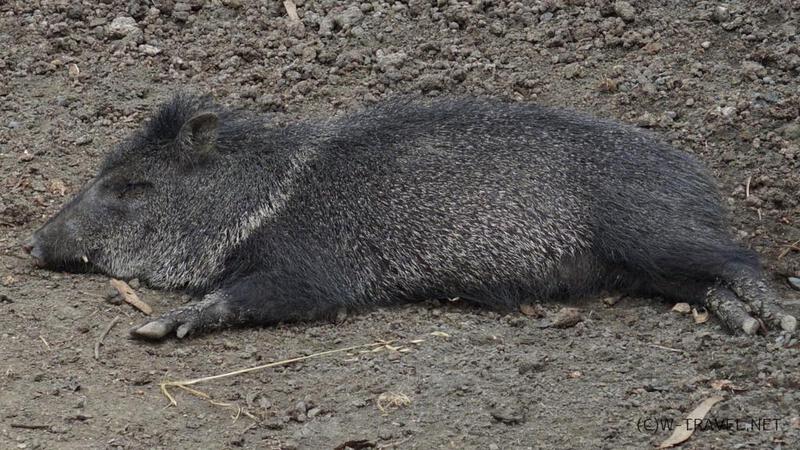
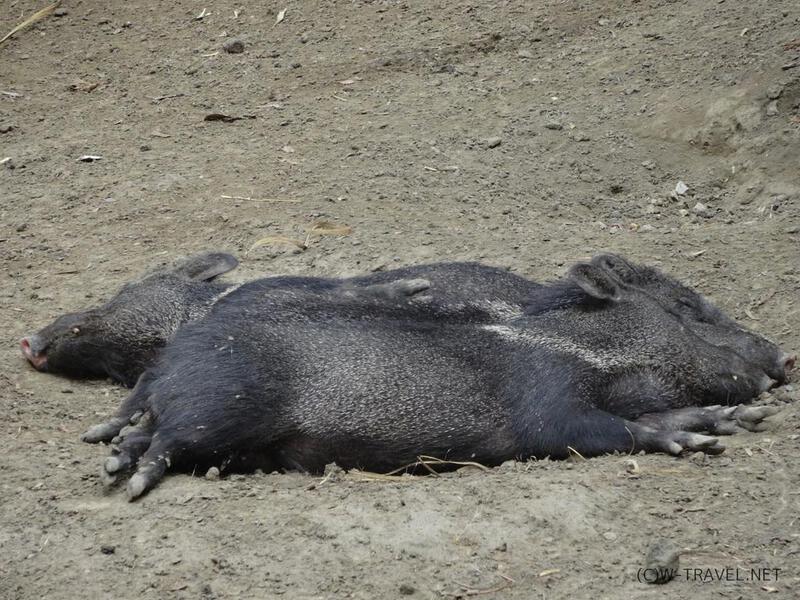
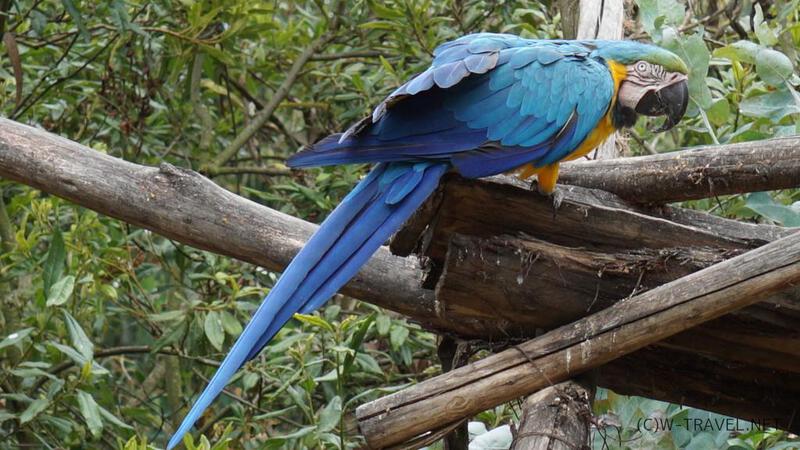
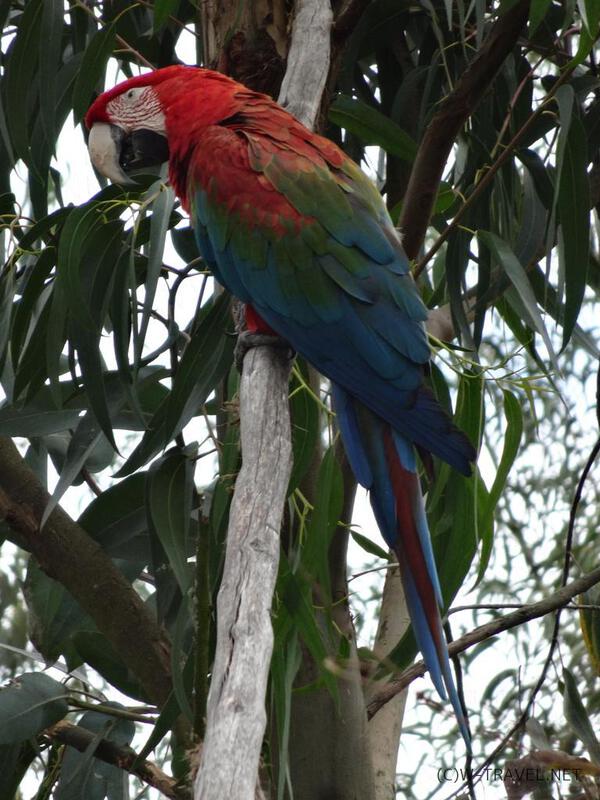
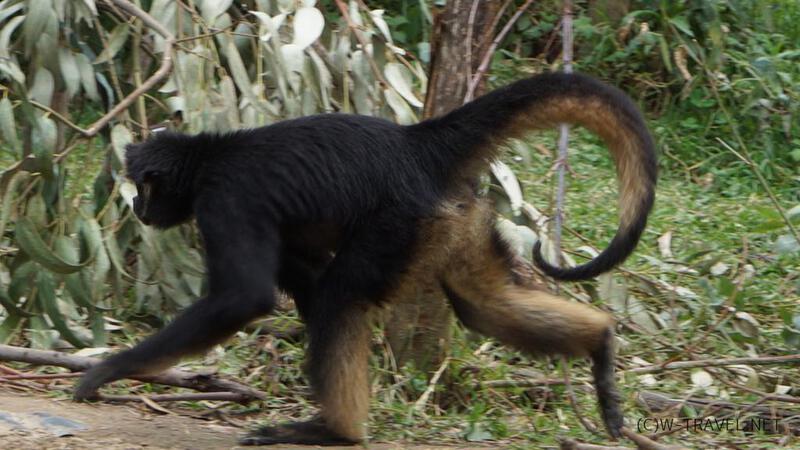
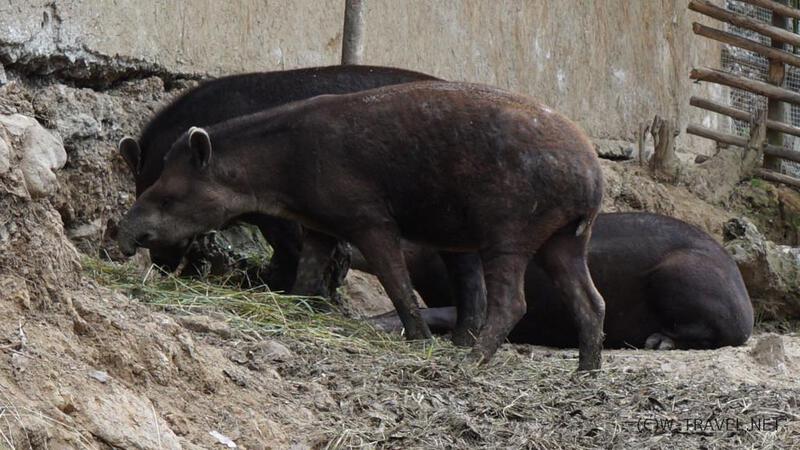
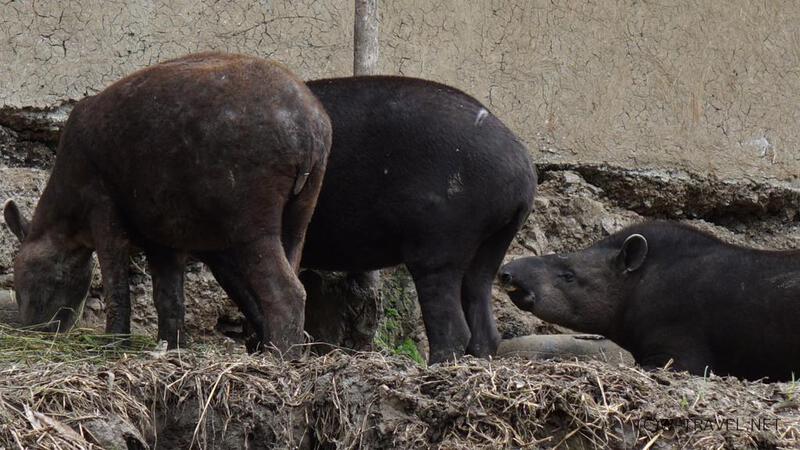
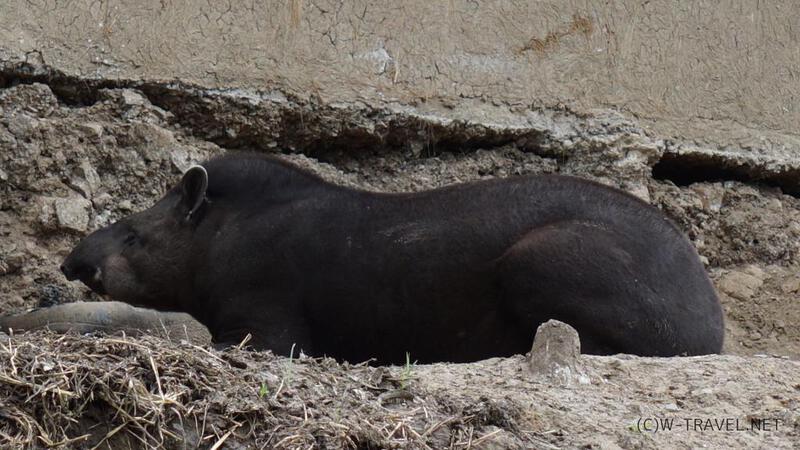
Я посетил зоопарк AMARU, расположенный в пригороде Куэнка.
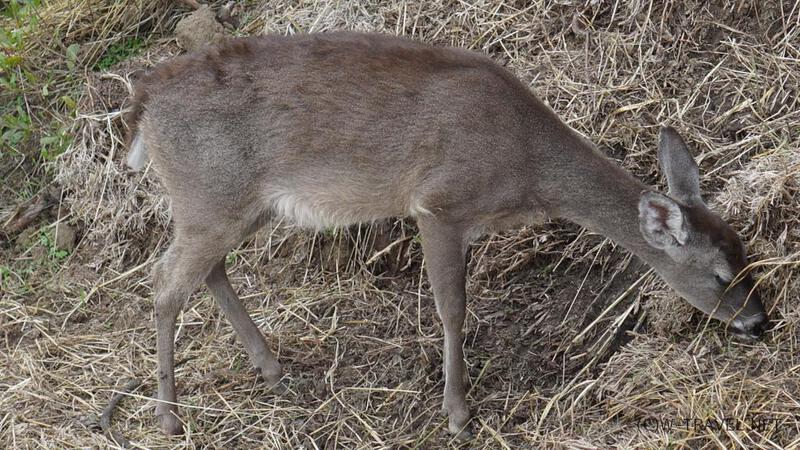
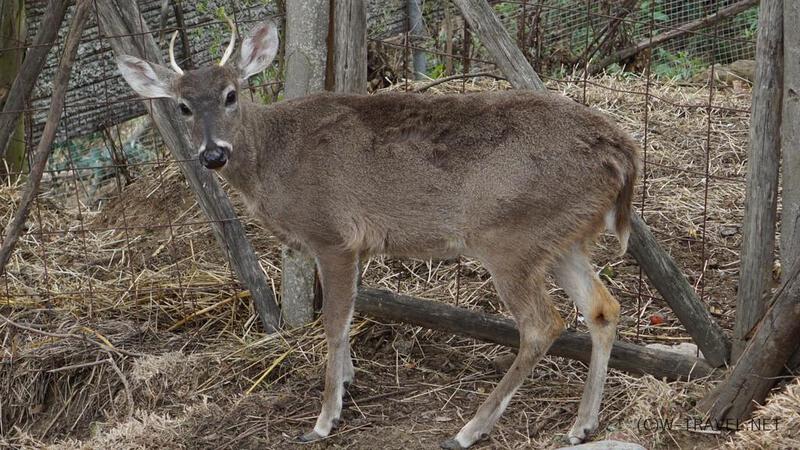
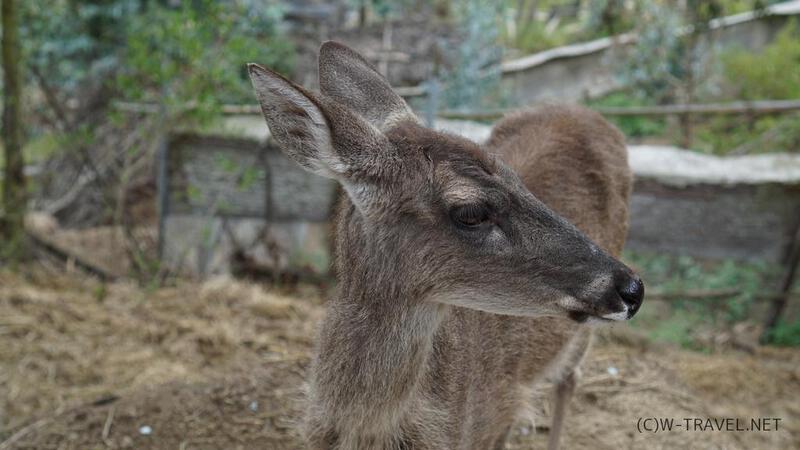
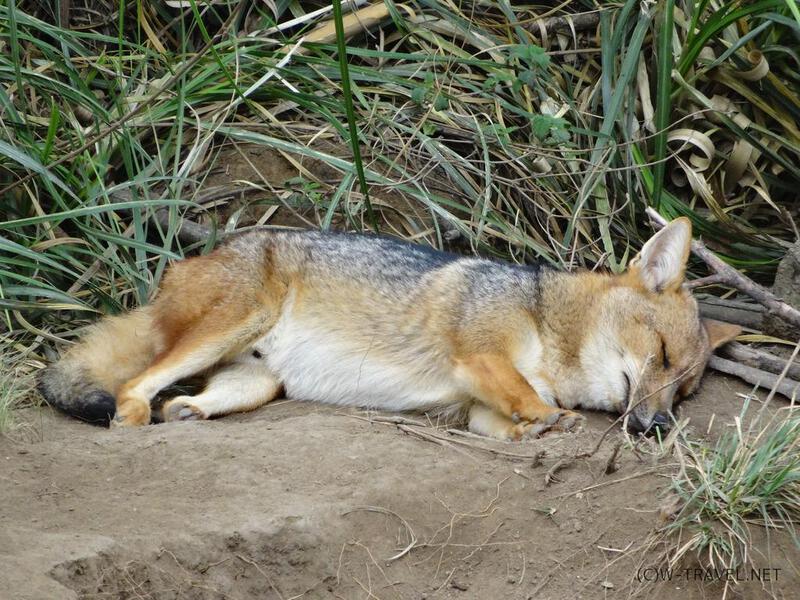
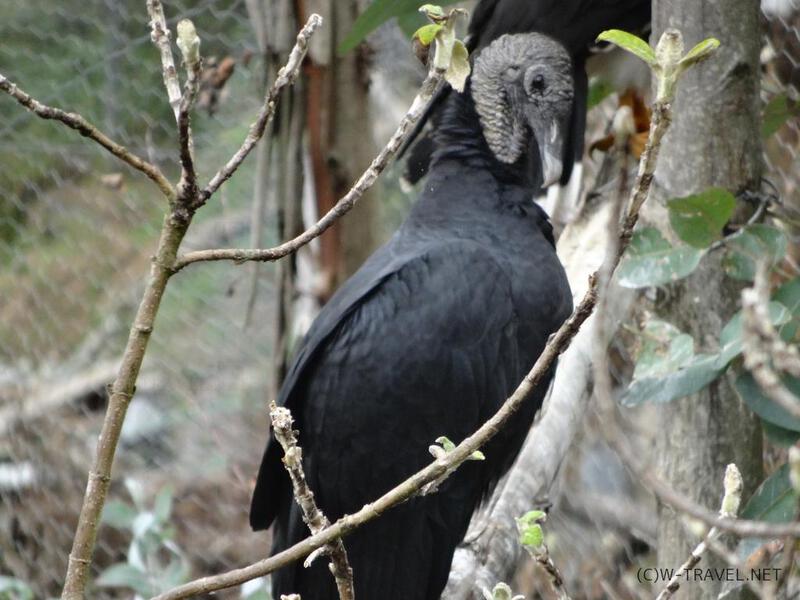
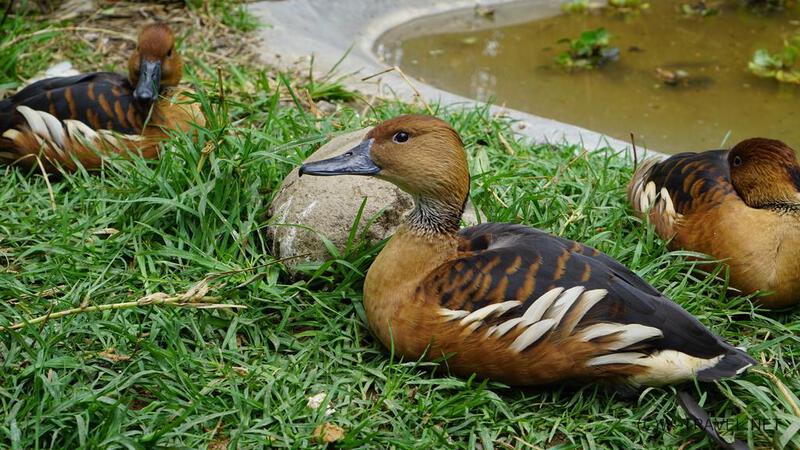
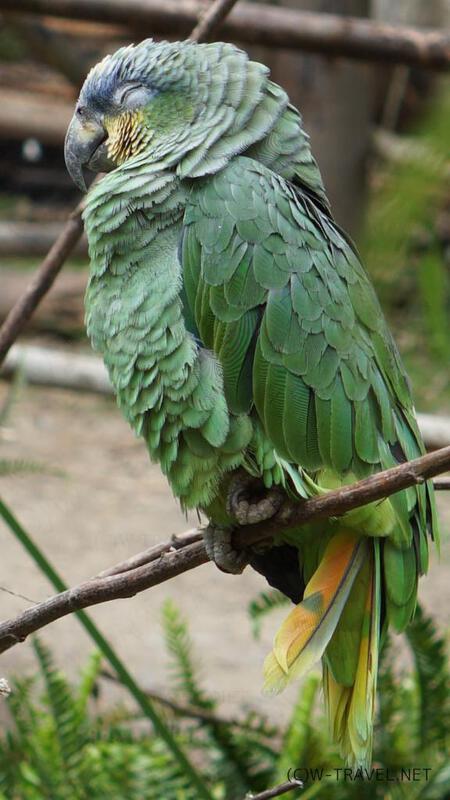
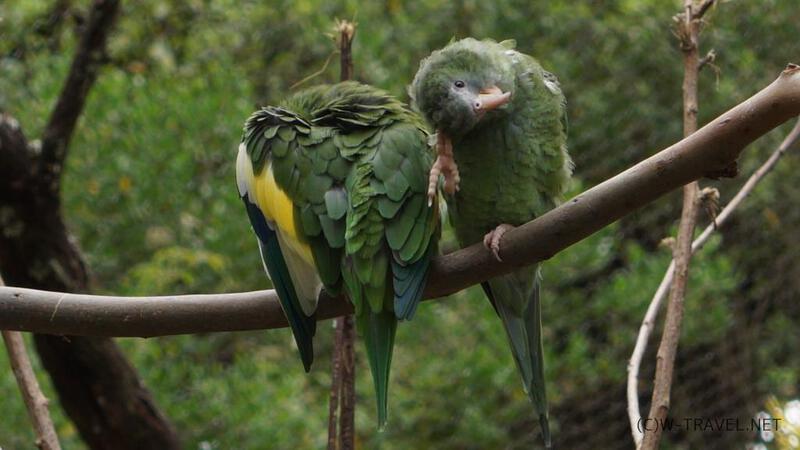
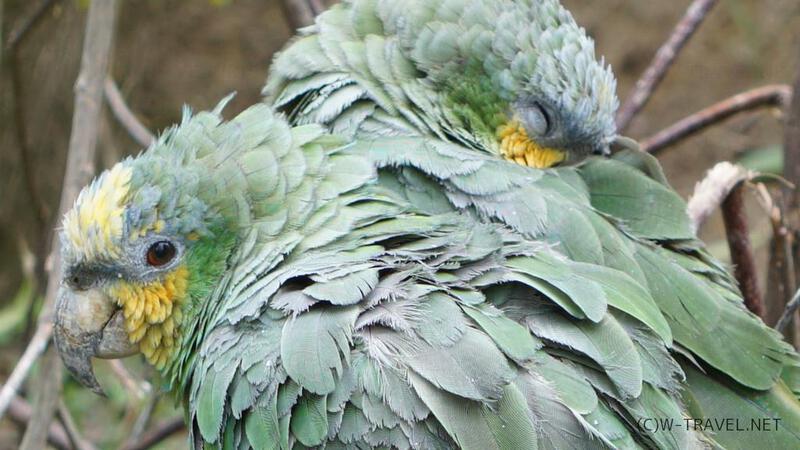
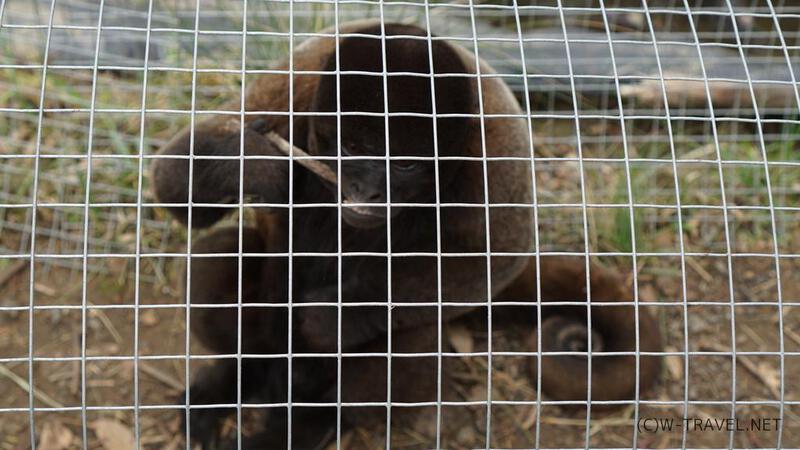
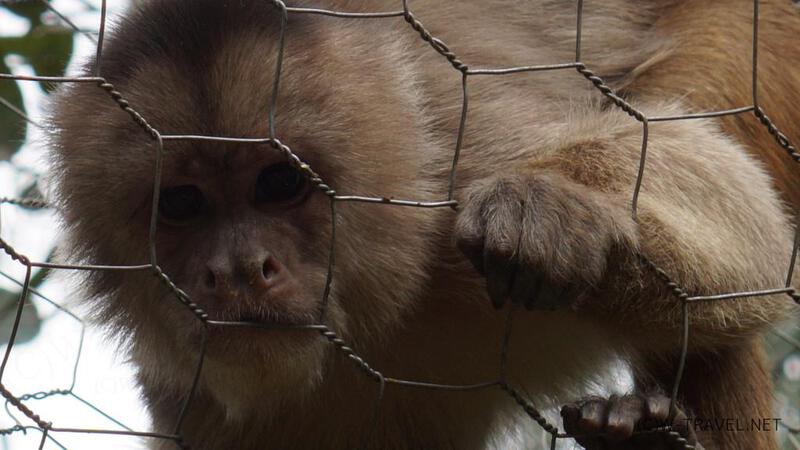
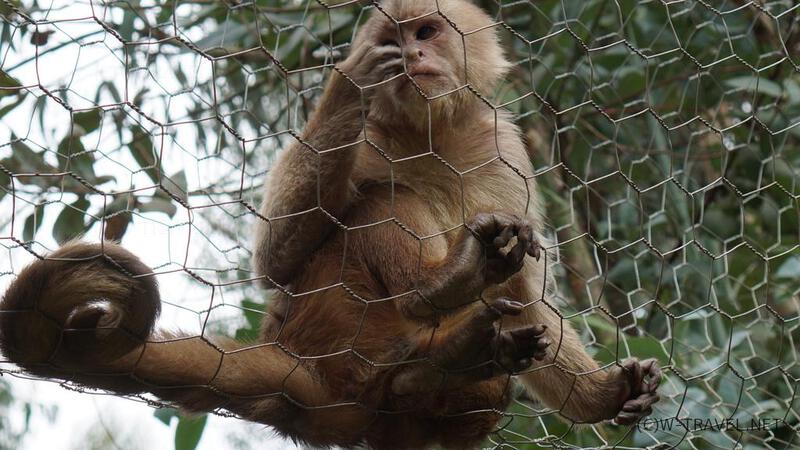
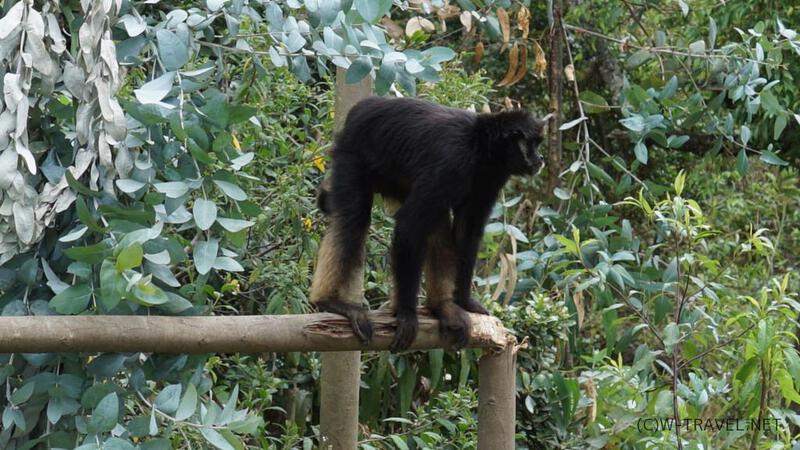
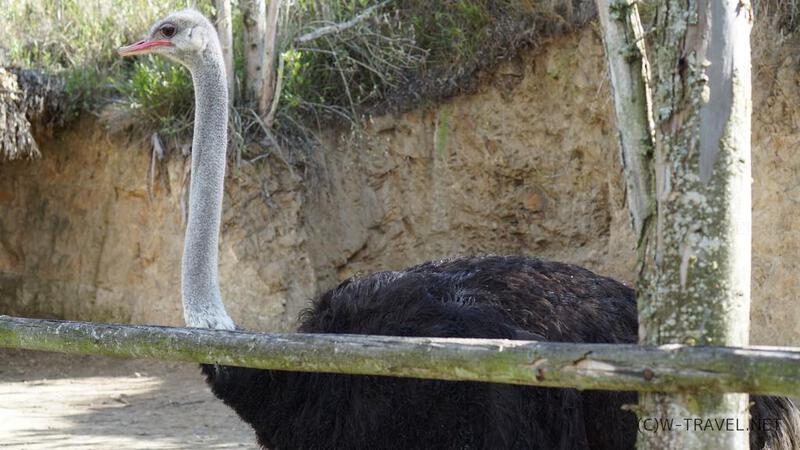
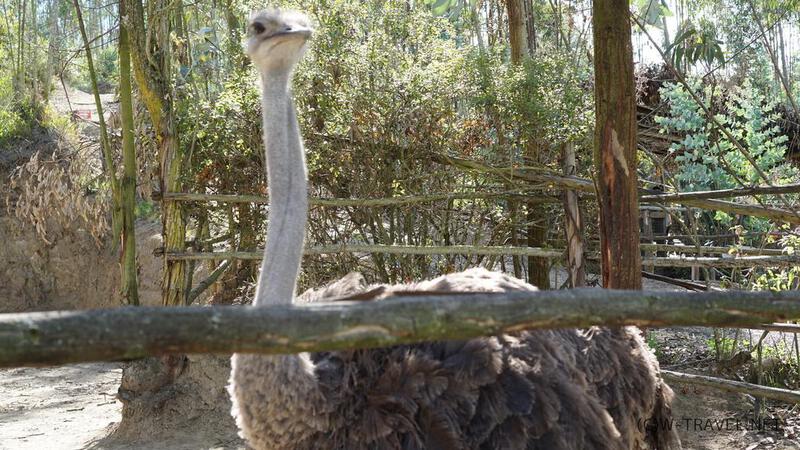
Я не особо возлагал на него больших надежд, но, возможно, этот зоопарк войдет в мой личный топ-3 зоопарков, которые я посетил в мире.
Хотя есть места с более широким разнообразием видов и количеством животных, и здесь нет морских животных, поэтому, в целом, зоопарк немного уступает. Однако, это зоопарк, который в полной мере гармонирует с природой, и это компенсирует его недостатки.
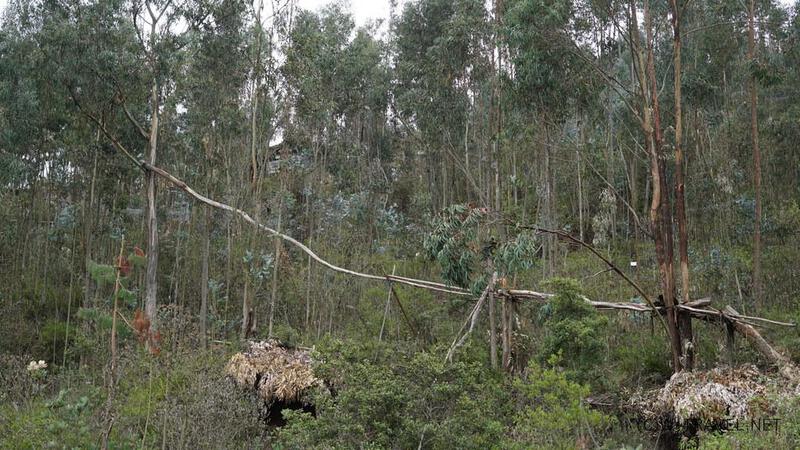
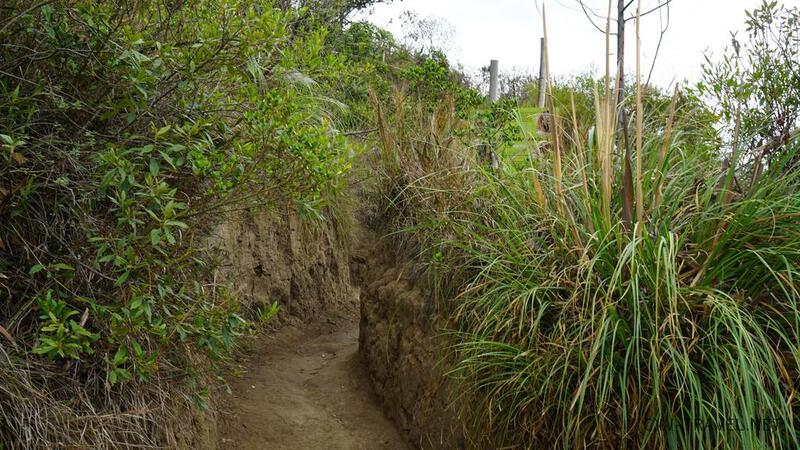
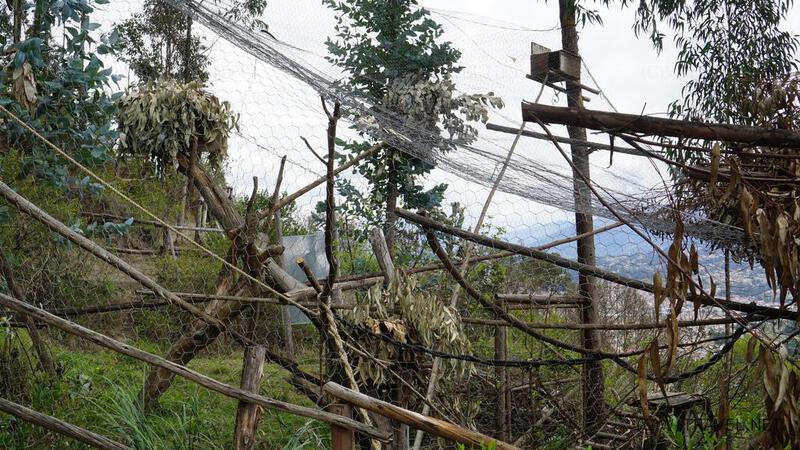
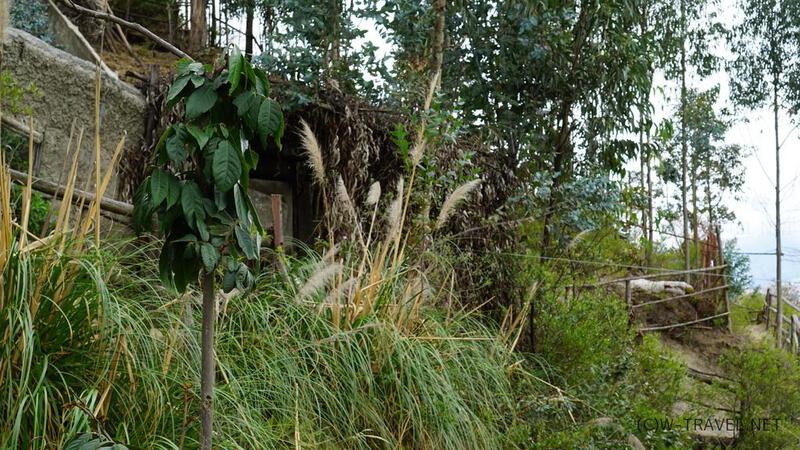
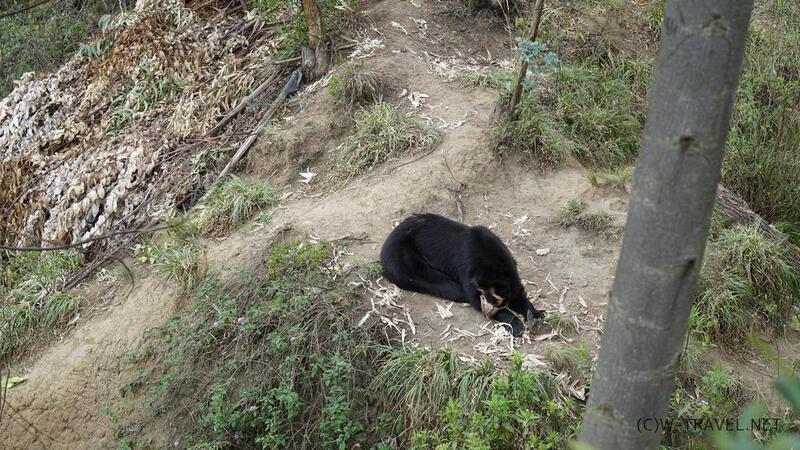
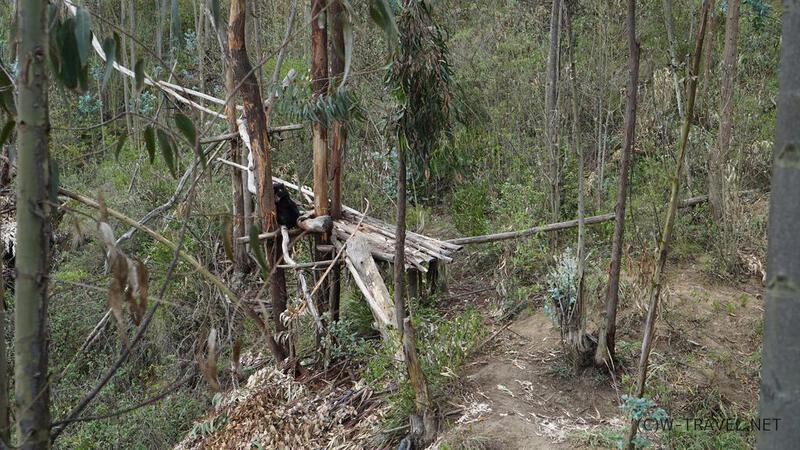
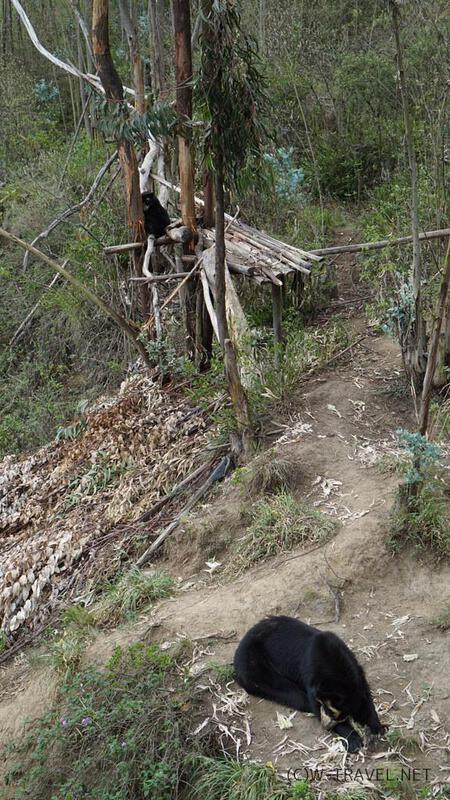
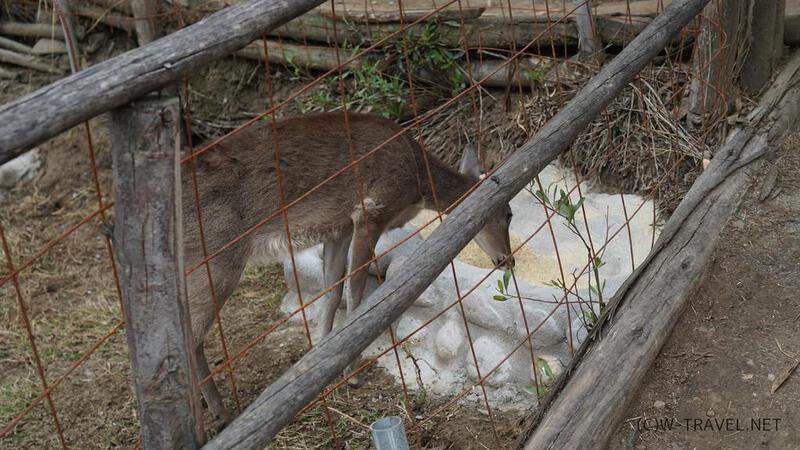
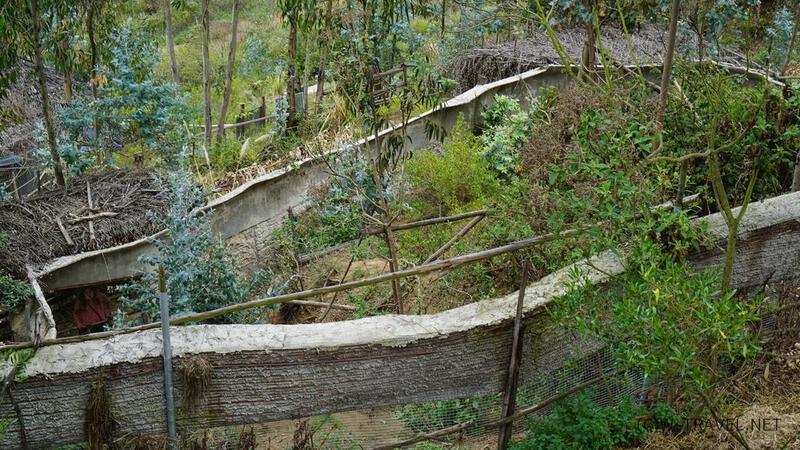
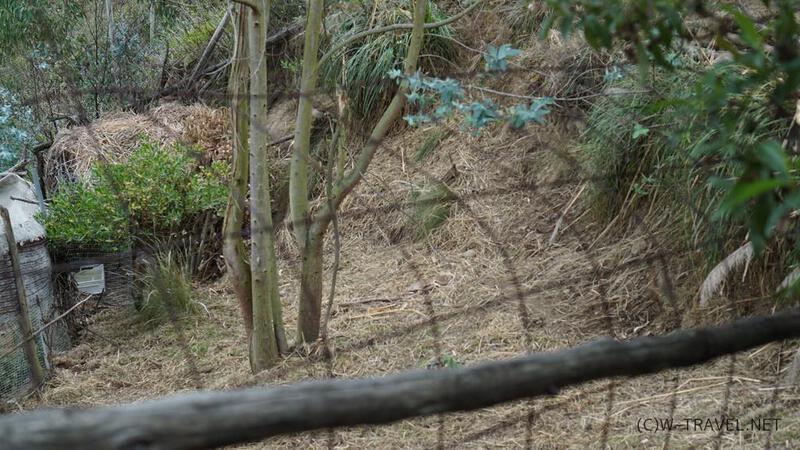
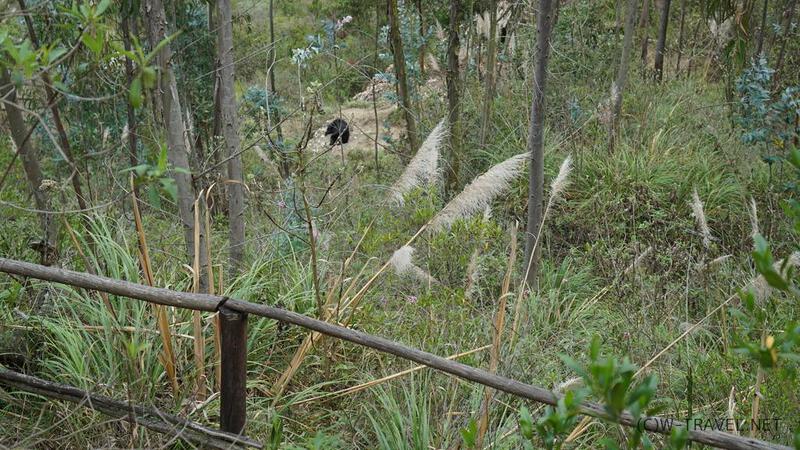
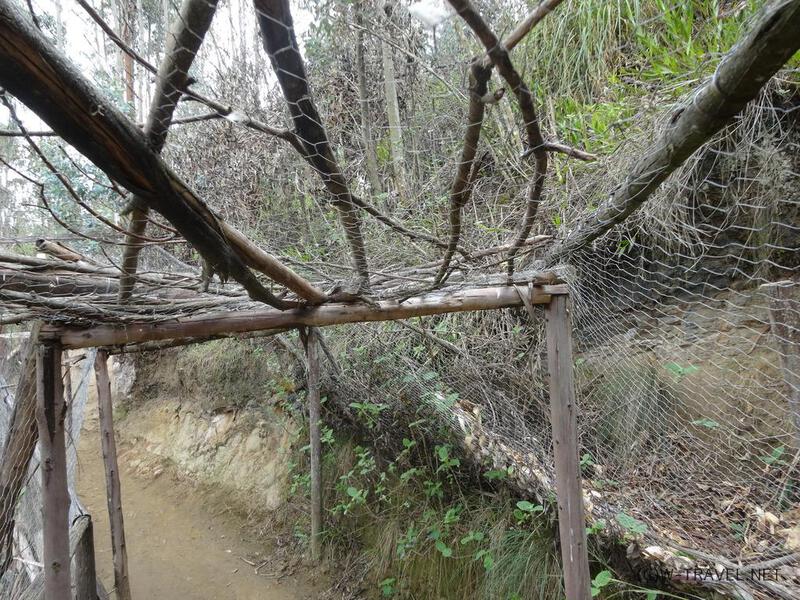
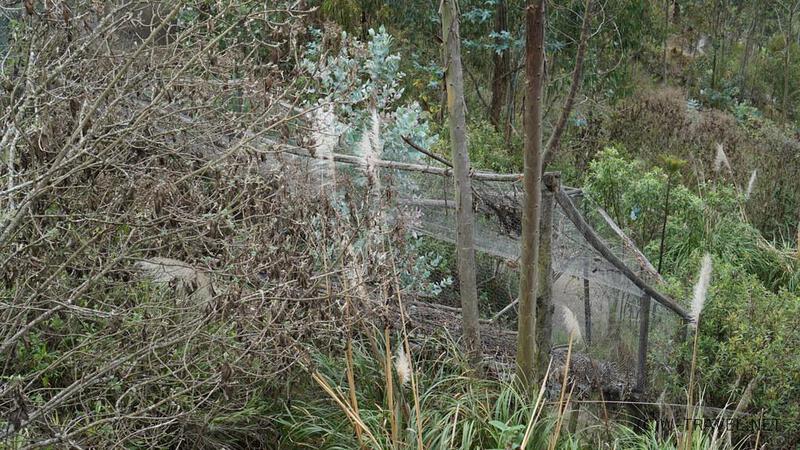
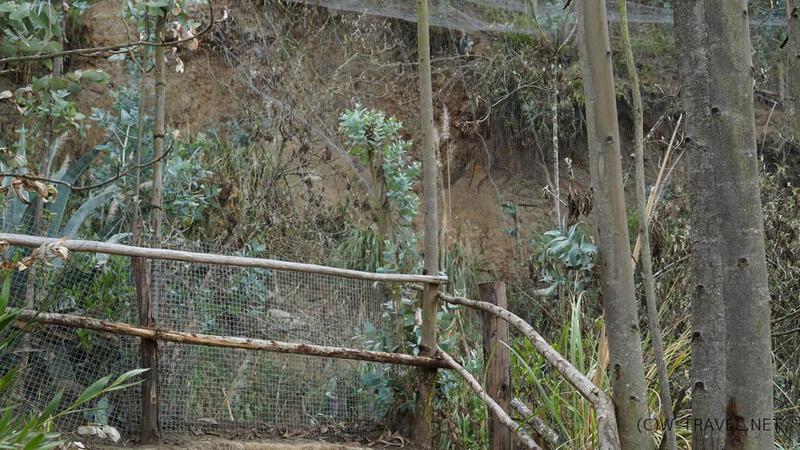
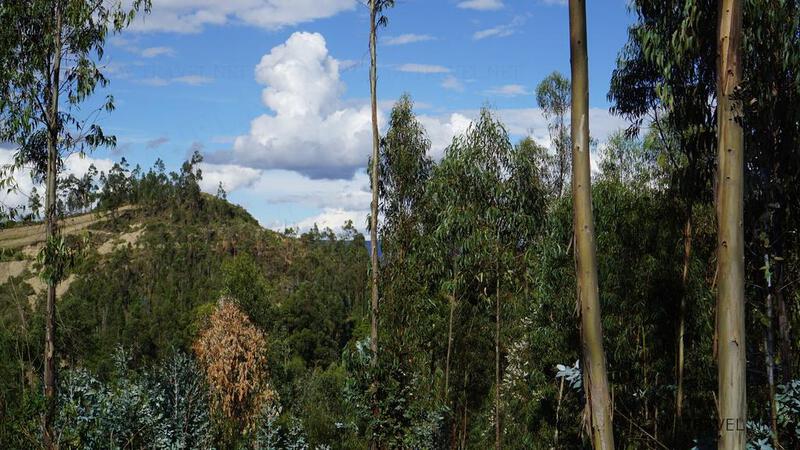
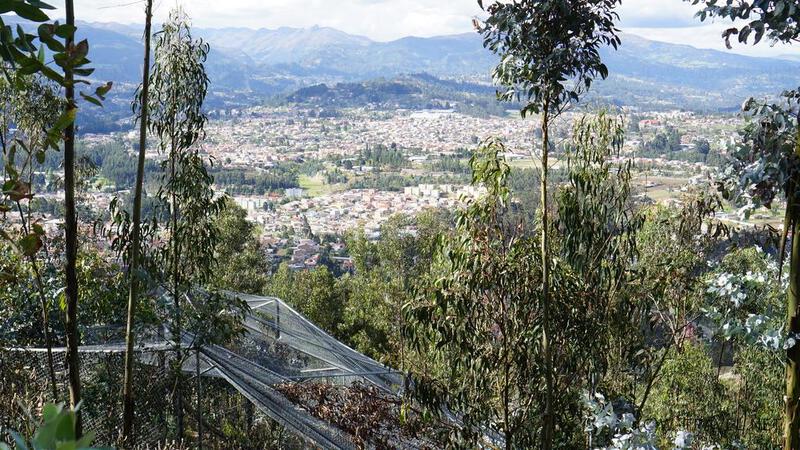
Создается впечатление, что это место, которое изначально было горой, и его превратили в зоопарк, сохранив при этом первозданную природу. Даже если строятся вольеры, используется естественный рельеф, и вместо вольеров используются перепады высот, а вокруг них устанавливаются ограждения. Поэтому можно увидеть, как животные живут очень активно.
Я видел похожие концепции и в других зоопарках, но уровень здесь совершенно другой. Даже если концепция одинакова, разница в уровне может привести к тому, что зоопарк будет настолько гармонично сочетаться с природой. Эквадор – это страна, которую нельзя недооценивать.
Вероятно, здесь можно обойтись такими небольшими вольерами, потому что здесь редко бывают тайфуны и сильные дожди. В регионах, где бывают тайфуны, такие вольеры были бы полностью разрушены. Куэнка использовала географические преимущества, чтобы создать зоопарк, гармонирующий с природой. Если исключить морскую и речную фауну, то в плане горных и наземных видов этот зоопарк занимает очень высокое место. Зоопарки, которые лучше, чем этот, просто имеют больше видов или большее количество животных, но с точки зрения гармонии с природой, этот зоопарк, безусловно, является номером один.


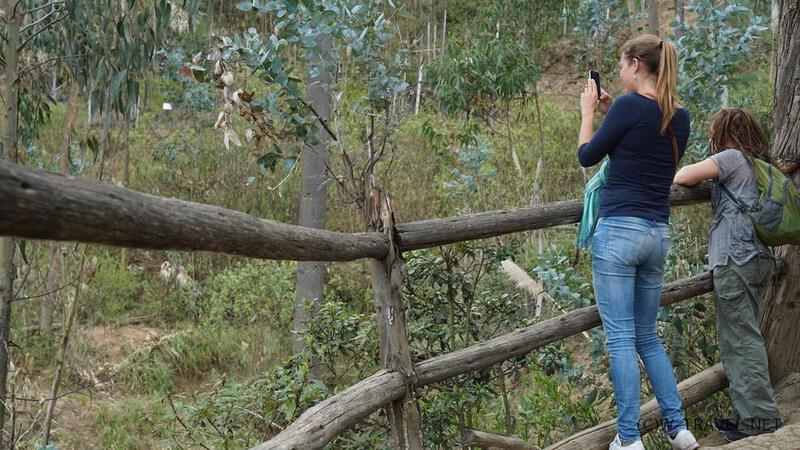
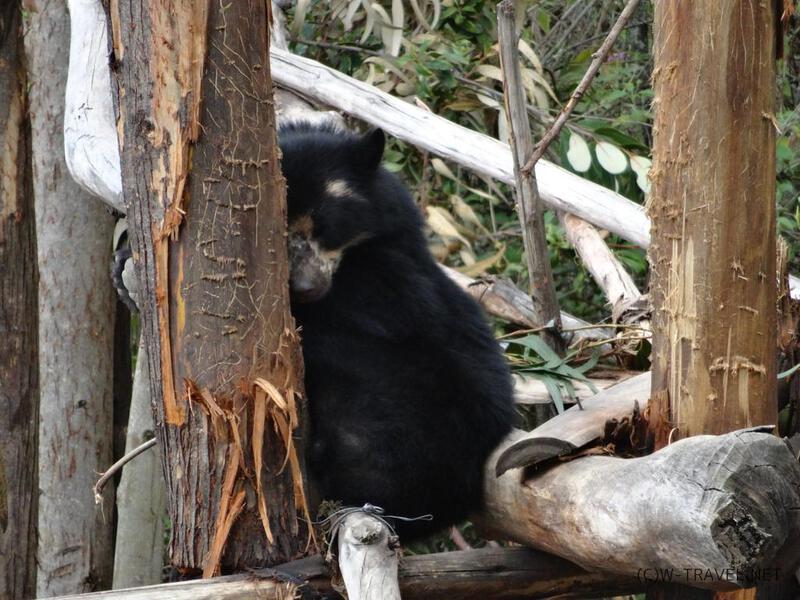
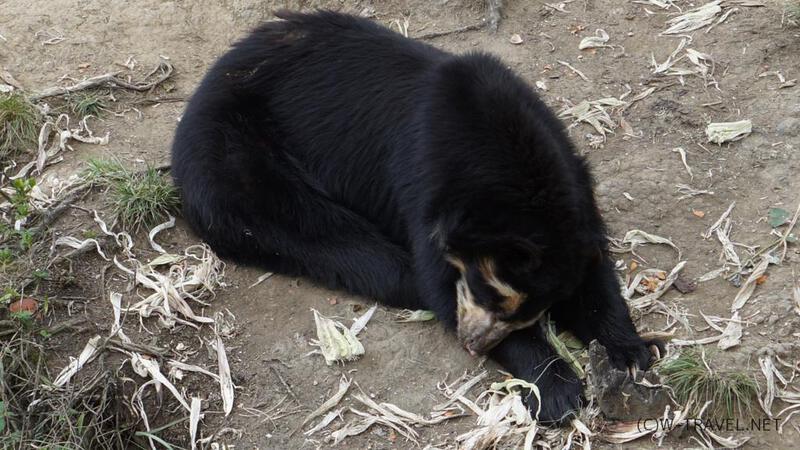

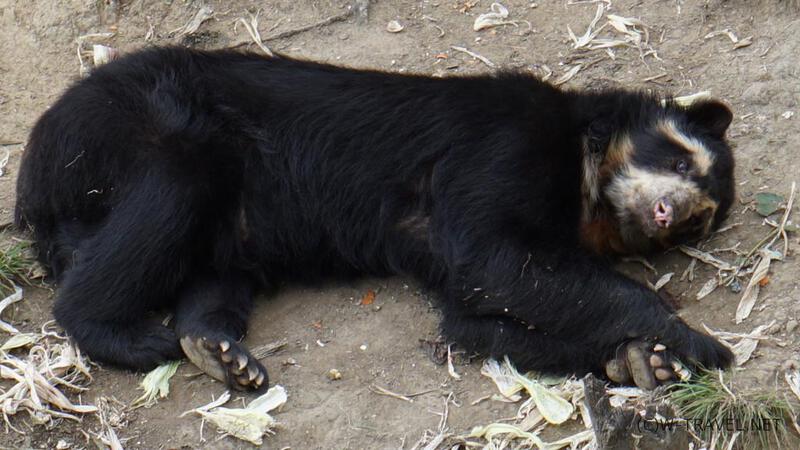

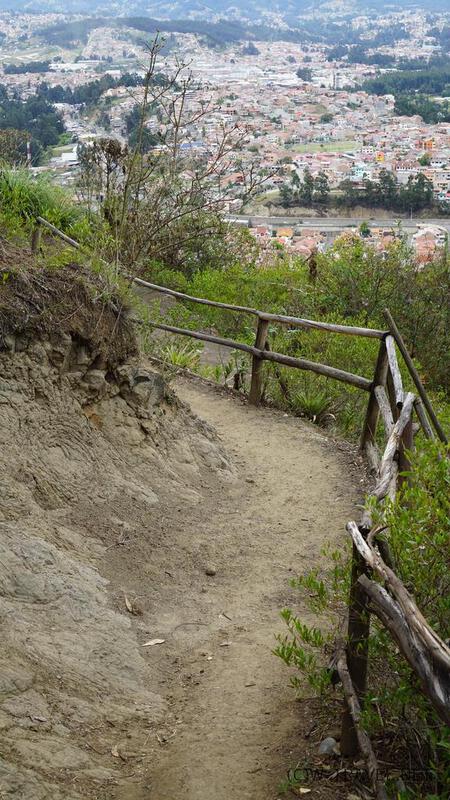




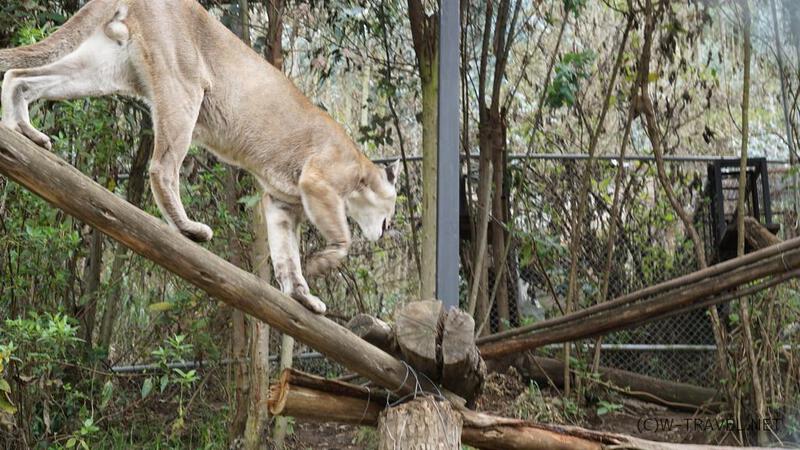
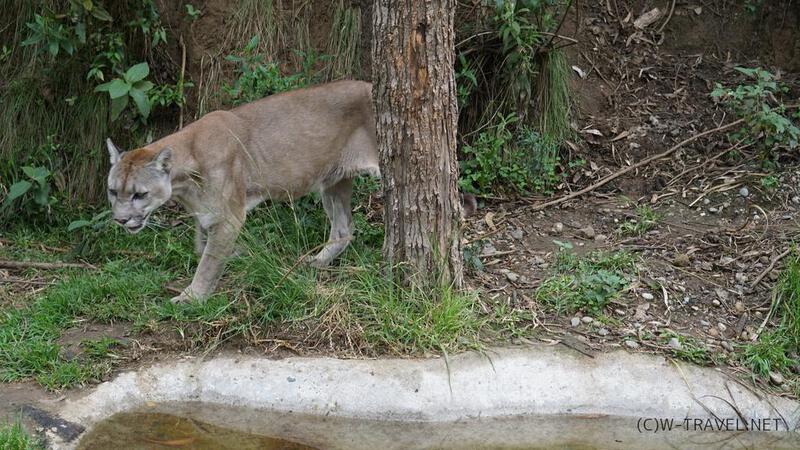
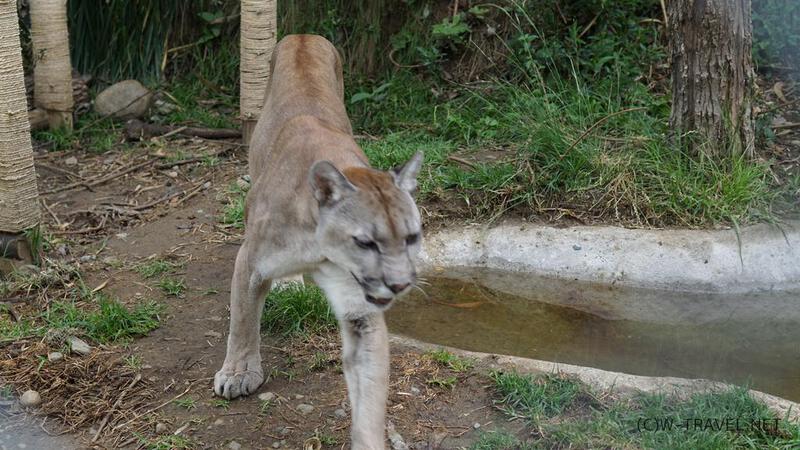

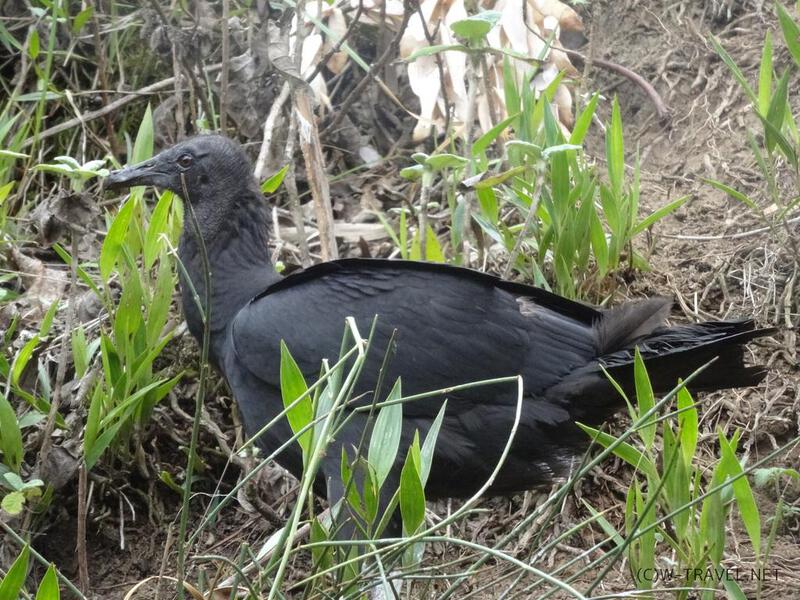


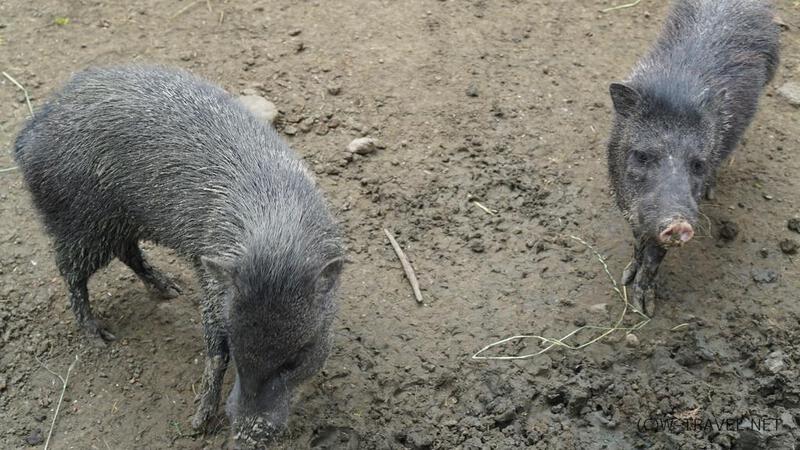
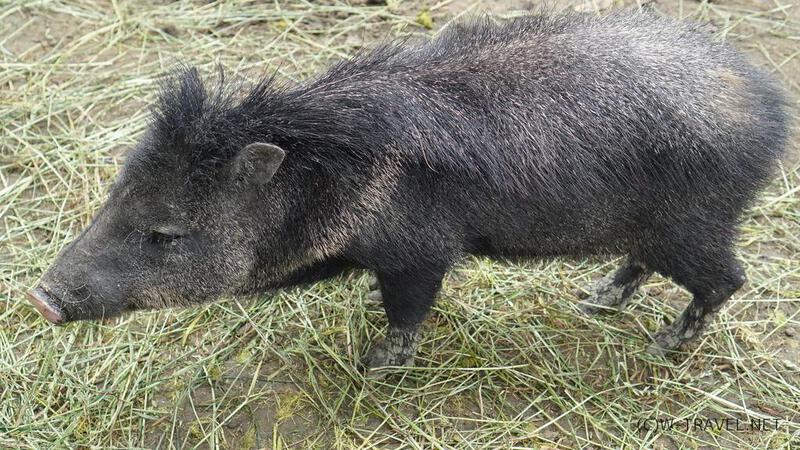

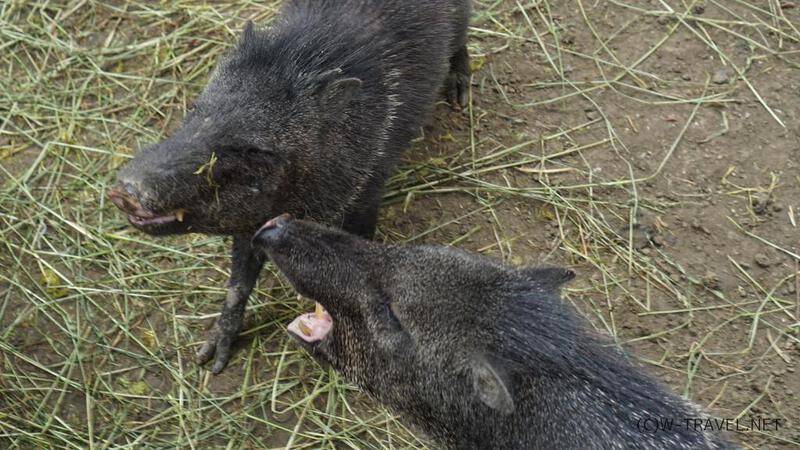
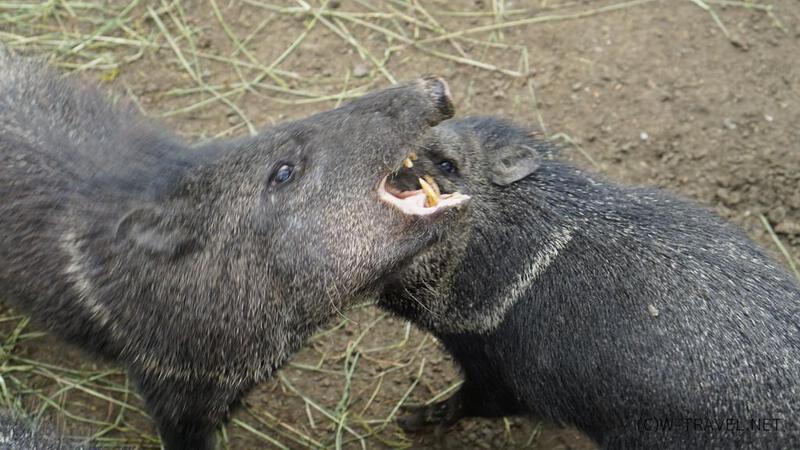
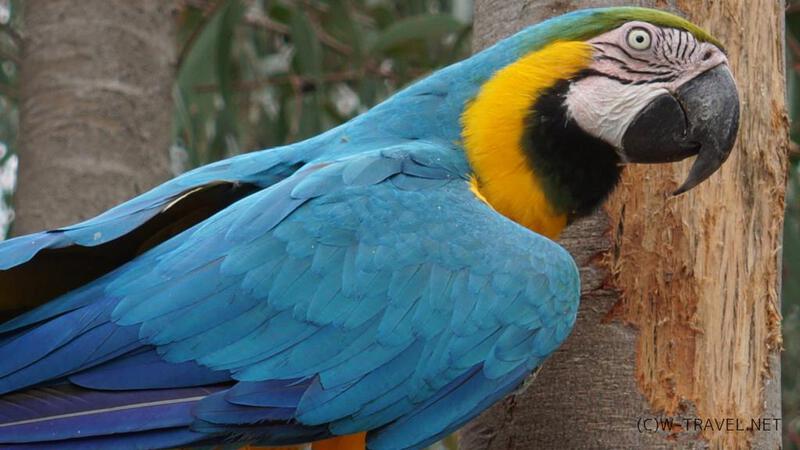
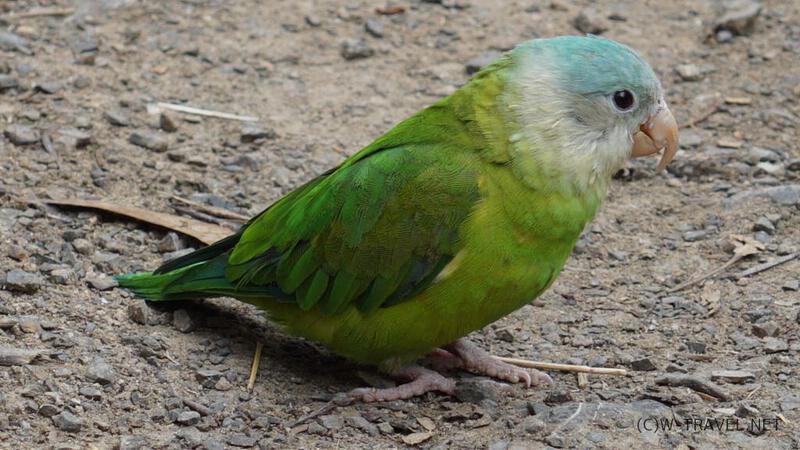

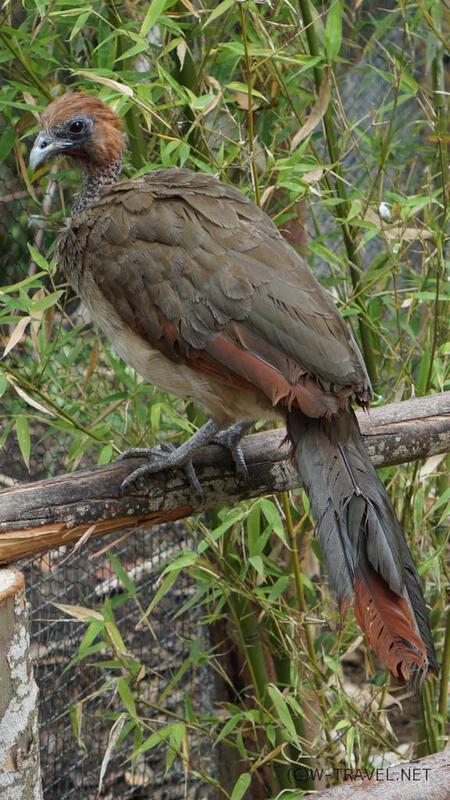
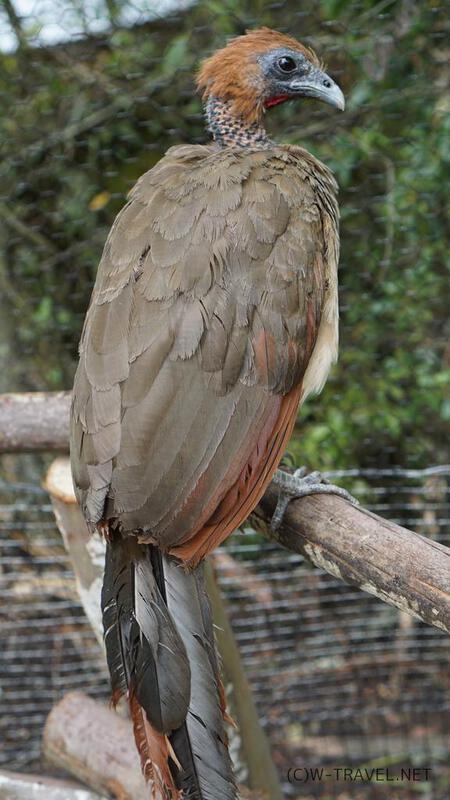
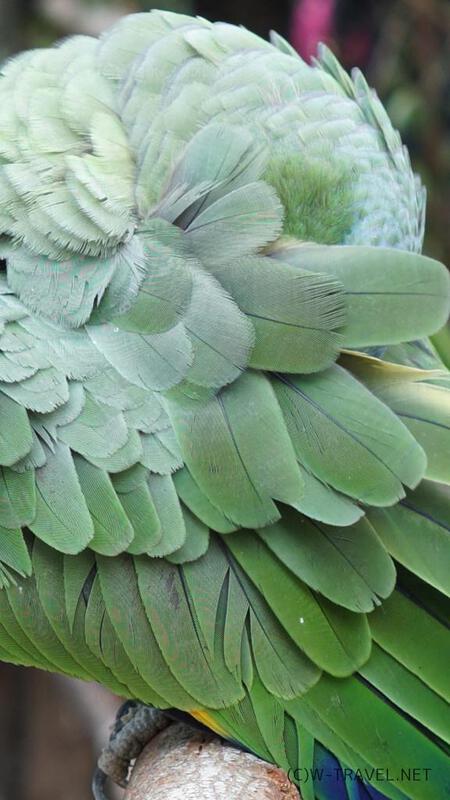
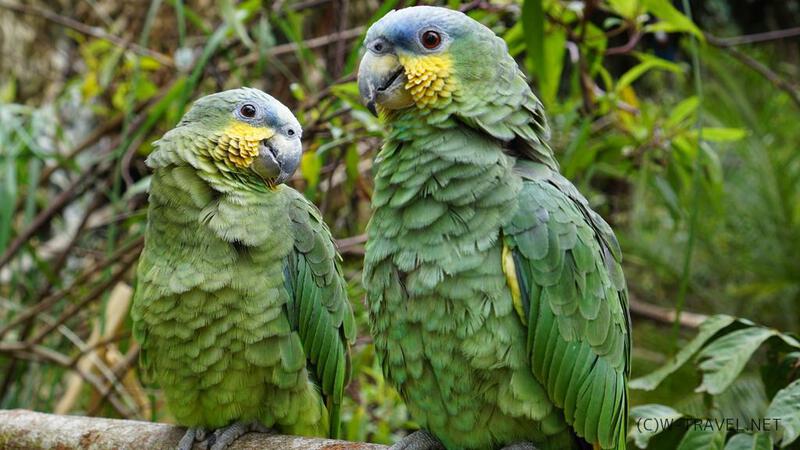

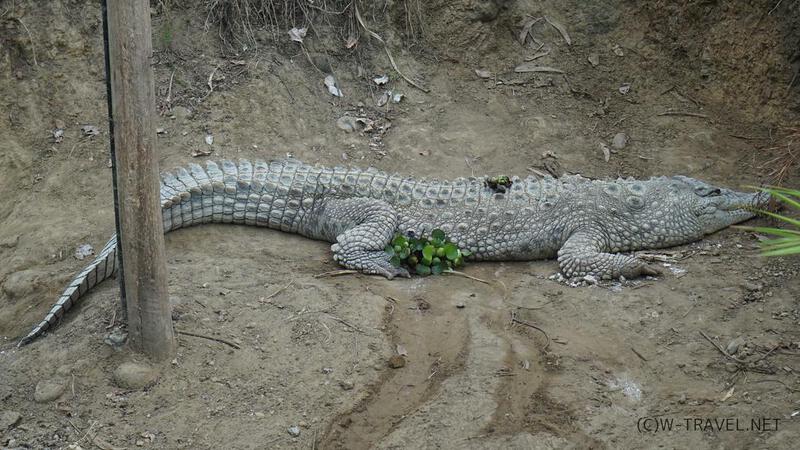
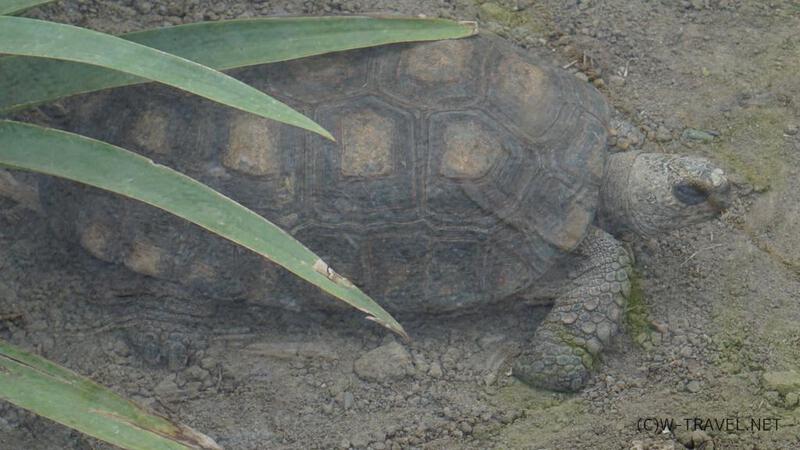







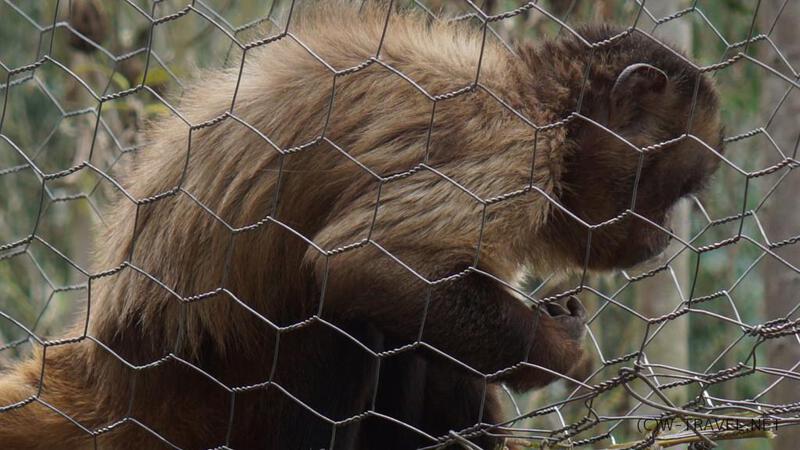
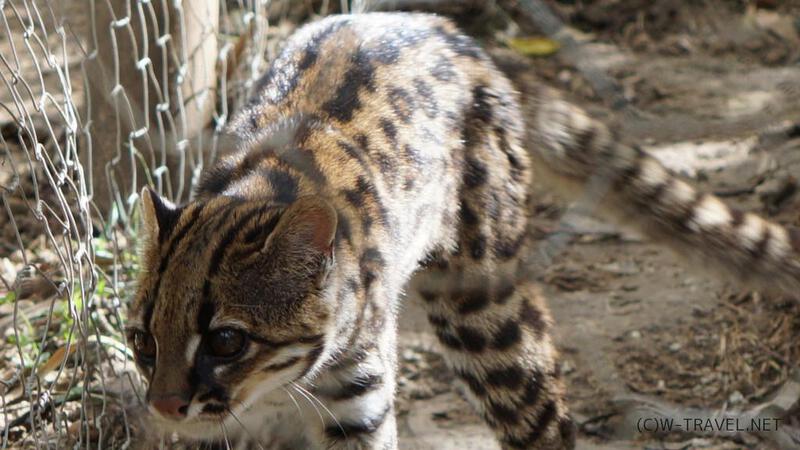
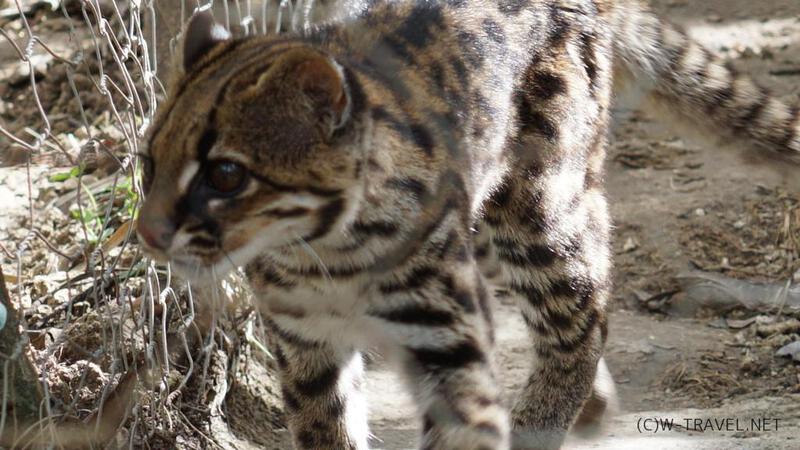
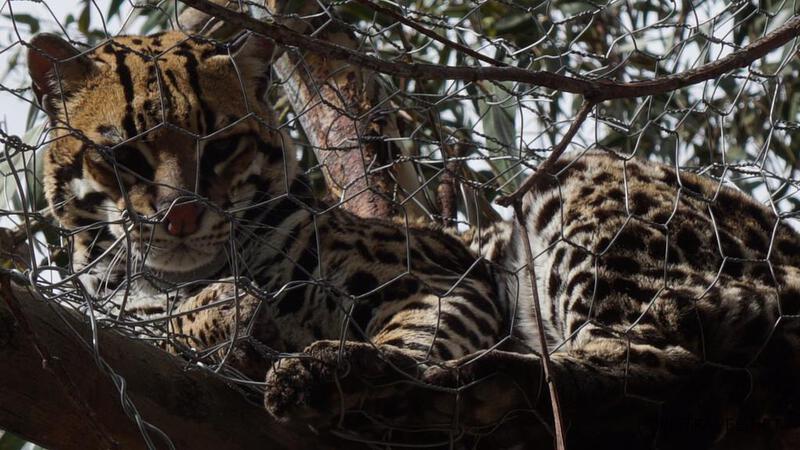
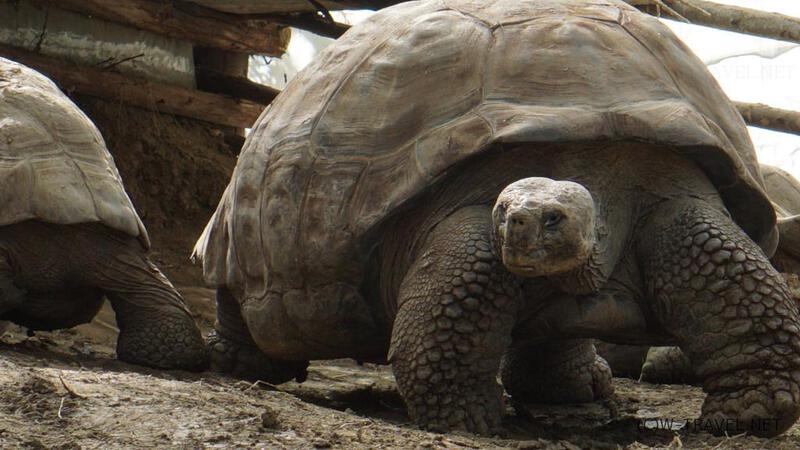
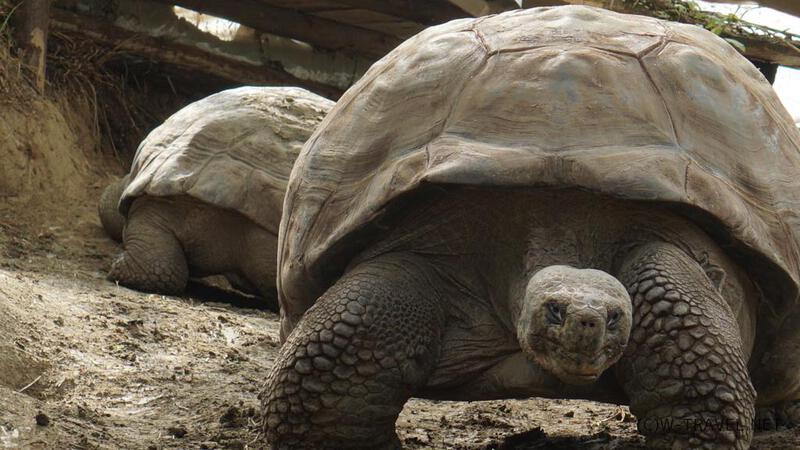

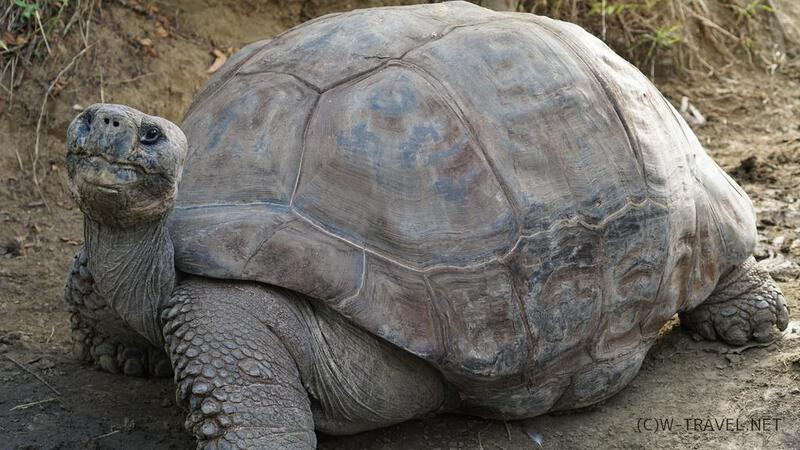
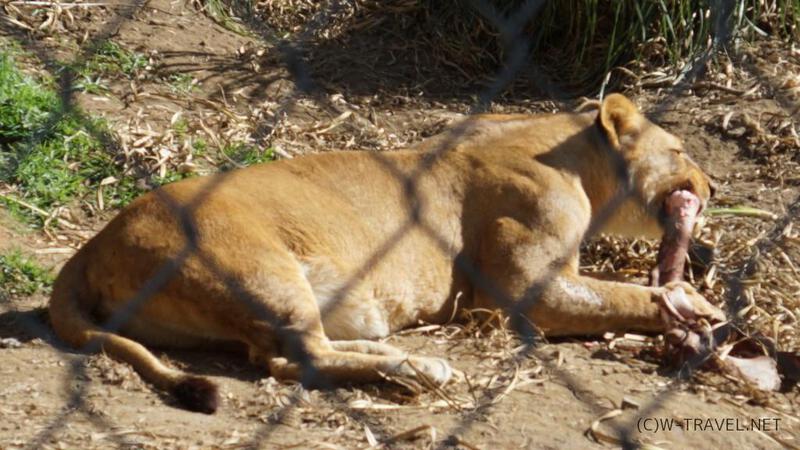

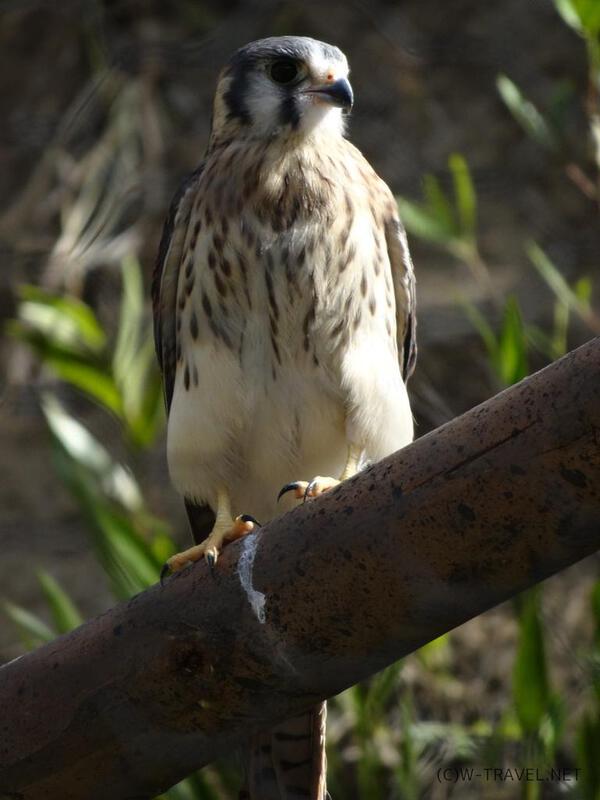

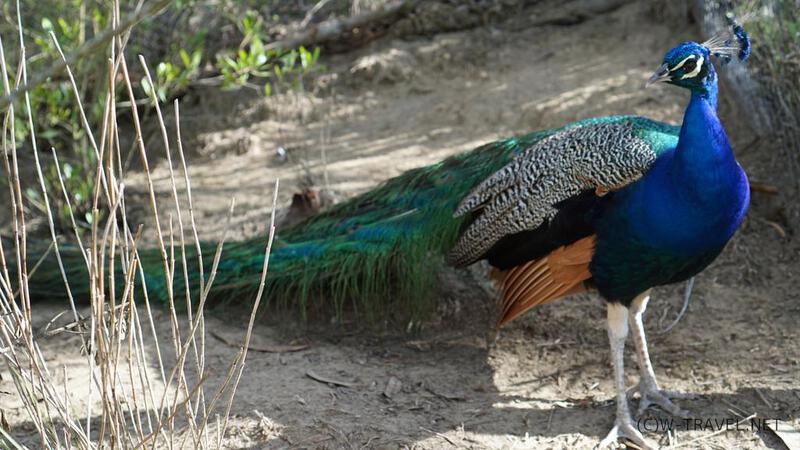
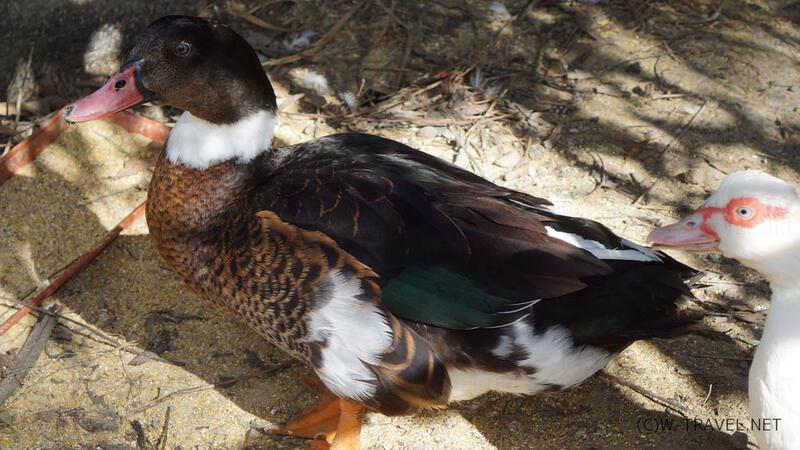
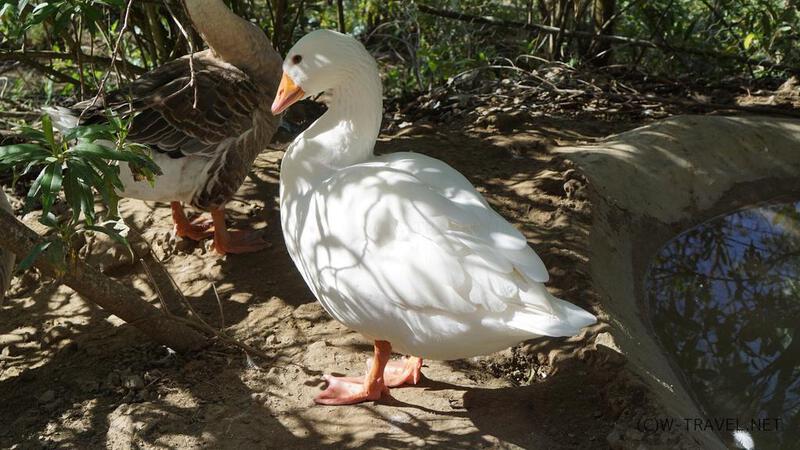
 BGM: Copyright(C) Music Palette
http://www.music-palette.com/
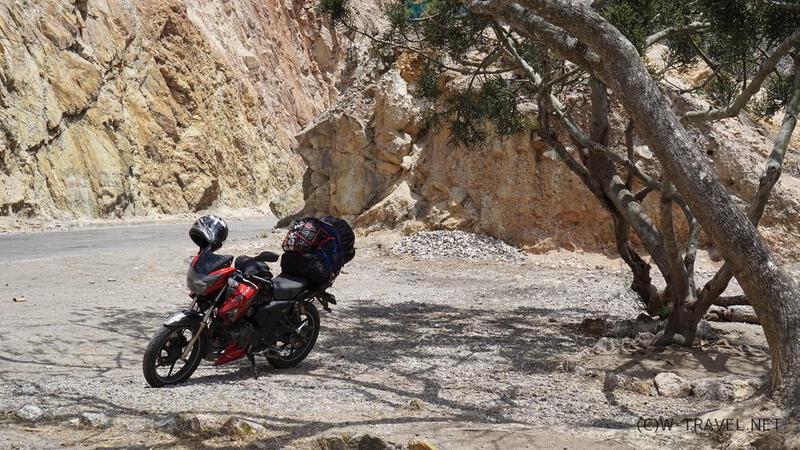
Выехали из Куэнки в сторону побережья, пересекли границу с Вердес/Уакильяс и въехали в Перу.
Сегодня я направляюсь в Перу.
Сначала я поеду из Куэнки в Мачалу (Machala), чтобы выйти к побережью.
В других блогах я видел, что многие люди пересекают границу с Перу, проезжая через горные районы, но, судя по информации на англоязычных форумах, горные районы особенно опасны для велосипедистов, путешествующих автостопом, и что новый пограничный пункт на побережье работает более гладко, поэтому я решил пересечь границу именно там.
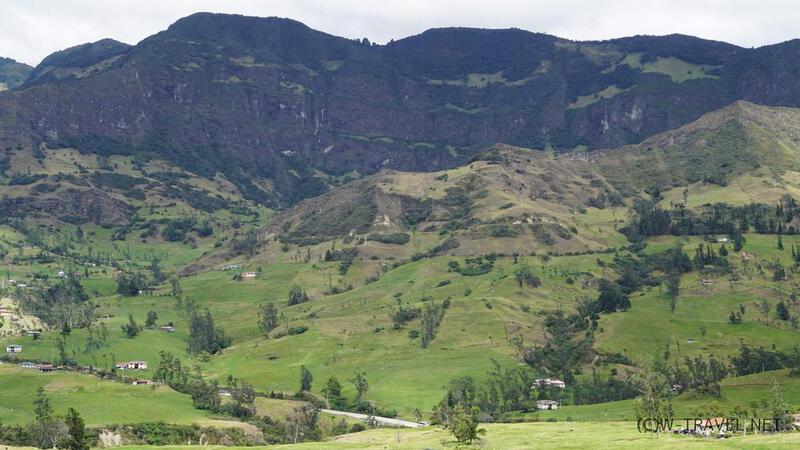
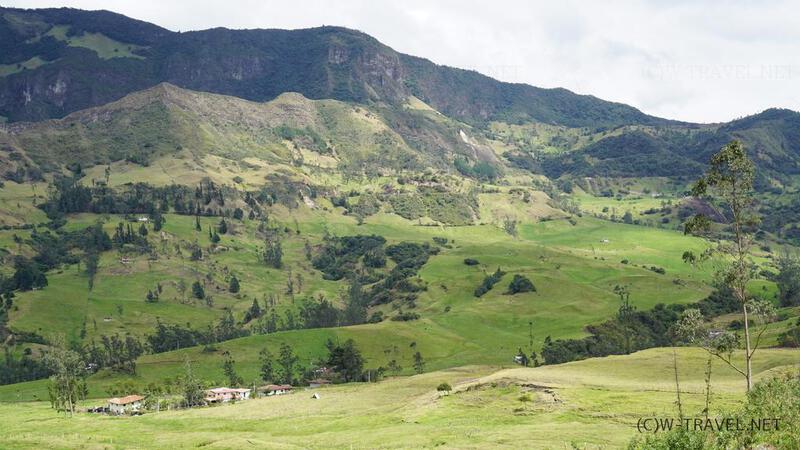
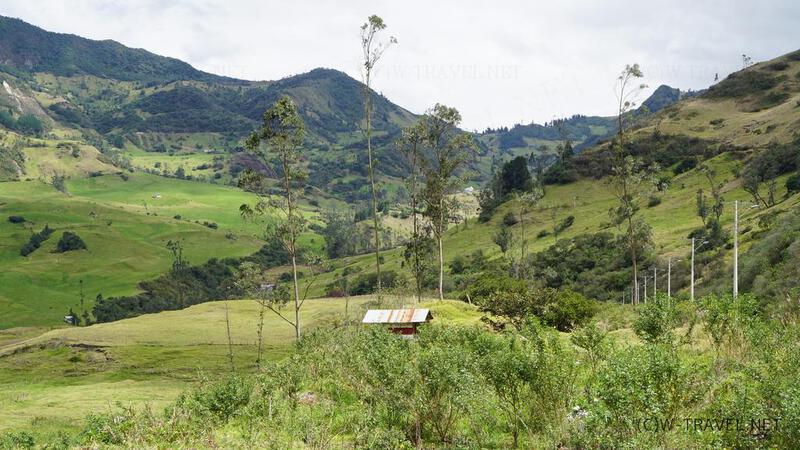
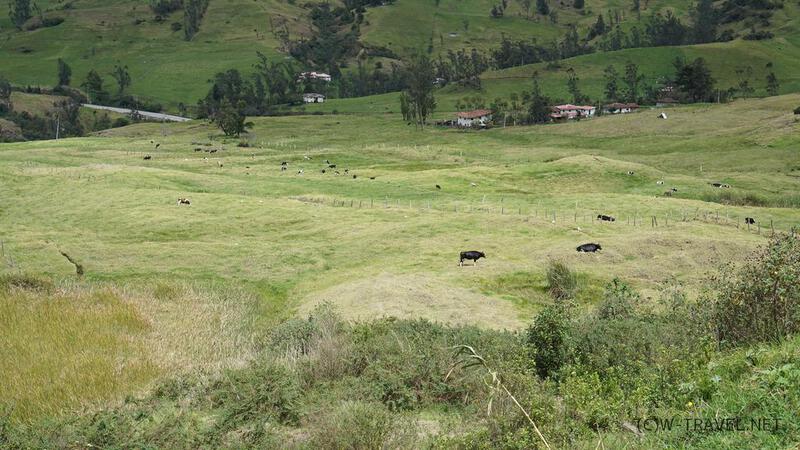
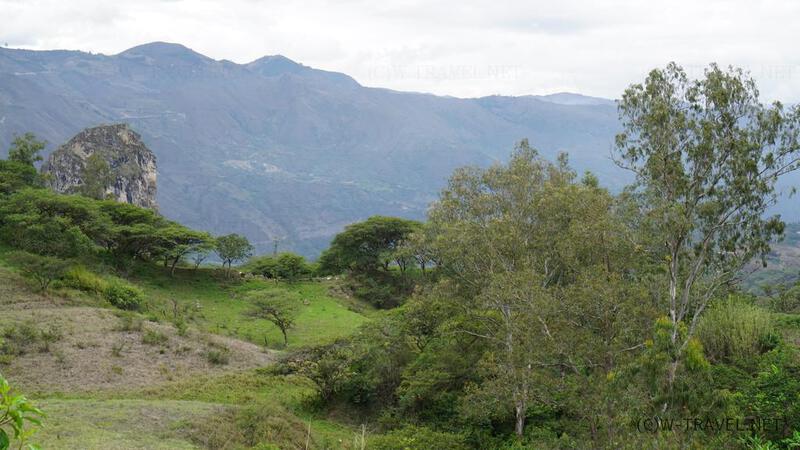
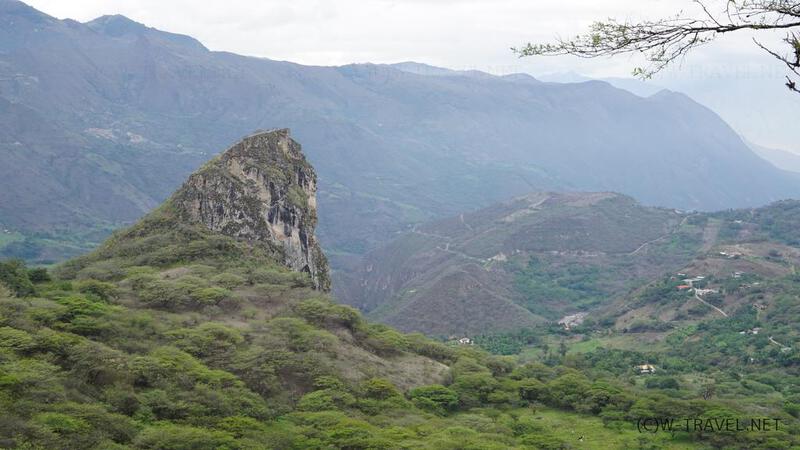
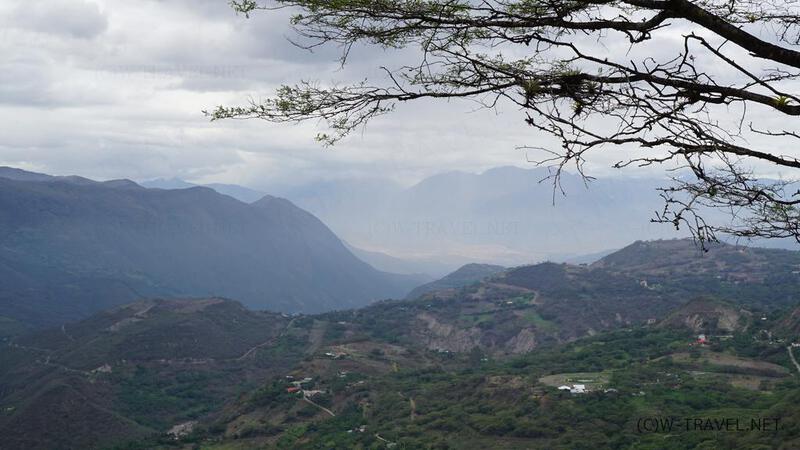
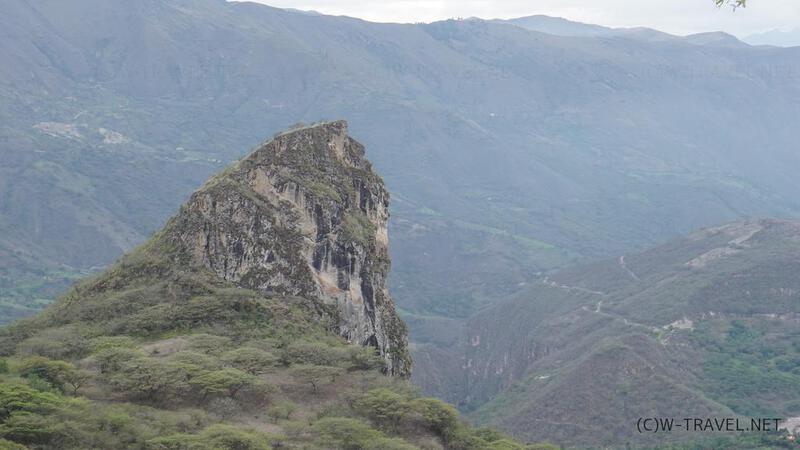
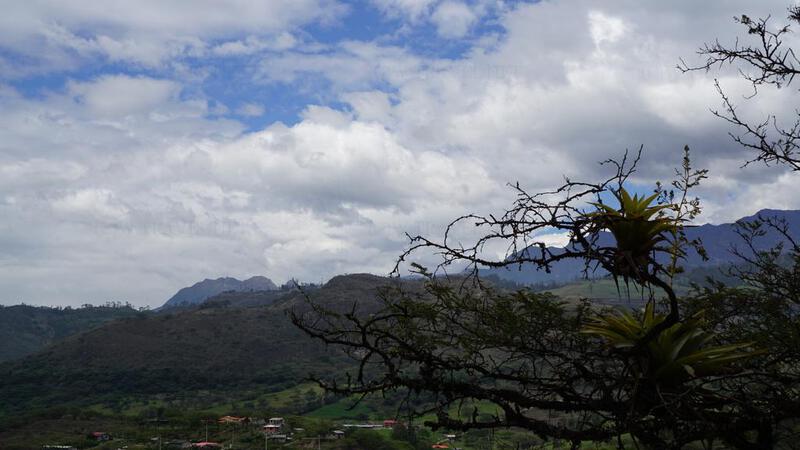
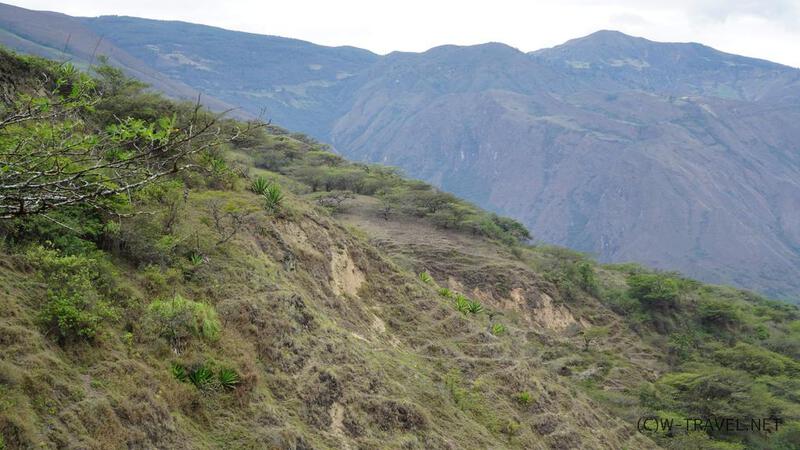
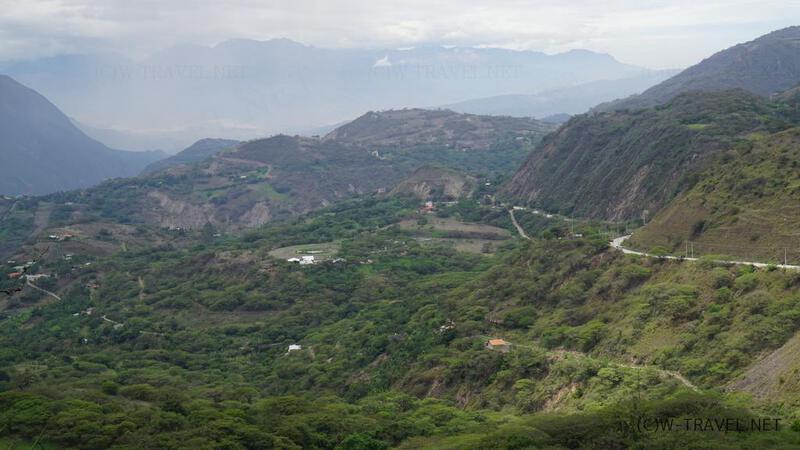
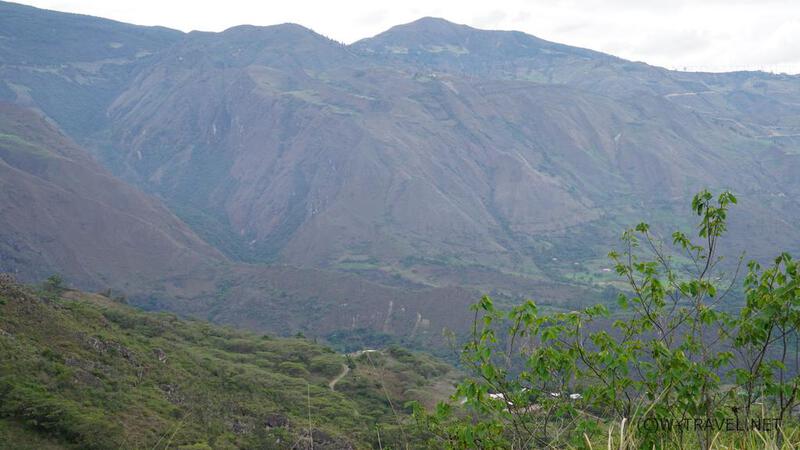
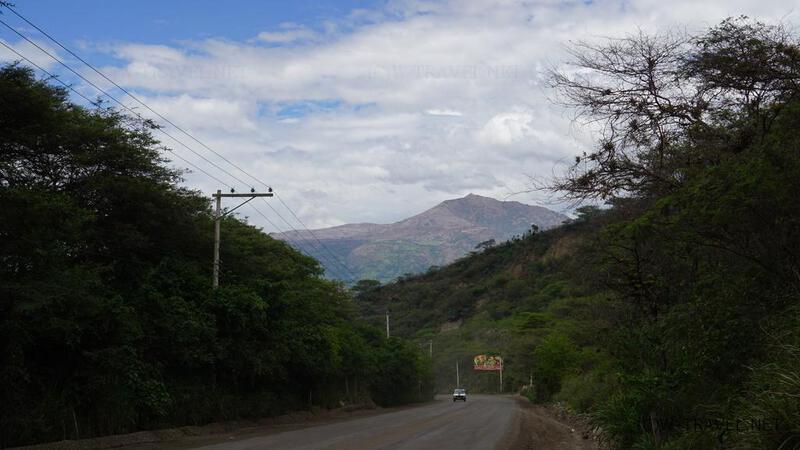
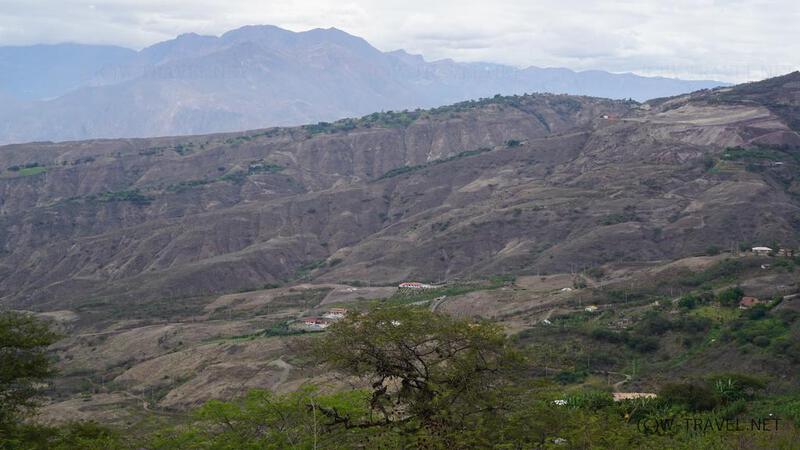
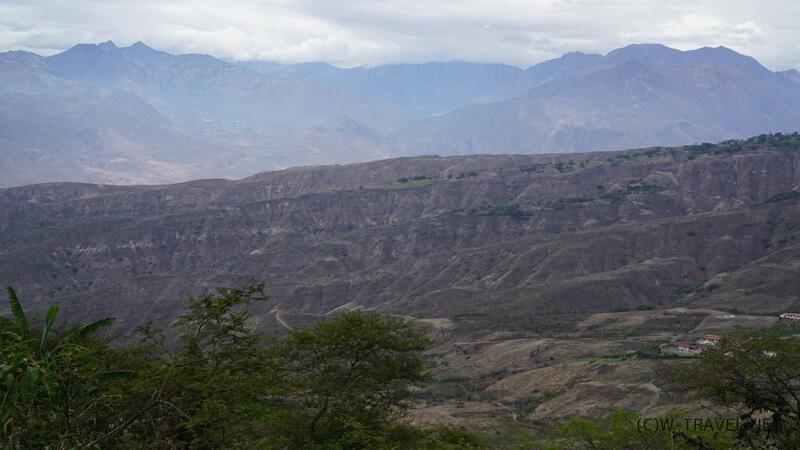
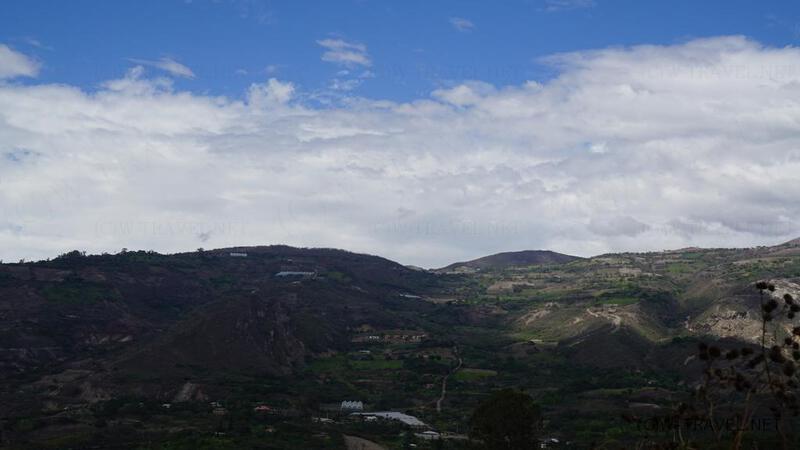
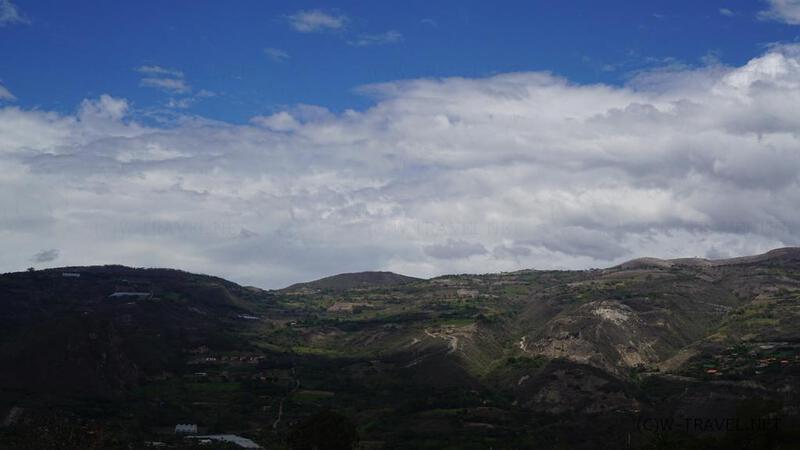
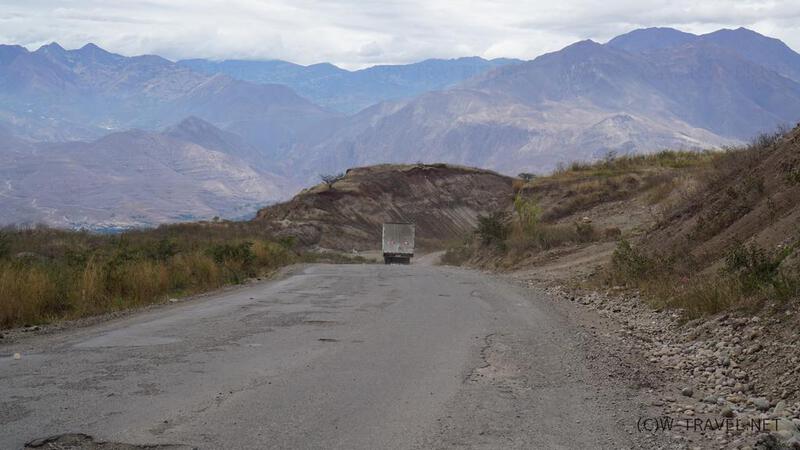
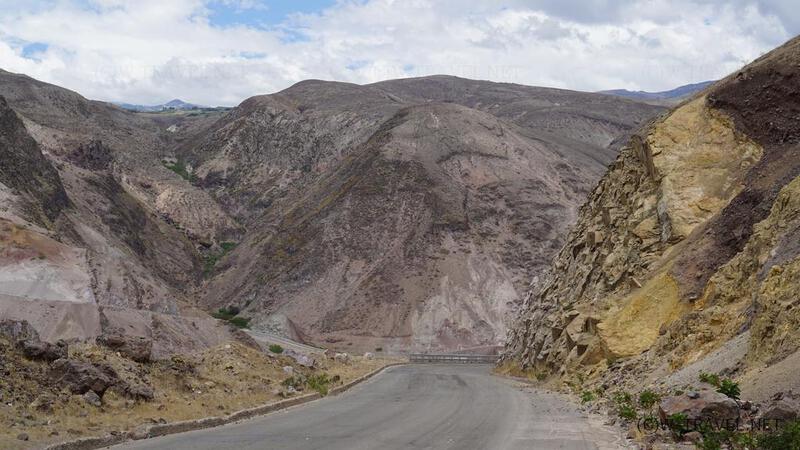
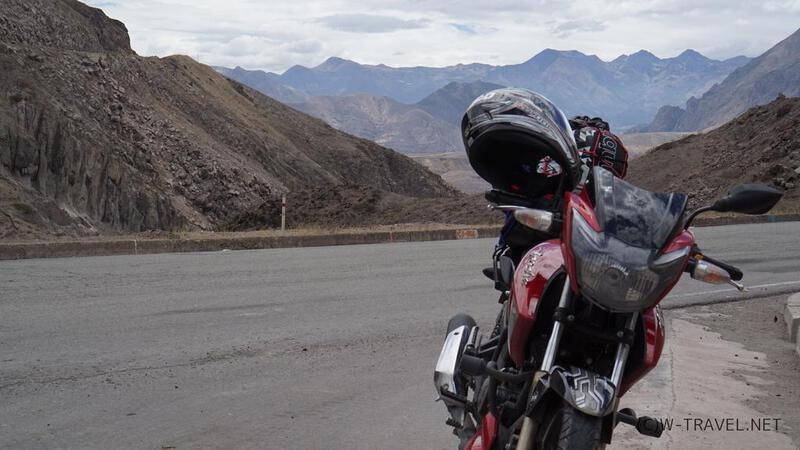
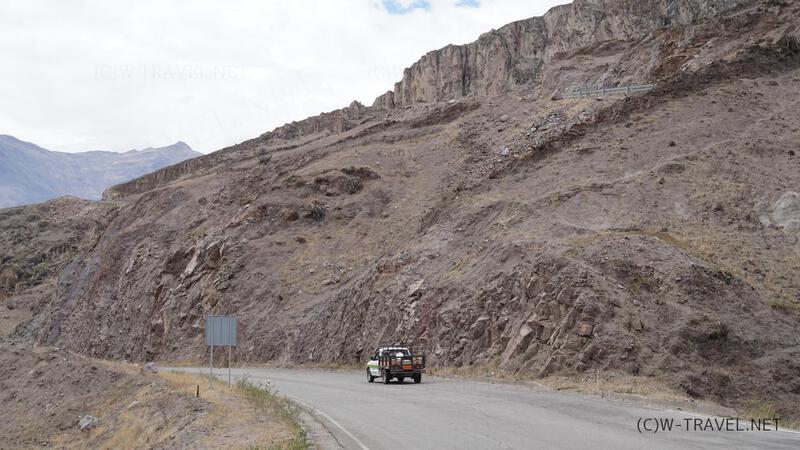
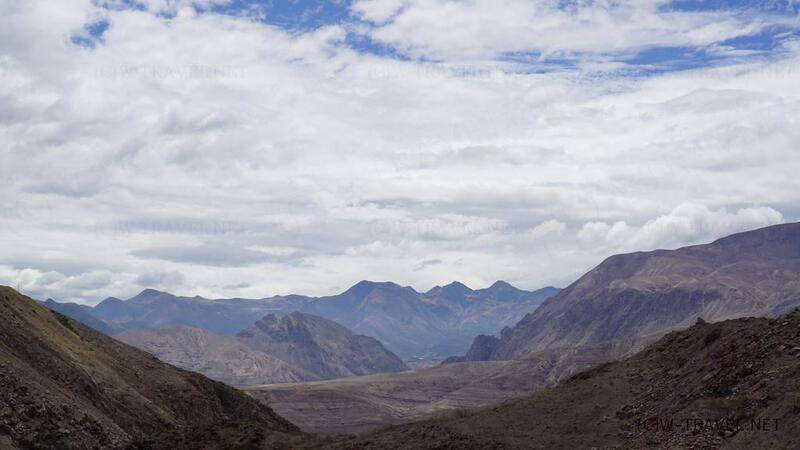
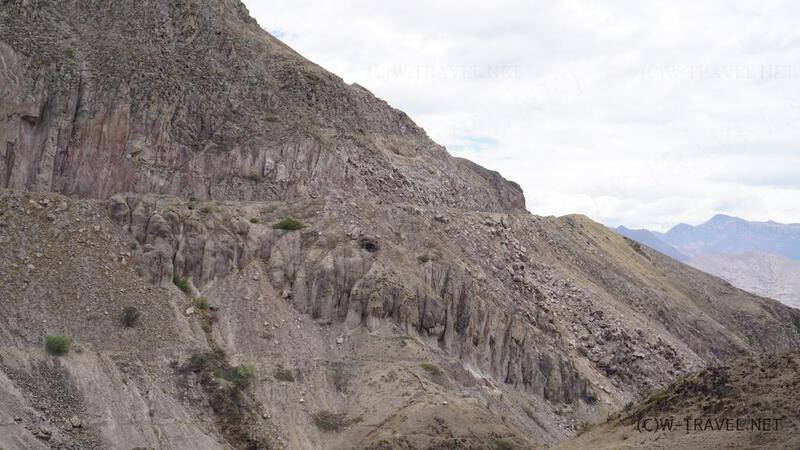
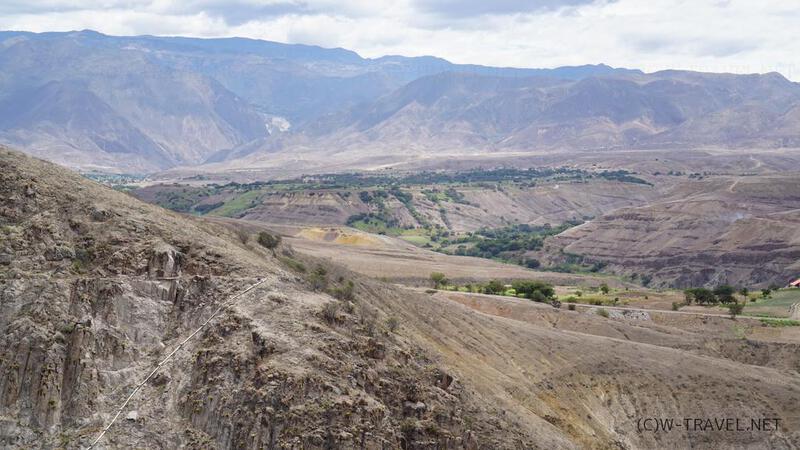
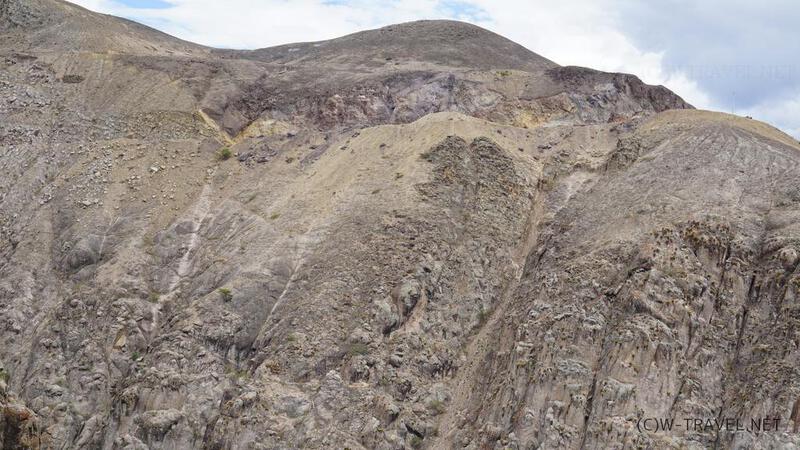
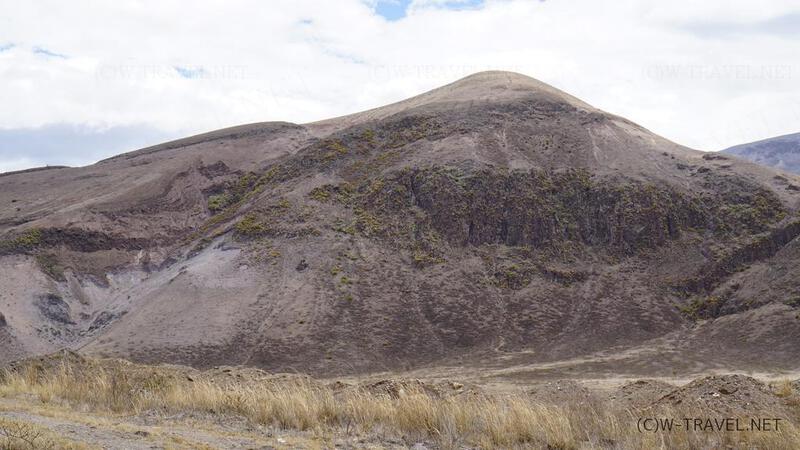
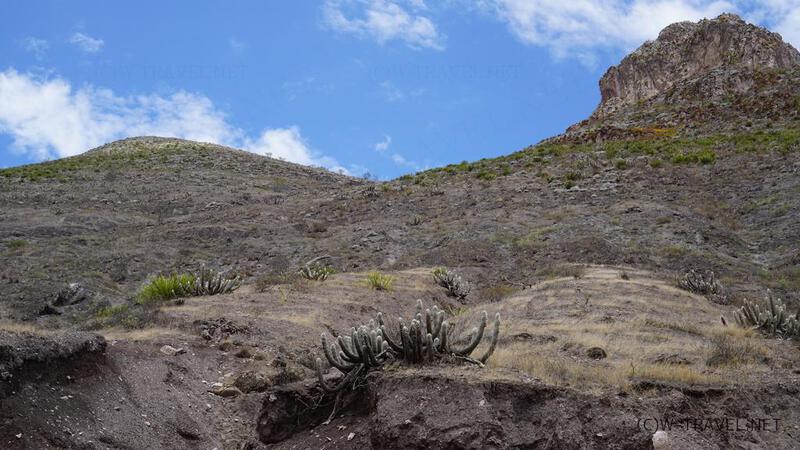
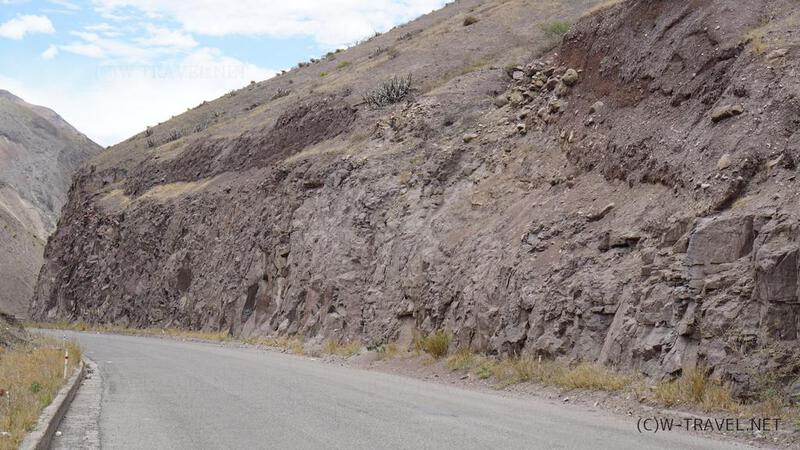
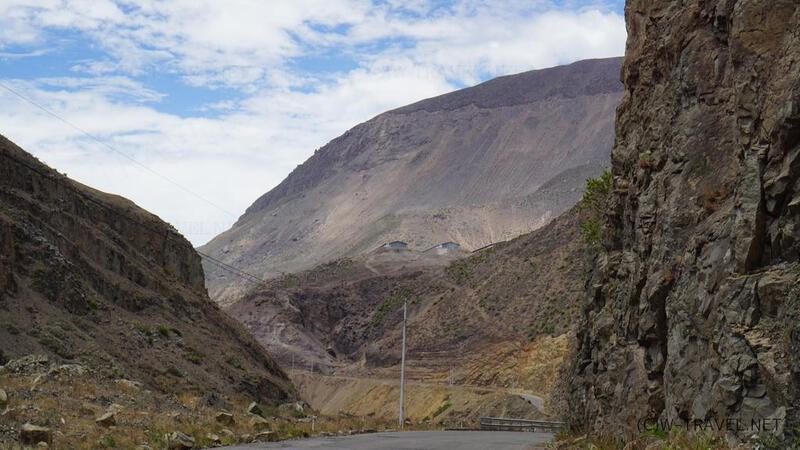
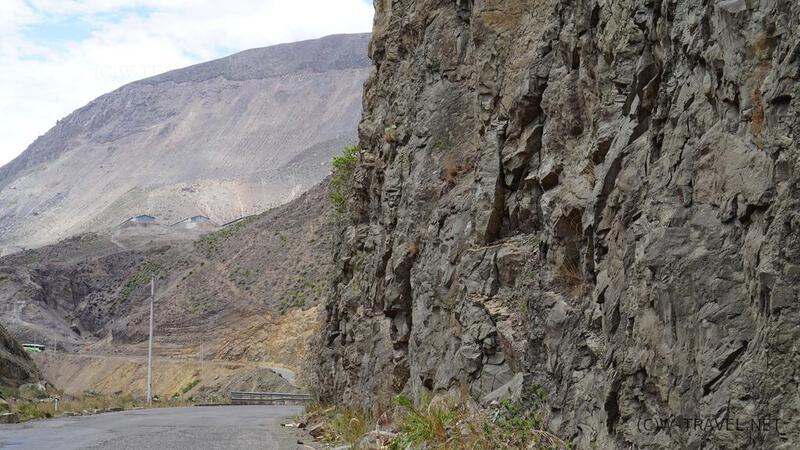
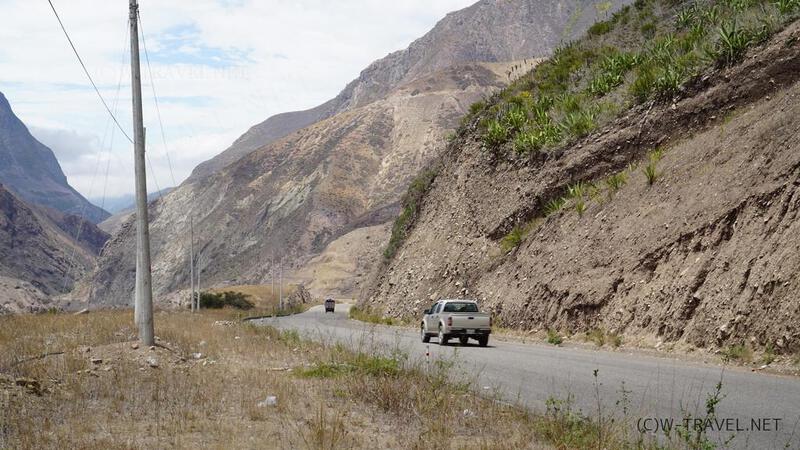
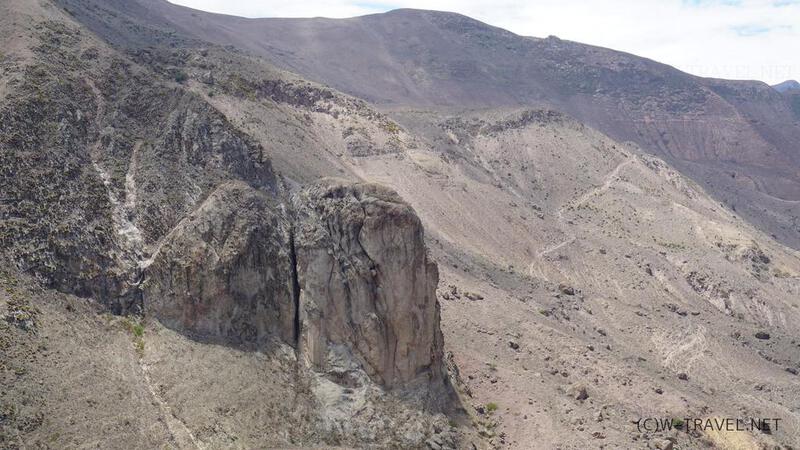
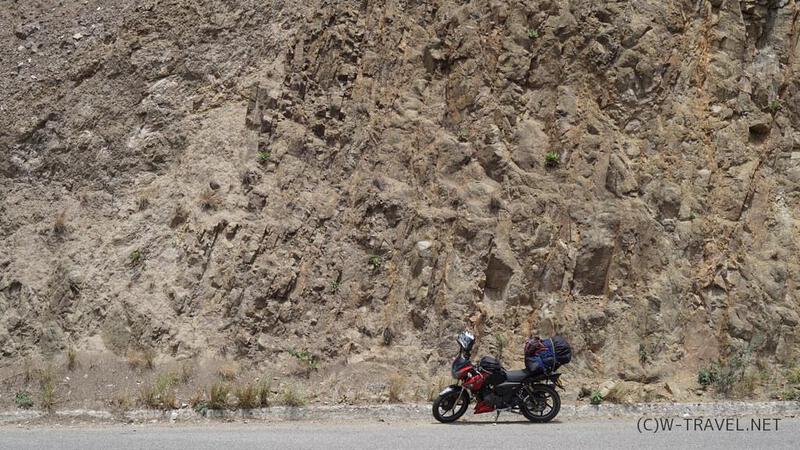
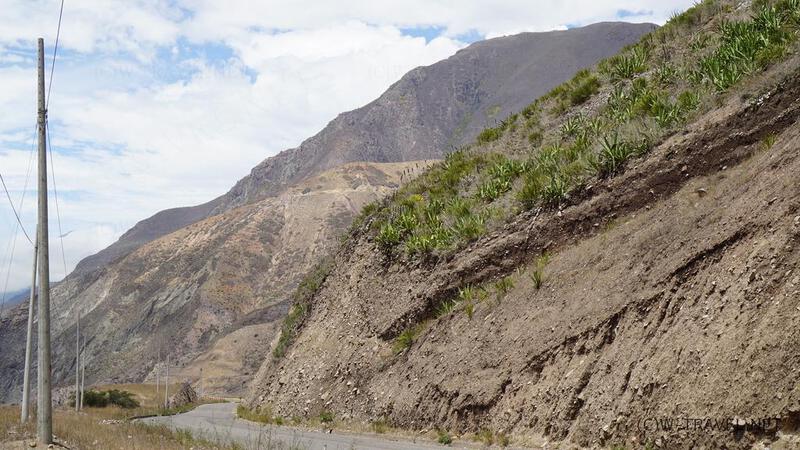
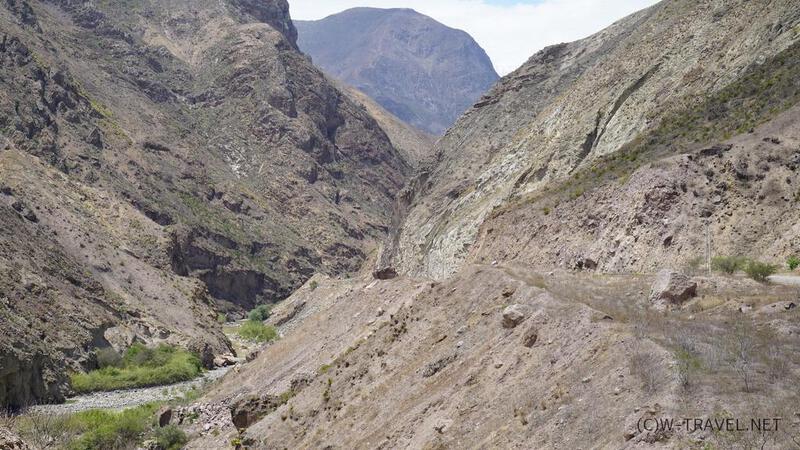
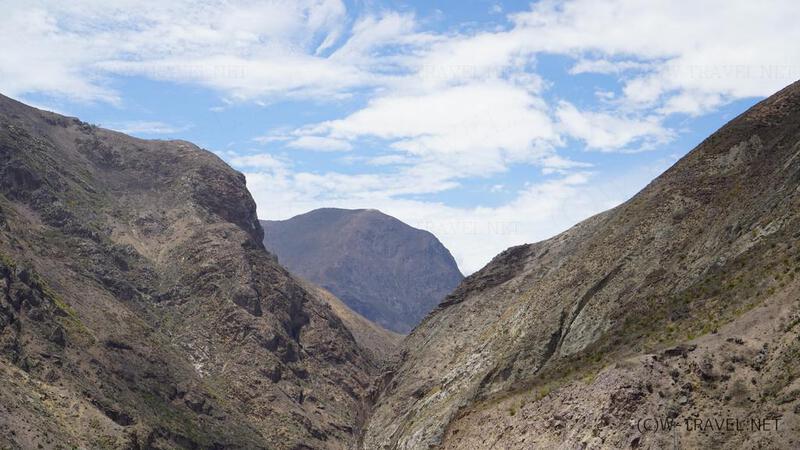
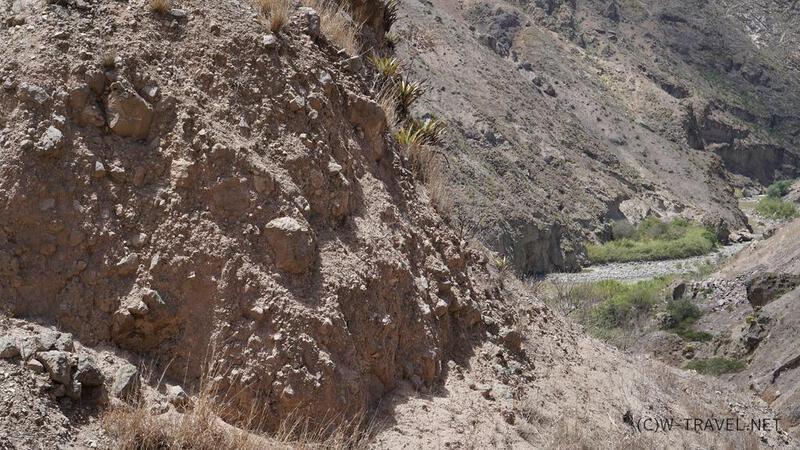
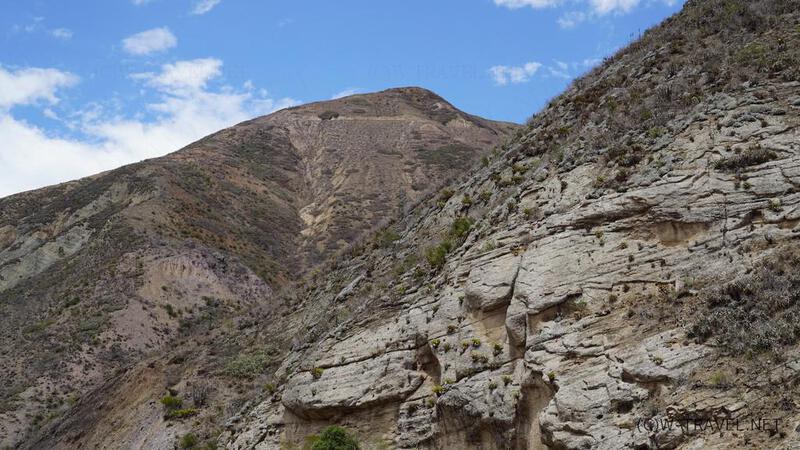
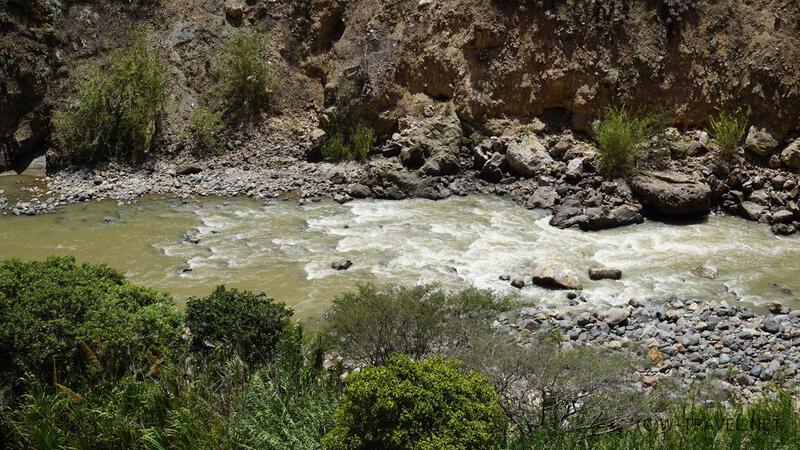
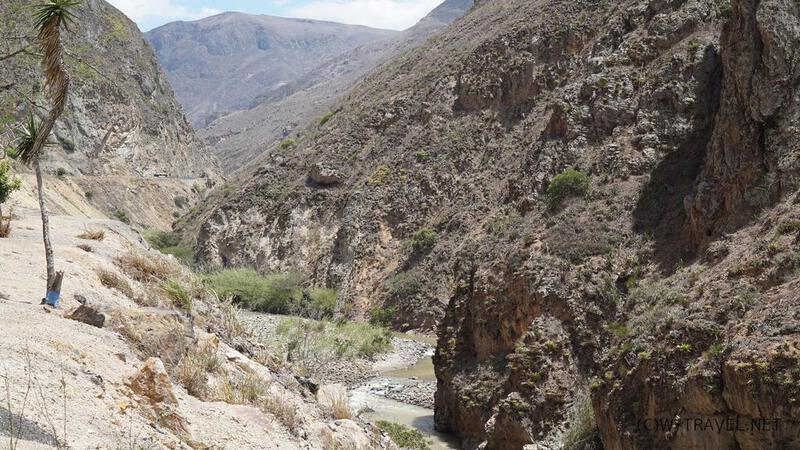
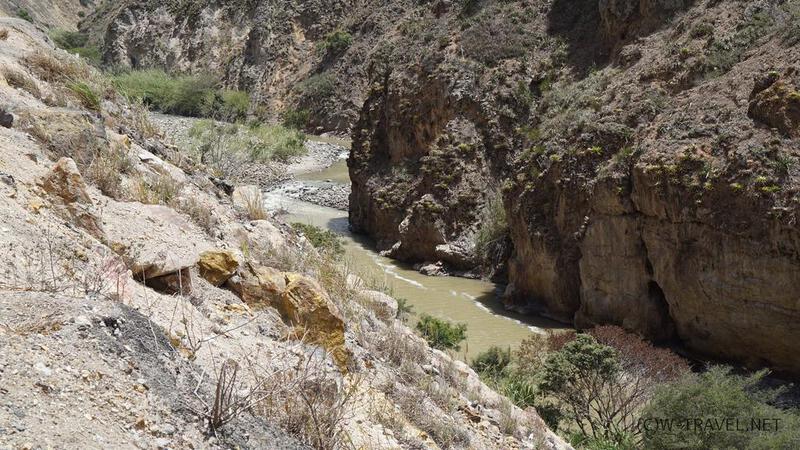
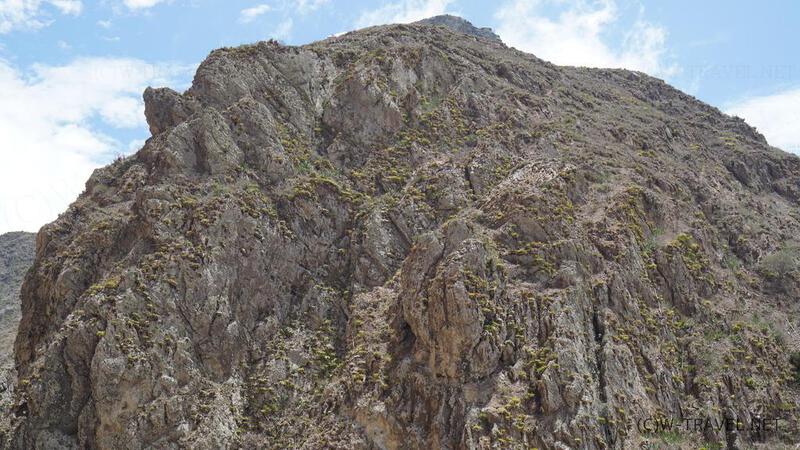
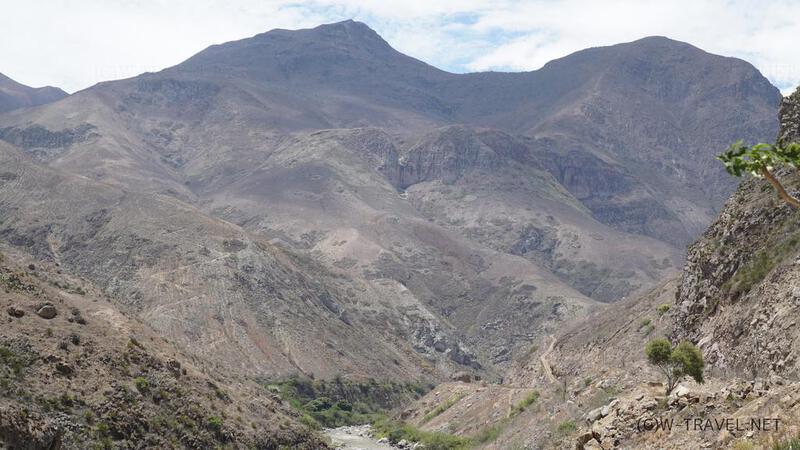
Маршрут, ведущий вниз с гор из Куэнки, предлагает потрясающие виды.
Я сделал видео этого участка:
Южноамериканское мотоциклетное путешествие: Эквадор, Куэнка -> въезд в Перу -> Тумбес
http://www.nicovideo.jp/watch/sm27640064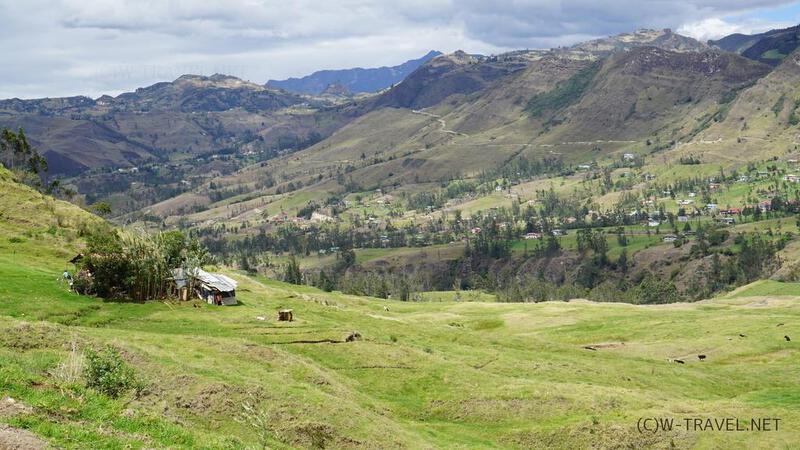


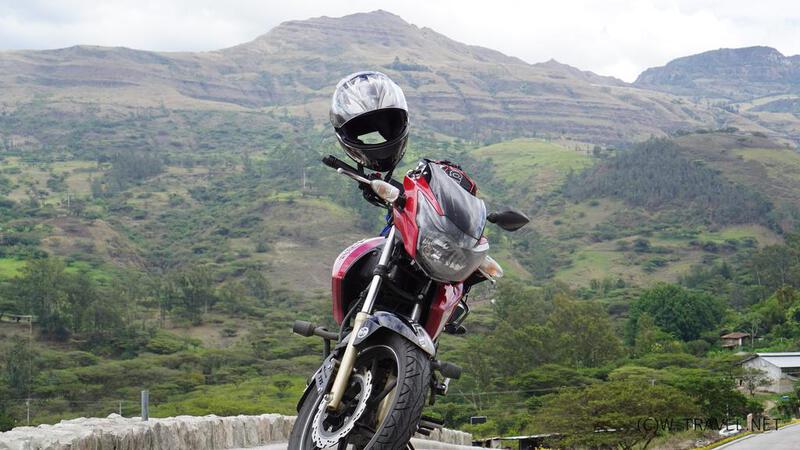
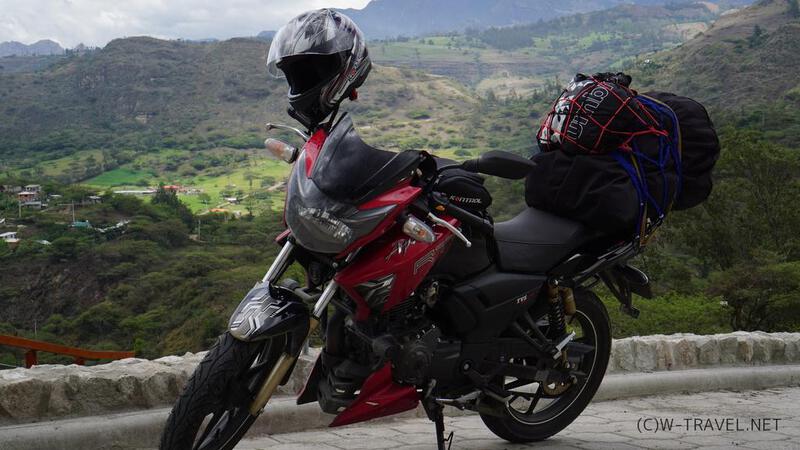
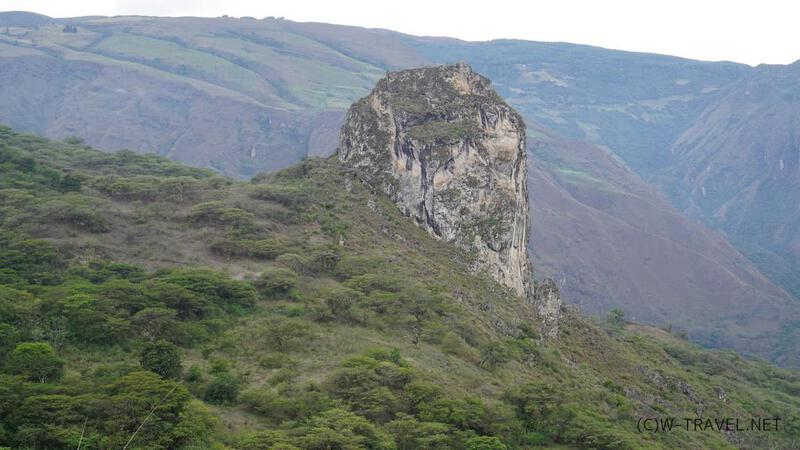











При въезде из Колумбии в Эквадор есть по одному зданию с колумбийской и эквадорской стороны, и независимо от того, в какую сторону вы направляетесь, вам нужно сообщить сотруднику, "в какую сторону", так как вы находитесь в одной и той же колонне внутри здания. На этой границе здания разделены в зависимости от направления, и это очень удобно. (Надеюсь, я смог это объяснить словами?)
Сначала, когда вы приближаетесь к границе, слева находится здание "Перу => Эквадор", которое вы просто пропускаете.
Через несколько километров справа находится здание "Эквадор => Перу", где вы должны пройти процедуру.
Внутри здания стойки для оформления выезда и въезда расположены рядом, поэтому процедуру можно пройти быстро.
Затем вы переходите в другое здание пешком для прохождения таможенного контроля, но здесь возникла проблема.
Оказывается, при выезде из Колумбии и въезде в Эквадор необходимо было оформить временный ввоз мотоцикла, но я этого не сделал, поэтому мой мотоцикл находился в незаконном статусе в Эквадоре. В результате, при выезде из Эквадора и въезде в Перу возникла проблема, и мне сказали: "Вы должны вернуться на границу между Колумбией и Эквадором (далеко на севере) и оформить таможенную декларацию, иначе вам не разрешат въехать в Перу". То есть, я уже получил штамп о въезде в Перу, но затем, когда я подошел к таможенному контролю, возникла такая ситуация. Это моя вина. Поскольку никто не проверяет, и если вы сами не сделаете это, вы можете просто проехать границу, поэтому возникает такая ситуация. Большинство людей все-таки делают это правильно.
В общем, я подумал, что мне придется вернуться в Эквадор, но я простоял около 15 минут, говоря: "Неужели нельзя как-то решить этот вопрос?", и сотрудник перуанской таможни связался со своим начальником, и сотрудник эквадорской таможни (со стороны выезда) сказал, что если он даст разрешение, то перуанская таможня (со стороны въезда) может пропустить меня. Хороший дядя из эквадорской таможни позвонил своему начальнику и сказал: "Он уже проехал через Эквадор и, вероятно, едет в Перу? Ну что ж, пусть едет", и поднял руку, как бы давая знак "идите", и дал разрешение.
Я ожидал, что они потребуют взятку, но этого не произошло, и, возможно, они и требовали, но, учитывая, что это были довольно серьезные люди, я думаю, что взятка, скорее всего, не сработает.
Согласно информации на англоязычном форуме, раньше на этой границе взятки были обычным делом, но после того, как ее недавно реконструировали, взятки исчезли, и теперь там действует строгий контроль.
И, наконец, пройдя таможню Перу, оформив страховку обязательного страхования автотранспорта в Перу, я, наконец, въехал в Перу.
Хорошо. Если бы мне пришлось снова двигаться на север из Эквадора до Колумбии, это было бы очень сложно.
Первое впечатление от Перу: "Индия через 30 лет, с уменьшенным населением".
Говорят, если пытаться пересечь границу на трехколесном авторикше, вас могут отвезти в безлюдное место и ограбить (потные ладони). Хорошо, что я ехал на мотоцикле.