Переезд из Аргентины в Пуэрто-Монт, Чили.
Сегодня мы пересекаем границу и переезжаем в Чили.
■Пересечение границы: Аргентина (Сан-Карлос-де-Барилоче) → Чили (Пуэуэ)
Пункт пропуска Карденаль Антонио Саморе
Расстояние между зданием выезда из Аргентины и зданием въезда в Чили составляет около 40 км.
Сначала необходимо пройти аргентинскую процедуру выезда, а затем, проехав 40 км, выполнить процедуру въезда в Чили.
■Выезд из Аргентины
У ворот, расположенных перед зоной выезда, вас попросят остановиться, и сотрудник запишет номер вашего автомобиля на бумаге. Получите эту бумагу и затем въезжайте в зону выезда.
Затем припаркуйте мотоцикл где-нибудь. Некоторые люди ставят автомобили в очередь, но это бесполезно, если вы еще не закончили процедуру.
Войдите в здание для оформления документов.
Сначала получите отметку о выезде. Это делается быстро. После этого на бумаге, которую вам дал сотрудник, будет поставлен штамп.
Затем следуют таможенные процедуры, но здесь была огромная очередь, которая тянулась до самого здания, поэтому пришлось ждать около 30-40 минут.
Таможенные процедуры не требуют заполнения документов, вам просто нужно вернуть аргентинское разрешение и показать паспорт и документы, подтверждающие право собственности на мотоцикл.
После завершения на ту же бумагу, которую вам дал сотрудник, будет поставлен еще один штамп.
Таким образом, процедура выезда из Аргентины завершена.
Выйдите на улицу, сядьте на мотоцикл и выезжайте из зоны выезда.
При выезде из зоны выезда покажите бумагу, которую вам дал сотрудник, сотруднику на воротах, чтобы он проверил ее.
Отдайте эту бумагу сотруднику. Вам будет выдана другая бумага для процедуры въезда в Чили, поэтому это не проблема.
■Въезд в Чили
У ворот, расположенных перед зоной въезда, вас попросят остановиться, и сотрудник запишет номер вашего автомобиля на бумаге. Получите эту бумагу и затем въезжайте в зону въезда.
Затем припаркуйте мотоцикл где-нибудь и зайдите в здание для оформления документов.
Сначала проходит процедура въезда. Получите отметку о въезде. Вам могут задать вопросы на испанском языке, но вы, скорее всего, не поймете. Сотрудник, похоже, сказал: "Ничего страшного", и быстро поставил штамп. Возможно, потому что я японец. Или, возможно, потому что это мой второй въезд в Чили.
Затем переходите к таможенным процедурам.
Здесь необходимо заполнить документ. Заполните форму, которая лежит на столе. Это таможенная декларация, аналогичная той, что используется при въезде и выезде на самолете.
Если мотоцикл не зарегистрирован в Аргентине, вам нужно будет заполнить еще один документ.
Попросите у сотрудника этот документ и заполните его.
В таможенной декларации была анкета с переводом на английский язык, что облегчило ее понимание, но бланк для указания данных о мотоцикле был только на испанском языке, поэтому было сложно, но, как ни странно, я угадал. В конце концов, когда ты делаешь это много раз, ты начинаешь узнавать слова, и, поскольку свидетельство о регистрации мотоцикла в Колумбии было на испанском языке, там были те же слова, поэтому я просто заполнил их.
Затем, вместе с этими документами, вы проходите процедуру и получаете копию разрешения на временный ввоз мотоцикла.
Таможенная декларация передается не на стойку, а сотруднику, находящемуся снаружи, поэтому она у вас еще есть.
Выйдите на улицу и отвезите мотоцикл к сотруднику, который проверяет багаж.
Там вы передаете сотруднику таможенную декларацию.
Сотрудник, похоже, пропускает некоторых людей без проверки, но в моем случае были заданы простые вопросы.
"У вас есть животные?" → Нет
"У вас есть растения, фрукты?" → Нет
Затем мне сказали выгрузить вещи, чтобы их проверили, и я это сделал. После быстрой проверки все было закончено.
Затем я завел мотоцикл и поехал к выходу из зоны въезда, передал сотруднику на воротах бумагу, которую мне дали в начале, и ворота открылись, и я успешно въехал.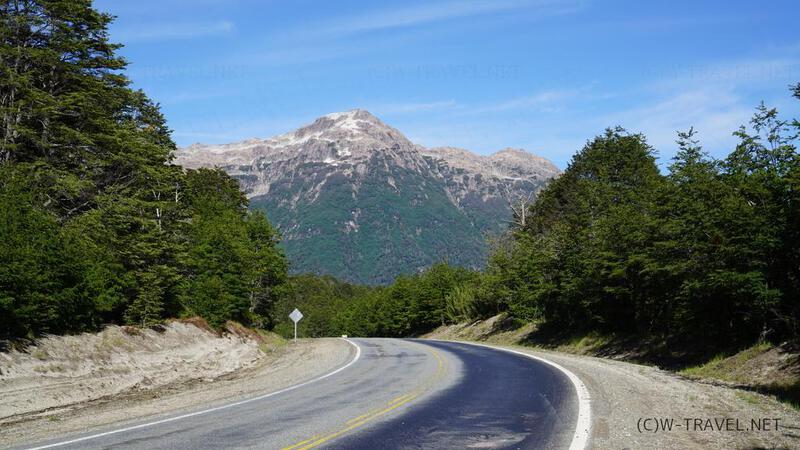







Замена цепи в Пуэрто-Монте.
В туристическом информационном центре Пуэрто-Монт я спросил о местонахождении мотомастерской и там сделал замену масла.
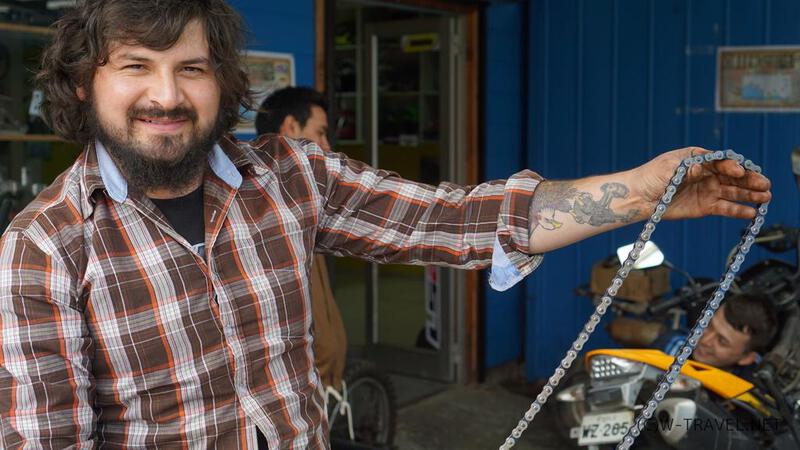
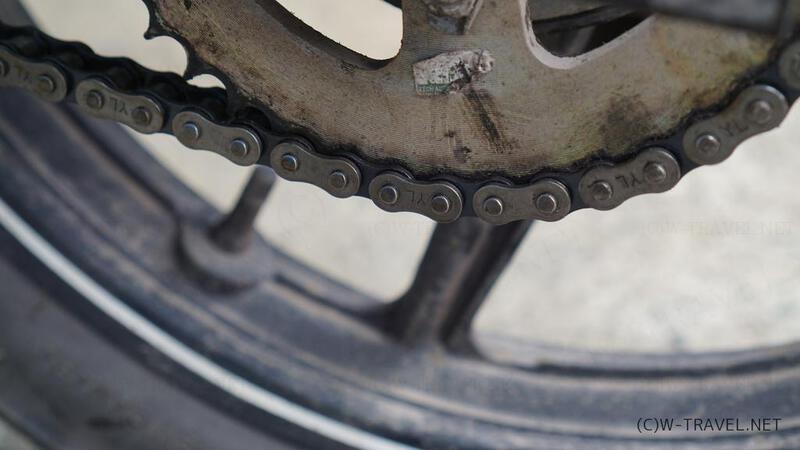
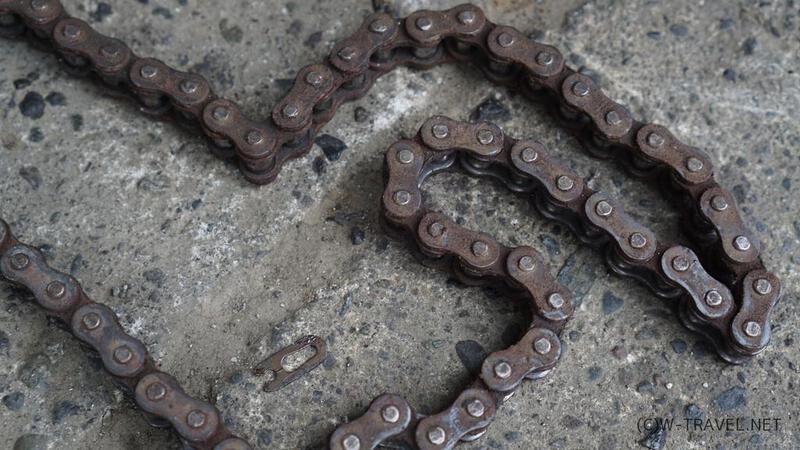
Изначально я планировал только заменить масло, но сотрудник предложил: "Эту цепь лучше поменять", а затем показал что-то еще. Из-за низкой цены я согласился на замену. Однако это позже сыграло негативную роль.
В тот момент я думал: "Теперь буду чувствовать себя уверенно во время путешествия по Патагонии...".