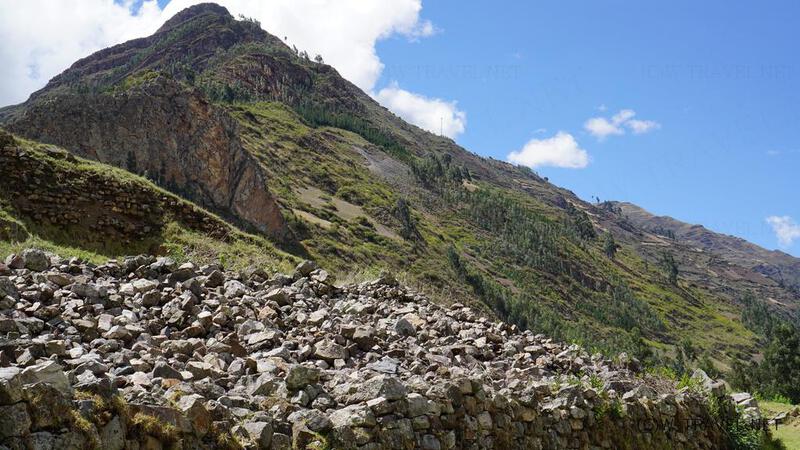
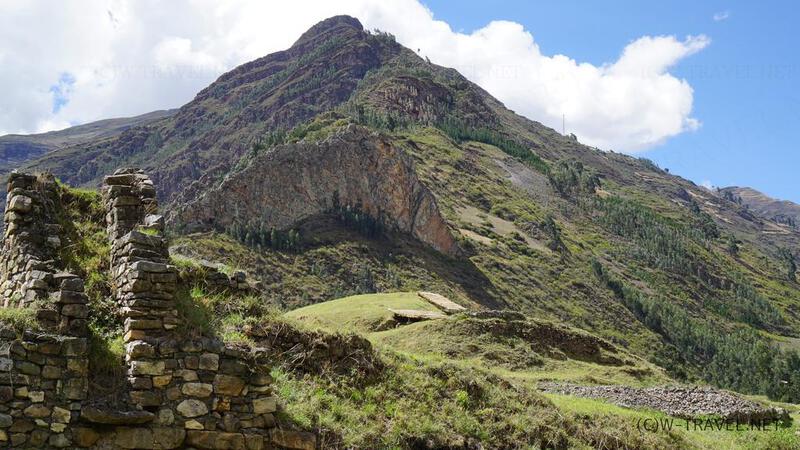
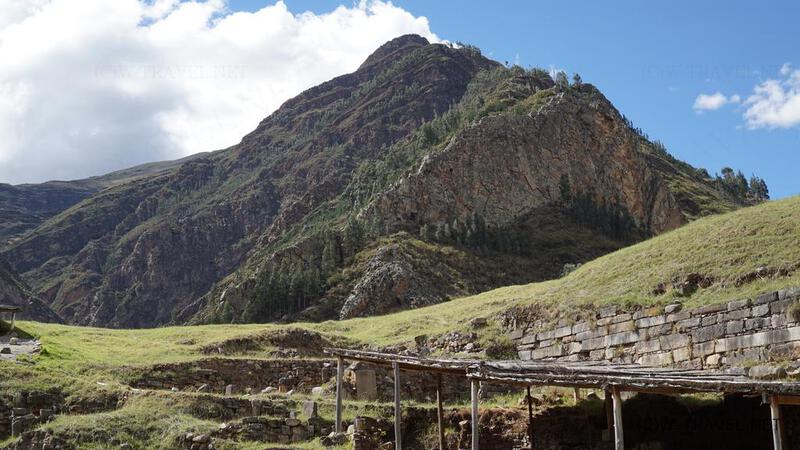
चाविन डे हुआंतर (Chavin de Huantar) की ओर बढ़ें।
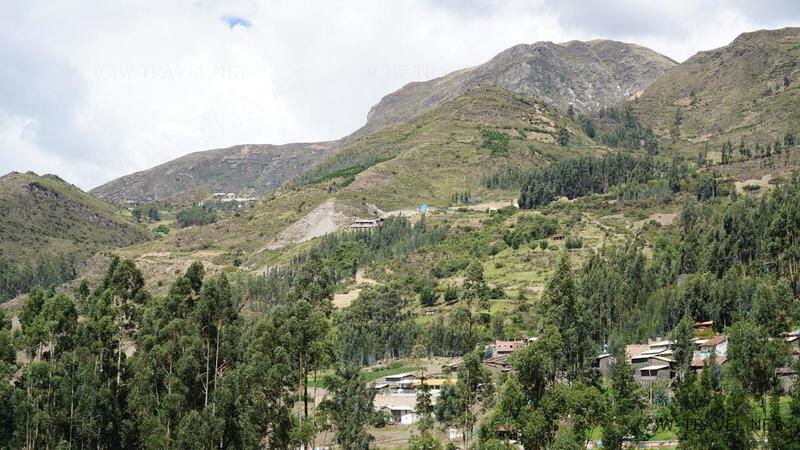
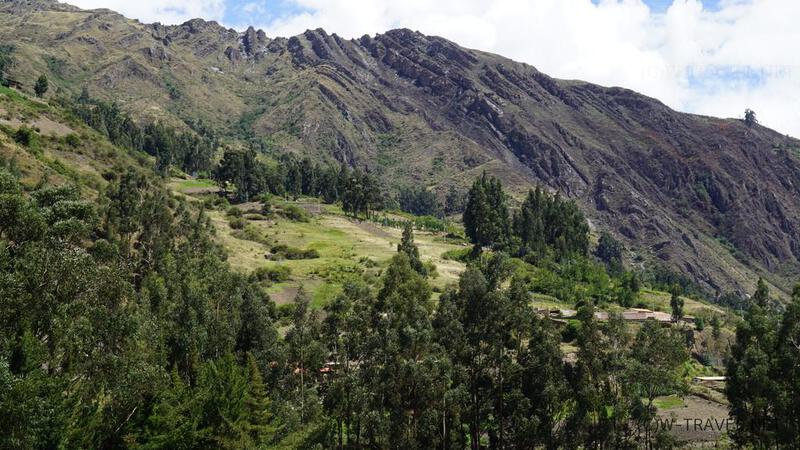
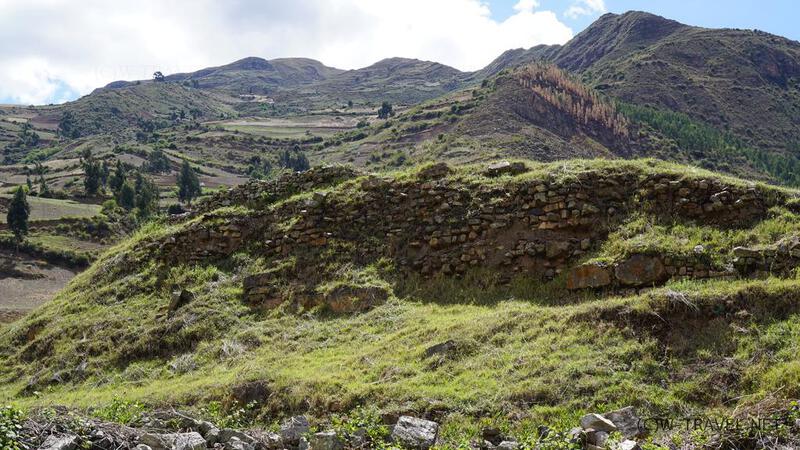
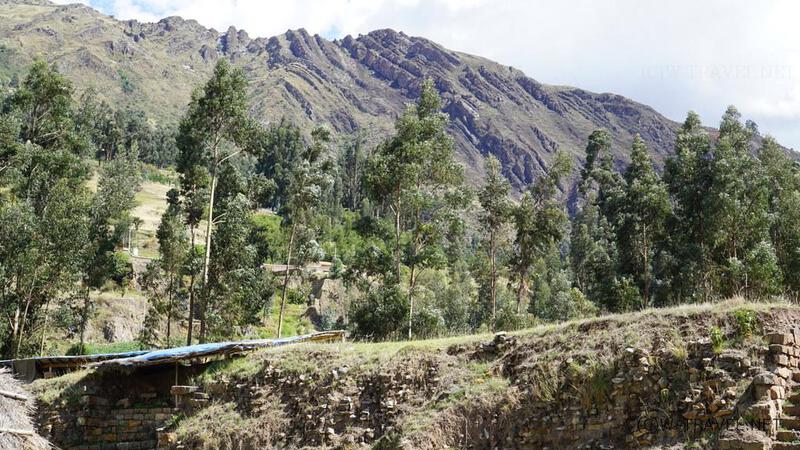
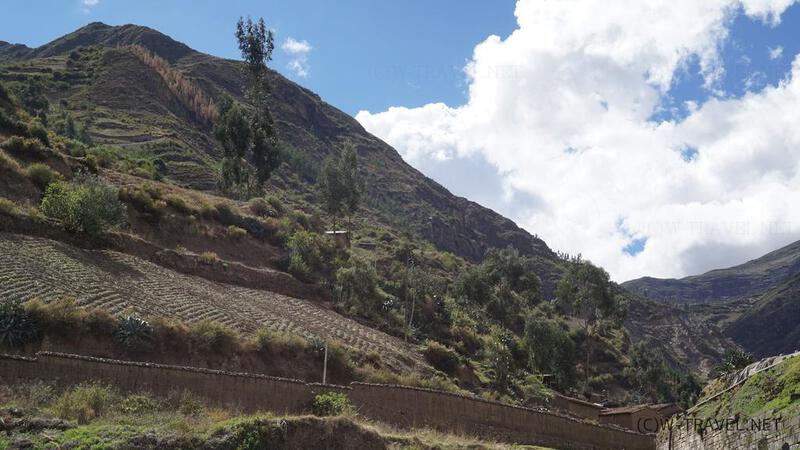
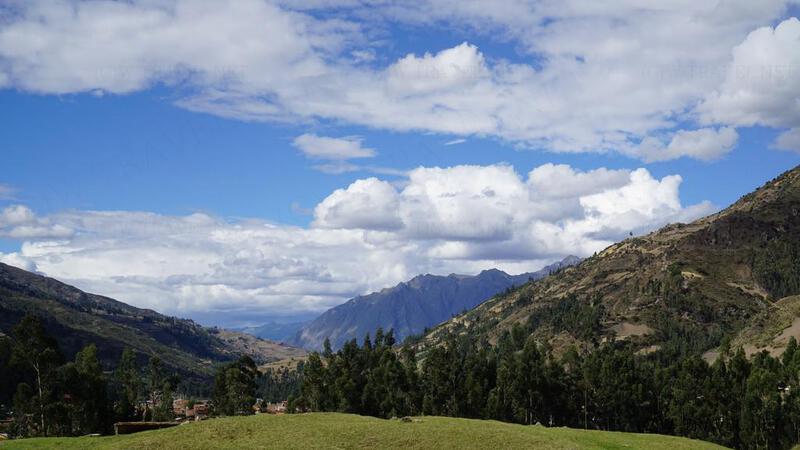
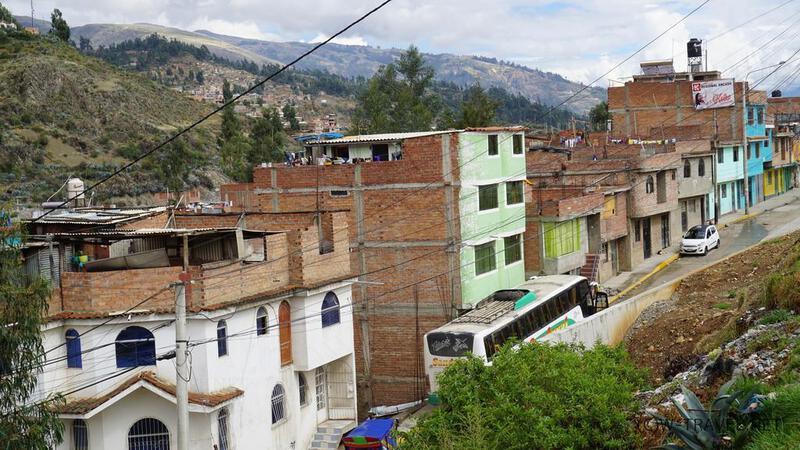
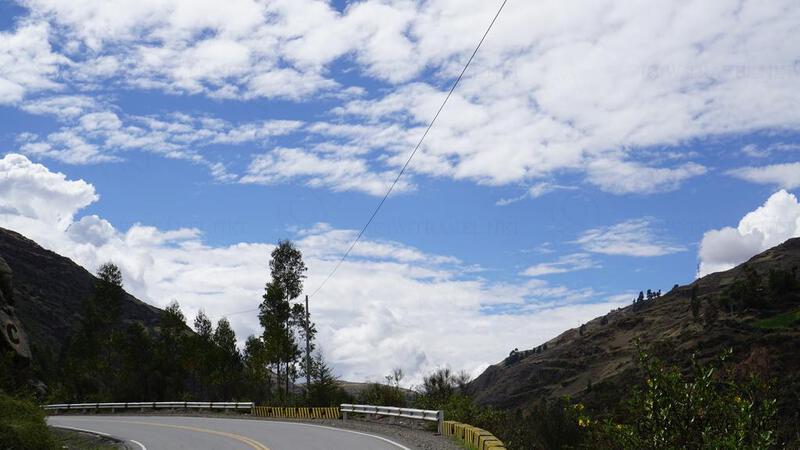
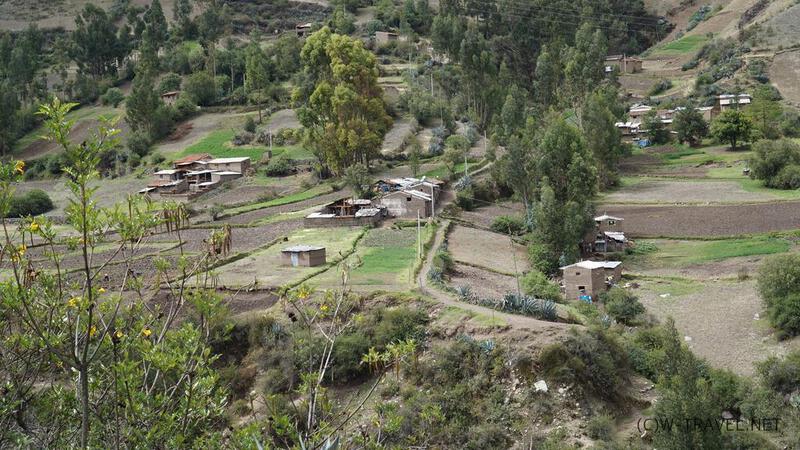
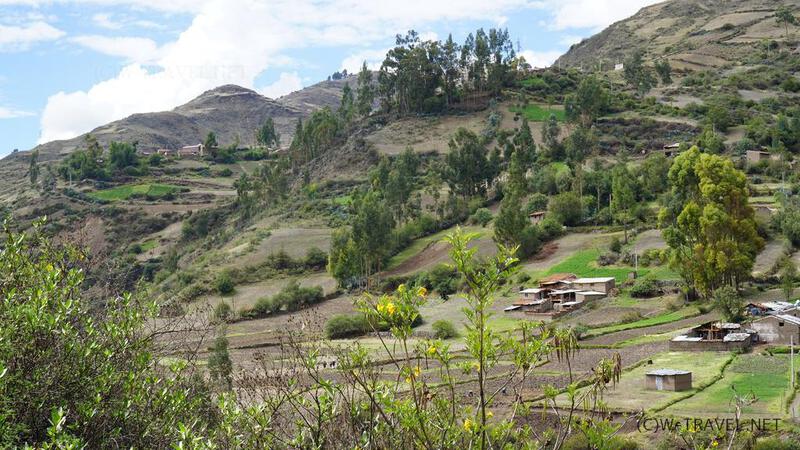
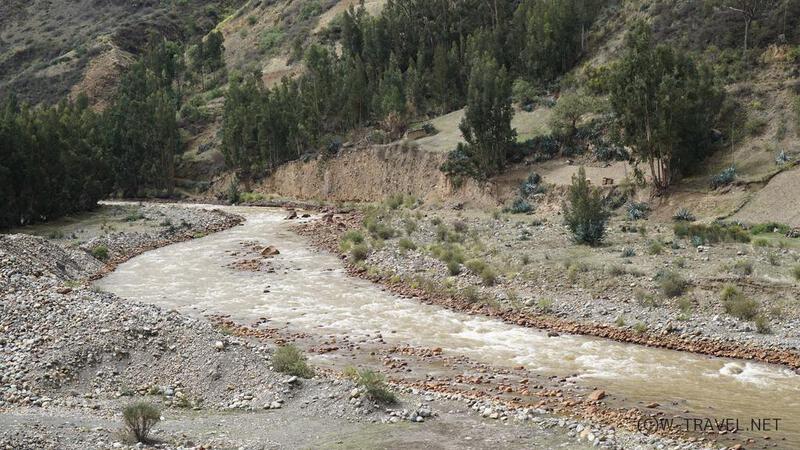
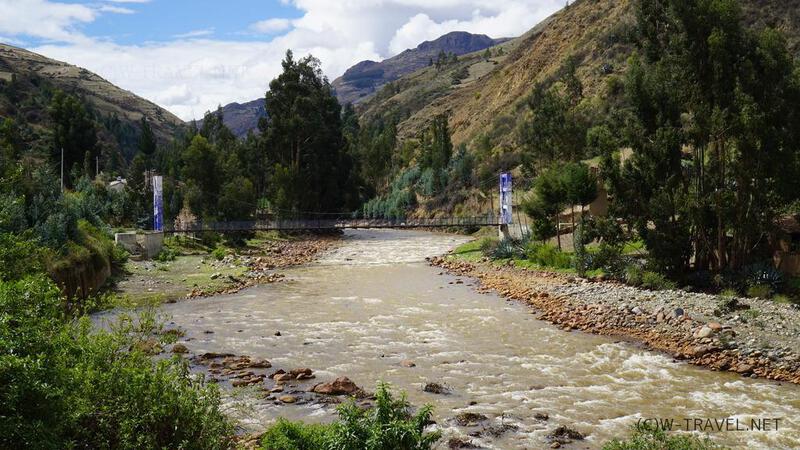
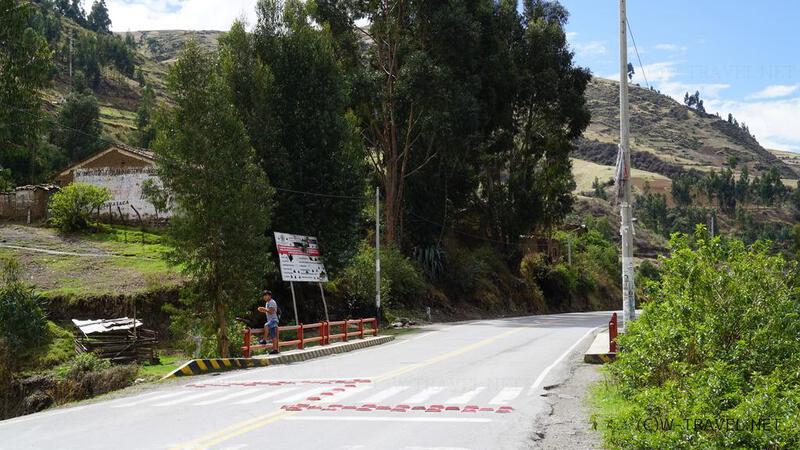
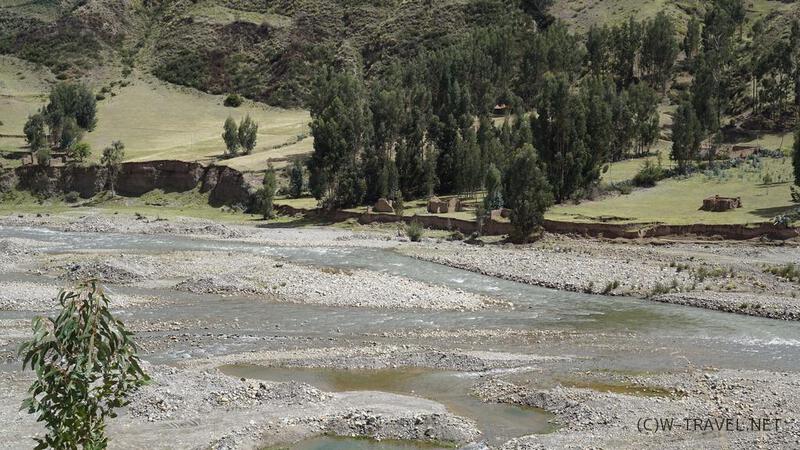
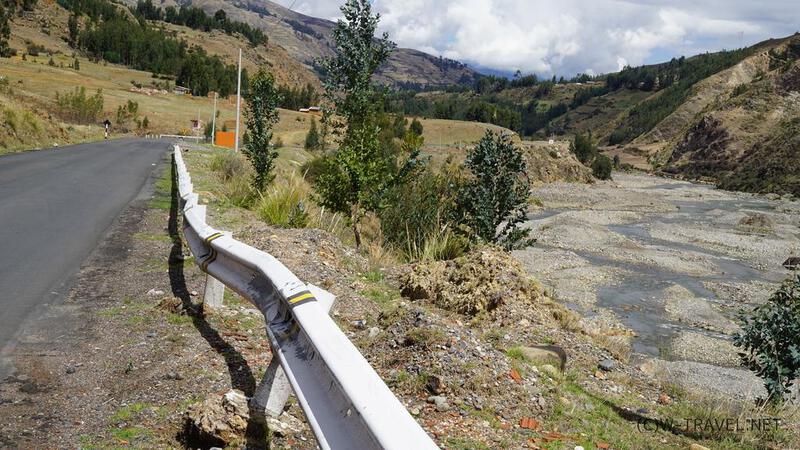
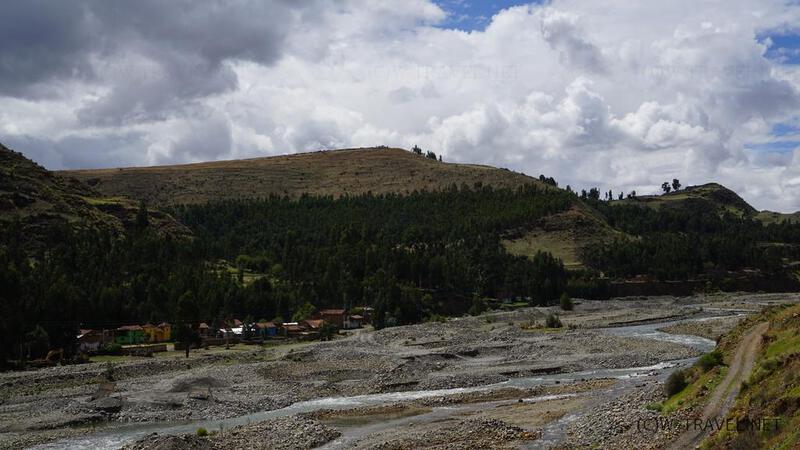
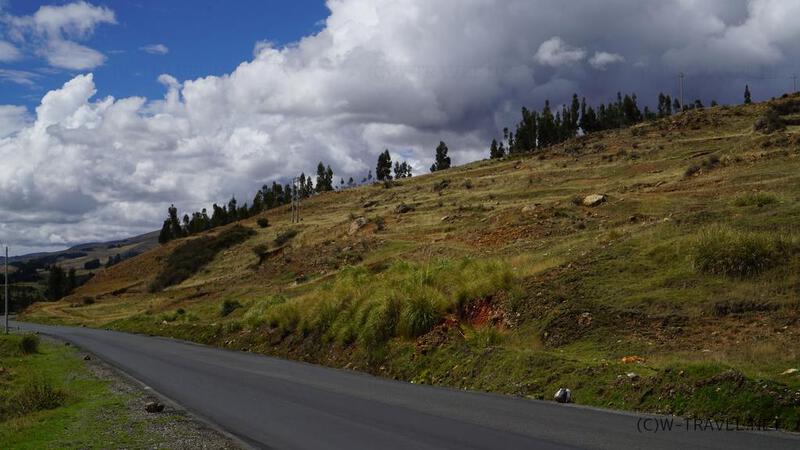
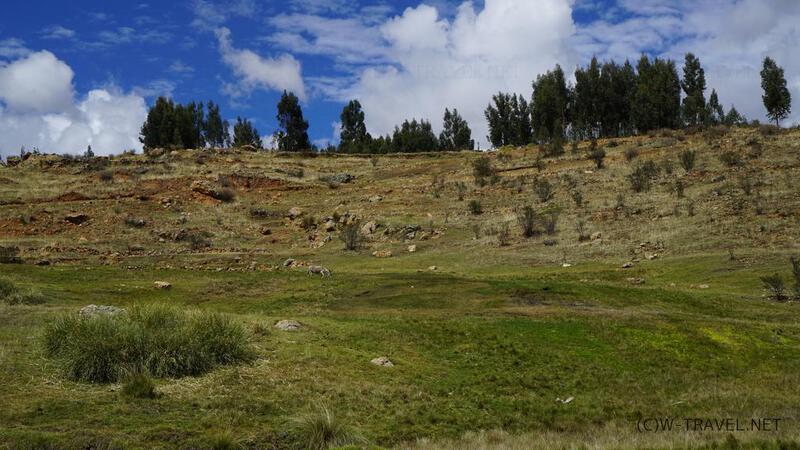
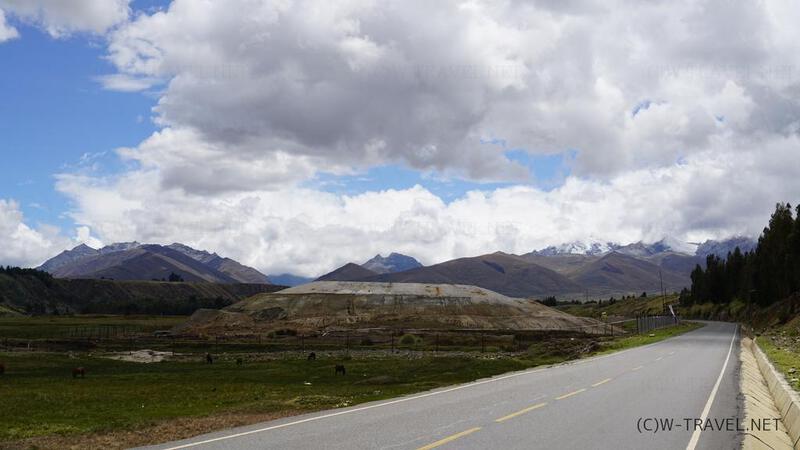
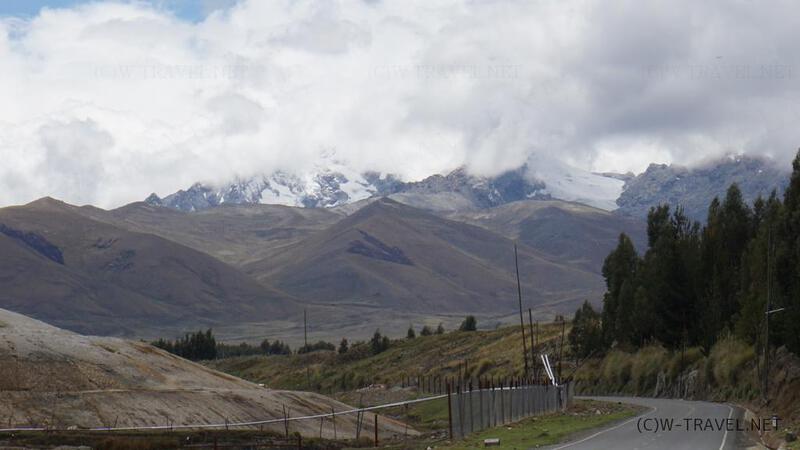
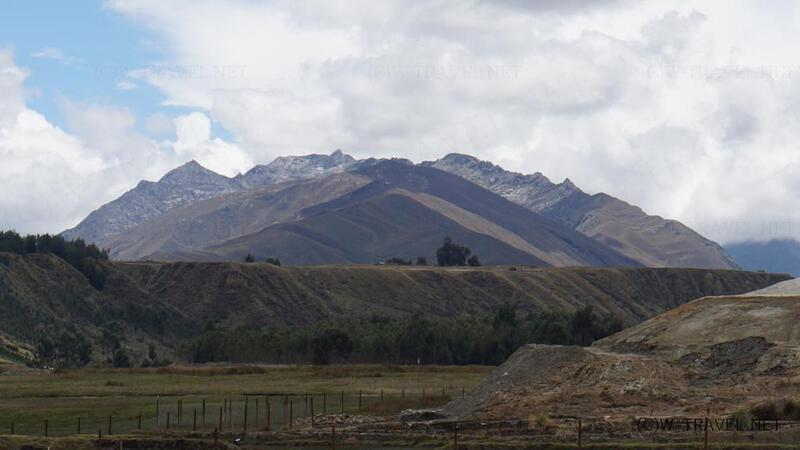
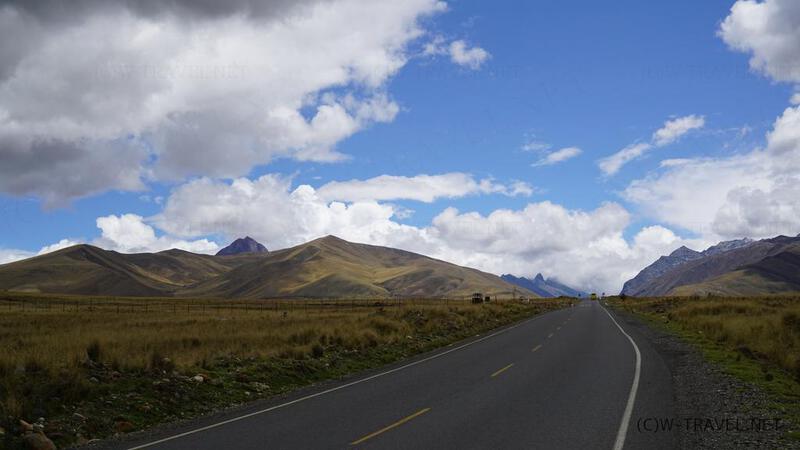
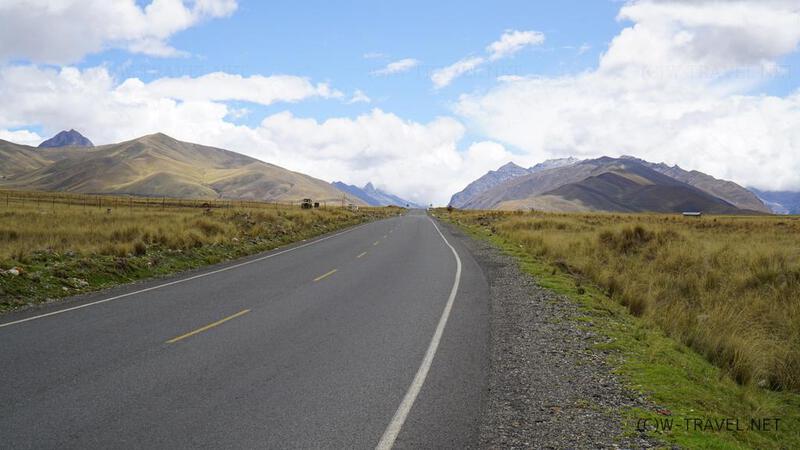
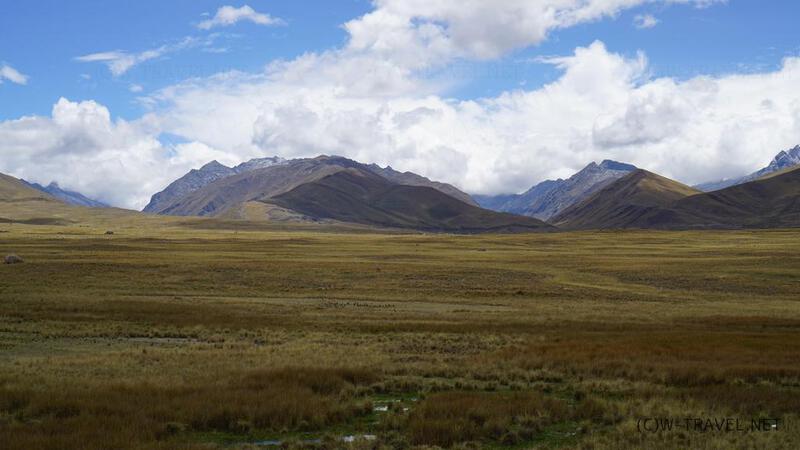
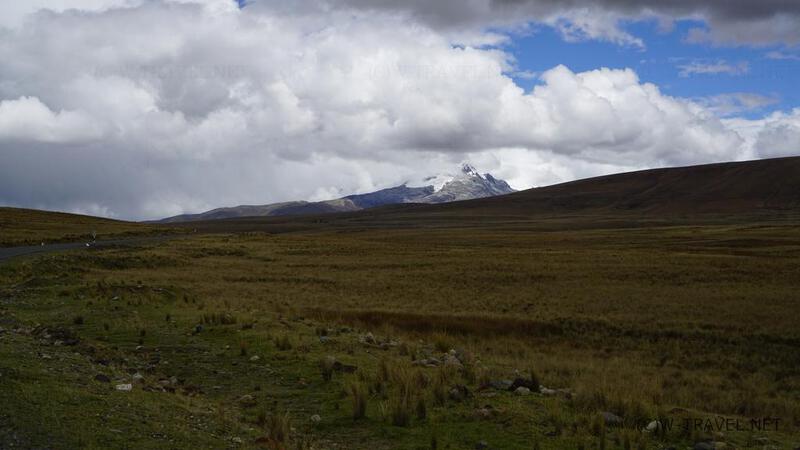
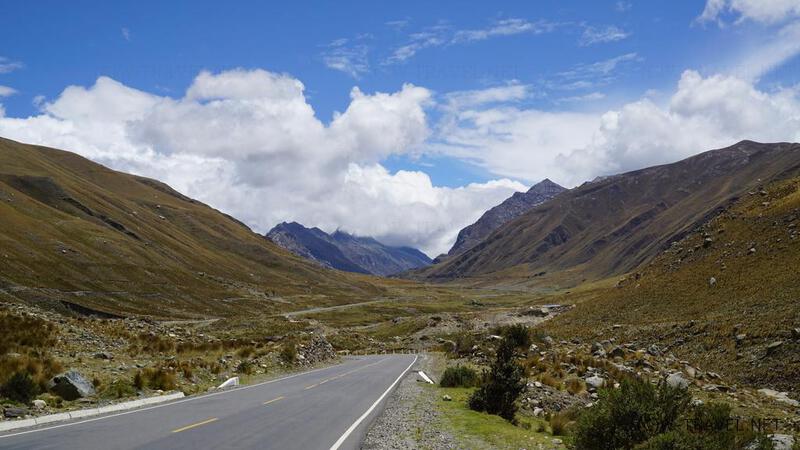
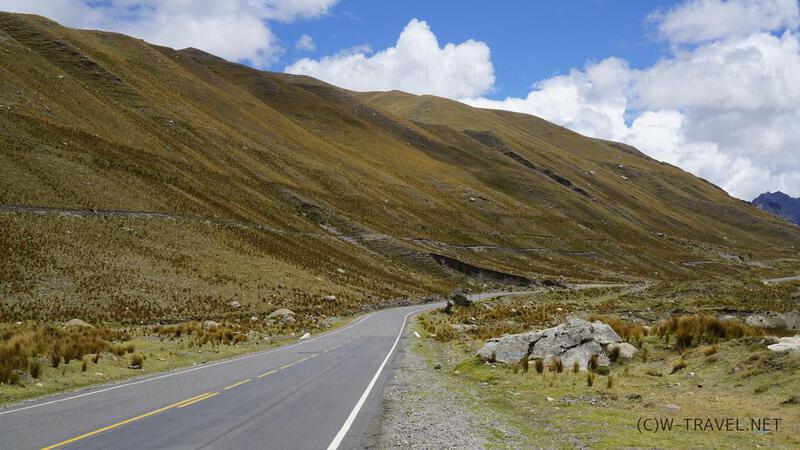
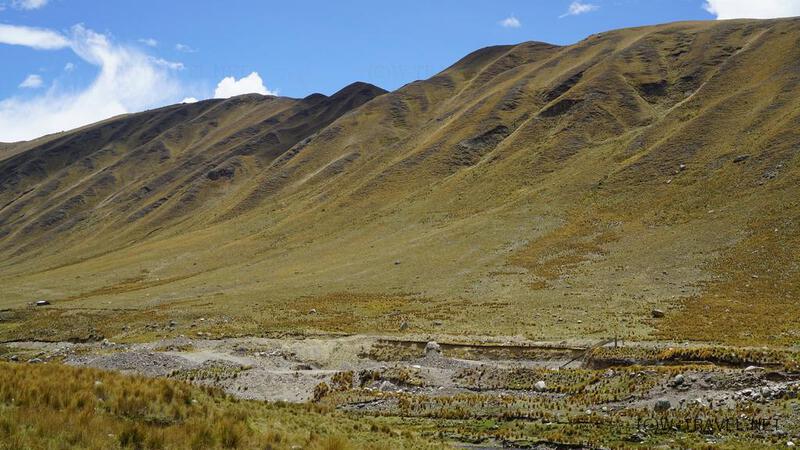
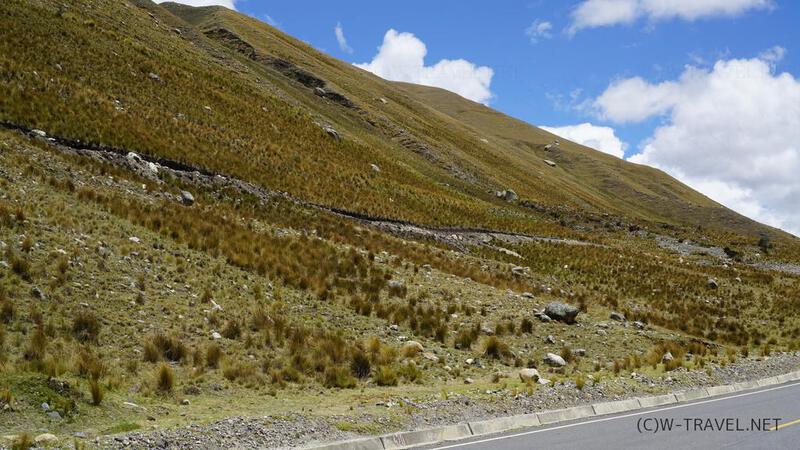
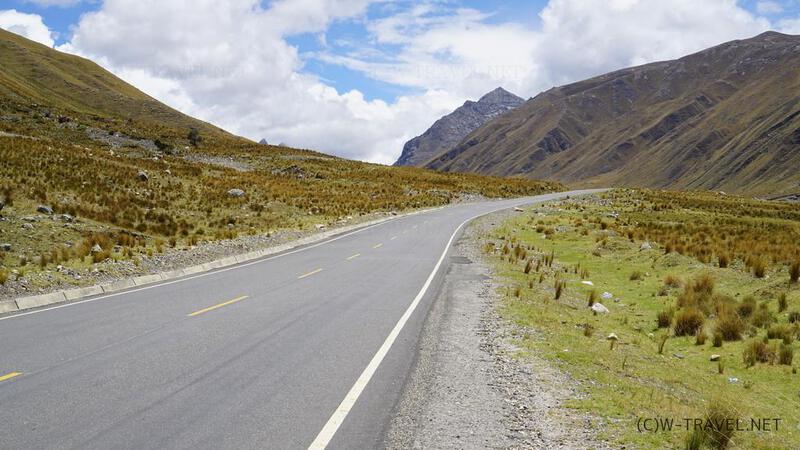
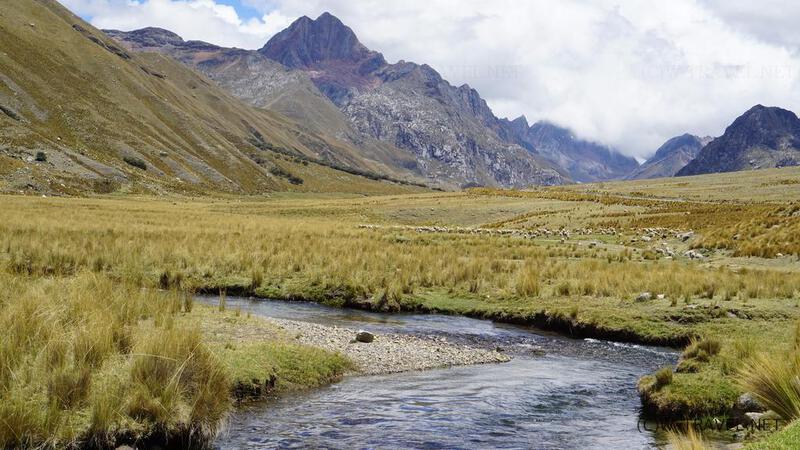
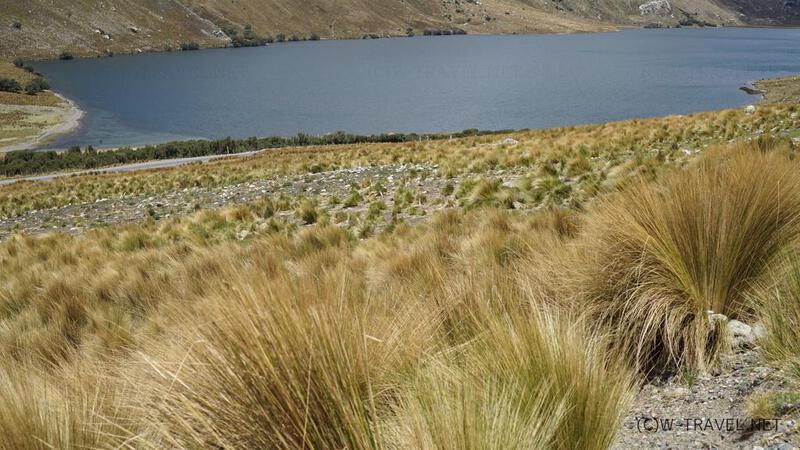
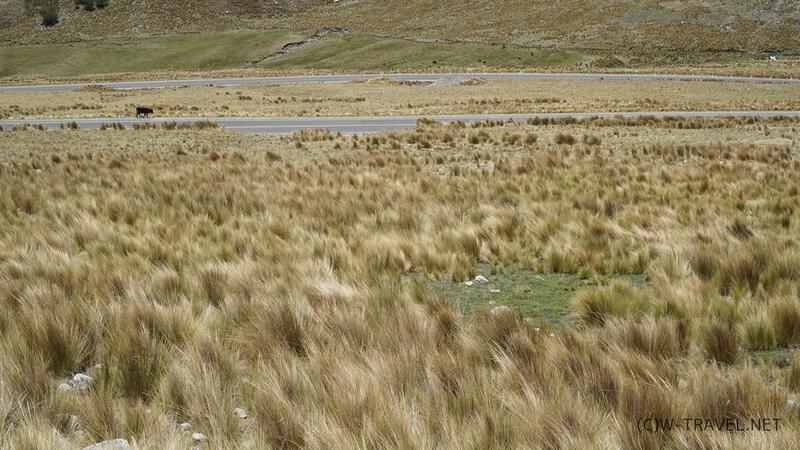
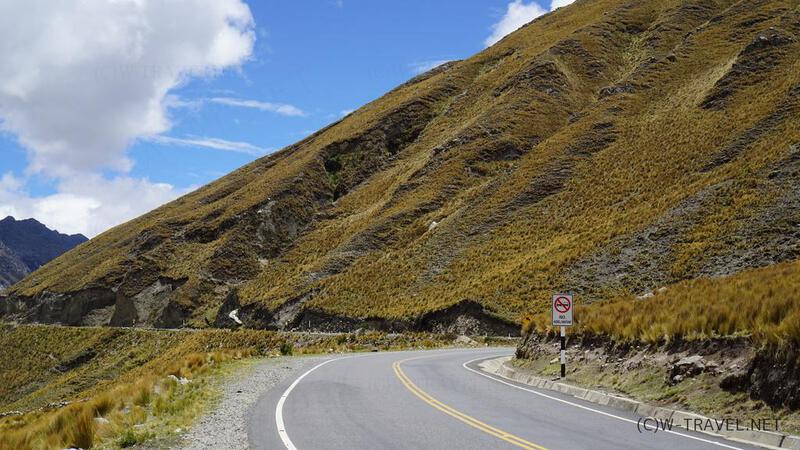
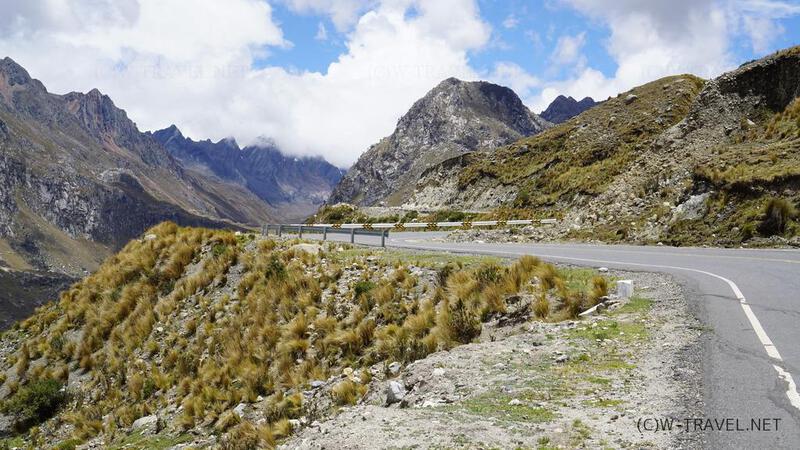
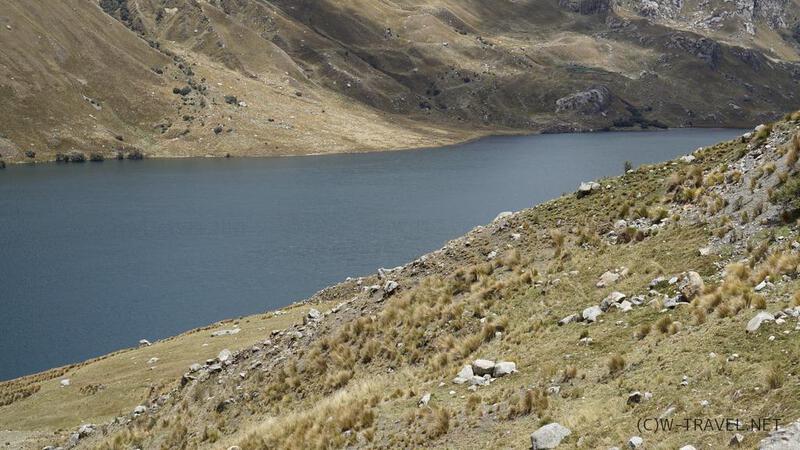
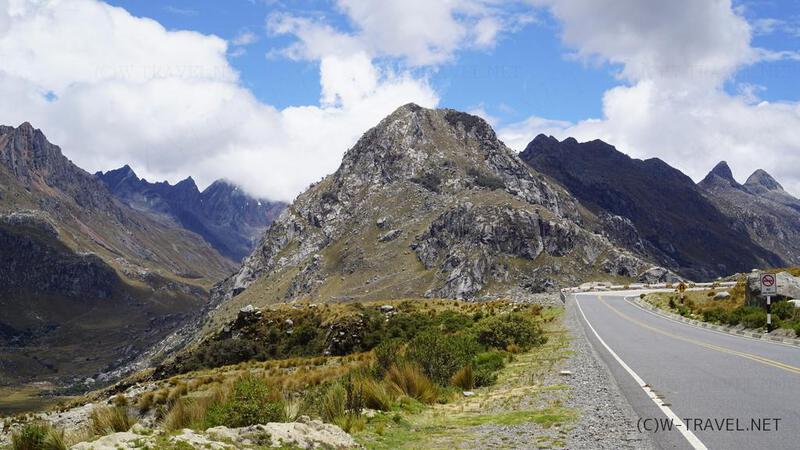
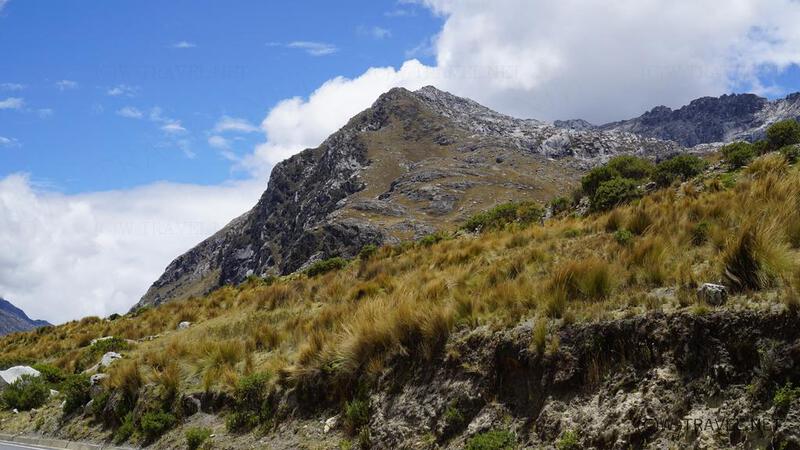
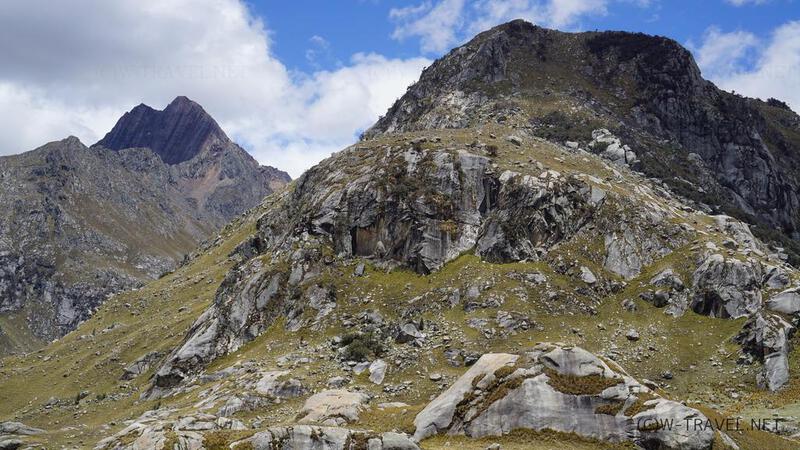
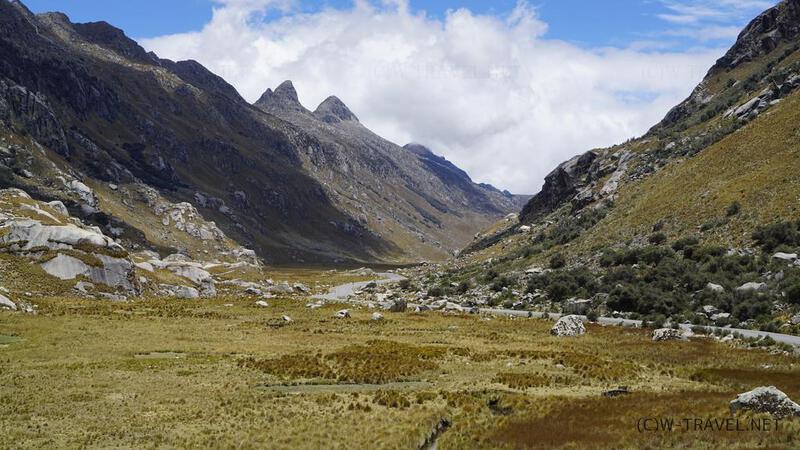
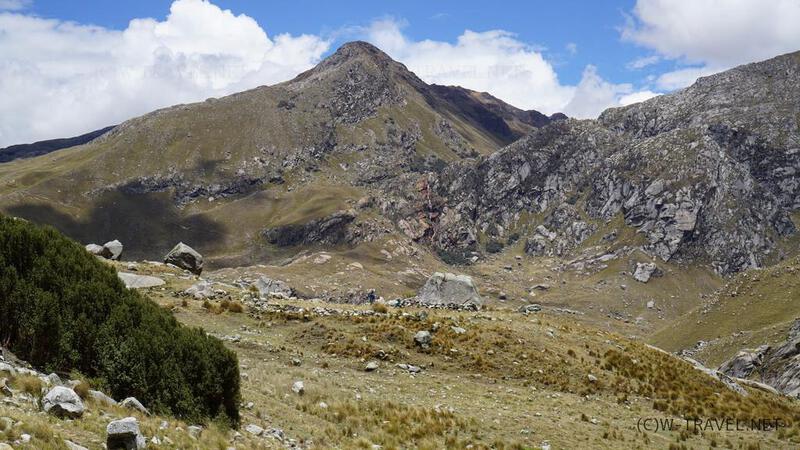
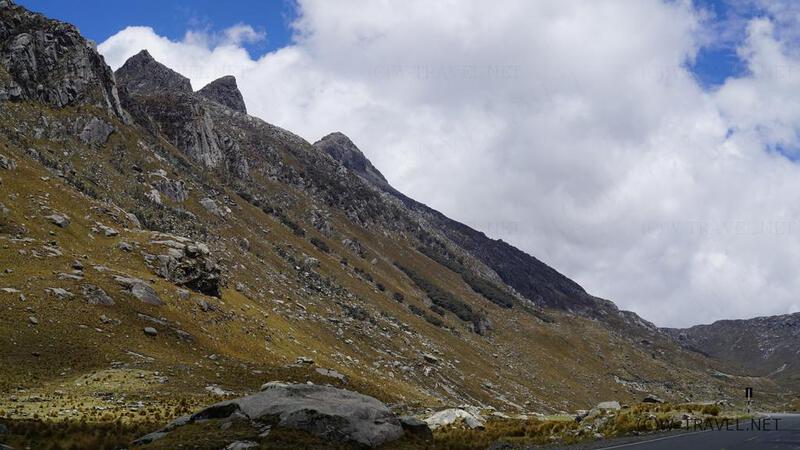
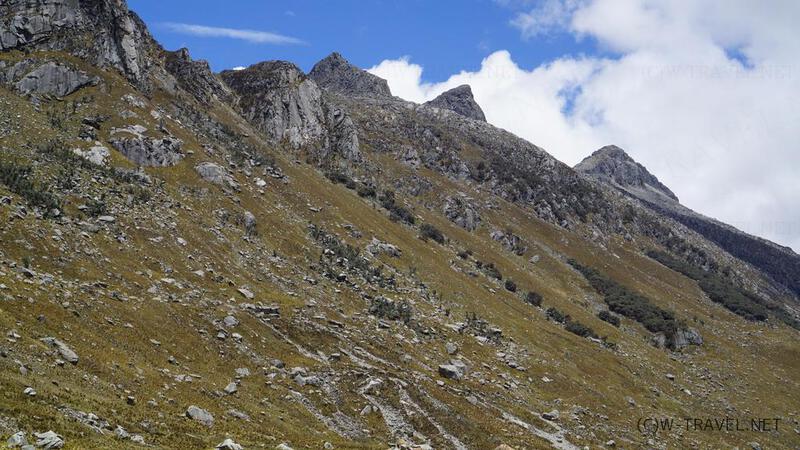
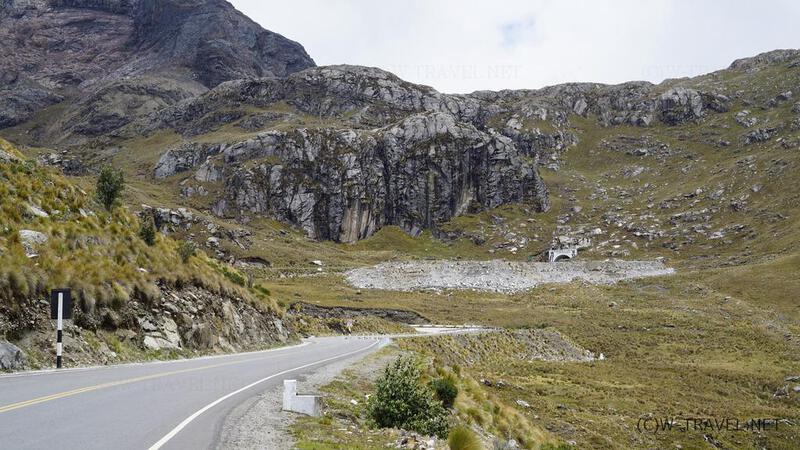
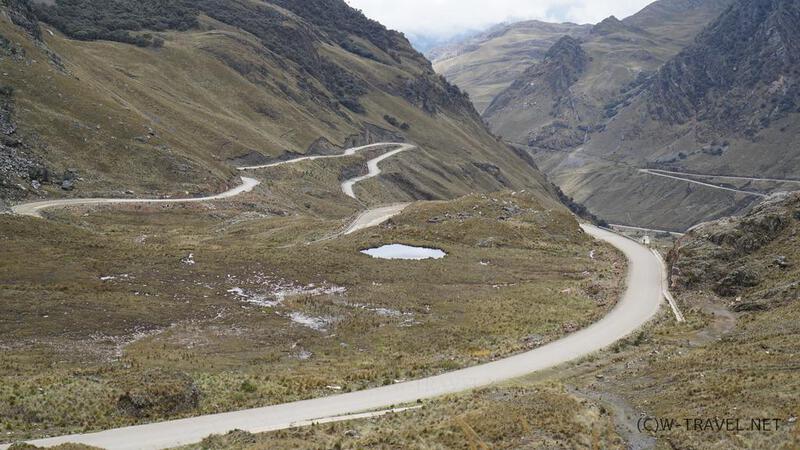
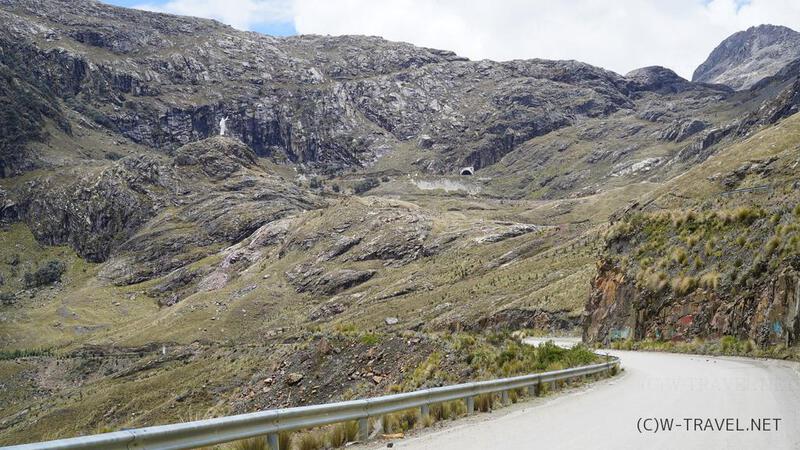
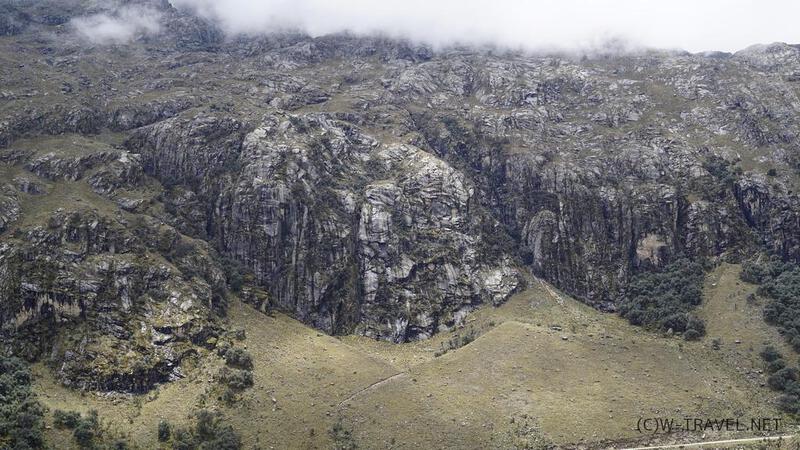
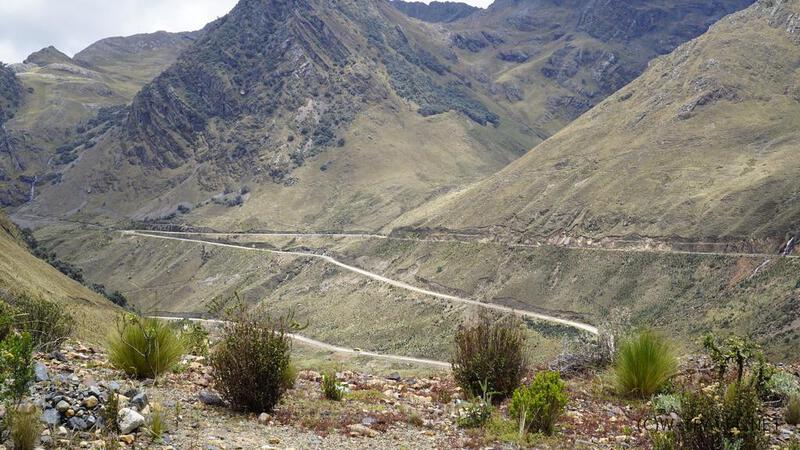
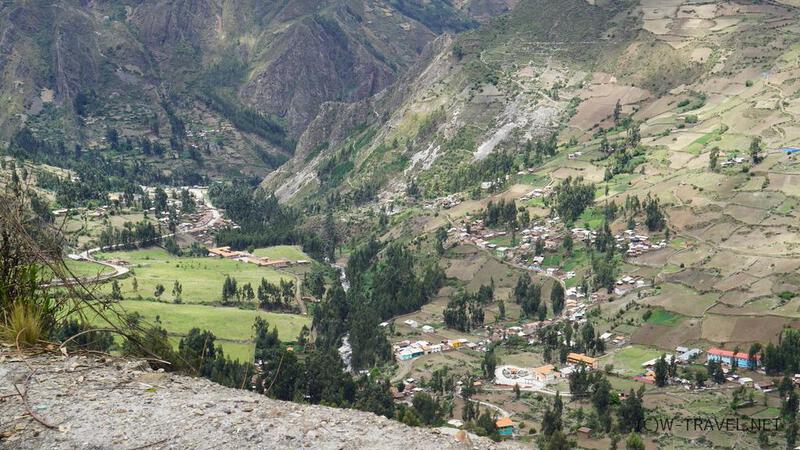
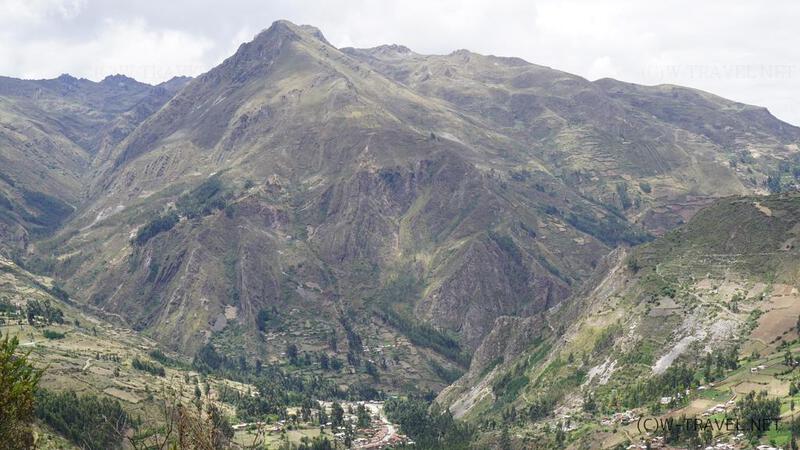
वल्लस से पहाड़ी क्षेत्र में प्रवेश करते हुए, हम चाविन डे हुआंतर (Chavin de Huantar) की ओर बढ़ रहे हैं।
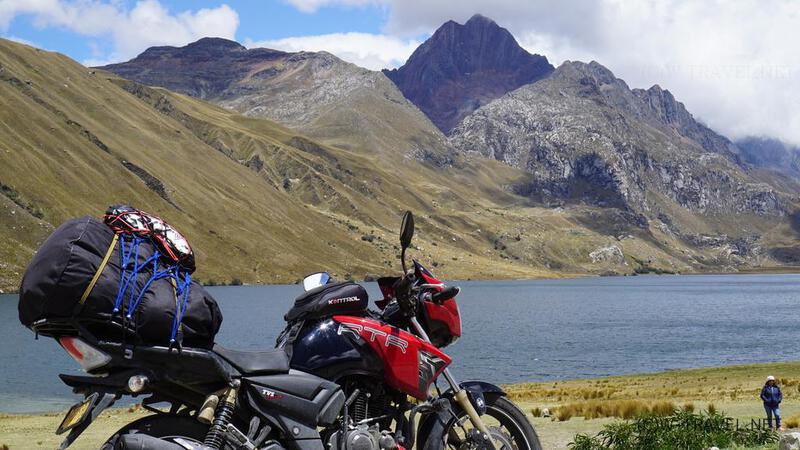
कल इंजन ठीक से काम नहीं कर रहा था, लेकिन आज कोई समस्या नहीं थी। यह क्या है? इसलिए हमने 90 ऑक्टेन पेट्रोल डाला। कोई समस्या नहीं।
पेरू के यातायात नियमों की तुलना भारत से की जा सकती है। शहर में, कारें तुरंत कारों के बीच में घुस जाती हैं, इसलिए एक लेन होने के बावजूद समानांतर ड्राइविंग सामान्य है। राजमार्ग पर, जैसे ही बाइक दिखाई देती है, कुछ ऐसे लोग भी हैं जो ओवरटेक लेन में आगे निकल जाते हैं, मेरी कार के सामने आ जाते हैं, अपनी हेडलाइट्स ऊपर करके बाइक को हटाने की कोशिश करते हैं। कुछ ऐसे भी हैं जो चौराहों पर बाएं सिग्नल देते हैं, बाएं मुड़ने के दौरान, बाईं ओर से सीधे आ जाते हैं और बाइक को पार कर जाते हैं। ग्रामीण इलाकों में व्यवहार और भी खराब होता है।
पेरू में, यदि मेरे पास भारत का अनुभव नहीं होता, तो शायद मैं दुर्घटनाग्रस्त हो जाता।
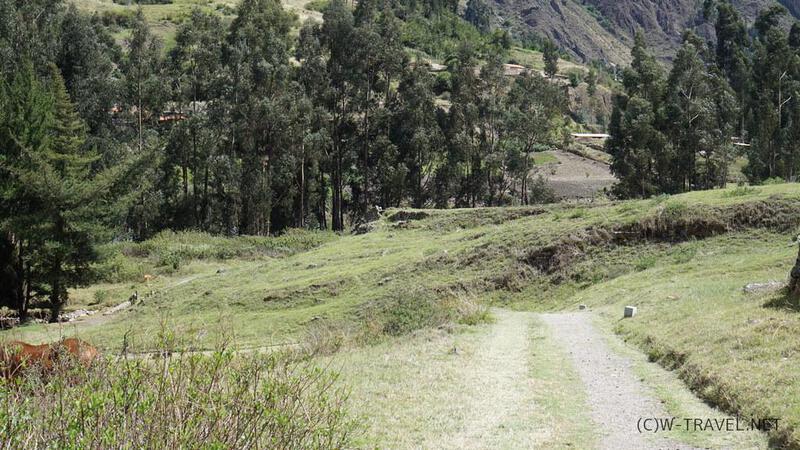
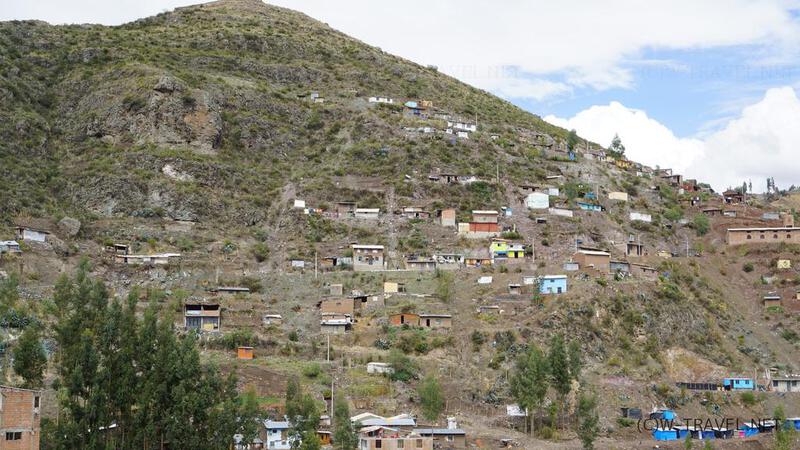
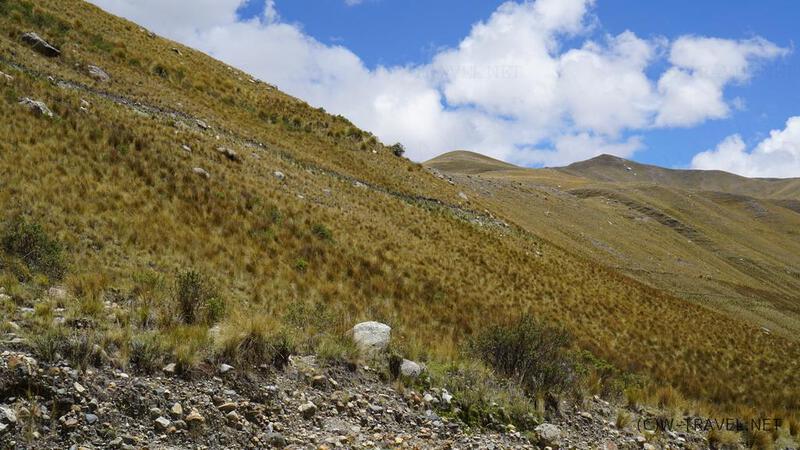
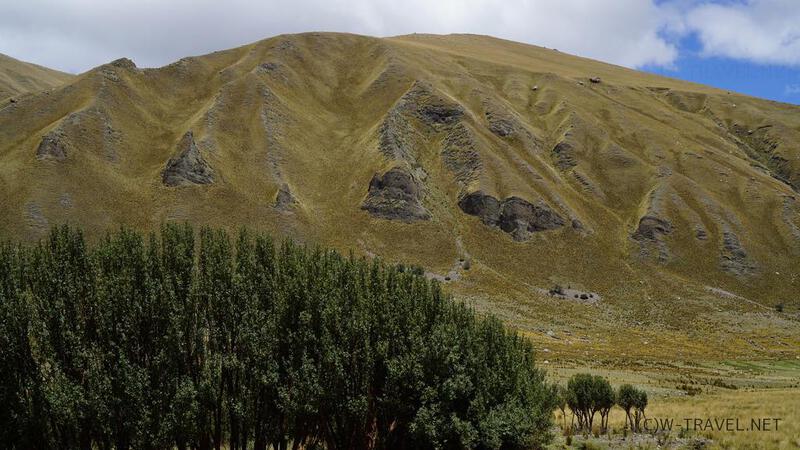
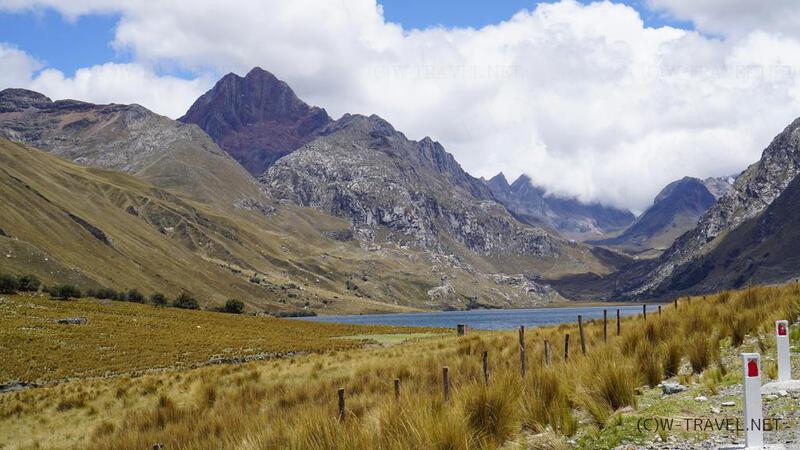
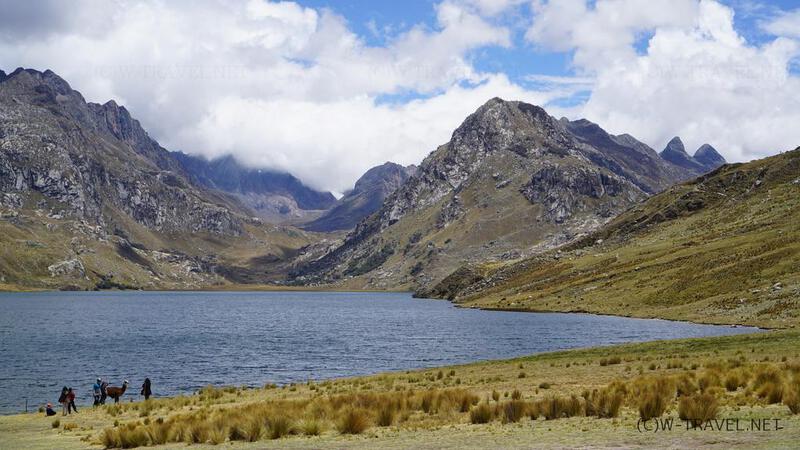
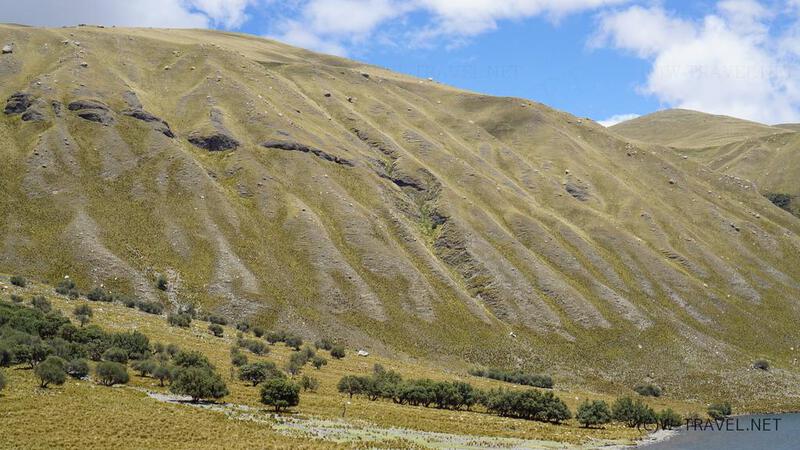
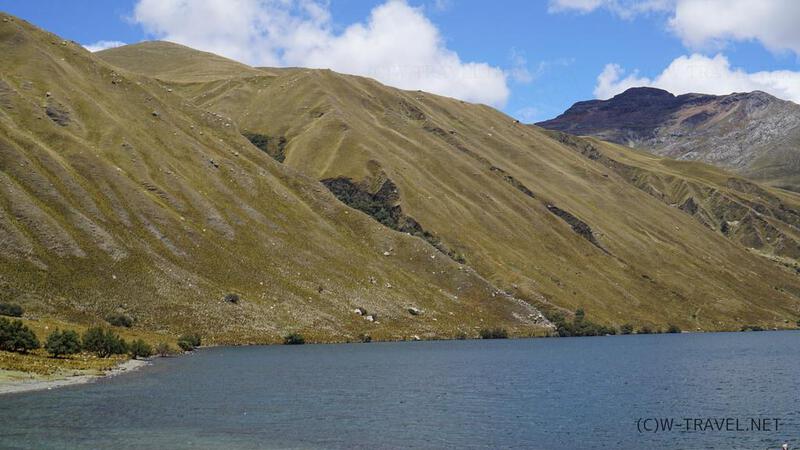
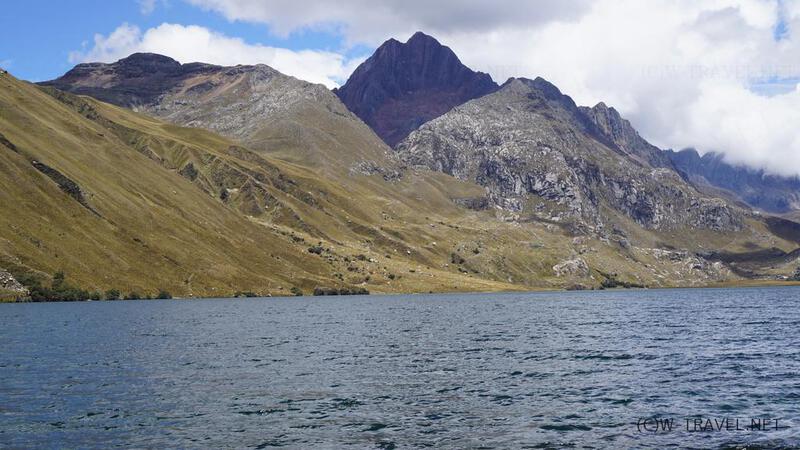
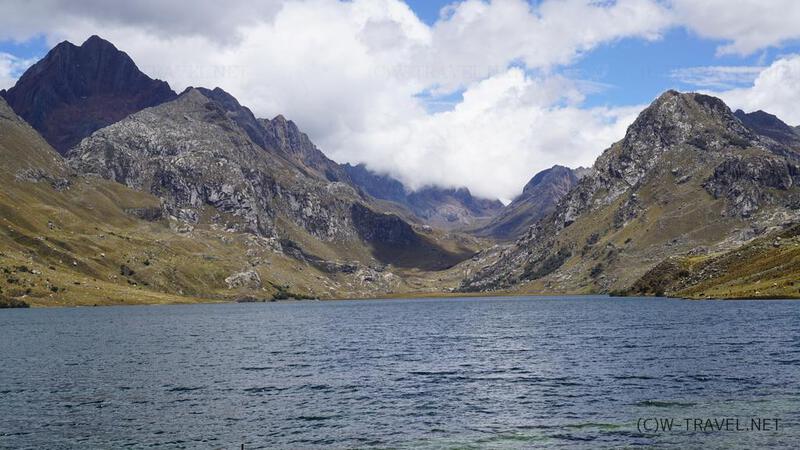
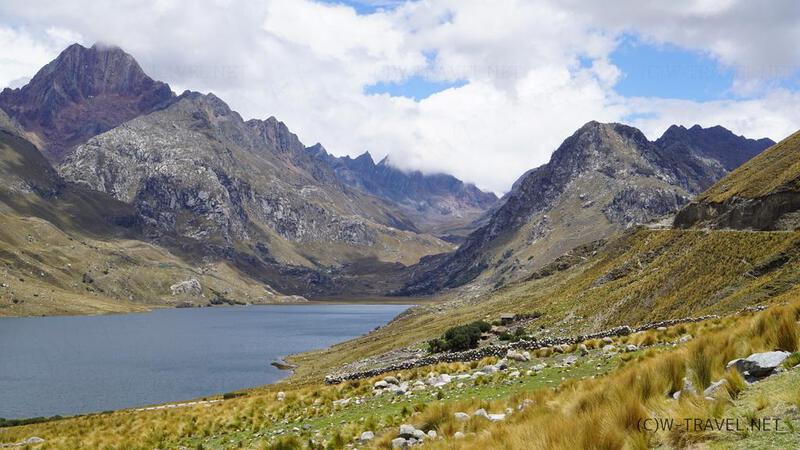
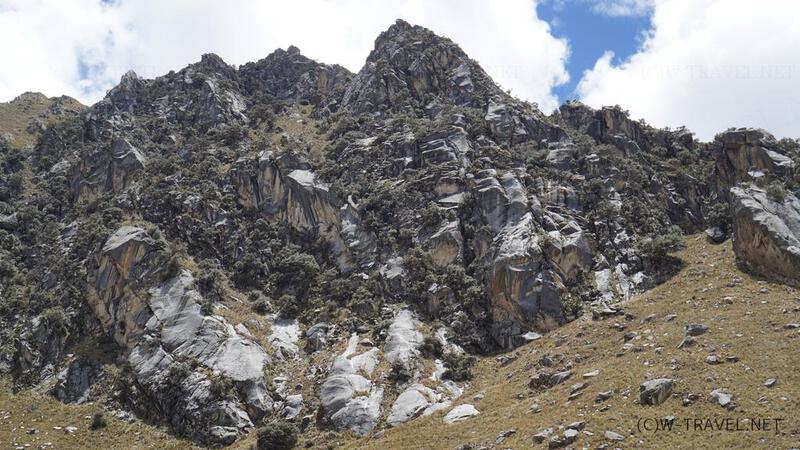
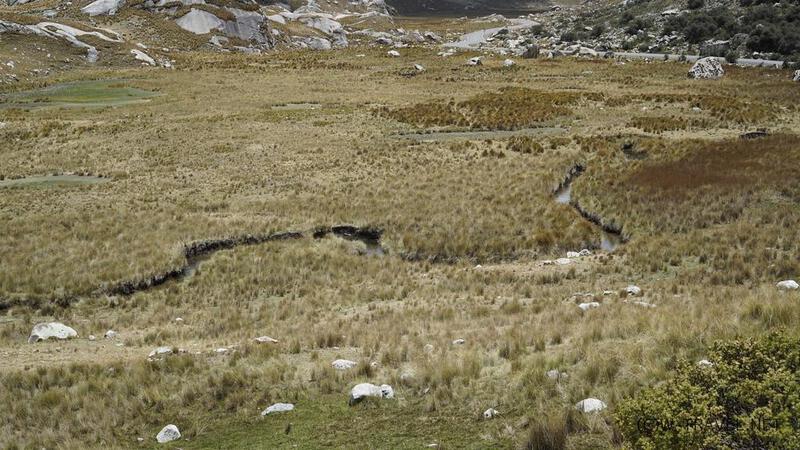
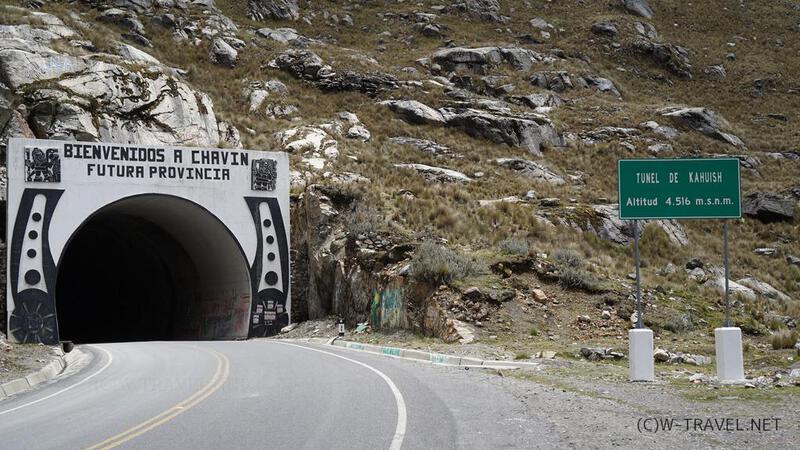
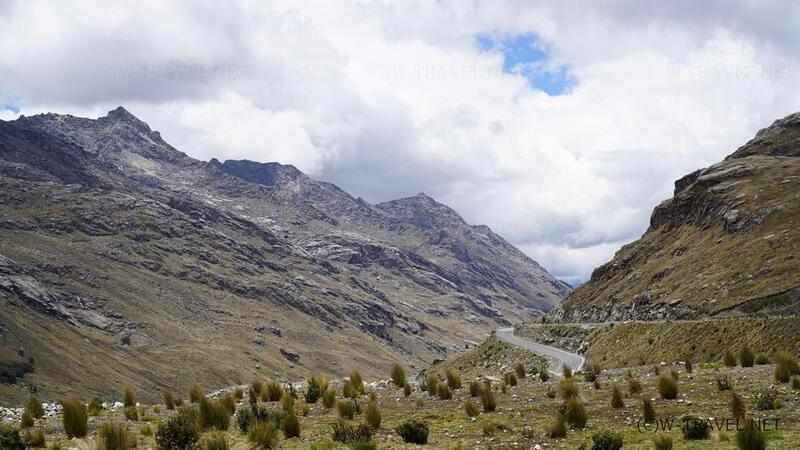
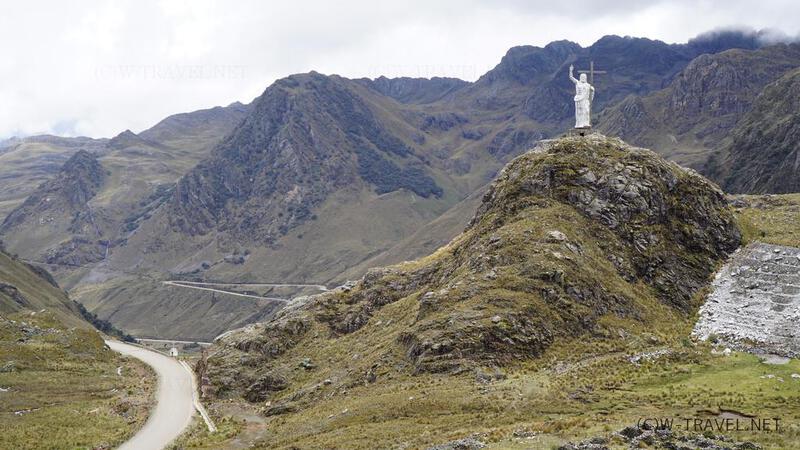
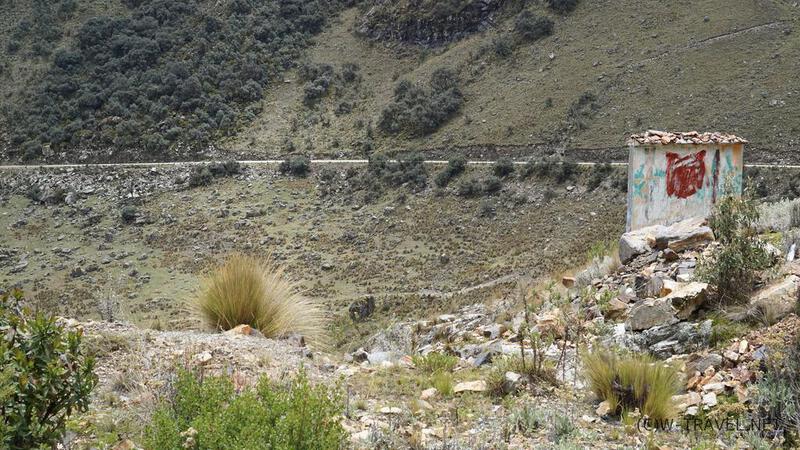
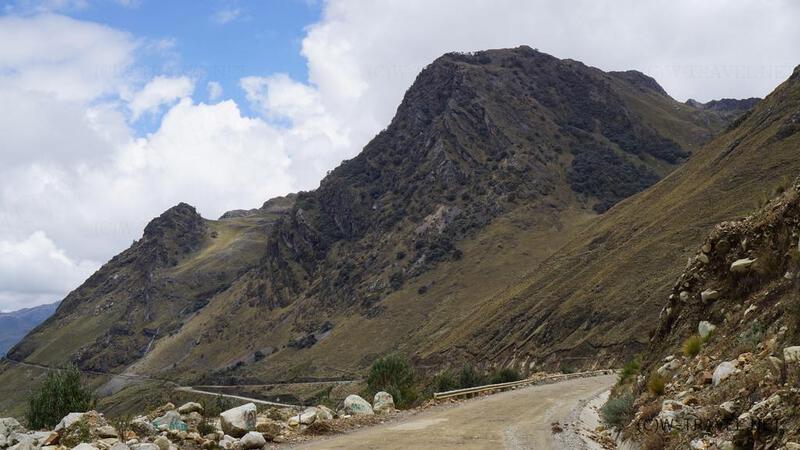
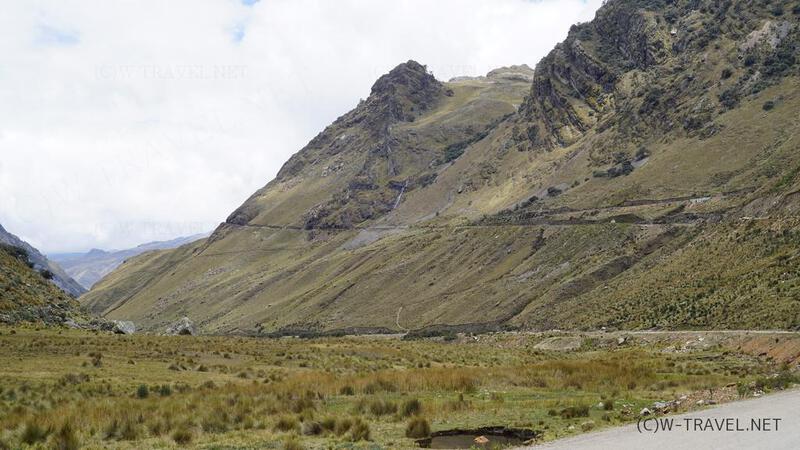
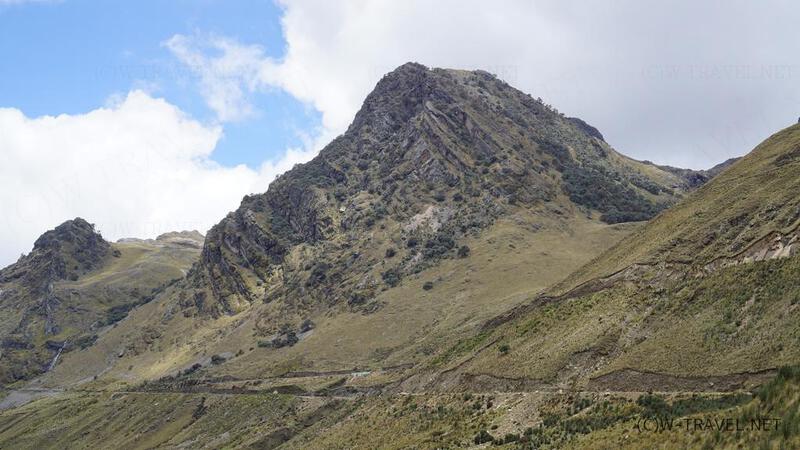
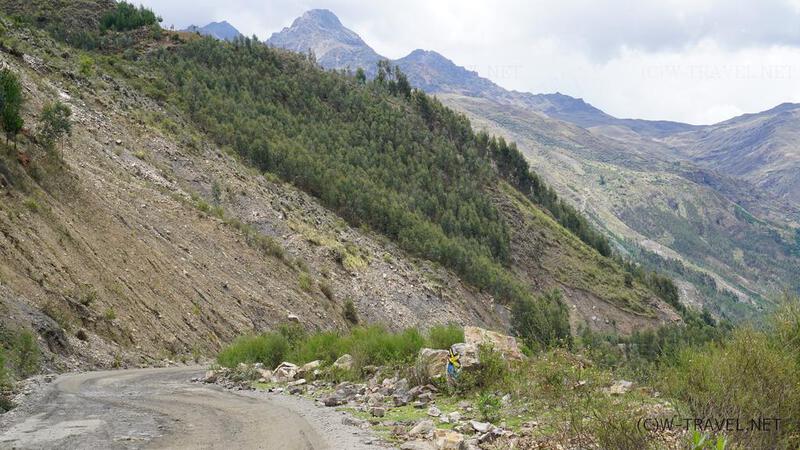
चाविन डे हुआंतर (Chavin de Huantar) तक का रास्ता पहाड़ी तक तो पक्का है, लेकिन पहाड़ी के दूसरी तरफ कच्चा रास्ता है।
थकान महसूस हो रही है। हम धीरे-धीरे यात्रा करेंगे।

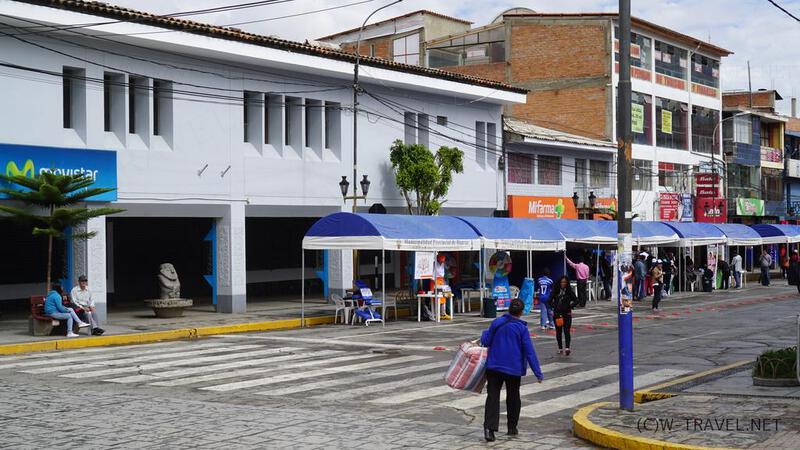
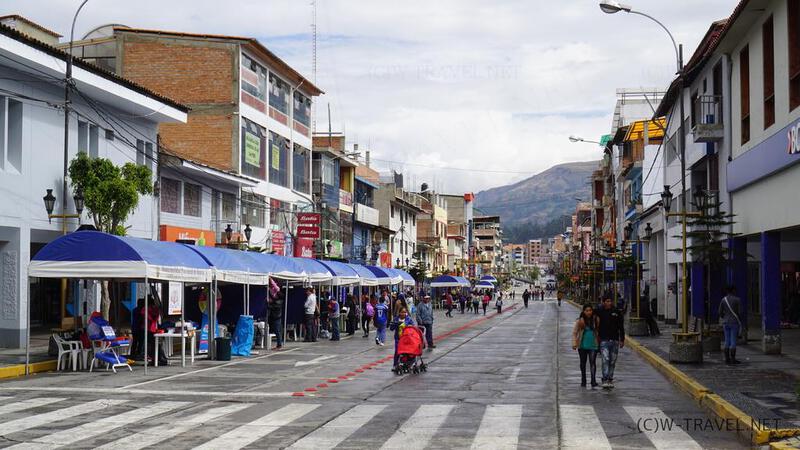

























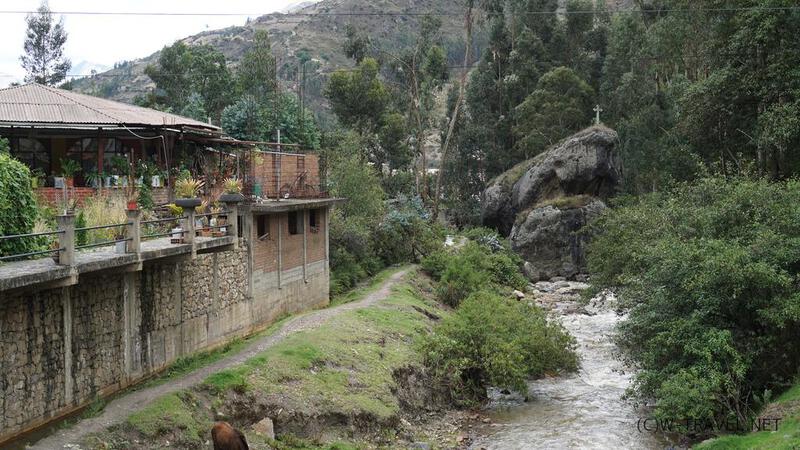
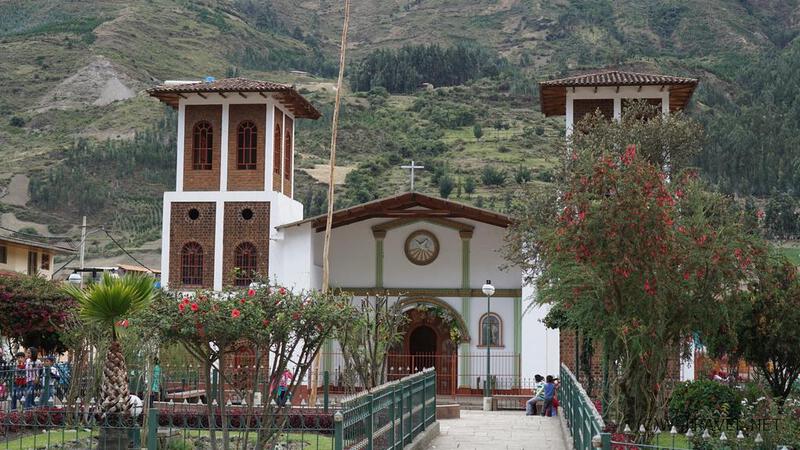
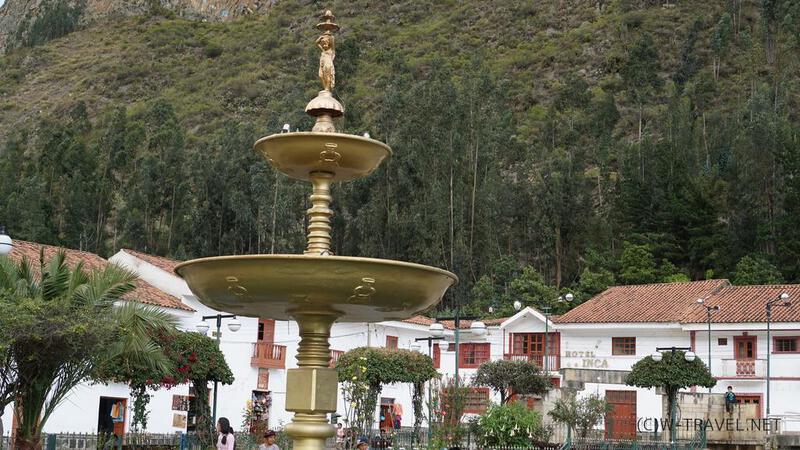 यहाँ पर आवास निम्नलिखित है:
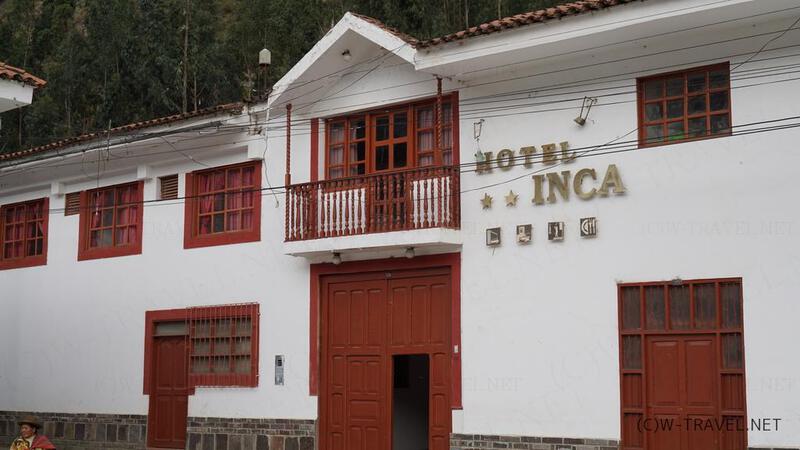 होस्टल इंका
सिंगल रूम: 1 रात के लिए 35 सोल (लगभग 1,250 येन)
नाश्ता: अतिरिक्त 10 सोल (लगभग 360 येन)
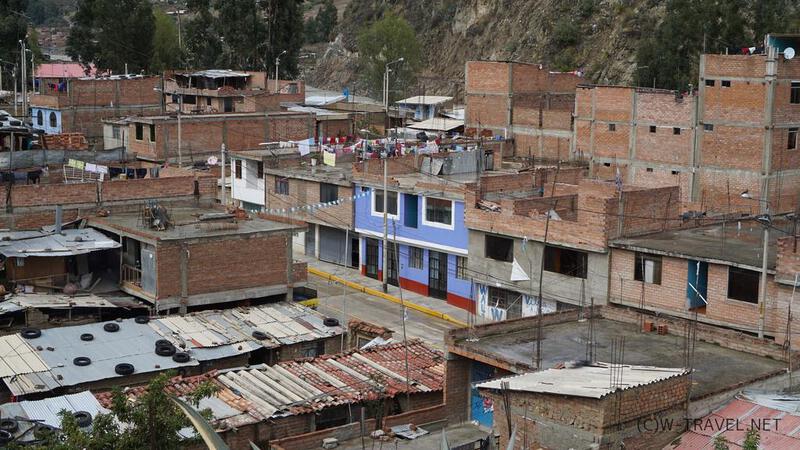
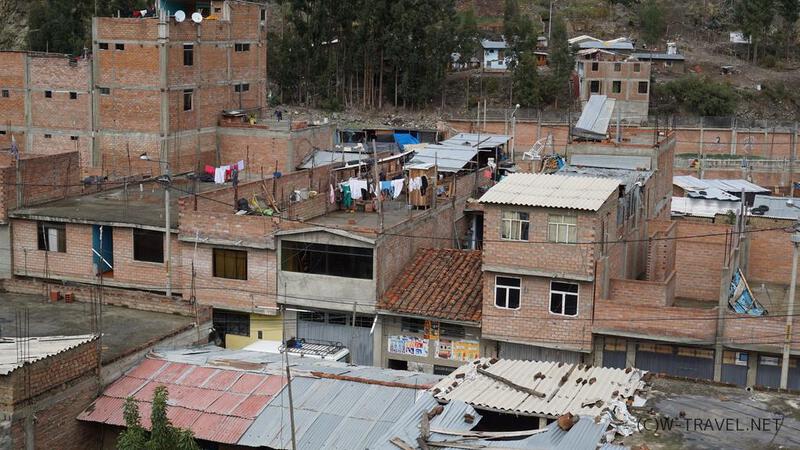
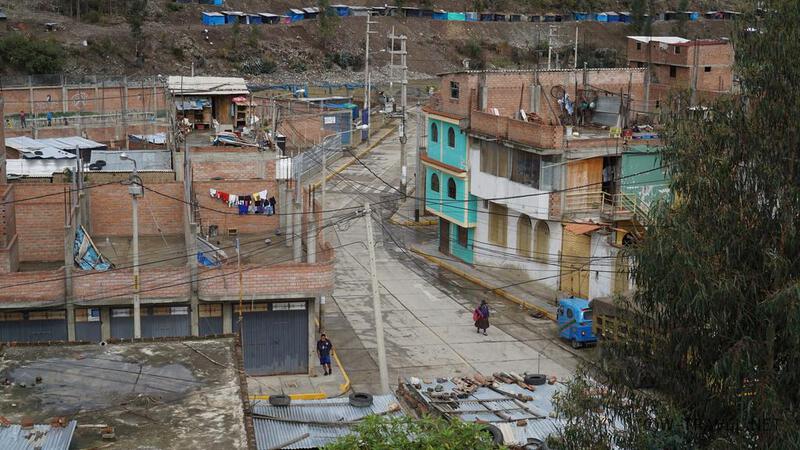
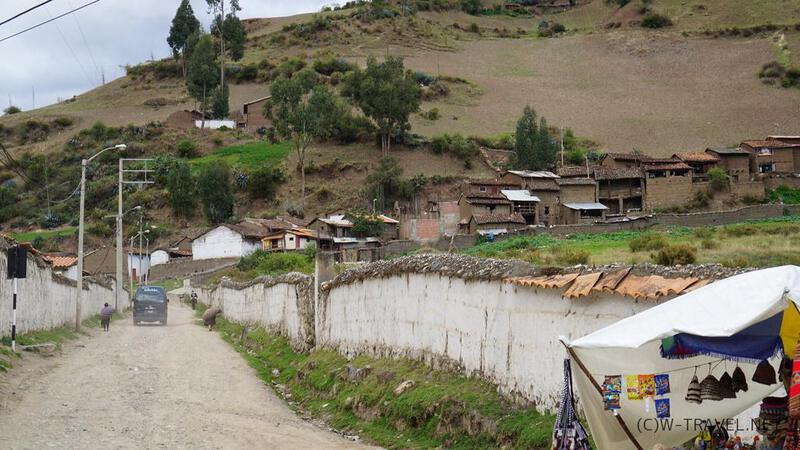
यह एक ग्रामीण शहर है, फिर भी आप यहां आराम से रह सकते हैं।

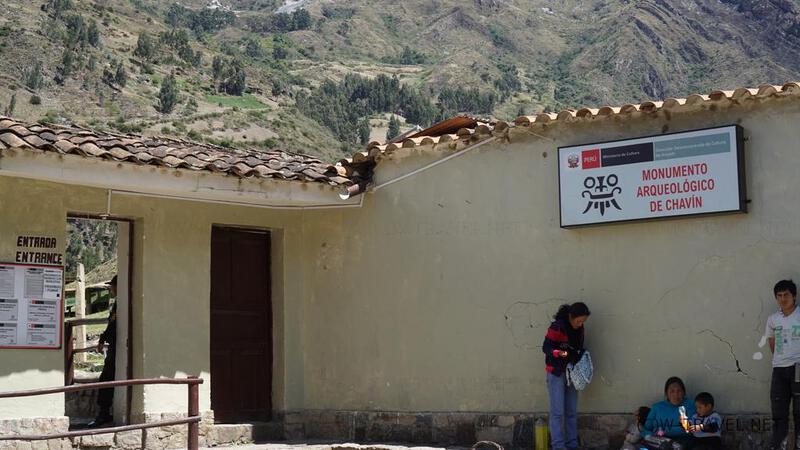
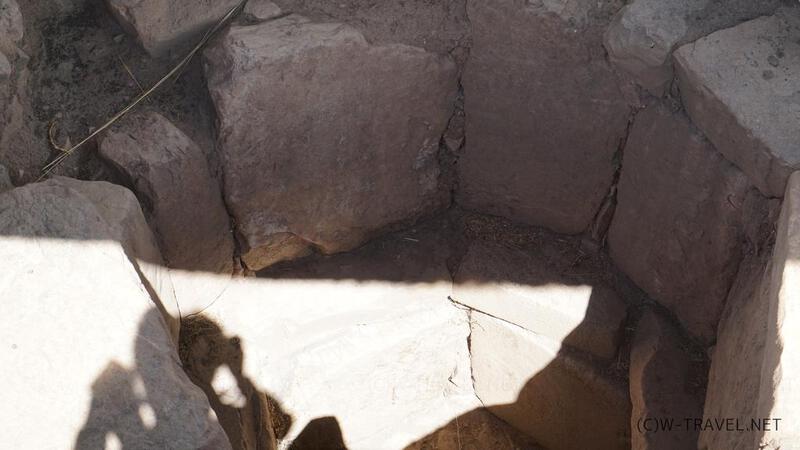
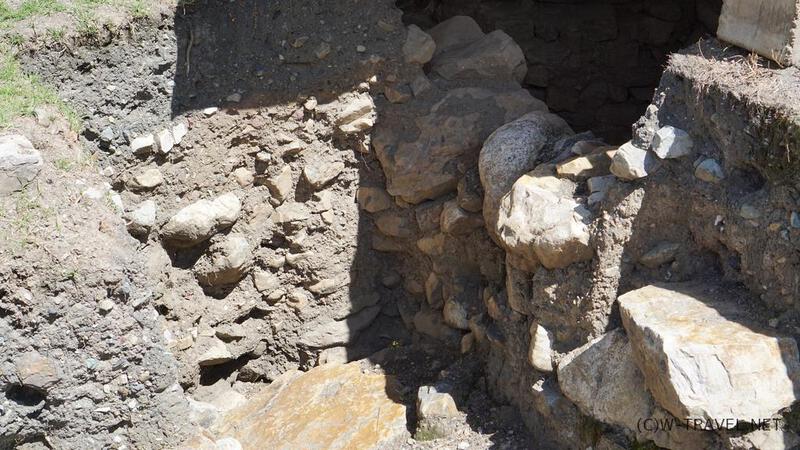
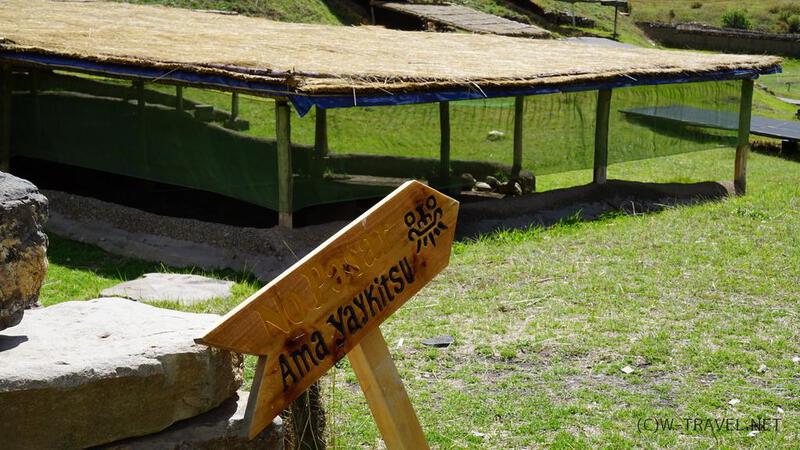
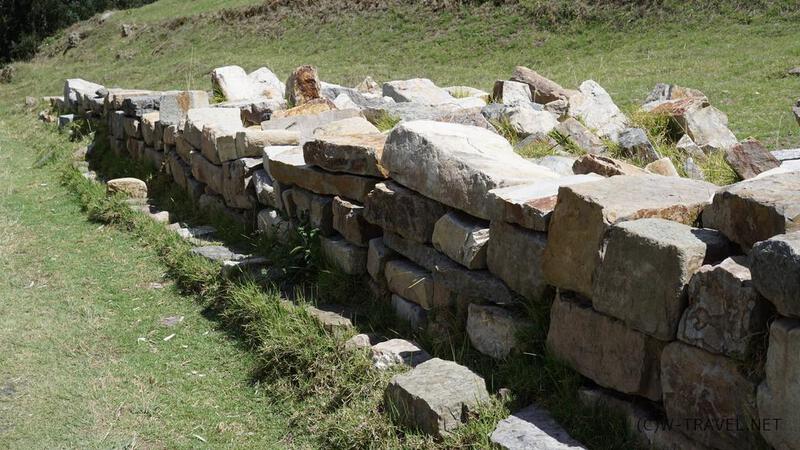
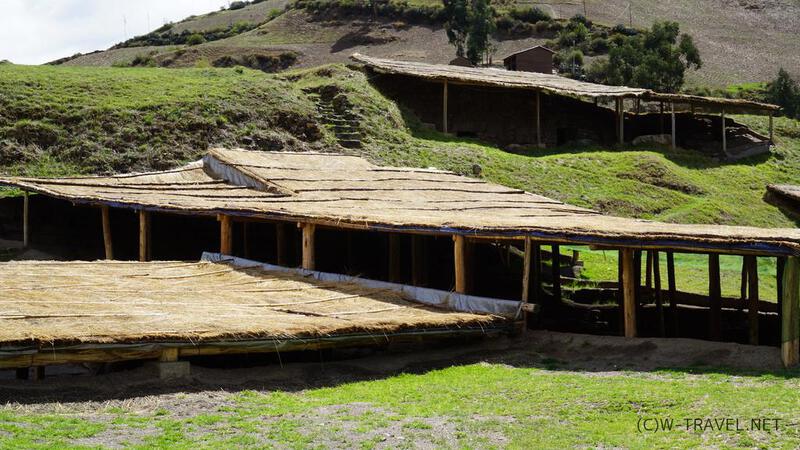
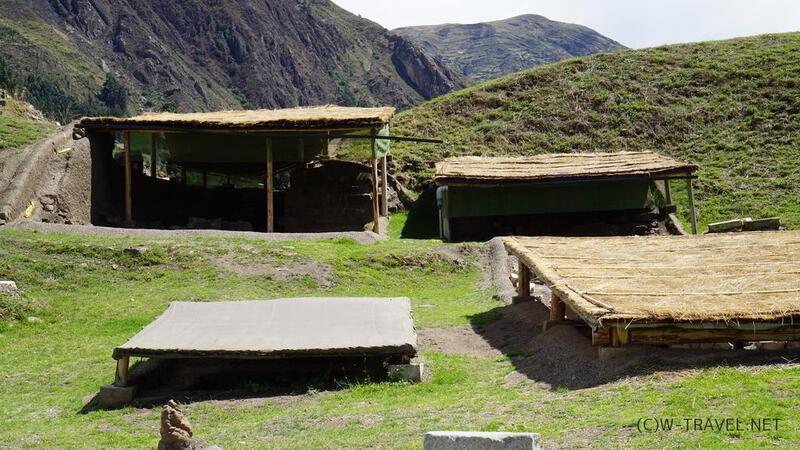
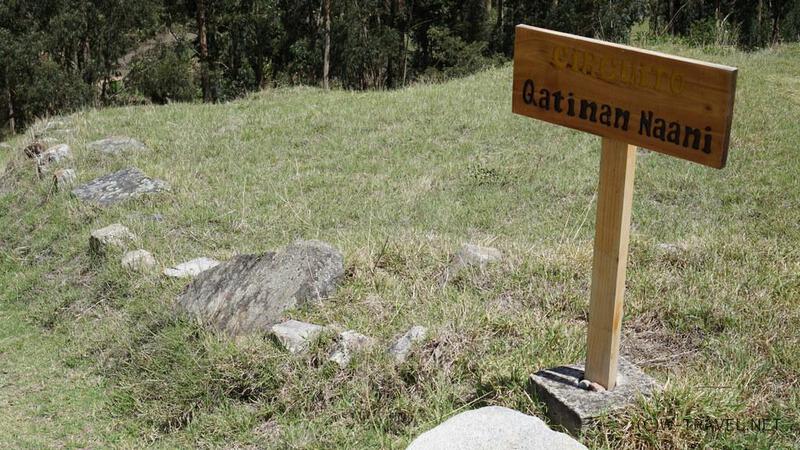
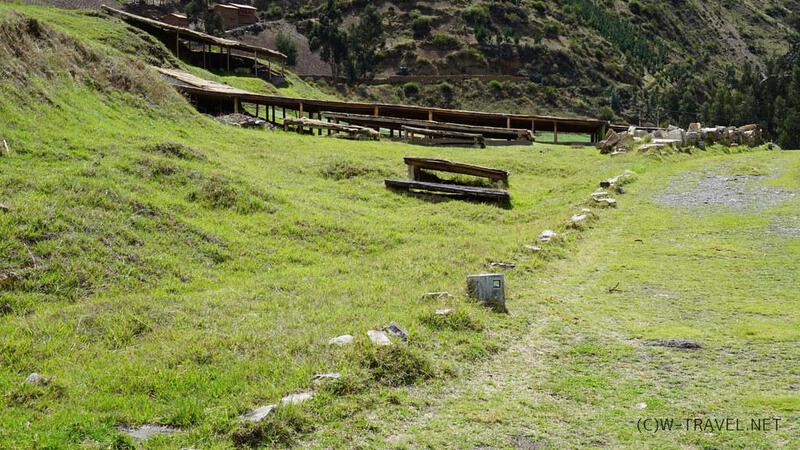
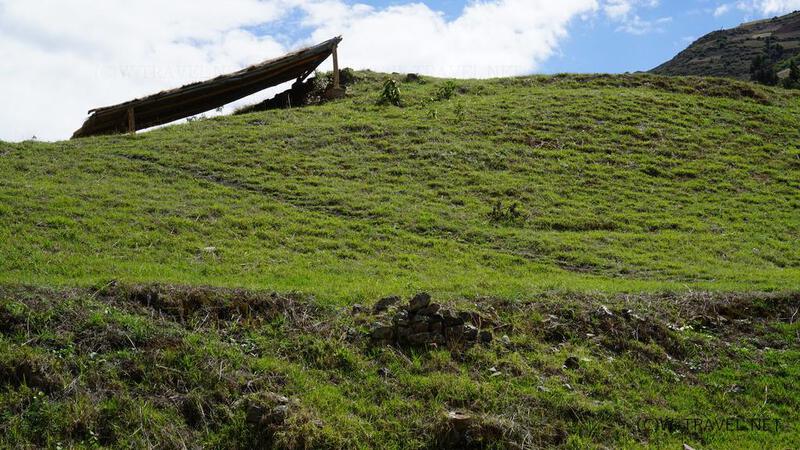
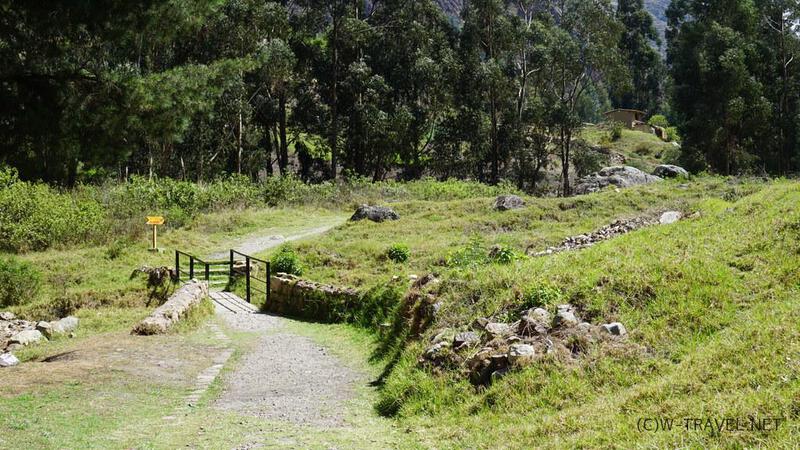
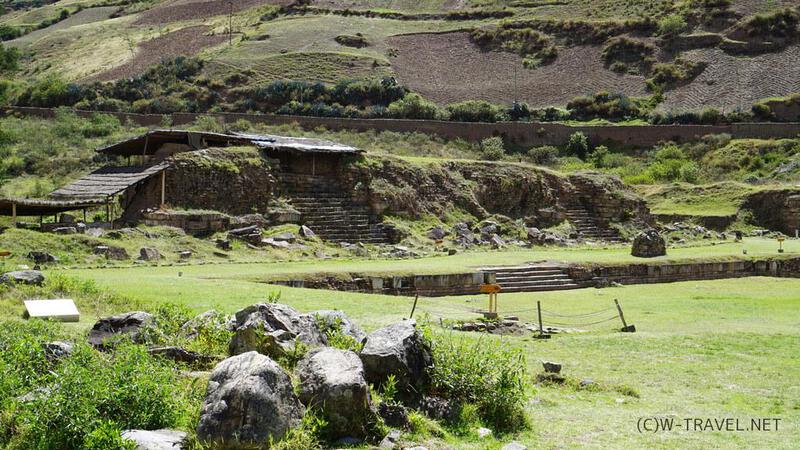
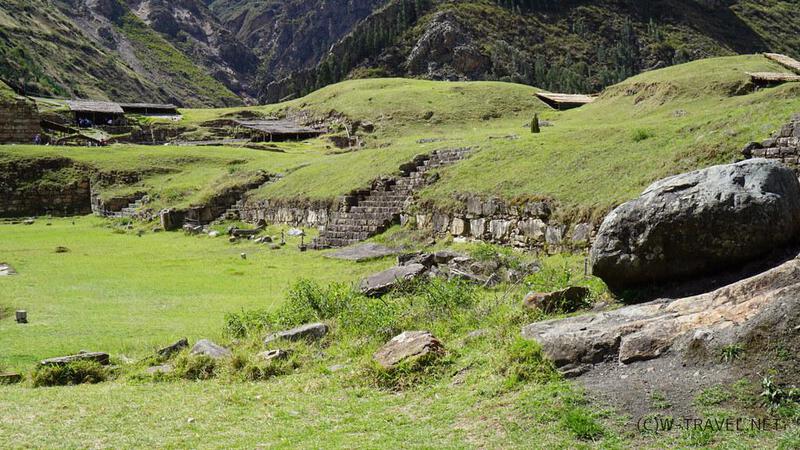
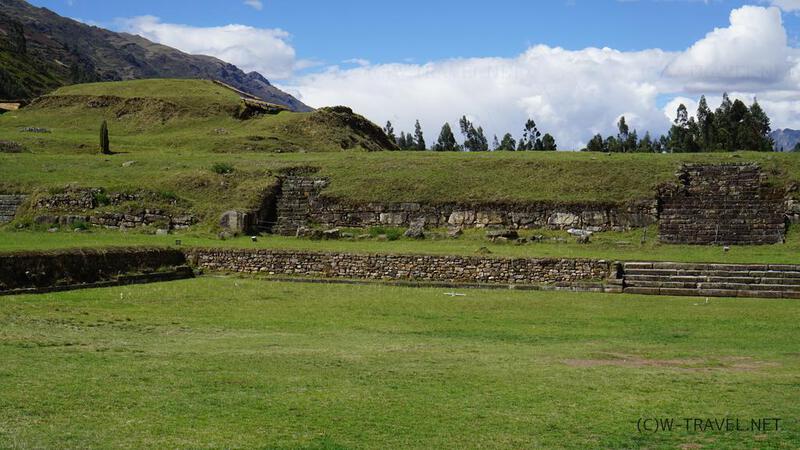
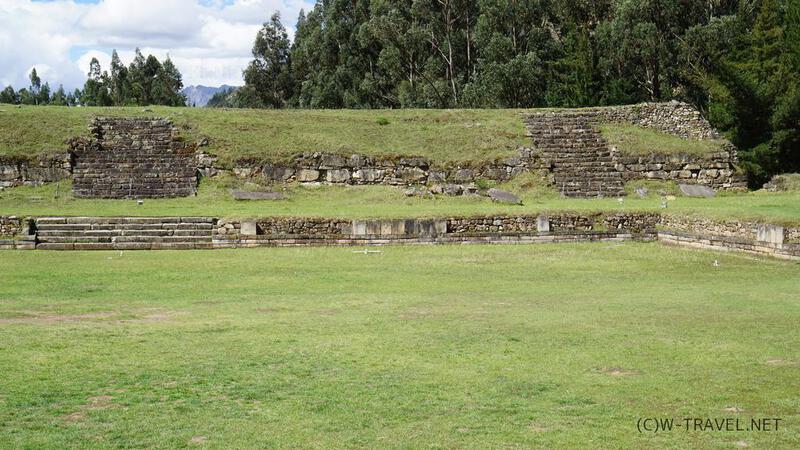
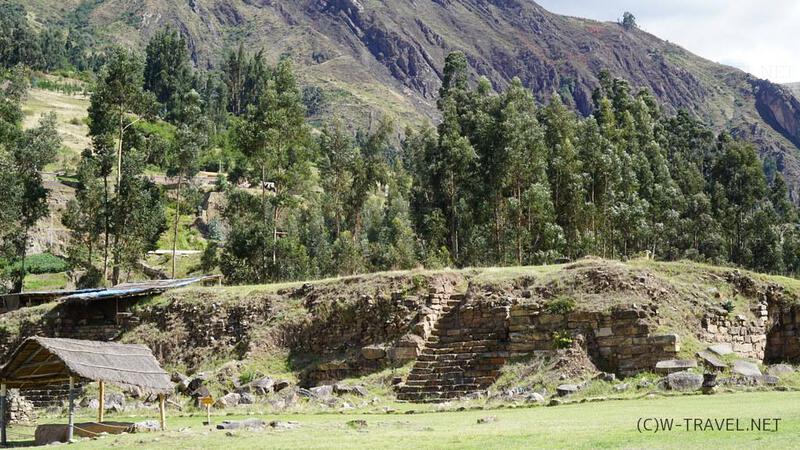
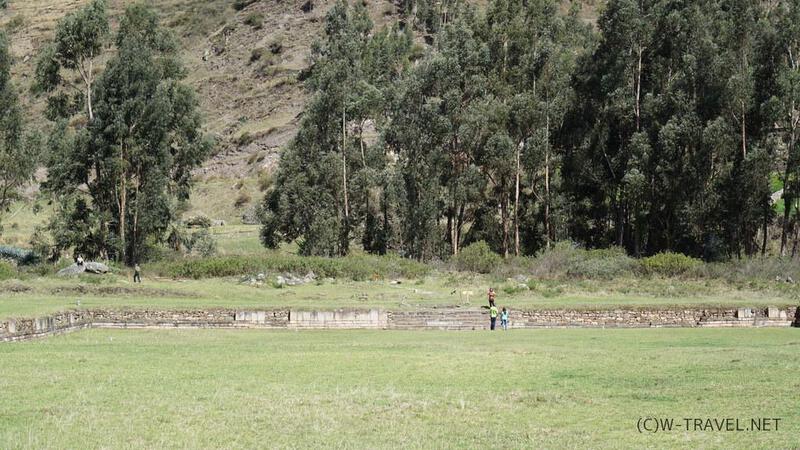
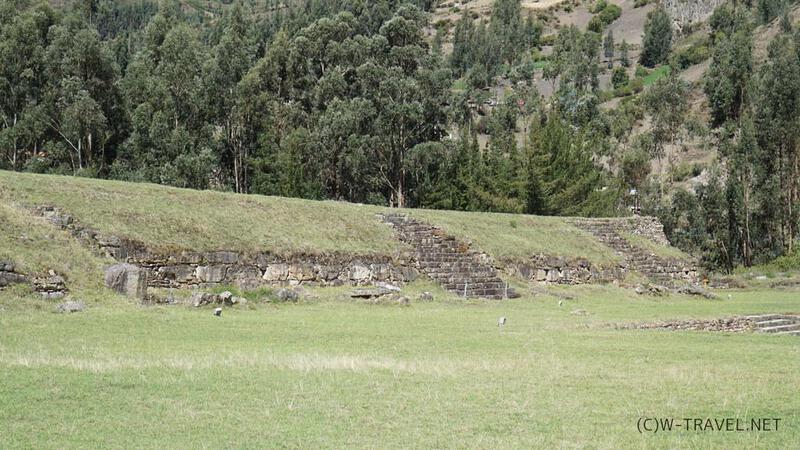
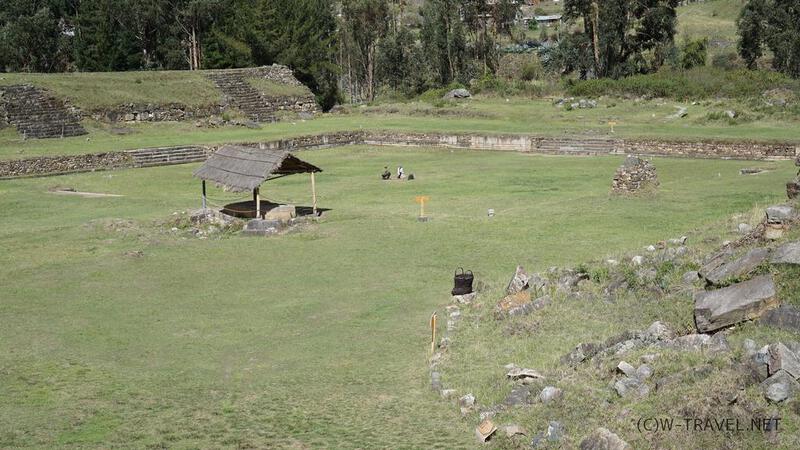
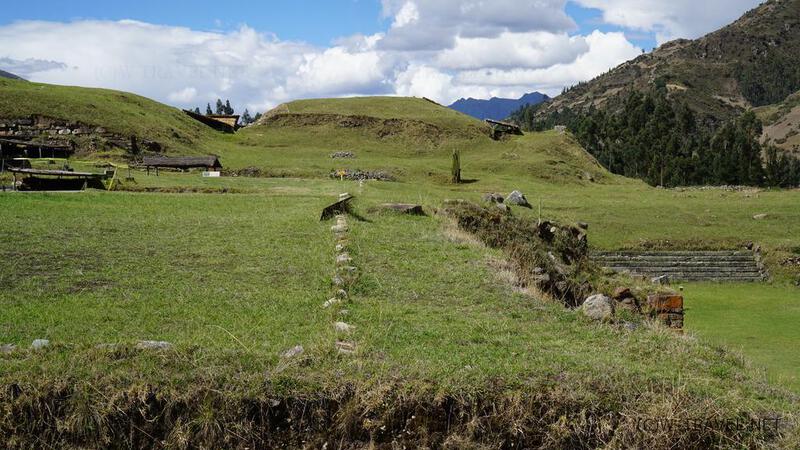
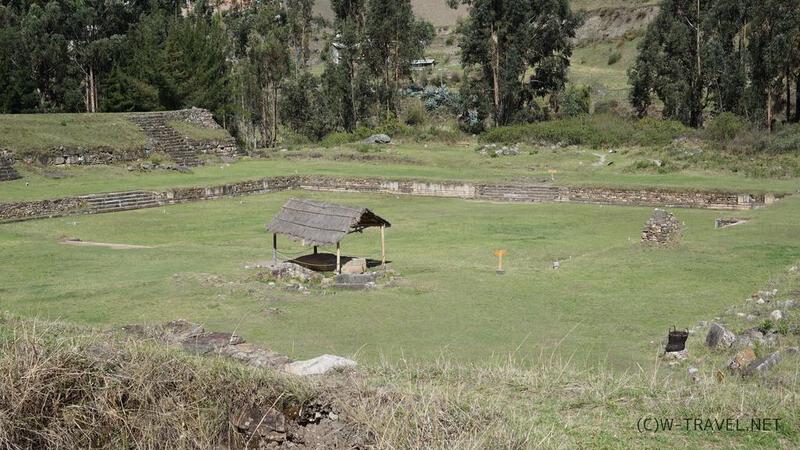
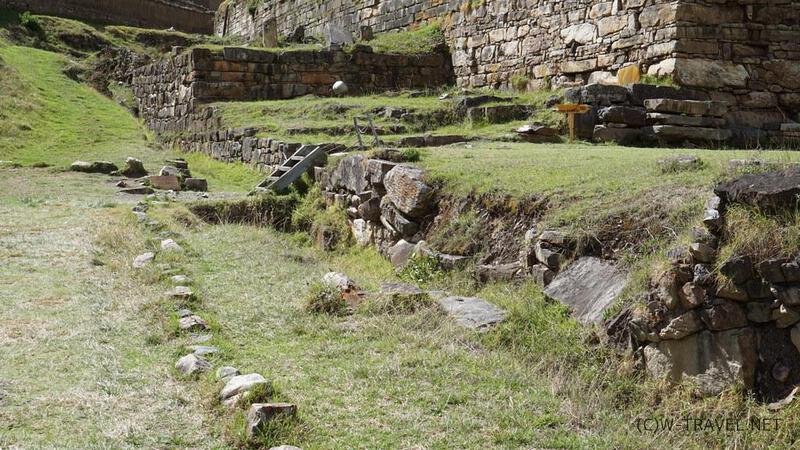
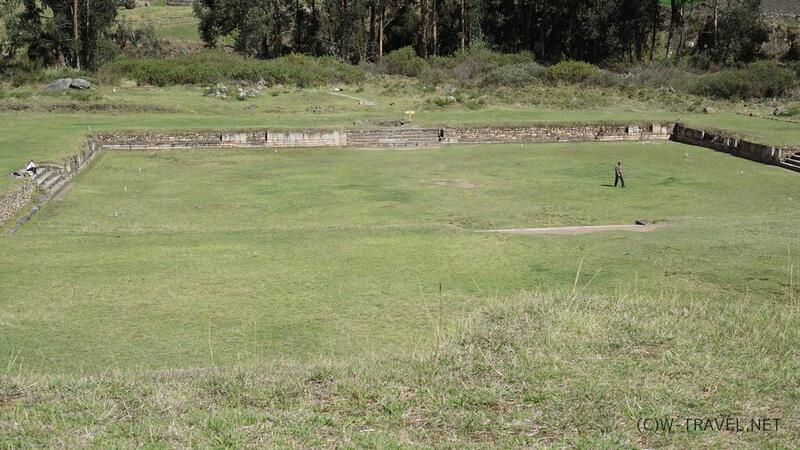
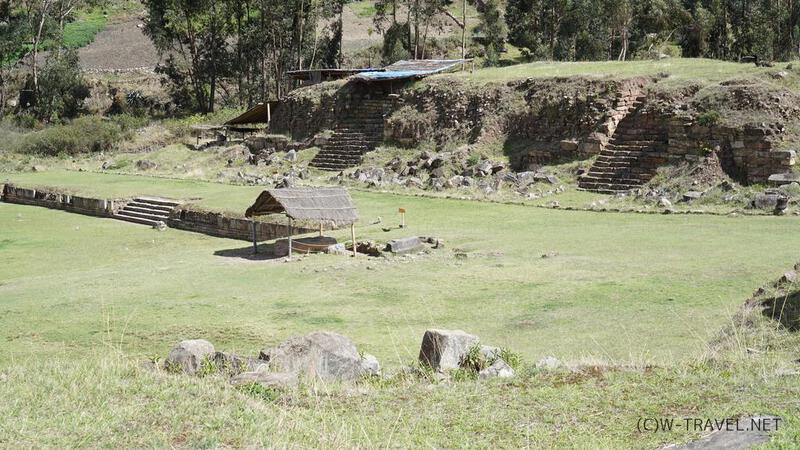
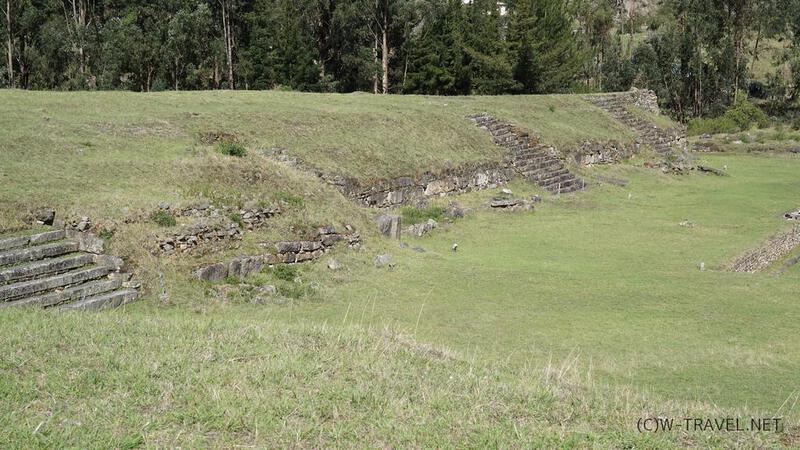
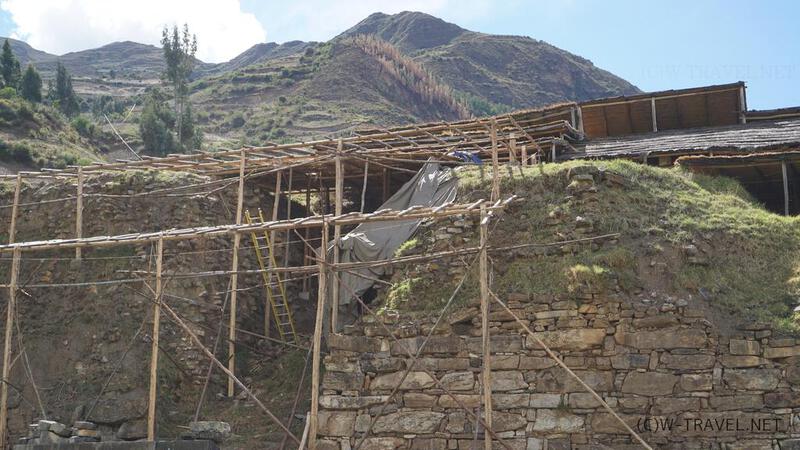
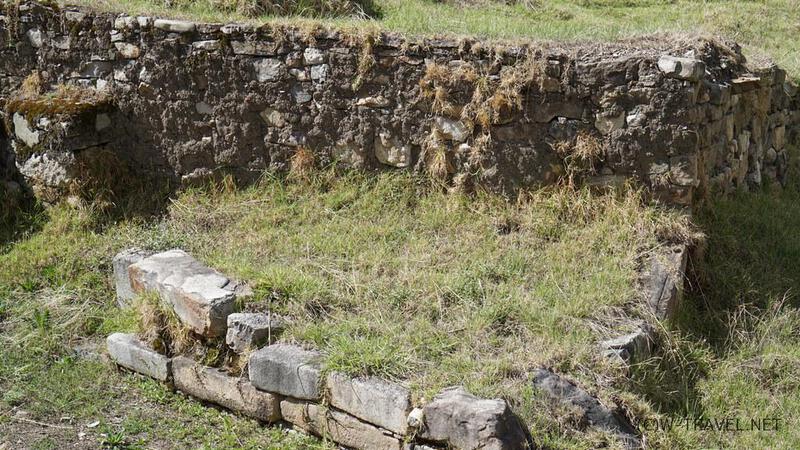
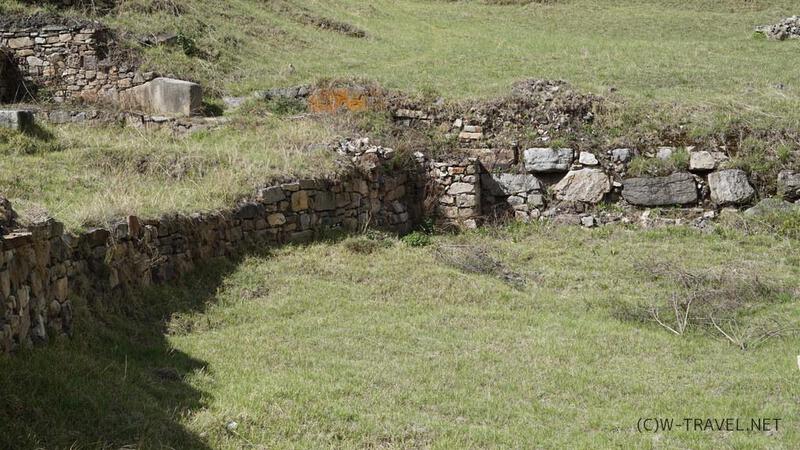
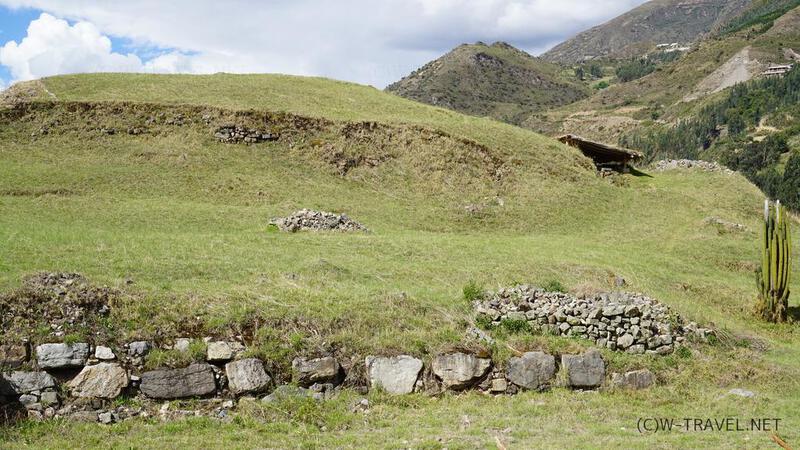
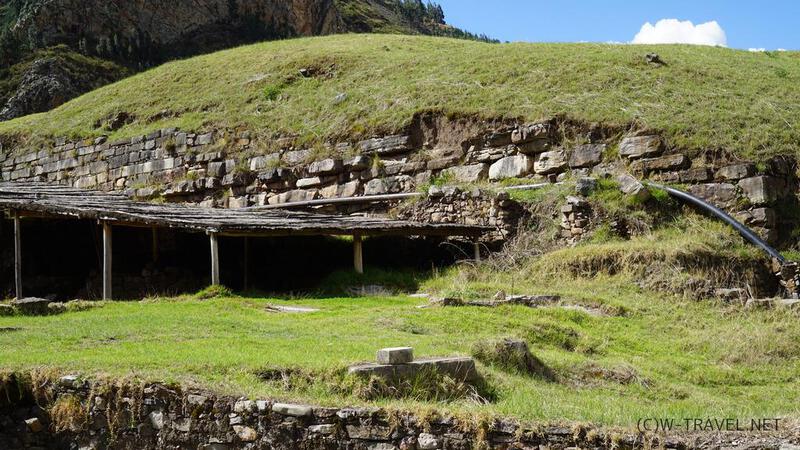
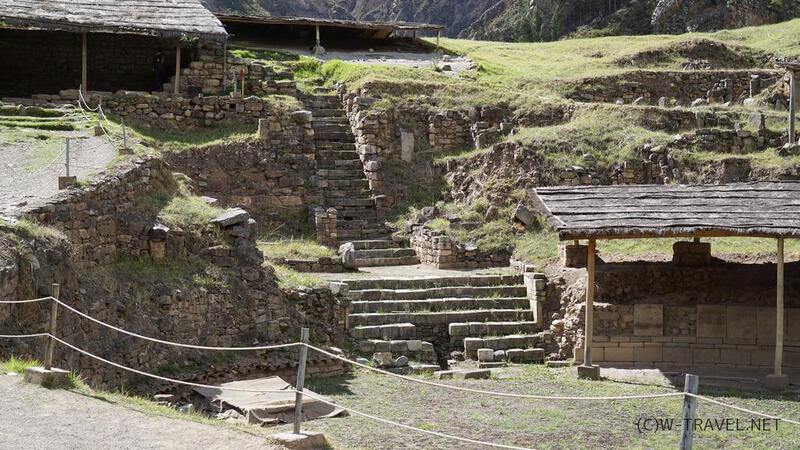
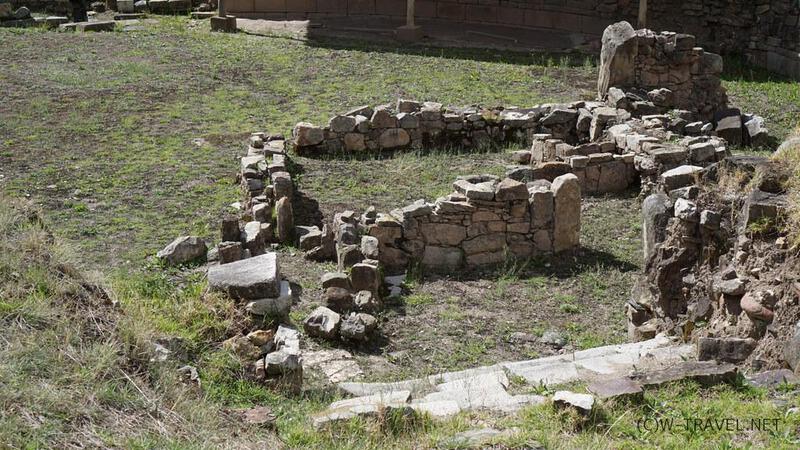
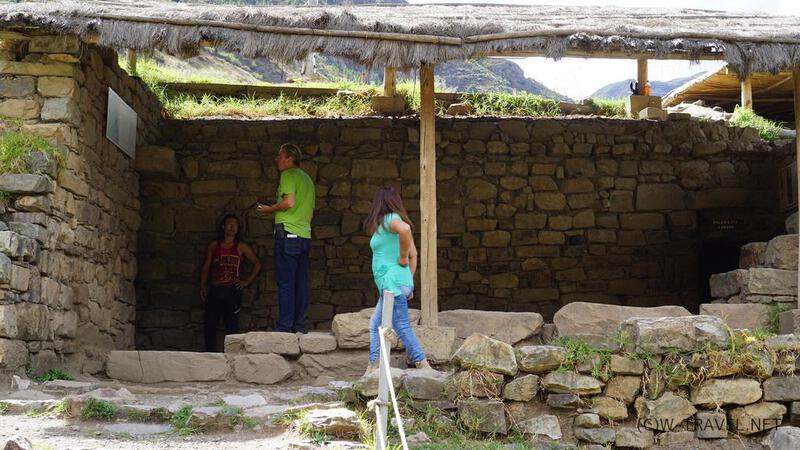
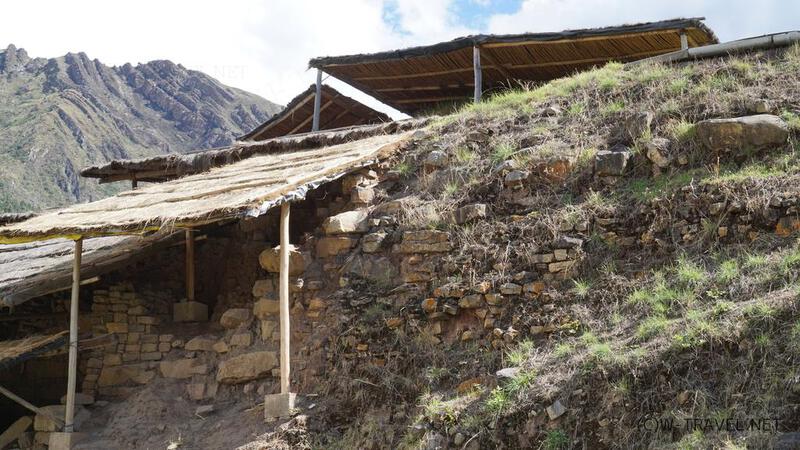
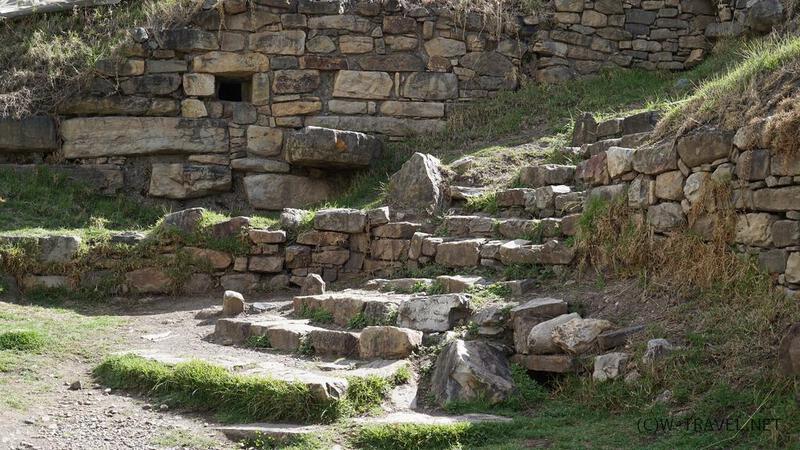
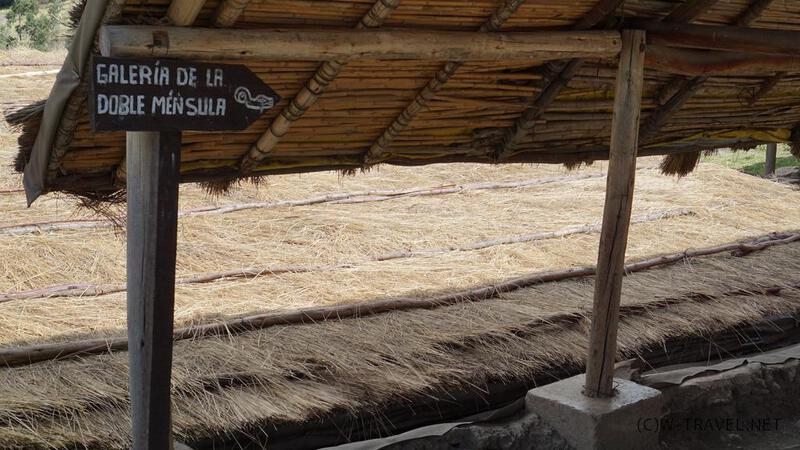
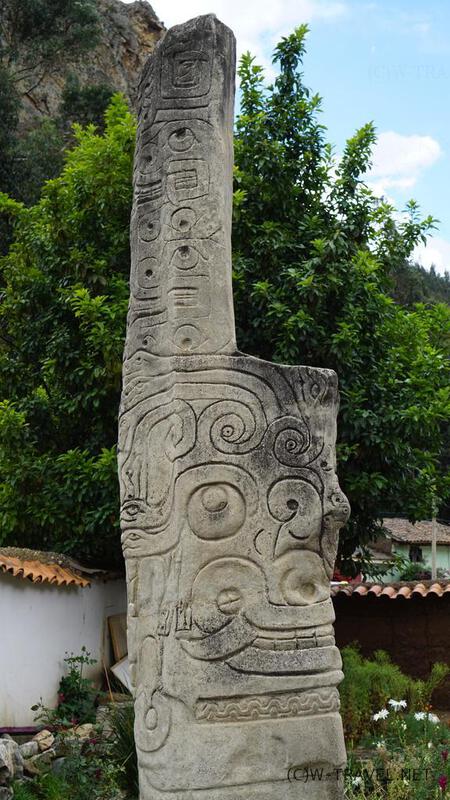
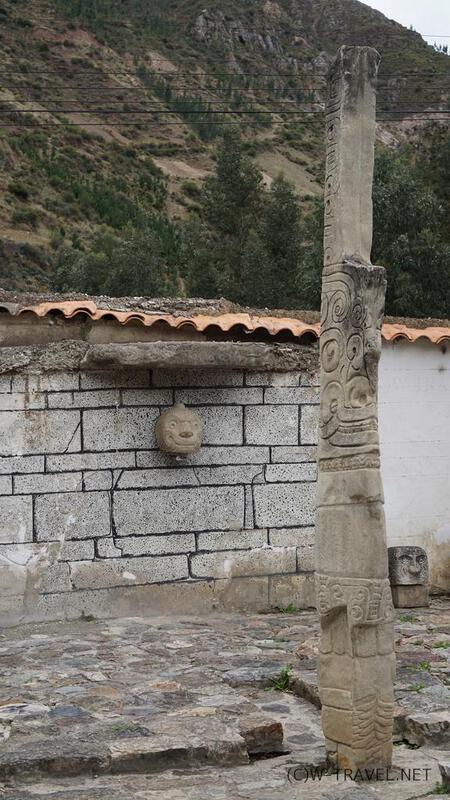
चाविन अवशेष (पुरातत्विक स्थल)।
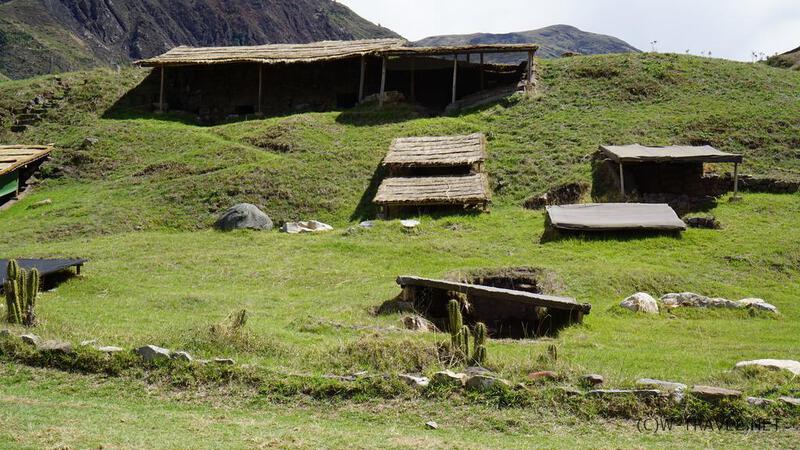
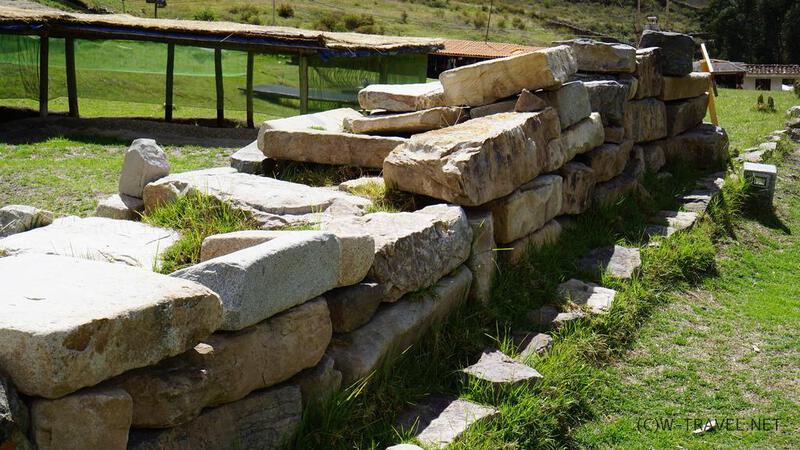
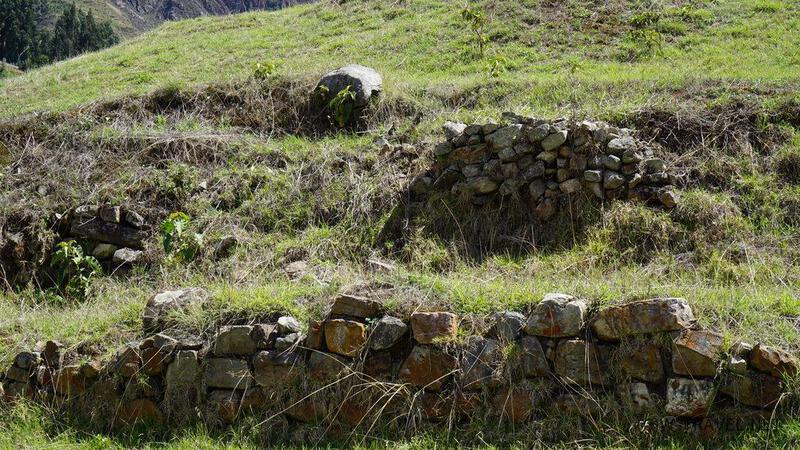
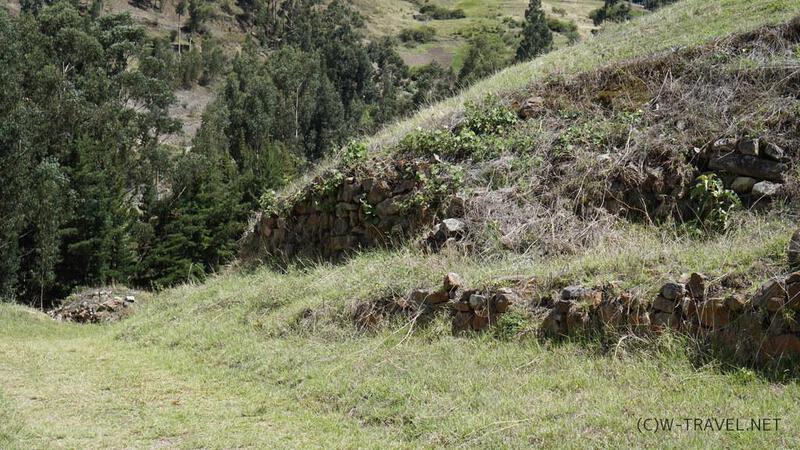
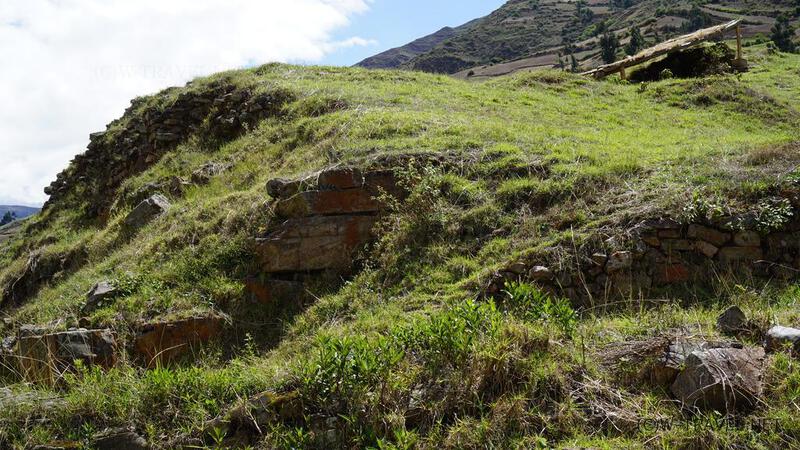
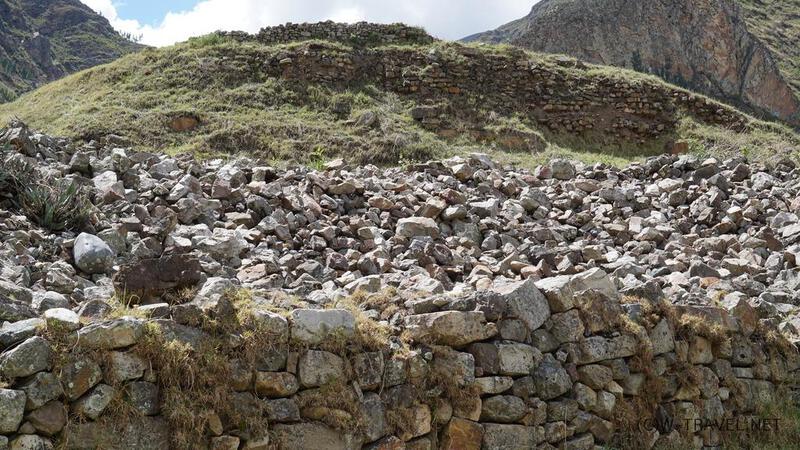
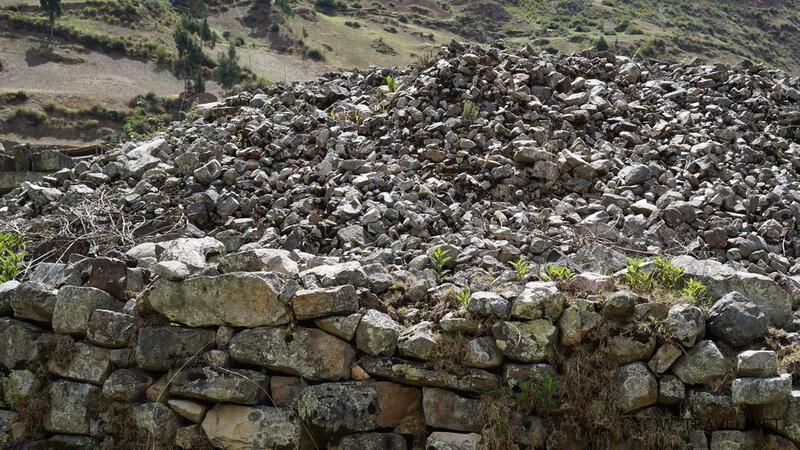
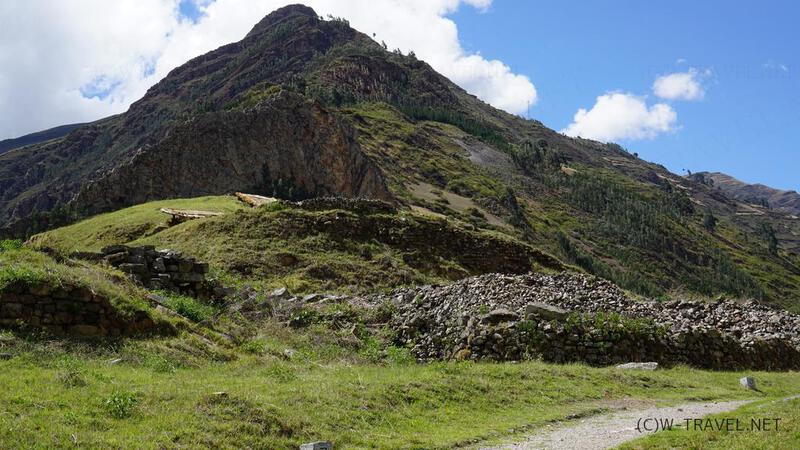
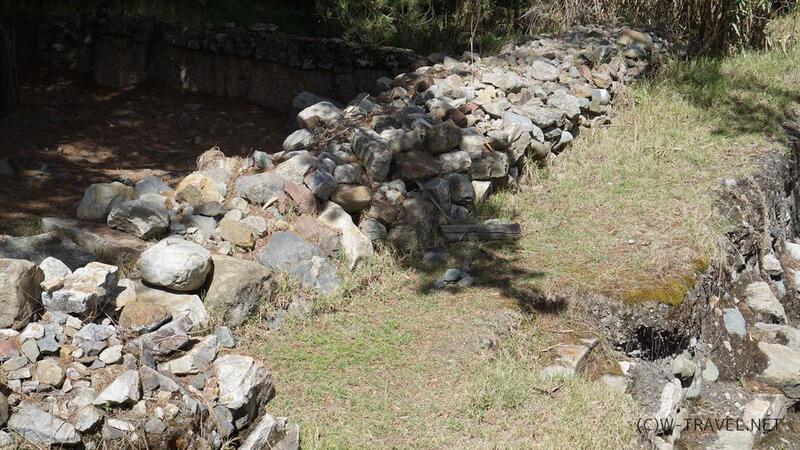
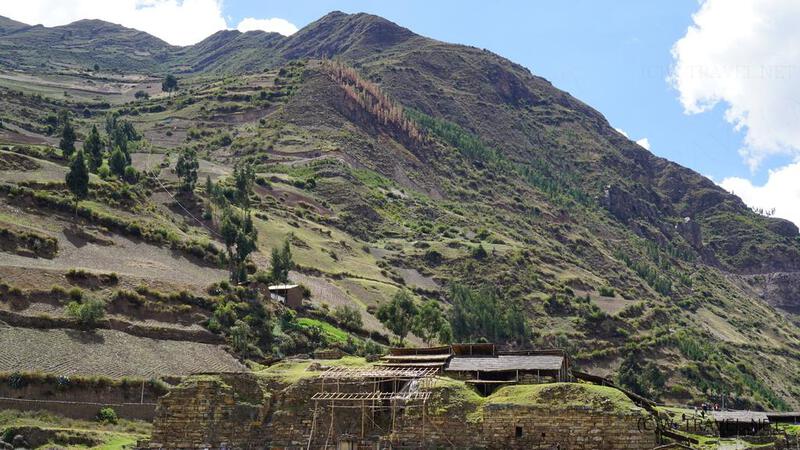
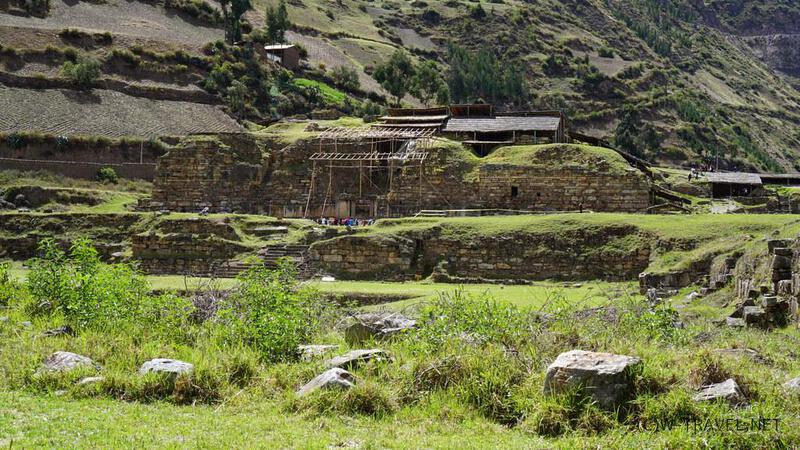
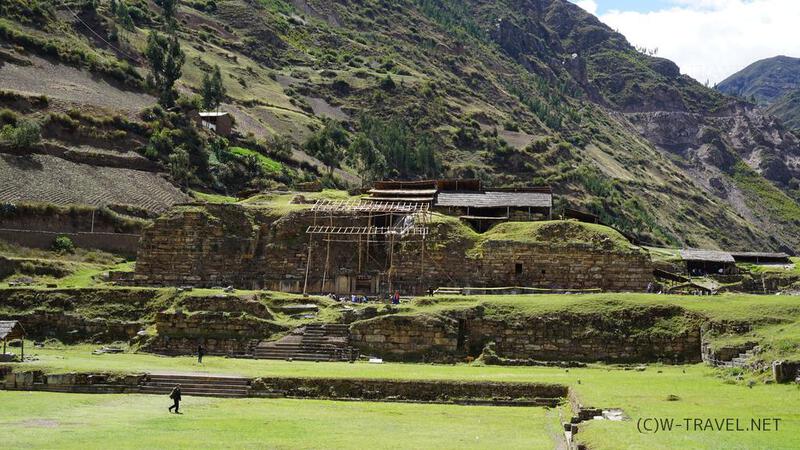
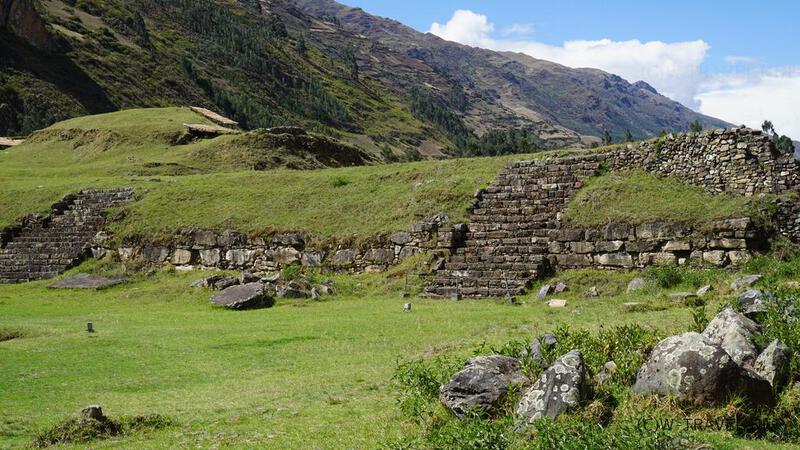
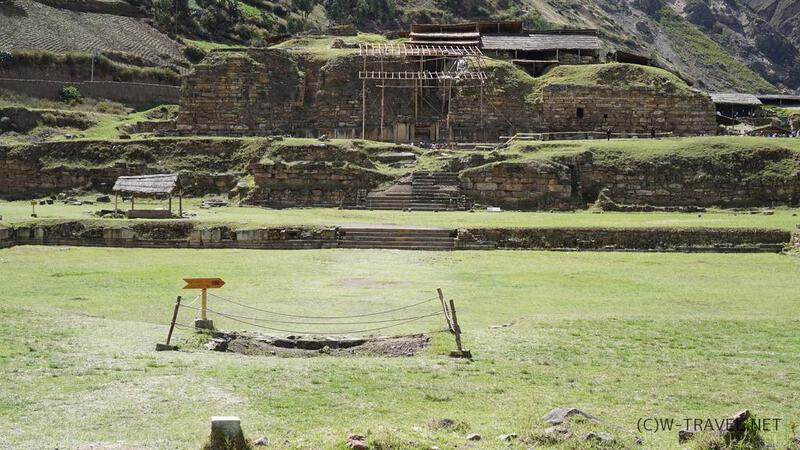
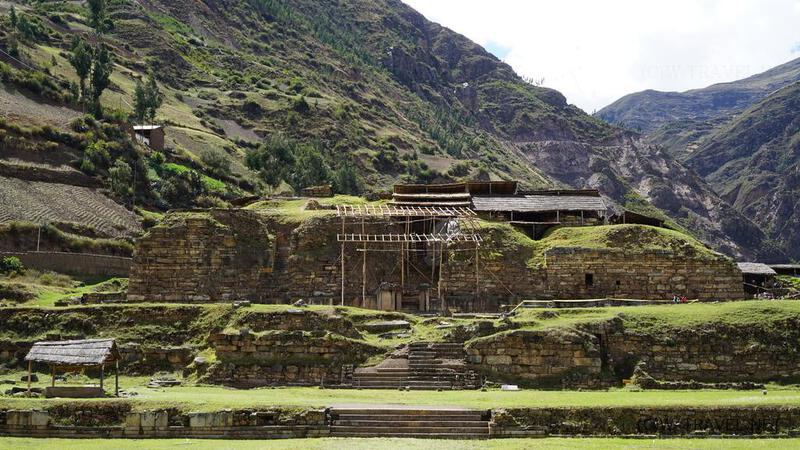
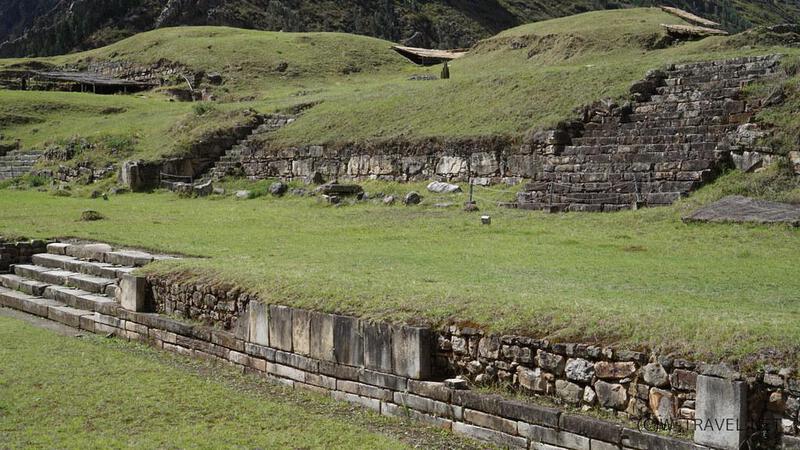
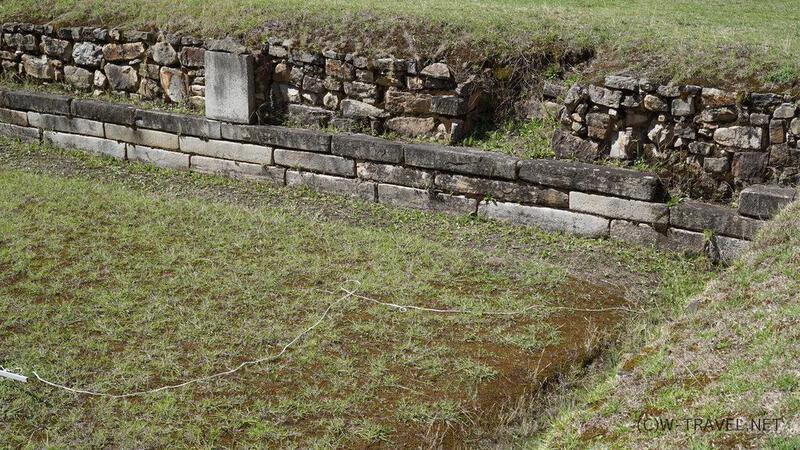
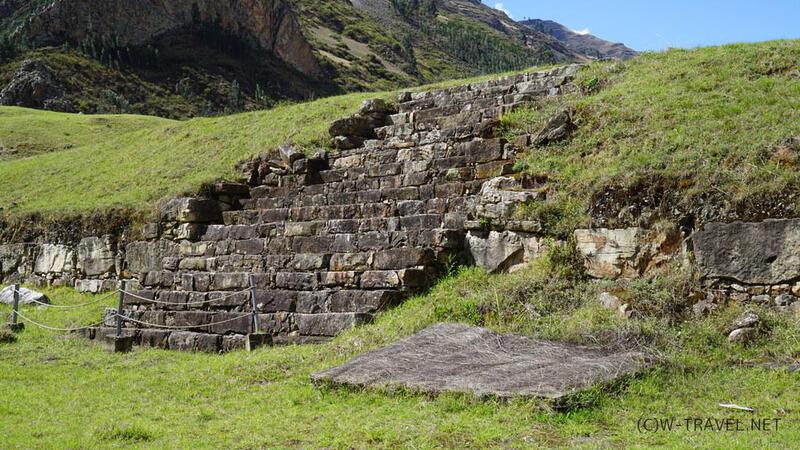
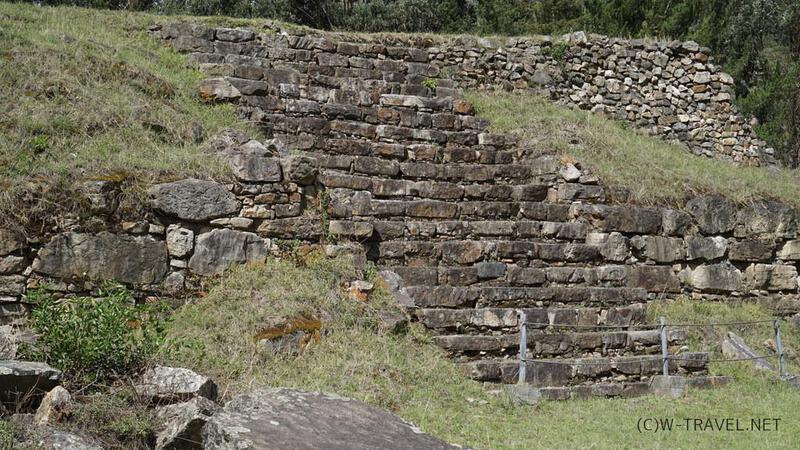
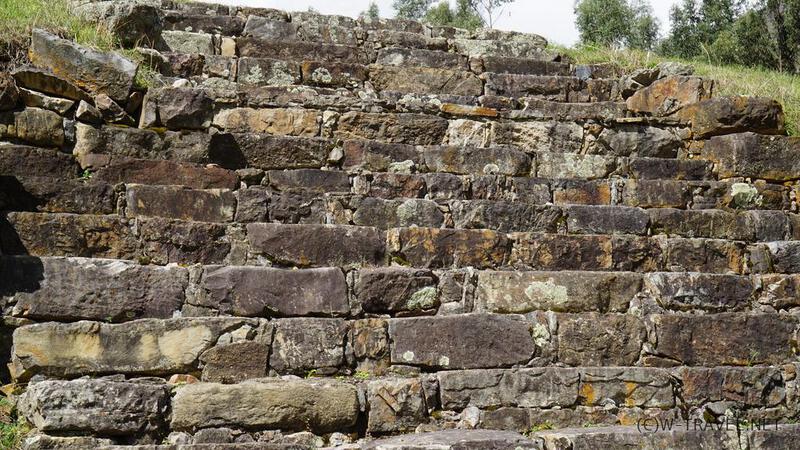
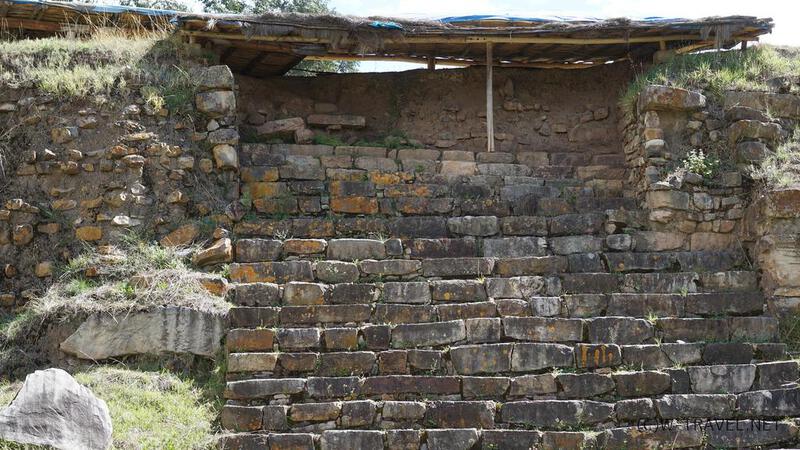
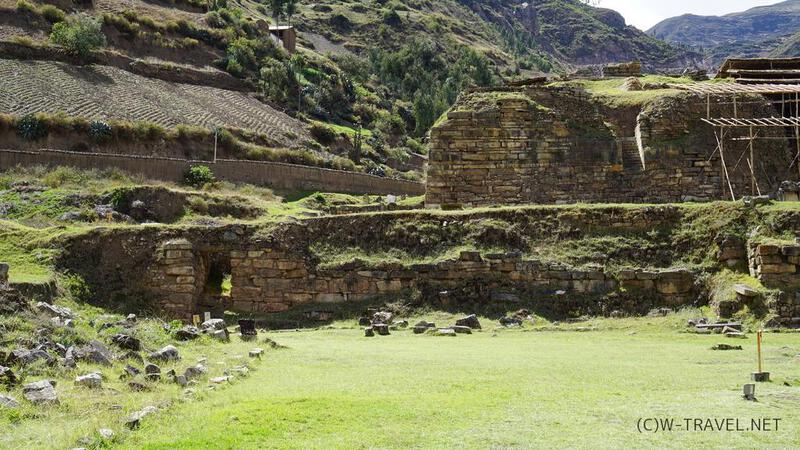
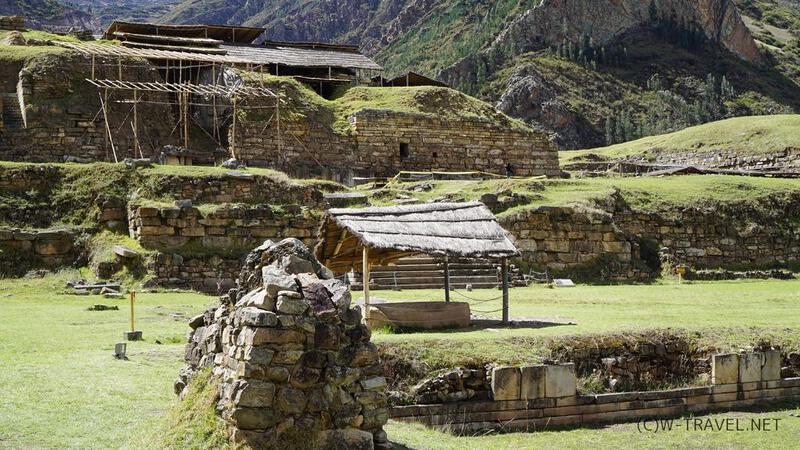
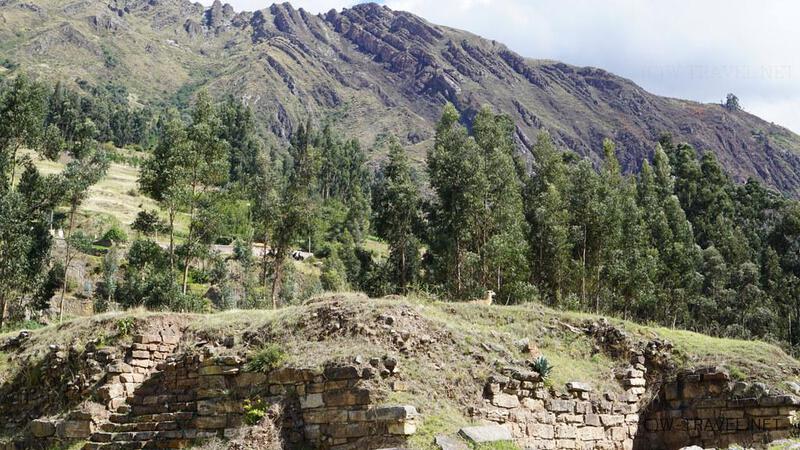
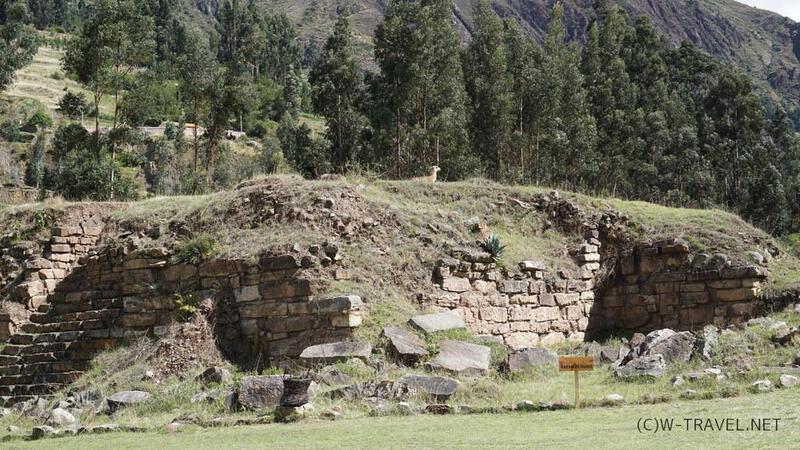
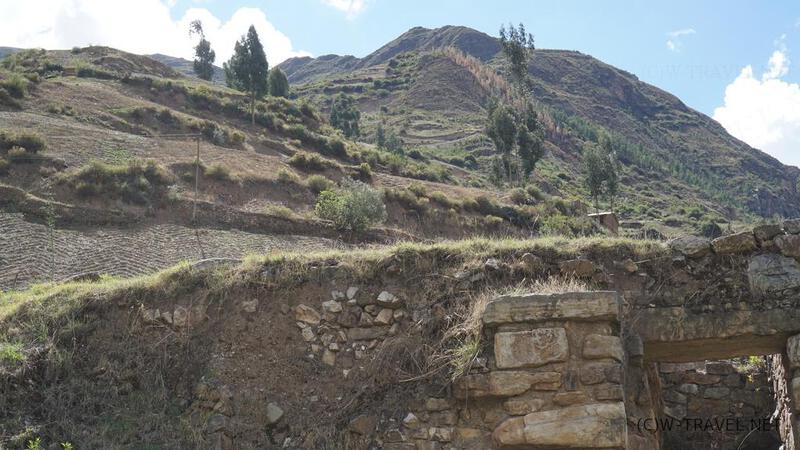
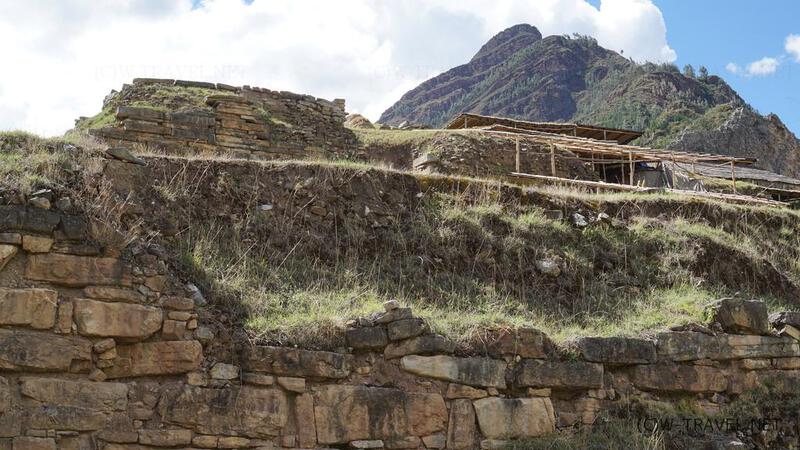
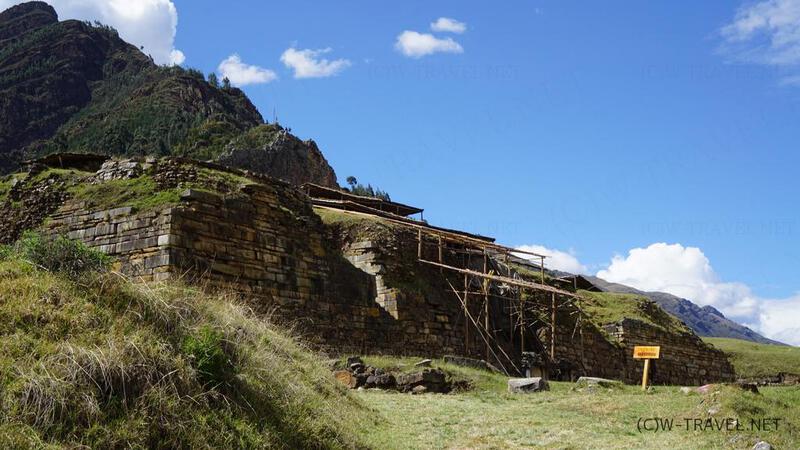
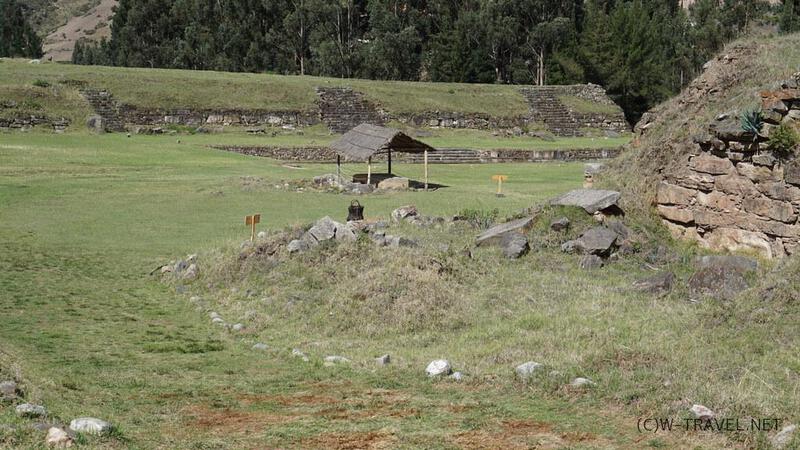
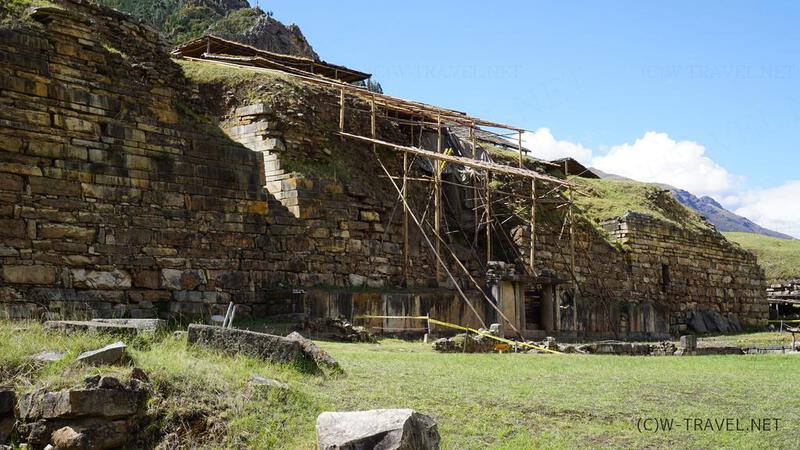
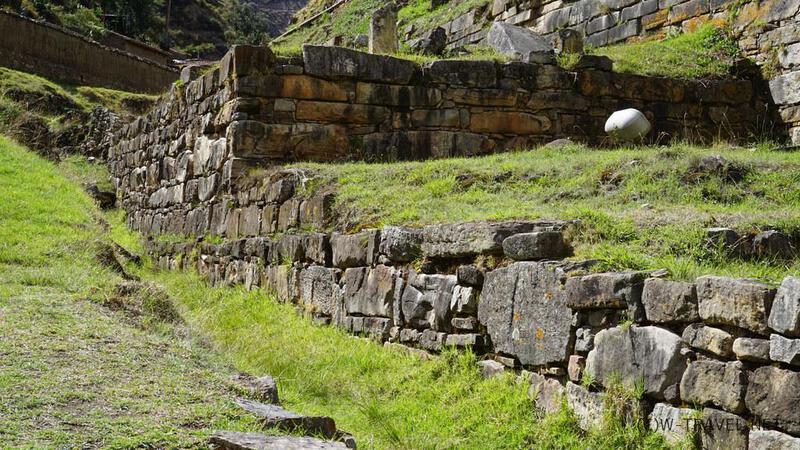
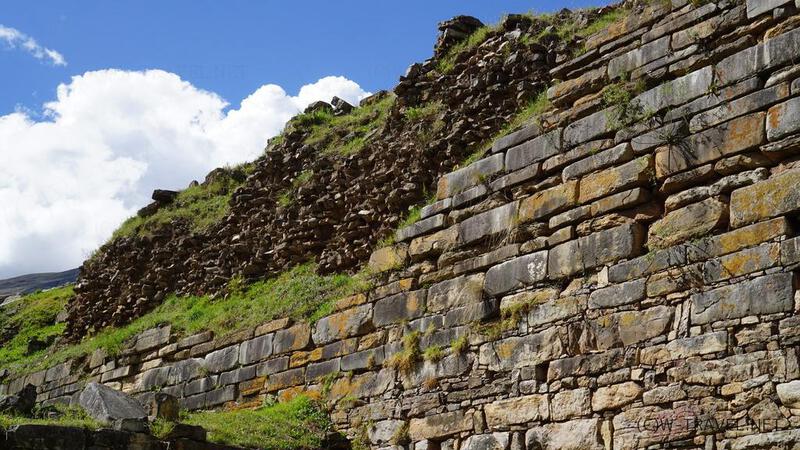
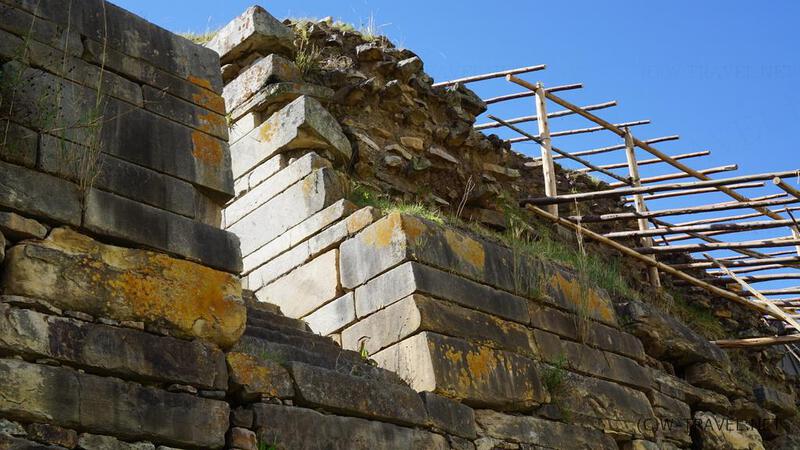
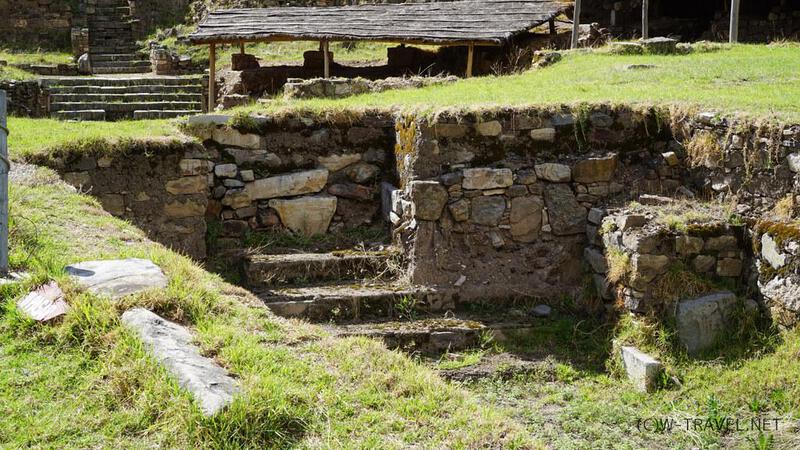
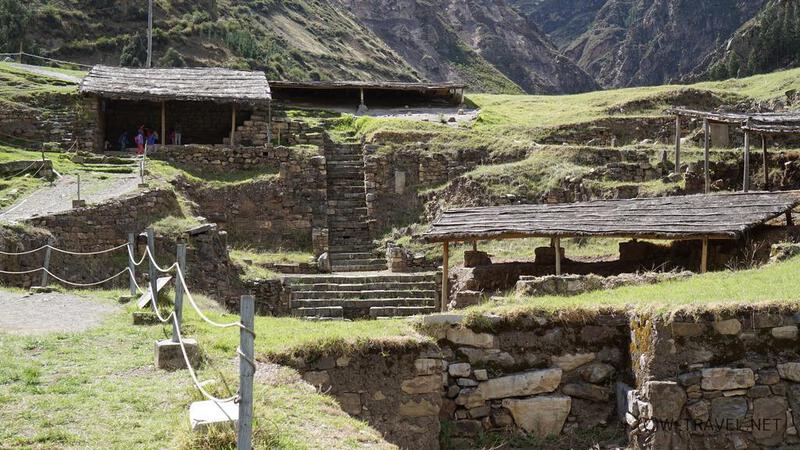
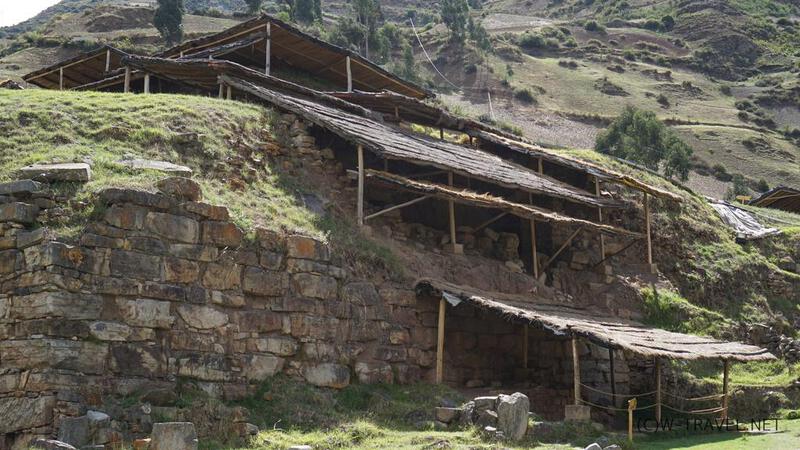
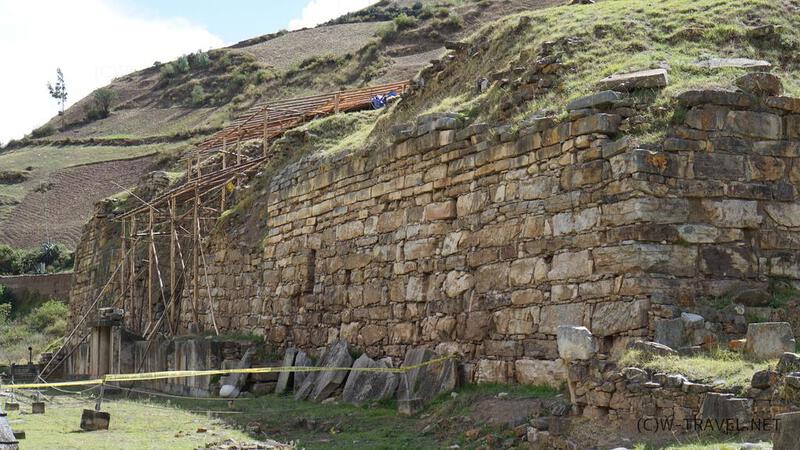
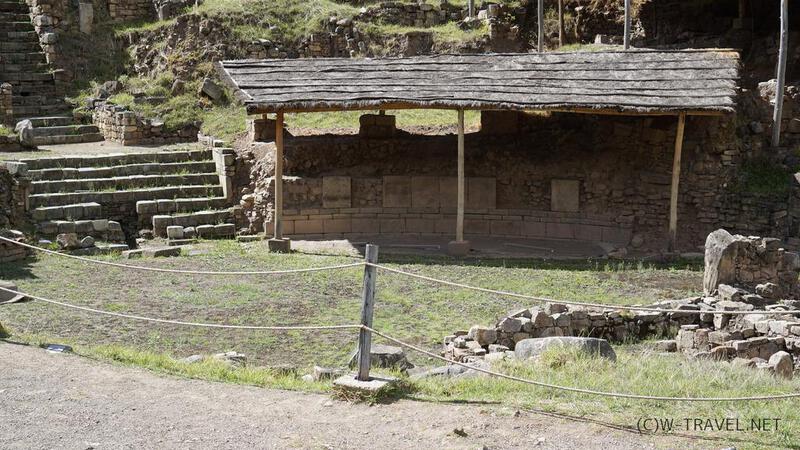
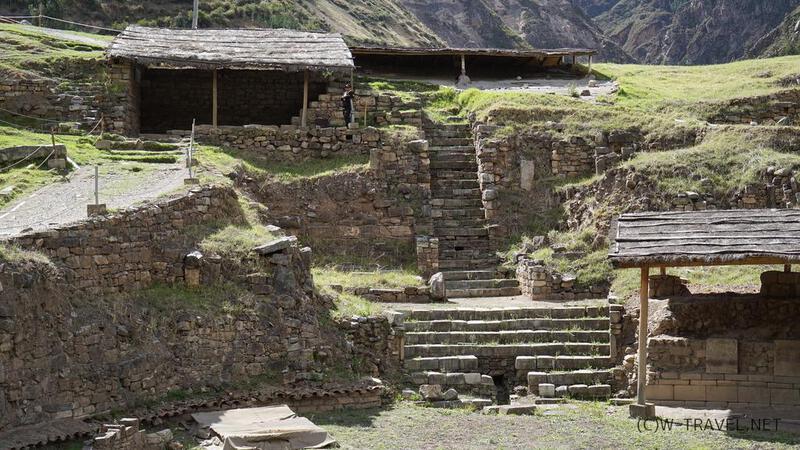
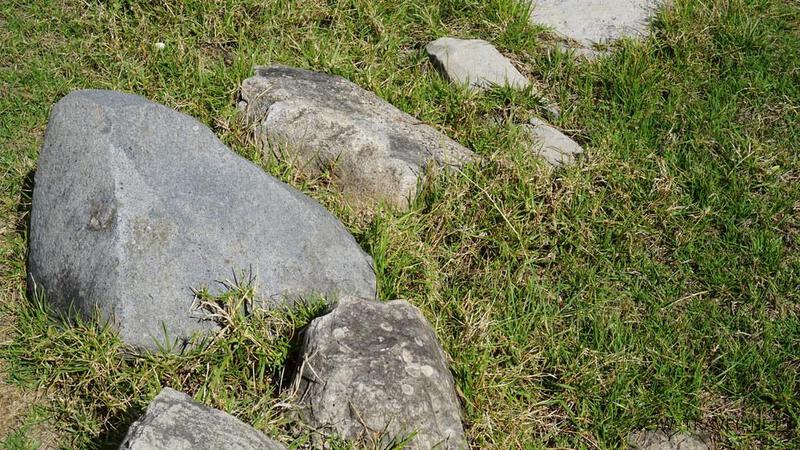
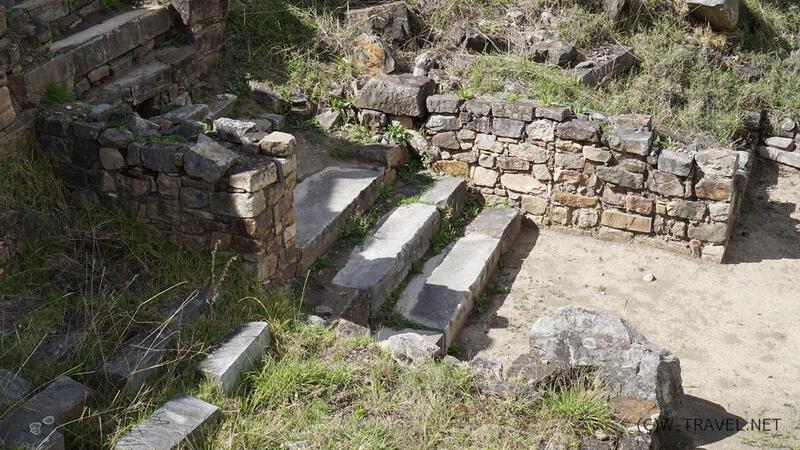
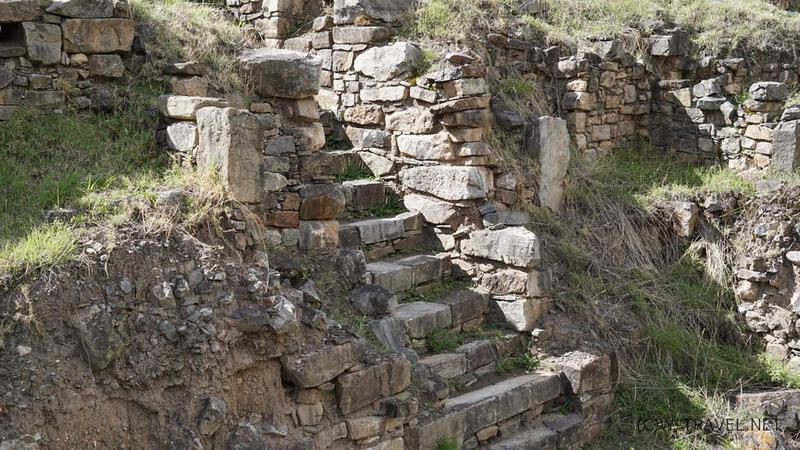
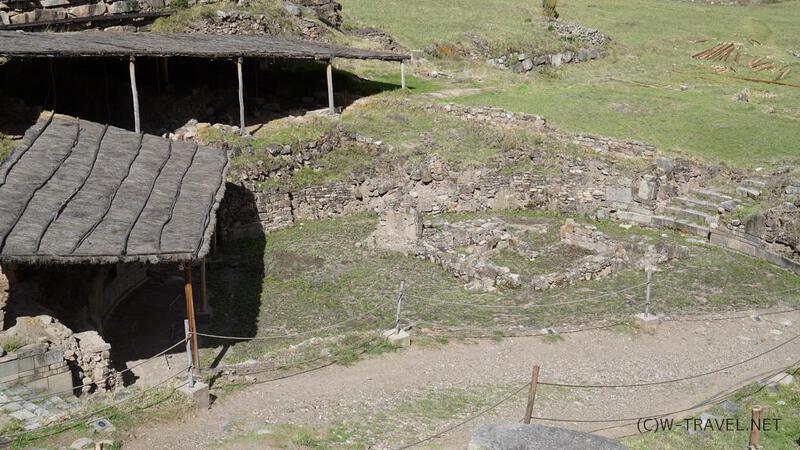
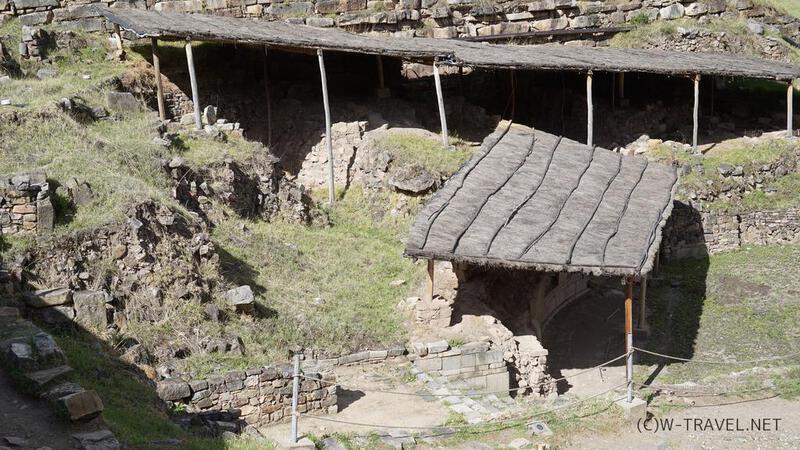
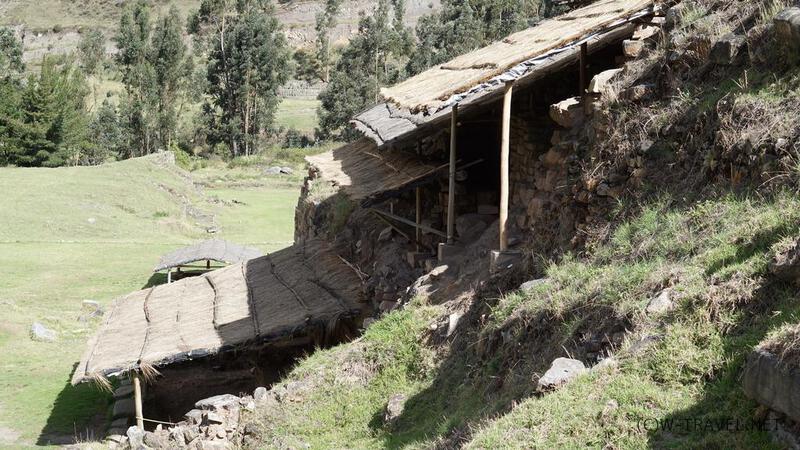
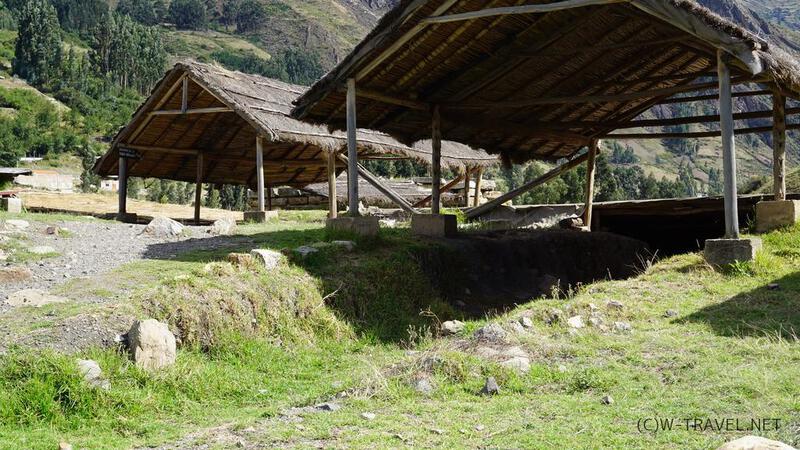
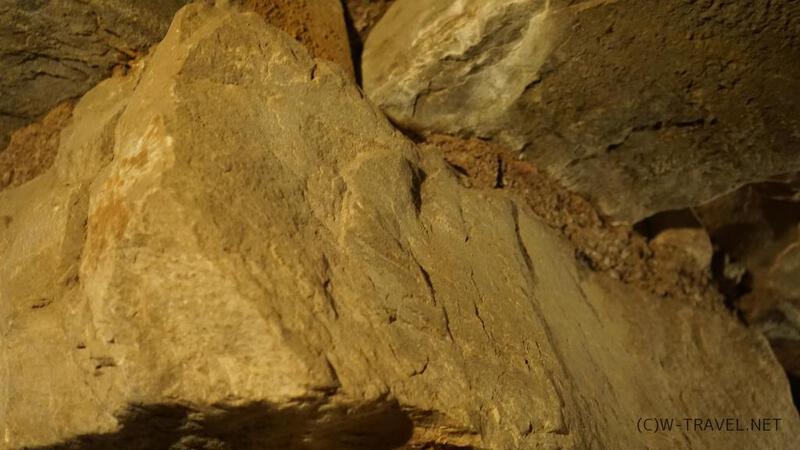
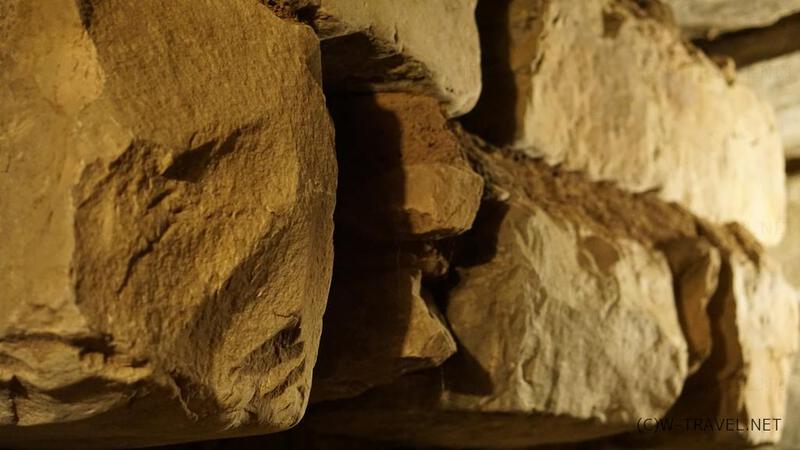
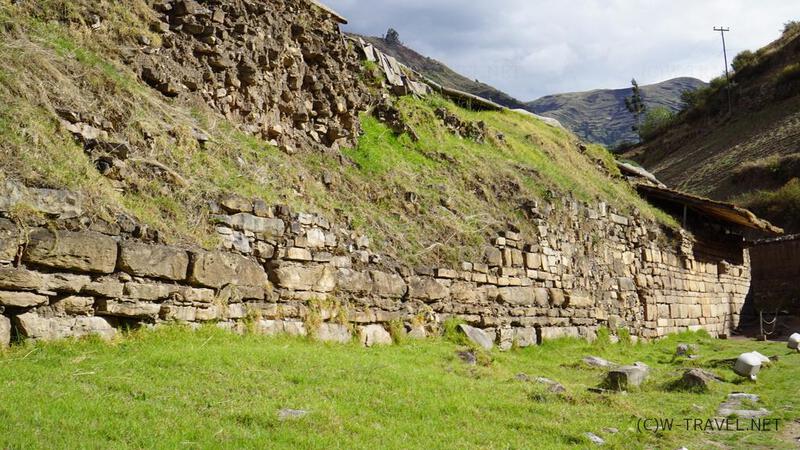
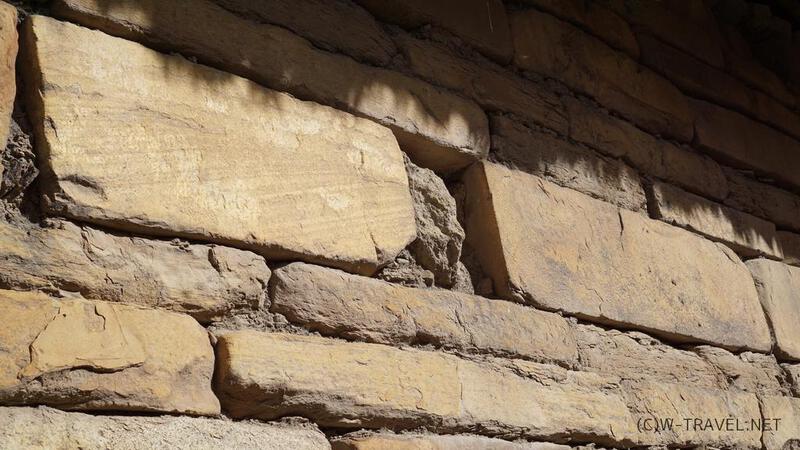
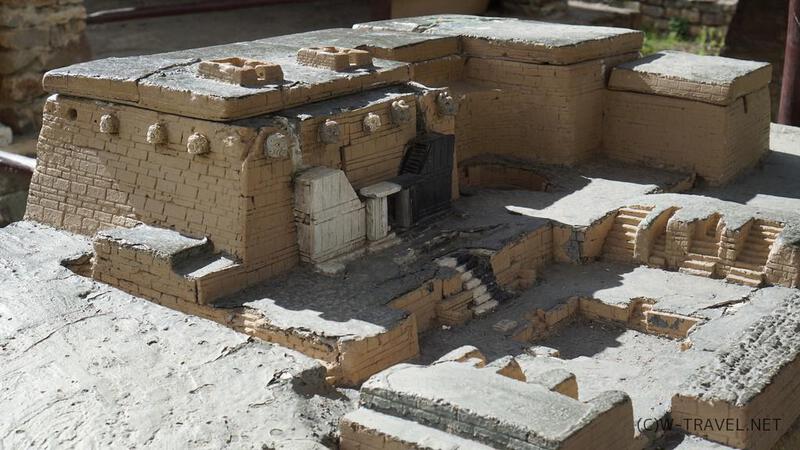
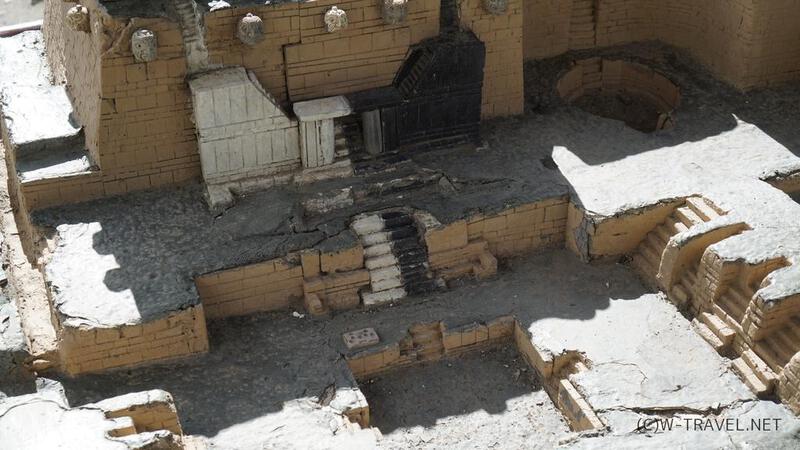
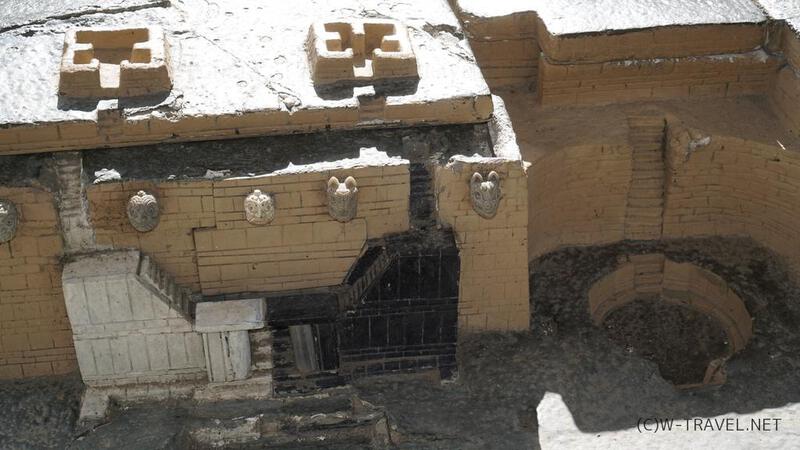
चाविन डे हुआंतर में स्थित चाविन पुरातात्विक स्थल, जहाँ लगभग 800 ईसा पूर्व का अवशेष इस संरक्षित अवस्था में मौजूद है, यह बहुत ही मूल्यवान है। माचू पिच्चू इंका साम्राज्य का है, इसलिए यह लगभग 500 साल पुराना है, लेकिन चाविन डे हुआंतर का इतिहास बहुत पुराना है।
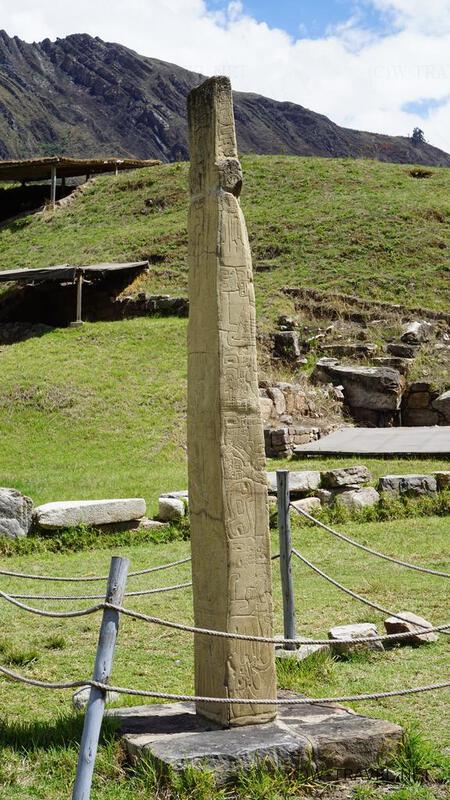
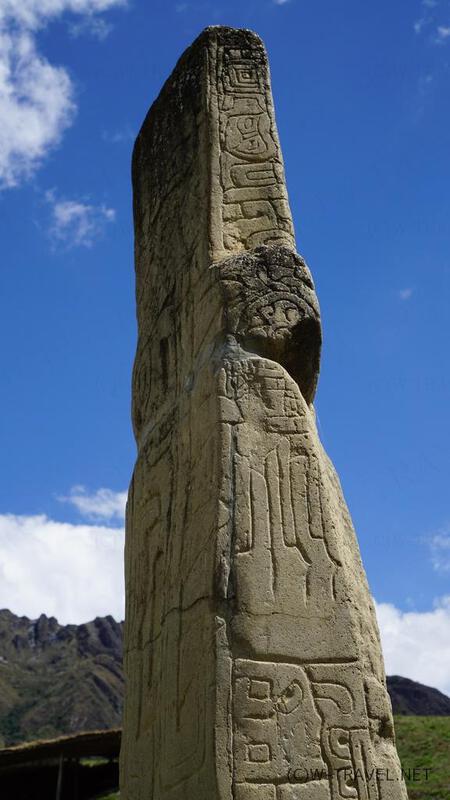
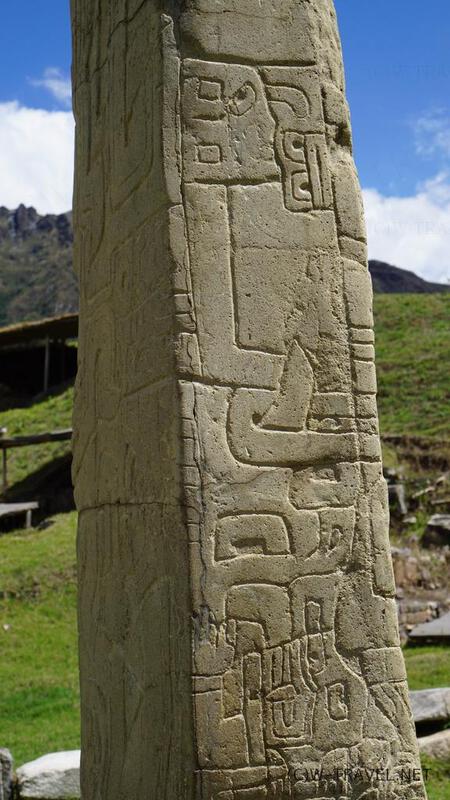
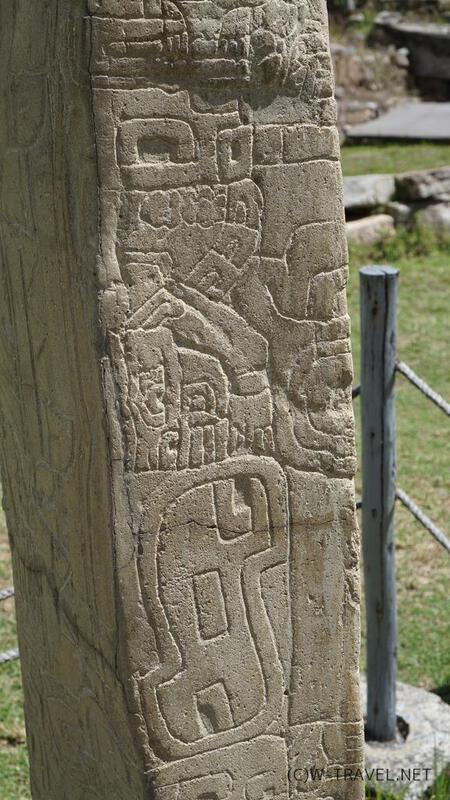
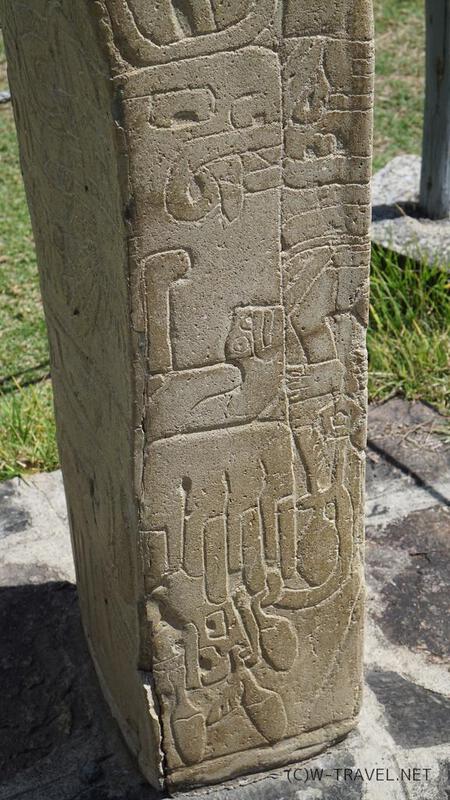
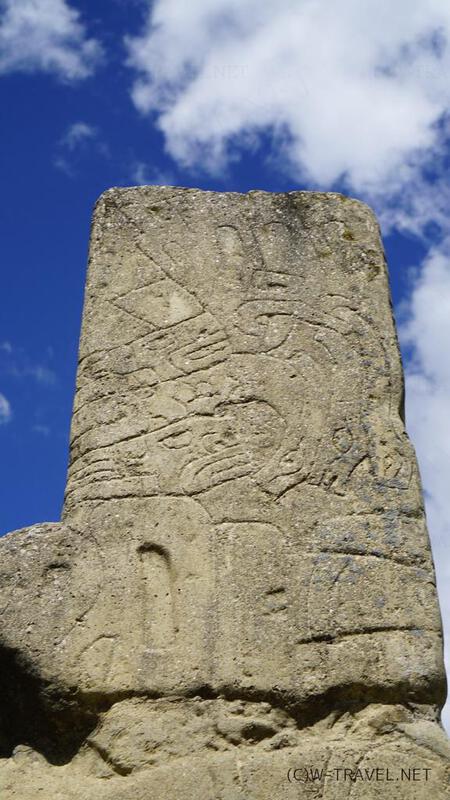
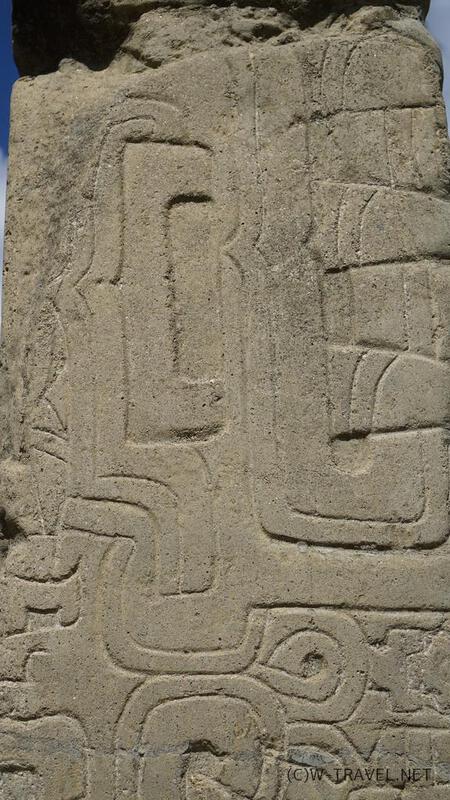
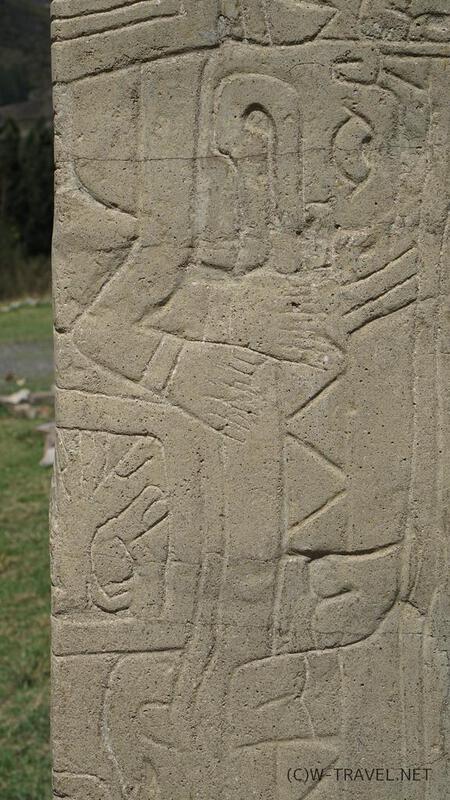
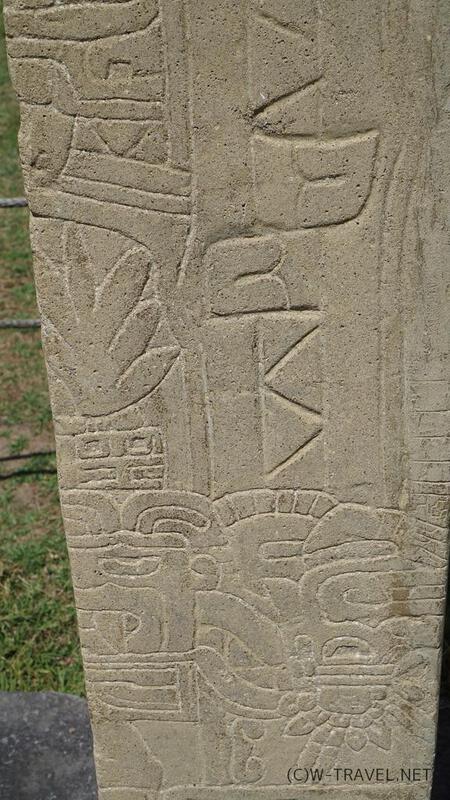
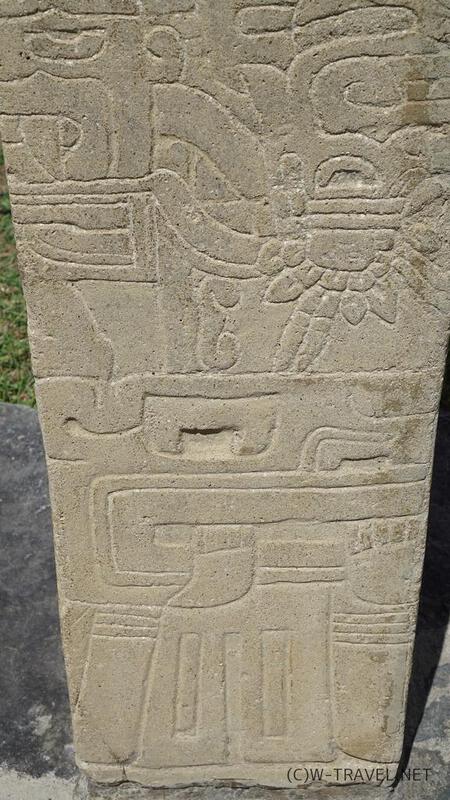
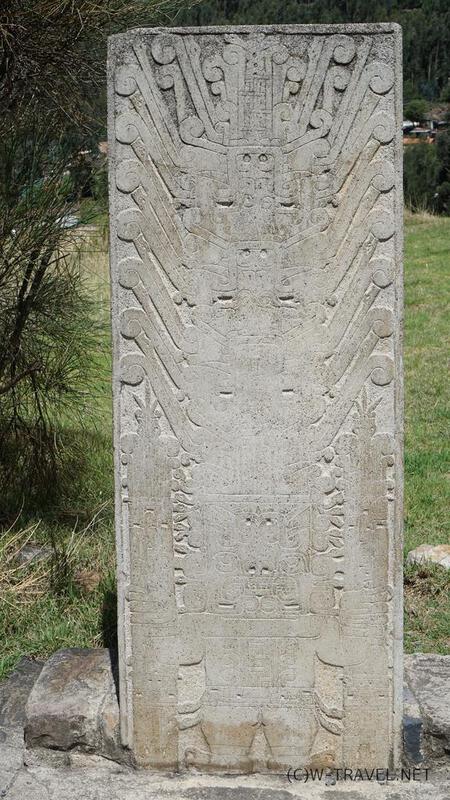
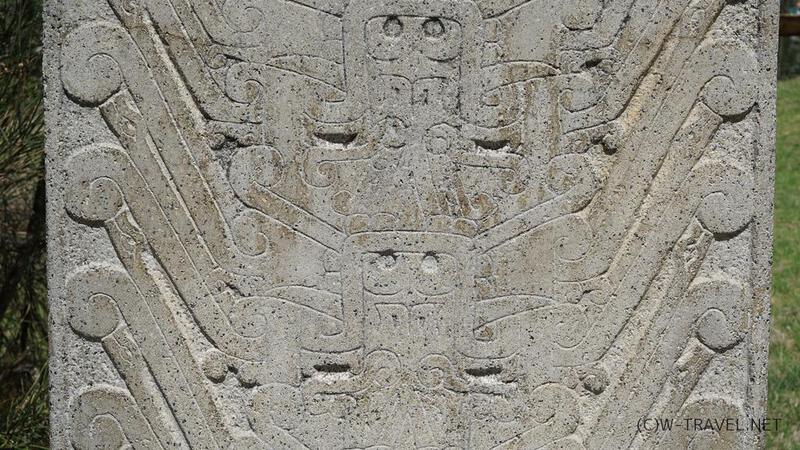
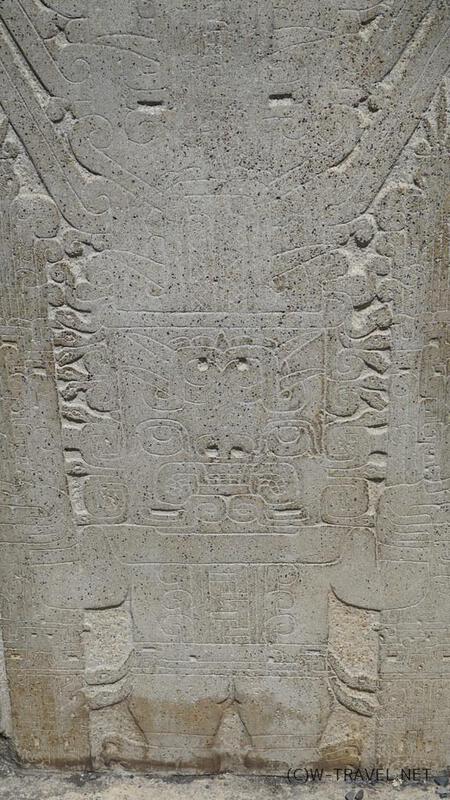
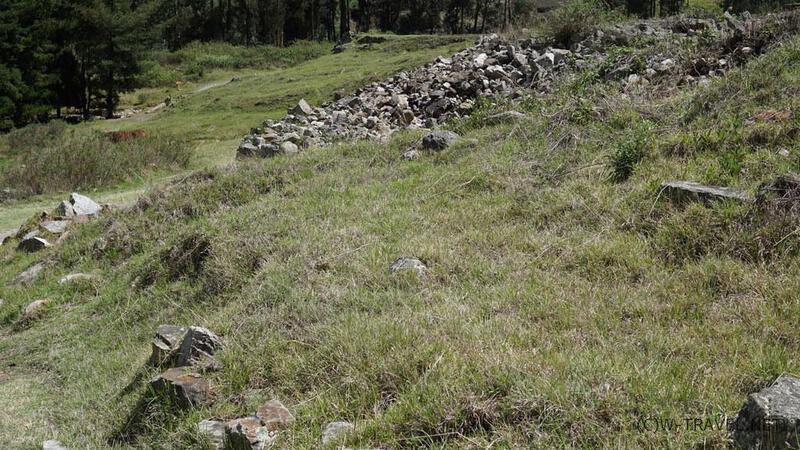
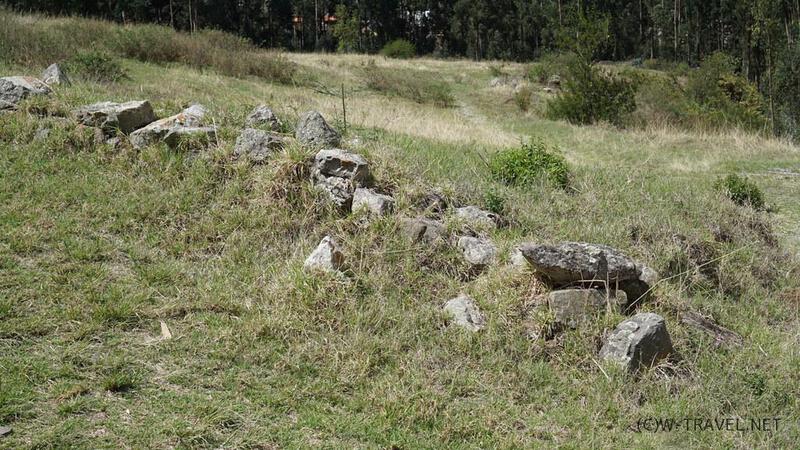
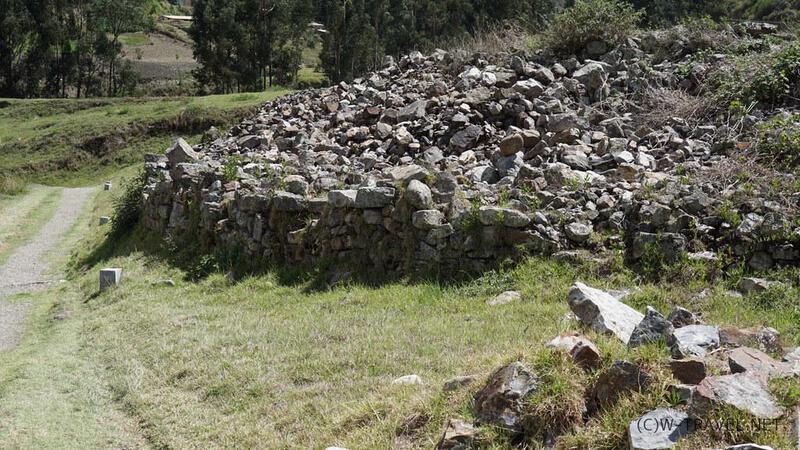
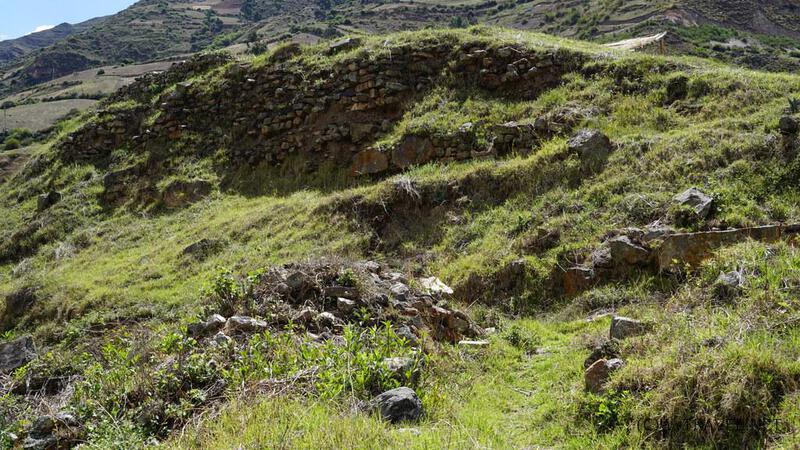
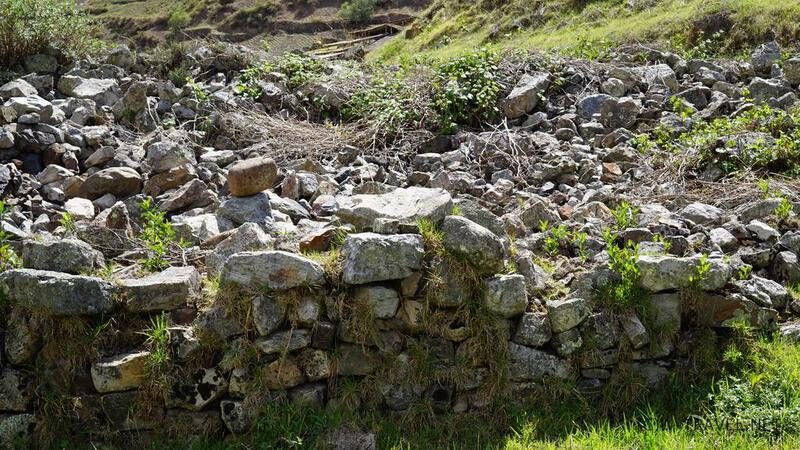
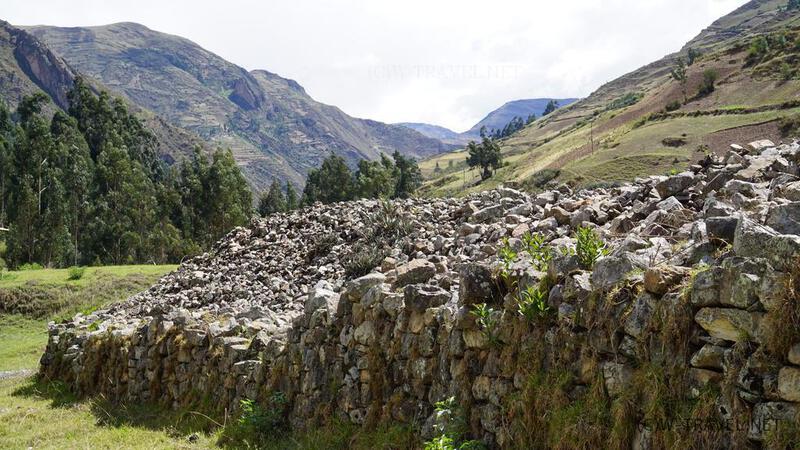
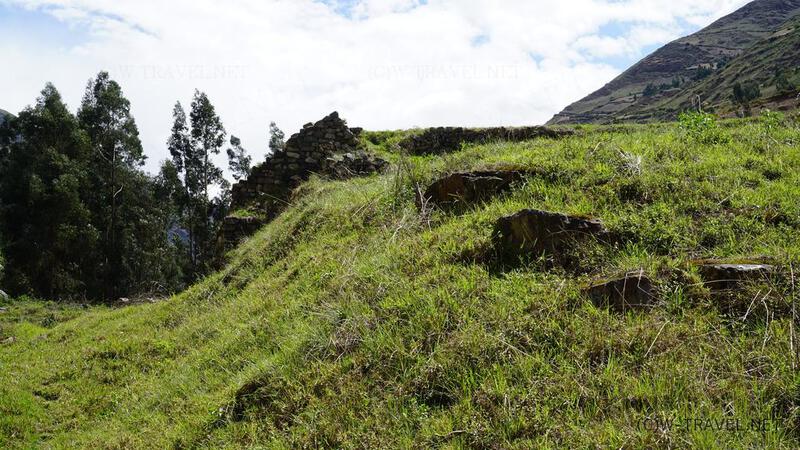
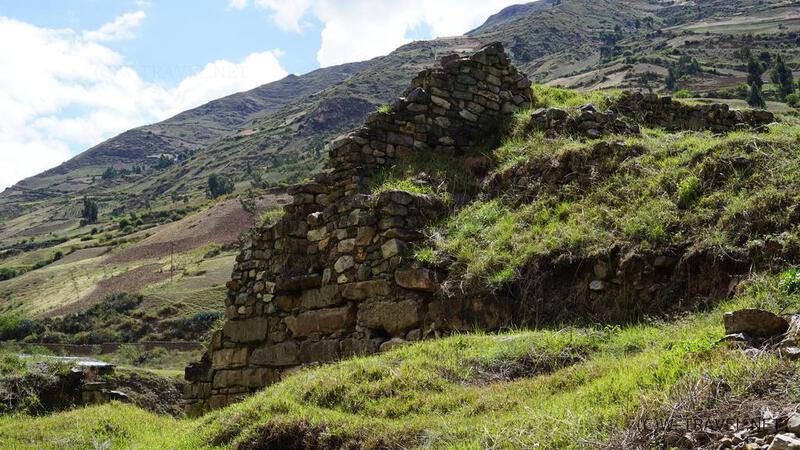
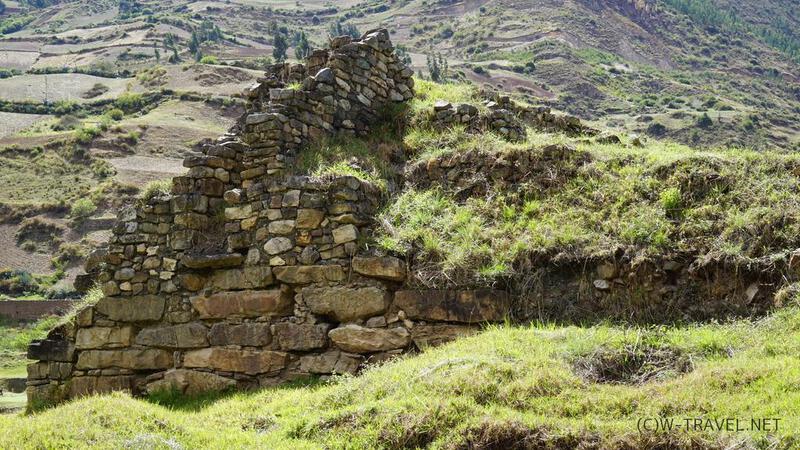
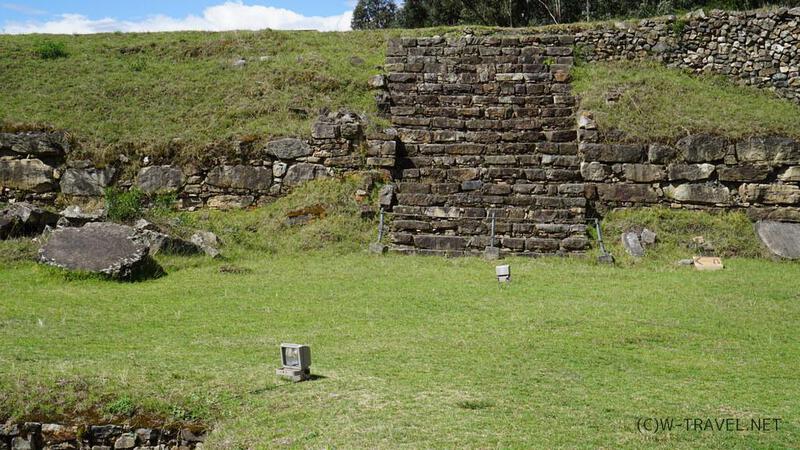
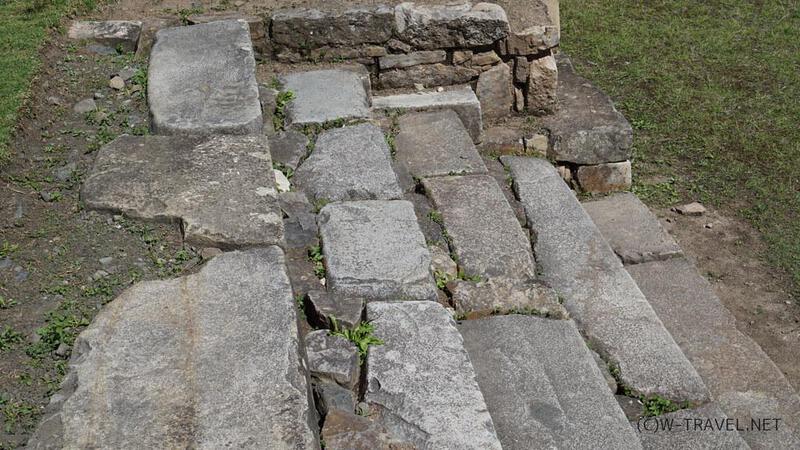
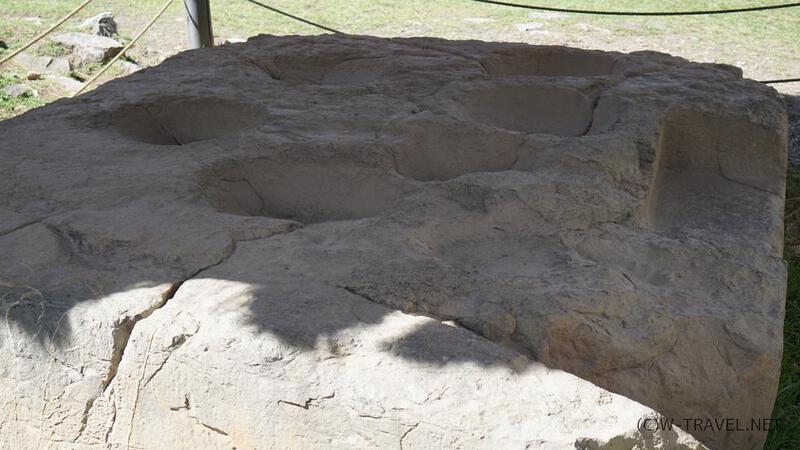
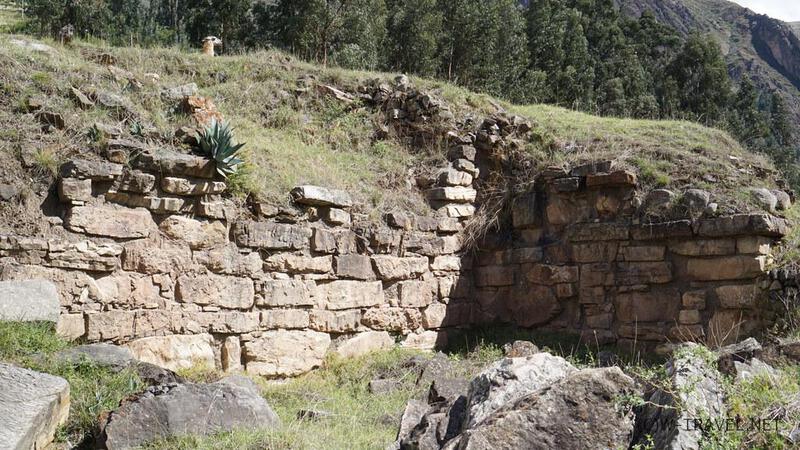
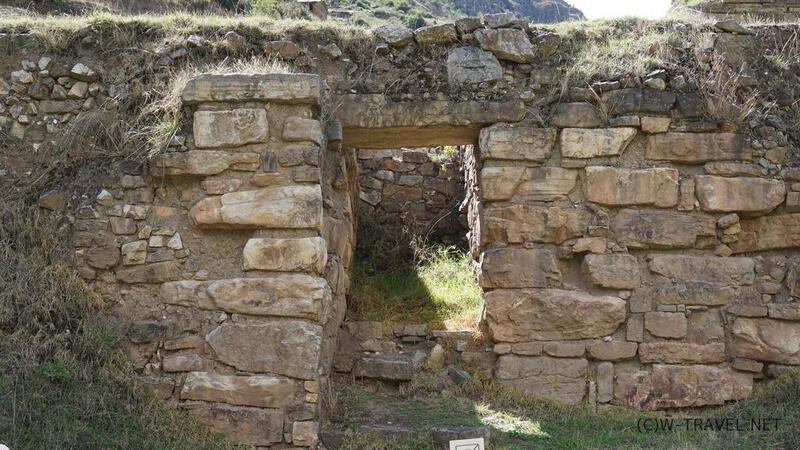
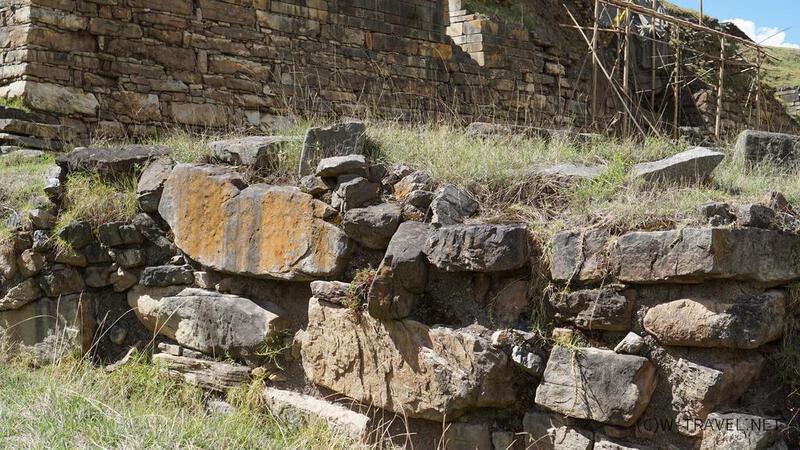
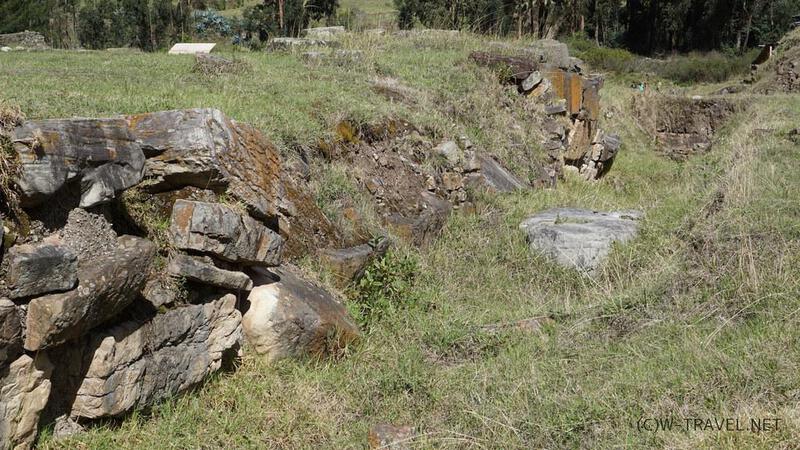
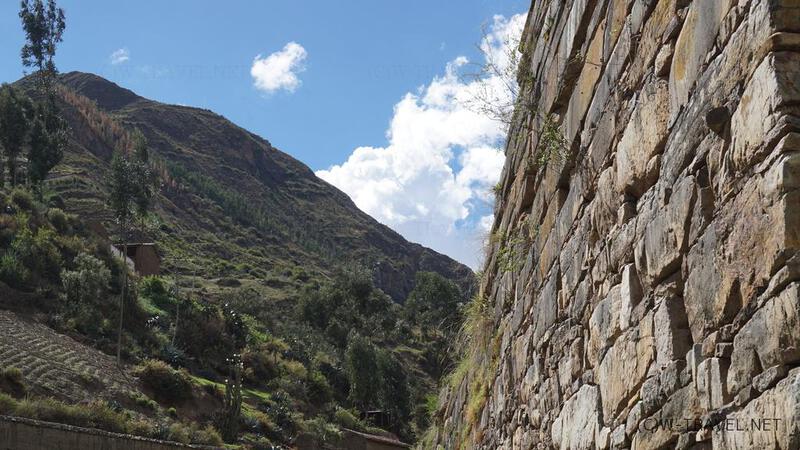
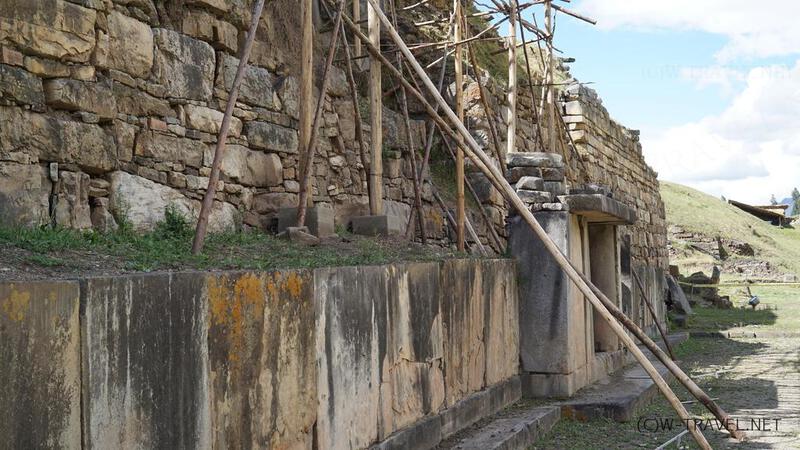
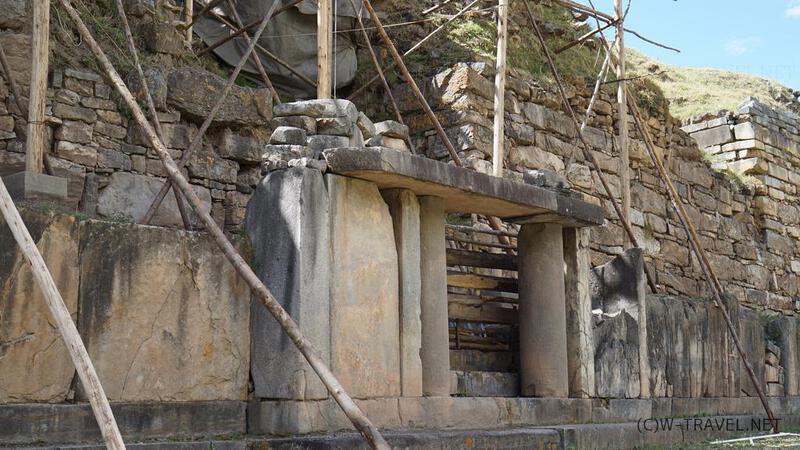
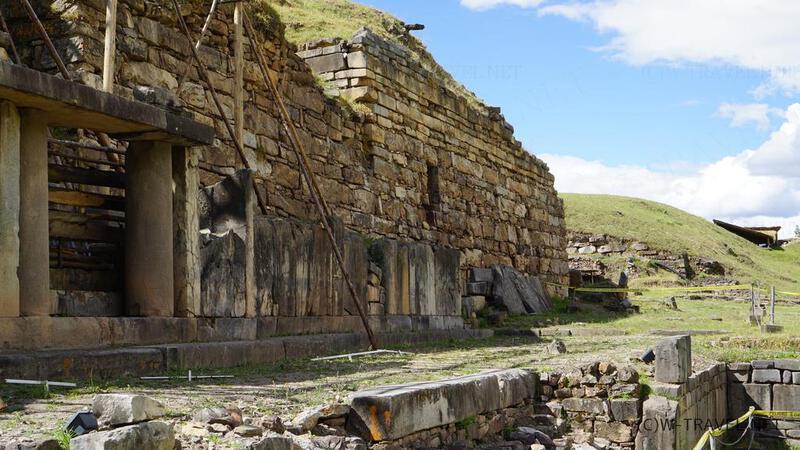
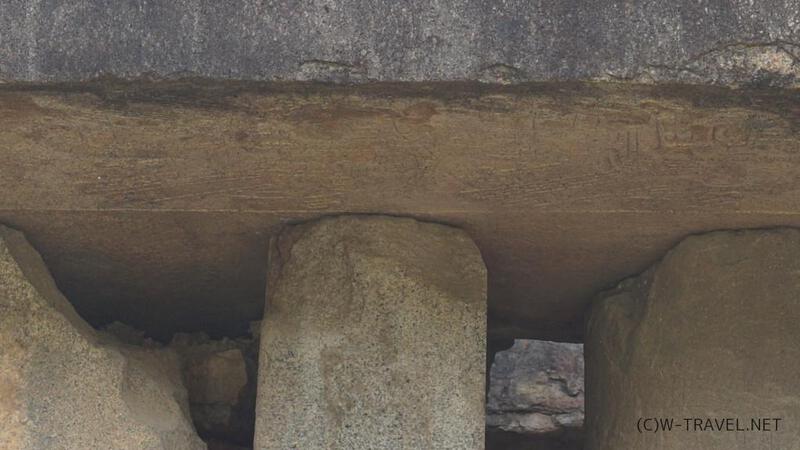
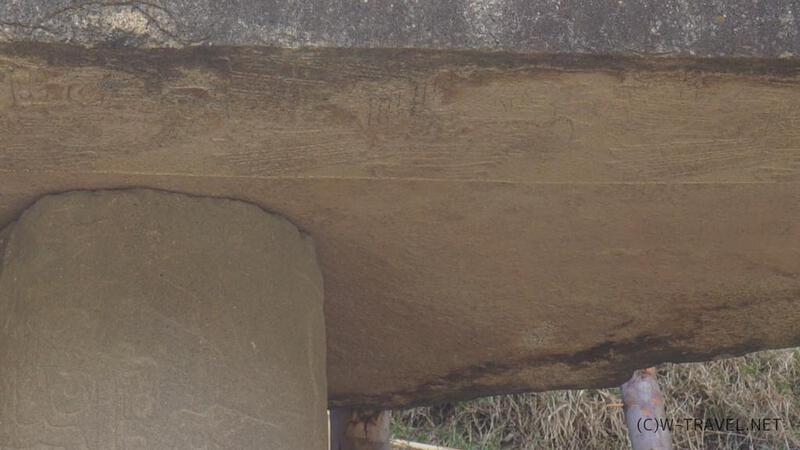
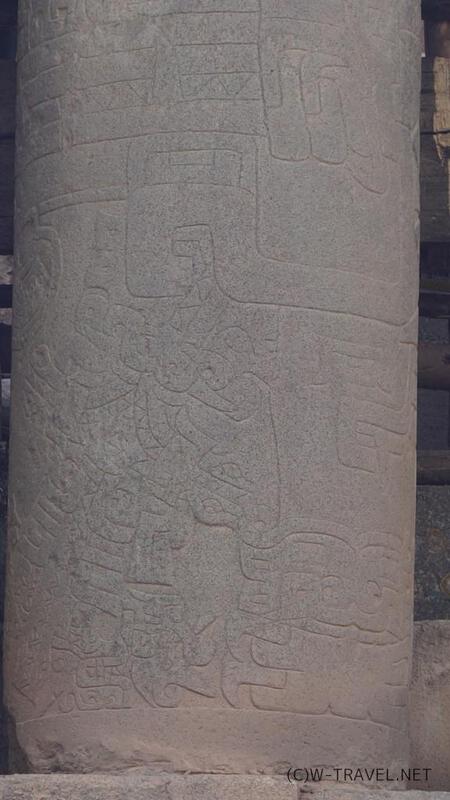
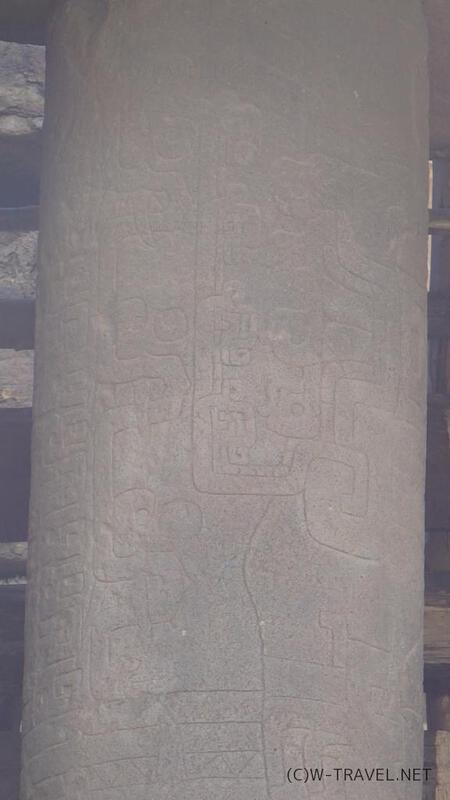
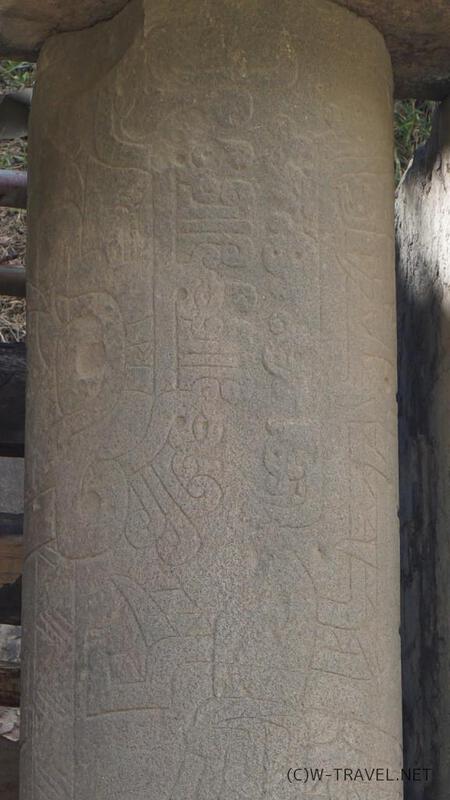
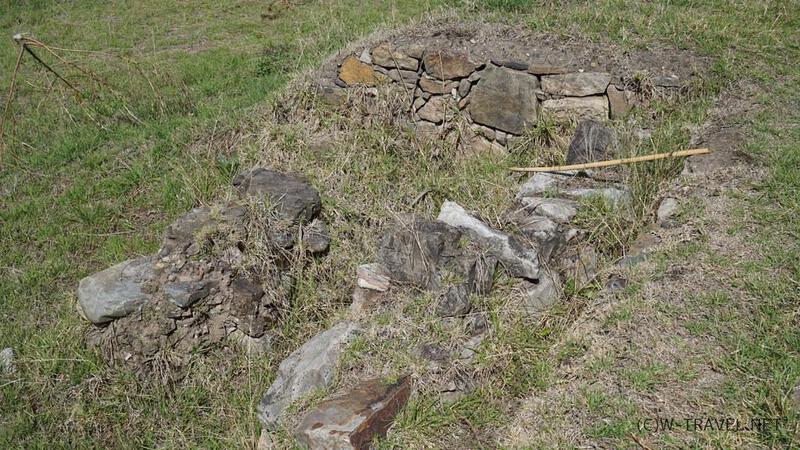
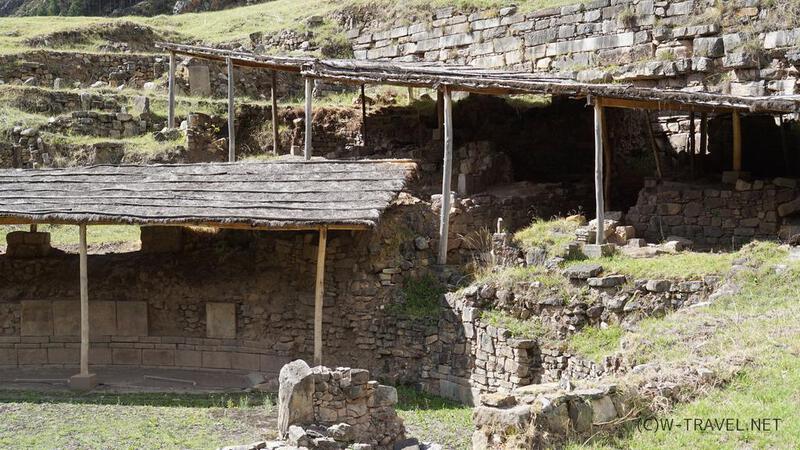
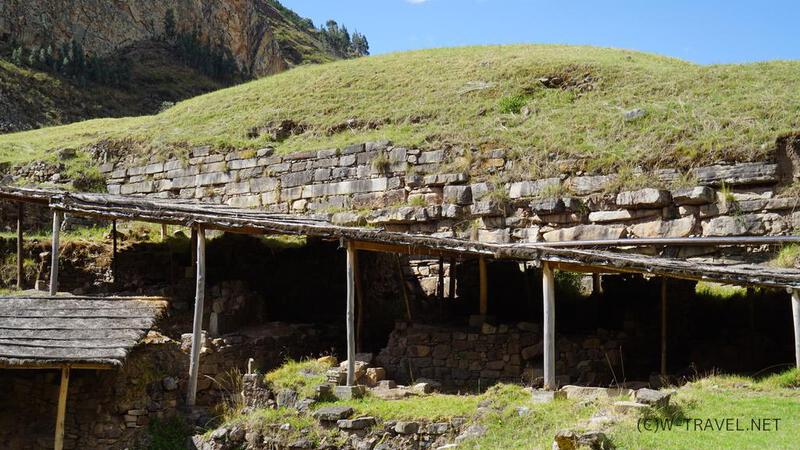
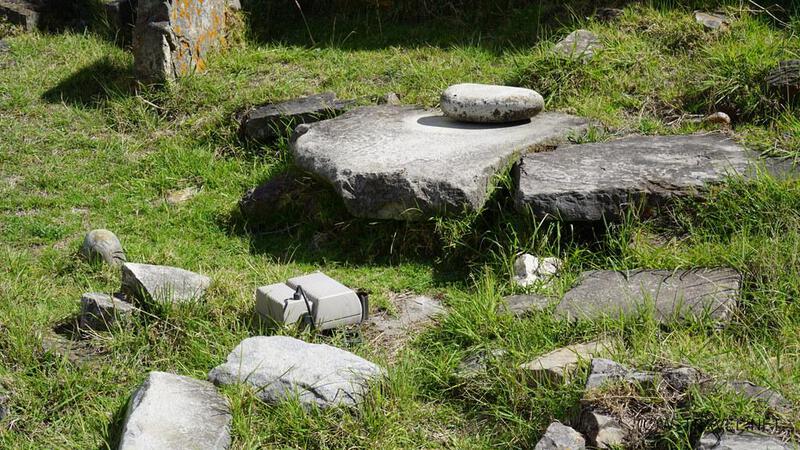
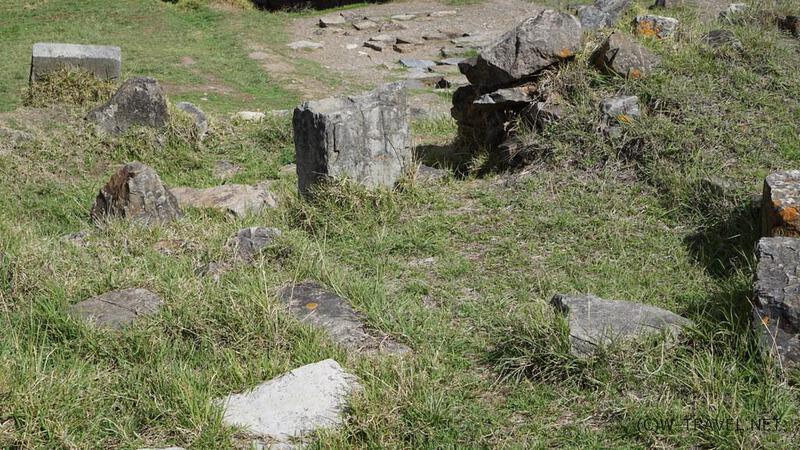
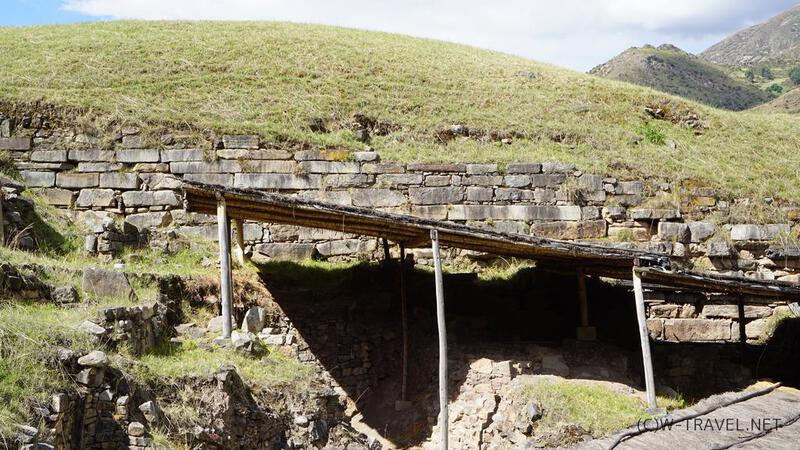
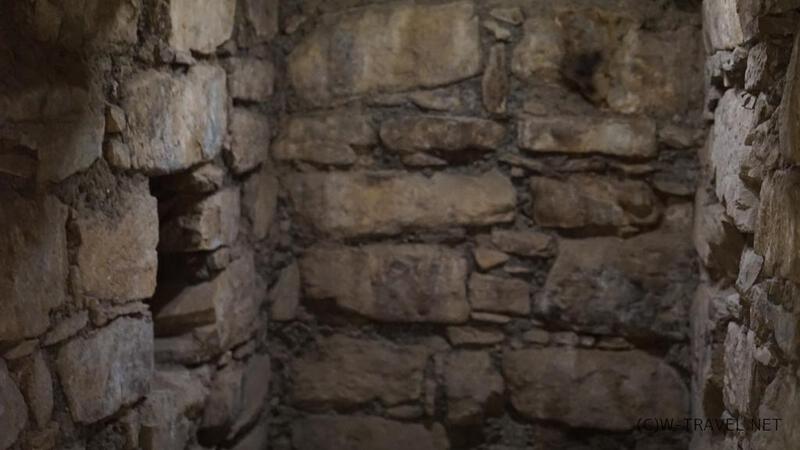
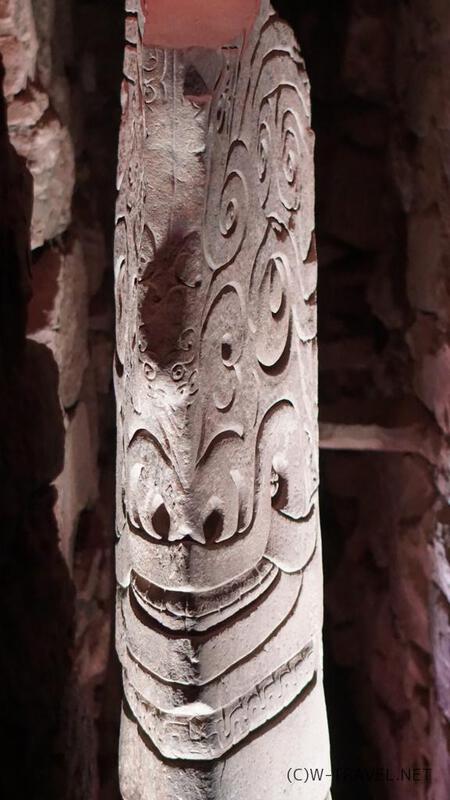
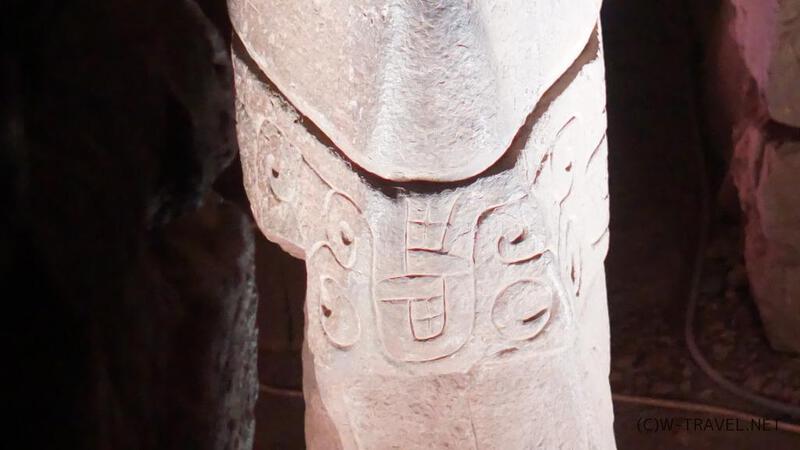
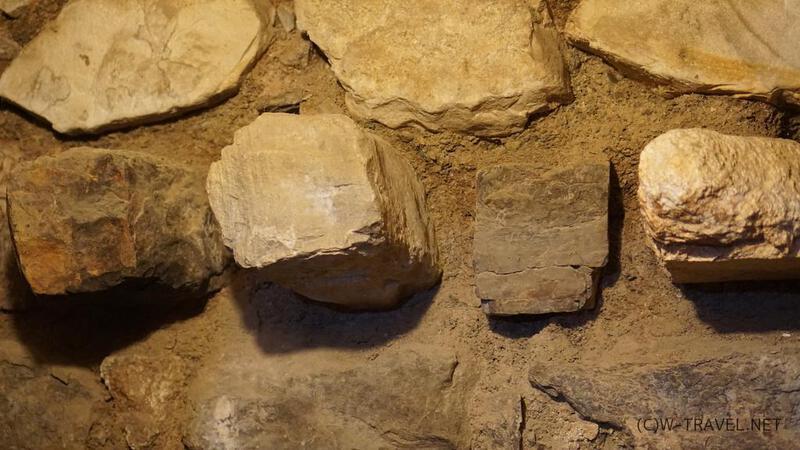
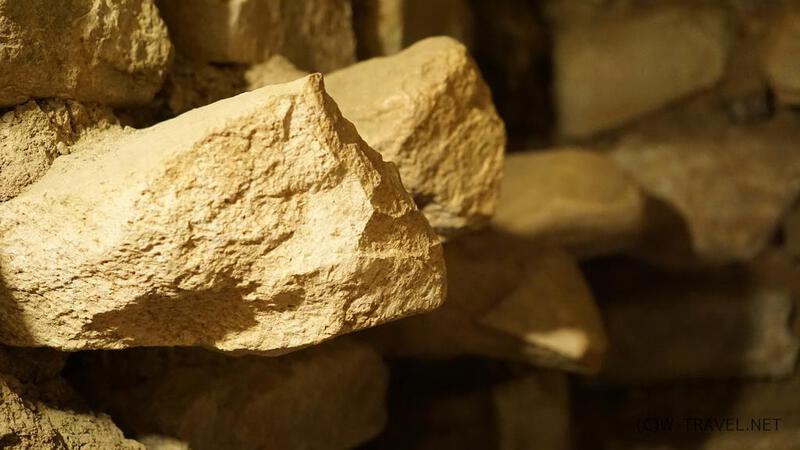
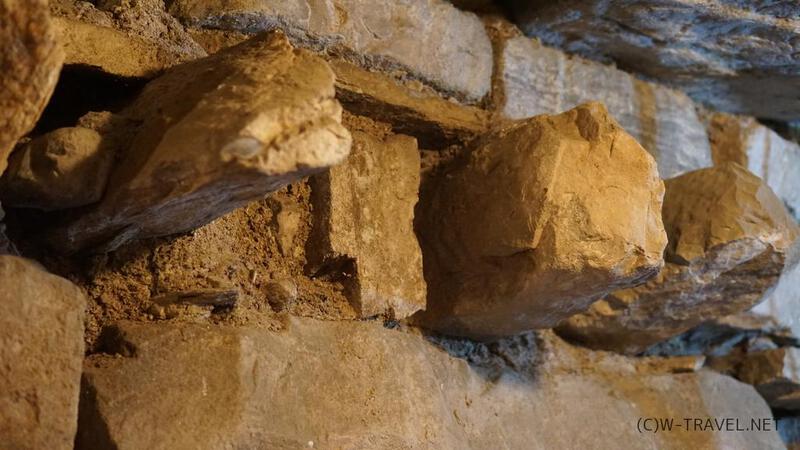
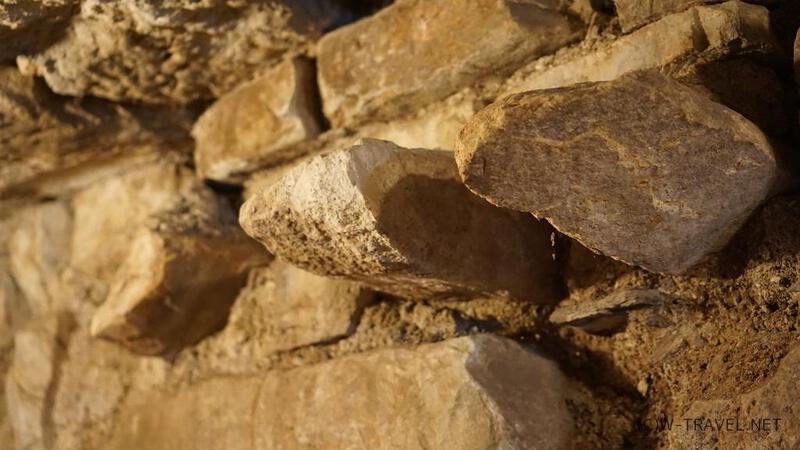
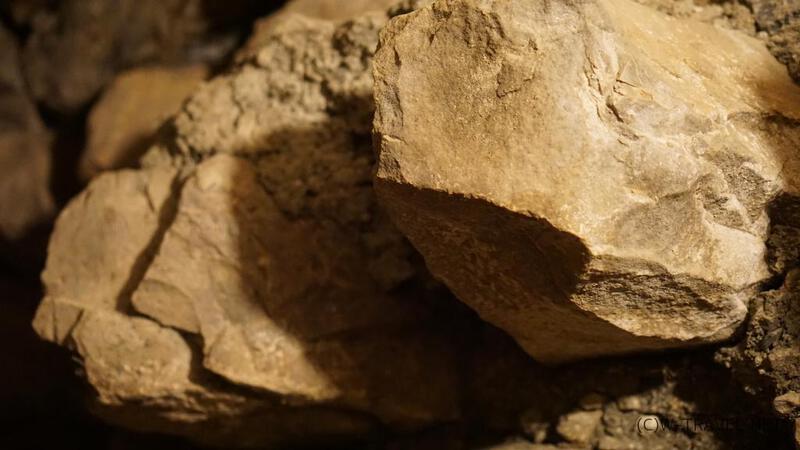
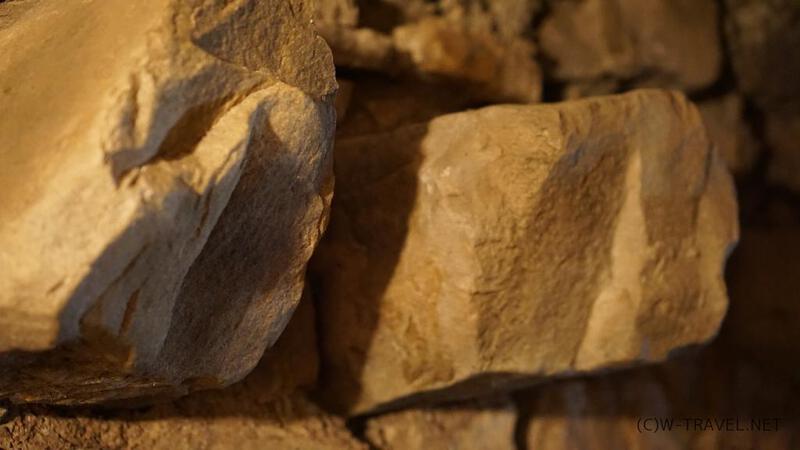
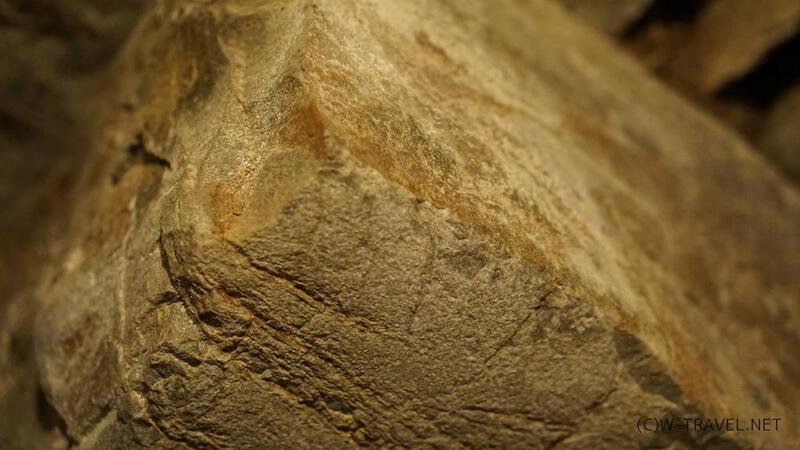
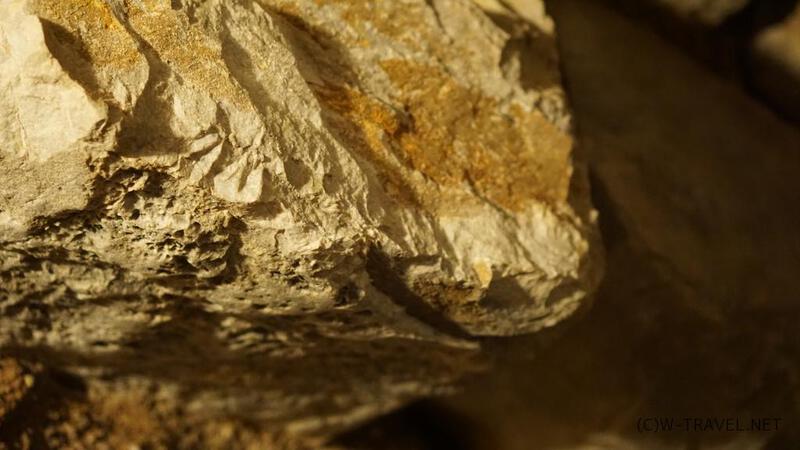
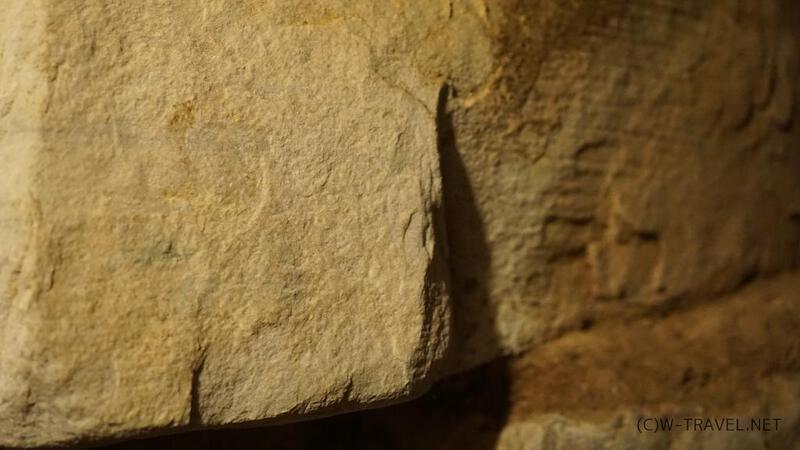
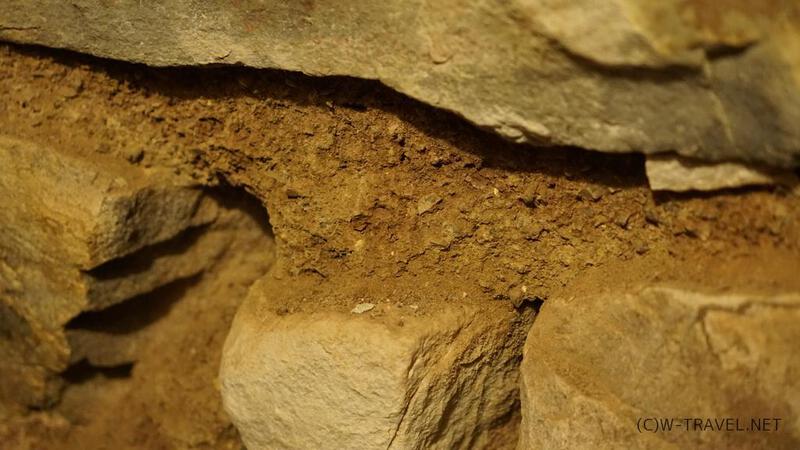
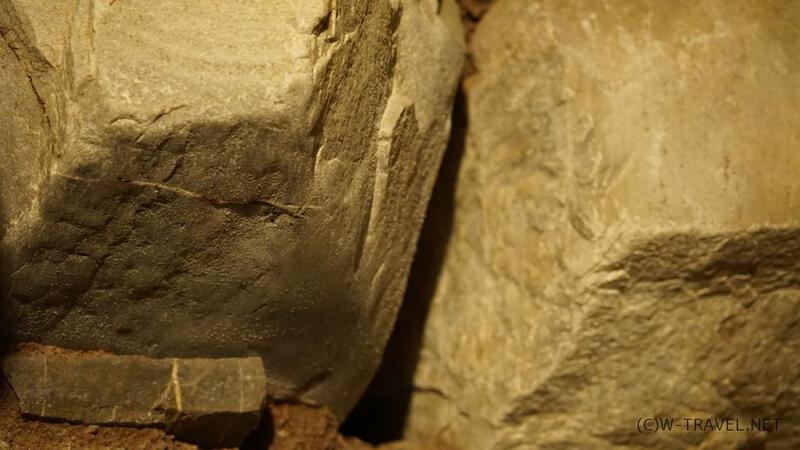
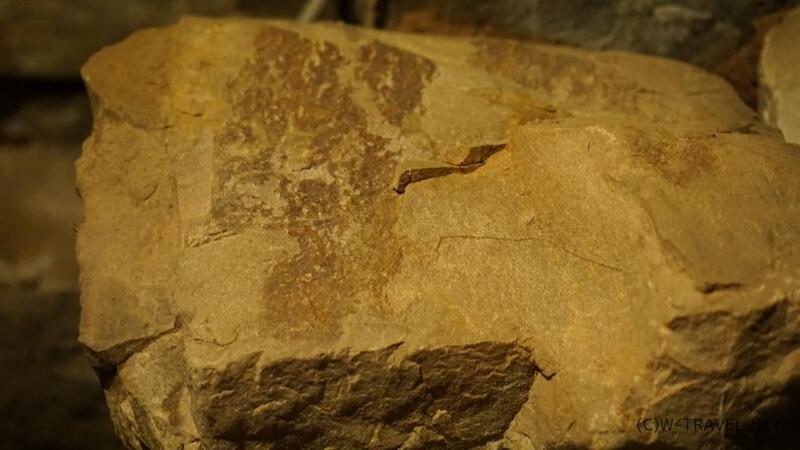
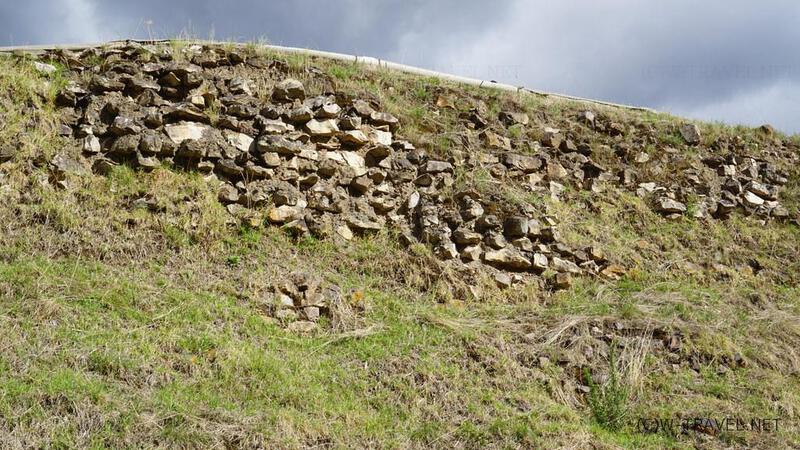
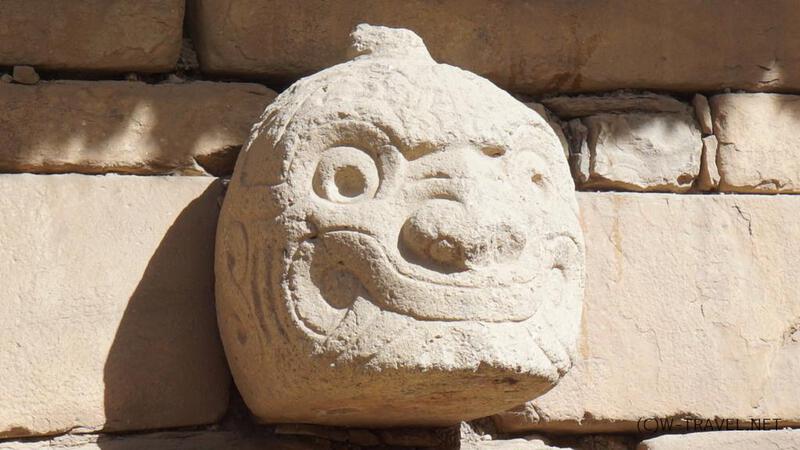
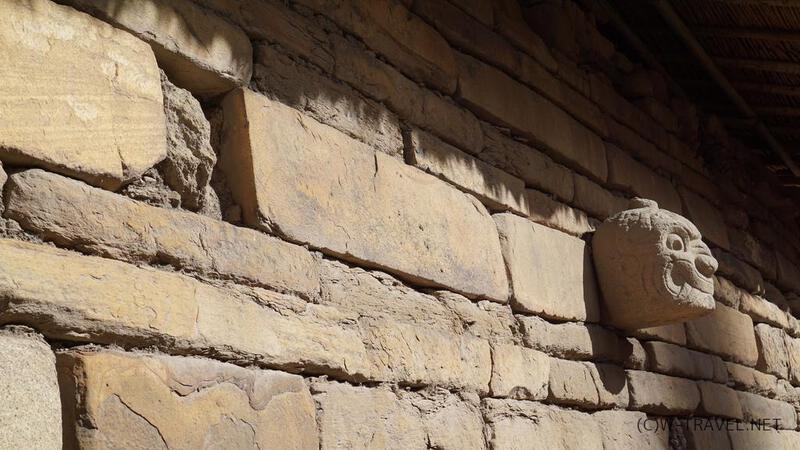
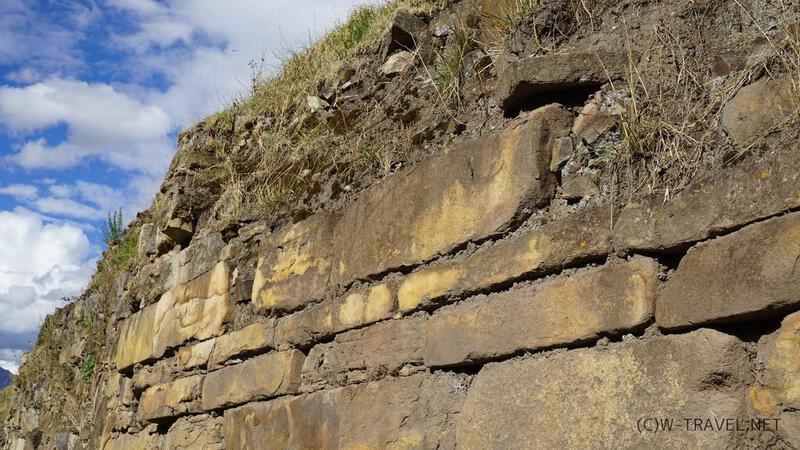
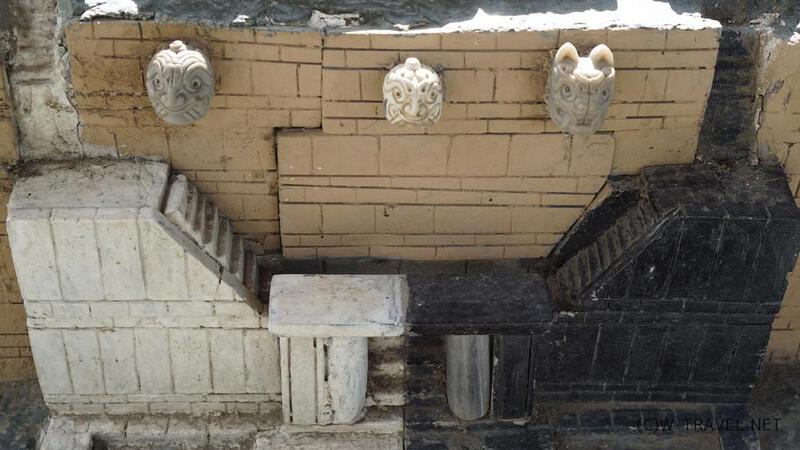
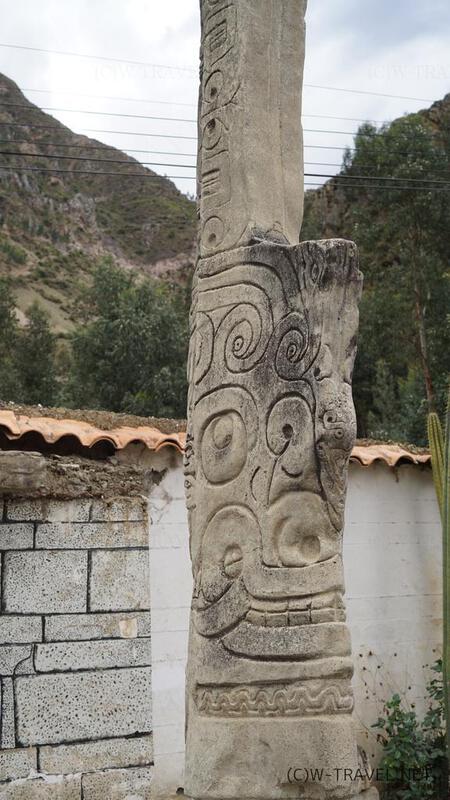
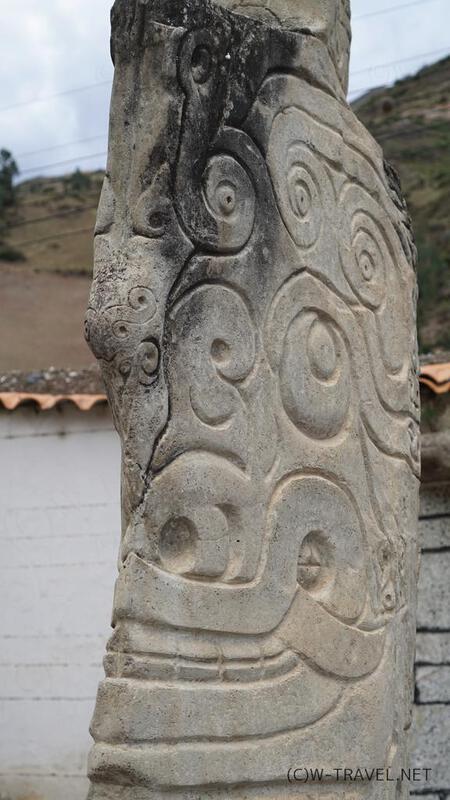
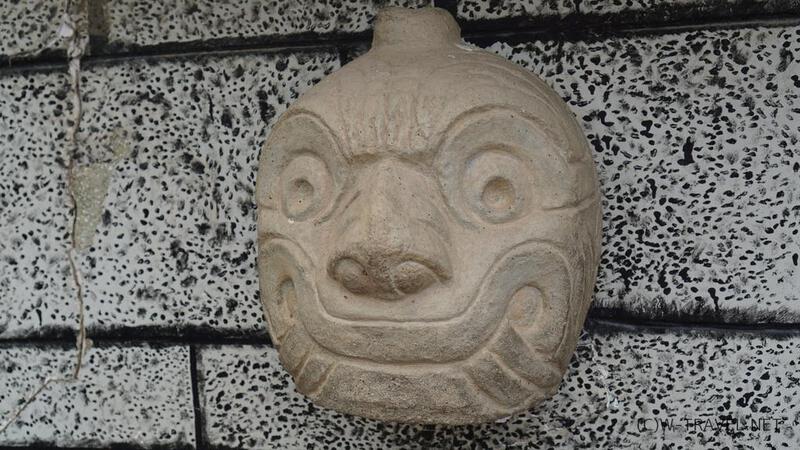
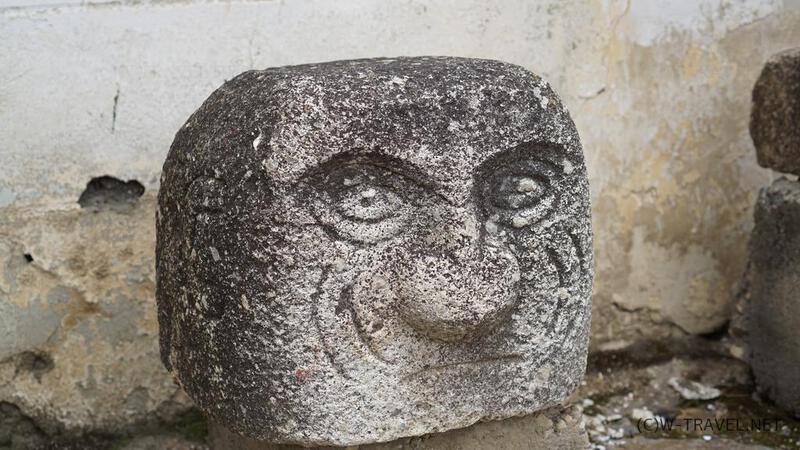
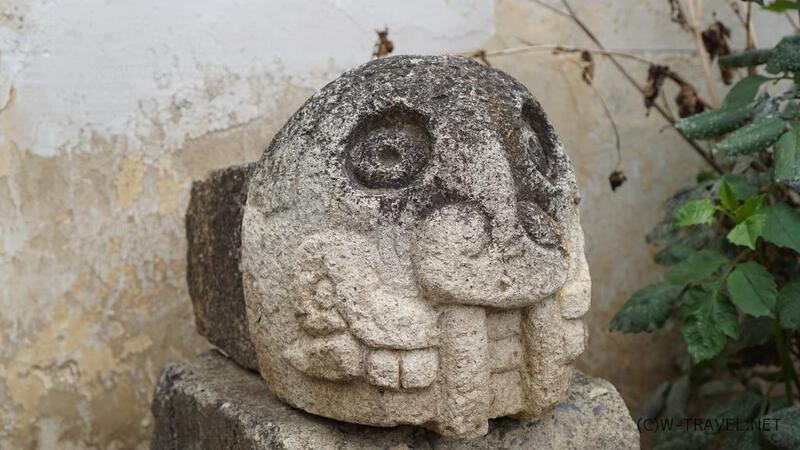
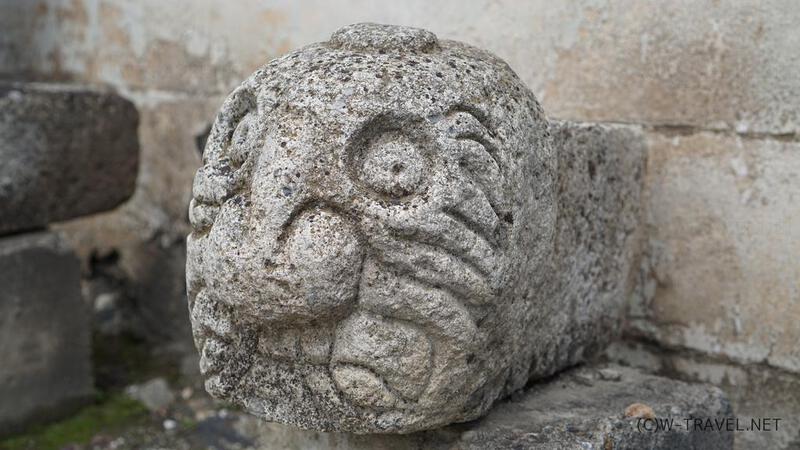
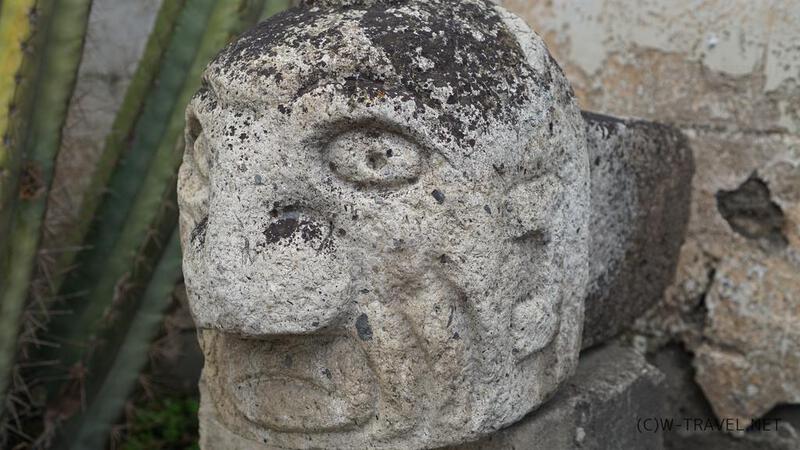
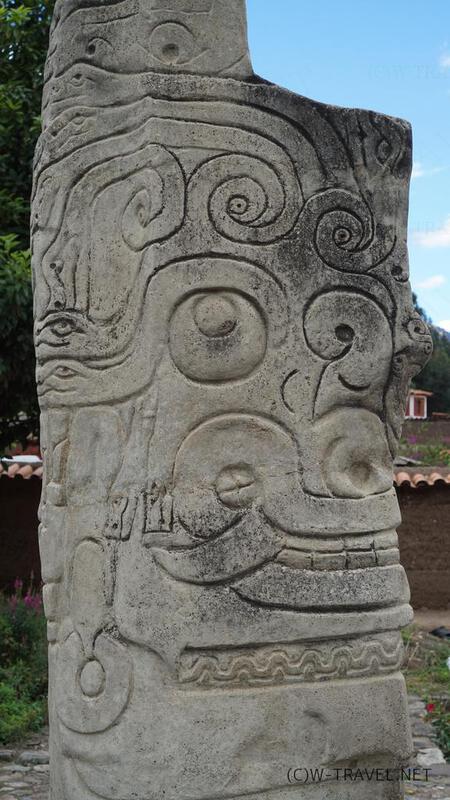
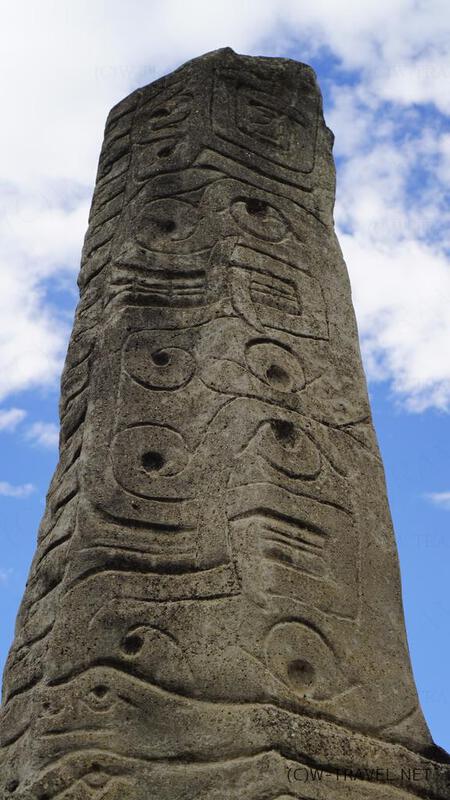
दुनिया भर के पुरातात्विक स्थलों को देखते हुए, अक्सर यह पाया जाता है कि वे "ईसा पूर्व" के समय के हैं और वे बहुत जर्जर हो जाते हैं और उनका मूल रूप बरकरार नहीं रहता। अक्सर, केवल मिट्टी के टीलों पर दीवारों के कुछ हिस्से ही होते हैं, जिनसे मूल रूप का अंदाजा लगाया जा सकता है, लेकिन इस स्थल पर, हालांकि यह भी खंडहर है, लेकिन इसके काफी हिस्से बरकरार हैं। यह पता चलता है कि पत्थर से बने ढांचे, भले ही वे आदिम हों, लेकिन उन्हें काफी मजबूती से बनाया गया था। इसके अलावा, पत्थरों पर उकेरे गए चित्र अच्छी स्थिति में मौजूद हैं।
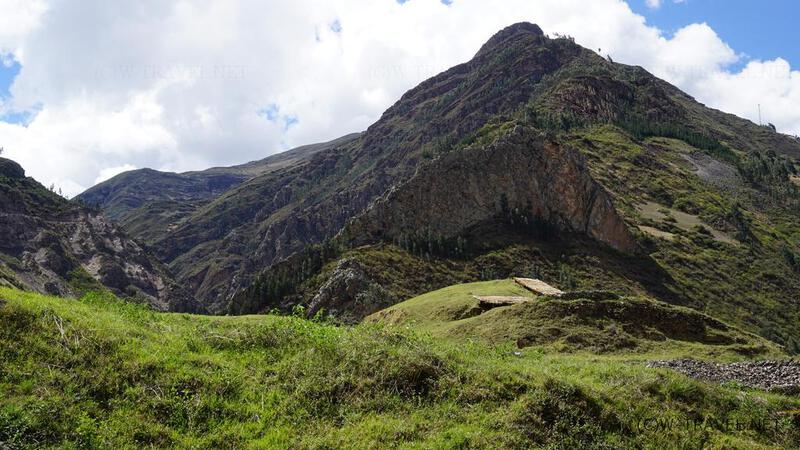
यह एंडीज पर्वत के दूरस्थ क्षेत्र है, जहाँ अक्सर कोहरा रहता है और नदियाँ भी पास में हैं। यह आश्चर्यजनक है कि यह स्थान, जो मिस्र की तरह संरक्षण के लिए उपयुक्त नहीं है, फिर भी इतना संरक्षित है।
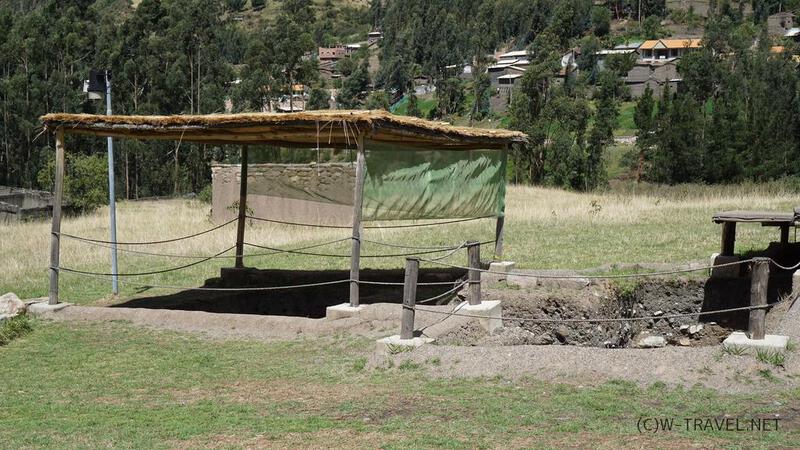
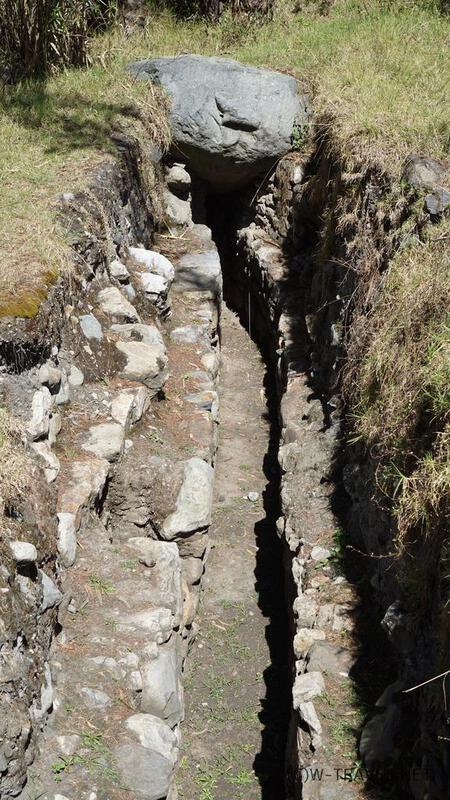
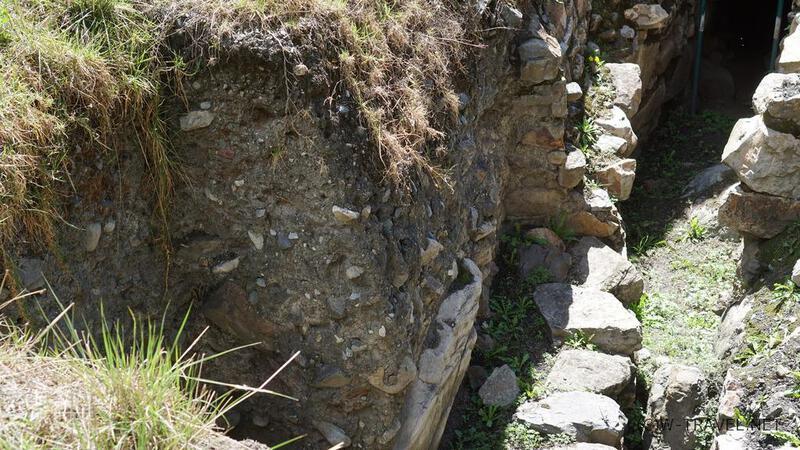
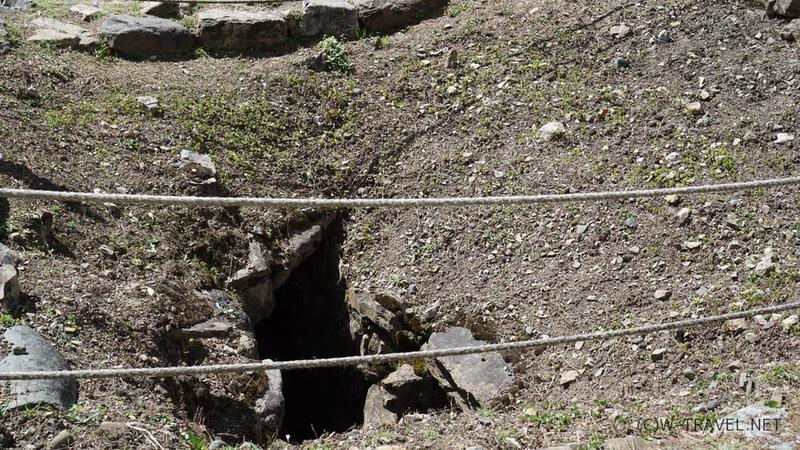
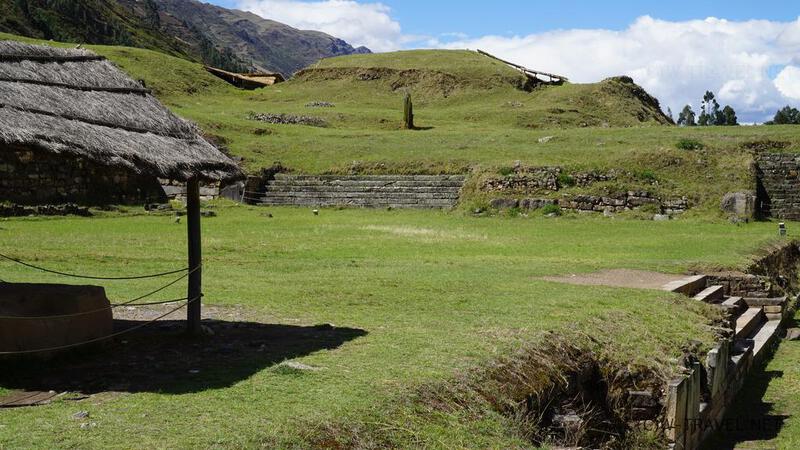
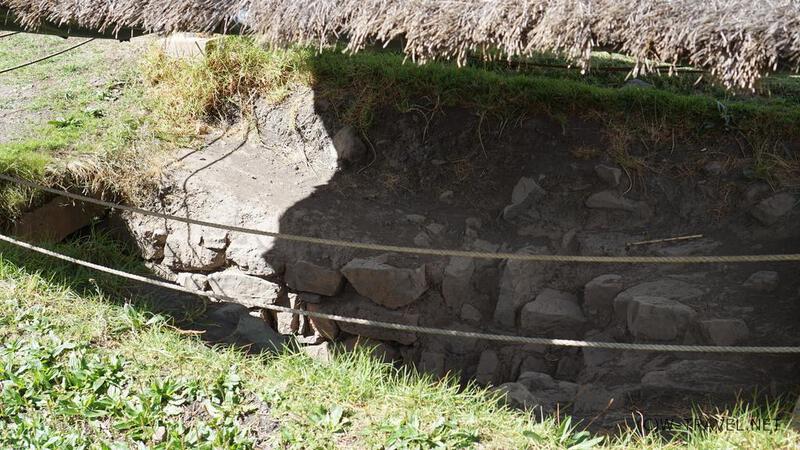
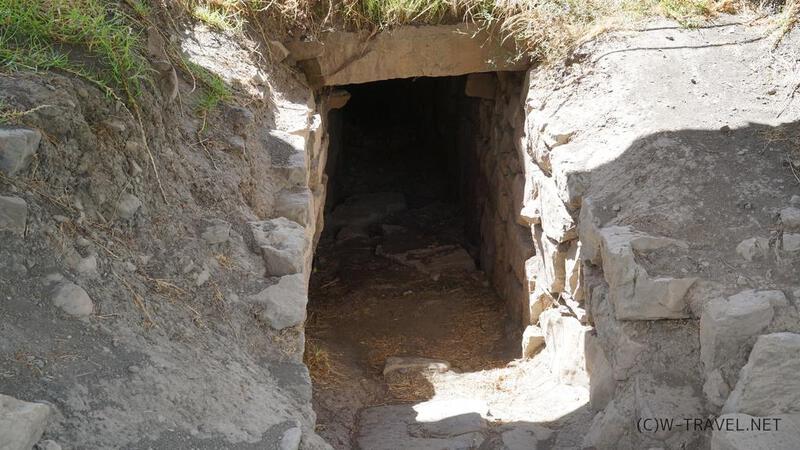
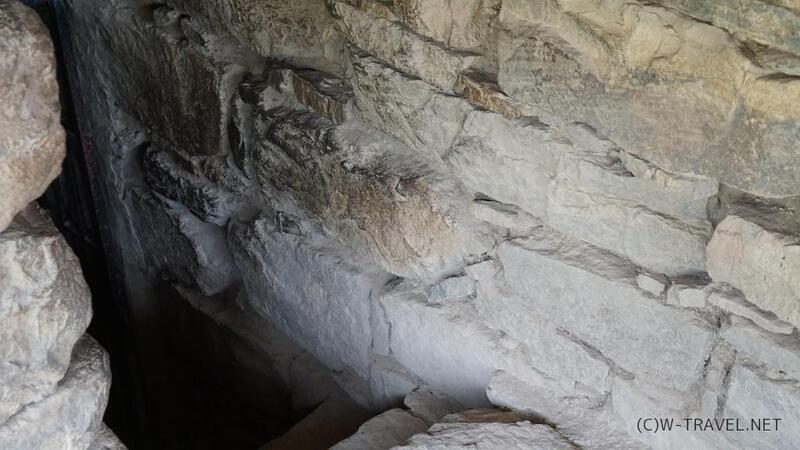
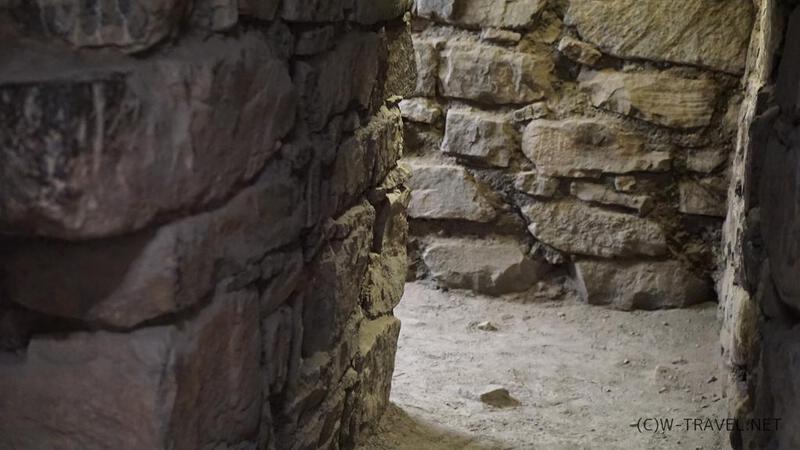
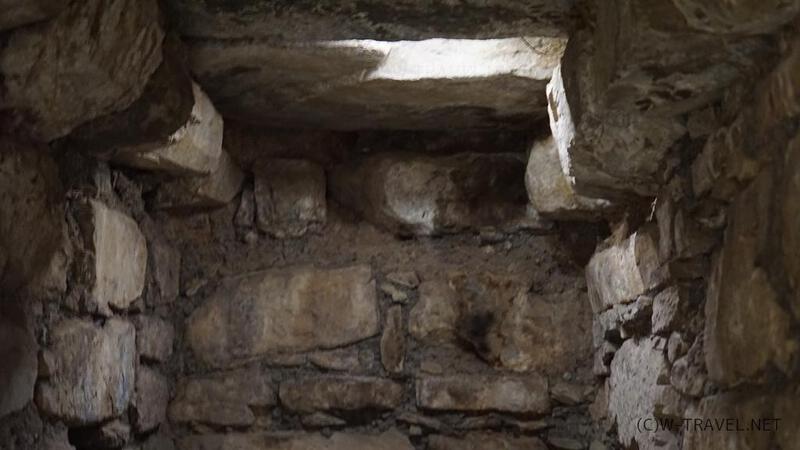
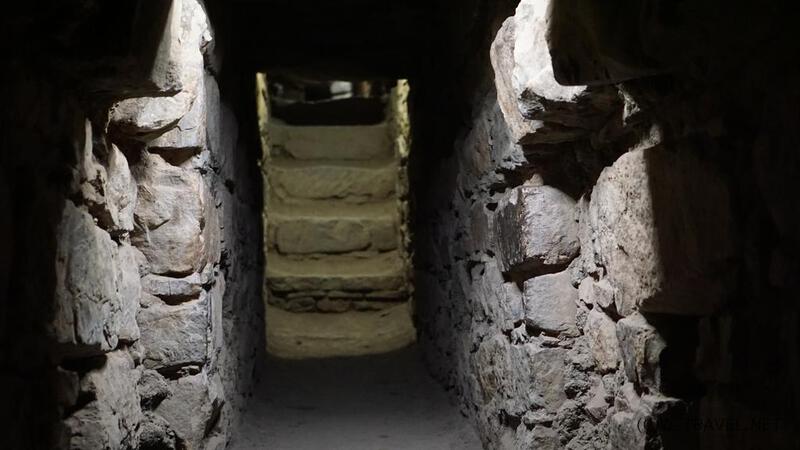
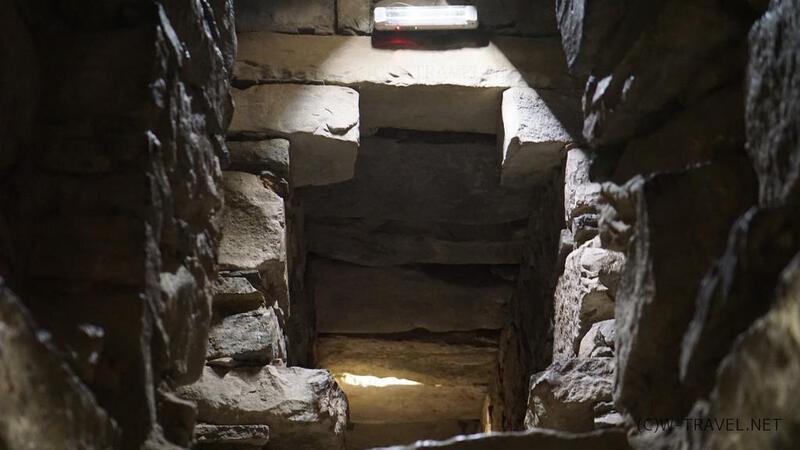
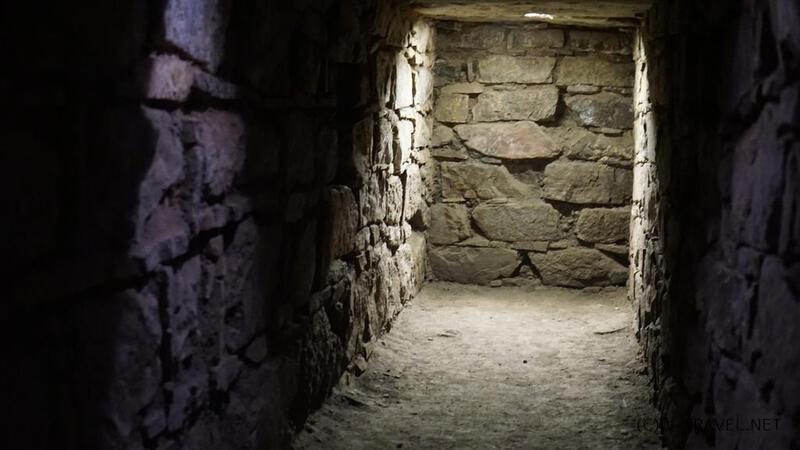
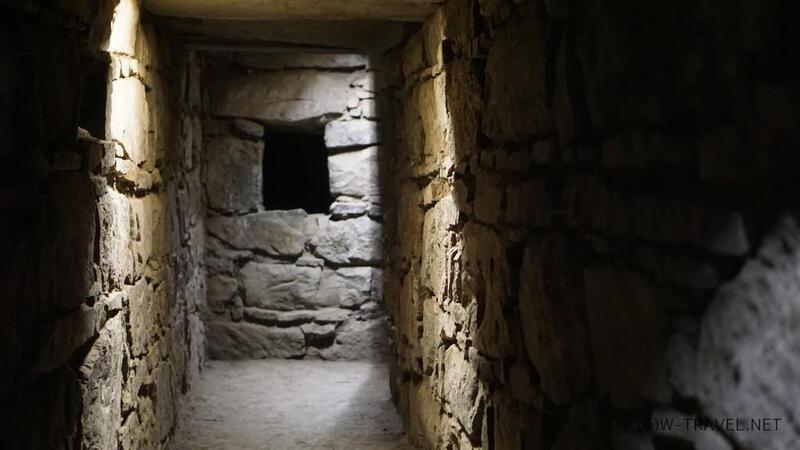
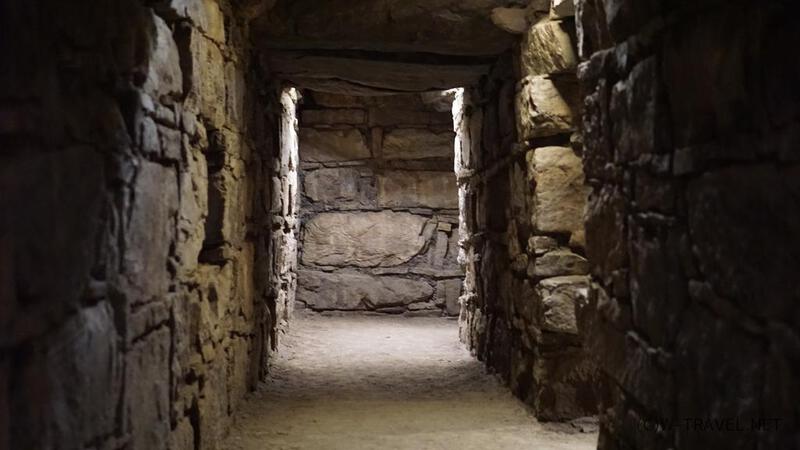
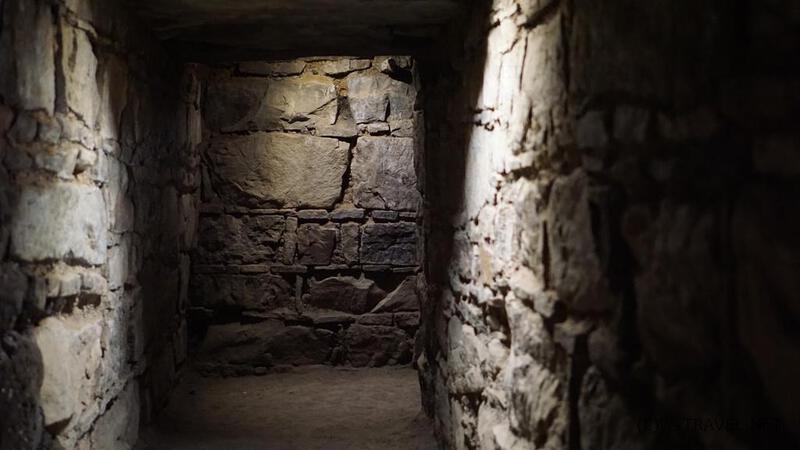
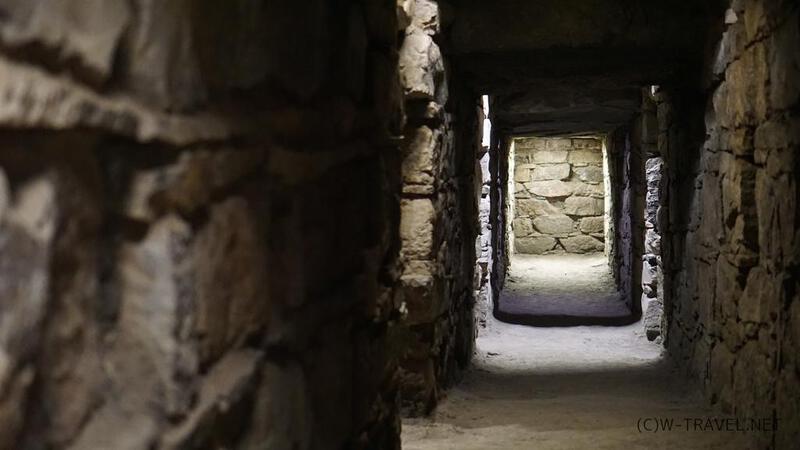
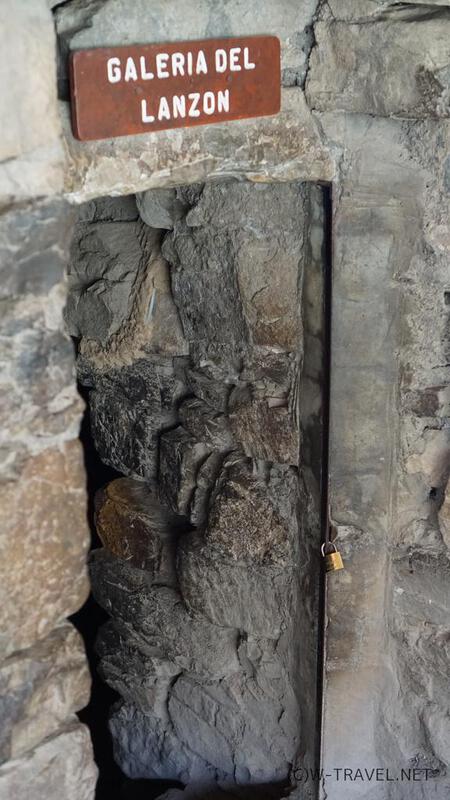
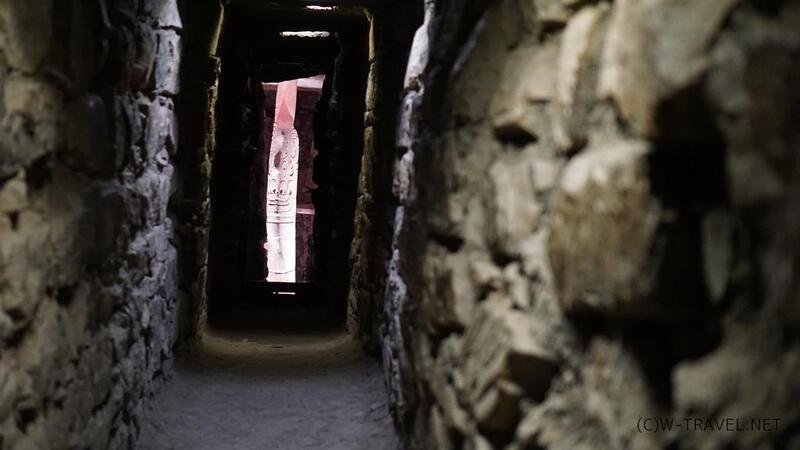
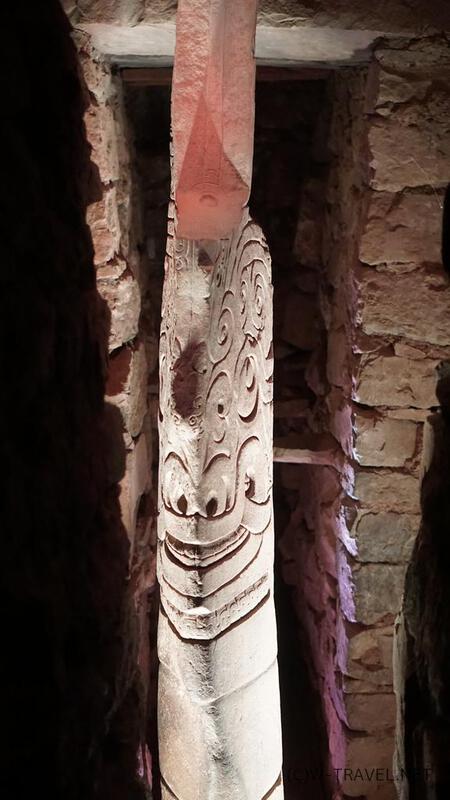
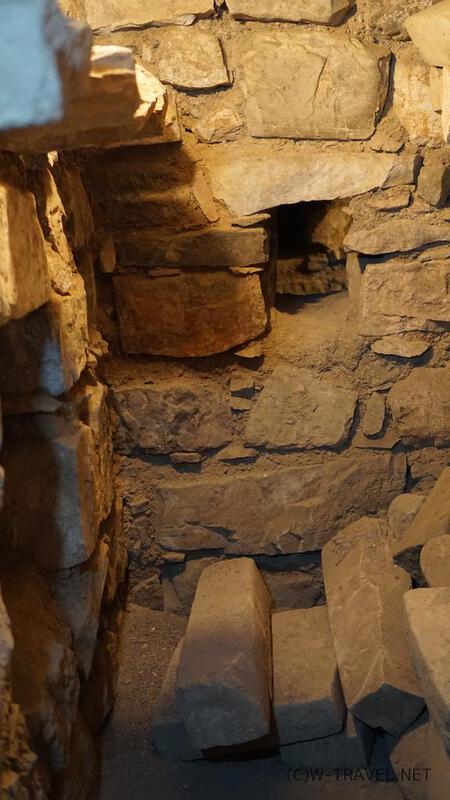
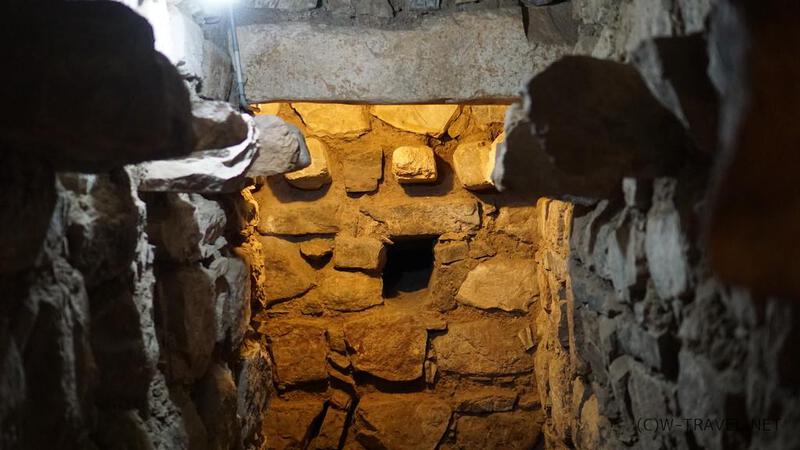
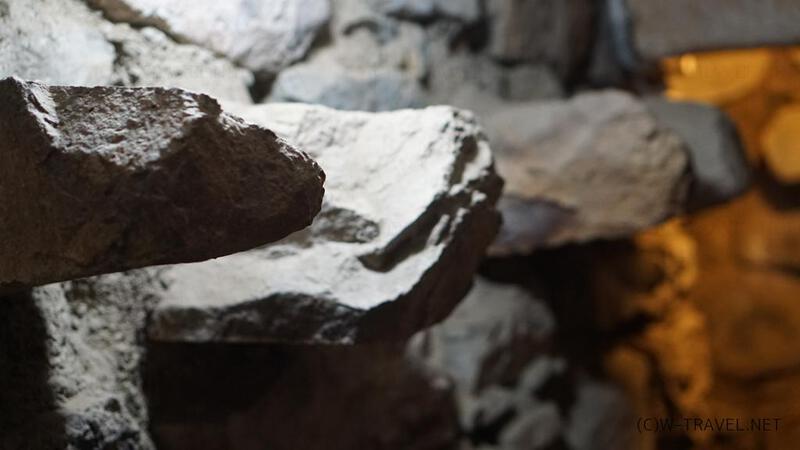
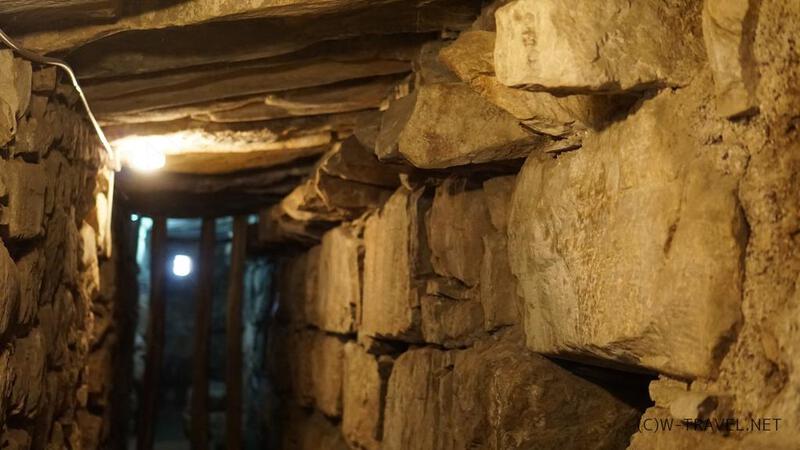
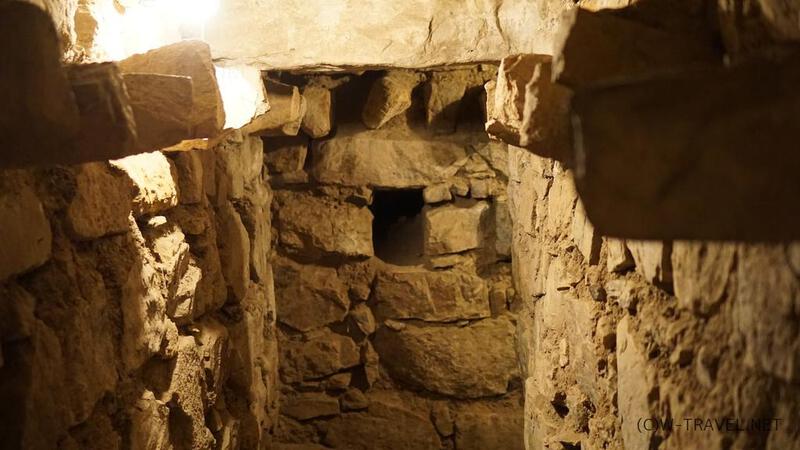
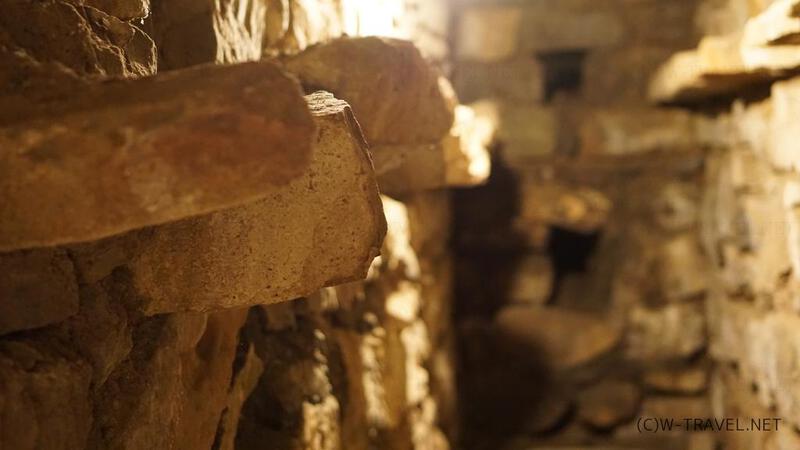
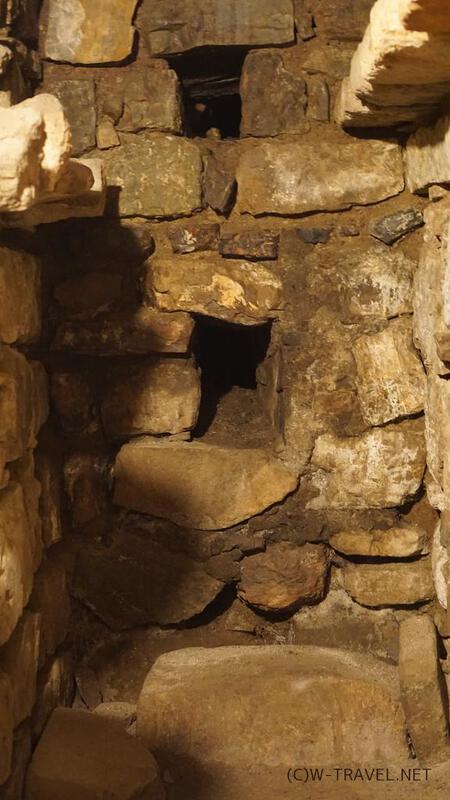
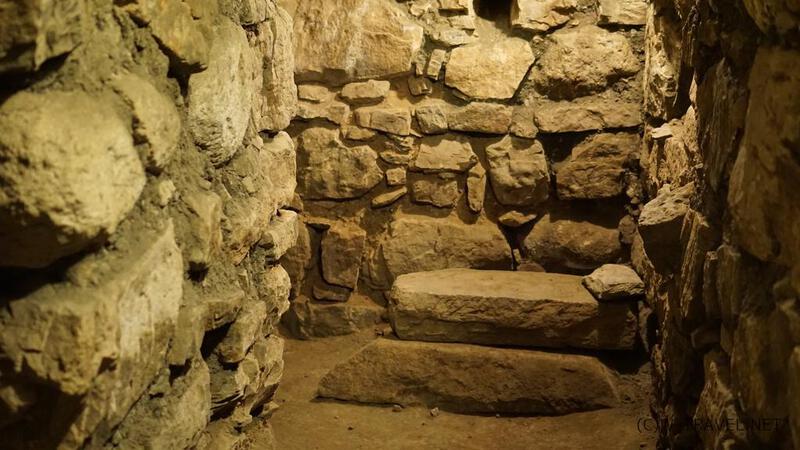
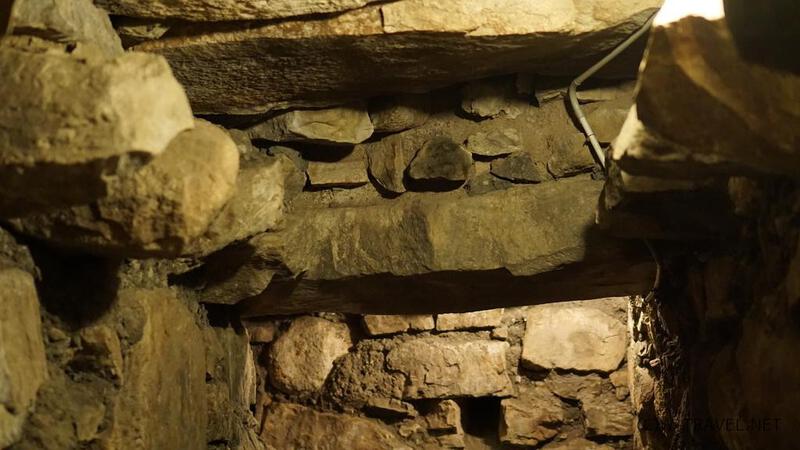
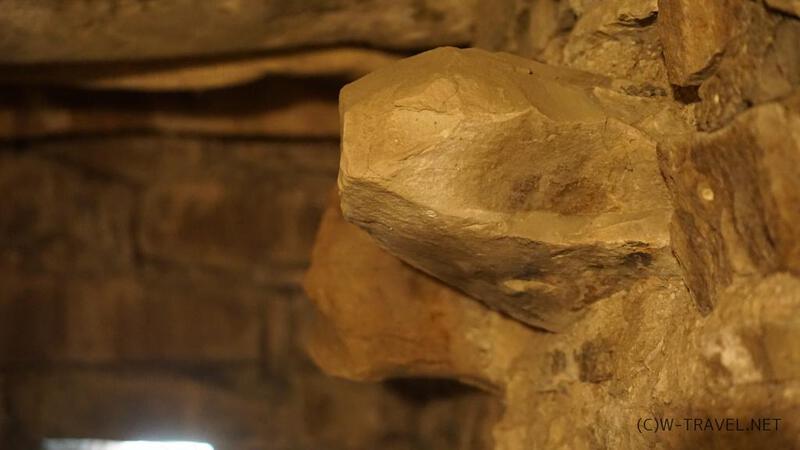
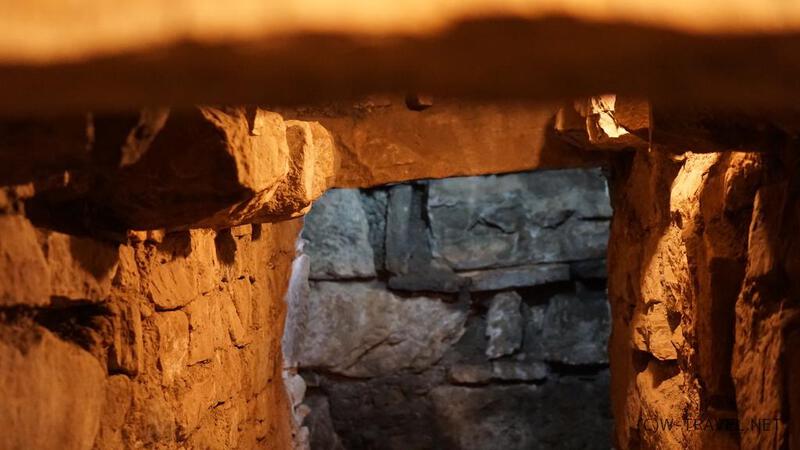
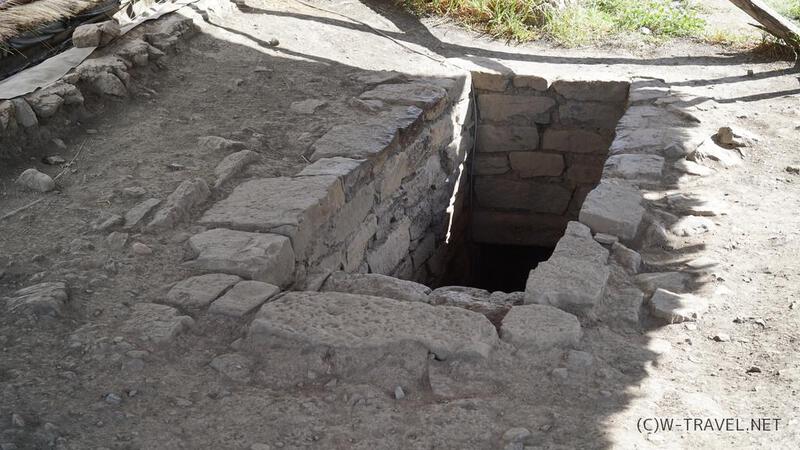
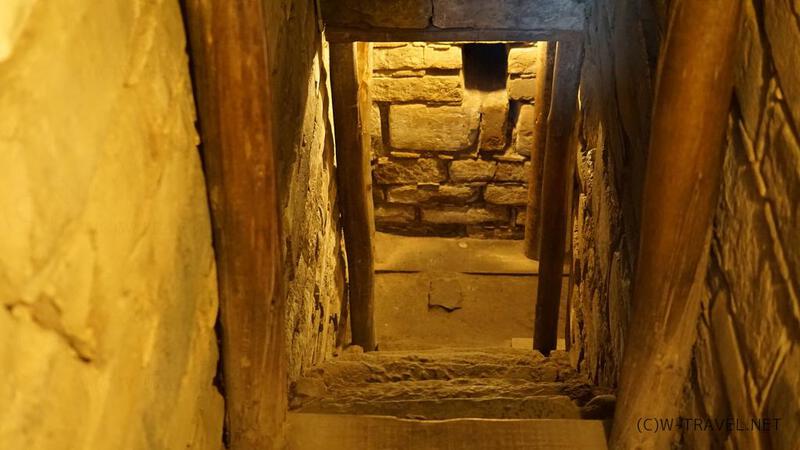
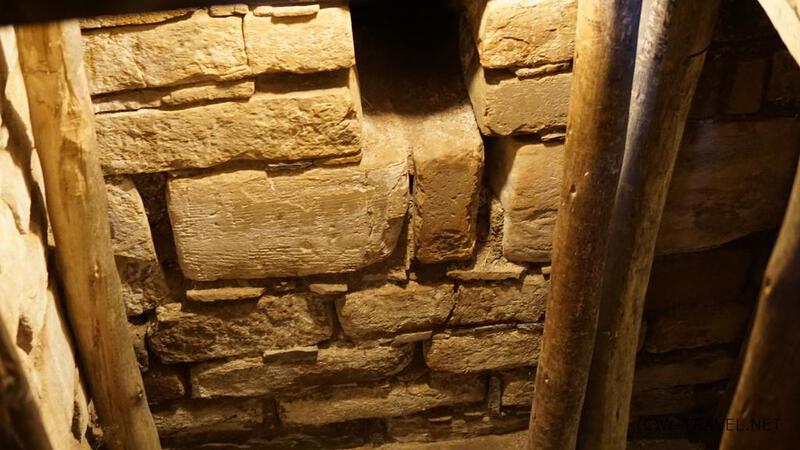
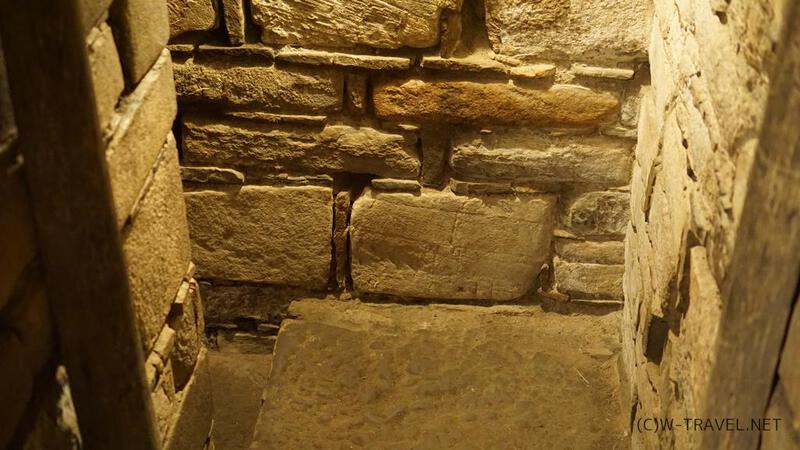
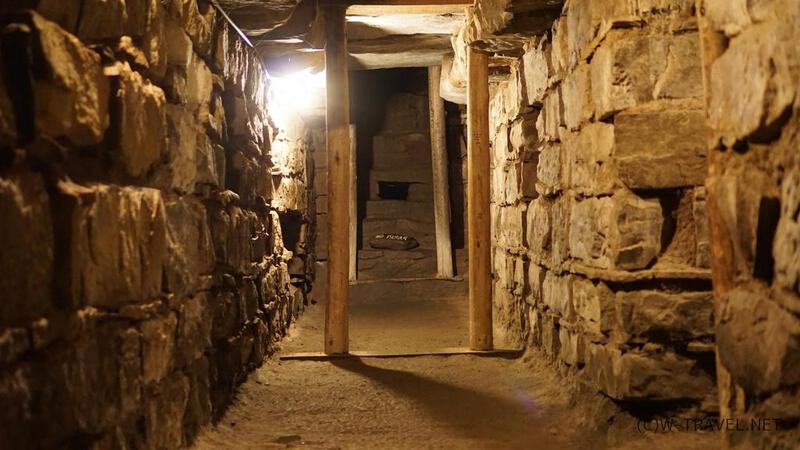
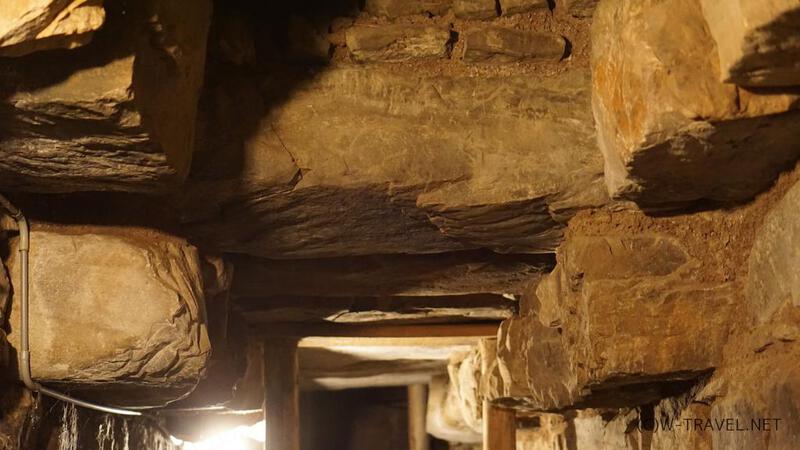
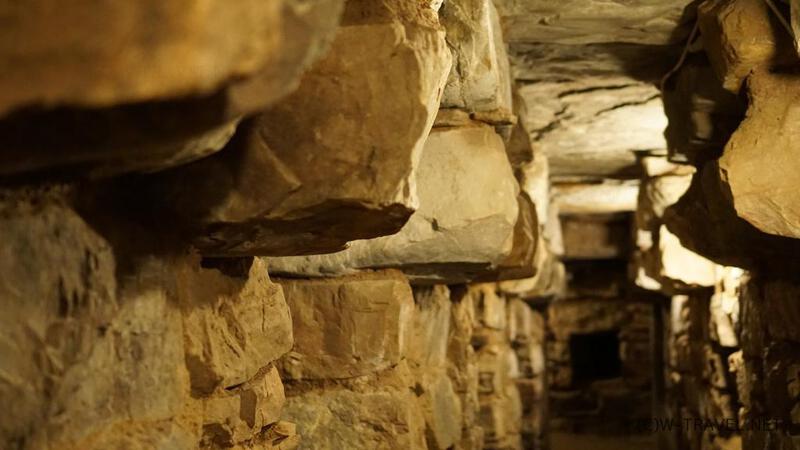
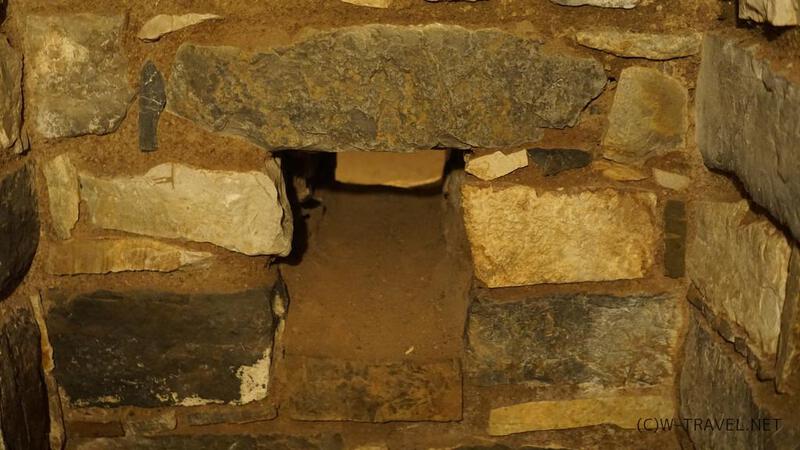
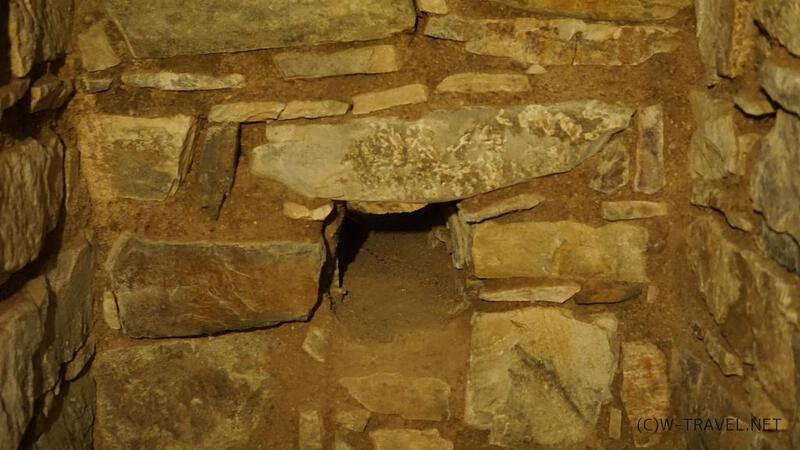
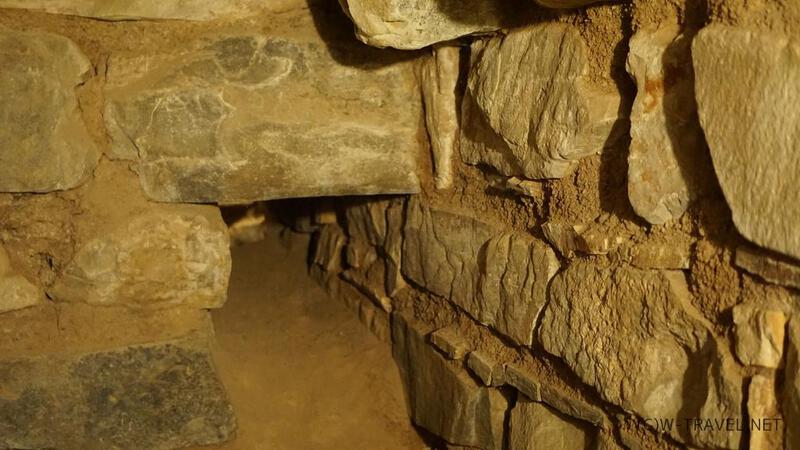
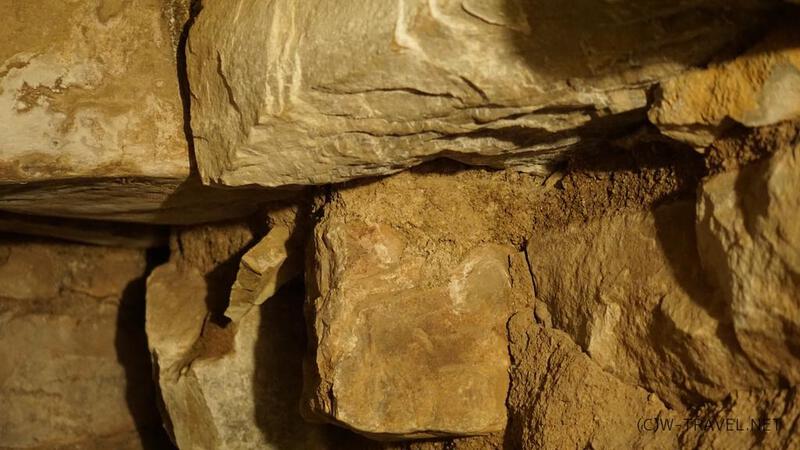
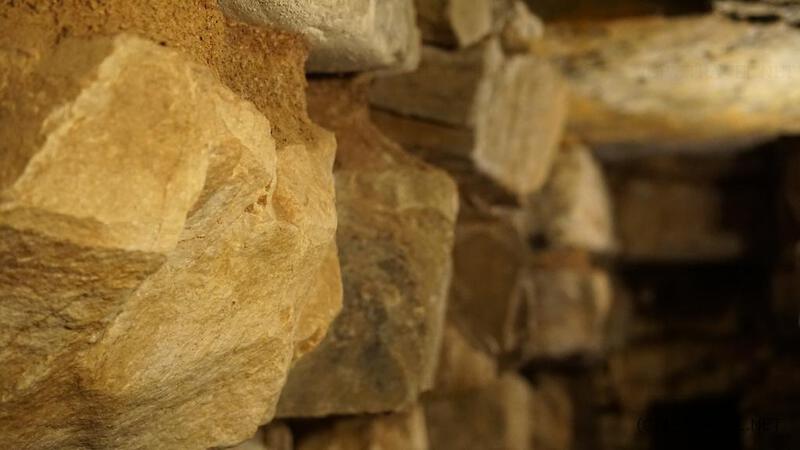
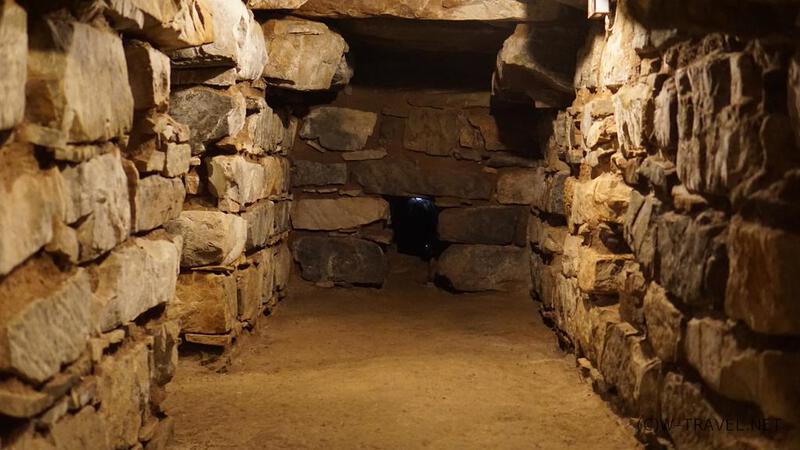
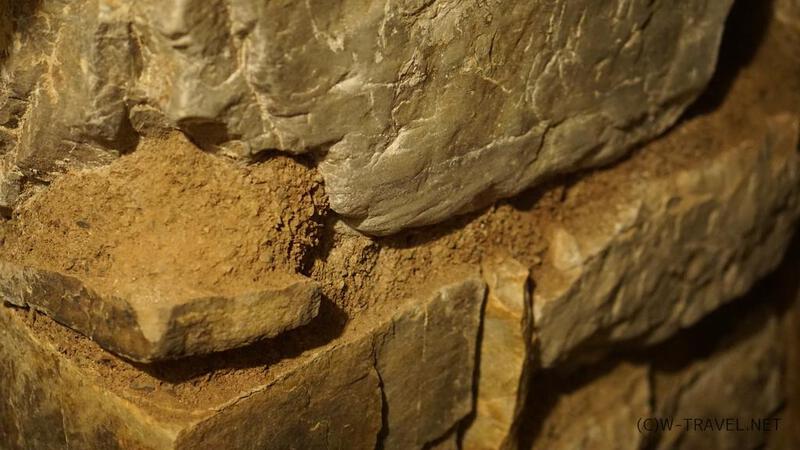
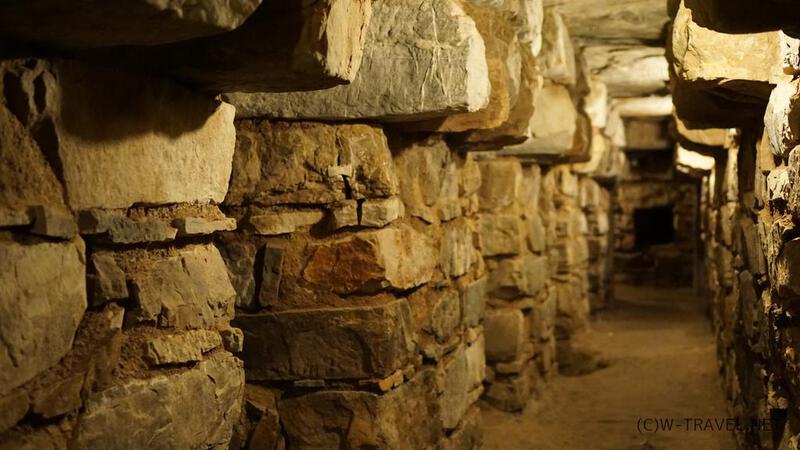
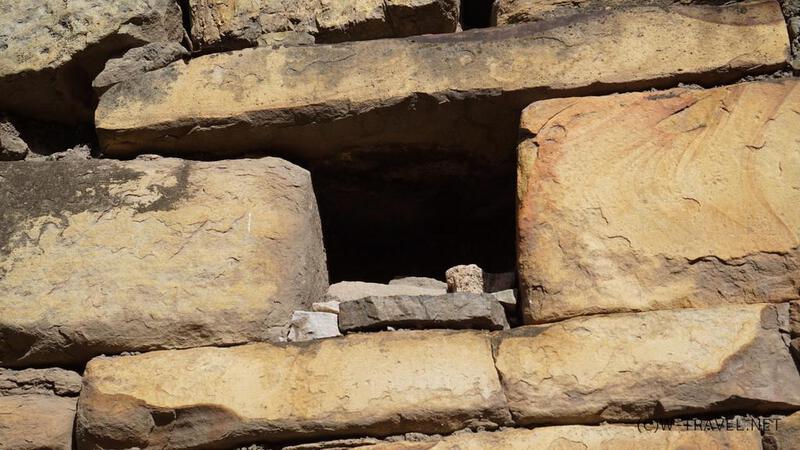
इस स्थल में भूमिगत मार्ग हैं, और आश्चर्यजनक रूप से, आप वास्तव में उनमें प्रवेश कर सकते हैं।
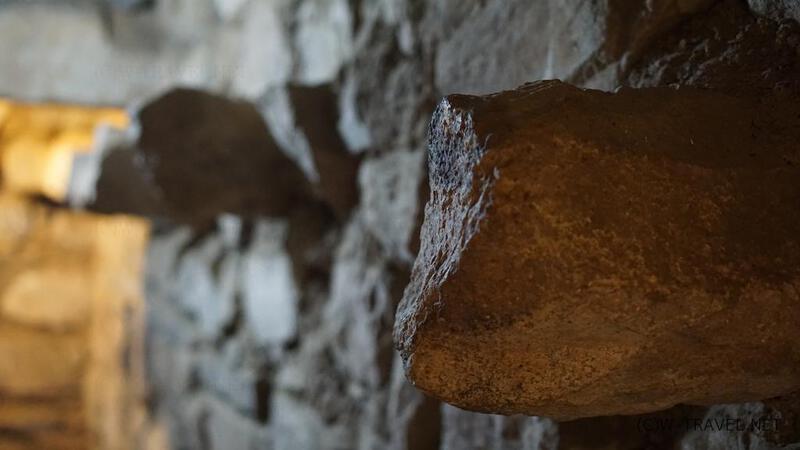
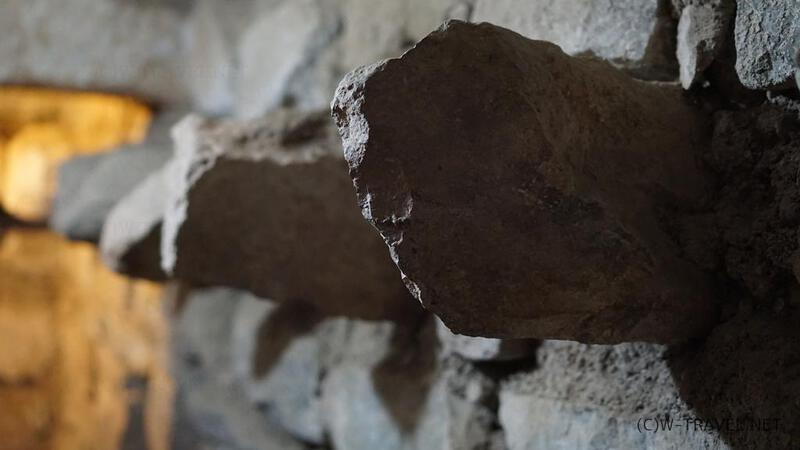
भूमिगत मार्ग आश्चर्यजनक रूप से चौड़े हैं, और आप उनमें 4 स्थानों पर प्रवेश कर सकते हैं। और, आप उन जगहों से एक अजीब चेहरे को देख सकते हैं। वह चेहरा एक आयताकार पत्थर पर उकेरा गया है।
यहाँ आने के दौरान, हमने एक पहाड़ी को पार किया, जिसके बाद एक सपाट पथ था, और हमें कई घंटों तक संघर्ष करना पड़ा, लेकिन अंततः हम यहाँ पहुँच गए।
यदि हम केवल स्थल के आकार को देखें, तो दुनिया भर में ऐसे कई स्थल मौजूद हैं, लेकिन समान रूप से संरक्षित और समान आकार के अधिकांश स्थल लगभग 500-1000 ईस्वी के हैं, और इतने पुराने स्थल बहुत कम देखने को मिलते हैं।
इसलिए, भले ही हमने इसमें बहुत प्रयास किया, लेकिन यहाँ आना सार्थक था।
यह एक अपेक्षाकृत कम प्रसिद्ध स्थल है, लेकिन यह काफी मूल्यवान है और इसका अनुभव बहुत अच्छा है।
हालांकि, यदि आप केवल किसी स्थल की भव्यता की तलाश में हैं, तो मैं आपको मैक्सिको के तेओतिवाकान जाने की सलाह दूंगा। वह भी लगभग 5वीं शताब्दी ईसा पूर्व का है, और इसका आकार बहुत बड़ा है। आप उसमें प्रवेश नहीं कर सकते, लेकिन आप उस पर चढ़ सकते हैं।
यह स्थल तेओतिवाकान की तुलना में काफी छोटा है, लेकिन फिर भी यह अपनी तरह से अद्भुत है। खैर, "अच्छा" होना एक व्यक्तिगत राय है।
मैंने इस पर एक वीडियो बनाया है:
दक्षिण अमेरिका मोटरसाइकिल यात्रा: पेरू - चाविन डे हुआंतर
http://www.nicovideo.jp/watch/sm27664813