Перу, Такна → Чили, Арика. Пересечение границы.
Утром, после завтрака в гостинице в Такна, мы направляемся к границе.
Из-за разницы во времени в 2 часа, когда мы прибываем на границу, там уже полдень по чилийскому времени. Сейчас мы пересекаем границу.
■Граничный переход Перу/Чили
Он состоит из двух зданий.
□Выезд из Перу
Сначала мы проходим процедуру выезда из Перу в здании перуанской стороны.
Если вы приехали на автобусе, водитель или сопровождающий персонал, вероятно, проведет вас, и вам следует следовать за ними.
В моем случае, так как я один, я подошел к офицеру пограничной службы, и мне дали бумагу, чтобы я ее заполнил. Я должен был указать информацию о транспортном средстве. У меня не было ручки, поэтому я попросил ее. Я должен был указать модель мотоцикла, номерной знак и свою личную информацию (номер паспорта и т.д.). На бумаге были только испанские надписи, без параллельного перевода на английский. В этой зоне был сигнал сотовой связи перуанского оператора Bitel, поэтому я использовал Google Translate, чтобы проверить и заполнить информацию.
Бумага была в трех экземплярах.
После заполнения бумаги, я снова подошел к офицеру пограничной службы.
Мне нужно было предоставить:
・Паспорт
・Копию документа, выданного при въезде в Перу
・Заполненную бумагу
На паспорт ставится штамп о выезде.
Из трех копий бумаги, одна остается у офицера пограничной службы, а мне возвращаются две копии.
С этими бумагами я направляюсь вместе с мотоциклом к месту, похожему на пункт оплаты, расположенному рядом с парковкой, и меня спрашивают: "Вы говорите по-испански?". Я ответил: "Нет". Тогда меня вместе с мотоциклом отвели к зданию, и там, на другой стороне здания, был еще один пункт, похожий на пункт оплаты, где мне сказали, что нужно пройти процедуру.
Там мне нужно было предоставить:
・Копии бумаги (2 штуки)
・Паспорт
・Документ таможни Перу: копия разрешения на временный ввоз мотоцикла
По-видимому, один из экземпляров бумаги был взят у меня этим сотрудником, а мне вернули один экземпляр.
Также, мне вернули половину документа таможни, который является подтверждением завершения процедуры.
Таким образом, процедура выезда из Перу завершена.
Мы едем на мотоцикле около нескольких сотен метров до здания чилийской стороны, но при выезде из Перу была проверка, и сотрудник проверяет содержимое одной из копий бумаги (которой мне вернули в конце), и если все в порядке, то можно ехать на чилийскую сторону.
Я подумал, что было бы здорово, если бы на границе с Колумбией/Эквадором и Эквадор/Перу также была такая проверка, чтобы избежать ошибок. На этих границах можно просто пройти без каких-либо формальностей.
□Въезд в Чили
Мы немного проехали и остановились на парковке перед зданием чилийской стороны.
В месте, которое напоминало большую плату за проезд, было несколько окон пограничного контроля. Там проводится пограничный контроль, и вы получаете штамп в паспорте.
Нужно было что-то написать на бумаге, но я взял ее там же, быстро написал и отдал. Ручку я тоже взял у этого человека.
Я говорил только по-испански, но как-то справился, используя слово "Moto" (мотоцикл).
После получения штампа мне сказали встать в очередь перед ней.
Я не совсем понял, что делать с мотоциклом, но, поскольку все остальные несли свои вещи, я вернулся на мотоцикл, взял все вещи и встал в очередь.
Оказалось, что, если бы я знал, можно было бы привязать вещи к мотоциклу, и сотрудники, вероятно, разрешили бы это. Возможно, мне не стоило стоять в очереди, и можно было просто проехать на мотоцикле между машинами, и сотрудники бы разрешили это, если бы они решили, что это нормально. Но, поскольку пограничник сказал встать в очередь, я встал, и, хотя моя очередь прошла очень быстро после проверки багажа, мне пришлось стоять в очереди 3,5 часа. Очередь двигалась очень медленно.
Что это было? Вероятно, люди, путешествующие в составе организованных туров с гидами, имеют приоритет и могут пройти в начало очереди.
Когда я собирал вещи, ко мне подошел сотрудник и попросил заполнить анкету. Он говорил по-английски, и я спросил, что делать. Он сказал, что вчера приехала группа мотоциклистов, и им было сказано стоять в очереди вместе с мотоциклами.
Я не совсем понял это, потому что плохо понимаю испанский.
Пока я стоял в очереди, я заполнял таможенную декларацию. Все остальные, похоже, получили ее где-то, но у меня ее не было, поэтому я попросил сотрудника, который проверял багаж, дать мне бланк, и я его заполнил.
Поэтому, после того как я простоял в очереди около 3 часов и оставалось совсем немного, я привез мотоцикл ближе, и, поскольку проход для автомобилей был рядом с очередью на проверку багажа, я немного передвигал мотоцикл каждый раз, когда моя очередь приближалась, чтобы мотоцикл мог быстро пройти после проверки багажа.
Перед тем, как войти в комнату для проверки багажа, я отдал таможенную декларацию. Непонятно, почему проверка багажа занимает так много времени, если она проходит так быстро...
После проверки багажа я не знал, что делать с мотоциклом, поэтому спросил у сотрудника, который проводил проверку, и оказалось, что нужно было сделать следующее:
Сначала, выстраиваетесь в очередь к машинам. Когда подойдет ваша очередь, вам нужно получить два штампа на бумажной копии, которую вы получили в Перу (последний экземпляр):
・Штамп сотрудника пограничной службы.
・Штамп сотрудника налоговой службы.
При получении штампов, если у вас машина, будет проводиться тщательная проверка деталей, а если мотоцикл, то, скорее всего, все будет пропущено.
После получения этих двух штампов, ворота откроются, и вы переместитесь на парковку, расположенную за платной зоной.
Судя по всему, можно избежать проверки багажа, просто передав таможенную декларацию сотруднику, отвечающему за проверку.
Похоже, что водители так и делали, минуя комнату проверки багажа и сразу садясь в машину.
Просто проехать через ворота недостаточно для завершения таможенного контроля, поэтому вам нужно будет пройти процедуру получения "временного разрешения на ввоз транспортного средства" в небольшом здании, расположенном за платной зоной.
Вам понадобятся следующие документы:
・Бланк, который вам выдадут на месте, который нужно заполнить (некоторые моменты были не совсем понятны, поэтому я заполнил то, что смог).
・Бумажная копия, которую вы получили в Перу (последний экземпляр).
・Паспорт.
・Свидетельство о владении мотоциклом (колумбийская карта).
После завершения процедуры вам вернут:
・Копию разрешения на временный ввоз транспортного средства. Она понадобится при выезде.
・Бумажную копию, которую вы получили в Перу (последний экземпляр). Похоже, на ней был добавлен один штамп.
Бумажную копию, которую вы получили в Перу (последний экземпляр), нужно показать сотруднику, проверяющему въезд в Чили, чтобы получить разрешение на въезд. Это обеспечивает безопасность. Этот документ вы передаете сотруднику и он остается у него.
Пока вы оформляли документы на мотоцикл, весь багаж был оставлен в зоне после прохождения проверки багажа, в хорошо видимом месте, поэтому не было причин для беспокойства о его пропаже.
Там много охранников, поэтому беспокоиться особо не стоит.
В целом, процесс был довольно сложным, но все удалось. Фух.
Некоторым людям, с которыми я общался, хорошо говорили по-английски, что очень помогло.
Время, затраченное на выезд из Перу, составило 30 минут, а на въезд в Чили - 3,5 часа, что в общей сложности 4 часа.
Учитывая разницу во времени между Перу и Чили в 2 часа, можно примерно прикинуть, что это займет 6 часов.
Накануне я остановился в городе, расположенном у границы, и после завтрака приехал на границу, когда в Чили уже был полдень. Процесс оформления занял много времени, и я пересек границу только вечером, поэтому решил остановиться на ночлег в городе Арика, расположенном за границей.
Я рад, что не забронировал отель в городе, расположенном дальше. (Смех)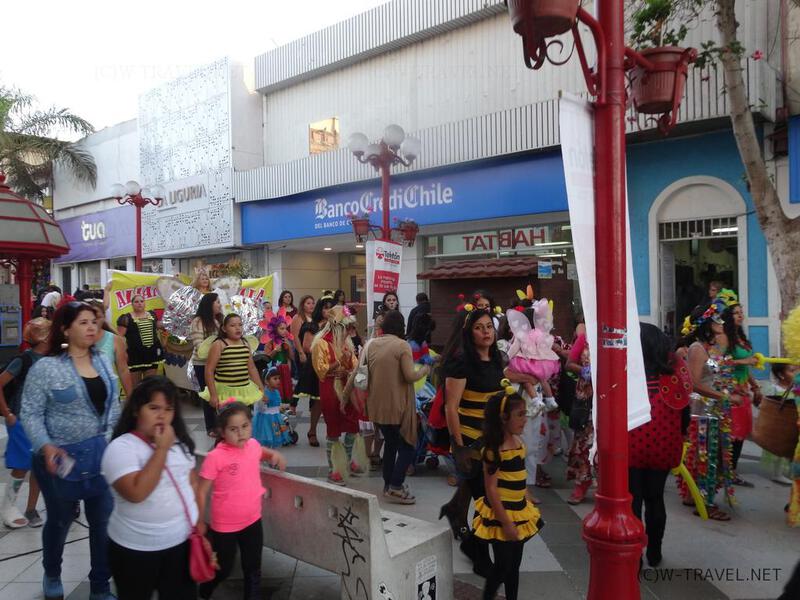
 В любом случае, в Чили хорошие правила дорожного движения.
Поскольку приоритет отдается пешеходам, машины останавливаются, когда пешеходы переходят дорогу. Это сильно отличается от Перу.
Ускорение плавное, и вождение спокойное. Это совсем другой уровень культуры, чем в Перу, где машины резко ускоряются и едут максимально быстро.
На перекрестках водители медленно смотрят на пешеходов и другие машины. Они не спешат. Это зрелое общество.
Здания, как ни странно, довольно обшарпанные, возможно, потому что это приграничный город? Или, может быть, существует разрыв между белыми и коренными жителями?
Место моего проживания здесь:
Rocca Luna
Одноместный номер: 10 000 песо (примерно 1750 иен), завтрак не включен.
Он немного далеко от центра города, но цена доступная, поэтому я не могу жаловаться. На стене было указано 7000 песо, поэтому, возможно, немного завышена цена... Возможно, цены разные для разных номеров, но я уже согласился, так что ничего не поделаешь.
Получение страховки на мотоцикл в Чили.
Я не слишком глубоко искал, но, похоже, в приграничных районах мотостраховки не продаются.
Мне повезло, и я смог приобрести мотостраховку в приграничном городе Арика.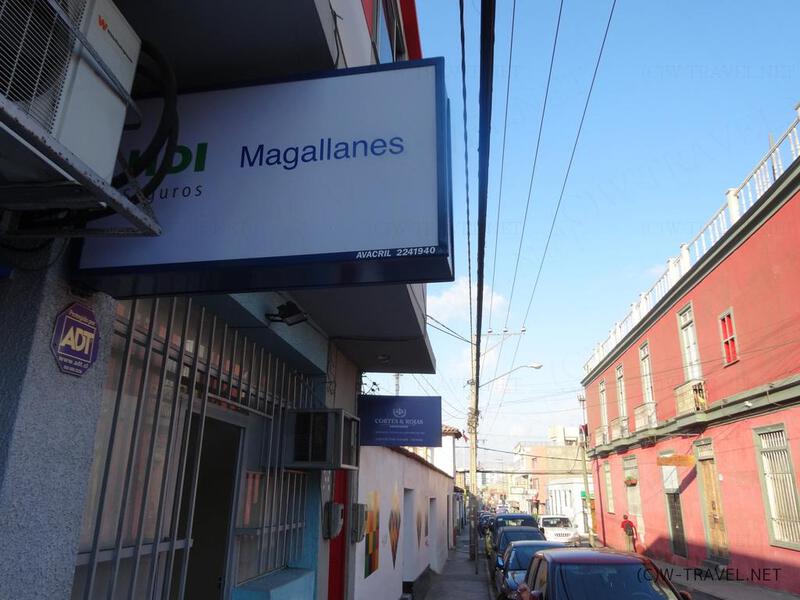 Местоположение:
・Страховка компании Magallanes.
・1 месяц – 30 долларов США (оплачено в чилийских песо) (действует до конца месяца).
・Покрывает только территорию Чили.
Кстати, годовая страховка стоит 180 долларов.
Для мотоциклов цена такая же, как указано выше, но для автомобилей она значительно ниже. Наверное, потому что мотоциклы считаются более опасными.
Сначала мне назвали цену для автомобиля, и я подумал: "Это, наверное, дорого", но потом оказалось, что для мотоцикла цена такая. Хм.
Агентство закрывается в 6:30, но мне удалось успеть и оформить страховку. Хорошо.
В Чили есть недобросовестные полицейские, которые преследуют иностранных мотоциклистов без страховки, поэтому я рад, что успел оформить страховку заранее.
Такие виды страховок, как эта, называются SOAPEX (я не совсем понимаю, к какой категории они относятся).
Я давно интересовался страховкой Magallanes, и, возможно, ее можно купить онлайн, но она на испанском языке, и когда я вводил колумбийский номерной знак, система отклоняла заявку, поэтому онлайн-покупка была не приоритетом.
http://www.magallanes.cl/
Есть также компания Consorci, но я ее не пробовал.
Кроме Magallanes, рядом с Макдональдсом в Арике есть еще одно страховое агентство, но я его не пробовал.