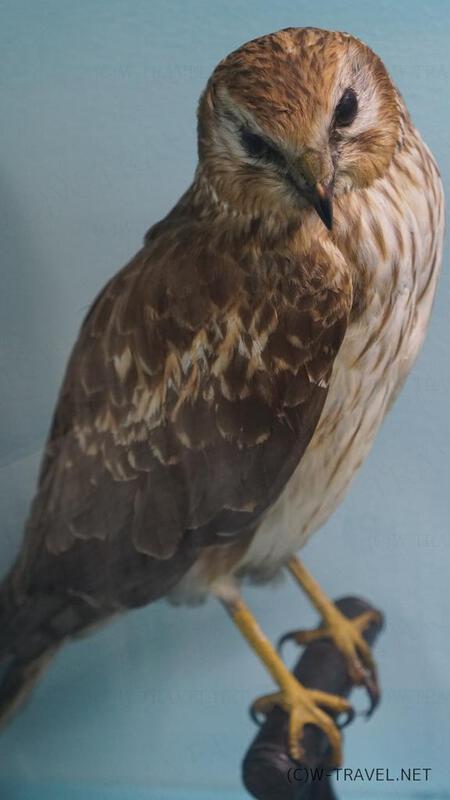
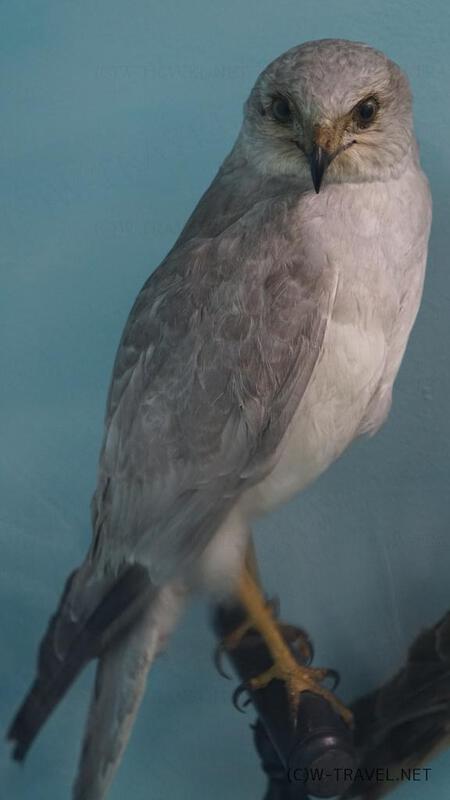
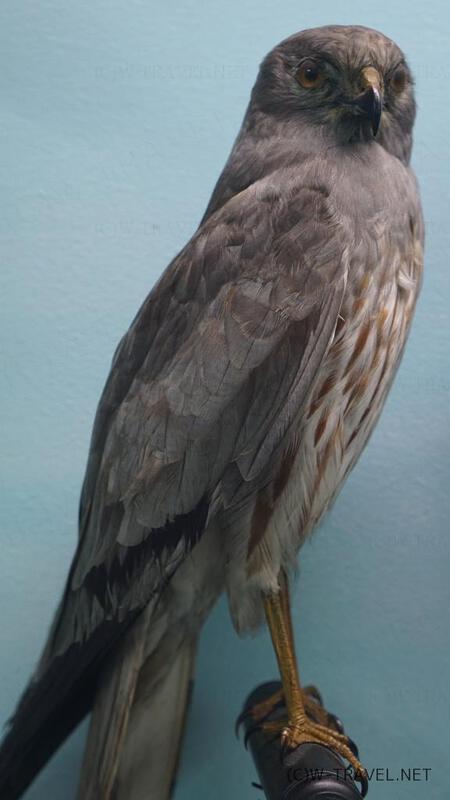
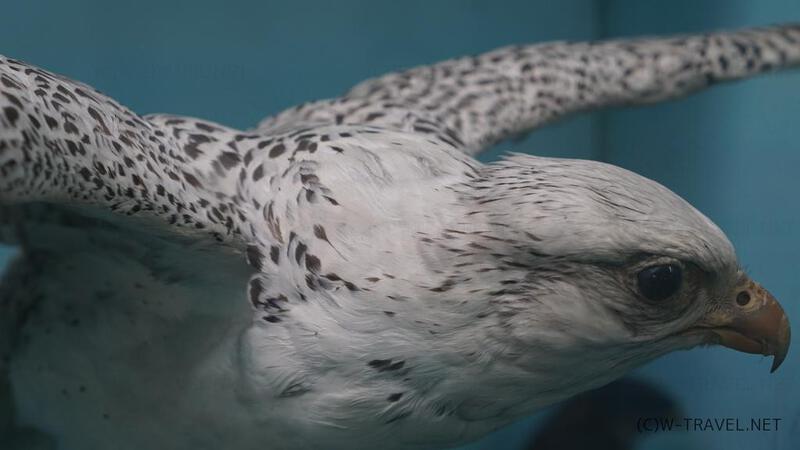
من بروبديف إلى صوفيا.
اليوم، سأنتقل من بروبديف إلى صوفيا (Sofia) بالحافلة.
سأذهب مشياً على الأقدام إلى محطة الحافلات لشراء التذكرة.
السعر: 14 ليفا (حوالي 980 ين).
لا أفهم أي جانب هو الجانب الأيمن وأي جانب هو الجانب الأيسر بالنسبة لعلامات المقاعد.
 جلست معتقدًا أن الأرقام مرتبة من اليسار إلى اليمين: 1-2-3-4.
من المستحيل أن تكون الترتيب 2-1-4-3.
قرأت في مكان ما أن المسافة تستغرق 3 ساعات، لكنني وصلت في 2 ساعة و 5 دقائق. أقرب مما توقعت.
وصلت إلى محطة الحافلات المركزية، لذلك سأركب المترو الموجود أمام عيني للذهاب إلى مكان الإقامة.
مكان الإقامة هنا هو:
10 Coins Hostel
غرفة مشتركة لمدة 4 ليالٍ مقابل 36 يورو (72 ليرة، حوالي 5010 ين). بدون فطور.
حوالي 1250 ين في الليلة الواحدة.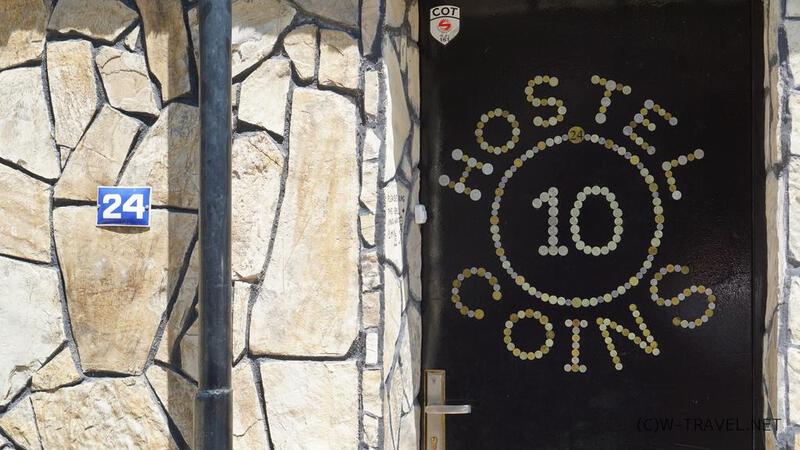
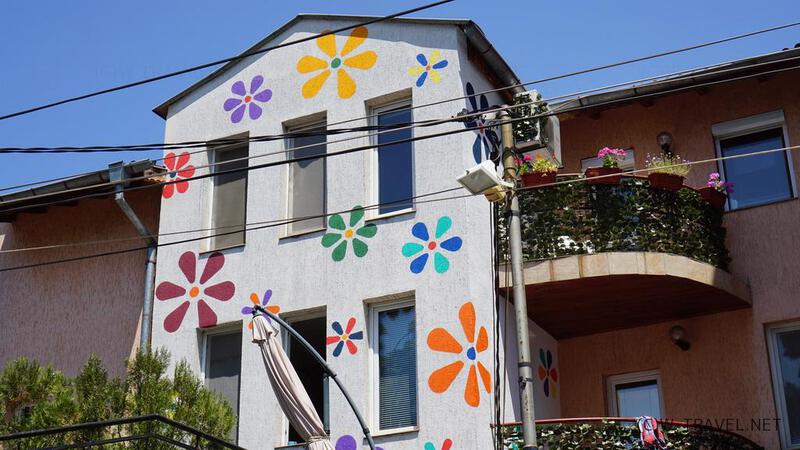 يقع في منطقة سكنية. إنه مكان مريح وعادي. لا توجد نوادي قريبة، وهو مكان هادئ.
في يوم الوصول، شاركت في جولة مجانية يقودها متطوعون وتعلمت عن الدولة.
http://www.freesofiatour.com/
http://www.freesofiatour.com/
أوصي بهذه الجولة.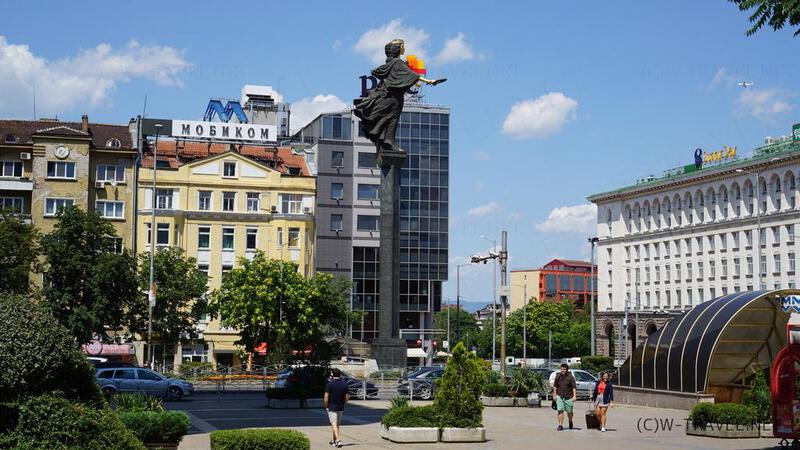
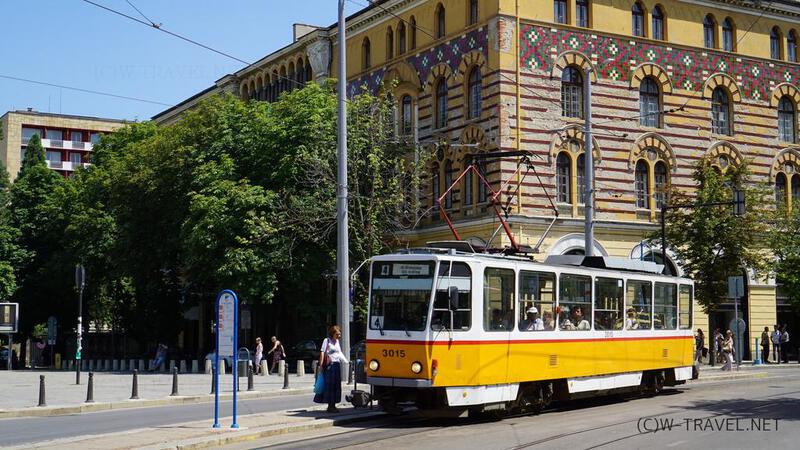
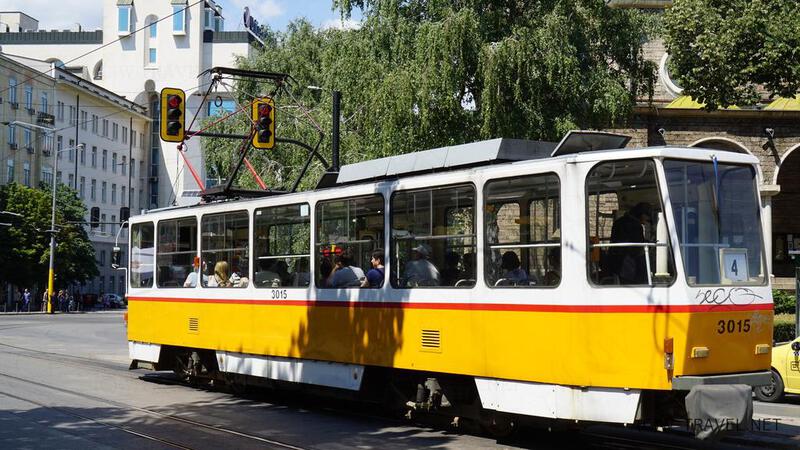
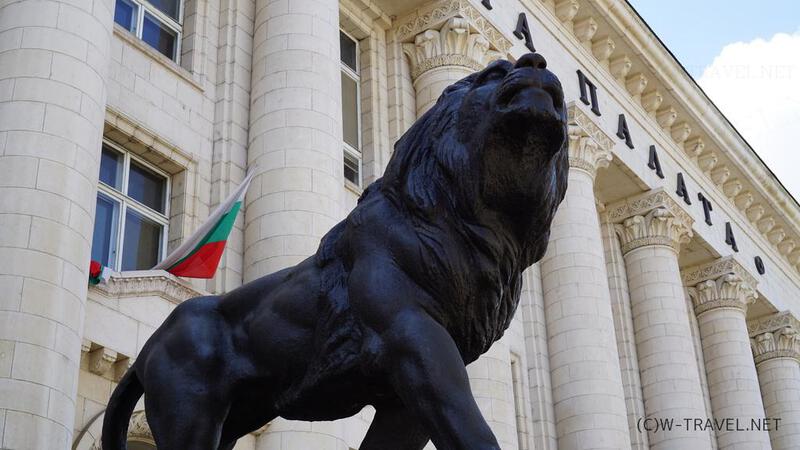
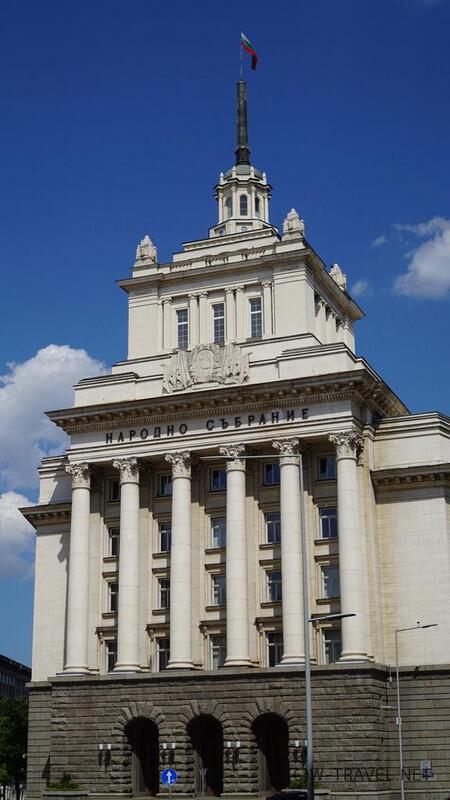

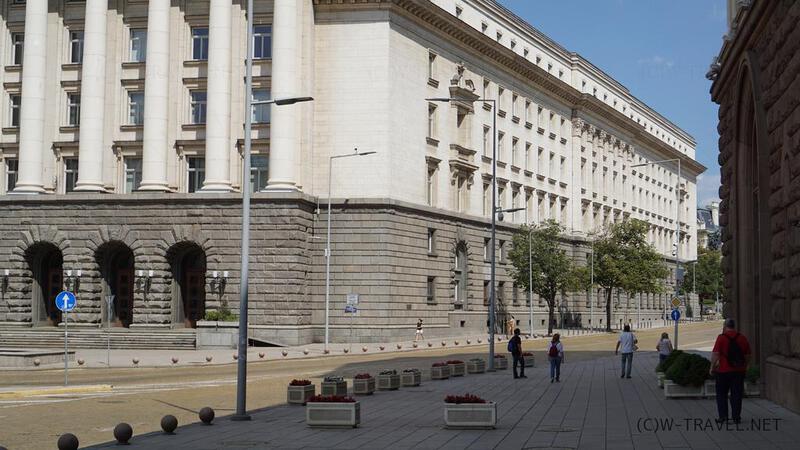
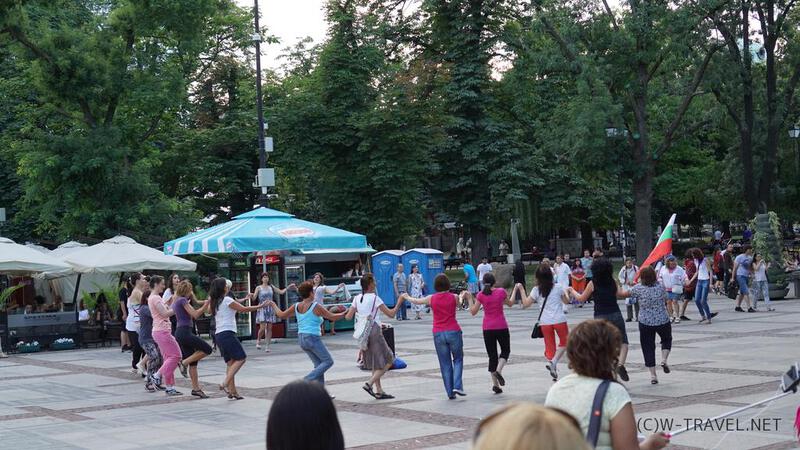
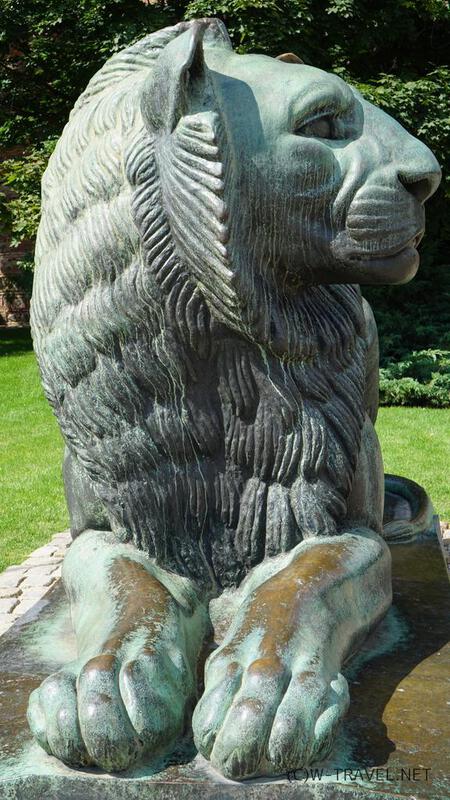
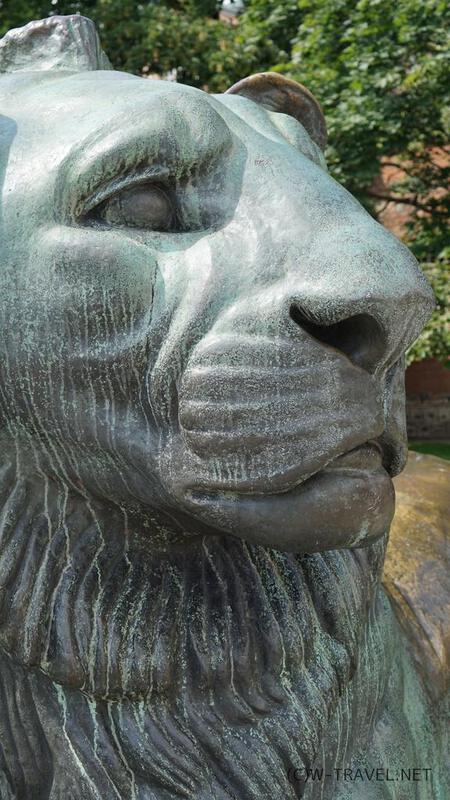
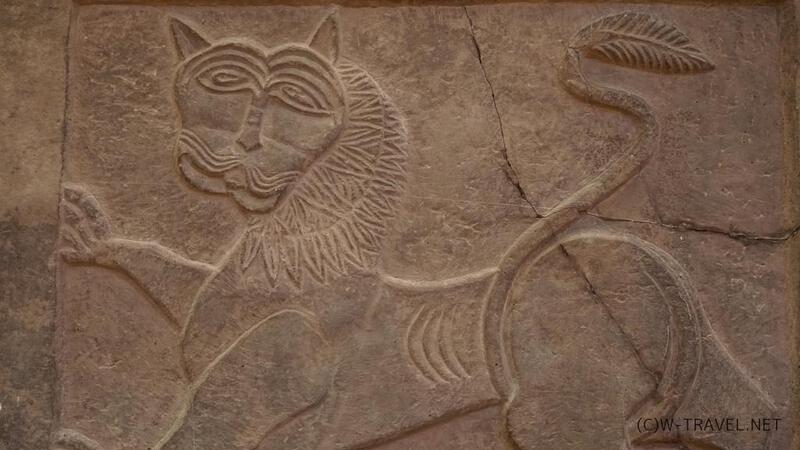
 يبدو أن الأسد هو رمز الدولة.
يمكن رؤيته في أماكن مختلفة.
يُقال إن تاريخه قديم إلى حد ما، وأنه الآن من بين أفقر دول الاتحاد الأوروبي، ولكن يبدو أن الناس فخورون ببلدهم، وأعتقد أنه مع مرور الوقت، سينتعش.
إن البلدان ذات التاريخ الطويل قوية. لا يجب الحكم عليها فقط من خلال الاقتصاد.
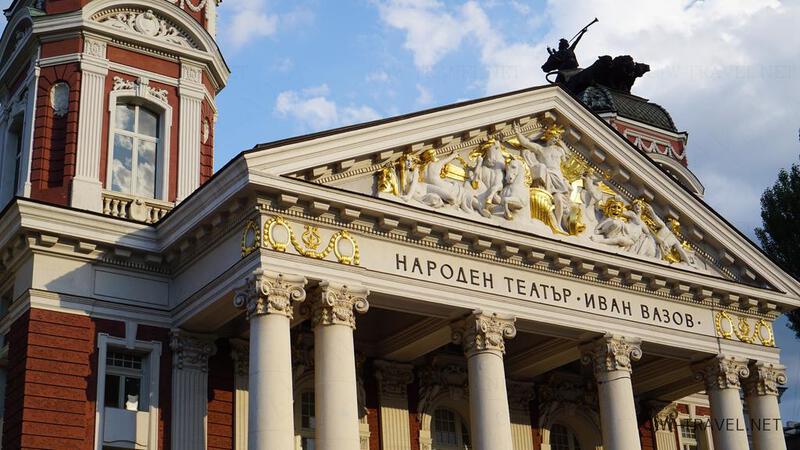
يبدو أن المسرحية شائعة هنا.
ولكن لا توجد مسرحيات باللغة الإنجليزية.
على عكس أمسية بروبديف الأخيرة، هذا مكان هادئ ومريح.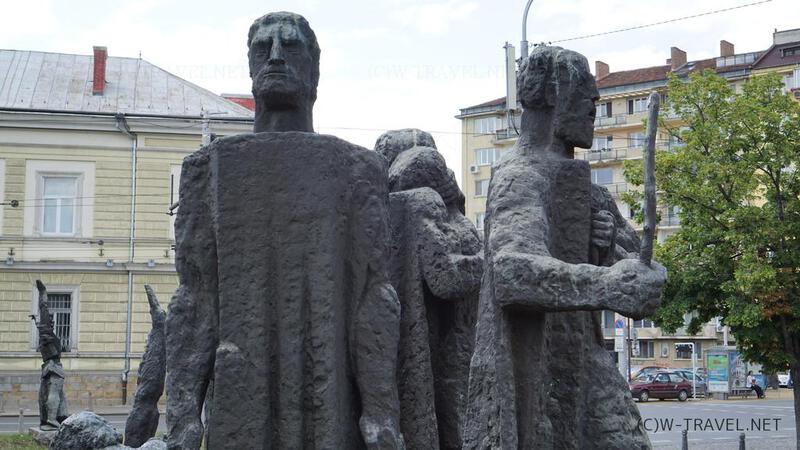
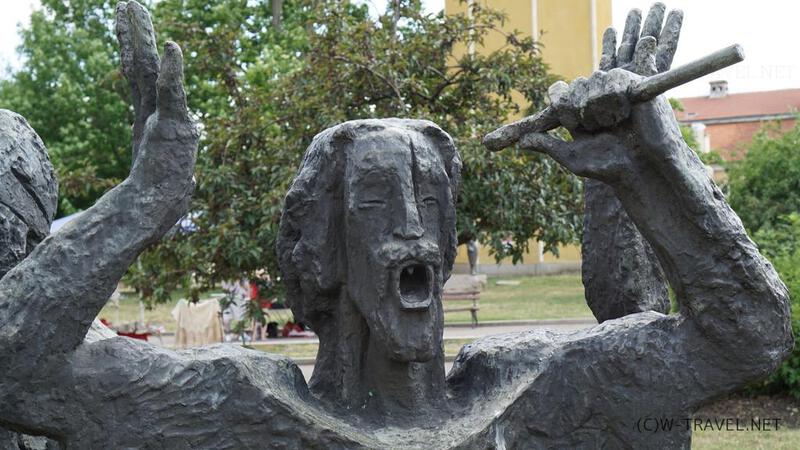




دير ريلا (دير القديس يوحنا في ريلا، دير الرهبان في ريلا، Rila Monastery).
اليوم، زرت دير ريلا (دير رهبان ريلا).
يبدو أن هناك عدة طرق للوصول إليه.
• جولات ذاتية التنظيم من الفنادق (لا تتوفر في الفندق الذي أقمت فيه).
تقريبًا 20 يورو (حوالي 2700 ين).
• جولات يومية من شركة Traventuria (25 يورو، حوالي 3420 ين). http://www.traventuria.bg/rila-monastery-shuttle-bus-from-sofia
http://www.traventuria.bg/rila-monastery-shuttle-bus-from-sofia
• الذهاب بالحافلة (11 ليفا في الاتجاه الواحد، 22 ليفا للذهاب والإياب، حوالي 1530 ين) → هذا ما فعلته.
• سيارة مستأجرة (توجد مواقف للسيارات).
عند الذهاب بالحافلة، يمكنك رؤية دير ريلا فقط.
بينما إذا ذهبت في جولة، يمكنك رؤية معبد صغير يقع في عمق دير ريلا، على بعد حوالي 10 دقائق بالسيارة.
بعض الجولات تتضمن زيارة دير ريلا والمناطق المحيطة به، بالإضافة إلى كنيسة Boyana الواقعة في ضواحي صوفيا.
بما أنني أردت فقط رؤية دير ريلا، فقد اخترت الذهاب بالحافلة.
لأغراض التدوين، سأكتب ما يلي:
■ طريقة الذهاب بالحافلة:
• استقل الحافلة التي تغادر من محطة الحافلات الغربية (Ovcha Kupel) في الساعة 10:20 صباحًا.
تتوقف الحافلة لمدة 20 دقيقة تقريبًا في محطة ريلا، ثم تصل إلى أمام دير ريلا حوالي الساعة 13:10.
في العودة، تغادر الحافلة من أمام دير ريلا في الساعة 15:00، وتصل إلى محطة الحافلات الغربية (Ovcha Kupel) حوالي الساعة 17:30.
محطة الحافلات الغربية (Ovcha Kupel) موجودة هنا → Google Map
https://www.google.bg/maps/place/%D0%90%D0%B2%D1%82%D0%BE%D0%B3%D0%B0%D1%80%D0%B0+%D0%97%D0%B0%D0%BF%D0%B0%D0%B4%D0%B0/@42.6728086,23.2723855,18z/data=!4m2!3m1!1s0x40aa84ce7141160d:0xf6111631fd38cab6?
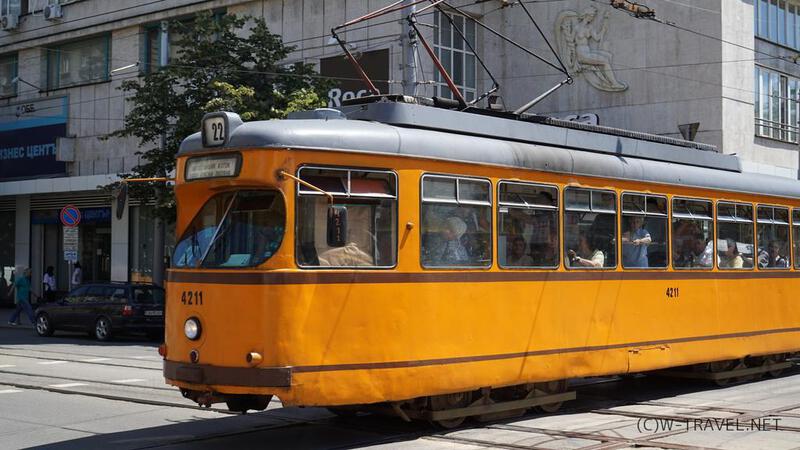
• للوصول إلى محطة الحافلات الغربية (Ovcha Kupel)، يمكنك بالطبع استخدام سيارة أجرة، ولكن يمكنك أيضًا استخدام الترام رقم 5.
يمكنك ركوب الترام رقم 5 من أي مكان، ولكن من الأسهل ركوبه من المحطة القريبة من محطة Serdika في وسط المدينة.
أسهل مكان لركوب الترام رقم 5 هو هنا → Google Map
https://www.google.bg/maps/dir/42.6957619,23.3191912/42.6957639,23.3191844/@42.6956939,23.3190824,19z/data=!4m2!4m1!3e0?hl=en
• نظرًا لأن محطة الترام تقع مباشرة بجوار محطة الحافلات الغربية (Ovcha Kupel)، يمكنك النزول أثناء مشاهدة خريطة Google.
إذا لم تتمكن من استخدام نظام تحديد المواقع العالمي (GPS)، فقم بالنزول عندما تصل إلى أمام سوبر ماركت 345. يقع سوبر ماركت 345 بين محطة الترام ومحطة الحافلات الغربية (Ovcha Kupel).
↓سوبر 345
 الرحلة ذهابًا كانت بالحافلة الكبيرة،
والرحلة إيابًا، من دير ريلا إلى قرية ريلا، كانت أيضًا بالحافلة الكبيرة، ثم تم الانتقال إلى حافلة صغيرة للعودة إلى صوفيا.
من خلال قراءة مدونات أخرى، يبدو أن هناك حالات تكون فيها الحافلة الصغيرة هي المستخدمة طوال الرحلة.
لا أعرف ما إذا كان ذلك يعتمد على عدد الركاب، أو على فترة زمنية معينة، أو على أيام الأسبوع.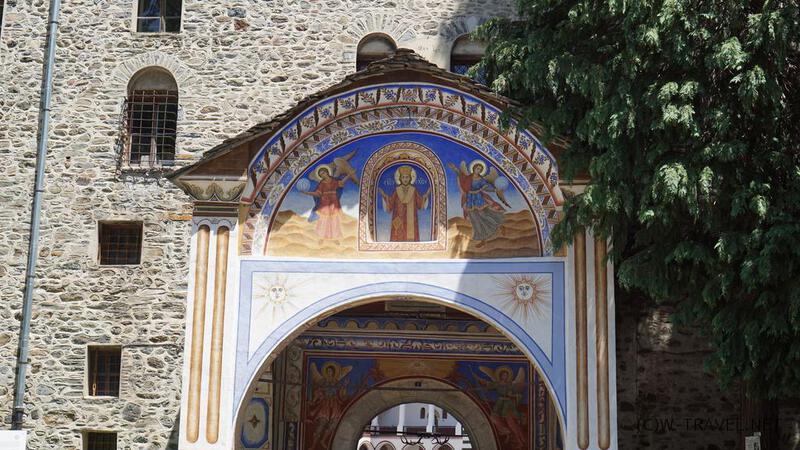
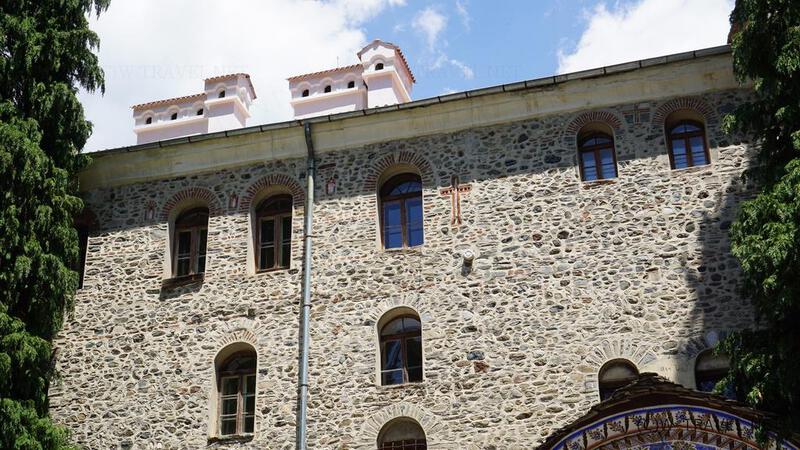
 حسنًا، لقد وصلنا إلى الدير، ولكن يبدو أن هذا المعبد لا يحتوي على أي إله. إنه أمر مفاجئ.
لا أشعر بأي هالة...
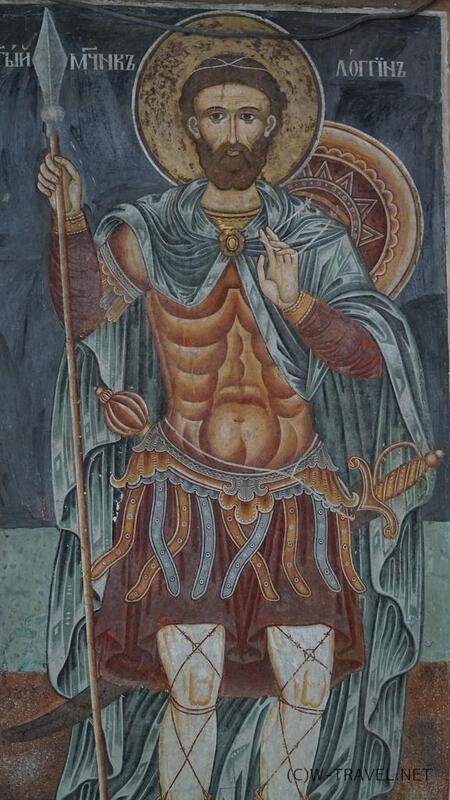
يبدو أن الإله قد ذهب إلى مكان ما. اللوحات الجدارية جميلة، ولكنها أصبحت مجرد مكان سياحي.
ربما لأنها فترة الظهيرة. من المؤكد أن القداس الصباحي سيكون مختلفًا. آمل أن يكون كذلك.
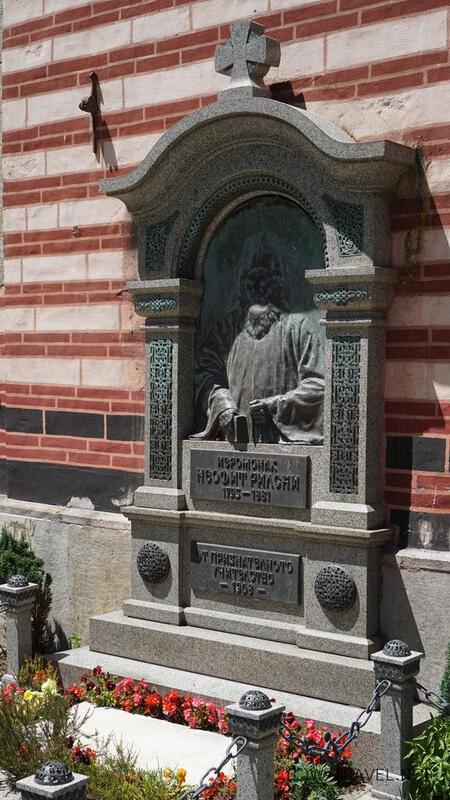
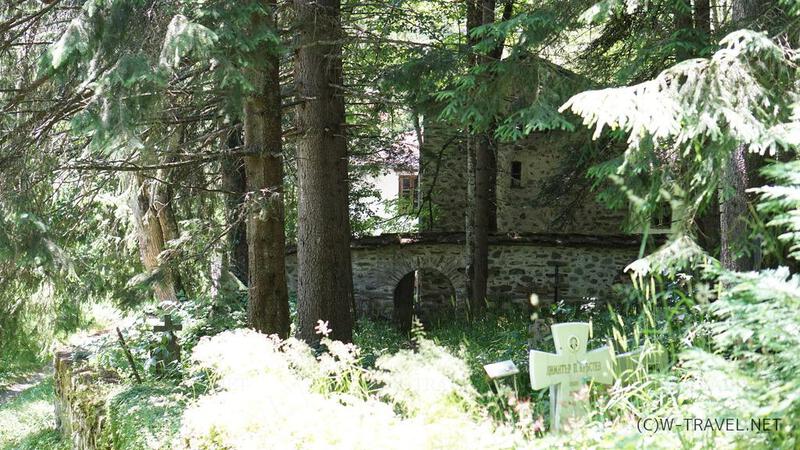
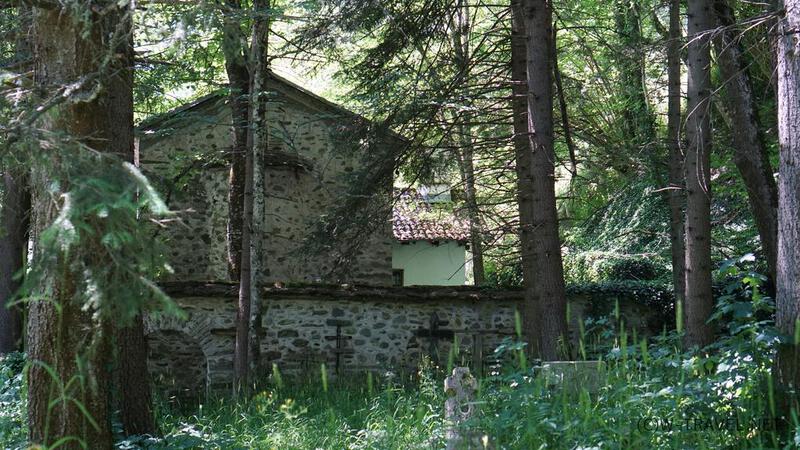
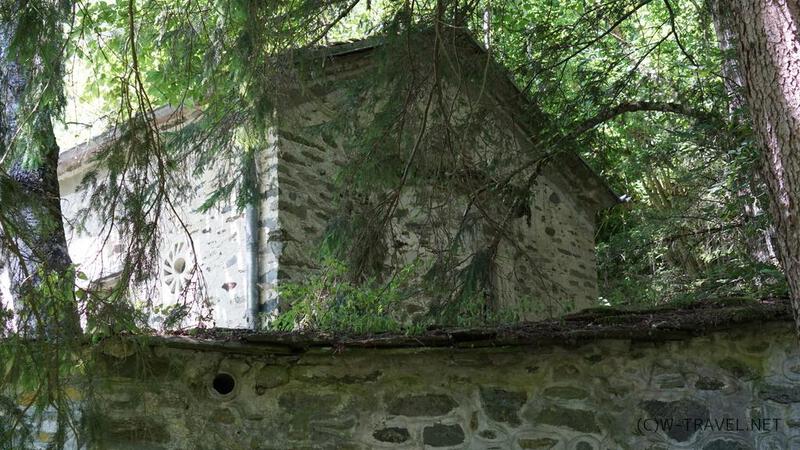
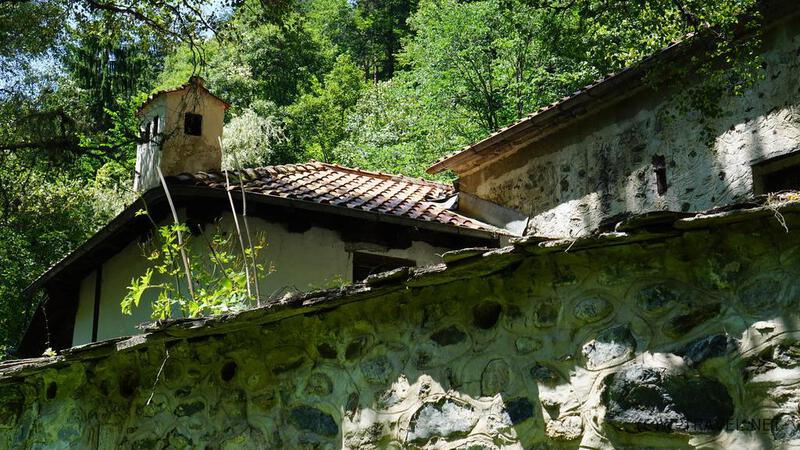
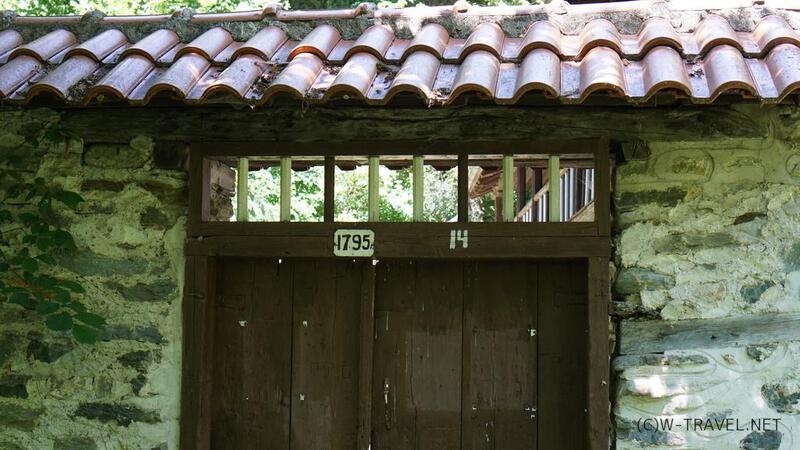
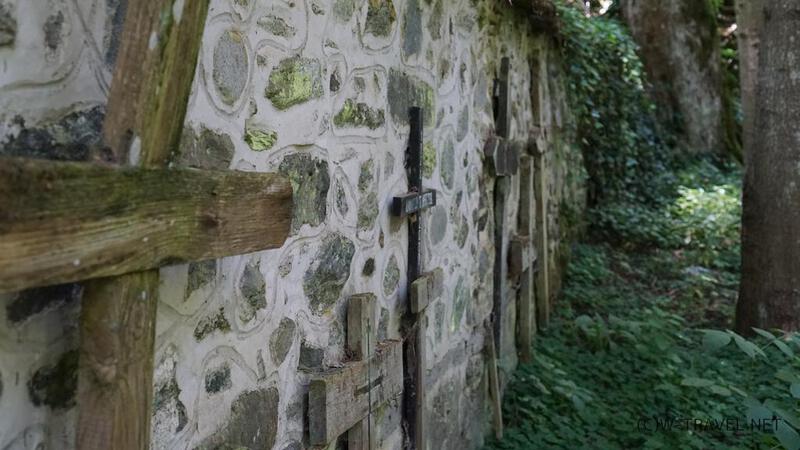
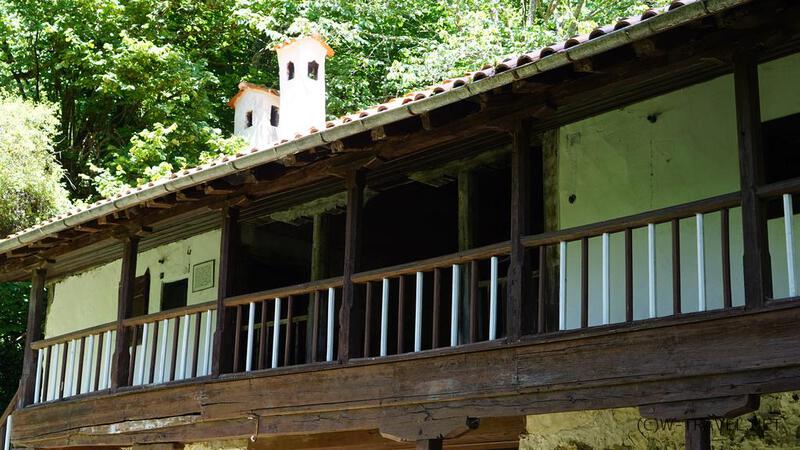
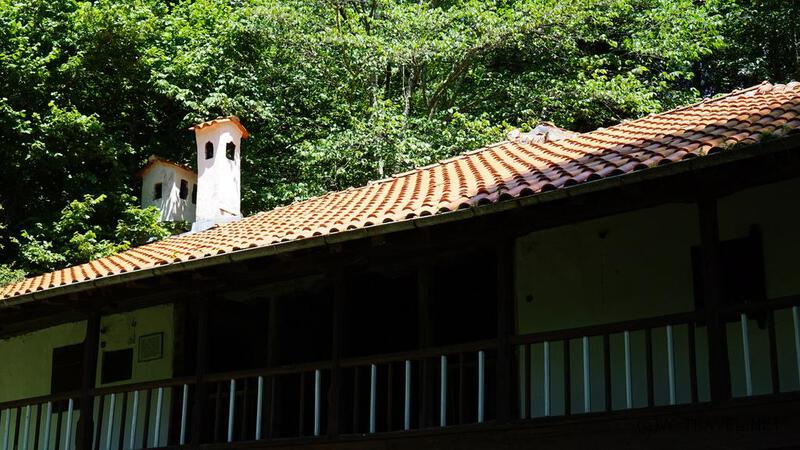
من ناحية أخرى، يوجد مبنى صغير ومقابر تقع في الجزء الخلفي من المعبد، ويبدو أن الروح ليست في المعبد الرئيسي، بل في هذا المبنى الصغير الذي لا يزوره الكثير من الناس وقد ينهار. لقد شعرت بأن شيئًا ما "هناك".
من الشائع إخفاء الأشياء الثمينة بعيدًا عن الأنظار. هذا يحدث أحيانًا في المعابد أيضًا. ليس بالضرورة أن يكون المعبد الرئيسي هو الأهم.
يبدو أن هذا المكان يرضي الكثير من الناس بجمال المعبد الرئيسي، بينما تحتفظ الروح في مكان خلفي بعيدًا عن الأنظار.
كنا على وشك أن نقع في الفخ. المعبد الرئيسي هو مجرد مكان سياحي بدون روح، هذا هو المظهر الخارجي.
↓ على أي حال، هذه صور من المعبد الرئيسي.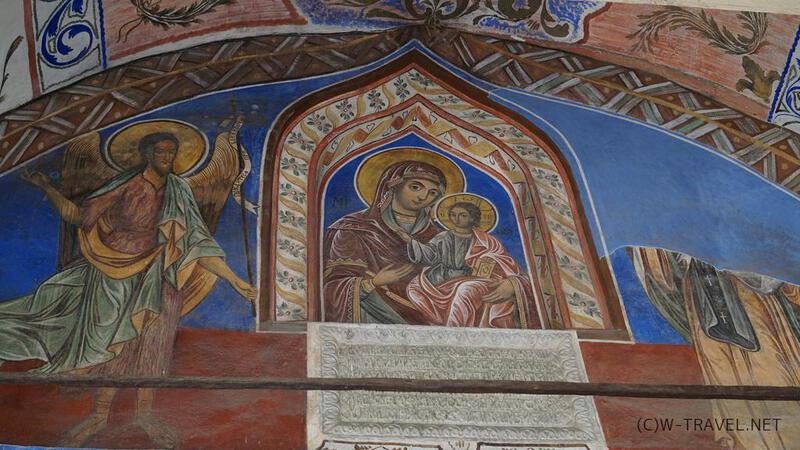
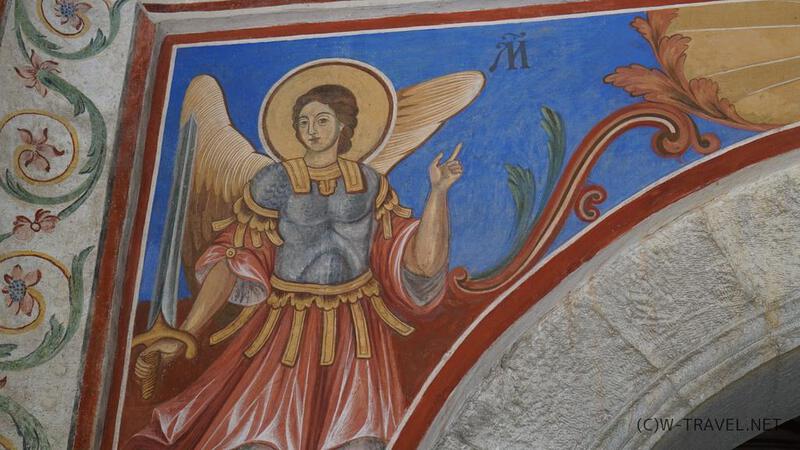
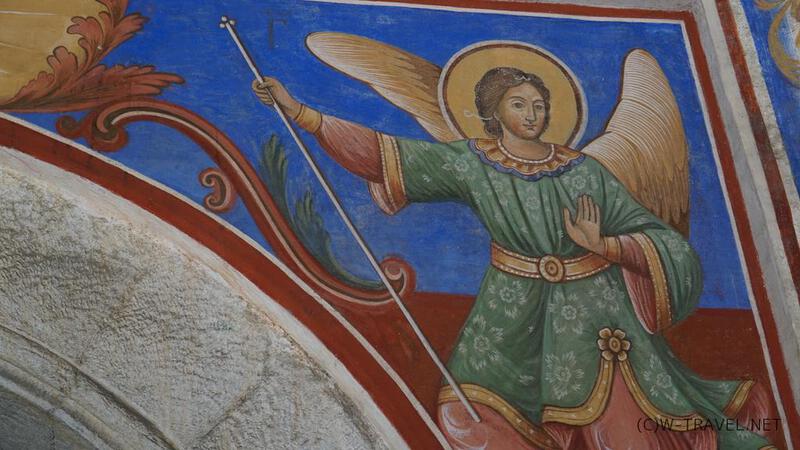


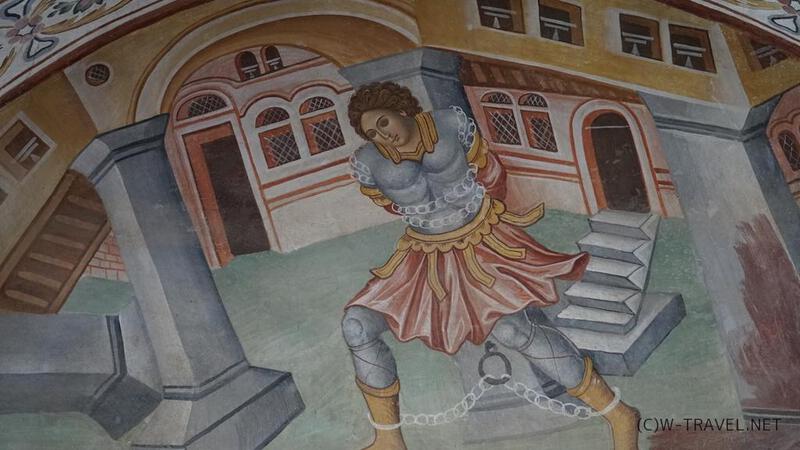

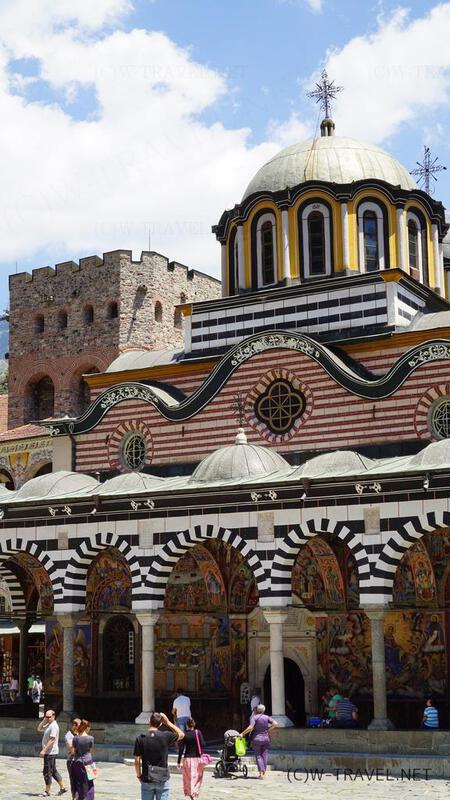
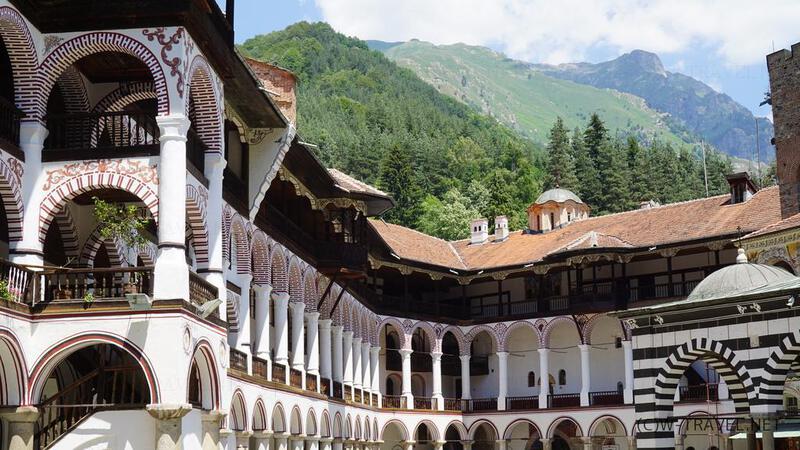
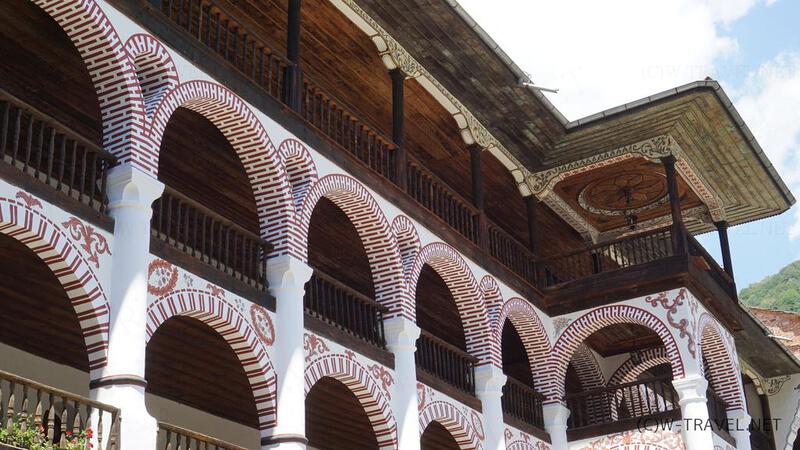
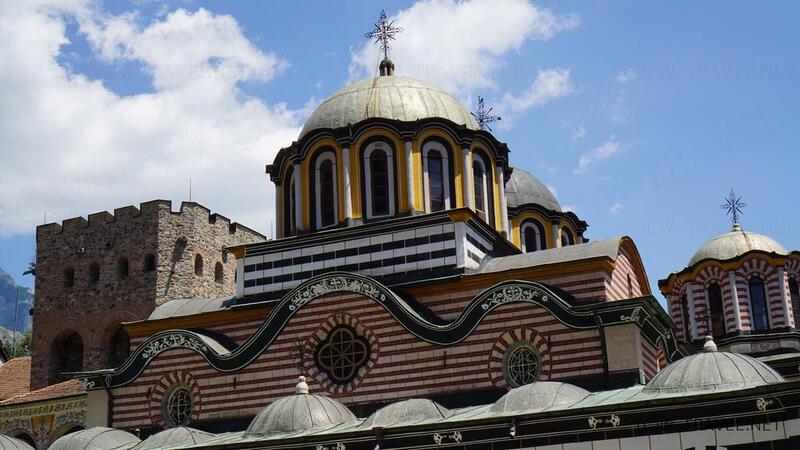
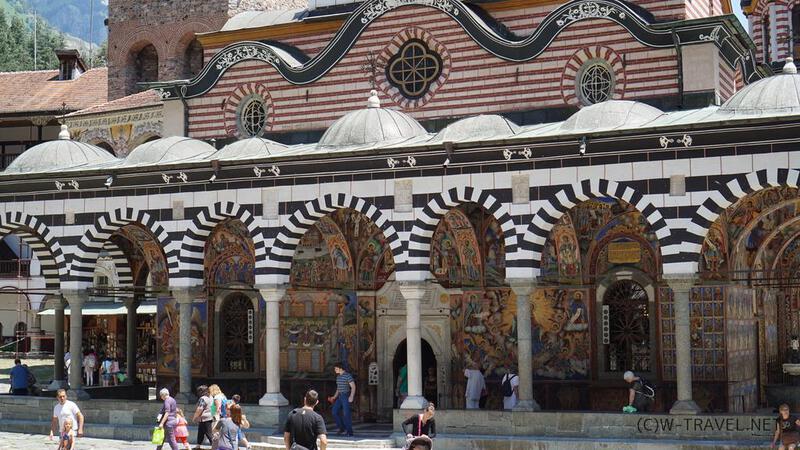
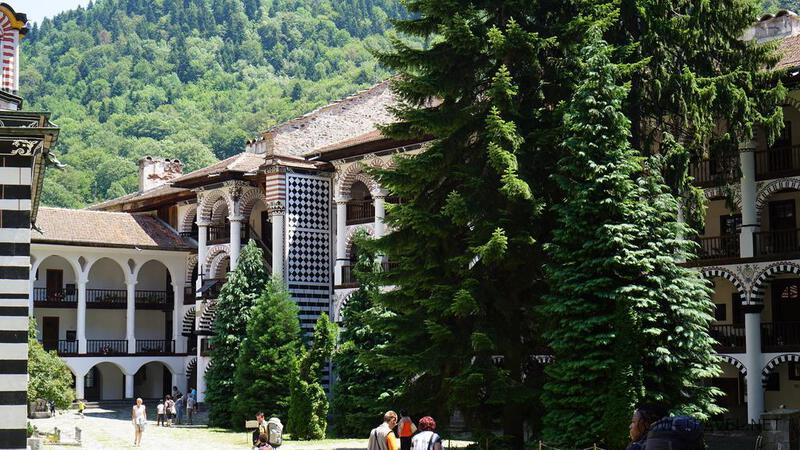

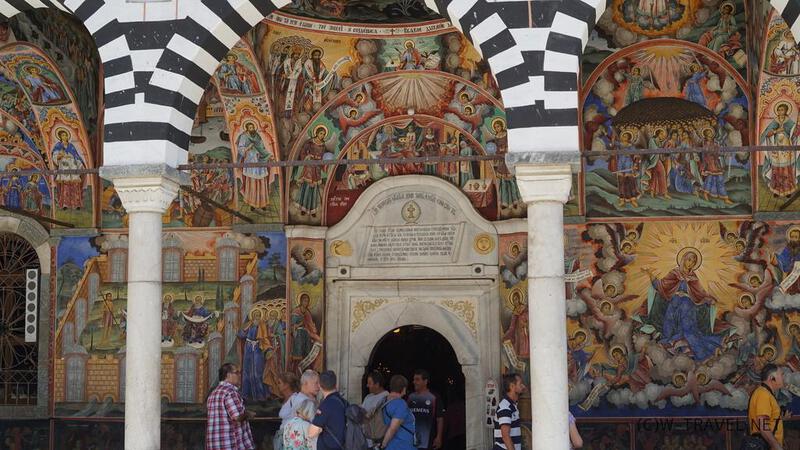
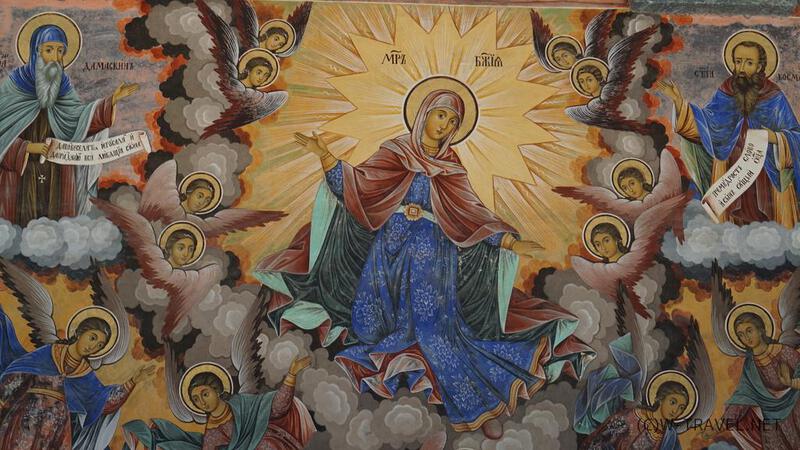

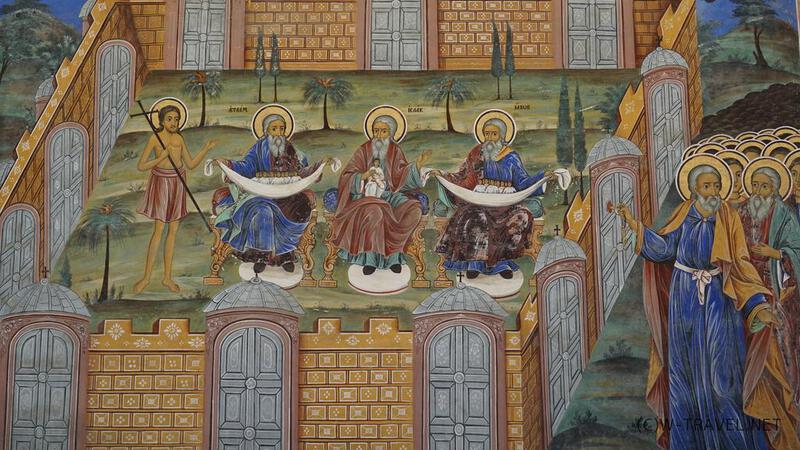
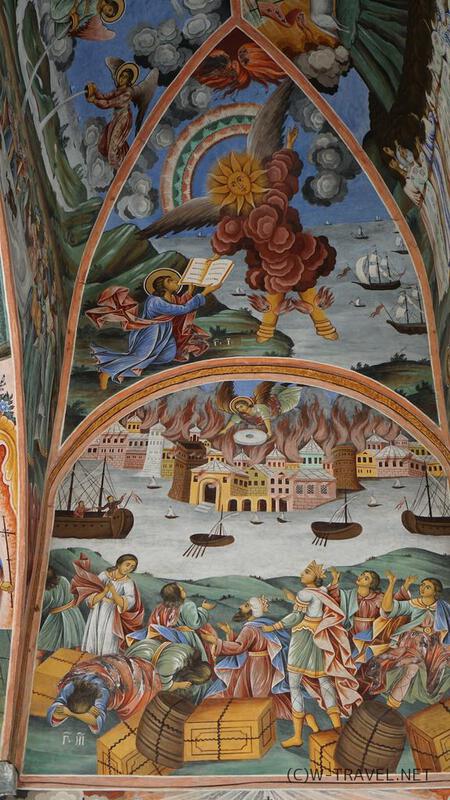
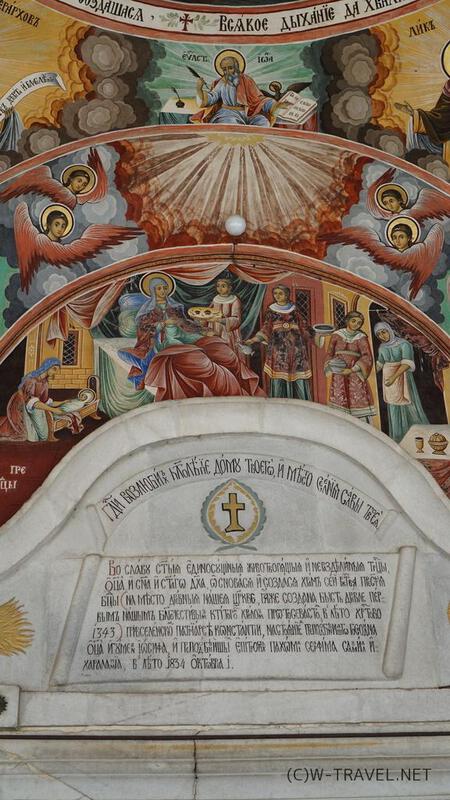
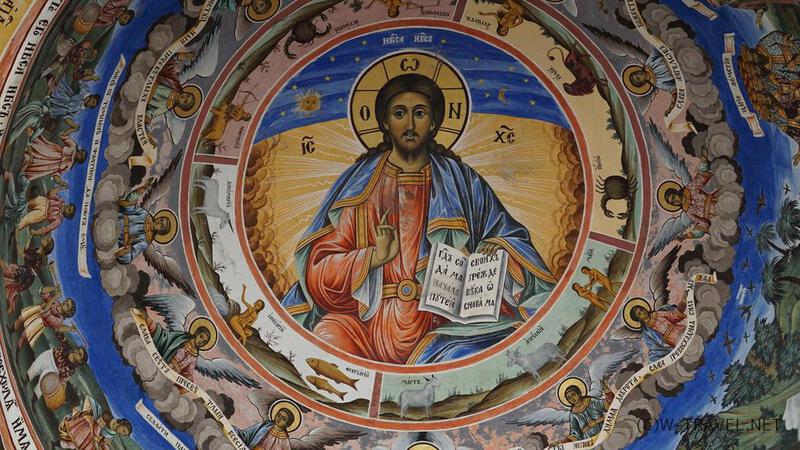
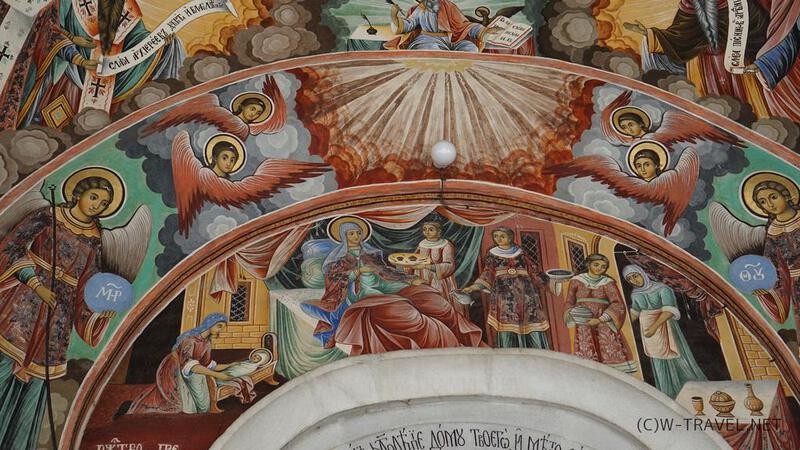
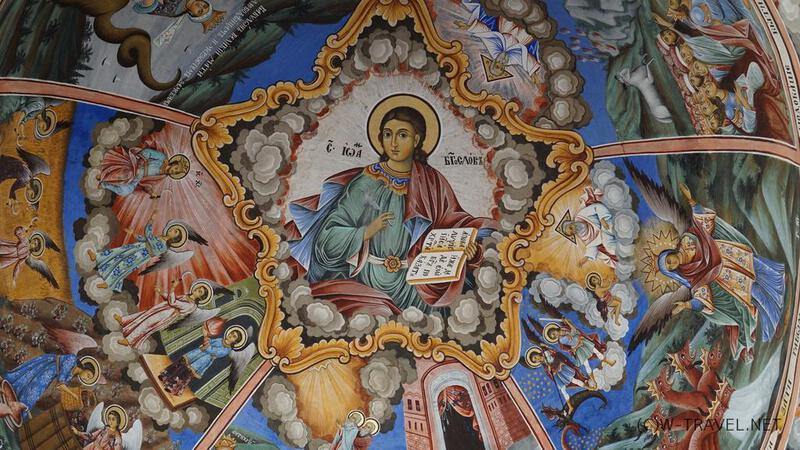
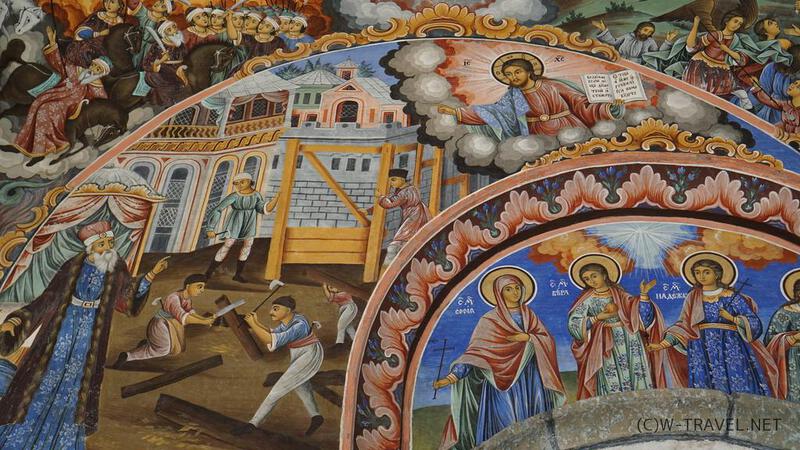
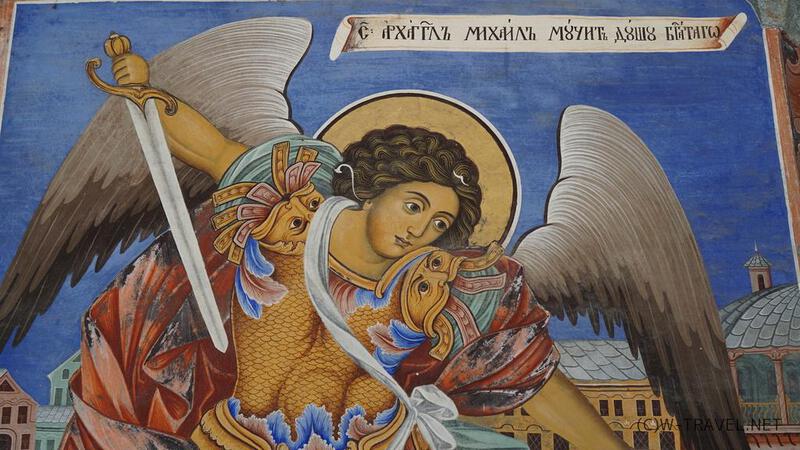
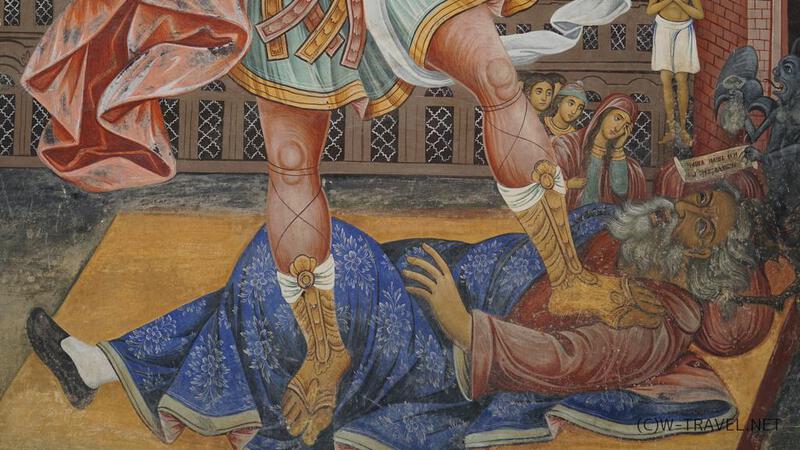
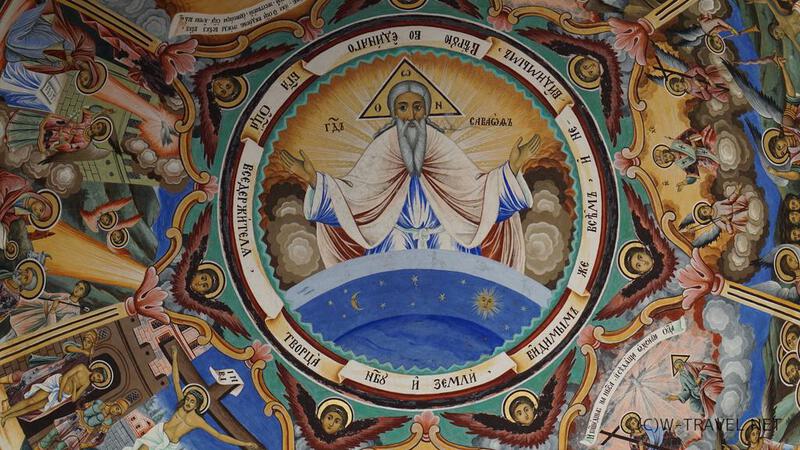


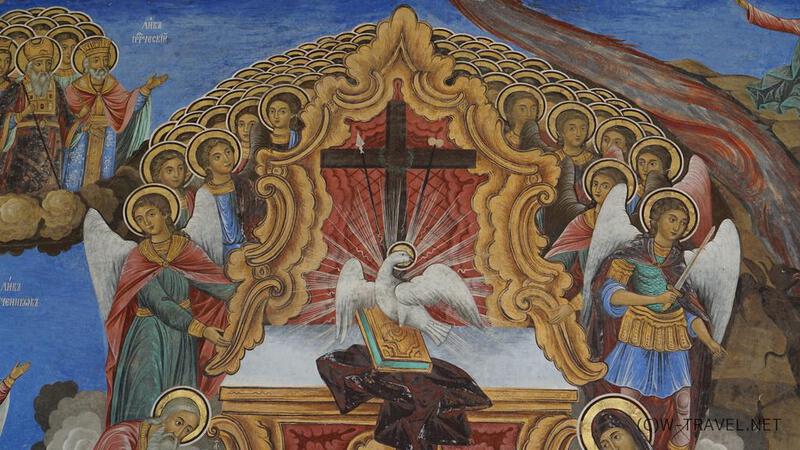
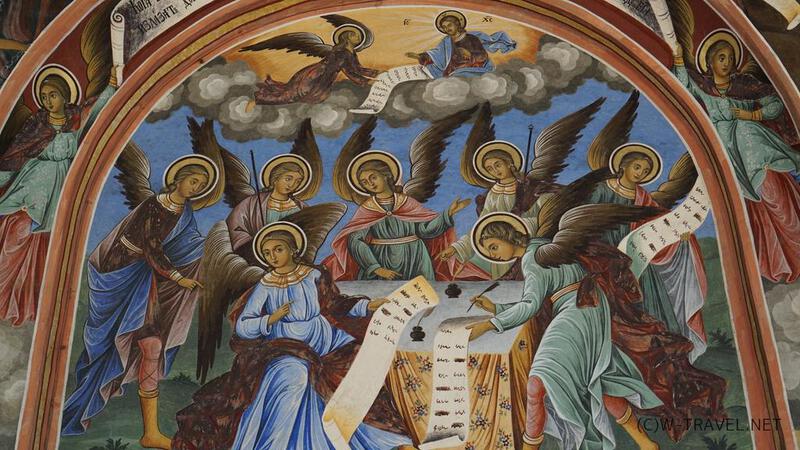
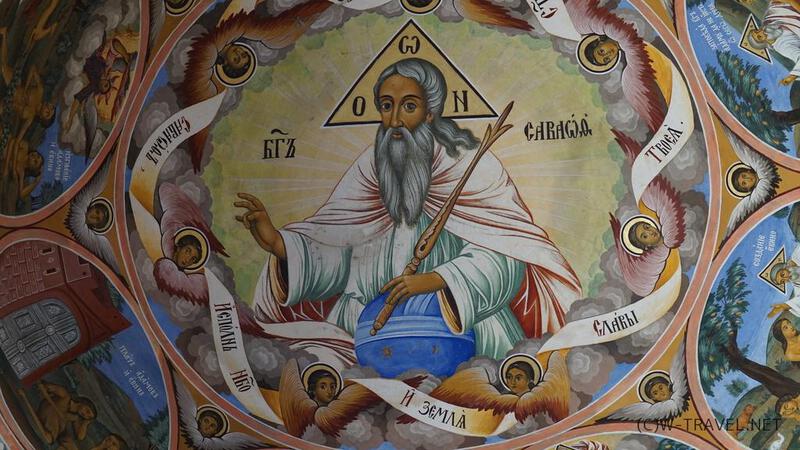
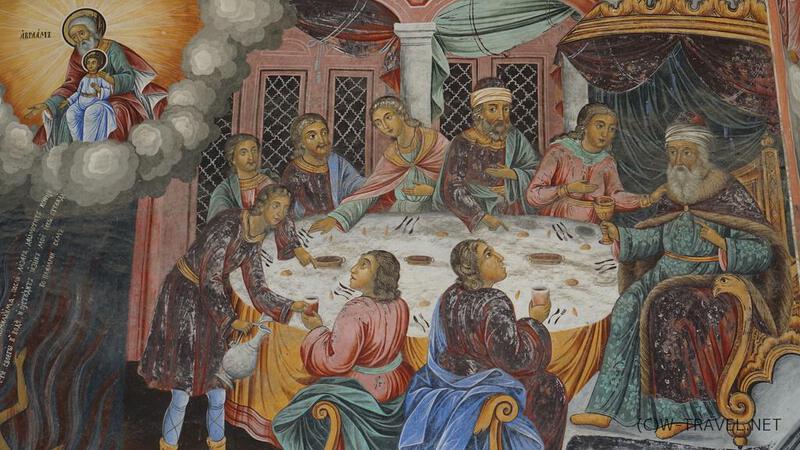
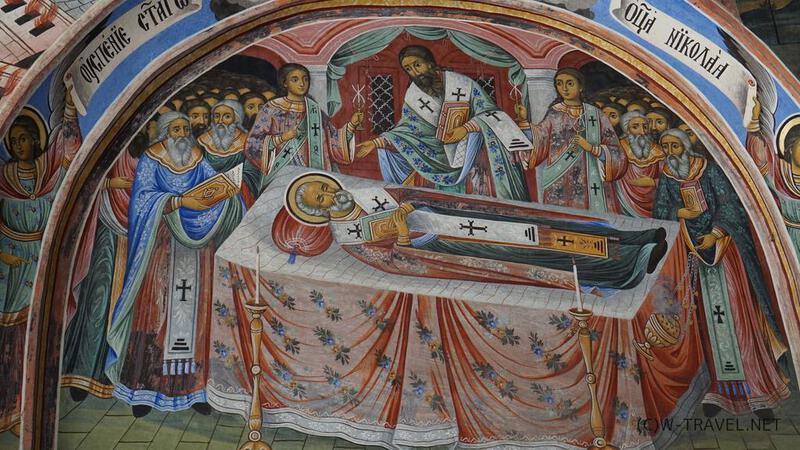
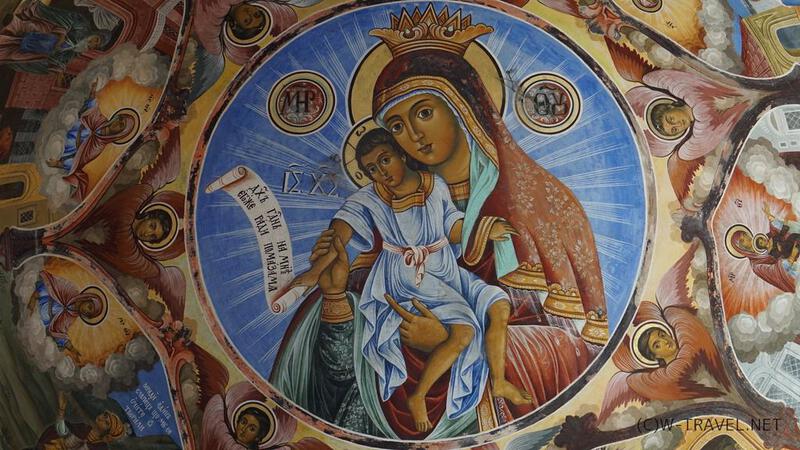
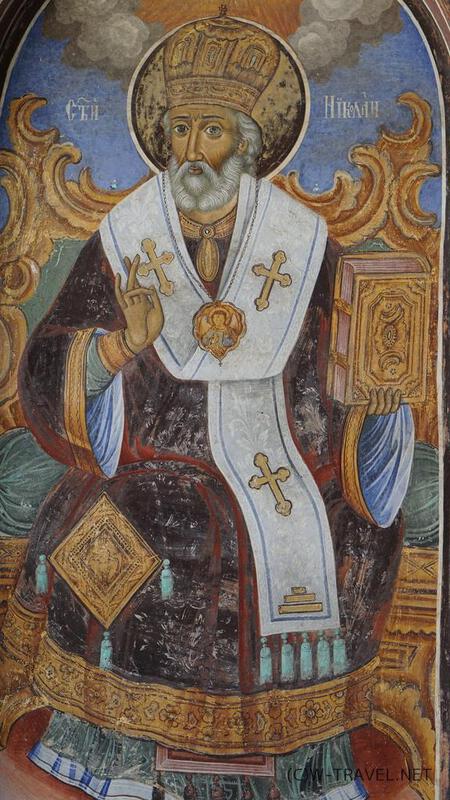
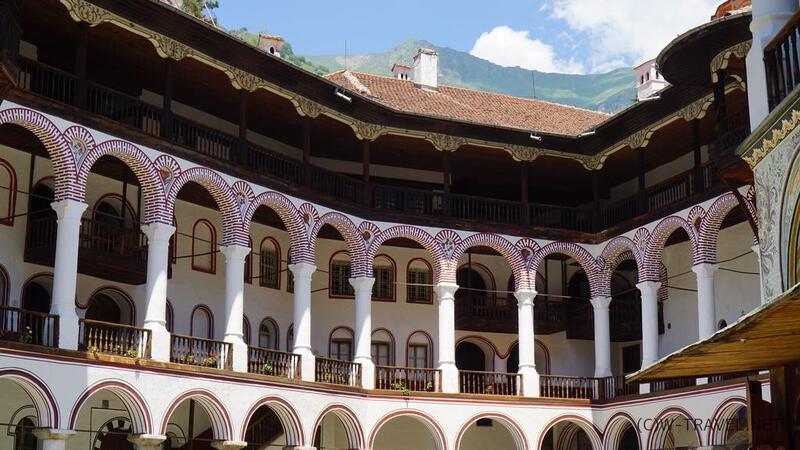

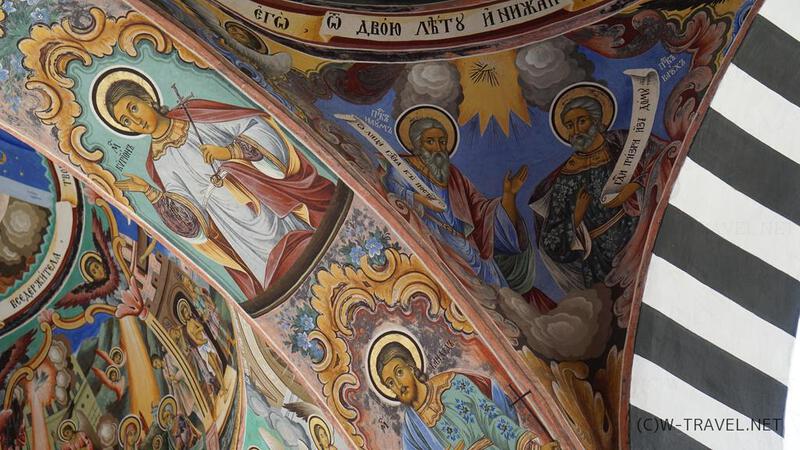
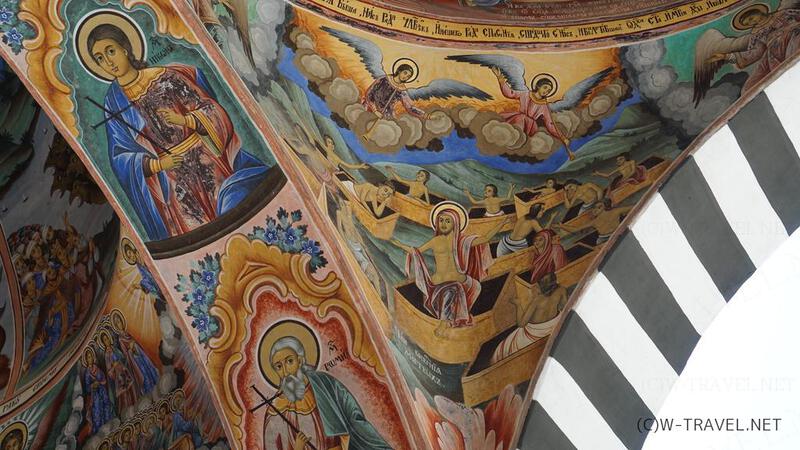
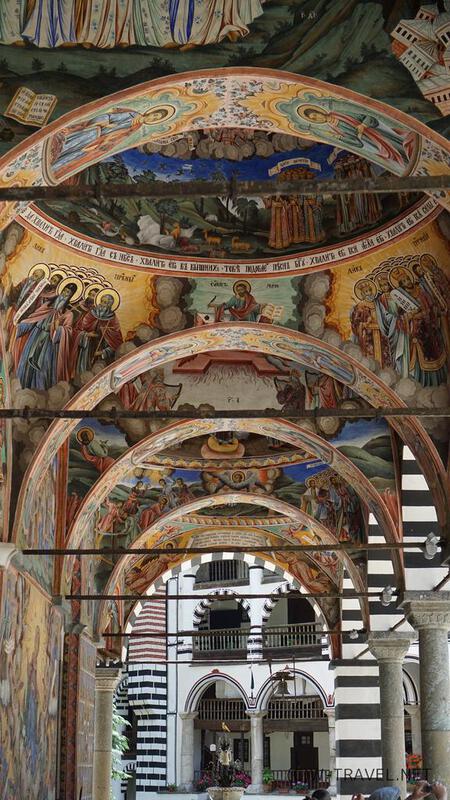


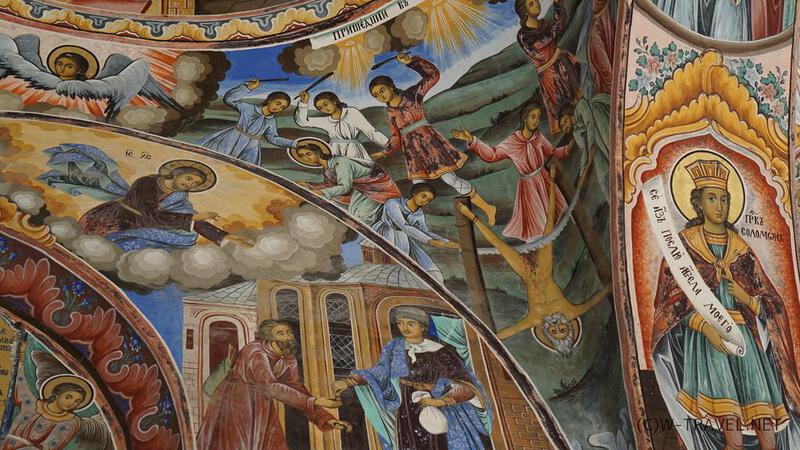
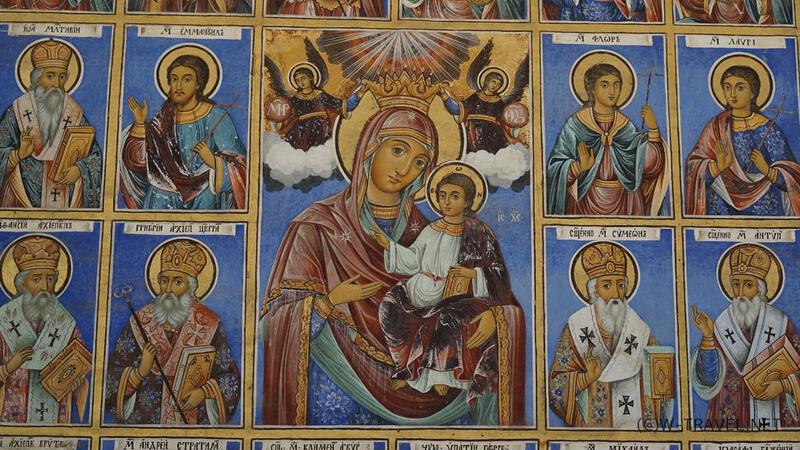
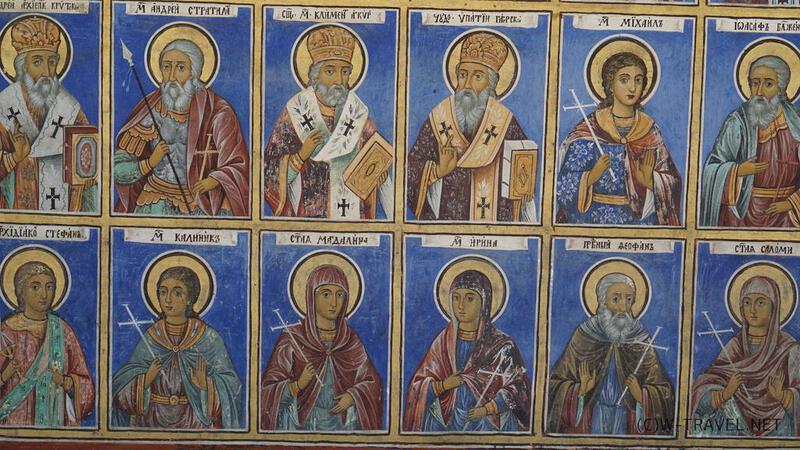
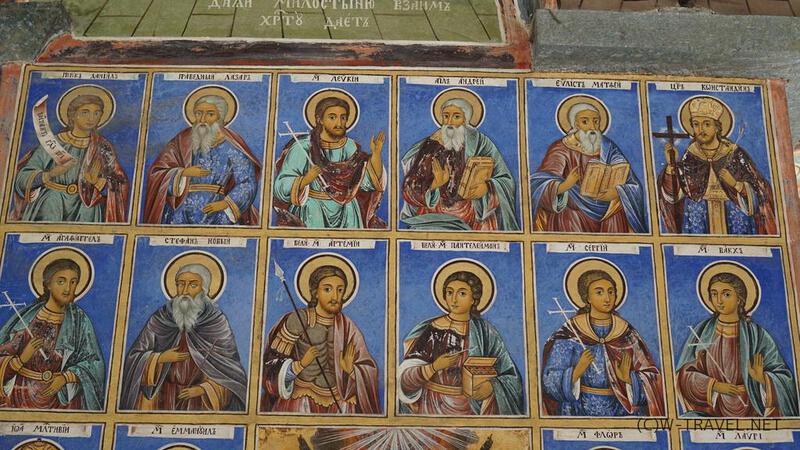

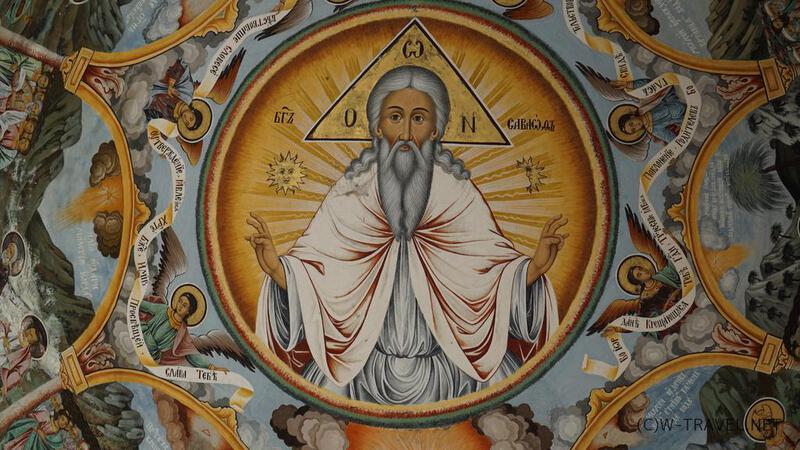
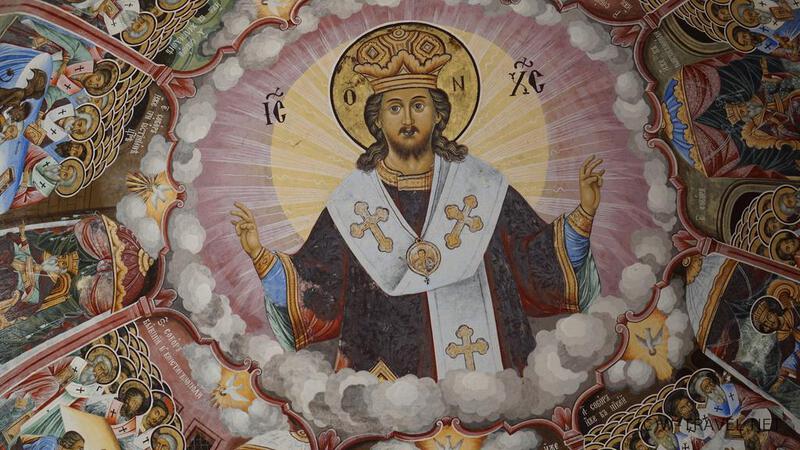

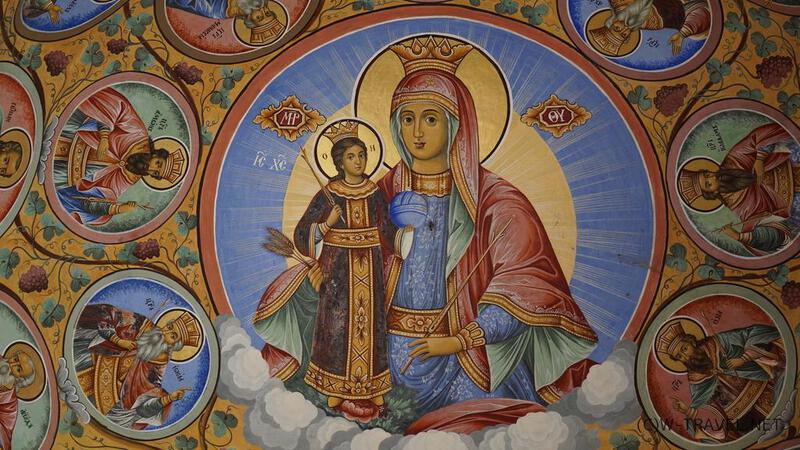
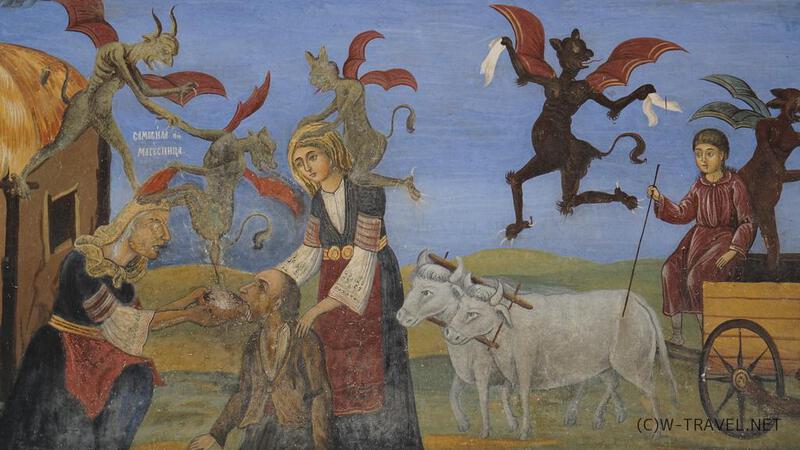
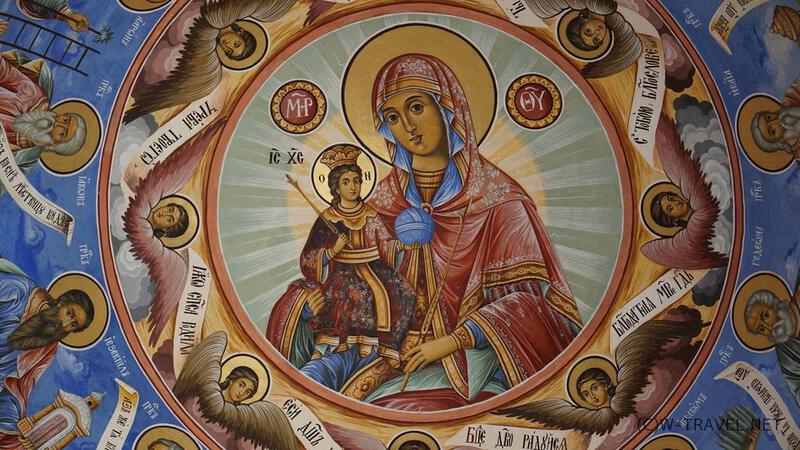

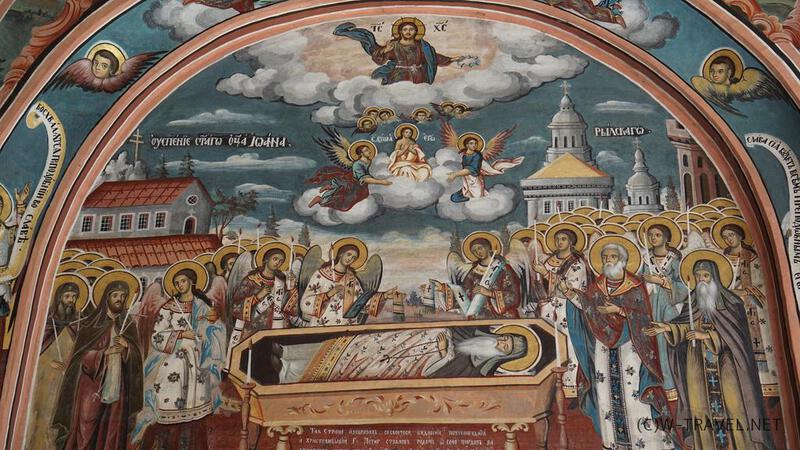
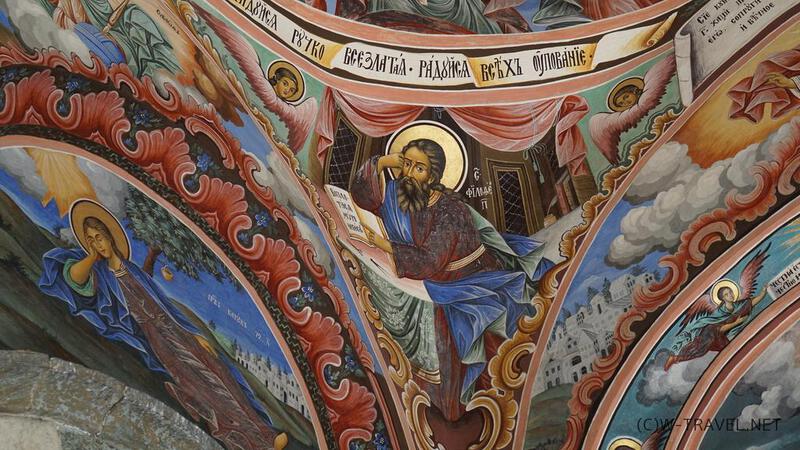
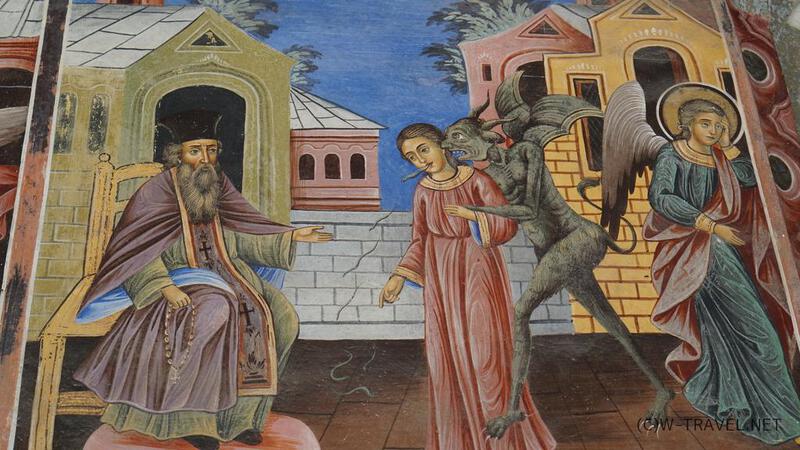
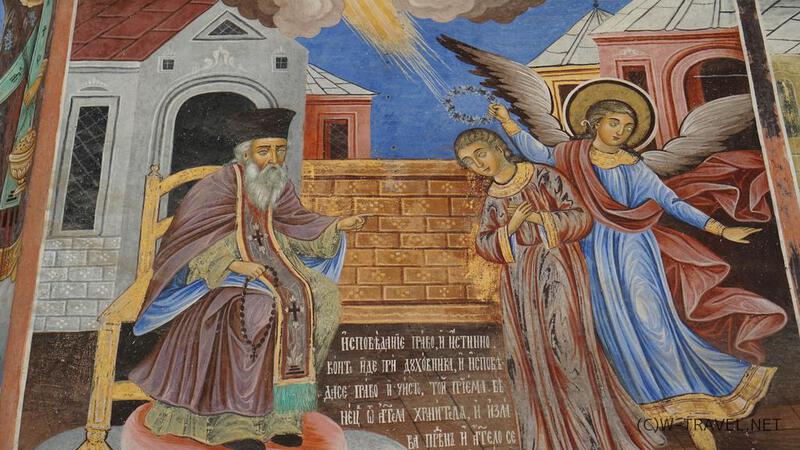
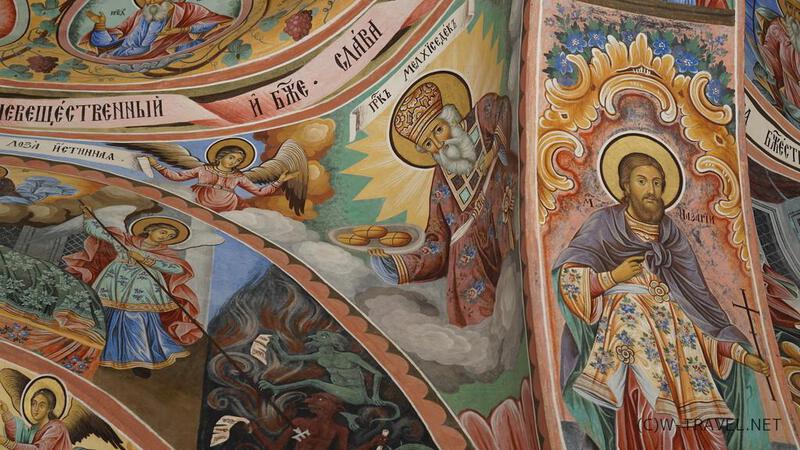
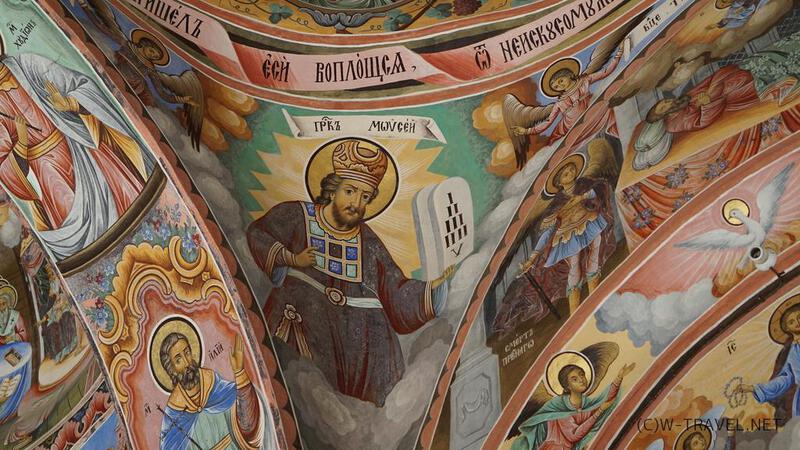
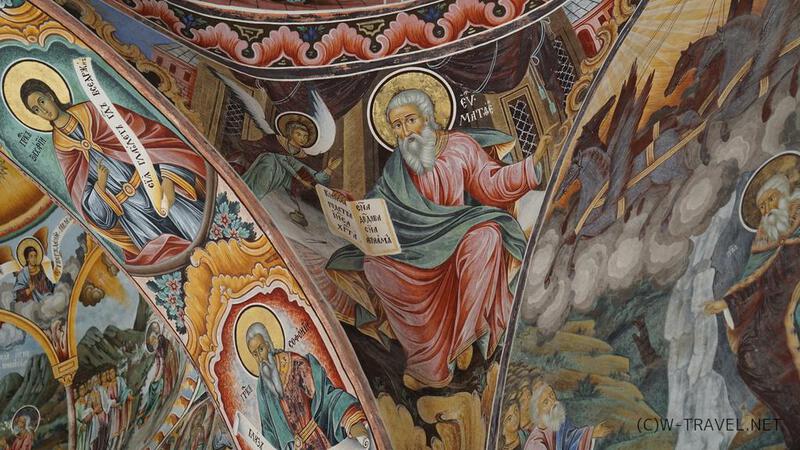
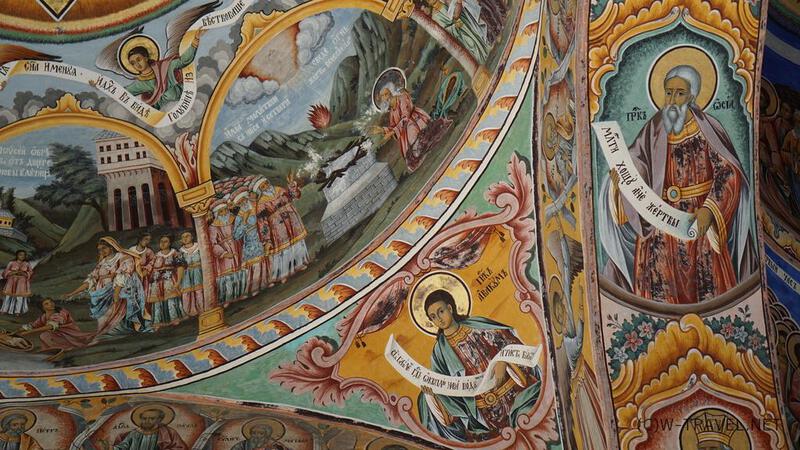

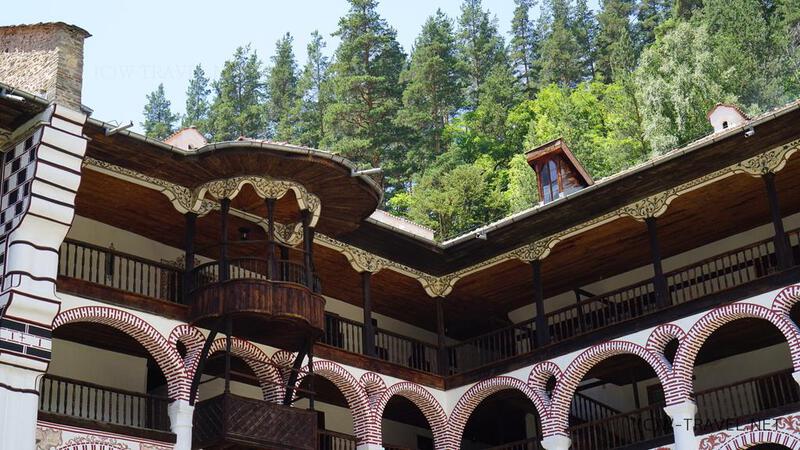

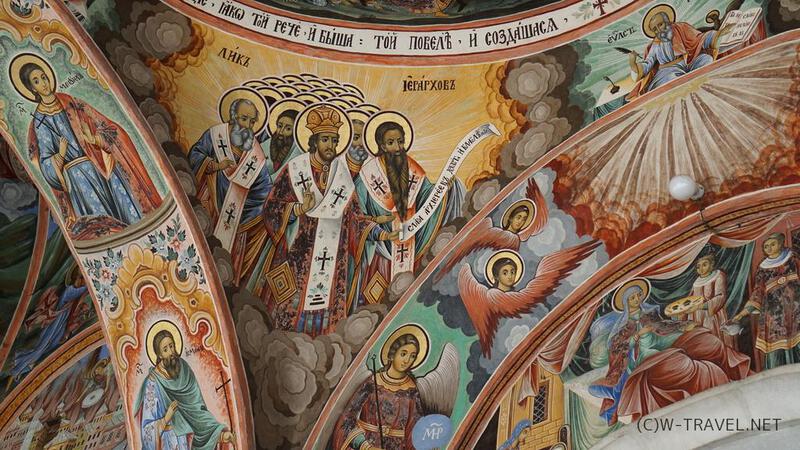

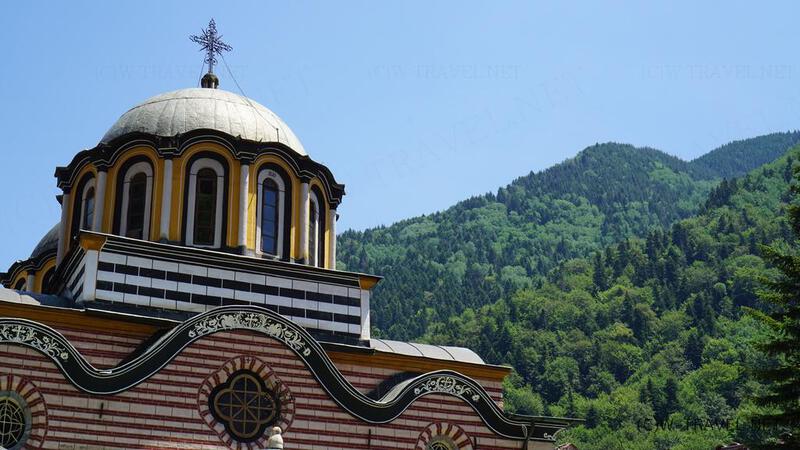
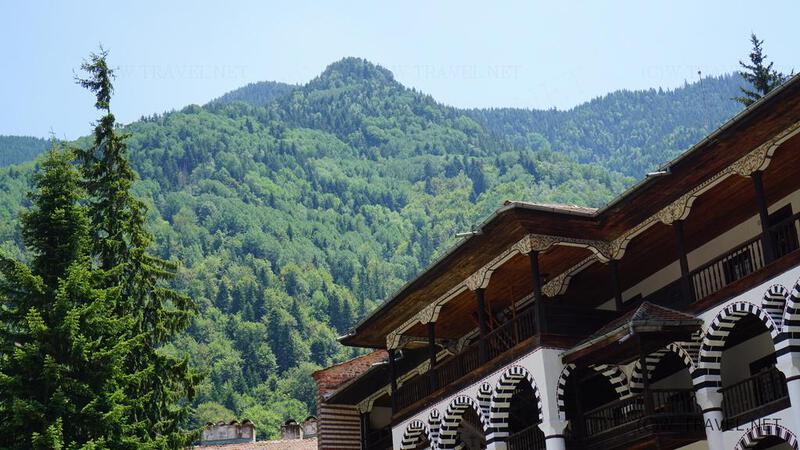
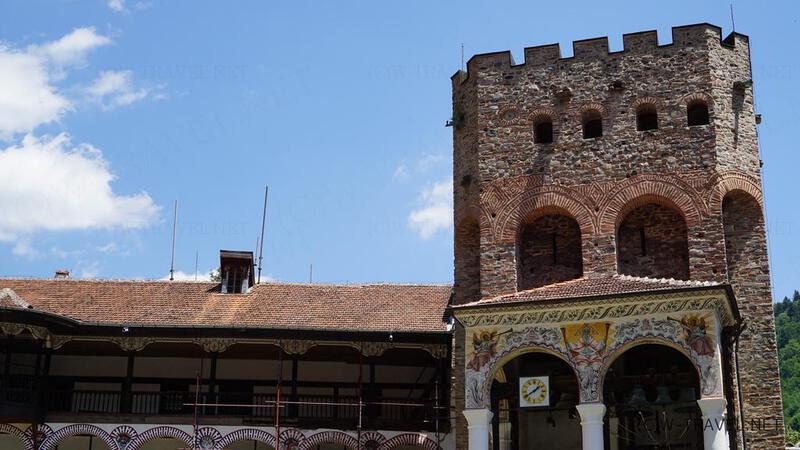

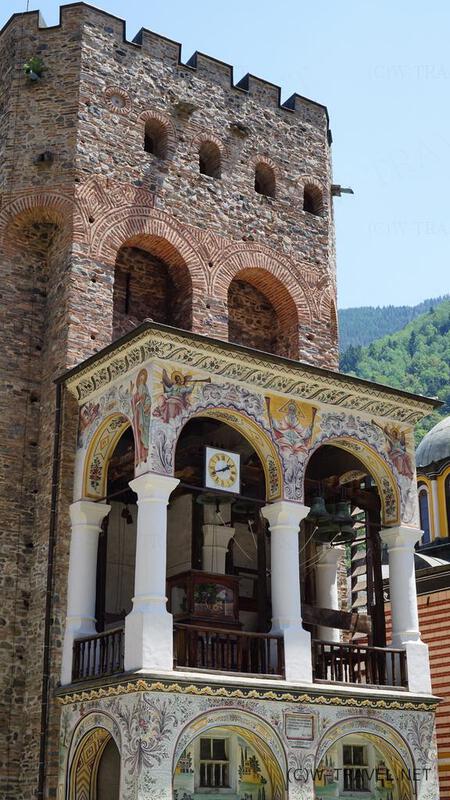


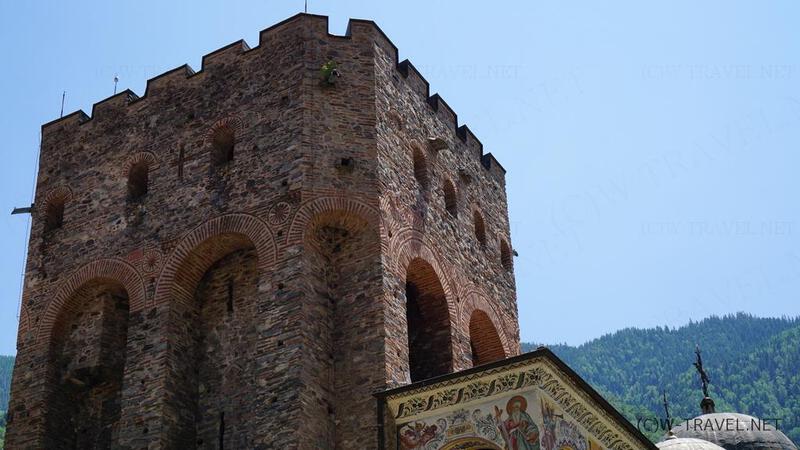
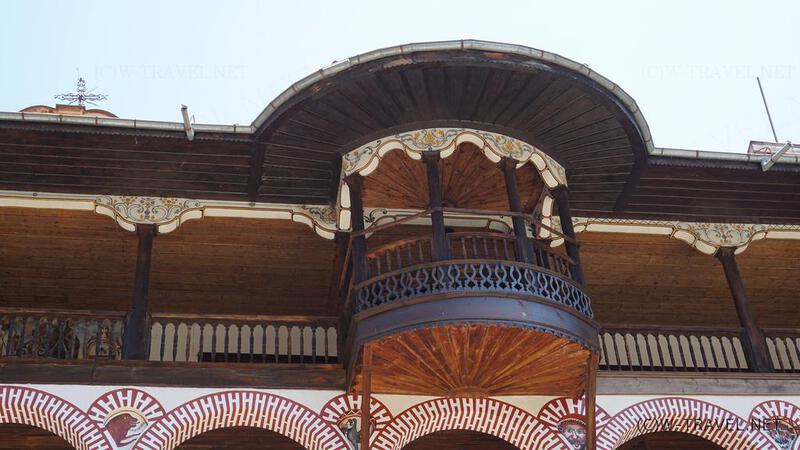
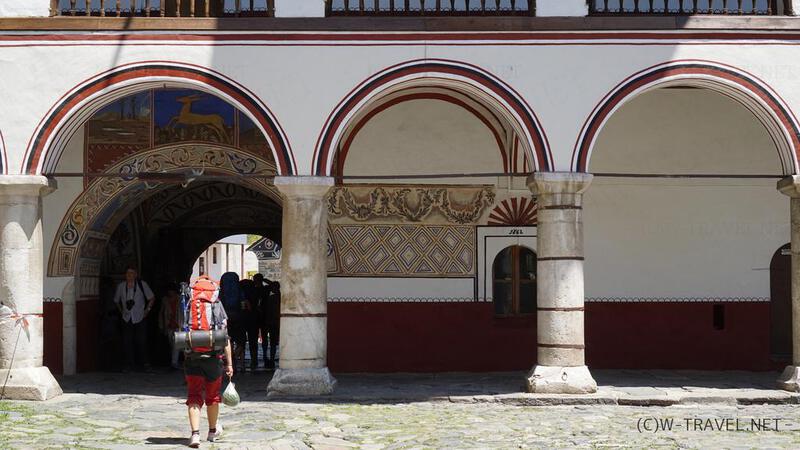
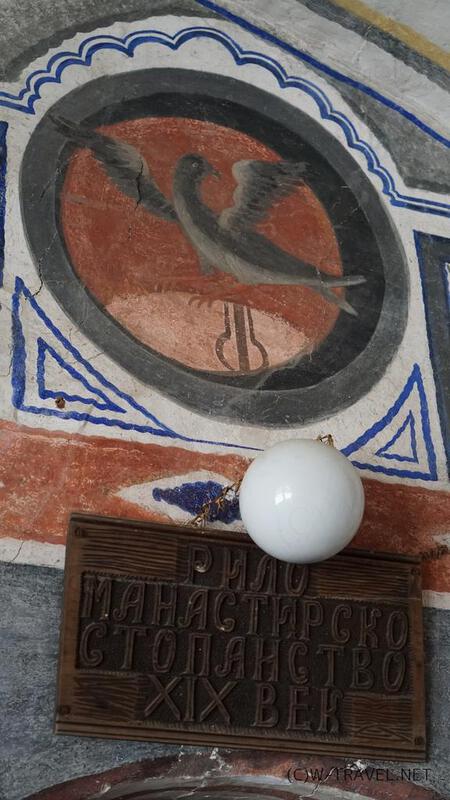

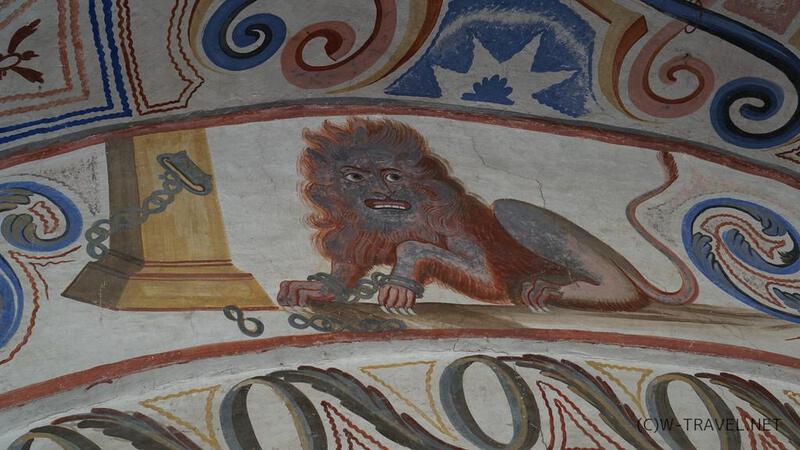

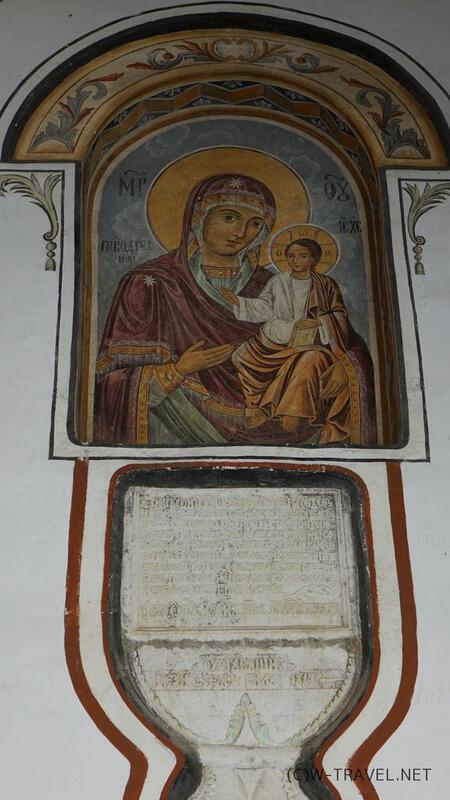
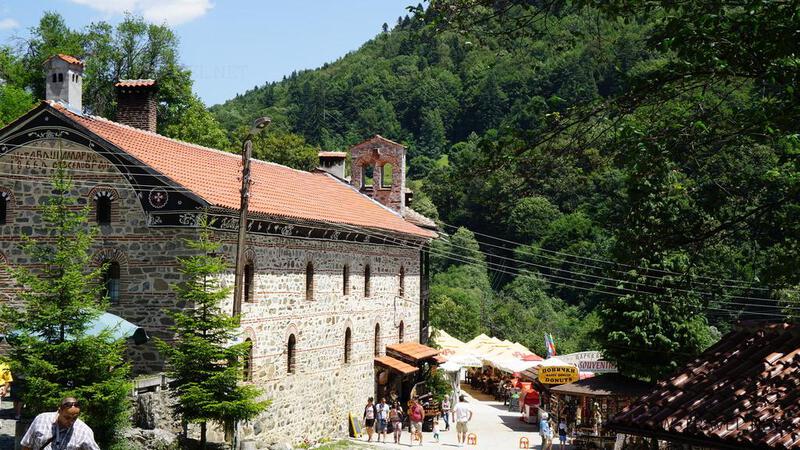
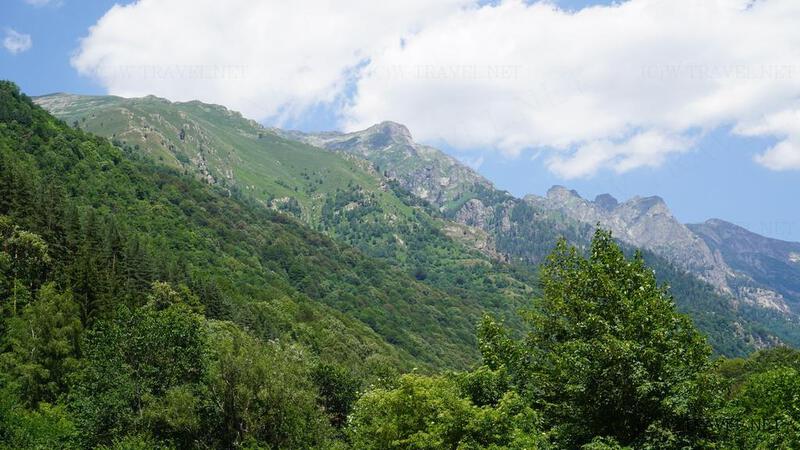
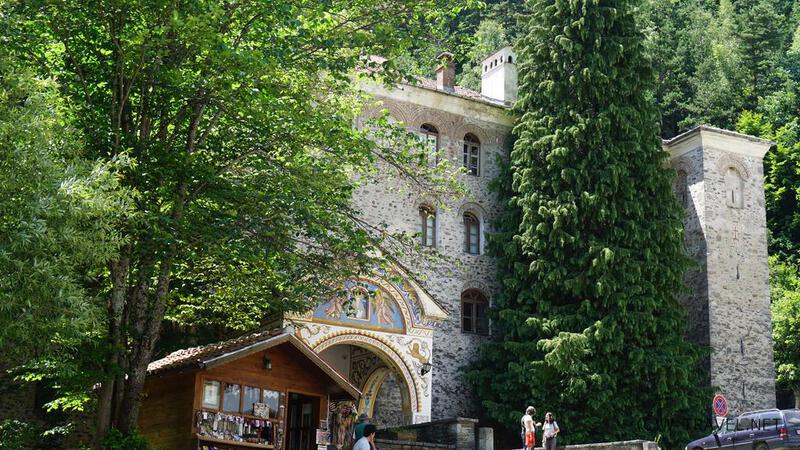

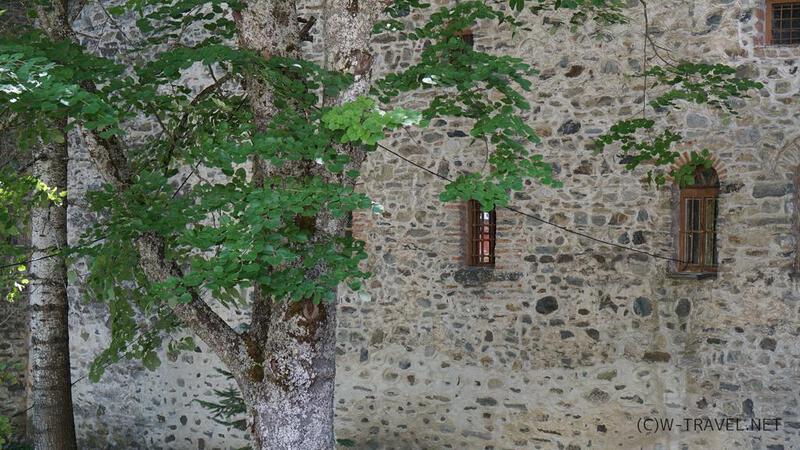
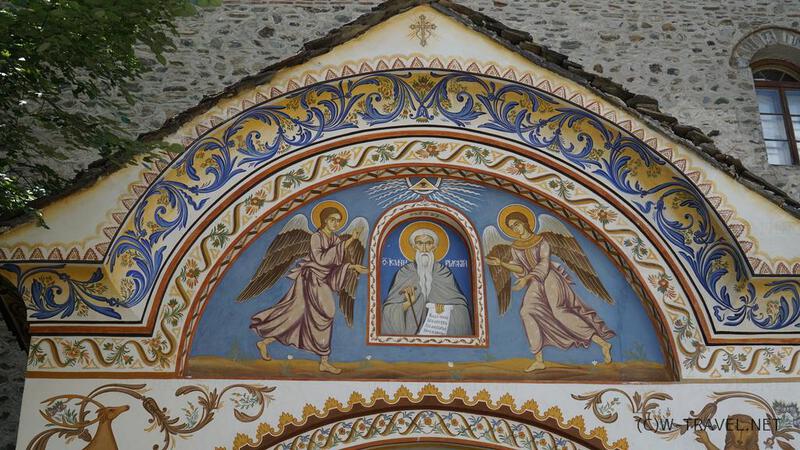
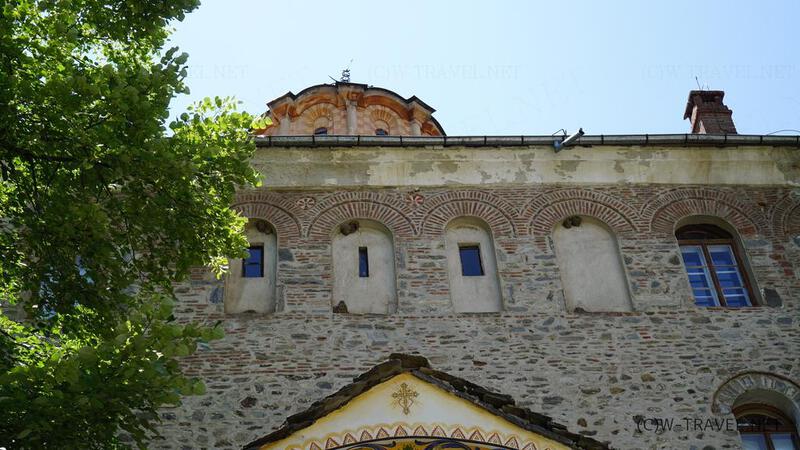
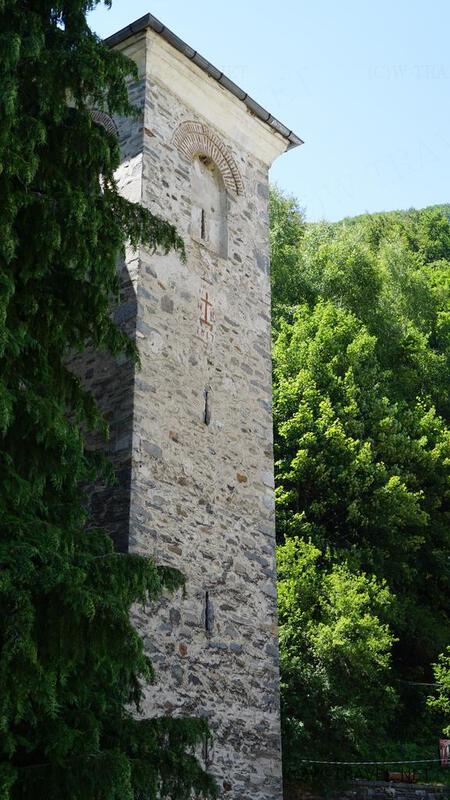
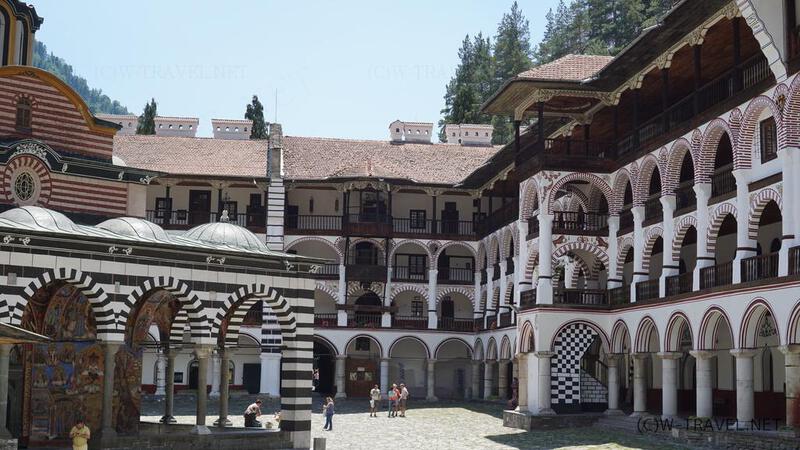
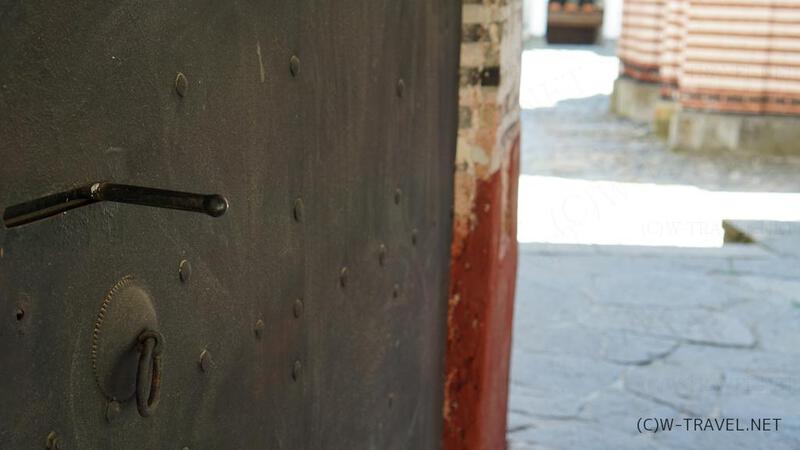
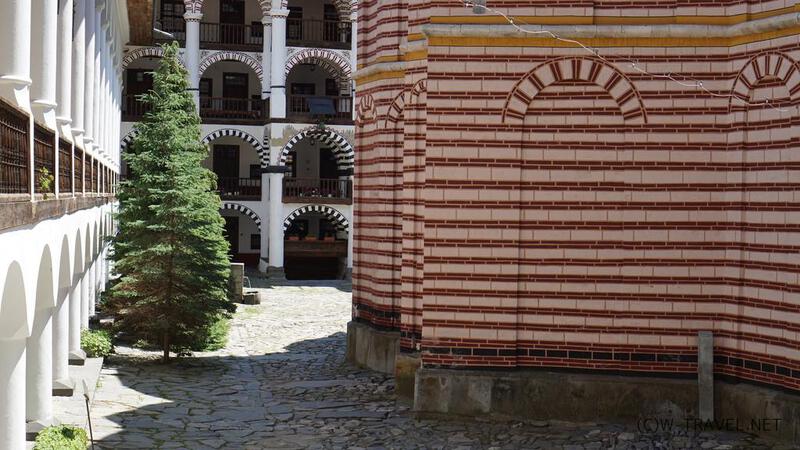
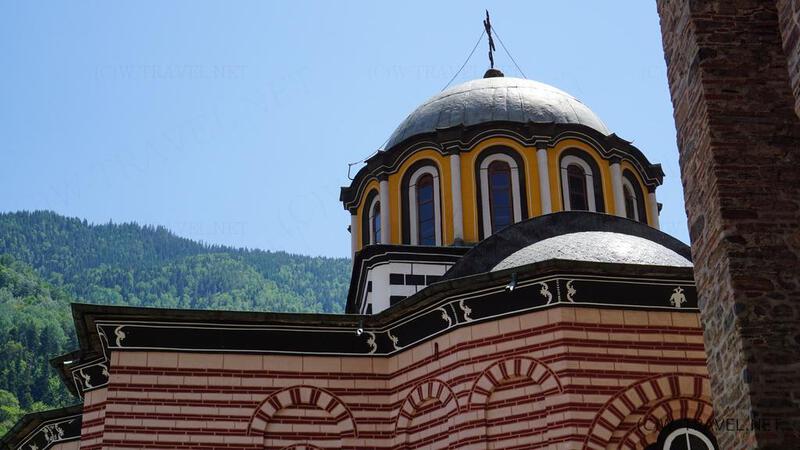
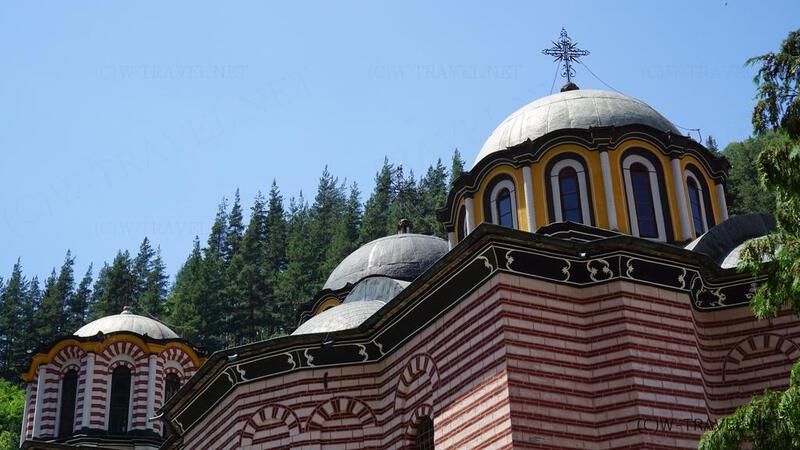
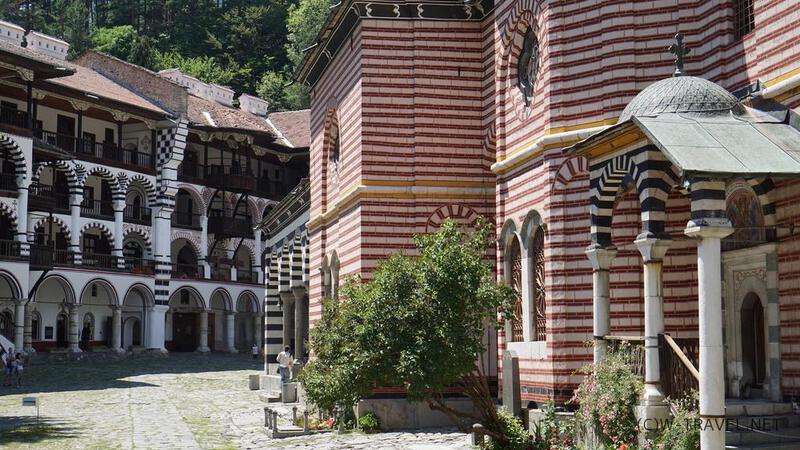
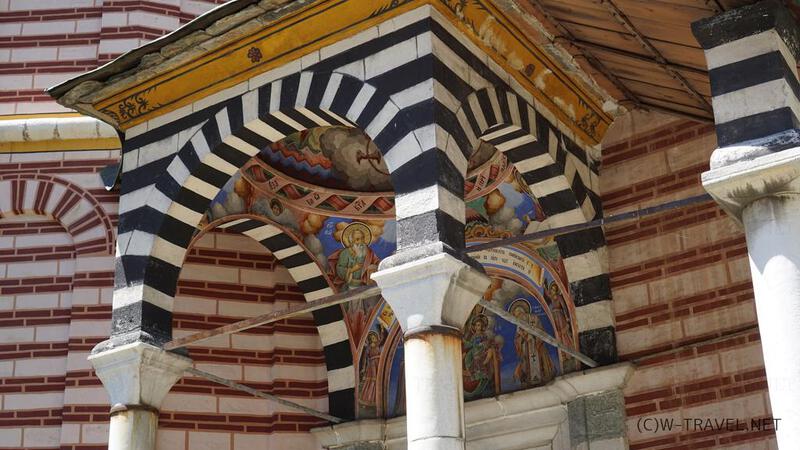
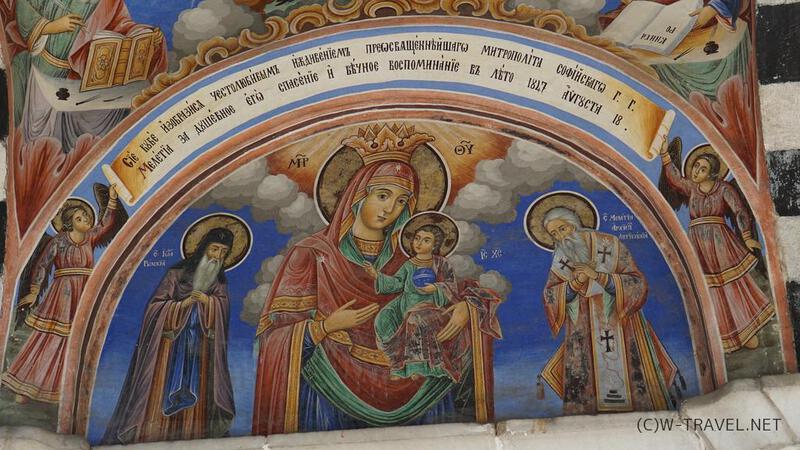
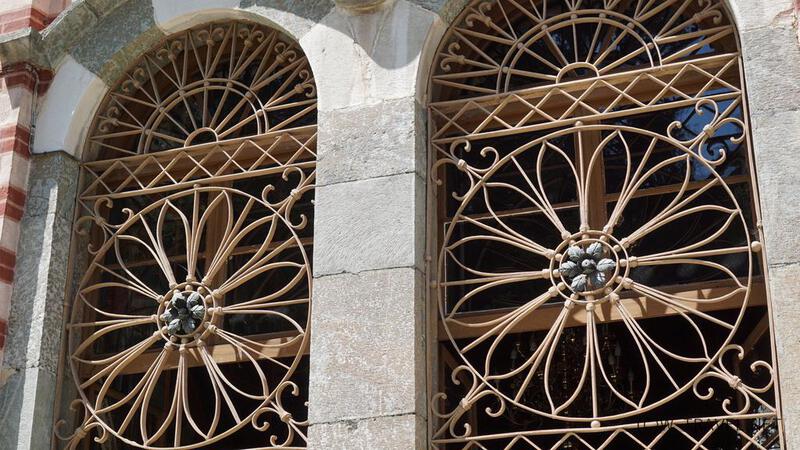

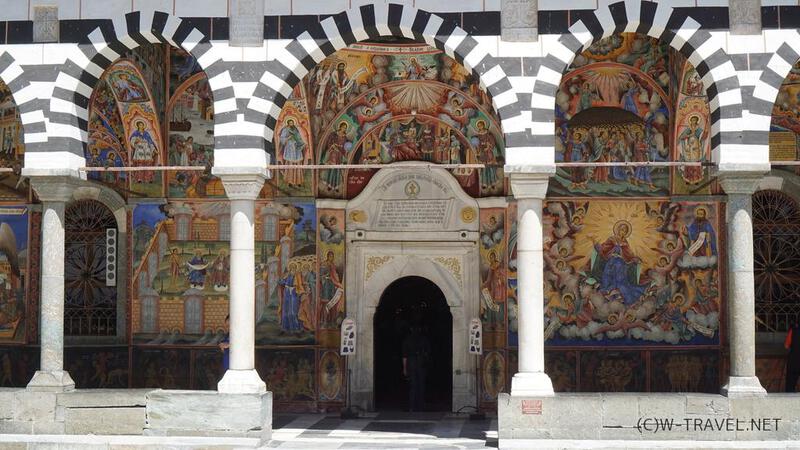

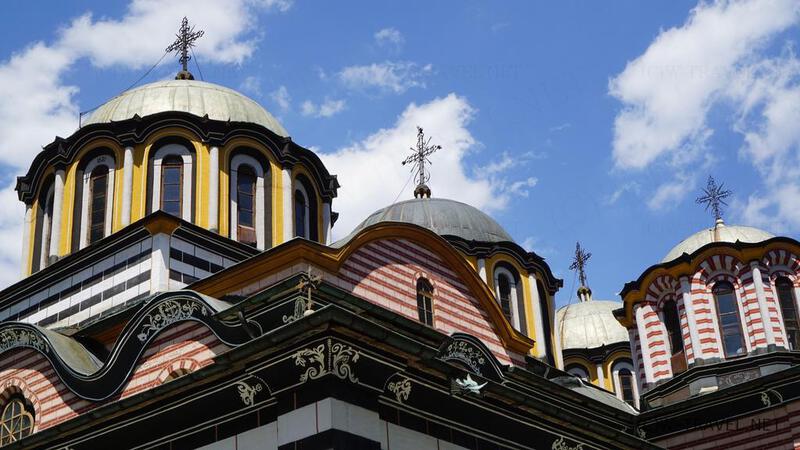

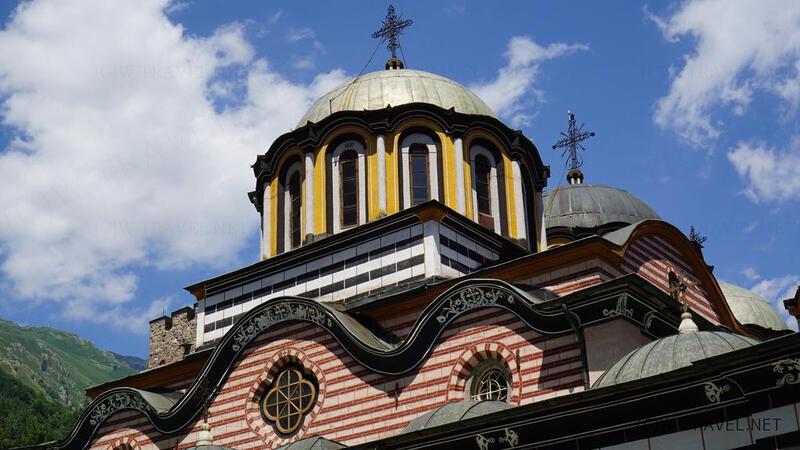 التقاط الصور ممنوع داخل المبنى.
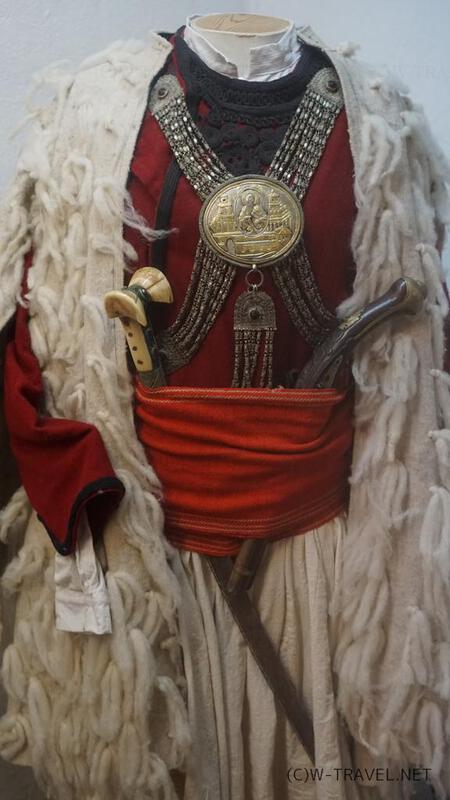
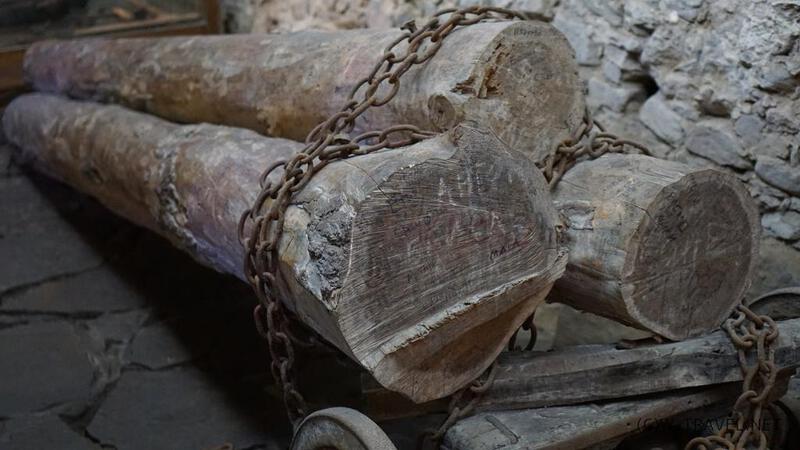
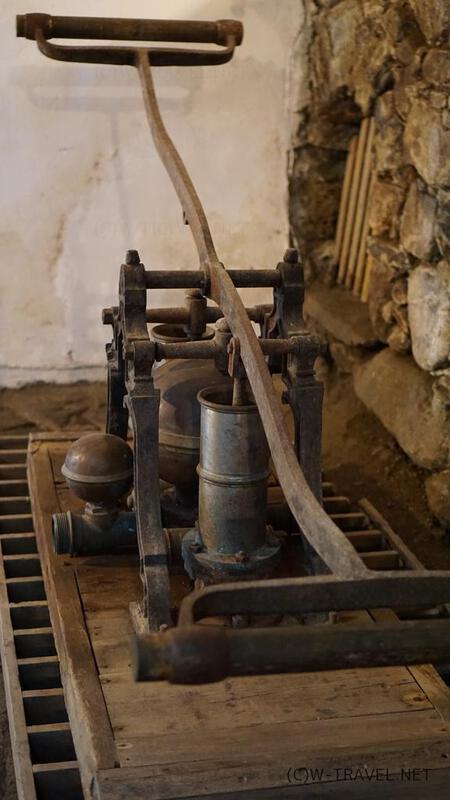
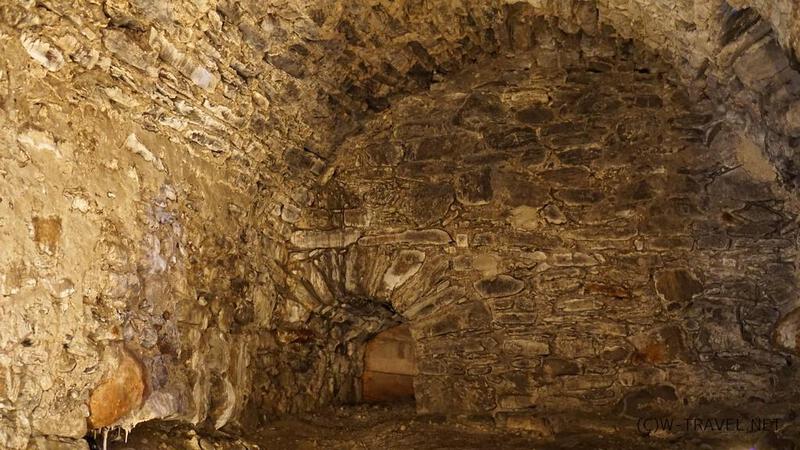
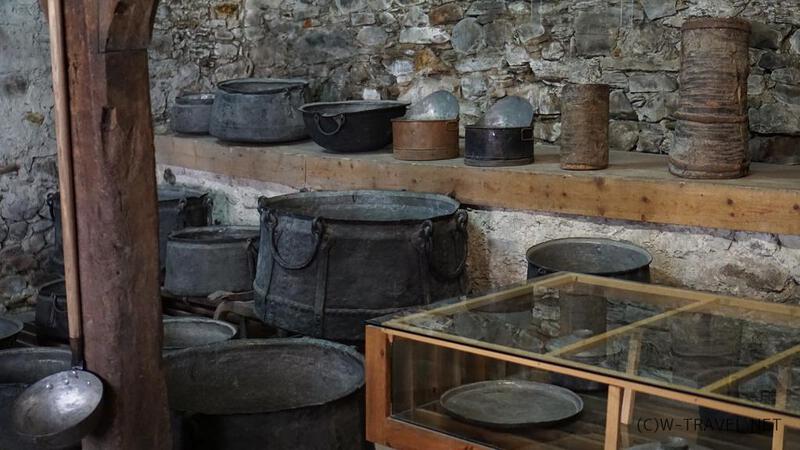
متحف مواد أرشيفية لدير ليرا.
كان هناك متحف صغير بجوار ممر دير ريلا، فدخلته.
رسوم الدخول كانت 3 ليرات (حوالي 210 ين).
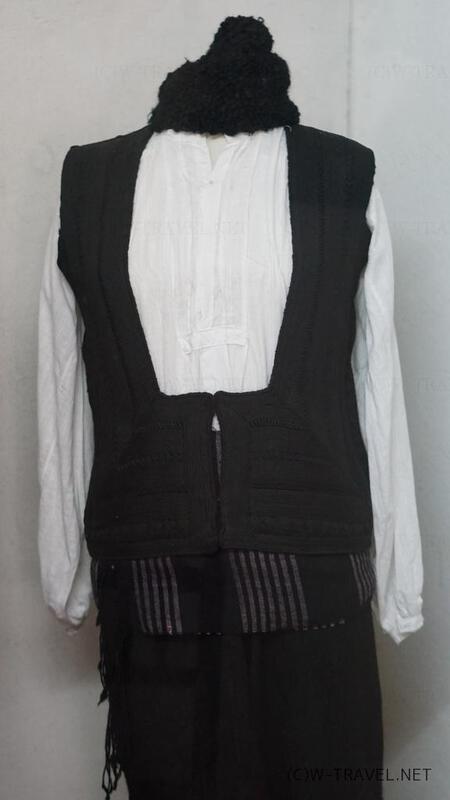
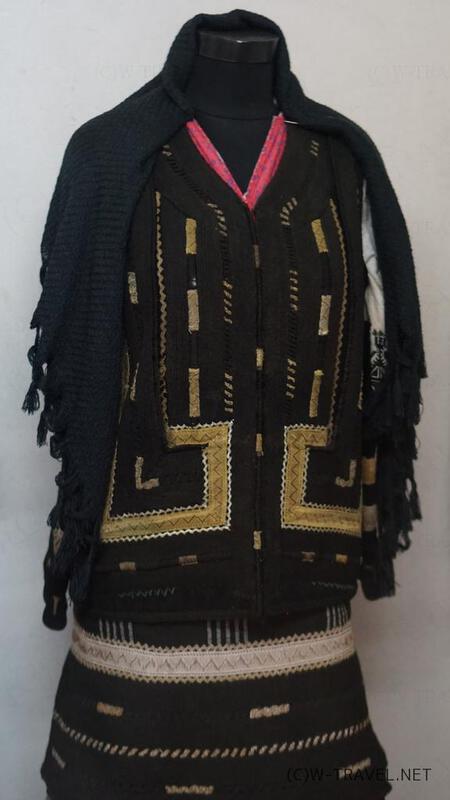
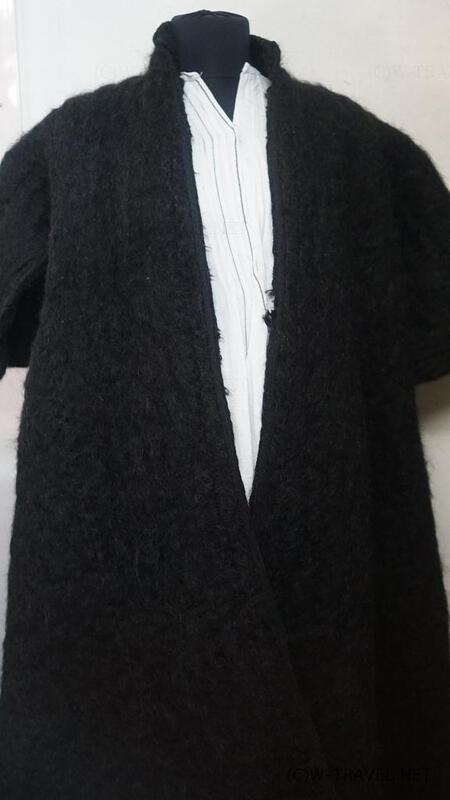
بالإضافة إلى ذلك، كان هناك متحف (8 ليرات، حوالي 560 ين)، فدخلته، ولكن التصوير كان ممنوعًا هناك.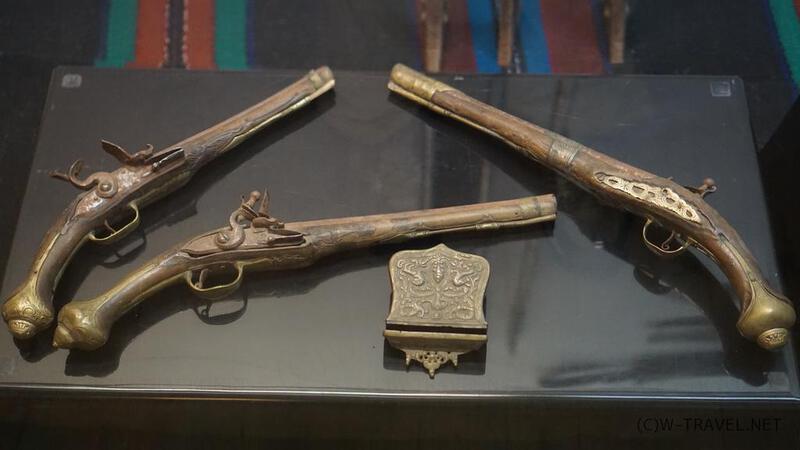


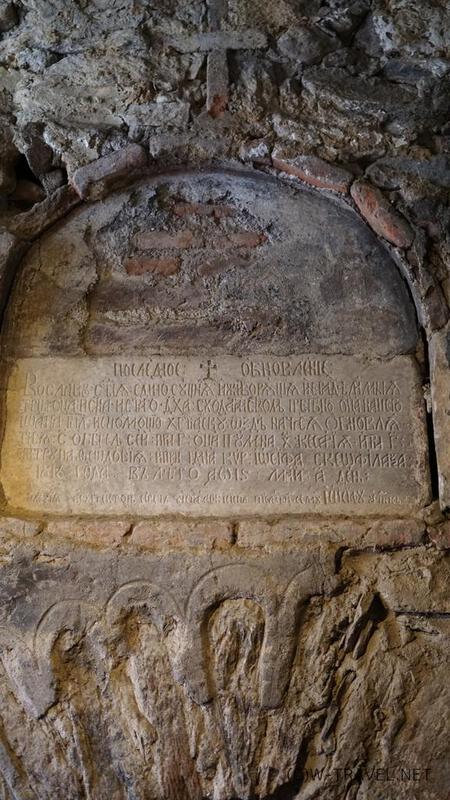
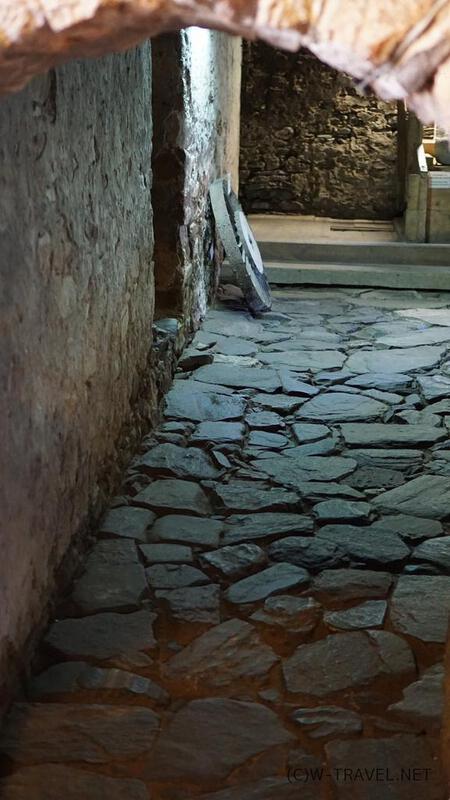

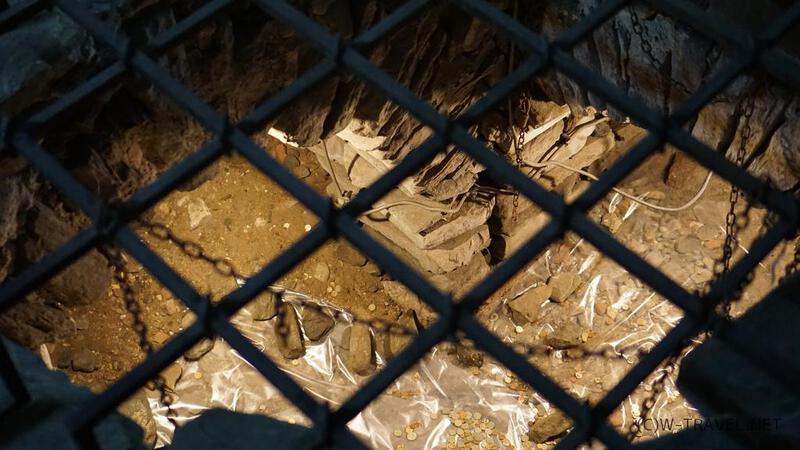
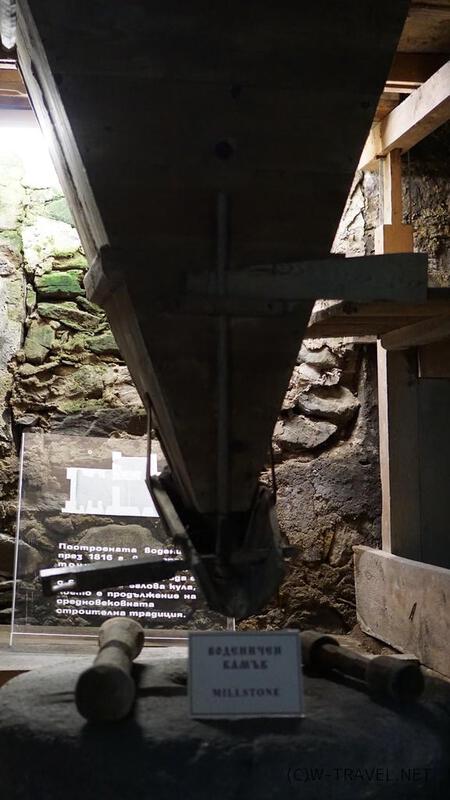
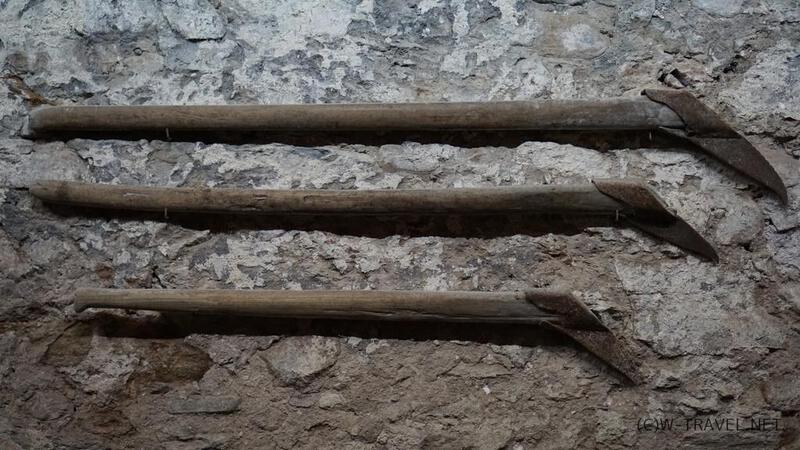

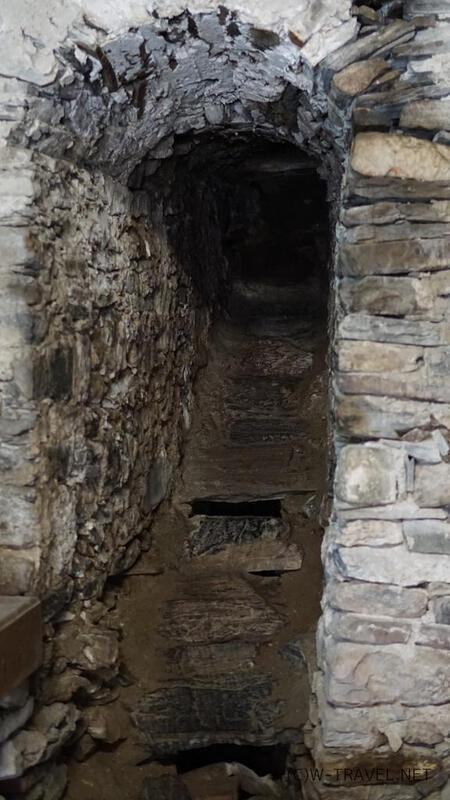
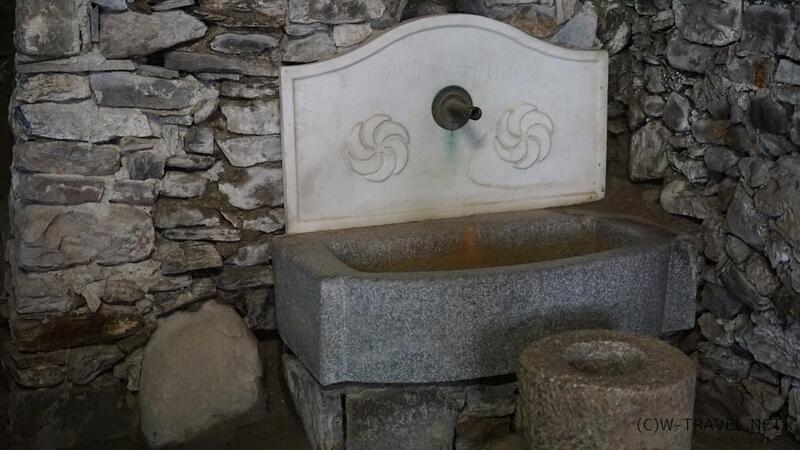
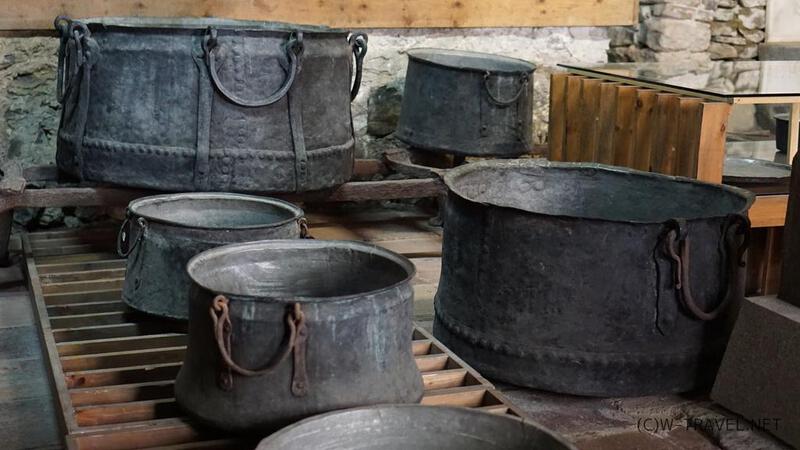
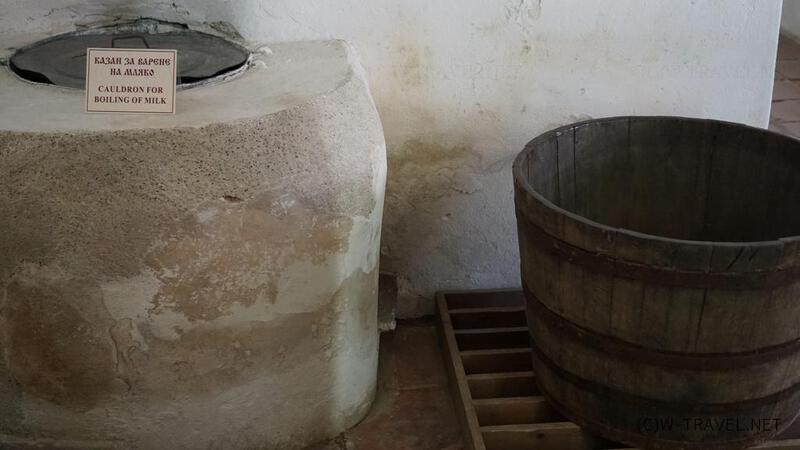

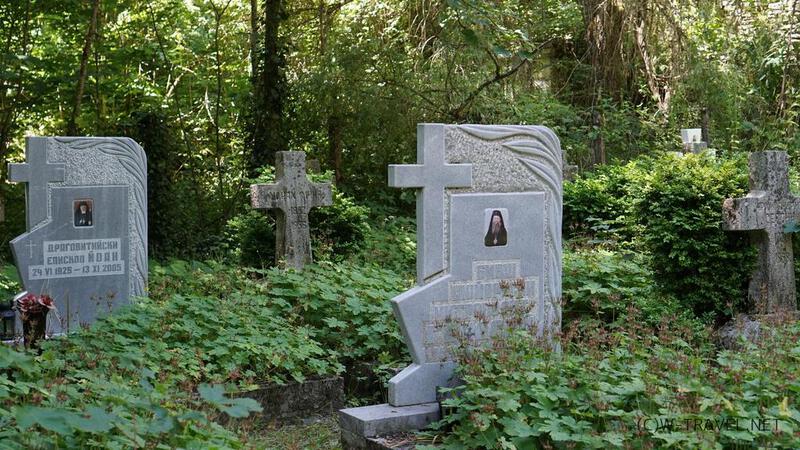
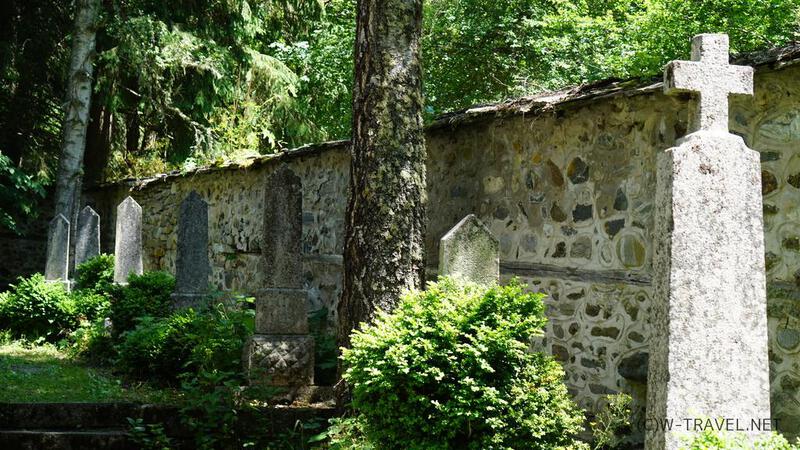
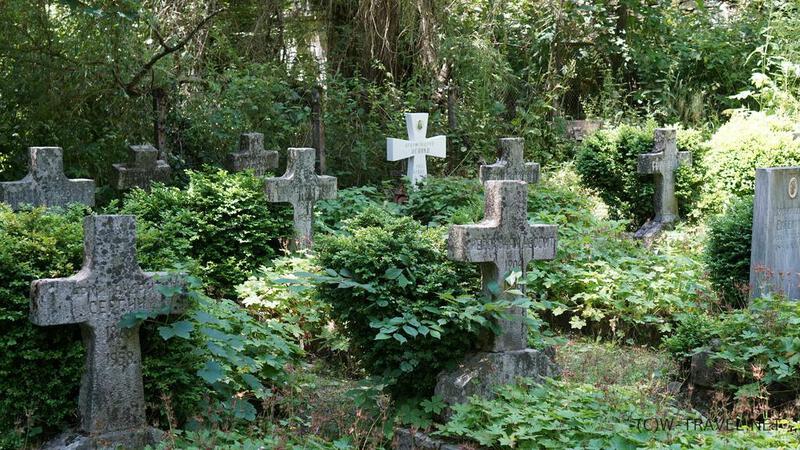
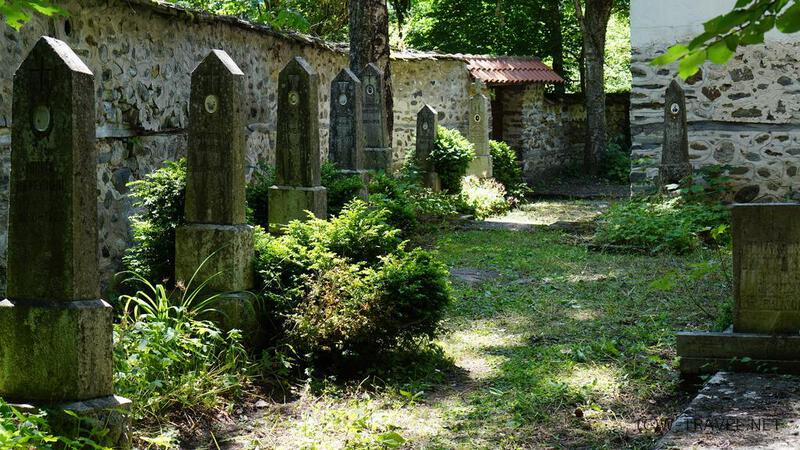
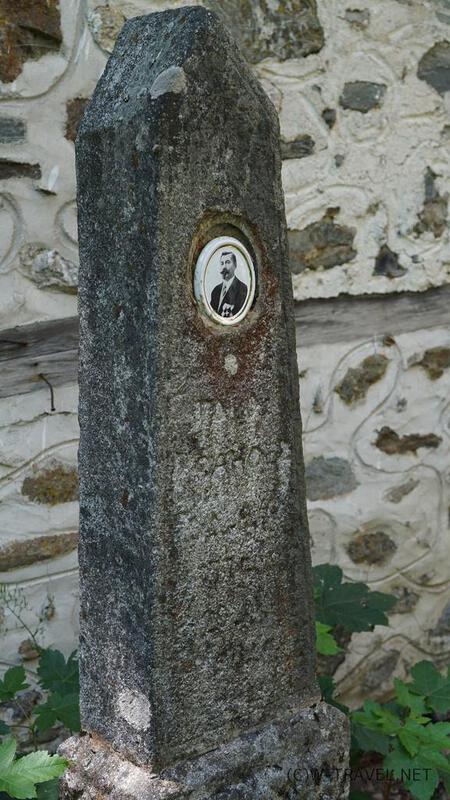
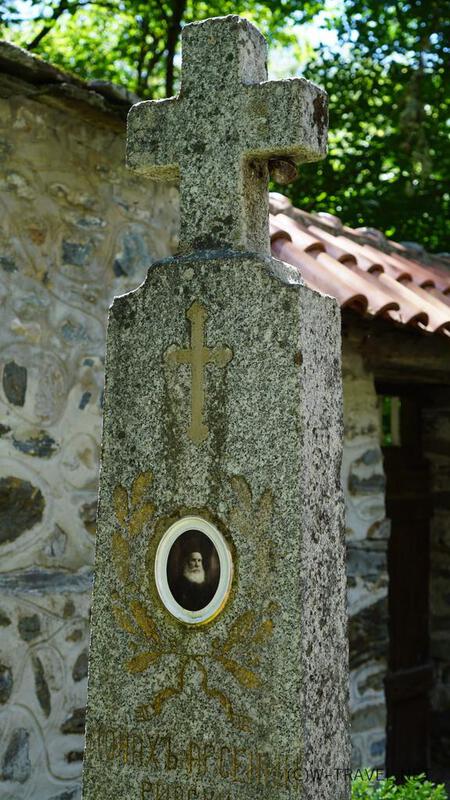
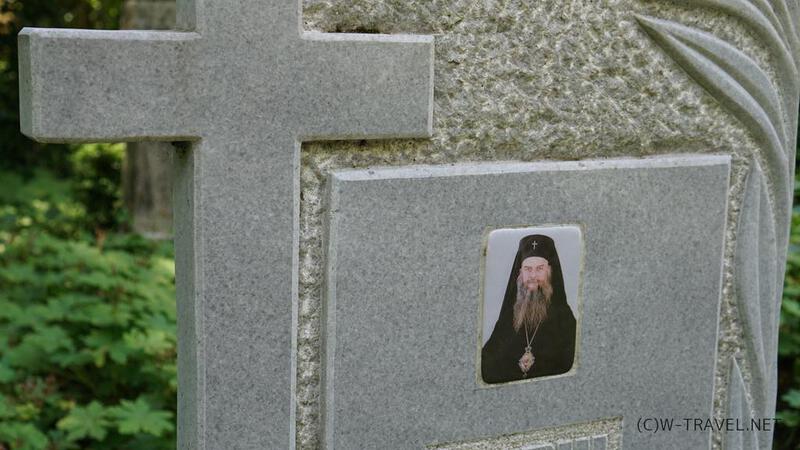
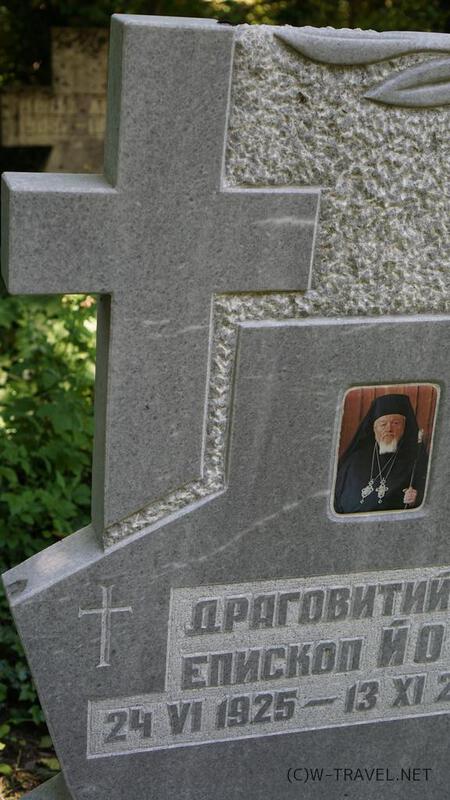
مقبرة دير ريلا (The Monastery Sepulchre).
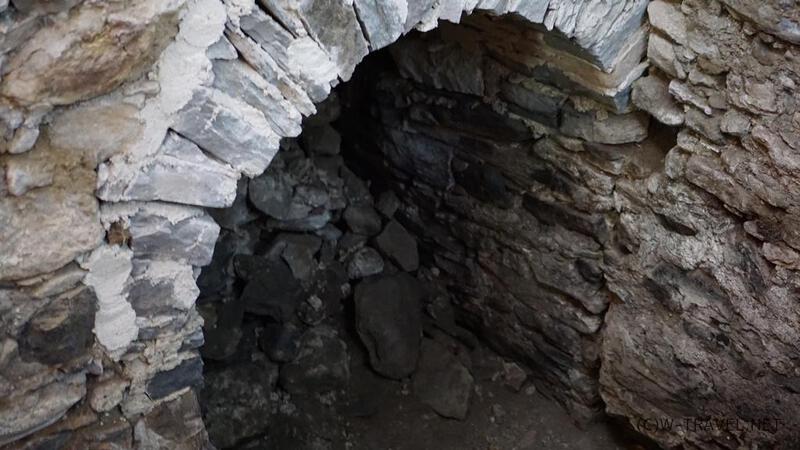
بعد الخروج من دير "ريلا"، نزلت باتجاه النهر، وهناك مبنى يحتوي على مقابر.
شعرت بأن هذا المكان أقوى من الكنيسة الرئيسية للدير.
كان هناك شعور بأن "شيئًا ما" موجود، وشعور بأن الروح لا تزال حية.
لم يكن هناك شعور مخيف بأن "شيئًا ما" سيخرج من المقبرة، بل كان شعورًا بأنه "حي" وموثوق.
هل هذا هو الفرق بين مقبرة شخص عادي ومقبرة قديس؟
يقال إن القديس يقوم بـ "معجزة" على الأقل مرتين بعد الموت، وقد شعرت أنه من الممكن أن تحدث معجزة هنا.
ولكن، ما هو شعور "الفراغ" الذي يمثله الكنيسة الرئيسية؟
هنا، الطاقة تفيض، ولكن الكنيسة الرئيسية تبدو وكأن الروح قد خرجت من الأشياء.
الشعور بأن الروح لم تترك "الأشياء" هو أمر مثير للاهتمام.
في الكنيسة الرئيسية، الأدوات الدينية تُعامل كأدوات فقط، كـ "أشياء".
عادةً، الأشياء تحمل معها مشاعر، ونشعر بشيء من الروح فيها... ولكن العالم مليء بالألغاز.
يبدو أن الروح الموجودة هنا لا تحب الازدحام، لذلك ربما لا تظهر أمام الناس كثيرًا.
شعرت بذلك.
يبدو أن هناك المزيد من الأسرار، ولكن بما أنني سأذهب وأعود من "صوفيا" في يوم واحد ولن أبقى هناك، فسأنهي حل الألغاز هنا.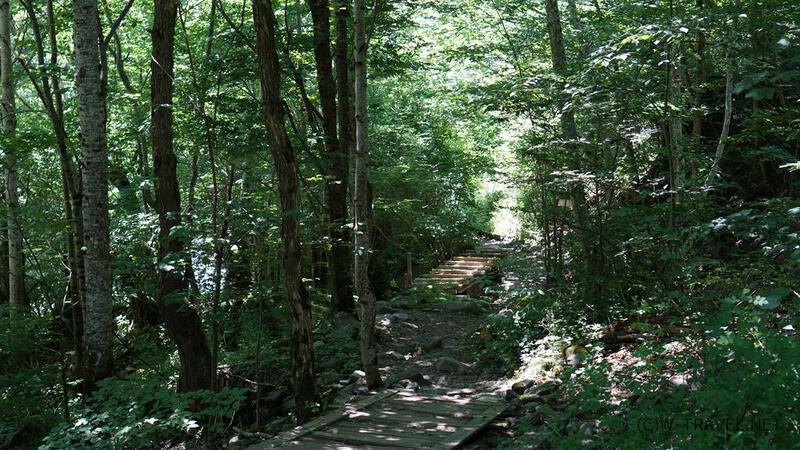
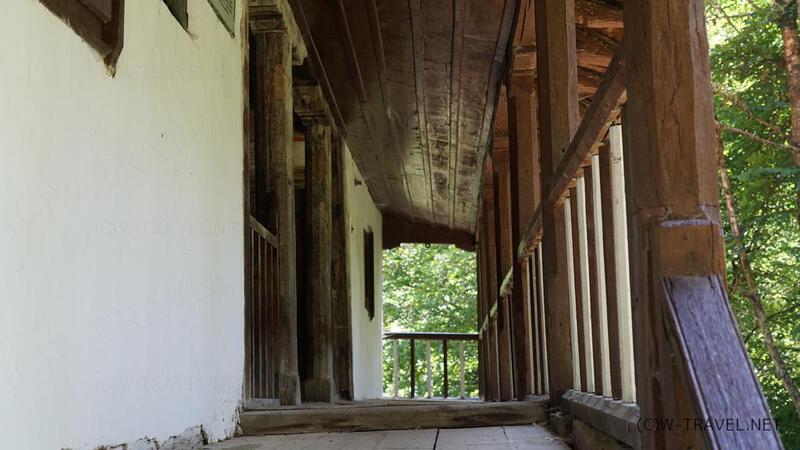
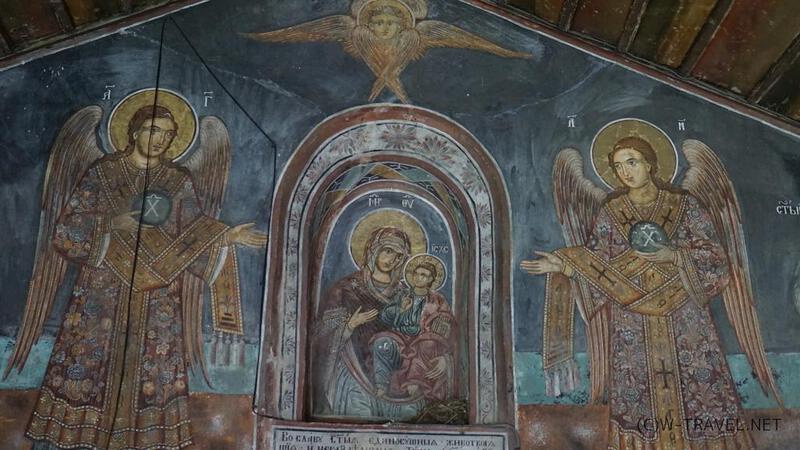
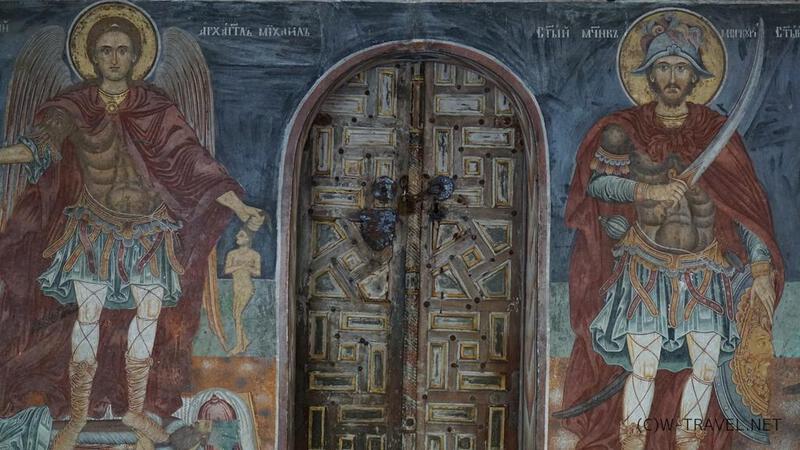


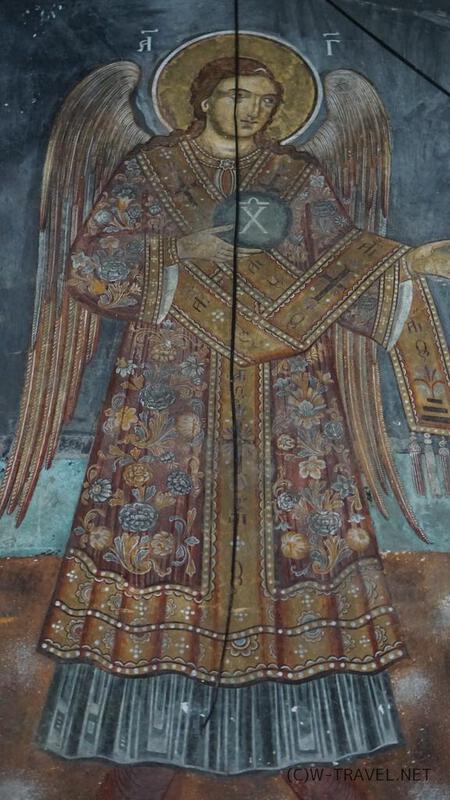
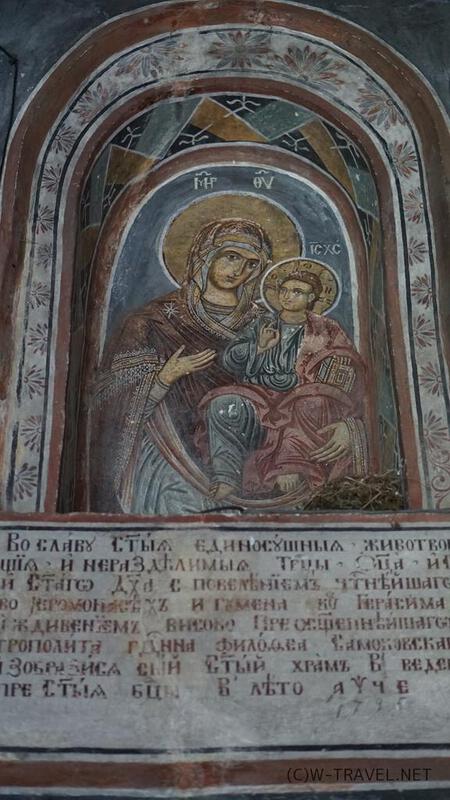
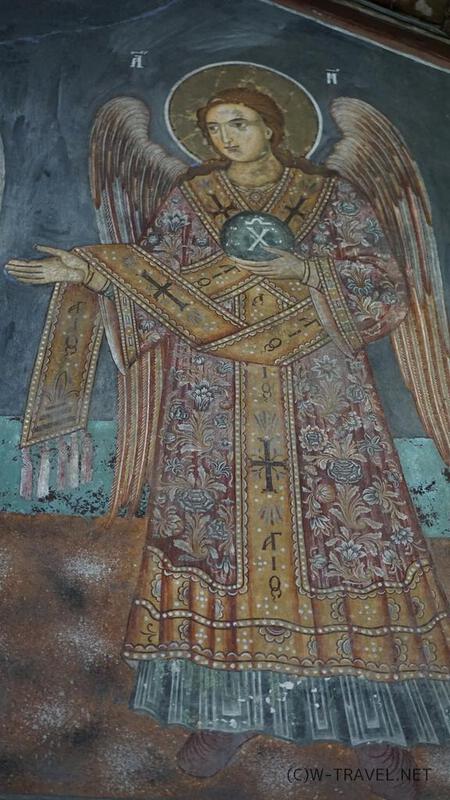
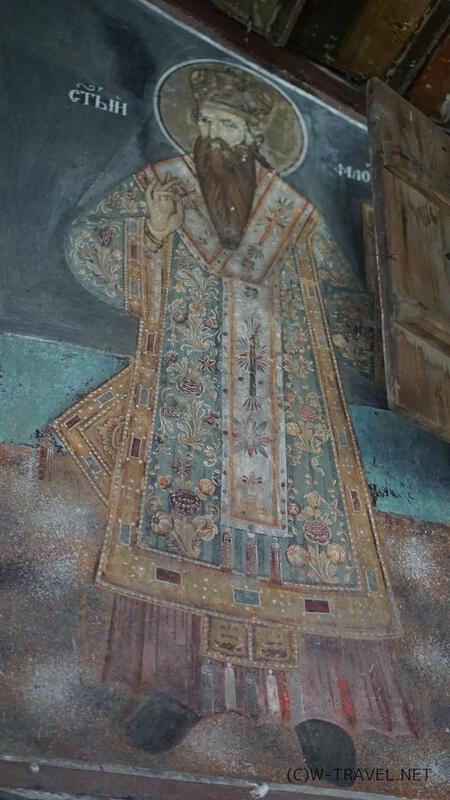


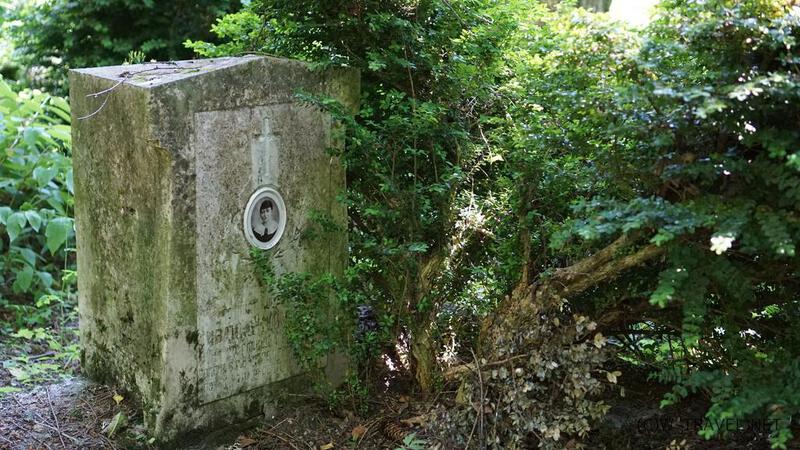


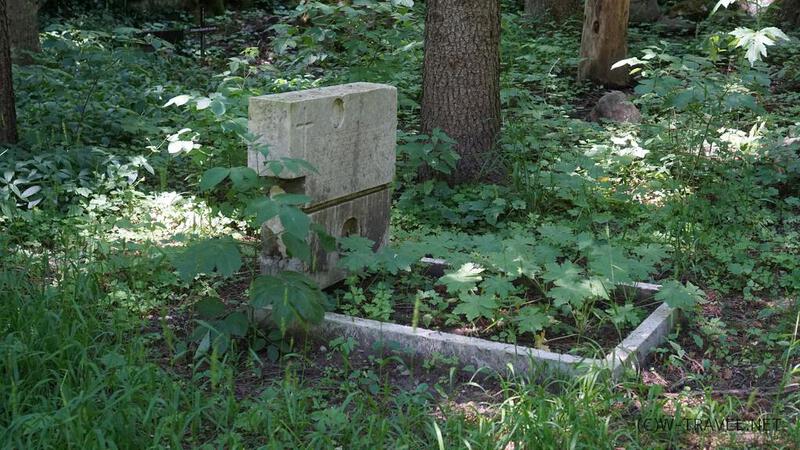
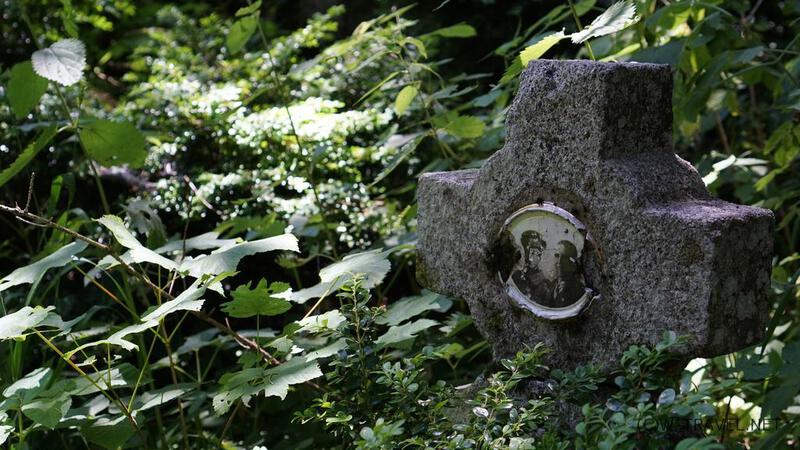


 و، سأعود إلى صوفيا بالحافلة التي تنطلق في الساعة الثالثة.
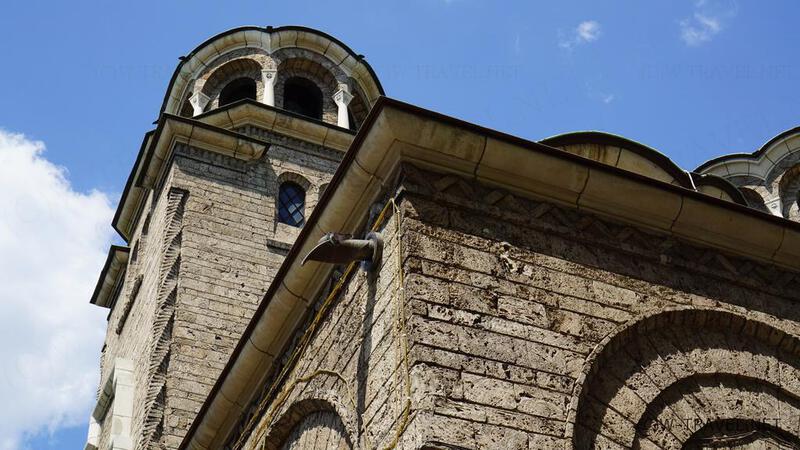
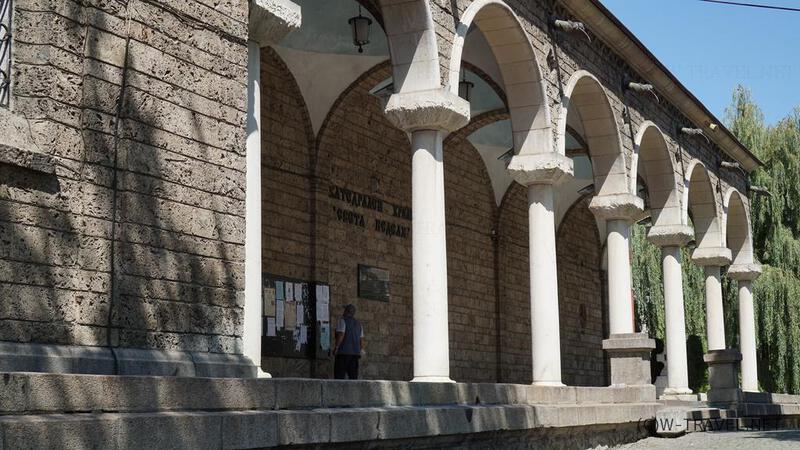
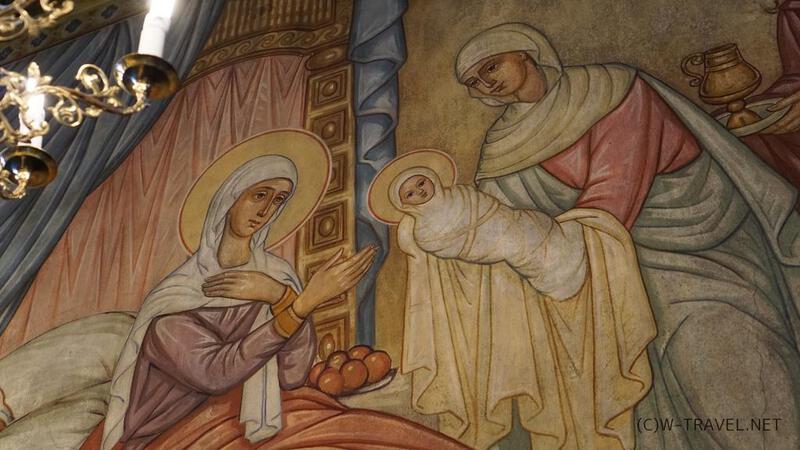
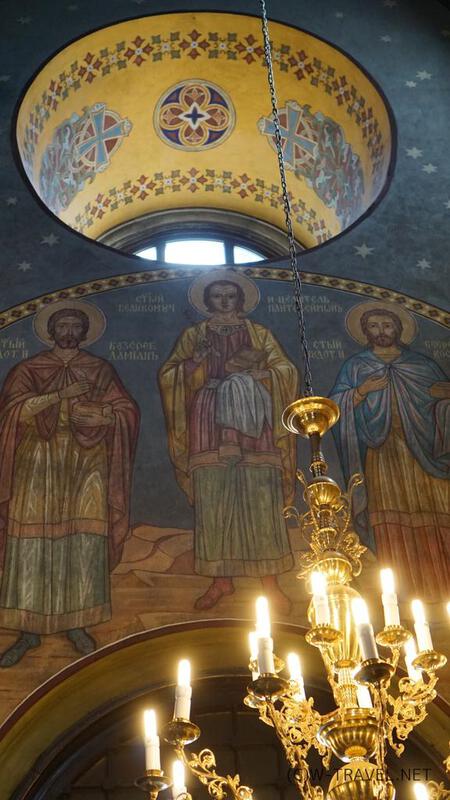
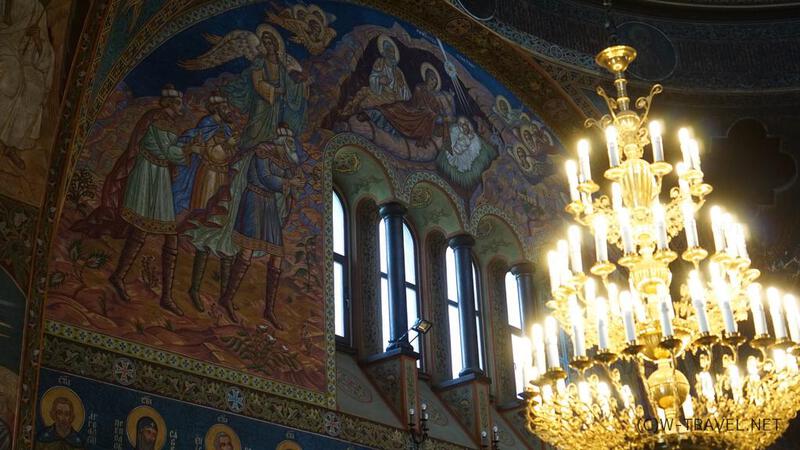
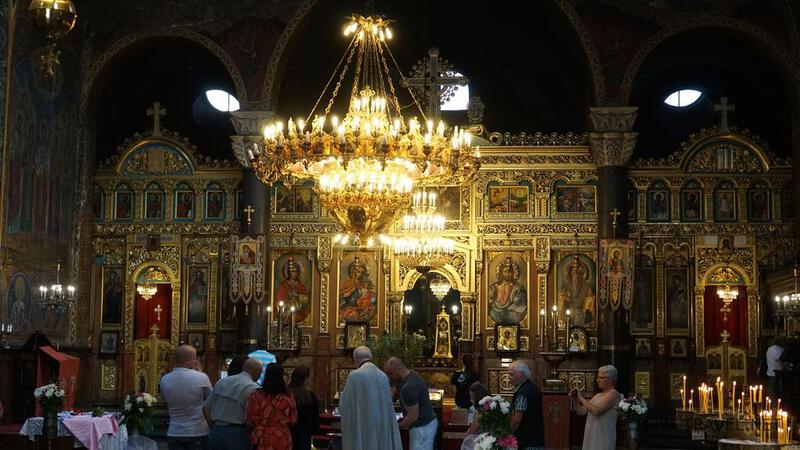
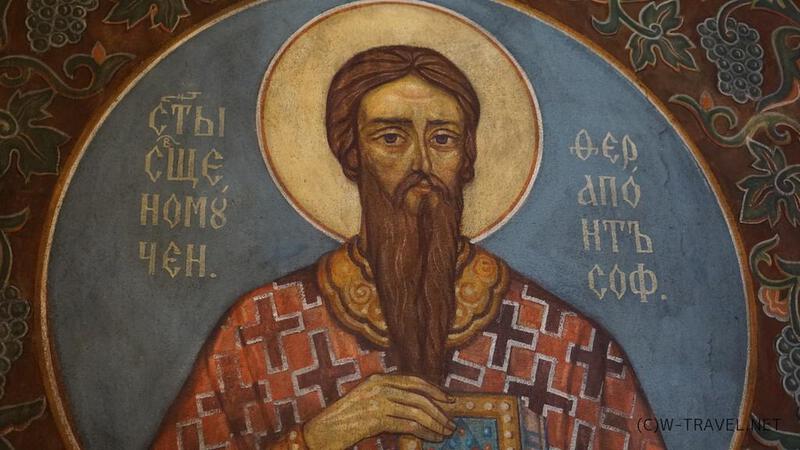
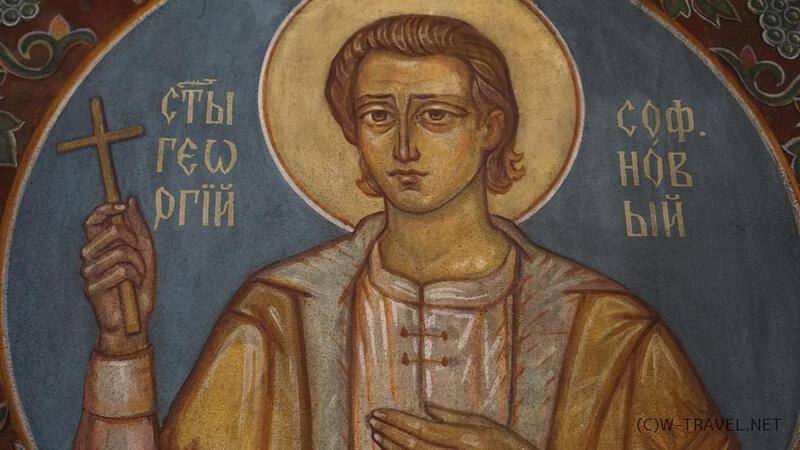
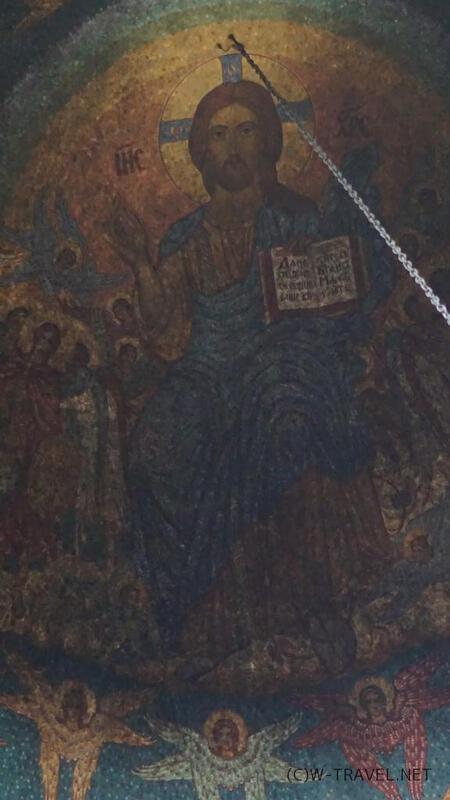
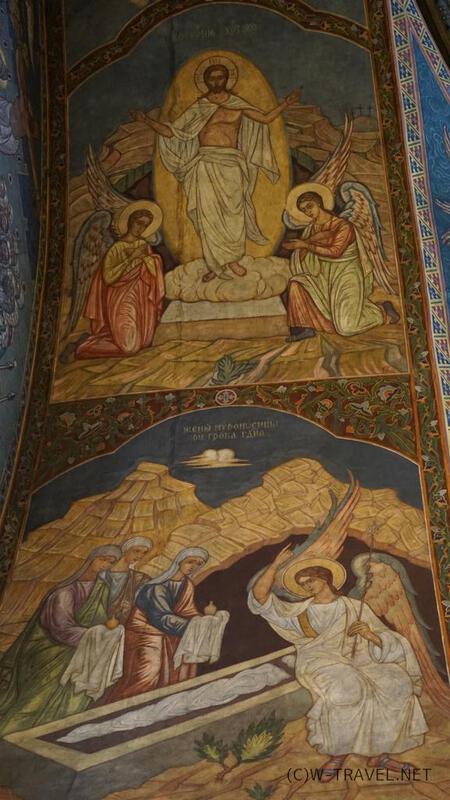
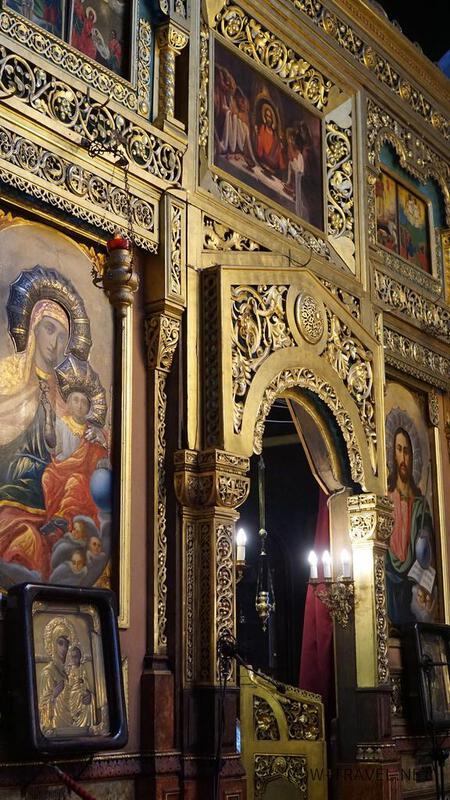
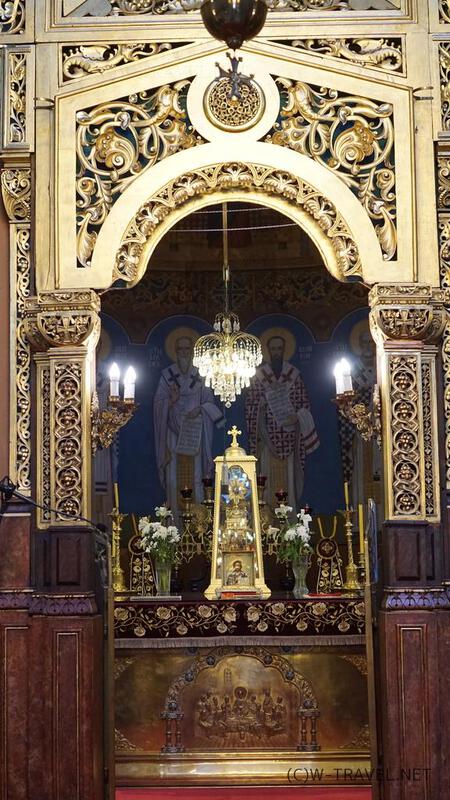
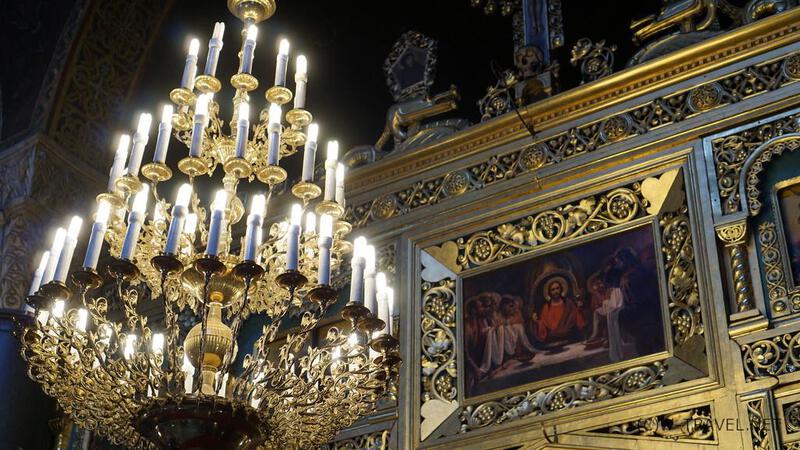
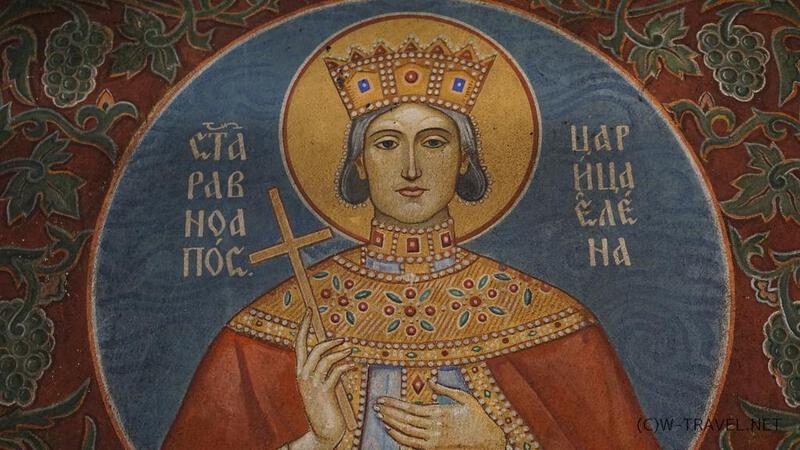
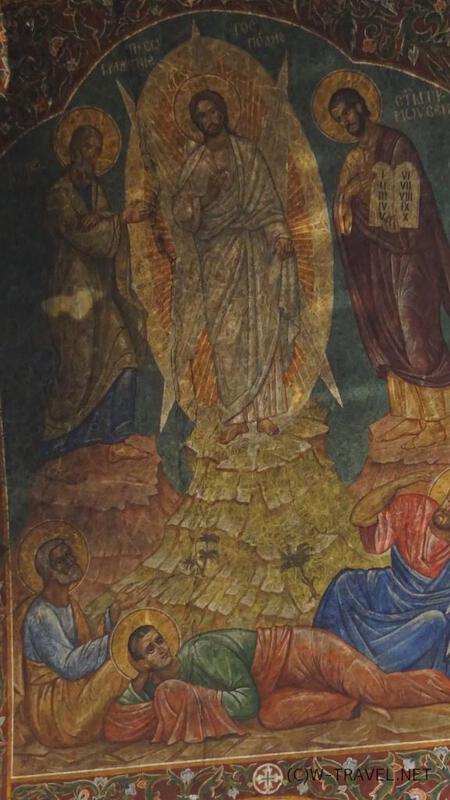
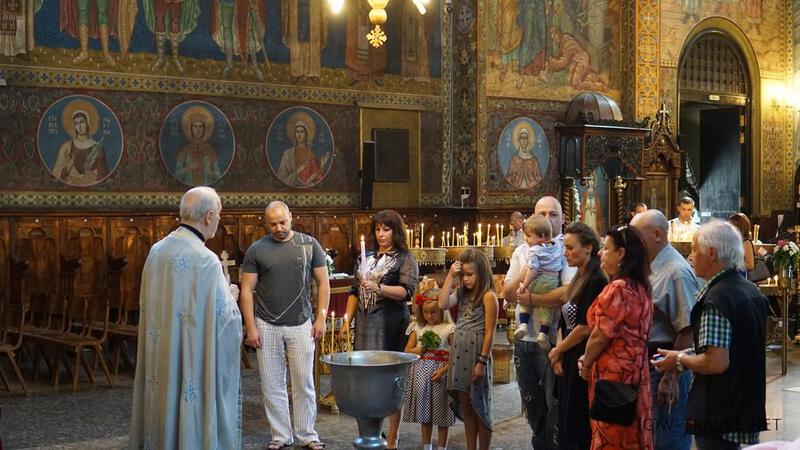
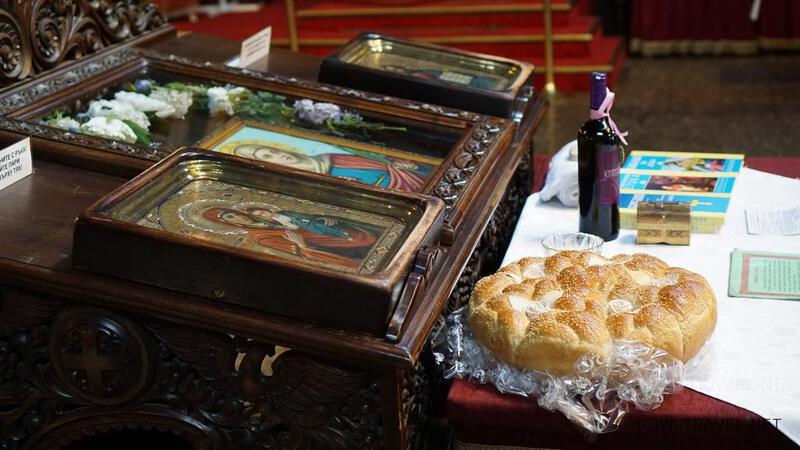
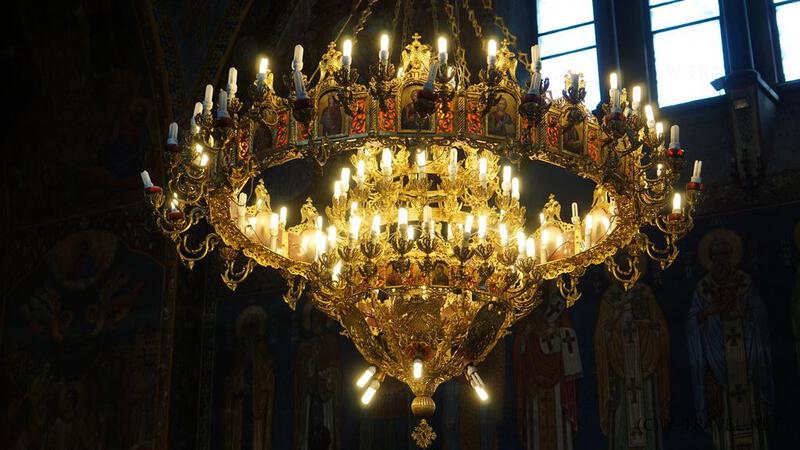
كنيسة سانت نيدليا (Saint Nedelja Church).
مشاهدة كنيسة سانت نيدليا (Saint Nedelja Church) الواقعة في وسط مدينة صوفيا.
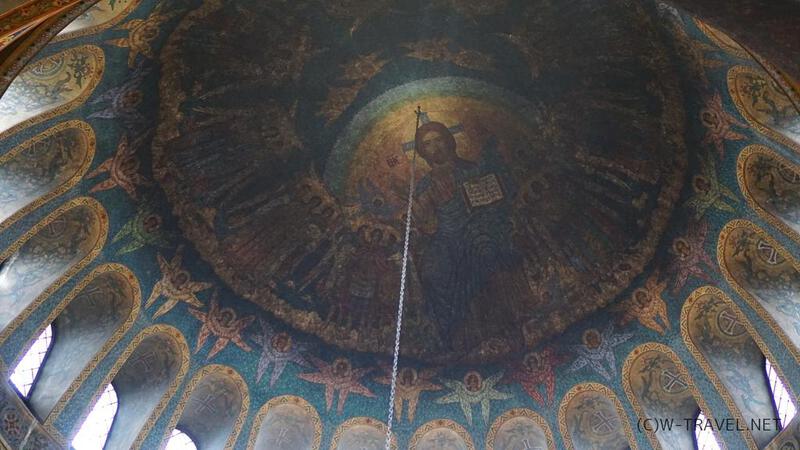
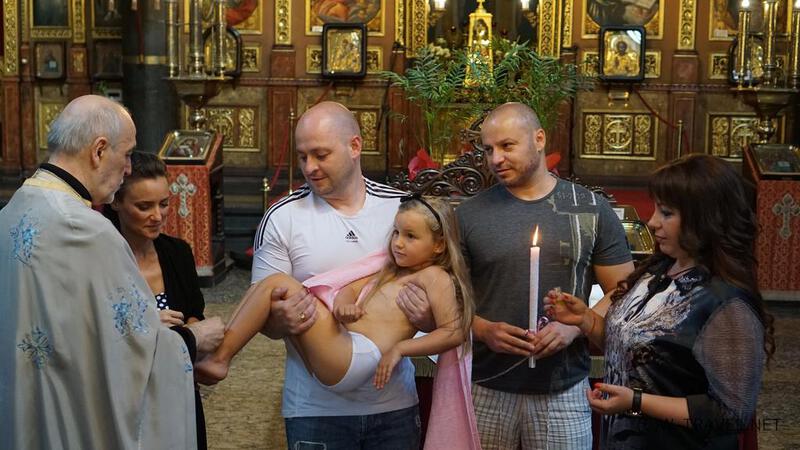
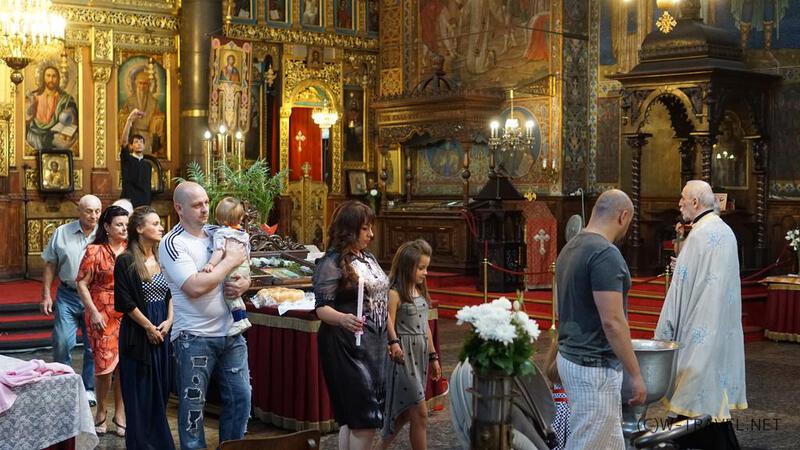
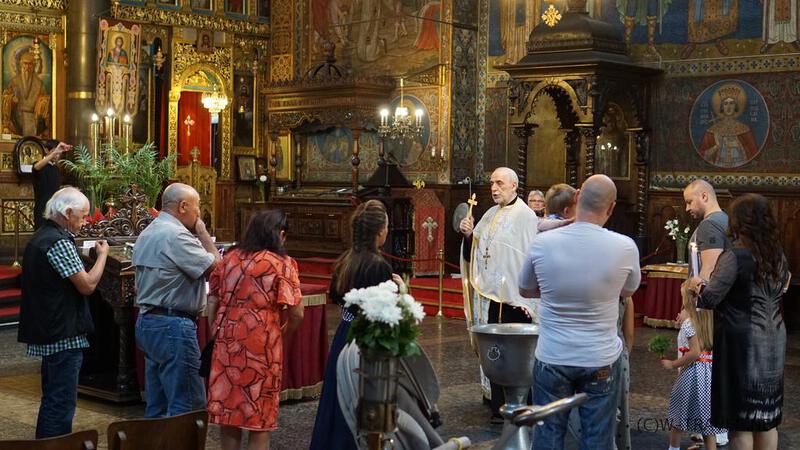
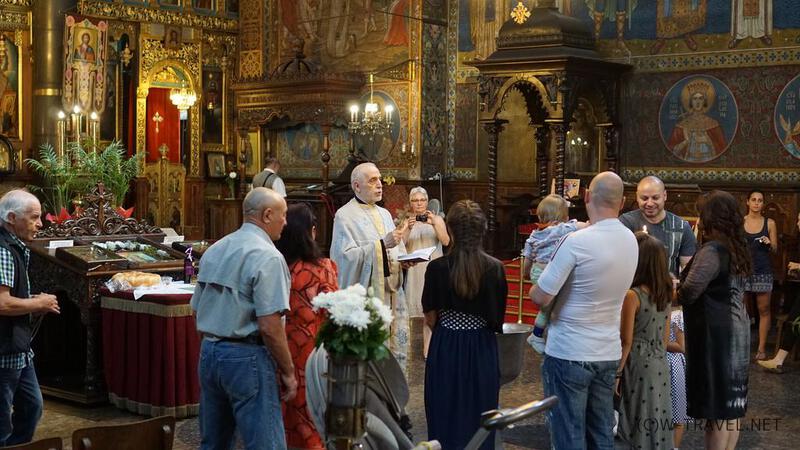
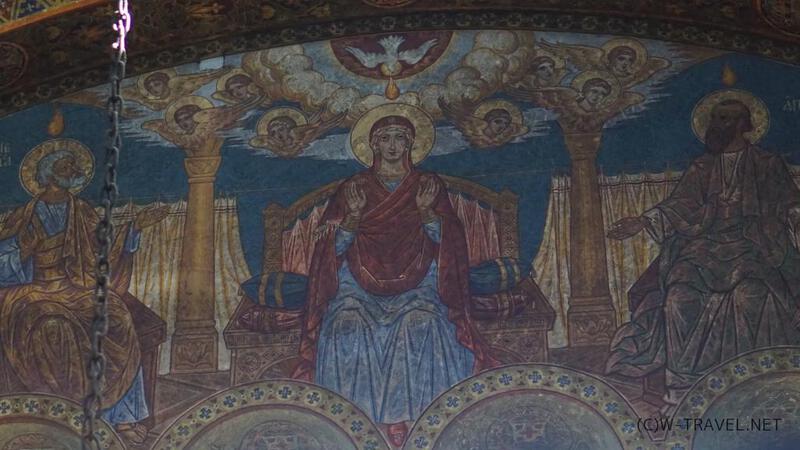
في الداخل، كان طفل يتلقى البركة.
عندما أدخل بلغاريا، غالبًا ما أرى مثل هذه المشاهد، ولكن ربما أنا محظوظ، أو ربما هذا البلد يؤدي الطقوس الدينية بشكل جيد، لذلك أراها كثيرًا؟
الزيارة مجانية، ولكن التصوير مدفوع الأجر، 5 ليفا (حوالي 350 ين).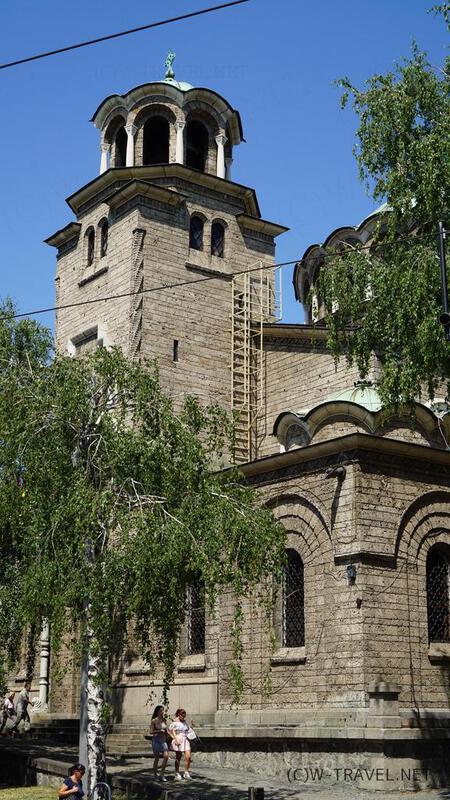

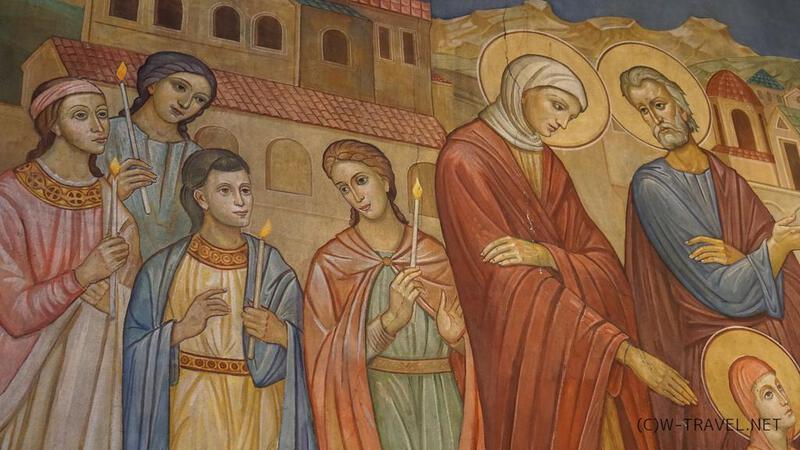
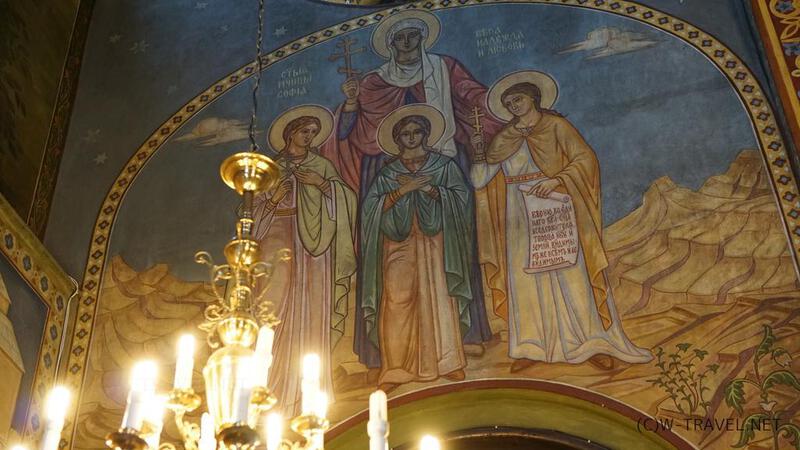
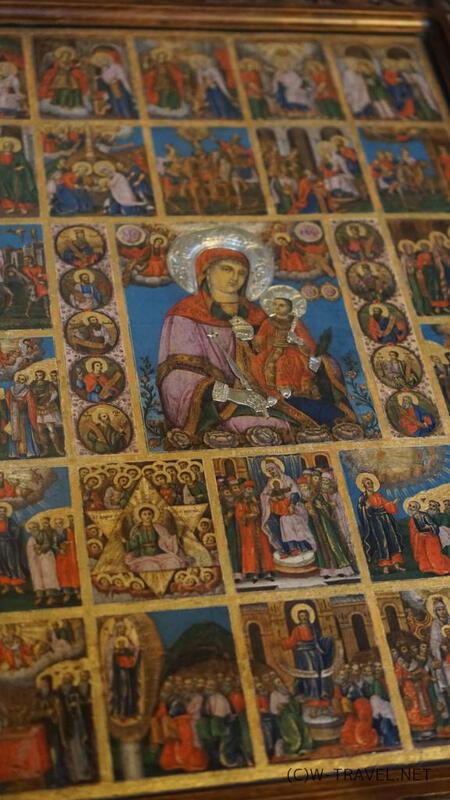
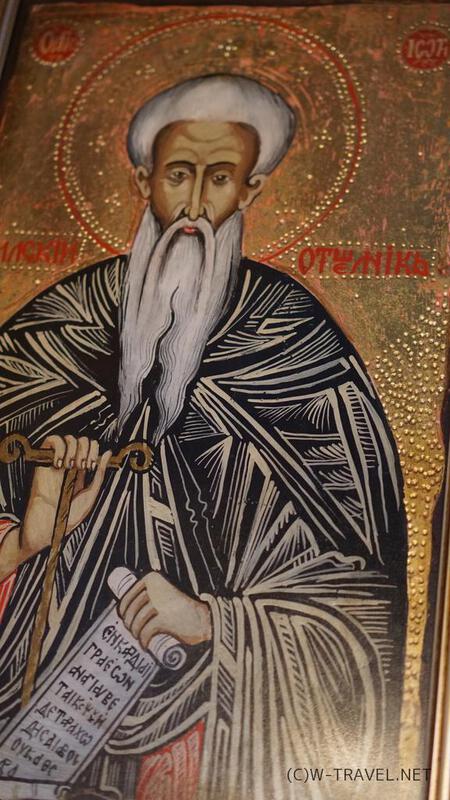
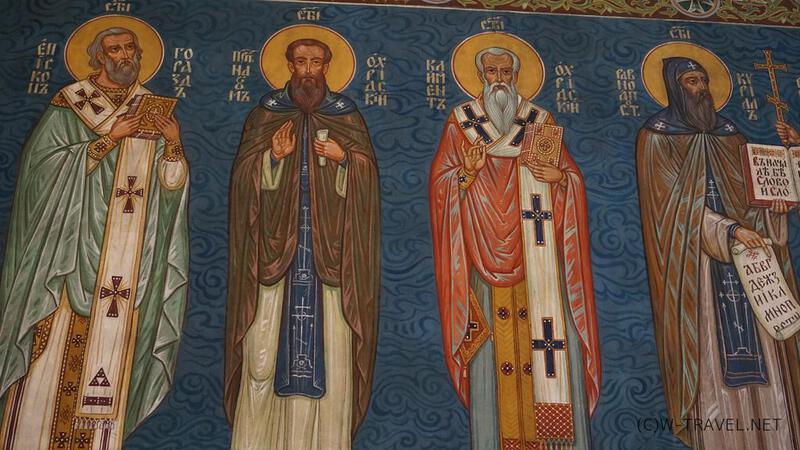

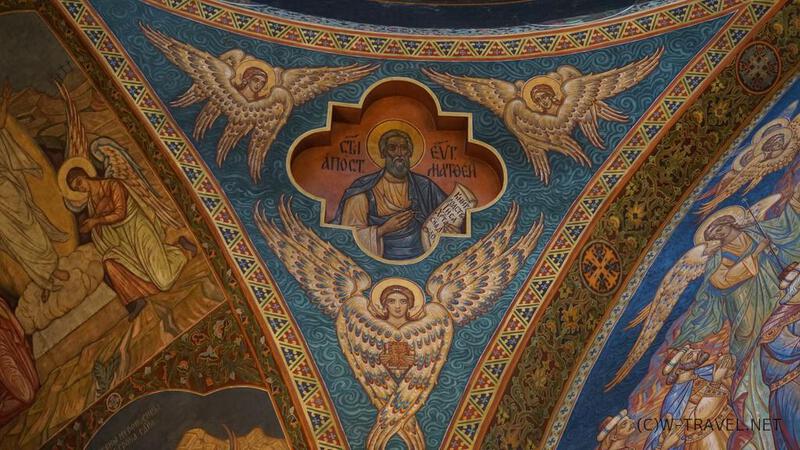
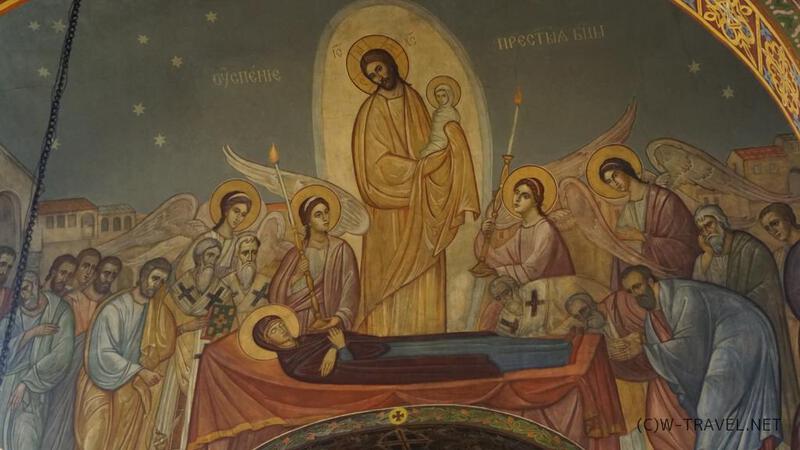
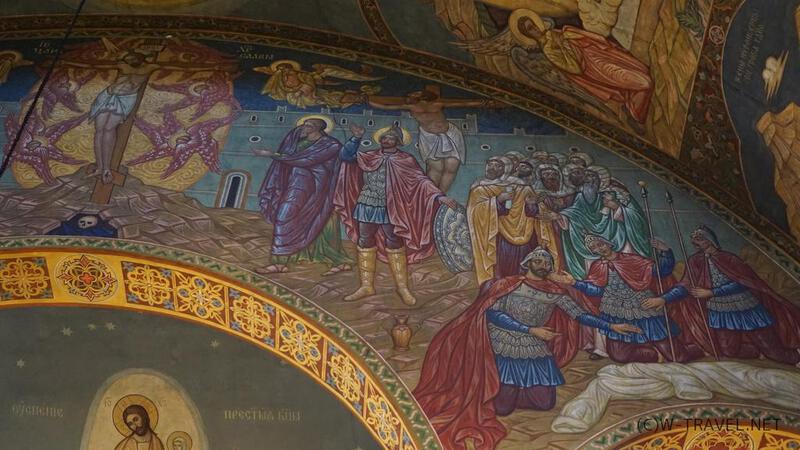

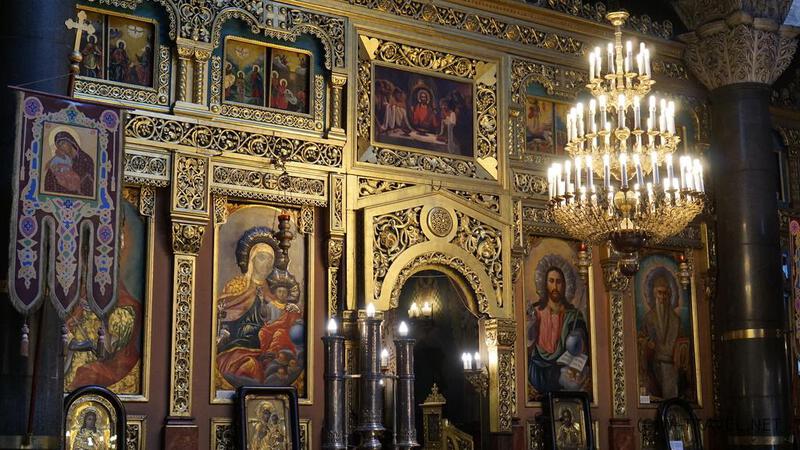

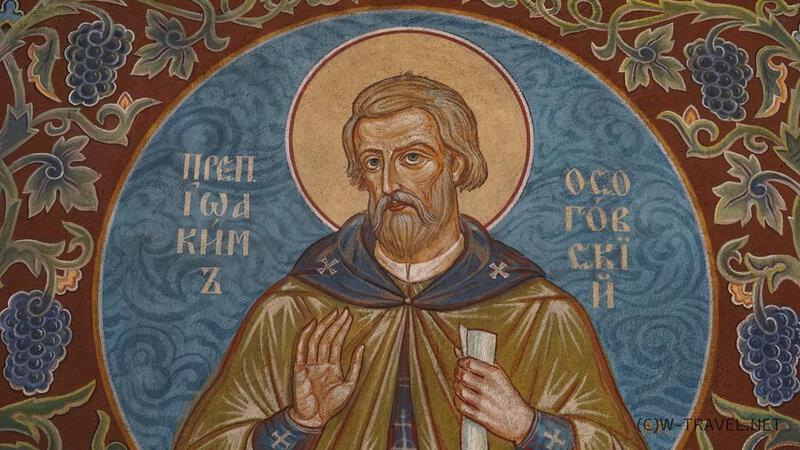
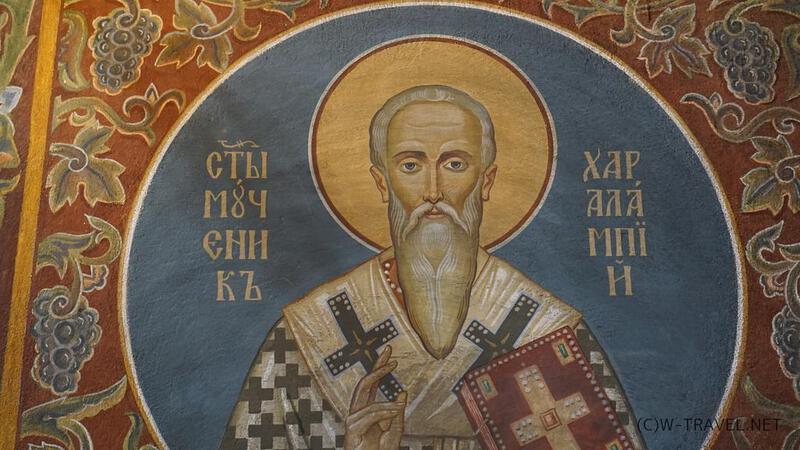



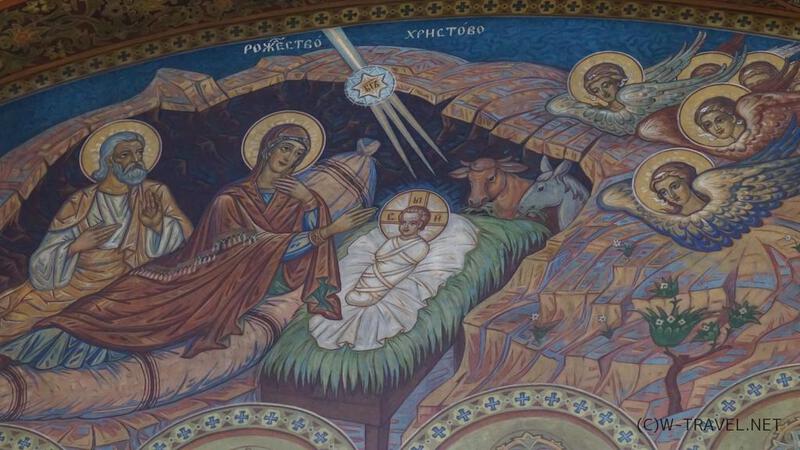
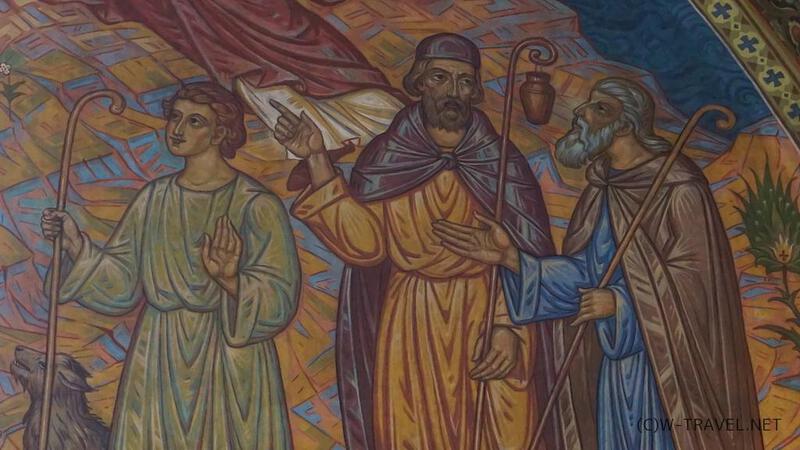
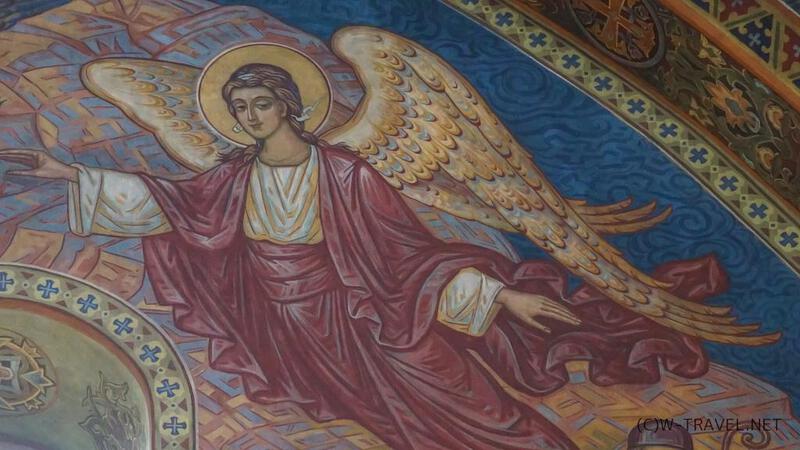
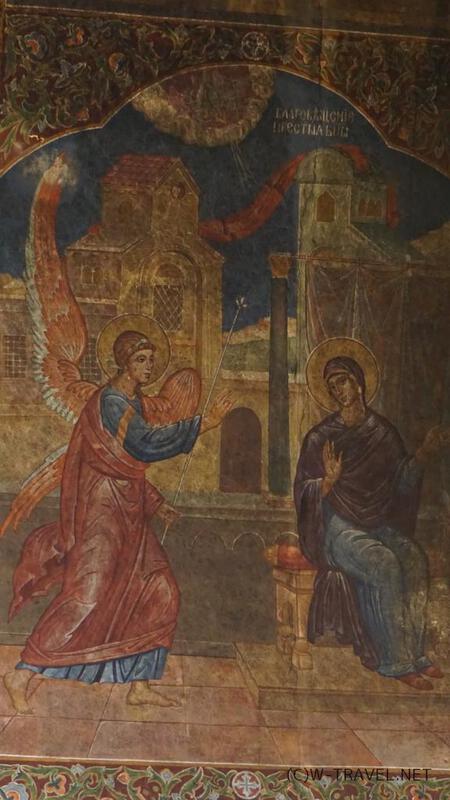

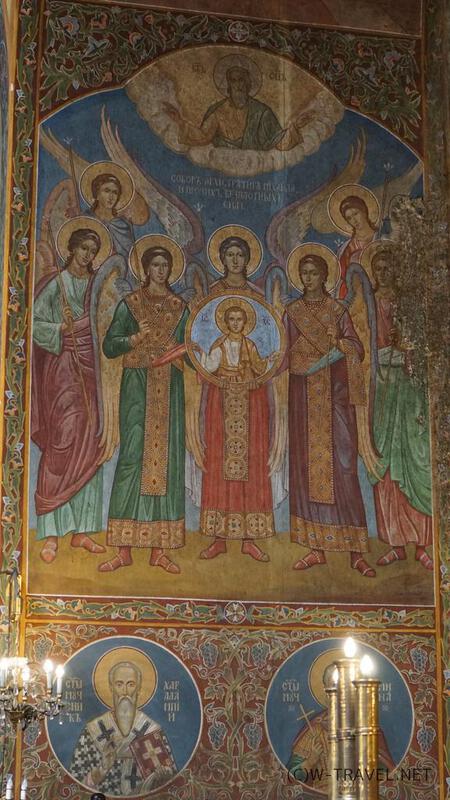
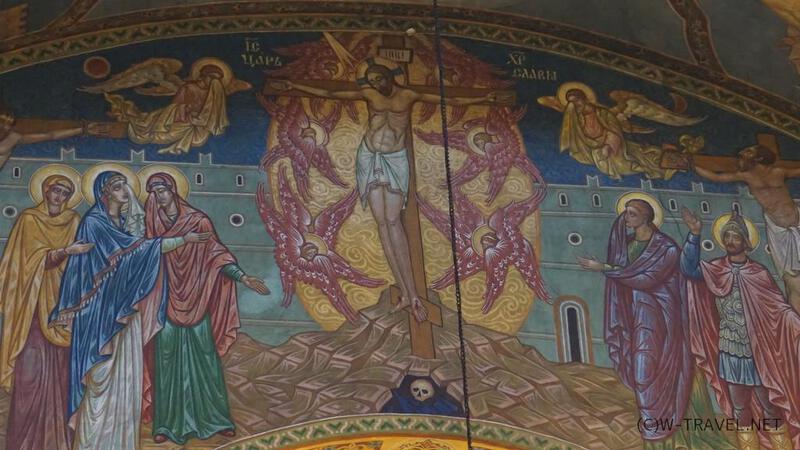

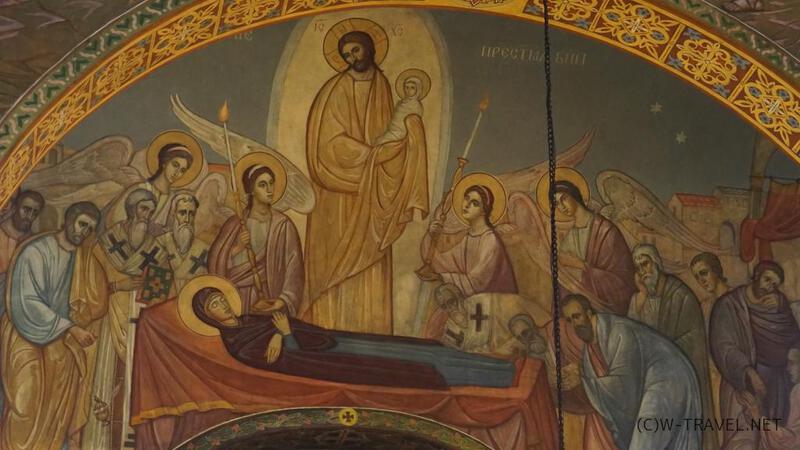
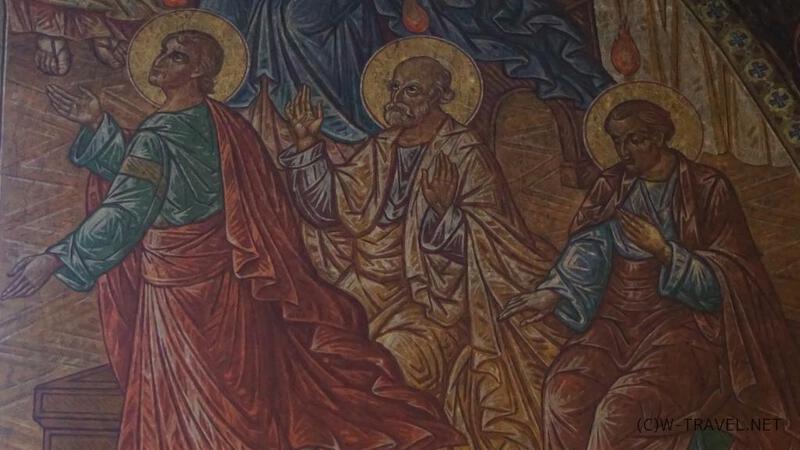




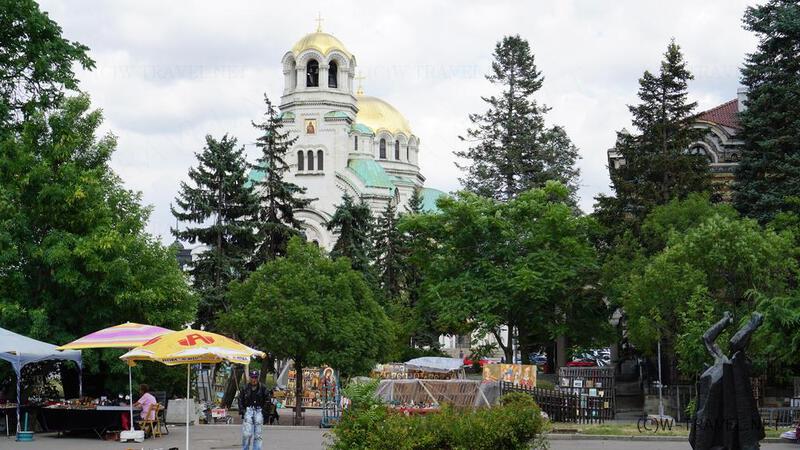
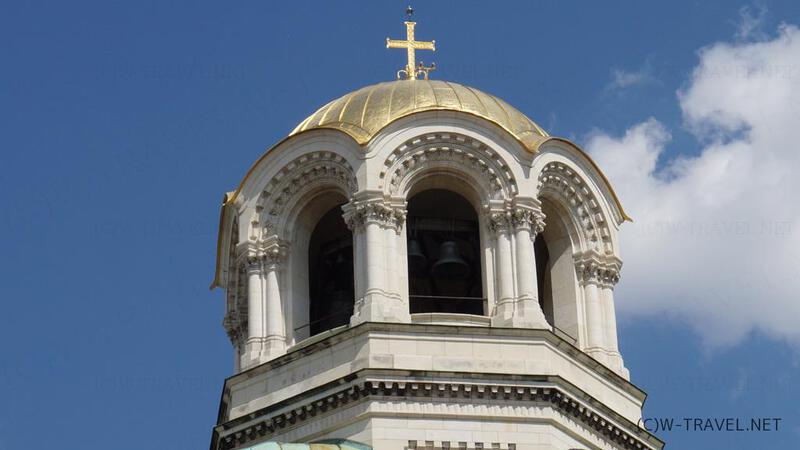
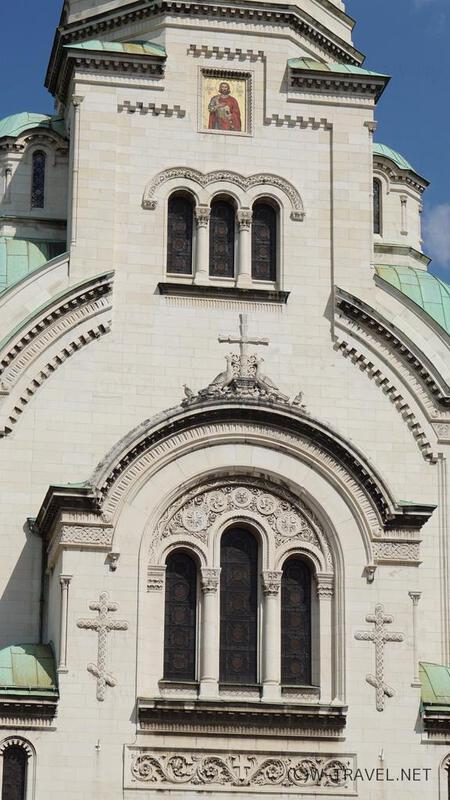
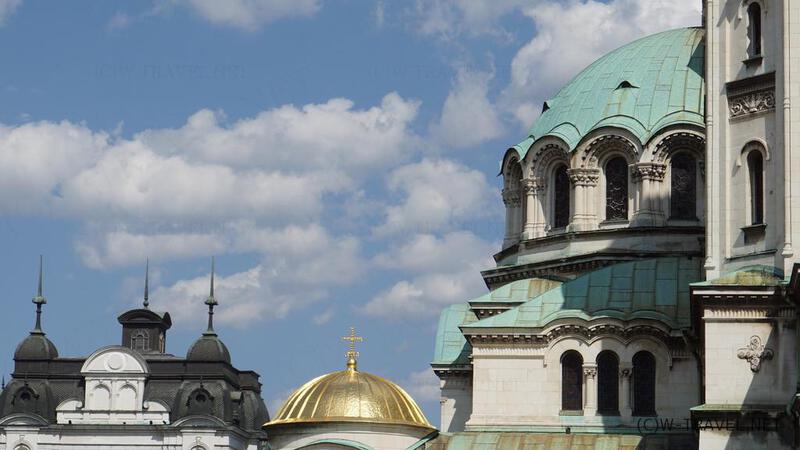
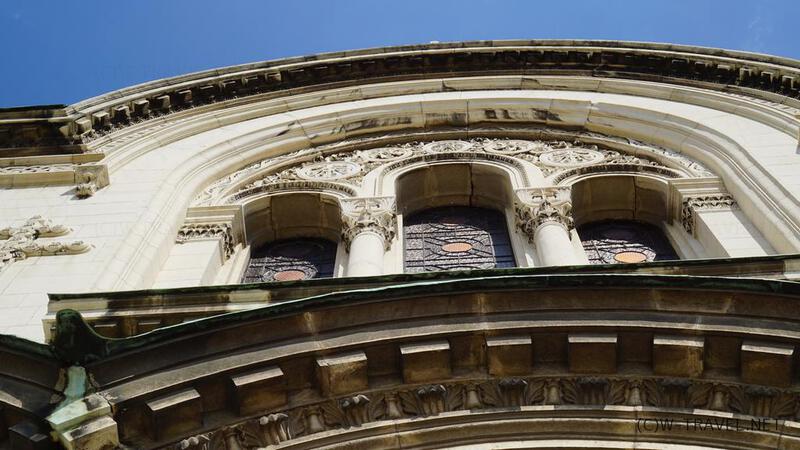
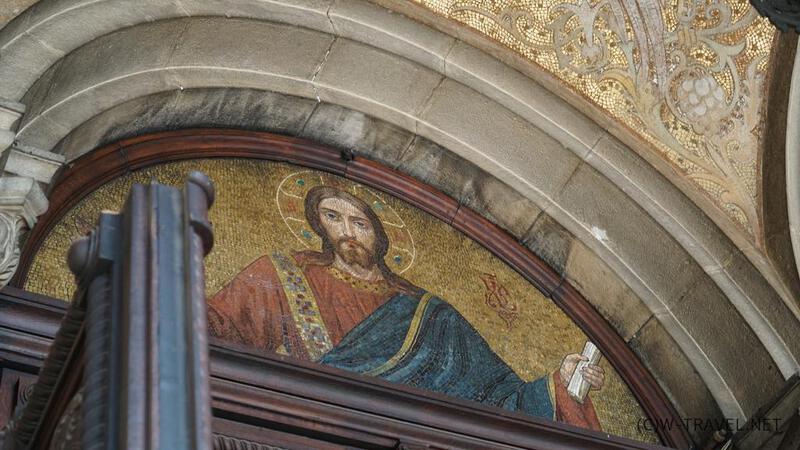
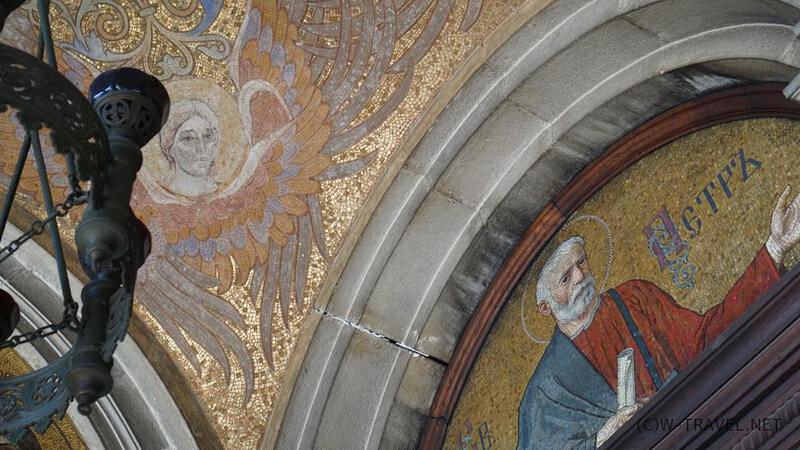
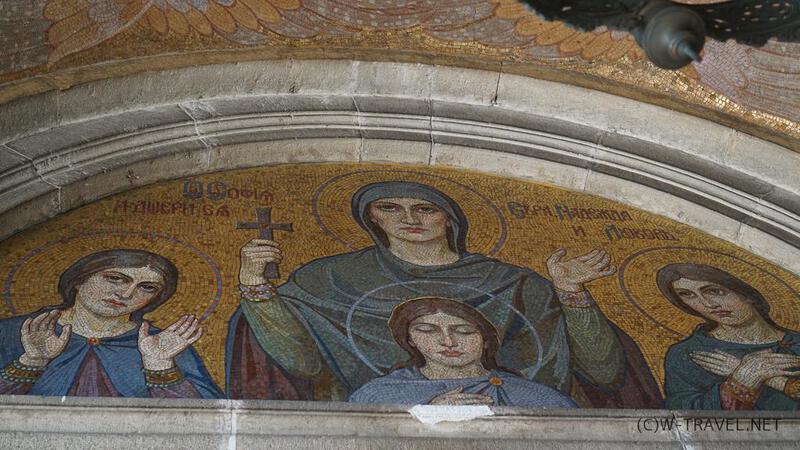
كاتدرائية القديس ألكسندر نيفسكي (Cathedral Saint Alexandar Nevski).
الذهاب إلى كاتدرائية القديس ألكسندر نيفسكي، وهي الأكبر في بلغاريا.
التصوير ممنوع داخل الكاتدرائية.
كان مكانًا هادئًا ومليئًا بالسكينة، مما يبعث على الشعور بالسلام الداخلي. هذا رائع. إنه أفضل من المتوقع.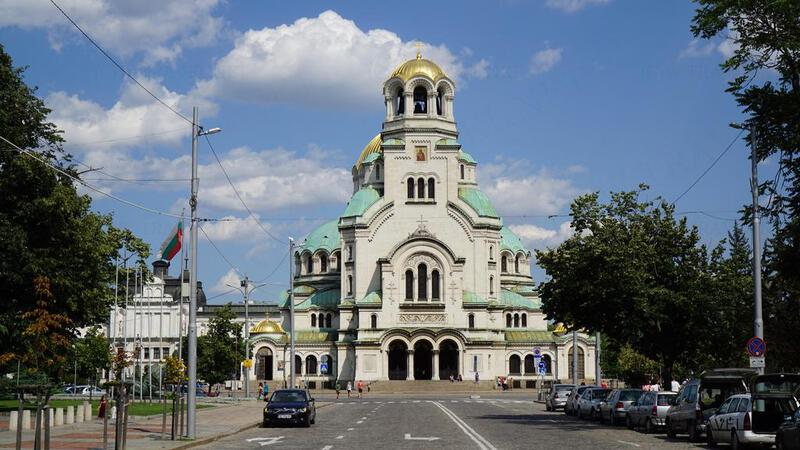




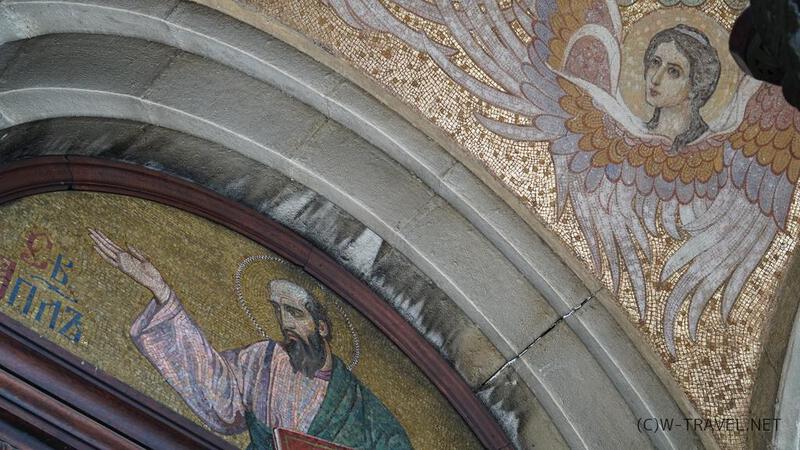
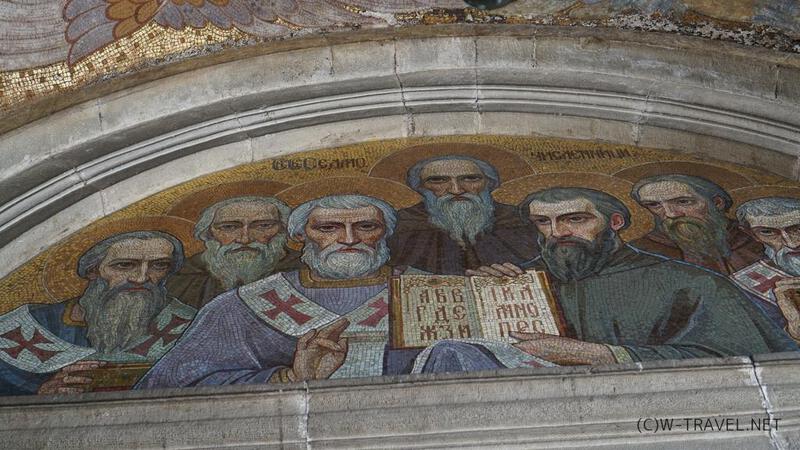
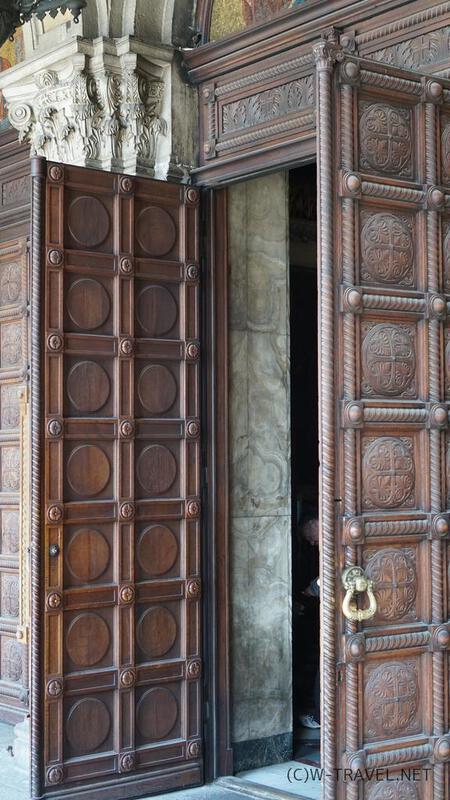
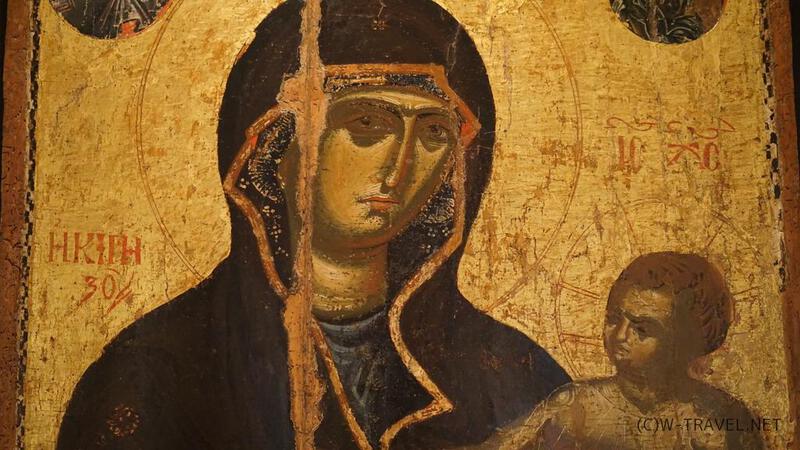
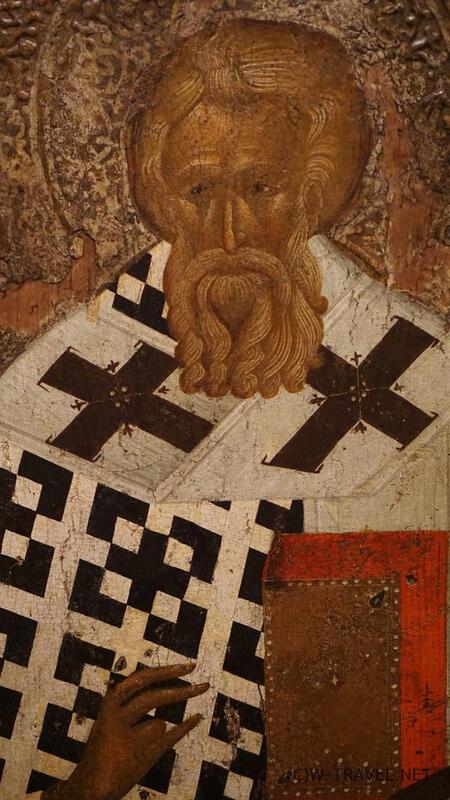
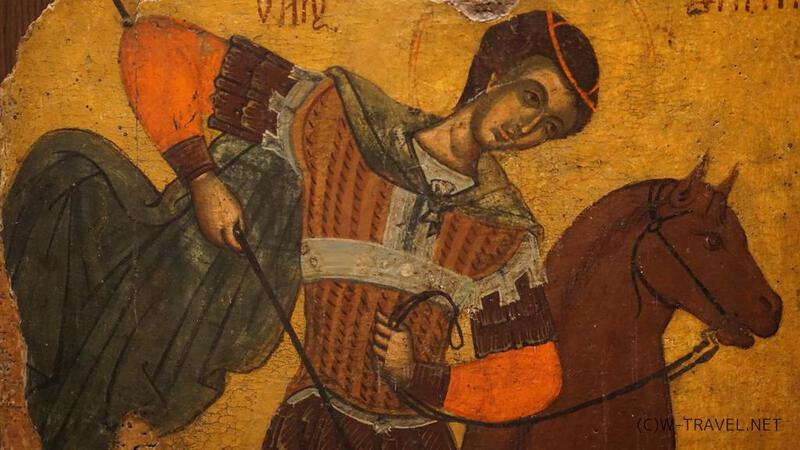
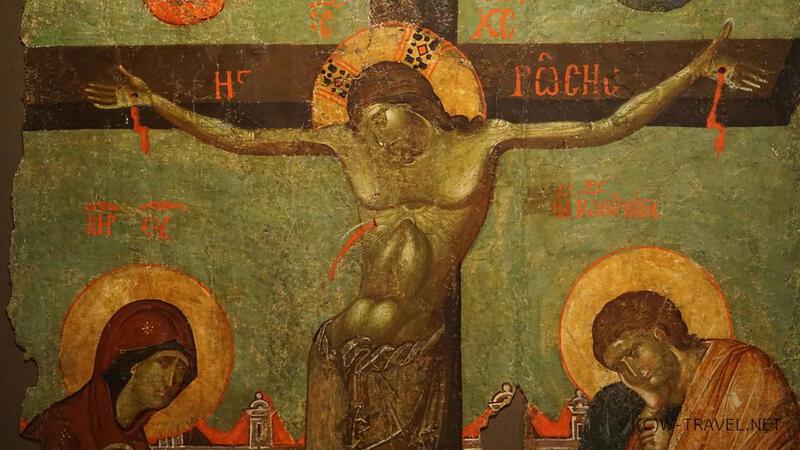
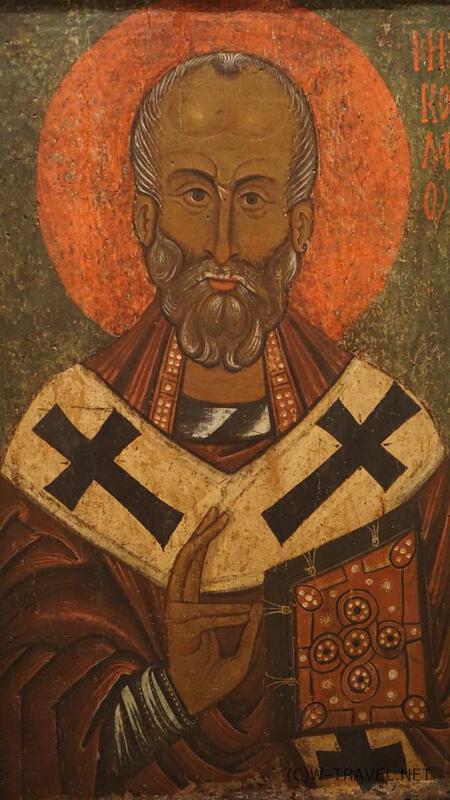
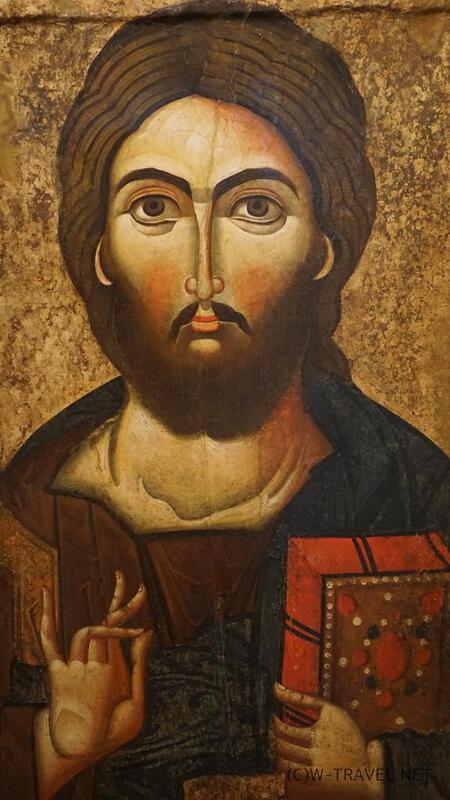
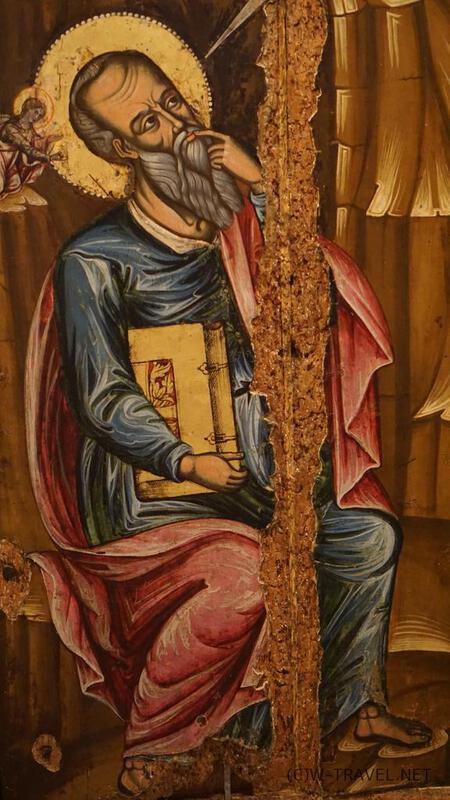
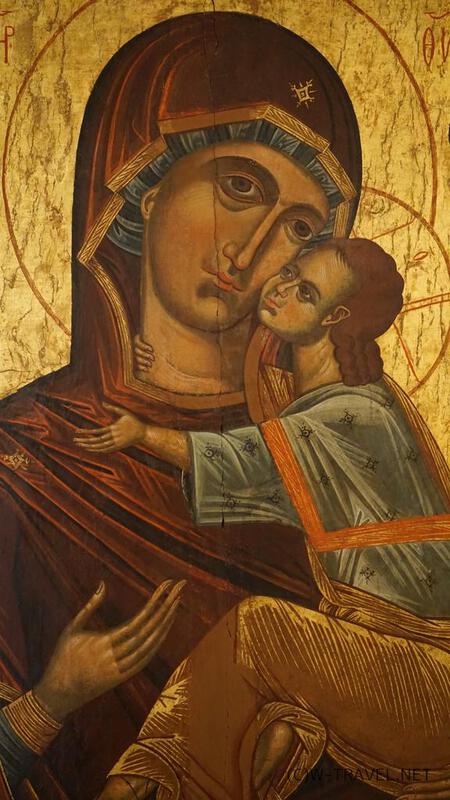
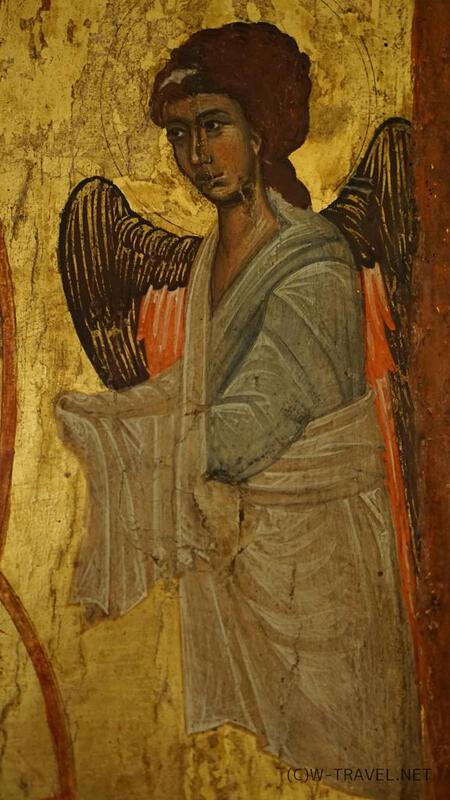
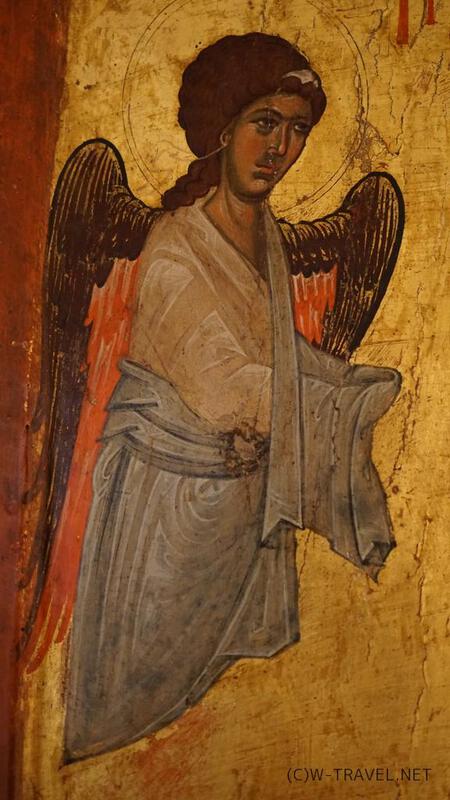
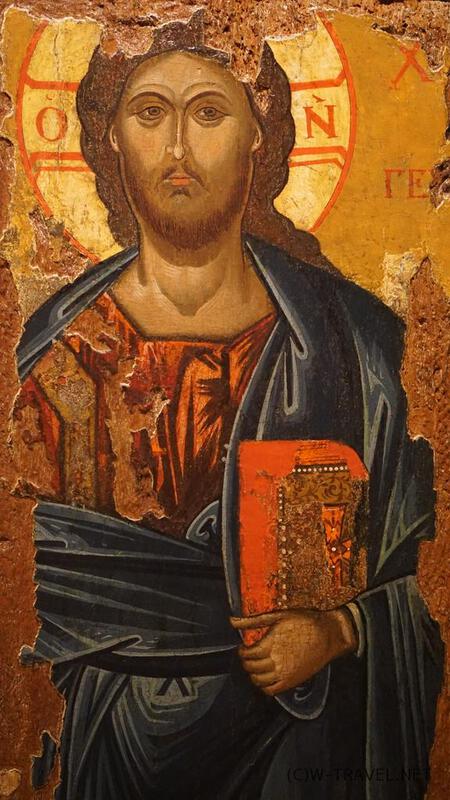
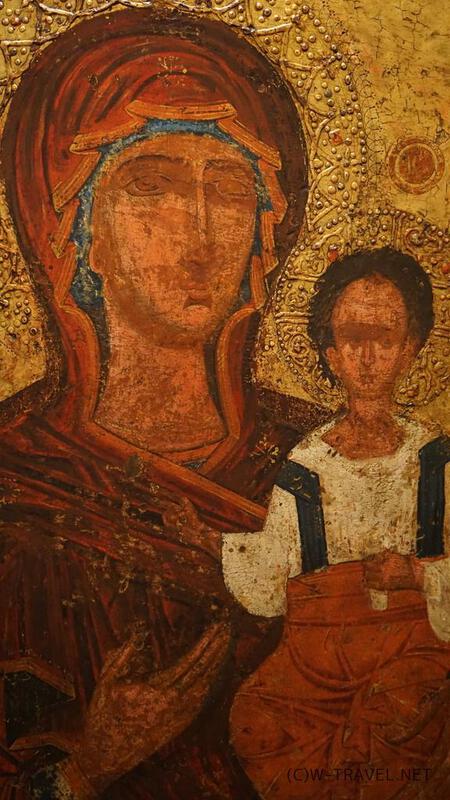
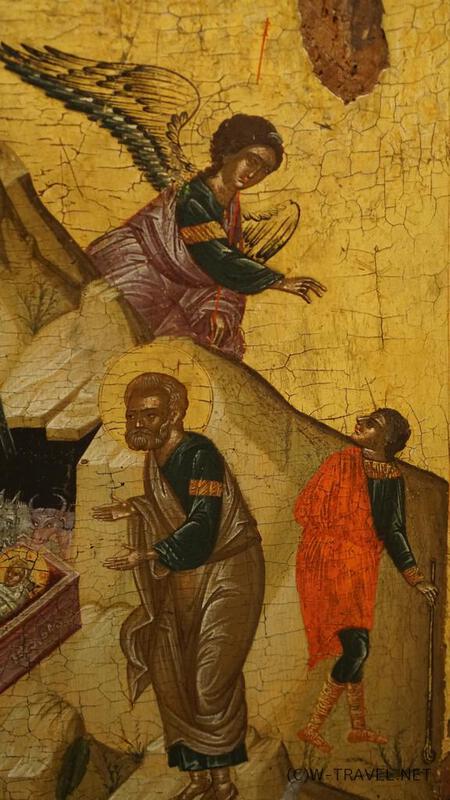
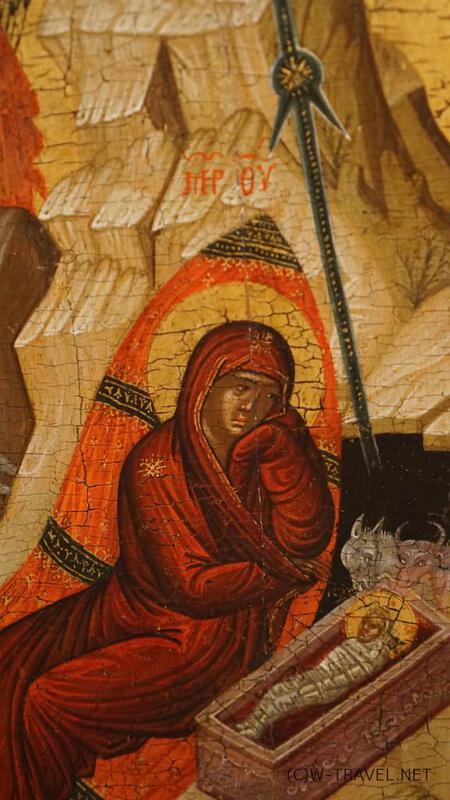
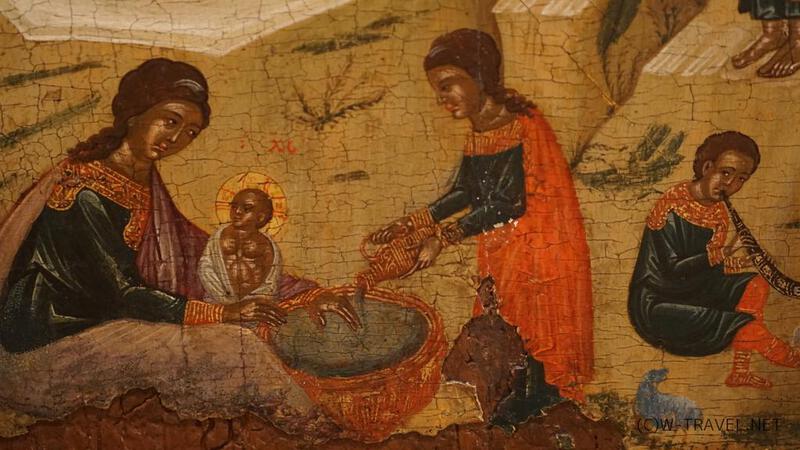
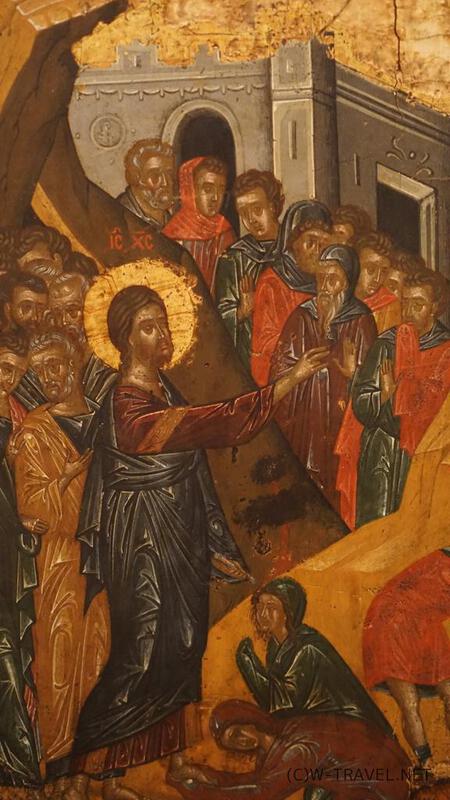
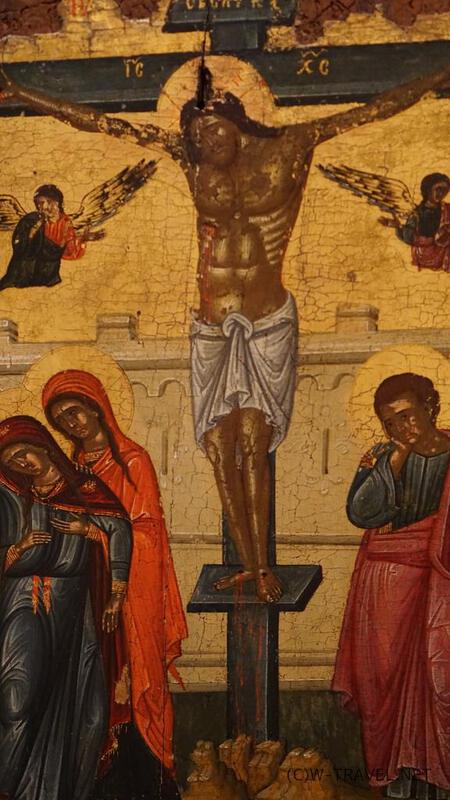
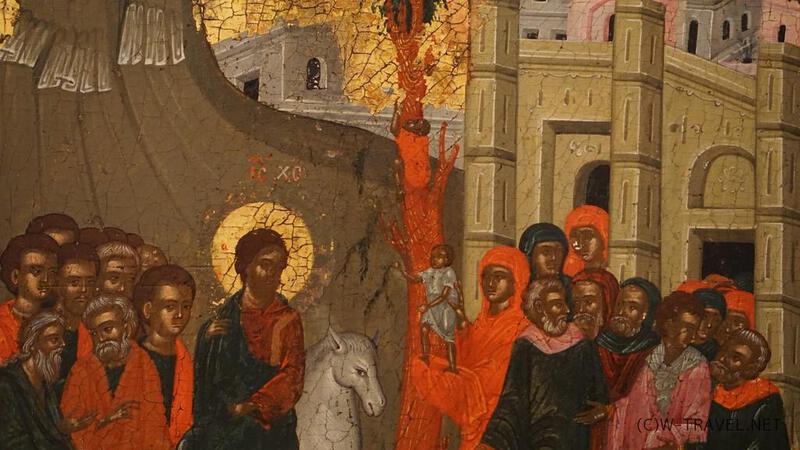
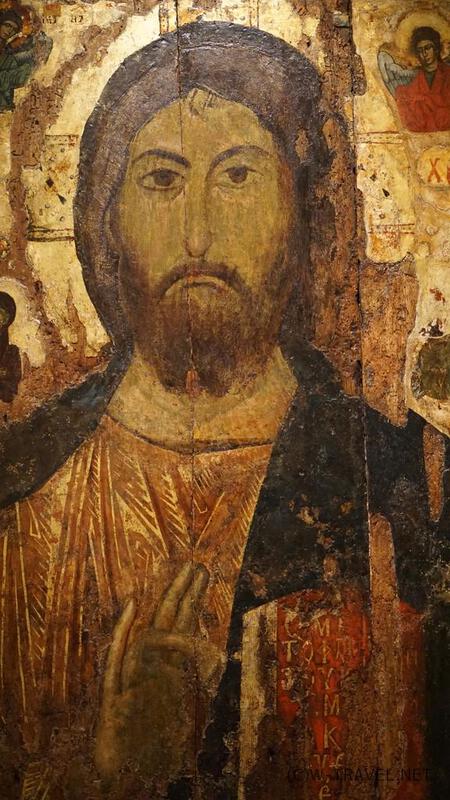
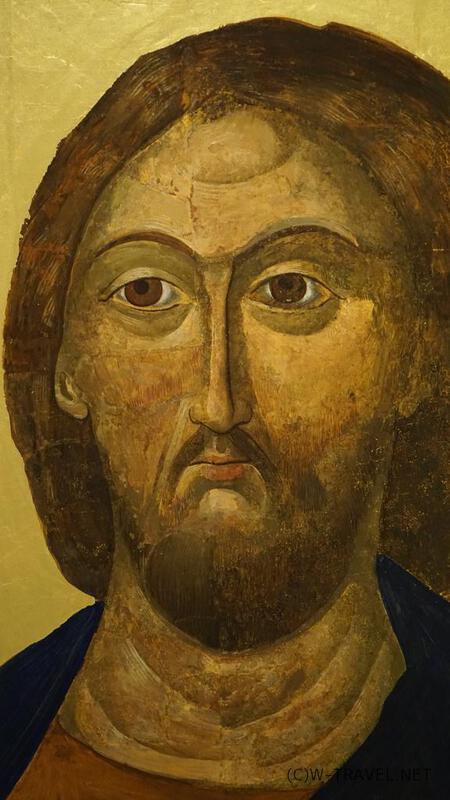
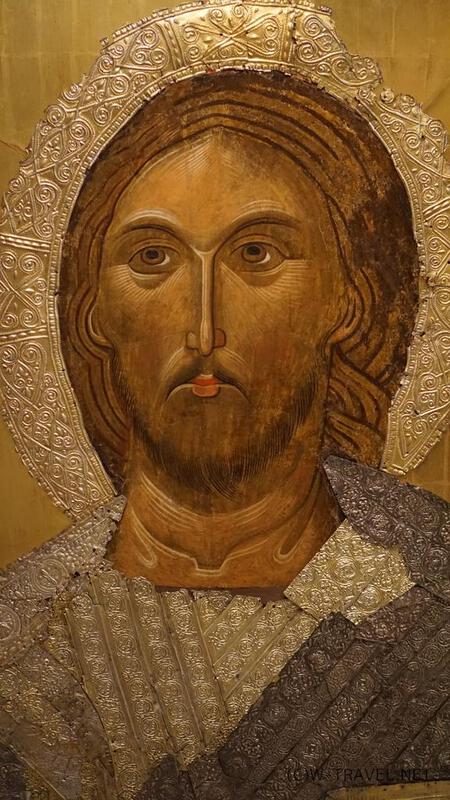
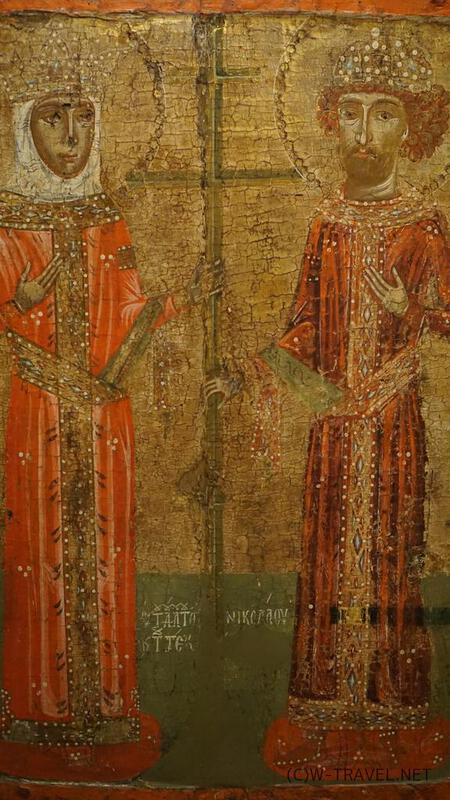
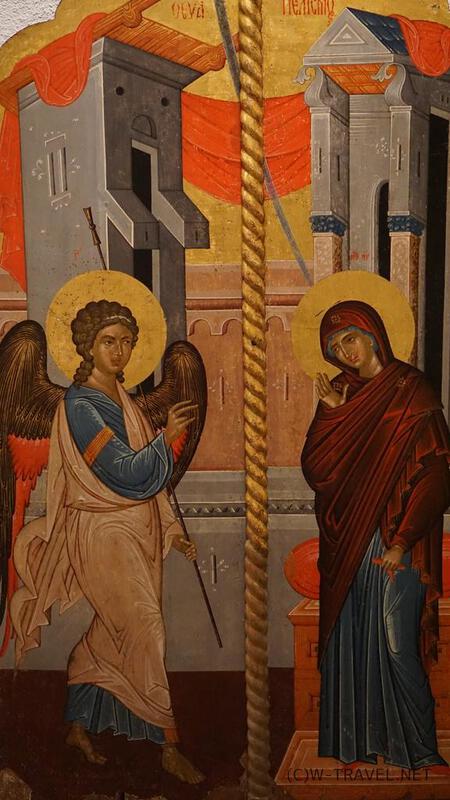
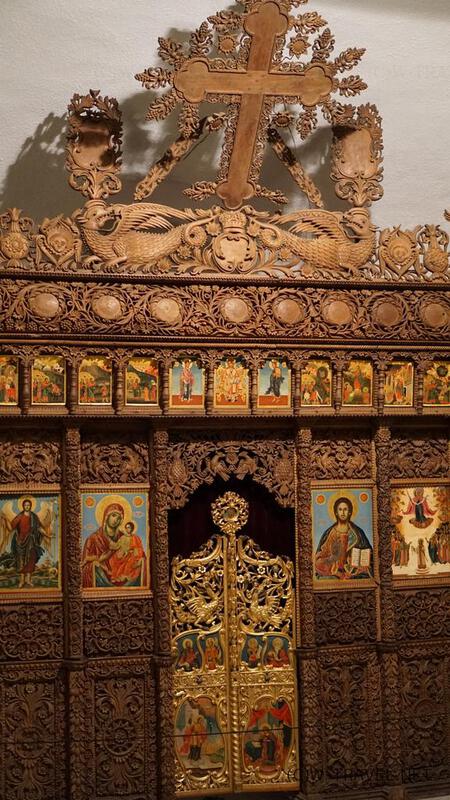
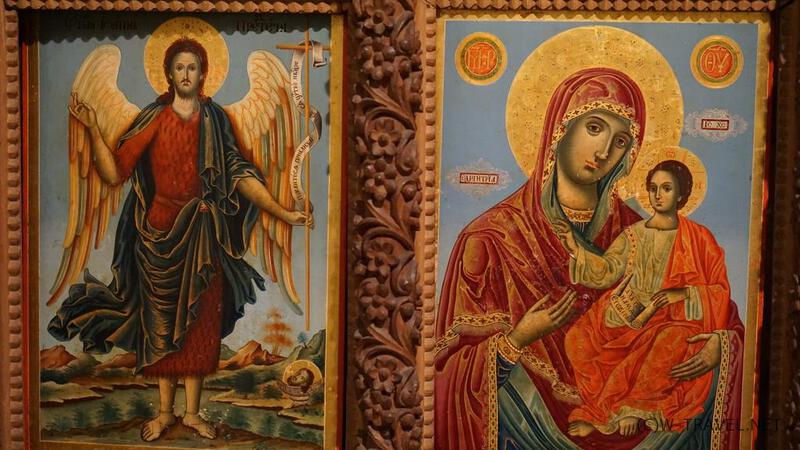
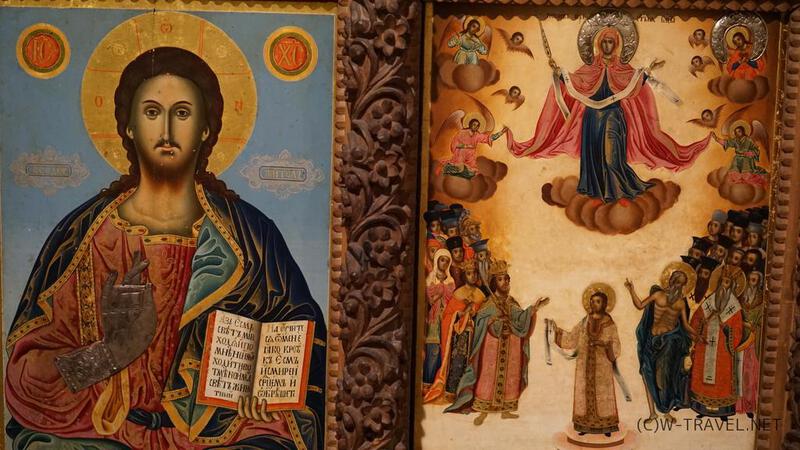
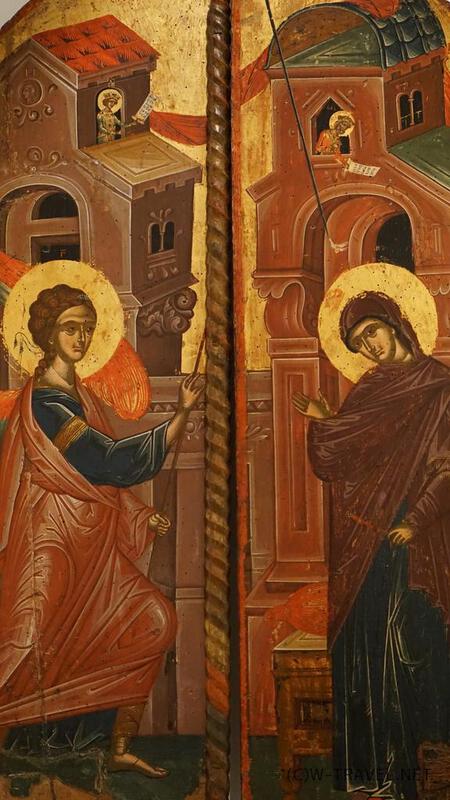
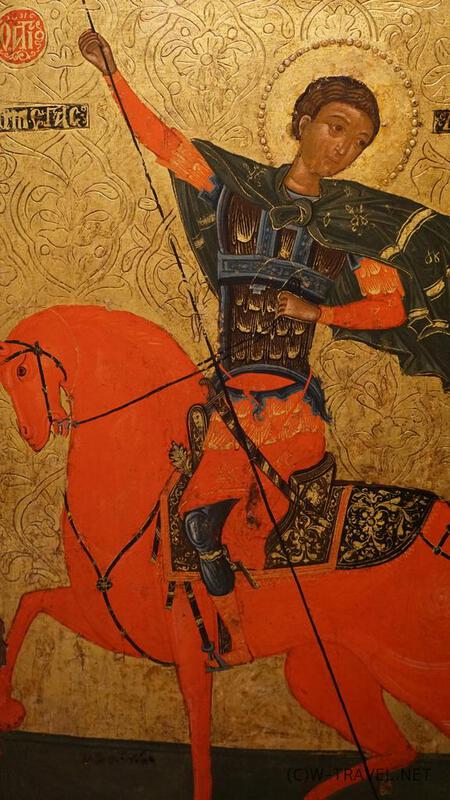
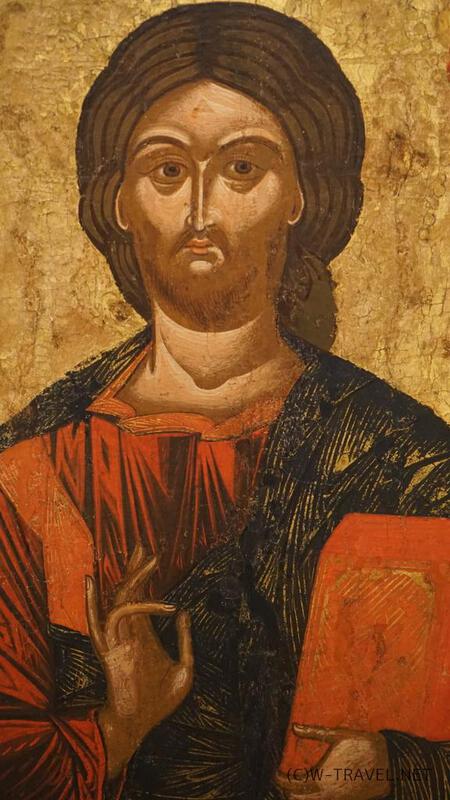
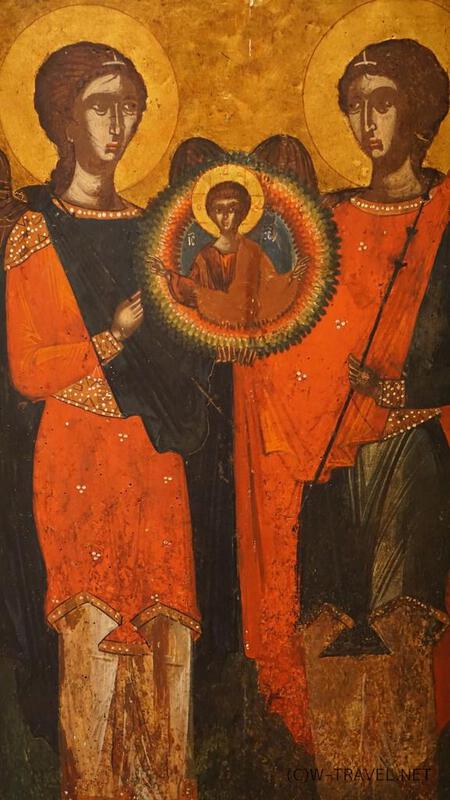
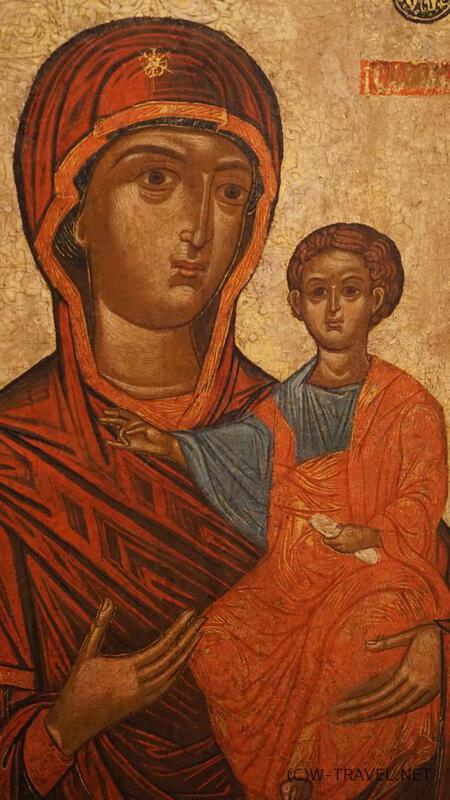
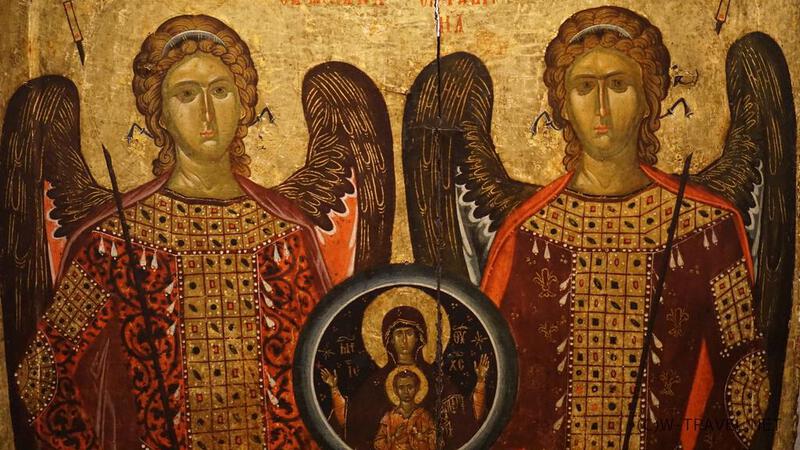
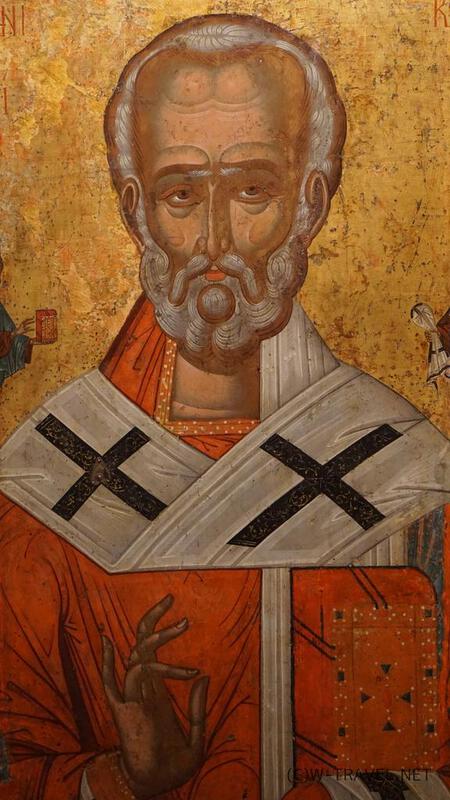
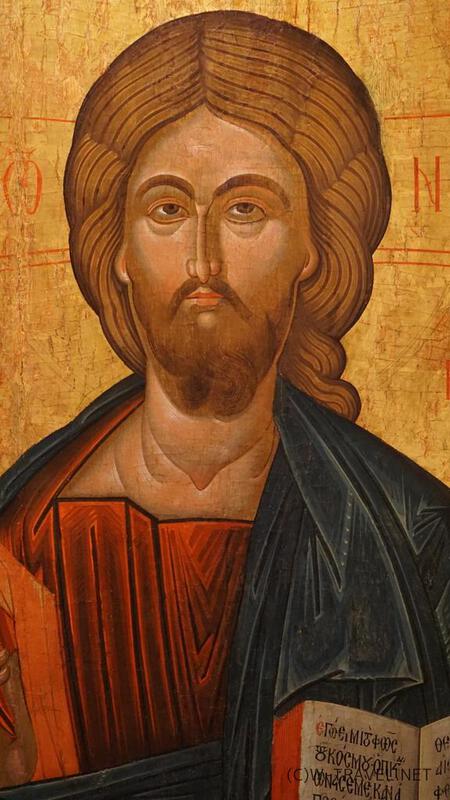
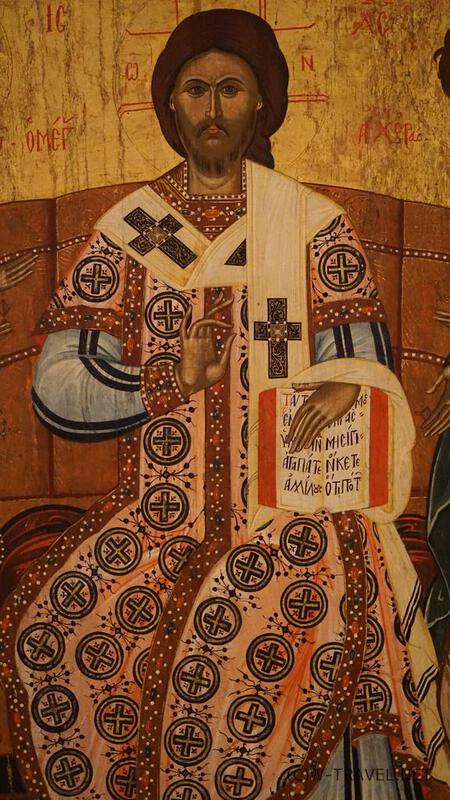
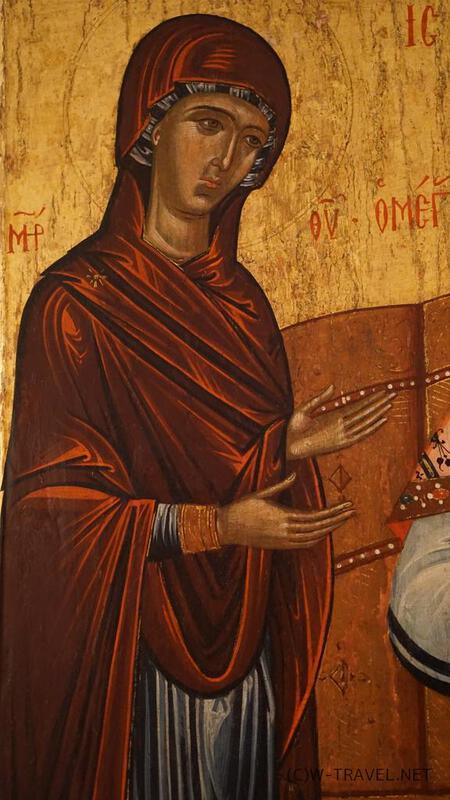
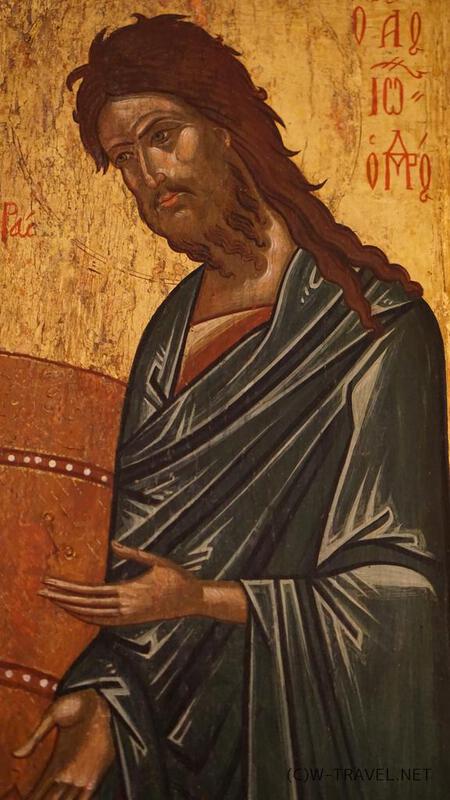
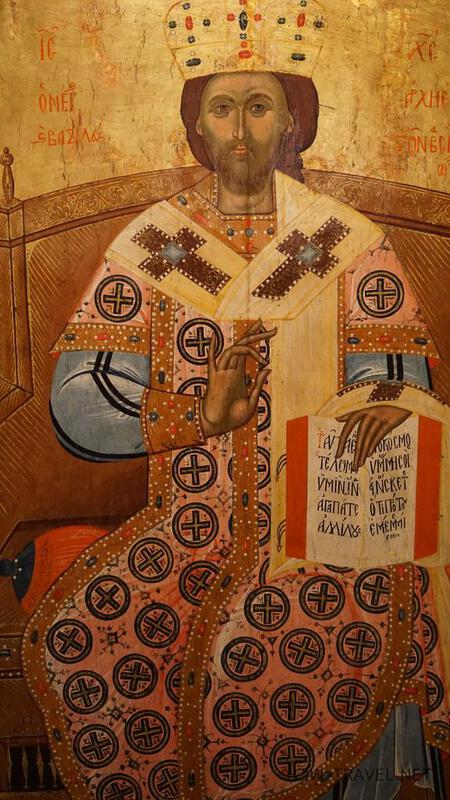
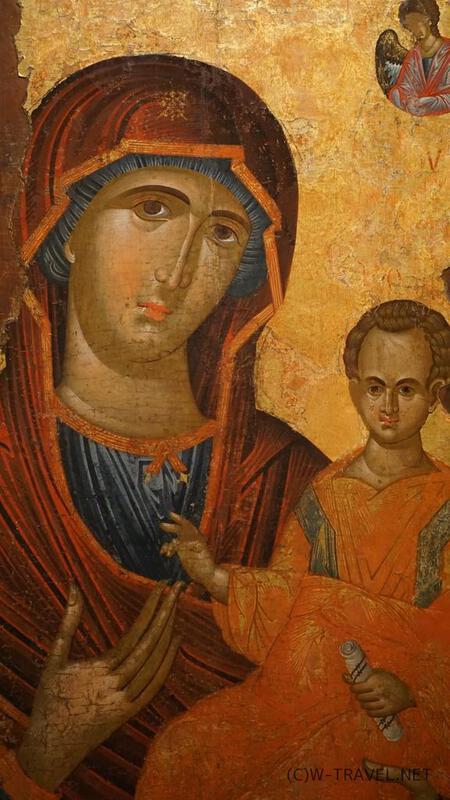
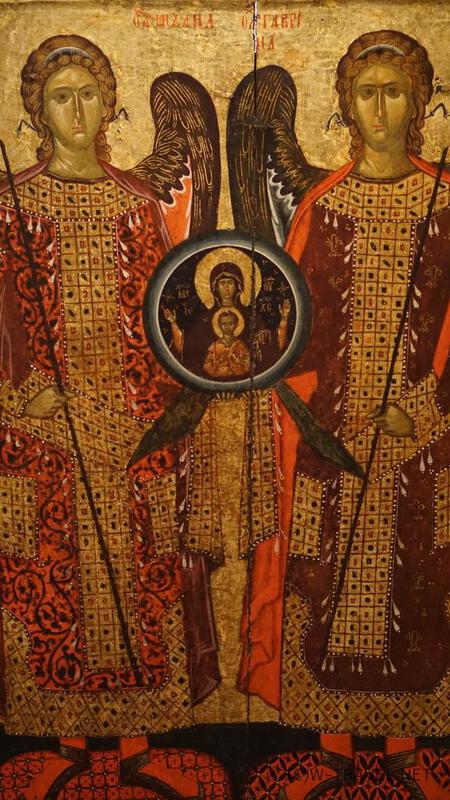
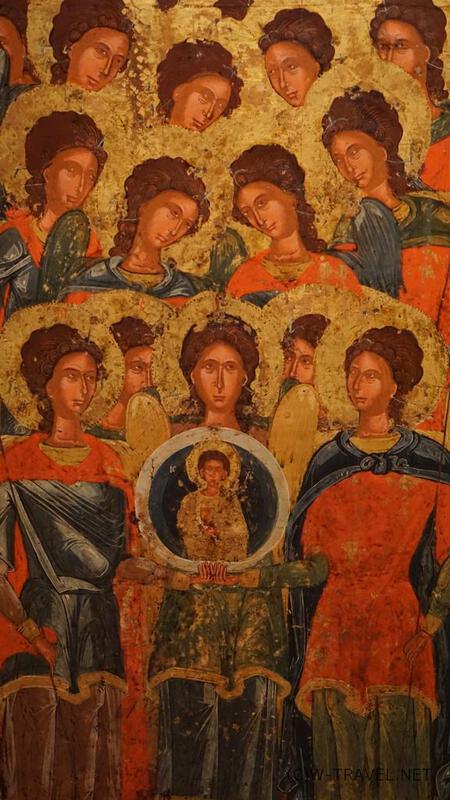
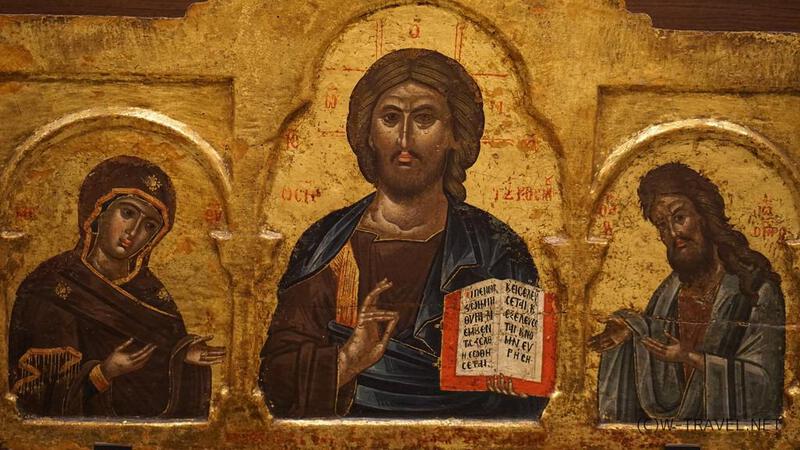
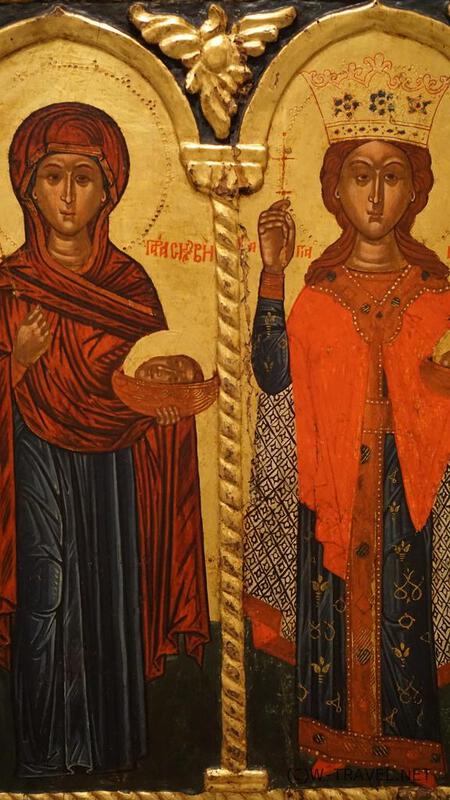
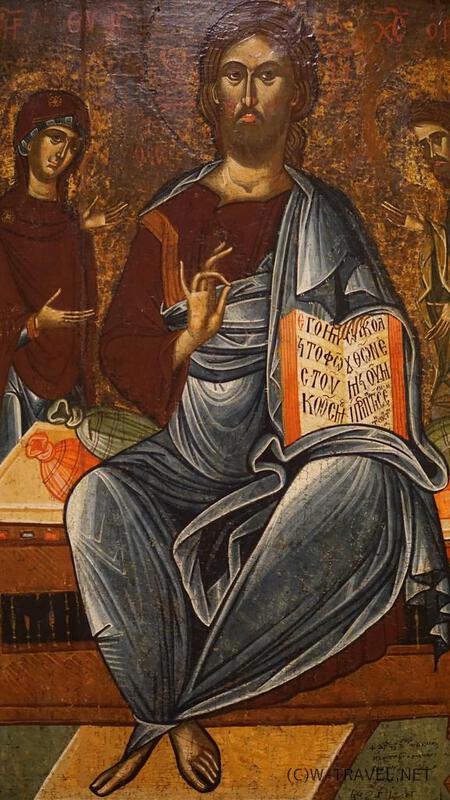
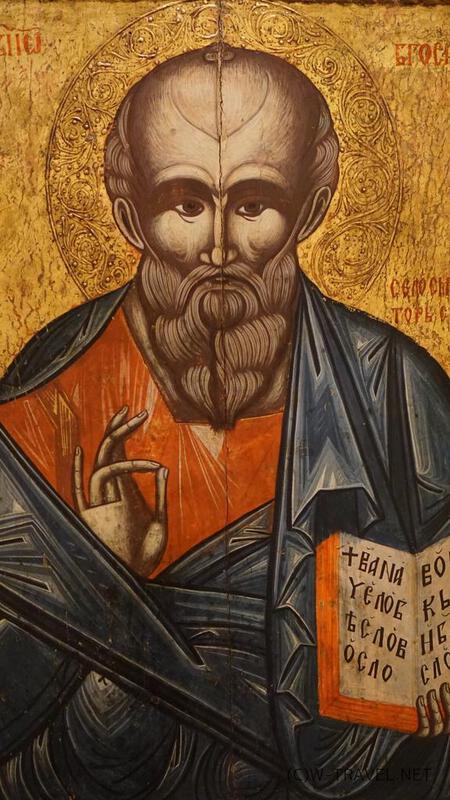
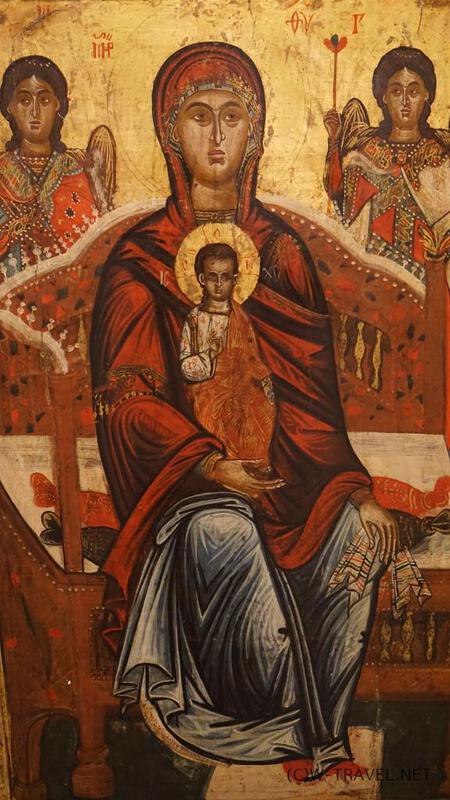
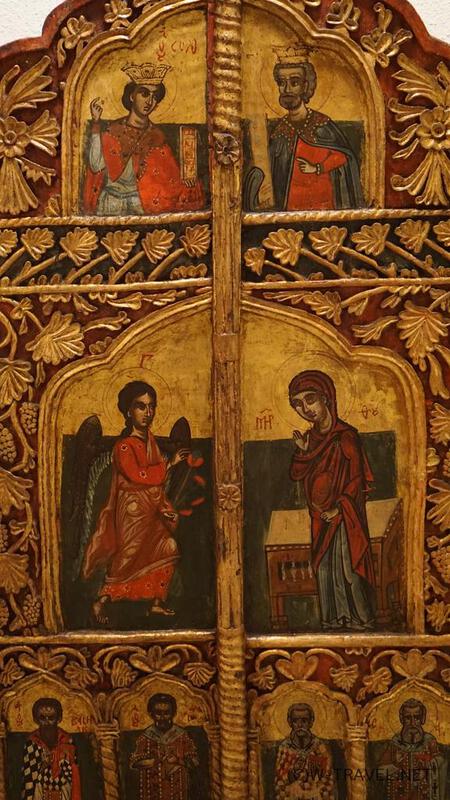
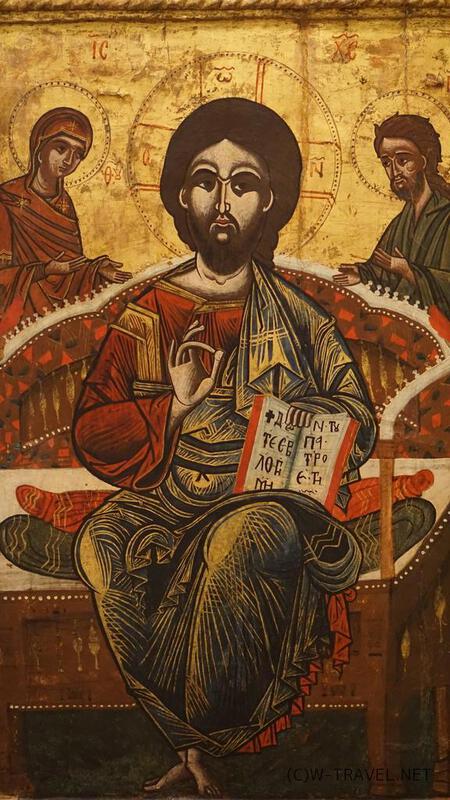
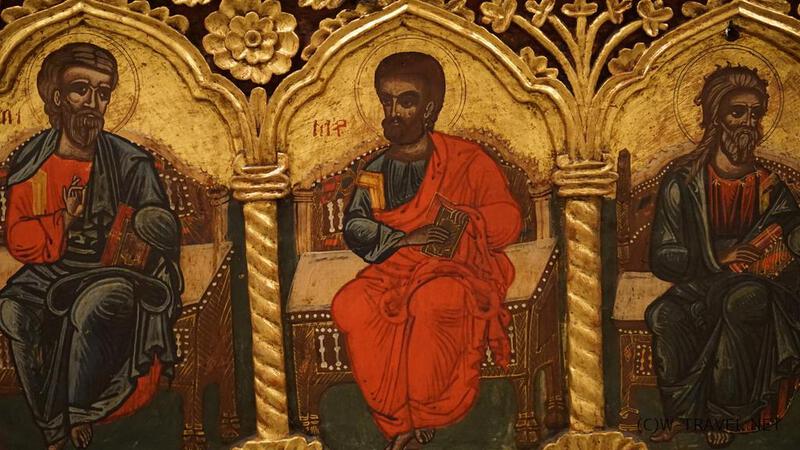
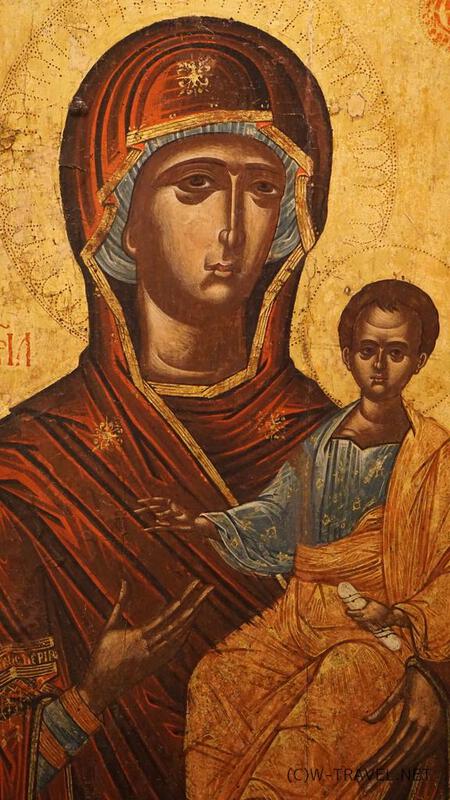
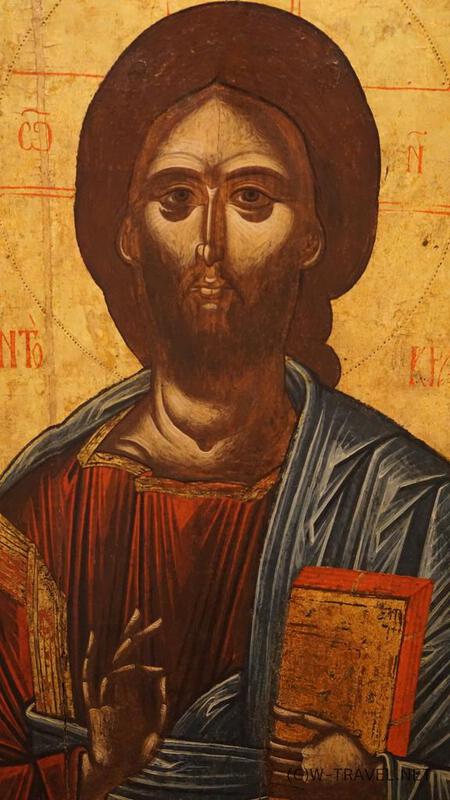
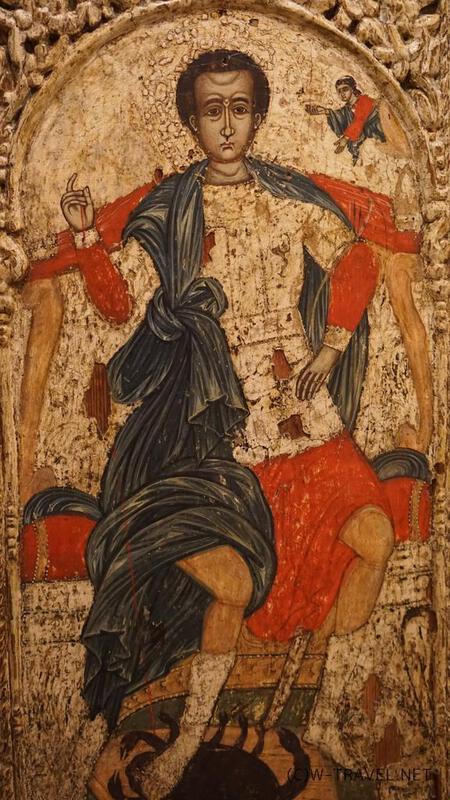
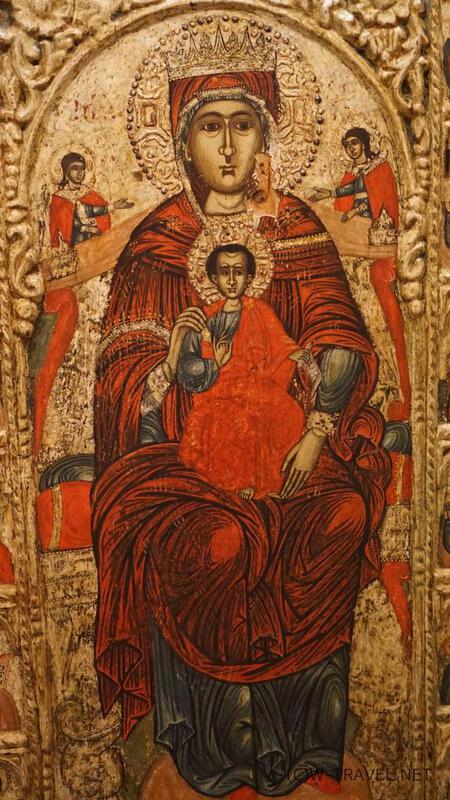
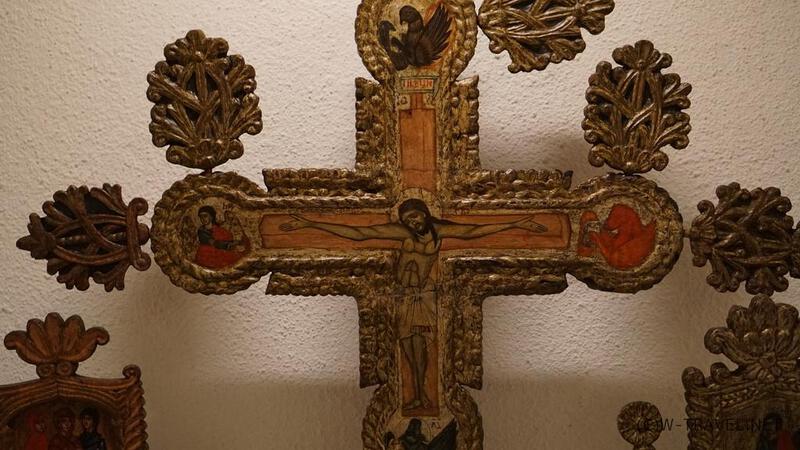
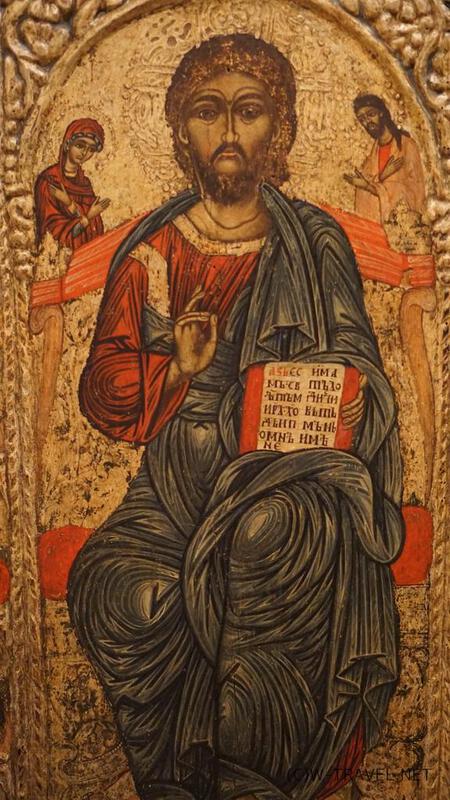
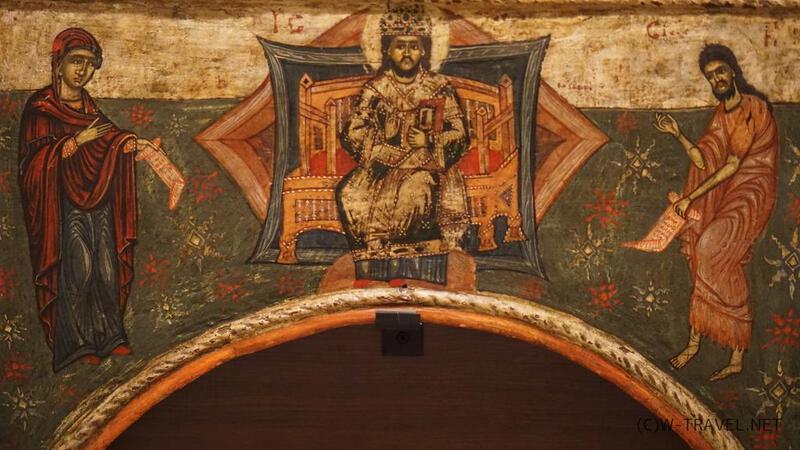
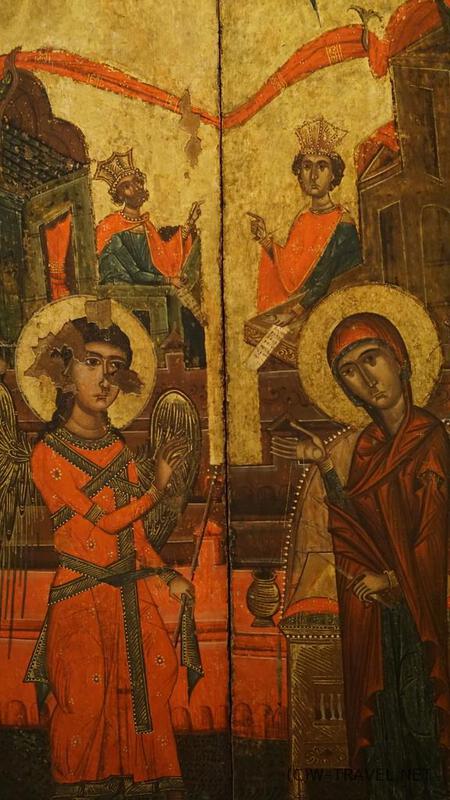
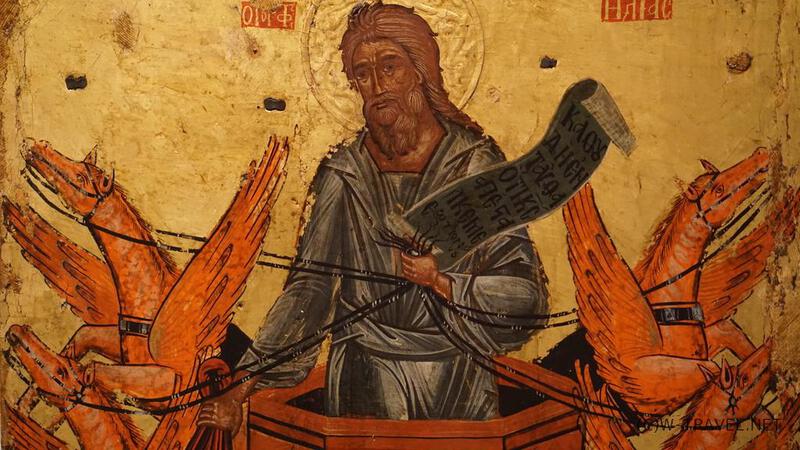
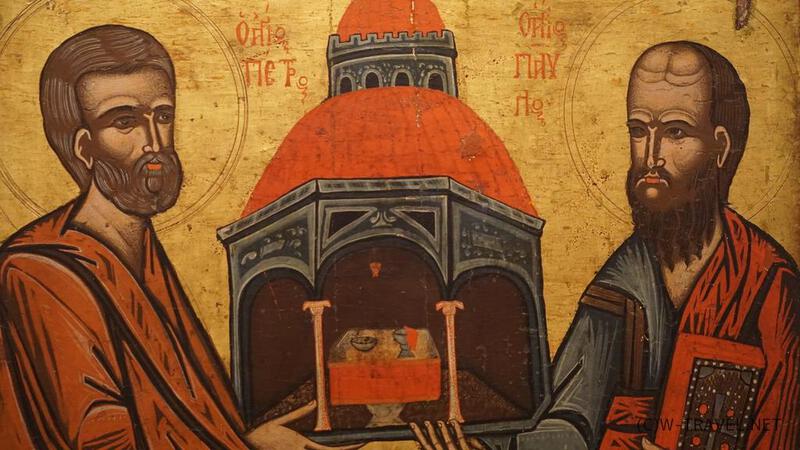
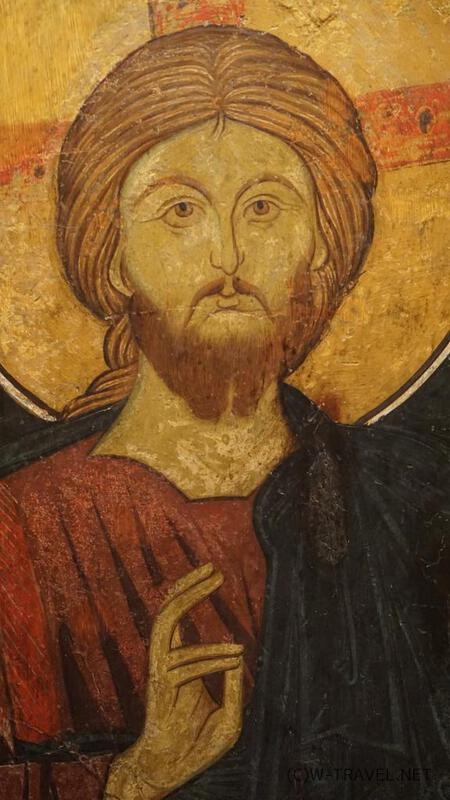
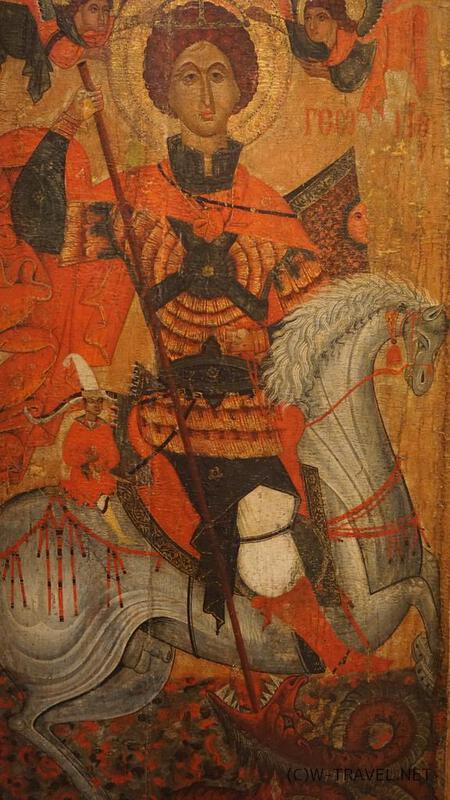
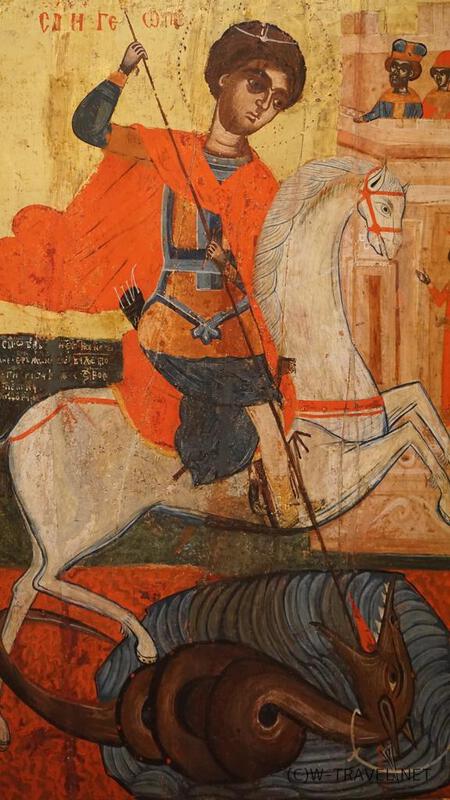
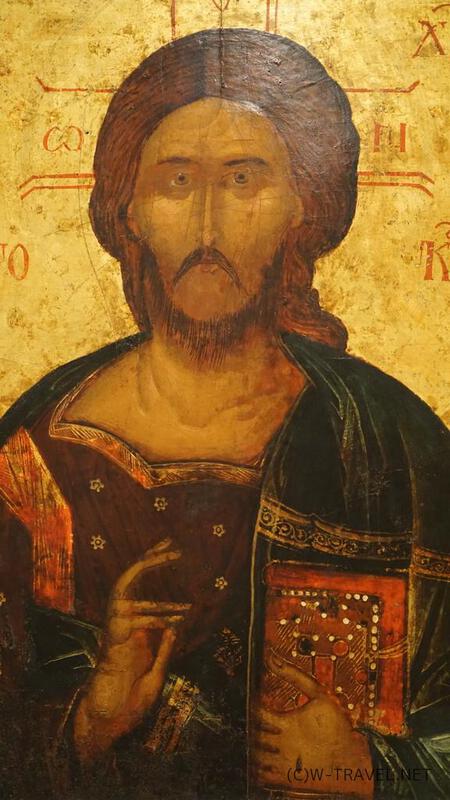
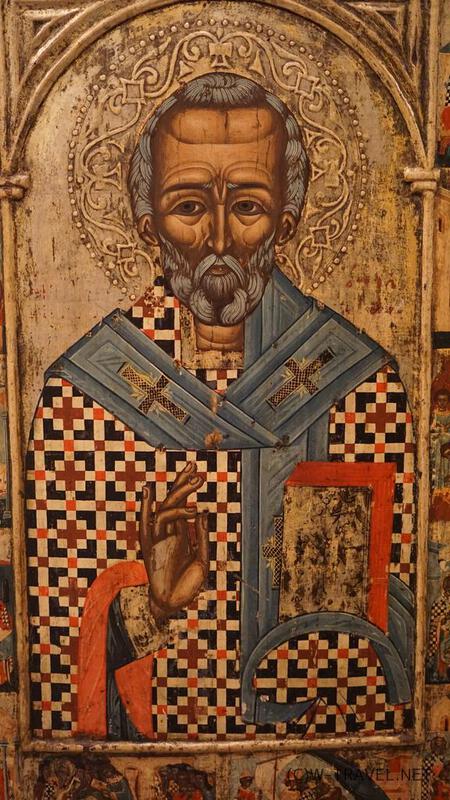
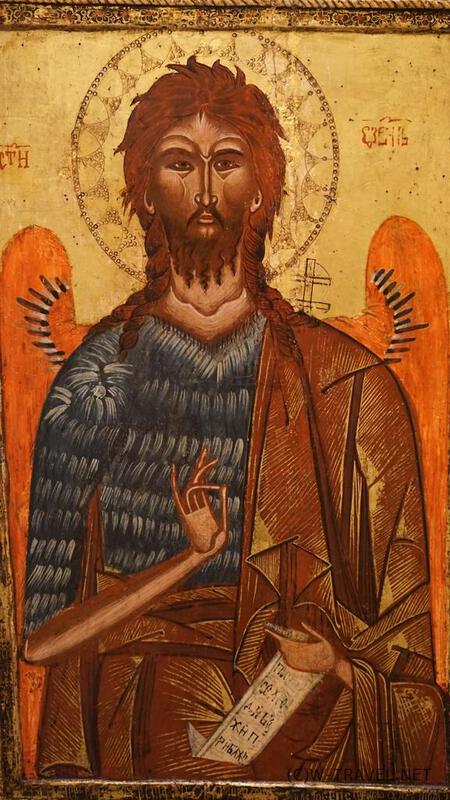
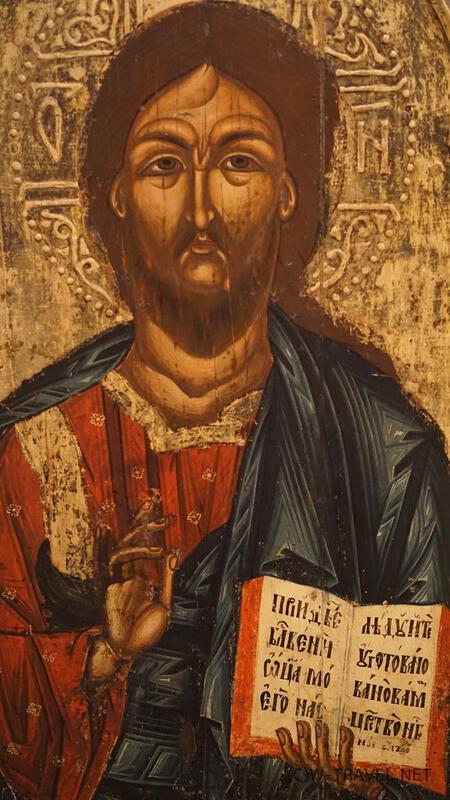
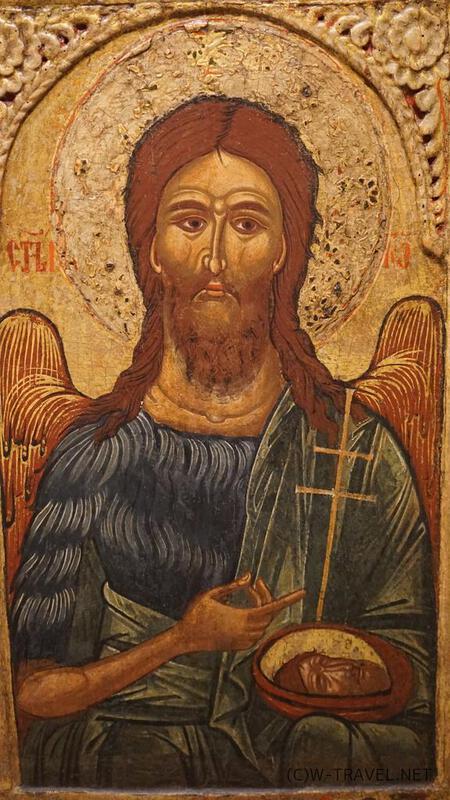
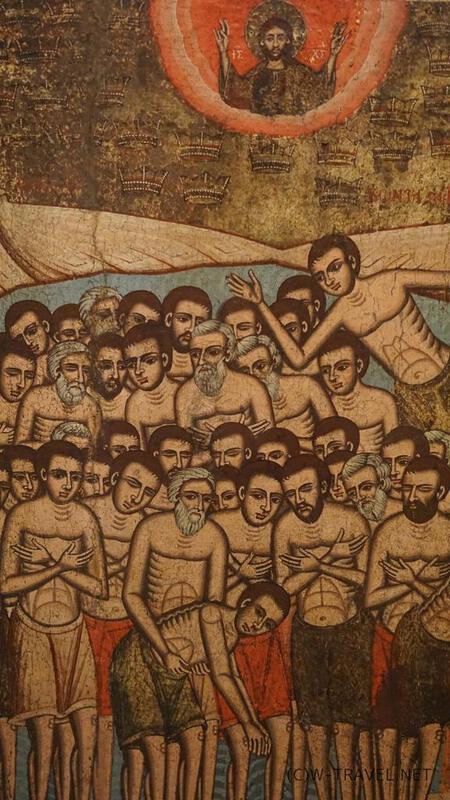
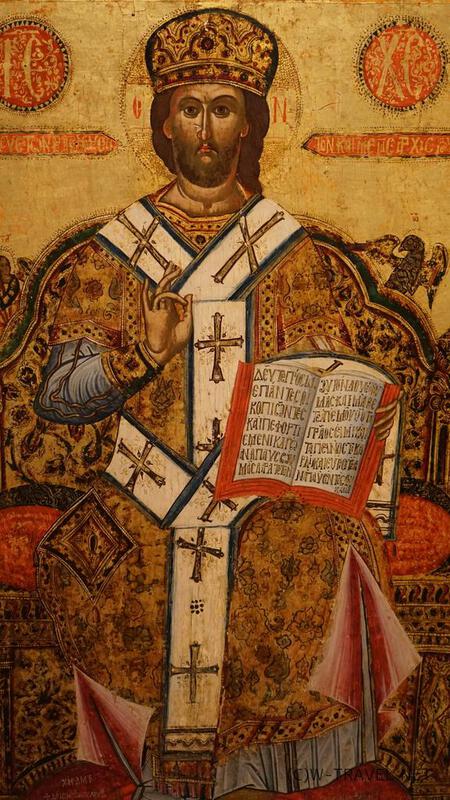
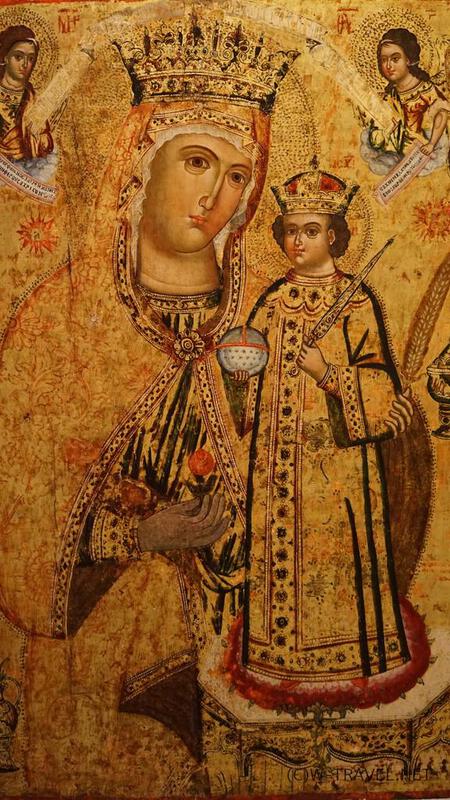
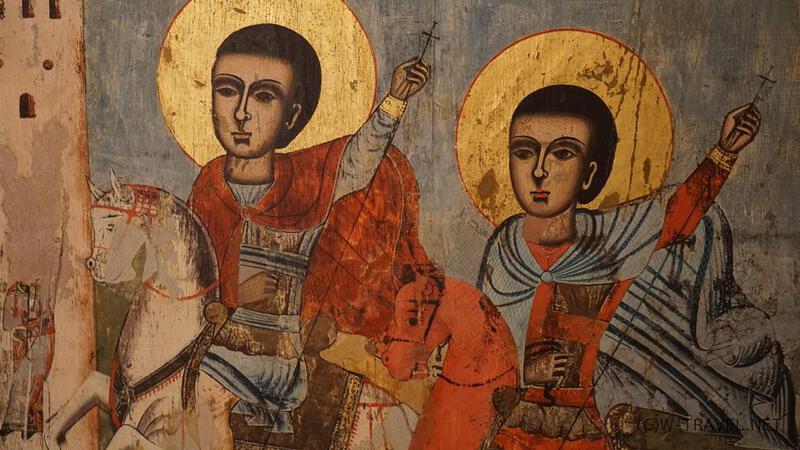
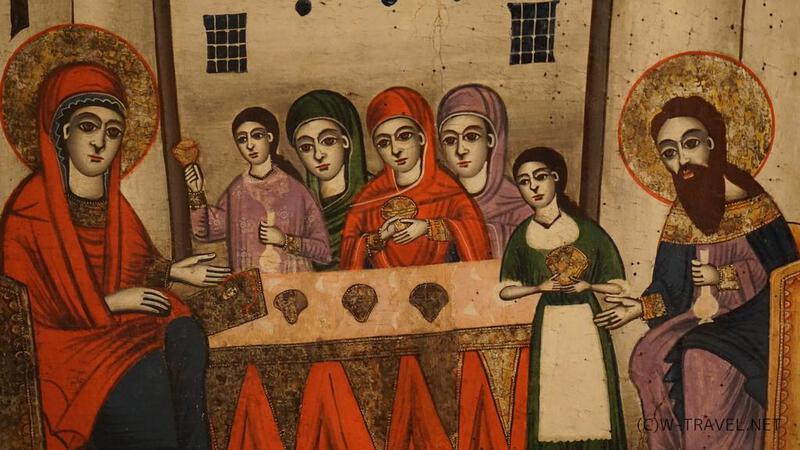
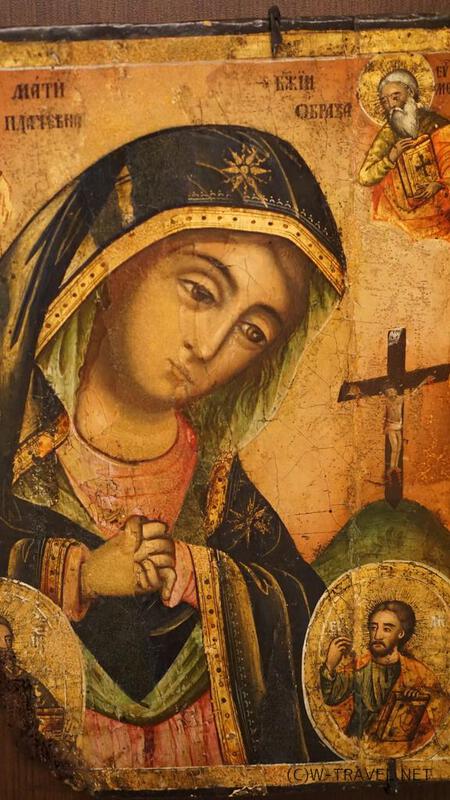
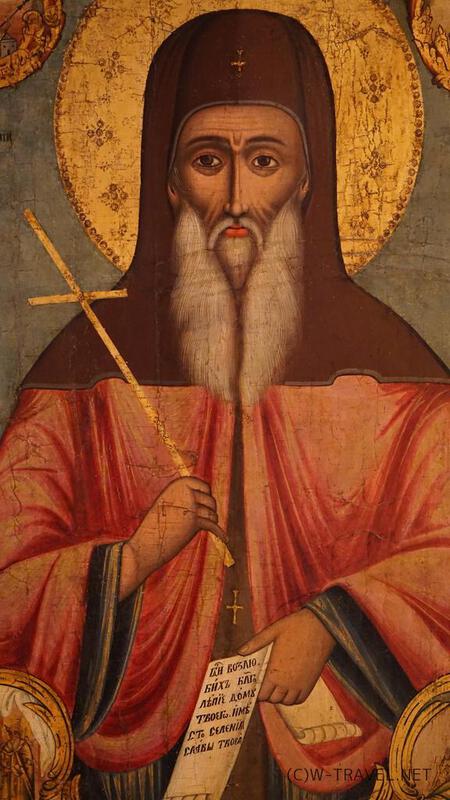
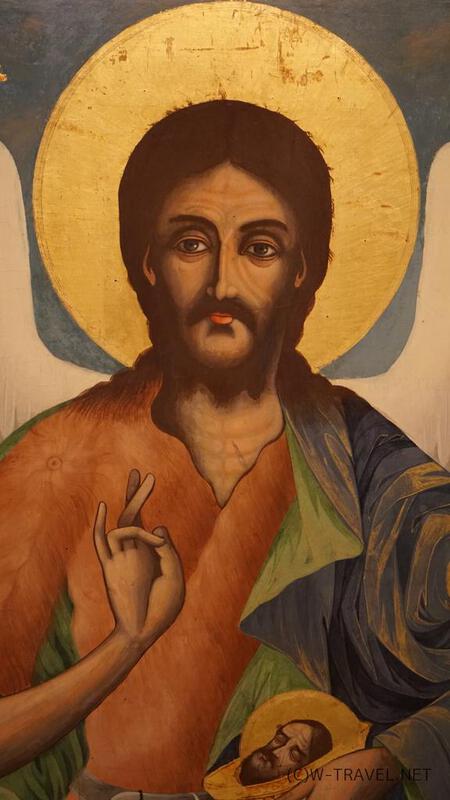
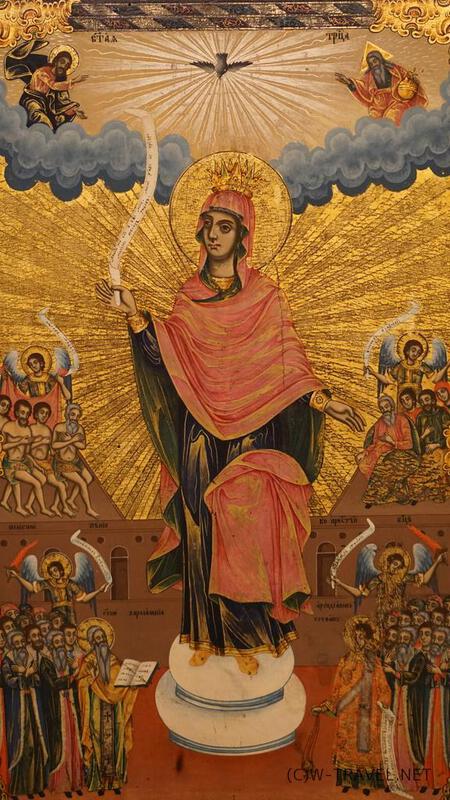
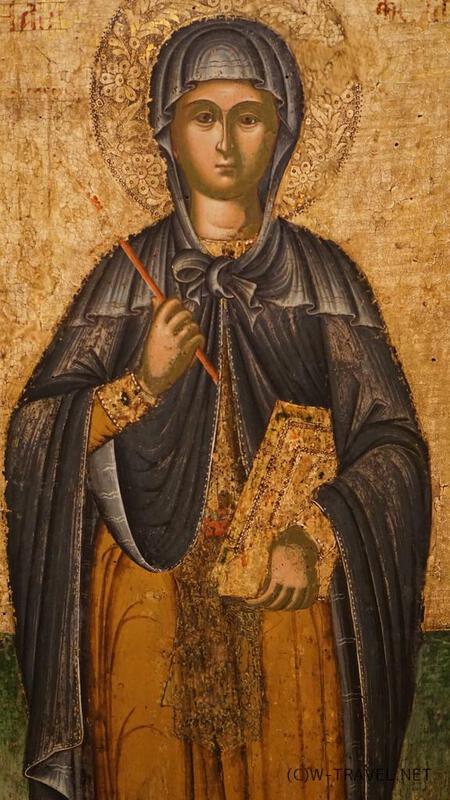
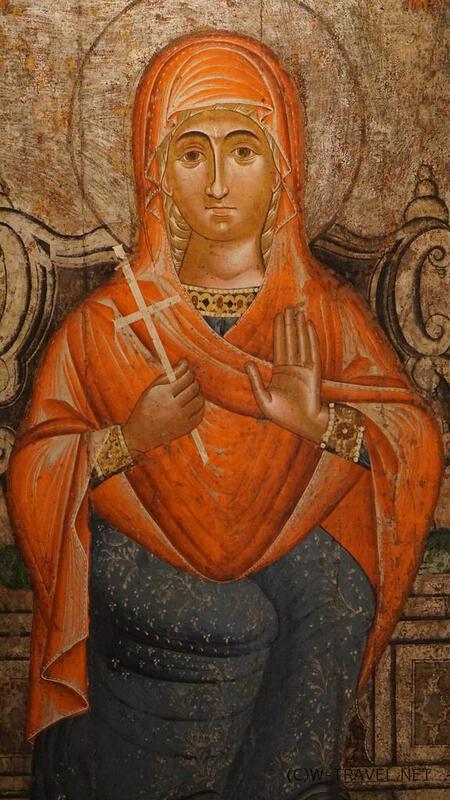
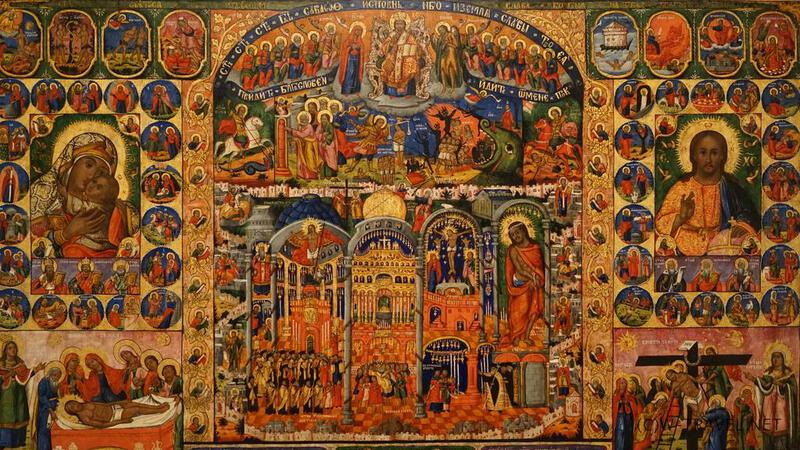
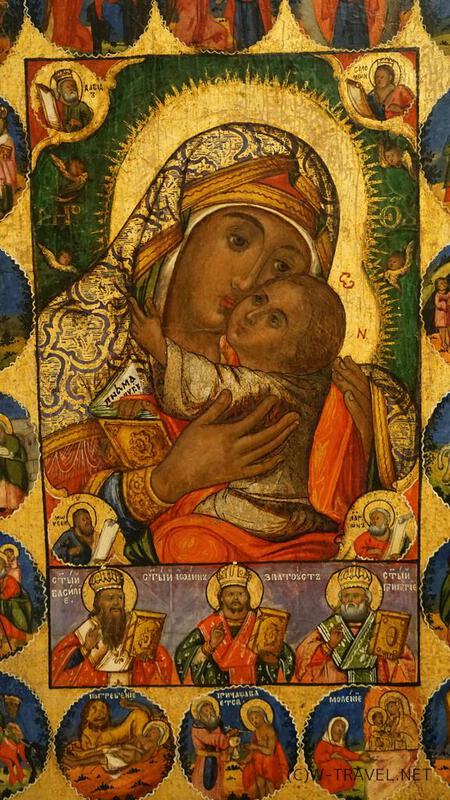
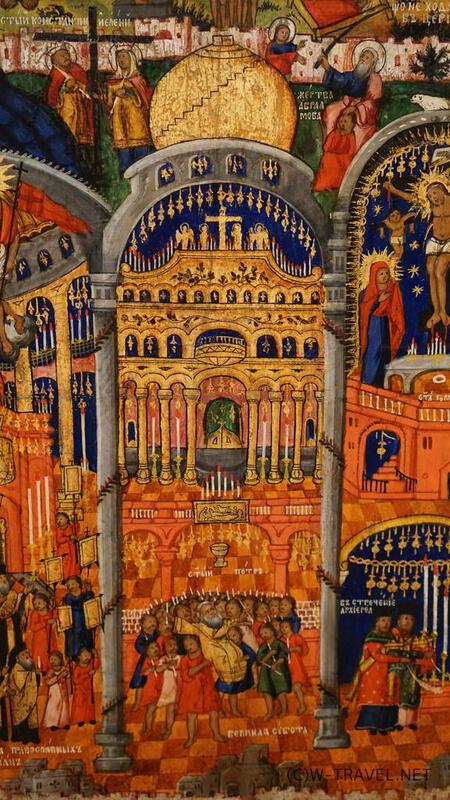
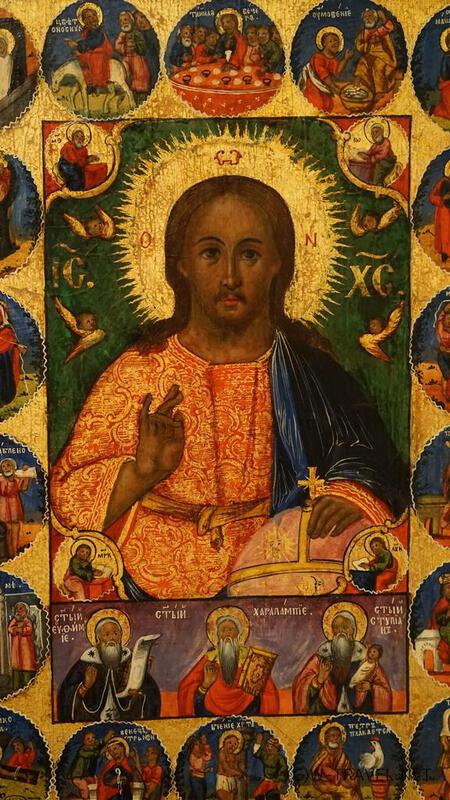
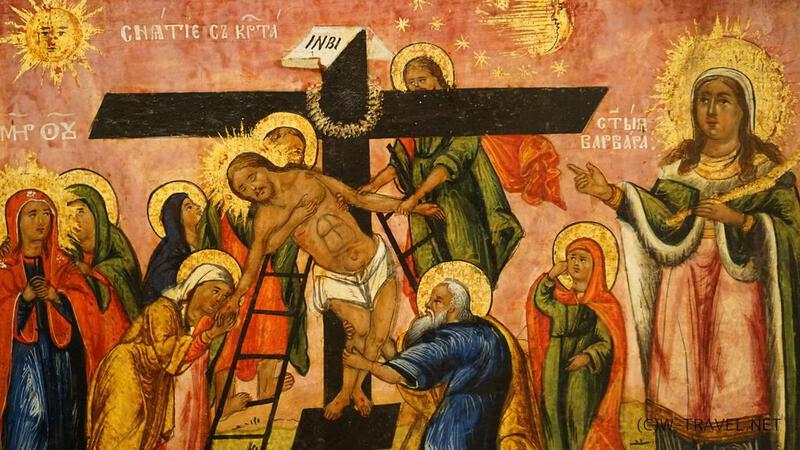
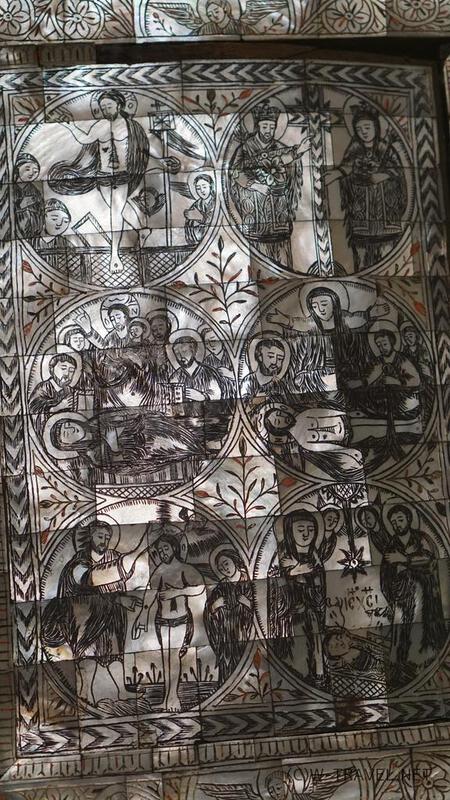
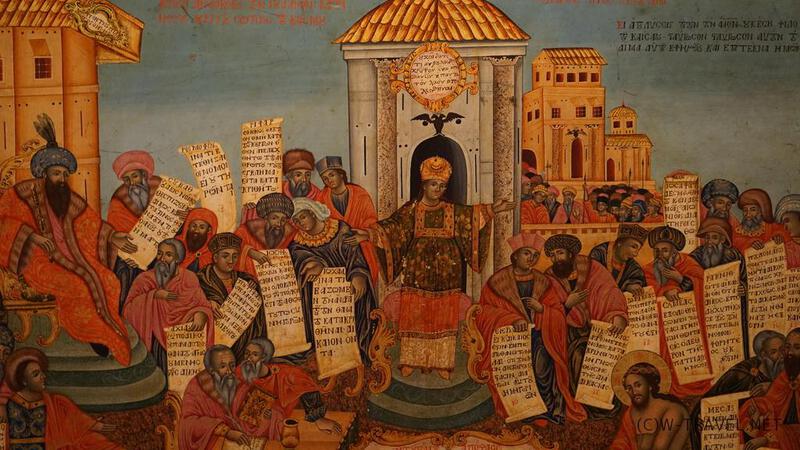
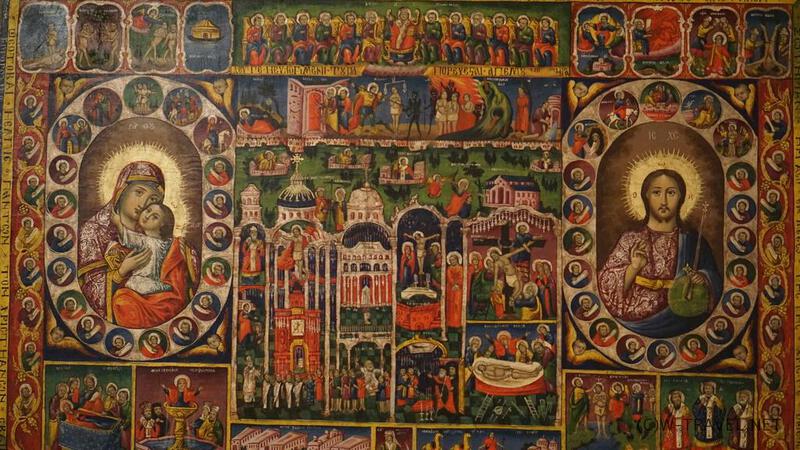
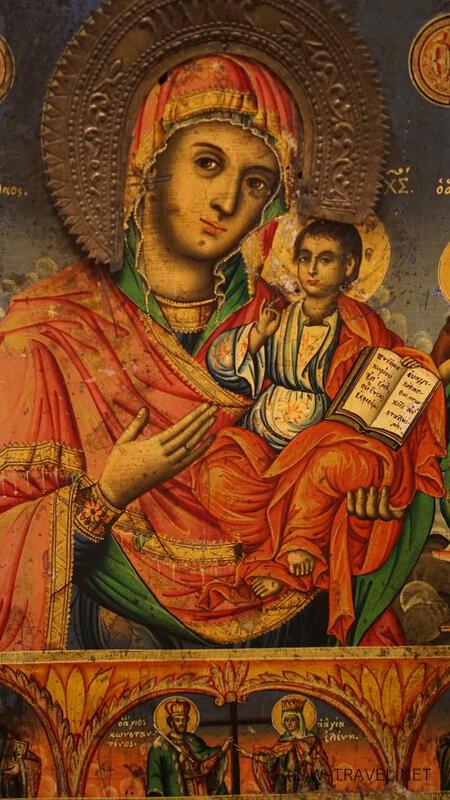
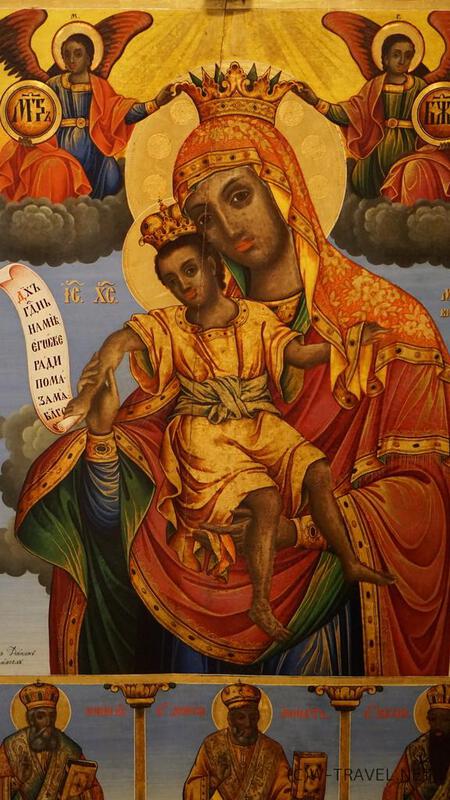
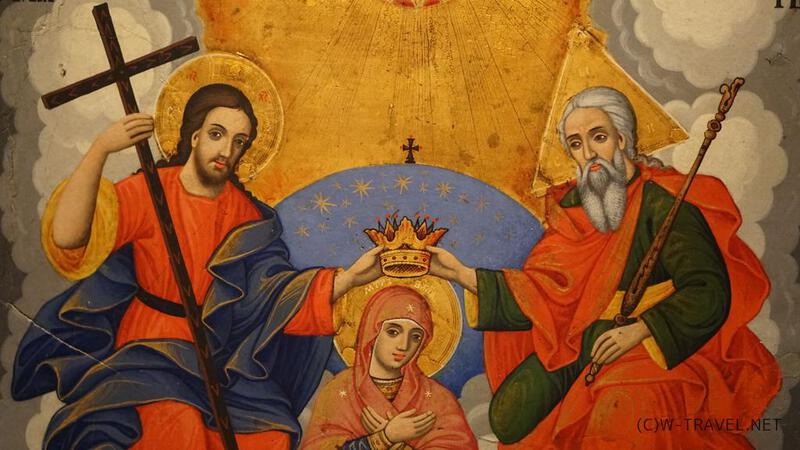
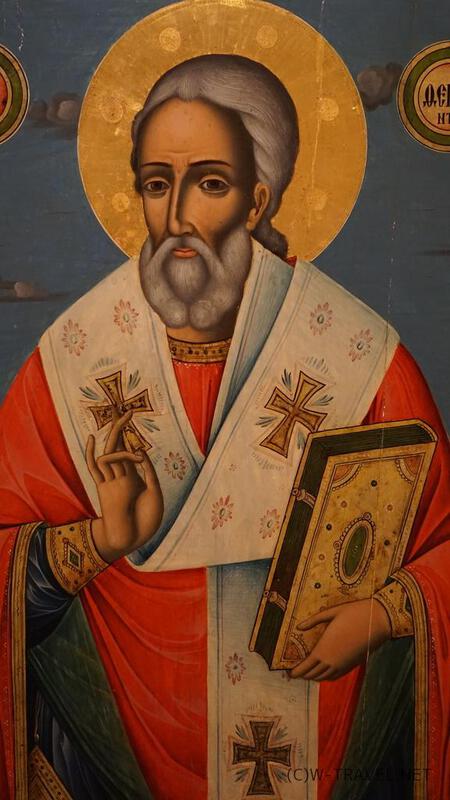
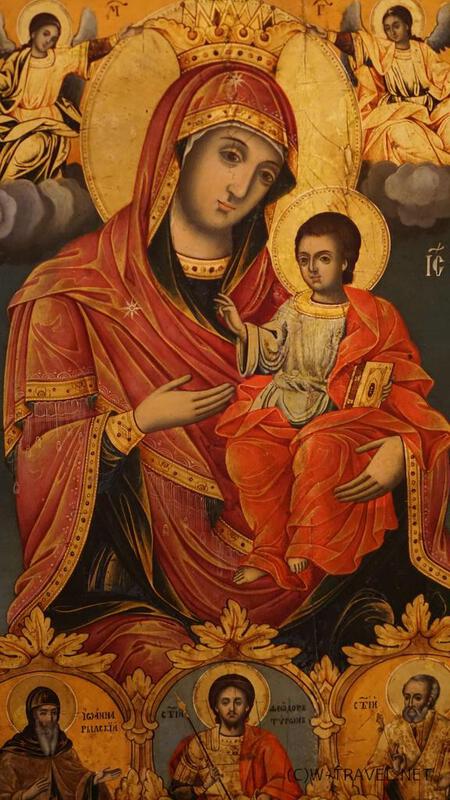
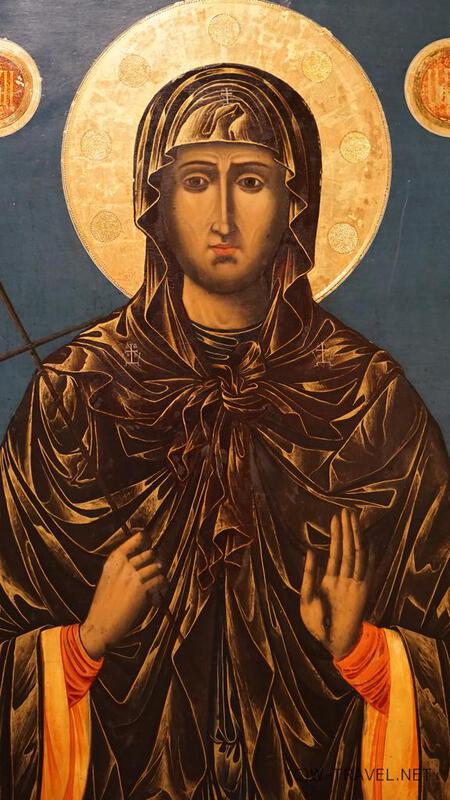
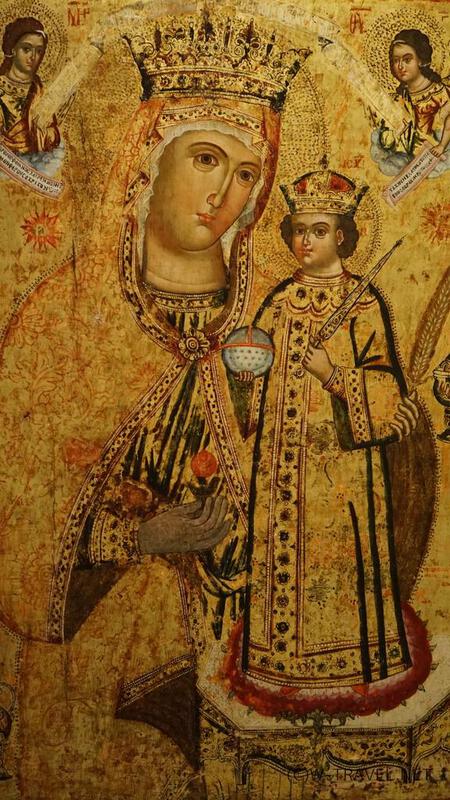
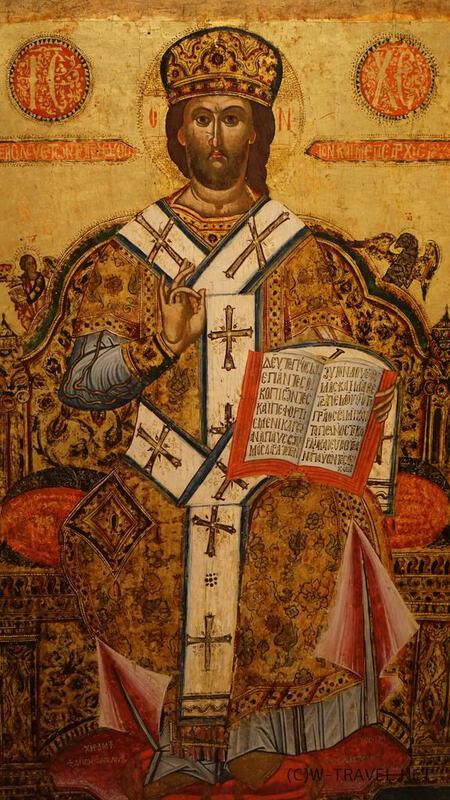
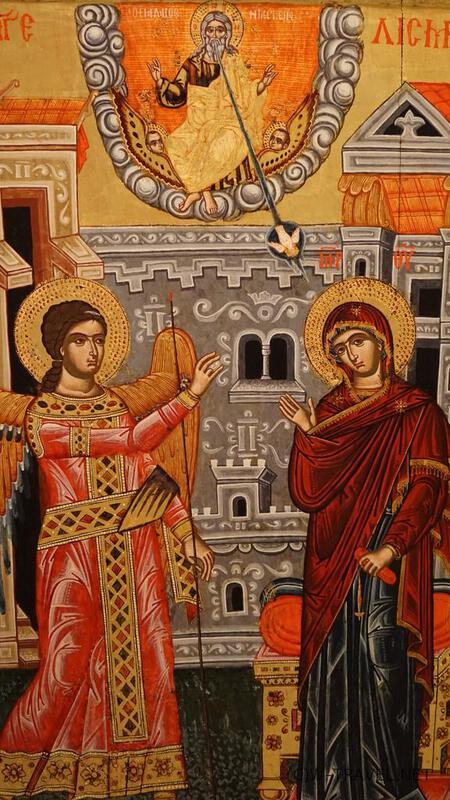
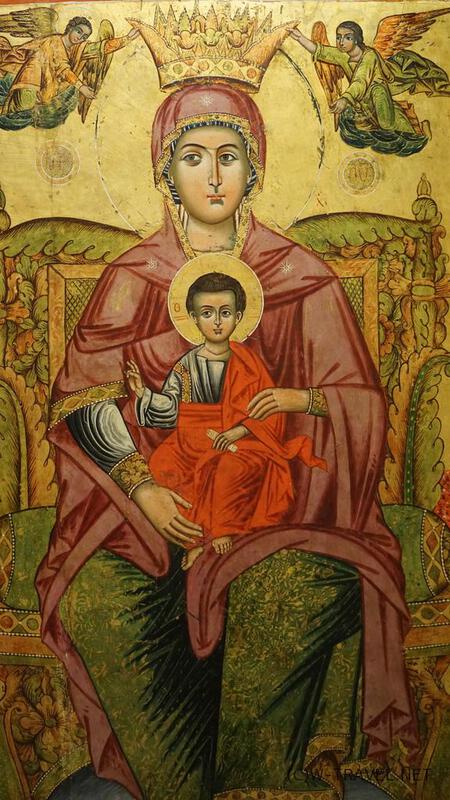
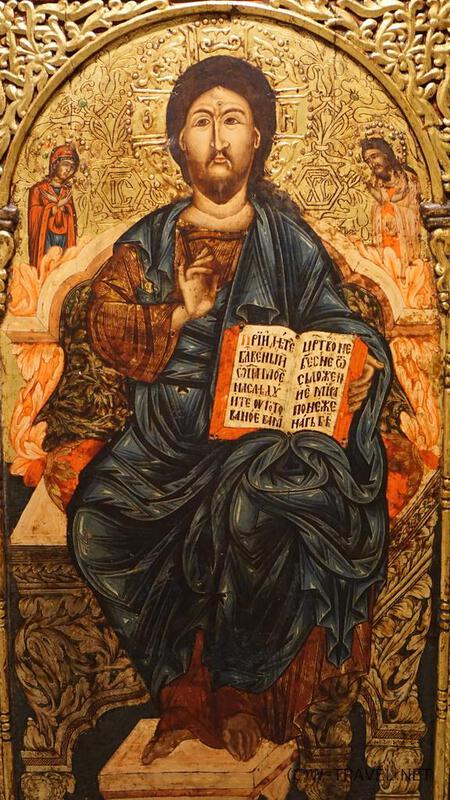
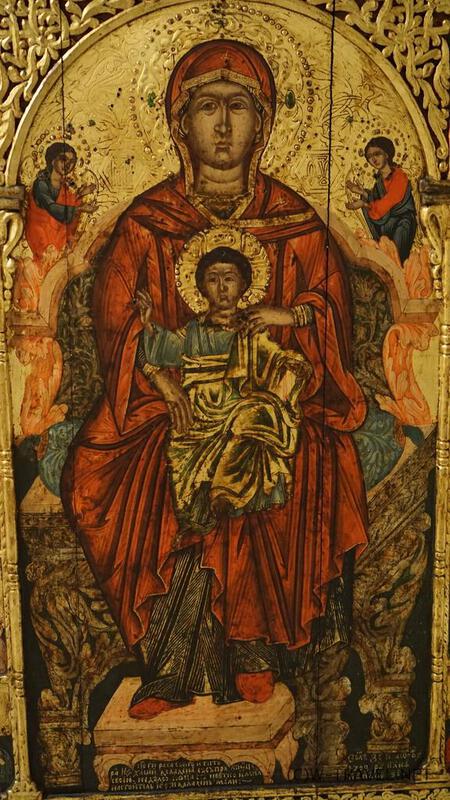
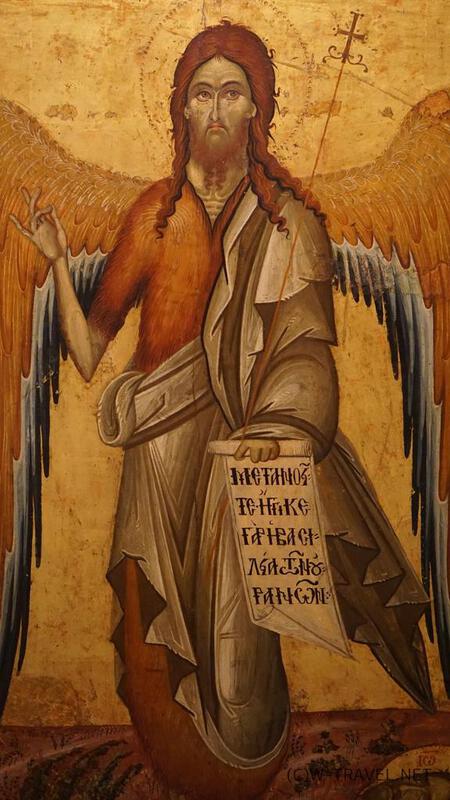
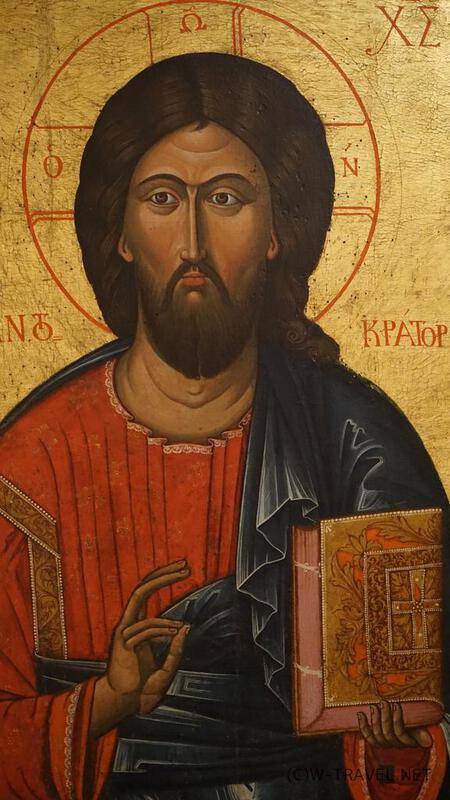
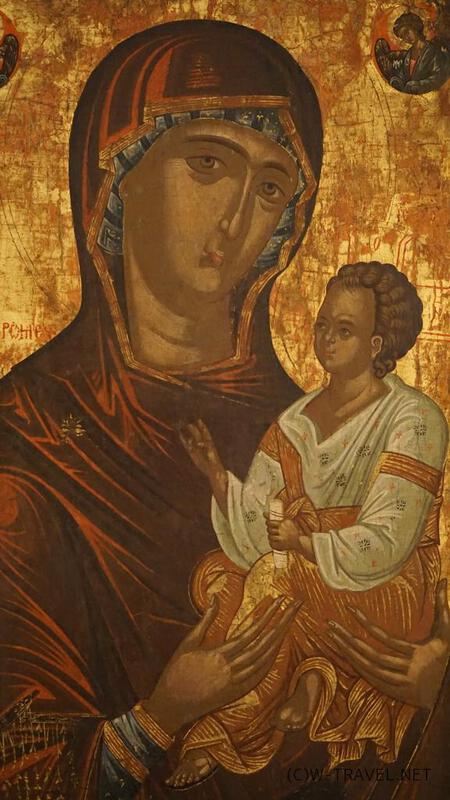
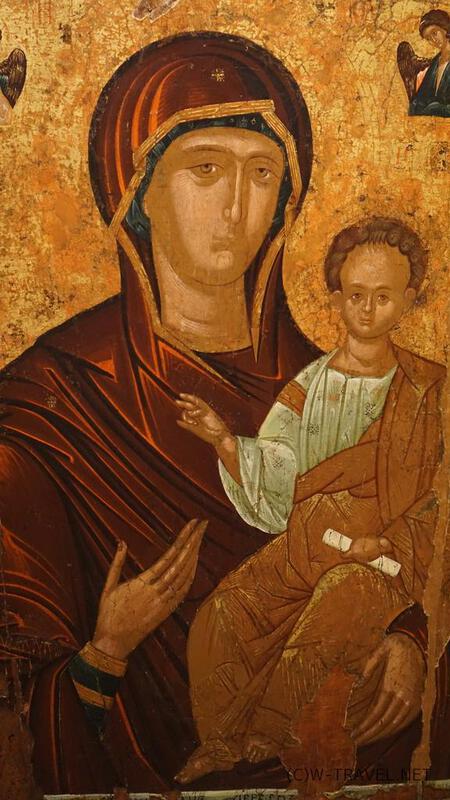
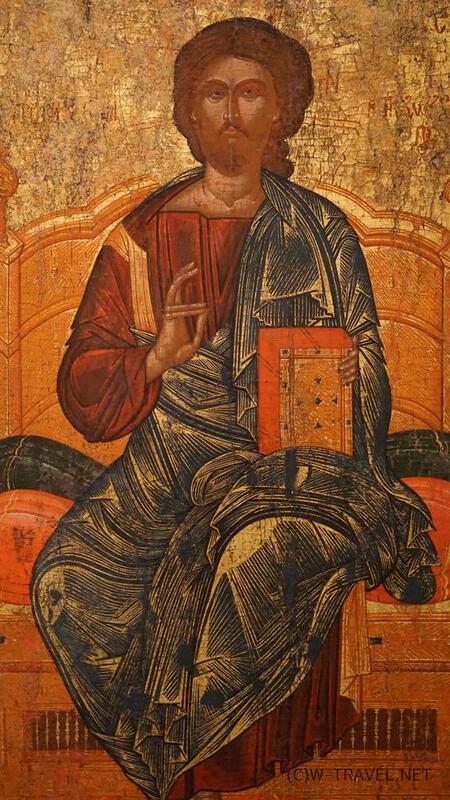
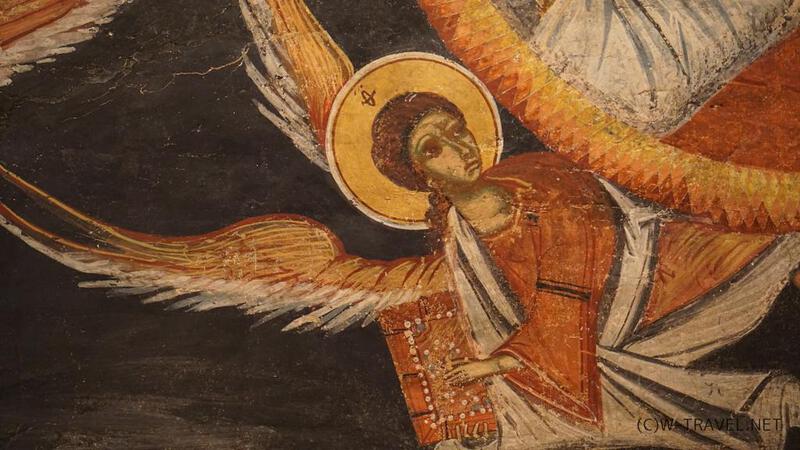
القبو (تحت الأرض في كاتدرائية القديس ألكسندر نيفسكي، متحف الفن المسيحي).
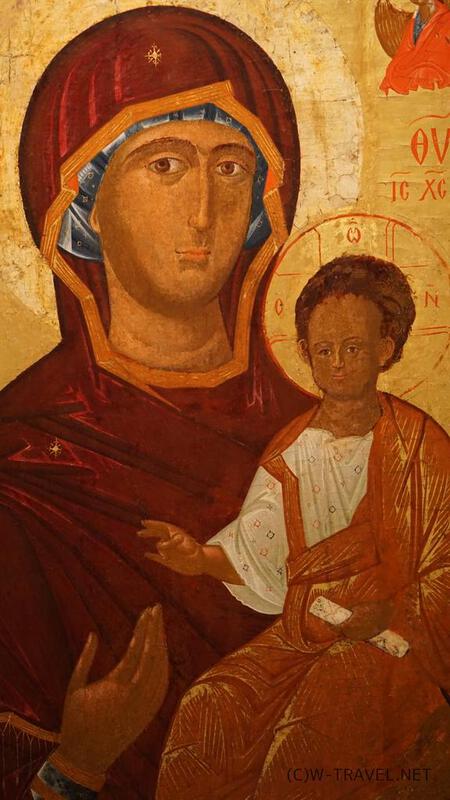
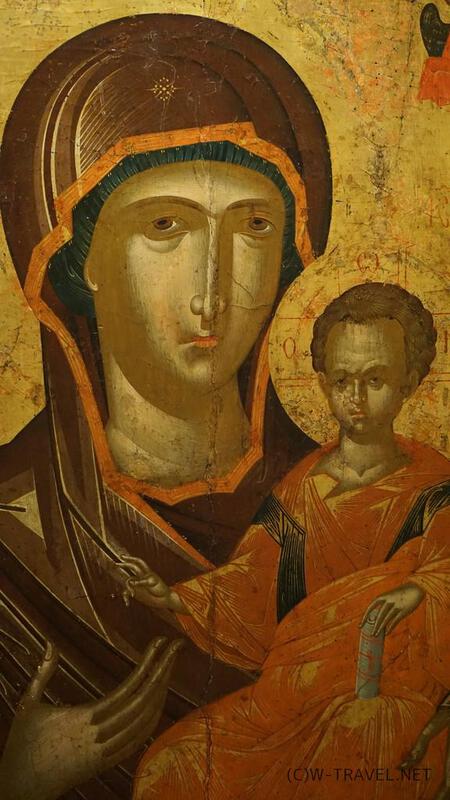
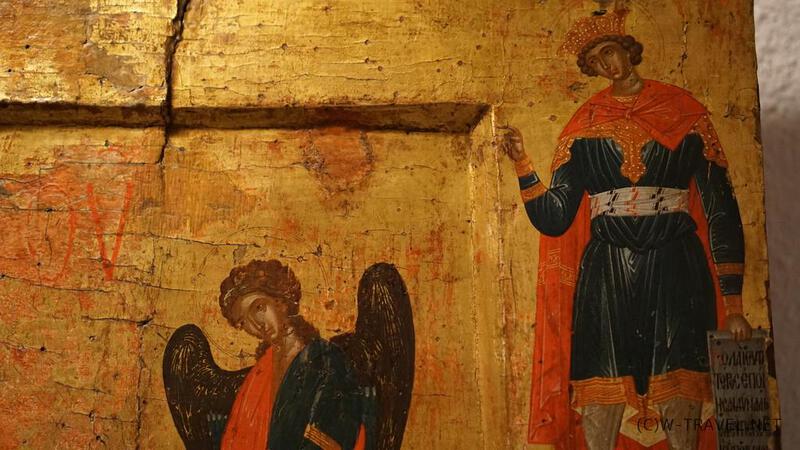
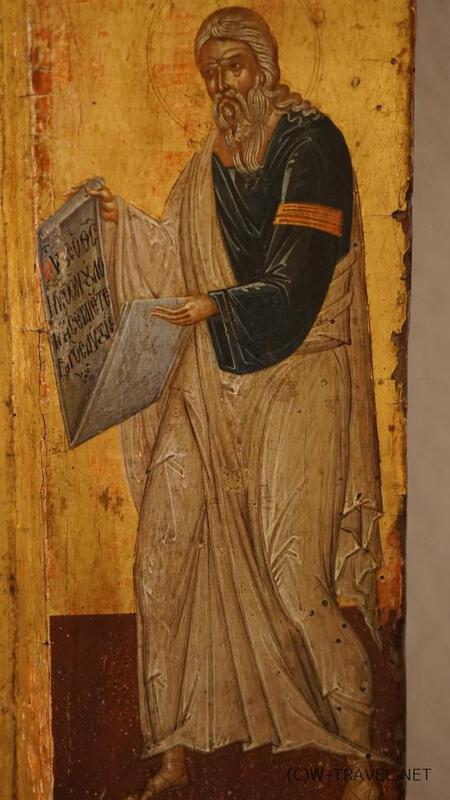
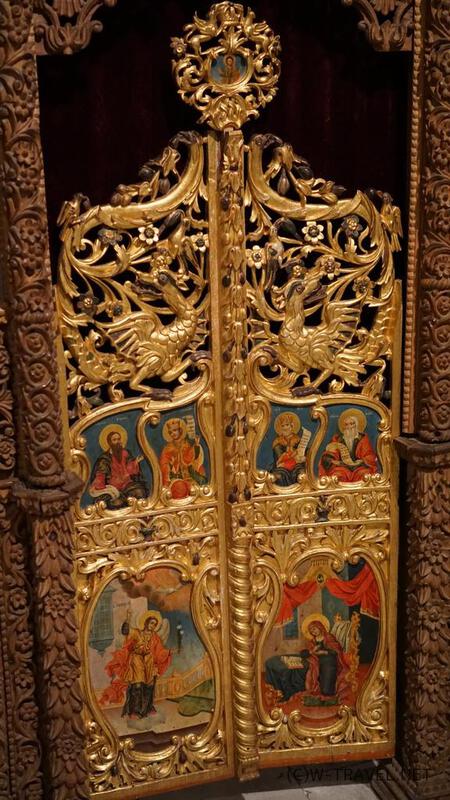
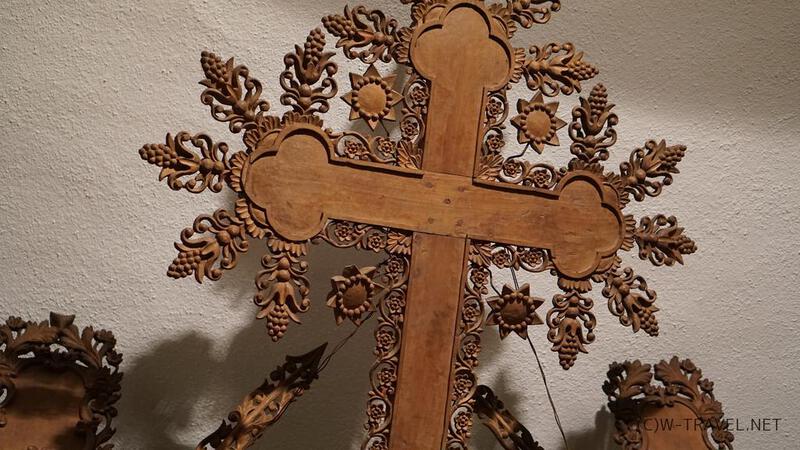
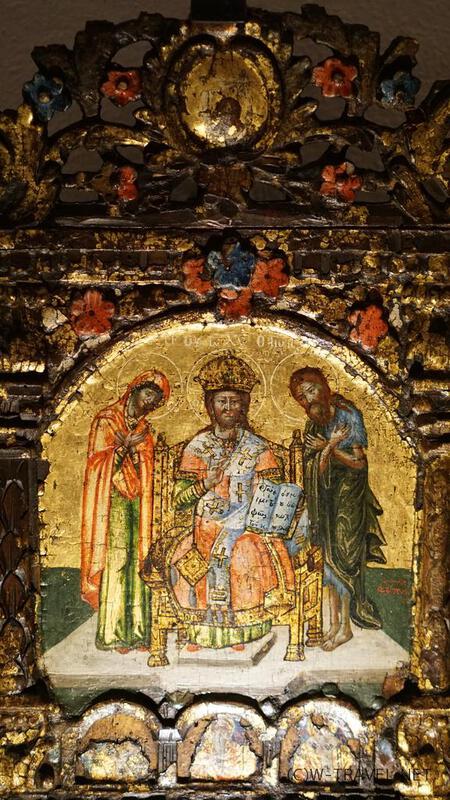
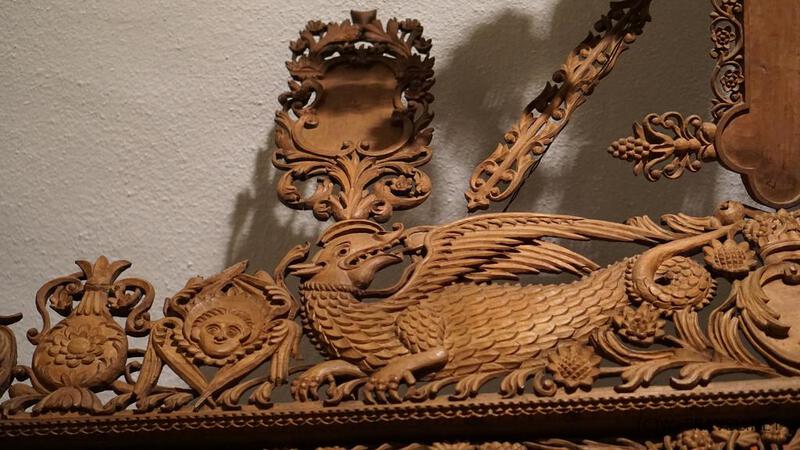
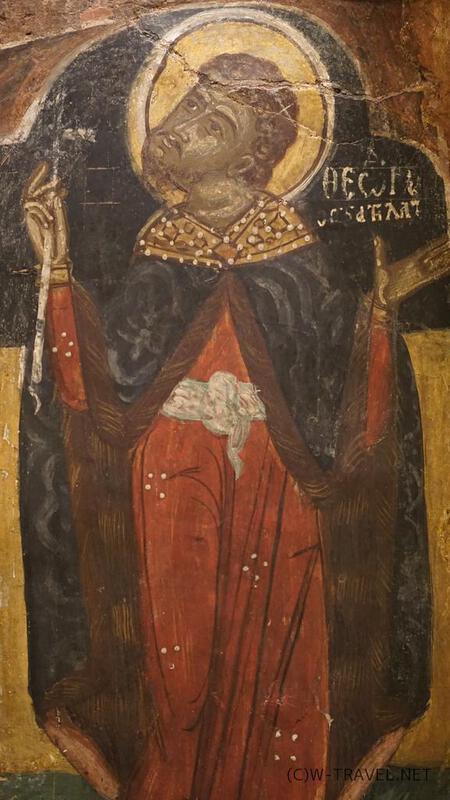
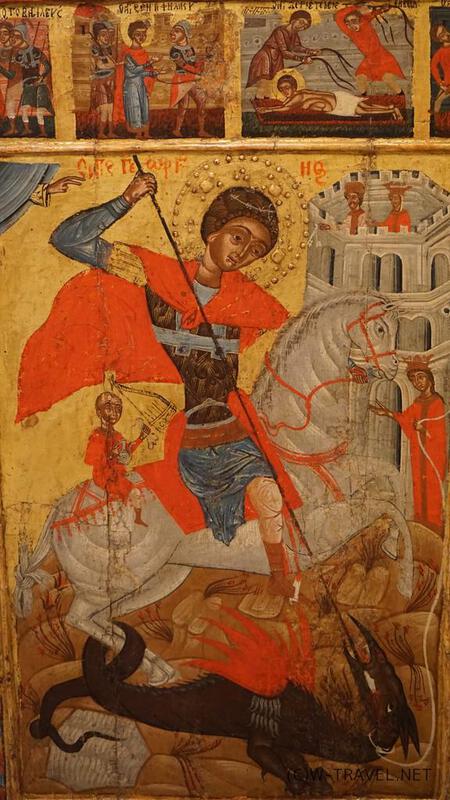
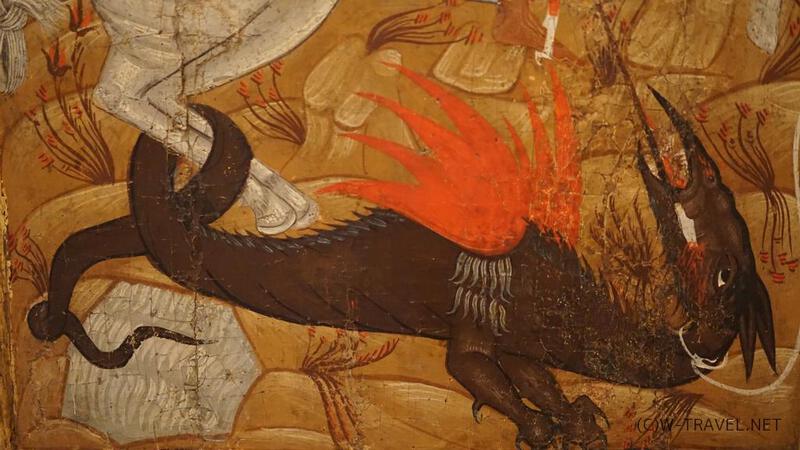
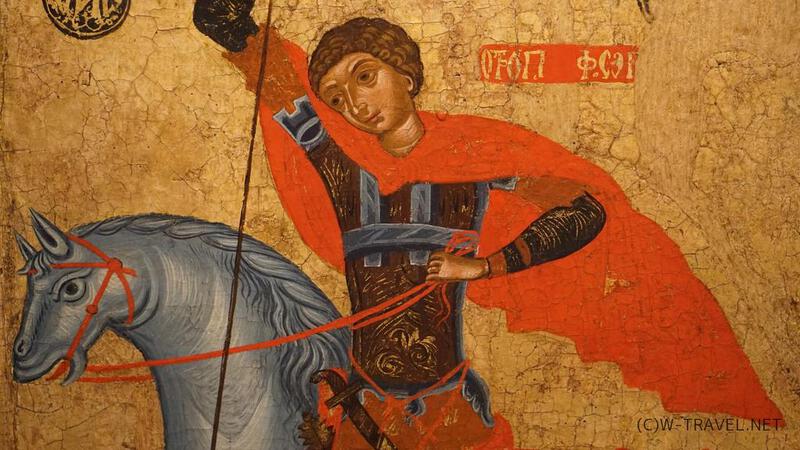
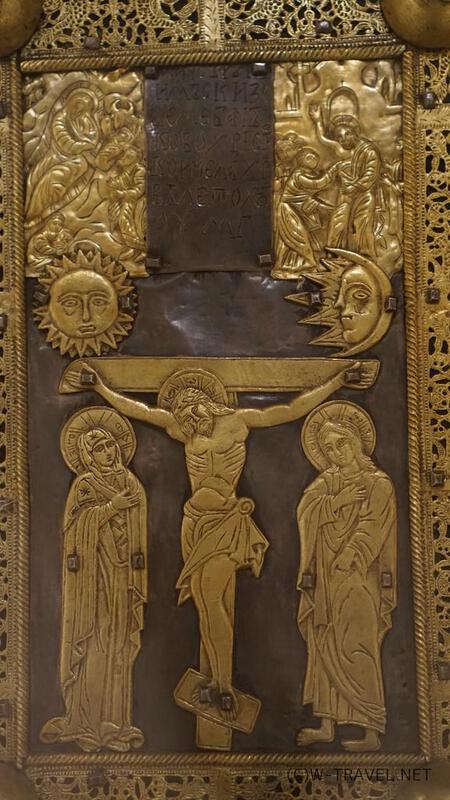
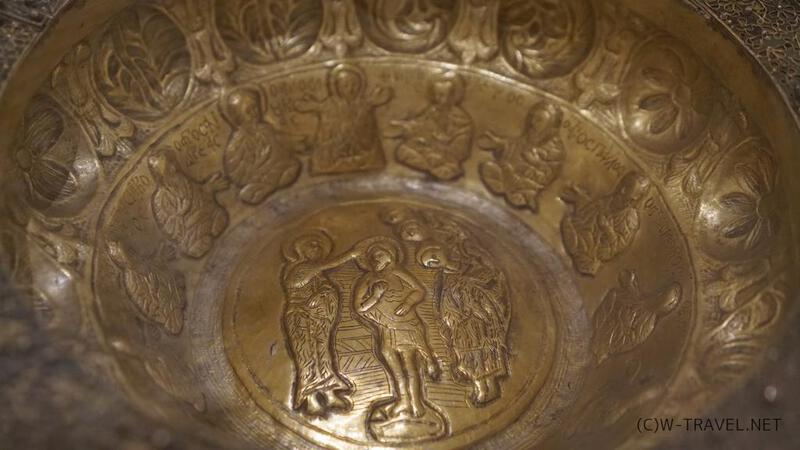
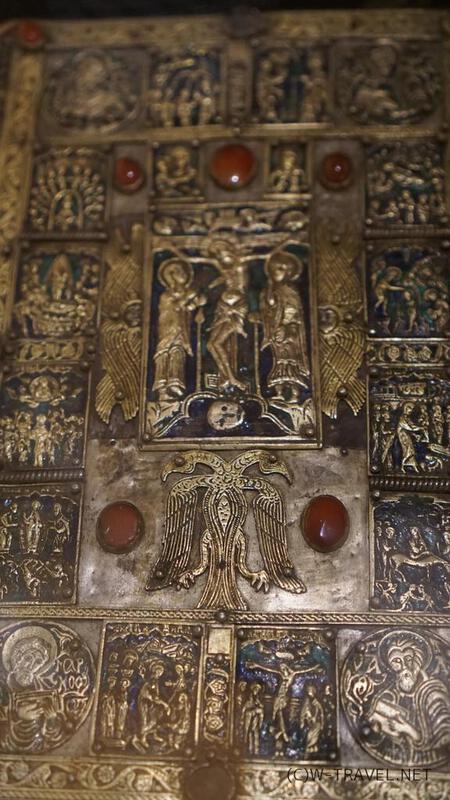
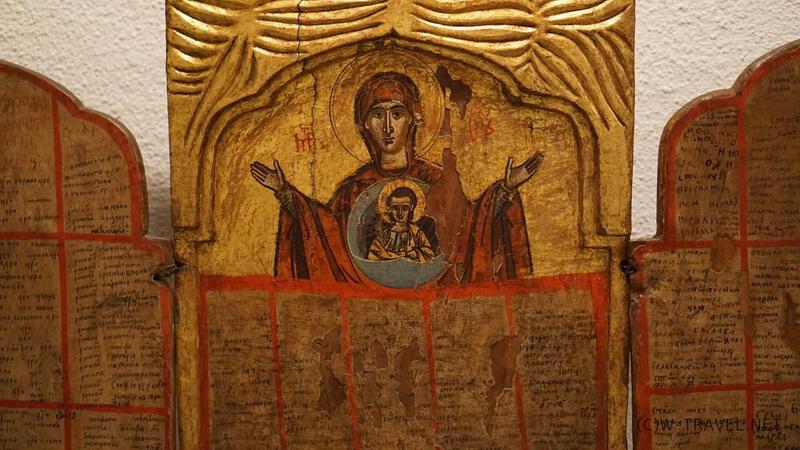
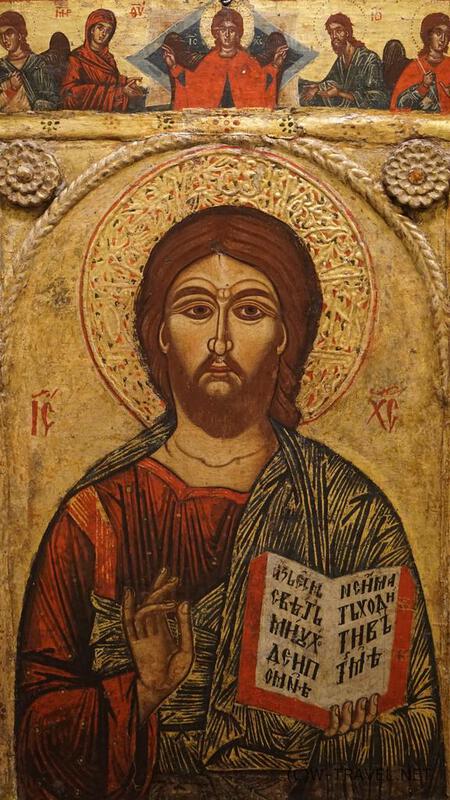
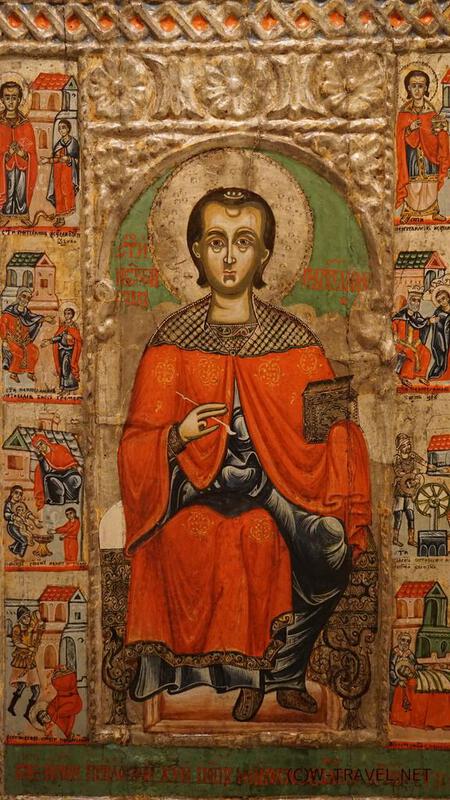
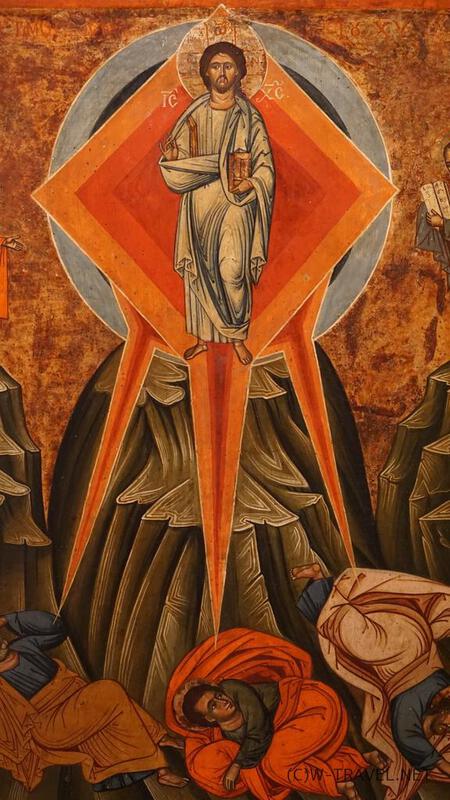
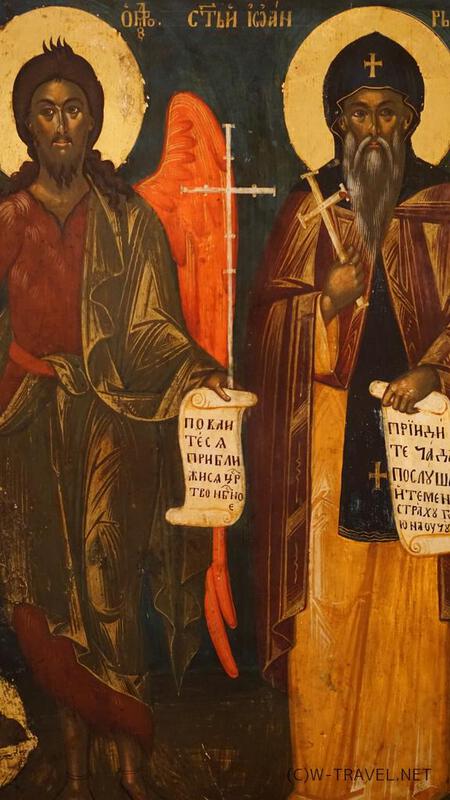
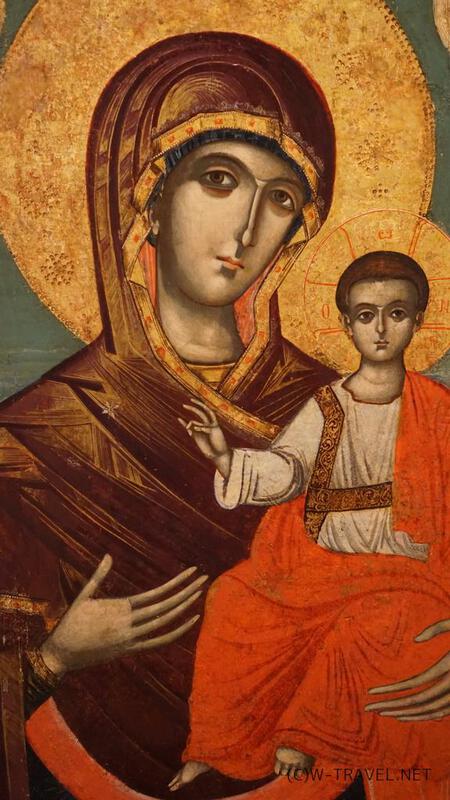
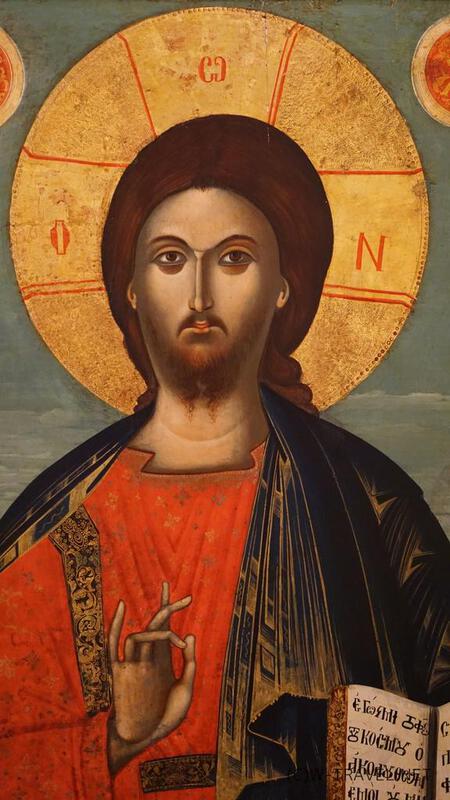
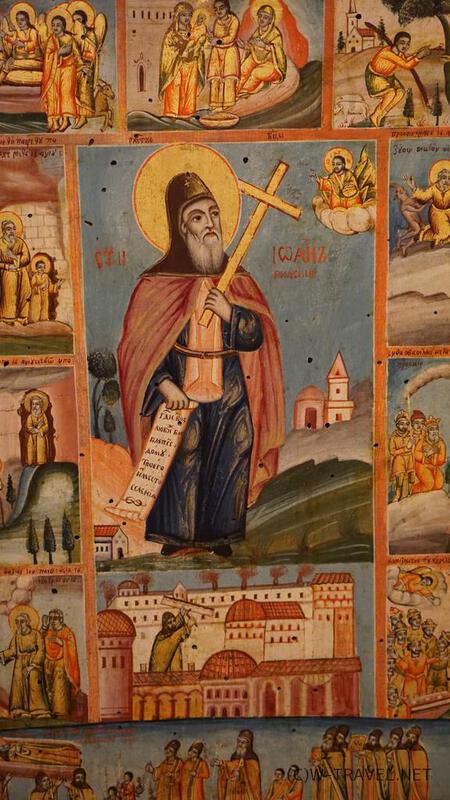
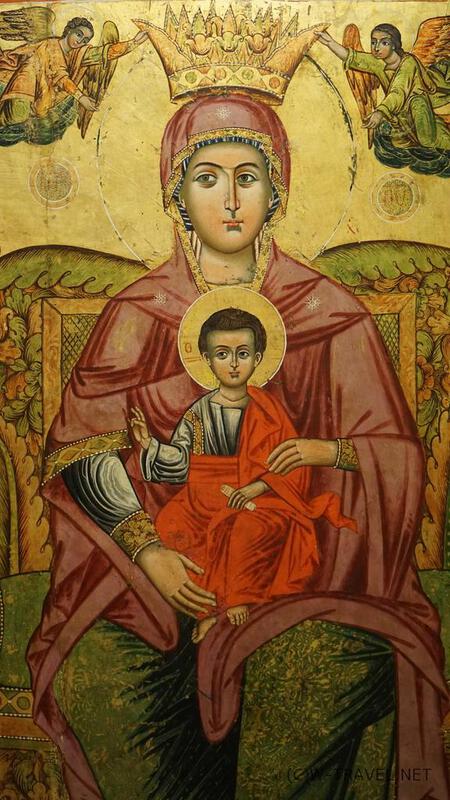
يوجد في الطابق السفلي من كاتدرائية ألكسندر نيفسكي متحف فني مسيحي يسمى "The Crypt".
هذا المتحف غني جداً ومثير للإعجاب.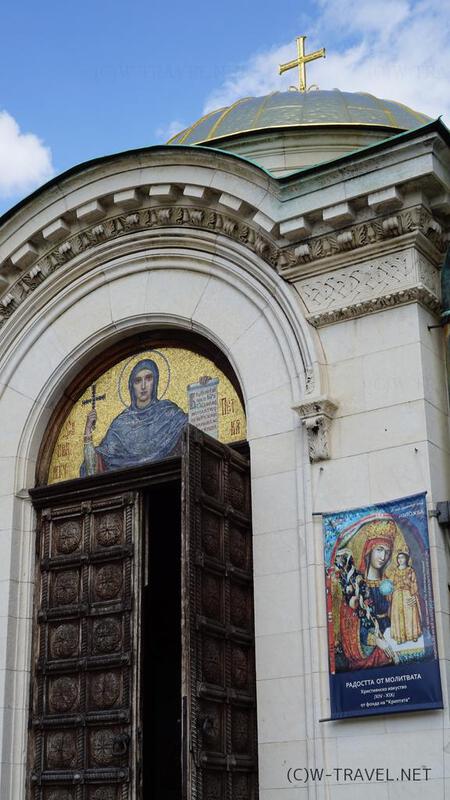














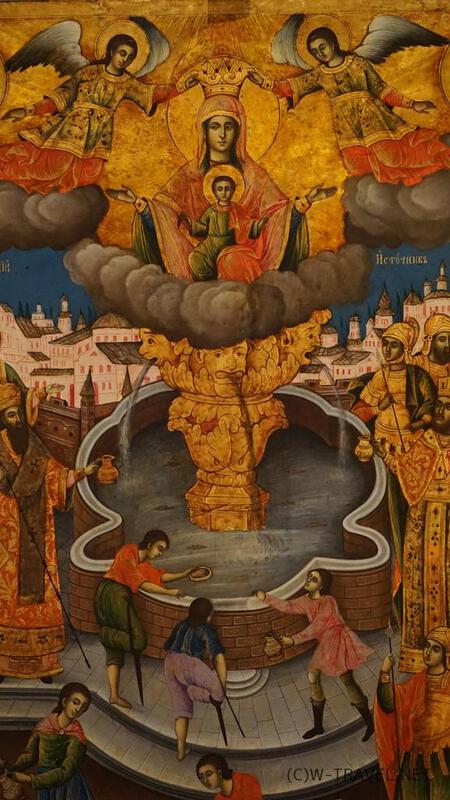

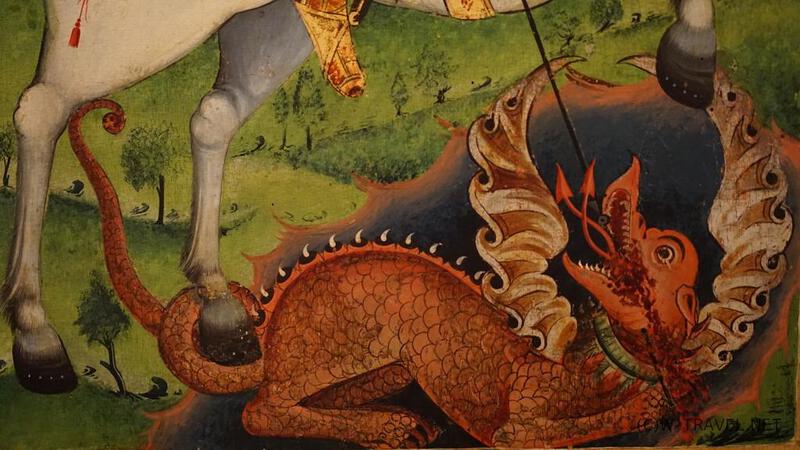
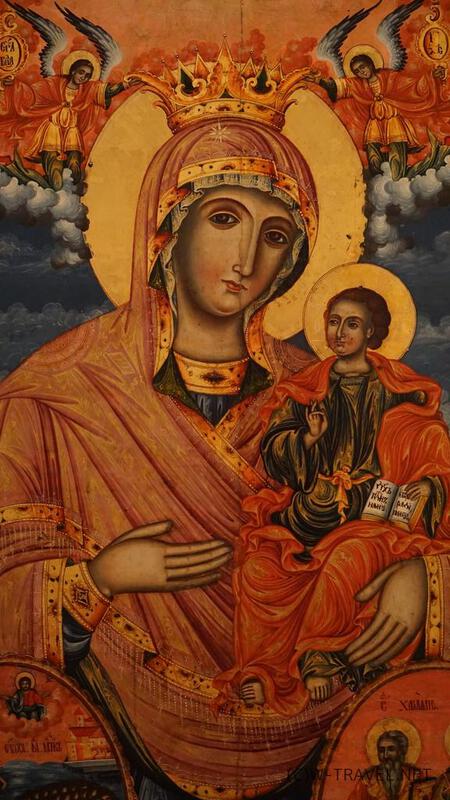

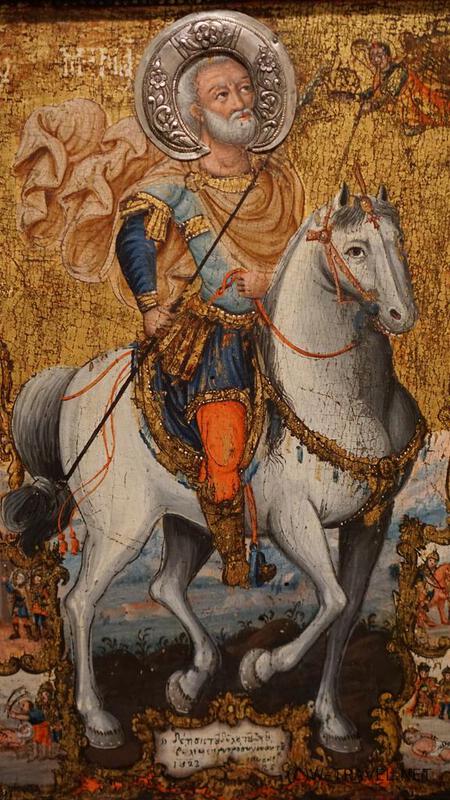







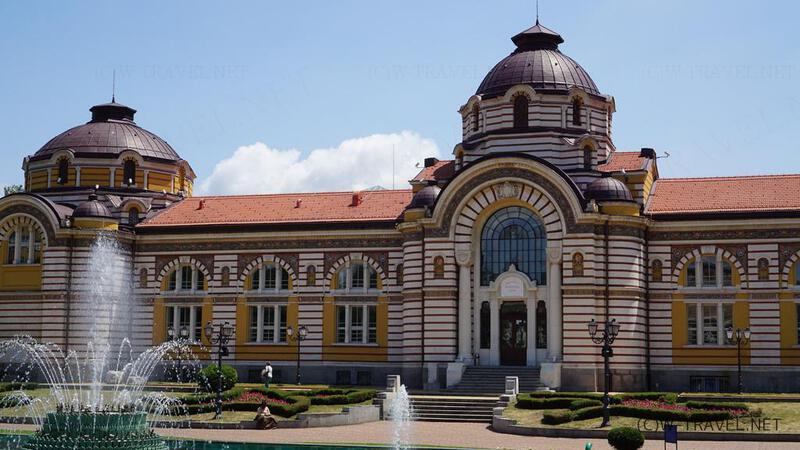
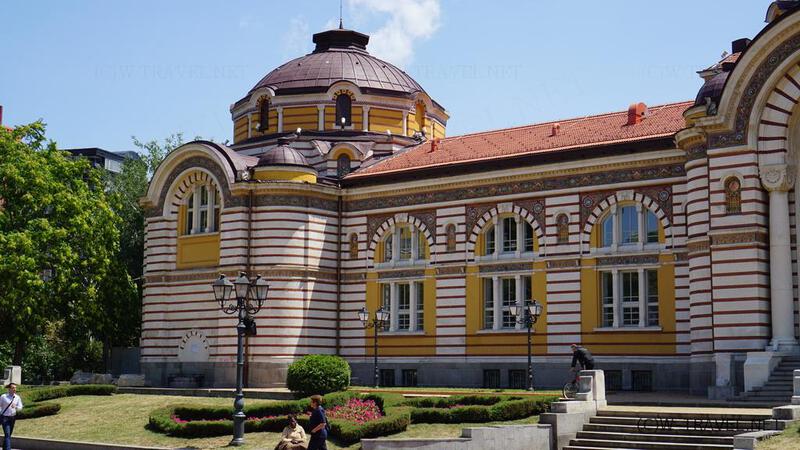
حمام معدني مركزي.
الآن، سأذهب إلى حمام Central Mineral.
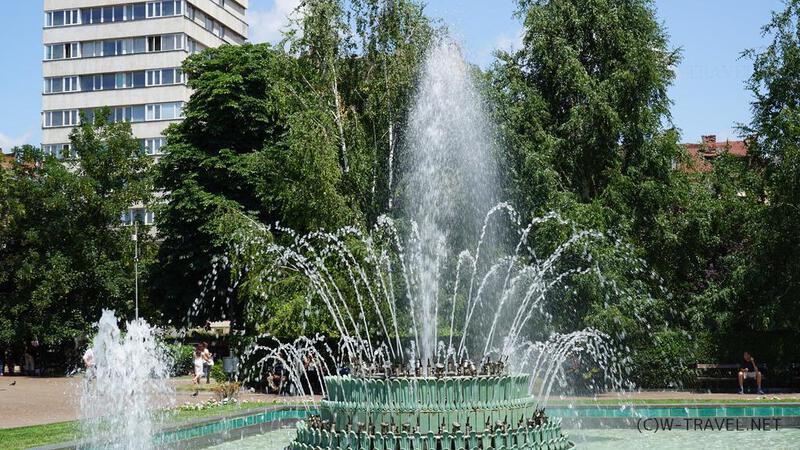
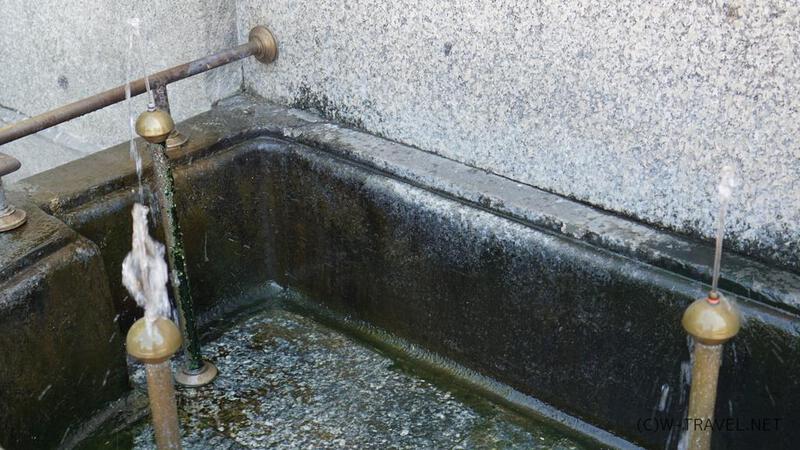
هذا المكان يخضع حاليًا للتجديد ومغلق، ولكن مياه الينابيع الساخنة تتدفق، لذا يمكن لمسها أو شربها.
عندما تشربها، تكون درجة حرارتها مناسبة تمامًا، ويبدو أنك تشعر بالنشاط، ربما بسبب ذلك.
هذه المياه، إذا تم استخدامها في حمام، ستكون مياهًا جيدة جدًا.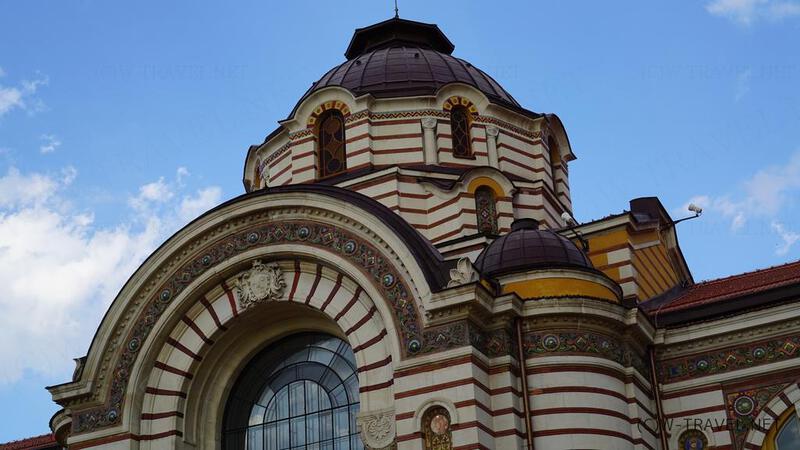
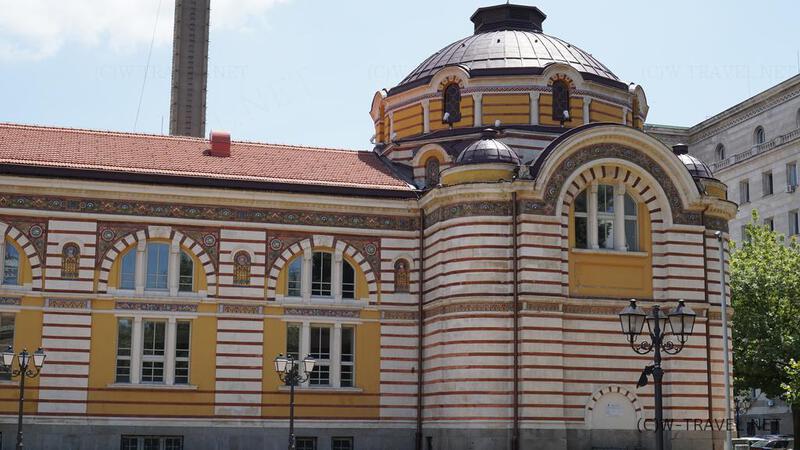

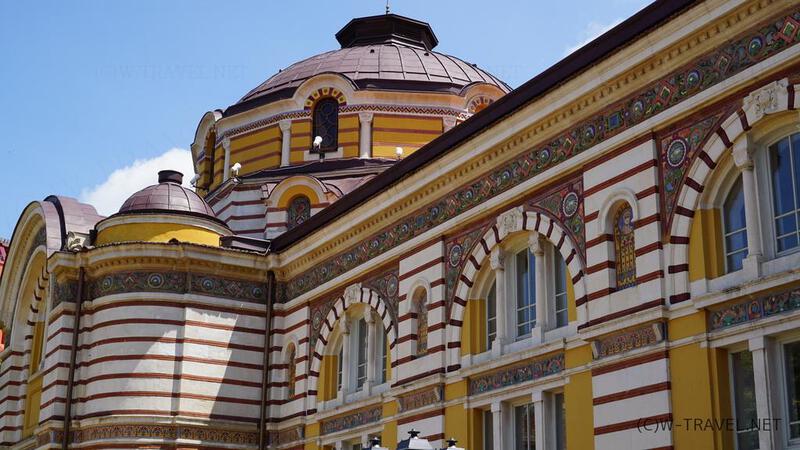
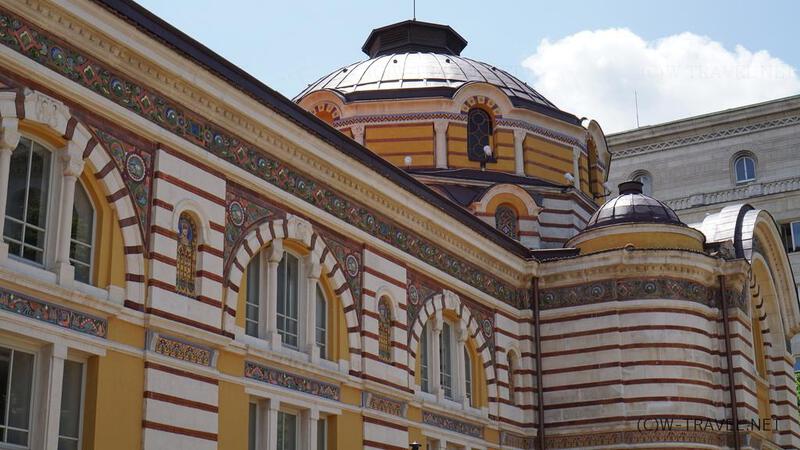

كنيسة القديس جورجي (الروندة، The Rotunda of St George، Sveti Georgi).
توجد كنيسة القديس جورج المستديرة (الروندة، The Rotunda of St George، Sveti Georgi) محاطة بالمباني من جميع الجهات. يبدو أن هذا هو أقدم كنيسة في بلغاريا.
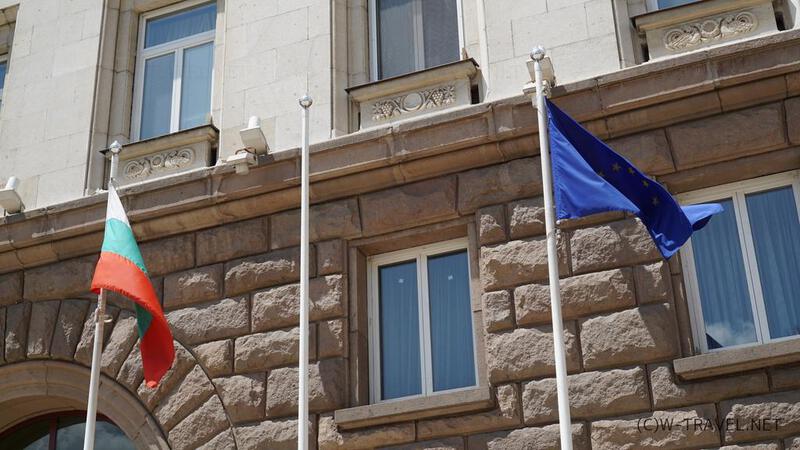
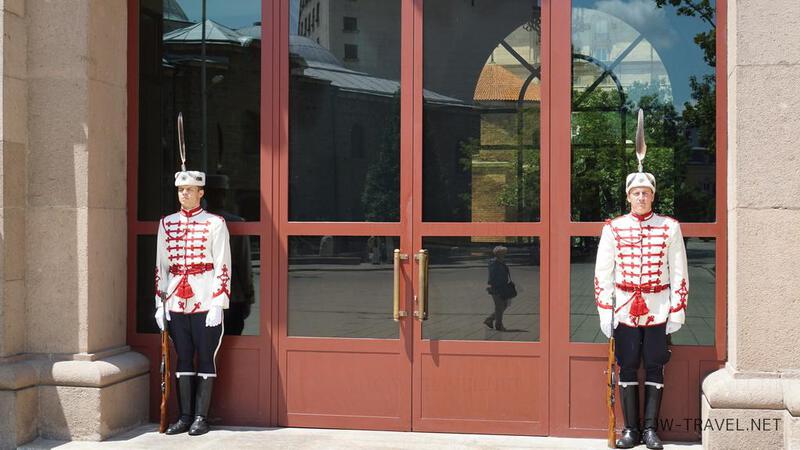
يوجد حراس أمام المباني التي تحيط بها.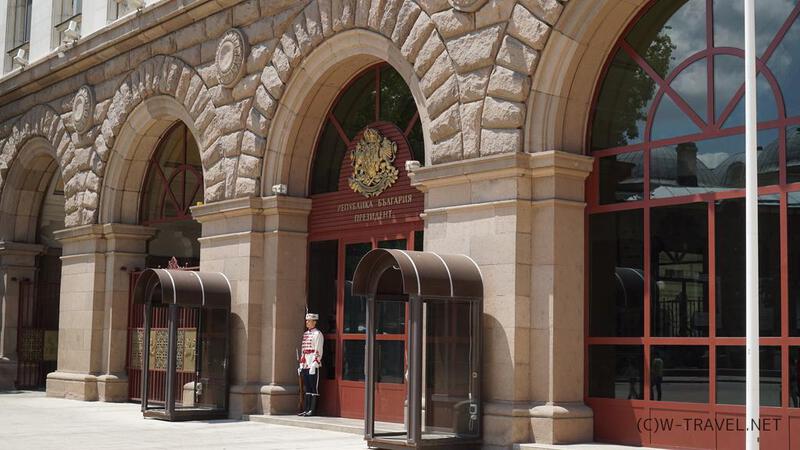
 من خلال الممر المجاور، إذا دخلت إلى الداخل، ستجد كنيسة.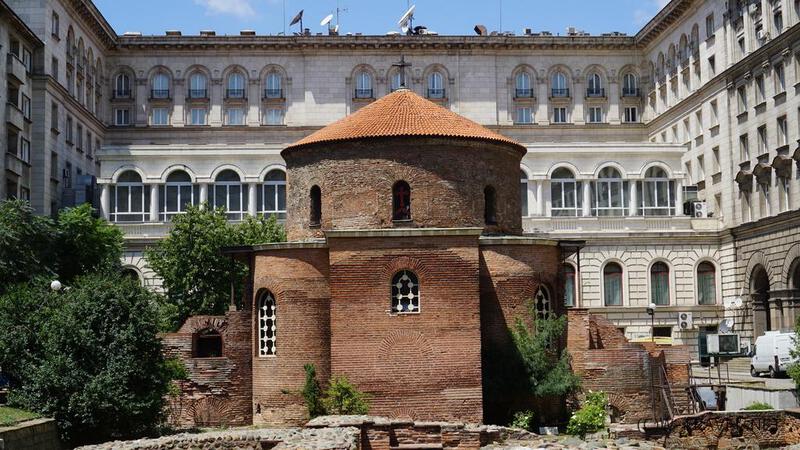
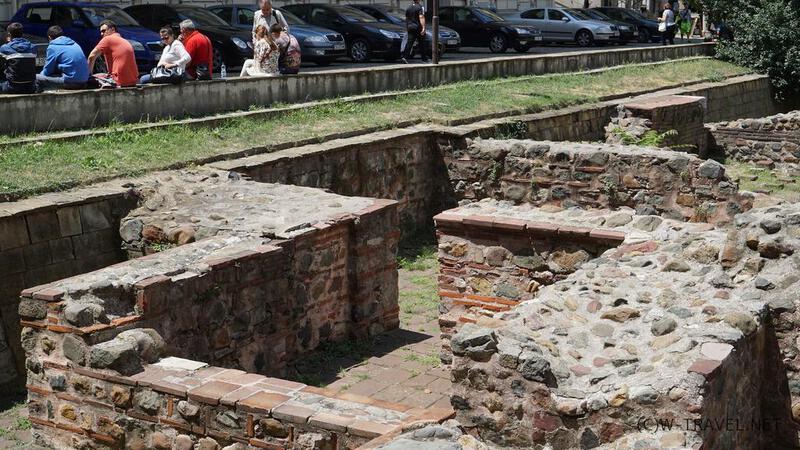
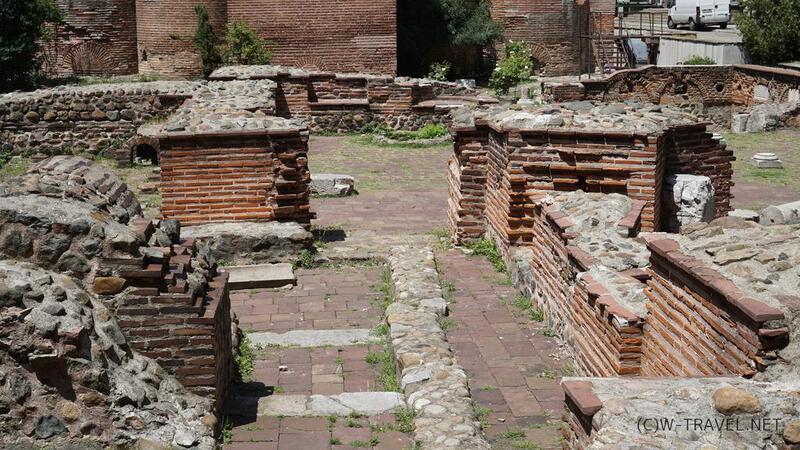

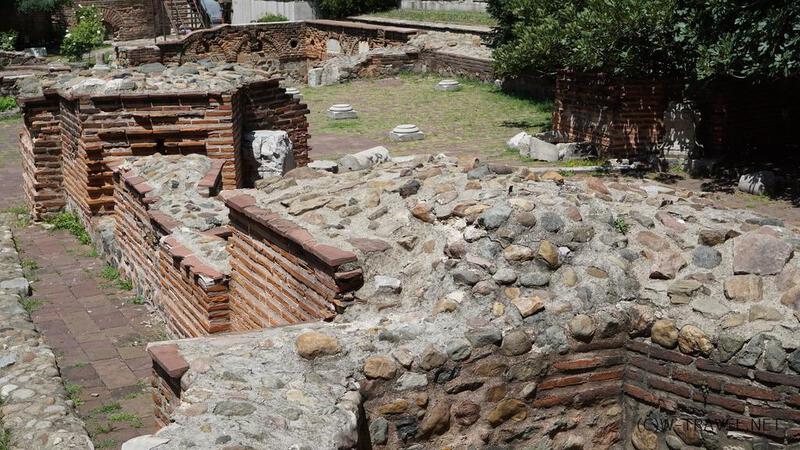
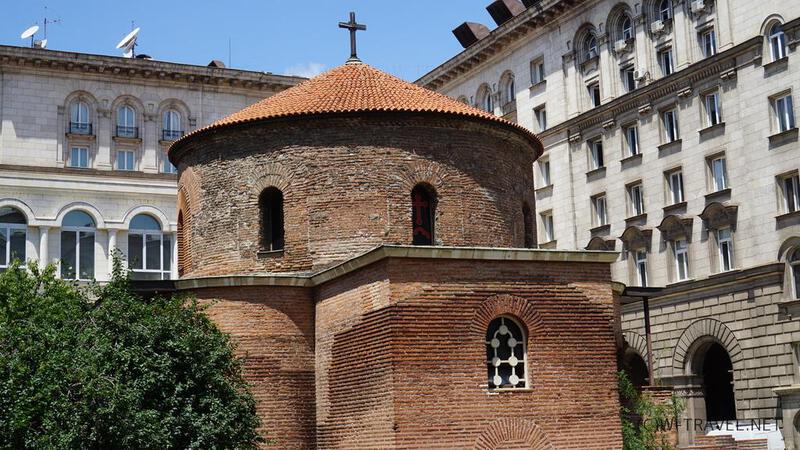
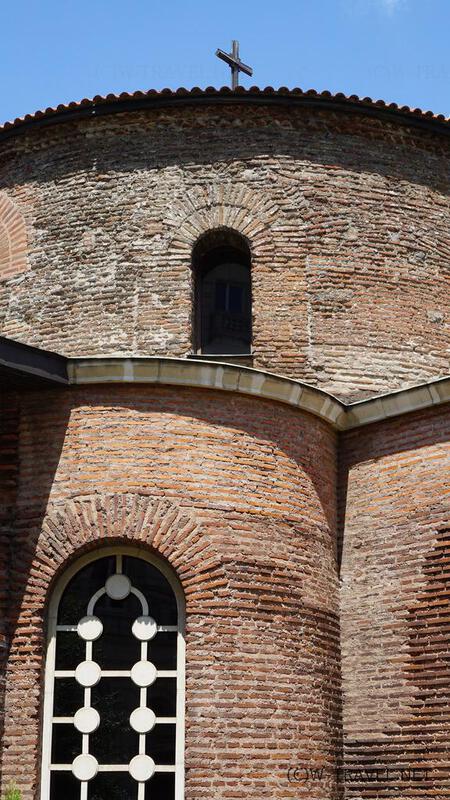

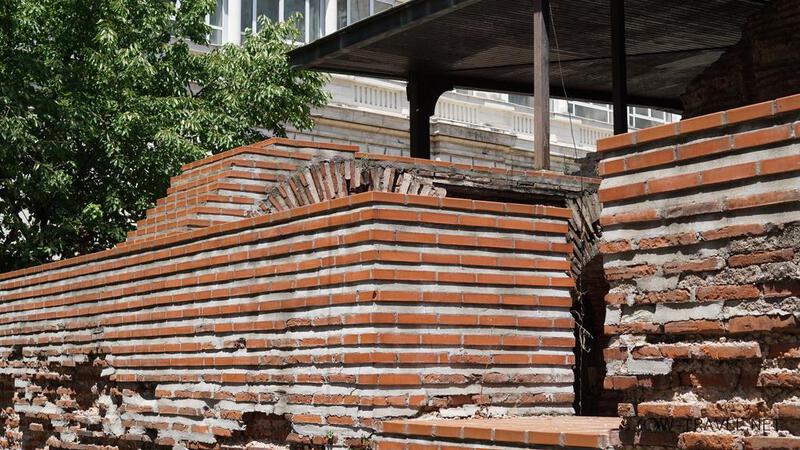
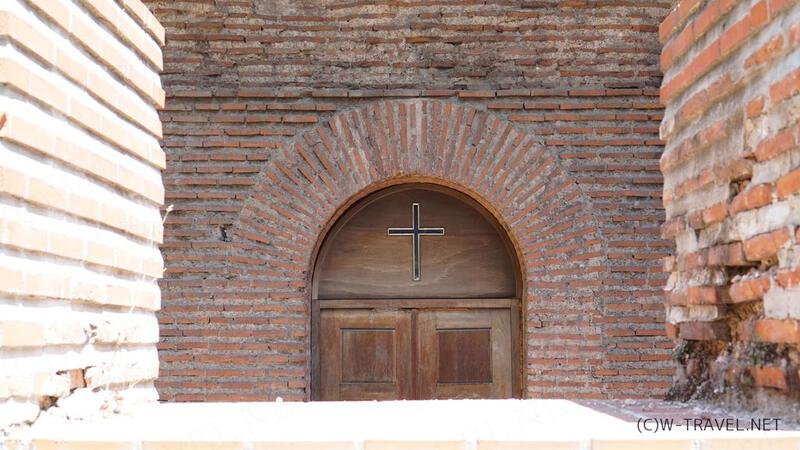
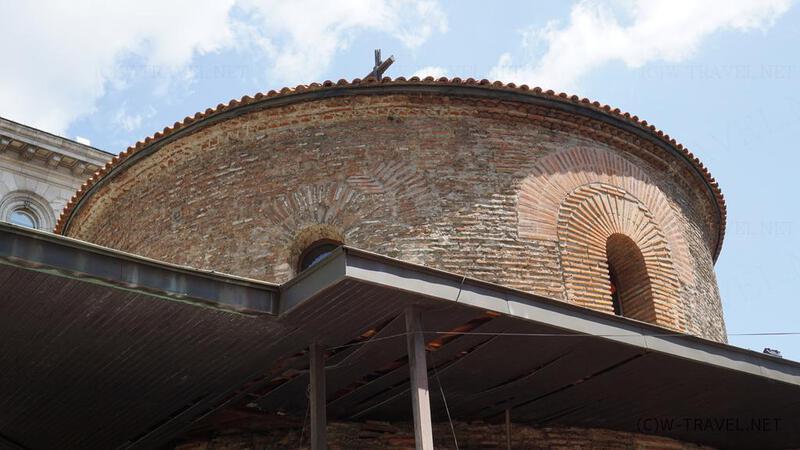
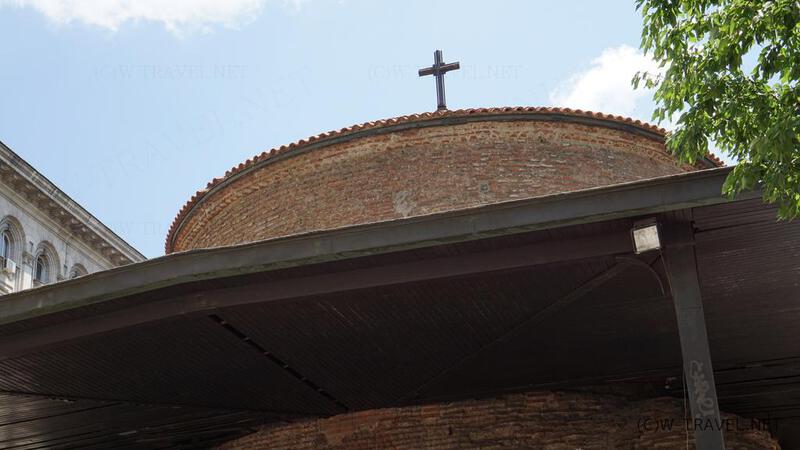

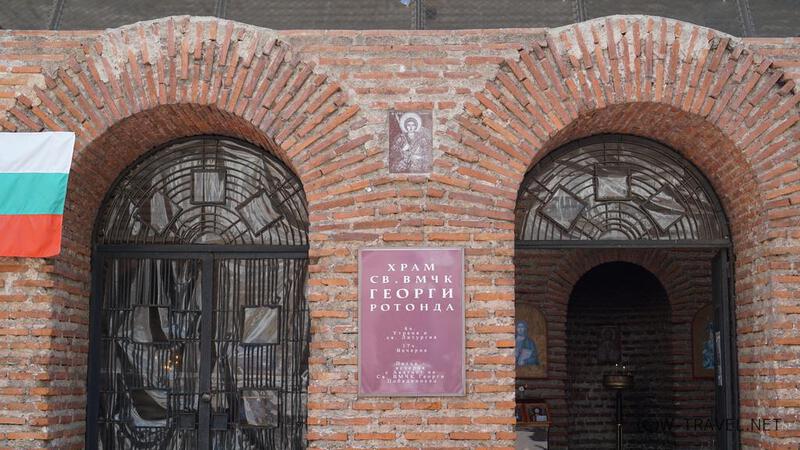
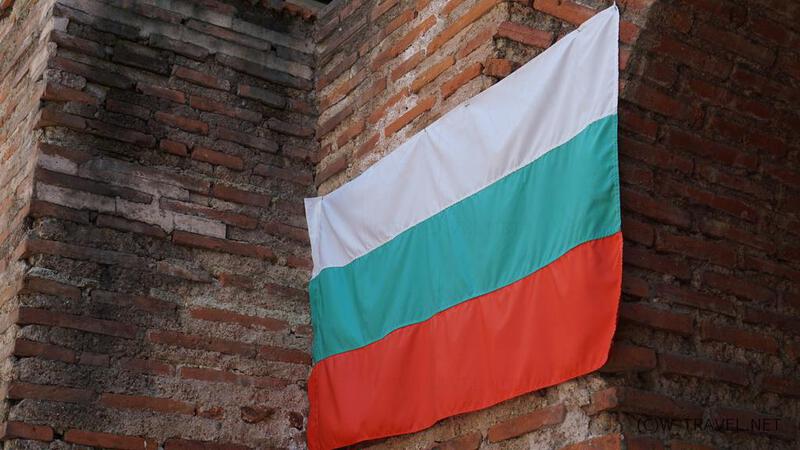
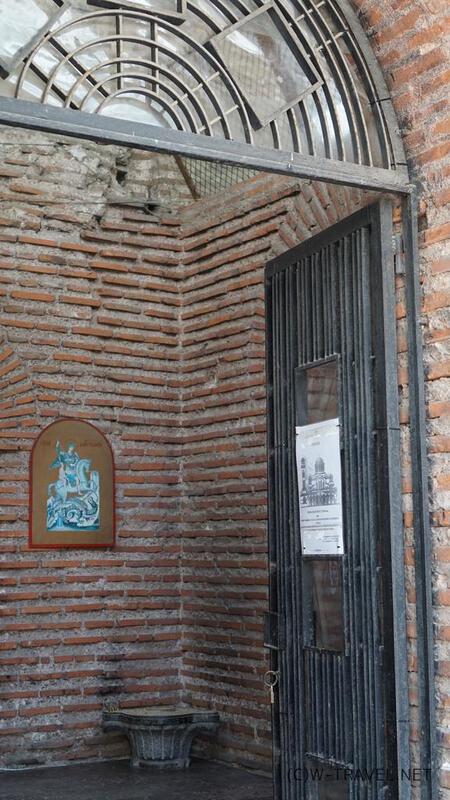
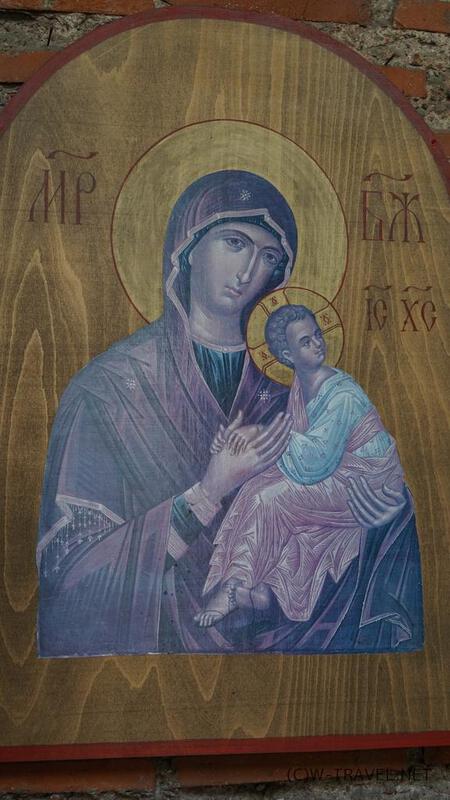
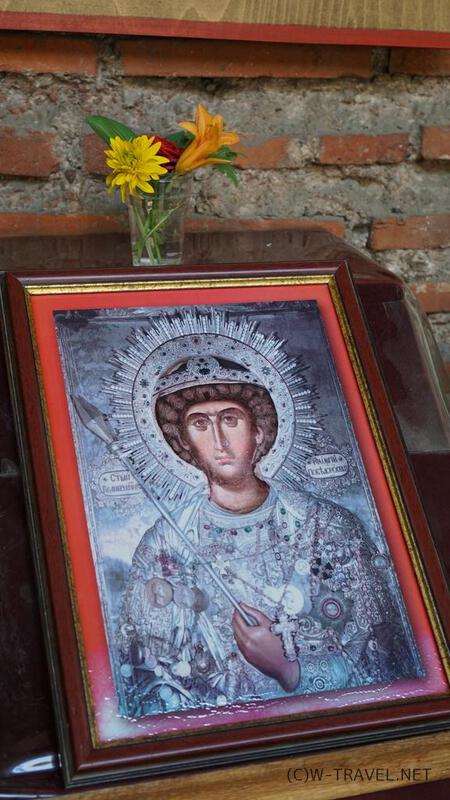
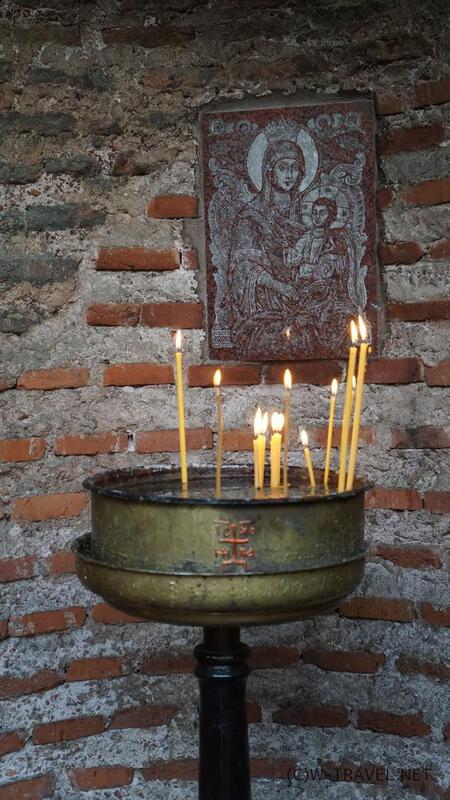
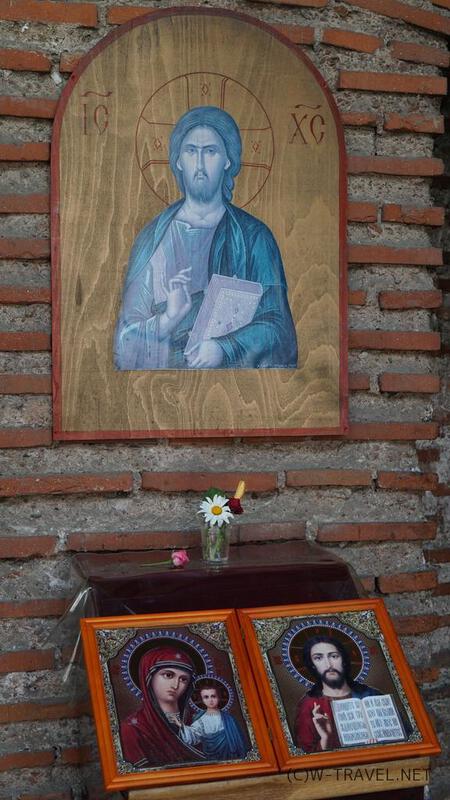

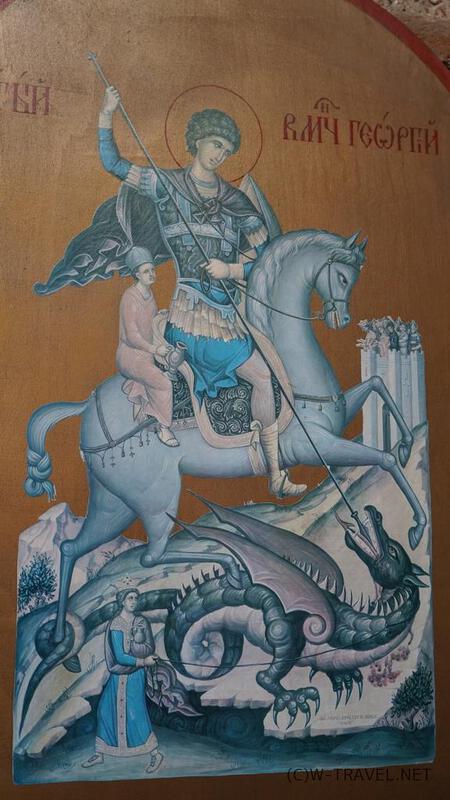 الرجاء عدم التصوير من الداخل.
يبدو أنه على الرغم من قدمه، إلا أنه لا يزال مستخدماً حتى اليوم، وهو أمر مفاجئ.
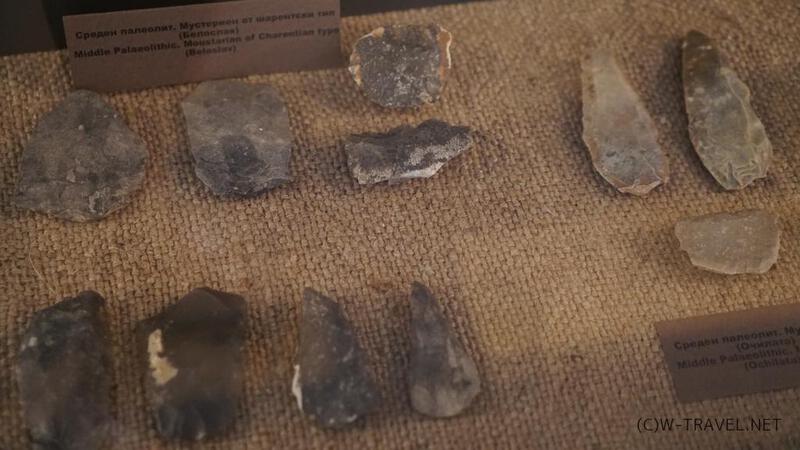
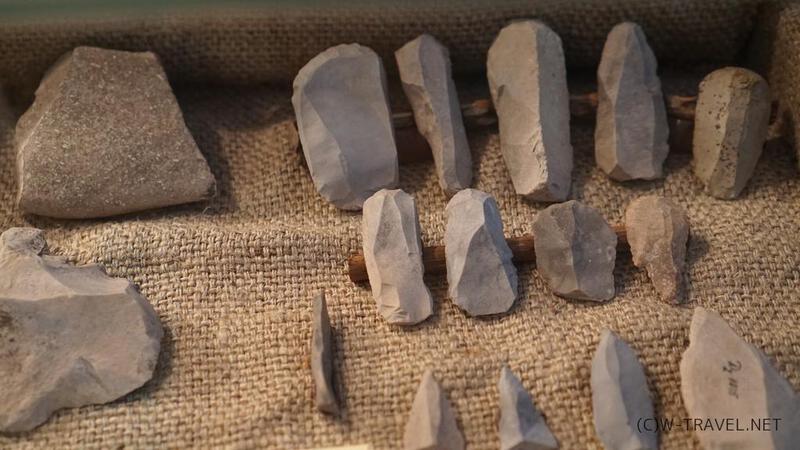
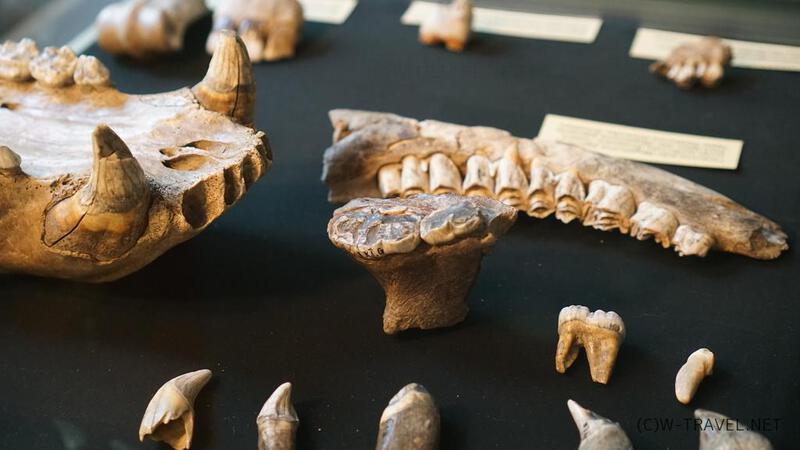
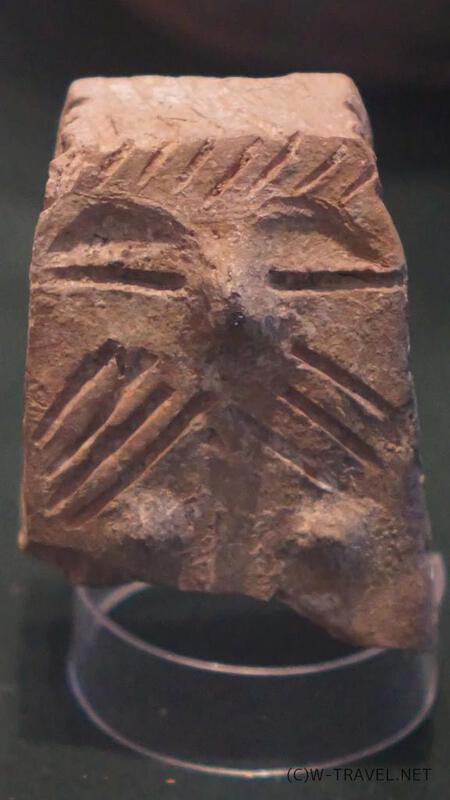
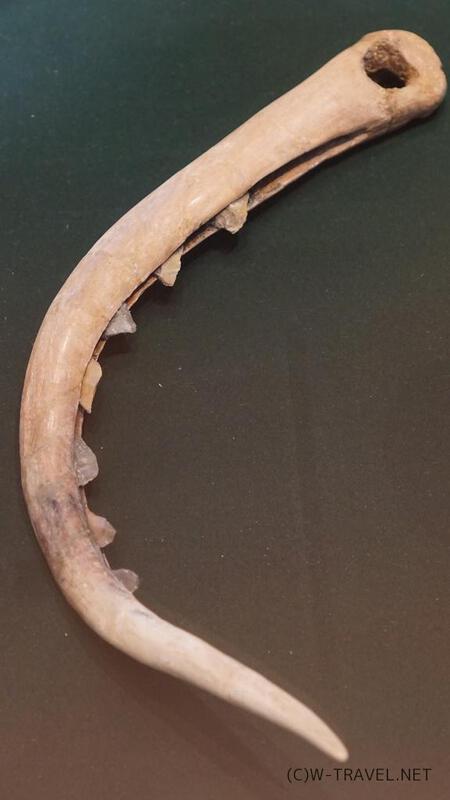
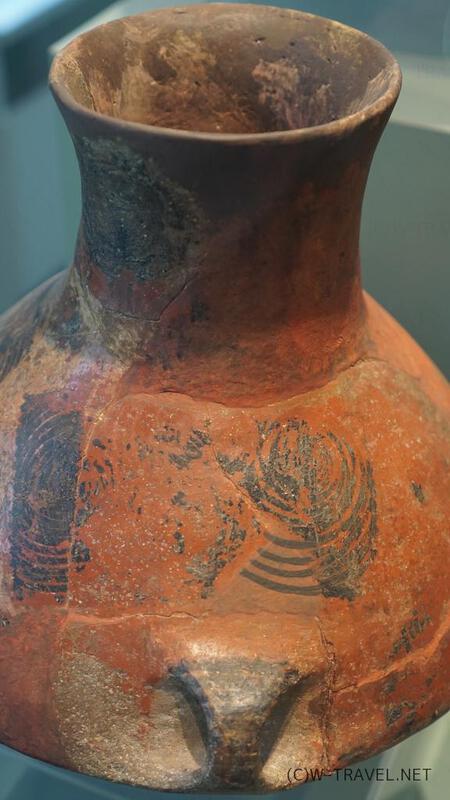
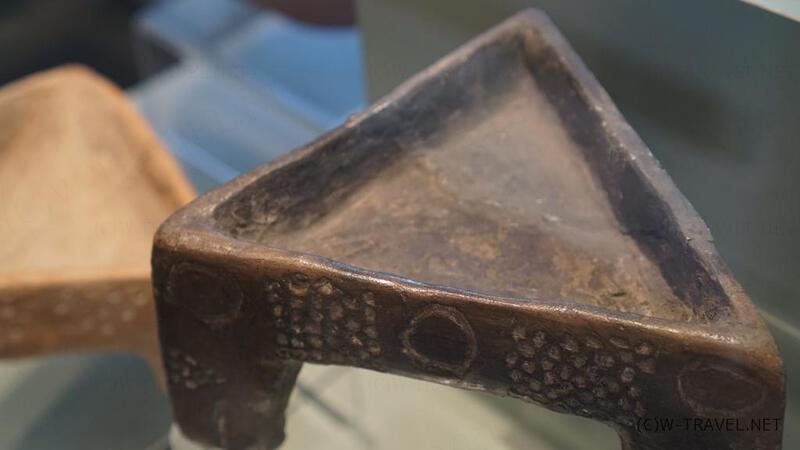
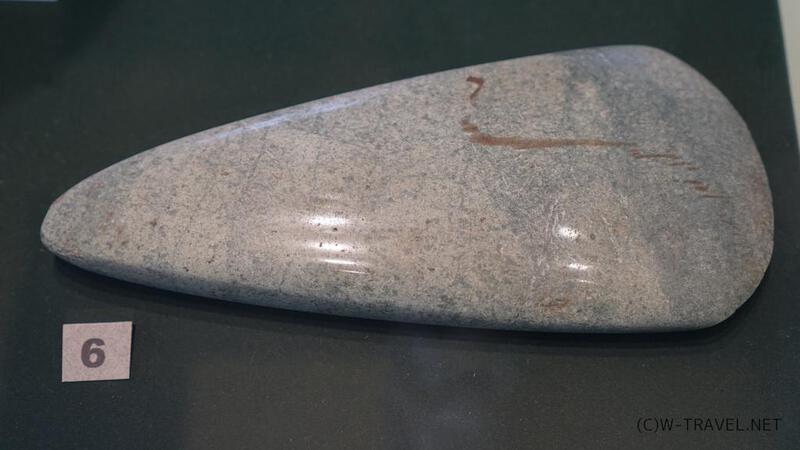
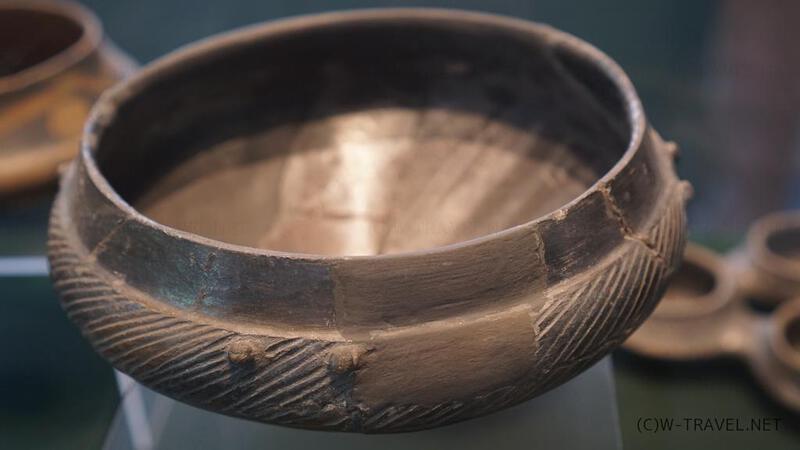
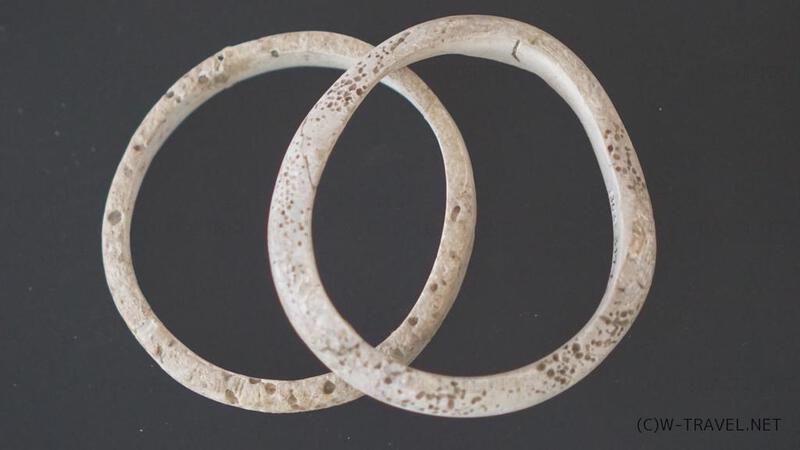
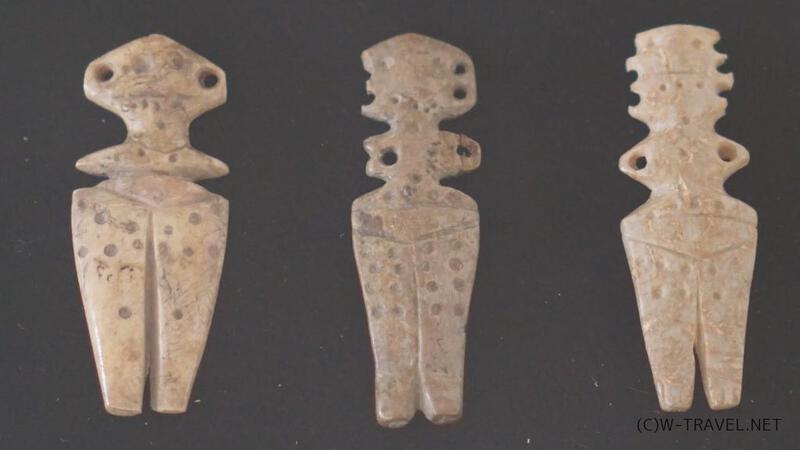
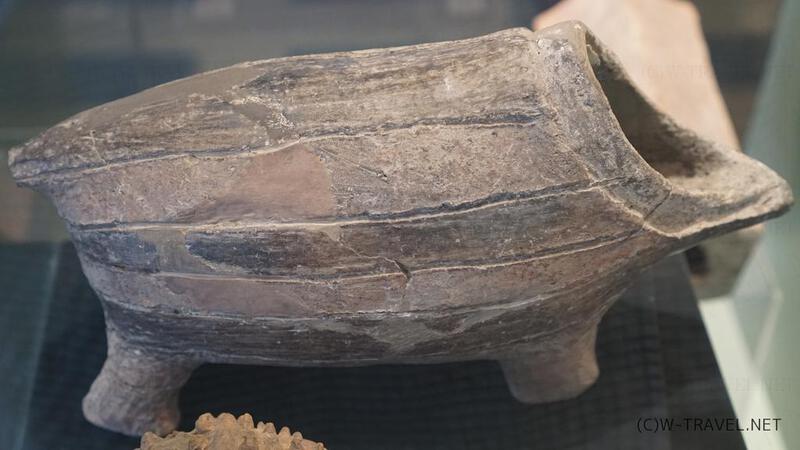
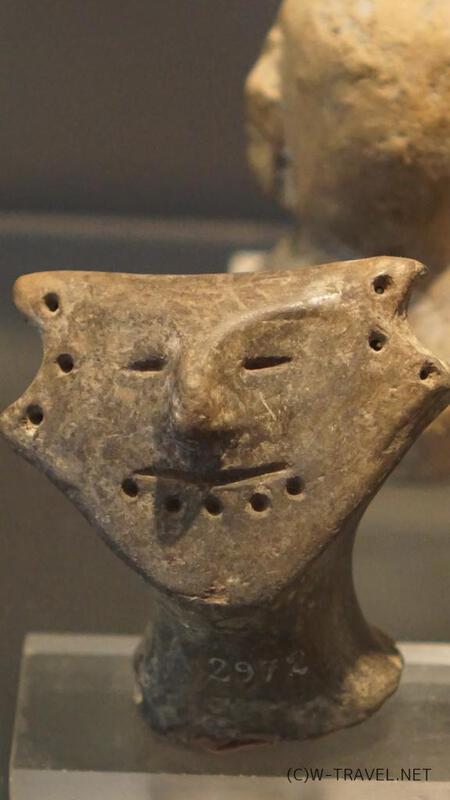
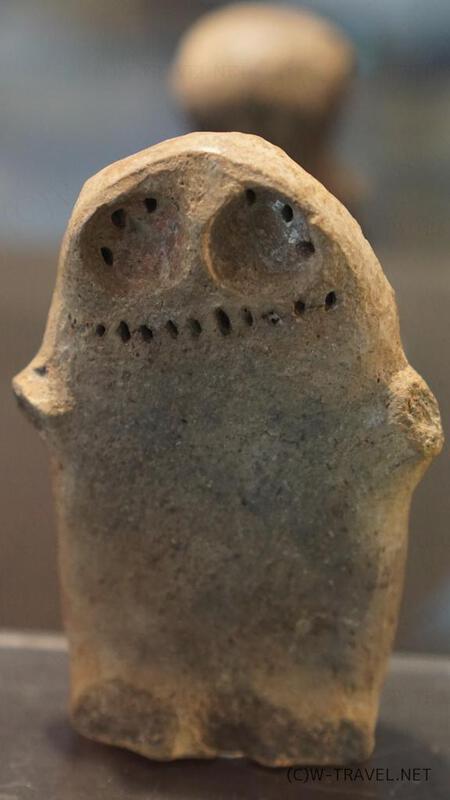
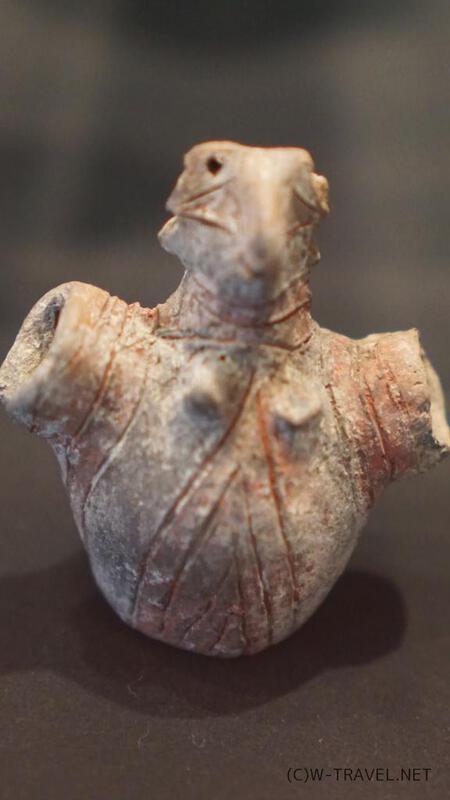
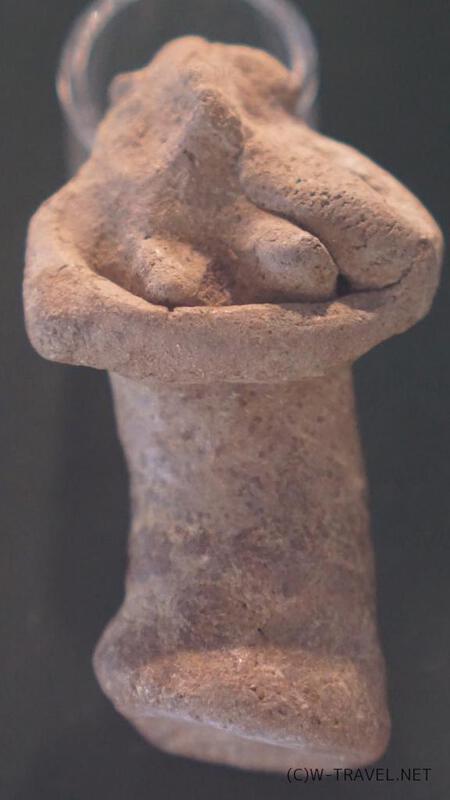
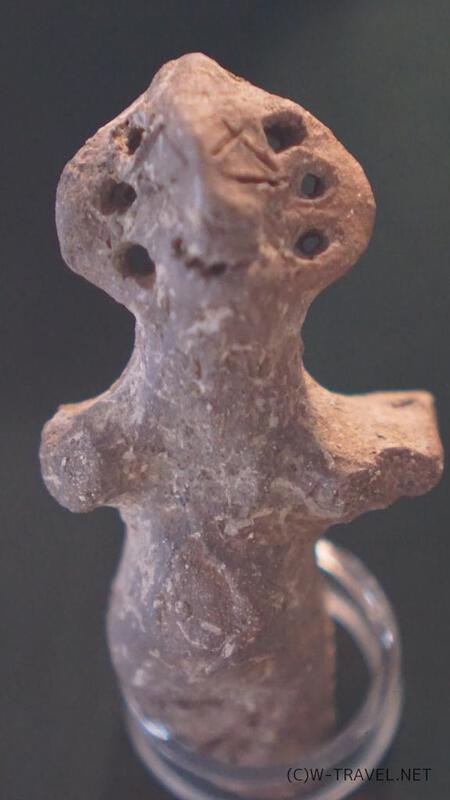
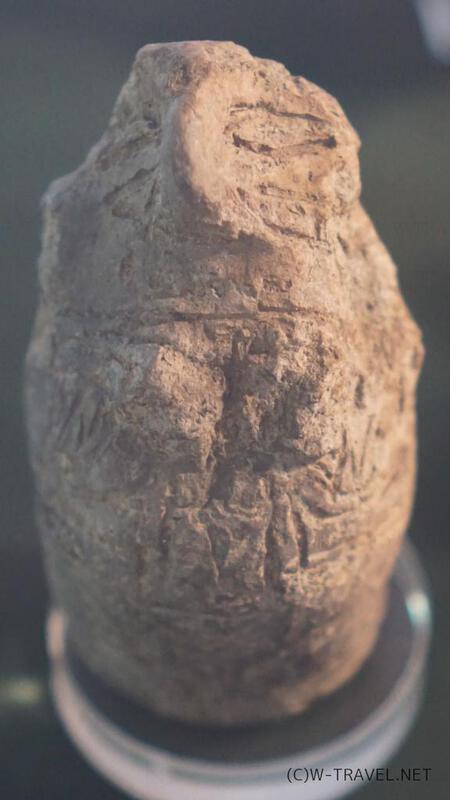
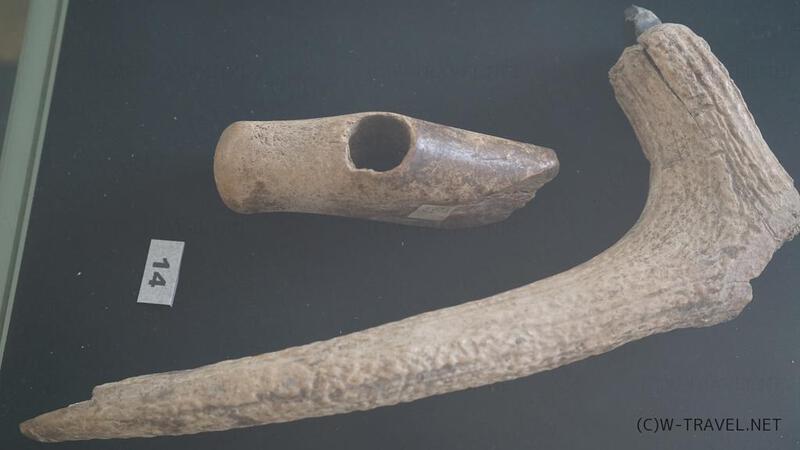
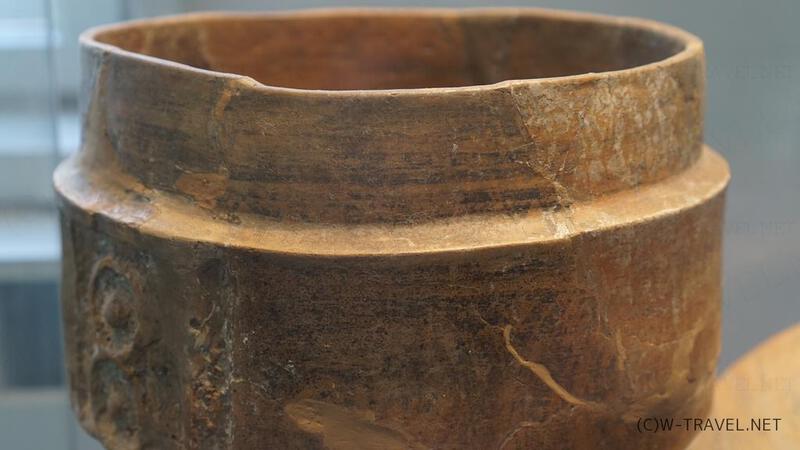
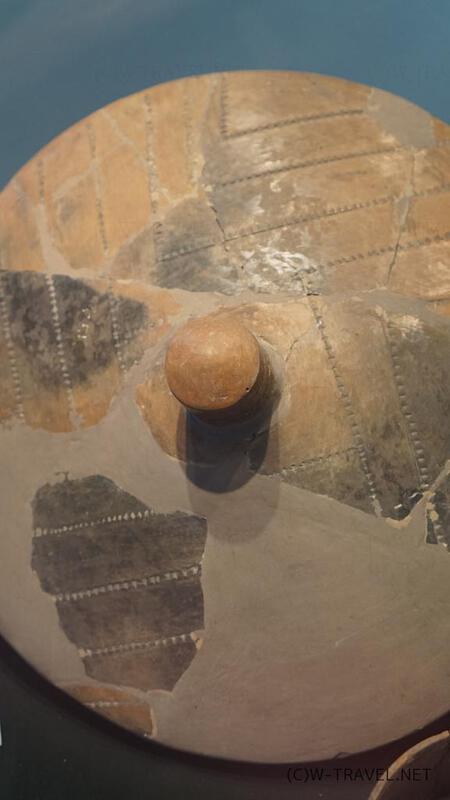
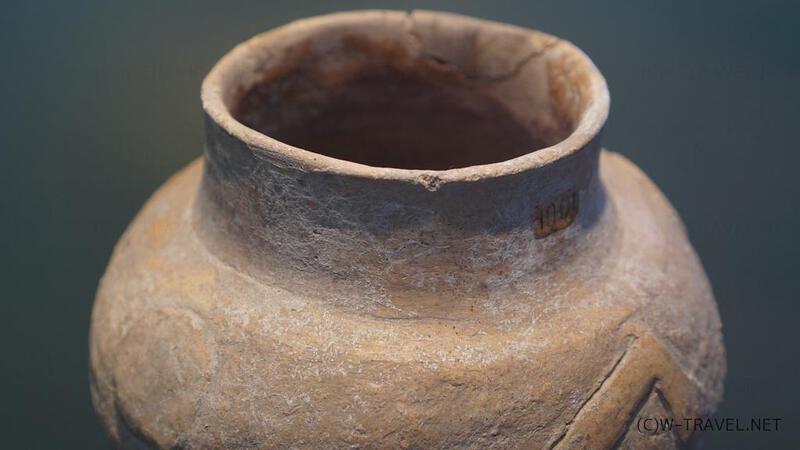
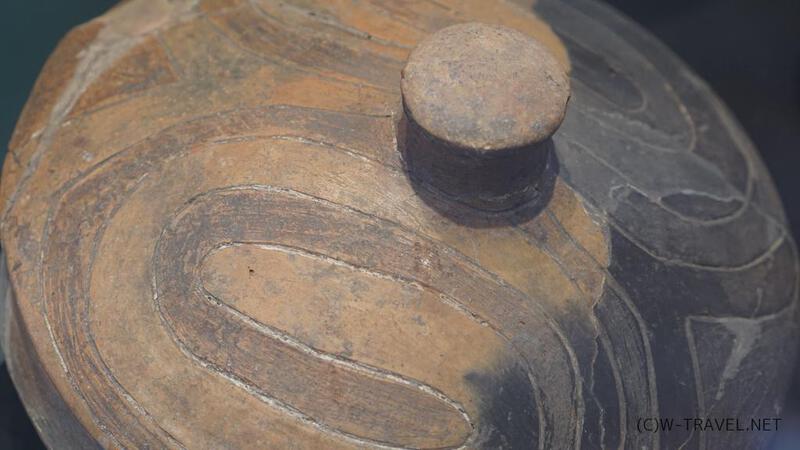
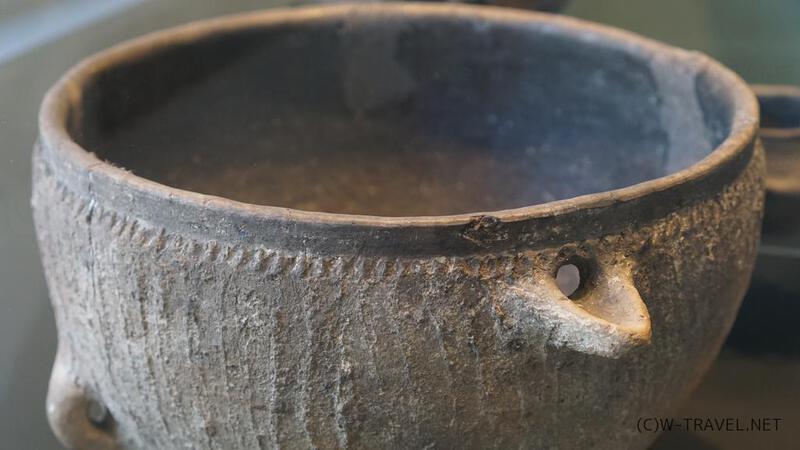
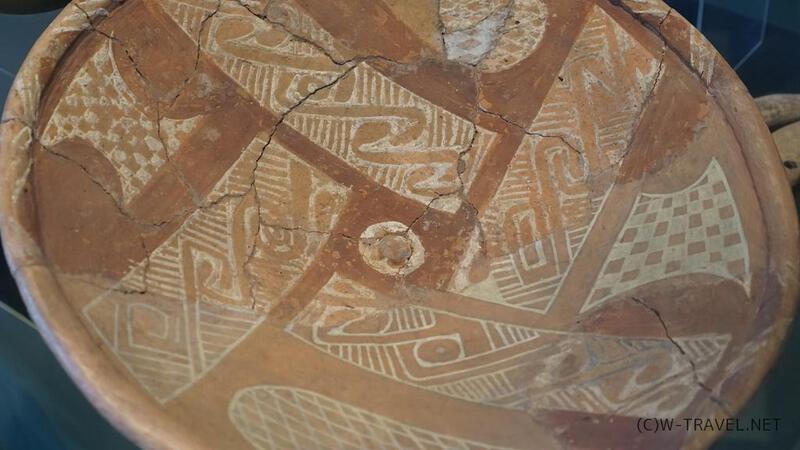
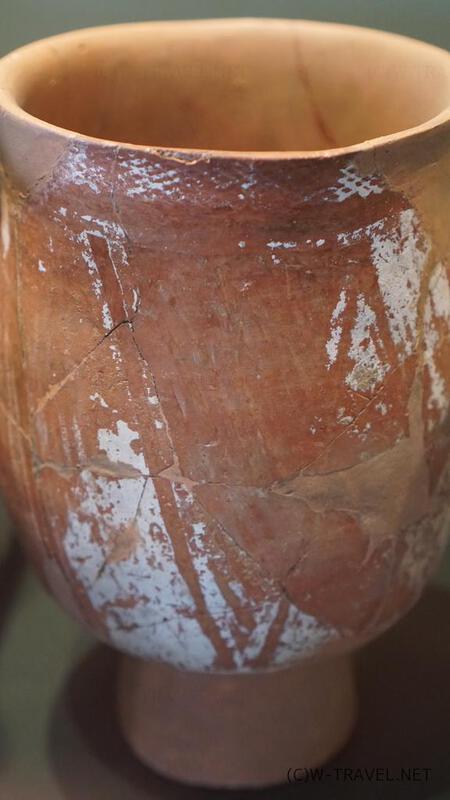
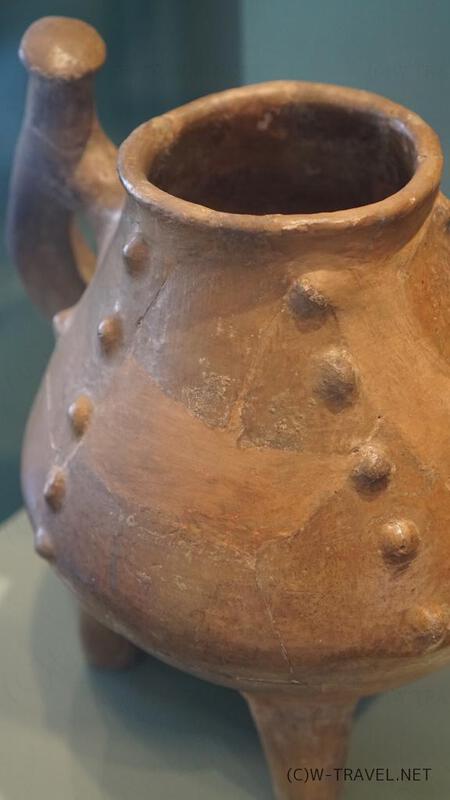
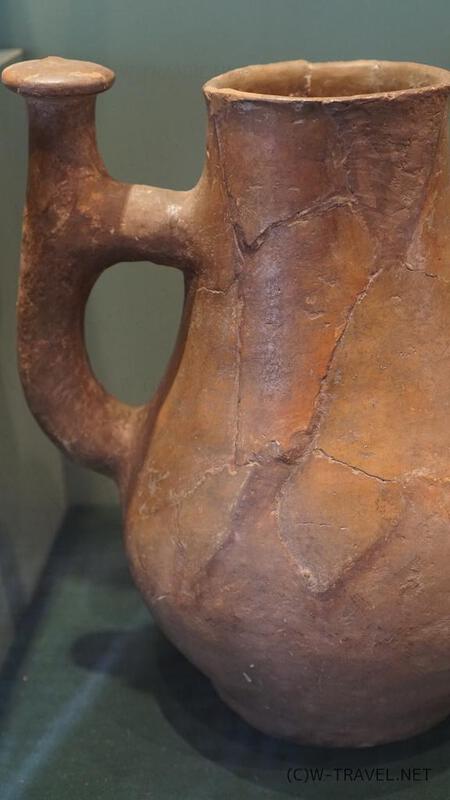
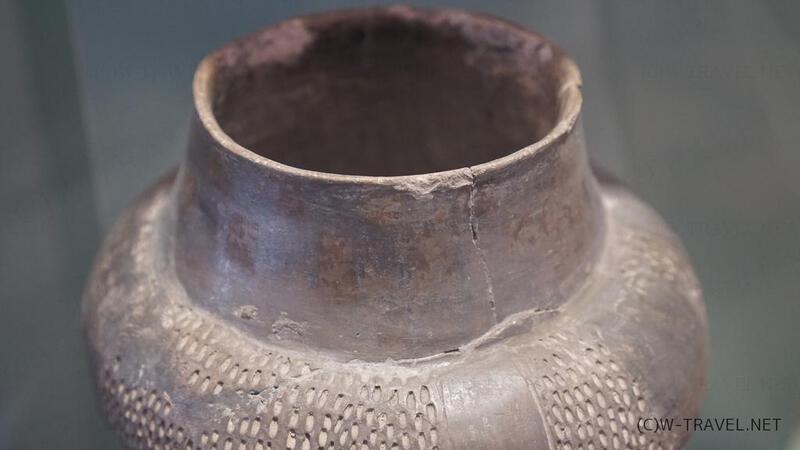
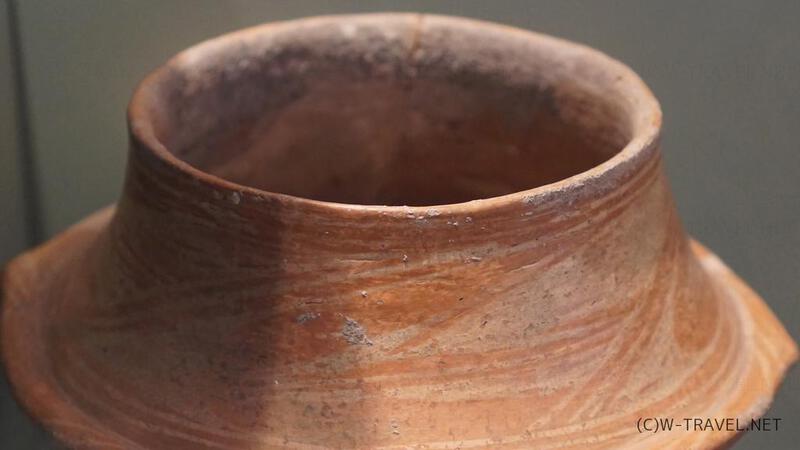
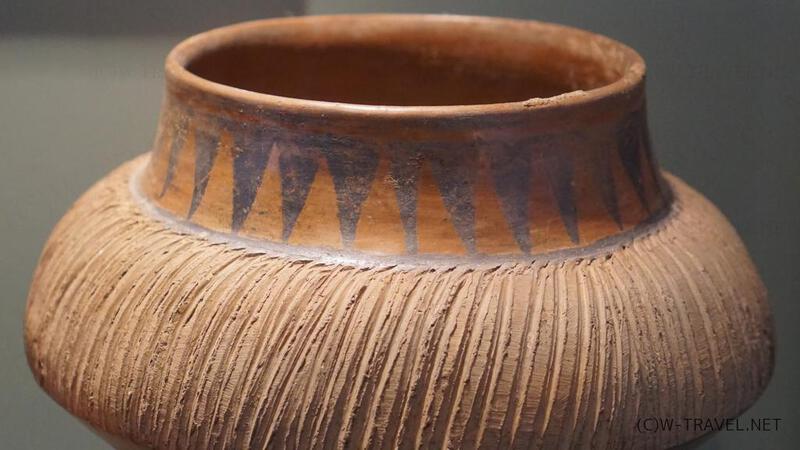
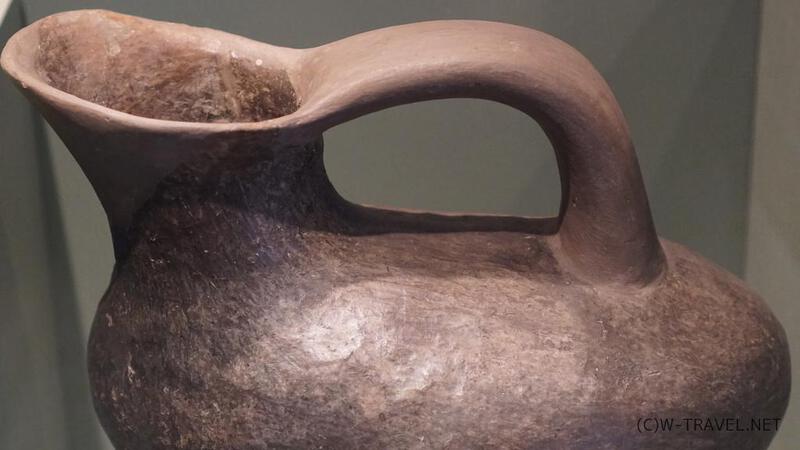
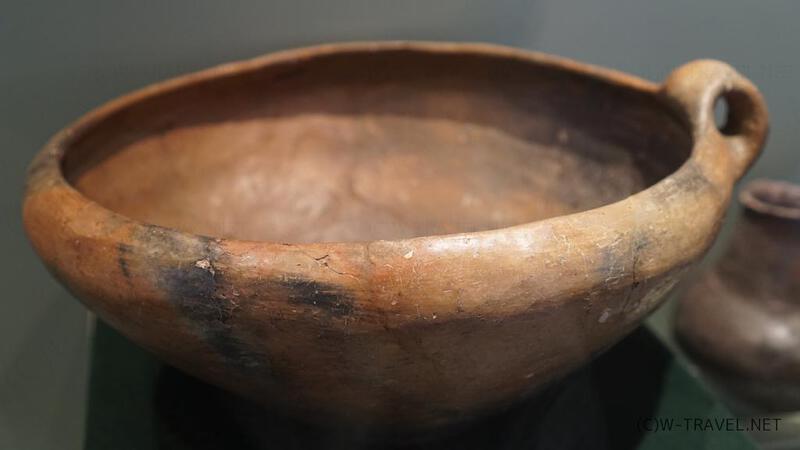
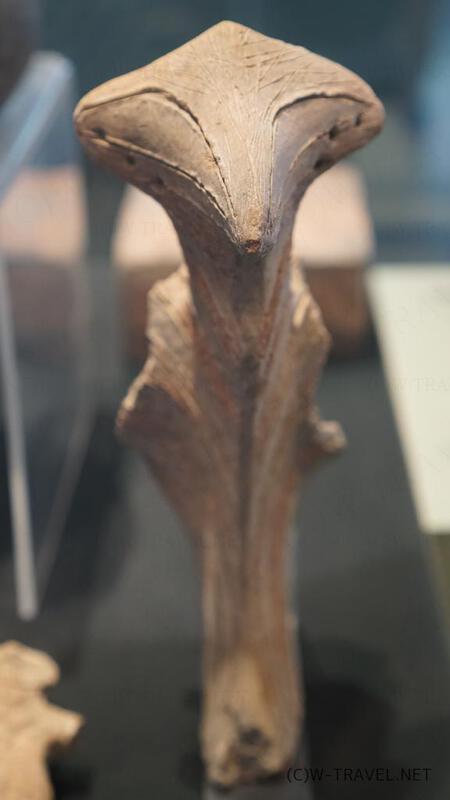
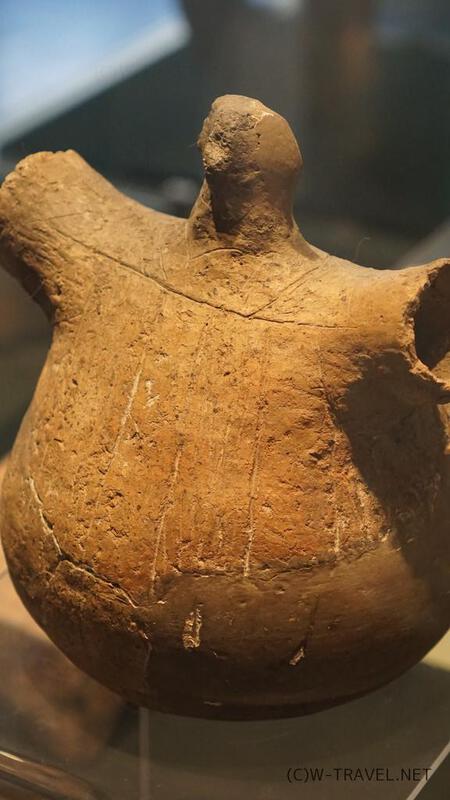
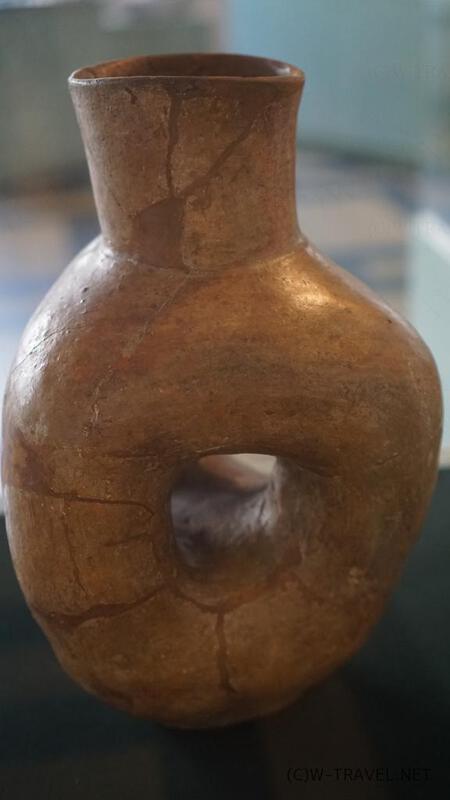
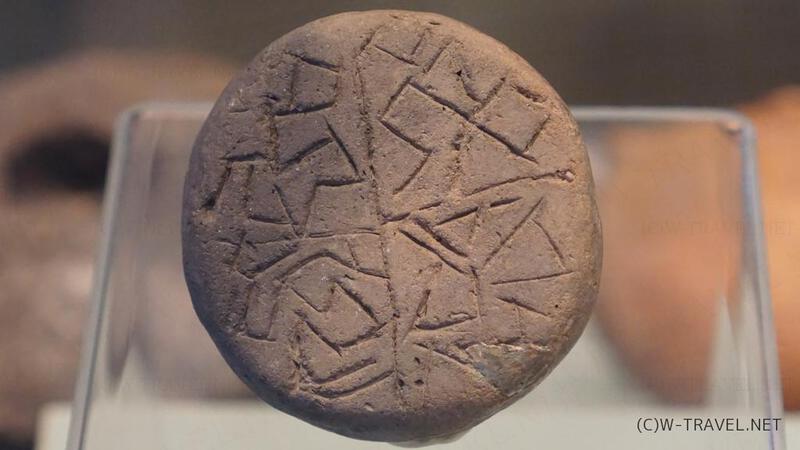
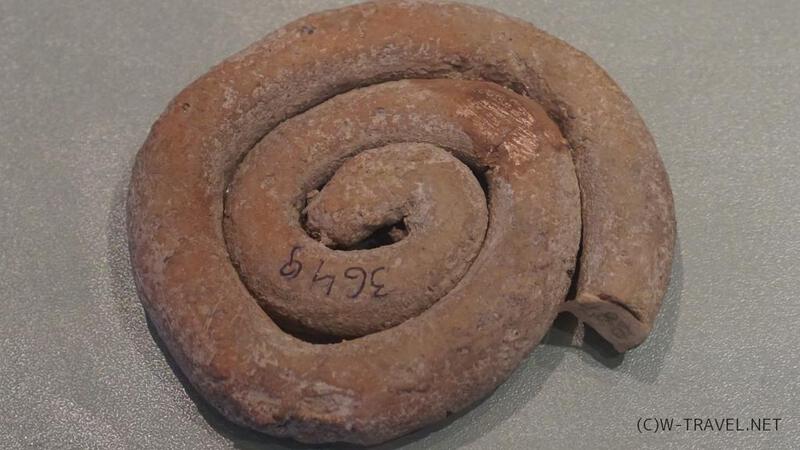
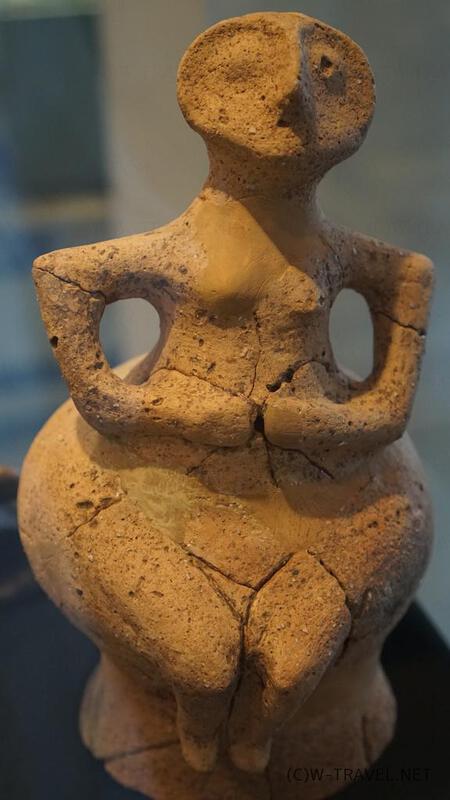
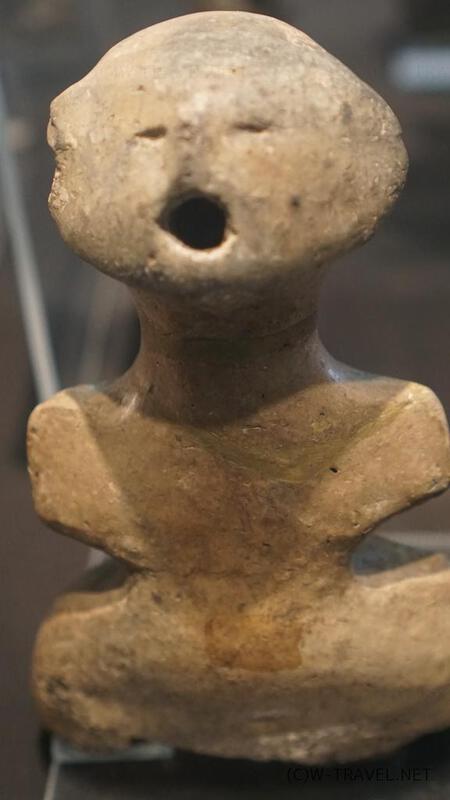
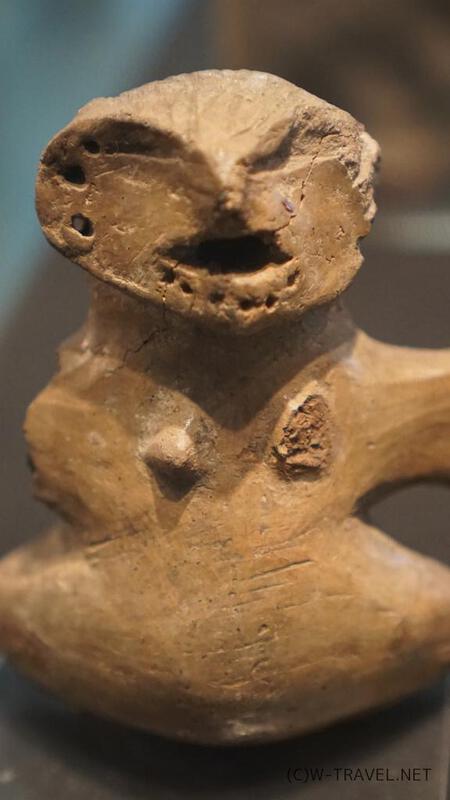
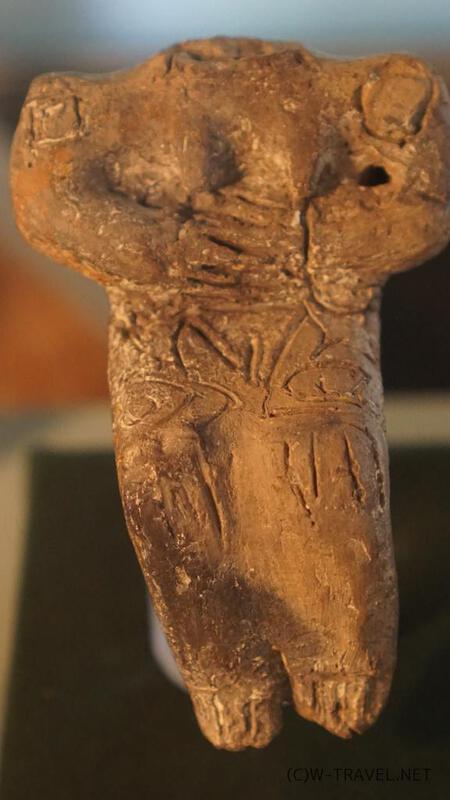
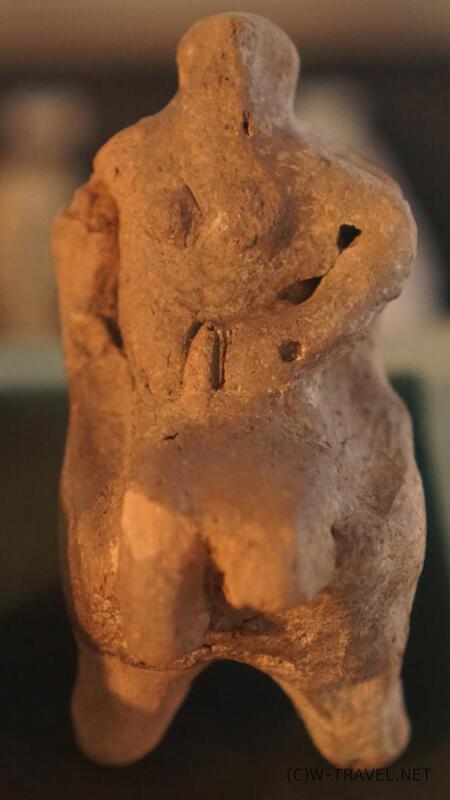
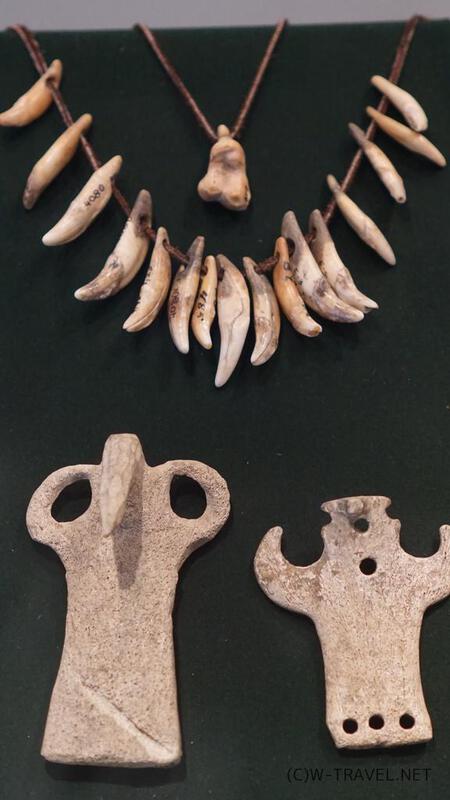
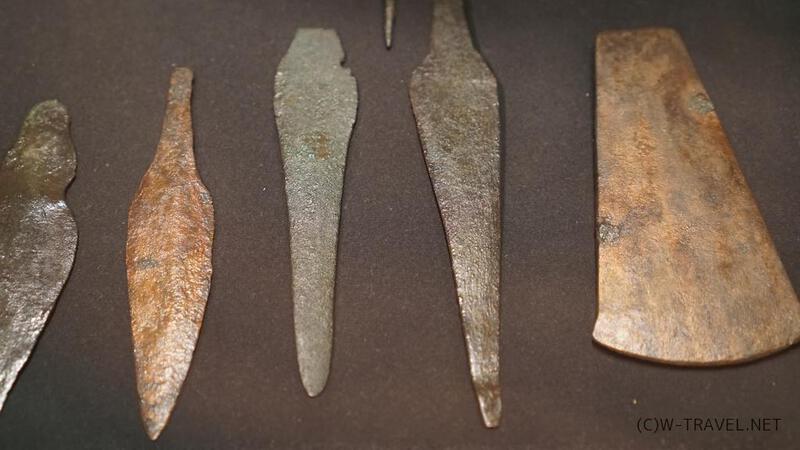
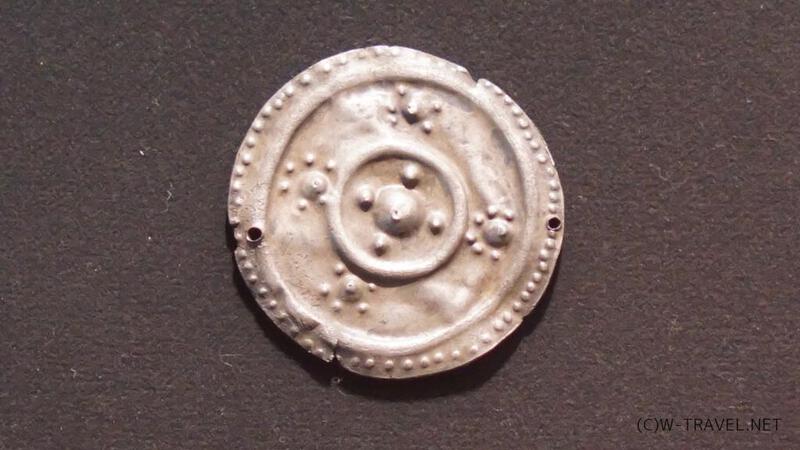
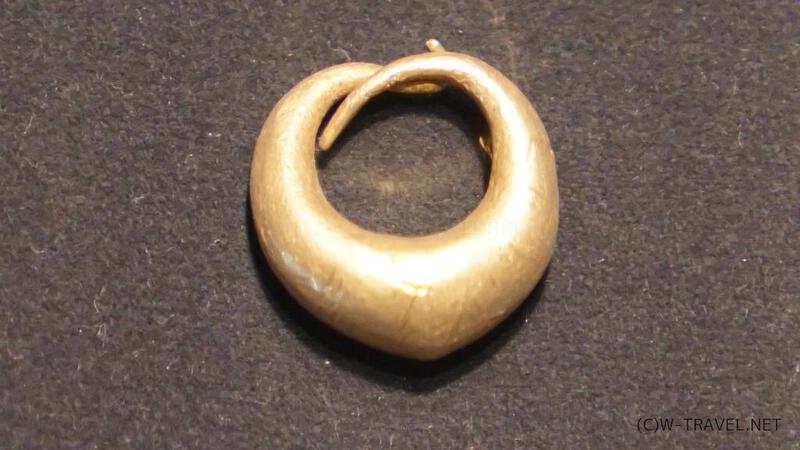
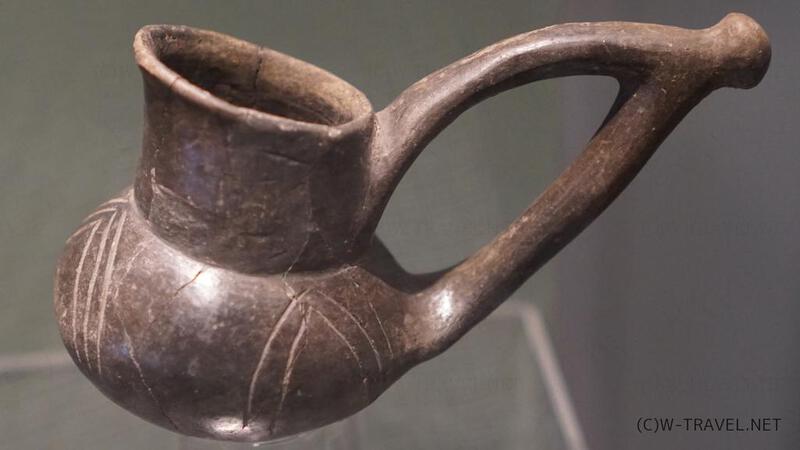
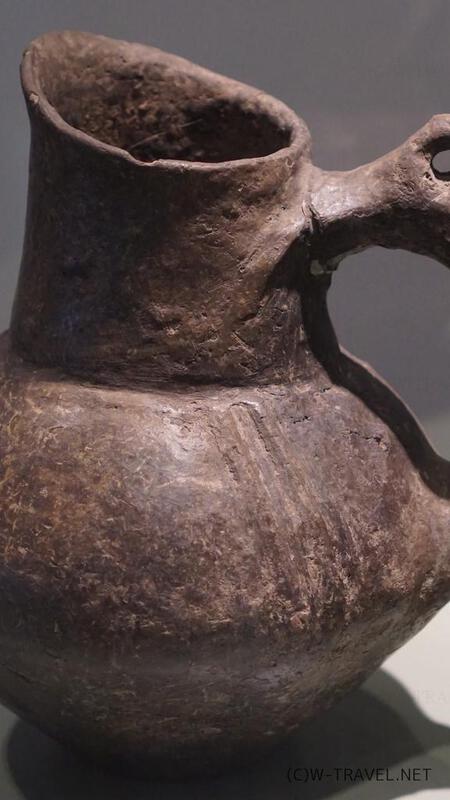
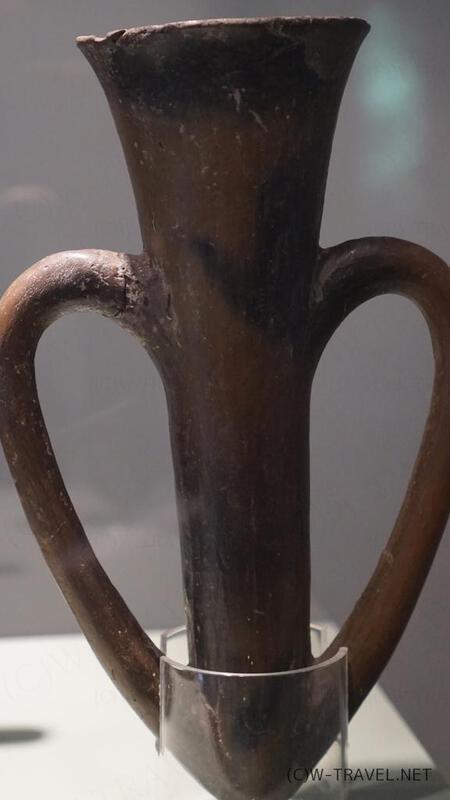
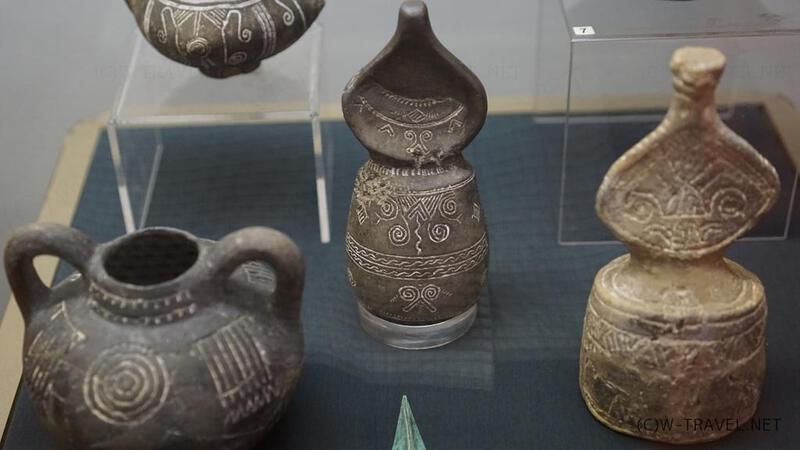
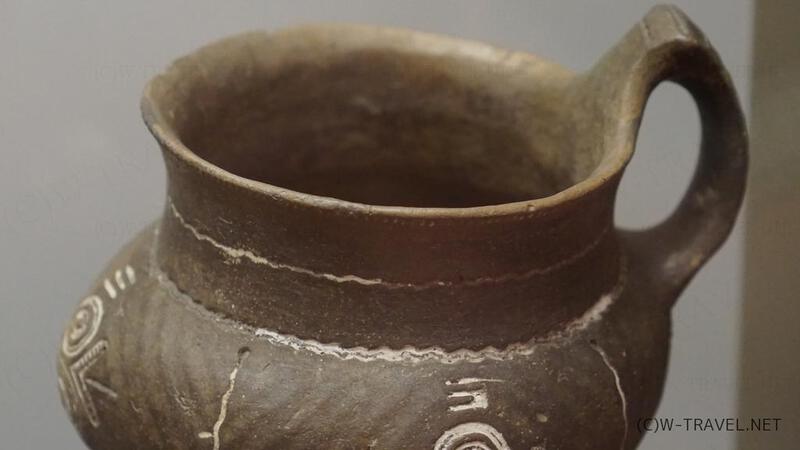
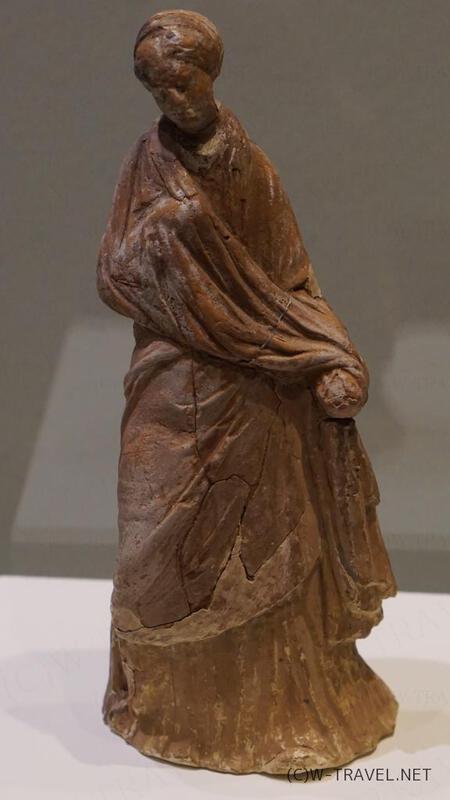
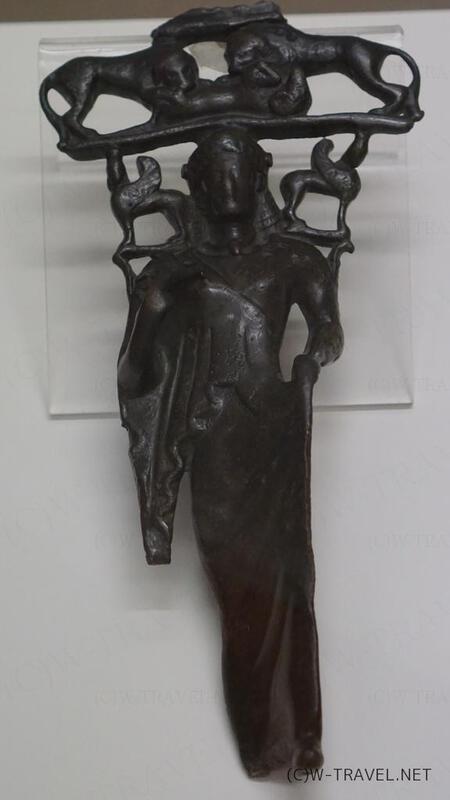
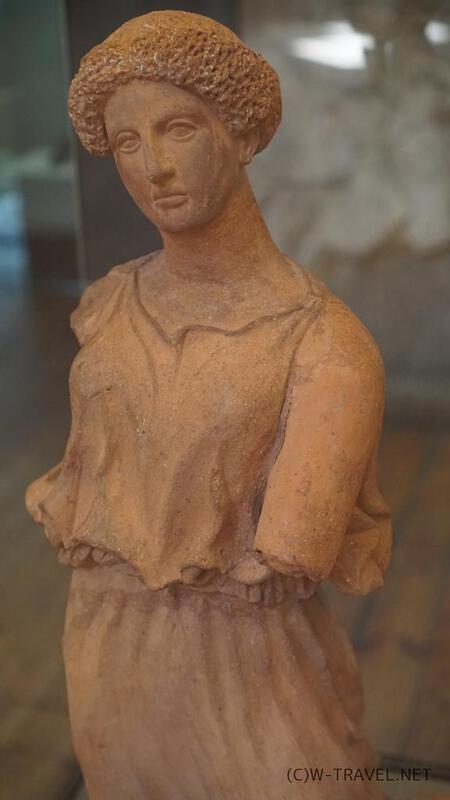
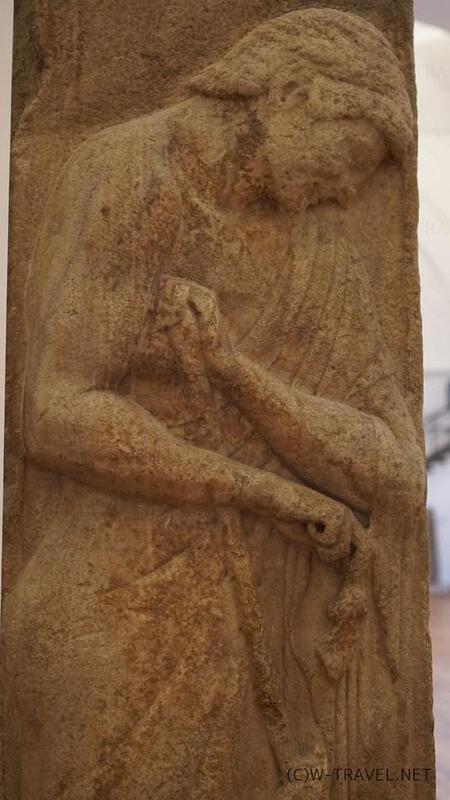
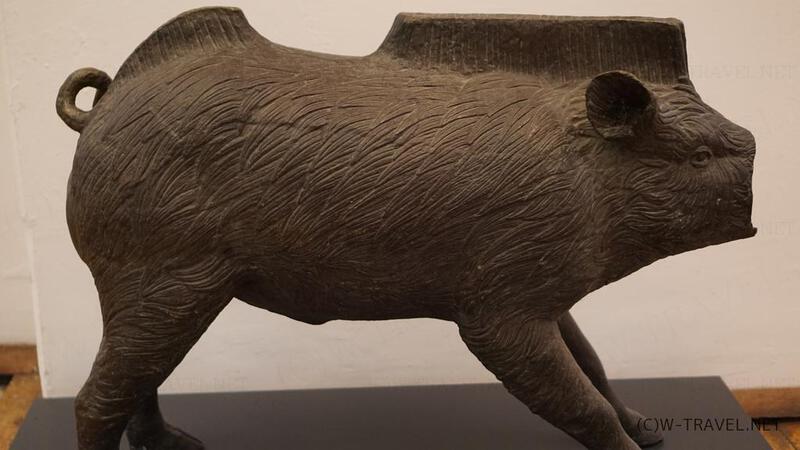
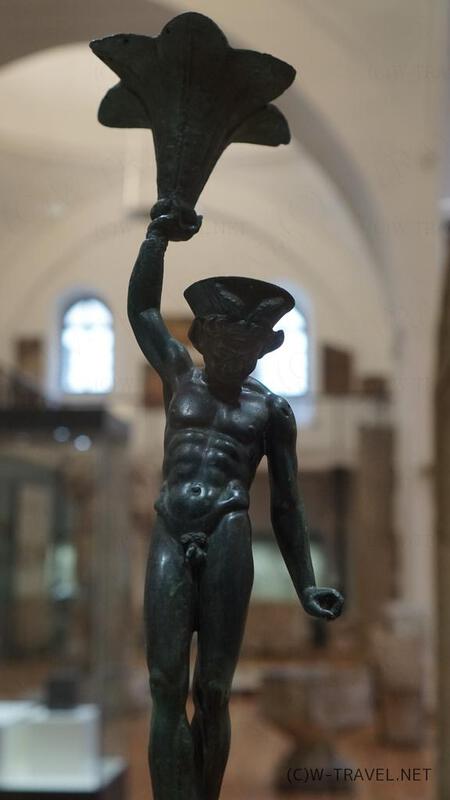
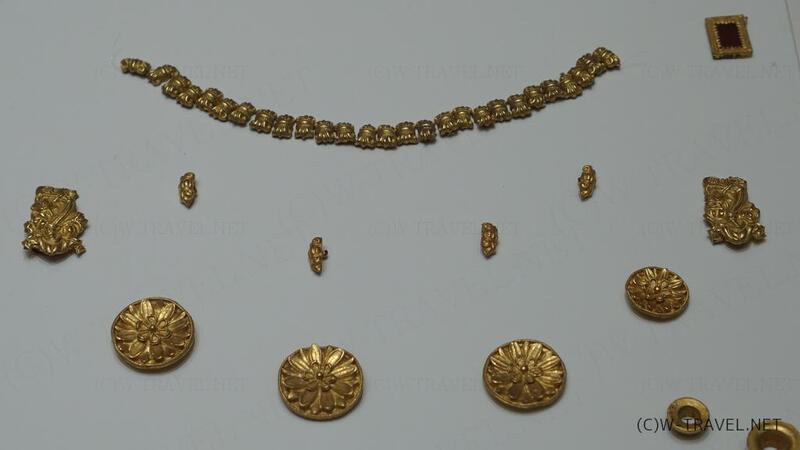
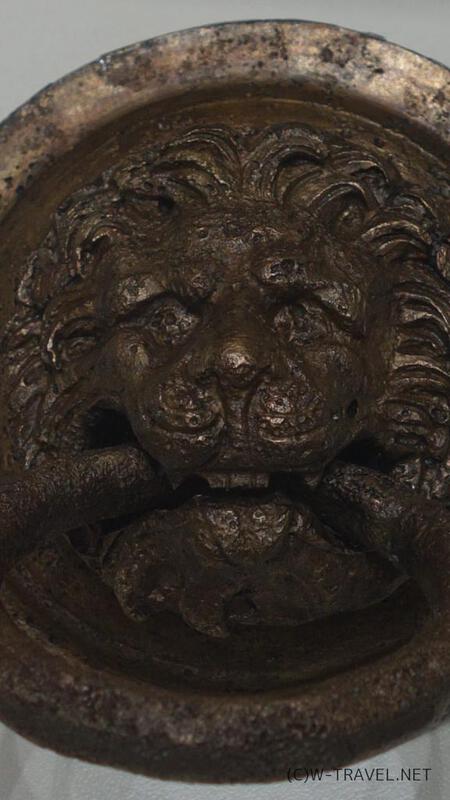
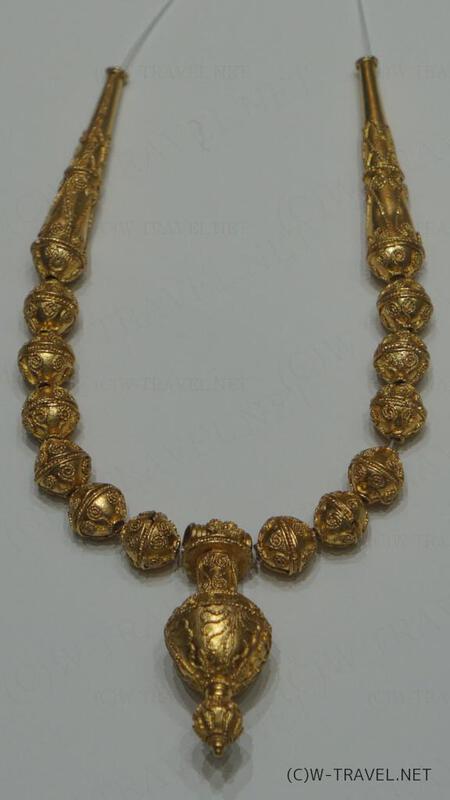
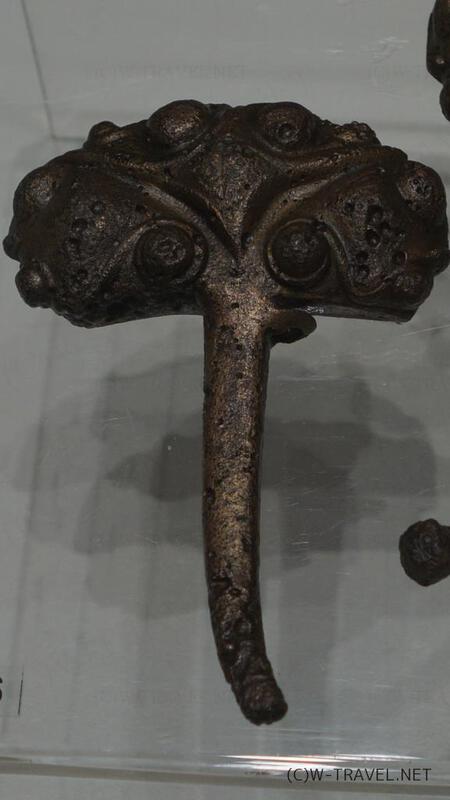
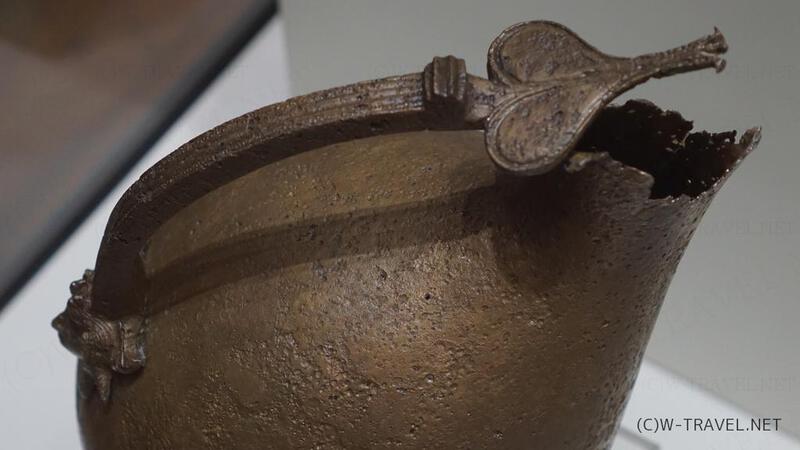
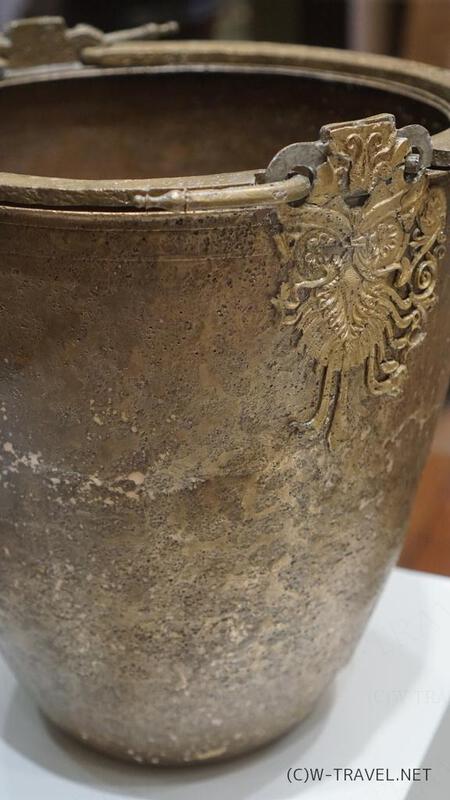
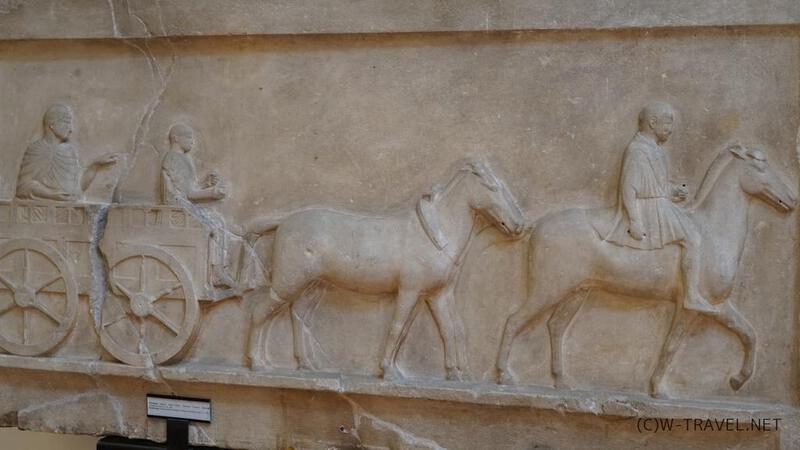
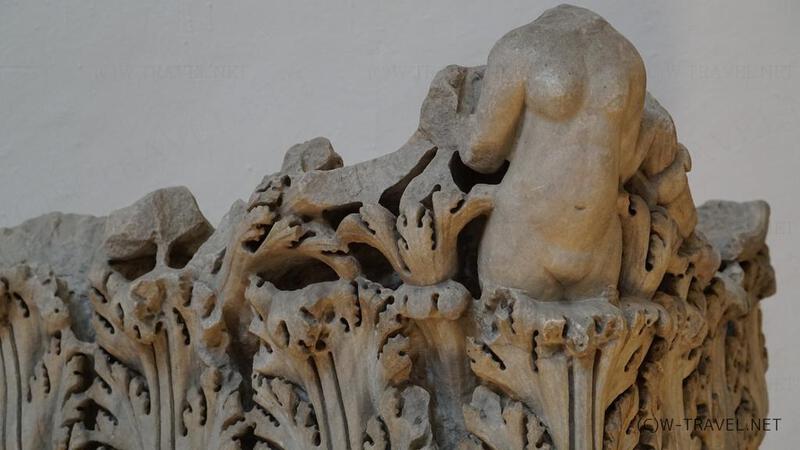
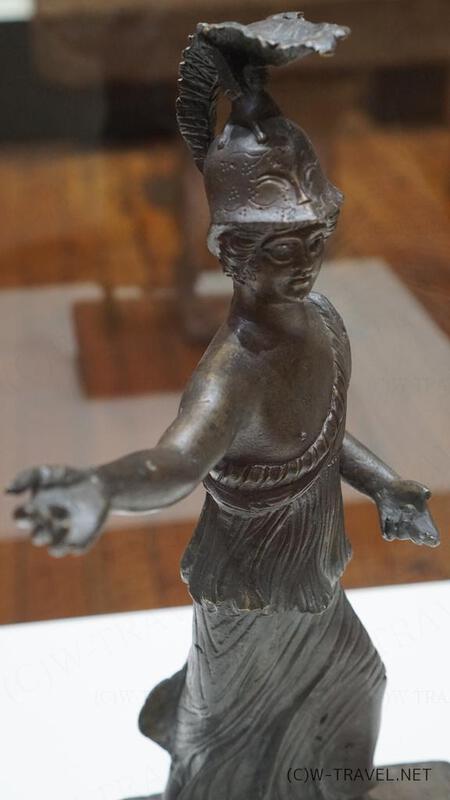
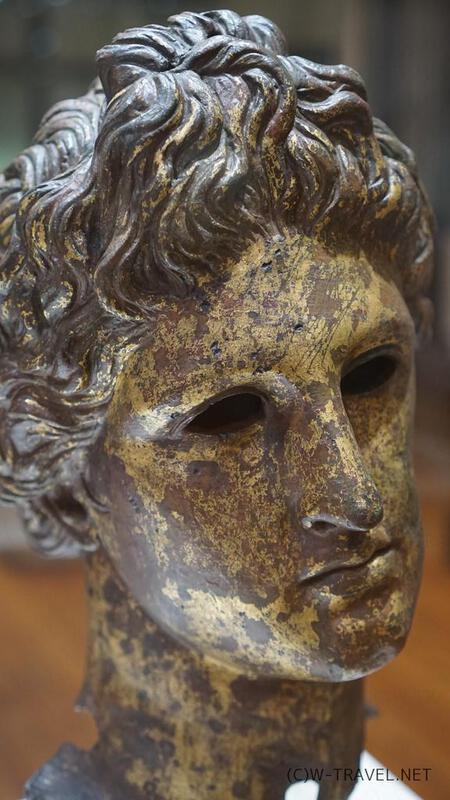
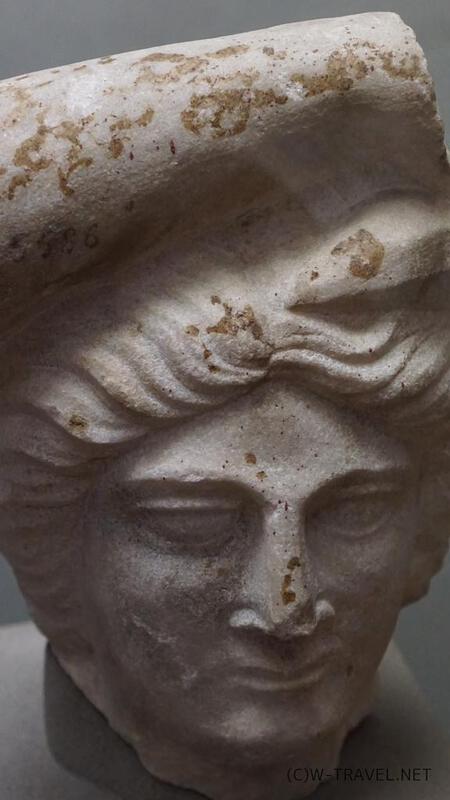
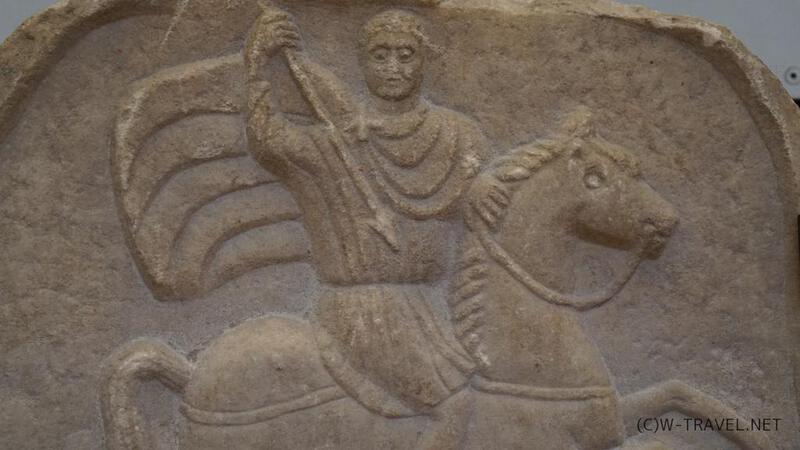
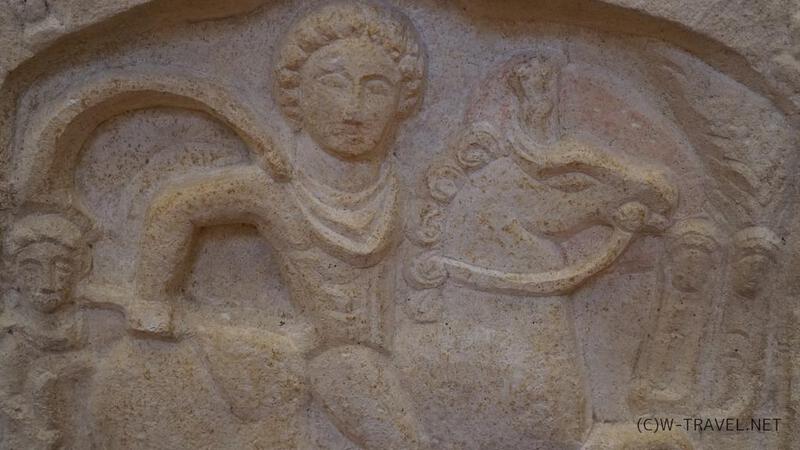
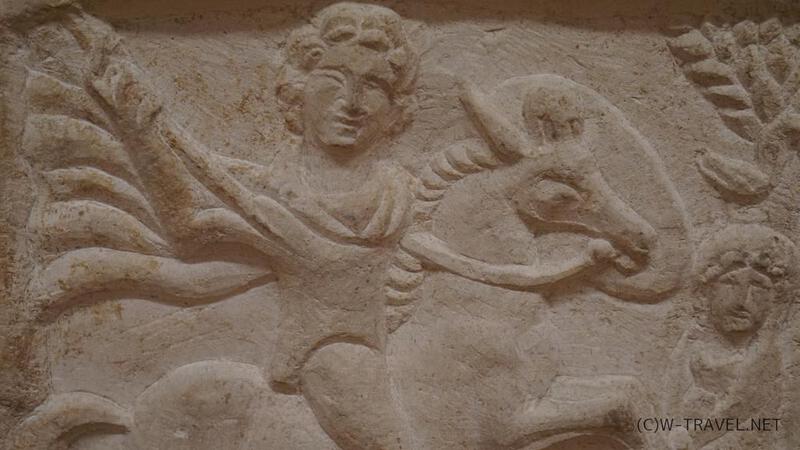
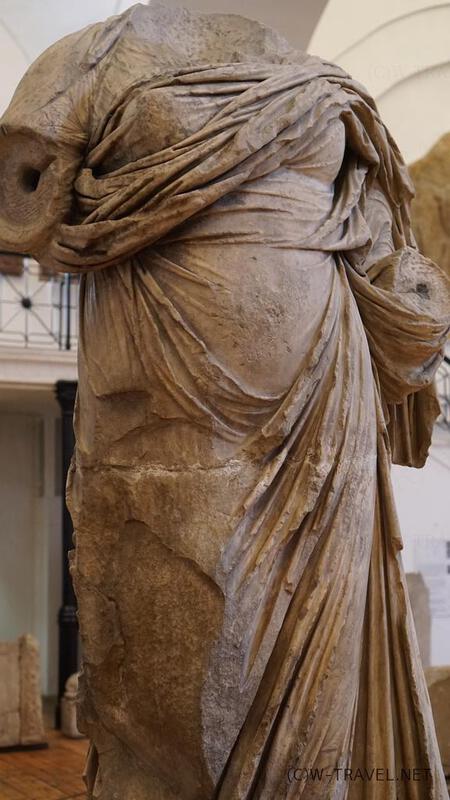
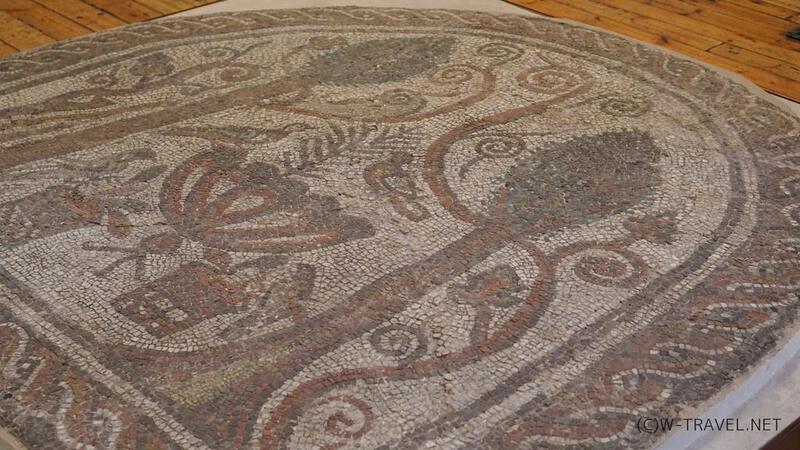
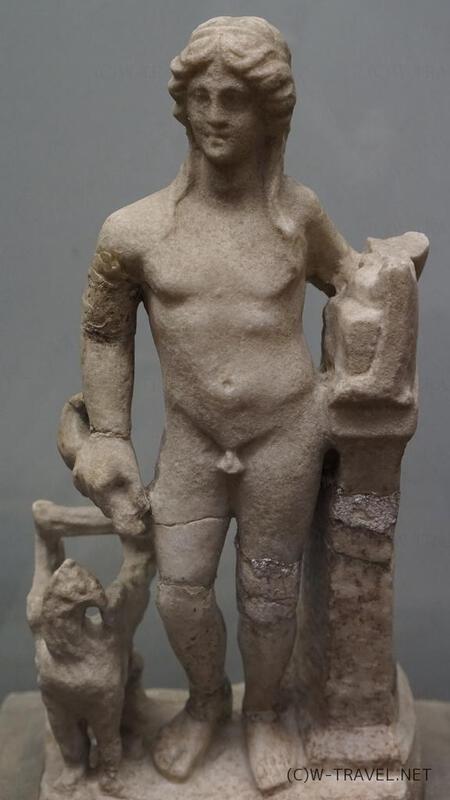
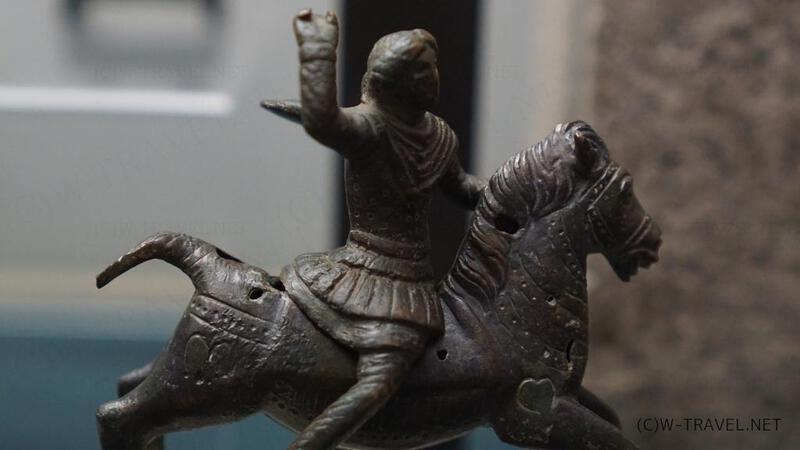
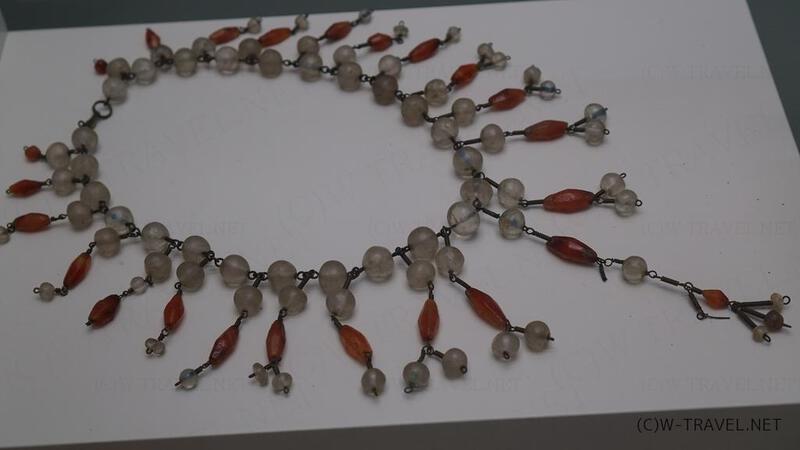
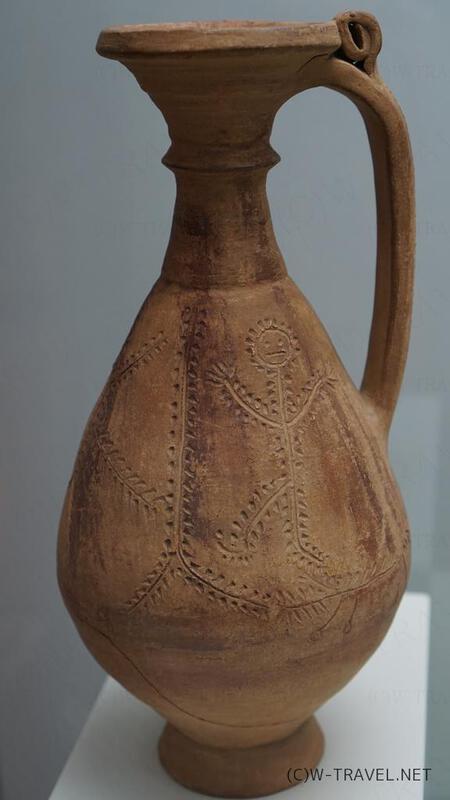
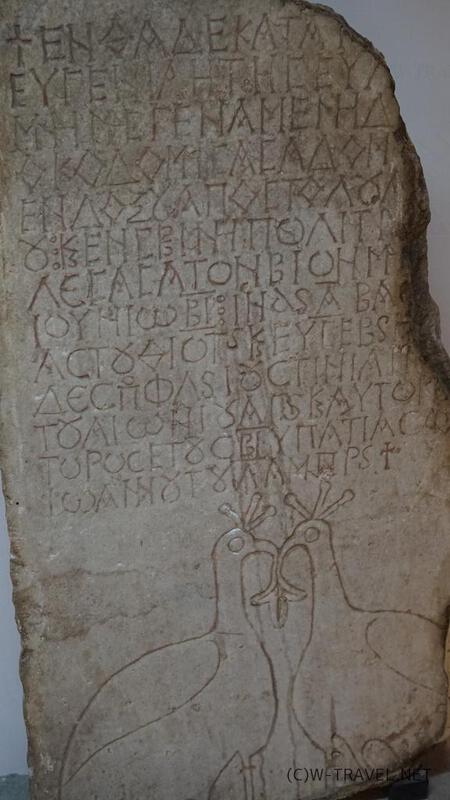
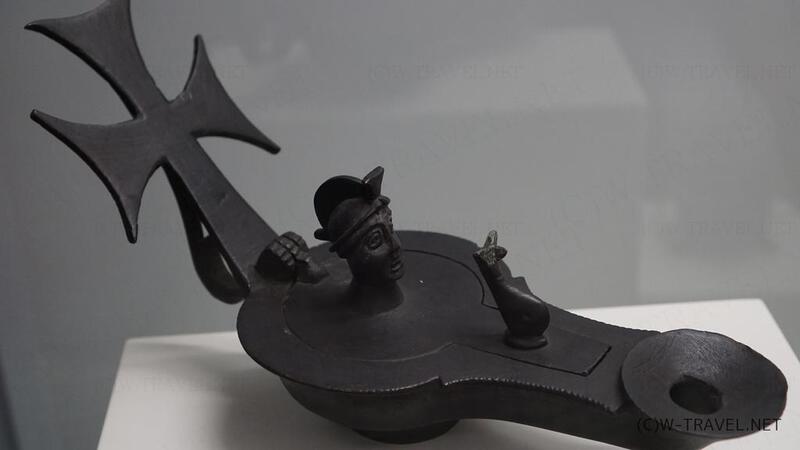
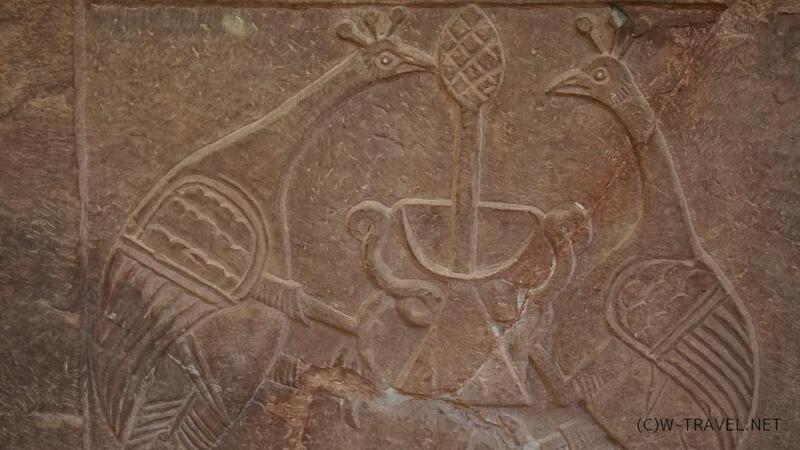
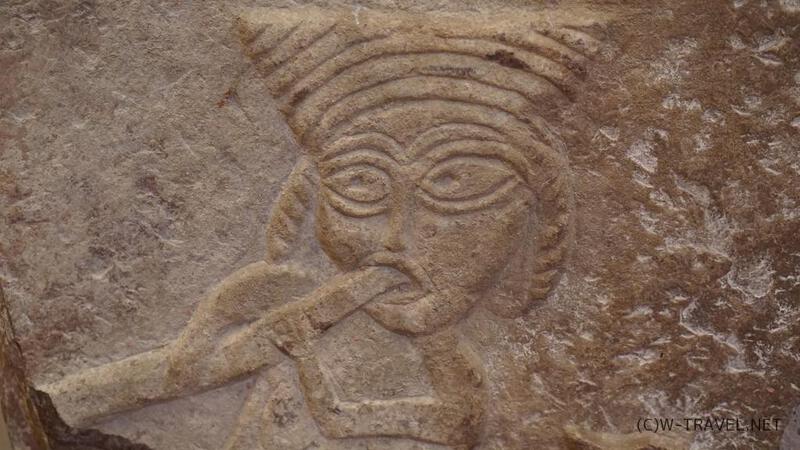
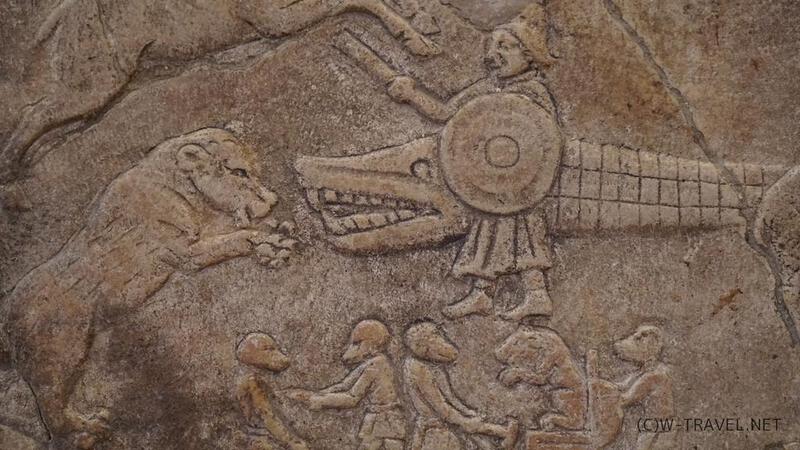
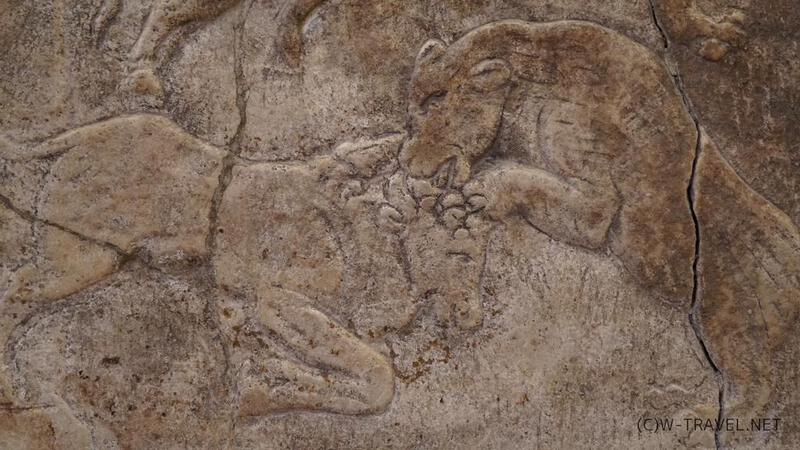
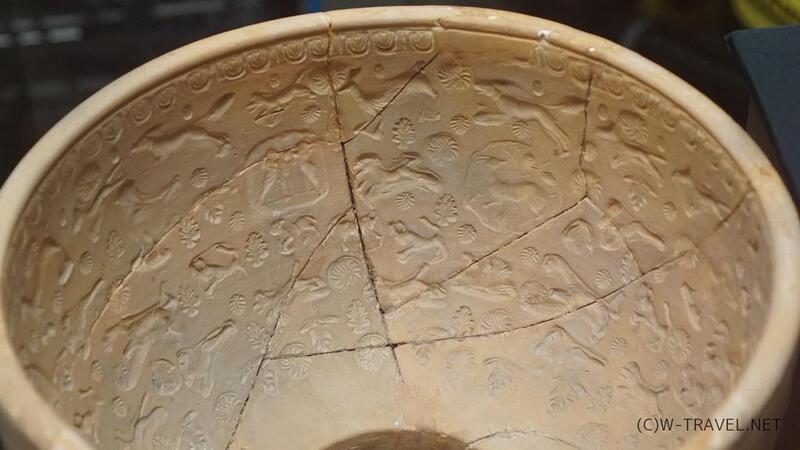
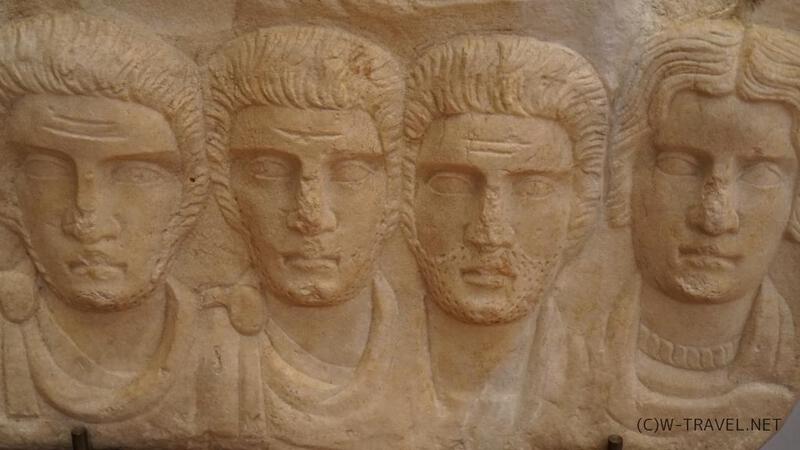
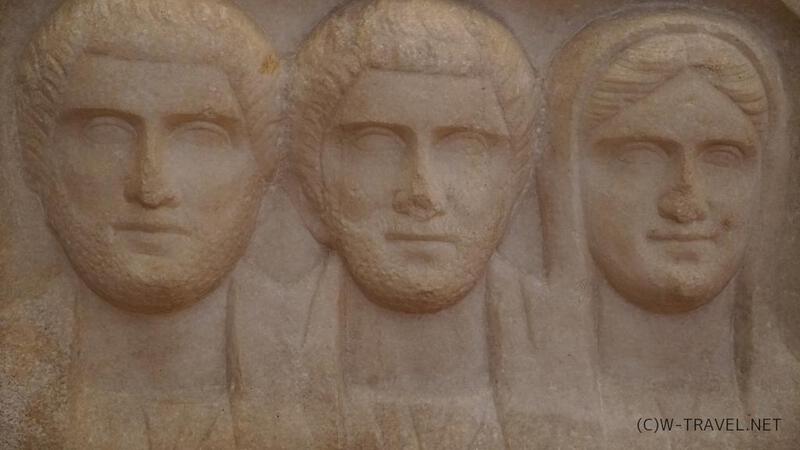
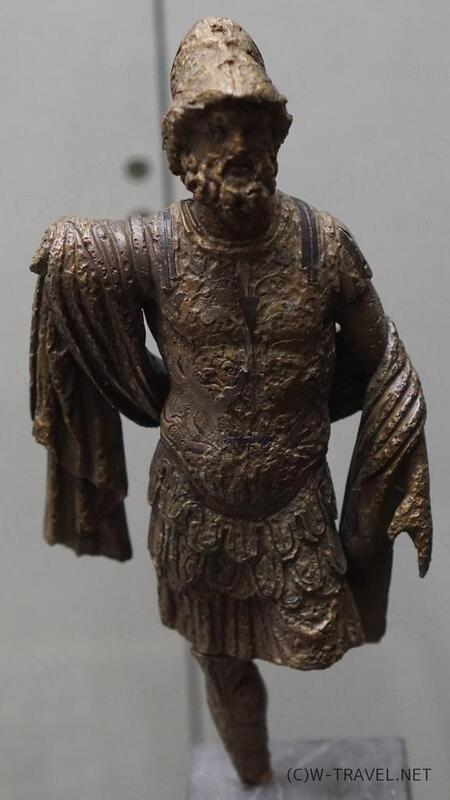
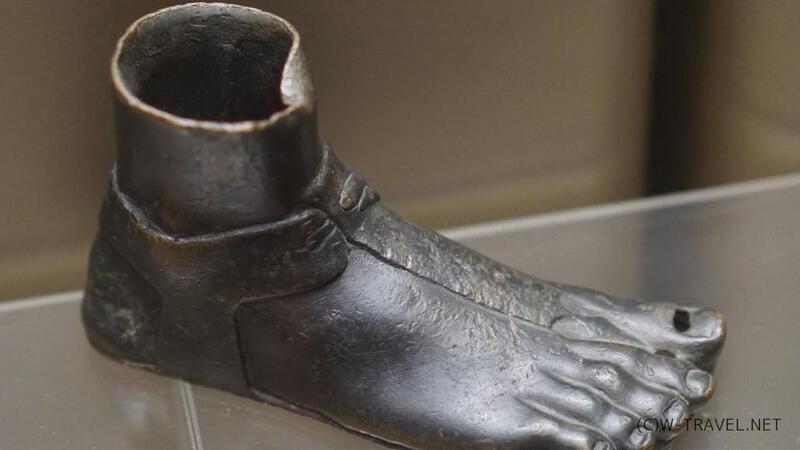
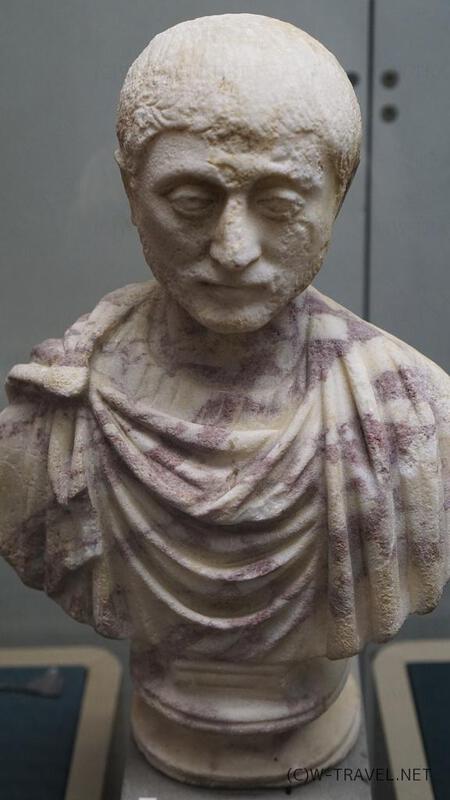
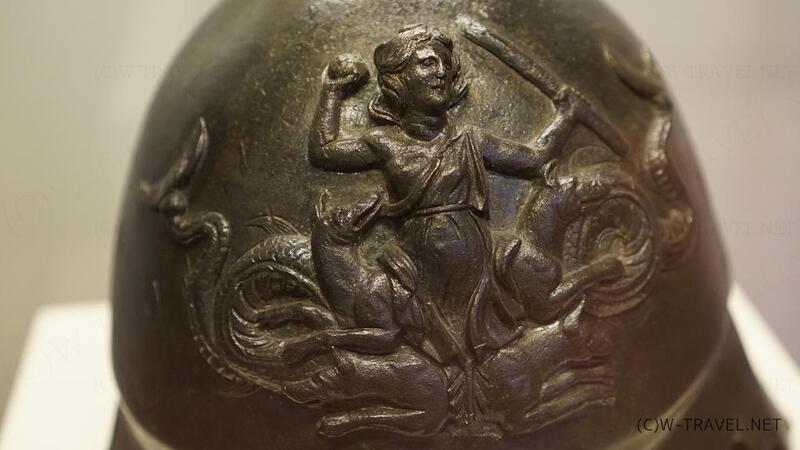
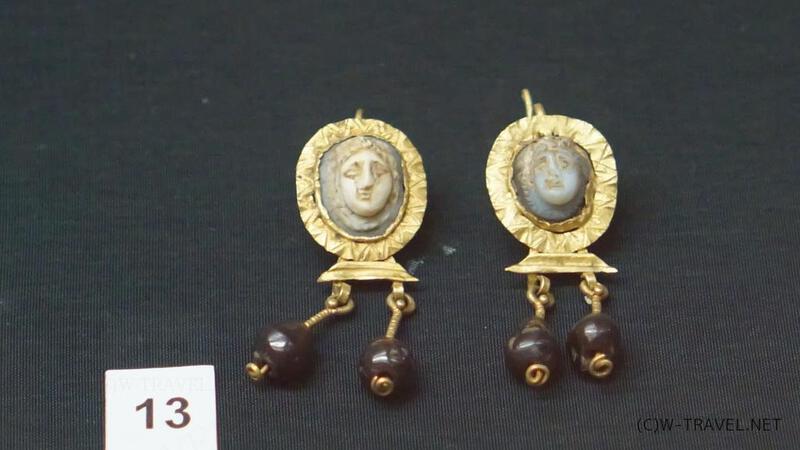
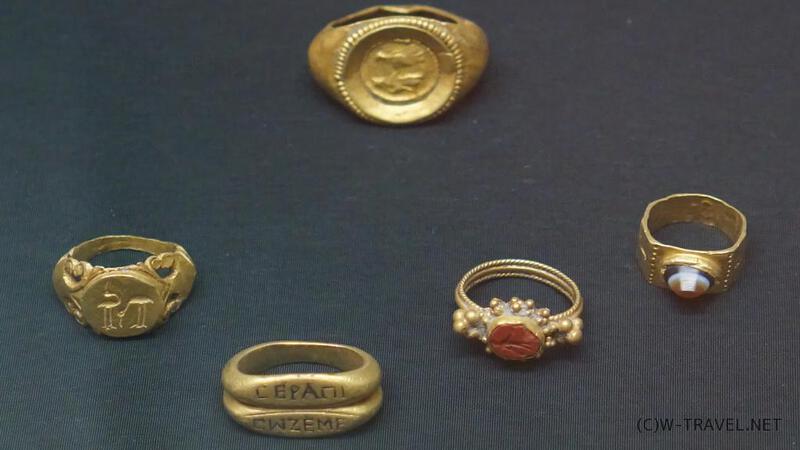
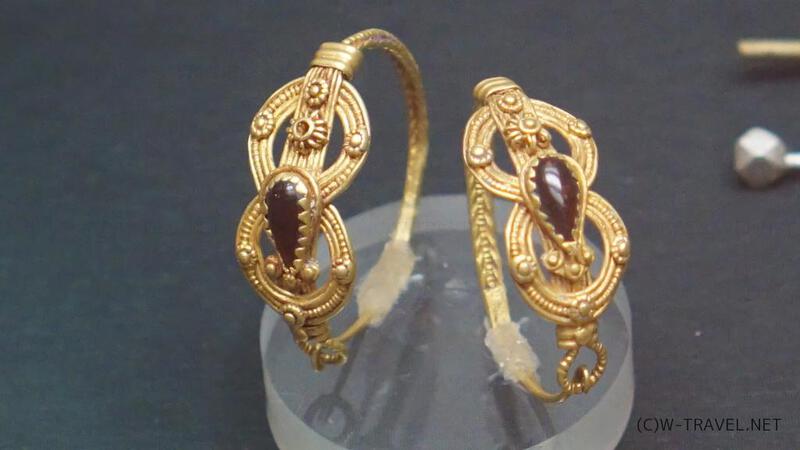
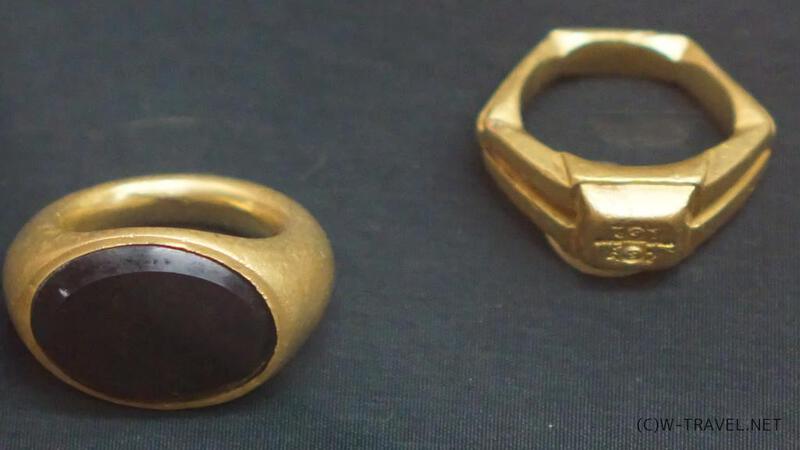
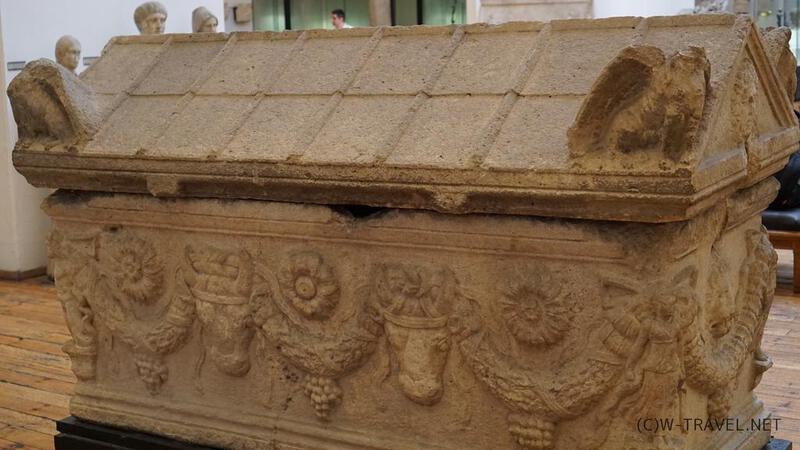
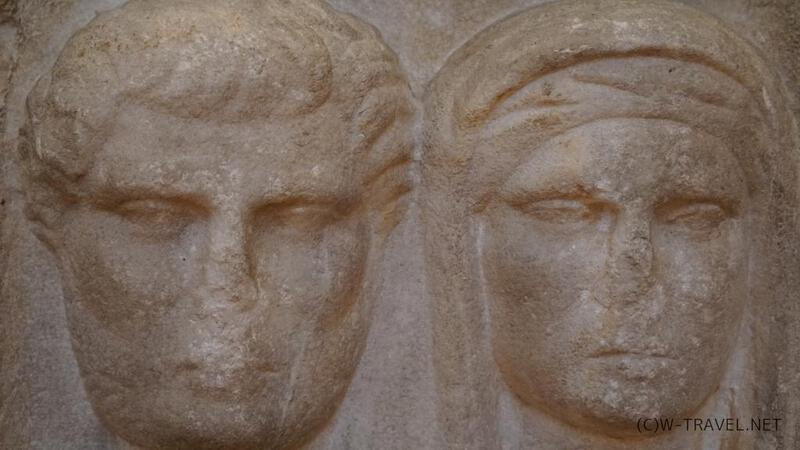
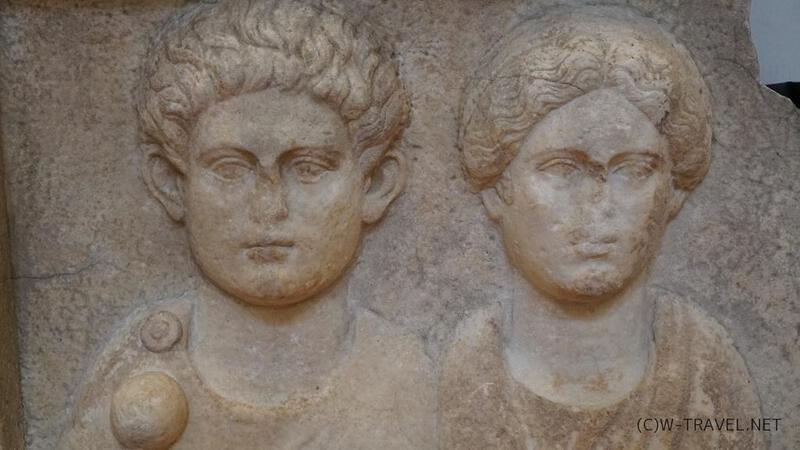
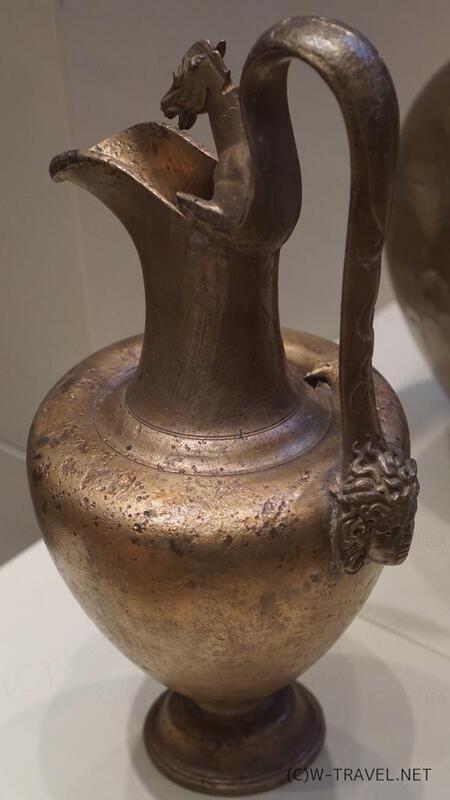
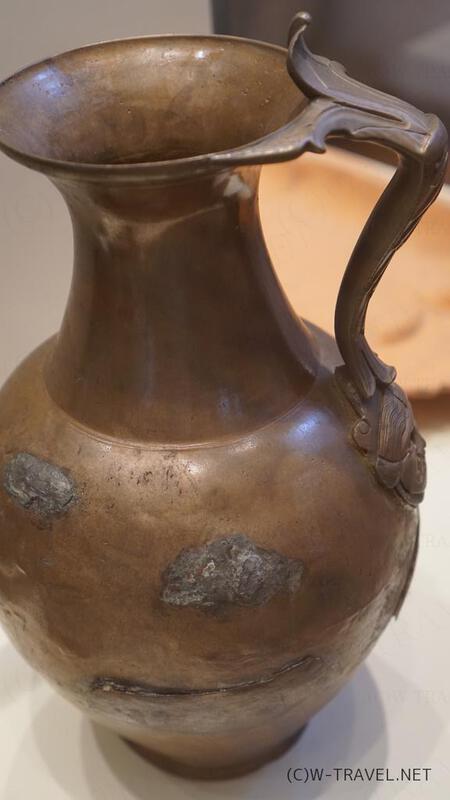
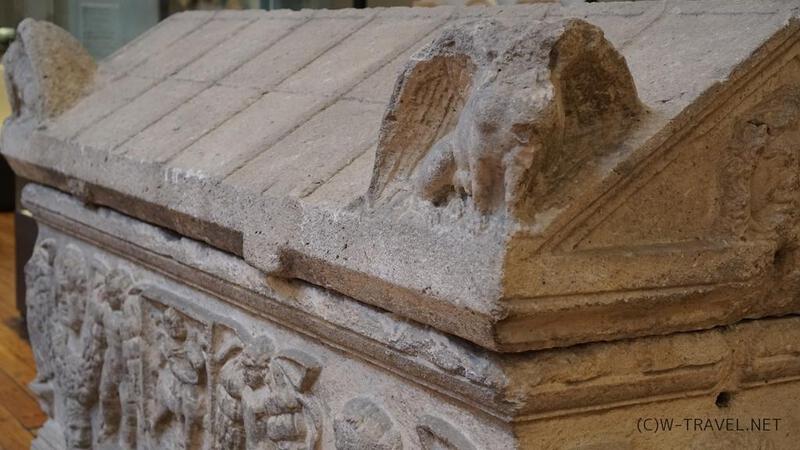
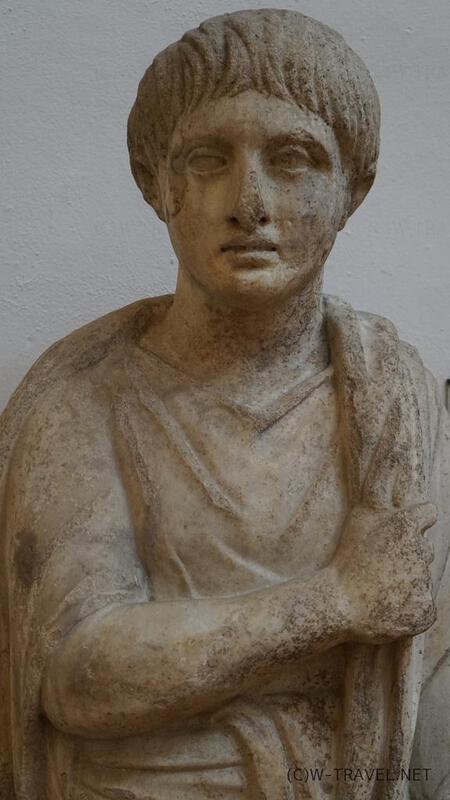
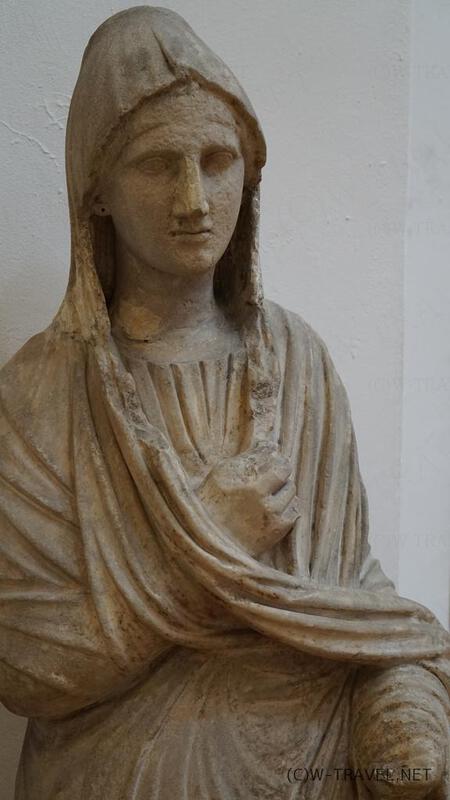
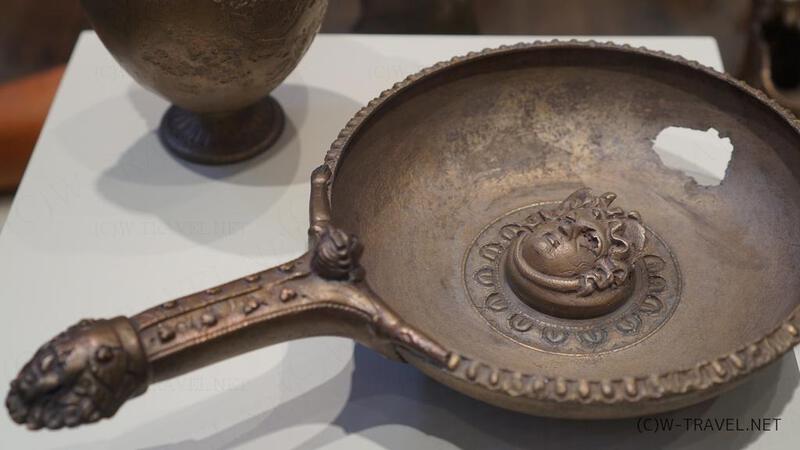
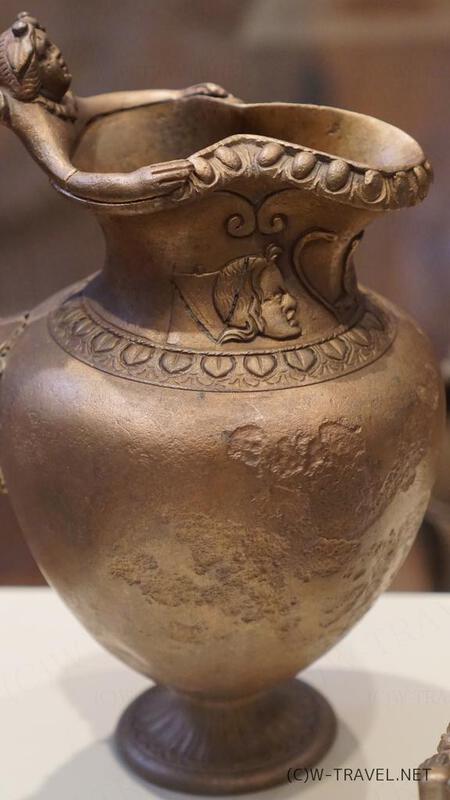
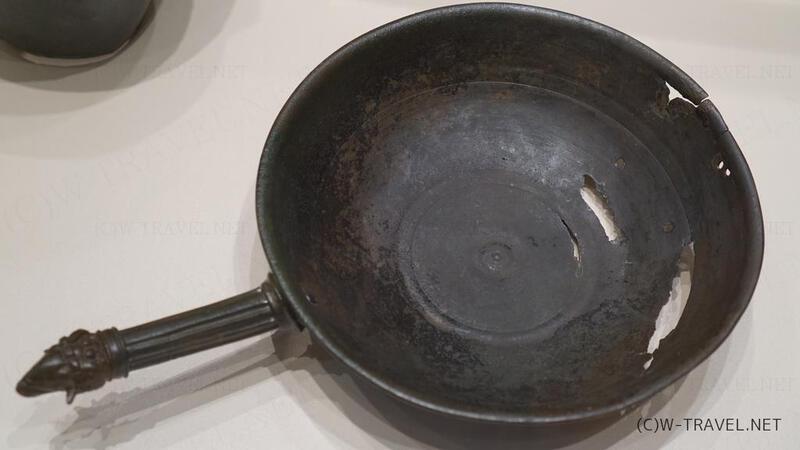
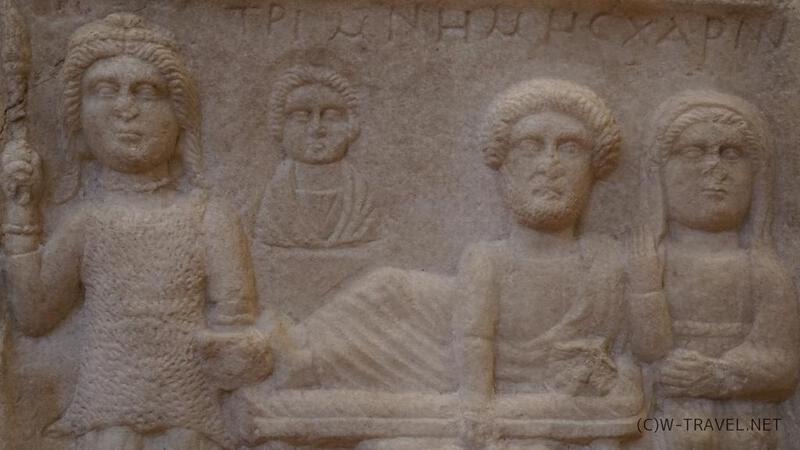
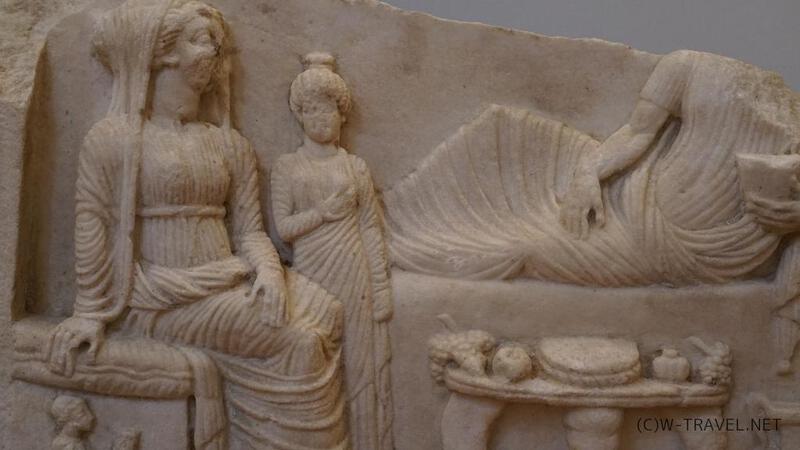
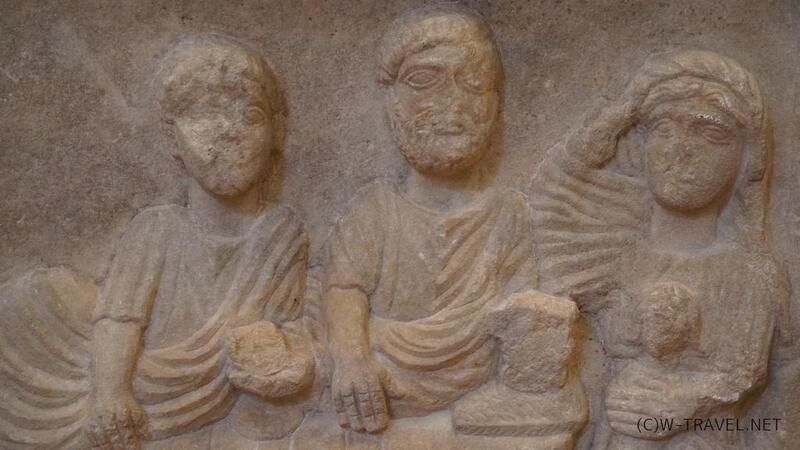
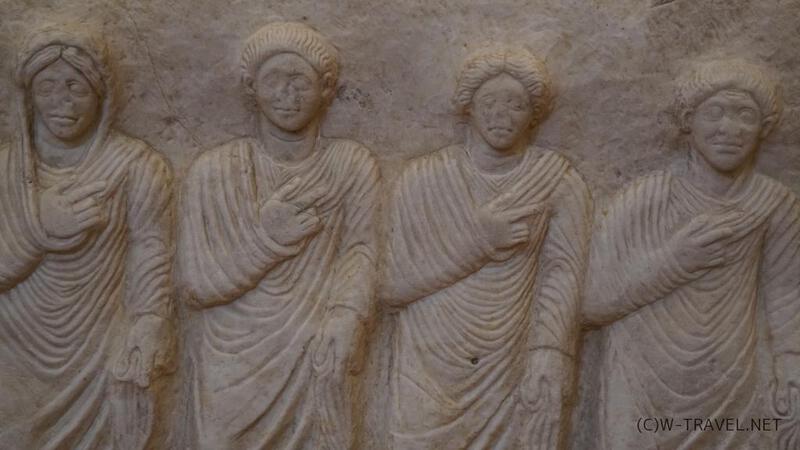
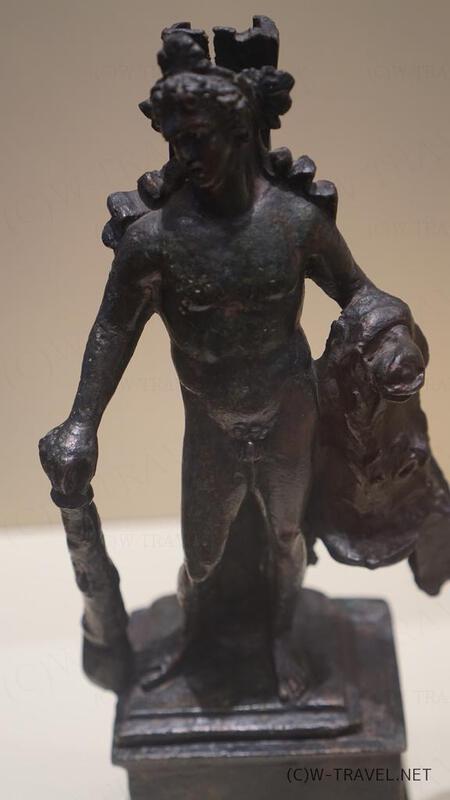
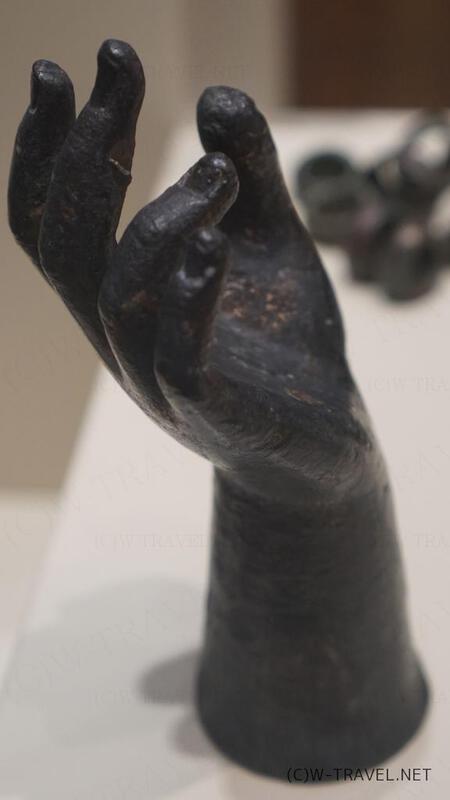
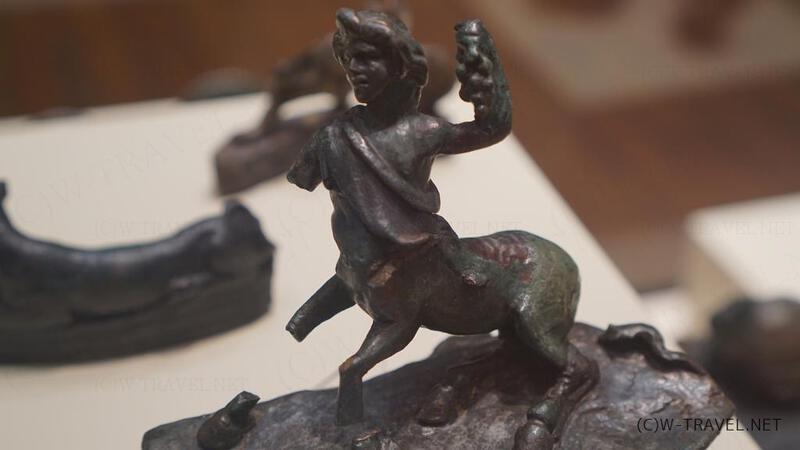
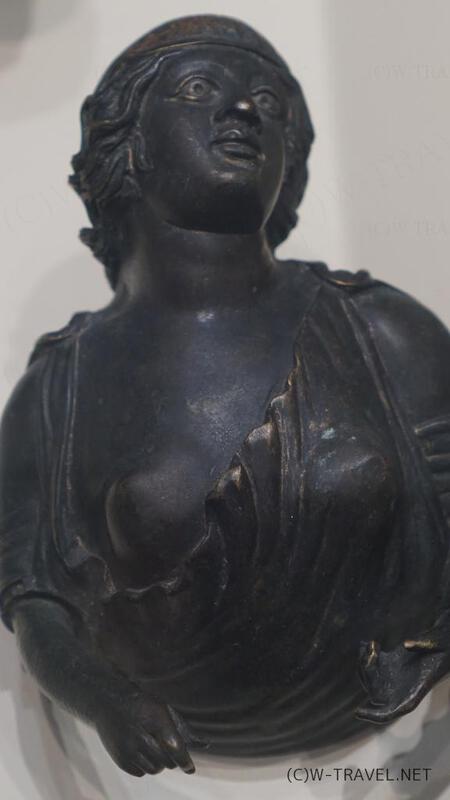
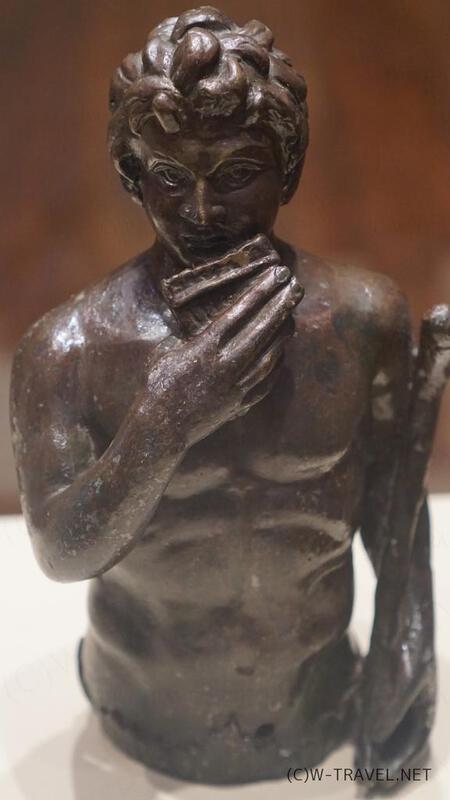
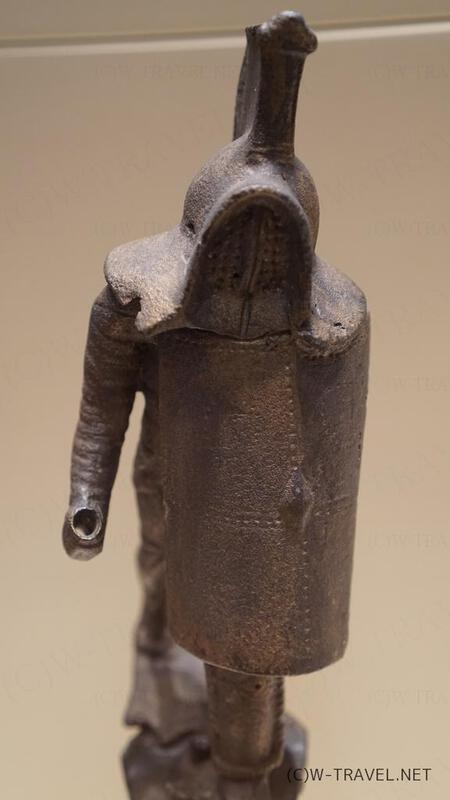
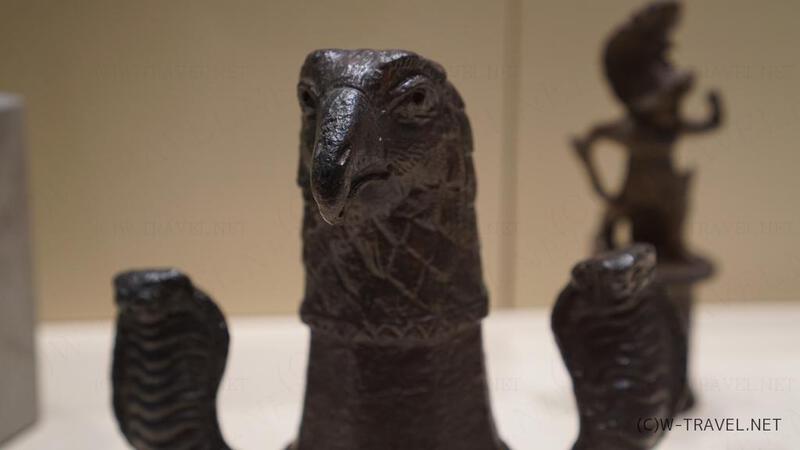
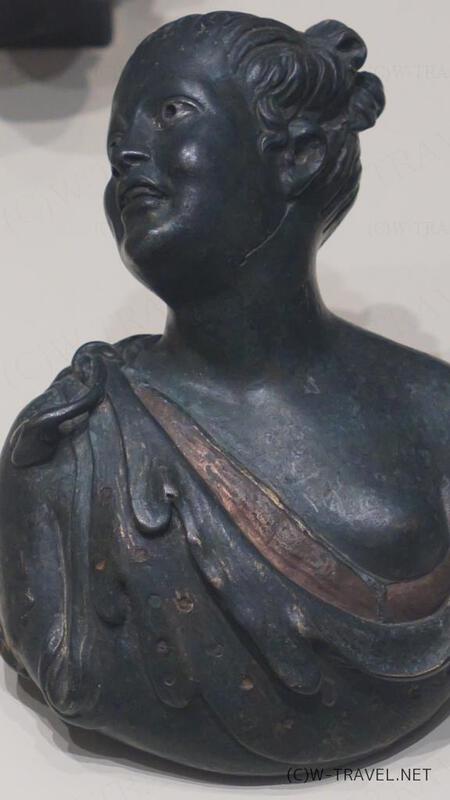
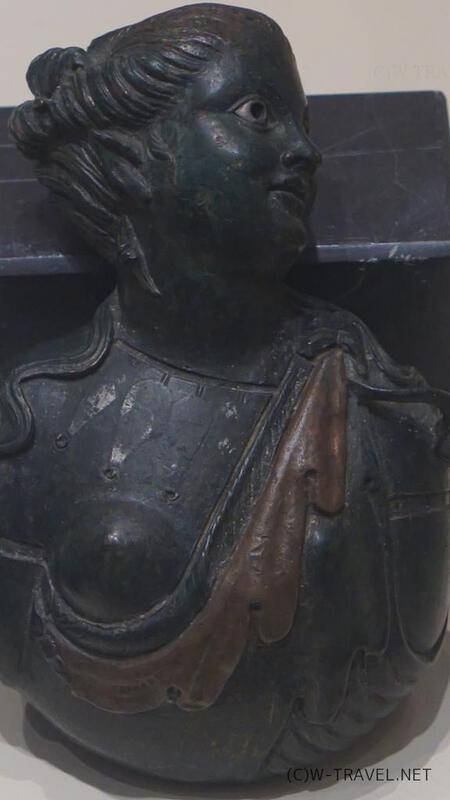
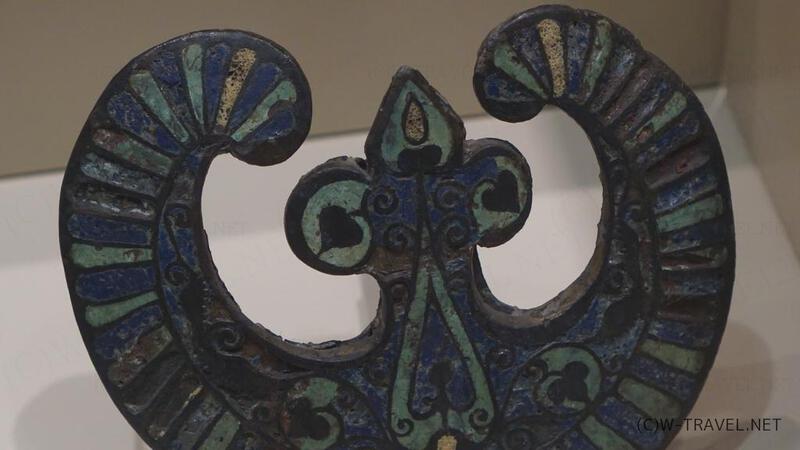
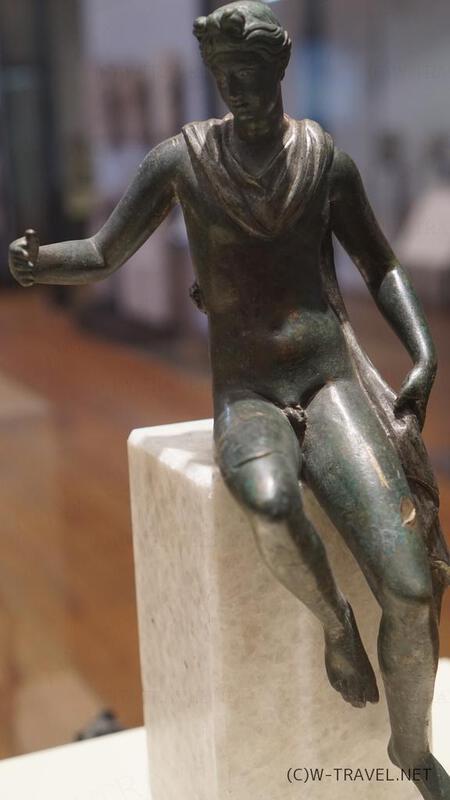
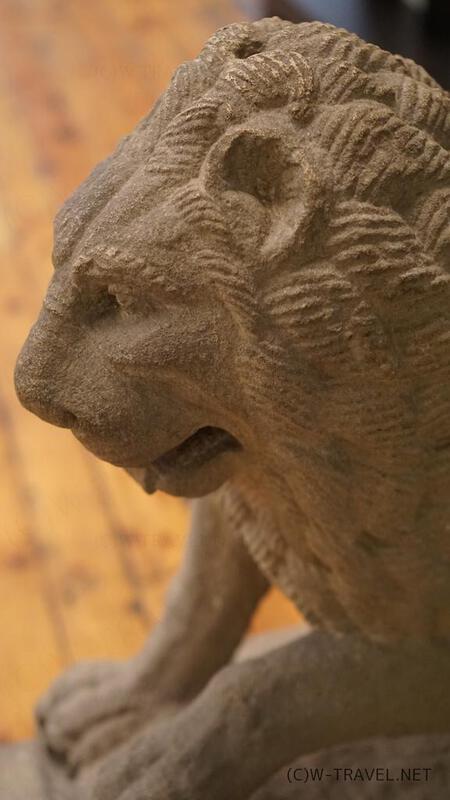
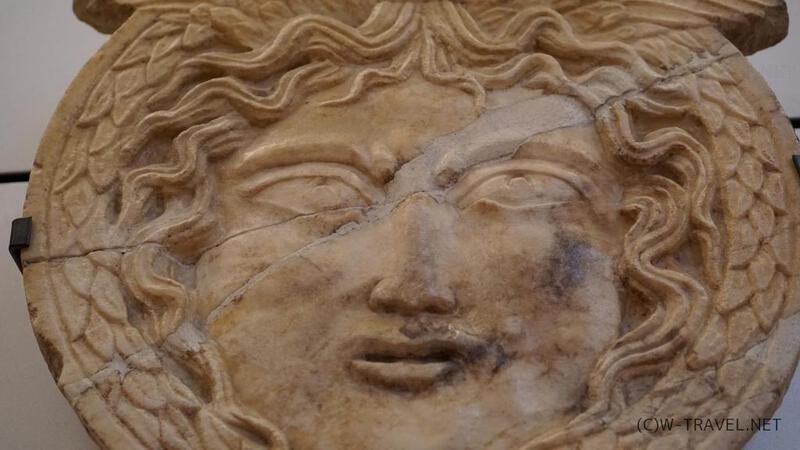
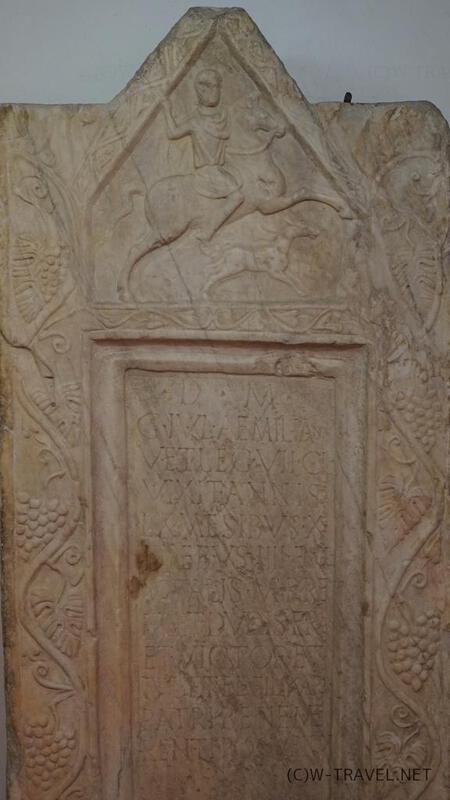
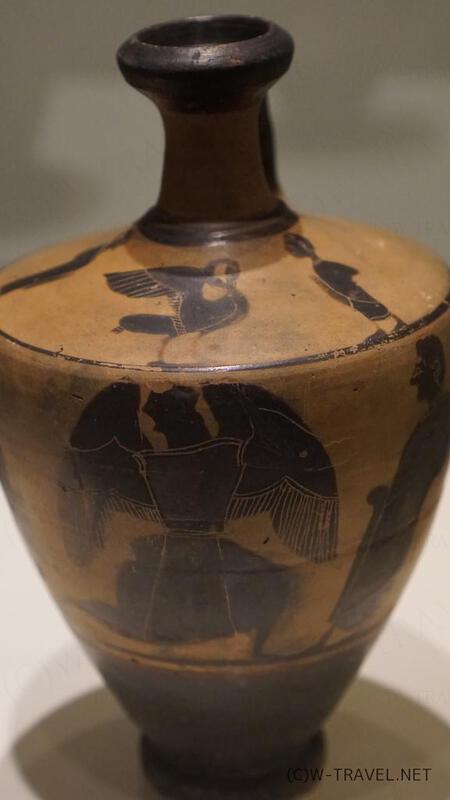
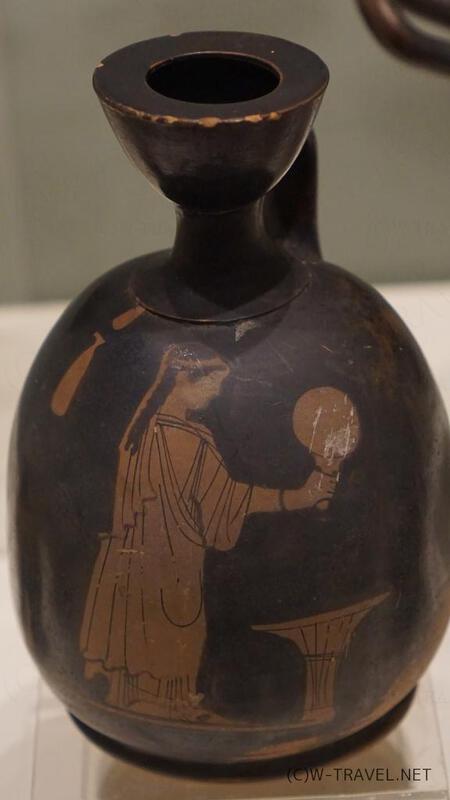
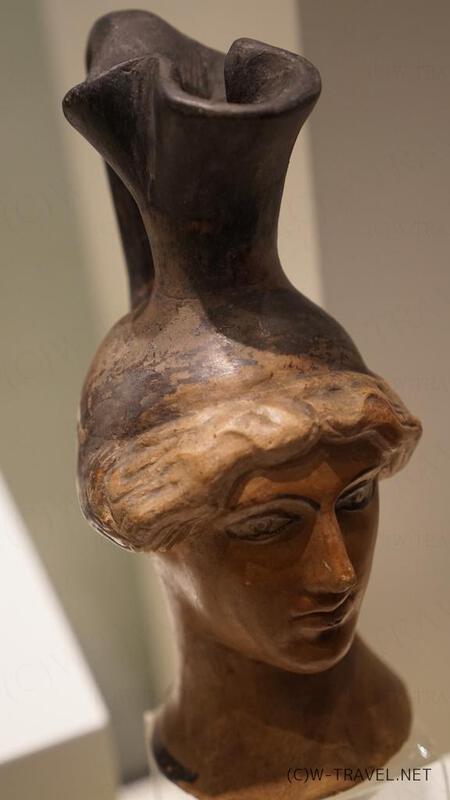
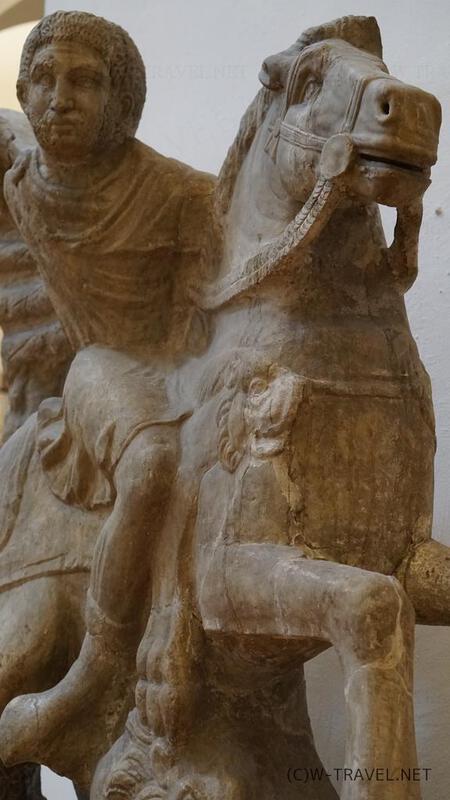
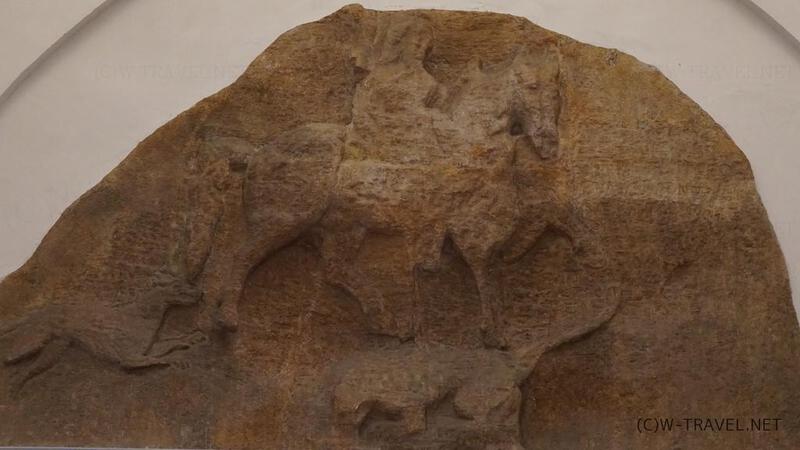
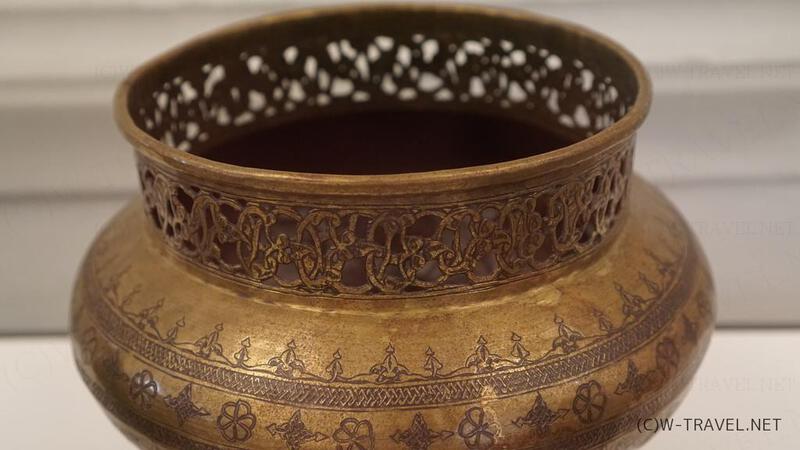
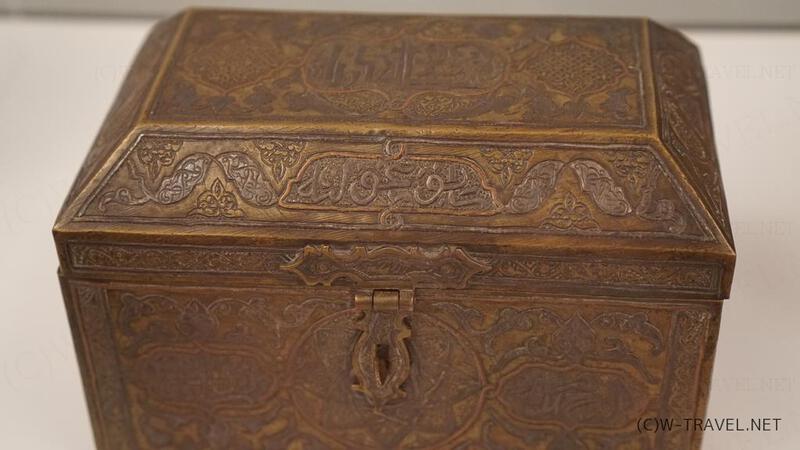
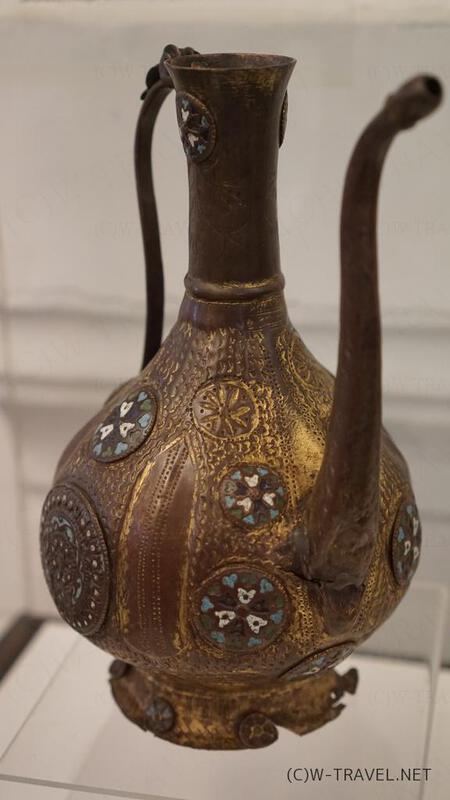
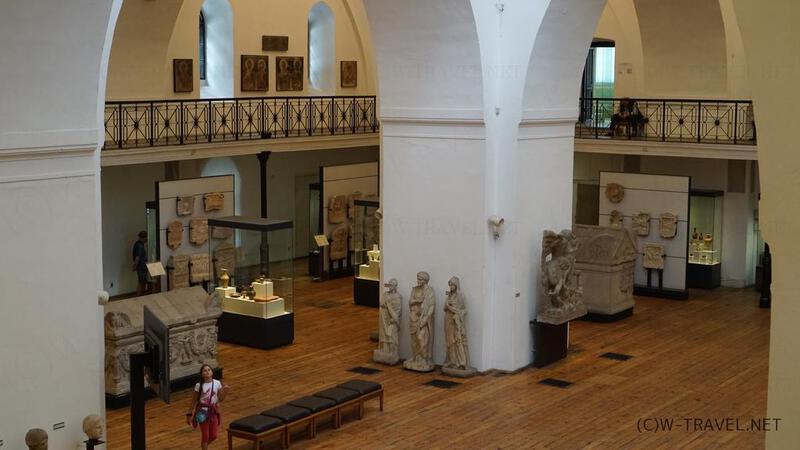
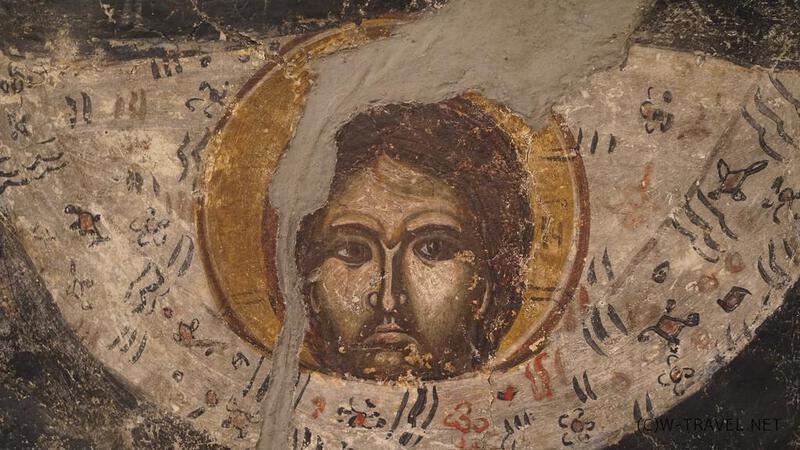
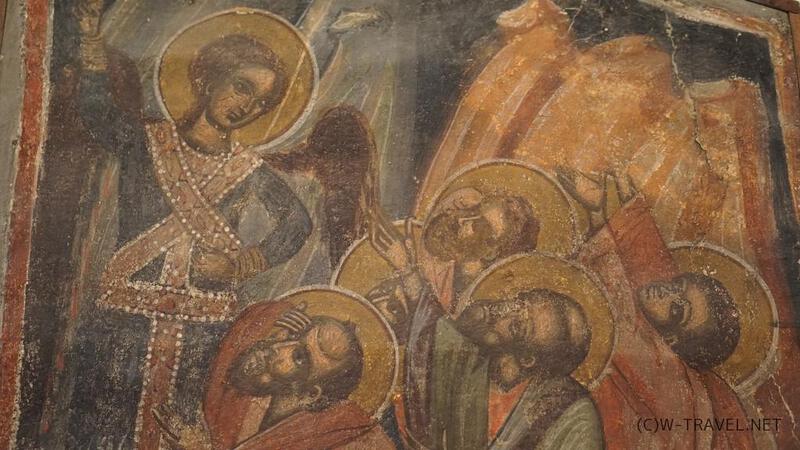
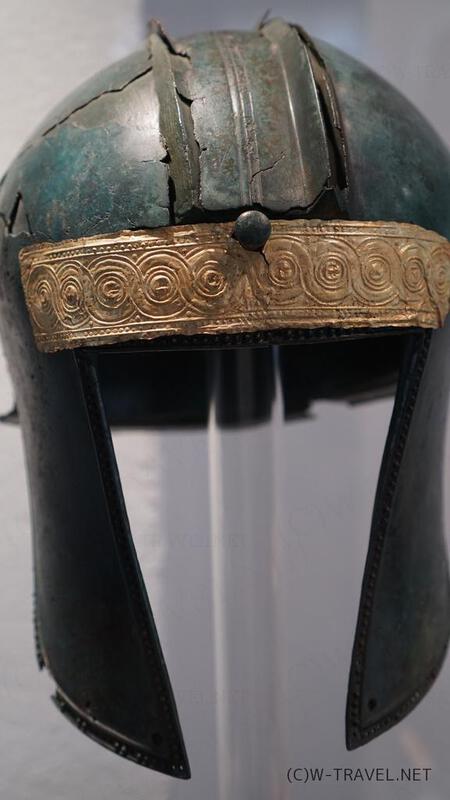
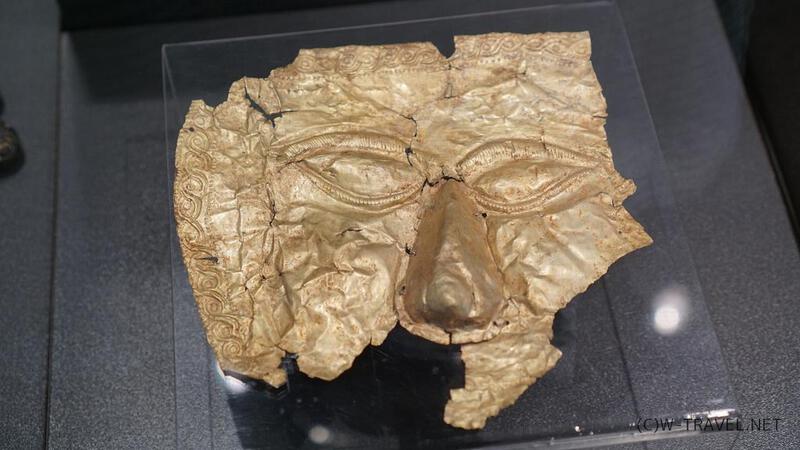
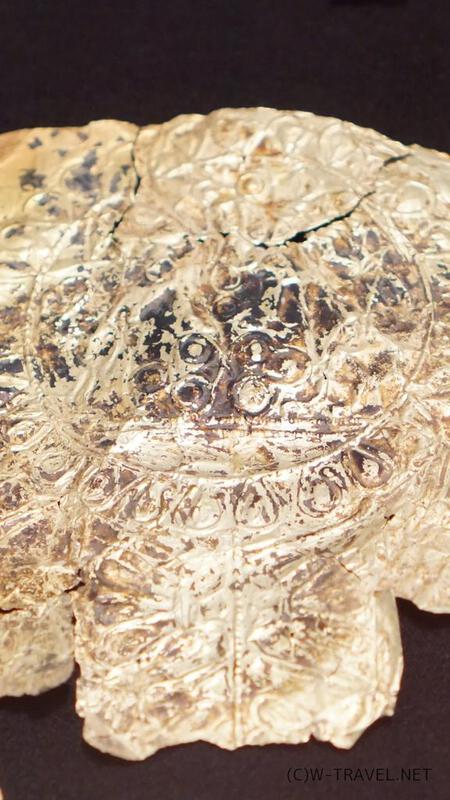
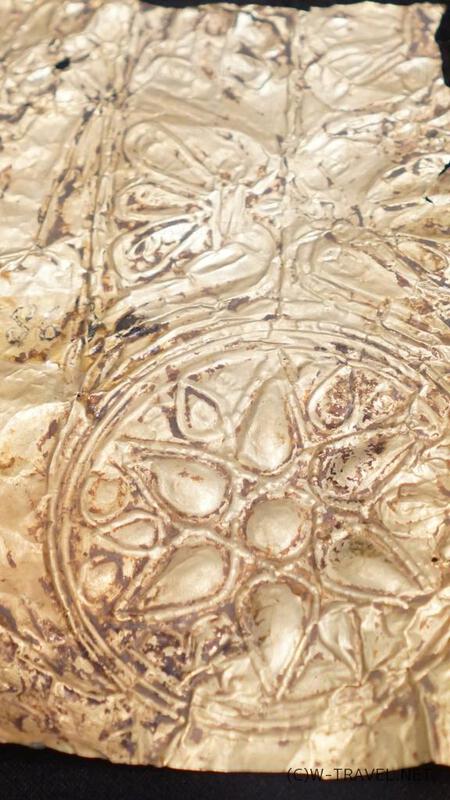
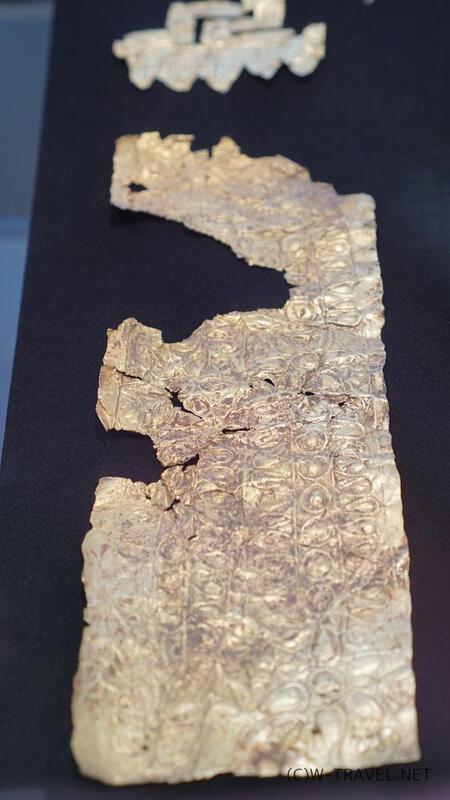
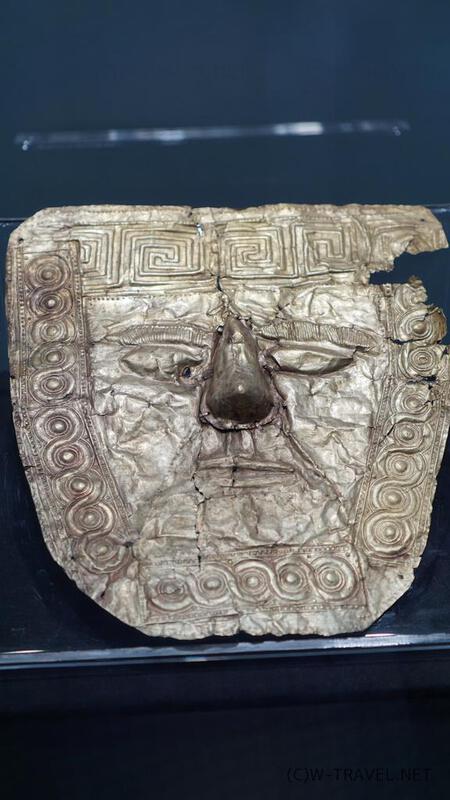
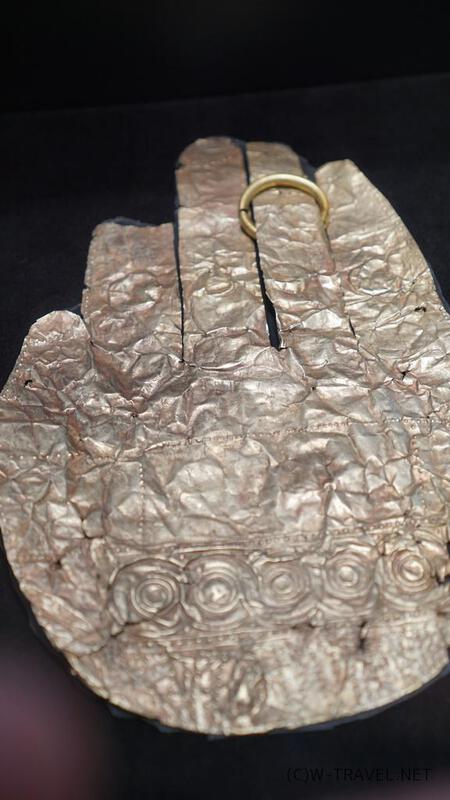
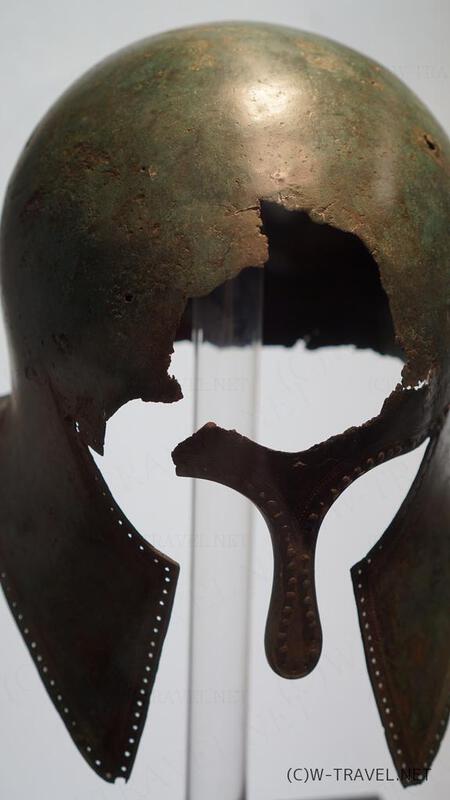
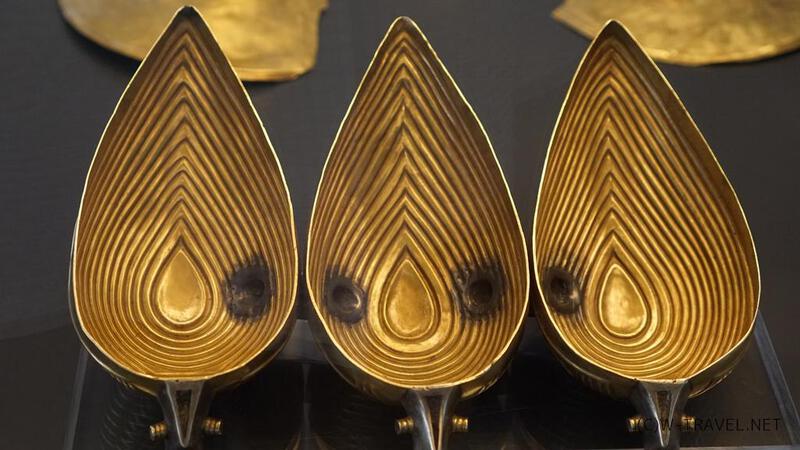
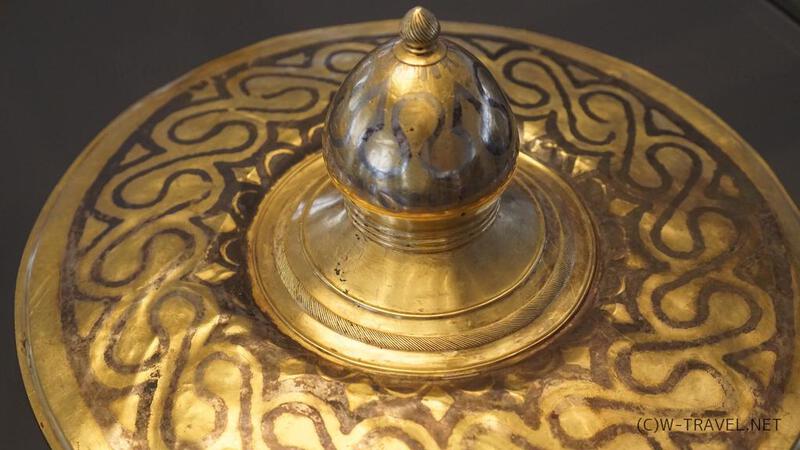
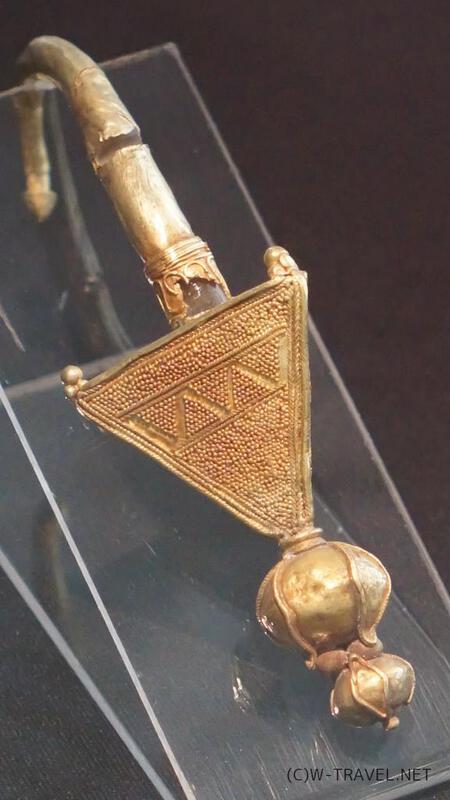
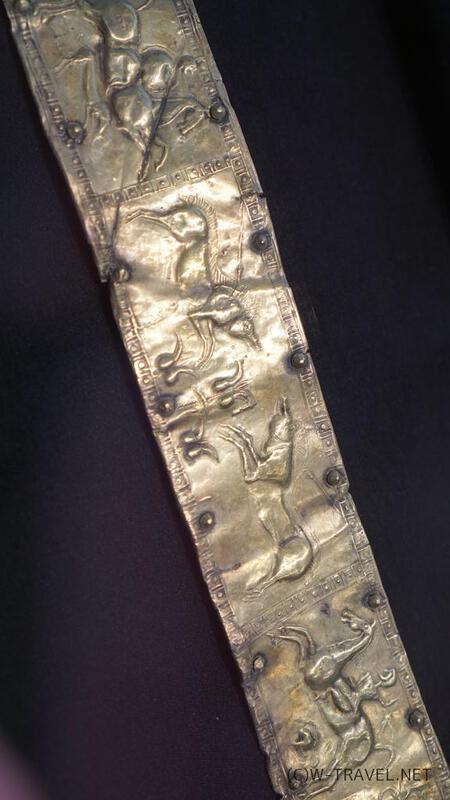
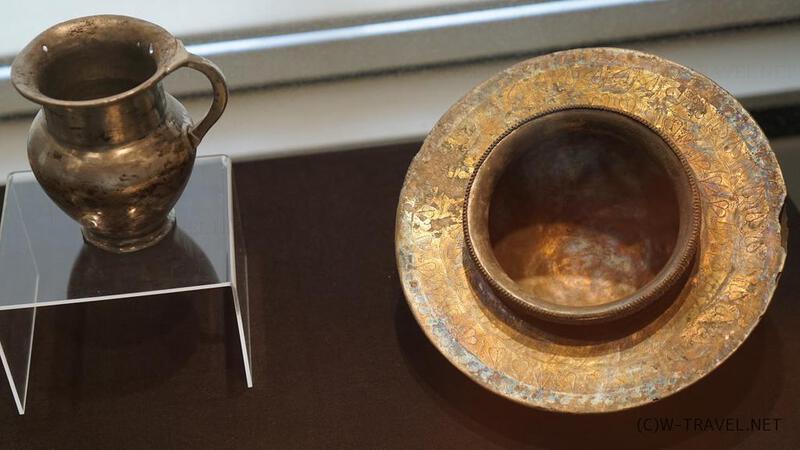
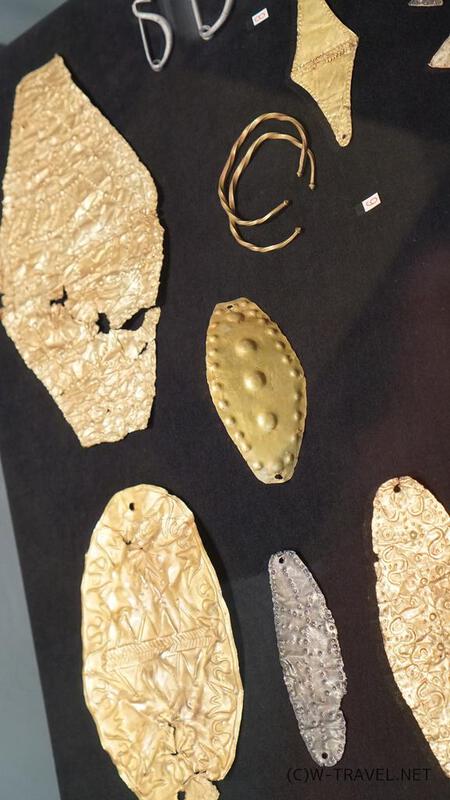
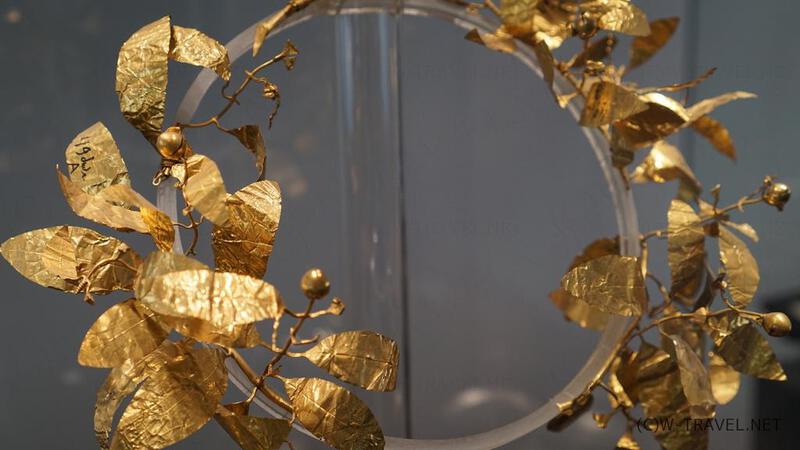
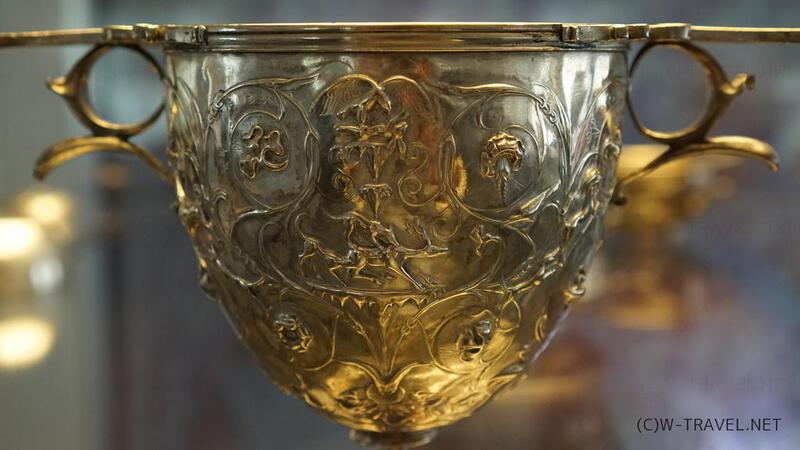
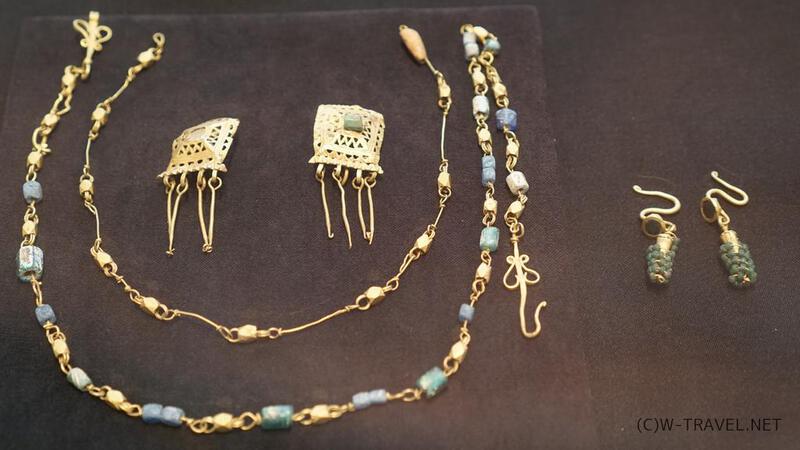
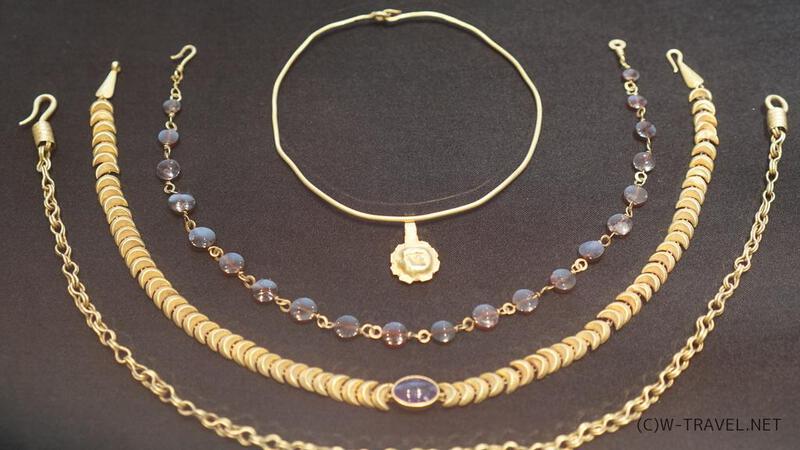
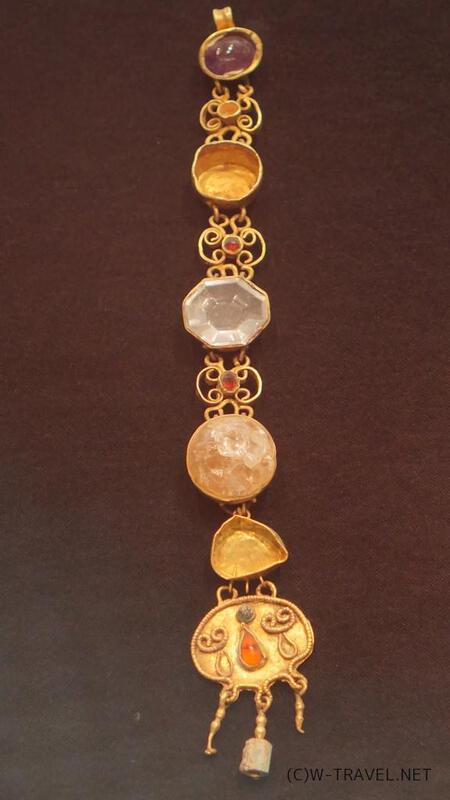
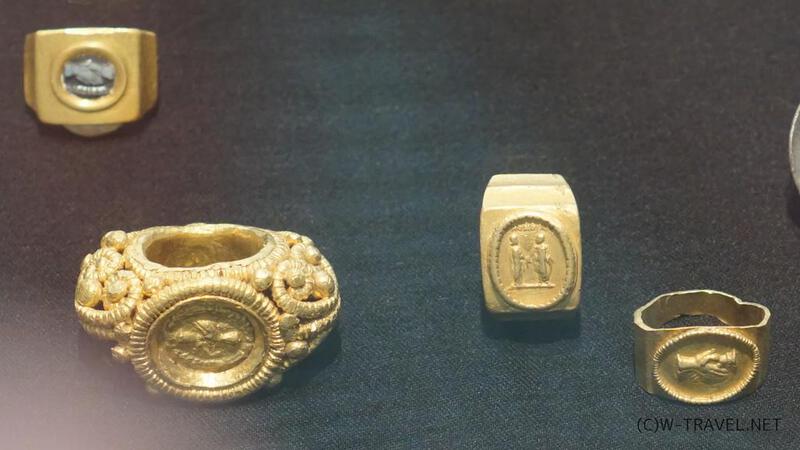
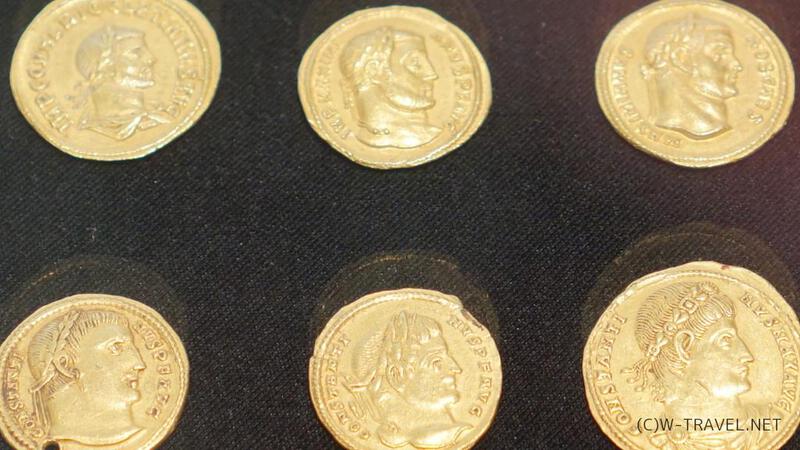
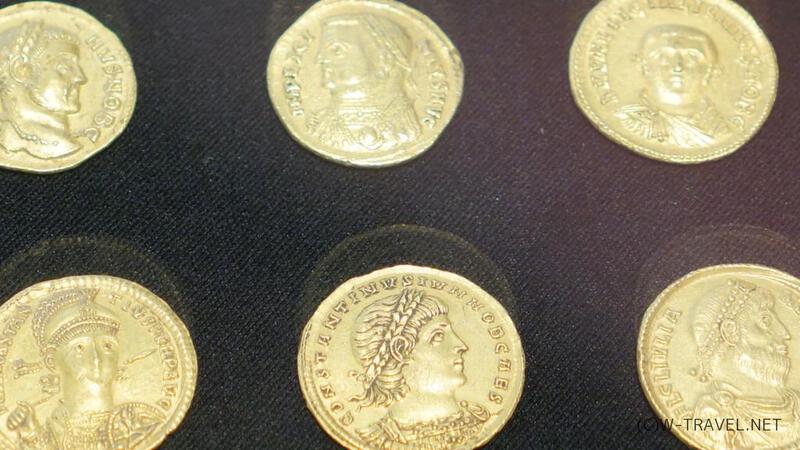
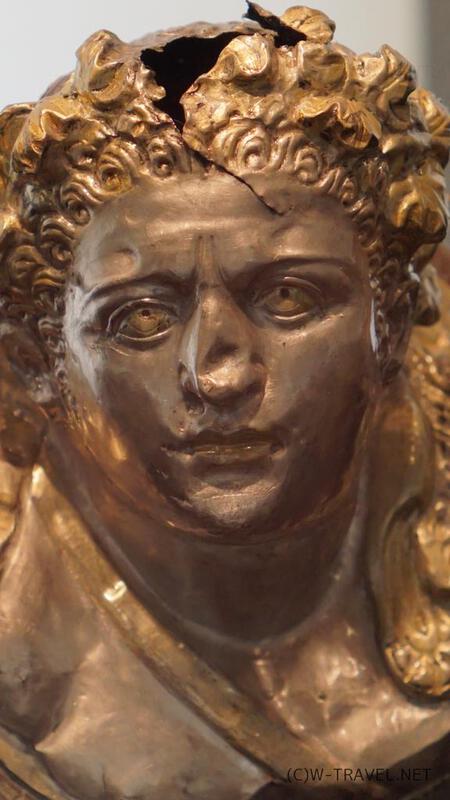
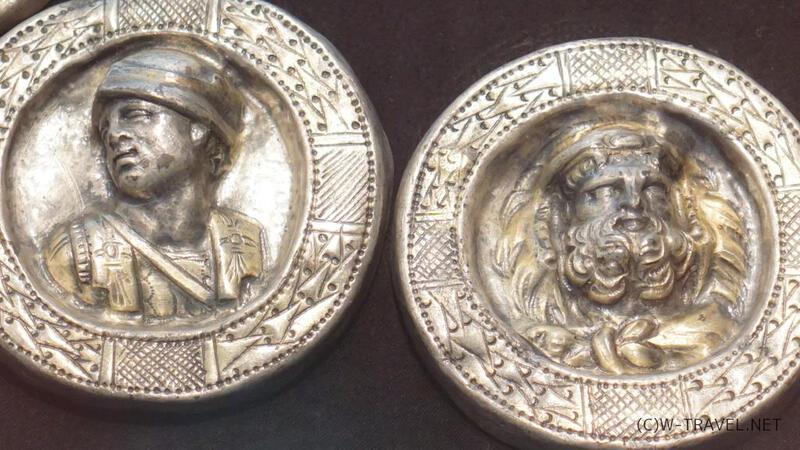
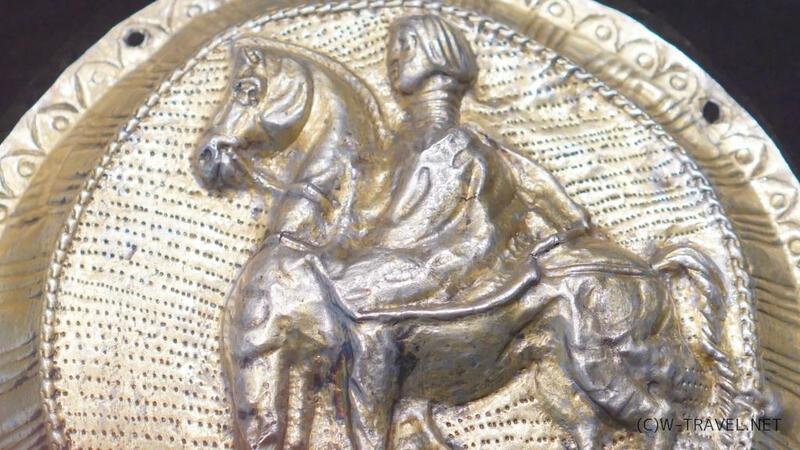
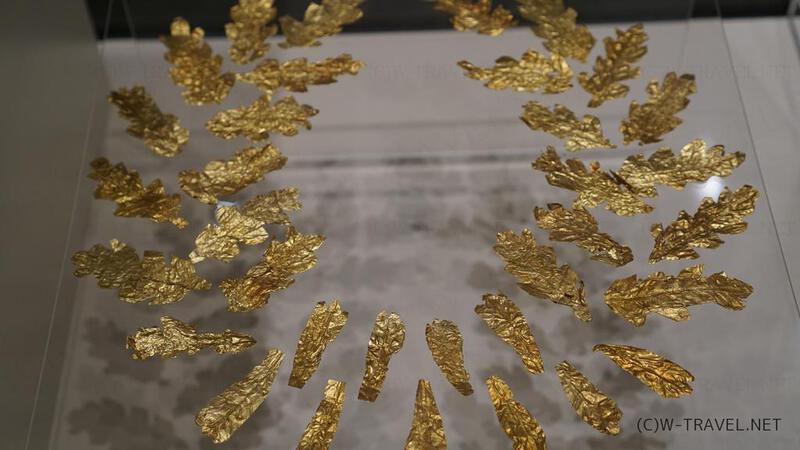
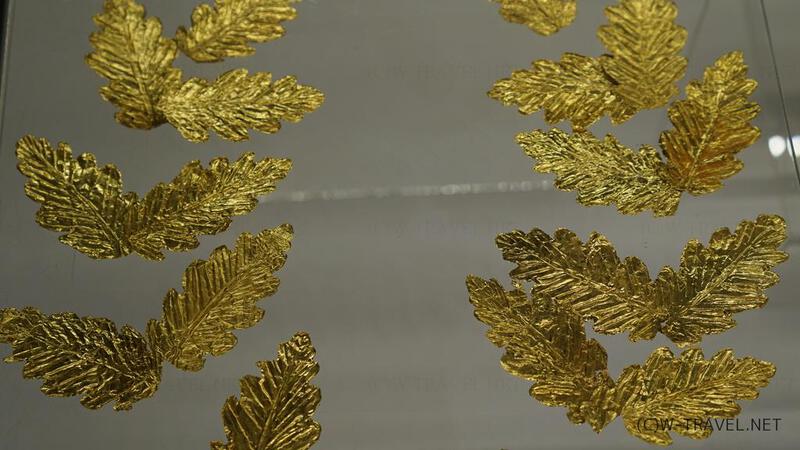
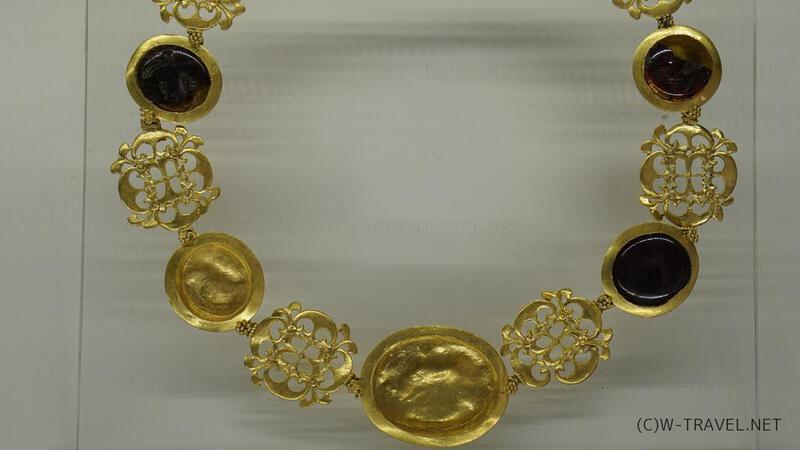
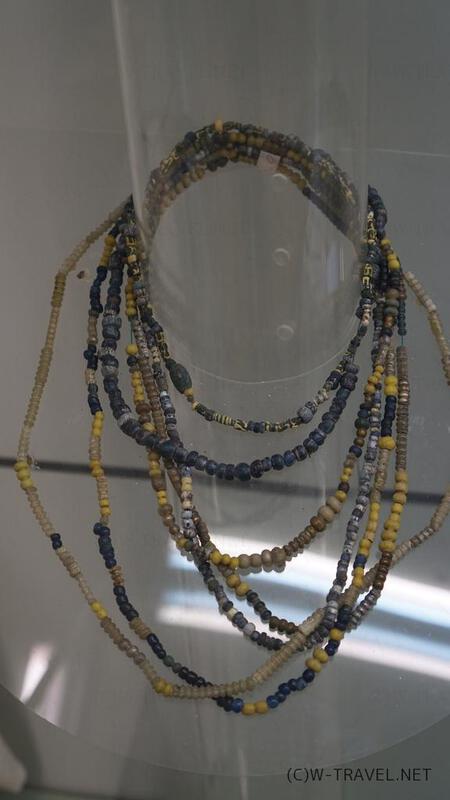
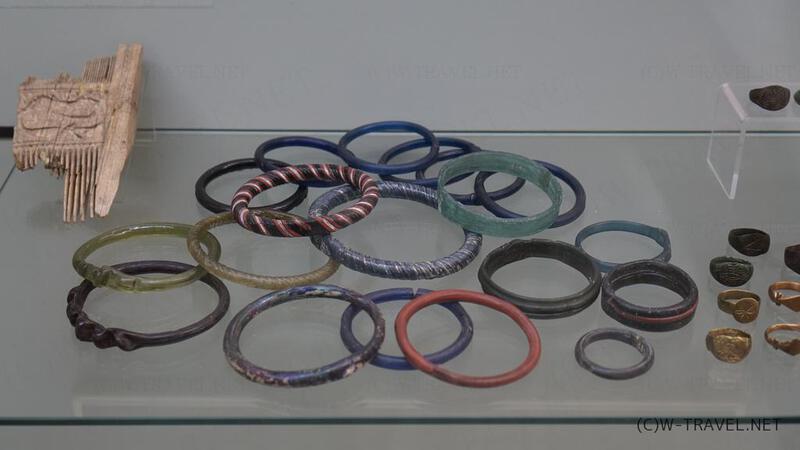
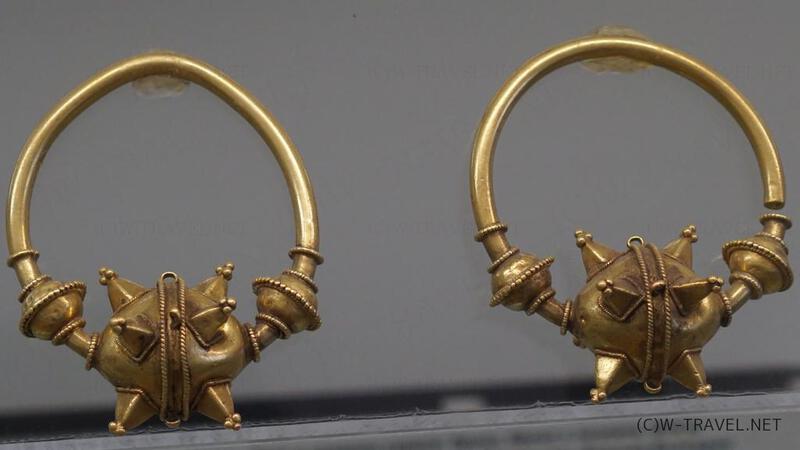
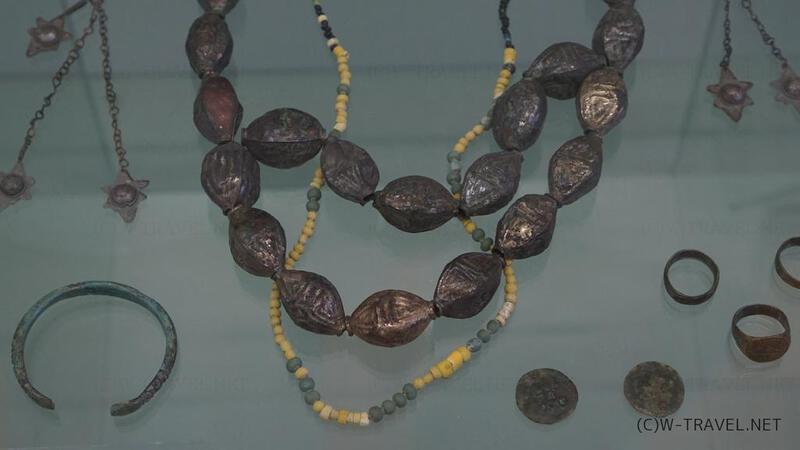
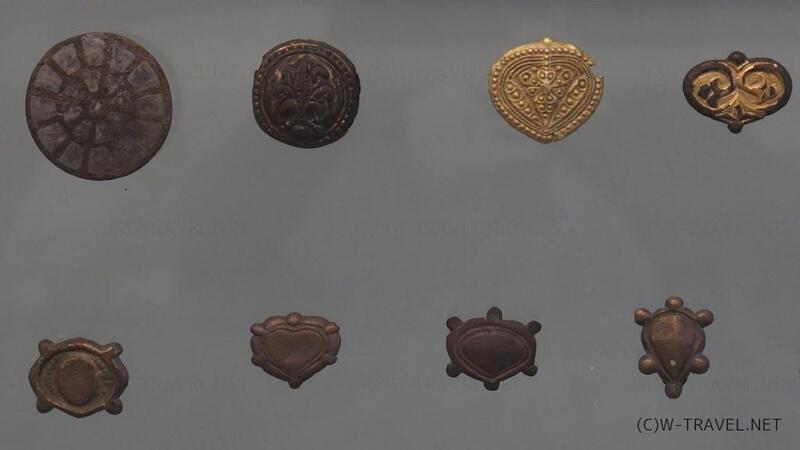
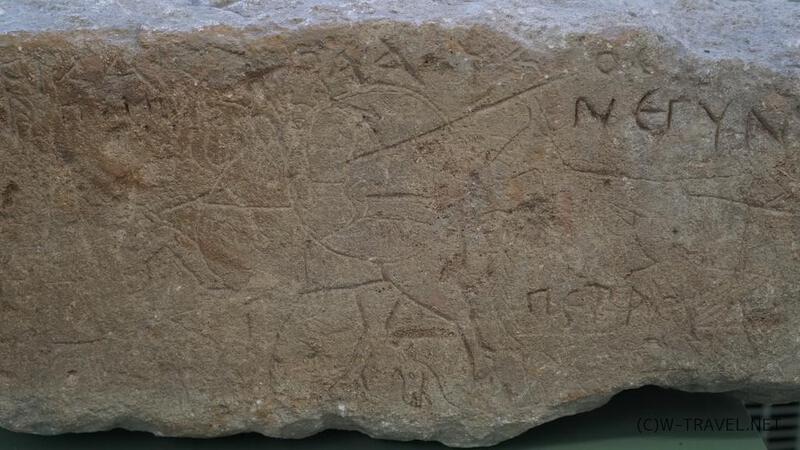
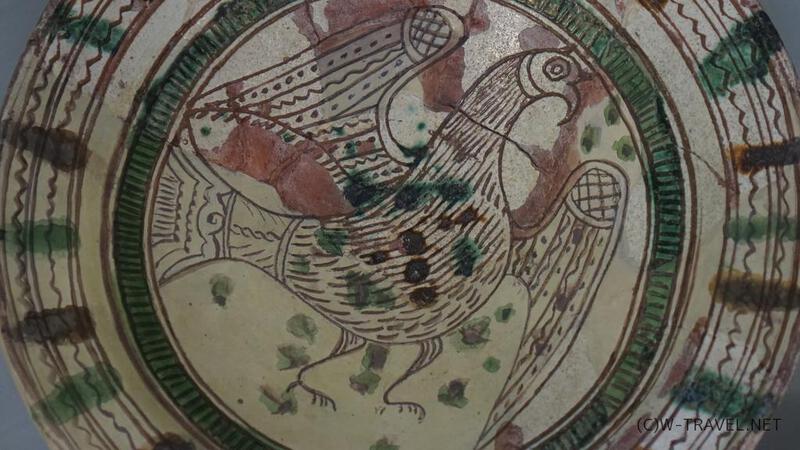
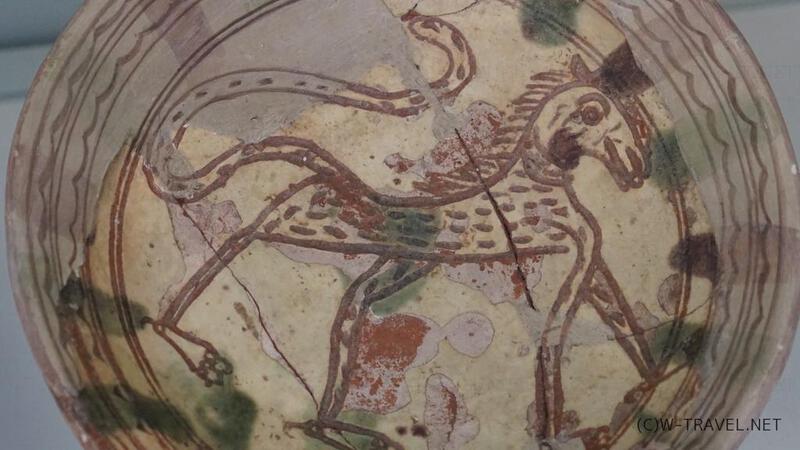
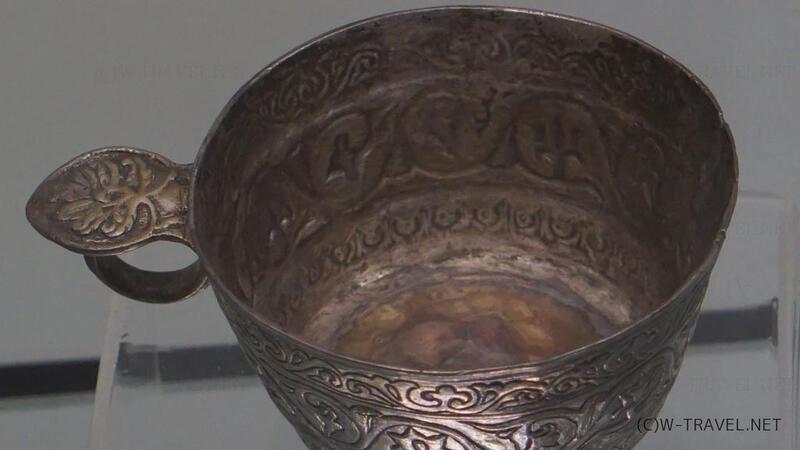
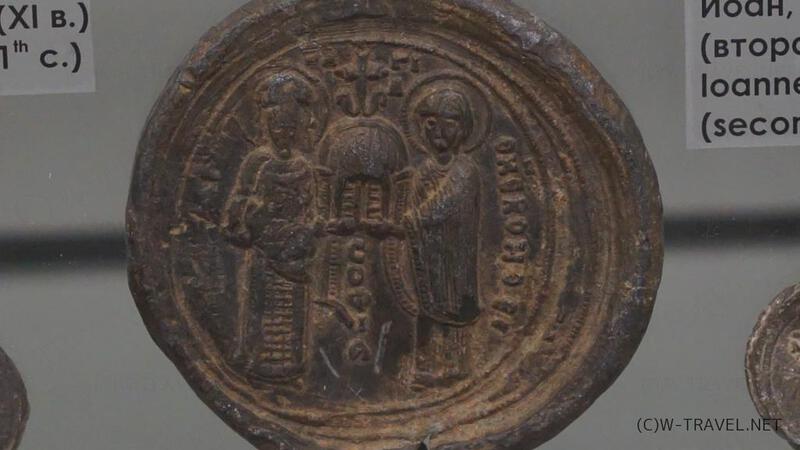
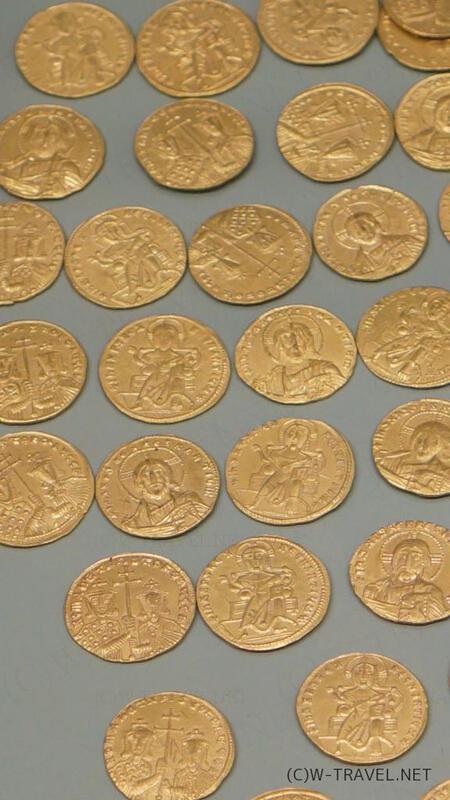
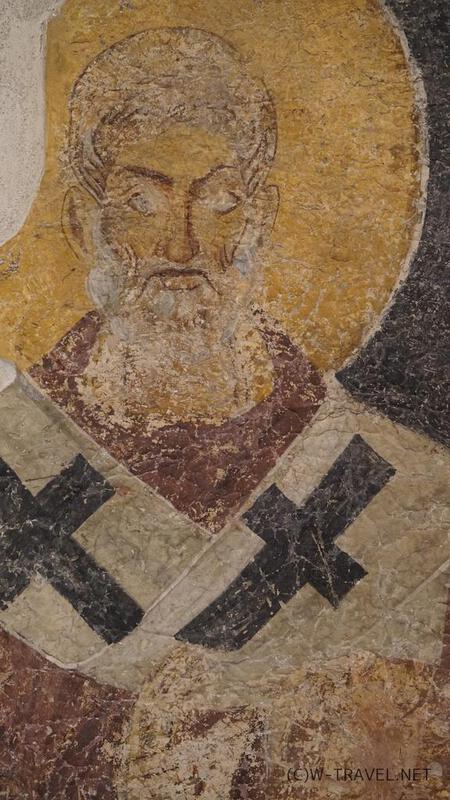
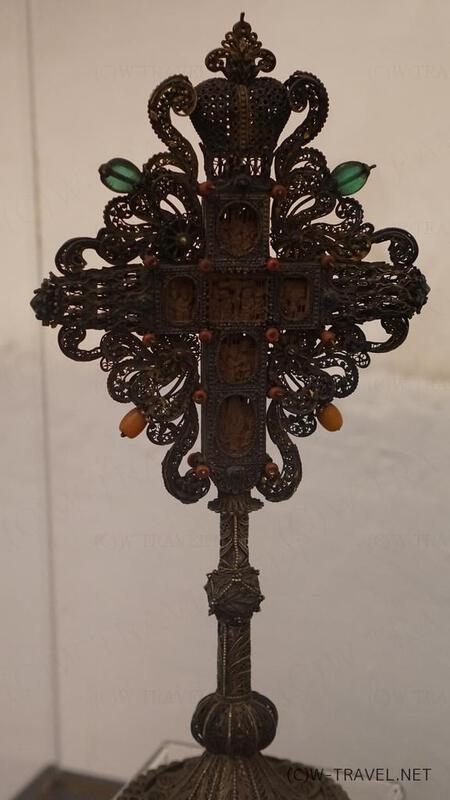
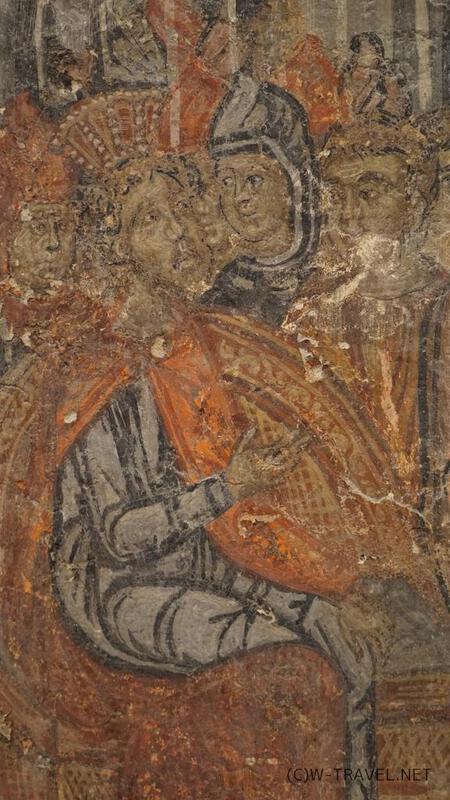
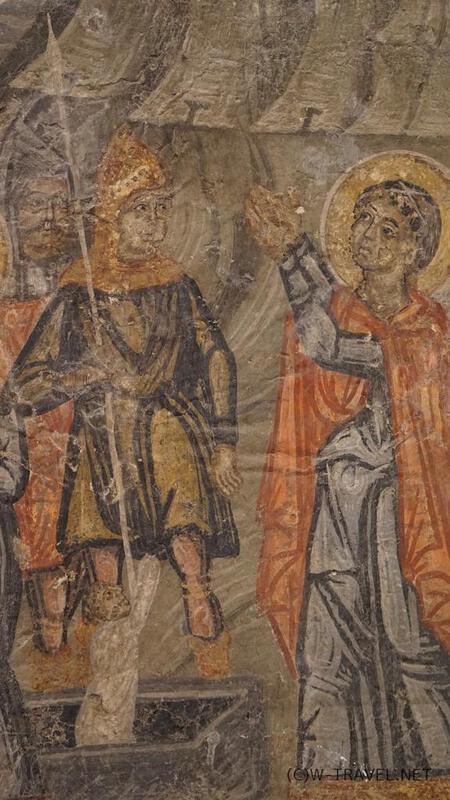
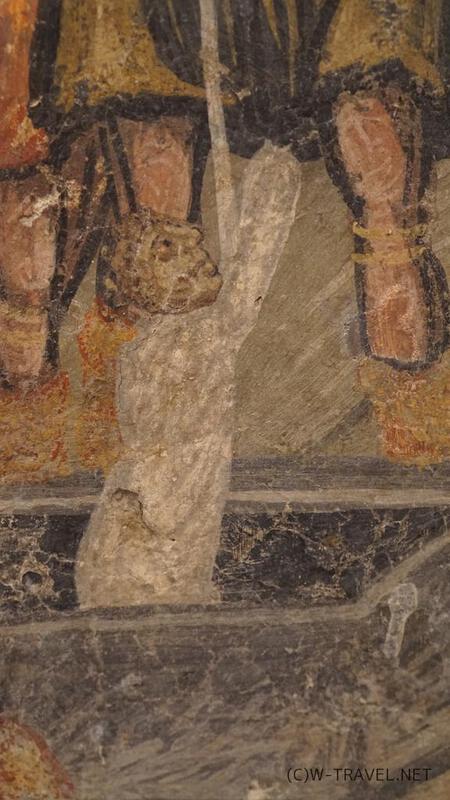
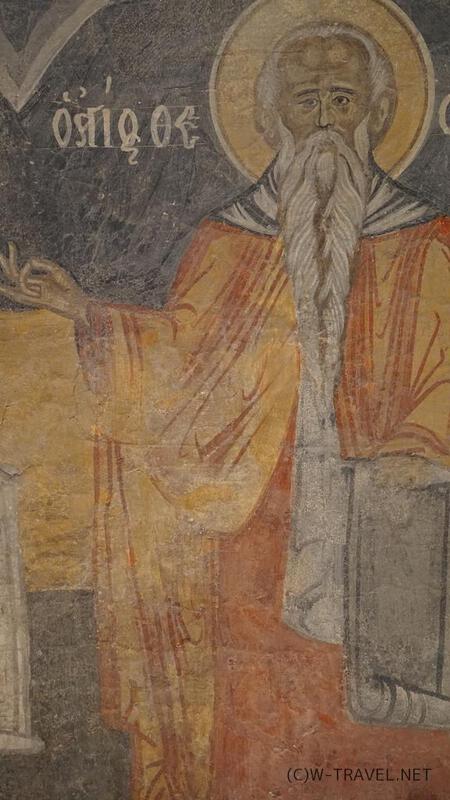
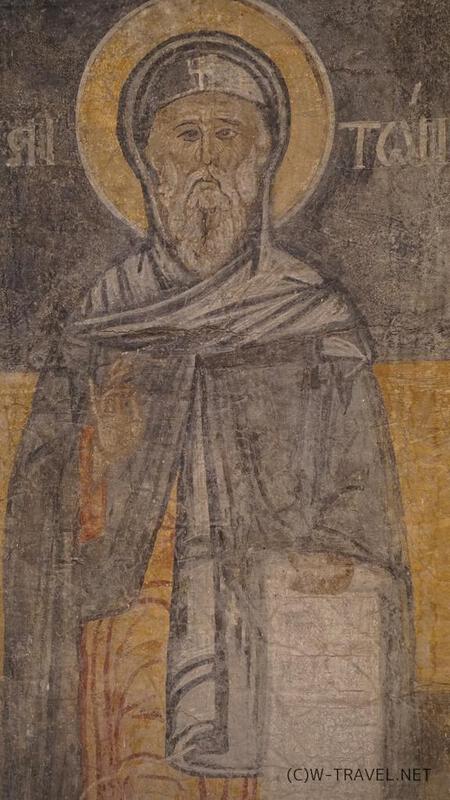
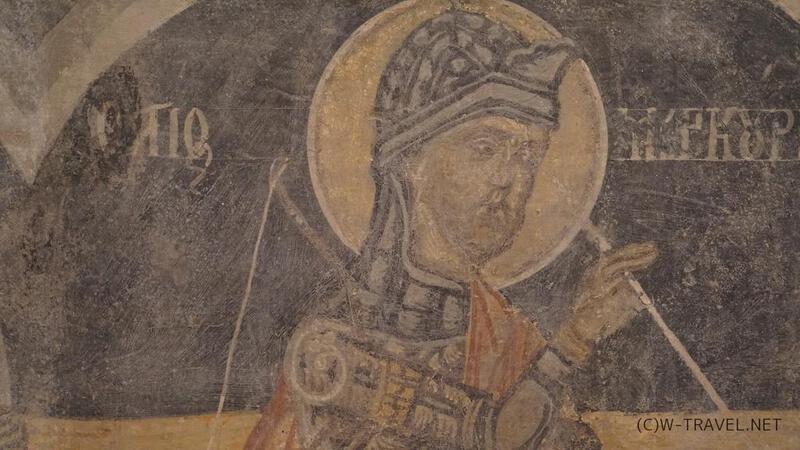
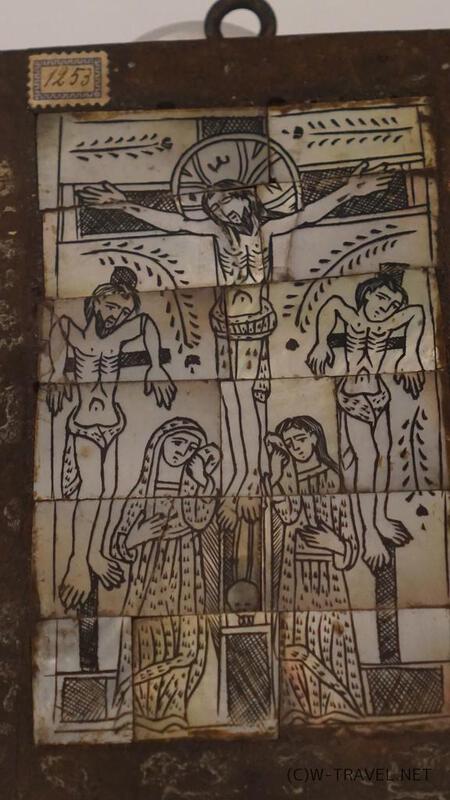
المتحف الوطني للآثار في بلغاريا (متحف تابع لمعهد الآثار التابع للأكاديمية البلغارية للعلوم، Archeological Museum).
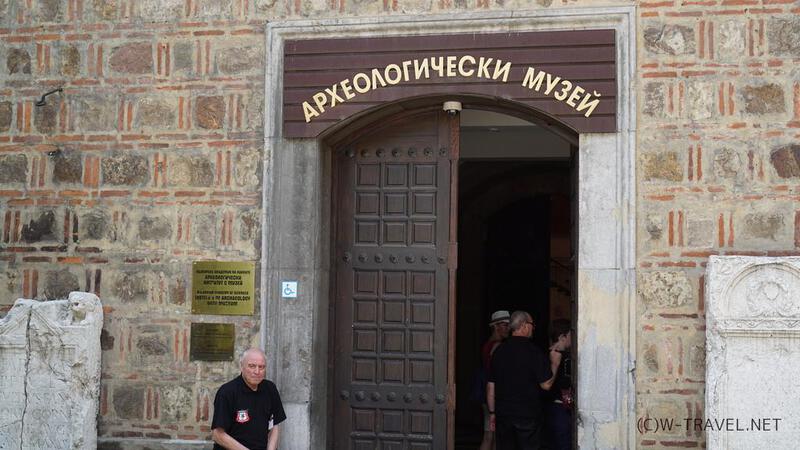
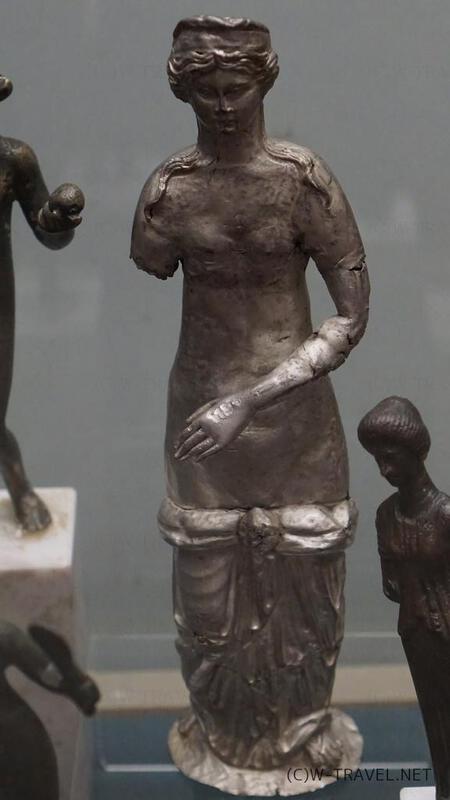
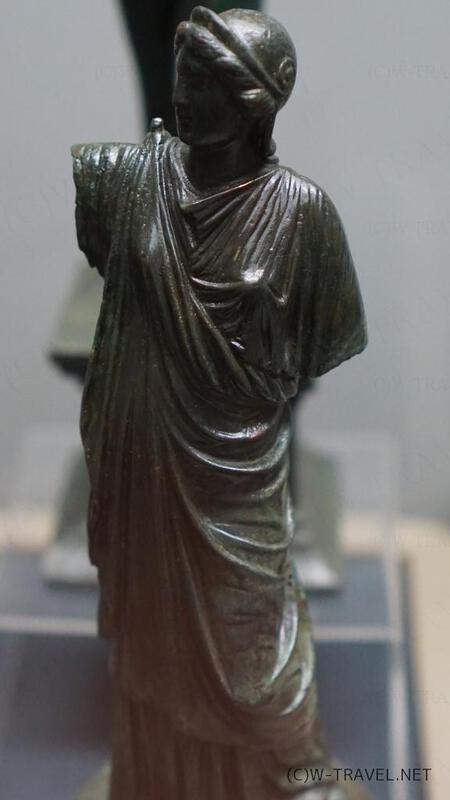
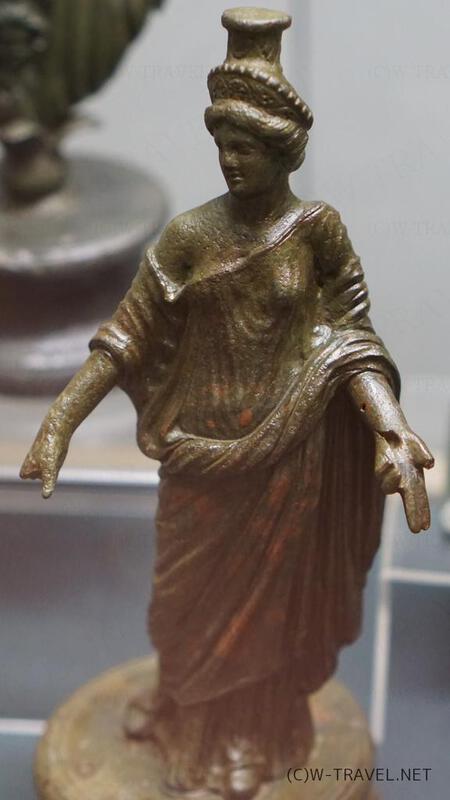
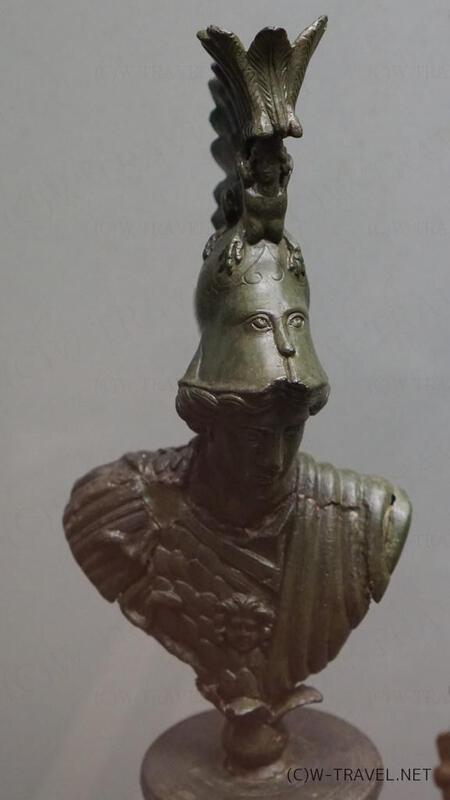
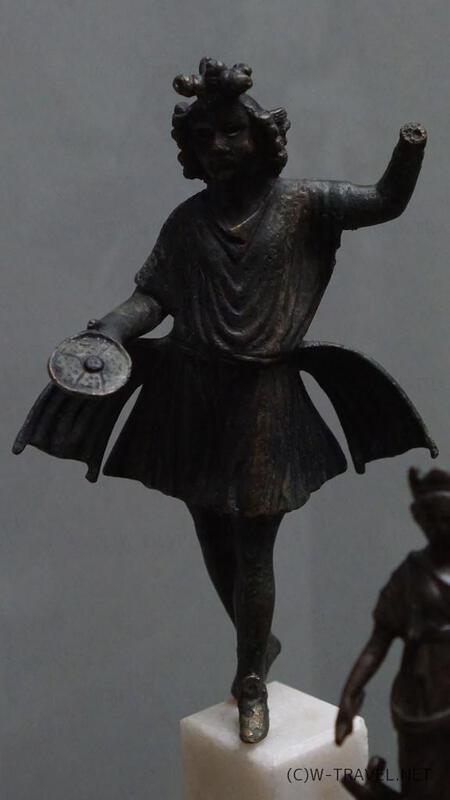
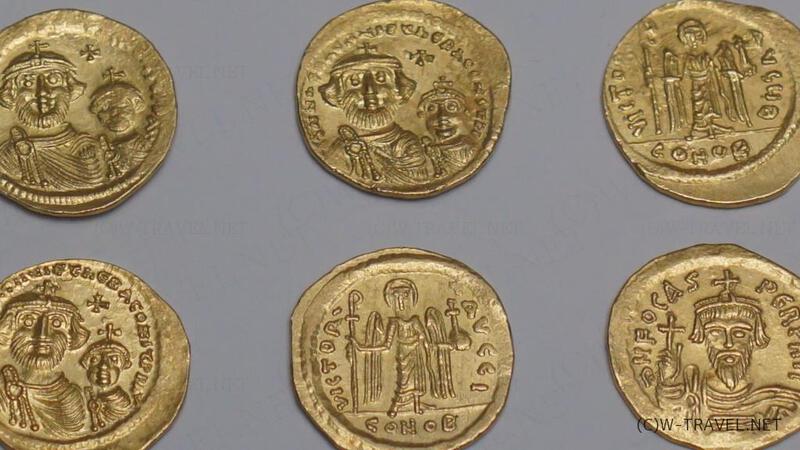
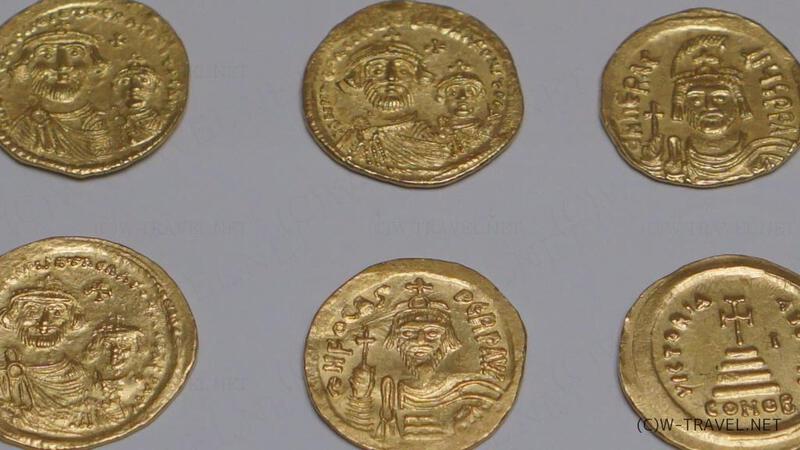
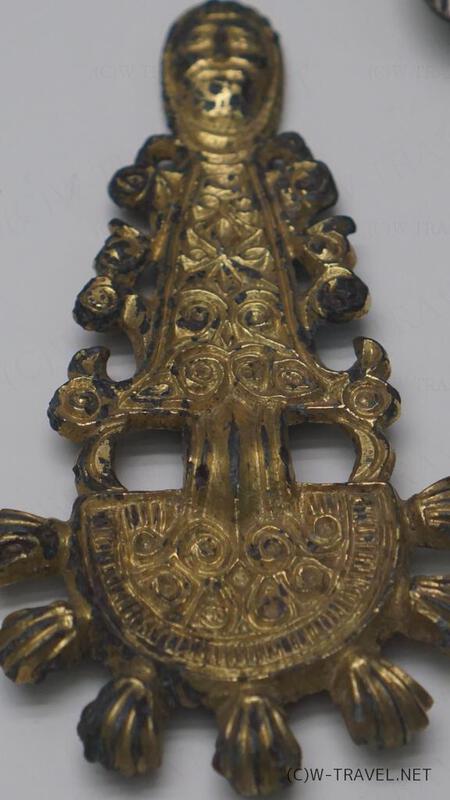
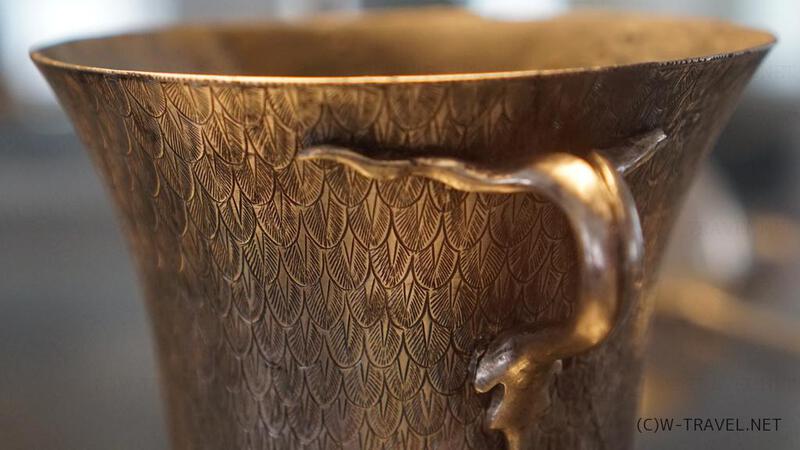
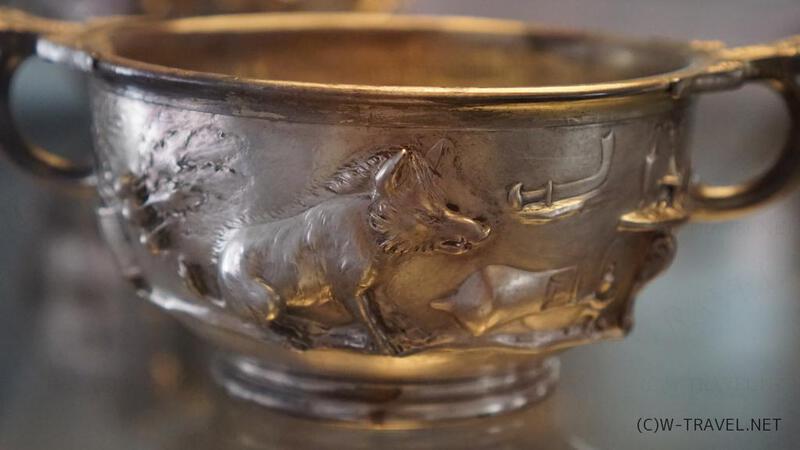
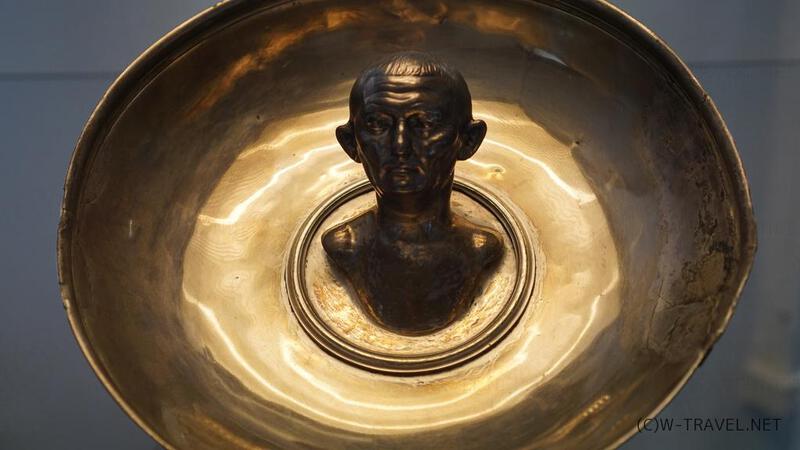
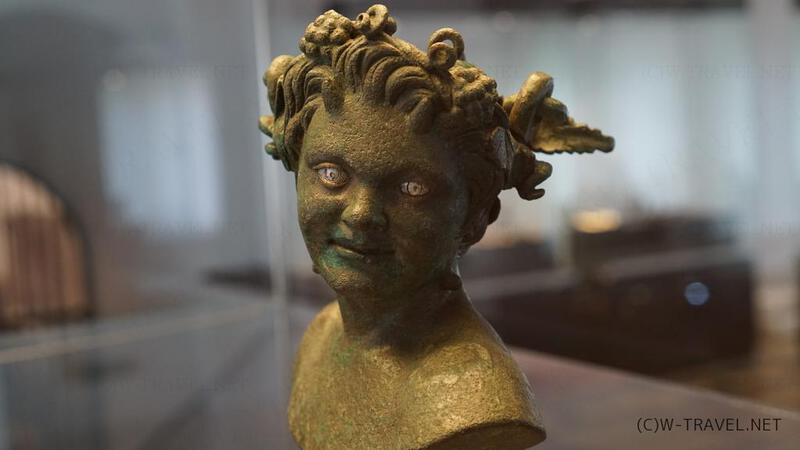
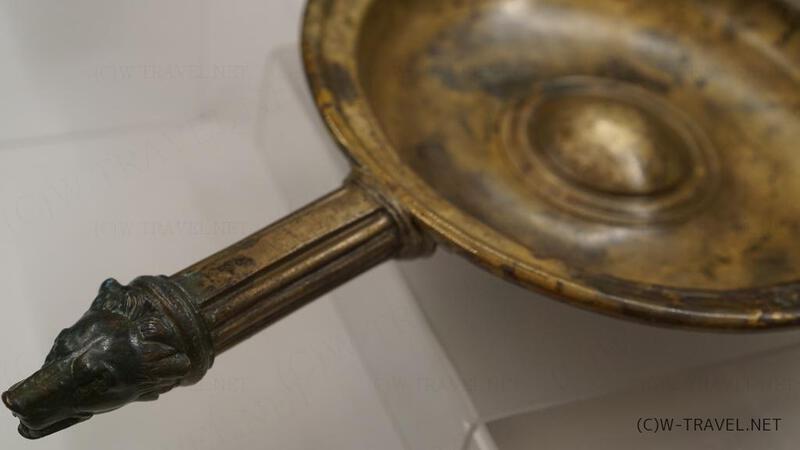
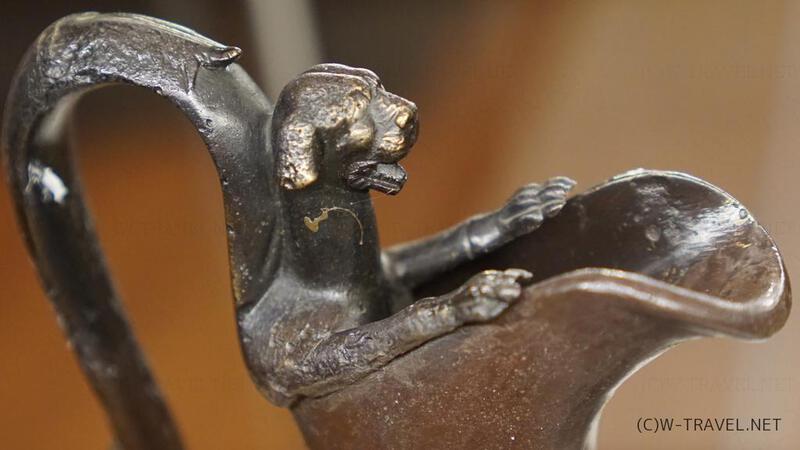
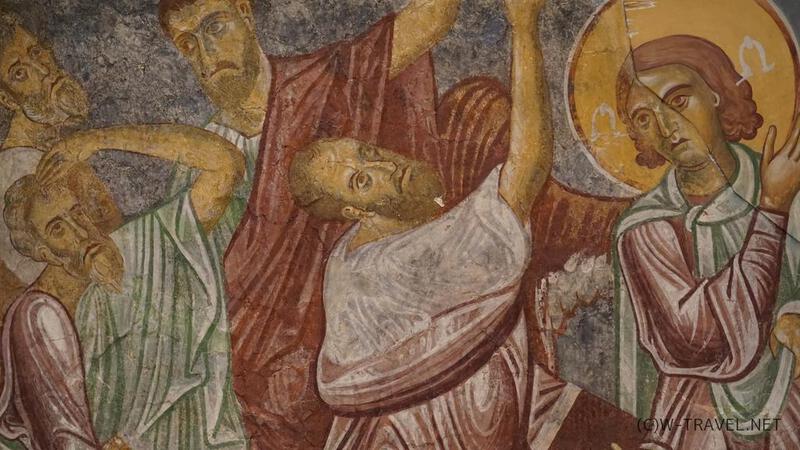
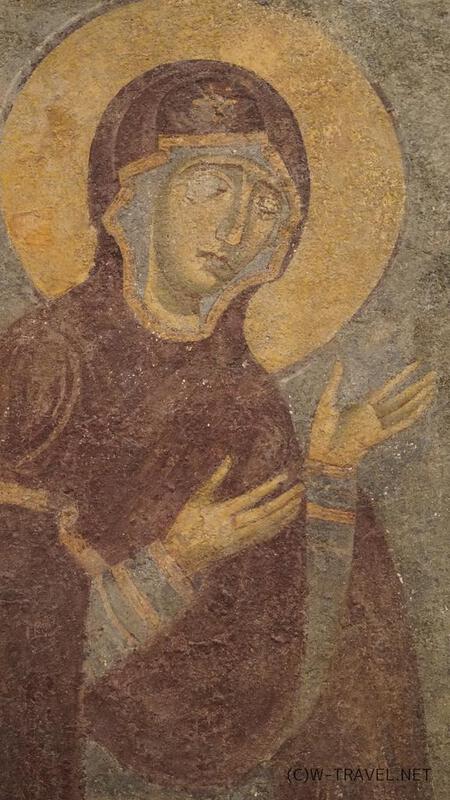
سنقوم بزيارة المتحف الوطني الأثري في بلغاريا (المتحف التابع لمعهد علم الآثار التابع للأكاديمية البلغارية للعلوم).
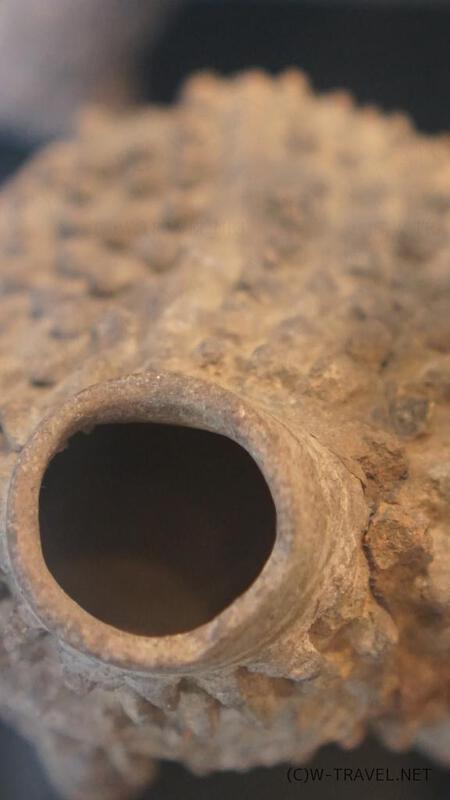
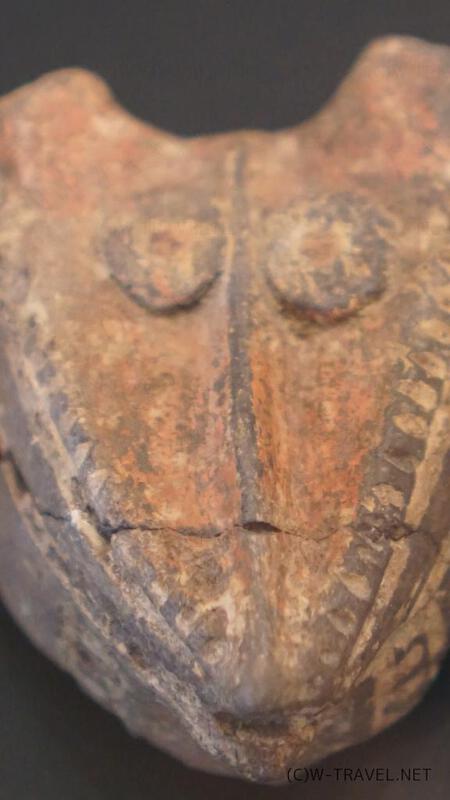
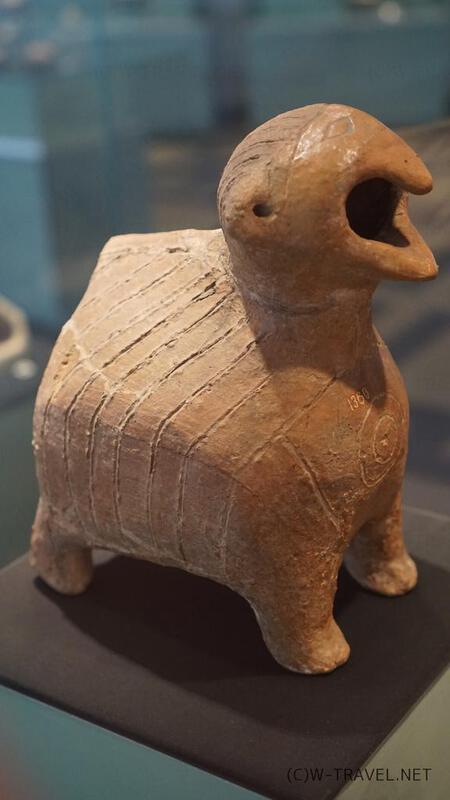
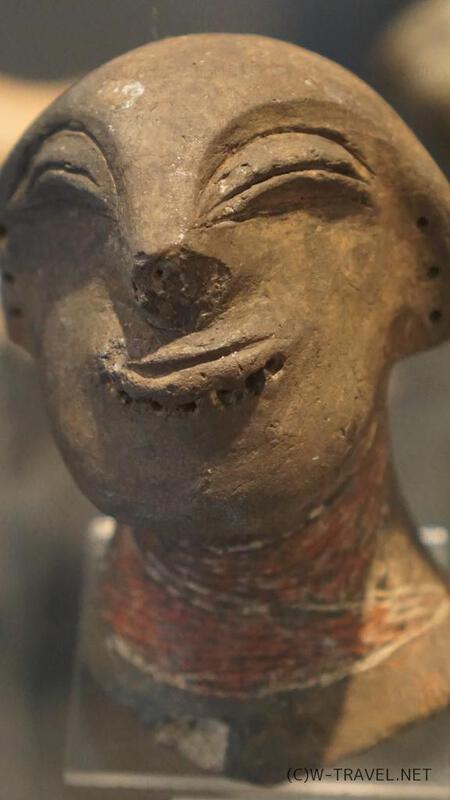
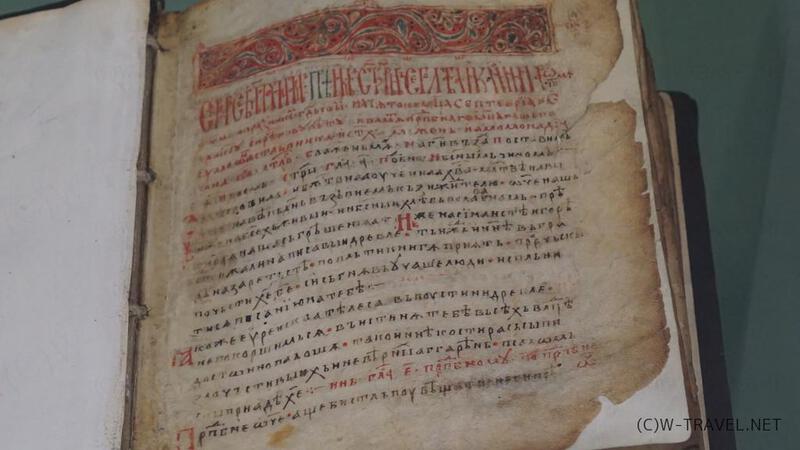
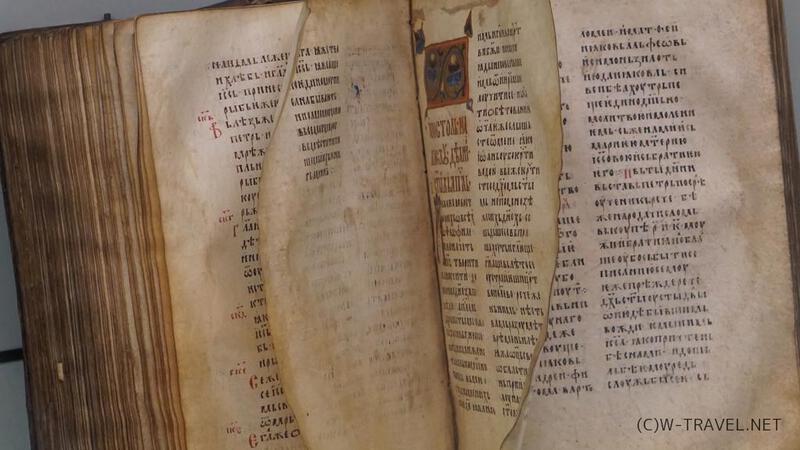
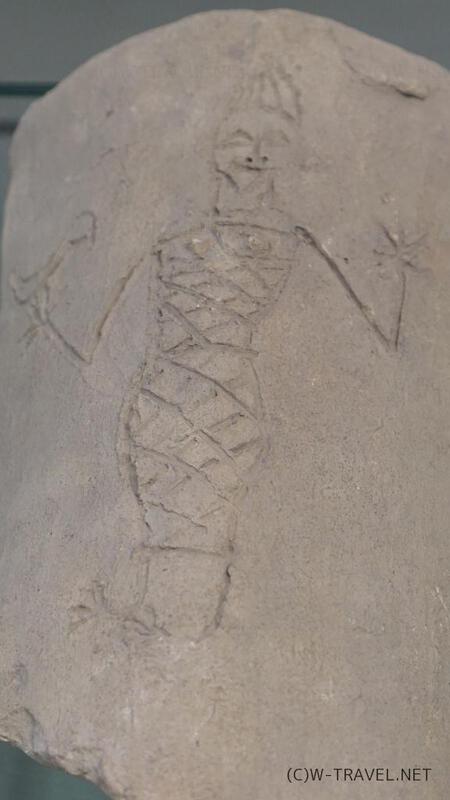
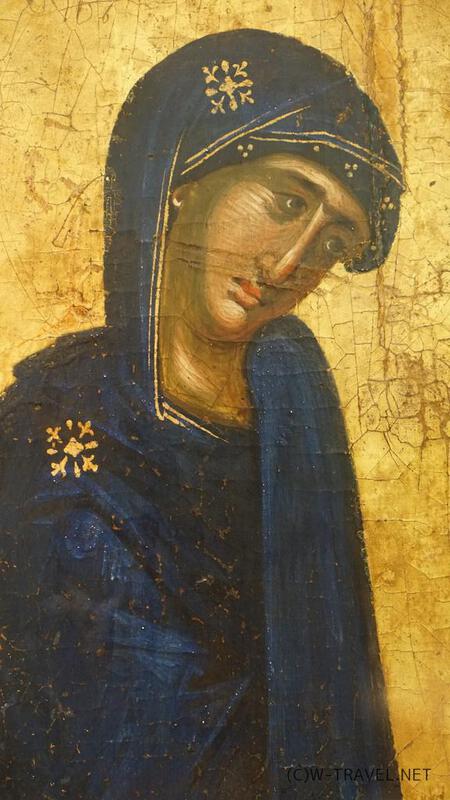
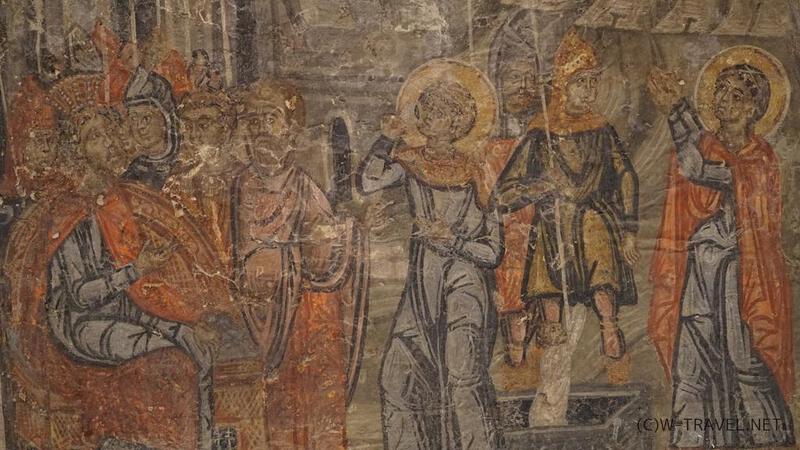
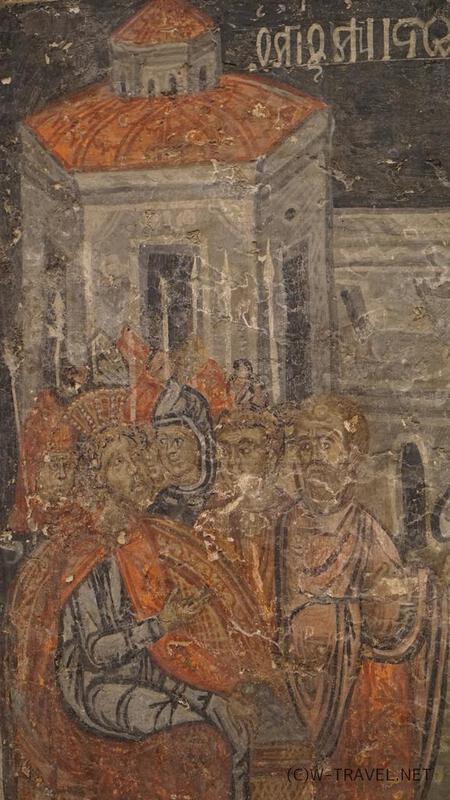
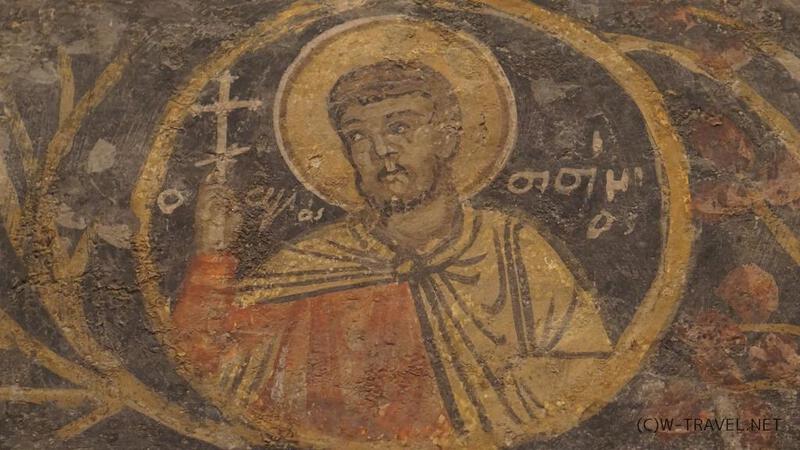
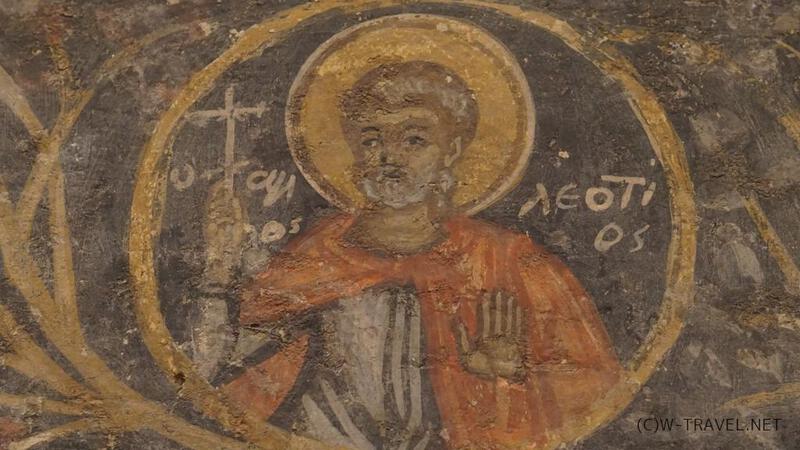
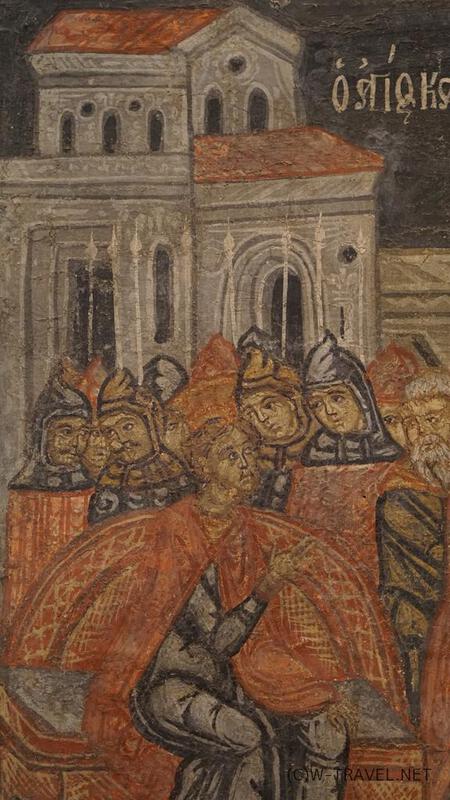
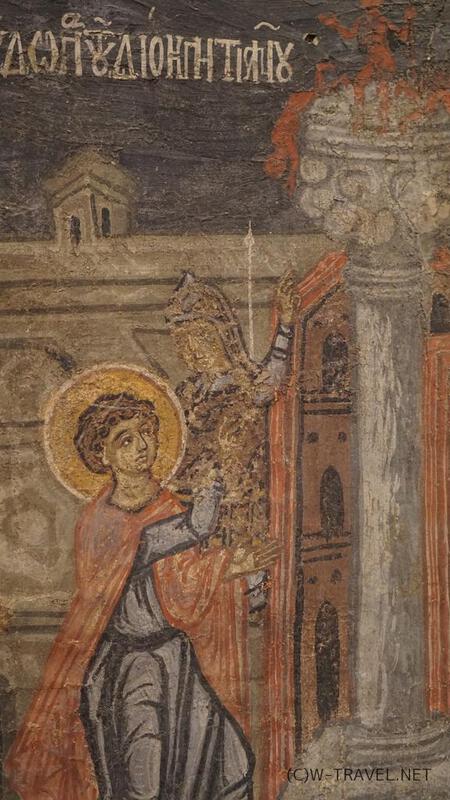
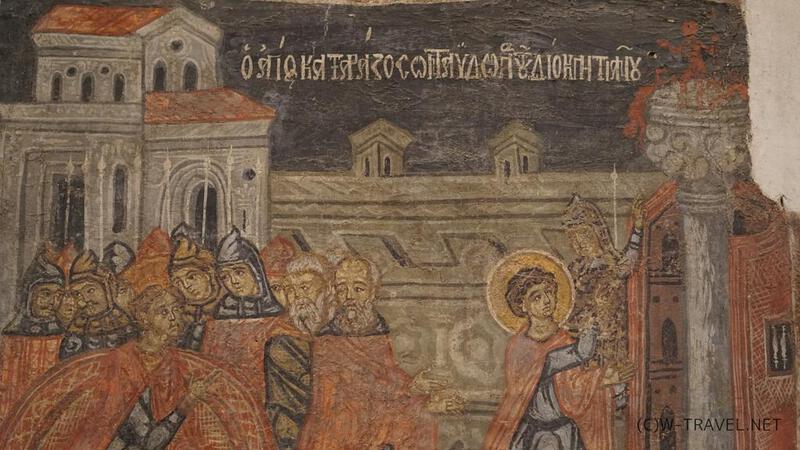
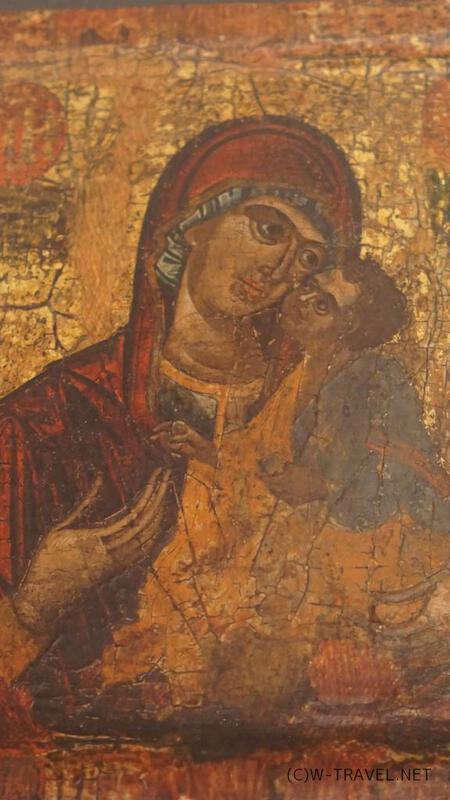
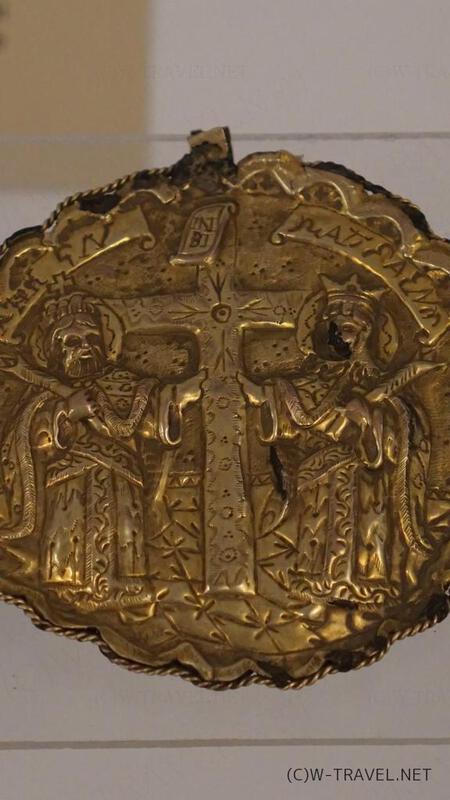
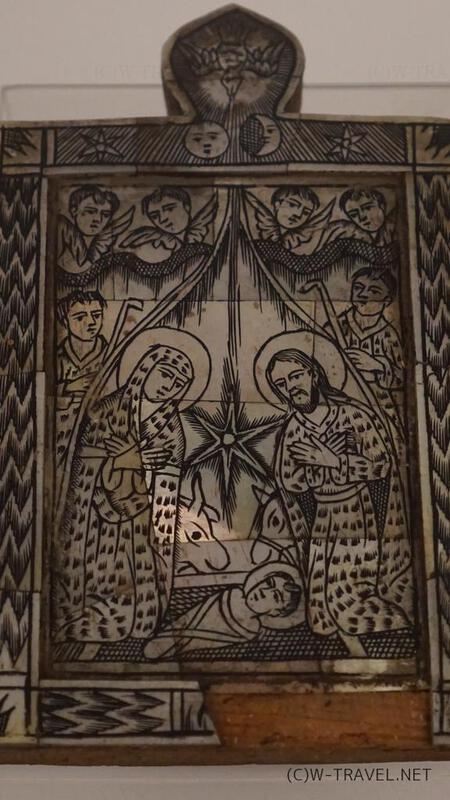
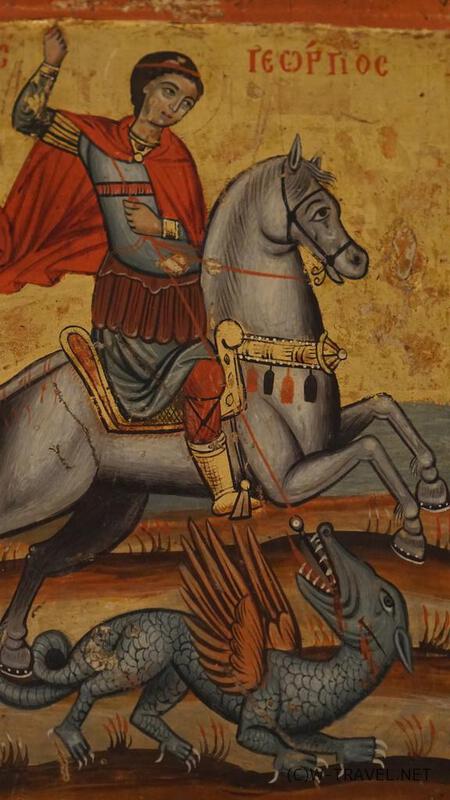
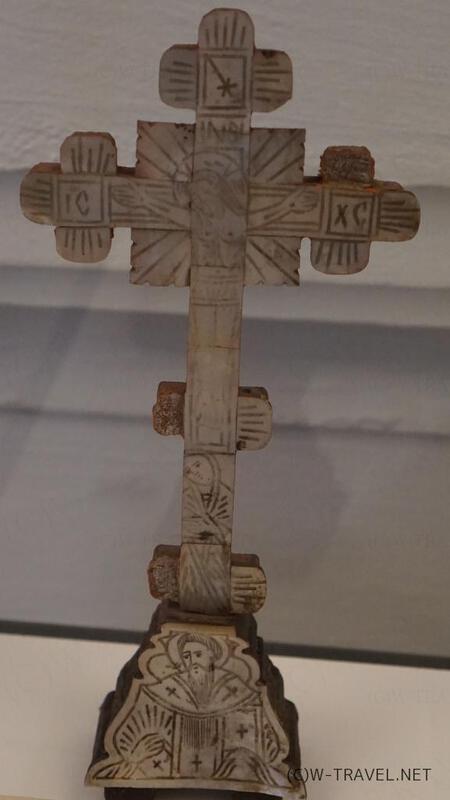
يحتوي المتحف على العديد من المعروضات المميزة، وهو غني من الناحية الكمية، وقد استمتعت بزيارته.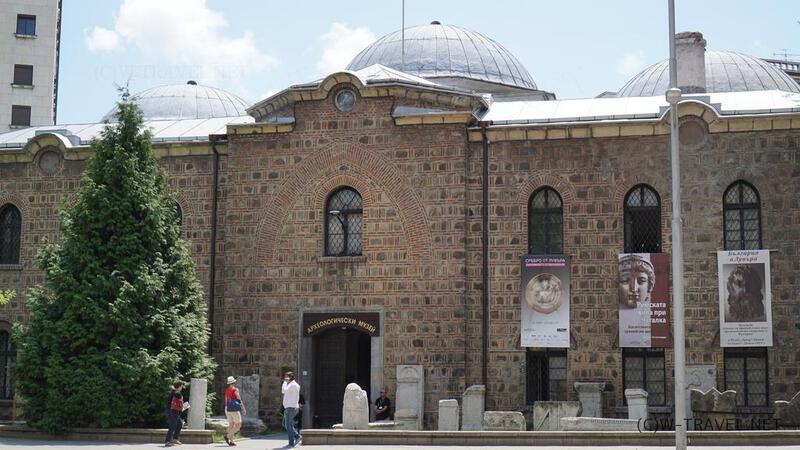




















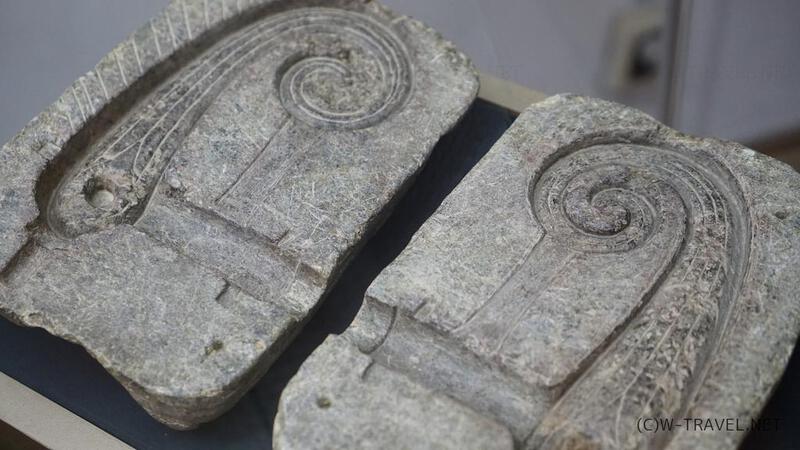
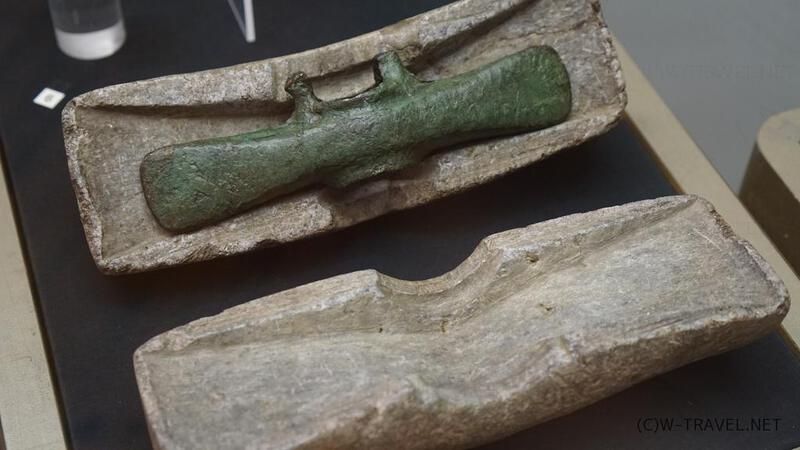
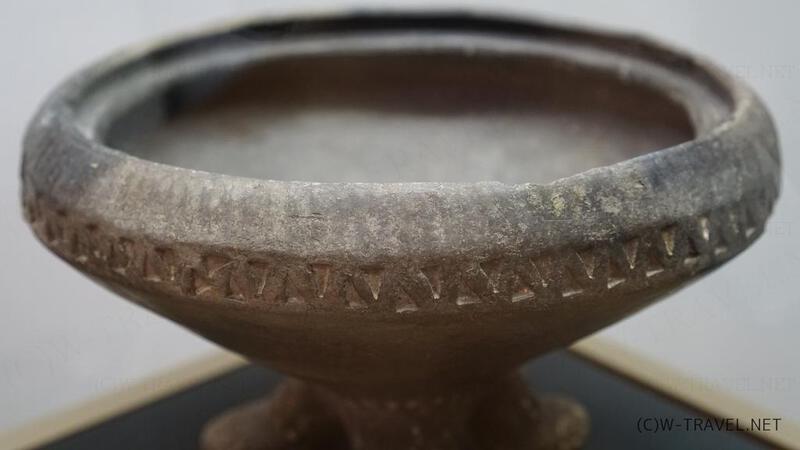

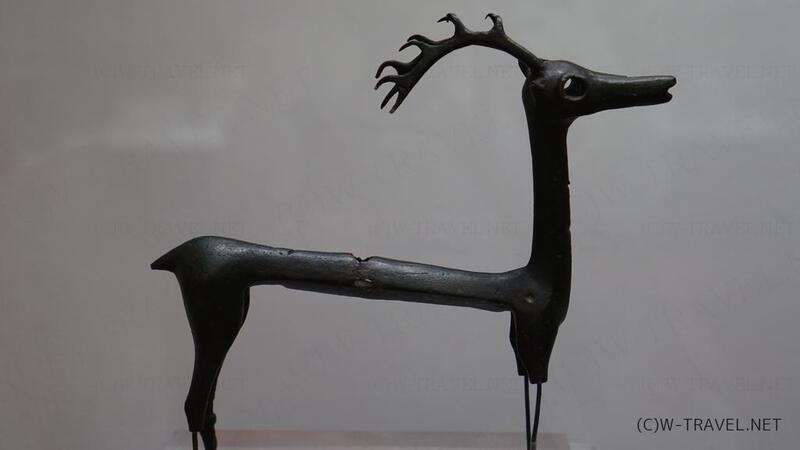
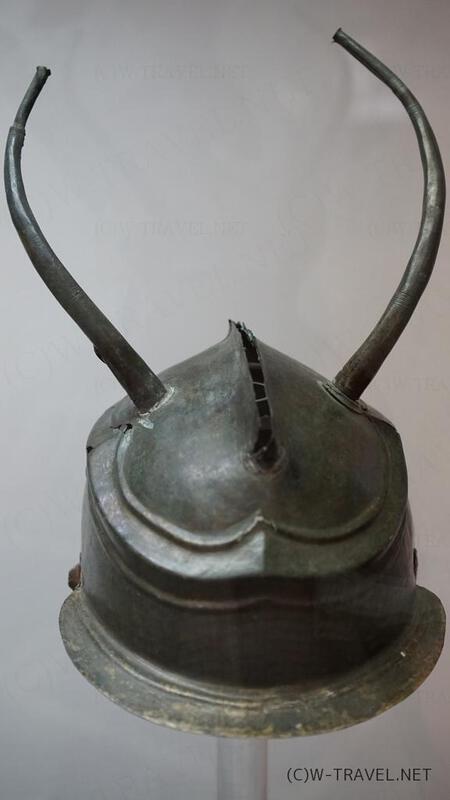
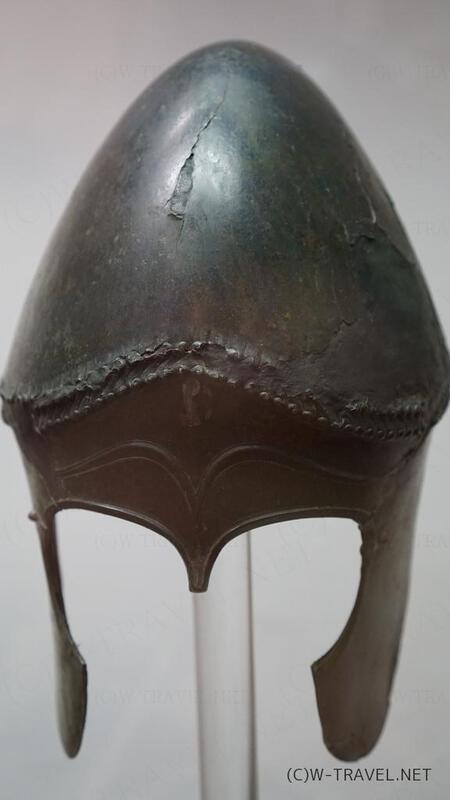

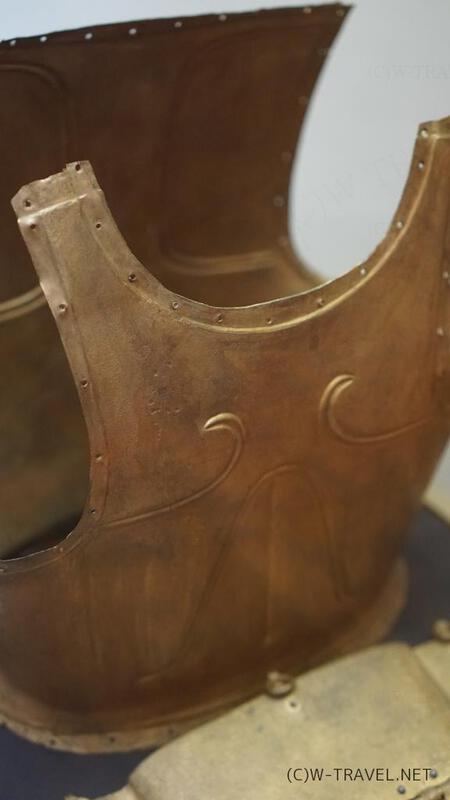
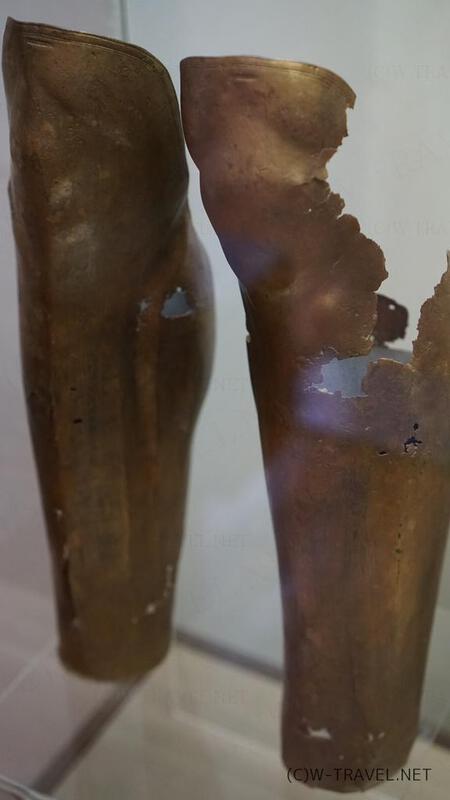





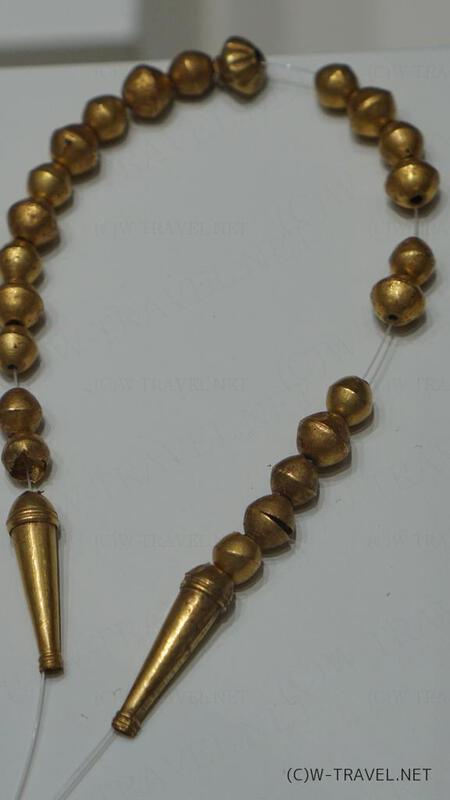
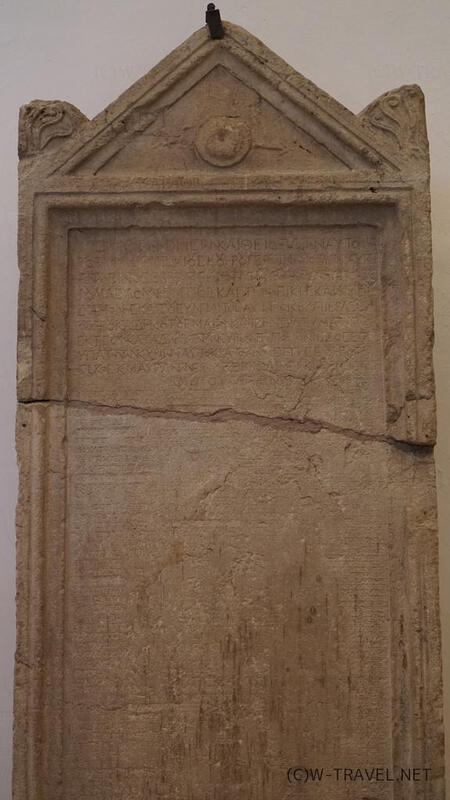
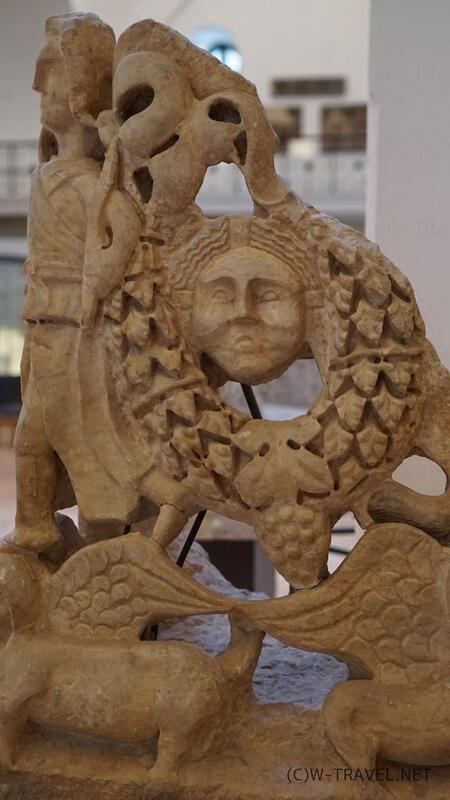
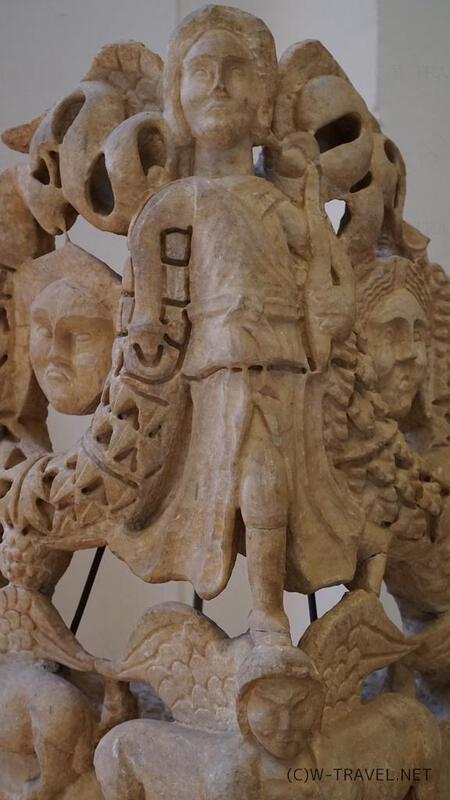



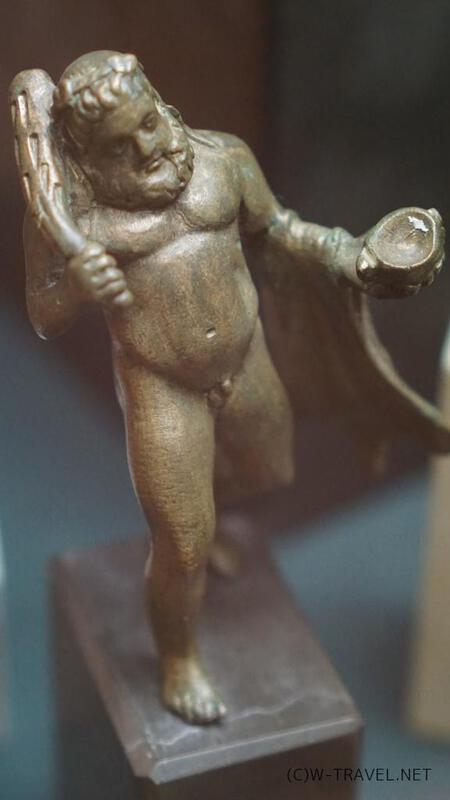
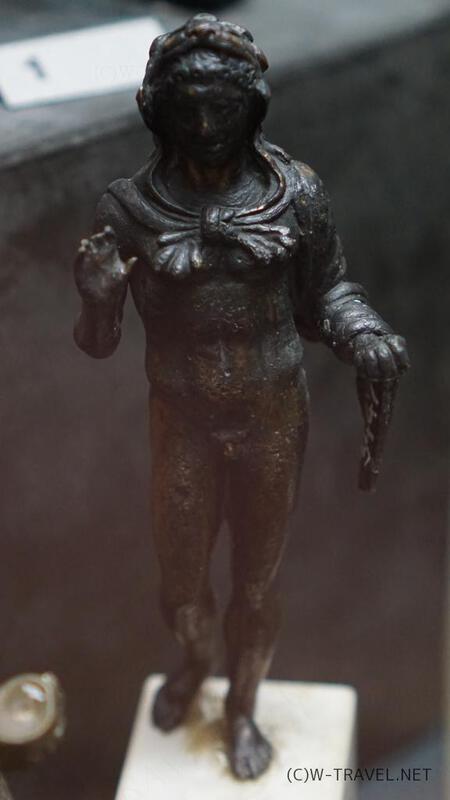
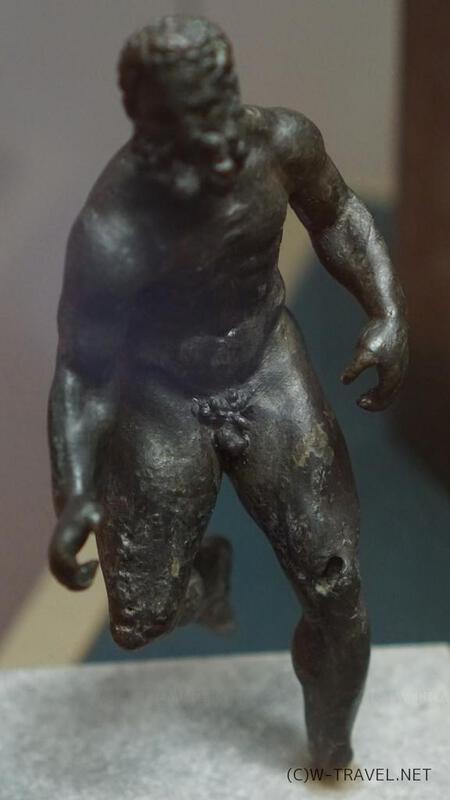
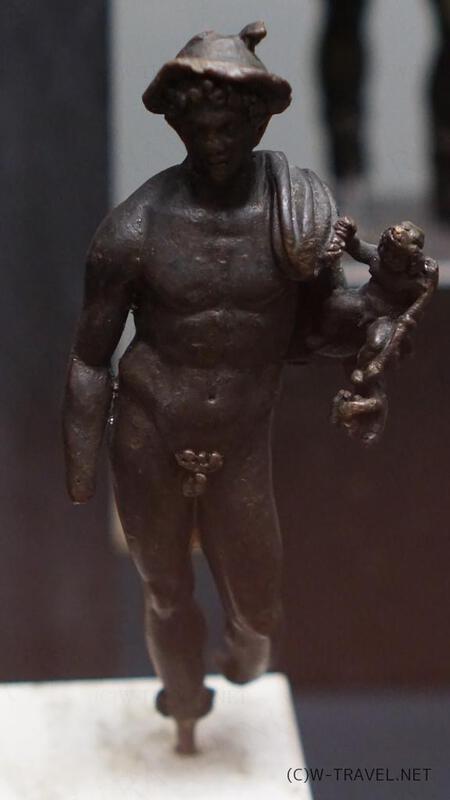






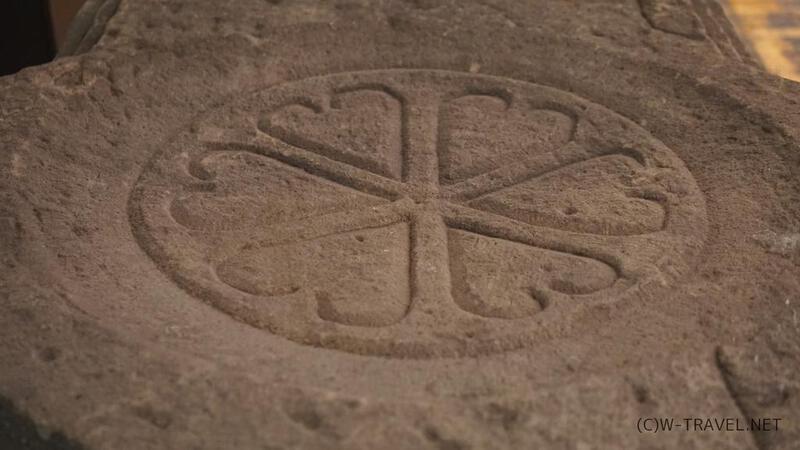
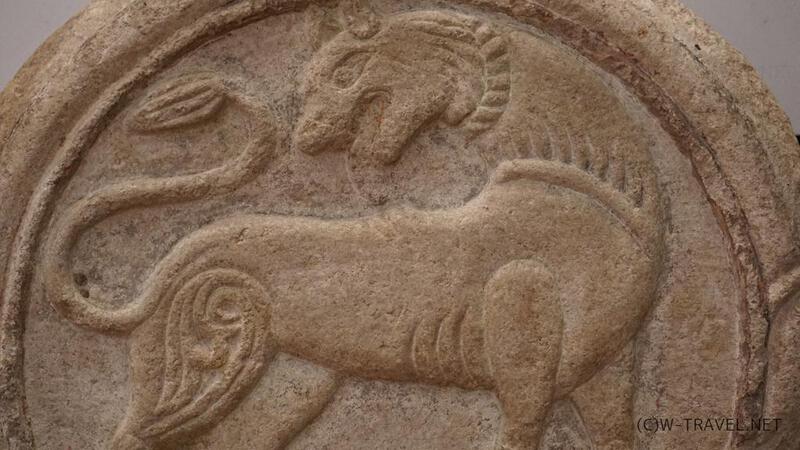
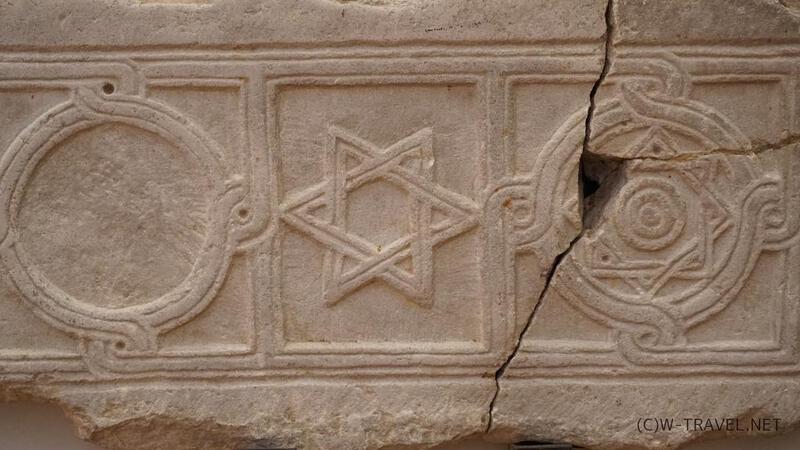
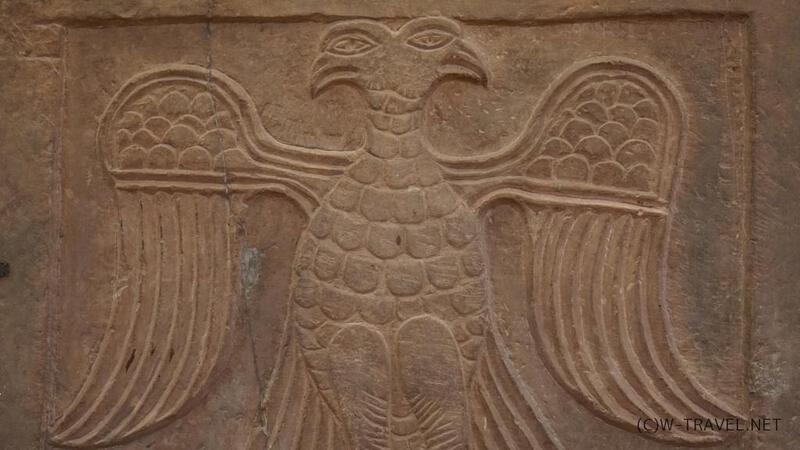

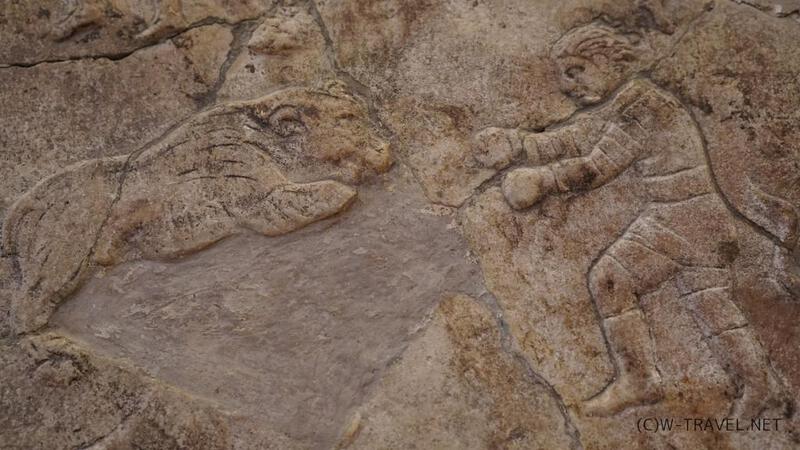
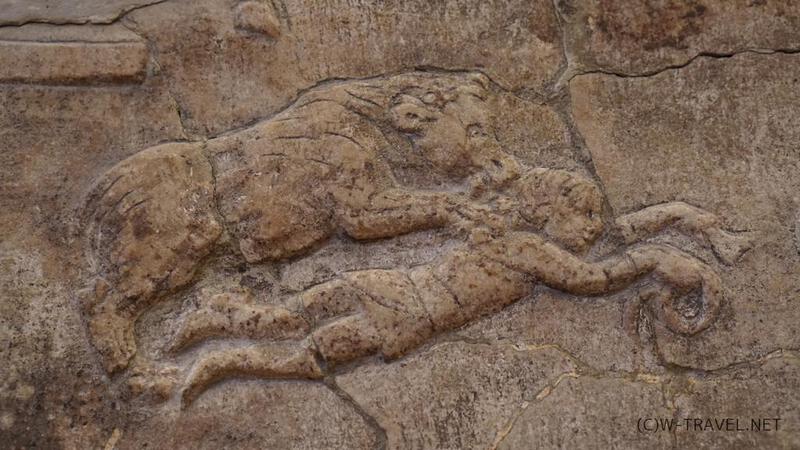

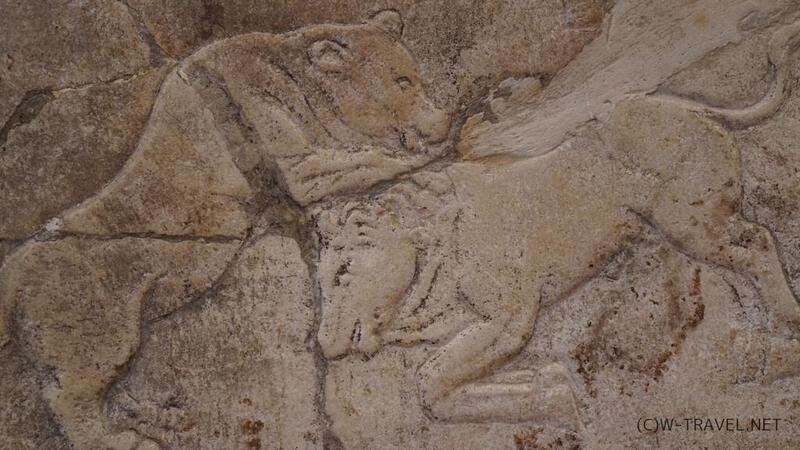
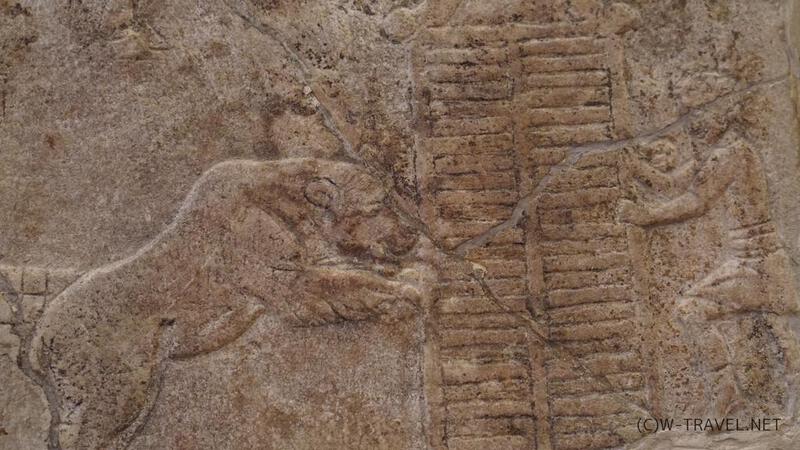







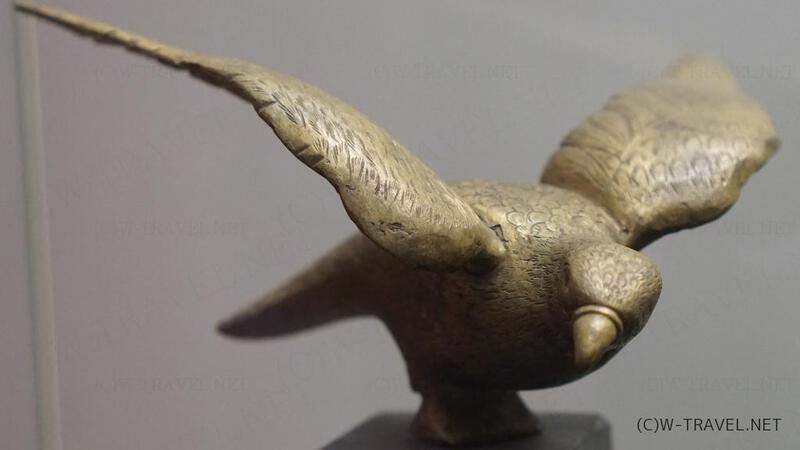
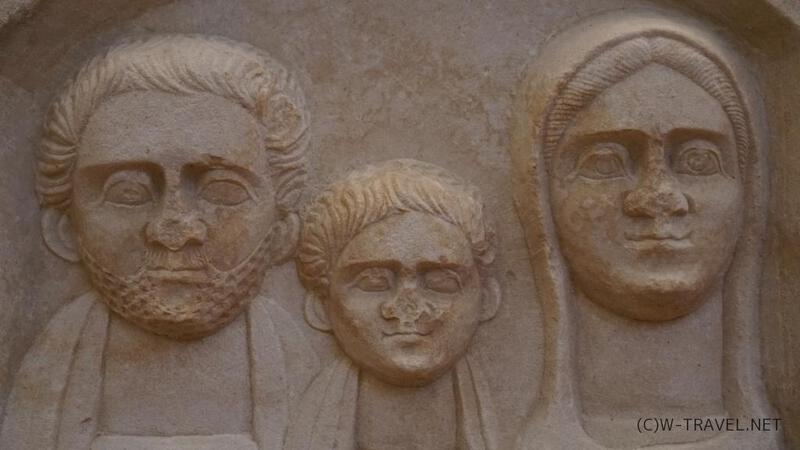
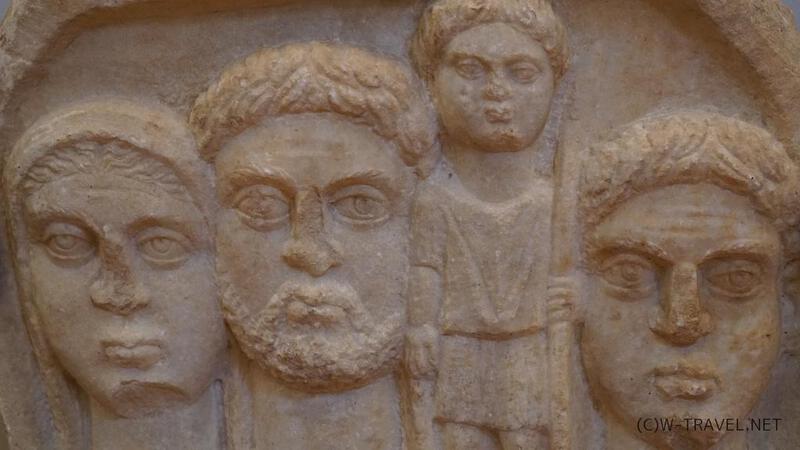


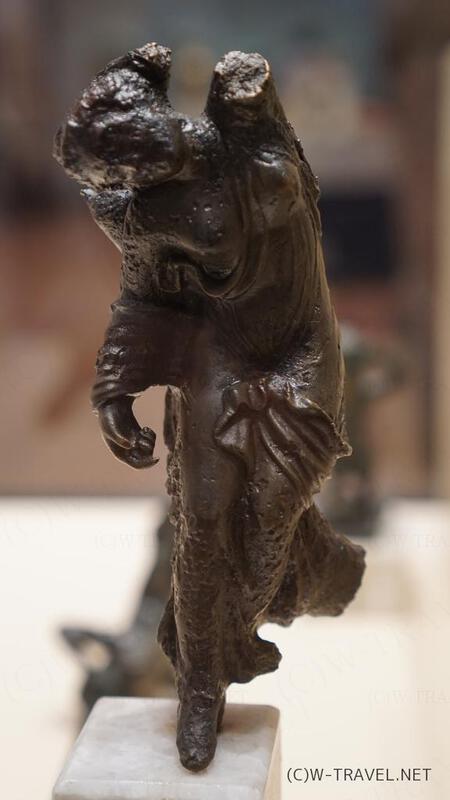









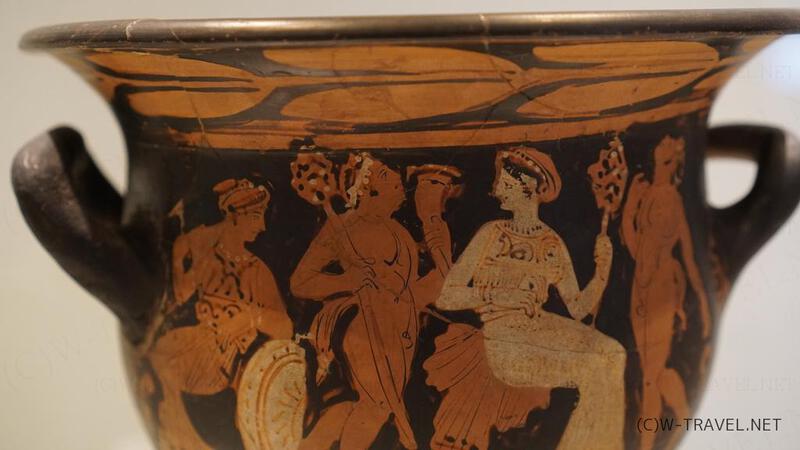
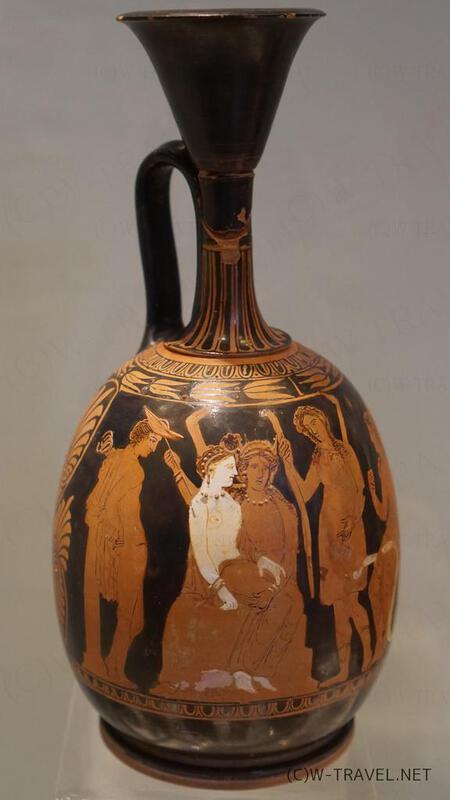
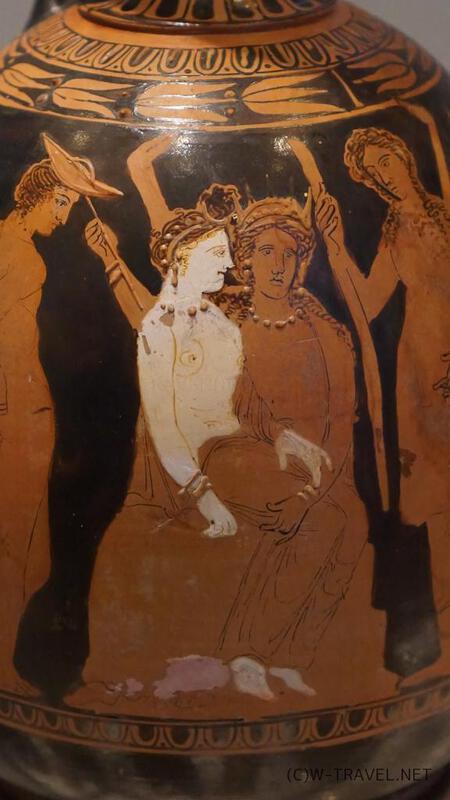


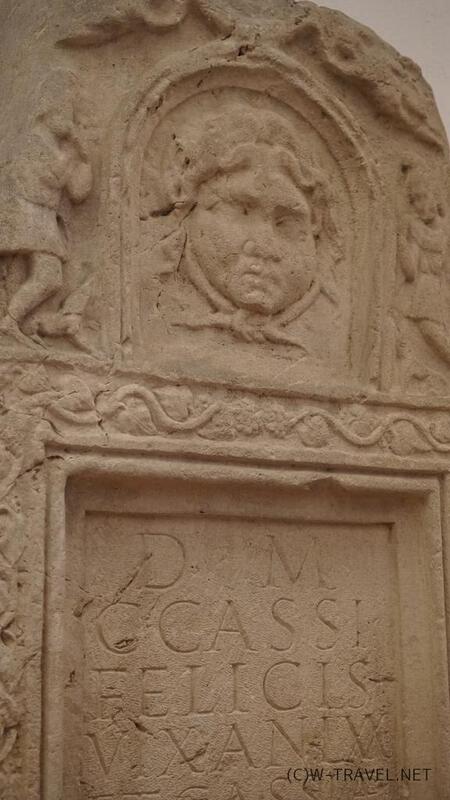
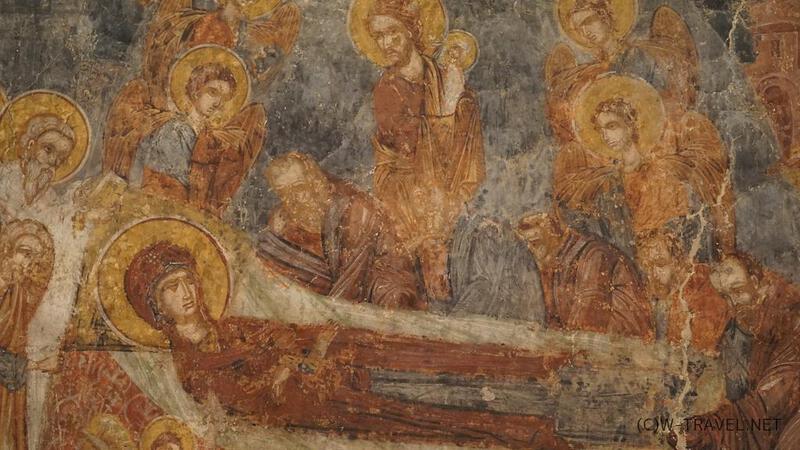
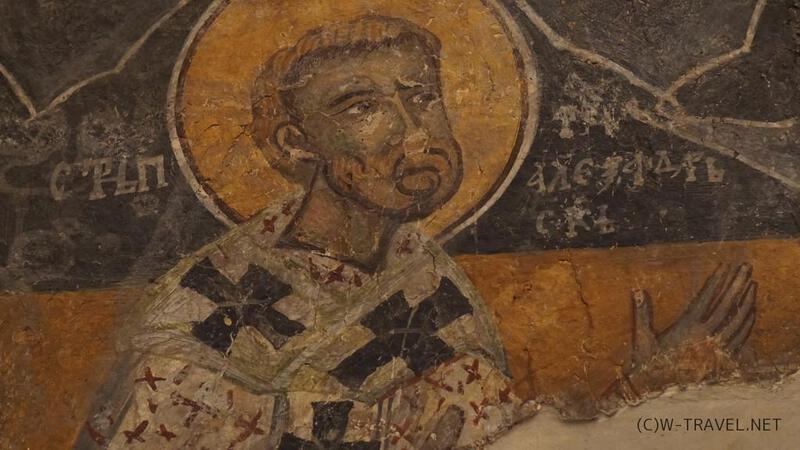


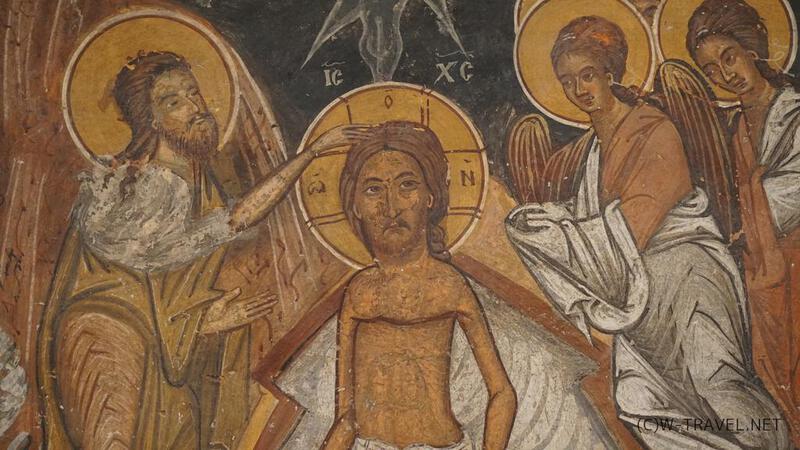
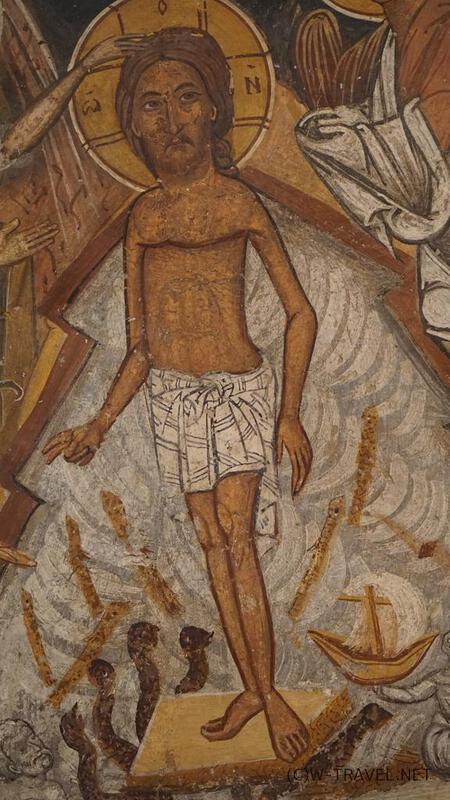
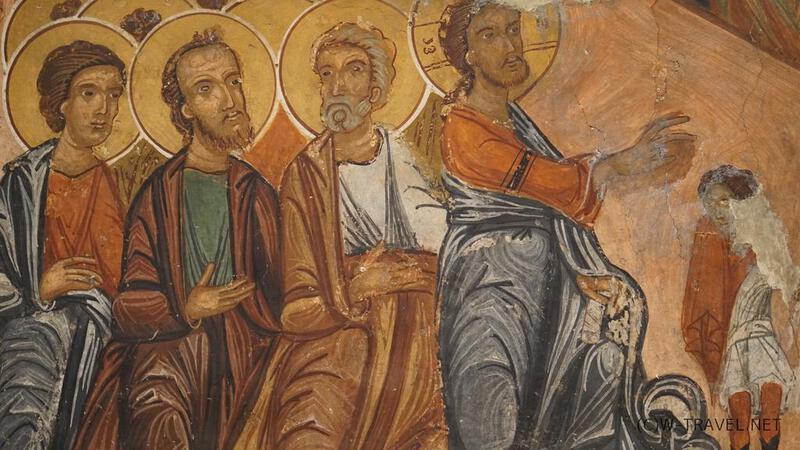
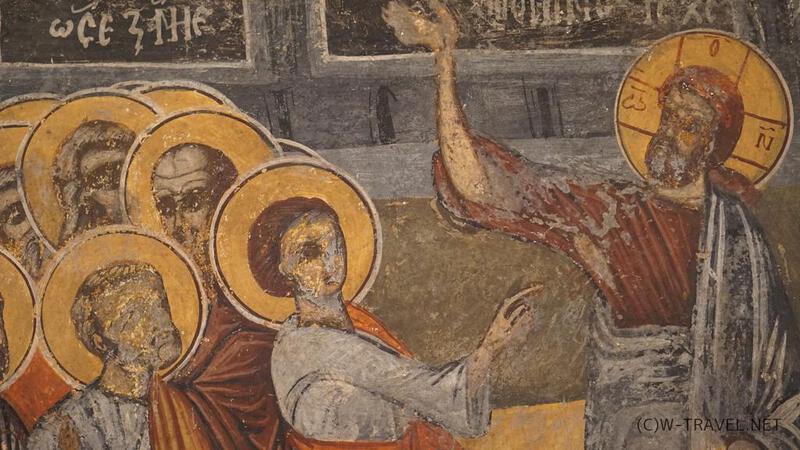
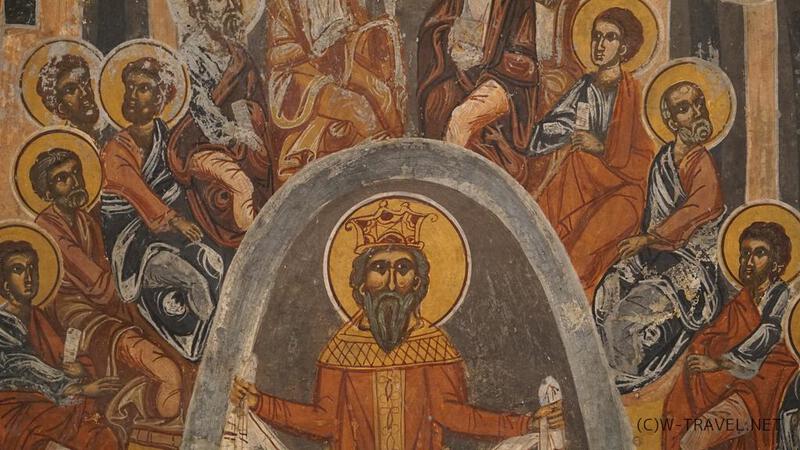
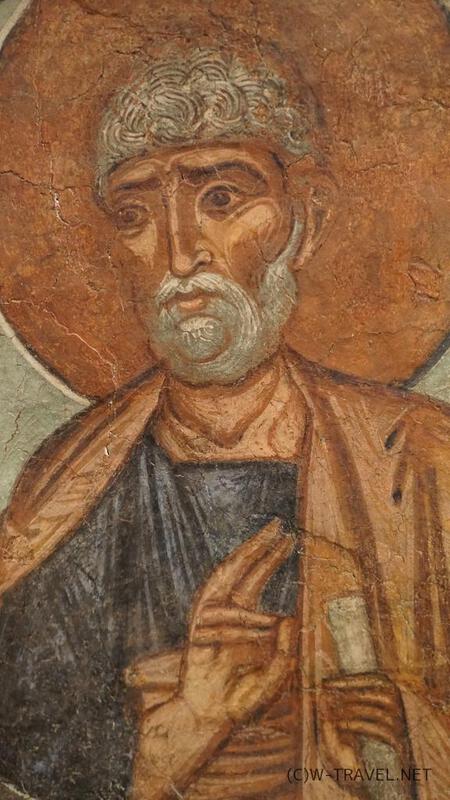


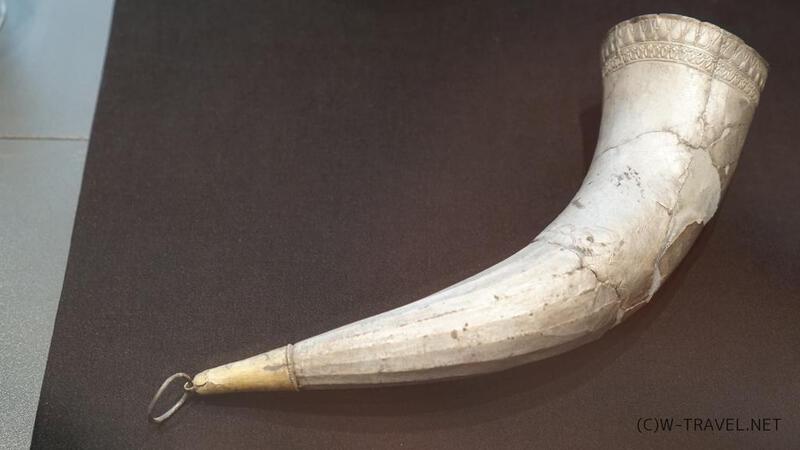
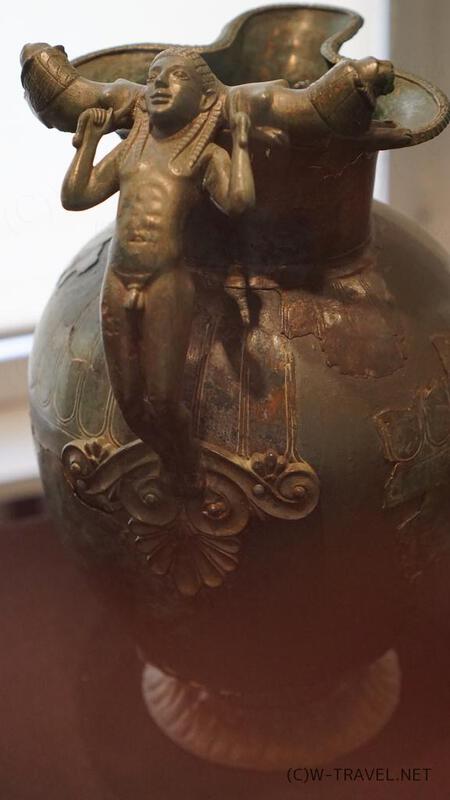
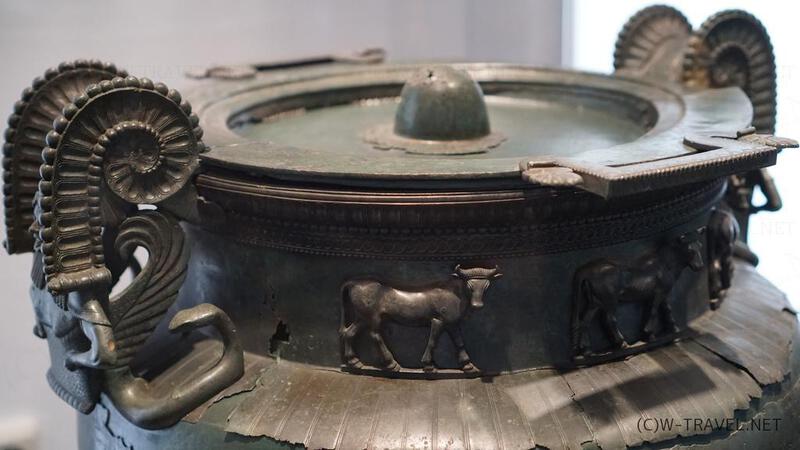
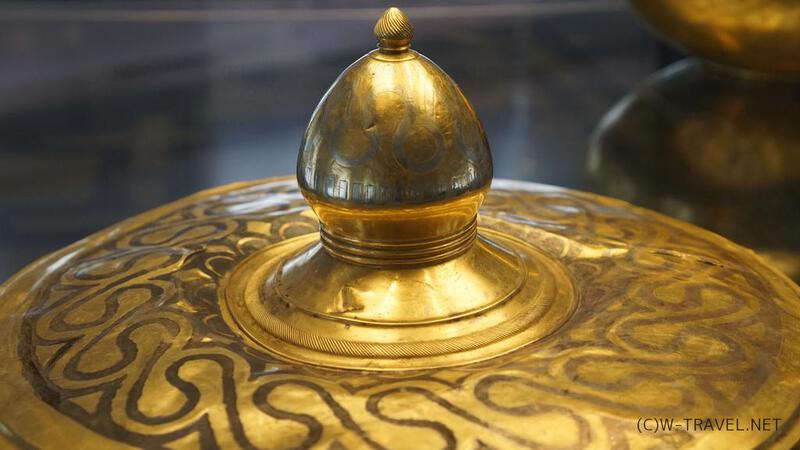


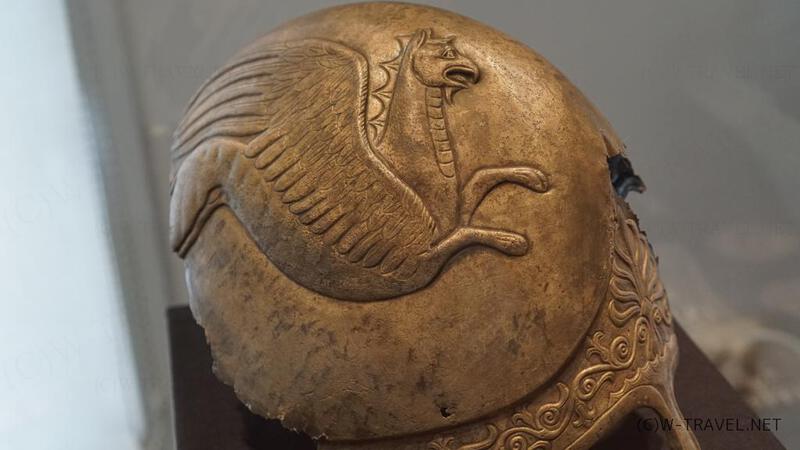
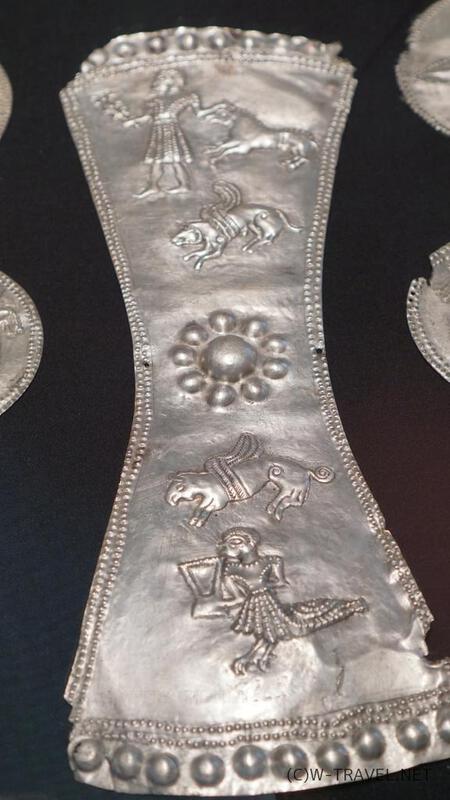
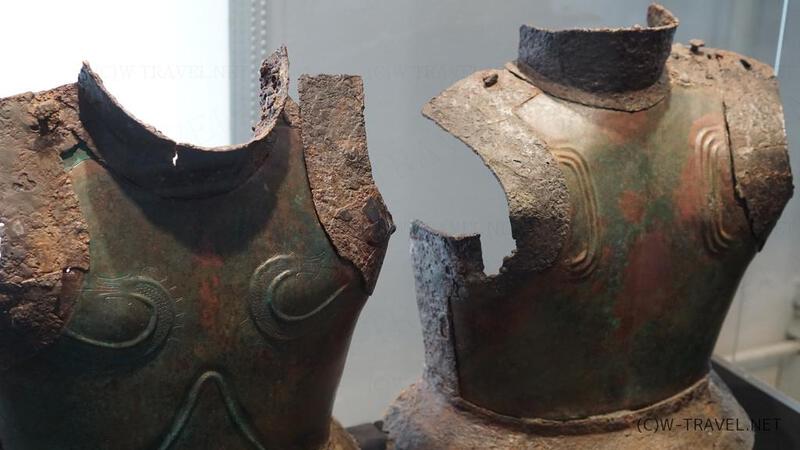


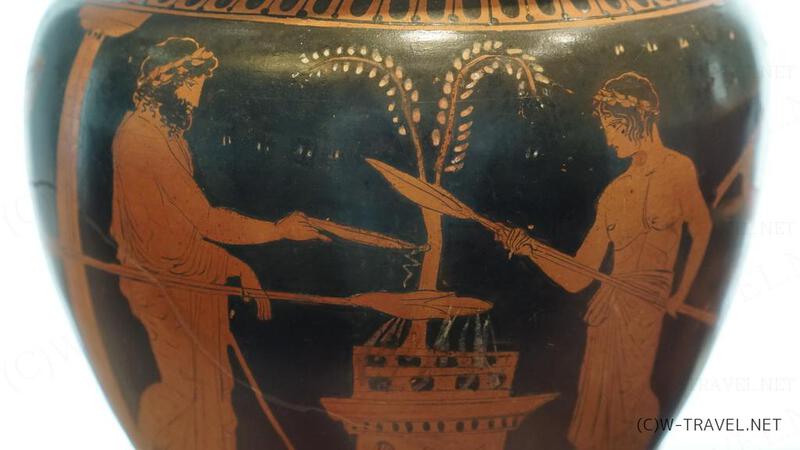






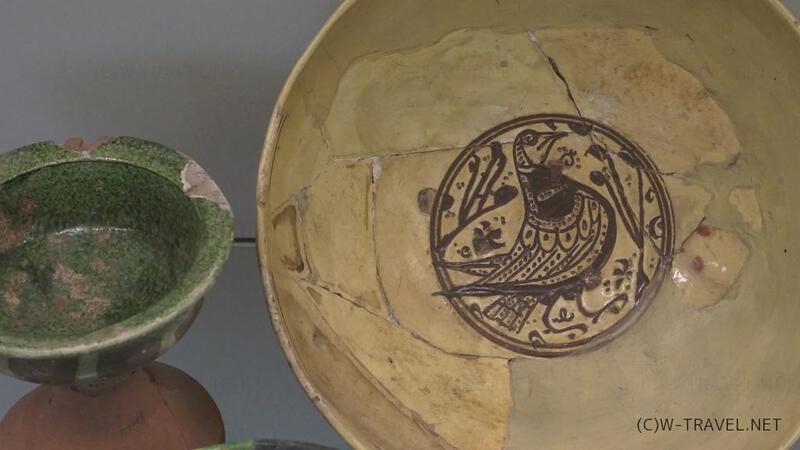

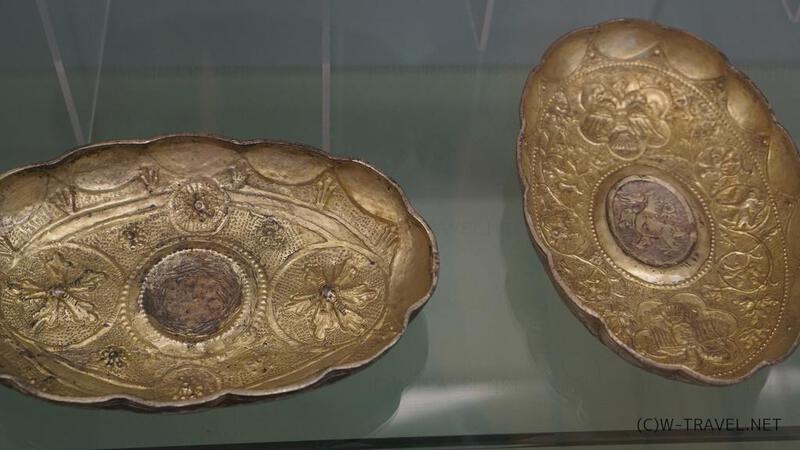
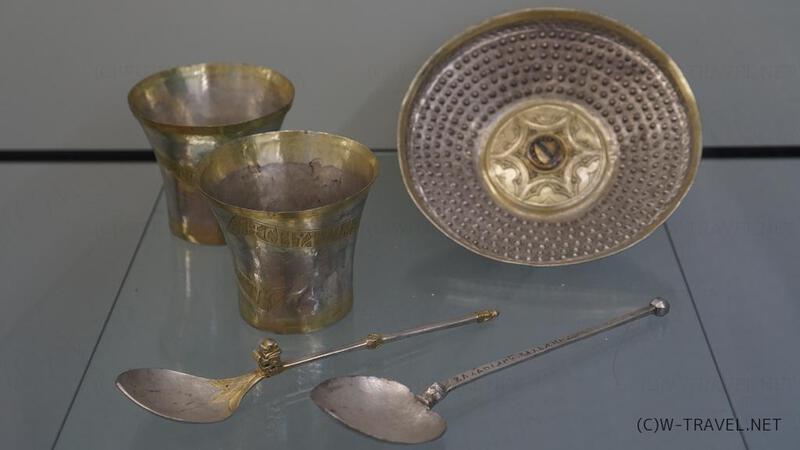
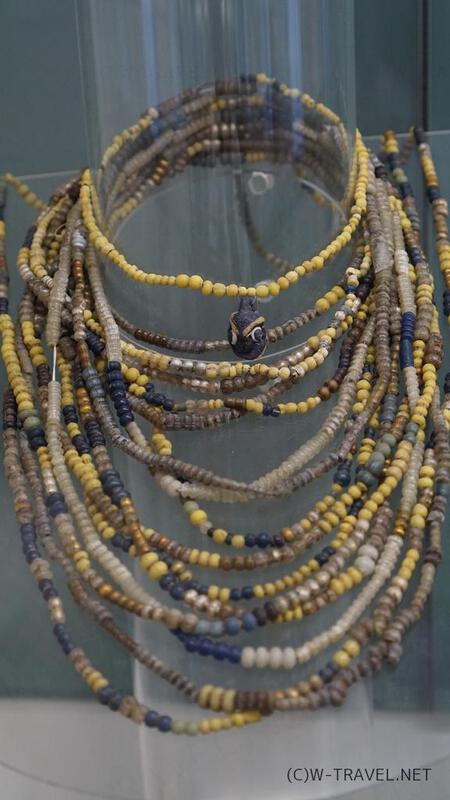





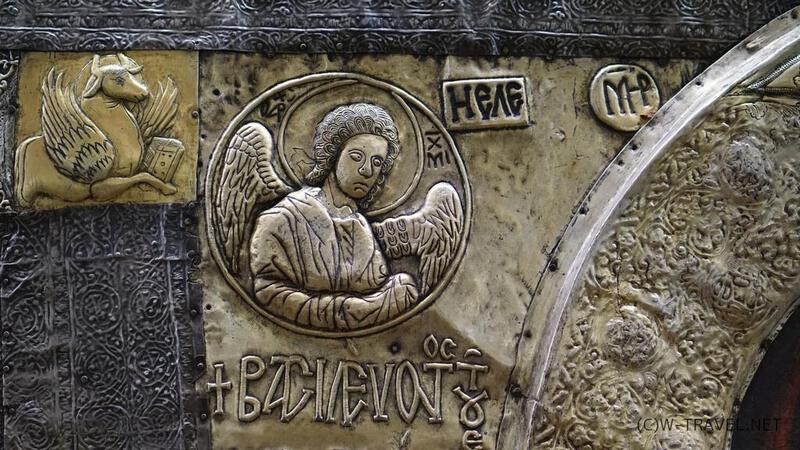
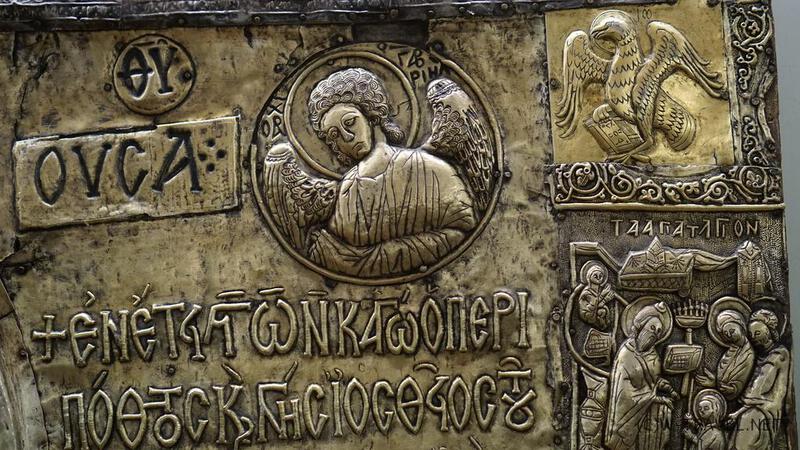
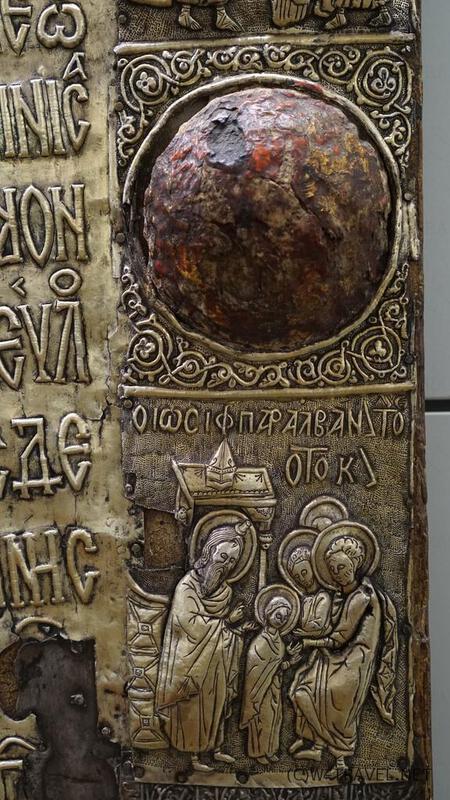
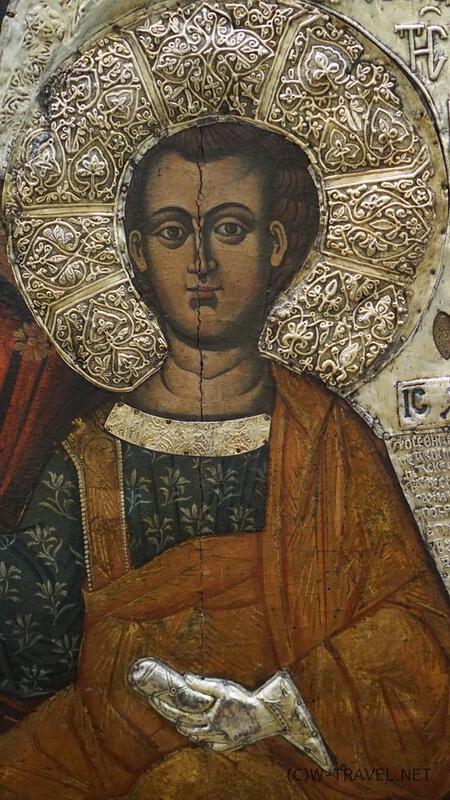
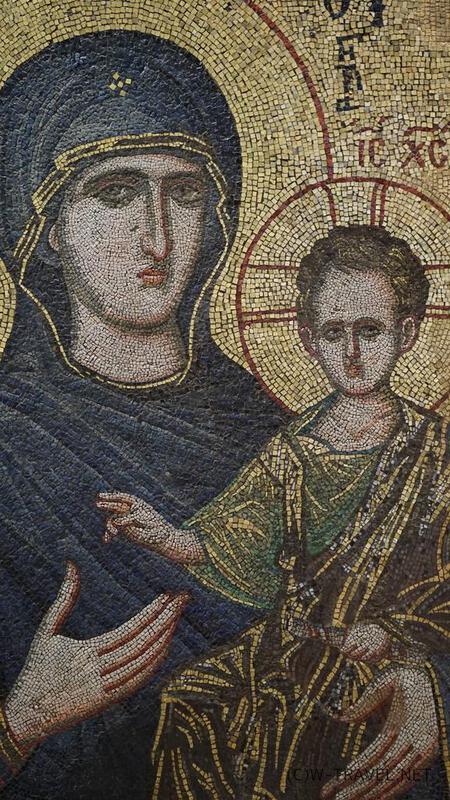
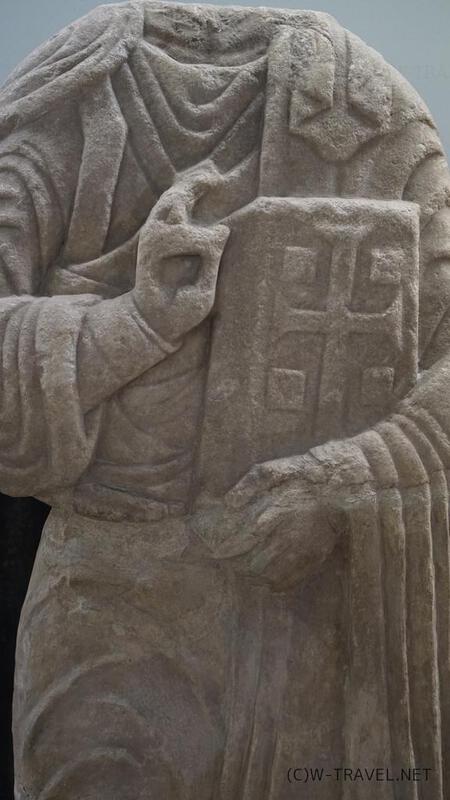
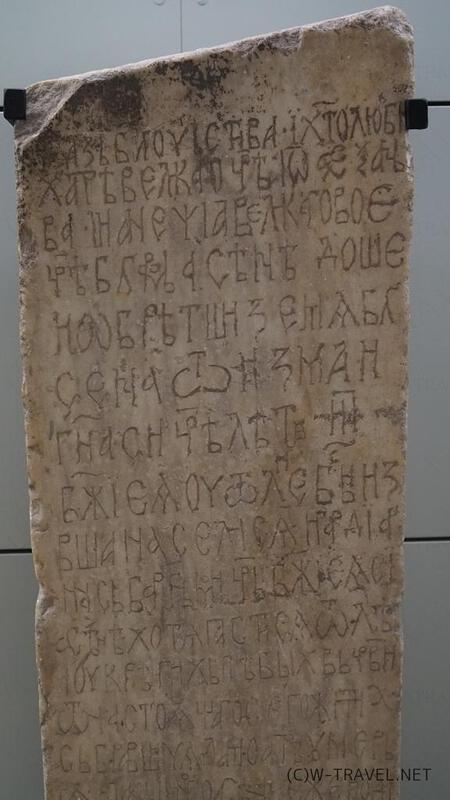
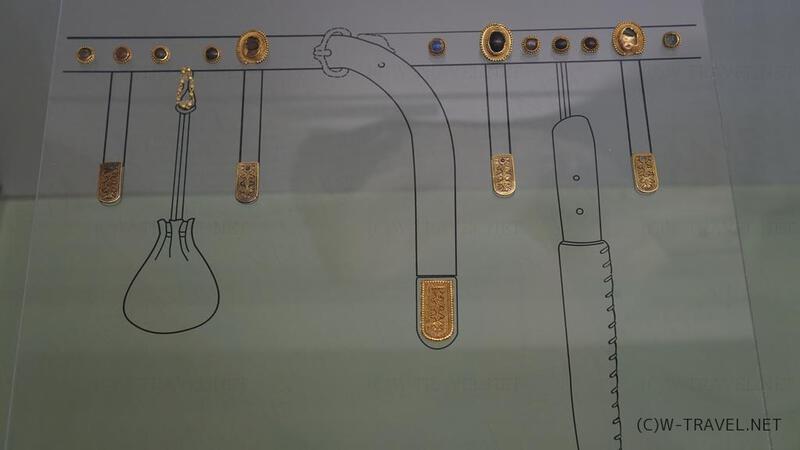

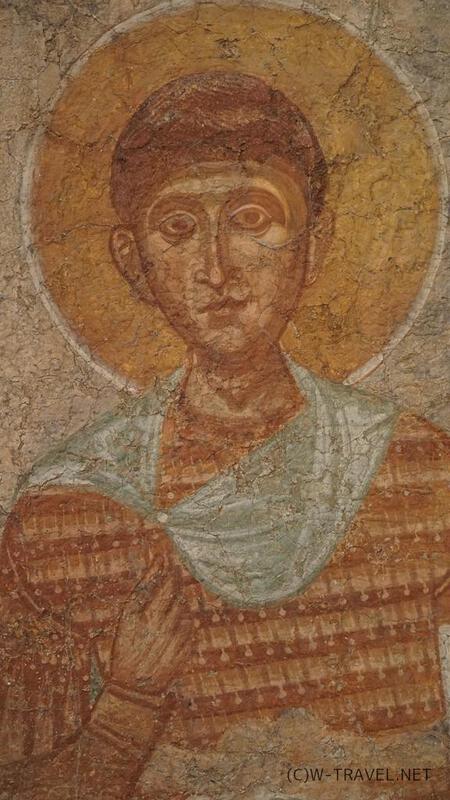

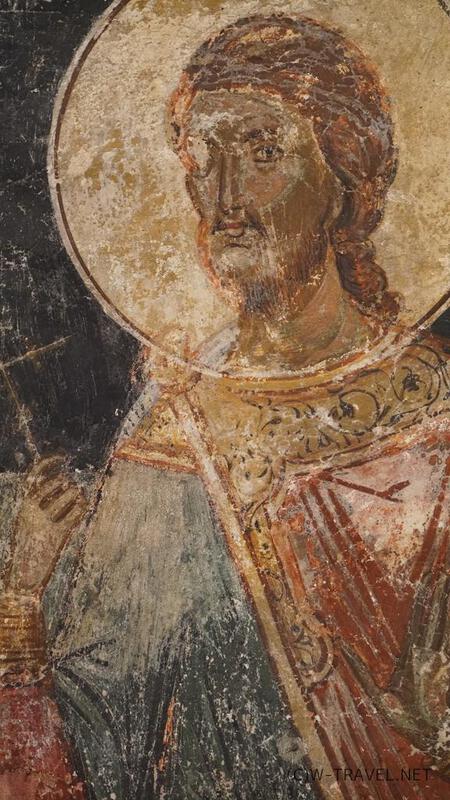
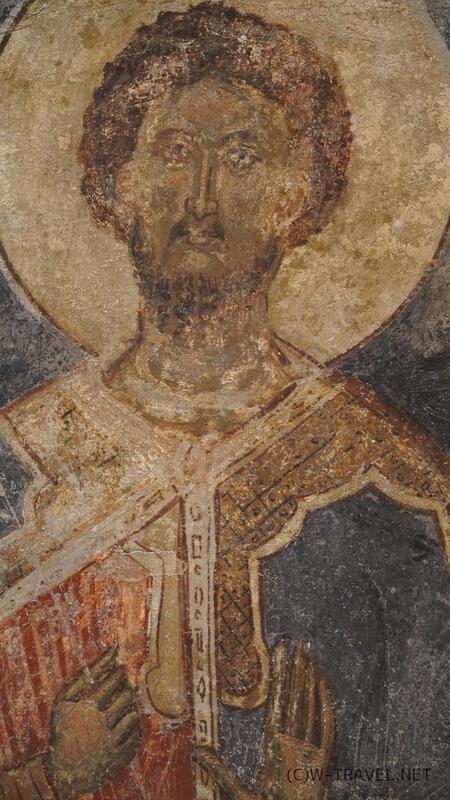
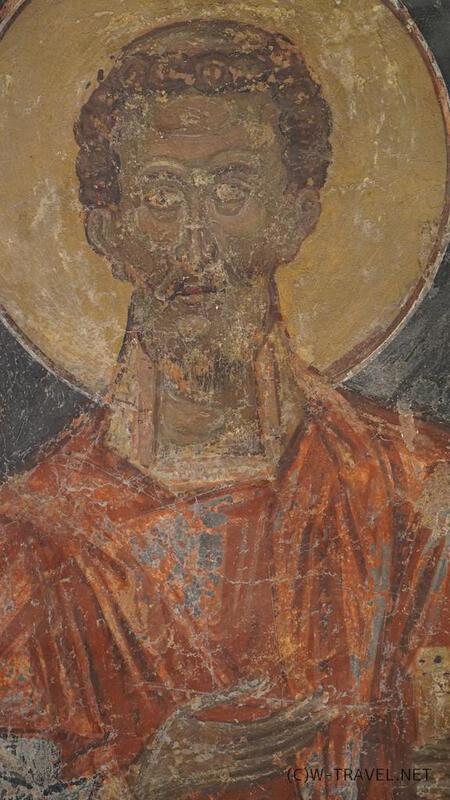

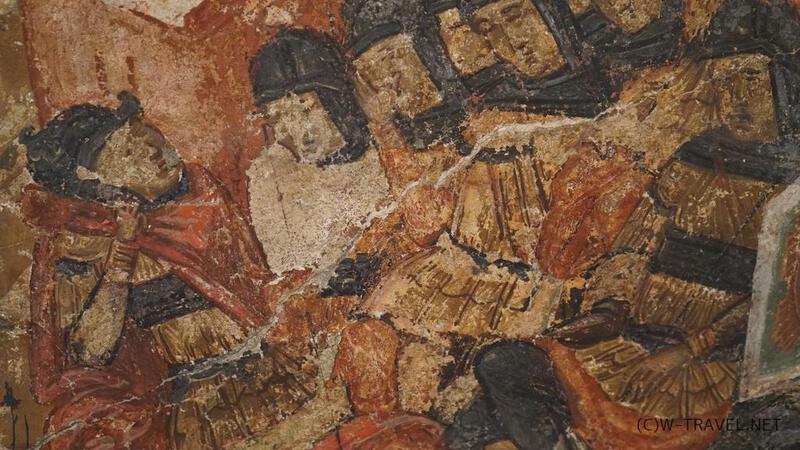
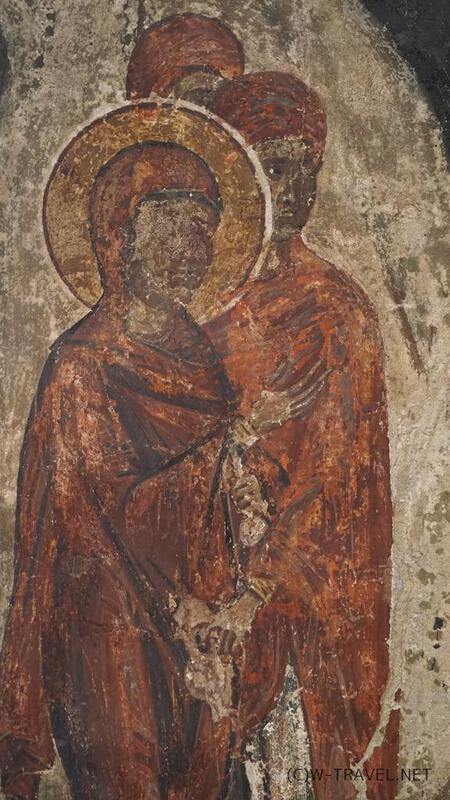
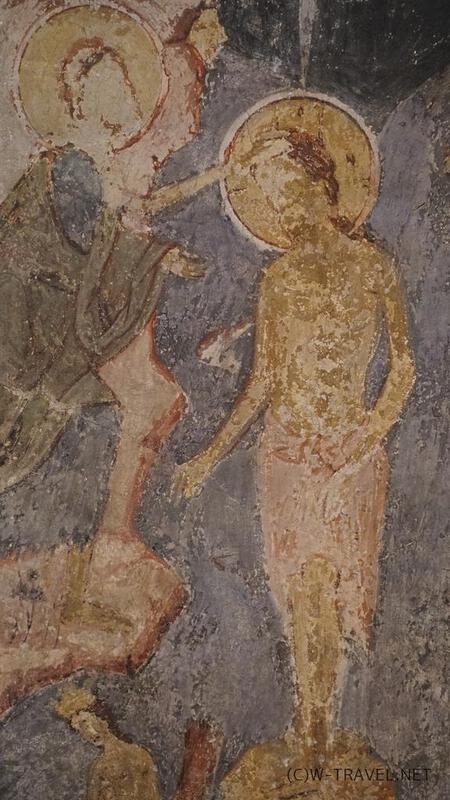
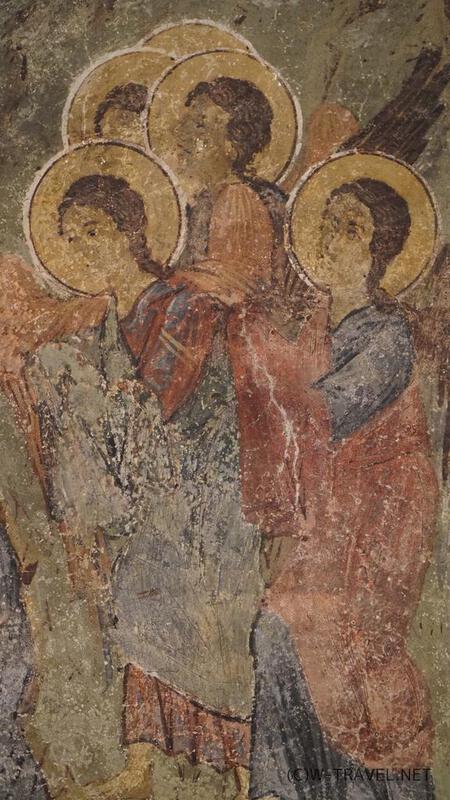
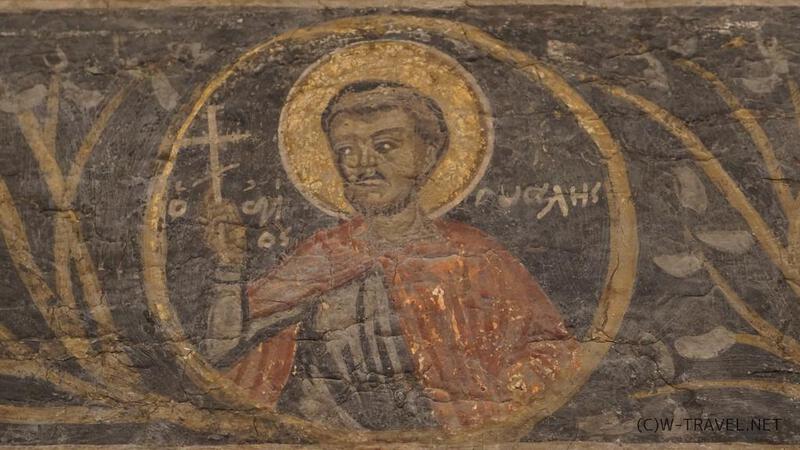
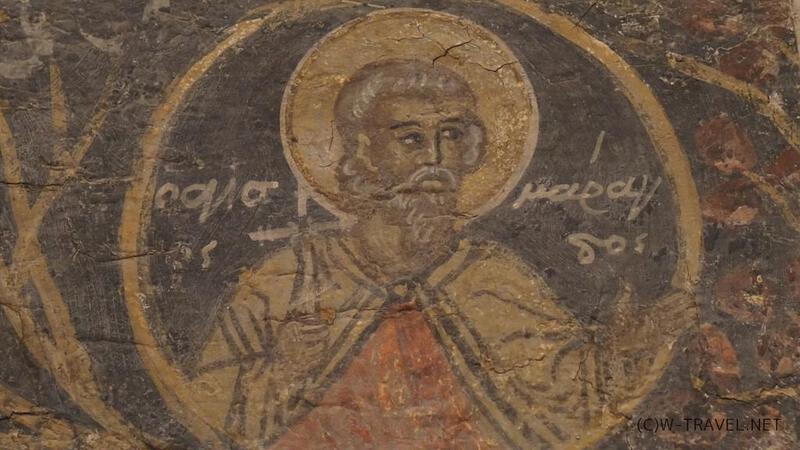
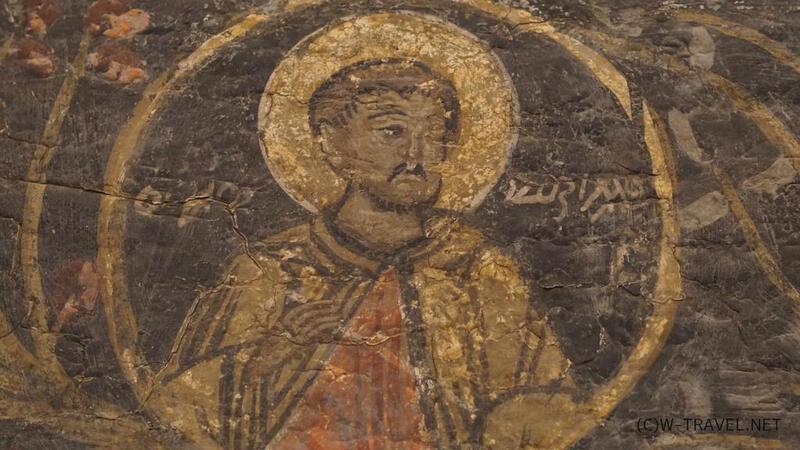
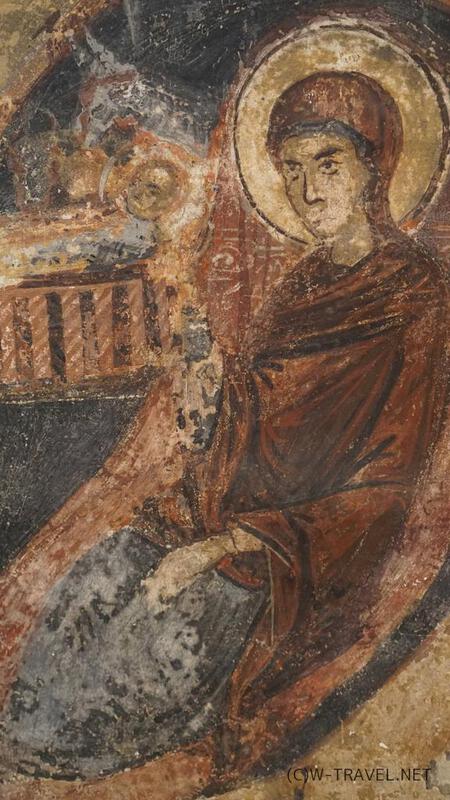
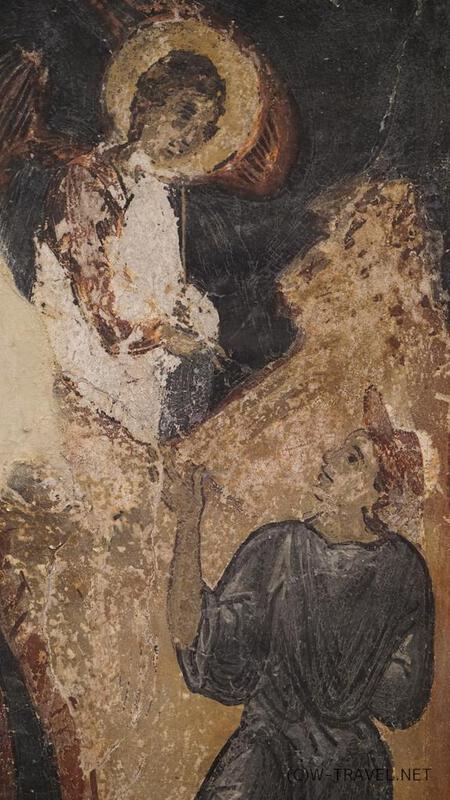
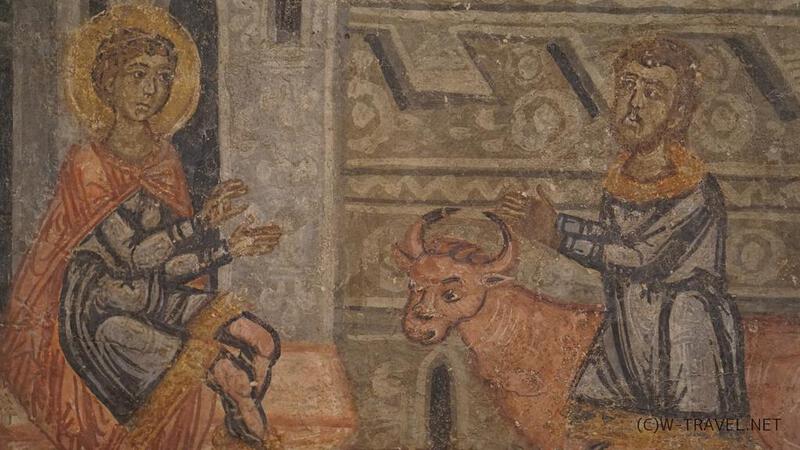

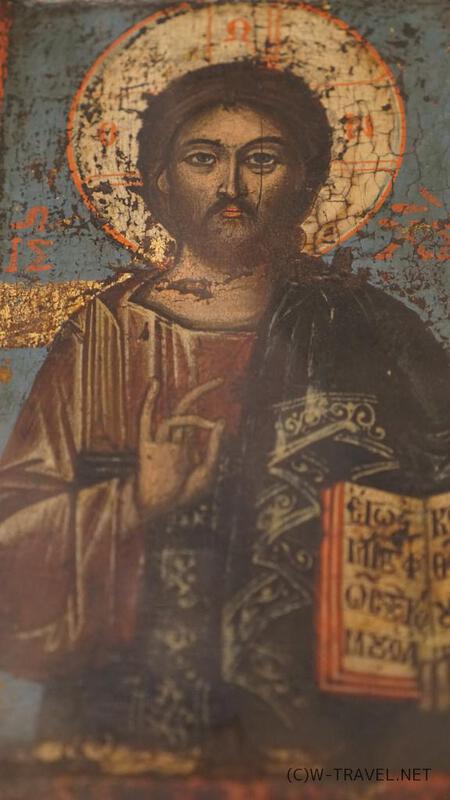
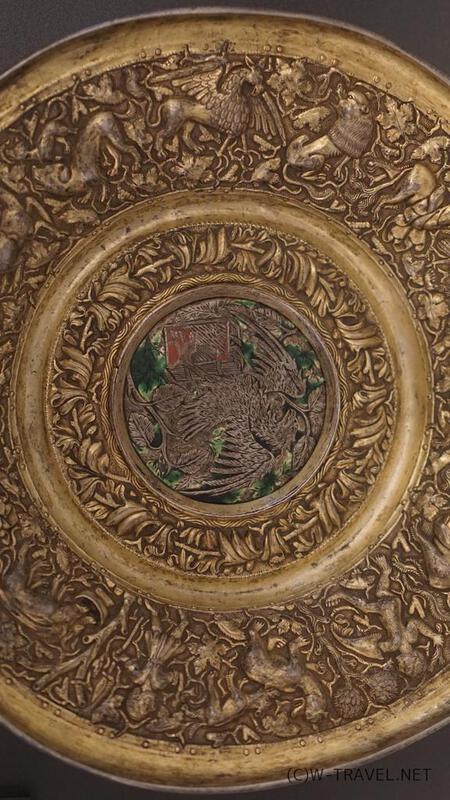



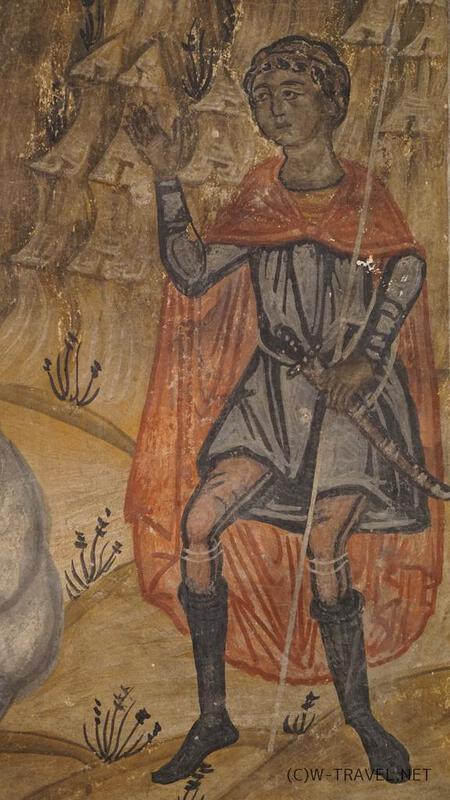
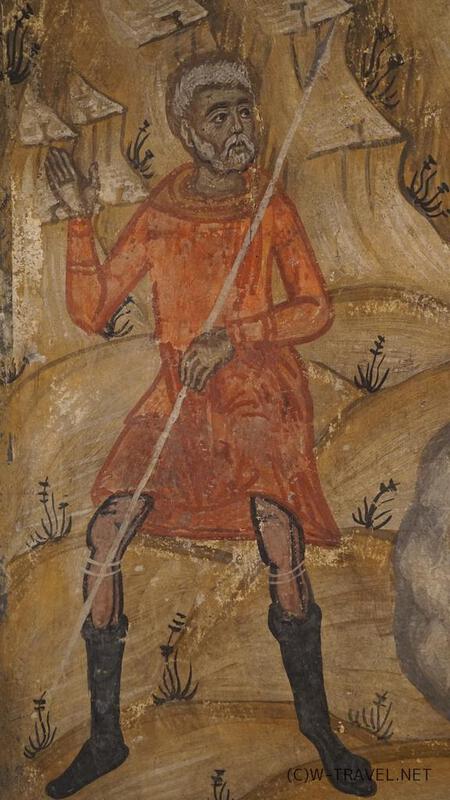

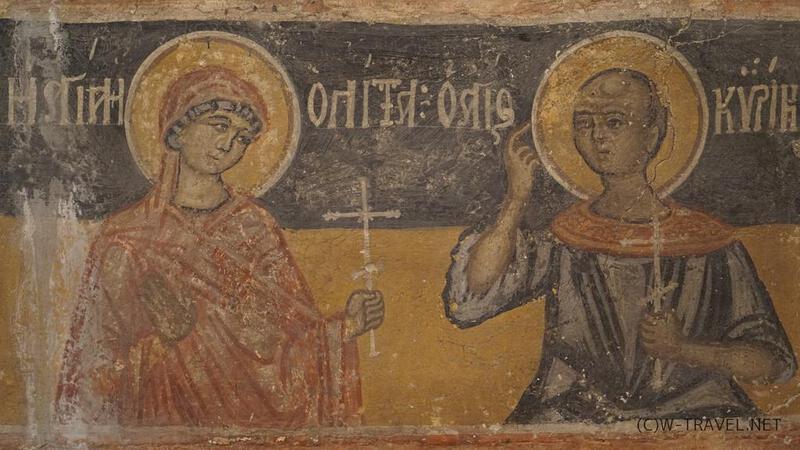
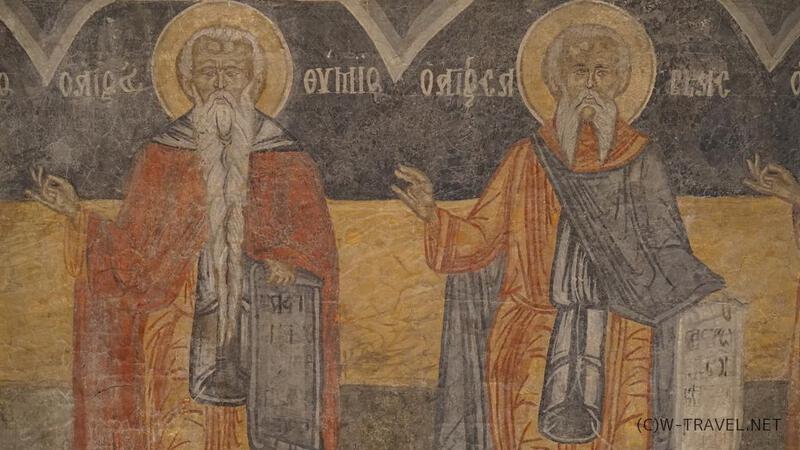
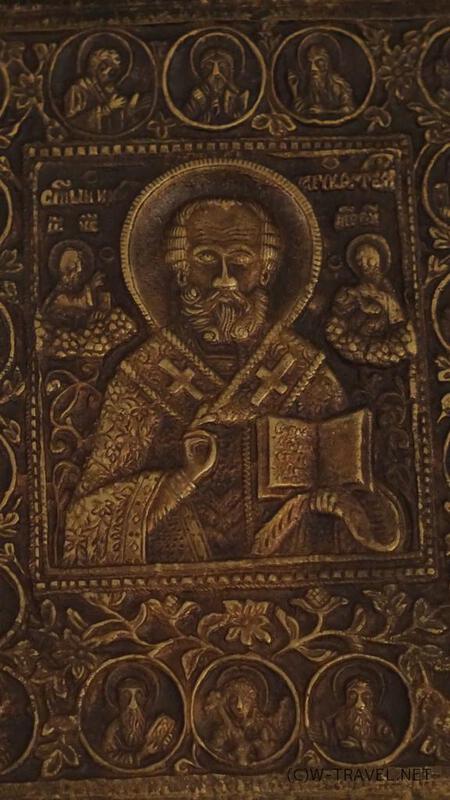
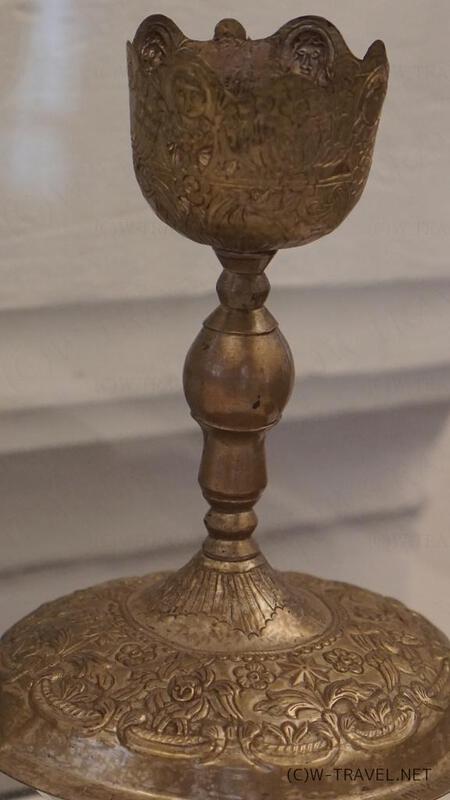
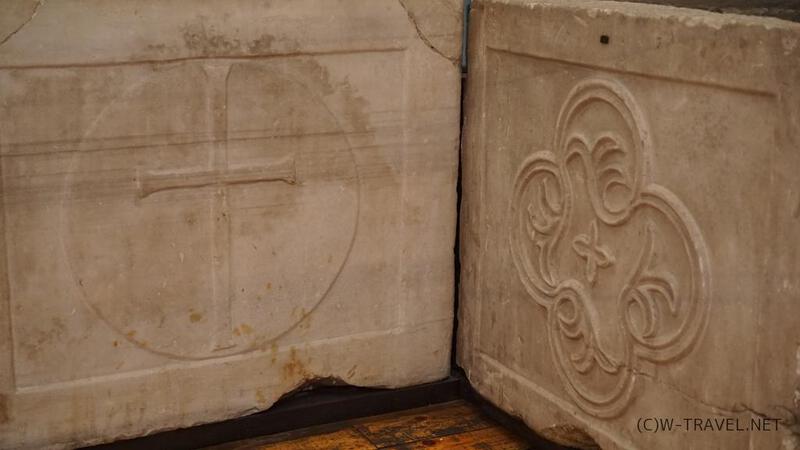
كنيسة القديسة صوفيا (Saint Sofia Church, Temple Sveta Sofia, Basilica of Hagia Sophia)
الآن، سنزور كنيسة القديسة صوفيا (Saint Sofia Church, Temple Sveta Sofia, Basilica of Hagia Sophia).
يبدو أن هذه الكنيسة كانت مهجورة لفترة من الوقت، ولكن تم ترميمها في القرن العشرين.
يبدو أنها أعيد بناؤها عدة مرات في الماضي،
ويمكن رؤية الأساس الذي تم فيه بناء طبقات متعددة من الكنيسة تحت الأرض.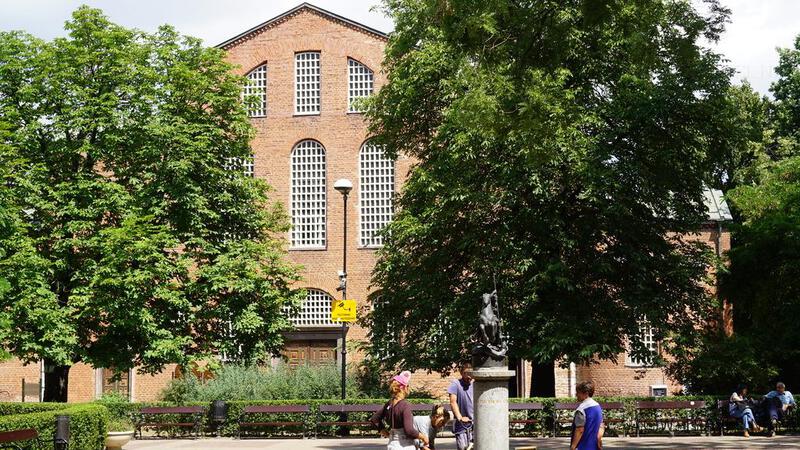
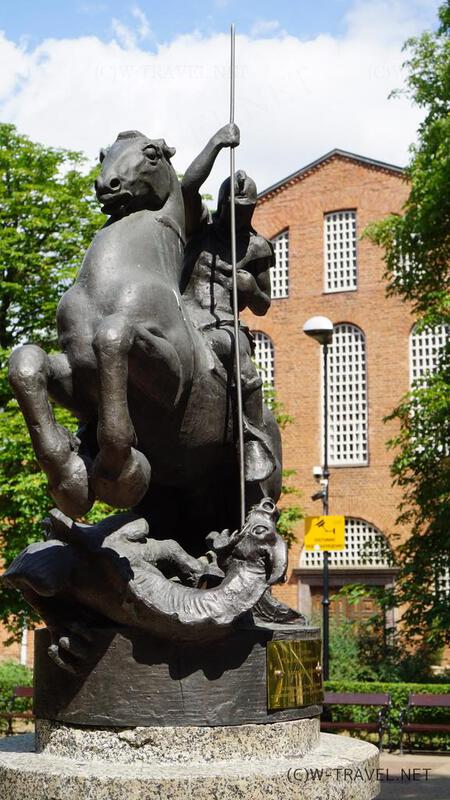
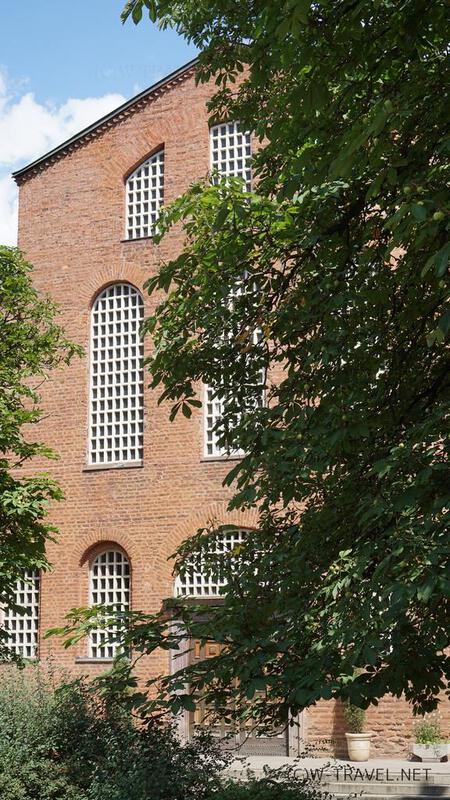
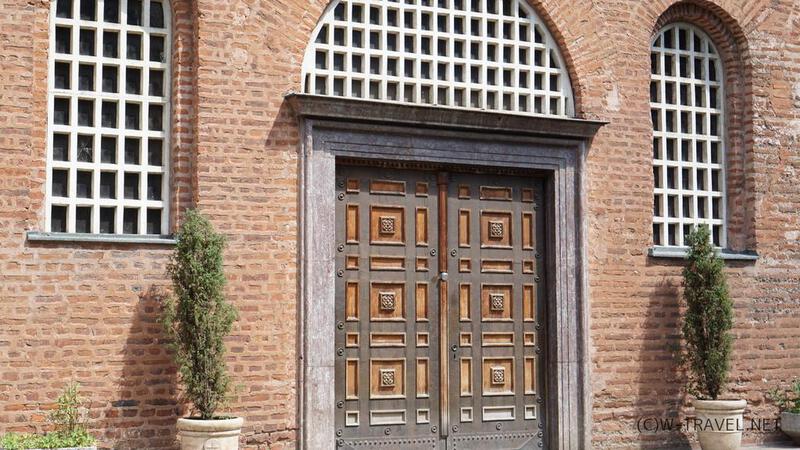
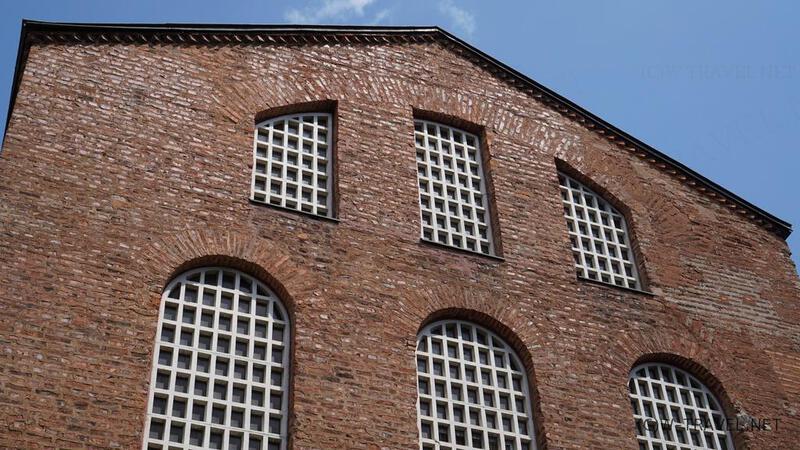

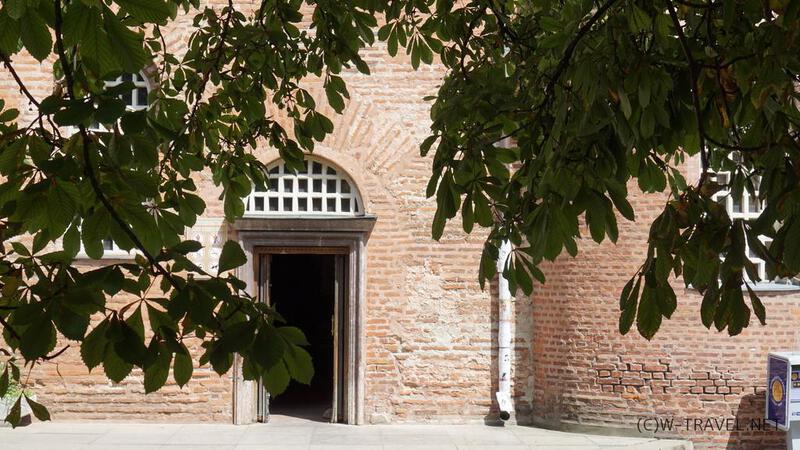

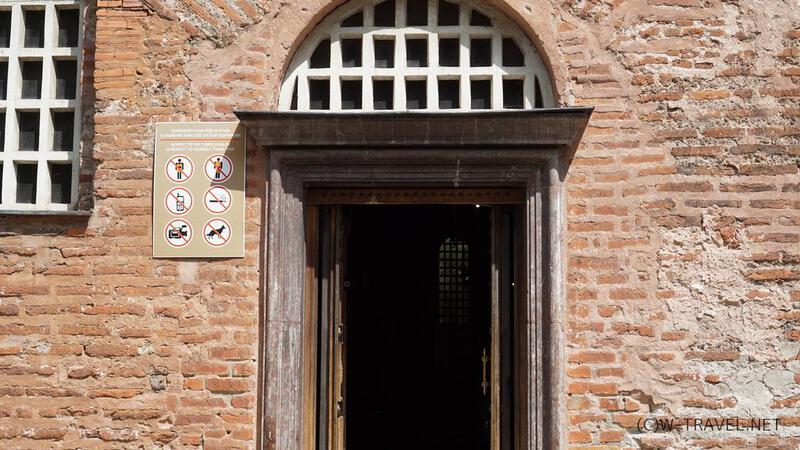 التقاط الصور ممنوع داخل المبنى.
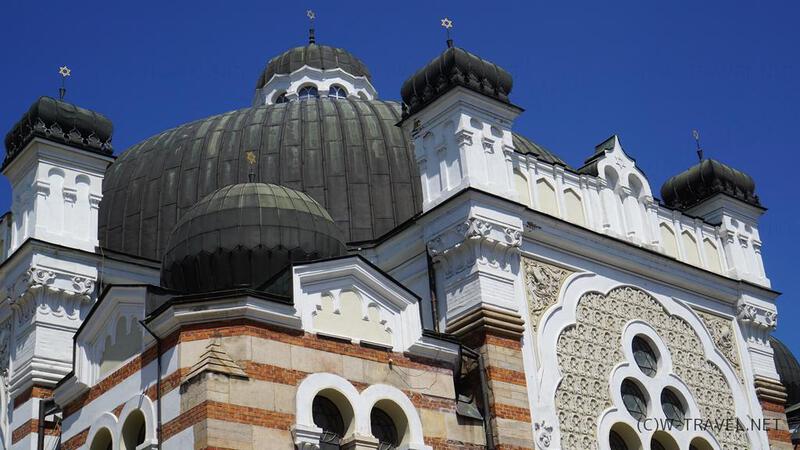
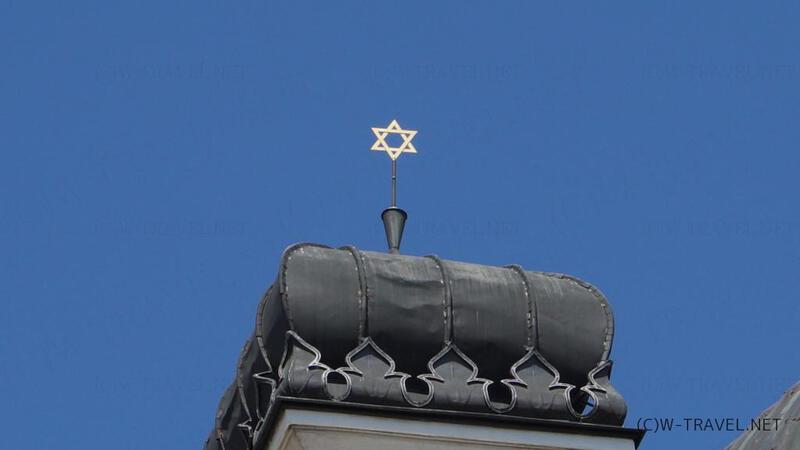
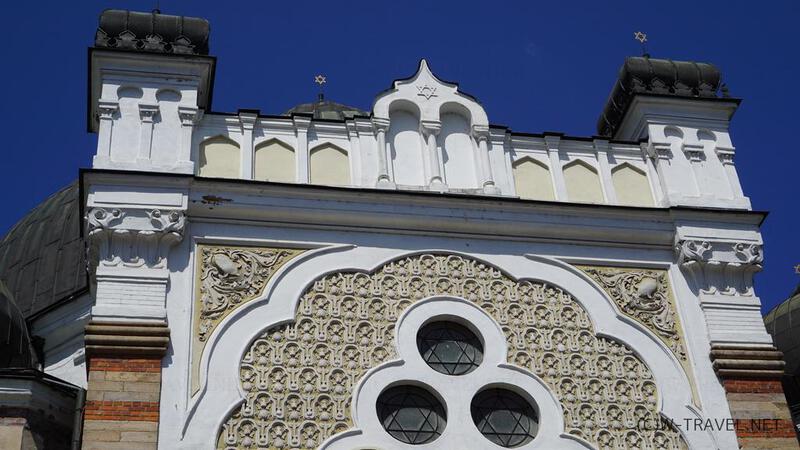
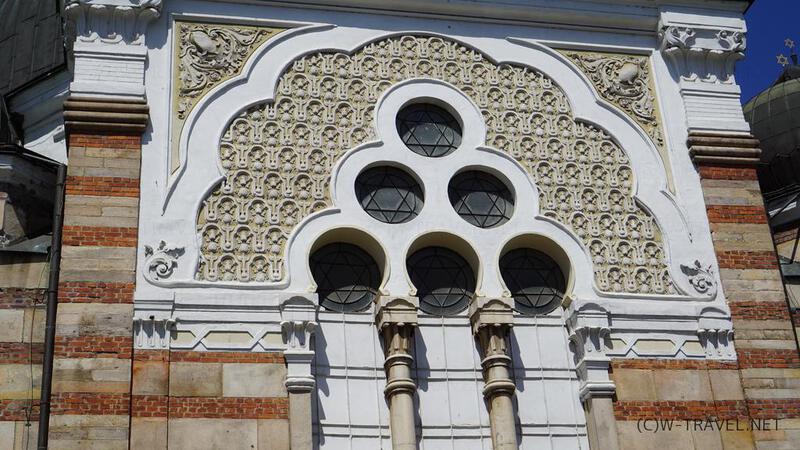
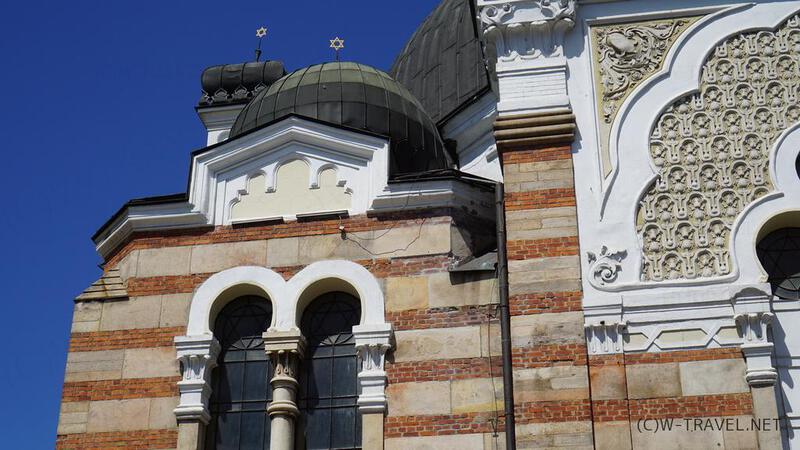
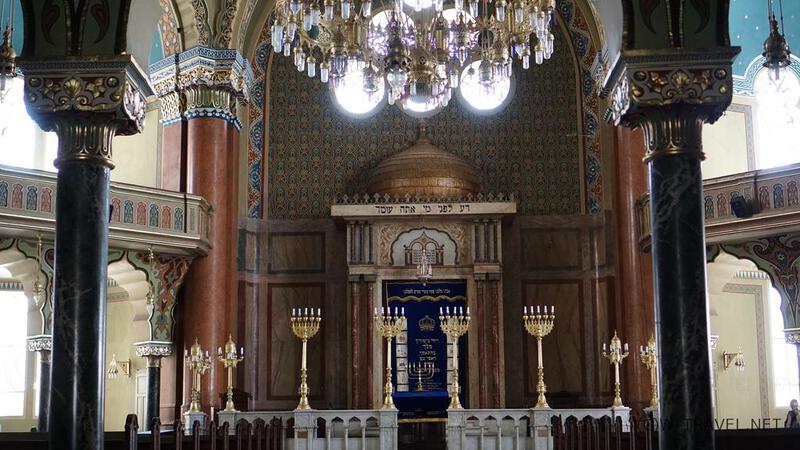
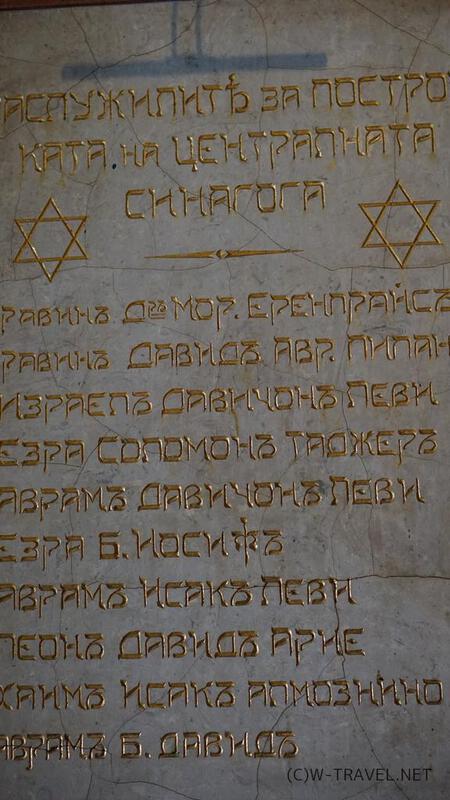
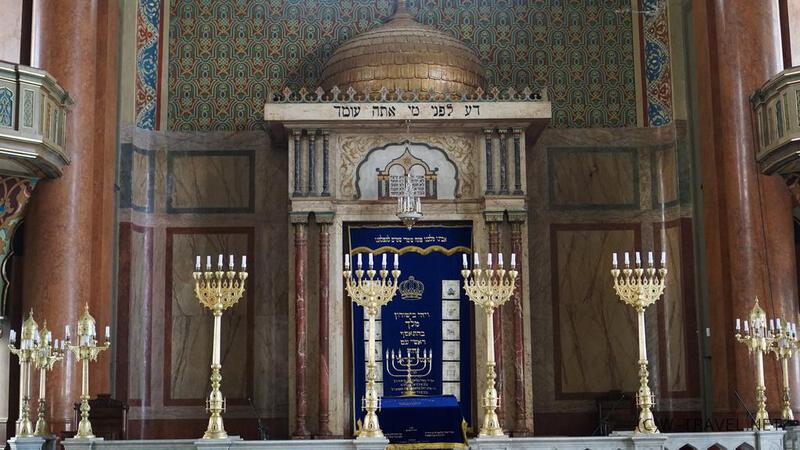
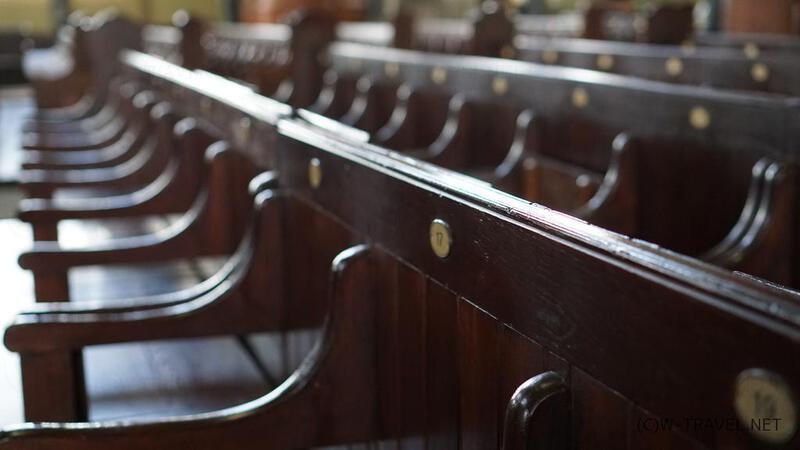
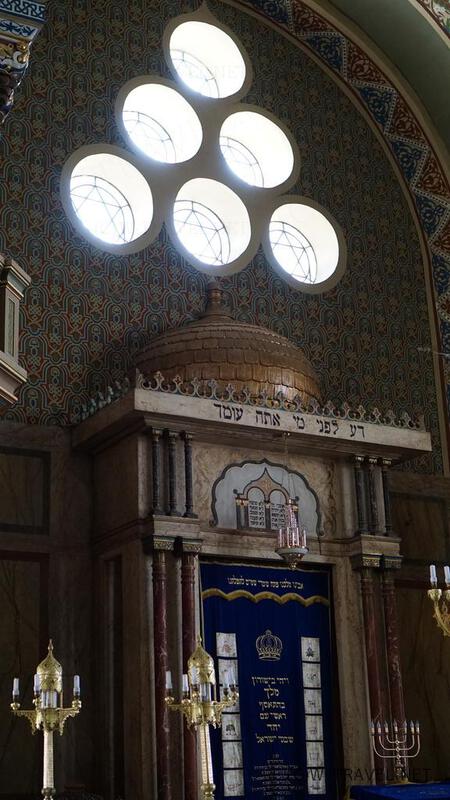
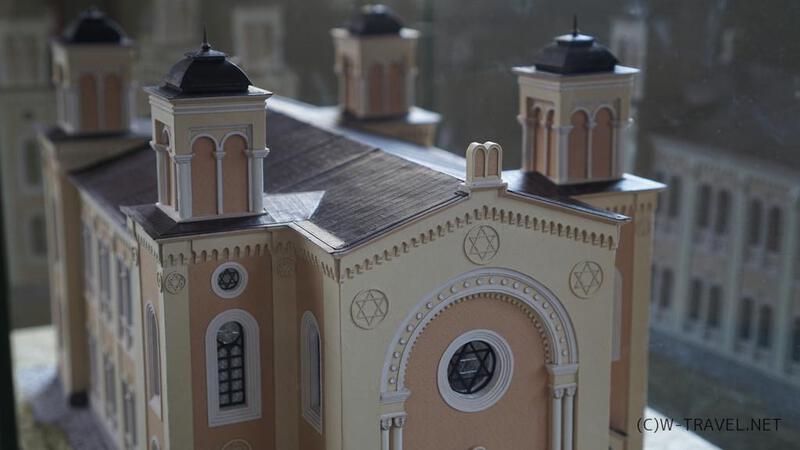
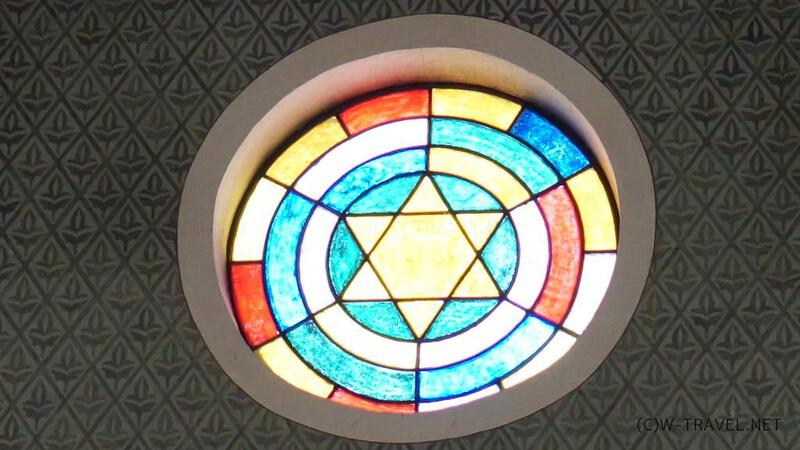
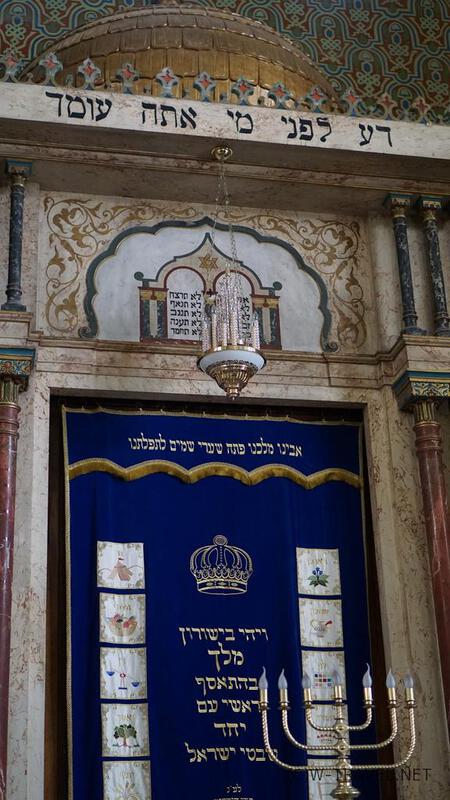
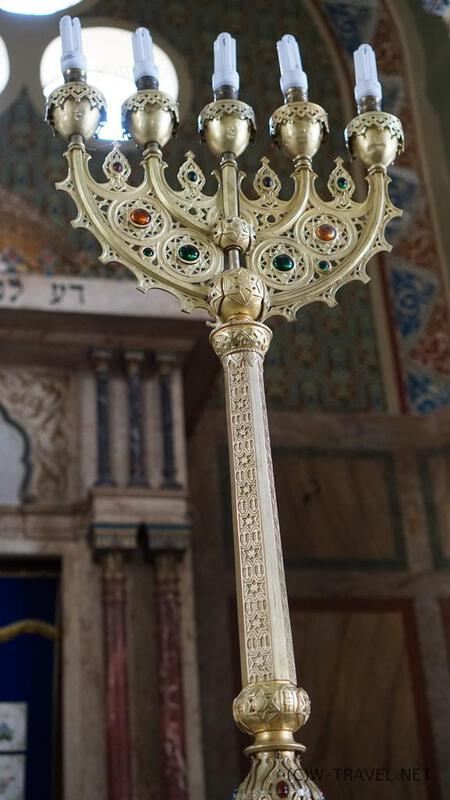
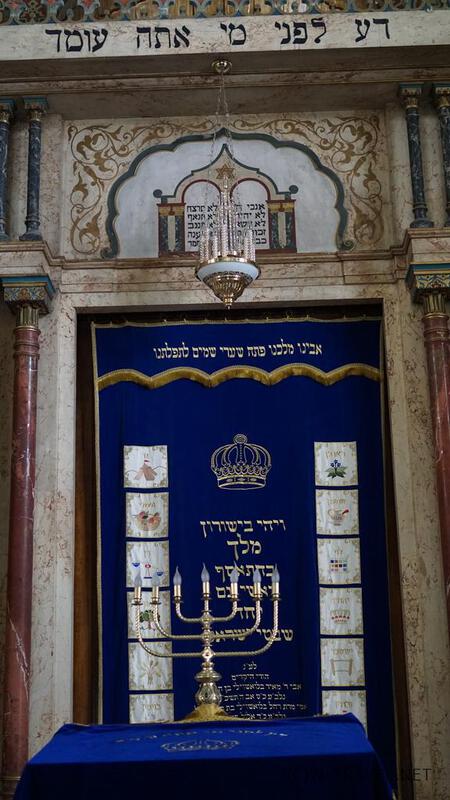
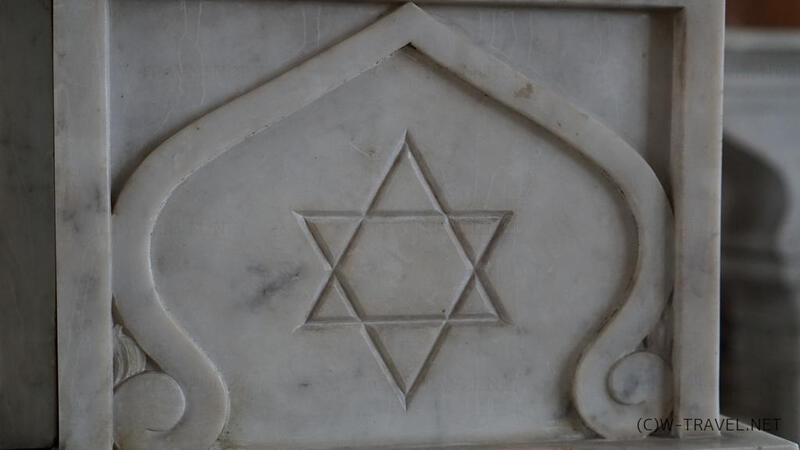
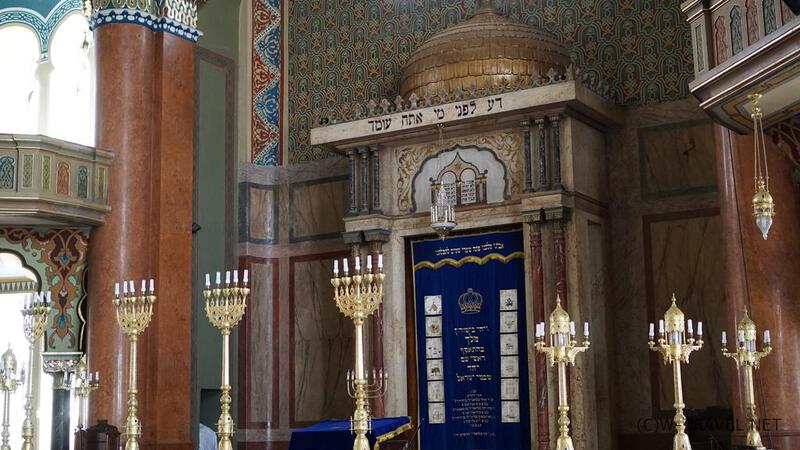
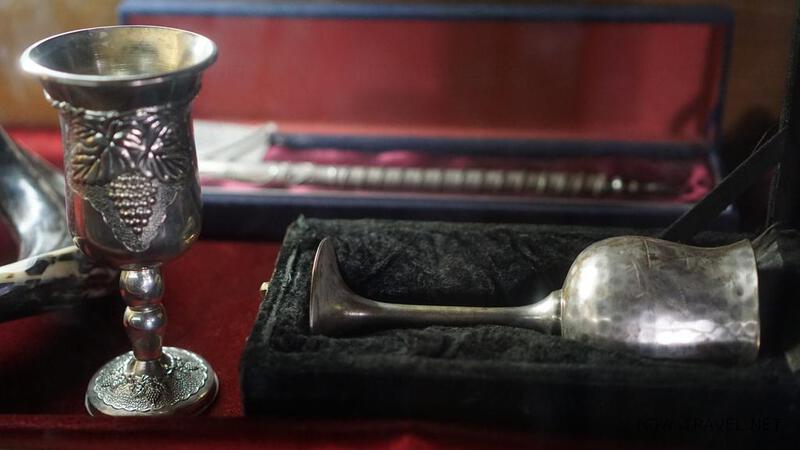
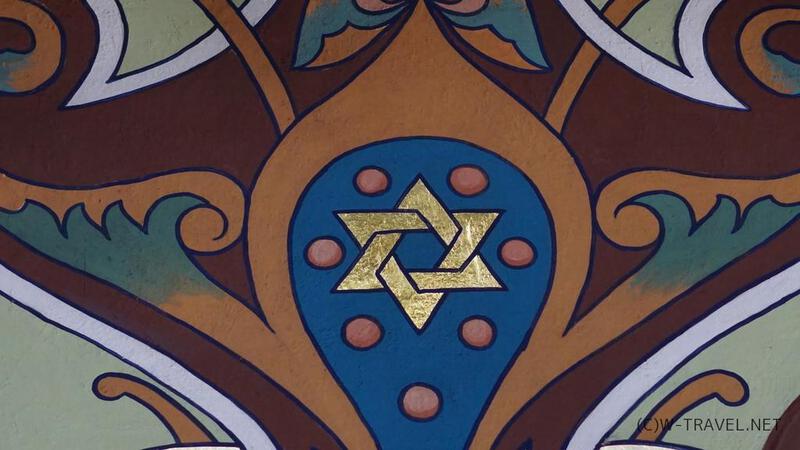
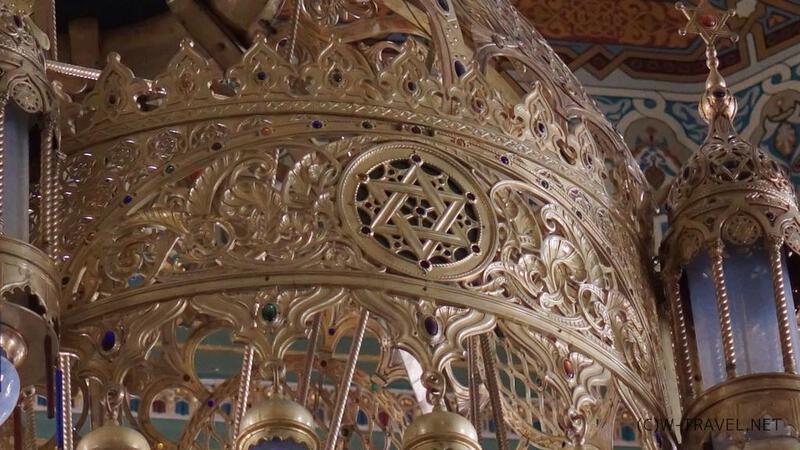
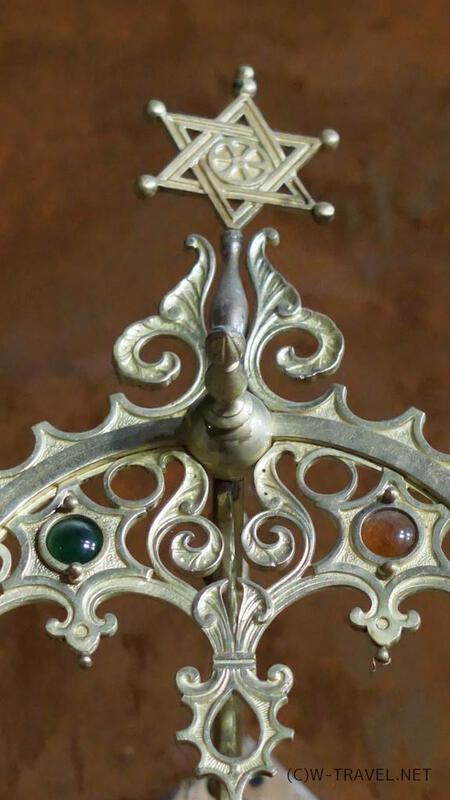
كنيس صوفيا ومتحف التاريخ اليهودي (The Sofia Synagogue, Jewish Museum of History).
في زيارة إلى مبنى تم شرح أنه يضم كنيس صوفيا (The Sofia Synagogue) في جولة شاركت فيها مؤخرًا.
عند النظر إلى الخريطة، يبدو أن هناك متحفًا للتاريخ اليهودي (Jewish Museum of History) في نفس الموقع، ولكن يبدو أن مبنى الكنيس نفسه يضم المتحف. هذا هو الحال.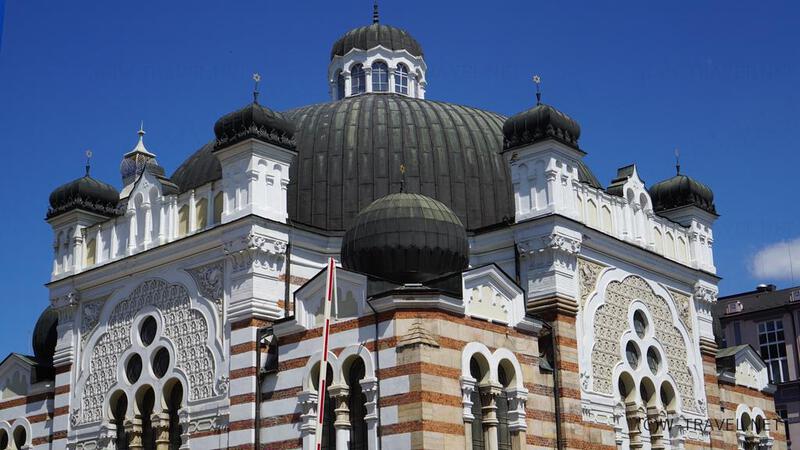






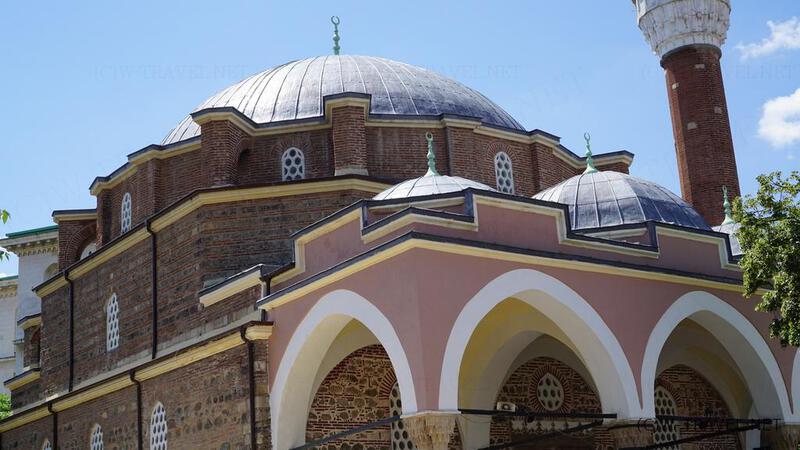
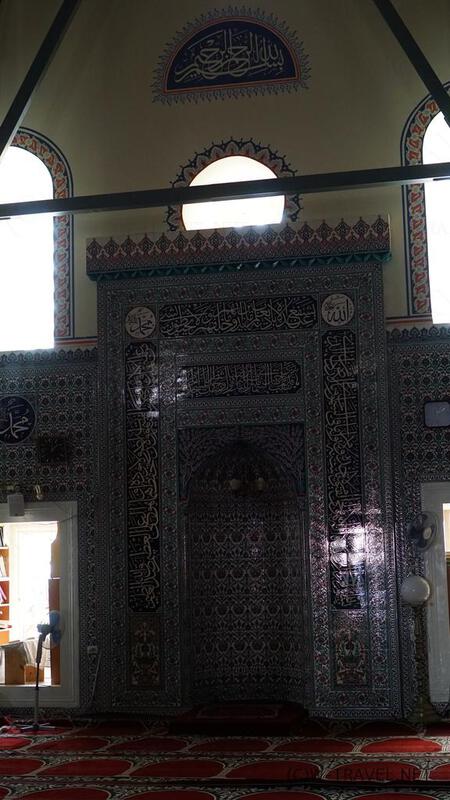
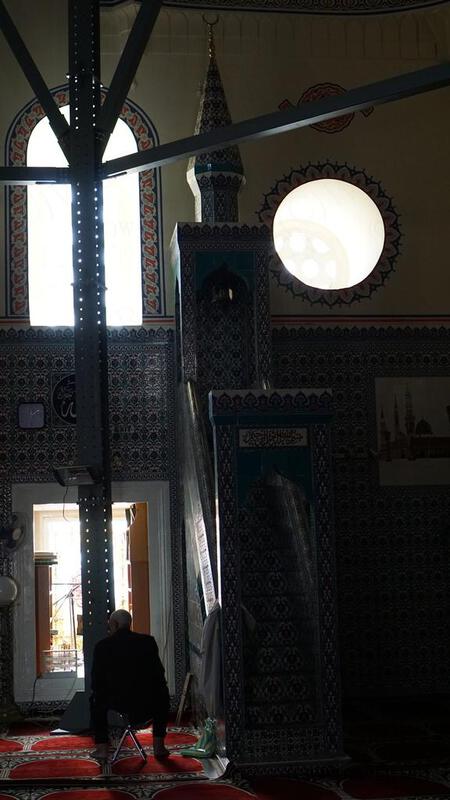
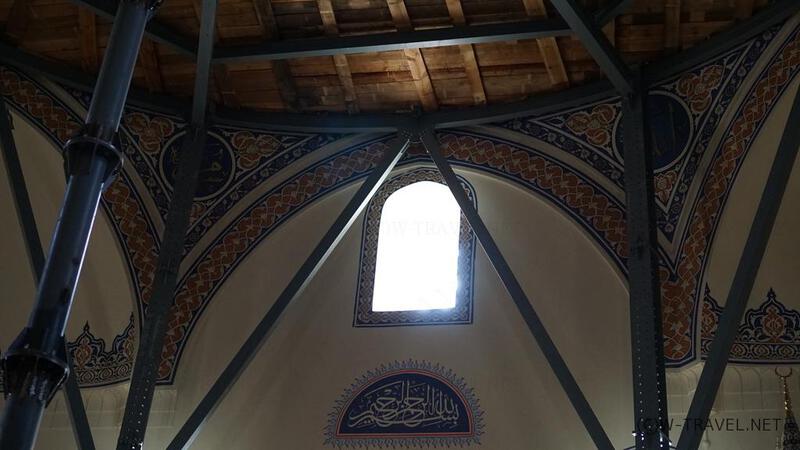
مسجد بانيا باشي.
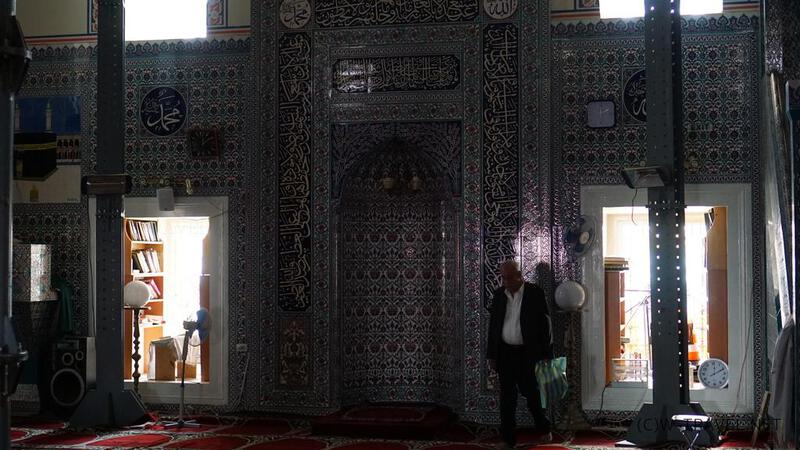
جرّبت الذهاب إلى مسجد بانيا باشي الموجود في وسط مدينة صوفيا.
إنه مسجد صغير، ويمكن رؤية المكتبة من الخارج، وهو مسجد علماني إلى حد ما...


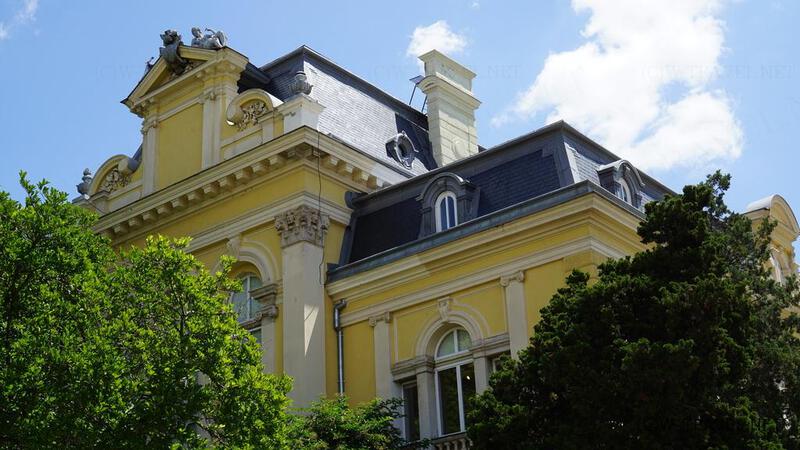
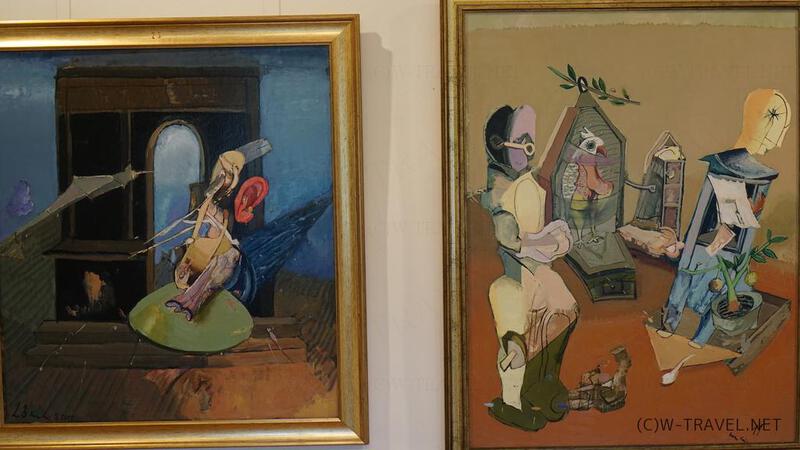
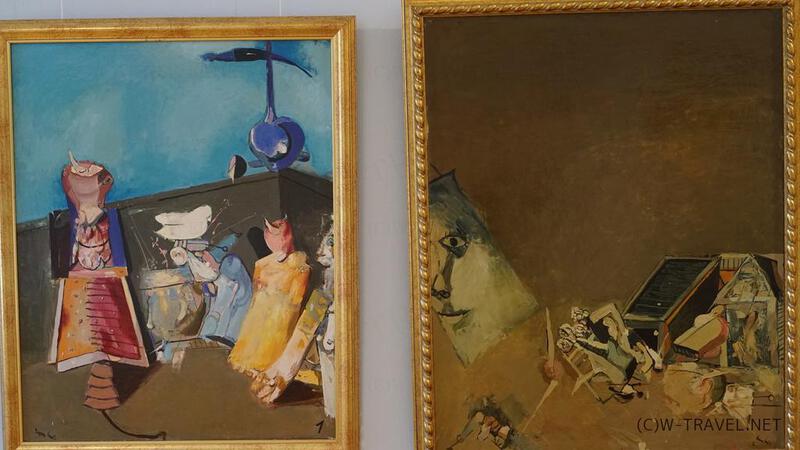
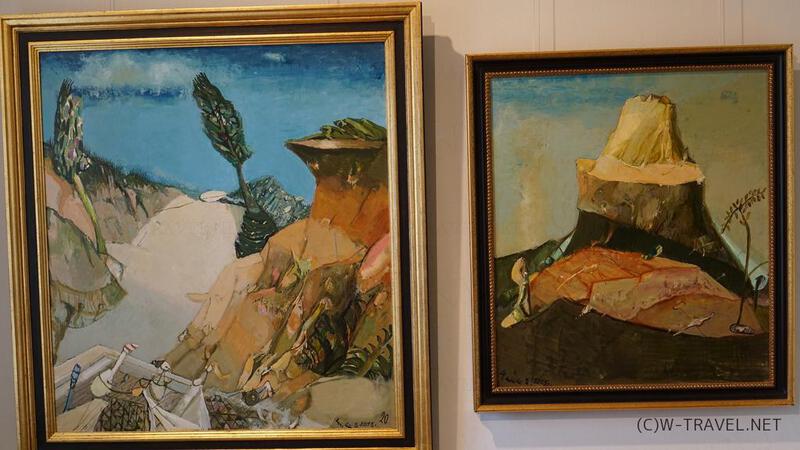
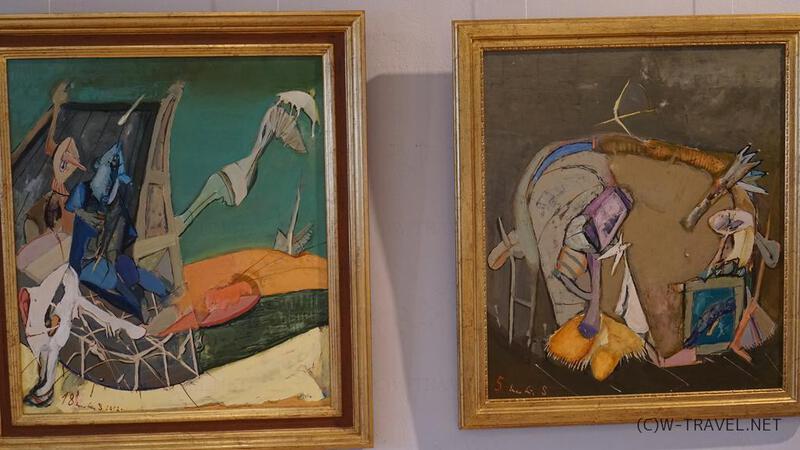
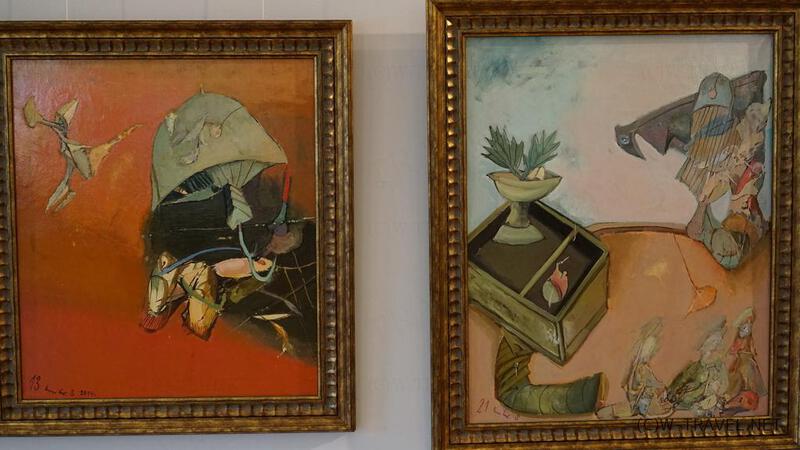
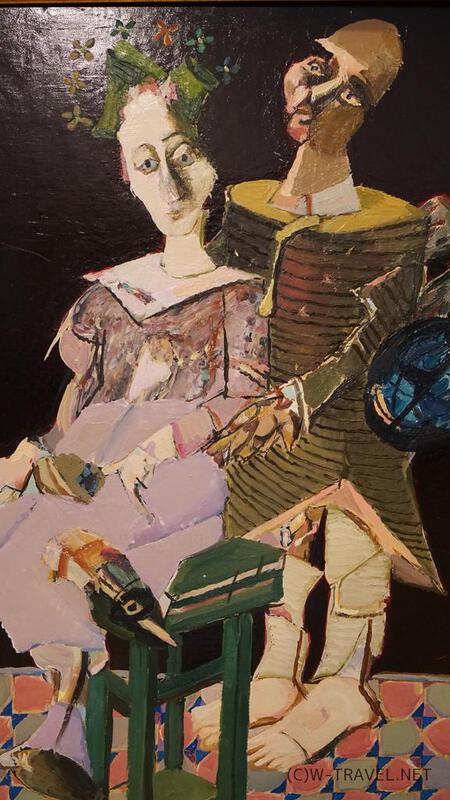
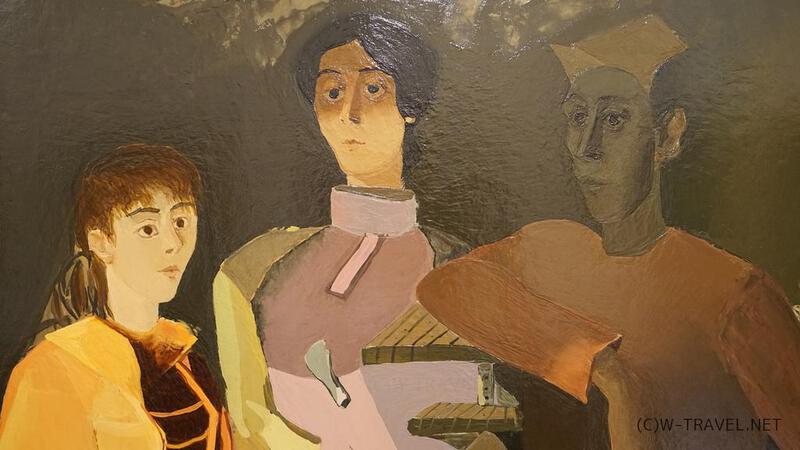
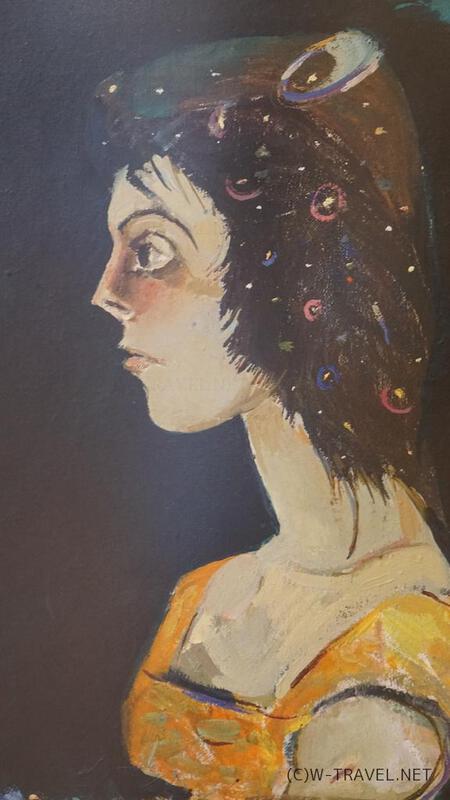
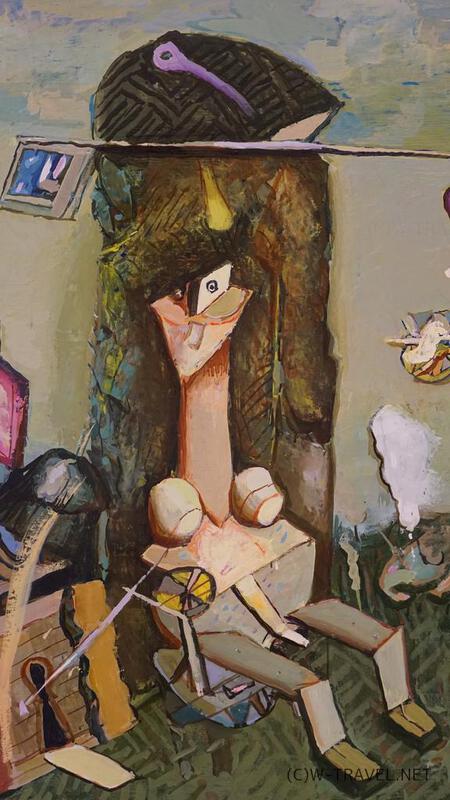
المتحف الوطني للفنون.
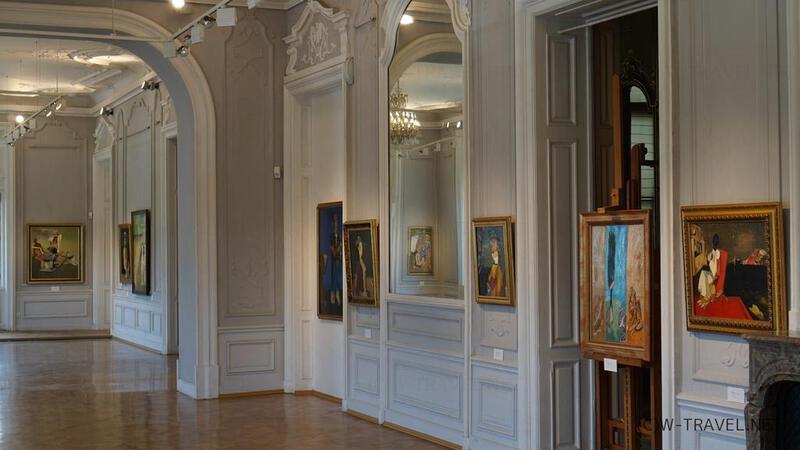
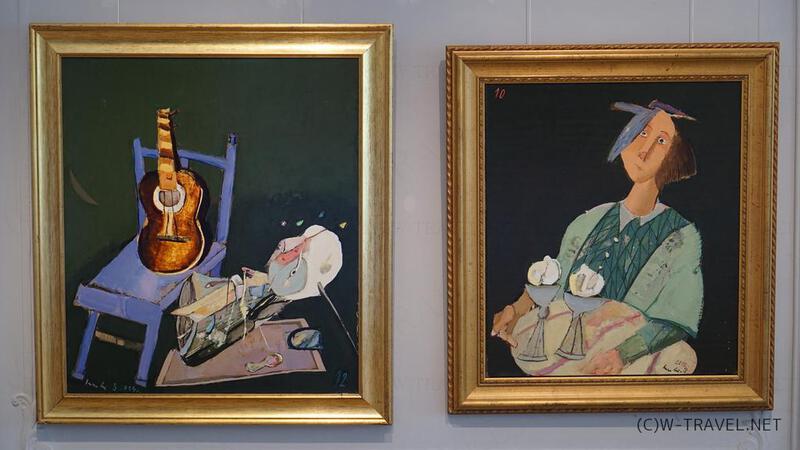
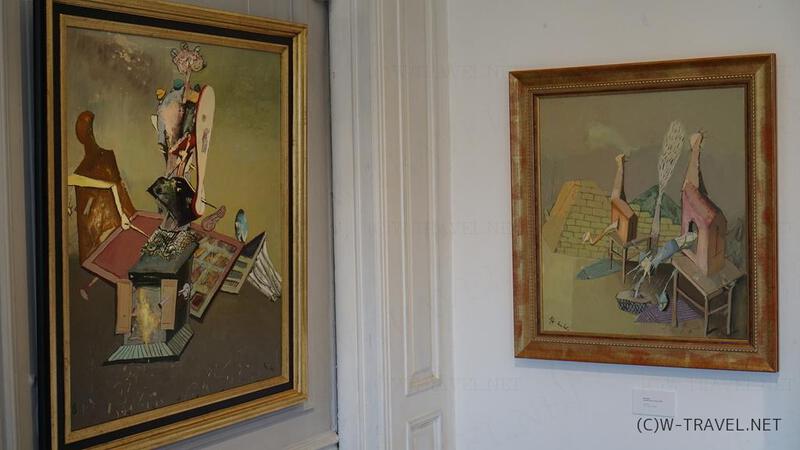
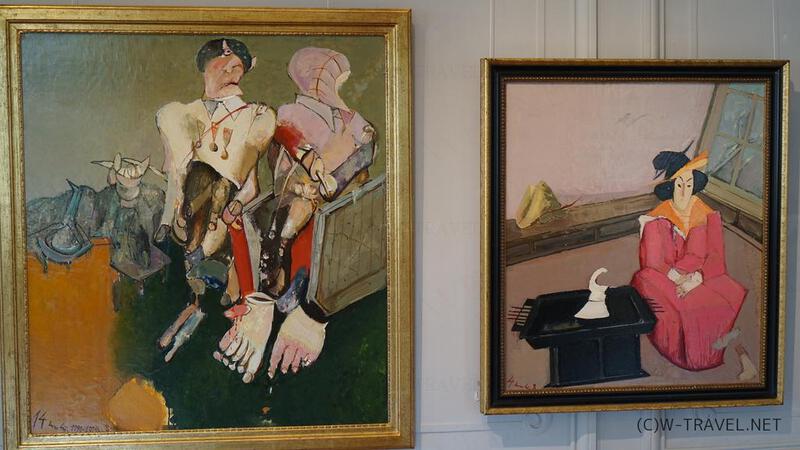
الآن، سأذهب إلى المعرض الوطني للفنون.
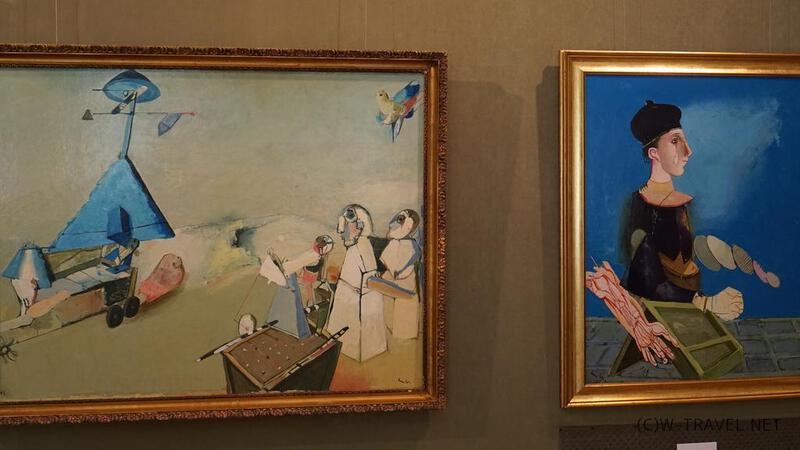
لماذا تقريبًا جميع اللوحات المعروضة ذات تصميم سريالي؟... لا أفهم هذا النوع من الفن.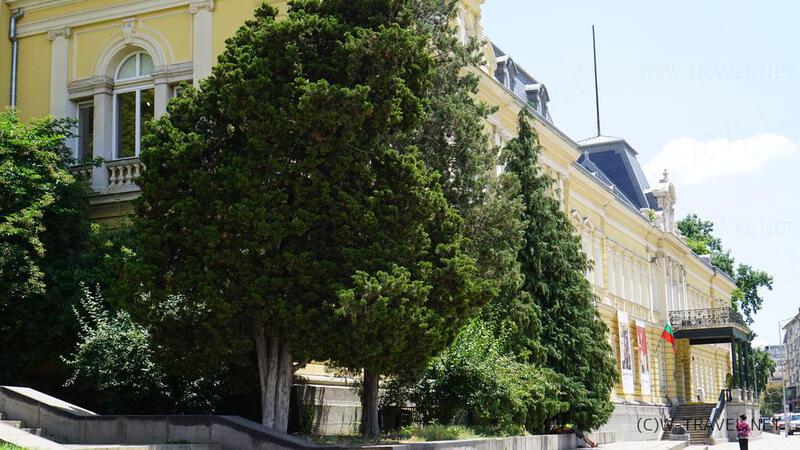






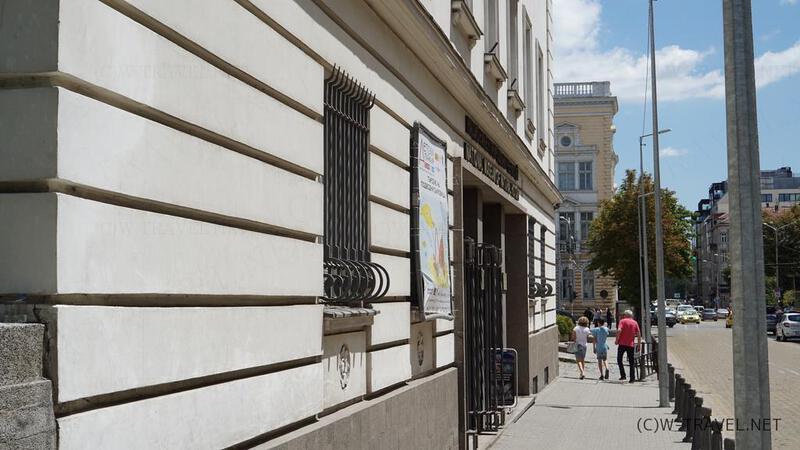
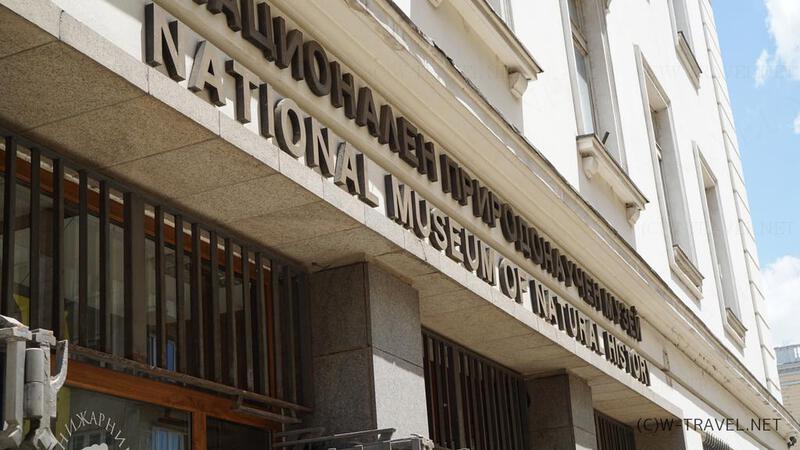
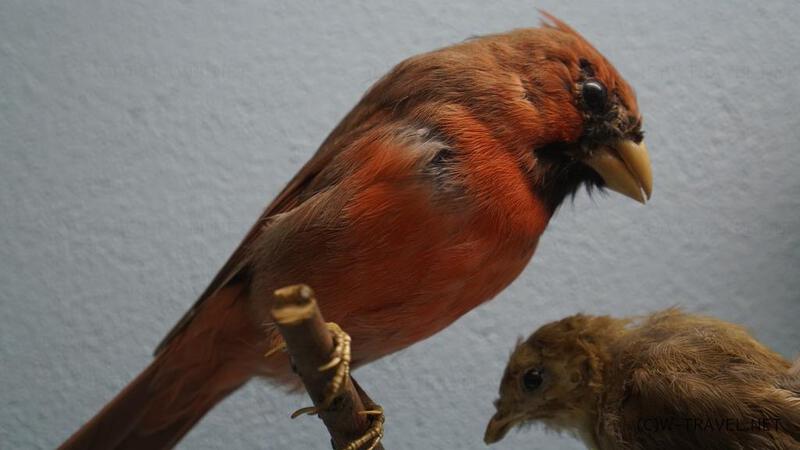
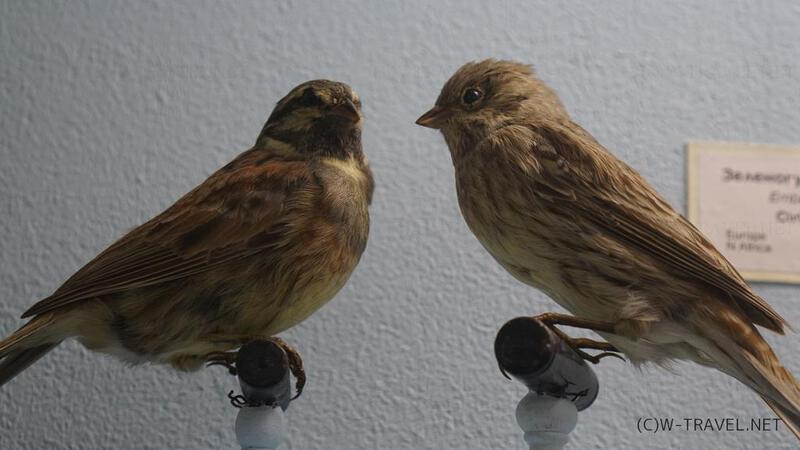
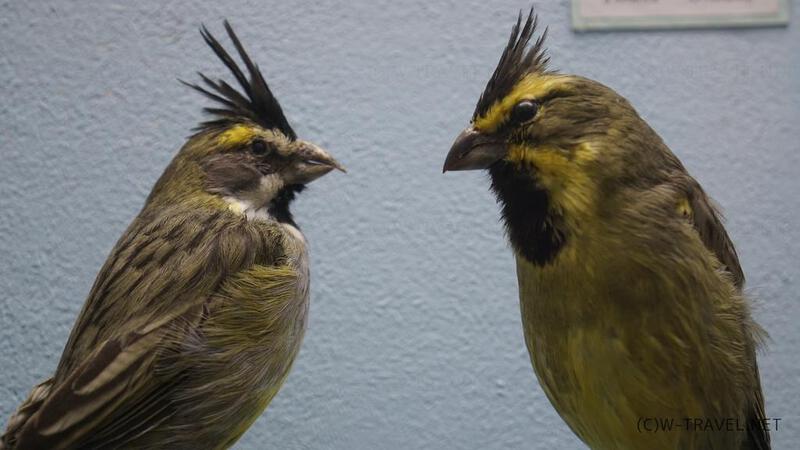
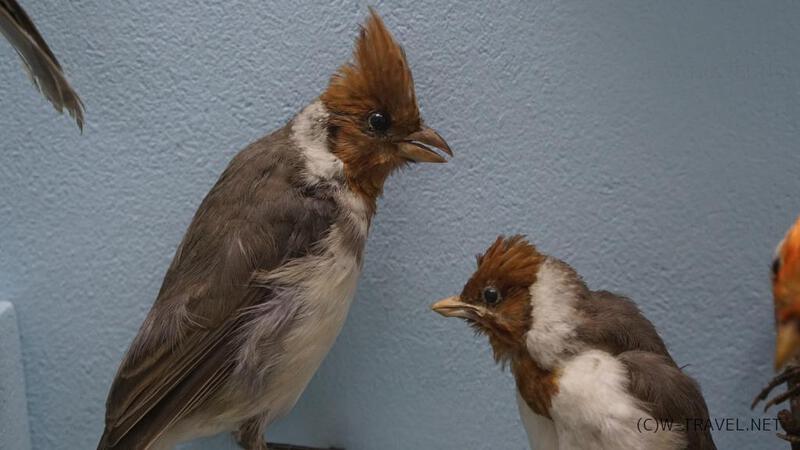
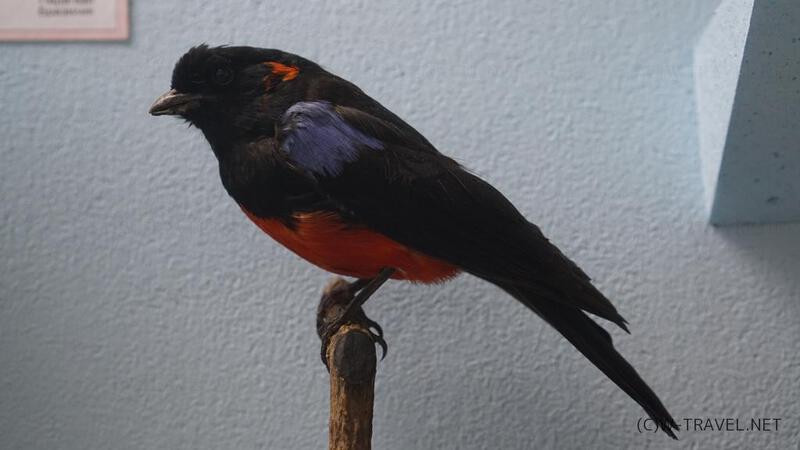
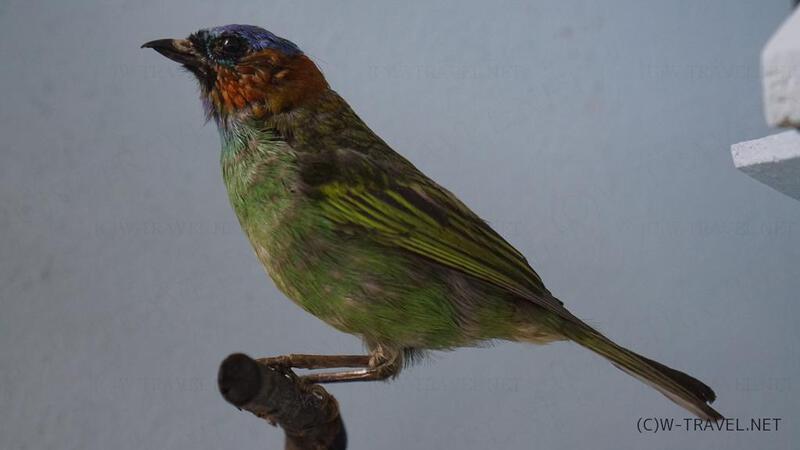
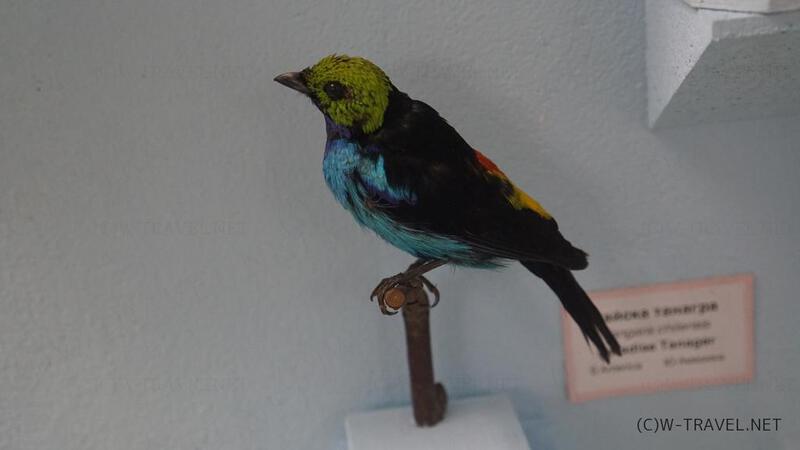
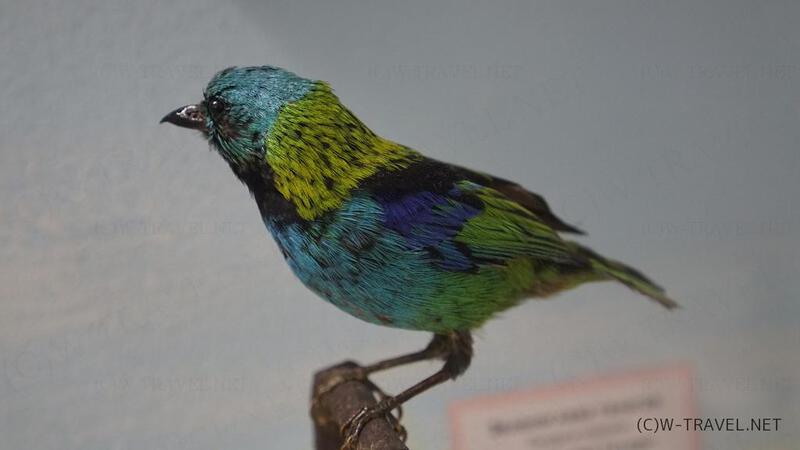
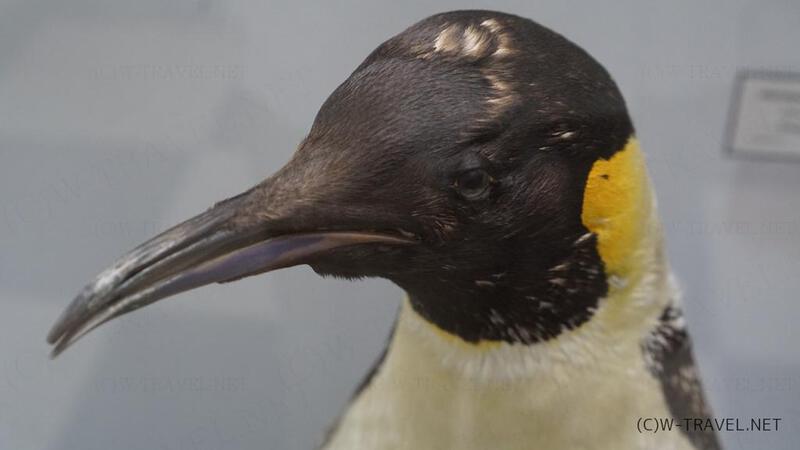
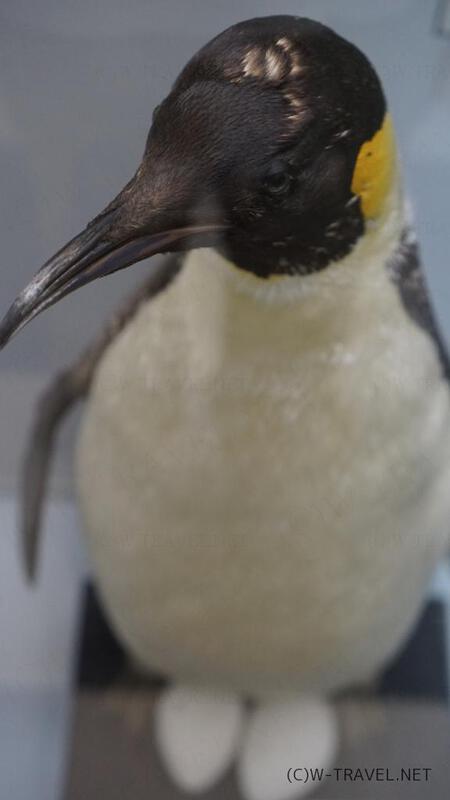
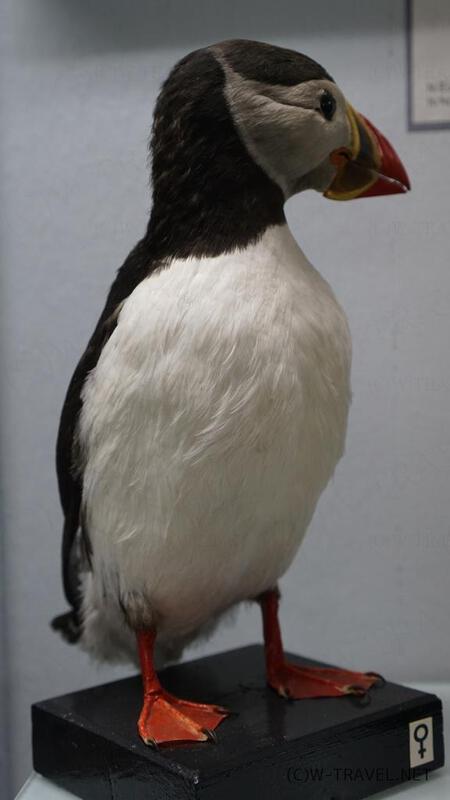
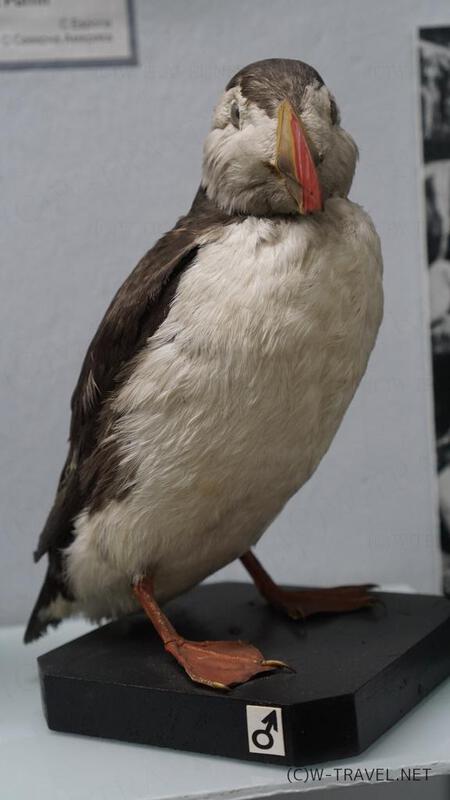
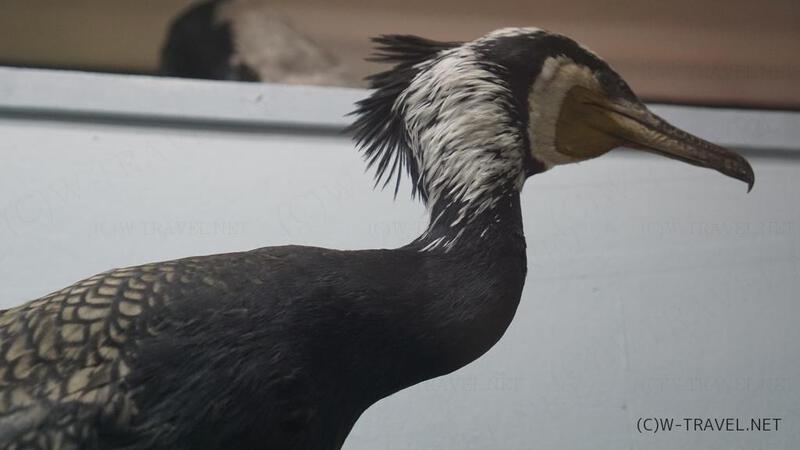
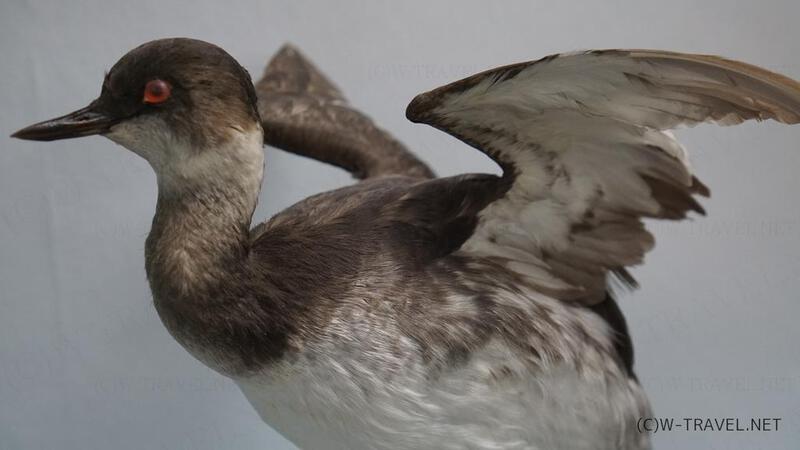
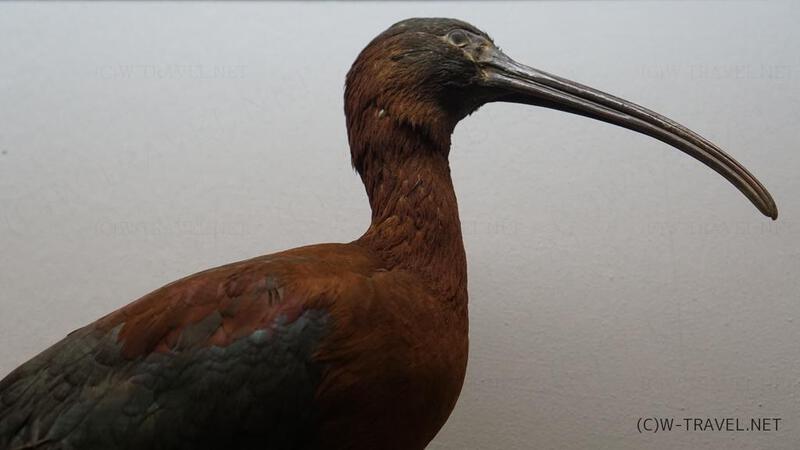
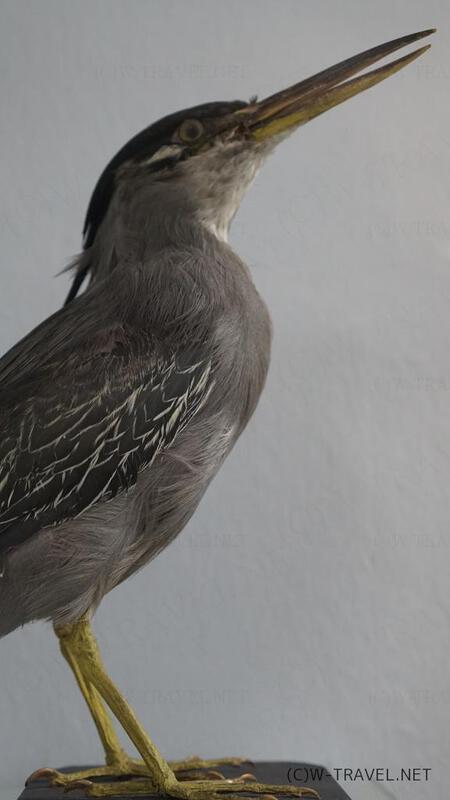
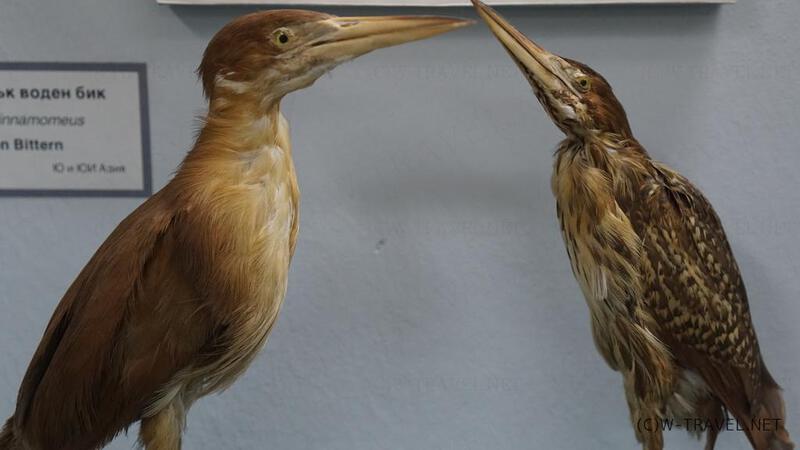
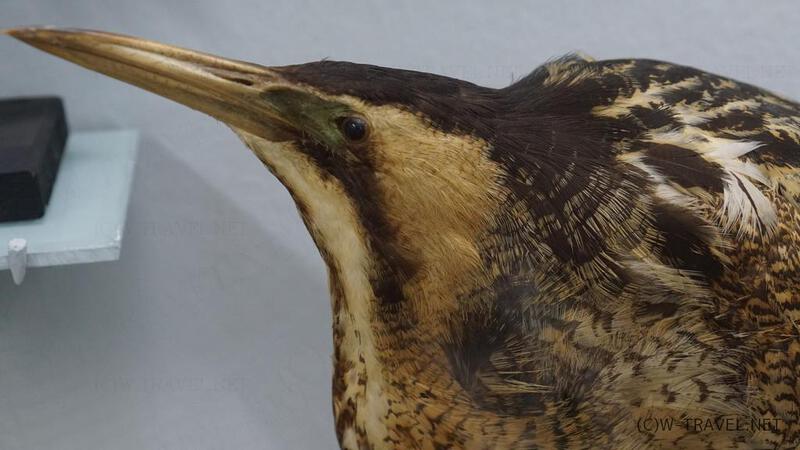
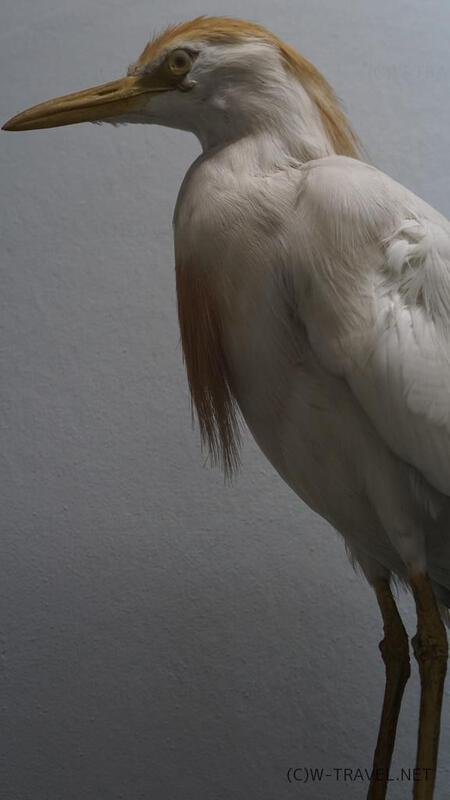
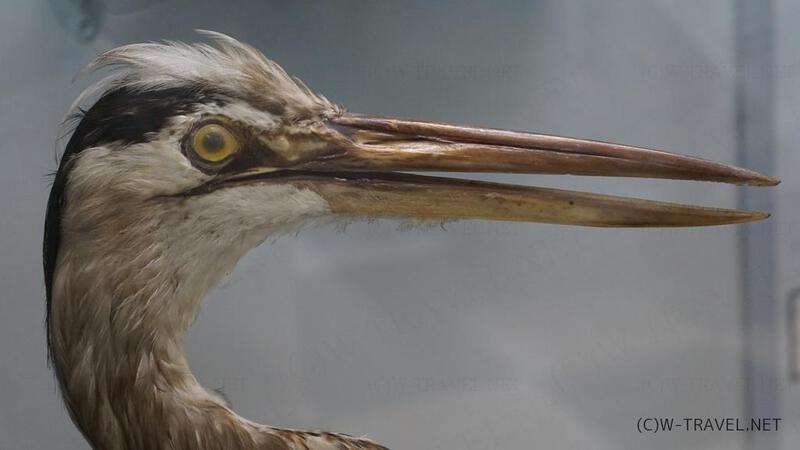
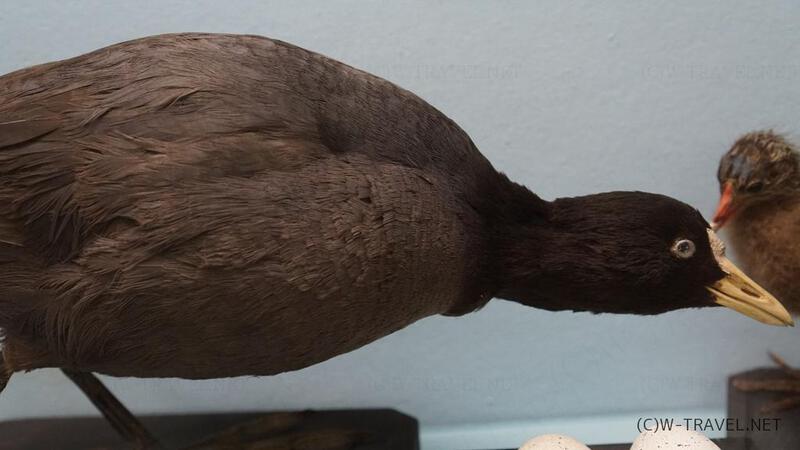
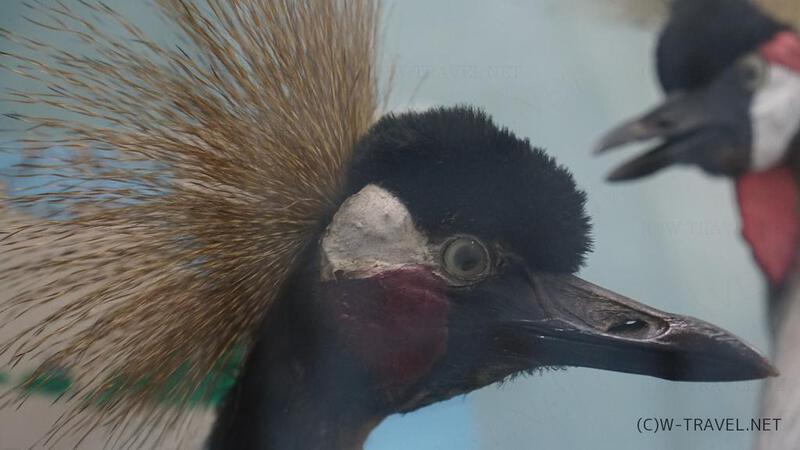
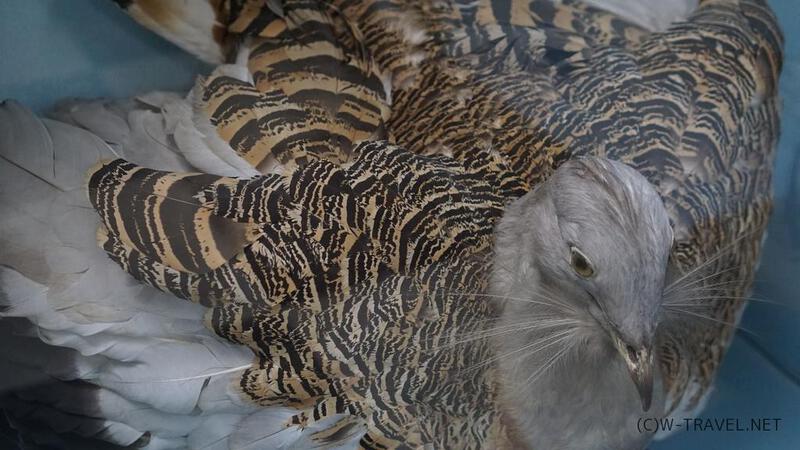
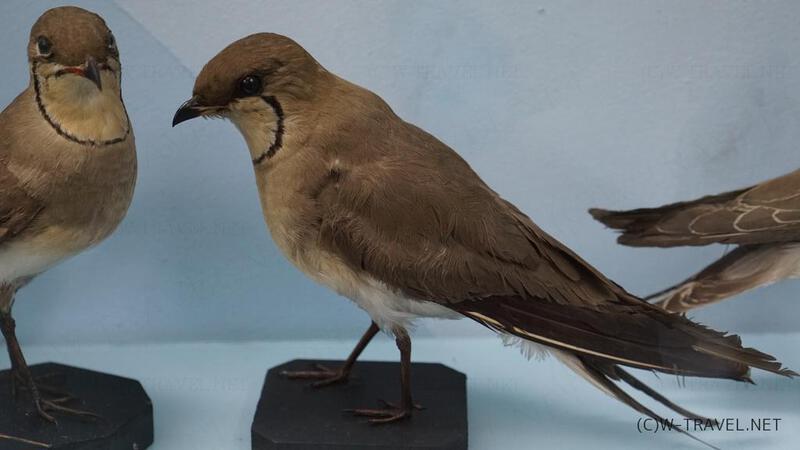
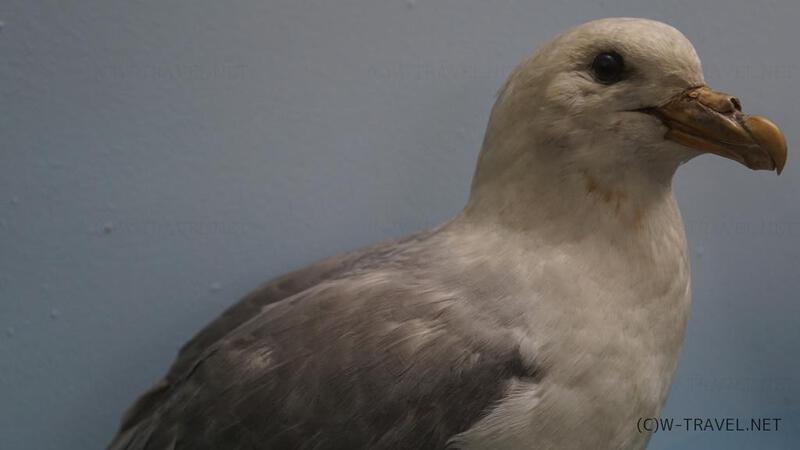
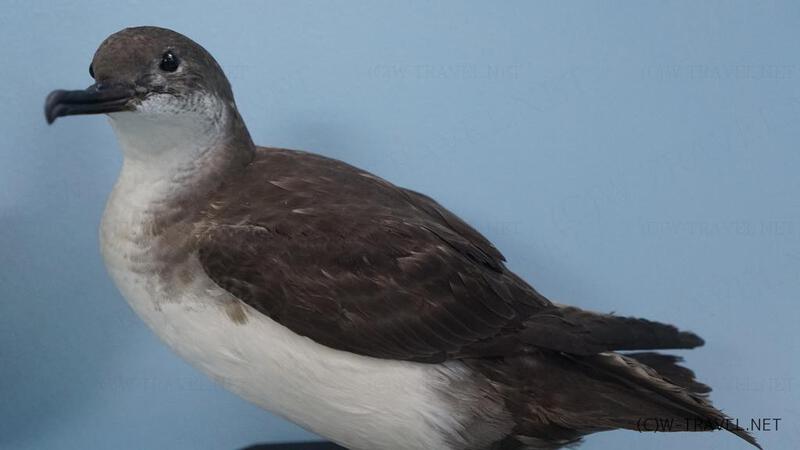
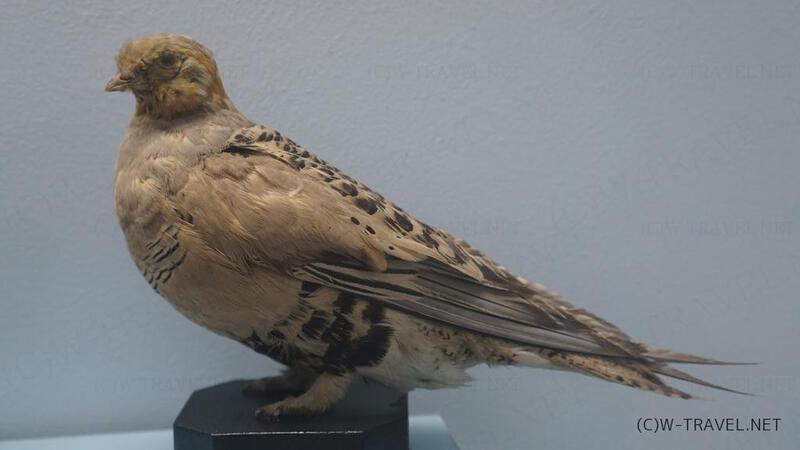
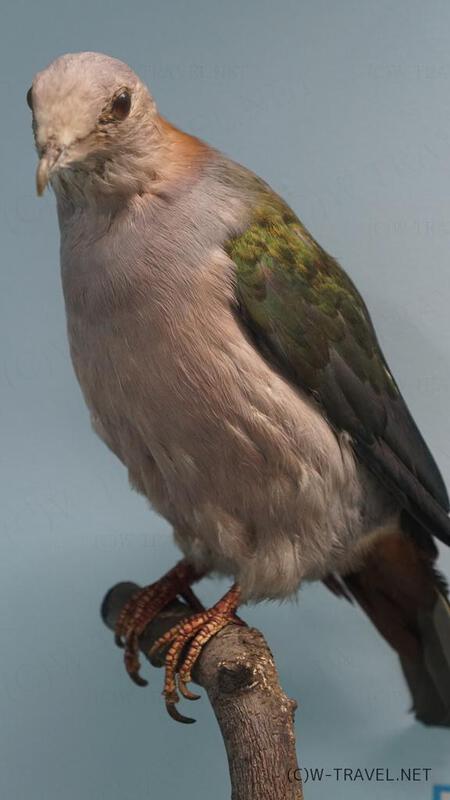
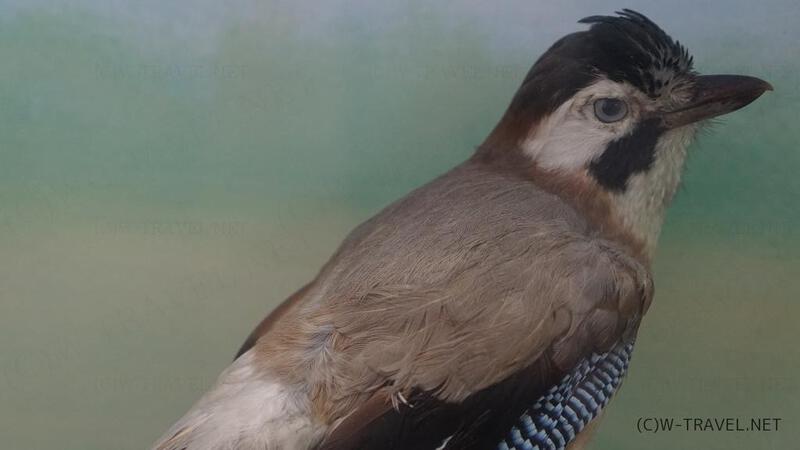
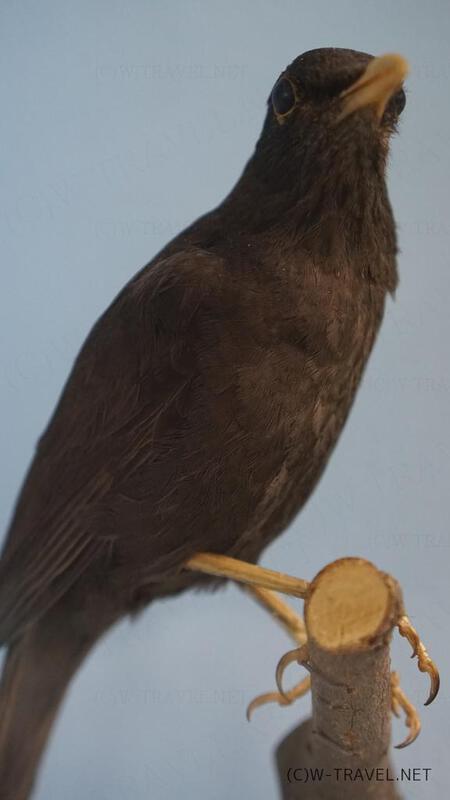
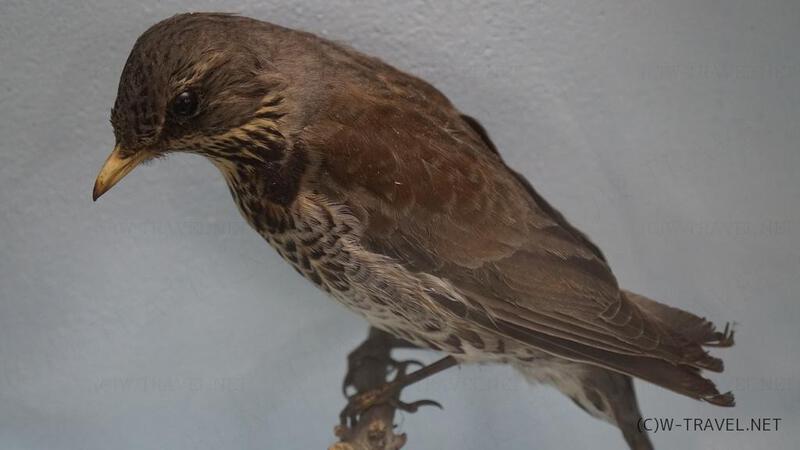
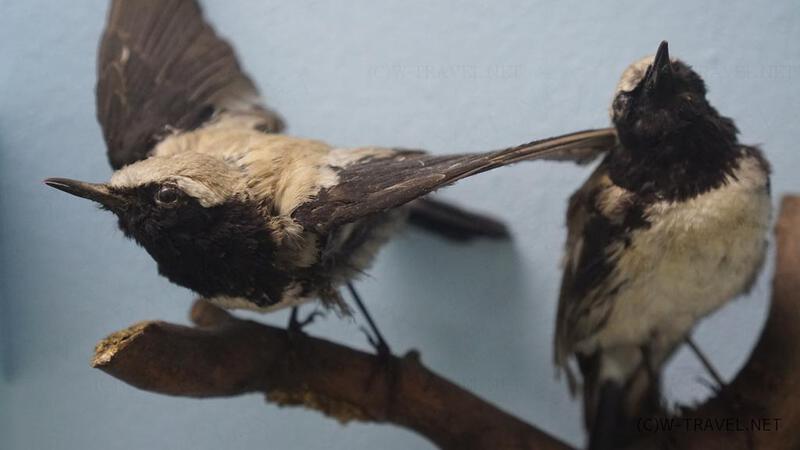
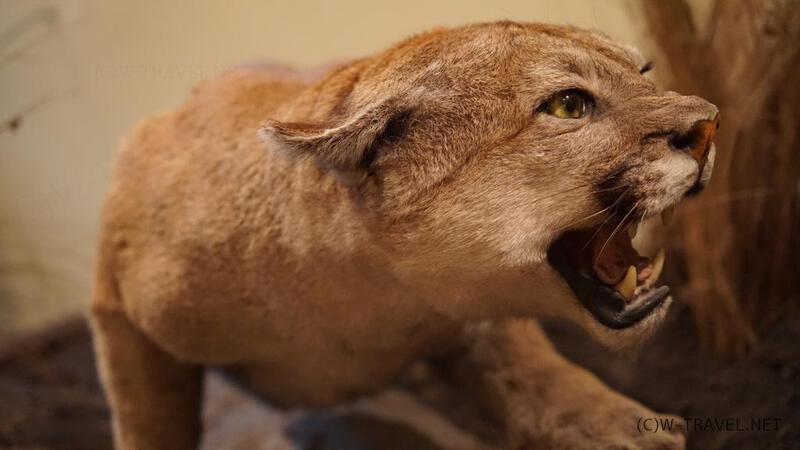
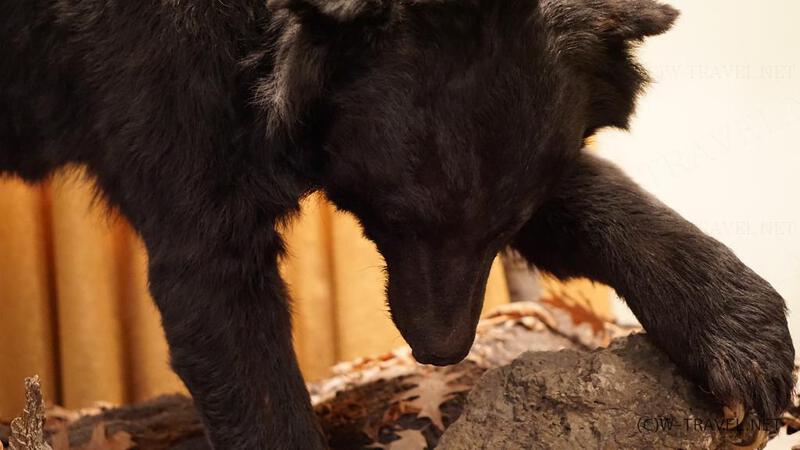
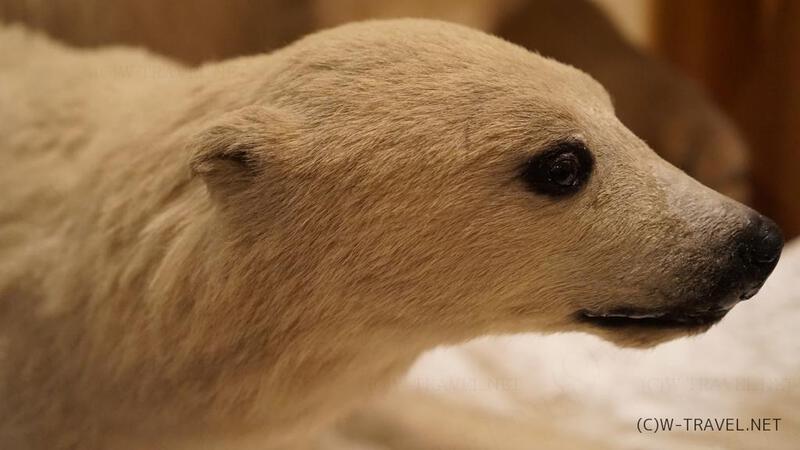
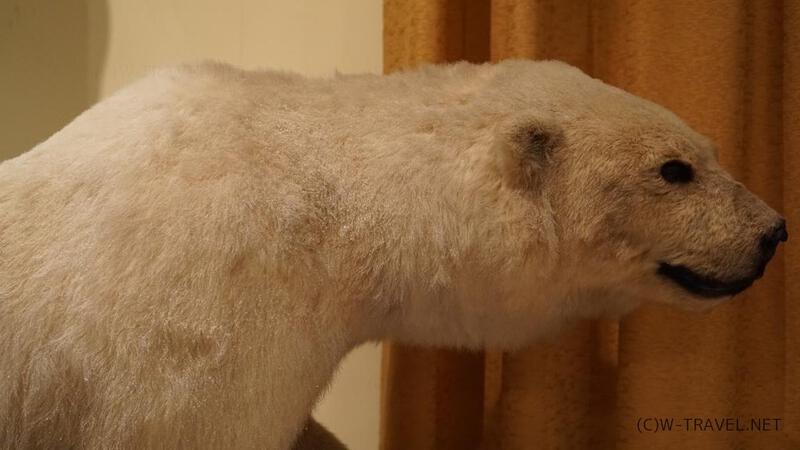
المتحف الوطني للتاريخ الطبيعي.
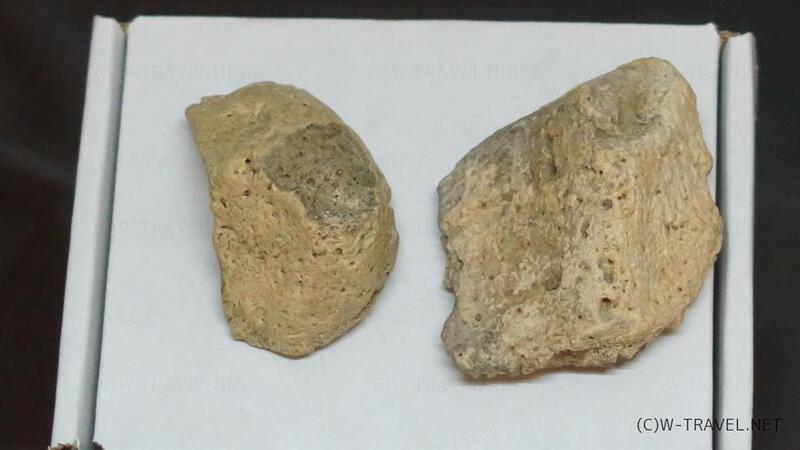
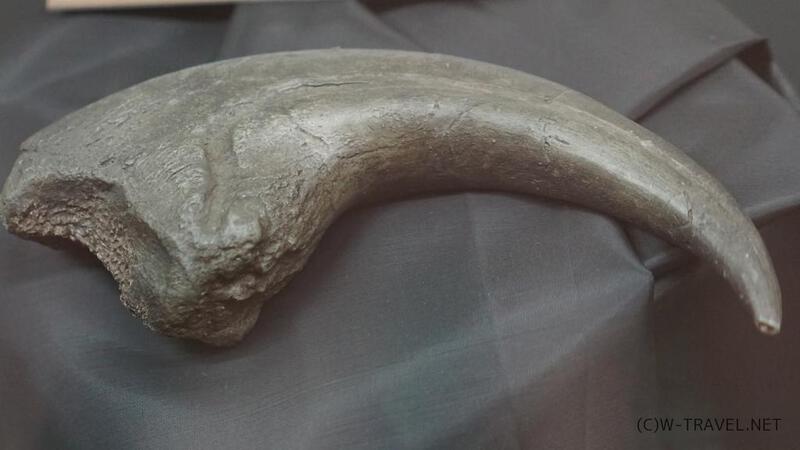
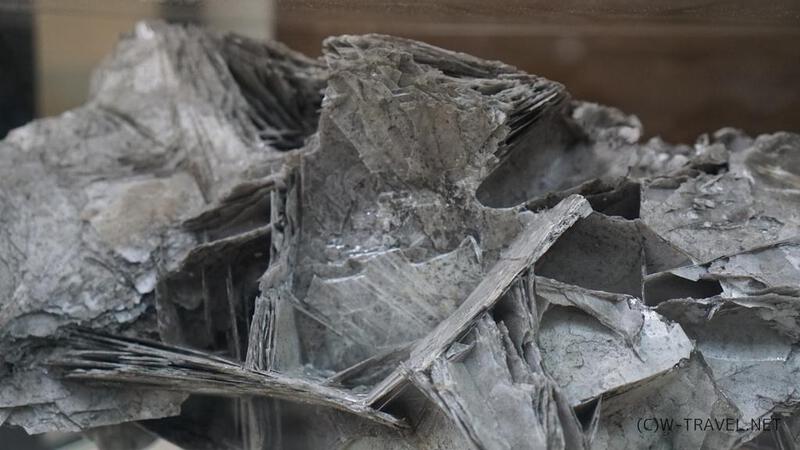
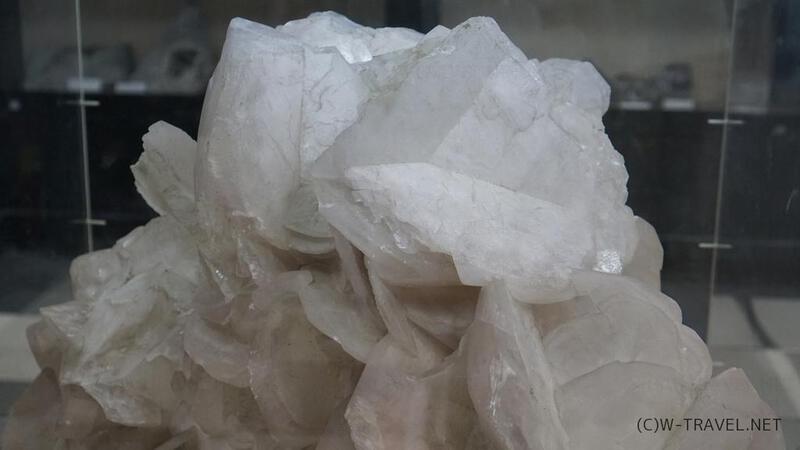
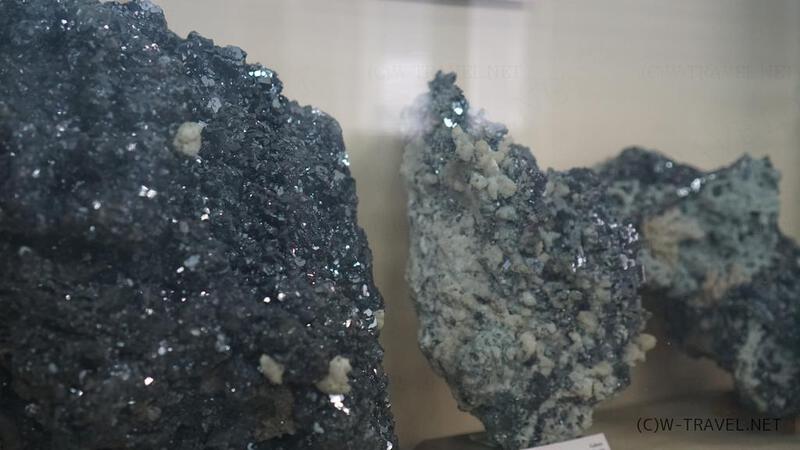
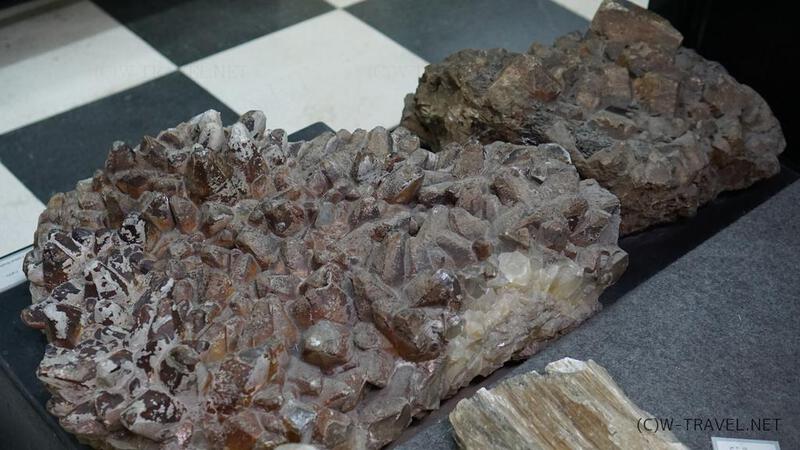
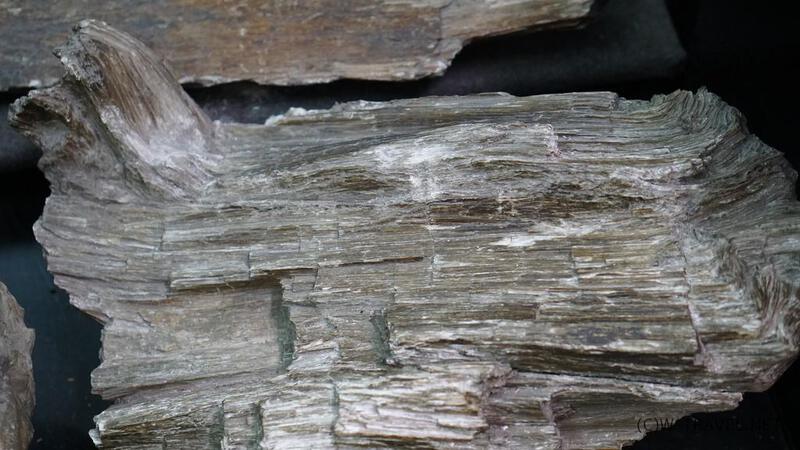
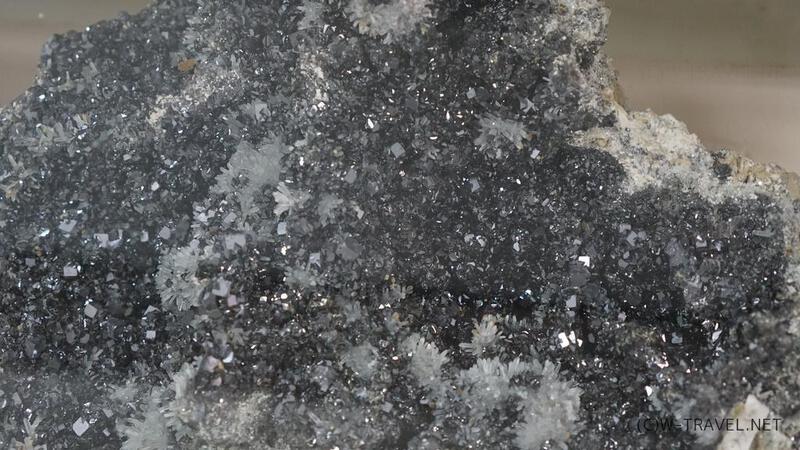
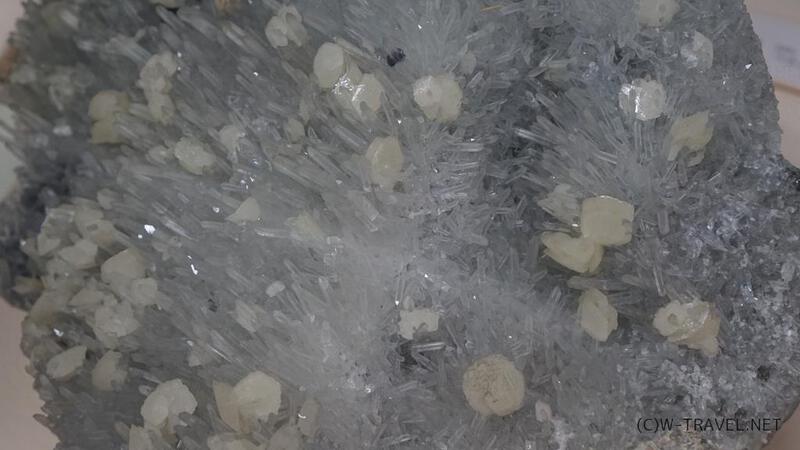
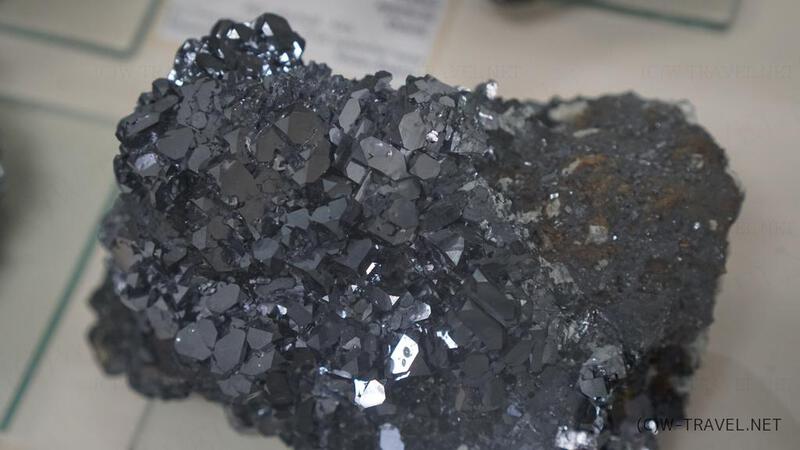
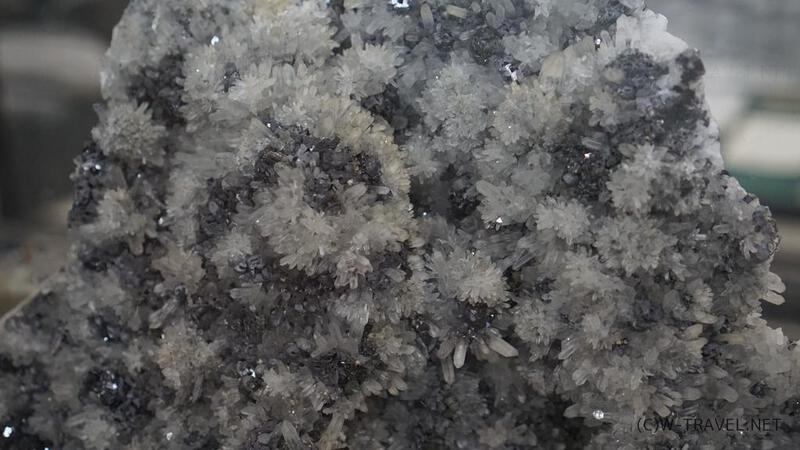
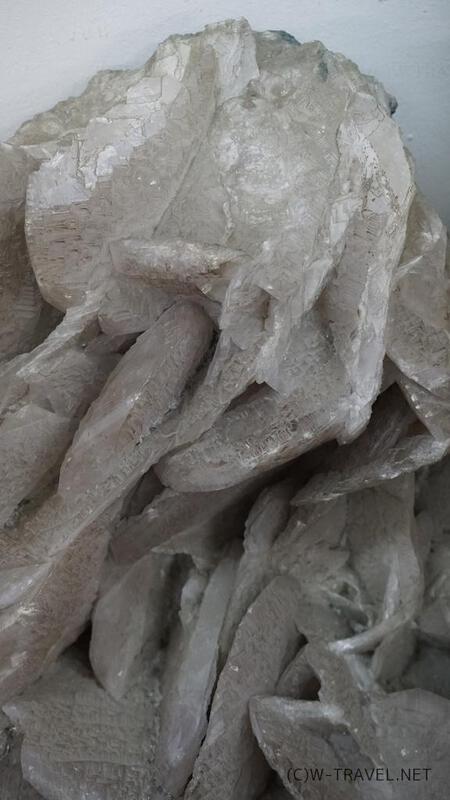
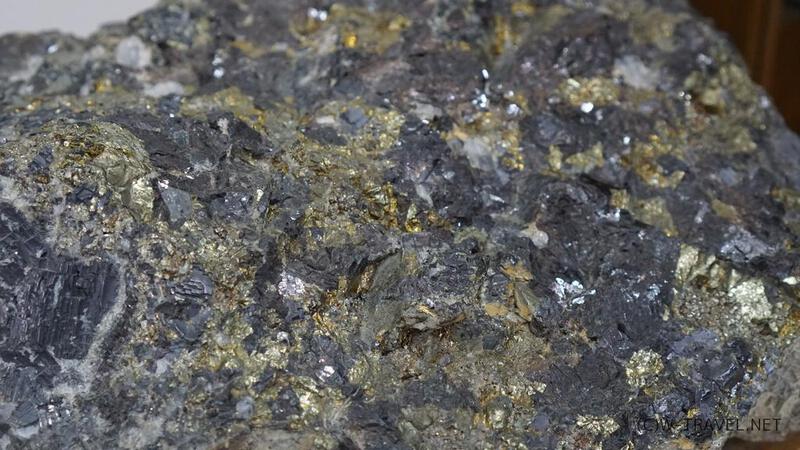
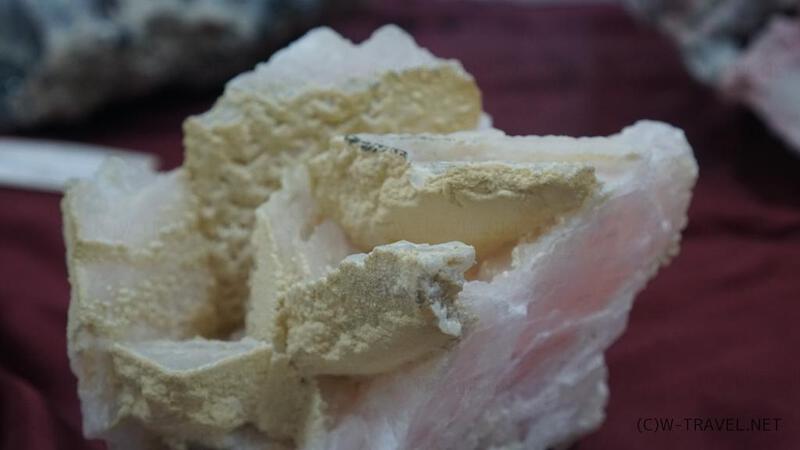
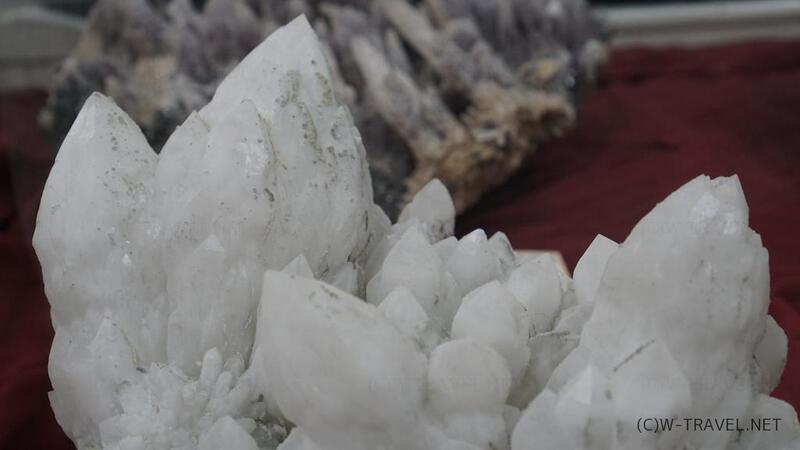
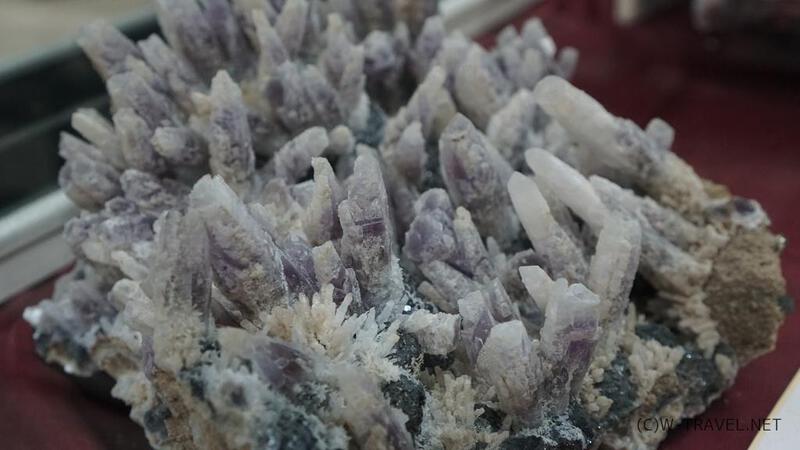
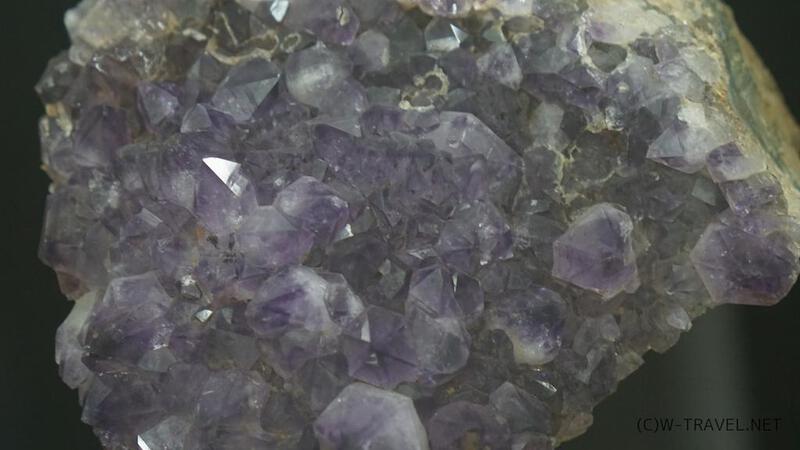
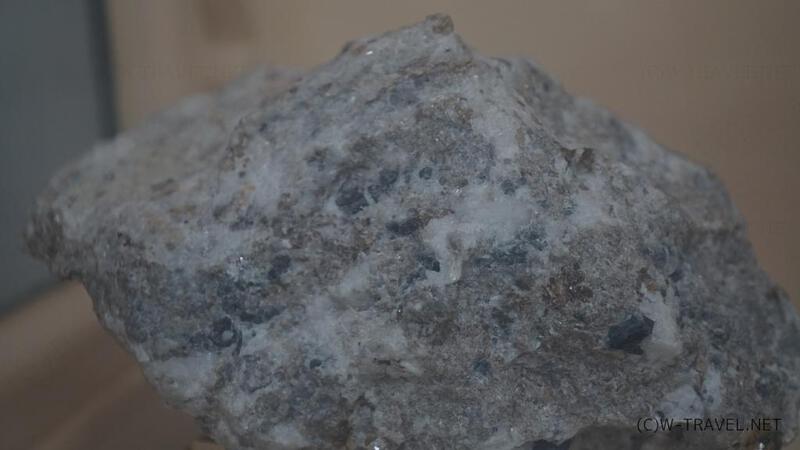
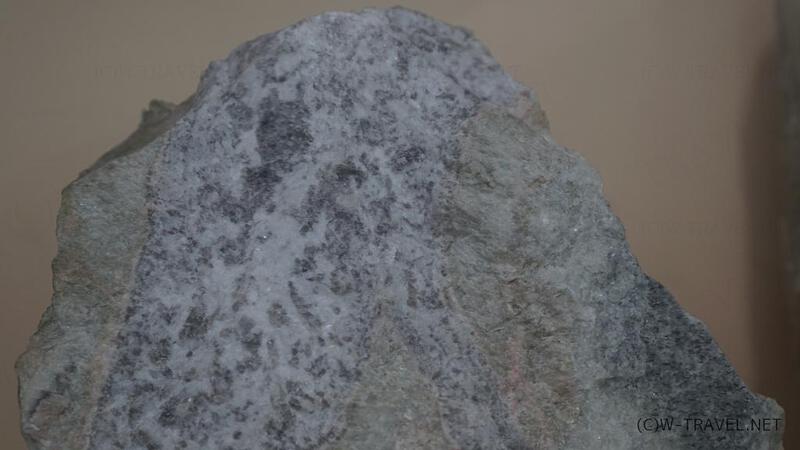
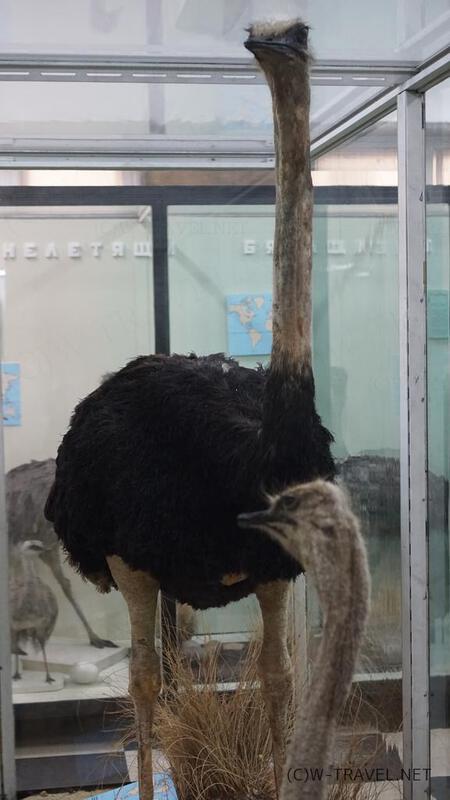
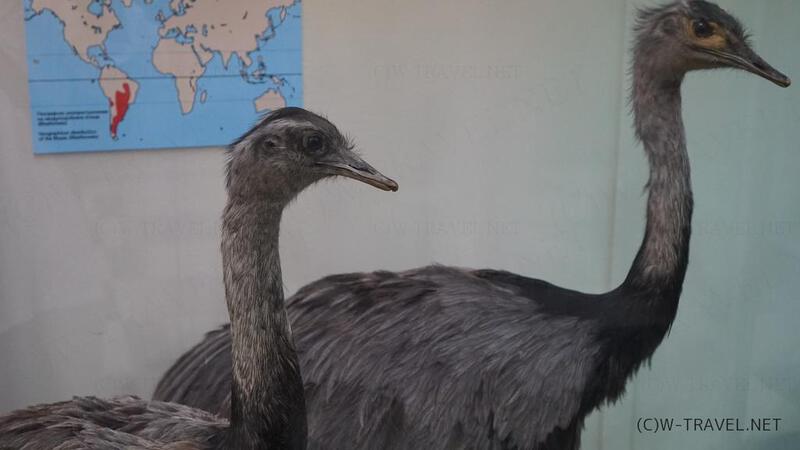
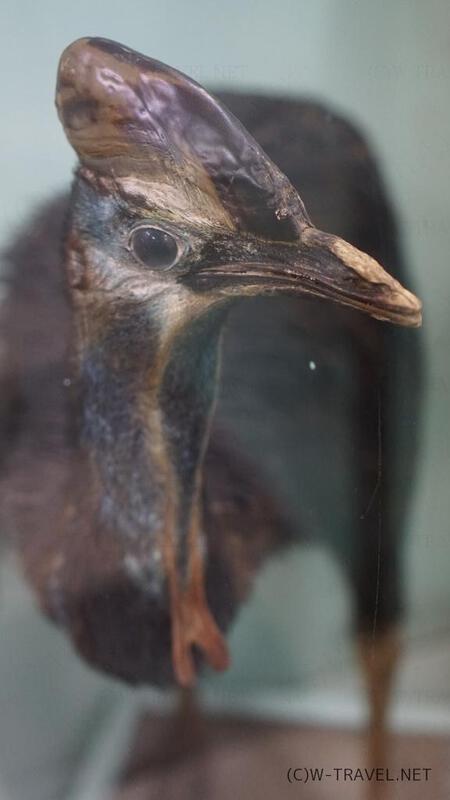
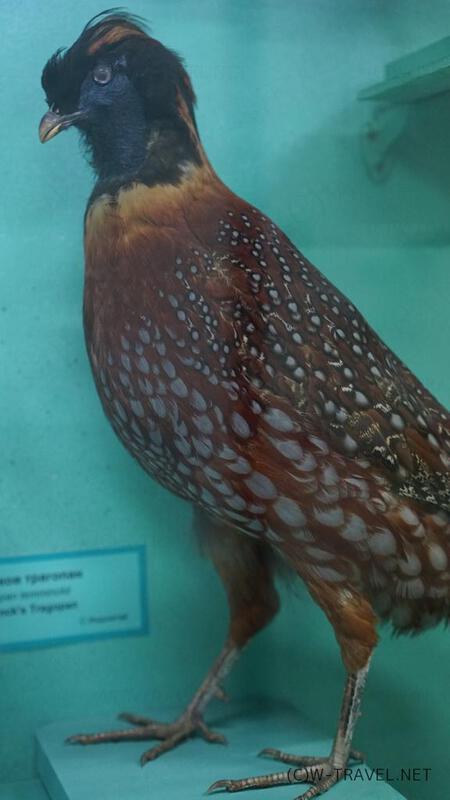
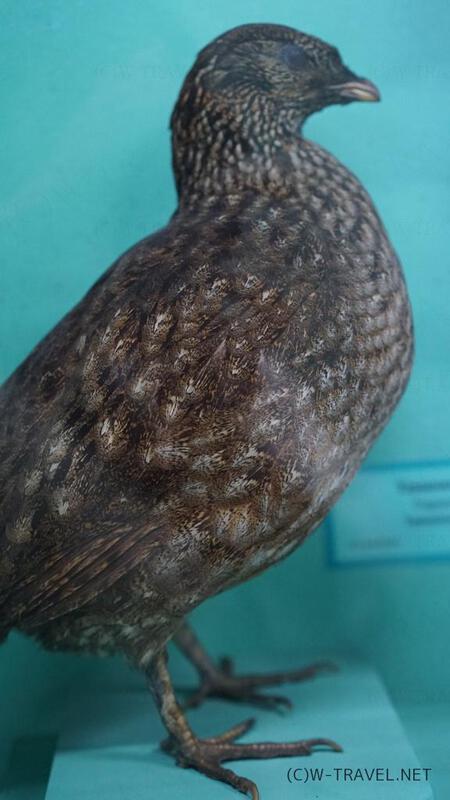
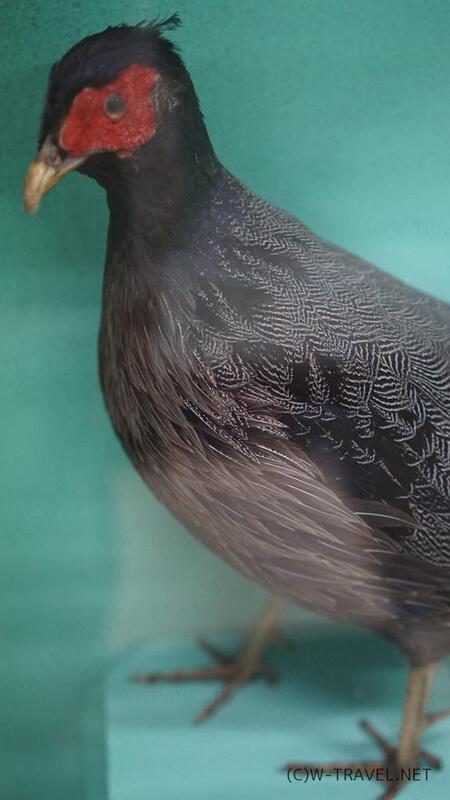
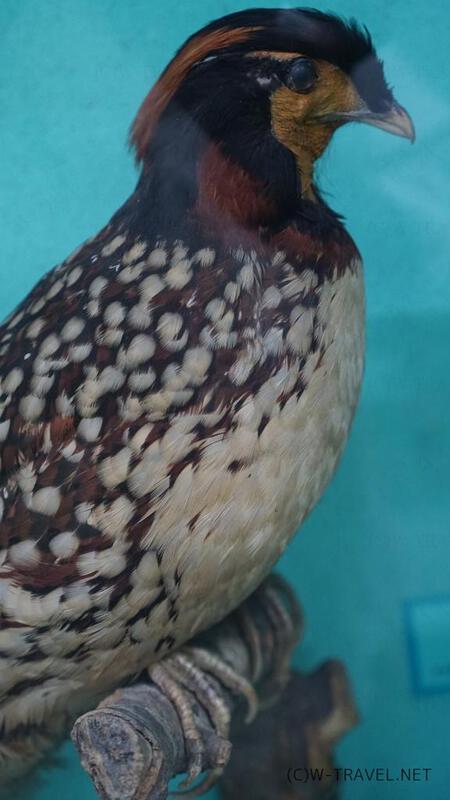
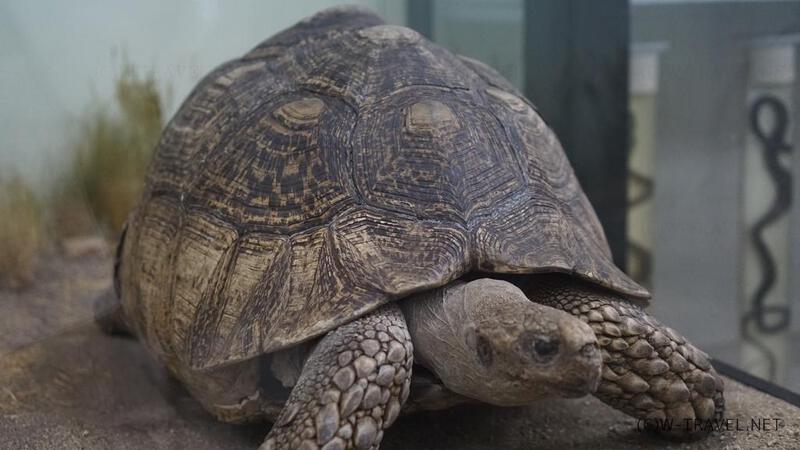
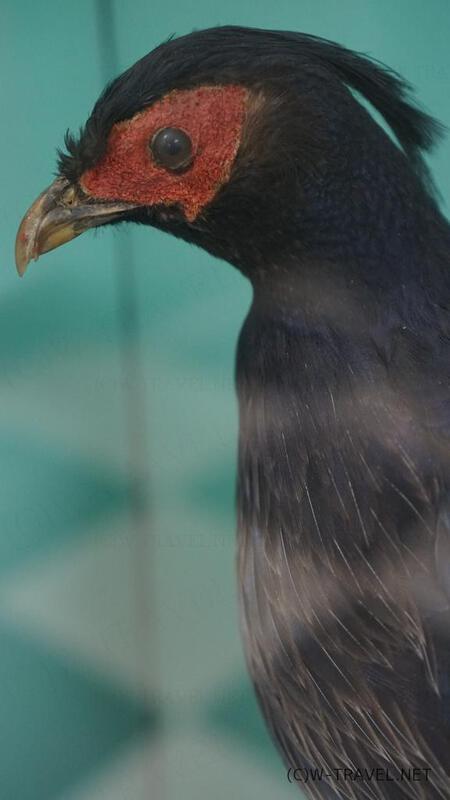
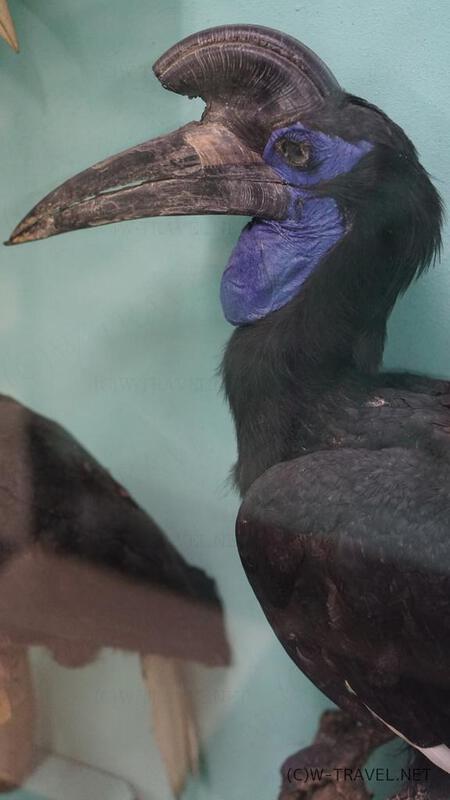
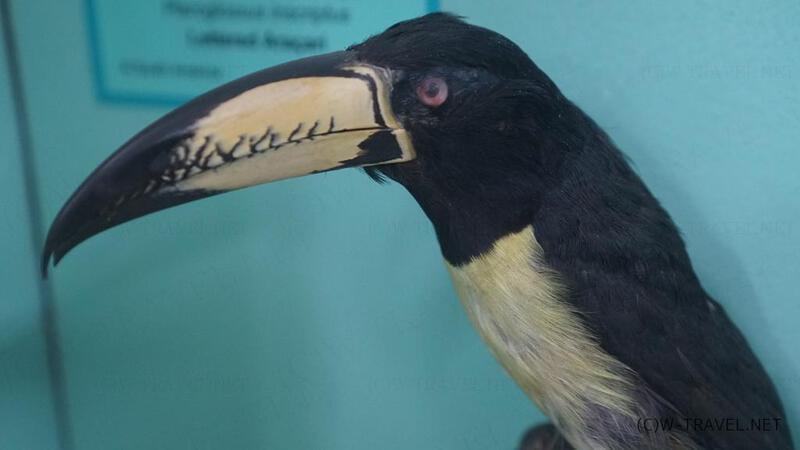
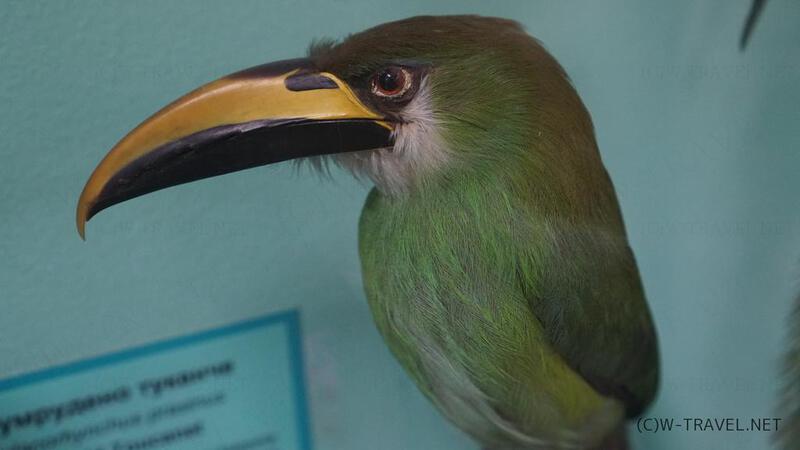
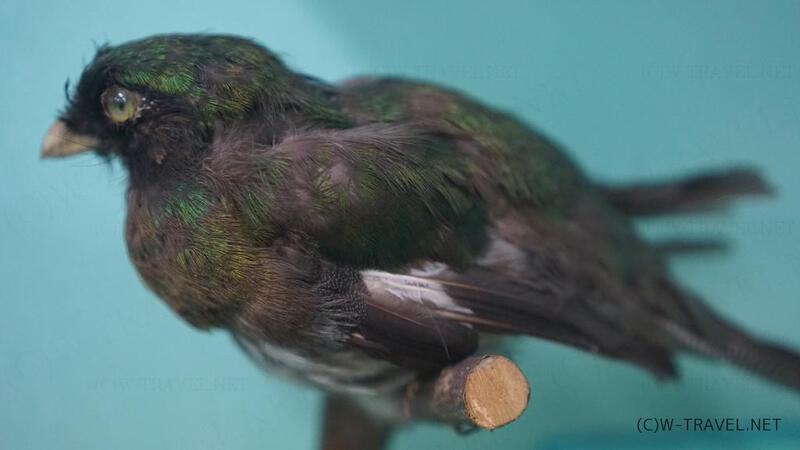
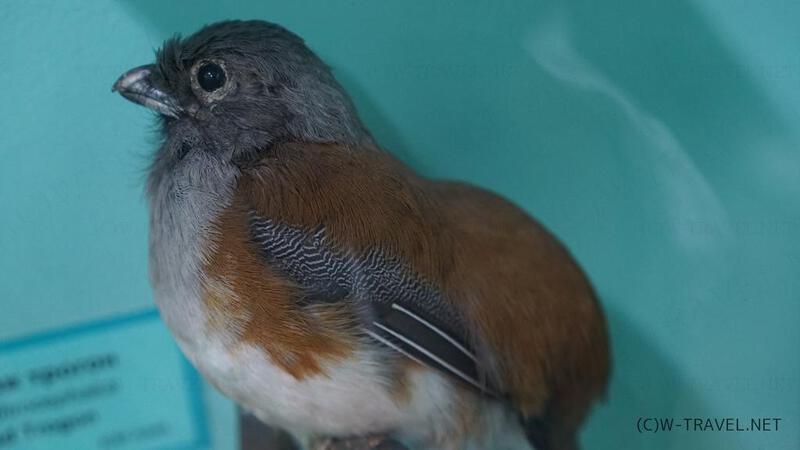
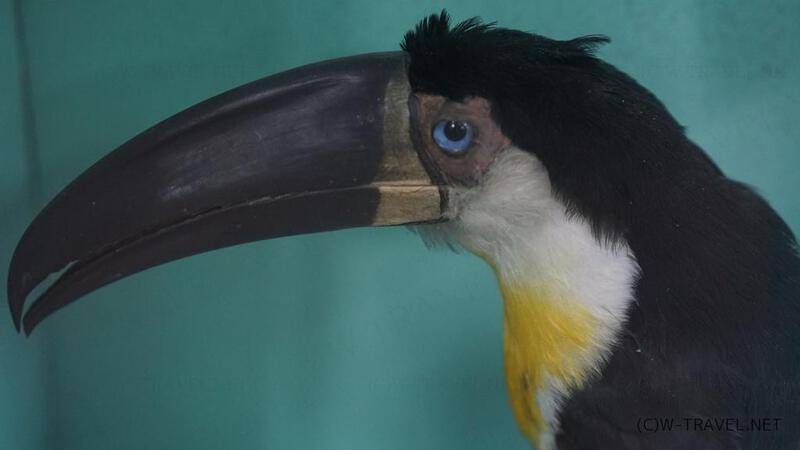
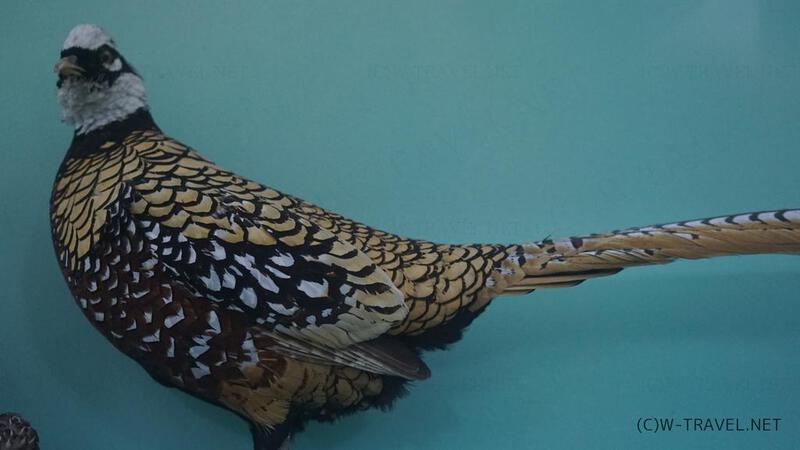
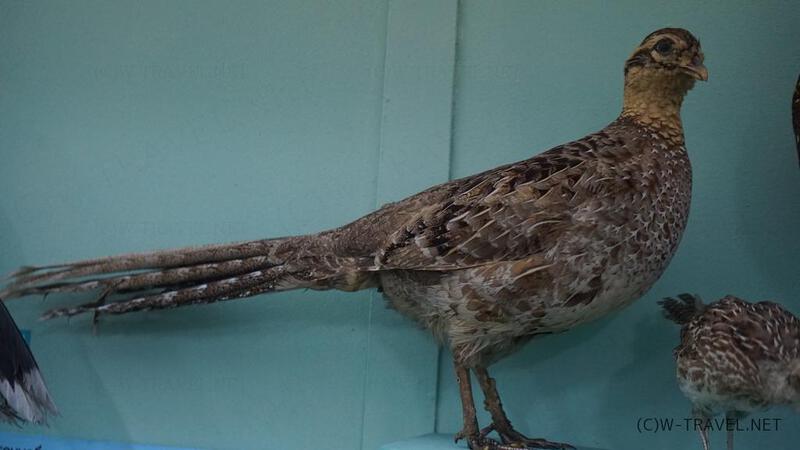
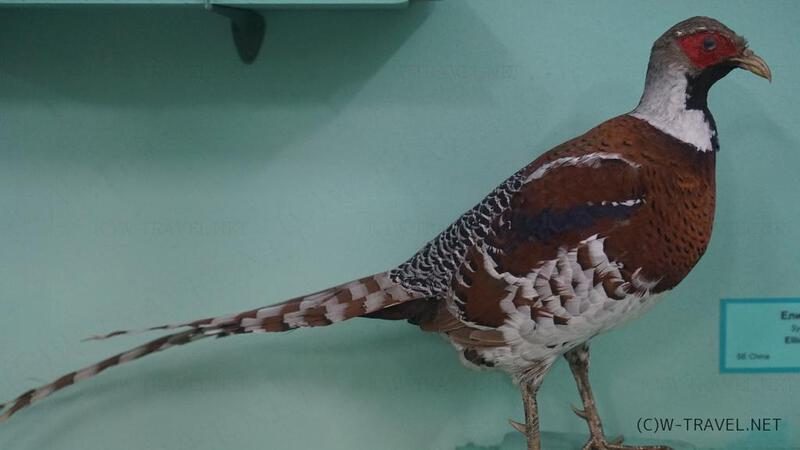
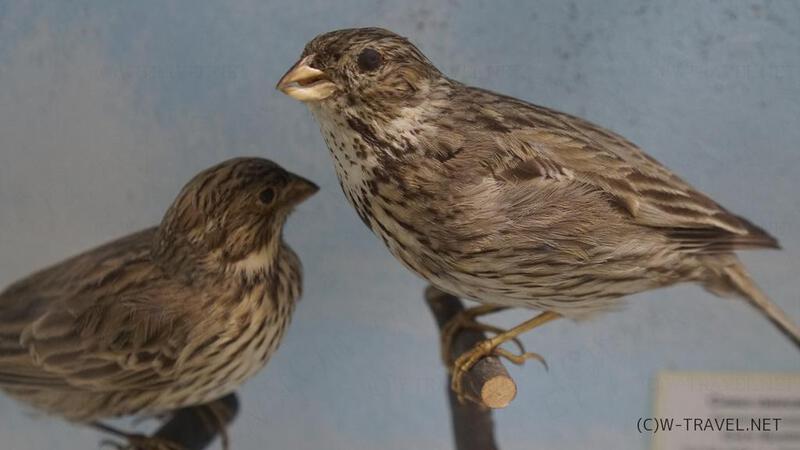
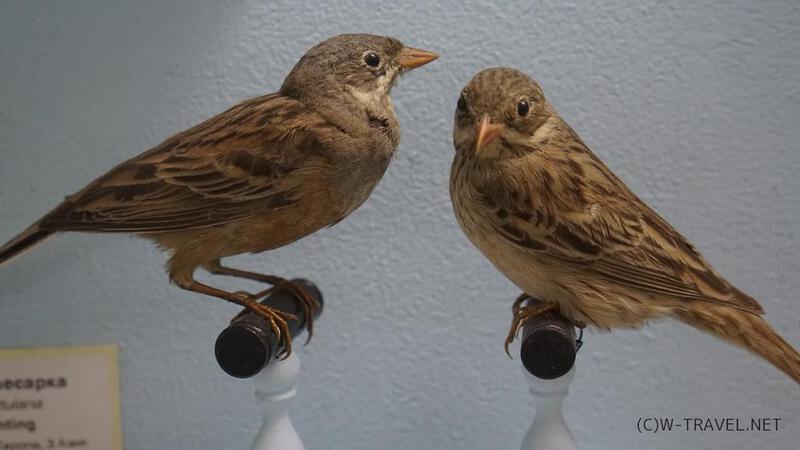
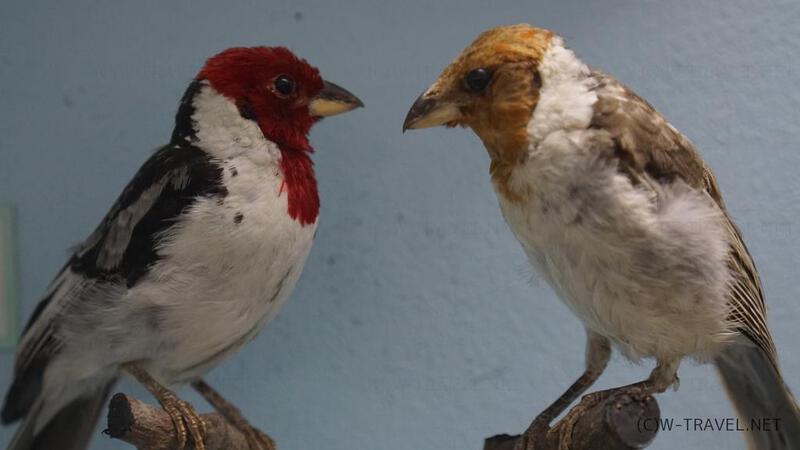
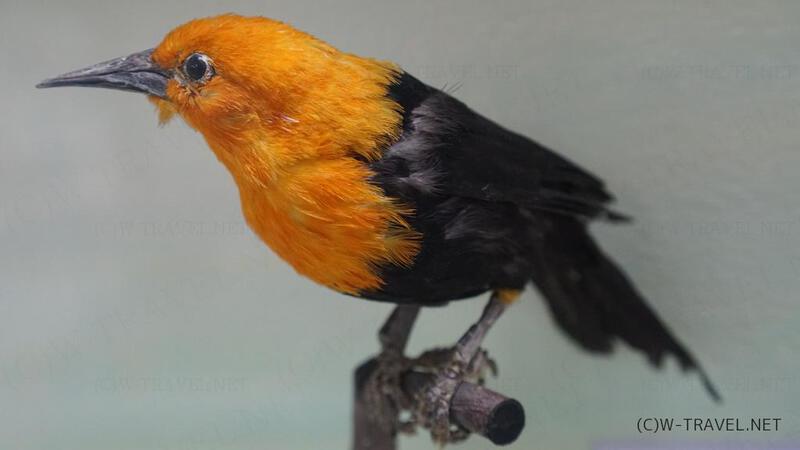
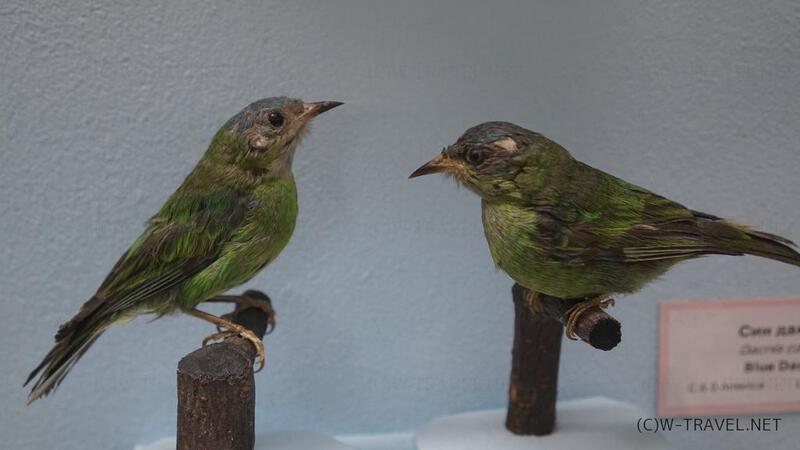
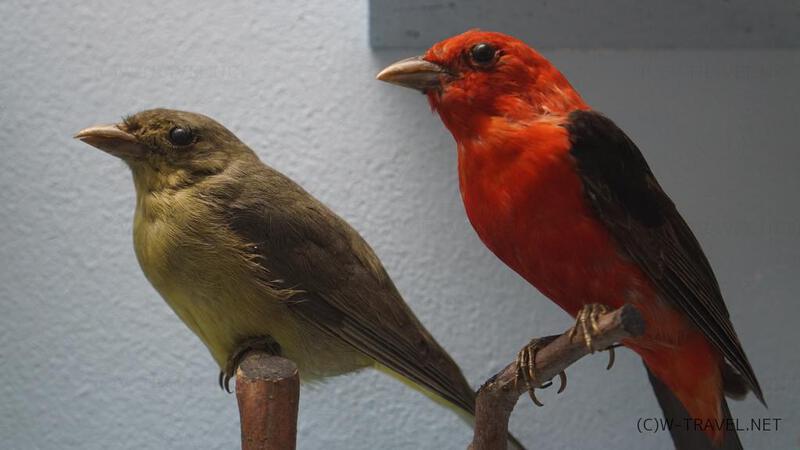
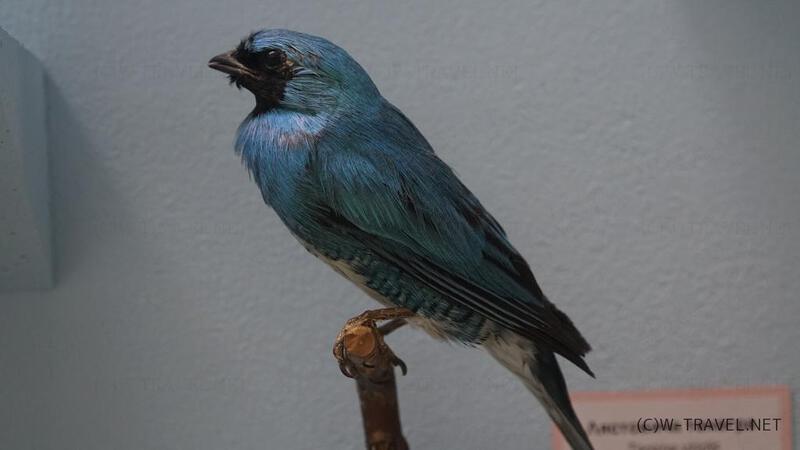
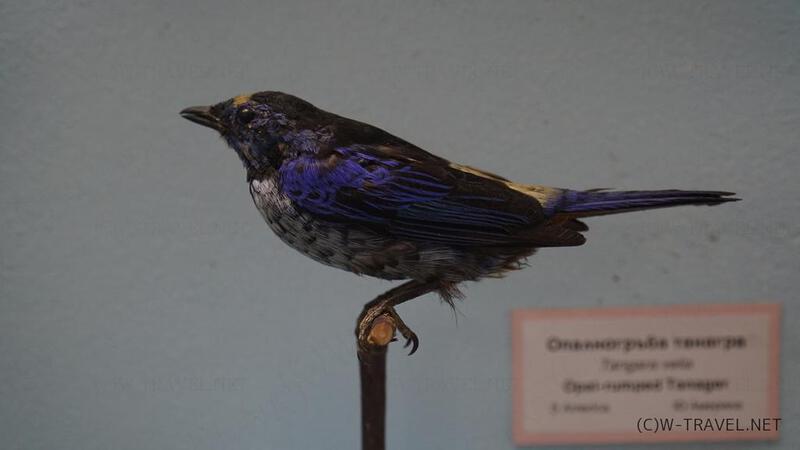
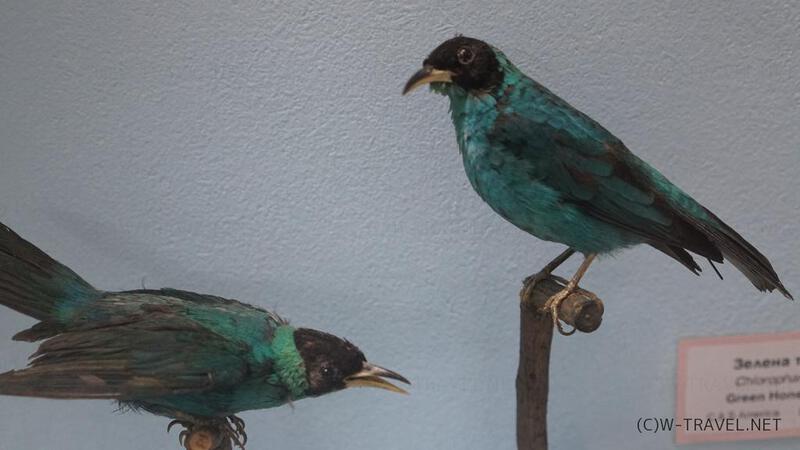
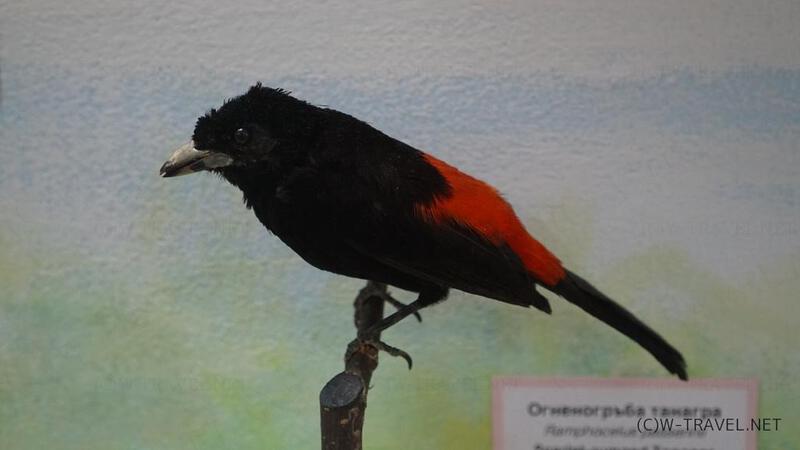
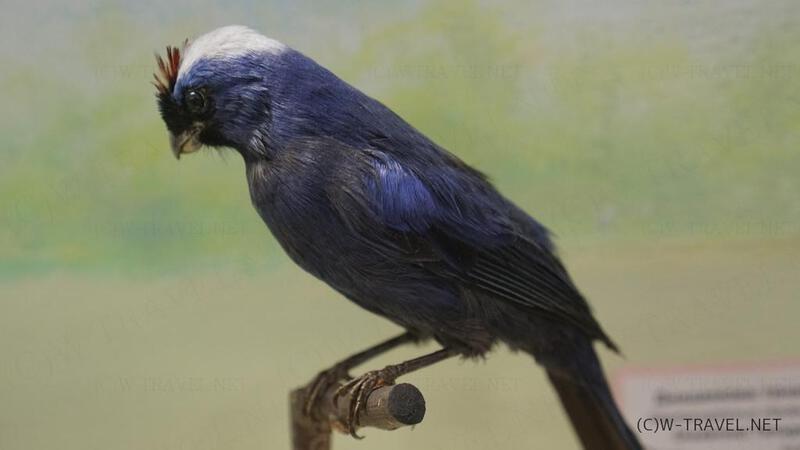
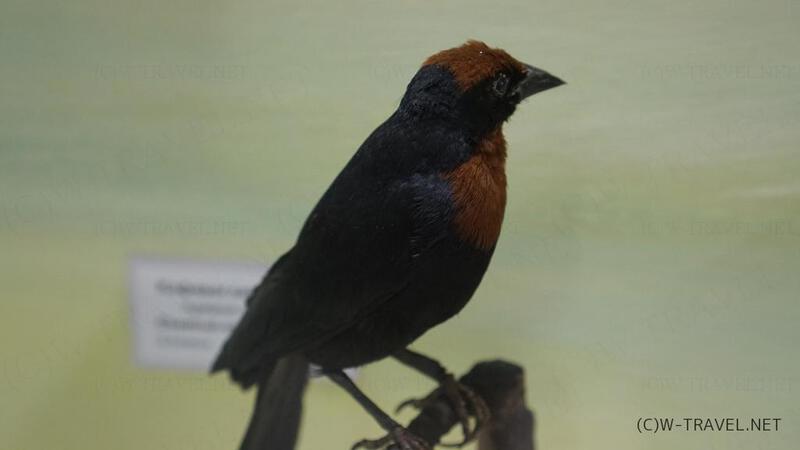
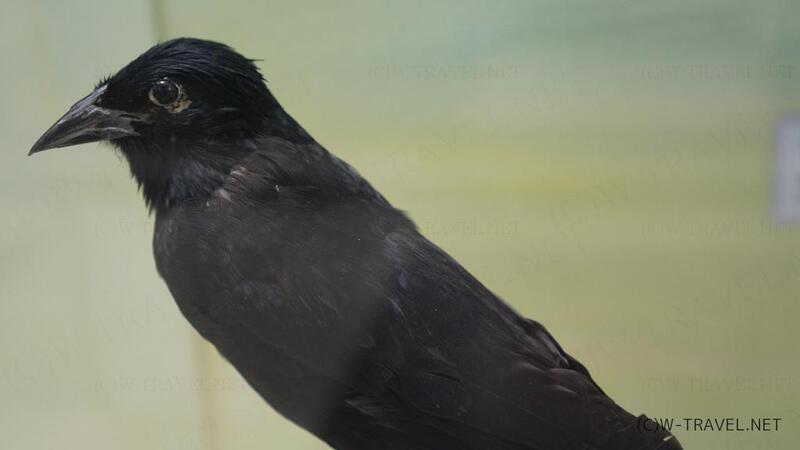
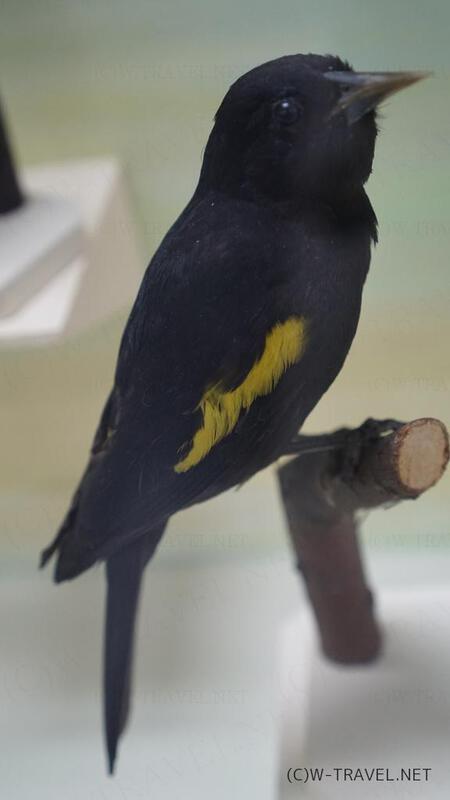
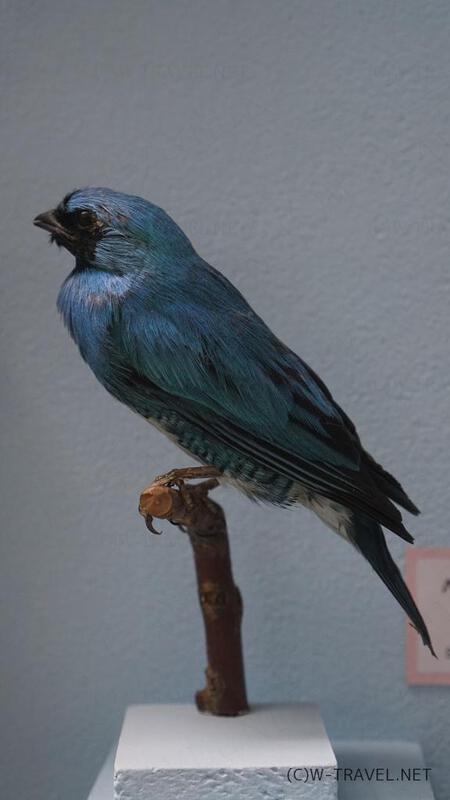
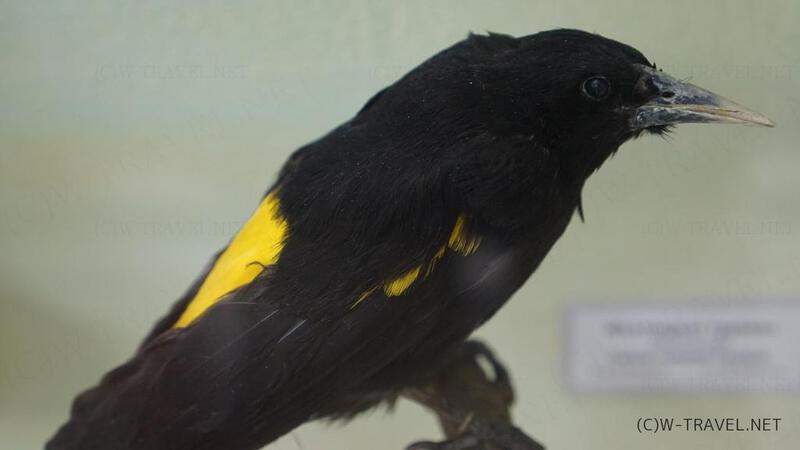
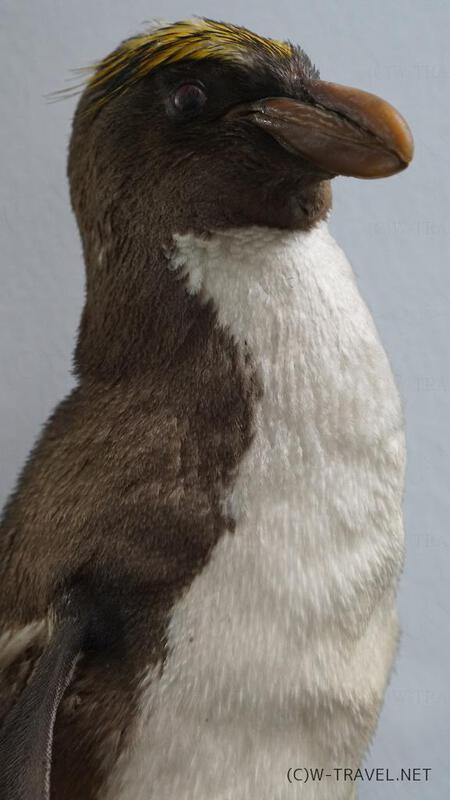
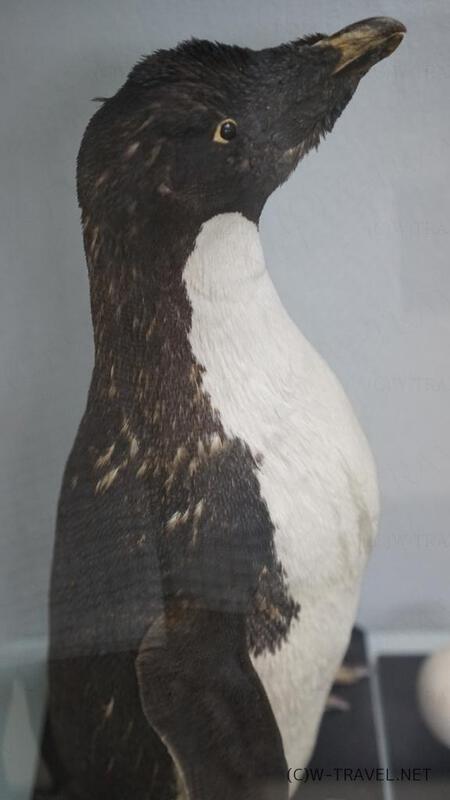
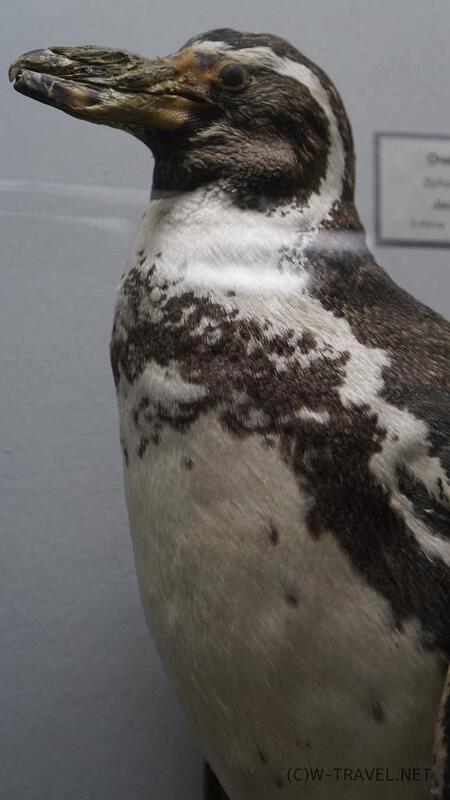
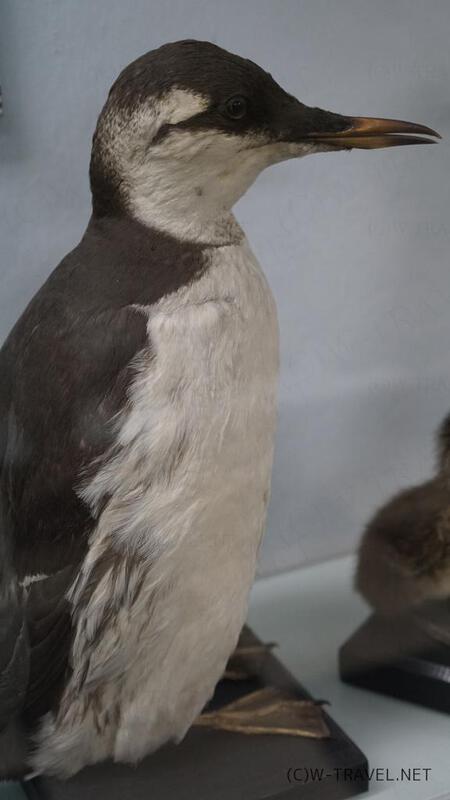
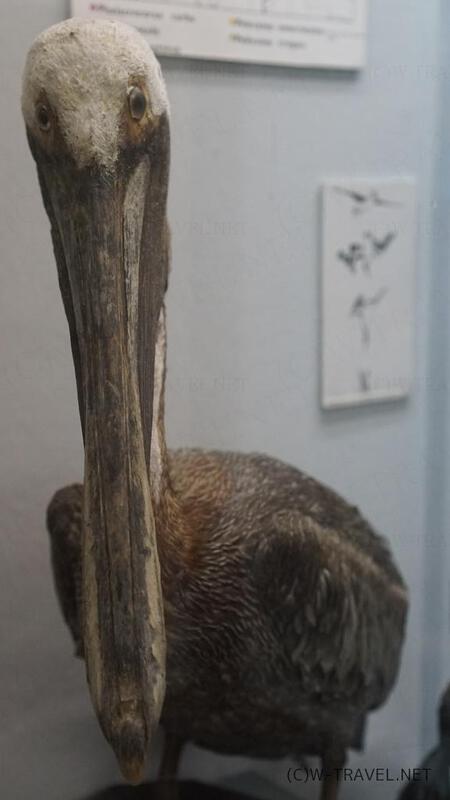
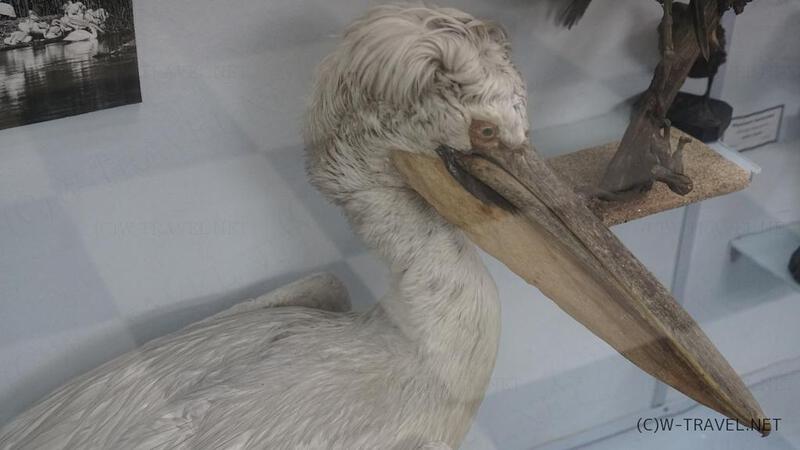
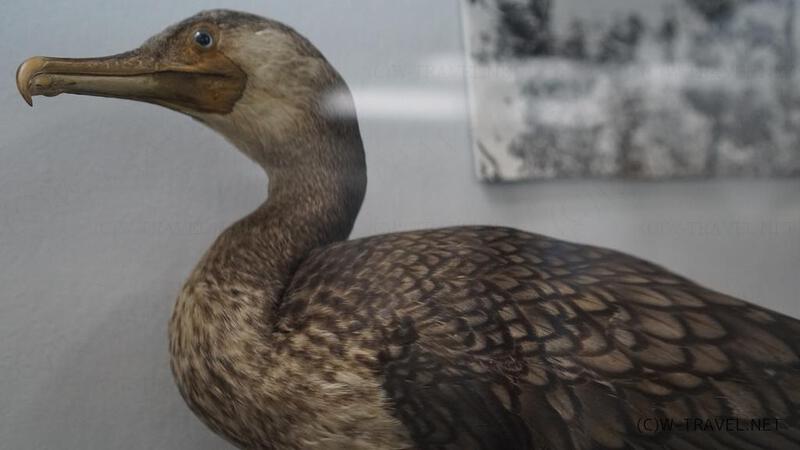
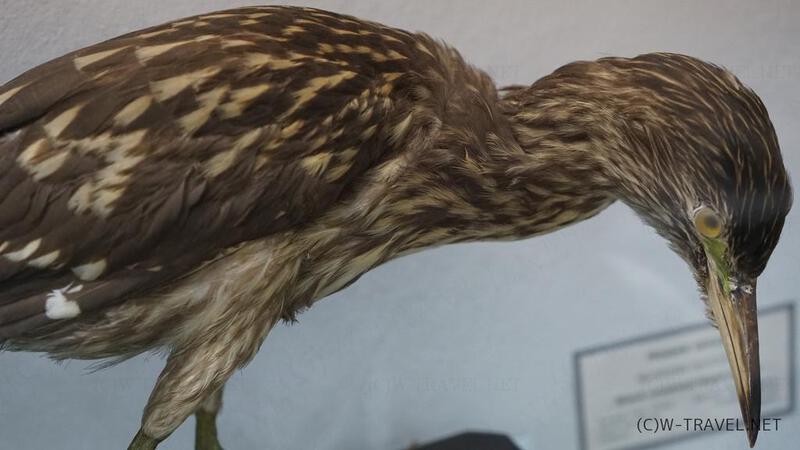
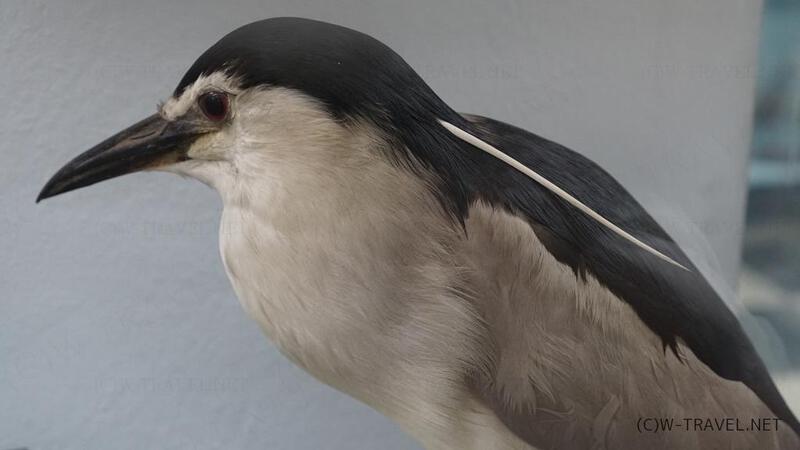
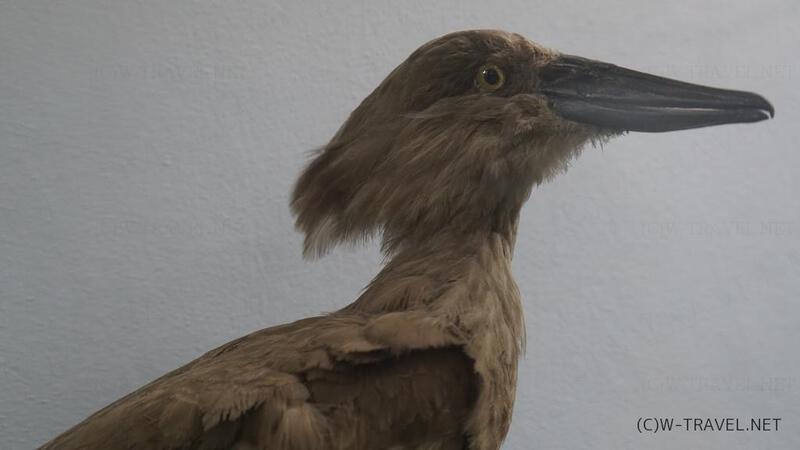
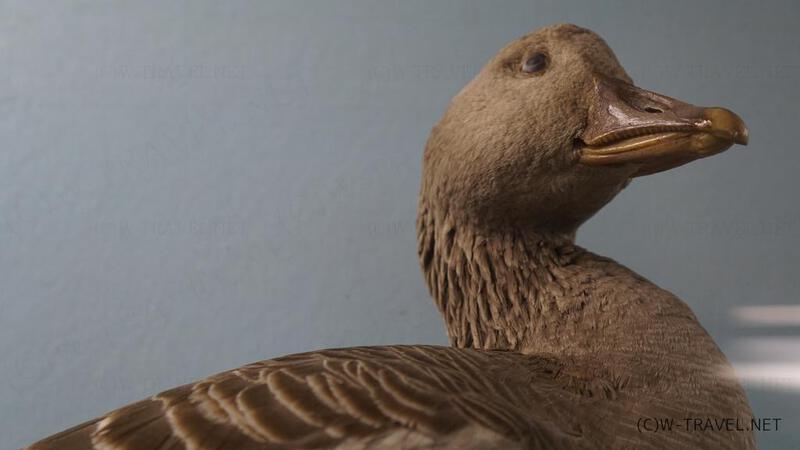
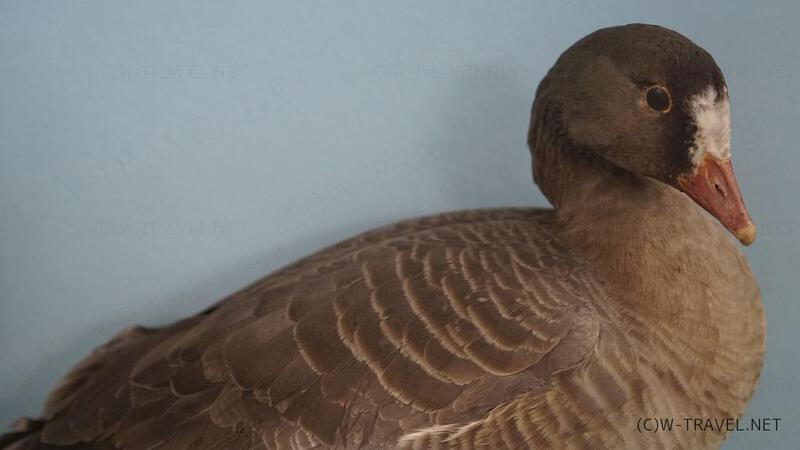
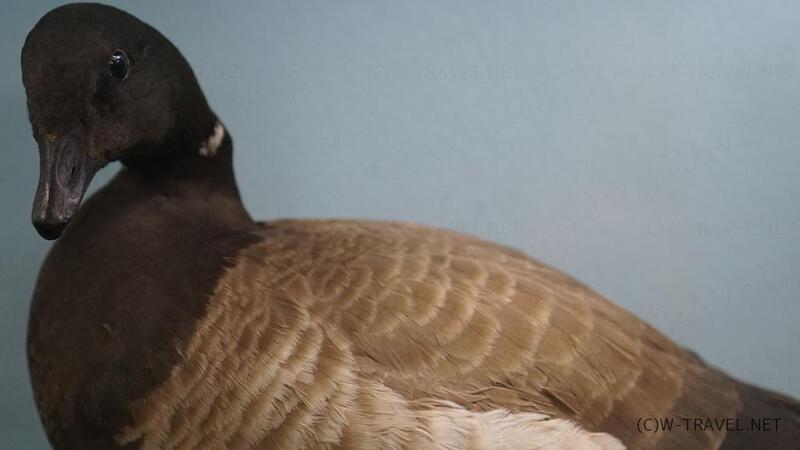
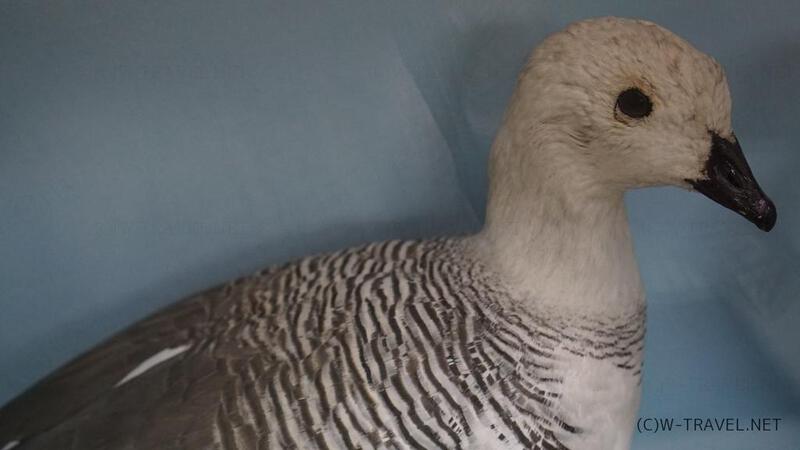
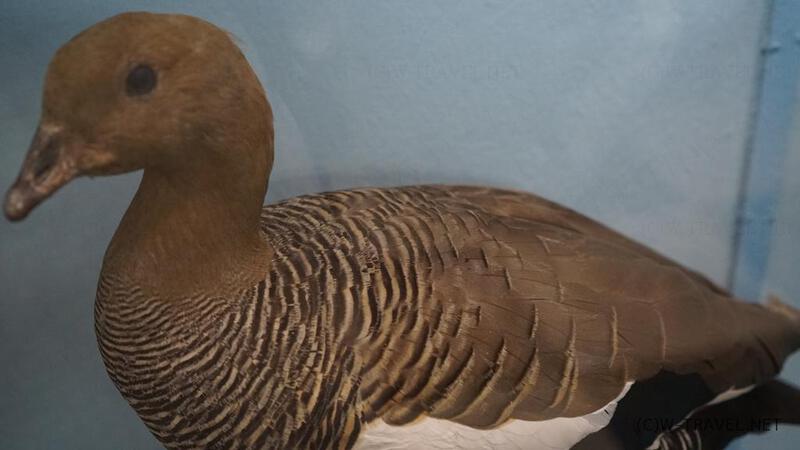
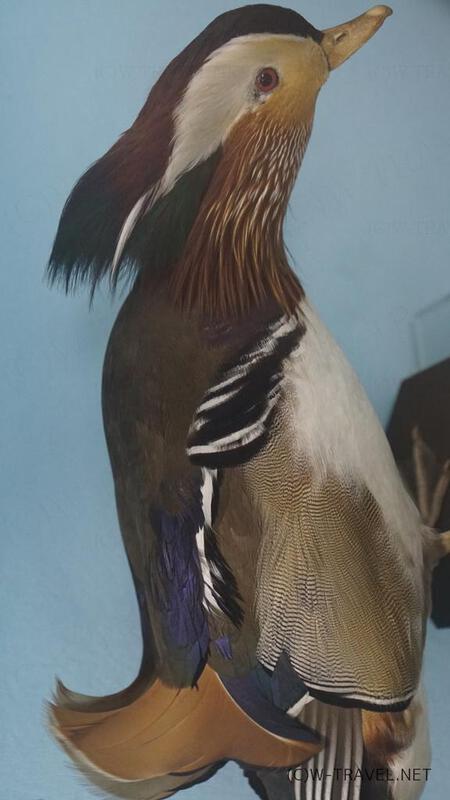
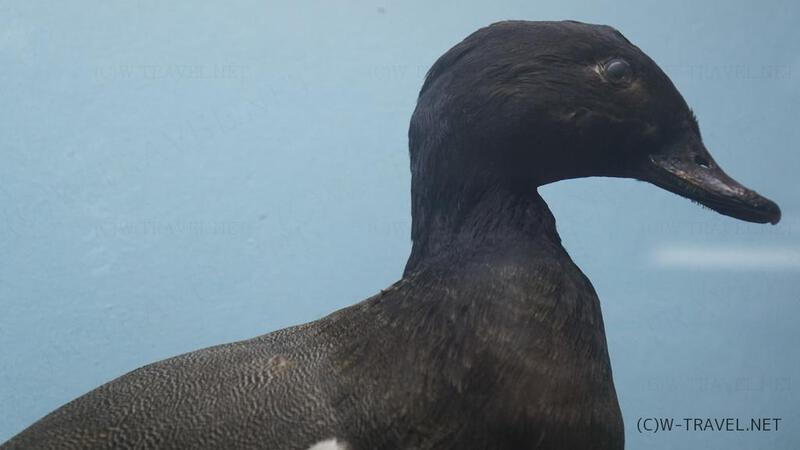
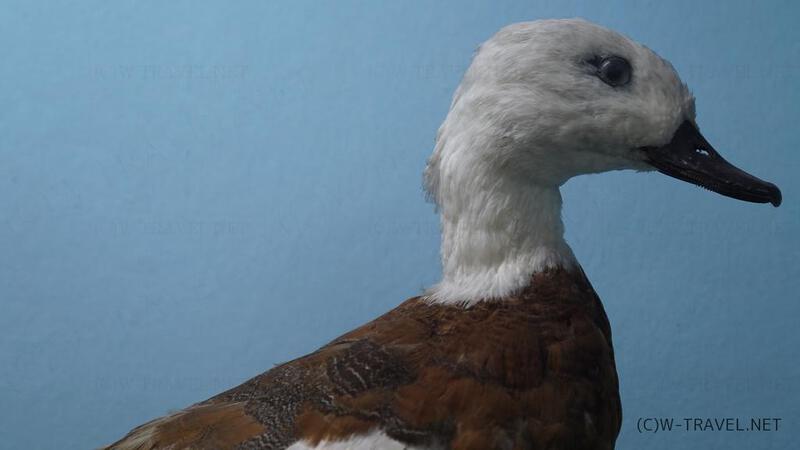
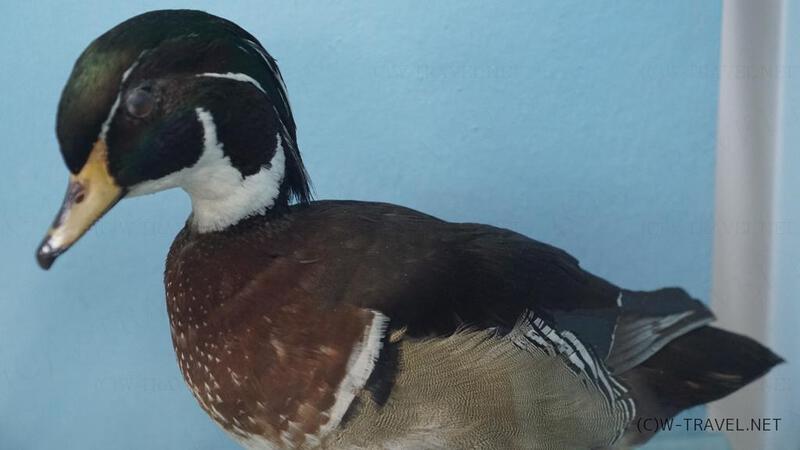
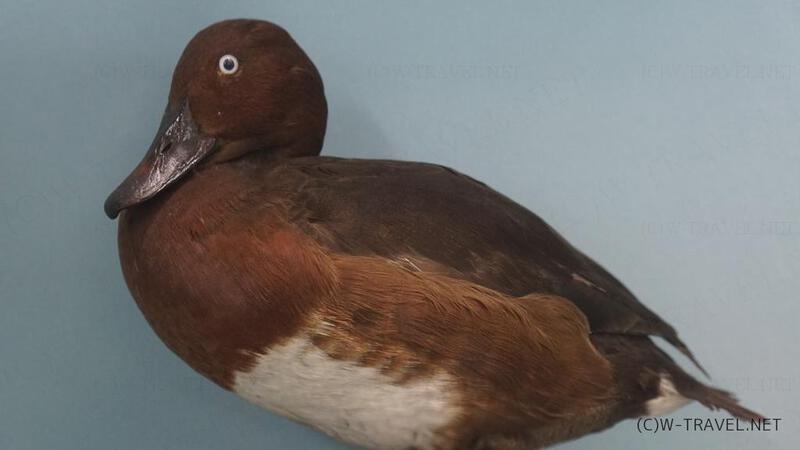
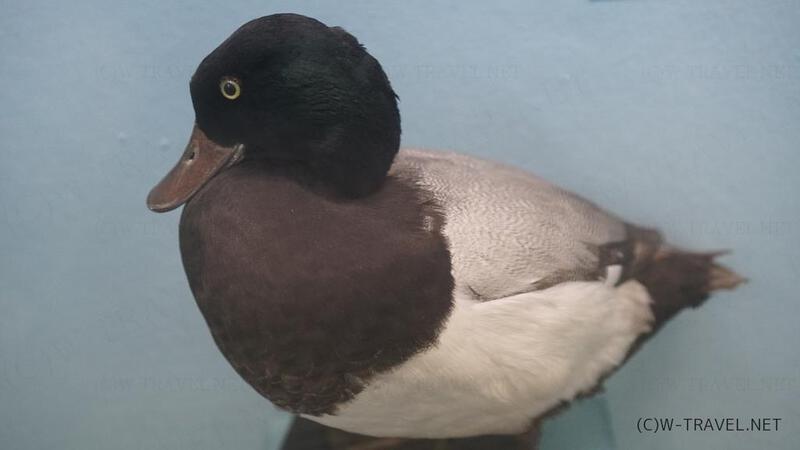
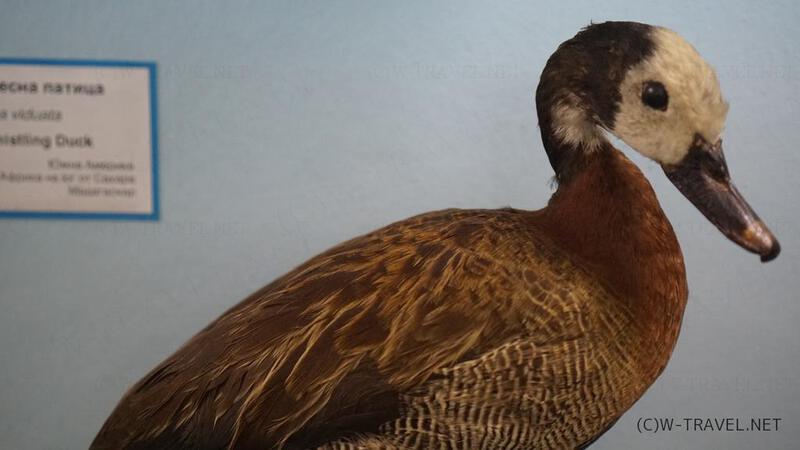
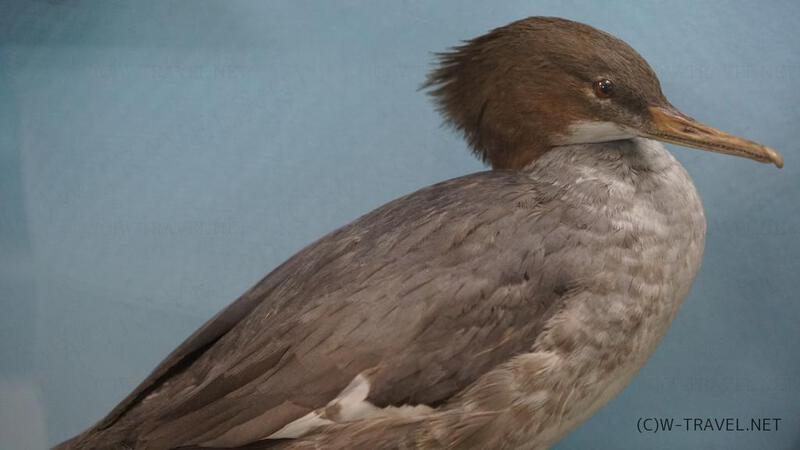
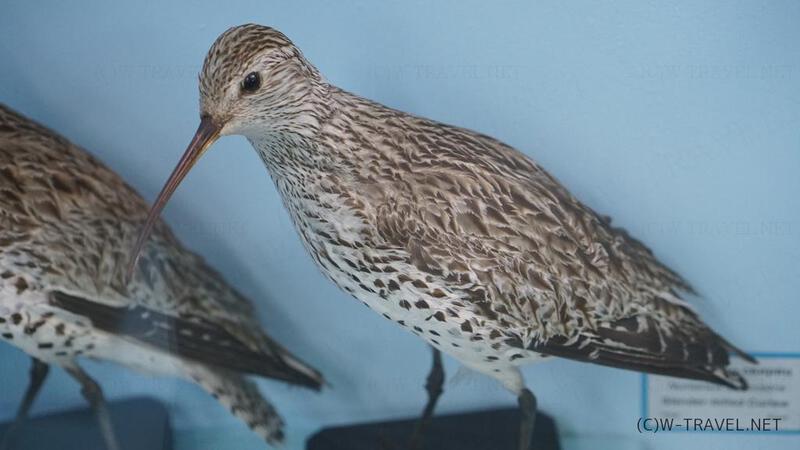
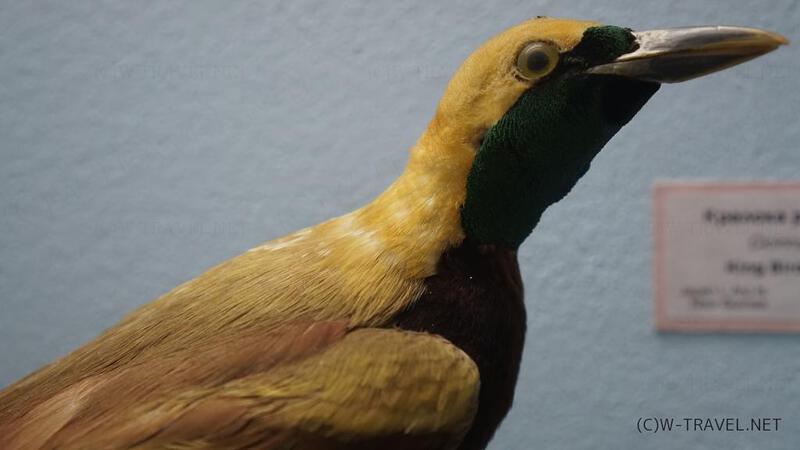
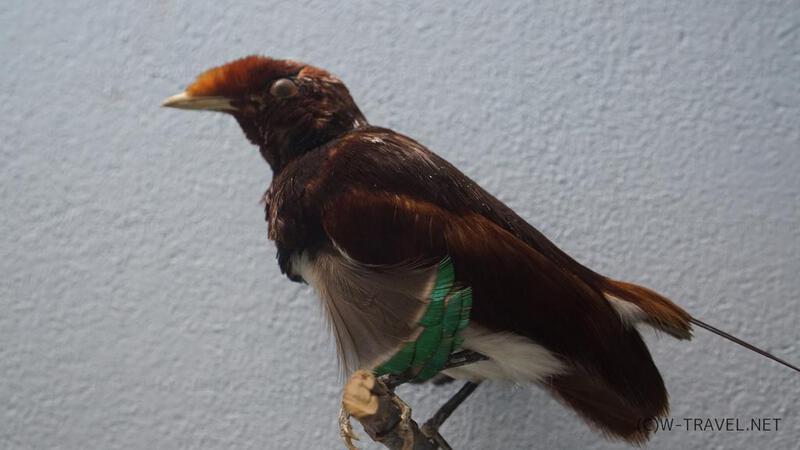
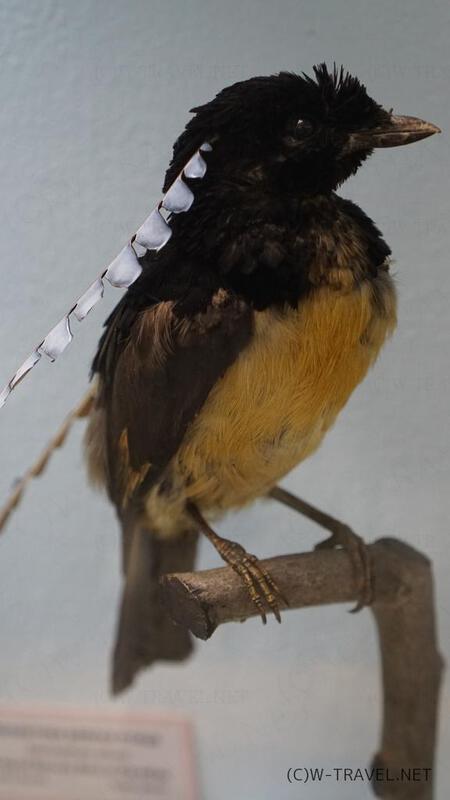
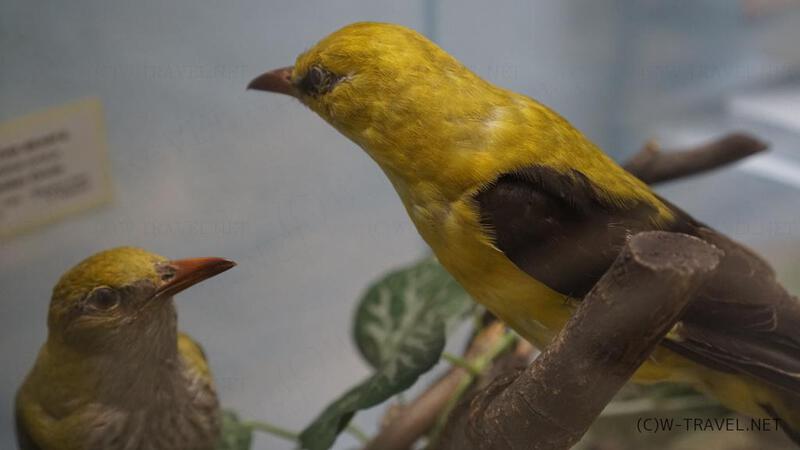
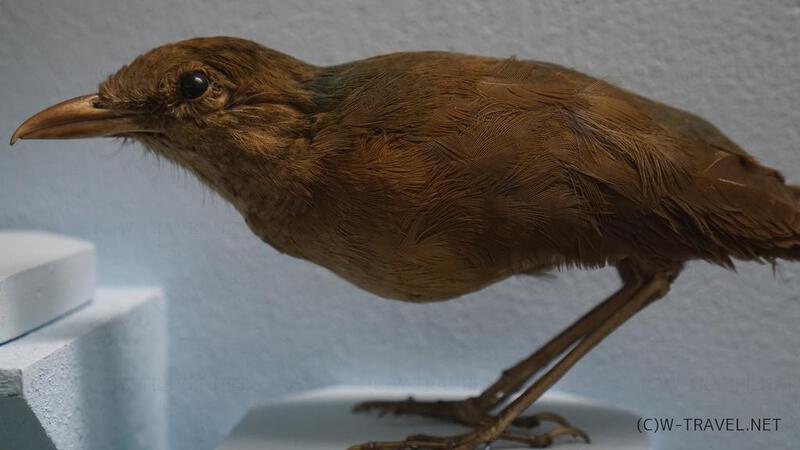
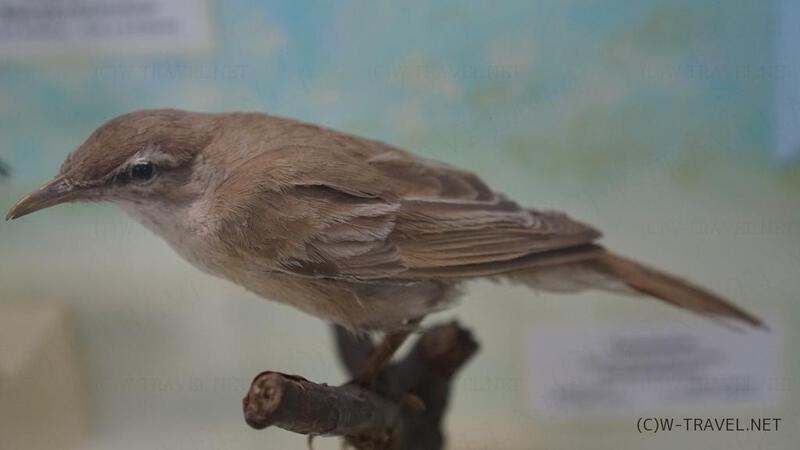
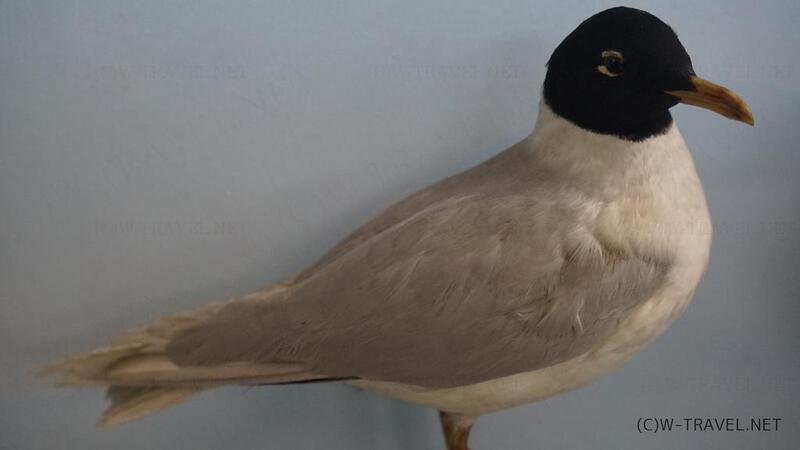
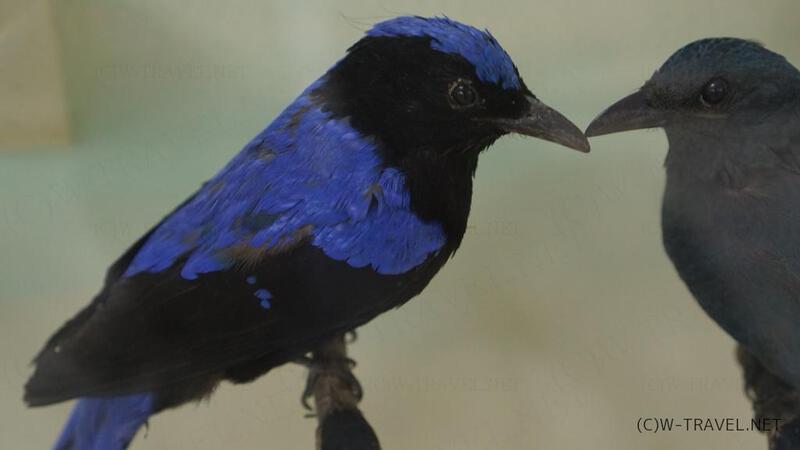
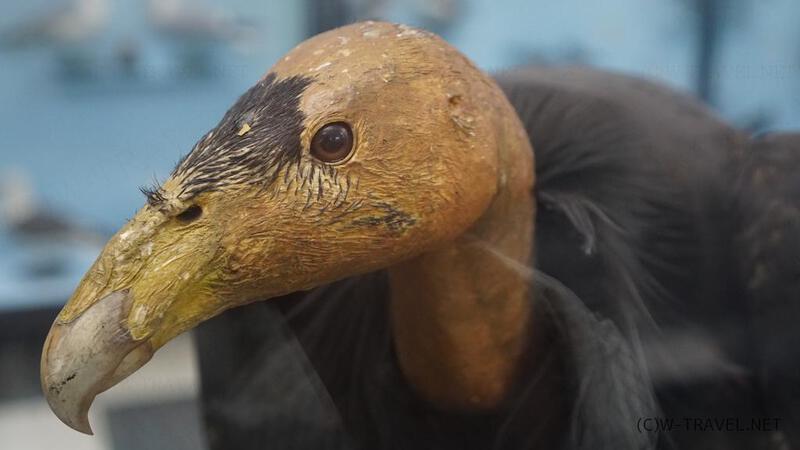
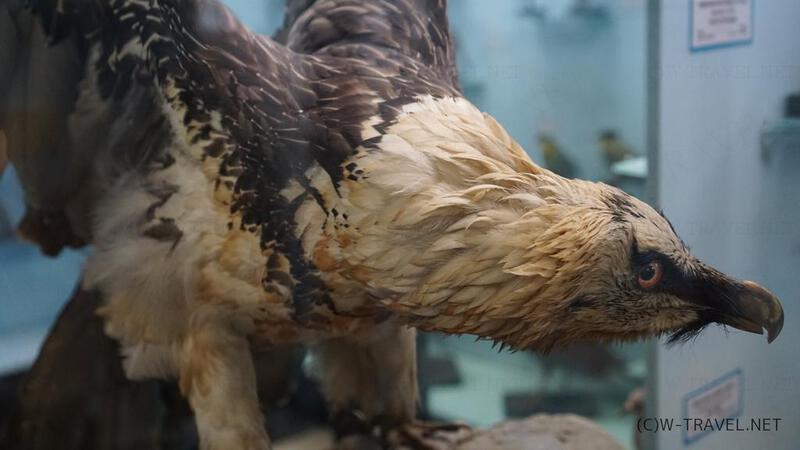
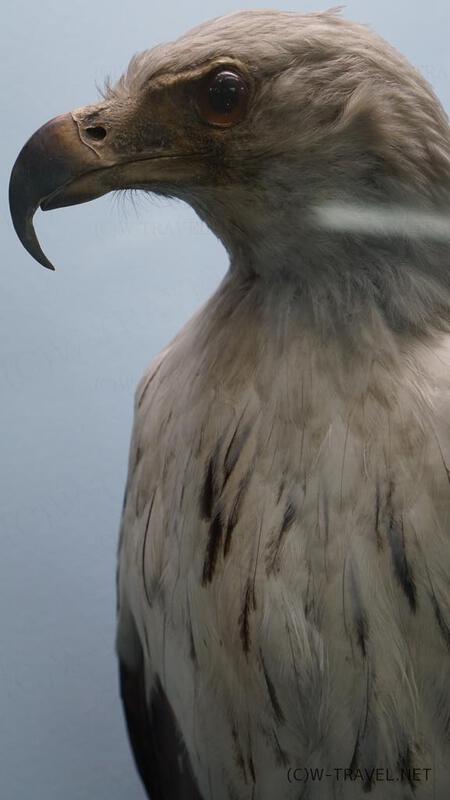
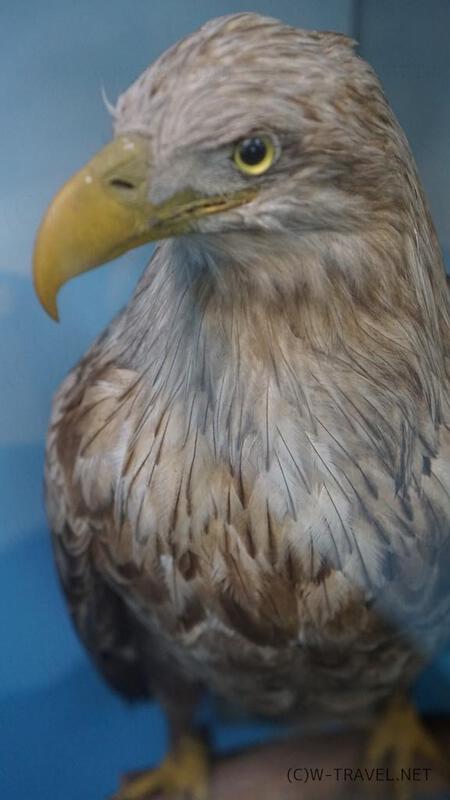
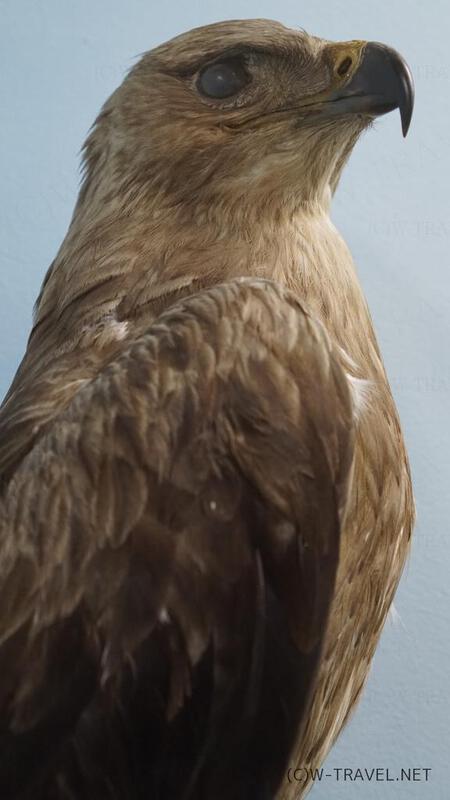
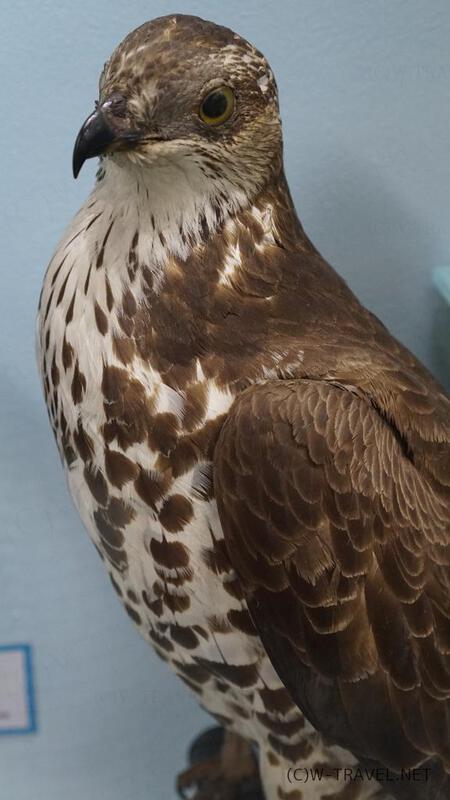
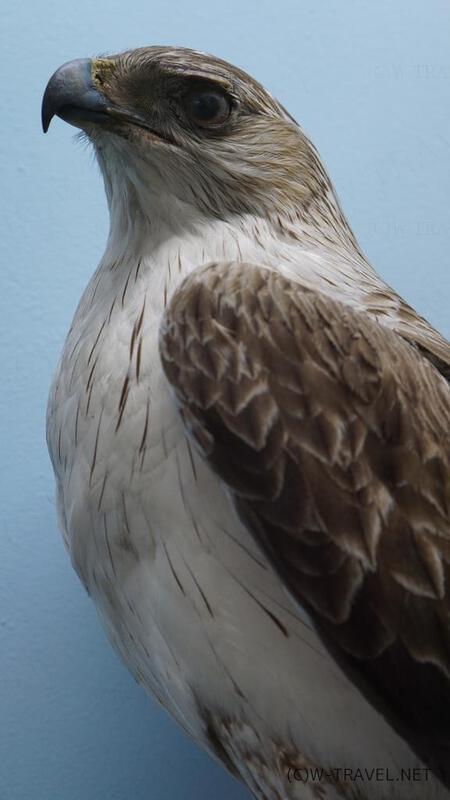
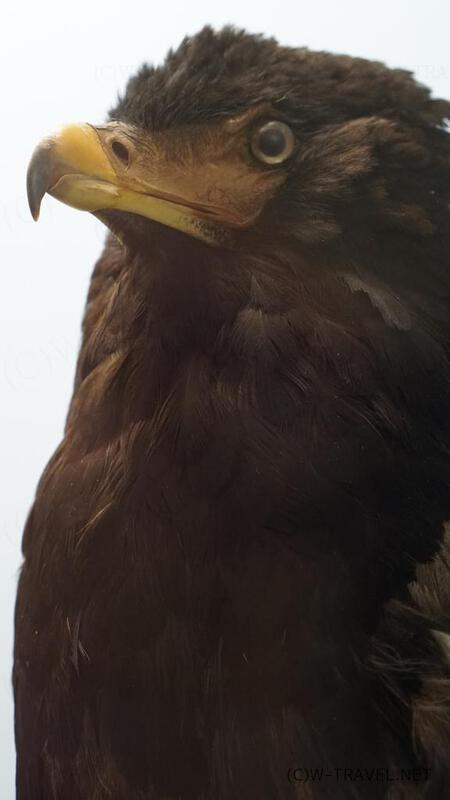
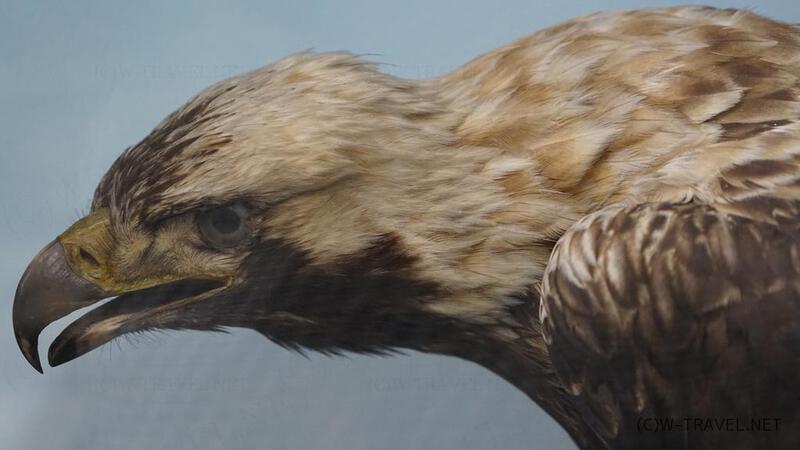
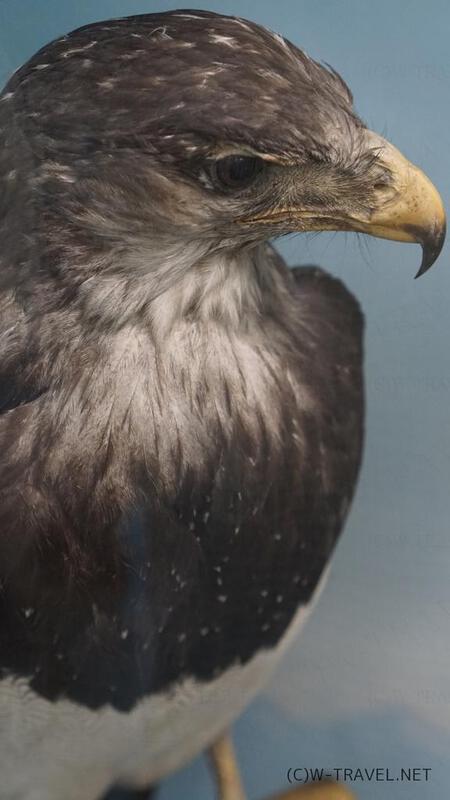
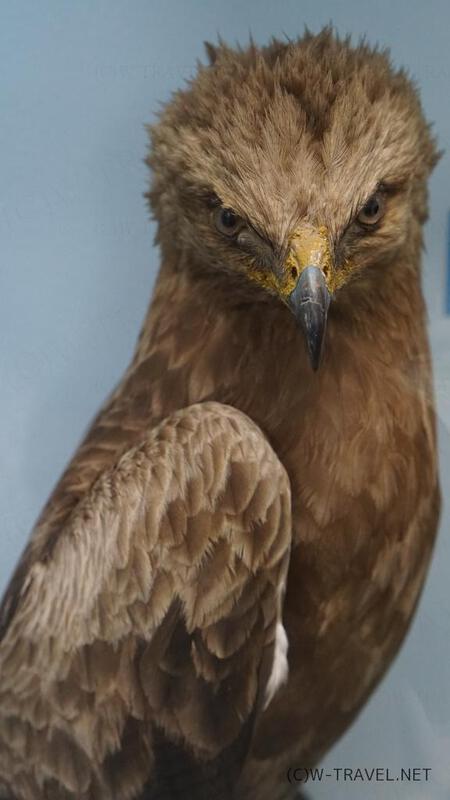
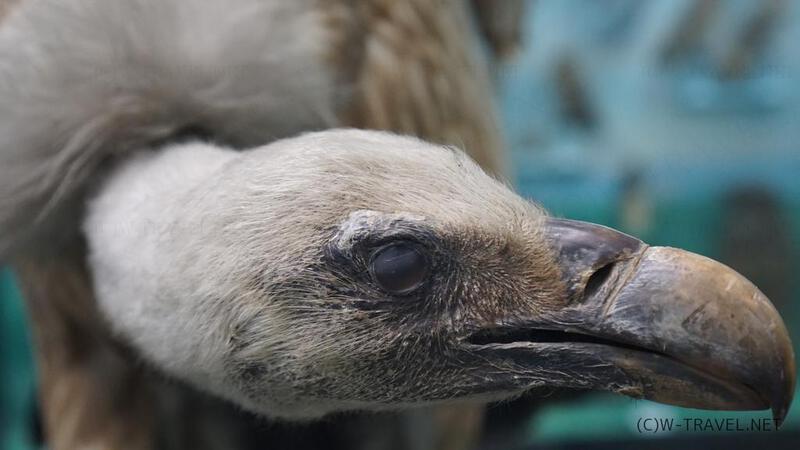
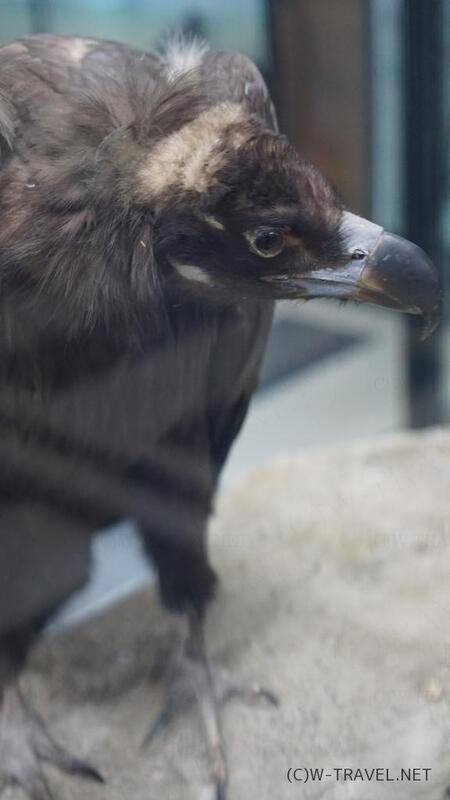
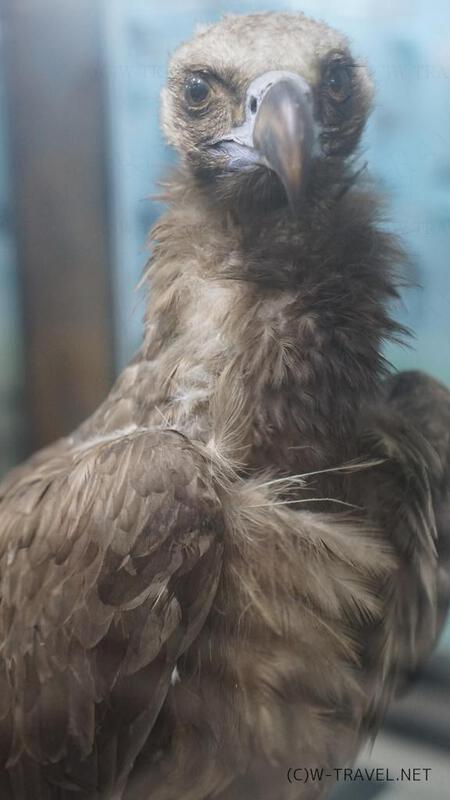
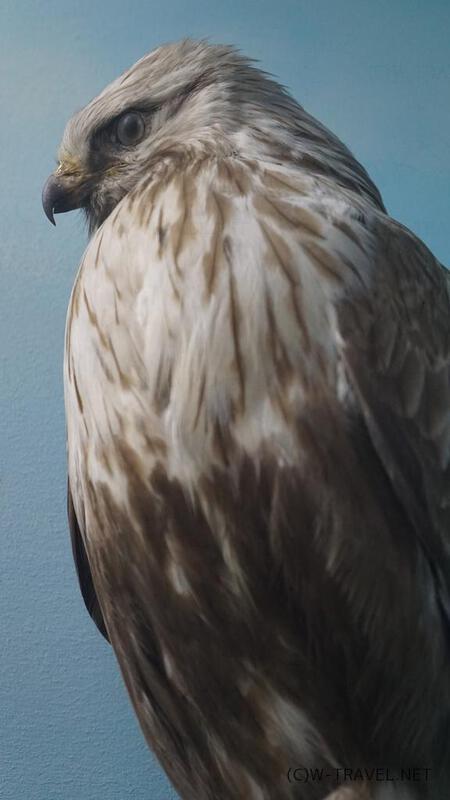
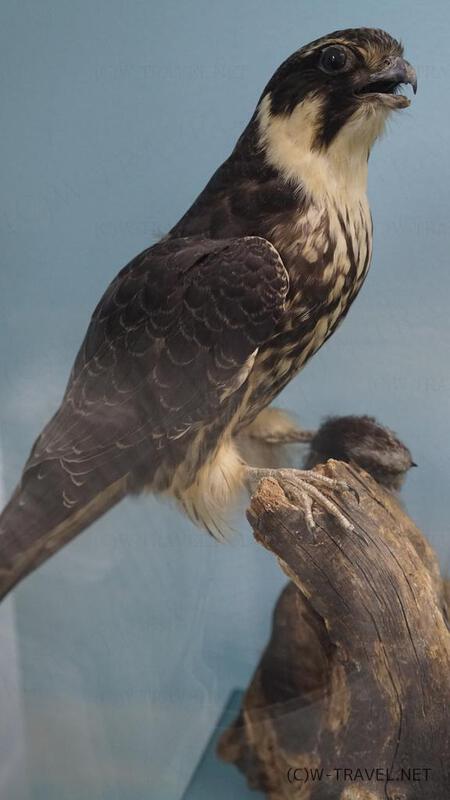
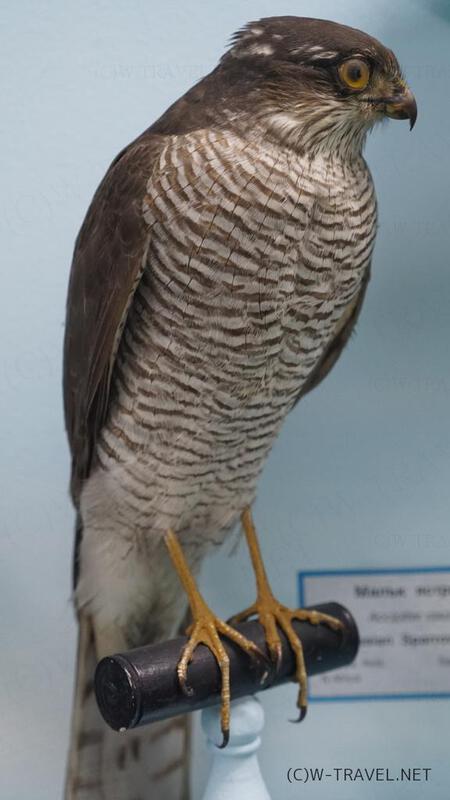
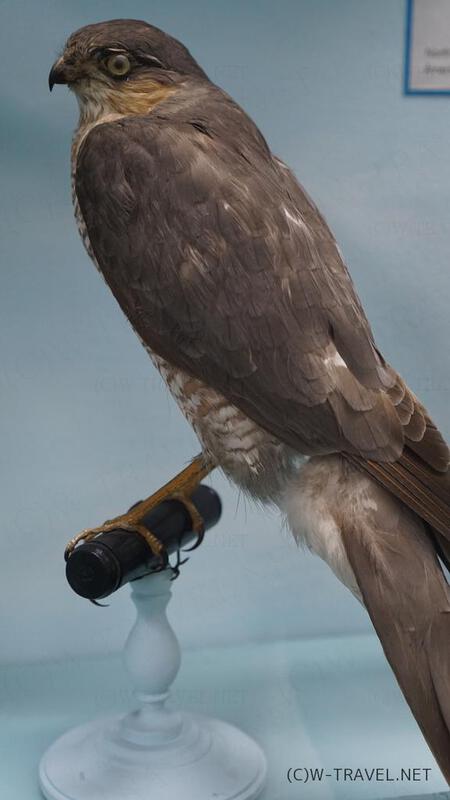
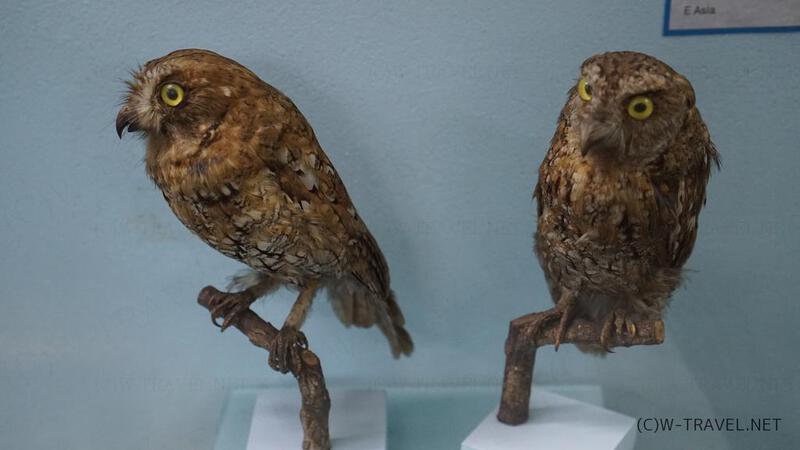
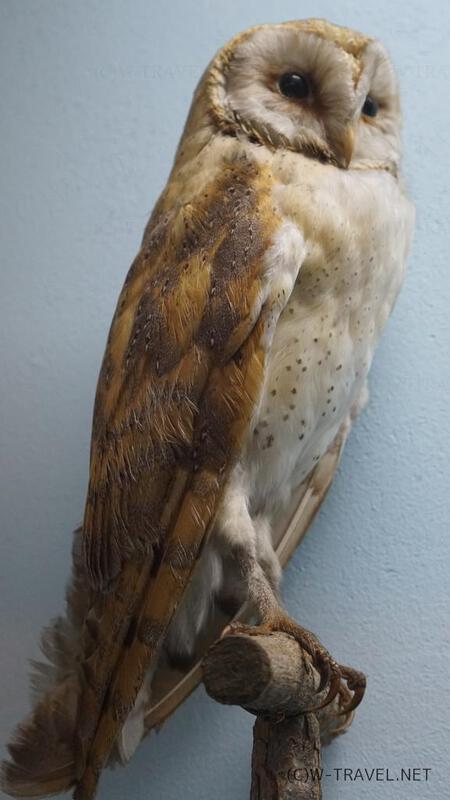
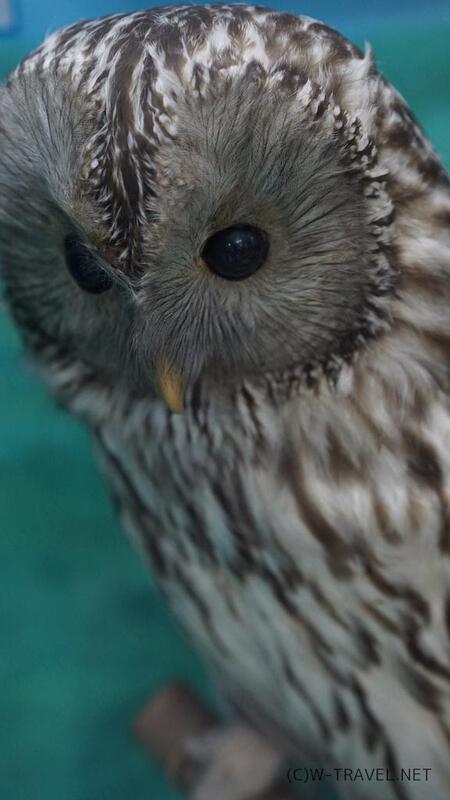
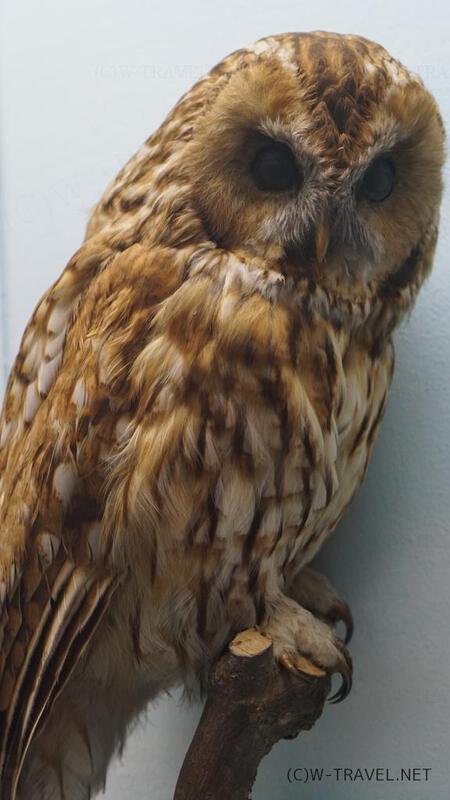
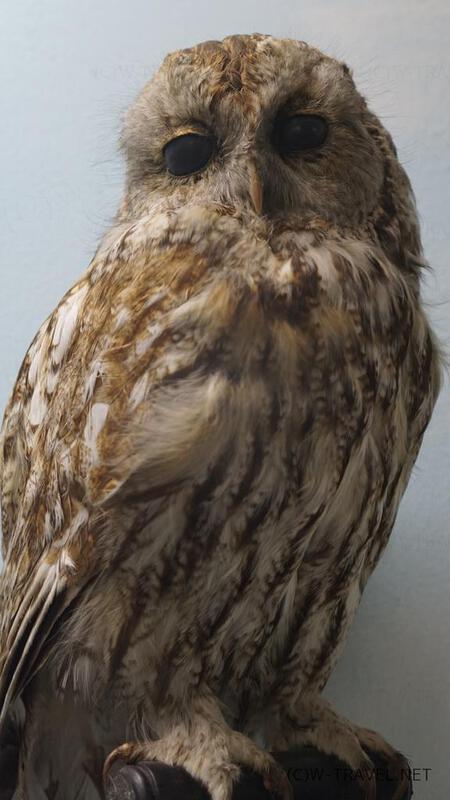
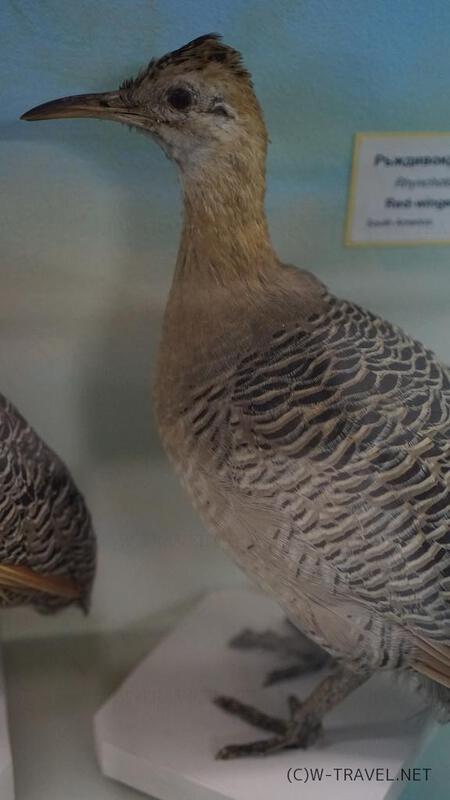
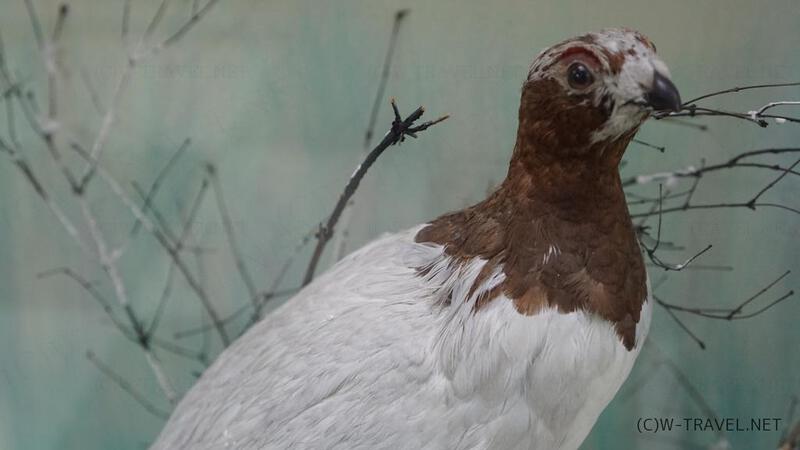
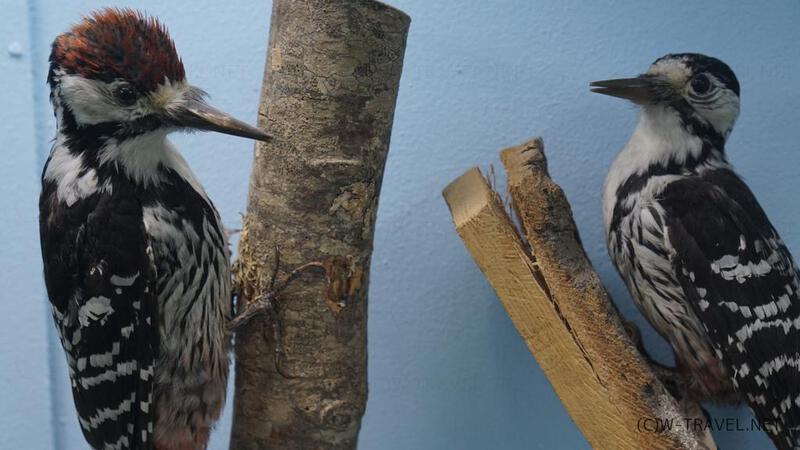
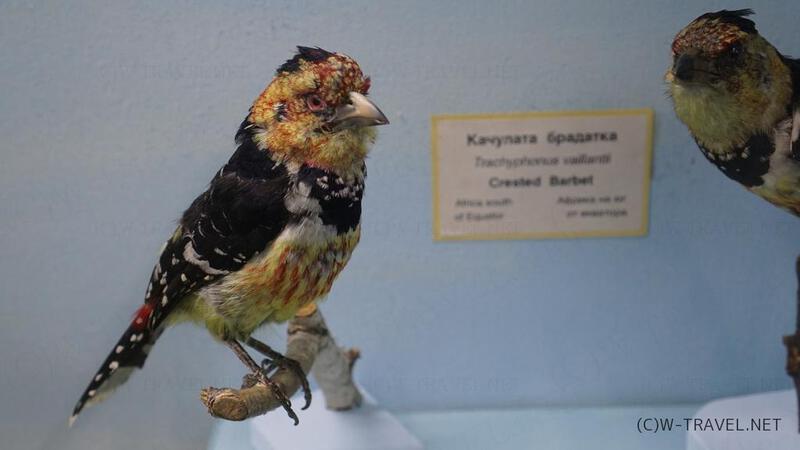
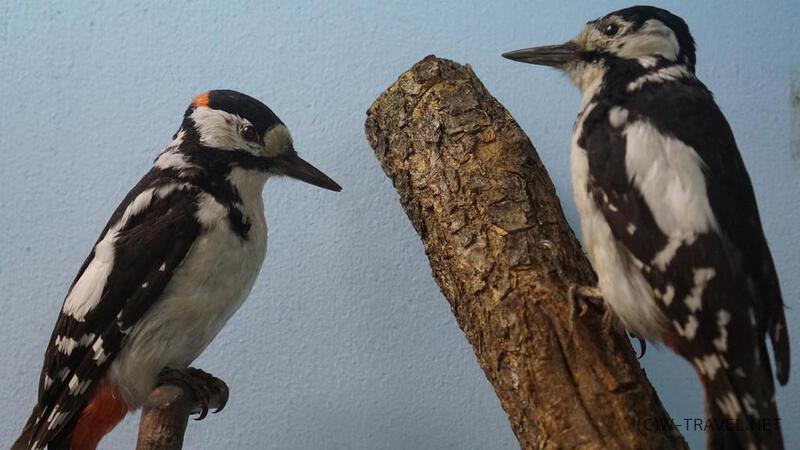
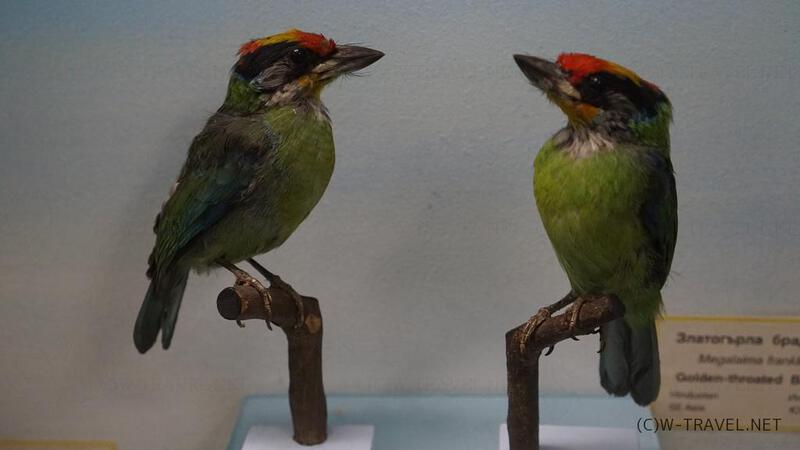
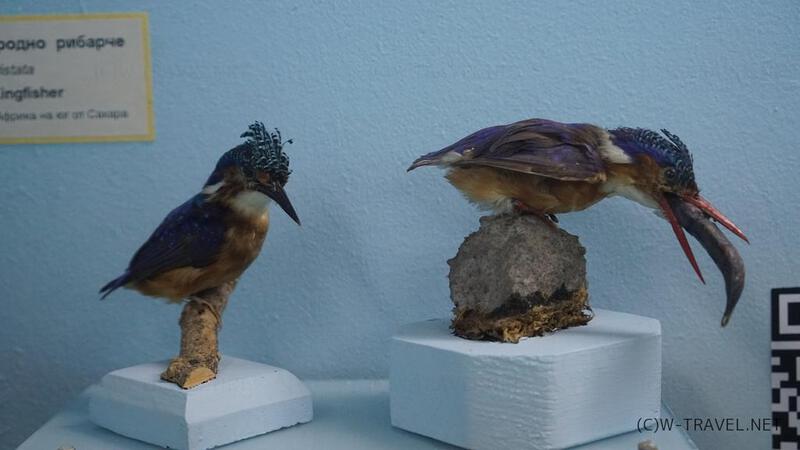
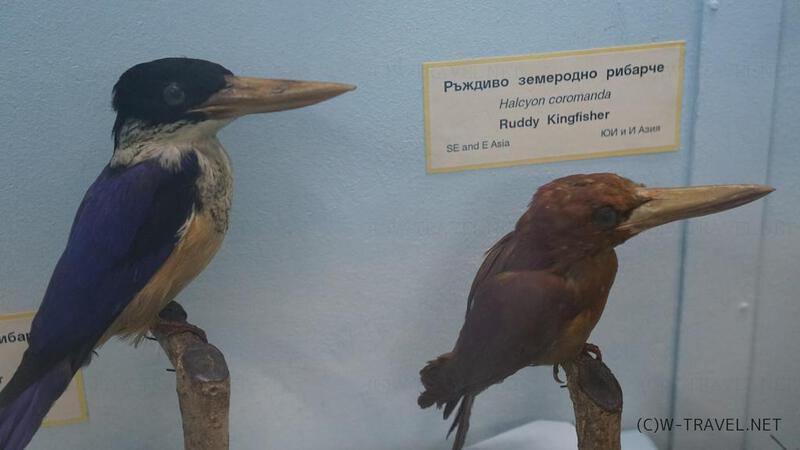
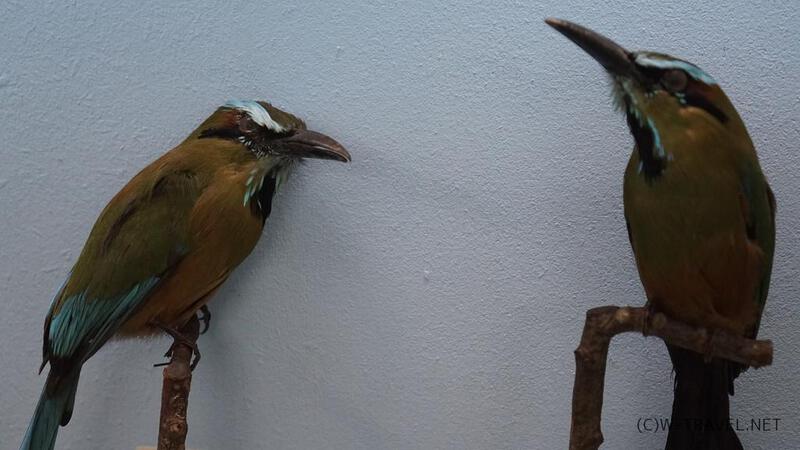
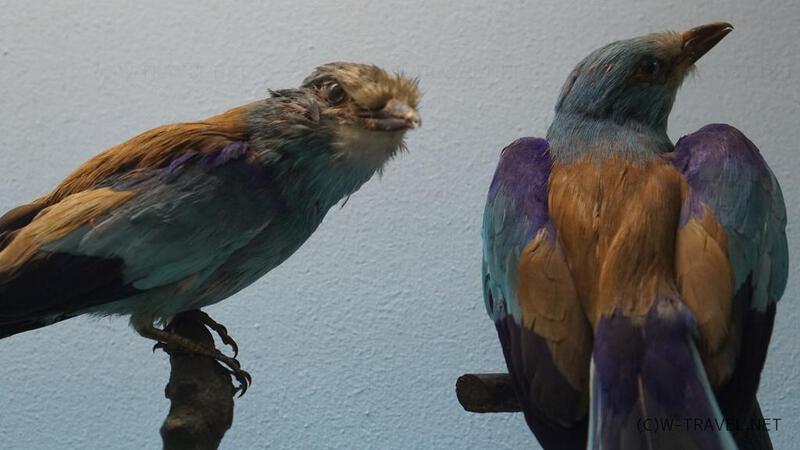
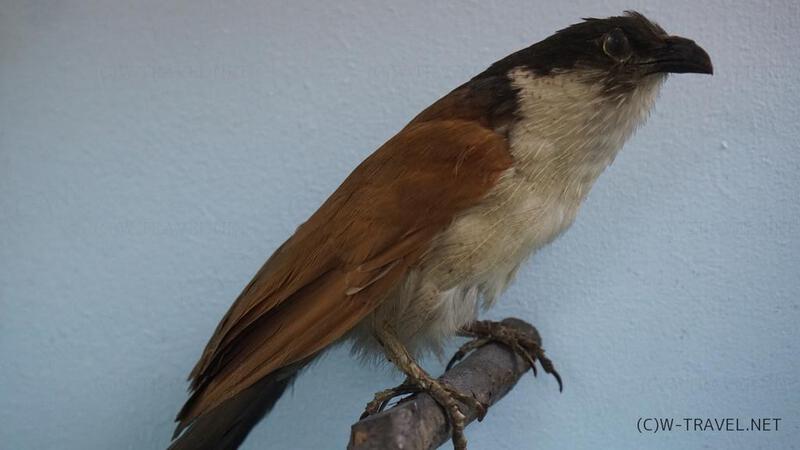
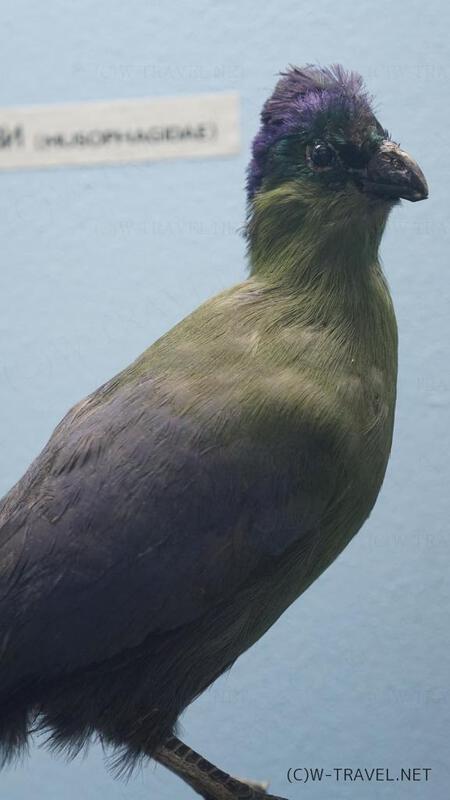
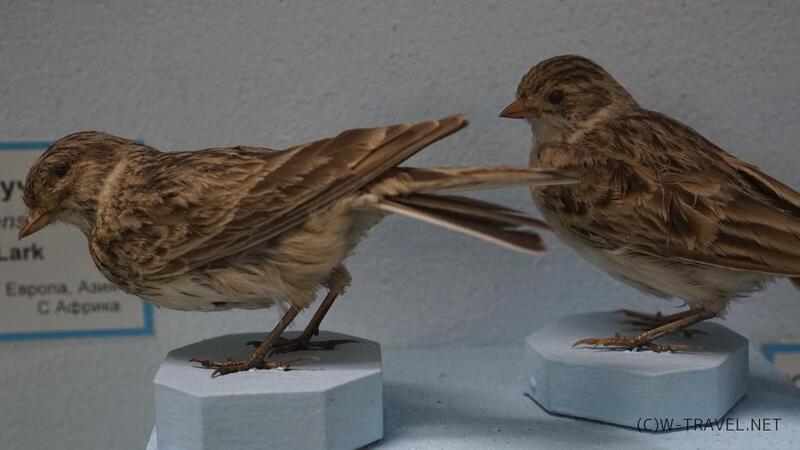
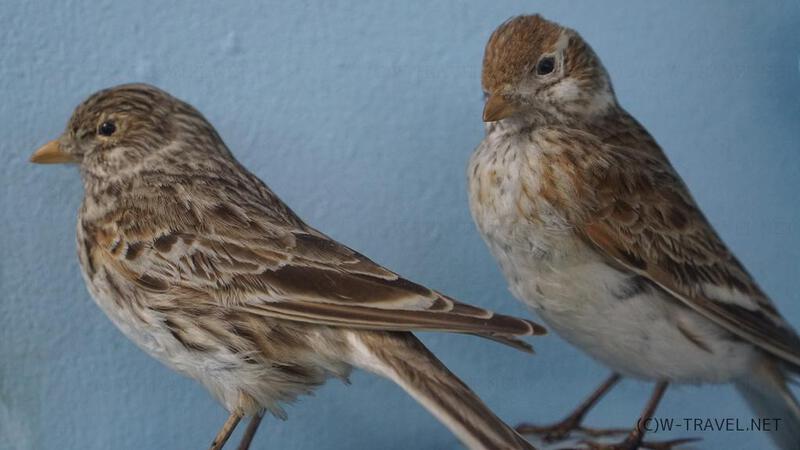
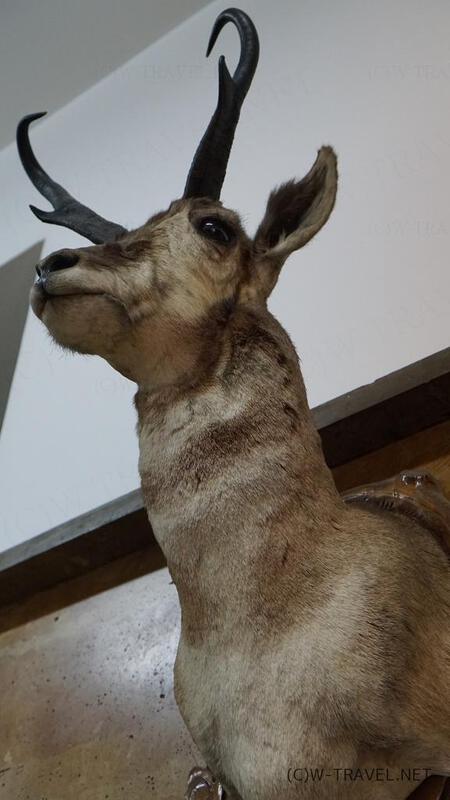
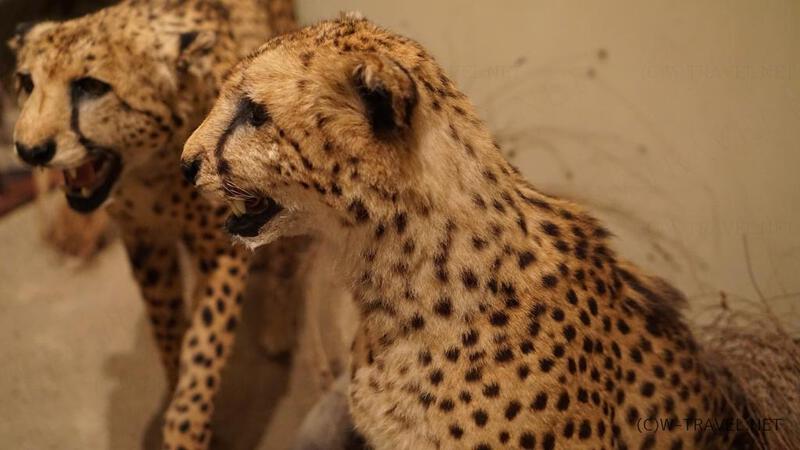
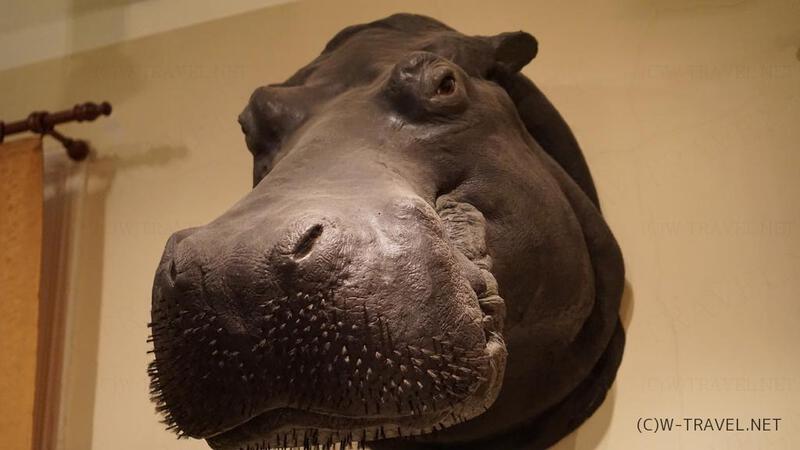
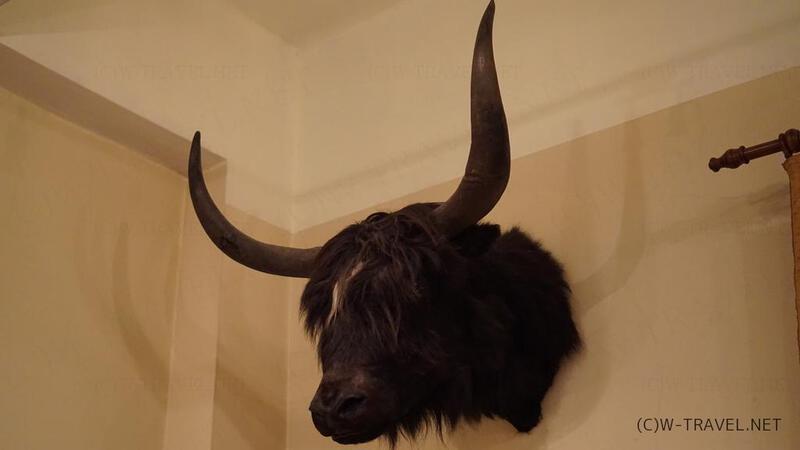
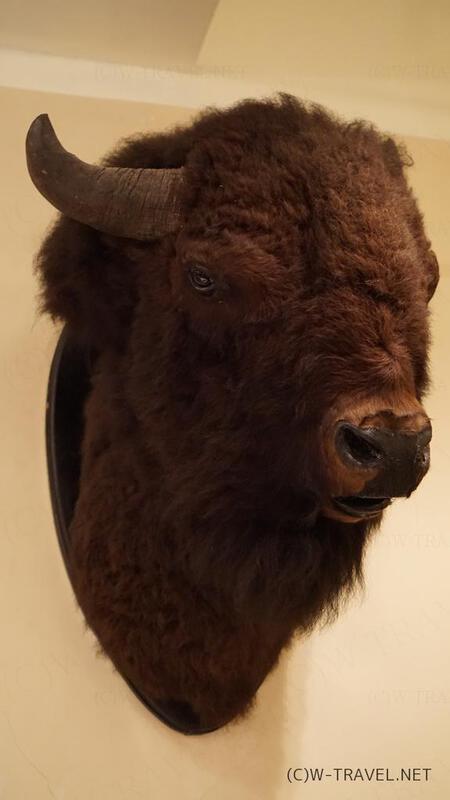
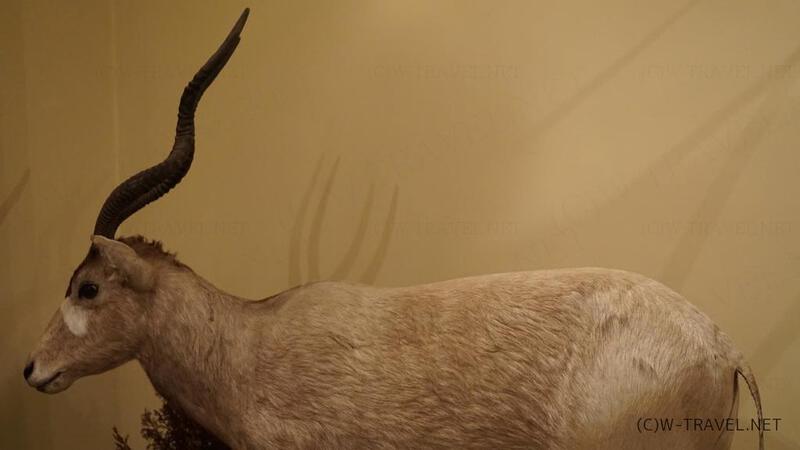
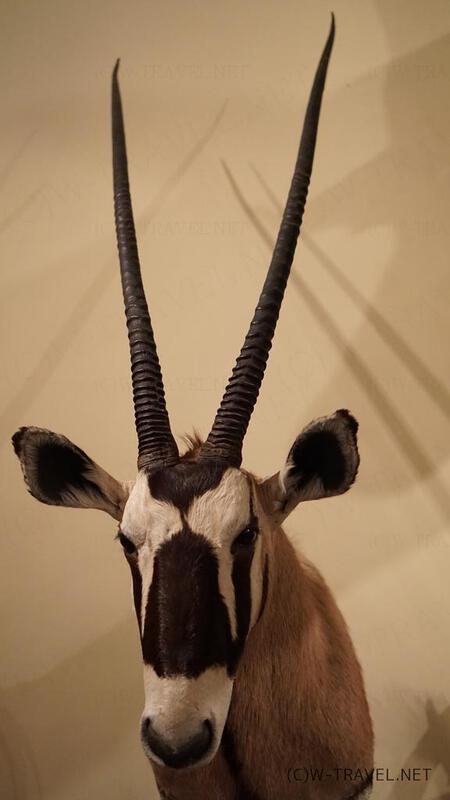
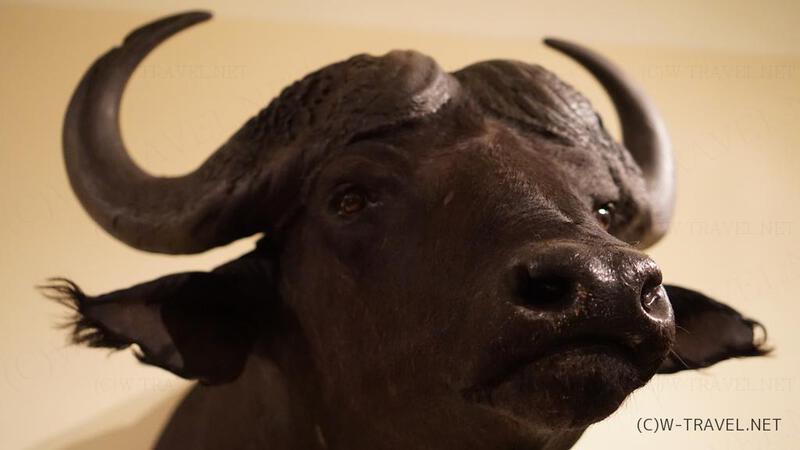
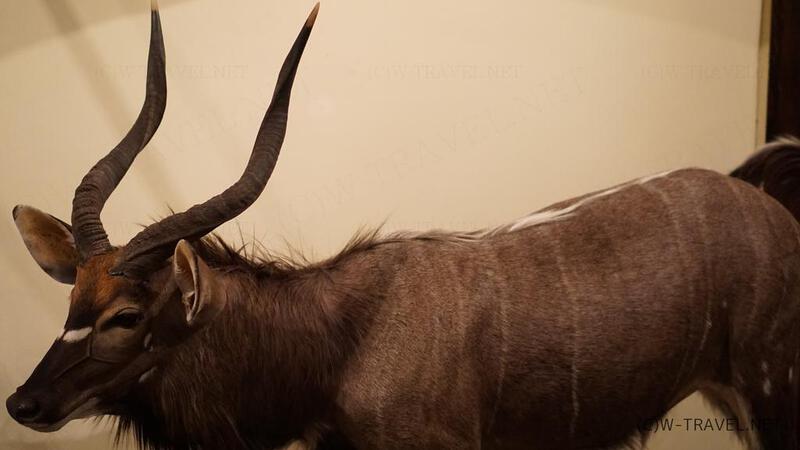
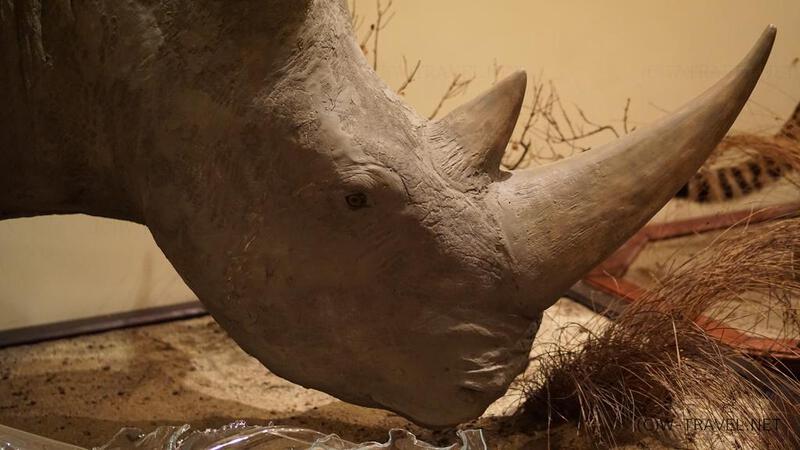
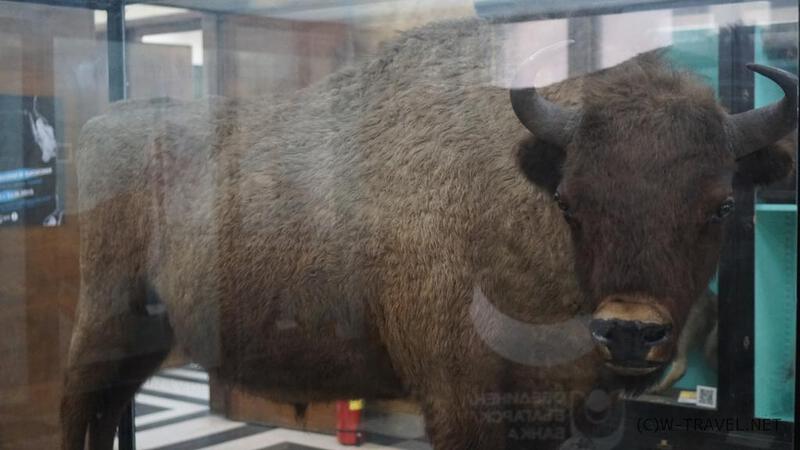
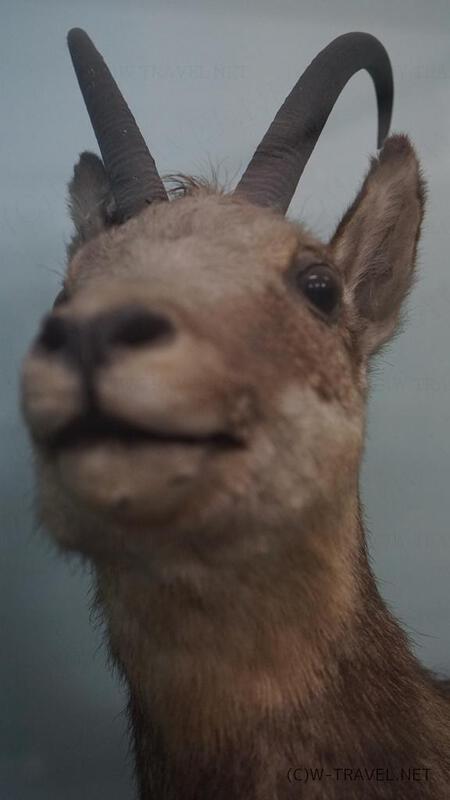
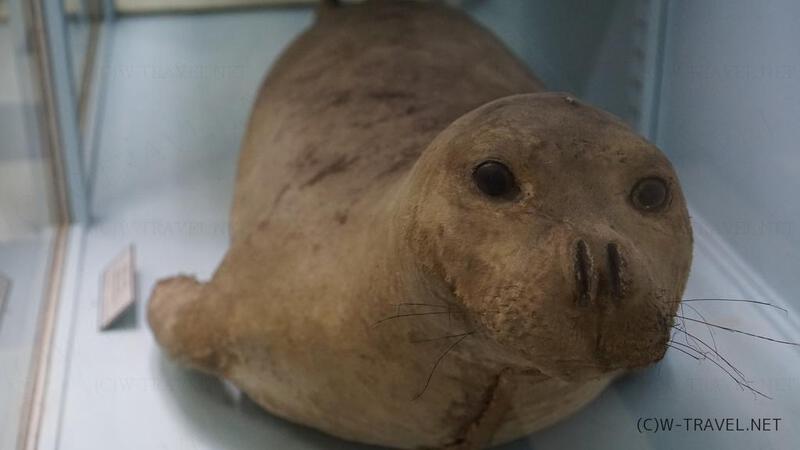
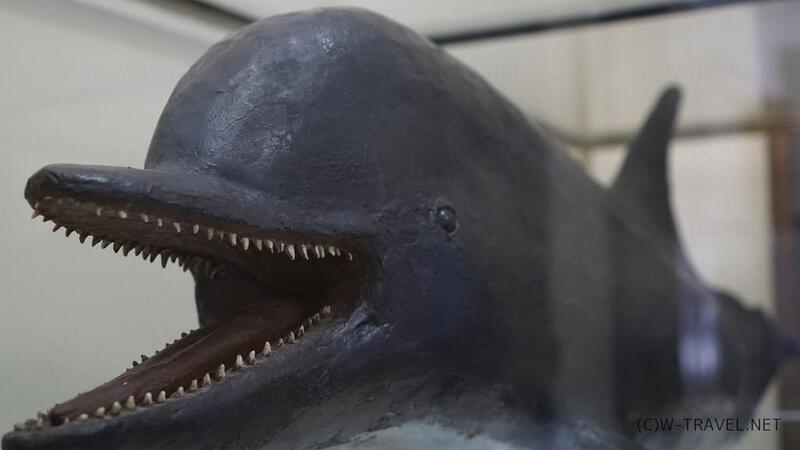
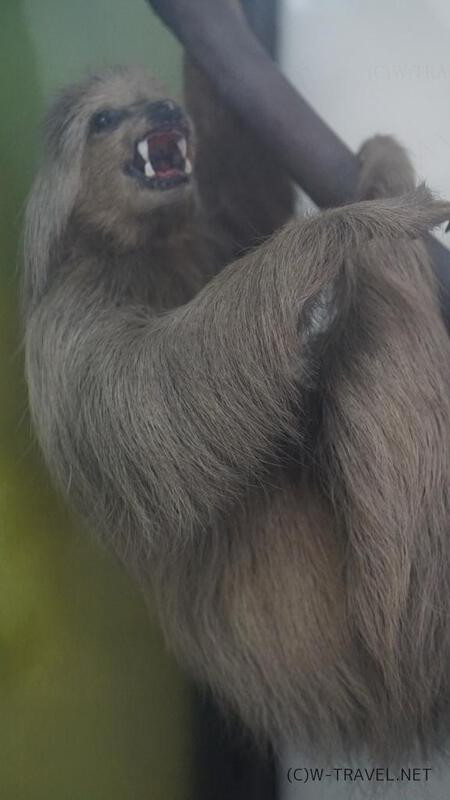
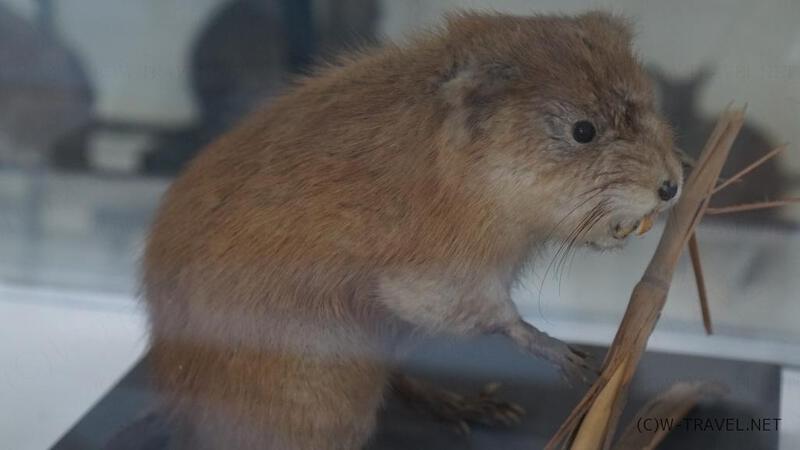
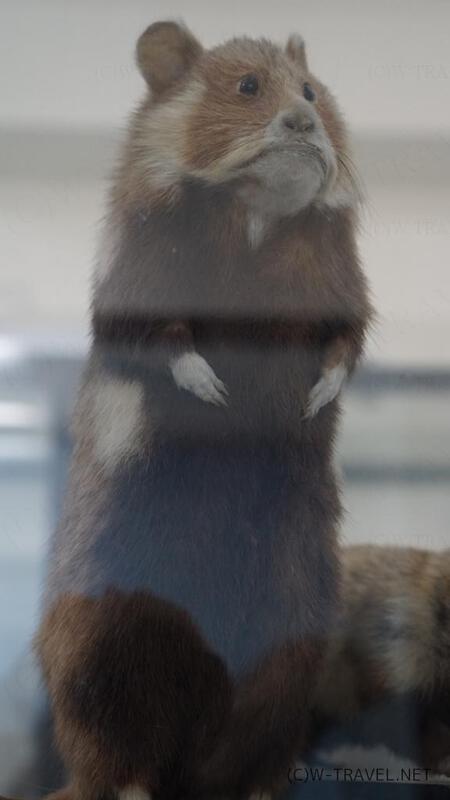
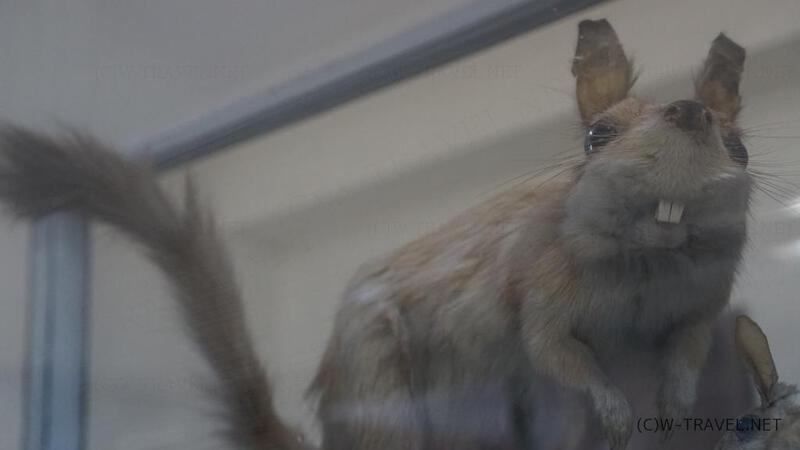
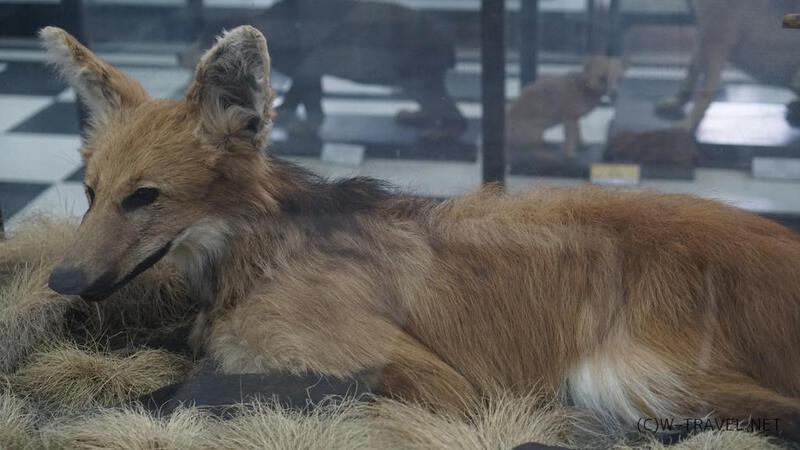
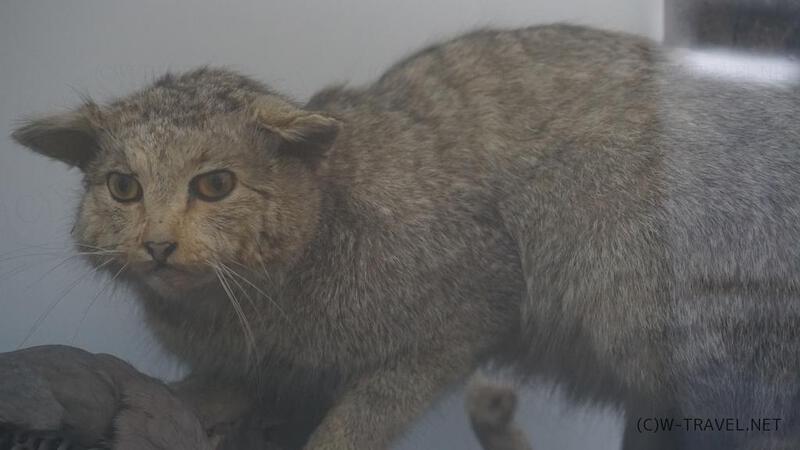
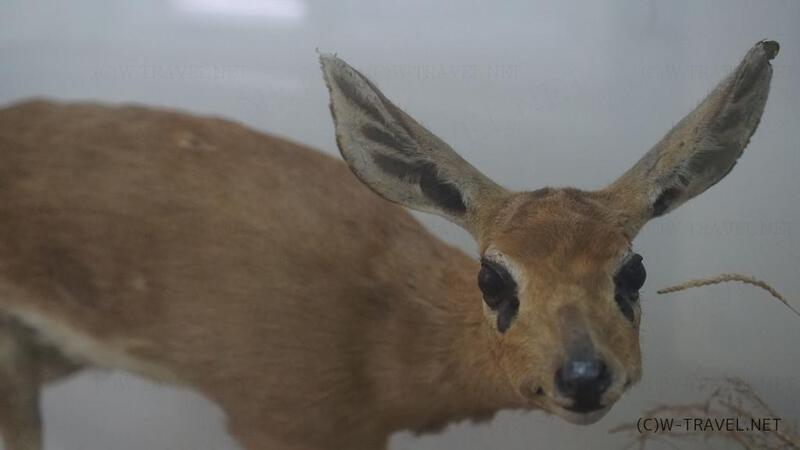
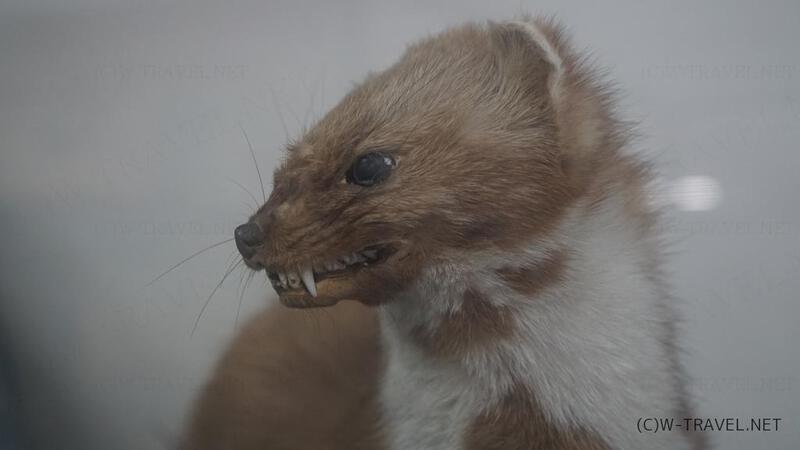
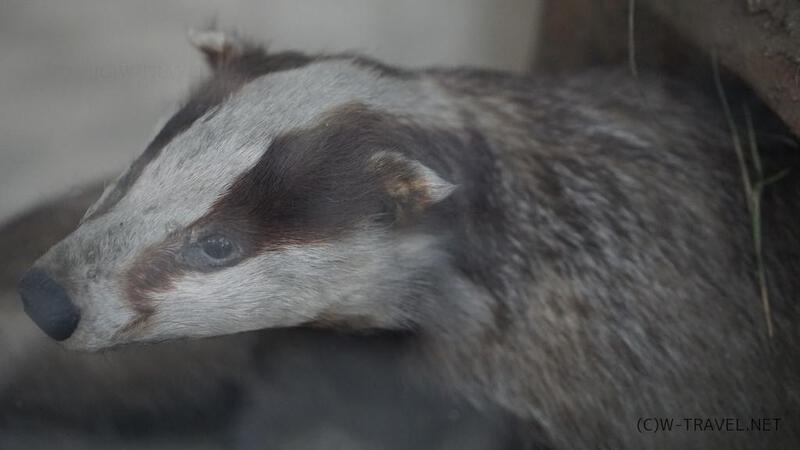
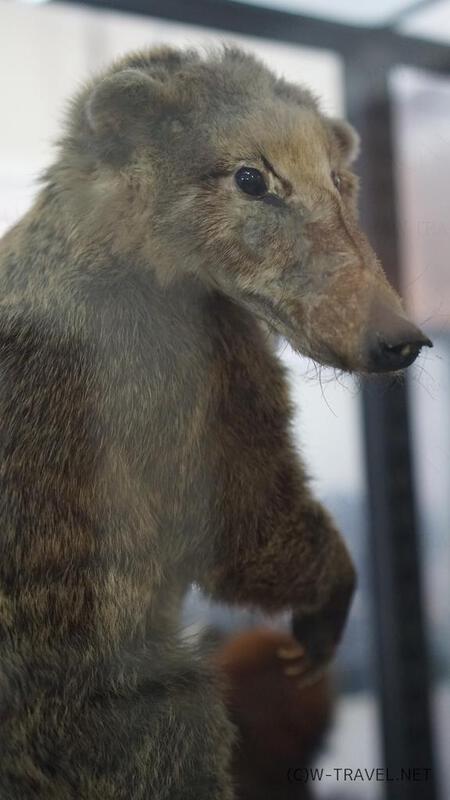
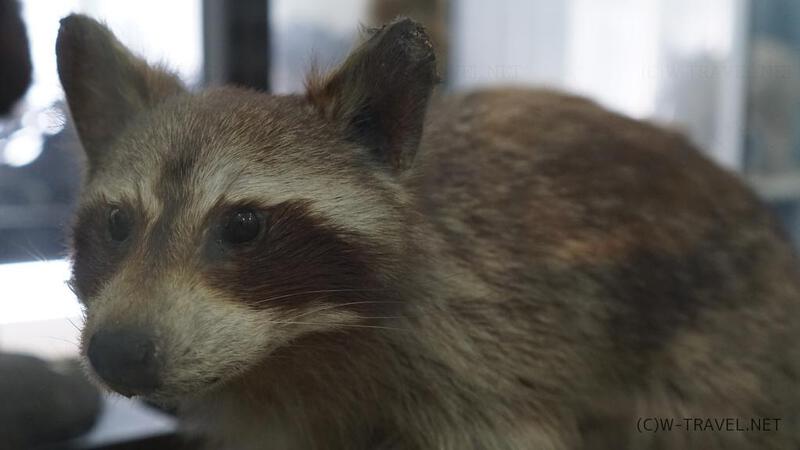
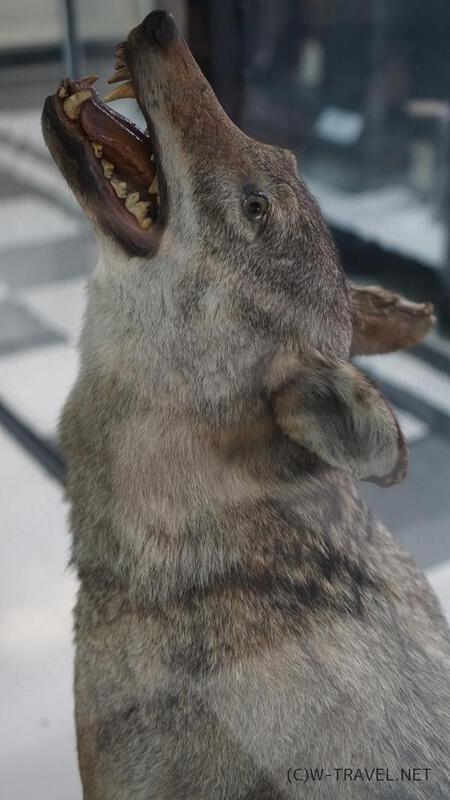
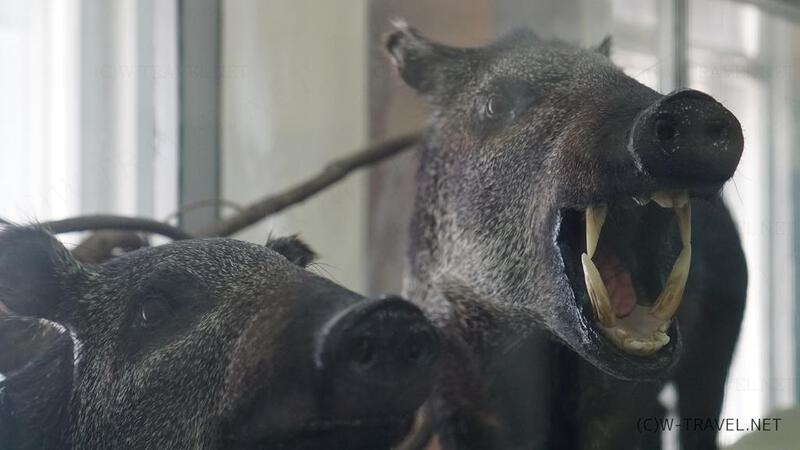
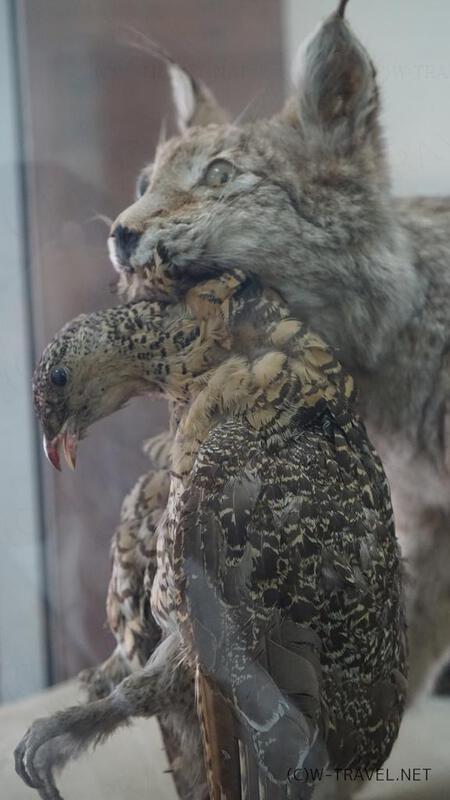
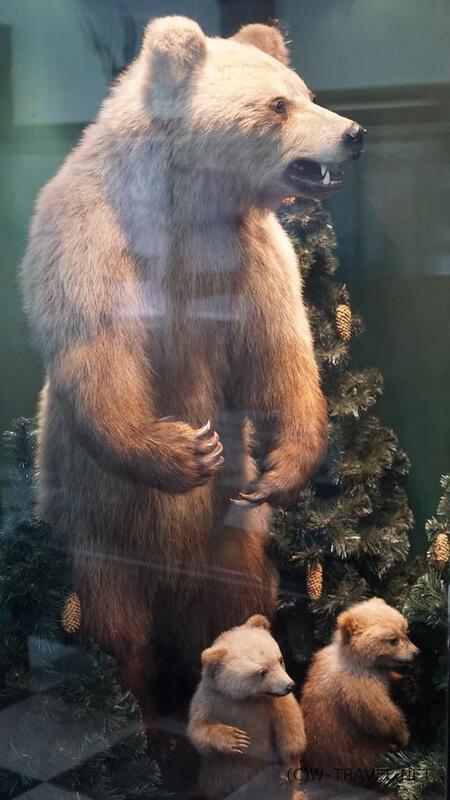
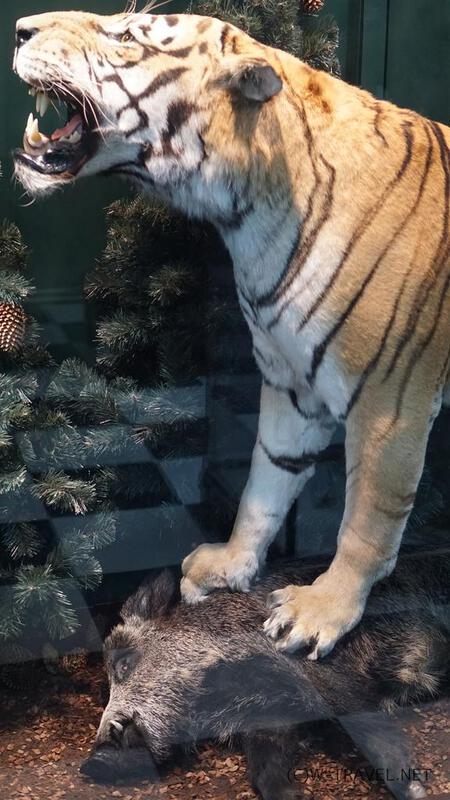
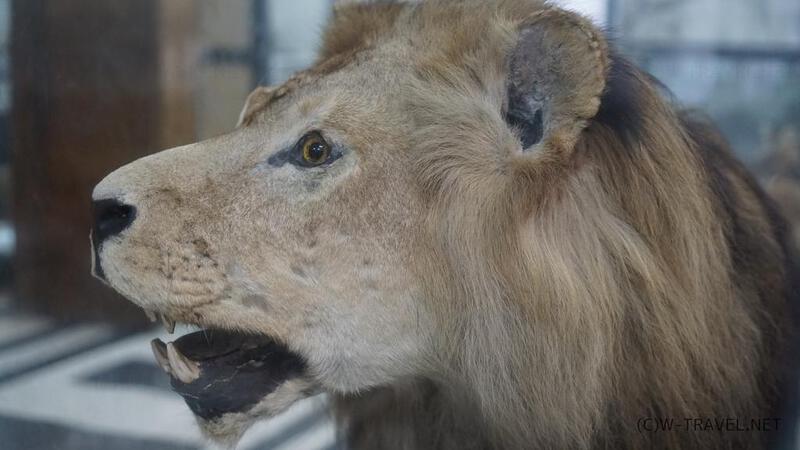
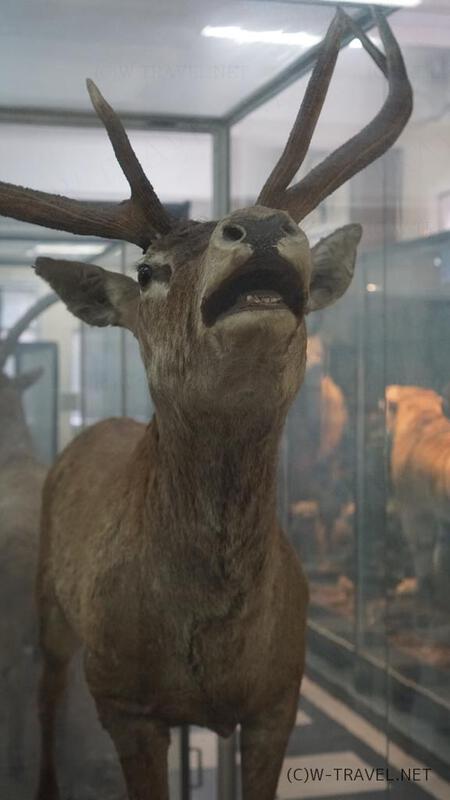
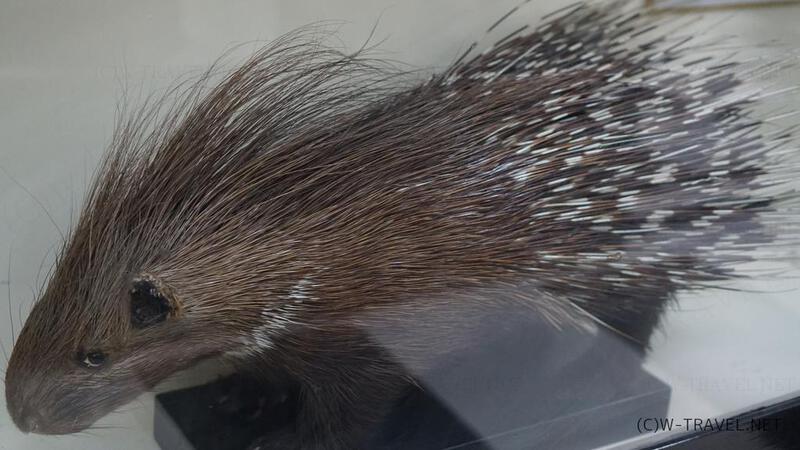
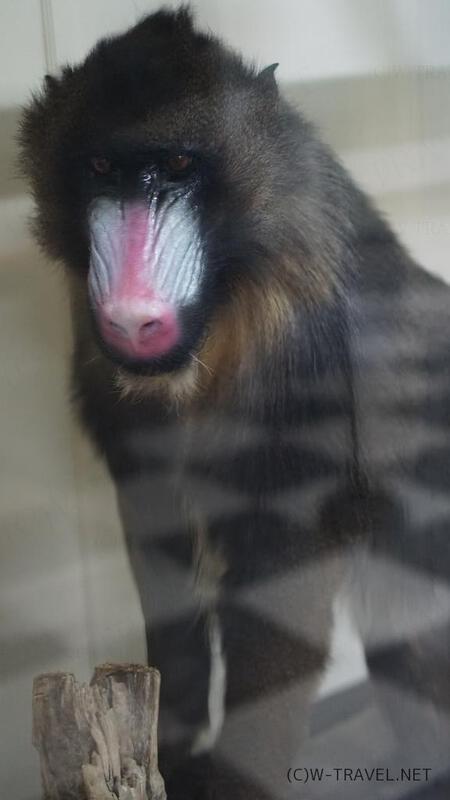
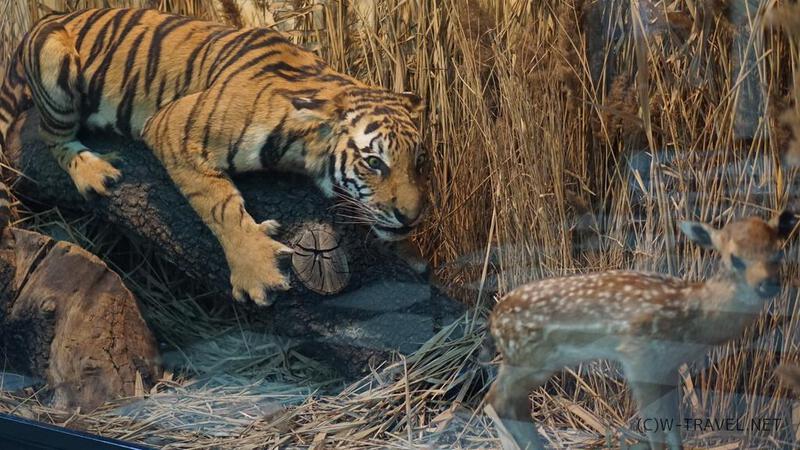
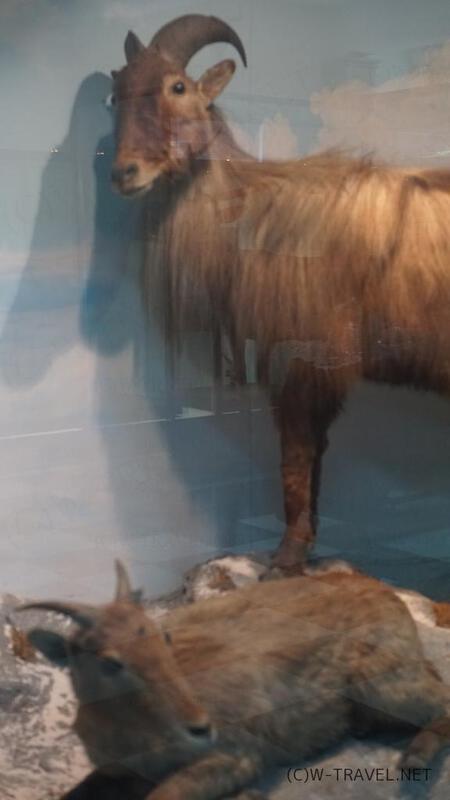
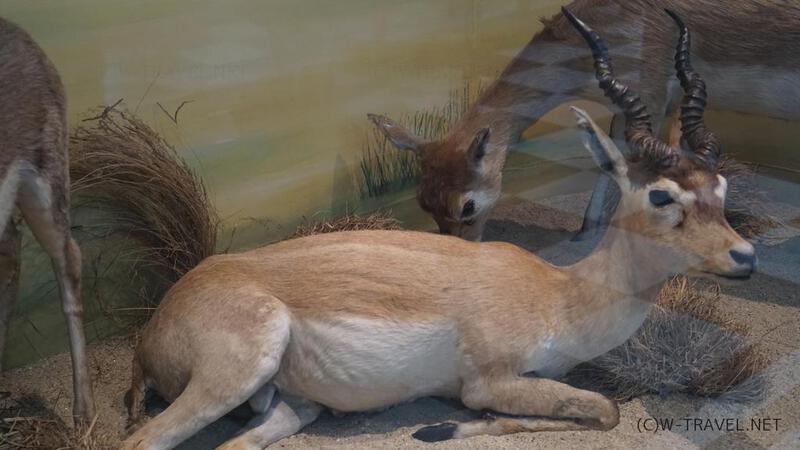
الآن، سأذهب إلى المتحف الوطني للتاريخ الطبيعي.
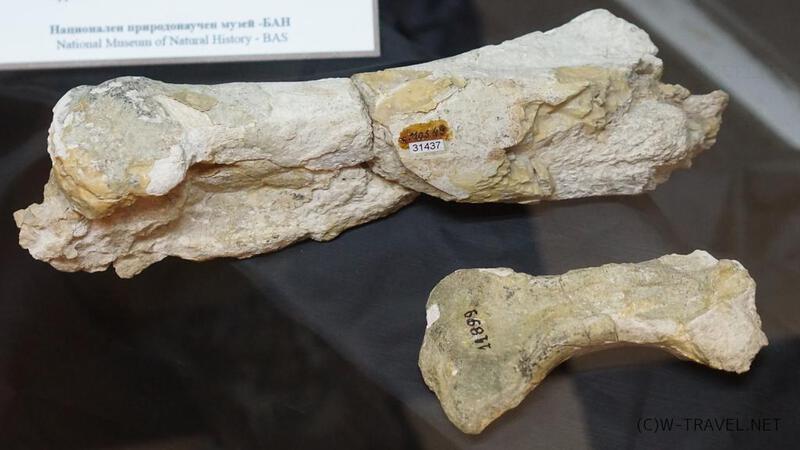
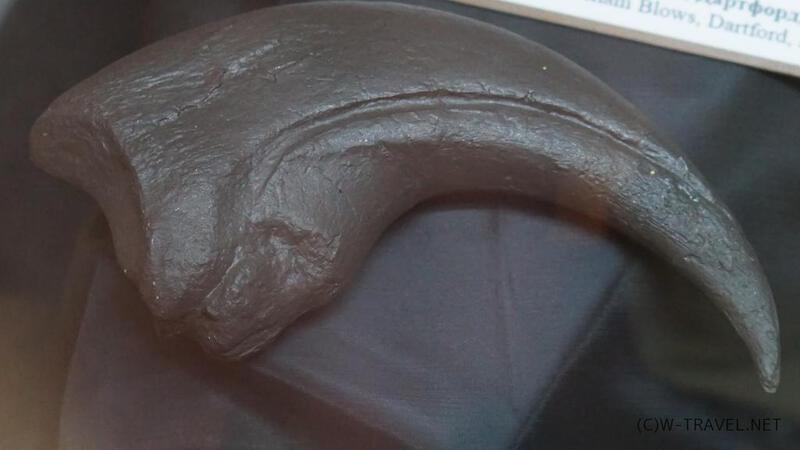
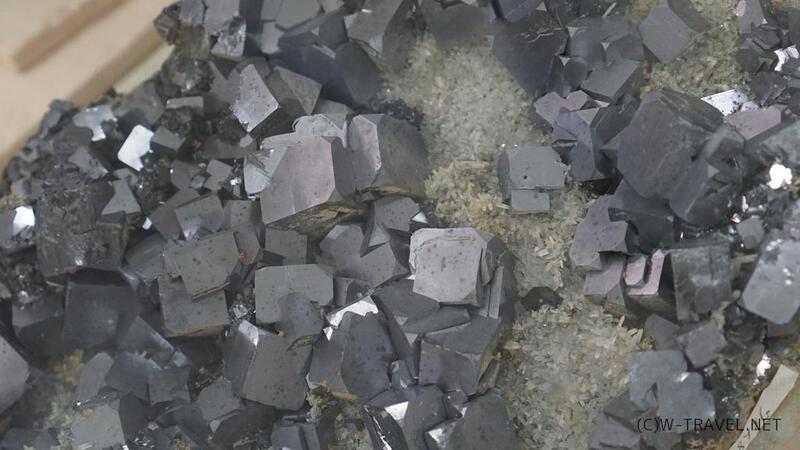
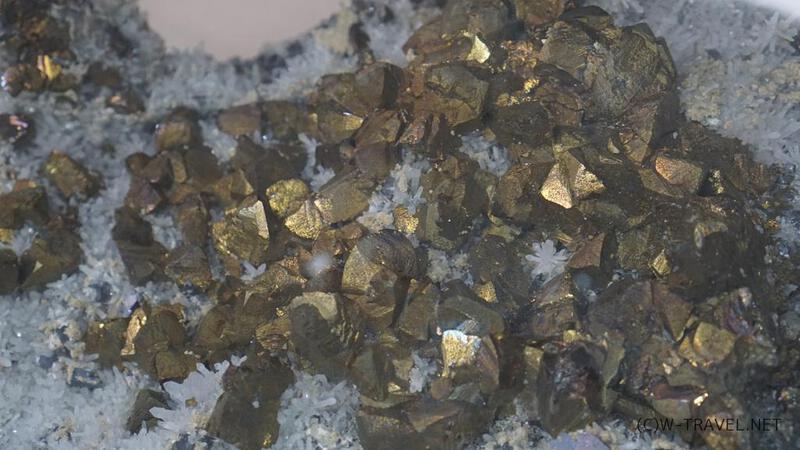
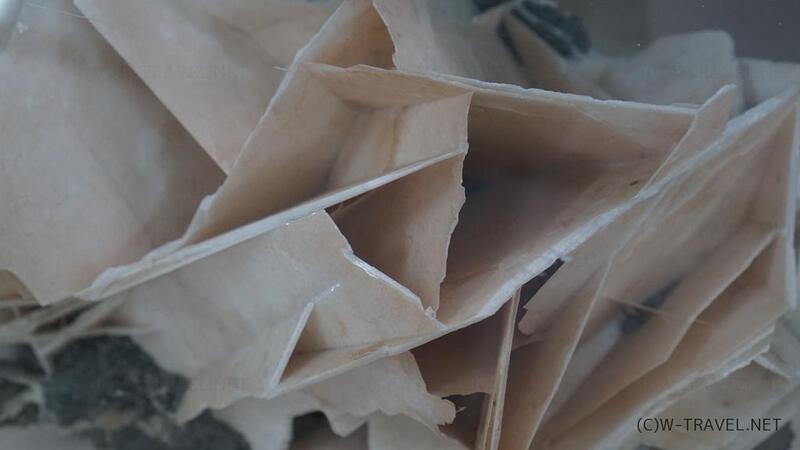
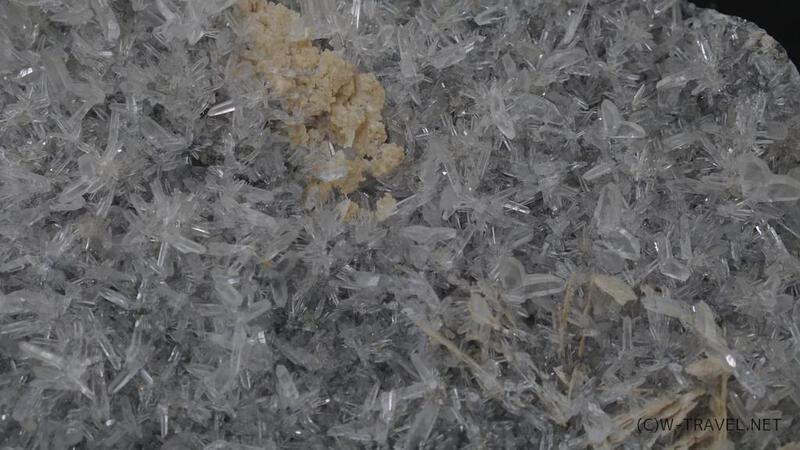
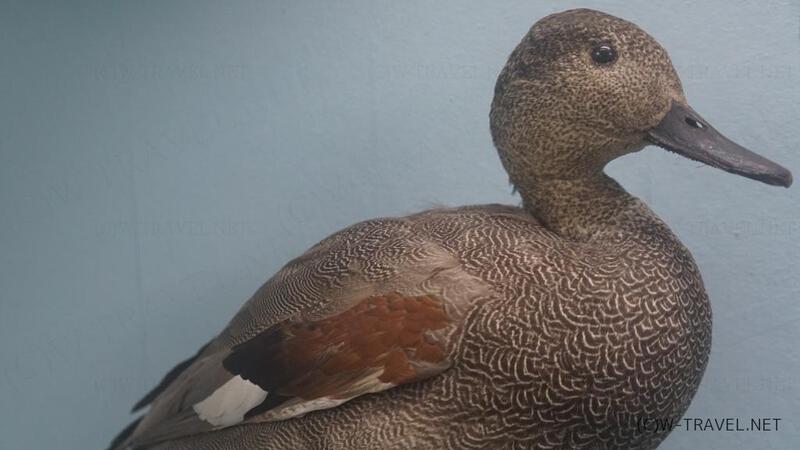
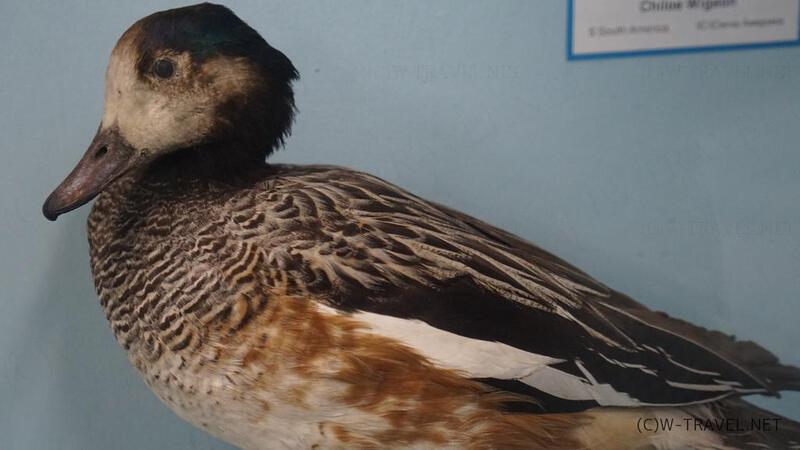
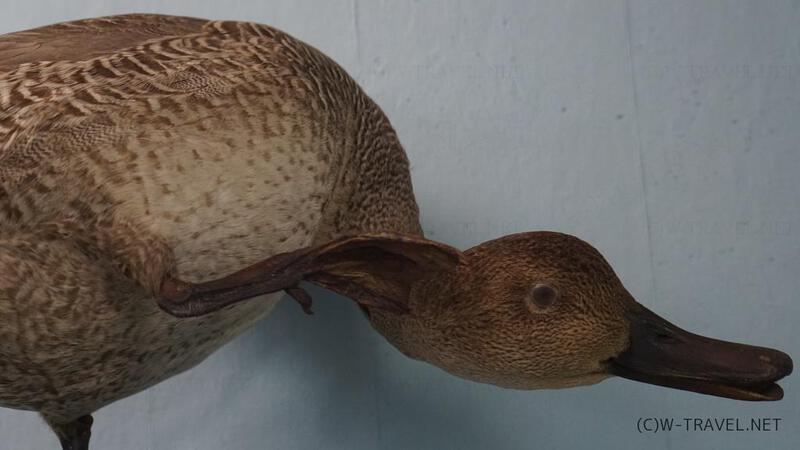
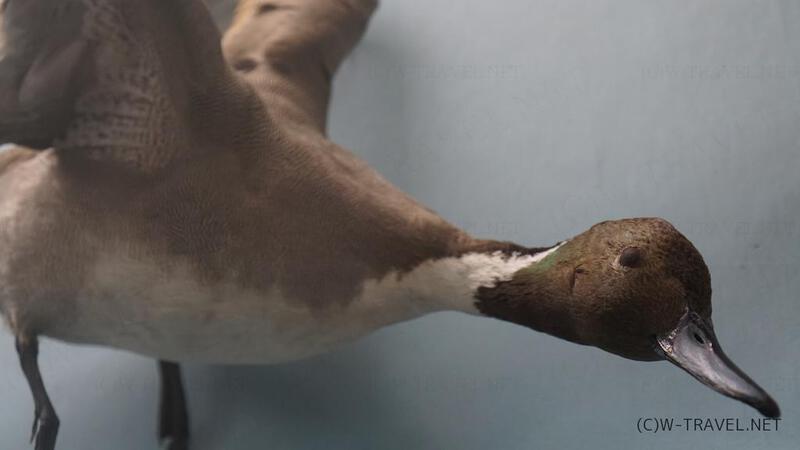
المساحة صغيرة، وهناك الكثير من المعروضات التقليدية، ولكن التفاصيل الدقيقة للمعروضات مفاجئة وغنية.
يبدو أنه لم يتم إنفاق الكثير من المال، ولكن الإتقان واضح.