पिछले साल, मैंने भारत में हठ योग शिक्षक प्रशिक्षण (टीटीसी) में भाग लिया, और उस दौरान कई चीजें हुईं। हालांकि मैंने सब कुछ विस्तार से नहीं लिखा है, लेकिन यहां मेरे द्वारा संकलित किए गए कुछ नोट्स हैं।
2018/9/27
भारत के लिए शीतकालीन योजना: एक महीने तक ध्यान सीखने के लिए किसी संस्थान में जाने की योजना।
• योग-संबंधी ध्यान: दर्शनशास्त्र, शरीर रचना विज्ञान (शरीर विज्ञान), योग, मनोविज्ञान, चक्र ध्यान, मौन ध्यान, विपश्यना ध्यान। ऐसा लगता है कि यह किसी विशेष संप्रदाय से संबंधित नहीं है, लेकिन इसका प्रभाव बिहार से प्रभावित प्रतीत होता है।
• स्थान: ऋषिकेश, भारत।
• समय और अवधि: संभवतः अगले वर्ष जनवरी में (यह ठंड हो सकती है)। संस्थान एक महीने का है, लेकिन मैं दिसंबर से लगभग दो महीने तक रहने की योजना बना रहा हूं? ऋषिकेश में योग और ध्यान।
• यह एक छोटा वर्ग है, इसलिए प्रशिक्षक प्रत्येक छात्र पर ध्यान दे सकते हैं। यह अच्छी बात भी है और बुरी बात भी।
• ज्ञान पुस्तकों के माध्यम से प्राप्त किया जा सकता है, लेकिन ऐसा लगता है कि इस पर ध्यान केंद्रित करना और वास्तव में इसका अनुभव करना अधिक महत्वपूर्ण है।
• मुझे संस्थान से शिक्षक का लाइसेंस मिलने की उम्मीद है, लेकिन मैं फिलहाल खुद को शिक्षक नहीं कहूंगा। मेरा मानना है कि केवल एक महीने की पढ़ाई करने के बाद आप खुद को शिक्षक नहीं कह सकते।
• यह एक महीने के लिए 1000 अमेरिकी डॉलर (कर सहित) में पड़ता है, जिसमें एक एकल कमरा + तीन भोजन + सभी पाठ शामिल हैं, इसलिए यह उचित है।
11/2
मैंने भारतीय दूतावास से वीजा प्राप्त कर लिया, हालांकि यह थोड़ा जल्दी था।
नियोजित प्रवास: 26 नवंबर से 8 फरवरी तक।
सबसे पहले, मैं ऋषिकेश जाऊंगा और वहां दो महीने रहूंगा, जनवरी में ऊपर बताए गए पाठ्यक्रम के साथ योग का अभ्यास करूंगा।
फरवरी में एक सप्ताह के लिए, घर लौटने से पहले मैं आसपास के क्षेत्रों की यात्रा करने की योजना बना रहा हूं। यह बदल सकता है। फिलहाल, मैंने आगरा (ताज महल) और वाराणसी में आवास तीसरी बार बुक कर लिया है। वाराणसी से, मैं कुंभ मेले को देखने के लिए इलाहाबाद की एक दिवसीय यात्रा पर जा सकता हूँ?
11/26
मैं अब ऋषिकेश जा रहा हूं।
हनेडा (रात की उड़ान) → सियोल → दिल्ली (एक रात रुकें) → ऋषिकेश
मैं दो महीने तक ऋषिकेश में रहूंगा, योग और ध्यान का अभ्यास करूंगा, और फिर लगभग एक सप्ताह के लिए कहीं यात्रा करूंगा और 9 फरवरी को घर वापस आऊंगा।
मैं लक्षमनझूला क्षेत्र में रहने की योजना बना रहा हूं, जो लक्षमनझूला पुल के दक्षिण में स्थित है, जो शिवानंद डिवाइन लाइफ सोसाइटी के सामने है। ऐसा लगता है कि यह शिवानंद आश्रम से लगभग 10 मिनट की पैदल दूरी पर है, लेकिन ढलान होने के कारण इसमें लगभग 15 मिनट लग सकते हैं। मैं मुख्य रूप से जिस संस्थान में भाग ले रहा हूं, वहां कक्षाओं में भाग लूंगा, और कभी-कभी डिवाइन लाइफ सोसाइटी का दौरा करूंगा। मुख्य ध्यान जनवरी में एक महीने के ध्यान कार्यशाला पर होगा।
इस बार, मैंने कुछ समय बाद पहली बार कोरिया एयरलाइंस की उड़ान भरने के लिए स्काईटिकट माइल्स का उपयोग किया। कभी-कभार सियोल से गुजरना अच्छा होता है। यह मार्ग आमतौर पर महंगा होता है।
11/27
आमतौर पर, मैं प्रायोरिटी पास से मुफ्त में दोपहर का भोजन करता हूं, लेकिन मैंने नवीनीकरण करना भूल गया था और यह समाप्त हो गया था, इसलिए मैंने सामान्य रूप से भोजन किया। बिना प्रायोरिटी पास के जो हमेशा उपलब्ध होता है, वह आश्चर्यजनक रूप से असुविधाजनक है, और हवाई अड्डे पर भोजन बहुत महंगा है। इंचियोन में मुफ्त शॉवर हैं, लेकिन हवाई अड्डा लाउंज में शॉवर लेना महत्वपूर्ण है।
11/27
नई दिल्ली 19:00 बजे पहुंची।
इस ठंडी हवा और प्रदूषित वायु को सांस लेने से मुझे भारत वापस आने जैसा महसूस होता है।
नई दिल्ली बहुत गर्म है। यह भारत के लिए ठंडा माना जाता है, लेकिन जापान से आने पर यह गर्म लगता है। ऋषिकेश थोड़ा और ठंडा होने वाला है। हाल ही में, मैं पहले की तुलना में ठंड के प्रति अधिक प्रतिरोधी रहा हूं, इसलिए मुझे कोई समस्या नहीं होनी चाहिए।
11/27
हवाई अड्डे से नई दिल्ली स्टेशन तक विशेष एक्सप्रेस ट्रेन से लगभग 30 मिनट लगते हैं और इसकी कीमत 60 रुपये (लगभग 94 येन) है। सामान्य मेट्रो की कीमत लगभग आधी होती है। अन्य लोग इसे सस्ता मान सकते हैं, लेकिन जब आप पुरानी कीमतों और मूल्य वृद्धि पर विचार करते हैं, तो यह स्पष्ट हो जाता है कि भारत की कीमतें जल्द ही जापान को पीछे छोड़ देंगी। यदि यह अबेनॉमिक्स जारी रहता है, तो क्या यह नीति होगी कि जापानी वस्तुओं, लोगों और सेवाओं को वैश्विक स्तर पर बेचा जाए? मुझे लगता है कि 10 साल बाद भारत में कीमतों का स्तर चौंका देने वाला होगा। चीन की तरह कुछ चीजें सस्ती रहेंगी, लेकिन कुल मिलाकर कीमतें बढ़ जाएंगी। ऐसा भविष्य आ सकता है जहां भारतीय लोग चीनी लोगों की तरह विदेशों में खरीदारी करते हैं।
मैं हर साल भारतीयों के शिष्टाचार में सुधार महसूस करता हूं, इसलिए उनका आर्थिक स्तर भी बढ़ रहा होगा।
11/28
ट्रेन से नई दिल्ली स्टेशन पहुंचने के बाद, मैं होटल तक पैदल जाने वाला था, तभी एक ऑटो रिक्शा चालक ने मुझसे बात की और कहा कि वह मुझे स्टेशन के विपरीत दिशा वाले होटल तक 50 रुपये (लगभग 80 येन) में ले जा सकता है। मैंने सोचा कि यह काफी उचित है, लेकिन फिर उसने उल्टी दिशा में चलना शुरू कर दिया, और मुझे लगा कि शायद वह मुझे किसी सुनसान जगह पर ले जाएगा और मेरा सामान छीन लेगा, इसलिए मैं उतरने वाला था, तभी अचानक वह मुड़ गया, मुझे नहीं पता था कि वह कहां जा रहा है, फिर उसने एक बार फिर दिशा बदल ली और वह उस स्थान से केवल 100 मीटर दूर रुक गया। मैंने सोचा, "यह क्या हो रहा है?", लेकिन यह पार्किंग स्थल का प्रवेश द्वार था जहां गेट बंद था। वहां एक आदमी मुझसे बात करने आया और कहा, "जिस क्षेत्र में आप जाने की कोशिश कर रहे हैं, वहां अभी दंगा चल रहा है और वह बंद है। आप उस गेट से नहीं जा सकते। आपके होटल वाला क्षेत्र बहुत खतरनाक है।" लेकिन वह व्यक्ति क्या कह रहा है? यह सिर्फ एक पार्किंग स्थल का गेट है। वह बार-बार कह रहा था, "आप इसे पार नहीं कर सकते क्योंकि यह बंद है।" मुझे संदेह होने लगा कि शायद वह नई दिल्ली स्टेशन से 100 मीटर की दूरी पर स्थित पार्किंग स्थल को प्रवेश द्वार के बंद गेट के रूप में इस्तेमाल करने की कोशिश कर रहा है ताकि मैं स्टेशन के दूसरी तरफ स्थित होटल वाले क्षेत्र तक न जा सकूं। उस पर स्पष्ट रूप से "पार्किंग" लिखा हुआ था। क्या ऐसे लोग हैं जो इस तरह से धोखा खा जाते हैं? यह सब बहुत बेवकूफी भरा लग रहा था, इसलिए मैं रिक्शा से उतरने ही वाला था कि उसने "पैसा!" चिल्लाया और मेरे सामान को पकड़ लिया। मैंने कहा, "तुम सिर्फ 100 मीटर की दूरी पर हो," फिर मैंने 10 रुपये (17 येन) फेंके और उसे जबरदस्ती सामान खींचकर चलने के लिए मजबूर किया, तो उसने मुझ पर "फ*क!" चिल्लाया, लेकिन मैं इस तरह के धोखेबाज को ऐसा कहने का हक नहीं दे रहा था। मुझे लगता है कि मैं थोड़ा लापरवाह हो गया था। खैर, ऑटो रिक्शा धीमी गति से चलते हैं, इसलिए यदि आप ट्रैफिक में फंस जाते हैं तो आप उतर सकते हैं और बच सकते हैं, यह थोड़ी खतरनाक स्थिति थी। मुझे याद आया कि पहले भी आगरा में मैंने इसी तरह एक टैक्सी से दरवाजा खोलकर बाहर निकला था। क्या जापानी लोगों को निशाना बनाया जाता है क्योंकि उन्हें "आसान शिकार" समझा जाता है?
उस बाद मैं होटल तक पैदल गया, बेशक उस क्षेत्र में कोई दंगा नहीं चल रहा था। ऐसा ही होना चाहिए था।
मैंने हवाई अड्डे पर मुद्रा विनिमय दर जो खराब थी, उसके अनुसार केवल 1000 येन बदलवाए, लेकिन यह पर्याप्त नहीं था, इसलिए मैंने पहले कुछ पैसे बदले और ऋषिकेश के निकटतम शहर हरिद्वार तक जाने वाली ट्रेन बुक कर ली। आश्चर्यजनक रूप से बहुत सारी सीटें खाली थीं। शायद इस वजह से कि यह सर्दी है।
जब मैं होटल के ट्रैवल काउंटर पर रेलवे टिकट बुक कराने गया तो उन्होंने कहा कि कोई सीट नहीं है, इसलिए आपको टैक्सी लेनी चाहिए, लेकिन जब मैंने किसी और जगह से पूछा तो वहां सामान्य रूप से सीटें उपलब्ध थीं। ऐसा लगता था जैसे वे सिर्फ टैक्सी बेचना चाहते थे।
यह कहा जाता है कि नई दिल्ली स्टेशन सबसे खतरनाक है, लेकिन मैं शायद इसमें अभ्यस्त हो गया हूं और लापरवाह हो गया था। हर बार, मुझे उन भारतीय लोगों के साथ निपटना पड़ता है जो मेरे पीछे चिपक जाते हैं।
और सिम कार्ड खरीदा, खाना खाया और आज यहीं समाप्त।
कल सुबह जल्दी ट्रेन से हरिद्वार होते हुए ऋषिकेश जाएंगे।
11/28
ऋषिकेश पहुँच गए, लेकिन कोर्स में लोगों की संख्या कम होने के कारण उन्होंने कहा कि वे मुझे किसी अन्य जगह पर भेज सकते हैं। अभी वे समायोजन कर रहे हैं। देखना होगा क्या होता है।
छोटे और सस्ते स्थानों पर ऐसा हो सकता है।
यह सर्दियों का शांत मौसम भी है।
थोड़ा ठंडा है, अगर रिफंड मिलता है तो शायद ऋषिकेश में कुछ दिन रहकर कहीं दूसरे शहर चले जाएं।
11/28
मुझे क्रिया योग आश्रम की सिफारिश की गई। एक रात के लिए सिंगल रूम 1,000 रुपये (1,700 येन) का है। संभवतः इसमें भोजन और पाठ शामिल हैं।
यह वही जगह हो सकती है जिसका उल्लेख "एक योगी की आत्मकथा" में किया गया है, जहाँ योगानंद थे? मैंने सोचा था कि इसका मुख्यालय कोलकाता में होगा, लेकिन यह ऋषिकेश में भी था।
अब मुझे स्कूटर-टैक्सी से बड़े सामान के साथ कहीं जाना होगा। मेरा सामान गिरने वाला है।
(बाद में पता चला कि क्रिया योग की कई धाराएँ हैं। सामान्य शुल्क 600 रुपये है।)
11/28
अन्य स्थानों पर थोड़ी सस्ती जगहें भी उपलब्ध हैं, लेकिन सिंगल रूम और भोजन शामिल होने के कारण यह कीमत उचित लगती है। हालाँकि, यहाँ का रात्रिभोज बहुत साधारण था। समान मूल्य पर ऐसे स्थान हैं जहाँ भोजन बेहतर होता है और योग पाठ भी होते हैं, इसलिए यह विशेष रूप से सस्ता नहीं है, लेकिन ध्यान कक्ष शानदार और बड़ा है, जो उन लोगों के लिए उपयुक्त हो सकता है जो ध्यान करना चाहते हैं।
यह कहना उचित होगा कि भोजन का सरल होना एक फायदा है क्योंकि इससे ध्यान में बाधा नहीं आती है।
11/29
मैं क्रिया योग आश्रम चला गया, लेकिन यहाँ मुख्य रूप से ध्यान किया जाता है, इसलिए कोई व्यायाम या आसन नहीं है। ध्यान कक्ष शानदार है और यहां नियम यह है कि ज्यादातर लोग चुपचाप रहें। अभी सर्दी है और लोगों की संख्या भी कम है, इसलिए यह ठीक है।
क्रिया योग के श्वास तकनीक रहस्यमय हैं, और ध्यान करते समय "उज्जायी" जैसी आवाज सुनाई देती है, लेकिन अंधेरा होने के कारण कुछ समझ में नहीं आता। वह ध्वनि थोड़ी कष्टप्रद है।
इसके बाद मैंने मैनेजर से कई बातें कीं, जिसके परिणामस्वरूप जनवरी का ध्यान कोर्स आयोजित होगा या नहीं, यह अभी भी अनिश्चित है, इसलिए फिलहाल इसे स्थगित कर दिया गया है। दिसंबर के योग क्लास को भी रद्द कर दिया गया है और इसके बजाय मैं एक अन्य स्कूल में 5-6 लोगों वाले छोटे समूह में TTC200 (टीचर्स ट्रेनिंग 200 घंटे) में शामिल हो जाऊंगा। सीधे आवेदन करने पर इसकी कीमत USD1,400 डॉलर होगी, लेकिन ध्यान कोर्स की तरह ही USD1,000 डॉलर में मिल जाएगा।
मुझे हमेशा से व्यायाम और आसन पसंद नहीं थे, और मैं शिक्षक बनने का इरादा भी नहीं रखता था, इसलिए TTC200 (टीचर्स ट्रेनिंग 200 घंटे = लगभग 1 महीना) में मेरी विशेष रुचि नहीं थी और मैं इसे लेने की योजना भी नहीं बना रहा था, लेकिन भारत में कीमतें बढ़ने वाली हैं, इसलिए कम कीमत पर यह प्राप्त करना अच्छा होगा। यह अपेक्षाकृत सस्ता है, USD1,000 डॉलर, और मेरे पास करने के लिए कुछ और भी नहीं है, इसलिए शायद मैं अध्ययन के उद्देश्य से इसे ले लूं। अंततः, जनवरी में ध्यान कोर्स लेना है या नहीं, यह अभी भी अनिश्चित है, और यदि मैं लेता हूँ तो संभवतः किसी अन्य स्थान पर जाऊंगा। यदि नहीं लिया जाता है, तो कहीं और जाना होगा। फिलहाल मैं निश्चित रूप से आयोजित होने वाले TTC200 को कर रहा हूं। मुझे लगता है कि अगर लोगों की संख्या कम है तो शायद इसे लेने की आवश्यकता नहीं है। शायद मैं किसी अन्य स्थान पर चला जाऊं। ध्यान कोर्स के बजाय यह TTC बन गया है। भले ही मैं TTC प्राप्त करूं, लेकिन मेरा इरादा फिलहाल शिक्षक बनने का नहीं है।
फिलहाल, मैंने TTC200 के स्थान की जाँच करने के लिए वहाँ गया था, लेकिन यह बहुत दूर पहाड़ों में है, और शिवानांदा आश्रम तक पैदल जाना मुश्किल होगा। यह एक नकारात्मक पहलू है। प्रबंधक ने सीधे तौर पर कहा कि "हमारे संस्थान से बेहतर यहाँ का शिक्षक अच्छा है।" यह अजीब है, ऐसा लगता है जैसे वे अपने संस्थान के पाठ्यक्रम की गुणवत्ता को स्वीकार कर रहे हैं। नए स्थान पर, एक अनुभवी शिक्षक अकेले ही पहाड़ों में काम कर रहा है।
भले ही मैंने TTC200 करने की योजना बनाई है, लेकिन अभी भी समय है, इसलिए मैं शायद इसे रद्द कर दूँ और पैसे वापस ले लूँ।
मुझे लगता है कि कई चीजें चल रही हैं, और मुझे अब यह सोचने लगा हूँ कि क्या मुझे शुरुआत से ही जापान में जिस संस्थान से जुड़ा हुआ हूँ, उसकी श्रृंखला के केरल स्थित आश्रम जाना चाहिए था। वहाँ तो मैं पहले भी गया हूँ, इसलिए कोई चिंता नहीं होगी, और शायद वहां की स्थिति इतनी शांत और सुनसान नहीं होगी जितनी कि इस बार ऋषिकेश में है। मेरा मानना है कि हमें लोकप्रिय और जीवंत स्थानों पर ही जाना चाहिए। चीजें अक्सर भीड़-भाड़ वाले स्थानों पर होती हैं। अगली बार मैं सीधे केरल जाऊंगा। हालाँकि, इस समय वहाँ बहुत भीड़ हो सकती है, लेकिन यह शायद शांत स्थिति से बेहतर होगा।
11/29
मैंने बस Devine Life Society में आने का फैसला किया। यहाँ पूरा दिन कुछ न कुछ चलता रहता है।
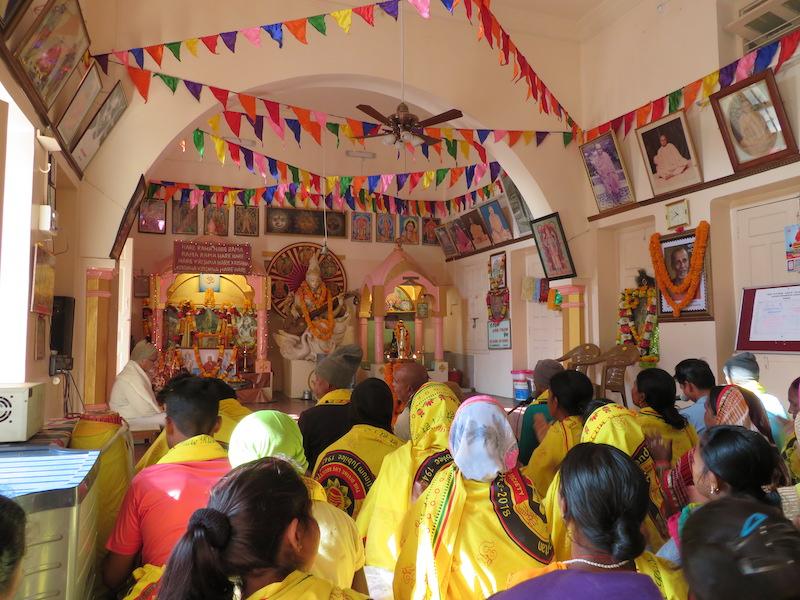 11/29
11/29
प्रसिद्ध परमार्थ निकेतन आश्रम में भी पूरे दिन कुछ न कुछ चलता रहता है। यह स्थान आरती के लिए प्रसिद्ध है।
भोजन शामिल नहीं, आसन 1 घंटे का, 2 बार, और विभिन्न प्रकार की मंत्रोच्चार के साथ डबल रूम की कीमत लगभग 800 रुपये, यानी 1300 येन है। यह भी एक विकल्प है, लेकिन ऐसा लगता है कि अकेले या दो लोगों के लिए कीमतें समान हैं, इसलिए अकेले रहने पर यह थोड़ा महंगा हो सकता है।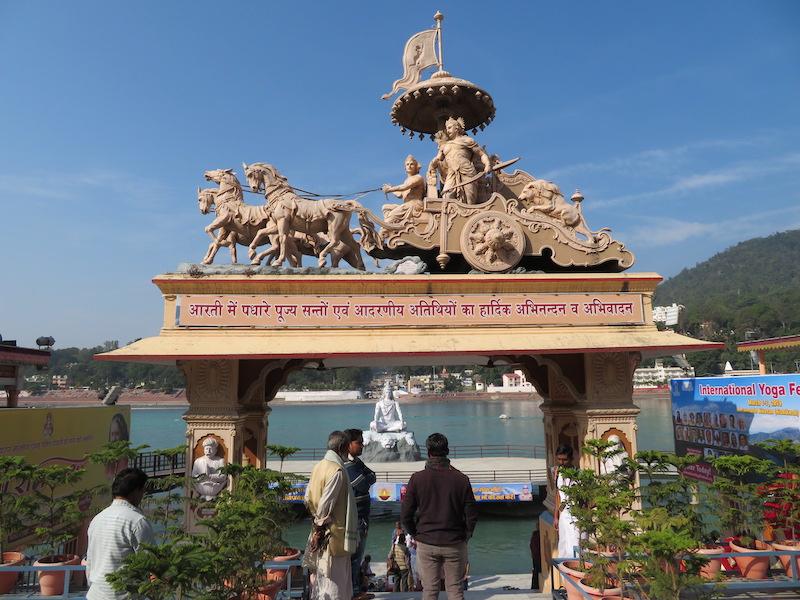
11/29
मैनेजर ने लोगों को बुलाया, और स्कूटर-टैक्सी की स्थिति में एक अन्य स्कूल का दौरा किया जो एक विकल्प था, लेकिन वहां भी इमारत अभी भी निर्माणाधीन है। यह क्या है? क्या इस तरह से स्कूल आयोजित करना संभव होगा? मालिक कह रहा है कि वे अगले महीने तक निर्माण पूरा कर लेंगे और यहां कक्षाएं शुरू करेंगे, लेकिन मुझे लगता है कि यह शायद संभव नहीं होगा, और कक्षाएं और निर्माण एक साथ चलेंगे। भारत में ऐसा अक्सर होता है। मालिक जो कहते हैं "सब ठीक हो जाएगा," यह बात ज्यादातर सच नहीं होती है, और यह हर कोई जानता है जिसके पास भारत का अनुभव है, इसलिए निर्माणाधीन जगहें तो बिल्कुल ही बेकार हैं। कार्यालय स्थानांतरण के समय तक काम पूरा न होना और फिर भी स्थानांतरण होने के बाद निर्माण जारी रहना, ऐसा अक्सर होता है।
मुझे लगता है कि मैनेजर की रणनीति के कारण मुझे जानबूझकर उन जगहों को दिखाया गया जो निश्चित रूप से खराब थीं, ताकि मैं पहले स्कूल का विकल्प चुनूं। वैसे भी, इसके बाद, मैंने पहली बार में पेश किए गए स्कूल, Sanskar Yoga Shala, पर फिर से जाकर मालिक Naveen से बात की।
उन्होंने कहा कि अगले दिसंबर के पाठ्यक्रम में लगभग 5 लोग होंगे, इसलिए शिक्षकों का ध्यान सभी पर रहेगा, जो अच्छी बात है। उन्होंने मुझे एक बहुत ही उचित बात बताई कि चूंकि ध्यान योग का एक हिस्सा है, इसलिए पहले TTC200 (टीचर ट्रेनिंग कोर्स) लेना चाहिए। फिर, उन्होंने खुलकर यह भी बताया कि वास्तव में TTC200 और ध्यान पाठ्यक्रम में इतना अंतर नहीं होता है, बस ध्यान पर थोड़ा अधिक जोर दिया जाता है। इस पर हमने बात की कि क्या मैं पहले TTC200 ले सकता हूं और बाद में तय कर सकता हूं कि मुझे ध्यान पाठ्यक्रम लेना है या नहीं। दरअसल, ध्यान पाठ्यक्रम में बहुत कम लोग भाग लेते हैं, इसलिए जिस पहले ध्यान पाठ्यक्रम का मैंने प्रयास किया था, वह आयोजित ही नहीं हुआ, और यहां भी अगले महीने यह पाठ्यक्रम होगा या नहीं, इस बारे में अनिश्चितता है, इसलिए उन्होंने सुझाव दिया कि मैं दिसंबर के TTC200 को पहले ले लूं जो निश्चित रूप से आयोजित होने वाला है। इसलिए, मैंने TTC200 लेने का फैसला किया। ध्यान पाठ्यक्रम की जगह अब TTC200 हो गया है।
ऐसा लगता है कि ध्यान पाठ्यक्रम का आयोजन करने वाले व्यक्ति की इच्छा का बहुत अधिक प्रभाव होता है। पहले जिस स्थान पर मैं गया था, वहां ध्यान पर अधिक जोर दिया जा रहा था, लेकिन यहां मालिक के अनुसार, यह TTC200 से ज्यादा अलग नहीं है। TTC (टीचर ट्रेनिंग कोर्स) संयुक्त राज्य अमेरिका के योग एलायंस के अनुरूप है, इसलिए इसका पाठ्यक्रम लगभग तय होता है, लेकिन ध्यान पाठ्यक्रम स्कूल की अपनी नीति के अनुसार होता है और यह शिक्षक पर निर्भर करता है। खैर, इसमें कुछ भी गलत नहीं है। शायद कम लोगों का होना लचीलापन प्रदान करता है, जो मेरे लिए एक अच्छा अवसर हो सकता है?
मैं इतना निराश था कि कोई निर्णय नहीं लिया जा रहा था, इसलिए मैं जल्द ही वापस जाने या केरल जाने के बारे में सोच रहा था, और क्योंकि मैं इधर-उधर घूमकर थक गया था, मेरी सोचने की क्षमता कम होती जा रही थी, और इसी स्थिति में मैंने यहां TTC लेने का फैसला किया। क्या यह एक अच्छा परिणाम होगा?
थोड़ा शहर से दूर है, ऐसा लगा, लेकिन आश्चर्यजनक रूप से मुख्य सड़क तक 500 मीटर की दूरी पर है, इसलिए यह पैदल चलकर आसानी से पहुँचा जा सकता है, फिर भी यह काफी शांत जगह है, शायद यह एक अच्छी जगह हो सकती है।
मैं खुद को ही कह रहा हूँ कि मेरी असफलताएं और सफलताएं सब कुछ मिलाकर एक परिपूर्ण जीवन हैं, इसलिए शायद पहली स्कूल का रद्द होना और यहाँ तक आना, यह एक परिपूर्ण कदम था। मूल स्कूल की कीमत पर ही इसे लेना है, इसलिए यह सामान्य रूप से लेने से सस्ता है। USD1,400 → USD1,000
मालिक नवीन ने पहाड़ों में एक समुदाय में रहकर हिमालय के साधुओं को गुरु बनाकर साधना की है, इसलिए वे आम योग शिक्षकों से थोड़े अलग हैं।
ऐसा लगता है कि ध्यान पाठ्यक्रम में छात्रों की संख्या कम होने के कारण, कई स्कूलों के ध्यान पाठ्यक्रम के छात्रों को एक साथ इकट्ठा करके संयुक्त रूप से आयोजित किया जा रहा है। इस क्षेत्र के छोटे-छोटे स्कूल इसी तरह से छात्रों का आदान-प्रदान करते रहते हैं। उस अर्थ में, शायद सभी छोटे-छोटे जगहें लगभग समान ही होती हैं, लेकिन यहाँ मालिक ने अच्छी साधना की हुई लगती है, इसलिए यह दूसरों से बेहतर हो सकता है। पहले स्कूल के मैनेजर भी कह रहे थे कि नवीन बहुत अच्छे हैं और इस क्षेत्र में सबसे अच्छे हैं (शायद यह अतिश्योक्ति हो सकती है), इसलिए मुझे उम्मीद है कि यह जगह सही है।
जब ऐसी चीजें होती हैं, तो केवल जापान जानने वाले लोग ही समय पर न होने वाली चीजों की ओर इशारा करते हुए आलोचना करते हैं, लेकिन भारत के लिए यह सामान्य है, और वे व्यवसाय के बुनियादी सिद्धांतों को ध्यान में रखते हुए कुछ भी करने की कोशिश कर रहे हैं, इसलिए मुझे लगता है कि वे बहुत सक्षम हैं। यदि आरक्षण की संख्या कम होने के कारण आयोजन नहीं हो पाता है, तो इसमें कोई समस्या नहीं है, भारतीय अनुभव रखने वालों के लिए यह स्वीकार्य है। आरक्षण की संख्या पर नियंत्रण नहीं किया जा सकता है। यह भारतीयों की गलती नहीं है। शायद मेरी गलती थी कि मैंने एक लोकप्रिय और मामूली जगह चुनी। लेकिन यह कोई बड़ी समस्या नहीं है, और इस परेशानी के कारण मुझे बेहतर जगह मिल सकती है। खैर, अभी तक निष्कर्ष निकालना मुश्किल है।
कुछ जापानी लोग दूर से ही तिरस्कारपूर्वक देखते हैं और चुपके से उपहास करते हैं, लेकिन जो लोग वर्षों से यहाँ रहते हैं, वे जानते हैं कि कभी-कभी प्रवाह के साथ बहकर बेहतर जगहों पर भी जाया जा सकता है।
यदि आगे का रास्ता भारत में किसी स्टेशन पर होने वाली धोखाधड़ी जैसा कुछ होता है, तो बस उसे अस्वीकार कर देना चाहिए, इसलिए यह कोई बड़ी समस्या नहीं है। बल्कि, एक मैनेजर जिसने पहले रद्द करने की सोच रहे थे, लेकिन फिर उन्हें एक अलग योजना पेश की, वह बहुत सक्षम और शानदार हैं।
11/29
ऋषिकेश में, निश्चित रूप से, बहुत सारे गायें हैं। 11/29
11/29
जापान में, "विपस्सना ध्यान" का मतलब गोएंका शैली है। लेकिन ऋषिकेश में, "विपस्सना ध्यान" शब्द का अर्थ केवल मौन ध्यान होता है। मुझे बताया गया कि उन्हें गोएंका के बारे में कोई जानकारी नहीं है।
जिस स्कूल को मैंने पहले बुक किया था, उसके मैनेजर शायद विपस्सना ध्यान के विशेषज्ञ हैं, क्योंकि वे यहां विपस्सना ध्यान सर्कल आयोजित करते हैं। लेकिन, भले ही वे विपस्सना ध्यान का आयोजन करते हों, फिर भी उन्हें गोएंका के बारे में पता नहीं है।
शायद जापान और भारत में "विपस्सना ध्यान" का अर्थ अलग-अलग होता है। यह एक दिलचस्प बात है।
11/30
क्रिया योग आश्रम के ध्यान हॉल में स्थित पूजा स्थल। सरल।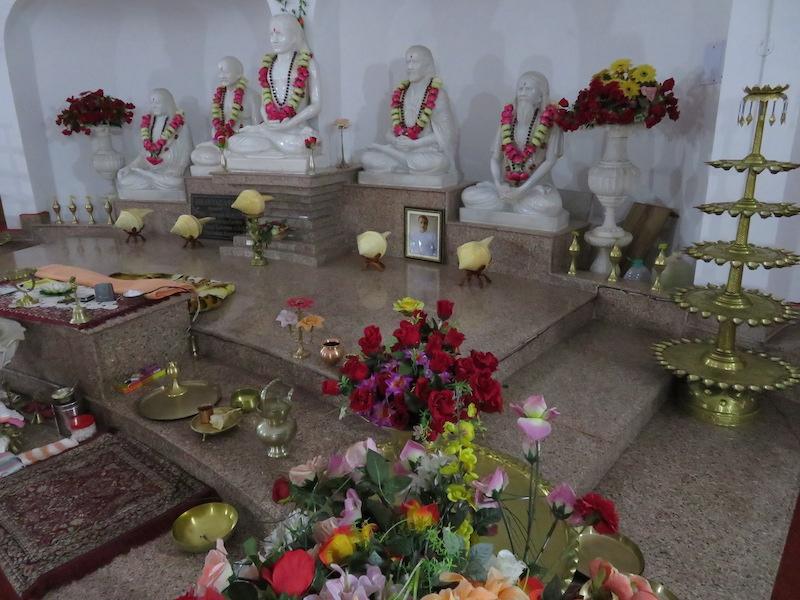 हॉल में लगभग 70 लोग आ सकते हैं।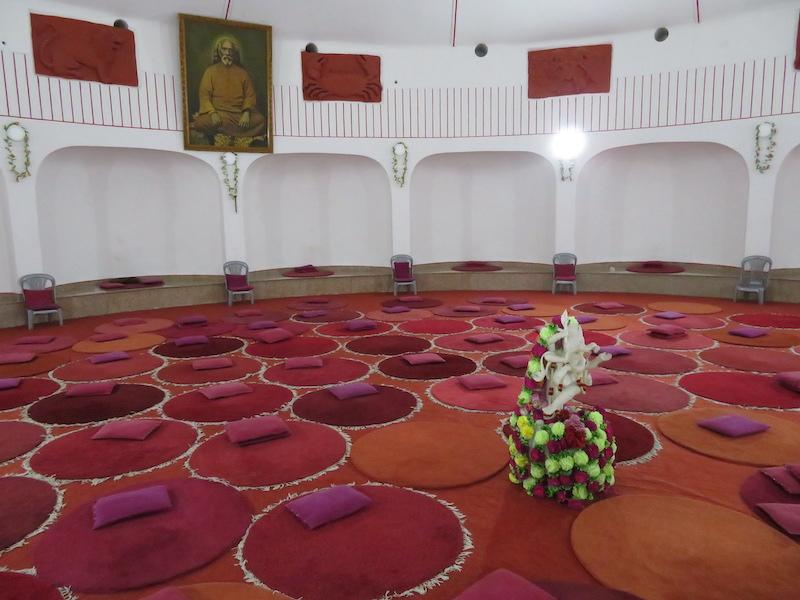
यह कुशन बहुत अच्छा है, लगभग एक घंटे तक बैठने पर भी पैरों में ज्यादा दर्द नहीं होता।
निश्चित रूप से, यह भारत के एक ऐसे आश्रम का है जो ध्यान पर केंद्रित है।
केवल कुशन ही नहीं, बल्कि उसके नीचे की फर्श भी बेहतरीन कठोरता और कोमलता का मिश्रण वाली कपड़े से बनी हुई है, इसलिए शायद इसमें बहुत अधिक विशेषज्ञता शामिल है।
यह आराम "कठोर तपस्या" से बिल्कुल अलग है, यह विशुद्ध रूप से आरामदायक है। मुझे कभी पता नहीं था कि बैठना इतना आसान हो सकता है। जापान में, आमतौर पर 30 मिनट के बाद ही पैरों में दर्द होने लगता है, लेकिन यहां यह दोगुना समय तक चल सकता है और इसमें बहुत कम दर्द होता है।
यह जापानी ज़ेन बौद्ध धर्म की कठोर तपस्या वाली ध्यान मुद्रा या सीधी बैठने की स्थिति से अलग लगता है। यह मेरी पहली प्रतिक्रिया है, इसलिए निश्चित रूप से बाद में मेरा विचार बदल सकता है।
11/30
मैं जिस क्रिया योग आश्रम में रह रहा हूं, वहां रहने का नियम मूल रूप से मौन रहना है और निवासी एक-दूसरे के साथ ज्यादा बात नहीं करते हैं।
क्या ध्यान संबंधी आश्रमों में मौन रहने का नियम सामान्य है? पहले जापान में जो विपश्यना ध्यान मैंने लिया था, उसमें भी बुनियादी नियम मौन रहना और बिना किसी संचार के रहना था।
यह सच है कि यदि आप संवाद स्थापित करते हैं, तो आपको यह चिंता हो सकती है कि किसने क्या कहा या छोटी-छोटी बातों पर ध्यान देना होगा, जिससे ध्यान बाधित हो सकता है। हालांकि, यह तर्क दिया जा सकता है कि "संचार" से उत्पन्न होने वाले विकर्षणों का निरीक्षण भी ध्यान का हिस्सा है, और शायद संचार करने से ध्यान अधिक बेहतर हो सकता है। खैर, निश्चित रूप से इसके पीछे ऐतिहासिक पृष्ठभूमि, विशेषज्ञता और संस्कृति होगी।
ध्यान के अलावा अन्य जगहों पर, कुछ स्थानों पर शुरुआती लोगों को लंबे समय तक ध्यान नहीं करवाया जाता है, इसलिए यह नीति पर निर्भर करता है। यहां सुबह और शाम दोनों समय 1.5 से 2 घंटे का ध्यान किया जाता है, लेकिन इतने लंबे समय तक ध्यान करने पर शुरुआती लोग विकर्षणों में फंस सकते हैं और भ्रमित हो सकते हैं, इसलिए शायद यह मौन नियम शुरुआती लोगों के भ्रम को रोकने के लिए बनाया गया है। यदि आप कुछ हद तक ध्यान कर चुके हैं तो बातचीत जैसी चीजें कोई फर्क नहीं पड़ता।
या फिर, क्या मैं गलत समझ रहा हूं, और यह मौन नियम उन्नत साधकों को गहन ध्यान में प्रवेश करने में मदद करने के लिए हो सकता है?
शायद दोनों ही।
11/30
ऋषिकेश में घूमते हुए एक कुत्ता लार टपका रहा है, क्या यह वह कुत्ता है जिसके बारे में अफवाह थी कि उसे रेबीज है? मैंने पहली बार इसे वास्तविक रूप से देखा है।
यह शांत है और ऐसा नहीं लगता कि यह लोगों को काटता है, यहां तक कि जब आप इसके बहुत करीब से गुजरते हैं तो भी यह कुछ नहीं करता है, और भारतीय लोग भी सामान्य रूप से इसके बगल में चलते हैं।
मैंने सोचा था कि रेबीज वाले कुत्ते पागल होते हैं और तुरंत पास के लोगों पर हमला कर देते हैं, लेकिन क्या वास्तव में ऐसा होता है? या शायद अंतिम चरण में ही वे काटने लगते हैं?
यहां भारत में, जहां आप सहज महसूस करते हैं, वहां भी इस तरह का खतरा हो सकता है। जब आप आदी हो जाते हैं तो यह खतरनाक होता है। भले ही आप आदी हो जाएं, फिर भी यह खतरनाक है।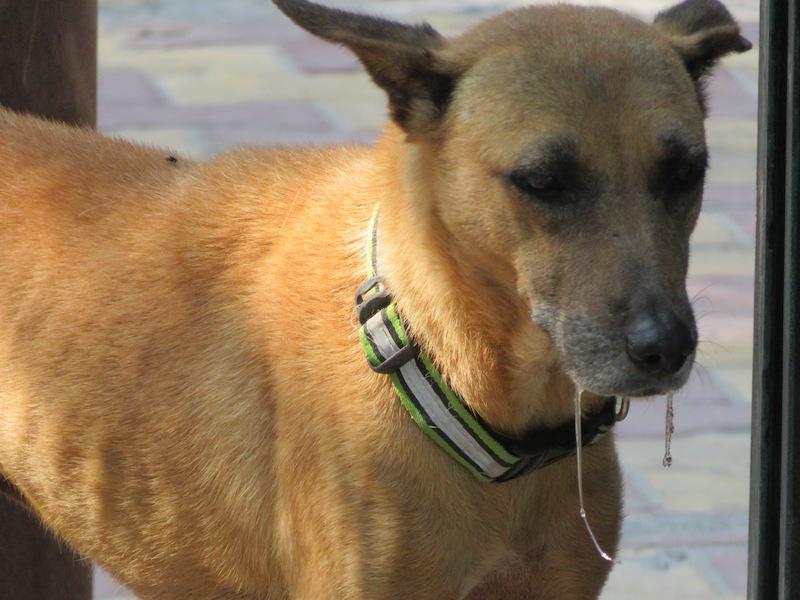 11/30
11/30
शिवानांदा आश्रम के ढोल की लय बहुत प्रभावशाली थी।
"डोन-डोन-डोदोन" + "चान-चान-चाचाचन" यह सिलसिला लगातार चलता रहता है।
11/30
शिवानांदा आश्रम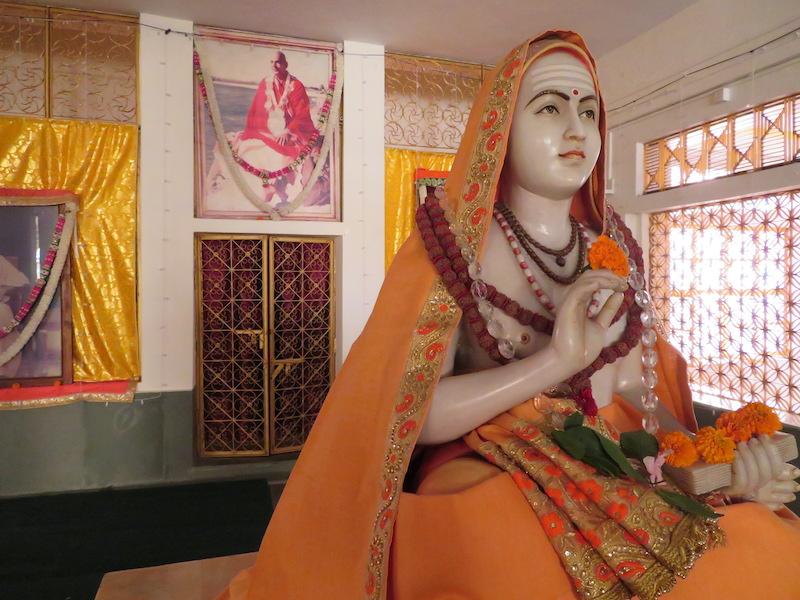 11/30
11/30
एक ऐसा बूढ़ा आदमी था जो साधु जैसा दिखता था, लेकिन आधा हिस्सा व्यवसायिक लग रहा था।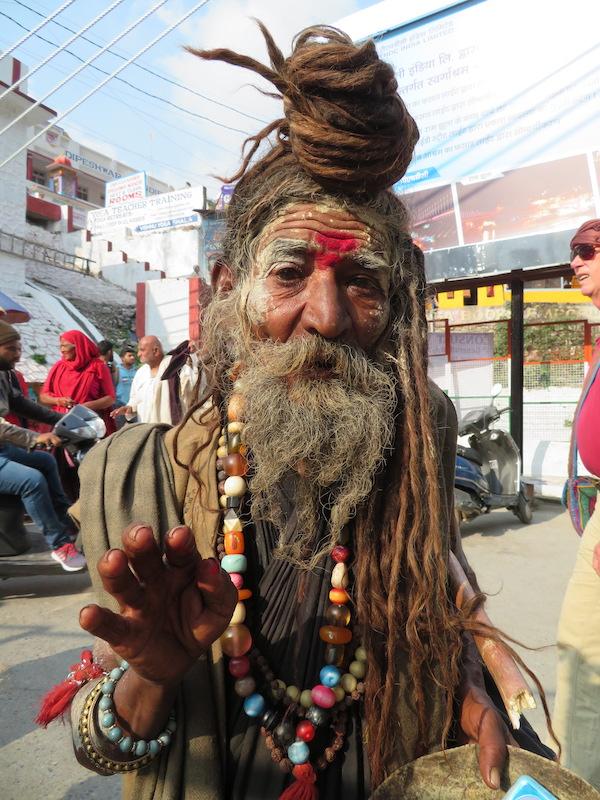 11/30
11/30
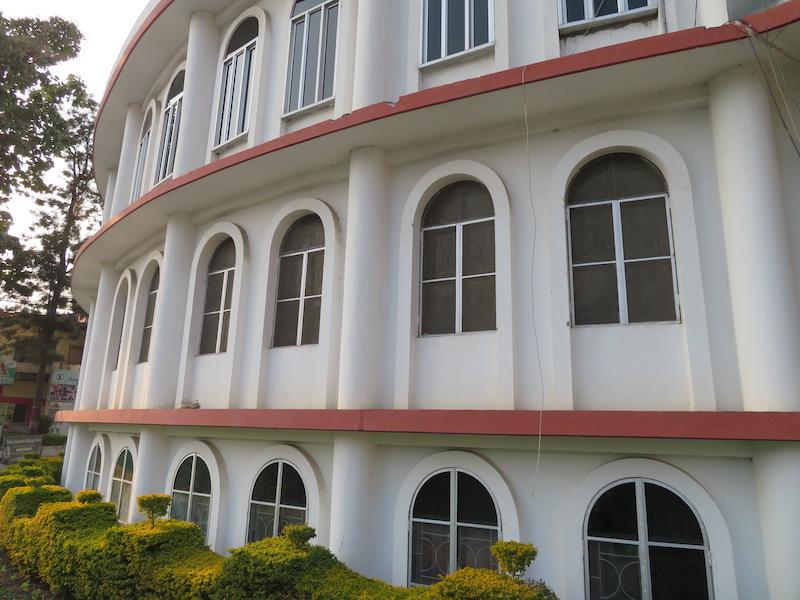
वैसे, जिस क्रिया योग आश्रम में मैं फिलहाल रह रहा हूँ, वह इस तरह की शानदार इमारत है। यह योगाানন্দ जी का आश्रम है, जो विश्व स्तर पर प्रसिद्ध हैं (या कम से कम ऐसा मुझे लगता था), लेकिन शायद यहां थोड़ा अलग विचारधारा है।
यहां एक मुख्य सड़क भी है, इसलिए शोर होता है, लेकिन ध्यान कक्ष की दीवारें मोटी होने के कारण ज़्यादा शोर नहीं होता। सुबह और शाम अपेक्षाकृत शांत रहता है।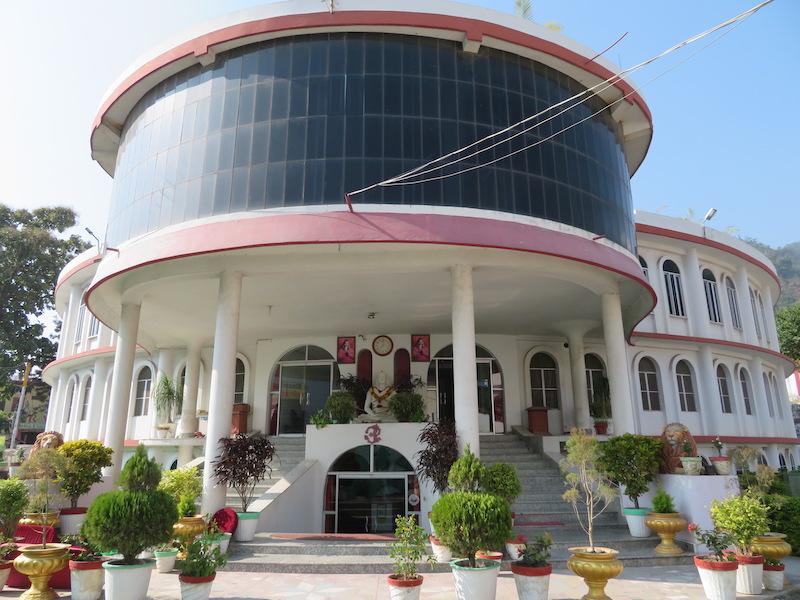 12/1
12/1
मुझे कल अप्रत्याशित रूप से क्लीयर योग के ध्यान तकनीकों के बारे में जानने का अवसर मिला है।
वे केवल तकनीकें सिखाएंगे, कोई दीक्षा नहीं होगी। "दीक्षा" एक बहुत बड़ी बात है, यह गुरु और शिष्य के रिश्ते की बात है, इसलिए ऐसा आसानी से नहीं हो सकता। लेकिन उन्होंने मुझसे कहा कि वे केवल तकनीकें सिखाएंगे, इसलिए मुझे उनसे संपर्क किया गया।
मैं योगानंद की आत्मकथा पढ़ने के बाद उत्सुक था, इसलिए अचानक मुझे इसके बारे में जानने का अवसर मिला, जो बहुत भाग्यशाली रहा।
ऐसा लगता है कि यदि आप प्रमाणित मास्टर नहीं हैं तो आप दूसरों को यह नहीं सिखा सकते हैं, इसलिए मैं अन्य लोगों को इसकी जानकारी नहीं दे पाऊंगा।
12/1
Kriya Yoga Ashram में नाश्ता।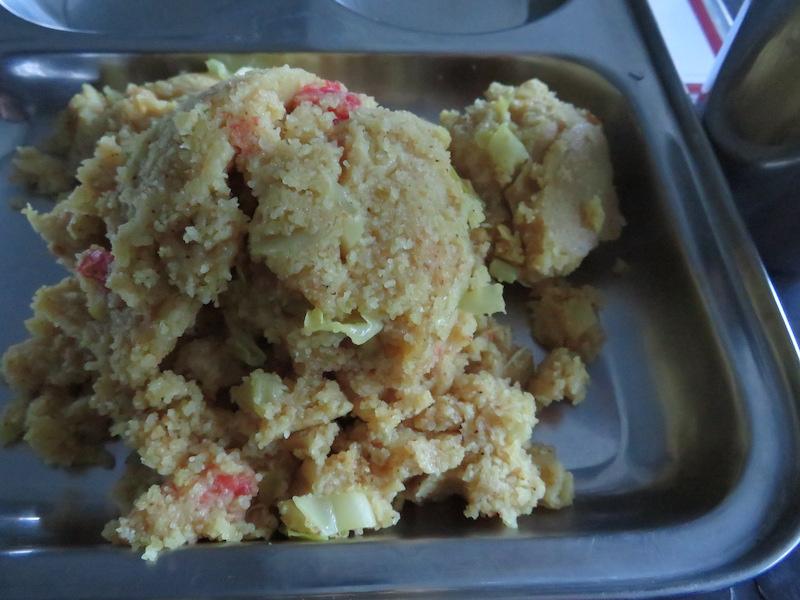
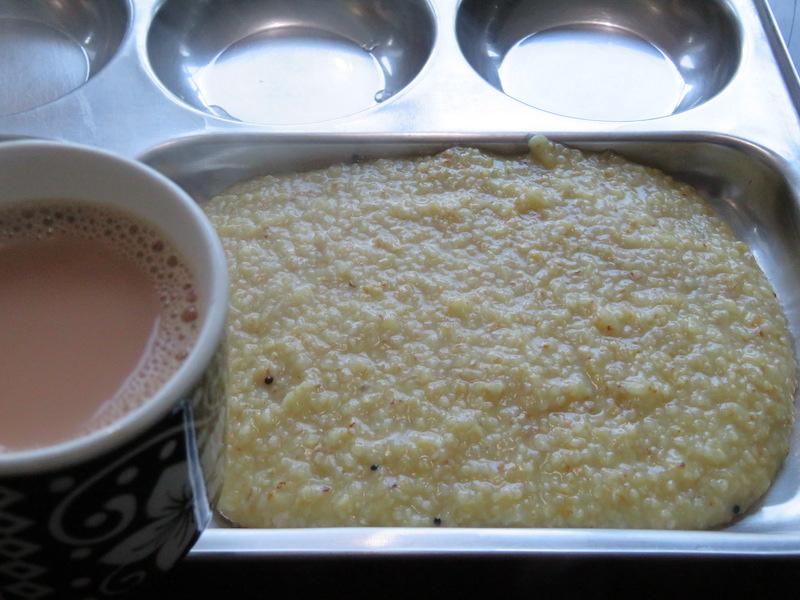 क्रिया योग आश्रम में दोपहर का भोजन।
 क्रिया योग आश्रम में रात्रिभोज।
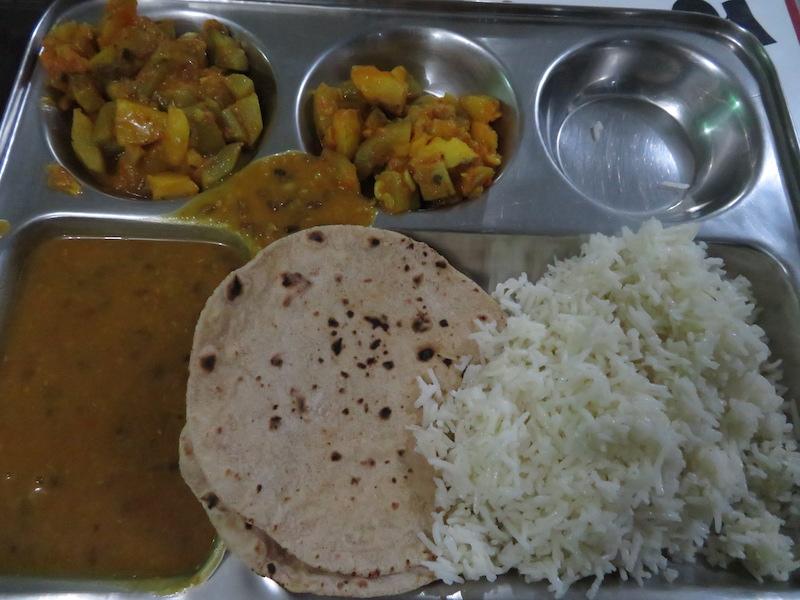 यह इतना सरल है, लेकिन यह वास्तव में काफी स्वादिष्ट है। जो लोग शाकाहारी भोजन पसंद नहीं करते हैं, उनके लिए शायद यह उपयुक्त न हो।
भारतीय शाकाहारी व्यंजन थोड़े से अलग होते हैं। अगर इस तरह का स्वाद जापान में भी उपलब्ध होता, तो मुझे लगता कि यहां भी शाकाहारी भोजन पर्याप्त होगा।
क्रिया योग आश्रम में नाश्ता। थोड़ा मीठा है। इसमें दूध जैसा स्वाद है।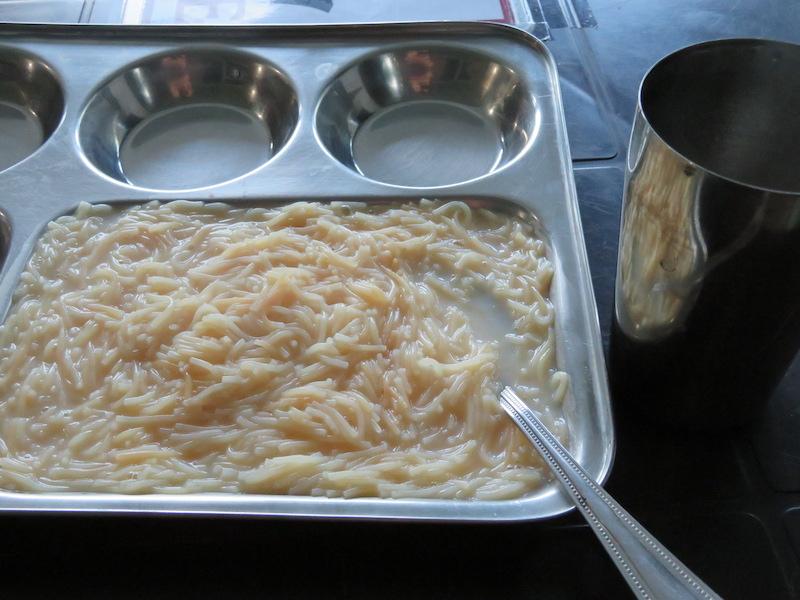 क्रिया योग आश्रम में रात्रिभोज। सरल।
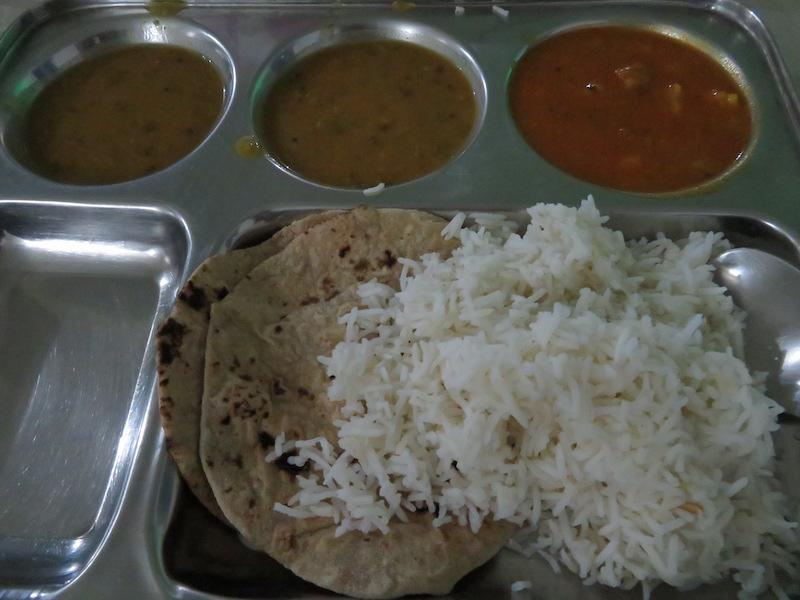 बाहर के एक रेस्तरां में खाया दोपहर का भोजन। यह एक शानदार थाली थी, जिसकी कीमत 220 रुपये (लगभग 400 येन) थी।
 12/1
12/1
इस तरह की आरती अनुष्ठान करने के बाद मैं ध्यान करता हूँ।
12/1
मुझे क्लियर योगा के ध्यान की विधि सिखाई गई। इस तक, मुझे केवल तकनीकों के रूप में सिखाया गया था, बिना किसी दीक्षा (इनिशिएशन) के।
मुझे जो सिखाया गया है वह 7 चरणों में से सिर्फ पहला चरण है, लेकिन फिर भी ऐसा लगता है कि यह पर्याप्त है। शायद बहुत कम लोग दूसरे चरण पर जा पाएंगे... शिक्षक ने कहा कि वे तीसरे चरण तक हैं, लेकिन उन्होंने यह भी कहा कि मैं अभी भी पहले चरण को पूरी तरह से नहीं समझ पाया हूं, इसलिए मुझे तकनीक पहले ही सिखाई जा रही है।
सामग्री को गुप्त रखना चाहिए, लेकिन दिशा में, इसमें श्वास (प्राणायाम) और योगा के कुछ आसन, साथ ही योग/तंत्र/ची गोंग में ऊर्जा मार्गों का विकास करने की विधियां शामिल हैं। मूल रूप से यह एक श्वास तकनीक है।
पहले यह एक गोपनीय विधि थी, लेकिन अब विभिन्न पुस्तकों में इसके बारे में बहुत अधिक जानकारी दी गई है, इसलिए तकनीक स्वयं इतनी नई नहीं है, लेकिन योगा के शास्त्रीय ग्रंथों में वर्णित तकनीकों को वास्तव में अभ्यास करने वाले लोग हैं, जो दिलचस्प है।
यह बौद्ध धर्म की माइंडफुलनेस से अलग है और नाम के अनुसार योगा-उन्मुख विधि है।
मैं कुम्भा मेला जाने की सोच रहा हूं, और मुझे पता चला कि वहां एक शिविर है जहां मैं रह सकता हूं, इसलिए मैं थोड़ा पूछताछ करना चाहूंगा।
12/1
"योगमाता" नामक एक महिला है, और जब व्याख्या करने वाले व्यक्ति ने कहा कि "जापान के संत भी उसे जानते हैं," तो योगमाता का नाम सामने आया, जो अप्रत्याशित था और मुझे आश्चर्य हुआ।
मैं केवल उसका नाम जानता था और मैंने उस पर ध्यान नहीं दिया था, क्योंकि मेरा उसके बारे में बहुत अच्छा अनुभव नहीं था। यदि कोई संबंध है, तो यह एक प्रदर्शनी थी जहां एक बूथ था, और जब मैं वहां गया, तो कर्मचारियों ने घमंड से कहा कि "सच कहूं तो बाकी सभी नकली हैं, केवल वही असली है," इसलिए मुझे लगा कि यह धार्मिक लग रहा है और थोड़ा परेशान करने वाला है। योगमाता का एक वीडियो देखने पर, वह चट्टानों के दरारों से बाहर आ रही थी, और वह बहुत कमजोर दिख रही थी, जिससे मेरा नकारात्मक प्रभाव पड़ा, और मैं लगभग उसे पूरी तरह से नजरअंदाज कर रहा था, लेकिन मैंने सोचा नहीं था कि मैं इस तरह की जगह पर योगमाता का नाम सुनूंगा।
यह संभव है कि यह एक अलग योगमाता हो जो जापान में प्रसिद्ध लोगों से अलग है। (→ यह वही थी)
12/2
बाद में, जब मैंने उसे दिखाया तो उसने कहा "हां हां, वह है," इसलिए वह निश्चित रूप से वही व्यक्ति है।
"तुम्हें योगमाता से बात करनी चाहिए," इस शिविर के शिक्षक ने मुझे बताया, लेकिन इसका क्या मतलब है? मैं समझ नहीं पा रहा हूं... यहां के गुरु और योगमाता दोस्त हैं। योगमाता वास्तव में इतनी प्रसिद्ध थीं...
उम... मुझे ऐसा नहीं लग रहा है कि मैं जाना चाहता हूं, क्योंकि यह एक धार्मिक संगठन है, इसलिए शायद इससे बचना बेहतर होगा, लेकिन मैं बहुत अधिक पहले से ही निर्णय नहीं लेना चाहूंगा, इसलिए मैं स्वाभाविक रूप से व्यवहार करने की कोशिश करूंगा।
मेरा पहला प्रभाव है कि इसमें शामिल होना अच्छा नहीं रहेगा। प्रदर्शनी के बूथ पर, कर्मचारी परेशान करने वाले थे... खैर, हो सकता है कि यह केवल कुछ लोग हों। (→ बाद में, एक अलग प्रदर्शनी में बात करने वाला व्यक्ति सामान्य था। शायद पिछले व्यक्ति विशेष थे।)
इस जगह के शिक्षक ने मुझसे कहा, "तुम्हें योगमाता से मिलना चाहिए," लेकिन मुझे लगता है कि वह बहुत लोकप्रिय हैं इसलिए उनसे आसानी से नहीं मिल पाएंगे। फिलहाल, मेरा कोई इरादा उनसे मिलने का नहीं है और न ही मैं उनसे मिलकर खुश महसूस करता हूं। अगर वास्तव में तुम्हें उनसे मिलना है, तो शायद समय आने पर बिना किसी प्रयास के भी मिलने का अवसर मिल जाएगा। यदि मिलने का मौका मिलता है, तो यह एक तरह का संबंध होगा और उस समय मैं फिर से विचार करूंगा।
योगमाता 73 वर्ष की हैं। वह अपनी उम्र से कम दिखती हैं। इस उम्र में, उनकी मृत्यु होना भी आश्चर्यजनक नहीं होगा।
11/2
क्रिया योग आश्रम में ध्यान विधि सीखने के दौरान शिक्षक (व्यक्तिगत रूप से) के साथ बातचीत:
शिक्षक: "क्या तुम अविवाहित हो? तो क्या तुम एक भिक्षु बन सकते हो?"
इसका मतलब क्या है? मुझे यह बिल्कुल समझ में नहीं आ रहा है... ऐसा क्यों होगा कि इस बारे में बात हो रही है...?
मैं: "आपने मुझे ध्यान विधि सिखाई, लेकिन मेरा मानना है कि भारत में रहते हुए इसे अभ्यास करना मुश्किल होगा।"
शिक्षक: "ठीक है। यह तुम्हारी समस्या है। मुझे (दूर रहने वाले) गुरुदेव से केवल तकनीक सिखाने का आदेश मिला था।"
क्या? इसका मतलब क्या है? गुरुदेव यहां नहीं हैं... ऐसा भी लग रहा है जैसे दूर के गुरुदेव ने मुझसे कहा कि वह चाहते थे कि मैं इस तकनीक को सीखूं, लेकिन ऐसा क्यों होगा? क्या उन्होंने जानबूझकर ऐसा कहा होगा? शायद यह सामान्य बात होगी कि वे मुझे सिखाएं...? खैर, हो सकता है कि मैं बहुत सोच रहा हूं। शायद उन्हें बस यही भूमिका दी गई थी।
मैं: "क्या जापान में क्रिया योग आश्रम नहीं है?"
शिक्षक: "जापान में कोई क्रिया योग आश्रम नहीं है। तुम्हें इसे बनाना होगा।"
इसका मतलब क्या है? ऐसा क्यों कहा जा रहा है कि मुझे इसे बनाना चाहिए...?
शिक्षक: "इस पाठ्यपुस्तक का जापानी अनुवाद उपलब्ध नहीं है। तुम्हें इसका अनुवाद करना चाहिए।"
इसका मतलब क्या है? मेरा अनुवाद करने का क्या मतलब है...?
(कुंभमेला की बात के बाद, यह बताया गया कि शिविर है इसलिए मैं वहां रह सकता हूं)
मैं: "मुझे अभी तक पता नहीं है कि कुंभमेला में जाकर भी मैं दीक्षा लूंगा या नहीं।"
शिक्षक: "नहीं, तुम निश्चित रूप से लोगे। गुरुदेव सब कुछ जानते हैं। जब तक तुम गुरुदेव से नहीं मिलते, तब तक तुम्हें ऐसा महसूस नहीं होगा।"
इसका मतलब क्या है? मुझे ऐसी चीजें करना पसंद नहीं है जो बोझिल हों... सच कहूं तो, फिलहाल मैं दीक्षा लेने के लिए उत्साहित नहीं हूं। यह भी थोड़ा अजीब लगता है कि जीवन में केवल एक ही गुरु को चुनना हो, और वह भी जापान से दूर भारत में होना चाहिए।
ठीक है, अभी भी यह भविष्य की बात है इसलिए नहीं पता कि क्या होगा। कुछ ऐसा जो मुझे ठीक से समझ में नहीं आ रहा है...
12/2
यह इस बात पर निर्भर करता है कि आप इसे कैसे देखते हैं, लेकिन योग के संदर्भ में 'नाडी' (ऊर्जा चैनलों) के विकास के दृष्टिकोण से, चाहे वह क्रिया योग का पहला चरण हो या गोएंका शैली का विपश्यना ध्यान, मेरा मानना है कि दोनों ही नाड़ी विकास हैं। अंततः, विचार अवलोकन या अवलोकन ध्यान जैसी चीजें परिणाम हैं, या घटनाओं और अनुभवों की बात है। महत्वपूर्ण यह है कि 'नाडी' को विकसित करके ऊर्जा में वृद्धि करना है, और यदि ऊर्जा में वृद्धि होती है तो स्वाभाविक रूप से नकारात्मक विचार भी दूर हो जाते हैं। इसलिए, क्रिया योग के पहले चरण में विचारों का कोई उल्लेख नहीं किया जाता है और इसका ध्यान नाड़ी विकास पर केंद्रित होता है, जो शायद एक मौलिक बात है।
मुझे लगता है कि हर कोई जानता है कि जब आप स्वस्थ होते हैं तो नकारात्मकता गायब हो जाती है, लेकिन जब यह उच्च स्तर पर होता है, तो जागृति या दिव्य अनुभव निश्चित रूप से होता है, और केवल विचारों का अवलोकन करने या अवलोकन ध्यान करने से जागृति नहीं होती है। महत्वपूर्ण बात ऊर्जा में वृद्धि करना है, जो एक सरल लेकिन बहुत गहरा और मौलिक पहलू है, जिस पर यहां ध्यान केंद्रित किया गया है।
हालांकि, पहले चरण में भी 7 चरण हैं, और उनमें से सभी कठिन हैं, इसलिए मुझे लगता है कि शायद अधिकांश लोग इस पहले चरण को ही जीवन भर करते रहेंगे। मुझे अगले चरण पर जाने का कोई इरादा नहीं है।
यह कहना कि यह सब कुछ का मूल स्रोत है, और इसे समझने से अन्य पद्धतियों को समझना आसान हो जाएगा, शायद पूरी तरह से गलत नहीं है।
12/2
ऐसा कहा जाता है कि अवलोकन ध्यान और एकाग्रता ध्यान दो अलग-अलग प्रकार के ध्यान हैं, लेकिन वे केवल ध्यान के दो पहलुओं का प्रतिनिधित्व करते हैं। जब शरीर की शक्ति बढ़ती है तो अवलोकन और एकाग्रता दोनों ही बढ़ते हैं।
एक पूर्ण दृष्टिकोण से, अवलोकन ध्यान और एकाग्रता ध्यान एक ही हैं और समानांतर रूप से चलते हैं, लेकिन व्यक्तिगत दृष्टिकोण से, प्रत्येक व्यक्ति की प्रकृति के आधार पर यह कि कौन सा अधिक आसान है, सापेक्ष रूप से अवलोकन ध्यान और एकाग्रता ध्यान में अच्छे और बुरे पहलू होते हैं। यहां 'अच्छा' या 'बुरा' का अर्थ केवल व्यक्तिगत पसंद या नापसंद है, और पूर्ण रूप से दोनों एक ही हैं। यदि कोई कहता है कि "यह बेहतर है," तो यह ऐसा लग सकता है जैसे दूसरा बुरा है, लेकिन यहां 'अच्छा' या 'बुरा' का मतलब सिर्फ व्यक्तिगत झुकाव को इंगित करना है। उदाहरण के लिए, हो सकता है कि कुछ लोगों को एकाग्रता में कठिनाई होती हो और वे अवलोकन ध्यान में अधिक अच्छे हों, इसलिए वे सोच सकते हैं कि अवलोकन ध्यान उनके लिए बेहतर है, लेकिन शायद उन्हें एकाग्रता ध्यान ही करना चाहिए क्योंकि उन्हें एकाग्रता में कठिनाई होती है। इसके विपरीत भी सच है। कुछ लोग केवल एक प्रकार का ध्यान कर सकते हैं और जीवन भर उसी के साथ रह सकते हैं, जबकि अन्य दोनों कर सकते हैं। चूंकि ध्यान आंतरिक रूप से होता है, इसलिए एकाग्रता ध्यान करते समय भी अवलोकन बढ़ सकता है, और अवलोकन ध्यान करते समय भी एकाग्रता बढ़ सकती है, इसलिए दोनों में ज्यादा अंतर नहीं है। तकनीकों में विभिन्न प्रकार मौजूद हैं, इसलिए उनमें अच्छे और बुरे पहलू हो सकते हैं, लेकिन एक अवधारणा के रूप में, यह समझना महत्वपूर्ण है कि अवलोकन और एकाग्रता केवल दृष्टिकोण में भिन्न हैं।
"पावर" का मतलब कुंडालिनी या कुछ और हो सकता है, लेकिन चाहे जो भी हो, इसका उद्देश्य अवलोकन या एकाग्रता नहीं है। अवलोकन और एकाग्रता एक क्रिया (कार्रवाई) हैं, यह "कैसे करें" का तरीका है, इसलिए यह तकनीक की श्रेणी में आता है। मेरा मानना है कि उद्देश्य शक्ति को बढ़ाना है। शायद "शक्ति" कहने के बजाय, अगर हम कहें कि "जीवन शक्ति को बढ़ाना", तो यह अधिक स्पष्ट होगा। जीवन शक्ति को बढ़ाना ही लक्ष्य है, और इसके लिए अवलोकन ध्यान और एकाग्रता ध्यान जैसे तरीके हैं, लेकिन इसका मूल आधार नाड़ी विकास हो सकता है। ऐसा मुझे लगता है।
12/2
अपने उपयोग के लिए हेना (काला) प्राप्त किया।
एक खुराक 15 ग्राम की कीमत 10 रुपये (लगभग 18 येन) है। जापान में, यदि आप इसे स्वयं करते हैं तो यह लगभग 500 येन खर्च होता है, इसलिए यह ठीक है, लेकिन हेना शरीर के लिए भी अच्छा है और इसकी कीमत कम है, इसलिए यह सब कुछ अच्छा है। यह पहले सुपरमार्केट से खरीदे गए उत्पाद की तुलना में सस्ता है, और मैंने इसका उपयोग नहीं किया है, इसलिए मैं इसके प्रभाव को लेकर चिंतित हूं, लेकिन खैर, यदि यह काम नहीं करता है तो कोई बात नहीं। मुझे उम्मीद है कि यह वही होगा जो पहले था, लेकिन मुझे वह नहीं मिला।
12/2
मैं पॉपकॉर्न खाते हुए नदी पार कर रहा था तभी एक बंदर आया और उसने छीनने की कोशिश की। मैंने तुरंत अपने हाथ से उसे खदेड़ दिया, जिससे वह पुल से गिरने वाला था। बंदर बहुत फुर्तीला है, इसलिए वह मुश्किल से पकड़ लिया और बच गया, लेकिन क्योंकि मैं उसे धकेल दिया था, इसलिए उसने मुझे धमकी दी, और हम दोनों एक-दूसरे को घूरने लगे। जब उसने मुझे धमकाया, तो मैंने सोचा कि क्या मैं उसे और जोर से खदेड़ दूं, लेकिन फिर मुझे एहसास हुआ कि अगर वह नीचे गिरता है तो वह नदी में चला जाएगा, और इस ऊंचाई पर गिरने से उसकी मौत हो जाएगी, इसलिए तुरंत ही मैंने उससे बात करना बंद कर दिया। मुझे डर लगता है कि अगर मेरे अचानक किए गए कार्य के कारण बंदर नदी में गिर जाता तो क्या होता।
मैं लगभग एक बंदर को मारने वाला था। यदि मैं पॉपकॉर्न का बदला लेने के लिए उसे मार देता तो यह बहुत अधिक होगा और फिर मैं गलत हो जाऊंगा। खतरनाक, खतरनाक।
बंदर गुस्सा हुआ, लेकिन मूल रूप से गलती मेरी थी, लेकिन अंततः वह एक बंदर है। वह अपनी प्रवृत्ति के अनुसार काम कर रहा है। अरे, इस तस्वीर में जो बंदर है, वह एक अलग बंदर है। 12/2
12/2
संस्कार योग शाला में चला गया। यह बाहर से एक सामान्य इमारत है। यह एक छोटा सा स्कूल है।
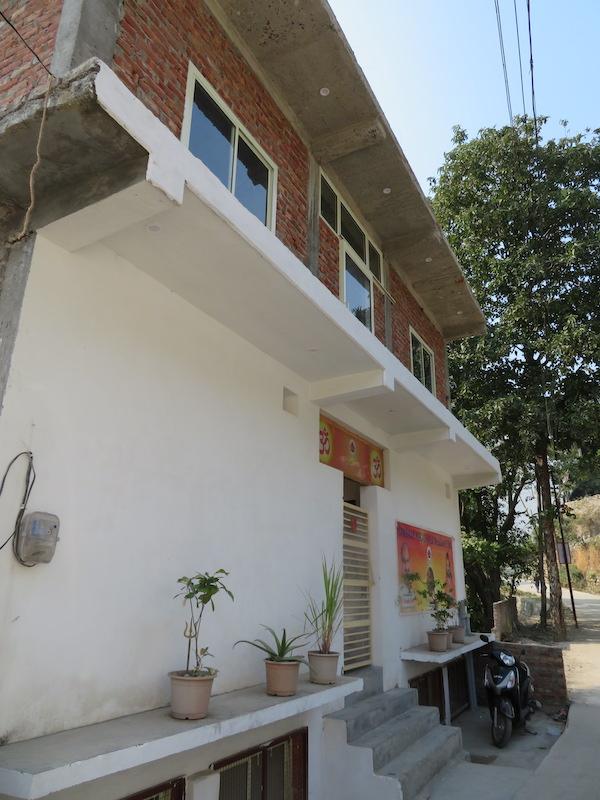

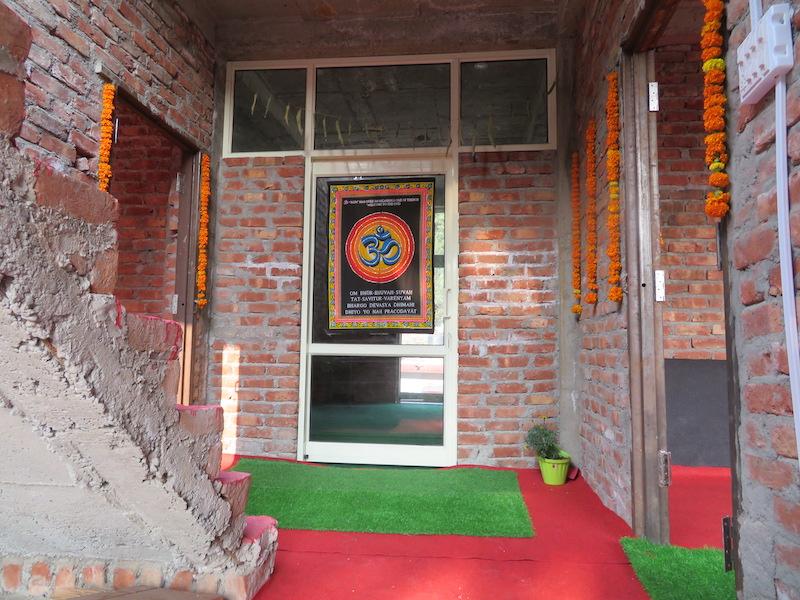
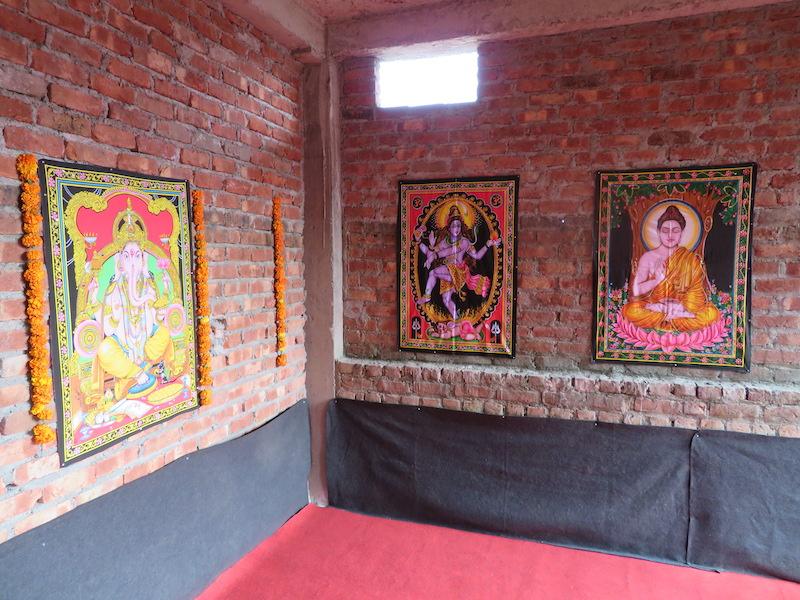 अराटी (आग का अनुष्ठान) करने की जगह।
 उत्सव का वेदी।
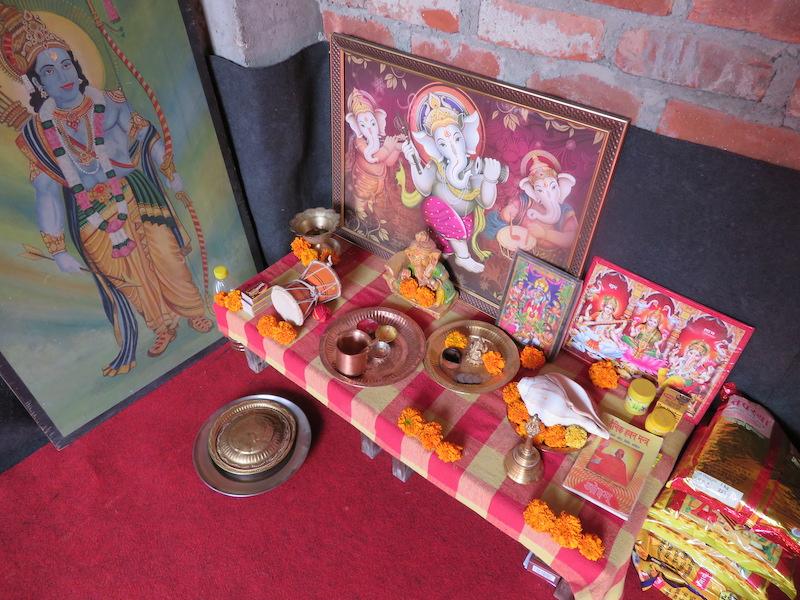 स्टूडियो।
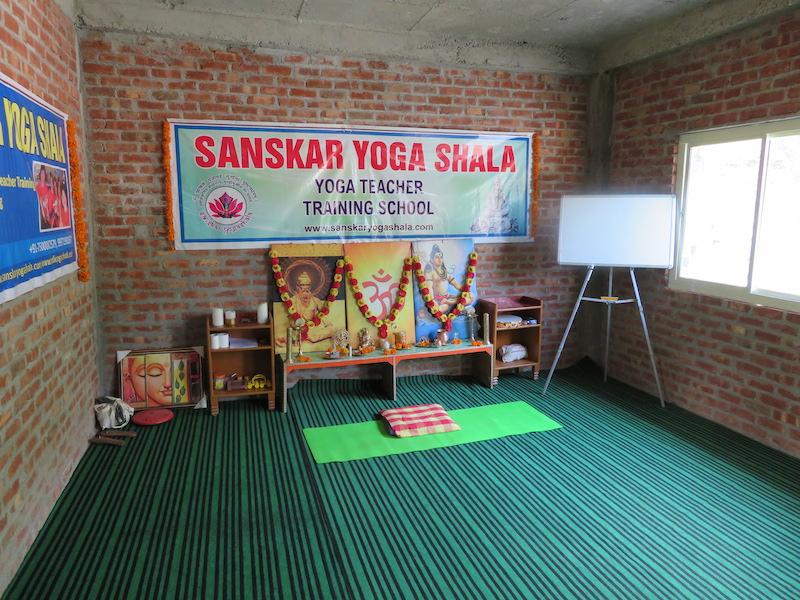 12/2
12/2
योग बैग प्राप्त हुआ। 200 रुपये (350 येन)। मैं इसका ज्यादा उपयोग नहीं करता, लेकिन कभी-कभी इसकी आवश्यकता होती है और मेरे पास जो बैग था वह धोने के बाद खराब हो गया था। 12/3
12/3
इस तरह, यह बहुत छोटा है। तीन कोर्स एक साथ चल रहे हैं, और तीनों को मिलाकर कुल 6 लोग हैं। मुझे लगता था कि जो लोग TTC (टीचर ट्रेनिंग सर्टिफिकेट) ले रहे हैं, वे सभी काफी अच्छे होंगे, लेकिन शुरुआती स्तर पर वे सामान्य ही हैं। वे हेडस्टैंड भी ज्यादा नहीं कर पाते हैं। हालांकि, इस संख्या में नमूना आकार पर्याप्त नहीं है। ऐसा लग रहा है कि शिक्षक अधिक "एडवांस" चीजें सिखाना चाहते हैं, और शायद वे सोच रहे हैं कि "अब क्या करें"।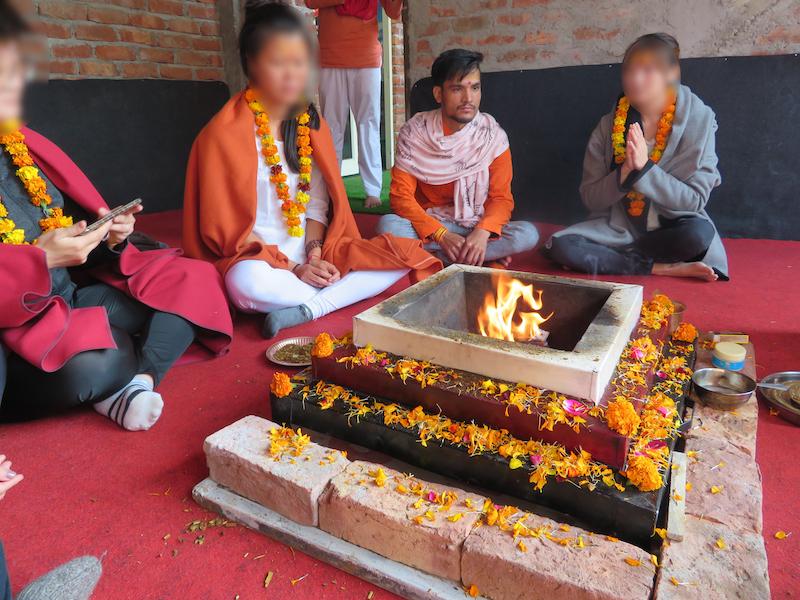
बड़े स्थान प्रभावशाली, सुंदर और अच्छे होते हैं, लेकिन इस छोटे से स्थान में भी, ऐसे प्रयास किए जा रहे हैं जो इसे आरामदायक बनाते हैं। हालांकि, बड़े सुविधाओं के कुछ नुकसान भी होते हैं, जैसे कि बातचीत करने के लिए कम जगह, बगीचे, लॉन या ध्यान कक्ष।
12/4
उसी स्थान पर, अन्य लोग "कुंडलिनी योग शिक्षक प्रशिक्षण" नामक एक पाठ्यक्रम ले रहे हैं।
कहा जाता है कि उपयोग की जाने वाली किताबें किसी प्रसिद्ध स्वामी द्वारा लिखी गई हैं, इसलिए वे काफी प्रामाणिक लगती हैं। नाम "कुंडलिनी" प्रभावशाली है, लेकिन यह अनिवार्य रूप से हठ योग का एक उन्नत रूप है।
ठीक है, मैं व्यक्तिगत रूप से इन पाठ्यक्रमों में वास्तव में रुचि नहीं रखता हूं, लेकिन मैं उन पुस्तकों की सामग्री को देखना चाह सकता हूं ताकि पता चल सके कि वे किस दिशा में जाते हैं।
12/5
नवीन के अनुसार, जो यहां आयोजक हैं, उन्होंने कई बार कुंडलिनी का अनुभव किया है। उन्होंने कहा कि उनका 17 वर्षों का योग अनुभव है।
यह आश्चर्यजनक रूप से बहुत सारे लोगों ने कुंडलिनी का अनुभव किया है? उन्होंने उल्लेख किया कि जंगल में रहने वाले और हिमालयी संतों के साथ अभ्यास करने वाले समुदाय में कई ऐसे लोग हैं जिन्होंने कुंडलिनी का अनुभव किया है। मैं समझ गया। हालांकि, उन्होंने यह भी कहा कि इतने कम लोग वास्तव में इसका अनुभव करते हैं।
यदि ऐसा है, तो शायद यह स्कूल अपने छोटे आकार के बावजूद एक अच्छा संस्थान है?
इसका अनुभव करने के तरीके अलग-अलग होते हैं, लेकिन जाहिर तौर पर, चाहे भारत में हो या जापान में, रीढ़ की हड्डी के आधार से कुंडलिनी का उदय होने की प्रसिद्ध अवधारणा समान है। हालांकि, उन्होंने कुछ ऐसी बातें भी बताईं जैसे कि दृष्टि और श्रवण शक्ति में सुधार होना, और अपनी आवाज को अधिक दूरी तक प्रक्षेपित करने में सक्षम होना, जिसे मैंने भविष्यवाणियों या टेलीपैथी से संबंधित किसी चीज़ के संदर्भ के रूप में समझा, जिसका अर्थ है कि यह भौतिक शरीर की बजाय मानसिक शरीर से जुड़ा हुआ है।
ऐसा लगता है कि जब वे "कुंडलिनी" कहते हैं, तो वे न केवल ऊर्जा के उदय को शामिल कर रहे होते हैं, बल्कि इसके साथ होने वाले विभिन्न परिवर्तनों को भी शामिल करते हैं। इस शब्द का अर्थ थोड़ा अलग हो सकता है जापान में, या शायद यह सिर्फ संचार की गलतफहमी है।
ठीक है, चूंकि यह स्वयं घोषित किया गया है, इसलिए संभवतः वे बस दावा कर रहे हैं कि उन्होंने इसका अनुभव किया है, लेकिन उनके हाव-भाव के आधार पर, मुझे लगता है कि उन्होंने कुछ हासिल किया है।
दर्शनशास्त्र के शिक्षक नवीन के पिता हैं, जो इस जगह के मालिक हैं। उन्होंने कहा कि वह कई बार जापान आए हैं और माउंट ताकाओ में 5 दिनों की ध्यान रिट्रीट में भाग लिया है और टोक्यो टावर के पास सेमिनार आयोजित किए हैं, इसलिए भले ही यह छोटा है, लेकिन यह आश्चर्यजनक रूप से अच्छी तरह से स्थापित हो सकता है।
ठीक है, कम से कम ऐसा लगता है कि यह कुछ यादृच्छिक स्कूलों से बेहतर है जो हर जगह दिखाई देते हैं।
12/6
मैंने गुप्त "कुंडलिनी योग शिक्षक प्रशिक्षण" पाठ्यक्रम ले रहे एक छात्र से धीरे से पूछा, और जाहिर तौर पर, यह उन्नत हठ योग का एक संक्षिप्त विवरण और अभ्यास है, और सामग्री नियमित हठ योग से बहुत अलग नहीं लगती है।
जब मैंने पहली बार छात्रों से पूछा, "क्या कुंडालिनी योग हठ योग है?", तो उनमें से एक ने आत्मविश्वास से कहा, "नहीं, यह अलग है।" लेकिन फिर एक छात्र ने कहा, "आपकी बात सही थी। ऐसा लगता है कि हम वही कर रहे हैं जो हठ योग में किया जाता है।" मुझे लगा कि उन्होंने जल्दी ही समझ लिया।
यह महसूस करना कि वास्तव में यह हठ योग है और इसे धीरे-धीरे करने की आवश्यकता है, शायद छात्रों के लिए एक अच्छा सबक था।
एक अन्य छात्र, जो योग में भी शुरुआती थे, ने उपरोक्त बात को समझने के बाद कहा, "मुझे लगता है कि मुझे बुनियादी बातों से फिर से शुरुआत करनी चाहिए। यह हठ योग है।"
ठीक है, ऐसा लगता है कि छात्रों ने इसे समझ लिया, इसलिए शायद कक्षा सामग्री गंभीर थी।
12/6
मैंने उस ध्यान शिक्षक के दादाजी के बारे में सुना था कि उन्होंने पहले गोएंका जी से सीधे मार्गदर्शन प्राप्त करते हुए कई महीनों तक विपश्यना ध्यान किया था। मैं लंबे समय से यह जानना चाहता था, "विपश्यना ध्यान और अन्य ध्यानों को एक साथ क्यों नहीं करना चाहिए?" इसलिए मैंने उनसे पूछा।
उनके जवाब में कहा गया, "विपश्यना ध्यान करने का उद्देश्य गहराई से ध्यान में प्रवेश करना है, और गहराई से ध्यान में प्रवेश करने के लिए, हमें विभिन्न प्रकार की चीजों के बजाय एक ही चीज पर बने रहना होगा। गोएंका जी ने ऐसा कहा था।"
ठीक है। यह शिक्षक युवावस्था से ही ध्यान कर रहे हैं और उनका अनुभव बहुत गहरा है, इसलिए उनकी बातों में वजन है। गोएंका जी गंभीर थे और वे नहीं चाहते थे कि कोई अन्य ध्यान करने वाला व्यक्ति आए और बाधा डाले। अगर ऐसा है तो मैं समझ गया।
ऐसा इसलिए है क्योंकि जब मैंने चिबा के ध्यान केंद्र में मैनेजर से यह पूछा, तो उन्होंने तुरंत मुझ पर गुस्सा कर दिया। उनका क्रोध बहुत जल्दी भड़क जाता था। चिबा के मैनेजर के अलावा भी, कुछ विपश्यना ध्यान करने वालों में ऐसे लोग होते हैं जिनका क्रोध आसानी से भड़क जाता है। चिबा में मिली अप्रिय प्रतिक्रिया के विपरीत, यदि कोई ऐसा व्यक्ति हो जो ध्यान और विपश्यना दोनों को अच्छी तरह से समझता हो और शांत रूप से, गहराई से, सरल लेकिन स्पष्ट तरीके से मूल बातें समझा सके, तो मैं "ठीक है" कह सकता हूं। चूंकि मैनेजर गुस्सा करते हैं, इसलिए मैंने यह समझा कि चिबा के मैनेजर का ध्यान अभी भी शुरुआती स्तर पर है। इस शिक्षक की तरह ही, यदि कोई व्यक्ति सारगर्भित और सरल उत्तर देता है जो समझने में आसान हो, तो मैं सहमत हो जाऊंगा।
यह शिक्षक शांत हैं, उन्होंने लंबे समय तक ध्यान किया है और विपश्यना ध्यान भी किया है, इसलिए वे बिल्कुल अलग पृष्ठभूमि से आते हैं। भले ही उनकी तुलना करना उचित नहीं है।
12/7
भारतीयों के लिए यह शायद शुरुआती स्तर की आसान कक्षा जैसा लगता है, लेकिन विदेशियों के लिए यह थोड़ी कठिन, थोड़ी सख्त तरह की कक्षा थी। लगभग 4 दिनों तक इस तरह की कक्षा में भाग लेने के बाद, जब उन्होंने "पद्मासन!" कहा, तो मैंने सोचा कि मैं इसे नहीं कर पाऊंगा, फिर भी मैंने कोशिश की और मुझे लगा कि मेरा कपड़ा थोड़ा सा अटक गया है, जिससे एक प्रकार का पद्मासन बन गया। ऐसा लग रहा था जैसे अगर मैं थोड़ी और मेहनत करूं तो शायद मैं असली पद्मासन कर पाऊं?
कुछ समय पहले तक, मुझे लगता था कि पद्मासन करना असंभव है! लेकिन यह कैसे बदल गया! यह आश्चर्यजनक है। मानव शरीर वास्तव में बहुत कुछ बदल सकता है... कभी-कभी थोड़ा सख्त प्रशिक्षण भी अच्छा होता है।
12/8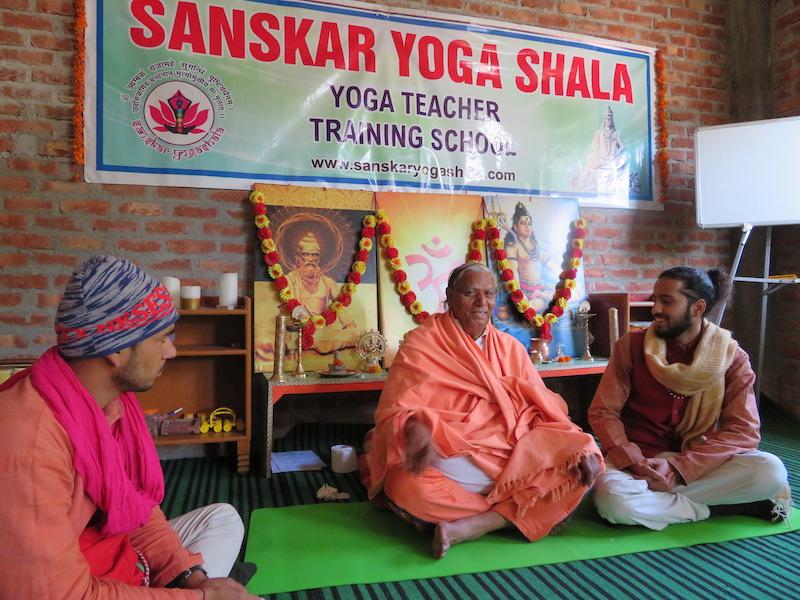
आज, स्कूल के वर्तमान मालिक और शिक्षकों के एक सामान्य गुरु ने 1 घंटे का विशेष पाठ दिया। यह गुरु, मालिक और शिक्षक द्वारा गए योग विश्वविद्यालय के आयोजक हैं, और वे कहते हैं कि वहां पास में एक और 100 किलोमीटर दूर पर भी एक विश्वविद्यालय है, और कनाडा के टोरंटो में भी एक स्कूल है।
यह गुरु प्रसिद्ध व्यक्ति हैं, और उन्होंने पहले कुश्ती में भाग लिया था और भारत का प्रतिनिधित्व किया था। यह गुरु विशेष शक्तियों (सिद्धि) रखते हैं, जैसे कि वे लकड़ी को कागज की तरह तोड़ सकते हैं, और अन्य चीजें भी कर सकते हैं। बेशक, आज मैं इसे नहीं देख सका, लेकिन मालिक ने ऐसा कहा है, इसलिए शायद वह सच है।
ठीक है, जब मैं इस प्रकार के प्रदर्शनों के बारे में सुनता हूं, तो मुझे योगानंद की किताब की एक दिलचस्प कहानी याद आती है। योगानंद विभिन्न शक्तियों (सिद्धि) का उपयोग करने वाले संतों के पास गए, और उदाहरण के लिए, उन्होंने एक ऐसे संत के पास जाकर जो फूलों की खुशबू पैदा कर सकता था, तुरंत ही उस शक्ति (सिद्धि) को देखने के बाद कहा कि "ऐसा करके क्या लाभ होगा?"
शायद वह कहेंगे, "आप लकड़ी को कागज की तरह तोड़ सकते हैं, लेकिन इससे वास्तव में क्या फायदा है? (हंसी)"।
ठीक है, वैसे भी, उन्होंने निश्चित रूप से काफी प्रशिक्षण लिया होगा। वे एक ऐसे व्यक्ति थे जिनका पेट बाहर निकला हुआ था, लेकिन आश्चर्यजनक रूप से उनकी गतिविधियाँ हल्की थीं।
पाठ्यक्रम में विभिन्न प्रकार के प्राणायाम शामिल थे। वह इस क्षेत्र के विशेषज्ञ होने के साथ-साथ आयुर्वेद के विशेषज्ञ भी हैं।
योग विश्वविद्यालय आम लोगों के लिए खुला है, लेकिन यह स्नातकोत्तर स्तर का है और इसमें कई वर्षों का पाठ्यक्रम होता है। वे मुख्य रूप से संस्कृत में पवित्र ग्रंथों को समझने जैसे विषयों पर ध्यान केंद्रित करते हैं।
इस बार, मुझे आश्चर्य हुआ कि इस प्रकार की शक्तियों (सिद्धि) वाले लोगों को अपेक्षाकृत अधिक संख्या में देखा जा सकता है। मैं वास्तव में उन्हें देखने के लिए नहीं आया था। शायद ऐसे लोग जो इस प्रकार की शक्तियां (सिद्धि) रखते हैं, वे वास्तव में काफी सामान्य हो सकते हैं।
ठीक है, यह मेरे अपने अनुभव से मिलता-जुलता है, क्योंकि मुझे लगता है कि कई लोग जो बहुत कुछ कर सकते हैं, वे हर जगह मौजूद होते हैं। ऐसा लगता है कि कई लोग ऐसे कारणों से अपनी क्षमताओं के बारे में बात नहीं करते हैं जैसे कि उन्हें डर होता है कि जादूगरों द्वारा शिकार किया जाएगा या यदि उन्हें जाना जाता है तो उनका शोषण किया जाएगा, और ऐसे लोगों की भीड़ होगी जो दूसरों को नियंत्रित करने की कोशिश करेंगे।
ऐसे बहुत सारे लोग हैं जिनका चेहरा दयालु दिखता है लेकिन वे वास्तव में दूसरों को नियंत्रित करने की कोशिश करते हैं। मुझे लगता है कि उन लोगों को शक्ति नहीं देना भी एक शक्तिशाली व्यक्ति का कर्तव्य हो सकता है जो दूसरों से छीनकर जीते हैं, लेकिन ऐसा करने के बारे में पूरी तरह से समझने वाले लोग भी काफी हैं।
ठीक है, जीवन सीखने के लिए बहुत सारे अवसर प्रदान करता है, और सफलता और असफलता दोनों ही दिलचस्प होते हैं। शोषणकारी लोग खुद को "मैंने किया" या "मैं कर रहा हूं" सोचते हुए, लेकिन आसपास के लोगों को यह स्पष्ट रूप से दिखाई देता है कि वे एक नग्न राजा की तरह हैं, और कोई भी उन्हें गंभीरता से नहीं लेता है। ऐसा भी हो सकता है कि कोई व्यक्ति शुरुआत में ईमानदार हो, लेकिन रास्ते में बदल जाए और शोषण करने लगे। मनुष्य वास्तव में दिलचस्प होते हैं।
ठीक है, ऐसे शक्तिशाली स्थानों पर अजीबोगरीब लोग बहुत अधिक आते हैं, इसलिए मूल रूप से उनसे दूर रहना ही सबसे सुरक्षित होता है।
12/9
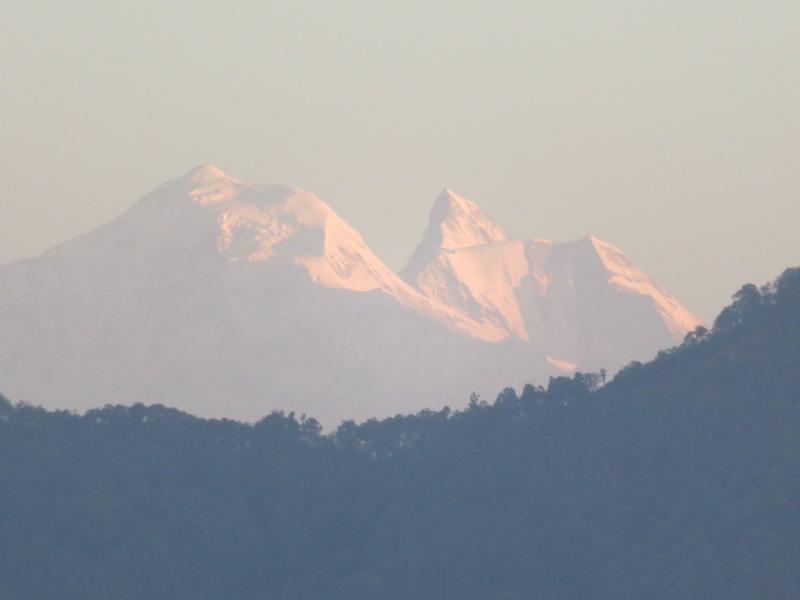
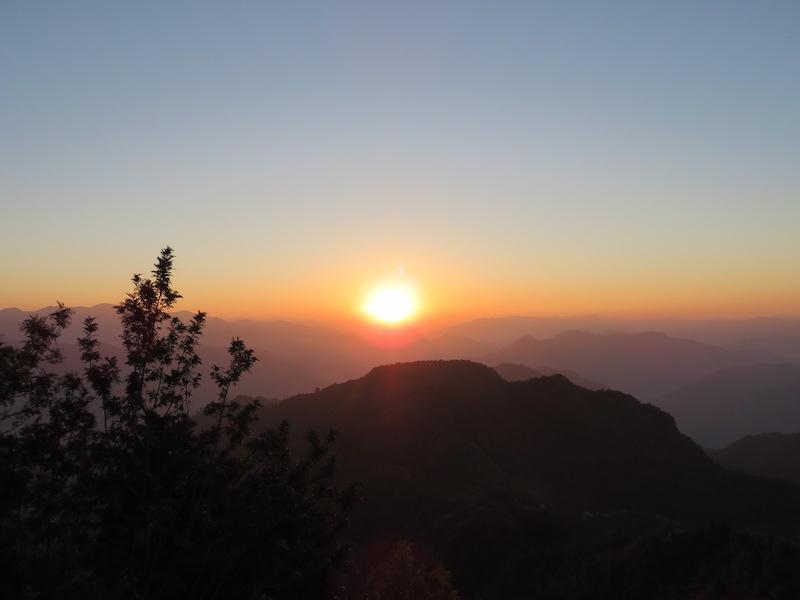
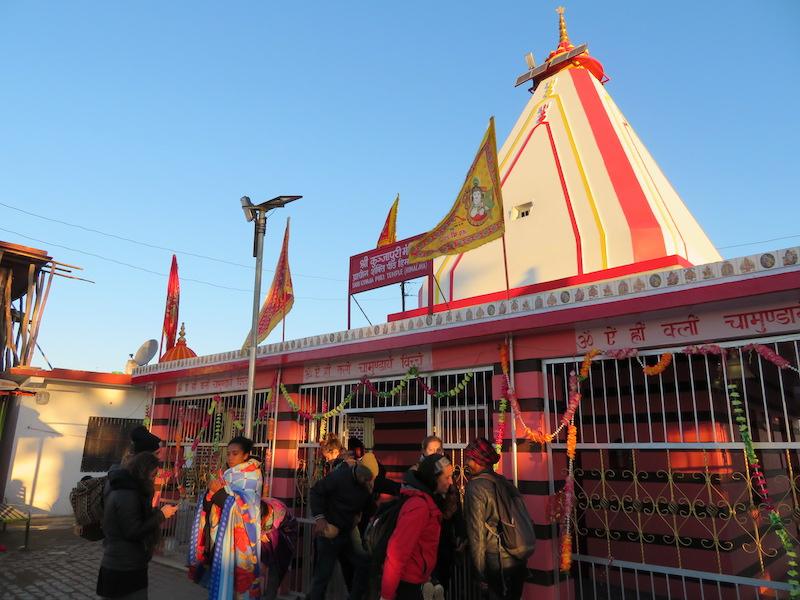
हमने स्कूल के दौरे में ऋषिकेश के पास स्थित कुंजपुरी मंदिर नामक एक पहाड़ी पर जाकर सूर्योदय देखा। यह स्थान 1600 मीटर की ऊंचाई पर है, इसलिए दृश्य बहुत अच्छा था और हिमालय की पर्वत श्रृंखलाएं भी दूर से थोड़ी दिखाई दे रही थीं। यह एक लोकप्रिय जगह थी और वहां कई विदेशी लोग थे। अंत में, हमने एक सरल पूजा की और प्रसाद प्राप्त किया, फिर हम घर लौट आए।
मैंने गंगोत्री ग्लेशियर या केदारनाथ मंदिर के बारे में सुना है, जहां जाने में 20 किलोमीटर पैदल चलना पड़ता है, इसलिए मैं सोच रहा हूं कि शायद गर्मियों में इसका प्रयास करना चाहिए।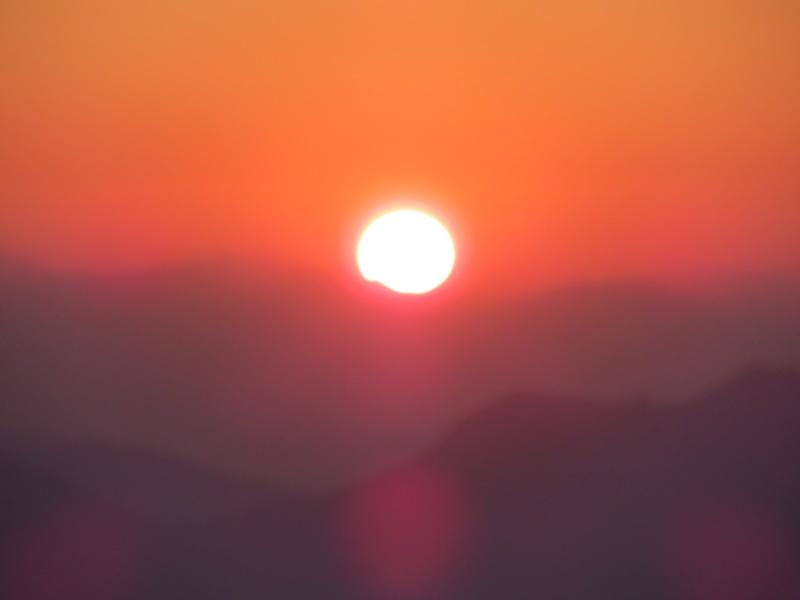
 12/9
12/9
मैंने प्रसिद्ध परमार्थ निकेतन आश्रम का आरती देखा। शाम को ठंड थी...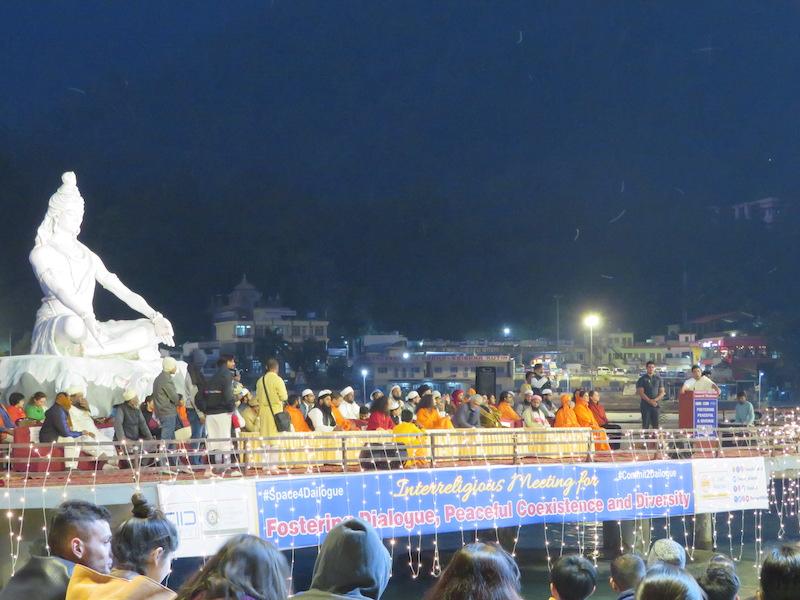 12/9
12/9
मैंने ऋषिकेश में गंगा आरती का आनंद लिया।
लोग आग को गंगा नदी (गंगा) में अर्पित करते हैं।
हाथों को जलने से बचाने के लिए, लोग गीले तौलिये से अपने हाथों को ढंकते हैं।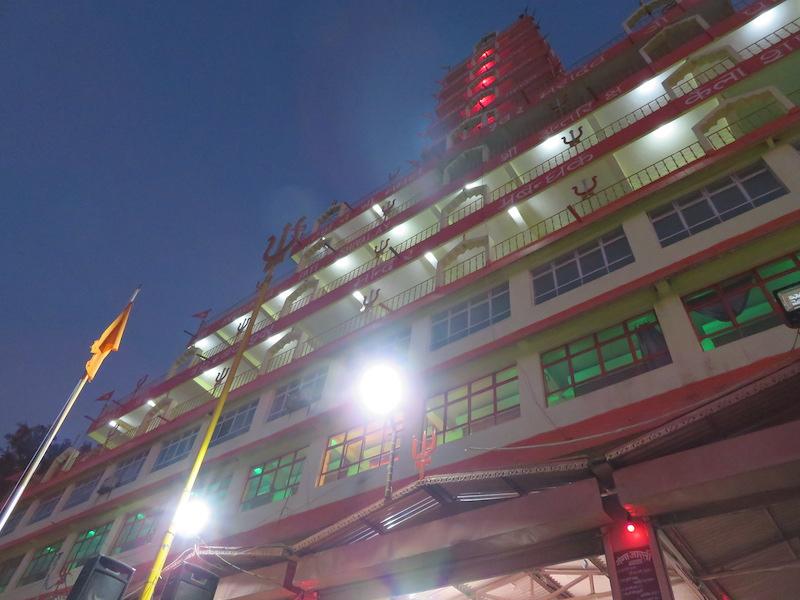
 12/11
12/11
आज, जिस स्कूल में मैं पढ़ रहा हूँ, वहां भारतीय संगीत का एक कार्यक्रम था।
इसमें प्रसिद्ध मंत्रों को गाने के रूप में प्रस्तुत किया गया है।
यह दिलचस्प है कि स्थान (आश्रम, क्षेत्र, लोग) के आधार पर गायन शैली बदलती है।
ये लोग शीर्ष खिलाड़ी हैं।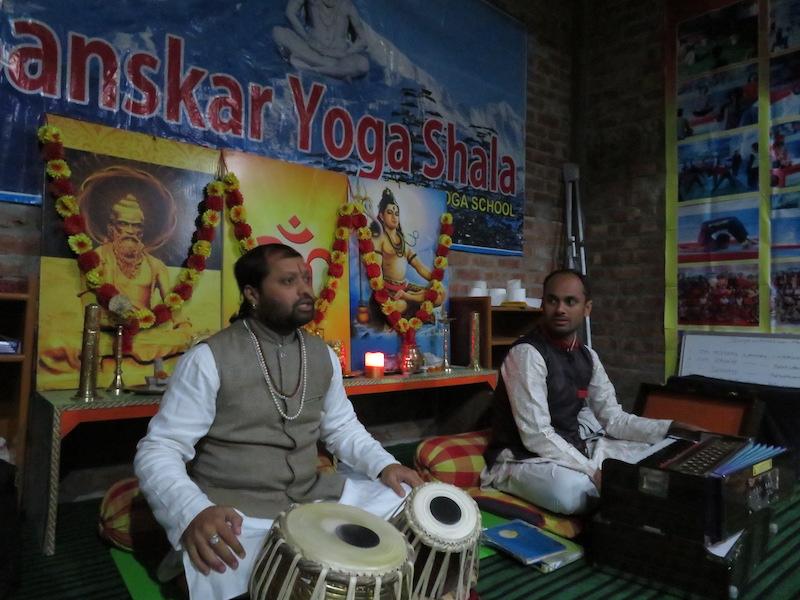 12/14
12/14
जिस स्कूल में मैं अभी पढ़ रहा हूँ, वहां योग दर्शन के शिक्षक के दादाजी कागज देखे बिना ही योगा सूत्र और वेदों के प्रसिद्ध अंशों का पाठ करते हुए व्याख्या करते हैं। मैंने सुना है कि पारंपरिक संस्कृत सीखने में नोट्स बनाना मना था और सब कुछ याद रखना अनिवार्य था, और यह दादाजी वास्तव में इसे प्रदर्शित कर रहे हैं। मैंने पहले कभी ऐसा व्यक्ति नहीं देखा। इसके अलावा, वह आसानी से समझ आने वाले तरीके से और मनोरंजक ढंग से बात करते हैं। वे इस क्षेत्र के वेदांत के एक प्रसिद्ध शिक्षक होने की अफवाह है।
उन्होंने लगभग 2 घंटे प्रति दिन लगाकर, लगभग 2 हफ्तों में योग के बहुत ही बुनियादी पहलुओं की व्याख्या से लेकर सीधे वेदांत की शुरुआत तक का सफर तय किया, लेकिन व्याख्या का क्रम सुसंगत है। ज्ञान के रूप में, मैंने किताबों में पढ़कर ज्यादातर बातें पढ़ी थीं, लेकिन वास्तव में सुनने पर एक अलग अहसास होता है।
आज उन्होंने वेदांत के मूल और निष्कर्ष "सत् चित आनंद" की व्याख्या संक्षिप्त रूप से की। कल से वे इसके पूर्ववर्ती पहलुओं की व्याख्या करेंगे ताकि समझ को गहरा किया जा सके। यह देखना दिलचस्प होगा कि अगले 2 हफ्तों में वे कितनी दूर तक आगे बढ़ेंगे?
12/15
ऋषिकेश की नदी के नज़ारे वाले कैफे में वेजिटेबल बर्गर। यह बहुत स्वादिष्ट है और शाकाहारी होने पर भी पर्याप्त है।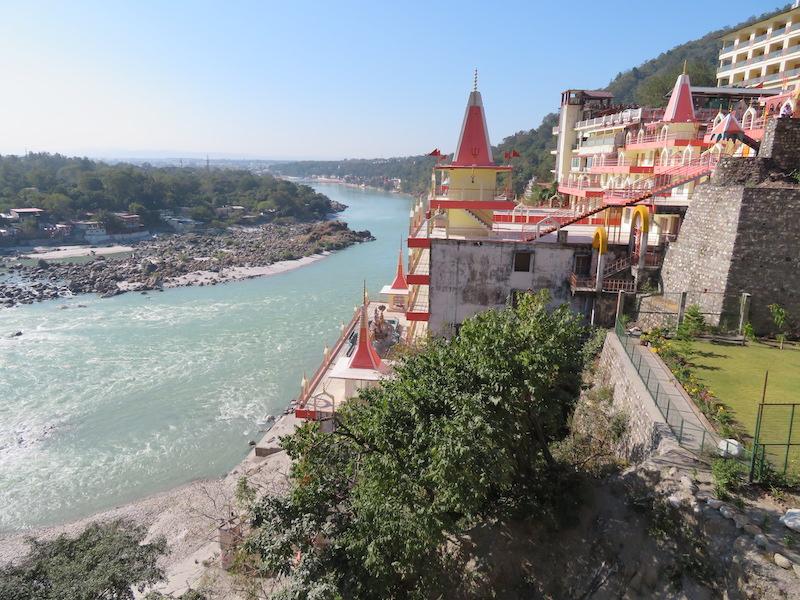
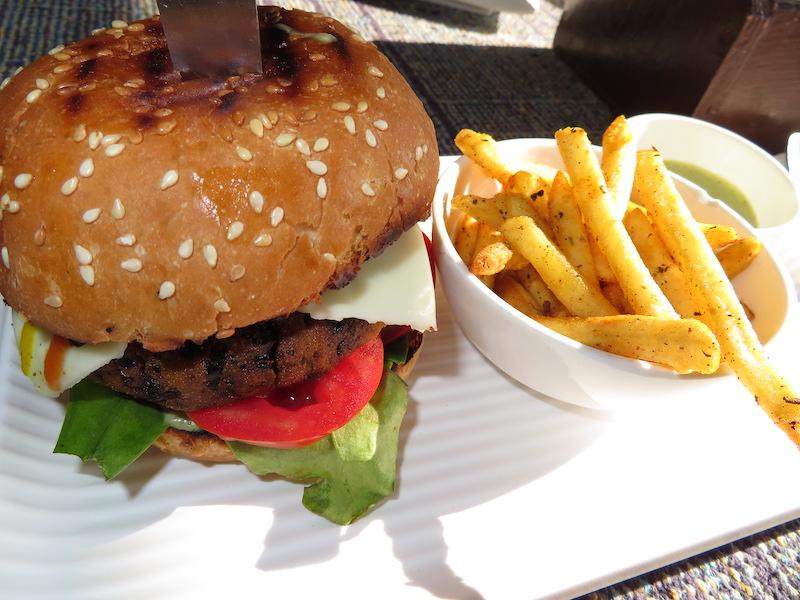
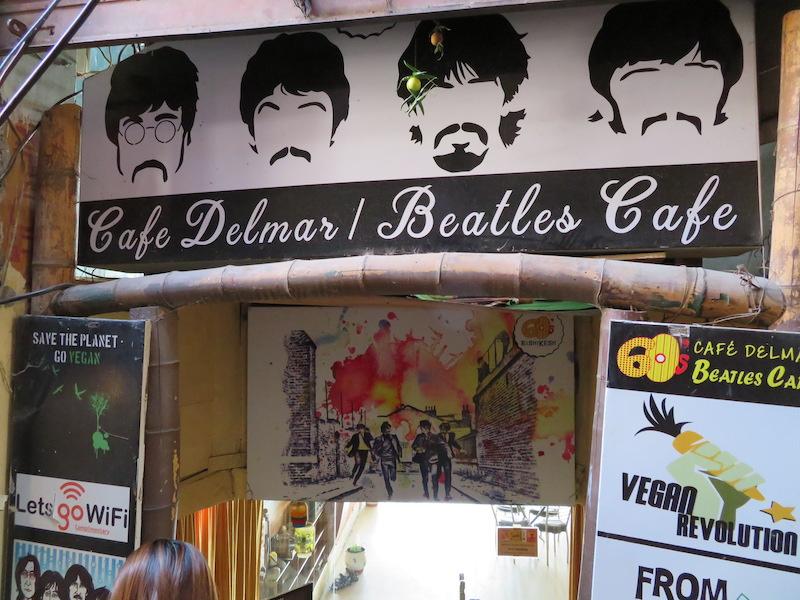 12/16
12/16
मैं कोटद्वार के एक आश्रम में हूँ, जो ऋषिकेश से 100 किलोमीटर दूर है। यह आयुर्वेद और योग में विशेषज्ञता रखने वाला एक मास्टर स्कूल है। यह वह आश्रम है जिसे ऋषिकेश में स्थित मेरे वर्तमान स्कूल के मालिक गुरु चलाते हैं। ऐसा कहा जाता है कि कनाडा में भी उनका एक आश्रम है। यह जंगल के बीच में है, और वातावरण बहुत अच्छा है। आमतौर पर यहां कुछ साल का कोर्स होता है, लेकिन मैं सप्ताहांत दौरे पर आया हूँ।
यहां के गुरुजी हाल ही में ऋषिकेश स्थित स्कूल में भी आए थे, और वे 'प्राना क्लियर' (प्राणा सफाई) के विशेषज्ञ भी हैं।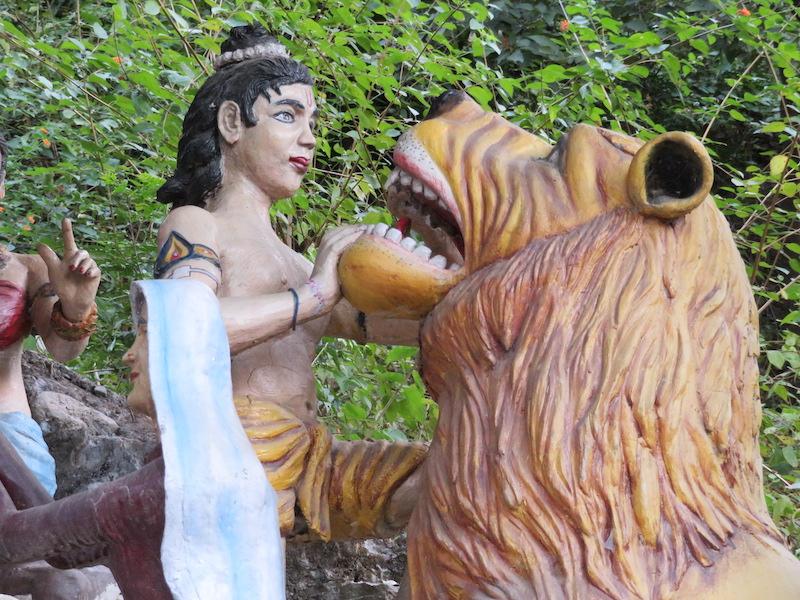
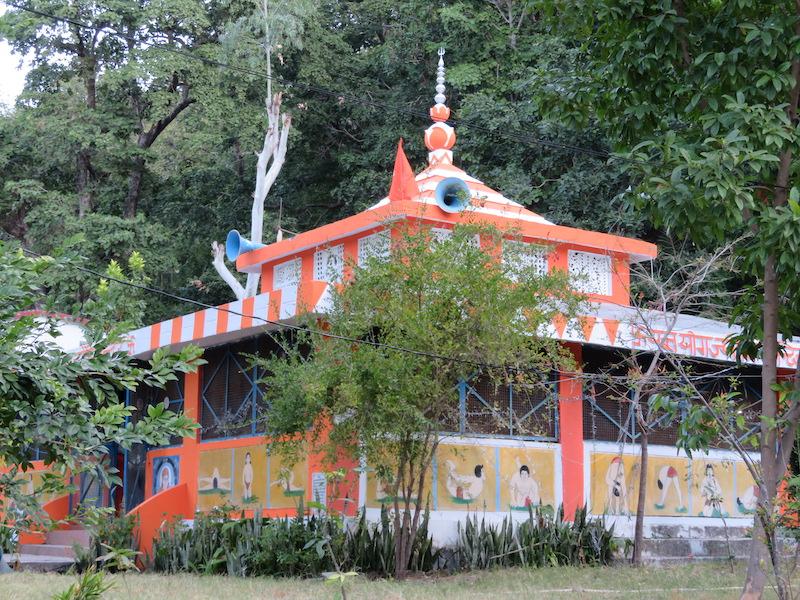
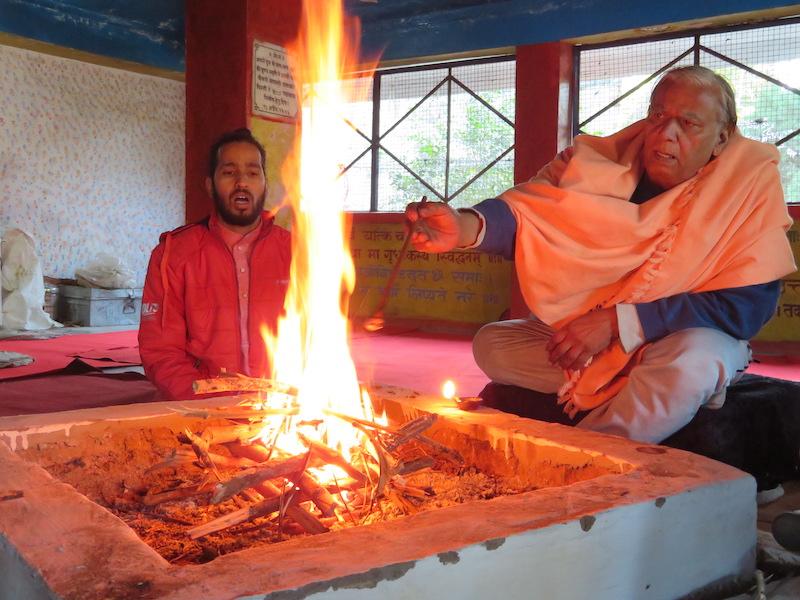
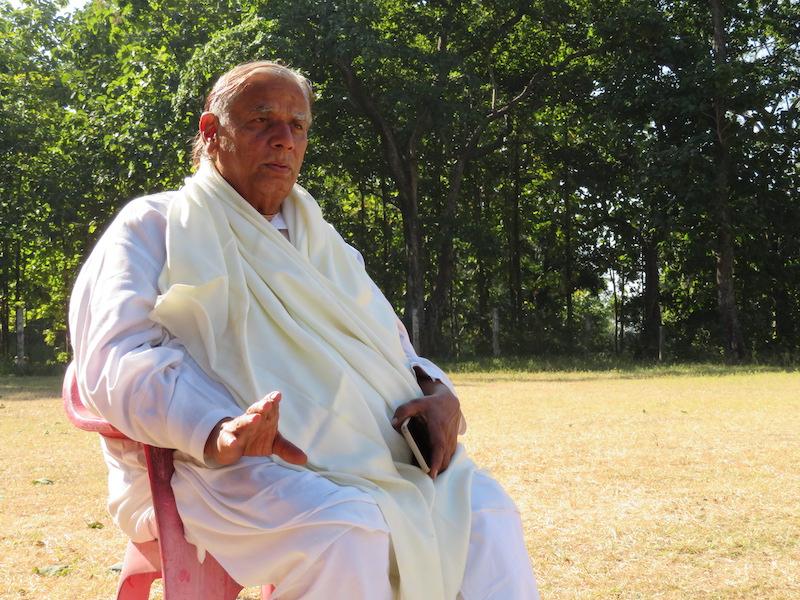
यहाँ के एक गुरुजी से पूछा कि मांसपेशियों को खींचने के लिए कौन सा तेल अच्छा है, तो उन्होंने तिल का तेल बताया। यह खाने योग्य भी होता है और मालिश के तेल की तुलना में इसकी कीमत 1/5 होती है। "TIL OIL" नाम का उत्पाद शायद तिल का तेल ही है। मैं इसे आज़माऊँगा।
गुरुजी आयुर्वेद के विशेषज्ञ हैं, इसलिए उनसे मैंने अपने दोषों का पता लगाने के लिए कहा। उन्होंने बताया कि मैं पिitta (प्रकृति) और वात (जो 'वात' जैसा लगता है) से प्रभावित हूँ। चूंकि वे एक विशेषज्ञ हैं, तो शायद यह सच ही होगा। वे कहते हैं कि "पिitta" प्रकृति जीवन भर नहीं बदलती, जबकि अन्य दोष समय के साथ बदल सकते हैं।
19 दिसंबर
मैंने जापान में वेदांत पर एक सेमिनार भी सुना था, लेकिन मुझे वेदांत के मुख्य बिंदुओं को समझने में मुश्किल हुई थी। हालाँकि, इस शिक्षक का व्याख्यान वेदांत की समग्र तस्वीर को स्पष्ट रूप से दिखाता है, और यह सरल और समझने योग्य है। वे कहते हैं कि भले ही वे जटिल चीजों को आसानी से समझाते हैं, जिससे यह आसान लगता है, लेकिन वास्तव में यह बहुत गहरा ज्ञान है। मुझे लगता है कि वे सही कह रहे हैं, क्योंकि वे विस्तृत जानकारी को आसानी से प्रस्तुत करने की क्षमता रखते हैं।
पाठ्यक्रम आगे बढ़ रहा है और "वास्तविक आत्म (आत्मा) क्या है?" पर चर्चा हो रही है। कुछ ऐसे सूक्ष्म अंतर जो केवल किताबें पढ़ने से स्पष्ट नहीं होते थे, अब सामने आ रहे हैं, और इससे कई नई चीजें पता चल रही हैं। यह दिलचस्प है कि योग की बहुत बुनियादी अवधारणाओं में भी "आत्म" की अवधारणा छिपी हुई है।
वेदांत के लोग अक्सर "यह नहीं है" जैसे वाक्यों का उपयोग करते हैं। मैंने जापान में प्रसिद्ध क्योटो की चेतना नामक शिक्षिका का 3 दिनों + 3 दिनों, कुल मिलाकर 6 दिनों तक व्याख्यान सुना था और अन्य लोगों के सेमिनार भी सुने थे, लेकिन मुझे हमेशा लगता था कि "इसका क्या मतलब है?" और मैं मुख्य बिंदुओं को ठीक से नहीं समझ पाता था। हालाँकि, इस शिक्षक के सभी व्याख्यान समझने में आसान हैं और मेरे मन में बैठ जाते हैं। यदि मैं इन व्याख्यानों पर आधारित नोट्स का उपयोग करके समझाने की कोशिश करूँ, तो शायद श्रोताओं को यह अच्छी तरह से समझ में नहीं आएगा। केवल उन लोगों को जो पहले से ही जानते हैं, उन्हें सूक्ष्म बारीकियों को बेहतर ढंग से समझा जा सकता है।
जापान में मैंने जो वेदांत के बारे में सुना था, वह योग के बुनियादी सिद्धांतों जैसे कि योगा के आठ अंगों (अष्टांग योग) या योग के चार मार्गों (कर्म योग, भक्ति योग, ज्ञान योग और राजयोग) से अलग किया गया था, और इसे एक पूरी तरह से अलग विषय के रूप में प्रस्तुत किया गया था। इस शिक्षक का मानना है कि वेदांत को योग के बुनियादी मार्गों के विस्तार के रूप में देखा जाना चाहिए, इसलिए वे योग की बुनियादी बातों से लेकर वेदांत तक सब कुछ सहजता से जोड़ते हैं, जिससे उनके स्पष्टीकरण में कोई असंगति नहीं होती है।
जापान में मैंने जो व्याख्यान सुने थे, उनमें अक्सर अवधारणाओं पर सीधे चर्चा की जाती थी और एक शब्द की परिभाषा को समझाने में भी कई घंटे लग जाते थे, या अंततः निष्कर्ष अस्पष्ट रहते थे, जिसके कारण सेमिनार लंबा होने के बावजूद सामग्री कम होती थी और संतुष्टि का स्तर कम होता था। हालाँकि, यहाँ के शिक्षक हर दिन 1.5 घंटों में बहुत सारी जानकारी प्रदान करते हैं, जो कि बहुत दिलचस्प है। मुझे आखिरकार समझ आ गया है कि इस तरह के शिक्षक ही पारंपरिक वेदांत के शिक्षक होते हैं।
न्याना योग के लोग अंतिम लक्ष्य, 'सेल्फ' (आत्म) की खोज में रहते हैं। उन्होंने उदाहरणों सहित यह भी बताया कि वे रास्ते में मिलने वाली असाधारण क्षमताओं को ज्यादा महत्व नहीं देते। मैं इस तरह की बातें अक्सर सुनता हूँ, इसलिए सामग्री नई नहीं है, लेकिन जब किसी ऐसे शिक्षक से सुनते हैं जिसे आप जानते हैं, तो इसमें एक अलग ही अर्थ होता है। ऋषिकेश में कई लोग असाधारण क्षमताएं रखते हैं। उदाहरण के लिए, उनके दोस्तों में से कुछ 'त्रटिका' नामक आंखों की एकाग्रता का उपयोग करके थोड़ी दूरी पर रखी हुई शीशे को तोड़ सकते हैं या कांच खा सकते हैं। यहां के स्कूल के मालिक 'गुरुजी' भी अपनी आंखें बंद करने के बाद उस पर लोहे की छड़ रखकर भारी चीजें उठा सकते हैं, और एक व्यक्ति पद्मासन करते हुए ध्यान में रहते हुए हवा में तैर सकता है। ऋषिकेश में ऐसी असाधारण क्षमताएं असामान्य नहीं हैं, और शिक्षक ने खुद भी कई बार ऐसा देखा है, लेकिन अक्सर लोग शक्ति की खोज में भटक जाते हैं। उन्होंने कहा कि कुंदलिनी योग भी एक मार्ग है, लेकिन यह पारंपरिक योग के चार मार्गों में से एक नहीं है। जो लोग कुंदलिनी योग करते हैं, वे अक्सर शक्ति की तलाश में रहते हैं, इसलिए वे अंतिम लक्ष्य 'सेल्फ' (आत्म) को खोजने पर कम ध्यान देते हैं। फिर भी, उन्होंने सुना कि कैसे किसी ने "इस क्षमता का स्रोत क्या है?" जैसे प्रश्न से शुरुआत करके अंततः न्याना योग की खोज शुरू कर दी थी। योग के किसी भी मार्ग पर चलने वाले व्यक्ति का अंतिम गंतव्य न्याना योग में 'सेल्फ' (आत्म) की खोज होता है, और असाधारण क्षमताएं उस रास्ते पर मिलने वाली छोटी-मोटी चीजें हैं। इसलिए, यह समझ में आता है कि न्याना योग पहले छात्रों से चार योग्यताओं (शर्तों) के बारे में पूछता है, ताकि केवल वही लोग जो अंतिम लक्ष्य, मोक्ष (मुक्ति = 'सेल्फ'/आत्म की खोज) चाहते हैं, वे ही न्याना योग का मार्ग अपना सकें।
यह स्कूल मूल रूप से आसन पर केंद्रित था, लेकिन शायद यह वेदांत का पाठ्यक्रम सबसे उपयोगी साबित हो सकता है।
12/23
ऋषिकेश बाजार के पास नदी के किनारे भगवद गीता पर आधारित एक नाटक चल रहा था, और सभी लोग नृत्य कर रहे थे।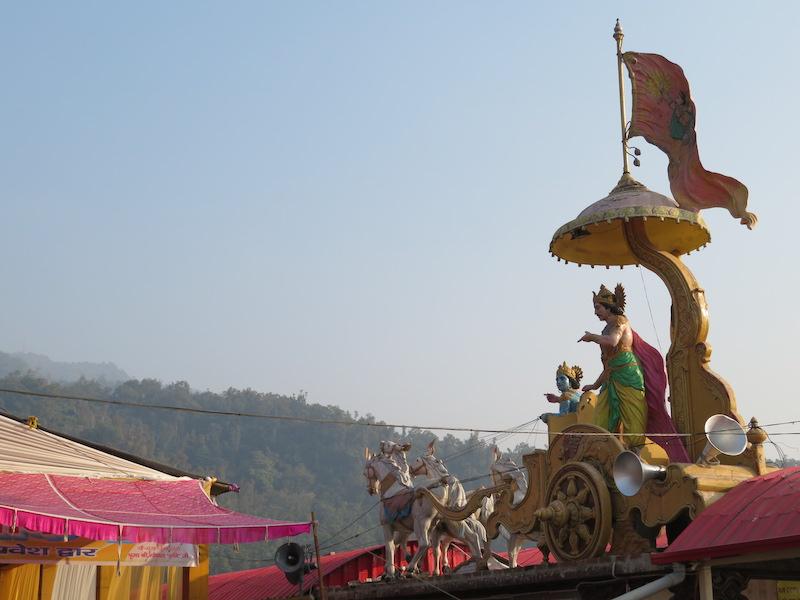
 माफ़ कीजिए, यह हिंदी में है इसलिए मैं इसे ठीक से नहीं समझ पाया... हालाँकि, फिर भी मुझे इसका आनंद आया।
12/24
मैं ऋषिकेश में सबसे बड़े गंगा आरती (गंगा नदी को अग्नि अर्पण करने का अनुष्ठान) देखने गया। यह हाल ही में देखे गए अनुष्ठान की तुलना में कई गुना बड़ा था। शायद सर्दियों के शांत मौसम के कारण, वाराणसी की तुलना में इसमें थोड़ी उदासी महसूस होती है, लेकिन यह काफी खाली है और आप इसे करीब से देख सकते हैं, जो कि अच्छा है। चूंकि यह पर्यटन क्षेत्र से थोड़ा दूर है, इसलिए यहां स्थानीय लोगों की संख्या अधिक होने की संभावना है।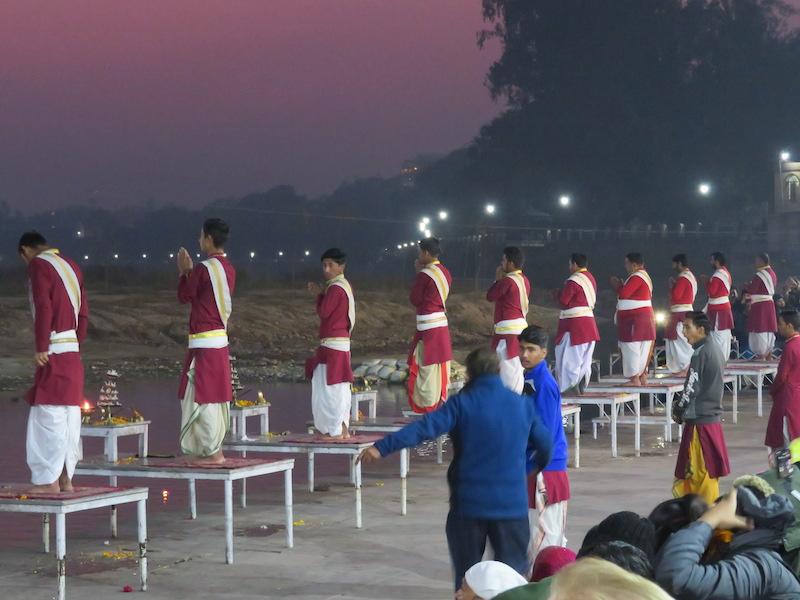

12/26
संस्कार योग शाला में हठ योग टीटीसी200 (टीचिंग ट्रेनिंग कोर्स 200 घंटे) से स्नातक होने के बाद, मैं क्रिया योग आश्रम वापस आ गया। मैंने अध्ययन के लिए यह कोर्स किया था, इसलिए मेरा इरादा टीटीसी प्रमाण पत्र का उपयोग करने का नहीं है और इसे कुछ समय के लिए बंद कर दिया जाएगा। क्योंकि लोगों की संख्या कम थी, इसलिए मुझे 60 मिनट के दो कक्षाएं अभ्यास करने को मिलीं, लेकिन सामान्य तौर पर इतनी कक्षाओं में अभ्यास करना संभव नहीं होता है। प्रवाह (फ्लो) अब थोड़ा-बहुत परिचित हो गया है, लेकिन चूंकि मैं उन मुश्किल पोज़ों को नहीं कर पाता जो एक शिक्षक के लिए उपयुक्त होंगे, इसलिए इस तरह से शिक्षक बनना मुश्किल होगा। हालांकि, यह अध्ययन के लिए उपयोगी था और मेरा मूल इरादा केवल अध्ययन का था, इसलिए यह योजना के अनुसार ही है। मेरे शरीर की लचीलापन भी पहले से बेहतर हो गया है, जो कि अच्छी बात है। हालाँकि, अभी भी मुझे बहुत कठोरता महसूस होती है।
अगले महीने का ध्यान टीटीसी (1 महीना) आधिकारिक तौर पर रद्द कर दिया गया है और इसे वेबसाइट से हटा दिया गया था। ध्यान टीटीसी शायद इतने लोकप्रिय नहीं हैं कि वे लगातार आयोजित किए जा सकें, इसलिए पाठ्यक्रम बंद हो रहे हैं। इसके बजाय, क्रिया योग आश्रम में हर दिन ध्यान करना बहुत बेहतर लग रहा है।
चूंकि ध्यान टीटीसी रद्द हो गया है, इसलिए अगले महीने की मेरी योजना खाली हो गई है, जिससे मैं फरवरी के शुरुआती दिनों में कुंभ मेले में जल्दी जा पाऊंगा। यदि मैं यहां ध्यान करता हूं, तो मेरी मूल योजना लगभग पूरी हो जाएगी, इसलिए शायद यह रद्द होना एक अच्छी बात थी। आखिरकार, हर चीज सही है, चाहे वह अच्छी हो या बुरी। संस्कार योग शाला का टीटीसी 26 दिनों तक USD 1,400 में था, लेकिन मैंने इसे किसी अन्य स्थान पर आयोजित होने वाले पाठ्यक्रम के रद्द होने के कारण प्रतिस्थापन के रूप में लिया था, इसलिए यह काफी किफायती था, लगभग USD 1,000। यदि आप केवल कक्षाएं लेते हैं, तो आश्रम में जाना और भी सस्ता होगा, लेकिन टीटीसी200 का प्रमाण पत्र प्राप्त करने वाले विदेशी लोगों के लिए यह सबसे सस्ती कीमतों में से एक है।
कुंभ मेले के बारे में, मैंने अभी तक परिवहन टिकट नहीं खरीदे हैं, लेकिन ऐसा लगता है कि यहां से सीधे बस की व्यवस्था आश्रम द्वारा की जा सकती है, इसलिए मैं थोड़ा इंतजार कर रहा हूं। मैं कितने दिनों तक वहां रहूंगा, यह भी अभी तय होना बाकी है।
12/28
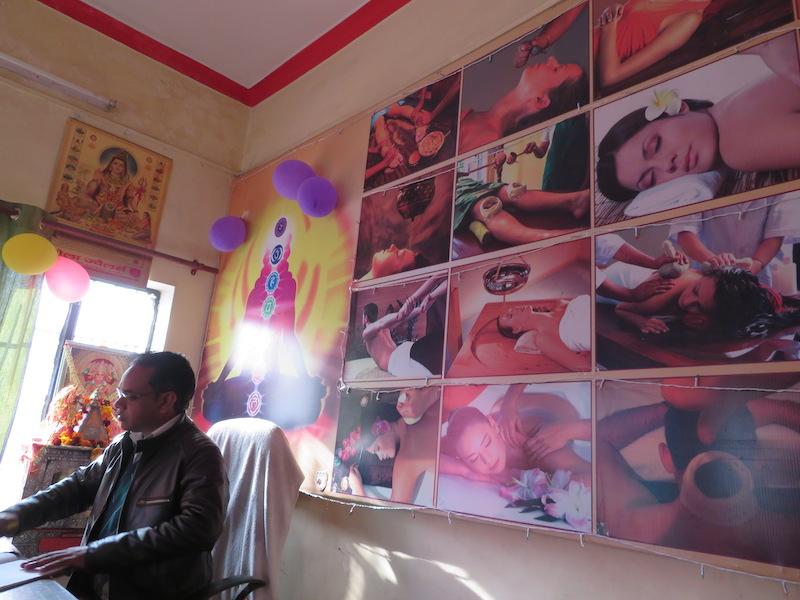
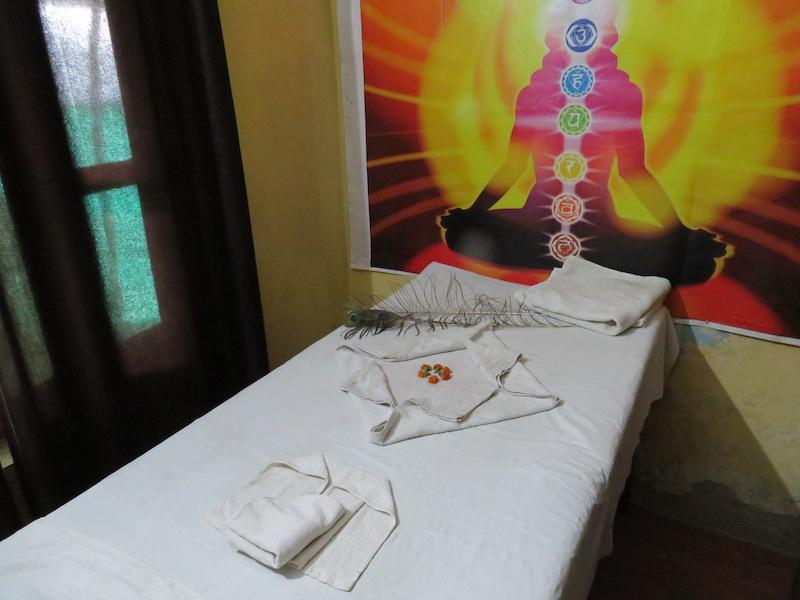
मैंने ऋषिकेश में 7 दिनों के लिए प्रतिदिन 1.5 घंटे का पंचकर्म (मालिश) कराने का फैसला किया है। मेरे शरीर में कोई विशेष समस्या नहीं है, लेकिन मैंने मांसपेशियों को स्ट्रेच करने और लचीलापन बढ़ाने वाले थेरेपी की मांग की है। इस बार इसमें दवाएं शामिल नहीं हैं, केवल मालिश ही होगी। शुरुआत में डॉक्टर के साथ लगभग 30 मिनट की परामर्श होगा, जिसके बाद मैं मालिश करवाऊंगा। हालाँकि, यह बहुत ठंडा है! मेरी कल्पना से भी अधिक ठंड है। मैंने कपड़े पहने हुए था इसलिए मुझे इस ठंड का एहसास नहीं हुआ... मालिश अच्छी है, लेकिन इसे सहन करते हुए 1.5 घंटे बिताना मुश्किल है (मुस्कुराते हुए)।
3 दिन: मानक मालिश (अभ्यंगम) + शिरोडारा
4 दिन: गर्म तेल को घुमाते हुए कपड़े से धीरे-धीरे मालिश करने वाली बंडल मालिश + शिरोडारा।
किसी एक दिन: आंखों के लिए तेल और नाक की सांस लेने में आसानी कराने वाले तेल का उपयोग, प्रत्येक 1 बार (यह शायद भूल जाने वाला है)।
डॉक्टर ने दोषों का निदान किया था, लेकिन मूल दोष पिitta था, जो हाल ही में गए गुरुजी से मेल खाता था, लेकिन दूसरा दोष अलग था, जिसे कप्पा कहा गया। एक नहीं बदलता और दूसरा बदल जाता है, क्या यह इतनी कम अवधि में बदल सकता है, या शायद निदान करने वाले के आधार पर निर्णय अलग-अलग होते हैं।
खाने योग्य और अनुचित चीजों के बारे में सब कुछ सुनने के बाद, मालिश की गई।
यह व्यक्ति कुशल था। मुझे लगता है कि मैंने अच्छा चयन किया। तेल भी भरपूर मात्रा में इस्तेमाल किया गया।
ठंडा होना अपरिहार्य है।
डॉक्टर परामर्श: 700 रुपये (लगभग 1,200 येन), लगभग 30 मिनट
आयुर्वेदिक मालिश: 1.5 घंटे, 1,200 रुपये (छूट मूल्य, लगभग 2,000 येन) x 7 बार
कुल: 9,100 रुपये (लगभग 15,000 येन)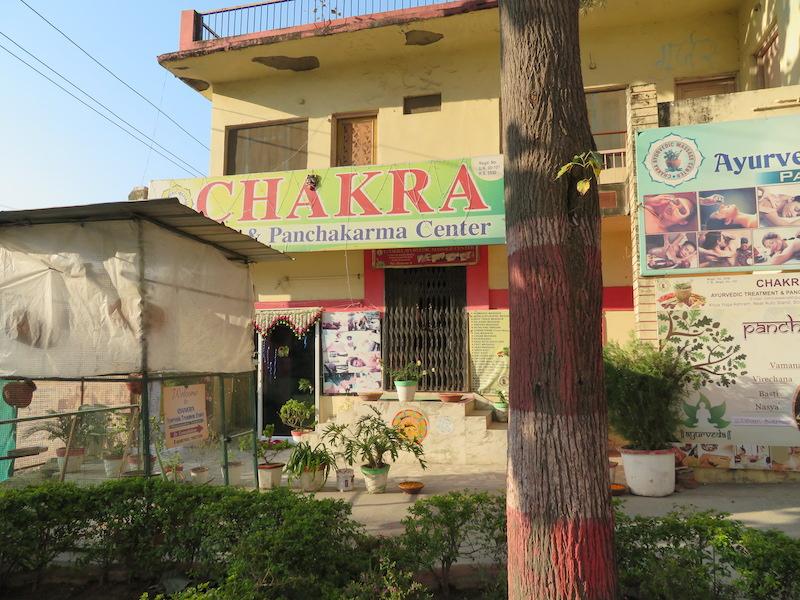
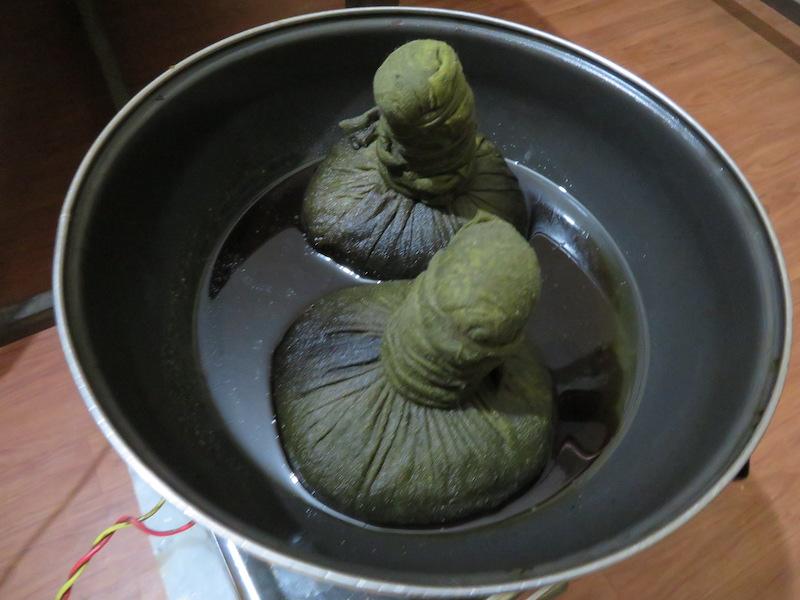
12/30
कुछ दिन पहले क्रिया योग आश्रम (ऋषिकेश) लौट आया, लेकिन ऋषिकेश में ही होने के बावजूद, TTC प्राप्त करने वाली संस्कर योग शाला और यहां का माहौल पूरी तरह से अलग है। संस्कर में हठ योग की सक्रिय (राजसी) भावना अधिक मजबूत है, जबकि यहां शांत (सत्विक) वातावरण है। दोनों ही भारत में हैं, और चूंकि यह मुख्य सड़क के किनारे है, इसलिए सुबह के समय को छोड़कर (ध्यान हॉल के बाहर), हॉर्न की आवाज सुनाई देती है, जो कि थोड़ा नकारात्मक पहलू है। मैं काफी अभ्यस्त हूं, इसलिए मेरे लिए कोई समस्या नहीं है, लेकिन केवल शांति की बात करें तो शायद इससे भी बेहतर जगहें मौजूद हैं। यहां का ध्यान हॉल शांत है और कुशन अच्छे हैं, जिससे ध्यान करना आसान है। जापान में 30 मिनट से अधिक समय तक ध्यान करने पर कठिनाई होने लगती है, लेकिन यहां लगभग 2 घंटे तक आसानी से ध्यान किया जा सकता है। निश्चित रूप से, यह वह समय है जिसमें पैरों को फिर से मोड़ने जैसी चीजें शामिल हैं।
भविष्य में, मूल रूप से जिस ध्यान कार्यशाला में भाग लेने की योजना बनाई गई थी, वह (परिपूर्ण भाग्य के समान) रद्द हो गई, और जनवरी का कार्यक्रम खाली होने के कारण, मैं नई योजनाओं पर विचार कर रहा था, लेकिन धीरे-धीरे वे आकार ले रहे हैं।
■जनवरी के शुरुआती दिनों में क्रिया योग आश्रम (ऋषिकेश) में सुबह और शाम लगभग 2 घंटे तक ध्यान, दिन में स्वतंत्र समय
■जनवरी के मध्य में कुंभ मेला (अल्लाहाबाद/इलाहाबाद)
विशिष्ट रूप से:
・1/13 क्रिया योग आश्रम → ऋषिकेश के पास हरिद्वार से रेलवे द्वारा → 1/14 सुबह अल्लाहाबाद (कुंभ मेले का आयोजन स्थल) आगमन। क्रिया योग कैंप में ठहरना।
・1/14-15 कुंभ मेला: Makar Sankranti (पहला शाही स्नान), एक प्रमुख कार्यक्रम
・1/16-20 कुंभ मेला: प्रवास के दौरान दीक्षा (तारीख अज्ञात)
・1/21 कुंभ मेला: Paush Purnima, एक प्रमुख कार्यक्रम। क्रिया योग द्वारा समारोह का आयोजन किया जाएगा।
・1/22 कुंभ मेला: कम से कम 1 सप्ताह तक ठहरना
・इसके बाद अनिश्चित
・9 फरवरी को वापसी, योजना से पहले जापान लौट सकता हूँ?
■विकल्प:
・कुंभ मेले में ही 27 जनवरी से 2 फरवरी के बीच संस्कर योग शाला का योग कैंप है, इसलिए कुंभ मेले में 1 हफ्ता योग किया जा सकता है।
・कोलकाता जाकर दाक्षिणेश्वर काली मंदिर आदि देखना (कोलकाता की दूसरी यात्रा)
・पुरी जाकर क्रिया योग आश्रम जाना।
・दूर-दराज चेन्नई के पास तिरुवनमलाई तक जाकर अर्नचला पर्वत पर चढ़ना (उत्तरी भारत से जाना थोड़ा दूर है)।
・चेन्नई के पास स्थित नए शिवानांदा आश्रम में योग करना (थोड़ा दूर लग रहा है)।
・वाराणसी में योग करना (यह एक पर्यटन स्थल होने के कारण, योग अपेक्षाकृत महंगा हो सकता है)।
आदि-आदि, मेरे पास कई विचार हैं, लेकिन कुंभ मेले में संतुष्ट होकर पेट भर गया है, या शायद, भीड़भाड़ से थककर जल्दी घर जाने का मन कर सकता है। यदि मैं कुंभ मेला देख लेता हूं, तो इस यात्रा का उद्देश्य पूरा हो जाएगा, और इसके अलावा कुछ नहीं होने पर, मैं अपनी उड़ान बदल सकता हूं और जल्दी वापस आ सकता हूं।
दीक्षा के लिए, मुझे यहां के गुरु शंकराানন্দजी से मिलना होगा, तभी मैं अंतिम निर्णय ले पाऊंगा, लेकिन मैंने अस्थायी रूप से इसे अपने कार्यक्रम में शामिल कर लिया है। इस आश्रम में मौजूद स्वामी का शांत वातावरण अलग है, यह अच्छी तरह से धार्मिक नहीं लगता है, और ऐसे स्थान पर शिष्य बनना भी संभव हो सकता है? ऐसा मुझे लग रहा है। हालांकि, अभी दीक्षा तक समय है और कुछ भी निश्चित नहीं है। यदि मैं शिष्य बनता हूं, तो शायद कोई सार्वजनिक दायित्व भी नहीं होगा, और उनसे पैसे भी नहीं लिए जा रहे हैं। यहां ध्यान करना या न करना पूरी तरह से मेरी इच्छा पर निर्भर है, यह एक स्वतंत्र इच्छा का मामला लगता है।
इस आश्रम की विधि, जिसमें गुरु शिष्यों को देखते हैं और जब वे तैयार होते हैं, तो उन्हें आगे बढ़ाते हैं, यह एक पारंपरिक तरीका है जिससे मैं सहमत हूं।
मुझे ऐसा नहीं लगता कि मुझसे पूछा गया है कि क्या मैंने किसी अन्य योग परंपरा या धर्म में दीक्षा ली है, इसलिए शायद वह बात अप्रासंगिक है? ऐसा लग रहा है। खैर, गुरुजी सब कुछ जानते होंगे, इसलिए उनसे पूछने की आवश्यकता नहीं हो सकती है। मुझे इस उद्योग के बारे में सामान्य जानकारी तो है, लेकिन कुछ बारीक बातें समझ में नहीं आती हैं। मेरा मानना है कि भले ही कोई दीक्षा लेता है, लेकिन असली दीक्षा बहुत कम होती है, और औपचारिक धार्मिक अनुष्ठानों से वास्तविक अनुभव का शायद उतना संबंध नहीं होता है।
ऐसा लगता है कि मैं बिना किसी स्पष्टीकरण के इस आश्रम में आ गया हूं, बिना किसी स्पष्टीकरण के कुंभ मेले जा रहा हूं, और बिना किसी स्पष्टीकरण के दीक्षा लेने वाला था (हालांकि अंततः मैंने ऐसा नहीं किया)। खैर, मेरा सहज ज्ञान "कोई समस्या नहीं" कह रहा है, इसलिए मैं अभी भी इसी तरह आगे बढ़ूंगा। 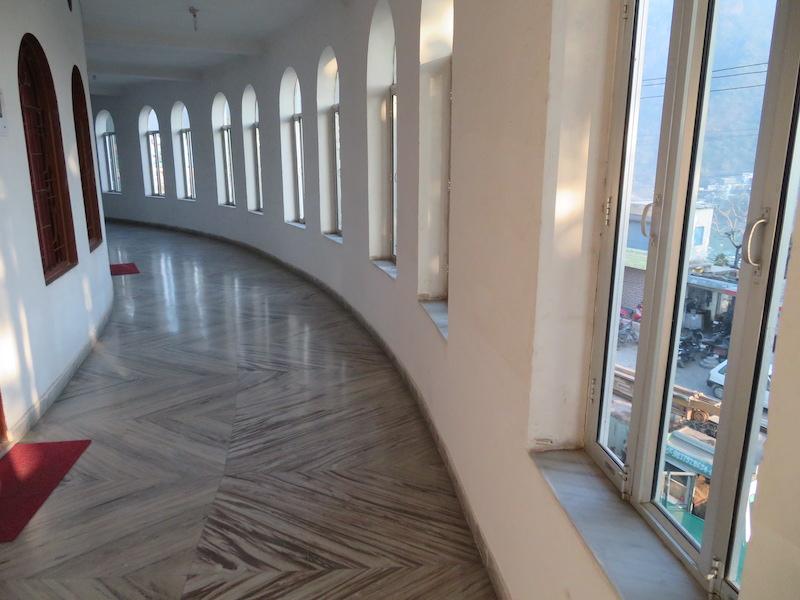

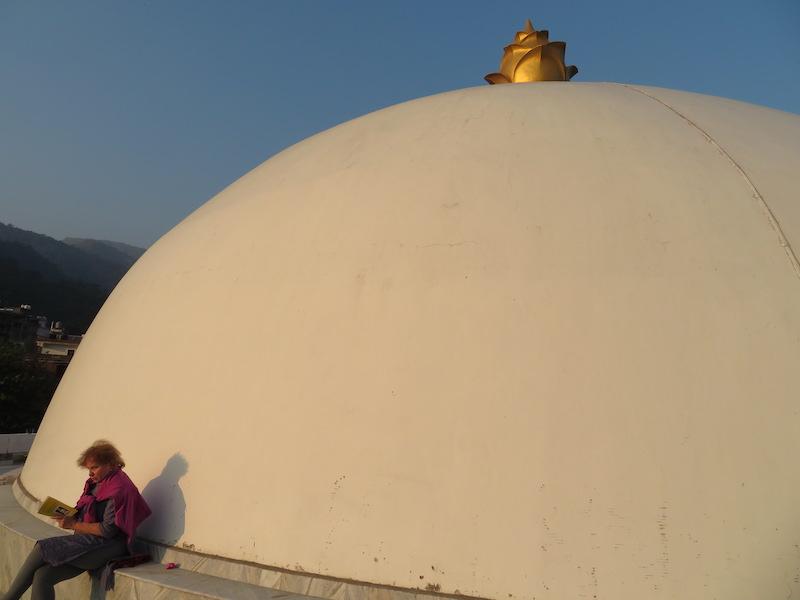
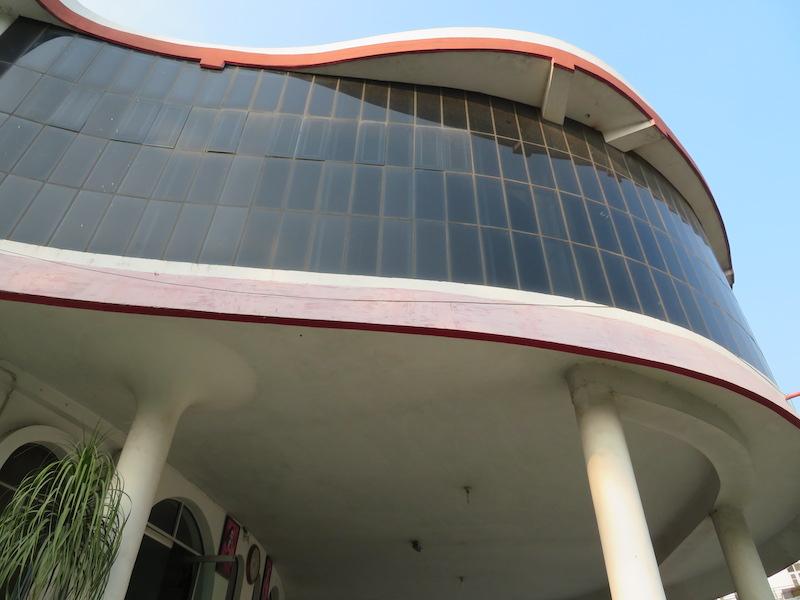
 2019/1/5
एक "नकली" पर्वतारोहण बैग, 90 लीटर का, प्राप्त किया।
मैं यहां एक कैरी बैग के साथ आया था, लेकिन सभी सामान इस बैग में डाले जाएंगे।
कुंभमेला में, स्थायी टेंट के लिए आवंटित विशाल क्षेत्र पूरी तरह से रेत का है, इसलिए यदि आप कैरी बैग लेकर जाते हैं तो आसानी से आपकी मृत्यु हो सकती है।
यह पुराना और बड़ा कैरी बैग है जिसके कोने फट गए हैं और यह टूटने वाला है, इसलिए मैं इसे यहीं छोड़ रहा हूँ। यह बिल्कुल सही समय है। मुझे इसे घर पर रखने के लिए जगह की कमी थी, इसलिए मैं पहले से ही कुछ करना चाहता था। मेरे पास एक अलग मध्यम आकार का हार्ड केस भी है।
जापान में कैरी बैग को निपटाना भी मुश्किल होता है, और यदि आप जापान में एक अच्छे पर्वतारोहण बैकपैक खरीदते हैं तो यह बहुत महंगा होगा। जो लोग बारीकियों पर ध्यान देते हैं वे शायद इसे अलग तरह से देखते होंगे, लेकिन मैं अक्सर यात्रा के लिए इसका उपयोग करता हूँ, इसलिए हल्का होना बेहतर है और क्योंकि यह टूट जाता है, इसलिए सस्ता होना अच्छा है। यह "नॉन-सीरियस" चढ़ाई के लिए उपयोगी हो सकता है।
पहले मैंने 60 लीटर का एक भारतीय कंपनी 'केशुआ' का उत्पाद खरीदा था जो कि सस्ता और हल्का होने के साथ-साथ आश्चर्यजनक रूप से टिकाऊ भी था, लेकिन यह कैसा होगा?
90 लीटर, 2,500 रुपये (लगभग 4,000 येन)
(अंततः, कुंभमेला में भी, यदि आप कुछ प्रयास करें तो कैरी बैग का उपयोग करना संभव है। पहले यह रेत वाला क्षेत्र था, इसलिए बैकपैक के बिना मुश्किल होती थी, लेकिन इस वर्ष सरकार ने बहुत मेहनत की और हर जगह लोहे की प्लेटें बिछाई हैं, इसलिए कैरी बैग से काम चल सकता है। हालांकि, इसमें अंतराल हैं, इसलिए इसे घुमाते समय लोहे की प्लेटों से टकराने पर यह काफी क्षतिग्रस्त हो सकता है। यदि आप एक पुराने कैरी बैग का उपयोग कर रहे हैं जो टूट भी जाए तो कोई बात नहीं होगी।)
2019/1/6
यहां के गुरु-शिष्य संबंध इस प्रकार प्रतीत होते हैं:
क्रिया योग के संस्थापक बाबाजी महारंजी
↓ शिष्य
लाहिरी महासाया
↓ शिष्य
श्री युक्तेसवाजी
↓ शिष्य
स्वामी नारायण गिरी (प्रभुजी) (योगानंद के भाई-बहन)
↓ शिष्य
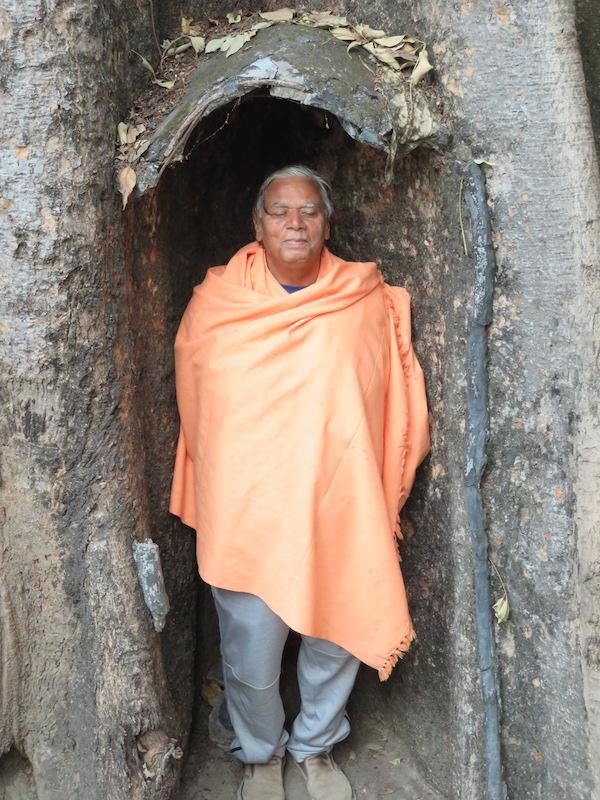
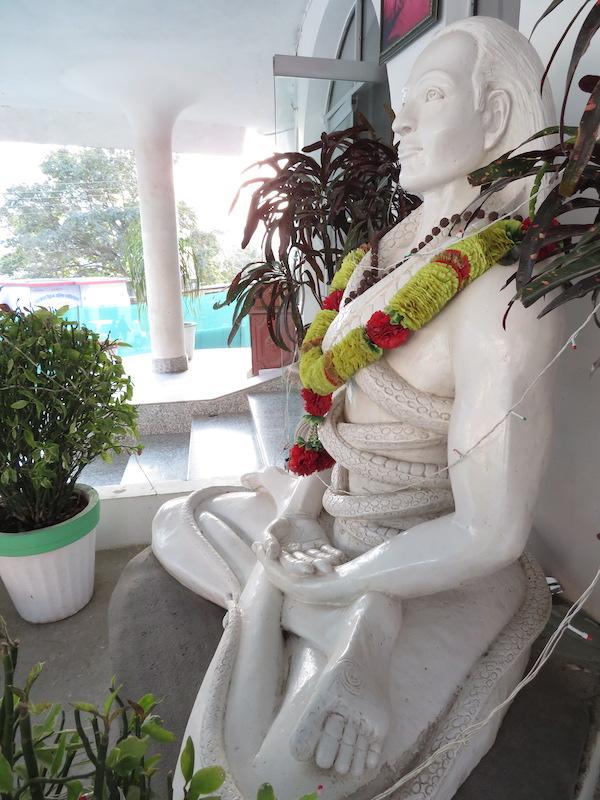
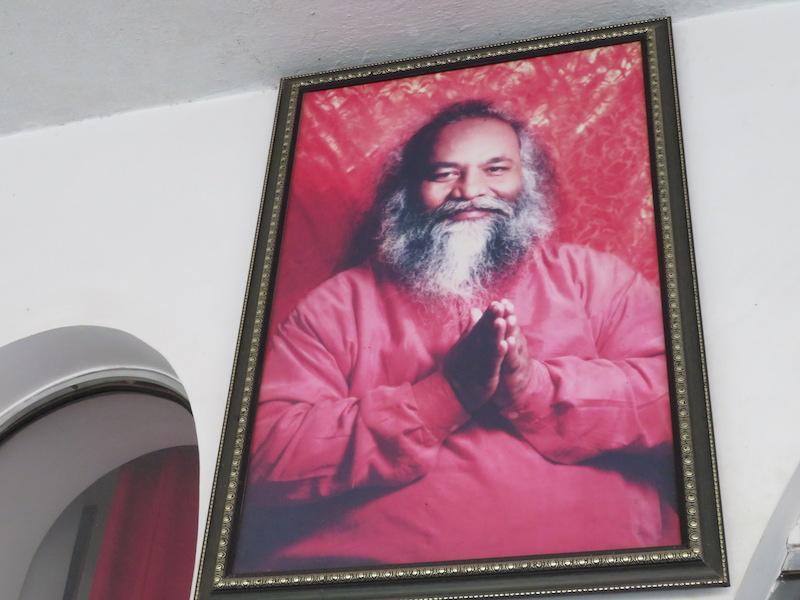
स्वामी शंकराানন্দ गिरि (फोटो में दिख रहे व्यक्ति)। यहां क्रिया योग आश्रम (ऋषिकेश) के गुरुजी।
गुरुजी (शंकरानांद जी) का मूल स्थान पुरी (ओडिशा) है और वे अक्सर वहां स्थित आश्रम में रहते हैं। फिलहाल, वे कुंभमेला की तैयारी कर रहे हैं और वर्तमान में वहीं हैं, इसलिए मैं उनसे अभी तक नहीं मिला हूँ।
यह सिर्फ एक अफवाह है, लेकिन मैंने यहां मौजूद कुछ शिक्षकों से गुरुजी के बारे में सुना है।
■गुरुजी सोते नहीं हैं। आजकल उन्हें आराम की आवश्यकता होती है, लेकिन जब वे लेटते हैं तो भी उनका मन जागता रहता है और आमतौर पर 10 सांसों के बाद (कुछ मिनटों में) वे ठीक हो जाते हैं और तुरंत उठ जाते हैं। पहले वे बिल्कुल नहीं सोते थे।
(टिप्पणी)→ "जागृत संत" का नींद का समय कुछ घंटों तक ही होता है, यह अक्सर सुनने को मिलता है। लगातार जागते रहने और न सोने देना एक जागृत व्यक्ति के लक्षण होते हैं, लेकिन फिर भी ऐसा माना जाता है कि शरीर को आराम मिलना चाहिए, इसलिए पूरी तरह से बिना सोए रहना शायद पहली बार सुन रहा हूँ। मैं भी योग शुरू करने से पहले 8-9 घंटे की नींद लेता था, जो घटकर 6-7 घंटे हो गई थी, लेकिन यह उससे बिल्कुल अलग स्तर का है।
■ गुरुजी ने ज्योतिष के सभी ज्ञान को शाम के समय (कुछ घंटों में) ही पूरी तरह समझ लिया।
(टिप्पणी)→ क्या ज्योतिष को वास्तव में इस तरह सहज रूप से समझा जा सकता है? मुझे लगता है कि मैंने पहले भी इस तरह की बातें सुनी हैं।
■ गुरुजी भगवद गीता का अर्थ भगवान से पूछ सकते हैं। गुरुजी की व्याख्या बहुत मौलिक और अद्वितीय है, जो केवल यहीं सुना जा सकता है।
(टिप्पणी)→ चूंकि मैं सामान्य व्याख्याओं से परिचित नहीं हूं, इसलिए मुझे यह नहीं पता कि गुरुजी की व्याख्या कितनी मौलिक है।
■ गुरुजी द्वारा योग सूत्र की व्याख्या और योग दर्शन भी अद्वितीय हैं, जो केवल क्रिया योग तक ही सीमित हैं।
(टिप्पणी)→ मैं एक पाठ्यपुस्तक जैसी किताब पढ़ रहा हूँ, लेकिन इसमें बहुत सारी मौलिक व्याख्याएं हैं। मुझे लगता है कि यदि आप पहले सामान्य योग दर्शन का अध्ययन नहीं करते हैं तो यह भ्रमित करने वाला हो सकता है।
■ जब गुरुजी समाधि में जाते हैं, तो उनकी सांस रुक जाती है। क्रिया योग की कुछ उन्नत तकनीकों के बाद ही ध्यान में सांस को रोकना शामिल होता है।
(टिप्पणी)→ क्रिया योग में समाधि अपेक्षाकृत जल्दी आ जाता है। यहां तक कि पहले और दूसरे स्तरों पर भी, समाधि प्राप्त हो सकता है, इसलिए बहुत से लोग इसकी मांगों के कारण पीछे हट जाते हैं। समाधि के कई प्रकार होते हैं, और बुनियादी समाधि भी मुश्किल होती है। जब कोई व्यक्ति समाधि में होता है, तो उसकी सांस रुक जाती है, और उस स्थिति में ध्यान करते समय कुछ करना पड़ता है। इसके बारे में "एक योगी की आत्मकथा" में भी कुछ कहानियां हैं।
■ उच्च क्रिया योग को केवल तभी सिखाया जा सकता है जब चित्त (मन) का पता चल जाए।
(टिप्पणी)→ यह रहस्यमय है। ऐसा लगता है कि यह समझा जा सकता है, लेकिन फिर भी नहीं। ऋषिकेश में वर्तमान में मौजूद स्वामी क्रियानंदजी उच्च क्रिया विशेषज्ञ हैं, और उनसे शिक्षा प्राप्त करने के लिए चित्त को जानना आवश्यक है। दूसरी ओर, यहां के गुरुजी शंकराানন্দजी बहुत जागरूक हैं, लेकिन वे शुरुआती लोगों को भी सिखाते हैं, जो कि बहुत कम लोग करते हैं।
■ उच्च क्रिया की शिक्षा बिना शब्दों के दी जाती है।
(टिप्पणी)→ ऐसा लगता है कि यह एक अलग दुनिया है।
1/8
हाल ही में कुछ लोगों के लिए शुरुआती स्तर का प्रश्नोत्तर सेमिनार आयोजित किया जा रहा है, इसलिए मैं उसमें भाग ले रहा हूँ, लेकिन व्याख्या करने वाला व्यक्ति भी खुद कहता है "मैं गुरु नहीं हूं, मैं एक शुरुआती हूं," और ऐसा लगता है कि यह थोड़ा अजीब है, फिर भी मैं इस संगठन के बारे में बहुत कुछ नहीं जानता था, इसलिए मैंने इसमें भाग लिया।
उस प्रश्नोत्तर (Q&A) सेमिनार का माहौल अजीब था। संभावना है कि अगर मैंने योगानंद की "एक योगी की आत्मकथा" नहीं पढ़ी होती और योग भी नहीं किया होता, तो मुझे यह एक संदिग्ध संप्रदाय लगता और मैं इसे अनदेखा कर देती। कुंभमेला के बारे में भी कुछ पता न होने पर शायद मैं तुरंत यहां से चली जाती। आत्मकथा पढ़ने के कारण मैं थोड़ी देर तक सहन करने में सक्षम थी, लेकिन यह थोड़ा असामान्य है, जो सामान्य समझ से परे है।
कुंभमेला में और कोई विकल्प नहीं था, इसलिए मैं इस शिविर में रहकर कुंभमेला देखना चाहती थी और गुरुजी से मिलने तक निर्णय को स्थगित कर सकती थी... तभी आज एक अनुभवी व्यक्ति ने भोजनालय में धीरे से मुझसे बात की।
"वह गुरु नहीं हैं। वह एक पागल आदमी हैं। सावधान रहें!"
अच्छा... तो ऐसा है... अब मुझे उन पहले से महसूस होने वाली असहजताओं का कारण समझ आ गया है। जाहिर तौर पर, इस तरह के स्थानों में थोड़े अजीब लोग होते हैं।
इसलिए, शायद उस व्यक्ति द्वारा बताई गई अजीब कहानियों को भी मैं भूल जाऊं और एक तटस्थ स्थिति में रहूं। वैसे भी, मेरा मानना है कि कुंभमेला देखना और चले जाना ही काफी होगा। भविष्य में क्रिया योग का मेरे लिए क्या महत्व है, यह निर्णय भी कुंभमेला जाने तक स्थगित कर दिया गया है। भविष्य में क्रिया योग के ध्यान को जारी रखना है या नहीं, इस पर भी फिलहाल कोई निर्णय नहीं लिया जाएगा। गुरुजी के बारे में अफवाहों को भी मैं आधा सच मानकर सुनूंगी।
सेमिनार में, लोग पाठ्यपुस्तक की सामग्री के बारे में प्रश्न पूछ रहे हैं, लेकिन उत्तर कभी मिलते हैं और कभी नहीं, या लंबे समय तक अन्य विषयों पर बात होती है जिससे जवाब स्पष्ट रूप से नहीं मिल पाते, जो कि थोड़ा अजीब है। फिर भी, गुरुजी के बारे में बातें सुनना, भले ही वे सुनी-सुनाई हों, कुछ हद तक उपयोगी हैं।
हर बार "गुरुजी कितने महान हैं" जैसी बातें कही जाती हैं, लेकिन माहौल उस कर्मचारी जैसा है जिसके बारे में मैंने हाल ही में योगमाता के बारे में थोड़ा लिखा था। जब आप योगमाता के प्रदर्शनी बूथ पर जाते हैं, तो वहां ऐसे परेशान करने वाले कर्मचारी होते थे जो कहते थे कि "केवल योगमाता ही असली है, जिसे हिमालय के गुरुओं द्वारा मान्यता प्राप्त है, और बाकी सभी योग नकली हैं," और ऐसे लोगों से कई बार सामना हुआ था। उनका माहौल थोड़ा ऐसा ही है, हालांकि योगमाता के कर्मचारियों की तुलना में वे थोड़े बेहतर हैं। स्पष्ट रूप से कहें तो, इस तरह का परेशान करने वाला विवरण सुनने पर, चाहे सामग्री कितनी भी सही क्यों न हो, मैं क्रिया योग से दूर रहना चाहूंगी।
मैंने एक ही व्यक्ति से कई बार यह व्याख्या सुनी है और हर बार ऐसा ही महसूस होता है, इसलिए मुझे लगता है कि यह जगह थोड़ी अजीब है।
सिद्धांत की व्याख्या सुनने के बाद भी, बातचीत का एक निश्चित बिंदु पर "अनुभव किए बिना यह नहीं समझा जा सकता" जैसा कुछ कहा जाता है और विषय बदल दिया जाता है। हर बार जब मैं कहता हूं "यह सच है कि अनुभव करना आवश्यक है, लेकिन अभी यह व्याख्यान का समय है, इसलिए मैं सिद्धांत सुनना चाहता हूं। अंततः उत्तर क्या है? हाँ? या ना?", तो अस्पष्ट जवाब मिलते हैं जो उत्तर नहीं होते हैं, या यदि हम अनुमान लगाकर पुष्टि करने की कोशिश करते हैं, तो आखिरकार "हाँ" मिलता है। यह बहुत घुमावदार होता जा रहा है और केवल समय ही बीतता रहता है। प्रश्न का उत्तर देने के बजाय, यह एक एसोसिएशन गेम बन जाता है।
जब मैं सोच रहा था कि एसोसिएशन गेम जारी रहेगा और कोई जवाब नहीं मिलेगा, तो अचानक मुझसे पूछा गया "क्या आपने समझ लिया?" लेकिन चूंकि यह बिल्कुल भी सही उत्तर नहीं था, इसलिए मैंने फिर से पूछा "मूल प्रश्न का उत्तर क्या है?", लेकिन उत्तर के बजाय, मुझे कहा गया "आप सिद्धांत पर बहुत जोर देते हैं। आपका दिमाग ही सब कुछ करता है।" यह क्या हो रहा है? अभी व्याख्यान का समय है और व्यावहारिक अभ्यास का समय नहीं है, लेकिन लगातार अनुभव पर जोर दिया जाता रहता है, जिससे मैं इस संस्थान की सोच पर सवाल उठाता हूं। यह एक ऐसा माहौल है जो भावनाओं पर अधिक केंद्रित है, जो मेरे द्वारा ध्यान विधि और पाठ्यपुस्तकों से समझे गए क्रिया योग से बहुत अलग है। पिछले दिनों टीटीसी में वेदांता के शिक्षक ने स्पष्ट रूप से व्याख्यान दिया था, जो समझने में आसान और गहरा था, लेकिन यहां यह सतही लगता है। यदि यह क्रिया योग है, तो मैं क्रिया योग की वास्तविकता पर संदेह करने लगता हूं। यह एक सामान्य आध्यात्मिक शुरुआती लोगों का समूह जैसा है, जिसमें मेरी कोई रुचि नहीं है।
आध्यात्मिक उद्योग में ऐसे बहुत सारे लोग हैं जो कुछ भी कह सकते हैं और ऐसा लग सकता है कि वे जानते हैं, इसलिए अगर हम हर बार उन्हें गंभीरता से लेते रहते हैं तो यह कभी खत्म नहीं होगा। यदि यह महत्वपूर्ण नहीं है या तत्काल प्रासंगिक नहीं है, तो मैं आमतौर पर इसे अनदेखा कर देता हूं।
ऐसे लोगों के होने का कारण "अपने अनुभवों को बेतरतीब ढंग से साझा न करना बेहतर" कहना समझ में आता है। यदि आप किसी अजीब व्यक्ति को अपने अनुभव बताते हैं, तो वे इसका उपयोग सामग्री के रूप में करते हैं और आपको तुलनात्मक आधार बनाते हुए कहते हैं कि "तुम अभी भी बहुत पीछे हो", जैसे कि कोई निरर्थक बात। केवल मास्टर/गुरु ही दूसरों का स्तर जान सकते हैं, इसलिए ऐसे लोगों से जो खुद को शुरुआती कहते हैं, उनसे आलोचना सुनने पर मैं बस "हम्म? हाँ, ठीक है..." कहता हूं और दूर रहता हूं। जब कोई व्यक्ति बिना मेरी राय सुने ही अपनी बात कहना शुरू कर देता है, तो यह मुझे परेशान करता है।
वैसे भी, मेरा मानना है कि गुरुजी ऐसे नहीं होते होंगे, इसलिए अभी तक मैं किसी निष्कर्ष पर नहीं पहुंचा हूं।
क्रिया योग का उच्च स्तर बहुत प्रभावशाली लगता है, लेकिन इसका स्तर इतना ऊंचा है कि शायद बहुत कम लोग ही इसे प्राप्त कर पाते हैं। इस तरह के ऊंचे स्तर के कारण, मेरी क्रिया योग में रुचि भी कम हो गई है। कुंभमेला देखने और फिर वापस लौटने से मैं संतुष्ट हूँ, इसलिए मैं तटस्थ रहने का फैसला करता हूं।
क्रिया योग का सिद्धांत इतना विशिष्ट है और यह सामान्य योग दर्शन से काफी अलग है, इसलिए मेरे विचार में, वैदान्त की तुलना में इसमें तार्किक पहलू बहुत कम हैं। ऐसा लगता है कि क्रिया योग केवल अपने आप में ही समझा जा सकता है, क्योंकि यह एक विशेष और अद्वितीय दुनिया बनाता है जो केवल क्रिया योग के माध्यम से ही पूरी होती है। मैं अक्सर ऐसी बातें कहता हूं जिन्हें सुनकर दूसरे लोग हैरान हो सकते हैं... फिलहाल, मेरा अनुभव "योगियों की आत्मकथा" पढ़ने का अच्छा था, लेकिन यहां जो कुछ सुना जा रहा है, वह थोड़ा अजीब लगता है।
1/9
ओम (AUM) प्राप्त हुआ।
मूल कीमत 500 रुपये (लगभग 800 येन), खरीद मूल्य 150 रुपये (लगभग 250 येन), 70% छूट।
यह अभी भी महंगा लग रहा है, लेकिन शायद यह ऋषिकेश जैसे पर्यटन स्थल के लिए सामान्य बात है।
इसे साफ करने पर यह काफी अच्छा दिख सकता है।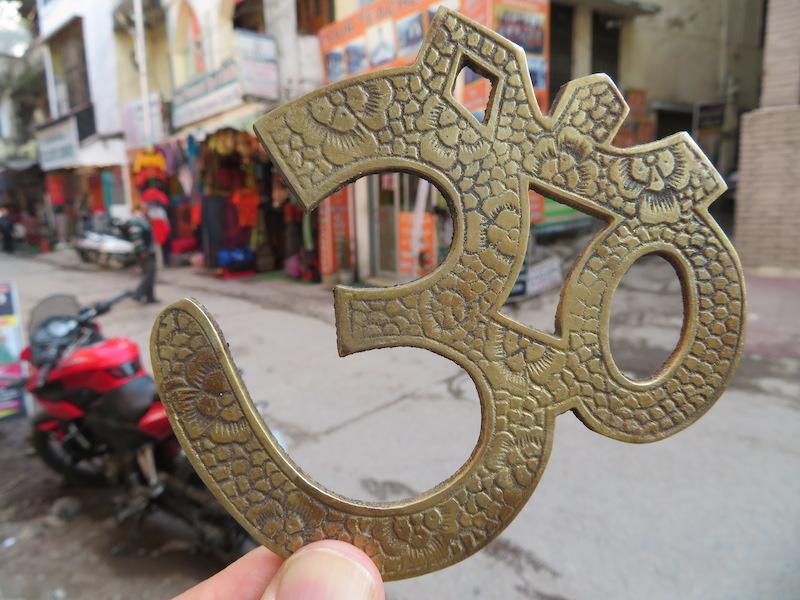
 1/11
1/11
ऐसे विशाल आकार की तस्वीरें आश्रम के विभिन्न स्थानों पर प्रदर्शित हैं। शुरू में, मुझे लगा कि ये उन लोगों की तस्वीरें हैं जो दिवंगत हो चुके हैं, लेकिन यह यहां जीवित स्वामी शंकराানন্দ जी की तस्वीर है। कुछ तस्वीरों को पहले से ही दिवंगत हुए महान व्यक्तियों की तस्वीरों के साथ रखा गया है। इस तरह की भावना को समझना मुश्किल है। यदि कोई शिष्य किसी के मरने के बाद उसकी तस्वीर लगाता है, तो यह समझ में आता है, लेकिन अपने आश्रम में अपनी तस्वीरें इतनी बड़ी संख्या में और बड़े आकार में क्यों लगाई जाती हैं? क्या यह भारत में सामान्य है?
कल एक शिक्षक ने कहा कि गुरुजी एक प्रबुद्ध व्यक्ति हैं, इसलिए शायद उनके शिष्यों के लिए ऐसा करना सामान्य है। खैर, मैं पूरी तरह से नहीं जानता।
यदि कोई बिना किसी अहंकार के तस्वीरें लगाता है, तो शायद वह ठीक है, लेकिन आम तौर पर देखने पर, यह अपने अहंकार को प्रदर्शित करने जैसा लग सकता है।
यह "शक्ति (जीवन शक्ति) ही सब कुछ का सार"이라는 क्रिया योग के मूल दर्शन के संदर्भ में समझा जा सकता है। शायद क्रिया योग के लिए, यह मायने नहीं रखता कि इसमें अहंकार है या नहीं। महत्वपूर्ण बात शक्ति (जीवन शक्ति) को बढ़ाना है, इसलिए तस्वीरें कोई समस्या नहीं हैं; वास्तव में, यह गुरुजी की ओर चेतना की शक्ति को केंद्रित करने का एक कुशल तरीका हो सकता है। यह सिर्फ एक संभावित व्याख्या है।
या शायद, जैसा कि कुछ भारतीयों ने कहा है, भारत में ऐसे लोग बहुत होते हैं जो तुरंत कहते हैं कि वे नंबर वन हैं, और यह उसी तरह की बात हो सकती है। आईटी इंजीनियरों और उद्यमियों की संख्या अनगिनत है जो दावा करते हैं कि भारत नंबर वन है (वास्तव में, वे बेकार या सामान्य हैं)। क्योटो के एक व्यक्ति ने भी जो वेदांत का अध्ययन किया था, उसने कहा कि वेदांत ही दुनिया में अद्वितीय है। ऋषिकेश में एक ध्यान कुशन विक्रेता ने साधारण कुशन को "भारत में नंबर वन" बताया (हालांकि वह शायद अन्य के बारे में ज्यादा नहीं जानता)। खजुराहो में एक एक्सेसरी की दुकान पर, टूटी हुई एक्सेसरीज को उच्च गुणवत्ता वाली बताया गया था। भारत में किसी चीज को "नंबर वन" कहना बहुत आम है। कल यहां एक शिक्षक ने गुरुजी के बारे में कहा कि वे "भगवद गीता की सही व्याख्या करने वाले कुछ लोगों में से एक हैं," और उन्होंने इसे आत्मविश्वास से कहा, जिससे मुझे अजीब लगा। हालांकि, अच्छे इरादे वाले जापानी लोग इस तरह की बातें सुनने पर "क्या यह सच है?" सोचते हैं। शायद अनुयायियों के लिए यह ठीक हो सकता है।
मैं यहां ऐसी चीजें कह रहा हूं तो मेरे जीवन को खतरा हो सकता है, इसलिए मैं चुप रहता हूं, और चूंकि मैंने अभी तक गुरुजी से व्यक्तिगत रूप से नहीं मिला है, इसलिए मेरा निर्णय तटस्थ है। यदि ऐसा नहीं होता, तो यह मेरे चेहरे पर दिखाई देता।
कुंबामेरा में कुंगमिंग के जाल हो सकते हैं। देखते हैं क्या होता है।
कुंबामेरा में गुरुजी से शिक्षा प्राप्त करने की संभावना 50% है। खैर, यह मेरे द्वारा गुरुजी को देखने पर होने वाले अंतर्ज्ञान पर निर्भर करेगा।
ऐसा लगता है कि दान की आवश्यकता है, और वे कहते हैं कि कोई भी राशि स्वीकार्य है, लेकिन ऐसा कहने के बावजूद, यदि किसी विशिष्ट मूल्य का उल्लेख किया जाता है तो वे इसे अस्वीकार कर सकते हैं।
पारंपरिक रूप से फूल और फल दिए जाते हैं।
संदर्भ के लिए, मैंने एक अन्य स्थान पर सुना था कि जापान में महारिशी की टीएम ध्यान शिक्षा 10 साल पहले 300,000 येन थी, अब लगभग 160,000 येन है, और उत्तरी यूरोप में महारिशी टीएम ध्यान शिक्षा लगभग 900 अमेरिकी डॉलर है।
मैं भारतीय शादियों के उपहारों की तरह ही 2,000 रुपये (2,200 येन) से 5,000 रुपये (8,500 येन) देने का सोच रहा था, इसलिए मैं अधिकतम 100 अमेरिकी डॉलर तक ही दान कर पाऊंगा।
यदि मैं समान राशि दे रहा होता, तो शायद मैं टीएम ध्यान चुनता। खैर, मैं नहीं दूंगा।
जब मैंने शिक्षक से पूछा, तो उन्होंने कहा "चिंता न करें, पैसे का कोई महत्व नहीं है," लेकिन फिर भी उन्होंने एक अजीब तरह से पूछताछ की जैसे कि "वाह, क्या आप इतने अमीर हैं?" ऐसा लग रहा था कि वे अन्य एशियाई आगंतुकों के साथ अलग व्यवहार कर रहे थे, और शायद वे उन लोगों को प्राथमिकता दे रहे थे जिनके पास अधिक पैसा है।
शिक्षक ने एक ऐसी बात कही जिसे समझना मुश्किल था: "बहुत सारे लोग गणेश जी को 10 रुपये देते हैं और बड़ी प्रार्थना करते हैं, लेकिन इस तरह की चीजों से प्रार्थनाएं पूरी नहीं होतीं। यदि आप बहुत कुछ चाहते हैं, तो आपको उतना ही देना चाहिए।" मुझे यह बिल्कुल समझ में नहीं आया। मेरे विचार में, जो देवता सांसारिक लाभ प्रदान करते हैं, वे कम स्तर के होते हैं, और शायद लोमड़ी या मिंक जैसे जानवरों को कुछ भेंट करने से एक प्रकार का आदान-प्रदान हो सकता है। क्या गणेश जी इतने निम्न स्तर के देवता थे? वास्तव में, उच्च स्तर के देवताओं को पैसे की आवश्यकता नहीं होती है, और उच्च स्तर के देवता सांसारिक लाभों के बारे में ज्यादा नहीं जानते हैं, इसलिए वे शायद उनसे संबंधित नहीं होते हैं। यह शिक्षक भारतीय नहीं बल्कि रूसी था, इसलिए हो सकता है कि मैं गलत समझ रहा हूं, लेकिन फिर भी, ऐसा लग रहा था जैसे वह कह रहे थे "यदि आप शिक्षा प्राप्त करना चाहते हैं, तो आपको बहुत अधिक भुगतान करना होगा।"
हाल ही में, उन्होंने एक अजीब बात कही: "आप शायद गुरुजी से शिक्षा प्राप्त करना चाहते होंगे, लेकिन मेरे द्वारा दी गई शिक्षा भी वही होगी।" वास्तव में, यह समझना मुश्किल है कि वे खुद को एक शुरुआती के रूप में क्यों कहते हैं और फिर शिक्षा प्रदान करते हैं। मेरा अनुमान है कि उन्हें शिक्षा देने पर दान से कुछ हिस्सा मिलता होगा।
वैसे, शिविर में रहने की लागत निश्चित है, इसलिए यदि मुझे आरंभिक शुल्क के लिए बहुत अधिक राशि बताई जाती है, तो मैं केवल शिविर में रहूंगा और वापस चला जाऊंगा। मैं उस अजीब शिक्षक से शिक्षा प्राप्त करने से इनकार कर दूंगा जिसे समझना मुश्किल है।
इस शिक्षक में कुछ अजीब है, और मेरा मानना है कि वे शायद उन लोगों से संपर्क कर रहे हैं जिनके पास पैसा है ताकि उन्हें ज्ञान देकर लाभ कमा सकें।
यह कुंगमिंग के जाल जैसा नहीं है, लेकिन यह निश्चित रूप से एक जाल है। हो सकता है कि मैं आग में जलने वाला एक कीट बन जाऊं?
1/12
यहां क्लीया योग शिक्षक के उद्देश्यों को पैसे के रूप में मानने का एक और कारण मिला है। पिछले महीने टीटीसी (टीचर ट्रेनिंग कोर्स) में मेरे साथ रहे एक एशियाई मित्र कुछ दिनों से यहां रह रहा है। शुरुआत में, शिक्षक उस व्यक्ति को कुंभ मेले में जाने के लिए बहुत उत्साहित कर रहे थे। उन्होंने कुछ ध्यान तकनीकें भी सिखाईं।
लेकिन ऐसा लगता है कि शुरू में शिक्षक ने उस व्यक्ति को (मेरे दोस्त होने के कारण) जापानी समझा था और उन्होंने कहा था कि पैसे की कोई चिंता नहीं होनी चाहिए। लेकिन बाद में, जब उन्हें पता चला कि वह जापानी नहीं हैं, और जब उन्होंने बताया कि वे कुंभ मेले में नहीं जाएंगे, तो उनका व्यवहार बदल गया। जब उस मित्र ने शिक्षक से ध्यान तकनीकों को सीखने के लिए कहा, तो उन्होंने ठंडे स्वर में जवाब दिया, "शायद मुझे कल या परसों कुंभ मेले जाना पड़ सकता है, इसलिए शायद मैं आपको कल सिखाने में सक्षम नहीं हो पाऊंगा।" लेकिन अगले दिन, वह शिक्षक सामान्य रूप से अन्य लोगों का ध्यान रख रहे थे और ऐसा लग रहा था कि उनके पास समय है। ऐसा नहीं लग रहा था कि वे किसी चीज के लिए बहुत जल्दी कर रहे हैं। न केवल अगले दिन, बल्कि तीन दिनों बाद भी वे सामान्य रूप से आश्रम में थे। वे इतने व्यस्त कैसे हो सकते हैं? यह समझ में नहीं आ रहा है। मेरे मित्र और मैंने इस बारे में बात की और हम दोनों का निष्कर्ष यही निकला कि शायद वह शिक्षक ऐसे व्यक्ति हैं जो दूसरों के व्यवहार को उनकी आर्थिक स्थिति के अनुसार बदलते हैं।
यह स्पष्ट है कि जब एशियाई आगंतुक ने कुंभ मेले में न जाने की बात कही, तो अगले दिन से ही उन्होंने बहाने बनाकर प्रशिक्षण बंद कर दिया। वे शायद उन्हें कुंभ मेले में इसलिए ले जा रहे थे ताकि वहां जाकर किसी न किसी बहाने उनसे पैसे निकलवा सकें। यह एक जाल है। मेरा मानना है कि उनका अंतिम लक्ष्य बड़ी रकम निकालना था, जिसके लिए उन्होंने ध्यान सिखाया होगा।
यहां रहने वाले एक बुजुर्ग व्यक्ति ने बातचीत के दौरान लापरवाही से कहा, "ध्यान सिखाना शायद सिर्फ पैसे कमाने का तरीका है।" हो सकता है कि उन्हें इस आश्रम की वास्तविक स्थिति के बारे में अच्छी जानकारी हो।
मुझे लगता था कि यहां आश्रम में रहने का खर्च बहुत कम है और मैं सोच रहा था कि यह कैसे संभव है... लेकिन शायद एक बड़ा राजस्व स्रोत छिपा हुआ है, जो "ज्ञान दान" के रूप में प्राप्त होता है।
वास्तव में, ध्यान के लिए लगभग कोई पैसा नहीं चाहिए, और मुझे समझ में नहीं आता कि उन्हें इतने पैसे की आवश्यकता क्यों है।
वैसे, मैंने वेब पर खोजा तो पाया कि यूरोप में क्लीया योग के ज्ञान संस्कार का शुल्क लगभग 100 यूरो होता है। हां, यह सही है। ऐसा ही होना चाहिए। लेकिन यहां भारत है। कई अलग-अलग क्लीया योग संगठन हैं, इसलिए मुझे नहीं पता कि उनकी नीतियां समान हैं या नहीं।
जब मैंने पहली बार तकनीक के बारे में विवरण सुना, तो मुझे याद है कि शिक्षक ने कहा था, "जापान में क्ल्यान योग की कोई सुविधा नहीं है, इसलिए 'तुम इसे बनाओ'," और मुझे लगता है कि शायद वे ऐसा इसलिए कहते थे क्योंकि कुछ अति उत्साही लोगों को यह सुनकर उत्साहित किया जा सकता है, और वे सोच सकते हैं कि वे किसी तरह के उद्धारकर्ता हैं, और इस तरह से उन्हें प्रशिक्षण प्राप्त करने का निर्णय लेने के लिए प्रेरित किया जा सकता है। ऐसा लगता है कि इस प्रकार की ध्यान सुविधाओं में कभी-कभी ऐसे लोग आते हैं जो सोचते हैं कि वे दुनिया को बचा रहे हैं या महान शिक्षक हैं। शायद ऐसे लोग बहुत अधिक पैसे (जैसे 1,000 डॉलर या 2,000 डॉलर?) देने के लिए भी तैयार रहते हैं ताकि वे "दुनिया को बचाने" के इस विचार में डूबे रहें। हो सकता है कि उन्हें यह लगे कि यदि उस पैसे से दुनिया को बचाया जा सकता है तो वह सस्ता है। अगर वास्तव में दुनिया को बचाया जा सकता है, तो मुझे लगता है कि यहां के गुरुजी पहले ही उसे बचा चुके होते। और भले ही ऐसा संभव हो, लेकिन ऐसे लोगों द्वारा दुनिया को नहीं बचाया जाएगा जो इस तरह की बातों पर प्रतिक्रिया करते हैं। वास्तविकता में, यदि किसी व्यक्ति का वास्तव में ऐसा कोई इरादा होता है, तो वे बहुत शांत रहते हैं। जो लोग खुले तौर पर उत्तेजित करते हैं, वे शायद नकली होते हैं। शिक्षक ने जो भी अजीब बातें कही थीं, वह इसलिए नहीं था कि उनका दिमाग खराब था, बल्कि यह संभव है कि वे देख रहे थे कि लोग किस प्रकार के विषयों में रुचि रखते हैं। क्या वे यह देखने की कोशिश कर रहे थे कि क्या कोई "उद्धारकर्ता" जैसे विचारों से आकर्षित होगा? लेकिन शायद मैं बहुत अधिक सोच रहा हूं। हो सकता है कि वह सिर्फ मूर्ख हों, या शायद उन्हें अंग्रेजी अच्छी तरह से नहीं आती है। या शायद वे बस भ्रमित हैं।
शायद यह एक जाल था। कुंभमेला जाने पर सही उत्तर मिल जाएगा।
1/12
यह एक अलग प्रकार का जाल है। यह क्ल्यान योग की ध्यान अशु्रम है, लेकिन फिर भी यहां एक ऐसा व्यक्ति है जो महारिशी के टीएम (TM) ध्यान सिखाता है, और एक दिन उसने मुझे कैंटीन में बात करने के लिए बुलाया। वह अन्य लोगों को भी टीएम ध्यान सिखा रहा था। उसने कहा कि वह ध्यान हॉल में टीएम ध्यान कराता है, लेकिन वास्तव में मैंने उस व्यक्ति को कभी ध्यान हॉल में नहीं देखा, इसलिए मैं उसे रहस्यमय समझता हूं। मैं यहां दो सप्ताह से हूं, और मुझे एक बार भी उसे ध्यान हॉल में नहीं मिला है। बिल्कुल भी नहीं। यह कि जो कहा जा रहा है और जो किया जा रहा है, उसमें अंतर है, वह कुछ गलत होने का संकेत है।
बाद में मैंने देखा कि वह नए लोगों को लक्षित कर रहा था जो अशु्रम आए हैं और जिन्हें यहां की चीजों के बारे में ज्यादा जानकारी नहीं है, और मैं देख सकता था कि हर कोई आश्चर्यचकित होकर सुन रहा था।
उस व्यक्ति ने कहा कि टीएम ध्यान करने से चेतना "शून्य" की पूर्ण शून्य (Absolute) अवस्था में चली जाती है। पहले कुछ मिनटों तक मंत्र का जाप करने के बाद, चेतना एक शांत जलधारा की तरह शांत हो जाती है और शून्य हो जाती है, और फिर यह उच्च चेतना की ओर ले जाती है। इसका नाम भी "ट्रांसेंडेंटल" है, क्योंकि यह पार (Transcendental) होता है। उसने कहा कि कई प्रसिद्ध लोग भी इसे करते हैं, और यहां ऋषिकेश में स्थित बीटल्स अशु्रम महारिशी द्वारा बनाया गया था, और न केवल बीटल्स बल्कि टेस्ला के एलन मस्क ने भी इसमें भाग लिया था।
मैं "फून" कहकर सुन रहा था, लेकिन उस शिक्षा के लिए लगने वाली कीमत नॉर्वे के ओस्लो में लगभग 900 अमेरिकी डॉलर है। जापान में यह लगभग 160,000 येन लगता है, लेकिन मैंने सुना है कि दस साल पहले यह वास्तव में 300,000 येन हुआ करता था। ऐसा कहा गया कि विश्व स्तर पर कीमतें कम हो रही हैं। मूल रूप से, मैं इसके बारे में जानता था और मैंने कुछ किताबें भी पढ़ी थीं, और मैंने प्रदर्शनी बूथ पर लोगों से बात की थी, इसलिए मेरे पास बुनियादी जानकारी थी। इसीलिए, मैं "फून" कहकर सुन रहा था। निश्चित रूप से, शायद टीएम ध्यान के माध्यम से आप उस चेतना तक पहुँच सकते हैं, लेकिन यह सामान्य ध्यान में भी संभव है, और मेरे लिए, यह टीएम ध्यान के लिए अद्वितीय नहीं है। "उत्थान," का मतलब केवल इतना है कि ध्यान बहुत गहरा हो गया है, और मेरा मानना है कि टीएम ध्यान विशेष नहीं है, बल्कि इसमें कुछ तकनीकें शामिल हैं।
अगर मैं सिर्फ इस बारे में सुनता रहता, तो यहीं खत्म हो जाता, लेकिन यह एक ध्यान केंद्र था, और वह व्यक्ति वहां टीएम ध्यान का शिक्षक था, और उसने नए लोगों से बात की और टीएम शिक्षा के बारे में बताया, इसलिए मैंने निष्कर्ष निकाला कि वे टीएम ध्यान की शिक्षा को बढ़ावा देने के लिए इस ध्यान केंद्र को लक्षित कर रहे थे। क्योंकि ऐसा ही होगा। सामान्य योग केंद्र जाने की तुलना में, एक ध्यान केंद्र जाना अधिक कुशल है क्योंकि इसमें संभावित ग्राहक अधिक होते हैं।
उस व्यक्ति से बातचीत करते समय, उसने अनजाने में कुछ कह दिया। जब मैंने पूछा कि "लोग ध्यान क्यों करते हैं?", तो उसने मुस्कुराते हुए कहा, "ज़रूर, पैसे के लिए।" मैं इसे नहीं भूल पाया। शायद उस व्यक्ति को ध्यान करने का कारण पैसा है।
वह व्यक्ति दुनिया भर की यात्रा कर चुका है और विभिन्न शहरों में सेमिनार आयोजित करता है, जहां वह टीएम ध्यान की शिक्षा देता है और पैसे कमाता है। चूंकि टीएम ध्यान की शिक्षा प्रति व्यक्ति 900 अमेरिकी डॉलर है, इसलिए पहले यह बहुत अधिक था, इसलिए उसने निश्चित रूप से काफी पैसा कमाया होगा। इसलिए, यह समझ में आता है कि वह दुनिया भर के विभिन्न शहरों में महीनों तक रह सकता है।
मैंने सोचा कि मैं इस तरह के स्थान पर टीएम ध्यान के बारे में क्यों सुन रहा हूं, लेकिन वास्तव में यह एक प्रचार था। यदि आप थोड़ी सी बात करते हैं और मंत्र सिखाकर 900 अमेरिकी डॉलर कमा सकते हैं, तो निश्चित रूप से आप दोस्ताना तरीके से बात करेंगे और पूरी कोशिश करेंगे... शायद।
जब मुझे पता चला कि मैं पहले से ही टीएम ध्यान के बारे में जानता हूं और मैं टीएम ध्यान का मंत्र सीखने की योजना नहीं बना रहा था, तो वह जल्दी से दूर हो गया और अन्य लोगों से उत्साहपूर्वक बात करने लगा। यह समझना आसान है।
वैसे, उस टीएम ध्यान के शिक्षक का थोड़ा सा व्यवहार असामान्य था, और वह हाल ही में एलोन मस्क की तरह थोड़ा तिरछा दिख रहा था। जब मैं उनकी बात सुन रहा था, तो मुझे सहज रूप से लगा कि टीएम ध्यान में मंत्रों का उपयोग किया जाता है, और शायद वे मंत्र इतने शक्तिशाली हैं कि वे चेतना को बहुत ऊपर उठा देते हैं और एक पारलौकिक अवस्था में ले जाते हैं। इसलिए, हो सकता है कि यदि आप टीएम ध्यान पर बहुत अधिक निर्भर करते हैं, तो आपकी चेतना भटक सकती है? मुझे सहज रूप से लगा कि टीएम ध्यान का उपयोग गलत तरीके से करने पर यह बदल सकता है, लेकिन यह सिर्फ मेरा अनुमान है और अभी तक इसका कोई निश्चित प्रमाण नहीं है।
वैसे भी, इस बार, यहाँ कई जाल हैं।
1/12
बीटल्स आश्रम में कुछ भी नहीं होता फिर भी प्रवेश शुल्क 600 रुपये (लगभग 950 येन) लिया जाता है (भारतीय लोगों के लिए 150 रुपये, 250 येन), इसलिए मैंने टिकट नहीं खरीदा और पीछे से परिसर के बाहर से थोड़ा देख कर ही खत्म कर दिया। यह काफी था। अंदर सब कुछ खाली है, और मैं बीटल्स का प्रशंसक भी नहीं हूँ।
कल मैं ऋषिकेश से कुंभ मेले की ओर प्रस्थान करूंगा।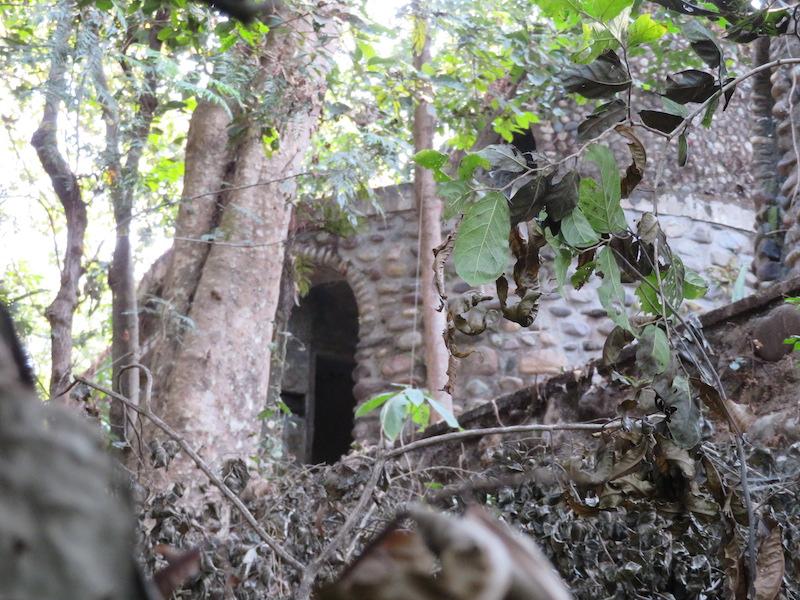

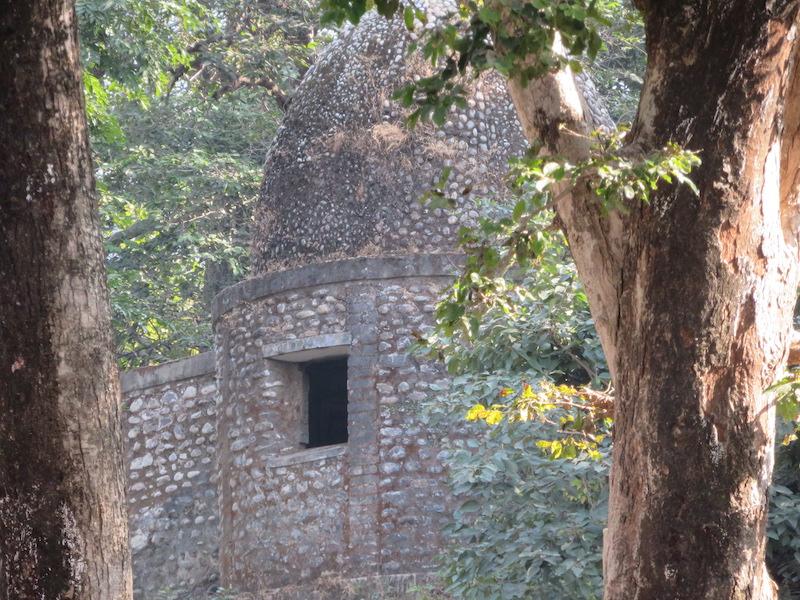
 1/14
1/14
रात की ट्रेन, और अब हम जल्द ही पहुंच जाएंगे।
1/14
क्रिया योग के कुंभमेला कैंप में पहुंचे। यह एक तरह से स्लम जैसा था, जिससे थोड़ा झटका लगा।
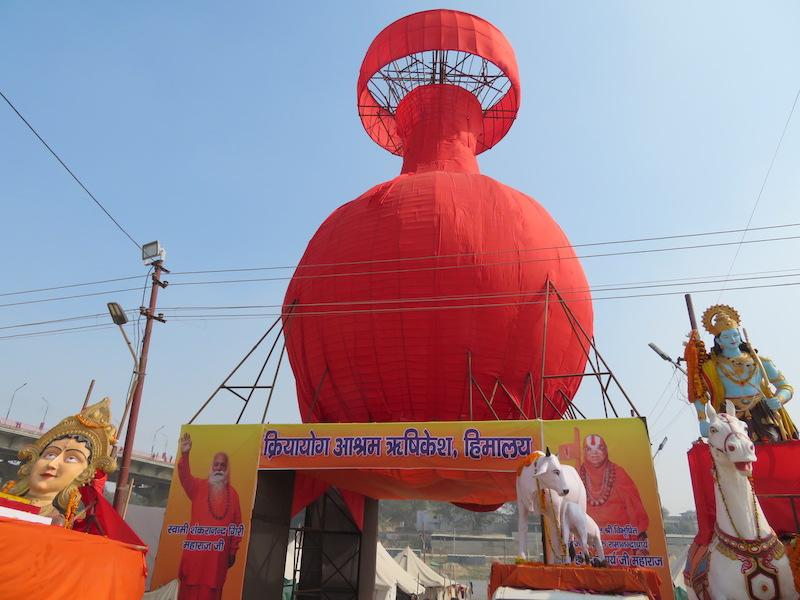
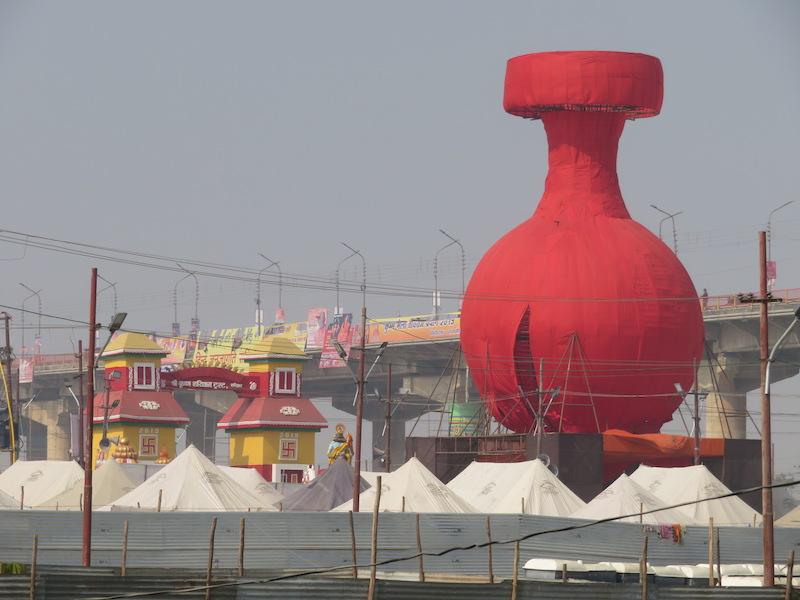
सबसे पहले मुझे गुरुजी के पास ले जाया गया, लेकिन वहां गुरुजी बिस्तर पर सो रहे थे, इसलिए मैंने चुपचाप कुर्सी पर बैठकर इंतजार करने का फैसला किया... क्या गुरुजी नहीं सोते? क्या वे 10 सांस लेने के बाद ही जाग जाते हैं? यह जो मैं सुन रहा हूं, वह उससे अलग है। मेरे साथ एक शिष्य या सहायक भी था जिसने दोपहर का भोजन लाया था और वह भी चुपचाप उठने का इंतजार कर रहा था। खैर, शायद यह स्वामी के लिए सामान्य है, लेकिन किसी शिष्य को सहायक बनाना अपने आप में एक सांस्कृतिक झटका है।
जैसे ही वे उठे, उनकी गतिविधियां सुस्त थीं, और जब मुझे पहली बार फूल दिए गए, तो उन्होंने ऐसा मजाक किया जैसे कि उन्हें खा रहे हों, लेकिन उनका मजाक थोड़ा बेस्वाद था। यह क्या है? मैं डरता हूं कि अगर वे इसे महसूस करते हैं, इसलिए मैं पूरी कोशिश कर रहा हूं कि मेरा चेहरा सपाट रहे।
थोड़े समय बाद, जब गुरुजी ने भोजन करना शुरू किया, तो मैंने इंतजार करना जारी रखा, लेकिन मुझे बाहर जाने के लिए कहा गया।
उस दौरान, मैंने लगातार गुरुजी का अवलोकन किया, और वे सिर्फ एक बूढ़ा आदमी लग रहे थे, और उन्होंने बहुत सारा खाना नीचे गिरा दिया। उनकी गतिविधियों में भी कमजोरी थी। क्या यह संभव है कि कोई ऐसा व्यक्ति जो पहले एक महान संत था, अब ऐसा हो? यह थोड़ा अजीब है। मुझे इस व्यक्ति से गुरु के रूप की कोई भावना नहीं आ रही है। शायद यह मेरा गुरु नहीं है।
जब मैं गुरुजी के कमरे से बाहर निकला, तो मैं वहीं बैठा रहा, और फिर एक अन्य स्वामी, जो एक बूढ़े आदमी थे, मेरे पास आए और उन्होंने मुझे प्रसाद का एक प्रकार का नमकीन बिस्किट दिया। जल्द ही अन्य यूरोपीय और अमेरिकी प्रतिभागियों ने बैठना शुरू कर दिया, और उन्होंने स्वामियों को भोजन संबंधी समस्याओं के बारे में शिकायतें करना शुरू कर दिया। "ऐसा कहा गया कि कोई भोजन नहीं है, लेकिन 10 मिनट बाद इसे दूसरों को परोसा जा रहा था," जैसे बातें थीं, लेकिन स्वामियों ने उन्हें अनदेखा कर दिया। यह स्वामी इतना उदासीन क्यों है? यह स्वामी भी थोड़ा अजीब है। यूरोपीय और अमेरिकी लोग भ्रमित हैं।
मैं सोच रहा था कि क्या कोई अन्य स्वामी ऐसा है जो आकर्षक हो, लेकिन मैंने जितना देखा है, उनमें से किसी में भी मेरी रुचि नहीं जागी। यह क्या है... अन्य टेंट में मौजूद शिष्य भी ज्यादा उत्साहित नहीं दिख रहे हैं। हालांकि, कुछ बहुत ही उत्साहित लग रहे थे।
वैसे भी, ये टेंट बहुत जर्जर हैं... यह क्या है? ऐसा लगता है जैसे स्लम को थोड़ा साफ किया गया हो। मैंने सुना था कि यहां बिजली के प्लग होंगे, लेकिन यहां कोई नहीं है, और यह एक बेहद छोटा, गंदा, अंधेरा और रेत से भरा टेंट है जिसमें हम सभी भीड़भाड़ में सो रहे हैं। प्रत्येक व्यक्ति के लिए केवल एक चटाई और अपना बैग रखने की जगह है। सामान फैलाने के लिए कोई जगह नहीं है। यह क्या है? क्या यह कोई मजाक है? और भारत में प्रति रात 40 यूरो (5,000 येन) का मतलब क्या है?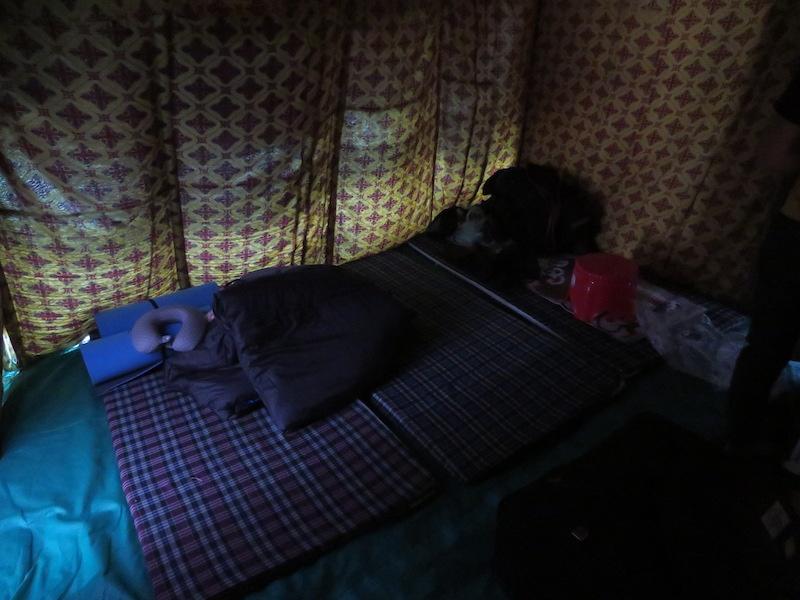
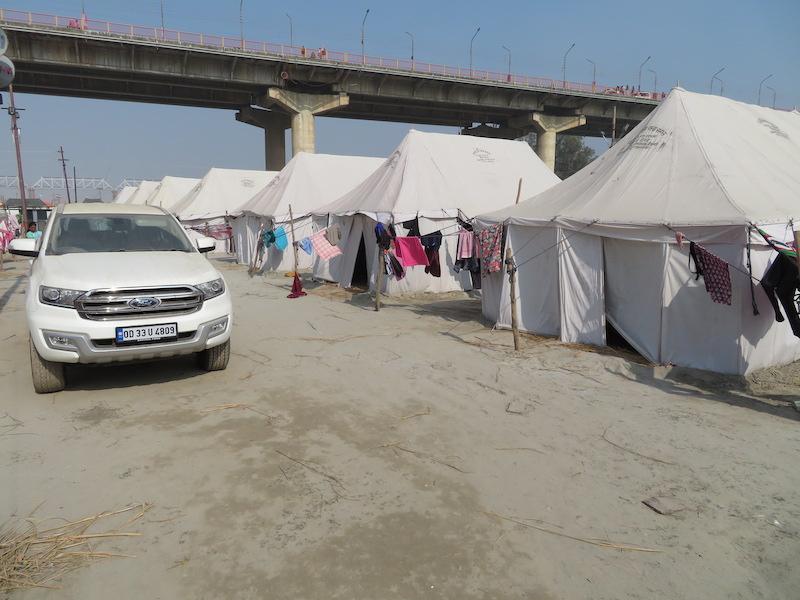
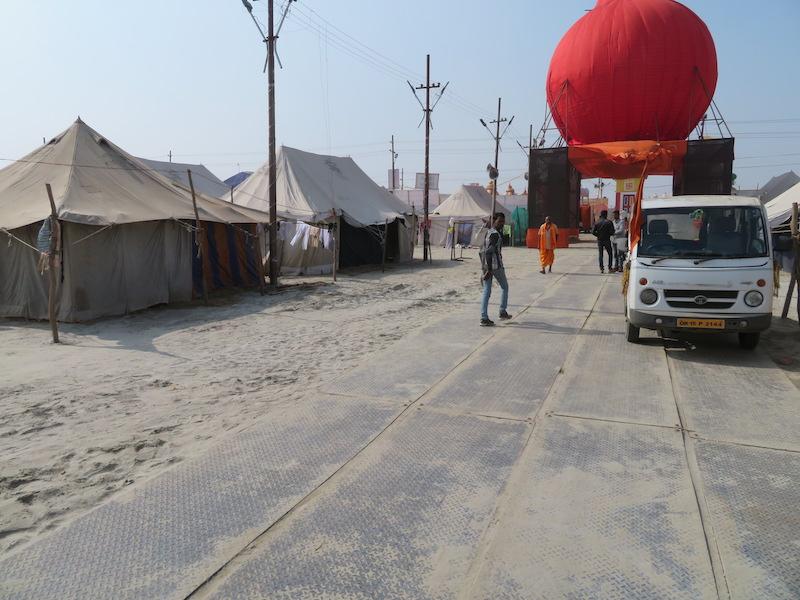 टॉयलेट और शॉवर भी बहुत खराब हालत में हैं। शॉवर के लिए, लोगों को अपने कमरे से बाल्टी लेकर आनी पड़ती है और उसमें पानी भरकर नहाना पड़ता है। आसपास रेत है और धूल भी बहुत है...
यह 5 दिनों के अंदर 200 यूरो (25,000 येन, प्रति रात 5,000 येन), और 7-12 दिनों के लिए 300 यूरो (38,000 येन, प्रति रात 3,200-5,000 येन) बहुत अधिक है। मेरे एक दोस्त ने ईमेल में पूछा कि क्या 5 दिन का मतलब 4 रातें या 5 रातें हैं, और अगर 5 या 6 रातें हैं तो कितना होगा, लेकिन उन्हें कोई स्पष्ट जवाब नहीं मिला, और उन्होंने कहा कि यह खराब ग्राहक सेवा है। जब मैंने वास्तव में जगह देखी, तो मुझे पता चला कि एक रात के अंतर से कुछ भी मायने नहीं रखता। शायद वे इसे ठीक से प्रबंधित नहीं कर रहे हैं?
शायद, टेंट प्रतिनिधि जो व्यक्ति पहले पैसे देता है और वहां रहता है, उसके पैसे टेंट के प्रतिनिधियों की जेब में जाते हैं। ऐसा मैंने इसलिए सोचा क्योंकि जगह बहुत तंग थी, और कोई न कोई यह दावा कर रहा था कि "यह हमारा समूह है," जिससे मुझे लगा कि यहां पैसों को लेकर झगड़ा चल रहा है।
जैसे ही हम पहुंचे, सभी से "पानी खरीदने" के नाम पर 100 रुपये इकट्ठे किए गए, लेकिन मुझे शक हुआ कि वे इसी तरह अलग-अलग बहाने बनाकर पैसे इकट्ठा कर सकते हैं। मेरे मन में ऐसा विचार आया।
कुल मिलाकर यह बहुत अजीब था, और इतना अजीब कि मुझे लगा कि शायद कोई मजाक हो रहा है, इसलिए मैं सोचने लगी कि क्या करना चाहिए, और फिर मैंने उन लोगों को ध्यान से देखा जो एक-दूसरे को नहीं जानते थे, और उनके न दिखने पर मैं कैंप से भाग गई! मेरा वहां रहने का समय लगभग 1 घंटा था। मैं बहुत जल्दी निर्णय लेती हूं। अगर मैं थोड़ा भी ज्यादा रुक जाती तो वे मुझसे न्यूनतम दर के 200 यूरो वसूल सकते थे, इसलिए मेरे पास अब भागने के अलावा कोई विकल्प नहीं था।
मैं ऐसे किसी स्थान पर नहीं रह सकती।
मुझे ऐसा लग रहा था कि "गुरुजी" मेरी बिल्कुल भी परवाह नहीं कर रहे हैं, और मैंने सोचा कि "अब यह ठीक है।" बेशक, मुझे कोई "पहल" (ज्ञान प्रदान) भी नहीं मिला। मुझे लगा कि इस गुरुजी से कोई "पहल" (ज्ञान प्रदान) संभव नहीं है। मुझे इसकी आवश्यकता नहीं है।
शायद कुछ लोग गंभीर रूप से "गुरुजी" पर ध्यान केंद्रित करेंगे और उनसे ज्ञान प्राप्त करने की कोशिश करेंगे, लेकिन मैंने सोचा कि "मुझे यह सब ठीक लग रहा है।"
अगर हमारा भाग्य है, तो हम कुंभ मेले के आयोजन स्थल पर एक-दूसरे को मिल जाएंगे। तब देखेंगे।
इसके बाद, मैं उस होटल में चेक इन कर गई जो आयोजन स्थल से थोड़ी दूर था। डबल रूम, भोजन शामिल नहीं। गर्म पानी के लिए कोई व्यवस्था नहीं है, लेकिन अनुरोध करने पर बाल्टी में मिल सकता है। प्रति रात 2,500 रुपये (3,900 येन)। इस सफाई के साथ, यह टेंट से भी सस्ता है - यह कैसे संभव है? (हंसी)
अन्य शहरों की तुलना में, कुंभमेला में कीमतें बहुत अधिक हैं। कुंभमेला क्षेत्र में इस स्थान को देखते हुए, इसे उचित या काफी सस्ता माना जा सकता है।
मैं कम से कम एक सप्ताह तक रहूंगा और कुंभमेला का भ्रमण करूंगा।
16 जनवरी
मैंने शुरू में किया योगा कैंप को थोड़ा सा साफ-सुथरा स्लम समझा था, लेकिन अन्य समूहों के कैंपों को देखने पर, वे वास्तव में स्लम जैसे लगते हैं, और असली स्लम से उन्हें पहचानना मुश्किल है। यह एक व्यवस्थित क्षेत्र है जो नदी के पास है और कॉन्फ्रेंस हॉल के ठीक बगल में है, इसलिए मुझे लगता है कि यह असली स्लम नहीं बल्कि एक कैंप है। कुछ बड़े टेंट थे जिनमें लोग एक साथ सो रहे थे, इसलिए ऐसा लग रहा था कि किया योगा का कैंप बहुत अच्छा था। एक शानदार स्लम-शैली का कैंप। या शायद इसे क्षेत्रों में विभाजित किया गया हो सकता है, लेकिन मैं अंतर नहीं बता पा रहा हूं।
जारी → कुंभमेला 2019: सुबह की परेड देखना