Pindah ke Rio Grande.
Saya menuju ke Pulau Fuega dan bertujuan ke Rio Grande.
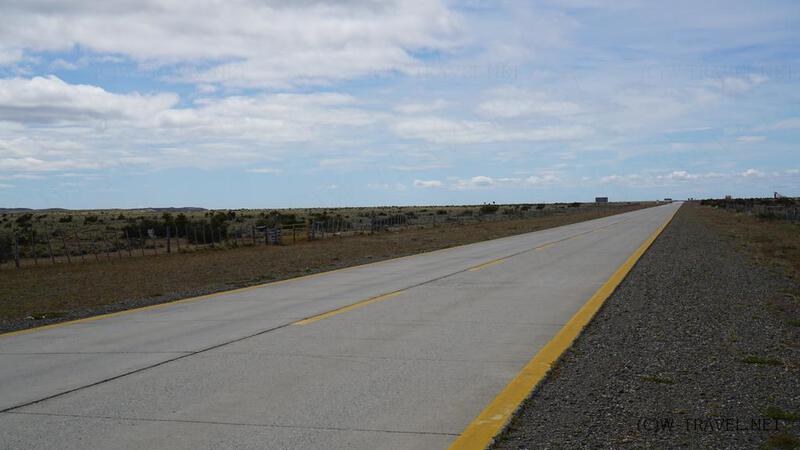
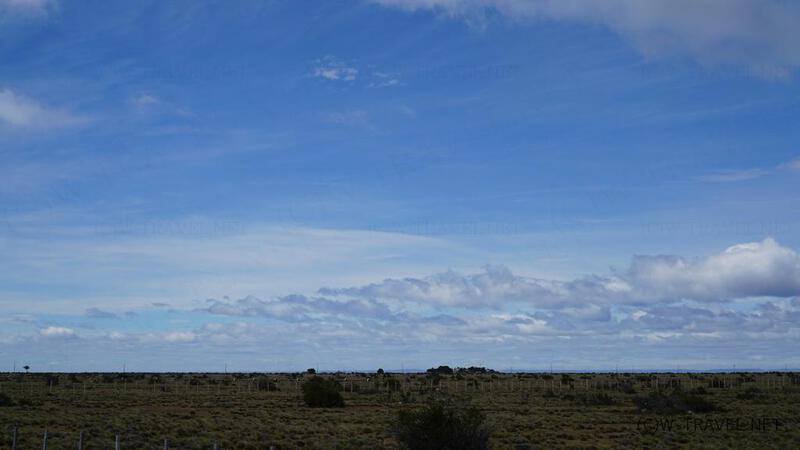
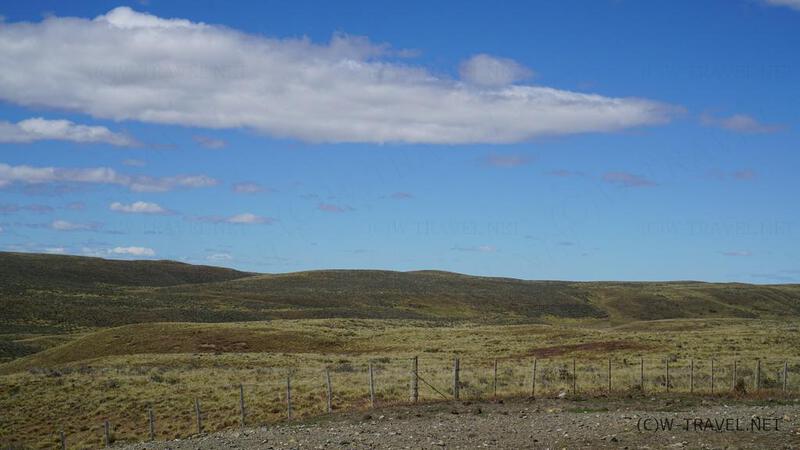
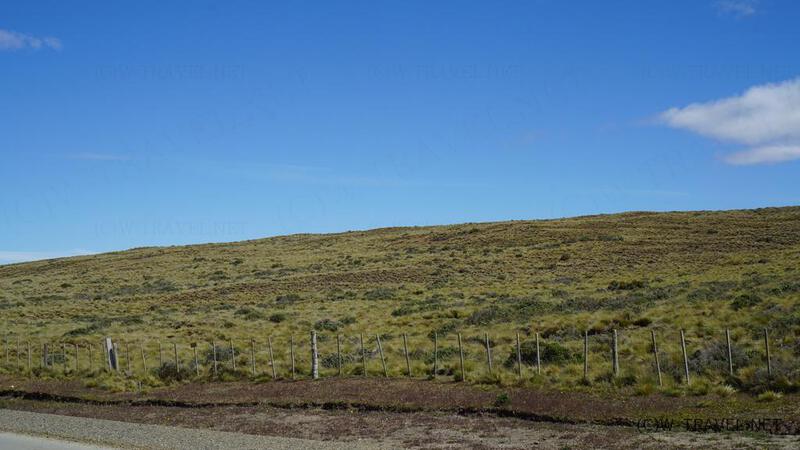
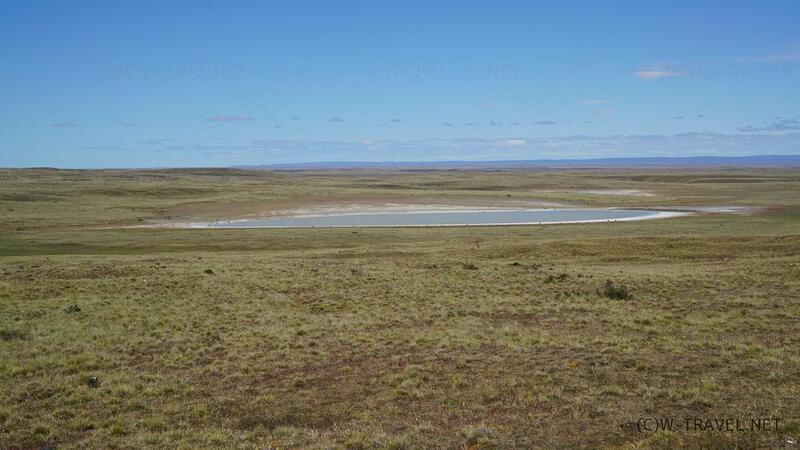
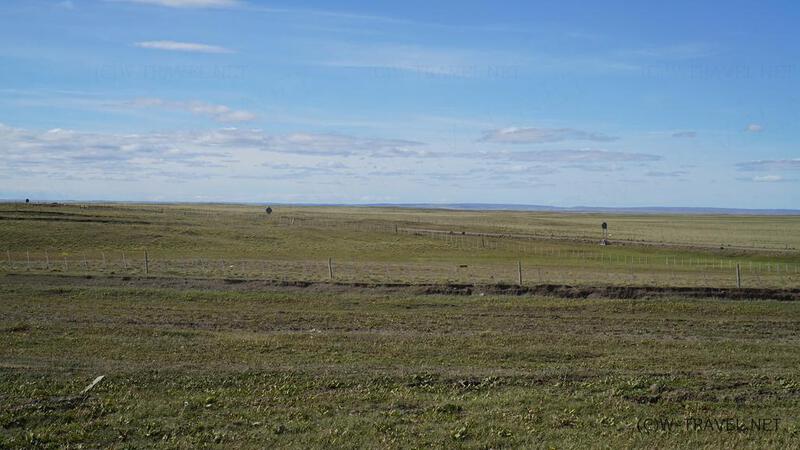
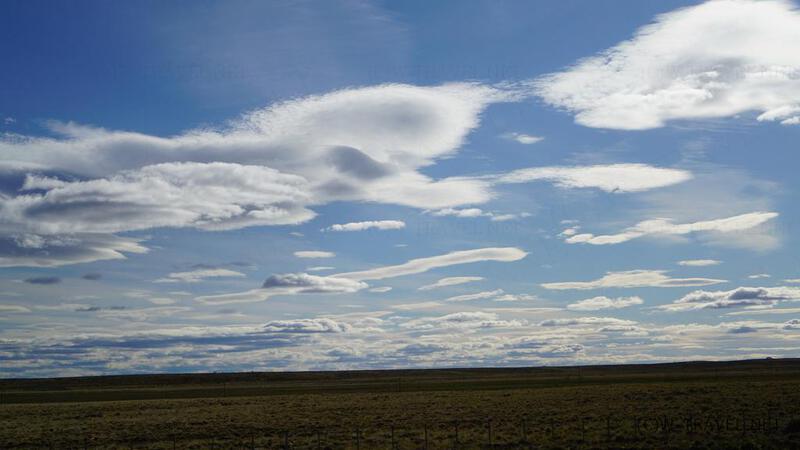
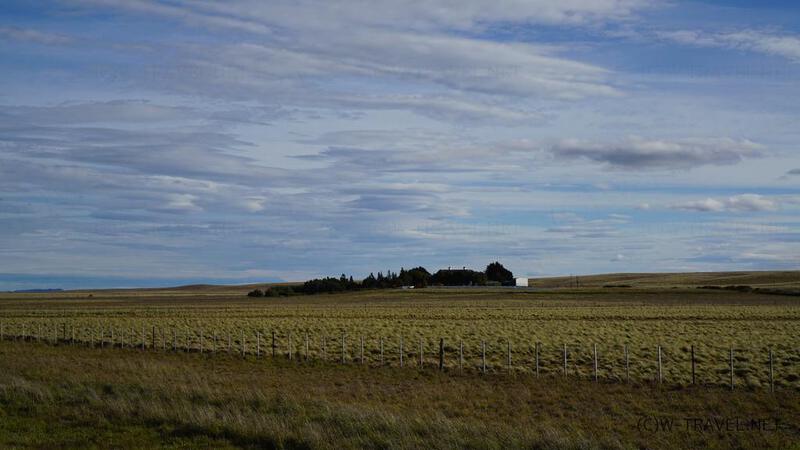
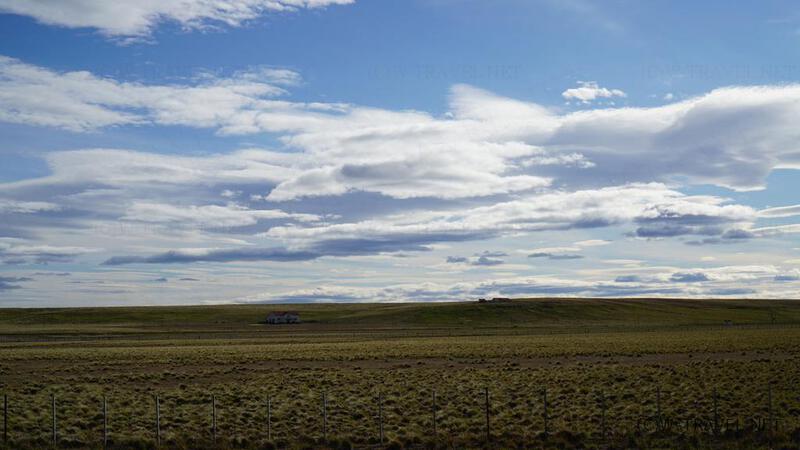
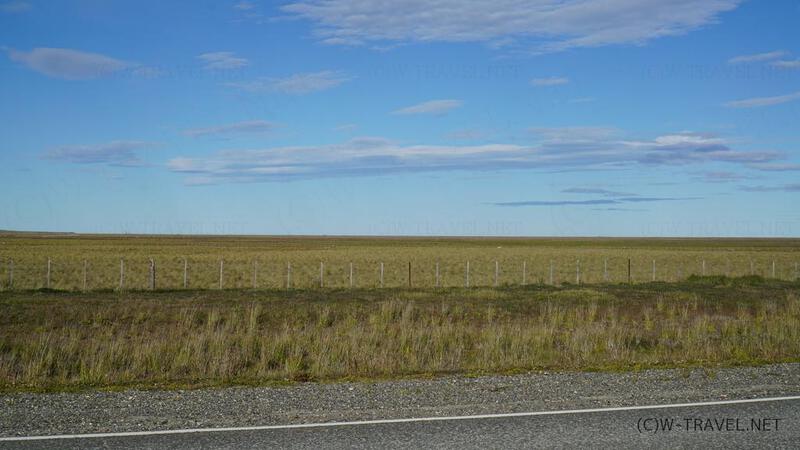
Ada beberapa tempat di mana pohon tumbuh menyamping, jadi mungkin ini adalah daerah dengan angin kencang, tetapi entah keberuntungan atau kemalangan saya, hampir tidak ada angin. Bahkan di tempat yang berangin, anginnya tidak terlalu kuat sehingga mengganggu perjalanan dengan sepeda motor. Angin samping juga kadang-kadang bertiup, tetapi tidak sampai berbahaya. Selain itu, cuacanya hangat, jadi perjalanannya sangat nyaman.
Ketika saya mendengar "Rio Grande," saya langsung membayangkan pesawat ruang angkasa kecil yang ditempatkan di stasiun luar angkasa DS9 dalam serial Star Trek. Tempat ini terasa begitu jauh dari dunia, seperti berada di luar angkasa, sehingga bahkan lelucon seperti itu bisa terasa nyata. Mungkin nama Ushuaia berikutnya juga terdengar seperti nama di luar angkasa.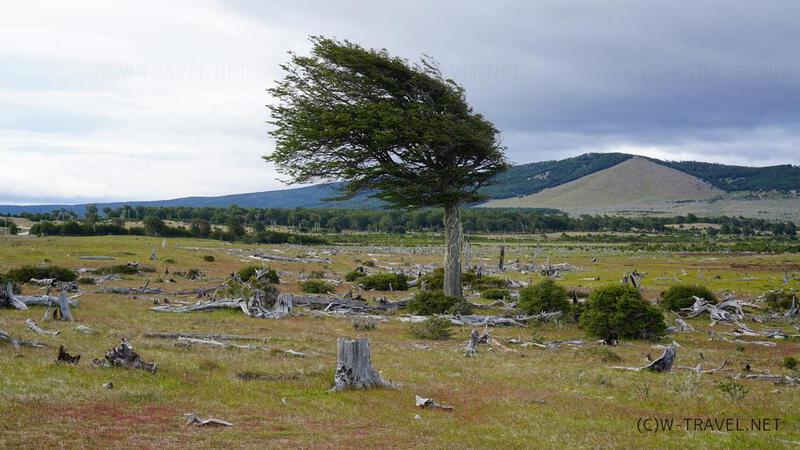

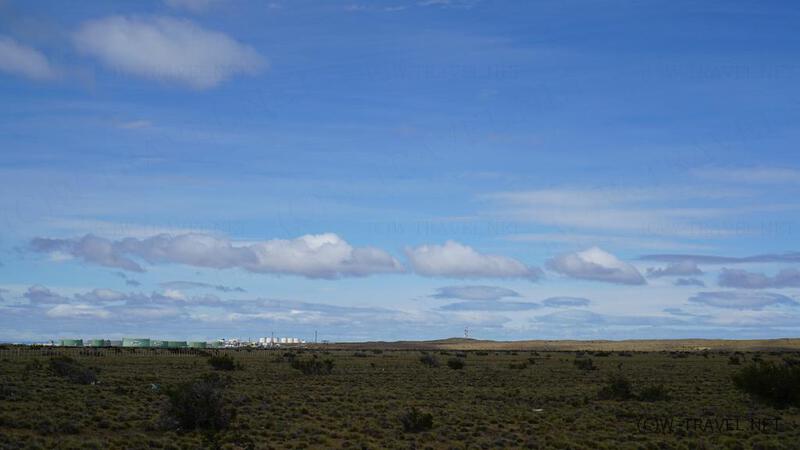
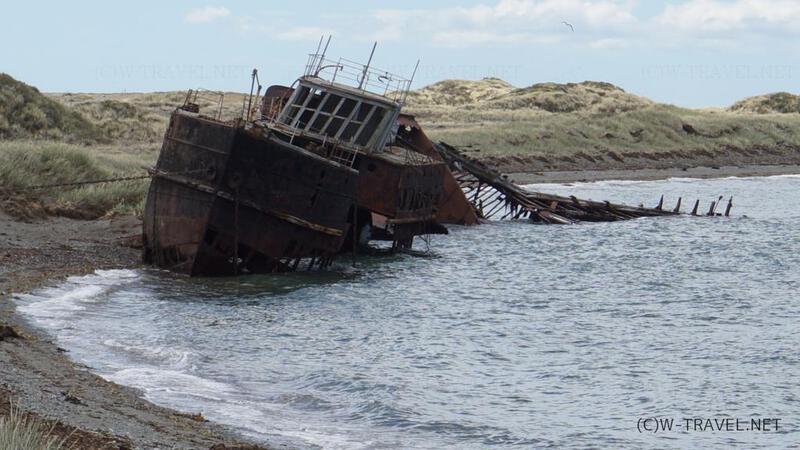

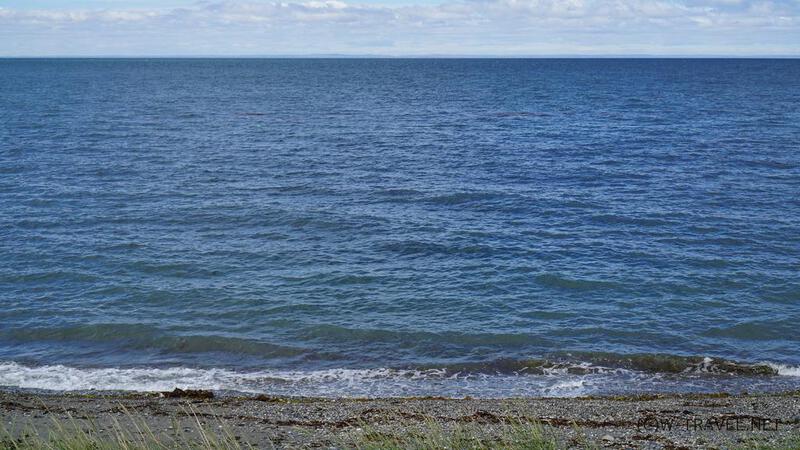

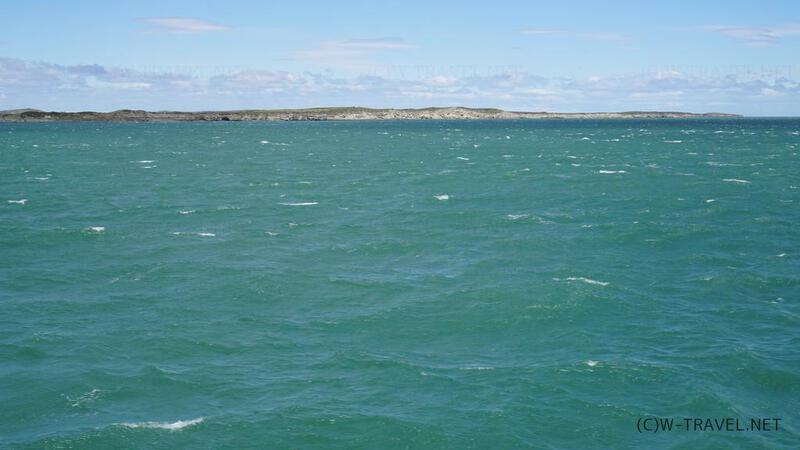
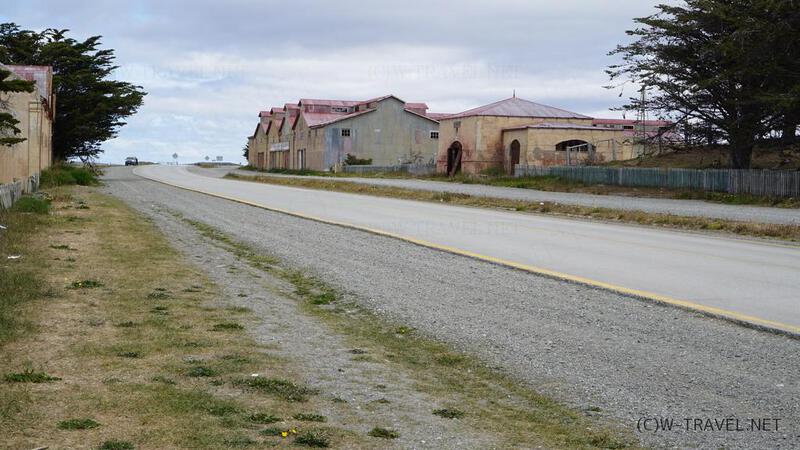 Berputar ke sisi utara Pulau Fuego, lalu naik feri.
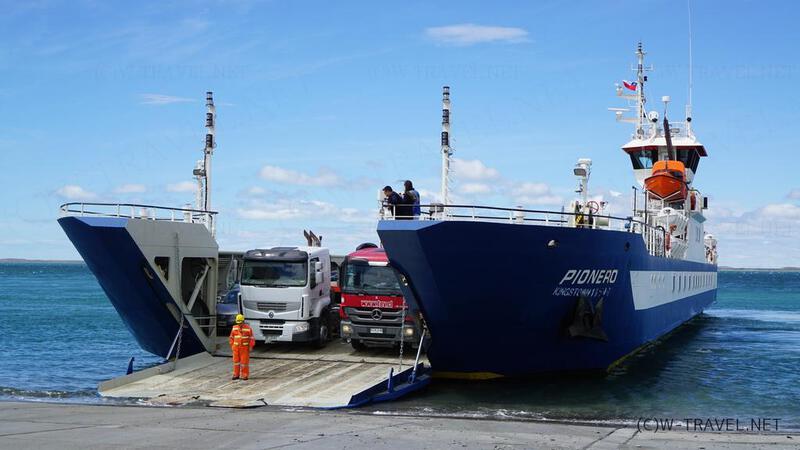 Beberapa blog tentang bersepeda menulis tentang "fery gratis", jadi saya mengira sepeda motor juga gratis, tetapi ternyata tetap dikenakan biaya.
Biaya feri: sepeda motor 4500 Peso.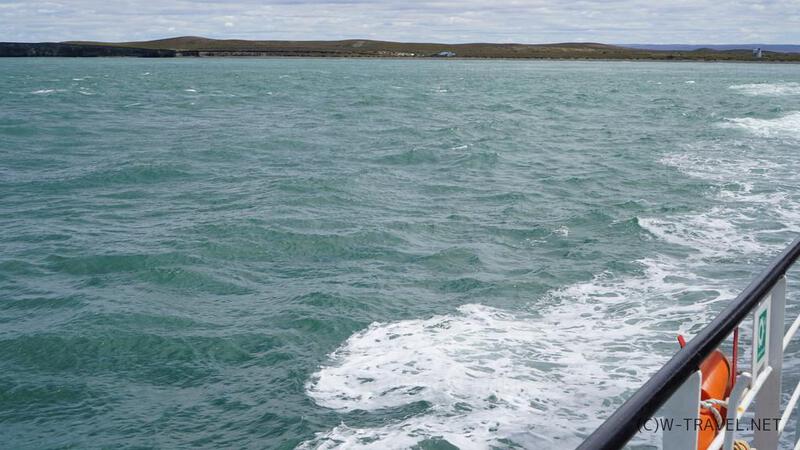
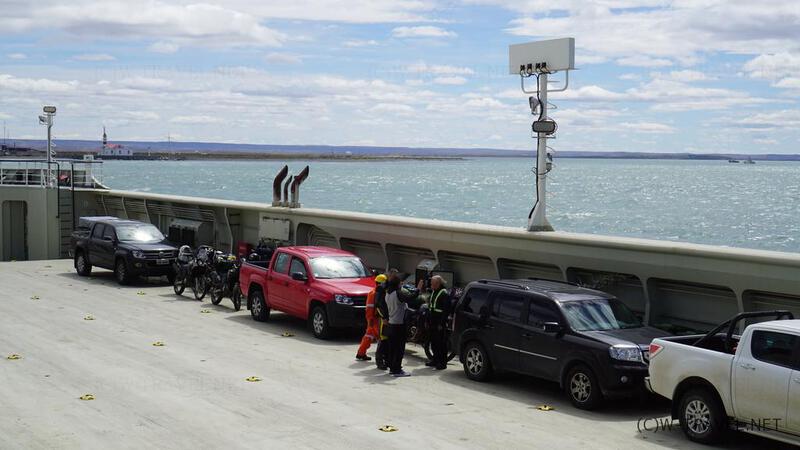

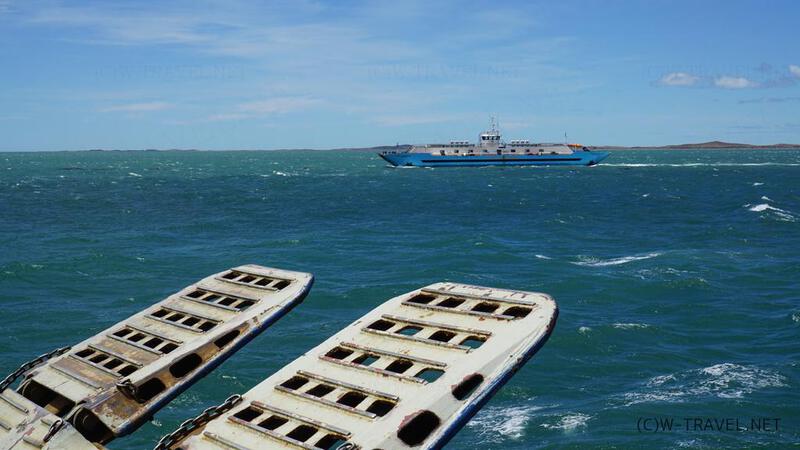
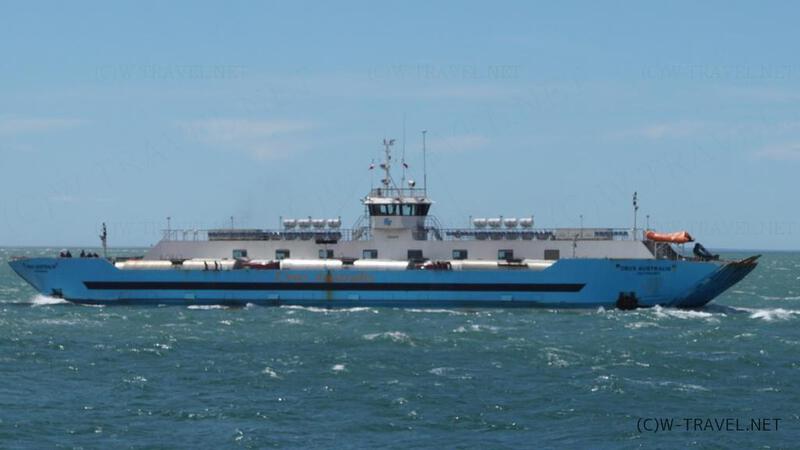
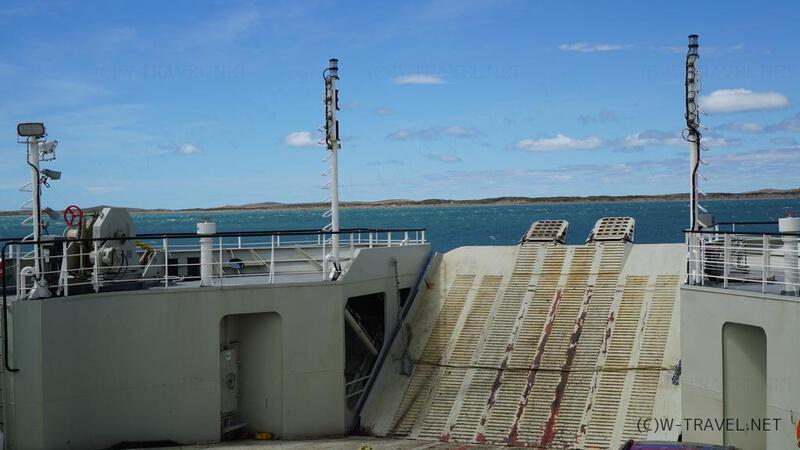 Tabel harga mencantumkan harga untuk penumpang bus, jadi mungkin sebenarnya sepeda juga berbayar, tetapi mungkin hanya karena belum membayar.
Sistemnya adalah penumpang harus membayar sendiri setelah naik feri, jadi mungkin saja saya tidak menyadarinya dan naik tanpa membayar.
Waktu yang saya gunakan juga singkat, dan pemeriksaannya tidak terlalu ketat, tetapi sepertinya semua orang membayar dengan benar.
Bagian utara Pulau Fuego,
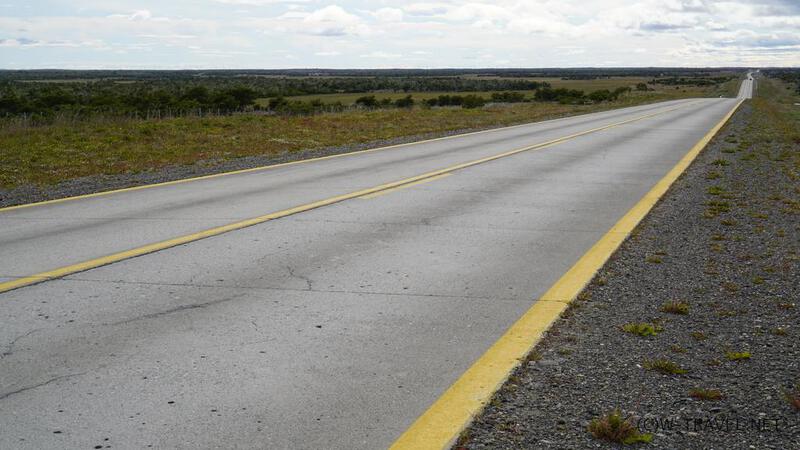
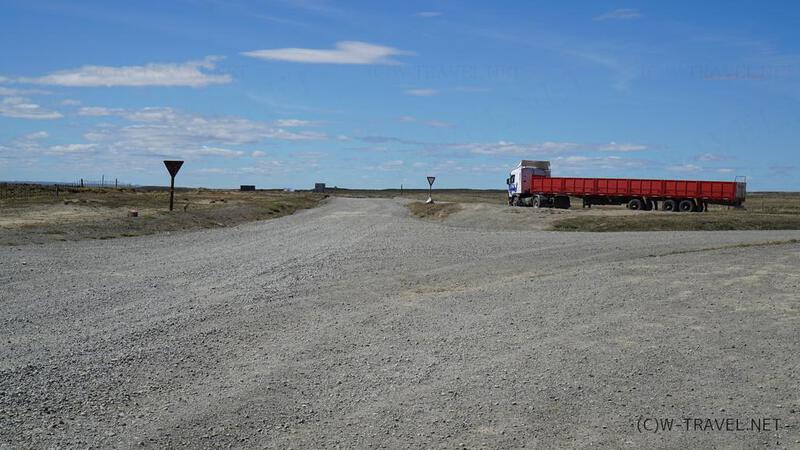
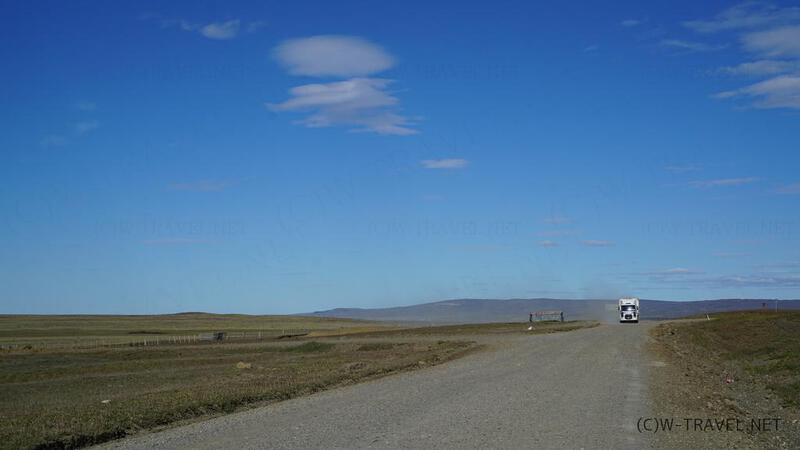
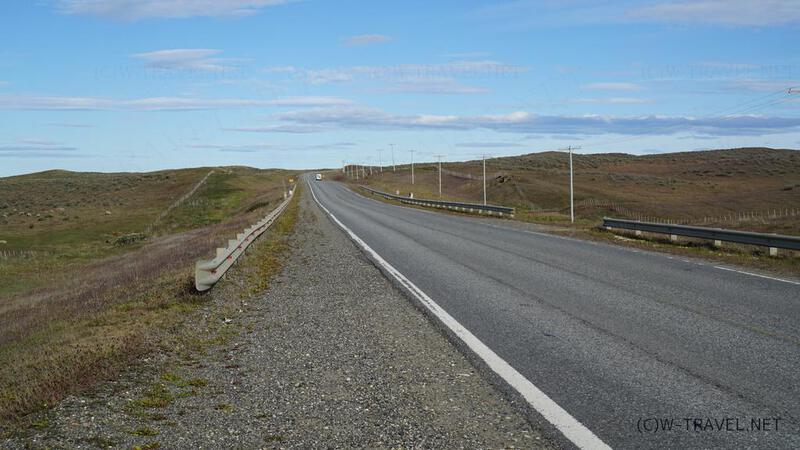
Jika Anda turun dari Cerro Sombrero langsung ke selatan, Anda dapat melewati jalan beraspal terpanjang. Bahkan begitu, ada jalan tanah sepanjang 70 km (20 km dari jalan yang menghubungkan utara dan selatan yang sedang dalam perbaikan + 50 km ke arah timur-barat).
Jika Anda pergi ke timur dari Cerro Sombrero, ada jalan tanah sepanjang 120 km. ↑ Garis biru menunjukkan jalan beraspal. Garis merah menunjukkan jalan yang belum beraspal. Di sisi Argentina, seluruh jalur hingga Ushuaia sudah beraspal.
Sebagai informasi, di Google Map, rute sisi timur ditunjukkan sebagai jalan nomor 257, tetapi peta yang saya dapatkan dari kota terdekat menunjukkan bahwa jalan yang lurus ke selatan adalah jalan nomor 257. Saya pernah mendengar bahwa ada kesalahan di peta Google di daerah ini, jadi kemungkinan besar Google Map yang salah. Selain itu, peta yang saya dapatkan dari kota terdekat menyatakan bahwa setelah jalan yang lurus ke selatan, seluruhnya beraspal hingga perbatasan Argentina, tetapi sebenarnya, gambar di atas mungkin lebih akurat.
Saya melewati jalan yang lurus ke selatan untuk perjalanan pergi dan pulang, jadi saya tidak tahu tentang rute sisi timur, tetapi setelah titik percabangan, jalannya adalah jalan tanah. Berdasarkan berbagai informasi, saya berpendapat bahwa seluruhnya adalah jalan yang belum beraspal, jadi gambar di atas mungkin memiliki akurasi yang wajar.
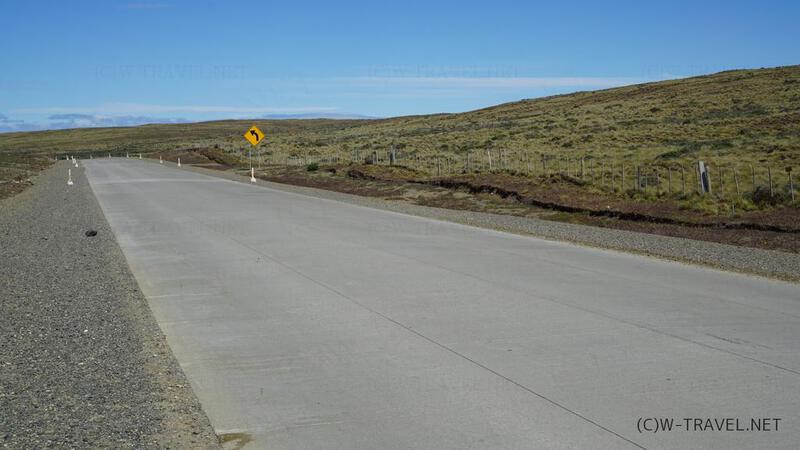
Sebagai informasi tambahan, bagian dari jalan yang lurus ke selatan adalah jalan tanah sepanjang 20 km yang sedang dalam perbaikan, jadi seharusnya akan menjadi jalan beraspal setelah perbaikan selesai.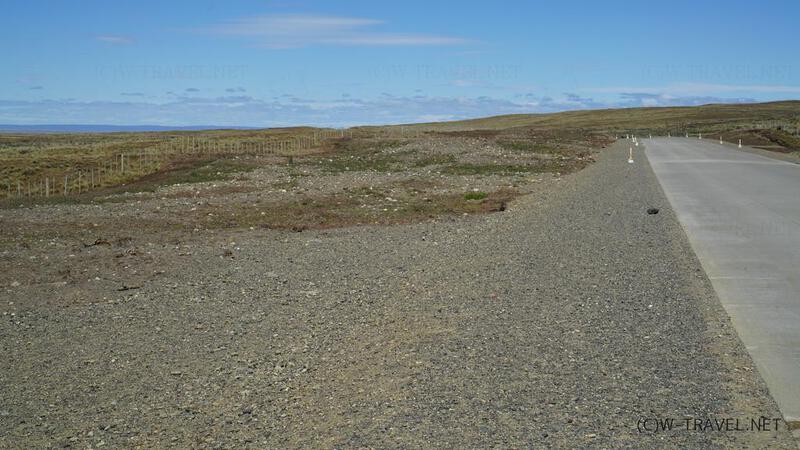

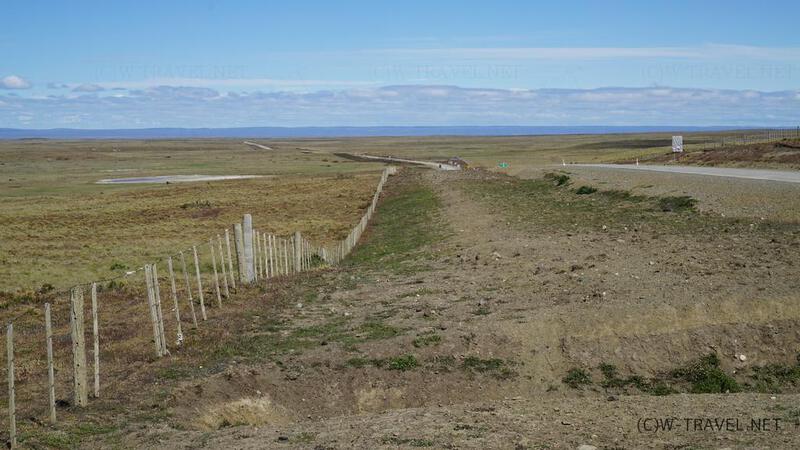
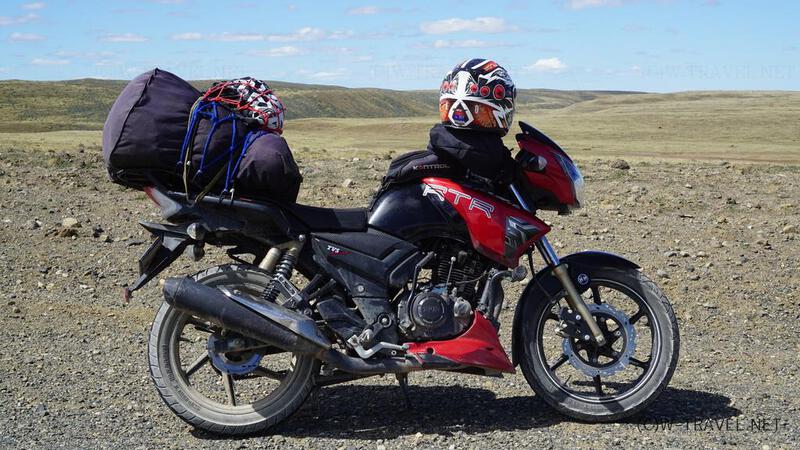
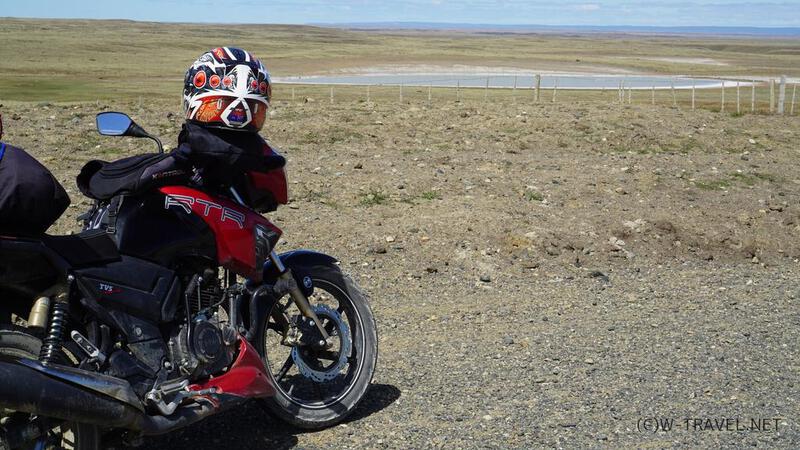
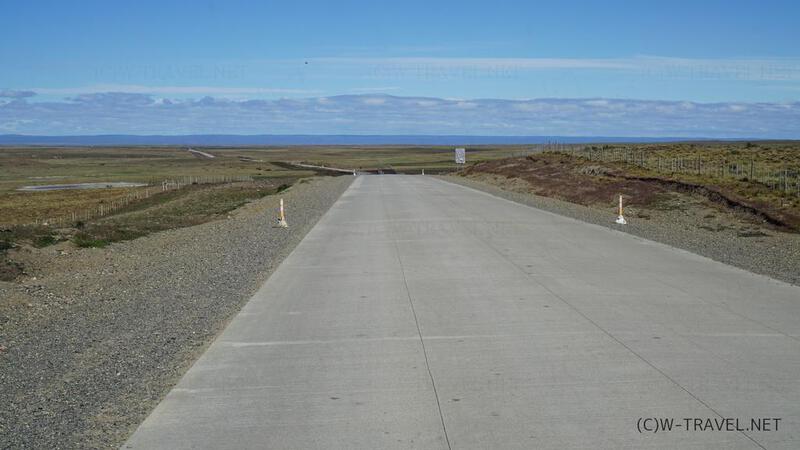


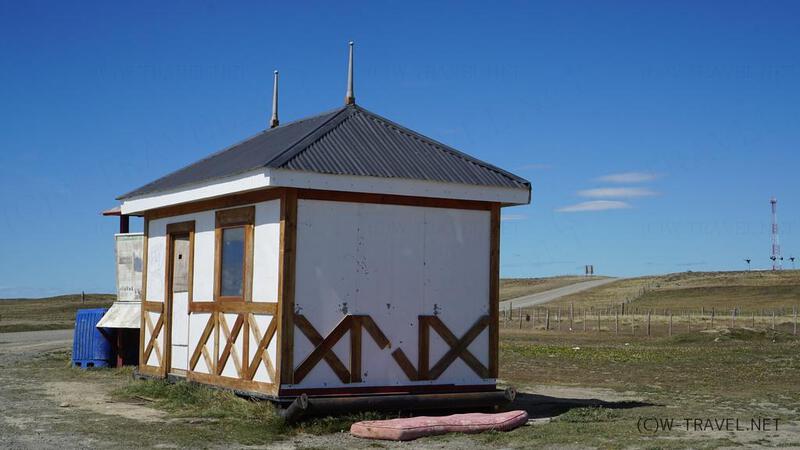

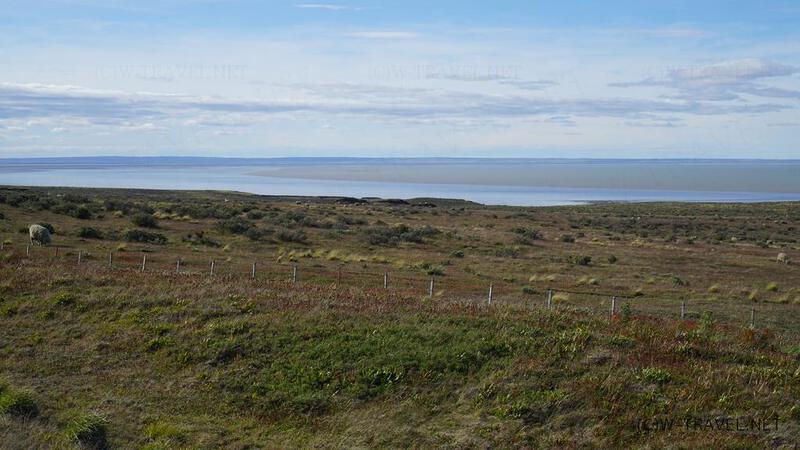
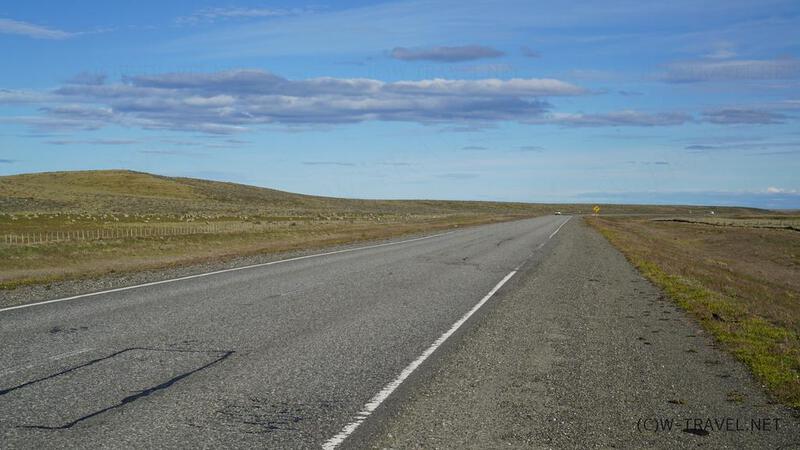
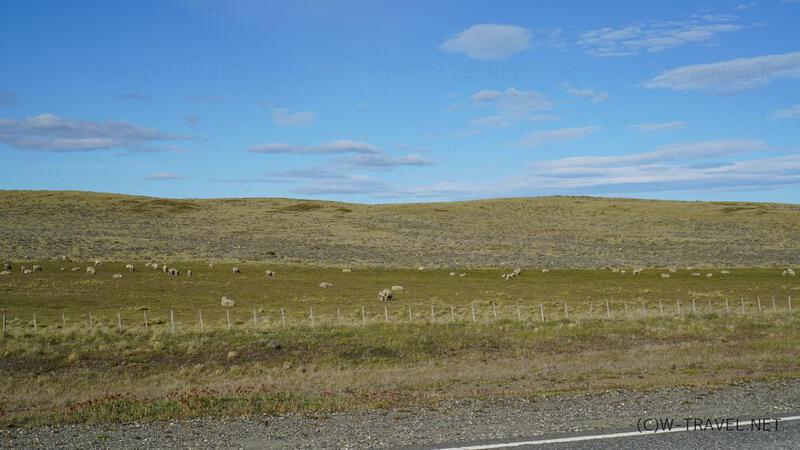
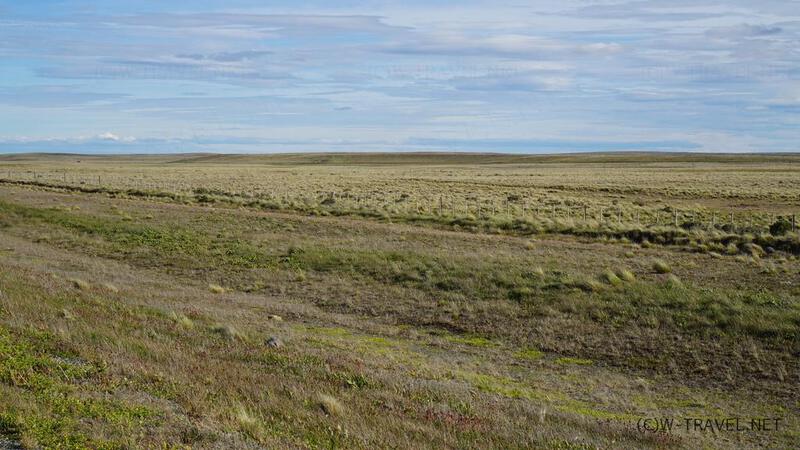

 Berikut adalah tempat penginapan di sini. Tempat ini sudah tua, tetapi cukup baik.
Hospedaaje ARGENTINO
Kamar single, 400 Peso, termasuk sarapan.
BGM: Copyright(C) Music Palette
http://www.music-palette.com/
Perbatasan Paso San Sebastian (Cile → Argentina) (Pulau Fuego).
Ini adalah tempat di mana gedung-gedung antara Chili dan Argentina terpisah, sehingga Anda harus menyelesaikan proses keluar dari Chili, kemudian berkendara beberapa kilometer untuk melakukan proses di gedung yang berada di sisi Argentina.
■ Keluar dari Chili
Dapatkan stempel keluar, kembalikan formulir permiso saat proses bea cukai, dan selesai.
■ Masuk ke Argentina
Dapatkan stempel masuk, dan selesaikan proses bea cukai untuk mendapatkan formulir permiso, dan selesai.
Karena sudah melalui banyak proses, alurnya mirip dan berjalan dengan lancar.
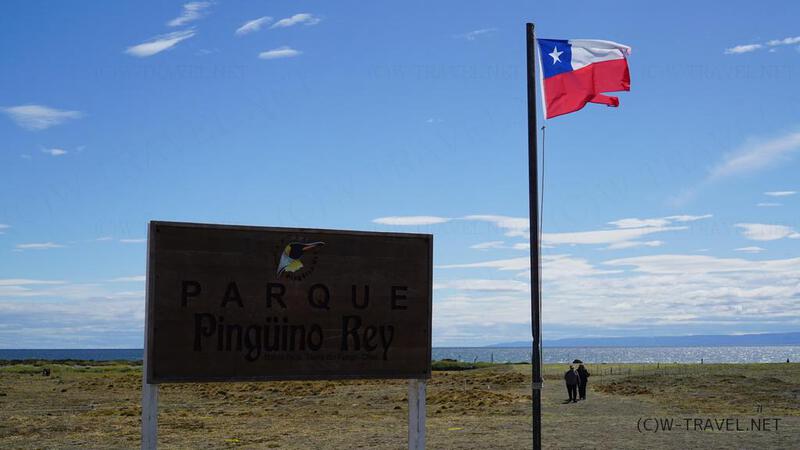
Parque Pingüino Rey (Pulau Fuego).
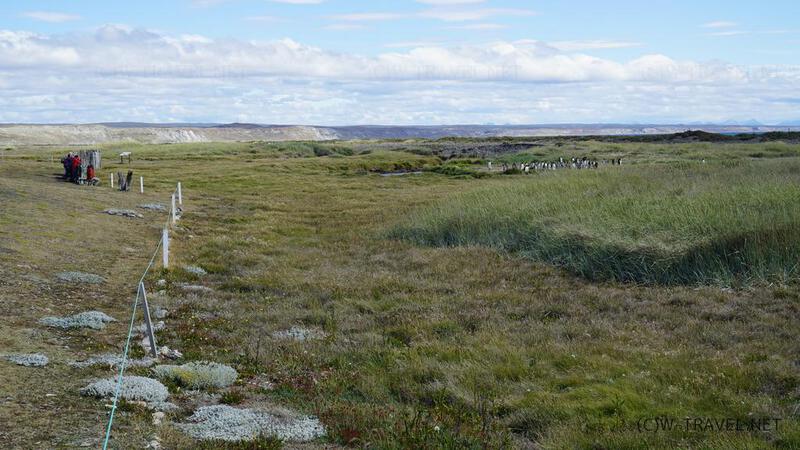
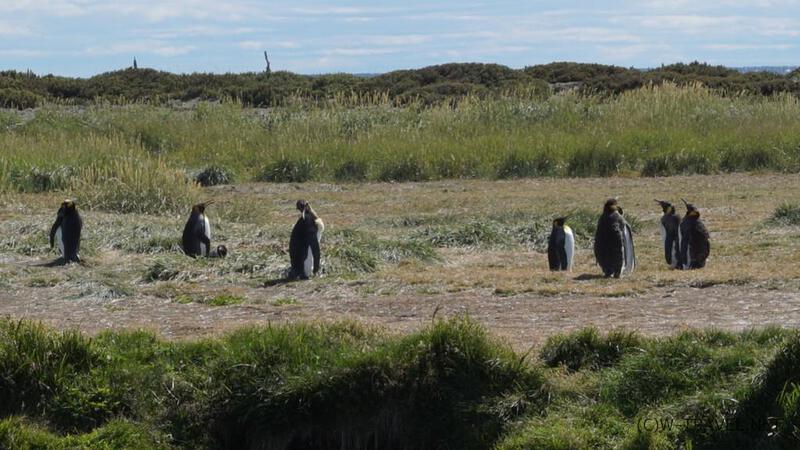
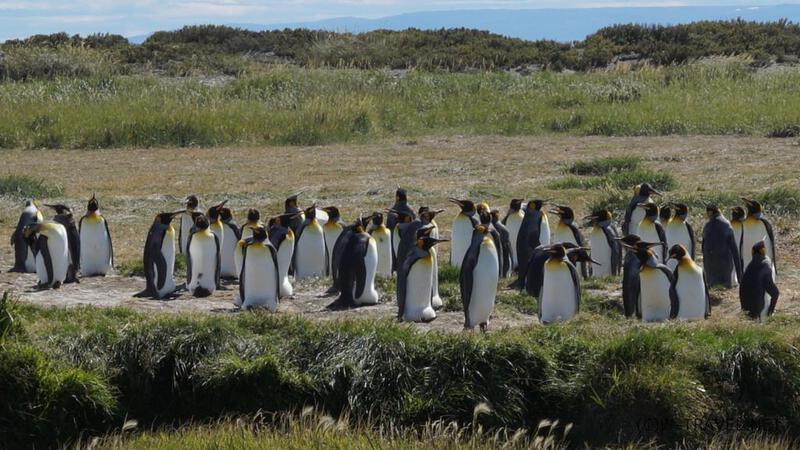
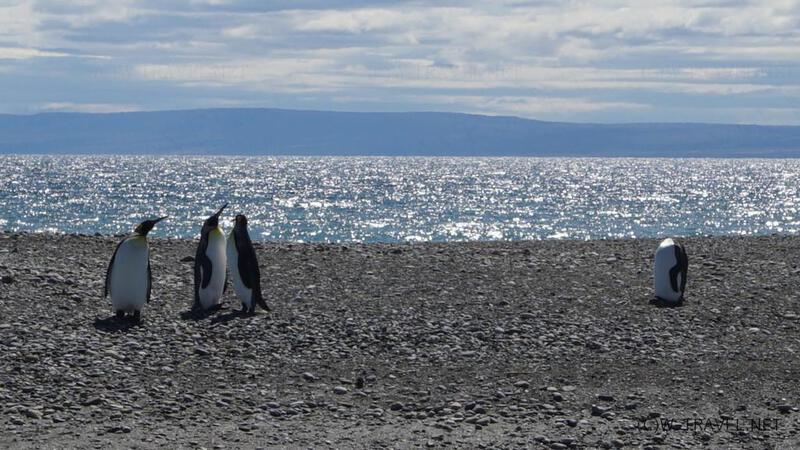
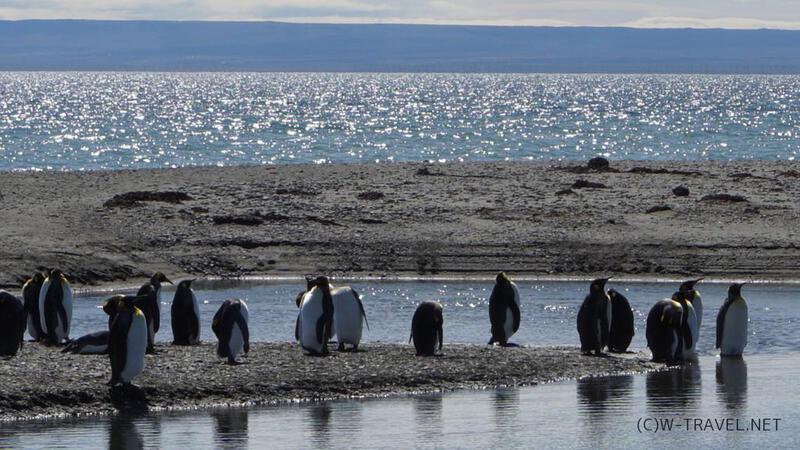
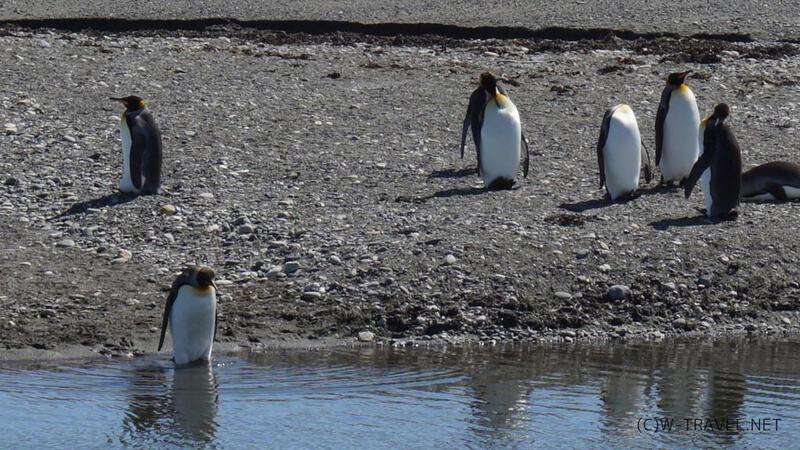
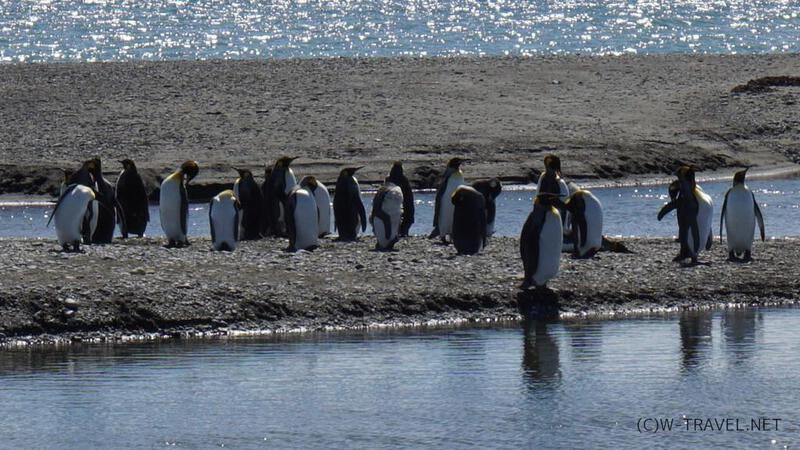
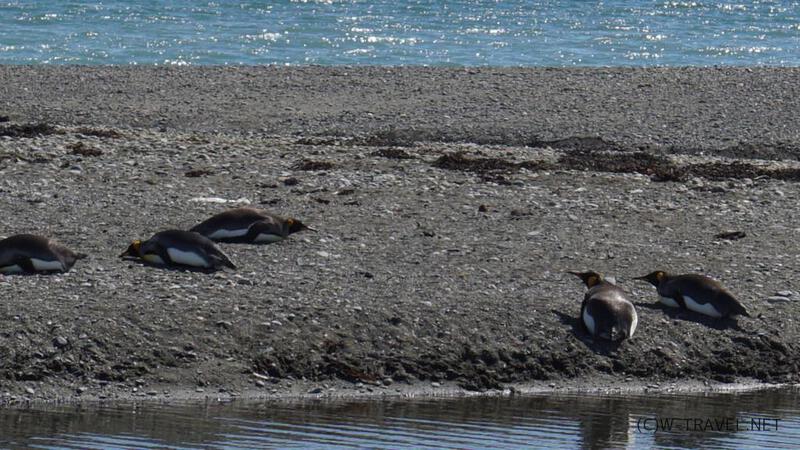
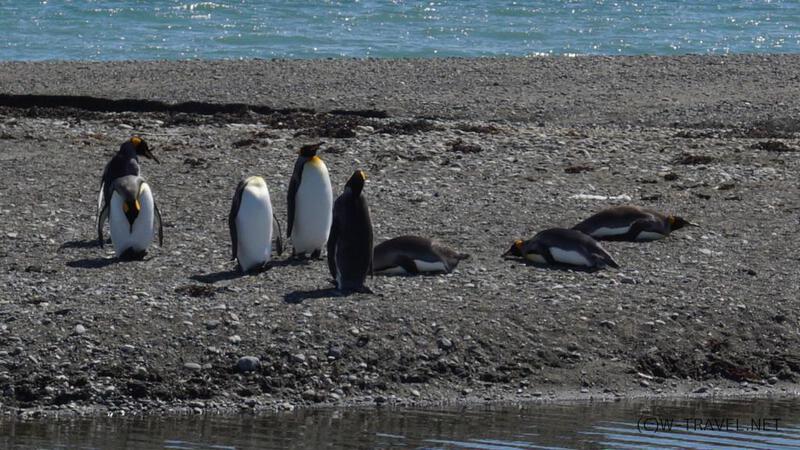
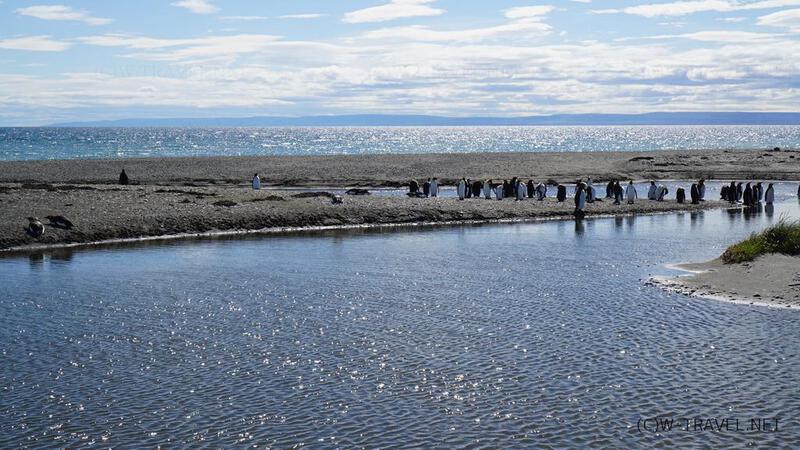
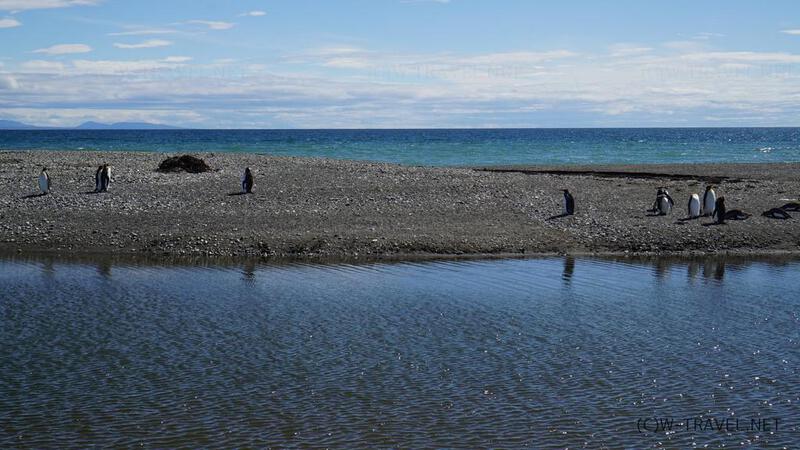
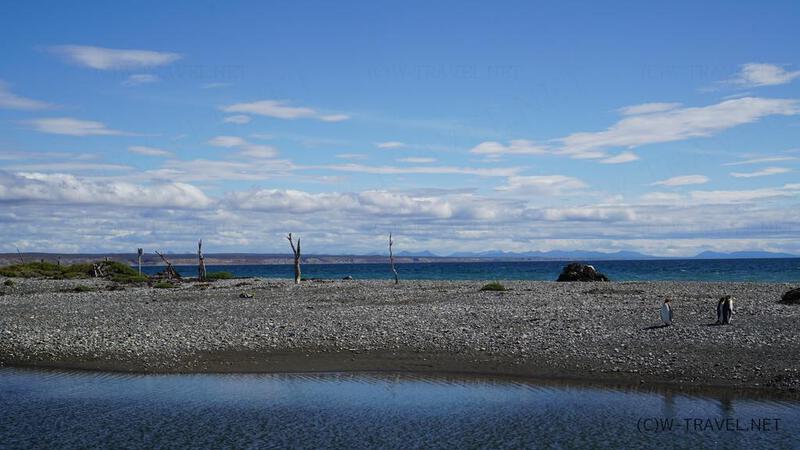
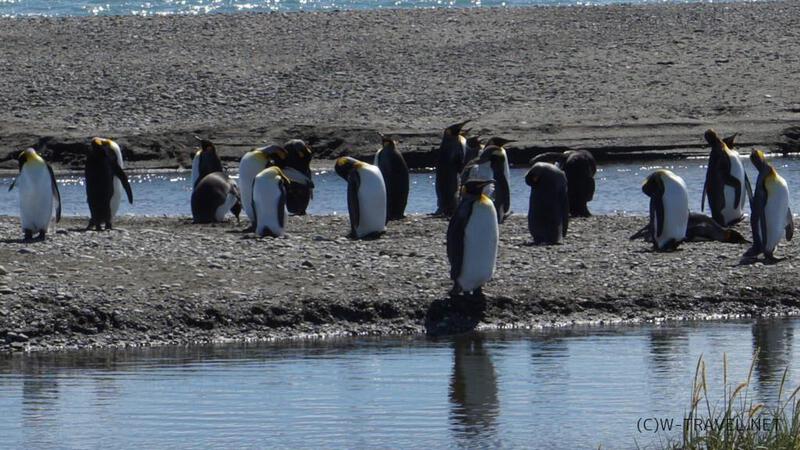
Sepertinya ada koloni penguin raja di sisi Chili Pulau Fuego, dan karena lokasinya tidak terlalu jauh dari jalur yang saya lewati, saya memutuskan untuk pergi ke sana.
↓ Daerah ini.
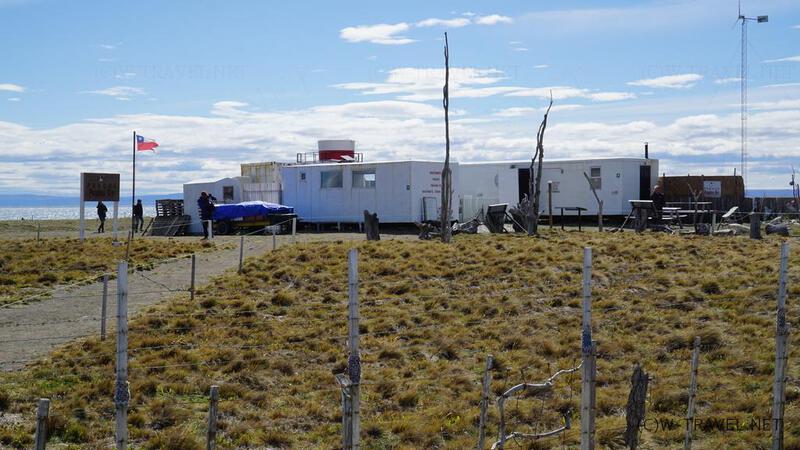
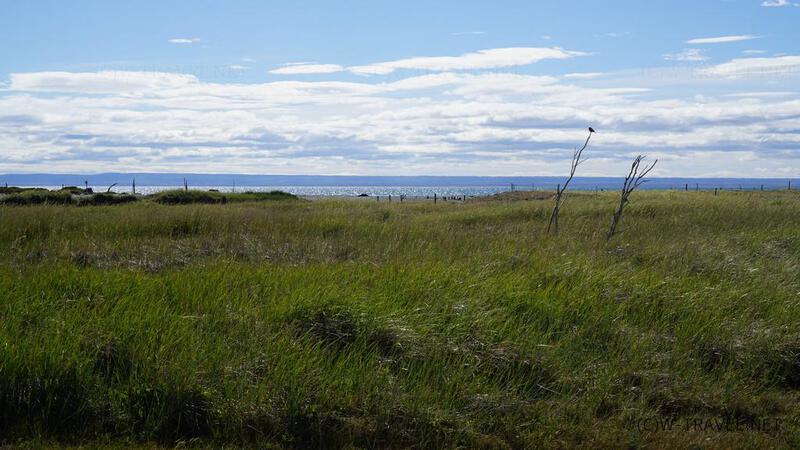
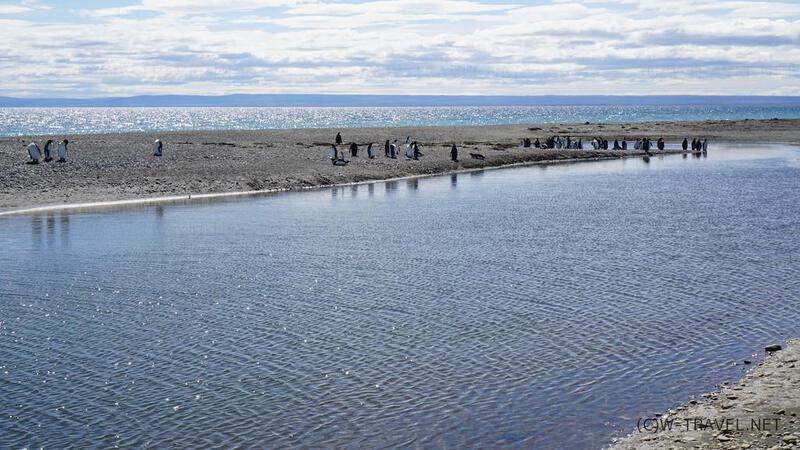
Dulu, tempat ini bisa dikunjungi secara gratis, tetapi sekarang ada pagar dan pengunjung harus membayar 12.000 Peso (sekitar 2.000 Yen) per orang. Agak mengecewakan. Jumlah penguinnya juga sedikit (katanya sekitar 150 ekor), dan hanya bisa dilihat dari kejauhan. Dengan fasilitas yang hanya seperti ini, harga ini terlalu mahal.





Baut yang menghubungkan mesin dan knalpot lepas.
Baru-baru ini, suara mesinnya terasa aneh. Terasa seperti suara berderit. Saya bingung, "Apa ini...", lalu saya membawanya ke bengkel motor. Mereka segera menemukan penyebab suara tersebut. Dua baut yang menghubungkan mesin dengan knalpot, salah satunya hilang, dan yang lainnya sangat longgar. Untungnya tidak terjadi apa-apa. Saya memperbaikinya di bengkel motor di Rio Grande.
Karena oli juga berkurang, saya menggantinya sekaligus.
Dan suara itu hilang!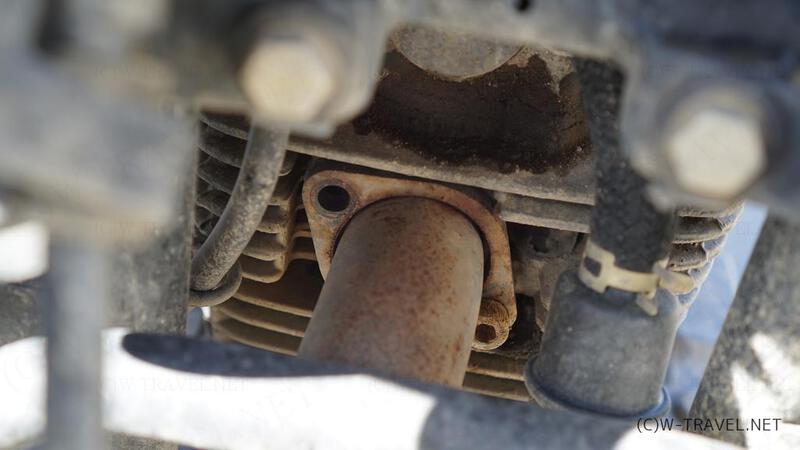 Selain biaya oli, ada juga biaya diagnosis dan biaya tenaga kerja lainnya yang mencapai 500 Peso (sekitar 4.500 yen), tapi ya, karena ini Argentina dan Patagonia, mungkin memang seperti itu.