■ الأسباب التي دفعتني إلى التفكير في القيام برحلة الحج في جزيرة كودو:
لقد ظهرت جزيرة كودو بشكل متكرر في كتب اليوجا وغيرها، مما أثار اهتمامي.
على الرغم من أن رحلة الحج في منطقة شيكوكو تبلغ 1400 كيلومتر، إلا أن جزيرة كودو تبلغ 150 كيلومترًا فقط، لذا فهي بمثابة مقدمة لرحلة الحج.
البحث المسبق.
■ معلومات أساسيةجولة في ثمانية وثمانين معبداً في جزيرة شودو - جمعية الأماكن المقدسة في جزيرة شودو
يمكنك معرفة ذلك من خلال زيارة الموقع: http://reijokai.com/
معلومات الحافلات: حافلة زيت الزيتون في جزيرة شودو
http://www.shodoshima-olive-bus.com/
يُقال أنها ثمانية وثمانون مكاناً، ولكن إذا أُضيفت أماكن إضافية وأماكن داخلية، يصبح العدد 94 مكاناً. 30 معبداً، وأكثر من 10 أماكن جبلية، و50 صالة أو مبنى صغير.
يبدو أن ليس كل مكان يحتوي على كل من القاعة الرئيسية وقاعة دايشي، لذا قد يكون من الأفضل إحضار كمية قليلة من البخور والشموع؟ (ملاحظة: لقد بقي الكثير).
■ التحضير
الأساسيات مذكورة في الصفحات المذكورة أعلاه.
المعدات تبدو مبالغ فيها. هل يحاولون إجبارك على الشراء؟
■ الأشياء التي لا يجب إحضارها
- ・輪袈裟: لا أستخدمها.
・菅笠: لا أستخدمها. سآخذ معي قبعة عادية.
・白衣 (أو زي أبيض): لا أستخدمها.
・持鈴: غير ضرورية إذا لم يكن لدي عصا كينغو. حتى لو كانت موجودة، ربما لا تكون ضرورية؟ → غير ضرورية.
・金剛杖: أنا متردد بشأن إحضار عصا كينغو التي اشتريتها في جبل فوجي. إنها تشغل مساحة كبيرة وثقيلة. → غير ضرورية. من الناحية العملية، حمل عصا واحدة فقط في اليد يمكن أن يخل بالتوازن ويؤدي إلى تشوهات في العظام، وهو أمر غير صحي.
- ・数珠: سأحضر معي خرزات من اللازورد التي اشتريتها في الهند. → نظرًا لأن كوشيما هادئة، فإن الخرزات الزرقاء ستلفت الانتباه. ربما كان من الأفضل استخدام خشب الصندل العادي.
・البخور: ثلاثة أعواد بخور لكل زيارة، لتمثيل الجسد والكلام والعقل. ثلاثة أعواد في القاعة الرئيسية وثلاثة في معبد دايشي، أي ستة أعواد إجمالاً. ومع ذلك، قد يكون هناك حالة واحدة فقط. الحد الأقصى هو 564 عودًا. نظرًا لأن شرائه في المعابد أو في الموقع سيكون مكلفًا، فمن الأفضل شرائه بكميات كبيرة مسبقًا من متجر بـ 100 ين.
・الشموع: شمعة واحدة في القاعة الرئيسية وشمعة واحدة في معبد دايشي، أي شمعتان إجمالاً. الحد الأقصى هو 188 شمعة. أيضًا، قم بإعدادها مسبقًا من متجر بـ 100 ين.
・ولاعة: قم بإعداد نوع ذي رأس طويل. إذا كانت الولاعة صغيرة جدًا، فقد تحرق يدك. قم بإعدادها من متجر بـ 100 ين.
・نصوص التعاليم: بما أنني لن أشتريها، فسأقوم بإنشائها وطباعتها بنفسي (انظر أدناه).
・بطاقات التبرع: يتم توزيع ملفات PDF للاستخدام الذاتي في كل مكان، لذا سأقوم بإنشاء بطاقات بنفس الطريقة، وطباعتها، وإحضارها معي (انظر أدناه).
- ・هل دفتر تسجيل الزيارات للمعابد ضروري؟ لا أريد زيادة الأمتعة في المنزل. هذه الأشياء يصعب التخلص منها، ولا يمكن بيعها، مما يؤدي إلى تراكمها.
هل ستسير مشياً أم تستخدم الدراجة أم الدراجة النارية أم السيارة؟ → مشياً.
في حالة المشي، كيف ستجد مكان إقامة؟
في البداية، فكرت في تغيير مكان الإقامة كل يوم، ولكن بما أن المنطقة القريبة من نهاية مسار المشي لا تضمن وجود مكان إقامة بأسعار معقولة، فقد قررت الإقامة في ميناء تونو، الواقع في الجزء الغربي من الجزيرة، وترك الأمتعة هناك، ثم استخدام الحافلة للتجول في الجزيرة بملابس خفيفة.
هذه الطريقة لا يمكن استخدامها في منطقة أخرى من اليابان، ولكن بما أن جزيرة شودو صغيرة، يمكن استخدامها هنا.
■مسار المشي
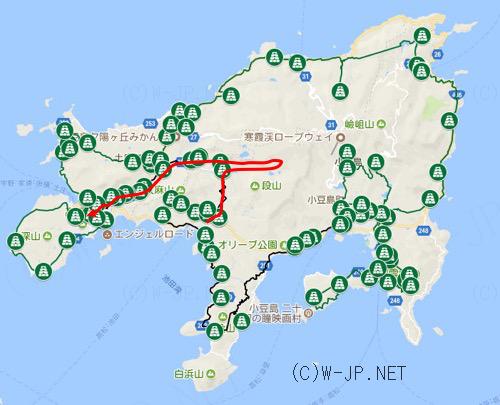
يمكنك شراء الخرائط في الموقع، ولكن هناك شخص نشر مسار المشي على "خرائط جوجل" باستخدام ميزة "الخرائط المخصصة"، لذلك استخدمت ذلك كمرجع لإنشاء المسار. سأقوم بالمشي مع عرض المسار على "خرائط جوجل". سأقوم بطباعة نسخة احتياطية.
هذه الخريطة يمكن للآخرين، وليس فقط أنا، الاطلاع عليها عبر الهاتف المحمول.
عند فتح الرابط التالي:
https://www.google.com/maps/d/viewer?mid=1z8tqFQTGzpBcegVhD-uvA6L5SCtbzDpc&usp=sharing
والذي يمثل "رحلة زيارة المواقع الثمانية والثمانين في جزيرة كودو - خرائط جوجل"، سيتم حفظ سجل لذلك، ومن المفترض أن يتم مزامنة هذا السجل مع الهاتف المحمول، مما يسمح بفتح الخريطة من الهاتف المحمول.
بعد ذلك، يمكن التحقق من الخريطة عبر الهاتف المحمول أثناء المشي.
نظرًا لوجود أماكن قد لا تتوفر فيها تغطية شبكة، فمن الأفضل تخزين جميع الخرائط مؤقتًا على الهاتف المحمول في مكان الإقامة لضمان الوصول إليها.
الخطة الأساسية هي اتباع المسار وعدد الأيام الموصى بها في الصفحة الرسمية المذكورة أعلاه.
من المقرر المشي لمدة 7 أيام.
■ تطبيق الخرائط (إصدار Android)
تم إنشاء تطبيق Android في وقت لاحق.
https://play.google.com/store/apps/details?id=com.matsuesoft.shodoshimamymap
على الرغم من أن الوظائف بسيطة، أعتقد أنها كافية. يمكن رؤية نفس الشيء في "الخرائط الخاصة"، ولكن ربما يكون التطبيق المخصص أسهل في الاستخدام.
■ بطاقات العبادة
تم إنشاء ملف مثل هذا في برنامج Excel وطباعته. تمثال بوذا هو من التراث الوطني أو شيء من هذا القبيل، وليس من جزيرة كودو.
 بالتأكيد، سأضع هنا قالب "نازاتسو" (بطاقة تذكارية) القابل للتنزيل بتنسيق PDF:
fuda.pdf.
■مجموعة الترانيم الدينية:
لقد قمت بإنشاء ملف PDF لمجموعة الترانيم الدينية المستخدمة في رحلة "أوميكوجو" من خلال نسخ ولصق من صفحات مختلفة، بالإضافة إلى الاستماع والتسجيل. لقد قمت بطباعته وأخذته معي، ولكن في اليوم الثاني، تحدثت مع رئيس دير "كانونجي" رقم 80، واقترح أن يكون من الأفضل توفير كتاب خاص (كيوهون) يحتوي على "هانو شين كيو" (سوترا الفراغ) ومانترا الصورة الرئيسية. لذلك، اشتريته مقابل 400 ين. كان لدي انطباع أن "هانو شين كيو" كانت تبدو "دقيقة" جدًا، لذلك قمت أيضًا بطباعة نسخة "Heart Sutra"، ولكن عند تجربتها، لم تكن "هانو شين كيو" دقيقة جدًا، ويبدو أن "هانو شين كيو" أكثر ملاءمة لرحلة "أوميكوجو" من "Heart Sutرا". هذا الكتاب الخاص خفيف ورقيق، كما أنه يسهل تقليب الصفحات وقراءته. ربما كان يجب أن أستخدمه منذ البداية. ومع ذلك، فقد تعلمت الكثير من خلال البحث عن "هانو شين كيو" و"Heart Sutra" الأصلية، لذا أعتقد أن النتيجة كانت جيدة. هذا الرئيس الدير غنى "هانو شين كيو" مع الطبول، على الرغم من أنه كان هناك شخص واحد فقط. كانت نسخة "هانو شين كيو" التي غناها هذا الرئيس الدير تبدو "منعشة" جدًا، لذلك فكرت أنه ربما لا بأس من استخدام "هانو شين كيو" بدلاً من "Heart Sutra". قد يختلف الأمر بشكل كبير اعتمادًا على الشخص الذي يغنيها. عندما قرأت "هانو شين كيو" بنفسي لاحقًا، تمكنت من قراءتها بشكل طبيعي إلى حد ما، لذا أعتقد أن هذا ليس سيئًا.

وصل في اليوم السابق.
بعد الوصول، سأتجول مؤقتًا في منطقة تودزوا. سأبدأ المشي غدًا.


 في اليوم الأول من الوصول، كانت جزيرة كودو مفاجأة، فهي مكان يسمح بالتدخين، وهذا كان صعبًا جدًا بالنسبة لي لأن رائحة دخان السجائر كانت تسبب لي صداعًا. لم أتوقع أبدًا أن أتعرض لتجربة قاسية كهذه في جزيرة كودو بمجرد النزول منها. في أماكن الإقامة الرخيصة، لم تكن هناك غرف محظورة التدخين، والغرفة التي أقمت فيها الليلة، حتى بعد استخدام معطر الجو، تسبب لي صداعًا، وفي المقهى، كان صاحب المحل يدخن بجواري، مما سبب لي صداعًا شديدًا. وعندما ذهبت إلى المقر الرئيسي لرحلة الحج، كانت المكاتب تفوح برائحة دخان قوية جدًا، لدرجة أنني شعرت أنني سأفقد الوعي. فجأة، أردت العودة. لحسن الحظ، تم تغيير الغرفة لاحقًا، مما منع حدوث أسوأ السيناريوهات، وهو النوم في غرفة مليئة برائحة الدخان.
صغيرة جزيرة، رحلة الحج، اليوم الأول.
وإليك اليوم الأول.اليوم هو اليوم الأول، لذا لا يزال هناك متسع من الوقت.
20 كيلومترًا يمكن قطعها بسرعة.
اليوم، الأمور مختلفة ومريحة. لا يوجد أي رائحة للتبغ. المسار شبه مستوٍ، لذا يبدو وكأنه تمرين إحماء. في أحد المعابد على الطريق، تلقيت عصيرًا كنوع من الضيافة. لقد حصلت على "الضيافة" المشهورة بشكل غير متوقع. اليوم، المسار مستوٍ، وهذا جيد، ولكن سيكون هناك أيام أخرى بنفس المسافة ولكن مع وجود صعود، لذا يبدو أنني بحاجة إلى زيادة سرعتي قليلاً. هناك أيضًا قيود على مواعيد الحافلات.
لا يزال من الصعب تحديد الطريقة المثلى، ولكن يبدو أن المشي سيكون جيدًا.
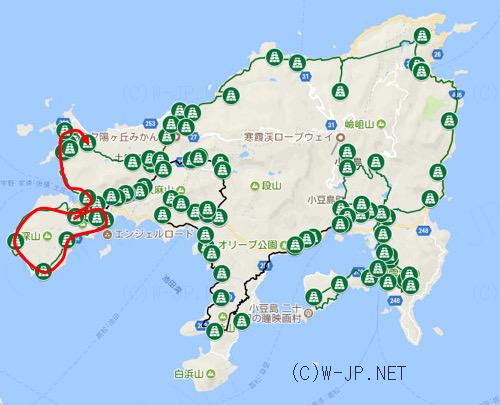


صغيرة جزيرة، رحلة الحج، اليوم الثاني.
اليوم، كان لدينا تسلق جبل مبكر، ولكن انتهينا بسرعة أكبر من المتوقع، ووصلنا إلى القمة بسرعة. يبدو أنه مجرد تسلق.بدأت المعابد تكتسب جوًا مميزًا. هذا هو.
في المعبد رقم 80، المعروف باسم "معبد الأودون"، تلقيت وجبة أودون مجانية، وحتى أن الراهب قرأ سورة الفاتحة بمفرده، على الرغم من وجودي أنا فقط. كان لدي تصور مخيف لسورة الفاتحة، لكنها كانت سورة فاتحة واضحة، لذلك بناءً على توصية الراهب، اشتريت كتيبًا صغيرًا يحتوي على ترانيم خاصة بالحج. حاولت قراءتها بنفسي، لكن التأثير أو الإحساس لم يكن مختلفًا كثيرًا عن سورة الفاتحة الإنجليزية. سأستخدم سورة الفاتحة بشكل طبيعي في الحج القادم. بما أن الجميع يقرأون سورة الفاتحة، فقد يكون من الجيد قراءتها معهم. على الرغم من أن المكان خالٍ، ولم ألتقي بأحد من قبل حتى النهاية، إلا أنه ربما سألتقي بشخص واحد على الأقل في المرة الواحدة.
ربما بسبب أن اليوم هو يوم عادي، غالبًا ما لا ألتقي بأي شخص آخر من دخول المعبد إلى الخروج. أستمتع بالمعبد الكبير بمفردي. في بعض الأحيان لا يوجد سوى الراهب، وفي أحيان أخرى لا يوجد أي أحد. هذا الشعور بالوحدة رائع. يقدر عدد الحجاج في شيكوكو بحوالي مليون شخص سنويًا، بينما يقدر عدد الحجاج في جزيرة كودو بجزيرة واحدة بحوالي 500 ألف شخص.
يبدو أنه يمكنني إيداع عصا الكونغ في المعبد وتركها هناك. أرغب في إيداع عصا الكونغ الخاصة بجبل فوجي التي أمتلكها في المنزل، إذا سنحت لي الفرصة. على الأرجح لن أستخدمها مرة أخرى في جبل فوجي. اشتريت نسخة خشبية ثقيلة، لذا حتى رفعها أمر صعب.
اليوم أيضًا، لا يوجد أي رائحة للتبغ. إنه مريح. هل كان اليوم الأول سيئًا بشكل خاص، أم أنني تأقلمت بسرعة مع جزيرة كودو؟
نظرًا لوجود وقت إضافي قبل موعد الحافلة، قررت زيارة المعبد رقم 81، "إيمون نو تاكي"، الذي كان من المقرر زيارته في وقت مبكر من اليوم التالي. تستغرق الرحلة ذهابًا وإيابًا حوالي ساعتين. عندما زرت هذا المكان أيضًا، مشيت لمدة ساعتين وقابلت الراهب فقط. إنه مكان هادئ وله جو رائع. إنه ترف.


صغيرة جزيرة، رحلة الحج، اليوم الثالث.
اليوم، يبدو أن هناك احتمال لهطول الأمطار في المساء، لذلك أرغب في إنهاء المهمة في وقت مبكر.في اليوم السابق، قمت بزيارة إضافية إلى الموقع رقم 81، "إيمون نو تاكي"، لذلك فإن خطة اليوم ليست طويلة جدًا.
في الطريق، كانت هناك مجموعة من الأشخاص الذين كانوا يتنقلون بالحافلة. في بعض الأحيان، على الرغم من أنهم كانوا في حافلة، إلا أنني وصلت إلى موقع الحج التالي بعد عبور الجبل، قبلهم، ثم انضممت إليهم مرة أخرى. وفي مرة أخرى، وصلت إلى معبد آخر قبلهم، وانضممت إليهم مرة أخرى. لقد قرأت سورة الفاتحة معهم، وتعلمت أيضًا طريقة التلاوة. لقد تلاشت الصورة المخيفة التي كانت لدي عن سورة الفاتحة. إنها طبيعية جدًا.
في النهاية، نظرًا لوجود بعض الوقت الإضافي، فكرت في عبور الجبل أولاً والتوجه إلى الموقع رقم 88، "نان ريوان"، ولكنني أخطأت في طريق الصعود ودخلت إلى الأدغال، وأصبح الطريق فجأة وعراً. بعد التجول لمدة ساعة ونصف، عدت إلى نفس المكان الذي بدأت منه. في اليوم التالي، كان الطريق صحيحًا ومزودًا بمسار للمشي، لذلك كان الأمر سهلاً. لكنني فكرت للحظة أن هذا الطريق الوعر الذي ظهر فجأة ربما يكون "نوعًا من الاختبار الذي يمكن فقط لأولئك الذين يرشدهم الأساتذة اجتيازه". ولكن في النهاية، لقد أخطأت ببساطة في الطريق. ربما في الماضي، كان الأمر على هذا المستوى، حيث يمكن فقط لأولئك الذين يرشدهم الأساتذة زيارة المواقع الثمانية والثمانين. الآن، الأمر سهل. لقد رأيت للحظة صعوبة الماضي. كان هناك الكثير من الأعشاب الشائكة في الجبال، وقد تمزقت سترة المطر الخاصة بي. يا للأسف. المطر بارد بشكل غير متوقع.
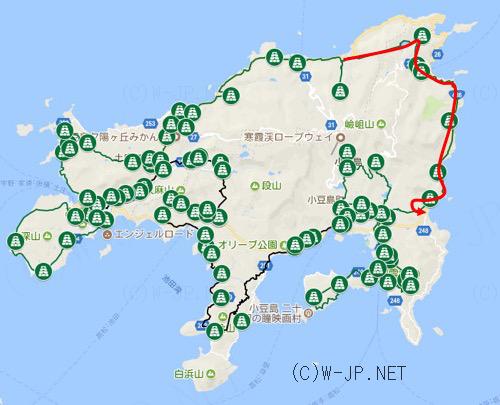


شيشيما، رحلة الحج، اليوم الرابع.
في الآونة الأخيرة، ضللت الطريق، لذلك الليلة الماضية، تأكدت من الطريق جيدًا في الفندق قبل عبور الممر الجبلي، وعندما اتبعت الطريق الصحيح، كان الأمر سهلاً. التحضير المسبق مهم.اليوم، يوجد الكثير من مصانع صلصة الصويا على طول الطريق. يبدو أنه في الماضي كان هناك المزيد، ولكن الآن يبدو أنه ليس هناك الكثير. ومع ذلك، يبدو أن هناك الكثير حتى في هذه الجزيرة الصغيرة. اليوم أيضًا، كان هناك الكثير من التسلق. عندما وصلت إلى معبد الكهف في أعلى الجبل، كان هناك بعض السياح في سيارة مرسيدس. ربما كان ذلك بسبب عطلة نهاية الأسبوع.
المشي لا يزال خفيفًا، ولكن ربما بدأت أشعر بالتعب بشكل طفيف.
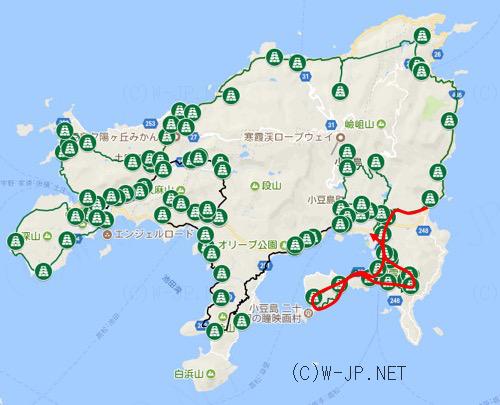


صغيرة جزيرة، رحلة الحج، اليوم الخامس.
اليوم، سأقوم برحلة قصيرة في الجبال. يبدو أن عضلاتي بدأت تشعر ببعض التيبس تدريجياً منذ هذا اليوم. بما أنني لا أستطيع المشي لمدة خمسة أيام متتالية، فإن معرفة هذا التغيير في العضلات هو أمر مفيد.جزيرة كودو لديها عدد قليل من المطاعم، ولكن كان هناك مطعم متخصص في الأوكونوميياكي في مكان مناسب لتناول الغداء.
حتى في مسار اليوم، لم يكن هناك الكثير من الأشخاص، ولكن في منتصف الطريق، التقيت بمجموعة، ومرة أخرى، مشيت معهم في مكانين تقريبًا. يبدو أن المشي أسرع في التنقل لمسافات قصيرة، ولكن على الرغم من أنني كنت أمشي، إلا أنني وصلت قبل مجموعة كانت تستخدم حافلة لنقلهم. كانت المجموعة قادمة من مدينة هيملجي، وكانت السيدات مفعمات بالحيوية، وتحدثن باستمرار من البداية إلى النهاية، وكانن مرحة وقويات. لقد شاركن معي بعض الحلوى التي حصلن عليها في مكان آخر.
ربما المشي في طريق الحج هو وسيلة للتواصل. يبدو أنهم أكثر صحة بكثير من الأشخاص الذين يذهبون إلى المستشفى باستمرار ويقولون إنهم بحاجة إلى التواصل.
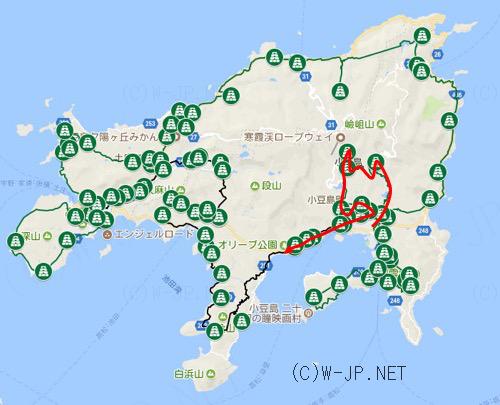


شُودو-شِيما، رحلة الحج، اليوم السادس.
اليوم، كان يومًا طويلاً من المشي، ولكن الطريق لم يكن صعبًا جدًا، وقد وصلت أسرع من المخطط، لذلك قررت زيارة المعابد التي كان من المفترض زيارتها غدًا صباحًا: المعبد رقم 40، هوآن-جي، والمعبد رقم 41، بوكوكو-سان، والمعبد رقم 42، نيشي-نو-تاكي، والمعبد رقم 35، هايشي-آن، والمعبد رقم 39، ماتسوكازي-آن.على الرغم من أن هذا يتضمن بعض التسلق، إلا أنني قررت الذهاب لأن هناك الكثير من الحافلات في هذه المنطقة، وما زلت في وقت مبكر.
في اليوم السادس، وبعد المشي لمسافة 20 كيلومترًا، بدأت أشعر بالتعب قليلاً بسبب هذا التسلق. ومع ذلك، أعتقد أن هذا النوع من المجهود مفيد. إذا لم يكن صعبًا إلى حد ما، فلن يكون جيدًا. كان هناك إعلان في المعبد رقم 42، نيشي-نو-تاكي، يشير إلى وجود اجتماع لليوجا. هذا مثير للاهتمام.


صغيرة جزيرة، رحلة الحج، اليوم السابع (اليوم الأخير).
اليوم، قررت أن أزور "معبد هوكوكو-جي عند شلال هوونبو"، وهو مكان كنت أرغب في زيارته. قيل أن أحد عظماء اليوجا في الماضي كان يتدرب تحت هذا الشلال عندما كان شابًا، لذلك أردت أن أراه. يبدو أنه لا يزال بإمكانك الوقوف تحت الشلال إذا أردت، ولكن تدفق المياه كان خفيفًا، ربما بسبب الموسم. شربت بعض الماء من الشلال، وكان منعشًا للغاية ومليئًا بالطاقة. هذا مدهش. إنه أمر غريب. البعض يسميه "ماء مليء بالروحانية". أنا سعيد لأنني جئت. نظرًا لوجود وقت فراغ مؤخرًا، زرت هذا المكان بالإضافة إلى الأماكن الأخرى، ونتيجة لذلك، كان لدي وقت فراغ كافٍ لزيارة الأماكن الإضافية بسهولة.وبهذا، انتهى مسار "ثمانية وثمانين معبدًا في جزيرة كودو" لمدة 7 أيام و150 كيلومترًا. لم يكن صعبًا للغاية، ولكنه لم يكن سهلاً أيضًا، بل كان عبارة عن رحلة ممتعة ومريحة. لم تكن القمم صعبة التسلق، ولم تكن الجبال بعيدة، مما سمح لي بزيارة المعابد بوتيرة جيدة ولم أشعر بالملل. يمكن اعتباره نوعًا من التدريب الخفيف. على الرغم من أن البعض قد يعتبر هذا مجرد "تدريب"، إلا أنه كان ممتعًا ومريحًا للغاية. ومع ذلك، يمكن القول إنه يوفر بعض الإحساس بالتدريب.
سمعت أنه يوجد جزء صغير من "المسار الصخري"، ولكن في الواقع، كان قصيرًا جدًا. ربما يمكن لكبار السن المشي عليه.
سمعت من بعض الأشخاص أن هناك العديد من الحالات التي التقى فيها الناس بالدليل الروحي (كوبو داishi) أثناء الرحلة، ولكن عندما استداروا، لم يكن هناك أحد. وهناك أيضًا قصص عن أشخاص أصبحوا قادرين على الرؤية بعد إكمال الرحلة، وعن العديد من الأشخاص الذين كانوا يعيشون في عزلة لتدريبهم حتى أوائل فترة شووا. سمعت قصصًا مثيرة للاهتمام من المسؤولين. في مكان واحد، حدثت معجزة حيث استعاد شخص بصره في هذا المكان الذي تديره الإدارة، وعندما خرج الشخص الذي كان لا يرى من الكهف، بدا وكأن عيون تمثال الدليل الروحي قد أضاءت، ثم استعاد بصره.
لم ألتقِ بالدليل الروحي، ولكن يبدو أن هناك عدة أماكن حيث يمكنك لقاء الدليل الروحي. هناك اجتماعات دورية تهدف إلى "لقاء الدليل الروحي". هذا مفاجئ. لا أعرف إلى أي مدى هذا حقيقي؟ ربما تكون مجرد حكاية لتعزيز سحر رحلة جزيرة كودو، ولكنها تظل أسطورة متداولة.
لم أكن أستطيع قراءة "سوترا هارت" من قبل، ولكنني بدأت في التعود عليها.
خلال هذه الرحلة، بدأت العضلات التي لا أستخدمها عادة في التيبس في اليوم الخامس تقريبًا، لذلك اكتشفت عضلات لا تتألم بسهولة. في هذه المرة، مشيت بملابس خفيفة بعد ترك الأمتعة في الفندق، ولكن في مسارات المشي الطويلة في أمريكا، تكون القمم أكثر صعوبة بمضاعفات، والمسافة أطول بمضاعفات 1.5 إلى 2، ويجب عليك حمل الخيمة والطعام والماء، لذلك فإن مستوى الصعوبة مختلف تمامًا. ربما كانت هذه الرحلة بمثابة "إحماء" لمسارات المشي الطويلة في أمريكا. ربما يكون الذهاب إلى طريق الحج في سانتياغو دي كومبوستيلا في إسبانيا خطوة جيدة قبل الذهاب إلى أمريكا، لأن أمريكا قد تكون خطيرة على الحياة إذا ارتكبت خطأ.
هذه المرة، كانت ممتعة أيضًا كرحلة حج، وكانت مفيدة أيضًا للتحضير لمسار طويل.
على الرغم من أن المشي لم يكن مشكلة، إلا أن التحدي المستقبلي هو أن العضلات أصبحت أكثر صلابة وفقدت مرونتها مع مرور الأيام. لم تكن هناك مشاكل من الناحية البدنية.


■ جدول مواعيد الحافلات - حتى تاريخ 2018/4
شراء تذاكر متعددة مسبقًا بقيمة 3000 ين (بقيمة 3400 ين).
اليوم الأول: خط "شيه"
ناغاهاما ← ميناء توشو: 300 ين
16:46 ← 17:09 (صعود الحافلة)
اليوم الثاني: خط "شيه"
ميناء توشو ← ناغاهاما: 300 ين
7:00 ← 7:23 (صعود الحافلة)
(الطريق الشمالي) خط فوكودا
كوبو ← موقع مصنع توريان بوزان ← ميناء توشو: 300 ين
17:37 ← 18:07 (صعود الحافلة)
18:08 ← 18:15 (صعود الحافلة)
اليوم الثالث: (الطريق الشمالي) خط فوكودا
ميناء توشو ← موقع مصنع توريان بوزان ← كوبو: 300 ين
7:55 ← 8:02 (صعود الحافلة)
8:23 ← 8:49 (صعود الحافلة)
بسبب وجود وقت إضافي، حاولت الصعود إلى قمة أخرى، ولكنني صعدت إلى مكان قبل القمة مباشرة، وضللت في الأدغال لمدة ساعة تقريبًا، وفي النهاية عدت إلى نفس المكان، لذلك انسحبت في ذلك اليوم. في اليوم التالي، تأكدت من مدخل التسلق الصحيح باستخدام الخريطة، وكان الطريق الصحيح سهلاً.
خط "ساكو" - الطريق الجنوبي لخط فوكودا (صعود): 300 ين
كيتشي ← ميناء توشو
15:52 ← 16:38 (صعود الحافلة)
اليوم الرابع: خط "ساكو" - الطريق الجنوبي لخط فوكودا (نزول): 300 ين
ميناء توشو ← كيتشي
7:55 ← 8:41 (صعود الحافلة)
خط "ساكو" - الطريق الجنوبي لخط فوكودا (صعود): 300 ين
أشينورا ← ميناء توشو
16:54 ← 17:37 (صعود الحافلة) بسبب وجود وقت إضافي، مشيت حتى محطة "ياسودا" قبل أن أصعد الحافلة.
اليوم الخامس: خط "ساكو" - الطريق الجنوبي لخط فوكودا (نزول): 300 ين
ميناء توشو ← ياسودا ← أشينورا
7:40 ← 7:21 ← 8:25 (صعود الحافلة) نزلت في محطة ياسودا.
خط "ساكو" - الطريق الجنوبي لخط فوكودا (صعود): 300 ين
مدخل حديقة الزيتون ← ميناء توشو
16:35 ← 17:14 (صعود الحافلة) في هذا الوقت، تصل الحافلة أمام محطة خدمة على الطريق، لذلك قمت بزيارة محطة الخدمة قبل أن أصعد الحافلة.
اليوم السادس: خط "ساكو" - الطريق الجنوبي لخط فوكودا (نزول): 300 ين
ميناء توشو ← مدخل حديقة الزيتون
7:40 ← 8:10 (صعود الحافلة)
بسبب وجود وقت إضافي، قمت بزيارة معبد جبلي إضافي في الصباح الباكر في اليوم التالي، وانتهيت من ذلك اليوم.
خط "ساكو" - الطريق الجنوبي لخط فوكودا (صعود):
مستشفى كودوشيما المركزي ← أمام مدرسة كودوشيما الثانوية ← ميناء توشو: 250 ين
16:47 ← 16:54 ← 17:14 (صعود الحافلة)
اليوم السابع:
خط سانا، الدائرة الجنوبية، خط فوتادا (باتجاه الأسفل) 250 ين.
من: ميناء توشو
إلى: أمام مدرسة كودو الثانوية.
7:40 → 7:55 (استقلت هذا القطار).
بسبب وجود وقت إضافي، قمت بزيارة "بيل كاكوهونزان، شلال هوجو، معبد كوكو" أيضًا.
نموذج مسار المشي للزيارة الدينية (6 ليالٍ و 7 أيام):
http://reijokai.com/course/walking.html
قد تتغير المعلومات الموجودة على الموقع الرسمي، لذا قمت بنسخ نسخة من ذلك الوقت هنا.


